


Abstract
Under the backdrop of the “dual carbon” strategy, leveraging renewable energy to promote low-carbon renovations of existing buildings has become an important path for the construction industry to achieve sustainable development. Currently, to achieve efficient utilization of renewable energy in buildings, key issues such as energy type matching, optimization of energy storage system configuration, and multi-objective collaborative decision-making need to be addressed. This paper explores the adaptation mechanisms between building characteristics, such as layout, climate impact, and energy distribution, and different energy systems, highlighting the core role of optimizing energy storage technology in achieving flexible energy use and dynamic regulation. Combined with artificial intelligence algorithms and multi-objective optimization models, it supports the real-time trade-off and optimization of the system’s operational efficiency, economic performance, and environmental benefits. This review aims to provide theoretical and practical references for enhancing the overall energy efficiency of buildings and promoting the scientific planning and refined operation of renewable energy in sustainable building practices.
1. Introduction
Under China’s deepening “dual carbon” strategy, the building sector, as a major source of energy consumption and carbon emissions, is facing mounting pressure to reduce its emissions [1]. Energy saving and carbon reduction in the building sector have emerged as critical components in achieving the nation’s carbon peak and neutrality objectives [2]. As outlined in official policy documents, China aims to establish a more robust energy conservation and emission reduction framework for its building sector by 2025. Key targets include mandatory compliance with green building standards for all new urban constructions, increasing the share of electricity in building energy consumption to over 55%, and achieving an 8% renewable energy substitution rate in urban buildings. Within this context, the extensive stock of existing buildings has emerged as a critical priority for energy efficiency retrofits. A significant portion of these, particularly those built prior to the enforcement of modern energy codes, exhibit common challenges, including outdated infrastructure, inefficient energy use, high carbon emissions, and inadequate safety performance. Consequently, advancing low-carbon retrofits in existing structures has become an essential component of the construction industry’s strategy to meet national carbon peak and carbon neutrality commitments [3].
Due to their sustainability and decarbonization potential, renewable energy sources and flexible utilization technologies have been regarded as the main direction of future energy development worldwide [4]. Specifically, promoting renewable energy solutions, such as building-integrated photovoltaics (BIPV), biomass energy, and wind energy, can significantly enhance the energy self-sufficiency of buildings and become an important means to facilitate the low-carbon transformation of this industry [5,6]. In this context, conducting systematic research on the emission reduction challenges and renovation demands faced by the construction industry and deeply exploring the collaborative methods of integrating renewable energy and flexible energy utilization within the existing structure have practical and theoretical significance. Firstly, these efforts aim to propose various design and operation optimization methods to minimize the primary energy consumption, operating costs, and carbon emissions throughout the year [7]. Secondly, by scientifically assessing the application potential and technical characteristics of renewable energy, they can provide a theoretical basis for policy formulation [8]. Finally, they help improve the quality of the living environment, as energy-saving renovations not only enhance energy efficiency and accessibility but also improve indoor comfort and overall living happiness [9].
As global efforts toward carbon neutrality have accelerated, the green transformation of the construction industry has garnered widespread international attention. The application of renewable energy technologies and the optimized coordination of multiple energy sources in buildings are becoming increasingly prevalent. From the perspective of technological development, the utilization of building renewable energy is evolving from simple application to technological optimization, multi-objective optimization of the system, and coordinated operation with energy storage systems. For instance, Alejandro et al. [10], to overcome color characterization challenges in colored building-integrated photovoltaics, introduced a novel colorimetric method that employs a fiber optic spectrometer and large-area illumination, significantly improving color measurement accuracy for laminated photovoltaic modules. Furlan et al. [11] developed an integrated energy system incorporating concentrated solar power and photovoltaic technologies, demonstrating synergistic advantages across technical performance, economic viability, and environmental sustainability via multi-objective optimization. In China, Li et al. [12] designed a multifunctional solar integration system for light steel prefabricated buildings, developing theoretical models for photovoltaic generation and thermal utilization that improved comprehensive solar energy utilization efficiency by 30%. Regarding flexible energy utilization and storage technologies, these have become crucial supports for enhancing building energy efficiency and grid interaction capabilities. In a related study, Zohreh et al. [13] developed an energy management unit integrating metaheuristic and mathematical optimization methods. Experimental results demonstrate that combining thermal storage with battery storage can reduce peak loads while decreasing required battery capacity by 42.2%. Mao et al. [14] constructed a forecasting model based on temporal convolutional networks and employed model predictive control for building energy scheduling, effectively increasing photovoltaic self-consumption while extending the energy storage system’s service life. Building Information Modeling (BIM) is renowned for its visual modeling capabilities and its ability to conduct dynamic control throughout the entire life cycle. It provides an intuitive and integrated information platform for system optimization. Abbasi et al. [15] integrated BIM into the multi-objective optimization of renewable energy buildings. Through the Slingshot plugin, the optimization results were stored in the database, and users could filter the schemes in the BIM environment according to priority to improve design efficiency. After applying this framework, the energy consumption throughout the building’s life cycle was reduced by 65.5%, verifying its significant energy-saving effect.
Although certain research and practices have made progress, the application of renewable energy in the field of buildings still faces several key challenges. Firstly, there are significant compatibility issues in integrating renewable energy technologies into various building systems [16]. Secondly, although various renewable energy and energy storage technologies have been applied to some extent, it is still necessary to strengthen the assessment of the effectiveness of various energy storage technologies [17]. Moreover, the application of renewable energy in building scenarios requires a multi-objective trade-off between economic efficiency and environmental benefits [18]. These factors collectively restrict the efficient utilization of renewable energy in buildings. Therefore, this paper systematically reviews the current development status of renewable energy technologies and deeply analyzes their core values in building applications. The research focuses on clarifying the applicable conditions and limitations of different technologies, integrating the latest technological advancements, and outlining future research directions, thereby providing a reference for promoting the further application of renewable energy in sustainable building practices.
2. Methodology
This review adopts a systematic approach to search for relevant literature in order to explore the latest progress in promoting the low-carbon transformation of buildings through renewable energy. To ensure accuracy and diversity, the research focuses on three sections: “Energy Type Applicability,” “Flexible Energy Utilization System,” and “Multi-objective Optimization Design.” Different keywords have been set for each research section, and the keywords for each section can be freely combined:
Section 1: “Renewable Energy,” “Construction,” “Characteristics,” “Climate,” “Policy”
Section 2: “Renewable Energy,” “Energy Storage,” “Synergy,” “Construction,” “Power Grid”
Section 3: “Renewable Energy,” “Construction,” “Multi-objective Optimization,” “Algorithm,” “Model”
To ensure the cutting-edge nature and reliability of the literature, this review has retrieved relevant literature published between 2020 and 2026, covering major databases such as China National Knowledge Infrastructure, Scopus, and Web of Science. The annual distribution of the included and analyzed literature is shown in Figure 1. The content covers main energy types such as solar energy, wind energy, and biomass energy, and the research scale extends from individual buildings to community and regional energy systems. The latest research progress and quantitative data of each literature have been focused on, and further optimized selection has been conducted. Through this systematic and refined search and analysis framework, this study aims to precisely grasp a comprehensive understanding of renewable energy driving the low-carbon transformation of buildings, thereby providing solid theoretical support and decision-making references for the realization of sustainable buildings.
Figure 1.
The distribution of the publication years of the literature used in the review article.
3. Analysis of the Economic Feasibility and Applicability of Renewable Energy Technologies in Flexible Building Energy Use
3.1. Solar Energy
Among various renewable energy sources, solar energy holds a significant position and plays a crucial role in promoting sustainable development. Solar energy is abundant and pollution-free, making it particularly attractive in the construction of carbon-neutral communities. Currently, technologies such as photovoltaic (PV), building-integrated photovoltaic (BIPV), and solar heating and cooling systems have been widely applied in the low-carbon transformation of the construction sector.
The PV power generation system has the advantages of safe operation, low pollution, and low noise. This is particularly evident in regions with abundant solar resources in China, where the power generation efficiency is particularly remarkable. Even in areas with average resources, it can also serve as an effective energy supplement form. According to the relationship between the system and the power grid, photovoltaic power generation systems are mainly divided into off-grid type and grid-connected type. The off-grid system is usually used in remote areas without power grid coverage or small independent user systems; the grid-connected system, by eliminating the battery components, improves the utilization efficiency of solar energy and significantly reduces the power generation cost, becoming the mainstream direction of photovoltaic technology development.
BIPV, due to its ease of integration into building roofs, facades, and windows, has emerged as a promising energy source, as shown in Figure 2. Incorporating BIPV power generation technology into the energy supply system has been proven to bring significant benefits. BIPV windows block more solar radiation heat from entering the interior than ordinary transparent glass, thereby reducing air conditioning energy consumption in hot climates or during the cooling season [19]. The research by Nam et al. [20] indicates that the annual power generation of BIPV reached 443.5 MWh, achieving 94% of the expected performance, demonstrating the efficiency of BIPV in practical applications. Additionally, compared with traditional ground-based photovoltaic power stations, as a multi-functional building material directly integrated into the building envelope, it can replace some exterior wall coatings, roof tiles, or window glass, saving other materials and improving space utilization efficiency [21].
Figure 2.
Application of BIPV technology in buildings: (a) Ventilation curtain wall, (b) Roof of Turin Railway Station [22].
The solar heating and cooling system mainly consists of solar collectors, heat storage tanks, auxiliary heat sources, and absorption chiller units. Energy storage technology has a profound impact on system efficiency and operational costs. Jafarian et al. [23] compared the performance of phase change energy storage, battery energy storage, and hydrogen energy storage technologies. The results showed that the adoption of advanced phase change energy storage technology can significantly enhance the thermal energy production efficiency, stability, and economy of the hybrid energy system.
The development of solar energy technology is often constrained by multiple factors, including environmental conditions, requirements for building adaptability, challenges of material innovation, economic cost pressures, and dependence on policy environment. Table 1 summarizes the common adaptability and limitations of these solar systems. To address these challenges, researchers have proposed various innovative applications aimed at efficiently utilizing solar energy resources. Bakmohammadi et al. [24] developed an overall framework for the automated design and multi-objective optimization of building facade photovoltaic systems, which integrates architectural geometry processing, artificial intelligence facade segmentation, and evolutionary algorithms to automatically generate photovoltaic layout schemes that achieve the best balance among energy self-sufficiency rate, economic return, and environmental impact. Mena et al. [9] and Zhou et al. [25] utilized redundant renewable electricity from solar energy to produce hydrogen, achieving large-scale absorption and efficient utilization of solar energy. Moreover, policy support is also an important driving force for promoting solar energy applications. For example, investment tax credits and other policies significantly reduce the adoption threshold by reducing most of the installation costs for property owners and enterprises, effectively promoting the popularization of solar technology.
Table 1.
Common adaptability and limitations of solar energy systems.
3.2. Biomass Energy
Biomass is a diverse and sustainable form of energy, containing various organic components derived from plants, animals, and microorganisms. The biomass processed into biofuels is classified as primary or secondary biofuels [31], as shown in Figure 3. The utilization of biomass is regarded as a promising approach to ensuring long-term energy security and reducing carbon dioxide emissions. Biomass can be processed and utilized through physical conversion, thermochemical conversion, and biochemical conversion, thereby producing various energy products such as briquette fuel, bio-oil, biogas, biodiesel, and bioethanol.
Figure 3.
Classification of biofuels [31].
Bioenergy plays a crucial role in powering and heating existing buildings. Through a combined heat and power system, local biomass resources are converted into biogas and hydrogen, providing stable electricity, domestic hot water, and winter heating for communities [32]. Tera et al. [33] proposed an innovative multi-generation system that produces hydrogen and electricity and recovers waste heat through biomass gasification technology. The overall energy efficiency of the system is as high as 76.82%, much higher than that of traditional single power generation technologies. Additionally, biomass often forms combined energy systems with other renewable energy sources. Bioenergy can compensate for the intermittent nature of solar and wind energy, providing a stable energy supply [34]. Table 2 summarizes the common applicability and limitations of biomass energy systems.
Currently, the biomass gasification technology is being confronted with several major problems, such as unstable gas quality, low calorific value, high CO2 content, and high tar content. Future research can focus on exploring multi-functional and efficient gasification technologies to adapt to different biomass gasification scenarios, as well as the application of efficient catalysts in complex processes [35].
Table 2.
Common adaptability and limitations of biomass energy systems.
3.3. Wind Energy
In the process of transforming the global energy system towards a low-carbon framework, wind energy, due to its clean and sustainable characteristics, has played an indispensable role [38]. However, wind energy inherently has instability, so improving its utilization efficiency is of great significance. Zhang et al. [39] improved the design of the Venturi-shaped roof through a computational fluid dynamics simulation and optimization framework, resulting in an increase in the wind energy collection efficiency of the optimized building-integrated wind turbine by 1.5–1.8 times compared to the original. Moreover, combining wind energy with other energy sources can also construct a more stable energy system. For instance, Chen et al. [30] effectively alleviated the instability of single wind energy supply in high-heating-demand areas or seasons by introducing a solar thermal subsystem. This combined system can significantly reduce power consumption, thereby alleviating grid pressure and lowering operating costs. Table 3 summarizes the common applicability and limitations of wind energy systems.
The small-scale wind energy system, with its relatively low economic threshold and convenient installation conditions, demonstrates unique competitive advantages [40]. According to a report by the World Wind Energy Association, the global installed capacity of small-scale wind power is growing at a rate of 12% per year [41]. In the future, in remote areas where the power grid is insufficient or energy supply is unstable, such as rural households and farms, the initial investment and operation and maintenance costs of small wind power technology are lower, and they will demonstrate stronger adaptability and competitiveness and are expected to play an important supplementary role in energy supply in these scenarios.
Table 3.
Common adaptability and limitations of wind energy systems.
3.4. Economic and Carbon Reduction Benefit Evaluation
Economic analysis and environmental benefit assessment of renewable energy are important components in the research of renewable energy projects. This is mainly because the implementation of renewable energy projects not only involves the transformation of the energy structure but is also closely related to the economic returns of investment and the sustainability of the environment. Currently, the evaluation systems for related aspects are diverse. Since renewable energy power generation and carbon dioxide emission reduction are the most direct manifestations of the utilization of renewable energy, this paper introduces the evaluation indicators for the economic benefits of renewable energy power generation and carbon dioxide emission reduction.
3.4.1. Economic Evaluation Indicators
- (1)
- Electricity Generation Cost
The generation cost of the renewable energy system can be calculated according to Equation (1):
where is the system’s power generation cost, $; is the system’s operational lifespan; is the equipment investment and equipment replacement costs of the system in a year, $; CO&M,i is the unit operation and maintenance cost of the system in a year, $; and is the nominal discount rate, %.
LCOE refers to the electricity generation cost calculated by averaging the costs and generation volumes over the project’s life cycle. It is often used as a key indicator for evaluating the economic feasibility of a system and can be calculated using Equation (2):
where is the levelized cost of electricity, $/KWh; is the total power generation during the system operation period, KWh; is the system power generation in the i-th year, KWh; and is the actual discount rate, %.
is derived based on the and the inflation rate (j) and is calculated by Equation (3):
- (2)
- Operational Efficiency
The economic operation of renewable energy systems refers to achieving financial returns during the operation of the system. The revenue of renewable energy systems under different operation modes can be calculated using Equation (4):
where is system revenue, $; is electricity price, $/KWh; and is the annual change rate of electricity price, %.
The economic evaluation indicators for renewable energy systems mainly include the following: Net Present Value (NPV), Net Income (NI), Internal Rate of Return (IRR), Return on Investment (ROI), and Payback Period of Investment (DPBP).
NPV refers to the difference between the present value of future inflows of funds and the present value of future outflows of funds. It is a commonly used method for measuring the profitability of a project. NPV can be calculated using Equation (5):
where is the net present value of the system in the i-th year, $; is the net cash flow in the i-th year, $.
NI refers to the disposable income after deducting the cost of system-generated electricity. It can be calculated using Equation (6):
IRR refers to the situation where the total present value of the inflow of funds is equal to the total present value of the outflow of funds, and when NPV is 0, the discount rate of the system can be calculated using Equation (7).
ROI refers to the effective return on investment over the lifespan of the system, and it can be calculated using Equation (8):
The investment payback period refers to the time required to recover the investment cost. DPBP more accurately reflects the time value of money and can be calculated using Equation (9):
3.4.2. Carbon Reduction Benefit Evaluation
The carbon reduction benefit formula can be calculated using Equation (10):
where is carbon emission reduction, kg CO2; EF is carbon emission factor, measured in kg CO2 /KWh.
The net carbon dioxide emissions of a building can be calculated using Equation (11). When = 0, the building is considered a net zero-carbon building.
where , and respectively represent the CO2 emissions generated by the heating system, the domestic hot water system, the cooling system, the lighting system. And the auxiliary equipment.
4. Analysis of the Compatibility Between Existing Building Characteristics and Flexible Energy Use Systems
4.1. Influence of Building Types
Building load refers to the impact that a building has on natural resources and the environment during its construction and use. Ma [45], taking a typical office building as an example, conducted a multidimensional analysis of its actual operational load data. The analysis covered overall load, tenant load, and public load, including heating, ventilation, and air conditioning (HVAC); lighting and socket loads; and typical power loads. Liu et al. [46] and others aimed to achieve energy savings and emission reduction, and to further reduce building energy consumption, they simulated the loads of the ultra-low energy demonstration center in severely cold regions using DeST software. They compared the load characteristics of ultra-low energy buildings with buildings of various energy efficiency levels, analyzed the influence of fresh air volume and internal disturbances on building loads, and used mathematical analysis methods to study the significance of internal disturbance factors on building loads. Among ultra-low energy buildings, the most significant internal disturbance factor affecting the annual cumulative load is the occupant density.
Luo et al. [47] and others systematically compared and distinguished different terms in the field of architecture, covering aspects such as demand-side flexibility, operational flexibility, and energy flexibility. They then summarized and compared the operational characteristics and flexibility capabilities of the main flexible loads in residential buildings, and finally pointed out some pressing issues that need to be addressed in the current research on building demand-side flexibility. The results indicate that current research on residential building demand-side flexibility primarily focuses on central air conditioning, storage water heaters, wet appliances, refrigerators, and lighting, accounting for 36.7%, 25.7%, 14.7%, 9.2%, and 8.3% of existing studies, respectively. These flexible loads exhibit significant differences in operational characteristics, usage frequency, and flexibility capabilities. Luo et al. [48] and others concluded in their study on the correlation characteristics of flexible building energy loads that the time-sequential load correlation characteristics have a significant impact on the optimization and control results of flexible energy loads.
4.2. Roof Structure and Usable Area
4.2.1. Load-Bearing Capacity and Obstruction Conditions of Different Roof Types
Common roof types include flat roofs, pitched roofs, cantilever roofs, elevated roofs, green roofs, and translucent roofs. In terms of load-bearing capacity, flat roofs and pitched roofs are better, while in terms of obstruction, from greatest to least, they are pitched roofs, cantilever roofs, elevated roofs, flat roofs, green roofs, and translucent roofs.
4.2.2. Constraints on the Arrangement of Photovoltaic Panels and Solar Collectors
The structure and load-bearing capacity of a roof are key factors determining the feasibility of photovoltaic projects. Hu et al. [49] and others predicted the photovoltaic power of distributed rooftops by considering obstruction factors. Li et al. [50] and colleagues proposed a sliding mode maximum power point tracking (MPPT) control strategy based on the combination approaching law to address constraints of roof structure on photovoltaic and solar energy systems. Liu et al. [51] analyzed and designed comprehensive rooftop photovoltaic solutions from aspects such as solar radiation models on inclined surfaces and component selection.
4.3. Features of the Exterior Facade
4.3.1. Curtain Wall System
A curtain wall is a non-load-bearing external wall enclosure system suspended on the exterior of the building’s main structure. It does not bear the load of the floor slabs, only its own weight, the wind load, seismic forces, and the effects of temperature changes, and transfers these loads to the main structure. It is like a “gorgeous coat” hanging on the outside of the building’s frame, providing protection against wind and rain, as well as thermal insulation, but it does not bear any structural load itself. There are many types of curtain walls, mainly classified by material, such as the glass curtain wall shown in Figure 4, as well as metal panel curtain walls, stone curtain walls, composite curtain walls, and so on. Glass curtain walls have become increasingly popular in modern architecture, and as a result, they have become the most critical interface for heat exchange and heat transfer within the building envelope structure [52].
Figure 4.
Glass curtain wall.
The production process of curtain walls involves the design of eco-conscious facade systems, which contributes to sustainable buildings. Key considerations span the entire life cycle, encompassing end-of-life strategies like dismantling, reuse, and recycling, as well as the efficiency of manufacturing, maintenance requirements, and waste generation [53]. Morganti implied a reduction in emissions by replacing traditional materials with wooden components and new bio-composite framework profiles, which is particularly evident in the decreased carbon footprint from replacing aluminum framework profiles [54]. The effectiveness of bio-based and alternative components as substitutes for conventional materials in prefabricated facade systems was demonstrated by Vandi through an iterative approach [55].
The curtain wall photovoltaic system is a high-tech architectural technology that organically combines the solar power generation function with the building’s external envelope curtain wall system. It utilizes photovoltaic technology, encapsulating specially treated solar cell chips between two pieces of glass to create various types of photovoltaic glass components, which are then installed and fixed onto the building’s framework like ordinary curtain wall glass, forming a power-generating building facade. Liu et al. [56] demonstrated that replacing a glass curtain wall with a photovoltaic system led to a 20.99% reduction in the building’s overall life cycle carbon emissions. This net reduction was achieved despite a 10.48% increase in emissions from material production and transport, as the operational phase emissions dropped by 30.74%. Zhou et al. [57] determined that photovoltaic panels set at a 40-degree tilt receive optimal solar radiation for maximum output. Their study further revealed that power generation efficiency improves with increased ventilation spacing, peaking at 0.4 m. Notably, at a glass transmittance of 40%, the system achieved a peak efficiency of 63% and an average of 35.3%.
4.3.2. Possibilities and Limitations of Building-Integrated Photovoltaics
BIPV, specifically in curtain wall applications, refers to photovoltaic curtain walls. A photovoltaic curtain wall integrates solar photovoltaic power generation components into the building facade, replacing or partially replacing traditional curtain wall materials. It not only provides all the functions of a conventional curtain wall, such as enclosure, lighting, wind protection, rain shielding, thermal insulation, and sound insulation, but also converts solar energy into electricity, supplying clean power to the building. BIPV represents the future direction of green buildings and distributed energy, with immense potential to transform buildings from energy consumers into energy producers. BIPV systems can meet all or part of a building’s electricity needs, significantly reducing dependence on the grid and electricity costs. Integrating photovoltaic components into buildings, combined with the well-known standard photovoltaic devices, offers high design flexibility and additional functionalities [58]. Ideally, when combined with energy storage systems, buildings can even achieve “net-zero energy” or “positive energy” status, sending surplus electricity back to the grid.
Early solar panels were bulky and had a monotonous appearance, making them an aesthetic nightmare for architects. Today, BIPV technology offers high design flexibility, allowing customization of various colors, textures, and shapes to better integrate with architectural design. The application of perovskite in BIPV has made progress in four areas: semi-transparent windows, colored walls, electrochromic windows, and thermochromic windows [59]. When using photovoltaic panels as building components, aesthetics can be enhanced by reflecting some sunlight that would otherwise be used for power generation to add color [60].
BIPV modules are directly used as roofing materials, exterior wall claddings, shading devices, ceilings, or canopies, saving the costs of the supporting structures and additional building materials required by traditional photovoltaic systems. Modern BIPV components have excellent thermal insulation and soundproofing properties, contributing to the overall energy efficiency of buildings. By harnessing clean solar energy, they significantly reduce the operational carbon emissions of buildings, making them a key technology for cities to address climate change and achieve carbon neutrality goals.
Although the prospects are broad, the large-scale promotion of BIPV still faces some significant challenges. This is the primary obstacle. The cost of BIPV modules and installation is currently much higher than that of traditional photovoltaic systems combined with conventional building materials. Customized design and small-batch production further drive up costs. In certain climatic conditions, some BIPV designs have shown reduced power output and adverse effects on the indoor environment [61]. In cold weather, the outlet air temperature of BIPV is insufficient to meet requirements [62].
With the advancement of photovoltaic technology, large-scale production, the promotion of standardization processes, and the improvement of design tools, the cost of BIPV is expected to continue to decline, while efficiency and reliability will keep improving. It is bound to evolve from a current “pioneering” technology into one of the standard options for both new constructions and renovations of existing buildings in the future, providing core momentum for the sustainable development of our cities.
4.4. Geographical Location and Climate Environment
4.4.1. Distribution of Solar and Wind Energy Resources
The abundance of solar energy resources mainly depends on the annual sunshine hours and the total annual solar radiation. The regions richest in solar energy are generally located in the arid and semi-arid areas between 15° and 35° north and south latitude, while high-latitude regions and cloudy, rainy tropical areas are relatively scarce in solar energy. While solar energy is easy to harness, it is also easily affected. There are unpredictable factors such as changes in sunlight intensity and the installation methods of solar photovoltaic devices, which all have an impact on the effective utilization of solar energy [63,64]. The abundance of wind energy resources mainly depends on the annual average wind speed and wind power density. Coastal and offshore areas, as well as vast plains and canyon regions, are the richest. Although climate change may lead to a reduction in wind resources, the expansion of offshore wind energy remains feasible through the optimization of wind turbine technology and site selection [65]. Equatorial doldrums, complex basins and valleys, and densely forested areas are relatively deficient in wind energy.
4.4.2. Building Photovoltaic Power Supply
Building photovoltaic power supply is an important pathway to achieve building “energy generation” and promote energy transition. With technological advancements and further cost reductions, building photovoltaics, especially the “photovoltaic-storage-direct-flexible” systems combined with energy storage and intelligent power management, will become standard for future buildings. Xing studied a system powered by concentrated photovoltaic panels cooled by thermoelectric generators, used to supply heating and cooling loads for buildings located in Huai’an, Jiangsu Province, China [66].
Through digital and intelligent technologies, photovoltaic power generation, building electricity use, energy storage, and grid interaction can be deeply integrated to form an efficient, reliable, and economical energy system. Liu first proposed a data-driven building-integrated photovoltaic power supply system, The framework incorporates a comprehensive data pipeline, encompassing four key aspects: data sensing, analysis, data-driven prediction, and optimization [67]. This allows green buildings, digital technology, and the energy internet to be combined. It is no longer simply about energy production but about building a micro-energy ecosystem that integrates production, storage, consumption, management, and trading, representing the inevitable direction of future building energy development. For users, this means lower energy costs, higher electricity reliability, and a smarter living experience.
5. The Key Role and Optimal Configuration of Energy Storage Systems in Flexible Building Energy Use
5.1. Building Flexible Energy System
Flexible energy systems are a building energy supply solution that integrates multiple renewable energy sources and combines them with energy storage technologies. This system combines the advantages of each technology, minimizing the limitations of individual technologies [18]. This not only enhances energy utilization efficiency and saves energy costs but also improves the stability of energy supply [16,68].
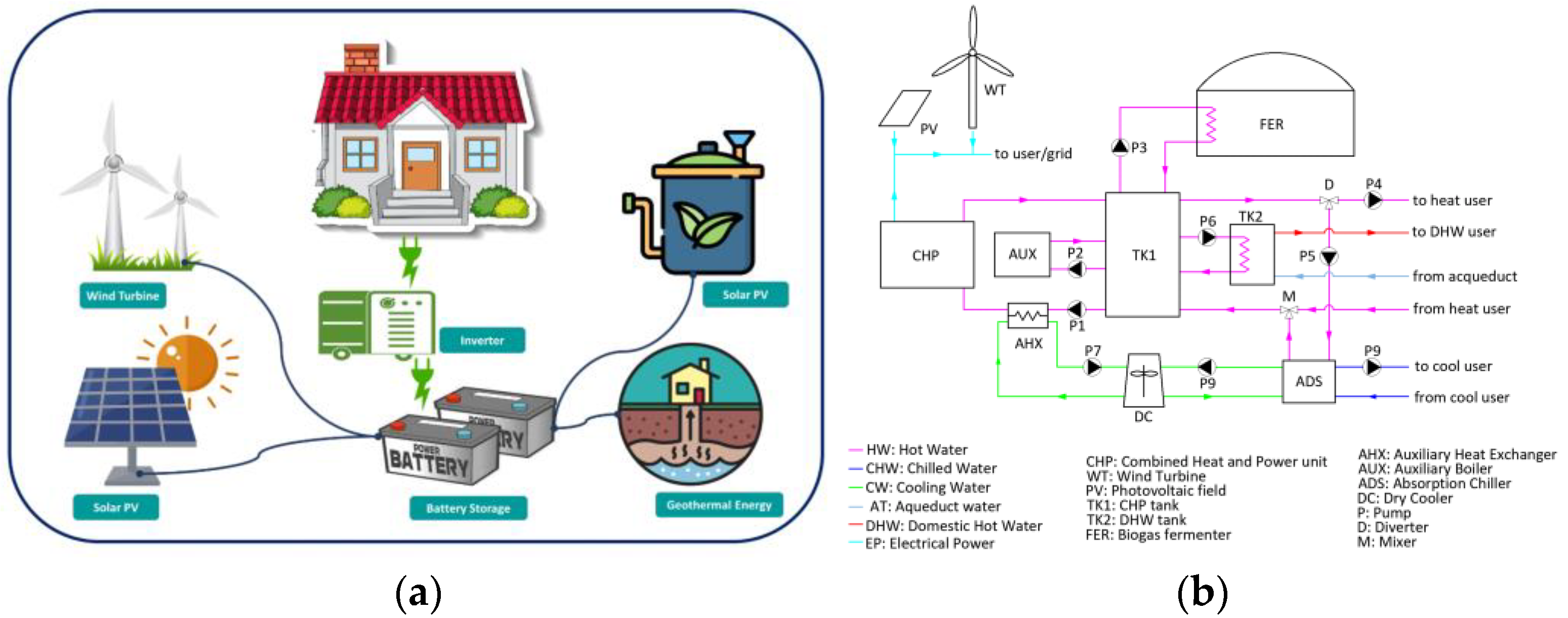
The energy storage systems in flexible building energy utilization mainly include battery energy storage systems and thermal energy storage systems, as shown in Figure 5. Among them, the types of battery energy storage mainly include sodium batteries, lithium-ion batteries, and flow batteries, among others. These technologies can provide diverse functions to meet the actual needs of different grid scenarios and energy integration. In the study conducted by Wu et al. in Toronto, it was found that relying solely on wind power for power supply would lead to a 45.16% increase in LCOE, while using a system combining solar energy, wind energy and energy storage could reduce LCOE by 37.18% and significantly improve the power supply stability [69]. Similarly, a study conducted in rural areas of Zambia also pointed out that integrating a hybrid energy system of solar energy, biogas, and safe energy storage batteries could achieve highly stable power supply, and compared with a single energy system relying solely on solar energy, it effectively reduced power supply fluctuations [70].
The heat storage technologies applied in the construction field mainly include the utilization of building thermal mass, phase change materials for cold and hot energy storage, building cold and hot energy storage systems, and the integration of building thermal mass and cold and hot energy storage systems. These building cold and hot energy storage technologies have significant advantages in improving the performance of building envelopes and energy utilization, implementing load demand management and control, reducing peak demand and energy consumption, and enhancing the overall operational performance and system optimization of buildings. This has attracted widespread attention and emphasis from researchers worldwide. Hu et al. [71] designed an off-grid photovoltaic system combining batteries and cooling and heating storage, aiming to minimize net present value, and proposed a method to optimize system configuration. To regulate peak and off-peak loads on the grid, Li et al. and Congedo et al. [72] proposed a building energy storage system that combines micro-compressed air energy storage with renewable energy generation.The system aims to maximize the capacity of the coupled cold and warm energy storage system and can operate effectively in both integrated and independent modes.
Figure 5.
Energy storage technology: (a) Battery storage [73], (b) Thermal storage [16].
5.2. Dynamic Coordination of Renewable Energy and Energy Storage Systems
The dynamic coordination of power supply for renewable energy is the core goal and typical application scenario that energy storage systems need to achieve. In response to the urgent challenge of global warming in the 21st century, China has committed to an ambitious “dual carbon” target: to reach the peak of carbon dioxide emissions by 2030 and to achieve carbon neutrality by 2060 [74]. In recent years, the gap between peak load and off-peak load in buildings has been continuously widening, and the higher penetration rate of renewable energy has further exacerbated this issue, posing challenges to the management of building energy systems. Against this backdrop, flexible utilization of energy by buildings is crucial for reducing the peak-valley load difference, and its utilization has become an inevitable trend of the times [75].
The core mechanism by which the energy storage system reduces load peak and valley is to optimize the load curve through temporal and spatial energy transfer. This strategy essentially performs energy arbitrage and peak shaving. It stores energy when prices or demand are low and releases energy during expensive peak periods. This reduces the peak-valley difference of the power grid, achieves load balance, and optimizes building energy consumption. This “store low, release high” operation mode not only enhances the economic benefits of building energy utilization but also improves the stability of the power grid and the integration capacity of renewable energy. Figure 6 illustrates the dynamic coordination process of peak load reduction using battery energy storage. Charging phase (blue area): The energy storage system charges using the excess electricity from mixed renewable energy sources during the low-load period, reducing the rate of wind and solar energy abandonment. Discharging phase (red area): During the peak load period, the energy storage system discharges, directly reducing the peak load of the power grid. The adjusted load curve is flatter, reducing the amplitude of load fluctuations, which is conducive to the stability of the grid frequency and the extension of equipment lifespan. In the user-side flexible energy consumption hierarchical scheduling strategy proposed by Yu et al. [76], low-price period energy storage is one of the key priority principles. Using the energy management module developed by TRNSYS, the system energy consumption is scheduled based on the peak-valley pricing mechanism. The power generation from the power supply side is given priority, then energy is extracted from the stored energy, and finally energy is purchased from the grid. This strategy achieved a daily average load transfer rate of 51.38% for buildings, effectively reducing the grid load demand during peak hours. Essentially, the peak shaving and valley filling of the energy storage system are achieved by reducing the fluctuations in the load curve. Zhao et al. [77] demonstrated through an example of the Nanjing Jiangbei Energy Station that, while maintaining a user’s comfort level u > 90%, the flexible load regulation involving energy storage increased the smoothness of the system load curve by 82.626%. This confirmed the significant role of the energy storage system in reducing peak-valley differences and stabilizing the load curve.
Figure 6.
Dynamic regulation of the building flexible energy system [78].
5.3. Optimization Configuration Method for Energy Storage Systems Under Flexible Energy Utilization
5.3.1. Optimization of Energy Storage Capacity
Optimizing the energy storage capacity can further enhance the reliability of the power grid, such as in response to emergencies like power outages. Ji et al. [79] proposed a mixed integer linear programming model to determine the optimal energy storage configuration that meets the power demand. They evaluated the cost-effectiveness and environmental benefits of this hybrid photovoltaic system and found that the grid-connected hybrid system consisting of solar power generation, biomass generators, and battery storage is the most economically feasible solution to meet the power demand in Suifenhe. Abou et al. [80] proposed an equilibrium optimization algorithm to optimize the location and capacity of photovoltaic and battery storage systems, and used genetic algorithms, equilibrium optimization algorithms, and particle swarm optimization to obtain the optimal configuration of the photovoltaic system and batteries. Liu et al. [81] established a mathematical model for building heat storage and flexible performance conversion systems for hot summer and cold winter regions, including building cold and hot heat storage systems and building photovoltaic battery heat storage systems. Based on a two-level optimization framework, they optimized the capacity configuration of the energy storage system and the system operation and evaluated the energy flexibility and technical and economic performance of the cooling/heating energy storage system and the building photovoltaic battery energy storage system. The research results show that in hot summer and cold winter regions, compared with the traditional gas boiler and cooling/heating water chiller energy supply schemes, building cooling/heating heat storage systems and building photovoltaic battery heat storage systems can both reduce system operation costs and improve building energy flexibility. Specifically, the cooling/heating energy storage system can reduce operating costs by 32.7%, the building energy flexibility potential is 68.6%, the building photovoltaic battery energy storage system can reduce operating costs by 40.3%, and the building energy flexibility potential is 78.9%.
Most of the aforementioned studies focus on how to achieve the optimal configuration of battery capacity in specific scenarios. However, a core issue they face is whether the selected battery type is suitable for the target application. In fact, the iterative development of battery technology, aging characteristics, and material bottlenecks have also significantly constrained the long-term operational stability [82,83]. Therefore, in specific scenarios, developing new battery technologies with higher energy density, longer lifespan, or better safety may actually be a more thorough and effective solution path than simply optimizing the configuration.
5.3.2. Artificial Intelligence Dispatching
The role of battery storage in modern power grids is becoming increasingly prominent. However, the intermittency of renewable energy sources and the uncertainty of user loads require dynamic adjustment of charging and discharging strategies for the energy storage system, thus increasing the urgency for complex control strategies and energy management algorithms. These advanced algorithms can ensure that the battery energy storage system achieves long-term stability and optimal performance, thereby effectively providing key grid services such as frequency regulation, integration of renewable energy, and peak load reduction [84]. Gao et al. [85] developed a parameterized action depth-deterministic policy gradient (PADDPG) to optimize the charging and discharging strategies of the battery energy storage system in real time. After optimization, compared to the benchmark control scheme, its off-grid operation capability increased by 4.6%, and the average non-safe operation time of the battery system was reduced by 90%, as shown in the Figure 7. Oladapo et al. [86] also used reinforcement learning methods to analyze the battery charging and discharging cycle data and autonomously learn the optimal charging and discharging strategy, which increased the efficiency of the energy storage system by 15% compared to rule-based methods, significantly reducing energy waste. Xu et al. [87] proposed an economic scheduling model with the goal of minimizing total costs and used the small-class ant colony optimization algorithm (NACO) to optimize the scheduling variables of the energy storage system. This method, while meeting the system constraints, achieved zero wind and solar power curtailment through energy smoothing of supply and demand and reduced the total cost by 14.25%.
Figure 7.
The results after model optimization [85].
5.4. Application Cases of Coordinated Optimization of Energy Storage and Flexible Building Energy Use
Energy storage systems exhibit diverse application forms and significant synergistic optimization effects in flexible building energy use. From the pre-cooling strategy of phase-change walls in office buildings to the hierarchical scheduling of PV-battery-geothermal heat pump systems and to the load correlation analysis in residential buildings, various cases indicate that a reasonable configuration of energy storage systems can effectively achieve peak shaving and valley filling, enhance energy flexibility, and reduce operational costs and carbon emissions. In particular, by optimizing operation strategies and capacity allocation, energy storage systems not only improve buildings’ ability to absorb renewable energy but also play a key regulatory role in grid interaction, providing a reliable technical pathway for promoting low-carbon transformation in buildings and achieving the “dual carbon” goals. Table 4 shows a comparison of typical cases.
Table 4.
Comparison of typical application cases.
6. Multi-Objective Optimization
6.1. Optimization Objectives and Constraints
In the context of renewable energy driving the low-carbon transformation of buildings, multi-objective optimization (MOO) has become a key approach to coordinating various conflicting demands. Its comprehensive evaluation system mainly focuses on core goals such as full life cycle cost, environmental benefits, technical efficiency, and reliability. Research shows that there is a significant correlation among these indicators. For instance, Assareh et al. [89] pointed out that improving energy utilization efficiency means less energy waste, thereby reducing carbon emissions. However, expanding the system scale or using higher-performance components leads to an increase in investment and operation costs. Wang et al. [90] found that when the area of photovoltaic panels increased from 50 m2 to 250 m2, the energy utilization efficiency increased from 24.2% to 26.6%, and carbon emissions also significantly decreased, but there was still a problem of cost increase. These studies illustrate that while enhancing the technical performance and environmental benefits of renewable energy technologies, there is often a certain economic cost as a trade-off.
The optimization of each indicator is also subject to multiple constraints. Spatial constraints (such as limited land, roof area, or building orientation) directly limit the deployment scale and layout of renewable energy equipment, thereby affecting its maximum capacity. Equipment capacity constraints stem from technical boundaries, such as the conversion efficiency of photovoltaic panels, the rated power, and the capacity of energy storage systems. These inherent parameters set the upper limit for performance improvement. Resource fluctuation constraints—such as the intermittent and seasonal variations in solar irradiance and wind speed—lead to unstable energy output, forcing the system to rely on energy storage or backup power sources. This not only increases complexity and cost but also affects the sustainability and reliability of the emission reduction effect. At the policy and economic level, policy tools such as carbon taxes and subsidies have profoundly changed the trade-off curve between economic costs and carbon emissions. For example, higher carbon taxes or substantial subsidies can internalize environmental externalities, making clean technology solutions more economically competitive, thereby pushing decisions towards a low-carbon path. Therefore, the optimization process must seek feasible and robust equilibrium solutions within these hard boundaries and dynamic conditions of technologies, resources, and policies. To find the optimal system configuration under these mutually restrictive goals, existing multi-objective optimizations have proposed various advanced algorithms that can address complexity, non-linearity, and multi-objective optimization problems, including Non-dominated Sorting Genetic Algorithm II (NSGA-II), Multi-objective Particle Swarm Optimization (MOPSO), Response Surface Methodology (RSM), etc. Table 5 presents the application of these algorithms in the research.
Table 5.
The application of MOO in multi-objective optimization.
6.2. Algorithm Optimization
Each algorithm has its own advantages, but when dealing with complex multi-objective scenarios, it is often difficult to achieve the optimal effect. NSGA-II is an improved genetic algorithm variant that ensures the uniform distribution of solutions through the crowding distance mechanism and maintains computational efficiency through fast and non-dominated sorting, which can adapt well to complex multi-objective scenarios [94]. However, when dealing with high-dimensional problems, NSGA-II slows down the iterative speed of NSGA-II, leading to the fall into local optimal solutions [95]. The traditional PSO algorithm, due to its lower computational complexity, is suitable for handling simpler multi-objective optimization problems. However, in more complex scenarios, due to the lack of an effective mechanism to maintain solution diversity, it often leads to premature convergence, hindering the exploration of the complete solution set [96]. RSM (Response Surface Method) is a lightweight supervised machine learning technique that uses labeled data for modeling and optimization, combining interpretability and computational efficiency [89]. This method is suitable for medium complexity problems but performs poorly in highly nonlinear or high-dimensional scenarios. Therefore, an appropriate optimization method needs to ensure a balance among computational efficiency, solution diversity, and accuracy.
The current research has effectively enhanced the effectiveness and reliability of the building energy optimization scheme by improving the algorithm. Guo et al. [93] dynamically adjusted the guiding MOPSO to quickly meet the temperature constraints, avoiding ineffective searches, and introduced non-dominated sorting and crowding degree comparison to maintain the diversity of the solution set. The operating cost was reduced by 36.8%. Sun et al. [95] addressed the issue of low search efficiency of NSGA-II in high-dimensional problems and combined the beluga whale optimization algorithm to construct the non-dominated sorting beluga whale optimization algorithm (NSBWO) to enhance the global search ability of the algorithm. The Pareto frontier comparison results are shown in Figure 8, significantly reducing the operating cost and emissions. Zhang et al. [96] used NSGA-II to improve the traditional MOPSO, and the results showed that the improved algorithm converged faster and more stably on the Sphere and Rastrigin functions, as shown in Figure 9. Alahmad et al. [97] also combined the diversity-preserving mechanism of NSGA-II and the rapid convergence of MOPSO, dynamically adjusted the inertia weight and learning factor, and combined the algorithm to effectively handle high-dimensional and nonlinear optimization problems. After optimization, the total cost was reduced by 37.72%, and the energy cost decreased from 0.1351$/kWh to 0.0191$/kWh.
Figure 8.
Comparison of Pareto front results between NSBWO and NSGA-II [95].
Figure 9.
Comparison of convergence accuracy between MOPSO and NSGA-MOPSO [96].
6.3. BIM Integration Optimization
Unlike the method of conducting multi-objective optimization by obtaining the actual parameters of the building, BIM integrates the geometric and physical information of the building, forming the initial parameter library required for optimization [98]. Its model can be exported and seamlessly imported into the building performance simulation software for calculating operational energy consumption [99,100]. This provides a data foundation for subsequent multi-objective optimization. Particularly, after the multi-objective optimization process is completed, the final result will be fed back to the original BIM model, upgrading it from a static model to an “intelligent” model that incorporates the optimal decision-making plan [101]. For example, Asgari et al. [102] used an API plugin developed in C language to feed back the Pareto optimal solutions generated by the multi-objective optimization through genetic algorithms back to the BIM system. Zhao and others utilized the Dynamo development platform and employed the Revit API to directly apply the optimal solution obtained through multi-objective optimization to the parameter modification of the BIM model. Subsequently, the BIM software interface was updated immediately, enabling real-time rendering and visualization of geometric changes, thus forming a complete closed-loop feedback mechanism from the optimization results to model updates. Figure 10 illustrates the building multi-objective optimization process they established. These visualized optimization results can be automatically associated with the BIM model, update the model attributes in real time, and directly feed back energy consumption and environmental impact data. This not only helps designers intuitively compare the differences in energy consumption and environmental performance of different schemes and understand the actual effect of long-term strategies, it also facilitates intuitive verification of conflicting solutions, thereby establishing an efficient feedback mechanism in the design stage. However, BIM has compatibility issues between different software platforms and data standards, which directly affects the accuracy of simulation results and the efficiency of design feedback. At the same time, the effectiveness of the BIM model highly depends on the completeness and accuracy of the input data. Future research can promote the use of open standards to enhance software compatibility [103] and deepen the integration of artificial intelligence algorithms and BIM and may achieve adaptive dynamic adjustment optimization and comprehensive promotion of BIM in sustainable buildings. Meanwhile, the integration of BIM with renewable energy buildings and the multi-objective optimization of such buildings are not common, and there is a large amount of research space for future development.
Figure 10.
Multi-objective optimization process for low-carbon energy-efficient buildings based on BIM [104].
7. Conclusions
Through systematic analysis, this paper draws the following main conclusions: Different types of renewable energy technologies (such as photovoltaics, solar heating, biomass energy, and wind energy) exhibit significant differences in economic viability and applicability in building applications. Their feasibility largely depends on regional resource endowments, building types, and technology integration models. A comprehensive assessment should be conducted using economic indicators such as levelized cost of electricity and payback period, and optimization should be based on physical conditions such as regional irradiation and roof structures.
- (1)
- The inherent physical characteristics of existing buildings, including building type, roof and facade structure, geographical location, and climatic conditions, directly determine the integration potential and ultimate effectiveness of renewable energy technologies and flexible energy use systems. Therefore, precise analysis of building load characteristics and assessment of local resource matching are essential to achieve efficient coordination between technology selection and the building itself.
- (2)
- The volatility of renewable energy sources can affect the long-term stability of energy supply. Therefore, a flexible energy system should be constructed by integrating energy storage systems. Through the operation mechanism of “storage during low periods and release during peak periods,” the flexibility of energy consumption for buildings can be significantly enhanced, the power load can be balanced, and the self-consumption ratio of renewable energy can be greatly improved. In the future, the optimization of energy storage configuration can further leverage material innovation and artificial intelligence technology to achieve dynamic and real-time adjustment of charging and discharging strategies, thereby reducing resource waste and continuously improving the stability of energy supply.
- (3)
- A variety of advanced algorithms provide an efficient and convenient approach for solving the multi-objective optimization problems of renewable energy building systems. However, when the complexity of the problem increases, there is often a challenge of reduced accuracy. To address this, the parameters of the optimization algorithm or the advantages of multiple algorithms can be combined to cope with complex situations. Additionally, the multi-objective optimization method combined with the Building Information Model (BIM) supports dynamic visual adjustment throughout the process, which helps to intuitively understand the system status and achieve real-time optimization of the configuration.
Looking to the future, buildings with renewable energy and flexible energy consumption systems will move beyond the simple stacking of individual technologies, evolving deeply toward a “building energy brain” that integrates digital twins and artificial intelligence. Leveraging the millisecond-level data interaction capabilities of the Internet of Things and big data, AI can perceive the physical state of buildings, energy loads, and external environments in real time while dynamically optimizing multiple objectives such as economic efficiency, carbon footprint, comfort, and interaction with the power grid, transforming buildings into intelligent “prosumer” agents capable of autonomous decision-making and active participation in energy transactions. Moreover, technological development will surpass the boundaries of single buildings. Through distributed technologies such as blockchain, it will be possible to achieve peer-to-peer energy sharing and trading among building clusters in the future, forming regionally coordinated virtual power plants, thereby greatly enhancing the utilization efficiency of renewable energy and the operational stability of regional power grids at the system level. Ultimately, through the integration of highly efficient renewable energy systems, biomass coupling, and forward-looking carbon capture technologies, buildings are expected to transform completely from passive energy consumers into proactive, net-negative carbon emission sustainable energy hubs, becoming indispensable green vitality nodes in the energy networks of future smart cities.
Author Contributions
Writing—original draft and writing—review and editing, P.J.; investigation, K.H.; methodology, N.L.; conceptualization, L.X.; formal analysis, H.Z. All authors have read and agreed to the published version of the manuscript.
Funding
This research was funded by informal support from Key R&D Program of Zhejiang Province (Grant No. 2025C02209).
Data Availability Statement
Data will be made available on request.
Conflicts of Interest
Author Lifeng Xu was employed by the company Zhejiang Jinggong Steel Building Group Co.,Ltd. The remaining authors declare that the research was conducted in the absence of any com-mercial or financial relationships that could be construed as a potential conflict of interest.
Correction Statement
This article has been republished with a minor correction to the Funding statement. This change does not affect the scientific content of the article.
Abbreviations
The following abbreviations are used in this manuscript:
| BIPV | Building-Integrated Photovoltaic |
| PV | Photovoltaics |
| LCOE | Levelized Cost of Electricity |
| LCC | Power generation cost of the system |
| n | The operation period |
| Cequipment,i | The unit equipment investment and replacement cost of the photovoltaic system in the i-th year |
| CO&M,i | The unit operation and maintenance cost of the photovoltaic system in i -th year |
| dnom | The annual nominal discount rate |
| dreal | The actual discount rate |
| Esn | Total power generation during the system operation period |
| Es,j | System power generation in the i-th year |
| i | The inflation rate |
| P | Electricity price |
| k | The annual change rate of electricity price |
| NPV | Net Present Value |
| NI | Net Income |
| IRR | Internal Rate of Return |
| ROI | Return on Investment |
| DPBP | Discount payback period |
| CER | Carbon emission reduction |
| EF | Carbon emission factor |
| ECO2 | The net carbon dioxide emissions of a building |
| ECO2,H | CO2 emissions generated by the heating system |
| ECO2,H | CO2 emissions generated by the domestic hot water system |
| ECO2,H | CO2 emissions generated by the cooling system |
| ECO2,H | CO2 emissions generated by the lighting system |
| ECO2,H | CO2 emissions generated by the auxiliary equipment |
| HVAC | Air conditioning |
| MPPT | Maximum power point tracking |
| MOO | Multi-objective optimization |
| NSGA-II | Non-dominated Sorting Genetic Algorithm II |
| MOPSO | Multi-objective Particle Swarm Optimization |
| RSM | Response Surface Methodology |
| PADDPG | Parameterized action depth-deterministic policy gradient |
| BIM | Building Information Model |
References
- Wen, W.; Su, Y.; Tang, Y.-E.; Zhang, X.; Hu, Y.; Ben, Y.; Qu, S. Evaluating carbon emissions reduction compliance based on ‘dual control’ policies of energy consumption and carbon emissions in China. J. Environ. Manag. 2024, 367, 121990. [Google Scholar] [CrossRef] [Scilit]
- Ren, Y.; Hu, Y.; Yu, Y. Collaborative effect of the energy conservation and emission reduction fiscal policy in China. Environ. Res. 2024, 258, 119431. [Google Scholar] [CrossRef] [Scilit] [PubMed]
- Li, Q.; Li, L.; Lei, Y.; Wu, S. Navigating the path to dual carbon goals: Understanding the driving forces of energy transition welfare performance. J. Environ. Manag. 2024, 358, 120941. [Google Scholar] [CrossRef] [Scilit] [PubMed]
- Luo, D.; Liu, J.; Wu, H.; Zhang, G.; Pan, Z.; Huang, J. Advancing smart net-zero energy buildings with renewable energy and electrical energy storage. J. Energy Storage 2025, 114, 115850. [Google Scholar] [CrossRef] [Scilit]
- Østergaard, P.A.; Duic, N.; Noorollahi, Y.; Kalogirou, S. Advances in renewable energy for sustainable development. Renew. Energy 2023, 219, 119377. [Google Scholar] [CrossRef] [Scilit]
- Chen, L.; Hu, Y.; Wang, R.; Li, X.; Chen, Z.; Hua, J.; Osman, A.I.; Farghali, M.; Huang, L.; Li, J.; et al. Green building practices to integrate renewable energy in the construction sector: A review. Environ. Chem. Lett. 2023, 22, 751–784. [Google Scholar] [CrossRef] [Scilit]
- Luo, X.J.; Oyedele, L.O.; Owolabi, H.A.; Bilal, M.; Ajayi, A.O.; Akinade, O.O. Life cycle assessment approach for renewable multi-energy system: A comprehensive analysis. Energy Convers. Manag. 2020, 224, 113354. [Google Scholar] [CrossRef] [Scilit]
- Shao, Q.G.; Lo, H.W. Advancing renewable energy technologies in remote areas: Exploring key success factors and interdependencies for sustainable wind energy development. Sustain. Energy Technol. Assess. 2025, 79, 14. [Google Scholar] [CrossRef] [Scilit]
- Gil Mena, A.J.; Bouakkaz, A.; Abelleira Pereira, J.M.; Segovia Guerrero, L.; Martín Rodríguez, M.d.l.L. Collective hydrogen stand-alone renewable energy systems for buildings in Spain. Towards the self-sufficiency. Int. J. Hydrogen Energy 2024, 72, 1274–1286. [Google Scholar] [CrossRef] [Scilit]
- Borja Block, A.; Escarre Palou, J.; Faes, A.; Virtuani, A.; Ballif, C. Accurate color characterization of solar photovoltaic modules for building integration. Sol. Energy 2024, 267, 112227. [Google Scholar] [CrossRef] [Scilit]
- Furlan, G.; You, F. Robust design of hybrid solar power systems: Sustainable integration of concentrated solar power and photovoltaic technologies. Adv. Appl. Energy 2024, 13, 100164. [Google Scholar] [CrossRef] [Scilit]
- Li, H.; Mu, S.; Liu, L.; Mao, Y. Research on a novel multifunctional integrated solar energy utilization system. J. Hunan Univ. (Nat. Sci.) 2024, 51, 74–84. (In Chinese) [Google Scholar] [CrossRef]
- Rostamnezhad, Z.; Mary, N.; Dessaint, L.A.; Monfet, D. Electricity Consumption Optimization Using Thermal and Battery Energy Storage Systems in Buildings. IEEE Trans. Smart Grid 2023, 14, 251–265. [Google Scholar] [CrossRef] [Scilit]
- Mao, R.; Xiang, K.; Fan, L.P.; Zhao, J.; Wang, C.; Xi, L.; Ma, H. Research on energy management methods of low-carbon buildings photovoltaic storage system based on MPC. J China Three Gorges Univ. (Nat. Sci.) 2025, 47, 80–87. (In Chinese) [Google Scholar] [CrossRef]
- Abbasi, S.; Noorzai, E. The BIM-Based multi-optimization approach in order to determine the trade-off between embodied and operation energy focused on renewable energy use. J. Clean. Prod. 2021, 281, 125359. [Google Scholar] [CrossRef] [Scilit]
- Reddy, V.J.; Hariram, N.P.; Ghazali, M.F.; Kumarasamy, S. Pathway to Sustainability: An Overview of Renewable Energy Integration in Building Systems. Sustainability 2024, 16, 638. [Google Scholar] [CrossRef] [Scilit]
- Wang, G.; Sbai, E.; Wen, L.; Selena Sheng, M. The impact of renewable energy on extreme volatility in wholesale electricity prices: Evidence from organisation for economic co-operation and development countries. J. Clean. Prod. 2024, 484, 144343. [Google Scholar] [CrossRef] [Scilit]
- Khan, A.; Bressel, M.; Davigny, A.; Abbes, D.; Ould Bouamama, B. Comprehensive Review of Hybrid Energy Systems: Challenges, Applications, and Optimization Strategies. Energies 2025, 18, 2612. [Google Scholar] [CrossRef] [Scilit]
- Romaní, J.; Pérez-Rodríguez, A.; Salom, J. Performance of prototype tandem UV filter and organic transparent photovoltaic windows. J. Build. Eng. 2023, 68, 106111. [Google Scholar] [CrossRef] [Scilit]
- Nam, K.; Ahn, H.W.; Lee, S.G.; Kim, J.; Jeong, S.-G. Net zero proximity index and techno-economic analysis of BIPV for zero energy and zero emission buildings. J. Build. Eng. 2025, 103, 112188. [Google Scholar] [CrossRef] [Scilit]
- Yan, Y.; Xiang, C. Life cycle carbon footprint and sustainability assessment of building-integrated photovoltaics: A comparative review of technologies and applications. Energy Build. 2026, 350, 116678. [Google Scholar] [CrossRef] [Scilit]
- Belloni, E.; Bianchini, G.; Casini, M.; Faba, A.; Intravaia, M.; Laudani, A.; Lozito, G.M. An overview on building-integrated photovoltaics: Technological solutions, modeling, and control. Energy Build. 2024, 324, 114867. [Google Scholar] [CrossRef] [Scilit]
- Jafarian, M.; Assareh, E.; Ershadi, A.; Wang, X. Optimal integration of efficient energy storage and renewable sources in hybrid energy systems: A novel optimization and dynamic evaluation strategy. J. Energy Storage 2024, 101, 113880. [Google Scholar] [CrossRef] [Scilit]
- Bakmohammadi, P.; Narjabadifam, N.; Jamshidi, M.; Gül, M. A holistic framework to optimize embedding PV systems into building façades. Appl. Energy 2025, 382, 125288. [Google Scholar] [CrossRef] [Scilit]
- Zhou, S.; Zheng, S.; Zhang, Z.; Gu, W.; Wu, Z.; Lv, H.; Zhang, K.; Zuo, J. Consuming the redundant renewable energy by injecting hydrogen into the gas network: A case study of electricity-gas-hydrogen coupled system of Ireland. Int. J. Hydrogen Energy 2024, 77, 1149–1162. [Google Scholar] [CrossRef] [Scilit]
- Yıldıran, N.; Akyol, İ.A.; Işık, M.A. Harnessing solar energy: Feasibility assessment of 75 MW solar PV plant in a community in South Africa. Renew. Energy 2025, 253, 123475. [Google Scholar] [CrossRef] [Scilit]
- Barwińska-Małajowicz, A.; Banaś, M.; Piecuch, T.; Pyrek, R.; Szczotka, K.; Szymiczek, J. Energy and Ecological Concept of a Zero-Emission Building Using Renewable Energy Sources—Case Study in Poland. Energies 2024, 17, 5817. [Google Scholar] [CrossRef] [Scilit]
- Wan, H.; Zhang, J.; Hwang, Y. Enhancing building resilience in cold climates: Integrating heat pump technologies with renewable energy. Energy Res. Soc. Sci. 2025, 127, 104168. [Google Scholar] [CrossRef] [Scilit]
- Norouziasas, A.; Gholamian Karkon, E.; Lobaccaro, G.; Berardi, U.; Hamdy, M. Design and optimisation of CPV/T energy systems in residential buildings: A climate-sensitive approach using Grey Wolf algorithm. Case Stud. Therm. Eng. 2025, 76, 107338. [Google Scholar] [CrossRef] [Scilit]
- Chen, Y.; Guo, W.; Lund, P.D.; Du, N.; Yang, K.; Wang, J. Configuration optimization of a wind-solar based net-zero emission tri-generation energy system considering renewable power and carbon trading mechanisms. Renew. Energy 2024, 232, 121086. [Google Scholar] [CrossRef] [Scilit]
- Quevedo-Amador, R.A.; Escalera-Velasco, B.P.; Arias, A.M.R.; Reynel-Avila, H.E.; Moreno-Piraján, J.C.; Giraldo, L.; Bonilla-Petriciolet, A. Application of waste biomass for the production of biofuels and catalysts: A review. Clean Technol. Environ. Policy 2024, 26, 943–997. [Google Scholar] [CrossRef] [Scilit]
- Khalil, M.; Dincer, I. Investigation of a community-based clean energy system holistically with renewable and hydrogen energy options for better sustainable development. J. Clean. Prod. 2024, 440, 140895. [Google Scholar] [CrossRef] [Scilit]
- Tera, I.; Zhang, S.; Liu, G. A conceptual hydrogen, heat and power polygeneration system based on biomass gasification, SOFC and waste heat recovery units: Energy, exergy, economic and emergy (4E) assessment. Energy 2024, 295, 131015. [Google Scholar] [CrossRef] [Scilit]
- Ishaq, M.; Dincer, I. Investigation of a tri-renewable energy system coupled with battery and hydrogen storages for a sustainable city. Sustain. Cities Soc. 2024, 104, 105291. [Google Scholar] [CrossRef] [Scilit]
- Sher, F.; Hameed, S.; Omerbegovic, N.S.; Chupin, A.; Ul Hai, I.; Wang, B.H.; Teoh, Y.H.; Yildiz, M.J. Cutting-edge biomass gasification technologies for renewable energy generation and achieving net zero emissions. Energy Convers. Manag. 2025, 323, 28. [Google Scholar] [CrossRef] [Scilit]
- Martin, I.M.; Aui, A.; Dubey, P.; Schulte, L.A.; Mba Wright, M. Optimal Production and Dispatch of Renewable Natural Gas, Electricity, and Fertilizer in Municipal-Scale Anaerobic Digestion Supply Chains. BioEnergy Res. 2024, 17, 1985–1997. [Google Scholar] [CrossRef] [Scilit]
- Bolívar Caballero, J.J.; Zaini, I.N.; Nurdiawati, A.; Fedorova, I.; Cao, P.; Lewin, T.; Jönsson, P.G.; Yang, W. Electrified catalytic steam reforming for renewable syngas production: Experimental demonstration, process development and techno-economic analysis. Appl. Energy 2025, 377, 124556. [Google Scholar] [CrossRef] [Scilit]
- Kadhim, M.A.; Phing, C.C.; Wai, L.C.; Paw, J.K.S.; Tak, Y.C.; Kadirgama, K.; Kadhim, A.A. Performance study of low-speed wind energy harvesting by micro wind turbine system. Energy Rep. 2025, 13, 3712–3727. [Google Scholar] [CrossRef] [Scilit]
- Zhang, X.; Ye, X.; Weerasuriya, A.U. CFD-based parametric study of venturi-shaped roof optimization for wind energy harvesting by building-integrated wind turbines in an idealized high-rise building. Build. Environ. 2025, 285, 113574. [Google Scholar] [CrossRef] [Scilit]
- Zakzouk, N.E. Continuous input current buck DC/DC converter for small-size wind energy systems featuring current sensorless MPPT control. Sci. Rep. 2024, 14, 380. [Google Scholar] [CrossRef] [Scilit]
- Aourir, J.; Locment, F. Limited Power Point Tracking for a Small-Scale Wind Turbine Intended to Be Integrated in a DC Microgrid. Appl. Sci. 2020, 10, 8030. [Google Scholar] [CrossRef] [Scilit]
- Testi, A.; Souza, T.M.d.; Trannin, I.C.d.B. Technical and economic feasibility of a small vertical axis wind turbine in low wind conditions compared to other power sources for pumping water. J. Clean. Prod. 2024, 470, 143328. [Google Scholar] [CrossRef] [Scilit]
- Abu-Rayash, A.; Dincer, I. Development and assessment of an integrated wind-solar based energy system for sustainable communities. Energy Convers. Manag. 2023, 277, 116680. [Google Scholar] [CrossRef] [Scilit]
- Geng, C.; Zhang, T.; Sun, W. Hybrid solar, wind, and geothermal power generation combined with energy storage for sustainable energy management in remote buildings. J. Energy Storage 2025, 123, 116655. [Google Scholar] [CrossRef] [Scilit]
- Ma, T. Study on load characteristics and low carbon strategies of typical office buildings. Electr. Technol. Intell. Build. 2024, 18, 1–8. (In Chinese) [Google Scholar] [CrossRef]
- Liu, X.; Cao, H.; Feng, G.; Zhang, L.; He, J.; Wang, X. Study on load characteristics of ultra-low-energy buildings based on dest. Archit. Technol. 2024, 55, 123–140. (In Chinese) [Google Scholar] [CrossRef]
- Luo, Z.; Peng, J.; Cao, J.; Yin, R.; Zou, B.; Tan, Y.; Yan, J. Demand Flexibility of Residential Buildings: Definitions, Flexible Loads, and Quantification Methods. Engineering 2022, 16, 123–140. [Google Scholar] [CrossRef] [Scilit]
- Luo, X.; Li, T. Correlation characteristics and optimal regulation of flexible energy consumption load in residential buildings. Acta Energiae Solaris Sin. 2025, 46, 385–392. (In Chinese) [Google Scholar] [CrossRef]
- Hu, W.; Wu, H.; Yin, R.; Guo, D.; Zhang, P. Prediction for day-ahead power of distributed rooftop photovoltaic considering occlusion factors. Hebei Electr. Power 2024, 43, 41–47. (In Chinese) [Google Scholar] [CrossRef]
- Li, C.; Fu, X.; Xiong, G.; Lv, G. Combinatorial reaching law-based sliding mode MPPT control strategy for rooftop photovoltaics. Comput. Simul. 2025, 42, 85–91. (In Chinese) [Google Scholar] [CrossRef]
- Liu, Y.; Lan, L.; Cheng, Q.; Zheng, Y. Study on PV design scheme of carport roof. Instrum. Users 2024, 31, 75–77. (In Chinese) [Google Scholar] [CrossRef]
- Lu, S.; Wang, Z.; Chen, T. A Calculation Study on the Escape of Incident Solar Radiation in Buildings with Glazing Facades. Buildings 2024, 14, 3497. [Google Scholar] [CrossRef] [Scilit]
- Fernando, D.; Navaratnam, S.; Rajeev, P.; Sanjayan, J. Study of Technological Advancement and Challenges of Façade System for Sustainable Building: Current Design Practice. Sustainability 2023, 15, 4319. [Google Scholar] [CrossRef] [Scilit]
- Morganti, L.; Vandi, L.; Astudillo Larraz, J.; García-Jaca, J.; Navarro Muedra, A.; Pracucci, A. A1–A5 Embodied Carbon Assessment to Evaluate Bio-Based Components in Façade System Modules. Sustainability 2024, 16, 1190. [Google Scholar] [CrossRef] [Scilit]
- Vandi, L.; Muedra, A.N.; Astudillo Larraz, J.; de Aretxaga Escudero, S.L.; Pracucci, A. Testing Activities for Technological and Normative Validation of Bio-Based Components in Façade System Modules. Buildings 2024, 14, 1105. [Google Scholar] [CrossRef] [Scilit]
- Liu, M.; Liu, C.; Xie, H.; Zhao, Z.; Zhu, C.; Lu, Y.; Bu, C. Analysis of the Impact of Photovoltaic Curtain Walls Replacing Glass Curtain Walls on the Whole Life Cycle Carbon Emission of Public Buildings Based on BIM Modeling Study. Energies 2023, 16, 7030. [Google Scholar] [CrossRef] [Scilit]
- Zhou, X.; Zhou, X.; Zhu, X.; Liu, J.; Zhou, S. Investigating Factors Impacting Power Generation Efficiency in Photovoltaic Double-Skin Facade Curtain Walls. Buildings 2024, 14, 2632. [Google Scholar] [CrossRef] [Scilit]
- Stamenic, L.S.; Erban, C. Building integrated photovoltaics technology status. Therm. Sci. 2021, 25, 4523–4543. [Google Scholar] [CrossRef] [Scilit]
- Batmunkh, M.; Zhong, Y.L.; Zhao, H. Recent Advances in Perovskite-Based Building-Integrated Photovoltaics. Adv. Mater. 2020, 32, 2000631. [Google Scholar] [CrossRef] [Scilit]
- Røyset, A.; Kolås, T.; Jelle, B.P. Coloured building integrated photovoltaics: Influence on energy efficiency. Energy Build. 2020, 208, 109623. [Google Scholar] [CrossRef] [Scilit]
- Cheng, X.; Zou, Z.J.; Yu, G.Q.; Ma, G.B.; Ye, H.; Li, Y.L.; Liu, H.Z. Development and Performance of Roof-Based Building-Integrated Photovoltaic-Thermal Systems: A Review. J. Sol. Energy Eng. Trans.-ASME 2021, 143, 13. [Google Scholar] [CrossRef] [Scilit]
- Yu, G.Q.; Yang, H.X.; Yan, Z.Y.; Ansah, M.K. A review of designs and performance of facade-based building integrated photovoltaic-thermal (BIPVT) systems. Appl. Therm. Eng. 2021, 182, 116081. [Google Scholar] [CrossRef] [Scilit]
- Jagtap, K.M.; Bhushan, R.; Kuppusamy, R.; Teekaraman, Y.; Radhakrishnan, A. Optimal planning of solar and wind energy systems in electricity price-driven distribution systems considering correlated uncertain variables. Energy Sci. Eng. 2024, 12, 3356–3378. [Google Scholar] [CrossRef] [Scilit]
- Lingfors, D.; Johansson, R.; Lindahl, J. Deriving the orientation of existing solar energy systems from LiDAR data at scale. Sol. Energy 2025, 291, 113344. [Google Scholar] [CrossRef] [Scilit]
- Jung, C.; Sander, L.; Schindler, D. Future global offshore wind energy under climate change and advanced wind turbine technology. Energy Convers. Manag. 2024, 321, 119075. [Google Scholar] [CrossRef] [Scilit]
- Xing, Y.; Wang, S. The energy and exergy examination of a thermoelectric ventilation system powered by photovoltaic/thermoelectric for space cooling and heating in a residential building. J. Build. Eng. 2024, 98, 111305. [Google Scholar] [CrossRef] [Scilit]
- Liu, Z.; Guo, Z.; Chen, Q.; Song, C.; Shang, W.; Yuan, M.; Zhang, H. A review of data-driven smart building-integrated photovoltaic systems: Challenges and objectives. Energy 2023, 263, 126082. [Google Scholar] [CrossRef] [Scilit]
- Shahid, M.N.; Shahid, M.U.; Irfan, M. Advances in Building Energy Management: A Comprehensive Review. Buildings 2025, 15, 4237. [Google Scholar] [CrossRef] [Scilit]
- Wu, Y.; Zhong, L. Optimal adoption and cost-effectiveness of rooftop solar and wind turbines for community energy systems under climate change. Renew. Energy 2025, 251, 123473. [Google Scholar] [CrossRef] [Scilit]
- Makai, L.; Popoola, O. Assessment and selection of a micro-hybrid renewable energy system for sustainable energy generation in rural areas of Zambia. Renew. Energy 2024, 232, 121036. [Google Scholar] [CrossRef] [Scilit]
- Hu, L.; Liu, Y.; Wang, D.; Luo, X.; Liu, H. Feasibility analysis and feature comparison of cold thermal energy storage for off-grid PV air-conditioned buildings in the tropics. Energy Convers. Manag. 2022, 254, 115176. [Google Scholar] [CrossRef] [Scilit]
- Congedo, P.M.; Baglivo, C.; Carrieri, L. Application of an unconventional thermal and mechanical energy storage coupled with the air conditioning and domestic hot water systems of a residential building. Energy Build. 2020, 224, 110234. [Google Scholar] [CrossRef] [Scilit]
- Figaj, R. Energy and Economic Sustainability of a Small-Scale Hybrid Renewable Energy System Powered by Biogas, Solar Energy, and Wind. Energies 2024, 17, 706. [Google Scholar] [CrossRef] [Scilit]
- Zhang, L.; Dong, Y.; Liu, Z. Optimization of precooling strategy and sensitivity analysis of energy flexibility of the phase change wall. J. S. China Norm. Univ. (Nat. Sci. Ed.) 2023, 55, 34–40. (In Chinese) [Google Scholar] [CrossRef]
- Zhang, X.; Wang, D.; Wang, W.; Lv, Y.; Fan, P.; Sun, Y. Experimental analysis on flexible characteristics of air conditioning energy use in office buildings based on indoor set temperature regulation. HV&AC 2024, 54, 18–26+70. (In Chinese) [Google Scholar] [CrossRef]
- Yu, S.; Huang, X.; Han, F.; Zhang, Y. Research on hierarchical scheduling strategy of userside flexible energy use based on demand response. Acta Energiae Solaris Sin. 2024, 45, 134–143. (In Chinese) [Google Scholar] [CrossRef]
- Zhao, W.; Chen, Z. Optimization of energy storage system capacity allocation considering flexible load. Sci. Technol. Eng. 2024, 24, 12977–12984. (In Chinese) [Google Scholar] [CrossRef]
- Wang, K.; Cheng, L.; Yin, M.; Zhang, K.; Wang, R.; Zhang, M.; Sun, R. Evolutionary Game Theory in Energy Storage Systems: A Systematic Review of Collaborative Decision-Making, Operational Strategies, and Coordination Mechanisms for Renewable Energy Integration. Sustainability 2025, 17, 7400. [Google Scholar] [CrossRef] [Scilit]
- Ji, L.; Liu, Z.P.; Wu, Y.X.; Huang, G.H. Techno-economic feasibility analysis of optimally sized a biomass/PV/DG hybrid system under different operation modes in the remote area. Sustain. Energy Technol. Assess. 2022, 52, 102117. [Google Scholar] [CrossRef] [Scilit]
- Abou El-Ela, A.A.; El-Seheimy, R.A.; Shaheen, A.M.; Wahbi, W.A.; Mouwafi, M.T. PV and battery energy storage integration in distribution networks using equilibrium algorithm. J. Energy Storage 2021, 42, 18. [Google Scholar] [CrossRef] [Scilit]
- Liu, J. Application and Optimization of Energy Storage Systems in Building Energy Flexibility and Retrofitting. Master’s Thesis, Hunan University, Changsha, China, 2022. (In Chinese) [Google Scholar]
- Ahmed, S.; D’Angola, A. Energy Storage Systems: Scope, Technologies, Characteristics, Progress, Challenges, and Future Suggestions—Renewable Energy Community Perspectives. Energies 2025, 18, 2679. [Google Scholar] [CrossRef] [Scilit]
- Elalfy, D.A.; Gouda, E.; Kotb, M.F.; Bureš, V.; Sedhom, B.E. Comprehensive review of energy storage systems technologies, objectives, challenges, and future trends. Energy Strategy Rev. 2024, 54, 101482. [Google Scholar] [CrossRef] [Scilit]
- Sakib, S.; Hossain, M.B.; Zamee, M.A.; Hossain, M.J.; Habib, M.A. Role of battery energy storage systems: A comprehensive review on renewable energy zones integration in weak transmission networks. J. Energy Storage 2025, 128, 117223. [Google Scholar] [CrossRef] [Scilit]
- Gao, Y.; Hu, Z.; Matsunami, Y.; Qu, M.; Chen, W.-A.; Liu, M. Optimizing renewable energy systems with hybrid action space reinforcement learning: A case study on achieving net zero energy in Japan. Renew. Energy 2026, 256, 124493. [Google Scholar] [CrossRef] [Scilit]
- Oladapo, B.I.; Olawumi, M.A.; Omigbodun, F.T. Machine Learning for Optimising Renewable Energy and Grid Efficiency. Atmosphere 2024, 15, 1250. [Google Scholar] [CrossRef] [Scilit]
- Xu, M.; Tian, C.; Abdalla, A.N. Synergizing renewable energy sources in building-integrated hybrid energy systems via niche-ant colony optimization. Case Stud. Therm. Eng. 2024, 61, 104880. [Google Scholar] [CrossRef] [Scilit]
- Dong, Y. Energy Flexibility Potential Evaluation of PCM-Integrated Office Building Walls. Master’s Thesis, Hunan University, Changsha, China, 2023. (In Chinese) [Google Scholar]
- Assareh, E.; Izadyar, N.; Jamei, E.; Monzavian, M.A.; Agarwal, S.; Pak, W. Optimization of solar farm design for energy efficiency in university campuses using machine learning: A case study. Eng. Appl. Artif. Intell. 2025, 153, 110847. [Google Scholar] [CrossRef] [Scilit]
- Wang, J.; Zhu, X.; Abed, A.M.; Kanabar, B.; Hassan, H.; Kedia, A.; Salah, B.; Mahariq, I. Development, investigation and Graywolf algorithm-assisted tri-objective optimization of a hybrid renewable-driven HVAC/power system. J. Build. Eng. 2025, 101, 111915. [Google Scholar] [CrossRef] [Scilit]
- Jia, J.; Li, H.; Wu, D.; Guo, J.; Jiang, L.; Fan, Z. Multi-objective optimization study of regional integrated energy systems coupled with renewable energy, energy storage, and inter-station energy sharing. Renew. Energy 2024, 225, 120328. [Google Scholar] [CrossRef] [Scilit]
- Tharushi Imalka, S.; Yang, R.J.; Zhao, Y. Machine learning driven building integrated photovoltaic (BIPV) envelope design optimization. Energy Build. 2024, 324, 114882. [Google Scholar] [CrossRef] [Scilit]
- Guo, J.; Wang, F.; Jiang, Y.; Sun, C. Operation optimization of ventilated floor heating system in nearly-zero-energy building. J. Build. Eng. 2024, 86, 108835. [Google Scholar] [CrossRef] [Scilit]
- Zarrabi Shirabad, F.; Boroushaki, M. Optimal design of vanadium redox flow battery for large-scale energy storage. Energy Rep. 2026, 15, 108996. [Google Scholar] [CrossRef] [Scilit]
- Sun, H.; Cui, Q.; Wen, J.; Kou, L. Optimization and scheduling scheme of park-integrated energy system based on multi-objective Beluga Whale Algorithm. Energy Rep. 2024, 11, 6186–6198. [Google Scholar] [CrossRef] [Scilit]
- Zhang, J.; Xing, N.; Liu, J.; Liu, Y.; Chen, G.; Liu, C. Coordinated optimal operation of a joint virtual energy storage system based on an improved non-dominated sorting genetic and multi-objective particle swarm optimization algorithm. Energy Rep. 2025, 14, 3993–4005. [Google Scholar] [CrossRef] [Scilit]
- Alahmad, A.K.; Verayiah, R.; Shareef, H.; Ramasamy, A.; Ba-swaimi, S. Enhancing renewable energy integration through strategic stochastic optimization planning of distributed energy resources (Wind/PV/SBESS/ MBESS) in distribution systems. Energy Strategy Rev. 2025, 59, 101683. [Google Scholar] [CrossRef] [Scilit]
- Zhou, Y.; Tam, V.W.Y.; Le, K.N. Developing a multi-objective optimization model for improving building’s environmental performance over the whole design process. Build. Environ. 2023, 246, 110996. [Google Scholar] [CrossRef] [Scilit]
- Pan, Y.; Shen, Y.; Qin, J.; Zhang, L. Deep reinforcement learning for multi-objective optimization in BIM-based green building design. Autom. Constr. 2024, 166, 105598. [Google Scholar] [CrossRef] [Scilit]
- Alhamami, A.H.; Dodo, Y.A.; Naibi, A.U.; Alviz-Meza, A.; Mokhtarname, A. Energy-carbon emission nexus in a residential building using BIM under different climate conditions: An application of multi-objective optimization. Front. Energy Res. 2023, 11, 1326967. [Google Scholar] [CrossRef] [Scilit]
- Ji, Y.; Lv, J.; Li, H.X.; Liu, Y.; Yao, F.; Liu, X.; Wang, S. Improving the performance of prefabricated houses through multi-objective optimization design. J. Build. Eng. 2024, 84, 108579. [Google Scholar] [CrossRef] [Scilit]
- Asgari, S.; Haghir, S.; Noorzai, E. Reducing energy consumption in operation and demolition phases by integrating multi-objective optimization with LCA and BIM. Energy Effic. 2023, 16, 54. [Google Scholar] [CrossRef] [Scilit]
- Jing Yang, R.; Zhao, Y.; Dev Sureshkumar Jayakumari, S.; Schneider, A.; Prithivi Rajan, S.; Leloux, J.; Alamy, P.; Prasetyo Raharjo, G.; Rende, F.; Samarasinghalage, T.; et al. Digitalising BIPV energy simulation: A cross tool investigation. Energy Build. 2024, 318, 114484. [Google Scholar] [CrossRef] [Scilit]
- Zhao, L.; Zhang, W.; Wang, W. BIM-Based Multi-Objective Optimization of Low-Carbon and Energy-Saving Buildings. Sustainability 2022, 14, 13064. [Google Scholar] [CrossRef] [Scilit]
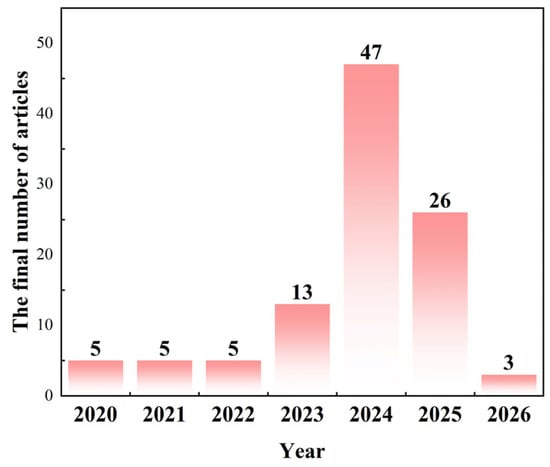
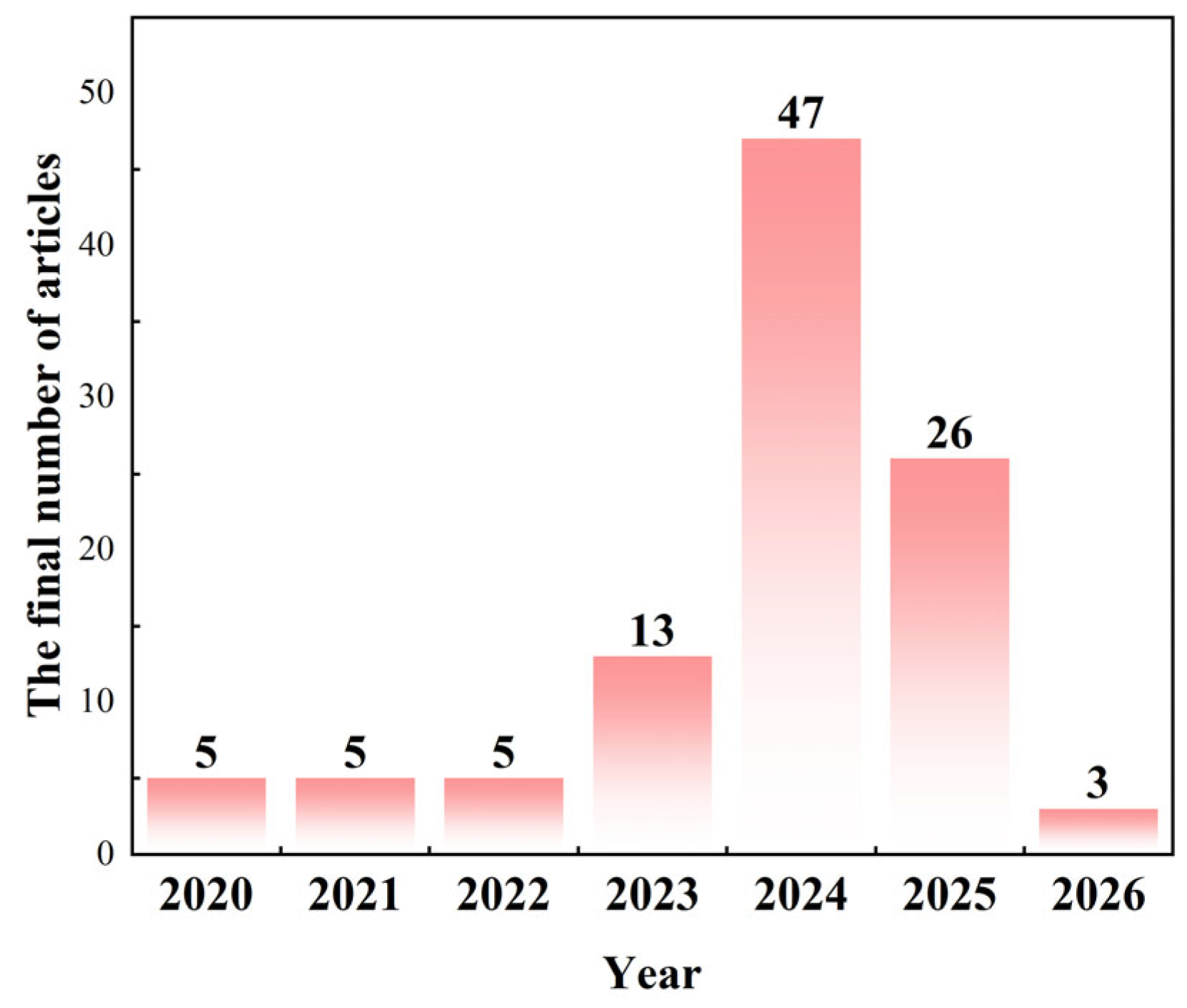
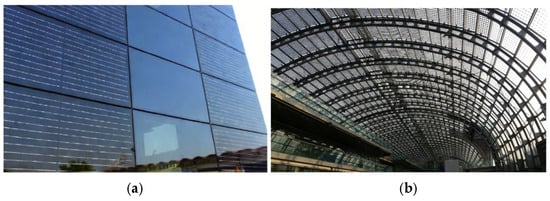
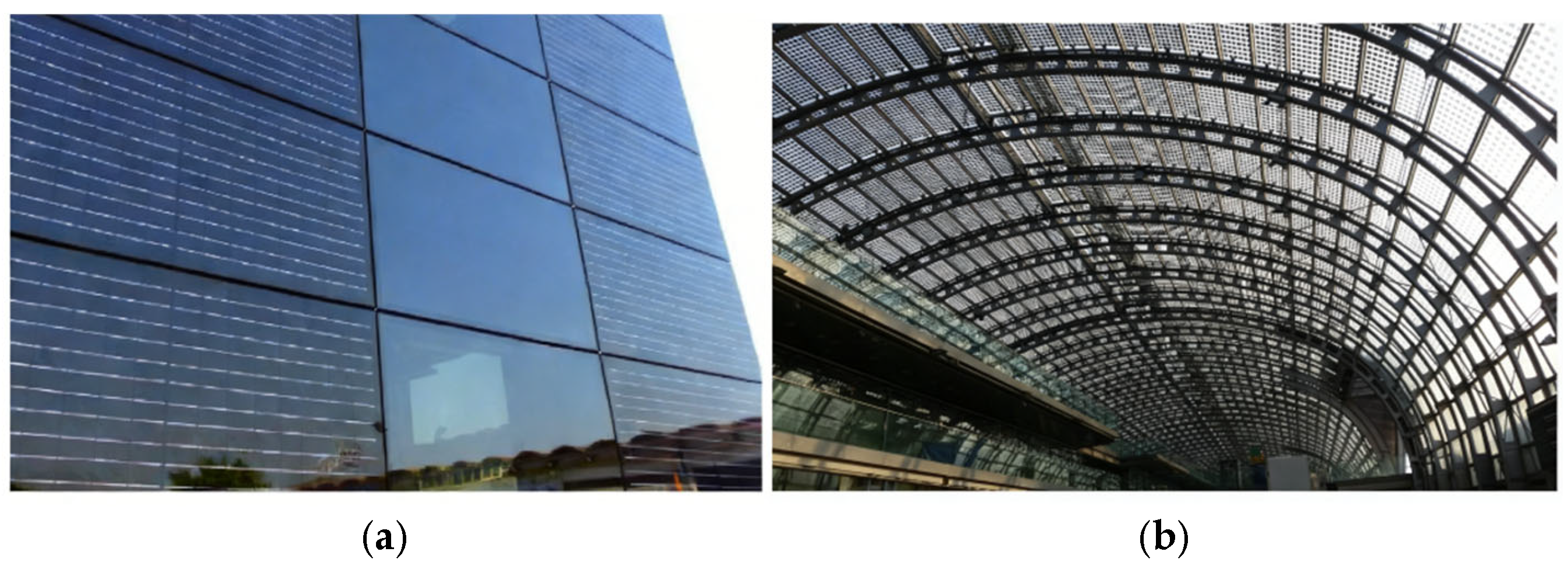
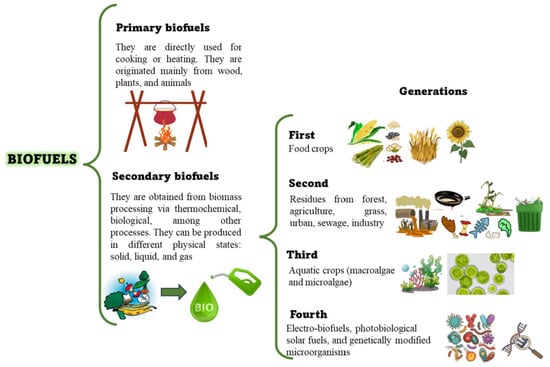
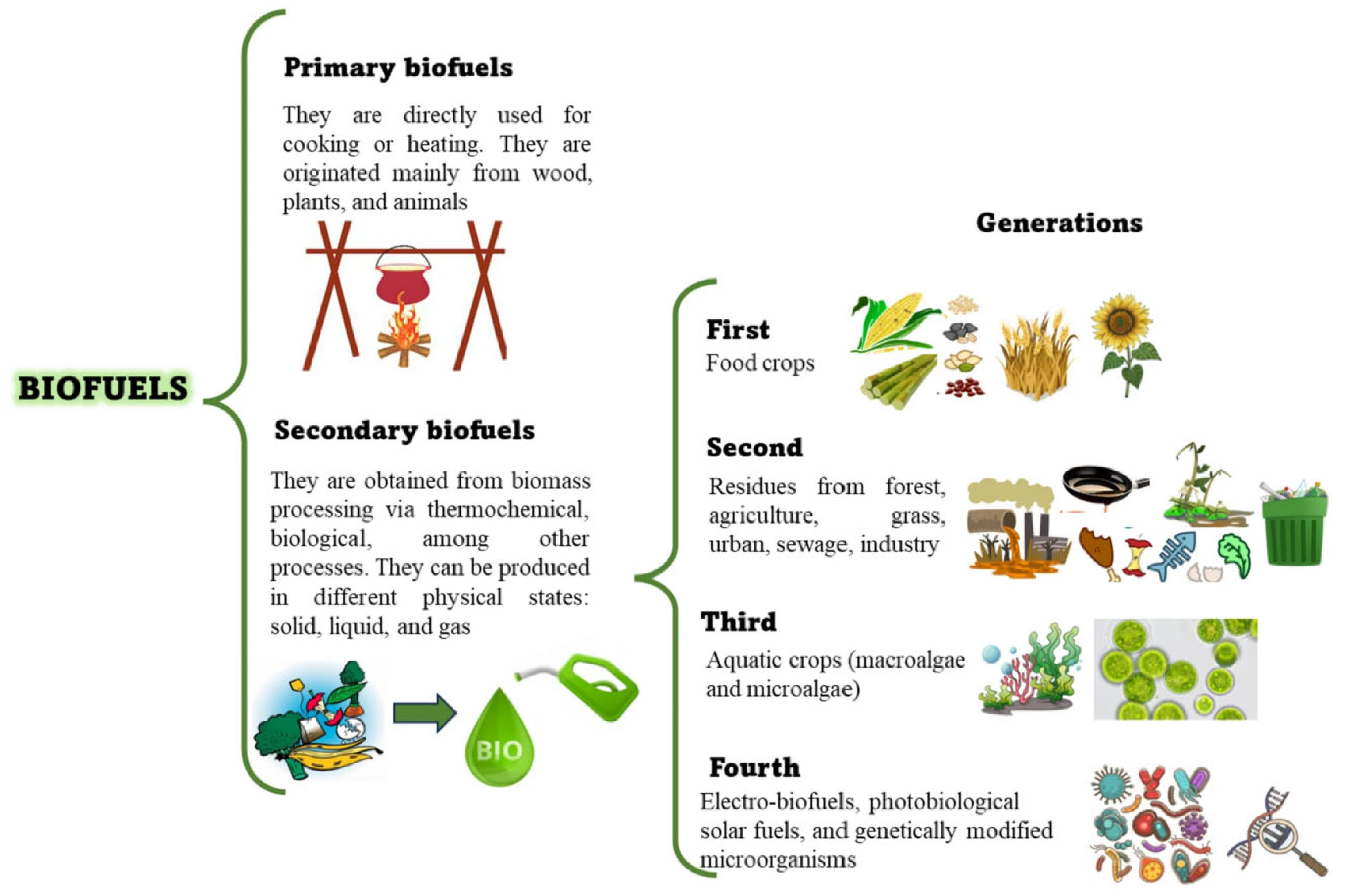


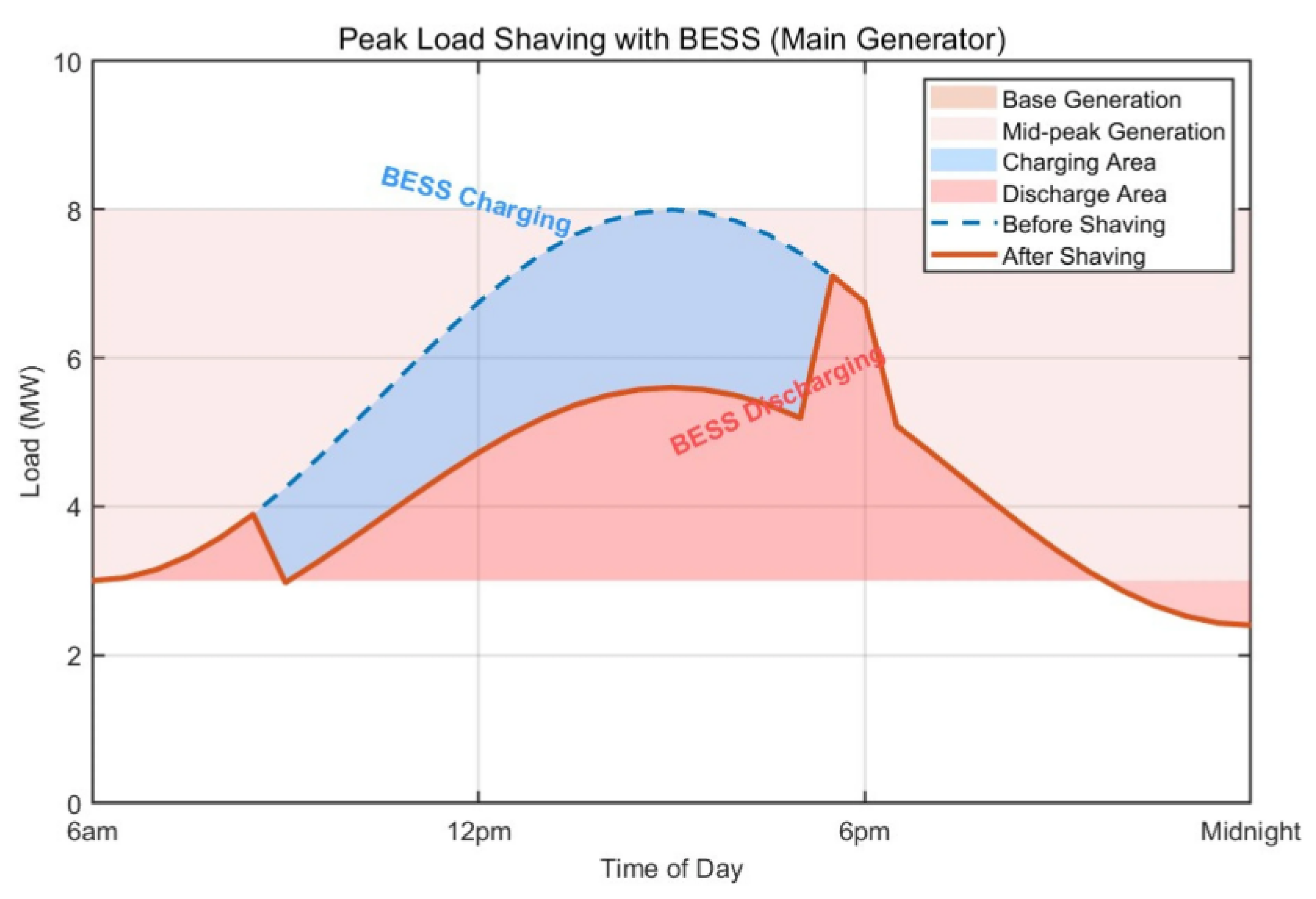
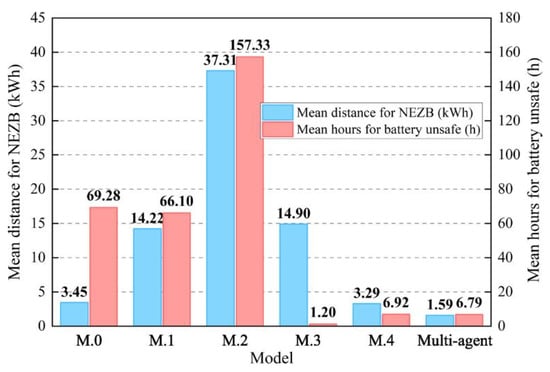
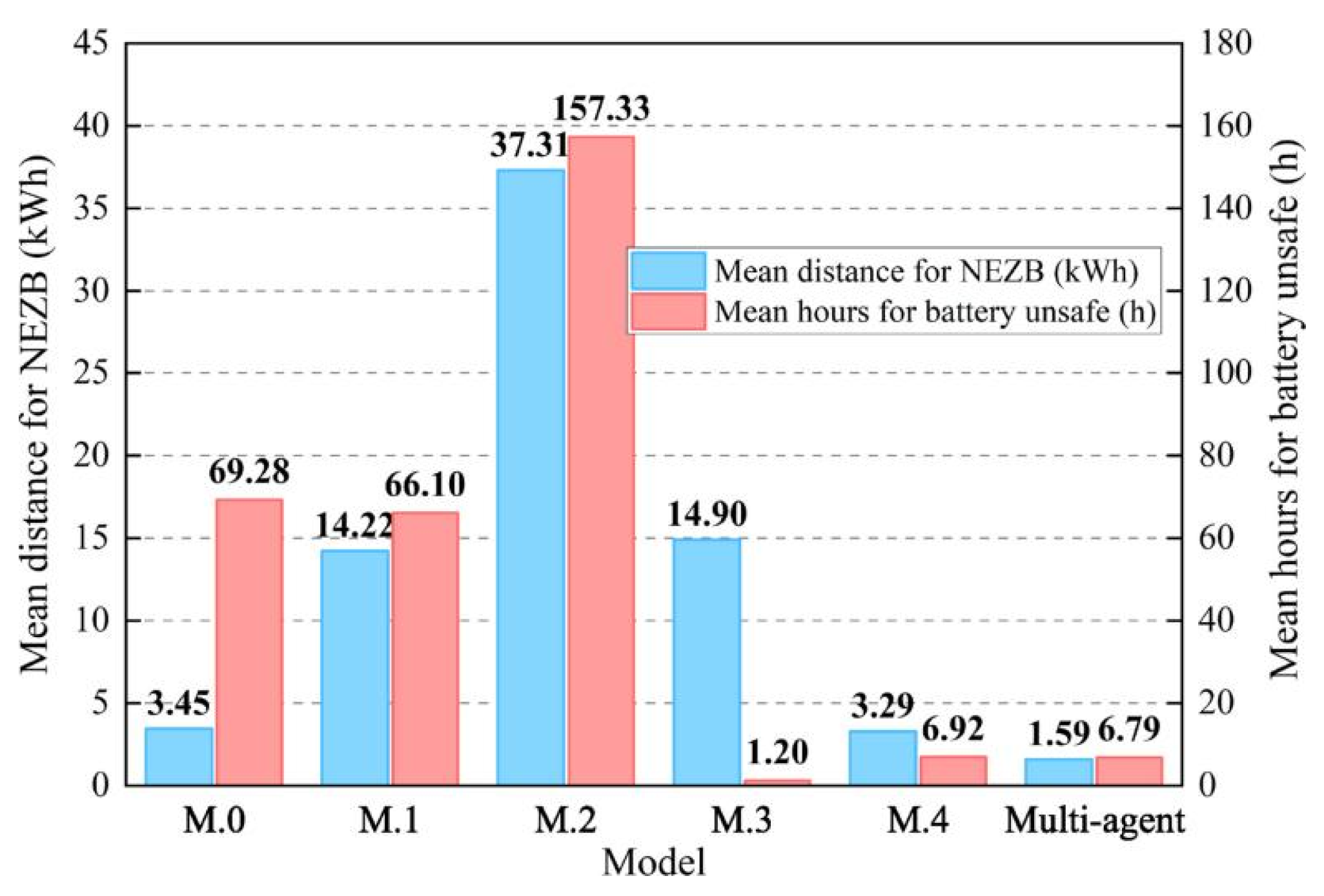
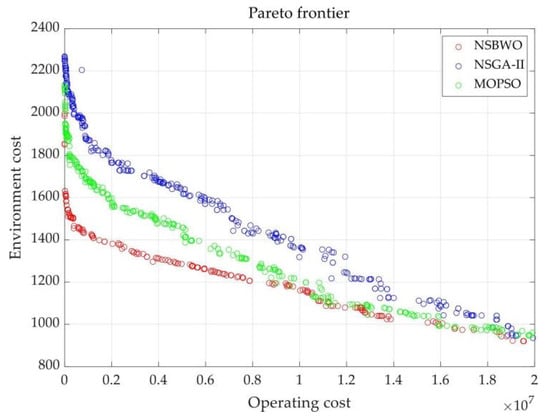
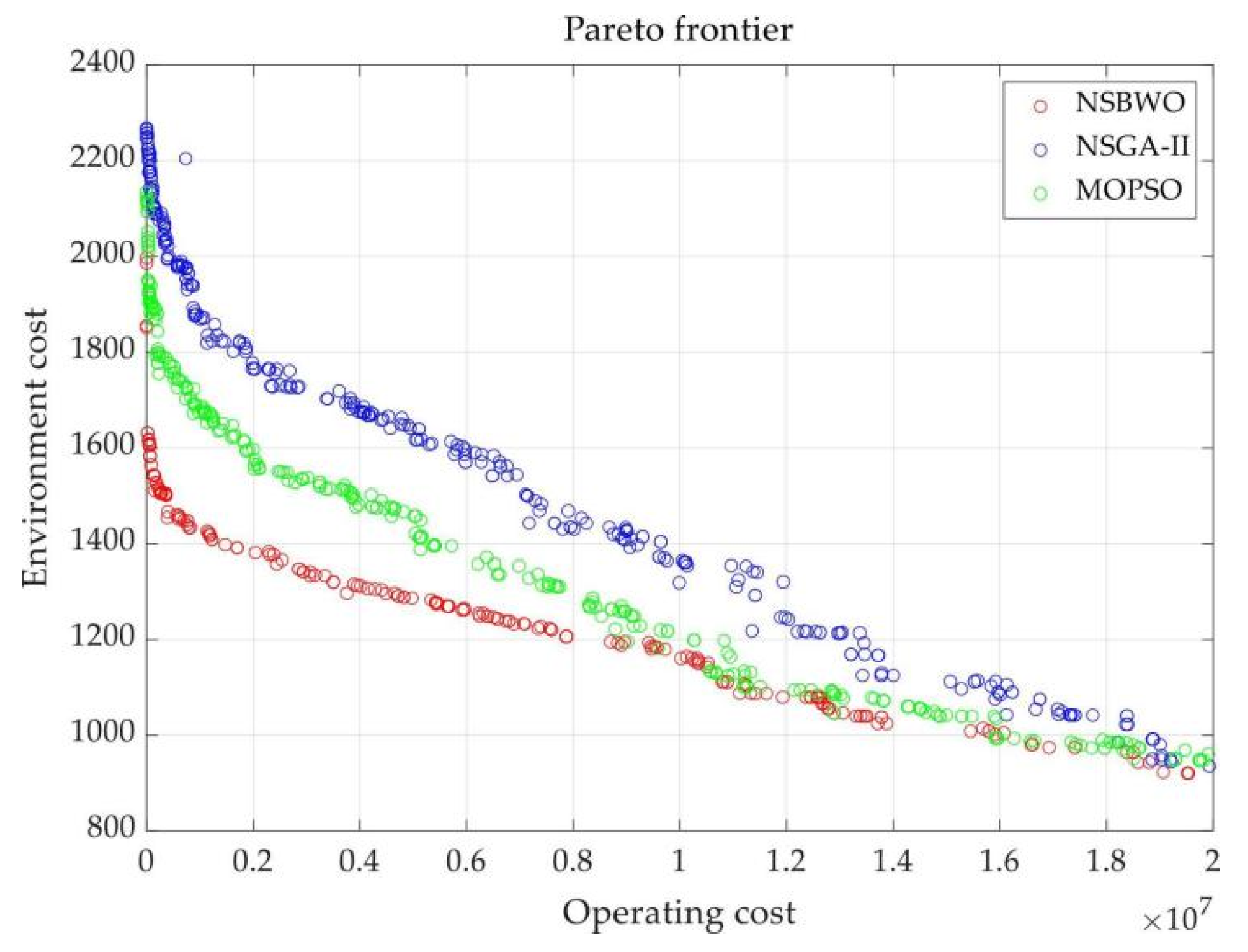
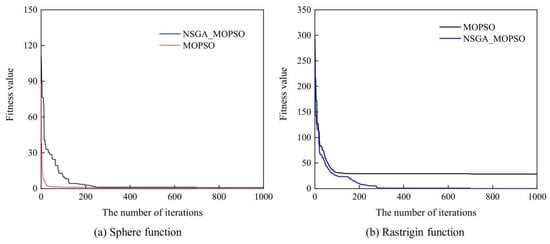
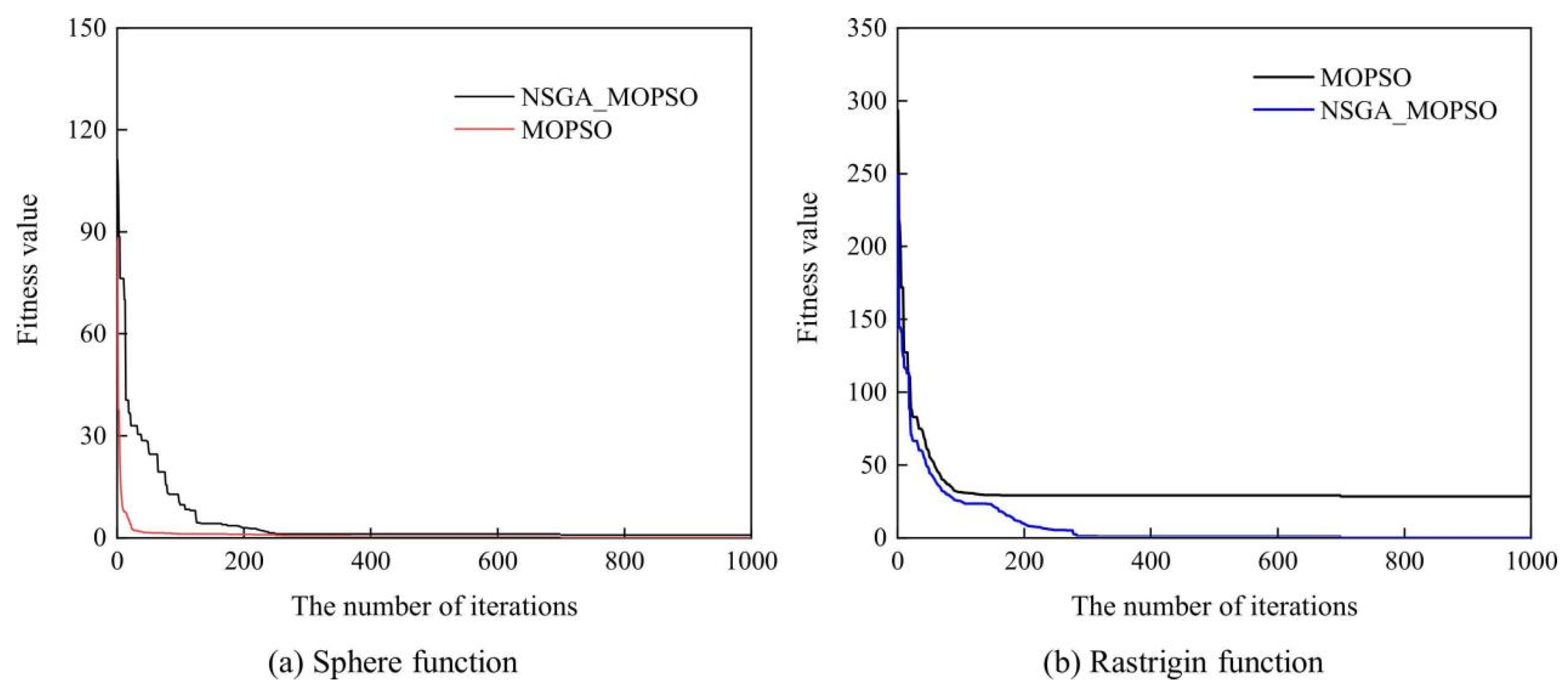
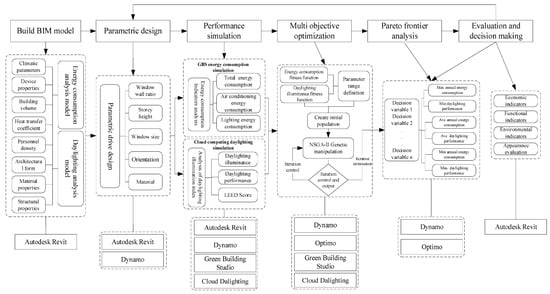
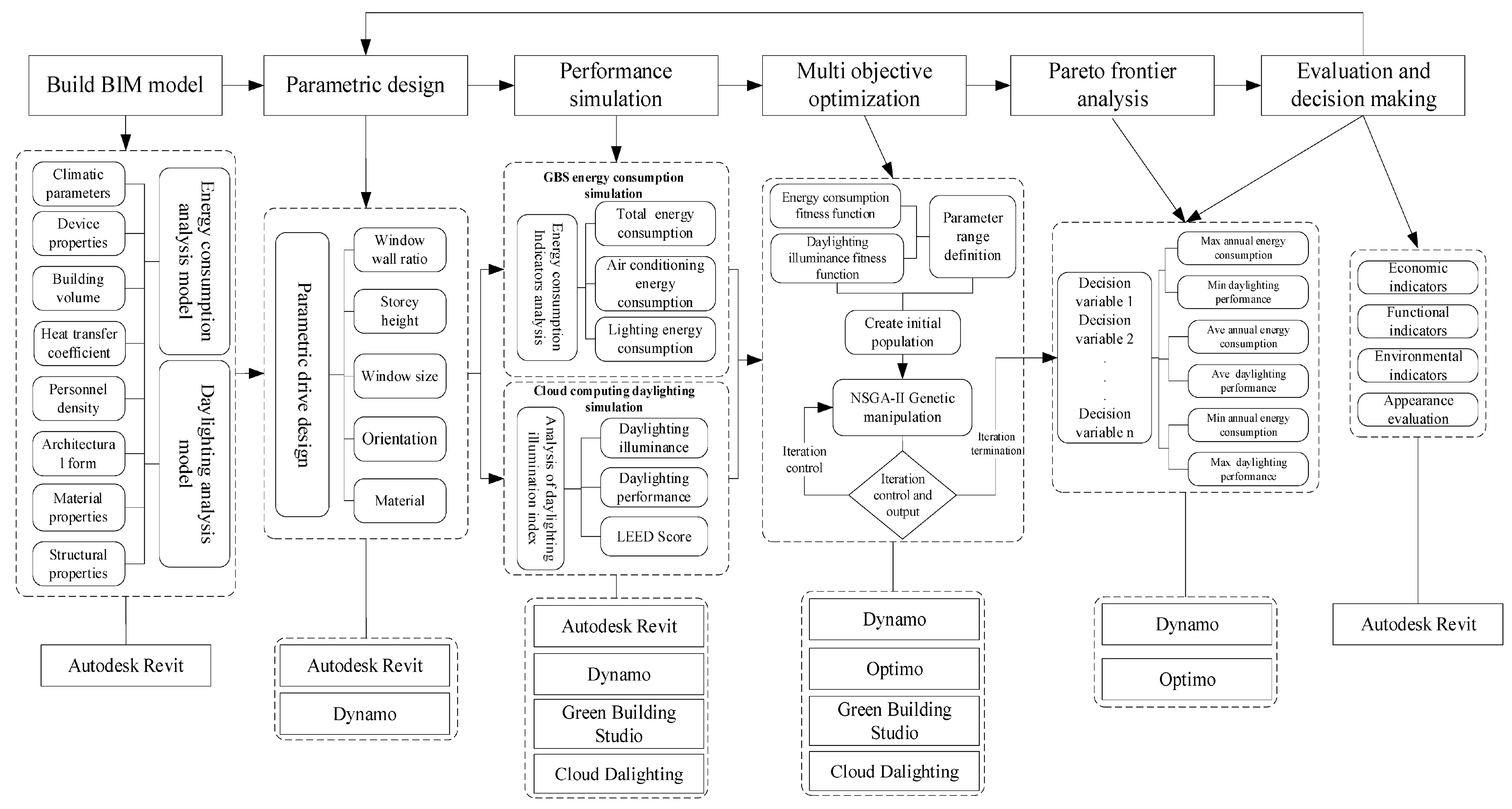

Disclaimer/Publisher’s Note: The statements, opinions and data contained in all publications are solely those of the individual author(s) and contributor(s) and not of MDPI and/or the editor(s). MDPI and/or the editor(s) disclaim responsibility for any injury to people or property resulting from any ideas, methods, instructions or products referred to in the content. |
© 2026 by the authors. Licensee MDPI, Basel, Switzerland. This article is an open access article distributed under the terms and conditions of the Creative Commons Attribution (CC BY) license.