


Abstract
Digital technologies are transforming how urban architectural heritage is represented, explored, and learned, yet less is known about whether such experiences are associated with users’ intention to continue heritage learning beyond gameplay. Drawing on the Stimulus–Organism–Response framework, this study examines how perceived authenticity of heritage representation (PAHR) and architectural spatial exploration interactivity (ASI) relate to self-reported architectural heritage knowledge acquisition (KA), perceived learning value (PV), cultural identity (CI), perceived enjoyment (PE), and continuance learning intention (CLI). Using 423 valid responses from users of the Digital Central Axis · Microcosm serious game, we integrated PLS-SEM, MICOM/PLS-MGA, and fsQCA. PAHR and ASI were positively associated with perceived KA, PV, CI, and PE. Perceived KA was directly associated with CLI and showed significant indirect relationships through PV and CI, whereas PE→CLI and KA→PE→CLI were nonsignificant. PLS-MGA revealed selective differences between users with and without prior on-site heritage visitation experience. fsQCA identified four sufficient configurations for high CLI, showing that PE may still function as a core condition within specific combinations. These findings concern self-reported perceived knowledge acquisition and future learning intention rather than objectively measured knowledge gains or actual subsequent learning behavior, and they indicate how authenticity, spatial exploration, prior physical experience, and cognitive–psychological responses are associated with post-experience heritage learning intention.
1. Introduction
Urban architectural heritage is increasingly exposed to pressures from urban redevelopment, overtourism, and climate change, creating a need to expand public access and learning while safeguarding physical heritage environments [1,2,3]. Digital technologies such as 3D scanning, virtual and augmented reality (VR/AR), and game engines have consequently extended heritage practice beyond reconstruction and visualization toward interpretation, spatial experience, and public participation [4]. The Beijing “Digital Central Axis” exemplifies this transition. By integrating high-resolution scanning, game-engine technologies, and cloud gaming, the project digitally reconstructs the Beijing Central Axis and extends public engagement with architectural heritage through combined online and offline experiences [5]. In this study, urban architectural heritage serious games are defined as digitally gamified experiences that place historic buildings and their spatial logic at the core of the content and structure user participation through tasks, rules, feedback, and spatial exploration, rather than merely using architectural heritage as a visual backdrop or providing simple three-dimensional walkthroughs [6]. Accordingly, as digital technologies increasingly make urban architectural heritage more “visible, accessible, and interactive,” a more important question is whether such digital experiences are associated with greater public understanding of architectural heritage and with users’ intention to continue learning after the game.
For the purposes of the present study, three themes in the digital architectural-heritage literature are particularly relevant. The first concerns digital representation and spatial experience, including three-dimensional reconstruction, authenticity, interactivity, immersion, and navigation. This body of research shows that digital heritage experience extends beyond visual reproduction: spatial sequences, route organization, movement, viewpoint shifts, and embodied participation can also shape users’ understanding of architectural space and cultural meaning [2,6,7]. A second relevant theme concerns heritage learning and psychological experience. Prior studies have linked cultural identity with heritage engagement [8,9], applied the S-O-R model to virtual-tour experiences [10], and shown that serious games can support knowledge acquisition, learning retention, and motivation [11,12,13]. Value judgments are also associated with heritage engagement [8,9]. A third theme concerns post-experience continuance, particularly continued use, repeated experience, and sustained engagement with digital heritage games and platforms [14,15,16,17]. These themes are not intended as an exhaustive classification of digital architectural-heritage research; rather, they identify the bodies of literature most directly related to the research problem examined here.
These strands, however, address different post-experience outcomes. Heritage-learning research primarily asks whether users acquire and retain knowledge, whereas post-adoption research generally asks whether they continue using a digital system. Consequently, continuing to use a digital product and continuing to learn about the heritage content it conveys remain insufficiently differentiated in cultural heritage serious-game research [14]. The present study does not treat continuance learning intention as an entirely new generic continuance construct. Rather, its conceptual extension lies in shifting the behavioral target of continuance in digital heritage research from continued use of the digital product to continued engagement with heritage knowledge after the digital experience. Architectural heritage continuance learning intention therefore concerns whether users remain willing to seek, explore, follow, and learn about architectural heritage beyond gameplay, irrespective of whether they continue using the focal game. This distinction separates product-directed continuance from heritage-content-directed continuance. Moreover, continuance outcomes may arise from multiple combinations of experiential and psychological conditions rather than from a single dominant factor [16]. This distinction is particularly important for architectural heritage. Architectural meaning is shaped not only by images, texts, and cultural information but also by spatial sequences, routes, orientation, movement, and interaction with the built environment [2,6]. Accordingly, this study conceptualizes Architectural Spatial Exploration Interactivity (ASI) as perceived interactivity contextualized to the exploration of architectural heritage as a spatially organized environment, rather than as generic system interactivity. The construct reflects perceived control over exploration, system responsiveness, sustained interaction with game content, and the extent to which interactive design encourages active exploration of architectural-heritage content; it does not directly measure spatial-navigation or orientation performance. Because digital architectural heritage also corresponds to real physical sites, prior on-site experience may provide spatial and experiential reference points for interpreting later digital experiences [3]. The unresolved issue is therefore how authentic heritage representation and architectural spatial exploration are associated with knowledge acquisition and value-related, cultural, and affective responses, how these relationships are associated with heritage continuance learning intention after gameplay, and whether they vary with prior physical-site experience and different configurations of conditions.
This study therefore examines how digital architectural experiences in an urban architectural heritage serious game are associated with architectural heritage continuance learning intention after the game. It further examines whether structural relationships differ between respondents with and without prior on-site heritage visitation experience and investigates the multiple configurations associated with high continuance learning intention. In this study, OHE is used only as a binary contextual boundary indicating the presence or absence of prior physical-site exposure; it does not represent multidimensional variation in the frequency, recency, duration, intensity, or remembered quality of that experience. Accordingly, references to OHE-related structural heterogeneity concern between-group differences in model relationships rather than heterogeneity in the full phenomenological content of prior on-site experience. Specifically, the study addresses the following four research questions:
RQ1: How are perceived authenticity of heritage representation (PAHR) and architectural spatial exploration interactivity (ASI) associated with perceived knowledge acquisition and value-related, cultural, and affective psychological responses?
RQ2: How is architectural heritage knowledge acquisition (KA) directly associated with continuance learning intention, and what specific indirect relationships emerge through perceived architectural heritage learning value (PV), cultural identity (CI), and perceived enjoyment (PE)?
RQ3: Do these structural relationships differ significantly between groups with and without prior on-site heritage visitation experience?
RQ4: What combinations of PAHR, ASI, KA, PV, CI, and PE are associated with high levels of architectural heritage continuance learning intention (CLI)?
To address these questions, this study adopts the Stimulus–Organism–Response (S-O-R) framework as its overarching theoretical lens. The framework provides a theoretical organization in which external experiential stimuli are related to behavioral responses through individuals’ internal cognitive and affective states and has been widely applied in research on cultural heritage serious games and digital heritage experiences [15,16]. Accordingly, perceived authenticity of heritage representation and architectural spatial exploration interactivity are conceptualized as experiential stimuli; perceived knowledge acquisition represents a cognitive Organism response; perceived architectural heritage learning value, cultural identity, and perceived enjoyment represent distinct evaluative, cultural, and affective Organism states; and architectural heritage continuance learning intention is treated as the Response. This organization specifies theory-directed relationships among the constructs rather than an empirically observed temporal sequence. Prior on-site heritage visitation experience is used to identify contextual differences associated with physical-site experience.
The empirical analysis proceeds at three complementary levels. First, PLS-SEM is used to test the hypothesized structural relationships and prespecified specific indirect effects in the overall sample. Second, after MICOM confirms measurement comparability between respondents with and without prior on-site experience, PLS-MGA is conducted to examine whether these structural relationships differ significantly between the two groups [18]. Finally, fsQCA is employed to identify multiple sufficient configurations associated with high continuance learning intention, thereby complementing net-effect analysis by capturing configurational patterns of condition synergy, substitution, and equifinality [16]. Accordingly, this study theoretically relates digital architectural spatial experience to perceived cognitive, evaluative, cultural, and affective responses and to heritage continuance learning intention, while incorporating prior physical-site experience to examine heterogeneity in these relationships. Methodologically, it provides complementary evidence at three levels: overall structural relationships, group heterogeneity, and configurational complexity. Practically, the findings offer implications for urban architectural heritage digitalization projects seeking to balance authentic representation, spatial exploration, and sustained public learning.
2. Literature Review
2.1. Serious Games for Urban Architectural Heritage and Digital Heritage Experience
Cultural heritage serious games transform heritage content into participatory learning and interpretation through rules, tasks, narratives, and interaction. A review of location-based cultural heritage games shows that experiential, active, and situated learning perspectives have been widely used to examine their design and educational outcomes [19].
Architectural heritage has a distinctive spatial character. Liu and Willkens show that architectural meaning-making depends not only on cultural content but also on spatial sequences, route organization, and embodied experience, making architectural space itself part of heritage interpretation and game mechanics [6]. Empirical research further demonstrates that serious games can improve cultural heritage knowledge and sustain learning effects beyond immediate gameplay [11]. These findings establish the educational potential of heritage serious games, while leaving open how such learning may extend into continued heritage learning after the digital experience.
2.2. Authenticity and Spatial Interactivity in Digital Architectural Heritage Experiences
Research on the antecedents of digital heritage experiences has primarily examined content authenticity, information quality, visual presentation, immersion, and interactivity. Drawing on an extended S-O-R model and survey data from 430 participants in Nishan Shaman, Jiang et al. found that the authenticity of cultural elements, information richness, aesthetics, and interactivity influenced continuance intention through perceived usefulness and perceived enjoyment [15]. These studies establish the importance of authenticity and interactivity in digital heritage experiences, but interactivity is typically conceptualized in terms of interface operation, system feedback, or general user–content interaction [20,21]. Research on architectural heritage further suggests that space itself has a distinct cognitive function. Using an experimental–control group design, pre- and post-tests of knowledge, and PLS path analysis, Zhao, Yan, and Bao found that spatial interaction in an immersive AR serious game significantly enhanced cultural cognition [22]. Research on embodied cognition in architectural heritage further indicates that bodily movement, perception of scale, spatial orientation, and interaction with the surrounding environment jointly contribute to the understanding of architectural space and the construction of meaning [2]. Recent studies of historic built environments further indicate that heritage perception is closely related to identifiable spatial, material, and cultural characteristics of place. Yang et al. found that residents’ evaluations of the Historic Centre of Macao were associated with specific townscape characteristics, including the layout of public spaces, materials and colors, cultural and religious elements, and signage systems [23]. Ge et al. further showed that tourists, residents, and third-party representatives differed in their levels of identification with tangible and intangible cultural elements of the Historic Centre of Macao, indicating that architectural-heritage perception is shaped not only by heritage characteristics themselves but also by users’ experiential and stakeholder positions [24]. Thus, in the context of urban architectural heritage, generic “interactivity” alone is insufficient to capture the full nature of digital experience. The perceived authenticity of heritage representation and the active exploration of architectural space should therefore be treated as distinct experiential dimensions.
2.3. Heritage Learning and Psychological Internalization
Knowledge acquisition is a central educational outcome in heritage serious-game research. Experimental studies show that serious games can improve both cultural heritage learning performance and motivation [11,12]. S-O-R and post-adoption research further indicates that knowledge acquisition can be associated with psychological evaluations. Bao et al., for example, found that knowledge acquisition and cultural authenticity were significantly related to perceived value, cultural identity, and perceived enjoyment, which in turn predicted game continuance intention [14].
Existing research therefore connects cognitive learning with value-related, cultural, and affective responses [14]. However, the final outcome remains primarily game continuance intention. Whether these cognitive and psychological outcomes can extend beyond continued use of the digital product to continued learning about the heritage itself remains less developed.
2.4. From Continued Use to Sustained Heritage Learning: Differences Between Physical and Digital Experience
Cultural heritage post-adoption research has primarily examined continued digital-system use. Jiang et al., combining SEM and fsQCA, found that perceived value, satisfaction, and cultural identity were associated with continuance behavioral intention and that multiple configurations could produce high continuance intention [16]. Online-learning research likewise shows that knowledge outcomes can predict continuance learning intention [25]. However, this post-learning perspective has rarely been incorporated into architectural heritage serious-game research.
A particularly close recent comparator is Bao, Guo, and Jung, who applied the S-O-R framework and PLS-SEM to user engagement in intangible-cultural-heritage serious games [26]. Their model and the present study share several conceptually adjacent elements, but they assign them different theoretical roles. Bao et al. treated cultural authenticity, knowledge acquisition, and interactivity, together with emotional connection, perceived playfulness, and design aesthetics, as stimulus-level game characteristics; cultural identity, perceived usefulness, and perceived enjoyment were modeled as Organism states, and game user engagement was specified as the Response. Their results supported the proposed stimulus-to-organism and organism-to-engagement relationships. Accordingly, the present study does not claim novelty for the general proposition that authenticity-, interactivity-, knowledge-, identity-, evaluative-, and enjoyment-related factors are associated within an S-O-R explanation of heritage-game outcomes. Instead, it addresses a more delimited question that remains insufficiently resolved in the existing literature: how this established S-O-R logic operates when the focal object is architectural heritage and the focal outcome is learning-oriented continuance. In the present model, perceived KA is positioned as a cognitive Organism response to PAHR and ASI and is further associated with PV, CI, PE, and CLI; ASI narrows generic interactivity toward interaction with architectural heritage as a spatially organized environment; OHE introduces the physical-site reference as a contextual grouping condition; and MICOM/PLS-MGA and fsQCA extend the analysis from overall structural associations to selective group differences and configurational sufficiency. The incremental contribution therefore lies in this architectural, learning-oriented, and heterogeneity/configurational re-specification of an established S-O-R research space rather than in re-establishing generic relationships already demonstrated in closely related heritage serious-game research.
Architectural heritage also involves a distinctive relationship between digital and physical space [27]. Built-heritage XR research suggests that prior on-site visits can provide embodied memories and real-world reference points for evaluating subsequent digital experiences [3]. Methodologically, previous studies have combined SEM with ANN, NCA, or fsQCA to capture linear, necessary, nonlinear, and configurational relationships [14,16]. Taken together, three issues remain insufficiently resolved: how authentic representation and spatial exploration relate to architectural heritage knowledge acquisition; how perceived knowledge acquisition is associated with value, identity, enjoyment, and heritage continuance learning intention; and whether these relationships vary across prior physical-site experience and alternative configurations of conditions.
The construct set was therefore selected to represent the aspects of digital experience and post-experience learning that are most directly relevant to architectural heritage rather than to provide an exhaustive account of all possible determinants. PAHR captures whether the digital representation is perceived as credible in relation to historically and materially grounded heritage content, whereas ASI captures the interactive exploration of architecture as spatially organized heritage rather than generic interface use [2,6,14,22]. Perceived KA represents the learning-oriented cognitive response to this experience, while PV, CI, and PE capture three theoretically distinct ways in which that experience may acquire personal significance: evaluation of its learning value, identification with its cultural meaning, and positive affective experience [8,11,14,25]. CLI is included because the central outcome of interest is learning-oriented continuance rather than digital-product use alone, and OHE is included as a contextual boundary because architectural heritage exists simultaneously as a digital representation and a physically visitable environment [3,16,27]. Thus, the selected constructs form a parsimonious, theory-grounded set aligned with the four research questions; they are not proposed as an exhaustive model of all factors that may shape architectural-heritage learning.
3. Theoretical Framework and Hypothesis Development
3.1. S-O-R Theoretical Framework and Research Model
Continued learning in urban architectural heritage serious games involves digital experiential characteristics, architectural spatial cognition, internal psychological states, and learning-oriented continuance, making it difficult for any single theoretical perspective to account for all of these relationships. This study therefore adopts Stimulus–Organism–Response (S-O-R) theory as the overarching framework, supplemented by the heritage authenticity perspective and embodied cognition theory to explain content- and space-related characteristics specific to architectural heritage. These perspectives are not treated as parallel theories. Rather, S-O-R provides the overarching relational organization of experiential stimuli, Organism states, and the Response; the heritage authenticity perspective explains the role of credible digital representation of architectural heritage; and embodied cognition theory provides the basis for interpreting the architectural-spatial significance of ASI and prior physical-site experience.
Stimulus–Organism–Response theory proposes that external environmental stimuli influence behavioral responses through individuals’ internal cognitive and affective states [28,29]. Research on digital cultural heritage has further applied this framework to explain how external experiential characteristics, such as authenticity and interactivity, are associated with subsequent behavior through perceived value, cultural identity, and affective states [8,14].
Accordingly, this study positions perceived authenticity of heritage representation (PAHR) and architectural spatial exploration interactivity (ASI) at the stimulus level; architectural heritage knowledge acquisition (KA), perceived architectural heritage learning value (PV), cultural identity (CI), and perceived enjoyment (PE) at the organism level; and architectural heritage continuance learning intention (CLI) as the response. Within this theoretical organization, KA represents a perceived cognitive learning response, whereas PV, CI, and PE represent value-related, cultural, and affective psychological responses. The ordering of these constructs reflects the theory-specified structure of the S-O-R framework and the hypothesized direction of relationships; it should not be interpreted as an empirically demonstrated temporal sequence because all focal constructs were measured using cross-sectional self-report data.
In this study, psychological internalization is used as a theoretical characterization of differentiated internal states within the Organism component, encompassing perceived cognitive learning and evaluative, cultural, and affective responses. It is not modeled as an independent higher-order construct and does not imply a fixed temporal sequence among KA, PV, CI, and PE. PAHR and ASI are hypothesized to be associated with KA, PV, CI, and PE, while KA is also hypothesized to be associated with PV, CI, PE, and CLI. Accordingly, the refinement of the S-O-R framework in this study lies in distinguishing functionally different Organism states and examining how their structural associations with CLI differ within the theory-specified model.
Building on this framework, the heritage authenticity perspective emphasizes that digital representation concerns not only visual realism but also the credibility of its relationship with historical evidence, cultural context, and heritage meaning, thereby providing the theoretical basis for positioning PAHR as a core experiential stimulus [20].
Embodied cognition theory, in turn, holds that cognition emerges through continuous interaction among the body, perception, and the environment [30,31]. Movement, orientation, routes, and perceptions of scale all contribute to the understanding of architectural space. This perspective therefore explains the theoretical significance of ASI as distinct from generic interface interactivity and provides a basis for treating prior on-site heritage visitation experience (OHE) as a boundary between physical and digital experience [2,3]. Accordingly, the model specifies relationships among digital architectural experience, perceived cognitive learning, evaluative, cultural, and affective Organism states, and continuance learning intention. The following section develops the corresponding hypotheses.
3.2. Hypothesis Development
Based on the theoretical framework outlined above, the hypotheses specify theory-directed relationships among digital architectural experience, perceived cognitive learning, evaluative, cultural, and affective Organism states, and continuance learning intention. Previous research indicates that authenticity and spatial interactivity in digital heritage environments are associated with users’ understanding of cultural content and cognitive responses, while knowledge acquisition is also related to value evaluations, cultural identity, and perceived enjoyment [14,22]. Cognitive and affective states have likewise been identified as important correlates of engagement and continuance outcomes in digital cultural experiences [8].
Accordingly, the following hypotheses define the directional structural relationships proposed by the theoretical model. Their ordering reflects the analytical specification of the S-O-R framework and should not be interpreted as evidence that the corresponding constructs unfolded sequentially in time.
3.2.1. Perceived Authenticity of Heritage Representation
Authenticity has long been used to explain perceptions of credible cultural and tourism experiences [32,33]. In digital heritage, it concerns not only visual resemblance but also correspondence with historical evidence, cultural context, and heritage meaning [20,34]. Research on ancient architectural heritage serious games similarly evaluates authenticity through architectural representation, cultural elements, and historical context [14].
In this study, Perceived Authenticity of Heritage Representation (PAHR) refers to users’ perception that the architectural forms, historical information, and cultural content presented in the digital environment credibly correspond to their real-world heritage prototypes [35]. Such credibility can facilitate knowledge acquisition by increasing the trustworthiness and interpretability of heritage information and may also strengthen learning value, cultural identity, and enjoyment. Previous studies link cultural-content authenticity with heritage understanding and perceived value [15], while Bao et al. report significant relationships between authenticity and perceived value, cultural identity, and enjoyment [14].
Accordingly, the following hypotheses are proposed:
H1a.
Perceived authenticity of heritage representation is positively associated with architectural heritage knowledge acquisition.
H1b.
Perceived authenticity of heritage representation is positively associated with perceived architectural heritage learning value.
H1c.
Perceived authenticity of heritage representation is positively associated with cultural identity.
H1d.
Perceived authenticity of heritage representation is positively associated with perceived enjoyment.
3.2.2. Architectural Spatial Exploration Interactivity
Interactivity refers to users’ capacity to influence mediated content or environments [36,37]. In virtual heritage, it also encompasses navigation, movement, viewpoint shifts, and interaction with spatial objects [7]. Architectural heritage gives these processes particular significance because architectural meaning emerges through spatial sequences, routes, movement, and embodied experience [6].
Architectural Spatial Exploration Interactivity (ASI) is conceptualized in this study as users’ perceived interactivity while exploring architectural-heritage content represented within a digitally organized spatial environment. It differs from generic system interactivity because the focal interaction is situated within architectural heritage rather than with the digital interface in the abstract. The ASI indicators assess perceived control over operation and exploration, system responsiveness, sustained interaction with game content, and the extent to which interactive design encourages active exploration of architectural-heritage content. Accordingly, ASI should be interpreted as architecture-focused perceived interactivity rather than as a direct measure of spatial-navigation ability, route-selection performance, or spatial orientation. Research on architectural heritage nevertheless provides a theoretical basis for situating such interactivity within environments characterized by movement, routes, viewpoints, and spatial relationships [6,7]. Embodied cognition further supports the relevance of active interaction with spatially organized environments to knowledge and cultural responses [2], while prior studies have associated spatial interaction with cultural cognition [22], perceived interactivity with cultural value and identity [8], and mixed-reality interactivity with enjoyment [37].
Accordingly, the following hypotheses are proposed:
H2a.
Architectural spatial exploration interactivity is positively associated with architectural heritage knowledge acquisition.
H2b.
Architectural spatial exploration interactivity is positively associated with perceived architectural heritage learning value.
H2c.
Architectural spatial exploration interactivity is positively associated with cultural identity.
H2d.
Architectural spatial exploration interactivity is positively associated with perceived enjoyment.
3.2.3. Architectural Heritage Knowledge Acquisition
Knowledge acquisition involves integrating new information with existing knowledge and expanding understanding [14]. Digital-learning research also conceptualizes knowledge outcomes as learners’ perceived breadth and depth of understanding [25], while heritage serious-game studies have examined learning through both objective tests and self-reported acquisition [11,14].
In this study, Architectural Heritage Knowledge Acquisition (KA) refers to users’ self-reported perceived acquisition and understanding of knowledge concerning the history, spatial relationships, and cultural significance of Beijing Central Axis architectural heritage. KA therefore represents a perceived cognitive learning response rather than an objectively tested learning gain or a game attribute [38]. Higher perceived KA may be associated with stronger learning-value judgments, cultural understanding, identity, and enjoyment; Bao et al. report significant relationships between knowledge acquisition and perceived value, cultural identity, and enjoyment [14]. Online-learning research further identifies perceived knowledge outcomes as important predictors of continuance learning intention [25].
Accordingly, the following hypotheses are proposed:
H3a.
Architectural heritage knowledge acquisition is positively associated with perceived architectural heritage learning value.
H3b.
Architectural heritage knowledge acquisition is positively associated with cultural identity.
H3c.
Architectural heritage knowledge acquisition is positively associated with perceived enjoyment.
H3d.
Architectural heritage knowledge acquisition is positively associated with architectural heritage continuance learning intention.
3.2.4. Perceived Architectural Heritage Learning Value
Zeithaml defined perceived value as an individual’s overall assessment of the utility of a product or service based on a trade-off between what is received and what is given, with the core concept involving the balance between perceived benefits and incurred costs [39]. In the context of serious games for ancient architectural heritage, perceived value has been further examined in terms of cultural and educational value, experiential benefits, and whether the time invested in the experience is considered worthwhile [14]. Accordingly, in this study, Perceived Architectural Heritage Learning Value (PV) is defined as users’ overall cognitive evaluation of whether the architectural heritage learning benefits provided by the serious game are meaningful and worth the investment of time and attention.
From an S-O-R perspective, PV represents a cognitive evaluation formed in response to users’ prior digital experience and knowledge acquisition. When users perceive the architectural heritage learning benefits of the game as meaningful and worth their investment, the expected value of further learning increases, making them more likely to continue exploring and learning about the relevant architectural heritage after the game [40]. Previous research on virtual cultural heritage tourism has shown that perceived value significantly enhances continuance behavioral intention [16]. Similarly, research on serious games for ancient architectural heritage has confirmed a positive relationship between perceived value and continuance intention [14].
Accordingly, the following hypothesis is proposed:
H4a.
Perceived architectural heritage learning value is positively associated with architectural heritage continuance learning intention.
3.2.5. Cultural Identity
Cultural identity generally refers to an individual’s or group’s sense of belonging, psychological commitment, and value recognition toward a particular culture [16]. Deng et al. further noted that cultural identity reflects not only emotional attachment to a culture but also the incorporation of its meanings into the self-concept, thereby shaping subsequent psychological and behavioral responses [9]. In cultural heritage research, the construct is commonly used to capture individuals’ emotional connection to the history, traditions, and value systems embodied in heritage and is often measured through dimensions such as cultural belonging, value identification, and cultural pride [16]. In this study, Cultural Identity (CI) is defined as the extent to which users develop identification with and emotional attachment to the historical culture, value significance, and sense of cultural belonging embodied in the architectural heritage of the Beijing Central Axis after the game experience.
From the perspectives of cultural identity and S-O-R, when architectural heritage is transformed from an external object of learning into culturally meaningful content with personal relevance, users’ motivation to learn may extend beyond the immediate game experience and become sustained by cultural belonging and value identification. Stronger cultural identity can make continued exploration of architectural history, spatial culture, and symbolic meanings a means of maintaining and deepening one’s cultural connection, thereby increasing continuance learning intention. Previous research supports this identity–behavior relationship. Studies of serious games for ancient architectural heritage have found that cultural identity significantly and positively predicts continuance intention [14], while research on virtual cultural heritage tourism similarly shows that cultural identity significantly promotes continuance participation intention by strengthening users’ connection with heritage culture [16].
Accordingly, the following hypothesis is proposed:
H4b.
Cultural identity is positively associated with architectural heritage continuance learning intention.
3.2.6. Perceived Enjoyment
Davis, Bagozzi, and Warshaw defined perceived enjoyment as the pleasure and enjoyment derived from using a technology for its own sake [41]. In serious-game contexts, the construct further refers to the enjoyment, pleasure, and positive affect experienced during participation [14,15,41]. In serious games for ancient architectural heritage, perceived enjoyment is commonly assessed through whether the game is enjoyable, psychologically relaxing, positively experienced, and capable of generating pleasant memories [14].
Unlike an attribute-based judgment of whether a game is “fun,” perceived enjoyment emphasizes the positive affective state that develops during actual use. In this study, Perceived Enjoyment (PE) is defined as the degree of pleasure, enjoyment, and psychological satisfaction experienced while exploring and learning about architectural heritage through the game. Within the S-O-R framework, PE represents an affective internal response elicited by the digital architectural experience. When architectural heritage learning is accompanied by positive affect and psychological satisfaction, the learning activity itself may become more intrinsically attractive, increasing users’ willingness to invest further attention and effort in exploring related heritage knowledge after the immediate experience has ended.
Previous studies support this affect–continuance relationship. Jiang et al. found that perceived enjoyment in serious games for intangible cultural heritage significantly promoted continuance use intention [15]. Bao et al. likewise reported a significant positive relationship between perceived enjoyment and continuance intention in serious games for ancient architectural heritage [14]. While these studies primarily examined continued game use, the present study extends the possible downstream role of positive affect to heritage learning beyond the game.
Accordingly, the following hypothesis is proposed:
H4c.
Perceived enjoyment is positively associated with architectural heritage continuance learning intention.
3.2.7. Architectural Heritage Continuance Learning Intention
Continuance intention originates from post-adoption research in information systems and refers to an individual’s subjective intention to continue engaging in an activity after an initial experience. This concept has subsequently been applied to online learning to capture learners’ willingness to continue participating in learning based on prior learning experience [25,42]. In cultural heritage serious-game research, however, continuance has more commonly been operationalized as game continuance intention—that is, whether users intend to continue using or revisiting the digital game itself [14]. The present study does not introduce Architectural Heritage Continuance Learning Intention (CLI) as an entirely new generic continuance construct. Instead, it extends established learning-continuance logic to the architectural-heritage context by redefining the behavioral target of continuance. CLI is defined as users’ subjective intention, after completing the Digital Central Axis · Microcosm experience, to continue seeking, exploring, following, and learning about architectural heritage related to the Beijing Central Axis beyond the focal game experience. Continued game use is therefore product-directed, whereas CLI is heritage-content-directed. Importantly, CLI represents a future-oriented behavioral intention and should not be interpreted as evidence of actual subsequent learning behavior or objectively measured learning gain.
Within the S-O-R framework, CLI is specified as the final response variable and captures whether digital architectural heritage experience, together with perceived knowledge acquisition and other Organism states, is associated with an intention to continue heritage learning beyond gameplay. Research on online learning has shown that prior learning outcomes can significantly predict continuance learning intention [25]. By contrast, existing cultural heritage serious-game research has mainly explained continued game use rather than continued heritage learning after gameplay. The contribution of CLI in this study therefore lies in a domain-specific extension of the behavioral target of continuance rather than in proposing an entirely new psychological construct.
3.2.8. Specific Indirect Relationships Through Psychological Internalization
The preceding relationships suggest that architectural heritage knowledge acquisition may be directly associated with continuance learning intention and may also show specific indirect relationships through perceived learning value, cultural identity, and perceived enjoyment. Previous research on serious games for ancient architectural heritage has reported significant relationships between knowledge acquisition and perceived value, cultural identity, and perceived enjoyment, which are themselves associated with continuance intention [14]. Online-learning research likewise identifies knowledge outcomes as predictors of continuance learning intention [25], while virtual-heritage research suggests that cognitive value and cultural identity may serve as theoretically meaningful psychological links between digital experience and later engagement [8]. Accordingly, the present study specifies perceived architectural heritage learning value, cultural identity, and perceived enjoyment as three parallel variables through which KA may be indirectly associated with CLI. These specific indirect relationships are tested statistically within the hypothesized model and are not interpreted as evidence of a demonstrated temporal mediation process. The following hypotheses are therefore proposed:
H5a.
KA is positively indirectly associated with CLI through PV.
H5b.
KA is positively indirectly associated with CLI through CI.
H5c.
KA is positively indirectly associated with CLI through PE.
3.2.9. Prior On-Site Heritage Visitation Experience
Prior on-site visitation experience generally refers to whether individuals have personally visited a relevant physical heritage site before engaging with a digitally mediated heritage experience, together with the spatial perceptions, on-site memories, and experiential reference points formed through such visits. Existing XR research on architectural heritage has treated prior visitation experience as an important contextual factor for understanding differences in digital heritage experience, noting that users with prior on-site experience can draw on memories of the physical site when evaluating digital representations, whereas first-time users lack such an established basis for comparison [3]. Related studies have distinguished between first-time and repeat visitors and have also examined prior visitation experience in terms of place familiarity, emotional attachment, and experiential reference points [3]. In this study, Prior On-site Heritage Visitation Experience (OHE) is defined as whether users had personally visited architectural heritage sites or heritage locations along the Beijing Central Axis before experiencing Digital Central Axis · Microcosm.
Embodied cognition further clarifies the theoretical significance of this experiential difference. Understanding architectural space arises not only from visual information but also from bodily movement, multisensory perception, and direct interaction with the physical environment. Such on-site experience can generate experiential knowledge of scale, spatial relationships, environmental atmosphere, and cultural context [2]. Users with prior on-site experience may therefore rely on embodied memories and spatial experience as reference points when interpreting the digital environment, whereas users without such experience primarily form their initial understanding of architectural heritage from information provided by the game.
Given this distinction, OHE is neither modeled as a latent construct nor incorporated into the main structural paths, and no interaction-based moderation hypothesis is specified. Instead, it is treated as a binary grouping variable: OHE = 0 indicates no prior on-site visit to architectural heritage sites or heritage locations along the Beijing Central Axis before the game experience, whereas OHE = 1 indicates prior on-site visitation. After establishing measurement invariance, MICOM and PLS-MGA are used to examine whether structural relationships differ significantly between the two groups, thereby identifying the physical-experience boundary of digital architectural heritage experience.
4. Research Design and Methods
4.1. Case Selection and Methodological Rationale
This study selected Digital Central Axis · Microcosm as the research case. Centered on the architectural heritage of the Beijing Central Axis, the project integrates architectural representation, spatial exploration, and cultural learning within a single digital environment through high-resolution digitization, three-dimensional reconstruction, and game-engine technologies. Previous research on cultural heritage serious games has also identified the Digital Central Axis as an important practice in digital cultural heritage education in China, noting that its use of high-resolution scanning, game engines, and related technologies creates immersive and interactive experiences that provide new ways for the public to understand and engage with architectural heritage.
The case was selected because it combines architectural heritage representation, spatial exploration, and knowledge-oriented interaction within a digital environment that corresponds to physically accessible sites along the Beijing Central Axis. It therefore provides an appropriate context for examining relationships among digital architectural experience, knowledge acquisition, psychological responses, and continuance learning intention, while also allowing for comparisons between users with and without prior on-site visitation experience. A representative scene from the game is shown in Figure 1.
Figure 1.
Representative Scene from the Digital Central Axis Mini-Game.
The empirical strategy integrates PLS-SEM, MICOM/PLS-MGA, and fsQCA. PLS-SEM was selected because the study combines explanatory structural assessment with an explicit predictive objective: in addition to estimating the prespecified direct and specific indirect relationships among multiple latent constructs, the analysis evaluates out-of-sample predictive performance using PLSpredict and CVPAT. This emphasis is consistent with contemporary PLS-SEM guidance, which recommends the approach when prediction and explanation are considered jointly rather than relying exclusively on covariance-based global model fit [43]. The choice of PLS-SEM is therefore based on the analytical objectives of the study rather than on an assumption that covariance-based SEM would be inherently inappropriate. It also provides a coherent basis for the subsequent MICOM and PLS-MGA procedures used to examine measurement invariance and structural heterogeneity across the OHE groups [18]. fsQCA then complements the symmetric net-effect analysis by identifying multiple sufficient configurations associated with high CLI [16]. Taken together, the three approaches address complementary questions concerning overall structural and predictive relationships, group heterogeneity, and configurational complexity.
4.2. Questionnaire Design and Measurement
This study employed a structured questionnaire to measure the research constructs. The first page provided an introduction to Digital Central Axis · Microcosm and included an experience-verification question to ensure that respondents answered based on actual gameplay experience. Respondents were then asked about their prior on-site heritage visitation experience, followed by measures of perceived authenticity of heritage representation (PAHR), architectural spatial exploration interactivity (ASI), architectural heritage knowledge acquisition (KA), perceived architectural heritage learning value (PV), cultural identity (CI), perceived enjoyment (PE), and architectural heritage continuance learning intention (CLI). All seven latent constructs were measured using 7-point Likert scales ranging from 1 (strongly disagree) to 7 (strongly agree).
The measurement adaptation followed a construct-preserving contextualization procedure rather than de novo scale development. First, established source constructs and published measurement items were identified from prior research. Second, the core conceptual meaning of each construct was retained while references to the original application context were replaced with the focal architectural-heritage setting, including the Beijing Central Axis, Digital Central Axis · Microcosm, architectural-heritage learning, and the relevant post-experience behavioral target. Third, the adapted wording was checked against the intended construct definition and the formally administered questionnaire to ensure that the manuscript description did not extend beyond what the items actually measured. No item was retrospectively rewritten after data collection. The construct-level measurement sources and contextual adaptations are reported in Supplementary Table S1; for ASI, which involved the most substantial contextual adaptation, item-level correspondence between the administered items and the final analytical indicators is additionally provided in Supplementary Table S2.
The formal questionnaire was administered in Chinese. Where measurement items were derived from English-language sources, the wording was adapted into Chinese for use in the present survey. However, no independent formal translation–back-translation procedure was conducted before the formal administration. Accordingly, the present study does not claim independently established cross-language equivalence, and the English wording of the measures and details of their contextual adaptation are documented in Supplementary Tables S1 and S2. Supplementary Table S3 presents the item-level content boundaries among architectural heritage knowledge acquisition, perceived architectural heritage learning value, and architectural heritage continuance learning intention.
The measures were adapted from established scales and contextualized to the Beijing Central Axis and Digital Central Axis · Microcosm. PAHR was adapted from the Authenticity of Cultural Elements measure used in ancient architectural heritage serious-game research and digital heritage authenticity studies, with items focusing on the authentic, accurate, and credible representation of architectural form, historical information, and cultural content [14,20]. ASI drew on established perceived-interactivity measures and their application in virtual-heritage settings [8,14,21]. In the present study, this construct was contextualized to architectural-heritage exploration and operationalized through perceived control over operation and exploration, system responsiveness, sustained interaction with game content, and the extent to which interactive design encouraged active exploration of architectural-heritage content. Accordingly, the ASI measure captures perceived interactivity in an architectural-heritage exploration context rather than objective spatial-navigation or orientation performance. Because this adaptation extended beyond simple wording substitution, the item-level correspondence between the administered questionnaire items and the final ASI indicators is reported in Supplementary Table S2. KA integrated Knowledge Outcome measures from online-learning research and Knowledge Acquisition measures from architectural heritage serious-game research, focusing on historical information, spatial relationships, and cultural significance [14,25].
PV was adapted from Perceived Value, with the evaluation focused on architectural heritage learning benefits and the value of further learning [14]. CI drew on established cultural-identity measures in heritage-tourism and virtual-heritage contexts [8,44], while PE drew on perceived-enjoyment measures applied in virtual-tourism and virtual-heritage settings [8,10]. CLI was adapted from Learners’ Continuance Intention, with the behavioral target changed from continued participation in online learning to continued learning about Beijing Central Axis architectural heritage after gameplay [25].
The item content also establishes an important conceptual boundary among KA, PV, and CLI. The KA items ask respondents to evaluate what they perceived that they had acquired or understood from the architectural-heritage experience, including historical information, spatial relationships, and cultural significance; they therefore concern perceived learning content. By contrast, the PV items ask respondents to evaluate the worth, benefit, and meaningfulness of the heritage-learning experience, and therefore concern evaluation of learning rather than the amount of knowledge perceived to have been acquired. CLI is future-oriented: its items ask whether respondents intend or are willing to continue engaging in architectural-heritage learning after the focal experience. Thus, KA concerns perceived current learning, PV concerns the evaluative value assigned to that learning experience, and CLI concerns future learning intention. These conceptual and item-content distinctions complement, rather than substitute for, the statistical evidence of discriminant validity.
OHE was coded as 0 (No) or 1 (Yes) according to whether respondents had previously visited relevant architectural heritage sites along the Beijing Central Axis and was used only for MICOM and PLS-MGA. Because the established measures were contextually adapted, indicator loadings, internal consistency, convergent validity, and discriminant validity were assessed before structural testing. Detailed measurement sources and contextual adaptations are reported in Supplementary Table S1.
4.3. Sample and Data Collection
The target population consisted of users who had actually experienced Digital Central Axis · Microcosm. The formal survey was conducted from April 2026 to July 2026. The survey employed a combination of convenience and snowball sampling. The online questionnaire was distributed through university student communities, cultural heritage-related groups, game-experience communities, and social networking platforms. Previous cultural heritage serious-game studies have used mixed-methods and experimental designs to examine learning outcomes [11,12]. To ensure consistency between the data and the research context, the questionnaire included experience-screening items, and only respondents who confirmed that they had actually completed the Digital Central Axis · Microcosm experience were retained.
The first page of the questionnaire provided an informed-consent statement explaining the purpose of the study, the voluntary nature of participation, anonymity, and the intended use of the data. Participants were also required to confirm that they were at least 18 years old and voluntarily agreed to participate. The study protocol was approved by the Scientific Ethics Committee of Guangzhou Academy of Fine Arts (Reference No. KXLL2026003; approved on 8 April 2026), and the survey procedures followed the principles of informed consent, anonymity, and data confidentiality.
To ensure data quality and that all evaluations were based on sufficiently complete and recallable game experiences, the returned questionnaires were screened sequentially according to participation eligibility, complete game-experience eligibility, experience recall, and instructional attention checks. First, respondents were required to provide informed consent, participate voluntarily, and be at least 18 years old; four respondents who did not satisfy these participation requirements were excluded. Second, respondents were required to confirm that they had completed the target architectural-heritage serious-game experience. A “complete experience” was defined as having completed the main content or core interactive components of the game, rather than merely browsing, having only brief exposure, or having an incomplete experience. Respondents who did not meet this criterion were excluded (n = 192). Third, respondents were required to confirm that they could clearly recall their most recent complete game experience; those who could not clearly recall the experience were excluded (n = 88). Finally, two instructional attention-check items were embedded in the questionnaire. The first required respondents to select “2 = disagree,” and the second required them to select “6 = agree.” Failure to provide the instructed response to either attention-check item resulted in exclusion (n = 80).
Following these four screening stages, 364 of the 787 returned questionnaires were excluded, yielding a final sample of 423 valid responses and a valid-response rate of 53.75%. Of these respondents, 211 (49.9%) had no prior on-site heritage visitation experience, whereas 212 (50.1%) had prior on the demographic and experiential characteristics of the final sample are presented in Supplementary Table S4. The relatively stringent screening procedure should also be considered when interpreting the final sample. Because respondents with incomplete game exposure, insufficient recall, or failed attention checks were excluded, the retained sample may disproportionately represent users who were more attentive, more engaged with the focal experience, or better able to recall it. This screening was necessary to ensure that evaluations were based on sufficiently complete and recallable experiences, but it may reduce generalizability to all individuals who had only limited or less memorable exposure to the game. Accordingly, the findings should be interpreted as applying primarily to users who completed and could adequately recall the focal serious-game experience.
4.4. Data Analysis
The analyses were conducted using SmartPLS 4.1.1 (SmartPLS GmbH, Bönningstedt, Germany) for PLS-SEM and PLS multigroup analysis and fsQCA 3.0. First, SmartPLS 4.1.1) was used to evaluate the measurement and structural models in accordance with the PLS-SEM reporting guidelines proposed by Hair et al. [43]. Before assessing the structural model, potential common method bias was evaluated using Harman’s single-factor test and full-collinearity variance inflation factors (VIFs). For the reflective measurement model, indicator outer loadings, Cronbach’s α, composite reliability (CR), and average variance extracted (AVE) were assessed, while discriminant validity was examined using the Fornell–Larcker criterion and the heterotrait–monotrait ratio (HTMT). The HTMT assessment followed Henseler et al. (2015) [45]. After satisfactory measurement-model quality was established, the structural path coefficients, coefficients of determination (R2), and effect sizes (f2) were evaluated. The statistical significance and confidence intervals of all direct and specific indirect effects were assessed using 5000 bootstrap resamples. Finally, out-of-sample predictive performance was assessed using PLSpredict and CVPAT. PLSpredict was implemented using 10-fold cross-validation with 10 repetitions. In addition to Q2_predict, prediction errors were evaluated using RMSE and MAE, and the PLS-SEM prediction errors were compared with those of the linear-model (LM) benchmark at the indicator level, following established PLSpredict guidance [46]. CVPAT was further used to statistically compare predictive loss against the indicator-average (IA) and LM benchmarks. Together, these procedures complemented the assessment of explanatory power with explicit out-of-sample predictive evaluation.
Second, the sample was divided into groups with and without prior on-site heritage visitation experience (OHE). Before conducting between-group comparisons, measurement invariance was assessed using the MICOM procedure proposed by Henseler, Ringle, and Sarstedt, including configural invariance, compositional invariance, and equality of composite means and variances [18]. After measurement invariance between the two groups was established, PLS-MGA was conducted to compare group differences across 15 direct paths and three specific indirect effects. Because 18 between-group comparisons were conducted, the family-wise error rate was controlled using the Holm sequential correction across the full set of PLS-MGA tests [47]. The reported unadjusted two-tailed p values were calculated from the original PLS-MGA tail probabilities as 2 × min (p, 1 − p). The Holm sequential correction was subsequently applied to the 18 two-tailed p values, with an adjusted p value below 0.05 regarded as robust evidence of a between-group difference.
Finally, fsQCA was used to examine multiple configurations associated with high architectural heritage continuance learning intention. Following Ragin’s set-calibration logic [48], PAHR, ASI, KA, PV, CI, and PE were specified as causal conditions, with CLI as the outcome. Direct calibration used 6, 4, and 2 as the anchors for full membership, the crossover point, and full non-membership, respectively (see Supplementary Table S11). These anchors were selected substantively rather than mechanically from sample percentiles: on the 7-point response scale, 6 represents clear agreement and therefore substantive membership in the focal set, 4 represents the neutral point and maximum ambiguity in set membership, and 2 represents clear disagreement and substantive non-membership. The empirical distributions of the construct scores were also inspected to ensure variation around the crossover and upper-membership region; however, sample quantiles were not used as the primary anchors because this would make set membership dependent on the relative distribution of the present sample rather than on the substantive meaning of the response scale. Calibrated membership scores equal to 0.500 were adjusted to 0.501. For necessity analysis, a consistency value of 0.90 was used as the reference threshold. For sufficiency analysis, the case-frequency threshold was set to 4, the raw consistency threshold to 0.80, and the PRI consistency threshold to 0.85. Core and peripheral conditions were identified by comparing the intermediate and parsimonious solutions, following Fiss [49]. Robustness was assessed through multiple sensitivity analyses involving an alternative calibration specification, a higher case-frequency threshold, a higher raw-consistency threshold, and a higher PRI-consistency threshold [16]. The analysis sequence is summarized in Figure 2.
Figure 2.
Data Analysis Procedure Integrating PLS-SEM, PLS-MGA, and fsQCA.
5. Results
5.1. Measurement Quality and Structural Model Performance
The model was estimated using 423 valid responses. Before examining the structural relationships, potential common method bias and the reflective measurement model were assessed. Harman’s single-factor test showed that the first factor accounted for 32.981% of the total variance, while full-collinearity VIF values ranged from 1.587 to 2.280. Standardized outer loadings ranged from 0.766 to 0.857, Cronbach’s α from 0.774 to 0.867, composite reliability (CR) from 0.855 to 0.909, and average variance extracted (AVE) from 0.596 to 0.715. The Fornell–Larcker criterion was satisfied for all constructs, and the maximum HTMT value was 0.704. These results indicate acceptable internal consistency, convergent validity, and discriminant validity for the reflective constructs in the final sample, providing an adequate measurement basis for subsequent structural model assessment. Full results for common method bias are reported in Supplementary Table S5, while the reflective measurement model, Fornell–Larcker criterion, and HTMT results are presented in Supplementary Tables S6–S8, respectively. The standardized path estimates are shown in Figure 3.
Figure 3.
Standardized PLS-SEM path coefficients for the structural model. Note. Values on the paths are standardized path coefficients (β). *** p < 0.001; ** p < 0.01; * p < 0.05; ns = not significant. R2 values are shown inside the circles. Measurement-model results are reported in Supplementary Tables S6–S8.
The explanatory power and effect sizes are reported in Table 1. R2 values ranged from 0.366 to 0.502, with the highest value for PV (0.502). The largest predictor-specific effects were PAHR→KA (f2 = 0.508) and ASI→CI (f2 = 0.476). For CLI, CI showed the largest effect size (f2 = 0.144), while those of PV, KA, and PE were smaller. The model yielded an SRMR of 0.049.
Table 1.
Explanatory Power and Effect Sizes of the Structural Model.
PLSpredict and CVPAT were further used to assess out-of-sample predictive performance. At the construct level, all five endogenous constructs had positive Q2_predict values, ranging from 0.233 for CLI to 0.460 for PV; RMSE ranged from 0.739 to 0.879 and MAE from 0.601 to 0.736 (Table 2). At the indicator level, the PLS-SEM RMSE was lower than the corresponding LM RMSE for all 20 endogenous indicators. PLS-SEM MAE was also lower than LM MAE for 19 of the 20 indicators; for CI2, the PLS-SEM MAE was only marginally higher than the LM benchmark before rounding (0.8834 vs. 0.8830). Thus, the PLS-SEM model produced lower prediction errors than the LM benchmark for all indicators on RMSE and for the large majority of indicators on MAE. Complete indicator-level Q2_predict and PLS-SEM, LM, and IA benchmark results are reported in Supplementary Table S9.
Table 2.
PLSpredict Results at the Construct Level.
CVPAT further showed that the PLS model had lower overall predictive loss (1.226) than both the IA (1.608) and LM (1.250) benchmarks (Table 3). The corresponding loss differences were statistically significant, as were the construct-level comparisons for CI, CLI, KA, PE, and PV.
Table 3.
Cross-Validated Predictive Ability Test (CVPAT) Results.
5.2. Structural Relationships and Specific Indirect Relationships
Structural relationships were assessed using 5000 bootstrap resamples (Table 4). All paths from PAHR and ASI to KA, PV, CI, and PE were significant, supporting H1a–H1d and H2a–H2d. PAHR showed its strongest relationship with KA (β = 0.568), whereas ASI showed its strongest relationship with CI (β = 0.526).
Table 4.
Direct Effects and Hypothesis Testing Results.
KA was significantly associated with PV, CI, PE, and CLI, supporting H3a–H3d. Among the psychological predictors of CLI, CI (β = 0.350, p < 0.001) and PV (β = 0.188, p < 0.001) were significant, whereas PE→CLI was not (β = 0.075, p = 0.160; 95% CI [−0.027, 0.178]). Thus, H4a and H4b were supported, H4c was not, and 14 of the 15 direct-effect hypotheses were supported.
Specific indirect effects are reported in Table 5. KA→PV→CLI (β = 0.045, p = 0.003; 95% CI [0.020, 0.081]) and KA→CI→CLI (β = 0.076, p < 0.001; 95% CI [0.042, 0.119]) were significant, supporting H5a and H5b. KA→PE→CLI was not significant (β = 0.021, p = 0.183; 95% CI [−0.007, 0.055]), and H5c was therefore not supported.
Table 5.
Specific Indirect Effects and Hypothesis Testing.
5.3. Group Differences by Prior On-Site Heritage Visitation Experience
To examine whether structural relationships differed between groups with different prior on-site heritage visitation experience, MICOM was first conducted to assess measurement invariance. The No OHE group comprised 211 respondents, while the OHE group comprised 212. All seven latent constructs satisfied configural and compositional invariance, and the differences in composite means and variances fell within the corresponding 95% permutation confidence intervals. Full measurement invariance was therefore established, supporting subsequent multigroup comparisons. The complete MICOM results are reported in Supplementary Table S10.
PLS-MGA was then conducted for 15 direct paths and three specific indirect effects (Table 6). At the unadjusted 0.05 level, six of the 18 comparisons were nominally significant. After applying the Holm correction across all 18 comparisons, four between-group differences remained statistically significant. PAHR→KA was stronger in the No OHE group (Δβ = 0.243, raw p < 0.001, Holm-adjusted p < 0.018), whereas ASI→KA was stronger in the OHE group (Δβ = −0.234, raw p = 0.002, adjusted p = 0.032). ASI→CI was stronger in the No OHE group (Δβ = 0.227, raw p = 0.002, adjusted p = 0.032), and PV→CLI was also stronger in the No OHE group (Δβ = 0.332, raw p = 0.001, adjusted p < 0.018). By contrast, the nominal differences for KA→CLI (raw p = 0.011, adjusted p = 0.154) and KA→PV→CLI (raw p = 0.023, adjusted p = 0.299) did not remain significant after correction and are therefore not interpreted as robust evidence of structural heterogeneity. The remaining 12 comparisons were nonsignificant at the unadjusted level.
Table 6.
PLS Multigroup Analysis (PLS-MGA) by Prior On-site Heritage Visitation Experience.
5.4. Configurational Results for High Continuance Learning Intention
Necessity analysis showed that PV had the highest consistency for high CLI (0.908) and was the only individual condition to reach the prespecified 0.90 reference threshold; its coverage was 0.834 (Table 7). All other conditions and their negations remained below 0.90, and no individual condition or negation reached the threshold for non-high CLI. Figure 4 illustrates the set-theoretic relationship between PV and high CLI.
Table 7.
Necessity Analysis for High and Non-high Continuance Learning Intention.
Figure 4.
Necessity Plot of Perceived Architectural Heritage Learning Value for High Continuance Learning Intention.
Sufficiency analysis used a case-frequency threshold of 4, raw consistency of 0.80, and PRI consistency of 0.85. Four configurations associated with high CLI were identified (Table 8), with consistency values of 0.929–0.963, overall solution consistency of 0.914, and solution coverage of 0.813.
Table 8.
Configurations Associated with High Continuance Learning Intention.
The four configurations showed partially differentiated but substantially overlapping combinations of conditions. C1 was primarily characterized by the core presence of ASI, KA, CI, and PE. C2 was characterized by the core presence of ASI, CI, and PE, accompanied by the peripheral presence of PV. C3 showed the core absence of ASI together with the core presence of KA and PV, while PAHR and PE appeared as peripheral conditions. C4 was primarily characterized by the core presence of ASI, KA, and CI, accompanied by the peripheral presence of PAHR and PV. In terms of raw coverage, C2 covered the largest proportion of high-CLI cases (0.730), followed by C1 (0.722), C4 (0.692), and C3 (0.303). However, the unique coverage values were much smaller—0.021, 0.030, 0.036, and 0.026 for C1–C4, respectively—indicating that a substantial proportion of cases were covered by more than one sufficient configuration. The four solutions should therefore be interpreted as overlapping sufficient pathways that share a common configurational basis, rather than as four mutually exclusive or clearly separated learner mechanisms.
Robustness was assessed using four sensitivity specifications (Table 9). First, the full-membership calibration anchor was relaxed from 6.0 to 5.5 while the crossover and full non-membership anchors remained at 4 and 2. The same four minimized configurations were recovered, with solution consistency of 0.911 and solution coverage of 0.811, compared with 0.914 and 0.813 in the baseline analysis. Second, increasing the raw-consistency threshold from 0.80 to 0.90 produced the same four configurations and unchanged overall solution consistency and coverage. Third, increasing the case-frequency threshold from 4 to 5 likewise retained the same four configurations. Finally, increasing the PRI-consistency threshold from 0.85 to 0.90 yielded three sufficient configurations: ~PAHR × ASI × KA × CI × PE, PAHR × ASI × KA × PV × CI, and PAHR × KA × PV × CI × PE. Their respective consistencies were 0.971, 0.934, and 0.933, and the stricter solution achieved an overall consistency of 0.927 and overall coverage of 0.756. The second configuration was identical to C4 in the baseline solution, whereas the other two showed changes in condition roles relative to the baseline configurations. Taken together, the results indicate that the broader configurational pattern remained reasonably robust, although the stricter PRI criterion reduced the number of sufficient configurations and produced some changes in configuration structure.
Table 9.
Sensitivity and Robustness Checks for the fsQCA Solution.
Overall, fsQCA indicates equifinality in high CLI: PV showed the strongest single-condition necessity evidence, whereas multiple combinations of digital experience, cognitive, and psychological conditions were sufficient for high CLI.
6. Discussion
This study does not simply ask whether digital architectural heritage serious games can provide positive experiences. Rather, it addresses a more educationally meaningful question: after a digital architectural experience ends, which experiential, cognitive, and psychological factors remain associated with users’ intention to continue learning about architectural heritage? Existing digital cultural heritage research has separately shown that serious games and immersive museum technologies can facilitate knowledge acquisition and learning outcomes [11,13,50], while factors such as authenticity, value, identity, and enjoyment are closely associated with continued use of games or digital heritage platforms [14,16]. However, these two strands of research primarily address whether users achieve learning outcomes and whether they intend to continue using a digital system, respectively. They have not yet fully explained how knowledge acquisition and psychological responses following a digital experience are associated with continuance learning intention beyond the game itself. This issue lies at the core of the four research questions examined in this study.
Taken together, the findings indicate that the relationship between digital architectural experience and heritage continuance learning intention cannot be reduced to a simple “better experience–stronger continuance intention” pathway. Both PAHR and ASI were significantly and positively associated with KA, PV, CI, and PE, while KA was further significantly associated with PV, CI, and PE. However, with respect to their associations with CLI, the cognitive and psychological variables exhibited differentiated patterns. KA, PV, and CI showed significant direct or specific indirect relationships with CLI, whereas neither PE→CLI nor KA→PE→CLI reached statistical significance. At the same time, the fsQCA results further showed that PE could still emerge as a core condition in some configurations associated with high CLI. Thus, the central issue is not whether any single variable is simply “important,” but rather that cognitive, value-related, cultural, and affective responses following digital architectural experience are not associated with heritage continuance learning intention in identical ways.
6.1. Differentiated Cognitive and Psychological Associations with Continuance Learning
RQ1 examines how perceived authenticity of heritage representation and architectural spatial exploration interactivity are associated with perceived knowledge acquisition and other psychological responses, while RQ2 asks how these cognitive and psychological variables are associated with heritage continuance learning intention after the game experience. Taken together, the results first show that although PAHR and ASI are both dimensions of digital architectural experience, they do not function as equivalent “experience quality” variables.
The relationship between PAHR and KA was particularly pronounced. In the context of architectural heritage, this finding has clear contextual significance. Digital representations of architectural heritage do not depict fictional objects but physical heritage with real-world referents, historical foundations, and cultural contexts. Authenticity therefore concerns more than whether a digital representation visually “resembles” the original; it also concerns whether users regard the architectural forms, historical information, and cultural content presented in the digital environment as credible sources of knowledge [51]. Previous research on serious games for ancient architectural heritage has likewise emphasized the role of authenticity in shaping cultural value, cultural identity, and user experience [14]. The present study further suggests that when the analytical focus shifts from experience evaluation to learning, authenticity acquires particular significance as a basis for the credibility of heritage knowledge [52]. This interpretation is also consistent with virtual heritage research showing that authenticity is associated with cognitive and affective responses that subsequently relate to users’ evaluation of and engagement with heritage experiences [52].
ASI exhibited a different pattern, with its relationship with CI being especially pronounced among the ASI-related paths. The meaning of architectural heritage is not contained solely in architectural images or interpretive text; it is also embedded in spatial sequences, route organization, changes in orientation, and the embodied relationship between people and the built environment. Research on architectural heritage gamification has argued that architectural space itself can participate in game mechanics and meaning-making, with spatial sequences, routes, and embodied experience representing distinctive features of architectural heritage compared with more general forms of cultural content [6]. Related serious-game research has also shown that navigable virtual heritage environments allow learners to explore environments, interact with heritage objects, and actively construct meaning rather than simply receive information passively [53,54]. More broadly, research on virtual learning environments indicates that the relationship between virtual-environment features and learning outcomes can operate through users’ interaction and learning experiences, further emphasizing the educational importance of active engagement rather than passive exposure [55,56,57]. Recent architectural-heritage research provides additional contextual support for this interpretation. Yang et al. show that users’ evaluations of historic environments are associated with concrete spatial, material, and cultural characteristics [23], while Ge et al. demonstrate that identification with architectural and cultural heritage elements varies across tourists, residents, and third-party representatives [24]. Although these studies do not directly test the ASI→CI relationship, they reinforce the architectural-heritage-specific premise that interaction with heritage content takes place within environments structured by spatial, material, and cultural characteristics and that users may respond differently to those characteristics. PAHR and ASI can therefore be understood as complementary experiential dimensions associated with cultural responses rather than as generic indicators of overall digital experience quality.
RQ1 examines how users report perceived knowledge acquisition following the digital architectural experience, whereas RQ2 concerns how this perceived cognitive outcome is associated with continuance learning intention. KA was directly associated with CLI and also showed significant specific indirect relationships through PV and CI, whereas KA→PE→CLI was nonsignificant. Because KA was measured through respondents’ self-reported perceptions of what they had learned, these relationships should not be interpreted as evidence of objectively verified knowledge gain. Prior cultural heritage serious-game research has shown that objectively assessed learning gains can persist beyond immediate gameplay [11], while online-learning research identifies perceived knowledge outcomes as predictors of continuance learning intention [25]. The present study contributes a different but complementary form of evidence: users who reported stronger perceived architectural-heritage knowledge acquisition also reported stronger CLI, both directly and through learning-value and cultural-identity pathways. PV captures whether respondents regard their perceived learning as worth further investment [58], whereas CI reflects whether the heritage content becomes connected to broader cultural understanding. This interpretation is consistent with e-learning continuance research showing that perceived value forms an important component of post-adoption evaluation and contributes to subsequent continuance decisions through learners’ satisfaction [40]. Virtual-heritage research similarly indicates that cultural value and identity can extend digital experience into later engagement [8]. Importantly, CLI itself is a future-oriented intention measure rather than an observation of whether respondents actually continued learning after gameplay.
A comparison with Bao, Guo, and Jung further shows that the present findings contain both convergent and divergent evidence [26]. At the level of Stimulus-to-Organism relationships, the two studies show a broadly similar pattern: Bao et al. reported positive associations of cultural authenticity, knowledge acquisition, and interactivity with cultural identity and perceived enjoyment, while the present study likewise found significant PAHR→CI, PAHR→PE, ASI→CI, ASI→PE, KA→CI, and KA→PE relationships. The clearest divergence concerns the relationships involving the Response construct. Bao et al. found that perceived enjoyment was positively associated with game user engagement (β = 0.168, p < 0.001), whereas PE→CLI was nonsignificant in the present study (β = 0.075), and the specific indirect relationship KA→PE→CLI was also nonsignificant.
At the same time, CI→CLI and PV→CLI remained significant in the present model. Because Bao et al.’s perceived usefulness and the present study’s perceived architectural-heritage learning value are conceptually related but non-equivalent evaluative constructs, their coefficients are not interpreted as a direct construct-for-construct replication. The comparison therefore indicates partial convergence in the broader S-O-R pattern while identifying the downstream role of enjoyment as an important point of divergence.
One theoretically plausible explanation for this asymmetric indirect pattern lies in the different functional meanings of PV, CI, and PE relative to learning-oriented continuance. PV concerns whether respondents regard their perceived architectural-heritage learning as beneficial, worthwhile, and deserving of further investment; it is therefore closely aligned with the evaluative basis of a decision to continue learning [40,58]. CI provides a different but similarly relevant basis by connecting heritage knowledge with cultural meaning, belonging, and self-relevance, which may support continued engagement with architectural heritage [8,9]. PE, by contrast, captures intrinsic enjoyment and positive affect associated with the focal digital experience [41]. Such enjoyment may enhance the attractiveness and experiential quality of heritage learning without necessarily providing an independent evaluative or identity-related basis for CLI. Immersive-learning research likewise suggests that positive affect can facilitate engagement and learning while not uniformly exhibiting independent associations with every learning-related outcome [59,60]. Thus, the significant KA→PV→CLI and KA→CI→CLI specific indirect relationships, together with the nonsignificant KA→PE→CLI relationship, may reflect functional differentiation among evaluative, cultural, and affective Organism states rather than indicating that one psychological response is universally more important than another. Because the present data are cross-sectional, this interpretation concerns theoretically differentiated structural associations and should not be read as evidence that KA temporally produced PV or CI, which then caused CLI.
PE exhibited a different pattern. Previous architectural heritage serious-game research reported a positive relationship between enjoyment and game continuance intention [14], whereas in the present study neither PE→CLI nor KA→PE→CLI reached statistical significance. This result should not be interpreted as evidence that enjoyment is unimportant or has no role in learning-oriented continuance. Rather, the PLS-SEM results indicate only that the present data do not support a stable independent average relationship between PE and CLI after the other modeled predictors are considered. Immersive-learning research similarly suggests that affective responses may play different roles across learning stages and outcomes and need not independently predict every downstream learning-related outcome [59,60].
The fsQCA results reinforce this more qualified interpretation. PE appeared as a core present condition in C1 and C2, indicating that enjoyment can be relevant within particular combinations even when its average net relationship with CLI is nonsignificant. PLS-SEM and fsQCA therefore answer different but complementary questions: the former evaluates average independent associations, whereas the latter identifies condition combinations associated with high CLI. The combined evidence suggests conditional rather than universally independent relevance of enjoyment and does not justify the stronger conclusion that enjoyment is either necessary in all cases or irrelevant to continuance learning.
These findings also provide further grounds for distinguishing game continuance intention from architectural heritage continuance learning intention. However, the PE findings reported in previous studies and those observed here come from different research contexts and samples. Cross-study differences alone therefore cannot establish that the two forms of continuance outcome are governed by different psychological mechanisms. Future research should measure game continuance intention and heritage continuance learning intention simultaneously within the same research design and sample to enable a direct comparison of the psychological foundations of these two post-experience outcomes.
6.2. Physical-Experience Boundary: Structural Differences Across OHE Groups
RQ3 identified selective rather than comprehensive structural heterogeneity across OHE groups. Although six of the 18 comparisons were nominally significant before multiple-comparison adjustment, four remained significant after Holm correction. Most structural relationships therefore remained Table S1 cross the two groups. OHE does not indicate two entirely different psychological models or a uniform strengthening or weakening of the overall process; rather, it identifies a limited set of relationships for which the evidence of between-group heterogeneity remains robust after multiplicity control.
The multiplicity-adjusted pattern suggests that prior on-site experience is associated with selective differences in how digital architectural-heritage experience relates to knowledge, cultural responses, and continuance learning intention. One possible interpretation is that users without prior on-site experience may depend more strongly on credible digital representation and the perceived value of the learning experience, whereas users with prior physical-site experience may draw on existing experiential reference points when engaging with the digital environment. This interpretation is theoretically consistent with embodied-cognition research emphasizing the dynamic relationship among body, perception, and environment [2], built-heritage XR research treating prior visitation as an experiential reference point for subsequent digital encounters [3], and heritage-tourism VR research showing that familiarity derived from prior knowledge or real-world experience can shape evaluations of virtual experiences [61]. However, spatial memory, place familiarity, orientation knowledge, and embodied-reference processes were not directly measured in the present study; these explanations should therefore be treated as theoretically informed interpretations rather than empirically tested mechanisms. Likewise, the stronger PV→CLI relationship in the No OHE group does not demonstrate that any specific information-support, spatial-orientation, or digital–physical comparison intervention would necessarily be effective. The nominal differences previously observed for KA→CLI and KA→PV→CLI did not survive Holm correction and are therefore not used to support substantive claims about different learning mechanisms. OHE is consequently interpreted as a contextual boundary associated with selective structural heterogeneity rather than as evidence of distinct causal learning mechanisms.
A further limitation concerns the granularity of the OHE grouping itself. All respondents with any prior on-site experience were assigned to the same OHE = 1 group, although the experiential reference available to them may differ substantially. For example, a recent, repeated, or highly engaged visit may provide more accessible spatial, sensory, and place-based reference points than a brief visit undertaken several years earlier. The availability of such reference points may also change as spatial memories become less accessible over time. Because the present survey did not measure visit recency, frequency, duration, depth of engagement, spatial familiarity, or memory clarity, the study cannot estimate any “decay curve” of embodied or spatial memory, nor can it determine whether a particular level of physical familiarity marks a stronger boundary in the digital-experience relationships. Collapsing this within-group variation into a binary indicator may attenuate between-group contrasts or mask more fine-grained physical-experience boundaries. The MGA results should therefore be interpreted as differences associated with the presence versus absence of prior physical-site exposure, not as a direct test of the strength, persistence, or decay of embodied reference points.
Alternative explanations should also be considered. Prior on-site visitation is not randomly assigned, and individuals who choose to visit architectural-heritage sites may already differ from non-visitors in heritage interest, cultural involvement, prior knowledge, travel motivation, or willingness to seek heritage information. Such pre-existing differences could partly contribute to the observed OHE-related structural pattern. Because these characteristics were not comprehensively measured or experimentally controlled in the present study, the MGA results cannot isolate prior on-site experience itself as the source of the group differences. OHE is therefore interpreted as an observed contextual grouping characteristic associated with selective structural heterogeneity rather than as an independently identified causal mechanism.
6.3. From Net Effects to Configurations: Stable Foundations Without a Single Pathway to Continuance Learning
RQ4 further shows that high CLI can be associated with more than one sufficient configuration, but the four configurations should not be interpreted as four independent or mutually exclusive learner mechanisms. The overall solution consistency was 0.914 and solution coverage was 0.813. Although the raw coverage values of C1–C4 were relatively substantial (0.722, 0.730, 0.303, and 0.692), their unique coverage values were much smaller (0.021, 0.030, 0.036, and 0.026, respectively). This pattern indicates that much of the empirical coverage is shared across configurations and that many high-CLI cases satisfy more than one sufficient pathway. Equifinality in the present study therefore reflects alternative combinations built partly on a shared configurational foundation rather than four sharply separated learner types. PE illustrates this point: although PE→CLI was nonsignificant in PLS-SEM, PE appeared as a core present condition in both C1 and C2. Enjoyment therefore did not show a stable independent downstream relationship but could participate in a recurrent shared condition structure associated with high CLI. This also suggests that the entertainment and educational dimensions of serious games need not be treated as simple opposites [62,63].
The added value of fsQCA is therefore not simply that it produces additional “paths” beyond the PLS-SEM model. Rather, it changes the analytical question from whether a condition has a stable independent average association with CLI to whether particular combinations of conditions are jointly sufficient for high CLI. This reveals two features that are not visible from the net-effect results alone. First, a condition with a weak or nonsignificant average relationship, such as PE, may still participate centrally in some sufficient combinations. Second, the low unique coverage values show that high-CLI cases are not partitioned into sharply distinct learner types but are often compatible with several overlapping sufficient combinations. fsQCA therefore adds evidence about conditional dependence, equifinality, and pathway overlap rather than providing a competing causal model.
For PE specifically, this cross-method pattern further qualifies the asymmetric indirect results discussed above. The nonsignificant PE→CLI path indicates that enjoyment does not exhibit a stable independent average association with CLI when the other modeled predictors are considered simultaneously. Its core presence in C1 and C2, however, shows that PE is configurationally relevant within particular combinations of cognitive, value-related, cultural, and experiential conditions associated with high CLI. PE can therefore be important within specific sufficient configurations without exhibiting a statistically significant independent net association. This interpretation is consistent with the functional distinction proposed above: enjoyment may form part of some high-CLI condition structures even when value-related or identity-related states show more stable independent relationships with CLI.
ASI likewise exhibited condition-dependent relevance. In the overall model, ASI was significantly associated with KA, PV, CI, and PE and appeared as a core condition in C1, C2, and C4. However, C3 allowed for the core absence of ASI while retaining the core presence of KA and PV. This indicates that although ASI plays a core configurational role in several pathways to high CLI, its core presence is not required in every high-CLI configuration. When users have already acquired sufficient knowledge and developed strong perceived learning value, alternative combinations of conditions may still be associated with high continuance learning intention.
Nevertheless, taken together, the results across methods provide comparatively consistent evidence that whether learners perceive heritage learning as “worth continuing” is one of the most Table S5 conditions associated with continuance learning in this study. This interpretation is consistent with broader e-learning research identifying perceived value as an important component of continuance decisions [40], while virtual cultural heritage research likewise shows that value-related net effects can coexist with multiple configurational pathways to continuance behavior [16].
Accordingly, the three analyses address successive questions: PLS-SEM identifies overall structural relationships, PLS-MGA tests whether those relationships differ across OHE groups, and fsQCA identifies alternative sufficient configurations for high CLI. Together, they show relatively consistent cognitive and value-related foundations without implying a single pathway to continuance learning.
6.4. Theoretical Contributions and Practical Implications
Relative to the closest recent S-O-R study, the contribution of the present research should be understood as incremental rather than foundational. Bao, Guo, and Jung have already shown that authenticity-, knowledge-, interactivity-, identity-, usefulness-, and enjoyment-related factors can be organized within an S-O-R explanation of user engagement in intangible-cultural-heritage serious games [26]. The present study therefore does not claim theoretical novelty for these shared constructs or for the generic existence of their relationships. Instead, it extends this established research space by relocating perceived KA to the cognitive Organism layer, specifying interactivity in relation to the spatial character of architectural heritage, shifting the focal outcome toward learning-oriented continuance, incorporating prior physical-site experience into multigroup comparison, and examining configurational sufficiency alongside average structural associations. This comparative positioning provides the baseline against which the broader integrative contributions discussed below should be understood.
At an overall level, the model advances existing research not by introducing an exhaustive set of new constructs, but by integrating several questions that have often been examined separately in digital-heritage research. Previous studies have commonly examined either experiential characteristics and continued digital-system use or heritage-learning outcomes within the immediate experience [11,14,16]. The present model brings these lines of inquiry together by linking two architectural-heritage-specific experiential dimensions—credible heritage representation and spatial exploration—with perceived learning, value-related, cultural, and affective responses, and then relating these responses to learning-oriented continuance. It further incorporates prior physical-site experience as a contextual basis for examining between-group structural differences and combines net-effect, between-group, and configurational evidence. The contribution therefore lies in connecting architectural experience, perceived learning, psychological responses, learning-oriented continuance, and differences associated with prior physical-site experience within one coherent analytical framework rather than in claiming novelty for each individual construct.
The first theoretical contribution concerns the behavioral target of post-experience continuance in digital heritage research. Rather than proposing a new generic continuance construct, this study distinguishes between two post-experience outcomes: continuing to use a digital heritage product and continuing to learn the heritage content encountered through that product. Previous cultural heritage serious-game research has primarily operationalized continuance at the product or system level [14,16], whereas learning-continuance research provides a basis for conceptualizing continued engagement with learning itself [29]. By extending this distinction to architectural heritage, the present study treats the digital game as a learning encounter rather than as the endpoint of the behavioral process. CLI therefore asks whether users remain willing to engage with architectural-heritage knowledge after gameplay rather than whether they simply intend to return to the same game. The educational value of a digital heritage experience need not depend on continued use of the original product: users may discontinue the game while continuing to learn through heritage archives, further reading, other digital resources, or subsequent physical-site engagement.
Accordingly, the contribution of CLI in this study is a domain-specific refinement of how post-experience continuance is conceptualized in digital architectural heritage. It shifts the evaluative focus from digital-product retention to heritage-learning continuation while retaining an important conceptual boundary: CLI measures future learning intention rather than actual subsequent learning behavior.
Second, this study refines the internal structure of the Organism component of S-O-R by distinguishing perceived cognitive learning from evaluative, cultural, and affective psychological states. KA captures perceived knowledge acquisition, whereas PV, CI, and PE represent distinct evaluative, cultural, and affective dimensions within the Organism component. This differentiation avoids treating the Organism component as psychologically homogeneous and clarifies that psychological internalization in this study is a theoretical characterization of multiple internal states rather than an independent higher-order construct or an empirically demonstrated temporal sequence.
Third, the study highlights the spatially contextualized nature of perceived interactivity in digital architectural heritage experience. Rather than treating interactivity as a generic system characteristic, the study situates ASI within the exploration of architectural heritage as a spatially organized environment and operationalizes it through perceived control over exploration, system responsiveness, sustained interaction with game content, and encouragement of active architectural-heritage exploration [6]. This contribution therefore concerns the architectural-heritage context in which perceived interactivity occurs, rather than the direct measurement of spatial-navigation or orientation performance. Together with the selective OHE differences, this places the relationship between digital spatial experience and prior physical-site experience more explicitly within architectural heritage research. Because spatial memory and embodied mechanisms were not directly measured, this contribution concerns the analytical importance of spatial experience rather than direct validation of a specific spatial-cognitive mechanism.
Fourth, the multimethod contribution lies in the complementarity of evidence rather than in the number of techniques employed. PLS-SEM examines overall structural and specific indirect relationships, PLS-MGA identifies OHE-related structural heterogeneity, and fsQCA captures configurational sufficiency. Their integration therefore provides three connected perspectives on heritage continuance learning: overall relationships, contextual heterogeneity, and configurational complexity.
The practical implications should be interpreted as design directions suggested by the observed associations rather than as interventions directly validated in this study. At a general level, the findings suggest that digital architectural-heritage experiences may benefit from combining credible heritage representation, meaningful interactive exploration, and explicit opportunities for continued learning. Possible design features include connections to authoritative heritage archives, thematic learning resources, further reading, and subsequent physical-site engagement. These possibilities are consistent with cultural-heritage video-game research emphasizing the potential of digital games to support understanding, cultural awareness, and deeper heritage engagement [64], but their specific intervention effects require direct experimental evaluation.
The OHE results should be interpreted with particular caution. The observed group differences suggest candidate directions for future design research rather than evidence that different user groups require specific interventions. For example, users without prior on-site experience might benefit from clearer credibility cues, spatial orientation, or foundational heritage information, whereas users with prior physical-site experience might respond differently to digital–physical comparison, historical change, or place-based thematic content. However, such possibilities should not be attributed solely to visitation experience. Prior visitors may also differ in pre-existing heritage interest, cultural involvement, prior knowledge, or motivation because on-site visitation itself is self-selected. These factors were not comprehensively controlled in the present study. Accordingly, differentiated design strategies should first be tested experimentally or longitudinally while measuring relevant baseline characteristics, rather than being implemented on the assumption that OHE alone determines users’ learning needs.
For public digital-heritage projects, post-experience learning and links between digital and physical heritage engagement may likewise be considered supplementary evaluation dimensions alongside previously studied outcomes such as perceived value, place attachment, and sustained behavioral intention [65]. These implications remain limited to digital-heritage design and public-education evaluation because conservation, visitor redistribution, and macro-level policy outcomes were not examined.
6.5. Limitations and Future Research
First, this study is based on a single case, Digital Central Axis · Microcosm. The Beijing Central Axis is characterized by a distinctive architectural sequence, axial organization, and cultural symbolism. The present findings therefore apply primarily to urban architectural heritage serious games with explicit physical referents and spatial-exploration features. Future research should replicate the same constructs and measurement procedures across different architectural ensembles, individual buildings, archaeological sites, and cultural contexts to distinguish more general relationships from case-specific effects.
Second, this study employed a nonprobability sampling strategy combining convenience and snowball sampling. The 423 valid responses therefore primarily support structural and configurational analyses within the current sample and should not be regarded as probabilistically representative of all Digital Central Axis users or the broader population of digital heritage users. Future studies could strengthen external validity through more systematic sampling designs, cross-platform samples, and independent samples from different regions and cultural contexts.
Third, this study used cross-sectional self-report data. The findings therefore support theoretically consistent structural associations and specific indirect relationships among the variables but cannot establish a strict temporal or causal sequence of “digital experience–knowledge acquisition–psychological internalization–continuance learning.” The directional arrows specified in the PLS-SEM model reflect theoretically hypothesized relationships rather than observed temporal ordering, and the significant indirect relationships should not be interpreted as evidence of causal mediation. Future research should employ experiments, pretest–post-test designs, delayed tests, and longitudinal tracking to examine digital experience, objective knowledge change, psychological responses, and subsequent learning behavior at distinct time points. The feasibility of using pretests, post-tests, and delayed post-tests to assess knowledge learning in cultural heritage serious games has already been demonstrated [11].
Fourth, the measurement design can be further improved. On the one hand, KA reflects respondents’ perceived knowledge acquisition, while CLI captures future behavioral intention to continue learning; neither can fully substitute for objectively measured knowledge gains or actual subsequent learning behavior. Future studies could incorporate pre- and post-tests of architectural heritage knowledge, spatial cognition tasks, and behavioral indicators after gameplay, such as information searches, archive visits, further reading, or physical-site visits. This would allow for clearer differentiation among three levels: “believing that one has learned,” “actually having learned,” and “actually continuing to learn afterward.”
On the other hand, although all core constructs were contextually adapted from scales or measurement items used in prior studies and demonstrated acceptable internal consistency, convergent validity, and discriminant validity in the present sample, no independent expert assessment of content validity, cognitive interviewing, or pilot test was conducted before the formal survey. This limitation is particularly relevant to ASI because its contextual adaptation was more substantial than that of the other measures. To improve transparency, the revised manuscript therefore reports the exact administered ASI items, their original questionnaire codes, and the rationale for their contextual adaptation in Supplementary Table S2; however, this additional reporting does not substitute for prospective expert review or pilot testing. The current measurement-model results therefore provide evidence of statistical measurement quality within the sample but cannot substitute for an independent assessment of the content validity of the contextually adapted items. Future research could employ expert review, cognitive interviews, independent pilot testing, and cross-sample validation to further examine the content coverage, semantic clarity, and cross-context stability of these architectural heritage-specific measures. In addition, because no independent formal translation–back-translation procedure was conducted, future validation should also assess cross-language semantic equivalence where bilingual versions of the measures are used.
Fifth, OHE was operationalized as a binary distinction based on the presence or absence of prior on-site visitation experience. This coding identifies a broad physical-experience boundary but does not capture substantial variation within the prior-visit group. A recent, repeated, long-duration, or highly engaged visit may provide different spatial and embodied reference points from a brief or remote past visit, and the accessibility of such reference points may change as spatial memories become less salient over time. Because visitation frequency, recency, duration, depth of engagement, spatial familiarity, place attachment, memory clarity, and the intensity of embodied experience were not measured, the present design cannot directly test the strength or persistence of embodied reference points or estimate how they may decay over time. The binary grouping may therefore attenuate or mask more fine-grained OHE-related structural differences. Future studies should measure these dimensions directly and examine whether the relationships observed here vary continuously, nonlinearly, or across more differentiated physical-experience profiles. Moreover, because prior visitation was self-selected, unmeasured baseline differences such as pre-existing heritage interest, cultural involvement, or prior knowledge may partly account for the observed between-group differences.
Finally, fsQCA configurations are sensitive to calibration anchors and truth-table thresholds. The configurations identified here should therefore be interpreted as empirically supported sufficient configurations for high CLI within the current sample rather than as fixed learner types. Future research could further examine configurations associated with non-high CLI and assess causal asymmetry and configurational stability through alternative calibration schemes and cross-case replication.
7. Conclusions
Using Digital Central Axis · Microcosm as the research context, this study shows that digital architectural-heritage experience is associated with learning-oriented continuance through a combination of perceived cognitive, value-related, cultural, and affective responses. The results further indicate that OHE-based structural differences are selective rather than system-wide and that high CLI can be associated with multiple, substantially overlapping sufficient configurations. Taken together, the findings extend digital-heritage research by connecting credible heritage representation and architecture-focused interaction with perceived learning and post-experience learning intention, while showing that average structural relationships and configurational relevance need not coincide.
Importantly, CLI in this study refers to a future-oriented intention to continue architectural-heritage learning; it is conceptually distinct from an intention merely to continue using the focal digital product and should not be treated as evidence of actual subsequent learning behavior. Likewise, KA reflects self-reported perceived knowledge acquisition rather than objectively demonstrated learning gain. Given the single-case, nonprobability, cross-sectional self-report design, the findings should therefore be interpreted as structural, group-comparative, and configurational evidence within the present sample rather than as proof of temporal or causal learning mechanisms.
Supplementary Materials
The following supporting information can be downloaded at https://www.mdpi.com/article/10.3390/buildings16214356/s1, Supplementary Table S1: Measurement Foundations and Contextual Adaptations; Supplementary Table S2: Item-Level Correspondence for Architectural Spatial Exploration Interactivity (ASI); Supplementary Table S3: Item-Content Boundaries Among KA, PV, and CLI; Supplementary Table S4: Participant Demographic and Experience Characteristics (N = 423); Supplementary Table S5: Common Method Bias Assessment; Supplementary Table S6: Reflective Measurement Model Assessment; Supplementary Table S7: Fornell–Larcker Criterion for Discriminant Validity; Supplementary Table S8: Heterotrait–Monotrait Ratio (HTMT); Supplementary Table S9: Indicator-Level PLSpredict and Benchmark Comparison; Supplementary Table S10: MICOM Measurement Invariance Assessment; and Supplementary Table S11: fsQCA Direct Calibration Anchors. References cited in the supplementary file are included in the main reference list and are cited here as [3,8,10,14,21,25,44].
Author Contributions
Conceptualization, W.L. and B.X.; methodology, B.X.; software, B.X.; validation, J.J.; formal analysis, B.X.; investigation, J.J. and B.X.; resources, W.L. and J.J.; data curation, B.X.; writing—original draft preparation, W.L., J.J.; writing—review and editing, W.L., J.J.; visualization, B.X.; supervision, W.L.; project administration, W.L.; funding acquisition, W.L. All authors have read and agreed to the published version of the manuscript.
Funding
This research was supported by the University-level Individual Academic Development Project of Guangzhou Academy of Fine Arts (Project No. 25XSC40).
Institutional Review Board Statement
The study was conducted in accordance with the Declaration of Helsinki and was approved by the Scientific Ethics Committee of Guangzhou Academy of Fine Arts (Reference No. KXLL2026003; approved on 8 April 2026).
Informed Consent Statement
Informed consent was obtained from all participants involved in the study.
Data Availability Statement
The data that support the findings of this study are available from the corresponding author upon reasonable request.
Acknowledgments
During the preparation of this manuscript, the authors used OpenAI ChatGPT (GPT-5.6 Sol) for language and figure-presentation refinement. The authors reviewed and edited the output and take full responsibility for the content of this publication. The authors would also like to thank Y.L. for his assistance and contributions during the early preparation of the initial manuscript. His support in the preliminary stage of manuscript development is gratefully acknowledged.
Conflicts of Interest
The authors declare no conflicts of interest. The funder had no role in the design of the study; in the collection, analyses, or interpretation of data; in the writing of the manuscript; or in the decision to publish the results.
Abbreviations
The following abbreviations are used in this manuscript:
| Abbreviation | Full Term |
| S–O–R | Stimulus–Organism–Response |
| PAHR | Perceived Authenticity of Heritage Representation |
| ASI | Architectural Spatial Exploration Interactivity |
| KA | Architectural Heritage Knowledge Acquisition |
| PV | Perceived Architectural Heritage Learning Value |
| CI | Cultural Identity |
| PE | Perceived Enjoyment |
| CLI | Architectural Heritage Continuance Learning Intention |
| OHE | Prior On-Site Heritage Visitation Experience |
| PLS-SEM | Partial Least Squares Structural Equation Modeling |
| PLS-MGA | Partial Least Squares Multigroup Analysis |
| MICOM | Measurement Invariance of Composite Models |
| fsQCA | Fuzzy-set Qualitative Comparative Analysis |
References
- Lian, Y.; Xie, J. The evolution of digital cultural heritage research: Identifying key trends, hotspots, and challenges through bibliometric analysis. Sustainability 2024, 16, 7125. [Google Scholar] [CrossRef] [Scilit]
- Zhao, J.; Lee, M.; Li, X. Embodied cognition and built heritage education: A case study of macau’s historical architecture. Buildings 2025, 15, 3350. [Google Scholar] [CrossRef] [Scilit]
- Lu, Y.; Mi, G. Cross-Cultural factors in tourists’ continuance intention toward XR for built heritage conservation: A case study of Badaling Great Wall. Buildings 2026, 16, 360. [Google Scholar] [CrossRef] [Scilit]
- Wang, J.; Zakaria, S.A. Design application and evolution of 3D visualization technology in architectural heritage conservation: A CiteSpace-based knowledge mapping and systematic review (2005–2024). Buildings 2025, 15, 1854. [Google Scholar] [CrossRef] [Scilit]
- Zhang, A.; Gong, Y.; Chen, Q.; Jin, X.; Mu, Y.; Lu, Y. Driving innovation and sustainable development in cultural heritage education through digital transformation: The role of interactive technologies. Sustainability 2025, 17, 314. [Google Scholar] [CrossRef] [Scilit]
- Liu, Z.; Willkens, D.S. What Is Architectural Heritage Gamification? Heritage 2026, 9, 259. [Google Scholar] [CrossRef] [Scilit]
- Ikonomi, J.; Papa, D. Post-Pandemic Heritage Game Design Tools for an Engaging Experience, Post-Pandemic Heritage Game Design Tools for an Engaging Experience; Tirana Design Week (TDW): Waldorpstraat, CA, USA, 2021; Volume 57. [Google Scholar]
- Meng, W.; Dolah, J. From virtual museum experience quality to offline visit intention: A cultural identity mediation model for sustainable heritage engagement. Sustainability 2025, 17, 10664. [Google Scholar] [CrossRef] [Scilit]
- Deng, Y.; Zhang, X.; Zhang, B.; Zhang, B.; Qin, J. From digital museuming to on-site visiting: The mediation of cultural identity and perceived value. Front. Psychol. 2023, 14, 1111917. [Google Scholar] [CrossRef] [Scilit] [PubMed]
- Wu, X.; Lai, I.K.W. The use of 360-degree virtual tours to promote mountain walking tourism: Stimulus–organism–response model. Inf. Technol. Tour. 2022, 24, 85–107. [Google Scholar] [CrossRef] [Scilit]
- Kara, N. A mixed-methods study of cultural heritage learning through playing a serious game. Int. J. Hum.–Comput. Interact. 2024, 40, 1397–1408. [Google Scholar] [CrossRef] [Scilit]
- Ye, L.; Wang, R.; Zhao, J. Enhancing learning performance and motivation of cultural heritage using serious games. J. Educ. Comput. Res. 2021, 59, 287–317. [Google Scholar] [CrossRef] [Scilit]
- Mortara, M.; Catalano, C.E.; Bellotti, F.; Fiucci, G.; Houry-Panchetti, M.; Petridis, P. Learning cultural heritage by serious games. J. Cult. Herit. 2014, 15, 318–325. [Google Scholar] [CrossRef] [Scilit]
- Bao, Q.; Wang, S.; Nah, K.; Guo, W. Exploring the key factors influencing the plays’ continuous intention of ancient architectural cultural heritage serious games: An SEM–ANN–NCA approach. Buildings 2025, 15, 2648. [Google Scholar] [CrossRef] [Scilit]
- Jiang, Y.; Zhan, Q.; Pashkevych, K. Exploring the key factors influencing the continuance use of serious games of intangible cultural heritage (ICH). Int. J. Hum.–Comput. Interact. 2025, 41, 12291–12304. [Google Scholar]
- Jiang, S.; Zhang, Z.; Xu, H.; Pan, Y. What influences users’ continuous behavioral intention in cultural heritage virtual tourism: Integrating experience economy theory and stimulus–organism–response (SOR) model. Sustainability 2024, 16, 10231. [Google Scholar] [CrossRef] [Scilit]
- Zhang, R.; Huang, Q.; Luo, J.; Xu, J.; Pan, Y. Enhancing user participation in cultural heritage through serious games: Combining perspectives from the experience economy and SOR theory. Sustainability 2024, 16, 7608. [Google Scholar] [CrossRef] [Scilit]
- Henseler, J.; Ringle, C.M.; Sarstedt, M. Testing measurement invariance of composites using partial least squares. Int. Mark. Rev. 2016, 33, 405–431. [Google Scholar] [CrossRef] [Scilit]
- Malegiannaki, I.; Daradoumis, T. Analyzing the educational design, use and effect of spatial games for cultural heritage: A literature review. Comput. Educ. 2017, 108, 1–10. [Google Scholar] [CrossRef] [Scilit]
- Pescarin, S.; Città, G.; Spotti, S. Authenticity in interactive experiences. Heritage 2024, 7, 6213–6242. [Google Scholar] [CrossRef] [Scilit]
- McMillan, S.J.; Hwang, J.-S. Measures of perceived interactivity: An exploration of the role of direction of communication, user control, and time in shaping perceptions of interactivity. J. Advert. 2002, 31, 29–42. [Google Scholar] [CrossRef] [Scilit]
- Zhao, J.; Yan, Y.; Bao, Q. A study on the mechanism by which spatial interaction experience in immersive AR games of intangible cultural heritage influences cultural cognition and communication intention. Int. J. Hum.–Comput. Interact. 2026, 42, 15063–15088. [Google Scholar] [CrossRef] [Scilit]
- Yang, S.; Chen, Y.; Huang, Y.; Zheng, L.; Huang, Y. Investigating the satisfaction of residents in the historic center of macau and the characteristics of the townscape: A decision tree approach to machine learning. Buildings 2024, 14, 2925. [Google Scholar] [CrossRef] [Scilit]
- Ge, Y.; Wei, K.; Wang, Z.; Huang, Y.; Zhu, R. Identifying and Evaluating Cultural Genes in the Historic Centre of Macao: A Multi-Stakeholder Perspective. Buildings 2026, 16, 1517. [Google Scholar] [CrossRef] [Scilit]
- Zhou, J. Exploring the factors affecting learners’ continuance intention of MOOCs for online collaborative learning: An extended ECM perspective. Australas. J. Educ. Technol. 2017, 33, 123–135. [Google Scholar] [CrossRef] [Scilit]
- Bao, Q.; Guo, W.; Jung, E. Playing with the invisible: Unveiling the drivers of user engagement in serious games for intangible cultural heritage. npj Herit. Sci. 2026, 14, 410. [Google Scholar] [CrossRef] [Scilit]
- Buragohain, D.; Buragohain, D.; Meng, Y.; Deng, C.; Chaudhary, S. A metaverse based digital preservation of temple architecture and heritage. Sci. Rep. 2025, 15, 15484. [Google Scholar] [CrossRef] [Scilit] [PubMed]
- Mehrabian, A.; Russell, J.A. An Approach to Environmental Psychology; MIT Press: Cambridge, MA, USA, 1974. [Google Scholar]
- Qiu, H.; Wang, X.; Wu, M.-Y.; Wei, W.; Morrison, A.M.; Kelly, C. The effect of destination source credibility on tourist environmentally responsible behavior: An application of stimulus-organism-response theory. J. Sustain. Tour. 2023, 31, 1797–1817. [Google Scholar] [CrossRef] [Scilit]
- Wilson, M. Six views of embodied cognition. Psychon. Bull. Rev. 2002, 9, 625–636. [Google Scholar] [CrossRef] [Scilit] [PubMed]
- Foglia, L.; Wilson, R.A. Embodied cognition. Wiley Interdiscip. Rev. Cogn. Sci. 2013, 4, 319–325. [Google Scholar] [CrossRef] [Scilit] [PubMed]
- MacCannell, D. Staged authenticity: Arrangements of social space in tourist settings. Am. J. Sociol. 1973, 79, 589–603. [Google Scholar] [CrossRef] [Scilit] [PubMed]
- Wang, N. Rethinking authenticity in tourism experience. Ann. Tour. Res. 1999, 26, 349–370. [Google Scholar] [CrossRef] [Scilit]
- Rafeiro, J.; Tomé, A.; Nazário, M. Immersive learning for lost architectural heritage: Interweaving the past and present, physical and digital in the monastery of Madre de Deus. Sustainability 2024, 16, 1156. [Google Scholar] [CrossRef] [Scilit]
- Hussein, Z.A.; Al Ali, S.S.M. Augmented reality as a tool for improving perception of authenticity of the built heritage site. J. Cult. Herit. Manag. Sustain. Dev. 2025. ahead of print. [Google Scholar] [CrossRef] [Scilit]
- Steuer, J. Defining virtual reality: Dimensions determining telepresence. J. Commun. 1992, 42, 73–93. [Google Scholar] [CrossRef] [Scilit]
- Bae, S.; Jung, T.H.; Moorhouse, N.; Suh, M.; Kwon, O. The influence of mixed reality on satisfaction and brand loyalty in cultural heritage attractions: A brand equity perspective. Sustainability 2020, 12, 2956. [Google Scholar] [CrossRef] [Scilit]
- Ke, F. Computer games application within alternative classroom goal structures: Cognitive, metacognitive, and affective evaluation. Educ. Technol. Res. Dev. 2008, 56, 539–556. [Google Scholar] [CrossRef] [Scilit]
- Zeithaml, V.A. Consumer perceptions of price, quality, and value: A means-end model and synthesis of evidence. J. Mark. 1988, 52, 2–22. [Google Scholar] [CrossRef] [Scilit]
- Chiu, C.-M.; Hsu, M.-H.; Sun, S.-Y.; Lin, T.-C.; Sun, P.-C. Usability, quality, value and e-learning continuance decisions. Comput. Educ. 2005, 45, 399–416. [Google Scholar] [CrossRef] [Scilit]
- Davis, F.D.; Bagozzi, R.P.; Warshaw, P.R. Extrinsic and intrinsic motivation to use computers in the workplace1. J. Appl. Soc. Psychol. 1992, 22, 1111–1132. [Google Scholar] [CrossRef] [Scilit]
- Li, L.; Wang, Q.; Li, J. Examining continuance intention of online learning during COVID-19 pandemic: Incorporating the theory of planned behavior into the expectation–confirmation model. Front. Psychol. 2022, 13, 1046407. [Google Scholar] [CrossRef] [Scilit] [PubMed]
- Hair, J.F.; Risher, J.J.; Sarstedt, M.; Ringle, C.M. When to use and how to report the results of PLS-SEM. Eur. Bus. Rev. 2019, 31, 2–24. [Google Scholar] [CrossRef] [Scilit]
- Fu, Y.; Luo, J.M. An empirical study on cultural identity measurement and its influence mechanism among heritage tourists. Front. Psychol. 2023, 13, 1032672. [Google Scholar] [CrossRef] [Scilit] [PubMed]
- Henseler, J.; Ringle, C.M.; Sarstedt, M. A new criterion for assessing discriminant validity in variance-based structural equation modeling. J. Acad. Mark. Sci. 2015, 43, 115–135. [Google Scholar] [CrossRef] [Scilit]
- Shmueli, G.; Sarstedt, M.; Hair, J.F.; Cheah, J.-H.; Ting, H.; Vaithilingam, S.; Ringle, C.M. Predictive model assessment in PLS-SEM: Guidelines for using PLSpredict. Eur. J. Mark. 2019, 53, 2322–2347. [Google Scholar] [CrossRef] [Scilit]
- Holm, S. A simple sequentially rejective multiple test procedure. Scand. J. Stat. 1979, 6, 65–70. [Google Scholar]
- Ragin, C.C. Redesigning Social Inquiry: Fuzzy Sets and Beyond; University of Chicago Press: Chicago, IL, USA, 2009. [Google Scholar]
- Fiss, P.C. Building better causal theories: A fuzzy set approach to typologies in organization research. Acad. Manag. J. 2011, 54, 393–420. [Google Scholar] [CrossRef] [Scilit]
- Zhou, Y.; Chen, J.; Wang, M. A meta-analytic review on incorporating virtual and augmented reality in museum learning. Educ. Res. Rev. 2022, 36, 100454. [Google Scholar] [CrossRef] [Scilit]
- Kolar, T.; Zabkar, V. A consumer-based model of authenticity: An oxymoron or the foundation of cultural heritage marketing? Tour. Manag. 2010, 31, 652–664. [Google Scholar] [CrossRef] [Scilit]
- Atzeni, M.; Del Chiappa, G.; Pung, J.M. Enhancing visit intention in heritage tourism: The role of object-based and existential authenticity in non-immersive virtual reality heritage experiences. Int. J. Tour. Res. 2022, 24, 240–255. [Google Scholar] [CrossRef] [Scilit]
- Hanes, L.; Stone, R. Applying constrained virtual environments to serious games for heritage. Int. J. Serious Games 2019, 6, 93–116. [Google Scholar] [CrossRef] [Scilit]
- Bekele, M.K.; Pierdicca, R.; Frontoni, E.; Malinverni, E.S.; Gain, J. A survey of augmented, virtual, and mixed reality for cultural heritage. J. Comput. Cult. Herit. (JOCCH) 2018, 11, 7. [Google Scholar] [CrossRef] [Scilit]
- Lee, E.A.-L.; Wong, K.W.; Fung, C.C. How does desktop virtual reality enhance learning outcomes? A structural equation modeling approach. Comput. Educ. 2010, 55, 1424–1442. [Google Scholar] [CrossRef] [Scilit]
- Dalgarno, B.; Lee, M.J. What are the learning affordances of 3-D virtual environments? Br. J. Educ. Technol. 2010, 41, 10–32. [Google Scholar] [CrossRef] [Scilit]
- Radianti, J.; Majchrzak, T.A.; Fromm, J.; Wohlgenannt, I. A systematic review of immersive virtual reality applications for higher education: Design elements, lessons learned, and research agenda. Comput. Educ. 2020, 147, 103778. [Google Scholar] [CrossRef] [Scilit]
- Dieck, M.C.T.; Jung, T.H. Value of augmented reality at cultural heritage sites: A stakeholder approach. J. Destin. Mark. Manag. 2017, 6, 110–117. [Google Scholar] [CrossRef] [Scilit]
- Makransky, G.; Mayer, R.E. Benefits of taking a virtual field trip in immersive virtual reality: Evidence for the immersion principle in multimedia learning. Educ. Psychol. Rev. 2022, 34, 1771–1798. [Google Scholar] [CrossRef] [Scilit] [PubMed]
- Makransky, G.; Petersen, G.B. The cognitive affective model of immersive learning (CAMIL): A theoretical research-based model of learning in immersive virtual reality. Educ. Psychol. Rev. 2021, 33, 937–958. [Google Scholar] [CrossRef] [Scilit]
- Nam, K.; Baker, J.; Dutt, C.S. Does familiarity with the attraction matter? Antecedents of satisfaction with virtual reality for heritage tourism. Inf. Technol. Tour. 2024, 26, 25–57. [Google Scholar] [CrossRef] [Scilit]
- Shen, C.; Wang, H.; Ritterfeld, U. Serious games and seriously fun games. In Serious Games: Mechanisms and Effects; Routledge: Oxfordshire, UK, 2009; Volume 48. [Google Scholar]
- De Freitas, S.; Liarokapis, F. Serious Games: A New Paradigm for Education? Serious Games and Edutainment Applications; Springer: London, UK, 2011; pp. 9–23. [Google Scholar]
- Camuñas-García, D.; Cáceres-Reche, M.P.; Cambil-Hernández, M.D.L.E. Maximizing engagement with cultural heritage through video games. Sustainability 2023, 15, 2350. [Google Scholar] [CrossRef] [Scilit]
- Meng, L.; Zhu, Z.-Y. How Does Digital Experience of Cultural Heritage Transform into Sustained Behavioral Intention? Assessing Perceived Value and Place Attachment Mechanisms Based on Value Adoption Model. Sustainability 2026, 18, 1470. [Google Scholar] [CrossRef] [Scilit]
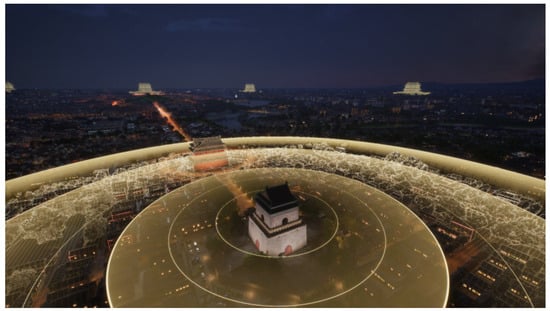
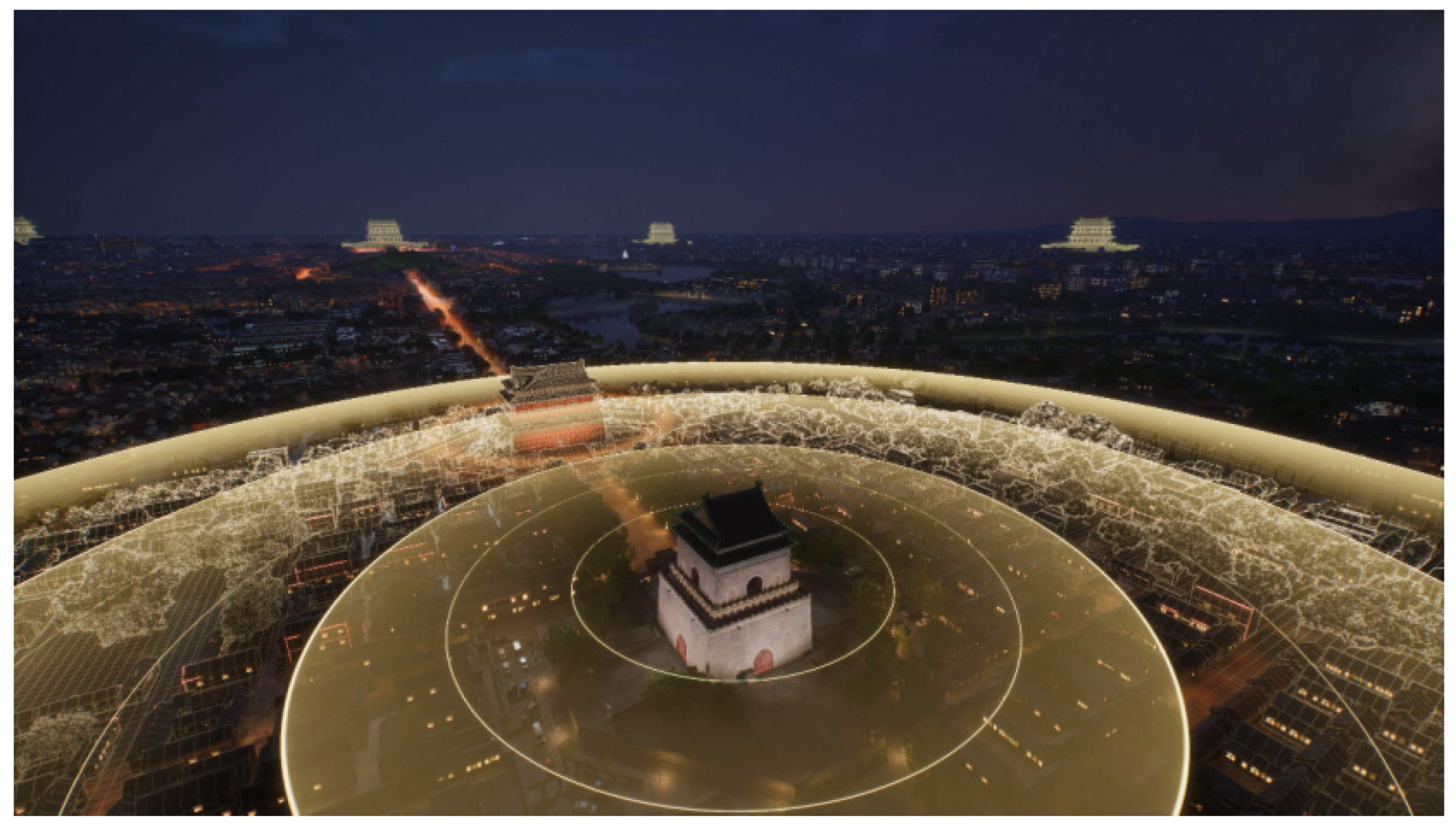
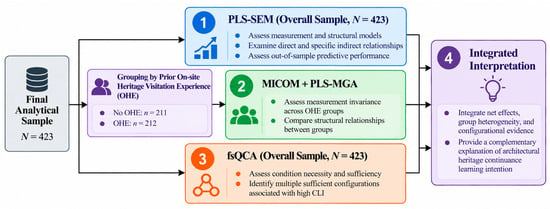
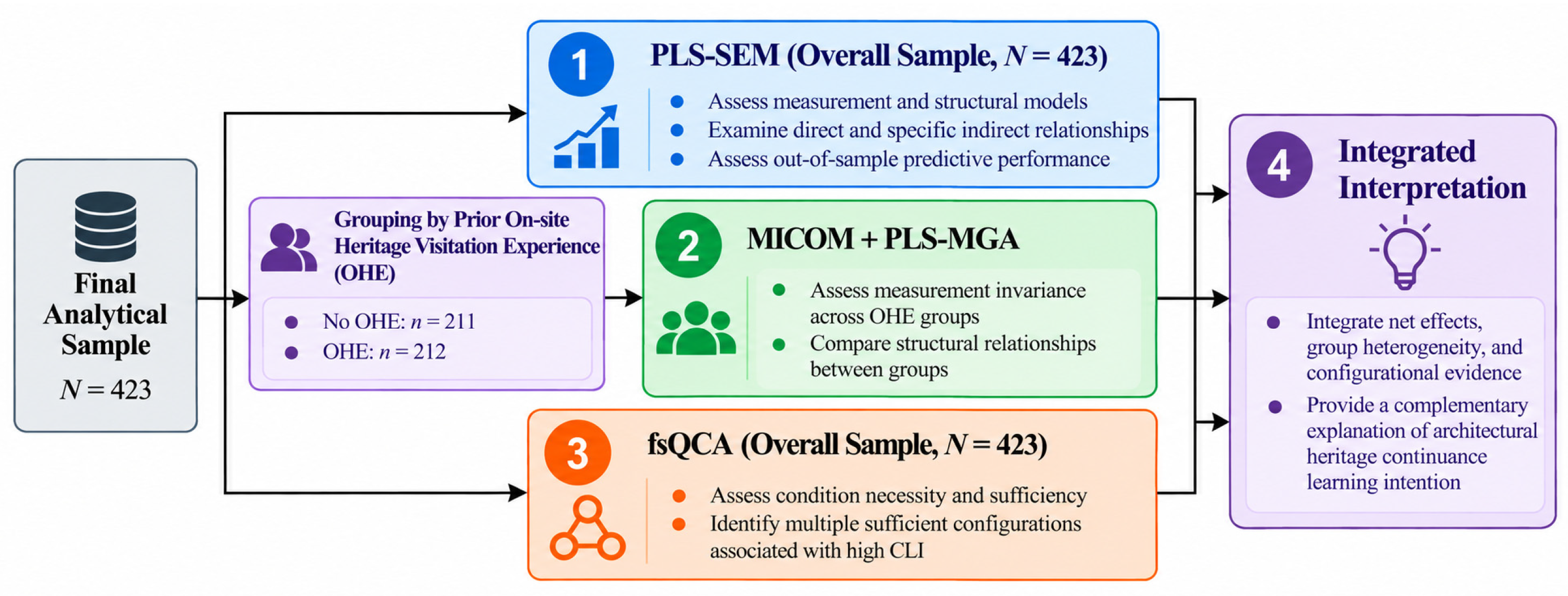
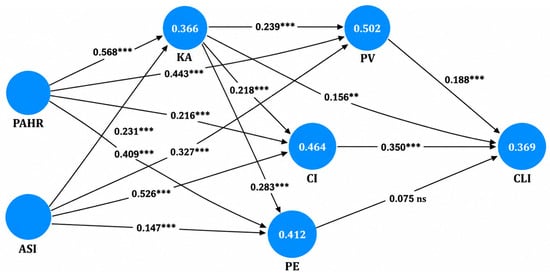
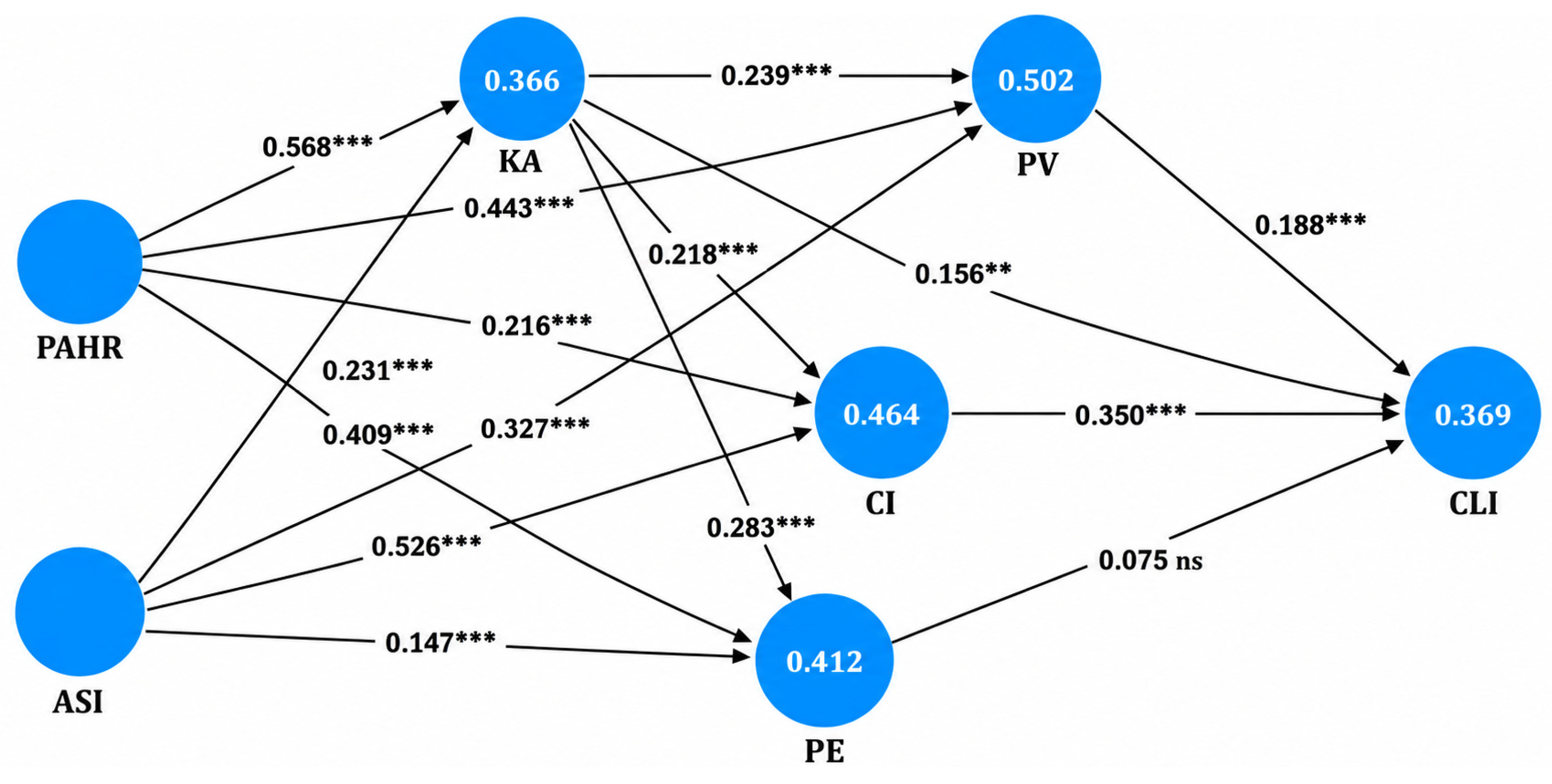
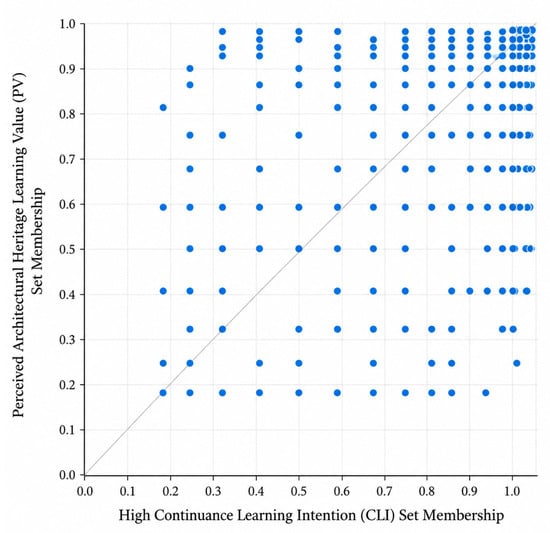
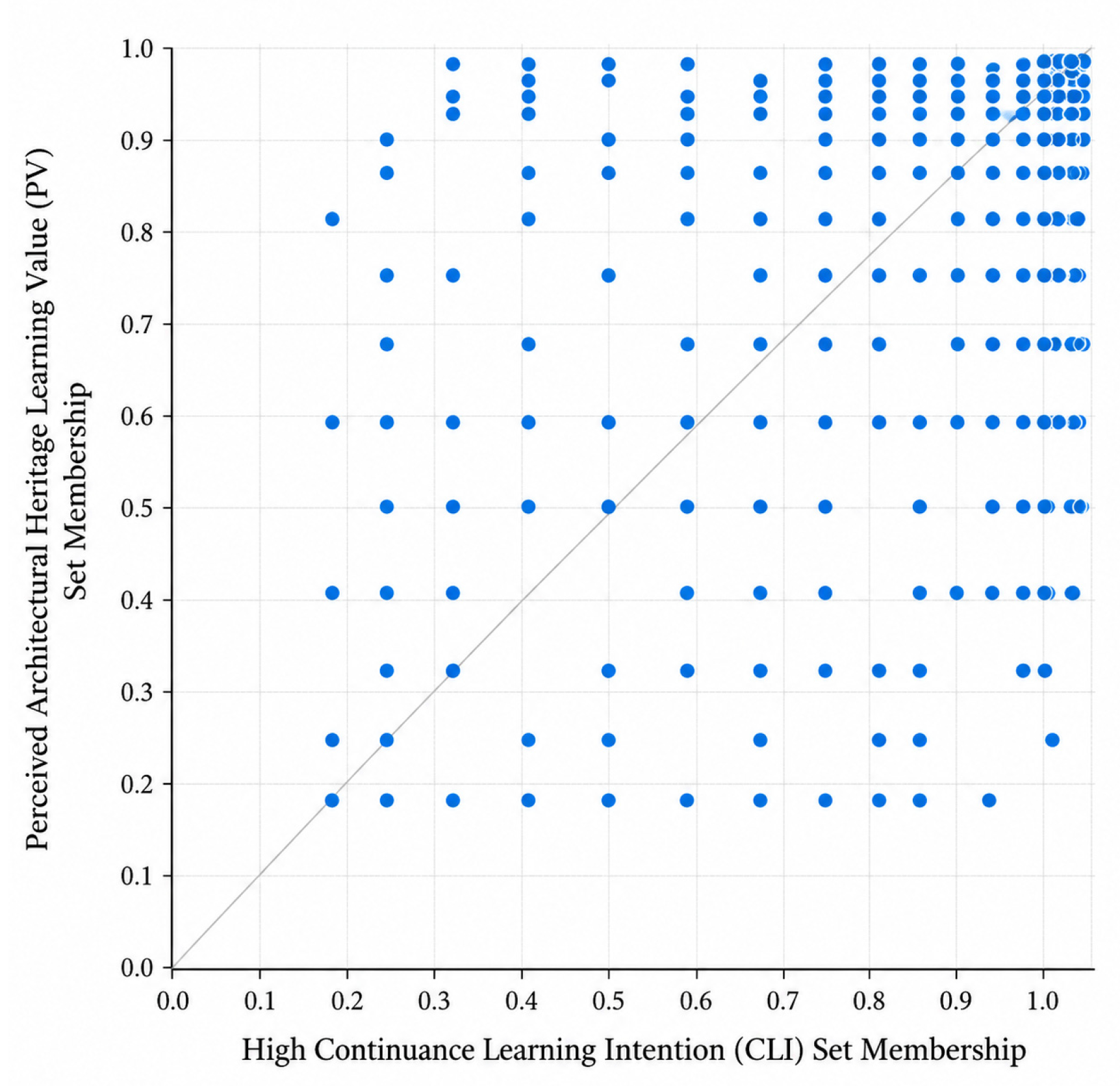

Disclaimer/Publisher’s Note: The statements, opinions and data contained in all publications are solely those of the individual author(s) and contributor(s) and not of MDPI and/or the editor(s). MDPI and/or the editor(s) disclaim responsibility for any injury to people or property resulting from any ideas, methods, instructions or products referred to in the content. |
© 2026 by the authors. Licensee MDPI, Basel, Switzerland. This article is an open access article distributed under the terms and conditions of the Creative Commons Attribution (CC BY) license.