


Abstract
Urban heat stress threatens pedestrian thermal comfort in dense cities, amplified by climate change and urban form, yet the interactions between green roofs and vertical greenery systems and their implications for human thermal comfort remain insufficiently explored, as most studies examine them separately without human-centered outcomes. Following PRISMA 2020, this systematic review analyzed 144 articles retrieved from Scopus and Web of Science (search conducted in December 2025) covering the period 2020–2025 through bibliometric mapping, of which 46 studies were selected for qualitative synthesis. The review addresses three questions: (1) What are the individual and combined effects of green roofs and vertical greenery systems on pedestrian-level thermal comfort? (2) Which microclimatic mechanisms of green roofs and vertical greenery systems influence the physiological and perceptual responses of pedestrians? (3) How does urban morphology (street canyon geometry, building density, orientation) modulate the effectiveness of these green interventions? An integrated conceptual framework replaces linear cause-and-effect thinking with a systemic view where outdoor thermal comfort associated with green roof and vertical greenery interventions is understood as the convergence of human physiological, psychological, behavioral, and socio-cultural responses, with urban morphology as a key regulator and human adaptation as the central axis. This framework reveals that pedestrian responses vary across these dimensions; thus, no single solution fits all contexts. Effective cooling strategies must be assessed within specific climate zones and behavioral settings, replacing one-size-fits-all with context-specific, human-centered design. This framework underscores that nature-based solutions must be human-centered, providing a robust foundation for future research and policy. The findings are limited by an uneven geographic/climatic distribution of the reviewed evidence and a predominant reliance on indoor or laboratory-based evidence for fine-grained human physiological and psychological responses.
1. Introduction
Global climate change has increased the frequency and severity of heat waves, along with rising urban air temperatures, posing significant risks to human health and wellbeing [1,2,3,4]. Urban areas, with dense building layouts and extensive impermeable surfaces, retain more heat than rural areas, exacerbating the urban heat island (UHI) effect [5,6]. UHI intensifies thermal stress, increases cooling energy demand, and reduces outdoor thermal comfort for pedestrians [7]. Understanding the complex relationship between the urban thermal environment and human psychophysiological responses therefore has important theoretical and practical value.
Thermal comfort is defined by the American Society of Heating, Refrigerating and Air-Conditioning Engineers (ASHRAE) as “the state of mind that expresses satisfaction with the thermal environment” [8].
Outdoor thermal comfort (OTC) is influenced by microclimatic parameters, including air temperature, humidity, wind speed (WS), solar radiation (SR), and mean radiant temperature (MRT), as well as human factors such as activity level, clothing, metabolic rate, and psychological perception [9,10]. Pedestrian thermal comfort (PTC) is influenced by these environmental and human factors, which shape individuals’ thermal perception and comfort within urban spaces [9,10]. Researchers typically obtain subjective thermal perception through thermal walk experiments combined with questionnaires [11,12]. To mitigate UHI effects and enhance PTC, nature-based solutions such as urban green systems (UGSs) have gained increasing attention [1,4]. UGSs include green roofs (GRs) and vertical greenery systems (VGSs). Following the definitions in [7], VGSs are classified into two main typologies: green façades (GFs) and living walls. GFs consist of vegetation that grows directly on the building wall (direct system) or on an added support structure (indirect system). Living walls are composed of modular panels or geotextile felts attached to a vertical support, allowing rapid coverage with diverse plant species [7]. GRs and VGSs are further distinguished by their structural configuration and maintenance requirements, ranging from lightweight, low-maintenance systems to more substantial, densely vegetated configurations that support a wider range of plant species [5,7,8].
These green interventions provide cooling through shading, evapotranspiration, high-albedo surfaces, and microclimate modulation [7]. Green roofs primarily reduce roof surface temperatures and improve building energy efficiency [5], while GWs contribute to shading and street-level cooling [6]. Despite growing interest, existing studies remain fragmented. Most research examines GRs and VGSs separately or focuses on microclimatic performance without sufficiently integrating pedestrian-level thermal comfort and human-centered responses. Furthermore, the role of urban morphology (UM)—including street canyon geometry, height-to-width ratio (H/W), building density, orientation, and the sky-view factor (SVF)—is frequently treated as a contextual factor rather than a key mediator of green intervention effectiveness [10,12]. As a result, a comprehensive and up-to-date synthesis that jointly addresses GRs, VGSs, UM, and PTC is still lacking, particularly for studies published after 2020.
To address this gap, this study systematically reviews recent evidence (2020–2025) on the effects of GRs and VGSs on PTC. The review follows the Preferred Reporting Items for Systematic Reviews and Meta-Analyses (PRISMA) 2020 guidelines for systematic reviews [13]. The specific research questions are as follows:
- What are the individual and combined effects of GRs and VGSs on pedestrian-level thermal comfort?
- Which microclimatic mechanisms of GRs and VGSs influence the physiological and perceptual responses of pedestrians?
- How does urban morphology (street canyon geometry, building density, orientation) modulate the effectiveness of these green interventions?
By answering these questions, this review aims to provide a multi-scale understanding of how UGSs can improve pedestrian comfort, reduce UHI impacts, and support sustainable and resilient urban design. This review contributes to the field in three respects. First, unlike prior systematic reviews that address green roofs, vertical greenery systems, and PTC largely as separate or mechanism-level topics, this review jointly analyzes GRs and VGSs specifically at the pedestrian-comfort level within a single integrated framework. Second, it introduces an integrated conceptual framework that replaces the prevailing linear cause-and-effect treatment of greenery-cooling research with a systemic model in which urban morphology mediates microclimatic effects and human factors determine the final comfort outcome. Third, by mapping the complex matrix of direct and indirect human pathways, it bridges the gap between environmental physics and human-centric design, providing a solid foundation for future climate-resilient policies.
2. Methodology
This study followed the PRISMA 2020 guidelines [13] to conduct a systematic literature review (Supplementary Materials). The PRISMA framework organized the process of identifying, screening, and selecting studies. A narrative synthesis was used to combine the results on how GRs and VGSs affect PTC, microclimate, human responses, and UM. A bibliometric analysis of 144 articles was performed using VOSviewer (version 1.6.20) to examine publication trends, journals, citations, and geographic distribution. From these 144 articles, 46 were selected for in-depth qualitative review.
2.1. Identification
In the identification step of PRISMA 2020, all records that could be relevant are collected from databases before any screening takes place. For this review, Scopus and Web of Science were selected as the main sources. These two databases were chosen because they give broad access to peer-reviewed journal articles in the fields of urban climate, green building systems, and OTC. A Boolean search was built using keyword combinations from four thematic groups (Table 1). The search was restricted by three conditions: (1) use of the predefined keywords listed in Table 1, (2) publication year between 2020 and 31 December 2025, and (3) English language documents only. The search produced 1050 records in total. All records were exported to EndNote for organization and duplicate management.
Table 1.
Keyword groups, Boolean search strings, databases, publication period, search execution date, and database-specific syntax used for the systematic literature search (PRISMA 2020).
2.2. Records Removed Before Screening
Following the PRISMA 2020 guidelines, all records identified from the databases were screened prior to formal evaluation. A total of 144 records were removed before screening because they did not meet the publication type criteria, comprising 47 book chapters, 42 conference papers, and 55 non-peer-reviewed records (such as editorials, short surveys, and notes). Consequently, 906 records remained for title and abstract screening.
2.3. Screening
According to the PRISMA 2020 framework, the screening phase involves evaluating the titles and abstracts of records against predefined inclusion and exclusion criteria [13]. In the present review, the 906 records that passed the initial removal step were screened by title and abstract to identify studies addressing the impacts of GRs or VGSs on PTC or urban microclimate. Consequently, 580 records were excluded at this stage, leaving 326 records for full-text retrieval. The screening process was conducted by a single reviewer. A random 20% subset (n = 181) was re-screened by the same reviewer after a two-week interval to assess internal consistency; while a small number of discrepancies were noted, a formal inter-rater reliability statistic was not computed for this single-reviewer check. The potential limitations and selection bias associated with single-reviewer screening are acknowledged.
2.4. Reports Sought for Retrieval
According to the PRISMA 2020 statement, records that pass the initial screening must be retrieved as full-text documents to allow an accurate judgement of their relevance. In this review, full-text reports were sought for all 326 studies that met the title and abstract screening criteria, in preparation for the subsequent eligibility phase.
2.5. Reports Not Retrieved
In the PRISMA 2020 workflow, this stage documents records for which full-text access was attempted but could not be achieved (e.g., due to missing indexing, subscription barriers, or technical errors). In the present study, 182 full-text reports could not be retrieved despite repeated attempts. Consequently, 144 full-text articles moved forward to the eligibility evaluation.
2.6. Eligibility
A structured eligibility assessment was applied to the 144 full-text articles to evaluate their suitability for in-depth qualitative review. Studies were assessed against four guiding criteria: (1) relevance to pedestrian thermal comfort, either through direct thermal or human-response outcomes; (2) description of a GR or VGS intervention or a closely related urban-greenery configuration; (3) sufficient methodological detail via field measurement, validated simulation, or controlled/survey-based human-response assessment; and (4) documentation of urban morphology or spatial context, where applicable. Articles were excluded when they failed to meet these criteria collectively, most commonly due to the absence of field measurement or validated simulation (n = 35), absence of direct pedestrian thermal comfort assessment (n = 28), absence of reported urban morphology parameters (n = 20), or incomplete data or multiple minor deficiencies (n = 15), yielding 98 excluded reports. As a result, 46 studies were retained for the final qualitative synthesis. Because the four criteria address complementary rather than strictly independent dimensions of relevance, individual studies were retained based on their overall contribution to the review’s scope even where one criterion was only partially met—for example, several studies retained for their human physiological or psychological data were conducted in controlled indoor settings rather than validated outdoor field or simulation contexts, and this is addressed explicitly as a limitation.
During this re-assessment, purely review-type articles were excluded, with one exception retained because it comprehensively addressed the full range of human parameters (physical, physiological, psychological, and behavioral) within the review’s conceptual scope. The potential limitations of single-reviewer re-assessment for this step are acknowledged alongside those noted for the initial screening in Section 2.3.
2.7. Included
According to the PRISMA 2020 workflow, the final phase—designated “included”—captures the total number of studies ultimately incorporated into the systematic synthesis. In this review, the 46 articles that met all eligibility requirements were selected for further analysis. Data extraction followed a structured coding scheme to record intervention type (GR only, VGS only, or combined), microclimatic mechanisms, thermal comfort indices (TCIs); specifically, Physiological Equivalent Temperature (PET) and the Universal Thermal Climate Index (UTCI), physiological outcomes (skin temperature, heart rate), psychological outcomes (stress reduction, mood), behavioral adaptations, UM parameters (H/W, building density, orientation, SVF), and climate zone. As noted earlier, all 144 articles (including these 46) were analyzed using VOSviewer for bibliometric mapping of publication trends, journals, citations, and geographic distribution. Figure 1 presents a clear and concise flow diagram that illustrates the study selection process following the PRISMA 2020 guidelines, as recommended by Page et al. [13].
Figure 1.
Flow diagram of the systematic literature review following the PRISMA 2020 guidelines.
3. Results
Bibliometric analysis was performed on all 144 articles to examine publication trends, journals, citations, and geographic distribution using VOSviewer for network visualization. A subset of 46 studies was analyzed qualitatively to synthesize research methods, thermal comfort metrics, GR/VGS interventions, outcomes, and study contexts.
3.1. Geographical Distribution of Study Sites
The geographical distribution of the reviewed studies reveals the spatial focus of VGSs and GRs in relation to PTC. In total, 144 articles met the inclusion criteria and examined more than 60 cities across 26 countries. As shown in Figure 2, most study sites were located in the Northern Hemisphere (approximately 89.6%), followed by equatorial (approximately 7%) and Southern Hemisphere regions (approximately 3.4%). This uneven distribution indicates a strong concentration of research in Europe, North America, and East Asia, whereas tropical and Southern Hemisphere cities remain comparatively underrepresented.
Figure 2.
World map illustrating the distribution of cities examined in the reviewed studies, based on the updated 2016 Köppen–Geiger climate classification. Areas above 20° N latitude were considered the Northern Hemisphere, those below 20° S the Southern Hemisphere, and the region in between as the equatorial zone. The map was generated and edited using Datawrapper [14]. (See Table A2 for a detailed explanation of the Köppen–Geiger climate classification.)
3.2. Regional Trends and Climate Zones
Figure 3 presents the distribution of studies according to the Köppen–Geiger climate classification system. Climate-zone analysis was possible for 123 of the 144 reviewed articles, as several review, conceptual, and methodological studies did not focus on a specific geographical location and therefore could not be assigned to a single climate category. Consequently, all climate-zone frequencies reported in Figure 3 refer to articles rather than individual city records. Temperate climates (Type C) accounted for the largest share of studies (n = 61), followed by arid climates (Type B, n = 29), equatorial climates (Type A, n = 19), and continental climates (Type D, n = 14). No studies were identified in polar climates (Type E).
Figure 3.
The distribution of Köppen–Geiger climate classification zones according to the studied locations [14]. (See Table A2 for a detailed explanation of the Köppen–Geiger climate classification).
A more detailed breakdown is shown in Figure 3. Among temperate climates, the Cfa (humid subtropical climate) zone was the most frequently represented (n = 22), followed by Csa (hot-summer Mediterranean climate; n = 18) and Cwa (monsoon-influenced humid subtropical climate; n = 15). Within arid climates, BWh (hot desert climate) accounted for the largest number of studies (n = 16). Equatorial climate studies were primarily associated with Af (tropical rainforest climate; n = 9), Am (tropical monsoon climate; n = 6), and Aw (tropical savanna climate; n = 4). Within continental climates, Dfb (warm-summer humid continental climate) was the dominant category (n = 9), whereas Dfa, Dwa, and Dfc climates were only sparsely represented. The concentration of studies in temperate and hot-arid climates suggests that current evidence is derived primarily from a limited range of environmental contexts. This climatic bias may reduce the external validity of existing findings and highlights the need for additional research in tropical, monsoon, and continental climate zones.
3.3. Contributing Countries and Cities
Research contributions vary considerably by country and city, reflecting differences in climate, urban form, and research priorities. China emerges as the most frequently represented country, with studies extensively distributed across major urban centers such as Guangzhou, Hong Kong, Shenzhen, Beijing, and Shanghai. Italy also shows substantial research activity, particularly in Mediterranean cities like Turin, Rome, Bari, Florence, and Venice, where high summer temperatures intensify outdoor thermal stress.
Other active countries within the literature include Iran, Egypt, South Korea, and various regional contributions from Spain, Germany, Greece, India, Czechia, Austria, Switzerland, Sweden, Portugal, and the UAE, indicating a growing global interest in green infrastructure as a strategy for thermal mitigation.
Overall, research activity remains concentrated within a limited number of dominant regions, particularly in East Asia, Southern Europe, and parts of North America, revealing a geographical concentration of evidence. Although arid and tropical regions are represented, studies from these climates are generally restricted to a relatively small number of urban locations, highlighting a spatial diversity gap in the current literature. These climatic settings present distinct challenges for the implementation of green infrastructure. In hot-arid cities, cooling benefits must be balanced against irrigation requirements and water consumption, whereas humid equatorial climates require careful consideration of drainage capacity and structural performance. Furthermore, façade orientation influences the effectiveness of green façades because solar exposure varies according to latitude and hemisphere. Given the dominance of studies from Northern Hemisphere cities, the applicability of current findings to Southern Hemisphere and equatorial urban environments remains uncertain. This limitation underscores the need for future research across a broader range of climatic and urban contexts.
3.4. Publication Trends and Journal Distribution
Publication activity increased substantially between 2020 and 2021, peaking in 2021 (n = 36) before declining progressively through 2022 (n = 30), 2023 (n = 28), 2024 (n = 20), and 2025 (n = 12) as shown in Figure 4. This downward trend in the most recent years is likely to reflect indexing and publication-processing delays in the selected databases, whereby the most recent publications may not yet be fully indexed, rather than a genuine decline in research activity.
Furthermore, a qualitative examination of the literature reveals a broad thematic progression alongside this publication trend. Early studies (2020–2021) were predominantly anchored in foundational microclimatic modeling and field monitoring, utilizing standard simulation tools like ENVI-met to quantify basic thermal stress reductions [4,9]. Subsequent studies (2022–2023) expanded significantly toward urban morphology, focusing on H/W, SVF, and the integration of GRs and VGSs, alongside initial explorations into human thermal perception [8,15]. More recent contributions (2024–2025) increasingly place human experience at the core—incorporating multi-sensory psychological assessments, behavioral surveys, and human-centric wellbeing parameters to bridge physical microclimate physics with pedestrian comfort and health [2,12,16].
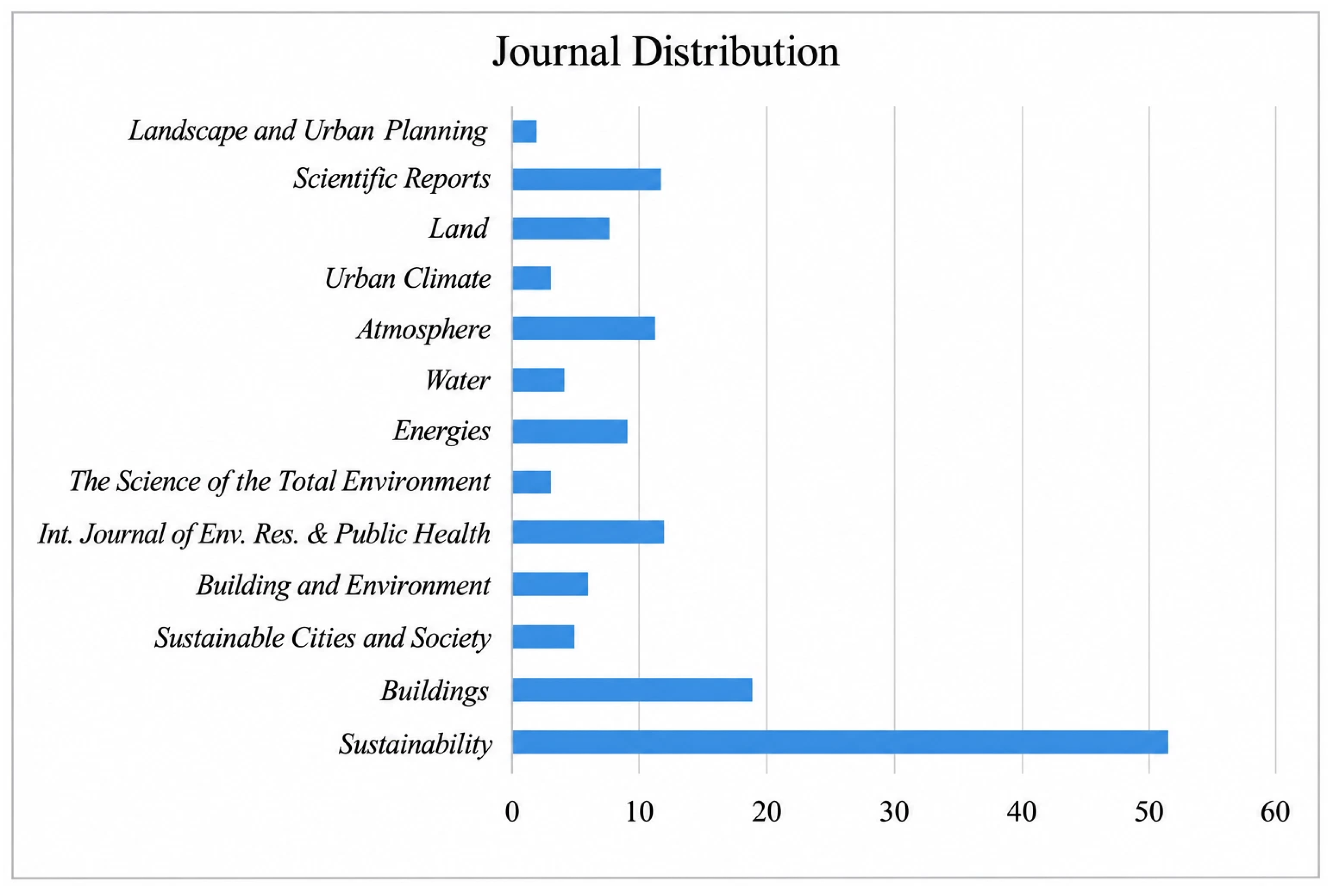
As shown in Figure 5, the reviewed articles were published across a diverse range of journals, reflecting this interdisciplinary scope. Sustainability published the largest share with 51 articles (representing 35.42% of the total N = 144 reviewed articles), followed by Buildings (19 articles, 13.19%). In conclusion, these publication patterns highlight a broad interdisciplinary dissemination structure, demonstrating a clear transition from basic physical climate simulations toward human-centric evaluations, which collectively reflects the growing scientific maturity of VGS and GR research.
Figure 4.
Annual publications (2020–2025).
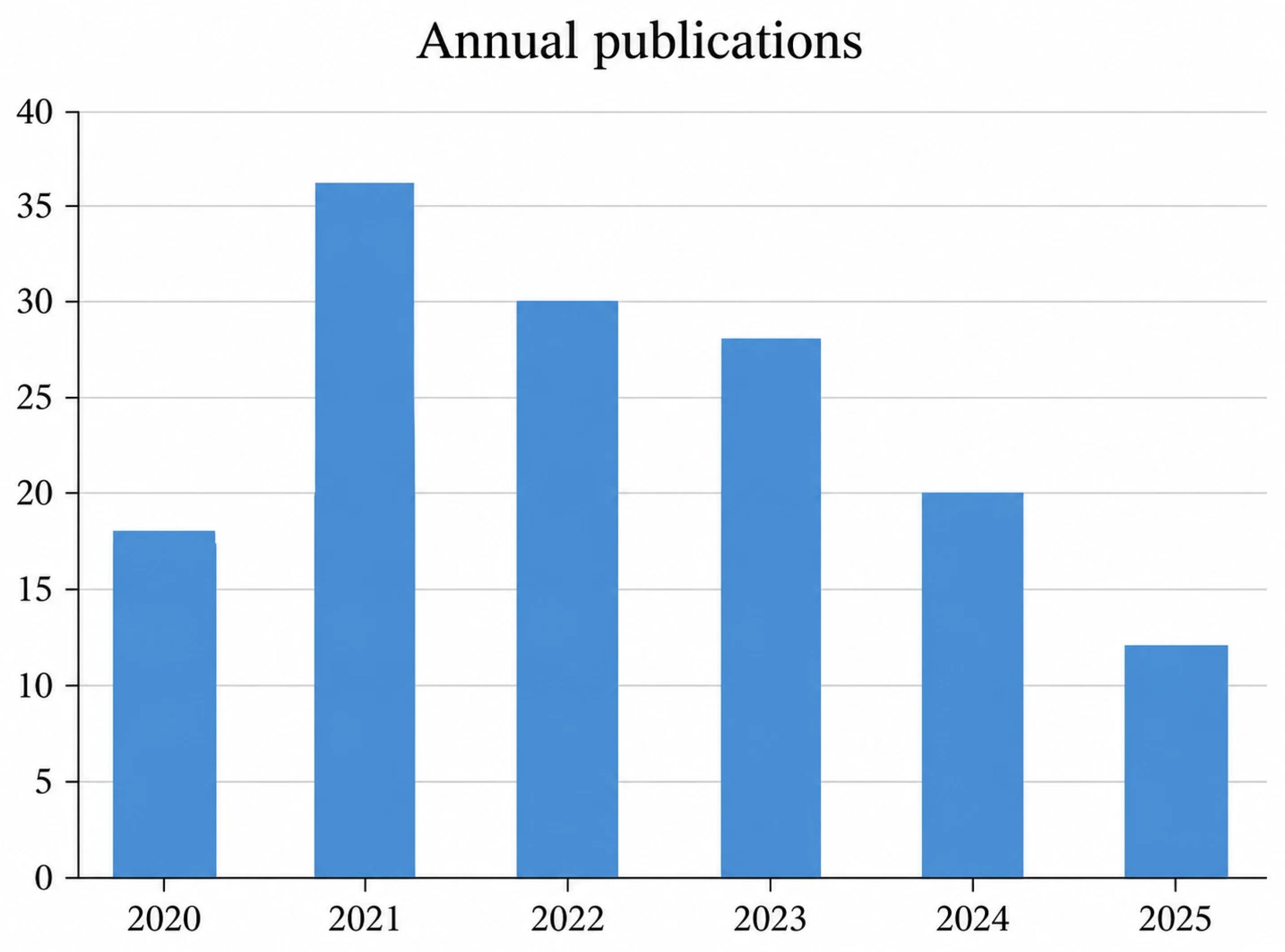
Figure 5.
Journal distribution (2020–2025).
3.5. Keyword Co-Occurrence Analysis
A keyword co-occurrence analysis using VOSviewer revealed the thematic structure of research on PTC and urban greenery interventions (Figure 6). In the network, node size represents keyword frequency, link strength indicates co-occurrence intensity, and colors denote thematic clusters.
Figure 6.
Keyword co-occurrence network of reviewed studies.
Four principal clusters were identified. The blue-purple cluster highlights methodological approaches, including thermal comfort indices such as PET and UTCI together with microclimate modeling techniques. The red cluster focuses on UHI effects and characteristics of the built environment, with relatively limited links to nature-based interventions. The green cluster emphasizes green infrastructure, urban planning, and sustainability themes but shows weaker connections to thermal comfort assessment methodologies. The yellow cluster captures human-centered outcomes, including thermal perception and survey-based investigations, with limited integration of urban form and greenery variables.
Overall, the co-occurrence network reveals fragmentation across existing research themes, with relatively few studies integrating urban morphology, green infrastructure interventions, and PTC within a single analytical framework. This fragmentation may limit the development of transferable design guidance across different urban and climatic contexts. The findings therefore highlight the need for more integrated studies that simultaneously consider urban form, vegetation-based interventions, microclimatic processes, and human thermal responses.
3.6. Comprehensive Synthesis and Comparative Evaluation of the 46 Selected Studies
To provide a thorough qualitative synthesis, all 46 studies selected for final evaluation were comparatively analyzed across multiple parameters, including publication year, geographical and climatic distribution, urban typologies, green infrastructure systems, methodological approaches, thermal comfort indices, and human-related parameters (Table A1).
A critical examination of these studies reveals profound methodological and contextual disparities that shape the current state of knowledge regarding UGI and PTC. From a methodological standpoint, the literature remains heavily skewed toward microclimate simulation tools—predominantly ENVI-met, which accounts for over 50% of simulation-based studies [3,6,10,15,16,17,18]—while dynamic, empirical evaluations coupling real-time physiological, psychological, and sensory monitoring with environmental metrics are notably underrepresented. Although simulation tools provide high-resolution microclimatic data [3,10], they frequently oversimplify or abstract human behavioral adaptations, demographic attributes, and subjective perception [12,19], treating pedestrians largely as passive recipients of thermal fields rather than active agents with diverse coping strategies [2,20].
Geographically and contextually, a critical synthesis of the evidence exposes a severe regional bias: existing research is overwhelmingly concentrated in temperate (Type C) and hot-arid (Type B) climates [1,6,15,17,18], particularly within structured urban canyons and high-density residential or historic fabrics [1,5,8]. Consequently, the transferability of these findings to rapidly growing urban environments in tropical, monsoon, or continental regions remains limited [9,11]. Furthermore, while UM parameters, specifically H/W aspect ratios and SVF are widely acknowledged as critical modulating factors [6,10,15], most studies isolate physical geometry from socio-cultural and behavioral dynamics [12,19]. GRs and VGSs primarily contribute to reductions in thermal stress indices—such as the UTCI and PET; however, their ultimate thermal performance and cooling efficacy are fundamentally governed and modulated by UM factors [6,10,17].
Furthermore, microclimatic cooling alone does not necessarily translate into human thermal satisfaction [2,21]. As emerging empirical evidence indicates, subjective comfort is heavily modulated by nuanced human parameters—such as visual aesthetics, color contrast [22], multi-sensory interactions including visual, auditory, and olfactory stimuli (e.g., aromatic planting layouts influencing blood pressure and stress recovery) [23], and demographic or age-specific use patterns [2,24]. A notable limitation in the current literature is that comprehensive evaluations of advanced human parameters (such as fine-grained sensory, psychological, and physiological monitoring) have predominantly relied on controlled indoor settings, such as workplace environments, laboratory conditions, or indoor virtual reality (VR) experiments [16,25,26]. Consequently, cautiously extending these multi-sensory and perceptual investigations into open urban spaces remains an essential avenue for future research. This gap highlights that evaluating the true efficacy of GRs and VGSs requires bridging physical microclimatic performance with holistic, human-centric, and place-based frameworks that account for how urban morphology and green configurations collectively shape human wellbeing [12,19,27].
4. Thematic Reviews
4.1. Green Roofs (GR, Blue Roofs, Blue-Green Roofs)
Urban greenery interventions, including GRs and VGSs, are widely recognized as effective strategies for mitigating the UHI effect and improving PTC [12]. Green roofs can be classified according to different perspectives reported in the literature, including typological and technological classifications. From a typological perspective, green roofs are generally categorized as extensive, semi-intensive, and intensive systems according to substrate depth, vegetation characteristics, and maintenance requirements [8,28]. Extensive roofs typically employ shallow substrates (5–15 cm) and require limited maintenance and semi-intensive roofs support a wider range of vegetation through moderate substrate depths, whereas intensive roofs (>20 cm) accommodate denser vegetation and higher evapotranspiration potential, resulting in enhanced thermal and ecological performance [8]. From a technological perspective, roof systems may range from no-tech and low-tech configurations to more advanced high-tech systems incorporating drainage, irrigation, and water-retention layers [28,29]. Within this technological classification, the literature also distinguishes blue roofs (BRs) and blue-green roofs (BGRs). Blue roofs are non-vegetated systems designed primarily for temporary stormwater retention and controlled release, while blue-green roofs (BGRs) integrate water-retention functions with vegetated roof layers [28,30].
Functionally, vegetated green roofs provide microclimatic and environmental benefits, primarily contributing to UHI mitigation, local ambient cooling, and the enhancement of pedestrian outdoor thermal comfort [5,8,31]. Their cooling performance is strongly influenced by substrate composition, vegetation characteristics, and supporting technological components such as drainage and irrigation systems [29,30] (Figure 7).
Figure 7.
Layer composition of roof types: (a) GR with vegetation, substrate, drainage, and waterproofing layers; (b) BR showing water storage, flow control, and waterproofing layers; (c) BGR integrating vegetation, substrate, water retention, and controlled drainage layers.
4.2. Vertical Greenery Systems (VGSs): Green Façades and Living Walls
VGSs, including green façades (GFs) and living walls (LWs), provide shading and reduce façade surface temperatures, thereby enhancing OTC [17]. Their effectiveness depends on vegetation type, substrate configuration, plant density, building orientation, and surrounding UM. Previous studies have shown that the combination of GR and VGS can generate complementary cooling effects by reducing both air and surface temperatures and improving PTC, particularly in dense urban environments [10]. This highlights the importance of integrating horizontal (roof) and vertical (wall) greening strategies to maximize microclimatic benefits [6].
From a structural configuration perspective, VGSs are broadly classified into two categories: GFs and LWs [7,28,32]. From a structural configuration perspective, GFs may be configured as direct systems, where climbing plants attach directly to the building surface, or indirect systems, where vegetation grows on supporting structures such as cables, meshes, or trellises that create a separation from the façade [7]. LWs can be further organized as modular or continuous systems, depending on the configuration of their growing medium and supporting structure [28].
From a technological perspective, GFs are generally considered extensive or low-tech systems because of their relatively simple construction and limited technical requirements [7,28]. In contrast, LWs are typically intensive and high-tech systems composed of modular panels or continuous substrate layers with engineered growing media and integrated irrigation systems, mounted either directly on the façade or on an independent supporting frame [6]. Their multilayered configuration can enhance thermal insulation, water management, and the overall environmental performance of building envelopes [30] (Figure 8).
Figure 8.
Typological classification of vertical greenery systems (VGSs): (a) direct green façade with ground-rooted vegetation, (b) direct green façade with planter-box vegetation, (c) indirect green façade with ground-rooted vegetation, (d) indirect green façade with planter-box vegetation, (e) continuous living wall, and (f) modular living wall.
4.3. Impacts of VGSs and GRs on PTC
PTC is shaped by the interaction of microclimatic conditions, UM, and human responses [12,15,19]. This section examines the effects of VGSs and GRs on OTC from two complementary perspectives. The first focuses on UM, including building form, density, street geometry, and shading patterns, which influence airflow, temperature distribution, and solar exposure at the pedestrian level. The second addresses human-related factors, including physiological, psychological, and behavioral responses, as well as demographic characteristics that affect thermal perception. Together, these perspectives provide a comprehensive understanding of the mechanisms through which VGSs and GRs contribute to improving PTC in urban environments.
4.3.1. Interaction Between GRs/VGSs, UM, and Human Parameters
GRs and VGSs influence local microclimates by reducing surface temperatures, increasing evapotranspiration, altering surface energy balance, and modifying airflow patterns. However, the magnitude of these effects depends not only on vegetation characteristics, such as plant density and leaf area index (LAI), but also on the spatial configuration of the surrounding urban environment [12]. Street canyon geometry, building density, orientation, H/W, and SVF regulate solar exposure, ventilation, and nocturnal heat release, making urban morphology a key determinant of greening performance [15,18,33,34]. A global assessment across 43 megacities found that the cooling performance of GRs varies considerably according to urban form. Pedestrian-level cooling ranged from approximately 0.10 °C at the global scale to 0.80 °C in warmer regions, with greater benefits observed in open, low-rise, and mixed urban layouts. In contrast, dense high-rise environments exhibited weaker cooling responses because of reduced SVF and limited air exchange. These findings highlight the critical role of building height, layout configuration, and urban openness in determining the effectiveness of rooftop greening strategies [3].
Evidence from Mediterranean urban environments further illustrates the influence of morphology on greening performance. Simulations comparing GRs, GFs, VGSs, and combined VGS–GR applications reported greater cooling benefits for the integrated strategy than for either intervention alone, reducing air temperature (Tair) by up to 0.7 °C and UTCI by approximately 1.6 °C during summer conditions. The strongest improvements were observed in courtyard morphologies, where enhanced shading and moderated airflow amplified cooling effects, while east–west-oriented street canyons showed more limited benefits because of persistent solar exposure [6].
Similarly, a study conducted in a high-density subtropical environment found that combined roof and façade greening achieved larger reductions in pedestrian-level thermal indices than individual greening strategies. PET decreased by approximately 2.5 °C, compared with reductions of about 1.5 °C for façade greening alone and 1.0 °C for roof greening alone. When vegetation coverage exceeded 75%, maximum reductions reached 3.0 °C in MRT and 1.2 °C in air temperature, indicating that cooling performance may increase with greening intensity [10].
The importance of urban form is also evident at smaller settlement scales. Studies examining township and village environments found that the street aspect ratio, building density, and building arrangement significantly affect thermal conditions. Increasing the street aspect ratio, optimizing density, and incorporating staggered building forms improved shading and airflow, thereby reducing periods of severe thermal stress. In several cases, morphological optimization alone produced cooling effects comparable to vegetation-based interventions, emphasizing the importance of urban design in thermal adaptation strategies [18].
Additional evidence indicates that the effectiveness of VGSs is closely linked to the surrounding built form. While VGSs can reduce façade temperatures and contribute to lower MRT values, their influence on PTC may remain limited under extreme summer conditions if not supported by favorable urban configurations. Studies suggest that meaningful improvements often require integrated approaches combining vegetation, urban form optimization, reflective materials, and permeable surfaces [19,35].
Overall, findings from diverse climatic and urban contexts consistently indicate that urban morphology plays a decisive role in determining the thermal performance of GRs and VGSs. Factors such as street geometry, density, orientation, building height, and spatial openness influence the microclimatic environment in which greening systems operate. Although several studies report enhanced cooling when GRs and VGSs are implemented together, the number of direct comparative investigations remains limited. Therefore, further research is needed to clarify the extent to which integrated greening strategies provide additive or synergistic benefits across different climatic and urban contexts [3,6,10].
4.3.2. Effects of VGSs and GRs on PTC in Open Spaces
Assessing the impacts of GRs and VGSs on PTC requires a specific focus on human responses. These responses are captured through direct parameters (physical, physiological, psychological) and indirect parameters (behavioral, personal, social and cultural, geographical/climatic, and alliesthesia). Urban morphology (street orientation and building density), together with microclimatic variables (air temperature, humidity, wind, and solar radiation), interacts with these parameters to shape perceived comfort, as illustrated in Figure 9 [12,15,19,20,36]. The figure structures this relationship across three hierarchical levels: pathway type (direct versus indirect), parameter category (e.g., physiological, behavioral, socio-cultural), and the underlying measurable parameters within each category, all converging on the two outcomes of pedestrian thermal comfort and wellbeing. This hierarchical structure reflects the disaggregation of broad conceptual domains into more specific, empirically tractable parameters while preserving their organization within the direct–indirect framework discussed in the following subsections.
Figure 9.
Direct and indirect effects on human thermal comfort.
Physical, Physiological, and Psychological Influences
PTC is directly governed by an interactive matrix of physical variables—including air temperature, relative humidity, wind speed, and solar radiation—which dictate the human heat balance (Figure 9) [19,35]. Field measurements and simulations in diverse climatic contexts demonstrate that building-integrated vegetation significantly alters these physical drivers; for instance, extensive and intensive GRs and VGSs can reduce peak air temperatures by up to 2.3 °C, lower Tmrt by up to 15.2 °C, and decrease PET by up to 6.43 °C in harsh residential canyons [17], while high-density total greening configurations can successfully shift extreme thermal stress down to strong stress categories [10].
Beyond physical parameters, pedestrian comfort is deeply shaped by psychological and perceptual dimensions enhanced by GRs and VGSs [23,37,38]. Design professionals widely acknowledge these aesthetic and stress-relief benefits, although maintenance remains a primary operational barrier [37]. Specific design drivers—such as plant variety, structural repetition, and warm green shades with subtle light–dark gradations—significantly enhance visual comfort and psychological pleasure [22,38]. Multi-sensory interactions further amplify these restorative outcomes; combined visual–auditory stimuli decrease systolic blood pressure by 18.60 mmHg and heart rate by 20.15 BPM, while natural botanical aromas further reduce systolic blood pressure by 24.40 to 27.25 mmHg [23]. VGSs also contribute to improved façade shading and evaporative cooling, which supports pedestrian comfort alongside the aesthetic value of vegetated surfaces [26,38].
A critical methodological gap persists in current research, as outdoor-focused literature predominantly relies on macro-scale microclimatic modeling, leaving the explicit quantification of human psychophysiological responses heavily dependent on indoor proxies or controlled chambers. Controlled workplace and virtual reality studies demonstrate a dual-pathway mechanism in which the Green View Index (GVI) drives wellbeing through cognitive restoration, with perceived restorativeness (PRS) mediating 59.07% of the reduction in negative affect [16]; separately, a climate-controlled chamber study found that a 25% GVI increased the Thermal Comfort Vote (TCV) by +0.25 while reducing physiological strain [26]—though the same body of indoor evidence also shows that excessively large green wall installations can paradoxically elevate occupant stress [25]. These controlled, proxy-based insights cannot be directly generalized to dynamic urban spaces due to fluctuating microclimatic variables, heterogeneous urban geometries, and complex pedestrian behaviors.
Nevertheless, broader metropolitan field evaluations help bridge this gap by confirming that high-naturalness GR spaces reduce Total Mood Disturbance (TMD) by 63.38%, decrease systolic blood pressure by 4.73 mmHg, and lower heart rate by 2.37 BPM [27]. Ultimately, thriving vegetation consistently drives positive environmental evaluations and psychological restoration [25,38], supported by evidence that microclimatic improvements can translate into measurable comfort benefits, such as reduced Predicted Mean Vote (PMV) under sufficient VGS coverage [36].
Behavioral and Personal Influences
Behavioral and personal influences represent important indirect determinants of pedestrian thermal comfort, where individual and demographic factors shape overall comfort and engagement with green infrastructure. Demographic variables heavily dictate coping strategies and utilization patterns; for instance, older adults demonstrate a distinct behavioral reliance on natural microclimates, with 54% actively utilizing urban green spaces as thermal cooling shelters during high-temperature periods [2].
Bridging individual behavior with urban form, studies in high-density urban canyons show that optimized height-to-width (H/W) ratios combined with vertical greenery lower pedestrian-level PET by mitigating direct solar radiation, creating more favorable conditions for outdoor activity [5,25,39,40,41]. Furthermore, public and professional adoption of building-integrated systems is heavily mediated by socio-economic, technical, and demographic variables, including ongoing maintenance overheads, plant mortality risks, and structural concerns, which must be addressed through thoughtful design and active management strategies [37].
Social and Cultural Influences
Social and cultural factors—including cultural background, social norms, crowding perception, sense of place, and site-specific urban geometry—fundamentally shape PTC by influencing environmental perception, space utilization patterns, and adaptive behaviors [12]. Comprehensive evaluations indicate that synthesizing human-centric requirements with urban morphology requires robust frameworks that bridge microclimatic mitigation with social livability [12].
In urban public spaces, socio-ecological analyses across different European contexts (such as Turin and Lisbon) identify plant variety and architectural element repetition as core aesthetic and social drivers that shape community perception, visual satisfaction, and environmental appreciation [38]. Additionally, large-scale questionnaire surveys involving over 1400 participants demonstrate a strong link between visible green indices and subjective thermal comfort votes, confirming that microclimate variations mediate up to 81.00% to 89.02% of subjective comfort outcomes in residential community spaces [21].
Despite these recognized social and psychological benefits, widespread community adoption and implementation are heavily mediated by regional economic priorities, cultural preferences, and maintenance concerns [37]. Studies examining professional perspectives in densely populated metropolitan areas (such as Delhi) highlight that while design practitioners widely acknowledge the environmental and thermal value of VGSs, operational barriers such as high initial costs, structural concerns, and maintenance reluctance must be addressed through context-sensitive design and targeted community awareness [37]. Ultimately, aligning green infrastructure with cultural attachment, community norms, and green-space perception fosters long-term public acceptance and urban livability [12,21].
Climatic and Geographic Contexts and Alliesthesia
Macro-scale factors—such as urban heat islands, seasonal variations, and regional latitudes—interact dynamically with individual thermal perception (alliesthesia) to determine subjective comfort and restorative experiences. GRs and VGSs exhibit highly context-dependent thermal performance across different climatic zones. For instance, in hot and semi-arid environments like Tehran, urban geometry, building orientation, and building-block configuration significantly dictate outdoor microclimates and pedestrian thermal sensation [19], while green wall systems in hot desert climates can reduce dust and fine-particle concentrations and cooling energy demand, though the magnitude of these effects depends on street geometry [40].
Alliesthesia helps explain why pedestrians experience distinct thermal relief in shaded Mediterranean microclimates [6], whereas regional conditions in metropolitan zones like Delhi shape both the perceived benefits and adoption barriers of vertical greenery among design professionals [37]. Despite these diverse climatic backgrounds, consistent restorative outcomes observed in temperate oceanic contexts, such as Turin and Lisbon, confirm that building-integrated greenery delivers robust socio-ecological benefits across varied geographic regions [38]. Similarly, comparative evidence across three Mediterranean cities shows that extensive and intensive green roofs, living walls, and green façades each respond differently to building height and climate context, underscoring the need for climate-sensitive design to ensure reliable pedestrian benefits [42].
Ultimately, the reviewed evidence indicates that the impact of GRs and VGSs on pedestrians extends far beyond simple microclimatic modification [12]. As illustrated in the human parameters diagram (Figure 9), the flow of data from left to right shows that human parameters branch out into two primary categories: Direct pathways at the top (encompassing physical, physiological, and psychological subcategories) and indirect pathways at the bottom (covering alliesthesia, behavioral adaptations, personal attributes such as age and gender, social–cultural norms, and geographical–climatic conditions). Moving across the diagram, these specific variables ultimately converge on the right-hand side into two key final outcomes: PTC and wellbeing. Consequently, the effectiveness of building-integrated green infrastructure must always be evaluated within its specific environmental and socio-cultural context.
4.4. Research Methodologies and Measurement Approaches
Research on PTC and the effects of GRs and VGSs employs field measurements, surveys, and numerical simulations. The methodological characteristics of the reviewed studies are summarized in Table A2. Method selection depends on research objectives, data availability, and available resources [12]. Integrating field measurements with simulations enhances the reliability and generalizability of findings [10,15,29,41,43].
4.4.1. Numerical and Simulation-Based Approaches
Recent studies use various simulation tools to assess the impacts of GRs and VGSs on pedestrian thermal comfort, including ENVI-met, EnergyPlus, DesignBuilder, CFD platforms (Ansys Fluent, OpenFOAM), and parametric tools such as Ladybug/Honeybee and Ladybug/UWG [20,44,45,46]. These tools simulate airflow, heat transfer, shading, and microclimatic interactions across multiple spatial scales, from individual building blocks to city-wide assessments spanning dozens of megacities [3,11]. Machine learning techniques, including AI-based neural networks and deep learning models, have also been applied to enhance thermal comfort prediction accuracy [43,47].
ENVI-met and CFD provide high-resolution outdoor microclimate simulations critical for evaluating the cooling effects of GRs and VGSs [4,29,48], while EnergyPlus and DesignBuilder focus on building-level energy dynamics alongside outdoor cooling assessment [20,46]. By incorporating solar radiation, building density, and the street aspect ratio, these methods support robust assessment of urban greenery strategies and UHI mitigation on pedestrian thermal comfort [18].
4.4.2. Empirical and Field Measurement Approaches
Empirical field measurements form a core methodology for evaluating the effects of GRs and VGSs on pedestrian outdoor thermal comfort. Instruments such as net radiometers and data loggers monitor air temperature, radiation flux, and surface temperature over extended periods, ranging from multi-day campaigns to long-term monitoring spanning several months [43,49,50]. Physiological measurements, including blood pressure and heart rate variability, are recorded using portable devices to assess stress and restorative responses in green outdoor spaces [23,27].
Surveys capture subjective thermal perception and adaptive behaviors using standardized metrics such as the ASHRAE thermal comfort scale, the Perceived Restorative Scale (PRS), and the Brief Profile of Mood States (BPOMS) [16,21,24,37,38]. To assess urban morphology and vegetation effects on pedestrian comfort, techniques including GIS-based SVF modeling and canyon H/W analysis are applied [15,28]. Emerging technologies such as immersive virtual reality (VR) enable controlled, behavior-sensitive monitoring of thermal and cognitive responses under varying greening conditions [25,26].
4.4.3. Measurement Limitations and Integration of Approaches
Empirical field measurements and numerical simulations each have inherent limitations. Findings derived from short measurement campaigns or single-season monitoring may not generalize to other seasons or climates, while simulation-based studies often rely on simplified vegetation parameters [5,11]. Urban geometry, including the street aspect ratio and building density, strongly influences localized cooling outcomes and requires careful representation in modeling tools [15,18].
AI-driven models, including neural network and deep learning approaches, face challenges in generalizing predictions across different climatic and urban contexts [43,47]. To address these limitations, integrated approaches combining field measurements with numerical simulation are recommended. Such hybrid methods, already demonstrated across several of the reviewed studies, enable a more complete understanding of GRs and VGSs by capturing the complex interactions among vegetation, urban form, microclimate, and pedestrian thermal comfort [5,10,15,29,41,43].
4.5. Environmental and Public Health Co-Benefits of GRs and VGSs
GRs and VGSs provide interconnected benefits for human comfort, public health, and urban sustainability. They enhance physiological comfort and reduce stress, with restorative effects confirmed through direct physiological and psychological measurements: exposure to green rooftop spaces significantly reduced negative mood (Total Mood Disturbance decreased by 63.38%) and lowered systolic blood pressure by up to 4.73 mmHg [27], while the perceived aesthetic and psychological benefits of vegetation color, form, and variety have been independently confirmed across different urban contexts [22,38].
From an environmental perspective, these systems mitigate the urban heat island effect and lower ambient temperatures at the pedestrian level. Full rooftop greening coverage achieved average cooling intensities of 0.18 °C in air temperature, 3.70 °C in mean radiant temperature, and 1.00 °C in PET [11], while green wall systems installed on building façades reduced airborne dust and fine-particle concentrations by 30% at an H/W ratio of 1, rising to 45% when the ratio was doubled, alongside cooling energy savings of up to 20% [40].
Design professionals widely recognize the environmental and thermal benefits of VGSs, while identifying high installation costs, maintenance reluctance, and structural concerns as significant barriers to wider adoption [37].
Overall, GRs and VGSs improve urban livability by combining microclimate regulation, pedestrian-level thermal comfort, and psychophysiological restorative benefits, underscoring the integrated value of nature-based solutions for both individual and community wellbeing [3,11,27,38].
5. Discussion
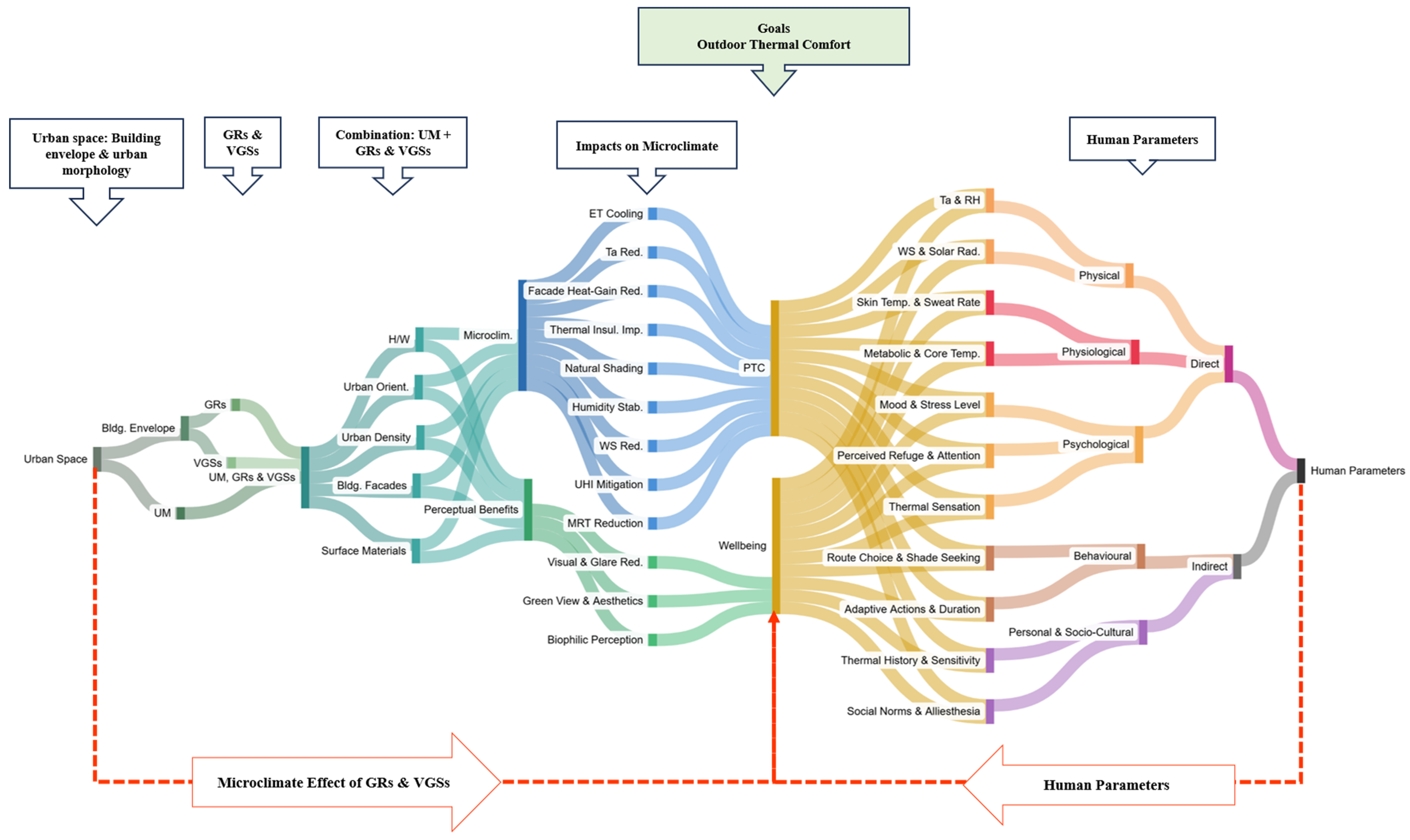
To better understand the complex mechanisms linking green infrastructure to PTC, this discussion introduces an integrated conceptual framework (Figure 10). The framework synthesizes the multidimensional relationships among GRs, VGSs, urban morphology, and human responses. Its primary contribution is to move beyond a linear cause-and-effect perspective and instead present PTC as the emergent outcome of interacting environmental, spatial, and human processes. This perspective aligns with the growing consensus that outdoor thermal comfort is inherently multidimensional and cannot be explained by microclimatic variables alone.
The framework is organized as follows. On the left side, GRs, VGSs, and their integrated application modify the urban microclimate through evapotranspiration, shading, and heat-gain reduction. These processes influence key variables, including air temperature, MRT, wind, humidity, and solar radiation, while urban morphology regulates their effects. On the right side, human parameters operate through direct and indirect pathways, shaping how pedestrians perceive and respond to these conditions. Converging from both sides, these urban-scale environmental modifications and human-scale responses jointly establish a human-centric evaluation structure. Consequently, outdoor thermal comfort and wellbeing emerge not as intermediate factors but as the ultimate objective toward which all environmental and human dimensions converge. This framework immediately shows that achieving PTC is a broad, multidimensional challenge. GRs and VGSs each improve microclimate through evapotranspiration and shading. Their combined application has shown promising additive or interactive potential, with several studies reporting greater reductions in thermal stress indicators than individual interventions. However, the available evidence remains limited and context-dependent because direct comparative investigations are still relatively scarce. These positive effects are also strongly influenced by urban morphology, including density, orientation, canyon geometry, material properties, and the sky-view factor. Consequently, the same greening intervention may perform differently depending on its surrounding urban context. Moreover, no single morphological or climatic template fits all situations. What works in a Mediterranean city may not perform similarly in humid subtropical, arid, or cold-climate environments. Each climate zone, and each urban morphology within that zone, therefore requires context-specific assessment. This places urban morphology not as a background condition but as a central co-design variable in the relationship between green infrastructure and PTC.
Beyond their microclimatic effects, GRs and VGSs also have perceptual and restorative co-benefits that contribute directly to wellbeing, including visual and aesthetic enhancement and biophilic experiences that remain relevant to human thermal wellbeing, as reflected in the conceptual framework (Figure 10). Unlike microclimatic mechanisms that primarily influence outdoor thermal comfort through environmental modification, these co-benefits enhance wellbeing through perceptual and restorative pathways. This distinction highlights that the value of urban greening extends beyond thermal regulation alone, providing multiple ecosystem services that support healthier, more livable, and environmentally resilient cities. Human parameters operate through direct and indirect pathways. Direct pathways include the immediate physical exposure conditions (air temperature, relative humidity, wind speed, and solar radiation) and physiological responses (e.g., skin temperature, heart rate, sweat rate, and metabolic activity), together with psychological responses such as thermal sensation, mood, stress, attention, and perceived refuge. Indirect pathways include behavioral adaptations (route choice, clothing adjustment, shade seeking, and exposure duration), personal attributes (age, gender, health status, and prior thermal experience), and socio-cultural influences (social norms, crowding perception, and alliesthesia). Through these interconnected pathways, identical microclimatic conditions may lead to different comfort outcomes across individuals, contexts, and cultures.
What makes this framework distinctive is its emphasis that microclimatic improvements alone do not guarantee pedestrian comfort. Thermal comfort emerges only when environmental cooling, human perception, and adaptive behaviors operate together. Microclimatic mechanisms influence both physiological and psychological responses, but the final evaluation of comfort is filtered through personal, behavioral, and socio-cultural contexts. This helps explain the frequently observed discrepancy between objective thermal indices and subjective comfort assessments. By positioning human parameters alongside microclimatic conditions, the framework highlights why similar environmental conditions may generate different perceptions of comfort and wellbeing.
The review also highlights several important research gaps. Despite their central role within the proposed framework, behavioral, social, and cultural dimensions remain comparatively underrepresented in the literature, as most studies continue to focus on physical variables and simulation-based assessments. In addition, although several studies report enhanced cooling performance when GRs and VGSs are implemented together, relatively few investigations have directly compared integrated and individual greening strategies under comparable conditions. Consequently, evidence supporting additive or interactive effects remains limited. Furthermore, the geographical and climatic distribution of the reviewed studies is uneven, with several climate zones remaining underrepresented. These limitations may restrict the transferability of current findings and underline the need for more comparative, interdisciplinary, and climate-sensitive research.
Overall, PTC is a relational, emergent condition at the intersection of green infrastructure performance and human response. Effective urban greening must simultaneously address microclimate, UM, and human factors. Robust assessment in any climatic or morphological setting therefore requires integrated approaches that combine field measurements, surveys, and numerical simulations. Only such hybrid methods can capture local environmental conditions, cultural expectations, behavioral adaptations, and site-specific urban form, moving from general recommendations toward place-based knowledge. Aligning GR and VG with pedestrian-scale exposure, perceptual quality, and adaptive opportunities remains an essential pathway for maximizing thermal comfort and enhancing pedestrian wellbeing, ultimately contributing to healthier, more inclusive, and more livable cities.
Figure 10.
Integrated framework of PTC, showing how green roofs and vertical greenery systems modify urban microclimate and, together with urban morphology and human physiological, psychological, and behavioral responses, shape pedestrian comfort and wellbeing. A complete list of abbreviations used in the framework is presented in the Abbreviations table.
6. Conclusions and Future Directions
This systematic review, conducted in accordance with the PRISMA 2020 framework, synthesized recent evidence on the effects of GRs and VGSs on PTC and developed an integrated conceptual framework linking environmental, spatial, and human dimensions. The findings indicate that PTC is shaped by the interaction of three interconnected domains: green infrastructure, UM, and human responses. Both GRs and VGSs contribute to microclimatic regulation through mechanisms such as evapotranspiration, shading, and reductions in surface heat gain, while UM regulates their effectiveness through factors including density, orientation, street geometry, H/W, and SVF. The review further highlights that thermal comfort is not determined solely by physical environmental conditions but also by physiological, psychological, behavioral, and socio-cultural responses. Consequently, improving the microclimate alone is insufficient; meaningful improvements in pedestrian comfort require the alignment of environmental cooling, human perception, and adaptive opportunities.
While this review provides valuable insights, several limitations remain within the current body of literature. Existing studies are dominated by physical and simulation-based assessments, whereas behavioral, social, and cultural dimensions of thermal comfort remain comparatively underexplored. In addition, although several studies report enhanced cooling performance when GRs and VGSs are implemented together, direct comparative investigations remain limited, and evidence for additive or interactive effects remains context-dependent rather than universally synergistic.
A further limitation concerns the evidence base for human psychological and physiological responses: much of the fine-grained sensory, psychological, and physiological monitoring reviewed in this study was obtained under controlled indoor or laboratory conditions, including workplace settings and virtual reality experiments, rather than in real outdoor pedestrian environments. This reliance likely reflects the practical constraints of deploying physiological and sensory monitoring equipment reliably in dynamic outdoor settings, but it means that the extension of these findings to open urban spaces should be treated with caution. Certain aspects of the review process also warrant caution. Both the title/abstract screening and the eligibility re-assessment of the final study set were conducted by a single reviewer rather than through independent dual-reviewer verification, a common constraint in resource-limited systematic reviews; such single-reviewer designs are inherently more susceptible to individual judgement and selection bias than protocols involving independent cross-verification. Furthermore, the geographical and climatic distribution of the reviewed studies is uneven, with several climate zones remaining underrepresented. These limitations and potential selection biases may constrain the transferability and generalizability of current findings across different urban and climatic contexts.
Future research should therefore prioritize long-term field investigations, direct comparisons between integrated and standalone greening strategies, and interdisciplinary approaches that better capture behavioral, social, and cultural dimensions of thermal comfort. Extending physiological and psychological monitoring from controlled indoor settings into real outdoor pedestrian environments is a particularly important direction, given the current reliance on indoor proxies noted above. Adoption of independent, multi-reviewer protocols for screening and eligibility assessment in future reviews of this literature would further strengthen the reliability and reproducibility of study-selection outcomes. Comparative studies across different urban morphologies and climate zones are particularly needed to improve the robustness, reliability, and transferability of design recommendations. Integrating field measurements, user surveys, physiological assessments, and numerical simulations will provide a more comprehensive understanding of the relationships among green infrastructure, urban form, and human experience. From a practical perspective, urban planners, architects, and policymakers should prioritize climate-sensitive and context-specific greening strategies that combine rooftop, vertical, and street-level vegetation. Aligning green infrastructure with pedestrian-scale exposure, perceptual quality, and adaptive opportunities represents an important pathway towards healthier, more resilient, and more livable cities.
Supplementary Materials
The following supporting information can be downloaded at: https://www.mdpi.com/article/10.3390/buildings16214254/s1, Supplementary Materials: PRISMA checklist.
Author Contributions
Conceptualization, F.S. and S.M.H.; methodology, F.S. and S.M.H.; data curation, F.S.; investigation, F.S. and S.M.H.; writing—original draft preparation, F.S. and S.M.H.; writing—review and editing, F.S. and S.M.H.; visualization, F.S.; supervision, S.M.H. All authors have read and agreed to the published version of the manuscript.
Funding
This research received no external funding.
Data Availability Statement
The original contributions presented in this study are included in the article. Further inquiries can be directed to the corresponding author.
Conflicts of Interest
The authors declare no conflicts of interest.
Abbreviations
The following abbreviations are used in this manuscript:
| Abbreviation/Term | Full Term/Description | Category |
| CFD | Computational Fluid Dynamics | Methods & Tools |
| UM | Urban Morphology | Urban Parameters |
| H/W | Height-to-Width Ratio (Street Canyon Aspect Ratio) | Urban Parameters |
| SVF | Sky-View Factor | Urban Parameters |
| BGR | Blue-Green Roof | Green Systems |
| BR | Blue Roof | Green Systems |
| GRs/GR | Green Roofs/Green Roof | Green Systems |
| VGSs/VGS | Vertical Greenery Systems/Vertical Greenery System | Green Systems |
| GFs/GF | Green Façades/Green Façade | Green Systems |
| LWs/LW | Living Walls/Living Wall | Green Systems |
| IGR/EGR | Intensive/Extensive Green Roof | Green Systems |
| IGW | Indoor Green Wall | Green Systems |
| UGS | Urban Green Space | Green Systems |
| NBS | Nature-Based Solutions | Green Systems |
| PET | Physiologically Equivalent Temperature | Thermal Indices |
| UTCI | Universal Thermal Climate Index | Thermal Indices |
| PMV | Predicted Mean Vote | Thermal Indices |
| PPD | Predicted Percentage of Dissatisfied | Thermal Indices |
| SET/SET* | Standard Effective Temperature | Thermal Indices |
| DI | Discomfort Index | Thermal Indices |
| MRT/Tmrt | Mean Radiant Temperature | Thermal Indices |
| Ta | Air Temperature | Microclimate |
| RH | Relative Humidity | Microclimate |
| WS/Va/U | Wind Speed/Velocity | Microclimate |
| Solar Rad. | Solar Radiation | Microclimate |
| SW/LW | Short-wave/Long-wave radiation | Microclimate |
| UHI | Urban Heat Island | Microclimate |
| OTC | Outdoor Thermal Comfort | Comfort & Health |
| PTC | Pedestrian Thermal Comfort | Comfort & Health |
| HTC | Human Thermal Comfort | Comfort & Health |
| GVI | Green View Index | Human Responses |
| TVF | Tree View Factor | Human Responses |
| PRS | Perceived Restorativeness Scale | Human Responses |
| TSV/TCV | Thermal Sensation Vote/Thermal Comfort Vote | Human Responses |
| HR/SBP/DBP | Heart Rate/Systolic & Diastolic Blood Pressure | Human Responses |
| HRV | Heart Rate Variability | Human Responses |
| EDA | Electrodermal Activity | Human Responses |
| STAI | State-Trait Anxiety Inventory | Human Responses |
| BPOMS/TMD | Brief Profile of Mood States/Total Mood Disturbance | Human Responses |
| SC | Street Canyon | Urban Context |
| LCZ | Local Climate Zone | Urban Context |
| FM/EXP/VR | Field Measurement/Controlled Experiment/Virtual Reality | Methods & Settings |
| AI/AHP | Artificial Intelligence/Analytic Hierarchy Process | Methods & Settings |
| ANOVA | Analysis of Variance | Methods & Settings |
| LAB/OFF/RES | Laboratory/Office/Residential setup | Methods & Settings |
Appendix A
Table A1.
Characteristics of the 46 studies included in the qualitative synthesis on GRs, VGSs, and PTC.
Appendix B
Table A2.
Köppen–Geiger climate classification.
References
- Karimian, N.; Mahdizadeh, S. Microclimate effects and outdoor thermal comfort of green roof types in hot and dry climates: Modelling in the historic city of Yazd, Iran. PLoS ONE 2025, 20, e0325494. [Google Scholar] [CrossRef] [Scilit] [PubMed]
- Vasconcelos, L.; Langemeyer, J.; Cole, H.V.S.; Baró, F. Nature-based climate shelters? Exploring urban green spaces as cooling solutions for older adults in a warming city. Urban For. Urban Green. 2024, 98, 128408. [Google Scholar] [CrossRef] [Scilit]
- Jia, S.; Weng, Q.; Yoo, C.; Voogt, J.A. Global investigation of pedestrian-level cooling and energy-saving potentials of green and cool roofs in 43 megacities. Energy Build. 2025, 337, 115671. [Google Scholar] [CrossRef] [Scilit]
- Erlwein, S.; Zölch, T.; Pauleit, S. Regulating the microclimate with urban green in densifying cities: Joint assessment on two scales. Build. Environ. 2021, 205, 108233. [Google Scholar] [CrossRef] [Scilit]
- Arrar, H.F.; Kaoula, D.; Santamouris, M.; Foufa-Abdessemed, A.; Emmanuel, R.; Matallah, M.E.; Ahriz, A.; Attia, S. Coupling of different nature base solutions for pedestrian thermal comfort in a Mediterranean climate. Build. Environ. 2024, 256, 111480. [Google Scholar] [CrossRef] [Scilit]
- Tseliou, A.; Melas, E.; Mela, A.; Tsiros, I.; Zervas, E. The effect of green roofs and green façades in the pedestrian thermal comfort of a Mediterranean urban residential area. Atmosphere 2023, 14, 1512. [Google Scholar] [CrossRef] [Scilit]
- Susca, T.; Iaria, J.; Zanghirella, F. Development of predictive indices for evaluating the UHI adaptation potential of green roof- and wall-based scenarios in the Mediterranean climate. Sci. Rep. 2024, 14, 21675. [Google Scholar] [CrossRef] [Scilit] [PubMed]
- Schibuola, L.; Tambani, C. A monthly performance comparison of green infrastructures enhancing urban outdoor thermal comfort. Energy Build. 2022, 273, 112368. [Google Scholar] [CrossRef] [Scilit]
- Sultana, R.; Ahmed, Z.; Hossain, M.A.; Begum, B.A. Impact of green roof on human comfort level and carbon sequestration: A microclimatic and comparative assessment in Dhaka City, Bangladesh. Urban Clim. 2021, 38, 100878. [Google Scholar] [CrossRef] [Scilit]
- Lin, C.; Zhang, S. Impact of green roofs and walls on the thermal environment of pedestrian heights in urban villages. Buildings 2024, 14, 4063. [Google Scholar] [CrossRef] [Scilit]
- Fu, X.; Liu, Y.; Li, H.; He, B.-J. Impacts of background climate and local morphological characteristics on green rooftop cooling: A field measurement and numerical simulation study. Build. Environ. 2025, 284, 113461. [Google Scholar] [CrossRef] [Scilit]
- Shoghi, F.; Hosseini, S.M.; Heidari, S.; Wang, J.; Mahdavinejad, M.; Attia, S. Human interaction with urban morphology under the influence of urban heat island: A systematic review. J. Daylighting 2025, 12, 468–490. [Google Scholar] [CrossRef] [Scilit]
- Page, M.J.; McKenzie, J.E.; Bossuyt, P.M.; Boutron, I.; Hoffmann, T.C.; Mulrow, C.D.; Shamseer, L.; Tetzlaff, J.M.; Akl, E.A.; Brennan, S.E.; et al. The PRISMA 2020 statement: An updated guideline for reporting systematic reviews. BMJ 2021, 372, n71. [Google Scholar] [CrossRef] [Scilit] [PubMed]
- Kottek, M.; Grieser, J.; Beck, C.; Rudolf, B.; Rubel, F. World map of the Köppen–Geiger climate classification updated. Meteorol. Z. 2006, 15, 259–263. [Google Scholar] [CrossRef] [Scilit] [PubMed]
- Abdallah, A.S.H.; Mahmoud, R.M.A. Urban morphology as an adaptation strategy to improve outdoor thermal comfort in urban residential community of new Assiut city, Egypt. Sustain. Cities Soc. 2022, 78, 103648. [Google Scholar] [CrossRef] [Scilit]
- Yu, J.; Wang, Y.; Dong, N.; Wang, X. Indoor green walls impact on employee emotional health and well-being in office environments. Landsc. Archit. Sustain. 2025, 2, 100006. [Google Scholar] [CrossRef] [Scilit]
- Salameh, M.; Touqan, B. Evaluating the effectiveness of various green configurations in housing projects: A case study in Ajman, UAE. City Territ. Archit. 2025, 12, 39. [Google Scholar] [CrossRef] [Scilit]
- Zhao, W.; Hu, Q.; Bao, A. The influence of the spatial morphology of township streets on summer microclimate and thermal comfort. Buildings 2024, 14, 3616. [Google Scholar] [CrossRef] [Scilit]
- Heydari, T.H.; Yeganeh, M.Y.; Pourmahabadian, E. Evaluation of the role of green walls in enhancing outdoor thermal comfort in different morphologies of building blocks. Front. Sustain. Cities 2025, 7, 1519375. [Google Scholar] [CrossRef] [Scilit]
- Dehghan Lotfabad, A.; Hosseini, S.M.; Dabove, P.; Heiranipour, M.; Sommese, F. Impacts of vertical greenery on outdoor thermal comfort and carbon emission reduction at the urban scale in Turin, Italy. Buildings 2025, 15, 450. [Google Scholar] [CrossRef] [Scilit]
- Wang, K.; Fang, X.; Ma, Y.; Xue, S.; Yin, S. Assessing effects of urban greenery on the regulation mechanism of microclimate and outdoor thermal comfort during winter in China’s cold region. Land 2022, 11, 1442. [Google Scholar] [CrossRef] [Scilit]
- Thorpert, P.; Englund, J.-E.; Ode Sang, Å. Shades of green for living walls–experiences of color contrast and its implication for aesthetic and psychological benefits. Nat. Based Solut. 2023, 3, 100067. [Google Scholar] [CrossRef] [Scilit]
- Zheng, H.; Luo, M.; Wang, Y.; Wei, Y. Multi-sensory interaction and spatial perception in urban microgreen spaces: A focus on vision, auditory, and olfaction. Sustainability 2024, 16, 8809. [Google Scholar] [CrossRef] [Scilit]
- Taczanowska, K.; Tansil, D.; Wilfer, J.; Jiricka-Pürrer, A. The impact of age on people’s use and perception of urban green spaces and their effect on personal health and wellbeing during the COVID-19 pandemic—A case study of the metropolitan area of Vienna, Austria. Cities 2024, 147, 104798. [Google Scholar] [CrossRef] [Scilit]
- Yeom, S.; Kim, H.; Hong, T. Psychological and physiological effects of a green wall on occupants: A cross-over study in virtual reality. Build. Environ. 2021, 204, 108134. [Google Scholar] [CrossRef] [Scilit]
- Liu, W.; Du, M.; Hong, B. Effects of underground green walls on human cognitive performance and physiological responses: A virtual reality simulation study. Landsc. Archit. Sustain. 2025, 1, 100005. [Google Scholar] [CrossRef] [Scilit]
- Zhuo, Z.; Ran, K.; Dong, L. Assessing the effects of exposure to green rooftop spaces on perceived restorativeness: A field study in Xiamen, China. Buildings 2025, 15, 1427. [Google Scholar] [CrossRef] [Scilit]
- Mutani, G.; Todeschi, V. Roof-integrated green technologies, energy saving and outdoor thermal comfort: Insights from a case study in urban environment. Int. J. Sustain. Dev. Plan. 2021, 16, 13–23. [Google Scholar] [CrossRef] [Scilit]
- Feng, Y.; Wang, J.; Zhou, W.; Li, X.; Yu, X. Evaluating the cooling performance of green roofs under extreme heat conditions. Front. Environ. Sci. 2022, 10, 874614. [Google Scholar] [CrossRef] [Scilit]
- Almaaitah, T.; Drake, J.; Joksimovic, D. Impact of design variables on hydrologic and thermal performance of green, blue-green and blue roofs. Blue-Green Syst. 2022, 4, 135–155. [Google Scholar] [CrossRef] [Scilit]
- Zheng, X.; Kong, F.; Yin, H.; Middel, A.; Yang, S.; Liu, H.; Huang, J. Green roof cooling and carbon mitigation benefits in a subtropical city. Urban For. Urban Green. 2023, 86, 128018. [Google Scholar] [CrossRef] [Scilit]
- Manso, M.; Castro-Gomes, J. Green wall systems: A review of their characteristics. Renew. Sustain. Energy Rev. 2015, 41, 863–871. [Google Scholar] [CrossRef] [Scilit]
- Zuckerman, N.; Lensky, I.M. Thermal performance of vertical greenery systems (VGS) in a street canyon: A real-scale long-term experiment. Build. Environ. 2023, 244, 110750. [Google Scholar] [CrossRef] [Scilit]
- Zheng, X.; Yan, H.; Hang, J.; Wu, Z.; Ren, L.; Chen, G.; Yuan, H.; Li, Y. Quantifying the thermal effects of vertical greenery systems in urban districts with different plan area indices: Scaled outdoor experiments. Build. Environ. 2025, 285, 113529. [Google Scholar] [CrossRef] [Scilit]
- Lehnert, M.; Kremser, J.; Janků, Z.; Květoňová, V.; Geletič, J. Assessing green walls’ effects on outdoor human thermal exposure in temperate climate cities. Sci. Rep. 2025, 15, 42053. [Google Scholar] [CrossRef] [Scilit] [PubMed]
- Gamal, A.; Abo Eleinen, O.; Elgheznawy, D.; Eltarabily, S. Numerical analysis of outdoor thermal comfort of block-scale vertical greening systems in a hot humid climate. Archit. Sci. Rev. 2025, 69, 212–239. [Google Scholar] [CrossRef] [Scilit]
- Khan, I.H.; Munawer, T. Benefits and barriers of vertical greenery systems in Delhi: Evaluating design professionals’ perceptions. Discov. Environ. 2025, 3, 62. [Google Scholar] [CrossRef] [Scilit]
- Molari, M.; Dominici, L.; Manso, M.; Matos Silva, C.; Comino, E. A socio-ecological approach to investigate the perception of green walls in cities: A comparative analysis of case studies in Turin and Lisbon. Nat. Based Solut. 2024, 6, 100175. [Google Scholar] [CrossRef] [Scilit]
- Bae, G.; Kim, E.J.; Ham, K. Simulation-integrated climate-adaptive pedestrian design explorations for summer thermal comfort: The case of culturally diversified green way project in Seoul, South Korea. Sustainability 2025, 17, 9910. [Google Scholar] [CrossRef] [Scilit]
- Mohammed, A.B. Employing systems of green walls to improve performance and rationalize energy in buildings. J. Eng. Appl. Sci. 2022, 69, 99. [Google Scholar] [CrossRef] [Scilit]
- Cui, D.; Zhang, Y.; Li, X.; Yuan, L.; Mak, C.M.; Kwok, K. Effects of different vertical façade greenery systems on pedestrian thermal comfort in deep street canyons. Urban For. Urban Green. 2022, 72, 127582. [Google Scholar] [CrossRef] [Scilit]
- Iaria, J.; Susca, T. Analytic hierarchy processes (AHP) evaluation of green roof- and green wall-based UHI mitigation strategies via ENVI-met simulations. Urban Clim. 2022, 46, 101293. [Google Scholar] [CrossRef] [Scilit]
- Baghaei Daemei, A.; Bradecki, T.; Pancewicz, A.; Razzaghipour, A.; Darvish, A.; Jamali, A.; Abbaszadegan, S.M.; Askarizad, R.; Kazemi, M.; Sharifi, A. An experimental analysis and deep learning model to assess the cooling performance of green walls in humid climates. Front. Energy Res. 2024, 12, 1447655. [Google Scholar] [CrossRef] [Scilit]
- Lin, H.; Ni, H.; Xiao, Y.; Zhu, X. Couple simulations with CFD and ladybug + honeybee tools for green façade optimizing the thermal comfort in a transitional space in hot-humid climate. J. Asian Archit. Build. Eng. 2023, 22, 1317–1342. [Google Scholar] [CrossRef] [Scilit]
- Zhao, Y.; Li, R.; Niu, J.; Shi, X.; Gao, N. Impact of vegetated facades on microclimate and outdoor thermal comfort across different building morphologies. Build. Environ. 2025, 285, 113614. [Google Scholar] [CrossRef] [Scilit]
- Aboelata, A. Assessment of green roof benefits on buildings’ energy-saving by cooling outdoor spaces in different urban densities in arid cities. Energy 2021, 219, 119514. [Google Scholar] [CrossRef] [Scilit]
- Zhou, W.; Jia, S.; Wang, Y. Greenery for regulating outdoor thermal comfort in various urban environments of a humid-subtropical climate under extreme heat conditions. Urban For. Urban Green. 2025, 113, 129038. [Google Scholar] [CrossRef] [Scilit]
- Jung, S.J.; Yoon, S. Effects of creating street greenery in urban pedestrian roads on microclimates and particulate matter concentrations. Sustainability 2022, 14, 7887. [Google Scholar] [CrossRef] [Scilit]
- Kim, E.S.; Yun, S.H.; Lee, D.K.; Kim, N.Y.; Piao, Z.G.; Kim, S.H.; Park, S. Quantifying outdoor cooling effects of vertical greening system on mean radiant temperature. Dev. Built Environ. 2023, 15, 100211. [Google Scholar] [CrossRef] [Scilit]
- Zheng, X.; Hu, W.; Luo, S.; Chen, J.; Zhu, Z.; Bai, Y.; Wang, W.; Pan, L. A scaled outdoor experimental study of the urban thermal environment in street canyons with green walls under various weather conditions. Sustain. Cities Soc. 2024, 105, 105310. [Google Scholar] [CrossRef] [Scilit]
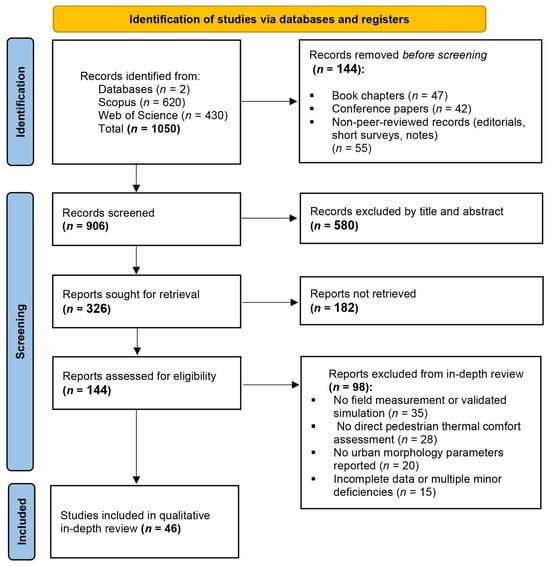
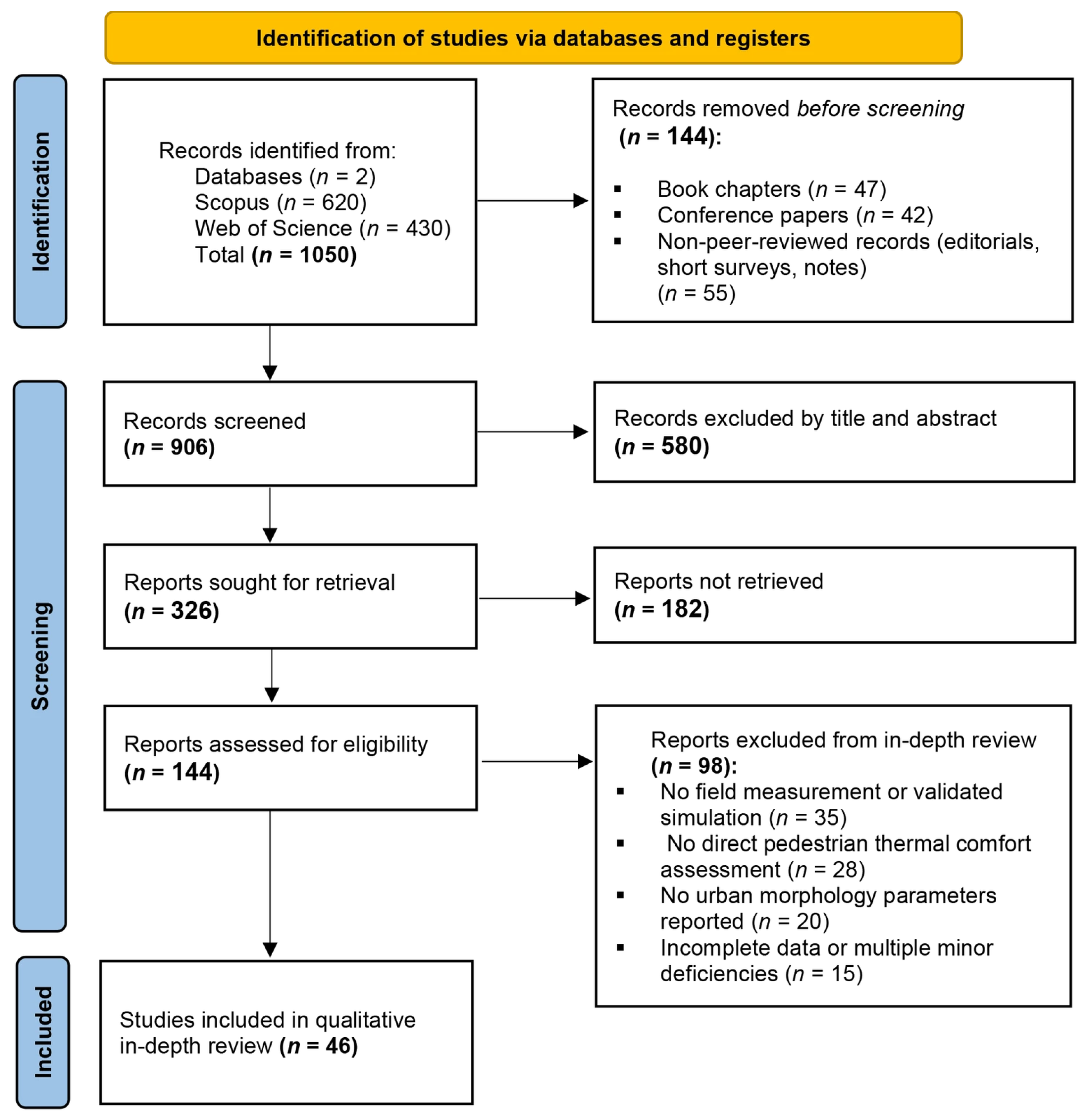
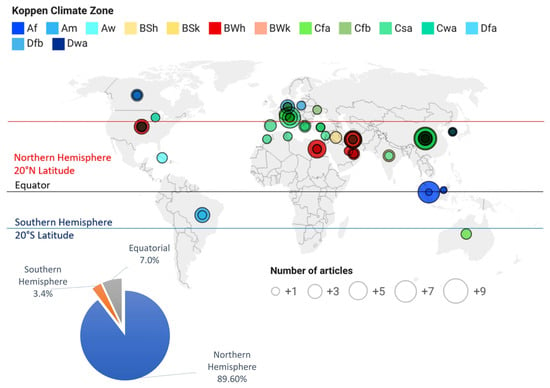
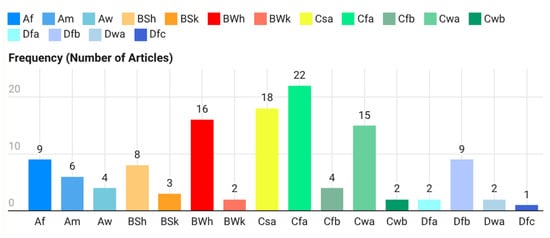
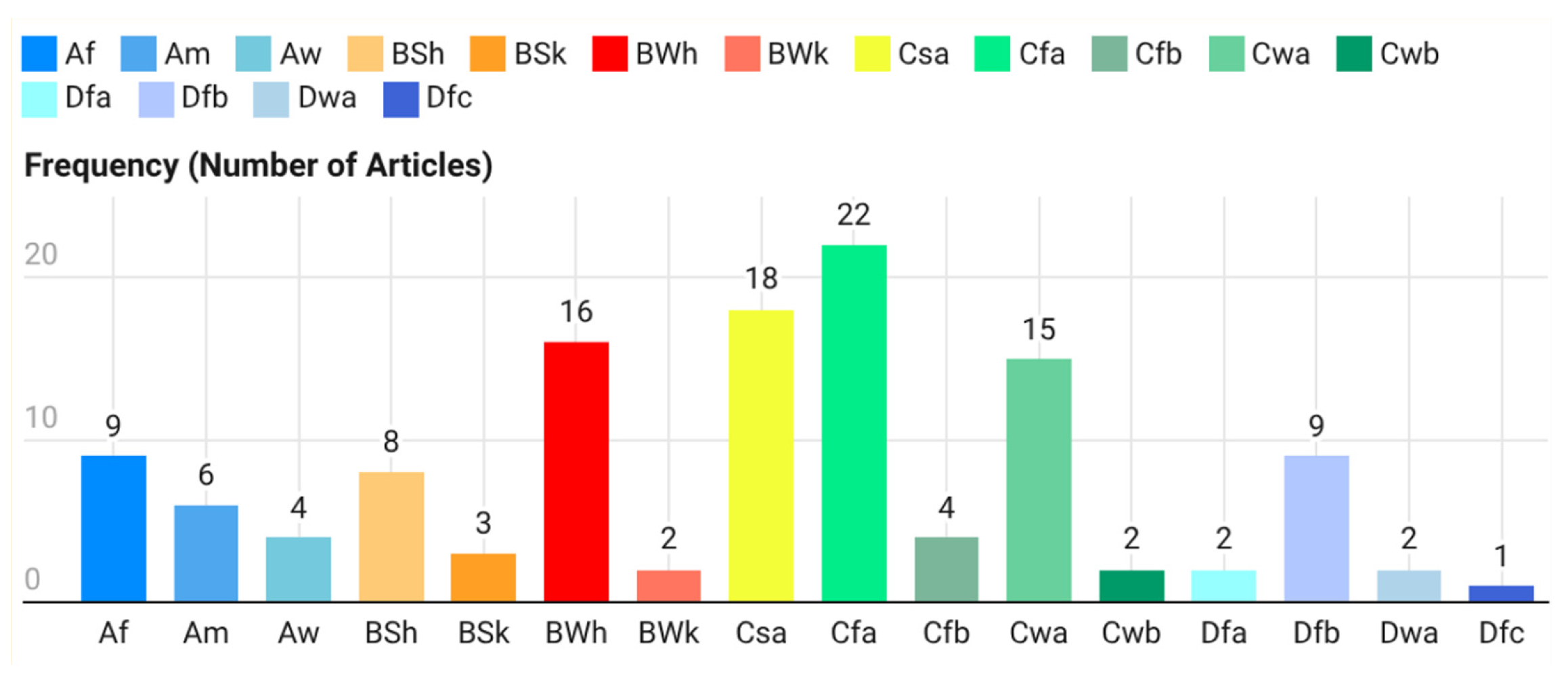
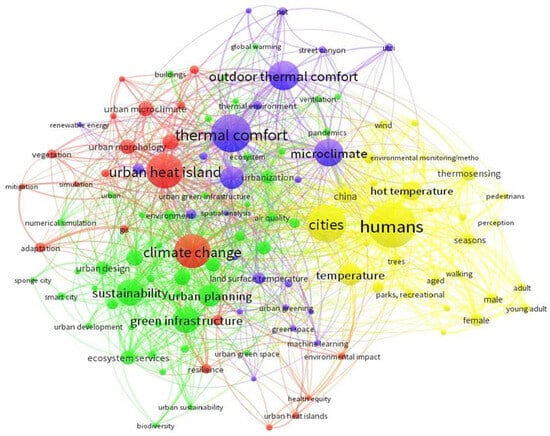
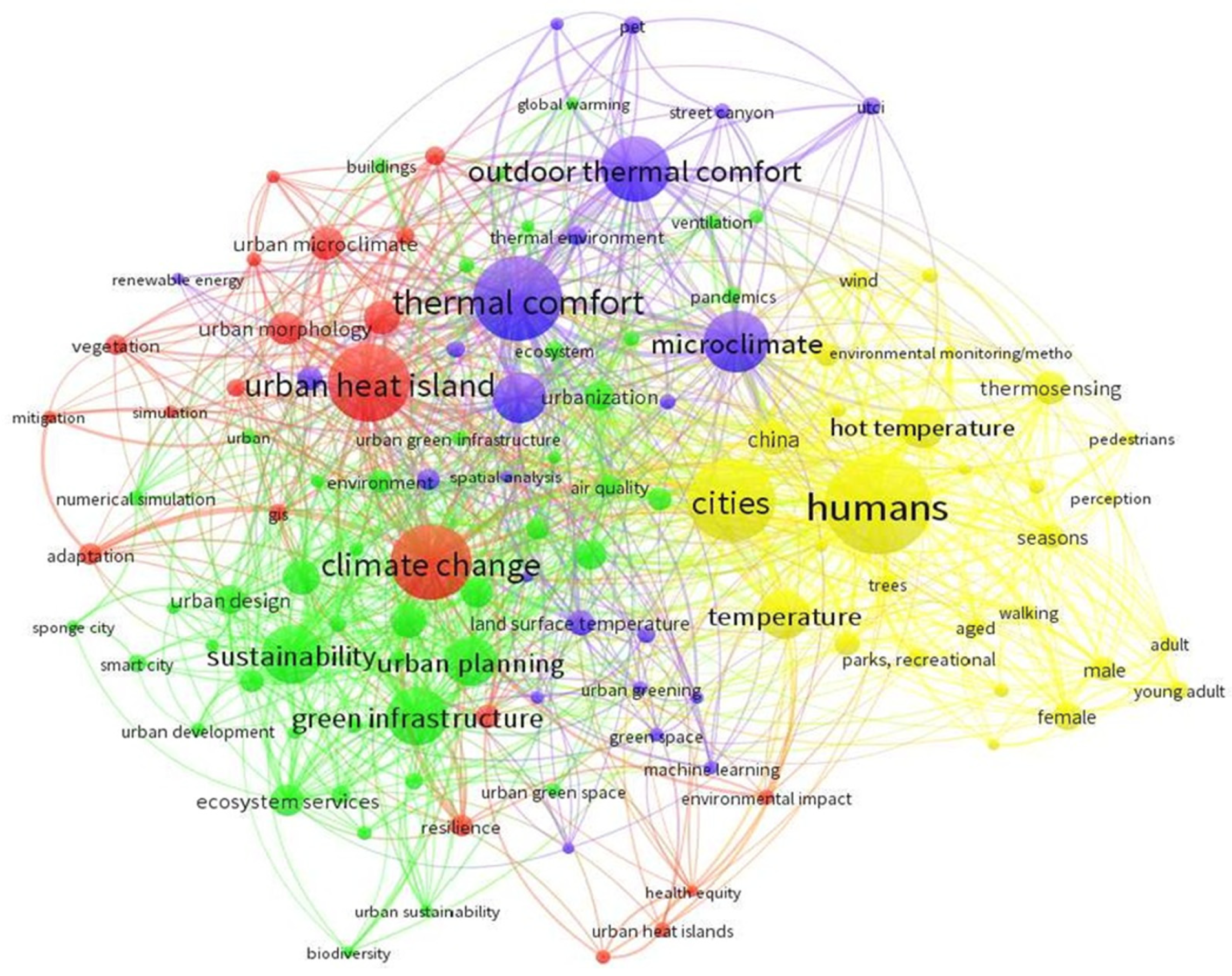
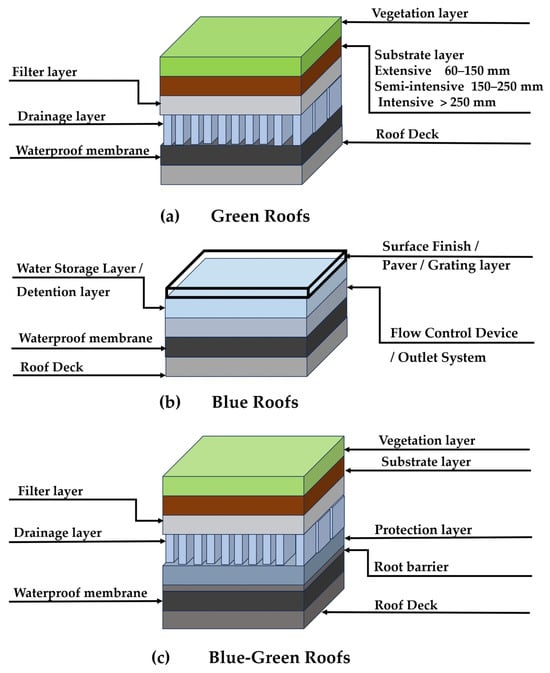
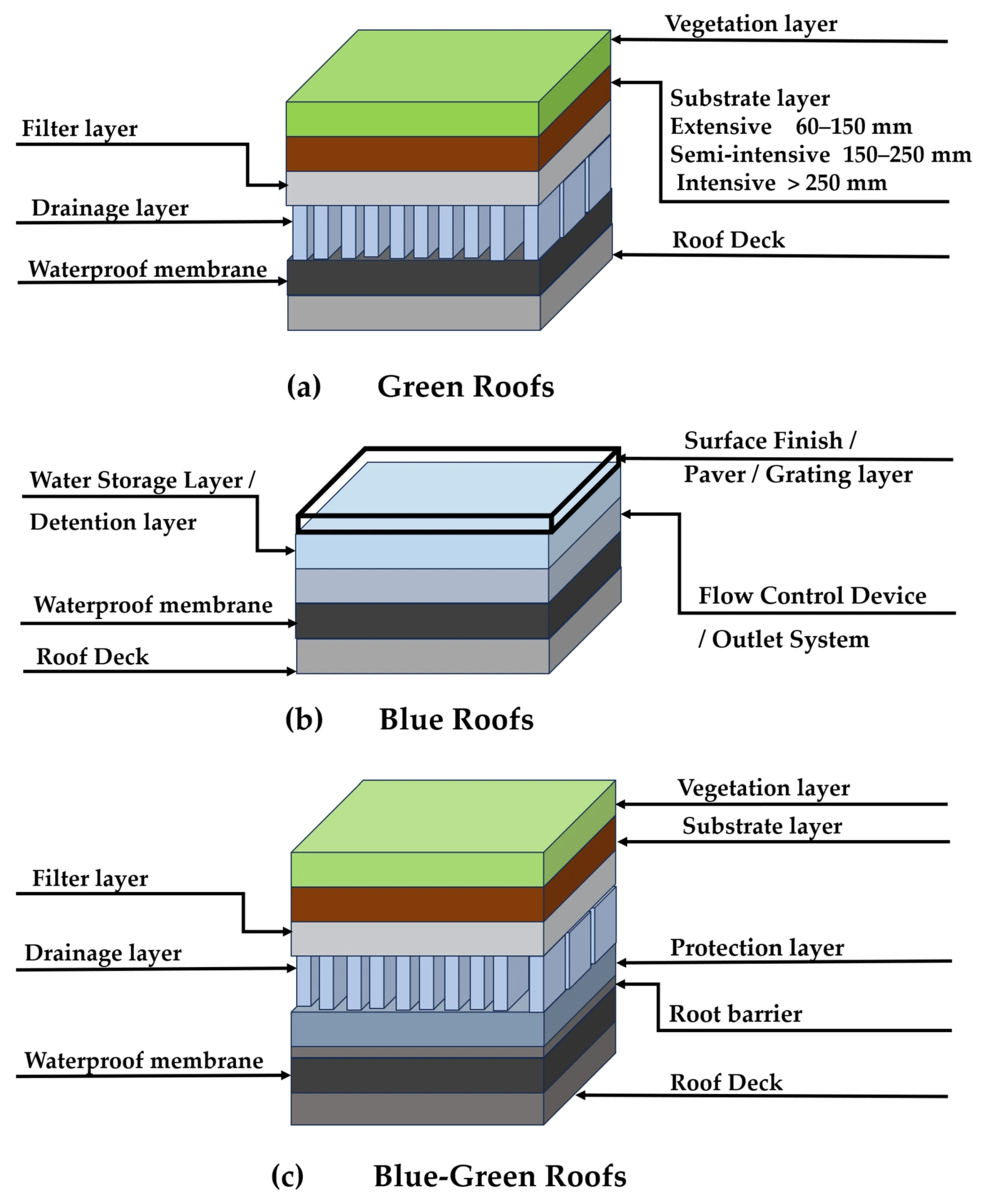
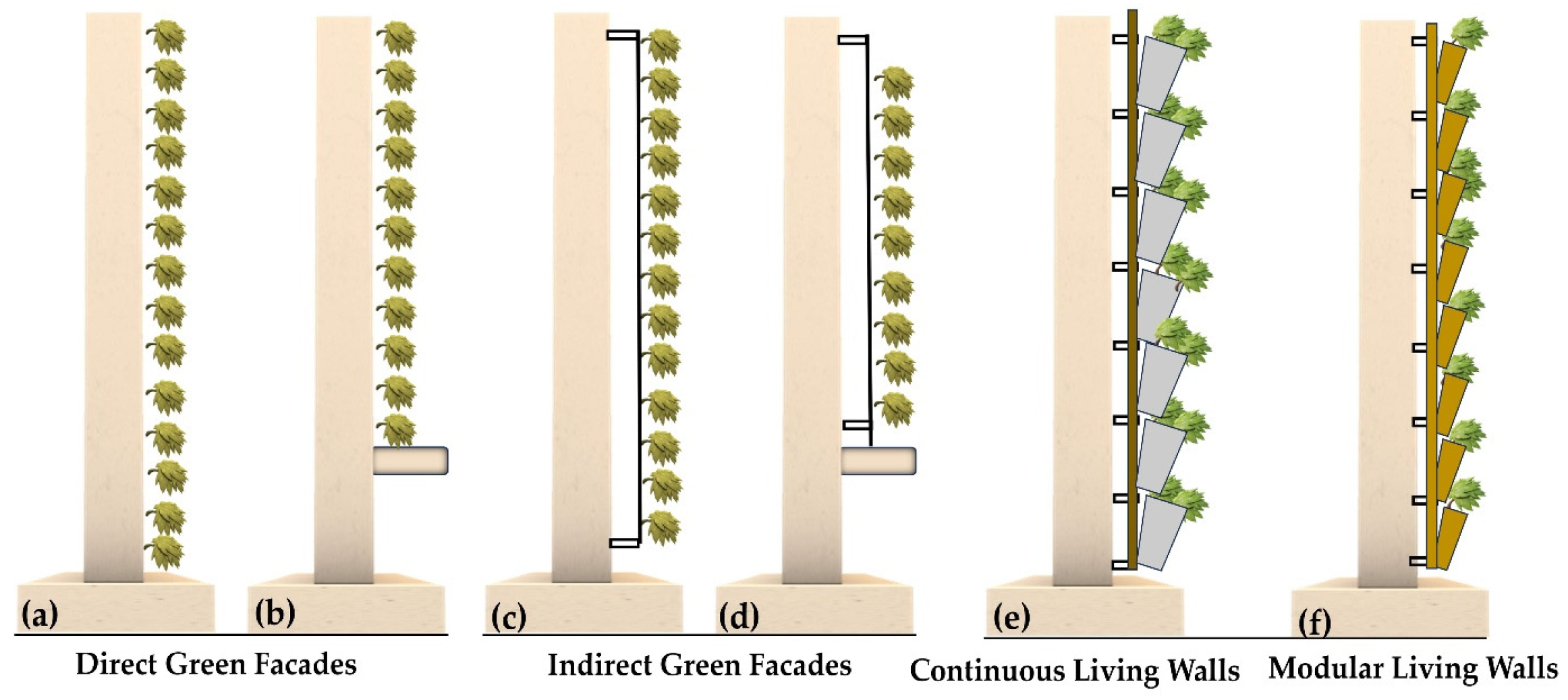
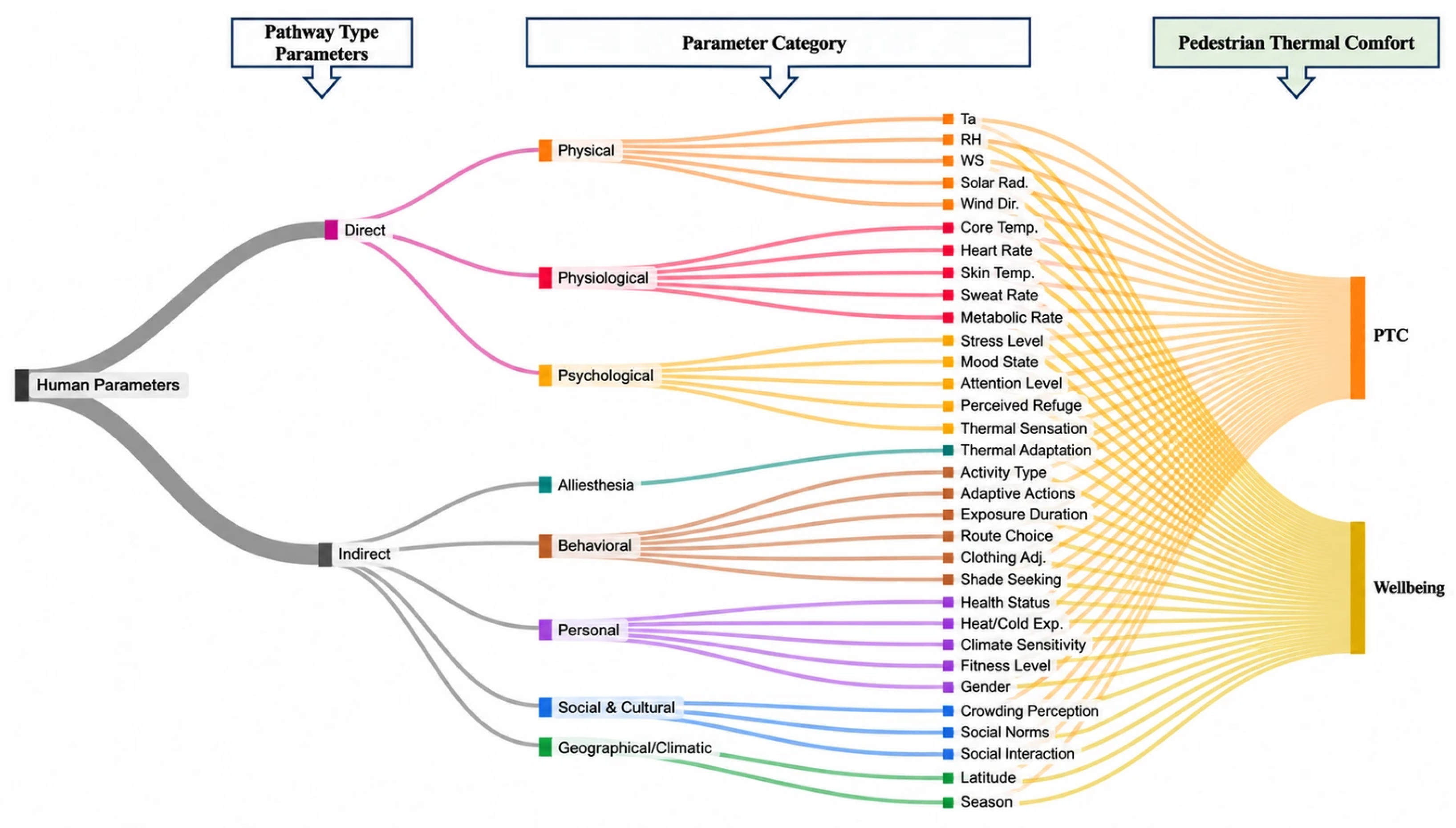

Disclaimer/Publisher’s Note: The statements, opinions and data contained in all publications are solely those of the individual author(s) and contributor(s) and not of MDPI and/or the editor(s). MDPI and/or the editor(s) disclaim responsibility for any injury to people or property resulting from any ideas, methods, instructions or products referred to in the content. |
© 2026 by the authors. Licensee MDPI, Basel, Switzerland. This article is an open access article distributed under the terms and conditions of the Creative Commons Attribution (CC BY) license.