


Abstract
As a vital component of cultural heritage, historic buildings carry multiple values, including historical continuity, construction techniques, and social memory. Their conservation and utilization are of significant importance for cultural transmission and economic development. However, existing research findings have long been dispersed across different themes, disciplines, and linguistic contexts, lacking a systematic integration and interpretive framework that links the entire conservation–utilization process, thereby constraining a comprehensive understanding of the field. Against this background, following the PRISMA guidelines, this study retrieved and screened 474 core journal articles published between 2005 and 2025 from the CNKI and the WOSCC. Using bibliometric and visualization analysis methods, and employing tools including CiteSpace, VOSviewer, Pajek, and Scimago Graphica, we analyzed publication trends, collaboration networks, disciplinary distributions, and knowledge structures, and conducted thematic mapping and cross-database comparison in conjunction with the management cycle articulated in international heritage conservation theory. The results show that publication volume in this field has generally exhibited a growth trend, and the research evolution has roughly undergone four stages: basic problem focus, emergence of digital technologies, digital transformation, and data-intensified assessment and intelligent applications. The research network presents a multi-centric pattern characterized by “fragmented distribution with localized clustering.” Cross-database comparison reveals that CNKI and WOS share common concerns in conservation, utilization, technology empowerment, and governance issues, but differ in thematic emphasis and methodological pathways. Based on the international heritage management cycle, this study maps out a systematic framework of “value recognition–risk assessment–conservation intervention–adaptive reuse–sustainable governance,” revealing the similarities and differences between the WOS and CNKI databases in thematic presentation and knowledge production pathways, and further identifies key issues including the insufficient independence of value research, inadequate methodological integration, weak post-utilization feedback, and the lack of a closed governance loop, thereby proposing future research directions. This study may serve as a reference for systematically understanding the overall knowledge and practical development in the field of historic building conservation and utilization.
1. Introduction
The protection of cultural heritage has been elevated to an important strategic position in both national development and international sustainability agendas. In China, the “15th Five-Year Plan” has elevated cultural heritage protection to a new strategic height in service of national development. The National Cultural Heritage Administration has explicitly proposed constructing a cultural relics protection system characterized by “more scientific concepts, more comprehensive institutions, and more refined methods,” emphasizing the need to “strengthen research and excavation of cultural relic values and promote the construction of the Chinese civilization identity system” [1]. At the international level, organizations such as UNESCO and the International Council on Monuments and Sites (ICOMOS) have consistently underscored the importance of integrating conservation with adaptive reuse within the sustainable development agenda. As an important category of immovable cultural heritage, historic buildings are not only material carriers of historical memory and tangible symbols of cultural identity, but also valuable assets with significant social and economic implications. They contribute to public cultural services, tourism development, urban regeneration, and the long-term operation of heritage sites. Therefore, improving the conservation and utilization of historic buildings is important not only for preserving cultural continuity and authenticity, but also for enhancing management efficiency and supporting the sustainable use of heritage resources.
Nevertheless, in the context of rapid urbanization and cultural tourism integration, historic buildings are confronted with complex challenges including settlement-induced damage, excessive utilization, cultural discontinuity, and financial constraints [2,3]. In many cases, conservation and utilization involve difficult decisions regarding restoration investment, technical selection, functional renewal, daily maintenance, and multi-stakeholder coordination. If these issues are not properly managed, the result may be not only physical deterioration and authenticity loss, but also inefficient use of conservation resources and unsustainable site operation. Accordingly, how to achieve rational use and the continuity of living heritage while ensuring structural safety and material authenticity has become a significant practical issue concerning national cultural security and public rights.
Academic research—both domestic and international—has extensively addressed this topic from perspectives encompassing conservation technology, institutional governance, and revitalization practices [4,5,6,7,8]. At the review level, some scholars have conducted systematic syntheses on specific themes within the conservation of historic buildings, such as bibliometric analyses of the seismic performance of timber-framed historic buildings, systematic reviews of heritage value typologies, and reviews of environmental indicators for adaptive reuse. These reviews provide valuable references for knowledge integration within their respective thematic boundaries. However, they predominantly focus on a single theme, a single database, or a specific national context, and have not yet incorporated conservation, utilization, and long-term governance into a unified framework for cross-database, cross-linguistic systematic comparison [9]. Furthermore, the exploration of common mechanisms and differentiated patterns across various types of historic buildings is insufficient, resulting in a fragmented knowledge base [10]. Against this background, a systematic review is needed not only to synthesize existing knowledge, but also to clarify research concentrations and neglected areas. Such a review has practical socioeconomic and engineering management value, as it can inform the allocation of conservation resources, support more appropriate intervention and reuse decisions, reduce avoidable management and operational costs, and improve the long-term efficiency and social benefits of heritage site management.
In response to these issues, this study conducts a systematic review and bibliometric analysis of historic building conservation and utilization research and undertakes an interpretive mapping of the identified thematic structure against the standard conservation management cycle articulated in international heritage charters and manuals. “Historic buildings” is used as an umbrella term for building-scale heritage assets addressed in the reviewed literature, including officially protected historic buildings (wenwu jianzhu), ancient buildings, historic buildings, and traditional vernacular buildings [11,12,13,14] (Figure 1). Specifically, this study aims to: (1) reveal the publication evolution, collaboration landscape, and knowledge structure of the field; (2) Through keyword clustering and co-occurrence analysis, identify the main research themes and map them onto the conservation management cycle long established in international heritage conservation doctrine, so as to reveal the distribution and evolutionary characteristics across various research dimensions; (3) Systematically compare the similarities and differences between CNKI and WOS literature in terms of presentation approaches and research pathways; (4) Through the above work, provide an evidence base, a structured cognitive reference, and future research directions for the further integration of research on the conservation, utilization, and long-term governance of historic buildings.
Figure 1.
Some building types covered by historic buildings. Note: all buildings shown are officially designated as Major Historical and Cultural Sites Protected at the National Level (the highest protection category in China). All photos were taken by the author.
2. Methodology
This study combines a PRISMA-guided systematic literature review with bibliometric mapping and qualitative thematic synthesis to ensure rigor, reproducibility, and transparency in the research process [15,16]. This methodological combination was chosen because historic building conservation and utilization research is characterized by pronounced interdisciplinarity, multi-scale complexity, and strong context-dependence, encompassing technical topics such as restoration, strengthening, and environmental assessment, as well as integrated issues like adaptive reuse, management strategies, and sustainable governance. A traditional narrative review alone is insufficient to reveal the overall knowledge structure and its evolutionary patterns, while relying solely on bibliometric results may remain at the level of describing publication trends, co-word relationships, and network structures, without adequately explaining the relationships between thematic clusters and the logic of heritage management.
Accordingly, this study treats the literature in this field as a dynamically evolving knowledge system. It defines the evidence boundary through systematic screening, identifies the knowledge structure and thematic evolution using bibliometric methods, and, at the interpretation stage, draws on relevant international charters, principles, and classic texts in heritage conservation to analytically organize the clustering results through the lens of the heritage lifecycle. This research design aims to balance the standardization of sample selection, the systematic identification of research structures, and the professional interpretation of results, thereby more comprehensively revealing the developmental features of historic building conservation and utilization research.
2.1. Research Methodology Framework and Analysis Process
Building on the above research design, the analytical procedure of this paper can be summarized into three interconnected stages.
The first stage is literature identification and screening. Through database retrieval, deduplication, title-abstract screening, and full-text assessment, the final sample is determined, thereby establishing the evidence boundary of the study.
The second stage is bibliometric analysis. Using the finalized sample, analyses are conducted on publication trends, collaboration networks at the country/institution/author level, journal and disciplinary distributions, keyword co-occurrence, clustering structures, and burst detection, in order to identify the knowledge structure, research hotspots, and their temporal evolution patterns in this field. The identification of research themes in this paper is primarily based on keyword co-occurrence networks and clustering results.
The third stage is result mapping and integrative discussion. On the basis of keyword clustering and co-occurrence analysis, and with reference to international charters, principles, practice guidelines, and classic literature in the heritage conservation field, the relationships among the major themes are interpretively organised through the lens of the heritage lifecycle. In addition, a comparison is drawn between CNKI and WOS literature in terms of thematic presentation, research foci, and research pathways.
These three stages progress from sample identification and structural analysis to result interpretation, forming a analytical pathway of “evidence boundary identification—knowledge structure mapping—research result interpretation.” This framework retains the standardization of systematic reviews in evidence identification, leverages the strengths of bibliometrics in visualizing knowledge structures, and provides a methodological basis for the subsequent discussion of research emphases, gaps, and cross-database divergences from the perspective of heritage management logic.
2.2. Data Sourcesl
This study selected the China National Knowledge Infrastructure (CNKI) core journal database and the Web of Science Core Collection (WOSCC) as literature sources [17], based primarily on two considerations. On the one hand, CNKI has a relatively high coverage of Chinese-language academic journals and can systematically reflect the major research outputs on the conservation and utilization of historic buildings within the Chinese context. On the other hand, the WOS Core Collection offers strong advantages in the coverage of high-impact international journals, the standardization of bibliographic information, and its suitability for bibliometric analysis, facilitating cross-database comparative analysis with Chinese-language samples. Constructing the sample on the basis of these two databases helps to form a cross-database, cross-linguistic research observational perspective while ensuring literature quality.
However, it should be noted that the data sources of this study still have clear boundaries, and the resulting sampling bias needs to be fully considered in the interpretation of the results. First, the WOS Core Collection is not equivalent to the entirety of international research. Its coverage is primarily oriented toward mainstream international academic journals, with English-language literature occupying a significant predominance. Scopus, the Avery Index, and some regional databases were not included. This may result in some studies published in regional journals not being incorporated into the sample, and important research published in languages such as Italian, Spanish, French, and Greek being less represented. Second, different databases exhibit variations in disciplinary coverage, indexing rules, keyword standards, and journal selection mechanisms. These differences not only affect the quantitative structure of retrieved literature, but may also influence the presentation of country distribution, collaboration networks, and research hotspots.
Therefore, the analytical results of this study should be understood as observations within the boundaries of the CNKI- and WOS-based samples, and all findings are articulated on the basis of these two databases. Their value lies in revealing the thematic structures, evolutionary characteristics, and research pathway differences reflected by these two high-quality databases, rather than providing an unbiased, comprehensive description of the full landscape of global heritage conservation research.
2.3. Literature Retrieval
To ensure both recall and precision, the search strategy underwent multiple rounds of pre-testing and optimization. The final CNKI search query was formulated as: SU = (‘文物建筑’ + ’古建筑’ + ’历史建筑’ + ’传统建筑’) AND SU = (‘保护’ + ’修缮’ + ’修复’ + ’加固’ + ’活化’ + ’利用’ + ’适应性再利用’). The final WOS search query was formulated as: TS = (“historic building” OR “traditional building” OR “architectural heritage” OR “built heritage” OR “heritage building”) AND TS = (“conservation” OR “restoration” OR “preservation” OR “retrofit” OR “rehabilitation” OR “adaptive reuse”). The search period was restricted from 1 January 2005 to 31 December 2025, 2005 was selected as the starting point because it broadly corresponds to a period in which China’s cultural heritage protection system became more legally standardized and research attention began to shift from purely technical conservation toward integrated conservation and utilization [18]. Because Chinese and English heritage discourses employ partially different terminological systems, the search strings were designed to maximize conceptual equivalence rather than literal symmetry across databases. In the WOS search, terms such as “heritage building”, “architectural heritage”, and “built heritage” were included as operational retrieval terms to improve recall, even though they are not fully identical in scope. After retrieval, all records were manually screened against the study’s scope, which was limited to building-scale heritage assets. Studies focusing primarily on regional heritage—such as urban ensembles and cultural landscapes—were excluded during the screening. For consistency with mainstream English-language heritage discourse, the manuscript uses “historic buildings” as the principal term when referring to the final study object.
2.4. Literature Screening
Inclusion criteria were as follows: (1) peer-reviewed journal articles; (2) publications in Chinese or English; and (3) studies focused on the conservation and utilization of historic buildings. Exclusion criteria included: (1) conference abstracts, editorials, book reviews, and call-for-papers; (2) articles lacking keywords or author information; and (3) studies not directly associated with built heritage conservation. To minimize selection bias, two authors independently screened the titles and abstracts. Any disagreements were resolved through discussion with a third senior author. The screening process and corresponding data are illustrated in Figure 2. The initial search retrieved 1796 records from CNKI and 667 from WOS. After removing duplicates and applying the inclusion and exclusion criteria, 474 articles (172 from CNKI, 302 from WOS) were retained for final analysis. The two datasets were used in a complementary manner. Publication trend analysis and thematic interpretation were conducted with reference to both CNKI and WOS records, whereas country, international collaboration, citation, journal, and disciplinary analyses were primarily based on the WOS dataset because of its standardized bibliographic metadata and greater cross-national comparability. CNKI records were mainly used to supplement Chinese-language research trends, domestic keyword evolution, and China-specific discussions. Therefore, the publication counts reported in the country, author, institution, and disciplinary network analyses should be interpreted as dataset-specific results rather than as direct subdivisions of the full 474-record corpus.
Figure 2.
Data Screening Flowchart Based on PRISMA.
2.5. Data Analysis Methods
To ensure a comprehensive and multi-faceted analysis, a suite of complementary bibliometric tools was employed [19], each serving a distinct analytical purpose. Microsoft Excel (version 2019) was employed for publication volume statistics and trend fitting. CiteSpace (version 6.2.R3) was utilized for analyzing national, institutional, author collaboration networks, keyword co-occurrence and clustering, and burst detection [20]. VOSviewer (version 1.6.20) was used for keyword density visualization. Pajek (version 6.01) and Scimago Graphica (version 1.0.51.0) were applied to generate dual-map overlays of disciplines and journals, thereby revealing interdisciplinary knowledge flow pathways. The bibliometric analysis covered the following aspects: (1) publication trend analysis to identify the expansion and periodic changes in research output; (2) collaboration network analysis to reveal the knowledge production landscape and collaboration intensity at the country, institution, and author levels; (3) journal and disciplinary distribution analysis to identify the main publication venues and disciplinary affiliations; (4) keyword co-occurrence and clustering analysis to extract research hotspots, thematic structures, and knowledge modules; and (5) burst detection to identify shifts in research attention and emerging frontiers over time. To ensure consistency, synonymous and semantically equivalent keywords were manually merged prior to analysis.
2.6. Thematic Mapping Method
To reduce subjective bias in the thematic mapping process and ensure transparency and reproducibility of the interpretation procedure, the mapping method workflow was designed as follows.
2.6.1. Input Materials
The primary input material for thematic mapping consists of the keyword clustering results, while the keyword co-occurrence results and representative literature were used as supporting analytical materials.
The selection criteria for representative literature are as follows: 1. the keywords of the literature show a high degree of match with the core keywords of the respective cluster; 2. the literature has a relatively high citation count or download volume in the corresponding database; and 3. its abstract can clearly reflect the main research questions and functional orientation of the cluster.
In terms of theoretical reference, the mapping is aligned against the process logic that recurs across key charters, principles, management guidelines, and classic studies in the international heritage conservation field, including but not limited to the Burra Charter, the Venice Charter, English Heritage Conservation Principles, the Principles for the Conservation of Heritage Sites in China, the Cultural Relics Protection Law of the People’s Republic of China, relevant ICCROM risk management methods, UNESCO management guidelines, as well as classic works by Feilden and Cantacuzino.
2.6.2. Mapping Rules
Prior to thematic mapping, specific matching rules were established in advance to enhance procedural transparency and reduce individual judgment bias:
Rule A (Primary matching): When the research focus reflected by a cluster label, its core keywords, and its representative literature demonstrates overall functional consistency with a particular stage in the management cycle, the cluster is assigned to that corresponding stage.
Rule B (Multi-stage matching): If a cluster overlaps with multiple stages, its primary assignment is determined according to its main research questions, methodological emphasis, and the most prominent functional orientation found in the literature, while retaining its relationships with other stages in the discussion.
Rule C (Normative supplementation): When a research dimension does not form an independent cluster in the bibliometric results, but holds an important position in the management cycle and appears repeatedly in a dispersed form in the keyword co-occurrence and sample literature, it is incorporated into the framework as an interpretive lens to organise and understand the logical relationships among clusters.
2.6.3. Mapping Workflow
To minimise subjective bias in the mapping process, a procedure of “dual independent mapping—third-party adjudication—cross-validation” was adopted.
- Rule-based independent mapping;Two authors independently classified the thematic clusters according to the above rules, recording their respective justifications.
- Structured resolution of discrepancies;For clusters on which the two authors disagreed, a third author reached consensus through the following hierarchical adjudication procedure: (1) first, trace back to the constituent keywords of the cluster to verify whether the matching satisfies the mapping principles; (2) if the discrepancy cannot be resolved at the keyword level, consult the abstracts of the representative literature of that cluster, using the actual research content of the literature as the basis for judgement.
- Triangulation;The mapping results were further subjected to dual triangulation: (1) data triangulation: seeking consistency among multiple bibliometric outputs (keyword co-occurrence, clustering results, and representative literature content) as convergent evidence; (2) theoretical triangulation: comparing the mapping results against the stage logic of at least three independent theoretical sources to avoid over-reliance on a single theory or doctrine.
2.7. Reliability and Bias Control
To enhance the reliability of the results and minimize potential biases, several measures were implemented during the research process. First, during the retrieval phase, multiple rounds of pre-testing and query optimization were conducted to balance recall and precision, and to reduce omissions caused by inadequate keyword design. Second, during the screening phase, explicit inclusion and exclusion criteria were applied, and two authors independently performed title-abstract screening and full-text verification to mitigate subjective judgment bias. Third, in the bibliometric analysis phase, synonymous, near-synonymous, and semantically equivalent keywords were manually standardized to improve the consistency of co-occurrence, clustering, and burst detection results. Finally, at the interpretation stage, this paper explicitly takes keyword clusters as the primary basis for theme identification and uses the international heritage conservation literature as an interpretive reference, thereby avoiding over-interpretation of the bibliometric outputs beyond what the data can support.
3. Results
Because CNKI and WOS differ in language coverage, indexing practices, and disciplinary orientation, cross-database comparisons in this study are intended to capture broad developmental contrasts rather than exact one-to-one equivalence.
3.1. Research Evolutionary Trajectory: A Four-Stage Paradigm Shift
Over the past two decades, research on historic building conservation and utilization has exhibited a sustained upward trend. The linear fitting of publication volumes from CNKI and WOS yielded R2 values of 0.9896 and 0.9704. The annual number of publications shows a clear long-term upward trend in both datasets (Figure 3 and Figure 4). This periodization is an interpretive induction based on publication trends, keyword evolution, and shifts in research focus; the stages are not absolutely discrete but exhibit a degree of overlap. Based on inflection points in publication volume, keyword evolution, and shifts in technical trajectories, the academic history of this domain can be delineated into four distinct paradigm-shift stages (Figure 5).
Figure 3.
Annual publication trends in CNKI records, 2005–2025.
Figure 4.
Annual publication trends in WOS records, 2005–2025.
Figure 5.
Research Trends and Keyword Co-occurrences in the Conservation and Utilization of historic Buildings: CNKI (Below) and WOS (Above), 2005–2025. Note: The two panels are juxtaposed to illustrate broad comparative tendencies rather than directly equivalent keyword frequencies.
Stage 1: Basic Problem Focus Period (2005–2010). This stage was characterized by relatively low publication output, dominated by domestic research with sporadic international exploration. Studies primarily focused on the emergency restoration and standardized protection of building structures. Methodologically, research relied predominantly on on-site surveys and empirical judgment, while theoretical discourse centered on the localized interpretation of international charters—particularly authenticity and minimal intervention [21,22]. This stage established the fundamental stance of “conservation first,” though quantification remained limited. International studies, though scarce, began exploring technological applications, such as infrared thermography [23] and laser scanning [24] for risk assessment.
Stage 2: Digital Technology Emergence Period (2011–2017). Following the introduction of policies such as the “Three-Year Action Plan for ‘Internet Plus Chinese Civilization’,” research focus shifted toward engineering-based assessment of structural safety. Methods including finite element analysis and dynamic characteristic testing were widely adopted [25,26,27,28], while “adaptive reuse” began to enter the research lexicon [10]. This stage completed a paradigm shift from qualitative judgment to engineering quantification. The emergence of Building Information Modeling (BIM) technology foreshadowed the arrival of an integrated platform in the subsequent phase [29].
Stage 3: Digital Integration and Paradigm Transformation Period (2018–2022). This stage witnessed a surge in publication volume, with international research assuming a dominant position. The research landscape exhibited a dual-track structure configuration: on the one hand, investigations delved into the micro-level material mechanisms of deterioration (e.g., traditional mortar) [30]; on the other hand, digital technologies—particularly Historic Building Information Modeling (HBIM), laser scanning, and point cloud technology—were leveraged to integrate morphological, structural, and pathological information, thereby constructing a digital health monitoring platform [31,32,33,34,35]. The convergence of physical and informational dimensions propelled the evolution toward data-driven comprehensive diagnostics.
Stage 4: Data-Intensified Assessment and Emerging Intelligent Applications (2023–2025). Since 2023, the field has shifted toward a phase characterized by deeper digital integration and the preliminary expansion of intelligent analytical tools. In WOS, the co-occurrence of keywords such as HBIM, digital twin, point cloud, laser scanning, artificial intelligence (AI), virtual reality (VR), and adaptive reuse—combined with the use of techniques such as least squares support vector machines (LS-SVM) and random forests in relevant studies [36,37,38,39]—suggests that research during this phase has been conducted in areas such as digital documentation, model integration, and technology-assisted interpretation. In CNKI, keywords such as seismic performance, construction materials, underground development, ground transportation, and numerical simulation reflect attention to engineering performance assessment, material property analysis, and the impact of complex construction environments on historic buildings. In addition, some studies have also conducted research on structural health monitoring and risk assessment integrated with artificial intelligence [40,41,42,43,44].
3.2. Research Landscape and Collaboration Networks Based on the WOS and CNKI Databases
Country and regional distribution. Analysis based on WOS data (as shown in Figure 6) reveals that the node sizes and annotated values in the figure represent the publication volume of each country, while the connecting lines indicate collaborative relationships between countries. In terms of publication scale, China leads in the sample (n = 69), with Spain (n = 42) and Italy (n = 40) also demonstrating substantial output and higher average citation counts than China (Table 1). In terms of the distribution of collaborative links, international cooperation is primarily concentrated among a small number of research-active, high-output countries. Although some countries do participate in collaborations, such engagement remains relatively limited, with notable variation in the degree of participation. Overall, the country collaboration network shows that a certain foundation has been established, but both the intensity of collaboration and the degree of network integration remain uneven.
Figure 6.
Country collaboration network based on WOS records.Note:The size of the circles represents the number of publications for each country, and the connecting lines indicate collaborative relationships between countries.
Table 1.
Top 10 Countries by Publication Output and Citation Count in the WOS Dataset.
The formation of this collaboration pattern is, first, associated with the strongly context-dependent nature of research on the conservation and utilization of historic buildings. Such research typically revolves around specific historic buildings, restoration projects, and local conservation practices, with research objects exhibiting significant locality and regionality. Collaborative relationships therefore tend to be preferentially established among countries with similar heritage types, comparable institutional backgrounds, or aligned project needs. Second, differences among countries in disciplinary traditions and research organization models also influence their modes of participation in collaborative networks. Research on the conservation and utilization of historic buildings encompasses multiple dimensions—including architecture, engineering technology, materials science, digital technologies, and heritage governance—and variations across countries in problem orientation, methodological frameworks, and publication pathways determine the types of collaborations in which they are more inclined to engage. Finally, the WOS database itself reflects the visibility of collaborations within its indexing system. Therefore, the centrality and connectivity of countries in the network are influenced not only by actual collaborative activities but also by publication volume, publication channels, participation in project platforms, and database coverage mechanisms. Hence, the formation of different collaboration patterns is shaped by multiple factors, including regional collaboration conditions, project dependence, and disciplinary traditions.
Core authors and institutions. The author and institutional collaboration networks constructed from the WOS- and CNKI-based samples indicate that research on the conservation and utilization of historic buildings exhibits an overall pattern of “fragmented distribution with localized clustering”—that is, while a highly integrated and stable collaborative system has yet to emerge at the macro level, several relatively cohesive collaborative networks have formed locally (as shown in Figure 7 and Figure 8). CNKI data show that scholars such as Liu Songfu and Ding Wei, along with institutions including Tianjin University and Tsinghua University, have formed several research groups. WOS results show that, centred on scholars such as Caciora and Tudor, and institutions such as the Egyptian Knowledge Bank (EKB) and the Consiglio Nazionale delle Ricerche (CNR), several relatively stable and productive collaborative units have emerged (Table 2 and Table 3). Overall, the collaborative relationships in both databases are characterized by the coexistence of multiple centres with limited cross-group connectivity.
Figure 7.
Author Collaboration Map of CNKI (left) and WOS (right).
Figure 8.
Cooperation Map of Institutions between CNKI (left) and WOS (right). Note: Institution names are reported as indexed in the WOS database. Egyptian Knowledge Bank (EKB) appears as an affiliated organization in the original records and is retained here for data fidelity.
Table 2.
Top 10 Authors by Publication Volume in CNKI and WOS.
Table 3.
Top 10 Institutions in Terms of Publication Volume in CNKI and WOS.
The formation of this collaborative structure is similarly influenced by the aforementioned factors of case dependency, project-driven dynamics, and interdisciplinary differentiation. The direct consequence is that collaborative relationships tend to form more readily within the same institution, region, or project team, but find it more difficult to expand further into long-term, stable cross-regional or cross-institutional networks. In addition, the centrality of institutional nodes may also be affected by organizational attributes and database recording practices. Taking EKB as an example—as Egypt’s national digital library and research output integration platform—its exceptionally high publication volume and strong network centrality may be attributable to the fact that it is consistently listed as the funding body or data source for many Egyptian scholars’ papers, resulting in its uniform appearance as an affiliation in the records. Therefore, the interpretation of certain highly central institutional nodes requires, in addition to considering their actual academic collaborative ties, a cautious assessment that takes into account institutional nature and database metadata characteristics. Similarly, the prominent position of certain universities or research institutes in the network may also be related to their long-term involvement in key projects, possession of stable research teams, and sustained accumulation in specific technical directions. Overall, the results of the author and institutional collaboration patterns do not simply indicate a lack of coordination, but are shaped by multiple contributing factors.
3.3. Disciplinary Distribution and Knowledge Flow
Dual-map overlay analysis reveals that knowledge in this field is distributed across 227 WOS subject categories, exhibiting a high degree of intersection (Table 4, Figure 9). Civil engineering and construction technology constitute the backbone of research (publication volume > 120), extending across three dimensions: (1) the macro-environmental dimension, wherein clusters of disciplines including environmental science and geography reflect the maturation of research on “environment–building” interactions; (2) the micro-material dimension, where the involvement of materials science and analytical chemistry underscores the depth of scientific inquiry into deterioration mechanisms; and (3) the digital technology dimension, where the growing integration of remote sensing and computer science is emerging as a key driver of intelligent prediction.
Table 4.
The top ten disciplines in terms of publication volume in WOS.
Figure 9.
The overlapping diagram of subject areas in the WOS database.
Journal dual-map overlay analysis identified three core knowledge-flow pathways (Figure 10, Table 5). Pathway 1 (Ecology/Earth Sciences—Chemistry/Materials/Computer Sciences, Z-score = 1.91) confirms the mainstream trend of integrating environmental, materials, and digital technologies. Pathway 2 (Veterinary/Animal Sciences—Environmental/Toxicology) highlights the importance of the specialized area of bio-erosion. Pathway 3 (Mathematics/Systems Science—Mechanics/Economics, Z-score = 3.57) corroborates the foundational role of mechanical analysis while also revealing an emerging extension toward social sciences such as economics and policy. As shown in Figure 11 and Table 6, the core knowledge hubs of this field are anchored by journals such as Journal of Cultural Heritage and Construction and Building Materials. Notably, high-frequency journals span multiple disciplinary categories—ranging from civil engineering and construction technology (Automation in Construction, Engineering Structures) to environmental science and remote sensing (Remote Sensing, Sustainability). This distribution pattern indicates that historic building research is undergoing a marked interdisciplinary expansion, integrating traditional conservation concerns with material science, digital technologies, and sustainability-oriented engineering.
Figure 10.
The journal overlay chart of the WOS database.Note:The lines in the figure represent citation relationships between journals. The f value annotated on each line indicates the raw citation frequency from the citing literature to the cited journal (a higher frequency denotes a greater volume of direct citations); the z value denotes the standardised intensity of that citation pathway (Z-score), with a higher z value indicating stronger statistical significance of the knowledge flow pathway.
Table 5.
Journal Overlap Z-score Values and f Values (WOS).
Figure 11.
Co-citations of journals in the WOS database.
Table 6.
The top 10 journals with the highest citation count (WOS).
3.4. Interpretive Mapping of Bibliometric Themes onto the Established Conservation Management Cycle
Five keyword clusters were identified in the WOS and CNKI databases respectively, as shown in Figure 12, and each cluster was coded. Following the mapping method and procedure described above, the cluster themes were mapped onto the international heritage conservation management cycle.
Figure 12.
Keyword Clustering and Keyword Co-occurrence Heatmap for the Conservation and Utilization of Historic Buildings in the Past Two Decades.Note:In the figure, the size of the nodes represents the frequency of keyword occurrence; the larger the node, the higher the occurrence frequency of the corresponding keyword. The connecting lines between nodes indicate the network relationships among keywords. The colours in the heatmap below represent the distribution density of keywords, with the colours red, yellow, and blue denoting densities from high to low, respectively.
3.4.1. Clusters Primarily Aligned with Risk Identification and Vulnerability Assessment
W3 and C1 received consistent agreement from both authors in their independent judgments. The core keywords of W3—structural health monitoring, seismic assessment, deterioration, vulnerability, crack, NDT—all point to the identification and analysis of building defects, structural conditions, and safety vulnerabilities. Its research logic demonstrates strong consistency with the requirements for risk identification and vulnerability assessment set out in the ICCROM ABC Method for Risk Management, the methods for threat identification and assessment in the ICCROM Guidelines for Disaster Risk Management of Cultural Heritage, and the technical pathways for building pathology diagnosis articulated in Feilden’s Conservation of Historic Buildings. The content of C1—including building pathology, disaster prevention and mitigation, seismic performance, dynamic characteristics, and finite element analysis—similarly serves defect identification, disaster impact analysis, and risk assessment, and also corresponds to the survey and evaluation logic of the Principles for the Conservation of Heritage Sites in China and relevant risk management theories. Both authors therefore determined that W3 and C1 primarily correspond to the logic of risk identification and vulnerability assessment.
The mapping of C3, however, involved some divergence. Author A argued that the keywords in this cluster—“subway,” “ground transportation,” “vibration characteristics,” “in-situ measurement,” “numerical simulation,” “wind-induced response”—indicate that its research focus lies in identifying risks posed to historic buildings by traffic vibration, construction disturbance, and seismic impact, corresponding to the identification and analysis of external threats in ICCROM’s risk management methods. Author B, however, pointed to the simultaneous presence of keywords such as “cultural relics protection institutional system” and “legal guarantee” in this cluster, suggesting a connection with governance and institutional support logic. Upon tracing back the keyword structure and reviewing representative literature, it was found that the representative studies in this cluster are primarily concentrated on the assessment of structural responses to external factors such as traffic and seismic events, with institutional/legal content appearing more as contextual background. Accordingly, following Rule B, C3 was prioritized as corresponding to the logic of risk identification and external disturbance assessment, while retaining its secondary association with governance logic.
3.4.2. Clusters Primarily Aligned with Survey Documentation and Intervention Implementation
The keywords in C2—reinforcement, repair, renovation, bearing capacity, durability, and specific material/technique terminology—directly reflect research content at the level of conservation engineering implementation. Their research focus—how to achieve the repair and strengthening of historic buildings through material and structural technologies—forms a clear correspondence with the technical norms for restoration and reinforcement set out in the Venice Charter, the provisions for conservation project implementation in the Principles for the Conservation of Heritage Sites in China, and the fundamental principle of “preserving the original state of cultural relics” in the Cultural Relics Protection Law of the People’s Republic of China. C2 was therefore consistently identified as corresponding to the logic of intervention implementation.
In addition, keywords such as “renovation” and “organic renewal” in C2, along with studies related to load-bearing capacity improvement and durability enhancement, indicate that this category of engineering technology does not always stop at defect remediation or structural strengthening alone. For some historic buildings, repair and strengthening also serve as the technical prerequisite for continued use, functional recovery, or appropriate upgrading. Both authors therefore agreed that this cluster also engages, in some studies, with the logic of compatible use and renewal/renovation. On this basis, C2 was ultimately prioritized under the intervention implementation dimension, while retaining its secondary association with adaptive reuse.
W1, with core keywords including laser scanning, point clouds, photogrammetry, HBIM, and documentation, focuses on information acquisition, modelling, recording, and archival construction through digital means. Its function demonstrates clear consistency with the emphasis on heritage recording in the Burra Charter, the survey, mapping, and archival requirements of the Principles for the Conservation of Heritage Sites in China, and Feilden’s argument that “survey and recording are the foundation of conservation action.” Both authors therefore agreed that W1 has a direct correspondence with the logic of survey documentation and pre-intervention preparation in conservation practice.
At the same time, however, both authors also agreed that W1 is not limited to preliminary survey and static recording. In particular, research pathways such as HBIM and scan-to-BIM have been further applied in some representative studies to condition updating, information integration, maintenance decision support, and long-term monitoring, which links W1 to the logic of monitoring feedback, preventive maintenance, and long-term management. Author A placed greater emphasis on its function as an information acquisition and archival foundation for intervention, while Author B highlighted the role of HBIM and related technologies in supporting long-term governance. Upon review by the third author, it was determined that the core of W1 remains centred on digital recording and information modelling, with its long-term governance function manifesting more as an extension of this technology into lifecycle management. W1 was therefore ultimately prioritized under the logic of survey documentation and pre-intervention preparation, while retaining its secondary association with long-term governance.
3.4.3. Clusters Primarily Aligned with Adaptive Reuse and Functional Renewal
The keywords in W5—adaptive reuse, retrofit, refurbishment, maintenance, service life—directly reflect the research orientation toward achieving continued use of historic buildings through retrofitting and renewal. Its research logic demonstrates strong alignment with Cantacuzino’s systematic exposition in New Uses for Old Buildings on adapting old buildings for new functions, the principles of compatible use in the Burra Charter, and the requirements for rational utilization in Chinese conservation standards.
Moreover, W5 is not limited to a single act of renovation. Keywords such as maintenance, service life, and climate change indicate that some studies have extended from functional renewal to maintenance arrangements, use sustainability, and environmental adaptation throughout the full life cycle of buildings. This suggests that the cluster also engages, to some extent, with how to sustain the long-term operational state of buildings after reuse, extend service life, and reconcile the relationship between conservation and use. Both authors therefore agreed that it has a secondary connection with the logic of preventive maintenance and long-term governance.
C4, with keywords including revitalization, historic district, industrial heritage, conservation, and cultural transmission, adopts a more contextualized terminological system, but its core concern remains the contemporary transformation and sustained use of heritage space under conservation premises. On this basis, both authors consistently identified W5 and C4 as corresponding to the logic of compatible use, functional renewal, and revitalization.
The mapping of W2 also involved some boundary considerations. This cluster addresses building performance, thermal comfort, material improvement, and energy efficiency upgrading, with some studies exhibiting performance assessment characteristics and others clearly oriented toward building renewal and use optimization. Author A placed greater emphasis on its building performance assessment dimension, suggesting a connection with risk identification logic; Author B, however, highlighted its energy retrofitting and use performance improvement features, arguing for a closer alignment with functional renewal and adaptive reuse logic. Upon review of representative literature, it was found that the majority of studies in this cluster do not focus on defect identification of cultural heritage, but rather on how to improve the contemporary environmental conditions and performance of existing buildings under conservation constraints. It was therefore ultimately prioritized as corresponding to the logic of compatible use and renewal/renovation, while retaining its association with the logic of technical intervention.
3.4.4. Clusters Primarily Aligned with Preventive Maintenance and Long-Term Governance
W4 and C5 primarily correspond to the logic of preventive maintenance, monitoring feedback, and long-term management in heritage conservation, though C5 exhibits a more complex pattern of multiple affiliations.
The keywords in W4—preventive conservation, models, decision-making, GIS, climate, sustainable development—indicate that its research focus lies in supporting long-term conservation through predictive models, simulation analysis, and decision support tools, showing strong consistency with the ICCROM Preventive Conservation methodology, the UNESCO framework for long-term management and feedback mechanisms, and the requirements for ongoing management and maintenance in English Heritage Conservation Principles.
At the same time, some studies in W4 also involve model-based scenario prediction, environmental impact analysis, and decision pre-assessment, whose methodological objectives serve, to some extent, the early identification, avoidance, and control of risks. Both authors therefore agreed that W4, while primarily belonging to the logic of sustainable governance, also forms a secondary association with the risk assessment dimension.
C5—with keywords including Internet of Things, early warning systems, fire safety planning, and planning control—reflects a comprehensive research orientation encompassing institutional development, intelligent monitoring, risk early warning, and planning control. However, both authors also noted that C5 is not a purely governance-oriented cluster. On the one hand, content such as structural health monitoring, early warning systems, fire detection, and settlement monitoring clearly serves risk identification and early warning, thus having a direct connection with risk assessment logic. On the other hand, the presence of keywords such as “core heritage values” indicates that some studies in this cluster have also addressed the identification of core values, value maintenance, and value-oriented management issues, thereby establishing a connection with the value recognition dimension. Author A placed greater emphasis on the governance attributes of its monitoring–early warning–control system, while Author B noted that it simultaneously exhibits characteristics of “governance oriented by core values.” Upon review of representative literature by the third author, it was determined that the keyword centre and research emphasis of C5 remain more stably directed toward long-term management, monitoring feedback, and institutional control. It was therefore ultimately prioritized under the logic of preventive maintenance and long-term governance, while retaining its secondary associations with both risk assessment and value recognition.
In summary, the clusters formed relatively clear but not unilinear correspondences with international heritage conservation theories, with the specific mapping results presented in Table 7.
Table 7.
Mapping of each cluster.
3.4.5. Normative Supplementation
During the mapping process, it was observed that whether in the Burra Charter’s emphasis on “understanding cultural significance,” the Principles for the Conservation of Heritage Sites in China’s provisions on the status of value assessment, or the Cultural Relics Protection Law of the People’s Republic of China’s requirements for heritage value determination [45], all position “value recognition” as the starting point of conservation action. However, among the ten keyword clusters in this study, no independent thematic cluster centred on value identification, value assessment, or cultural significance interpretation emerged. Further examination of the keyword co-occurrence network and representative literature revealed that value-related content is not entirely absent, but is embedded in a dispersed manner across different clusters. For example, the appearance of keywords such as “core heritage values” in C5 indicates that value maintenance has entered some governance and monitoring studies; value judgment, conservation classification, and use decision-making-related expressions can also be found in W4, W5, and some representative literature. This suggests that value recognition, although not identified as an independent cluster through bibliometric analysis, is already substantively present in existing research and, within the international heritage conservation theory and normative framework, constitutes a prerequisite for conservation and utilization research. Therefore, in accordance with Rule C above, it is incorporated into the framework as an interpretive dimension for organising and understanding the logical relationships among cluster themes, rather than as an empirically determined research theme.
3.4.6. Summary
Based on the above mapping results, to more clearly discuss the relationships among these thematic groups, the paper further draws on the common logic of international heritage management to construct a research framework for the conservation and utilization of historic buildings, as shown in Figure 13. The framework consists of five dimensions: value recognition, risk assessment, conservation intervention, adaptive reuse, and sustainable governance. Among these, value recognition serves as the interpretive starting point of the framework to supplement the analysis of the preceding value dimension, while the other four dimensions are clusters directly identified through bibliometric analysis.
Figure 13.
Iterative lifecycle framework for historic building conservation and utilization.
Value Recognition: Addresses the question of why conserve and what values to sustain. Risk Assessment: Identifies the natural, structural, environmental, social, and managerial threats affecting heritage values. Conservation Intervention: Involves technical actions such as stabilization, restoration, structural reinforcement, and maintenance, undertaken in accordance with principles of authenticity, integrity, and minimal intervention. Adaptive Reuse: Realizes the appropriate transformation of functions and spaces to extend heritage value into contemporary social life. Sustainable Governance: Provides the institutional, technological, participatory, and monitoring mechanisms required to support long-term management.
This framework should not be understood as a simple linear sequence. Rather, it represents an iterative lifecycle system in which each pillar interacts with and feeds back into the others. Value Recognition provides the evaluative benchmark for risk diagnosis, intervention decision-making, and reuse strategies. Risk Assessment informs conservation priorities and intervention intensity. Conservation Intervention and Adaptive Reuse may generate new monitoring data and management requirements. Sustainable Governance functions as an overarching enabling mechanism that coordinates policy, technology, stakeholder participation, and feedback-based management across the entire process. In this sense, the framework integrates fragmented research themes into a coherent analytical model for understanding historic building conservation and utilization as a continuous process of cognition, diagnosis, intervention, use, governance, and renewed cognition.
4. Discussion: Cross-Database Divergences, Key Issues, and Future Directions
Having identified the research themes and mapped them onto the conservation management cycle, this chapter further turns to the interpretation and extension of these results. First, in conjunction with the keyword co-occurrence (Figure 12) and burst detection (Figure 14) results, as well as the content of representative literature, the research evolution, research foci, major issues, and future research directions are discussed around five thematic dimensions. The discussion of future research directions is structured at several levels: the first consists of research trend judgments that can be directly supported by bibliometric results; the second consists of interpretive judgments formed by combining representative literature and heritage conservation theory; and the third consists of forward-looking research suggestions based on the available evidence. Through this stratified exposition, the aim is to propose subsequent issues of heuristic value for research on the conservation and utilization of historic buildings, while maintaining evidence constraints. Second, the differences between WOS and CNKI literature in thematic presentation and research pathways are compared. Third, the positioning of this study is clarified through comparison with related review studies. Finally, a future research agenda is proposed based on the limitations of this study.
Figure 14.
Keywords with the Strongest Citation Bursts in CNKI (left) and WOS (right).Note:The blue lines in the figure represent the overall time span of each keyword within the analysed period, with ’year’ indicating the time of its occurrence; the red lines denote the burst period of the keyword, during which its frequency experienced explosive growth within that time interval, with ’begin’ marking the start of the burst and ’end’ marking the conclusion of the burst.
4.1. Research Progress, Hotspots, and Future Directions of the Five Thematic Dimensions from the Perspective of the Established Conservation Management Cycle
4.1.1. Value Recognition: From Static Value Classification to Dynamic Human-Centred Perception
Current research on value recognition has expanded beyond the traditional triad of historical, scientific, and artistic values to incorporate socio-economic and cultural dimensions [46,47,48,49,50,51]. This evolution implies that the value of historic buildings is no longer understood purely as an inherent attribute of static physical fabric, but is increasingly understood as something negotiated through historical context, social use, collective memory, and stakeholder perception.
Compared with this expansion of value typologies, methods for value identification and assessment still lag behind. Most studies still rely on expert judgement, textual interpretation, and static classification. Although quantitative methods such as AHP and multi-criteria evaluation have been introduced into historic building value assessment, they are better suited to attributes that can be indexed and compared; they are still relatively limited in capturing “soft values” such as symbolic meaning, place attachment, identity, and spatial memory [52]. Moreover, existing studies have paid insufficient attention to the properties of value itself. Value is context-dependent, dynamic, and subject to different stakeholder perspectives. Its significance attaches to specific spatial settings, historical layering, and social relationships, and changes with shifts in policy goals, social perceptions, and modes of use. Different stakeholders may also perceive the value of the same building differently. Traditional value assessments cannot quantify or identify the dynamic process through which value is perceived and constructed in use, experience, and social interaction.
The emergence of burst keywords such as “behavior” (2018–2020), “environment” (2022–2023), and “comfort” (2022–2023) in both CNKI and WOS reflects that research attention is gradually expanding from the “building object” itself toward the “human–building–environment” interaction [53,54,55]. This bibliometric pattern suggests that value research is moving from abstract classification toward a stronger emphasis on experience, perception, and use context.
However, combined with an examination of the actual state of research and analysis of representative literature, the limitation of current studies lies in the lack of systematic methodologies to capture this dynamic, human-centred dimension of value. Current approaches can neither track how value perceptions evolve throughout the adaptive reuse lifecycle nor quantify how spatial configurations influence user experience. To address these limitations, it is suggested that future research could further explore: (1) constructing a full-cycle dynamic value assessment model capable of tracking value evolution across different phases of conservation and reuse; and (2) introducing methods such as space syntax, post-occupancy evaluation, behavioral mapping, and, where appropriate, eye-tracking experiments to quantify the impact of architectural spatial morphology on user behavior and emotional perception, thereby translating abstract cultural value into measurable spatial quality indicators.
4.1.2. Risk Assessment: From Defect Identification to Multi-Scale Risk Prediction
Whereas value recognition defines what to conserve, risk assessment focuses on what threats these values are facing and how those threats evolve. Risk assessment has progressed from empirical observation toward scientific detection utilizing technologies such as laser scanning and point clouds [56,57]. However, existing diagnoses largely remain “post-event” descriptions, with limited “pre-event” predictive capacity—particularly within the context of macro-environmental change. The burst keywords “climate change” (strong burst since 2023) and “micro-environmental parameters” (burst in 2022) collectively signal that research attention is pivoting from isolated defect identification toward multi-scale environmental coupling [58,59,60,61,62]. This shift reflects a growing recognition that deterioration processes are driven not merely by localized material failures but by complex interactions between macro-climatic forces and building-scale micro-environments.
The critical gap lies in the lack of integrated models that translate this awareness into predictive capability. Current studies typically address either global climate projections or localized material decay, with few attempts to connect hazard, exposure, vulnerability, and material response within a causally robust multi-scale framework. It is therefore suggested that future efforts could be directed toward the following areas: (1) developing hazard mechanism models that couple macro-climate projections with micro-environmental parameters to simulate material degradation and structural response under long-term environmental stress; and (2) constructing AI-powered early warning systems using machine learning and deep learning to achieve precise prediction of deterioration locations and evolutionary trajectories, thereby enabling proactive rather than reactive intervention [40,41,42,63].
4.1.3. Conservation Intervention: From Single-Point Technical Application to Full-Process Digital Workflow
Unlike risk assessment, which emphasises identification and judgement, conservation intervention addresses how to act. Viewed from the evolution of research, this field has developed relatively mature conservation principles and technical knowledge. Principles such as authenticity, minimal intervention, reversibility, integrity, and safety constitute the fundamental value boundaries of intervention, while traditional craftsmanship, structural reinforcement, new materials, and digital technologies continuously expand the available means of implementation. However, the main problem in current research is no longer “whether technology is available”, but how to integrate multi-source information, compare alternatives, and form a traceable decision-making logic under value constraints. Existing research predominantly consists of feasibility validation for isolated technologies, lacking comprehensive data integration and coordination mechanisms spanning survey, design, construction, and operation and maintenance [64]. This shift is also reflected in the evolution of relevant keywords. The successive bursts of keywords such as “methodology,” “documentation,” and “HBIM” indicate a growing demand for standardized, integrated digital workflows [31,65,66]. This does not mean that traditional conservation techniques are being replaced by digitalisation, but rather that the research community is increasingly aware that the truly difficult part of historic building conservation is often not any single technical measure, but the information fragmentation that occurs across different stages, disciplines, and sources of evidence.
To address this need, based on the existing keyword burst detection results and the content of relevant literature, it is suggested that future research could prioritize the following: (1) establishing an HBIM-based decision support system for conservation interventions, integrating historical documentation, defect data, material information, and structural analysis results to enable visualized comparison of alternative solutions; (2) developing a full-process digital conservation methodology covering data acquisition (laser scanning) to digital reconstruction, ensuring lossless information transfer and efficient interdisciplinary collaboration; and (3) exploring the compatibility and complementarity between traditional materials (e.g., traditional mortar, traditional grey fired brick) and modern technologies (e.g., nano-modified materials, biomineralization reinforcement) to avoid the pitfall of technological determinism [67,68] and ensure that digital advances serve rather than supplant heritage values [30,69].
4.1.4. Adaptive Reuse: From Model Exploration to Performance-Oriented Evidence-Based Design
Adaptive reuse concerns how historic buildings enter contemporary social life while continuing their historical value. Research on adaptive reuse has moved beyond simple functional replacement toward a phase focused on achieving comprehensive benefits [70,71,72,73,74,75]. However, the vast majority of studies remain confined to qualitative case analyses, lacking evidence-based design supported by quantitative performance evaluation, such as energy simulation, thermal comfort assessment, and structural health monitoring. The burst keywords “energy efficiency” (with a burst strength of 3.81) and “comfort” reveal a fundamental tension at the core of contemporary adaptive reuse practice: how to satisfy modern demands for green, healthy, and comfortable use while preserving historical character [76,77,78]. In other words, reuse is no longer simply a matter of “finding a new function”; rather, it requires demonstrating that the function and its accompanying intervention achieve a relatively reasonable balance among environmental performance, user experience, and value continuity. At present, however, performance simulation, thermal comfort analysis, and similar tools remain in fragmented application and have not yet formed a systematic evidence-based design logic.
Moreover, adaptive reuse entails risks that go beyond the technical level of the building. Tourism-oriented and commercially driven reuse often lead to excessive commercialisation, tourist pressure overload, and dilution of local cultural meaning. This indicates that the success of reuse cannot be measured solely by economic returns or spatial renewal effects; it must also examine whether the material, symbolic, and experiential thresholds of the building and place have been exceeded. The difficulty that current research has in providing more generalisable guidance stems, on the one hand, from the wide variation in building typologies, protection grades, and functional goals, and on the other hand, from the marked lack of long-term feedback mechanisms after reuse: studies often focus on “how to transform” but rarely track “how it actually performs after transformation”.
Therefore, based on the observed trends, it can be inferred that future research could shift from pattern induction to evidence-based optimization. First, performance-oriented reuse design research should be strengthened, introducing assessments of energy consumption, thermal environment, daylighting, and structural safety at early design stages, so that design decisions are based on verifiable performance evidence rather than case experience and formal judgement alone. Second, a closed-loop mechanism of conservation–use–monitoring–feedback should be established, introducing tools such as SHM, IoT, and post-occupancy evaluation into the operational phase to dynamically identify the impacts of use activities on structural condition, environmental quality, and user experience, and adjusting the intensity and management strategies of reuse accordingly. Third, cross-case comparative studies are needed to extract conditional regularities concerning functional compatibility, carrying capacity thresholds, and the use of revenue to support conservation, across different building types and reuse models [79,80,81,82,83,84,85]. Only when reuse research moves from “feasibility discussion” to “effectiveness verification and dynamic correction” will its support for the long-term preservation of historic buildings become clearer.
4.1.5. Sustainable Governance: From Technical Monitoring to Multi-Stakeholder Collaborative Governance
If the preceding four themes respectively address why to conserve, what risks, how to intervene, and how to use, then sustainable governance concerns how these components are continuously connected, coordinated, and corrected over the long term. Recent studies have widely emphasised that historic building conservation cannot stop at one-off repair projects, but should shift to a long-term governance logic based on preventive conservation, routine management, and multi-party collaboration [86]. It can be seen that sustainable governance is not merely the final step of the conservation management cycle, but rather the institutional and organisational condition that enables the preceding components to operate continuously.
From existing research, a notable advance in the governance domain has been the rapid expansion of monitoring technologies. Methods such as structural health monitoring, IoT, real-time warning systems, and digital platforms have been widely used for long-term condition tracking. However, the construction of technical systems does not automatically translate into enhanced governance capacity. Many monitoring projects continuously generate data but fail to translate that data into clear risk levels, intervention thresholds, or management actions. Many digital platforms achieve data aggregation but lack stable updating mechanisms, clear distribution of responsibilities, or institutional processes [87,88,89]. It can be seen that much current research and practice still stays at the level of “technically monitorable” without truly achieving “governable decisions”.
The bibliometric results of burst keywords such as “management” and “strategy” indicate that governance research is shifting from purely technological devices toward a management and strategy orientation [90,91]. Further analysis, in conjunction with relevant studies, reveals that many challenges in long-term conservation are not simply technical failures but result from governance fragmentation: administrative departments, professional bodies, local communities, property owners, and market actors often lack stable coordination; monitoring, assessment, repair, and use management are often the responsibility of different departments with little integration; and emergency response, routine maintenance, and long-term planning lack coherent articulation. Therefore, the real difficulty of sustainable governance is not adding more sensors, but embedding monitoring, judgement, intervention, and feedback into a sustainably functioning governance system.
The critical challenge, therefore, is twofold: converting monitoring data into decision intelligence, and bridging the institutional gaps among disparate governance actors. To address this dual challenge, based on the keyword burst detection results and the content of relevant literature, it is suggested that future research could focus on: (1) constructing a “monitoring data–risk assessment–intervention decision–real-time feedback” monitoring–assessment–intervention feedback loop and ensuring its long-term operation through institutionalized processes [92,93,94,95]; (2) deepening research into the micro-mechanisms of polycentric governance, understood as a governance arrangement in which multiple relatively autonomous decision-making centers—such as administrative bodies, professional agencies, local communities, and market actors—coordinate under shared rules and accountability mechanisms, exploring the coordination pathways and power boundaries among government entities, professional institutions, communities, and the public to overcome the collaborative impasse arising from fragmented institutional arrangements [96,97,98,99,100,101,102,103,104]; and (3) directly addressing the “climate change” challenge by developing a long-term risk assessment and adaptive management framework oriented toward climate change scenarios, integrating preventive conservation, emergency response, and post-disaster recovery into a unified resilient governance system [60].
4.2. Cross-Database Comparison of WOS and CNKI Literature
Having discussed the research evolution of the five thematic dimensions separately, a further question is whether these themes exhibit different degrees of salience and different research pathways across the two databases. This section draws on the results of keyword co-occurrence, clustering (Figure 12), and burst detection (Figure 14) to conduct a comparison between the WOS and CNKI databases. Keyword burst detection is used to identify terms whose frequency surges dramatically within a specific time period, revealing the emergence of research frontiers, shifts in hotspots, and emerging trends. Keyword co-occurrence, through the statistical analysis of high-frequency keywords and their co-occurrence relationships, identifies core topics and research hotspots within the field. Keyword clustering groups closely related keywords in the co-occurrence network into thematic clusters, distilling representative research directions and delineating knowledge sub-domains. Together, these three approaches constitute the bibliometric evidence base for the comparative analysis. In conjunction with representative literature from the two databases, the aim is to reveal the similarities and differences between the two databases in terms of salience and research pathways, rather than to judge their research priorities or relative academic standing.
4.2.1. Comparison of Thematic Distribution
Synthesizing the above thematic mapping results, it can be seen that the cluster structures of WOS and CNKI can, to some extent, be aligned with the key stages of historic building conservation and utilization. However, the degree of salience across different thematic dimensions is not entirely consistent between the two databases. First, within the current search scope and co-word analysis framework, the value recognition dimension does not form a clear, stable independent cluster in either database, and tends to appear less frequently as a standalone high-frequency core term, being more often embedded within discussions of risk assessment, conservation intervention, utilization strategies, or management.
Nevertheless, beneath this commonality, subtle differences between the two databases can be observed. Compared with WOS, the background visibility of value-related discourse is slightly higher in CNKI. For example, although terms such as “core heritage values” and “authenticity” do not form independent clusters, they still retain a certain conceptual presence and are linked to issues such as classification-based utilization, open use, and conservation principles. In contrast, in WOS, value-oriented terminology does not exhibit a level of salience comparable to that of risk, repair, or utilization; such issues are more often embedded within comprehensive frameworks such as “management,” “preservation,” “adaptive reuse,” and “sustainability,” functioning as preconditions for technical analysis, maintenance management, or use decisions. This suggests that value recognition in both databases operates more as an embedded dimension than as a highly cohesive independent theme, although the connection between value discourse and specific intervention or utilization practices appears relatively more observable in CNKI.
Beyond value recognition, risk assessment and conservation intervention are the thematic dimensions that are consistently prominent in both WOS and CNKI. High-frequency keywords and representative literature from both databases indicate that the field has long been organized around defect identification, structural safety, pathology diagnosis, conservation techniques, and intervention decisions. In WOS, terms such as “vulnerability,” “seismic assessment,” “structural health monitoring,” “performance,” “deterioration,” and “restoration” exhibit high visibility. In CNKI, terms such as “seismic performance,” “seismic strengthening,” “structural health monitoring,” “disaster prevention and mitigation,” “fire detection,” “fire safety planning,” and “real-time early warning” also form strong thematic associations. This indicates that research centred on building condition assessment and risk control has achieved a certain level of development in both databases. In contrast, although adaptive reuse and sustainable governance show increasing trends in both databases, their conceptual maturity, thematic concentration, and research entry points are not identical.
4.2.2. Similarities and Differences in Research Methods
Despite differences in linguistic conventions between WOS and CNKI, methodological expressions exhibit greater stability and better comparability than thematic concepts. The comparison of methodological dimensions can therefore, to some extent, reflect differences in knowledge production pathways between the two literature systems.
The methodological framework in WOS presents a relatively clear chain of digital survey—modelling and representation—performance simulation. High-frequency and burst keywords—including “laser scanning,” “laser scanner,” “photogrammetry,” “point clouds,” “scan-to-BIM,” “HBIM,” “simulation,” “documentation,” “segmentation,” and “virtual reality”—indicate that international research tends to ground the study of historic buildings on the technological chain of digital acquisition, 3D modelling, semantic translation, and information integration. These methods typically serve not only the recording of building morphology but are also combined with subsequent performance analysis, maintenance management, and decision support, maintaining a strong linkage between technical tools and knowledge production.
The methodological framework of CNKI literature, in contrast, more prominently features a pathway of engineering monitoring—numerical analysis—risk early warning. Its high-frequency and burst keywords include “numerical simulation,” “numerical modelling,” “finite element analysis,” “time-history analysis,” “modal analysis,” “in-situ measurement,” “structural health monitoring,” “real-time early warning,” “scanning electron microscopy,” and “Internet of Things.” Relevant representative studies—such as methodological explorations of multi-level early warning based on real-time monitoring data, and assessments of fire-fighting and rescue capabilities for historic buildings in forest environments—further indicate that research in CNKI is more centred on engineering scenarios, directly applying monitoring, testing, simulation, assessment, and planning methods to specific risk diagnosis and conservation decisions. Moreover, CNKI data also reflect a sustained attention to traditional materials and craftsmanship: the co-occurrence and burst of keywords such as “reinforcement,” “repair,” “traditional mortar,” and “handmade grey brick” suggest that domestic research, while introducing modern technological means, continues to place high importance on the performance validation of traditional materials and the continued use of traditional techniques, forming a research landscape in which modern testing technologies and traditional restoration practices operate in parallel.
In terms of commonalities, both databases make extensive use of quantitative technical methods, with particular emphasis on condition assessment, risk analysis, performance simulation, and decision support methods; methodological expressions such as monitoring, modelling, and simulation/system are visible in both. This indicates that research on the conservation and utilization of historic buildings has, to a large extent, gradually shifted from experience-based description toward a technology pathway supported by monitoring–modelling–analysis–decision.
In terms of differences, WOS places greater emphasis on front-end data acquisition, information representation, and model integration, gradually forming a relatively complete digital heritage technology spectrum. CNKI, by contrast, places greater emphasis on engineering problem-oriented analytical problem-solving and safety management, with methods often closely coupled with practical issues such as seismic resistance, fire safety, pathology, early warning, and strengthening. This difference in research methods does not imply that one approach is more advanced than the other; rather, it reflects two distinct knowledge production pathways: the former tending toward technical framework development and platform building, the latter toward engineering adaptation and problem-driven application.
4.2.3. Future Research Directions Based on the Comparison
Building on the above comparison of thematic distribution and methodological pathways between WOS and CNKI literature on the conservation and utilization of historic buildings, the similarities and differences identified not only reveal patterns across the two databases but also point toward several directions for future research.
First, further research can be promoted on the value recognition of historic buildings. The reason why historic buildings need to be conserved, repaired, utilized, and managed is, first and foremost, because they are considered to “have value.” Value recognition is the logical starting point of historic building conservation. Historic buildings typically possess multiple values. Effective value recognition can provide a basis for conservation decisions, offer a reference for the prioritisation of conservation actions, give meaning to risk assessment, set boundaries for repair and intervention, provide criteria for adaptive reuse, and offer goal orientation for long-term governance and management. Without the identification, interpretation, and prioritisation of value, subsequent risk assessment, conservation intervention, functional renewal, and governance decisions risk losing their rationale and being reduced to mere technical processing, potentially leading to situations that are “technically correct but conservation-inappropriate.”
Second, future research can further advance the cross-integration and synergistic application of multiple methods, with particular emphasis on the effective articulation among digital information platforms, engineering monitoring and analysis, and research on traditional materials and techniques. The objects of historic building conservation and utilization are characterised by material complexity, multi-source pathologies, value multiplicity, and variable use contexts. A single method can typically cover only one link in the chain—whether recording, diagnosis, simulation, repair, or management—and is insufficient to support full-process decision-making from value judgment through engineering implementation to long-term maintenance. By integrating methods such as digital surveying, information modelling, monitoring and early warning, numerical analysis, and traditional material performance testing and repair technique validation, not only can the accuracy of building information acquisition, defect identification, and risk assessment be improved, but the compatibility between intervention measures and historical materials, traditional practices, and actual use requirements can also be enhanced. This approach helps to avoid the decoupling of digitalisation from engineering practice and the disconnection between modern technologies and traditional craftsmanship, thereby advancing research on the conservation and utilization of historic buildings from single-link analysis toward full-process synergy.
4.3. Comparison with Existing Review Studies and Positioning of This Study
The preceding analysis shows that research on historic building conservation and utilisation is not only unevenly developed across different thematic dimensions, but also exhibits notably different modes of problem organisation and knowledge-production pathways between WOS and CNKI. This further suggests that a review design based on a single database, a single language, or a single issue often cannot simultaneously reveal thematic evolution, cross-database differences, and the underlying institutional and discursive mechanisms. Recognising this, it is necessary to position this study within the broader landscape of review research, and to clarify the relative contribution of its methodological design and research approach.
Judging from review studies published in Buildings and related journals in recent years, PRISMA systematic reviews, bibliometric analyses, and content classification have become relatively common review pathways in the built environment research field. These studies have clear advantages in mapping knowledge structures, identifying hotspot evolution, and synthesising research problems. However, most are still concentrated on a single theme, a single database, or a specific country/regional context. For example, some studies focus on specific topics such as modular construction, urban infrastructure cascading disasters, or barriers to prefabricated construction. Through PRISMA or bibliometric methods, they achieve relatively clear knowledge synthesis, but their research objects are usually singular, they rarely involve cross-lingual literature integration, and they do not address the full cycle of cultural heritage conservation and utilisation or the processual relationships among themes.
Against this background, the research design of this study offers three supplementary contributions. First, in terms of data sources, it simultaneously includes CNKI and WOS literature, attempting to integrate Chinese and English research within a single analytical framework. This makes it possible not only to identify research hotspots and evolution trends, but also to reveal differences in problem priorities and knowledge organisation across different linguistic and institutional contexts. Second, in terms of methodological pathway, it does not stop at pure bibliometric description. Based on PRISMA screening and keyword map analysis, it further introduces interpretive mapping, aligning the literature themes with the established conservation management cycle, thereby enhancing the explanatory power from “co-occurrence results” to “theoretical structural understanding”. Third, in terms of research objectives, it does not focus on a single technology, a single reuse model, or a single governance issue. Rather, it attempts to understand the thematic structure, evolution trajectory, and key gaps in historic building research within a relatively complete conservation-utilisation chain.
Therefore, the difference between this study and existing review studies lies not only in the selection of research objects, but more fundamentally in the review logic itself. Existing studies typically answer, through systematic review or bibliometric methods, questions such as “what has been studied on a given topic and how has it evolved”. This study additionally attempts to answer “how these studies are organised within the conservation management process”, “why different databases present different thematic pictures”, and “what this means for future research”. In this sense, this study is not simply adding another review case, but seeks to address the current gaps in cross-database comparison and integration of conservation management logic through cross-lingual data integration, method combination, and theoretical mapping.
Given space constraints, this study does not provide a detailed discussion of every relevant review study. Instead, Table 8 summarises and compares representative studies with respect to research object, data sources, methodological pathway, and main differences from this study. The purpose of the table is not to provide an exhaustive review, but to illustrate that, against a backdrop where existing reviews generally focus on a single theme or a single database, the main incremental contribution of this study lies in combining cross-lingual literature comparison with an interpretive mapping onto the conservation management cycle, thereby offering a more integrated perspective for understanding the overall structure of historic building conservation and utilisation research and its knowledge-production differences.
Table 8.
Comparison of this study with related review studies in terms of data sources, methodological pathways, and research contributions.
4.4. Limitations and Future Research Agenda
Despite providing a comprehensive systematic review, this study has certain limitations. First, the reliance on CNKI and WOS Core Collection databases, while ensuring literature quality, may have excluded relevant high-quality research published in regional journals or in languages not covered by the present search strategy. Secondly, the mapping between the keyword clustering themes and the conservation management cycle is an interpretive synthesis based on bibliometric results, rather than a fully algorithmically generated correspondence model. Although this study has enhanced the transparency and replicability of the analytical process through multiple measures and procedures—including rule-based guidance, independent judgment, literature cross-verification, cross-checking, and theoretical text triangulation—this mapping still retains certain characteristics of interpretive research. Therefore, the lifecycle framework proposed in this paper is more appropriately understood as a traceable analytical tool and a theoretical organising device, rather than as the sole scheme for structuring the research field. Finally, despite optimization, any search strategy involves an inherent trade-off between recall and precision.
Future research could address these limitations by expanding the language scope and literature types included in the sample, enriching the search-term lexicon, and combining bibliometric analysis with qualitative meta-synthesis [108,109,110]. Methods such as semantic embedding, topic modeling, and full-text analysis could also be introduced to test the robustness of the present interpretations, especially regarding terminological asymmetry and hidden thematic concentration. In addition, more cross-national comparative research is needed to develop a theoretical understanding with greater universality while remaining sensitive to contextual variation [111,112,113].
5. Conclusions
Based on a systematic review and bibliometric analysis of 474 core journal articles, this study systematically delineates the knowledge map and evolutionary trajectory of historic building conservation and utilization research over the past two decades. The principal contributions are as follows: (1) It reveals the four-stage paradigm shift pattern of the field, from “empirical restoration” to “data-intensified assessment and emerging intelligent applications.” (2) It characterizes the research landscape based on the WOS database as a multi-centric pattern of “fragmented distribution with localized clustering,” and identifies the coexistence of fragmented clusters and limited synergy in the collaboration network. (3) Using keyword co-occurrence and clustering analysis, combined with an examination of the relevant literature, the research themes were mapped onto the conservation management cycle recognized in international heritage literature, thereby enhancing the theoretical explanatory power of thematic identification. The results show that recent scholarship is concentrated in risk assessment and conservation intervention, while adaptive reuse is expanding and sustainable governance remains comparatively underdeveloped. (4) Transcending the limitations of single-database reviews, the comparison between CNKI and WOS further reveals the similarities and differences between the two databases in thematic presentation and research pathways. (5) It identifies the current research hotspots and gaps in this field, pointing toward future research directions.
In summary, this study contributes theoretically by clarifying how recent research is distributed across the dimensions of value, risk, intervention, reuse, through the comparison between CNKI and WOS, it further reveals the similarities and differences between the two databases in thematic distribution and research pathways, as well as research hotspots and future research directions. Methodologically, it combines PRISMA-guided screening, bilingual database comparison, bibliometric mapping, and doctrine-informed interpretation, thereby improving the transparency and explanatory depth of the review. Practically, it offers an evidence-based reference for identifying research concentrations and gaps, comparing Chinese and international emphases, and informing conservation planning, adaptive reuse, and long-term governance of historic buildings.
Author Contributions
Conceptualization, B.Z.; methodology, B.Z. and J.N.; software, B.Z.; validation, B.Z., J.N. and T.L.; formal analysis, B.Z. and J.N.; investigation, B.Z.; resources, T.L.; data curation, B.Z.; writing—original draft preparation, B.Z.; writing—review and editing, J.N. and T.L.; visualization, B.Z.; supervision, B.Z., J.N. and T.L.; project administration, T.L.; funding acquisition, T.L. All authors have read and agreed to the published version of the manuscript.
Funding
This research was funded by the 2024 Guangxi University Young and Middle-Aged Teachers’ Basic Research Ability Improvement Project, grant number 2024KY0707; the 2025 Guangxi Philosophy and Social Science Research Annual Project, grant number 25MZB287; the 2025 Guangxi University Young and Middle-Aged Teachers’ Basic Research Ability Improvement Project, grant number 2025KY0782; the 2025 Guangxi Philosophy and Social Science Research Annual Project, grant number 25WYB446; and the Innovation Project of Guangxi Graduate Education, grant number YCBZ2026086. The APC was funded by these projects.
Data Availability Statement
All data supporting the findings of this study are available from the corresponding author upon reasonable request.
Acknowledgments
The authors would like to thank their institutions for providing access to academic databases and research facilities that supported this study. During the preparation of this manuscript, the authors used DeepL Translator (version 1.43.0) and Grammarly (version Premium 9.76.0) for translation assistance, language polishing, and grammar checking. During manuscript preparation, the authors used AI-assisted language tools (Deepseek Web Version) to improve English expression and readability. These tools were not used to generate data, conduct analysis, interpret findings independently, or make scholarly judgments. All conceptual framing, analysis, interpretation, and final wording were reviewed and approved by the authors, who take full responsibility for the content.
Conflicts of Interest
The authors declare no conflicts of interest.
Abbreviations
The following abbreviations are used in this manuscript:
| CNKI | China National Knowledge Infrastructure |
| WOS | Web of Science |
| WOSCC | Web of Science Core Collection |
References
- National Cultural Heritage Administration. The Outline of the 14th Five-Year Plan: Strengthen the Protection of Cultural Relics. Available online: http://www.ncha.gov.cn/art/2026/3/16/art_722_201699.html (accessed on 19 April 2026).
- Shi, W.; Wang, Z.Q.; Liu, G.Y.; Zhu, C.H.; Zeng, J.; Peng, S. Study on the Influence of Shield Tunnel Construction on Adjacent Ancient Masonry Pagoda. J. Water Resour. Archit. Eng. 2025, 23, 84–93. (In Chinese) [Google Scholar]
- Ai, N.; Hou, H.T.; Wang, P.S.; Chen, J. Analysis of Vibration Impact from Road Traffic and Proposed Jinan Metro Line 6 on Adjacent Brick-Timber Ancient Buildings. Urban Mass Transit 2025, 28, 61–67. (In Chinese) [Google Scholar]
- Luo, Z.W. The “Kang-Qian Flourishing Age” Was the Most Glorious Period for the Palace Architecture of the Forbidden City: Also Discussing Theories and Practices of Cultural Relic Building Conservation and Restoration with Chinese Characteristics. Palace Mus. J. 2005, 5, 23–33, 366–367. (In Chinese) [Google Scholar]
- Jiang, W.L.; Yao, K.; Lin, Q.J.; Zhao, Y.L. Application of Structural Health Monitoring System in Ancient Timber Buildings. Chin. J. Sens. Actuators 2024, 37, 1295–1306. (In Chinese) [Google Scholar]
- Tang, S.; Liu, S.F.; Shen, Y. Study on the Diagnosis of Diseases in Timber-Framed Historic Buildings in Southeast Coastal Areas. Archit. J. 2023, S2, 58–63. (In Chinese) [Google Scholar]
- Fiore, P.; Sicignano, E.; Donnarumma, G. An AHP-Based Methodology for the Evaluation and Choice of Integrated Interventions on Historic Buildings. Sustainability 2020, 12, 5795. [Google Scholar] [CrossRef] [Scilit]
- Shan, J.X. The Power of Culture: Revitalizing Cultural Heritage Resources. New Century Intell. 2021, 27, 7–9. (In Chinese) [Google Scholar] [CrossRef] [Scilit]
- Asteris, P.G.; Chronopoulos, M.P.; Chrysostomou, C.Z.; Varum, H.; Plevris, V.; Kyriakides, N.; Silva, V. Seismic Vulnerability Assessment of Historical Masonry Structural Systems. Eng. Struct. 2014, 62–63, 118–134. [Google Scholar] [CrossRef] [Scilit]
- Xu, T. The Revitalization and Utilization of Cultural Historic Buildings in Southern Shanxi: Community Planning Strategies. Zhuangshi 2014, 9, 119–121. (In Chinese) [Google Scholar]
- Qian, Q.; Zhen, T.; Xinyuan, G.; Chen, J. Spatiotemporal Distribution Characteristics and Influencing Factors of Historic Buildings in the Mount Tai Region: Implications for Tourism Planning. Buildings 2026, 16, 1795. [Google Scholar] [CrossRef] [Scilit]
- Min, T.; Zhang, T. A Multi-Ethnic Shared Dwelling Culture: Spatial Typological Distribution Patterns and Formation Mechanisms of China’s Ganlan Architectural Heritage. npj Herit. Sci. 2026, 14, 233. [Google Scholar] [CrossRef] [Scilit]
- Yuhong, D.; Chen, Y.; Yili, F.; Jingwei, L.; Qingnian, D.; Chen, L.; Ruiming, G. The Evolution Characteristics of Traditional Residential Types of Muslim Descendants in Quanzhou during the Song–Yuan Dynasties (960–1368) of China from an Immigration Localization Perspective. Buildings 2026, 16, 1198. [Google Scholar] [CrossRef] [Scilit]
- Li, C.; Xu, H.; Youpeng, W.; Yuechen, Z. The Historical Evolution and Architectural Features of Prince Jingjin’s Mansion in Beijing during the Qing Dynasty. Buildings 2026, 16, 1121. [Google Scholar] [CrossRef] [Scilit]
- Webster, J.; Watson, R.T. Analyzing the Past to Prepare for the Future: Writing a Literature Review. MIS Q. 2002, 26, xiii–xxiii. [Google Scholar] [CrossRef] [Scilit]
- Page, M.J.; McKenzie, J.E.; Bossuyt, P.M.; Boutron, I.; Hoffmann, T.C.; Mulrow, C.D.; Shamseer, L.; Tetzlaff, J.M.; Akl, E.A.; Brennan, S.E.; et al. The PRISMA 2020 statement: An updated guideline for reporting systematic reviews. J. Clin. Epidemiol. 2021, 134, 178–189. [Google Scholar] [CrossRef] [Scilit] [PubMed]
- Wei, D.; Lv, M.; Yu, H.; Li, J.; Guo, C.; Chu, X.; Liu, Q.; Wu, G. A Bibliometric Analysis of Research on Chinese Wooden Architecture Based on CNKI and Web of Science. Buildings 2025, 15, 2651. [Google Scholar] [CrossRef] [Scilit]
- State Council of the People’s Republic of China. Notice of the State Council on Strengthening the Protection of Cultural Heritage (Guo Fa [2005] No. 42). Available online: https://www.gov.cn/gongbao/content/2006/content_185117.htm (accessed on 2 January 2026).
- Donthu, N.; Kumar, S.; Mukherjee, D.; Pandey, N.; Lim, W.M. How to Conduct a Bibliometric Analysis: An Overview and Guidelines. J. Bus. Res. 2021, 133, 285–296. [Google Scholar] [CrossRef] [Scilit]
- Chen, C. CiteSpace: A Practical Guide for Mapping Scientific Literature; Nova Science Publishers: Hauppauge, NY, USA, 2016. [Google Scholar]
- Jokilehto, J. A History of Architectural Conservation, 2nd ed.; Routledge: London, UK, 2017. [Google Scholar]
- Shu, Q.R.; Chen, H. Research on the Protection of Ground Cultural Relics in the Three Gorges Reservoir Area. Yangtze River 2010, 41, 83–86. (In Chinese) [Google Scholar]
- Grinzato, E. Humidity and Air Temperature Measurement by Quantitative Infrared Thermography. Quant. Infrared Thermogr. J. 2010, 7, 55–72. [Google Scholar] [CrossRef] [Scilit]
- Al-Kheder, S.; Al-Shawabkeh, Y.; Haala, N. Developing a Documentation System for Desert Palaces in Jordan Using 3D Laser Scanning and Digital Photogrammetry. J. Archaeol. Sci. 2009, 36, 537–546. [Google Scholar] [CrossRef] [Scilit]
- Chun, Q.; Pan, Y.J. Experimental Study on Seismic Characteristics of Typical Mortise-Tenon Joints of Chinese Southern Traditional Timber Frame Buildings. Sci. China Technol. Sci. 2011, 54, 1968–1976. [Google Scholar] [CrossRef] [Scilit]
- Lourenço, P.B.; Ramos, L.F. Recent Developments in Vibration Analysis of Historic and Masonry Structures: Damage Detection and Wireless Sensor Networks. In Proceedings of the 8th International Conference on Structural Dynamics (EURODYN 2011), Leuven, Belgium, 4–6 July 2011. [Google Scholar]
- Xue, J.Y.; Lu, P.; Dong, X.Y. ABAQUS Finite Element Analysis of Seismic Performance of Inclined Dougong Brackets in Ancient Timber Buildings. World Earthq. Eng. 2017, 33, 11–17. (In Chinese) [Google Scholar] [CrossRef] [Scilit]
- Xue, J.Y.; Wu, C.W.; Zhai, L.; Wang, R.P.; Ma, L.L. Finite Element Analysis of Seismic Response of Yingxian Wooden Pagoda Considering Platform Influence. J. Civ. Environ. Eng. 2022, 44, 22–29. (In Chinese) [Google Scholar] [CrossRef] [Scilit]
- Volk, R.; Stengel, J.; Schultmann, F. Building Information Modeling (BIM) for existing buildings—Literature review and future needs. Autom. Constr. 2014, 38, 109–127. [Google Scholar] [CrossRef] [Scilit]
- Ding, W. Experimental Study on Compressive Performance of Handmade Blue Brick Masonry Using Traditional Mortar as Bonding Material. Build. Sci. 2020, 36, 71–77. (In Chinese) [Google Scholar]
- Croce, V.; Caroti, G.; De Luca, L.; Piemonte, A.; Véron, P. From the Semantic Point Cloud to Heritage-Building Information Modeling: A Semiautomatic Approach Exploiting Machine Learning. Remote Sens. 2021, 13, 461. [Google Scholar] [CrossRef] [Scilit]
- Liu, G.L.; Kazarian, S.G. Recent Advances and Applications to Cultural Heritage Using ATR-FTIR Spectroscopy and ATR-FTIR Spectroscopic Imaging. Analyst 2022, 147, 1777–1797. [Google Scholar] [CrossRef] [Scilit] [PubMed]
- Yang, L.; Huang, J.H.; Chen, X.N.; Wang, L.Q.; Wei, Y.M. Discrimination of Binding Media Used in the Paintings of Jiayuguan Theatre Heritage Building by Infrared Spectroscopy Combined with PCA-LDA. Spectrosc. Spectr. Anal. 2021, 41, 796–800. (In Chinese) [Google Scholar]
- López, F.J.; Lerones, P.M.; Llamas, J.; Gómez-García-Bermejo, J.; Zalama, E. A Framework for Using Point Cloud Data of Heritage Buildings Toward Geometry Modeling in a BIM Context: A Case Study on Santa Maria La Real De Mave Church. Int. J. Archit. Herit. 2017, 11, 965–986. [Google Scholar] [CrossRef] [Scilit]
- George, C.; Sorin, H.; Clara-Beatrice, V.; Andreea-Diana, C.; Carmen, G. Surveying Techniques for Built Heritage Conservation: A Comparative Perspective of Workflows for Monument Restoration. Sustainability 2026, 18, 4237. [Google Scholar] [CrossRef] [Scilit]
- Cheng, J.C.P.; Zhang, J.; Kwok, H.H.L.; Lai, J.H.K. Thermal Performance Improvement for Residential Heritage Building Preservation Based on Digital Twins. J. Build. Eng. 2024, 82, 108283. [Google Scholar] [CrossRef] [Scilit]
- Cheng, B.; Yang, Y.; Xu, C.B.; Li, G.S.; Ren, P.; Gao, Z. Digital Reconstruction of Historic Buildings Based on NeRF. Spacecr. Recovery Remote Sens. 2023, 44, 40–49. (In Chinese) [Google Scholar]
- Hatır, M.E.; İnce, S.; Korkanç, M. Intelligent Detection of Deterioration in Cultural Stone Heritage. J. Build. Eng. 2021, 44, 102690. [Google Scholar] [CrossRef] [Scilit]
- Korro, J.; Valle-Melón, J.M.; Zornoza-Indart, A.; Rodríguez-Miranda, Á. New Perspectives and Usual Challenges: Present Technologies for Document Management in Architectural Heritage Conservation-Restoration Works. J. Comput. Cult. Herit. 2025, 18, 1–21. [Google Scholar] [CrossRef] [Scilit]
- Yang, T.Y. A State-of-the-Art Review and Bibliometric Analysis on the Smart Preservation of Heritages. Buildings 2024, 14, 3818. [Google Scholar] [CrossRef] [Scilit]
- Zhang, Q. An Integrated Method Using a Convolutional Autoencoder, Thresholding Techniques, and a Residual Network for Anomaly Detection on Heritage Roof Surfaces. Buildings 2024, 14, 2828. [Google Scholar] [CrossRef] [Scilit]
- Mert, E. An Artificial Neural Network Approach to Assess the Weathering Properties of Sancaktepe Granite. Geotech. Geol. Eng. 2014, 32, 1109–1121. [Google Scholar] [CrossRef] [Scilit]
- Wei, C.; Liu, J.; Jia, J.; Kong, D.; Yuan, M.; Yan, S. A Critical Artificial Intelligence-Generated Content Approach for the Reconstruction of Qing Palace Interiors: The Case of Juanqinzhai. npj Herit. Sci. 2026, 14, 124. [Google Scholar] [CrossRef] [Scilit]
- Du, K.; Chen, J.; Li, Y.; Ye, J. CatBoost-SHAP Analysis Decodes Spatial Synergies Driving Prehistoric Architectural Elongation on the Loess Plateau. npj Herit. Sci. 2026, 14, 250. [Google Scholar] [CrossRef] [Scilit]
- National Cultural Heritage Administration. Cultural Relics Protection Law of the People’s Republic of China (2024 Revision). Available online: http://www.ncha.gov.cn/art/2024/11/9/art_2301_42898.html (accessed on 15 January 2026).
- Fredheim, L.H.; Khalaf, M. The Significance of Values: A Systematic Review of Heritage Value Typologies. Int. J. Herit. Stud. 2021, 27, 731–748. [Google Scholar] [CrossRef] [Scilit]
- Zhang, S. An Introduction to the Conservation of Historic Cities; Shanghai Scientific & Technical Publishers: Shanghai, China, 2008. (In Chinese) [Google Scholar]
- Throsby, D. The Economics of Cultural Policy; Cambridge University Press: Cambridge, UK, 2010. [Google Scholar] [CrossRef] [Scilit]
- Throsby, D. Economics and Culture; Cambridge University Press: Cambridge, UK, 2001. [Google Scholar]
- Throsby, D. Cultural Capital and Sustainability Concepts in the Economics of Cultural Heritage. In Handbook on the Economics of Cultural Heritage; Rizzo, I., Mignosa, A., Eds.; Edward Elgar Publishing: Cheltenham, UK, 2013; pp. 75–89. [Google Scholar]
- Mason, R. Assessing the Values of Cultural Heritage; Research Report; The Getty Conservation Institute: Los Angeles, CA, USA, 2002. [Google Scholar]
- Riegl, A. The Modern Cult of Monuments: Its Character and Its Origin. Oppositions 1982, 25, 21–51. [Google Scholar] [CrossRef] [Scilit]
- Corcoran, M. Place Attachment and Community Sentiment in Marginalized Neighbourhoods: A European Case Study. Can. J. Urban Res. 2002, 11, 47–67. [Google Scholar]
- Taylor, K.; Lennon, J. Cultural Landscapes: A Bridge between Culture and Nature? Int. J. Herit. Stud. 2011, 17, 537–554. [Google Scholar] [CrossRef] [Scilit]
- Ren, M.; Cheng, L. Telling the Stories of Cultural Relics Well to Revitalize Revolutionary Heritage: A Case Study of the Exploration and Practice at the Xiaoping Path Exhibition Hall. South. Cult. Relics 2024, 1, 273–278. (In Chinese) [Google Scholar]
- Moropoulou, A.; Labropoulos, K.C.; Delegou, E.T.; Karoglou, M.; Bakolas, A. Non-Destructive Techniques as a Tool for the Protection of Built Cultural Heritage. Constr. Build. Mater. 2013, 48, 1222–1239. [Google Scholar] [CrossRef] [Scilit]
- Ding, J.C.; Yan, F.F.; Lu, L. Application of Terrestrial 3D Laser Scanning Technology in Deformation Monitoring of Ancient Buildings. Mine Surv. 2017, 45, 19–22, 70. (In Chinese) [Google Scholar]
- Wang, X.D.; Zhang, H.Y.; Pei, Q.Q. Field Experimental Study on Weathering Durability of Earthen Architectural Sites Reinforced with PS in Arid Regions. Dunhuang Res. 2013, 1, 29–34, 127–128. (In Chinese) [Google Scholar]
- Guo, X.D.; Fang, S.D.; Wang, Z.T.; Li, Z. Review of Seismic Performance Research on Timber Ancient Buildings Considering Non-Structural Components. Technol. Earthq. Disaster Prev. 2024, 19, 170–179. (In Chinese) [Google Scholar]
- Smith, P.F. Climate Change and Cultural Heritage; Routledge: London, UK, 2013. [Google Scholar]
- Sesana, E.; Gagnon, A.S.; Ciantelli, C.; Cassar, J.; Hughes, J.J. Climate Change Impacts on Cultural Heritage: A Literature Review. Wiley Interdiscip. Rev. Clim. Change 2021, 12, e710. [Google Scholar] [CrossRef] [Scilit]
- Yixi, X.; Wang, S.; Jie, X. A Dynamic Flood Risk Assessment Model for Architectural Heritage from the Full-Life-Cycle Perspective: A Case Study of Beijing. Buildings 2026, 16, 1466. [Google Scholar] [CrossRef] [Scilit]
- Seo, H.; Raut, A.D.; Chen, C.; Zhang, C. Multi-Label Classification and Automatic Damage Detection of Masonry Heritage Building through CNN Analysis of Infrared Thermal Imaging. Remote Sens. 2023, 15, 2517. [Google Scholar] [CrossRef] [Scilit]
- Alaalvar, M.A.K.; Demirci, Z.S.; Akkaya, S.T.; Türer, A.; Çelik, A.; Mercimek, Ö.; Anıl, Ö. Flexural Behaviour of Old Wooden Beams Strengthened with CFRP: Experimental and Numerical Investigations. Structures 2025, 72, 108718. [Google Scholar] [CrossRef] [Scilit]
- Fidan, A.; Ulvi, A.; Yiğit, A.Y.; Hamal, S.N.G. Combination of Terrestrial Laser Scanning and Unmanned Aerial Vehicle Photogrammetry for Heritage Building Information Modeling: A Case Study of Tarsus St. Paul Church. Photogramm. Eng. Remote Sens. 2023, 89, 753–760. [Google Scholar] [CrossRef] [Scilit]
- Barros, V.H. Towards a 3D GIS Based Monitoring Tool for Preventive Conservation Management of the World Heritage City of Cuenca. Ph.D. Thesis, KU Leuven, Leuven, Belgium, 2014. [Google Scholar]
- Weikang, L.; Chuanjin, H.; Zhang, L. The Mechanical Properties and Sustainable Conservation of Traditional Brick Arches: A Study of Residential and Official Buildings in Jinzhong, China. Sustainability 2026, 18, 5163. [Google Scholar] [CrossRef] [Scilit]
- Zhang, Y.; Lele, Z.; Li, J.; Chen, G. A Digital Restoration Method Driven by Mathematical Composition Rules and Their Application: A Case Study of Ming Dynasty Pavilion-Style Stone Pagodas in Fuzhou and the Restoration of the Luoxing Pagoda’s Finial. Buildings 2026, 16, 1701. [Google Scholar] [CrossRef] [Scilit]
- Yang, J.; Zeng, J.; Zhang, W.; Huang, S.; Yang, H.; Wang, T.; Yu, X.; Cao, J. Preparation of Weather-Resistant Nano-Coating Materials and Its Application in the Protection of Ancient Building Paintings. Coatings 2025, 15, 1161. [Google Scholar] [CrossRef] [Scilit]
- Bullen, P.A.; Love, P.E.D. Adaptive Reuse of Heritage Buildings. Struct. Surv. 2011, 29, 411–421. [Google Scholar] [CrossRef] [Scilit]
- Plevoets, B.; Van Cleempoel, K. Adaptive Reuse of the Built Heritage: Concepts and Cases of an Emerging Discipline; Routledge: London, UK, 2019. [Google Scholar] [CrossRef] [Scilit]
- Douglas-Jones, R.; Hughes, J.J.; Jones, S.; Yarrow, T. Science, Value and Material Decay in the Conservation of Historic Environments. J. Cult. Herit. 2016, 21, 802–809. [Google Scholar] [CrossRef] [Scilit]
- Foster, G.; Kreinin, H. A Review of Environmental Impact Indicators of Cultural Heritage Buildings in the Context of Adaptive Reuse. J. Cult. Herit. 2021, 48, 123–135. [Google Scholar]
- Conejos, S.; Langston, C.; Chan, E.H.W. Evaluating Adaptive Reuse Potential of Heritage Buildings Using Multi-Criteria Decision Analysis: A Review. Cities 2023, 133, 104123. [Google Scholar]
- Li, Y.; Zhao, L. Performance-Oriented Adaptive Reuse of Industrial Heritage in China: A Bibliometric and Content Analysis. Sustainability 2024, 16, 2567. [Google Scholar]
- Saeli, M. Spent Coffee Grounds-Based Thermoplaster System to Improve Heritage Building Energy Efficiency: A Case Study in Madonie Park in Sicily. Sustainability 2024, 16, 6625. [Google Scholar] [CrossRef] [Scilit]
- Timothy, D.J. Contemporary Cultural Heritage and Tourism: Development Issues and Emerging Trends. Public Archaeol. 2014, 13, 30–47. [Google Scholar] [CrossRef] [Scilit]
- O’Reilly, A.M. Tourism Carrying Capacity: Concept and Issues. Tour. Manag. 1986, 7, 254–258. [Google Scholar] [CrossRef] [Scilit]
- Zheng, J.D. Analysis of Value-Oriented Protection and Utilization Strategies for Cultural Relic Industrial Heritage. Southeast Cult. 2020, 4, 13–19. (In Chinese) [Google Scholar]
- Zhu, L.N.; Feng, Z.Y. A Micro-Interpretation of the Coexistence and Symbiosis of Diverse Historical Districts in the Same City: An Analysis of the Architectural Layer Construction of Historical Districts from the Ming-Qing and Republican Eras in Nanjing. Nanjing J. Soc. Sci. 2020, 5, 149–156. (In Chinese) [Google Scholar]
- Spina, L.D. Adaptive Sustainable Reuse for Cultural Heritage: A Multiple Criteria Decision Aiding Approach Supporting Urban Development Processes. Sustainability 2020, 12, 1363. [Google Scholar] [CrossRef] [Scilit]
- Rypkema, D.D. Economics and Historic Preservation. Forum J. 2012, 27, 46–54. [Google Scholar] [CrossRef] [Scilit]
- Bourdieu, P. The Forms of Capital. In Handbook of Theory and Research for the Sociology of Education; Richardson, J.G., Ed.; Greenwood Press: New York, NY, USA, 1986; pp. 241–258. [Google Scholar]
- Zhu, D.G.; Zhou, Y. Study on Strategies for Enhancing Low-Carbon Tourism Development Benefits in National Historic and Cultural Towns: A Case Study of Liye Town. J. Hunan Univ. Financ. Econ. 2015, 31, 98–104. (In Chinese) [Google Scholar]
- Zhou, S.Y.; Zhao, J.M.; Jiang, M.M. The Role of Value Assessment of Above-Ground Immovable Cultural Relics in Protecting the Spatial Pattern of Ancient Capital Culture: A Case Study of Xicheng District, Beijing. Tour. Trib. 2006, 8, 81–84. (In Chinese) [Google Scholar]
- Saisi, A.; Gentile, C.; Guidobaldi, M. Post-Earthquake Continuous Dynamic Monitoring of the Gabbia Tower in Mantua, Italy. Constr. Build. Mater. 2015, 81, 101–112. [Google Scholar] [CrossRef] [Scilit]
- Ansell, C.; Gash, A. Collaborative Governance in Theory and Practice. J. Public Adm. Res. Theory 2008, 18, 543–571. [Google Scholar] [CrossRef] [Scilit]
- Ostrom, E. Beyond Markets and States: Polycentric Governance of Complex Economic Systems. Am. Econ. Rev. 2010, 100, 641–672. [Google Scholar] [CrossRef] [Scilit]
- Hall, C.M.; Piggin, R. Tourism Business Knowledge of World Heritage Sites: A New Zealand Case Study. Int. J. Tour. Res. 2002, 4, 401–411. [Google Scholar] [CrossRef] [Scilit]
- Pereira Roders, A.; van Oers, R. Historic Urban Landscape Approach: A Decade of Implementation. Int. J. Herit. Stud. 2021, 27, 1125–1142. [Google Scholar]
- Guzman, P.; Roders, A.P. Bridging the Gap between Urban Development and Heritage Conservation: A Systematic Review of Governance Frameworks. Sustainability 2023, 15, 4512. [Google Scholar]
- Di, Y.J. On the Architecture of the World Cultural Heritage Monitoring System for the Forbidden City. Palace Mus. J. 2023, 1, 22–32, 151. (In Chinese) [Google Scholar]
- Chang, M.L. Research and Practice on Data Management of Immovable Cultural Relics: A Case Study of the Palace Museum World Heritage Monitoring Platform Project. Southeast Cult. 2022, S2, 117–123. (In Chinese) [Google Scholar]
- Deng, Y.; Wang, L.X.; Li, Y.H.; Li, A.Q.; Sha, B.; Shen, L.X.; Jia, Y.G.; Yong, X.Q. Experimental Study on Seismic Performance and Reinforcement of Inclined Columns with Dougong Brackets in Yingxian Wooden Pagoda. J. Build. Struct. 2026, 47, 190–199. (In Chinese) [Google Scholar]
- Li, Y.H.; Deng, Y.; Li, A.Q.; Xu, T. Wind Tunnel Test and CFD Simulation Study of Wind Pressure Distribution on Yingxian Wooden Pagoda. J. Build. Struct. 2022, 43, 81–91. (In Chinese) [Google Scholar]
- Liu, G.F.; Sun, M.; Yang, W.; Li, H. Construction of an Evolutionary Game Model for Heritage Building Adoption Entities from the Perspective of Rational Utilization and Policy Recommendations—Based on Observations of Shanxi’s “Civilization Watch Project”. J. Nat. Resour. 2026, 41, 1992–2010. (In Chinese) [Google Scholar] [CrossRef] [Scilit]
- Hongpeng, L.; Yang, S.; Ailun, M.; Yang, Y. Historical Architectural Heritage Protection Is Facing the “Digital Intelligence Era”: Taking the Construction of Dachen Village as an Example. Sustainability 2026, 18, 3374. [Google Scholar] [CrossRef] [Scilit]
- Putnam, R.D. Bowling Alone: The Collapse and Revival of American Community; Simon & Schuster: New York, NY, USA, 2000. [Google Scholar]
- Qi, Y.C.; Zhang, X.G.; Wu, Y. Inspiration for Mainland China from the Revitalization of Hong Kong’s Historic Buildings. Chin. Landsc. Archit. 2015, 31, 110–114. (In Chinese) [Google Scholar]
- Chen, F. Research on Factors Influencing the Price of PPP Projects for Traditional Village Conservation. Archit. J. 2018, S1, 76–80. (In Chinese) [Google Scholar]
- Chen, Z.V. Public Private Partnership (PPP) in Heritage Conservation: The Case Study of Casa de Cha Long Wa, Macao. Master’s Thesis, The University of Hong Kong, Hong Kong, China, 2013. [Google Scholar]
- Pickard, R. Policy and Law in Heritage Conservation; Spon Press: London, UK, 2001. [Google Scholar]
- Shan, J.X. The Significance and Implementation Strategies of the “Conservation Master Plan of the Forbidden City”. Palace Mus. J. 2015, 5, 6–16, 156. (In Chinese) [Google Scholar]
- Lu, S.Z.; Guo, Y.Q. Research on Monitoring and Early Warning System for Revolutionary Sites Based on Digital Twin. Packag. Eng. 2021, 42, 47–55, 64. (In Chinese) [Google Scholar]
- Parracho, D.F.R.; Nour El-Din, M.; Esmaeili, I.; Freitas, S.S.; Rodrigues, L.; Martins, J.P.; Corvacho, H.; João, M.P.Q.D.; Guimarães, A.S. Modular construction in the digital age: A systematic review on smart and sustainable innovations. Buildings 2025, 15, 765. [Google Scholar] [CrossRef] [Scilit]
- Peng, Y.; Zhang, F.; Zhang, F.; Geng, L. A systematic review and conceptual framework of urban infrastructure cascading disasters using scientometric methods. Buildings 2025, 15, 1011. [Google Scholar] [CrossRef] [Scilit]
- Mahmoud, A.; Lee, A. Towards sustainable construction in china: A systematic review of barriers to offsite methods. Buildings 2025, 15, 3299. [Google Scholar] [CrossRef] [Scilit]
- Zhang, Y.D. Saving Old Houses: A Field Narrative of Cultural Heritage Rights Protection. Law. Soc. Sci. 2023, 20, 213–237. (In Chinese) [Google Scholar]
- Ji, W.R.; Duan, D.G. Evaluation Method and Application Practice of Spatial Renewal Sensitivity in Traditional Villages: A Case Study of Taixiangsi Village, Yanchuan County. J. Nat. Resour. 2024, 39, 1835–1851. (In Chinese) [Google Scholar] [CrossRef] [Scilit]
- Morbidoni, C.; Pierdicca, R.; Paolanti, M.; Frontoni, E. Learning from Synthetic Point Cloud Data for Historical Buildings Semantic Segmentation. J. Comput. Cult. Herit. 2020, 13, 1–16. [Google Scholar] [CrossRef] [Scilit]
- Liu, R.; Yu, S.M. Exploration of Protection and Exhibition of Industrial Heritage: A Case Study of Shuijingjie Distillery Site. Chin. Cult. Forum 2015, 9, 44–48. (In Chinese) [Google Scholar]
- Deng, L.; Liao, Y.T.; Peng, C.X. Establishment of Protection Mechanisms for Modern Historic Buildings: A Case Study of the Integral Relocation of the Former British Consulate Site in Beihai. Archit. J. 2004, 9, 55–57. (In Chinese) [Google Scholar]
- Zhang, Z.J. Construction and Application of a Knowledge Graph for Typical Cultural Relics along the Tang-Tibet Ancient Road. J. Xizang Minzu Univ. (Philos. Soc. Sci.) 2024, 45, 80–87. (In Chinese) [Google Scholar]
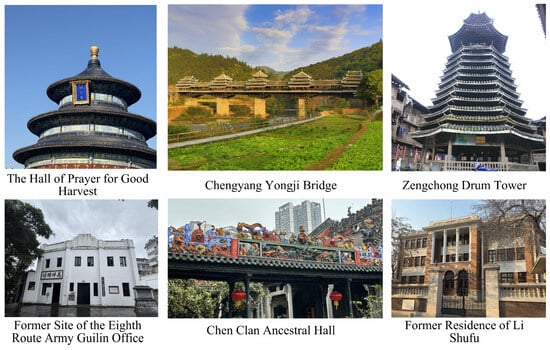
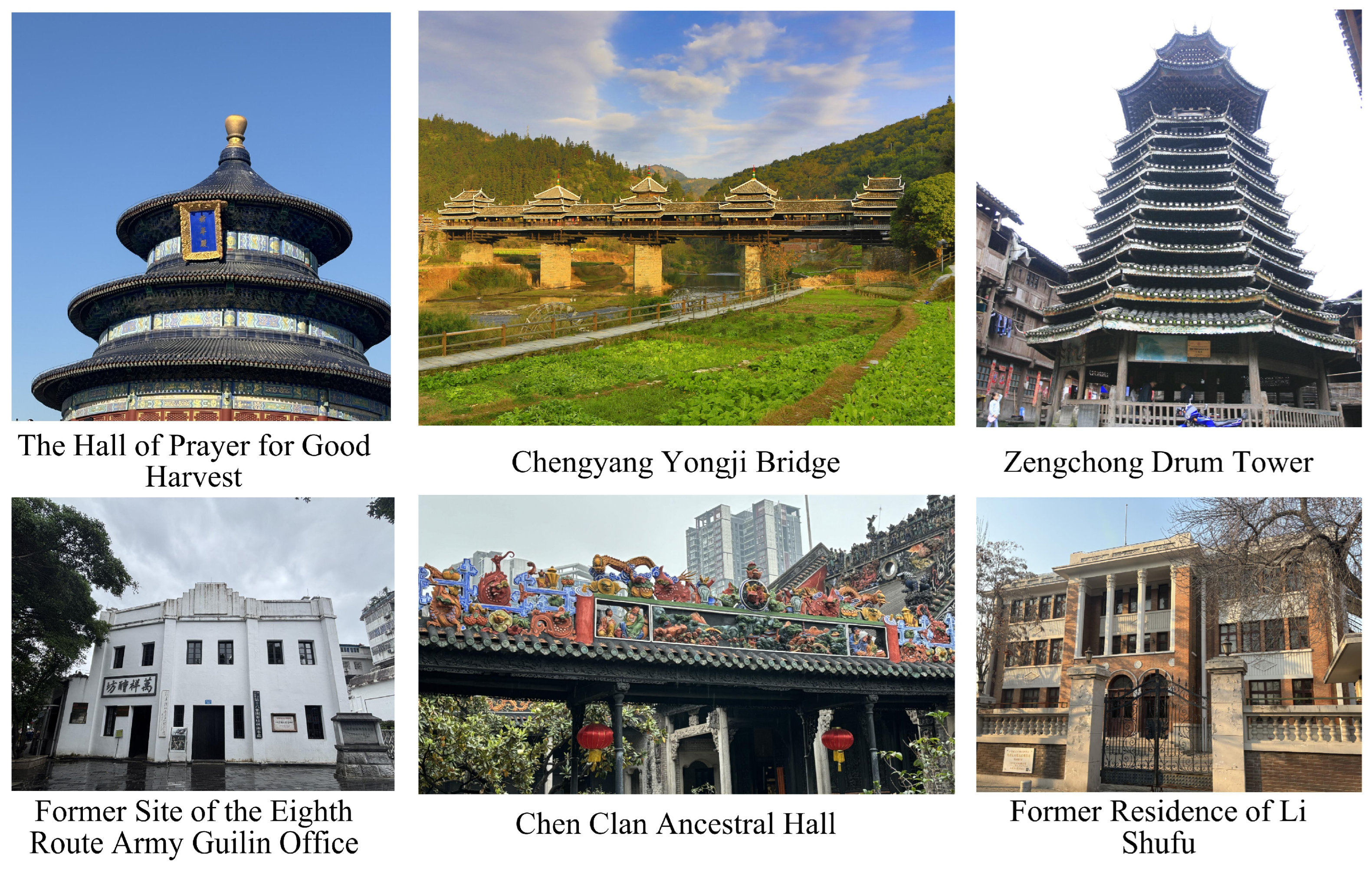
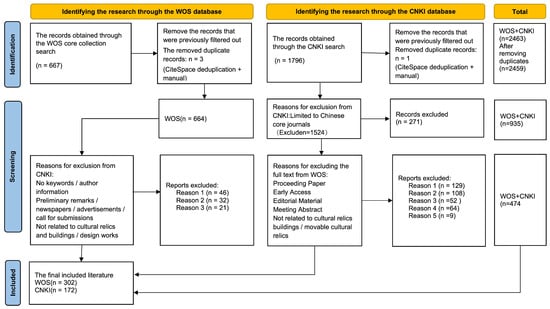
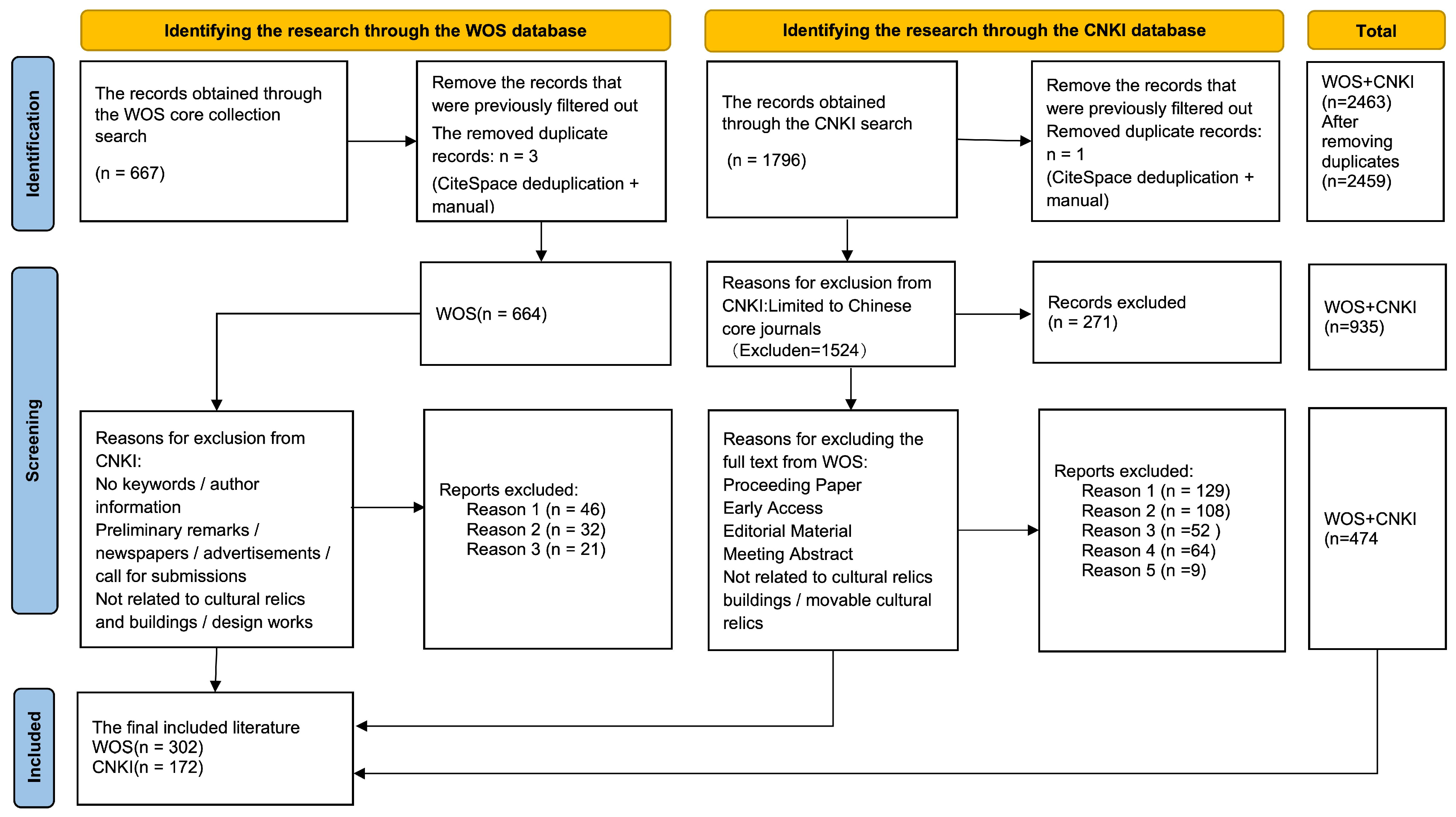
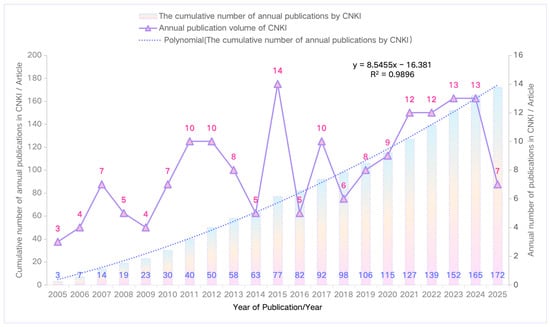
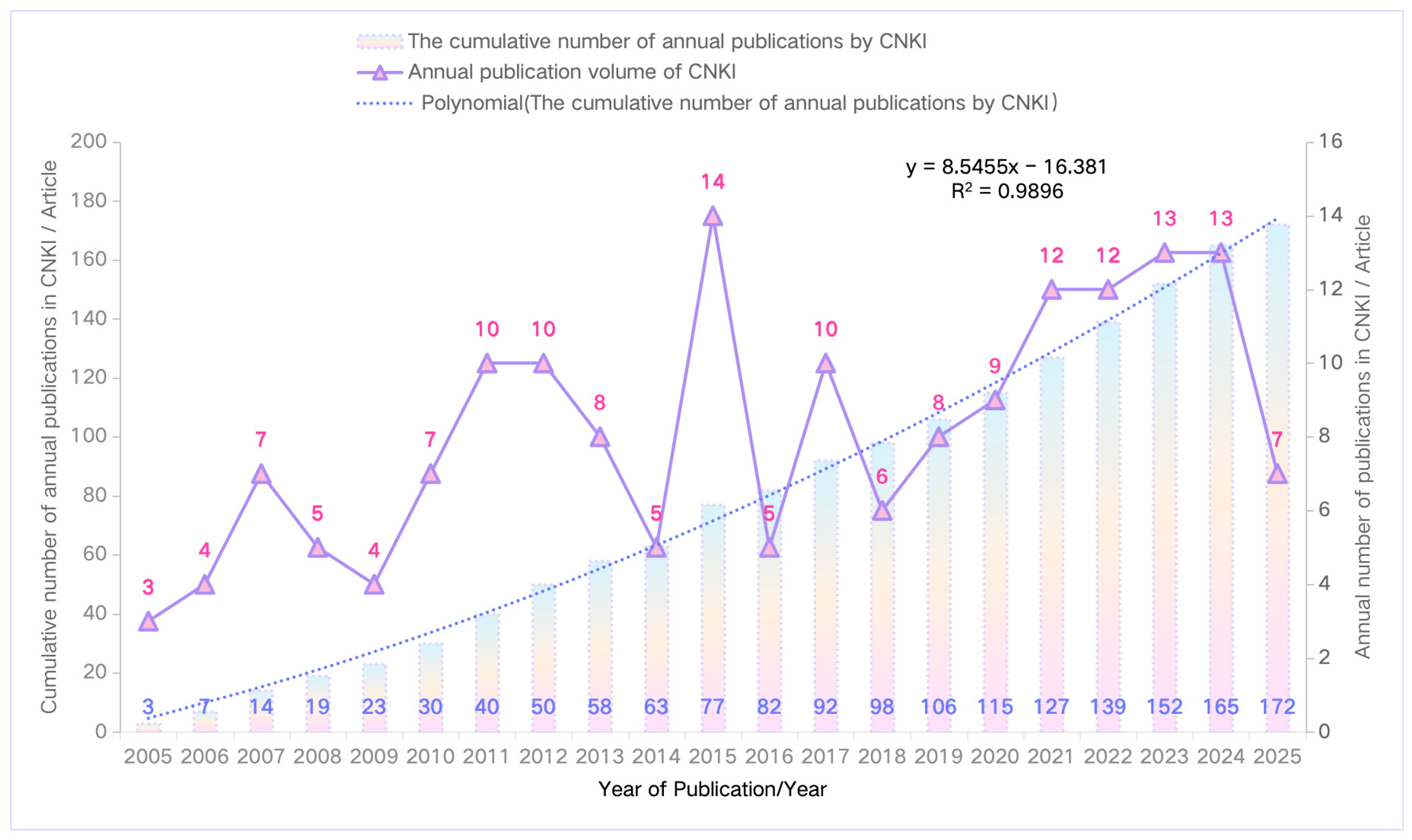
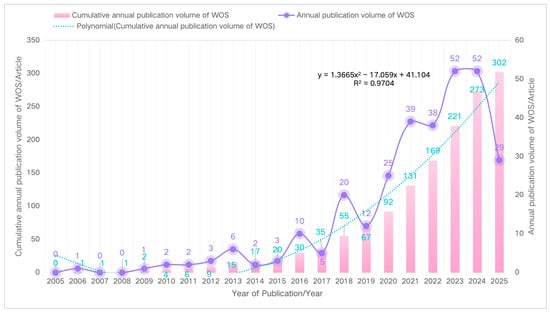
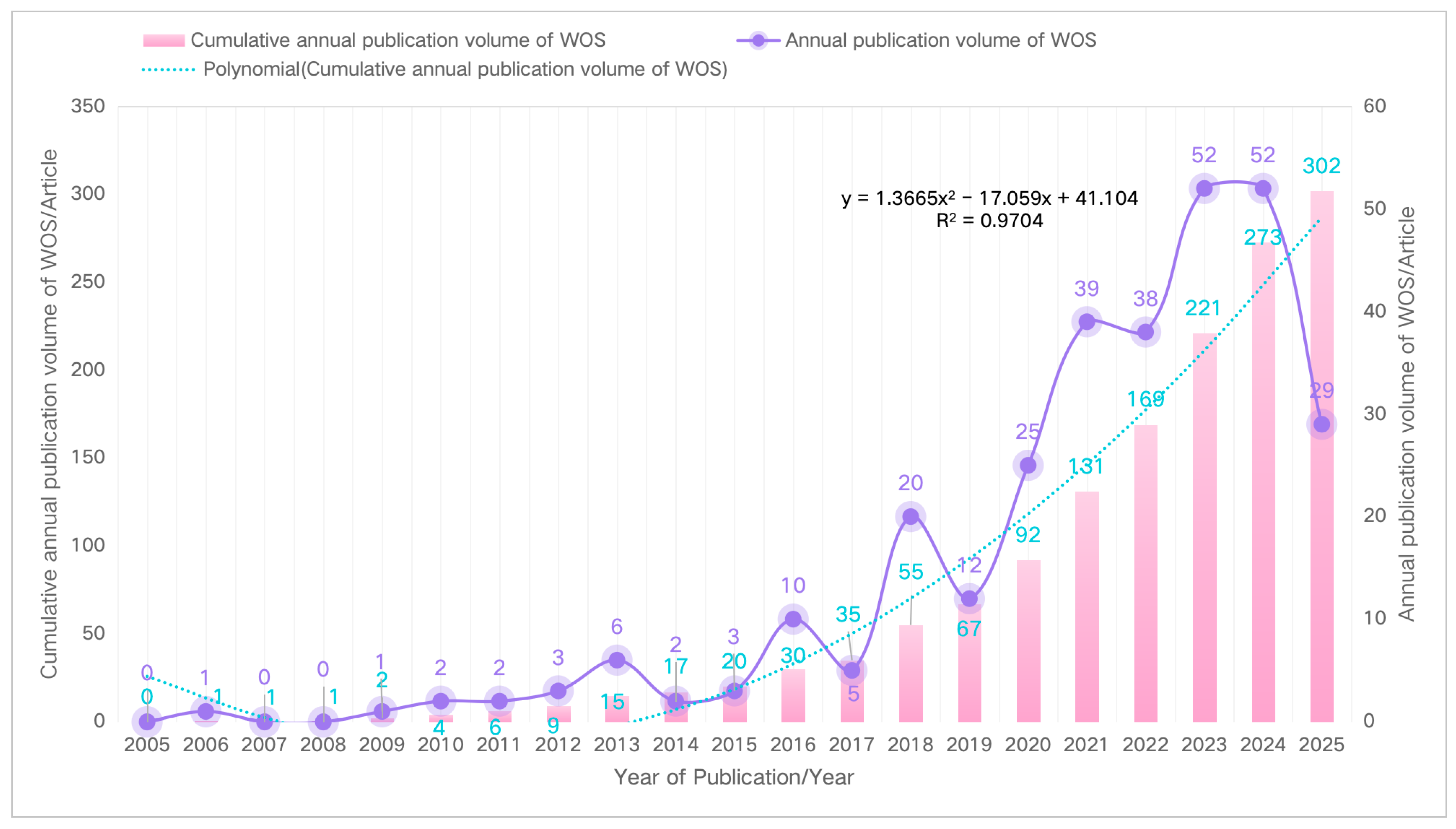
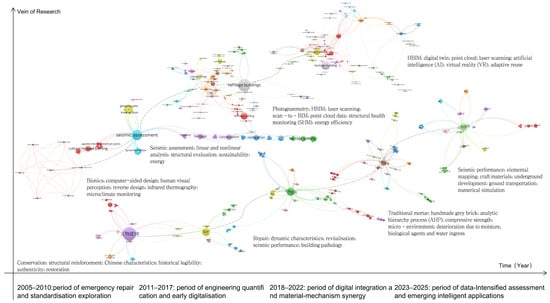
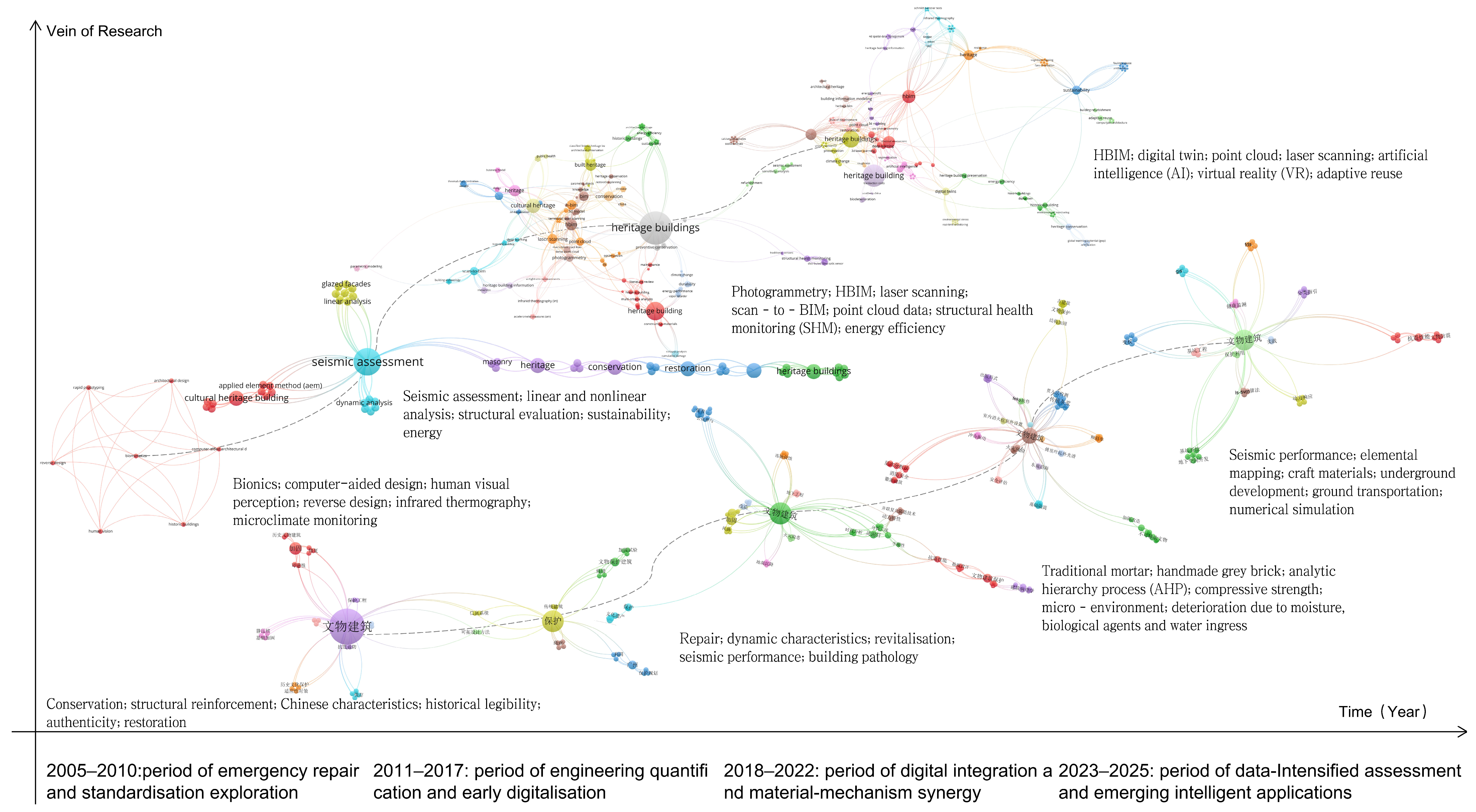
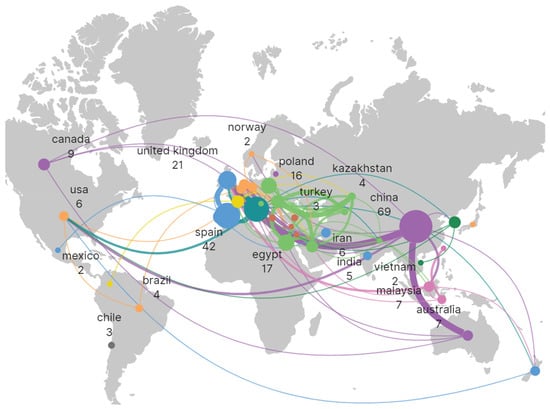
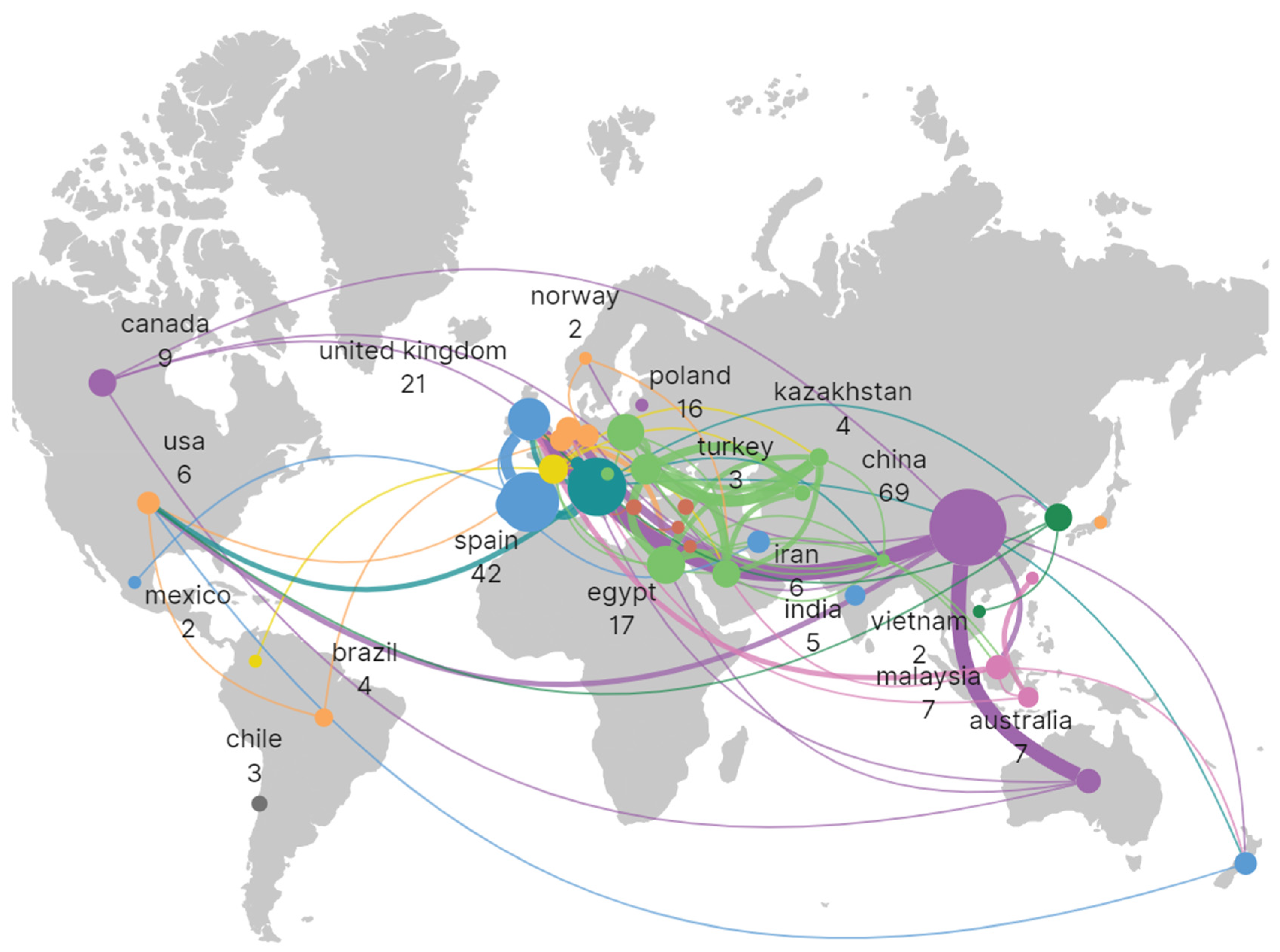
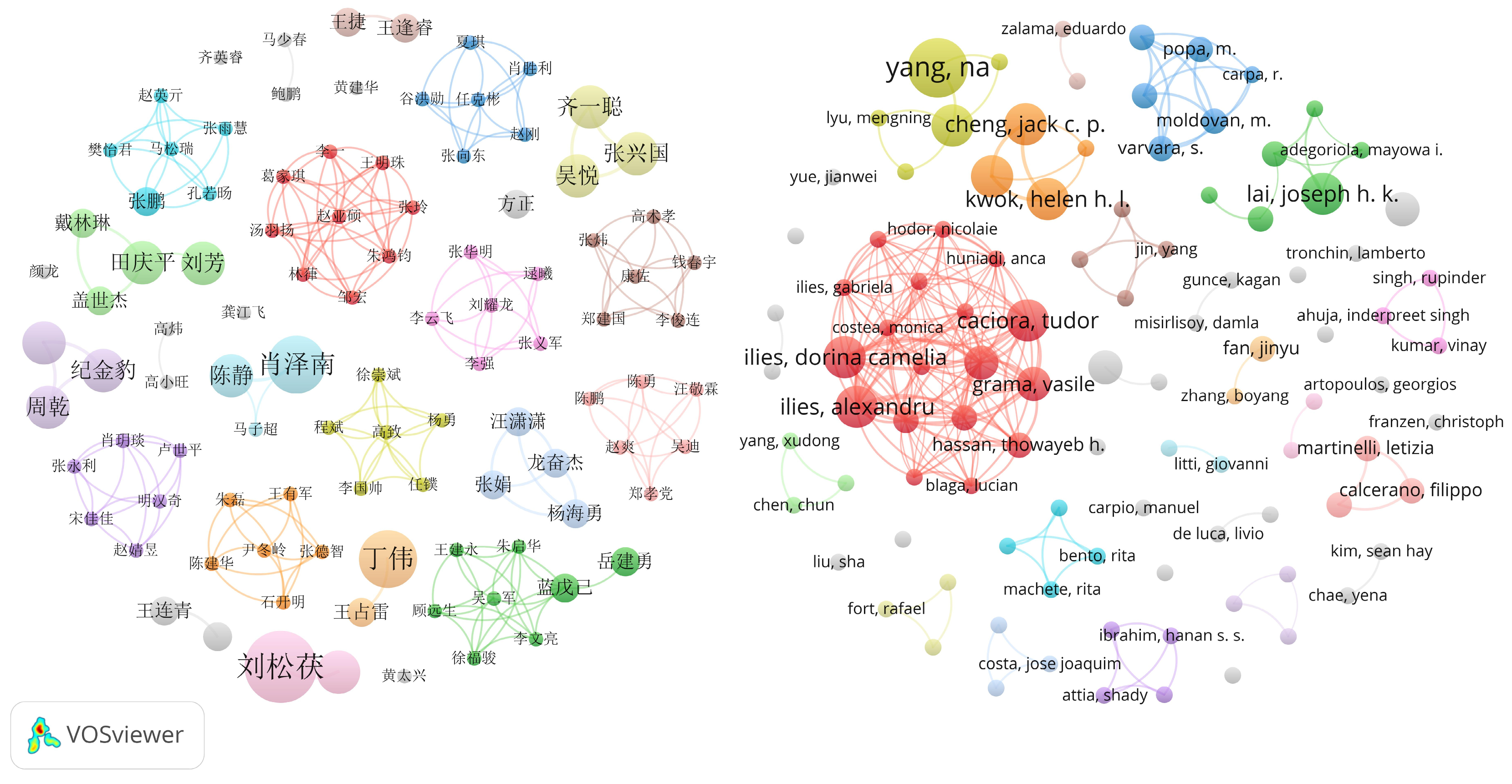
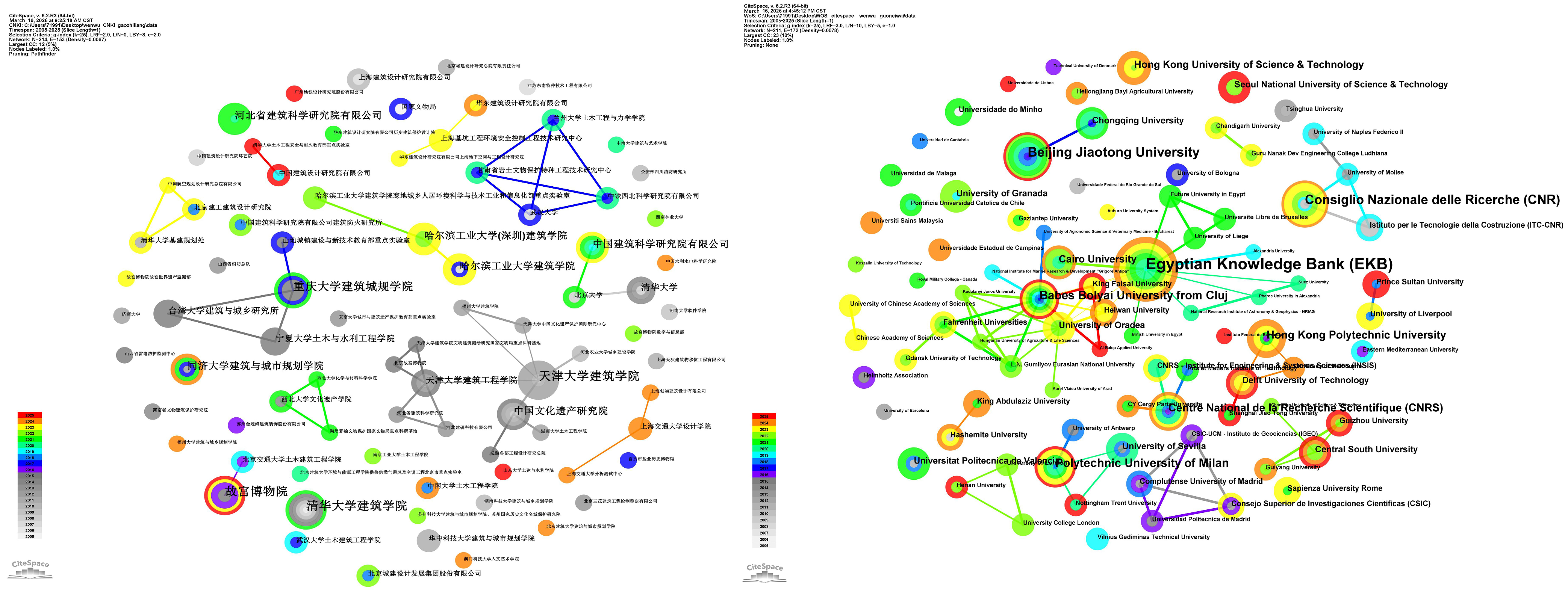
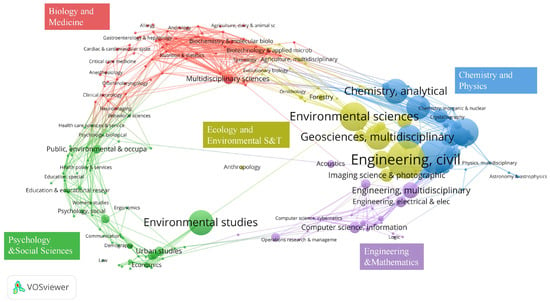
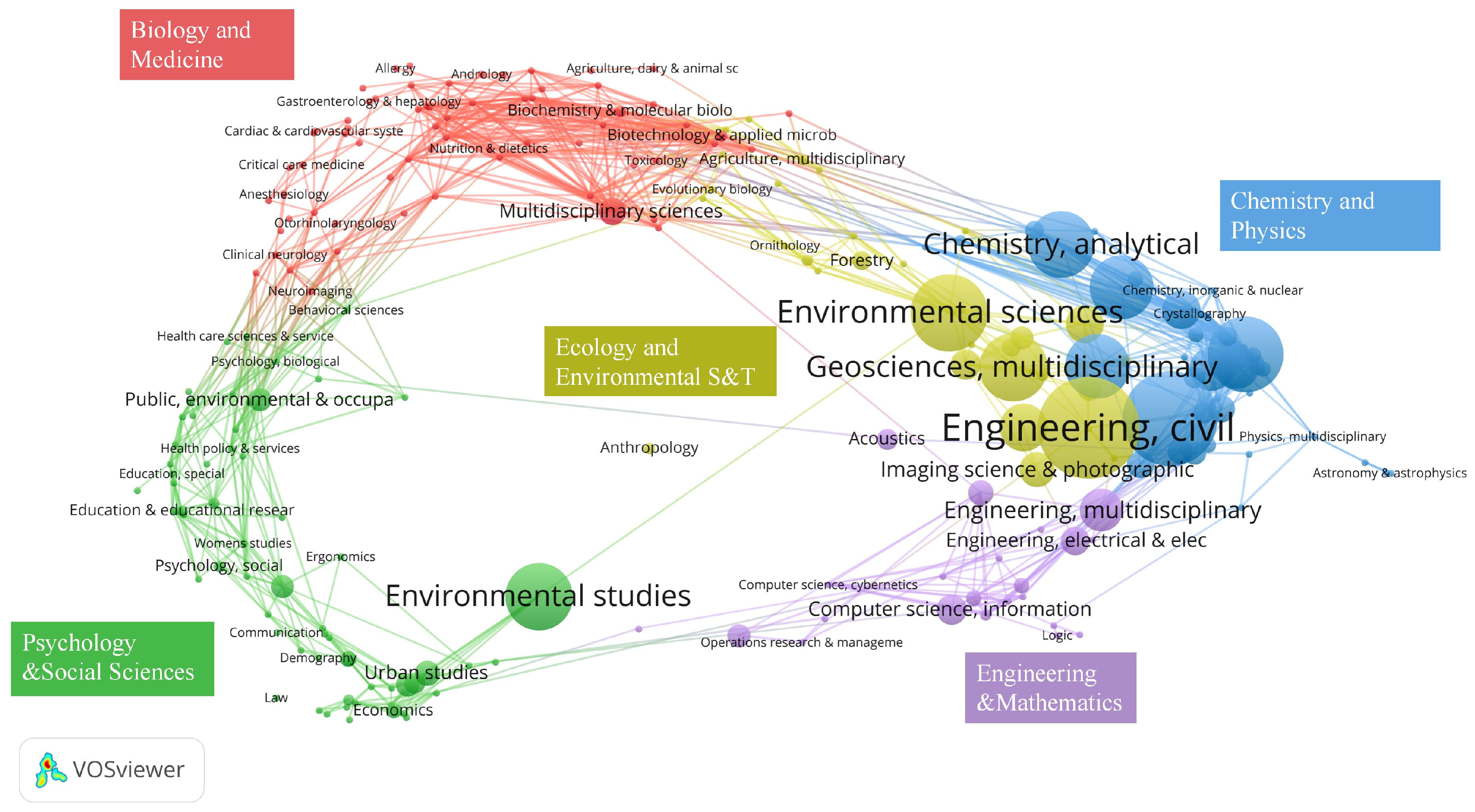
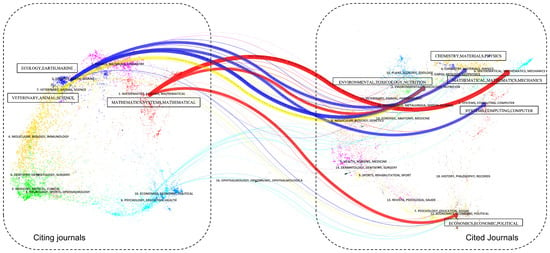
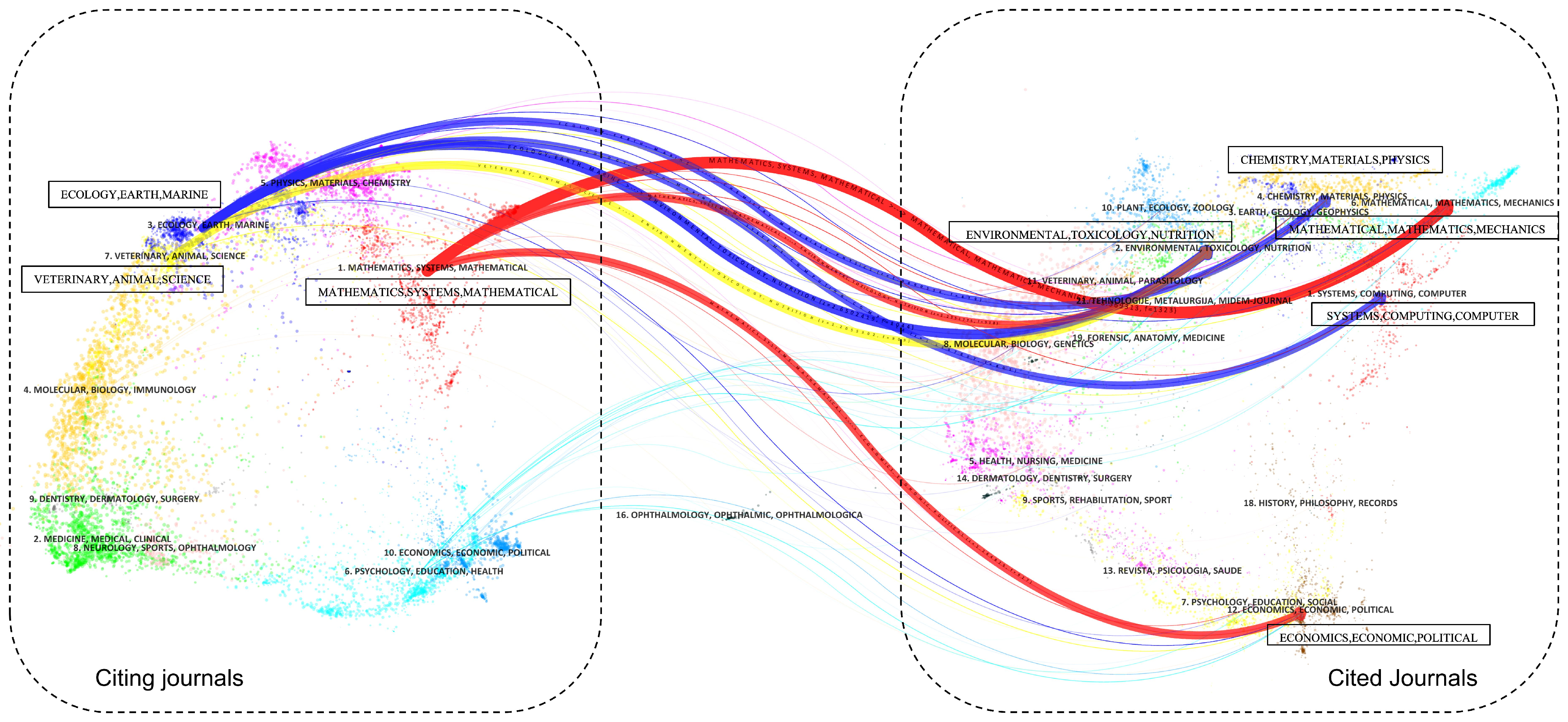
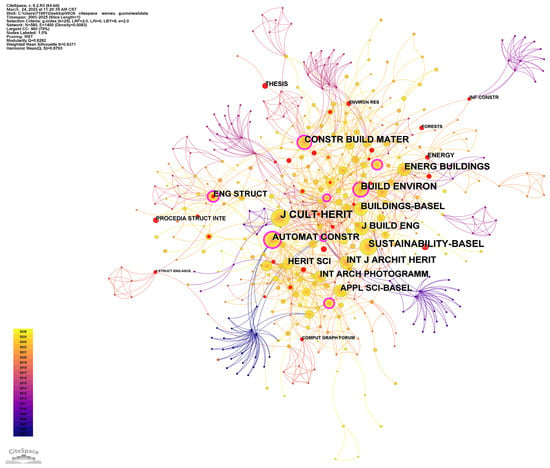
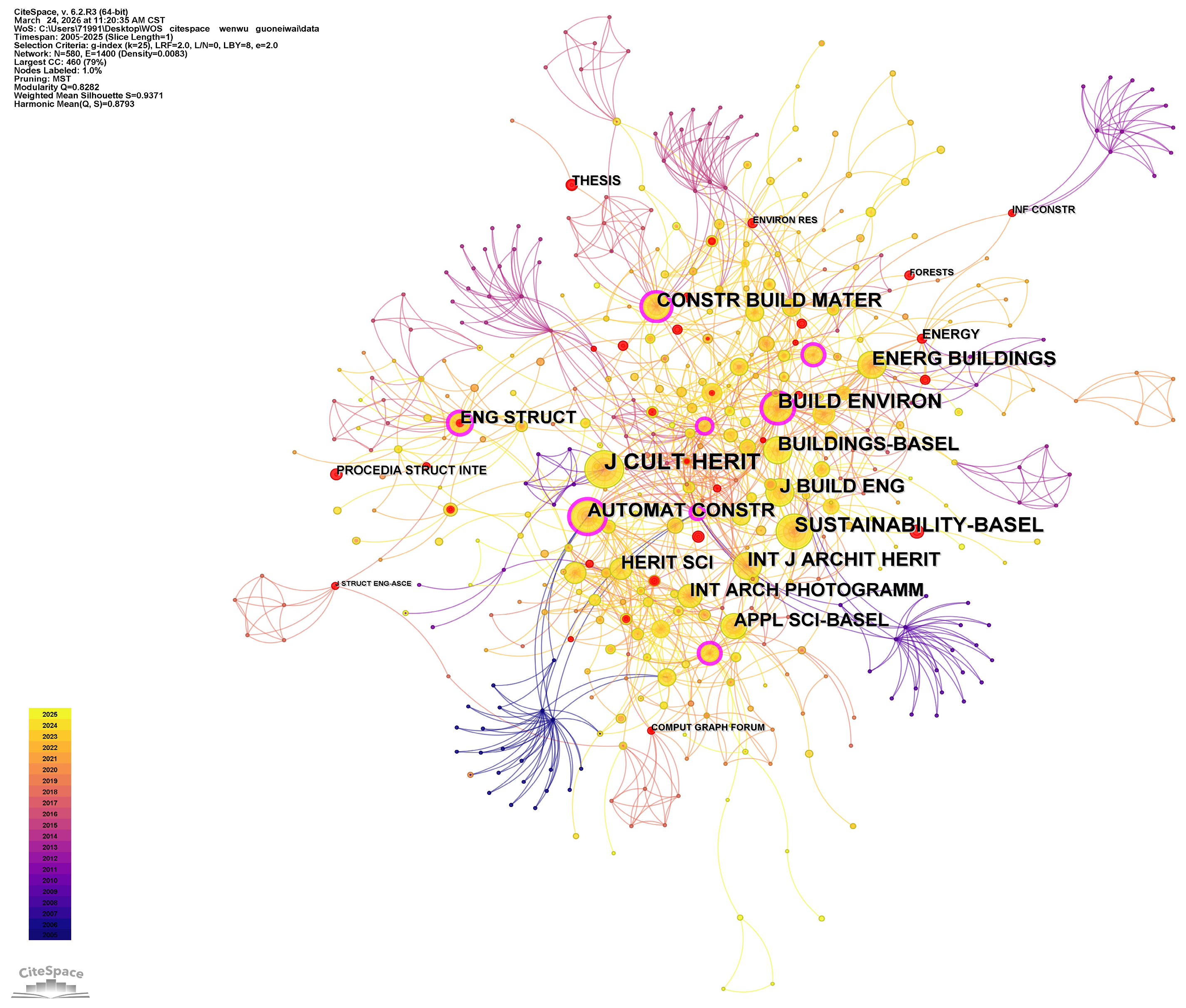
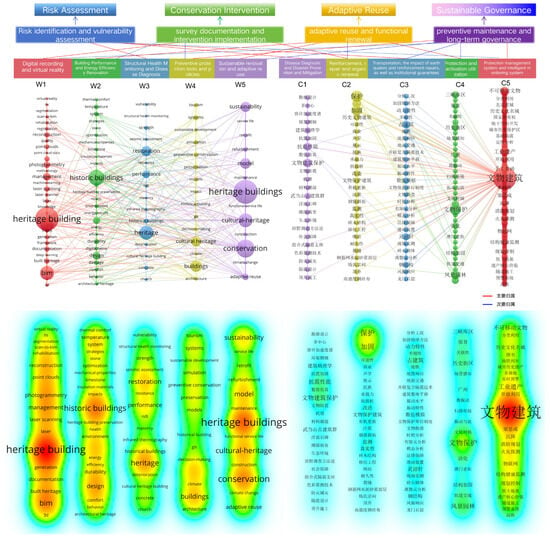
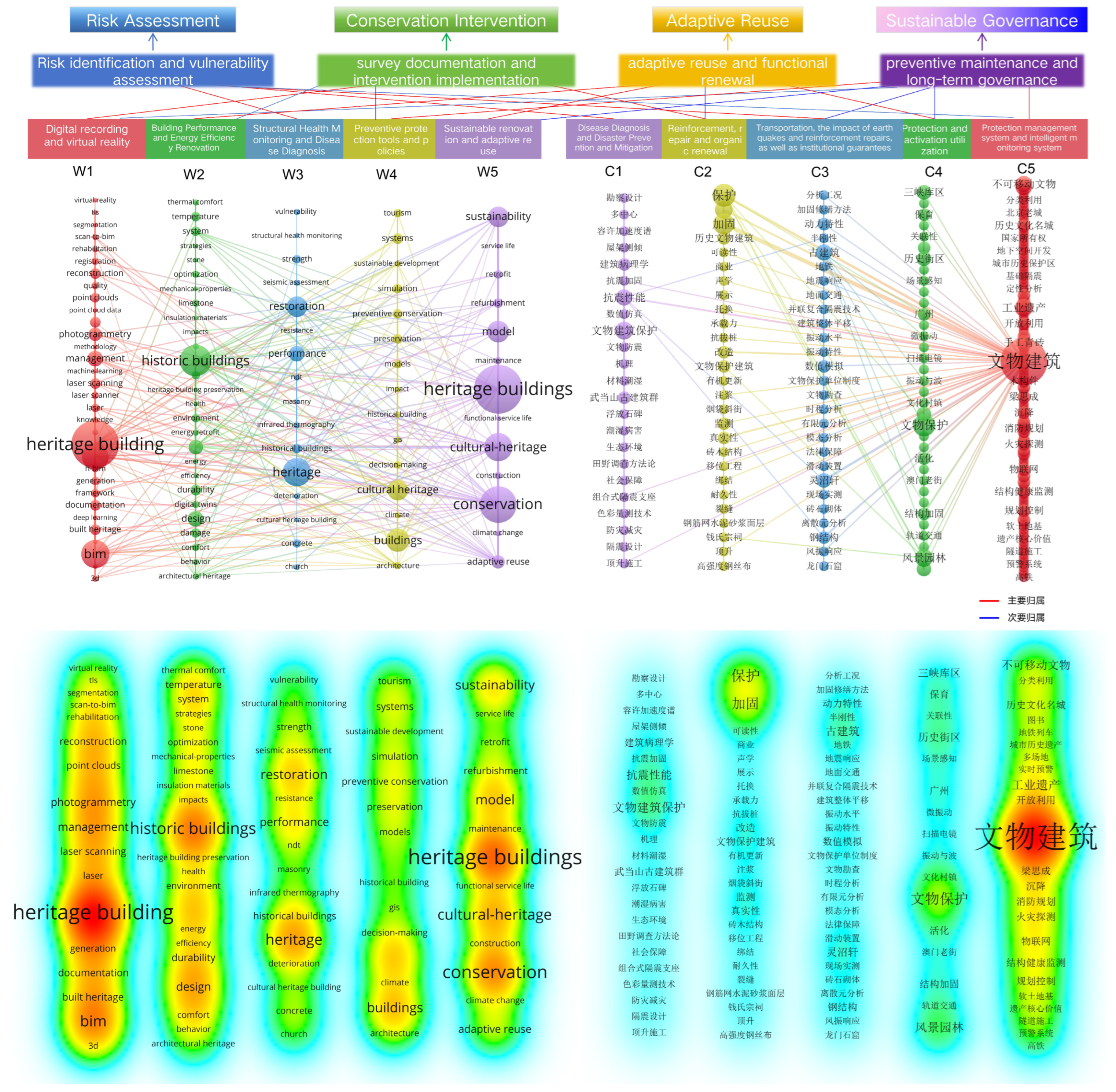
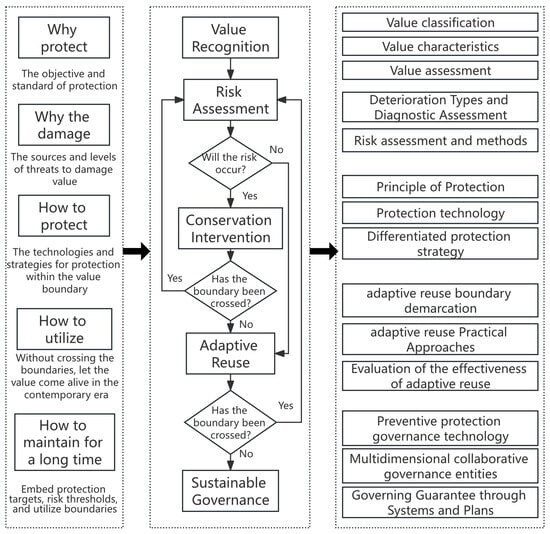
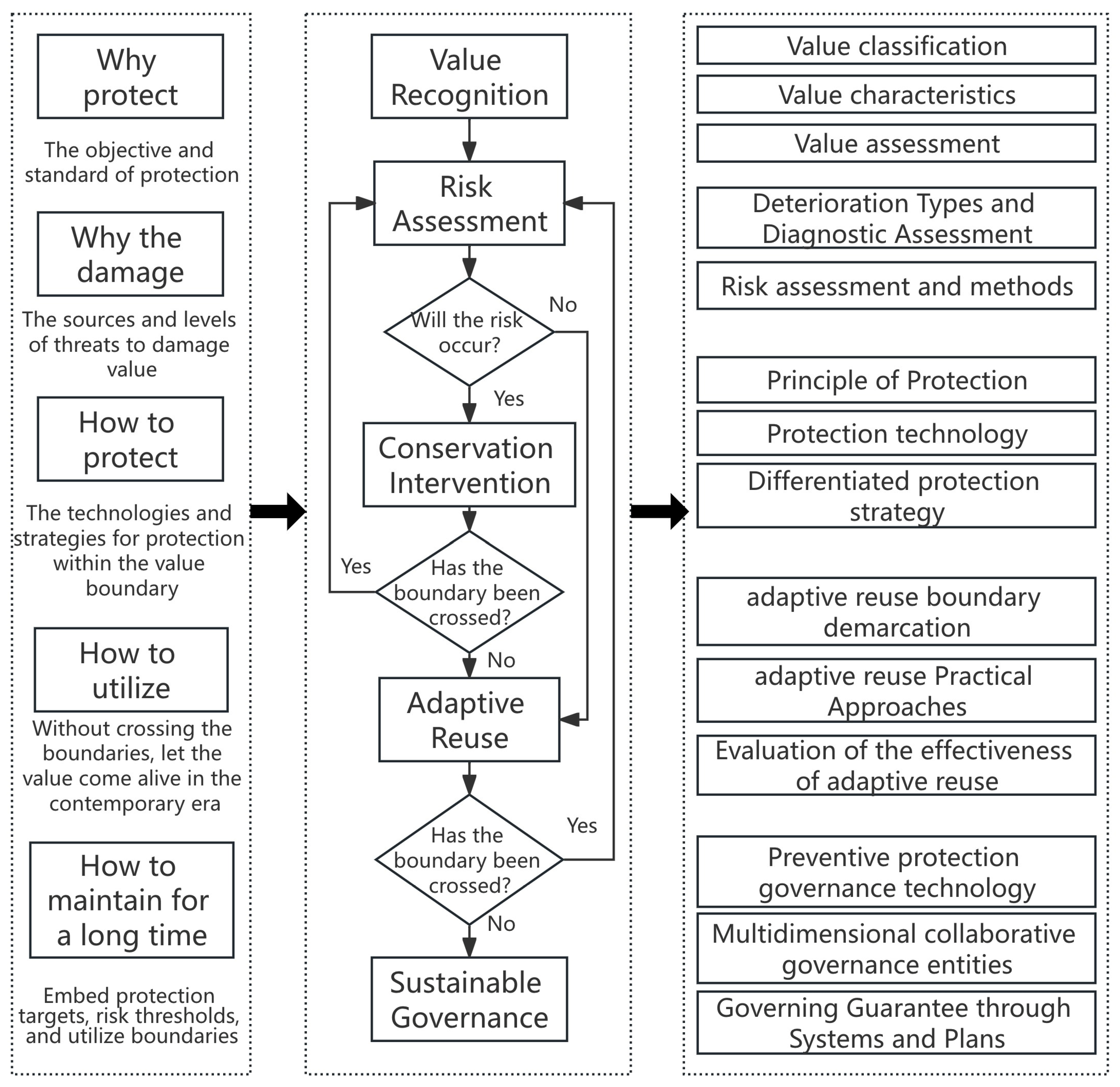
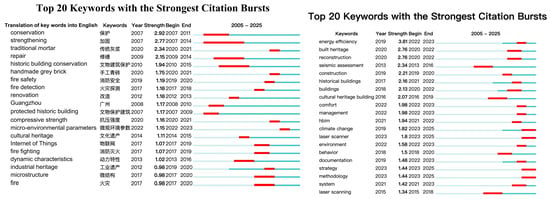
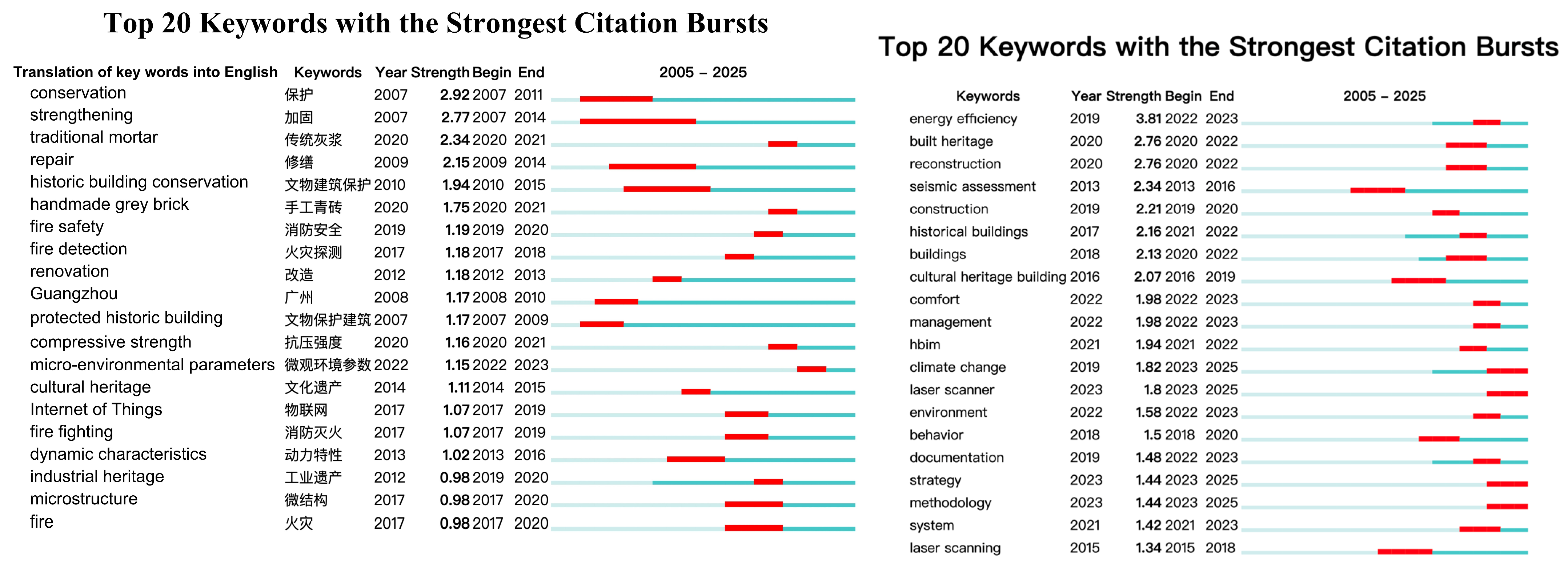

Disclaimer/Publisher’s Note: The statements, opinions and data contained in all publications are solely those of the individual author(s) and contributor(s) and not of MDPI and/or the editor(s). MDPI and/or the editor(s) disclaim responsibility for any injury to people or property resulting from any ideas, methods, instructions or products referred to in the content. |
© 2026 by the authors. Licensee MDPI, Basel, Switzerland. This article is an open access article distributed under the terms and conditions of the Creative Commons Attribution (CC BY) license.