


Abstract
The building sector is a critical component of the European Union’s strategy to achieve climate neutrality, as it accounts for 30–40% of total energy consumption and significant greenhouse gas emissions. While sustainability certification systems like BREEAM, LEED, DGNB, and HQE have established frameworks for environmental assessment, their widespread adoption in the residential sector faces challenges related to complexity and technical barriers. This paper provides a state-of-the-art literature review on streamlining sustainability certification for residential buildings in the EU. It examines the transition from established private schemes to harmonised frameworks such as Level(s), alongside the integration of Building Information Modelling (BIM) and Life Cycle Assessment (LCA). The review identifies key obstacles, including data interoperability issues, the need for automated quantity extraction, and the lack of technical expertise among stakeholders. Findings suggest that streamlining requires advancing semantic data models and digital twins to enable real-time performance monitoring and automated compliance checking. Furthermore, the alignment of national building codes with the Energy Performance of Buildings Directive (EPBD) and the European Green Deal is essential for fostering a more cohesive certification landscape. The study concludes by outlining pathways for reducing the administrative and technical burden of certification to support the EU’s decarbonisation and renovation goals.
1. Introduction
The building sector plays a critical role in achieving climate neutrality targets within the European Union (EU), accounting for a substantial share of energy consumption and greenhouse gas emissions. According to the International Energy Agency [1], buildings are responsible for approximately 30–40% of total energy use and a significant proportion of carbon emissions, making them a key focus area for decarbonisation strategies. In response, the EU has introduced a range of regulatory and policy instruments, including the Energy Performance of Buildings Directive (EPBD) and the European Green Deal, aimed at improving energy efficiency and reducing environmental impacts across the building life cycle [2,3].
Within this context, sustainability certification systems have emerged as important tools for assessing and promoting environmental performance in buildings. Widely used schemes such as BREEAM, LEED, DGNB, and HQE provide structured frameworks for evaluating sustainability across multiple dimensions, including energy use, materials, indoor environmental quality, and life cycle impacts [4,5,6]. These systems have contributed to increasing awareness of sustainable construction practices and have supported the implementation of performance-based assessment approaches in the building sector.
However, despite their widespread adoption, significant differences remain between certification systems in terms of methodological approaches, indicator structures, weighting schemes, and life cycle coverage. Across the reviewed literature, these differences are consistently identified as a major limitation for comparability and harmonisation of sustainability assessments across EU Member States [4,7,8]. The lack of alignment between certification frameworks complicates benchmarking and reduces the effectiveness of these systems as tools for supporting unified sustainability objectives at the European level.
To address this fragmentation, the European Commission introduced the Level(s) framework as a common reference system for assessing the sustainability performance of buildings. Level(s) aims to provide a harmonised set of indicators and metrics based on life cycle thinking, enabling more consistent evaluation and comparison across different projects and national contexts [9,10]. Nevertheless, its voluntary nature and the continued coexistence of multiple certification schemes limit its capacity to fully standardise sustainability assessment practices across the EU.
At the same time, Life Cycle Assessment (LCA) has become a central methodological approach for evaluating environmental impacts in the building sector. Standardised frameworks such as EN 15978 and EN 15804 provide guidance for assessing impacts across the building life cycle, from material production to end-of-life stages [11,12]. However, the reviewed studies indicate that variations in system boundaries, functional units, and data sources lead to inconsistencies in LCA results, further complicating comparability between certification systems and projects [7,13].
In parallel, digitalisation—particularly through the integration of Building Information Modelling (BIM) and LCA tools—has been identified as a key enabler for improving the efficiency and scalability of sustainability certification processes. Automated data extraction, improved traceability, and enhanced interoperability between tools have the potential to reduce administrative burdens and enable more consistent assessments [14,15,16]. However, the literature also highlights that digitalisation alone cannot resolve underlying methodological inconsistencies or fragmentation across certification systems.
Given these challenges, there is a need for a structured and systematic synthesis of existing research addressing the interdependencies between certification frameworks, LCA methodologies, and digitalisation processes in the EU building sector. While previous studies have examined these topics individually, a comprehensive analysis that integrates these dimensions remains limited.
To better illustrate the relationships between the key elements analysed in this review, a conceptual framework is presented in Figure 1.
Figure 1.
Conceptual framework for streamlining sustainability certification in the EU residential sector.
The conceptual framework highlights the interaction between EU policy frameworks, certification systems, LCA methodological standards, and digitalisation processes, and their combined influence on the streamlining of sustainability certification in the European residential sector.
This research therefore aims to systematically review and synthesise current methodologies, tools, and frameworks relevant to sustainability certification of residential buildings in the EU, while also considering broader building-sector studies where their findings are applicable to residential contexts. The objective is to identify key barriers to comparability and efficiency, analyse the role of digitalisation in streamlining certification processes, and evaluate the extent to which existing systems align with the Level(s) framework. By providing a structured synthesis of the literature, this review contributes to a better understanding of how sustainability certification can be improved to support harmonised, scalable, and reliable assessment practices across the European Union.
2. Methodology of Literature Search
2.1. Search Strategy, Data Sources, and Search String
This study follows a structured systematic literature review approach to identify, evaluate, and synthesise relevant research on sustainability certification of residential buildings in the European Union. The review process was designed to ensure transparency, reproducibility, and comprehensive coverage of the topic.
A systematic search was conducted using major scientific databases, including Scopus, Web of Science, and ScienceDirect. These databases were selected due to their extensive coverage of peer-reviewed literature in the fields of construction, sustainability, and building performance assessment. In addition, relevant reports and policy documents from European institutions and international organisations were considered to complement academic sources and provide contextual insights. The database search was conducted between January and March 2026, with the final search completed on 15 March 2026.
Based on this information, the studies were categorised into five thematic groups:
- certification frameworks and alignment,
- LCA methodologies and standards,
- digitalisation and automation,
- interoperability and data challenges, and
- policy and governance aspects.
Within each category, studies were compared with respect to key variables such as system boundaries, functional units, level of automation, data requirements, and alignment with EU frameworks such as Level(s). This enabled the identification of recurring patterns, methodological differences, and points of convergence across the literature. Example search strings included:
- -
- (“sustainability certification” OR “green building rating systems”) AND (“residential buildings” OR housing) AND (“life cycle assessment” OR LCA)
- -
- (“Level(s)” AND BIM AND sustainability)
- -
- (“BIM-LCA integration” AND certification)
- -
- (“digitalisation” AND “building sustainability assessment”)
The results of this categorisation and comparative analysis are summarised in Table A1 and form the basis for the structured discussion presented in the subsequent sections. The number of references for each of the categories is shown graphically in Figure 2, sorted by frequency of occurrence.
Figure 2.
Number of references in each of the thematic categories.
As shown in Figure 2, the most prominent theme in the analysed references is digitalisation and automation of sustainability assessment, with the least focusing on governance and institutional capacity. The sum of references is more than 50 as many cover more than one of the chosen thematic categories.
The search strategy was based on combinations of keywords related to the core themes of the study, including “sustainability certification”, “green building rating systems”, “Level(s)”, “life cycle assessment”, “LCA”, “building information modelling”, “BIM”, and “digitalisation”. Boolean operators (AND, OR) were used to refine the search and ensure relevance. The search was limited to publications in English.
Figure 3 presents a cross-thematic co-occurrence analysis of the reviewed literature, illustrating the frequency with which key research domains appeared together within the analysed studies. Higher values indicate stronger thematic interconnections across the reviewed literature corpus. Values indicate the number of reviewed studies simultaneously addressing both thematic domains. The matrix reveals that the most prevalent keyword combination is “BIM” and “LCA”, with nine co-occurring studies, followed by “BIM” and “digitalisation” (n = 8) and “LCA” and “certification” (n = 5). These intersections indicate that BIM-based LCA integration constitutes the primary technical research cluster within the reviewed literature, reflecting a growing scholarly focus on the automation of environmental performance assessment within digital building workflows.
Figure 3.
Cross-thematic co-occurrence matrix of key research domains identified in the reviewed literature.
Conversely, the matrix identifies notable gaps in the current body of literature: no reviewed studies were identified at the intersections of “certification” and “BIM”, “LCA” and “policy”, or “BIM” and “policy”. These absences suggest a structural disconnect between the technical and regulatory research streams—while digitalisation and LCA methodology are increasingly examined in combination, their integration with certification policy frameworks remains largely unaddressed, representing a significant direction for future research.
2.2. Inclusion and Exclusion Criteria
To ensure consistency and relevance, predefined inclusion and exclusion criteria were applied during the selection process. Studies were included if they:
- focused on sustainability certification systems, LCA methodologies, or digitalisation in the building sector,
- addressed residential buildings or provided findings applicable to residential contexts, since methodological and digitalisation-related studies specifically focused on residential buildings remain limited, the review also included broader building-sector studies where the identified approaches, workflows, or certification methodologies are directly transferable to residential applications.
- were published in peer-reviewed journals, conference proceedings, or recognised institutional reports,
- were published between 2006 and 2026, capturing both foundational and recent developments.
Studies were excluded if they:
- focused exclusively on non-building sectors,
- lacked sufficient methodological detail,
- did not address certification, LCA, or digitalisation in a relevant way,
- or were not accessible in full text.
2.3. Screening and Selection Process
The initial search resulted in 275 records. After removing duplicates and applying title and abstract screening, 57 records were retained for full-text assessment. The relatively focused number of initial records reflects the use of targeted search strings combining multiple specific domains (certification systems, LCA, and digitalisation), ensuring high relevance of retrieved studies.
Full-text screening was conducted to evaluate relevance to the research objectives, particularly regarding certification frameworks, LCA methodologies, and digitalisation approaches. Following this process, 50 studies were selected for inclusion in the core review.
The systematic review resulted in 50 core publications that were analysed in detail. In addition, a limited number of supplementary sources were used to support the introduction, contextual background, and discussion of emerging developments.
During the screening process, particular attention was given to recent publications addressing emerging topics such as semantic BIM, digital twins, and automated LCA workflows, ensuring that the review reflects the current state of research in the field.
Articles were excluded during the screening process if they:
- -
- focused primarily on non-building sectors,
- -
- addressed infrastructure systems without relevance to residential buildings,
- -
- lacked methodological relevance to sustainability certification, LCA, or digitalisation,
- -
- represented purely technical software descriptions without sustainability assessment context, or were not accessible in full text.
For each selected publication, information was extracted regarding:
- -
- certification systems addressed, LCA methodologies, BIM integration approaches, interoperability challenges, automation level, and relationship to the Level(s) framework. Based on these characteristics, the studies were categorised into thematic groups presented in Table A1. Categorisation on whether analysed literature is specific to residential buildings or the general building sector (but is applicable to residential buildings) can be found in Table A2.
2.4. PRISMA Flow Description
The PRISMA flow diagram (Figure 4) illustrates the selection process, including identification, screening, eligibility, and inclusion stages. It summarises the reduction from the initial set of records to the final body of literature analysed in this review. The diagram can be downloaded under Supplementary Materials.
Figure 4.
PRISMA 2020 flow diagram for new systematic reviews.
3. Sustainability Certification Frameworks in the EU
3.1. LEVEL(s)
Level(s) is a voluntary framework developed by the European Commission in 2018 to provide a common reference framework for sustainable buildings through a life cycle–oriented set of sustainability indicators applicable across EU Member States [9,10]. It is structured around macro objectives addressing greenhouse gas emissions across the life cycle, resource efficiency, water use, health and comfort, climate resilience, and life cycle cost [10,17]. Unlike traditional certification systems, Level(s) does not function as a rating scheme with performance levels; rather, it provides a common methodological reference framework designed to align existing national schemes and support EU policy objectives such as the Green Deal and Renovation Wave [18,19].
Empirical analyses indicate that Level(s) demonstrates conceptual compatibility with several established certification systems, particularly DGNB, due to its strong life cycle emphasis [4,13]. However, implementation challenges arise from its methodological openness, the absence of a prescribed calculation tool, significant data requirements for full life cycle coverage [20,21], as well as differences in implementation and national regulatory frameworks, administrative capacities, and market maturity across member states [2,8,22].
3.2. BREEAM
BREEAM (Building Research Establishment Environmental Assessment Method) is one of the oldest and most internationally adopted green building rating systems, originating in the UK [4]. It evaluates buildings across categories including energy, materials, waste, water, health and wellbeing, management, transport, and pollution. While BREEAM incorporates life cycle considerations, its LCA integration is credit-based rather than structurally central, and weighting of categories varies by national adaptation [12,13].
Comparative studies show moderate alignment between BREEAM and Level(s) indicators, though methodological differences (particularly regarding system boundaries and embodied carbon) can produce divergent results [4,7]. BREEAM is widely applied in residential and mixed-use developments, particularly in the UK and other Western European markets [18].
3.3. DGNB
DGNB (Deutsche Gesellschaft für Nachhaltiges Bauen) originated in Germany and is frequently identified as one of the most comprehensive life cycle–oriented certification systems in Europe [4,20]. DGNB integrates environmental, economic, and socio-cultural criteria and requires detailed LCA and LCC calculations as core components of certification [7,21].
Due to its strong emphasis on quantified life cycle performance and methodological transparency, DGNB is often regarded as highly compatible with Level(s) [13]. However, its rigorous documentation and analytical requirements can increase administrative complexity and cost [23].
3.4. LEED and National EU Member State Certification Schemes
Although LEED (Leadership in Energy and Environmental Design) originates from the United States, it remains relevant within the EU context due to its application across several Member States [24,25]. LEED operates as a credit-based system addressing energy performance, indoor environmental quality, materials, water efficiency, and site sustainability. LCA is incorporated primarily through optional credits rather than as a structurally mandatory component, which results in variability in life cycle coverage among certified projects [7,24]. Comparative analyses show partial alignment between LEED indicators and Level(s), though methodological translation requires careful mapping due to differences in weighting and system boundaries [4,13].
The increasing adoption of LEED in the European residential market further illustrates the globalisation of certification systems, despite differences in regulatory and methodological contexts [25].
In addition to LEED, several EU Member States apply nationally developed certification systems or adapted versions of international schemes. These systems reflect national regulatory priorities, climatic conditions, and construction traditions while maintaining partial alignment with broader European sustainability objectives [4,7].
France applies HQE (Haute Qualité Environnementale), which emphasizes environmental quality, occupant health, and energy performance. LCA integration within HQE depends on the specific certification pathway and national implementation module [5,26].
Sweden and Norway frequently apply BREEAM adaptations (BREEAM-SE, BREEAM-NOR), while Denmark has adopted DGNB-DK, integrating national LCA database requirements and climate targets [18,20].
Spain and Portugal apply combinations of BREEAM, LEED, and nationally adapted sustainability assessment protocols integrated into public procurement frameworks [6,22]. Italy has developed national sustainability assessment tools aligned with EU directives and regional planning instruments, often incorporating simplified LCA modules focused on embodied emissions [5,7].
Central and Eastern European countries show more heterogeneous adoption patterns, often relying on internationally recognised systems such as BREEAM, DGNB, or LEED for large developments while gradually integrating EU-aligned sustainability indicators into national regulatory frameworks [8,18].
Table 1 synthesises comparative findings from multiple peer-reviewed studies [4,5,6,7,13,18,20,21,22]. No single publication provides a complete EU-wide country-by-system matrix; therefore, this table is a structured synthesis compiled from these sources. The term “limited documented data” refers to a research gap where a country’s building sustainability practices are not yet sufficiently captured in peer-reviewed literature or formal case studies, often due to a reliance on international certification schemes or a primary focus on mandatory regulatory compliance rather than voluntary private frameworks. For easier visualization, Figure 5 shows EU countries by their prevalent sustainability certification system. Relevant references indicate sources from the systematic review corpus that explicitly address the certification landscape of the respective member state. Entries are not exhaustive but reflect coverage within the reviewed literature. ‘Limited documented data’ denotes member states for which no sufficient evidence was identified within the reviewed studies.
Table 1.
Sustainability certification schemes by country in EU.
Figure 5.
EU countries colored according to their prevalent sustainability certification system.
In many Central and Eastern European countries, peer-reviewed documentation of certification practice remains limited, indicating a research gap rather than absence of activity [8,18]. The table highlights the diversity of certification systems operating within the EU context.
3.5. Differences Between Certification Schemes
Comparative research consistently highlights structural differences among Level(s), DGNB, BREEAM, LEED, HQE, and nationally adapted systems in three principal dimensions: (1) scope of sustainability pillars, (2) life cycle stage coverage (A–D modules), and (3) indicator structure and weighting logic [4,7,13,20]. DGNB and Level(s) explicitly structure assessment across all three pillars (environmental, economic, and social dimensions), whereas BREEAM and LEED emphasise environmental performance, with economic and social aspects embedded only through selected credits [4,13,17].
Table 2 presents a structured comparison of selected certification systems based on their coverage of sustainability dimensions, life cycle scope, and degree of alignment with the Level(s) framework. The comparison is based on a synthesis of the reviewed studies and reflects recurring patterns identified across the literature. Levels of alignment are based on discrepancies in each of the categories: high alignment < 10%, moderate 10–20%, low > 20%. Levels of alignment can also be seen from the spider graph in Figure 6.
Table 2.
Comparison of sustainability certification schemes and LEVELs reference framework (Compiled from [4,7,13,17,20]).
Figure 6.
Spider graph of sustainability certification scheme comparison.
Across the analysed studies, DGNB demonstrates the highest level of alignment with Level(s), primarily due to its comprehensive life cycle approach (Modules A–D) and balanced integration of environmental, economic, and social indicators. Several studies highlight that DGNB’s methodological structure closely reflects the life cycle logic underpinning Level(s), enabling more consistent and comparable assessments [13,20].
BREEAM and LEED show partial alignment, with strengths in environmental performance assessment but limitations in full life cycle integration. While these systems include a broad range of sustainability criteria, the reviewed studies indicate that their weighting structures and modular approaches result in less consistent coverage of all life cycle stages. In particular, economic and social dimensions are often less systematically addressed [4,7].
HQE exhibits a moderate level of alignment, with a structured framework for environmental quality but more limited integration of life cycle-based indicators compared to DGNB. The analysed studies suggest that differences in methodological implementation, rather than the absence of indicators, are the primary factors influencing alignment with Level(s).
Overall, the literature indicates that alignment with Level(s) is determined not only by the inclusion of sustainability criteria but by the degree to which these criteria are consistently applied across the entire building life cycle. As shown in Table 2, systems with comprehensive life cycle coverage and integrated assessment structures demonstrate higher comparability and closer alignment with EU-level frameworks.
The divergence between building sustainability assessments is reflected in the methodological rigor regarding scope and the prioritization of performance indicators. Frameworks such as DGNB mandate a comprehensive “cradle-to-grave” approach, necessitating the quantification of environmental impacts across all stages of the building’s service life, including the end-of-life stage and circularity benefits (Modules C and D). In contrast, schemes like BREEAM and LEED frequently employ a credit-accumulation logic, where Life Cycle Assessment (LCA) often functions as an optional or partially implemented component. In implementation practice, this discrepancy allows for a “trade-off” mechanism in credit-based systems, where superior performance in operational energy or site-specific metrics can compensate for a significant embodied carbon footprint. By contrast, performance-index systems prevent such compensations by enforcing minimum thresholds across all sustainability dimensions, ensuring a more holistically optimized structural system.
Furthermore, these variations dictate the intensity of technical documentation and the timing of professional intervention. The requirement for full-scale LCA and LCC in systems like DGNB necessitates the early integration of specialized expertise to manage data regarding material service lives and replacement cycles. This results in a highly technical output that increases the administrative and economic burden of certification. Meanwhile, the point-based checklists characteristic of LEED or BREEAM offer greater procedural flexibility and accelerated certification timelines. The choice between these schemes represents a fundamental decision between optimizing for longitudinal lifecycle performance or prioritizing immediate operational efficiency and marketability.
3.5.1. Comparison by Life Cycle Stages (EN 15978 Modules A–D)
Differences in life cycle stage coverage represent one of the most significant methodological divergences among certification systems. Level(s) explicitly promote cradle-to-grave assessment aligned with EN 15978 and EN 15804 standards [10,21]. DGNB requires comprehensive LCA including production (A1–A3), construction (A4–A5), use (B modules), and end-of-life (C modules), and may incorporate benefits beyond system boundaries (module D) depending on methodology [7,20]. BREEAM and LEED typically incorporate LCA through credits, often focusing on embodied impacts (commonly A1–A3) and operational performance, while full cradle-to-grave coverage is not uniformly mandatory [12,13,27].
3.5.2. Comparison of Indicator Structure and Weighting Logic
Certification systems differ not only in which indicators are included, but also in how they are weighted and aggregated. DGNB employs a percentage-based performance evaluation across defined quality sections with minimum thresholds, promoting balanced performance [4,7]. BREEAM and LEED apply credit-based systems where projects accumulate points across categories, allowing flexibility but potentially enabling trade-offs that prioritise selected criteria [13,27]. Level(s) does not prescribe weighting or scoring; it provides reporting indicators without assigning rating levels, leaving evaluation logic to implementing bodies [10,20].
Credit-based systems allow flexibility but may dilute holistic life cycle integration if certain credits are prioritised over comprehensive LCA coverage [12,13]. On the other hand, balanced or mandatory LCA structures (as in DGNB), improve methodological consistency but increase data requirements and administrative complexity [7,20].
3.6. LCA Methodologies and Implications for Certification
The reviewed studies consistently demonstrate that Life Cycle Assessment (LCA) is a central methodological approach for evaluating environmental performance in sustainability certification systems. Standardised frameworks such as EN 15978 and EN 15804 provide a common structure for assessing impacts across the building life cycle, typically organised into modules A–D, covering product, construction, use, and end-of-life stages [11,12].
Despite the existence of these standards, the analysed studies reveal substantial variability in how LCA is implemented across certification systems and individual assessments. Several studies emphasise that differences in system boundary definitions—particularly the inclusion or exclusion of life cycle stages such as Module D—represent a primary source of variation in calculated environmental impacts [12,20]. In parallel, other studies highlight the influence of functional units, reference study periods, and assumptions regarding building lifespan, all of which affect the comparability of results [7,13].
In addition, the reviewed literature identifies database selection and data quality as critical factors influencing LCA outcomes. Variations in Environmental Product Declarations (EPDs), national databases, and underlying assumptions introduce inconsistencies that limit the reliability of cross-project comparisons [21,28]. These issues are further compounded by differences in data availability and transparency across EU Member States.
When considered in relation to certification systems, these methodological inconsistencies directly affect the comparability of assessment results. As reflected in Table 3, certification frameworks that incorporate full life cycle coverage and consistent methodological assumptions—such as DGNB—demonstrate a higher degree of alignment with Level(s). In contrast, systems with partial life cycle integration or flexible methodological approaches exhibit greater variability in outcomes, even when applied to similar building types.
Table 3.
Comparison of scoring and aggregation logic (Compiled from [4,7,10,13]).
Overall, the literature indicates that the lack of methodological harmonisation in LCA represents a key barrier to the standardisation of sustainability certification across the EU. While existing standards provide a common framework, their inconsistent application limits the ability to establish reliable benchmarks and unified performance thresholds. Addressing these methodological differences is therefore essential for improving the comparability, transparency, and effectiveness of sustainability assessment in the building sector.
4. Digitalisation in Sustainability Certification
The reviewed studies consistently identify digitalisation as a key enabler for improving the efficiency, transparency, and scalability of sustainability certification processes in the building sector. In particular, the integration of Building Information Modelling (BIM) with Life Cycle Assessment (LCA) tools is widely recognised as a central approach for automating data handling and supporting more consistent environmental assessments [14,15].
Across the analysed studies, BIM–LCA integration is shown to facilitate automated quantity take-offs, direct linking of building elements to environmental databases, and the generation of impact indicators with reduced manual intervention. Several studies emphasise that these workflows improve traceability of environmental data and enable earlier integration of sustainability considerations in the design process [7,16]. In addition, automated compliance checking has been identified as a promising application, allowing certification requirements to be evaluated directly within digital models [23,24].
4.1. Current Use of BIM for Sustainability Assessment
In the context of sustainability certification, BIM is primarily used to automate QTOs, support embodied carbon calculations, and facilitate compliance checking against certification criteria [24,25].
Typical BIM–LCA workflows identified in the literature include:
- Model-based quantity extraction—Material quantities are extracted directly from BIM objects and linked to environmental datasets [29,30].
- Plugin-based LCA integration—BIM software (Revit2025) is connected to LCA tools via plugins that map model elements to environmental product data [31].
- External LCA tool linkage—BIM data are exported (e.g., via IFC) and processed in specialised LCA software [24,32].
Research indicates that BIM integration improves early-stage decision-making by enabling scenario comparison and iterative material optimisation [25,33]. However, practical implementation often remains semi-automated, requiring manual data validation and correction due to inconsistent object parameterisation and missing environmental metadata [14,16]. Recent research highlights that the primary limitation of current BIM–LCA workflows lies in insufficient semantic structuring of building data. Semantic enrichment approaches using ontologies and machine learning enable the automatic assignment of environmental attributes to BIM objects, significantly reducing manual data mapping requirements [34,35]. These approaches represent a transition from geometry-based modelling toward machine-readable sustainability data structures, which are essential for fully automated certification workflows. Scenario-based analysis and performance optimisation using digital tools further support iterative design improvements and informed decision-making in certified buildings [36].
However, the analysed studies also highlight persistent challenges related to data interoperability and quality. Differences in data formats, lack of standardised metadata, and inconsistencies between BIM models and LCA databases limit the effectiveness of automated workflows [16,32]. Several studies further emphasise that manual validation steps are often still required to ensure data accuracy, reducing the level of achievable automation.
As a result, digitalisation can significantly improve efficiency and reduce administrative burden, but it does not by itself ensure comparability or methodological consistency of certification outcomes.
4.2. Automated LCA and Digital Twins
Automation in sustainability certification varies from partial assistance to near-complete digital integration. Studies classify automation levels into three broad categories [23,31]:
- Manual LCA with digital support—Quantities extracted digitally but environmental impact calculations performed separately.
- Semi-automated workflows—BIM models linked to LCA databases via plugins or APIs.
- Fully integrated systems—Cloud-based platforms where BIM data, environmental databases, and certification criteria are dynamically interconnected.
Automated LCA offers several documented benefits:
- Reduced manual workload and calculation errors [29].
- Faster assessment cycles enabling early-stage optimisation [25].
- Improved traceability and reproducibility of results [24].
Digital twins extend BIM–LCA integration into the operational phase by linking design data with real-time performance monitoring through IoT systems [37,38]. This allows dynamic assessment of operational energy use, maintenance scenarios, and lifecycle performance evolution. Recent developments further suggest that digital twins can support dynamic life cycle assessment by integrating real-time operational data into environmental performance calculations [39]. This represents a shift from static, design-stage certification toward continuous lifecycle assessment, enabling more accurate evaluation of long-term sustainability performance.
Despite these advantages, limitations remain significant:
- High dependency on structured and standardised input data [32].
- Incomplete interoperability between BIM platforms and LCA tools [16].
- Limited validation of AI-driven predictive models across diverse building typologies [40].
- Increased upfront modelling effort and training requirements [14].
Research therefore emphasises that automation enhances efficiency but does not eliminate methodological inconsistencies embedded in certification frameworks [18]. Recent research further emphasises the role of advanced digital approaches, including semantic modelling, ontologies, and digital twin technologies, in improving interoperability and enabling more dynamic forms of sustainability assessment [35,41,42]. In particular, digital twins allow the integration of real-time operational data into life cycle assessment, supporting continuous performance evaluation beyond the design phase [39]. These developments indicate a shift from static assessment approaches toward data-driven and continuously updated sustainability evaluation frameworks.
In practice, the implementation of digital workflows is further constrained by fragmented industry structures, limited standardisation of data formats, and varying levels of digital competence among stakeholders. These factors highlight that digitalisation should be understood as an enabling mechanism rather than a standalone solution, requiring alignment with methodological and policy frameworks to achieve meaningful improvements in sustainability certification processes.
4.3. Data Sources and Interoperability
Interoperability represents one of the most persistent barriers to streamlining sustainability certification. While the Industry Foundation Classes (IFC) standard serves as the primary open data exchange format for BIM models, enabling interoperability between different software platforms [24,32], IFC exports often lack sufficient environmental metadata for direct LCA application, creating a need for additional mapping or manual adjustments [16].
Two dominant integration strategies are identified in the literature:
- Plugin-based integration—Proprietary plugins embedded in BIM environments allow direct linkage to environmental databases but may restrict cross-platform compatibility [31].
- Open-format exchange (IFC-based)—BIM data exported via IFC to external LCA platforms, improving flexibility but increasing data-cleaning requirements [24].
Proprietary formats used by major BIM vendors can further complicate interoperability, particularly when environmental databases are structured differently or updated asynchronously [14,32].
Beyond file-based interoperability, recent studies emphasise the role of semantic data models and digital twins as integrative environments for sustainability assessment. Semantic digital twin approaches enable dynamic linkage between building components, environmental datasets, and performance indicators, improving both data consistency and traceability [41,42]. Such approaches extend interoperability beyond static data exchange toward continuously updated, lifecycle-oriented information systems.
Fully automated data pipelines require:
- Standardised object libraries with environmental parameters.
- Unified EPD formats.
- Consistent database structures aligned with EN 15804 and EN 15978.
Where these conditions are not met, semi-automated or manual data corrections are necessary, reducing efficiency gains [18,20].
Overall, digitalisation significantly enhances the technical feasibility of streamlined sustainability certification. Nevertheless, achieving scalable and unified implementation across EU Member States depends on resolving interoperability challenges, standardising environmental datasets, and aligning digital workflows with methodological requirements embedded in certification schemes.
A typical digital workflow for sustainability certification follows a structured sequence: BIM models are used to extract material quantities through automated quantity take-offs (QTOs), which are then linked to environmental data from LCA databases. These data are processed to calculate environmental impacts and evaluate compliance with certification criteria. This workflow reduces manual input and improves traceability of results [24,29].
This workflow (Figure 7) highlights that digitalisation primarily improves process efficiency, while methodological consistency remains dependent on standardised data and aligned certification frameworks.
Figure 7.
Typical workflow of BIM model to sustainability certificate.
Table 4 shows that while some stages can already be fully automated (QTO, LCA calculation, indicator aggregation), most still need either manual input (BIM model) or manual intervention/oversight (e.g., verifying if environmental data matches the technical requirements), all qualitative criteria, specific national or framework-dependent methodological choices, and a final manual review and submission.
Table 4.
Automation levels of BIM model to sustainability certificate workflow stages.
The transition from a BIM model to a certified sustainability result reveals a workflow where computational efficiency and expert oversight must coexist. While the quantitative aspects of the process—such as the extraction of material volumes and the calculation of environmental indicators—are now fully automated, the central “Data Mapping Layer” remains a significant bottleneck that requires manual verification to ensure data consistency. This hybrid nature of the workflow underscores that digitalization in BIM–LCA integration is not yet a “single-click” solution; rather, it is a semi-automated framework where the speed of digital calculation is balanced by the necessity of professional intervention to interpret methodological variations and ensure the accuracy of the final certification.
Recent research highlights the growing importance of semantic data structures and digital twin technologies in improving interoperability and enabling dynamic lifecycle assessment [35,39,41,42].
5. Barriers to Streamlined Certification
While analysing the 50 core publications, three main barriers to streamlining certification were found, as shown in Table 5.
Table 5.
Studies identifying barriers to streamlined certification by category.
From Table 5 and Figure 8 it is clear that most of the analysed references point out technical barriers (28%), followed by methodological (20%) and organizational and policy barriers (18%). Some studies appear across more than one category, and some do not explicitly state any of the aforementioned barriers.
Figure 8.
Total citation instances by category of barriers to streamlined certification.
5.1. Technical Barriers
5.1.1. Manual Data Entry and Semi-Automated Workflows
A major technical obstacle to streamlined certification is the continued reliance on manual data handling within otherwise digital workflows. Although BIM–LCA integration enables automated quantity extraction, studies show that manual validation, correction, and mapping of building elements to environmental datasets remain common practice [14,29]. Inconsistent object parameterisation, missing environmental attributes, and incomplete modelling practices frequently require human intervention, reducing efficiency gains and increasing the risk of errors [16,25].
The lack of semantically enriched BIM objects remains a critical barrier to full automation. Without machine-readable environmental metadata, automated workflows depend on manual mapping between model elements and LCA databases. Recent research demonstrates that semantic enrichment and AI-based classification can significantly reduce this dependency, although such approaches are not yet widely implemented in practice [34,35].
5.1.2. Software Interoperability
Interoperability between BIM platforms, LCA tools, and certification software is repeatedly identified as a central constraint [24,32]. IFC exports often lack sufficient environmental metadata for direct LCA application, necessitating additional mapping procedures [16]. Proprietary software ecosystems and incompatible database structures further limit seamless data exchange [14,18]. Plugin-based integrations may improve usability within specific BIM environments, but they often reduce cross-platform flexibility and create vendor lock-in risks [31]. As a result, fully automated end-to-end certification workflows remain rare in practice.
5.1.3. Data Availability and Data Quality
The literature highlights persistent gaps in EPD coverage, particularly for region-specific materials and emerging construction products [21,28]. Differences between generic and product-specific data, inconsistent updates of background databases, and variations in national data infrastructures introduce uncertainty into results [7,20]. Limited data transparency and inconsistent metadata structures reduce reproducibility and comparability across projects, thereby constraining scalable benchmarking efforts [18].
5.2. Methodological Barriers
5.2.1. Inconsistent LCA Assumptions
Even when based on shared standards such as EN 15978 and EN 15804, certification systems apply differing assumptions regarding reference study periods, service life scenarios, end-of-life modelling, and allocation rules [12,13]. Varying interpretations of Module D represent a critical inconsistency in current frameworks, leading to divergent results in embodied carbon reporting [20,21]. Variability in assumptions regarding maintenance cycles, replacement intervals, and operational energy projections further limits comparability between assessments [7].
5.2.2. Non-Standardised Standards and System Boundaries
Although Level(s) promotes unified life cycle reporting, it does not mandate a specific calculation methodology or weighting structure, leaving interpretation to national implementations [10,20]. Certification systems differ in whether full cradle-to-grave coverage (A–D modules) is mandatory or credit-based, leading to inconsistent scope definition across projects [4,13]. Such variability complicates cross-country benchmarking and undermines efforts to establish uniform performance thresholds for residential typologies.
Administrative complexity and extensive documentation requirements have also been identified as significant cost drivers in certification processes, particularly in systems such as DGNB [43].
5.2.3. Database Coverage Gaps
Differences in background databases and EPD programme operators create additional methodological fragmentation. National datasets may apply different emission factors or technological assumptions, and not all materials are equally represented across databases [21,28]. This results in inconsistent embodied carbon calculations even when identical modelling approaches are used. Unification of databases and transparent documentation of data provenance are therefore identified as prerequisites for reliable EU-wide comparison [18,20].
5.3. Organisational and Policy Barriers
5.3.1. Fragmented Certification Landscape
The coexistence of multiple certification systems (DGNB, BREEAM, LEED, HQE, and national schemes) creates a fragmented assessment environment in which methodological alignment is partial rather than complete [4,7]. Differences in scoring logic, weighting, and mandatory criteria reduce comparability and increase administrative complexity for stakeholders operating across borders.
5.3.2. National Regulatory Differences
EU directives such as the Energy Performance of Buildings Directive (EPBD) are transposed differently across Member States, resulting in varied regulatory requirements and enforcement mechanisms [2,22]. Institutional capacity, market maturity, and digital readiness also differ significantly between countries, influencing the practical feasibility of streamlined certification implementation [8,44].
5.3.3. Limited Uptake of Level(s)
Although Level(s) provides a unified policy framework, its voluntary nature and lack of mandatory integration into national certification schemes have limited widespread adoption [10,18]. Studies suggest that a stronger linkage between Level(s), public procurement requirements, and financial incentives could increase uptake [2,20].
Overall, the literature demonstrates that barriers to streamlined certification are not purely technical. They arise from the interaction between digital limitations, methodological variability, and fragmented governance structures. Addressing these barriers requires coordinated standardisation efforts, improved digital infrastructure, unified databases, and stronger policy integration at EU and Member State levels [7,18,20].
The reviewed studies consistently show that these barriers are not independent but strongly interrelated. Technical limitations, such as incomplete interoperability and lack of structured data, reinforce methodological inconsistencies in LCA calculations, while fragmented certification frameworks further amplify these challenges. At the same time, organisational and policy-related barriers, including differences in national implementation and limited institutional capacity, constrain the adoption of both methodological standardisation and advanced digital workflows [7,18,20].
As a result, efforts to streamline sustainability certification cannot address these barriers in isolation. Effective improvement requires coordinated progress across data standardisation, methodological alignment, and policy integration, supported by interoperable digital infrastructures.
6. Discussion
The findings of this review highlight that sustainability certification in the EU building sector is shaped by the interaction of three interdependent domains: certification frameworks, LCA methodologies, and digitalisation processes. While each of these domains has been extensively studied individually, the analysed literature indicates that their combined influence determines the effectiveness, comparability, and scalability of sustainability assessment in practice. This indicates that the challenge of streamlining sustainability certification in the EU is not primarily a technological problem, but rather a systemic issue arising from the interaction between methodological fragmentation, digital limitations, and governance complexity.
Across the reviewed studies, certification systems are consistently shown to differ in their methodological structure, weighting schemes, and life cycle coverage. These differences result in varying levels of alignment with the Level(s) framework and limit the comparability of assessment results across projects and countries. As demonstrated in Table 2, systems that integrate full life cycle thinking and balance environmental, economic, and social dimensions exhibit closer alignment with Level(s), while others show partial or inconsistent correspondence.
At the same time, the literature identifies methodological variability in LCA as a key underlying factor contributing to these differences. Variations in system boundaries, functional units, database selection, and assumptions regarding building lifespan lead to significant discrepancies in calculated environmental impacts. These inconsistencies are not confined to individual certification systems but are observed across the broader body of studies, indicating a systemic challenge in achieving harmonised sustainability assessment at the EU level.
Digitalisation is widely recognised as a critical enabler for improving the efficiency and scalability of certification processes. The integration of BIM and LCA tools enables automated data extraction, improved traceability, and earlier incorporation of sustainability considerations in the design phase. However, the reviewed literature consistently indicates that digitalisation does not resolve the underlying methodological inconsistencies embedded in certification systems. Instead, its effectiveness depends on the quality, structure, and standardisation of input data, as well as on the alignment of LCA methodologies and certification criteria.
These findings suggest that the primary limitation in current sustainability certification practices lies not in the lack of digital tools, but in the fragmentation of certification systems and methodological approaches. Technical solutions alone are therefore insufficient to achieve meaningful improvements in comparability and reliability. Rather, coordinated progress is required across methodological standardisation, data harmonisation, and policy alignment.
The interdependencies between these domains are further reflected in the barriers identified across the literature. Technical challenges related to data interoperability reinforce methodological inconsistencies, while organisational and policy-related constraints limit the adoption of both standardised approaches and digital workflows. As a result, efforts to streamline certification processes must address these barriers in an integrated manner rather than in isolation.
From a practical perspective, these findings have important implications for both industry professionals and policymakers. For practitioners, the results highlight the importance of selecting certification systems that provide comprehensive life cycle coverage and consistent methodological frameworks. For policymakers, the findings underscore the need to strengthen the role of Level(s) or similar frameworks in harmonising sustainability assessment practices across EU Member States, potentially through regulatory integration or alignment with financial instruments.
Overall, this study contributes to the field by providing a structured synthesis of how certification frameworks, LCA methodologies, and digitalisation processes interact within the EU building sector. By identifying the interdependencies between these domains, the review offers a more comprehensive understanding of the challenges and opportunities associated with streamlining sustainability certification. This integrated perspective provides a basis for future research and supports the development of more harmonised, transparent, and scalable assessment approaches.
This review highlights that the future development of sustainability certification in the EU building sector depends on the alignment of three interdependent domains: (1) LCA methodological standardisation, (2) harmonisation of certification frameworks and policy instruments, and (3) digitalisation of assessment processes. While existing certification systems have contributed significantly to the adoption of sustainable building practices, their methodological diversity limits the comparability of results across projects and countries.
The main contribution of this study lies in demonstrating that streamlining certification is not solely a technical challenge but a systemic one, requiring coordinated progress across methodological, digital, and policy dimensions. Only through such alignment can sustainability certification achieve scalability, transparency, and reliability at the European level.
Although the review focuses on residential buildings, many methodological and digitalisation challenges identified in the literature are common across the broader building sector and are therefore transferable to residential applications.
This integrated perspective provides a foundation for future research and policy development aimed at establishing a unified framework for sustainability assessment in the EU.
7. Conclusions and Research Outlook
This study has systematically reviewed the current state of sustainability certification for residential buildings in the European Union, with a focus on the interaction between certification frameworks, Life Cycle Assessment (LCA) methodologies, and digitalisation processes. The analysis of the reviewed studies shows that, while significant progress has been made in developing tools and frameworks for sustainability assessment, important challenges remain in achieving consistent and comparable results across different certification systems.
The findings indicate that differences in certification structures, indicator weighting, and life cycle coverage lead to varying degrees of alignment with the Level(s) framework. At the same time, methodological variability in LCA—particularly in relation to system boundaries, functional units, and data sources—further limits the comparability of environmental performance assessments. These factors collectively contribute to the fragmentation of sustainability certification practices across the EU.
Digitalisation has been identified as an important enabler for improving the efficiency and scalability of certification processes. The integration of BIM and LCA tools offers clear advantages in terms of automation, data traceability, and early-stage decision support. However, the reviewed literature indicates that digitalisation alone is not sufficient to overcome the underlying methodological and structural inconsistencies that affect current certification systems.
Overall, the results of this review highlight the need for greater alignment between certification frameworks, LCA methodologies, and digital tools. Achieving more consistent and reliable sustainability assessment will require coordinated efforts in methodological standardisation, data harmonisation, and policy development. In this context, frameworks such as Level(s) have the potential to play a central role in supporting more unified approaches across EU Member States.
This study contributes to the existing body of knowledge by providing a structured synthesis of the key factors influencing sustainability certification in the EU building sector. By identifying the interdependencies between certification systems, LCA methodologies, and digitalisation processes, it offers a clearer understanding of the challenges associated with streamlining certification practices.
Future research should further explore the integration of digital technologies with harmonised methodological frameworks, as well as the practical implementation of standardised approaches in real-world projects. Such work will be essential for supporting the transition towards more transparent, comparable, and scalable sustainability assessment in the European building sector.
Supplementary Materials
The following supporting information can be downloaded at: https://www.mdpi.com/article/10.3390/buildings16112115/s1, Table S1: PRISMA 2020 checklist [45].
Author Contributions
Conceptualization, U.Č. and V.Ž.L.; methodology, U.Č.; software, U.Č.; validation, V.Ž.L.; formal analysis, U.Č.; investigation, U.Č.; resources, U.Č.; data curation, U.Č.; writing—original draft preparation, U.Č.; writing—review and editing, V.Ž.L.; visualization, V.Ž.L.; supervision, V.Ž.L.; project administration, V.Ž.L.; funding acquisition, V.Ž.L. All authors have read and agreed to the published version of the manuscript.
Funding
The authors acknowledge the financial support from the Slovenian Research and Innovation Agency (research core funding No. P2-0129).
Data Availability Statement
Data is contained within the article or Supplementary Materials.
Conflicts of Interest
The authors declare no conflicts of interest.
Abbreviations
The following abbreviations are used in this manuscript:
| AI | Artificial Intelligence |
| API | Application Programming Interface |
| BIM | Building Information Modelling |
| BREEAM | Building Research Establishment Environmental Assessment Method |
| DGNB | Deutsche Gesellschaft für Nachhaltiges Bauen |
| EED | Energy Efficiency Directive |
| EN | European Normative |
| EPBD | Energy Performance of Buildings Directive |
| EPD | Environmental Product Declaration |
| EU | European Union |
| HQE | Haute Qualité Environnementale |
| IEA | International Energy Agency |
| IFC | Industry Foundation Classes |
| IoT | Internet of Things |
| LCA | Life Cycle Assessment |
| LCC | Life Cycle Cost |
| LEED | Leadership in Energy and Environmental Design |
| PRISMA | Preferred Reporting Items for Systematic Reviews and Meta-Analyses |
| QTO | Quantity Take-Off |
Appendix A
Table A1.
Categorisation of Reviewed Literature by Its Focus, Contribution(s), and Main Argument.
Table A2.
Categorisation of reviewed literature by its sector.
References
- International Energy Agency (IEA). World Energy Outlook 2023; IEA: Paris, France, 2023. Available online: https://www.iea.org/reports/world-energy-outlook-2023 (accessed on 10 May 2026).
- Economidou, M.; Todeschi, V.; Bertoldi, P.; D’Agostino, D.; Zangheri, P.; Castellazzi, L. Review of 50 years of EU energy efficiency policies for buildings. Energy Build. 2020, 225, 110322. [Google Scholar] [CrossRef] [Scilit]
- Ürge-Vorsatz, D.; Cabeza, L.F.; Serrano, S.; Barreneche, C.; Petrichenko, K. Heating and cooling energy trends and drivers in buildings. Renew. Sustain. Energy Rev. 2015, 41, 85–98. [Google Scholar] [CrossRef] [Scilit]
- Sánchez Cordero, A.; Gómez Melgar, S.; Andújar Márquez, J.M. Green Building Rating Systems and the New Framework Level(s): A Critical Review of Sustainability Certification within Europe. Energies 2020, 13, 66. [Google Scholar] [CrossRef] [Scilit]
- Mattinzioli, T.; Sol-Sánchez, M.; Moreno, B.; Alegre, J.; Martínez, G. Sustainable building rating systems: A critical review for achieving a common consensus. Crit. Rev. Environ. Sci. Technol. 2021, 51, 512–534. [Google Scholar] [CrossRef] [Scilit]
- Ferreira, A.; Pinheiro, M.; Brito, J.d.; Mateus, R. Assessing the Sustainability of Retail Buildings: The Portuguese Method LiderA. Sustainability 2022, 14, 15577. [Google Scholar] [CrossRef] [Scilit]
- Gil-Ozoudeh, I.; Iwuanyanwu, O.; Okwandu, A.C.; Ike, C.S. Life cycle assessment of green buildings: A comprehensive analysis of environmental impacts. Int. J. Manag. Entrep. Res. 2022, 4, 729–747. [Google Scholar] [CrossRef] [Scilit]
- Rastegari, M.; Del Pero, C.; Leonforte, F. Assessment of LEVEL(S) Key Sustainability Indicators. Energies 2025, 18, 2027. [Google Scholar] [CrossRef] [Scilit]
- Lützkendorf, T. Assessing the environmental performance of buildings: Trends, lessons and tensions. Build. Res. Inf. 2018, 46, 594–614. [Google Scholar] [CrossRef] [Scilit]
- De Wolf, C.; Cordella, M.; Dodd, N.; Byers, B.; Donatello, S. Whole life cycle environmental impact assessment of buildings: Developing software tool and database support for the EU framework Level(s). Resour. Conserv. Recycl. 2023, 188, 106642. [Google Scholar] [CrossRef] [Scilit]
- Fnais, A.; Rezgui, Y.; Petri, I.; Beach, T.; Yeung, J.; Ghoroghi, A.; Kubicki, S. The application of life cycle assessment in buildings: Challenges, and directions for future research. Int. J. Life Cycle Assess. 2022, 27, 627–654. [Google Scholar] [CrossRef] [Scilit]
- Giordano, R.; Gallina, F.; Quaglio, B. Analysis and Assessment of the Building Life Cycle. Indicators and Tools for the Early Design Stage. Sustainability 2021, 13, 6467. [Google Scholar] [CrossRef] [Scilit]
- Ferrari, S.; Zoghi, M.; Blázquez, T.; Dall’O, G. New Level(s) framework: Assessing the affinity between the main international Green Building Rating Systems and the european scheme. Renew. Sustain. Energy Rev. 2021, 155, 111924. [Google Scholar] [CrossRef] [Scilit]
- Carvalho, J.P.; Alecrim, I.; Bragança, L.; Mateus, R. Integrating BIM-Based LCA and Building Sustainability Assessment. Sustainability 2020, 12, 7468. [Google Scholar] [CrossRef] [Scilit]
- Bautiste, P. Digital transformation in construction: Assessing BIM’s contribution to sustainable built environments. Results Eng. 2026, 29, 109694. [Google Scholar] [CrossRef] [Scilit]
- Izaola, B.; Akizu-Gardoki, O.; Oregi, X. Life Cycle Analysis Challenges through Building Rating Schemes within the European Framework. Sustainability 2022, 14, 5009. [Google Scholar] [CrossRef] [Scilit]
- Dodd, N.; Cordella, M.; Traverso, M.; Donatello, S. Level(s)—A Common EU Framework of Core Sustainability Indicators for Office and Residential Buildings Parts 1 and 2: Introduction to Level(s) and How It Works (Draft Beta v1.0); Publications Office of the European Union: Luxembourg, 2017. [Google Scholar] [CrossRef]
- Zadeh Kazemi, M.; Elamer, A.A.; Theodosopoulos, G.; Khatib, S.F.A. Reinvigorating research on sustainability reporting in the construction industry: A systematic review and future research agenda. J. Bus. Res. 2023, 167, 114145. [Google Scholar] [CrossRef] [Scilit]
- Cortés, D.; Traxler, A.A.; Greiling, D. Sustainability reporting in the construction industry—Status quo and directions of future research. Heliyon 2023, 9, e21682. [Google Scholar] [CrossRef] [Scilit]
- Vandervaeren, C.; Fufa, S.M.; Kallaos, J. Level(s) compared to European and Norwegian standards for life cycle assessment of buildings. IOP Conf. Ser. Earth Environ. Sci. 2022, 1078, 012056. [Google Scholar] [CrossRef] [Scilit]
- Palumbo, E.; Soust-Verdaguer, B.; Llatas, C.; Traverso, M. Implications of the building system boundary definition to conduct an LCA. A case study comparison of two frameworks for assessing building sustainability: DGNB and Level(s). E3S Web Conf. 2022, 349, 04015. [Google Scholar] [CrossRef] [Scilit]
- Marmolejo-Duarte, C.; Chen, A. Uncovering the price effect of energy performance certificate ratings when controlling for residential quality. Renew. Sustain. Energy Rev. 2022, 166, 112662. [Google Scholar] [CrossRef] [Scilit]
- Amor, R.; Dimyadi, J. The Promise of Automated Compliance Checking. Dev. Built Environ. 2020, 5, 100039. [Google Scholar] [CrossRef] [Scilit]
- Bolognesi, C.; Bassorizzi, D.; Balin, S.; Manfredi, V. An Overview on LCA Integration in BIM: Tools, Applications, and Future Trends. Digital 2025, 5, 31. [Google Scholar] [CrossRef] [Scilit]
- Namaki, P.; Vegesna, B.; Bigdellou, S.; Chen, R.; Chen, Q. An Integrated Building Information Modeling and Life-Cycle Assessment Approach to Facilitate Design Decisions on Sustainable Building Projects in Canada. Sustainability 2024, 16, 4718. [Google Scholar] [CrossRef] [Scilit]
- Bidou, D. The HQE approach: Realities and perspectives of building environmental quality. Manag. Environ. Qual. Int. J. 2006, 17, 587–592. [Google Scholar] [CrossRef] [Scilit]
- Feijão, D.; Reis, C.; Marques, M.C. Comparative analysis of sustainable building certification processes. J. Build. Eng. 2024, 96, 110401. [Google Scholar] [CrossRef] [Scilit]
- Mohammed, A.; Elmasoudi, I.; Ghannam, M. Life cycle environmental impact assessment of steel structures using building information modeling. Innov. Infrastruct. Solut. 2025, 10, 36. [Google Scholar] [CrossRef] [Scilit]
- Dubljević, S.; Tepavcevic, B.; Stefanović, A.; Jezdić, K.; Andjelkovic, A. Opportunities and Limitations for Integration of the Green Building Certification System in the BIM Environment. In 2024 9th International Conference on Smart and Sustainable Technologies (SpliTech); IEEE: Piscataway, NJ, USA, 2024; pp. 1–4. [Google Scholar] [CrossRef] [Scilit]
- Carvalho, J.P.; Bragança, L.; Mateus, R. Automating building sustainability assessment using building information modelling: A case study. J. Build. Eng. 2023, 76, 107228. [Google Scholar] [CrossRef] [Scilit]
- Albanese, P.; Baglivo, C.; Congedo, P. Integrating LCA with BIM-Based Technologies in the Building Construction Context: A Review. Buildings 2025, 16, 168. [Google Scholar] [CrossRef] [Scilit]
- Aragón, A.; Spudys, P.; Pupeikis, D.; Nieto, Ó.; Garcia Alberti, M. Bridging Interoperability Gaps Between LCA and BIM: Analysis of Limitations for the Integration of EPD Data in IFC. Buildings 2025, 15, 2760. [Google Scholar] [CrossRef] [Scilit]
- Hollberg, A.; Genova, G.; Habert, G. Evaluation of BIM-based LCA results for building design. Autom. Constr. 2020, 109, 102972. [Google Scholar] [CrossRef] [Scilit]
- Mirarchi, C.; Gholamzadehmir, M.; Daniotti, B.; Pavan, A. Semantic Enrichment of BIM: The Role of Machine Learning-Based Image Recognition. Buildings 2024, 14, 1122. [Google Scholar] [CrossRef] [Scilit]
- Hernandez Aros, L.; Buitrago Mejia, A.; Binns Hernández, H.A.; Gutierrez Portela, F. Sustainability reporting in the construction sector: Trends, models, metrics and challenges towards achieving the SDGs. Res. Glob. 2025, 11, 100300. [Google Scholar] [CrossRef] [Scilit]
- Rybakova, A.; Makisha, E. Assessment of translate-ability of “green” standards requirements into a machine-readable format for automated verification. IOP Conf. Ser. Mater. Sci. Eng. 2021, 1030, 012052. [Google Scholar] [CrossRef] [Scilit]
- Shehata, A.O.; Farsangi, E.N.; Morrison, G.M.; Rashidi, M.; Yang, T.Y.; Mirdan, M.M. Enhanced digital twins (EDTs) approach based on advanced inspection and technology adoption to achieve sustainable construction processes. Energy Build. 2025, 342, 115880. [Google Scholar] [CrossRef] [Scilit]
- Lepcha, D.; Thakur, K. Integration of IOT in smart building systems for sustainable urban development. Arch. Tech. Sci. 2025, 34, 850–860. [Google Scholar] [CrossRef] [Scilit]
- Pigné, Y.; Navarrete Gutierrez, T.; Gibon, T.; Schaubroeck, T.; Popovici, E.; Shimako, A.; Benetto, E.; Tiruta-Barna, L. A tool to operationalize dynamic LCA, including time differentiation on the complete background database. Int. J. Life Cycle Assess. 2020, 25, 267–279. [Google Scholar] [CrossRef] [Scilit]
- Khan, A.M.; Tariq, M.A.; Rehman, S.K.U.; Saeed, T.; Alqahtani, F.K.; Sherif, M. BIM Integration with XAI Using LIME and MOO for Automated Green Building Energy Performance Analysis. Energies 2024, 17, 3295. [Google Scholar] [CrossRef] [Scilit]
- Huang, Z.; Wang, Y.; Wen, J.; Wang, P.; Cai, X. An object detection algorithm combining semantic and geometric information of the 3D point cloud. Adv. Eng. Inform. 2023, 56, 101971. [Google Scholar] [CrossRef] [Scilit]
- Boje, C.; Guerriero, A.; Kubicki, S.; Rezgui, Y. Towards a semantic Construction Digital Twin: Directions for future research. Autom. Constr. 2020, 114, 103179. [Google Scholar] [CrossRef] [Scilit]
- Yang, X.; Zhao, L.; Bruse, M.; Meng, Q. An integrated simulation method for building energy performance assessment in urban environments. Energy Build. 2012, 54, 243–251. [Google Scholar] [CrossRef] [Scilit]
- Viesi, D.; Pozzar, F.; Federici, A.; Crema, L.; Mahbub, M.S. Energy efficiency and sustainability assessment of about 500 small and medium-sized enterprises in Central Europe region. Energy Policy 2017, 105, 363–374. [Google Scholar] [CrossRef] [Scilit]
- Page, M.J.; McKenzie, J.E.; Bossuyt, P.M.; Boutron, I.; Hoffmann, T.C.; Mulrow, C.D.; Shamseer, L.; Tetzlaff, J.M.; Akl, E.A.; Brennan, S.E.; et al. The PRISMA 2020 statement: An updated guideline for reporting systematic reviews. BMJ 2021, 372, n71. [Google Scholar] [CrossRef] [Scilit]
- Lal, R.; De Silva, M.J. Economic impact and policy implications of emerging materials in green building certification in U.S. buildings: A comprehensive review. Energy Build. 2025, 347, 116238. [Google Scholar] [CrossRef] [Scilit]
- Mykhalko, A.; Denysiuk, O.; Makatora, D. EU Regulatory and Technical Foundations for Construction Materials: Economic Rationale for Integrating Standards and Regulations into Architectural and Construction Projects. Bus. Inform. 2026, 1, 170–182. [Google Scholar] [CrossRef] [Scilit]
- Akadiri, P.O.; Chinyio, E.A.; Olomolaiye, P.O. Design of A Sustainable Building: A Conceptual Framework for Implementing Sustainability in the Building Sector. Buildings 2012, 2, 126–152. [Google Scholar] [CrossRef] [Scilit]
- Shahid, H.; Sabelfeld, L.; Johansson, J. Sustainability Reporting in Construction and Real Estate Sector: A Conceptualization and a Review of Existing Literature. J. Clean. Prod. 2024, 477, 143886. [Google Scholar] [CrossRef] [Scilit]
- Petri, I.; Amin, A.; Ghoroghi, A.; Hodorog, A.; Rezgui, Y. Digital twins for dynamic life cycle assessment in the built environment. Sci. Total Environ. 2025, 993, 179930. [Google Scholar] [CrossRef] [Scilit] [PubMed]
- Arbulu, M.; Oregi, X.; Etxepare, L. Environmental and economic optimization and prioritization tool-kit for residential building renovation strategies with life cycle approach. Build. Environ. 2022, 228, 109813. [Google Scholar] [CrossRef] [Scilit]
- Wang, H.; Wang, Y.; Zhao, L.; Wang, W.; Luo, Z.; Wang, Z.; Luo, J.; Lv, Y. Integrating BIM and machine learning to predict carbon emissions under foundation materialization stage: Case study of China’s 35 public buildings. Front. Archit. Res. 2024, 13, 876–894. [Google Scholar] [CrossRef] [Scilit]
- J, L.; Pavadeppagol, V.; Chaitra, A. Life cycle assessment of green building materials. World J. Adv. Res. Rev. 2020, 8, 392–397. [Google Scholar] [CrossRef] [Scilit]
- Manzoor, B.; Antwi-Afari, M.F.; Alotaibi, K.S. Green buildings and digital technologies: A pathway to sustainable development. Green Technol. Sustain. 2025, 3, 100243. [Google Scholar] [CrossRef] [Scilit]
- Biljecki, F.; Stoter, J.; Ledoux, H.; Zlatanova, S.; Çöltekin, A. Applications of 3D City Models: State of the Art Review. ISPRS Int. J. Geo-Inf. 2015, 4, 2842–2889. [Google Scholar] [CrossRef] [Scilit]
- Bayazidi, E.; Babaeian Jelodar, M.; Shahzad, W.; Kumar, V.; Shooshtarian, S. Integrating Circular Economy Principles in Construction: Comparing Product Data Templates, Material Passports, and Other Digital Tools. CIB Conf. 2025, 1, 25. [Google Scholar] [CrossRef] [Scilit]
- Mao, J.; Yuan, H.; Xiong, L.; Huang, B. Research Review of Green Building Rating System under the Background of Carbon Peak and Carbon Neutrality. Buildings 2024, 14, 1257. [Google Scholar] [CrossRef] [Scilit]
- Zheng, Y.; Li, Q.; Zhou, L.; Gao, F.; Deng, Z.; Wang, J.; Guo, Z.; Ding, H. Lifecycle Assessment and Lifecycle Cost Analysis of Sustainable Concrete Incorporating Recycled Aggregates. Sustainability 2025, 17, 1779. [Google Scholar] [CrossRef] [Scilit]
- Díaz López, C.; Carpio, M.; Martín-Morales, M.; Zamorano, M. A comparative analysis of sustainable building assessment methods. Sustain. Cities Soc. 2019, 49, 101611. [Google Scholar] [CrossRef] [Scilit]
- Spudys, P.; Osadcha, I.; Morkunaite, L.; Manhanga, F.C.; Georgali, P.Z.; Klumbyte, E.; Jurelionis, A.; Papadopoulos, A.; Fokaides, P. A comparative life cycle assessment of building sustainability across typical European building geometries. Energy 2024, 302, 131693. [Google Scholar] [CrossRef] [Scilit]
- Marques, A.; Januário, J.; Cruz, C. Sustainability Certifications in Real Estate: Value and Perception. Buildings 2024, 14, 3823. [Google Scholar] [CrossRef] [Scilit]
- Tleuken, A.; Karaca, F.; Askar, R.; Leindecker, G.; Kahraman, I.; Giarma, C.; Cervantes Puma, G.; Pineda-Martos, R.; Bolatkhanov, I.; Palermo, M.; et al. Circularity Criteria and Indicators at the Building Component and System Level. In Circular Economy Design and Management in the Built Environment; Springer: Cham, Switzerland, 2024. [Google Scholar] [CrossRef] [Scilit]
- Annunziata, E.; Frey, M.; Rizzi, F. Towards nearly zero-energy buildings: The state-of-art of national regulations in Europe. Energy 2013, 57, 125–133. [Google Scholar] [CrossRef] [Scilit]
- Ghosh, C.; Petrova, M. Building Sustainability, Certification, and Price Premiums: Evidence from Europe. J. Real Estate Res. 2023, 46, 514–537. [Google Scholar] [CrossRef] [Scilit]
- MacRae, H.; Tozer, L. The use of green bonds in financing energy retrofits in buildings. Energy Res. Soc. Sci. 2024, 112, 103500. [Google Scholar] [CrossRef] [Scilit]
- López-Ochoa, L.M.; Las-Heras-Casas, J.; López-González, L.M.; Olasolo-Alonso, P. Environmental and energy impact of the EPBD in residential buildings in hot and temperate Mediterranean zones: The case of Spain. Energy 2018, 161, 618–634. [Google Scholar] [CrossRef] [Scilit]
- Fotiou, T.; Capros, P.; Fragkos, P. Policy Modelling for Ambitious Energy Efficiency Investment in the EU Residential Buildings. Energies 2022, 15, 2233. [Google Scholar] [CrossRef] [Scilit]
- Rosenow, J.; Fawcett, T.; Eyre, N.; Oikonomou, V. Energy efficiency and the policy mix. Build. Res. Inf. 2016, 44, 562–574. [Google Scholar] [CrossRef] [Scilit]
- Alberton, M. The Challenges of Multilevel Climate Governance: Facing Hurdles in the EU’s Climate Policy Ambitions. In Climate Change Integration in the Multilevel Governance of Italy and Austria; Brill: Leiden, The Netherlands, 2022. [Google Scholar] [CrossRef] [Scilit]
- Beunen, R.; van der Knaap, W.; Biesbroek, R. Implementation and Integration of EU Environmental Directives. Experiences from the Netherlands. Environ. Policy Gov. 2009, 19, 57–69. [Google Scholar] [CrossRef] [Scilit]
- Ahmed, M.Z.; O’Donoghue, C.; McGetrick, P. Green public procurement in construction: A systematic review. Clean. Responsible Consum. 2024, 15, 100234. [Google Scholar] [CrossRef] [Scilit]
- Kelly, S.; Kalaitzi, D.; Robertson, A.; Polychronakis, Y. Systematic literature review of the factors of information sharing that enable circular procurement in the construction industry. Clean. Prod. Lett. 2026, 10, 100134. [Google Scholar] [CrossRef] [Scilit]
- Malhotra, A.; Mathur, A.; Diddi, S.; Sagar, A. Building institutional capacity for addressing climate and sustainable development goals: Achieving energy efficiency in India. Clim. Policy 2021, 22, 652–670. [Google Scholar] [CrossRef] [Scilit]
- Economidou, M.; Della Valle, N.; Melica, G.; Bertoldi, P. The role of European municipalities and regions in financing energy upgrades in buildings. Environ. Econ. Policy Stud. 2024, 26, 369–401. [Google Scholar] [CrossRef] [Scilit]
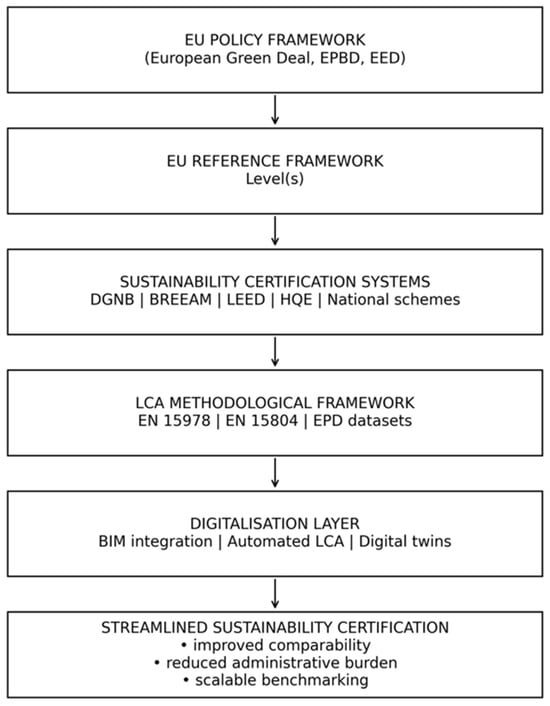
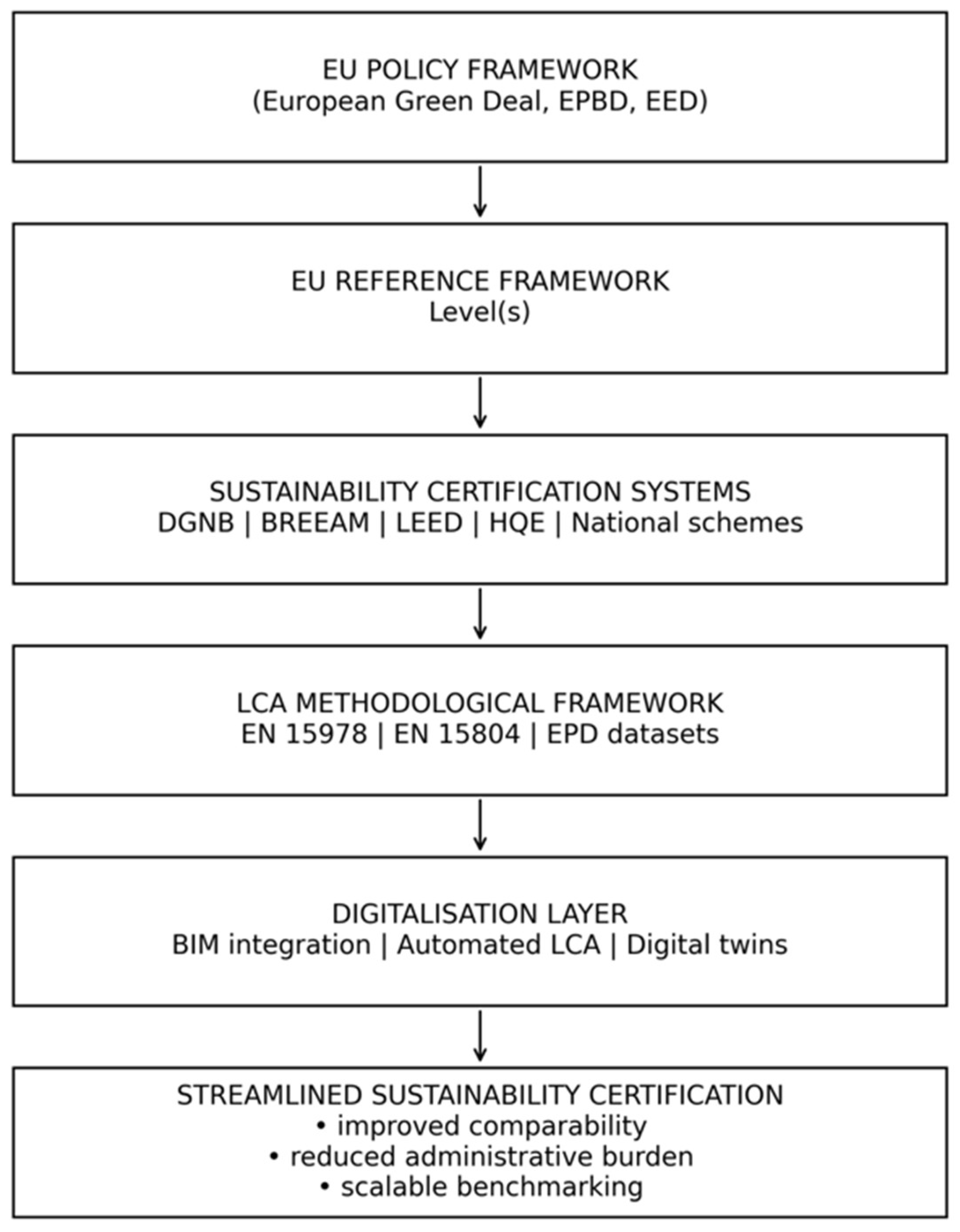
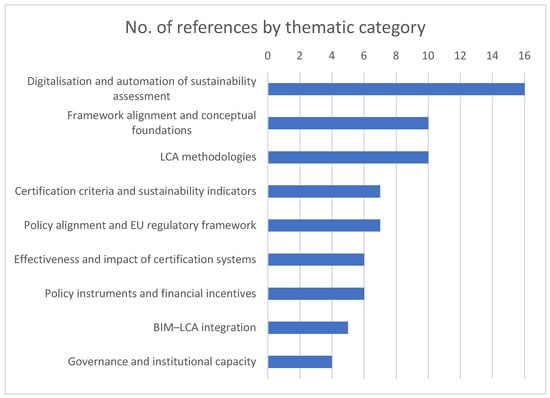
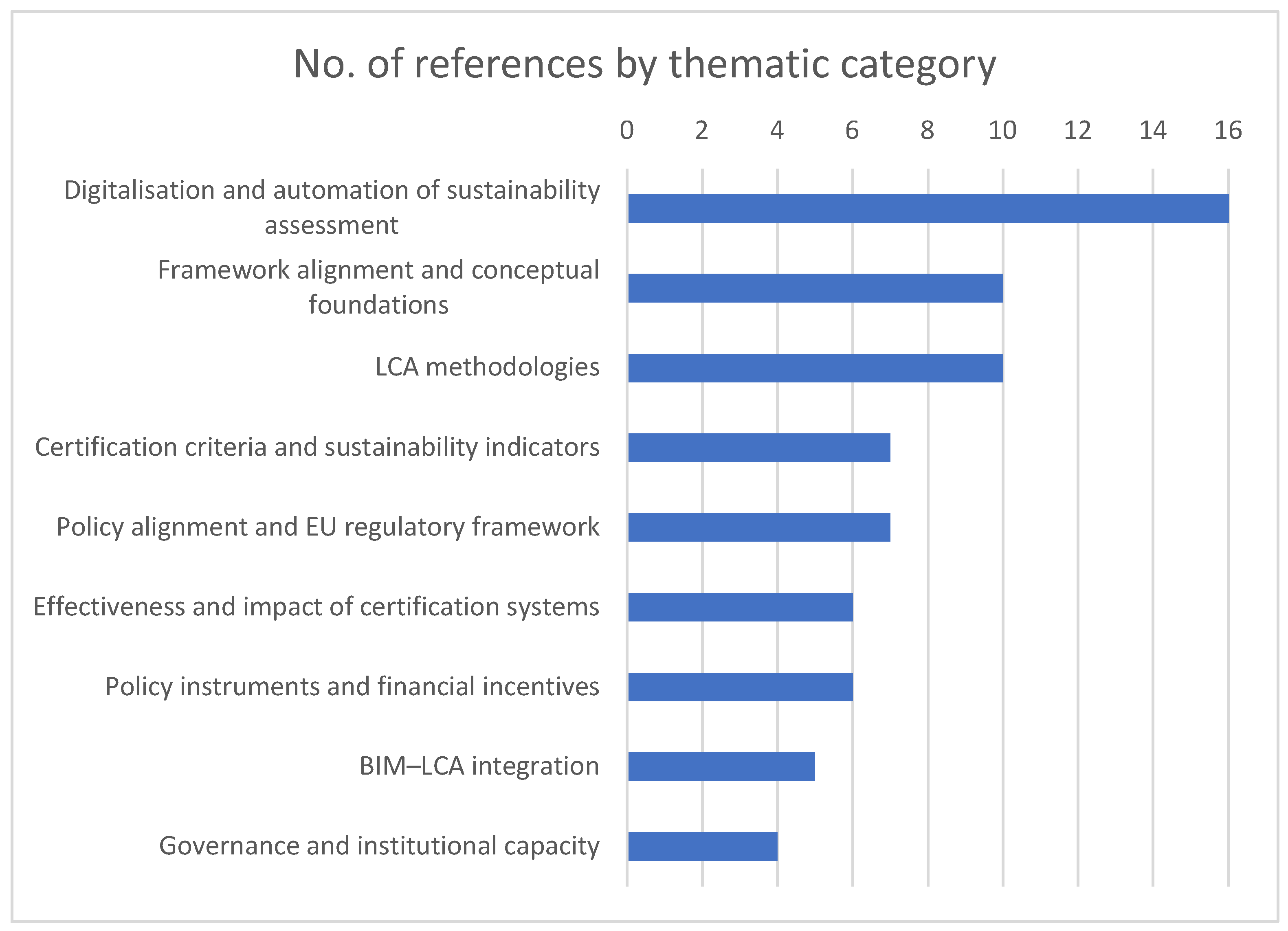
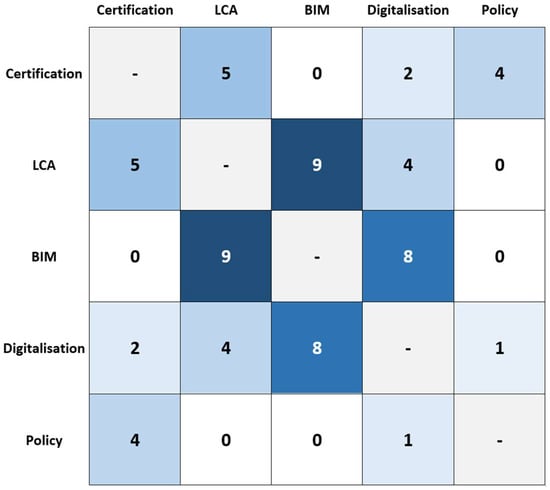
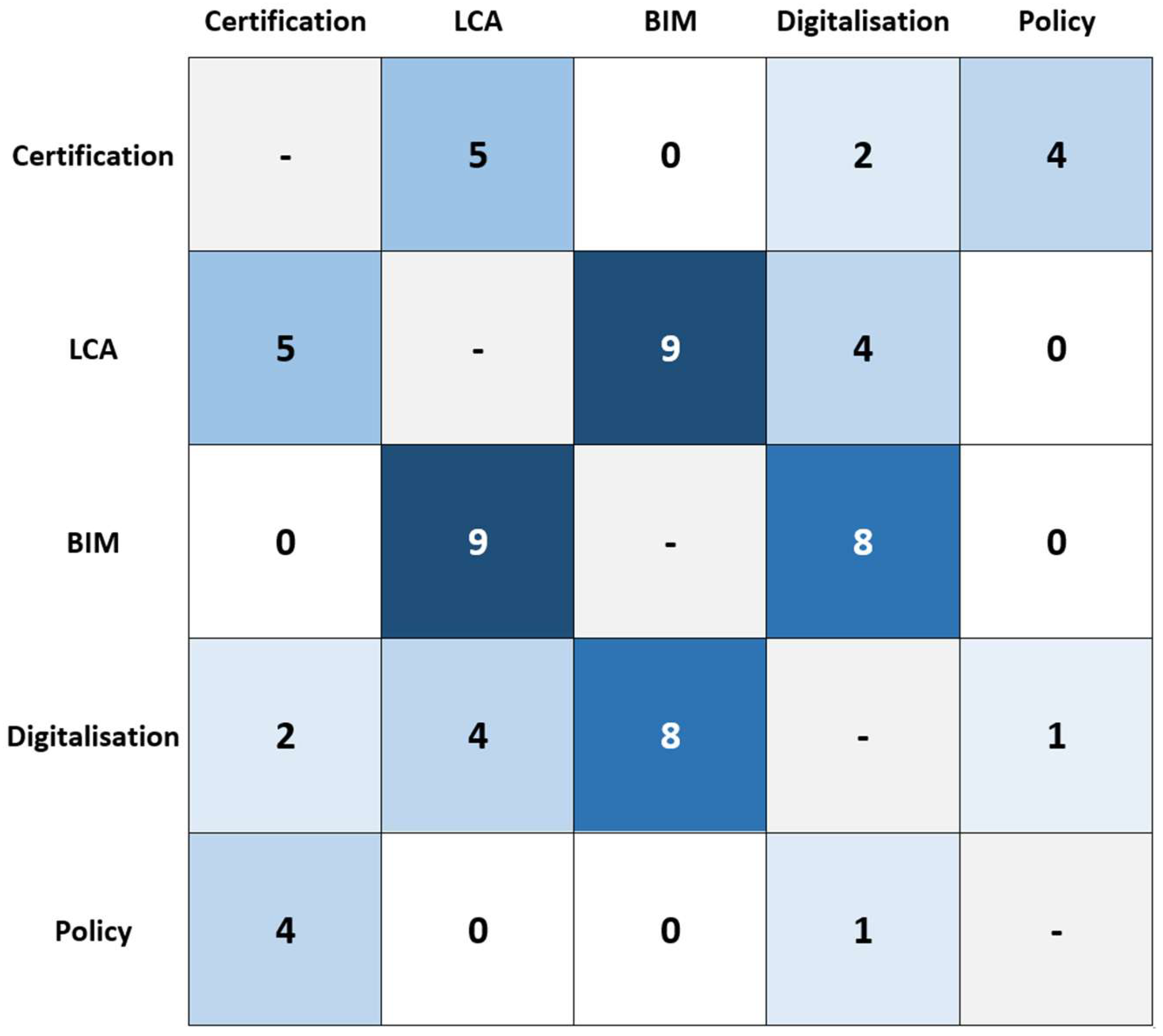
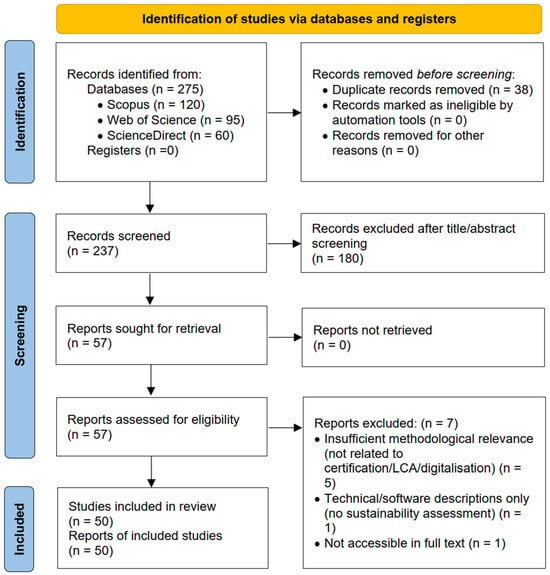
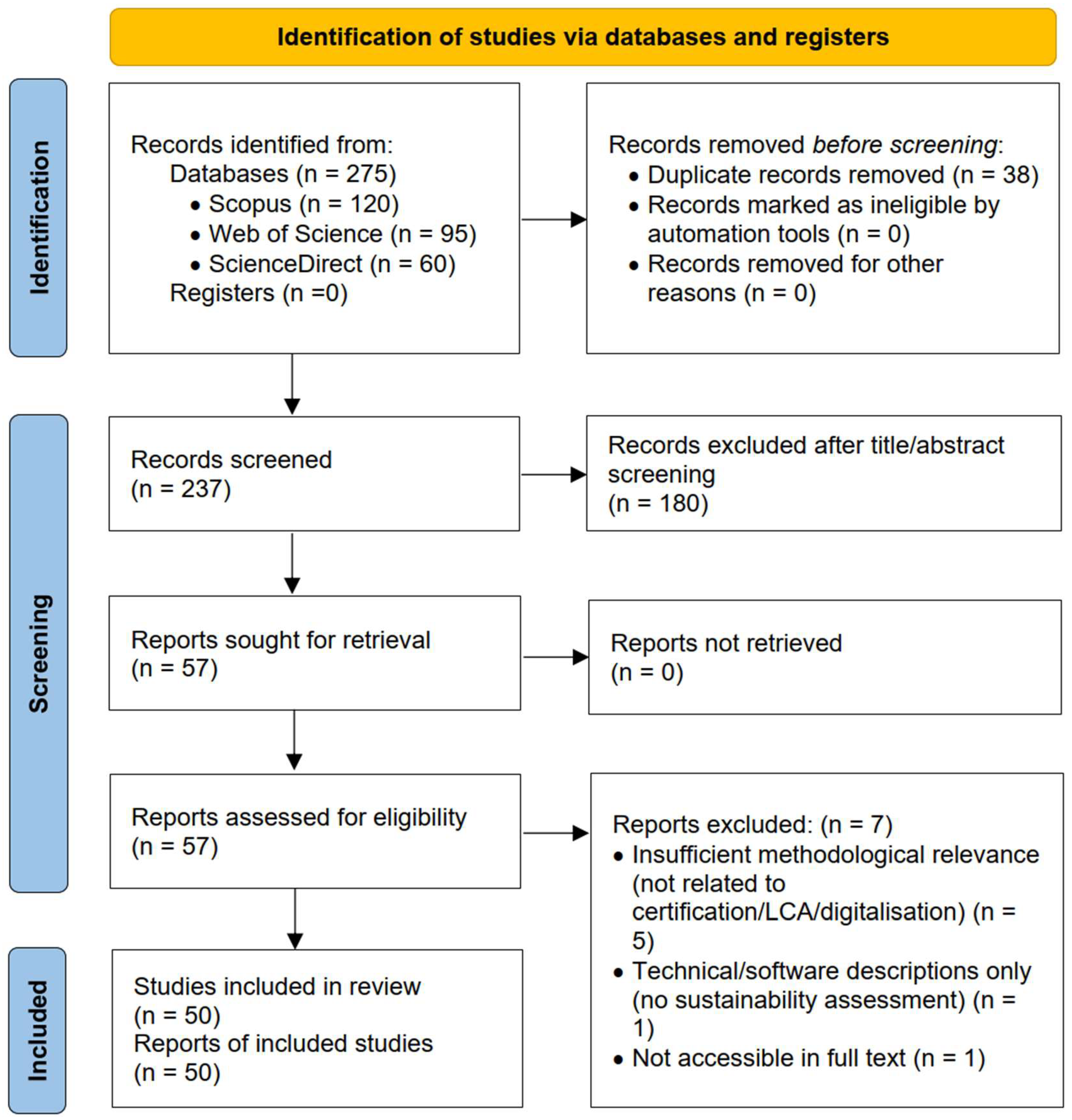
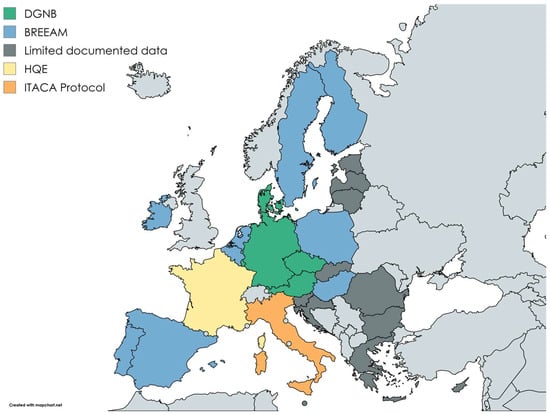
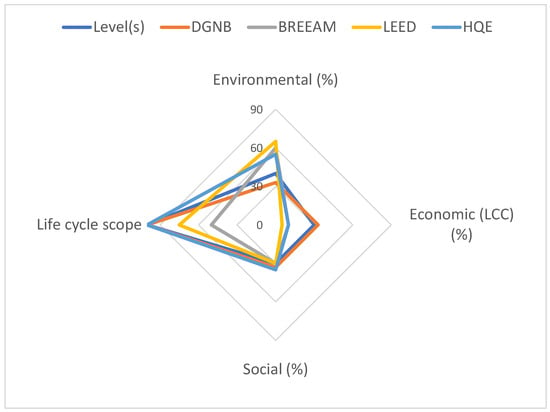
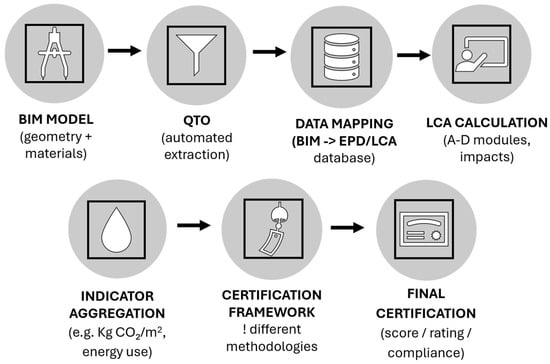
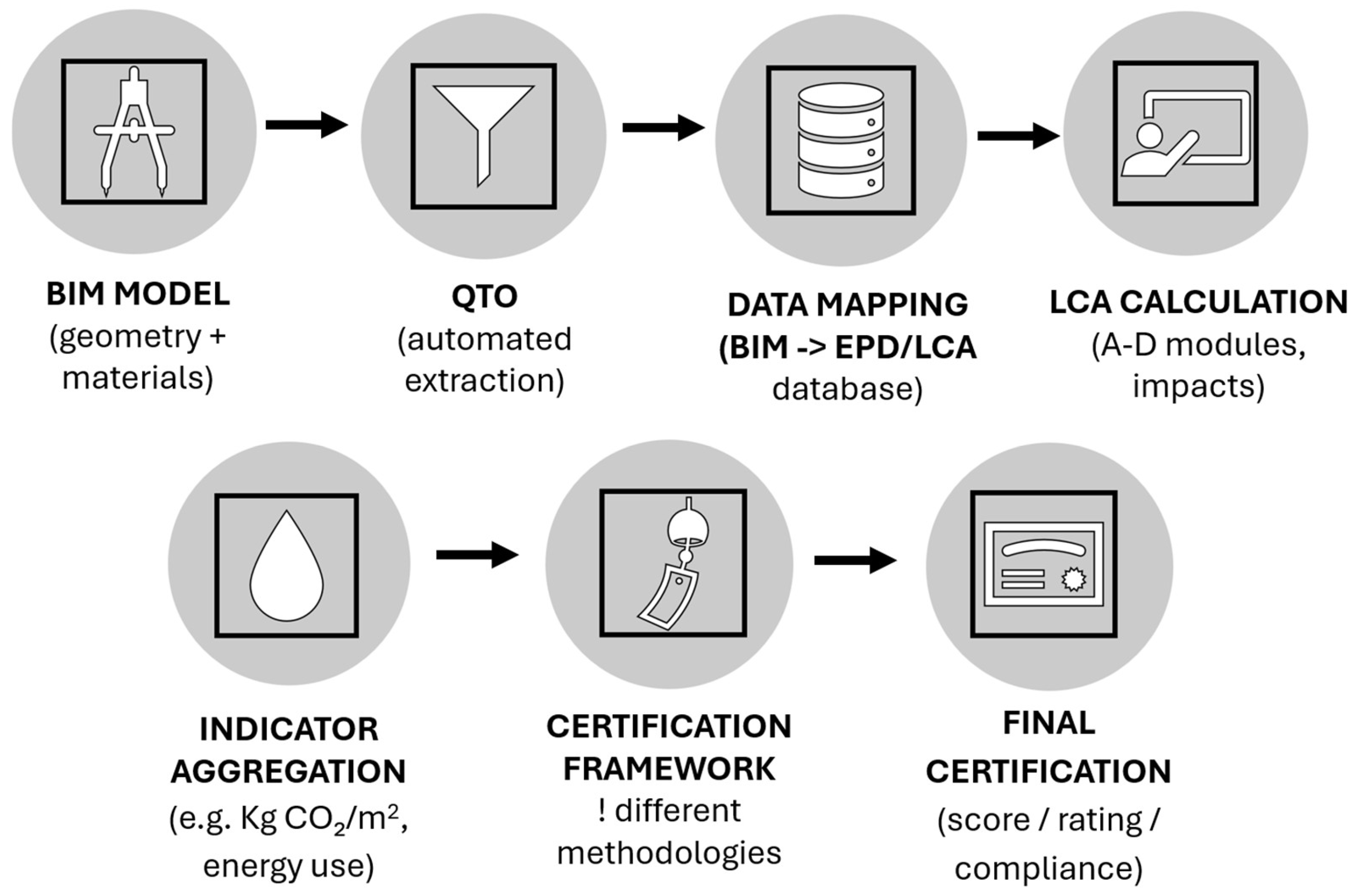
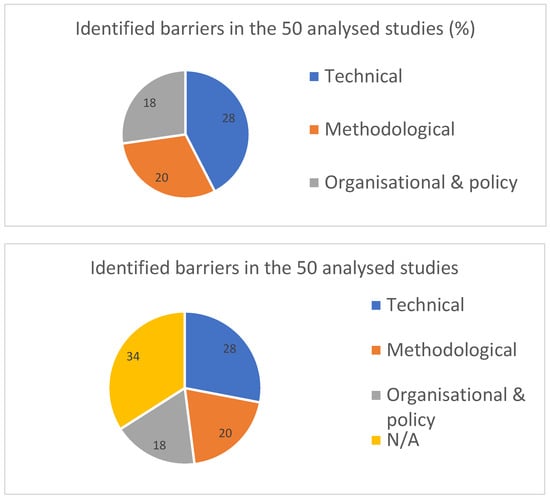
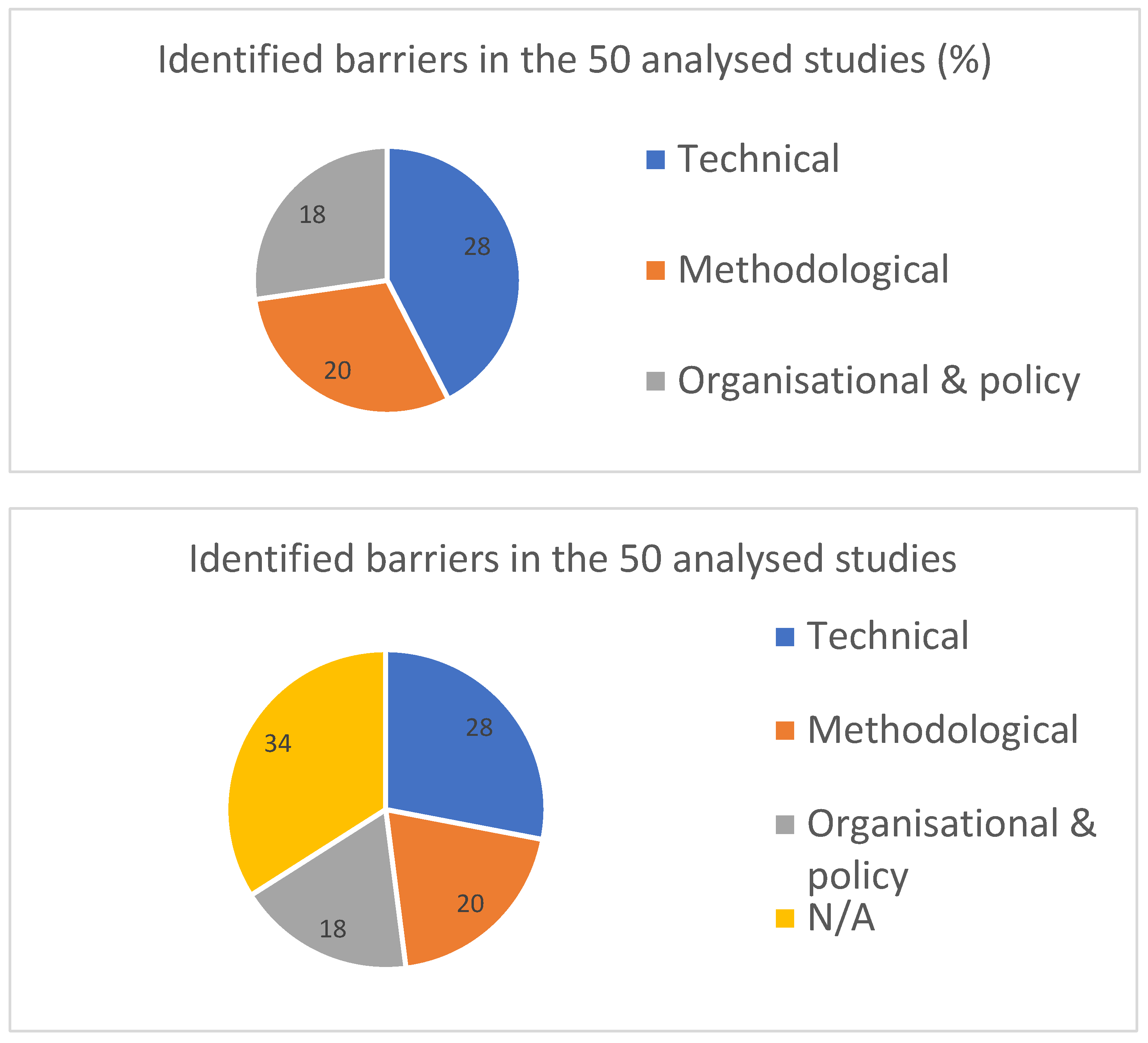

Disclaimer/Publisher’s Note: The statements, opinions and data contained in all publications are solely those of the individual author(s) and contributor(s) and not of MDPI and/or the editor(s). MDPI and/or the editor(s) disclaim responsibility for any injury to people or property resulting from any ideas, methods, instructions or products referred to in the content. |
© 2026 by the authors. Licensee MDPI, Basel, Switzerland. This article is an open access article distributed under the terms and conditions of the Creative Commons Attribution (CC BY) license.