


Abstract
The concept of building health has gained increasing attention due to its strong association with occupant well-being, safety, and the long-term performance of buildings. However, despite the existence of models that assess individual aspects of building conditions, standardized frameworks for comprehensively evaluating overall building health remain limited. A systematic assessment of building health can help identify potential risks and prevent unexpected consequences caused by system failures. This study provides a systematic review of existing approaches to building health assessment by synthesizing relevant indicators and evaluation methods reported in the literature. Key variables are standardized and organized into six major performance dimensions: safety performance, environmental quality, occupant-centred performance, system and infrastructure performance, energy performance, and economic performance. In addition, the review examines the roles of widely used assessment approaches, including Post-Occupancy Evaluation (POE), Internet of Things (IoT)- based monitoring, and machine learning techniques, in supporting building health evaluation. Finally, future directions are proposed to support the development of more comprehensive, data-driven building health assessment frameworks.
1. Introduction
A significant number of people spend substantial time indoors within constructed environments [1]. The World Health Organization (WHO) has determined that environmental factors influence human health by up to 17% (Healthy China Initiative 2019–2030), and that the annual burden of disease attributable to these factors accounts for between 25% and 33% [2]. Spending considerable time in such environments exposes occupants to various environmental factors that may have either negative or positive effects on their health and well-being [1]. Consequently, the quality of the built environment directly determines public health, occupant well-being, and societal productivity.
Building Health Assessment refers to the systematic evaluation of an existing building’s capacity to support its occupants safely, reliably, efficiently, and healthfully during operation. In this study, it is defined as multi-domain assessment that integrates six interrelated dimensions: (1) safety performance (structural integrity and resilience), (2) environmental quality (indoor environmental quality affecting health), (3) occupant-centred performance (comfort, health, and well-being), (4) system and infrastructure performance (reliability of functional building system), (5) energy performance, and (6) economic performance. This definition distinguishes building health assessment from narrow technical condition assessment (which focuses on physical defects and structural safety alone) and from sustainability assessment (which mainly evaluates environmental impacts). Building health assessment links technical evidence with occupant exposure, comfort, well-being, operational reliability, and lifecycle decision-making.
However, despite growing recognition of the link between buildings and health, the concept of “building health” itself remains inconsistently defined. A systematic review of 238 publications by Liu et al. revealed the absence of a unified international definition. An early 1980s definition framed healthy buildings merely as the opposite of sick buildings, a purely negative formulation. Contemporary definitions have evolved toward positive framings that emphasize occupant well-being, yet they still vary substantially across regions and certification schemes. Some are narrowly focused on indoor air quality and thermal comfort, while others incorporate psychological and social dimensions. This fragmentation has direct consequences for assessment. In the absence of a shared foundation, assessment indicators become inconsistent, methods cannot be effectively compared across studies, and practitioners lack a unified, actionable standard for implementation. To address this gap, Liu et al. [2] conducted a “DNA framework” for healthy buildings. This framework posits that building health is not merely the absence of defects or sick building syndrome, but a multidimensional state encompassing structural safety, indoor environmental quality, occupant well-being, and lifecycle performance. Building on this conceptualization, the six-dimensional framework defined above bridges technical condition assessment with human-centric outcomes. While environmental lifecycle impacts are a fundamental component of overall building sustainability, the primary focus is on the methodologies used to assess the operational health and in-use performance of buildings. Specifically, there is an emphasis on approaches that integrate technical condition data with real-time occupant well-being metrics. Existing methods, such as the one described in [3], often concentrate on the real-time assessment of structural integrity; however, these frameworks typically pay little attention to broader dimensions of building performance, including sustainability, environmental impact, and occupant comfort. Although sustainable building evaluation is necessary for lowering resource consumption [4], current methodologies tend to treat structural integrity and sustainability as separate concerns, lacking an integrated assessment system that combines real-time monitoring with comprehensive performance evaluation. Consequently, few methodologies jointly address structural integrity, energy efficiency, environmental sustainability, and occupant health within a single integrated framework. Home inspectors, including those at Pillar to Post, typically perform only a brief visual inspection of a building’s structure. They often disregard indoor air quality, leaving a blind spot in assessing real health risks for residents [5]. Numerous indicators could directly or indirectly improve building health conditions throughout the building’s life cycle, including indoor air quality (IAQ), heating and ventilation, air conditioning (HVAC), noise, and lighting. The complexity of multiple, often hidden building health indicators creates serious challenges for the construction industry. Multiple factors that contribute to construction project failure relate to the well-being and health status of completed projects; these issues have become a significant challenge for the construction field, and an improved framework is needed to mitigate problems in this area [6].
This systematic review provides a focused synthesis of peer-reviewed studies on building performance assessment, representing a purposive sample sufficient to identify dominant methodological trends and indicator patterns in the emerging field of building health. It also supports the development of a conceptual six-dimensional framework that addresses the fragmentation observed in current research and practice. The main contribution of this systematic review is the synthesis of a multidimensional framework for building health assessment that integrates and advances upon existing paradigms, which permits moving beyond technical condition assessment by incorporating lifecycle perspectives and real-time monitoring capabilities.
Recognizing these research needs, this study proposes an integrative review framework that combines assessment methods such as post-occupancy evaluation (POE), and (IoT)-based monitoring, examines 106 peer-reviewed papers to identify dominant approaches, and synthesizes practical indicators across multiple domains to support decision-making, while also emphasizing the significant role of advanced techniques, such as artificial intelligence, in predictive assessment. The purpose of this review was not to exhaustively map the global literature on all technical building assessment methods, but to synthesize studies directly relevant to integrated building health assessment. Consequently, the selected corpus of 106 papers was analyzed to identify recurring indicators, dominant methods, and unresolved integration gaps across the six dimensions defined in this study.
2. Methodology
2.1. Systematic Literature Review and Methodological Synthesis
Systematic literature reviews (SLRs) represent a structured, reproducible, and transparent methodology for collecting, selecting, and evaluating existing research to address defined research questions [7]. SLRs follow a document protocol to provide comprehensiveness by systematically locating, screening, and critically assessing relevant studies to minimize bias [8]. They operate through a transparent process of locating, screening, and critically assessing pertinent studies, which helps to produce reliable and unbiased outcomes. This approach enables narrative synthesis of findings in knowledge that informs theory and practice [8]. When studies report quantitative outcomes, a systematic review often incorporates meta-analysis, a statistical method that combines findings from studies identified through a systematic review to estimate a common effect size. It is particularly effective when a large number of small, underpowered studies exist, as pooling their findings enhances the statistical power and precision of the estimated effect [9]. This study does not perform a traditional meta-analysis due to the heterogeneity of indicators and methods among reviewed studies. However, we conduct a thematic and methodological synthesis with quantitative aggregation of indicator frequencies to determine trends and patterns; this approach is well-suited to qualitative and mixed-methods research in the building health literature. The systematic review was conducted and reported with reference to the Preferred Reporting Items for Systematic Reviews and Meta-Analyses (PRISMA) statement. A PRISMA-based flow diagram was used to document the identification, screening, eligibility assessment, and final inclusion of studies, and the completed PRISMA checklist is provided as Supplementary Material.
2.2. Research Process
Following the PRISMA statement, the review process was organized to ensure transparent reporting of record identification, duplicate removal, relevance screening, eligibility assessment, and final study inclusion. A systematic literature review (SLR) provides a robust and transparent methodology for synthesizing research, allowing evidence-based conclusions to inform theory and clarify recurring findings across studies [7]. In this study, the review process was adapted for qualitative and mixed-methods synthesis in building health assessment and consisted of three stages: (1) Data Collection and Preparation, (2) Methodological Screening and Validation, and (3) Thematic Synthesis and Indicator Aggregation.
Phase 1: Data Collection and Preparation
This study primarily used the Web of Science (WoS) Core Collection for its authoritative coverage of high-impact, peer-reviewed journals relevant to building health research. A Boolean search was conducted using the keywords ((“building health” or “building performance” or “building condition”) and (assess* or evaluate* or indicator* or metric*) and (occupant* or “indicator environment” or “sustainability” or “life cycle”)). The search was limited to English-language publications published between 2003 and 2023. The initial database search identified 435 records. Following the removal of duplicates, 428 unique records remained. A title and abstract screening based on thematic relevance to holistic building health assessment resulted in 109 articles selected for full-text retrieval. After full-text screening, applying the inclusion criteria yielded 106 articles retained for final synthesis.
Phase 2: Methodological screening and validation
Inclusion criteria were applied to ensure thematic relevance and methodological rigor: (1) the study focused on existing buildings; (2) it used qualitative or mixed-methods approaches to assess building health-related indicators; (3) it drew on empirical evidence from case studies or real-world datasets; and (4) it was published in English in the fields of building performance, architecture, construction, or environmental studies. A further round of manual content screening was then conducted to identify studies with highly overlapping content and limited additional analytical contribution. Following this refinement process, 106 articles were retained for the final review and synthesis. At this stage, 3 articles were excluded as they did not meet the above criteria upon detailed examination.
Phase 3: Thematic synthesis and indicator aggregation
Thematic analysis framework: The thematic focus of selected articles was explored based on thematic analysis of their content. The following main themes were identified: assessment methods (e.g., ML, simulation, real-time monitoring), building health indicators (e.g., IAQ, thermal comfort, noise, energy efficiency), advanced technologies (e.g., AI, IoT, BIM-integrated tools), and limitations (e.g., poor validation, lack of integration). Among the building types analyzed, residential, educational, and campus facilities were particularly prominent because of their high occupancy rates and diverse environmental exposures.
Data extraction and aggregation: method type, indicators used, technology applied, and building type were extracted from all articles. This enabled quantitative aggregation of indicator frequency and method prevalence. Through the application of a systematic literature review and thematic-methodological synthesis, this study synthesizes existing evidence on building health methodologies. The objective is to identify robust trends and thereby inform data-driven advancements in assessment practices. The sample of 106 studies represents a purposive, thematically relevant corpus for in-depth qualitative synthesis and framework development, a recognized methodology for conceptual advancement in emerging, interdisciplinary fields. While not an exhaustive bibliometric representation, it provides sufficient depth to analyze the integration of performance domains, which is the central focus of this review. The following subsections detail each step of the SLR process before the results are presented in depth. Figure 1 presents these strategies.
Figure 1.
PRISMA-based workflow of the systematic literature review for building health assessment.
2.3. Conceptual Evaluation and Scope of Building Health
The concept of “Building Health” has evolved significantly from its origins in addressing Sick Building Syndrome (SBS) [10], which focused on reducing negative health effects, toward a proactive, positive framework aimed to enhance occupant well-being and performance [11]. This shift reflects a comprehensive understanding of the performance of building systems integrating structural integrity, IEQ, and resource efficiency, which directly or indirectly impacts occupant health productivity, environmental sustainability across the building’s lifecycle. In line with current research, this review adopts a holistic definition that involves six core performance domains. Historically, research and practice have frequently examined these domains separately; for example, structural engineering has developed methods for evaluating safety and resilience against environmental stresses, while ensuring code compliance. Similarly, the IEQ field has advanced metrics that focus on air quality, thermal comfort, lighting, and acoustics as primary factors for occupant health and sustainability [12,13,14]. However, a critical challenge lies in the integrated performance of building systems themselves. For instance, the interaction of Heating, Ventilation, and Air Conditioning (HVAC) and plumbing must not only meet functional requirements but also maintain the health standards through adequate ventilation for IAQ and safe utilisation [11], and the use of sustainable materials [13]. Therefore, the central challenge addressed in this review is integrating these distinct domains into a coherent assessment framework to enhance occupants’ well-being, encompassing comfort, health, behavioural responses, and lived experiences during building operation. This integration necessitates a lifecycle-oriented approach that explicitly connects design and construction decisions to long-term operational performance, user experience, and building health outcomes. This perspective is underpinned by the “DNA framework” for a healthy building, as constructed by Liu et al. [2]. The framework comprises four components: characteristic (what a building’s health is), trigger (why it is needed), guide (what standards inform assessment), and action (how to achieve and assess health). This DNA framework substantiates our six-dimensional approach, as both converge on a view of building health that is fundamentally multidimensional, lifecycle-oriented, and fundamentally occupant-centred.
3. A Quantitative Overview
3.1. Research Distribution and Global Context
Research on the geographic distribution of Building assessment studies provides important context for determining how different regions prioritize dimensions of building health, as illustrated in Figure 2. While methodologies vary, national approaches often have common technical objectives, including damage assessment, remaining lifespan prediction, determination of safe operation, and maintenance prioritization [15]. However, as defined in the previous sections, a holistic building health assessment requires integration beyond these technical objectives to encompass well-being and environmental sustainability. For instance, the Malaysia Public Works Department’s scale (grad 1–5) demonstrates a primarily technical condition assessment focused on the evaluation of defects and safety [16]. Similarly, France’s “Unhealthy Coefficient” method focuses heavily on structural components [17]. While these approaches are essential for safety performance, they typically lack integration with other health dimensions. This limitation calls for a more comprehensive framework to bridge technical condition assessment with the broader concept of building health.
Figure 2.
Countries represented in the reviewed studies on building condition assessment.
3.2. Keyword Co-Occurrence Analysis
Keyword co-occurrence analysis (Figure 3) reveals the conceptual structure and evolution of building health research. Using VOSviewer 1.6.19, this method maps relationships among frequently occurring terms to identify dominant research themes and their interactions [18]. This analysis quantitatively illustrates how the research community conceptualizes and investigates building health, with Table 1 ranking the top 10 keywords by frequency. The centrality of keywords such as “Building” and “Performance” underscores that assessment research remains fundamentally concerned with measuring and optimizing core functionality. However, the strong presence of terms such as “Occupant”, “Satisfaction”, “Indoor Environment Quality”, and “Thermal Comfort” highlights significant and growing research focus on the human dimension, which is a main component of the building health concept. The appearance of “Energy Consumption” as a distinct cluster suggests that energy performance is frequently treated as a separate field rather than being integrated with occupant satisfaction. This observation highlights insights in existing research regarding the integration of these domains.
Figure 3.
Keywords co-occurrence.
Table 1.
Top 10 keywords of co-occurrence frequency.
3.3. Publication Landscape
The analysis of publications reveals the academic journals that primarily disseminate knowledge on building health (Figure 4). The dominance of journal articles (98%) over conference proceedings (2%) suggests a growing emphasis on peer-reviewed validation. The specific focus areas of leading journals highlight the active scholarly communities and key thematic interests driving the field.
Figure 4.
Number of Publications Distributed by Journal.
3.4. Number of Papers Distributed by Year
The temporal distribution of publications (Figure 5) illustrates the emergence of building health evaluation as a distinct research field. The limited studies before 2009 reflect the primary focus on traditional structural safety and post-occupancy evaluation, followed by a steady increase observed from 2010 onwards, which aligns with the growing recognition of the building’s broader impacts on occupant health, the environment, and energy efficiency. A notable acceleration in publications occurred from 2017 onward, driven largely by the proliferation of digital technologies such as AI, IoT, and BIM. These technological advancements have enabled more sophisticated, data-driven, and real-time assessments, thereby supporting the integration of multiple performance dimensions.
Figure 5.
Number of papers distributed by year (2023).
3.5. Building Health Assessment Domains and Methods
3.5.1. Building Type Consideration in Assessment
The selection of assessment methodologies and prioritization of performance indicators vary significantly with building type, driven by differences in occupancy patterns, functional requirements, and regulatory contexts. A comprehensive understanding of these variations is essential for developing an adaptable building health assessment framework.
Building health has evolved as a multifaceted concept that integrates safety performance, environmental quality, occupant-centred performance, system and infrastructure performance, energy performance, and economic performance to optimize overall building performance and occupant well-being. Research has gradually shifted from a traditional focus on structural integrity toward a more holistic perspective that incorporates indoor environmental conditions, occupant-centred outcomes, building service systems, energy efficiency, and economic viability. Bansal et al. (2019) emphasize the need for a comprehensive framework integrating green performance and hazard vulnerability, moving beyond structural integrity alone [19]. This perspective aligns with the building health definition that encompasses both human-centric and technical dimensions. Empirical analyses reinforce this prioritization. Weighting of safety performance, reaching up to 51.88%, followed by the environmental indicator (24.92%), confirms the primary importance of structural integrity while acknowledging the growing significance of sustainability metrics [20]. Figure 6 shows that residential buildings, representing 28% of case studies, followed by offices 19%, dominate the research literature. This distribution reflects the substantial real-world impacts of these sectors, including the considerable energy footprint of residential buildings (approximately 40% of global energy consumption) and the economic importance of workplace productivity and occupant satisfaction in commercial buildings [21]. The functional differences between residential and non-residential buildings require tailored assessment approaches; for example, occupant-centred outcomes and environmental quality may differ significantly between 24/7 occupied healthcare facilities and daytime-use educational buildings.
Figure 6.
Number of publications according to building types.
3.5.2. Data Acquisition Techniques for Building Health Assessment
The reliability of building health assessment depends fundamentally on robust data acquisition. The literature shows a gradual shift from traditional assessment methods toward more automated, sensor-based, and integrated data collection approaches. It is essential to distinguish between the methods for gathering information (data acquisition techniques) and the subsequent analysis of that information (assessment methods), even though they are closely linked in practice. Obtaining comprehensive data is essential for a reliable evaluation. Table 2 summarizes the prominent data acquisition approaches identified in the literature. Traditional visual inspections continue to dominate due to their low cost and simplicity, but are increasingly complemented or replaced by enhanced methods such as non-destructive testing (NDT) and sensor-based monitoring [22]. For instance, both destructive and non-destructive techniques can be used to evaluate the compressive strength to determine structural integrity [23]. Integrating Building Information Modeling (BIM) represents a paradigm shift from disconnected data collection toward centralized information management, which supports holistic failure mapping and facility condition assessment by creating a digital twin of physical assets [24]. Similarly, Unmanned Aerial Vehicles (UAVs) with photogrammetry provide accurate visuals for façade degradation assessment while reducing safety risks during the inspection process. These images can be integrated into the BIM through registration methods, which accurately align imagery collected by most UAVs [25]. These technological advancements address key limitations of traditional methods, particularly in safely accessing hazardous conditions and standardizing data collection.
Table 2.
A review of the building condition assessment studies.
3.5.3. Core Performance Domains for Building Health Performance
Technical condition assessment is treated in this review as one component of building health assessment rather than as a synonymous concept. Technical indicators such as cracks, deformation, material deterioration, service-system failure, and structural reliability are included only when they directly impact occupant safety, environmental exposure, operational continuity, or long-term usability. This bounded interpretation prevents the review from expanding into the entire field of structural and technical assessment, while correctly preserving safety performance as a foundational dimension of building health.
Safety Performance
Within Building Health Assessment, safety performance answers the fundamental question: Can the building remain physically stable and safe for its occupants? A building cannot be considered in good health condition if its structural system cannot ensure basic stability and occupant protection. Consequently, safety performance is included as the foundational dimension of the proposed framework. In existing studies, this dimension is primarily represented by indicators such as structural integrity, construction materials, and degradation of materials, all of which directly reflect the load-bearing capacity, durability, and deterioration state of the built system [15]. This framework is technically governed by Eurocodes 0 through 9, which provide the definitive European suite of standards for structural design, covering everything from the basis of design to the specific use of concrete, steel, timber, and masonry [39]. Structural condition assessment is therefore not limited to identifying visible damage; it also requires evaluation of whether structural members retain sufficient resistance under service loads and environmental actions [25], often utilizing ISO 12006-2 to establish a standardized classification and terminology for building elements [40]. This explains why previous studies have consistently examined critical elements such as foundations, beams, columns, load-bearing walls, roofs, and material conditions when assessing safety performance [4]. Safety performance is commonly supported by visual inspection, material testing, and load-capacity evaluation, often adhering to ASCE Guidelines for the condition assessment of building envelopes to detect progressive loss of structural reliability [40,41]. conducted in alignment with ASTM E2018-08, which provides guidelines for the baseline property condition assessment process [42]. The NEN 2767 standard is frequently utilized to standardize this process, offering a six-point scale to quantify the severity, extent, and intensity of defects found in structural elements [28]. To manage these assets systematically, ASTM E3035 (FACTS) provides a standard classification for facility asset component tracking, while FEMA 154 offers a handbook for Rapid Visual Screening (RVS) to identify potential seismic hazards [19,43,44]. Risk-based approaches further deepen this assessment by linking structural deficiencies to possible failure consequences and maintenance priorities [45,46,47], utilizing FEMA P-58 for high-fidelity, component-level seismic loss prediction and performance evaluation, and integrated into broader asset management systems defined by ISO 55000 [39,41]. From a building health perspective, safety performance is not simply a technical requirement; rather, it is the prerequisite for all other performance dimensions, as governed by ISO 15686-1 for service life planning [4], because a building cannot be considered healthy if its structural system is unable to ensure basic stability and occupant protection [48]. In summary, safety performance contributes to building health assessment by establishing whether the physical structure meets minimum safety thresholds [49]. Without this foundational dimension, a building health assessment would ignore the catastrophic failure risks that inherently override all other performance considerations.
Environmental Quality
A building’s health depends not only on its structure but also on the conditions inside it. Does the indoor environment preserve the building’s fabric while supporting healthy occupant use? The dimension of environmental quality directly answers this question. Environmental quality refers to the set of indoor environmental conditions that shape the healthfulness, acceptability, and day-to-day habitability of buildings [44]. This review includes thermal quality, lighting, acoustic conditions, indoor air quality, water quality, ventilation, and humidity, all of which directly influence the physical exposure environment experienced by occupants [11]. This dimension is central to the contemporary understanding of healthy buildings because indoor environmental conditions are no longer treated as secondary comfort issues, but as core determinants of well-being, satisfaction, and long-term health outcomes [12]. User-centred building theory has likewise emphasized that environmental quality must be understood in relation to the lived experience of occupants rather than in purely technical terms [13]. For the visual environment, EN 12464-1 specifies the lighting requirements for indoor workplaces to ensure visual comfort and task performance, while acoustical comfort is assessed using ISO 16283 and ISO 140 to measure the sound insulation of building elements [34,45]. This perspective is particularly relevant for indicators such as indoor air quality and ventilation, which affect both perceived comfort and actual health risk, especially in dense or long-occupancy environments [14]. In the reviewed literature, environmental quality is strongly associated with methods such as POE and BUS because these approaches are able to connect measured indoor conditions with user perceptions and performance outcomes [44]. To ensure these conditions, ASHRAE 55 and ISO 7730 are the primary international standards for determining thermal environmental conditions [45]. This perspective is particularly relevant for indicators such as indoor air quality and ventilation, governed by ASHRAE 62.1 and EN 16798-1, which set minimum ventilation rates and CO2 thresholds to mitigate health risks [31,34]. Lighting quality is further regulated by BS EN 12464-1, ensuring adequate illuminance for visual tasks and academic performance [24]. In addition, empirical studies on green and occupied buildings have shown that environmental parameters such as air conditions, lighting, and thermal quality are repeatedly linked to satisfaction and building performance evaluation [35], with advanced systems leveraging EN 15232 to assess how building automation can dynamically optimize these factors [38]. In summary, environmental quality contributes to Building Health Assessment by determining whether the building’s indoor conditions prevent moisture-related deterioration, material off-gassing, and ventilation failures that would otherwise compromise both the building’s longevity and its capacity to support healthy occupation. Unlike occupant-centered performance, which captures subjective experience, environmental quality focuses on the objective physical conditions within the building itself [44].
Occupant-Centred Performance
Within Building Health Assessment, occupant-centered performance answers the critical question: Do the building’s conditions meet the needs and expectations of its users? Even a structurally safe building with excellent environmental quality fails as a healthy building if occupants are dissatisfied, uncomfortable, or experience health symptoms [37]. Consequently, occupant-centered performance is included as the essential human-response dimension. In this study, this dimension includes thermal comfort, visual comfort, auditory comfort, olfactory comfort, human health, occupant behaviour, and occupant status, because these indicators directly capture how occupants perceive, respond to, and interact with the built environment in practice [13]. For projects within the Indian context, GRIHA (Green Rating for Integrated Habitat Assessment) serves as the definitive national standard, specifically mandating criteria for “Human Health & Comfort” [19]. GRIHA evaluates buildings based on their ability to provide an indoor environment where a substantial majority of occupants are thermally, visually, and acoustically comfortable [19]. To provide a standardized methodology for these social assessments, EN 15643-3 further establishes a framework for the assessment of the social performance of buildings, focusing on the health and comfort of users [46]. This framework ensures that sustainability is not limited to environmental impacts but includes the building’s ability to meet the complex social and personal needs of its inhabitants [46]. In practice, this dimension is operationalized through major certification systems, most notably BREEAM’s “Health and Wellbeing” category and LEED’s “Indoor Environmental Quality” (IEQ) section [47]. Because each of these seven indicators satisfies the actionability and quantifiability criteria established by Sleiman et al. [48], thermal comfort, measured by Predicted Mean Vote/Percent of People Dissatisfied (PMV/PPD), directly informs HVAC setpoint adjustments. Visual comfort via metrics such as task illuminance in lux and daylight glare probability triggers the reconfiguration of blinds or artificial lighting [49,50]. Auditory comfort gauged by equivalent sound pressure level (Leq) and reverberation time (RT60) guides the placement of acoustic panels or noise-damping strategies [34,49]. Olfactory comfort, while challenging to quantify, is operationally defined through CO2 and volatile organic compound (VOC) measurements, which trigger ventilation rate changes [34,49,50]. health indicators, such as reported respiratory symptoms or headache frequency, link directly to medical outcomes [49,51]. Occupant behaviour, such as window opening or thermostat adjustments, provides diagnostic evidence of discomfort [49,52]. Occupant status, including age and pre-existing health conditions, contextualizes all other indicators [34], and both are increasingly analyzed through the Theory of Planned Behaviour (TPB) to predict and explain the psychological mechanisms behind health-related actions [53].
Rather than focusing solely on physical or technical building attributes, this dimension emphasizes whether a building provides conditions that are acceptable, supportive, and beneficial for its users [11]. Post-occupancy evaluation is particularly important in this context because it enables comparison between intended building performance and actual user experience after occupation [38]. To ensure the scientific validity of these evaluations, surveys are conducted in accordance with ISO 28802, which standardizes environmental survey protocols involving physical measurements and human responses, and ISO 10551, which provides the validated subjective judgment scales for assessing physical environments [31]. This is especially valuable in educational, office, and public buildings, where occupant satisfaction depends not only on technical compliance but also on whether users perceive the environment as comfortable, adaptable, and supportive of daily activities [54]. Empirical studies further show that occupant feedback can reveal mismatches between assumed building performance and actual comfort, satisfaction, and behavioural response, thereby transforming user responses into meaningful evidence for occupant-centred assessment [55]. BUS-based approaches reinforce this perspective by showing that user satisfaction, productivity, and comfort are closely related to how occupants experience building conditions during operation [47]. Accordingly, occupant-centred performance provides the human-oriented dimension of building health assessment by linking building conditions with health, comfort, and behavioural outcomes. In summary, occupant-centered performance contributes to Building Health Assessment by capturing the lived experience of building users. This dimension transforms technical measurements, temperature, CO2, and noise levels into meaningful health and comfort outcomes, ensuring that building health is ultimately evaluated from the perspective of those who occupy it daily [44].
System and Infrastructure Performance
System and infrastructure performance concerns the reliability and serviceability of the technical and functional components that enable buildings to operate safely and continuously in use. In this study, the main indicators under this dimension are design, firefighting system, plumbing, building security, and building services. To ensure these indicators are tracked with high granularity, researchers utilize classification standards such as OmniClass [41], MasterFormat [56], and UniFormat [56], which provide the definitive hierarchical frameworks for organizing building assets, construction information, and functional elements [54]. These indicators are important because a building’s health condition depends not only on its structural stability or indoor environment, but also on whether its functional configuration and service systems can deliver essential protective and operational functions over time [42]. Building condition protocols have long recognized that service systems form a key part of technical performance assessment, especially where failures can disrupt safety, reduce usability, or accelerate deterioration [43]. To measure this performance objectively, BS EN 15341 is applied to provide standardized Maintenance Key Performance Indicators (KPIs), allowing facility managers to evaluate the effectiveness and efficiency of maintenance actions on technical building systems [4]. In the context of healthy buildings, this dimension is especially significant because weaknesses in design configuration or service systems may have cascading effects: poor plumbing may impair hygiene and water service, deficiencies in firefighting systems that must strictly adhere to NFPA codes [41] for the protection of property and occupants may raise emergency risk [27,34]. Furthermore, inadequate building services may reduce functionality and occupant confidence in the built environment [11]. The effectiveness of these services is increasingly dependent on building automation; therefore, EN 15232 [27] is applied to assess how control and management systems impact the overall energy performance and operational efficiency of the building [38]. From a broader building management perspective, system and infrastructure performance also supports continuity of use, maintenance efficiency, and operational resilience, which makes it a core technical component of building health rather than a peripheral engineering concern [24]. To accurately quantify these performance outcomes and mitigate the “prediction gap,” ASHRAE Guideline 14 [57] provides the standardized methodology for measuring actual energy and water performance against design baselines [55,58]. Thus, this dimension captures the operational and functional backbone of buildings and helps explain how service performance and functional design sustain both safety and long-term usability.
Energy Performance
Energy performance addresses how efficiently a building consumes, manages, and evaluates energy during operation and across the building lifecycle. In this review, the principal indicators are energy use and energy evaluation, both of which are widely used to determine whether the building operates efficiently under actual conditions [58]. To move beyond simple consumption metrics, the framework for energy evaluation is grounded in ISO 50001, which specifies requirements for establishing and improving an energy management system (EnMS) to achieve continuous efficiency gains [59]. The literature shows that operational energy performance is understood through real-time monitoring and building management system data, evaluating the environmental footprint of energy use during a building’s lifespan; however, in-use energy efficiency relies on methods such as sensor-based monitoring and data analytics [35]. It is crucial to distinguish that methods evaluate the environmental footprint and resource efficiency of a building, key components of the “Resource Efficiency and Sustainability” dimension of building health, and are not a direct method for assessing occupant well-being, which is measured by methods such as POE. Dynamic extensions further strengthen this perspective by recognizing that building performance changes over time and that energy-related impacts cannot be adequately represented through static snapshots alone [52]. Existing research also points out that real buildings often display a limitation between predicted and actual energy use, which means that energy performance should not be interpreted only through design-stage assumptions or nominal efficiency values [58]. Design-stage baselines are typically established following ASHRAE 90.1, which defines the minimum energy-efficient requirements for buildings, and ISO 52016-1, which provides the standard calculation procedures for the energy needs of heating and cooling [59,60]. Instead, it must be understood in relation to occupancy, operation, control strategies, and the interaction between building systems and environmental demands [36]. The effectiveness of these control strategies is evaluated using EN 15232, which classifies building automation and management functions according to their impact on overall energy performance [20,38]. This is particularly important in healthy building assessment because maintaining indoor environmental quality often requires substantial energy input, meaning that energy performance is structurally linked to environmental quality and, indirectly, to economic performance [50]. Consequently, energy performance should be interpreted not only as a sustainability concern, but also as a key operational dimension within a holistic building health framework.
Economic Performance
Economic performance refers to the cost implications of maintaining, operating, and improving buildings over time. In this review, cost is the main indicator under this dimension, but its analytical significance extends beyond simple expenditure accounting, utilizing ISO 15686-5 to provide a standardized methodology for Life Cycle Costing (LCC) that captures the total cost of ownership by accounting for all inputs and flows within a system boundary [4]. Previous studies have argued that healthy and sustainable buildings should be evaluated not only by their technical or environmental benefits, but also by whether they reduce long-term management burdens and improve value generation [6]. This perspective is important because a building with lower failures, better indoor conditions, and more stable operational performance can reduce maintenance interruptions, avoid wasteful repairs, and improve managerial decision-making [60]; a process fundamentally guided by ISO 15686-1, which establishes the framework for service life planning to ensure building parts meet or exceed performance requirements over their intended lifespan [4]. Furthermore, the objective tracking of these operational efficiencies is supported by BS EN 15341, which provides standardized Maintenance Key Performance Indicators (KPIs) to evaluate the effectiveness and efficiency of facility management actions [4]. Economic analyses of green and better-performing often benchmarked against dominant international frameworks such as LEED or BREEAM to demonstrate long-term value have also shown that cost performance may be influenced by energy savings, productivity improvements, reduced absenteeism, and enhanced service quality [61,62], meaning that financial outcomes often emerge from broader improvements in building health rather than from isolated cost control alone [59]. For this reason, economic performance should be treated as an integral dimension within building health assessment. It provides the management and decision-making lens through which the long-term practicality of safer, healthier, and more efficient buildings can be judged.
Improvements in environmental quality may enhance occupant satisfaction and reduce health-related risks while also affecting energy demand; stronger occupant-centred performance may improve comfort, behavioural response, productivity, and overall user experience; and stronger system and infrastructure performance may reinforce safety, operational continuity, usability, and long-term cost efficiency. A comprehensive building health assessment should therefore consider not only each dimension individually, but also the interactions among them, as reflected in Table 3.
Table 3.
Practical indicators within the six dimensions of building health assessment.
3.6. Categorization and Integration of Building Health Indicators
Evolving building health assessment requires well-defined Key Performance Indicators (KPIs) to evaluate actual performance against objectives and to track progress [4]. The formulation of indicators under specific categories enhances assessment integrity and efficiency [111]. Various studies utilize KPIs to evaluate building condition, with many countries relying on monitoring the physical condition and fitness for use of different building systems [112].
Selecting appropriate indicators for building health assessment requires more than a mere listing of available metrics. Following the approach of Sleiman et al. [48], who systematically reviewed occupant-centric KPIs, suitable indicators must satisfy eight rigorous criteria: Fit-for-purpose, the indicator must align with the assessment goal (e.g., predicted mean vote PMV for thermal comfort versus a simple temperature reading) [49]. Actionability, it must inform a specific decision (e.g., CO2 concentration triggering versus a binary “good/bad” label) [50]. Quantifiability, it must be expressible numerically (e.g., “78% satisfaction” versus “most are comfortable”) [49]. Comparability, enabling benchmarking (e.g., energy use intensity versus “low energy use”). Reproducibility, consistent measurement under identical conditions (e.g., a weighted sound level in dBA versus an inspector’s judgment of “noisy”) [48]. Integrability, compatibility with building systems (e.g., sensor data versus detailed occupant diaries) [49]. Feasibility, practical, and cost-effective data collection (e.g., lux from a low-cost sensor versus spectroradiometry) [49]. Usability, interpretable by non-specialists (e.g., “percentage of hours with CO2 < 1000 ppm” versus a probabilistic exceedance model) [11,44]. Applying these eight criteria to the indicators from our 106 reviewed papers yielded the six-dimensional taxonomy in Table 3.
As summarized in Table 3, several important patterns emerge: safety indicators are assessed using different methods, with visual inspection predominating. In contrast, indicators related to environmental quality and occupant-centred performance show strong alignment with POE and BUS methods, highlighting their user-centred and occupant-oriented characteristics. Conversely, energy and economic indicators are less assessed across methods, suggesting greater integration potential. Based on previous literature, structural safety carries the greatest weight, reflecting the paramount importance. Indoor natural lighting and water quality follow in importance. We synthesize these indicators in this review (Figure 7, Table 3), which were derived through a two-stage process. First, we extracted all performance metrics explicitly mentioned in the reviewed articles. Second, these metrics were categorized into six dimensions based on their primary function: (1) safety performance, (2) environmental quality, (3) occupant-centred performance, (4) system and infrastructure performance, (5) energy performance, and (6) economic performance. This separation acknowledges the previous tendency to treat these domains separately, despite their being interconnected components of building health. The hierarchical structure illustrates the relationships between the categories, providing a clear framework for understanding how the different aspects work together in a comprehensive assessment system. Enhancements in one dimension often positively influence others. For instance, improvements in environmental quality may reduce energy demand while enhancing occupant well-being, whereas stronger occupant-centred performance can improve user experience, satisfaction, and health-related outcomes, while stronger system and infrastructure performance can improve operational efficiency and long-term economic performance. However, the proposed framework and its categories show strong alignment with established industry standards, building codes, technical guidelines, and major building sustainability assessment tools (BSATs). The framework fundamentally advances beyond these systems. Based on the analysis of (Andrade and Braganca 2016), existing rating systems like LEED and BREEAM focus primarily on environmental sustainability, while WELL emphasizes occupant health [113]. As demonstrated in Table 3, the core indicators within our six-dimensional framework are explicitly linked to measurable parameters and standards from these and other systems, such as ISO, ASHRAE, WHO, and NFPA. The six-dimensional classifications were developed to address the fragmentation observed in both existing literature and practice, distinguishing health-oriented indicators that integrate occupant well-being with technical and systemic performance from narrow technical condition indicators that provide only static snapshots. The scope is bounded by the integration of occupant-centred, technical, and system performance factors, and excludes indicators unrelated to this integrative perspective (e.g., purely aesthetic metrics). By connecting previously siloed assessment paradigms, the proposed structure provides a clear taxonomy for applying standardized metrics from codes and rating systems, thereby grounding the framework in existing practice rather than introducing unvalidated indicators [113].
Figure 7.
Proposed categorization of building health indicators across six interconnected dimensions.
3.7. Assessment Methods and Frameworks
Assessment methods in building health assessment can be divided into five levels based on the directness of evidence. Level 1: On-site direct inspection methods, including technology-enabled visual inspection, non-destructive testing (NDT), engineering inspection, and image-based spatial sensing (UAV photogrammetry, laser scanning, thermal imaging). These methods directly identify visible defects, damage, material deterioration, façade degradation, moisture intrusion, and structural anomalies. Level 2: Monitoring and sensing methods, including structural health monitoring (SHM) and IoT environmental sensors. These methods provide continuous evidence of structural responses, environmental quality, and equipment status. Level 3: Direct occupant-response assessment, including post-occupancy evaluation (POE) and Building Use Studies (BUS). These methods directly capture occupant satisfaction, comfort, health symptoms, and perceived productivity. Level 4: Analytical and predictive methods, including machine learning, deep learning, and computer vision. These methods process data collected by Levels 1–3 to automatically detect defects, predict risks, and interpret monitoring data. Level 5: Information integration and decision support methods, including BIM, digital twins, GIS, AHP, MCDA, and comprehensive evaluation frameworks. These methods organize evidence, visualize results, and support weighting and prioritization.
3.7.1. On-Site Direct Inspection Methods
On-site direct inspection methods provide immediate physical evidence of building conditions. Visual inspection has evolved beyond a purely manual observation task. Classic approach, relying on traditional tools, inspector’s visual assessment, persists as a rapid screening method for accessible defects [26,27]; however, it is characterized by well-documented limitations about inherent subjectivity, inconsistent record-keeping, a lack of traceable historical data, and significant safety concerns, particularly for high-rise facades inspections [114,115,116]. Technology-enabled paradigm directly addresses these shortcomings through the integration of Unmanned Aerial Vehicles (UAVs) [117,118], computer vision analytics, and BIM [119]. A field experiment was conducted on an 11-floor dormitory building, utilizing an improved Generalized Hough Transform (GHT) to register UAV images onto a BIM model with a mean registration error of less than 21 mm [25]. This allowed for the generation of an “as-is” orthophoto that automatically aligned defect data with geometric properties in the BIM environment. Within the building health assessment, VI primarily serves the safety performance and system and infrastructure performance dimensions by providing the raw observational data on physical condition, which must then be interpreted against health-related criteria (e.g., safety codes, defect thresholds) to form an assessment.
Beyond UAV-based inspection, non-destructive testing (NDT) methods such as ultrasonic testing and rebound hammer provide direct evidence of material properties [23], while engineering inspection follows structured checklists to document deterioration and defects [26,27]. Unlike IoT monitoring and POE, technology-enabled VI captures high-resolution spatial data detailing the physical condition of a structure at discrete points in time. Consequently, these three direct assessment methods are complementary rather than redundant. On-site direct inspection provides detailed, close-range evidence of material condition and defect severity, but its reach is limited to accessible areas. Image-based spatial sensing methods complement on-site inspection by capturing deterioration across large facade surfaces, roofs, and elevated building elements that are difficult or unsafe to access manually. UAV photogrammetry generates high-resolution orthophotos of building facades, enabling crack detection and spalling quantification [25]. Laser scanning (LiDAR) produces dense point clouds for deformation analysis and geometric deviation assessment. Thermal imaging and infrared thermography detect moisture intrusion, thermal bridges, insulation defects, and facade delamination risks [117]. These methods are relatively direct: they collect primary spatial data from the physical structure, which can then be processed through computer vision algorithms for automated defect recognition. The integration of image-based sensing with BIM enables traceable defect localization and change detection over time [24]. Together, these two categories form a comprehensive Level 1 evidence base for physical condition assessment.
3.7.2. Monitoring and Sensing Methods
Internet of Things (IoT)-based cyber–physical platforms provide continuous monitoring and data acquisition support for building health assessment, rather than serving as a standalone assessment method [34,105]. By integrating sensors, microcontrollers, communication protocols, and cloud-based databases, these platforms enable real-time collection of environmental and operational data, such as CO2 concentration, relative humidity, illuminance, temperature, and volatile organic compounds (VOCs) [105]. Structural health monitoring (SHM) systems using wireless sensor networks measure strain, vibration, displacement, and settlement [120]. These data can support the evaluation of environmental quality, occupant-centred performance, system operation, and energy performance. However, sensor measurements alone cannot fully represent occupants’ perceived comfort, satisfaction, or well-being. Therefore, IoT-based monitoring should be combined with occupant feedback, probabilistic modelling, and machine learning to link objective performance data with subjective user responses and predictive diagnosis [50]. Nevertheless, challenges remain in integrating IoT data with BIM and Building Energy Management Systems (BEMS), particularly regarding data interoperability, standardization, and cross-platform information exchange [105].
3.7.3. Direct Occupant-Response Methods
Post-occupancy evaluation (POE) is a behavioral–environmental method for evaluating constructed environments, focusing on social and behavioral aspects to compare building performance with human needs [121]. POE employs both quantitative tools (e.g., measurements and monitoring) and qualitative tools (including observations and user questionnaires) to understand building functionality and user experience [122]. It involves measuring criteria, comparing results, evaluating outcomes, and providing feedback, which helps in effectively achieving organizational goals, evaluating building performance, occupant satisfaction, and environmental factors to improve operations, and enhance user comfort and productivity [122]. POE was used to compare seven Green Mark-certified buildings in Singapore. The results identified that, despite high certification levels, occupants reported the highest dissatisfaction with sound privacy (42%) and personal control (32%), demonstrating the necessity of POE in verifying design expectations [38]. Despite its value in identifying performance-informed design, POE faces challenges, including complex implementation, a lack of integration with BIM [123], and difficulties in participant engagement [124,125,126]. BUS is used to evaluate how building conditions impact user comfort, satisfaction, and productivity. M.H. Al-Sabahi et al. [109] reported an improvement of 44% in occupant satisfaction and 16% in productivity through its application [109,127]. BUS methodology has been used to develop a global database and ‘benchmarks’ based on 50 recently surveyed buildings from 17 countries [47,109,128]. This has allowed for a standardized comparison of thermal, acoustic, and lighting satisfaction across different geographic and regulatory contexts. The BUS demonstrates reliability in assessing satisfaction by identifying factors such as privacy, personal, and environmental control [129].
3.7.4. Data-Driven Analytical Methods
Data-driven analytical methods, including machine learning (ML) and deep learning (DL), automatically identify patterns in data for forecasting and decision-making [130]. While ML encompasses algorithms such as random forests and support vector machines, DL, a specialized subset of ML, utilizes multi-layered neural networks, including convolutional neural networks (CNNs) and deep neural networks (DNNs), to process complex, high-dimensional data such as images and point clouds [131,132]. ML does not collect data directly from buildings or occupants. Instead, it processes data acquired by direct methods, such as VI images, IoT sensor streams, and POE survey responses. Therefore, the proposed framework treats ML as an analytical technique applied within the direct methods, not as a peer method to VI, IoT, or POE. In the context of BHA, ML occurs as a strong analytical enabler rather than a standalone assessment method. It enhances building health condition assessment through applications ranging from structural performance prediction [33] to fault detection in building systems [133]. The use of ML models can offer valuable insights into predicting structural response and performance, analyzing experimental data, extracting information from images and text, and identifying trends in structural health monitoring data. A deep learning-based framework was applied to point cloud data collected at the Hong Kong Polytechnic University campus and online office datasets [133]. By utilizing an enhanced instance segmentation network and a material classification DNN, the researchers achieved over 98% correctness in reconstructing 3D BIM models of indoor elements, automatically integrating both geometric and material attributes such as wood, metal, and concrete [133]. Beyond 3D reconstruction, CNNs are widely applied to 2D image-based structural defect detection from UAV and camera data. While Convolutional Neural Networks (CNNs) are particularly valuable for image-based defect detection [131,132], they face challenges related to data requirements and model standardization. ML is treated as an analytical enabler rather than a direct assessment method. It does not collect primary data from buildings or occupants; it processes data obtained through direct methods (VI, IoT, POE) to enhance defect detection, pattern recognition, and predictive modeling. Therefore, ML should not be considered a peer method to VI, IoT, or POE in building health assessment workflow.
3.7.5. Information Integration Methods
Information integration methods do not collect primary evidence but organize, visualize, and connect data from multiple sources. Building Information Modeling (BIM) serves as a centralized digital repository for geometric, material, and maintenance data, enabling defect mapping and facility condition assessment [24]. Digital twins extend BIM by incorporating real-time sensor data and predictive models, supporting dynamic health monitoring and scenario testing [58]. Geographic Information Systems (GIS) integrate building data with spatial and environmental context, useful for portfolio-level asset management [134]. Computerized Maintenance Management Systems (CMMS) and asset databases track maintenance history, repair costs, and equipment status [30]. Comprehensive evaluation methods such as AHP and MCDA establish relative weights for indicators through pairwise comparison and expert judgment [135].
Beyond the core methods discussion above, the literature reports several direct and innovative methods that strengthen building health assessment. Table 4 summarizes these methods by category, directness, and primary function.
Table 4.
Categorization of assessment methods by directness and function.
It is crucial to note that a comprehensive sustainability evaluation would complement an operational health framework with life cycle techniques to evaluate embodied environmental impacts. A coherent engineering workflow begins with VI and POE/BUS to establish a baseline health status [59]. This is followed by the deployment of IoT sensor networks to monitor the building’s “pulse” under varying occupancy and climatic conditions [31]. ML algorithms then process these multi-source streams to generate predictive health models, which are finally visualized within a BIM-based Digital Twin [58]. This synthesis allows facility managers to utilize a single point of truth for decision-making, ensuring that technical maintenance and occupant health are managed through a unified, evidence-based approach [24]. Figure 8 presents a data-driven application framework for building health assessment. The framework synthesizes the six performance dimensions, multiple data acquisition techniques, domain-specific assessment methods, and feedback mechanisms for continuous improvement. Such effective building health assessments have been shown to facilitate the adoption of new methods and guide model development for assessing building health conditions. This process requires considering a broad range of indicators contributing to overall well-being, as conceptualized in our proposed framework.
Figure 8.
Data-driven workflow for building health assessment.
3.8. Contributions and Practical Implications of Building Health Assessment
The transition from single-domain technical assessments to integrated building health evaluation offers significant insights across multiple dimensions. These contributions validate the practical relevance of the six-dimensional framework and highlight its ability to shift building management practices. (1) For building owners and developers, a comprehensive health assessment permits a holistic understanding of asset condition, enabling better protection of investments, optimizing operational costs, and enhancing property value through improved economic performance. (2) For facility managers, proactive monitoring systems for collecting and analyzing real-time data facilitate early issue detection and timely intervention, thus ensuring safety performance and reducing emergency repair costs [137]. (3) For government and regulatory bodies, standardized health assessments provide objective data for evidence-based decision-making, supporting the development of efficient building standards and targeted inspection strategies that promote infrastructure sustainability and public safety [24]. (4) For insurance providers and financial institutions, accurate health condition assessments offer detailed datasets for risk-based premium calculations and lending decisions, while motivating asset owners to invest in proactive maintenance. These contributions collectively demonstrate how the integrated building health approach moves beyond traditional assessments by connecting technical performance with human well-being, linking short-term maintenance decisions with long-term sustainability objectives, and creating value for stakeholders through transparent, data-driven evaluation.
4. Research Gaps and Future Research
4.1. Critical Gaps and Challenges
4.1.1. Methodological and Conceptual Gaps
Indicators identification and standardization: The identification of indicators remains challenging due to the lack of data concerning health performance metrics and the absence of standardized approaches for defining building health [6,49]. This results in inconsistent KPIs across regions and building types, complicating comparative analysis and benchmarking [55].
Model applicability and generalization: Many existing assessment case studies are narrowly focused, with some models specifically for concrete structures [24], while others are limited to residential or green buildings. This limitation is particularly evident in building types with specific requirements, such as hospitals and commercial buildings, which often have high energy consumption due to stringent requirements for comfort, safety, and productivity [55]. The lack of model calibration for varied climatic zones and construction practices further limits generalization.
Scope of literature synthesis: The review is based on a thematic analysis of 106 peer-reviewed studies. Future bibliometric studies with broader search strategies may capture additional trends and publications, particularly from conference proceedings and industry reports.
4.1.2. Data-Related Challenges
Subjectivity and lack of standardization: Current techniques often rely on visual surveys and field inspectors’ judgment, introducing subjectivity that leads to inconsistent, non-reproducible results [138]. The absence of standardized criteria and protocols complicates the comparison of assessments across different building types and elements, potentially biasing maintenance, rehabilitation, and resource allocation decisions [139].
Insufficient long-term condition documentation: Comprehensive historical datasets are frequently unavailable, hindering accurate deterioration monitoring and predictive maintenance planning. The lack of continuous performance monitoring makes it difficult to identify trends, predict failures, or optimize maintenance strategies effectively [43].
Data integration and analysis challenges: despite advances in sensor technologies, integrating data from different sources (e.g., visual inspection, sensor network, historical records) remains problematic. Effective integration requires standardized data formats, robust management systems, and advanced analytics tools. Inconsistent data integration leads to fragmented evaluations and limits the ability to identify relationships between different defect types or predict future failure [140].
4.1.3. Technological Limitations
Limited detection of hidden or subsurface defects: Traditional methods focus on visible defects and often fail to capture hidden or subsurface issues (e.g., delamination, corrosion, and moisture intrusion) that critically affect structural integrity and performance. Proactive detection of these hidden defects is essential for preventing structural damage and costly repairs [141].
Limited real-time and remote monitoring capabilities: Most evaluations still depend on periodic manual inspections, which cannot provide timely information about rapid structural or environmental changes. Real-time and remote monitoring is crucial for detecting unexpected damage, assessing the impact of extreme events, and enabling proactive maintenance interventions.
4.2. Future Research Directions
4.2.1. Methodological Development and Validation
Occupant-centred assessment development: Future directions should focus on integrating occupant-centred thinking into assessment frameworks by developing standardized systems for collecting and analyzing user feedback. POE should be enhanced by methodological refinements that integrate subjective satisfaction metrics with objective performance data [31]. Future studies should investigate how to effectively integrate survey data with sensor measurements to develop a comprehensive understanding of comfort-satisfaction relationships, particularly in educational buildings, where research shows dissatisfaction rates of up to 100% due to inadequate thermal and lighting conditions [31].
4.2.2. Methodological Innovation and Integration
AI and ML applications: Future research should focus on applications, including: (a) using generative AI for post-disaster damage assessment (current accuracy 28.6–64.3% [142]); (b) employing computer vision systems, such as Convolutional Neural Networks (CNNs) for automated defect detection in structural evaluation (current accuracy > 95% for some applications [136]); and (c) integrating AI approaches (e.g., Artificial Neural Networks (ANN) and Structural Equation Models (SEM)) for predictive maintenance prioritization [143].
Integration Assessment framework development: The primary goal is to develop an integrated assessment framework that incorporates (a) multiple data sources (visual inspection, sensor networks, historical records), (b) advanced analytics (machine learning algorithms, pattern recognition), and (c) visualization tools (BIM integration). These frameworks should enable comprehensive insight into building health by identifying patterns, predicting failures, and optimizing maintenance strategies. A key challenge is developing standardized data exchange protocols between different systems and between stakeholders.
Real-time monitoring and IoT integration: This involves integrating advanced sensor technologies (e.g., fiber optic sensors, wireless sensor networks) for continuous monitoring of structural parameters (strain, temperature, and vibration) and environmental conditions [120]. Future systems should enable: (a) the detection of hidden anomalies in building performance, (b) the early warning for structural distress, and (c) integration with automated control systems for proactive interventions (ventilation regulation, humidity control, thermal stress management).
4.2.3. Decision Support and Implementation
Data-driven decision support: Develop enhanced decision support systems that apply machine learning algorithms and predictive modeling to assist stakeholders in maintenance, repair, and rehabilitation decisions. These systems should predict remaining service life, estimate costs, and optimize maintenance timing. Integration with BIM should provide visual representations of building conditions and facilitate stakeholder communication.
Framework validation and benchmarking: Future research should shift beyond conceptual frameworks toward empirical validation by (a) conducting case studies across varied building types, (b) performing statistical benchmarking against established rating systems such as LEED, BREEAM, and WELL to determine convergent validity, and (c) developing standardized testing protocols for new assessment tools and algorithms.
Enhancing these approaches reflects a shift in assessing building health conditions beyond a purely technical evaluation into integrated systems that combine real-time monitoring, user feedback, and predictive analytics. This insight is essential for developing robust, validated frameworks required to advance research and practice in building health (Figure 9).
Figure 9.
A strategic roadmap for future research in integrated building health assessment.
5. Conclusions
This study redefines Building Health Assessment as an integrated evaluation of whether an existing building can remain safe, supportive of occupants, operationally reliable, energy efficient, and economically manageable throughout its service life. This definition is important because the current literature still tends to evaluate building conditions through separated perspectives, such as structural condition assessment, sustainability assessment, indoor environmental quality evaluation, or occupant satisfaction surveys. Although each perspective provides useful evidence, none of them alone can fully explain the health status of a building in use. A building may be structurally safe but environmentally poor; it may be energy efficient but uncomfortable for occupants; or it may satisfy certification requirements while still showing operational failures during daily use. Therefore, the central argument of this review is that building health should be understood as a multidimensional and operational state rather than as a single technical, environmental, or human-centred attribute.
The main contribution of this study is the development of a six-dimensional framework for Building Health Assessment, including safety performance, environmental quality, occupant-centred performance, system and infrastructure performance, energy performance, and economic performance. This framework clarifies the internal logic of building health by showing how these dimensions jointly determine the actual performance of a building during operation. Safety performance provides the basic precondition for use; environmental quality reflects whether the indoor environment can maintain acceptable and healthy conditions; occupant-centred performance captures comfort, satisfaction, health perception, and behavioural response; system and infrastructure performance determines whether building services can operate continuously and reliably; energy performance reflects resource efficiency under real operating conditions; and economic performance indicates whether the building can be maintained and improved in a financially sustainable manner. In this sense, the proposed framework moves beyond a simple list of indicators and provides a structured way to explain how technical conditions, environmental exposure, user experience, operational systems, energy use, and lifecycle costs interact in the assessment of building health.
A further contribution lies in the clarification of assessment methods according to the directness and function of evidence. The review shows that visual inspection, non-destructive testing, UAV photogrammetry, laser scanning, thermal imaging, IoT monitoring, structural health monitoring, POE, BUS, machine learning, BIM, and digital twins should not be treated as equivalent assessment methods. They play different roles in the evidence chain. Direct inspection and sensing methods generate primary evidence; occupant-response methods reveal how users experience the building; data-driven methods support pattern recognition, prediction, and diagnosis; and information integration platforms organize heterogeneous evidence for decision-making. This distinction helps resolve a common ambiguity in the literature, where analytical tools such as machine learning or BIM are sometimes presented as direct assessment methods, although they mainly depend on data collected through other techniques. By organizing these methods into a clearer workflow, this study provides a more practical methodological foundation for future building health assessment systems.
The practical value of the study is reflected in the indicator–method–standard mapping developed in the review. By linking each dimension with measurable indicators, applicable evidence sources, assessment methods, and relevant standards, the framework offers a more actionable basis for building owners, facility managers, public authorities, designers, and researchers. It can help practitioners move from fragmented inspections toward integrated, evidence-based health management. For example, building owners can use the framework to understand asset risks and maintenance priorities; facility managers can combine inspection, sensor data, and occupant feedback to identify early warning signals; public authorities can develop more consistent inspection and benchmarking systems; and researchers can use the framework to compare methods and identify gaps in empirical validation. In this regard, Building Health Assessment is not only a diagnostic tool for current building conditions, but also a decision-support approach for lifecycle maintenance, risk prevention, and performance improvement.
This study also reveals several limitations. Existing studies remain unevenly distributed across building types, with less attention given to healthcare, educational, and other high-sensitivity facilities. The links between energy performance and occupant-centred outcomes are still insufficiently examined, and economic performance remains underdeveloped, particularly in relation to lifecycle cost, maintenance prioritization, and long-term value. Moreover, many proposed frameworks are still conceptual and require empirical validation across different building types, climates, regulatory contexts, and operational conditions.
Future research should therefore focus on empirical testing and practical implementation. The proposed six-dimensional framework should be validated through case studies in diverse building types, and weighting or scoring mechanisms should be developed to reflect different stakeholder priorities and building functions. Greater integration of direct inspection, real-time sensing, occupant feedback, and predictive analytics is also needed through BIM or digital-twin platforms. In this process, AI, computer vision, and machine learning should be embedded as analytical tools within a traceable evidence-based workflow rather than treated as isolated technologies.
Overall, this study advances Building Health Assessment by providing a clearer definition, a six-dimensional framework, a method hierarchy based on evidence directness, and a practical mapping between indicators, methods, and standards. Its novelty lies in integrating fragmented assessment traditions into a coherent framework that connects building safety, environmental quality, occupant experience, system reliability, energy performance, and economic viability. This approach supports a shift from reactive defect inspection to proactive, lifecycle-oriented health management.
Supplementary Materials
The following supporting information can be downloaded at https://www.mdpi.com/article/10.3390/buildings16112096/s1, Table S1: PRISMA 2020 Checklist; Table S2: Literature review sheet [144].
Author Contributions
Conceptualization, H.B.; methodology, L.L.; formal analysis, H.B. and L.L.; investigation, H.B.; data curation, H.B. and X.S.; writing—original draft preparation, H.B.; writing—review and editing, L.L., J.C., and X.S.; supervision, L.L. and J.C.; funding acquisition, L.L. All authors have read and agreed to the published version of the manuscript.
Funding
This work was supported by the National Social Science Fund of China [Grant number 24BGL297].
Data Availability Statement
No new data were created or analyzed in this study. Data sharing is not applicable to this article.
Conflicts of Interest
The authors declare no conflicts of interest.
References
- Granger, T.; Nguyen Jennifer, L.-A.; Pillai, D.; Vaicekonyte-Peters, R.; Zhao, J.I.E. Systems, Methods, and Articles for Assessing and/or Improving Health and Well-Being. U.S. Patent 2020/0200416 A1, 6 June 2023. Available online: https://lens.org/046-842-528-698-284 (accessed on 30 March 2024).
- Liu, H.; Xu, X.; Tam, V.W.Y.; Mao, P. What is the “DNA” of healthy buildings? A critical review and future directions. Renew. Sustain. Energy Rev. 2023, 183, 113460. [Google Scholar] [CrossRef] [Scilit]
- Lim Chin, H. System and Method for Structural or Building Health Assessment. WO 2017/074173 A2, 4 May 2017. Available online: https://lens.org/187-332-914-969-444 (accessed on 30 March 2024).
- Matos, R.; Rodrigues, F.; Rodrigues, H.; Costa, A. Building condition assessment supported by Building Information Modelling. J. Build. Eng. 2021, 38, 102186. [Google Scholar] [CrossRef] [Scilit]
- Preiser, S. Method of Home Inspection Business Including Indoor Air Quality Assessment. U.S. Patent 2004/0267560 A1, 30 December 2024. Available online: https://lens.org/174-919-386-194-34X (accessed on 30 March 2024).
- Na, Y.; Palikhe, S.; Lim, C.; Kim, S. Health performance and cost management model for sustainable healthy buildings. Indoor Built Environ. 2015, 25, 799–808. [Google Scholar] [CrossRef] [Scilit]
- Minunno, R.; O’Grady, T.; Morrison, G.M.; Gruner, R.L. Investigating the embodied energy and carbon of buildings: A systematic literature review and meta-analysis of life cycle assessments. Renew. Sustain. Energy Rev. 2021, 143, 110935. [Google Scholar] [CrossRef] [Scilit]
- Siddaway, A.P.; Wood, A.M.; Hedges, L.V. How to Do a Systematic Review: A Best Practice Guide for Conducting and Reporting Narrative Reviews, Meta-Analyses, and Meta-Syntheses. Annu. Rev. Psychol. 2019, 70, 747–770. [Google Scholar] [CrossRef] [Scilit]
- Chitu, O. A guide to conducting a standalone systematic literature review. Commun. Assoc. Inf. Syst. 2015, 37, 879–910. [Google Scholar] [CrossRef] [Scilit]
- Fang, L.; Wyon, D.P.; Clausen, G.; Fanger, P.O. Impact of indoor air temperature and humidity in an office on perceived air quality, SBS symptoms and performance. Indoor Air 2004, 14, 74–81. [Google Scholar] [CrossRef] [Scilit]
- Awada, M.; Becerik-Gerber, B.; Hoque, S.; O’Neill, Z.; Pedrielli, G.; Wen, J.; Wu, T. Ten questions concerning occupant health in buildings during normal operations and extreme events including the COVID-19 pandemic. Build. Environ. 2021, 188, 107480. [Google Scholar] [CrossRef] [Scilit]
- Lin, Y.; Yuan, X.; Yang, W.; Hao, X.; Li, C. A review on research and development of healthy building in China. Buildings 2022, 12, 376. [Google Scholar] [CrossRef] [Scilit]
- Vischer, J.C. Towards a user-centred theory of the built environment. Build. Res. Inf. 2008, 36, 231–240. [Google Scholar] [CrossRef] [Scilit]
- D’Amico, A.; Pini, A.; Zazzini, S.; D’Alessandro, D.; Leuzzi, G.; Currà, E. Modelling VOC emissions from building materials for healthy building design. Sustainability 2020, 13, 184. [Google Scholar] [CrossRef] [Scilit]
- Lupasteanu, V.; Lupasteanu, R.; Chingalata, C. Condition assessment of buildings in Romania: A proposed method and case study. J. Build. Eng. 2022, 47, 103814. [Google Scholar] [CrossRef] [Scilit]
- Kamaruzzaman, S.N.B.; Yacob, S.; Ali, A.S.; Peng, A.-Y.C.; Ali, A.S.B.; Azmi, N.F.B.; Chua, S.J.L. Building Condition Assessment: Lesson Learnt from Pilot Projects. MATEC Web Conf. 2016, 66, 00072. [Google Scholar] [CrossRef] [Scilit]
- Nwodo, M.N.; Anumba, C.J. A review of life cycle assessment of buildings using a systematic approach. Build. Environ. 2019, 162, 106290. [Google Scholar] [CrossRef] [Scilit]
- Eck, N.J.v.; Waltman, L. VOSviewer Manual (Version 1.6.19); Centre for Science and Technology Studies (CWTS), Leiden University: Leiden, The Netherlands, 2023. [Google Scholar]
- Bansal, S.; Biswas, S.; Singh, S.K. Holistic assessment of existing buildings: Indian context. J. Build. Eng. 2019, 25, 100793. [Google Scholar] [CrossRef] [Scilit]
- Akhanova, G.; Nadeem, A.; Kim, J.R.; Azhar, S. A Framework of Building Sustainability Assessment System for the Commercial Buildings in Kazakhstan. Sustainability 2019, 11, 4754. [Google Scholar] [CrossRef] [Scilit]
- Zare, N.; Shafaat, A.; Asadi, S. Review of energy performance gap and solutions in residential buildings. IOP Conf. Ser. Earth Environ. Sci. 2022, 1085, 012013. [Google Scholar] [CrossRef] [Scilit]
- Ivanchev, I. Investigation with Non-Destructive and Destructive Methods for Assessment of Concrete Compressive Strength. Appl. Sci. 2022, 12, 12172. [Google Scholar] [CrossRef] [Scilit]
- Wiyanto, H.; Makarim, C.A.; Gondokusumo, O.; Siregar, J.P.; Irawan, A.P.; Cionita, T.; Najid, N. Determining Concrete Structure Condition Rating Based on Concrete Compressive Strength. Buildings 2022, 12, 776. [Google Scholar] [CrossRef] [Scilit]
- Faqih, F.; Zayed, T. Defect-based building condition assessment. Build. Environ. 2021, 191, 107575. [Google Scholar] [CrossRef] [Scilit]
- Zhang, C.; Wang, F.; Zou, Y.; Dimyadi, J.; Guo, B.H.W.; Hou, L. Automated UAV image-to-BIM registration for building façade inspection using improved generalised Hough transform. Autom. Constr. 2023, 153, 104957. [Google Scholar] [CrossRef] [Scilit]
- Eweda, A.; Zayed, T.; Alkass, S. Space-Based Condition Assessment Model for Buildings: Case Study of Educational Buildings. J. Perform. Constr. Facil. 2015, 29, 04014032. [Google Scholar] [CrossRef] [Scilit]
- Bortolini, R.; Forcada, N. A Building Inspection System to evaluate the technical performance of existing buildings. J. Perform. Constr. Facil. 2018, 32, 04018073. [Google Scholar] [CrossRef] [Scilit]
- Faqih, F.; Zayed, T. A comparative review of building component rating systems. J. Build. Eng. 2021, 33, 101588. [Google Scholar] [CrossRef] [Scilit]
- Alanne, K. A novel performance indicator for the assessment of the learning ability of smart buildings. Sustain. Cities Soc. 2021, 72, 103054. [Google Scholar] [CrossRef] [Scilit]
- Alavi, H.; Bortolini, R.; Forcada, N. BIM-based decision support for building condition assessment. Autom. Constr. 2022, 135, 104117. [Google Scholar] [CrossRef] [Scilit]
- Aguilar, A.J.; de la Hoz-Torres, M.L.; Ruiz, D.P.; Martinez-Aires, M.D. Monitoring and Assessment of Indoor Environmental Conditions in Educational Building Using Building Information Modelling Methodology. Int. J. Environ. Res. Public Health 2022, 19, 13756. [Google Scholar] [CrossRef] [Scilit] [PubMed]
- Chokwitthaya, C.; Zhu, Y.; Dibiano, R.; Mukhopadhyay, S. A machine learning algorithm to improve building performance modeling during design. MethodsX 2020, 7, 35–49. [Google Scholar] [CrossRef] [Scilit]
- Sun, H.; Burton, H.V.; Huang, H. Machine learning applications for building structural design and performance assessment: State-of-the-art review. J. Build. Eng. 2021, 33, 101816. [Google Scholar] [CrossRef] [Scilit]
- Eini, R.; Linkous, L.; Zohrabi, N.; Abdelwahed, S. Smart building management system: Performance specifications and design requirements. J. Build. Eng. 2021, 39, 102222. [Google Scholar] [CrossRef] [Scilit]
- Newsham, G.R.; Birt, B.J.; Arsenault, C.; Thompson, A.J.L.; Veitch, J.A.; Mancini, S.; Galasiu, A.D.; Gover, B.N.; Macdonald, I.A.; Burns, G.J. Do ‘green’ buildings have better indoor environments? New evidence. Build. Res. Inf. 2013, 41, 415–434. [Google Scholar] [CrossRef] [Scilit]
- Liang, H.-H.; Chen, C.-P.; Hwang, R.-L.; Shih, W.-M.; Lo, S.-C.; Liao, H.-Y. Satisfaction of occupants toward indoor environment quality of certified green office buildings in Taiwan. Build. Environ. 2014, 72, 232–242. [Google Scholar] [CrossRef] [Scilit]
- Mustafa, F.A. Performance assessment of buildings via post-occupancy evaluation: A case study of the building of the architecture and software engineering departments in Salahaddin University-Erbil, Iraq. Front. Archit. Res. 2017, 6, 412–429. [Google Scholar] [CrossRef] [Scilit]
- Al Mughairi, M.; Beach, T.; Rezgui, Y. Post-occupancy evaluation for enhancing building performance and automation deployment. J. Build. Eng. 2023, 77, 107388. [Google Scholar] [CrossRef] [Scilit]
- Shi, J.; Pan, Z.; Jiang, L.; Chen, P.; An, C.; Mulatibieke, N. Research on a methodology for intelligent seismic performance evaluation and optimization design of buildings based on IFC and ontology. Eng. Struct. 2023, 288, 116213. [Google Scholar] [CrossRef] [Scilit]
- Matos, R.; Rodrigues, H.; Costa, A.; Requejo, C.; Rodrigues, F. Facility manager perspectives on building condition assessment for Portuguese higher education institutions. Build. Res. Inf. 2023, 51, 949–964. [Google Scholar] [CrossRef] [Scilit]
- Lamsal, P.; Bajracharya, S.B.; Rijal, H.B. A Review on Adaptive Thermal Comfort of Office Building for Energy-Saving Building Design. Energies 2023, 16, 1524. [Google Scholar] [CrossRef] [Scilit]
- Sadick, A.-M.; Issa, M.H. Assessing physical conditions of indoor space enclosing elements in schools in relation to their indoor environmental quality. J. Build. Eng. 2018, 20, 520–530. [Google Scholar] [CrossRef] [Scilit]
- Mayo, G.; Karanja, P. Building condition assessments–methods and metrics. J. Facil. Manag. Educ. Res. 2018, 2, 1–11. [Google Scholar] [CrossRef] [Scilit]
- Bortolini, R.; Forcada, N. Operational Performance Indicators and Causality Analysis for Non-Residential Buildings. Inf. Constr. 2020, 72, e333:1–e333:11. [Google Scholar] [CrossRef] [Scilit]
- Bernardo, H.; Antunes, C.H.; Gaspar, A.; Pereira, L.D.; da Silva, M.G. An approach for energy performance and indoor climate assessment in a Portuguese school building. Sustain. Cities Soc. 2017, 30, 184–194. [Google Scholar] [CrossRef] [Scilit]
- Pachta, V.; Giourou, V. Comparative Life Cycle Assessment of a Historic and a Modern School Building, Located in the City of Naoussa, Greece. Sustainability 2022, 14, 4216. [Google Scholar] [CrossRef] [Scilit]
- Seminara, P.; Vand, B.; Sajjadian, S.M.; Tupenaite, L. Assessing and Monitoring of Building Performance by Diverse Methods. Sustainability 2022, 14, 1242. [Google Scholar] [CrossRef] [Scilit]
- Sleiman, S.; Ouf, M.; Luo, W.; Kramer, R.; Zeiler, W.; Borkowski, E.; Hong, T.; Nagy, Z.; Chen, Z. Overview of occupant-centric KPIs for building performance and their value to various building stakeholders. Energy Build. 2024, 322, 114704. [Google Scholar] [CrossRef] [Scilit]
- Fantozzi, F.; Rocca, M. An Extensive Collection of Evaluation Indicators to Assess Occupants’ Health and Comfort in Indoor Environment. Atmosphere 2020, 11, 90. [Google Scholar] [CrossRef] [Scilit]
- Bortolini, R.; Forcada, N. A probabilistic-based approach to support the comfort performance assessment of existing building. J. Clean. Prod. 2019, 237, 117720. [Google Scholar] [CrossRef] [Scilit]
- Oyedele, L.O.; Tham, K.W.; Fadeyi, M.O.; Jaiyeoba, B.E. Total Building Performance Approach in Building Evaluation: Case Study of an Office Building in Singapore. J. Energy Eng. 2012, 138, 25–30. [Google Scholar] [CrossRef] [Scilit]
- Arpan, L.; Rissetto, R.; Yan, Z.; Roetzel, A.; Azar, E.; Jazizadeh, F.; Morandi, F.; Zhu, Y.; Heydarian, A.; Bourikas, L.; et al. The hopeful expect to be comfortable: Exploring emotion and personal norms related to sustainable buildings in the United States. Energy Res. Soc. Sci. 2022, 93, 102846. [Google Scholar] [CrossRef] [Scilit]
- Xie, X.; Wang, R.; Gou, Z. Incorporating motivation and execution into healthy building rating systems based on the theory of planned behaviour (TPB). Build. Environ. 2022, 222, 109452. [Google Scholar] [CrossRef] [Scilit]
- Al-Kasasbeh, M.; Abudayyeh, O.; Liu, H. An integrated decision support system for building asset management based on BIM and Work Breakdown Structure. J. Build. Eng. 2021, 34, 101959. [Google Scholar] [CrossRef] [Scilit]
- Jradi, M.; Liu, N.; Arendt, K.; Mattera, C.G. An automated framework for buildings continuous commissioning and performance testing—A university building case study. J. Build. Eng. 2020, 31, 101464. [Google Scholar] [CrossRef] [Scilit]
- Pang, X. A framework for simulation-based real-time whole building performance assessment. Build. Environ. 2012, 54, 100–108. [Google Scholar] [CrossRef] [Scilit]
- Chai, Q.; Li, H.; Tian, W.; Zhang, Y.; Wang, L.; Olbina, S. A Framework for Assessing the Performance of Adaptively Reused Buildings from Users’ Perspective: A Case Study of School Building. Adv. Civ. Eng. 2022, 2022, 1339133. [Google Scholar] [CrossRef] [Scilit]
- Fan, C.; Xiao, F.; Yan, C. A framework for knowledge discovery in massive building automation data and its application in building diagnostics. Autom. Constr. 2015, 50, 81–90. [Google Scholar] [CrossRef] [Scilit]
- Wu, X.; Lin, B.; Papachristos, G.; Liu, P.; Zimmermann, N. A holistic approach to evaluate building performance gap of green office buildings: A case study in China. Build. Environ. 2020, 175, 106819. [Google Scholar] [CrossRef] [Scilit]
- Martinopoulos, G.; Serasidou, A.; Antoniadou, P.; Papadopoulos, A.M. Building Integrated Shading and Building Applied Photovoltaic System Assessment in the Energy Performance and Thermal Comfort of Office Buildings. Sustainability 2018, 10, 4670. [Google Scholar] [CrossRef] [Scilit]
- H. P., T.; C., R.; M. D., D. Assessing the life cycle performance of green building projects: A building performance score (BPS) model approach. Archit. Eng. Des. Manag. 2022, 19, 378–393. [Google Scholar] [CrossRef] [Scilit]
- Mustaffa, N.K.; Mat Isa, C.M.; Che Ibrahim, C.K.I. Top-down bottom-up strategic green building development framework: Case studies in Malaysia. Build. Environ. 2021, 203, 108052. [Google Scholar] [CrossRef] [Scilit]
- ASCE. Minimum Design Loads and Associated Criteria for Buildings and Other Structures; ASCE: Reston, VA, USA, 2022. [Google Scholar] [CrossRef] [Scilit]
- FEMA. Seismic Performance Assessment of Buildings; FEMA: Washington, DC, USA, 2018.
- ISO 12006-2:2015; Building Construction, Organization of Information About Construction Works, Part 2: Framework for Classification. ISO: Geneva, Switzerland, 2015. Available online: https://www.iso.org/ (accessed on 7 May 2026).
- ISO 15686-1:2011; Buildings and Constructed Assets, Service Life Planning, Part 1: General Principles and Framework. ISO: Geneva, Switzerland, 2011. Available online: https://www.iso.org/ (accessed on 7 May 2026).
- ASTM E2018-08; Standard Guide for Property Condition Assessments: Baseline Property Condition Assessment Process. ASTM International: West Conshohocken, PA, USA, 2008. Available online: https://webstore.ansi.org/standards/astm/astme201808 (accessed on 7 May 2026).
- NEN 2767; Condition Assessment of Buildings. NEN: Delft, The Netherlands, 2011. Available online: https://www.partneresi.com/resources/glossary/nen-2767/ (accessed on 7 May 2026).
- ISO 55000:2014; Asset Management—Overview, Principles and Terminology. ISO: Geneva, Switzerland, 2014. Available online: https://sajie.journals.ac.za/pub/article/view/576?_x_tr_sch=http (accessed on 7 May 2026).
- EN 1990:2002; Eurocode 0: Basis of Structural Design. CEN: Brussels, Belgium, 2002. Available online: https://eurocodes.jrc.ec.europa.eu/EN-Eurocodes/eurocode-basis-structural-design (accessed on 7 May 2026).
- EN 1991; Eurocode 1: Actions on Structures. CEN: Brussels, Belgium, 2002. Available online: https://eurocodes.jrc.ec.europa.eu/EN-Eurocodes/eurocode-1-actions-structures (accessed on 7 May 2026).
- EN 1992; Eurocode 2: Design of Concrete Structures. CEN: Brussels, Belgium, 2004. Available online: https://eurocodes.jrc.ec.europa.eu/EN-Eurocodes/eurocode-2-design-concrete-structures (accessed on 7 May 2026).
- EN 1993; Eurocode 3: Design of Steel Structures. CEN: Brussels, Belgium, 2005. Available online: https://eurocodes.jrc.ec.europa.eu/EN-Eurocodes/eurocode-3-design-steel-structures (accessed on 7 May 2026).
- EN 1994; Eurocode 4: Design of Composite Steel and Concrete Structures. CEN: Brussels, Belgium, 2004. Available online: https://eurocodes.jrc.ec.europa.eu/EN-Eurocodes/eurocode-4-design-composite-steel-and-concrete-structures (accessed on 7 May 2026).
- EN 1995; Eurocode 5: Design of Timber Structures. CEN: Brussels, Belgium, 2004. Available online: https://eurocodes.jrc.ec.europa.eu/EN-Eurocodes/eurocode-5-design-timber-structures (accessed on 7 May 2026).
- EN 1996; Eurocode 6: Design of Masonry Structures. CEN: Brussels, Belgium, 2005. Available online: https://eurocodes.jrc.ec.europa.eu/EN-Eurocodes/eurocode-6-design-masonry-structures (accessed on 7 May 2026).
- EN 1997; Eurocode 7: Geotechnical Design. CEN: Brussels, Belgium, 2004. Available online: https://eurocodes.jrc.ec.europa.eu/EN-Eurocodes/eurocode-7-geotechnical-design (accessed on 7 May 2026).
- EN 1998; Eurocode 8: Design of Structures for Earthquake Resistance. CEN: Brussels, Belgium, 2004. Available online: https://eurocodes.jrc.ec.europa.eu/EN-Eurocodes/eurocode-8-design-structures-earthquake-resistance (accessed on 7 May 2026).
- EN 1999; Eurocode 9: Design of Aluminium Structures. CEN: Brussels, Belgium, 2007. Available online: https://eurocodes.jrc.ec.europa.eu/EN-Eurocodes/eurocode-9-design-aluminium-structures (accessed on 7 May 2026).
- ANSI/ASHRAE Standard 55-2020; Thermal Environmental Conditions for Human Occupancy. ASHRAE: Atlanta, GA, USA, 2020. Available online: https://www.ashrae.org/ (accessed on 7 May 2026).
- ANSI/ASHRAE Standard 62.1-2022; Ventilation and Acceptable Indoor Air Quality. ASHRAE: Atlanta, GA, USA, 2022. Available online: https://www.ashrae.org/ (accessed on 7 May 2026).
- EN ISO 7730:2005; Ergonomics of the Thermal Environment—Analytical Determination and Interpretation of Thermal Comfort Using Calculation of the PMV and PPD Indices and Local Thermal Comfort Criteria. ISO: Geneva, Switzerland, 2005. Available online: https://www.iso.org/ (accessed on 7 May 2026).
- EN 15251:2007; Indoor Environmental Input Parameters for Design and Assessment of Energy Performance of Buildings Addressing Indoor Air Quality, Thermal Environment, Lighting and Acoustics. CEN: Brussels, Belgium, 2007. Available online: https://www.iea.org/policies/7029-en-152512007 (accessed on 7 May 2026).
- EN 12464-1:2021; Light and Lighting—Lighting of Work Places—Part 1: Indoor Work Places. CEN: Brussels, Belgium, 2021. Available online: https://landingpage.bsigroup.com/LandingPage/Undated?UPI=000000000030081826 (accessed on 7 May 2026).
- U.S. Green Building Council. LEED v4.1 Building Design and Construction; USGBC: Washington, DC, USA, 2023; Available online: https://standard.wellcertified.com/v3/standard-citation-46299a (accessed on 7 May 2026).
- BRE Global. BREEAM International New Construction 2016 (Version 2018); BRE: Watford, UK, 2018; Available online: https://breeam.com/standards/new-construction (accessed on 7 May 2026).
- GRIHA Council. GRIHA Version 2019; GRIHA Council: New Delhi, India, 2019; Available online: https://www.grihaindia.org/griha-rating (accessed on 7 May 2026).
- Ajzen, I. The theory of planned behavior. Organ. Behav. Hum. Decis. Process. 1991, 50, 179–211. [Google Scholar] [CrossRef] [Scilit]
- EN 15643-3:2012; Sustainability of Construction Works, Assessment of Buildings, Part 3: Framework for the Assessment of Social Performance. CEN: Brussels, Belgium, 2012. Available online: https://standards.iteh.ai/catalog/standards/cen/ccdf4e5f-a2f7-4f12-8b5e-1b8bd2f0c3d1/en-15643-4-2012 (accessed on 7 May 2026).
- ISO 28802:2012; Ergonomics of the Physical Environment—Assessment of Environments by Means of an Environmental Survey Involving Physical Measurements of the Environment and Subjective Responses of People. ISO: Geneva, Switzerland, 2012. Available online: https://www.iso.org/ (accessed on 7 May 2026).
- ISO 10551:2019; Ergonomics of the Physical Environment, Subjective Judgement Scales for Assessing Physical Environments. ISO: Geneva, Switzerland, 2019. Available online: https://www.iso.org/ (accessed on 7 May 2026).
- BS EN 15341:2019; Maintenance, Maintenance Key Performance Indicators. BSI: London, UK, 2019. Available online: https://www.bsigroup.com/ (accessed on 7 May 2026).
- EN 15232-1:2017; Energy Performance of Buildings, Part 1: Impact of Building Automation, Controls and Building Management. CEN: Brussels, Belgium, 2017. Available online: https://standards.iteh.ai/catalog/standards/cen/79777820-105e-4641-a363-1dfa1cd41acd/en-15643-5-2017 (accessed on 7 May 2026).
- ASHRAE Guideline 14-2014; Measurement of Energy, Demand, and Water Savings. ASHRAE: Atlanta, GA, USA, 2014. Available online: https://www.ashrae.org/ (accessed on 7 May 2026).
- NFPA 101; Life Safety Code. NFPA: Quincy, MA, USA, 2021. Available online: https://www.nfpa.org/ (accessed on 7 May 2026).
- CSI. OmniClass: A Strategy for Classifying the Built Environment. Available online: https://www.csiresources.org/standards/omniclass (accessed on 7 May 2026).
- CSI. MasterFormat; Construction Specifications Institute: Alexandria, VA, USA, 2020; Available online: https://www.csiresources.org/standards/masterformat (accessed on 7 May 2026).
- CSI; CSC. UniFormat: A Uniform Classification of Construction Systems and Assemblies; CSI: Alexandria, VA, USA, 2010. Available online: https://www.csiresources.org/standards/uniformat (accessed on 7 May 2026).
- ANSI/ASHRAE/IES Standard 90.1-2022; Energy Standard for Buildings Except Low-Rise Residential Buildings. ASHRAE: Atlanta, GA, USA, 2022. Available online: https://www.ashrae.org/ (accessed on 7 May 2026).
- ISO 52016-1:2017; Energy Performance of Buildings, Energy Needs for Heating and Cooling, Internal Temperatures and Sensible and Latent Heat Loads, Part 1: Calculation Procedures. ISO: Geneva, Switzerland, 2017. Available online: https://www.iso.org/ (accessed on 7 May 2026).
- ISO 50001:2018; Energy Management Systems—Requirements with Guidance for Use. ISO: Geneva, Switzerland, 2018. Available online: https://www.iso.org/ (accessed on 7 May 2026).
- Konior, J.; Sawicki, M.; Szóstak, M. Influence of Age on the Technical Wear of Tenement Houses. Appl. Sci. 2020, 11, 297. [Google Scholar] [CrossRef] [Scilit]
- Lyu, M.; Zhu, X.; Yang, Q. Condition assessment of heritage timber buildings in operational environments. J. Civ. Struct. Health Monit. 2017, 7, 505–516. [Google Scholar] [CrossRef] [Scilit]
- Datta, S.D.; Islam, M.; Rahman Sobuz, M.H.; Ahmed, S.; Kar, M. Artificial intelligence and machine learning applications in the project lifecycle of the construction industry: A comprehensive review. Heliyon 2024, 10, e26888. [Google Scholar] [CrossRef] [Scilit]
- Zhang, Y.-Y.; Kang, K.; Lin, J.-R.; Zhang, J.-P.; Zhang, Y. Building information modeling–based cyber-physical platform for building performance monitoring. Int. J. Distrib. Sens. Netw. 2020, 16, 1550147720908170. [Google Scholar] [CrossRef] [Scilit]
- Guerra-Santin, O.; Tweed, C.A. In-use monitoring of buildings: An overview of data collection methods. Energy Build. 2015, 93, 189–207. [Google Scholar] [CrossRef] [Scilit]
- Leaman, A.; Bordass, B. Assessing building performance in use 4: The Probe occupant surveys and their implications. Build. Res. Inf. 2001, 29, 129–143. [Google Scholar] [CrossRef] [Scilit]
- Asojo, A.; Vo, H.; Bae, S. The impact of design interventions on occupant satisfaction: A workplace pre-and post-occupancy evaluation analysis. Sustainability 2021, 13, 13571. [Google Scholar] [CrossRef] [Scilit]
- Al-Sabahi, M.H.; Ismail, M.A.; Alashwal, A.M.; Al-Obaidi, K.M. Triangulation method to assess indoor environmental conditions and occupant comfort and productivity towards low energy buildings in Malaysia. Buildings 2022, 12, 1788. [Google Scholar] [CrossRef] [Scilit]
- Madububambachu, U.; Ukpebor, A.; Ihezue, U. Machine Learning Techniques to Predict Mental Health Diagnoses: A Systematic Literature Review. Clin. Pract. Epidemiol. Ment. Health 2024, 20, e17450179315688. [Google Scholar] [CrossRef] [Scilit]
- Fotovatfard, A.; Heravi, G. Identifying key performance indicators for healthcare facilities maintenance. J. Build. Eng. 2021, 42, 102838. [Google Scholar] [CrossRef] [Scilit]
- Shohet, I.M. Building evaluation methodology for setting maintenance priorities in hospital buildings. Constr. Manag. Econ. 2003, 21, 681–692. [Google Scholar] [CrossRef] [Scilit]
- Andrade, J.; Bragança, L. Sustainability assessment of dwellings—A comparison of methodologies. Civ. Eng. Environ. Syst. 2016, 33, 125–146. [Google Scholar] [CrossRef] [Scilit]
- Bertola, N.J.; Brühwiler, E. Risk-based methodology to assess bridge condition based on visual inspection. Struct. Infrastruct. Eng. 2023, 19, 575–588. [Google Scholar] [CrossRef] [Scilit]
- Pandey, S.; Sinha, A.K. Visual Inspection of Structures—Primary Aspect of Structural Health Assessment. Tuijin Jishu/J. Propuls. Technol. 2023, 44, 4127–4135. [Google Scholar] [CrossRef] [Scilit]
- Athanasiou, A.; Salamone, S. Acquisition and management of field inspection data using augmented reality. In Proceedings of the Virtual, Augmented, and Mixed Reality (XR) Technology for Multi-Domain Operations, Online, 27 April–9 May 2020; pp. 9–14. [Google Scholar]
- Won, J.; Song, M.; Park, J. Development of a portable device for structural visual inspection. Comput.-Aided Civ. Infrastruct. Eng. 2025, 40, 1061–1079. [Google Scholar] [CrossRef] [Scilit]
- Banaszek, A.; Banaszek, S.; Cellmer, A.; Gibert, V.; Serrat, C. A Fully Interactive Visualization Method for Building Condition Assessment. IOP Conf. Ser. Mater. Sci. Eng. 2019, 603, 022011. [Google Scholar] [CrossRef] [Scilit]
- Cruz, Y.; Cabaleiro, M.; Caamaño, J.C.; Conde, B.; Lopez, H.; Riveiro, B. Structural health monitoring of concrete constructions using BIM and non-destructive techniques. Procedia Struct. Integr. 2024, 64, 732–739. [Google Scholar] [CrossRef] [Scilit]
- Alokita, S.; Rahul, V.; Jayakrishna, K.; Kar, V.R.; Rajesh, M.; Thirumalini, S.; Manikandan, M. Recent advances and trends in structural health monitoring. In Structural Health Monitoring of Biocomposites, Fibre-Reinforced Composites and Hybrid Composites; AL-Oqla, M.J.F.M., Ed.; Elsevier/Woodhead Publishing: Amsterdam, The Netherlands, 2019; pp. 53–73. [Google Scholar]
- Cooper, B.A.; Ahrentzen, S.; Hasselkus, B.R. Post-occupancy evaluation: An environment-behaviour technique for assessing the built environment. Can. J. Occup. Ther. 1991, 58, 181–188. [Google Scholar] [CrossRef] [Scilit]
- Meir, I.A.; Garb, Y.; Jiao, D.; Cicelsky, A. Post-Occupancy Evaluation: An Inevitable Step Toward Sustainability. Adv. Build. Energy Res. 2009, 3, 189–219. [Google Scholar] [CrossRef] [Scilit]
- Artan, D.; Ergen, E.; Kula, B.; Guven, G. Rateworkspace: BIM integrated post-occupancy evaluation system for office buildings. J. Inf. Technol. Constr. 2022, 27, 441–485. [Google Scholar] [CrossRef] [Scilit]
- Dong, X.; Cheng, S. A machine vision–based, quantitative method of capturing spatiotemporal activity for post-occupancy evaluation research. Sci. Technol. Built Environ. 2023, 29, 185–211. [Google Scholar] [CrossRef] [Scilit]
- Carvalho, T.G.d.; Reg, S.F.M.d.S.; Oliveira, M.d.S.; Silva, R.L.; Lima, C.A.d.; Lins, V.d.F.C. Post-Occupancy Evaluation of an educational building: Case study of the ETS-UESC Building. REM-Int. Eng. J. 2022, 75, 101–110. [Google Scholar] [CrossRef] [Scilit]
- Blanch, S.; Frazer, A. Understanding Post-occupancy Evaluation Processes for Public Healthcare Facilities in Australia and Aotearoa New Zealand. HERD Health Environ. Res. Des. J. 2023, 16, 69–81. [Google Scholar] [CrossRef] [Scilit]
- Lelle, H.; Jimoh, R.; Oyewobi, L.; Bilau, A.A.; Ibrahim, K. Sustainable Building Users Satisfaction: Evidence From University Building In Yola-Nigeria. CSID J. Infrastruct. Dev. 2020, 3, 4–17. [Google Scholar] [CrossRef] [Scilit]
- Xiong, J.; Cheung, T.; Fukawa, Y.; Noelle, N.; Parkinson, T.; Kim, J.; Tanabe, S.; de Dear, R.; Schiavon, S. Measuring What Matters: A Benchmarking System for Occupant Satisfaction with Workspace Environments. Build. Environ. 2026, 287, 113783. [Google Scholar] [CrossRef] [Scilit]
- Parkinson, A.T.; Reid, R.; McKerrow, H.; Wright, D. Evaluating positivist theories of occupant satisfaction: A statistical analysis. Build. Res. Inf. 2018, 46, 430–443. [Google Scholar] [CrossRef] [Scilit]
- Murphy, K.P. Machine Learning: A Probabilistic Perspective; The MIT Press: Cambridge, MA, USA, 2012. [Google Scholar]
- Khan, S.; Rahmani, H.; Shah, S.A.A.; Bennamoun, M.; Medioni, G.; Dickinson, S. A Guide to Convolutional Neural Networks for Computer Vision; Springer Nature: Cham, Switzerland, 2022. [Google Scholar]
- Rodrigues, F.; Cotella, V.; Rodrigues, H.; Rocha, E.; Freitas, F.; Matos, R. Application of Deep Learning Approach for the Classification of Buildings’ Degradation State in a BIM Methodology. Appl. Sci. 2022, 12, 7403. [Google Scholar] [CrossRef] [Scilit]
- Mahmoud, M.; Li, Y.; Adham, M.; Chen, W. Automated material-aware BIM generation using deep learning for comprehensive indoor element reconstruction. Autom. Constr. 2025, 175, 106196. [Google Scholar] [CrossRef] [Scilit]
- Ding, Z.; Niu, J.; Liu, S.; Wu, H.; Zuo, J. An approach integrating geographic information system and building information modelling to assess the building health of commercial buildings. J. Clean. Prod. 2020, 257, 120532. [Google Scholar] [CrossRef] [Scilit]
- Saaty, T. Decision making with the Analytic Hierarchy Process. Int. J. Serv. Sci. Int. J. Serv. Sci. 2008, 1, 83–98. [Google Scholar] [CrossRef] [Scilit]
- Liu, C.; Zhang, Q.; Fan, Y.; Lin, G.; Huang, Z. Research on Diagnosis and Assessment Processes and Methods for Existing Residential Buildings Based on Intelligent Assistance Models. Buildings 2024, 14, 3062. [Google Scholar] [CrossRef] [Scilit]
- Muttillo, M.; Stornelli, V.; Alaggio, R.; Paolucci, R.; Di Battista, L.; de Rubeis, T.; Ferri, G. Structural Health Monitoring: An IoT Sensor System for Structural Damage Indicator Evaluation. Sensors 2020, 20, 4908. [Google Scholar] [CrossRef] [Scilit]
- Rodrigues, F.; Matos, R.; Di Prizio, M.; Costa, A. Conservation level of residential buildings: Methodology evolution. Constr. Build. Mater. 2018, 172, 781–786. [Google Scholar] [CrossRef] [Scilit]
- Anuar, M.Z.T.; Sarbini, N.N.; Ibrahim, I.S.; Osman, M.H.; Ismail, M.; Khun, M.C. A comparative of building condition assessment method used in Asia countries: A review. IOP Conf. Ser. Mater. Sci. Eng. 2019, 513, 012029. [Google Scholar] [CrossRef] [Scilit]
- Amrouni Hosseini, M.; Ravanshadnia, M.; Rahimzadegan, M.; Ramezani, S. Next-Generation Building Condition Assessment: BIM and Neural Network Integration. J. Perform. Constr. Facil. 2024, 38, 04024050. [Google Scholar] [CrossRef] [Scilit]
- Haldar, A.; Al-Hussein, A. Structural Health Assessment: Opportunities and Challenges. In Recent Developments in Structural Health Monitoring and Assessment—Opportunities and Challenges; Haldar, A., Al-Hussein, A., Eds.; World Scientific Publishing Co.: Singapore, 2022; pp. 1–34. [Google Scholar] [CrossRef] [Scilit]
- Estevao, J.M. Effectiveness of Generative AI for Post-Earthquake Damage Assessment. Buildings 2024, 14, 3255. [Google Scholar] [CrossRef] [Scilit]
- Mohamed, A.; Marzouk, M. Building condition assessment using artificial neural network and structural equations. Expert Syst. Appl. 2021, 186, 115743. [Google Scholar] [CrossRef] [Scilit]
- ISO 21931-2:2019; Sustainability in Buildings and Civil Engineering Works — Framework for Methods of Assessment of the Environmental, Social and Economic Performance of Construction Works as a Basis for Sustainability Assessment Part 2: Civil Engineering Works. ISO: Geneva, Switzerland, 2019. Available online: https://www.iso.org/ (accessed on 7 May 2026).
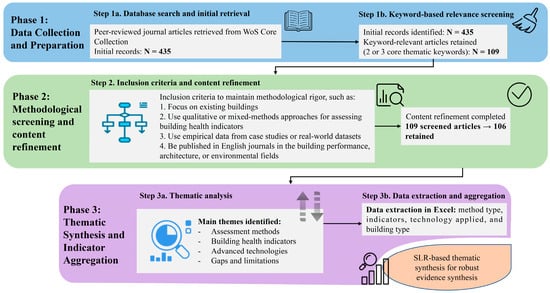
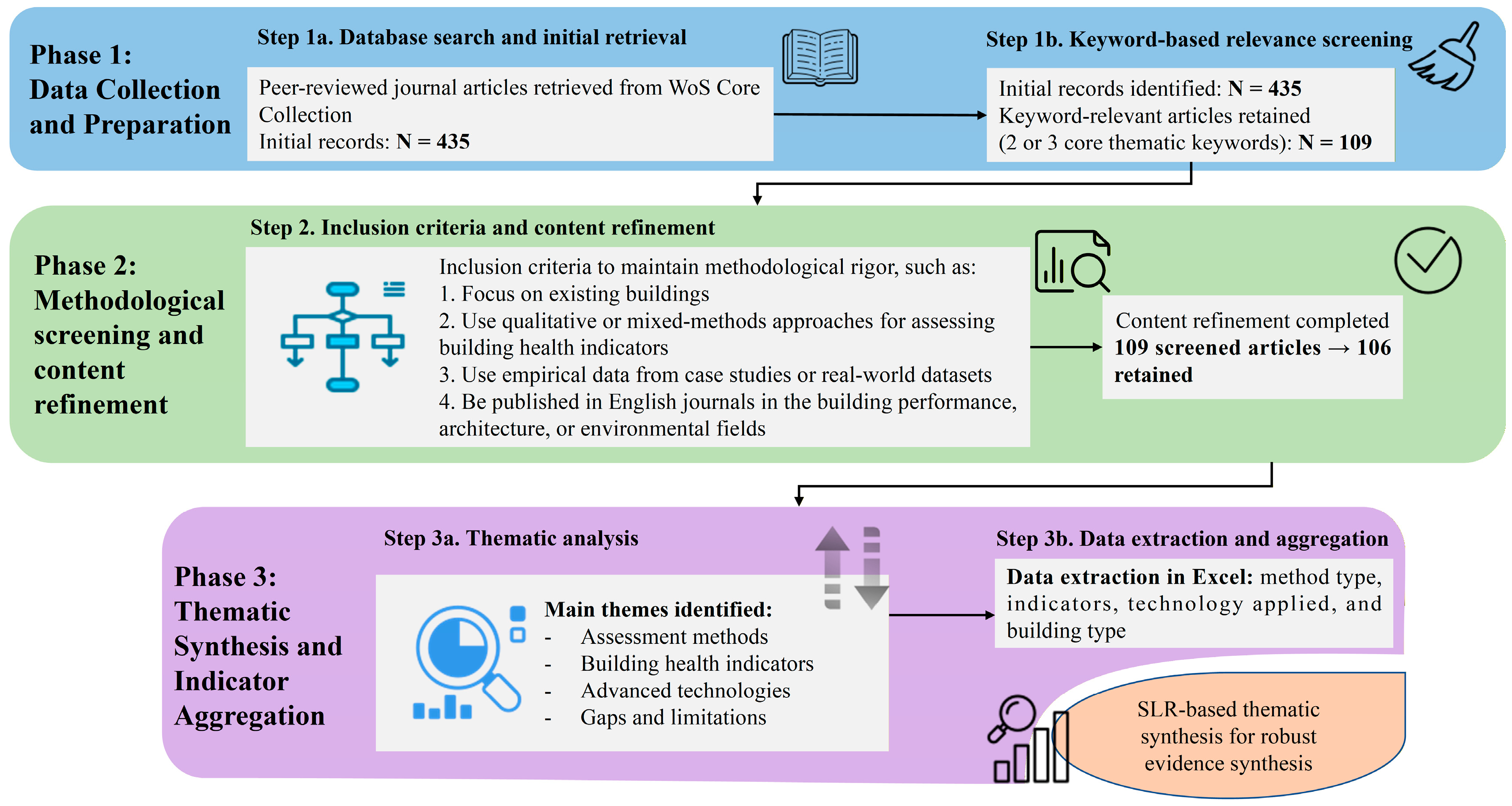
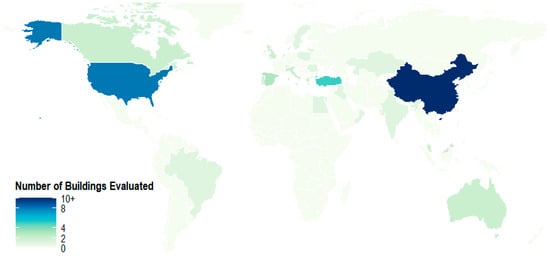
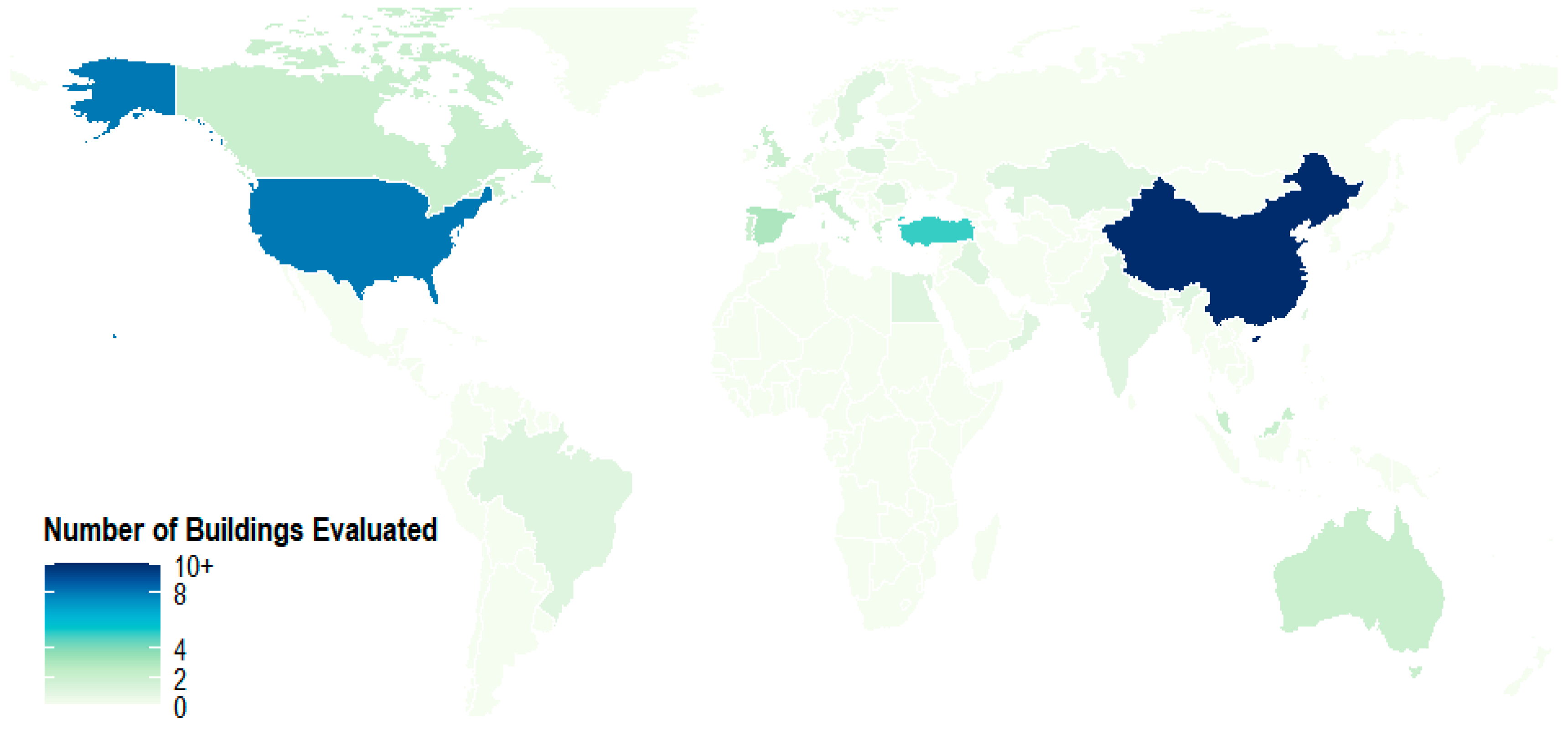
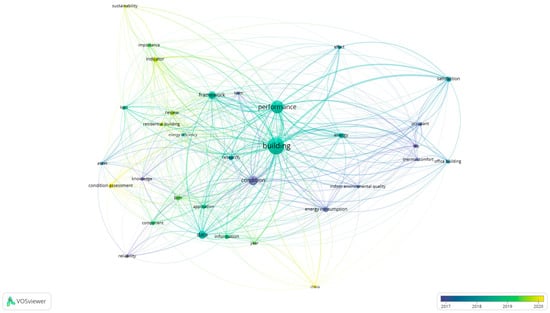
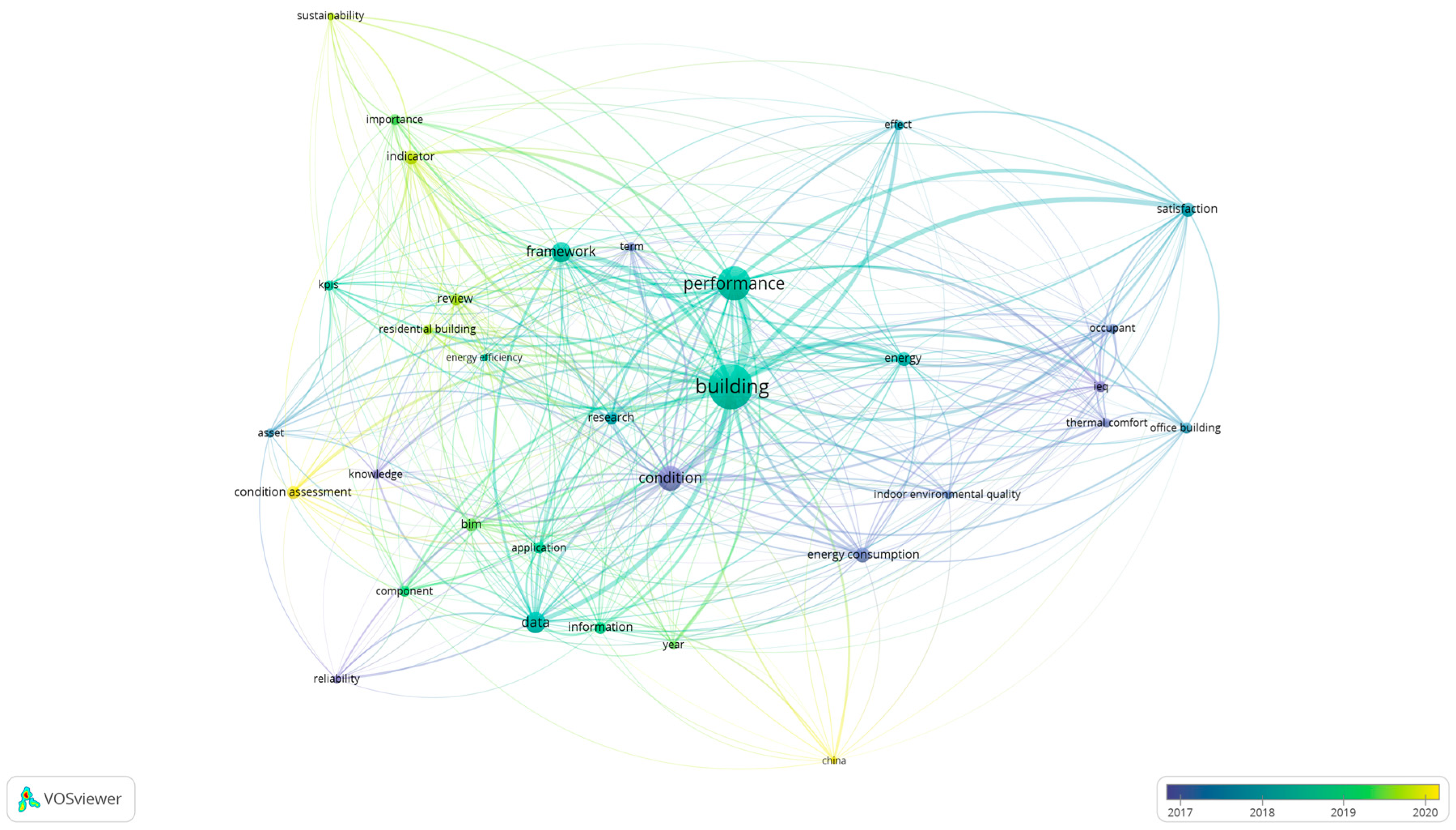
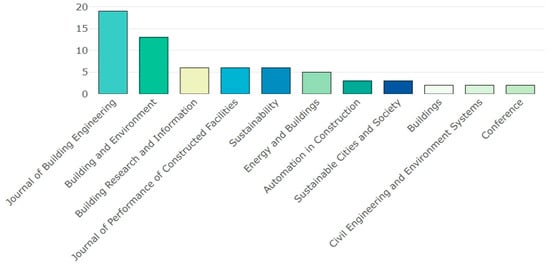
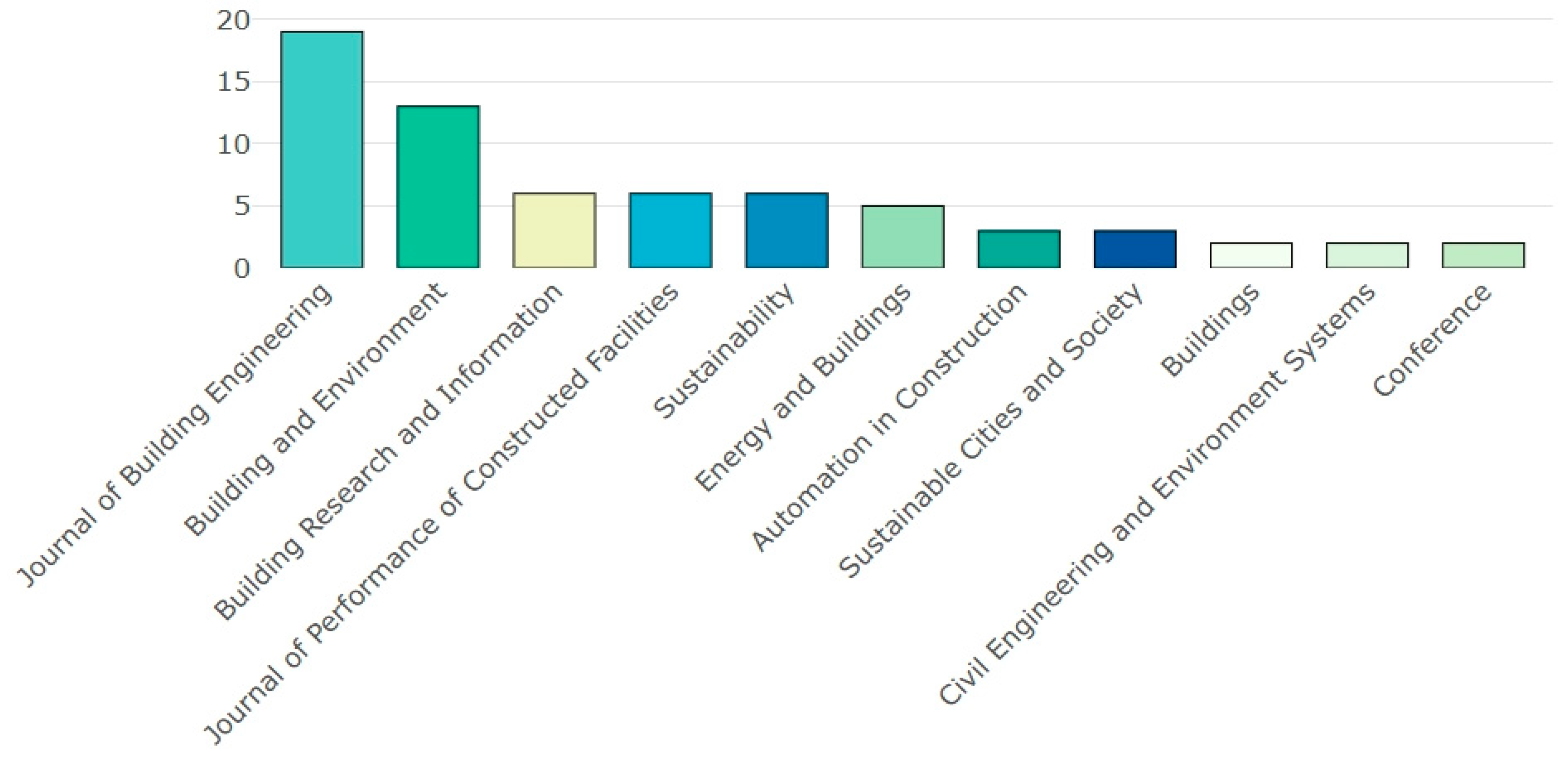
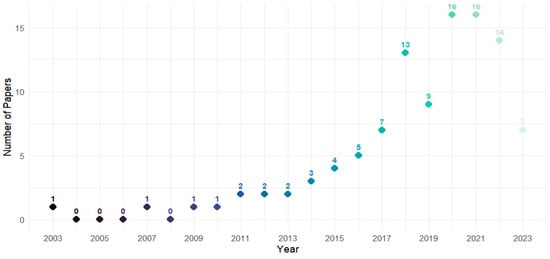
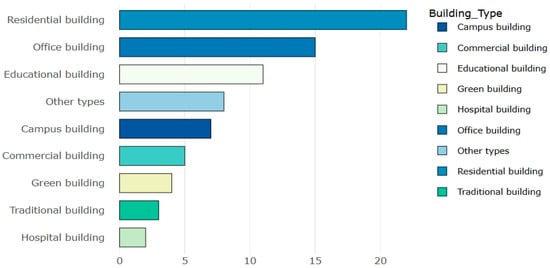
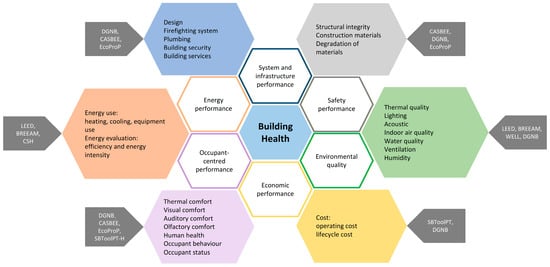
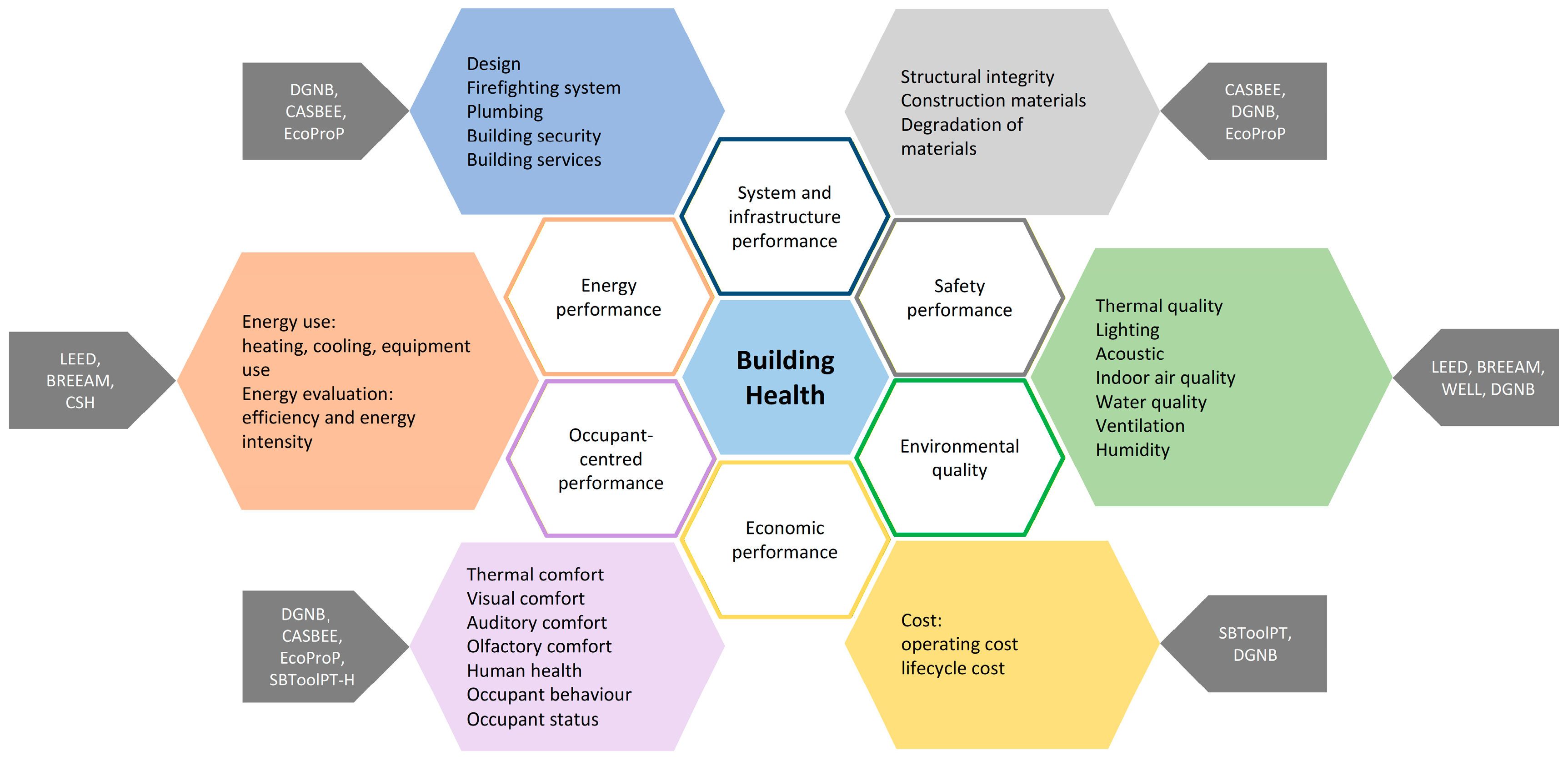
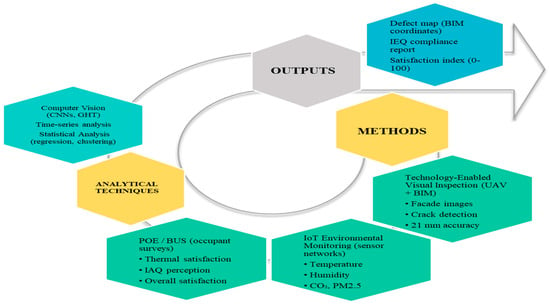
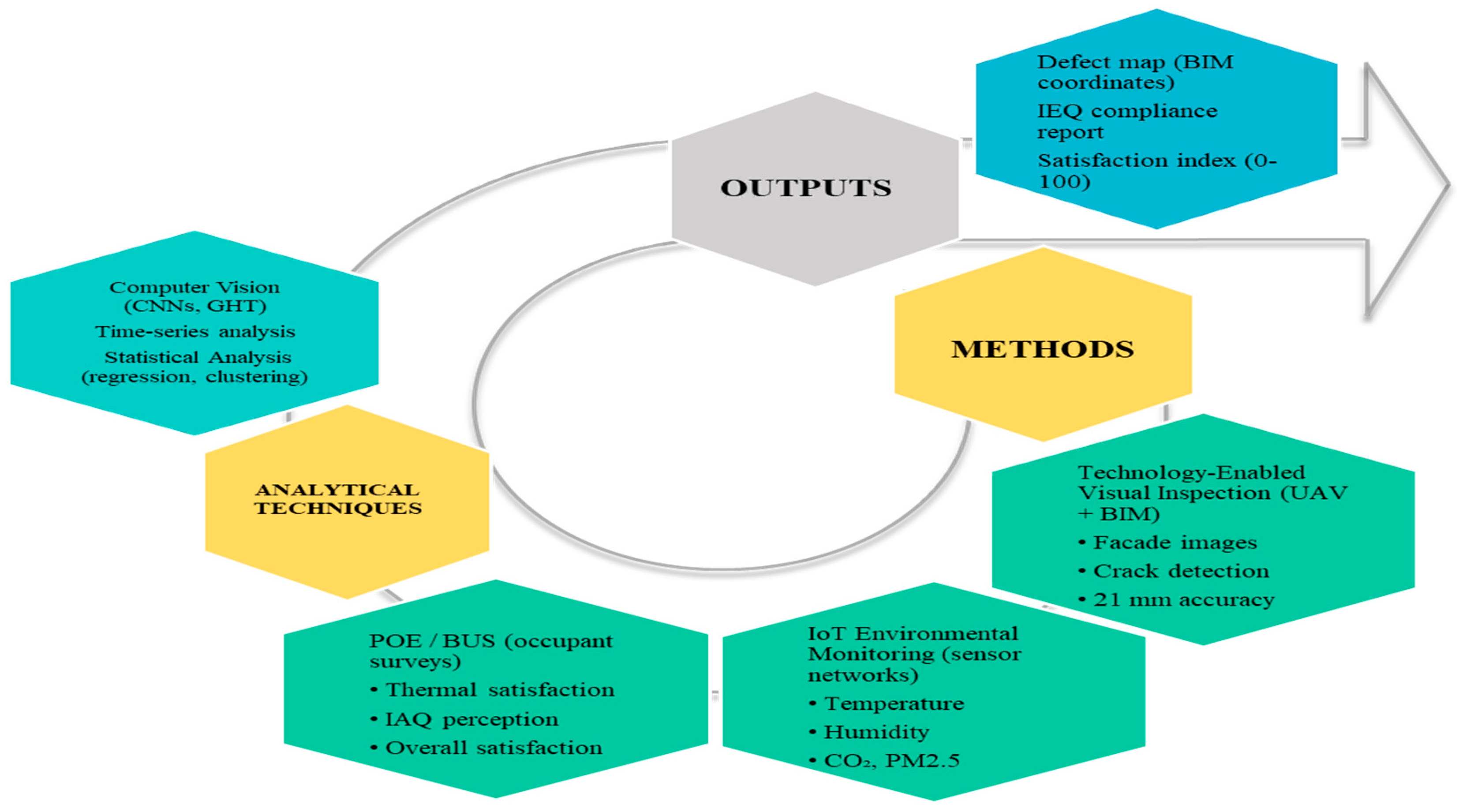
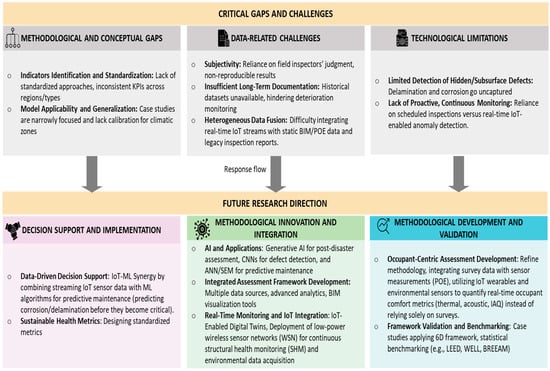
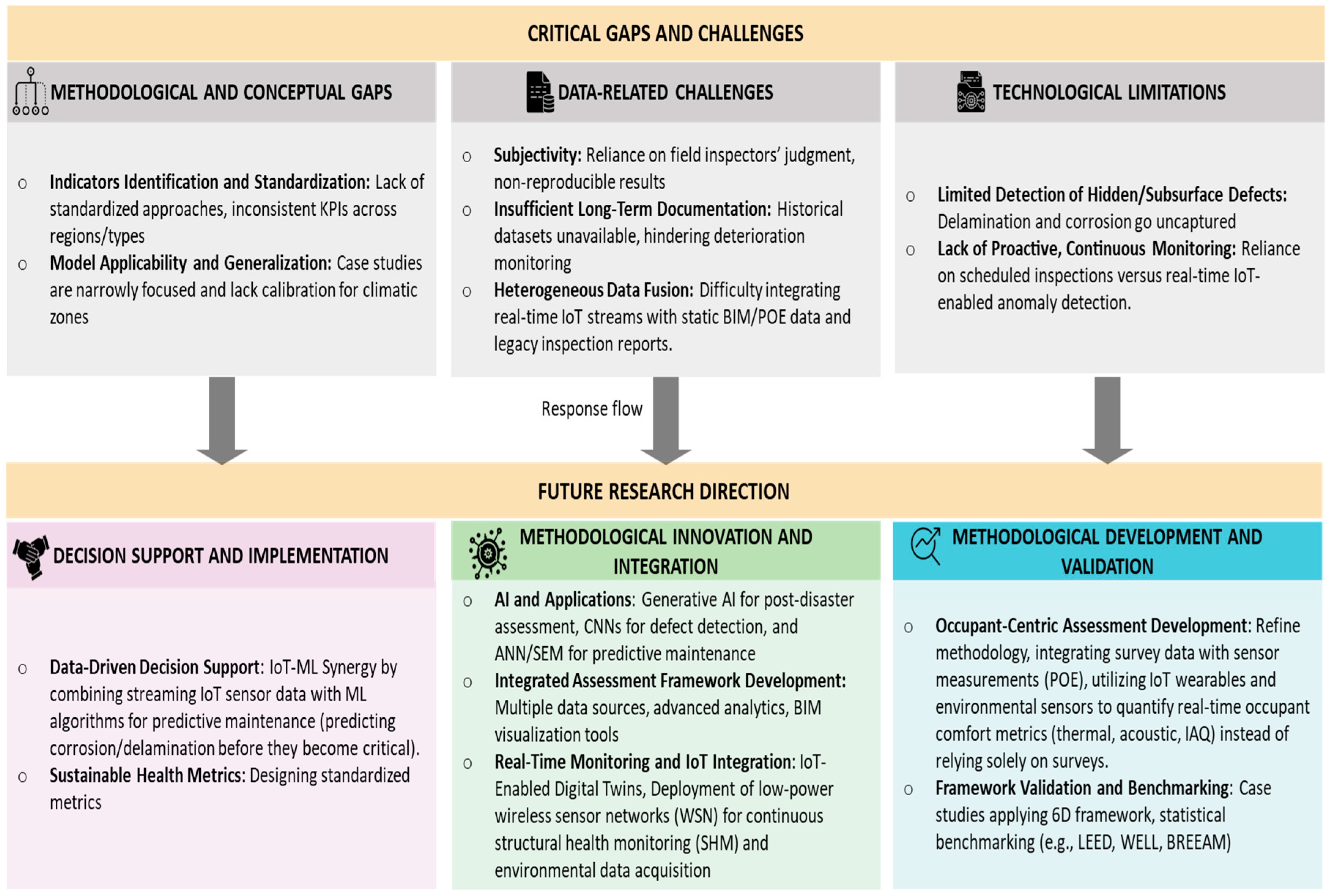

Disclaimer/Publisher’s Note: The statements, opinions and data contained in all publications are solely those of the individual author(s) and contributor(s) and not of MDPI and/or the editor(s). MDPI and/or the editor(s) disclaim responsibility for any injury to people or property resulting from any ideas, methods, instructions or products referred to in the content. |
© 2026 by the authors. Licensee MDPI, Basel, Switzerland. This article is an open access article distributed under the terms and conditions of the Creative Commons Attribution (CC BY) license.