


Abstract
As the construction industry faces increasing complexity and uncertainty, multi-criteria decision-making (MCDM) methods have been widely adopted in construction and project management. However, their application in the specific context of livelihood-related building projects during public health emergencies remains insufficiently explored. Existing MCDM approaches lack an integrated framework that combines qualitative factor identification with quantitative evaluation under emergency conditions. To address this gap, this study proposes an extended hybrid decision-making system based on multi-criteria decision-making theory, integrating grounded theory, the Fuzzy DEMATEL method, the CRITIC method, and the PFHWD-TOPSIS evaluation approach. Taking a hospital project in China during the COVID-19 pandemic as a case study, an evaluation indicator system tailored to livelihood-related building construction under public health emergencies is developed and a systematic analysis of the key influencing factors and scheme rankings is conducted. The results show that, besides traditional evaluation criteria, factors such as epidemic prevention and safety management play a critical role in construction decision-making under emergency conditions. Furthermore, the proposed hybrid MCDM framework significantly enhances the scientific rigor and robustness of scheme prioritization. This study not only provides theoretical support and practical guidance for livelihood-related building construction during public health emergencies but also offers valuable insights for optimizing decision-making in similar high-uncertainty contexts.
1. Introduction
Public health emergencies have significant impacts on society, including healthcare systems and infrastructure [1,2]. The rapid global spread of COVID-19 in recent years has highlighted the strategic importance of medical infrastructure in emergency management [3]. During the peak period of the pandemic from 2020 to 2022, the urgent need to construct medical facilities within an extremely compressed timeframe became a core challenge for both public governance and the construction engineering sector [4]. Unlike conventional construction projects, livelihood-related buildings under the pandemic, such as isolation hospitals, Fangcang shelter hospitals, and testing centers, involve unique constraints, requiring rapid completion while ensuring construction safety, medical functionality, and epidemic prevention for workers [5].
Against this backdrop, the issue of multi-criteria decision-making in construction schemes becomes particularly critical. Traditional decision-making processes for construction schemes have typically focused on the “iron triangle” of cost, schedule, and quality [6,7]. However, under public health emergency conditions, additional factors must be incorporated, including construction constraints, health risks of workers, epidemic control measures, and the accessibility of material transportation [8]. This increases the complexity of decision-making. It also makes it difficult to judge the advantages and disadvantages of different schemes using a single criterion. For example, prefabricated steel structures, characterized by a high degree of industrialization, fast construction speed, and reduced on-site workload, have been widely adopted in hospital projects during the pandemic [9]. Nevertheless, rapid construction does not necessarily equate to the optimal scheme, as issues such as transportation logistics, hoisting and installation, site layout, and personnel flow organization still require comprehensive trade-offs. Therefore, how to integrate multiple attributes through scientific methods, identify key influencing factors, and conduct systematic evaluations of alternative schemes has become a critical practical challenge.
From the perspective of existing studies, scholars have explored topics such as site planning for emergency medical facilities, prefabricated construction technologies, and project organization under crisis conditions [10,11,12,13,14,15]. Some research has also attempted to apply multi-criteria decision-making (MCDM) methods to optimize construction schemes [16]. However, despite the growing body of research on emergency construction, several gaps remain. First, there is a lack of systematic identification and categorization of influencing factors specific to public health emergencies, with most studies relying heavily on expert experience or conventional evaluation systems. Second, existing MCDM approaches exhibit limitations in capturing causal relationships and achieving comprehensive evaluations, and an integrated framework that combines qualitative factor identification with quantitative scheme evaluation remains underdeveloped. Third, most existing studies focus on single-project experiences rather than building multi-level theoretical frameworks with robust methodological validation. These gaps highlight the need for further methodological advancements to support construction scheme optimization under pandemic conditions.
To address these gaps, this study takes Chinese hospital projects constructed during the COVID-19 pandemic as case studies to investigate the multi-criteria decision-making problem of livelihood-related building construction schemes. First, grounded theory was employed to systematically refine and classify relevant influencing factors, ensuring the scientific rigor and completeness of the indicator system. Subsequently, the Fuzzy DEMATEL method and the CRITIC method were employed to determine the subjective and objective weights of the indicators, respectively, and to analyze the causal relationships among the key factors, thereby revealing the underlying logic of construction scheme decision-making. Finally, the Pythagorean fuzzy TOPSIS method was introduced to conduct a comprehensive evaluation of alternative schemes, leading to the identification of the optimal strategy. By addressing these objectives, this study provides a methodological pathway for multi-criteria decision-making in emergency construction and offers practical decision support for governments and construction enterprises responding to similar public health emergencies.
In summary, this research seeks to address the following core questions: What are the key influencing factors of construction schemes for livelihood-related buildings under public health emergencies? How can the causal relationships among these factors be scientifically identified? How can multi-criteria decision-making methods be applied to achieve scheme optimization? By addressing these questions, this paper aims to improve the efficiency and quality of livelihood facility construction during public health emergencies, while safeguarding the health and safety of construction personnel, and to accumulate experience that may serve as valuable reference for future practices in construction engineering under similar crises.
The main contributions of this study are threefold. First, the integration of qualitative-causal-quantitative decision chain is proposed. An extended hybrid decision-making framework is developed that integrates grounded theory, Fuzzy DEMATEL, CRITIC, combination weighting based on game theory, and Pythagorean Fuzzy TOPSIS, offering a systematic approach for construction scheme selection under emergency conditions. Second, key influencing factors specific to public health emergencies are systematically identified through rigorous screening, addressing the lack of a clear evaluation basis in such contexts. Third, causal relationship analysis and decision-makers’ risk preference analysis are conducted, and the effectiveness of the proposed framework is validated through a real-world case study, providing a methodological reference for scheme evaluation in complex environments.
The remainder of this paper is organized as follows: Section 2 reviews the relevant literature. Section 3 introduces the research methodology. Section 4 presents a case study of hospital construction projects in China during the COVID-19 pandemic, including factor identification, causal relationship analysis, and comprehensive evaluation of construction schemes. Section 5 discusses the findings. Section 6 concludes the study. And Section 7 highlights the limitations and directions for future research.
2. Literature Review
2.1. Engineering Project Management Under Public Health Emergencies
In recent years, the COVID-19 pandemic has underscored the importance of organizational collaboration, supply chain resilience, and rapid delivery capabilities of engineering projects under extreme time and resource constraints. The ultra-rapid construction practices of emergency hospitals in Wuhan, such as Huoshenshan and Leishenshan, demonstrated a model supported by prefabricated/modular construction, fast-tracking, multi-stakeholder collaboration, and lean information flows [17]. Kassem et al. further explored how Building Information Modeling (BIM) combined with Industrialized Building Systems (IBS) can enable the rapid delivery of infectious disease hospitals [18]. Chen et al. emphasized that rapid hospital construction is not solely “speed-oriented” but represents a multi-objective balance of speed, adaptability, and maintainability [19]. They also introduced the new concept of institutionalizing Fangcang shelter hospitals as a standardized tool for public health emergency response [20]. A review of the UK NHS Nightingale system further revealed that, when demand forecasting errors are significant, project teams must integrate multidisciplinary resources through rapid PMOs and on-site integrated coordination platforms, adopting a “usable first, optimized later” strategy [21]. From the perspective of governance performance, Bernardez-Pereira et al. demonstrated via cost-effectiveness analysis that stadium-based field hospitals significantly reduced mortality and alleviated the burden on conventional hospitals during the “peak-to-relief” phase, thus providing quantitative evidence for emergency investments [22]. Li et al. systematically analyzed the impacts of COVID-19 on different stages of the project life cycle, identifying construction workers, standards, contracts, and performance as the most affected elements [23]. In addition, cross-case comparisons have shown that, for projects under extreme time constraints, pre-established standard module libraries, cross-regional supply chains, and approval coordination mechanisms are critical institutional conditions determining construction efficiency [24,25,26]. In summary, existing studies on project management under public health emergencies provide valuable experiences and define the problem boundaries for this paper’s investigation into the rapid construction of steel-structured hospitals.
2.2. Research on Livelihood Infrastructure Construction
Livelihood infrastructure plays a crucial role in public health crises by serving as a buffer, a transition, and an expansion mechanism. It must rapidly provide additional beds and quarantine capacity while also considering mobility, scalability, and environmental performance throughout its life cycle. The “Fangcang” concept and stadium retrofitting pathways that emerged during the pandemic emphasized the rapid functional transformation of large public spaces and the design of clean–dirty flow separations, thereby achieving integrated isolation, treatment, and living functions at minimal renovation costs [27,28,29]. In parallel, Modular Integrated Construction (MiC) has demonstrated significant advantages in shortening delivery time, reducing on-site workload and cross-contact, and enhancing the controllability of risk management due to its high prefabrication rate, off-site production, and rapid on-site assembly [30]. Empirical studies have further confirmed the importance of livelihood infrastructure in epidemic prevention and control. For instance, Maurya et al. developed a mathematical model to emphasize and analyze the role of infrastructure components and medical facilities in controlling outbreaks, thereby providing a reference for enhancing community resilience [31]. She et al. examined the spread of infectious diseases in communities connected by shared resources (e.g., water, supermarkets, metro stations) and found that such resources play a decisive role in shaping epidemic patterns [32]. Melhem et al., drawing on Lebanon’s cholera outbreak, argued that weak infrastructure exacerbated the epidemic and caused systemic failures in water treatment, electricity supply, and healthcare [33]. Similarly, studies on Nigeria’s monkeypox outbreak highlighted how resource constraints affect epidemic control and underscored the importance of healthcare infrastructure [34]. Other scholars have investigated influencing factors of infrastructure construction projects. Zhou et al. and Jiang et al. examined rural infrastructure in China and developed evaluation frameworks [35,36]. Naji et al. identified factors affecting construction waste management in infrastructure projects and assessed their impact on overall benefits [37]. Hussain et al. studied the quality of social infrastructure projects from a sustainability perspective and identified key influencing factors [38]. Li et al. explored the relationship between social responsibility and infrastructure construction, proposing a comprehensive framework for promoting responsibility management [39]. In summary, research on livelihood infrastructure construction provides the technical and policy references for this study’s multi-attribute evaluation of steel-structured emergency hospital schemes.
2.3. Multi-Criteria Decision-Making Theory
Multi-Criteria Decision-Making (MCDM) provides a systematic mechanism for indicator construction, preference expression, and scheme optimization in complex engineering contexts. Classical methods such as AHP and TOPSIS laid the foundation for hierarchical decomposition and closeness-to-ideal-solution ranking [40,41]. Fuzzy sets, intuitionistic fuzzy sets, and Pythagorean fuzzy sets (PFS) further enhanced the ability to capture uncertainty and hesitation in expert judgments [42,43,44]. For causal relationship identification, DEMATEL enables the mapping of “cause–effect–strength” structures through influence matrices and threshold networks, often combined with ANP/AHP or fuzzy extensions to identify key drivers and barriers [45,46]. For comprehensive evaluation, PFS-TOPSIS accommodates hesitancy by using a larger feasible domain where the squared sum of membership and non-membership degrees is less than or equal to one, thereby improving robustness in highly uncertain group decision contexts [47]. In the field of construction engineering, MCDM theories have been widely applied. Liu et al. applied MCDM to supplier selection of construction materials and demonstrated its effectiveness with case analysis [48]. Trinkūnienė et al. employed MCDM to compare contractors’ quality assurance in contracts and identify the optimal choice [49]. Mohammadnazari and Ghannadpour applied MCDM to evaluate sustainability indicators for hospital construction and selected the best alternative [50]. In the context of livelihood projects during the pandemic, MCDM methods tend toward “hybridization” and “end-to-end process integration”. Nevertheless, challenges remain in objective evaluation set construction, weight learning, group decision consistency, and conflict resolution.
Therefore, this study adopts a hybrid path combining grounded theory, fuzzy DEMATEL, and PFHWD-TOPSIS to ensure robust factor identification, interpretable causal networks, and reliable scheme ranking, thereby providing methodological support for optimizing emergency hospital construction schemes.
3. Methodology
3.1. Limitations Analysis of the Traditional MCDM Approach
In the existing literature, methods such as AHP, DEMATEL, CRITIC, and TOPSIS, along with their combinations, have been widely applied for influencing factor analysis and scheme selection. However, several limitations remain with respect to the specific context of-related buildings construction during public health emergencies.
First, existing methods lack adaptation to the specific characteristics of emergency scenarios. Although hybrid multi-criteria decision-making models combining DEMATEL, CRITIC, and TOPSIS-type methods have been widely reported in the field of construction management, their application to public health emergencies remains limited. Existing studies mostly apply these methods to conventional construction scenarios (e.g., green building evaluation, supplier selection) without adapting them to the unique constraints of emergency situations. As noted in Kumar’s review [51], current MCDM methods face challenges in “uncertainty modeling, computational complexity, and scalability,” particularly in terms of insufficient adaptability to dynamic and unpredictable contexts.
Second, there is a lack of causal structure identification and scientific allocation of subjective and objective weights. Most current hybrid MCDM frameworks treat factor identification, weight determination, and scheme ranking as separate stages, lacking a systematic closed-loop logic. The causal relationships among influencing factors are often assumed rather than empirically derived. As highlighted in the emergency decision-making literature, “uncertainty, heterogeneity, dynamism, and interaction” are inherent characteristics of emergency scenarios, requiring more sophisticated MCDM approaches [52]. Ismail et al. [53] also emphasize in their comprehensive review that although “the importance of hybrid methods in improving decision-making accuracy and reliability” has been widely recognized, how to systematically integrate multiple methods remains an open question.
Third, there is insufficient consideration of decision-makers’ risk preferences. In existing applications of AHP, DEMATEL, CRITIC, TOPSIS, and their combinations, decision-makers’ risk preferences are rarely taken into account. However, for livelihood-related building projects during public health emergencies, the combined effects of policy changes, forecasts of epidemic control trends, and the degree of virus mutation significantly influence decision-makers’ final scheme choices. Sun et al. [54] point out that when emergency events occur, decision-makers’ risk preferences highly influence the outcomes of scheme selection, highlighting their importance in medical decision-making processes. Wang’s [55] study also demonstrates that public health emergencies are characterized by uncertainty, derivation, and dynamism, and that actual decision-makers are boundedly rational, thus necessitating the incorporation of risk preferences into emergency decision-making.
Therefore, the above gaps highlight the need to develop a framework that possesses the following features: a systematic approach to factor identification capable of capturing context-specific variables not covered in existing literature, explicit modeling of causal relationships among factors; theory-based optimization mechanisms for integrating subjective and objective information rather than arbitrary fusion coefficients, and the ability to reflect the impact of decision-makers’ risk preferences on final outcomes under the dual pressures of public health threats and the urgency of livelihood-related building construction.
3.2. Establishment of the Extended Hybrid Decision-Making System
This study proposes a hybrid multi-criteria decision-making evaluation approach. First, grounded theory was applied to systematically define and categorize the various factors influencing construction schemes. Subsequently, the Fuzzy DEMATEL method and the CRITIC method were applied to determine the subjective and objective weights of the indicators, respectively, and to identify the key elements among these influencing factors. Finally, the Pythagorean fuzzy TOPSIS method was adopted to comprehensively evaluate the alternative construction schemes, with the aim of determining the optimal construction strategy.
This research not only provides theoretical support and practical guidance for the construction of livelihood-related buildings during public health emergencies, but also offers valuable insights for the optimization of construction schemes under similar circumstances in the future. Through this study, we aim to contribute to improving the efficiency and quality of livelihood facility construction, ensuring the health and safety of construction personnel, and enhancing the capacity to respond effectively to public health emergencies. The overall research framework is illustrated in Figure 1.
Figure 1.
Implementation steps for key factor identification and scheme optimization.
3.3. Construction of the Influencing Factor System
For livelihood-related building construction projects during public health emergencies, the influencing factors are complex and highly interdependent. Grounded theory, with its advantage of data-driven and bottom-up theory building, enables the systematic identification and categorization of influencing factors, thereby avoiding the limitations of prior assumptions [56].
To construct the influencing factor system, this study referred to grounded theory following a systematic data collection and analysis process. First, relevant keywords were extracted from databases such as CNKI and WOS to clarify the influencing factors of construction schemes for livelihood-related building projects during public health emergencies. Second, semi-structured expert interviews were conducted with professionals from the medical system, the construction industry, and academia.
Following the grounded theory procedure, the collected data and interview transcripts were subjected to three levels of coding. Open coding was performed by analyzing the raw data line-by-line and breaking it down into the smallest meaningful units, which were then inductively assigned conceptual labels. Through constant comparison, synonymous concepts were merged to form an initial pool of concepts. Axial coding was then conducted to group similar concepts into broader categories, resulting in the subcategories that were further aggregated into the primary categories. Selective coding was performed to refine the core theory, ensuring logical consistency and explanatory power of the categorical framework. Theoretical saturation was achieved after the interviews, with no new concepts emerging from the final two interviews, confirming that the coding process adequately captured the scope of influencing factors.
The conventional application process of grounded theory is illustrated in Figure 2.
Figure 2.
Conventional steps in the application of grounded theory.
Through this coding process, the complex interrelationships among factors were systematically analyzed, and an evaluation index system of influencing factors was ultimately established.
3.4. Determination of Factor Weights
3.4.1. Determination of Subjective Weights Using the Fuzzy DEMATEL Method
The Decision-Making Trial and Evaluation Laboratory (DEMATEL) method relies on expert evaluations to establish a direct-influence matrix among factors. Through matrix operations, it derives the degree of influence, degree of being influenced, centrality, and causality of each factor, thereby identifying the interrelationships and key influencing factors [57]. However, expert assessments of mutual influence among factors often involve fuzziness and uncertainty due to subjective judgment. Fuzzy set theory provides an effective solution to this issue. [58]. Therefore, in order to reduce the impact of subjectivity in expert evaluations, a fuzzy comprehensive assessment of the influencing factors is conducted. The detailed steps are as follows.
- Establishment of the Direct-Influence Matrix
The initial values of expert evaluations are first defuzzified. The specific calculation steps are as follows:
First, the triangular fuzzy number matrix is normalized using Equations (1)–(4). Based on the expert scoring data, this step reduces the range of fuzziness and minimizes subjective differences among individual experts.
where , , denote the lower, middle, and upper values of the triangular fuzzy number provided by expert k for the influence of factor i on factor j.
Then, the fuzzy numbers are reduced to compute crisp values. Specifically, Equations (5) and (6) are used to determine the left standard value (ls) and the right standard value (rs) of the expert evaluations, respectively. Subsequently, Equations (7) and (8) are applied to calculate the overall standard value and obtain the defuzzified crisp value:
Next, the average crisp value is calculated. According to Equation (9), the average crisp value of expert evaluations is obtained, resulting in the direct-influence matrix Z:
Finally, the standardized direct-influence matrix B is calculated using Equations (10) and (11):
- 2.
- Establishment of the Total-Influence Matrix
The total-influence matrix T is calculated using Equation (12):
where I is the identity matrix.
- 3.
- Analysis of the Total-Influence Matrix
The degree of influence f is obtained by summing the rows of matrix T, representing the extent to which factor influences other factors. The degree of being influenced e is obtained by summing the columns of matrix T, representing the extent to which factor is influenced by other factors. Centrality, defined as the sum of f and e, reflects the importance and overall role of a factor in the system of influencing factors. Causality, defined as the difference between f and e, can be either positive or negative: a positive value indicates that the factor exerts influence on others (cause factor), while a negative value indicates that the factor is mainly influenced by others (result factor).
- 4.
- Drawing the Cause-and-Effect Diagram
In the cause-and-effect diagram, centrality is plotted on the horizontal axis and causality on the vertical axis. The position of each factor in the diagram is determined by its centrality and causality, which intuitively illustrates the interrelationships and relative importance of the factors.
- 5.
- Calculation of Subjective Weights η for Secondary Indicators
After obtaining the degrees of influence and being influenced, the relation matrix D is derived using Equation (13), where the diagonal elements are defined as the influence vector d. The subjective weight vector of the secondary indicators, ηi, is then calculated through Equation (14) using the Fuzzy DEMATEL method.
3.4.2. Determination of Objective Weights Using the CRITIC Method
The CRITIC method determines indicator weights by comprehensively considering the correlation and conflict among indicators, thereby improving the accuracy of weight assignment [59]. Suppose the number of alternatives is m and the number of evaluation indicators is n. Let hᵢⱼ represent the score of the j-th evaluation indicator in the i-th alternative. Then, the judgment matrix of different alternatives can be expressed as H:
First, data standardization yᵢⱼ is calculated according to Equation (15), where max xᵢⱼ and min xᵢⱼ represent the maximum and minimum values of the i-th indicator element among all evaluation objects, respectively:
Second, the correlation coefficient rᵢⱼ is calculated according to Equation (16), where and denote the mean values of hᵢⱼ and yᵢⱼ, respectively:
Then, the information quantity Gj is calculated using Equation (17):
Finally, the objective weight of the i-th evaluation indicator δj is determined according to Equation (18):
3.4.3. Determination of Combined Weights Based on the Game Theory Combination Weighting Method
The essence of the game theory combination weighting method is to optimize the weights obtained from different approaches in order to identify the optimal weight values [60]. The calculation steps are outlined below.
First, the weights derived from the Fuzzy DEMATEL method and the CRITIC method are combined and optimized, with the objective of minimizing the deviation of weights. This is equivalently transformed into the form of the first-order derivative optimization of a system of linear equations, as shown in Equation (19):
Second, based on Equation (20), the linear combination coefficients can be obtained, which are then normalized:
Finally, the comprehensive weights of the evaluation indicators based on game theory are determined:
where ε denotes the combined weight, η denotes the weight derived from the Fuzzy DEMATEL method, and δ denotes the weight derived from the CRITIC method.
3.5. PFHWD-TOPSIS Method
In this study, the Pythagorean fuzzy hybrid weighted distance (PFHWD)-TOPSIS method was adopted. Compared with the standard TOPSIS method, which can only handle crisp data, the PFHWD-TOPSIS method incorporates both membership and non-membership degrees while accommodating hesitation, thereby breaking the constraint of traditional fuzzy sets that “the sum of membership and non-membership degrees is less than or equal to one.” This feature makes it particularly suitable for decision-making contexts involving subjective expert judgments under uncertainty. Furthermore, the use of hybrid weighted distances reduces potential information loss during the aggregation of fuzzy evaluations, leading to more reliable scheme comparisons [61]. Consequently, this method achieves an organic integration of empirical judgment and data characteristics in emergency scenarios, providing more scientific decision support for the evaluation of livelihood-related building construction schemes. The detailed definitions and calculation procedures are as follows.
3.5.1. Definition of Pythagorean Fuzzy Sets
Let X be the universe of discourse. Then, A = {<x, μα(x), να(x)>, x ∈ X} is called a Pythagorean fuzzy set on X, where μα(x) and να(x) are two mappings on X with values in [0, 1], representing the membership degree and non-membership degree of element x belonging to A, respectively, subject to the condition 0 ≤ μα(x)2 + να(x)2 ≤ 1. Such a representation A(μα, να) is termed a Pythagorean Fuzzy Number (PFN).
Moreover, πα(x) in Equation (22) denotes the hesitation degree or uncertainty of element x belonging to A:
Invite t experts to evaluate m alternatives across n indicators, resulting in each expert’s Pythagorean fuzzy individual decision matrix, as shown in Equation (23). The non-beneficial indicators in the matrix are then normalized using Equation (24).
3.5.2. Score and Accuracy
Let α1 = (μα1, να1) and α2 = (μα2, να2) be any two PFNs. The score values of α1 and α2 are, respectively,
where if s(α1) < s(α2), then α1 < α2. And if s(α1) > s(α2), then α1 > α2.
When s(α1) = s(α2), the accuracy values is adopted for further comparison. The accuracy values of α1 and α2 are, respectively,
where if h(α1) < h(α2), then α1 < α2. And if h(α1) > h(α2), then α1 > α2.
3.5.3. Pythagorean Fuzzy Positive Ideal Solution A+ and Negative Ideal Solution A−
The Pythagorean fuzzy positive ideal solution (A+) and negative ideal solution (A−) can be obtained from Equation (29) and Equation (30), respectively.
3.5.4. Calculation Formulas of Pythagorean Fuzzy Hybrid Weighted Distance (PFHWD)
The PFHWD can be calculated using Equations (31)–(33).
where λ represents the parameter of the Pythagorean fuzzy distance measure, which depends on the decision-maker’s degree of risk preference.
3.5.5. Calculation Formulas of Closeness Coefficient
The closeness coefficient used in this paper is obtained from Equations (34)–(36).
Based on the closeness coefficient , different alternatives are ranked in order of preference. The larger the value of , the better the corresponding alternative.
4. Application Study
The case selected in this study is a newly built emergency hospital ward building project in City L. The project involved a total floor area of approximately 12,500 square meters, comprising 320 modular units for patient wards, 48 intensive care units, and supporting medical service areas. The steel structure system utilized prefabricated columns, beams, and floor decks, with a total of 1200 prefabricated components manufactured off-site. Due to the urgency of epidemic prevention and control, the government stipulated that the project must complete the main structure and major MEP systems within 30 days, and achieve overall delivery and commissioning within 45 days. This construction period is far shorter than the conventional 12 to 18 months required for typical hospital projects.
During project implementation, the team proposed four alternative construction schemes (C1–C4) for the steel-structure main works of the hospital ward building. These schemes differ significantly in material transportation organization, hoisting methods, installation processes, and epidemic prevention measures:
Scheme C1 (Balanced Approach with Integrated Safety Measures): This scheme adopts a balanced approach combining prefabricated components with on-site adjustments. Material reserves are maintained at moderate levels. Hoisting operations follow standard procedures with additional safety inspections. Epidemic prevention measures include regular disinfection and basic health checks.
Scheme C2 (Modular Prefabricated System with Optimized Logistics): This scheme utilizes fully prefabricated modular units manufactured off-site, with completed mechanical, electrical, and plumbing (MEP) systems integrated before transportation. Logistics are optimized through dedicated supply chains with buffer inventory. Hoisting employs mobile cranes with pre-planned lifting sequences. Epidemic prevention includes daily health monitoring, zoning management, and on-site isolation facilities.
Scheme C3 (Conventional Steel Structure with On-Site Assembly): This scheme adopts standard steel structure components with on-site welding and bolting. Material transportation follows conventional logistics routes without special contingency planning. Hoisting is performed using tower cranes with standard lifting sequences. Epidemic prevention measures include basic personal protective equipment (PPE) for workers.
Scheme C4 (Accelerated Construction with Multi-Shift Operations): This scheme emphasizes speed through multi-shift operations (24 h work cycles) and increased on-site workforce. Material supply relies on just-in-time delivery. Hoisting operations are conducted in parallel across multiple zones. Epidemic prevention measures focus primarily on personal protective equipment with limited zoning management.
4.1. Construction of the Evaluation Indicator System
Referring to grounded theory, the indicator system was constructed following the process shown in Figure 2. First, keywords including “Public Health Emergency,” “Emergency Engineering,” “Hospital Building,” and “Hospital Construction” were used to search the China National Knowledge Infrastructure (CNKI) and Web of Science (WOS) databases. An initial screening yielded 303 papers. After excluding papers irrelevant to the research topic, 34 valid articles were finally included in this study, providing the theoretical foundation. Second, semi-structured interviews were conducted with 12 professionals, including four senior construction managers (with 10 to 25 years of experience) from enterprises involved in emergency hospital projects, three medical system experts who participated in pandemic response, three university experts specializing in construction management and public health emergency response, and two government officials involved in infrastructure project management during the pandemic.
The collected data and interview transcripts were subjected to three levels of coding. The first stage was open coding. After reviewing the literature and the interview records of 10 experts, the results of open coding were formed. Specifically, 64 initial concepts were identified, including: expedited production capacity of local building material enterprises, modular batch production speed of prefabricated component factories, local building material inventory, allocation of construction materials, accessibility of transportation routes, epidemic control permits, management of parallel supply from multiple suppliers, availability of local hoisting equipment, rapid coordination of process conflicts, emergency response and rescue plans, and unified management of epidemic prevention materials, among others.
The second stage was axial coding. The initial concepts were clustered and integrated, with similar concepts grouped into broader categories. This resulted in 15 initial categories, including material localization rate, hoisting equipment adaptability, modular installation convenience, and emergency response mechanism for epidemic outbreaks, among others. These subcategories were further aggregated into four primary categories: Material Supply and Transportation, Hoisting Technology and Safety, Installation Process and Efficiency, and Emergency and Epidemic Prevention Measures.
The third stage was selective coding. The core category was identified as “Influencing Factors for Hospital Project Construction during Public Health Emergencies.” The four primary categories, including Material Supply and Transportation (F1), Hoisting Technology and Safety (F2), Installation Process and Efficiency (F3), and Emergency and Epidemic Prevention Measures (F4), together constitute the dimensional system of this core category. Among them, F1, F2, and F3 follow the basic logic of conventional construction decision-making but face new constraints under public health emergencies. F4 is a key dimension newly added in this context. In terms of relational structure, F1→F2→F3 forms the main causal chain of construction execution, and there is a bidirectional coupling between F2 and F3. F4 exerts regulatory and constraining effects on F1, F2, and F3, while the implementation outcomes of F1, F2, and F3 in turn affect the management intensity of F4. The four primary categories are intertwined and jointly determine the overall performance of the core category.
After completing the three-level coding, two experts who had not participated in the earlier interviews were selected for saturation testing. No new concepts emerged from the last two interviews, confirming that the coding process adequately captured the scope of influencing factors. The constructed indicator system is shown in Table 1 below.
Table 1.
Evaluation index system of influencing factors.
4.2. Determination of Influencing Factor Weights
4.2.1. Subjective Weights
Using the fuzzy linguistic scale shown in Table 2, seven experts were invited to conduct two rounds of anonymous evaluations, thereby constructing the direct-influence matrix of the secondary indicators. These experts included three senior construction managers with experience in emergency hospital projects, two academic researchers specializing in MCDM applications in construction, and two structural engineers involved in steel structure prefabricated construction. The evaluation process used the fuzzy linguistic scale shown in Table 2, where each linguistic term corresponds to a triangular fuzzy number.
Table 2.
Linguistic scale.
In case of disagreements, the distribution of group opinions was anonymously fed back to each expert, who could then re-examine and revise their judgments. After two rounds of consultation in this manner, disagreements were typically significantly reduced, and opinions gradually converged. Any remaining substantial disagreements were addressed by clarifying indicator definitions and, where appropriate, organizing non-face-to-face discussions. We then provided more detailed background information, clarified the indicator definitions, or, when appropriate, organized non-face-to-face discussions to allow experts to articulate the basis for their views, thereby enabling them to make judgments on a more consistent foundation. The fuzzy data were then processed through the following steps.
First, defuzzification and normalization are carried out. Based on the fuzzy linguistic scale, Equations (1)–(4) are applied for normalization to eliminate individual biases among experts, and Equations (5)–(9) are applied to calculate the average score given by the experts. The direct-influence matrix Z is then established, as shown in Table 3.
Table 3.
Direct-influence matrix Z.
Next, Equations (10)–(11) are applied to normalize matrix Z, yielding the normalized direct-influence matrix B. Subsequently, based on matrix B, the total-influence matrix T is computed using Equation (12), as presented in Table 4.
Table 4.
Total-influence matrix T.
Subsequently, the degrees of influence and being influenced are calculated, followed by the computation and ranking of centrality and causality. Based on these results, the corresponding weights of different indicators are derived, as presented in Table 5.
Table 5.
Centrality and causality.
As shown in Table 5, F13 (Flexibility of Material Reserves) exhibits the highest centrality (15.098), indicating that it plays the most critical and influential role in the entire decision-making system. This suggests that under public health emergencies, the ability to maintain flexible material reserves is more important than traditional factors such as hoisting speed or installation convenience. F34 (Cross-Impact with Other Processes) exhibits the largest positive causality value (0.1961) among all secondary indicators. This means that F34 is the strongest “cause factor” in the decision-making network: it actively influences other factors more than it is influenced by them. In practical terms, the degree to which a construction scheme causes cross-impacts with other on-site processes (e.g., material handling, hoisting, installation, and epidemic control activities) is a primary driver of overall system performance. A high cross-impact implies that changes in one part of the construction process can significantly affect multiple other activities, creating ripple effects. Conversely, F22 (Minimization of On-Site Personnel) and F24 (Adaptability to Hoisting Environment) exhibit negative causality, indicating they are ‘result factors’ that are influenced by other decisions. This finding suggests that prioritizing cause factors may lead to better overall outcomes. Finally, based on the centrality and causality derived from the analysis of the total-influence matrix, a cause–effect diagram was constructed, as shown in Figure 3.
Figure 3.
Cause–effect diagram.
In Figure 3, the horizontal axis represents centrality, where higher values indicate that the indicator is more central to the system; the vertical axis represents causality, where positive values indicate that the indicator is a cause factor driving changes in other indicators, while negative values indicate that the indicator is a result factor that is easily influenced by other indicators.
4.2.2. Determination of Objective Weights
In response to the public health emergency, City L proposed four alternative construction schemes for livelihood-related building projects. Five experts, including two construction unit management personnel, two university professional teachers, and one expert who has worked in government project management, were invited to score each secondary indicator using a percentage-based rating method, and the CRITIC method was employed to determine the objective weights of the indicators. Subsequently, the correlation coefficients among the indicators were calculated using Equation (16), and a correlation coefficient matrix was constructed. This matrix reflects the degree of linear association between different indicators and provides the basis for calculating the conflict among indicators. On this basis, by combining the variability and conflict of each indicator, the information content of each indicator was calculated using Equation (17). The information content incorporates both variability and conflict, thereby reflecting the effective information carried by each indicator in differentiating among schemes. Finally, the objective weights of the secondary indicators were calculated according to Equation (18) and normalized to ensure that the sum of all weights equals 1. Through the above steps, the determination of objective weights was completed. The calculated objective weights of the indicators and their rankings are presented in Table 6.
Table 6.
Objective weights of indicators and their rankings.
4.2.3. Optimization of Combined Weights Using Game Theory
On the basis of the subjective and objective weights, the game-theory-based combination weighting method was applied to optimize the combined weights of the secondary indicators. Using Equations (19)–(21), the calculation results were obtained, as shown in Table 7.
Table 7.
Calculation results of combined weights using game theory.
4.3. Scheme Decision Analysis Based on Pythagorean Fuzzy TOPSIS
4.3.1. Expert Evaluation of Membership and Non-Membership Degrees
Five experts were invited to evaluate the four construction schemes for livelihood-related buildings. The experts assessed the performance of each scheme against the primary indicators using a seven-point linguistic scale, and the evaluation results were then converted into Pythagorean fuzzy numbers. The fuzzy evaluation matrix is shown in Table 8.
Table 8.
Pythagorean fuzzy evaluation matrix.
4.3.2. Determination of Ideal Solutions and Distance Measurement
Based on the expert evaluation data, the positive ideal solution (PIS) and the negative ideal solution (NIS) were determined. The PIS is composed of the optimal Pythagorean fuzzy numbers for each indicator, i.e., (0.9, 0.1), (0.8, 0.2), (0.7, 0.3), and (0.5, 0.5). Conversely, the NIS is composed of the worst Pythagorean fuzzy numbers, i.e., (0.5, 0.5), (0.1, 0.9), (0.3, 0.7), and (0.2, 0.8). In this paper, λ is set to 2, and the Pythagorean fuzzy hybrid weighted Euclidean distance (PFHWED) measure is adopted. The hybrid weighted distances between each alternative and the positive ideal solution (PIS) and negative ideal solution (NIS) are calculated according to Equations (31)–(33).
4.3.3. Calculation of Closeness Coefficients and Ranking of Schemes
According to Equations (34)–(36), the closeness coefficient of each scheme was calculated, and the schemes were ranked accordingly, as shown in Figure 4 and Table 9. The results indicate that Scheme C4 achieves the highest closeness coefficient and thus demonstrates the best overall performance, followed by Schemes C1 and C2, with Scheme C3 ranking last. This completes the decision-making analysis based on the Pythagorean fuzzy TOPSIS method.
Figure 4.
Analysis of PFHWD.
Table 9.
Ranking of schemes by closeness coefficient.
From Figure 4, the PFHWD values of each construction scheme can be clearly observed, with C2 being the most prominent. This also facilitates the understanding of the rankings presented in Table 9.
Scheme C2 outperforms the other schemes primarily because it excels on the key influencing factors identified in Table 5. It ensures high F13 (Flexibility of Material Reserves) through a dedicated supply chain with buffer inventory, and it minimizes F34 (Cross-Impact with Other Processes) by using fully prefabricated modular units that reduce on-site interference. By systematically addressing these key drivers, C2 achieves the optimal overall balance among schedule, safety, and epidemic prevention. In contrast, the balanced Scheme C1, the traditional steel structure on-site assembly Scheme C3, and the speed-only modular Scheme C4 vary in terms of how well they align with the decision-makers’ risk preferences and the actual needs of this project.
4.4. Sensitivity Analysis
4.4.1. Sensitivity Analysis of Weights
To verify the stability and reliability of the ranking results obtained using the PFHWD-TOPSIS method in this case, and to identify the potential critical points at which weight variations lead to changes in scheme rankings, a sensitivity analysis was conducted with reference to Li et al. [62]. In this study, taking the primary indicator weights as the baseline, each primary indicator weight was adjusted sequentially by −20%, −10%, 0, +10%, and +20%, while the remaining indicator weights were proportionally normalized to ensure that the total weight remained equal to 1. The rate of change in closeness coefficients and the number of ranking changes were used as key evaluation metrics to assess the impact of weight adjustments on ranking results. The magnitude of weight adjustment at which the ranking of schemes first changes was defined as the critical point. By recalculating the closeness coefficients and ranking the schemes under each adjustment scenario, the influence pattern of weight variation on scheme rankings was analyzed, and the critical adjustment thresholds leading to ranking changes were identified, thereby providing a basis for assessing the robustness of construction scheme decision-making under public health emergencies. The results are shown in Figure 5.
Figure 5.
Effect of weight variation. (a) Sensitivity analysis of F1. (b) Sensitivity analysis of F2. (c) Sensitivity analysis of F3. (d) Sensitivity analysis of F4.
As shown in Figure 5, within the range of a ±20% variation in the weight value of a single factor, the optimal scheme C2 consistently ranks first, and the ranking order remains C2 > C1 > C4 > C3, which verifies the stability of the evaluation model under this risk preference scenario.
4.4.2. Sensitivity Analysis of Risk Preference
According to the research of Zeng et al. [61], the variation in λ in the PFHWD measure can be used to reflect the degree of decision-maker’s risk preference. The value of λ was set to range from 0.5 to 10, and the changes in the closeness coefficients used to determine the ranking of alternatives are shown in Figure 6.
Figure 6.
Effect of λ variation.
As can be seen from Figure 6, the closeness coefficients change accordingly with the variation in λ. That is, as the decision-maker’s risk preference varies, three different ranking patterns emerge. Specifically, when λ is approximately greater than 1, the ranking order of the alternatives is C2 > C1 > C4 > C3. Therefore, the decision-maker’s degree of risk preference directly affects the ranking results, which is consistent with the findings of Zeng et al. [61]. Moreover, this finding also explains why the hybrid decision-making framework proposed in this study is more suitable for livelihood-related building construction during public health emergencies.
5. Discussion
This study focuses on construction scheme selection for livelihood-related buildings under public health emergencies, using a steel-structure hospital project as a practical case. A multi-criteria decision-making framework integrating grounded theory, Fuzzy DEMATEL, CRITIC weighting, and Pythagorean Fuzzy TOPSIS is proposed and validated.
5.1. Implications for Construction Management Practice
The influencing factors identified through grounded theory show that, in addition to the traditional “iron triangle” of schedule, cost, and quality, epidemic prevention elements occupy a central position in the decision system. This aligns with Yang et al. [63], who argued that emergency hospitals should not only pursue rapid construction but also emphasize operability and safety. Furthermore, the causal analysis conducted with fuzzy DEMATEL reveals significant interdependencies among material supply, hoisting safety, and on-site epidemic control measures. This resonates with Sherratt et al. [64], who highlighted the interactions among construction organization, worker safety, and contract execution under pandemic conditions.
The findings provide practical insights for governments and construction enterprises regarding the rapid, efficient, and safe delivery of emergency medical facilities. From a modular construction perspective, the weights assigned to hoisting equipment compatibility and minimization of on-site personnel suggest that reducing workforce density and enhancing mechanization significantly lower the risk of cross-infection. This supports the adoption of high-prefabrication-rate systems, such as Modular Integrated Construction (MiC), which enable off-site manufacturing and rapid on-site assembly, thereby reducing both construction duration and on-site labor exposure [65].
Regarding rapid delivery systems for healthcare buildings, the results show that route accessibility and flexibility of material reserves are amang the critical factors affecting scheme performance. This aligns with experiences from emergency hospital projects in Wuhan, where “pre-positioned supply chains” and “nodalized construction” were emphasized [66]. The findings suggest that emergency construction planning should prioritize supply chain redundancy and establish alternative transportation routes to mitigate disruptions caused by pandemic-related mobility restrictions.
In terms of construction logistics under crisis conditions, the causal analysis reveals significant interdependencies among material supply, hoisting safety, and on-site epidemic control measures. This indicates that emergency hospital construction is not merely an acceleration of conventional processes but rather a systemic optimization problem involving multiple interacting constraints. Logistics planning should therefore consider not only efficiency but also adaptability to dynamic changes in transportation accessibility and material availability.
For workforce management during emergency construction, the results highlight the importance of health monitoring systems and site flow planning. Effective workforce management, including zoning management, flow separation, and emergency response mechanisms, directly influences both construction safety and epidemic prevention outcomes. This finding underscores the need for integrated workforce management strategies that combine productivity objectives with health protection measures.
For future hospital design and planning, the study demonstrates that epidemic-related factors must be embedded into decision-making frameworks from the outset, rather than treated as supplementary considerations. The comprehensive evaluation results show that Scheme C2 can simultaneously satisfy both the decision-makers’ risk preferences and the practical requirements of project construction in the case study.
5.2. Methodological Implications
From a methodological perspective, the hybrid framework constructed in this study offers a new approach for optimal selection of construction schemes under complex conditions. Compared with traditional MCDM studies that rely on literature-based indicator selection, which often depends heavily on subjective interpretation and lacks data-driven validation [67], this study employs grounded theory to ensure the scientific rigor and systematic identification of influencing factors. In addition, indicator optimization based on expert questionnaire surveys depends on expert consensus and is essentially an aggregation of subjective judgments [68].
In terms of weight determination, traditional combination weighting methods (e.g., arithmetic averaging) adopt predefined fusion coefficients, which are easily affected by human intervention and cannot achieve an optimal integration of subjective and objective information [69]. This study employs a game-theory-based approach to integrate subjective and objective weights, thereby improving the robustness of the results.
Furthermore, while conventional weighted TOPSIS reflects indicator importance only through weighting, it often neglects the influence of data deviations on overall decision outcomes, which may limit reliability [70]. In contrast, the Pythagorean Fuzzy TOPSIS method used in this study effectively handles uncertainty and hesitation inherent in expert judgments, making the scheme selection results more interpretable and operational. This methodological exploration is applicable not only to hospital projects but also to the emergency construction of other livelihood-related infrastructure, such as isolation centers, temporary modular dormitories, and epidemic testing facilities. Furthermore, since public health emergencies involve various uncertainties, the hybrid decision-making framework constructed in this study takes into account the decision-maker’s risk preferences.
Therefore, this study theoretically extends multi-criteria decision-making research in the context of public health emergencies, provides practical and operable pathways for optimizing emergency hospital construction schemes, and methodologically explores a hybrid evaluation model that integrates qualitative and quantitative approaches.
6. Conclusions
Taking a hospital construction project in China during a public health emergency as a case study, this study investigates the multi-criteria decision-making problem of livelihood-related building construction schemes and develops a hybrid analytical framework integrating grounded theory, Fuzzy DEMATEL, CRITIC weighting, game-theory-based combination weighting, and Pythagorean Fuzzy TOPSIS. The following conclusions are drawn.
First, public health emergencies fundamentally alter the logic of construction scheme decision-making. Beyond the conventional “iron triangle” of schedule, cost, and quality, epidemic prevention, safety management, and emergency response emerge as critical influencing factors. This study demonstrates that construction schemes under public health crises must balance rapid delivery with epidemic control while ensuring worker health and project operability.
Second, the key influencing factors exhibit significant causal relationships and interactions. Factors such as transportation accessibility, hoisting equipment compatibility, modular installation convenience, and site flow planning are not only high-weight indicators but also occupy central positions in the causal network. This reveals critical control points in emergency hospital project management.
Third, the combined weighting approach enhances the reliability of scheme selection. By integrating subjective weights from Fuzzy DEMATEL with objective weights from CRITIC using game-theory-based optimization, this study avoids the bias of single weighting methods and improves result robustness.
Finally, the proposed hybrid framework contributes both theoretically and practically. Theoretically, it extends multi-criteria decision-making research by systematically incorporating the special constraints of public health emergencies into the evaluation framework and exploring an integrated approach combining qualitative and quantitative methods. Practically, it provides actionable references for governments and construction enterprises in responding to emergencies, particularly regarding pre-positioned modular standard libraries, supply chain emergency management, hoisting safety control, and on-site epidemic prevention organization.
Therefore, this study confirms that effective construction scheme selection for emergency healthcare facilities requires an integrated approach that simultaneously considers technical performance, epidemic prevention, and supply chain resilience. The proposed framework offers a systematic methodology to support such decision-making under uncertainty.
7. Limitations
This study has several limitations. First, the case data mainly derive from expert evaluations and surveys with a limited sample size, which may affect the generalizability of the conclusions. Second, the research object focuses primarily on steel-structure hospital projects, without covering differences in concrete structures or retrofitted facilities. Third, the analytical framework is largely static, without fully considering the dynamic changes and uncertainties in the construction process. Finally, the study is set in the Chinese context during the pandemic, which may differ from conditions in other countries, particularly in terms of indicator system construction.
Despite these limitations, we believe this study addresses a meaningful topic within the literature on construction decision-making during public health emergencies. Future research can be expanded in several directions. First, case coverage should be broadened to include different regions and structural types of emergency facilities, thereby improving the applicability of the conclusions. Second, dynamic modeling methods—such as system dynamics, agent-based modeling, or digital twins—could be introduced to simulate the evolution of construction schemes under emergency conditions. Third, interdisciplinary integration should be strengthened by combining public health, emergency management, and construction management, thus forming a more comprehensive research framework. Fourth, additional sensitivity analyses using alternative MCDM methods could further validate the robustness of the ranking results across different methodological assumptions.
Author Contributions
Conceptualization, X.Z. and G.S.; Methodology, Q.M., J.F. and G.S.; Software, Q.M. and J.F.; Data curation, X.Z., Q.M. and T.T.; Writing – original draft, X.Z., Q.M., J.F., G.S. and T.T. All authors have read and agreed to the published version of the manuscript.
Funding
This research was funded by National Social Science Foundation of China (Grant No. 25XSH003), Humanities and Social Sciences Research Planning Fund of the Ministry of Education of China (Grant No. 24YJAZH130), the Social Science Foundation of Xinjiang Uygur Autonomous Region (Grant No. 2024BSH076), the Natural Science Foundation of Xinjiang Uygur Autonomous Region (Grant No. 2024D01C18), the Science Fund of Xinjiang University of Finance and Economics (Grant No. 2024XGC009), and the Research and Development of Key Construction Technologies for the Bazhou People’s Hospital Project Industry-University-Research Cooperation Agreement (grant No. 202409140034).
Institutional Review Board Statement
Ethical review and approval were waived for this study due to the research presented in the above-referenced manuscript does not involve human subjects, human material, human tissues, or human data in the context of biomedical or clinical research. The study focuses on the development and application of an extended hybrid decision-making system for prioritizing construction schemes under public health emergencies, using hospital projects in China as a case study.
Informed Consent Statement
Informed consent was obtained from all subjects involved in the study.
Data Availability Statement
The original contributions presented in this study are included in the article. Further inquiries can be directed to the corresponding author.
Acknowledgments
We thank the editor and reviewers for their careful review and insightful comments.
Conflicts of Interest
Author Xiaojian Zhang was employed by the company CCCC Second Highway Engineering Co., Ltd. Author Tan Tian was employed by the company CCCC-SHEC Fifth Engineering Co., Ltd. The authors declare no conflicts of interest.
References
- Allen, T.; Spencer, R. Barriers and enablers to using an emergency operations center in public health emergency management: A scoping review. Disaster Med. Public Health Prep. 2023, 17, e407. [Google Scholar] [CrossRef] [Scilit] [PubMed]
- Sun, Y. Establishment of the emergency material reserve mechanism for public health emergencies and optimization of the management of various functional departments. Front. Public Health 2023, 10, 1092375. [Google Scholar] [CrossRef] [Scilit] [PubMed]
- Zhang, X.; Warner, M.E.; Meredith, G. Factors limiting US public health emergency authority during COVID-19. Int. J. Health Plan. Manag. 2023, 38, 1569–1582. [Google Scholar] [CrossRef] [Scilit] [PubMed]
- Huang, J.; Huang, Y.; Wu, K. Tenure of office, political rotation and the prevention and control of the COVID-19 epidemic in China. J. Chin. Gov. 2023, 8, 134–159. [Google Scholar] [CrossRef] [Scilit]
- Block, E.; Karb, R.A. Isolation of care: COVID-19 and the burden of healthcare provision. Hum. Organ. 2024, 83, 70–81. [Google Scholar] [CrossRef] [Scilit]
- Monghasemi, S.; Nikoo, M.R.; Fasaee, M.A.K.; Adamowski, J. A novel multi criteria decision making model for optimizing time–cost–quality trade-off problems in construction projects. Expert Syst. Appl. 2015, 42, 3089–3104. [Google Scholar] [CrossRef] [Scilit]
- Mateo, J.R.S.C. An integer linear programming model including time, cost, quality, and safety. IEEE Access 2019, 7, 168307–168315. [Google Scholar] [CrossRef] [Scilit]
- Yan, H.; Feng, J.; Chen, X. Prediction of the Normalized COVID-19 Epidemic Prevention Costs of Construction Projects Based on an Optimized Neural Network. Math. Probl. Eng. 2022, 2022, 9015602. [Google Scholar] [CrossRef] [Scilit]
- Xu, B.; Xia, J.W.; Chang, H.F.; Ma, R.W.; Zhang, L.H. Experimental and numerical investigation on the lateral force resistance of modular steel sub-frames with laminated double beam. J. Build. Eng. 2022, 46, 103666. [Google Scholar] [CrossRef] [Scilit]
- Liu, J.K.; Cao, L.Y.; Zhang, D.Y.; Chen, Z.B.; Lian, X.T.; Li, Y.; Zhang, Y.Y. Optimization of site selection for emergency medical facilities considering the SEIR model. Comput. Intell. Neurosci. 2022, 2022, 1912272. [Google Scholar] [CrossRef] [Scilit]
- Lu, H.; Wang, H.W.; Yu, D.H.; Ye, J. Sharp schedule compression in urgent emergency construction projects via activity crashing, substitution and overlapping: A case study of Huoshengshan and Leishenshan Hospital projects in Wuhan. Eng. Constr. Archit. Manag. 2023, 30, 3696–3712. [Google Scholar] [CrossRef] [Scilit]
- Liu, W.Q.; Chan, A.P.C.; Li, X.M.; Darko, A. Automated performance measurement and benchmarking in emergency healthcare facility projects. Autom. Constr. 2026, 181, 106630. [Google Scholar] [CrossRef] [Scilit]
- Gul, M.; Guneri, A.F. Hospital location selection: A systematic literature review on methodologies and applications. Math. Probl. Eng. 2021, 2021, 6682958. [Google Scholar] [CrossRef] [Scilit]
- Li, S.; Chen, W.L.; Wu, Z.; Tang, J.F.; Jiu, J.T.; Wang, P.F. A study on the siting of emergency medical facilities under uncertain demand: A case study of Wuhan country parks. Front. Public Health 2025, 13, 1504694. [Google Scholar] [CrossRef] [Scilit] [PubMed]
- Teng, Y.; Li, Z.F.; Cai, J.; Ju, M. Sustainability evaluation of the prefabricated medical emergency buildings’ renovation scheme after the COVID-19. Eng. Constr. Archit. Manag. 2023, 30, 3390–3415. [Google Scholar] [CrossRef] [Scilit]
- Zhou, H.; Tian, G.D.; Zhang, T.Z.; Zhang, X.S.; Pham, D.T.; Xiu, X.; Feng, Y.X.; Li, H.L. Triangular fuzzy QFD–MCDM combination approach for green building design scheme evaluation. Buildings 2024, 14, 520. [Google Scholar] [CrossRef] [Scilit]
- Luo, H.B.; Liu, J.J.; Li, C.Q.; Chen, K.; Zhang, M. Ultra-rapid delivery of specialty field hospitals to combat COVID-19: Lessons learned from the Leishenshan Hospital project in Wuhan. Autom. Constr. 2020, 119, 103345. [Google Scholar] [CrossRef] [Scilit]
- Wang, C.; Yu, L.C.; Kassem, M.A.; Li, H.; Wang, Z.M. Rapid construction delivery of COVID-19 special hospital: Case study on Wuhan Huoshenshan hospital. Adv. Comput. Des. 2022, 7, 345–369. [Google Scholar] [CrossRef]
- Chen, L.K.; Yuan, R.P.; Ji, X.J.; Lu, X.Y.; Xiao, J.; Tao, J.B.; Kang, X.; Li, X.; He, Z.H.; Quan, S.; et al. Modular composite building in urgent emergency engineering projects: A case study of accelerated design and construction of Wuhan Thunder God Mountain/Leishenshan hospital to COVID-19 pandemic. Autom. Constr. 2021, 124, 103555. [Google Scholar] [CrossRef] [Scilit]
- Chen, S.M.; Zhang, Z.J.; Yang, J.T.; Wang, J.; Zhai, X.H.; Bärnighausen, T.; Wang, C. Fangcang shelter hospitals: A novel concept for responding to public health emergencies. Lancet 2020, 395, 1305–1314. [Google Scholar] [CrossRef] [Scilit]
- Kitto, C.; Lamb, D.; Billings, J. Responding to the call of the NHS Nightingale, but at what cost? An auto-ethnography of a volunteer frontline mental health trainer’s experiences during the COVID-19 pandemic. J. Health Psychol. 2024, 29, 534–551. [Google Scholar] [CrossRef] [Scilit]
- Bernardez-Pereira, S.; Schettino, G.D.P.; Marra, A.R.; Parreira, K.C.J.; Racy, F.D.J.; Miranda, R.M.; Codeço, A.M.; Jaures, M.; Pagliuso, J.G.D.; Neto, M.C.; et al. Cost-effectiveness analysis of implementing a field hospital in a soccer stadium during a pandemic. Front. Public Health 2025, 13, 1513709. [Google Scholar] [CrossRef] [Scilit]
- Li, Z.; Jin, Y.T.; Li, W.J.; Meng, Q.F.; Hu, X. Impacts of COVID-19 on construction project management: A life cycle perspective. Eng. Constr. Archit. Manag. 2023, 30, 3357–3389. [Google Scholar] [CrossRef] [Scilit]
- Seuring, S.; Brandenburg, M.; Sauer, P.; Schünemann, D.; Warasthe, R.; Aman, S.; Qian, C.; Petljak, K.; Neutzling, D.; Land, A.; et al. Comparing regions globally: Impacts of COVID-19 on supply chains—A Delphi study. Int. J. Oper. Prod. Manag. 2022, 42, 1077–1108. [Google Scholar] [CrossRef] [Scilit]
- Wang, X.; He, N.; Li, X. Social network analysis of the Construction Community in the anti-epidemic emergency project: A case study of Wuhan Huoshenshan Hospital, China. Eng. Constr. Archit. Manag. 2023, 30, 3539–3561. [Google Scholar] [CrossRef] [Scilit]
- Liu, W.Q.; Chan, A.P.C.; Darko, A.; Zhang, F.; Chan, M.W.; Adabre, M.A. Identification and assessment of quantitative metrics for measuring emergency healthcare facility project performance in China. Eng. Constr. Archit. Manag. 2025, ahead-of-print. [Google Scholar] [CrossRef] [Scilit]
- Ji, H.; Huang, L.W.; Li, H.M.; Zhang, J.T.; Jing, Q.L.; Deng, J. A comparative study on technical standards for the design of emergency medical facilities in China in the context of COVID-19. Buildings 2022, 12, 1502. [Google Scholar] [CrossRef] [Scilit]
- Natalia, K. New exhibition practices and the role of museums in a pandemic. Philosophy 2020, 10, 874–877. [Google Scholar] [CrossRef] [Scilit]
- Grzybowski, J.M.V.; Da Silva, R.V.; Rafikov, M. Expanded SEIRCQ Model Applied to COVID-19 Epidemic Control Strategy Design and Medical Infrastructure Planning. Math. Probl. Eng. 2020, 2020, 8198563. [Google Scholar] [CrossRef] [Scilit]
- Pasello, B.J.O.; Almeida, R.M.S.F.; Moura, J.D.M. What does modular mean? A systematic review on definitions, ambiguities, and terminological gaps in construction. Buildings 2025, 15, 3017. [Google Scholar] [CrossRef] [Scilit]
- Maurya, J.; Blyuss, K.B.; Misra, A.K. Prospective impact of healthcare facilities and infrastructure on infectious disease outbreak dynamics: A modeling study. Eur. Phys. J. Spec. Top. 2025, 234, 2025–2044. [Google Scholar] [CrossRef] [Scilit]
- She, B.; Gracy, S.; Sundaram, S.; Sandberg, H.; Johansson, K.H.; Paré, P.E. Epidemics spread over networks: Influence of infrastructure and opinions. In Cyber–Physical–Human Systems: Fundamentals and Applications; Wiley-IEEE Press: Hoboken, NJ, USA, 2023; pp. 429–456. [Google Scholar] [CrossRef] [Scilit]
- Melhem, N.M.; Hamdan, M.B. Cholera in Lebanon: A new epidemic in an on-going endemic of weak infrastructure. J. Infect. Public Health 2025, 18, 102745. [Google Scholar] [CrossRef] [Scilit] [PubMed]
- Schmidt-Sane, M.; Adegoke, O.; Abbas, S.; Lawanson, A.O.; Kunnuji, M.; Jegede, A.; MacGregor, H. Infrastructures of epidemic response: Mpox and everyday repair work in southwestern Nigeria. Soc. Sci. Med. 2024, 358, 117246. [Google Scholar] [CrossRef] [Scilit] [PubMed]
- Zhou, F.; Guo, X.R.; Liu, C.Y.; Ma, Q.Y.; Guo, S.D. Analysis on the influencing factors of rural infrastructure in China. Agriculture 2023, 13, 986. [Google Scholar] [CrossRef] [Scilit]
- Jiang, A.; Zhang, Y.; Ao, Y. Constructing inclusive infrastructure evaluation framework—Analysis influence factors on rural infrastructure projects of China. Buildings 2022, 12, 782. [Google Scholar] [CrossRef] [Scilit]
- Naji, K.K.; Gunduz, M.; Hamaidi, M.F. Major factors affecting construction waste management in infrastructure projects using structural equation model. J. Constr. Eng. Manag. 2022, 148, 04022101. [Google Scholar] [CrossRef] [Scilit]
- Hussain, S.; Zhu, F.; Siddiqi, A.F.; Ali, Z.; Shabbir, M.S. Structural equation model for evaluating factors affecting quality of social infrastructure projects. Sustainability 2018, 10, 1415. [Google Scholar] [CrossRef] [Scilit]
- Li, L.; Wang, S.Q.; Zeng, S.X.; Ma, H.Y.; Zheng, R.Y. Unveiling the social responsibility factors in new infrastructure construction. Eng. Constr. Archit. Manag. 2025, 32, 2272–2298. [Google Scholar] [CrossRef] [Scilit]
- Bhabani, B.; Mahapatro, J. Performance evaluation of priority-based scheduling in hybrid VANETs for different criteria weights using AHP-AHP and AHP-TOPSIS. IETE J. Res. 2024, 70, 5759–5770. [Google Scholar] [CrossRef] [Scilit]
- Liu, X.; Yang, Y.; Jiang, J. The behavioral topsis based on prospect theory and regret theory. Int. J. Inf. Technol. Decis. Mak. 2023, 22, 1591–1615. [Google Scholar] [CrossRef] [Scilit]
- Satirad, A.; Chinram, R.; Iampan, A. Pythagorean fuzzy sets in UP-algebras and approximations. AIMS Math. 2021, 6, 6002–6032. [Google Scholar] [CrossRef] [Scilit]
- Liu, Y.; Bi, J.W.; Fan, Z.P. Ranking products through online reviews: A method based on sentiment analysis technique and intuitionistic fuzzy set theory. Inf. Fusion 2017, 36, 149–161. [Google Scholar] [CrossRef] [Scilit]
- Ngan, S.C. An extension framework for creating operators and functions for intuitionistic fuzzy sets. Inf. Sci. 2024, 666, 120336. [Google Scholar] [CrossRef] [Scilit]
- Shi, Y.; Yu, S.; Mei, J. Strategic Decision-Making Enhancement through Graph-Optimized DEMATEL-AHP with Pruning. Group Decis. Negot. 2025, 34, 105–133. [Google Scholar] [CrossRef] [Scilit]
- Quezada, L.E.; López-Ospina, H.A.; Palominos, P.I.; Oddershede, A.M. Identifying causal relationships in strategy maps using ANP and DEMATEL. Comput. Ind. Eng. 2018, 118, 170–179. [Google Scholar] [CrossRef] [Scilit]
- Akram, M.; Dudek, W.A.; Ilyas, F. Group decision-making based on pythagorean fuzzy TOPSIS method. Int. J. Intell. Syst. 2019, 34, 1455–1475. [Google Scholar] [CrossRef] [Scilit]
- Liu, S.; Lin, J.; Xu, X. Selection and application of building material suppliers with intuitionistic fuzzy multiple attribute decision making method. J. Intell. Fuzzy Syst. 2023, 44, 4383–4395. [Google Scholar] [CrossRef] [Scilit]
- Trinkūnienė, E.; Podvezko, V.; Zavadskas, E.K.; Jokšienė, I.; Vinogradova, I.; Trinkūnas, V. Evaluation of quality assurance in contractor contracts by multi-attribute decision-making methods. Econ. Res.-Ekon. Istraž. 2017, 30, 1152–1180. [Google Scholar] [CrossRef] [Scilit]
- Mohammadnazari, Z.; Ghannadpour, S.F. Employment of multi criteria decision making techniques and mathematical formulation for Construction of the sustainable hospital. Int. J. Hosp. Res. 2018, 7, 112–127. [Google Scholar]
- Kumar, R. A comprehensive review of MCDM methods, applications, and emerging trends. Decis. Mak. Adv. 2025, 3, 185–199. [Google Scholar] [CrossRef] [Scilit]
- Li, T.; Sun, J.; Fei, L. Application of multiple-criteria decision-making technology in emergency decision-making: Uncertainty, heterogeneity, dynamicity, and interaction. Mathematics 2025, 13, 731. [Google Scholar] [CrossRef] [Scilit]
- Ismail, M.M.; Abdelhady, H.R.; Emad, M. Multi-criteria decision-making techniques: A comprehensive review of methodologies and applications. Int. J. Comput. Inform. (Zagazig Univ.) 2024, 2, 27–38. [Google Scholar]
- Sun, J.; Zhou, X.; Zhang, J.; Xiang, K.; Zhang, X.; Li, L. A cumulative prospect theory-based method for group medical emergency decision-making with interval uncertainty. BMC Med. Inform. Decis. Mak. 2022, 22, 124. [Google Scholar] [CrossRef] [Scilit]
- Wang, H. Grey Multiattribute Emergency Decision-Making Method for Public Health Emergencies Based on Cumulative Prospect Theory. Math. Probl. Eng. 2022, 2022, 3240483. [Google Scholar] [CrossRef] [Scilit]
- Nelson, L.K. Computational grounded theory: A methodological framework. Sociol. Methods Res. 2020, 49, 3–42. [Google Scholar] [CrossRef] [Scilit]
- Si, S.L.; You, X.Y.; Liu, H.C.; Zhang, P. DEMATEL technique: A systematic review of the state-of-the-art literature on methodologies and applications. Math. Probl. Eng. 2018, 2018, 3696457. [Google Scholar] [CrossRef] [Scilit]
- Zhang, Z.X.; Wang, L.; Wang, Y.M.; Martínez, L. A novel alpha-level sets based fuzzy DEMATEL method considering experts’ hesitant information. Expert Syst. Appl. 2023, 213, 118925. [Google Scholar] [CrossRef] [Scilit]
- Krishnan, A.R.; Kasim, M.M.; Hamid, R.; Ghazali, M.F. A modified CRITIC method to estimate the objective weights of decision criteria. Symmetry 2021, 13, 973. [Google Scholar] [CrossRef] [Scilit]
- Chu, M.H.; Xu, K.L.; Xu, X.H.; Fu, S.G.; Han, H.L. Safety risk assessment of underground gold mine based on cloud model with combination weighting of game theory. China Min. Mag. 2024, 33, 212–220. [Google Scholar]
- Zeng, S.Z.; Mu, Z.M. A method based on hybrid weighted distance for pythagorean fuzzy TOPSIS multiple-attribute decision making. Chin. J. Manag. Sci. 2019, 27, 198–205. [Google Scholar]
- Li, F.L.; Zheng, X.; Li, Y.N.; Zhao, Q.L. Comprehensive evaluation of child healthcare development status in China after the new healthcare reform using entropy-weighted TOPSIS method combined with RSR method. Chin. J. Health Stat. 2025, 42, 115–118+123. [Google Scholar]
- Yang, Y.; Chan, A.P.C.; Shan, M.; Gao, R.; Bao, F.Y.; Lyu, S.N.; Zhang, Q.W.; Guan, J.F. Opportunities and challenges for construction health and safety technologies under the COVID-19 pandemic in Chinese construction projects. Int. J. Environ. Res. Public Health 2021, 18, 13038. [Google Scholar] [CrossRef] [Scilit] [PubMed]
- Sherratt, F.; Dainty, A. The power of a pandemic: How Covid-19 should transform UK construction worker health, safety and wellbeing. Constr. Manag. Econ. 2023, 41, 379–386. [Google Scholar] [CrossRef] [Scilit]
- Gatheeshgar, P.; Poologanathan, K.; Gunalan, S.; Shyha, I.; Paul Sherlock, P.; Rajanayagam, H.; Nagaratnam, B. Development of affordable steel-framed modular buildings for emergency situations (COVID-19). Structures 2021, 31, 862–875. [Google Scholar] [CrossRef] [Scilit]
- Zhou, J.; Yang, L. Network-based research on organizational resilience in wuhan thunder god mountain hospital project during the COVID-19 pandemic. Sustainability 2022, 14, 10064. [Google Scholar] [CrossRef] [Scilit]
- Ren, X.; Terwel, K.C.; van Gelder, P.H.A.J.M. Human and organizational factors influencing structural safety: A review. Struct. Saf. 2024, 107, 102407. [Google Scholar] [CrossRef] [Scilit]
- Wu, H.T.; Xie, R.R.; Ding, L.L.; Dong, H.L.; Ren, G.F. Study on the influencing factors and intervention strategies of public panic buying during public health emergencies. BMC Public Health 2024, 24, 3499. [Google Scholar] [CrossRef] [Scilit]
- Huang, D.; Han, M. An Optimization Route Selection Method of Urban Oversize Cargo Transportation. Appl. Sci. 2021, 11, 2213. [Google Scholar] [CrossRef] [Scilit]
- Nilashi, M.; Samad, S.; Manaf, A.A.; Ahmadi, H.; Rashid, T.A.; Munshi, A.; Almukadi, W.; Ibrahim, O.; Ahmed, O.H. Factors influencing medical tourism adoption in Malaysia: A DEMATEL-Fuzzy TOPSIS approach. Comput. Ind. Eng. 2019, 137, 106005. [Google Scholar] [CrossRef] [Scilit]
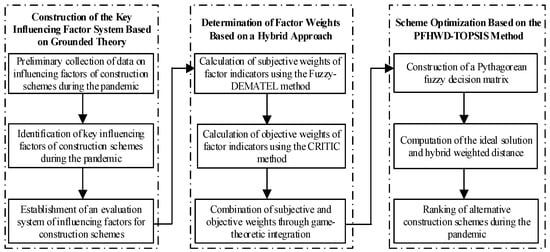
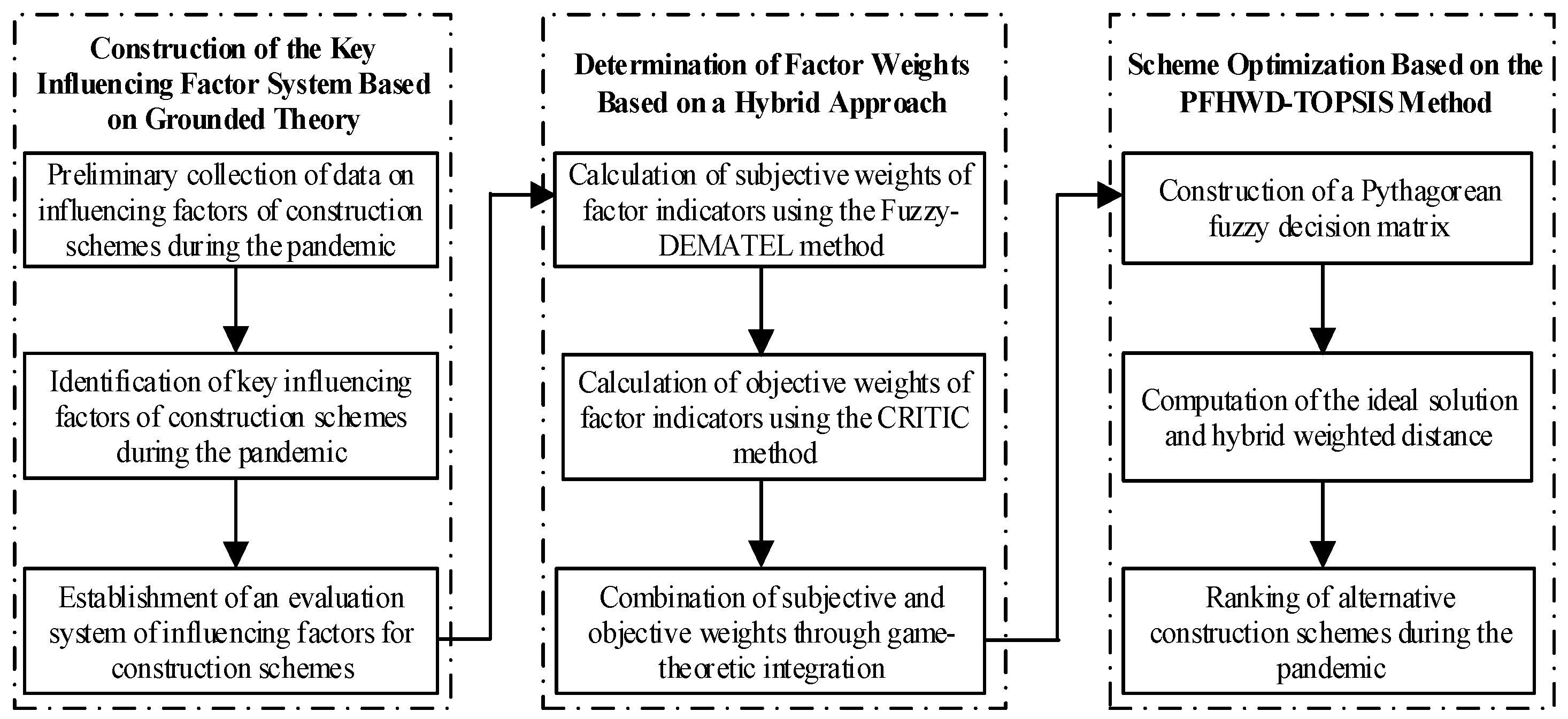
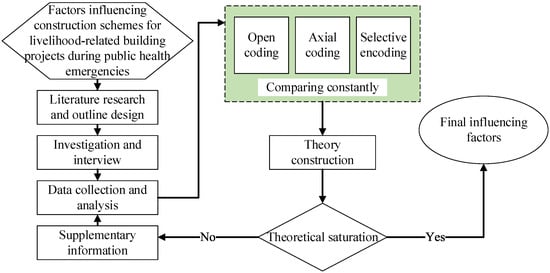
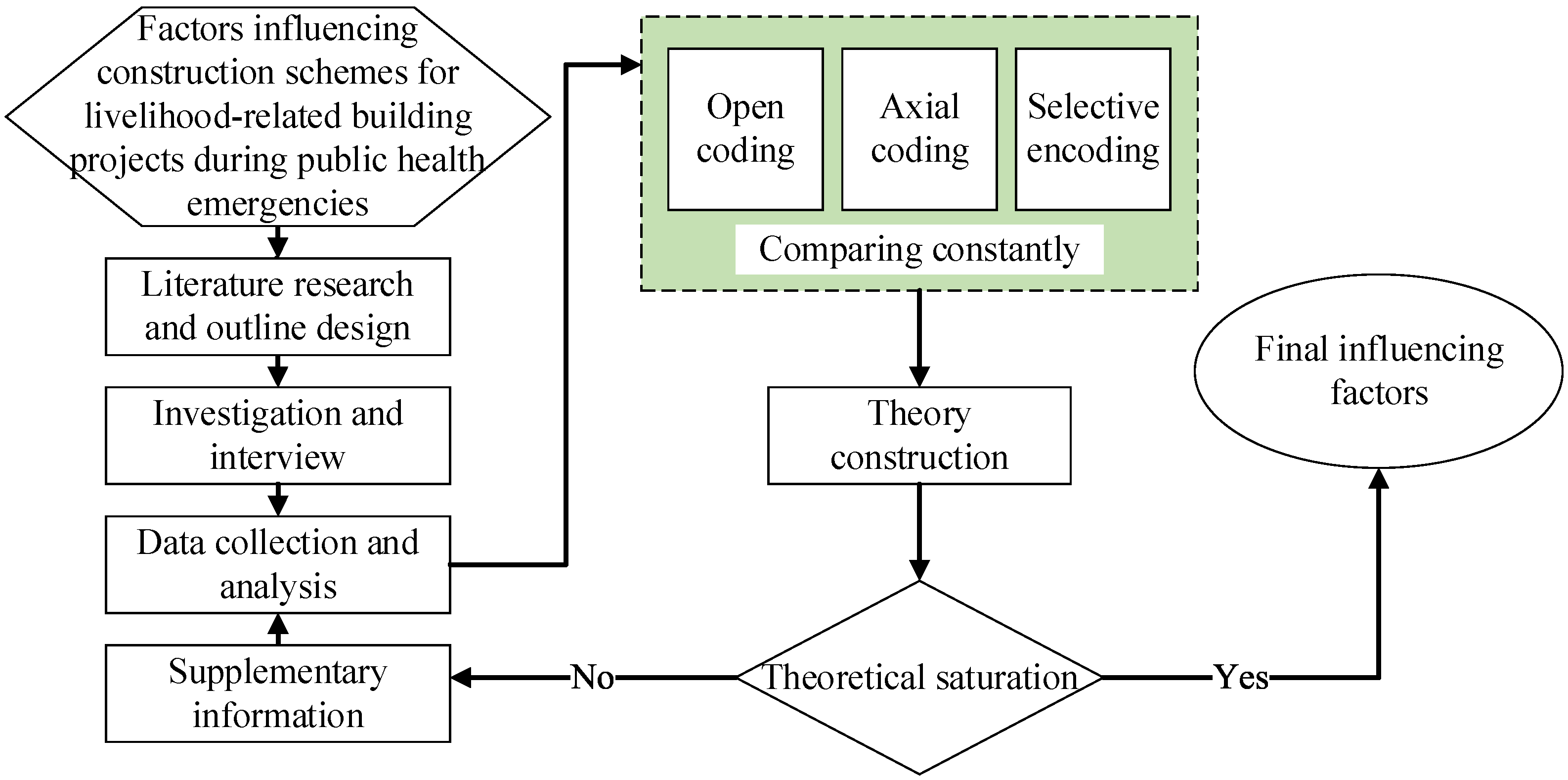
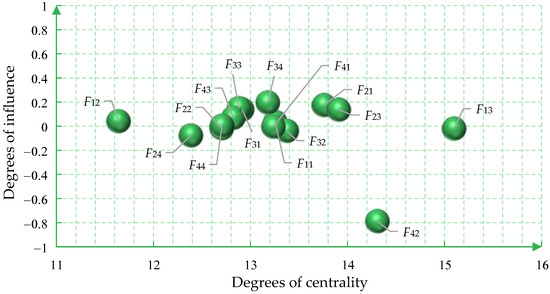
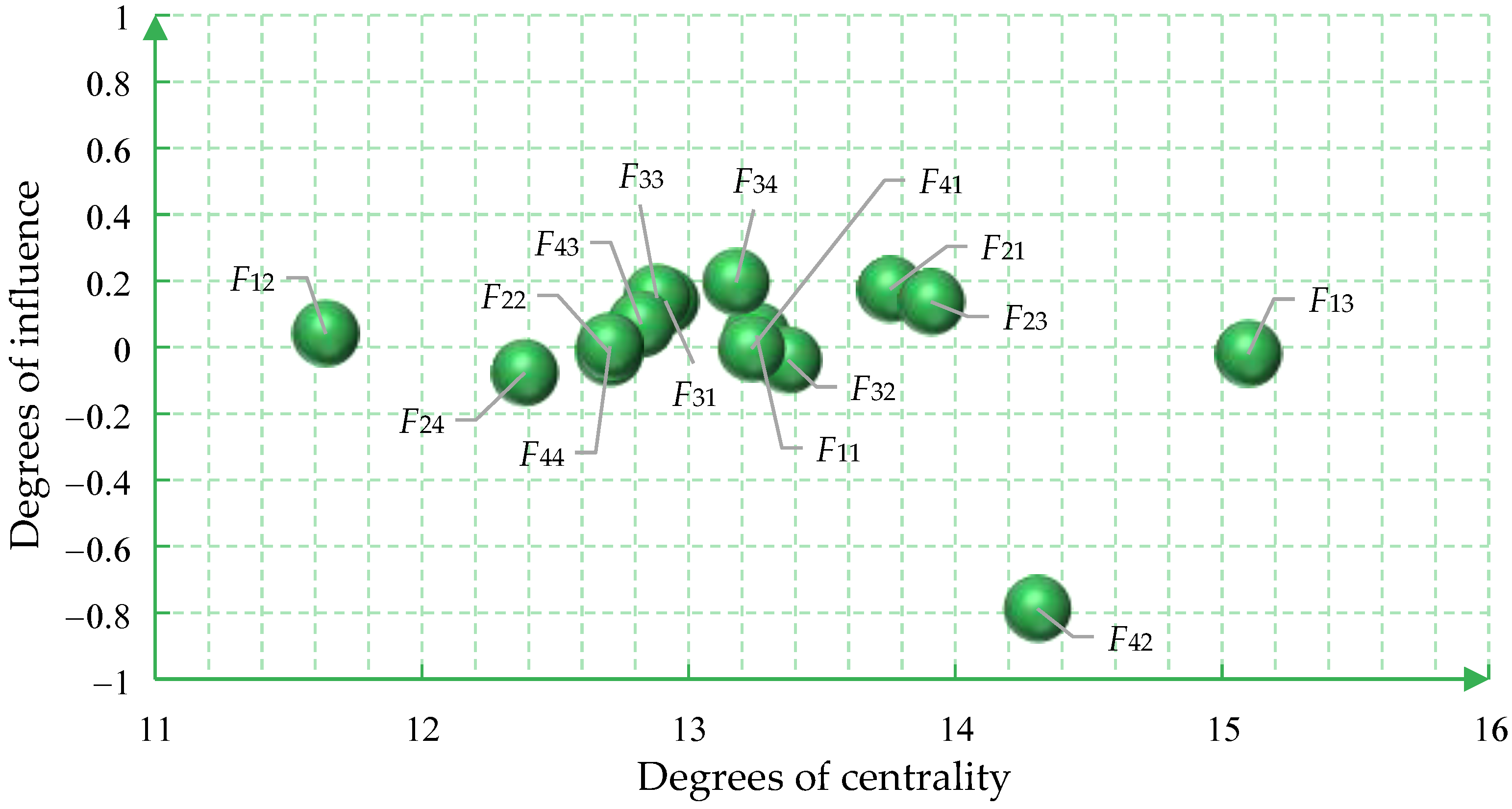
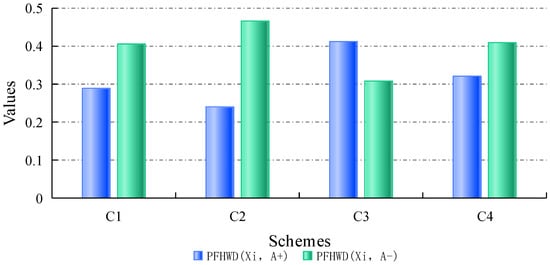
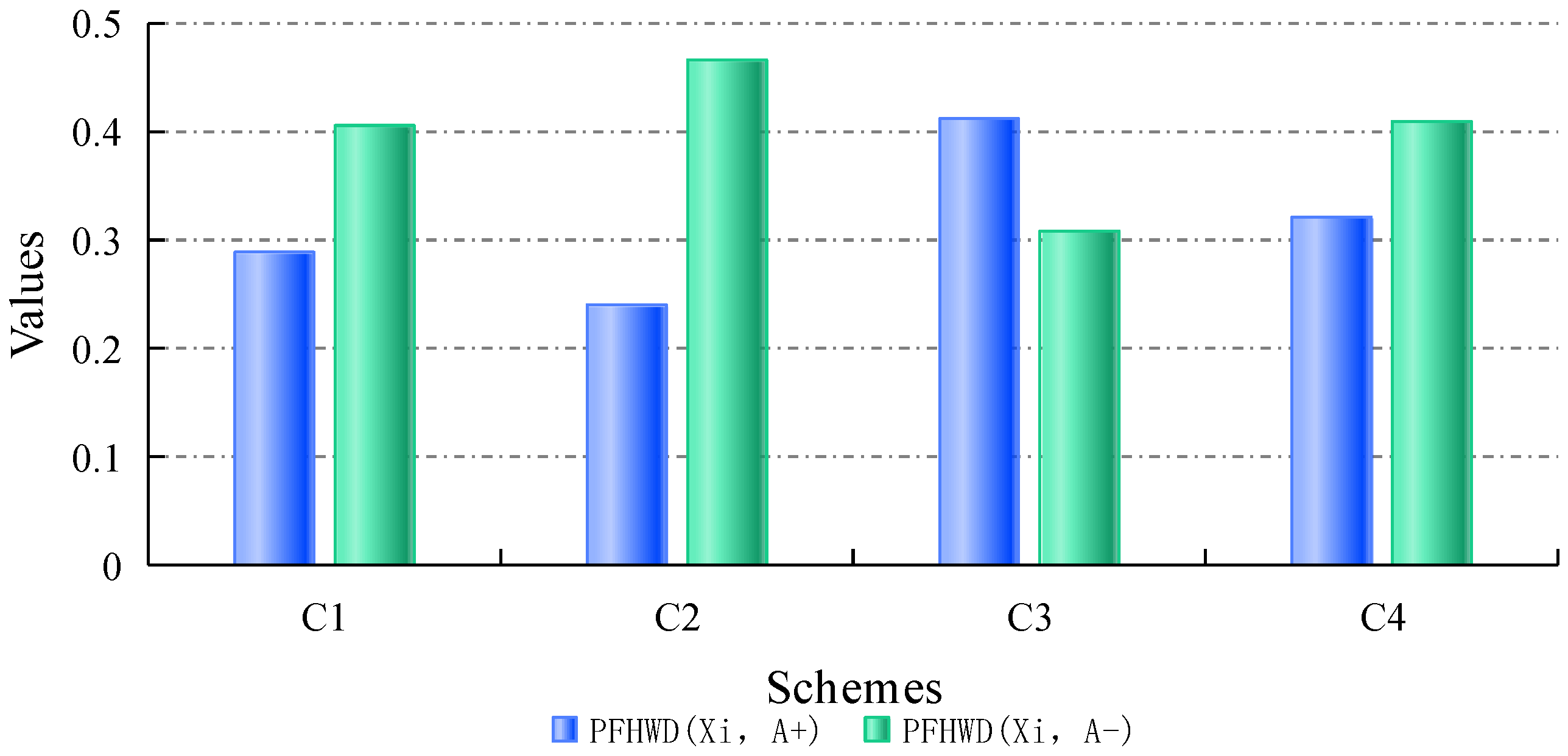
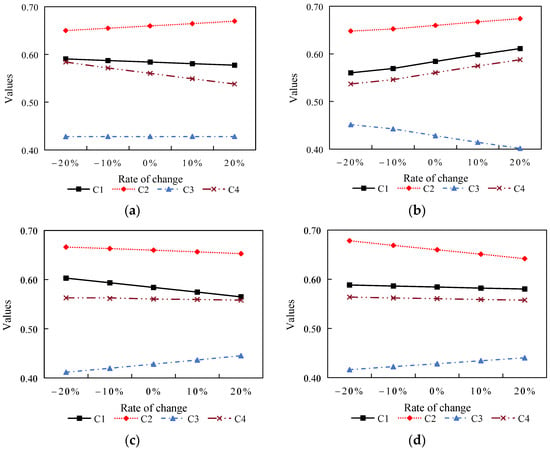
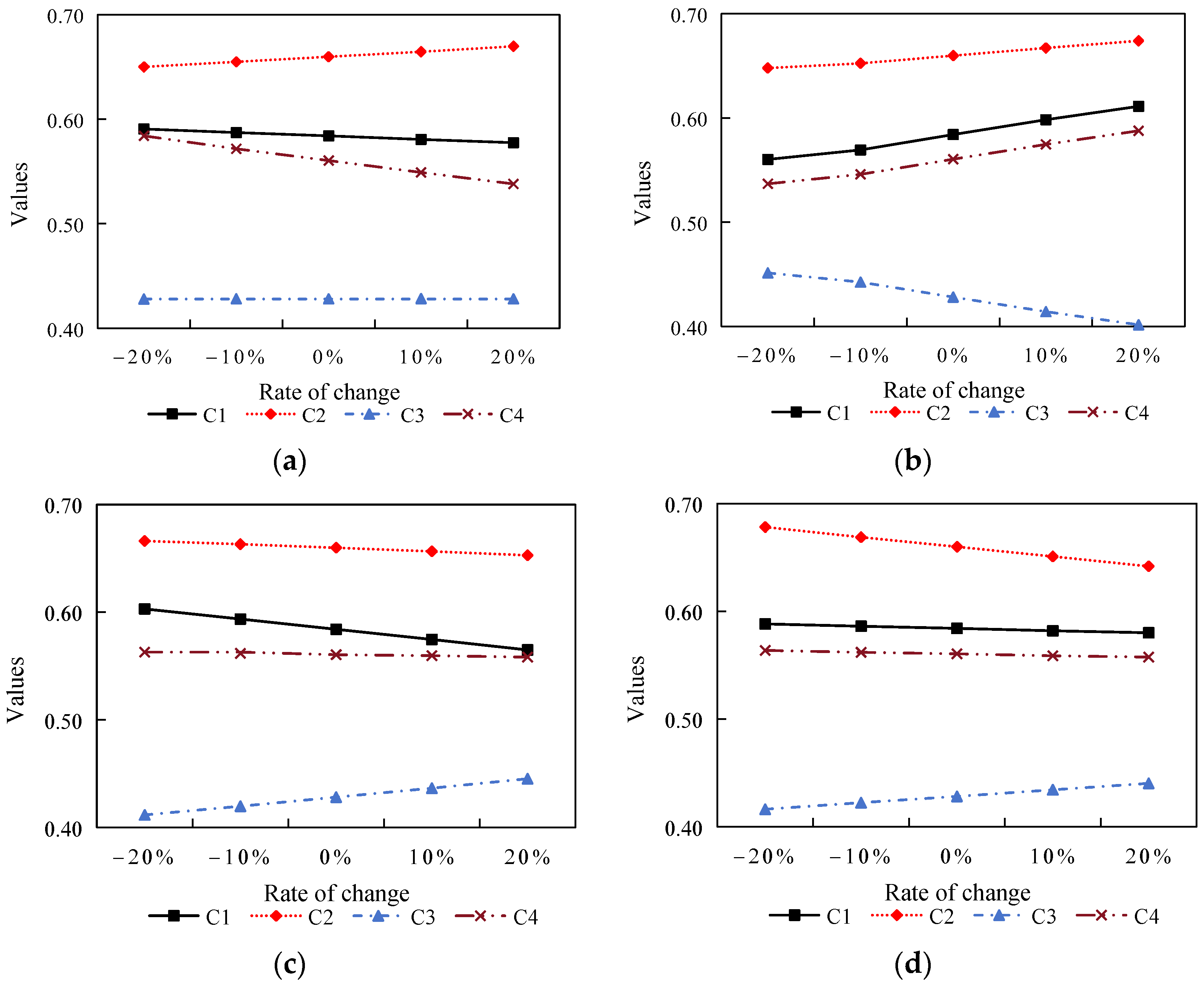
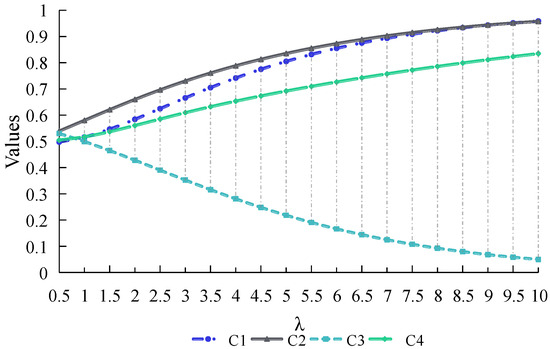
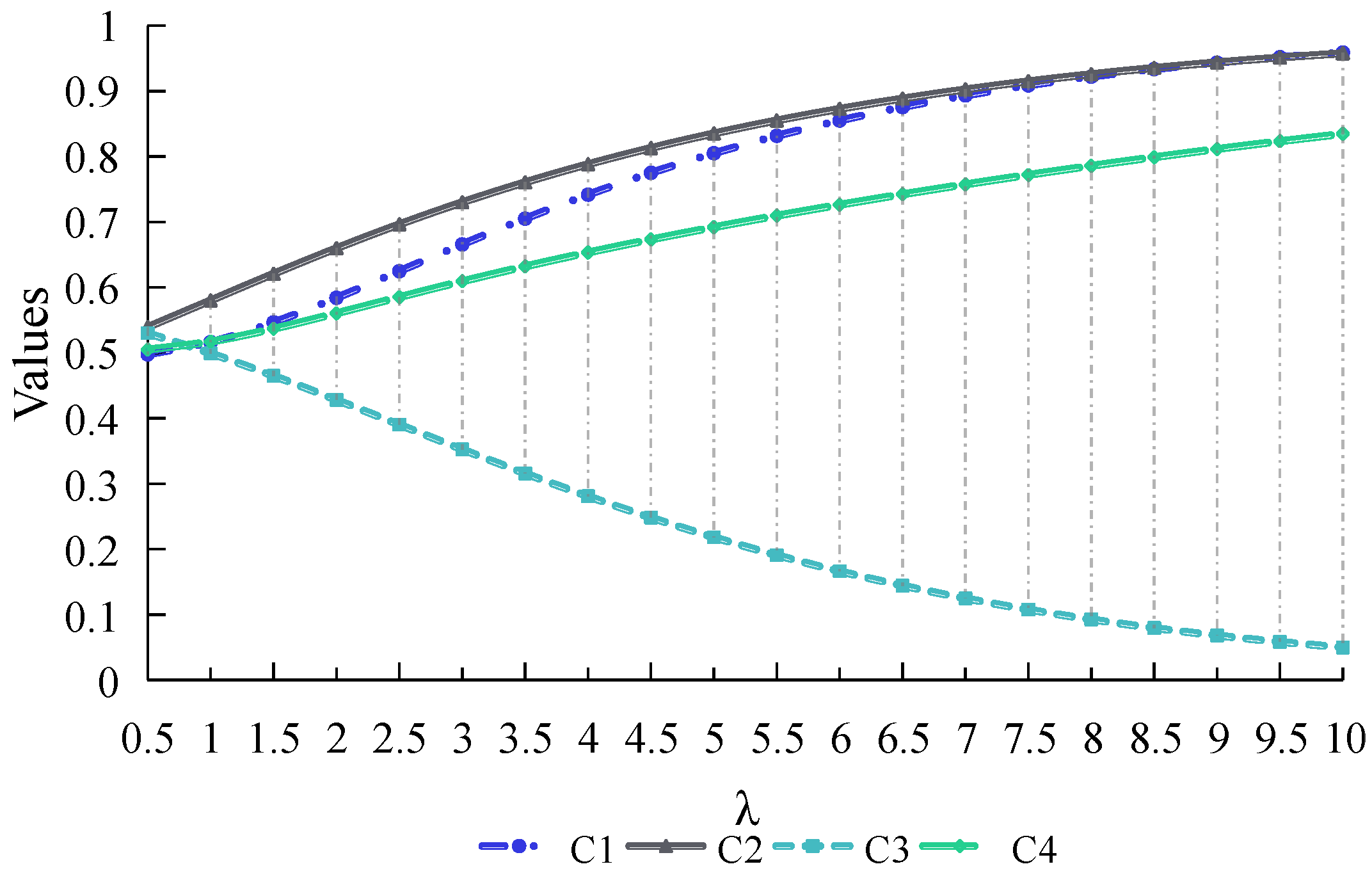

Disclaimer/Publisher’s Note: The statements, opinions and data contained in all publications are solely those of the individual author(s) and contributor(s) and not of MDPI and/or the editor(s). MDPI and/or the editor(s) disclaim responsibility for any injury to people or property resulting from any ideas, methods, instructions or products referred to in the content. |
© 2026 by the authors. Licensee MDPI, Basel, Switzerland. This article is an open access article distributed under the terms and conditions of the Creative Commons Attribution (CC BY) license.