


Abstract
This study develops a theory-integrated Virtual Reality (VR) information platform for designing age-friendly residential units, addressing the intersection of population aging and digital transformation. Unlike studies emphasizing post-implementation outcomes, it focuses on the input-stage logic of design by embedding human cognition, emotion, and behavior into spatial reasoning. Grounded in environmental behavior theory, the research constructs a housing model that reflects older adults’ perceptual and behavioral responses to spatial configurations such as layouts, circulation, lighting, and visual coordination. Space is redefined as an experiential medium that evokes emotional resonance, fosters empathy, and bridges theoretical reasoning with practical design outcomes. The proposed VR platform integrates aging, behavioral, and design sciences into an intelligent guide functioning as both an educational and evaluative system, enabling interactive and scenario-based exploration of spatial experiences. Following design-based and developmental research principles, this study represents a preliminary phase within an ongoing framework, establishing a robust conceptual foundation for future empirical validation. It highlights that the robustness of the developmental process is as crucial as learning outcomes, reinforcing the importance of theoretical integration in sustainable, human-centered housing design for super-aged societies.
1. Introduction
The world’s population is aging at an unprecedented rate, and Korea is among the fastest-aging nations [1,2]. This transition into a super-aged society is not merely a demographic phenomenon but a transformative challenge that requires the restructuring of housing systems and social infrastructure. Establishing inclusive spatial systems that support intergenerational coexistence and community integration has become a central objective for sustainable aging societies [3].
However, previous studies on age-friendly environments have primarily emphasized physical improvements and policy-level interventions while insufficiently reflecting the psychological, emotional, and behavioral responses of older adults [4,5]. Because environmental–psychological factors directly affect autonomy and quality of life, a paradigm shift is necessary, from safety-oriented physical design toward theory-based integrated design that incorporates human cognition, emotion, and behavioral responses [6,7]. Meanwhile, the field of education has experienced rapid digital transformation, emphasizing visual and experiential learning environments [8,9]. However, education related to age-friendly environments still depends heavily on text-based materials, which limit learners’ engagement and comprehension. These limitations hinder the development of awareness and sensitivity education toward aging and design.
To address these gaps, this study adopts a Theory-Based Deep Design approach to develop a residential space model that reflects the psychological stability and behavioral characteristics of older adults. The model is integrated with AI-based tools (e.g., Gamma, Vrew) and the ThingLink VR platform. Rather than focusing solely on empirical validation, this study reconstructs the design paradigm to emphasize why and how to develop, the process logic of design, shifting from outcome-oriented research to process-oriented inquiry.
Accordingly, this research situates itself as a developmental study grounded in theory integration, representing the initial phase of an ongoing research continuum aimed at enhancing educational robustness and design applicability. It underscores that the development process itself constitutes a form of knowledge generation, where theoretical frameworks, design strategies, and educational implementations co-evolve. Following the principles of design-based research [10] and developmental design research [11], the study recognizes the iterative interaction between theory, design, and practice as the basis for both scientific and pedagogical rigor.
2. Theoretical Review
2.1. Theoretical Context of Aging Societies and Housing Environment Transformation
Global population aging has become a central agenda in urban and social policy, requiring the restructuring of housing and community systems beyond traditional medical and care-based domains [12,13]. The WHO’s Age-Friendly Cities and Communities initiative and the Decade of Healthy Ageing emphasize the importance of creating environments where people can age in place safely, independently, and meaningfully [14]. Accordingly, the paradigm of aging policy has shifted from post hoc evaluation to theory-based design input, focusing on how aging needs can be integrated within the structural and experiential systems of the built environment [12,14]. An age-friendly residential environment can be defined as an integrated living ecosystem encompassing physical structure, social relationships, and service systems [15]. It extends the principles of universal design by balancing accessibility, safety, psychological well-being, and social connectedness [16]. Lawton and Nahemow’s [4] Competence–Press Model highlights the balance between individual ability and environmental demand as a determinant of quality of life, while Proshansky’s [17] concept of Place Identity frames the home as a repository of memory and identity [5]. Thus, age-friendly housing must move beyond physical convenience and incorporate emotional resonance and social harmony as essential dimensions of sustainable living [18]. Contemporary social transitions, such as changes in family structure, weakened neighborhood networks, and the rising burden of long-term care, necessitate self-sustaining housing design as a critical societal task [3,13]. Because older adults experience greater sensitivity to environmental stimuli due to sensory and cognitive decline, stimulus optimization, balancing overexposure and deprivation, becomes essential [19]. This principle aligns with the concept of Deep Design, which integrates function, emotion, aesthetics, and social interaction into a cohesive framework [20,21]. When implemented through digital experiential tools such as VR, these design principles facilitate exploratory learning and civic engagement, transforming environmental design into a participatory and reflective process [8,15].
Deep Design is positioned not only as an aesthetic or functional framework but as a theoretical mechanism to systematize environmental–behavioral knowledge into design education. By translating complex interdisciplinary theories, ranging from gerontology to spatial cognition, into accessible visual and experiential formats, the framework enhances theoretical robustness and pedagogical applicability of age-friendly housing design.
2.2. Environmental Behavior Theory and Spatial Experience of Older Adults
Environmental behavior theory explains that human behavior and cognition are shaped through perception, interpretation, and interaction with environmental stimuli [18]. The Competence–Press Model [4] posits that imbalance between capability and environmental demand results in stress and helplessness, whereas balanced interaction enhances adaptation and satisfaction. In parallel, Place Identity emphasizes the home as a psychological anchor that maintains continuity of self and personal narrative [5,17]. Together, these frameworks indicate that spatial environments function not only as physical containers but also as psychological and social extensions of the self. Older adults exhibit heightened sensitivity to environmental cues due to slower sensory and cognitive processing. Spatial elements such as lighting, color contrast, material texture, and circulation clarity directly influence readability, safety, and emotional stability [19,21,22]. An optimal level of stimulation is critical since both overstimulation and sensory deprivation can cause fatigue or anxiety [19]. Design strategies that provide moderate and restorative stimulation, such as diffused lighting, natural textures, and clear orientation, enhance vitality and comfort among older adults [23]. These principles embody the Deep Design approach, simultaneously addressing emotional stability, autonomy, and social engagement [20,21]. Spatial experience also functions as a learning process, allowing individuals to internalize spatial meaning through sensory engagement [8]. VR-based learning environments enable users to visually and experientially understand how physical elements influence cognition, emotion, and communication, thereby promoting exploratory and reflective learning [8,15]. Hence, environmental behavior theory transcends traditional housing design and becomes a psychological and educational framework for cultivating civic sensitivity and environmental literacy [18].
From an educational standpoint, VR-based spatial exploration aligns with design-based research principles that emphasize iterative development, learner reflection, and contextual validation. Thus, the theoretical grounding of this study is inherently developmental, focusing on the robustness of the design process as much as on the learning outcomes it enables.
2.3. Integration of Gerontology and Behavioral Science: Theoretical Grounding for Deep Design
Gerontology unites biological, psychological, and social perspectives to conceptualize aging as a dynamic process of adaptation and compensation [24,25]. The Selection, Optimization, and Compensation (SOC) Model describes adaptive strategies under resource constraints, which can be translated into practical design principles such as simplified circulation, ergonomic furniture heights, and balanced illumination [21]. Furthermore, Socioemotional Selectivity Theory [26] posits that as individuals age, they increasingly prioritize emotionally meaningful goals and relationships. Therefore, housing environments should foster emotional security, personal autonomy, and a sense of purpose through spatial and sensory design. Behavioral science emphasizes the reciprocal interaction among person, environment, and behavior [27,28]. Design elements such as color contrast, directional lighting, and clear wayfinding enhance users’ autonomy and safety by influencing behavior. Environments that promote positive emotions and social participation contribute to greater psychological vitality and resilience [29]. Moreover, maintaining optimal sensory stimulation helps prevent emotional isolation and cognitive decline [30]. The design guidelines developed in this study reflect these principles and aim to enhance participation, autonomy, and well-being among older adults through human-centered environmental systems. The convergence of gerontology and behavioral science substantiates the Deep Design framework across three interrelated levels: (1) cognitive-supportive design, which mitigates sensory decline and reduces cognitive load; (2) affective–social design, which promotes emotional recovery and social connectedness through light, color, and texture; and (3) exploratory learning design, which enables users to construct meaning through experiential engagement and interactive learning [31,32]. This convergence extends beyond universal or barrier-free design and evolves into a human-centered, emotionally resonant design philosophy that incorporates sensory, cognitive, and affective dimensions [15]. It serves as the philosophical and methodological foundation for the VR-based educational platform proposed in this study.
Integrating these theoretical domains not only provides conceptual depth but also ensures the framework’s developmental validity. The interrelation among cognition, emotion, and behavior operates as both a scientific and pedagogical foundation, reinforcing the study’s nature as a preliminary yet systematically developmental research model.
2.4. Civic Competence and Learning Transformation from an Educational Perspective
Contemporary education in the twenty-first century has shifted from knowledge transmission to competence-based learning, emphasizing the capacity to act responsibly in complex social contexts. Civic competence refers to the ability to recognize, reason about, and act upon public issues with responsibility and empathy, focusing on how to act rather than merely what to know [33]. The OECD Education 2030 framework identifies the transfer and application of knowledge in new social contexts as essential future-oriented skills [34]. Similarly, UNESCO [35] defines the ultimate goal of education as cultivating practical wisdom for sustainable living through the integration of cognitive, emotional, and ethical development.
Civic competence is grounded in empathy, critical thinking, and social responsibility. Addressing societal challenges such as population aging requires the internalization of coexistence and empathy as civic virtues [36,37]. Environmental sensitivity serves as the psychological foundation for recognizing human–environment interdependence, thereby fostering sustainable awareness and behavior [38]. Accordingly, education on age-friendly environments must evolve from passive understanding to participatory practice, allowing learners to perceive and improve spatial conditions from the perspective of older adults. This approach aligns with Kolb’s [39] experiential learning theory, which emphasizes a cyclical process of experience, reflection, and action as the basis of deep understanding.
The teacher’s role in modern pedagogy has shifted from a transmitter of knowledge to a facilitator of learning [40], while learners increasingly become co-creators of knowledge. Freire [41] emphasized transformative learning through dialogue and reflection, and Knowles [42] conceptualized self-directed learning as autonomous, motivation-driven engagement. In age-friendly education, teachers act as facilitators who guide exploration through AI- and VR-supported environments, while learners actively construct knowledge through interaction by clicking, manipulating, and analyzing virtual spaces. This process embodies Mezirow’s [43] theory of transformative learning, which highlights behavioral, cognitive, and attitudinal change through reflective experience.
The VR information platform developed in this study enhances empathetic understanding by integrating immersion, emotion, and cognition into a single, holistic learning experience [44]. AI-based presentation tools support personalized learning pathways consistent with the Universal Design for Learning (UDL) framework, ensuring accessibility and flexibility for diverse learners [45]. Ultimately, the platform functions as a civic-competence-enhancing educational model that fosters intergenerational understanding and promotes participatory learning transformation within age-friendly education.
This study further emphasizes that educational outcomes must be evaluated not only by the effectiveness of the content itself but also by the robustness of the developmental process, ensuring theoretical consistency and design validity throughout the VR-based learning framework. This perspective highlights that developmental rigor, as much as instructional content, determines the sustainability of educational innovation.
2.5. Perspective Integrative Framework of Advanced Technology and Deep Design
Deep Design represents a philosophy that transcends functional and aesthetic dimensions to embrace psychological, cognitive, and emotional depth in design [46,47]. Manzini’s [48] concept of depth of meaning reinforces this view by emphasizing the ethical and symbolic dimensions of design, which are particularly relevant in age-friendly contexts where sensory sensitivity and social dignity are central [48]. Thus, Deep Design seeks to create environments that not only accommodate physical needs but also nurture identity, empathy, and a sense of belonging.
Artificial intelligence (AI) supports design decision-making through visual generation, pattern recognition, and simulation, thereby reducing learners’ cognitive load [49]. Virtual reality (VR) enables exploratory learning and spatial engagement through active user interaction, such as clicking, moving, and manipulating three-dimensional spaces [44]. Together, AI and VR transform Deep Design into an interactive system of knowledge creation that fosters emotional engagement, participatory learning, and digital literacy. This technological convergence operationalizes theory-based design principles into experiential educational tools.
Proshansky et al. [17] conceptualized space as a behavioral field that mediates emotion and action. The VR environments developed in this study are designed to promote psychological stability, familiarity, and social interaction through sensory and spatial cues. Elements such as color, lighting, and texture are grounded in Environmental Stimulus Theory [50], which explains how environmental features evoke emotional responses and influence engagement. Moreover, the VR system provides a dynamic experimental platform where emotional and behavioral reactions can be visually observed, assessed, and iteratively refined through user feedback, thereby bridging environmental psychology with digital design.
Beyond simple technological mediation, the AI–VR system proposed in this study functions as an epistemic interface that bridges sensory experience, cognitive understanding, and emotional engagement. It transforms Deep Design from a visualized tool into an embodied learning process, where interaction with digital environments enhances reflective practice and empathy formation. Table 1 summarizes the key components of the Integrative Deep Design framework, outlining the theoretical layers and design logic underpinning the proposed VR-based aging-friendly environment.
Table 1.
Integrative deep design framework.
2.6. Summary: Synthesis of Theoretical Review and R&D Directions
Space functions as a medium that organizes emotion, cognition, and behavior [17,50]. The convergence of gerontology and behavioral science highlights the importance of adaptive and restorative design for older adults [51]. From an educational perspective, the creation of age-friendly environments should evolve into learning communities that cultivate civic competence and empathy [52], while AI and VR act as catalysts for exploratory and experiential transformation [44]. As an integrative construct, Deep Design provides comprehensive strategies for fostering dignity, empathy, and vitality [46,47]. Building on these theoretical insights, this study is organized around four core principles of research and development. First, it emphasizes spatial design grounded in psychological and behavioral responses, ensuring that environmental features correspond to users’ cognitive, emotional, and physical needs. Second, it develops knowledge-based and theory-driven design guidelines that translate conceptual understanding into practical applications. Third, it constructs an AI-VR-integrated learning platform that enables participatory exploration and immersive engagement with spatial environments. Finally, it applies a Deep Design framework to establish a physical–digital integrated ecosystem that connects theory, design practice, and technological mediation within a unified system of innovation.
The study advances beyond empirical validation by proposing a pre-empirical, theory-based development model that systematizes design philosophy, theoretical foundations, and methodological processes. Through this approach, it establishes an interdisciplinary foundation for implementing human-centered, age-friendly environments and transformative educational systems, bridging design, behavioral science, and digital technology.
This synthesis extends the theoretical framework toward an R&D-oriented model, clarifying how conceptual principles are translated into educational and technological prototypes. It ensures that future empirical studies are anchored in rigorous theoretical reasoning and interdisciplinary collaboration. Table 2 presents the theoretical foundations that collectively support the integrated design model, including environmental behavior, gerontology, educational theory, and empathic design principles.
Table 2.
Summary of theoretical foundations.
3. Research Methods
This chapter outlines the integrated methodology employed in the development of an aging-friendly education and design system. The structure of the chapter reflects a sequential yet interrelated process that connects theoretical, educational, and technological components. Section 3.1 presents the overall research design, introducing the methodological framework and the scope of the investigation. Section 3.2 explains the development process of aging-friendly housing design, focusing on the conceptual and procedural basis for spatial adaptation. Section 3.3 discusses the educational differentiation strategy for age-inclusive learning, which establishes the pedagogical rationale and differentiated approach for engaging learners of diverse developmental levels. Section 3.4 details the development of the design guide, translating theoretical and educational insights into a systematic practical tool. Section 3.5 describes the construction of the VR information platform, providing a digital interface that supports visualization and participatory learning. Section 3.6 elaborates on the integrated structure and stage interaction, emphasizing the interconnections among educational, technological, and environmental modules. Finally, Section 3.7 summarizes the significance and implications of the development process, highlighting how the integrated system contributes to lifelong learning, inclusive design, and sustainable aging-friendly environments.
In essence, Section 3 serves as a methodological bridge connecting educational differentiation with spatial and digital design processes. By clarifying the interdependence among pedagogical structure, design strategy, and technological implementation, the chapter provides a holistic framework for understanding how aging-friendly education and environment design can operate as a unified, interdisciplinary system.
3.1. Research Design
This study focused on independent older adults living in their own residential units, without chronic diseases, medical dependence, or caregiving requirements. Although each residential unit was designed as a stand-alone dwelling, it was conceptually situated within a congregate housing context, comparable to a Korean apartment complex, where corridors and semi-public zones foster occasional interaction and visual connection among neighbors.
The purpose of this research was to develop a VR-based, age-friendly residential environment platform grounded in the principles of theory-based Deep Design. The methodological structure consisted of four interconnected stages, theoretical exploration, design development, multidisciplinary guideline formulation, and technological implementation, to systematically integrate conceptual, behavioral, and technological insights.
In the first stage, theoretical exploration, interdisciplinary concepts from Environmental Psychology, Behavioral Science, Gerontology, and Aging Science were synthesized to establish the theoretical foundation for age-friendly housing [17]. In the second stage, design development, emotional equilibrium principles from Maher and Wohlwill’s [51] stimulus–equilibrium theory were applied to balance color, lighting, and texture, ensuring perceptual harmony and psychological comfort. In the third stage, multidisciplinary guideline formulation, knowledge-based design principles were developed to promote autonomy and dignity in later life through collaboration between medical experts in Aging Science and specialists in housing design for the elderly.
Finally, the fourth stage, technological implementation, integrated AI-driven visualization tools (Gamma, Vrew, the latest stable paid versions available as of August 2025) with a web-based VR platform (ThingLink) to construct an interactive and experiential learning environment [44]. This structure aligns with Buchanan’s [46] notion of integrative thinking, operationalizing Deep Design as a developmental logic that unites theoretical depth, empathy, and technological scalability.
Figure 1 presents the integrated framework and process flow of the proposed AI–VR housing design system, showing how data, theory, and design logic converge into a unified development model for aging-friendly living environments.
Figure 1.
Integrated framework and process flow for housing design, VR construction, and AI-based design guide development.
The diagram illustrates the integrated research framework combining theoretical examination, framework extraction, VR integration, and validation into a unified system for aging-friendly housing development. Color coding indicates functional modules within the framework: warm-toned blocks represent Residential Space Model Design, green-toned blocks indicate VR Information Platform Construction, and blue-toned blocks denote Design Guide Development. Arrows illustrate the directional flow and integrative relationships among modules.
3.2. Conceptual Foundations for Age-Friendly Housing Design
Age-friendly housing design rests on an integrated conceptual foundation that recognizes aging as a multidimensional life process. Older adults experience changes across physical, sensory, perceptual, emotional, and cognitive domains, all of which shape how spatial environments support or hinder safety, comfort, and everyday functioning. The World Health Organization identifies falls as a leading cause of injury [53], hospitalization, long-term disability, and loss of independence among older adults, and numerous studies in rapidly aging societies demonstrate that fall risks are intensified when mobility limitations interact with poor lighting, insufficient spatial clarity, environmental hazards, and fear of falling [54,55].
Environmental–behavioral research conceptualizes health from a holistic perspective, integrating physical, perceptual, psychological, and social well-being [56]. Within this framework, residential environments function as active determinants of autonomy, stability, identity, and emotional balance, rather than serving merely as physical shelters. Murtha’s User Benefit Criteria (UBC) [57], together with subsequent elaborations by Lee [56], provide a systematic structure for translating users’ cognitive, perceptual, emotional, and behavioral needs into spatial design logic. This perspective emphasizes intuitive circulation, perceptible boundaries, environmental legibility, and psychological comfort as foundational principles of age-friendly residential design.
Cultural and typological contexts also shape how age-friendly strategies must be implemented. In Korea, the dominance of high-rise apartment living, strong cultural preferences for south-facing orientation, extensive glazed openings for daylighting, and the widespread use of the 3-bay unit plan result in highly standardized spatial configurations. These configurations influence circulation patterns, ventilation behavior, thermal buffering, and perceptual clarity. Thus, the conceptual foundations of age-friendly housing must integrate gerontological evidence with environmental–behavior theory and Korean residential typologies to create environments that preserve autonomy and prevent falls while supporting emotional stability and everyday life routines.
3.3. Passive Solar Strategies and the Cultural Logic of Korean Housing
Passive solar design refers to architectural methods that capture, regulate, and distribute solar energy without mechanical systems, relying instead on orientation, material thermal mass, glazing configuration, and natural airflow. Globally recognized passive solar strategies include Trombe Wall systems, characterized by a massive south-facing wall, an exterior glazing layer, and a thermal cavity that stores and releases heat, and direct solar-gain systems, double-glazed openings, and buffer-zone configurations [58].
While Trombe Wall systems offer demonstrated thermal performance benefits in modular housing contexts, they are not applicable to contemporary Korean apartment environments for several structural and cultural reasons:
- ⬥
- Absence of a solid south-facing wall:Korean 3-bay units feature fully glazed south façades to maximize daylight and outdoor visibility. This eliminates the opaque wall surface required for Trombe Wall installation.
- ⬥
- Strong cultural preference for sunlight and openness:South-facing rooms and floor-to-ceiling glazed openings are perceived as indicators of comfort, health, and residential quality. Reducing these openings for masonry walls would conflict with residents’ expectations.
- ⬥
- Security-driven enclosure of north-facing corridors:Most apartment units have sealed corridor-side walls, preventing dual-aspect ventilation paths that would support Trombe-like airflow mechanisms.
- ⬥
- Balcony-as-buffer tradition:Korean apartments commonly incorporate enclosed or semi-enclosed balconies that already function as thermal buffering zones, moderating temperature changes and reducing direct airflow.
- ⬥
- Housing market logic:Developers must conform to consumer demand for maximum glazing, sunlight, and visual openness. These market pressures make the adoption of Trombe-like wall systems structurally and economically implausible.
As a result, Korean housing relies on its own culturally embedded passive strategies, including:
- ⬥
- Maximized south-facing glazing for daylighting and winter heat gain.
- ⬥
- Double-glazed window systems to reduce heat loss while maintaining visual openness.
- ⬥
- Balcony buffer zones that moderate temperature swings and soften air intake.
- ⬥
- Cross-ventilation paths derived from dual-aspect glazing layouts.
- ⬥
- Ventilation configurations that minimize direct drafts, supporting frail older adults’ thermal comfort.
- ⬥
- Natural lighting gradients that reduce perceptual confusion and improve spatial legibility.
In this study, passive solar concepts are therefore interpreted not through engineering thermal simulations but through their relevance to sensory stability, perceptual clarity, movement predictability, and environmental comfort in aging households. This clarification reflects both the cultural logic of Korean apartment design and the theoretical orientation of this research toward environmental–behavioral aging.
3.4. Development Process of the Age-Friendly Housing Design
The spatial model was developed through a structured, multi-stage process that synthesized aging science, environmental–behavior theory, passive environmental strategies, and Korean housing typologies. This process follows the overarching research design presented in Section 3.1 and reflects the integrated logic of the Deep Design framework.
- Stage 1: Evidence Synthesis and Design Criteria Formation
Gerontological research on fall mechanisms, perceptual decline, mobility limitations, environmental hazards, daylighting requirements, ventilation comfort, and sensory processing provided the empirical foundation for design criteria. These criteria emphasize perceptual clarity, environmental legibility, safe circulation, controlled lighting, moderated airflow, and thresholds that support intuitive movement. The theoretical basis for these criteria is summarized in Appendix A.1 and Appendix A.2.
- Stage 2: Floor Plan Modeling Based on Environmental–Behavioral Principles
Using Revit, the team developed a culturally coherent floor plan that integrates:
- ⬥
- Unobstructed and continuous circulation;
- ⬥
- Threshold-free transitions;
- ⬥
- Widened turning zones;
- ⬥
- South-facing daylighting;
- ⬥
- Cross-ventilation strategies;
- ⬥
- Buffering zones that filter airflow and moderate thermal change;
- ⬥
- Perceptual anchors such as color contrast and structured lighting gradients.
This stage ensured that environmental comfort, including visual, thermal, and ventilation comfort, was embedded into the spatial model prior to VR content development.
- Stage 3: Construction of the 3D Spatial Configuration
The two-dimensional floor plan was translated into a comprehensive 3D spatial configuration designed to reflect intuitive daily routines, minimize perceptual load, and reinforce safe navigation. Spatial zoning, lighting transitions, and acoustic moderation were refined based on expert consultation with environmental psychologists, gerontologists, and aging-design specialists.
- Stage 4: VR Transformation for Behavioral–Perceptual Learning
The finalized 3D model was converted into immersive Virtual Residential Space (VRS) modules. These modules emphasize fall-risk behavior, perceptual decision-making, spatial orientation, and movement safety. While VR content does not explicitly illustrate engineering-level environmental performance, the spatial environment itself inherently reflects the environmental comfort strategies integrated in earlier stages. Thus, VR serves as a behavioral–perceptual educational tool built upon a spatial model grounded in environmental comfort, age-friendly design, and cultural housing logic.
3.5. Educational Differentiation Strategy for Age-Inclusive Learning
The educational differentiation strategy in this study was developed to support inclusive learning on aging-friendly environments across different developmental stages. Rather than presenting identical content to all learners, the project sought to provide age-appropriate educational materials that align with learners’ cognitive abilities, linguistic development, and social understanding. This approach recognizes that aging is not only a biological process but also a social and cultural issue that must be understood and practiced as part of lifelong learning.
The differentiation strategy was grounded in established theories of learning and pedagogy. Drawing on Vygotsky’s concept of the Zone of Proximal Development [59], the materials were designed to align with each learner’s readiness and capacity to progress through guided discovery. Bloom’s taxonomy of educational objectives informed the hierarchical organization of learning outcomes, moving from basic understanding to higher-order skills such as application and synthesis [60]. Furthermore, the Universal Design for Learning (UDL) framework [61] provided a conceptual foundation for ensuring accessibility and inclusion through multiple means of representation, engagement, and expression.
To put this into practice, the learning content was developed at three educational levels, elementary, middle, and high school. Each level was calibrated in vocabulary, tone, and conceptual density. At the elementary level, the materials focused on familiar and visual content that enables children to recognize safety risks and develop empathy for older adults. The comparative characteristics of each educational level are summarized in Table A4. The middle school version expanded on these ideas, helping students connect sensory changes in aging, such as vision, balance, and muscle function, to environmental safety concerns. The high school version was designed to support analytical and design-oriented thinking. It included specialized terms and reasoning processes that allowed students to translate understanding into creative design ideas for aging-friendly environments.
Each version of the materials was constructed through three consistent layers that link pedagogy, design, and media. The first layer is the slide title, which succinctly frames the key concept of each section. The second is the one-line caption, optimized for readability and affective engagement in presentation and video formats. The third is the voice-over narration, which provides extended explanations at a pace appropriate for each developmental level. Together, these layers allow coherent delivery across both classroom and digital media, while maintaining accessibility for diverse learners. The differentiated learning structure and visual flow are shown in Figure A3.
The differentiation strategy reflects the principle of equitable learning access. It shares the same philosophical foundation as Universal Design [62], emphasizing that true accessibility is not achieved by simplification but through meaningful customization that respects individual differences. By making complex social and environmental issues, such as aging and inclusivity, approachable through age-tailored experiences, the strategy fosters empathy, responsibility, and participation as part of lifelong learning [63].
Finally, the complete sets of slide titles, captions, and narration scripts for the elementary, middle, and high school versions are presented in Appendix B. Table A4 in Appendix D demonstrate how textual, visual, and tonal differentiation was implemented in practice, offering concrete evidence of the educational design process that integrates theory, pedagogy, and communication for inclusive learning on aging-friendly environments.
3.6. Development of the Design Guide for AI Assisted Video
The development of the design guide followed an iterative process integrating interdisciplinary knowledge from environmental psychology, gerontology, and design practice. Core design principles were derived from evidence-based research on aging-in-place, sensory accessibility, and mobility support. The guide was structured to link theoretical constructs with spatial typologies, allowing each design item to correspond to behavioral and perceptual phenomena observed in aging populations.
During the early development stage, prototype modules were generated through AI-assisted visualization and collaborative workshops with design researchers. This approach ensured that each guide item was not only spatially descriptive but conceptually aligned with the cognitive, emotional, and social aspects of elderly users. The framework thus evolved as a hybrid of scientific evidence and practical design logic.
A preliminary validation of the design guide was conducted through interdisciplinary review to confirm theoretical coherence and usability. The detailed procedure of the expert validation process, including participant expertise and stages of consultation, is presented in Section 3.7. Table 3 illustrates the spatial design elements and background fusion science incorporated into the VR information platform, highlighting selected examples used in the learning scenarios.
Table 3.
Spatial design elements and background fusion science information integrated into video guides in the VR information platform: Selected examples.
3.7. Construction of the VR Information Platform
3.7.1. Differentiated Video Design for UDL-Based Learning
Building on the design guide, a series of differentiated instructional videos was developed for diverse learning levels. Each version was designed following the Universal Design for Learning (UDL) framework [61], emphasizing inclusive accessibility through multimodal representation. The videos differ in duration, narration speed, and linguistic density, corresponding to the developmental and cognitive characteristics of elementary, middle, and high school learners. The elementary version applies slower pacing and simpler phrasing to support intuitive understanding, while the middle-level version adopts moderate pacing and explanatory tone for conceptual connection. The high-level version employs fluent, content-rich narration to match advanced analytical processing. Subtitles were intentionally restricted to concise, single-line captions placed unobtrusively at the bottom of the screen to minimize visual overload and preserve focus on design illustrations. The application of Aging and Floor Level Differences in Homes serves as an example, demonstrating how inclusive design concepts can be flexibly adapted to learner diversity through differentiated audiovisual strategies. Details for the video examples are provided in Appendix D and Appendix F.
3.7.2. Construction of the VR Information Platform
The VR information platform translates design logic into immersive learning, enabling citizens, students, and professionals to experience spatial principles through interaction [64]. It integrates 3D visualization, design-guide data, and user navigation via a web-based ThingLink interface. The prototype emphasizes accessible exploration rather than user tracking, focusing on experiential understanding and consistent content delivery.
A 66 m2 residential unit was modeled in Revit, encoding circulation flow, perspective, and lighting behavior as spatial data [65]. Thirty-five design guide items were organized by space and aging phenomenon (Appendix D). Rendered 360° scenes from Twinmotion were embedded in ThingLink, where each node, kitchen, living room, corridor, and bathroom, served as a microenvironment tagged with multimodal cues such as text, images, and AI-generated videos illustrating safety, comfort, and interaction. This ensured seamless transitions and theoretical coherence within a browser-accessible interface across devices.
The platform supports non-linear exploration instead of sequential instruction [44]. AI-generated visuals from Gamma and Vrew connect theory with tangible experience, transforming passive viewing into active meaning-making. The interface’s three-level navigation structure enhances cognitive simplicity and emotional clarity [66], using high-contrast typography, intuitive icons, and controlled color temperature to ensure accessibility for older adults.
Each spatial node represents a theoretical dimension, safety, psychological stability, or social connectedness, and provides concise visual and narrative media. Users engage in self-directed navigation that fosters associative reasoning and embodied understanding [67]. The current version prioritizes conceptual validation and user ethics, while future versions may incorporate adaptive learning analytics pending review. Overall, the system links architectural modeling, multimedia authoring, and web interaction into a cohesive educational framework connecting design cognition, environmental experience, and learning engagement.
The platform functions as an interactive civic learning tool bridging environmental design, technology, and empathy education. It can be utilized in schools, universities, and community centers to foster intergenerational understanding and participatory design awareness. Table 4 provides an overview of the components and functions of the VR-based learning system, detailing its interface structure, user pathways, and interactive learning modules.
Table 4.
Components and functions of the VR-based learning system.
3.8. Validation and Expert Consultation
To ensure theoretical coherence and practical reliability, a multi-phase validation process was conducted throughout the development of the AI-VR information platform. The validation integrated insights from nine experts across architecture, medicine, environmental psychology, and digital education, reflecting the project’s interdisciplinary foundation and iterative evolution.
During the design phase, two researchers and one professor with expertise in environmental behavior and aging housing examined the residential unit layout and interior configuration. Their consultation ensured that spatial organization and material composition aligned with aging-friendly design principles. In parallel, medical professionals provided guidance on user safety and adaptability within simulated environments.
During the knowledge integration and design guide phase, three medical doctors, one professor, and two researchers collaboratively refined the interdisciplinary knowledge base and framework for the design guide. Multiple workshops enabled cross-domain learning, allowing medical and design experts to verify accuracy and usability across clinical and environmental contexts.
After the platform’s construction, post-development validation was conducted by one medical specialist and two professors in digital education. Their review confirmed the educational feasibility and spatial appropriateness of the AI-integrated VR model. Additionally, eighty students participated in pilot classroom applications, demonstrating smooth usability and high engagement without functional issues.
This comprehensive validation process, spanning design development, guide construction, and classroom application, confirmed the platform’s scientific rigor, aging-friendliness, and pedagogical applicability.
Figure 2 illustrates the interdisciplinary validation framework and expert consultation process, outlining how iterative feedback shaped the development of the AI–VR information platform.
Figure 2.
Validation Framework and Expert Consultation Process for the AI–VR Information Platform.
This figure illustrates the interdisciplinary validation framework applied throughout the development of the AI–VR information platform. Validation occurred both during and after development across two domains, Residential Space Model Design and Design Guide Development, supported by theoretical foundations from environmental psychology, gerontology, and design pedagogy. Nine experts from architecture, medicine, and digital education participated over several iterative stages, ensuring the platform’s aging-friendliness, spatial adequacy, and educational applicability.
3.9. Summary: Integrated Significance and Future Implications
The development of the Theory-Integrated Deep Design VR Platform signifies more than a technical or educational achievement; it embodies a new paradigm of interdisciplinary knowledge creation. By integrating theories of environmental behavior, gerontology, design cognition, and digital pedagogy, the project reframed design not as a static output but as a dynamic process of reflective inquiry.
Through iterative validation and expert collaboration across architectural design, medical science, and educational technology, the study confirmed that design practice can function as a medium for both scientific reasoning and empathetic engagement. The framework demonstrated how AI-assisted visualization and VR simulation can bridge theoretical knowledge with human-centered experiences, supporting learning environments that cultivate spatial awareness, emotional intelligence, and ethical design thinking.
This development process establishes a foundational model for symbiotic innovation, where aging research, environmental design, and digital education converge toward inclusive well-being. Practically, the outcomes, spatial prototypes, design guide, and VR platform, serve as civic empathy tools that empower future designers and educators to address the spatial and social challenges of a super-aged society through creativity, reflection, and compassion.
4. Results
4.1. System Implementation Overview
Building on the theory-based Deep Design framework established in Chapter 3, the conceptual structure was translated into an experiential learning environment. The objective was to implement design principles derived from environmental psychology, gerontology, behavioral science, and educational theory within a virtual reality setting, enabling design, execution, and feedback to function as an iterative, reciprocal process [65,68]. This process positioned implementation not as a mere technical task but as a reflective and cyclical design process linking conceptual reasoning and experiential learning.
The implementation pursued three integrated goals: combining theory, design, and technology to convert abstract concepts into tangible experiences; enabling self-directed exploration through an experiential learning model; and embedding AI-generated visual and explanatory content across different difficulty levels. A lightweight technological workflow was adopted, Gamma for structured slides, Vrew for short-form educational videos, and ThingLink for web-based VR scenes with interactive hotspots. This structure achieved low-cost, cross-device accessibility aligned with Universal Design for Learning principles of flexibility, inclusivity, and multimodal representation [69].
The prototype was based on a 66 m2 age-friendly housing unit and organized into three interconnected modules: spatial visualization, content integration, and learning interaction. The system embodied a continuous loop of concept, experience, and reflection [44], allowing theoretical ideas to be tested and internalized through participatory learning that bridges spatial cognition and human-centered design.
4.2. Profile of the Developed Aging-Friendly Residential Space Design
The developed age-friendly residential space design represents the central tangible outcome of this study, synthesizing the conceptual, cultural, and environmental principles detailed in the methodological framework. Rather than functioning as a direct, linear translation of any single theoretical model, the design emerged through an integrative and creative process in which gerontological insights, environmental–behavioral principles, and the cultural logic of Korean housing were consolidated into a coherent spatial configuration. As such, the resulting layout can be understood as a design profile: a set of spatial characteristics that collectively support safety, perceptual clarity, environmental comfort, and psychosocial well-being for older adults.
The final floor plan embodies a spatial framework that prioritizes intuitive movement, thermal and visual comfort, and predictable sensory cues. Circulation routes are continuous and unobstructed, enabling older adults to navigate without abrupt turns, perceptual breaks, or confusing intersections. Sightlines are kept clear across major zones, supporting orientation and cognitive mapping. Privacy gradients progress gently from shared to intimate areas, and thresholds are widened to accommodate turning, assistive devices, and momentary pauses during movement. These features were shaped by the everyday routines, perceptual tendencies, and mobility needs of older adults, yet they were not derived from a single prescriptive rule; rather, they emerged as intentional design choices within an integrated creative process.
Environmental comfort, an essential dimension of age-friendly living, is embedded across the spatial profile. South-facing glazing maximizes daylight exposure while maintaining thermal moderation through double-glazed windows and balcony-based buffering, a culturally embedded passive strategy in Korean apartment design. Cross-ventilation pathways are configured to provide fresh air without creating direct drafts, accommodating older adults’ thermal sensitivity. Lighting gradients soften sensory transitions and reduce visual strain, while acoustic moderation and warm-tone materials enhance emotional stability and reduce anxiety. These comfort-oriented features complement the behavioral and perceptual elements of the layout, creating a balanced environment that supports both safety and subjective well-being.
The spatial design is also adaptable to diverse aging trajectories. Its clear zoning, moderated sensory transitions, and ergonomic circulation support individuals with reduced balance, limited flexibility, declining vision, or cognitive changes. Key features such as perceptual anchors, structured lighting, and intuitive wayfinding cues assist users in maintaining orientation and confidence during daily tasks, while the overall configuration reinforces autonomy and reduces reliance on compensatory behaviors.
Although this design later informed the construction of the immersive VR environment, the spatial model stands independently as an instructional artifact. It provides learners, practitioners, and policymakers with a concrete reference for understanding how age-friendly design principles can be expressed in a culturally specific residential context. By presenting a coherent set of spatial characteristics, rather than prescribing a fixed formula, the design enables readers to appreciate the creative, integrative nature of the process while recognizing how environmental configurations can support safety, autonomy, and quality of life in super-aged societies.
4.3. System Architecture of the VR Information Platform
The VR environment was modeled based on the finalized floor plan, whose theoretical and environmental criteria are listed in Appendix A.1 and Appendix A.2.
The platform was conceived as an intelligent learning ecosystem translating human–environment interaction into a digital medium [4,18]. Guided by the Stimulus–Organism–Response (S–O–R) model, it allows users to experience how environmental stimuli such as color, light, and texture affect emotional and behavioral responses. The system architecture follows a cyclical process converting theory-based design into structured data, interactive content, and experiential engagement, transforming abstract concepts into tangible learning.
Its layered architecture ensures both theoretical integrity and accessibility. At the data layer, spatial models, guides, and AI-generated multimedia are stored systematically; the logic layer encodes variables such as color, lighting, and texture into design rules; the interface layer enables exploration through interactive tags and gaze navigation; and the presentation layer delivers multimodal understanding via embedded Vrew videos. The web-based system is accessible without headsets, supporting stereoscopic viewing through low-cost devices for classroom and community use.
Data flow is structured as a feedback loop of input, process, and output, configuring spatial variables, embedding content, triggering interaction, and reinforcing experiential cognition. Three nodes, information, visualization, and participation, form the learning cycle of cognition, exploration, and reflection (Figure 3). The platform currently functions as an open, non-tracking system with four core features: theoretical grounding in behavioral and gerontological science; a lightweight AI–VR workflow; user-driven learning pathways; and scalable extensibility for educational and civic applications. Figure 3 shows the operational mechanism of the VR learning environment, demonstrating how information, visuals, and participation are structured into a three-node interactive system.
Figure 3.
Operational Mechanism of the VR Learning Environment.
The model illustrates the interactive cycle of cognition, exploration, response, and re-exploration based on the three-node structure (information, visual, and participation).
4.4. AI-Based Content Generation and Integration Process
The AI workflow was designed to produce adaptive and immersive learning content connecting theory, design, and education. It enhances engagement beyond text-based materials, making design knowledge more accessible and emotionally resonant for diverse learners [8].
Content generation followed three stages: extracting data and structure, generating AI-based educational media, and integrating them into the VR platform. In this workflow, Blender extracted spatial components; ChatGPT organized theoretical concepts; Gamma generated slides; Vrew converted them into narrated videos; and ThingLink integrated them as spatially tagged learning assets.
Gamma visualized psychological mechanisms and design principles through multimodal slides, while Vrew added narration and transitions to create concise video lessons of 1.5, 2.5, and 3.5 min. These modules aligned with Cognitive Load Theory [70] by matching content to attention span, maintaining engagement through multisensory learning.
The integrated AI Design Education framework functions across theoretical, design, and technological dimensions, linking perception and emotion, translating theory into practical strategy, and ensuring scalability through AI-VR convergence. Within ThingLink, spatial nodes contained tagged media, enabling users to explore, reflect, and construct understanding autonomously. Future work will introduce adaptive recommendations and analytics to evolve the system into a personalized, data-informed learning environment.
4.5. Construction and Operational Mechanism of the Platform Learning Environment
The platform was designed as a modular and interactive learning environment integrating AI, VR, and evidence-based spatial design principles. Each module of the system was constructed to simulate age-friendly spatial conditions that reflect real environmental behavior responses observed in elderly users. The structure followed a layered architecture: (1) content layer (visual and textual design guidelines), (2) interaction layer (user control and sensory feedback), and (3) learning analytics layer (tracking, cognitive reflection, and behavior-based evaluation).
AI-based generation tools such as Gamma were used to convert design guide items into presentation-type digital content, while Vrew enabled automated narration, captioning, and multimodal alignment between voice and visual elements. The final output was integrated into the ThingLink VR environment, which allows users to navigate between spatial scenarios, access contextual explanations, and observe how design elements influence user movement and perception.
This configuration enabled an immersive simulation of “learning by seeing and feeling,” enhancing empathy and comprehension for users with no professional design background.
The system’s operational mechanism emphasizes iterative reflection: students can explore virtual spaces, interpret environmental design features, and record individual responses that can later be aggregated for research and feedback purposes.
Furthermore, the platform was optimized for accessibility, supporting web-based and headset-based operations, ensuring usability across different devices and user groups.
The platform’s technical reliability and pedagogical effectiveness were verified through the expert consultation process detailed in Section 3.7, which involved interdisciplinary specialists in design, aging, and digital learning. The validation confirmed that the integrated system successfully bridges spatial reasoning, emotional empathy, and educational immersion.
This outcome demonstrates that the developed platform functions not merely as a visualization tool but as a cognitive interface connecting theory, perception, and design reasoning within age-friendly education. Figure 4 provides examples of the VR interface and exploratory interior environment, highlighting how users navigate the platform and engage with aging-friendly spatial content.
Figure 4.
VR Interface and Exploratory Environment Examples. Icons indicate embedded video guides that provide explanatory content for specific design elements. Blue markers denote space-specific guidance related to particular zones (e.g., entrance, living area), while red markers represent common design considerations applied consistently across all spaces, such as floor-level differences and universal safety features.
The aging-friendly VR information platform demonstrates spatial explorability and interactive learning features that enable immersive engagement within the designed housing model.
5. Discussion
At the intersection of rapid population aging and digital transformation, this study developed an integrated framework combining theory-based Deep Design and VR-mediated learning. Synthesized across spatial, behavioral, technological, educational, and cultural dimensions, the framework highlights its interdisciplinary and human-centered nature (Table 4). Three principal findings emerged: (1) the application of environmental–behavioral theory enhanced psychological stability and social belonging through circulation and zoning strategies grounded in the Environmental Press–Competence Model and Kaplan’s Preference Theory; (2) the reinterpretation of Korean housing culture reframed compact living as qualitative richness rather than spatial deprivation, promoting autonomy, self-management, and sustainability; and (3) the integration of gerontology, behavioral science, and design yielded a knowledge-based guide operationalized through AI-generated multimodal content (Gamma, Vrew) and implemented within a ThingLink-based VR environment that supports exploratory and immersive learning. Collectively, these findings delineate a continuum connecting theoretical reasoning, design development, and educational mediation, redefining age-friendly housing as a civic learning platform that fosters awareness, empathy, and participation across generations.
Table 5 synthesizes the key findings derived from the integrated design and empirical validation processes, offering a consolidated view of the study’s major contributions.
Table 5.
Synthesis of key findings.
The developed platform reframes learning as an experiential and participatory process in which users engage with space not as passive observers but as active cognitive participants. By navigating and interacting within the virtual environment, learners internalize abstract theories as embodied understanding, realizing the principles of Constructivist Learning, Kolb’s Experiential Learning Cycle, and Csikszentmihalyi’s Flow Theory. AI-generated multimedia content, differentiated by learning level, enhances cognitive efficiency and emotional engagement. Tailored modules moderate cognitive load [70], and sustain attention, promoting conceptual comprehension and empathy. Through simulated spatial and psychological conditions associated with aging, learners cultivate intergenerational understanding and an ethic of care, contributing to civic education against ageism and promoting inclusive social values. The inclusion of space-specific AI-generated guides, such as adaptive seating arrangements in entry areas (Appendix F), exemplifies how design learning integrates emotional sensitivity with practical reasoning.
Beyond its educational function, the framework carries broader social and cultural implications. It repositions older adults as social assets rather than dependents, aligning with universal design principles that promote equitable and accessible environments for all. By challenging East Asia’s traditional link between housing size and social status, the research presents compact but dignified environments as models of autonomy, social participation, and psychological well-being. Simultaneously, the integration of artificial intelligence and virtual reality represents a technological practice of depth rather than speed. Deep Design functions as an ethical mediator that re-humanizes digital culture through emotion, empathy, and reflection. By inviting learners and citizens to experience and interpret space from older adults’ perspectives, the platform promotes intergenerational understanding and collective responsibility. This experiential empathy forms the foundation for inclusive, age-integrated communities and strengthens civic capacity for coexistence and care in super-aged societies.
6. Conclusions
This study presented the development and validation of a Theory-Integrated Deep Design VR Platform aimed at linking theoretical understanding and experiential practice in age-friendly spatial design education.
The project evolved through multiple interdisciplinary phases, conceptual modeling, spatial prototyping, AI-assisted visualization, and VR translation, each verified through iterative feedback and expert consultation.
By integrating environmental behavior theory, gerontology, empathy-based learning, and universal design principles, the framework establishes a holistic educational system that bridges science, technology, and human-centered creativity.
The research contributes to both academic and practical domains. Academically, it reframes spatial design as a cognitive and emotional learning process grounded in empirical theory. It also demonstrates how digital technologies can extend the reach of environmental behavior research into educational settings. Practically, the platform offers a tool for designers, educators, and students to experience environmental sensitivity directly, translating abstract concepts such as safety, mobility, and accessibility into visual and emotional cognition.
Through this approach, the platform promotes design empathy and inclusive awareness for diverse populations, fostering intergenerational understanding and participatory learning.
The preliminary expert validation, described in Section 3.7, confirmed the conceptual accuracy, usability, and pedagogical potential of the system. Building upon this foundation, the next stage will involve a large-scale IRB-approved empirical study involving over 100 participants to quantitatively measure learning outcomes, behavioral responses, and cognitive engagement.
This follow-up validation will expand the framework’s generalizability and contribute to the establishment of a standardized educational model for age-friendly design in higher education and professional training contexts.
Ultimately, this study envisions a symbiotic paradigm in which environmental design, digital media, and education converge. The Theory-Integrated Deep Design VR Platform thus functions not only as an academic research model but also as a scalable, replicable civic empathy system, bridging the gap between theoretical inquiry and the lived experience of aging in our super-aged society.
Author Contributions
Conceptualization, Y.L.; methodology, Y.L.; tool development, Y.L.; data curation, Y.L. and M.J.; project administration, Y.L.; funding acquisition, Y.L.; resources, M.J.; writing, original draft preparation, M.J.; visualization, M.J. All authors have read and agreed to the published version of the manuscript.
Funding
This work was supported by the National Research Foundation of Korea (NRF) grant funded by the Korea government (MSIT) (No. 2020R1A2C2014750) and by the Ministry of Education of the Republic of Korea and the NRF (No. 2022S1A5A2A03053998).
Institutional Review Board Statement
This study was independently developed as an academic research project, and the VR information system was operationally deployed for instructional use in a controlled classroom environment, where participants accessed the VR platform through shared links for experiential learning. Limited demographic information (e.g., age, gender, and academic major) was collected solely to facilitate class team organization and was not used for research analysis. According to the Yonsei University Institutional Review Board (IRB) exempt research guidelines, educational deployments conducted within formal university courses that do not involve behavioral, medical, or psychological experimentation are exempt from formal ethical review. A subsequent phase of this research will include a large-scale validation under full IRB-approved procedures.
Informed Consent Statement
All participants engaged in this classroom-based deployment as enrolled students in a regular university course. Participation was voluntary and based on their decision to take the class, and no identifiable or sensitive personal information was collected. Because the activity was conducted as part of a formal educational session, no separate written consent form was distributed or signed. This process complies with the Yonsei University IRB exemption policy for educational activities.
Data Availability Statement
The key materials required for the analysis are included in the manuscript and its Appendix A, Appendix B, Appendix C, Appendix D, Appendix E and Appendix F. Additional information may be provided by the corresponding author upon reasonable request once data release becomes available.
Acknowledgments
During the preparation of this manuscript, the authors used ChatGPT-5.0 for the purposes of grammar checking, sentence refinement, and clarification of expressions. The authors have reviewed and edited the output and take full responsibility for the content of this publication.
Conflicts of Interest
The authors declare no conflicts of interest. The funders had no role in the design of the study; in the collection, analyses, or interpretation of data; in the writing of the manuscript; or in the decision to publish the results.
Appendix A
Appendix A.1. Theoretical Criteria for the Aging-Friendly Residential Space Design
This table summarizes the theoretical foundations used to construct the aging-friendly residential space model. The framework integrates the World Health Organization’s healthy aging dimensions with the User Benefit Criteria to guide spatial decisions related to safety, autonomy, perceptual clarity, behavioral support, and emotional well-being. Each row outlines how the combined theoretical dimensions informed the spatial characteristics applied in the developed floor plan. Detailed descriptions illustrate how aging-related physical, sensory, and cognitive changes were translated into spatial design requirements.
Table A1.
Holistic health and user-benefit frameworks reflected in the proposed elderly dwelling layout.
Appendix A.2. WELL Building Standard Dimensions Reflected in the Aging-Friendly Residential Space Design
This table identifies how the WELL Building Standard categories were selectively incorporated into the developed aging-friendly residential layout. The dimensions highlight factors related to indoor environmental quality, comfort, accessibility, and human-centered safety that support healthy aging. Each category is paired with a brief explanation and the corresponding design features embedded in the spatial configuration. The table provides a focused mapping between WELL principles and the finalized floor plan to clarify environmental quality considerations applied to the prototype.
Table A2.
WELL Building Standard dimensions reflected in the proposed elderly dwelling layout.
Appendix B
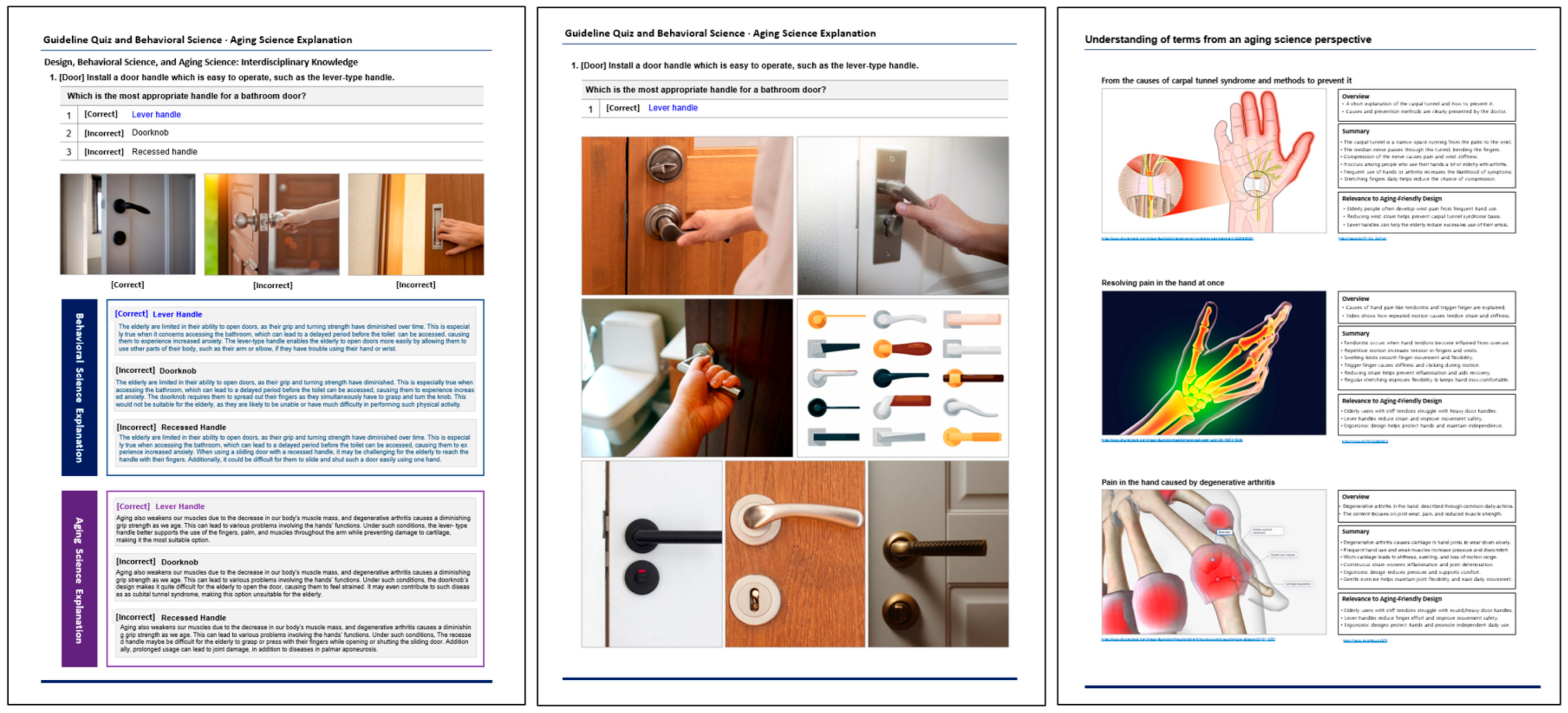
This figure demonstrates how design knowledge, aging science, and behavioral science were integrated as a foundational dataset for AI prompt-based guide development.
Figure A1.
Knowledge convergence framework for AI-based design guide generation (e.g., door handle case).
Appendix C
This appendix presents a comprehensive summary of 35 design guide items that integrate interdisciplinary knowledge drawn from environmental psychology, gerontology, behavioral science, and spatial design. These items represent six common spatial components and eight specific zones within residential environments, illustrating how aging phenomena relate to physical conditions and spatial responses. Each entry defines a direct relationship between an aging symptom and its corresponding spatial or material element, forming a scientific basis for design application. The framework serves as a foundational dataset for the development of AI-assisted design guides and VR-based learning platforms that translate these relationships into interactive educational and design tools.
Table A3.
Spatial design elements and background fusion science information integrated into video guides in the VR information platform: Full version.
Appendix D
This appendix presents the Unified Level Comparison Table illustrating the structure of AI-generated educational videos on the topic “Aging and Floor Level Differences at Home”. The content was developed based on the principles of Universal Design for Learning (UDL) [61], ensuring accessibility, engagement, and comprehension across diverse learner levels. Each version consists of PowerPoint-based visual scenes supplemented by synchronized on-screen captions and professional voiceover narration, providing a coherent multimodal learning experience.
The number of scenes and narrative depth were differentiated across the elementary, middle, and high school levels to reflect progressive increases in cognitive complexity and linguistic abstraction. The composition prioritizes visual harmony, clarity, and inclusiveness, enabling learners of varying developmental stages to engage meaningfully with aging-related spatial design concepts. Representative frames from the elementary and high school versions are provided in Appendix F, Figure A3 and Figure A4, respectively.
All three completed video versions (elementary, middle, and high) are available through online links for reference.
Table A4.
Unified Level Comparison Table (Elementary/Middle/High Level).
Appendix E
This figure illustrates the aging-friendly VR information platform designed to support immersive exploration of housing environments for the elderly. The interface demonstrates spatial elements that address both physical accessibility and psychological comfort, visualized through environmental–behavior (E–B) theory. Each panoramic view represents a different interior zone, living area, bedroom, bathroom, and balcony, showing the relationship between design features (lighting, color, spatial proportion) and user experience (stability, autonomy, familiarity). The platform allows users to interactively navigate through tagged hotspots and experience how age-sensitive design principles enhance emotional security and environmental adaptability.
The interactive demo is available at:
https://www.thinglink.com/scene/1912421482714104294 (accessed on 6 November 2025).
Figure A2.
VR interface and exploratory interior space visualized from multiple perspectives within the aging-friendly information platform. Red circular icons indicate common video guides addressing universal design elements shared across spaces, while blue circular icons represent space-specific video guides providing contextual explanations for individual areas (e.g., entrance, living space). Arrows denote navigation directions used to move between viewpoints within the VR environment.
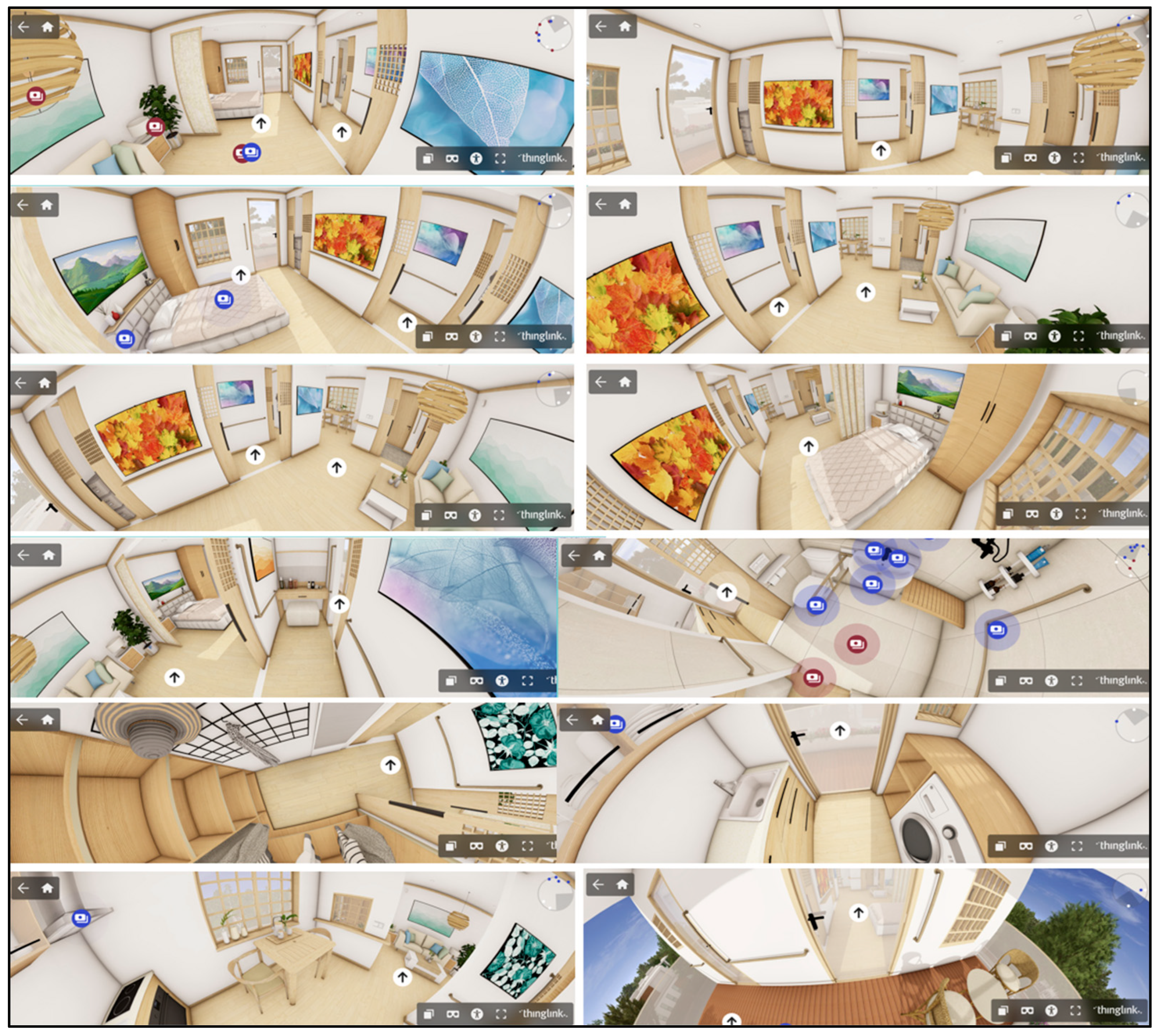
This figure shows multiple panoramic views of the aging-friendly VR environment representing spatial exportability and interactivity.
Appendix F
This appendix presents comparative visual examples of AI-generated learning materials on the topic “Aging and Floor Level Differences in Homes”, developed for elementary and high school levels. The two sets of slides illustrate how the same educational theme was differentiated in content density, linguistic complexity, and visual abstraction according to learner levels. Each version was designed under the framework of Universal Design for Learning (UDL) [61], ensuring accessibility and engagement for diverse learners.
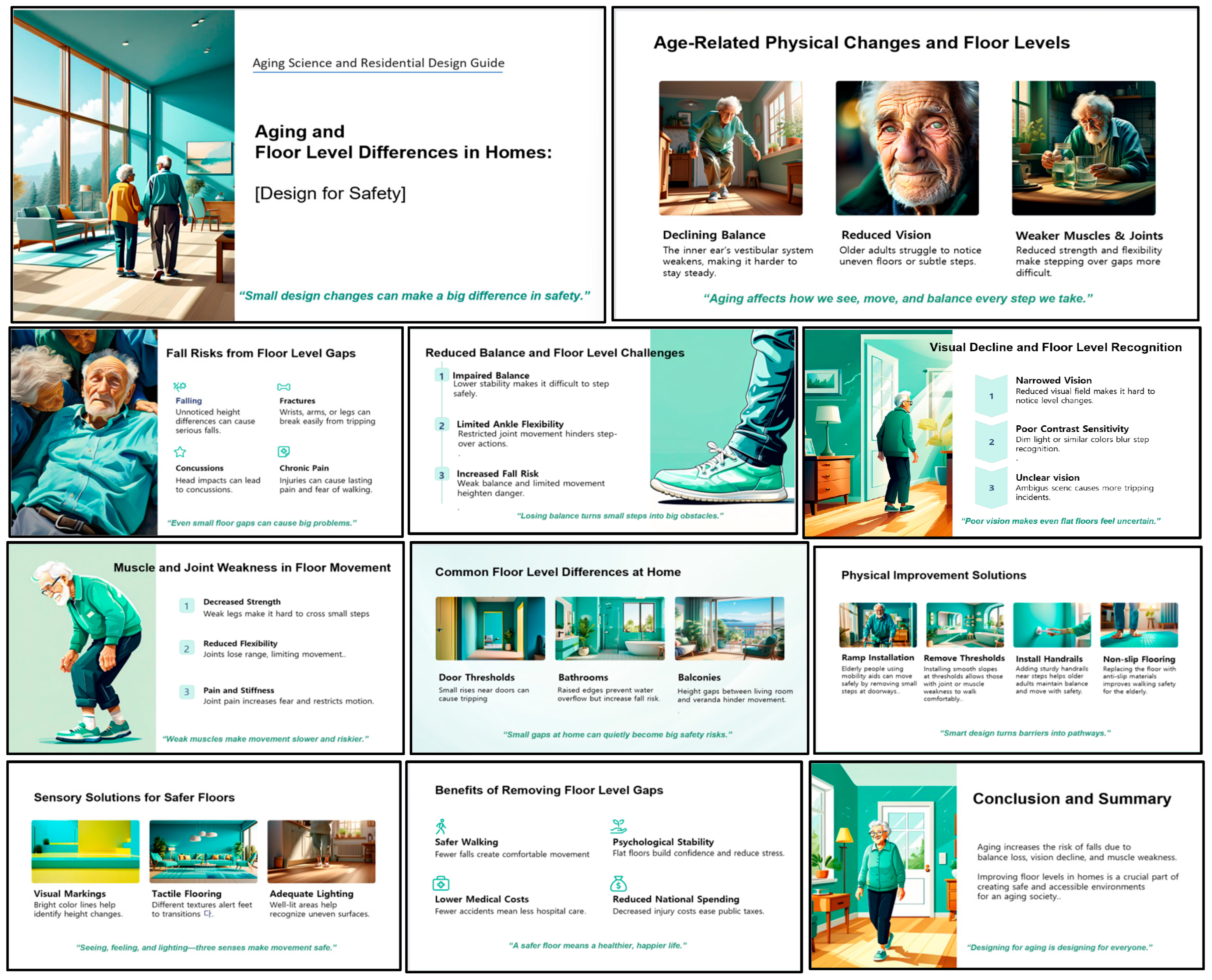
The elementary version (Figure A3) consists of seven simplified and vividly illustrated slides emphasizing clarity and empathy, while the high-level version (Figure A4) contains eleven analytically detailed slides integrating technical vocabulary and evidence-based visual elements. Together, these examples demonstrate how age-friendly spatial design education can be visually coherent, cognitively adaptive, and pedagogically inclusive across learning levels.
Figure A3.
Example of differentiated learning content on floor level difference (elementary level). The elementary-level video consists of seven illustrated slides, presenting key ideas through simplified language, vivid visuals, and clear captions. The layout emphasizes visual clarity and emotional approachability to support young learners’ understanding of aging and floor-level safety.
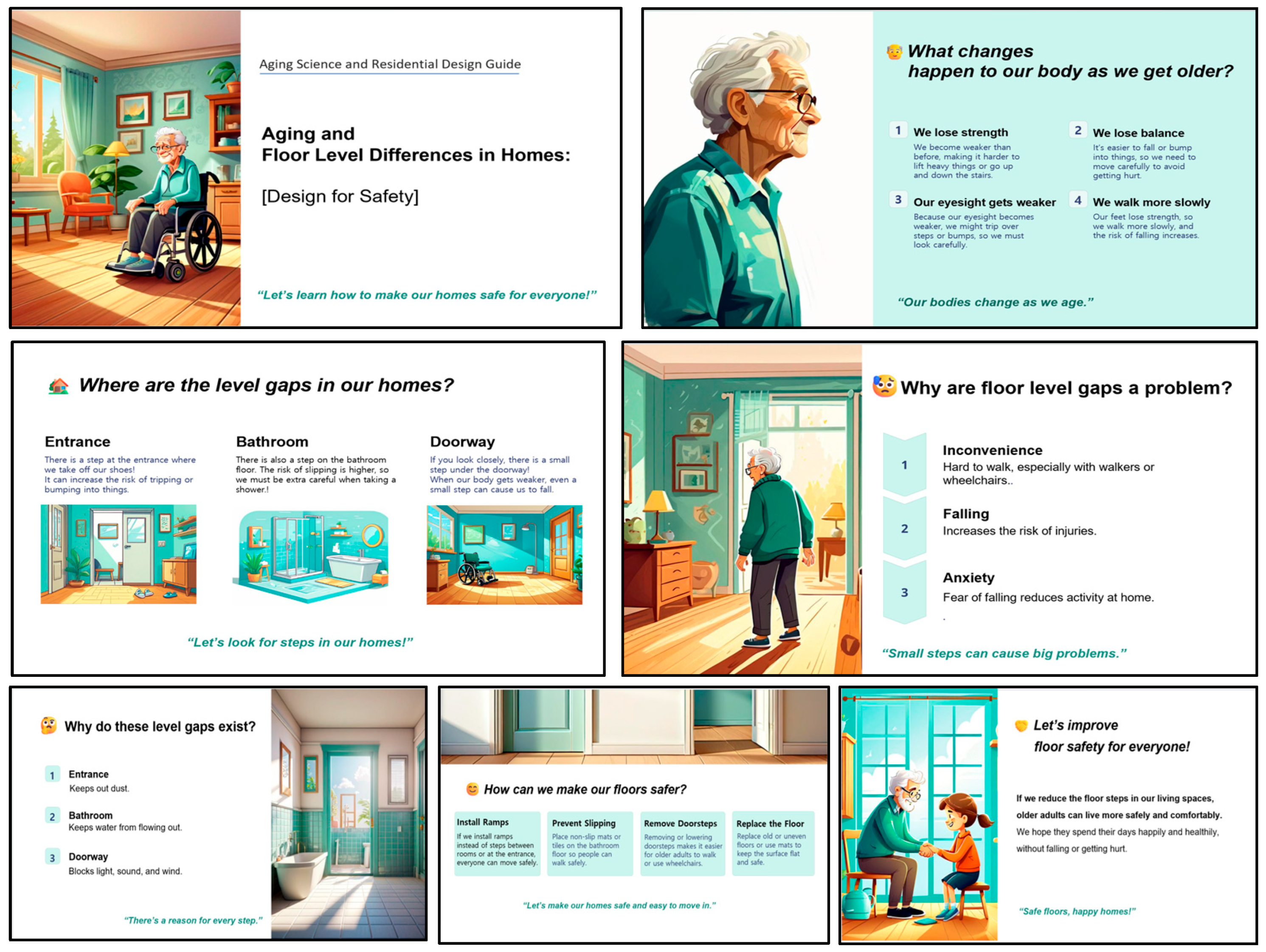
Figure A4.
Example of differentiated learning content on floor level difference (high level). The high-level video comprises eleven slides, integrating more detailed explanations, technical vocabulary, and complex visual examples. It emphasizes analytical comprehension of aging-related physical decline and design solutions, while maintaining visual harmony and narrative coherence.
References
- United Nations. World Population Prospects 2022: Summary of Results, 1st ed.; Department of Economic and Social Affairs, United Nations: New York, NY, USA, 2023. [Google Scholar]
- Statistics Korea. Population Projections for Korea: 2022–2072, 1st ed.; Statistics Korea: Daejeon, Republic of Korea, 2022. [Google Scholar]
- World Health Organization. Global Age-Friendly Cities: A Guide, 1st ed.; WHO Press: Geneva, Switzerland, 2017. [Google Scholar]
- Lawton, M.; Nahemow, L. Ecology and the aging process. In The Psychology of Adult Development and Aging, 1st ed.; Eisdorfer, C., Lawton, M., Eds.; American Psychological Association: Washington, DC, USA, 1973; pp. 619–674. [Google Scholar]
- Rowles, G.D. Habituation and Place Attachment in Old Age, 1st ed.; Routledge: London, UK, 2018. [Google Scholar]
- Kahana, E.; Lovegreen, L.; Kahana, B.; Kahana, M. Person–environment fit and aging in place: Implications for aging policy and practice. J. Hous. Elder. 2014, 28, 1–17. [Google Scholar] [CrossRef] [Scilit]
- Oswald, F.; Wahl, H.; Schilling, O.; Nygren, C.; Fänge, A. Relationships between housing and healthy aging in very old age. Gerontol. 2007, 47, 96–107. [Google Scholar] [CrossRef] [Scilit]
- Mayer, R. The Cambridge Handbook of Multimedia Learning, 2nd ed.; Cambridge University Press: Cambridge, UK, 2019. [Google Scholar]
- Kim, J.; Park, H. Exploring multimodal approaches to visual learning in digital classrooms. Comput. Educ. 2022, 182, 104456. [Google Scholar] [CrossRef] [Scilit]
- Barab, S.; Squire, K. Design-based research: Putting a stake in the ground. J. Learn. Sci. 2004, 13, 1–14. [Google Scholar] [CrossRef] [Scilit]
- Edelson, D.C. Design research: What we learn when we engage in design. J. Learn. Sci. 2002, 11, 105–121. [Google Scholar] [CrossRef] [Scilit]
- United Nations. World Social Report 2023: Leaving No One Behind in an Ageing World, 1st ed.; United Nations Publications: New York, NY, USA, 2023. [Google Scholar]
- OECD. The Future of Ageing and Long-Term Care, 1st ed.; OECD Publishing: Paris, France, 2023. [Google Scholar]
- World Health Organization. Decade of Healthy Ageing: Baseline Report, 1st ed.; WHO Press: Geneva, Switzerland, 2020. [Google Scholar]
- Steinfeld, E.; Maisel, J. Universal Design: Creating Inclusive Environments, 1st ed.; John Wiley & Sons: Hoboken, NJ, USA, 2012. [Google Scholar]
- Mace, R. Universal Design: Barrier Free Environments for Everyone, 1st ed.; North Carolina State University: Raleigh, NC, USA, 1985. [Google Scholar]
- Proshansky, H.; Fabian, A.; Kaminoff, R. Place-identity: Physical world socialization of the self. J. Environ. Psychol. 1983, 3, 57–83. [Google Scholar] [CrossRef] [Scilit]
- Gifford, R. Environmental Psychology: Principles and Practice, 5th ed.; Optimal Books: Colville, WA, USA, 2014. [Google Scholar]
- Ittelson, W. Environmental Perception and Urban Experience, 1st ed.; Plenum Press: New York, NY, USA, 1978. [Google Scholar]
- Cross, N. Designerly Ways of Knowing, 1st ed.; Springer: London, UK, 2006. [Google Scholar]
- Kahana, E.; Kelley-Moore, J.; Kahana, B. Proactive aging: A longitudinal study of stress, resources, agency, and well-being in late life. Aging Ment. Health 2012, 16, 438–451. [Google Scholar] [CrossRef] [Scilit] [PubMed]
- Passini, R.; Pigot, H.; Rainville, C.; Tétreault, M. Wayfinding in a nursing home for advanced dementia. Environ. Behav. 2000, 32, 684–710. [Google Scholar] [CrossRef] [Scilit]
- Kaplan, R.; Kaplan, S. The Experience of Nature: A Psychological Perspective, 1st ed.; Cambridge University Press: Cambridge, UK, 1989. [Google Scholar]
- Birren, J.; Schroots, J. The History of Geropsychology. In Handbook of the Psychology of Aging, 5th ed.; Birren, J.E., Schaie, K.W., Eds.; Academic Press: San Diego, CA, USA, 2001; pp. 3–28. [Google Scholar]
- Baltes, P.B.; Baltes, M.M. Successful Aging: Perspectives from the Behavioral Sciences, 1st ed.; Cambridge University Press: Cambridge, UK, 1990. [Google Scholar]
- Carstensen, L. The influence of a sense of time on human development. Science 2006, 312, 1913–1915. [Google Scholar] [CrossRef] [Scilit]
- Skinner, B. About Behaviorism, 1st ed.; Knopf: New York, NY, USA, 1974. [Google Scholar]
- Bandura, A. Social Foundations of Thought and Action: A Social Cognitive Theory, 1st ed.; Prentice Hall: Englewood Cliffs, NJ, USA, 1986. [Google Scholar]
- Martin, L.L.; Tesser, A. Some Ruminative Thoughts. In Advances in Social Cognition; Wyer, R.S., Ed.; Erlbaum: Hillsdale, NJ, USA, 1996; Volume 9, pp. 1–47. [Google Scholar]
- Wahl, H.; Iwarsson, S.; Oswald, F. Aging well and the environment. Gerontology 2012, 52, 306–316. [Google Scholar]
- Charness, N.; Boot, W. Aging and information technology use: Potential and barriers. Curr. Dir. Psychol. Sci. 2009, 18, 253–258. [Google Scholar] [CrossRef] [Scilit]
- Wahl, H.; Oswald, F. Environmental Perspectives on Ageing. In The SAGE Handbook of Social Gerontology; Dannefer, D., Phillipson, C., Eds.; SAGE Publications: London, UK, 2010; pp. 111–124. [Google Scholar]
- Westheimer, J.; Kahne, J. What kind of citizen? The politics of educating for democracy. Am. Educ. Res. J. 2004, 41, 237–269. [Google Scholar] [CrossRef] [Scilit]
- OECD. The Future of Education and Skills: Education 2030, 1st ed.; OECD Publishing: Paris, France, 2018. [Google Scholar]
- UNESCO. Rethinking Education: Towards a Global Common Good? 1st ed.; UNESCO Publishing: Paris, France, 2015. [Google Scholar]
- UNESCO. Education for Sustainable Development: A Roadmap, 1st ed.; UNESCO Publishing: Paris, France, 2020. [Google Scholar]
- Nussbaum, M. Creating Capabilities: The Human Development Approach, 1st ed.; Harvard University Press: Cambridge, MA, USA, 2011. [Google Scholar]
- Hungerford, H.; Volk, T. Changing learner behavior through environmental education. J. Environ. Educ. 1990, 21, 8–21. [Google Scholar] [CrossRef] [Scilit]
- Kolb, D. Experiential Learning: Experience as the Source of Learning and Development, 1st ed.; Prentice Hall: Englewood Cliffs, NJ, USA, 1984. [Google Scholar]
- Brookfield, S. The Skillful Teacher: On Technique, Trust, and Responsiveness in the Classroom, 3rd ed.; Jossey-Bass: San Francisco, CA, USA, 2015. [Google Scholar]
- Freire, P. Pedagogy of the Oppressed, 1st ed.; Continuum: New York, NY, USA, 1970. [Google Scholar]
- Knowles, M. The Modern Practice of Adult Education: From Pedagogy to Andragogy, 1st ed.; Cambridge Books: New York, NY, USA, 1980. [Google Scholar]
- Mezirow, J. Transformative Dimensions of Adult Learning, 1st ed.; Jossey-Bass: San Francisco, CA, USA, 1991. [Google Scholar]
- Dede, C. Immersive interfaces for engagement and learning. Science 2009, 323, 66–69. [Google Scholar] [CrossRef] [Scilit] [PubMed]
- Rose, D.; Meyer, A. Teaching Every Student in the Digital Age: Universal Design for Learning, 1st ed.; ASCD: Alexandria, VA, USA, 2002. [Google Scholar]
- Buchanan, R. Wicked problems in design thinking. Des. Issues 1992, 8, 5–21. [Google Scholar] [CrossRef] [Scilit]
- Norman, D. Emotional Design: Why We Love (or Hate) Everyday Things, 1st ed.; Basic Books: New York, NY, USA, 2004. [Google Scholar]
- Manzini, E. Design, When Everybody Designs: An Introduction to Design for Social Innovation, 1st ed.; MIT Press: Cambridge, MA, USA, 2015. [Google Scholar]
- Swain, J. Cognitive Load in AI-Assisted Learning Environments, 1st ed.; Routledge: London, UK, 2022. [Google Scholar]
- Mehrabian, A.; Russell, J.A. An Approach to Environmental Psychology, 1st ed.; MIT Press: Cambridge, MA, USA, 1974. [Google Scholar]
- Maher, B.; Wohlwill, J. Environmental Psychology: Directions and Perspectives, 1st ed.; Cambridge University Press: Cambridge, UK, 1987. [Google Scholar]
- Mezirow, J. Transformative learning: Theory to practice. New Dir. Adult Contin. Educ. 1997, 74, 5–12. [Google Scholar] [CrossRef] [Scilit]
- World Health Organization. WHO Global Report on Falls Prevention in Older Age; World Health Organization: Geneva, Switzerland, 2007; Available online: https://www.who.int/publications/i/item/9789241563536 (accessed on 15 November 2025).
- Bae, J.; Cho, S. Effects of community-based comprehensive fall prevention program on muscle strength, postural balance and fall efficacy in elderly people. J. Korean Acad. Nurs. 2014, 44, 697–707. [Google Scholar] [CrossRef] [Scilit]
- Han, J. Relationship between physical health and the fear of falling among older people: Moderation of living in an age-friendly home environment. Korean J. Health Educ. Promot. 2020, 37, 11–21. [Google Scholar] [CrossRef] [Scilit]
- Lee, Y. Interior Environment and Behavior; Yonsei University Press: Seoul, Republic of Korea, 1998. [Google Scholar]
- Murtha, M. Dimension of User Benefits: An Overview of User Oriented Environmental Design; American Institute of Architects: Washington, DC, USA, 1976. [Google Scholar]
- Myroniuk, K.; Furdas, Y.; Zhelykh, V.; Adamski, M.; Gumen, O.; Savin, V.; Mitoulis, S.-A. Passive ventilation of residential buildings using the trombe wall. Buildings 2024, 14, 3154. [Google Scholar] [CrossRef] [Scilit]
- Bloom, B.S. Taxonomy of Educational Objectives: The Classification of Educational Goals; Longmans Green: New York, NY, USA, 1956. [Google Scholar]
- Knowles, M.; Holton, E.; Swanson, R. The Adult Learner: The Definitive Classic in Adult Education and Human Resource Development, 8th ed.; Routledge: New York, NY, USA, 2015. [Google Scholar]
- CAST. Universal Design for Learning Guidelines Version 2.2.; CAST: Lynnfield, MA, USA, 2024; Available online: https://udlguidelines.cast.org (accessed on 1 November 2025).
- Mace, R.L. Universal design in housing. Assist. Technol. 1998, 10, 21–28. [Google Scholar] [CrossRef] [Scilit]
- Meyer, A.; Rose, D.H.; Gordon, D. Universal Design for Learning: Theory and Practice; CAST: Wakefield, MA, USA, 2014. [Google Scholar]
- Mikropoulos, T.; Natsis, A. Educational virtual environments: A ten-year review of empirical research. Comput. Educ. 2011, 56, 769–780. [Google Scholar] [CrossRef] [Scilit]
- Zeisel, J. I’m Still Here: A Breakthrough Approach to Understanding Someone Living with Alzheimer’s, 1st ed.; Penguin: New York, NY, USA, 2009. [Google Scholar]
- Wang, Y.; Li, Q.; Lee, S. Cognitive simplicity and affective responsiveness in virtual reality learning interfaces. Educ. Technol. Res. Dev. 2022, 70, 2157–2174. [Google Scholar]
- Chen, C.; Huang, Y.; Liu, M. A mobile-assisted reading environment to improve students’ learning achievements and behaviors in an English course. Comput. Educ. 2019, 128, 416–429. [Google Scholar] [CrossRef] [Scilit]
- Schön, D. The Reflective Practitioner: How Professionals Think in Action, 1st ed.; Basic Books: New York, NY, USA, 1983. [Google Scholar]
- Norman, D. The Design of Everyday Things: Revised and Expanded Edition, 1st ed.; Basic Books: New York, NY, USA, 2013. [Google Scholar]
- Sweller, J. Cognitive Load Theory. In Psychology of Learning and Motivation; Elsevier Academic Press: San Diego, CA, USA, 2011; Volume 55, pp. 37–76. [Google Scholar]
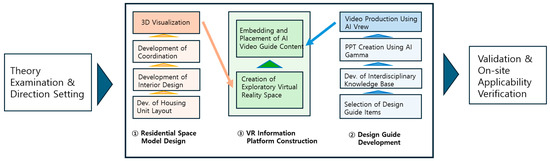
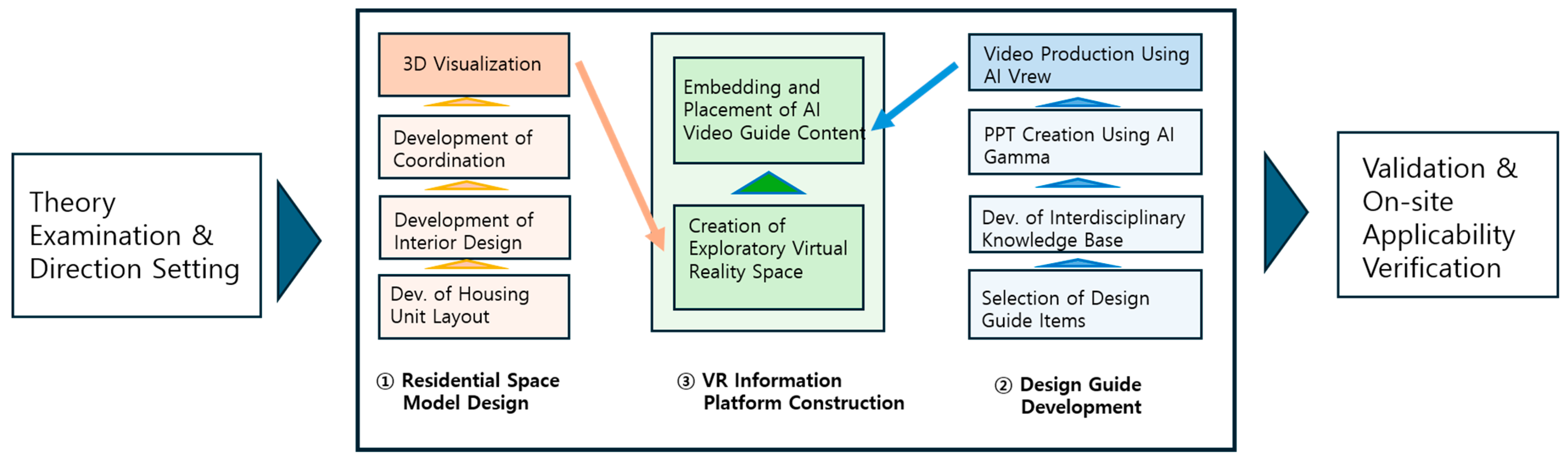
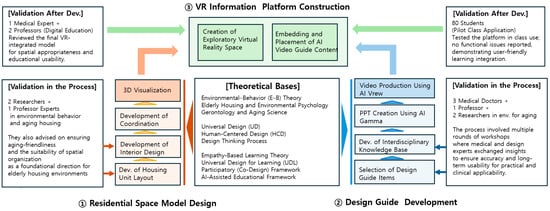
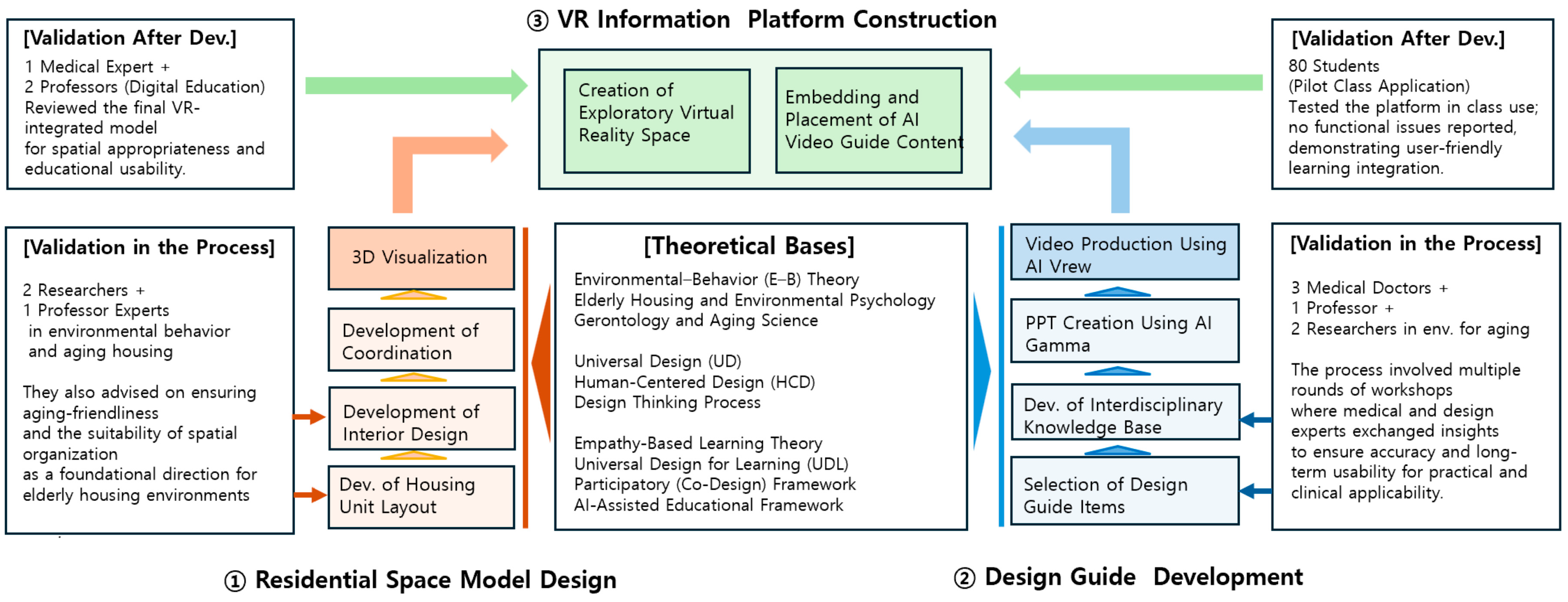
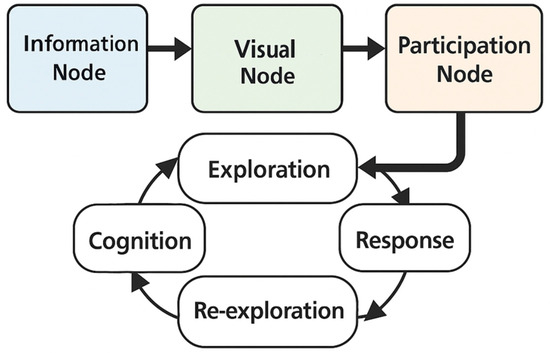
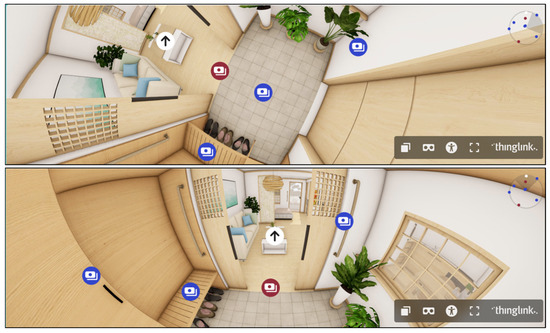

Disclaimer/Publisher’s Note: The statements, opinions and data contained in all publications are solely those of the individual author(s) and contributor(s) and not of MDPI and/or the editor(s). MDPI and/or the editor(s) disclaim responsibility for any injury to people or property resulting from any ideas, methods, instructions or products referred to in the content. |
© 2025 by the authors. Licensee MDPI, Basel, Switzerland. This article is an open access article distributed under the terms and conditions of the Creative Commons Attribution (CC BY) license.