


Abstract
Embodied carbon (EC) of buildings has been gaining attention among researchers and the industry to achieve the carbon targets by 2050. With this interest, the development of technology-based EC tracking and monitoring systems for buildings has increased. The existing literature lacks a comprehensive review of technology-based EC tracking and monitoring systems, their benefits, limitations, and adoption challenges related to buildings. Thus, this study conducted a systematic literature review, with studies published between 1996 and 2025. The results revealed 16 systems, most of which are integrated with the Internet of Things (IoT) and Building Information Modelling (BIM). The results identified 6 benefits, 7 key limitations, 17 adoption challenges, and future research directions. By integrating these findings, a conceptual framework was developed that highlights the strategic roles of key stakeholders in the effective implementation of these systems. Findings revealed that the key limitations are included in lack of a feasible EC emission reduction target, lack of an early-stage EC emissions reduction decision-making process, difficulty in tracing the responsible stakeholders to reduce the EC throughout the whole supply chain of buildings, limited automated third-party verification process and transparency issues, uncertainty of the use data, limited system boundary and the scope of works and lack of industry-level applications to test the developed systems. The challenges include data quality, scalability and cost, technology, organisational, and external challenges. The findings can serve as a benchmark for academics, researchers and practitioners to guide future developments in effectively tracking and monitoring the EC in buildings.
1. Introduction
Global warming refers to the rise in the average air temperature near the Earth’s surface, primarily due to the emission of greenhouse gases (GHGs) from anthropogenic activities. This is recognised as the foremost environmental concern of the twenty-first century [1]. While the construction industry is a pillar of the global economy, it is a significant contributor to global carbon emissions [2]. For example, buildings account for ~32% of global energy consumption and 34% of global carbon emissions [3]. Additionally, buildings rely heavily on major construction materials, such as cement and steel, which are responsible for 18% of global carbon emissions [3]. Hence, minimising the carbon emissions in buildings remains a top priority in the construction industry. Historically, the operational stage consumes the highest share of energy and carbon emissions, followed by the construction stage, and the demolition stage consumes the lowest share [4,5]. Over time, operational emissions have been reduced through improved operational energy efficiency; consequently, the embodied portion of carbon emissions accounts for a significant share [6]. Lack of focus on reducing embodied carbon (EC) emissions in buildings in the last couple of decades has led to high EC emissions even in green, energy-efficient, and nearly zero energy buildings (NZEBs) [7,8]. For example, Lützkendorf and Balouktsi [9] found that EC accounts for more than 50% of the lifecycle carbon in energy-efficient buildings. New infrastructure development-related material production is forecasted to generate 350 Gt of carbon emissions, accounting for 35–60% of the remaining carbon budget available up to 2050 under a 2 °C scenario [10]. In view of this, the urgency of reducing embodied carbon in buildings is increasing.
Most of the embodied carbon emissions are produced before the building is built [7]. Hence, studies revealed that using low-carbon and local materials, along with design optimisation, can play a vital role in reducing the EC of buildings. For example, Myint and Shafique [11] revealed that using low-carbon materials results in a 40% reduction in materials-related EC and a 39% reduction in material transport-related EC. Optimising the selection of materials in structural elements can reduce up to 12.9% of materials-related EC [12]. Therefore, design-stage decisions have a significant impact on reducing building EC. Accordingly, using the schematic design documents a pre-assessment of EC can be conducted in buildings. This pre-assessment can analyse the effects of various design alternatives by altering materials and design parameters at the design stage of the building [13]. However, the actual EC may differ from the initially estimated EC due to variations that occur during construction. Hence, a post-assessment of EC is required to analyse the actual EC of buildings based on the actual records [14,15]. However, if an unforeseen deviation between the estimated and actual ECs is identified post-construction, it would be challenging to determine the cause and too late to implement corrective measures to reduce the EC. Therefore, tracking and monitoring are essential for detecting irregular emissions, identifying potential causes, and implementing timely actions to reduce EC in buildings during the pre-construction and construction stages [16].
Traditional carbon emissions tracking and monitoring systems have a tedious and prone to errors due to manual data handling and quantification, the use of generic carbon coefficient factors, and subjective assessments due to the limitations of the standards [16,17,18]. These methods mostly included industry-average carbon emissions data, spreadsheets, and self-provided information [19]. In response to these challenges, researchers, construction industry practitioners, and organisations are increasingly adopting a wide range of emerging technology-based systems to enhance the tracking and monitoring of EC emissions of buildings. While various technology-based systems exist to track and monitor EC emissions from buildings, they are often scattered and not integrated. Additionally, despite the growing attention of researchers to technology-based systems for tracking and monitoring EC emissions in buildings over recent years, four significant gaps persist in the available review studies, as shown in Table 1.
Table 1.
Summary of previous related review studies.
- Research gap 1 (RG1)—Previous reviews generally possess limited scopes, leading to scattered insights, and none have conducted a critical review to identify the technology-based EC tracking and monitoring systems in buildings.
- RG2—Few existing studies merely compared one or two technologies with each other without providing a holistic review of the majority of technologies used for tracking [20,21,22,23,24].
- RG3—Prior studies have rarely provided a rigorous and critical evaluation of the limitations and challenges in implementing existing technology-based EC tracking and monitoring systems, particularly regarding their usability in real-world buildings, which remains absent.
- RG4—Actions to overcome the limitations and challenges in implementing EC tracking and monitoring systems in buildings are still missing.
Therefore, this study seeks to bridge these gaps by conducting a systematic review of the literature to address five critical questions:
- (RQ1) What are the currently available technology-based EC tracking and monitoring systems for buildings?
- (RQ2) What are the benefits, limitations, and adoption challenges associated with these existing available technology-based EC tracking and monitoring systems for buildings?
- (RQ3) What strategic roles, stakeholder actions, and enabling mechanisms are necessary to support the effective implementation of technology-based EC tracking and monitoring systems in buildings?
By filling these gaps, this study aims to develop a conceptual framework for the effective implementation of technology-based EC tracking and monitoring systems in buildings.
2. Methods
This study used a systematic review, a fundamental component of any research activity [27], since it synthesises prior studies in the field and identifies knowledge gaps within the published literature [28]. Briner and Denyer [29] stipulate that this technique must adhere to the following principles: (1) the review should be undertaken systematically or via a defined process; (2) a transparent methodology must be presented; (3) it should be reproducible and amenable to updates; (4) it should summarise and synthesise the principal topic of the study. Tranfield et al. [30] discussed three phases for executing a systematic review, which were later developed into a practical guide for conducting systematic literature reviews in social science and social policy, incorporating seven steps by Petticrew and Roberts [31]. This research study adhered to this in conducting this systematic review, as it emphasises the integration of the research topic and ensures that the review is methodical, transparent, and repeatable [31]. This guideline was adopted since this study aims to develop a conceptual framework for the effective implementation of technology-based EC tracking and monitoring systems in buildings, which can be used in a socially developed world (built environment) after validation.
2.1. Data Collection and Data Cleaning
As a first step, a clearly defined research question was developed: “What are the currently available technology-based embodied carbon monitoring and tracking systems for buildings?” To identify suitable studies, a keyword search string was developed. The primary elements of the keyword list pertained to terminology associated with buildings, technology-based systems, embodied carbon, monitoring, and tracking. Since several terminologies have been used interchangeably to denote these primary keywords, a pilot review of related articles identified additional keywords (e.g., Refs. [19,20,25]). Boolean operators (“AND” and “OR”) functioned as loops to amalgamate the strings of keywords, and wild card characters (“*” and “?”) were used to maximise search results in the literature databases [32,33]. Using the identified keywords, several search attempts were conducted in the Scopus database to finalise the search string. The rationale behind this decision was to get the maximum number of relevant studies. Accordingly, the final keywords search string is as follows: ((“Artificial intelligence” OR “AI” OR “Machine Learning” OR “Deep Learning” OR “Blockchain” OR “Distributed Ledger” OR “Internet of Things” OR “IOT” OR “Geospatial technolog*” OR “GIS” OR “Remote Sensing” OR “Satellite Imag*” OR “ERP” OR “Digital Twin” OR “DT” OR “Building Information Modelling” OR “BIM”) AND (“Construction” OR “Building*” OR “Prefabricated”) AND (“Embodied Carbon” OR “Carbon emission*” OR “Greenhouse Gas*”) AND (“Tracking” OR “Monitoring” OR “Visual” OR “Visuali?ing”)).
Using the above keyword search string, relevant studies were identified in the Scopus and Web of Science databases. Scopus and Web of Science are selected as appropriate databases because they contain a wide range of scientific journals and prestigious conference proceedings worldwide [34,35]. From this search, 380 studies were identified in Scopus and 206 studies in Web of Science. The next step is to screen the retrieved studies and identify those that fully meet the inclusion criteria. The first four inclusion criteria were set out such as (1) search field was selected as title, abstract, keywords; (2) publication period was set as from 1997 to 2025 (the date of final literature search is 2 June 2025); (3) document types were selected as article, conference paper, review and book chapter; (4) language of the document was selected as English. This study did not consider non-English studies due to the authors’ language barrier. Also, this review did not include grey literature due to concerns about quality assessment.
After applying these four inclusion criteria, 318 studies from Scopus and 202 studies from Web of Science were identified. Each database’s Research Information Systems (RIS) file was downloaded and uploaded into Mendeley to remove duplicate studies. After removing the duplicates, 457 studies were considered for the next step.
The fifth step is to critically appraise the quality of the included studies. Accordingly, 457 study titles were screened, and 345 studies were excluded (as they were captured by terminology outside the field of embodied carbon in buildings). Then, the abstracts of the remaining studies were screened, and 100 studies were excluded (those that did not develop technology-based systems for tracking and monitoring buildings, as well as those that were EC and review articles). Consequently, 12 studies were selected for the final review, and through snowball sampling, an additional 4 were identified, for a total of 16 studies. The 16 sample size is suitable for conducting a systematic review of the literature. The systematic literature review is ideal for niche research areas [36] or a narrow scope of study, and thus tends to include fewer papers for review [37]. For example, Man et al. [38] conducted a systematic review of research related to virtual reality (VR) applications for construction safety training and education over the past decade, using 12 studies. Dwaikat et al. [39] reviewed the cost premium of green buildings, utilising 17 studies. Ansh et al. [40] used a sample size of 19 to present a review of the breadth of green building evaluation matrices that can be achieved with BIM.
2.2. Data Analysis
As the sixth step, the findings of these 16 studies were synthesised using a content analysis technique. Hsieh and Shannon [41] argue that content analysis facilitates the subjective interpretation of text in qualitative research by employing systematic codes and patterns. The researcher manually conducted the content analysis without using qualitative analysis-specific software. The manual evaluation can help identify and omit low-quality papers, focusing on high-quality evidence [42]. As the final step of this review, the findings were disseminated and presented in Section 3 of this study. The overview of research methodology is shown in Figure 1. Also, this study followed the Preferred Reporting Items for Systematic Reviews and Meta-Analyses (PRISMA) reporting guideline to ensure the review is complete, transparent, and reproducible. Hence, the PRISMA flow diagram and the process-related methodology checklist were developed according to the checklist provided by [43], and are attached in the Supplementary documents (Refer to Supplementary Figure S1 and Table S1).
Figure 1.
Overview of research methodology.
Based on the results of RQ1, RQ2, and RQ3, a conceptual framework for the effective implementation of technology-based EC tracking and monitoring systems in buildings was developed. A conceptual framework serves as a theoretical structure that systematically illustrates the intricate relationships among essential components in addressing a research problem [44,45]. A conceptual framework synthesises empirical results to provide a structured understanding of complex events, in contrast to theoretical frameworks that emphasise testing established hypotheses [46]. By converting abstract theoretical concepts into tangible outlines, a conceptual framework clarifies the relationships among fundamental elements and how their interactions may yield practical results. The development of this conceptual framework was methodologically directed by the grounded theory approach developed by Glaser and Strauss [47]. In this study, framework components were systematically extracted through theme analysis of the 16 studies included in this review. This method has been effectively used in prior building technology research to establish empirically based conceptual frameworks [48,49]. This study’s qualitative evidence synthesis was conducted in alignment with the Enhancing Transparency in Reporting the Synthesis of Qualitative Research (ENTREQ) framework to improve methodological transparency [50]. All 21 ENTREQ questions were comprehensively addressed and attached in Supplementary documents (Refer to Supplementary Table S2).
3. Results
3.1. Published Articles, Annual and Worldwide Distributions
The distribution of the 16 identified published articles on technology-based EC monitoring and tracking systems for buildings is shown in Figure 2. The results are evident that from 1996 to 2010, no publications were documented in this research domain, indicating a lack of attention from researchers in this area. The primary reason for this situation is that the initial integration of digital technologies into environmental sustainability in the manufacturing sector and other associated industries began around 2011, coinciding with the Industry 4.0 revolution [51,52]. The first interest among researchers in this research domain was documented in 2011 and 2012, with only one publication per year. However, this initial interest did not sustain itself, as the research domain experienced another brief period of inactivity until 2016. As Figure 2 illustrates, the trends from 2017 to 2023 emphasise an early period of limited publication (1 to 2 articles per year), with a maximum of 3 publications recorded in 2025. In recent years, an increase in publications has indicated that interest in this research domain is growing. Although the EC concept has been discussed for many years, its formal recognition and integration into policy frameworks have been developed recently to reduce EC emissions and achieve carbon-neutral targets [53].
Figure 2.
Annual publication trend of the publications.
Figure 3 shows the worldwide distribution map of publications. China stands out as the leading contributor, with 10 publications, reflecting a significant national emphasis on achieving carbon-neutral targets in the building sector. After China, Hong Kong published 3 publications that emphasise that its carbon-neutral targets are the same as those of Mainland China. Next is the United States of America (USA) with 2 publications and Kenya with 1 publication. Although Europe has prominent leadership in climate legislation and carbon-neutral targets for buildings, there is a comparatively low number of studies in this research domain. Results indicate that only 1 study was found from a developing country or from a global South perspective. However, it was noted that buildings in the global South use much more resources and energy than those in developed countries [50], highlighting the need for more research on the global South as well.
Figure 3.
Worldwide distribution map of publications.
3.2. Technology-Based Embodied Carbon Tracking and Monitoring Systems in Buildings
Recent technological advancements have led to the development of integrated systems that combine multiple technologies to enhance the accuracy and efficiency of EC tracking and building monitoring. This study identified 16 technology-based systems for tracking and monitoring embodied carbon in buildings. The key findings, including the technologies used, lifecycle stages considered, building types or elements, and the status of using real-world cases to prove the developed system, are summarised in Table 2. It was identified that BIM, IoT, Cyber-physical system (CPS), Computer vision (CV), Satellite image (SI), ML, GIS, and Blockchain are the key technologies used to develop these systems. Among these technologies, IoT and BIM are the most widely used in creating the EC tracking and monitoring system for buildings, as shown in Table 2 (IoT used systems–10 Nr; BIM used systems–8 Nr). With the current capabilities of the IoT, including automation and control, data collection and analysis, interoperability, real-time monitoring, and remote access and control, it is possible to utilise IoT for EC tracking and monitoring systems in buildings [54,55]. Similarly, the coordination among stakeholders, clash detection facilities, simulation, optimisation, and the centralisation of project information are characteristics of BIM that led to its use in developing EC tracking and monitoring systems in buildings [56,57].
The results revealed that 13 of the 16 systems primarily use the cradle-to-gate (A1–A3) boundary for their EC tracking and monitoring. This is because a significant amount of embodied carbon of the buildings is included in these stages, which is sometimes called ‘upfront carbon’. For example, Craft et al. [58] found that the upfront embodied carbon emissions of newly constructed office buildings accounted for over 60% of their total life-cycle embodied carbon emissions. The limited studies focused on conventional building works because of the complexity of in situ construction activities, and their scope was restricted to the cradle-to-gate stage. With the evolution of prefabricated construction techniques, recent studies have increasingly focused on tracking and monitoring EC emissions from prefabricated buildings. Compared to conventional in situ construction activities, prefabrication is simpler. Hence, the system boundary of several studies was extended to encompass the cradle-to-end of construction. However, only one study considered the whole life cycle boundary for its system. This highlighted the limited attention of the existing systems to the full lifecycle boundary-related EC tracking and monitoring.
Table 2.
Technology-based embodied carbon tracking and monitoring systems in buildings.

3.3. Benefits of Technology-Based Embodied Carbon Tracking and Monitoring Systems in Buildings
Integration of technology-based EC tracking and monitoring systems in buildings provides various benefits, enabling the reduction in EC. This study identified six benefits of technology-based EC tracking and monitoring systems (See Appendix A). Accordingly, the identified benefits are summarised and presented in Figure 4 and discussed under this subsection.
Figure 4.
Benefits of technology-based embodied carbon tracking and monitoring systems in buildings.
3.3.1. Ability to Monitor the Embodied Carbon of Buildings
Of the 16 systems, 15 facilitate EC emissions monitoring for the buildings (Refer to Table 2). However, these systems use various approaches for monitoring the process. For example, most of the studies used BIM and IoT [16,18,60,62,63]. Few studies used a BIM model integrated with the earned value method (EVM) [59,60], and a cyber-physical system approach with BIM [68] or without BIM [65,70,71]. These systems have unique benefits and limitations due to their different approaches for monitoring processes. For example, Memarzadeh and Golparvar-Fard [60] and Zhang et al. [62] proposed systems that can provide only visualisation of the EC emissions results. Stakeholders need to monitor the results and manually implement the EC-reduction actions. This could lead to delays in providing prompt solutions and result in insufficient actionable insights to reduce EC. Additionally, someone should be physically present to monitor the results visualisation dashboards, assess the results, and determine minimisation methods. So, if someone is not there to visualise the results, it can lead to further delays in providing prompt solutions.
Moreover, manual decision-making can be time-consuming, hindering the identification of relevant stakeholders and the department responsible for corrective actions. Therefore, to overcome this situation, some proposed systems provide visualisation and alert signals to indicate issues, enabling the immediate implementation of EC-reduction measures. For example, Zhang and Zhang [59] proposed a system that predicts the ultimate carbon emissions throughout the building phase and generates alert signals within the BIM model for project managers upon detecting a problem, enabling proactive intervention. Mao et al. [61] suggested that the system would also visualise emissions findings at various stages of the building process on the BIM platform. Moreover, mobile technologies, such as smartphones, enable project teams to monitor EC in real time, regardless of time or location. By utilising cloud data services, smartphones can provide real-time updates on emission results and graphically represent building operations in synchronisation with the virtual BIM model.
Furthermore, EC emissions control directives and alert notifications may be sent to the worker’s smartphone, enabling the implementation of suitable corrective measures to regulate EC emissions. Jin et al. [63] proposed a BIM-based EC tracking and monitoring system. The front-end system collects real-time EC emission dynamic data and transmits it to the data layer at predetermined intervals for processing. If the data exceeds the designated parameters or exhibits anomalies, promptly engage the integrated alarm system to provide comprehensive alert information and notify the accountable department.
Additionally, some systems predict the remaining carbon emissions target and give an alert before they exceed preset emission limits [64,65], thereby reducing the delay in the decision-making process. For example, Tao et al. [65] integrated their system with a mobile application called GHG Emission Monitoring (GEM), which can be used and installed on the mobile phones of on-site supervisors. Upon the virtual model issuing a notice, the application will notify pertinent supervisors via an alert alarm. A summary environmental performance of the manufacturing process is presented to guide supervisors. Consequently, suitable remedial measures can be implemented to regulate emissions, thereby improving the efficiency of the decision-making process.
3.3.2. Efficiency of the EC Emissions Tracking and Monitoring Process
Many tracking systems aim to improve the efficiency of EC emissions tracking and monitoring compared to traditional methods. As discussed in Section 3.3.1 above, by capturing real-time data, visualising emission results, and providing real-time notification alerts, these systems can improve the efficiency of the EC emissions tracking and monitoring process to some extent. In addition to that, some of the proposed systems are capable of tight coupling between the physical production line and the virtual computing platform, especially during the prefabricated element manufacturing stage [18,61,62,64,66]. This feature significantly improves the efficiency of carbon emissions tracking and monitoring. For example, Tao et al. [66] proposed a system where the laser light is obstructed by a moving component, prompting the laser-induction system to relay updated location information to the computing platform promptly. Consequently, the component’s position is highlighted in a vivid colour within a virtual production line model. This system comprises an Internet Protocol (IP) camera that delivers a real-time view of the manufacturing line. The close integration of the actual manufacturing line, virtual model, and real-time imagery might significantly reduce decision-making time and enhance accuracy. If anomalous emission data are present, the production manager may swiftly identify the station or equipment responsible for the condition with the assistance of the suggested system. The current system’s sensors can autonomously identify component types, locate components, and transmit data. An advanced automated monitoring platform enhanced the efficiency of carbon emission data processing, decreased human costs, and mitigated security issues throughout the monitoring procedure.
3.3.3. Accuracy of Results
Technology-driven EC tracking and monitoring solutions enhance accuracy by minimising human error, refining data extraction, incorporating automated standard evaluation methods, and enabling real-time data updates. By integrating diverse IoT sensors, including radio frequency identification (RFID), acceleration, global positioning system (GPS), and pressure sensors, these systems can acquire more precise real-time data, thereby reducing errors associated with manual data recording [62,65,68,70,71]. Additionally, integrating IoT technologies can enable the efficient capture and updating of real-time data. Real-time capture and data updates are crucial for precise emissions tracking and monitoring, which are essential for informed decision-making. Li et al. [64] proposed a system that captures and updates data (movement status and location of materials and components) every five seconds using RFID and an accelerometer during the assembly phase of prefabricated elements. Additionally, this system demonstrated that utilising backup sensors and redundant data channels can enhance data collection and reliability by approximately 30%, reducing data loss from 8% to 2%.
Integrating BIM and carbon assessment tools using application programming interfaces (APIs) facilitates continuous and precise real-time data flow [16,18]. The uninterrupted and precise data flow is crucial for effectively representing the real circumstances and improving the accuracy [25]. Furthermore, these technology-driven solutions are authorised to include standard LCA software. Integrating conventional LCA software into this system may enhance the accuracy of the results [18]. Integrating LCA software guarantees a consistent evaluation procedure, in contrast to the traditional technique, which often depends on the assessor’s expertise and assumptions [73,74].
3.3.4. Predict the Remaining or Balance EC Emission
Projecting residual EC emissions is a common challenge in evaluating a building’s carbon footprint. Modifying the original design during construction directly affects the previously established emission targets and the actual emission levels [75]. Consequently, recognising and revising these design modifications is crucial for predicting the residual carbon emissions of structures. Zhang and Zhang [59] proposed a system to address this limitation. Their system considers three types of alterations: the addition of new components, the removal of existing components, and the revision of existing components, categorising these alterations in the BIM model. Then, the carbon forecasting module identifies design modifications that require user confirmation before proceeding with carbon forecasting at each checkpoint. The design data in Navisworks may be retrieved and organised using the plug-in, including element identification (ID), dimensions, and material layers. Comparing the newly extracted design file with the prior version helps detect changes in the BIM model. The newly added components must be linked to a designated activity to facilitate revision of the carbon-loaded schedule. The prior emission thresholds and checkpoints must be modified accordingly. The carbon forecasting methodologies ultimately use the revised carbon-loaded timetable, emission thresholds, and checkpoints. Zhang and Zhang’s [59] study showed that various design alterations, including spatial considerations, the removal of an existing interior wall on the second floor, and the reduction in all CG-250 wall thicknesses to 200 mm, led to the adjustment of the lower and upper emission thresholds to 357 tCO2e and 395 tCO2e, respectively.
3.3.5. Assist in Reducing Construction Phase EC Emissions
When considering the overall life-cycle embodied carbon emissions of buildings, the construction stage accounted for less EC than the upfront EC emissions. Therefore, most of the existing studies focused on analysing and reducing upfront EC emissions, while overlooking the EC associated with the construction [8,76,77,78]. However, few recent studies have extended their boundary to analysing and reducing EC emissions in the construction phase of buildings [58,79]. Nevertheless, one of the challenges in reducing EC during the construction phase is managing idle time for construction work. Idle machinery and equipment consume fuel without generating productive output, resulting in unnecessary emissions of EC [80,81,82]. Hence, reducing the idle time of construction equipment would decrease fuel consumption, potentially leading to a reduction in EC associated with the construction phase [80,81,82], prolongation of engine lifespan, and a safer working environment for operators and personnel on site [67].
However, minimising idle time in any worksite activity requires a thorough evaluation of productivity. Initially, it is essential to collect data on the materials and processes used for each building activity to evaluate and analyse productivity and carbon footprint [67]. Conventional data collection techniques for productivity assessment include direct manual observations, which are derived from stop-motion analysis in industrial engineering, as well as survey-based methodologies [82,83,84]. This system offers advantageous solutions for building operations; however, its implementation is time-consuming, manual, labour-intensive, and prone to errors [83,85,86]. The substantial volume of information influences the quality of analysis, rendering it subjective [87]. Consequently, numerous pivotal decisions will rely on this erroneous or insufficient information [67]. To mitigate this issue, Heydarian and Golparvar-Fard [67] proposed a system that automates a visual sensing approach, which semantically analyses the position and actions of equipment using an integrated 3D reconstruction and recognition algorithm that utilises the 4D Augmented Reality (AR) model. The productivity of construction operations is then analysed and assessed using a novel machine learning technique. This inaugural joint evaluation of productivity and EC enables project managers to analyse their operations in real-time, allowing them to adjust construction plans and operational strategies concurrently to reduce EC emissions during the construction phase.
3.3.6. Facilitate a Decentralised, Immutable, Improved Data Security System
Even though these systems offer various benefits for tracking and monitoring EC in buildings, some have disadvantages, such as a lack of transparency, inconsistent reporting, and vulnerability to cyber threats. For example, Rathnayake et al. [88] explained that for EC emissions tracking and monitoring systems in buildings to be accurate, dependable, transparent, and compliant with regulations, the data must be immutable and reliable. Data cannot be changed or tampered with after it has been recorded due to its immutability. Effective monitoring and reduction plans depend on the quality and dependability of carbon emissions data, which must be maintained. To address this limitation, Luo et al. [69] proposed a blockchain-based system for tracking and monitoring EC emissions in buildings. This study highlighted that, once carbon emission-related data has been recorded in this tool, only a modified version can be added after the initial error message, rather than overwriting the inaccurate data. This significantly reduces the likelihood of tampering and enhances data integrity. In addition, unlike traditional systems, where centralised data repositories can be vulnerable to unauthorised changes and single points of failure, the inherent traceability of blockchain provides an uninterrupted audit trail, improves transparency for all stakeholders, and enables independent verification of emissions data [69]. Additionally, verified carbon emissions data is often stored securely using blockchain technology, which offers an irreversible ledger, guaranteeing accountability and transparency in carbon trading and reporting [69,89].
In contrast with traditional systems, where centralised data repositories can be vulnerable to unauthorised changes and single points of failure, the inherent traceability of blockchain provides an uninterrupted audit trail, improves transparency for all stakeholders, and allows for independent verification of emissions data [69]. Additionally, blockchain systems distribute data across all participating nodes, ensuring that each participant has a uniform view of the ledger. Therefore, if the sensitive information of any node is compromised, the other nodes promptly detect the anomaly. This intrinsic characteristic substantially reduces risks, such as single-point attacks that often result in data breaches, thereby preserving data confidentiality. This strong security fosters confidence among stakeholders and improves the effectiveness of inter-organisational cooperation, supported by the transparent records maintained in the blockchain system [69]. Even though blockchain technology provides decentralised data security and immutability, its consensus-based approach significantly impacts energy consumption. For example, the Proof-of-Work (PoW) consensus process is consuming high energy, which emits high carbon emissions [90]. There are other consensus mechanisms such as Proof-of-Stake (PoS), Delegated Proof-of-Stake (DPoS) and Proof-of-Authority (PoA), which consume low energy and emit low carbon emissions compared to the PoW [91]. These alternatives aim to reduce energy use and carbon emissions without compromising the core characteristics of blockchain technology [92]. Hence, it is necessary to consider energy consumption, computational demands, and carbon emissions when selecting a blockchain consensus process.
3.4. Limitations of Technology-Based Embodied Carbon Tracking and Monitoring Systems in Buildings
This subsection addresses another part of RQ2: “What are the benefits, limitations, and adoption challenges associated with these existing available technology-based EC tracking and monitoring systems for buildings?” by synthesising the findings from the 16 studies included in the content analysis (See Appendix B). Accordingly, 7 key limitations namely, (1) lack of an EC emission benchmark or a reduction target, and limitations of the developed benchmark or a carbon emission reduction target, (2) lack of an early-stage EC emissions reduction decision-making process, (3) difficulty in finding tracing the responsible stakeholders to reduce the EC throughout the whole supply chain of buildings, (4) limited automated third-party verification process and transparency issues, (5) uncertainty of the use data (carbon coefficient values and material intensity values), (6) limited system boundary and the scope of works, and (7) lack of industry-level applications to test the developed systems were identified. Additionally, due to the limitations inherent in the systems resulting from the used technologies, five other sub-limitations were identified. The summary of identified limitations and improvement strategies is presented in Table 3.
Table 3.
Summary of limitations and improvement strategies.
3.4.1. Lack of a Feasible EC Emission Reduction Target
The carbon emission benchmark in buildings is essential for establishing targets to mitigate global warming [9], offering critical guidance and facilitating decision-making [93], ensuring alignment with national and international objectives [94], enabling performance evaluation and enhancement [95,96], supporting policy and regulatory frameworks [97], promoting standardisation and consistency [98], and aiding carbon trading initiatives [94]. Nevertheless, the majority of established EC tracking and monitoring systems lack EC-reduction benchmarks or targets, leading to corrective actions based on professional experience [66,67]. This process leads to numerous issues, including variability in outcomes, subjectivity in decision-making, inefficient resource utilisation, and unresolved problems resulting from communication barriers among professionals. The success rate of EC reduction strategies can vary significantly, as professionals may differ in experience, expertise, and approaches. Additionally, the decision regarding individual professionals is inherently subjective, which can lead to bias and limit the identification of the actual root cause of EC emissions. This underscores the necessity for an EC emission baseline or a reduction objective for buildings.
Hence, few studies have established an EC emissions benchmark or an EC reduction target for buildings, focusing on materials-related EC and the manufacturing of prefabricated elements, primarily during the manufacturing phase. For example, Zhang and Zhang [59] established a fundamental EC emissions target for buildings using the LCA process methodology to implement in their EC tracking and monitoring system. However, the total EC emissions of the building are allocated linearly throughout its lifespan, which oversimplifies reality by assuming EC emissions occur at a uniform rate. This will not represent the practical dimension of the EC in building constructions. Tao et al. [65] developed an EC emission target only for the operating equipment related to prefabricated component manufacturing. However, this overlooks the EC emission threshold related to other major components, such as materials, transportation, and prefabricated construction. In addition, these developed EC emissions benchmarks are specific to the considered case study and cannot be generalised to a wider context. Therefore, if others are implementing these existing systems, they need to assess the EC emissions benchmarks of each project or prefabricated manufacturing facility, a process that consumes time and resources. Therefore, a more pragmatic approach is essential for developing EC benchmarks or target reduction for buildings, which can be applied to a wider context. To address this issue, some researchers and governments are already developing country or region-specific EC benchmarks for their buildings. For example, the Australian Infrastructure and Transport Ministry [99] published a benchmark (A1-A5 boundary, cradle-to-end of construction) per square metre of EC for various types of buildings.
3.4.2. Lack of an Early-Stage EC Emissions Reduction Decision-Making Process
Decisions made in the initial design phases regarding structural systems, building materials, and technologies may profoundly affect the minimisation of the building’s EC [100,101,102]. For example, substituting cement with Ground Granulated Blast-Furnace Slag (GGBS) can reduce the embodied carbon of concrete by 60–70% [103]. This method has demonstrated significant reductions in whole-life embodied carbon (WLEC) across various building categories, including residential, educational, and hospitality structures, with decreases ranging from 23.69% to 46.86% [103]. All the existing EC tracking and monitoring systems shown in Table 2 were implemented after the design phase, thereby overlooking decision-making opportunities during the early design phase. For example, Zhang and Zhang [59] proposed a system where the estimated EC emission target information is shared among project managers prior to the construction phase. Subsequently, during the construction phase, the system can predict the final EC emissions and alert project managers when there is an issue with the current progress of EC. Based on this alert, the project managers may be able to implement timely corrective actions to prevent an EC emission overrun during the construction phase. However, they cannot mitigate the corresponding upfront EC emissions from materials because the design is finalised, which accounts for a significant portion of EC emissions in buildings. Hence, in terms of the EC reduction, these system efforts are not substantial. Therefore, it is necessary to improve these existing systems to enable early decision-making in reducing EC emissions from buildings.
3.4.3. Responsible Stakeholders to Reduce the EC Throughout the Whole Supply Chain of Buildings
When considering the buildings’ whole life cycle, EC emissions occur at various stages, including material production, transportation, construction, maintenance, and demolition. At the same time, the building construction process is complex, requiring thousands of materials and building products (e.g., steel, cement, glass) to complete the project [104]. Moreover, buildings often have lifespans spanning decades or even centuries. The stakeholders during this extended timeframe include material suppliers, manufacturing firms, contractors, construction labourers, managers, owners, and maintenance personnel, among others [105]. Each stakeholder has various roles and responsibilities. Hence, to reduce EC emissions, identifying the responsible stakeholders at each stage of the supply chain is vital. This is an extremely complex process that requires effective tools and techniques. However, 15 of 16 EC emissions-tracking and monitoring systems cannot identify or trace the stakeholders responsible for reducing EC emissions at each stage. Even though these IoT, BIM, and CPS-based EC tracking and monitoring systems allow the entry of actual data during the construction process, whether automated or manual, these technologies cannot indicate which stakeholders the data belongs to. Additionally, IoT, BIM, and CPS technology-based systems that rely on data can be manipulated and are prone to security threats, posing another significant challenge for third-party verification and the implementation of EC reduction strategies. Blockchain technology offers a promising solution to these challenges by enabling decentralised and secure data sharing, anti-tampering, and information exchange among stakeholders [106]. Accordingly, Luo et al. [69] proposed a blockchain-based EC emission tracking and monitoring system, which can overcome these security and tracing limitations. However, like the other 15 systems, this system also did not investigate how EC emissions from buildings can be reduced through this tracking and monitoring system in an industry-level application, which is another critical limitation of these existing systems.
3.4.4. Limited Automated Third-Party Verification Process and Transparency Issues
With the urgency of reducing EC emissions from buildings to achieve the carbon targets in 2030 and 2050, various groups, including governments and the Green Building Council, are implementing rules and regulations to address this issue. For example, when obtaining planning approval for new building construction in New South Wales (NSW), Australia, the homeowner or responsible person should submit the estimated embodied carbon value of the building [107]. The recently updated version of Leadership in Energy and Environmental Design (LEED) v5 has incorporated the embodied carbon/LCA optimisation credit, which can directly influence the reduction in EC in green buildings [108,109]. With these initiatives, it is evident that reducing EC is necessary for obtaining third-party verifications, building permits, and green building certification. These methods guarantee that the data is visible and verifiable by independent certifiers, which is essential for fostering confidence among stakeholders and validating sustainability claims [110]. Anti-tampering systems preserve the integrity of data gathered and submitted for sustainability evaluations. This is crucial, since any interference may result in inaccurate sustainability ratings and compromise the integrity of the certification process [111]. However, as shown in Table 2, the 15 systems out of 16 are developed by integrating BIM, IoT, and CPS technologies, which are prone to data manipulation, a critical issue for third-party verification. Blockchain technology is a suitable solution to overcome this limitation, as it provides anti-tampering, decentralised, and third-party verification facilities [106]. Although Luo et al. [69] proposed a blockchain-based EC tracking and monitoring system, this study did not investigate how the third-party verification process is conducted at the industry level. This raises another practical limitation, which is discussed under Section 3.4.7.
3.4.5. Uncertainty of the Use Data (Carbon Coefficient Values and Material Intensity Values)
The uncertainty surrounding any carbon emission evaluation cannot be eradicated [112,113]. Uncertainty stems from several reasons, including data unpredictability, measurement inaccuracies, and assumptions made throughout the evaluation process [109,114]. For instance, materials with elevated EC intensity can induce significant variations in building EC relative to the mass of the materials, with the EC of a mass timber structure varying from 196 to 590 kg CO2e/m2 [115]. In contrast, for a concrete structure, the range was from 307 to 618 kg CO2e/m2 [116]. Marsh et al. [117] noted that in the initial design phases, the lack of detailed knowledge about materials (e.g., manufacturer, concrete mix) necessitates reliance on average statistics, thereby introducing uncertainty. Discrepancies in quantifying material amounts, transportation distances, and construction durations add to the uncertainty in embodied carbon estimations [117]. Furthermore, sources of EC coefficients facilitate the uncertainty [109]. Consequently, it is essential to evaluate the uncertainty; otherwise, the outcomes may convey a misleading impression of accuracy and lead to erroneous judgments [118,119]. However, the current technology-driven EC tracking and monitoring systems, which establish databases, are used to make assumptions based on different material quantities, equipment usage, and various EC coefficient sources. Nonetheless, these systems failed to account for the uncertainty associated with their results [59,67]. Thus, the outcome delivered by these systems has significant uncertainty, which may prevent them from achieving the required EC emissions target. Hence, these systems must evaluate the related uncertainty of the results and offer a more thorough comprehension of the implications of EC reduction.
3.4.6. Limited System Boundary and the Scope of Works
As shown in Table 2, 15 systems out of 16 were limited to their system boundary or the scope of work. For example, three studies focused on the A1–A3 boundary, two extended it to A1–A4, five considered the A1–A5 boundary, two examined the A1-B1 boundary, and one study’s scope was limited to the A3–A5 boundary. Another two-study boundary was limited to single stages, such as A4 and A5, respectively. Moreover, the majority of systems focus on prefabricated construction buildings, whereas studies on in situ building are limited. Additionally, none of the studies considered all the building activities for their work. For example, Memarzadeh and Golparvar-fard [60] studied only the sub-structure related concrete works, Huang et al. [68] limited their study to building decoration materials, Tao et al. [65] focused on prefabricated wall materials, and Tao et al. [66] limited their study to prefabrication works associated with concrete and steel works. This highlighted that none of these systems can represent the complete building’s activities related to EC emissions tracking and monitoring. Therefore, the existing systems need to be improved by extending their boundaries and considering all building activities associated with EC tracking and monitoring.
3.4.7. Lack of Industry-Level Applications to Test the Developed Systems
Before the widespread adoption of new technologies in buildings, their efficacy and reliability must be established through prototypes in various industry-level applications. However, as mentioned above, all existing EC tracking and monitoring systems lack industry-level applications to test their validations. These systems are utilised in a laboratory-level single-case study to validate their effectiveness. However, Luo et al. [69] claimed that their developed system has been used to track and monitor EC emissions in the Hong Kong building industry since 2020. Nevertheless, this study lacks a discussion regarding this industry-level application, potential opportunities, and challenges associated with using the system at the industry level. Thus, these systems are necessary in more real-world applications.
3.5. Adoption and Implementation Challenges in Technology-Based EC Tracking and Monitoring Systems in Buildings
By reviewing the published studies in this research domain, it was revealed that although technology-based EC tracking and monitoring systems have significant potential to reduce EC emissions in buildings, their adoption remains limited. This is largely due to the construction industry’s historical resistance to change, particularly when it comes to new technologies [120,121]. Similarly, 15 out of 16 technology-based EC tracking and monitoring systems in buildings are still at the laboratory level of implementation. Only one system has been claimed to have been used at the industrial level [69]. However, this system also did not provide any evidence regarding its applications at the industry level. Therefore, it is necessary to identify the key challenges in the adoption and implementation of technology-based EC tracking and monitoring systems in buildings. From the content analysis conducted of 16 studies, key challenges in the adoption and implementation of technology-based EC tracking and monitoring systems in buildings were identified, in response to the final part of RQ2: “What are the benefits, limitations, and adoption challenges associated with these existing available technology-based EC tracking and monitoring systems for buildings?” The identified challenges are discussed in the following subsection under five key categories. A summary of the challenges, the strategies to overcome them, and the stakeholders involved is presented in Table 4.
Table 4.
Summary of adoption challenges and overcoming strategies.
3.5.1. Data Quality Challenges
The accuracy and comprehensiveness of the emission data provide significant challenges in implementing a real-time EC tracking and monitoring system. The assessment of EC heavily depends on precise, well-specified input data, including material type, source, production process, carbon coefficient values, and transit method [114]. Nonetheless, the carbon coefficient values used in these existing systems are often outdated, inconsistent, or inadequate. Environmental Product Declarations (EPDs) provide useful carbon coefficient values; nevertheless, not all materials and manufacturers possess them [122,123]. The quality of EPDs may fluctuate, even in their presence, contingent upon the methodologies and assumptions used in their collection, as well as the extent of validation undertaken [122,123]. Therefore, it is necessary to develop open-access quality databases to overcome this challenge. Another challenge is the dependability of the real-time data that sensors are anticipated to collect [124]. Sensor calibration is essential for accurately documenting equipment utilisation, fuel consumption, and delivery duration. Neglecting to repair or calibrate the sensors periodically may result in inaccurate emissions estimations from the data they collect [64]. For example, a smart meter may inaccurately assess a generator’s energy consumption, potentially underreporting the site’s emissions, thereby creating a misleading perception of the site’s performance [72]. Following proper maintenance procedures to uphold system standards is essential [64]. Moreover, information deficiencies can occur due to network connectivity issues, power outages, or equipment malfunctions, especially at remote construction sites [64]. Unless addressed through redundancy or data recovery techniques, these disruptions can compromise the integrity of emissions records and erode confidence in the accuracy of the systems’ outcomes.
3.5.2. Scalability and Cost Challenges
Scalability is a significant challenge, particularly with the increasing adoption of these systems across multiple projects [64,69,72]. Hence, identifying the system’s scalability performance and addressing scalability issues is necessary. Despite the flexibility provided by cloud application types to accommodate vast quantities of data and many users, deploying sensors, meters, and scanning devices remains a challenging and resource-intensive task [64]. The costs associated with acquisition, installation, enumeration, and maintenance may hinder their widespread use. This issue is especially relevant for small and medium-sized enterprises (SMEs), which may lack the financial resources and technical expertise to sustain an advanced IoT infrastructure [72]. Numerous SMEs use spreadsheets or manual methods for material tracking, and transitioning to a data-driven, real-time system may be seen as too complex or expensive. Even though there is open-source software such as OpenLCA to assess the carbon emissions of buildings [125]. There is a lack of open-source software for tracking and monitoring EC in buildings. Therefore, it is necessary to develop, distribute, and customise free software which significantly reduces software acquisition costs for SMEs [126]. Such software can drive innovation and sustainability while reducing the financial burdens, particularly on SMEs [127].
Luo et al. [69] highlighted that stakeholder acceptance is significant for implementing these systems at the industry level. The stakeholders are focused on return on investment (ROI) for these systems, which is expected to be long-term and contingent upon savings from carbon pricing, certification advantages, or an enhanced market reputation. Such prospects may not be apparent to minor participants. Subscriptions to cloud services, dashboard analytics services, and access to reputable carbon databases may substantially augment operating expenditures. Therefore, SMEs may lack the financial capacity for adoption without access to financing, incentives, or open-source alternatives. Hence, providing funding and incentives and developing open-source data platforms are essential.
3.5.3. Technology Challenges
The technology challenges are widespread in several EC tracking and monitoring systems. These include data integration, capacity issues in edge computing, network and data transmission issues, sensor issues, integration issues with the organisation’s existing systems, and concerns about system reliability [16,64]. The number of sensors rises with project scale, creating problems for data integration. For large-scale projects, ensuring sensor data is delivered and integrated precisely and on schedule becomes a significant challenge [64]. Furthermore, redundant hardware designs may lead to significantly higher hardware and maintenance costs in larger projects, potentially impacting the platform’s economic viability, even though they are suitable for smaller projects [64]. Hence, the modular hardware design can be used in large-scale projects, enabling the flexible addition or removal of sensors based on the project phase or construction site location to optimise expenses. For example, the requirements for real-time monitoring may diminish during the initial building phase; however, at key periods, the sensor density may be increased to ensure accurate monitoring. This modular architecture will facilitate the management of hardware and maintenance expenses, hence maintaining the platform’s economic sustainability [64].
Luo et al. [69] stated that blockchain technology can ensure the authenticity of data on the chain, but it cannot guarantee the reliability of the data source. When integrating the blockchain system with existing systems, data on energy, materials, and other usage at various stages of the building life cycle are often manually submitted. However, several unknowns are associated with this data uploading procedure, which may make the data source less reliable. For instance, human errors might result in data manipulation, omissions, or errors [69]. Additionally, data timeliness is compromised by manual data uploads. Existing systems can utilise technical tools, such as sensors and IoT devices, to automate data collection and upload, thereby solving this problem. Direct data collection from building systems and equipment reduces the need for human data uploads, improving data accuracy and dependability [69].
In data-intensive, complex projects, edge computing can be constrained by computational capacity, particularly when processing multiple sensor data streams concurrently [64]. Such constraints may hinder data processing and feedback, thereby affecting the timeliness of carbon emissions monitoring. Therefore, integrating distributed computing with cloud computing can enhance the platform’s processing capabilities for complex or extensive applications. Integrating edge and cloud computing can efficiently mitigate data transmission delays by delegating complex data processing tasks to the cloud, thereby alleviating the strain on local hardware. This method will augment the responsiveness of real-time monitoring and elevate platform scalability [64]. Large projects often involve multiple construction sites and complex logistical networks, and data transfer may be limited by network capacity. In remote regions, unreliable network connections can hinder the collection and real-time transmission of sensor data, thereby reducing the effectiveness of monitoring and management. Therefore, utilising data compression methods and advanced transmission protocols, such as the Message Queue Telemetry Transport (MQTT), can ensure efficient and reliable data transfer, even under constrained network capacity. Sensor data can be prioritised for compression and transmission, ensuring the timely delivery of essential information while minimising delays and losses under unstable network conditions [64].
All types of sensors require enhancements to their working mechanisms. Currently, the sensor-integrated box lacks suitable fastening methods to consistently secure attachment, which may easily cause instability in the EC emission monitoring system or render its use in real applications risky. As a result, future improvements to the sensor-integrated box should include the addition of a magnetic device, such as a sturdy clamp or a rivet-reinforcing device [64]. The current system utilises relatively common sensor, server, and database versions. The bearing capacity of servers and databases may reach a limit when the experimental data is extremely large. This can significantly impact system coupling, potentially leading to system failure. As a result, the system’s software components will be enhanced in the future to handle challenging circumstances. For instance, it is necessary to modernise the system, choose robust servers and databases, and carry out renovations to improve system coupling and increase system use [70]. Another challenge is integrating the EC tracking and monitoring system with the organisation’s other technologies [69]. Many organisations currently use a mix of various software systems for procurement, project management, BIM, and reporting. They are often autonomous systems developed from alternative data structures and formats. This poses challenges for seamless data transfer, necessitating bespoke integration or middleware to bridge the gaps. Data silos can hinder the comprehensive benefits of real-time EC monitoring [72]. For instance, when the procurement system fails to provide real-time delivery information, EC emissions cannot be immediately documented upon material receipt [72]. Likewise, when the project scheduling software and the emission engine cannot interact, it is essential to establish a link for EC emissions. The interaction between them evolved with a focus on sustainable integration. Establishing standardised data formats and ensuring API compatibility can be expensive and often necessitates collaboration among several providers.
Additionally, the effective tracking and monitoring of EC emissions always depend on the performance of the developed system. However, it is possible that the system’s elements could fail. For instance, it is challenging to align the laser emitter and receiver [66]. Even after debugging is complete, the vibration from a component’s movement or equipment operation may still cause the sensor’s location to change slightly. As a result, the laser beam deviated, preventing the EC tracking and monitoring system from collecting crucial data, such as processing time. Additionally, this system used a 2.4 GHz Zigbee short-range wireless receiving module. The likelihood of a data transmission interruption is considerable if the computer is located distant from the data service platform [66]. Hence, the data recovery method is crucial to overcome this challenge.
3.5.4. Organisational Challenges
The organisational structure and culture are critical factors influencing the adoption of EC tracking and monitoring systems. Organisations lacking a strong sustainability culture or defined policies for applying new technologies would face more difficulties integrating these systems into their operations. As discussed in Section 3.4.2, most of the existing EC tracking and monitoring systems allow project managers and supervisors to implement EC reduction strategies based on their knowledge and experience, which may not be the most suitable action. Due to the lack of awareness regarding the concept of embodied carbon and alternative low-carbon materials among industry professionals and workers, this is a significant challenge [128,129]. Therefore, providing employees with sufficient training is vital. However, insufficient training remains a significant concern, particularly in SMEs, where employees often lack the preparedness to use emerging technologies proficiently [130]. Isensee et al. [131] revealed that a favourable organisational culture regarding climate change and emission reduction is positively associated with employees’ propensity for decision-making and behaviour toward the emission reduction target. This discovery further underscores the significance of digitalising the organisation using new technologies, such as EC tracking and monitoring systems. Hence, establishing a favourable organisational culture regarding climate change and emission reduction can positively impact the implementation of EC tracking and monitoring systems. Other organisations face privacy challenges related to data storage, access, and sharing. Organisations often fear that confidential data, such as suppliers’ data, energy consumption data, and project management data, may be compromised, disclosed, infiltrated, or misappropriated. Thus, construction firms are concerned about damaging their reputation due to the improper use of these data or issues that may arise from their extended and ongoing use [129]. Therefore, proper data security guidelines and standards need to be implemented.
3.5.5. External Challenges
External challenges, including governmental regulations, customer expectations, and the influence of regulatory entities such as the National Australian Built Environment Rating System, the U.S. Green Building Council, and the Green Building Council of Australia, can profoundly affect the willingness of construction industry organisations and workers to implement EC tracking and monitoring systems. As a result, some countries now have mandatory legislation requiring the reporting of the embodied carbon of buildings when applying for planning approval (e.g., Ref. [132]). However, these legislations are not yet advanced to the monitoring and verification level, where these EC tracking and monitoring systems play a vital role. As discussed in Section 3.5.4, data security and privacy legislation are lagging behind technological advances, leading organisations to hesitate to adopt these systems without definitive legal frameworks.
3.6. Conceptual Framework
This section focuses on providing the answer to the last research question, which is RQ3: “What strategic roles, stakeholder actions, and enabling mechanisms are necessary to support the effective implementation of technology-based EC tracking and monitoring systems in buildings?”. The results of this research indicate that, while EC tracking and monitoring systems provide considerable potential to decision making in reducing EC emissions in buildings, their implementation encounters significant limitations (see Section 3.4) and substantial challenges across several dimensions, including data quality, scalability and cost, technology, organisational and external, as discussed in Section 3.5. Therefore, this conceptual framework guides overcoming the limitations and challenges to achieving widespread adoption of EC tracking and monitoring systems by aligning stakeholder roles. Based on the findings of Section 3.4 (RQ2) and Section 3.5 (RQ3), the conceptual framework was developed and shown in Figure 5.
Figure 5.
Conceptual framework for effective implementation of technology-based EC tracking and monitoring systems in buildings (Abbreviation keys: S1–S7—Strategies identified and shown in Table 3; S8–S21-Strategies identified and shown in Table 4; L1–L7—Limitations identified and shown in Table 3; C1–C18—Challenges identified and shown in Table 4).
The developed conceptual framework highlighted the limitations, challenges, and strategies to overcome them. It also identified the key stakeholders, their roles, interrelationships, and collaborative efforts that can support the effective implementation of technology-based EC tracking and monitoring systems, ultimately leading to reduced EC in buildings. Accordingly, as shown in Figure 5, four key stakeholders were identified, including the building sector, academia and researchers, technology developers, and external stakeholders (government/regulatory bodies). The proposed conceptual framework operates as a sequential and interrelated process. Initially, the limitations of the existing systems (green circles in Figure 5) and the challenges (yellow circles in Figure 5) in adopting them for tracking and monitoring EC were identified. Then, the strategies (cream-coloured circles in Figure 5) to overcome the limitations and challenges were identified. The developed framework assigns these strategies to the identified key stakeholders (purple-coloured box in Figure 5) by considering the responsibility for implementing them, ultimately leading to improved effective implementation of technology-based EC tracking and monitoring systems in buildings. For example, the quality of the input data, including material type, source, production process, and carbon coefficient values (C1), necessitates the use of open-access quality databases (S8) developed by academia and researchers, as shown in Figure 5.
The findings of this study indicate that no single stakeholder can independently address all the limitations and challenges associated with implementing EC tracking and monitoring systems. This highlights the necessity of a multi-stakeholder approach to address the limitations and challenges shown in Figure 5. For example, the lack of a country-, regional-, or building-specific EC benchmark is a significant limitation in existing systems. To overcome this limitation, external stakeholders or academia should develop country, regional, or building-specific EC benchmarks. To create this EC benchmark value, the building sector needs to provide industrial-level data. To share industrial-level data, the building sector should build trust, collaborate with academia, and implement policies to address the needs of external stakeholders. This emphasises the necessity of a multi-stakeholder approach to address the limitations and challenges in implementing EC tracking and monitoring systems. This confirms the argument of Myint et al. [133] and Dara [134] that engaging all stakeholders across the supply chain, including designers, contractors, manufacturers, and policymakers, is crucial for effectively reducing EC in buildings. Additionally, as shown in the conceptual framework, some challenges could impact the limitations of existing systems. For example, the uncertainty in EC results was limited by data quality issues. Therefore, addressing these challenges can also help overcome the limitations of the systems.
The conceptual framework presented here has not been empirically validated within the scope of this study. The interconnections and suggested collaboration methods presented in this framework need further empirical validation. Hence, the applicability of this proposed framework across different countries, regions, projects, and organisational contexts remains uncertain. Therefore, future validation of this framework through case studies is more appropriate, as the adoption of new technologies in the construction industry depends on regulations, cultural factors, digital capabilities, project-specific factors, organisational strategy, resources, and policies, which vary between jurisdictions and organisations [127]. Using case study validation allows researchers to achieve an in-depth insight, addressing the full complexity of a research problem by incorporating multiple sources and types of evidence, real-world applications, various perspectives, and iterative feedback and continuous improvement, which is essential for refining models and frameworks [135].
3.7. Future Research Directions
Future research directions highlight unresolved problems within the current body of knowledge, often stemming from insufficient studies or ambiguous findings. These future research directions can be identified from the synthesis of existing literature findings and gaps [136]. Accordingly, this study identified future research directions from the synthesis of 16 studies included in the content analysis. The proposed future research directions directly address the limitations highlighted by existing studies or the analysis presented in this study, as outlined in Section 3.4 (limitations), Section 3.5 (challenges), and Section 3.6 (conceptual framework).
3.7.1. Development of Embodied Carbon Budget for Buildings
The study’s results showed a significant gap between the EC benchmark and the developed EC emissions target in buildings. As discussed in this study, without proper benchmark values, the tracking and monitoring process is inefficient. Accordingly, various researchers and policymakers have developed EC benchmarks for buildings in Australia, the USA, and Europe [99,137,138,139]. However, these existing benchmark values do not account for the global carbon budget or the country’s specific carbon budget, as proposed by the Intergovernmental Panel on Climate Change (IPCC) and the government, respectively, under a 2 °C scenario. Hence, to address this limitation, a few researchers have developed a carbon budget for single-family detached houses in New Zealand [140], Switzerland [141,142,143], Denmark [143], integrating the LCA top-down approach to sharing and to grandfathering sharing principles. By following a similar approach, carbon budgets for commercial buildings are proposed for the USA [144,145]. Hence, it is evident that the existing studies’ carbon budgets primarily focus on single-family detached houses and commercial buildings, overlooking other building types. Additionally, existing studies primarily focus on developed countries. Therefore, future studies should focus on creating a specific carbon budget for each building at the country or regional level. Developing a carbon budget across regions is difficult due to varying material availability, construction practices, and regulatory environments. However, using the regional-specific adjustments, harmonised standards and norms across regions and developing new methodologies to set out the regional-level carbon target can help to establish a carbon budget at the regional level [146,147]. For example, adopting internationally recognised standards, such as the International Cost Management Standard (ICMS), can provide a common language and methodology for carbon accounting. These standards support cross-border comparability and transparency, which are essential for standardised carbon budgets.
3.7.2. Develop and Extend the Design Stage, Integrated, Third-Party Verification, EC Tracking and Monitoring Systems
The study results showed that all the existing systems listed in Table 2 overlook the design stage of EC tracking and monitoring, which play a significant role in reducing EC in buildings. As discussed in this study, the EC reporting is now a mandatory requirement for obtaining the planning approval for buildings in some countries, like Australia (NSW) [107], and updated green building rating tools also include the EC as a credit criterion, which emphasises the third-party verifications in reducing EC, as discussed in Section 3.4.4. However, 15 out of 16 systems cannot provide this third-party verification because their data can be manipulated. Additionally, as mentioned in Section 3.4.3, 15 out of 16 systems cannot trace the stakeholder responsible for EC at each lifecycle stage of buildings, which is another key aspect of reducing EC in buildings. Although Luo et al. [68] have developed the capability to provide third-party verification and tracing for stakeholders, this study did not extend to these sections. As previously mentioned, this study also lacks integration of EC decision-making into the design stage. Section 3.4.6 demonstrated that existing studies have fragmented boundaries and scopes of work. Therefore, future research should focus on developing an integrated, whole-life-cycle EC tracking and monitoring system with third-party verification and tracing capabilities.
3.7.3. Longitudinal Studies on the Impact of EC Tracking and Monitoring Systems in Buildings
This review study identified a significant methodological gap in the tracking and monitoring of EC systems in buildings. All the studies were narrowly focused on the scope of work, as shown in Table 2, and do not represent the overall building construction activities or the overall lifecycle-related EC of buildings. Additionally, all the studies use only a country-specific single case study to evaluate the applicability of the developed systems. This does not emphasise the real-world implications, challenges, generalisability, and efficiency of using these systems to reduce EC emissions in buildings. In different countries and regions, various construction industry cultures create differences in construction methods, boundaries, stages, and responsible stakeholders for EC reductions [69]. Hence, future studies should focus on improving these systems by conducting more longitudinal studies. Conducting longitudinal studies helps to understand the real-world implications, challenges, generalisability, and efficiency of these systems, which short-term studies cannot reveal.
3.7.4. Uncertainty and Transparency in EC Assessments
As shown in this study and in existing studies on EC assessments, uncertainty and transparency are significant issues, particularly in developing countries, where there are no specific EC coefficient databases, EPDs, or materials life-cycle data. In the absence of high-quality, comprehensive data, both scholars and practitioners are compelled to rely on secondary data, predictive models, and, often, weakly justified assumptions to bridge critical informational gaps [148]. Although the quality of secondary data continues to improve, LCA databases still suffer from major transparency issues; only 40–60% of processes have clearly identifiable sources [149]. Persistent documentation gaps and complex cross-referencing undermine the credibility of LCAs, underscoring the pressing need for more traceable, transparent data systems [149]. Additionally, the building life cycle stages involve various cross-regional industrial organisations due to the globalisation of the construction industry supply chain. This could create “carbon loopholes” in EC calculations and in approvals for data access, collection, and sharing, which require policy support and coordination. Therefore, future research should explore the nature of these uncertainties, the barriers to greater traceability and transparency, and potential solutions to achieve more robust and credible EC assessments.
4. Conclusions
The reduction in embodied carbon in buildings has been attracting attention in both academia and industry. Researchers have developed technology-based EC-tracking and monitoring systems that play a significant role in decision-making to reduce EC in buildings. Hence, this study provides a systematic literature review of technology-based EC tracking and monitoring systems in buildings from 1996 to 2025, based on a content analysis of 16 studies. As a result, 16 technology-based EC tracking and monitoring systems in buildings were identified, with their benefits, limitations and adoption challenges. Results showed that BIM, IoT, CPS, Computer Vision, Satellite Image, ML, GIS, and Blockchain are the key integrated technologies for developing these systems, with IoT and BIM being the most widely used.
From the in-depth content analysis, 06 key benefits were identified and discussed. These are: (1) ability to monitor the EC of buildings, (2) improve the efficiency of the EC emissions tracking and monitoring process, (3) enhance the accuracy of results, (4) predict the remaining or balance EC emissions, (5) assist in reducing construction phase EC emissions, and (6) facilitate a decentralised, immutable, improved data security system. Despite these benefits, the widespread practical adoption of these systems in the building sector is limited by their inherent limitations and the challenges identified in Section 3.4 and Section 3.5. The key limitations are included in lack of a feasible EC emission reduction target, lack of an early-stage EC emissions reduction decision-making process, difficulty in tracing the responsible stakeholders to reduce the EC throughout the whole supply chain of buildings, limited automated third-party verification process and transparency issues, uncertainty of the use data (carbon coefficient values and material intensity values), limited system boundary and the scope of works and lack of industry-level applications to test the developed systems. Additionally, the 17 challenges were categorised into five key categories, including (1) data quality challenges, (2) scalability and cost challenges, (3) technology challenges, (4) organisational challenges and (5) external challenges.
Based on these findings, a conceptual framework (Figure 5) was developed to improve the effective adoption of technology-based EC tracking and monitoring in the building sector. This conceptual framework illustrated the strategic roles, interrelationships, and collaborative efforts of key stakeholders in the effective implementation of technology-based EC tracking and monitoring systems in buildings. Finally, the study identified 05 key future research directions based on limitations in the existing systems and the developed framework.
The findings of this study provide actionable insights for building industry stakeholders. For example, regulatory bodies, contractors, building owners, and consultants can be used to identify 16 systems for building projects to support EC reduction decision-making. The identified key limitations provide opportunities for further advancement of these systems for technology manufacturers and researchers. Additionally, the identified challenges offer a clear roadmap for all stakeholders to implement these systems effectively in the real world. Meanwhile, regulatory bodies and policymakers should provide financing and incentives, establish appropriate security guidelines and standards, and refine existing rules, policies, and regulations to ensure effective protection. Additionally, these study findings contribute to building automation by emphasising how technologies such as BIM, IoT, CPS, CV, SI, ML, GIS, and Blockchain can automate EC tracking and monitoring throughout buildings’ lifecycles. This paves the way for EC reduction in buildings through automation, enabling data-driven, real-time decision-making.
Despite the contributions of this research, several limitations exist. For example, this study was limited to the Scopus and Web of Science databases, and the language of the studies considered was set to “English”. This can result in the exclusion of other studies and grey literature. Therefore, in addition to the future research directions provided in Section 3.7, another review study could be conducted to address this limitation. Additionally, as mentioned in Section 3.6, the developed framework has not been validated, which provides another avenue for future research.
Supplementary Materials
The following supporting information can be downloaded at: https://www.mdpi.com/article/10.3390/buildings15244421/s1.
Author Contributions
Conceptualization, I.P.T.S.; methodology, I.P.T.S.; formal analysis, I.P.T.S.; investigation, I.P.T.S.; data curation, I.P.T.S.; writing—original draft preparation, I.P.T.S.; writing—review and editing, I.P.T.S., C.I. and T.W.Y.; visualization, I.P.T.S.; supervision, C.I. and T.W.Y. All authors have read and agreed to the published version of the manuscript.
Funding
The authors wish to acknowledge the financial support received through the Australian Government Research Training Program Scholarship (RTP) from the University of New South Wales (UNSW), Australia, which provided the opportunity to conduct this study.
Data Availability Statement
All the data used for this study are included within the article.
Conflicts of Interest
The authors declare no conflicts of interest.
Abbreviations
| AEC | Architecture, Engineering, and Construction |
| AI | Artificial intelligence |
| APIs | Application programming interfaces |
| AR | Augmented reality |
| BIM | Building Information Modelling |
| CO2e | Carbon dioxide equivalent |
| CPS | Cyber-physical system |
| CV | Computer vision |
| DT | Digital twin |
| EC | Embodied carbon |
| ENTREQ | Enhancing transparency in reporting the synthesis of qualitative research |
| EPDs | Environmental product declarations |
| ERP | Enterprise resource planning |
| EVM | Earned value method |
| GEM | GHG emission monitoring |
| GGBS | -Ground granulated blast-furnace slag |
| GHG | Greenhouse gas |
| GIS | Geographic information system |
| GPS | Global positioning system |
| ICMS | International cost management standard |
| ID | Identification |
| IoT | Internet of Things |
| IP | Internet Protocol |
| IPCC | Intergovernmental panel on climate change |
| LCA | Life cycle assessment |
| LEED | Leadership in energy and environmental design |
| ML | Machine learning |
| MQTT | Message queue telemetry transport |
| NSW | New South Wales |
| NZEBs | Nearly zero energy buildings |
| OC | Operational carbon |
| PoA | Proof-of-Authority |
| DPoS | Delegated Proof-of-Stake |
| PoS | Proof-of-Stake |
| PoW | Proof-of-Work |
| RFID | Radio frequency identification |
| RG | Research gap |
| RIS | Research information systems |
| ROI | Return on investment |
| RQ | Research question |
| SI | Satellite image |
| SMEs | Small and medium-sized enterprises |
| USA | United States of America |
| VR | Virtual reality |
| WLEC | Whole-life embodied carbon |
Appendix A
Table A1.
Benefits of technology-based embodied carbon tracking and monitoring systems in buildings.
Appendix B
Table A2.
Limitations of technology-based embodied carbon tracking and monitoring systems in buildings.
References
- Choudhary, S.; Saalim, S.; Khare, N. Understanding Global Warming through Polar Ice. In Polar Ice and Global Warming in Cryosphere Regions, 1st ed.; CRC Press: Boca Raton, FL, USA, 2024; pp. 108–119. [Google Scholar] [CrossRef] [Scilit]
- Le, A.; Rodrigo, N.; Domingo, N.; Senaratne, S. Policy Mapping for Net-Zero-Carbon Buildings: Insights from Leading Countries. Buildings 2023, 13, 2766. [Google Scholar] [CrossRef] [Scilit]
- United Nations Environment Programme; UCL Engergy Institute; Building Performance Institute Europe; International Energy Agency. Global Status Report for Buildings and Construction 2024/2025: Not Just Another Brick in The Wall; UNEP: Paris, France, 2025; pp. 1–94. [Google Scholar]
- Peng, C. Calculation of a building’s life cycle carbon emissions based on Ecotect and building information modeling. J. Clean. Prod. 2016, 112, 453–465. [Google Scholar] [CrossRef] [Scilit]
- Pérez-Lombard, L.; Ortiz, J.; Pout, C. A review on buildings energy consumption information. Energy Build. 2008, 40, 394–398. [Google Scholar] [CrossRef] [Scilit]
- Green Building Council Australia. Our Homes Weigh A Tonne; GBCA: Sydeny, Australia, 2025; pp. 1–93. [Google Scholar]
- Lützkendorf, T.; Balouktsi, M. Embodied carbon emissions in buildings: Explanations, interpretations, recommendations. Build. Cities 2022, 3, 964–973. [Google Scholar] [CrossRef] [Scilit]
- Sandaruwan, I.P.; Manoharan, K.; Kulatunga, U. Cradle-to-gate embodied carbon assessment of green office building using life cycle analysis: A case study from Sri Lanka. J. Build. Eng. 2024, 88, 109155. [Google Scholar] [CrossRef] [Scilit]
- Balouktsi, M.; Lützkendorf, T. Net zero emission buildings: Next generation of benchmarks and calculation rules. IOP Conf. Ser. Earth Environ. Sci. 2022, 1078, 012052. [Google Scholar] [CrossRef] [Scilit]
- Müller, D.; Liu, G.; Løvik, A.; Modaresi, R.; Pauliuk, S.; Steinhoff, F.; Brattebø, H. Carbon Emissions of Infrastructure Development. Environ. Sci. Technol. 2013, 47, 11739–11746. [Google Scholar] [CrossRef] [Scilit]
- Myint, N.; Shafique, M. Embodied carbon emissions of buildings: Taking a step towards net zero buildings. Case Stud. Constr. Mater. 2024, 20, e03024. [Google Scholar] [CrossRef] [Scilit]
- Zhang, X.; Li, Y.; Chen, H.; Yan, X.; Liu, K. Characteristics of embodied carbon emissions for high-rise building construction: A statistical study on 403 residential buildings in China. Resour. Conserv. Recycl. 2023, 198, 107200. [Google Scholar] [CrossRef] [Scilit]
- Cang, Y.; Luo, Z.; Yang, L.; Han, B. A new method for calculating the embodied carbon emissions from buildings in schematic design: Taking ‘building element’ as basic unit. Build. Environ. 2020, 185, 107306. [Google Scholar] [CrossRef] [Scilit]
- Luo, Z.; Yang, L.; Liu, J. Embodied carbon emissions of office building: A case study of China’s 78 office buildings. Build. Environ. 2016, 95, 365–371. [Google Scholar] [CrossRef] [Scilit]
- Teng, Y.; Pan, W. Systematic embodied carbon assessment and reduction of prefabricated high-rise public residential buildings in Hong Kong. J. Clean. Prod. 2019, 238, 117791. [Google Scholar] [CrossRef] [Scilit]
- Xu, J.; Zhang, Q.; Teng, Y.; Pan, W. Integrating IoT and BIM for tracking and visualising embodied carbon of prefabricated buildings. Build. Environ. 2023, 242, 110492. [Google Scholar] [CrossRef] [Scilit]
- Yeo, Z.; Ng, R.; Song, B. Technique for quantification of embodied carbon footprint of construction projects using probabilistic emission factor estimators. J. Clean. Prod. 2016, 119, 135–151. [Google Scholar] [CrossRef] [Scilit]
- Xu, J.; Pan, W.; Teng, Y.; Zhang, Y.; Zhang, Q. Internet of Things (IoT)-Integrated Embodied Carbon Assessment and Monitoring of Prefabricated Buildings. In Proceedings of the International Council for Research and Innovation in Building and Construction World Building Congress, Melbourne, Australia, 27–30 June 2022; Behm, M., Aranda-Mena, G., Wakefield, R., Mellencamp, E., Eds.; IOP Conference Series: Earth and Environmental Science. Institute of Physics: Blacksburg, VA, USA, 2022; p. 022031. [Google Scholar] [CrossRef] [Scilit]
- Adhikari, N.; Li, H.L.; Gopalakrishnan, B. A Bibliometric and Systematic Review of Carbon Footprint Tracking in Cross-Sector Industries: Emerging Tools and Technologies. Sustainability 2025, 17, 4205. [Google Scholar] [CrossRef] [Scilit]
- Jayakodi, J.; Mallawaarachchi, B.H.; Yatawatta, Y.J.M. Internet of Things (IOT) Enabled Carbon Emission Monitoring In Residential Buildings: A Bibliometric Analysis. In Proceedings of the 12th World Construction Symposium, Colombo, Sri Lanka, 9–10 August 2024; Sandanayake, Y.G., Waidyasekara, K.G.A.S., Ranadewa, K.A.T.O., Chandanie, H., Eds.; University of Moratuwa: Moratuwa, Sri Lanka, 2024; pp. 648–660. [Google Scholar] [CrossRef] [Scilit]
- Farahzadi, L.; Kioumarsi, M. Application of machine learning initiatives and intelligent perspectives for CO2 emissions reduction in construction. J. Clean. Prod. 2023, 384, 135504. [Google Scholar] [CrossRef] [Scilit]
- Hua, J.M.; Wang, R.Y.; Hu, Y.; Chen, Z.M.; Chen, L.; Osman, A.I.; Farghali, M.; Huang, L.P.; Feng, J.; Wang, J.; et al. Artificial intelligence for calculating and predicting building carbon emissions: A review. Environ. Chem. Lett. 2025, 23, 783–816. [Google Scholar] [CrossRef] [Scilit]
- Yevu, S.K.; Owusu, E.K.; Chan, A.P.C.; Sepasgozar, S.M.E.; Kamat, V.R. Digital twin-enabled prefabrication supply chain for smart construction and carbon emissions evaluation in building projects. J. Build. Eng. 2023, 78, 107598. [Google Scholar] [CrossRef] [Scilit]
- Wu, Z.; Wang, J.; He, Q.; Chen, X. Establishing an implementation framework for dynamic carbon monitoring in the AEC industry. Sustain. Energy Technol. Assess. 2025, 76, 104289. [Google Scholar] [CrossRef] [Scilit]
- Zhao, Y.Y.; Li, C.Z.; Shen, G.Q.; Teng, Y.; Wu, H.Q.; Liu, R.S. Managing carbon emissions in construction: Current status and emerging trends. Renew. Sustain. Energy Rev. 2025, 211, 115237. [Google Scholar] [CrossRef] [Scilit]
- Chung, B.; Caldas, C. A Literature Review of Carbon Emissions Monitoring Practices in Construction Projects. In Proceedings of the Construction Research Congress 2024, Des Moines, IA, USA, 20–24 March 2024; Shane, J.S., Madson, K.M., Mo, Y., Poleacovschi, C., Sturgill, R.E., Eds.; American Society of Civil Engineers (ASCE): Reston, VA, USA, 2024; pp. 296–304. [Google Scholar] [CrossRef] [Scilit]
- Esa, M.R.; Halog, A.; Rigamonti, L. Developing strategies for managing construction and demolition wastes in Malaysia based on the concept of circular economy. J. Mater. Cycles Waste Manag. 2017, 19, 1144–1154. [Google Scholar] [CrossRef] [Scilit]
- Webster, J.; Watson, R.T. Analyzing the Past to Prepare for the Future: Writing a Literature Review. MIS Q. 2002, 26, xiii–xxiii. [Google Scholar]
- Briner, R.; Denyer, D. Systematic Review and Evidence Synthesis as a Practice and Scholarship Tool. In The Oxford Handbook of Evidence-Based Management; Oxford Academic: Oxford, UK, 2012; pp. 112–129. [Google Scholar] [CrossRef] [Scilit]
- Tranfield, D.; Denyer, D.; Smart, P. Towards a methodology for developing evidence-informed management knowledge by means of systematic review. Br. J. Manag. 2003, 14, 207–222. [Google Scholar] [CrossRef] [Scilit]
- Petticrew, M.; Roberts, H. Systematic Reviews in The Social Sciences: A Practical Guide; Blackwell Publishing Ltd.: Oxford, UK, 2006; pp. 1–336. [Google Scholar] [CrossRef] [Scilit]
- Sandaruwan, I.P.; Janaradana, J.A.; Waidyasekara, A. Data science applications for carbon footprint management in buildings: A systematic literature review. In Proceedings of the 11th World Construction Symposium, Colombo, Sri Lanka, 21–22 July 2023; Sandanayake, Y.G., Waidyasekara, K.G.A.S., Ranadewa, K.A.T.O., Chandanie, H., Eds.; University of Moratuwa: Moratuwa, Sri Lanka, 2023; pp. 446–459. [Google Scholar] [CrossRef] [Scilit]
- Ozturk, G.G.B. Digital Twin Research in the AECO-FM Industry. J. Build. Eng. 2021, 40, 102730. [Google Scholar] [CrossRef] [Scilit]
- de Sousa Jabbour, A.B.L.; Chiappetta Jabbour, C.J.; Sarkis, J.; Gunasekaran, A.; Furlan Matos Alves, M.W.; Ribeiro, D.A. Decarbonisation of operations management–looking back, moving forward: A review and implications for the production research community. Int. J. Prod. Res. 2019, 57, 4743–4765. [Google Scholar] [CrossRef] [Scilit]
- Coletta, L.; Vainieri, M.; Noto, G.; Murante, A.M. Assessing inter-organizational performance through customer value: A literature review. J. Bus. Ind. Mark. 2021, 36, 15–27. [Google Scholar] [CrossRef] [Scilit]
- Donthu, N.; Kumar, S.; Mukherjee, D.; Pandey, N.; Lim, W.M. How to conduct a bibliometric analysis: An overview and guidelines. J. Bus. Res. 2021, 133, 285–296. [Google Scholar] [CrossRef] [Scilit]
- Snyder, H. Literature review as a research methodology: An overview and guidelines. J. Bus. Res. 2019, 104, 333–339. [Google Scholar] [CrossRef] [Scilit]
- Man, S.; Wen, H.; So, B.C. Are virtual reality applications effective for construction safety training and education? A systematic review and meta-analysis. J. Saf. Res. 2024, 88, 230–243. [Google Scholar] [CrossRef] [Scilit]
- Dwaikat, L.; Ali, K. Green buildings cost premium: A review of empirical evidence. Energy Build. 2016, 110, 396–403. [Google Scholar] [CrossRef] [Scilit]
- Anash, M.; Chen, X.; Yang, H.; Lu, L.; Lam, P.T. A review and outlook for integrated BIM application in green building assessment. Sustain. Cities Soc. 2019, 48, 101576. [Google Scholar] [CrossRef] [Scilit]
- Hsieh, H.; Shannon, S. Three approaches to qualitative content analysis. Qual. Health Res. 2005, 15, 1277–1288. [Google Scholar] [CrossRef] [Scilit]
- Kitchenham, B.; Brereton, P.; Turner, M.; Niazi, M.; Linkman, S.; Pretorius, R.; Budgen, D. Refining the systematic literature review process-two participant-observer case studies. Empir. Softw. Eng. 2010, 15, 618–653. [Google Scholar] [CrossRef] [Scilit]
- Rethlefsen, M.; Kirtley, S.; Waffenschmidt, S.; Ayala, A.; Moher, D.; Page, M.; Koffel, J. PRISMA-S: An extension to the PRISMA Statement for Reporting Literature Searches in Systematic Reviews. Syst. Rev. 2021, 10, 39. [Google Scholar] [CrossRef] [Scilit]
- Zou, Y.; Yao, Y.; Jiang, Z.; Tang, W. An overview of conceptual model for simulation. In Proceedings of the 16th Asia Simulation Conference and SCS Autumn Simulation Multi-Conference, Beijing, China, 8–11 October 2016; Zhang, L., Song, X., Eds.; Springer: Heidelberg, Germany, 2016; pp. 96–100. [Google Scholar] [CrossRef] [Scilit]
- Börner, K.; Boyack, K.; Milojević, S.; Morris, S. An introduction to modeling science: Basic model types, key definitions, and a general framework for the comparison of process models. In Understanding Complex Systems; Scharnhorst, A., Börner, K., van den Besselaar, P., Eds.; Springer: Berlin, German, 2012; pp. 3–22. [Google Scholar] [CrossRef] [Scilit]
- Petrik, D. Exploring the determinants of partner management in IIoT platform ecosystems. Eur. J. Manag. Issues 2023, 31, 79–92. [Google Scholar] [CrossRef] [Scilit]
- Glaser, B.; Strauss, A. Discovery of Grounded Theory: Strategies for Qualitative Research, 1st ed.; Routlledge: New York, NY, USA, 2017; pp. 1–271. [Google Scholar] [CrossRef] [Scilit]
- Abuwarda, Z.; Mostafa, K.; Oetomo, A.; Hegazy, T.; Morita, P. Wearable devices: Cross benefits from healthcare to construction. Autom. Constr. 2022, 142, 104501. [Google Scholar] [CrossRef] [Scilit]
- Toyin, J.; Sattineni, A.; Wetzel, E.; Fasoyinu, A.; Kim, J. Augmented reality in U.S. construction: Trends and future directions. Autom. Constr. 2025, 170, 105895. [Google Scholar] [CrossRef] [Scilit]
- Tong, A.; Flemming, K.; McInnes, E.; Oliver, S.; Craig, J. Enhancing transparency in reporting the synthesis of qualitative research: ENTREQ. Med. Res. Methodol. 2012, 12, 181. [Google Scholar] [CrossRef] [Scilit]
- Elnadi, M.; Abdallah, Y. Industry 4.0: Critical investigations and synthesis of key findings. Manag. Rev. Q. 2023, 74, 711–744. [Google Scholar] [CrossRef] [Scilit]
- Shabur, M.A. A comprehensive review on the impact of Industry 4.0 on the development of a sustainable environment. Discov. Sustain. 2024, 5, 97. [Google Scholar] [CrossRef] [Scilit]
- Moncaster, A. Minimising Embodied Carbon: A question of politics, not percentages. In The Routledge Handbook of Embodied Carbon in the Built Environment, 1st ed.; Taylor and Francis: Oxfordshire, UK, 2023; pp. 7–19. [Google Scholar] [CrossRef] [Scilit]
- Yang, M.; Zhang, J. Data Anomaly Detection in the Internet of Things: A Review of Current Trends and Research Challenges. Int. J. Adv. Comput. Sci. Appl. 2023, 14, 1–10. [Google Scholar] [CrossRef] [Scilit]
- Swamy, S.; Kota, S. An empirical study on system level aspects of Internet of Things (IoT). IEEE Access 2020, 8, 188082–188134. [Google Scholar] [CrossRef] [Scilit]
- Siniak, N.; Zróbek, S.; Nikolaiev, V.; Shavrov, S. Building Information Modeling for Housing Renovation-Example for Ukraine. Real Estate Manag. Valuat. 2019, 27, 97–107. [Google Scholar] [CrossRef] [Scilit]
- Li, J. Building information modeling (BIM) and analysis of more traditional CAD. In Applied Mechanics and Materials, Proceedings of the 4th International Conference on Civil Engineering, Architecture and Building Materials, Haikou, China, 24–25 May 2014; Trans Tech Publications: Baech, Switzerland, 2014; pp. 3171–3174. [Google Scholar] [CrossRef] [Scilit]
- Craft, W.; Oldfield, P.; Reinmuth, G.; Hadley, D.; Balmforth, S.; Nguyen, A. Towards net-zero embodied carbon: Investigating the potential for ambitious embodied carbon reductions in Australian office buildings. Sustain. Cities Soc. 2024, 113, 105702. [Google Scholar] [CrossRef] [Scilit]
- Zhang, X.; Zhang, X. An automated project carbon planning, monitoring and forecasting system integrating building information model and earned value method. J. Clean. Prod. 2023, 397, 136526. [Google Scholar] [CrossRef] [Scilit]
- Memarzadeh, M.; Golparvar-Fard, M. Monitoring and visualization of building construction embodied carbon footprint using DnAR-N-dimensional augmented reality models. In Proceedings of the 2012 Construction Research Congress, West Lafayette, IN, USA, 21–23 May 2012; American Society of Civil Engineers (ASCE): Reston, VA, USA, 2012; pp. 1330–1339. [Google Scholar] [CrossRef] [Scilit]
- Mao, C.; Tao, X.; Yang, H.; Chen, R.; Liu, G. Real-Time Carbon Emissions Monitoring Tool for Prefabricated Construction: An IoT-Based System Framework. In Proceedings of the International Conference on Construction and Real Estate Management, Charleston, SC, USA, 9–10 August 2018; Al-Hussein, M., Shen, G.Q.P., Zhu, Y., Wang, Y., Eds.; American Society of Civil Engineers (ASCE): Reston, VA, USA, 2018; pp. 121–127. [Google Scholar] [CrossRef] [Scilit]
- Zhang, B.; Shen, G.Q.; Wu, H. An IoT-Based System for Lifecycle-Wide Carbon Emissions Assessment in Prefabricated Construction. In Proceedings of the International Conference on Construction and Real Estate Management, Guangzhou, China, 23–24 November 2024; Wang, Y., Su, C., Shen, G.Q.P., Eds.; American Society of Civil Engineers (ASCE): Reston, VA, USA, 2025; pp. 1819–1827. [Google Scholar] [CrossRef] [Scilit]
- Jin, C.; Huang, Q.; Sun, X.; Hao, Y.; Yao, Y.; He, X.; Wang, L.; Jang, S. Life-Cycle Building Carbon Emission Management Platform based on Building Information Modeling Technology. In Proceedings of the International Conference on Electronic Business (ICEB), Virtual, Online, 3–7 December 2021; Li, E.Y., Zhou, H., Yen, B., Eds.; International Consortium for Electronic Business: Zhuhai, China, 2021; pp. 268–279. [Google Scholar]
- Li, X.J.; Jiang, M.; Lin, C.X.; Chen, R.X.; Weng, M.; Jim, C.Y. Integrated BIM-IoT platform for carbon emission assessment and tracking in prefabricated building materialization. Resour. Conserv. Recycl. 2025, 215, 108122. [Google Scholar] [CrossRef] [Scilit]
- Tao, X.; Chao, M.; Fangyun, X.; Guiwen, L. Greenhouse gas emission monitoring of prefabricated component manufacturing: A cyber-physical system approach. In Proceedings of the 22nd International Conference on Advancement of Construction Management and Real Estate, 22nd International Conference on Advancement of Construction Management and Real Estate, Melbourne, Australia, 20–23 November 2017; Zou, P.X.W., Sanjayan, J., Alam, M., Xu, X., Eds.; CRIOCM 2017 Organising Committee: Chongqing, China, 2017; pp. 384–391. [Google Scholar]
- Tao, X.; Mao, C.; Xie, F.; Liu, G.; Xu, P.P. Greenhouse gas emission monitoring system for manufacturing prefabricated components. Autom. Constr. 2018, 93, 361–374. [Google Scholar] [CrossRef] [Scilit]
- Heydarian, A.; Golparvar-Fard, M. A visual monitoring framework for integrated productivity and carbon footprint control of construction operations. In Proceedings of the 2011 ASCE International Workshop on Computing in Civil Engineering, Miami, FL, USA, 19–22 June 2011; American Society of Civil Engineers (ASCE): Reston, VA, USA, 2011; pp. 504–511. [Google Scholar] [CrossRef] [Scilit]
- Huang, X.Y.; Xu, Y.X.; Wu, S.Y. Research on Application of BIM Technology in Building Carbon Emission Intelligent Monitoring System. In Proceedings of the 2022 IEEE International Conference on Electrical Engineering, Big Data and Algorithms, Changchun, China, 25–27 February 2022; Institute of Electrical and Electronics Engineers Inc.: New York, NY, USA, 2022; pp. 452–462. [Google Scholar] [CrossRef] [Scilit]
- Luo, Y.; Shen, J.L.; Liang, H.W.; Sun, L.; Dong, L. Supporting building life cycle carbon monitoring, reporting and verification: A traceable and immutable blockchain-empowered information management system and application in Hong Kong. Resour. Conserv. Recycl. 2024, 208, 107736. [Google Scholar] [CrossRef] [Scilit]
- Liu, G.; Yang, H.; Fu, Y.; Mao, C.; Xu, P.; Hong, J. Cyber-physical system-based real-time monitoring and visualization of greenhouse gas emissions of prefabricated construction. J. Clean. Prod. 2020, 246, 119059. [Google Scholar] [CrossRef] [Scilit]
- Liu, G.; Chen, R.; Xu, P.; Fu, Y.; Mao, C.; Hong, J. Real-time carbon emission monitoring in prefabricated construction. Autom. Constr. 2020, 110, 102945. [Google Scholar] [CrossRef] [Scilit]
- Enugala, V.K. Carbon Dashboard for Real-Time Embodied Emissions Tracking. Am. J. Interdiscip. Innov. Res. 2025, 7, 44–65. [Google Scholar] [CrossRef] [Scilit]
- Gu, C.; Gu, H.; Gong, M.; Blackadar, J.; Zahabi, N. Comparison of using two LCA software programs to assess the environmental impacts of two institutional buildings. Sustain. Struct. 2024, 4, 000034. [Google Scholar] [CrossRef] [Scilit]
- Teng, Y.; Li, C.; Shen, G.Q.; Yang, Q.; Peng, Z. The impact of life cycle assessment database selection on embodied carbon estimation of buildings. Build. Environ. 2023, 234, 110648. [Google Scholar] [CrossRef] [Scilit]
- Banawi, A.; Bilec, M. A framework to improve construction processes: Integrating lean, green and six sigma. Int. J. Constr. Manag. 2014, 14, 45–55. [Google Scholar] [CrossRef] [Scilit]
- Kumanayake, R.P.; Luo, H. Cradle-to-gate life cycle assessment of energy and carbon of a residential building in Sri Lanka. J. Natl. Sci. Found. Sri Lanka. 2018, 46, 355–367. [Google Scholar] [CrossRef] [Scilit]
- Nawarathna, A.; Alwan, Z.; Gledson, B.; Fernando, N. Embodied carbon in commercial office buildings: Lessons learned from Sri Lanka. J. Build. Eng. 2021, 42, 102441. [Google Scholar] [CrossRef] [Scilit]
- Jayawardana, A.S.; Perera, N.G.; Perera, L.R. Cradle to Gate assessment of material related embodied carbon: A design stage stratagem for mid-rise housing in Sri Lanka. Energy Build. 2021, 230, 110542. [Google Scholar] [CrossRef] [Scilit]
- Robati, M.; Oldfield, P.; Nezhad, A.A.; Carmichael, D.G.; Kuru, A. Carbon value engineering: A framework for integrating embodied carbon and cost reduction strategies in building design. Build. Environ. 2021, 192, 107620. [Google Scholar] [CrossRef] [Scilit]
- Szamocki, N.; Kim, M.-K.; Ahn, C.; Brilakis, I. Reducing Greenhouse Gas Emission of Construction Equipment at Construction Sites: Field Study Approach. J. Constr. Eng. Manag. 2019, 145, 05019012. [Google Scholar] [CrossRef] [Scilit]
- Abbasian-Hosseini, S.; Leming, M.; Liu, M. Effects of Idle Time Restrictions on Excess Pollution from Construction Equipment. J. Manag. Eng. 2016, 32, 04015046. [Google Scholar] [CrossRef] [Scilit]
- Mustaffa, N.; Abdul Aziz, M.F. Minimizing Emissions and Cost Through Reducing Equipment Idle Time in Concreting Operations. In Proceedings of the 10th International Conference on Engineering, Project, and Production Management, Berlin, Germany, 2–4 September 2019; Panuwatwanich, K., Ko, C.-H., Eds.; Lecture Notes in Mechanical Engineering. Springer Science and Business Media Deutschland GmbH: Berlin, Germany, 2020; pp. 139–150. [Google Scholar] [CrossRef] [Scilit]
- Alaloul, W.; Alzubi, K.; Malkawi, A.; Al Salaheen, M.; Musarat, M. Productivity monitoring in building construction projects: A systematic review. Eng. Constr. Archit. Manag. 2022, 29, 2760–2785. [Google Scholar] [CrossRef] [Scilit]
- El-Gohary, K.; Aziz, R.; Abdel-Khalek, H. Engineering Approach Using ANN to Improve and Predict Construction Labor Productivity under Different Influences. J. Constr. Eng. Manag. 2017, 143, 04017045. [Google Scholar] [CrossRef] [Scilit]
- Zarepour, M.; Hojat Shemami, N.; Avakh Darestani, S. Evaluating the key factors affecting productivity in the manufacturing sector: A hybrid decision-making framework with evidence from north of Iran. Manag. Environ. Qual. 2025, 36, 619–638. [Google Scholar] [CrossRef] [Scilit]
- Ji, J.; Pannakkong, W.; Buddhakulsomsiri, J. A Computer Vision-Based Model for Automatic Motion Time Study. Comput. Mater. Contin. 2022, 73, 3557–3574. [Google Scholar] [CrossRef] [Scilit]
- Golparvar-Fard, M.; Peña-Mora, F.; Savarese, S. D4 AR-A 4-Dimensional augmented reality model for automating construction progress data collection, processing and communication. J. Inf. Technol. Constr. 2009, 14, 129–153. [Google Scholar]
- Rathnayake, B.; Gunathilake, L.; Edirisinghe, R.; Perera, S. EcoConstruct: A blockchain-based system for carbon trading in construction projects. Constr. Innov. 2025, 25, 213–234. [Google Scholar] [CrossRef] [Scilit]
- Rodrigo, N. Development of a blockchain- based embodied carbon estimator. Built Environ. Proj. Asset Manag. 2024, 14, 914–936. [Google Scholar] [CrossRef] [Scilit]
- Sathio, A.; Rind, M.; Awan, S. Green Blockchain: Sustainable Consensus Mechanisms. In Energy Efficient Deep Learning Approaches in Iot Fog and Green Blockchain Revolution; IGI Global: Hershey, PA, USA, 2025; pp. 31–74. [Google Scholar] [CrossRef] [Scilit]
- Andrae, S. Energy-saving alternatives in blockchain technology. In Sustainable Information Security in the Age of AI and Green Computing; IGI Global: Hershey, PA, USA, 2025; pp. 229–246. [Google Scholar] [CrossRef] [Scilit]
- Alofi, A.; Bokhari, M.; Bahsoon, R.; Hendley, R. Self-Optimizing the Environmental Sustainability of Blockchain-Based Systems. IEEE Trans. Sustain. Comput. 2024, 9, 396–408. [Google Scholar] [CrossRef] [Scilit]
- Newmarch, E.; Donn, M.; Dowdell, D.; Pelosi, A.; Short, F.; Twose, S. Can we design buildings within planetary boundaries? An exploration into using a top-down benchmarking approach for embodied carbon. In Proceedings of the International Conference of Architectural Science Association, 55th International Conference of the Architectural Science Association, Perth, Australia, 1–2 December 2022; Izadpanahi, P., Perugia, F.P., Eds.; Architectural Science Association: Perth, Australia, 2022; pp. 156–166. [Google Scholar]
- Jeong, K.; Ji, C.; Yeom, S.; Hong, T. Development of a greenhouse gas emissions benchmark considering building characteristics and national greenhouse emissions reduction target. Energy Build. 2022, 269, 112248. [Google Scholar] [CrossRef] [Scilit]
- Lai, J.; Lu, M. Analysis and benchmarking of carbon emissions of commercial buildings. Energy Build. 2019, 199, 445–454. [Google Scholar] [CrossRef] [Scilit]
- Lee, K.; Lim, H.; Hwang, J.; Lee, D. Development of building benchmarking index for improving gross-floor-area-based energy use intensity. Energy Build. 2025, 328, 115103. [Google Scholar] [CrossRef] [Scilit]
- Loli, A.; Lausselet, C. Setting benchmark values for apartment blocks in Norway as the basis for GHG emission reduction along the building process. Build. Environ. 2025, 280, 113127. [Google Scholar] [CrossRef] [Scilit]
- Chen, Y.; Ng, S.; Hossain, M. Approach to establish carbon emission benchmarking for construction materials. Carbon Manag. 2019, 9, 587–604. [Google Scholar] [CrossRef] [Scilit]
- Infrastructure and Transport Ministry. Embodied Carbon Measurement for Infrastructure—Technical Guidance; Infrastructure and Transport Ministry: Sydney, Australia, 2024; pp. 1–113. [Google Scholar]
- Dsilva, J.; Zarmukhambetova, S.; Locke, J. Assessment of building materials in the construction sector: A case study using life cycle assessment approach to achieve the circular economy. Heliyon 2023, 9, e20404. [Google Scholar] [CrossRef] [Scilit]
- Basbagill, J.; Flager, F.; Lepech, M.; Fischer, M. Application of life-cycle assessment to early stage building design for reduced embodied environmental impacts. Build. Environ. 2013, 60, 81–92. [Google Scholar] [CrossRef] [Scilit]
- Torabi, M.; Evins, R. Towards net-zero carbon buildings: Investigating the impact of early-stage structure design on building embodied carbon. Int. J. Life Cycle Assess. 2024, 1–16. [Google Scholar] [CrossRef] [Scilit]
- Keyhani, M.; Bahadori-Jahromi, A.; Fu, C.; Godfrey, P.; Zhang, H. Whole-Life Embodied Carbon Reduction Strategies in UK Buildings: A Comprehensive Analysis. Energy Sci. Eng. 2024, 12, 5370–5384. [Google Scholar] [CrossRef] [Scilit]
- Chau, C.; Yik, F.W.; Hui, W.; Liu, H.; Yu, H. Life cycle environmental impacts of building materials and building services components for commercial buildings in Hong Kong. J. Clean. Prod. 2007, 15, 1840–1851. [Google Scholar] [CrossRef] [Scilit]
- Geng, S.; Wang, Y.; Zuo, J.; Zhou, Z.; Du, H.; Mao, G. Building life cycle assessment research: A review by bibliometric analysis. Renew. Sustain. Energy Rev. 2017, 76, 176–184. [Google Scholar] [CrossRef] [Scilit]
- Nawari, N.O.; Ravindran, S. Blockchain and the built environment: Potentials and limitations. J. Build. Eng. 2019, 25, 100832. [Google Scholar] [CrossRef] [Scilit]
- New Rules for Carbon in Construction. Available online: https://rebuilt.eco/resources/embodied-emissions-reporting-in-australian-Built-environment (accessed on 26 September 2025).
- LEED Scorecard. Available online: https://www.usgbc.org/leed-tools/scorecard (accessed on 16 July 2025).
- Sandaruwan, I.P.; Allis, C.; Siriwardena, M. Building Green, Consuming Embodied Energy? Cradle-to-Gate Embodied Energy Assessment of Green Office Buildings for a Sustainable Built Environment in Sri Lanka. Buildings 2025, 15, 2819. [Google Scholar] [CrossRef] [Scilit]
- Brankley, L.; Tugrul, A.; Camci, L.; Knight, D. CARES sustainable constructional steel certification scheme. In Proceedings of the 2nd International Workshop on Durability and Sustainability of Concrete Structures, Moscow, Russia, 6–7 June 2018; Falikman, V., Coppola, L., Hajek, P., Riva, P., Realfonzo, R., Eds.; American Concrete Institute: Farmington Hills, MI, USA, 2018. [Google Scholar]
- Brankley, L.; Tugrul, A.; Camci, L.; Knight, D. Case Study—The CARES Sustainable Construction Steel Certification Scheme for Steel Reinforcement in Concrete. In Proceedings of the 1st FIB Conference—Sustainable Concrete: Materials and Structures, Valletta, Malta, 10 April 2018; Hajek, P., Borg, R.P., Borg, R.P., Fernandez-Ordonez, D., Hajek, P., Eds.; IOP Conference Series: Materials Science and Engineering. Institute of Physics Publishing: Bristoal, UK, 2018; p. 012012. [Google Scholar] [CrossRef] [Scilit]
- Intergovernmental Panel on Climate Changes. Good Practice Guidance and Uncertainty Management in National Greenhouse Gas Inventories; Intergovernmental Panel on Climate Changes: Geneva, Switzerland, 2001; pp. 1–510. [Google Scholar]
- Lee, K.; Ko, J.; Jung, S. Quantifying uncertainty in carbon emission estimation: Metrics and methodologies. J. Clean. Prod. 2024, 452, 142141. [Google Scholar] [CrossRef] [Scilit]
- Marsh, E.; Allen, S.; Hattam, L. Tackling uncertainty in life cycle assessments for the built environment: A review. Build. Environ. 2023, 231, 109941. [Google Scholar] [CrossRef] [Scilit]
- Warrier, G.; Palaniappan, S. Uncertainty in the embodied energy assessment of buildings: A case of EWS type low-cost house in India. Int. J. Constr. Manag. 2025, 25, 911–922. [Google Scholar] [CrossRef] [Scilit]
- Robati, M.; Oldfield, P. The embodied carbon of mass timber and concrete buildings in Australia: An uncertainty analysis. Build. Environ. 2022, 214, 108944. [Google Scholar] [CrossRef] [Scilit]
- Marsh, E.; Orr, J.; Ibell, T. Quantification of uncertainty in product stage embodied carbon calculations for buildings. Energy Build. 2021, 251, 111340. [Google Scholar] [CrossRef] [Scilit]
- Robati, M.; Daly, D.; Kokogiannakis, G. A method of uncertainty analysis for whole-life embodied carbon emissions (CO2-e) of building materials of a net-zero energy building in Australia. J. Clean. Prod. 2019, 225, 541–553. [Google Scholar] [CrossRef] [Scilit]
- Ansah, M.; Chen, X.; Yang, H.; Lu, L.; Li, H. Developing a tier-hybrid uncertainty analysis approach for lifecycle impact assessment of a typical high-rise residential building. Resour. Conserv. Recycl. 2021, 167, 105424. [Google Scholar] [CrossRef] [Scilit]
- Zhang, M.; Xu, R.; Wu, H.; Pan, J.; Luo, X. Human-robot collaboration for on-site construction. Autom. Constr. 2023, 150, 104812. [Google Scholar] [CrossRef] [Scilit]
- Azhar, S. Building Information Modeling (BIM): Trends, Benefits, Risks, and Challenges for the AEC Industry. Leadersh. Manag. Eng. 2011, 11, 241–252. [Google Scholar] [CrossRef] [Scilit]
- Kleizienė, R.; Buttitta, G.; Carreño, N.; Presti, D. Enhancing the Sustainability of Asphalt Mixtures: A Focus on Operational Factors and Dataset for Environmental Product Declarations. Sustainability 2025, 17, 9349. [Google Scholar] [CrossRef] [Scilit]
- Waldman, B.; Huang, M.; Simonen, K. Embodied carbon in construction materials: A framework for quantifying data quality in EPDs. Build. Cities 2020, 1, 625–636. [Google Scholar] [CrossRef] [Scilit]
- Coito, T.; Firme, B.; Martins, M.S.; Vieira, S.; Figueiredo, J.; Sousa, J.M. Intelligent Sensors for Real-Time Decision-Making. Automation 2021, 2, 62–82. [Google Scholar] [CrossRef] [Scilit]
- Vaghela, J.; Valaki, J.; Joshi, H.; Thanki, S.J.; Pandey, A. Comparative Analysis on Sustainability Parameters of Traditional Tool Manufacturing Processes Using Life Cycle Analysis Tools. J. Eng. Sci. Technol. Rev. 2024, 17, 23–34. [Google Scholar] [CrossRef] [Scilit]
- Baena-Navarro, R.; Vergara-Villadiego, J.; Carriazo-Regino, Y.; Crawford-Vidal, R.; Barreiro-Pinto, F. Challenges in implementing free software in small and medium-sized enterprises in the city of Montería: A case study. Bull. Electr. Eng. Inform. 2024, 13, 586–597. [Google Scholar] [CrossRef] [Scilit]
- Geng, L.; Li, S.; Farsangi, E.; Xu, X.; Tam, V.W. How do digital technologies reduce carbon emissions in the construction industry? a systematic review. Energy Build. 2026, 350, 116605. [Google Scholar] [CrossRef] [Scilit]
- Abeydeera, L.H.U.; Mesthrige, J.; Samarasinghalage, T. Perception of Embodied Carbon Mitigation Strategies: The Case of Sri Lankan Construction Industry. Sustainability 2019, 11, 3030. [Google Scholar] [CrossRef] [Scilit]
- Giesekam, J.; Barrett, J.; Taylor, P. Construction sector views on low carbon building materials. Build. Res. Inf. 2016, 44, 423–444. [Google Scholar] [CrossRef] [Scilit]
- Wang, K.; Xu, X.; Mao, P.; Deng, X.; Cao, D. Digital transformation and organizational readiness: Evidence from Chinese construction SMEs with a dynamic managerial capabilities lens. Eng. Constr. Archit. Manag. 2025; ahead-of-print. [CrossRef] [Scilit]
- Isensee, C.; Teuteberg, F.; Griese, K.-M. How can corporate culture contribute to emission reduction in the construction sector? An SME case study on beliefs, actions, and outcomes. Corp. Soc. Responsib. Environ. Manag. 2023, 30, 1005–1022. [Google Scholar] [CrossRef] [Scilit]
- Embodied Emissions Technical Note. Available online: https://www.planning.nsw.gov.au/sites/default/files/2023-09/embodied-emissions-technical-note.pdf (accessed on 26 September 2025).
- Myint, N.; Shafique, M.; Zhou, X.; Zheng, Z. Net zero carbon buildings: A review on recent advances, knowledge gaps and resarch directions. Case Stud. Constr. Mater. 2025, 22, e04200. [Google Scholar] [CrossRef] [Scilit]
- Dara, C. Decarbonizing Conventional Building Materials for Net-Zero Emissions: A Feasibility Study in Canada. In Proceedings of the 1st International Conference on Net-Zero Built Environment, Oslo, Norway, 19–21 June 2024; Kioumarsi, M., Shafei, B., Eds.; Springer Science and Business Media Deutschland GmbH: Oslo, Norway, 2025; pp. 855–866. [Google Scholar] [CrossRef] [Scilit]
- Yin, R. Case Study Research and Applications: Design and Methods, 6th ed.; SAGE publications Ltd.: London, UK, 2018; pp. 1–414. [Google Scholar]
- Abd-Alrazaq, A.; Nashwan, A.; Shah, Z.; Abujaber, A.; Alhuwail, D.; Schneider, J.; AlSaad, R.; Ali, H.; Alomoush, W.; Ahmed, A. Machine Learning–Based Approach for Identifying Research Gaps: COVID-19 as a Case Study. JMIR Form. Res. 2024, 8, e49411. [Google Scholar] [CrossRef] [Scilit]
- Jungclaus, M.; Grant, N.; Torres, M.; Arehart, J.; Srubar, W., III. Embodied carbon benchmarks of single-family residential buildings in the United States. Sustain. Cities Soc. 2024, 117, 105975. [Google Scholar] [CrossRef] [Scilit]
- Schmidt, M.; Crawford, R.; Warren-Myers, G. Quantifying Australia’s life cycle greenhouse gas emissions for new homes. Energy Build. 2020, 224, 110287. [Google Scholar] [CrossRef] [Scilit]
- Lavagna, M.; Baldassarri, C.; Campioli, A.; Giorgi, S.; Valle, A.; Castellani, V.; Sala, S. Benchmarks for environmental impact of housing in Europe: Definition of archetypes and LCA of the residential building stock. Build. Environ. 2018, 145, 260–275. [Google Scholar] [CrossRef] [Scilit]
- Chandrakumar, C.; McLaren, S.; Dowdell, D.; Jaques, R. A science-based approach to setting climate targets for buildings: The case of a New Zealand detached house. Build. Environ. 2020, 169, 106560. [Google Scholar] [CrossRef] [Scilit]
- Heeren, N.; Wallbaum, H.; Jakob, M. Towards a 2000 Watt society—Assessing building-specific saving potentials of the Swiss residential building stock. Int. J. Sustain. Build. Technol. Urban Dev. 2012, 3, 43–49. [Google Scholar] [CrossRef] [Scilit]
- Hollberg, A.; Lützkendorf, T.; Habert, G. Top-down or bottom-up?—How environmental benchmarks can support the design process. Build. Environ. 2019, 153, 148–157. [Google Scholar] [CrossRef] [Scilit]
- Brejnrod, K.; Kalbar, P.; Petersen, S.; Birkved, M. The absolute environmental performance of buildings. Build. Environ. 2017, 119, 87–98. [Google Scholar] [CrossRef] [Scilit]
- Russell-Smith, S.; Lepech, M.; Fruchter, R.; Meyer, Y. Sustainable target value design: Integrating life cycle assessment and target value design to improve building energy and environmental performance. J. Clean. Prod. 2015, 88, 43–51. [Google Scholar] [CrossRef] [Scilit]
- Hoxha, E.; Jusselme, T.; Brambilla, A.; Cozza, S.; Andersen, M.; Rey, E. Impact Targets as Guidelines towards Low Carbon Buildings: Preliminary Concept. In Proceedings of the 36th International Conference on Passive and Low Energy Architecture, Los Angeles, CA, USA, 11–13 July 2016; Passive and Low Energy Architecture (PLEA) Association: Los Angeles, CA, USA, 2016; pp. 1–7. [Google Scholar]
- Priore, Y.; Jusselme, T.; Habert, G. Deriving global carbon budgets for the Swiss built environment. J. Phys. Conf. Ser. 2021, 2042, 012172. [Google Scholar] [CrossRef] [Scilit]
- Ballesty, S.; Sawhney, A. Decarbonisation of the Built Environment: Using integrated life cycle and carbon emissions reporting. In Proceedings of the CIB W070 Conference on Facility Management and Maintenance, Trondheim, Norway, 8–11 May 2023; Klungseth, N.J., Temeljotov-Salaj, A., Lindkvist, C.M., Lavy, S.N., Eds.; IOP Conference Series: Earth and Environmental Science. Institute of Physics Publishing: Bristoal, UK, 2023; p. 012046. [Google Scholar] [CrossRef] [Scilit]
- Stewart, R.; Fantke, P.; Bjørn, A.; Owsianiak, M.; Molin, C.; Hauschild, M.; Laurent, A. Life cycle assessment in corporate sustainability reporting: Global, regional, sectoral, and company-level trends. Bus. Strateg. Environ. 2018, 27, 1751–1764. [Google Scholar] [CrossRef] [Scilit]
- Guo, J.; Li, R.; Zhang, R.; Qi, J.; Li, N.; Xu, C.; Xu, M. Shedding light on the shadows: Transparency challenge in background life cycle inventory data. J. Ind. Ecol. 2025, 29, 766–776. [Google Scholar] [CrossRef] [Scilit]
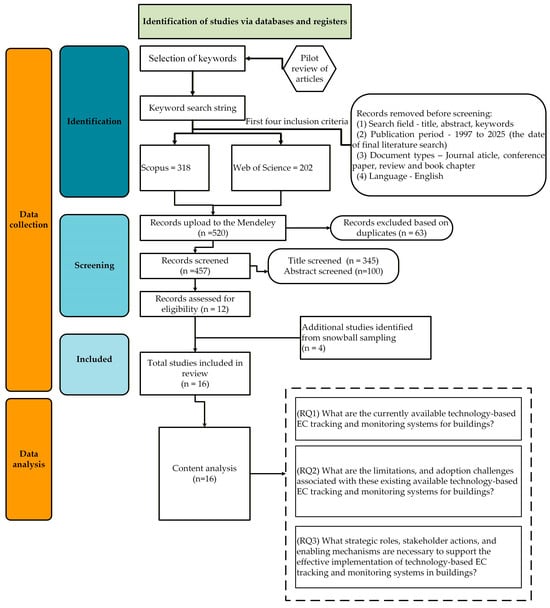
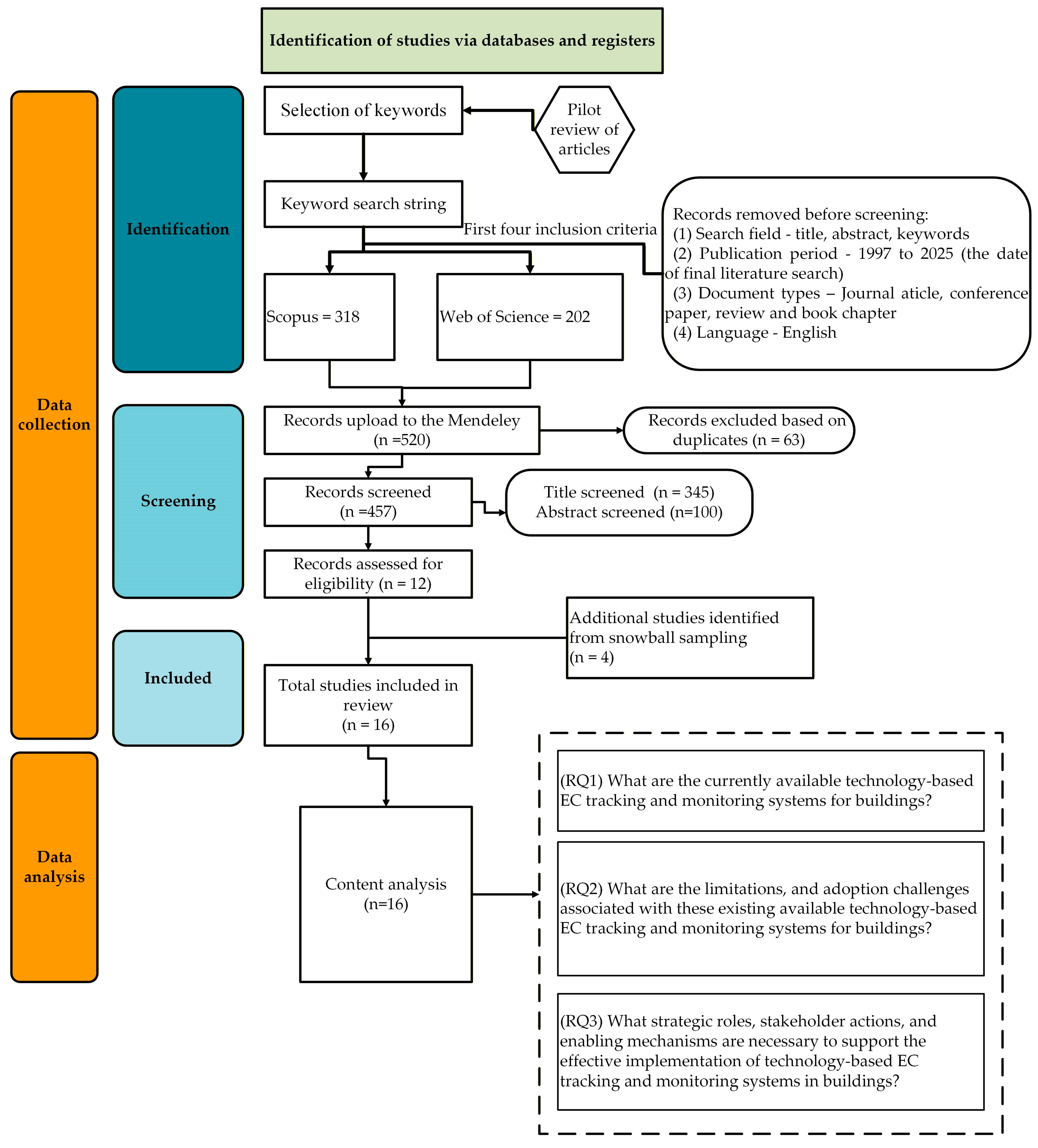
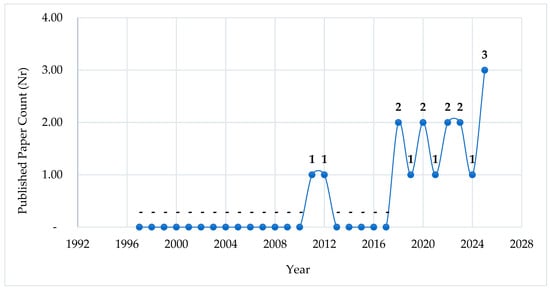
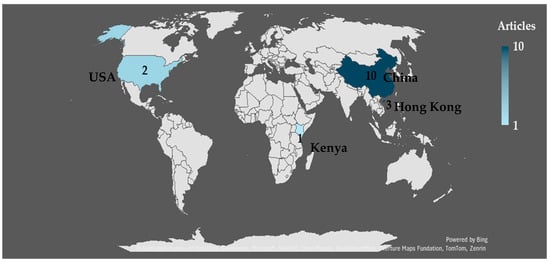
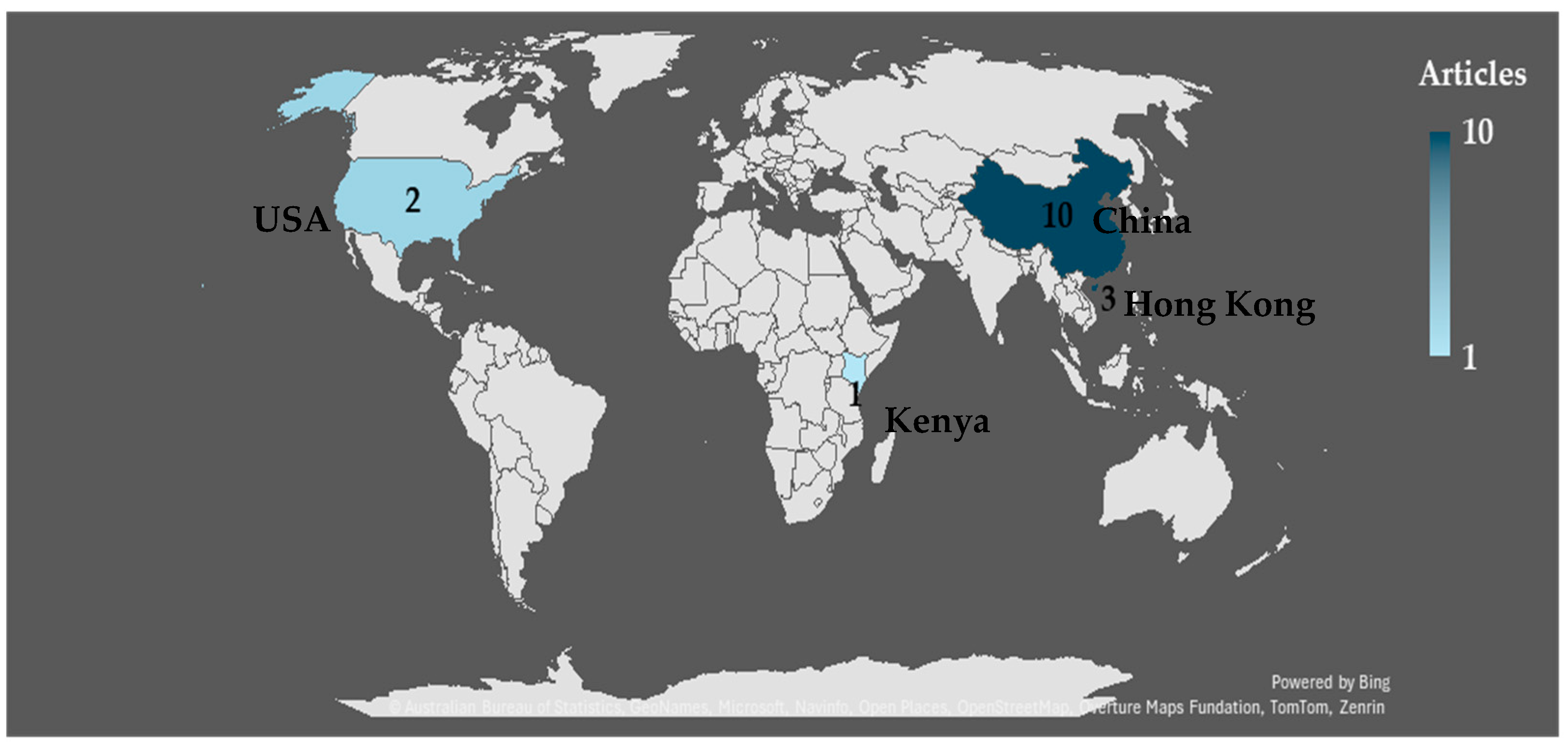
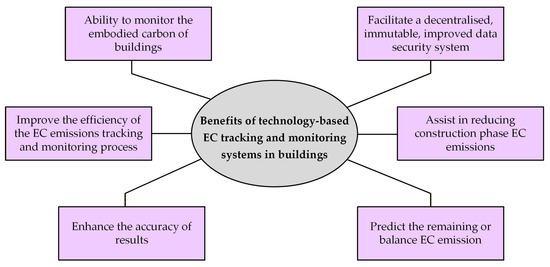
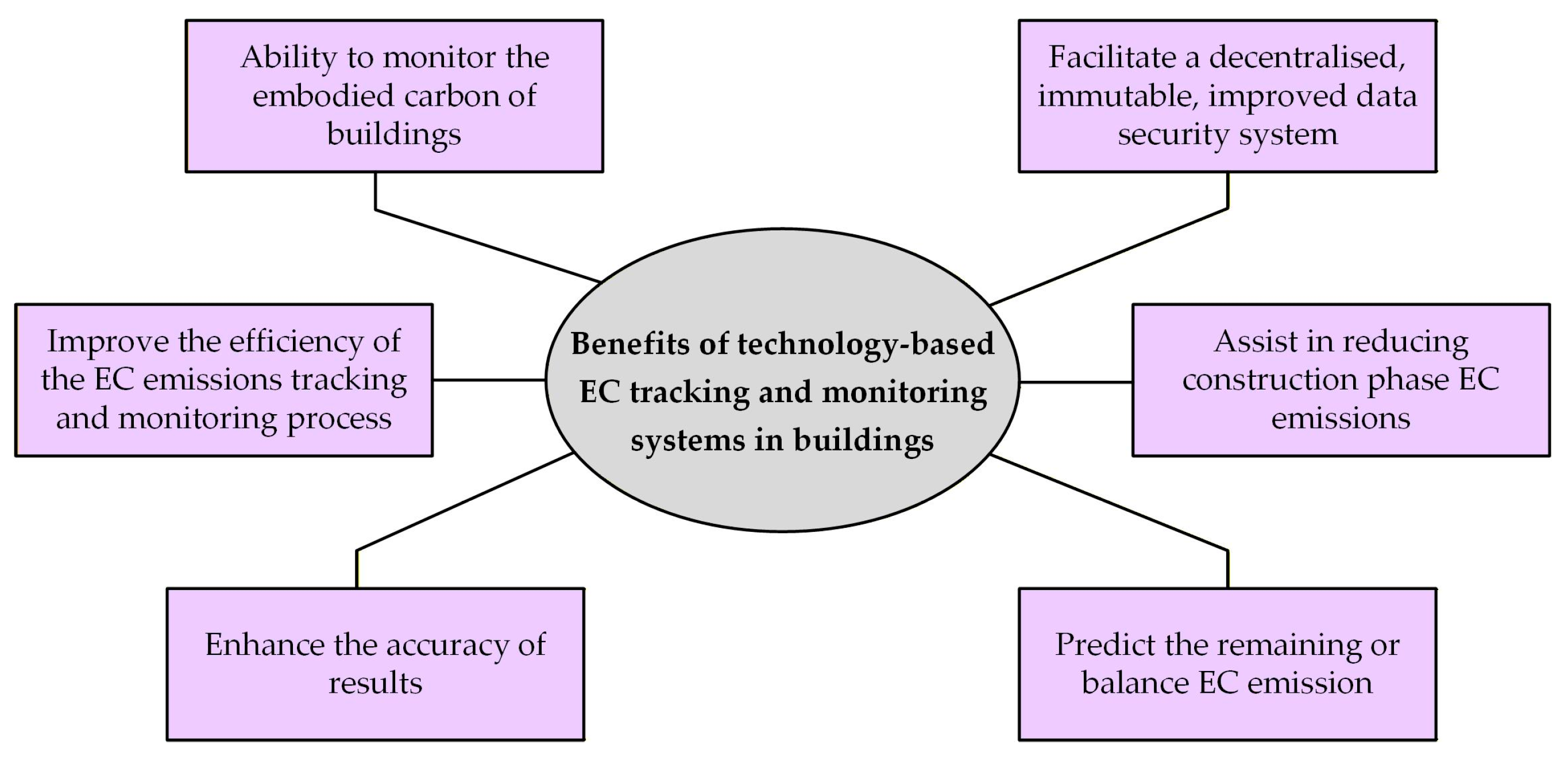
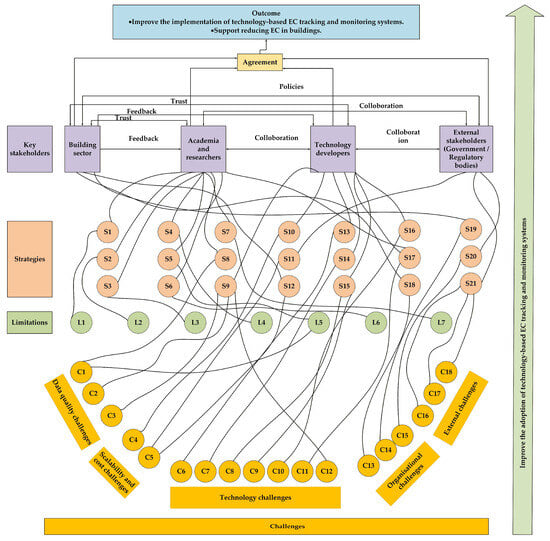
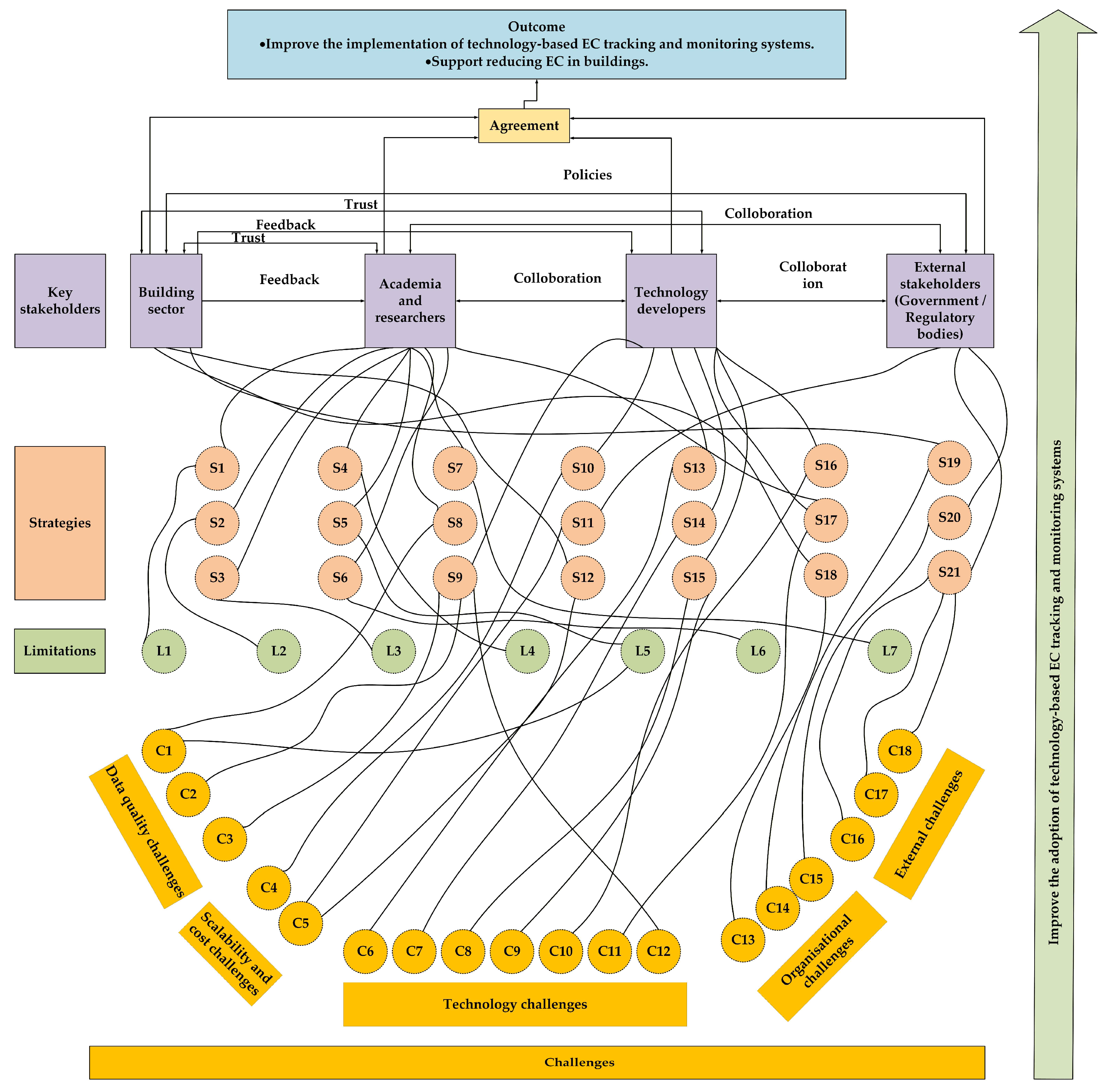

Disclaimer/Publisher’s Note: The statements, opinions and data contained in all publications are solely those of the individual author(s) and contributor(s) and not of MDPI and/or the editor(s). MDPI and/or the editor(s) disclaim responsibility for any injury to people or property resulting from any ideas, methods, instructions or products referred to in the content. |
© 2025 by the authors. Licensee MDPI, Basel, Switzerland. This article is an open access article distributed under the terms and conditions of the Creative Commons Attribution (CC BY) license (https://creativecommons.org/licenses/by/4.0/).