


Abstract
This systematic review explores how environmental sustainability is addressed in advanced structural systems that utilize innovative materials and technologies such as lightweight designs, adaptive mechanisms, and energy-efficient components. Despite their growing adoption, significant gaps persist across the design–construction–operation continuum, particularly concerning embodied carbon, energy efficiency, material performance, and long-term durability. A total of 61 peer-reviewed studies published between 2013 and 2025 were identified from Scopus and Google Scholar using the PRISMA methodology. The review employed a dual-method approach: a descriptive analysis to examine literature outlets, publication trends, and the frequency of advanced structural topics such as lightweight systems, long-span designs, form and aesthetics, and structural safety, and a thematic analysis using NVivo 14 software, which identified ten key environmental sustainability themes—carbon emissions, thermal performance, energy efficiency, construction waste, life cycle assessment, green certifications, material use, air quality, site and land use, and green environment. While research interest is expanding, limited studies offer comprehensive assessments of Tensile Membrane Structures (TMSs) or Long Span Structures (LSSs), with key challenges including inadequate material optimization and performance under extreme conditions. This review contributes a novel synthesis of existing knowledge by combining a PRISMA-guided selection, descriptive trend analysis, and thematic coding to identify critical gaps and emerging directions, offering a structured foundation for future research and practical strategies in designing environmentally sustainable advanced structures.
1. Introduction
The construction sector significantly contributes to global environmental impacts through material consumption, carbon emissions, and waste generation [1]. For example, concrete alone accounts for 4–8% of global carbon emissions [2], while steel production contributes 9% [2]. Additionally, construction, renovation, and demolition activities produce substantial waste. In 2016, Australia generated 44% of its total annual waste from construction [3]; the UK reported 120 million tons of Construction Demolition (CD) waste in 2012 [4], and China and the US together contributed nearly 60–70% of global CD waste [5]. These environmental burdens stem not only from material extraction and installation but also from design decisions and construction practices [6].
Despite the growing focus on sustainability in conventional buildings, advanced structural systems—such as tensile membranes, modular units, and lightweight frameworks—remain underexplored in sustainability research. Advanced structures are defined as innovative building systems that incorporate high-performance materials, specialized design strategies, and modern construction technologies to enhance structural adaptability and environmental performance. These include Tensile Membrane Structures (TMSs) [7], modular and prefabricated systems [8,9], lightweight forms using Cross Laminated Timber (CLT) or composites [10], and adaptive systems like kinetic façades or retractable roofs [11,12,13]. Smart mechanisms refer to responsive building components—such as kinetic façades, retractable roofs, or automated shading systems—that adapt to environmental conditions to optimize energy performance and occupant comfort. Their benefits include reduced weight, faster assembly, and resource efficiency, often enabled by digital design and fabrication tools. For instance, lightweight systems reduce foundation demands and enhance logistics, while adaptive technologies improve performance and extend lifespan. Lightweight systems are structural solutions designed to minimize mass and material usage while maintaining structural integrity, often enabling faster construction and reduced foundation loads.
Sustainability indicators commonly evaluated for advanced structure systems include embodied carbon, operational energy, thermal performance, construction waste, LCA, and green certifications—although consistency in applying these indicators varies. Research has addressed energy use [14], thermal comfort [15], and early-stage design impacts [16], as well as social and policy dimensions [17,18] and climate adaptability [19]. However, comprehensive evaluations covering structural design, carbon performance, and lifecycle impacts are still limited [20,21]. Moreover, while residential buildings dominate sustainability literature [22,23], research on advanced structures remains fragmented—often omitting embodied carbon and full life cycle metrics [24,25], or focusing narrowly on material reuse and thermal efficiency [26,27]. This highlights a clear gap in consolidated sustainability assessments for technologically advanced buildings.
The objective of this paper is to systematically explore and synthesize how environmental sustainability is addressed in advanced structural systems and to identify key gaps. The research is guided by the following questions: (1) How are the environmental sustainability themes of advanced structures outlined in the literature? (2) What innovative materials, construction technologies, thermal strategies, waste management practices, energy systems, and land use planning considerations are discussed? (3) Which types of advanced structures are underrepresented in sustainability-focused research? Addressing these questions is crucial for informing sustainability construction strategies, guiding policy and design priorities, and identifying innovative methods for resource-efficient architecture. This review is distinct in its integration of literature from 2013 to 2025 and its focus on the intersection between sustainability and advanced structural innovation. It follows a PRISMA-guided review process [28], with NVivo-assisted thematic coding version 14, to synthesize current knowledge and expose critical gaps in the environmental performance of advanced structures.
2. Research Methodology
This review goes beyond previous works by combining PRISMA-based filtering with NVivo coding analysis, enabling a deeper thematic synthesis of sustainability-related insights specific to advanced structures. This Systematic Literature Review (SLR) follows the PRISMA model (i.e., Preferred Reporting Items for Systematic Reviews and Meta-Analyses), as outlined in the method by [29]. PRISMA is a structured framework for conducting systematic literature reviews and comprises three main phases: (1) literature collection and screening, (2) processing and distillation, and (3) output. As previously demonstrated in the study by [30], this study adopts the PRISMA method by beginning with a keyword selection, search strings, and database queries using Google Scholar and Scopus. This is followed by the selection and screening of studies, and finally, a structured thematic analysis of the distilled literature. The PRISMA flow diagram (Figure 1) illustrates the filtration process applied in this study.
Figure 1.
PRISMA Flow Diagram Illustrating the Step-by-Step Process of the Systematic Literature Review.
2.1. Keywords Selection, Search Strings, Strategy, and Article Search
To start with this SLR, two stages were considered: first, mapping the search plan, and second, deciding on publication resources. Publications were found by recognizing search strings through different databases and using the cross-referencing method. In this SLR, four initial keywords were used to search for the literature, which are: sustainable, construction, advanced, and structures. To create search strings, these keywords were connected by Boolean operators [30] with ‘OR’, ‘AND’, and ‘NOT’ (i.e., Sustainable and Advanced Structures). Statements used to search are also as follows: “Sustainability of Advanced Structures”, “Sustainable Tensile Membrane Construction”, “Green Textile or Fabric Architecture”, “Carbon Emissions of Advanced Structures”, “Life Cycle Analysis of Advanced Structures”, “Environmental Impacts from Advanced construction”, “Advanced Efficient Construction methods”, “Sustainable Building Structure”, “Modern Structures Sustainability” and “Efficient New Structures”. Synonyms of these keywords and their cross-referencing were further used to search for more comprehensive results.
2.2. Database Selection
Scopus and Google Scholar were selected as the primary databases for this review due to their broad multidisciplinary coverage and relevance to architectural and engineering research. Only English-language, peer-reviewed journal articles and book chapters published between 2013 and 2025 were included. An initial pool of 321 references was identified, focusing on topics such as climate change, sustainability, carbon emissions, green construction, life cycle assessment, embodied and operational carbon, net-zero strategies, material reuse, and advanced construction techniques (e.g., steel, tensile, and membrane systems). The terms “advanced structure” and “environmental sustainability” were selected based on their alignment with the research objectives and the need to explore non-conventional, innovative building systems that improve performance and efficiency.
To ensure relevance, the scope of the review was refined by clearly defining what constitutes an advanced structure—such as those using novel materials, digital design methods, or lightweight systems—and by outlining key sustainability dimensions like energy efficiency, waste reduction, and life cycle impact. This scoping process helped maintain a focused investigation and enabled the identification of targeted insights to guide sustainable construction practices. A refined list of search strings was used to exclude generic articles and included specific queries such as “Sustainability of Advanced Structures”, “Thermal Performance of Advanced Structures”, and “Carbon Emissions or Life Cycle Assessment for Advanced Construction Materials”, among others.
2.3. Study Selection and Data Screening
Two reviewers independently screened titles, abstracts, and full texts to assess eligibility based on predefined inclusion criteria, resolving any disagreements through discussion. No automation tools were used. The criteria used to select relevant studies are summarized in Table 1 below. Out of 321 initial records, 151 were screened, and after removing gray literature, theses, and studies on irrelevant topics—such as economic sustainability, conventional structures, or general construction methods—170 papers remained. Of these, 73 were excluded for lacking a clear link between advanced structures and sustainability, and an additional 36 were removed for discussing advanced structures without addressing environmental aspects, resulting in 61 papers selected for final review.
Table 1.
Inclusions and exclusion criteria used in screening papers.
These 61 studies were assessed for eligibility based on structure type, sustainability focus, outcomes, and methodology, and grouped thematically (e.g., carbon emissions, recyclability, structural efficiency). Data from each study were extracted and reviewed for consistency and relevance to the outcome domains. When results were unclear or incomplete, contextual information was used to clarify or estimate missing values. Studies with unresolved data gaps were included in the qualitative analysis but excluded from comparative synthesis. No data imputation was performed, and all assumptions were documented to ensure transparency. The outcomes of the data search following the application of inclusion and exclusion filters are presented in Table 2.
Table 2.
Data search results after applying filters.
2.4. Data Collection and Analysis
This review included studies addressing environmental sustainability outcomes of advanced structures, such as embodied and operational carbon, recyclability, thermal performance, and construction techniques. Studies lacking these indicators were excluded. Literature was sourced from Scopus and Google Scholar, with an additional reference list screening; all sources were last searched in May 2025. Search terms combined “advanced structures”, “sustainability”, “carbon emissions”, and “life cycle assessment”, limited to English, peer-reviewed articles published from 2013 onwards (details in Appendix A). Two reviewers independently screened and extracted data—including sustainability metrics, structural characteristics, location, and year—resolving discrepancies through discussion or third-party consultation.
Outcomes were predefined and prioritized based on relevance and use of standardized methods. Studies were grouped thematically according to primary sustainability domains (e.g., carbon emissions, structural efficiency). Additional variables such as structural type and regional context were also recorded. No data conversions or imputations were made; instead, descriptive formats were aligned to ensure consistency. Results were synthesized narratively using thematic analysis, supported by summary tables and visual diagrams created in Microsoft Visio, Word, and Adobe Photoshop. Due to methodological and outcome heterogeneity, no meta-analysis or formal sensitivity analysis was performed. However, robustness and certainty were qualitatively assessed based on thematic consistency, transparency, and alignment with recognized sustainability frameworks.
2.5. Descriptive and Thematic Analysis
The study applied both thematic and descriptive analysis methods to investigate the environmental sustainability of advanced structures. The descriptive analysis was conducted first, examining literature outlets, publication frequency, and research trends across the selected 61 papers. This phase also reviewed the coverage of advanced structure topics—such as lightweight systems, long-span structures, form and aesthetics, and structural safety—to understand the evolution and distribution of these themes in the field.
The thematic analysis was conducted using NVivo 14 software alongside manual coding, applying a structured approach to identify ten key environmental sustainability themes across the selected literature. These themes included: carbon emissions, thermal performance, energy efficiency, construction waste, life cycle assessment, green certifications, material use, air quality, site and land use, and green environment. Nodes and codes were generated from 61 peer-reviewed papers to evaluate how each of these themes is represented in current research on advanced structures.
Initial codes were derived from recurring sustainability-related concepts (e.g., “carbon emissions”, “energy efficiency”) and were refined through an iterative clustering process based on frequency, relevance, and conceptual alignment. The thematic framework was validated against the study’s objectives and informed by existing sustainability research models, such as the Conceptual Framework for Sustainable Construction [31] and the Systemic Framework for Sustainability Assessment [32]. Coding consistency was ensured through cross-verification by all authors.
To guide the thematic coding, each term was classified according to its contextual relevance to environmental sustainability across the building life cycle. Cross-cutting topics—such as fabric material selection or site optimization—were included where they aligned with more than one theme. The final set of ten themes represents the dominant environmental concerns addressed in the literature, offering a clear structure for analyzing research trends in sustainable advanced structures. The process used to classify the selected studies into thematic categories is illustrated in Figure 2.
Figure 2.
Thematic Classification Process.
3. Descriptive Analysis
3.1. Literature Frequency and Trends
Figure 3 below shows the extent of literature outlets published in scholarly outlets. Out of the 61 scrutinized papers, a significant concentration was observed in journals renowned for their focus on sustainability and construction. Specifically, the ‘Sustainability’ journal emerged as the leading publication venue with nine articles, followed by the ‘Energy and Building’ journal, accommodating six articles. Other notable journals with multiple publications included ‘IOP Publishing’ and ‘Procedia Engineering’, each hosting two articles. The remainder of the studies found their place in a diverse array of specialized journals, each contributing to the discourse from unique perspectives. These journals include ‘Sustainable Innovation in Minimal Mass Structures and Lightweight Architectures’, ‘Renewable and Sustainable Energy Reviews’, ‘Energies’, ‘Engineering Failure Analysis’, ‘Journal of Intelligent & Robotic Systems’, ‘Journal of Cleaner Production’, ‘Advanced Materials Research’, ‘International Journal of Contemporary Architecture’, and ‘Environmental Impact Assessment Review’. This distribution underscores the interdisciplinary nature and wide-ranging impact of research in the field of advanced structures and their environmental sustainability.
Figure 3.
Literature outlets.
There is a significant increase in developing an environmental sustainability scope for advanced structures since 2015, as depicted in Figure 4. There has been an increase in the number of articles that discuss the environmental sustainability of Advanced Structures. The line graph illustrates a fluctuating yet rising trend in the number of journal articles published from 2013 to 2022, with a notable peak in 2021. This peak could suggest a heightened focus on the subject matter, due to a relevant technological advancement, regulatory change, or a response to an industry or environmental imperative during that year. Notably, there is a sharp decline in publications in 2023 (Authors started collecting literature on 21 July 2023), which could be attributed to data being incomplete for the year or a shift in research focus. The increased number of publications over the years indicates a growing academic and professional interest in the fields related to the journal’s focus, reflecting the ongoing development and maturation of research in these areas.
Figure 4.
Frequency of articles published per year.
The bar graph breaks down the publication types into journal articles, conference papers, and book chapters (Figure 5). There is a clear dominance of journal articles, which suggests that the research output in this area is disseminated through academic journals, indicative of rigorous peer-review processes and the academic community’s preference for journals as a knowledge-sharing platform. The year 2020 stands out with a considerable number of publications, particularly journal articles. This could be due to a surge in research activity, influenced by global events or advancements in the field that necessitated a comprehensive scholarly discussion and dissemination. The presence of book chapters and conference papers, while lesser in frequency, indicates a breadth of discussion forums and formats for disseminating research findings.
Figure 5.
Literature Trend.
3.2. Advanced Structures
Advanced structures are the construction processes that depend on non-conventional methods to be built, such as lightweight roof systems [33], tensile membranes [34], smart materials that improve the building’s life expectancy [35], new technology or mechanical installation that enhances energy performance, off-site construction (e.g., modular structures) [36], optimal structural typology, and other construction methods that improve CO2 embodied or operational emissions minimization [14].
Figure 6 illustrates the thematic distribution across 61 analyzed papers on advanced structures, revealing long-span structures as the dominant research focus, followed by smart design/BIM technologies (appearing in nearly half the studies) and lightweight design (13 papers). Structural safety emerges as the most underrepresented theme (only two papers), signaling a critical gap, while form and aesthetics (six papers) remain underexplored despite their architectural significance. This distribution reflects current scholarly priorities while highlighting opportunities for more balanced investigations, particularly in safety and aesthetics, to advance the field comprehensively.
Figure 6.
Thematic distribution of advanced structure.
3.2.1. Lightweight
Lightweight design is widely adopted in advanced structures (stadiums, airports) [21,25,37] to reduce material use and emissions, utilizing technologies like hypar fabric tensile and pneumatic structures. Topology optimization of tensegrity systems provides promising directions for lightweight and efficient architectural design [38]. However, critical gaps remain in understanding long-term durability under extreme weather, hidden energy costs during production/installation, and socio-economic trade-offs (affordability, accessibility). While existing research examines thermal-mechanical performance, comprehensive assessments of environmental impacts and practical implementation barriers are lacking. Future work must address these gaps to ensure lightweight construction delivers truly sustainable solutions for advanced structures.
Despite the increasing use of lightweight systems in contemporary construction for their efficiency and structural advantages, their environmental sustainability is not widely addressed in the reviewed literature. Of the 61 analyzed papers, only 7 examined lightweight systems, and among these, just 3 discussed aspects such as embodied carbon, LCA, or energy efficiency. Discussions were often general or speculative, lacking quantitative assessments or lifecycle-based evaluations. This highlights the need for more rigorous analysis of how lightweight construction strategies impact the environmental performance of advanced buildings.
3.2.2. Long Span Structures
The literature on LSSs highlights gaps in environmental and sustainability research, despite advances in materials (e.g., steel, timber, composites) and design. While studies like [14,39] address specific aspects, such as life cycle assessments and solar-powered infrastructure, holistic approaches integrating water conservation, waste management, and climate resilience remain underdeveloped, particularly for airports and stadia. Additionally, a disconnect persists between theoretical sustainability frameworks and practical implementation, underscoring the need for stakeholder-driven strategies to address global challenges. Future research must bridge these gaps to ensure the comprehensive sustainability of long-span structures in advanced engineering and architecture.
While long-span and TMS frequently appear in architectural innovation, their environmental performance is still underexplored in academic literature. Of the 61 papers analyzed, only 8 addressed TMS, and just 6 focused on LSS about environmental themes such as carbon emissions, energy efficiency, or LCA. In addition, most existing studies present narrow assessments restricted to individual performance outcomes or design features, with minimal consideration of life cycle impacts or embodied carbon. This lack of coverage underscores the need for further integrated studies to assess the full environmental footprint of tensile and long-span systems within the advanced structure domain.
3.2.3. Smart, BIM, Technology
The literature highlights BIM’s critical role in sustainable design for advanced structures, with innovations like smart textiles and simulation tools improving performance. Cutting-edge computational methods are increasingly employed in advanced structures [40], offering robust tools for predictive performance and design optimization. The use of AI-based acoustic monitoring systems [41] exemplifies innovative approaches to long-term structural safety and lifecycle sustainability. Multi-agent learning models such as those in [42] expand the theoretical frontiers of intelligent infrastructure systems. AI-supported risk analysis methods contribute significantly to improving workplace safety metrics [43]. While [44] demonstrates 6D BIM’s transformative potential for bridges through lifecycle integration, its application remains underexplored in high-rises and stadiums. Despite recognizing BIM’s versatility for sustainability assessment, research gaps persist in adapting these technologies to address structure-specific challenges. Future studies must expand implementation across diverse building types while resolving practical barriers to fully realize technology’s potential for sustainable design.
Despite growing interest in digital technologies and smart mechanisms in architecture, their environmental sustainability integration remains underrepresented in scholarly literature. Among the 61 reviewed papers, only 9 addressed smart, BIM, or digital technology themes, and even fewer linked these innovations to key sustainability outcomes like embodied energy, carbon emissions, or LCA. Most of these discussions were conceptual or theoretical, with minimal real-world implementation or performance data. Gaps persist in assessing how smart building systems contribute to carbon reduction, lifecycle performance, and operational efficiency in advanced structures.
3.2.4. Structural Safety
The paper by [45] emphasizes the importance of firm-level behavior toward risk and investment under uncertainty, offering valuable insights for planning resilient infrastructure. Ref. [46] discussed Innovative isolation techniques that continue to enhance seismic safety in masonry structures. Prestressed CFRP applications show measurable gains in the structural safety of tunneling systems [47]. PEC spliced beam systems offer superior seismic resilience, as shown in recent experimental findings [48]. Novel composite beam-to-column joints with fuse elements deliver improved cyclic response and resilience [49]. The paper by [50] provides a valuable comparative analysis of inter-story and base isolation systems using friction pendulum mechanisms, demonstrating their effectiveness in enhancing structural safety and minimizing seismic damage in building systems.
Current research on LSS has responded to structural safety concerns by incorporating lightweight membrane ceilings—such as PTFE and ETFE—in enclosed facilities like swimming stadiums [51]. These materials contribute positively to structural safety and visual appeal. However, limitations persist in the literature, particularly regarding long-term durability, weather resistance, and overall lifecycle performance of these membranes. Moreover, most existing studies have concentrated on isolated joint failures—such as the school roof collapse in Italy—without addressing broader systemic challenges including maintenance strategies, construction practices, and regulatory oversight. To ensure the resilience of advanced structures, a more integrated and preventive framework is required—one that encompasses holistic safety evaluations and operational continuity planning [51].
Structural safety and efficiency are fundamental concerns in advanced construction yet remain underrepresented in environmental sustainability discourse. Of the 61 reviewed papers, only 2 directly addressed structural safety in relation to long-term performance or resilience, and none conducted comprehensive lifecycle assessments tied to structural behavior under environmental stress. Discussions on embodied carbon, material durability, or maintenance strategies linked to structural performance are largely absent. This gap indicates a pressing need to integrate structural efficiency with sustainability metrics in future research.
3.2.5. Form and Aesthetics
While literature recognizes the aesthetic value of textile/tensile membranes—for example, ref. [52] used the Gaudi Institute as an example of advanced structural aesthetics—and linked lightweight materials to design innovation. However, studies lack empirical evidence connecting specific aesthetic features (e.g., sculptural forms) to sustainability outcomes like energy efficiency. Current discourse prioritizes visual appeal over multisensory experiences (auditory, tactile) impacting occupant well-being, and fails to optimize materials for dual aesthetic-environmental performance [52,53]. Interdisciplinary research merging design and environmental science is needed to fully leverage form as a sustainability tool in advanced structures.
Although form and aesthetics play a significant role in architectural identity, their connection to environmental sustainability remains insufficiently studied. Among the 61 reviewed papers, only 6 touched on design form or aesthetic expression, with few linking these elements to measurable sustainability outcomes such as energy performance, material efficiency, or occupant comfort. Bridging this gap through interdisciplinary studies could help architects align visual innovation with sustainable performance in advanced structures.
4. Thematic Analysis
Various papers mainly discussed one environmental sustainability aspect; therefore, it is crucial to identify a holistic approach to interconnect the environmental classifications as a holistic framework [30]. Figure 7 shows the number of articles that focused on environmental sustainability themes in the chosen 61 academic papers. For example, air quality, green environment, green certification, site, and land use were the least discussed in the papers, while materials, energy efficiency, life cycle assessment, and carbon emissions were the most discussed. Thermal performance and construction waste were argued and analyzed in 12 research articles.
Figure 7.
Environmental Sustainability Themes.
4.1. Air Quality
Advanced architectural structures prioritize air quality management to mitigate pollution, carbon emissions, and industrial fumes, yet gaps persist in evaluating their long-term efficacy [21]. The PTW National Swimming Centre (Water Cube/Beijing) exemplifies innovation with temperature-regulating membranes and reflective coatings to enhance indoor air quality, but comprehensive studies on their maintenance, energy efficiency, and lifecycle impacts remain lacking [21]. High-occupancy environments like airports and stadiums further underscore the need for interdisciplinary research into human health effects, socio-economic factors, and user behavior to optimize air quality solutions. Addressing these gaps is critical for advancing sustainable indoor air quality strategies in innovative built environments.
While air quality is an essential component of environmental sustainability, it remains one of the least examined themes in the context of advanced structures. Among the 61 reviewed papers, only a small subset explicitly addressed air quality, with most doing so in passing or within the scope of specific case studies. The PTW National Swimming Centre (Water Cube) is frequently referenced for its use of temperature-regulating membranes, yet broader investigations into maintenance, indoor pollution control, or lifecycle performance of air-handling systems are scarce. Most studies fail to assess the long-term implications of design decisions on occupant health, ventilation strategies, or pollutant mitigation. Moreover, there is minimal exploration of how smart systems, passive ventilation, or innovative materials can be employed to improve indoor air quality in lightweight or large-span environments. Table 3 summarizes the extent to which air quality has been integrated into the sustainability discourse of advanced structures.
Table 3.
Research Gaps in Air Quality for Advanced Structures.
4.2. Carbon Emissions
Advanced stadiums highlight significant carbon reduction potential, with Allianz Arena (60% energy savings via LEDs), London Olympic Stadium (28% lower carbon through 99% waste recycling), and Stadium 974 (demountable design) leading the way [1,52,54]. Timber construction (Eco Park) and net-zero certification (Climate Pledge Arena) further demonstrate sustainable innovations. However, comprehensive lifecycle analysis remains lacking, particularly for steel/concrete alternatives, demountable systems, and operational impacts. While lightweight materials, offsite manufacturing, and lean construction show promise [1,52,54], future research must integrate material selection, operational energy, and end-of-life strategies to fully quantify and optimize emission reductions in advanced structures.
Recent reviews such as [55] highlight growing trends in sustainability-focused composite structures, emphasizing their potential for reduced carbon emissions and improved energy efficiency. Carbon emissions are among the most frequently addressed themes in sustainability research on advanced structures, particularly in high-profile case studies like Allianz Arena and the Climate Pledge Arena. However, analyses often lacks depth and consistency across structure types and lifecycle stages. While some studies quantify carbon savings through material innovations or modular construction, these insights are not always grounded in comprehensive LCA or validated by real-world emissions data. Additionally, discussions tend to emphasize embodied carbon during design and construction phases, with limited attention to operational emissions, user behavior, or long-term performance. Few papers explore how design choices, structural systems, and adaptive technologies jointly impact carbon reduction. Moreover, there is little integration of carbon assessment methods across various materials, making comparisons and optimization strategies difficult. Table 4 presents a summary of how carbon emissions are currently treated in the literature on advanced structures, highlighting the thematic strengths and research gaps.
Table 4.
Research Gaps in Carbon Emissions for Advanced Structures.
4.3. Construction Waste
Effective construction waste management—through reuse, recycling [1], on-site incineration [21], modular techniques [36], and lean principles [56]—is critical for sustainable urbanization, offering energy/carbon savings [30] and cost benefits [17]. However, the literature on advanced structures lacks comprehensive frameworks, often examining isolated methods without assessing holistic environmental impacts or integrating waste management with broader sustainability goals [36,57]. Gaps persist in analyzing waste types/construction phases, their specific consequences, and socio-economic-environmental linkages. Addressing these limitations is vital for developing unified strategies that advance both waste reduction and urban sustainability in advanced construction projects [1,21,30].
Construction waste is a pressing issue in sustainable building practices, yet its treatment in the context of advanced structures remains inconsistent and underdeveloped. Although existing research highlights the benefits of modular construction, prefabrication, and lean design in minimizing waste, it often lacks quantitative evidence to support these claims. There is limited research on the types, sources, and volumes of waste specific to advanced construction systems, particularly for Long Span Structures (LSSs) and TMSs. Furthermore, waste management processes such as recycling, reuse, and disposal are infrequently examined in connection with material selection or construction approaches. Most analysis focus on conceptual benefits rather than empirical assessment, and comprehensive frameworks that tie construction waste management to environmental performance remain scarce. Table 5 below outlines the extent of literature coverage on construction waste in advanced structures and identifies where future research is needed.
Table 5.
Research Gaps in Construction Waste for Advanced Structures.
4.4. Energy Efficiency
Advanced structures show strong energy efficiency potential through renewable integration (Taiwan’s National Stadium’s 8844 solar panels generating 1.14 M kWh/year [57]) and passive design (Water Cube’s solar cells and daylighting [58]). However, persistent issues include conventional energy dependence (Cochin Airport [39]) and lighting inefficiencies [30]. Current research emphasizes embodied energy monitoring [56] and light pollution mitigation [16], but critical gaps remain in scalability assessment, socio-economic trade-offs, and integrated design methodologies. Holistic solutions combining technological innovation with practical implementation strategies are needed to advance industry-wide adoption [16,39,56,57,58].
Energy efficiency is a critical dimension of sustainable architecture and is frequently referenced in studies of advanced structures. However, most discussions remain high-level or are confined to specific technologies such as solar integration or LED lighting. While examples like Taiwan’s National Stadium and the Water Cube demonstrate energy-saving features, the broader literature often lacks systemic analysis of how design, material choice, and structural typology influence overall energy performance. Passive design strategies, thermal inertia, and climate-specific adaptations are underexplored, particularly in lightweight or modular systems. There is also minimal attention to post-occupancy evaluations or real-world energy data collection. Furthermore, integration of energy efficiency with other sustainability dimensions, such as carbon reduction and thermal performance, is limited. Table 6 below synthesizes the extent of research coverage on energy efficiency in advanced structures and highlights where further empirical and integrative research is needed.
Table 6.
Research gaps in energy efficiency for advanced structures.
4.5. Green Environment
Research by [15] highlights the critical role of green environments in urban landscapes, demonstrating how vegetated areas regulate temperature, absorb CO2, and mitigate greenhouse gas emissions around advanced structures like Khalifa International Stadium. While their hydrological modeling reveals important interactions between rainfall, soil, and surface materials (pavements, walkways, grass), the literature lacks practical strategies for systematically integrating these ecological principles into the design of advanced structures. This gap between theoretical knowledge and actionable design solutions underscores the need for further research on implementable green infrastructure approaches.
The integration of green environments into advanced structures remains an underdeveloped area in current sustainability literature. Although the environmental benefits of vegetation—such as carbon absorption, temperature regulation, and stormwater management—are well-documented, few studies explicitly investigate how these principles are applied within the design of advanced systems like TMS, modular buildings, or LSS. References to green spaces in case studies tend to be descriptive rather than analytical, lacking performance data or quantifiable outcomes. Moreover, the relationship between green infrastructure and building performance is seldom evaluated in terms of lifecycle impacts, urban microclimates, or user well-being. There is a clear need for research that explores strategies for integrating greenery with structural efficiency, lightweight design, and digital modeling techniques. Table 7 summarizes the current state of research on green environments in advanced construction and highlights key areas that require further exploration.
Table 7.
Research gaps in the green environment for advanced structures.
4.6. Life Cycle Assessment
LCA studies demonstrate the environmental benefits of advanced construction methods, including modular design in Qatar’s FIFA stadiums [1], emission-reducing coated steel coils [26], and timber structures (e.g., CLT) outperforming concrete (e.g., RC) in carbon efficiency [14]. While [34] outlines LCA principles for membrane architecture, ref. [53] notes lightweight materials’ carbon advantages but flags end-of-life sustainability concerns for tensile structures. Critical nuances emerge in concrete’s carbon absorption potential [14], climate zone impacts on energy use [14], and operational duration effects [14]. Integrated remanufacturing approaches that consider carbon and user demand reflect a balanced sustainability methodology [59]. These studies collectively validate LCA’s role in evaluating building sustainability while revealing unresolved trade-offs in material selection and lifecycle performance.
LCA is an essential methodology for evaluating the environmental sustainability of construction systems, yet its application in advanced structures remains fragmented and inconsistent. While several studies reference LCA tools or results, few provide comprehensive cradle-to-grave analysis that includes all phases—from raw material extraction to end-of-life disposal. Most LCA research focuses on specific structure types, such as stadiums or timber systems, leaving other categories like TMSs, modular forms, or pneumatic structures underrepresented. Additionally, the scope and boundaries of assessments vary significantly, limiting comparability and cross-case insights. Critical aspects such as operational energy, maintenance impacts, and regional factors are often excluded or oversimplified. Furthermore, there is a lack of integration between LCA findings and design decision-making frameworks, hindering their use in practice. Table 8 provides a summary of the current research focus and the thematic gaps in applying LCA to advanced structures.
Table 8.
Research gaps in life cycle assessment for advanced structures.
4.7. Materials
Research on sustainable construction materials demonstrates their potential to reduce carbon emissions in advanced structures, including agro-waste bricks in Rwanda Cricket Stadium [30], cyclopean concrete achieving 32% emission reductions in Qatar’s FIFA stadiums [1], and energy-efficient ETFE/PTFE fabrics in tensioned systems [60]. Steel tube-confined UHPC columns demonstrate remarkable axial strength, enhancing durability in structural applications [61]. Timber structures also show promise over concrete in China [14]. Another study [62] investigates the behavior of concrete beams reinforced with stainless steel, highlighting their corrosion resistance and potential for improved durability in aggressive environments. The authors of [63] provide a comprehensive analysis of the flexural behavior of stainless steel reinforced concrete beams, emphasizing their mechanical performance and sustainability aspects. In [64], the authors offer insights into the ultimate and serviceability performance of stainless steel reinforced concrete beams, contributing to the understanding of their long-term durability. While these case studies highlight material innovations, gaps remain in assessing scalability, climate adaptability, and holistic integration considering life-cycle performance, durability, and maintenance. Addressing these limitations through broader feasibility studies and design–process integration is crucial for advancing sustainable material adoption industry-wide [1,14,30,60].
Although materials are among the most discussed themes in environmental sustainability research on advanced structures, significant gaps persist in terms of depth, integration, and methodological consistency. Studies often highlight low-carbon alternatives such as timber, agro-waste bricks, and hybrid composites; however, these are typically presented as isolated case studies without broader feasibility assessments or scalability evaluations. High-tech fabrics like PTFE and ETFE are frequently mentioned in the context of tensile systems, yet their environmental performance data, particularly in terms of lifecycle emissions, recyclability, and degradation, remain limited and fragmented. Moreover, while some literature incorporates LCA as a tool for evaluating material impact, this is not uniformly applied across material categories, resulting in a lack of comparative insight. Critically, aspects such as long-term durability, maintenance requirements, and end-of-life behavior are underexplored, especially for materials used in lightweight and adaptive systems. Furthermore, there is no unified framework or decision-making tool to guide material selection based on integrated sustainability metrics, such as embodied carbon, energy efficiency, or environmental resilience. Addressing these gaps is essential for advancing material innovation that is not only structurally effective but also environmentally responsible. Table 9 below summarizes how materials sustainability is assessed in advanced structures papers.
Table 9.
Research gaps in materials sustainability for advanced structures.
4.8. Site and Land Use
While the literature thoroughly examines the environmental impacts of site excavation for advanced structures (e.g., stadiums), including soil erosion, habitat loss, and subsidence [1,65], critical gaps remain in developing actionable mitigation strategies. For example, reference [66] discussed how pile-supported embankments enhance load transfer in soft soil conditions, thereby reducing the need for extensive ground improvement and contributing to more efficient site and land use. Current research lacks include the folloiwng: (1) practical methodologies for integrating sustainability into urban planning, (2) balanced approaches addressing operational needs versus environmental/community impacts (particularly for airports [21]), and (3) comprehensive frameworks for sustainable land management in complex projects. Addressing these deficiencies through targeted research and implementable guidelines is essential for reconciling infrastructure development with long-term ecological preservation in urban contexts [1,21,65].
Despite the critical role that site-specific parameters and land integration play in sustainable architectural outcomes, there is a notable scarcity of in-depth research focusing on how advanced structures, particularly tensile membrane systems, respond to diverse site conditions. Most existing literature focuses on traditional building envelopes, while limited attention has been paid to adaptive siting, climatic responsiveness, and ecological integration in lightweight or fabric-based systems. Studies that assess land footprint efficiency, microclimatic adaptation, or topography-informed design strategies for tensile structures are absent. This gap presents a missed opportunity to explore how such systems could optimize land use through flexible configurations, minimal foundations, and reduced disturbance to natural terrain. Furthermore, very few comparative studies investigate the relationship between site conditions and environmental performance outcomes of tensile systems, particularly in complex or constrained urban and natural contexts. Table 10 below summarizes how site and land use are assessed in advanced structures papers.
Table 10.
Research gaps in site and land use for advanced structures.
4.9. Green Certification
A substantial body of literature investigates the application of green certification systems—LEED, ESGB, and Greenship—in stadium projects [30,56,65], with additional efforts proposing context-specific tools such as the Sustainable Stadium Assessment (SSA) [17,36]. However, significant gaps persist, including the following: (1) inadequate analysis of stadium-specific certification requirements, (2) lack of tailored frameworks addressing implementation challenges (costs, regulations) [30,56], and (3) insufficient focus on improving assessment tools for stakeholder needs [67]. These limitations underscore the urgent need for research advancing stadium-specific certification protocols to effectively guide sustainable construction practices [30,36,65,67].
Green certification systems such as LEED, BREEAM, and Green Star provide benchmarks for sustainable building performance, yet their application to advanced structures remains limited in both scope and depth. Among the 61 reviewed papers, only a few explicitly referenced these systems about TMSs, modular buildings, or LSSs. Moreover, the integration of certification frameworks with innovative technologies, materials, or structural forms is rarely discussed. Where certifications are mentioned, the focus tends to be on general compliance rather than critical analysis of how these frameworks accommodate or fall short in evaluating non-traditional construction methods. There is also a lack of guidance on how to adapt certification tools for context-specific or performance-based assessment in advanced designs. Table 11 below outlines the extent to which green certification has been addressed in the literature on advanced structures, highlighting persistent research and practice gaps.
Table 11.
Research gaps in green certification for advanced structures.
4.10. Thermal Performance
While studies by [15] examine thermal performance in stadiums through field-of-play analysis and CFD simulations, critical gaps remain in assessing long-term effectiveness and sustainability of thermal strategies. The literature insufficiently explores innovative technologies like PCMs and membrane roof systems, nor adequately addresses their environmental impacts on energy use and carbon emissions. Future interdisciplinary research must holistically evaluate both technical feasibility and ecological consequences of thermal interventions to develop sustainable solutions that optimize comfort while minimizing energy consumption in advanced structures.
Thermal performance is a critical factor in the environmental sustainability of buildings, yet its treatment within the literature on advanced structures remains sparse and underdeveloped. While some studies address the role of thermal strategies in stadiums and large-span enclosures—often using CFD or simulation-based methods—few extend these analyses to lightweight or fabric-based systems. Moreover, there is limited exploration of advanced materials with thermal-regulating properties such as PCMs or membrane composites. Discussions often focus on theoretical modeling rather than measured performance or climatic adaptability. Very few studies evaluate the thermal behavior of advanced structures across diverse climates, seasons, or occupancy patterns. There is also a significant gap in understanding how passive strategies like shading, natural ventilation, or thermal mass can be integrated with advanced structural typologies. Table 12 below highlights the gaps of thermal performance topic on advanced structures in the literature.
Table 12.
Research Gaps in Thermal Performance for Advanced Structures.
5. Discussion
The types of structures analyzed in the literature are LSSs, TMSs, and Lightweight, Steel, Concrete, and Timber structures (Figure 8). Furthermore, ten main sustainability themes were identified, which are (1) air quality, (2) carbon emissions, (3) construction waste, (4) energy efficiency, (5) green environment, (6) life cycle assessment, (7) materials, (8) site and land use, (9) green certification, (10) and thermal performance. Previous papers were reviewed to identify what environmental categories were analyzed and which type of advanced structure was applied. By analyzing and reviewing the keywords and environmental criteria mentioned, several gaps have been identified (Figure 9).
Figure 8.
Topic frequency and distribution.
Figure 9.
Mapping research gaps in advanced structures.
The reviewed literature reveals several critical gaps in sustainable construction research. First, the carbon footprint of TMS remains underexplored, necessitating deeper analysis of their environmental impact. Second, despite steel’s dominance in construction, there is limited research on technological advancements improving its sustainability. Third, long-span structures lack comprehensive studies on thermal performance and construction waste management—key factors in their environmental efficiency. Fourth, timber structures, though increasingly popular, require further investigation into energy efficiency, thermal behavior, and waste management intersections. Finally, site and land use implications across various structural types (long-span, lightweight, TMS, steel, and timber) have not been thoroughly examined, presenting an opportunity for research on sustainable land planning.
Addressing these gaps (Figure 9) could enhance the sustainability of modern construction, particularly in optimizing material use, reducing emissions, and improving lifecycle performance. Future studies should prioritize these areas to advance eco-friendly structural design and align the built environment with global sustainability goals.
From the visual data presented in Figure 9 below, it is evident that the LCA of advanced structures constitutes the core theme in the literature. This prevalence underscores the academic focus on the environmental sustainability of structures throughout their lifespan. Conversely, site and land use considerations appear to be the least discussed, particularly in the context of advanced structures, with most of the discourse centering on concrete structures, which are often more traditional. Figure 10 visualizes the sustainability themes examined across various advanced structural typologies within the 61 reviewed academic papers. The center of the diagram shows the themes that have been addressed, while the outer sides (left and right) highlight the research gaps—indicating which themes are under-explored in particular structure types. Each color represents a specific sustainability theme or structural system, and the connecting lines reveal where each theme has or has not been studied. For example, the orange color corresponding to thermal performance (located at the bottom center) shows, through its connecting lines, that this theme has been explored in tensile, lightweight, and steel structures, but remains under-explored in timber and long-span structures (left and right of the figure).
Figure 10.
Cross-collaboration and referencing of environmental sustainability vs. advanced structures.
The comprehensive review of extant literature underscores several research avenues that remain underexplored. Future investigations are proposed to bridge these gaps, as encapsulated in the following refined directives:
- LCA of TMS: Conduct an exhaustive LCA for TMS, quantifying the carbon emissions throughout their lifecycle—from material extraction to end-of-life disposal. This should encompass a detailed analysis of carbon footprints attributable to various tensile materials and their respective design and construction methodologies.
- Technological Innovations in Steel Structures: Investigate contemporary technological innovations in steel structures, with a special focus on their contributions to environmental sustainability. This research should evaluate the efficacy of innovative technologies in reducing the ecological impact during the steel structure’s lifecycle.
- Sustainable Design and Material Reuse in Steel Structures: Explore sustainable design strategies in steel construction, emphasizing material reuse. Research should aim to develop sustainable design frameworks that enhance material circularity and reduce waste in steel structures.
- Thermal Performance of LSS and Timber Structures: Analyze the thermal performance of long-span and timber structures through empirical case studies, advanced simulation techniques, assessments of solar radiation impact, and comprehensive site surveys. Studies should aim to inform design strategies that optimize energy efficiency and occupant comfort.
- Impact of Construction Waste in LSS and Timber Structures: Examine the environmental effects of construction waste generated by long-span and timber structures by conducting a life cycle assessment. Such analysis should consider the implications of waste management practices from the procurement of raw materials to the structure’s deconstruction.
- Energy Performance of Timber Structures: Assess the energy performance of timber structures through methodical case studies and continuous energy consumption monitoring throughout their entire lifecycle. The focus should be on uncovering opportunities for energy optimization and sustainability in timber-based construction.
- Site and Land Use Analysis for Advanced Structures: Investigate the site selection and land use planning processes for advanced structures. This research should include detailed case studies and site analyses to evaluate the environmental, social, and regulatory implications of land use decisions.
6. Conclusions
This study presents a focused descriptive and thematic analysis of advanced structural systems, evaluated through the viewpoint of environmental sustainability in technological innovation. A total of 61 peer-reviewed papers were systematically reviewed using PRISMA guidelines. Firstly, the descriptive component examines the distribution of research across literature outlets, publication frequency, and emerging trends from 2013 to 2025. It then synthesizes findings related to the environmental sustainability of advanced structures—including long-span systems, smart technologies, BIM integration, structural safety, and design aspects such as form and aesthetics. Moreover, the thematic analysis builds upon this foundation by identifying and coding ten core environmental sustainability themes using NVivo: air quality, carbon emissions, construction waste, energy efficiency, green environment, LCA, materials, site and land use, green certification systems, and thermal performance. Finally, the results reveal several underexplored areas, including carbon emissions in TMS, thermal performance in timber and LSS systems, and the application of technological innovations in steel structures.
This review offers a novel synthesis of existing knowledge by integrating PRISMA-guided selection, descriptive trend analysis, and thematic coding to uncover critical research gaps and emerging directions, thereby providing a structured foundation for future investigations and practical strategies in the design of environmentally sustainable advanced structures. While this review contributes a structured and transparent synthesis of key sustainability themes, it is not without limitations. Gray literature and non-environmental dimensions such as economic and social impacts were excluded, and the inclusion of multiple structural typologies may have limited the depth of comparison for individual systems. Furthermore, although the coding process was rigorous, interpretive subjectivity is an inherent limitation in qualitative synthesis. The findings, however, remain valid and offer a useful platform for guiding future studies. This review is particularly relevant for academics, designers, engineers, and policymakers seeking to enhance the sustainability of future-ready structures. The three primary future research directions include:
- Life cycle assessment of emerging structural systems: Comprehensive LCAs of underexplored systems (e.g., TMS, modular, hybrid) to assess embodied/operational carbon, energy use, and long-term sustainability should be conducted.
- Technological innovation and circular design: The impact of emerging technologies—such as prefabrication and smart systems—on reducing environmental footprints and promoting material reuse in structural engineering should be evaluated.
- Climate-responsive and site-sensitive design: Thermal and energy performance studies for long-span and timber structures should be advanced through simulations and case analyses, incorporating land use and site planning insights.
Author Contributions
Writing—original draft preparation, S.E. and X.H.; conceptualization, all authors; Software, S.E.; writing—review and editing, all authors; Supervision, X.H., H.G. and S.B. All authors have read and agreed to the published version of the manuscript.
Funding
This project has been assisted by the Australian NSW Government through its Environmental Trust [2021/ED1/0018].
Data Availability Statement
The original contributions presented in the study are included in the article, further inquiries can be directed to the corresponding author.
Conflicts of Interest
The authors declare no conflicts of interest.
Abbreviations
| CD | Construction Demolition |
| CLT | Cross Laminated Timber |
| CFD | Computational Fluid Dynamics |
| CFRP | Carbon Fiber Reinforced Polymer |
| ETFE | Ethylene Tetrafluoroethylene |
| LCA | Life Cycle Assessment |
| LSS | Long Span Structures |
| PCMs | Phase Change Materials |
| PEC | Precast Energy-dissipating Connection |
| PTFE | Polytetrafluoroethylene |
| PRISMA | Preferred Reporting Items for Systematic Reviews and Meta-analysis |
| SLR | Systematic Literature Review |
| TMS | Tensile Membrane Structures |
| UHPC | Ultra-High-Performance Concrete |
Appendix A
Table A1.
Summary of discussions, nodes of Environmental Sustainability and Advanced Structures literature as coded in NVIVO.
References
- Al-Hamrani, A.; Kim, D.; Kucukvar, M.; Onat, N.C. Circular economy application for a Green Stadium construction towards a sustainable FIFA World Cup Qatar 2022™. Environ. Impact Assess. Rev. 2021, 87, 106543. [Google Scholar] [CrossRef] [Scilit]
- Tatari, O.; Kucukvar, M. Eco-efficiency of construction materials: Data envelopment analysis. J. Constr. Eng. Manag. 2012, 138, 733–741. [Google Scholar] [CrossRef] [Scilit]
- Moynihan, M.C.; Allwood, J.M. Utilization of structural steel in buildings. Proc. R. Soc. A Math. Phys. Eng. Sci. 2014, 470, 20140170. [Google Scholar] [CrossRef] [Scilit]
- Osmani, M. Construction waste minimization in the UK: Current pressures for change and approaches. Procedia-Soc. Behav. Sci. 2012, 40, 37–40. [Google Scholar] [CrossRef] [Scilit]
- Aslam, M.S.; Huang, B.; Cui, L. Review of construction and demolition waste management in China and USA. J. Environ. Manag. 2020, 264, 110445. [Google Scholar] [CrossRef] [Scilit]
- Ding, G.K.C.; Banihashemi, S. Ecological and Carbon Footprints: Future for City Sustainability. In Encyclopedia of Sustainable Technologies; Elsevier: Amsterdam, The Netherlands, 2017. [Google Scholar]
- Bridgens, B.; Birchall, M. Form and function: The significance of material properties in the design of tensile fabric structures. Eng. Struct. 2012, 44, 1–12. [Google Scholar] [CrossRef] [Scilit]
- Thai, H.T.; Ngo, T.; Uy, B. A review on modular construction for high-rise buildings. Structures 2020, 28, 1265–1290. [Google Scholar] [CrossRef] [Scilit]
- Ferdous, W.; Bai, Y.; Ngo, T.D.; Manalo, A.; Mendis, P. New advancements, challenges, and opportunities of multi-storey modular buildings—A state-of-the-art review. Eng. Struct. 2019, 183, 883–893. [Google Scholar] [CrossRef] [Scilit]
- Manalo, A.; Aravinthan, T.; Fam, A.; Benmokrane, B. State-of-the-art review on FRP sandwich systems for lightweight civil infrastructure. J. Compos. Constr. 2017, 21, 04016068. [Google Scholar] [CrossRef] [Scilit]
- Kabasi, S.; Marbaniang, A.L.; Ghosh, S. Form-finding of tensile membrane structures with strut and anchorage supports using physics-informed machine learning. Eng. Struct. 2024, 299, 117093. [Google Scholar] [CrossRef] [Scilit]
- Attia, S.; Lioure, R.; Declaude, Q. Future trends and main concepts of adaptive facade systems. Energy Sci. Eng. 2020, 8, 3255–3272. [Google Scholar] [CrossRef] [Scilit]
- Phani, V. Intelligent Facade Systems: Tranorming Building Design and Performance. The Tech Vortex 2023. Available online: https://the-tech-vortex.com/2023/05/27/intelligent-facade-systems-building/ (accessed on 8 May 2025).
- Dong, Y.; Qin, T.; Zhou, S.; Huang, L.; Bo, R.; Guo, H.; Yin, X. Comparative whole building life cycle assessment of energy saving and carbon reduction performance of reinforced concrete and timber stadiums—A case study in China. Sustainability 2020, 12, 1566. [Google Scholar] [CrossRef] [Scilit]
- Ghani, S.; ElBialy, E.A.; Bakochristou, F.; Gamaledin, S.M.A.; Rashwan, M.M.; Hughes, B. Thermal performance of stadium’s Field of Play in hot climates. Energy Build. 2017, 139, 702–718. [Google Scholar] [CrossRef] [Scilit]
- Kim, K.H.; Kim, G. Using simulation-based modeling to evaluate light trespass in the design stage of sports facilities. Sustainability 2021, 13, 4725. [Google Scholar] [CrossRef] [Scilit]
- Kellison, T.; Trendafilova, S.; McCullough, B. Considering the social impact of sustainable stadium design. Int. J. Event Manag. Res. 2015, 10, 63–83. [Google Scholar]
- McCullough, B.; Kellison, T.B. Routledge Handbook of Sport and the Environment; Taylor & Francis: Abingdon, UK, 2018; p. 496. [Google Scholar]
- Harries, A.; Brunelli, G.; Rizos, I. London 2012 Velodrome–integrating advanced simulation into the design process. J. Build. Perform. Simul. 2013, 6, 401–419. [Google Scholar] [CrossRef] [Scilit]
- Soares, N.; Santos, P.; Gervásio, H.; Costa, J.J.; Da Silva, L.S. Energy efficiency and thermal performance of lightweight steel-framed (LSF) construction: A review. Renew. Sustain. Energy Rev. 2017, 78, 194–209. [Google Scholar] [CrossRef] [Scilit]
- Greer, F.; Rakas, J.; Horvath, A. Airports and environmental sustainability: A comprehensive review. Environ. Res. Lett. 2020, 15, 103007. [Google Scholar] [CrossRef] [Scilit]
- Atmaca, A.; Atmaca, N. Life cycle energy (LCEA) and carbon dioxide emissions (LCCO2A) assessment of two residential buildings in Gaziantep, Turkey. Energy Build. 2015, 102, 417–431. [Google Scholar] [CrossRef] [Scilit]
- Su, X.; Zhang, X. A detailed analysis of the embodied energy and carbon emissions of steel-construction residential buildings in China. Energy Build. 2016, 119, 323–330. [Google Scholar] [CrossRef] [Scilit]
- Lu, S.; Zeng, J.; Gu, M.; Zhang, C.; Shen, C. Research on the indoor physical characteristics of the ceiling of China National Aquatics Center under the demand of Olympic games. Sustainability 2020, 12, 6589. [Google Scholar] [CrossRef] [Scilit]
- Tahmasebinia, F.; Chen, E.; Huang, A.; Li, J. Designing lightweight stadium roofing structures based on advanced analysis methods. Sustainability 2023, 15, 3612. [Google Scholar] [CrossRef] [Scilit]
- Roy, K.; Dani, A.A.; Ichhpuni, H.; Fang, Z.; Lim, J.B. Improving sustainability of steel roofs: Life cycle assessment of a case study roof. Appl. Sci. 2022, 12, 5943. [Google Scholar] [CrossRef] [Scilit]
- Son, S.; Park, K.; Fitriani, H.; Kim, S. Embodied CO2 reduction effects of composite precast concrete frame for heavily loaded long-span logistics buildings. Sustainability 2021, 13, 1060. [Google Scholar] [CrossRef] [Scilit]
- Page, M.J.; McKenzie, J.E.; Bossuyt, P.M.; Boutron, I.; Hoffmann, T.C.; Mulrow, C.D.; Shamseer, L.; Tetzlaff, J.M.; Akl, E.A.; Moher, D.; et al. The PRISMA 2020 statement: An updated guideline for reporting systematic reviews. BMJ 2021, 372, n71. [Google Scholar] [CrossRef] [Scilit]
- Levy, Y.; Ellis, T.J. A systems approach to conduct an effective literature review in support of information systems research. Informing Sci. 2006, 9, 182–212. [Google Scholar] [CrossRef] [Scilit]
- Francis, A.E.; Webb, M.; Desha, C.; Rundle-Thiele, S.; Caldera, S. Environmental sustainability in stadium design and construction: A systematic literature review. Sustainability 2023, 15, 6896. [Google Scholar] [CrossRef] [Scilit]
- Thomas, R.V.; Nair, D.G.; Enserink, B. Conceptual framework for sustainable construction. Archit. Struct. Constr. 2023, 3, 129–141. [Google Scholar] [CrossRef] [Scilit]
- Sala, S.; Ciuffo, B.; Nijkamp, P. A systemic framework for sustainability assessment. Ecol. Econ. 2015, 119, 314–325. [Google Scholar] [CrossRef] [Scilit]
- García, H.; Zubizarreta, M.; Cuadrado, J.; Osa, J.L. Sustainability improvement in the design of lightweight roofs: A new prototype of hybrid steel and wood purlins. Sustainability 2018, 11, 39. [Google Scholar] [CrossRef] [Scilit]
- Monticelli, C.; Zanelli, A. Life Cycle Design and efficiency principles for membrane architecture: Towards a new set of eco-design strategies. Procedia Eng. 2016, 155, 416–425. [Google Scholar] [CrossRef] [Scilit]
- Lee, D.; Lim, C.; Kim, S. CO2 emission reduction effects of an innovative composite precast concrete structure applied to heavily loaded and long-span buildings. Energy Build. 2016, 126, 36–43. [Google Scholar] [CrossRef] [Scilit]
- Kamali, M.; Hewage, K. Development of performance criteria for sustainability evaluation of modular versus conventional construction methods. J. Clean. Prod. 2017, 142, 3592–3606. [Google Scholar] [CrossRef] [Scilit]
- Sofotasiou, P.; Hughes, B.; Ghani, S.A. CFD optimisation of a stadium roof geometry: A qualitative study to improve the wind microenvironment. Sustain. Build. 2017, 2, 8. [Google Scholar] [CrossRef] [Scilit]
- Wang, Y.; Han, Z.; Xu, X.; Luo, Y. Topology optimization of active tensegrity structures. Comput. Struct. 2024, 305, 107513. [Google Scholar] [CrossRef] [Scilit]
- Sukumaran, S.; Sudhakar, K. Fully solar-powered airport: A case study of Cochin International Airport. J. Air Transp. Manag. 2017, 62, 176–188. [Google Scholar] [CrossRef] [Scilit]
- Chen, H.; Huang, B.; Zhang, H.; Xue, K.; Sun, M.; Wu, Z. An efficient Bayesian method with intrusive homotopy surrogate model for stochastic model updating. Comput. -Aided Civ. Infrastruct. Eng. 2024, 39, 2500–2516. [Google Scholar] [CrossRef] [Scilit]
- Li, D.; Chen, Q.; Wang, H.; Shen, P.; Li, Z.; He, W. Deep learning-based acoustic emission data clustering for crack evaluation of welded joints in field bridges. Autom. Constr. 2024, 165, 105540. [Google Scholar] [CrossRef] [Scilit]
- Shi, J.; Liu, C.; Liu, J. Hypergraph-Based Model for Modeling Multi-Agent Q-Learning Dynamics in Public Goods Games. IEEE Trans. Netw. Sci. Eng. 2024, 11, 6169–6179. [Google Scholar] [CrossRef] [Scilit]
- Qi, H.; Zhou, Z.; Manu, P.; Li, N. Falling risk analysis at workplaces through an accident data-driven approach based upon hybrid artificial intelligence (AI) techniques. Saf. Sci. 2025, 185, 106814. [Google Scholar] [CrossRef] [Scilit]
- Kaewunruen, S.; Sresakoolchai, J.; Zhou, Z. Sustainability-based lifecycle management for bridge infrastructure using 6D BIM. Sustainability 2020, 12, 2436. [Google Scholar] [CrossRef] [Scilit]
- Mao, F.; Yuan, Y.; Zhang, F. Firm-level perception of uncertainty, risk aversion, and corporate real estate investment: Evidence from China’s listed firms. Econ. Anal. Policy 2025, 85, 1428–1441. [Google Scholar] [CrossRef] [Scilit]
- Ali, A.; Zhang, C.; Bibi, T.; Sun, L. Experimental investigation of sliding-based isolation system with re-centering functions for seismic protection of masonry structures. Structures 2024, 60, 105871. [Google Scholar] [CrossRef] [Scilit]
- Zhang, W.; Huang, J.; Lin, J.; Lin, B.; Yang, X.; Huan, Y. Experimental and numerical investigation of mechanical behavior of segmental joint of shield tunneling strengthened by prestressed CFRP plates. Structures 2024, 70, 107634. [Google Scholar] [CrossRef] [Scilit]
- Yao, Y.; Huang, H.; Zhang, W.; Ye, Y.; Xin, L.; Liu, Y. Seismic performance of steel-PEC spliced frame beam. J. Constr. Steel Res. 2022, 197, 107456. [Google Scholar] [CrossRef] [Scilit]
- Yao, Y.; Zhou, L.; Huang, H.; Chen, Z.; Ye, Y. Cyclic performance of novel composite beam-to-column connections with reduced beam section fuse elements. Structures 2023, 50, 842–858. [Google Scholar] [CrossRef] [Scilit]
- Zhang, C.; Duan, C.; Sun, L. Inter-Storey Isolation Versus Base Isolation Using Friction Pendulum Systems. Int. J. Struct. Stab. Dyn. 2024, 24, 2450022. [Google Scholar] [CrossRef] [Scilit]
- Hu, J.; Chen, W.; Qu, Y.; Yang, D. Safety and serviceability of membrane buildings: A critical review on architectural, material, and structural performance. Eng. Struct. 2020, 210, 110292. [Google Scholar] [CrossRef] [Scilit]
- Alioglu, T.; Sirel, A. The Use of Textile-Based Materials in Shell System Design in Architecture and an Evaluation in Terms of. J. Contemp. Urban Aff. 2018, 2, 88–94. [Google Scholar] [CrossRef] [Scilit]
- Herrmann, C.; Dewulf, W.; Hauschild, M.; Kaluza, A.; Kara, S.; Skerlos, S. Life cycle engineering of lightweight structures. Cirp Ann. 2018, 67, 651–672. [Google Scholar] [CrossRef] [Scilit]
- Aksel, H.; Eren, Ö. A discussion on the advantages of steel structures in the context of sustainable construction. Int. J. Contemp. Archit. “New ARCH” 2015, 2, 46–53. [Google Scholar]
- Mengesha, G. Advances in Composite Structures: A Systematic Review of Design, Performance and Sustainability Trends. Compos. Mater. 2025, 9, 1–17. [Google Scholar] [CrossRef] [Scilit]
- Fu, F.; Sun, J.; Pasquire, C. Carbon emission assessment for steel structure based on lean construction process. J. Intell. Robot. Syst. 2015, 79, 401–416. [Google Scholar] [CrossRef] [Scilit]
- Aquino, I.; Nawari, N.O. Sustainable design strategies for sports stadia. Suburb. Sustain. 2015, 3, 3. [Google Scholar] [CrossRef] [Scilit]
- Huang, Z.; He, M. Interpretation of green, environmentally friendly, and energy-conserving design of Water Cube, PTW National Swimming Centre. Asian J. Chem. 2014, 26, 3344–3346. [Google Scholar] [CrossRef] [Scilit]
- Gong, Q.; Wu, J.; Jiang, Z.; Hu, M.; Chen, J.; Cao, Z. An integrated design method for remanufacturing scheme considering carbon emission and customer demands. J. Clean. Prod. 2024, 476, 143681. [Google Scholar] [CrossRef] [Scilit]
- Gosling, P.D.; Bridgens, B.N.; Zhang, L. Adoption of a reliability approach for membrane structure analysis. Struct. Saf. 2013, 40, 39–50. [Google Scholar] [CrossRef] [Scilit]
- Wei, J.; Xie, Z.; Zhang, W.; Luo, X.; Yang, Y.; Chen, B. Experimental study on circular steel tube-confined reinforced UHPC columns under axial loading. Eng. Struct. 2021, 230, 111599. [Google Scholar] [CrossRef] [Scilit]
- Rabi, M.; Cashell, K.A.; Shamass, R. Analysis of Concrete Beams Reinforced with Stainless Steel; London South Bank University Open Research: London, UK, 2019. [Google Scholar]
- Shamass, R. Flexural Analysis and Design of Stainless Steel Reinforced Concrete Beams; London South Bank University: London, UK, 2019. [Google Scholar]
- Cashell, K.A.; Shamass, R. Ultimate behaviour and serviceability analysis of stainless steel reinforced concrete beams. Eng. Struct. 2021, 246, 113032. [Google Scholar]
- Hanif, H. Towards achieving Platinum standards for Green Building certification: A case study using Jakarta International Stadium (JIS) design. IOP Conf. Ser. Earth Environ. Sci. 2022, 997, 012006. [Google Scholar] [CrossRef] [Scilit]
- Wang, K.; Ye, J.; Wang, X.; Qiu, Z. The Soil-Arching Effect in Pile-Supported Embankments: A Review. Buildings 2024, 14, 126. [Google Scholar] [CrossRef] [Scilit]
- Tang, S.; Fan, Z.; Zong, X.; Zhang, D.; Liu, M. Evaluation platform for sustainable operation of stadiums integrating multidimensional data: Based on a multifunctional perspective. Energy Build. 2023, 287, 112957. [Google Scholar] [CrossRef] [Scilit]
- EN ISO 6946:2007; Building Components and Building Elements—Thermal Resistance and Thermal Transmittance—Calculation Method. ISO: Geneva, Switzerland, 2007.
- BS EN 1990:2002 + A1:2005; Eurocode—Basis of Structural Design. British Standards Institute: Brussels, Belgium, 2002.
- Cao, C. Sustainability and life assessment of high-strength natural fibre composites in construction. In Advanced High-Strength Natural Fibre Composites in Construction; Woodhead Publishing: Cambridge, UK, 2017; pp. 529–544. [Google Scholar]
- Carl, T. The Sustainability of Lightweight Structures. In FABRIC [ated]; Routledge: Abingdon, UK, 2023; pp. 40–49. [Google Scholar]
- Dhumad, A.K. The Impact of using the Pneumatic Structures on the Sustainability of Iraqi Cities During Religious Events. IOP Conf. Ser. Mater. Sci. Eng. 2021, 1094, 012094. [Google Scholar] [CrossRef] [Scilit]
- Hu, J.; Kawaguchi, K.I.; Ma, J. Long-term building thermal performance of enclosed large-span swimming stadiums with retractable membrane ceilings. Energy Build. 2020, 207, 109363. [Google Scholar] [CrossRef] [Scilit]
- ISO 14040:2006; Environmental Management—Life Cycle Assessment—Principles and Framework. ISO: Geneva, Switzerland, 2006.
- Trussoni, M.; Simatic, E.; Raebel, C.H.; Huttelmaier, H.P. Life-cycle assessment comparison for long-span cable and truss structural systems: Case study. J. Archit. Eng. 2015, 21, 05014005. [Google Scholar] [CrossRef] [Scilit]
- Durão, V.; Silvestre, J.D.; Mateus, R.; de Brito, J. Assessment and communication of the environmental performance of construction products in Europe: Comparison between PEF and EN 15804 compliant EPD schemes. Resour. Conserv. Recycl. 2020, 156, 104703. [Google Scholar] [CrossRef] [Scilit]
- Manni, M.; Petrozzi, A.; Coccia, V.; Nicolini, A.; Cotana, F. Investigating alternative development strategies for sport arenas based on active and passive systems. J. Build. Eng. 2020, 31, 101340. [Google Scholar] [CrossRef] [Scilit]
- Mesa, J.A.; Esparragoza, I.; Maury, H. Modular architecture principles–MAPs: A key factor in the development of sustainable open architecture products. Int. J. Sustain. Eng. 2020, 13, 108–122. [Google Scholar] [CrossRef] [Scilit]
- Monticelli, C.; Mollaert, M.; Zanelli, A. Contemporary Tensile Structures in Europe: Tendencies, challenges, their sustainability and life cycle. In Advanced Building Skins 2021; Advanced Building Skins GmbH: Kanton de Bern, Switzerland, 2021; pp. 1–2. [Google Scholar]
- Penades-Pla, V.; Martinez-Munoz, D.; Garcia-Segura, T.; Navarro, I.J.; Yepes, V. Environmental and social impact assessment of optimized post-tensioned concrete road bridges. Sustainability 2020, 12, 4265. [Google Scholar] [CrossRef] [Scilit]
- Pieraccini, L.; Palermo, M.; Trombetti, T.; Baroni, F. The role of ductility in the collapse of a long-span steel roof in North Italy. Eng. Fail. Anal. 2017, 82, 243–265. [Google Scholar] [CrossRef] [Scilit]
- São João, L.; Carvalho, R.; Fangueiro, R. A study on the durability properties of textile membranes for architectural purposes. Procedia Eng. 2016, 155, 230–237. [Google Scholar] [CrossRef] [Scilit]
- Sicignano, E.; Di Ruocco, G.; Melella, R. Mitigation strategies for reduction of embodied energy and carbon in the construction systems of contemporary quality architecture. Sustainability 2019, 11, 3806. [Google Scholar] [CrossRef] [Scilit]
- Suo, H.; Angelotti, A.; Zanelli, A. Thermal-physical behavior and energy performance of air-supported membranes for sports halls: A comparison among traditional and advanced building envelopes. Energy Build. 2015, 109, 35–46. [Google Scholar] [CrossRef] [Scilit]
- Tian, G.; Fan, Y.; Gao, M.; Wang, H.; Zheng, H.; Liu, J.; Liu, C. Indoor thermal environment of thin membrane structure Buildings: A review. Energy Build. 2021, 234, 110704. [Google Scholar] [CrossRef] [Scilit]
- Tuladhar, R.; Yin, S. Sustainability of using recycled plastic fiber in concrete. In Use of Recycled Plastics in Eco-Efficient Concrete; Woodhead Publishing: Cambridge, UK, 2019; pp. 441–460. [Google Scholar]
- Yüce, A.; Katırcı, H.; Yüce, S.G. Examination of sustainable features of stadiums as an integral part of sustainable urban development: The case of Turkey. Int. J. Sports Mark. Spons. 2020, 22, 142–163. [Google Scholar] [CrossRef] [Scilit]
- Zanelli, A.; Monticelli, C.; Mollaert, M. Sustainable innovation in minimal mass structures and lightweight architectures. Archit. Eng. Des. Manag. 2021, 17, 167–168. [Google Scholar] [CrossRef] [Scilit]
- Zhong, F.; Chaudhry, H.N.; Calautit, J.K. Effect of roof cooling and air curtain gates on thermal and wind conditions in stadiums for hot climates. Energies 2021, 14, 3941. [Google Scholar] [CrossRef] [Scilit]
- Chen, X.J. The green energy-saving design of stadium. Adv. Mater. Res. 2013, 724, 1571–1574. [Google Scholar] [CrossRef] [Scilit]
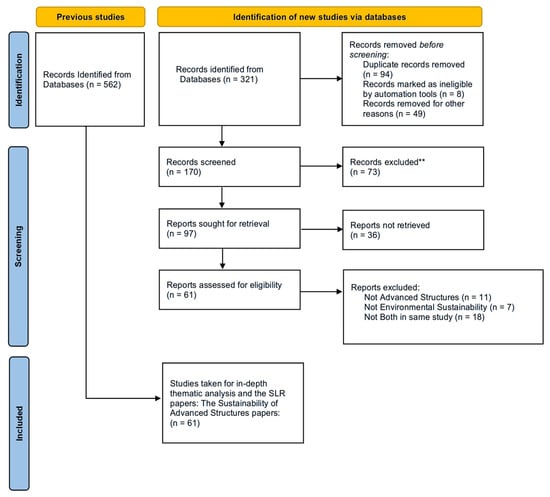
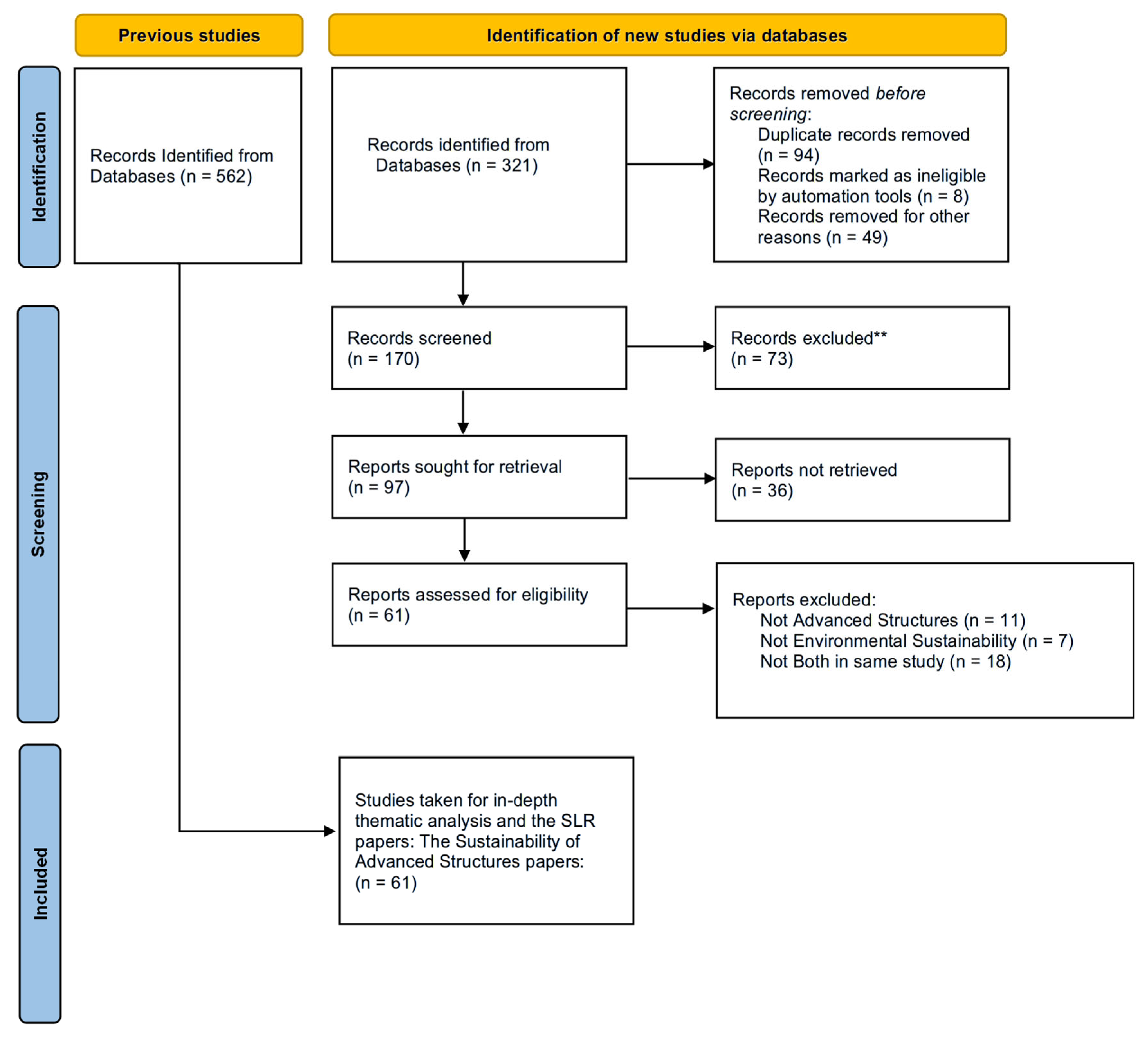
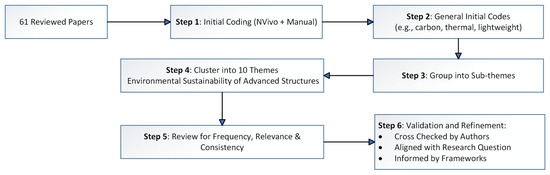
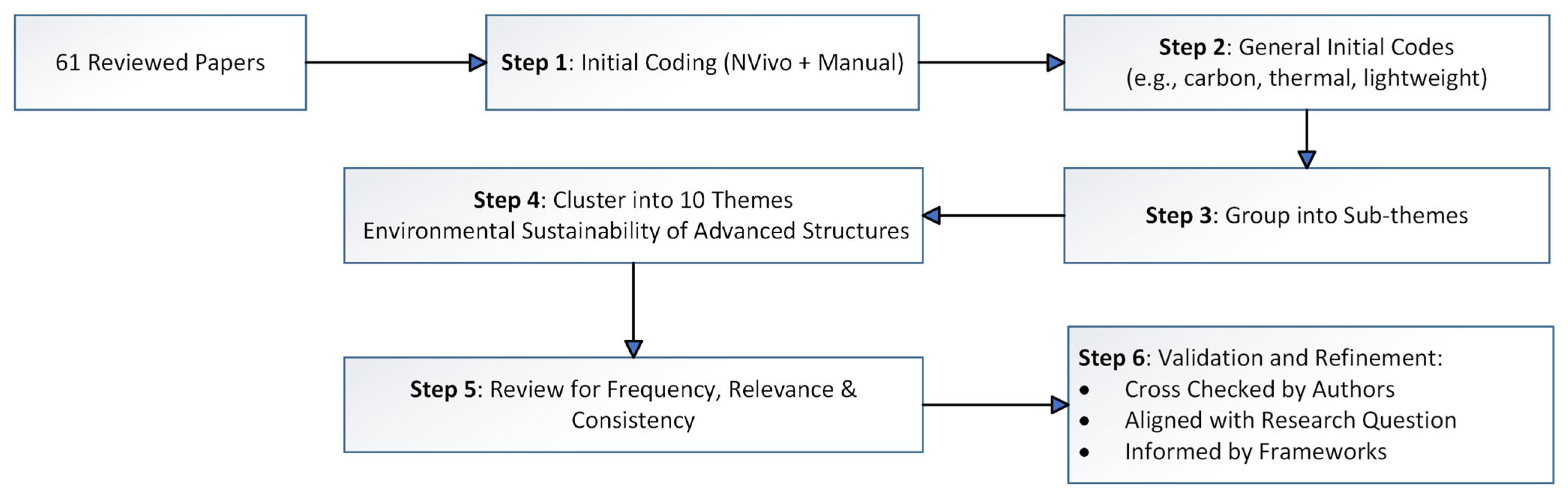
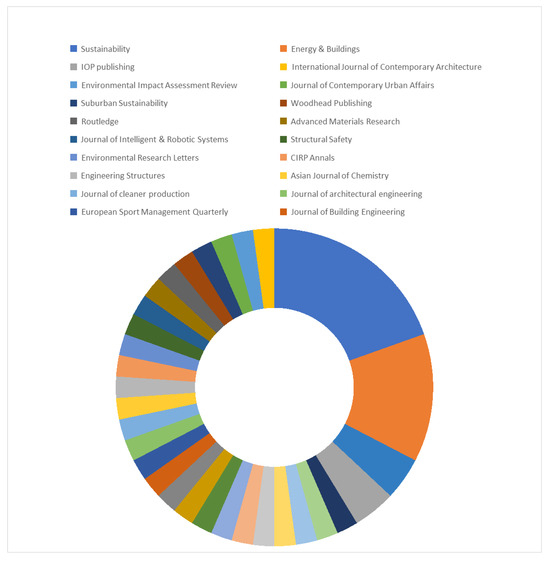
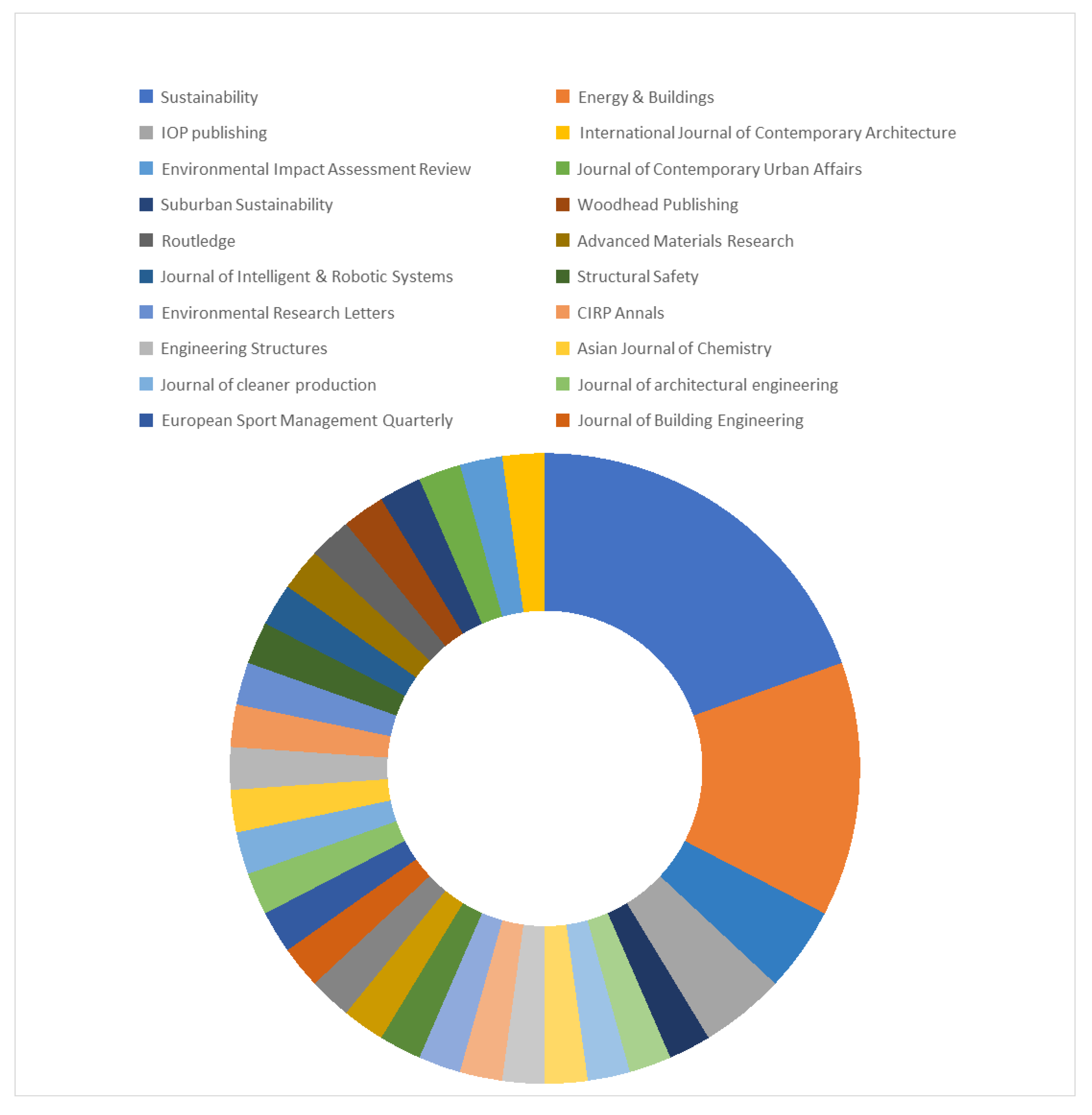
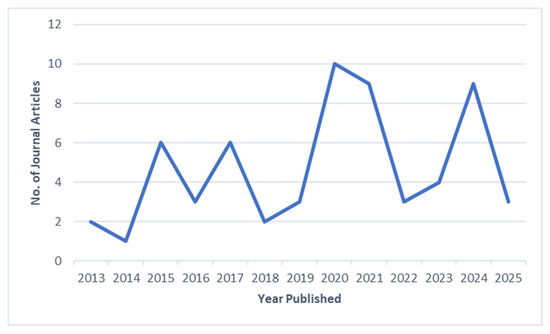
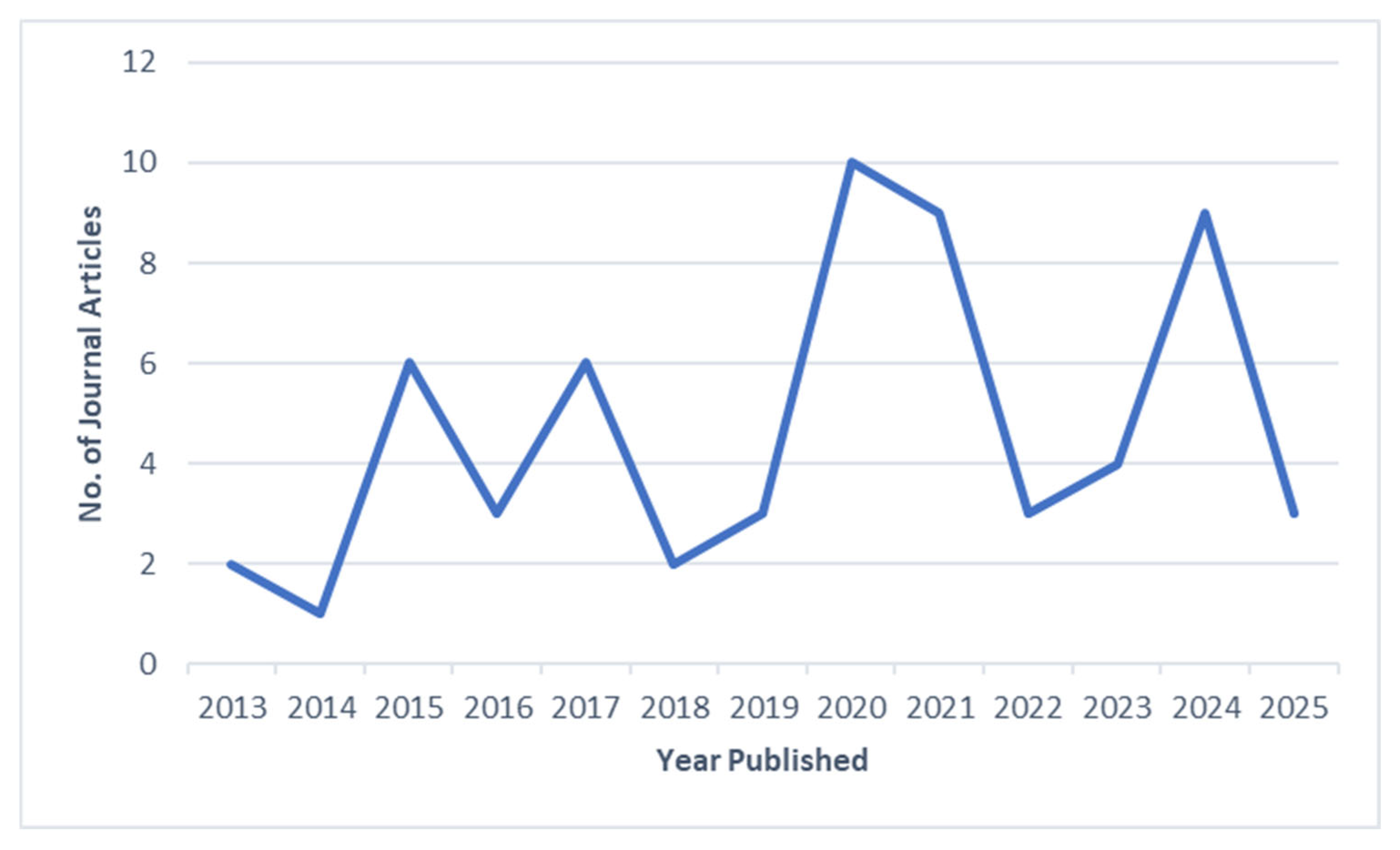
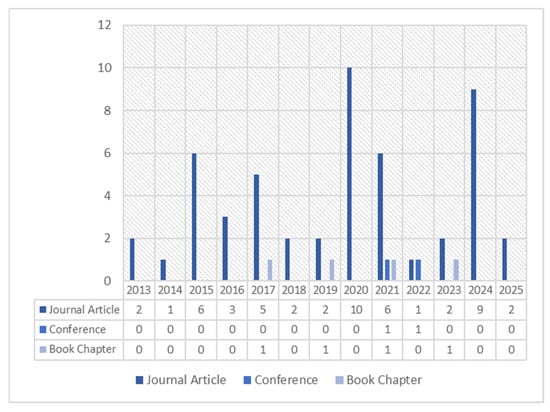
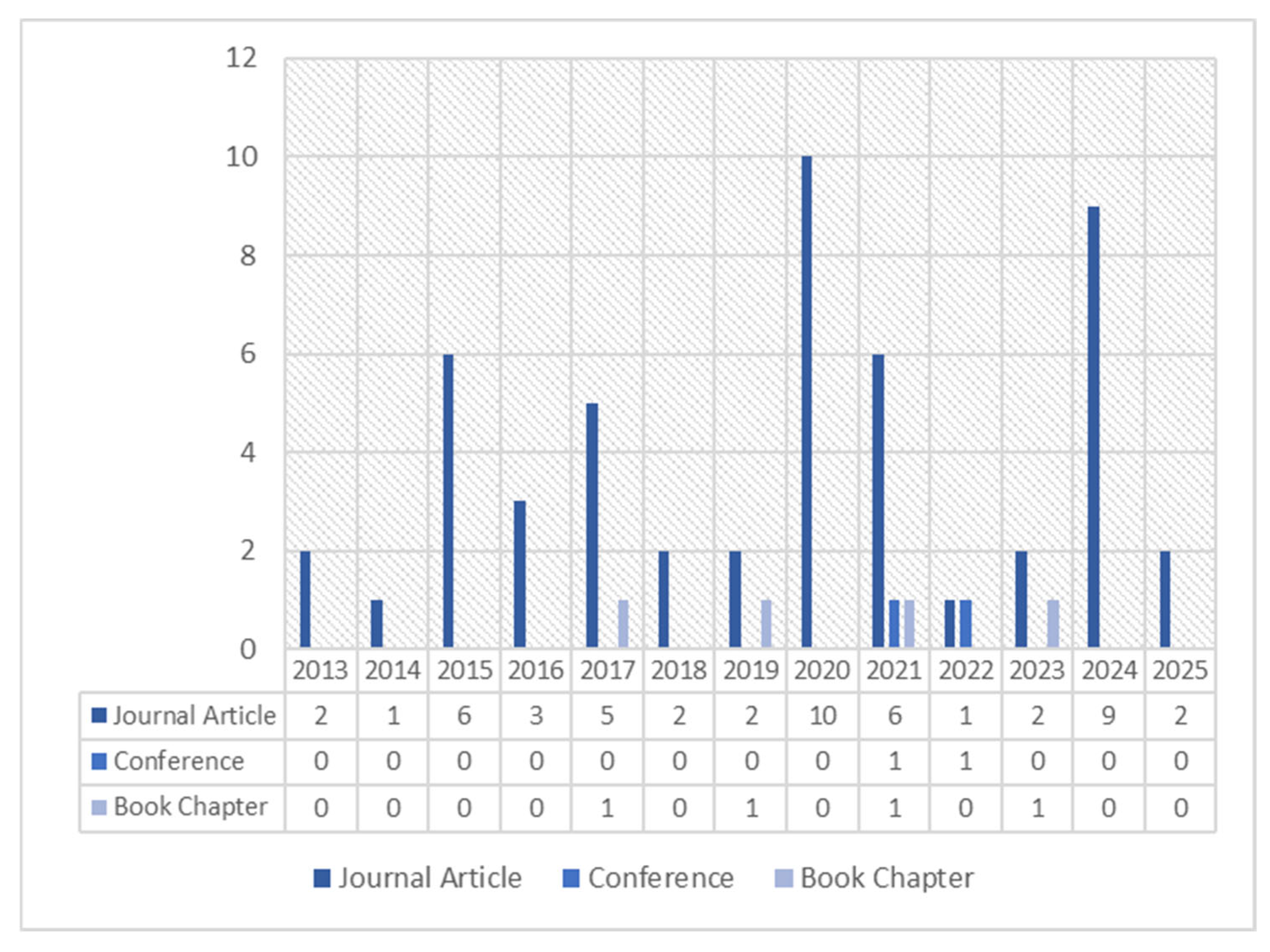
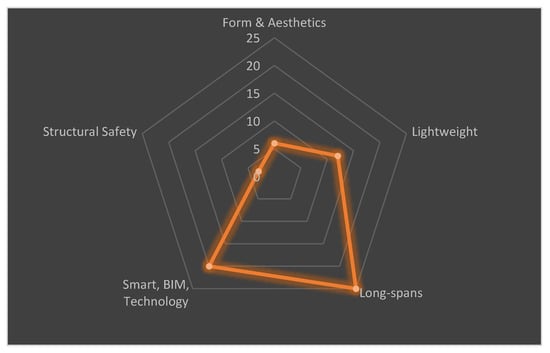
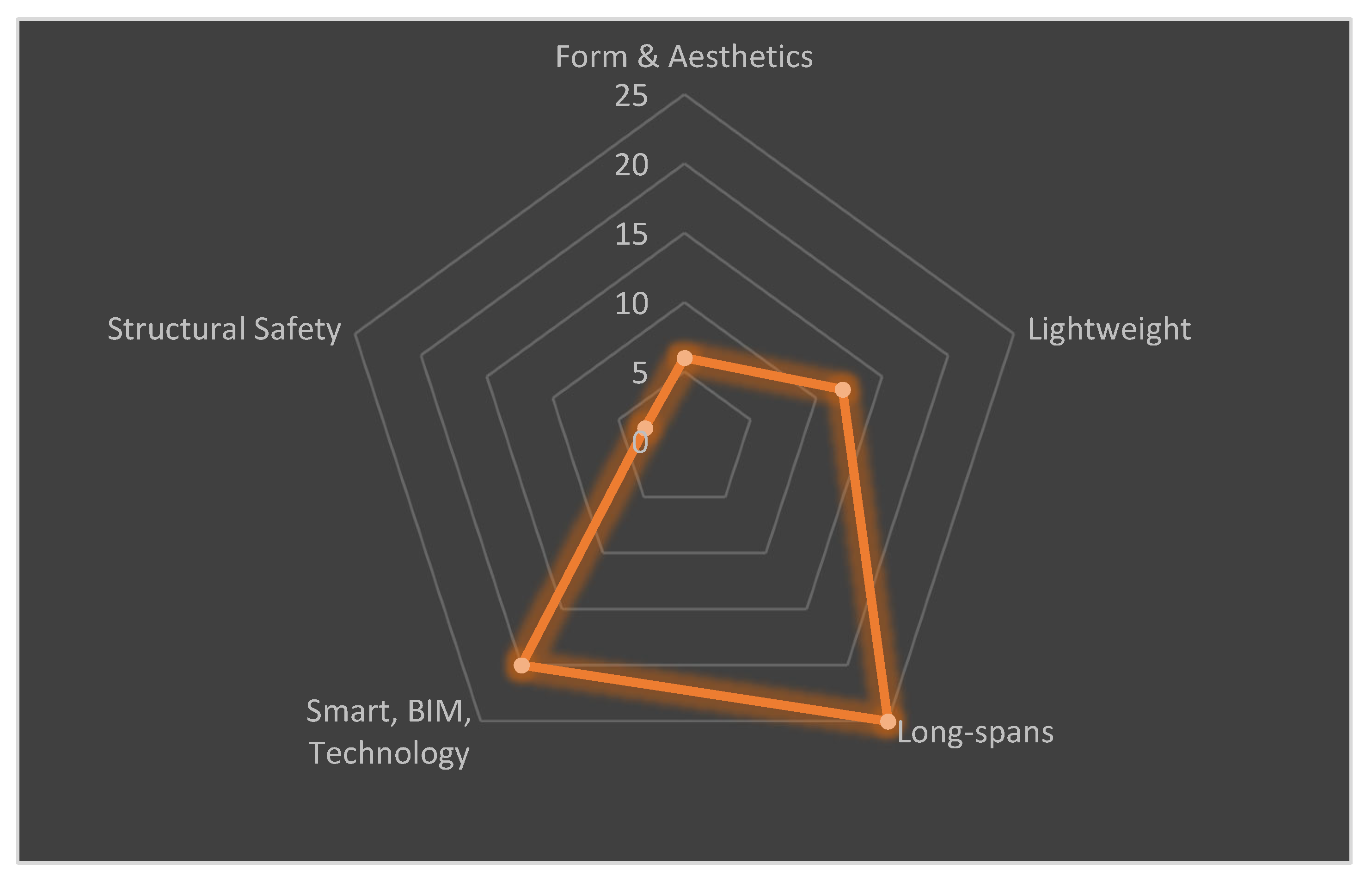
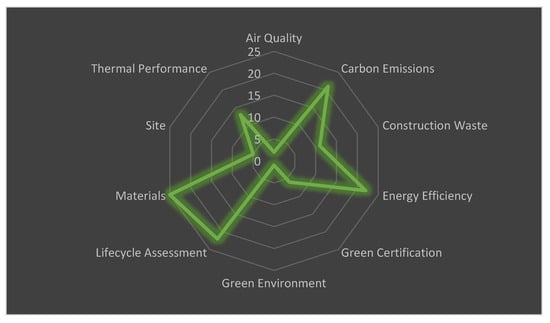
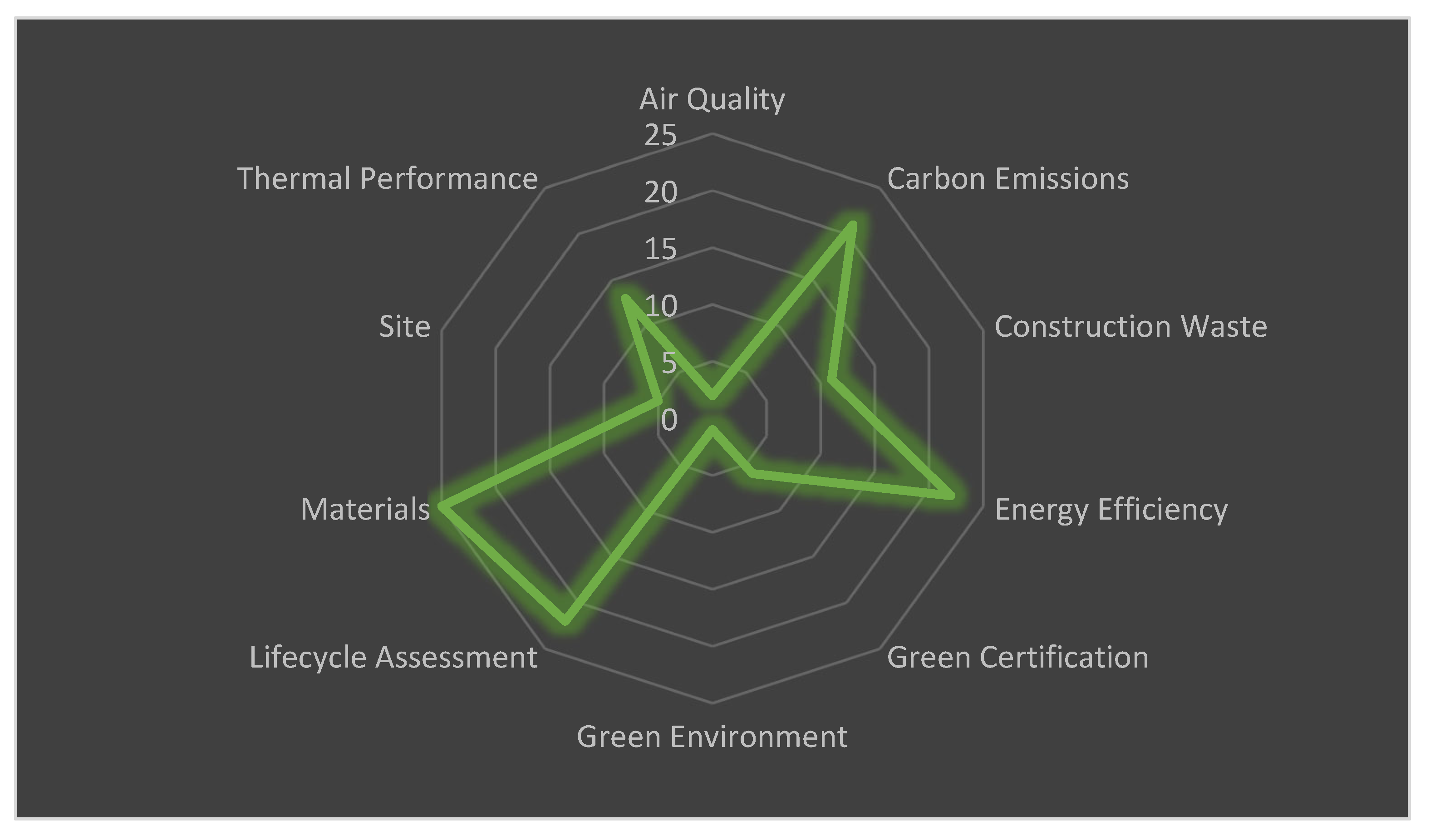
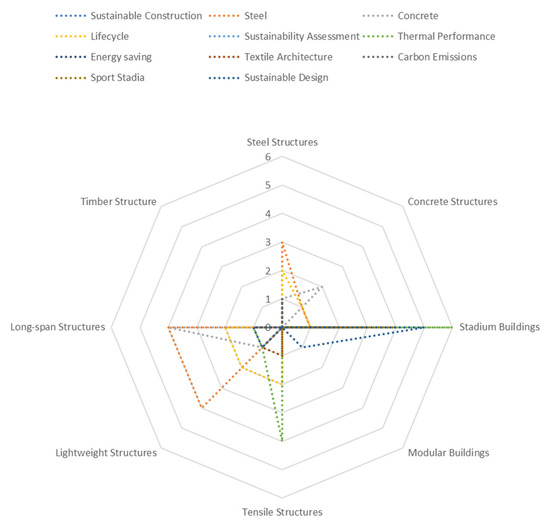
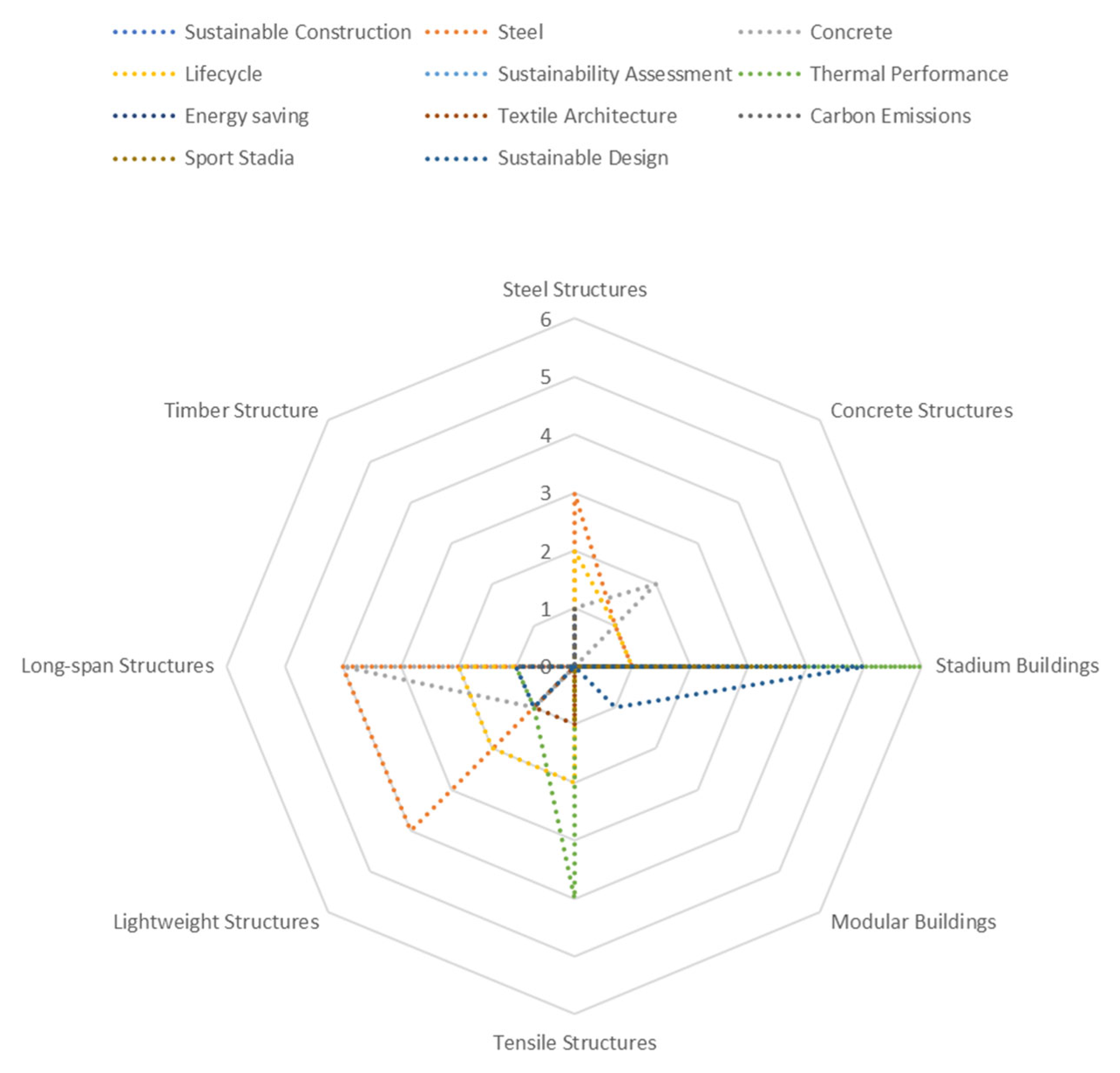
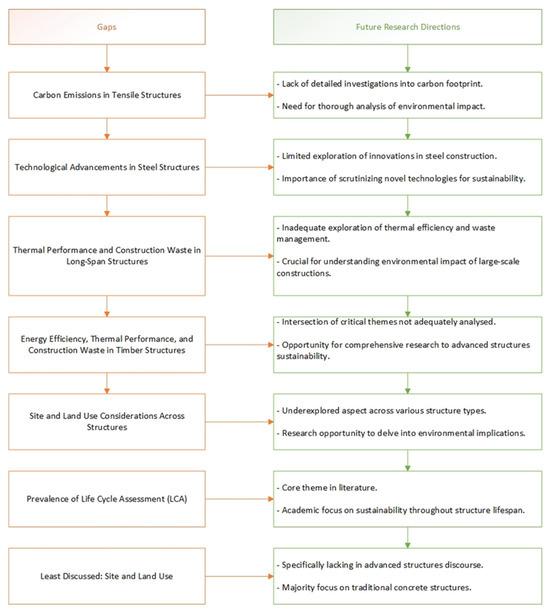
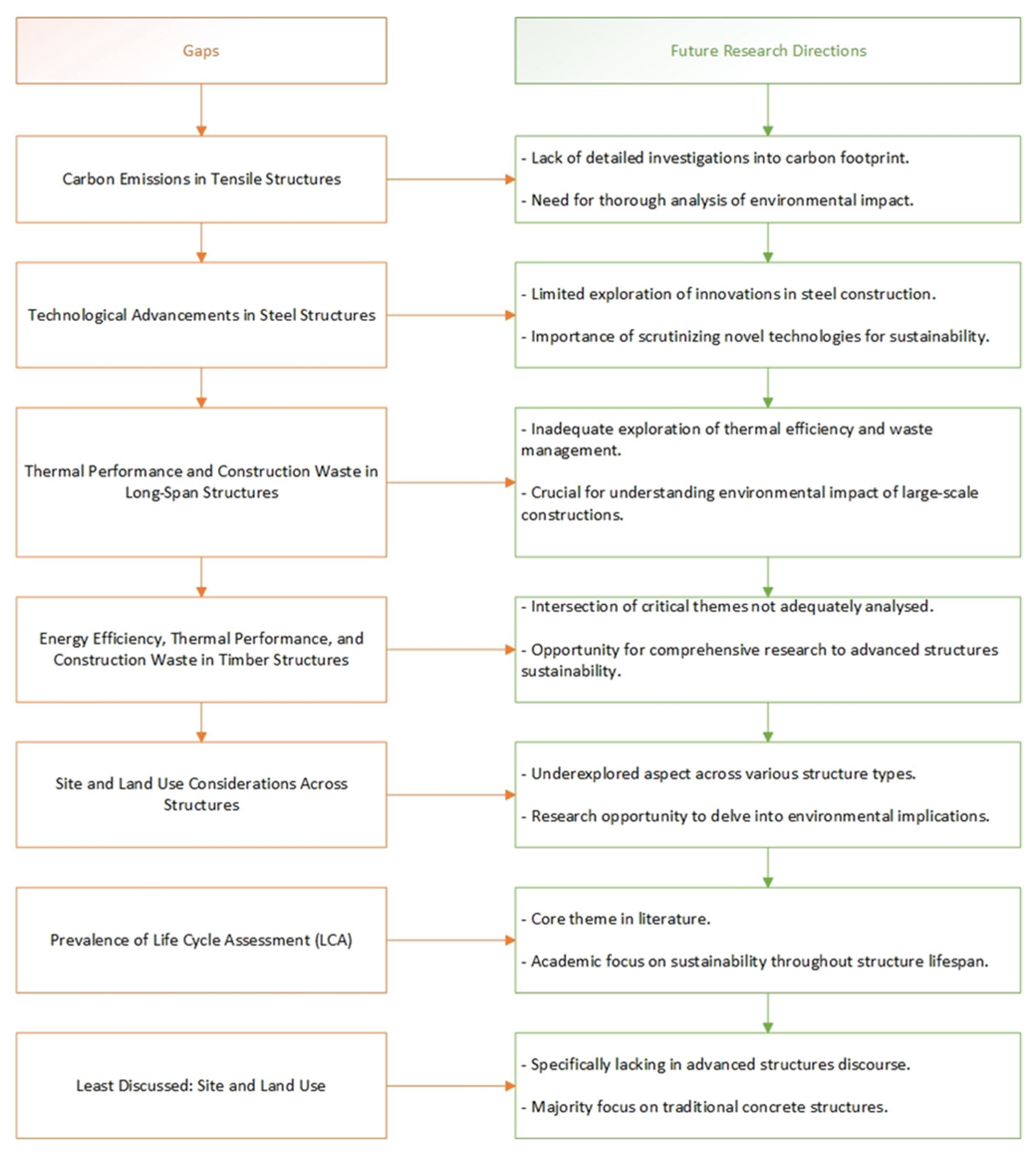
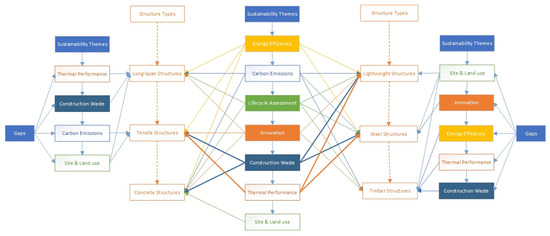
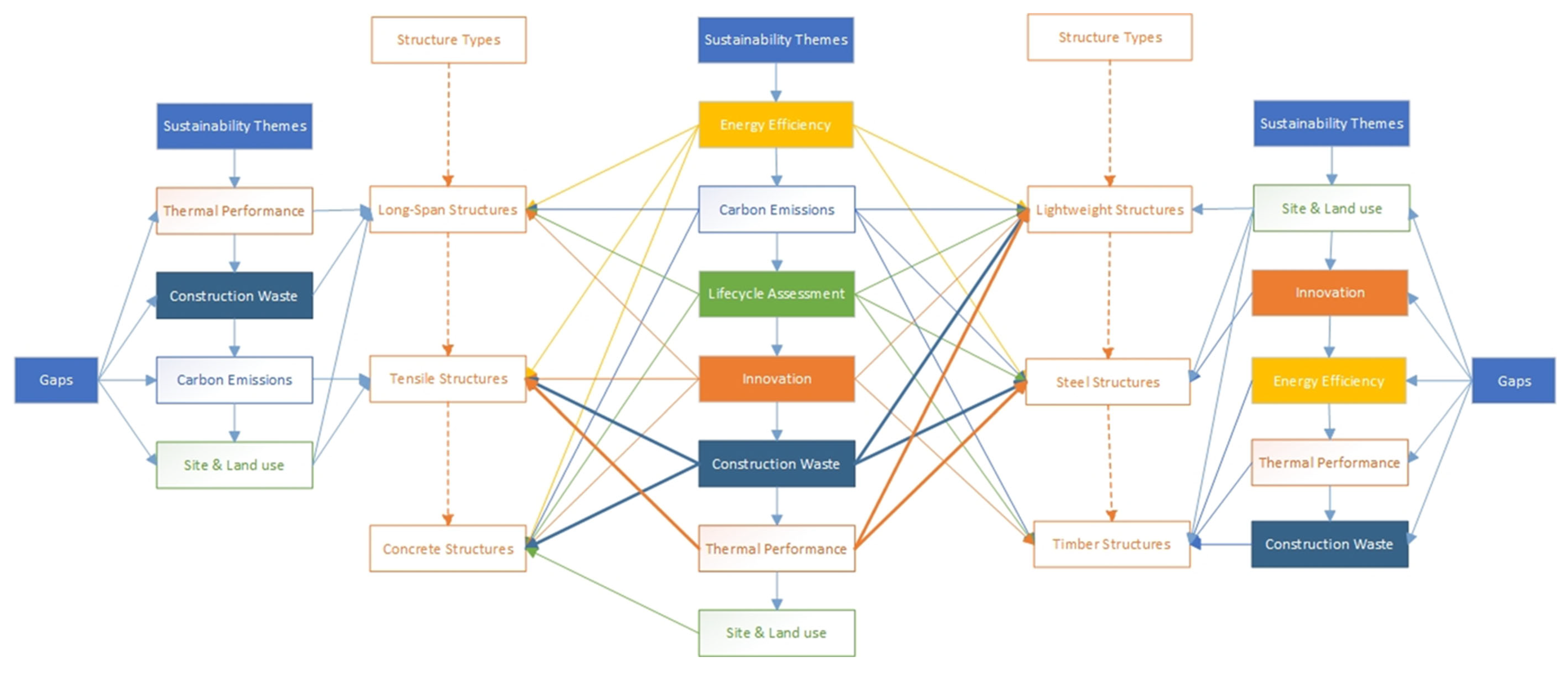

Disclaimer/Publisher’s Note: The statements, opinions and data contained in all publications are solely those of the individual author(s) and contributor(s) and not of MDPI and/or the editor(s). MDPI and/or the editor(s) disclaim responsibility for any injury to people or property resulting from any ideas, methods, instructions or products referred to in the content. |
© 2025 by the authors. Licensee MDPI, Basel, Switzerland. This article is an open access article distributed under the terms and conditions of the Creative Commons Attribution (CC BY) license (https://creativecommons.org/licenses/by/4.0/).