


Abstract
In today’s world, where people are exposed to ever-increasing flows of information, children may find it difficult to regulate their emotions, attention, thoughts and behaviour. Self-regulation is widely recognised as a key factor in children’s learning, emotional well-being and social functioning, yet there remains a lack of research analysing how processes related to self-regulation can be conceptually explored in museum, experiential and sensory educational settings. To address this gap, this study examines the conceptual links between the exhibits and educational activities at the Museum of Feelings, established in Lithuania in 2025, and children’s emotional, cognitive and behavioural self-regulation. The study employed qualitative deductive content analysis. The museum’s exhibits and the associated educational activities were analysed using a coding system derived from the academic literature. The analysis identified three main categories of self-regulation: emotional, cognitive and behavioural. The results of this study reveal that the museum’s exhibits and activities were conceptually linked to all three categories. The activities analysed were linked to the development of emotional vocabulary, the recognition and naming of emotions and bodily sensations, reflection on the interrelationships between thoughts, feelings, bodily sensations and behaviour, attention regulation, impulse control, and the exploration of constructive ways of responding to complex emotions and social situations. By revealing how these aspects of self-regulation are given meaning within the experiential museum environment, this study offers a new theoretical perspective on the educational potential of museum activities. However, the identified links are conceptual and theoretical in nature and should therefore not be interpreted as empirical evidence of the museum’s impact on children’s self-regulation.
1. Introduction
Self-regulation, in the broadest sense, is one of the most important competencies required to ensure every individual’s academic success and psychosocial well-being. When discussing self-regulation, it is worth mentioning several key dimensions: cognitive [1,2,3], emotional [4,5] and behavioural [6], which are integrally interrelated and influence one another [7,8,9]. Cognitive self-regulation can be linked to attention management, whilst metacognition involves observing one’s own thinking, reflection, evaluation, the ability to adjust it when necessary, goal-setting and planning, and the application of strategies [1,2]. Emotional self-regulation manifests itself in the recognition of emotions, the ability to regulate the intensity of emotions, and to engage in cognitive reappraisal, i.e., consciously interpreting a situation in such a way as to improve one’s emotional state [4,5]. Behavioural self-regulation is related to the ability to control impulses, initiate, maintain, inhibit and adjust one’s behaviour, and motivate oneself in order to achieve long-term or short-term goals and adapt to the environment, social rules and norms [10,11,12]. Self-regulation is particularly important in academic activities, as it encompasses the abilities to maintain attention, set goals, plan their implementation, apply learning strategies, and persevere in doing so, self-motivate, reflect, maintain discipline, recognise and constructively express emotions. All of this helps not only to achieve learning outcomes but also to build and maintain interpersonal relationships [13,14,15]. It is important to note that self-regulation skills become particularly significant during adolescence, when academic demands increase and, at the same time, biological and psychological processes intensify, making it more difficult to regulate emotions and learning [16]. During adolescence, the human brain is characterised by asynchronous neurodevelopment [17]. This is because the limbic system matures before the cognitive functions, which are controlled by the prefrontal cortex, have fully developed. Executive functions are directly related to self-regulation: inhibition—the ability to suppress an impulse, refrain from inappropriate behaviour, and ignore distractions; working memory—the recall and use of information; and cognitive flexibility—the ability to change one’s thinking [18]. Consequently, due to this imbalance, emotions have a greater influence on adolescents’ behaviour than their ability to control them; they also tend to exhibit greater emotionality, weaker impulse control, and a greater dependence of their decisions on prevailing emotions. This naturally raises the question: if executive functions do not fully develop until later, is it perhaps not worth cultivating self-regulatory skills at an early age? In answering this question, it is worth mentioning the study by Moffitt et al. (2011) [19], in which researchers followed 1000 children born in 1972–1973 in Dunedin, New Zealand, at the same time over a period of 32 years. It was found that those participants who, between the ages of 3 and 11, had better inhibitory control (e.g., were able to wait their turn, were less distracted and impulsive), were more likely to continue their education in adolescence. At the same time, these individuals were less likely to make risky decisions, smoke or use drugs. It is also worth noting that the adults who took part in the study enjoyed better physical and mental health (e.g., they did not suffer from problems such as being overweight or high blood pressure). Furthermore, they earned higher incomes and were more likely to obey the law. Thus, it can be observed that impulse control is linked to self-regulation and quality of life.
2. Issues Relating to Self-Regulation in Schools
During school-age years, self-regulation plays an important role in children’s adjustment to school [20]. Daily classroom activities require children to focus and sustain attention, follow instructions, regulate emotional responses, control impulses, plan actions, collaborate with others, and comply with classroom routines and expectations [20,21]. Therefore, self-regulation in the school context encompasses not only behavioural and emotional control but also broader cognitive and social processes [21]. Children enter school with varying levels of self-regulation skills, and these individual differences are associated with subsequent academic achievement, interpersonal behaviour, mental health, and health-related outcomes [22,23]. Such differences may reflect variation in children’s developmental and neurocognitive characteristics, early experiences, family environment, and school context [24,25]. The development and expression of self-regulation and executive functions are influenced by the social and educational contexts in which children participate. Accordingly, research has examined not only direct self-regulation interventions but also classroom processes, including children’s engagement and the quality of teacher–child relationships [21]. Self-regulation is closely associated with executive functions, emotion regulation, attention, and physiological stress-response systems [26]. Thus, self-regulation difficulties in school should not be interpreted merely as “inappropriate behaviour”; they may reflect broader difficulties in regulating attention, emotional arousal, cognition, and behaviour. Difficulties in executive functioning and self-regulation are also associated with conditions that may affect school functioning, including ADHD, autism spectrum disorder, and learning disabilities [25]. Therefore, schools should not only identify self-regulation difficulties but also provide supportive environments in which children can safely explore their emotions, bodily sensations, thoughts, behavioural choices, and social responses. To identify problems related to self-regulation in schools, we will draw on a study conducted in 2025 [24]. It analysed teachers’ attitudes towards the development of self-regulation skills in younger school-age pupils with behavioural disorders. The study revealed that pupils of this age with behavioural disorders experience self-regulation-related difficulties in the areas of emotions, behaviour management, adherence to social rules, and motivation to learn (see Table 1).
Table 1.
Manifestations of self-regulation difficulties among pupils with behavioural disorders (according to Klizaitė et al., 2025 [24]).
Difficulties with emotional regulation can be linked to uncontrolled emotional outbursts, and sudden, seemingly unprovoked strong emotional reactions, which are very difficult to calm and prevent all children from continuing their work in the classroom. Behavioural control difficulties manifest as defiance, a reluctance to do as suggested or requested, and poor impulse control. A reaction to a task that is not done according to the pupils’ wishes, or an inability to tolerate failure or other frustrations, can turn into destructive behaviour, such as throwing objects. Pupils with difficulties related to self-regulation find it hard to stick to agreements during lessons. A lack of empathy is also observed, which manifests itself in blaming others when a conflict arises. When assessing pupils’ motivation, teachers note that children often do not want to complete tasks, avoid activities by any means possible, and display low motivation.
3. Links Between Self-Regulation and Self-Regulated Learning
Self-regulated learning (SRL) describes the process whereby an individual is able to regulate and control their cognitive abilities in order to achieve their set goals in an academic context [27]. Thus, as can be seen from this definition, metacognition is an essential part of SRL, helping to monitor, control and adapt lower-level information processing [28]. Consequently, self-regulated learning becomes highly significant, as it describes the processes through which individuals direct and control their cognition, emotions and behaviour in pursuit of academic goals. Furthermore, self-regulated learning is also linked to subjective perceptions of the extent to which a person can control and influence certain situations (control appraisals), such as academic achievement. Research shows [28,29] that when children do not feel they can influence their own outcomes, this correlates directly with the intensity and expression of unpleasant, difficult emotions such as anxiety, fear and apathy. Meanwhile, a higher level of control and influence increases the experience of positive emotions, such as enjoyment of learning [29]. This suggests that the expression of emotions in the learning process is linked not only to the complexity of tasks but also to students’ perception of their ability to manage them. To address the issue of poor academic performance, coordinated efforts are required that integrate metacognitive, motivational and behavioural strategies within the school environment. Furthermore, a review of studies [30] found that genetic factors statistically account for approximately 15–77% of the variation in aggressive behaviour among children. Nevertheless, it is important to recognise that genetic factors are not a direct cause of aggression. Certain genetic variations may be associated with greater sensitivity to environmental influences, and the expression of aggressive behaviour depends on the interaction between genetic predispositions and environmental conditions. Consequently, individuals with certain genetic variations may be more prone to aggressive behaviour in an unfavourable environment, whilst in a supportive environment, the same genetic traits may be associated with less destructive behaviour [30]. These findings highlight the importance of environmental conditions in shaping children’s behavioural responses and their ability to regulate those responses. Accordingly, a supportive educational environment and targeted interventions can play a significant role in fostering self-regulation skills. This is particularly relevant in the context of children’s psychological well-being, as difficulties in regulating emotions and behaviour may be linked to broader challenges in psychological functioning. It is therefore important to examine the significance of psychoeducational interventions for children’s emotional self-regulation, behaviour management and overall psychological functioning.
4. The Relationship Between Psychoeducational Measures and an Individual’s Psychological Functioning
An analysis of data from 2014 to 2023 conducted by the Mental Health Centre of the Institute of Hygiene found that the overall prevalence of mental and behavioural disorders in Lithuania increased by a factor of 1.3 between 2014 and 2023 [31]. WHO (2025) [32] data also show an increase in the number of mental health disorders among children and adolescents, as the prevalence rose by approximately 33% over 15 years. This age group is most commonly affected by anxiety, depression and difficulties regulating emotions and behaviour. In the school context, difficulties in regulating emotions, attention and behaviour may affect learning, peer relationships and everyday psychosocial functioning [31].
When it comes to the causes, the negative impact of social and academic pressure, screen time, family instability, economic insecurity and the COVID-19 pandemic is becoming apparent. Furthermore, progress in the early identification, diagnosis and treatment of symptoms of disorders in this area cannot be ruled out [33]. Another review of studies states that around 34% of mental disorders begin to develop by the age of 14, and approximately 48% by the age of 18 [33]. For this reason, it can be argued that the earlier various psychoeducational preventive measures are implemented, the greater the likelihood of strengthening children’s and adolescents’ emotional and social skills, reducing risk factors and improving long-term psychological functioning. Scientific research demonstrates the benefits of prevention and its significant, empirically validated impact, both in reducing the risk of developing mental health disorders and in improving an individual’s resilience to stress and emotional distress. In a review of studies conducted by Singh, Kumar, & Gupta (2022) [34], which summarised various scientific studies on mental health prevention and promotion, their application and effectiveness, it became clear that various methodologies, such as elements of cognitive-behavioural therapy, social and emotional skills training and other psychoeducational programmes, and programmes involving family and community education, are associated with a positive impact on mental health, improve overall psychological functioning and reduce risk factors associated with the onset of mental disorders.
The Museum of Feelings as an Educational and Experiential Environment. The Museum of Feelings is located in a small Lithuanian town—Anykščiai. It was created as an educational and experiential environment for children, designed to provide opportunities for children to explore emotions and engage with self-regulation-related processes. The environment is tailored to children of different ages. Instructions, reflective questions and the level of difficulty of the tasks are chosen to suit the participants’ ages and developmental needs. The idea for the museum arose from the need to create a safe, engaging, and developmentally appropriate space for children, where emotions would not only be discussed but also explored through direct experience: bodily sensations, sensory stimuli, creative expression, reflection, and interaction with others. Therefore, the Museum of Feelings is not a traditional exhibition space where visitors passively observe the information presented. It functions as an interactive learning environment in which children actively participate: they observe, touch, smell, listen, move, create, converse, and reflect. In this way, learning about the senses becomes not an abstract theoretical topic, but a learning process experienced through the body, the senses, and social interaction.
The purpose of the Museum of Feelings: The main purpose of the Museum of Feelings is to provide children with opportunities to recognize, name, explore, and reflect on their emotions and how they relate to bodily sensations, thoughts, behavior, and social context. This goal encompasses several interrelated objectives:
- To help children notice and name their inner states;
- To foster an understanding of the connection between bodily sensations and emotions;
- To expand children’s emotional vocabulary and their ability to differentiate between emotions;
- To provide opportunities to express feelings through creative and symbolic means;
- To encourage reflection on possible ways of responding to feelings;
- To strengthen children’s ability to notice other people’s emotional expressions and to talk about feelings.
Thus, the museum’s goal is not merely to provide children with knowledge about emotions. It aims to create experiential situations in which children can learn self-reflection, emotional naming, reflection, decision-making, and social understanding.
Theories underlying the concept of the Museum of Feelings: The concept of the Museum of Feelings is based on several interrelated theoretical approaches that provide a foundation for different aspects of this educational and experiential environment. Concepts regarding the connection between the body and emotions emphasize the importance of noticing internal bodily signals and linking them to emotions. The theory of constructed emotions [35] explains the significance of naming emotions, differentiating between them, and considering context and experience. Self-regulation theory [36] allows museum activities to be linked to the development of attention, reflection, impulse control, and the ability to make conscious choices. Cognitive and experiential learning approaches underpin the museum’s experiential logic, in which learning occurs through the body’s senses, action, the environment, creative tools, and social interaction.
- The concept of the Museum of Feelings is based on the idea of the connection between the body and emotions. Emotions arise from the regulation of the body’s internal states and are linked to the conscious experience of these states [37]. Emotions coordinate our behavior and physiological states during survival-relevant events and pleasurable interactions [38]. This perspective allows us to understand emotions not only as subjective psychological experiences or linguistic categories, but also as processes experienced physically. Therefore, activities in which children are invited to notice bodily signals, explore how different emotional states can be felt in the body, and connect these sensations with naming emotions play a significant role at the Museum of Feelings. In this way, children learn to recognize that calmness, joy, fear, and other emotions can be expressed not only verbally but also physically.
- The museum is based on the concept of interoception. Interoception describes the ability to perceive, interpret, and integrate signals originating from within the body [39,40]. This concept is important because a child’s ability to recognize internal bodily signals can help them understand their emotional state more accurately and lay the groundwork for regulating it. The Museum of Feelings provides an environment for developing interoceptive awareness through the exploration of bodily sensations—such as breathing, tension, warmth, heaviness, lightness, or other internal sensations—and linking these sensations to the naming of emotions.
- The activities of the Museum of Feelings are linked to the theory of constructed emotions. Emotions are not merely automatic reactions that manifest identically in everyone; they are shaped by the interaction of bodily sensations, prior experience, context, language, and existing concepts of emotion. This theory underscores the importance of expanding one’s emotional vocabulary and differentiating between emotions [35]. Therefore, in the museum, children are encouraged to seek out more precise names for their feelings, recognize nuances in those feelings, and understand that the same physical sensation can be associated with different feelings in different contexts.
- The museum’s educational logic is linked to the theory of self-regulation. Self-regulation is defined as a process in which a person’s thoughts, feelings, and actions are purposefully organized to achieve goals [36]. This concept allows us to understand the activities at the Museum of Feelings not only as tasks of emotional cognition, but also as opportunities to develop skills in attention, reflection, impulse control, decision-making, and behavioral regulation. At the museum, children are invited to pause, notice their reaction, name it, consider what caused it, and explore possible ways to respond.
- The experiential nature of the Museum of Feelings is based on the 4E framework of cognitive science, according to which cognition is embodied, embedded in the environment, extended through external objects and tools, and generated through action and active interaction with the environment (enactive) [41,42]. This approach helps to explain why, in a museum, it is not only verbal explanations that are important, but also physical experience, space, objects, installations, sensory stimuli, active engagement and social interaction. Museum installations act as external cognitive supports, helping children to notice, understand, name and reflect on their inner experiences.
- The museum’s activities are linked to the concept of embodied learning. Learning takes place through the body, movement, the senses, the environment, and social interaction [43]. Therefore, the textures, scents, sounds, light, darkness, visuals, movement through space, and creative tasks used at the Museum of Feelings are not merely supplementary educational tools. These tools constitute the primary method of learning, as children explore their senses through real and concrete experiences.
The logic behind the installations at the Museum of Feelings: The installations at the Museum of Feelings are designed to reflect different aspects of emotional awareness and self-regulation. Activities related to bodily sensations help children notice their body’s internal signals and connect them to their feelings. Activities involving the recognition of facial expressions and emotions promote emotional differentiation and social understanding. Experiences with smells, sounds, textures, light, and darkness allow children to explore how different sensory stimuli affect attention, bodily states, and emotional reactions. Creative and symbolic tasks, such as masks, abstract representations of feelings, or other forms of visual expression, give children the opportunity to express experiences that are sometimes difficult to describe directly in words.
Reflective questions and educator-led discussions help children connect their sensory and creative experiences to personal meaning and potential ways of self-regulation. In this way, each installation functions not as a separate object, but as a structured experiential situation in which a child can observe, experience, name, express, and reflect on a feeling.
5. Research Methodology
The study is based on sociocultural developmental theory [44,45]. Vygotsky (1978, 1996) [44,45] distinguished between two levels of mental functioning: lower-level and higher-level. Functions of the lower level, such as reactive attention and sensorimotor thinking, are, according to the scholar, innate and inherited. Their development is based on natural biological self-expression. However, the scientist claimed that higher cognitive functions are of a social nature, regarding them as a socio-cultural construct which is not innate but is created during the course of human historical and cultural development and is acquired through participation in social interaction. In explaining the development of higher cognitive functions, Vygotsky (1978, 1996) [44,45] argued that two lines of development in the behaviour of the modern cultured human being must be distinguished: the process of biological development, during which they became human, and the process of historical and cultural development, during which primitive humans became cultured humans. Culture creates specific forms of behaviour, alters the functioning of mental processes, and ‘introduces new levels into the developing system of human behaviour’. This theoretical perspective allows the museum to be interpreted as an educational and cultural environment in which, through experience, reflection and interaction, various abilities can be developed, including processes related to self-regulation.
The study also draws on various theories and concepts of self-regulation, which define self-regulation as a composite construct encompassing emotional, cognitive and behavioural processes [11,20]. In this context, self-regulation is understood as the ability to recognise, reflect on, and regulate one’s feelings, emotions, attention, thought processes and behaviour. These abilities form the basis for conscious behaviour regulation and adaptive responses to environmental stimuli.
Although sociocultural theory and self-regulation theory explain how higher mental functions can develop through culturally organised experience, reflection and social interaction, there is still a lack of research analysing how these theoretical principles manifest themselves in museum, sensory and experiential educational settings. In particular, it remains unclear how specific museum exhibits and educational activities can be theoretically linked to the emotional, cognitive and behavioural aspects of children’s self-regulation. To address this gap, this study employs qualitative deductive content analysis [46] to identify the theoretical links between the exhibits and educational activities at the Museum of Feelings and the categories and subcategories of self-regulation. Deductive qualitative analysis [47,48,49,50,51] is one form of deductive qualitative research suitable for the application, testing and refinement of theory. By applying deductive qualitative analysis, researchers can empirically investigate existing theory [47,48,49,50]. In the case of our study, the researchers justified the selection of activities and exhibits at the only Museum of Feelings established in the Baltic states, which can help foster children’s self-regulation skills. Once researchers have selected a theoretical framework, they formulate the research question in such a way that it clearly links the research question to the theoretical framework. In the case of our study, as self-regulation skills are being investigated, they are scientifically grounded by identifying key categories and subcategories according to which the objects and educational activities of the Museum of Feelings are analysed. Since, from a deductive perspective, a wide variety of empirical data can be investigated and analysed, in our study, the objects of the Museum of Feelings and the educational activities associated with them have been selected.
Research objective
The aim of this study is to conduct a qualitative, deductive analysis of the content of the exhibits and educational activities at the Museum of Feelings in order to identify their conceptual links with the theoretically defined categories and subcategories of children’s self-regulation.
Research questions
Q1. How is self-regulation defined scientifically, and what main categories and subcategories can be distinguished when discussing the expression of self-regulation skills?
Q2. How can the exhibits and educational activities at the Museum of Feelings be theoretically linked to the development of children’s self-regulation skills?
Q3. How is self-regulation defined in the scientific literature, and what are its main categories and subcategories that can be identified in the context of this study?
Q4. How are the exhibits and educational activities at the Museum of Feelings conceptually related to the theoretically defined categories and subcategories of children’s self-regulation?
Data analysis method
The study employed qualitative deductive content analysis to identify conceptual links between the exhibits and educational activities at the Museum of Feelings and theoretically defined aspects of self-regulation. The analysis is based on sociocultural developmental theory [44,45], which emphasises the importance of culturally organised experience, language, reflection and social interaction for the development of higher mental functions. This theoretical perspective allows the museum to be understood as an educational and cultural environment in which processes related to self-regulation can be examined through structured experiential activities.
In this study, self-regulation is understood as a multidimensional construct encompassing emotional, cognitive and behavioural processes [11,20]. Based on these theoretical perspectives and an analysis of the scientific literature, a deductive coding system was developed, comprising categories and subcategories of self-regulation. Qualitative deductive content analysis is suitable for applying existing theoretical concepts to a specific dataset and systematically assessing how the analysed data correspond to predefined categories [46,47,48,49]. In this study, the coding system was applied to determine how the content and educational purpose of museum exhibits and related educational activities conceptually correspond to the categories and subcategories of emotional, cognitive and behavioural self-regulation.
Subject of the study and units of analysis
The subject of the study is the exhibits at the Museum of Feelings and the educational activities associated with them.
The unit of analysis was defined as an individual museum exhibit together with the educational activity associated with it. Each unit of analysis was evaluated based on the actions, experiences, forms of reflection, or skills it elicits. When analyzing each exhibit, the following aspects were taken into account [52]:
The purpose of the exhibit or activity;
The action or experience offered to the child;
The intended direction of reflection or discussion;
Possible connections to categories of self-regulation;
The theoretical justification for classification into a category.
Thus, the unit of analysis was not merely a physical object or a museum installation. The analysis focused on the combination of the exhibit, the related activities, and the educational intent.
Criteria for selecting exhibits and activities
The analysis included those exhibits and educational activities at the Museum of Feelings that met the following criteria:
- Had a clearly identifiable educational or psychoeducational purpose. For example, the body silhouette installation was included because it invites visitors to mark the parts of the body where different emotions are felt, and to link bodily sensations with emotional states.
- Had written instructions for the activity or a clear logic of use. For example, the instructions accompanying the fragrance vials suggest that you smell each fragrance and associate it with a particular feeling.
- Were related to the exploration of children’s emotions, bodily sensations, attention, behavior, reflection, or social interaction. For example, the comic strip on the cognitive cycle was included because it encourages reflection on the interrelationships between thoughts, emotions, bodily sensations and behaviour.
- Allowed for the theoretical identification of connections with at least one category or subcategory of self-regulation. For example, an exhibit setting out steps on how to express criticism constructively was linked to self-regulation of behaviour, as it presented socially acceptable ways of expressing dissatisfaction and responding in conflict situations.
Technical, decorative, or organizational elements of the museum that lacked independent educational content or a clear connection to the study’s objective were excluded from the analysis.
Development of the categorization system
The categorization system was developed deductively, based on the concept of self-regulation described in the scientific literature. First, three main areas of self-regulation were identified: cognitive, emotional, and behavioral self-regulation. Each area was then broken down into subcategories, which allowed for a more precise analysis of the content of the museum exhibits and educational activities.
The category of cognitive self-regulation included activities related to focusing attention, self-observation, monitoring thought processes, reflection, weighing choices, and metacognitive skills.
The category of emotional self-regulation included activities related to recognizing feelings, differentiating emotions, naming feelings, linking bodily sensations to emotional states, reflecting on emotional experiences, and discussing possible ways of responding emotionally.
The behavioral self-regulation category included activities related to impulse control, choosing response strategies, inhibiting or modifying behavior, socially acceptable expression of feelings, cooperation, and adaptive responses to environmental stimuli.
The system of categories and subcategories was used as a coding framework, allowing for a consistent evaluation of each unit of analysis. Each exhibit or activity could be assigned to more than one category if the content of the activity theoretically corresponded to several aspects of self-regulation.
Analytical Procedure
The analysis was conducted in several stages.
In the first stage, all exhibits at the Museum of Feelings and the related educational activities were reviewed. Only those exhibits and activities that met the predefined inclusion criteria were selected. Technical, decorative, or organizational elements lacking independent educational content were excluded.
In the second stage, each selected exhibit and its associated educational activity was described and evaluated according to a uniform analytical framework: the purpose of the exhibit or activity, the action proposed to the visitor, the nature of the experience, the potential direction of reflection, and connections to categories of self-regulation. To avoid an overly expansive table, these aspects are presented in summary form in the final analysis table: the exhibit or activity, the psychoeducational objective, connections to the categories of self-regulation, and the theoretical rationale.
In the third stage, deductive coding was applied. Each unit of analysis was compared with a pre-established system of self-regulation categories and subcategories. Classification into categories was based not on general impressions but on specific characteristics of the activity: what action the child performs, what experience they explore, what ability the activity develops, and what theoretical connection allows this ability to be assigned to a specific area of self-regulation.
In the fourth stage, a rationale was developed for assigning each exhibit or activity to the self-regulation categories. In each case, it was specified why a particular exhibit or educational activity was linked to the corresponding category or subcategory.
In the fifth stage, the classifications were reviewed. To minimize potential researcher bias, the application of categories and the classification of exhibits were discussed with a co-author who is not involved in the creation of the Museum of Feelings. During these discussions, cases were clarified where an exhibit or activity could have been assigned to multiple categories or where the rationale for the assignment was not sufficiently clear. Final decisions were made based on the predefined category criteria and the theoretical rationale for the activities.
In the sixth stage, a summary analysis table was prepared, presenting the exhibits, the related educational activities, the self-regulation categories to which they were assigned, and the rationale for their classification. This form of analysis illustrates the transition from the description of a specific museum exhibit or activity to its theoretical interpretation.
Ensuring the reliability and traceability of the study
The theoretical validity of the coding system was ensured by deducing the categories and subcategories of self-regulation from the concepts of emotional, cognitive and behavioural self-regulation described in the scientific literature. Each category was defined in advance, and all units of analysis were assessed according to the same analytical criteria: the aim of the exhibit or educational activity, the action and experience offered to the child, the direction of reflection, and the theoretical link to the categories and subcategories of self-regulation.
In order to enhance the reliability of the coding and minimise the risk of single-researcher bias, the initial categorisation of exhibits and educational activities was reviewed together with a co-author who had not been involved in the creation of the Museum of Feelings. During the review, ambiguous cases were discussed, as were units of analysis that could have been assigned to several categories and decisions that were not sufficiently clearly grounded in theory. The final classifications were agreed upon by mutual consent, based on predefined category criteria and theoretical justification.
As one of the authors of the article is the creator and founder of the Museum of Feelings concept, the study took into account the potential risk of researcher bias. This risk was mitigated by applying a pre-defined deductive coding system, applying uniform criteria to all units of analysis, and involving a co-author who was not involved in the museum’s creation in the review process.
The traceability of the analysis was ensured by presenting the results in a table listing each exhibit analysed and its associated educational activity, the category or subcategory of self-regulation to which it was assigned, and the rationale for this assignment. However, a formal index of inter-coder reliability was not calculated. Consequently, the reliability of the coding system is based on theoretical consistency, the uniform application of analytical criteria, peer review by the co-authors, and the transparent presentation of analytical decisions, rather than on a statistical assessment of coding reliability.
Ethical Considerations
No personal data was collected in this study, and no people were directly studied. Only the exhibits and the content of the educational activities at the Museum of Feelings were analyzed. The study was conducted in accordance with the principles of academic integrity, transparency, and responsible research.
Presentation of the analysis results
During the analysis, each exhibit and its associated educational activity were systematically assessed in order to determine their conceptual alignment with predefined categories and subcategories of self-regulation (see Table 2). Table 2 presents the exhibits included in the analysis and their associated educational activities, their psycho-educational objectives, the self-regulation categories and subcategories assigned to them, and the theoretical basis for their classification. The table illustrates how the description of a specific exhibit or activity has been translated into a conceptual interpretation within the context of emotional, cognitive and behavioural self-regulation.
Table 2.
Justification of the Museum of Feelings exhibits by educational area (compiled by the authors).
As can be seen from Table 2, the exhibits and educational activities analysed were conceptually linked to all three categories of self-regulation, whilst some activities were assigned to more than one category. Sensory activities were mainly linked to emotional and cognitive self-regulation through the recognition and naming of bodily sensations and emotions, the differentiation of emotions, and reflection. Activities exploring the links between bodily sensations and facial expressions were associated with interoceptive awareness, emotional literacy and reflection on the choice of possible behavioural responses. Dark room activities were linked to metacognitive reflection, impulse control, understanding strategies for managing complex emotions, and exploring constructive ways of responding in social situations, whilst activities in the Happiness room were linked to attention regulation, self-reflection, emotional recognition and self-motivation. These results reflect conceptual links and should not be interpreted as empirical evidence of the impact of the museum’s activities on children’s self-regulation.
6. Results of the Deductive Content Analysis
6.1. Identification of Self-Regulation Categories and Subcategories Based on the Scientific Literature
Following an analysis of the scientific literature, three categories of self-regulation were identified [1,2,3,4,5,6,7,8,9]: emotional, cognitive, and behavioural. When analysing characteristics related to emotional self-regulation, the following subcategories were identified: recognition of emotions, naming, control of intensity, and conscious choice of expression and coping. When examining behavioural characteristics, the following subcategories were identified: the ability to control impulses; the ability to initiate, maintain, inhibit, and modify one’s own behaviour; self-motivation; the ability to select and perform actions that help achieve set goals; the ability to control and adjust behaviour in accordance with social norms and rules. The scientific literature has also highlighted subcategories of cognitive self-regulation: executive function-related abilities (attention and impulse control, working memory), metacognitive abilities (cognitive flexibility, goal-setting and planning, and the application of strategies to achieve them, reflection, evaluation).
6.2. The Museum of Feelings—A Psychoeducational Resource and Tool for Developing Self-Regulation Skills
The Museum of Feelings is the only museum of its kind in Lithuania and the Baltic states. The museum’s aim is to foster individuals’ emotional literacy, self-regulation and psychological resilience through experience—the exploration of interactive exhibits and reflection on activities. The concept of the museum as a form of psychoeducation was not chosen by chance. Research has shown that visiting a museum and engaging in the special activities taking place there statistically reduces indicators of anxiety, depression and general psychological distress [71]. It is also worth mentioning the review by M. D. Trupp, C. Howlin, A. Fekete, J. Kutsche, J. Fingerhut, & M. Pelowski (2025) [70], which highlighted a correlation between viewing works of art in museums and galleries and an enhanced sense of eudaimonic well-being. This correlation manifests itself in the experience of meaningfulness, life purpose and personal growth. Thus, it can be assumed that museums and experiential art spaces not only have an aesthetic impact but also contribute in themselves to the strengthening of an individual’s psycho-emotional health.
The Museum of Feelings was developed based on the principles of cognitive and behavioural psychotherapy. This approach was chosen because it is one of the therapeutic approaches with the most scientific research confirming its effectiveness. This is also demonstrated by the latest scientific studies and systematic reviews conducted between 2023 and 2025 [60,63,64,66]. Each exhibit was created with a specific psychoeducational objective in mind. For example, objects designed for exploring smells, various textures and surfaces potentially foster interoception, divergent thinking and creativity; they help expand the vocabulary of sensations and the understanding that sensations are interconnected and influence emotional experience, yet they are not identical to the sensations themselves. This relates to the categories of cognitive and emotional self-regulation and the subcategories of metacognitive abilities and the naming and recognition of sensations.
Another group of exhibits consists of installations that link emotions and bodily sensations with facial expressions. The installation featuring the silhouette of emotions may help visitors identify which parts of the body are activated when one emotion or another is felt. This exhibit also has a scientific basis, as research highlights a correlation between interoception—the ability to recognise and interpret bodily sensations—and self-regulation [53,54,56]. Thus, based on these theoretical assumptions, the recognition of bodily sensations and the ability to interpret them correctly may be one of the key self-regulation skills, linked to the conscious choice of actions, as opposed to impulsivity. An exhibit in which visitors are invited to assemble a face representing a chosen emotion helps them to understand that the expression of emotions is very strongly linked to our past experiences, beliefs, cultural characteristics and linguistic nuances. According to constructivist theory of emotions [35], emotions and feelings are subjective and constructed by the brain based on prior experience, linguistic features and cultural context. The instructions accompanying this exhibit ask a group of people to choose the same emotion and create a facial expression representing it (Figure 1). With the help of an educator, the expressions are then examined, and it is always observed that the expressions do not repeat themselves—different people construct the facial expression for the same feeling in different ways. This leads to a discussion about the fact that feelings are not universal, and emotions are not predetermined reactions, but are shaped depending on individual experience, language and existing beliefs.
Figure 1.
The face of emotion. Photo by ©Simas Bernotas/Keliauk Lietuvoje.
Therefore, it can be assumed that this relates to the categories of cognitive, emotional and behavioural self-regulation, as well as the recognition and naming of feelings, the ability to control impulses, the ability to initiate, maintain, suppress and correct one’s behaviour, self-motivation, the ability to choose and perform actions that help achieve set goals, the ability to control and adjust behaviour in accordance with social norms and rules, and subcategories of metacognitive thinking skills.
Another important feature of the museum is the dark room, where visitors can explore the exhibits in the dark using UV torches. It is precisely the absence of light and other stimuli that may encourage greater concentration and help achieve psychoeducational goals—introducing the basics of cognitive behavioural therapy—by analysing specific examples to understand how thoughts influence behaviour, feelings, bodily sensations; what phobias people have; how to speak firmly and constructively about things one dislikes; how to understand what need lies behind a difficult feeling and, in general, what needs people have. The content of this room is based on the works of A. Damasio & H. Damasio (2022), L. F. Barrett (2025), and Z. Schuman-Olivier et al. (2020) [35,37,64]. In the museum, visitors try out several methods for staying with difficult feelings, which help them practise self-compassion, as research confirms that individuals with greater self-compassion are less likely to suffer from depression and, in general, are more resilient to stress [59,62]. Thus, based on the analysis, the exhibits in the dark room can be linked to cognitive and behavioural categories, as well as metacognitive abilities and the ability to control impulses, initiate, maintain, inhibit and adjust one’s behaviour; self-motivation; the selection of actions that help achieve set goals; and the ability to control and adjust behaviour in accordance with social norms and rules.
The Museum of Feelings features a ‘Room of Joy’, where the walls display reflections on happiness and joy from various people, gathered during a public survey on social media. In this room, visitors can visualise happiness, create their own ‘melody of happiness’, and are encouraged to name the things they associate with these feelings (Figure 2). Such activities can be interpreted as encouraging the conscious recognition and naming of positive experiences. Research shows that the ability to consciously notice, name and become aware of joyful things strengthens internal resources and contributes to an improvement in psycho-emotional well-being [68], whilst the ability to savour and immerse oneself in pleasant experiences is associated with a greater subjective experience of happiness and fewer depressive symptoms [67].
Figure 2.
Detail of the Room of Joy, Wall of Liestukai, Human silhouette. Photographs by Monika Tekutienė.
Based on theoretical assumptions, all of this can be linked to the categories of cognitive, emotional and behavioural self-regulation, as well as the ability to recognise and name emotions, the ability to control impulses, and the ability to initiate, maintain, inhibit and adjust one’s own behaviour, self-motivation, the ability to choose and perform actions that help achieve set goals, the ability to control and adjust behaviour in accordance with social norms and rules, and subcategories of metacognitive thinking skills.
In summary, it can be said that the exhibits and educational activities at the Museum of Feelings are theoretically linked to the categories of self-regulation; however, this link should be understood as conceptual rather than as an empirically proven effect on children’s self-regulation skills. The analysed activities can create conditions for recognising and reflecting on feelings and emotions, teach specific ways of dealing with difficult and unpleasant feelings, help to understand how to create a pause between feeling and behaviour, and, in general, help to get to know oneself. Such a structured and purposeful experience can be interpreted as a theoretically grounded context for learning related to self-regulation. The activities are designed to invite pupils to recognize bodily sensations, connect them to emotions and the underlying needs, and consider constructive ways to respond. In this sense, the museum provides a meaningful educational environment in which the key components of self-regulation can be explored through bodily, sensory, reflective, and social experiences. All of this potentially strengthens dialectical thinking and the realisation that I can feel or think one way, yet choose a completely different behaviour. Furthermore, such experiences in the museum create the conditions for cognitive defusion to develop—the separation of a person’s thoughts and feelings. This may be linked to more adaptive self-regulatory processes, which are important for psycho-emotional well-being, the development of self-regulatory learning skills, and academic outcomes.
7. Discussion
Following a qualitative deductive analysis of the exhibits at the Museum of Feelings and the associated educational activities, it can be assumed that this is a space where an individual’s self-regulation-related abilities can potentially be cultivated. All exhibits, the associated activities and the psycho-educational objectives are conceptually linked to the identified categories of self-regulation. This is highly significant, as other studies also indicate that it is important to view self-regulation as a multi-dimensional construct [7,8,9]. Therefore, in order to develop self-regulation skills, it is important to take into account the interrelationship between the emotional, cognitive and behavioural dimensions and to create conditions for the development of these skills. Preventive psychoeducational measures, including museum-based education, may provide suitable contexts for addressing these interconnected aspects of self-regulation. Their benefits for psycho-emotional well-being have already been demonstrated in scientific studies [29,34,68,71,72].
We would like to discuss the significance of smells in evoking emotions in greater detail. At the Museum of Feelings described in our study, one of the activities offered involves smelling different scents and reflecting on them, linking one’s sensations to specific emotions. Research shows that the sense of smell is closely linked to the limbic system, which is responsible for emotions and memory; therefore, smells can be interpreted as a ‘bridge’ between the present sensory stimulus and the associated past emotional experiences and memories [72].
Thus, smells prompt the emergence of subjective memories from the subconscious; this activates the feelings associated with those memories and provides an opportunity to link, recognise and name them. Furthermore, the reflection on smells can be interpreted as a process in which subconscious experience is transformed into conscious perception—awareness. These abilities are particularly important for self-regulation.
It is also important to note that when learning experiences are supplemented with various sensory stimuli (auditory, visual, olfactory), children recall more information [73]. This effect is further enhanced when the time between the presentation of information and its recall is longer, particularly when there is a longer time interval between the presentation of information and its recall.
Furthermore, it is worth noting that the combination of different sensory stimuli (particularly smell and sound) may be associated with greater attentiveness, which in turn facilitates better task performance [74]. The results of the latter study showed that multisensory stimulation involving smell and sound had a more effective impact on participants’ attention than a single sensory stimulus. This combination improved participants’ ability to orient themselves in space and perform the visual search task more accurately. Thus, we see that multisensory experiences can influence attention regulation processes. Concentration of attention and its directed regulation are considered a very important component of cognitive self-regulation. For this reason, it can be assumed that the use of various sensory experiences, particularly those related to smells, in educational activities may contribute to the development of self-regulation processes, particularly those related to attention focus and information processing.
8. Conclusions
Self-regulation is one of the most important competencies necessary to ensure every individual’s academic success and psychosocial well-being. Following an analysis of the scientific literature, three categories of self-regulation were identified: emotional, cognitive and behavioural. Emotional self-regulation was linked to the following subcategories: recognition and naming of emotions, control of intensity, and conscious choice of their expression and resolution. In analysing the behavioural category, the following subcategories were identified: the ability to control impulses, and to initiate, maintain, inhibit and modify one’s behaviour in accordance with social norms and rules; self-motivation; and the conscious choice of actions that help achieve set goals. The category of cognitive self-regulation was divided into the following subcategories: executive function-related abilities (attention and impulse control, working memory), metacognitive abilities (cognitive flexibility, goal-setting and planning, and the application of strategies to achieve them, reflection, evaluation). These categories and subcategories form the theoretical basis for further analysis.
The exhibits and educational activities at the Museum of Feelings can be interpreted as theoretically linked to the identified categories and subcategories of self-regulation. Based on the analysis conducted, it can be assumed that the primary psycho-educational objectives of the exhibits and activities relate to the expansion of emotional vocabulary, the recognition of bodily sensations triggered by certain emotions, familiarisation with specific methods to help cope with difficult emotions, and the application of constructive conflict resolution strategies, which are identified in the scientific literature as important components of self-regulation. These insights should be regarded as theoretical assumptions that would be appropriate to test through empirical research in the future, in order to assess the actual impact of museum activities on children’s self-regulation skills.
An analysis of the scientific literature has shown that self-regulation can be understood as a multifaceted construct encompassing emotional, cognitive, and behavioral components. In the context of this study, emotional self-regulation was associated with recognizing and naming feelings, regulating the intensity of emotions, and consciously choosing emotional expression and response. Behavioral self-regulation was associated with impulse control, the ability to initiate, maintain, inhibit, and modify behavior in accordance with social norms and situational demands, self-motivation, and the conscious selection of actions that help achieve set goals. Cognitive self-regulation was associated with executive functions, including attention regulation, impulse control, and working memory, as well as with metacognitive abilities such as cognitive flexibility, goal-setting, planning, strategy use, reflection, and evaluation. These categories and subcategories formed a deductive coding framework applied in the subsequent analysis.
A qualitative deductive content analysis revealed that the exhibits and educational activities at the Museum of Feelings are conceptually linked to theoretically defined categories and subcategories of self-regulation. The activities analyzed were primarily associated with expanding the vocabulary of emotions, recognizing and naming emotions, noticing bodily sensations related to emotional states, reflecting on the connections between thoughts, feelings, bodily sensations, and behavior, becoming familiar with possible strategies for coping with more difficult emotions, and exploring constructive ways of responding in social situations. These connections should be understood as conceptual and theoretical, rather than as evidence of the museum’s actual impact on children’s self-regulation. The study’s results allow us to view the Museum of Feelings as a theoretically grounded educational-experiential environment in which aspects related to self-regulation are actualized through sensory exploration, embodied experience, symbolic expression, reflection, and social interaction. However, this study did not assess changes in children’s self-regulation skills. In the next phase of the study, we plan to empirically examine how participation in museum educational activities relates to children’s emotional, cognitive and behavioural self-regulation, as well as to analyse teachers’ views on the benefits and applicability of these activities in the educational process. To this end, the study will employ observations, interviews with children and teachers, and the recording and assessment of behaviour before and after the activities, with the qualitative data collected being analysed using thematic analysis. The aim will be to assess children’s emotional awareness, attention regulation, impulse control, behavioural responses and strategies for managing complex emotions, as well as to reveal teachers’ insights into observable changes in children’s behaviour and self-regulation. Such research would make it possible to determine whether the conceptual links highlighted in this article are reflected in children’s actual experiences, teachers’ assessments and changes in self-regulation.
9. Limitations of the Study
This study is conceptual in nature. It analyzes the content of the Museum of Feelings’ exhibits and educational activities, but does not examine museum visitors or their experiences. Therefore, the results cannot be interpreted as empirical evidence of the museum’s impact on children’s self-regulation. For this reason, the insights presented should be interpreted as theoretical assumptions rather than empirically validated statements. Therefore, it would be appropriate in the future to conduct empirical research using observation, interviews or other methods to assess the actual impact of these activities and to evaluate how participation in such educational programmes affects visitors’ emotional awareness and self-regulation skills. It would also be useful to investigate the experiences and perspectives of educators, which could shed further light on the possibilities for applying and integrating educational activities into the teaching process, as well as their impact on the development of pupils’ emotional intelligence.
Author Contributions
Conceptualization, M.T. and D.J.-S.; Methodology, M.T. and D.J.-S.; Software, M.T. and D.J.-S.; Validation, M.T. and D.J.-S.; Formal analysis, M.T. and D.J.-S.; Investigation, M.T. and D.J.-S.; Resources, M.T. and D.J.-S.; Data curation, M.T. and D.J.-S.; Writing—original draft, M.T. and D.J.-S.; Writing—review & editing, M.T. and D.J.-S.; Visualization, M.T. and D.J.-S.; Supervision, M.T. and D.J.-S.; Project administration, M.T. and D.J.-S.; Funding acquisition, M.T. and D.J.-S. All authors have read and agreed to the published version of the manuscript.
Funding
This research received no external funding.
Institutional Review Board Statement
Not applicable.
Informed Consent Statement
Not applicable.
Data Availability Statement
The original contributions presented in this study are included in the article. Further inquiries can be directed to the corresponding author.
Conflicts of Interest
The authors declare no conflict of interest.
References
- de Bruin, A.B.H.; Roelle, J.; Carpenter, S.K.; Baars, M.; EFG-MRE. Synthesizing Cognitive Load and Self-regulation Theory: A Theoretical Framework and Research Agenda. Educ. Psychol. Rev. 2020, 32, 903–915. [Google Scholar] [CrossRef] [Scilit]
- Fuhs, M.W.; Day, J.D. Verbal ability and executive functioning development in preschoolers at head start. Dev. Psychol. 2011, 47, 404–416. [Google Scholar] [CrossRef] [Scilit] [PubMed]
- Schonert-Reichl, K.A.; Oberle, E.; Lawlor, M.S.; Abbott, D.; Thomson, K.; Oberlander, T.F.; Diamond, A. Enhancing cognitive and social-emotional development through a simple-to-administer mindfulness-based school program for elementary school children: A randomized controlled trial. Dev. Psychol. 2015, 51, 52–66. [Google Scholar] [CrossRef] [Scilit] [PubMed]
- Flook, L.; Hirshberg, M.J.; Gustafson, L.; McGehee, C.; Knoeppel, C.; Tello, L.Y.; Bolt, D.M.; Davidson, R.J. Mindfulness Training Enhances Students’ Executive Functioning and Social Emotional Skills. Appl. Dev. Sci. 2025, 29, 141–160. [Google Scholar] [CrossRef] [Scilit] [PubMed]
- Liebermann, D.; Giesbrecht, G.F.; Müller, U. Cognitive and emotional aspects of self-regulation in preschoolers. Cogn. Dev. 2007, 22, 511–529. [Google Scholar] [CrossRef] [Scilit]
- de la Fuente, J.; Sander, P.; Garzón-Umerenkova, A.; Vera-Martínez, M.M.; Fadda, S.; Gaetha, M.L. Self-Regulation and Regulatory Teaching as Determinants of Academic Behavioral Confidence and Procrastination in Undergraduate Students. Front. Psychol. 2021, 12, 602904. [Google Scholar] [CrossRef] [Scilit] [PubMed]
- Bakracevic Vukman, K.; Licardo, M. How cognitive, metacognitive, motivational and emotional self-regulation influence school performance in adolescence and early adulthood. Educ. Stud. 2010, 36, 259–268. [Google Scholar] [CrossRef] [Scilit]
- Billen, E.; Garofalo, C.; Schwabe, I.; Jeandarme, I.; Bogaerts, S. Emotional, cognitive and behavioral self-regulation in forensic psychiatric patients: Changes over time and associations with childhood trauma, identity and personality pathology. Psychol. Crime Law 2023, 29, 1080–1106. [Google Scholar] [CrossRef] [Scilit]
- Sortwell, A.; Gkintoni, E.; Díaz-García, J.; Ellerton, P.; Ferraz, R.; Hine, G. Beyond Cognitive Load Theory: Why Learning Needs More than Memory Management. Brain Sci. 2026, 16, 109. [Google Scholar] [CrossRef] [Scilit] [PubMed]
- Dörrenbächer-Ulrich, L.; Bregulla, M. The Relationship Between Self-Regulated Learning and Executive Functions—A Systematic Review. Educ. Psychol. Rev. 2024, 36, 95. [Google Scholar] [CrossRef] [Scilit]
- Hofmann, W.; Schmeichel, B.J.; Baddeley, A.D. Executive functions and self-regulation. Trends Cogn. Sci. 2012, 16, 174–180. [Google Scholar] [CrossRef] [Scilit] [PubMed]
- Nigg, J.T. Annual Research Review: On the relations among self-regulation, self-control, executive functioning, effortful control, cognitive control, impulsivity, risk-taking, and inhibition for developmental psychopathology. J. Child Psychol. Psychiatry 2017, 58, 361–383. [Google Scholar] [CrossRef] [Scilit] [PubMed]
- Erikson, M.G.; Erikson, M. Learning outcomes and critical thinking—Good intentions in conflict. Stud. High. Educ. 2019, 44, 2293–2303. [Google Scholar] [CrossRef] [Scilit]
- Gil-Jaurena, I.; Kucina Softic, S. Aligning learning outcomes and assessment methods: A web tool for e-learning courses. Int. J. Educ. Technol. High Educ. 2016, 13, 17. [Google Scholar] [CrossRef] [Scilit]
- Watson, P. The Role and Integration of Learning Outcomes into the Educational Process. Act. Learn. High. Educ. 2002, 3, 205–219. [Google Scholar] [CrossRef] [Scilit]
- Schunk, D.H.; Zimmerman, B.J. Self-Regulation in Education: Retrospect and Prospect. In Self-Regulation of Learning and Performance; Schunk, D.H., Zimmerman, B.J., Eds.; Routledge: Oxfordshire, UK, 2023; pp. 305–314. [Google Scholar] [CrossRef] [Scilit]
- Casey, B.J.; Jones, R.M.; Hare, T.A. The adolescent brain. Ann. N. Y. Acad. Sci. 2008, 1124, 111–126. [Google Scholar] [CrossRef] [Scilit] [PubMed]
- Miyake, A.; Friedman, N.P.; Emerson, M.J.; Witzki, A.H.; Howerter, A.; Wager, T.D. The unity and diversity of executive functions and their contributions to complex “frontal lobe” tasks: A latent variable analysis. Cogn. Psychol. 2000, 41, 49–100. [Google Scholar] [CrossRef] [Scilit] [PubMed]
- Moffitt, T.E.; Arseneault, L.; Belsky, D.; Dickson, N.; Hancox, R.J.; Harrington, H.; Houts, R.; Poulton, R.; Roberts, B.W.; Ross, S.; et al. A gradient of childhood self-control predicts health, wealth, and public safety. Proc. Natl. Acad. Sci. USA 2011, 108, 2693–2698. [Google Scholar] [CrossRef] [Scilit] [PubMed]
- Blair, C.; Raver, C.C. School readiness and self-regulation: A developmental psychobiological approach. Annu. Rev. Psychol. 2015, 66, 711–731. [Google Scholar] [CrossRef] [Scilit] [PubMed]
- Portilla, X.A.; Ballard, P.J.; Adler, N.E.; Boyce, W.T.; Obradović, J. An integrative view of school functioning: Transactions between self-regulation, school engagement, and teacher-child relationship quality. Child Dev. 2014, 85, 1915–1931. [Google Scholar] [CrossRef] [Scilit] [PubMed]
- Robson, D.A.; Allen, M.S.; Howard, S.J. Self-regulation in childhood as a predictor of future outcomes: A meta-analytic review. Psychol. Bull. 2020, 146, 324–354. [Google Scholar] [CrossRef] [Scilit] [PubMed]
- Sappenfield, O.; Alberto, C.; Minnaert, J.; Donney, J.; Lebrun-Harris, L.; Ghandour, R. Adolescent Mental and Behavioral Health, 2023. National Survey of Children’s Health Data Briefs. 2024. Available online: https://www.ncbi.nlm.nih.gov/books/NBK608531/?utm_source=chatgpt.com (accessed on 2 January 2026).
- Klizaitė, J.; Varneckienė, A.; Valaitienė, A. Developing self-regulation skills in younger school-age students with behavioral disorders from the perspective of teachers. Stud. Verslas Visuom. Dabart. Ateities Įžvalg. 2025, 1, 88–98. (In Lithuanian) [Google Scholar] [CrossRef] [Scilit]
- Sankalaite, S.; Huizinga, M.; Dewandeleer, J.; Xu, C.; de Vries, N.; Hens, E.; Baeyens, D. Strengthening Executive Function and Self-Regulation Through Teacher-Student Interaction in Preschool and Primary School Children: A Systematic Review. Front. Psychol. 2021, 12, 718262. [Google Scholar] [CrossRef] [Scilit] [PubMed]
- Ursache, A.; Blair, C.; Raver, C.C. The Promotion of Self-Regulation as a Means of Enhancing School Readiness and Early Achievement in Children at Risk for School Failure. Child Dev. Perspect. 2012, 6, 122–128. [Google Scholar] [CrossRef] [Scilit] [PubMed]
- Puustinen, M.; Pulkkinen, L. Models of Self-regulated Learning: A review. Scand. J. Educ. Res. 2001, 45, 269–286. [Google Scholar] [CrossRef] [Scilit]
- Roebers, C.M. Executive function and metacognition: Towards a unifying framework of cognitive self-regulation. Dev. Rev. 2017, 45, 31–51. [Google Scholar] [CrossRef] [Scilit]
- Forsblom, L.; Pekrun, R.; Loderer, K.; Peixoto, F. Cognitive appraisals, achievement emotions, and students’ math achievement: A longitudinal analysis. J. Educ. Psychol. 2022, 114, 346–367. [Google Scholar] [CrossRef] [Scilit]
- Koyama, E.; Kant, T.; Takata, A.; Kennedy, J.L.; Zai, C.C. Genetics of child aggression, a systematic review. Transl. Psychiatry 2024, 14, 252. [Google Scholar] [CrossRef] [Scilit] [PubMed]
- Prevalence of Mental and Behavioral Disorders in 2014–2023; Psichikos Sveikatos Biuras: Vilnius, Lithuania, 2024; Available online: https://www.hi.lt/uploads/Psichikos%20sveikatos%20centras/Psichikos_ir_elgesio_sutrikimu_paplitimas_2014_2023_m.pdf (accessed on 2 January 2026). (In Lithuanian)
- World Health Organization. Child and Youth Mental Health in the WHO European Region: Status and Actions to Strengthen Quality of Care; World Health Organization: Geneva, Switzerland, 2025; Available online: https://www.who.int/europe/news/item/13-11-2025-one-in-7-children-and-adolescents-in-the-who-european-region-lives-with-a-mental-health-condition--finds-new-who-europe-report (accessed on 2 January 2026).
- Solmi, F.; Radua, J.; Olivola, M.; Croce, E.; Soardo, L.; Salazar de Pablo, G.; Shin, J.I.; Kirkbride, J.B.; Jones, P.; Kim, J.H.; et al. Age at onset of mental disorders: A meta-analysis of 192 epidemiological studies. Mol. Psychiatry 2022, 27, 281–295. [Google Scholar] [CrossRef] [Scilit] [PubMed]
- Singh, V.; Kumar, A.; Gupta, S. Mental Health Prevention and Promotion-A Narrative Review. Front. Psychiatry 2022, 13, 898009. [Google Scholar] [CrossRef] [Scilit] [PubMed]
- Barrett, L.F. Kaip Gimsta Emocijos. In How Emotions Are Born. The Secret Life of the Brain; Liūtai ne avys: Klaipėda, Lithuania, 2025. (In Lithuanian) [Google Scholar]
- Zimmerman, B.J. Becoming a Self-Regulated Learner: An Overview. Theory Pract. 2002, 41, 64–70. [Google Scholar] [CrossRef] [Scilit] [PubMed]
- Damasio, A.; Damasio, H. Homeostatic feelings and the biology of consciousness. Brain 2022, 145, 2231–2245. [Google Scholar] [CrossRef] [Scilit]
- Nummenmaa, L.; Glerean, E.; Hari, R.; Hietanen, J.K. Bodily maps of emotions. Proc. Natl. Acad. Sci. USA 2014, 111, 646–651. [Google Scholar] [CrossRef] [Scilit] [PubMed]
- Ceunen, E.; Vlaeyen, J.W.S.; Van Diest, I. On the Origin of Interoception. Front. Psychol. 2016, 7, 743. [Google Scholar] [CrossRef] [Scilit] [PubMed]
- Schmitt, C.M.; Schoen, S. Interoception: A Multi-Sensory Foundation of Participation in Daily Life. Front. Neurosci. 2022, 16, 875200. [Google Scholar] [CrossRef] [Scilit] [PubMed]
- Alexander, C. What is 4E cognitive science? Phenomenol. Cogn. Sci. 2025, 25, 1–27. [Google Scholar] [CrossRef] [Scilit]
- Newen, A.; De Bruin, L.; Gallagher, S. (Eds.) The Oxford Handbook of 4E Cognition; Oxford University Press: Oxford, UK, 2018. [Google Scholar] [CrossRef] [Scilit]
- Macrine, S.L.; Fugate, J.M.B. Translating embodied cognition for embodied learning in the classroom. Front. Educ. 2021, 6, 712626. [Google Scholar] [CrossRef] [Scilit]
- Vygotsky, L.S. Mind in Society. In The Development of Higher Psychological Processes; Cole, M., John-Steiner, Scibner, S., Souberman, E., Eds.; Harvard University Press: Cambridge, UK, 1978. [Google Scholar]
- Vygotsky, L.S. Educational Psichology; Пeдaгoгикa-Пpecc: Mocквa, Russia, 1996. (In Russian) [Google Scholar]
- Žydžiūnaitė, V.; Sabaliauskas, S. Qualitative Research: Principles and Methods; Vaga: Vilnius, Lithuania, 2017. (In Lithuanian) [Google Scholar]
- Fife, S.T.; Gossner, J.D. Deductive Qualitative Analysis: Evaluating, Expanding, and Refining Theory. Int. J. Qual. Methods 2024, 23, 1–12. [Google Scholar] [CrossRef] [Scilit]
- Gilgun, J.F. Qualitative research and family psychology. J. Fam. Psychol. 2005, 19, 40–50. [Google Scholar] [CrossRef] [Scilit] [PubMed]
- Gilgun, J.F. Deductive qualitative analysis and grounded theory: Sensitizing concepts and hypothesis-testing. In The Sage Handbook of Current Developments in Grounded Theory; Bryant, A., Charmaz, K., Eds.; Sage: Sydney, Australia, 2019; pp. 107–122. [Google Scholar]
- Malterud, K.; Siersma, V.D.; Guassora, A.D. Sample Size in Qualitative Interview Studies: Guided by Information Power. Qual. Health Res. 2016, 26, 1753–1760. [Google Scholar] [CrossRef] [Scilit] [PubMed]
- Patton, M.Q. Qualitative Research and Evaluation Methods, 4th ed.; Sage Publications: Thousand Oaks, CA, USA, 2014. [Google Scholar]
- Braun, V.; Clarke, V. Using Thematic Analysis in Psychology. Qual. Res. Psychol. 2006, 3, 77–101. Available online: https://uwe-repository.worktribe.com/output/1043060 (accessed on 2 January 2026). [CrossRef] [Scilit]
- Khalsa, S.S.; Adolphs, R.; Cameron, O.G.; Critchley, H.D.; Davenport, P.W.; Feinstein, J.S.; Paulus, M.P. Interoception and mental health: A roadmap. Biol. Psychiatry Cogn. Neurosci. Neuroimaging 2018, 3, 501–513. [Google Scholar] [CrossRef] [Scilit] [PubMed]
- Lazzarelli, A.; Scafuto, F.; Crescentini, C.; Matiz, A.; Orrù, G.; Ciacchini, R.; Alfì, G.; Gemignani, A.; Conversano, C. Interoceptive Ability and Emotion Regulation in Mind–Body Interventions: An Integrative Review. Behav. Sci. 2024, 14, 1107. [Google Scholar] [CrossRef] [Scilit] [PubMed]
- Sander, D.; Varone, C. Emotion has its place in all exhibitions. Lett. l’OCIM 2011, 134, 22–28. (In Lithuanian) [Google Scholar] [CrossRef] [Scilit]
- Zamariola, G.; Frost, N.; Van Oost, A.; Corneille, O.; Luminet, O. Relationship between interoception and emotion regulation: New evidence from mixed methods. J. Affect. Disord. 2019, 246, 370–377. [Google Scholar] [CrossRef] [Scilit] [PubMed]
- Barrett, L.F. The theory of constructed emotion: An active inference account of interoception and categorization. Soc. Cogn. Affect. Neurosci. 2017, 12, 1–23. [Google Scholar] [CrossRef] [Scilit] [PubMed]
- Baumeister, R.F.; Vohs, K.D. Self-regulation, ego depletion, and motivation. Soc. Personal. Psychol. Compass 2007, 1, 115–128. [Google Scholar] [CrossRef] [Scilit]
- Bluth, K.; Eisenlohr-Moul, T.A. Response to a mindful self-compassion intervention in teens: Within-person associations of self-compassion and well-being outcomes. J. Adolesc. 2017, 57, 108–118. [Google Scholar] [CrossRef] [Scilit] [PubMed]
- Cuijpers, P.; Harrer, M.; Miguel, C.; Ciharova, M.; Papola, D.; Basic, D.; Botella, C.; Cristea, I.; de Ponti, N.; Donker, T.; et al. Cognitive Behavior Therapy for Mental Disorders in Adults: A Unified Series of Meta-Analyses. JAMA Psychiatry 2025, 82, 563–571. [Google Scholar] [CrossRef] [Scilit] [PubMed]
- Hakkarainen, P.; Bredikyte, M.; Brandisauskiene, A.; Sujetaite, G. Preschool Child Development: Play and Self-Regulation; Vytauto Didžiojo Universitetas: Kaunas, Lithuania, 2019; (In Lithuanian). [Google Scholar] [CrossRef] [Scilit]
- Marsh, I.C.; Chan, S.W.Y.; MacBeth, A. Self-compassion and psychological distress in adolescents: A meta-analysis. Mindfulness 2018, 9, 1011–1027. [Google Scholar] [CrossRef] [Scilit] [PubMed]
- Păsărelu, C.R.; Andersson, G.; Bergman Nordgren, L.; Dobrean, A. Transdiagnostic cognitive behavioral therapy for emotional disorders: A systematic review and meta-analysis. Nat. Hum. Behav. 2024, 8, 493–509. [Google Scholar] [CrossRef] [Scilit] [PubMed]
- Schuman-Olivier, Z.; Trombka, M.; Lovas, D.A.; Brewer, J.A.; Vago, D.R.; Gawande, R.; Dunne, J.P.; Lazar, S.W.; Loucks, E.B.; Fulwiler, C. Mindfulness and Behavior Change. Harv. Rev. Psychiatry 2020, 28, 371–394. [Google Scholar] [CrossRef] [Scilit] [PubMed]
- Zhou, Y.; Zhang, Y.; Li, X.; Chen, J. Effectiveness of cognitive behavioral therapy on depression and anxiety in patients with Parkinson’s disease: A systematic review and meta-analysis. Neurol. Sci. 2024, 45, 5277–5290. [Google Scholar] [CrossRef] [Scilit] [PubMed]
- Delgadillo, D.R.; Borelli, J.L.; Mayer, E.A.; Labus, J.S.; Cross, M.P.; Pressman, S.D. Biological, environmental, and psychological stress and the human gut microbiome in healthy adults. Sci. Rep. 2025, 15, 362. [Google Scholar] [CrossRef] [Scilit] [PubMed]
- Bryant, F. Savoring Beliefs Inventory (SBI): A scale for measuring beliefs about savoring. J. Ment. Health 2003, 12, 175–196. [Google Scholar] [CrossRef] [Scilit]
- Fredrickson, B.L. The role of positive emotions in positive psychology: The broaden-and-build theory of positive emotions. Am. Psychol. 2001, 56, 218–226. [Google Scholar] [CrossRef] [PubMed]
- Jacobi, D.; Meunier, A.; Romano, S. La médiation culturelle dans les musées: Une forme de régulation sociale. Rech. En. Commun. 2000, 13, 37–60. [Google Scholar] [CrossRef] [Scilit]
- Trupp, M.D.; Howlin, C.; Fekete, A.; Kutsche, J.; Fingerhut, J.; Pelowski, M. The impact of viewing art on well-being: A systematic review of the evidence base and suggested mechanisms. J. Posit. Psychol. 2025, 20, 978–1002. [Google Scholar] [CrossRef] [Scilit]
- Nosè, M.; Compri, B.; Cristofalo, D.; Carlon, V.; Kratchanova, R.; Rodighiero, A.; Menegazzo, C.; Tedeschi, F.; Turrini, G.; Barbui, C. From art to mental health: Exploring the impact of a museum-based intervention on psychological well-being. Front. Psychol. 2025, 16, 1591056. [Google Scholar] [CrossRef] [Scilit] [PubMed]
- Deramond, J.; Pianezza, N. «Avec les odeurs, vous pouvez réveiller des choses…»: Lorsque l’émotion s’invite dans la visite guidée au musée d’art. Cult. Musées 2020, 36, 85–110. [Google Scholar] [CrossRef] [Scilit]
- Di Fuccio, R.; Ponticorvo, M.; Nadim, M.A.; Limone, P. Exploring the effect of digital and multisensory educational materials on retention in primary school using Tangible User Interfaces. Interact. Learn. Environ. 2025, 33, 2928–2938. [Google Scholar] [CrossRef] [Scilit]
- Dozio, N.; Maggioni, E.; Pittera, D.; Gallace, A.; Obrist, M. May I Smell Your Attention: Exploration of Smell and Sound for Visuospatial Attention in Virtual Reality. Front. Psychol. 2021, 12, 671470. [Google Scholar] [CrossRef] [Scilit] [PubMed]
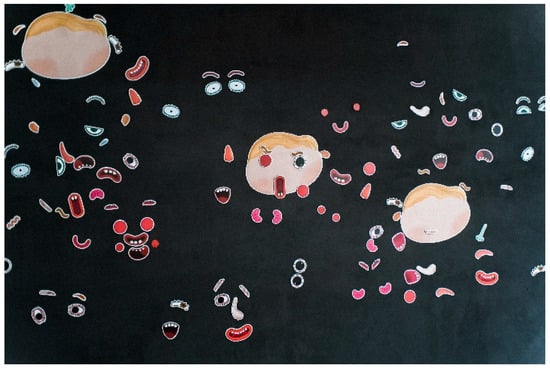
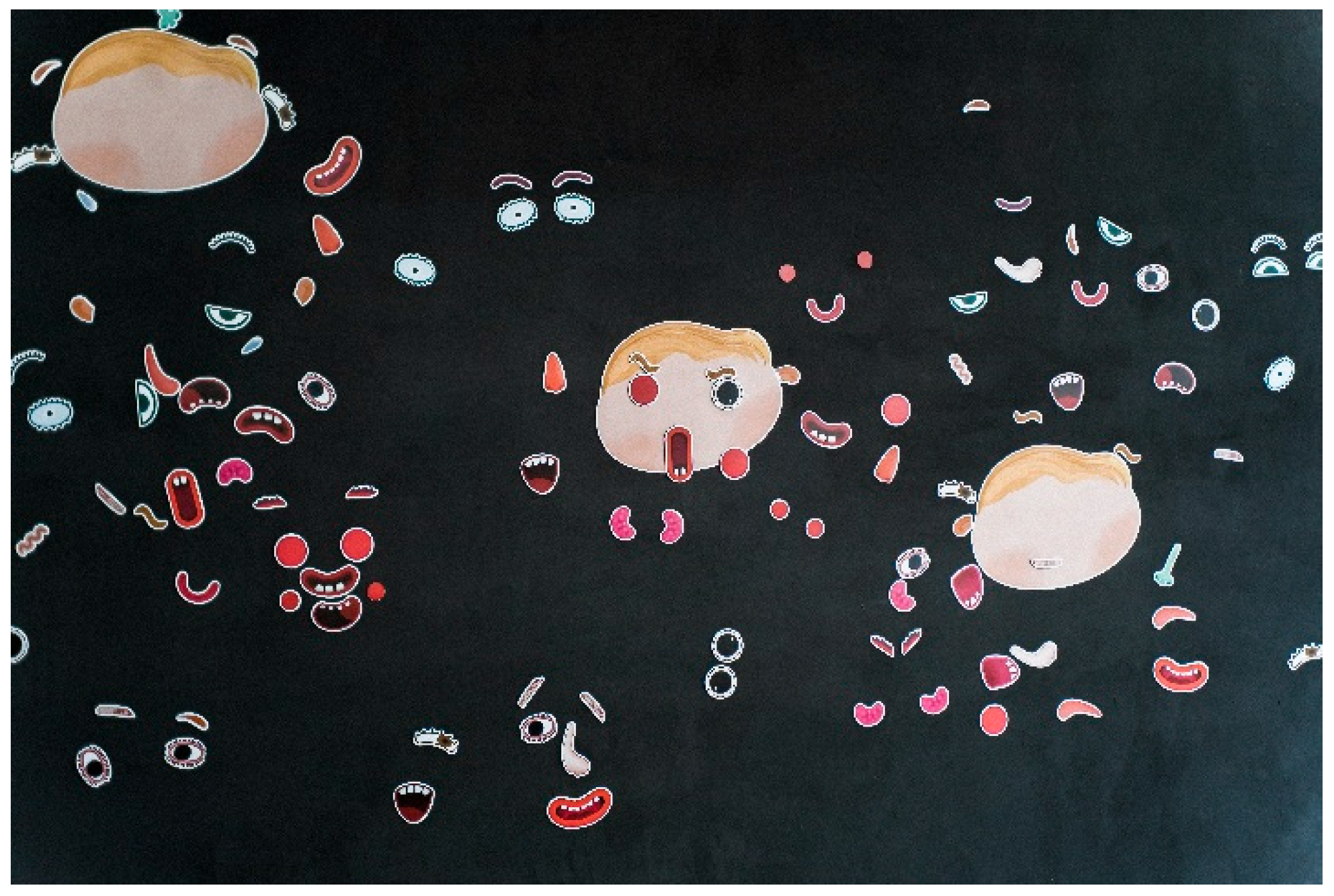
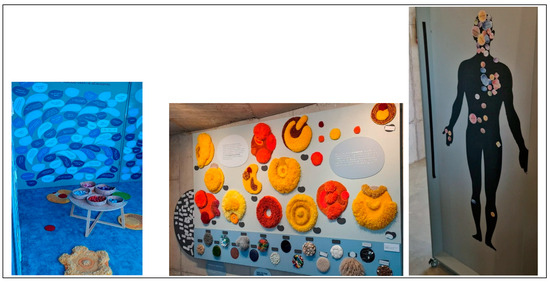
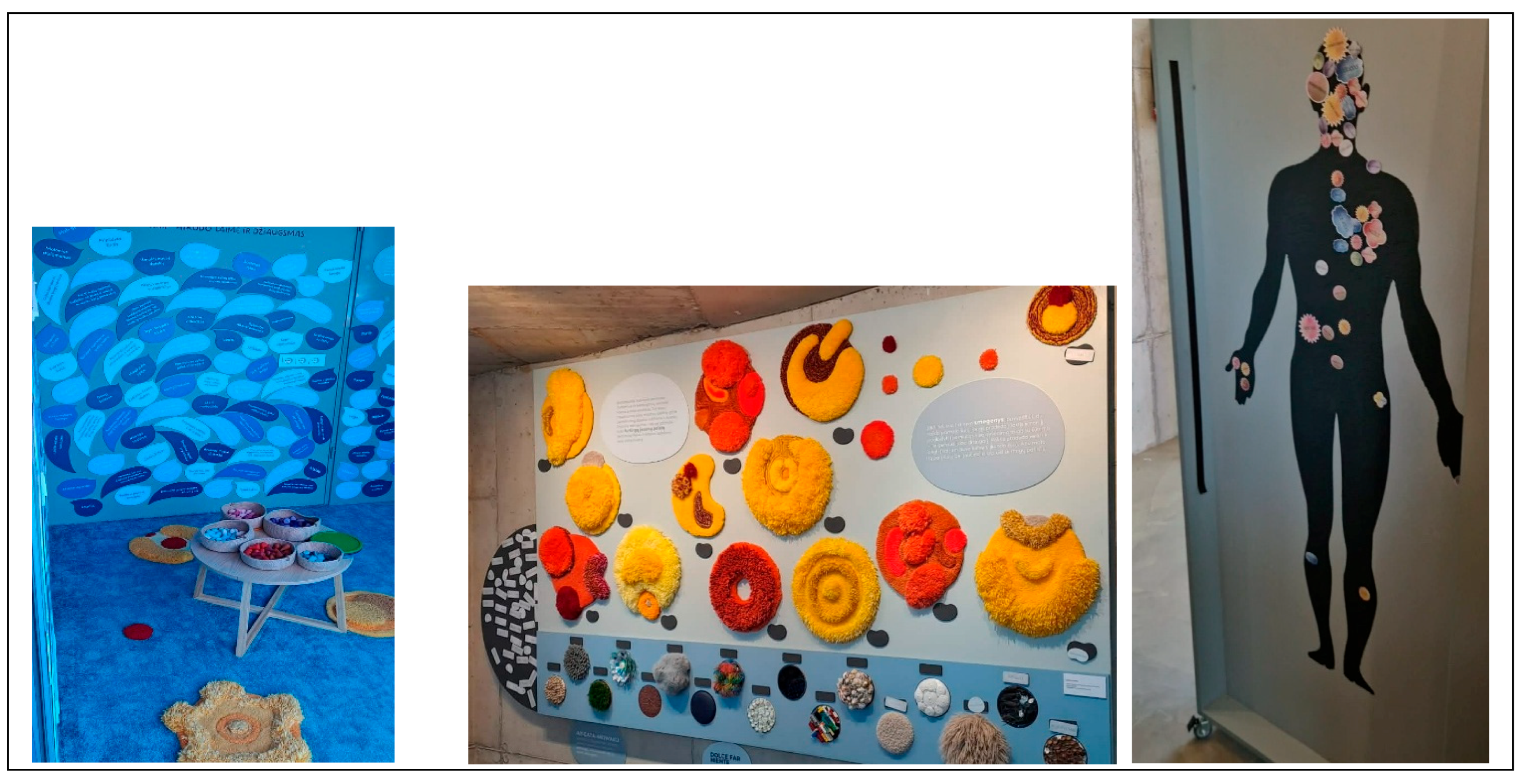

Disclaimer/Publisher’s Note: The statements, opinions and data contained in all publications are solely those of the individual author(s) and contributor(s) and not of MDPI and/or the editor(s). MDPI and/or the editor(s) disclaim responsibility for any injury to people or property resulting from any ideas, methods, instructions or products referred to in the content. |
© 2026 by the authors. Licensee MDPI, Basel, Switzerland. This article is an open access article distributed under the terms and conditions of the Creative Commons Attribution (CC BY) license.