


Abstract
The rapid adoption of Generative Artificial Intelligence (GenAI) is transforming higher education by reshaping learning experiences, student engagement, and creativity. However, little is known about the mechanisms through which GenAI enhances creativity, particularly within tourism and hospitality education. Unlike prior studies that primarily examine students’ intention to adopt GenAI, this study explains how GenAI adoption translates into creativity through enhanced learning and learning engagement while accounting for ethical risks. Drawing upon contemporary learning and creativity literature, this study examined how students’ adoption of GenAI influences creativity through the mediating roles of enhanced learning and learning engagement, while also investigating the moderating effect of perceived ethical risks associated with GenAI use. Data were collected from 420 students enrolled in tourism and hospitality faculties and institutes across Egypt. The proposed research model was tested using Partial Least Squares Structural Equation Modeling (PLS-SEM). The findings reveal that enhanced learning and learning engagement are the principal mechanisms through which GenAI adoption improves students’ creativity, whereas perceived ethical risks significantly weaken these positive relationships. This study contributed to the emerging GenAI literature by moving beyond technology adoption perspectives to explain how GenAI shapes creativity outcomes in higher education. It further extends tourism and hospitality education research by providing one of the first empirical examinations of the mechanisms through which GenAI enhances student creativity while accounting for ethical concerns. The findings provide practical guidance for higher education institutions seeking to integrate GenAI responsibly while fostering creativity, engagement, and innovative learning environments.
1. Introduction
The rapid evolution of Generative Artificial Intelligence (GenAI) is reshaping higher education by enabling personalized feedback, automated content creation, and collaborative human–AI problem solving [1,2,3]. In tourism and hospitality (T&H) education, experiential learning and service innovation are central; GenAI supports adaptive learning, immersive simulations, and AI-driven role-plays that prepare students for real-world scenarios while reflecting the industry’s growing reliance on AI for demand forecasting, smart destinations, and personalized guest experiences [4,5,6,7].
In higher education, tools based on large language models (LLMs) and deep neural networks analyse complex patterns to generate new content that enhances the learning experience [3,8]. In the context of this study, ‘GenAI adoption’ is operationally defined as the actual academic use and integration of these tools by students in completing coursework and solving academic problems [9,10].
Adoption of GenAI is of theoretical and practical importance in tourism and hospitality education, as this sector has become heavily reliant on data and digital innovation, from smart destination platforms and service robots to recommendation and demand forecasting systems [5,6,7,11]. Therefore, integrating generative artificial intelligence into curricula is not merely about keeping pace with the digital transformation of the sector, but rather a fundamental educational driver for enhancing students’ specific skills, such as service design, scenario-based problem solving, interactive communication, and creative thinking, which are required to prepare graduates capable of leading the smart tourism and hospitality industry [11,12,13]. Despite these and other benefits, and the increasing reliance of students on artificial intelligence in tourism and hospitality education [14], a fundamental research problem has emerged: the ambiguity surrounding the variables that influence student learning outcomes and lead to creativity in this field, despite its increased reliance on service innovation and unconventional thinking [15,16]. Furthermore, current specialized studies still lack a precise identification of mediating variables, such as enhanced learning and increased student engagement, that accelerate the transformation of this reliance into genuine creativity [10,11]. Moreover, the problem is exacerbated by perceived ethical risks (such as over-reliance, academic plagiarism, misinformation, and privacy concerns) that could undermine the positive effects of AI adoption on both enhanced learning and active engagement, hindering students’ access to the required levels of creativity [12,13,17,18,19,20].
To address these interconnected gaps, this study develops and empirically tests an integrated model that moves beyond adoption intentions to examine the mechanisms and boundary conditions linking GenAI adoption to student creativity in T&H higher education. Specifically, we ask three research questions:
- RQ1: Does students’ adoption of GenAI directly enhance their creativity, or is this relationship mediated by enhanced learning and learning engagement?
- RQ2: Do perceived ethical risks associated with GenAI use moderate the positive effects of adoption on enhanced learning and learning engagement?
To answer these questions, we collected survey data from 420 students across 12 T&H faculties and institutes in Egypt and analyzed the proposed relationships using Partial Least Squares Structural Equation Modeling (PLS-SEM).
This study makes three distinct contributions. First, it advances theoretical understanding by moving beyond technology-adoption frameworks (TAM/UTAUT) to empirically validate a dual-mediation mechanism that enhances learning and learning engagement through which GenAI fosters creativity, thereby extending contemporary creativity and engagement theories into the AI-supported learning context. Second, it is among the first to empirically test the moderating role of ethical risk in T&H higher education, revealing the critical boundary conditions that determine whether GenAI adoption yields educational benefits or undermines authentic learning. Third, it provides context-specific, actionable evidence for Egyptian higher education institutions and similar developing-country contexts, offering a balanced roadmap for integrating GenAI responsibly, fostering creativity and engagement while safeguarding academic integrity and critical thinking. In doing so, the study responds to urgent calls for concrete, evidence-based guidance on maximizing GenAI’s pedagogical value while mitigating its inherent risks in tourism and hospitality education.
2. Literature Review
The theoretical framework is partly based on Technology Acceptance Model (TAM) and the Stimulus–Organism–Response (S-O-R) model. This model essentially develops the structure that explains the direct and mediated paths of the entire model (H1, H2, H3, H4, H5). It is further complemented by Perceived Risk Theory and Protection Motivation Theory (PMT) to explain the study hypotheses, as shown in Figure 1. According to the S-O-R model, the stimulus (S) is the underlying technological stimulus that motivates students to adopt generative artificial intelligence (as a technology acceptance model). It represents the active functional use of AI driven by perceived utility and ease of use among students in higher education [21].
Figure 1.
Conceptual model of study.
According to the (S-O-R) model, (O) represents the organism, which expresses both the improvement in learning and participation in it, and it expresses the internal cognitive, emotional, and behavioral transformations stimulated by generative artificial intelligence in students. Improving learning leads to enhancing learning and cognitive mastery for students, while participation in it means emotional and behavioral participation in learning from students [11,22]. The response (R) represents the student’s creativity and the final behavioral response resulting from enriched internal learning states, manifested through innovative problem solving and service design [15,16].
On the other hand, ethical risk, which is based on perceived risk theory, represents the inhibitory modifying factor that weakens the transformation of the basic technological stimulus (S) into achieving enhanced learning and Learning Engagement for the organism (O) [13,17]. To clarify what is meant by the effect of ethical risk as a factor modifying the variables used in the integrated study hypotheses model, they will be defined procedurally, with the difference between them explained as follows:
- -
- Adoption of (GenAI) (S): Defined as the actual academic use and ongoing functional integration of AI tools based on Large Language Models (LLMs), such as Microsoft Copilot, ChatGPT, by students as an interactive cognitive partner in conducting academic research, accomplishing coursework, and solving complex problems [9,10]. This concept measures the frequency and depth of employing these tools in everyday educational practices [21], while (Enhanced learning) (o) (cognitive outcome) as a cognitive outcome is defined as the student’s perception of how generative artificial intelligence contributes to improving their academic performance, specifically, by increasing the speed of grasping complex concepts, raising the quality of coursework and assignments, and facilitating more efficient understanding, analysis, and problem solving [11]. Learning Engagement (o) (emotional/behavioral outcome) means the student’s level of behavioral, emotional, and intellectual engagement during the learning process, manifested in increased time and effort invested in academic tasks, maintaining a high degree of focus and attention, interactive participation, and a passion for exploration and continuous learning [22]. Here, a distinction must be made between the concept of both Enhanced learning, which measures the improvement of learning and knowledge/understanding achieved by the student, as it refers to the cognitive result, and the concept of Learning Engagement, which measures engagement in learning, and the extent of the student’s effective interaction with the learning process and refers to the behavioral state. Student creativity (R) (outcome) refers to the student’s ability to demonstrate tangible creative behaviors in the context of tourism and hospitality, specifically, generating new and unprecedented service ideas, proposing innovative solutions to problems and application scenarios, and redesigning and reframing guest experiences in unconventional ways [15,16]. On the other hand ethical risk (modifying factor) means a unidimensional latent construct that expresses students’ concerns about academic cheating, excessive reliance on technology, loss of critical thinking, and data privacy violations [17,19]. The Protection Motivation Theory (PMT) and the Perceived Risk Theory are theories that explain the variable modifying the model in the hypotheses (H6a, H6b), as they explain how the perceived moral danger (such as fear of plagiarism, violation of privacy, and excessive reliance) acts only as an inhibiting and weakening factor and not a prohibitive factor, as moral concerns do not necessarily prevent students from using technology (due to its high usefulness), but rather raise in them hesitation, cognitive anxiety, and fear of academic penalties, which hinders deep cognitive processing and reduces the efficiency of converting this adoption of technology into deep learning and serious engagement, as well as weakens the serious behavioral engagement of students in learning [12,23]. Previous literature [13,17] has demonstrated that students in digital learning environments do not perceive ethical issues (such as plagiarism, privacy, or over-reliance) as separate elements. Instead, they develop a psychological state known as “Overall Perceived Ethical Risk,” integrating these dimensions into a single measure that captures psychological barriers and overall risk perception. Finally, the S-O-R theory explains hypotheses H7a and H7b and explains the indirect path in Figure 1, through the following:
- -
- Adopting (GenAI) as a technological stimulus (Stimulus) provides a flexible learning environment that contributes to simplifying complex concepts and solving problems, which enhances the student’s cognitive mastery (Organism). This cognitive mastery provides the basic scientific foundation that enables the student to offer creative and unconventional solutions in the field of tourism and hospitality as a final response (Response) [11,15].
- -
- Learning Engagement acts as an affective and behavioral mediating mechanism: the adoption of generative AI as a stimulus motivates students to actively engage and increase their passionate effort in the educational process (organism). This active participation and engagement stimulate intrinsic motivation for experimentation and unconventional thinking, leading to creative student outcomes as a behavioral response [16,22].
In Tourism and hospitality education, GenAI is not limited to general software applications. It is closely linked to the specific educational requirements of tourism and hospitality education, which are based on experiential learning, service design, simulation- and scenario-based problem solving, and interactive communication [6,11]. In this sector, generative AI acts as a cognitive facilitator by enabling students to:
- Design guest journey blueprints and develop innovative service experiences [5].
- Conduct interactive simulations of crisis scenarios, such as managing excess room capacity, recovering service errors, and forecasting demand [24].
- Practice multilingual communication and customize tourism programs based on consumer behavior [7]. Therefore, the adoption of artificial intelligence enhances students’ qualitative skills, making it a direct driver of innovation and service creation in the tourism and hospitality industry [12,25].
Despite growing interest in GenAI, prior studies have not tested enhanced learning and learning engagement as parallel mediators between GenAI adoption and creativity, while examining perceived ethical risk as a first-stage moderator in tourism and hospitality education. This study will primarily address this gap to yield important findings and recommendations in this context.
Despite the rapid spread of GenAI applications in higher education, a significant experimental gap remains. Previous studies have not examined the enhancement of learning and engagement as a parallel mediator between the adoption of new-generation AI and creativity, while the study of perceived ethical risks as a key mediating factor in tourism and hospitality education has been lacking. This research will focus on clarifying this gap and formulating clear findings and recommendations in this context.
3. Hypotheses and the Research Model
3.1. Students’ Adoption of Generative AI and Enhanced Learning
The concept of enhancing learning in higher education has moved beyond simply completing routine tasks to encompass deep cognitive processing, analytical thinking, and comprehensive conceptual understanding. Adopting GenAI fundamentally alters the cognitive processing pathway and enhances learning quality by providing adaptive scaffolding. This scaffolding reduces excessive cognitive load on students and offers immediate diagnostic feedback, enabling them to independently correct their understanding [10,26,27].
In the context of higher education in tourism and hospitality, which requires intensive understanding of tourism demand data and the design of service value chains, generative tools contribute to improving the quality of learning by transforming abstract concepts and theories (such as revenue management, tourism demand forecasting, and guest experience design) into simplified explanatory models and visual scenarios that are easily and deeply understandable [11,28,29,30]. Therefore, adopting GenAI contributes to a qualitative improvement in the learning process, moving from mere memorization and knowledge reproduction to the construction of specialized, critical, and analytical understanding. Collectively, these findings support a positive relationship between GenAI adoption and enhanced learning. Accordingly, we propose:
H1:
Students’ adoption of generative AI has a positive direct effect on enhanced learning.
3.2. Students’ Adoption of GenAI and Learning Engagement
Learning engagement expresses an emotional, cognitive, and active behavioral state of the student that reflects their interest and effort within the learning environment. The impact of generative artificial intelligence on student participation in the learning process lies in enhancing cognitive understanding. It alters the nature of interaction and academic engagement through the mechanism of “learner agency and interactive empowerment,” resulting in a shift in the student’s role from a passive consumer of content to an active participant and facilitator in a learning environment based on continuous exploration and experimentation [8,22,31].
In higher education, particularly in tourism and hospitality, generative simulation and AI-driven role-playing enable students to immerse themselves in interactive scenarios that mimic real-world work environments, such as managing complex guest complaints, responding to booking crises immediately, and engaging in multicultural negotiation. These immersive interactive experiences stimulate intrinsic motivation, increase students’ actual engagement time, mental focus, and exploratory enthusiasm, and develop their distinct behavioral and emotional processing skills during practical tasks within the educational process [6,32,33,34]. Accordingly, we propose:
H2:
Students’ adoption of generative AI has a positive direct effect on learning engagement.
3.3. Enhanced Learning and Students’ Creativity
Enhanced learning in higher education is a key cognitive driver for developing students’ innovative thinking and creative abilities. Its role extends beyond mere memorization and course completion to achieving cognitive mastery and deep critical analysis [35,36]. Generating creative ideas requires a fundamental foundation of domain-relevant skills. When students achieve enhanced learning characterized by a deeper understanding of complex concepts and a reduced cognitive load, their mental flexibility and Divergent Thinking abilities increase, enabling them to generate unique insights and solutions to unfamiliar problems [28,37].
In the field of tourism and hospitality education, a sector primarily focused on service innovation and personalized guest experiences, enhanced learning plays a crucial role in fostering student creativity by connecting theoretical understanding with design thinking and experiential problem solving [6,11,35]. Students with a strong grasp of consumer behavior, revenue management, and smart destination analytics are better equipped to develop unconventional service design models and devise interactive strategies that improve guest experience [4,12]. Furthermore, recent empirical evidence confirms that enhancing learning through interactive environments provides direct cognitive groundwork for increasing students’ originality and creative flexibility [30,35]. Collectively, these findings support the proposed relationship between enhanced learning and students’ creativity. Accordingly, we propose:
H3:
Enhanced learning has a positive direct effect on students’ creativity.
3.4. Learning Engagement and Students’ Creativity
Learning engagement is a key driving force for stimulating creative thinking and innovation. The literature indicates that students’ behavioral, cognitive, and affective engagement in learning enhances their creative self-efficacy and innovative output [38,39]. According to Amabile [40], “intrinsic task motivation” is the most crucial psychological driver of the creative process. Affectively engaged students demonstrate a passion for exploration, a sense of flow, a greater willingness to take intellectual risks, and a tolerance for ambiguity [22,31]. Furthermore, behavioral engagement fosters the investment of time and effort in experimentation and the generation of multiple alternative solutions, which is the essence of divergent thinking necessary for creativity [15,16].
In the context of higher education in tourism and hospitality, active participation in experiential learning environments and design thinking translates into the practical ability to innovate services and solve complex real-world problems [35,41]. When students engage in immersive, AI-powered interactive simulations, service performance scenarios, and multicultural role-playing, this deep interaction empowers them to move beyond pre-established procedural solutions and create personalized hospitality experiences and unprecedented service designs [6,11,12]. Recent empirical evidence also confirms that interactive digital learning environments that increase student engagement directly enhance original idea generation and innovative resilience among students and graduates [8,42]. Accordingly, we propose:
H4:
Learning engagement has a positive direct effect on students’ creativity.
3.5. Students’ Adoption of GenAI and Students’ Creativity
Emerging evidence from higher education research suggests that GenAI adoption can positively influence students’ creative capacities through multiple mechanisms. Lin and Chen [43] found that GenAI applications stimulate creativity through the generation of novel ideas, the provision of problem-solving strategies, the delivery of personalized feedback, and the incorporation of interactive elements. Extending this line of inquiry, Hwang and Wu [44] tested a survey model examining the effect of GenAI on creative cognition and innovative thinking, confirming a positive relationship with an effect size of β ≈ 0.61.
In tourism and hospitality education, the literature suggests that the actual use of generative AI tools constitutes an independent technological engine for generating innovative ideas without relying exclusively on academic achievement or traditional classroom interaction [3,10]. This can be achieved through three qualitative generative mechanisms:
- -
- Rapid Ideation and Brainstorming: The actual adoption of GenAI tools allows students to generate a wide and diverse range of service concepts and entertainment scenarios in record time, thus enhancing the fluency and flexibility of creative thinking during the design of tourism experiences [11,26].
- -
- Rapid Prototyping and Iterative Refinement: GenAI enables students to build, test, and refine service blueprints, innovative menus, and customized itineraries instantly and iteratively, reducing the cost and time of experimentation and leading directly to authentic and unconventional service deliverables [4,6].
- -
- Breaking cognitive fixation and exposing students to unfamiliar solutions: By processing massive datasets and generating alternative solutions to critical problems in hotels and tourist destinations (such as service failure recovery or sustainable energy management), GenAI pushes students to connect seemingly unrelated ideas, breaking down traditional frameworks of thinking and eliciting immediate creative responses [12,13]. Based on these independent mechanisms, the study hypothesizes the following:
H5:
Students’ adoption of GenAI has a positive direct effect on students’ creativity.
3.6. Ethical Risk of Using GenAI as a Moderator
Despite the benefits of adopting GenAI, using it in higher education faces several psychological and ethical constraints. Based on Protection Motivation Theory (PMT) and Perceived Risk Theory, the perception of ethical risks activates defensive responses and cognitive caution in students [13,17]. In the context of tourism and hospitality education, when students perceive high levels of ethical risks, such as the fear of academic integrity penalties, plagiarism, or concerns about privacy and overreliance that could compromise their independent professional skills, they experience psychological hesitation and cognitive dissonance when adopting GenAI [12,23].
This psychological barrier acts as a dampening factor, weakening the effect and hindering the transformation of this use into positive educational outcomes. Ethical anxiety leads students to approach generative tools cautiously, impeding their use in grasping complex concepts (enhanced learning) and limiting emotional engagement and interactive enthusiasm in classroom activities (learning engagement) [11,18,20]. Conversely, as these ethical risks decrease, students’ confidence in GenAI tools increases, enhancing the efficiency of translating adoption into deep understanding and active engagement. Accordingly, we propose:
H6a:
Ethical risk of using GenAI moderates the relationship between students’ adoption of generative AI and enhanced learning.
H6b:
Ethical risk of using GenAI moderates the relationship between students’ adoption of generative AI and learning engagement.
3.7. Mediating Effects
Building on established direct relationships among the research variables, this study further investigates the mediating roles of enhanced learning and learning engagement in the relationship between students’ adoption of GenAI and students’ creativity. The theoretical rationale for these mediating pathways is grounded in the premise that GenAI adoption does not directly enhance creativity in isolation; rather, its effects are transmitted through intermediate learning processes that enrich students’ educational experiences and cognitive engagement.
When students adopt GenAI tools in their learning, this adoption facilitates enhanced learning through multiple mechanisms, including improved conceptual understanding, personalized feedback, enhanced academic performance, and more effective learning experiences, which in turn support and foster students’ creativity [6,45]. The literature on tourism and hospitality higher education emphasizes that GenAI adoption improves learning processes and outcomes, thereby enabling greater creativity in task performance, assessments, and overall student learning [27,45]. Similarly, when students use GenAI tools more frequently, they become more interactive, accumulate richer learning experiences, and demonstrate greater responsiveness and engagement in their learning activities [46,47].
Empirical evidence directly supports the mediating role of learning engagement. Zhou and Peng [48] demonstrated that the usage of AI in learning and teaching significantly enhances students’ creativity through learning engagement, with learning engagement serving as a mediating mechanism that promotes creativity improvement. This finding underscores the importance of engagement as a critical pathway through which technology adoption translates into creative outcomes.
Within the specific context of tourism and hospitality higher education, when students adopt GenAI, they encounter enriched learning engagement environments—including simulations of hotel operations, virtual destination experiences, AI-driven role plays, chatbots, and gamified systems. These engagement experiences not only foster students’ creativity but also equip graduates with the technological competence required in the modern tourism and hospitality sector [6,45]. Accordingly, we propose:
H7a:
Enhanced learning mediates the relationship between students’ adoption of generative AI and students’ creativity.
H7b:
Learning engagement mediates the relationship between students’ adoption of generative AI and students’ creativity.
Figure 1 reveals the research model.
4. Methods
4.1. Measures
All measurement items used in this study were adapted from established literature (see Appendix A). The construct of Students’ Adoption of Generative AI (GAI) was assessed using five items adapted from Ivanov et al. [49] and Chatterjee and Bhattacharjee [50]. Learning Engagement (LE) was measured using a seven-item scale originally developed by Dixson [51], adapted by Zhou and Peng [48], and further contextualized for the present study. Enhanced Learning (EL) was evaluated through a three-item scale adapted from Mohamed et al. [52]. In addition, Students’ Creativity (SC) was measured using five items adopted from Zhou and Peng [48], based on Snyder et al. [53], and re-adapted for the present study. Finally, the Ethical risk of AI Use (ER) was assessed through five items adapted from Cena et al. [54]. We evaluated all items on a 5-point Likert scale, where 1 means “Strongly Disagree” and 5 means “Strongly Agree.” The questionnaire was translated into Arabic using Brislin’s [55] back-translation method. Faculty members who specialize in English at a tourism faculty affiliated with the authors helped with the translation to ensure it was both accurate and conceptually equivalent. The content validity of the survey instrument was assessed by five academics from faculties of tourism and hotels, who evaluated the relevance and appropriateness of the items. Subsequently, twelve final-year students assessed the clarity and comprehensibility of the questionnaire. Based on their feedback, only minor wording adjustments were made, with no substantial changes to the questionnaire content.
4.2. Data Collection
The target population of this study comprised students enrolled in faculties and institutes of tourism and hotels in Egypt. Eligibility was based on being currently enrolled in one of the participating institutions and having prior experience using Generative AI technologies in academic studies and related assignments. Primary data were collected via an online questionnaire distributed using convenience sampling. The distribution process was facilitated by academic colleagues from tourism and hotel faculties and institutes across different Egyptian universities and higher education institutions. All collaborators involved in distributing the questionnaire were provided with clear guidance regarding the academic and ethical standards of the research process. Their participation was entirely voluntary and without financial compensation. Before completing the survey, participants were informed of the study’s objectives and assured that their responses would remain anonymous and confidential. They were also notified that the collected data would be used solely for academic research purposes and that there were no correct or incorrect answers. The data collection process was conducted between December 2025 and January 2026. A total of 420 valid responses were obtained from students representing 12 faculties and institutes of tourism and hotels in Egypt. The electronic questionnaire was designed to require responses to all items, thereby ensuring the completeness of the collected data. Given the online convenience-based distribution, the exact number of students invited to participate could not be determined, and therefore a response rate could not be meaningfully calculated. Following the recommendations of Krejcie and Morgan [56], the required sample size was determined at a 95% confidence level with a 5% margin of error. When the exact population size is unknown, methodological guidelines recommend adopting the most conservative estimate available in standard sample size tables. For populations exceeding 100,000 individuals, a minimum sample size of 384 respondents is generally considered adequate. Additionally, an a priori power analysis was conducted using G*Power v.3.1 for a linear multiple regression model with three predictors, assuming a significance level of 0.05, statistical power of 0.80, and a conservative effect size of f2 = 0.05. The analysis indicated a minimum required sample size of 222 respondents. The final sample of 420 respondents therefore exceeded the minimum sample size required to achieve adequate statistical power for testing the proposed relationships. Regarding the demographic distribution of the sample (N = 420), female students represented a slight majority at 54.3% (n = 228), while male students accounted for 45.7% (n = 192). In terms of academic standing, Level 2 students comprised the largest proportion of participants (31.9%, n = 134), followed closely by Level 1 (28.8%, n = 121). Level 3 and Level 4 students represented 21.7% (n = 91) and 17.6% (n = 74) of the sample, respectively.
4.3. Data Analysis
The proposed hypotheses were examined using Partial Least Squares Structural Equation Modelling (PLS-SEM) in SmartPLS 4, while descriptive statistical analyses and preliminary data screening were conducted in IBM SPSS Statistics 26. The PLS-SEM approach was considered appropriate for the present study because the primary objective was to predict and explain relationships among the study variables rather than to confirm a well-established theoretical model. In addition, PLS-SEM is particularly suitable for relatively complex research models, as it imposes fewer restrictions on data distributions and sample size [57]. The analysis used two main steps. First, we checked the measurement model to assess the reliability and validity of the constructs, treating all constructs as reflective. Next, we looked at the structural model to test the proposed relationships. We estimated the structural model with the standard PLS algorithm and then used bootstrapping with 5000 subsamples. We applied a two-tailed significance test, considering results significant at p < 0.05. To assess the structural paths, we used t-statistics and p-values, and we also examined bootstrapped confidence intervals when evaluating the hypothesized relationships. To analyze moderation, we estimated interaction terms with the two-stage approach in SmartPLS 4. We then checked the significance of these effects using the bootstrapping method described earlier. For mediation, we used bootstrapping with 5000 subsamples to test the significance of indirect effects. The mediation analysis was based on the estimated indirect effect, its t-statistic and p-value, and the bootstrapped confidence intervals.
5. Results
5.1. Test of Common Method Bias (CMB) and Normality
To assess the potential presence of common method bias (CMB), Harman’s single-factor test [58] was conducted. According to this approach, CMB may be considered problematic when a single factor accounts for more than 50% of the total variance. The results indicated that a single factor explained 35.952% of the variance, which is below the recommended threshold, suggesting that common method bias was not a significant concern in the current study. Additionally, a full collinearity test was also carried out. The results showed that all Variance Inflation Factor (VIF) values were between 1.515 and 2.938, which is well below the recommended threshold of 3.3 (see Table 1) [59]. Finally, a marker variable, “Perceived green airport safety,” which is not theoretically or conceptually related to the main constructs of the study, was included to further examine the possibility of CMB. Following the procedure suggested by Lindell and Whitney [60], adding this marker variable did not yield any meaningful changes in the original results or in the relationships among the study constructs. In addition, the normality of the data was examined through skewness and kurtosis statistics. As presented in Table 1, the absolute values of skewness and kurtosis for all measurement items were within the acceptable limits of ±2 and ±7, respectively, as recommended by Curran et al. [61]. These findings indicate that the data did not suffer from serious non-normality issues.
Table 1.
Confirmatory factor analysis results for measurement model.
5.2. Psychometric Characteristics of the Measurement Model
Prior to testing the study hypotheses, the measurement (outer) model was evaluated to ensure the reliability and validity of the constructs. Unlike covariance-based structural equation modelling (CB-SEM), traditional global goodness-of-fit indices are either unavailable or not strongly recommended in PLS-SEM due to methodological differences between the two approaches [62]. The assessment of the measurement model was conducted following the guidelines proposed by Hair et al. [63], which recommend examining indicator loadings (λ), Cronbach’s alpha (α), composite reliability (CR), and average variance extracted (AVE) to establish convergent validity. The recommended threshold values suggest that factor loadings, Cronbach’s alpha, and composite reliability should exceed 0.70, while AVE values should be greater than 0.50. As shown in Table 1, all constructs met these recommended criteria, confirming adequate convergent validity and internal consistency. Specifically, the AVE values ranged from 0.556 for Learning Engagement to 0.767 for Enhanced Learning, indicating that the indicators accounted for a substantial proportion of the variance in their respective constructs. These findings demonstrate a strong convergence among the measurement items for each latent variable.
Furthermore, the results presented in Table 2 indicate that the AVE for each construct exceeded its corresponding squared inter-construct correlations, thereby satisfying the criterion for discriminant validity proposed by Fornell and Larcker [64]. This finding confirms that each construct was empirically distinct from the other constructs included in the model. In addition, to address the limitations associated with the Fornell–Larcker criterion, discriminant validity was further examined using the Heterotrait–Monotrait ratio (HTMT). As shown in Table 3, all HTMT values were below the recommended threshold of 0.90. These results provide additional evidence supporting the adequacy of discriminant validity within the measurement model.
Table 2.
Fornell–Larcker criterion matrix.
Table 3.
HTMT matrix.
5.3. Structural Model and Testing Hypotheses
Because PLS-SEM does not rely on the same global goodness-of-fit indices typically used in covariance-based SEM, the evaluation of the structural model was based on key predictive and collinearity-related criteria, including variance inflation factor (VIF), coefficient of determination (R2), predictive relevance (Q2), and path coefficients (β), as recommended by Hair et al. [63]. To assess multicollinearity, both inner and outer VIF values were examined. The results, as reported in Table 4, show that all inner VIF values were below the recommended threshold of 3.0, while the outer VIF values ranged from 1.687 to 2.938, remaining well below the acceptable cut-off of 5.0. These findings indicate that multicollinearity is not a concern in the structural model, and that the independent constructs are sufficiently distinct in their explanatory contribution to the dependent variables.
Table 4.
Hypothesis testing (direct effect, moderating effect, control variables).
Regarding explanatory power, the coefficient of determination (R2) was evaluated to assess the variance explained in the endogenous constructs. Specifically, Enhanced Learning recorded an R2 value of 0.293, indicating that 29.3% of its variance is explained by the predictor constructs. Similarly, Students’ Creativity yielded an R2 of 0.401, while Learning Engagement showed an R2 of 0.239. These values exceed the minimum recommended threshold of 0.10 [65], confirming an adequate level of explanatory power for the proposed structural model. In addition, the model’s predictive relevance was confirmed, as all Q2 values were positive, indicating that the structural model has satisfactory predictive relevance for the endogenous constructs.
Moreover, the structural model revealed significant path coefficients (βs) at the 0.01 significance level, supporting the hypothesized relationships among the constructs. Overall, these combined results confirm that the structural (inner) model demonstrates acceptable predictive accuracy and relevance. Following the confirmation of both measurement and structural model adequacy, the hypotheses were subsequently tested, as presented in Table 5.
Table 5.
Results of mediation analysis.
The results presented in Table 4 and Figure 2 provide empirical support for the proposed structural relationships in the model, with all hypotheses reaching statistical significance at conventional levels. Regarding the direct effects, Students’ Adoption of Generative AI (GAI) shows a meaningful and positive influence on both Enhanced Learning (β = 0.400, t = 4.708, p < 0.001) and Learning Engagement (β = 0.397, t = 5.666, p < 0.001). In addition, Enhanced Learning significantly predicts students’ Creativity (β = 0.334, t = 6.203, p < 0.001), as well as Learning Engagement (β = 0.274, t = 5.408, p < 0.001). Additionally, a direct significant relationship is observed between Students’ Adoption of Generative AI and Students’ Creativity (β = 0.122, t = 2.642, p = 0.008). Regarding the control variables, neither educational level (β = 0.000, t = 0.003, p =0.997) nor gender (β = 0.120, t = 1.612, p = 0.108) had a statistically significant effect on students’ creativity.
Figure 2.
Estimation of developed model.
Regarding the moderating effects (see Figure 3 and Figure 4), ethical risk plays a significant negative moderating role in the relationships between GAI adoption and both enhanced learning (β = −0.159, t = 3.959, p = 0.001, 95% CI [−0.159, −0.091]) and learning engagement (β = −0.116, t = 2.912, p = 0.004, 95% CI [−0.116, −0.039]). The moderation effects were assessed using the two-stage approach with mean-centering. To facilitate interpretation, ethical risk was examined at low (−1 SD), mean, and high (+1 SD) levels. As illustrated in the interaction plots, the positive effect of GAI adoption on enhanced learning and learning engagement is stronger when ethical risk is low and becomes progressively weaker as ethical risk increases. These findings indicate that higher perceived ethical risk attenuates the beneficial impact of GAI adoption on students’ learning outcomes.
Figure 3.
Moderation effects of ER on GAI towards EL. (Ethical risk dampens the positive relationship between Generative AI and enhanced learning).
Figure 4.
Moderation effects of ER on GAI towards LE. (Ethical risk dampens the positive relationship between Generative AI and learning engagement).
Finally, Table 5 presents the mediation analysis results. The findings reveal that GAI exerts a significant total effect on SC (β = 0.364), while the direct effect remains positive and significant after accounting for the mediating mechanisms (β = 0.122). The indirect effect through EL was positive and statistically significant (β = 0.133, t = 3.864, p = 0.001, 95% CI [0.063, 0.212]), supporting H7a. Likewise, the indirect effect through LE was significant (β = 0.109, t = 3.764, p = 0.001, 95% CI [0.057, 0.163]), supporting H7b. Since both the direct and indirect effects remained significant and in the same direction, the mediation can be classified as complementary partial mediation. These findings suggest that EL and LE jointly serve as important mechanisms through which GAI enhances SC, while GAI also retains a significant direct influence on SC.
6. Discussion
6.1. Findings
This study examined the impact of students’ adoption of generative AI on creativity within tourism and hospitality higher education in Egyptian institutions, while considering the mediating effects of enhanced learning and learning engagement, as well as the moderating effect of ethical risks. All proposed hypotheses, encompassing both direct and indirect relationships among the constructs, were empirically tested and supported by the data.
The empirical results indicate that students generally hold positive views toward adopting GenAI in their learning, perceiving it as a valuable tool for enhancing learning efficiency, supporting assessment and content creation, and strengthening learning quality through personalization, deeper conceptual understanding, and more targeted skill development. These findings align with prior research in tourism and hospitality education [4,29,32].
The study revealed that enhanced learning has a direct positive impact on student creativity and carries greater weight than learning engagement. This finding aligns with Amabile’s [40] study, which posits that the foundation of creative originality lies in possessing domain-relevant skills [11,16]. In the tourism and hospitality sector, creativity in service design and revenue management models are not achieved simply through increased classroom interaction or emotional engagement (learning engagement). Rather, they require a deep cognitive understanding of concepts, reduced cognitive load, and improved data analysis (enhanced learning). This deep cognitive understanding provides students with the mental flexibility necessary for divergent thinking and the restructuring of service solutions in unconventional ways [15].
Furthermore, the results revealed that the direct impact of GAI adoption on creativity (although statistically significant) was relatively small compared to the totality of indirect effects. This discrepancy is attributed to the fact that GenAI tools generate little student creativity from their use [10,12] compared to tools like ChatGPT and Copilot, which act as stronger environmental and technological stimuli, add primary alternatives that enhance students’ understanding, assimilation, and skills (enhanced learning), and guide their interaction toward more active experimentation (learning engagement) [1]. This finding empirically validates the S-O-R framework, confirming that cognitive and behavioral mediation (enhanced learning–learning engagement) is the essential pathway for transforming students’ adoption of GenAI into creativity. Finally, the results showed that students who were more engaged, creative, and experienced with generative artificial intelligence had the highest learning adoption rates. This can be explained by the fact that students who already possess high levels of curiosity and academic engagement are more inclined to explore and employ generative AI tools in their studies and to develop their digital skills, consistent with Le and Metzger [13].
6.2. Theoretical Contribution
This study makes several important contributions to the growing literature on Generative AI adoption in higher education, extending existing technology adoption research beyond students’ intentions to use AI to examine its educational consequences in tourism and hospitality education.
First, this study broadens the scope of research on technology adoption beyond its traditional focus. It demonstrates how student adoption of GAI is associated with creativity by enhancing learning and engagement. It shifts the question from “Why do students adopt?” to “What are the educational outcomes of adoption?”
Second, this study contributes to theoretical understanding by elucidating the mechanisms associating students’ adoption of GAI with creativity. Rather than assuming that GAI adoption directly and uniformly enhances creativity, the findings show that enhanced learning and engagement are important mediating mechanisms associated with GAI adoption and student creativity. These findings extend existing theories on creativity and engagement in learning to the context of generative AI-assisted learning in tourism and hospitality education, suggesting that the educational value of generative AI depends not only on the adoption of the technology itself, but also on its ability to enrich students’ learning experiences and enhance their active participation [43,48]. By empirically verifying the dual-mediation pathway, this study provides a more nuanced understanding of the mechanisms linking technology use to learning outcomes.
Third, a significant theoretical contribution lies in incorporating ethical risk as a boundary condition of GenAI adoption. The significant moderating effects indicate that the educational benefits of GenAI are contingent upon students’ perceptions of ethical issues such as privacy, fairness, transparency, academic integrity, and responsible AI use. By demonstrating that ethical risks weaken the positive relationships between GenAI adoption and both enhanced learning and learning engagement, the study extends existing technology adoption theories by integrating ethical considerations into the explanation of AI-supported learning outcomes [6,32]. This finding underscores the importance of considering not only the technological affordances of GenAI but also the contextual and perceptual factors that shape its educational impact.
Fourth, this study contributes to the relatively limited body of research on Generative AI in tourism and hospitality education by providing empirical evidence from Egyptian higher education institutions. Unlike previous studies conducted primarily in general higher education settings, the present research demonstrates that the educational value of GenAI within tourism and hospitality programs extends beyond technology adoption to encompass creativity development, experiential learning, and student engagement. Consequently, the study provides a context-specific extension of existing educational and technology adoption theories to an industry where creativity, service innovation, and experiential learning constitute essential graduate competencies. By situating the findings within the unique pedagogical and professional demands of tourism and hospitality education, the study offers a theoretically grounded framework that can inform future research and practice in this domain.
Collectively, these contributions advance the theoretical understanding of GenAI adoption in higher education by: (a) shifting focus from adoption determinants to educational outcomes; (b) identifying and validating mediating mechanisms (enhanced learning and learning engagement); (c) establishing ethical risk as a critical boundary condition; and (d) providing context-specific empirical evidence from an under-researched educational setting.
6.3. Managerial Implications
This study presents significant managerial and practical implications for higher education administrators, educators, and students. The findings advocate for a strategic transformation of tourism and hospitality education, moving beyond the experimental adoption of GenAI to cultivate students as “AI-orchestrators” who possess the technical, creative, and ethical competencies required to navigate and lead in an increasingly AI-enabled sector.
6.3.1. Implications for Administrators
For higher education administrators, the findings underscore several critical priorities. First, GenAI should be more explicitly and systematically integrated into tourism and hospitality curricula, accompanied by comprehensive training for both educators and students on GenAI literacy, critical evaluation, and responsible use. This approach emphasizes pedagogical integration rather than simple prohibition of tools [66,67,68,69]. Administrators must prepare graduates to manage GenAI-enabled personalization, smart tourism destinations, and AI-augmented service teams, competencies increasingly demanded by the hospitality industry [68].
Second, institutional readiness is essential. Universities should establish clear policies, provide equitable access to GenAI tools, invest in faculty development, and ensure that curricula remain aligned with evolving needs of the tourism and hospitality industry through collaboration with educators and industry partners.
Finally, administrators should establish clear ethical guidelines that distinguish acceptable AI-assisted learning from inappropriate AI-generated work, while providing students with practical guidance on responsible GenAI use in tourism and hospitality education.
6.3.2. Implications for Educators and Students
For students, the findings emphasize using GenAI ethically as a tool to enhance rather than replace learning. Students should critically evaluate AI-generated content by verifying references, checking factual accuracy, and supporting their work with credible academic sources.
Educators should encourage collaborative, problem-based learning that uses GenAI to support creative thinking, innovation, and the solution of authentic tourism and hospitality challenges, while ensuring students remain active rather than passive participants in the learning process.
6.3.3. Possible Experiential Learning Applications
This pedagogical transformation can be operationalized through experiential learning activities that integrate GenAI into realistic industry scenarios. The following possible applications illustrate the diverse ways GenAI can enhance tourism and hospitality education:
Creative Design and Innovation
Students can use GenAI to prototype tourism experiences, develop hospitality concepts, create destination mood boards, and generate marketing ideas. These applications encourage creativity while requiring students to critically evaluate AI-generated outputs before applying them in authentic tourism and hospitality contexts.
Destination Marketing and Strategic Communication
GenAI can support destination marketing by helping students develop marketing strategies, create digital content, and produce visual storytelling materials while strengthening both creativity and strategic communication skills.
Analytical and Managerial Competencies
Beyond creative applications, GenAI helps students develop analytical and managerial competencies through activities such as crisis management, personalized itinerary planning, and revenue management based on data-driven forecasting and pricing strategies.
Data Analysis and Decision Making
GenAI can also strengthen students’ data analysis and decision-making skills by helping them identify customer satisfaction patterns, evaluate service quality, and develop evidence-based improvement strategies for tourism and hospitality organizations.
Collectively, these implications provide a comprehensive roadmap for higher education institutions seeking to integrate GenAI responsibly while fostering creativity, engagement, and innovative learning environments that prepare graduates for the technological demands of the modern tourism and hospitality industry.
6.4. Limitations and Future Research
This study offers valuable theoretical and practical insights into how GenAI adoption affects students’ creativity in higher education in Egyptian tourism and hospitality. However, there are some limitations to consider. First, convenience sampling, focusing on a single country, reliance on self-reported data, and a single data source may limit the generalizability of the findings and introduce bias. Second, because the study is cross-sectional, it cannot show changes over time or prove cause and effect, so the results should be seen as associations. Third, future research could use longitudinal, experimental, mixed-methods, or cross-country approaches to better understand these relationships and improve generalizability [70]. Fourth, factors such as GenAI literacy, implementation costs, institutional support, and other context-specific variables could be explored as potential influences. Fifth, future studies should look at the long-term effects of GenAI on educational quality, graduate skills, and the competitiveness of tourism and hospitality programs. Finally, ethical risk was measured using one item per theoretical dimension to reduce respondent burden; future research should employ multiple items for each dimension to provide a more comprehensive psychometric assessment.
7. Conclusions
This study set out to examine the mechanisms through which Generative AI adoption influences students’ creativity in tourism and hospitality higher education, moving beyond traditional technology adoption frameworks to investigate the mediating roles of enhanced learning and learning engagement, as well as the moderating effect of ethical risk perceptions. Drawing on survey data from 420 students across 12 tourism and hospitality faculties and institutes in Egypt, and employing PLS-SEM analysis, the study provides robust empirical evidence for the proposed relationships.
The findings reveal that GenAI adoption is associated with students’ creativity through two principal mediating pathways, enhanced learning and learning engagement, while perceived ethical risks significantly weaken these positive relationships. These results underscore that the educational value of GenAI is contingent not only on technology adoption itself but also on its capacity to enrich learning experiences, foster meaningful engagement, and address ethical concerns.
From a theoretical perspective, this study advances the literature by shifting attention from adoption antecedents to educational outcomes, validating a dual-mediation model linking GenAI adoption to creativity, and establishing ethical risk as a critical boundary condition. These contributions extend existing theories of technology acceptance, creativity, and engagement to the context of GenAI-supported learning in tourism and hospitality education.
From a practical standpoint, the findings provide actionable guidance for higher education administrators, educators, and students. Institutions should integrate GenAI explicitly into curricula, ensure institutional readiness through clear policies and equitable infrastructure, and establish ethical frameworks that distinguish between AI-generated, AI-assisted, and creative uses of GenAI. Educators should foster experiential learning activities that leverage GenAI for creative design, marketing, analytical decision making, and data analysis, while students should develop the competencies to use GenAI ethically and responsibly as a tool for augmenting, not replacing their learning.
While the study offers valuable insights, its cross-sectional design, reliance on self-reported measures, and focus on the Egyptian context limit generalizability. Future research should employ longitudinal designs, incorporate objective measures, expand the conceptual model to include additional mediating and moderating variables, and conduct cross-cultural comparative studies to validate and extend these findings.
In conclusion, this study contributes to the growing body of knowledge on GenAI in higher education by providing empirical evidence that GenAI adoption enhances creativity through enhanced learning and engagement, while highlighting the critical importance of managing ethical risks. As GenAI continues to reshape tourism and hospitality education, the findings offer a balanced roadmap for institutions seeking to harness its pedagogical potential responsibly, fostering creativity, engagement, and innovation while safeguarding academic integrity and critical thinking.
Author Contributions
Conceptualization, I.A.E., C.K. and S.F.; methodology, I.A.E., S.F., C.K., M.A. and A.M.S.A.; software, I.A.E. and S.F.; validation, I.A.E., M.A., G.A.A.E.M., C.K. and S.F.; formal analysis, I.A.E. and A.M.S.A.; investigation, I.A.E., S.F., C.K., S.F. and A.M.S.A.; resources, I.A.E.; data curation, I.A.E.; writing—original draft preparation, S.F., I.A.E., G.A.A.E.M., M.A. and A.M.S.A.; writing—review and editing, I.A.E., S.F., C.K. and A.M.S.A.; visualization, I.A.E.; supervision, I.A.E. and S.F.; project administration, I.A.E., S.F. and A.M.S.A.; funding acquisition, I.A.E. and A.M.S.A. All authors have read and agreed to the published version of the manuscript.
Funding
This work was supported by the Deanship of Scientific Research, Vice Presidency for Graduate Studies and Scientific Research, King Faisal University, Saudi Arabia [Grant No.-263627].
Institutional Review Board Statement
The study was conducted in accordance with the Declaration of Helsinki, and approved by the Institutional Review Board of University (protocol code—263627 and date of approval 25 July 2025).
Informed Consent Statement
Informed consent was obtained from all subjects involved in the study.
Data Availability Statement
Data is available upon request from researchers who meet the eligibility criteria. Kindly contact the first author privately through e-mail.
Conflicts of Interest
The authors declare no conflict of interest.
Appendix A
Generative AI Students Adoption (GAI)
- −
- I use generative AI frequently in my studies.
- −
- I use generative AI on a daily basis for my study tasks.
- −
- The application of AI will make education more interactive.
- −
- The application of AI will make education more cost-effective.
- −
- The application of AI will make the teaching-learning activity more interesting.
Learning engagement (LE)
- −
- Getting to know how other students use generative AI.
- −
- Finding ways to make generative AI relevant to my studies.
- −
- Finding ways to make using generative AI interesting to me.
- −
- Really desiring to learn how to use generative AI.
- −
- Having fun in discussions about generative AI with the instructor or other students.
- −
- Participating actively in small-group discussion forums about generative AI.
- −
- Helping fellow students in using generative AI.
Enhanced learning (EL)
- −
- I have been able to focus on areas where I need improvement using generative AI in my studies.
- −
- Using generative AI has enhanced my critical thinking and problem-solving skills in my studies.
- −
- Generative AI tools have provided me with opportunities for personalized and tailored learning experiences in my studies.
Students’ Creativity (SC)
- −
- I have generated innovative solutions or ideas during my studies that have helped me solve complex problems or challenges in my coursework.
- −
- I have applied concepts or skills learned in my studies to create new ideas, projects, or solutions outside of the classroom setting.
- −
- I have produced original work (e.g., essays, presentations, or projects) in my coursework that was recognized for its creativity by peers or instructors.
- −
- I have contributed creative ideas or solutions during group work or collaborative projects in my studies, enhancing the overall outcome of the project.
- −
- I have used the knowledge and skills gained from my studies to develop creative solutions to real-world problems or challenges.
Ethical risk of using Generative AI (ER)
- −
- I worry that uneven student use of Generative AI leads to unfair grading in my courses.
- −
- I worry that over-relying on Generative AI will weaken my critical thinking and writing skills.
- −
- I feel that the high cost of advanced (paid) Generative AI tools creates unfair advantages among students.
- −
- I fear making academic mistakes because Generative AI can produce convincing but incorrect information.
- −
- I feel anxious about plagiarism accusations due to unclear university rules on Generative AI use.
References
- Arosio, L. Generative AI as a Teaching Tool for Social Research Methodology: Addressing Challenges in Higher Education. Societies 2025, 15, 157. [Google Scholar] [CrossRef] [Scilit]
- Abbasi, B.; Wu, Y.; Luo, Z. Exploring the impact of artificial intelligence on curriculum development in global higher education institutions. Educ. Inf. Technol. 2024, 30, 547–581. [Google Scholar] [CrossRef] [Scilit]
- Mittal, U.; Sai, S.; Chamola, V.; Sangwan, D. A comprehensive review on generative AI for education. IEEE Access 2024, 12, 142733–142759. [Google Scholar] [CrossRef] [Scilit]
- Tan, Z.; Yang, Y.; Yang, X.; Liu, X.; Wei, Q.; Kong, L. AI in tourism education: A review of AIGC teaching and evaluation tools. In Proceedings of the 2025 11th International Conference on Education and Training Technologies (ICETT), Macao, China, 23–25 May 2025; pp. 71–79. [Google Scholar] [CrossRef] [Scilit]
- Aigbokhai, G.; Bahçelerli, N.; Akyurek, S.; Altinay, M.; Kenebayeva, A. The impact of artificial intelligence (AI) and digitalisation in tourism vocational education. Broad Res. Artif. Intell. Neurosci. 2024, 15, 265–282. [Google Scholar] [CrossRef] [Scilit]
- Dogru, T.; Line, N.; Mody, M.; Hanks, L.; Abbott, J.; Acikgoz, F.; Assaf, A.; Bakir, S.; Berbekova, A.; Bilgihan, A.; et al. Generative artificial intelligence in the hospitality and tourism industry: Developing a framework for future research. J. Hosp. Tour. Res. 2023, 49, 235–253. [Google Scholar] [CrossRef] [Scilit]
- Knani, M.; Echchakoui, S.; Ladhari, R. Artificial intelligence in tourism and hospitality: Bibliometric analysis and research agenda. Int. J. Hosp. Manag. 2022, 107, 103317. [Google Scholar] [CrossRef] [Scilit]
- Amofa, B.; Kamudyariwa, X.B.; Fernandes, F.A.P.; Osobajo, O.A.; Jeremiah, F.; Oke, A. Navigating the Complexity of Generative Artificial Intelligence in Higher Education: A Systematic Literature Review. Educ. Sci. 2025, 15, 826. [Google Scholar] [CrossRef] [Scilit]
- Grassini, S. Shaping the future of education: Exploring the possibilities and consequences of AI and ChatGPT in higher education. Educ. Sci. 2023, 13, 692. [Google Scholar] [CrossRef] [Scilit]
- Dwivedi, Y.K.; Kshetri, N.; Hughes, L.; Slade, E.L.; Jeyaraj, A.; Kar, A.K.; Baabdullah, A.M.; Koohang, A.; Raghavan, V.; Ahuja, M.; et al. Opinion Paper: “So what if ChatGPT wrote it?” Multidisciplinary perspectives on opportunities, challenges and implications of generative conversational AI for research, practice and policy. Int. J. Inf. Manag. 2024, 71, 102642. [Google Scholar] [CrossRef] [Scilit]
- Altun, O.; Saydam, M.B.; Karatepe, T.; Dima, Ş.M. Unveiling ChatGPT in tourism education: Exploring perceptions, advantages and recommendations from educators. Worldw. Hosp. Tour. Themes 2024, 16, 105–118. [Google Scholar] [CrossRef] [Scilit]
- Gursoy, D.; Li, Y.; Song, H. ChatGPT and the hospitality and tourism industry: An overview of current trends and future research directions. J. Hosp. Mark. Manag. 2023, 32, 579–592. [Google Scholar] [CrossRef] [Scilit]
- Le, A.V.; Metzger, W. Assessing the impact and challenges of AI-based language models on the education sector: A proposal for new assessment strategies and design. J. Teach. Travel Tour. 2024, 24, 167–178. [Google Scholar] [CrossRef] [Scilit]
- Yin, Q.; Wang, M. AI empowering tourism education reform: Reconstruction of teaching objectives and redesigning of teaching processes. Int. J. Educ. Humanit. 2025, 21, 139–143. [Google Scholar] [CrossRef] [Scilit]
- Doshi, A.R.; Hauser, O.P. Generative AI enhances individual creativity but reduces the collective diversity of novel content. Sci. Adv. 2024, 10, eadn5290. [Google Scholar] [CrossRef] [Scilit] [PubMed]
- Fisher, R.; Gogan, T.; Williams, J.; Laferriere, R.; Campbell, G.; Gunasekara, A.; Nguyen, J. Can ChatGPT enhance business student creativity? Evidence from a randomised controlled trial. Stud. High. Educ. 2026, 51, 1432–1446. [Google Scholar] [CrossRef] [Scilit]
- Francis, N.; Jones, S.; Smith, D. Generative AI in Higher Education: Balancing Innovation and Integrity. Br. J. Biomed. Sci. 2025, 81, 14048. [Google Scholar] [CrossRef] [Scilit] [PubMed]
- Gkrimpizi, T.; Peristeras, V. Generative AI in Education: Assessing Usability, Ethical Implications, and Communication Effectiveness. Societies 2024, 14, 267. [Google Scholar] [CrossRef] [Scilit]
- Wang, H.; Dang, A.; Wu, Z.; Mac, S. Generative AI in higher education: Seeing ChatGPT through universities’ policies, resources, and guidelines. Comput. Educ. Artif. Intell. 2024, 7, 100326. [Google Scholar] [CrossRef] [Scilit]
- Lund, B.; Mannuru, N.; Teel, Z.; Lee, T.; Ortega, N.; Simmons, S.; Ward, E. Student Perceptions of AI-Assisted Writing and Academic Integrity: Ethical Concerns, Academic Misconduct, and Use of Generative AI in Higher Education. AI Educ. 2025, 1, 2. [Google Scholar] [CrossRef] [Scilit]
- Nurtanto, M.; Nawanksari, S.; Sutrisno, V.; Syahrudin, H.; Kholifah, N.; Rohmantoro, D.; Utami, I.; Mutohhari, F.; Hamid, M. Determinants of behavioral intentions and their impact on stu-dent performance in the use of AI technology in higher education in Indonesia: A SEM-PLS analy-sis based on TPB, UTAUT, and TAM frameworks. Soc. Sci. Humanit. Open 2025, 11, 101638. [Google Scholar] [CrossRef] [Scilit]
- Guo, F.; Zhang, L.; Shi, T.; Coates, H. Whether and When Could Generative AI Improve College Student Learning Engagement. Behav. Sci. 2025, 15, 1011. [Google Scholar] [CrossRef] [Scilit] [PubMed]
- García-López, I.M.; Trujillo-Liñán, L. Ethical and regulatory challenges of Generative AI in education: A systematic review. Front. Educ. 2025, 10, 1565938. [Google Scholar] [CrossRef] [Scilit]
- Chai, C.S.; Yu, D.; King, R.B.; Zhou, Y. Development and validation of the artificial intelligence learning intention scale (AILIS) for university students. Sage Open 2024, 14, 2. [Google Scholar] [CrossRef] [Scilit]
- Zhu, J.; Yu, S. Generative AI for tourism and hospitality education. Curr. Issues Tour. 2025, 29, 3207–3215. [Google Scholar] [CrossRef] [Scilit]
- Arosio, L. AI-Generated Data as Epistemic Artifacts: Insights from Quantitative Methods Education. Societies 2026, 16, 186. [Google Scholar] [CrossRef] [Scilit]
- Bai, Y.; Wang, S. Impact of generative AI interaction and output quality on university students’ learning outcomes: A technology-mediated and motivation-driven approach. Sci. Rep. 2025, 15, 24054. [Google Scholar] [CrossRef] [Scilit] [PubMed]
- Akeshova, N.; Aripzhan, G.; Eshmurat, G. Using AI in language learning to develop students’ creative skills in the field of tourism. Bull. Inter-Natl. Univ. Tour. Hosp. 2025, 7, 41–51. [Google Scholar] [CrossRef] [Scilit]
- Neophytou, R.; Liasidou, S.; Pipyros, K.; Christofi, A. Artificial intelligence driven adaptive learning methods in sustainable tourism education. Worldw. Hosp. Tour. Themes 2025, 17, 120–131. [Google Scholar] [CrossRef] [Scilit]
- Fathy, E.; Zidan, H.; Sayed, A.; Fouad, A. Integrating ChatGPT in tourism and hospitality education: A systematic and bibliometric analysis of research trends, applications, and implications. Tour. Hosp. Res. 2025. [Google Scholar] [CrossRef] [Scilit]
- Wu, D.; Zhang, J. Generative artificial intelligence in secondary education: Applications and effects on students’ innovation skills and digital literacy. PLoS ONE 2025, 20, e0323349. [Google Scholar] [CrossRef] [Scilit] [PubMed]
- Egeli, G.Z.; Kurgun, H.; Aktaş, E.; Kurgun, A. Expectations for the use of generative artificial intelligence in higher education: A research on the perceptions of tourism faculty students. Uluslar. Sos. Ve Ekon. Çalışmalar Derg. 2024, 5, 78–97. [Google Scholar] [CrossRef] [Scilit]
- Aldawsari, R.; Buhalis, D.; Roushan, G. Immersive metaverse technologies for education and training in tourism and hospitality. Int. J. Contemp. Hosp. Manag. 2025, 37, 2716–2736. [Google Scholar] [CrossRef] [Scilit]
- Ghanbaripour, A.; Talebian, N.; Miller, D.; Tumpa, R.; Zhang, W.; Golmoradi, M.; Skitmore, M. A systematic review of the impact of emerging technologies on student learning, engagement, and employability in built environment educa-tion. Buildings 2024, 14, 2769. [Google Scholar] [CrossRef] [Scilit]
- Doğantan, E.; Aksöz, E.; Kılınç, H. Integrating technology and tourism education with design thinking: Developing and evaluating a design-based learning environment. J. Tour. Lei-Sure Hosp. 2025, 7, 37–56. [Google Scholar] [CrossRef] [Scilit]
- Hung, H.; Yeh, H. Augmented-reality-enhanced game-based learning in flipped English classrooms: Effects on students’ creative thinking and vocabulary acquisition. J. Comput. Assist. Learn. 2023, 39, 1786–1800. [Google Scholar] [CrossRef] [Scilit]
- Juliangkary, E.; Suparta, I.; Ardana, I.; Mahayukti, G. Development of Learning Models to Enhance Students’ Creative Thinking: A Systematic Literature Review. PPSDP Int. J. Educ. 2024, 3, 488–503. [Google Scholar] [CrossRef] [Scilit]
- Álvarez-Huerta, P.; Muela, A.; Larrea, I. Student engagement and creative confidence beliefs in higher education. Think. Ski. Creat. 2021, 40, 100821. [Google Scholar] [CrossRef] [Scilit]
- Richardson, C.; Mishra, P. Learning environments that support student creativity: Developing the SCALE. Think. Ski. Creat. 2018, 27, 45–54. [Google Scholar] [CrossRef] [Scilit]
- Amabile, T.M. A model of creativity and innovation in organizations. In Research in Organizational Behavior; Staw, B., Cummings, L., Eds.; JAI Press: Greenwich, CT, USA, 1988; Volume 10, pp. 123–167. [Google Scholar]
- He, S.; Zhang, H. Exploring the Impact of Digital Experiential Learning on Tourism Education Students: Experimental Study. J. Hosp. Tour. Educ. 2025, 37, 203–213. [Google Scholar] [CrossRef] [Scilit]
- Xu, X.; Shi, Z.; Bos, N.; Wu, H. Student engagement and learning outcomes: An empirical study applying a four-dimensional framework. Med. Educ. Online 2023, 28, 2268347. [Google Scholar] [CrossRef] [Scilit] [PubMed]
- Lin, H.; Chen, Q. Artificial intelligence (AI)-integrated educational applications and college students’ creativity and academic emotions: Students and teachers’ perceptions and attitudes. BMC Psychol. 2024, 12, 487. [Google Scholar] [CrossRef] [Scilit] [PubMed]
- Hwang, Y.; Wu, Y. The influence of generative artificial intelligence on creative cognition of design students: A chain mediation model of self-efficacy and anxiety. Front. Psychol. 2025, 15, 1455015. [Google Scholar] [CrossRef] [Scilit] [PubMed]
- Zhang, L. Developing a core competency model for hospitality management education: An innovation-driven approach in China. Int. J. Educ. Pract. 2025, 13, 956–967. [Google Scholar] [CrossRef] [Scilit]
- Alyoussef, I.; Drwish, A.; Albakheet, F.; Alhajhoj, R.; Al-Mousa, A. AI adoption for collabora-tion: Factors influencing inclusive learning adoption in higher education. IEEE Access 2025, 13, 81690–81713. [Google Scholar] [CrossRef] [Scilit]
- Hasanein, A. Responses to the AI Revolution in Hospitality and Tourism Higher Education: The Perception of Students Towards Accepting and Using Microsoft Copilot. Eur. J. Investig. Health Psychol. Educ. 2025, 15, 35. [Google Scholar] [CrossRef] [Scilit] [PubMed]
- Zhou, M.; Peng, S. The Usage of AI in Teaching and Students’ Creativity: The Mediating Role of Learning Engagement and the Moderating Role of AI Literacy. Behav. Sci. 2025, 15, 587. [Google Scholar] [CrossRef] [Scilit] [PubMed]
- Ivanov, S.; Soliman, M.; Tuomi, A.; Alkathiri, N.; Al-Alawi, A. Drivers of generative AI adoption in higher education through the lens of the theory of planned behaviour. Technol. Soc. 2024, 77, 102521. [Google Scholar] [CrossRef] [Scilit]
- Chatterjee, S.; Bhattacharjee, K.K. Adoption of artificial intelligence in higher education: A quantitative analysis using structural equation modelling. Educ. Inf. Technol. 2020, 25, 3443–3463. [Google Scholar] [CrossRef] [Scilit]
- Dixson, M.D. Measuring student engagement in the online course: The Online Student Engagement scale (OSE). Online Learn. 2015, 19, n4. [Google Scholar] [CrossRef] [Scilit]
- Mohamed, A.M.; Shaaban, T.S.; Bakry, S.H.; Guillén-Gámez, F.D.; Strzelecki, A. Empowering the Faculty of Education Students: Applying AI’s Potential for Motivating and Enhancing Learning. Innov. High Educ. 2025, 50, 587–609. [Google Scholar] [CrossRef] [Scilit]
- Snyder, H.T.; Hammond, J.A.; Grohman, M.G.; Katz-Buonincontro, J. Creativity measurement in undergraduate students from 1984–2013: A systematic review. Psychol. Aesthet. Creat. Arts 2019, 13, 133–143. [Google Scholar] [CrossRef] [Scilit]
- Cena, E.; McParland, A.; Toivo, W.; Dalton, B.; Mundy, M.; O’Connor, P.A.; Robertson, A.E.; Swingler, M.; Wilson, P.; Duncan, C. Studying with GenAI: Student views on the opportunities and risks of GenAI in higher education. Educ. Inf. Technol. 2026, 31, 3655–3681. [Google Scholar] [CrossRef] [Scilit]
- Brislin, R.W. Back-translation for cross-cultural research. J. Cross-Cult. Psychol. 1970, 1, 185–216. [Google Scholar] [CrossRef] [Scilit]
- Krejcie, R.V.; Morgan, D.W. Determining Sample Size for Research Activities. Educ. Psychol. Meas. 1970, 30, 607–610. [Google Scholar] [CrossRef] [Scilit]
- Joseph, F.; Hair, J.; Hult, G.T.M.; Ringle, C.M.; Sarstedt, M. A Primer on Partial Least Squares Structural Equation Modeling (PLS-SEM), 2nd ed.; SAGE Publications, Inc: Thousand Oaks, CA, USA, 2017. [Google Scholar]
- Podsakoff, P.M.; MacKenzie, S.B.; Lee, J.-Y.; Podsakoff, N.P. Common method biases in behavioral research: A critical review of the literature and recommended remedies. J. Appl. Psychol. 2003, 88, 879–903. [Google Scholar] [CrossRef] [Scilit] [PubMed]
- Kock, N. Common Method Bias in PLS-SEM: A Full Collinearity Assessment Approach. Int. J. E-Collab. 2015, 11, 1–10. [Google Scholar] [CrossRef] [Scilit]
- Lindell, M.K.; Whitney, D.J. Accounting for common method variance in cross-sectional research designs. J. Appl. Psychol. 2001, 86, 114–121. [Google Scholar] [CrossRef] [Scilit] [PubMed]
- Curran, P.J.; West, S.G.; Finch, J.F. The robustness of test statistics to nonnormality and specification error in confirmatory factor analysis. Psychol. Methods 1996, 1, 16–29. [Google Scholar] [CrossRef]
- Hair, J.F., Jr.; Hult, G.T.M.; Ringle, C.; Sarstedt, M. A Primer on Partial Least Squares Structural Equation Modeling (PLS-SEM); Sage Publications: Singapore, 2016. [Google Scholar]
- Hair, J.F.; Risher, J.J.; Sarstedt, M.; Ringle, C.M. When to use and how to report the results of PLS-SEM. Eur. Bus. Rev. 2019, 31, 2–24. [Google Scholar] [CrossRef] [Scilit]
- Fornell, C.; Larcker, D.F. Evaluating Structural Equation Models with Unobservable Variables and Measurement Error. J. Mark. Res. 1981, 18, 39–50. [Google Scholar] [CrossRef] [Scilit]
- Falk, R.F.; Miller, N.B. A Primer for Soft Modeling; University of Akron Press: Akron, OH, USA, 1992. [Google Scholar]
- Pisica, A.I.; Edu, T.; Zaharia, R.M.; Zaharia, R. Implementing Artificial Intelligence in Higher Education: Pros and Cons from the Perspectives of Academics. Societies 2023, 13, 118. [Google Scholar] [CrossRef] [Scilit]
- Kooli, C.; Yusuf, N.; Sarhan, M.Y. Colloquial engagement theory with AI awareness (CET-AIA): A new creative pedagogical framework for ethical assessment in the age of artificial intelligence. Think. Ski. Creat. 2025, 60, 102051. [Google Scholar] [CrossRef] [Scilit]
- Wang, N.; Wang, X.; Su, Y. Critical analysis of the technological affordances, challenges and future directions of Generative AI in education: A systematic review. Asia Pac. J. Educ. 2024, 44, 139–155. [Google Scholar] [CrossRef] [Scilit]
- Elshaer, I.A.; Azazz, A.M.S.; Mohammad, A.A.A.; Fayyad, S. Decoding Success: The Role of E-Learning Readiness in Linking Technological Skills and Employability in Hospitality Management Graduates. Information 2025, 16, 47. [Google Scholar] [CrossRef] [Scilit]
- Dogru, T.; Line, N.; Hanks, L.; Acikgoz, F.; Abbott, J.; Bakir, S.; Berbekova, A.; Bilgihan, A.; Iskender, A.; Kizildag, M.; et al. The implications of generative artificial intelligence in academic research and higher edu-cation in tourism and hospitality. Tour. Econ. 2023, 30, 1083–1094. [Google Scholar] [CrossRef] [Scilit]
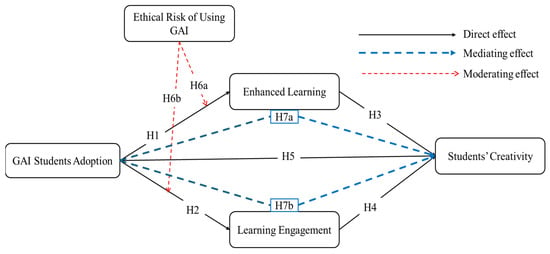
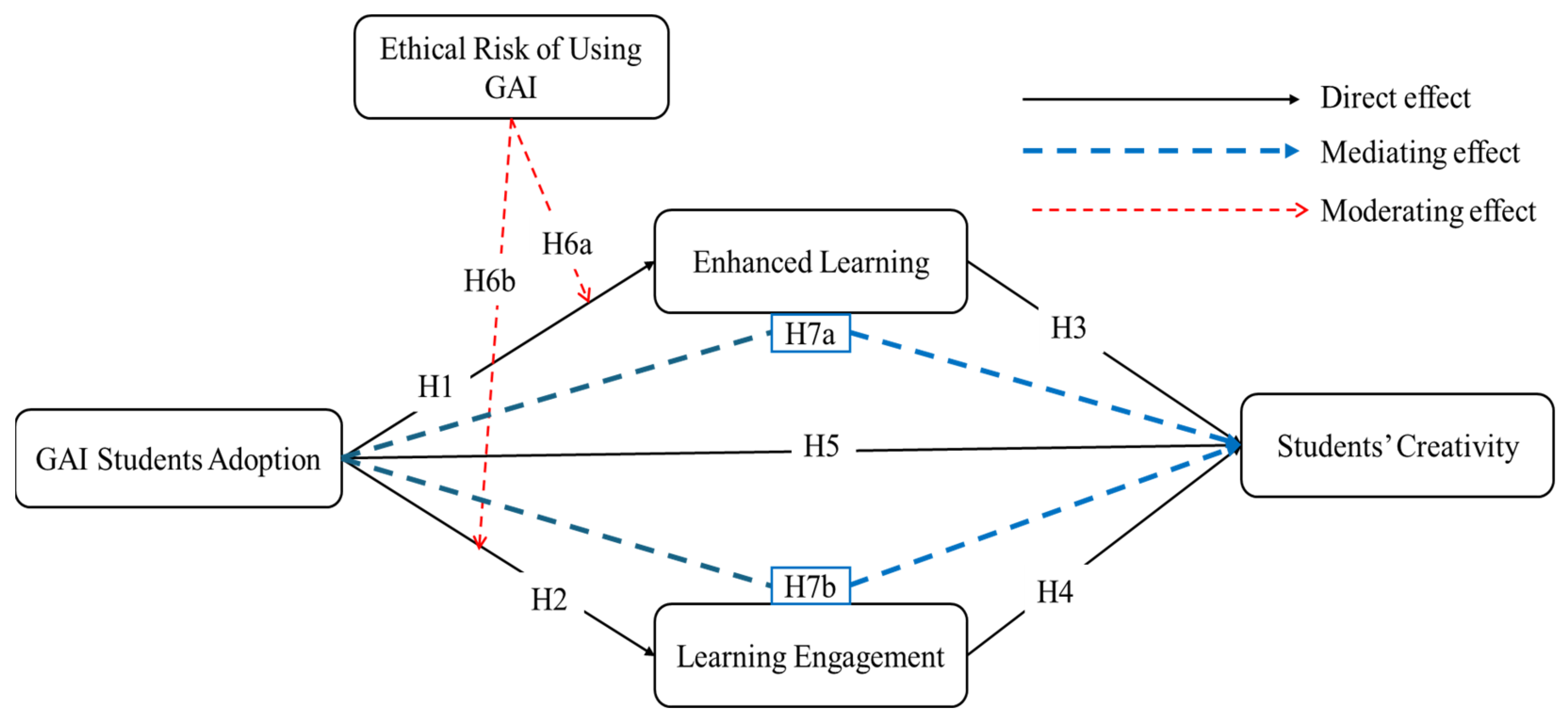
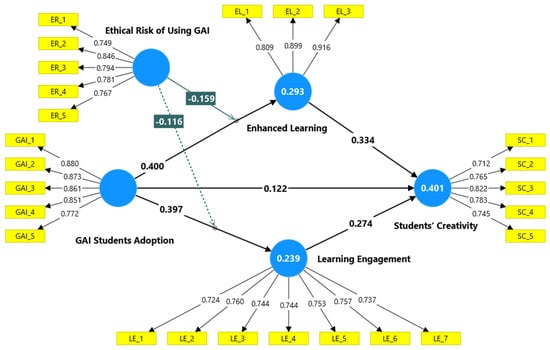
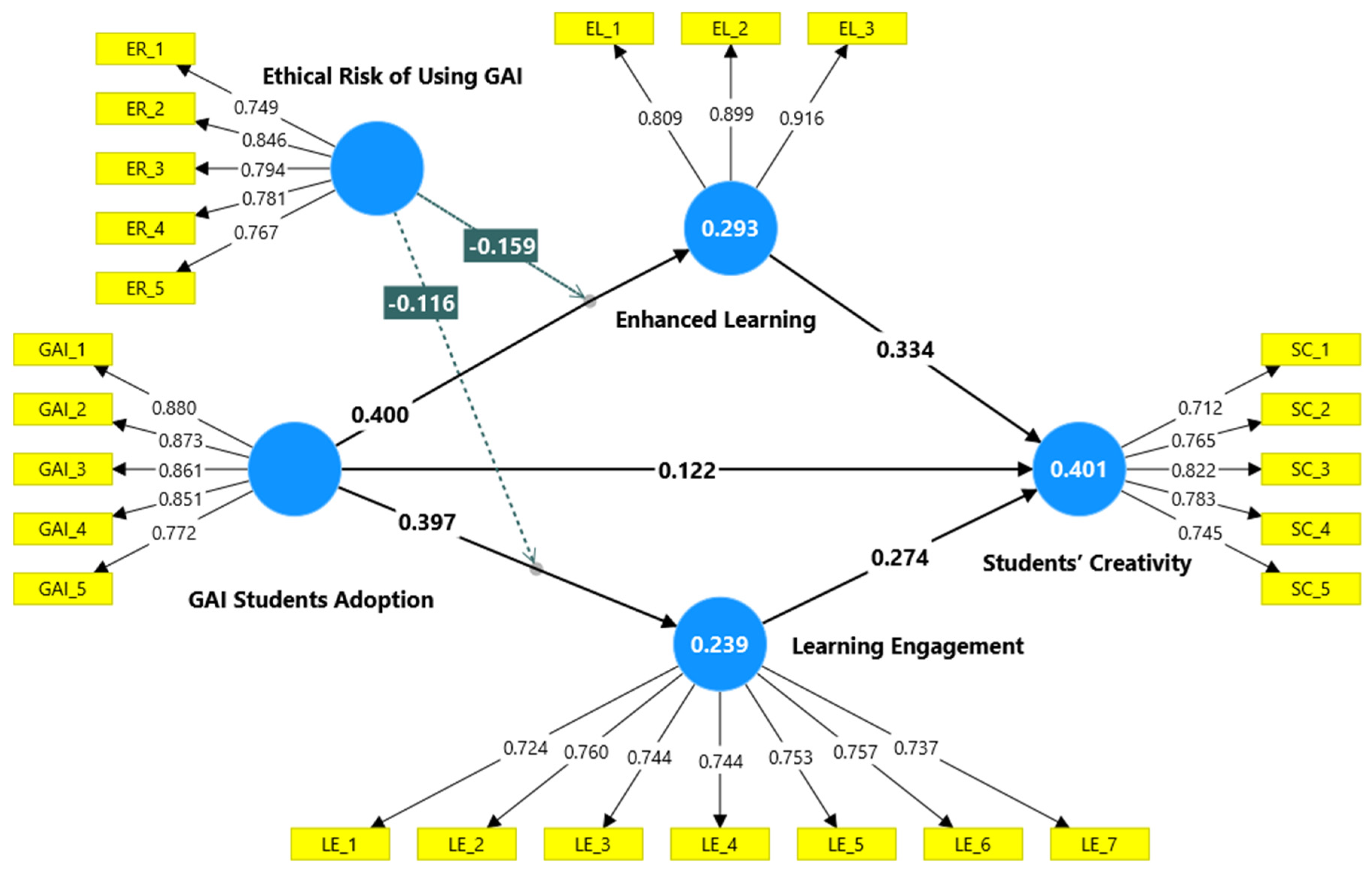
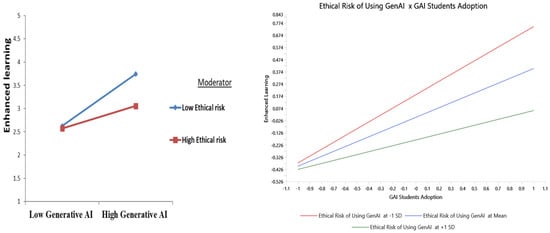
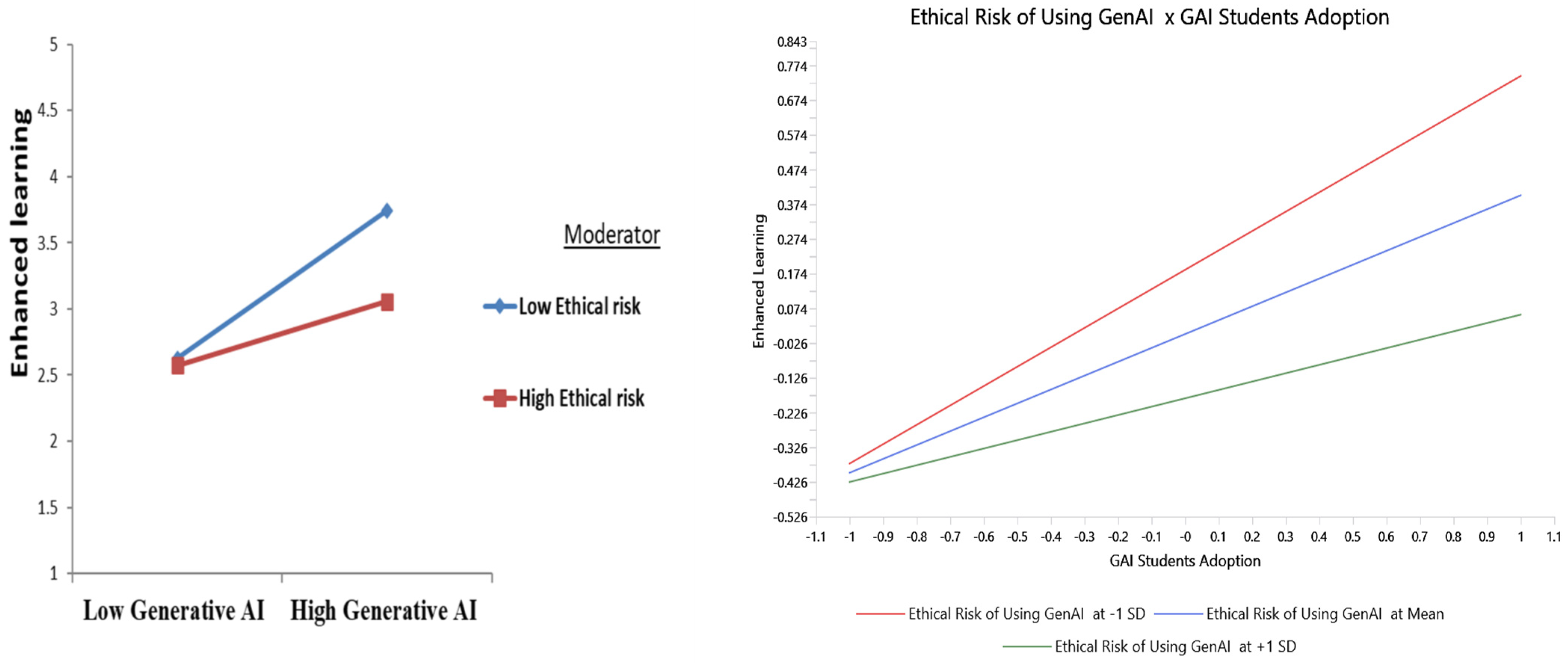
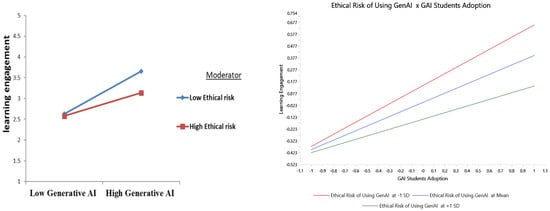
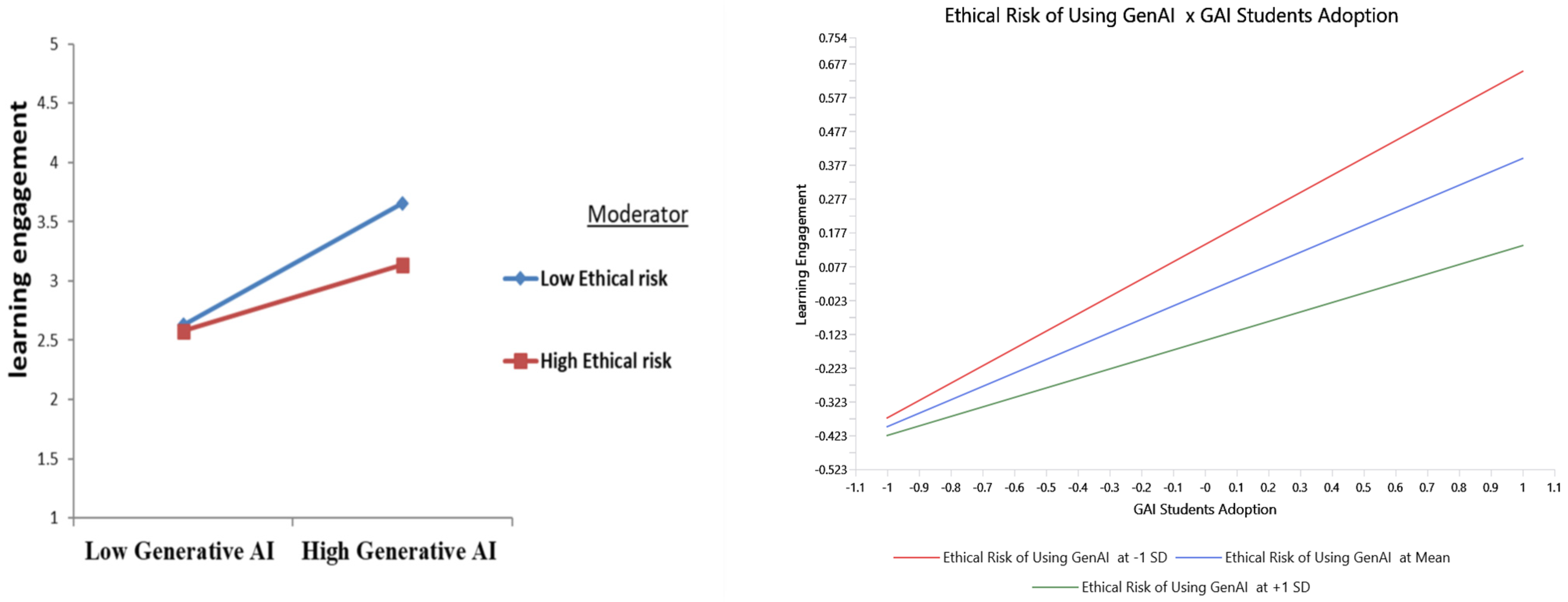

Disclaimer/Publisher’s Note: The statements, opinions and data contained in all publications are solely those of the individual author(s) and contributor(s) and not of MDPI and/or the editor(s). MDPI and/or the editor(s) disclaim responsibility for any injury to people or property resulting from any ideas, methods, instructions or products referred to in the content. |
© 2026 by the authors. Licensee MDPI, Basel, Switzerland. This article is an open access article distributed under the terms and conditions of the Creative Commons Attribution (CC BY) license.