


Abstract
Cultural resources embedded in local traditions are increasingly recognized as contributors to sustainable community development. Even so, the mechanisms through which these resources support sustainability remain insufficiently understood, particularly in living heritage communities. Empirical evidence explaining how cultural resources are translated into sustainable community outcomes through Dynamic Capabilities and Cultural Innovation Ability also remains limited. This study examines how Cultural Capital and Dynamic Capabilities contribute to community sustainability through Cultural Innovation Ability in Buyei Tie-dyeing communities in Guizhou Province, China. Using a sequential explanatory mixed-methods design, 503 valid questionnaires were analyzed through structural equation modeling (SEM), complemented by semi-structured interviews and a focus group discussion. The empirical results demonstrate that Dynamic Capabilities exert a substantial direct effect on Local Community Sustainability (β = 0.429, p < 0.001), while Cultural Capital emerges as a critical determinant of Cultural Innovation Ability (β = 0.468, p < 0.001). Cultural Innovation Ability partially mediates the relationships of Dynamic Capabilities and Cultural Capital with Local Community Sustainability. The study focuses on respondents’ perceptions of community-level processes within this evolving heritage context rather than directly examining how heritage meanings are negotiated, reproduced, or transformed among different actors. The structural model explains 50.1% of the variance in Local Community Sustainability, indicating moderate explanatory power. The findings suggest that Cultural Capital alone may be insufficient to generate stronger sustainability outcomes unless communities can mobilize and transform it under changing conditions. Cultural innovation serves as a key mechanism linking cultural resources to community sustainability. The study contributes to the literature by extending Dynamic Capability Theory to community-based heritage settings and by identifying Cultural Innovation Ability as an important mechanism linking cultural resources to sustainable community development.
1. Introduction
Across many rural communities, traditional practices are increasingly influenced by tourism, market integration, and wider social change. While heritage-based development may create new livelihood opportunities, it can also reshape cultural meanings and patterns of community participation, creating tensions between continuity and change [1,2]. As a result, communities are often required to balance cultural continuity with emerging economic and social demands. These changes also involve multiple stakeholders whose priorities may differ, making heritage development an adaptive and negotiated process rather than a uniformly shared community objective. From a critical heritage perspective, heritage is understood as a social practice shaped through its ongoing use, interpretation, transmission, and adaptation within particular social contexts. This perspective provides the theoretical basis for understanding Buyei Tie-dyeing as a living heritage practice rather than solely as a cultural resource to be managed or preserved.
Sustainable development has evolved from a growth-centered paradigm toward a multidimensional framework integrating economic, social, environmental, and increasingly cultural dimensions [3,4]. Although culture is widely discussed as a foundational pillar of sustainability, its developmental role remains debated across different sustainability and heritage contexts [5,6]. Recent policy research further emphasizes culture as a driver of sustainability transitions [7]. Cultural systems influence how communities interpret change and mobilize resources [8,9], thereby affecting their capacity to pursue inclusive and locally grounded development pathways. These perspectives provide an important conceptual foundation. However, most empirical studies examine individuals’ perceptions of community capacities rather than directly investigating how heritage meanings are negotiated, reproduced, or transformed in practice. Recent social and cultural research has emphasized that the long-term vitality of local traditions depends on community participation, cultural negotiation, and ongoing adaptation rather than preservation alone [1,2].
Research on traditional cultural practices has gradually moved beyond preservation-oriented perspectives toward broader concerns with community participation, local development, and the social value of cultural resources. Contemporary heritage research increasingly emphasizes how cultural resources can generate social, cultural, and economic value while maintaining their continuity within local communities, including their contribution to social capital and community relationships [10]. In this context, heritage is increasingly viewed as an active resource that contributes to community resilience, identity formation, and sustainable development.
Intangible Cultural Heritage (ICH) refers to living traditions, craftsmanship, rituals, and knowledge transmitted across generations within communities [11]. Unlike tangible heritage, ICH is embedded in everyday practices and livelihoods, making it closely linked to community resilience, identity, and intergenerational continuity [1,12]. Recent policy discussions increasingly recognize the contribution of ICH to local livelihoods, sustainable communities, and environmentally responsible production rooted in traditional ecological knowledge [13]. Community participation has become central to the sustainability of heritage tourism and cultural industries [14]. Studies show that heritage can contribute to employment, social cohesion, and place-based development when embedded in supportive institutions [6,15]. In China, rural revitalization policies increasingly recognize traditional cultural practices as forms of cultural capital that can support local development and community revitalization [16], aligning heritage activation with goals of reducing regional inequality and strengthening endogenous rural industries. Nevertheless, existing studies report inconsistent findings regarding whether cultural resources alone are sufficient to generate sustainable community outcomes, suggesting that additional organizational capacities and innovation processes may influence these outcomes.
Buyei Tie-dyeing in Guizhou Province represents a living craft tradition that combines ecological production practices, symbolic aesthetics, and intergenerational cultural transmission. Traditional indigo dyeing knowledge and symbolic design patterns remain important components of community identity and everyday cultural practice. Yet many heritage communities struggle to translate cultural value into sustainable livelihoods due to market uncertainty, weak organizational capacity, and generational gaps. Preliminary engagement with local stakeholders during the research preparation stage indicated that younger community members were often reluctant to engage in long-term craft production because handicraft income remained unstable and highly seasonal. Increasing adaptation to tourism and consumer markets also raised concerns regarding the simplification of traditional symbolic patterns and changing production practices. In addition, unstable market access [17], limited cooperative governance, and declining youth engagement continue to constrain more inclusive and sustainable forms of local development. Much of the existing ICH literature has focused on preservation and tourism development [2,18]. Less attention has been paid to how culturally embedded communities negotiate sustainability under changing social and economic conditions, particularly in contexts where cultural continuity must coexist with adaptation and commercialization. Cultural resources alone do not automatically generate sustainable development outcomes, particularly when heritage communities face uneven access to institutional, economic, and organizational support [19,20].
To address this gap, the study examines how Dynamic Capabilities and Cultural Capital contribute to community sustainability through Cultural Innovation Ability within Buyei Tie-dyeing communities. Previous research has examined cultural heritage, community participation, cultural capital, and innovation from different perspectives. However, comparatively limited attention has been paid to the mechanism through which Dynamic Capabilities (DC) and Cultural Capital (CC) jointly contribute to Local Community Sustainability (LCS) through Cultural Innovation Ability (CIA) in living heritage communities. Addressing this mechanism constitutes the primary theoretical focus of the present study. As noted in recent global heritage studies, the sustainable governance of ICH faces similar challenges across rural, indigenous, and marginalized communities worldwide [21]. In this context, the study contributes to discussions of heritage sustainability by examining how cultural resources and adaptive capabilities are associated with community-level sustainability outcomes within a living heritage setting. Furthermore, this study extends Dynamic Capability Theory beyond its traditional organizational context by examining how adaptive capabilities operate collectively within community-based heritage settings characterized by shared cultural resources and local coordination.
International studies have documented both the opportunities and challenges associated with heritage-led development. Cultural heritage has been linked to place branding, cultural tourism, community empowerment, and local economic revitalization [22]. At the same time, heritage initiatives often encounter governance constraints, uneven stakeholder participation, and implementation difficulties that limit their long-term sustainability [23]. These mixed findings suggest that cultural heritage alone does not guarantee sustainable development, highlighting the need to understand the mechanisms through which cultural resources contribute to community sustainability.
Few studies have integrated Cultural Capital, Dynamic Capabilities, Cultural Innovation Ability, and Local Community Sustainability into a single analytical framework within living heritage communities. Moreover, Dynamic Capability Theory has rarely been applied to community-based heritage settings. Building on these observations, the study develops and empirically tests an integrated conceptual framework linking Cultural Capital, Dynamic Capabilities, Cultural Innovation Ability, and Local Community Sustainability.
2. Literature Review and Hypotheses
2.1. Theoretical Position: Heritage as Social Practice
This study adopts a critical heritage perspective, which understands heritage as a social practice rather than as a fixed cultural object [1,2]. Heritage is therefore understood as shaped through its continued use, interpretation, transmission, and adaptation within particular social contexts. Such an understanding is particularly relevant to intangible cultural heritage, where continuity is maintained through ongoing practice and transmission while cultural practices may also adapt to changing social and economic conditions [11,24].
Buyei Tie-dyeing is consequently understood here as a living heritage practice rather than simply as a cultural resource. The critical heritage perspective provides the conceptual lens for understanding this heritage context, whereas Dynamic Capability Theory provides the explanatory basis for the hypothesized relationships examined in the empirical model, including those among Dynamic Capabilities, Cultural Capital, Cultural Innovation Ability, and Local Community Sustainability. The critical heritage perspective is therefore not treated as a separate explanatory model to be statistically tested; rather, it frames the heritage context within which the empirical model is situated and interpreted.
The distinction also sets the empirical boundary of the study. The questionnaire-based analysis captures respondents’ perceptions of Cultural Capital, Dynamic Capabilities, Cultural Innovation Ability, and Local Community Sustainability within the Buyei Tie-dyeing heritage context. It does not directly examine how heritage meanings are negotiated, reproduced, or transformed among different actors over time. The findings should therefore be interpreted as evidence concerning perceived community-level relationships within a living heritage setting, rather than as direct evidence of heritage-making processes themselves.
2.2. Local Community Sustainability in Cultural Communities
Sustainability in heritage-based regions cannot be adequately understood through firm-level performance indicators or macroeconomic aggregates alone. In traditional craft communities, economic livelihood, cultural transmission, and ecological practices are deeply embedded within localized social structures. For this reason, Local Community Sustainability (LCS) is understood in this study as the long-term development of heritage communities across economic, socio-cultural, and environmental dimensions.
Drawing on the triple bottom line framework [25] and community-oriented sustainable development perspectives [26], LCS is defined at the community scale rather than at the organizational or national level.
In this study, Local Community Sustainability (LCS) is examined through three interrelated dimensions: economic sustainability, socio-cultural sustainability, and environmental sustainability.
Economic sustainability refers to the stability and resilience of income structures derived from tie-dye production and related cultural industries.
Socio-cultural sustainability concerns the effective inheritance of traditional craftsmanship, intergenerational transmission of knowledge, and the maintenance of collective identity and social cohesion within the community [1].
Environmental sustainability reflects the responsible use of natural resources, environmentally compatible dyeing processes, and pollution management practices embedded in local production systems.
These three interrelated dimensions jointly capture whether heritage communities are able to maintain cultural vitality while adapting to economic and ecological pressures, particularly in contexts where participatory institutional arrangements shape local development trajectories [27]. Recent studies suggest that participatory governance and institutional coordination are important determinants of sustainability outcomes in heritage communities [28]. Similar observations have been reported in European cultural heritage initiatives, where long-term territorial development depended on the mobilization of cultural assets through strategic planning, stakeholder engagement, and institutional support [22]. These findings indicate that heritage sustainability is shaped by both cultural resources and the governance structures through which such resources are activated. The governance processes involved in heritage development often include multiple stakeholders with different roles, interests, and levels of participation. Consequently, Local Community Sustainability should be understood as a community-level outcome emerging from the interaction of diverse actors rather than from a homogeneous community perspective. Current evidence suggests that sustainability in heritage communities is increasingly understood as a multidimensional concept. Nevertheless, empirical research still tends to examine these dimensions separately, offering only limited insight into how they interact within living heritage communities. This perspective provides the conceptual basis for defining the outcome variable examined in this study. Accordingly, Local Community Sustainability is treated as an integrated community-level construct.
2.3. Dynamic Capabilities as Drivers of Sustainable Community Development
Dynamic Capabilities describe the ability of organizations or collective actors to sense environmental change, seize emerging opportunities, and reconfigure internal resources in response to changing conditions [19,29]. Although originally developed within firm-level strategic management, subsequent research has increasingly explored the relevance of Dynamic Capabilities within regional systems and community-based contexts characterized by shared cultural resources and adaptive coordination processes [30,31]. The theoretical logic underlying Dynamic Capability Theory extends beyond individual firms because communities also rely on collective action to mobilize shared resources under changing external conditions. In heritage communities, sustainable development depends on the coordinated efforts of multiple local stakeholders rather than on the decisions of individual organizations alone. This perspective provides the theoretical basis for applying Dynamic Capabilities to community-based heritage development in the present study.
In community-based cultural settings, dynamic capabilities refer to the collective capacity of local actors and organizations to respond to changing conditions and reorganize cultural resources in support of long-term development. Unlike firm-level applications that primarily emphasize competitive advantage, the community context places greater emphasis on collaboration, shared governance, and the collective mobilization of local resources to sustain long-term development.
In heritage communities, production and cultural practices operate within shifting tourism markets, evolving consumer preferences, and changing policy environments. Recent studies highlight that governance and adaptive coordination are critical for sustainability transitions in tourism-based heritage regions [32]. These external changes require communities to continuously adjust production strategies, organizational arrangements, and market responses while maintaining the continuity of local cultural traditions.
Under such conditions, sustainability may depend less on static resource endowment and more on adaptive coordination, particularly in heritage communities where resource mobilization and contextual adaptation are critical. Communities capable of adjusting production modes, reorganizing collaborative structures, and responding strategically to market signals are better positioned to sustain long-term economic and social stability [33].
Similar challenges have been observed in previous heritage governance studies. Research on cultural heritage projects in Lithuania found that implementation difficulties often resulted from limited coordination among stakeholders, insufficient management capacity, and difficulties in responding to changing institutional conditions [23].
The literature indicates that adaptive and coordinative capacities are important for sustaining heritage-based communities. By enabling communities to reconfigure resources, coordinate stakeholders, and respond to changing market conditions, Dynamic Capabilities create favorable conditions for cultural innovation. The ability to mobilize networks and reorganize existing resources supports experimentation, product redesign, and the integration of traditional craftsmanship with contemporary market demands. In this context, communities with stronger Dynamic Capabilities are more likely to transform cultural resources into innovative practices that support long-term community development.
Despite growing applications of Dynamic Capability Theory beyond firms, its role in explaining adaptation within heritage communities remains insufficiently explored. In particular, little attention has been paid to how adaptive capabilities interact with culturally embedded resources to generate innovation and sustainable community outcomes. The research examines how Dynamic Capabilities interact with culturally embedded resources to support innovation and sustainable community development within living heritage communities.
Hypothesis 1 (H1).
Dynamic Capabilities are positively associated with Cultural Innovation Ability.
Beyond facilitating Cultural Innovation Ability, Dynamic Capabilities also strengthen communities’ capacity to adapt to environmental, economic, and social changes. Such adaptive capacity helps heritage communities maintain long-term resilience and supports Local Community Sustainability.
Hypothesis 2 (H2).
Dynamic Capabilities are positively associated with Local Community Sustainability.
2.4. Cultural Capital and Community Sustainability
Cultural Capital encompasses embodied skills, objectified cultural goods, and institutionalized recognition embedded within social structures [34]. In heritage economies, Cultural Capital is not only a symbolic asset but also a productive resource shaping development trajectories [35].
While cultural capital is widely regarded as a valuable resource for community development, previous studies have reported mixed outcomes. Some research highlights its contribution to social cohesion, local identity, and economic opportunities, whereas other studies indicate that cultural resources may remain underutilized when communities lack organizational capacity, governance support, or mechanisms for innovation. This suggests that cultural capital should be understood not simply as a stock of cultural resources, but as a resource whose developmental value depends on activation and mobilization. These differing findings further explain that Cultural Capital does not necessarily translate directly into Local Community Sustainability. Its contribution may depend on whether cultural knowledge, traditional skills, and symbolic resources can be transformed into innovative products, services, and community practices that respond to changing social and market conditions.
Embodied craftsmanship preserves tacit knowledge and authenticity. Objectified artefacts convey cultural meaning in market exchanges. Institutional recognition, such as official heritage designation, enhances legitimacy and visibility in broader economic networks [36]. Together, these dimensions provide the cultural foundation upon which communities preserve heritage while creating opportunities for future development.
Accumulated Cultural Capital forms the knowledge base upon which innovation builds. Creative reinterpretation requires deep familiarity with symbolic repertoires and technical skills. Without such foundations, attempts at modernization may undermine authenticity. Cultural Innovation Ability enables communities to reinterpret inherited knowledge in ways that preserve cultural continuity while responding to contemporary economic and social demands. Cultural Capital therefore provides an essential foundation for Cultural Innovation Ability within heritage communities.
Yet, this relationship remains insufficiently explored in the literature. Although Cultural Capital is widely recognized as a valuable community resource, its developmental contribution appears to depend on whether it can be activated through innovation and collective adaptation. Examining both its direct and indirect pathways helps clarify these different roles.
Hypothesis 3 (H3).
Cultural Capital is positively associated with Cultural Innovation Ability.
Communities with stronger cultural capital are generally better positioned to maintain social cohesion, enhance the visibility of local traditions, and support income-generating activities, consistent with earlier findings linking cultural capital to social cohesion and sustainable communities [37]. At the same time, previous studies suggest that the effects of Cultural Capital may vary across different institutional and community contexts. Its contribution to Local Community Sustainability is therefore expected to depend partly on how cultural resources are utilized and developed within local communities. The potential contribution of cultural capital to community sustainability is examined through the following hypothesis:
Hypothesis 4 (H4).
Cultural Capital is positively associated with Local Community Sustainability.
2.5. Cultural Innovation Ability and Sustainable Outcomes
Cultural innovation in heritage settings involves the reinterpretation and recombination of traditional elements with contemporary market and social demands [38]. Unlike disruptive technological innovation, cultural innovation emphasizes adaptive transformation that retains symbolic continuity while generating new value [39]. Within heritage communities, Cultural Innovation Ability reflects the capacity to integrate inherited cultural knowledge with contemporary economic and social opportunities without disconnecting cultural practices from their local context.
Innovation may take the form of product diversification, new design integration, community co-creation, or culturally embedded entrepreneurship [40]. These processes can expand income sources, attract younger generations, strengthen collective identity, and promote environmentally conscious production practices. Rather than replacing traditional cultural practices, Cultural Innovation Ability supports their continued relevance by enabling communities to respond to changing market conditions while preserving the cultural characteristics that distinguish local heritage.
Current research increasingly views cultural innovation as more than an economic strategy. Even so, most studies stop at identifying innovation outcomes, leaving its role as an explanatory mechanism relatively underexplored. This study therefore positions Cultural Innovation Ability as the process through which cultural resources and adaptive capabilities contribute to sustainable community development.
The role of Cultural Innovation Ability in supporting community sustainability is reflected in the following hypothesis:
Hypothesis 5 (H5).
Cultural Innovation Ability is positively associated with Local Community Sustainability.
2.6. Cultural Innovation as a Mediating Mechanism
Prior research suggests that the effects of capabilities and knowledge resources are often realized through innovation processes rather than through the resources themselves [41,42]. In heritage settings, innovation is not necessarily incompatible with authenticity. When grounded in local cultural traditions, innovation enables heritage communities to maintain cultural continuity while responding to changing community needs and market conditions. This perspective suggests that innovation may function as the mechanism through which cultural resources generate broader community benefits.
Within cultural communities, Dynamic Capabilities support adaptation and coordination, whereas Cultural Capital provides inherited knowledge, symbolic resources, and craft skills. Neither resource automatically contributes to Local Community Sustainability. Their developmental value depends on whether they can be translated into new products, cultural activities, and community practices that remain meaningful within contemporary social and economic contexts. Cultural Innovation Ability therefore represents the mechanism through which Dynamic Capabilities and Cultural Capital are expected to contribute to Local Community Sustainability.
Previous research has linked both Cultural Capital and Dynamic Capabilities to sustainability outcomes. Nevertheless, empirical evidence explaining how these two factors jointly contribute to Local Community Sustainability through Cultural Innovation Ability remains limited. Research has shown that community participation influences sustainability outcomes across different cultural contexts [43], but comparatively less attention has been paid to the mechanism linking Cultural Capital, Dynamic Capabilities, Cultural Innovation Ability, and Local Community Sustainability within living heritage communities. Therefore, the study examines whether Cultural Innovation Ability mediates the relationships between Dynamic Capabilities, Cultural Capital, and Local Community Sustainability.
Viewed collectively, previous studies establish important links among cultural resources, adaptive capabilities, innovation, and sustainability. Yet these relationships have usually been examined in isolation rather than within a single explanatory framework. The study brings these elements together by proposing Cultural Innovation Ability as the mechanism through which Cultural Capital and Dynamic Capabilities contribute to Local Community Sustainability.
Dynamic Capabilities and Cultural Capital may influence Local Community Sustainability both directly and indirectly through Cultural Innovation Ability. Therefore, a partial mediation model is proposed.
Hypothesis 6 (H6).
Cultural Innovation Ability mediates the relationship between Dynamic Capabilities and Local Community Sustainability.
Hypothesis 7 (H7).
Cultural Innovation Ability mediates the relationship between Cultural Capital and Local Community Sustainability.
The preceding review leads to three observations. First, previous studies have established that Cultural Capital, Dynamic Capabilities, cultural innovation, and sustainability are closely related, yet they have rarely been examined within a unified framework. Second, the developmental effects of Cultural Capital and Dynamic Capabilities appear to depend on how cultural resources are transformed into innovative community practices rather than on the resources themselves. Third, despite increasing attention to heritage sustainability, empirical evidence explaining these relationships at the community level remains limited. Building on these observations, the hypotheses developed above are integrated into the conceptual framework presented in Figure 1, where Cultural Innovation Ability functions as the key mechanism linking Cultural Capital and Dynamic Capabilities to Local Community Sustainability.
Figure 1.
Theoretical framework of culture-led community sustainability based on Dynamic Capabilities and Cultural Capital.
Figure 1 illustrates these proposed relationships and summarizes the theoretical framework guiding the empirical analysis. Rather than treating heritage as a static cultural asset, the framework recognizes that heritage sustainability is shaped through the adaptive mobilization and reinterpretation of cultural resources under changing institutional and market conditions.
3. Materials and Methods
3.1. Research Design
The research adopts a sequential mixed-methods design that combines qualitative and quantitative approaches to balance statistical rigor with contextual validity in an Intangible Cultural Heritage (ICH) community setting, consistent with established research design frameworks [44,45]. Mixed methods are especially appropriate for culturally embedded phenomena because quantitative approaches alone may not fully capture local meanings and everyday practices, whereas qualitative inquiry can strengthen contextual interpretation and measurement relevance [46,47]. The qualitative component was integrated to enhance the contextual validity of the measurement instrument and complement the quantitative findings, rather than to generate theory or test hypotheses independently. Specifically, initial semi-structured interviews were conducted to refine questionnaire items for the Buyei tie-dyeing context, whereas a post hoc focus group discussion helped contextualize and interpret the SEM results. This study relies primarily on quantitative survey data, while qualitative evidence is used to refine the questionnaire before data collection and to facilitate interpretation of the SEM findings. The survey therefore captures respondents’ perceptions of Cultural Capital, Dynamic Capabilities, Cultural Innovation Ability, and Local Community Sustainability within the Buyei Tie-dyeing heritage context.
Following established mixed-methods logic, the research proceeded in three stages. First, semi-structured interviews were conducted to improve questionnaire clarity and contextual fit. Second, a structured survey was conducted to test the hypothesized relationships using SEM. Third, focus group discussion was used to interpret quantitative findings and enhance credibility through triangulation.
This design is aligned with cultural sustainability research, which emphasizes not only outcome measurement but also interpretive understanding of how cultural resources are mobilized within communities [5,11].
3.2. Study Context: Buyei ICH Tie-Dyeing Communities in Guizhou, China
The empirical setting is Buyei ethnic Tie-dyeing communities in Guizhou Province, China. As a living craft tradition, Buyei Tie-dyeing embodies embodied cultural knowledge, symbolic meaning, and local ecological production practices—characteristics consistent with UNESCO’s concept of ICH as “living heritage” that is continuously recreated and socially transmitted [11,24]. These communities also face market shifts, tourism commodification, and intergenerational transmission challenges, making them a suitable context for examining sustainability mechanisms [2,20]. Buyei Tie-dyeing was selected because it represents a nationally recognized ICH practice characterized by active market engagement, intergenerational transmission challenges, and ongoing adaptation pressures, making it particularly suitable for examining the relationships among cultural resources, innovation, and community sustainability. These characteristics provide an appropriate empirical setting for examining how Dynamic Capabilities and Cultural Capital contribute to Local Community Sustainability through Cultural Innovation Ability.
3.3. Sample and Data Collection
Participants were recruited from Buyei Tie-dyeing communities located in Xingyi City, Zhenfeng County, and Anlong County, where Tie-dyeing production and heritage-related activities are relatively concentrated. To capture functional diversity within the community system, respondents were grouped into three categories. First, craft inheritors and production practitioners. Second, cooperative members and small-scale industry operators. Third, cultural management and service personnel.
The measurement model in this study includes 36 observed indicators. Methodological guidelines commonly recommend a minimum sample size of at least 10 observations per indicator to ensure stable parameter estimation and reliable fit statistics [48]. Based on this criterion, the minimum required sample size would be 36 × 10 = 360 respondents.
The final dataset consists of 503 valid questionnaires, substantially exceeding this threshold. This sample size also satisfies broader recommendations for covariance-based SEM, which emphasize adequate statistical power and model stability in moderately complex models [49].
Prior to the survey, nine semi-structured interviews were conducted to improve the wording, clarity, and contextual appropriateness of the questionnaire items. After quantitative analysis, a focus group of six participants was used to facilitate interpretation of the quantitative findings within the local cultural context. The qualitative component was intended to support contextual interpretation and instrument refinement rather than to develop additional constructs or hypotheses. This triangulation is consistent with standards for credibility and transferability in applied cultural research [45,47]. The interview participants represented the three respondent groups included in the subsequent questionnaire survey, namely craft inheritors, cooperative members, and cultural management personnel. Interview questions focused on the clarity, contextual relevance, and comprehensibility of the questionnaire items. Participants’ feedback was summarized to refine item wording and improve contextual appropriateness before the questionnaire was administered.
Following the quantitative analysis, a focus group involving six participants from different stakeholder groups was conducted to discuss the interpretation of the SEM results. Discussions focused on whether the statistical findings were consistent with participants’ practical experiences and how the observed relationships could be understood within the local heritage context. The focus group was intended to contextualize and interpret the quantitative findings rather than to provide independent qualitative evidence.
3.4. Data Analysis Strategy
Quantitative analyses were conducted using SPSS 29 and AMOS 26 software to perform Exploratory Factor Analysis (EFA), Confirmatory Factor Analysis (CFA) and Structural Equation Modeling (SEM). EFA used principal component extraction with varimax rotation; CFA and SEM adopted maximum likelihood estimation to test the measurement model fit and structural relationships among constructs, respectively. This approach aligns with best practice in theory-testing research where latent constructs and mediation mechanisms are central [48,49]. Interview and focus-group records were analyzed using a simple thematic coding approach. Interview notes and focus-group records were reviewed repeatedly to identify recurring themes related to questionnaire refinement and interpretation of the SEM findings. Because the qualitative component served a supportive role in questionnaire refinement and result interpretation rather than formal qualitative analysis, qualitative analysis software was not employed.
The integration of qualitative and quantitative components occurred sequentially. Findings from the semi-structured interviews informed questionnaire refinement before data collection, while insights from the focus group discussion were used to interpret the statistical relationships identified through SEM. The integration of qualitative and quantitative components was intended to strengthen contextual interpretation of the survey findings rather than to establish independent confirmation of the hypothesized relationships.
4. Results
4.1. Semi-Structured Interview Results
4.1.1. Interview Participants
Prior to the questionnaire survey, semi-structured interviews were conducted to improve the comprehensibility, contextual relevance, and practical applicability of the questionnaire items within the Buyei Tie-dyeing community. Consistent with the sequential mixed-methods design described in Section 3, the interviews served to refine the measurement instrument before large-scale quantitative data collection.
A total of nine participants were recruited from Buyei Tie-dyeing communities in Qianxinan Prefecture, Guizhou Province. All participants had substantial practical experience in Buyei Tie-dyeing production, management, or cultural heritage services and were therefore well positioned to evaluate the suitability of the questionnaire items within the local context.
The interview participants included four Tie-dyeing technique inheritors or family workshop operators, three cooperative or workshop managers, and two personnel responsible for intangible cultural heritage management or cultural services. Table 1 provides the detailed participant roles corresponding to these three stakeholder groups. Participants were purposively selected to ensure representation of the principal stakeholder groups involved in Buyei Tie-dyeing, including craft production, cooperative operation, and cultural heritage management. All participants had more than three years of relevant experience in Buyei Tie-dyeing-related activities.
Table 1.
Basic information of semi-structured interview participants.
Table 1 summarizes the characteristics and professional backgrounds of the interview participants.
4.1.2. Interview Findings
The semi-structured interviews focused on evaluating the comprehensibility, contextual relevance, and practical applicability of the proposed questionnaire items. Interview records were reviewed and summarized to identify recurring comments regarding questionnaire clarity and contextual suitability.
Three consistent findings emerged from participants’ feedback.
First, participants generally considered the questionnaire items easy to understand and closely related to their everyday experiences in Buyei Tie-dyeing practices. Most respondents indicated that the concepts reflected in the questionnaire could be readily interpreted without additional explanation, suggesting that the measurement items possessed satisfactory conceptual clarity within the local cultural context.
Second, participants agreed that the questionnaire adequately represented the major aspects of Tie-dyeing production, organizational collaboration, cultural innovation, and community sustainability. They generally believed that the questionnaire items reflected local practices and experiences without omitting important dimensions relevant to community development.
Third, several participants suggested minor revisions to improve wording clarity and contextual appropriateness. Based on these comments, selected questionnaire items were refined to enhance readability and consistency with local expressions before the formal questionnaire survey was conducted. No changes were made to the conceptual framework, measurement dimensions, or hypothesized relationships.
Considered together, the interview findings confirmed that the questionnaire was appropriate for the Buyei Tie-dyeing context and required only minor wording revisions prior to large-scale data collection.
4.2. Quantitative Results
4.2.1. Sample Screening and Preliminary Analysis
Before conducting exploratory factor analysis (EFA), confirmatory factor analysis (CFA), and structural equation modeling (SEM), the dataset was screened to evaluate response quality, missing data, distributional assumptions, and potential common method bias. These preliminary analyses ensured that the data satisfied the assumptions required for subsequent multivariate analyses.
Sample Screening and Missing Data: A total of 520 responses were collected. Prior to statistical analysis, all submissions were screened for data quality. Seventeen responses were excluded due to straight-lining patterns, unrealistically short completion times. This yielded a final sample of 503 valid questionnaires, corresponding to an effective response rate of 96.7%. As invalid or incomplete submissions were eliminated during initial screening, the final dataset contained no missing values. Consequently, no data imputation procedures were required, eliminating potential estimation bias associated with missing observations in structural equation modeling.
Normality Test: To evaluate whether the data satisfied the assumptions required for SEM, univariate normality was assessed using skewness and kurtosis statistics for all 36 observed measurement items. The skewness values ranged from −0.124 to 0.060, while the kurtosis values ranged from −1.370 to −0.722. All values were within the recommended thresholds of |Skewness| < 3 and |Kurtosis| < 10, indicating that the observed variables satisfied the assumption of univariate normality and were appropriate for subsequent CFA and SEM analyses.
Common Method Bias Assessment: To control for potential common method variance, Harman’s single-factor test was performed using unrotated principal component analysis across all 36 items. The single largest factor accounted for 25.88% of the total variance, which is below the conservative 50% threshold. These results confirm that common method bias does not pose a threat to the validity of the study or materially influence the estimated structural relationships.
4.2.2. Reliability
Table 2 presents the reliability analysis results for the measurement scales used in this study. Cronbach’s alpha values exceeded the recommended threshold of 0.70, indicating strong internal consistency [50]. The entire scale demonstrated excellent internal consistency, evidenced by a total Cronbach’s alpha of 0.918. The Cronbach’s alpha values for DC, CC, CIA, and LCS ranged from 0.841 to 0.865, indicating satisfactory reliability across all constructs. Furthermore, every dimension within these constructs exceeded the 0.70 threshold, thereby reinforcing the robustness of our measurement. These results indicate that the measurement instrument demonstrates satisfactory reliability and is appropriate for subsequent CFA and SEM analyses.
Table 2.
Reliability statistics for measurement constructs.
4.2.3. Sampling Adequacy and Factorability
Table 3 reports the results of the Kaiser–Meyer–Olkin (KMO) measure and Bartlett’s test of sphericity. The KMO value was 0.894, indicating excellent sampling adequacy for factor analysis [48]. Bartlett’s test of sphericity was significant (p < 0.001), supporting the presence of sufficient correlations among items to justify factor analysis.
Table 3.
KMO and Bartlett’s Test Results.
4.2.4. Confirmatory Factor Analysis (CFA): Measurement Model Assessment
Figure 2 illustrates the confirmatory factor analysis (CFA) measurement model used to assess construct validity. The measurement model showed excellent fit: χ2/df = 1.013, GFI = 0.940, AGFI = 0.931, CFI = 0.999, TLI = 0.999, RMSEA = 0.005, RMR = 0.053. The Hoelter index (545) exceeds recommended levels, confirming model stability and indicating that the hypothesized measurement structure adequately represented the observed data.
Figure 2.
CFA measurement model. Note: DC = Dynamic Capabilities; CC = Cultural Capital; CIA = Cultural Innovation Ability; LCS = Local Community Sustainability; SSC = Sensing Capabilities; SZC = Seizing Capabilities; REC = Reconfiguring Capabilities; ECC = Embodied Cultural Capital; OCC = Objectified Cultural Capital; ICC = Institutionalized Cultural Capital; CCA = Cultural Creativity and Adaptation; CCPC = Community Co-Creation and Participation Capacity; CECC = Cultural Entrepreneurship and Commercialization Capability; ECS = Economic Sustainability; SCS = Socio-Cultural Sustainability; ENS = Environmental Sustainability; df = Degrees of Freedom; GFI = Goodness-of-Fit Index; AGFI = Adjusted Goodness-of-Fit Index; CFI = Comparative Fit Index; TLI = Tucker–Lewis Index; RMSEA = Root Mean Square Error of Approximation; RMR = Root Mean Square Residual.
Standardized factor loadings for all first-order constructs and measurement items are presented in Table 4. Item loadings ranged from 0.716 to 0.952, while the standardized loadings of the first-order dimensions on their corresponding higher-order constructs ranged from 0.620 to 0.825. All standardized loadings exceeded the commonly recommended threshold of 0.60, indicating satisfactory indicator reliability.
Table 4.
Standardized factor loadings of measurement items.
Table 5 further reports Composite Reliability (CR), Average Variance Extracted (AVE), Maximum Shared Variance (MSV), and MaxR(H), which ranged from 0.771 to 0.818. Composite Reliability values ranged from 0.758 to 0.803, exceeding the recommended criterion of 0.70. AVE values ranged from 0.513 to 0.578, indicating adequate convergent validity. In addition, the AVE values of all constructs (0.513–0.578) were greater than their corresponding MSV values (0.425–0.433), providing preliminary evidence of discriminant validity.
Table 5.
Convergent and discriminant validity.
Discriminant validity was further evaluated using the Fornell–Larcker criterion. As shown in Table 5, the square root of the AVE for each construct (shown on the diagonal, ranging from 0.716 to 0.760) exceeded the corresponding inter-construct correlations (ranging from 0.540 to 0.658), indicating satisfactory discriminant validity among the four latent constructs.
The CFA results thus support the reliability and validity of the measurement model and provide an appropriate basis for subsequent structural model analysis.
4.2.5. Structural Equation Modeling (SEM) and Hypothesis Test
Figure 3 presents the structural equation model with standardized path coefficients used to test the proposed hypotheses. The structural model exhibits satisfactory overall fit (χ2/df = 1.013; CFI = 0.999; RMSEA = 0.005), indicating that the proposed relationships are well supported by the data. The standardized path coefficients are reported below:
Figure 3.
SEM model with standardized path coefficients. Note: DC = Dynamic Capabilities; CC = Cultural Capital; CIA = Cultural Innovation Ability; LCS = Local Community Sustainability; SSC = Sensing Capabilities; SZC = Seizing Capabilities; REC = Reconfiguring Capabilities; ECC = Embodied Cultural Capital; OCC = Objectified Cultural Capital; ICC = Institutionalized Cultural Capital; CCA = Cultural Creativity and Adaptation; CCPC = Community Co-Creation and Participation Capacity; CECC = Cultural Entrepreneurship and Commercialization Capability; ECS = Economic Sustainability; SCS = Socio-Cultural Sustainability; ENS = Environmental Sustainability; df = Degrees of Freedom; GFI = Goodness-of-Fit Index; AGFI = Adjusted Goodness-of-Fit Index; CFI = Comparative Fit Index; TLI = Tucker–Lewis Index; RMSEA = Root Mean Square Error of Approximation; RMR = Root Mean Square Residual.
- Dynamic Capabilities was positively associated with Cultural Innovation Ability (β = 0.352, p < 0.001), supporting H1.
- Dynamic Capabilities was positively associated with Local Community Sustainability (β = 0.429, p < 0.001), supporting H2.
- Cultural Capital was positively associated with Cultural Innovation Ability (β = 0.468, p < 0.001), supporting H3.
- Cultural Capital was positively associated with Local Community Sustainability (β = 0.182, p < 0.05), supporting H4.
- Cultural Innovation Ability was positively associated with Local Community Sustainability (β = 0.207, p < 0.001), supporting H5.
The model explains 52.1% of variance in Cultural Innovation Ability (R2 = 0.521) and 50.1% of variance in Local Community Sustainability (R2 = 0.501), indicating moderate explanatory power for both endogenous constructs.
4.2.6. Mediation Analysis
Table 6 presents the bootstrapping results for the mediation analysis. To further examine the mediating role of Cultural Innovation Ability, bootstrap procedures with 5000 resamples were applied to estimate indirect effects [51,52].
Table 6.
Bootstrapping results for mediation analysis.
A significant indirect association between Dynamic Capabilities and Local Community Sustainability through Cultural Innovation Ability was observed (β = 0.073, 95% CI = 0.003–0.180, p < 0.05), the 95% confidence interval did not include zero, supporting H6.
A significant indirect association between Cultural Capital and Local Community Sustainability through Cultural Innovation Ability was observed (β = 0.097, 95% CI = 0.004–0.223, p < 0.05), the 95% confidence interval did not include zero, supporting H7.
Because the direct effects of Dynamic Capabilities (β = 0.429, p < 0.001) and Cultural Capital (β = 0.182, p < 0.05) remained statistically significant after the inclusion of Cultural Innovation Ability, the mediation analysis indicates partial mediation rather than full mediation.
The decomposition of direct, indirect, and total effects is summarized in Table 7. Dynamic Capabilities produced the largest total effect on Local Community Sustainability (β = 0.502), followed by Cultural Capital (β = 0.279). These results reveal that both Dynamic Capabilities and Cultural Capital contribute to community sustainability directly and indirectly through Cultural Innovation Ability, with Dynamic Capabilities showing the stronger overall influence.
Table 7.
Decomposition of direct, indirect, and total effects (DE/IE/TE).
4.3. Focus Group Results
4.3.1. Focus Group Participants
A focus group consisting of six participants was conducted after completion of the quantitative analysis. Participants were selected from the same Buyei Tie-dyeing communities to represent different stakeholder groups involved in traditional Tie-dyeing practices. The group comprised three Tie-dyeing Technique Inheritors, one Cooperative Operator, one Workshop Operator, and one Intangible Cultural Heritage Manager. It was purposively composed to include representatives from different stakeholder groups so that multiple perspectives on the quantitative findings could be discussed. All participants had substantial practical experience and were therefore well positioned to provide informed interpretations of the quantitative findings within the local context. Table 8 summarizes the characteristics and professional backgrounds of the focus group participants.
Table 8.
Basic information of focus group participants.
4.3.2. Focus Group Findings
The focus group discussions were conducted after completion of the quantitative analysis to obtain participants’ perspectives on the statistically significant relationships identified in the structural equation model. Rather than generating new theoretical constructs, the discussions were intended to provide contextual explanations for the quantitative findings. Three interrelated themes emerged from the discussions.
Theme 1: Dynamic Capabilities and Cultural Innovation Ability
Participants consistently associated dynamic capabilities with the community’s ability to develop innovative Tie-dyeing products and respond to changing market demand. Several practitioners explained that workshops capable of sensing customer preferences, adjusting production strategies, and reorganizing available resources were more likely to introduce new designs and improve production processes. Cooperative managers similarly emphasized that organizational flexibility and resource coordination enabled continuous product innovation.
These observations are consistent with the SEM results, which showed that Dynamic Capabilities were positively associated with Cultural Innovation Ability, indicating that adaptive managerial capabilities provide practical support for cultural innovation within Buyei Tie-dyeing communities.
Theme 2: Cultural Capital and Cultural Innovation Ability
Participants repeatedly referred to traditional craftsmanship, accumulated production experience, and cultural reputation as essential resources supporting innovation. Several inheritors emphasized that successful innovation depended on a thorough understanding of traditional techniques and cultural symbolism rather than replacing traditional practices. Heritage managers further noted that community recognition and cultural identity strengthened confidence when introducing innovative products.
These perspectives are consistent with the quantitative finding that Cultural Capital was positively associated with Cultural Innovation Ability, suggesting that accumulated cultural resources provide an important foundation for innovation while preserving cultural authenticity.
Theme 3: Cultural Innovation Ability and Local Community Sustainability
Participants generally agreed that innovation generated benefits extending beyond product development. Improved product design and diversified marketing channels were considered important contributors to more stable household income, stronger community participation, and increased interest among younger generations in traditional Tie-dyeing practices. Participants also noted that innovation helped reinforce local cultural identity while expanding economic opportunities.
These discussions correspond closely to the SEM results showing that Cultural Innovation Ability was positively associated with Local Community Sustainability and partially mediated the effects of Dynamic Capabilities and Cultural Capital on sustainability outcomes.
Collectively, the focus group findings help explain rather than verify the quantitative results. The qualitative evidence provides contextual understanding of how Dynamic Capabilities and Cultural Capital contribute to community sustainability through Cultural Innovation Ability, thereby complementing the statistical relationships identified in the structural equation model.
5. Discussion
5.1. Interpreting the Core Mechanism: From Capital and Capabilities to Sustainability
The results help explain how Dynamic Capabilities, Cultural Capital, and Cultural Innovation Ability are associated with Local Community Sustainability in heritage communities. The findings indicate that Cultural Capital plays an important role in shaping Cultural Innovation Ability. Embedded craft knowledge, symbolic resources, and institutional legitimacy appear to provide essential foundations for innovation in heritage communities [34]. This is consistent with cultural economics perspectives that regard cultural resources as productive assets capable of generating new value when appropriately mobilized [20]. The results show that respondents perceived Dynamic Capabilities to be strongly associated with Local Community Sustainability, suggesting that community sustainability depends heavily on adaptive coordination, including sensing changes in markets and policy environments, seizing opportunities through effective resource allocation, and reconfiguring production and marketing strategies [19,33]. Previous studies have similarly emphasized the importance of adaptive capacity for maintaining sustainability under changing environmental conditions [30,31]. Together, these findings suggest that respondents perceived community sustainability to depend not only on the availability of cultural resources but also on communities’ capacity to mobilize and adapt those resources under changing social and market conditions [6,53]. This perspective aligns with research that views heritage as a dynamic social process shaped through participation, adaptation, and community engagement rather than as a static cultural asset [1,2,54]. Studies on intangible cultural heritage further suggest that long-term sustainability depends on the ability to adapt cultural resources to changing conditions rather than on preservation alone [55]. Heritage sustainability may involve ongoing tensions between cultural continuity and market adaptation [1,21]. While cultural innovation can create new livelihood opportunities and strengthen community participation, increasing adaptation to tourism and consumer demand may also reshape traditional production practices and symbolic meanings associated with heritage craftsmanship [2,26]. The focus group findings further suggest that these adaptive processes may not be interpreted uniformly across stakeholder groups. Practitioners, cooperative operators, and heritage managers emphasized different aspects of sustainability, reflecting the diversity of priorities that coexist within heritage communities. In this respect, Local Community Sustainability should be understood as a negotiated and context-dependent process rather than a uniformly shared outcome.
The focus group discussions further indicated that younger community members did not always perceive traditional craft production as a stable long-term livelihood option, particularly under conditions of seasonal income and uncertain market access. This observation echoes broader concerns regarding generational succession in craft-based heritage economies, where younger generations often face tensions between cultural continuity and emerging livelihood opportunities. These findings demonstrate that sustainability within heritage communities is often uneven, negotiated, and context-dependent rather than a uniformly linear development process.
Although the present analysis treated community-level sustainability as a shared outcome, the focus group discussions also suggest that different stakeholder groups (e.g., practitioners, cooperative operators, and heritage managers) may emphasize different priorities when interpreting sustainability. This diversity should be considered in future research.
Although the study adopts a critical heritage perspective, the empirical analysis focuses on respondents’ perceptions of community-level processes within the living heritage context. The findings should therefore be interpreted as reflecting respondents’ perceptions of the mobilisation and adaptation of cultural resources in this context, rather than as direct evidence of how heritage meanings are negotiated or transformed among different actors. Future research could examine these processes more directly through longitudinal or ethnographic approaches.
5.2. Why Cultural Capital Has a Weak Direct Effect on Sustainability
A key finding is that cultural capital has a relatively weak direct effect on sustainability. Cultural resources do not automatically translate into development; their impact depends on activation via adaptive capabilities and structured innovation processes. This result also supports arguments within critical heritage studies that heritage value is not inherently developmental, but is socially mediated through governance structures, participation mechanisms, and institutional conditions [1,56]. Merely preserving heritage resources does not automatically generate sustainable livelihoods unless communities possess sufficient adaptive, organizational, and innovative capacities to reinterpret and activate cultural practices under changing socio-economic conditions.
The quantitative results further showed that Cultural Innovation Ability partially mediated the relationship between Cultural Capital and Local Community Sustainability.
A similar argument has been made in critical heritage studies, where heritage is viewed as a resource whose benefits depend on social, institutional, and economic conditions [1,2]. This pattern suggests that part of the developmental contribution of cultural capital is realized through cultural innovation processes and adaptive governance mechanisms, instead of being preserved solely as static heritage assets [5,57].
This explanation also aligns with the focus group discussions, in which participants repeatedly emphasized that traditional craftsmanship, cultural knowledge, and community identity became valuable for local development only when they were integrated into product innovation, market adaptation, and community participation.
The findings also have implications for heritage governance and policy design: preservation-centered governance that focuses on safeguarding without building adaptive and entrepreneurial capacity is unlikely to generate sustainable outcomes.
5.3. Cultural Innovation Ability as a Conversion Mechanism
The mediation analysis highlights Cultural Innovation Ability as an important pathway through which Dynamic Capabilities and Cultural Capital are associated with Local Community Sustainability. This finding is consistent with innovation research linking capabilities and resources to performance via innovation mechanisms [41,42].
The structural model further indicated that Cultural Innovation Ability partially mediated the effects of both Dynamic Capabilities and Cultural Capital on Local Community Sustainability. Rather than replacing the direct contributions of these two antecedent constructs, Cultural Innovation Ability functioned as an additional pathway through which adaptive capabilities and cultural resources were translated into community sustainability outcomes.
In heritage contexts, innovation extends beyond technological change; it includes cultural creativity, co-creation experiences, and entrepreneurial commercialization pathways that preserve identity while expanding markets [40,58,59].
This explanation is further supported by the focus group discussions. Participants consistently described innovation as a practical process of adapting traditional craftsmanship to contemporary market demand while maintaining cultural authenticity. These qualitative perspectives help interpret respondents’ perceptions reflected in the SEM results rather than independently verify the proposed relationships.
The observation of partial rather than full mediation suggests that Cultural Innovation Ability represents one important pathway through which Dynamic Capabilities and Cultural Capital contribute to Local Community Sustainability, while additional organizational, institutional, or social mechanisms may also influence sustainability outcomes. This interpretation is consistent with the complexity of heritage communities, where multiple interacting factors jointly shape long-term development.
5.4. Implications for Community Development and Adaptive Governance
Based on the above findings, heritage governance should shift from static protection to dynamic capability building. The present results challenge preservation-centered governance that focuses on safeguarding without building adaptive and entrepreneurial capacity. Sustainable heritage development requires institutions that enable communities to learn, coordinate, and reconfigure resources—especially under tourism and market pressures [18,60]. The evidence points to greater attention to adaptive forms of governance in which capability building (training, knowledge exchange, and appropriate digital engagement) is treated as core heritage protection infrastructure [61,62].
Both the SEM results and the focus group discussions support this interpretation. The structural equation model indicated that Dynamic Capabilities and Cultural Innovation Ability were positively associated with Local Community Sustainability, while the focus group discussions further illustrated how adaptive management, collaborative learning, and innovation were embedded in everyday Tie-dyeing practices. Collectively, the evidence suggests that strengthening community capabilities may be as important as safeguarding cultural resources themselves.
At the same time, adaptation through innovation may also reshape traditional production practices and symbolic meanings, requiring communities to balance continuity with change. Beyond managerial implications, the findings also point to broader cultural processes within heritage communities. The findings suggest that respondents associated the sustainability of heritage communities with the ways cultural practices are maintained and adapted over time in response to changing social and economic circumstances. These observations further suggest that cultural innovation can support this process by enabling communities to reinterpret inherited knowledge and practices in ways that remain meaningful under contemporary conditions. In the Buyei Tie-dyeing communities examined in this study, innovation was often reflected in adjustments to product design, market engagement, and forms of community participation while retaining important cultural elements. Such observations are consistent with the critical heritage perspective adopted in this study, which views heritage as a living social practice shaped through community engagement and everyday use rather than as a fixed cultural object [1,53]. At the same time, the questionnaire-based design captures community-level perceptions and cannot fully reflect the range of social processes involved in the interpretation and negotiation of heritage. Rather than viewing preservation and innovation as competing objectives, these observations illustrate that the long-term sustainability of heritage communities may depend on maintaining an appropriate balance between cultural continuity and adaptive change. Similar challenges are likely to be encountered in other community-based ICH settings, where maintaining cultural continuity often requires ongoing adaptation to changing economic and social environments. The study highlights the need to examine how communities manage the ongoing relationship between cultural continuity and change in everyday heritage practice.
The discussion should therefore be interpreted as explaining respondents’ perceptions of community adaptation within the study context. At the same time, the findings should not be interpreted as implying that cultural innovation invariably produces positive sustainability outcomes. Heritage communities continuously balance cultural continuity with changing economic opportunities, and different adaptation strategies may generate different social and cultural consequences across communities.
6. Conclusions
The results demonstrate that respondents perceived Cultural Capital to contribute to sustainability primarily through cultural innovation processes. Dynamic Capabilities, in contrast, appear to exert a more immediate influence on community sustainability outcomes. Importantly, Cultural Innovation Ability partially mediates the relationships between cultural/managerial resources and sustainability outcomes. While the structural equation model identified the statistical relationships among the proposed constructs, the interview and focus group findings provided contextual explanations for how these relationships operate in practice. These conclusions should be understood as reflecting respondents’ perceptions of community capabilities and sustainability within the Buyei Tie-dyeing context, rather than as direct evidence of the processes through which heritage is made and negotiated. The quantitative and qualitative findings suggest that culture-based community development may contribute to broader sustainability objectives by supporting livelihood diversification, cultural continuity, community resilience, and environmentally responsible production practices. The findings provide context-specific insights into how cultural practices and Dynamic Capabilities may support locally grounded forms of sustainability within heritage communities. However, these findings should be interpreted within the specific institutional and cultural context of Buyei Tie-dyeing communities and should not be generalized to all forms of intangible cultural heritage without further empirical validation.
6.1. Theoretical Contributions
This study contributes to the literature in three ways. First, it extends Dynamic Capability Theory from organizational settings to community-based heritage contexts by conceptualizing Dynamic Capabilities as collective adaptive capacities. Second, it demonstrates that Cultural Innovation Ability serves as an important mechanism linking Cultural Capital and Dynamic Capabilities with Local Community Sustainability. Third, it integrates these four constructs into a unified framework that explains how cultural resources are translated into sustainability outcomes within living heritage communities.
6.2. Practical and Policy Implications
6.2.1. For ICH Communities and Practitioners
For ICH communities, sustaining livelihoods requires more than safeguarding traditional craft knowledge. Long-term viability depends on the ability to respond to market changes, develop appropriate product strategies, and connect cultural authenticity with contemporary demand. Strengthening innovation capacity, encouraging co-creation with consumers, and fostering culturally grounded entrepreneurship can help translate heritage resources into stable economic outcomes without weakening identity. These recommendations are consistent with the finding that Cultural Innovation Ability provides an important pathway through which cultural resources contribute to community sustainability.
6.2.2. For Local Government and Rural Revitalization Policy
At the policy level, intangible cultural heritage should be integrated into rural revitalization strategies as a resource for local development rather than treated solely as a tourism product. Stable support for training systems and intergenerational transmission remains essential. Institutional arrangements that encourage cooperation and resource integration, together with improved digital market access, can enhance both organizational capacity and public visibility. Policies that strengthen community capabilities alongside heritage protection may therefore contribute more effectively to long-term local sustainability.
6.2.3. For Sustainability Governance
Heritage-based development must be aligned with broader sustainability objectives. Cultural innovation should operate within ecological limits and respect community-based values. Embedding environmental safeguards and responsible production standards into heritage governance can help balance economic expansion with long-term cultural and ecological resilience. These results indicate that sustainability governance should encourage adaptive innovation while maintaining the cultural authenticity of intangible cultural heritage practices.
6.3. Limitations and Future Research
This study has several limitations that also provide directions for future research. First, the cross-sectional design captures relationships at a single point in time. Because heritage communities operate within evolving policy environments and fluctuating market conditions, future longitudinal studies would help reveal the temporal dynamics of dynamic capabilities, cultural innovation, and community sustainability over time. Second, the empirical context is limited to craft-based ICH in rural China, represented by Buyei Tie-dyeing communities in Guizhou. Global comparisons show that urban, European, or performance-based ICH may operate under different institutional, economic, and social conditions [63]. The findings may therefore not fully generalize to other heritage types, urban settings, or different institutional contexts. Future comparative research across diverse ICH forms, regions, or countries could further test the boundary conditions of the proposed framework. Future mixed-methods studies conducted across different forms of intangible cultural heritage and institutional settings may provide a broader understanding of how cultural resources, adaptive capabilities, and innovation interact to support community sustainability. Furthermore, the study measured community-level constructs through individual perceptions. This approach captures how respondents perceive Cultural Capital, Dynamic Capabilities, Cultural Innovation Ability, and Local Community Sustainability, but does not capture the full range of social processes through which heritage is interpreted, negotiated, and transformed. Future research could combine individual survey responses with community-level indicators or multilevel analytical approaches to provide a more comprehensive understanding of community sustainability.
Author Contributions
Conceptualization, H.L. and A.P.; methodology, H.L.; software, H.L.; validation, H.L. and A.P.; formal analysis, H.L.; investigation, H.L.; resources, H.L.; data curation, H.L.; writing—original draft preparation, H.L.; writing—review and editing, H.L.; visualization, H.L.; supervision, A.P.; project administration, A.P.; funding acquisition, H.L. All authors have read and agreed to the published version of the manuscript.
Funding
This research received no external funding.
Institutional Review Board Statement
This article has applied for an ethics exemption for the following reasons: (1) Institutional Statement from Chakrabongse Bhuvanarth International College of Interdisciplinary Studies (CBIS), Rajamangala University of Technology Tawan-ok: ① This study does not require approval from an ethics review committee, as the researchers’ institution does not mandate such approval for data collection. ② This study adhered to standard ethical norms for research involving human participants. Prior to giving their consent to participate, participants were informed of the nature of the study and assured that their identities and personal information would be kept confidential and not disclosed. Participation was voluntary. None of the procedures involved posed a risk of physical or psychological harm. (2) In accordance with Article 32 of the “Notice on Issuing the Measures for Ethical Review of Research Involving Human Life Sciences and Medicine” (National Health Commission Science, Education, and Development [2023] No. 4), research using anonymized data that does not pose a risk to subjects and does not involve sensitive personal information or commercial interests may be exempt from ethical review.
Informed Consent Statement
Informed consent was obtained from all participants.
Data Availability Statement
The raw data supporting the conclusions of this article will be made available by the authors on request.
Conflicts of Interest
The authors declare no conflicts of interest.
Abbreviations
The following abbreviations are used in this manuscript:
| DC | Dynamic Capabilities |
| CC | Cultural Capital |
| CIA | Cultural Innovation Ability |
| LCS | Local Community Sustainability |
| ICH | Intangible Cultural Heritage |
| SDGs | Sustainable Development Goals |
| EFA | Exploratory Factor Analysis |
| CFA | Confirmatory Factor Analysis |
| SEM | Structural Equation Modeling |
| KMO | Kaiser-Meyer-Olkin |
| DE | Direct Effect |
| IE | Indirect Effect |
| TE | Total Effect |
| CI | Confidence Interval |
| SSC | Sensing Capabilities |
| SZC | Seizing Capabilities |
| REC | Reconfiguring Capabilities |
| ECC | Embodied Cultural Capital |
| OCC | Objectified Cultural Capital |
| ICC | Institutionalized Cultural Capital |
| CCA | Cultural Creativity and Adaptation |
| CCPC | Community Co-Creation and Participation Capacity |
| CECC | Cultural Entrepreneurship and Commercialization Capability |
| ECS | Economic Sustainability |
| SCS | Socio-Cultural Sustainability |
| ENS | Environmental Sustainability |
References
- Smith, L. Uses of Heritage; Routledge: London, UK; New York, NY, USA, 2006. [Google Scholar]
- Harrison, R. Heritage: Critical Approaches; Routledge: Abingdon, UK, 2012. [Google Scholar] [CrossRef] [Scilit]
- World Commission on Environment and Development. Our Common Future; Oxford University Press: Oxford, UK, 1987. [Google Scholar]
- Sachs, J. The Age of Sustainable Development; Columbia University Press: New York, NY, USA, 2015. [Google Scholar] [CrossRef] [Scilit]
- Hawkes, J. The Fourth Pillar of Sustainability: Culture’s Essential Role in Public Planning; Common Ground Publishing: Melbourne, VIC, Australia, 2003. [Google Scholar]
- Duxbury, N.; Kangas, A.; De Beukelaer, C. Cultural Policies for Sustainable Development: Four Strategic Paths. Int. J. Cult. Policy 2017, 23, 214–230. [Google Scholar] [CrossRef] [Scilit]
- Duxbury, N.; Durrer, V.; Sitas, R. Cultural Policy Actions towards Urban Sustainability: Research and Practice Collaborations. City Cult. Soc. 2024, 37, 100584. [Google Scholar] [CrossRef] [Scilit]
- Geertz, C. The Interpretation of Cultures: Selected Essays; Basic Books: New York, NY, USA, 1973. [Google Scholar]
- Appadurai, A. Modernity at Large: Cultural Dimensions of Globalization; University of Minnesota Press: Minneapolis, MN, USA, 1996. [Google Scholar]
- Murzyn-Kupisz, M.; Działek, J. Cultural Heritage in Building and Enhancing Social Capital. J. Cult. Herit. Manag. Sustain. Dev. 2013, 3, 35–54. [Google Scholar] [CrossRef] [Scilit]
- UNESCO. Text of the Convention for the Safeguarding of the Intangible Cultural Heritage. Available online: https://ich.unesco.org/en/convention (accessed on 13 January 2026).
- Meissner, M. Intangible Cultural Heritage and Sustainable Development: The Valorisation of Heritage Practices; Springer International Publishing: Cham, Switzerland, 2021. [Google Scholar] [CrossRef] [Scilit]
- He, D.; Zhang, Y. Revitalization of Traditional Villages Oriented to SDGs: Identification of Sustainable Livelihoods and Differentiated Management Strategies. Buildings 2025, 15, 1127. [Google Scholar] [CrossRef] [Scilit]
- Rosetti, I.; Bertrand Cabral, C.; Pereira Roders, A.; Jacobs, M.; Albuquerque, R. Heritage and Sustainability: Regulating Participation. Sustainability 2022, 14, 1674. [Google Scholar] [CrossRef] [Scilit]
- Richards, G. Cultural Tourism: A Review of Recent Research and Trends. J. Hosp. Tour. Manag. 2018, 36, 12–21. [Google Scholar] [CrossRef] [Scilit]
- Keane, M. Creative Industries in China: Art, Design and Media; Polity Press: Cambridge, UK; Malden, MA, USA, 2013. [Google Scholar]
- Zabulis, X.; Partarakis, N.; Zidianakis, E.; Kaplanidi, D. A Critical Review of the Function of Intangible Cultural Heritage as a Driver for Social Resilience and Cohesion. Encyclopedia 2025, 5, 189. [Google Scholar] [CrossRef] [Scilit]
- Timothy, D.J. Cultural Heritage and Tourism: An Introduction; Aspects of Tourism Texts; Channel View Publications: Bristol, UK; Buffalo, NY, USA, 2011. [Google Scholar] [CrossRef] [Scilit]
- Teece, D.J. Explicating Dynamic Capabilities: The Nature and Microfoundations of (Sustainable) Enterprise Performance. Strateg. Manag. J. 2007, 28, 1319–1350. [Google Scholar] [CrossRef] [Scilit]
- Throsby, C.D. Economics and Culture; Cambridge University Press: Cambridge, UK, 2001. [Google Scholar] [CrossRef] [Scilit]
- Tirivangasi, H.M.; Kontinen, T. Reclaiming Indigenous Knowledge for Sustainability: Afrocentric Perspectives on Indigenous Intangible Cultural Heritage and Climate Adaptation in Rural Zimbabwe. Int. J. Herit. Stud. 2026, 32, 390–417. [Google Scholar] [CrossRef] [Scilit]
- Burksiene, V.; Dvorak, J.; Burbulyte-Tsiskarishvili, G. Sustainability and Sustainability Marketing in Competing for the Title of European Capital of Culture. Organizacija 2018, 51, 66–78. [Google Scholar] [CrossRef] [Scilit]
- Dvorak, J.; Burkšienė, V.; Sadauskaitė, L. Issues in the Implementation of Cultural Heritage Projects in Lithuania: The Case of the Klaipeda Region. CMSE 2019, 3, 23–37. [Google Scholar] [CrossRef] [Scilit]
- Smith, L.; Akagawa, N. Intangible Heritage; Routledge: London, UK, 2009. [Google Scholar] [CrossRef] [Scilit]
- Elkington, J. Cannibals with Forks: The Triple Bottom Line of 21st Century Business; Capstone: Oxford, UK, 1997. [Google Scholar]
- United Nations Development Programme. Human Development Report 2020-The Next Frontier: Human Development and the Anthropocene. Available online: https://hdr.undp.org/content/human-development-report-2020 (accessed on 13 January 2026).
- Mansuri, G.; Rao, V. Localizing Development: Does Participation Work? World Bank: Washington, DC, USA, 2013. [Google Scholar] [CrossRef] [Scilit]
- Yang, H.; Qiu, L.; Fu, X. Toward Cultural Heritage Sustainability through Participatory Planning Based on Investigation of the Value Perceptions and Preservation Attitudes: Qing Mu Chuan, China. Sustainability 2021, 13, 1171. [Google Scholar] [CrossRef] [Scilit]
- Teece, D.J.; Pisano, G.; Shuen, A. Dynamic Capabilities and Strategic Management. Strateg. Manag. J. 1997, 18, 509–533. [Google Scholar] [CrossRef] [Scilit]
- Helfat, C.E.; Peteraf, M.A. The Dynamic Resource-based View: Capability Lifecycles. Strateg. Manag. J. 2003, 24, 997–1010. [Google Scholar] [CrossRef] [Scilit]
- Wang, C.L.; Ahmed, P.K. Dynamic Capabilities: A Review and Research Agenda. Int. J. Manag. Rev. 2007, 9, 31–51. [Google Scholar] [CrossRef] [Scilit]
- Mihalic, T. Trends in Sustainable Tourism Paradigm: Resilience and Adaptation. Sustainability 2024, 16, 7838. [Google Scholar] [CrossRef] [Scilit]
- Eisenhardt, K.M.; Martin, J.A. Dynamic Capabilities: What Are They? Strateg. Manag. J. 2000, 21, 1105–1121. [Google Scholar] [CrossRef] [Scilit]
- Bourdieu, P. The Forms of Capital. In Handbook of Theory and Research for the Sociology of Education; Richardson, J.G., Ed.; Greenwood Press: New York, NY, USA, 1986; pp. 241–258. [Google Scholar]
- Xue, P.; Dong, Y.; Wang, F.; Wang, S.; Su, W.; Ning, C. Awakening Dormant Intangible Cultural Heritage: Bridging Capital, Capacity, and Change for Rural Sustainability. Habitat Int. 2026, 167, 103654. [Google Scholar] [CrossRef] [Scilit]
- Blake, J.E. International Cultural Heritage Law; Oxford University Press: Oxford, UK, 2015. [Google Scholar] [CrossRef] [Scilit]
- Jeannotte, M.S. Singing Alone? The Contribution of Cultural Capital to Social Cohesion and Sustainable Communities. Int. J. Cult. Policy 2003, 9, 35–49. [Google Scholar] [CrossRef] [Scilit]
- Sedita, S.R. Leveraging the Intangible Cultural Heritage: Novelty and Innovation through Exaptation. City Cult. Soc. 2012, 3, 251–259. [Google Scholar] [CrossRef] [Scilit]
- Saranani, F.; Ausat, A.M.A.; Rijal, S. Organizational Transformation Through Business Innovation and Disruptive Technology: Value-Based Leadership in Shaping a Dynamic and Adaptive Organizational Culture. J. Contemp. Adm. Manag. (ADMAN) 2024, 2, 451–457. [Google Scholar] [CrossRef] [Scilit]
- Prahalad, C.K.; Ramaswamy, V. Co-Creation Experiences: The next Practice in Value Creation. J. Interact. Mark. 2004, 18, 5–14. [Google Scholar] [CrossRef] [Scilit]
- Subramaniam, M.; Youndt, M.A. The Influence of Intellectual Capital on the Types of Innovative Capabilities. AMJ 2005, 48, 450–463. [Google Scholar] [CrossRef] [Scilit]
- Chesbrough, H.W. Open Innovation: The New Imperative for Creating and Profiting from Technology; Harvard Business School Press: Boston, MA, USA, 2003. [Google Scholar]
- Bitušíková, A.; Koštialová, K. Empowering the Community through Cultural Heritage in a Marginalised Locality: The Case of Hrušov, Slovakia. Int. J. Herit. Stud. 2025, 31, 1297–1316. [Google Scholar] [CrossRef] [Scilit]
- Creswell, J.W.; Plano Clark, V.L. Designing and Conducting Mixed Methods Research, 3rd ed.; SAGE: Los Angeles, CA, USA, 2018. [Google Scholar]
- Patton, M.Q. Qualitative Research and Evaluation Methods, 3rd ed.; SAGE Publications: Thousand Oaks, CA, USA, 2002. [Google Scholar]
- Chambers, R. Whose Reality Counts? Putting the First Last; Intermediate Technology Publications: London, UK, 1997. [Google Scholar]
- Yin, R.K. Case Study Research and Applications: Design and Methods, 6th ed.; SAGE Publications: Thousand Oaks, CA, USA, 2017. [Google Scholar]
- Hair, J.F.; Black, W.C.; Babin, B.J.; Anderson, R.E. Multivariate Data Analysis, 8th ed.; Cengage: Hampshire, UK, 2019. [Google Scholar]
- Kline, R.B. Principles and Practice of Structural Equation Modeling, 4th ed.; Methodology in the social sciences; The Guilford Press: New York, NY, USA, 2016. [Google Scholar]
- Nunnally, J.C.; Bernstein, I.H. Psychometric Theory, 3rd ed.; McGraw-Hill: New York, NY, USA, 1994. [Google Scholar]
- MacKinnon, D.P.; Lockwood, C.M.; Hoffman, J.M.; West, S.G.; Sheets, V. A Comparison of Methods to Test Mediation and Other Intervening Variable Effects. Psychol. Methods 2002, 7, 83–104. [Google Scholar] [CrossRef] [PubMed]
- Preacher, K.J.; Hayes, A.F. Asymptotic and Resampling Strategies for Assessing and Comparing Indirect Effects in Multiple Mediator Models. Behav. Res. Methods 2008, 40, 879–891. [Google Scholar] [CrossRef] [Scilit] [PubMed]
- Soini, K.; Dessein, J. Culture-Sustainability Relation: Towards a Conceptual Framework. Sustainability 2016, 8, 167. [Google Scholar] [CrossRef] [Scilit]
- Liu, X.; Schofield, J. Reconceptualising Continuity in Living Heritage: The Case of Gers and Their Diverse Communities. Int. J. Herit. Stud. 2026, 32, 47–68. [Google Scholar] [CrossRef] [Scilit]
- Kirshenblatt-gimblett, B. Intangible Heritage as Metacultural Production1. Mus. Int. 2004, 56, 52–65. [Google Scholar] [CrossRef] [Scilit]
- Waterton, E.; Smith, L. The Recognition and Misrecognition of Community Heritage. Int. J. Herit. Stud. 2010, 16, 4–15. [Google Scholar] [CrossRef] [Scilit]
- United Nations. Transforming Our World: The 2030 Agenda for Sustainable Development. Available online: https://sdgs.un.org/goals (accessed on 26 December 2025).
- Amabile, T. Creativity in Context; Westview Press: Boulder, CO, USA, 1996. [Google Scholar]
- Howkins, J. The Creative Economy: How People Make Money from Ideas, 2nd ed.; Penguin Books: London, UK, 2007. [Google Scholar]
- McKercher, B.; Du Cros, H. Cultural Tourism: The Partnership Between Tourism and Cultural Heritage Management; Haworth Hospitality Press: New York, NY, USA, 2002. [Google Scholar]
- United Nations. Trade and Development Creative Economy Report 2010—A Feasible Development Option. Available online: https://unctad.org/publication/creative-economy-report-2010 (accessed on 13 January 2026).
- United Nations. The Sustainable Development Goals Report 2024. Available online: https://unstats.un.org/sdgs/report/2024/ (accessed on 26 December 2025).
- Zhang, H. Objects, Memory, and Power: The Transformation of Intimacy in Virtual Heritage Spaces. Int. J. Herit. Stud. 2026, 32, 466–498. [Google Scholar] [CrossRef] [Scilit]
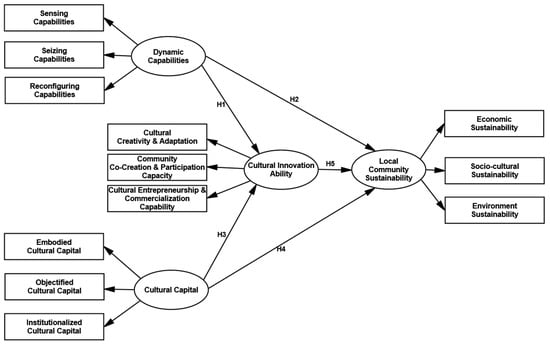
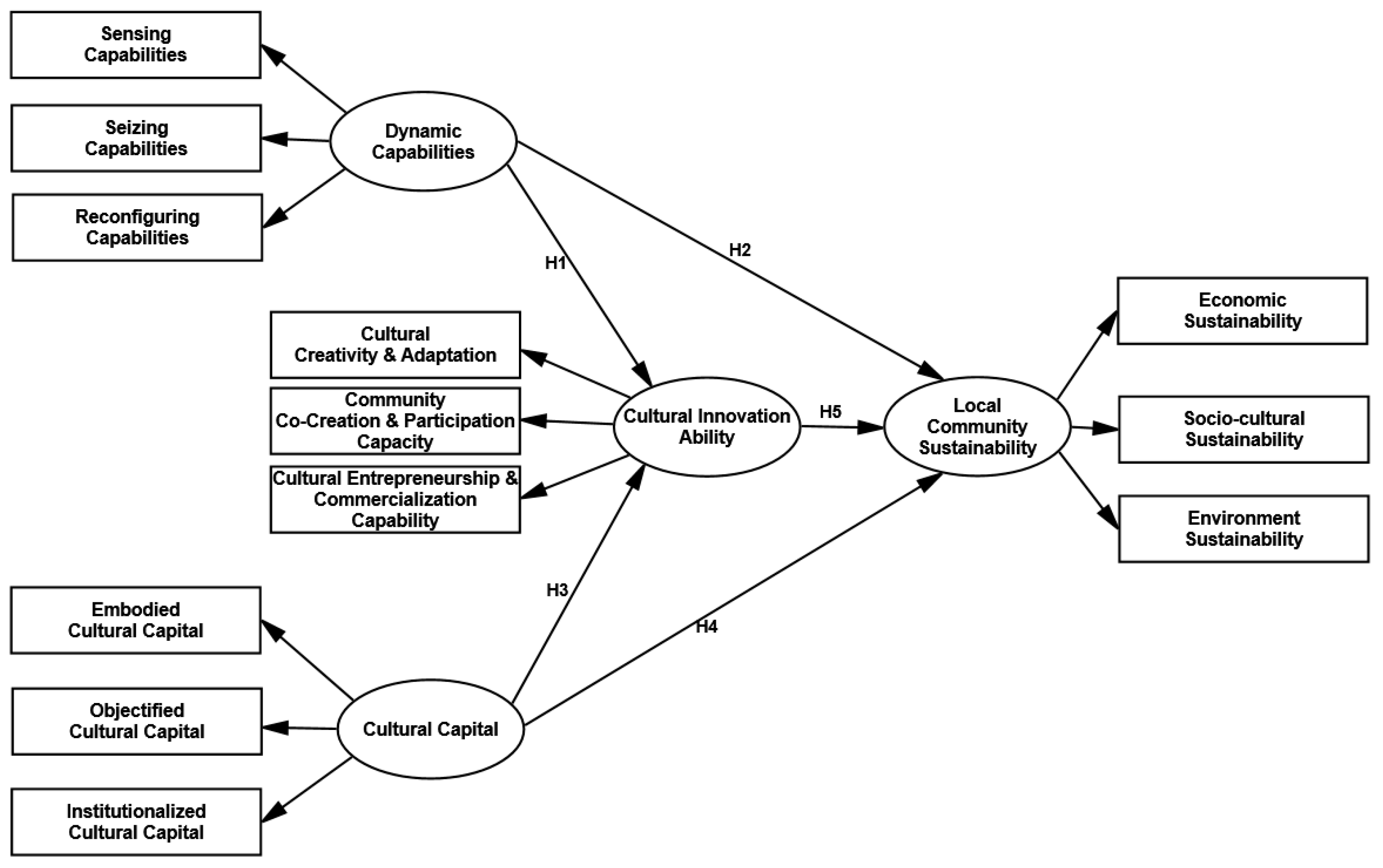
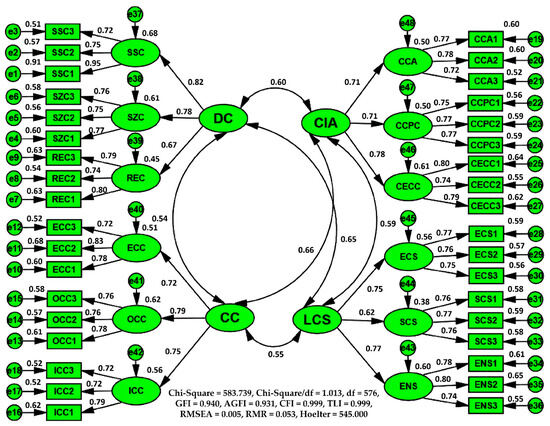
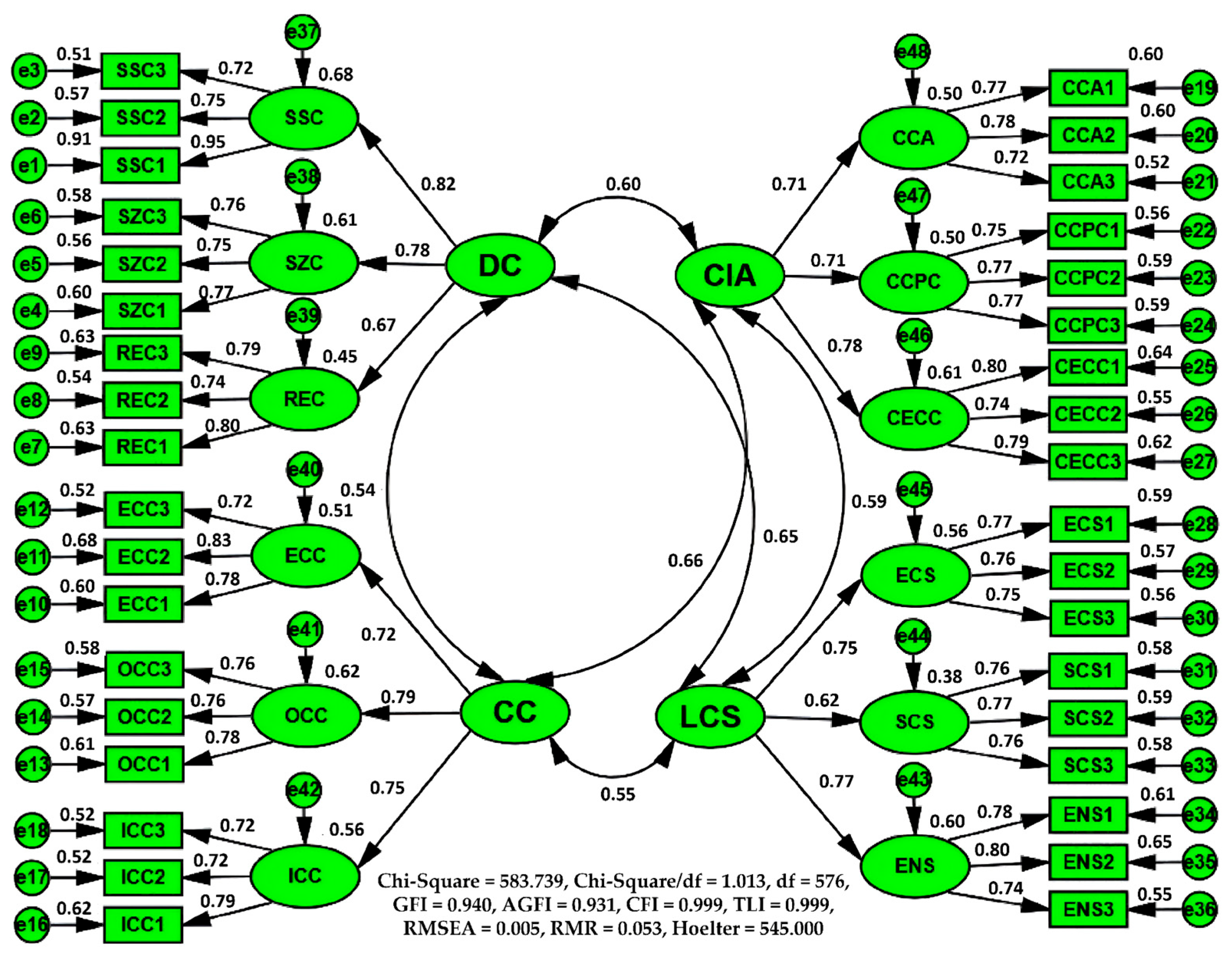
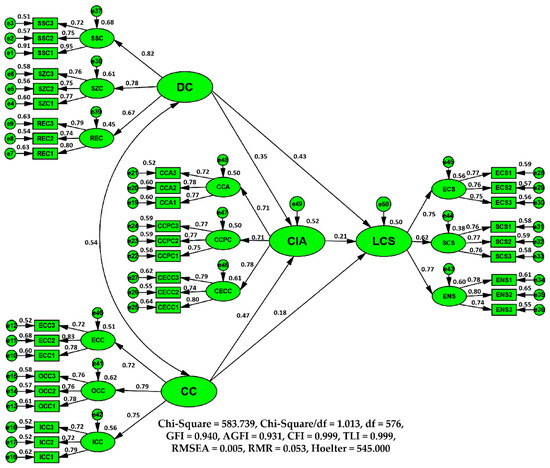
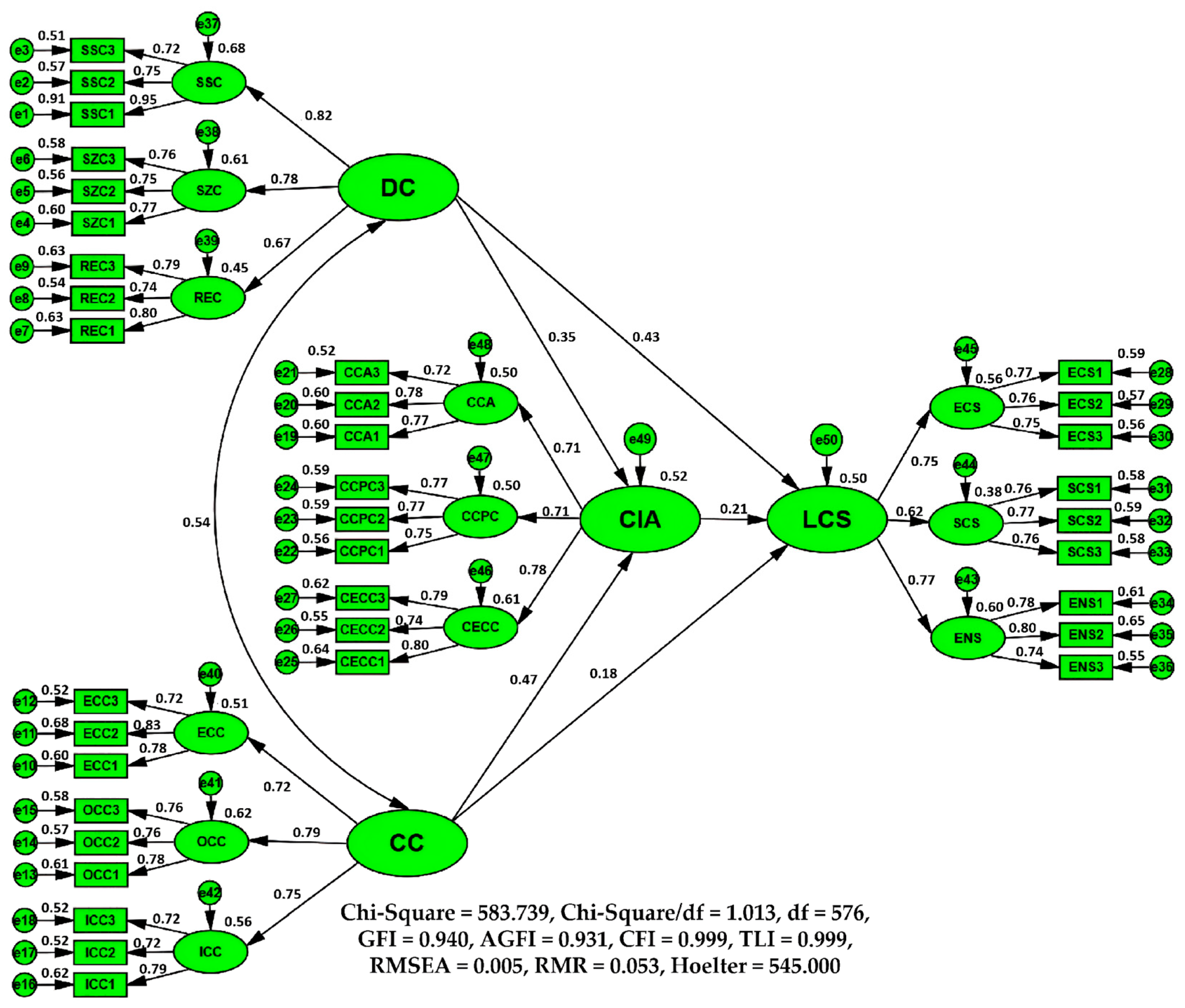

Disclaimer/Publisher’s Note: The statements, opinions and data contained in all publications are solely those of the individual author(s) and contributor(s) and not of MDPI and/or the editor(s). MDPI and/or the editor(s) disclaim responsibility for any injury to people or property resulting from any ideas, methods, instructions or products referred to in the content. |
© 2026 by the authors. Licensee MDPI, Basel, Switzerland. This article is an open access article distributed under the terms and conditions of the Creative Commons Attribution (CC BY) license.