


Abstract
Juvenile delinquency is a significant nationwide problem in the United States. A “school-to-prison pipeline” has been posited as a common pathway to youth court-involvement, stemming from policies that endorse youth arrest as an appropriate response to disruptive behaviors in, or chronic absence from, school. To examine how the educational experiences of court-involved youth (CIY) may inform more positive juvenile justice policies, we conducted interviews and focus groups with four groups: youth themselves (n = 14); teachers who work in juvenile detention facilities (n = 4); probation officers (n = 12); and potential employers (n = 2). We used thematic analysis and a dynamic systems model of identity development to form a picture of educational identities and court-involvement. Positive and supportive school contexts, including compassionate leadership, may strengthen youth educational identities and mitigate the school-to-prison pipeline. School and civic policies that endorse supportive rather than punitive responses to youth negative behaviors around schooling may be highly influential for social acceptance and support early in children’s development. Our findings suggest that educational and judicial systems working together may enhance youth experiences of school to best promote strong educational identities and positive lifespan outcomes.
1. Introduction
Juvenile delinquency is a significant nationwide problem in the United States that persists even after six decades of research and intervention. Although decreasing steadily over the last 20 years, down from over 1.6 million in 2005, as many as 440,000 delinquency cases were handled by the state courts in 2023 [1]. As behaviors in school settings or chronic absence from school (due to suspension or truancy) have often led to child and youth court-involvement, one longstanding focus of juvenile justice research has been the school experiences and academic potential of youth who become court-involved [2,3]. Indeed, it has been argued by many that keeping a student in school, i.e., prioritizing their education, is one of the best ways to reduce juvenile criminality and recidivism [4,5,6]. We are interested, therefore, in understanding mechanisms of youths’ detachment from school, and the role of social/judicial policy in the removal of youth from the school setting. To explore possible mechanisms, we ask in this study: What school experiences, or education-related psychosocial or sociocultural phenomena, might underlie the school-to-prison pipeline? How might a new framework for understanding this “pipeline” suggest new points to intervene to keep students out of prison?
To answer these questions, we conducted interviews and focus groups with the stakeholders directly involved in the education of court-involved youth (CIY)—youths themselves, teachers in detention center schools, probation officers—as well as those who must evaluate CIY educational outcomes (i.e., potential employers) to gather multiple perspectives on CIY’s experiences in school, as well as the policies and processes that move them in and out of educational environments. By gathering information on youths’ experiences of education from multiple perspectives, we not only gain a more comprehensive picture of their situation and where things may go wrong, but may be able to identify key points in the system that should be assessed [7], including social and civic policies and practices regarding children’s schooling. We ultimately frame youth court involvement as a disruption to the developmental phenomenon of youth identity formation, particularly with regard to their educational identity. Issues of identity are particularly salient during adolescence [8,9]. The formation of an educational identity may be relevant to whether a youth stays in school or falls into chronic delinquency [10,11]. Therefore, we structure our results using a model of identity formation to map the interacting elements of identity and context that may contribute to the difficulties experienced by CIY in educational settings. This identity-formation perspective is additive because it emphasizes a developmental view of the mechanisms of feedback between youth and their environments that are a core source of difficulty and therefore may be potential targets for intervention. Our overall goal is to support innovative policies and practices regarding the education and prevention of recidivism of CIY. As highlighted in a meta-analysis of educational interventions for incarcerated juveniles [12], increasing the academic success of CIY through instructional programs alone has proven challenging.
To contextualize the research presented here, we briefly outline three relevant studies on: (1) school as an important context for identity development, and the studied links between juvenile delinquency and identity formation; (2) a complex dynamic system of identity development that highlights the interactions between persons and contexts (e.g., school and home contexts) as the primary mechanisms of identity development in any domain; and (3) policies in place that disrupt youths’ educational identities by removing them from the school setting rather than facilitating their capability to stay and develop a sense of belonging in school.
1.1. The Links Between Schooling, Delinquency, and Educational Identity
Almost every child in the US from the ages of 5 to 17 [13,14] is enrolled in school. Thus, being a student is a major role for most children and adolescents in the US; the school context dominates their activities and establishes expectations for their behavior. While success in many different school activities may positively reinforce this role (e.g., academic achievement, or exceptional performance in sports or the arts; [15,16]), many children and youth in the US struggle (socially, behaviorally and/or academically) in school. The relationship between school status (i.e., performance, success, sense of belonging) and court-involved status often operates in both directions [17,18]; academic failure, disciplinary conflicts in school, and school expulsion appear to contribute to youth delinquency [2,19,20], which often feeds back to disruptive school behaviors, and a circular pathway may ensue.
Educational identity (i.e., identity development in the academic context) is reflected in how much an individual considers their academic activities to be an important part of who they are and who they want to become [16]. Two key internal processes of identity development are commitment, the decision to pursue identity-related choices, and exploration, the consideration of alternative choices to potentially find a more suitable pathway [21]. A third process, “reconsideration of commitment,” Ref. [22] is the comparison between current and alternative commitments, which can lead to changes in identity structure [11]. While educational identity development naturally involves individuals’ fluctuations between commitment to and exploration of their educational options [23], continuous engagement in school supports the development of an educational identity; school absence interrupts it [5].
In an effort to parse this phenomenon more closely, youth delinquency and identity formation have been linked, though in a limited number of studies. One examined identity formation in juvenile delinquents (incarcerated adolescents) as compared to clinically referred youth (adolescents living in residential youth care centers) and youth drawn from the general population in the Netherlands [24]. Based on youths’ responses on the Utrecht-Management of Identity Commitments Scale (U-MICS; [22,25]) regarding identity formation in the domains of education and friendship, it was found that juvenile delinquents displayed weaker identities (lower levels of commitment and higher levels of reconsideration) in the assessed domains than individuals in the general population, as hypothesized. Specifically, juvenile delinquents differed significantly from male clinically referred youth and male adolescents from the general population, yet clinically referred youth displayed no significant differences from general population youth [24]. Similarly, in a second study, higher self-reported delinquency was linked to lower levels of commitment and higher levels of reconsideration both cross-sectionally and longitudinally between and within persons regarding education and interpersonal relationships [26].
The mechanisms connecting identity status and delinquency are explicated in part by the dynamics inherent in adolescent development, a period when individuals cope with the psychosocial need to establish an individual identity, a sense of independence and uniqueness, along with the need to belong to or being accepted by a social group [11]. Identity “crises” arise when conflicts between the personal and social aspects of self-evolve into contradictions and unresolved uncertainties about identity [9]. Such confusion may lead to some of the internalizing and externalizing problems associated with delinquency [11]. Or, as suggested by Mercer and colleagues [26], engagement, even experimentally, with delinquency may hamper identity formation.
In addition, considering the role of contextual factors has usefully broadened perspectives on processes of identity formation in specific settings. Cultural elements, for example, may present barriers (e.g., obstruct safe conditions for exploration and commitment) to adolescents’ ability to achieve identity statuses that are protective against delinquent behaviors. Such barriers might include physical or geographic limitations (e.g., confinement or segregation), political restrictions, ethnicity, gender, age, or religion [11,27]. Other studies of delinquency have explored specific contextual aspects of adolescents’ social lives, such as the negative function of labeling [28,29], and the roles (i.e., attitudes and expectations) of the community, family and peers [11,30] and mentors [31] in the identity formation of juvenile delinquents. For example, parental beliefs, expectations and behaviors regarding their children’s education can be highly influential for children’s school achievement starting at a very early age, in part by preparing them for the social and behavioral expectations of the classroom [32]. The demands and conditions of different environments (e.g., the need to sit still for long periods of time in class, the need to care for a parent at home) also exemplify contextual factors. These factors represent the many dimensions of identity formation at play in specific contexts. To stress the importance of this research, two special issues published in the past 15 years have focused on the topic of identity formation in context: Contemporary Educational Psychology [33] on “Identity Formation in Educational Settings”; and Developmental Psychology [34] on “Identity and Development Process and Content: Toward an Integrated and Contextualized Science of Identity.” In the latter issue, Kaplan and Garner [35] delineate a complex dynamic systems model of identity formation processes to map the interrelationships between multiple factors that affect identity development, and how these factors change and instigate other changes over time. We briefly outline their model below, as we use it as an interpretive tool for the analysis of our own multi-informant data on the circumstances and educational experiences of CIY.
1.2. A Complex Dynamic Systems Model of Role Identity (CDSM)
In a dynamic system of role identity elements, Kaplan and Garner [35] model the collective processes of identity formation at any stage in any domain as a complex dynamic system. The model recognizes the psychosocial elements of identity outlined by Erikson [9] and elaborated by Marcia [36], and extends the dynamic systems model proposed by Kunnen and colleagues [37,38], who posited youths’ fluctuations between exploration and commitment as responses to identity confirmation and identity conflict. Specifically, Kaplan and Garner [35] incorporate social psychological [39] and social cultural models [40,41] of identity development, into a complex, multi-component, interactive model [42], whose components are reciprocal and independent [35].
The core of the CDSM is the action that an individual may take based on their identity within a particular role. This role identity action is informed by a combination of four interacting elements—the actor’s knowledge and beliefs about (1) the world related to the role (e.g., “If you do well in school, you can get a job”); (2) their purposes and goals in that role (e.g., “My goal is to learn and get good grades”); (3) their self-perceptions and self-definitions (e.g., “I’m smart; my teachers like me”); and (4) perceived action possibilities (e.g., “I can take calculus”)—and role-related affect (e.g., confidence, fear, insecurity). Each element is shaped by domain-specific experiences (e.g., in the role as student) that help an individual establish what they know, what they like, their self-perceptions of whether or not they are good at something, and their level of fit within an environment. In a consistent, stable role identity structure, the aggregated knowledge and perceptions of an individual reinforce each other in a gradual process leading to greater commitment to an identity. Persistent or harsh conflicts between the interacting elements of role identity, (e.g., “My goal is to learn but my test scores tell me I’m not good at learning”) may lead to actions that ultimately prevent commitment to a particular identity. This comprehensive developmental model allows us to contextualize CIY experiences in school, understand how these experiences may have shaped and challenged their educational identities, and possibly facilitated the departure of these youth from schools.
1.3. Policies and Procedures That Have Led to Court Involvement of Youth
Behavioral infractions that take place at school often result in exclusionary disciplinary action that involves the removal of students from school and their entry into the juvenile justice system [43]. This practice historically has resulted from a combination of federal policy, state legislation, and local school district legislation [44]. Zero-tolerance policies regarding school behaviors [45] have expanded exponentially from the 1994 Gun-Free Schools Act, which required states receiving federal funding to expel, for at least one year, any student who brought a weapon to school [46,47]. Based on the belief that harsh punishment deters misbehavior, ensuring a proper learning environment, many states have adopted zero-tolerance exclusionary practices (e.g., school suspension, expulsion, referral to law enforcement) as a response to weapons, then fighting, drug possession, and even vague subjective offenses such as “willful defiance” or “disruption” (such as defined by Florida Senate Bill 7030; [44,48]). These exclusionary practices not only disconnect students from critical services that protect their psychological stability and well-being [43,49], but separation from or rejection by their educational institutions can have deleterious effects on students’ beliefs about themselves and their place in school [50,51]. Development and social scientists have argued for a developmental perspective in policy-making, particularly with regard to juveniles at high-risk for offending into adulthood [52]. Rather than simply applying “lenience” to childhood conduct disorder and early adolescent (ages 10–13) offense, policies should implement high-quality interventions, i.e., substantial programs more oriented toward care (e.g., skill and relationship development) rather than control (e.g., surveillance, discipline, supervision) [53], capitalizing on natural periods of neurological plasticity and change that occur during early childhood and adolescent development. Consistent with this approach, policies that support nurturing rather than disrupting the educational identities of at-risk youth and CIY might mitigate deviant behavior that has the potential to escalate to incarceration. The “when” and “how” of such policies-as-interventions are currently unclear but may be suggested in accounts of youth experiences of schooling from multiple informants.
1.4. The Present Study
In the present study, we used the elements of the CDSM as an interpretive framework for organizing and interpreting themes discovered in qualitative data on CIY collected from multiple informants. While the data collection is cross-sectional, informants themselves propose links between past and present. Contextualizing the data within a dynamic model can suggest how CIY’s education-relevant beliefs and knowledge may be developed through their interactions in school to culminate in certain behaviors and actions. Mechanisms that appear to stabilize youths’ educational identities may be strengthened to help keep them in school and foster their desistence. This study constitutes a novel application of the well-known CDSM framework. The unique constellation of informants contributes distinct perspectives to form a larger picture of CIY experiences, feelings, behaviors, attitudes, and relationships as they cope with their educational circumstances and the justice system at large. While other studies have brought together processes of identity formation and delinquency [11] and explored these processes in the context of family [54] or education using qualitative methods [55,56,57,58], no other study has convened multiple stakeholders to generate a comprehensive perspective on CIY and the formative quality of their educational experiences on their educational identity within the school-to-prison pipeline, in combination with the CDSM.
In the state of Connecticut (CT), where this study took place, intensive reform of the juvenile justice system has been underway since the early 1990s. The State has changed policy to redirect 16- and 17-year-olds who commit offenses from the adult criminal justice system to the juvenile justice system. It has also expanded community-based supervision and treatment programs for youth on probation, delinquent youth committed to state custody, status offenders diverted from juvenile court for behaviors such as truancy, running away, and alcohol possession, and youth involved with the child welfare and children’s mental health systems [59].
Yet, as of 2012, CT still struggled to reduce arrests of youth at schools for minor misbehaviors, with almost 2000 arrests taking place at schools during the 2011–2012 school year [60]. Notably, these youth were disproportionately Black and Hispanic. Black students in Connecticut at that time were four times as likely as White students to be expelled or receive an out-of-school suspension; Hispanic students were twice as likely [61]. These were indicators of increasing inequity in the justice system. CT decided to actively pursue collaborations to understand and mitigate their school-to-prison pipeline.
In 2014 a collaboration between an academic institution, a state department of education, and a state judicial branch was established to find ways to improve the educational outcomes of CIY. These are youth 17 years old or younger who, having been charged with an offense, are awaiting their court date in juvenile detention centers, serving their sentences in a supervised facility (e.g., secure institution, group home or other residential facility), or are on probation and being monitored by the juvenile courts [1]. The qualitative data collection described here was part of this effort to better understand the nature of these youths’ educational experiences to inform policy and practice. By examining the data as illustrative of youths’ identity formation within a dynamic systems model, we highlight the interactive processes between youth and their environments that may prolong difficulties in school by disrupting the development of stable identities in school contexts.
2. Materials and Methods
We collected a set of qualitative data via focus groups and interviews with diverse informants most familiar with CIY and their educational experiences during and outside of incarceration: Group interviews were conducted with CIY themselves; focus group discussions were conducted with teachers in the detention centers and probation officers; and individual interviews were conducted with potential employers. The data from each informant group was analyzed inductively using thematic analysis [62] to identify and describe the most salient influences on youths’ experiences, attitudes and emotions concerning education. Research protocols were approved by Yale University’s Institutional Review Board and the CT Judicial Branch Court Support Services Division (JBCSSD) Internal Research Review Committee. Written consent was obtained from all participants or their parents/caregivers.
2.1. Participants
All participants were recruited with the support of our research partner, the CT JBCSSD, using a convenience sampling approach. All non-CIY groups had had direct, in-depth experiences working with CIY, though not necessarily the specific individual youth who were interviewed.
2.1.1. Court-Involved Youth (CIY)
To recruit CIY, researchers were able to visit facilities at days/times convenient to the facility schedule when parents would be available to give consent, such as during visiting hours. Youth/parent/guardian pairs were approached about the study to invite youth to participate at the end of visiting hours. Participating youth were given $5 gift cards at a local sandwich shop for their participation. Twelve youth participated in four group interviews, (Y1–Y4) at four locations: Juvenile Detention Center 1 (Y1, n = 2; one male, m1, one female, f1); Child, Youth and Family Support Center (CYFSC), which provides services for youth with delinquency charges and status offenses (i.e., actions punishable only due to being carried out by a non-adult, such as truancy; Y2, n = 5; two males, m1–2; three females, f1–3); Juvenile Detention Center 2 (Y3, n = 3; three males, m1–3); Juvenile Probation Office (Y4, n = 2; two males, m1–2). Youth ages ranged from 14–17 years of age (mean age = 15.42).
2.1.2. Teachers
Researchers were allowed to approach various juvenile detention facilities to request teacher participation in focus groups; one detention center allowed us to recruit teachers there. Four teachers who teach CIY in a juvenile detention center participated in the focus group discussion. Three were females, one male (T, f1–3, m1).
2.1.3. Potential Employers
A list of employers participating in a program to teach CIY job skills was provided to researchers by the JBCSSD. Two of these employers agreed to be interviewed—one in a food service setting (E1), the other in an animal hospital setting (E2). Both were women who had participated for about 1 year in the program.
2.1.4. Juvenile Probation Officers
The JBCSSD identified the Juvenile Probation Officers interested in and willing to engage in our research. Twelve probation officers who worked directly with CIY participated in two focus group discussions (PO1 and PO2); their tenure with the court system ranged from 2 to 22 years. PO1 consisted of 6 males, and PO2 consisted of 4 females and 2 males.
2.2. Procedures
The researchers approached these distinct groups of participants with different protocols. Different research personnel conducted the interviews and focus groups, but all had little prior knowledge of CIY experiences beyond an awareness that these youth struggled academically and behaviorally in the school environment. Therefore, we approached each session with few expectations and genuine openness to learning about the topic and our reasons for wanting to do so. Each interview/focus group discussion concentrated primarily on the youth, their behavior in the school/work environments, and their relationships with the people in those environments. All sessions lasted 1–1.5 h. Each interview/focus group was conducted once. All interviews/focus groups were conducted at the interviewee sites, i.e., detention centers, schools, animal hospital, and the offices of the State’s JBCSSD. We describe the specific collection protocols and example questions in each group’s section below.
2.2.1. Court-Involved Youth
Two psychology researchers (one research assistant, the first author, and a postdoctoral researcher with educational research experience) conducted one CIY interview (Y1). A clinical-psychologist (fourth author) well-versed in working with adolescents conducted the rest. For all groups, we explained to students that we were there to learn from them about their educational experiences to understand how experiences in school might be improved. We asked students, who were either day students or were housed in various facilities for offenders at different levels, to describe both academic and social aspects of school, and to comment on their experiences critically (e.g., “How do you like school?” “What do you like about school?” “What gets you through the school day?” “Can you think of anything that would make school better?”). They could discuss either their home school or school experiences in detention facilities, but most commented on their home schools. We posed follow-up questions to elicit descriptions of their relationships with administrators, teachers, and peers.
2.2.2. Teachers
The fourth author led the discussion with teachers. She focused both on teachers’ experiences with teaching processes in detention, as well as their perceptions of their students’ difficulties. For example, she asked teachers to discuss what makes an appropriate education for kids in detention (e.g., “What are some necessary components?” “Why are they necessary?” “How do they know where to start with each new student?”) She also asked teachers to describe students’ transitions between detention and their home school with respect to their educational experiences. What would they, as teachers, change in the system, if they could?
2.2.3. Potential Employers
The first author conducted the interviews with potential employers. She asked them how the skills development program worked and about their background in working with adolescents. She then asked how they would characterize the skills (any type, including academic, practical, manual, or leadership), and strengths and weaknesses of the CIY who came to volunteer for them, and how well the CIY applied these skills in the particular work setting. Finally, she asked them to describe how the students might fare as prospective employees, according to their own standards as employers.
2.2.4. Juvenile Probation Officers
The first author led the focus group discussions with JPOs. She asked them to describe the nature of the issues or conflicts that they observed with respect to the educational experiences of the CIY with whom they worked. She probed for specific comments on what aspects of school CIY seemed to struggle with, how their transitions from detention back to school typically proceeded, differences between schools’ approaches to CIY’s educational needs, CIY’s perceptions of education, and what strategies in class seemed to be working.
2.3. Data Analyses
A team of three coders (the first three authors) coded these data thematically in an overlapping fashion; a different pair coded each set of informant type transcripts. All transcripts were first coded in an exploratory, inductive fashion for themes relevant to students’ school experiences, including CIY’s thoughts, attitudes, emotions, and behaviors related to school, their social interactions and descriptions of the school environment. Codes were compared by pairs of coders for correspondence. For example, the quote, “My dad and mother, they tried to push me to [go to school], but I was just always more sucked into the streets…. I wasn’t really a school kid, ever, since I was younger I got in trouble” was coded as a theme about the influence of others by one coder; it was coded under the role of family by another. Discrepancies and disagreements regarding themes were resolved by discussion to produce an agreed-upon set of codes for each informant type: in this case, “youth recollections of home and family,” and these were then applied to all informant data and confirmed deductively. The codes were then grouped into categories, and this quote was grouped into a category of “self-identification,” or descriptions of youths’ beliefs about themselves, and ultimately clustered within the Youth Disposition component of the CDSM. The categories generated by the four participant types covered a broad range of topics, such as: how students felt about academic subjects, their relationships with peers and teachers, and their beliefs and hopes about the future; teachers’ and employers’ observations of students’ academic capabilities, and their own assessment of how helpful they can be to these students; and JPOs’ descriptions of the interrelationships between students, their home life, and school systems that contribute to prolonged involvement of youth with the justice system.
To relate youths’ educational experiences to delinquency, Kaplan and Garner’s CDSM of identity formation incorporating individual, social and system level factors was used to cluster the themes: Youth Dispositions and Identity Elements, Social Interactions, and Cultural Contexts. (see Table 1). Organizing the data according to the CDSM suggests possible relationships and processes across system levels: youth behaviors may arise from their knowledge and beliefs about themselves and the world, their emotions and their dispositions; in turn, their behaviors both within and outside of the school context may affect their social relationships and incite responses from the culture/environment that feed back to youths’ knowledge and beliefs. Consideration of the feedback loops described by the CDSM, although not explicit in the data itself, reveals potential malleable factors within such a system that may be important points for intervention.
Table 1.
The major category codes generated for each informant group, clustered by youth factors, social interactions, and cultural contexts.
Generative artificial intelligence (GenAI) was not used in any aspect of the previously described research methods.
3. Results
3.1. Court-Involved Youth
In guided group conversations, CIY (n = 12) expressed high levels of self-awareness about their own behavior and feelings about their homes and schools. The descriptions that they gave of school culture and their relationships with peers, teachers and administrators helped explain the self-perceptions and beliefs they held about themselves with respect to school and the role of school in their goals and future plans.
3.1.1. Youth Dispositions, Beliefs, Goals, Self-Definitions and Perceived Possible Actions
As described by these youth, school was not an easy place for them to be. One young man described his own inner conflicts about education and with schools: “I guess it’s what you need to graduate and get a good job so I’m stuck in it, but school is like for me it’s not fun, it’s boring…. I just couldn’t find a good program for me. I kept getting suspended, expelled, just kicked out, me walking out, just never went…” (Y4, m2). While understanding the need to be in school, and even describing liking it, he could admit that his own actions were the issue: “So I’m clowning around in there…. Like, I don’t take school serious. I’m good at school, I just don’t go, y’know” (Y4, m2). Similarly, when asked about the aspect of the school hardest to deal with, a young woman said: “there’s too many kids, too many things going on, there’s too much problems and stuff like that” (Y1, f1). But she could also admit the problematic nature of her own interactions within it: “I would have something to say if someone looks at me wrong. Anything. I’m just the type that will react to anybody…. I might get into it sometimes because I can’t, I can’t control myself” (Y1, f1). A third youth described a longstanding struggle with school that he could not really explain: “I don’t really like going to school…. I don’t enjoy the environment of school really…. I was a bad kid [starting in Kindergarten]…. that was my experience in school.” (Y1, m1). Getting into trouble early led him to avoid the school environment: “I just have a busy life… school was, at that moment, wasn’t that important to me…. I was just always more sucked into the streets…” (Y1, m1). These youth related experiences of discomfort in the classroom (“boredom,” “things going on,” as a place where they are “bad”) that lead to disruptive or avoidant actions with subsequent punitive responses from the schools. Yet, many youth still expressed positive affect about their own academic capability and the benefits of going to school.
The most positive talk from youth was about learning and their future plans. When they were asked what they liked about school, most reported liking some domain of academics. For example, in spite of her inconsistent school attendance, one young woman said: “What I like about school is, um, I like, um, geometry…. I love math. I like science because I want to be a forensic anthropologist…” (Y1, f1). Youth also spoke about liking challenges in learning. “Sometimes I like stuff easy, but like most of the time I like the challenge of something. Or stuff that will really teach me something” (Y3, m2). Whatever troubles these youth experience or create in school, academic topics and learning have some perceived positive valence for them. Youth also shared their ideas about the future. “I could own a business or something” (Y3, m2). “I want to be chemist” (Y3, m3). “Tryin’ to get somewhere in like the technician field, like electronic repairs or something like that” (Y3, m1). Though these youth have struggled in school academically and behaviorally for many reasons, a positive disposition toward the domain of education and goals for future careers appear to remain elements of their identities.
3.1.2. Social Interactions and Cultural Contexts
Two aspects of the school social context stood out in youths’ descriptions of school: bullying and conflicts with teachers and administrators. Youth in two of the four focus groups reported witnessing or dealing with bullying. When asked what they would change about school, some youth advocated school uniforms to eliminate the bullying some students experience when their clothes are too worn-out, and to save money. Results of bullying, according to these youth, could completely change a student’s disposition toward school. “There’s a lot of kids—like when you’re being bullied so much every day, it comes down to a point where there’s some kids that can’t handle it and… they give up on their education” (Y3, m1). “My cousin committed suicide for that, bullying. He jumped off this building” (Y3, m3). Even more common were reports of negative interactions with teachers and administrators.
Perceptions of unfairness were common. When discussing the strictness of school rules, one youth said, “… like if you’re not that close with a teacher and you say a cuss word or something they automatically kick you out” (Y3, m2). “So, basically they choose favorites…. They always choose favorites” (Y3, m1). Several youth felt that many teachers and administrators lacked compassion. “Sometimes I feel like they just there to do their job. Just here to teach and just get it over with, you know” (Y1, f1). One youth struggled to express how she felt it should be:
“You should tell them…. Some kids, the way they go about things in school, it’s not because of… it’s [not] what they want to do. It’s because they go through things. So you shouldn’t off the bat just think that they’re a bad child. You should, like, really get to know them to understand what they going through, their reasoning. ‘Cause people don’t act out just ‘cause they want to. They act out ‘cause they going through things, whether it’s bad, whether it’s good. So, like, they should….try to get to know the students” (Y2, f3). This student had her own sense of a complex life and identity outside of the school setting, a three-dimensionality, that she wished could be perceived by her teachers.
Another source of frustration was the school administrations’ disciplinary decisions. One youth described being expelled for an action that took place outside of school:
“I like that school [he was able to learn fractions there], but they’re not fair…. I was charged for something out of school and I’m getting expelled…. I’m a risk for injury to uh, to uh, uh, citizens or something”(Y4, m2).
Despite such incidences, some youth did describe positive relationships with teachers who tried to help them. “You got certain teachers that love you, like, and want you to graduate” (Y2, f3). But these seemed to be the exception rather than the rule.
Overall, the contentious or negative social interactions that CIY often experienced in school, both caused by or resulting in their own out of control behaviors and suspension and expulsion, are indicative of conflicts in youths’ role identity in school: they like learning, believe themselves to be smart, and have goals for the future, but these are not reinforced by their experiences in the school environment. Rather, school responses often only exacerbated youths’ distrust and feelings of not belonging in school. The perspectives of teachers, future employers and JPOs shed light on the nature of this conflict and the situations that lead to it.
3.2. Teachers at a Detention Center
Teachers working in the juvenile justice system (n = 4), who worked with specific students for periods of one to two weeks, shared insights regarding youths’ general attitudes and dispositions toward school and described how they tried to foster relationships with youth or modify the classroom environment to improve students’ engagement with school. Overall, these teachers were sympathetic towards the youth.
3.2.1. Youth Dispositions, Beliefs, Goals, Self-Definitions and Perceived Possible Actions
Observations from teachers described different ways that students struggled in the classroom. “… it’s very hard to get them to listen for a whole class period. It’s a long class….” (f3). Another teacher noted discipline problems: “…discipline has changed. You can have one or two students really throw the whole group off…” There was also the problem of motivation:
“If they feel that their grades aren’t being counted, and they feel like they’ve been here too many times or they’re going nowhere, they’re not invested in school anyway, they don’t think they’re graduating, it’s really hard to get them to do things…”(f4).
Teachers also acknowledged other dispositional factors that contribute to youths’ negative attitudes, such as their frustration or reluctance to take risks or cope with failure. “I teach Math, so sometimes if I get too specific with a skill they don’t have, they say: ‘I don’t know that,’ ‘I failed it,’ ‘It’s not my class,’ ‘I’m not doing it.’ So there’s all kinds of hostility and all kinds of judgements already made” (f3). Students were also described as being distracted by other aspects of their lives. “Some of them come back here because it’s a safe haven. Some of them– the last thing on their mind is getting an education” (m1). According to one teacher, “some say, ‘well, my father is in prison right now. I’ll try my best but it is what it is’” (f2). Teachers could see that youths’ attitudes toward school had often been created by situations outside of school.
3.2.2. Social Interactions and Cultural Contexts
One strategy teachers discussed to meet youths’ needs was fostering positive relationships with youth and creating environments that promoted trust. “You have to gain their trust. Once you’ve got that, you’ve got a foot in the door” (m1). Once students feel vulnerable, another teacher added, “they become very withdrawn and will sit there and not do anything…” (f2). To develop trust, teachers tried to build positive relationships with their students: “we don’t know why they’re here, and personally I don’t want to know why they’re here. I just want to create a relationship with the kids and take it from there” (m1). This appeared to work in some cases, with one teacher reporting:
“Sometimes students come and they will be so happy to see you again as if you’re part of their family, and I think that’s wonderful, but they’ll also say, “Miss I haven’t read since I’ve been here, you got any good books? …they do have the desire to learn, to explore and to use their imagination…“(f1).
These positive dispositions toward school, when reinforced by encouraging or trusted teachers, can lead to student effort, when “they [youth] say ‘I’ll do it for you’” (f3). Relationships such as these, one teacher argued, “can maintain some kind of an academic influence on them that would get the behavioral [issues] out of the way” (m2). Teaching self-regulation also seemed important: “one component that we need to teach students [is] how to express their feelings and how to control their anger” (f1). Teachers had strong feelings about how positive relationships with youth could promote youths’ educational identity by encouraging them to reach their educational goals. Positive relationships with teachers could expand youths’ perceived action possibilities by showing them that they could be successful in an educational environment.
Finally, teachers also described the barriers to education that often made it difficult for students to benefit fully from school or get credit for their work. First, there was often little support or reinforcement from parents: “when we have parent-teacher conferences we’re lucky to get 1 or 2 parents” (m2). Second, gaps in the education system appeared to work against the students: “most of the districts are not proficient in sending [IEPs for special education kids] timely and sending up to date ones.” One teacher reported:
“…we’ve heard when students come back and they say, “Oh, I didn’t get any credit.” That’s so frustrating…. I think it’s very important for them to know while they’re here, yes, they are learning. I want to make sure they are learning something every day, but they need to feel that that was valued”(f1).
Such barriers, as per the CDSM, likely limit youths’ action possibilities when they feel like they have less opportunity for education due to reasons beyond their control; when there is no point to working hard for something, they may be less likely to develop purpose and goals related to education.
3.3. Potential Employers
Potential employers of youth in the juvenile justice system (n = 2, E1, E2) shared many observations of students’ skills and dispositions, described youths’ behaviors in the social and cultural milieu of their respective businesses, and related their own efforts to positively influence these youths’ trajectories.
3.3.1. Youth Dispositions, Beliefs, Goals, Self-Definitions and Perceived Possible Actions
In terms of skills, both employers noted deficits in youths’ reading and math skills. One of the first tasks that the chef asks youth to do is to make a pitcher of iced tea. “…the fact is that these kids have huge reading issues; suddenly what they’re reading on the label is incomprehensible” (E1). Other weaknesses included number skills: “Figuring out our hours. How many hours have you worked? Telling time? These kids don’t tell time. Um, figuring out how much of a fraction of an hour is 20 min… So it’s, it’s all this math stuff that you would see calculating a time card or measuring for a recipe of cookies” (E1). At the animal hospital, E2 reported, “some of them don’t have very good comprehension skills” and “they don’t tend to be… outside of the box thinkers” (E2); “their educational deficits, their learning disabilities, their memory issues… come up again and again in the kitchen” (E1).
Also important were youths’ attitudes and emotions surrounding their skills. When youth struggled to read, one employer knew: “they do not want me to know this. So we begin a big masquerade” (E1). Not knowing was a point of vulnerability for these youth, she noted, which resulted in their hesitation to engage and their quick withdrawal in the face of failure. “…they don’t have enough confidence to just go run with that task…” (E2). Fear and lack of confidence seemed to cloud over any awareness or acknowledgement of their strengths. “They could not tell you their own strengths or weaknesses” (E2). This lack of confidence or uncertainty in job environments resulted in constrained learning styles.
“[T]hey tend to have to be learners by repetition; they tend to have to be hands-on learners. They don’t tend to be like outside of the box thinkers… if you give them a list they tend to just like focus on that one list and try and like complete those tasks and, you know, that’s about it”(E2).
This can make job training an independent task very time consuming. “It’s a matter of breaking everything down. And for some of our students, it can take a full hour just to complete that much” (i.e., make iced tea; E1).
Finally, employers noted that negative reactions to authority or success hampered youths’ ability to adjust to a work environment. “Some of them come in with great attitudes and they’re willing to learn and they seem like they’re interested in expanding their mind… and some the total opposite…. they don’t really like authority, and they don’t really like being told what to do” (E2). Thus, CIY presented mixed attitudes toward learning in new environments, likely carried over from their school experiences. Due to their actual lack of skills or heightened sense of vulnerability in new environments, most youth required special attention in the workplace.
3.3.2. Social Interactions and Cultural Contexts
With these youth, employers described particular mentoring roles. In addition to teaching specific skills needed for the job, the employers also tried to teach youth more general work-related skills and encouraged them to take personal responsibility at work. One employer stated, “We tried to teach them… leadership and we tried to teach them how to communicate with others” (E2). The other employer provided an example of teaching attention: “Our job is to… focus on [the customer] and take care of their needs. So we take off whatever is protecting us and we hang it up. Just for an hour…” (E1). Another common theme was teaching the youth to take criticism and learn from it: “to receive criticism that you understand is intended to better your work and you don’t have to quit your job on the spot” (E1). One employer tried to cultivate “a sense of, of personal ownership of their work so that they can have a sense of pride in their work” (E1). The provision of such mentoring in a safe environment was meant to increase youths’ sense of safety and provide youth with possible avenues toward professional goal achievement.
At the same time, employers judge these youth according to their employability, and sometimes with admitted prejudice, In one example, E2 confessed that scars that appeared to be due to self-harm dissuaded her from selecting one young man to hire: “[what] stopped me from picking him was that he… he had inflicted a lot of self-harm on himself and he had quite visible scars on his body… maybe I didn’t give him that chance or that opportunity, but I sort of pre-judged him and I thought to myself ‘you know he’s not gonna hack it’” (E2). With regard to skills, both employers now seemed to hold low expectations. “My assumption was that their skill set would be greater than it is… But their educational deficits, their learning disabilities, their memory issues. Which are all the same issues which have caused them to struggle, and in our world as we know it just comes up again and again in the kitchen” (E1). Actually hiring CIY is not generally their intention: “[h]How can I hire them they have no skills? I wasn’t interested in hiring anybody like for real…like you know on our books, on our payroll…” (E2). Youth may become aware of this indirectly. Thus, efforts to establish positive relationships and promote skills may often ultimately fail.
3.3.3. Cultural Contexts
Despite some of their positive experiences with CIY, employers remained skeptical about these youths’ ability to succeed in a professional space. With regard to one youth who had succeeded in interviewing and getting a job offer: “I really don’t believe he’s going to succeed in this job. I think we can make him look very good on paper. But I think ultimately, when push comes to shove the world is going to move very quickly… and that’s something these kids cannot tolerate” (E1). The other employer stated similarly, “it’s not like I think that they were uneducated to where they couldn’t learn or that they couldn’t be taught but… in the real world, in a fast-paced environment… who has time for that?” (E2). Workplace cultures, in other words, may not be forgiving to the particular needs of some of these youth. Even when they have the right skills or attitude, some also carry emotional or psychological scars or are coping with extreme situations at home. As E2 stated generally, “it seems like the worse off their personal life is, it really affects their job life. If they’re really having trouble with parents, or maybe some type of mood disorder or emotional problems… they sort of withdraw into themselves” (E2). In another example, due to some trauma in his past, “One young man that I work with in the kitchen will not turn his back to the…door. So he does the dishes with his hands behind his back” (E1). The important point here is that youth are likely aware, either through their own discomfort or implicit or explicit communication from their employers, that they do not fit easily into work environments. As posited in the CDSM, such impressions can become part of their beliefs and knowledge about themselves, the world of work and their capability to learn.
Overall, CIY lack access to workplace education and may have lowered ability to be attentive at work, leading to fewer skills, fewer perceived educational or work-related action possibilities, and lowered incentive to form educational (or work-related) goals. That is, their role-identity as workers may be highly influenced by or related to their role identity as students, as the former often builds directly on the skills and experiences of the latter, according to the CDSM.
3.4. Juvenile Probation Officers
Two focus group discussions (PO1, PO2) included a combined total of 12 juvenile probation officers who worked with CIY, whose experience with the court system ranged from 2 to 22 years. Such officers routinely oversee and facilitate CIY’s movements as they exit detention to return to their communities under court orders. The officers we spoke to generally held sympathetic views of the youth under their charge. They were able to provide a broad overview of the system and had numerous observations to share about CIY’s behaviors with respect to school (e.g., acting out, truancy), their attitudes and beliefs about education and its importance, and how these dispositions appeared to be influenced by their home environment, and by their interactions with schools and school systems.
3.4.1. Youth Dispositions, Beliefs, Goals, Self-Definitions and Perceived Possible Actions
The PO provided a broad characterization of CIY as students who have either shown extensive truancy or have engaged in criminal or antisocial behaviors. These youth have matured physically, officers said, but often have difficulty managing their emotions or have other mental health issues. “A lot of our kids just don’t have the coping skills to deal with their emotions…a kid can go from 0 to 15 in seconds” (PO2, f3); “their tantrums are no longer stomping their feet and tearing things off the wall. Now, they are breaking things, punching things, punching people, punching staff” (PO1, m6). Such incidences result in arrest, school suspension, or being expelled from school. Based on his experience, one PO stated that such problems were associated with many other factors: “mental health issues, trauma histories, socioeconomic issues, just a variety of that stuff” (PO1, m6). Lack of diagnosis exacerbated their problems. “Yes, a lot of them are not diagnosed, their mental health is not being addressed, and a lot of times the kids don’t have the self-awareness to understand that this is why I am acting up.” (PO1, m1). In addition, these youth struggle to find purpose in school; it’s “just a place that my parents make me go” (PO1, m6).
Despite these attitudes, however, PO expressed a collective conviction that most CIY have positive attitudes toward learning: “if you ask them the questions and you really engage them in that process, you really see that they want to learn, they like school, they want to succeed…. I’ve yet to meet a kid in the past seventeen years that I’ve worked with that does not want to succeed at school” (PO2, f3). One of the problems, then, appears to be their persistent inability to “succeed” in the school environment. One PO describes just “trying to get the kid to a place where they can get some amount of success, they can start to feel good, and they can start to make some progression in their education” (PO1, m6). This “success” can be contingent upon the school environment and how connected to it students feel, although the nature of the connection is not very clear. “I think a lot of the kids that we see don’t buy into the school. For one reason or another, they are not invested” (PO2, m6). In other words, the individual youth and their own perceptions of how they fit within a certain school environment seems to be enormously important.
3.4.2. Social Interactions and Cultural Contexts
Along these lines, PO see the role of school context as a crucial factor to student success, but it is marred by the difficult relationships that youth often have with their teachers and school administrators. Teachers experience frustration when their classrooms cannot focus on learning: “‘Well, they’re being disruptive in my classroom, how do you expect me to teach these fifteen, twenty other kids who want to be here, want to learn?’” (PO2, f3). Also, CIY sometimes face stigma when they return from detention, “are labeled as delinquent kids, criminals…the first thought that comes to mind is why are they involved with the court, you know, what did they do…” (PO2, m4). Such attitudes may create tension due to teachers’ expectations of student failure and students’ expectations of poor treatment.
Probation officers also recognized the importance of students’ home cultures, which have often contributed to and perpetuated situations of truancy and lowered value of schooling or priority for schooling, which in turn negatively affects school achievement. “Yesterday, I had two truancy referrals come in on a 3rd grader and 4th grader, both with 20 absences in a school year [this year]…When a 3rd grader and a 4th grader are missing 20 days at school, the issue is at home” (PO1, m5). Low school attendance may be reinforced by many other factors: “the expectation from a lot of their parents [is that] at a particular age education is not primary” (PO2, f1); “Most of the kids we are seeing with the severe mental health, with the truancy, with the behavioral issues in school do not have the support or guidance of the parents” (PO1, m2); or “kids who have to stay home because they have to care for the little children because mom or dad have to go to work and, without that income, no one’s surviving in the home” (PO2, f3). All such factors may limit a youth’s knowledge or vision of what is possible for them to do in the future, lowering their ability to achieve in school, their motivation to continue trying, and altering their disposition towards schooling.
Finally, disjointed communication between the students’ home schools and the school in detention disrupted youths’ academic accomplishments. “When they are released—this is where I think there is a problem—sometimes the schools will get records, sometimes they won’t…or never say they received them, so you have the issue of are they getting the credit for the work they did and then a lot of schools are holding their time in detention as unexcused absences when really they are excused absences, but school records don’t reflect that” (PO1, m5). This is frustrating and potentially defeating to students who are making an effort to learn.
Based on their experiences, PO argued that fostering the development of CIY’s commitment to and belonging in school would require more support from both the home and school context, which could help these youth gain a secure identity as students. “…it really does have to be a community effort… the collaboration piece, looking at success differently, and… really meeting the kid where they are at” (PO2, 3f). Their view encompassed all aspects of the dynamic systems involved in youths’ identity formation, which helped them see potential for youths’ ability to go to school, succeed, and develop a commitment to staying in school. Figure 1 presents some examples from our data superimposed on the structural components of the complex dynamic systems model of role identity, showing possible interactions between youth dispositions and education-related social contexts and cultures.
Figure 1.
Some of the possible interactions between youth disposition, knowledge and beliefs; relationships with teachers and peers; and school and home culture—based on the Complex Dynamic Systems Model of role identity [35].
3.5. Cross-Informant Synthesis
Considerations of the content addressed across informants yield important patterns of converging and diverging perspectives on youth dispositions regarding their current attitudes toward education and their futures; their relationships, particularly with teachers; and their accounts of challenges experienced during early childhood.
3.5.1. Convergence on Youth Attitudes Toward Academics and Early Challenges
Two notable converging threads relate to youth attitudes toward school and their capabilities, and accounts of troubles related to schooling during early childhood. Specifically, evidence in categories of what youth like about school, their motivation, skills and knowledge, and desire to learn reflect agreement about their generally positive affect toward academics. Youth almost uniformly expressed positive feelings about the content of schooling: “I like math, history, science” (Y1, m1); “I like the challenge… stuff that will really teach me something” (Y3, m2). This is consistent with teacher and probation officer accounts of their desire to learn: “they do have a desire to learn” (f1); “they want to learn, they like school, they want to succeed” (PO2, f3). Even potential employers could see youths’ academic potential while acknowledging that barriers stood in the way: “he was very highly intelligent” (E2) (see Table 2 for more complete examples). Such points represent strengths in youth educational identities (i.e., motivation, capability) that may be capitalized on through policy and other interventions.
Table 2.
Convergent and divergent perspectives that emerge in cross-informant synthesis.
Similarly, all informants commented on youths’ early experiences without being explicitly asked about it. One youth confessed, “I wasn’t really a school kid, ever since I was younger, I got into trouble… I was a bad kid” (Y1, m1). One teacher commented, “sometimes it goes back to what we were saying, where they come from” (f2). An employer noted the “huge gaps in their young, younger years in school” (E1). Many of the youth she had worked with did not seem to know how to read or do math. A probation officer shared observations of early truancy: “I had two truancy referrals come in on a 3rd grader and 4th grader, both with 20 absences in a school year…” (PO1, m5). All of these comments point to signs of difficulties early in youths’ school careers, where intervention may nudge youth toward positive educational identity development, even in early elementary school.
3.5.2. Divergence on Relationships with Teachers and Visions of the Future
Two important threads where we observed divergence between informant accounts concerned youths’ relationships with teachers and informants’ perspectives on youths’ futures, which appeared to be uncertain. Youth reported mixed relationships with teachers and school administrators, sharing some positive and some negative anecdotes of interactions with adults at school. “I used to have this vice- principal, and she used to be racist…. Like I was Puerto Rican and she was Jamaican… she used to come at me every time. This kid used to shove me all the time, and I used to shove him back, and she would automatically give me a ten-day suspension” (Y3, m3). “I feel that some teachers are just there for the cash” (Y4, m2). Teachers in detention, as expected, described primarily positive interactions with youth, but mostly to highlight positive responses from youth towards education. “We really all work hard to develop good relationships with them, and sometimes they’ll say, ‘I’ll do it for you’” (f3). Employers confirmed this positive view, acknowledging that, “Sometimes they’ll talk to me about school or tell me about certain teachers that, you know, they really like or that really help them” (E2). Probation officers, in contrast, recounted more negative than positive encounters with teachers, where teachers outright rejected youth or resisted their return to school, contradicting program officers’ directives: “A teacher basically says, ‘Why are you here?… you’ve pretty much failed for the year,’ and you have a probation officer telling the kid, ‘You need to go to school’” (PO2, f1). These divergent accounts highlight the variability in teacher-CIY relationships, which is understandable given that while the main goal of schooling is generally framed narrowly (i.e., student learning of academics), it may be at odds with some students’ ability or readiness to learn.
Informants also diverged in their perspectives of youths’ futures. The youth themselves generally spoke positively about their futures, mentioned goals and professions, some of which would require completing high school and probably college: “I want to be a chemist” (Y3, m3). “I want to be a forensic anthropologist” (Y1,f1). Teachers would not condemn their students’ futures, but could only speak of them in the context of encouragement: “We talk a lot about careers and what are you going to do in the next few years?” (f1) In contrast, future employers were not optimistic about youths’ capability to work in regular jobs. Even about students who had participated in the program at their site, an employer said, with regret, “How can I hire them when they have no skills? When they were here, they had no skills, they haven’t really learned… I wasn’t interested in hiring anybody like for real… on our books, on our payroll…” (E2). Several probation officers expressed frustration at youths’ lack of understanding of how to operate in the real world:
“With a lot of kids, it’s the attitude of, ‘I’ll be alright, I’ll get a job, I can get paid, I can get money, I can get an apartment, I can get this.’ We recently had a girl who was in DCF care [under the Department of Children and Families], and she had the attitude all the way up—‘When I’m eighteen, I’m signing out.’ So, at eighteen, she finally signed out and two weeks later, we are getting a phone call from her saying, ‘I need help, I’m homeless, I don’t have any food, what can I do?’”(PO1, m6)
The uncertain and often bleak futures projected for these youth stand in contrast to the bravado youth seem to feel they must present, indicating a need for guidance and counseling to guide CIY actions and decision-making as they reach the age of independence.
These converging and diverging threads suggest that poor early educational experiences (absenteeism, lack of learning), contentious relationships with school authority figures, and lack of understanding about the realities of employment all may underpin the school-to-prison pipeline at different points in children’s lives.
4. Discussion
The identity formation of delinquent youth has been studied in some depth over the years to evaluate the current state of identity development of delinquents [24], to examine the ways these youth approach role exploration [63], and to parse the potentially causal relationships between delinquency and identity [26], among other inquiries. These studies have drawn primarily upon self-report data collected via survey instruments that access individuals’ levels of commitment, exploration or re-consideration regarding school. The CDSM expands our perspective on identity to include the categories of knowledge and beliefs that support an individual’s identity within a certain context, and focuses on the dynamic interactions that occur between the individual and his or her contexts that drive change and the development (or not) of role identities over time [35]. Social interactions and cultural expectations may reinforce or challenge individuals’ beliefs about their roles in different contexts. These dynamics reflect Erikson’s original conception that identity is the individual’s sense of self as it relates with society [64,65].
Educational identity specifically concerns the roles an individual tries out or selects within educational settings, based on their beliefs about the world and how it works, their personal goals [66], their beliefs about themselves, and what actions they believe are possible for them to take. A stable educational identity is necessary for learning and for staying in school [16]. One problem, as illustrated in the data presented above, is that some youth may fail to develop an identity as students and learners within the school context early enough, and with enough stability, to withstand the vicissitudes of exploration and re-commitment that emerge most strongly with adolescence. Importantly, youth may, in parallel, begin to develop other maladaptive behaviors that reinforce a “criminal identity” [67]—in which actions that are law-breaking or anti-social are more consistent with youths’ knowledge of themselves and of the world than education-related behaviors. Therefore, attention at multiple points in the system earlier in youth development rather than later is suggested.
First, as illustrated in this study, many CIY present mixed identity content when it comes to school. On the one hand, they want to succeed and believe to some extent in their own academic capability, but such beliefs may be at odds with disorders that lead to impulsiveness or lack of self-control (for example, as described by Y1, f1). Interventions that support their desire to succeed while mitigating externalizing behaviors would be helpful. In addition, as has been found in other studies [68], the habits, values, or beliefs fostered by home cultures (e.g., the low prioritization of schooling against other competing factors, like household finances or parental mental health) may also cause conflicts in the role identity of youth. Resultant poor academic performance and/or delinquent behaviors may then generate negative feedback from the school environment. As suggested by the CDSM, such feedbacks then have the potential to change children’s beliefs about their own potential and their capabilities to take on the role of “student” successfully. When the feedback from home and school cohere around a youth’s positive potential as a student, a more stable identity structure is possible. Attention to the details of such dynamics and the underlying sources of students’ beliefs, such as their relationships with parents [10], might help schools discover more quickly where student support is needed.
Second, attention to children’s educational identity might begin as soon as children enter school. As pointed out by PO, there are children who begin to exhibit warning signs of school difficulty at the elementary school level. This should be alarming, as children who find themselves labeled as “bad students” in kindergarten, or who experience family-supported truancy, early school expulsion or even arrest from school may begin to self-identify or develop attitudes or beliefs that are consistent with not belonging in the school environment. That is, their role identity as students may deteriorate beginning at an early age, making it ever harder for them to return to school. By the time they reach middle school or high school, they may have lost all sense of affiliation with school. Children’s developing sense of identity as a student may be worth attending to as early as pre-K, when even the slightest difficulties might indicate larger challenges in the future.
The above points illustrate some of the individual, contextual, and cultural level processes of youth identity formation important for understanding the school to prison pipeline that can be derived from this study. However, we must acknowledge the limitations of this data collection. Specifically, we recognize that our sampling, by convenience, and our recruitment of informants was unbalanced. Our collaboration with the Judicial Branch Court Support Services Division allowed access to many willing Probation Officers. In contrast, willing teachers and employers with time to spare, and youth themselves who felt comfortable being interviewed, were difficult to recruit. In the case of the latter, accessing parents to obtain informed consent was also difficult in the detention setting. In addition, the use of cross-sectional, subjective data, without any longitudinal outcome measures, can only yield snapshots of perceptions in time, with only retrospective accounts and the structure of the CDSM to suggest the dynamic developmental processes at work. The data, therefore, do not allow firm causal interpretations or generalizations.
Rather, the value of our data—with its unique multi-informant structure mapped onto a dynamic model of development—lies in the exploratory evidence it has yielded, which suggests multiple further avenues for research on this very important topic of how to end the school-to-prison pipeline. By highlighting identity development in school and its potential role in delinquency, the mechanisms that may be at work, and the key stakeholders involved, several intervention opportunities emerge to shift youth identity from delinquency to education by addressing youth (self- and other-perceived) dispositions, youth relationships within schools, and school cultures that may exacerbate rather than mitigate delinquency.
For example, at the intersection of individuals, contexts and cultures, early interventions to support school attendance (e.g., individual counseling, parental/family support) and strong foundational learning and academic success in literacy and numeracy (e.g., special education) can reinforce children’s identities as learners and increase their sense of belonging in school [15]. As children grow into adolescents, a school culture that responds to delinquency by connecting youth more closely with their school community, rather than disconnecting them from it [43,44] (e.g., through practices of social and restorative justice [55]), can strengthen educational identities, capitalizing on youths’ positive affect and motivation to be educated. At the individual level, throughout their educational experience, children’s emotional regulation should be strengthened to support their capability to develop positive social relationships in school with peers and adults. Positive social feedback within the school community can help develop more secure educational identities [69,70]. In addition, informational and planning interventions can help youth understand the importance of education for future employment and help them navigate the pathways from school to jobs, reinforcing perceived positive possibilities that strengthen educational identities, which may keep them in school [33].
In sum, this study gathered perspectives from four informant groups that together, contextualized within a complex dynamic systems model of identity formation, suggest how CIY knowledge and beliefs about their place and role in educational settings may interact with factors in their social and cultural milieu to promote or de-stabilize elements of youths’ identity formation, specifically within the context of schooling. While the study is limited in targeting few CIY relative to other sources of report, overall, participants’ responses yielded elaborate and authentic descriptions that delineated youths’ struggles with educational identity. A complex dynamic systems perspective emphasizes the fact that changes in one part of the system may have a high impact on other inter-related parts, and that identity formation is part of an ongoing developmental process that may be shifted through enhanced social relationships and community response to affect CIY dispositions, knowledge and beliefs. This novel data collection, framed within a dynamic systems model, offers insights on potential processes of youth identity formation, which should be attended to more closely during adolescence due to the volatility and vulnerability of this developmental stage.
Author Contributions
Conceptualization, M.T. and E.L.G.; methodology, M.T.; validation, M.T., J.K. and T.T.; formal analysis, M.T., J.K. and T.T.; investigation, M.T. and L.H.; resources, C.F.G. and E.L.G.; data curation, M.T.; writing—original draft preparation, M.T., J.K. and T.T.; writing—review and editing, L.H., C.F.G. and E.L.G.; visualization, M.T.; supervision, E.L.G.; project administration, M.T. and E.L.G.; funding acquisition, E.L.G. All authors have read and agreed to the published version of the manuscript.
Funding
This paper was supported by funding from the Institute of Education Sciences, IES (R305H140050, PI Grigorenko), and from the National Institutes of Health, NIH (P20HD091005, PI Grigorenko).
Institutional Review Board Statement
The study was conducted in accordance with the Declaration of Helsinki and approved by the Institutional Review Board of Yale University (Protocol # 1409014611) and the Connecticut Judicial Branch Court Support Services Division (JBCSSD) Internal Research Review Committee.
Informed Consent Statement
Written informed consent was obtained from all participants involved in the study and/or their legal guardians.
Data Availability Statement
The data presented in this study are available as de-identified transcriptions, on request from the corresponding author, due to the identifiability of voice recordings (raw data) and sensitive nature of the information shared.
Acknowledgments
We would like to thank Christie Brewton, Sascha Hein, Rajah Rosario, and Stephanie Torres for their support in collecting and managing the data for this article. We also would like to acknowledge students, teachers, potential employers and probation officers who generously shared their thoughts and experiences for this study.
Conflicts of Interest
The authors declare no conflicts of interest. The funders had no role in the design of the study; in the collection, analyses, or interpretation of data; in the writing of the manuscript; or in the decision to publish the results.
Abbreviations
The following abbreviations are used in this manuscript:
| CIY | Court-Involved Youth |
| CDSM | Complex Dynamic Systems Model of Role Identity |
| CT | Connecticut |
| JBCSSD | Connecticut Judicial Branch Court Support Services Division |
References
- Hockenberry, S.; Puzzanchera, C. Juvenile Court Statistics, 2023. In Juvenile Court Statistics; National Center for Juvenile Justice: Pittsburgh, PA, USA, 2025. [Google Scholar]
- Nelson, C.M.; Jolivette, K.; Leone, P.E.; Mathur, S.R. Meeting the needs of at-risk and adjudicated youth with behavioral challenges: The promise of juvenile justice. Behav. Disord. 2010, 36, 70–80. [Google Scholar] [CrossRef] [Scilit]
- Brown, S.A. Trends in Juvenile Justice State Legislation: 2001–2011; National Conference of State Legislatures: Washington, DC, USA, 2012. [Google Scholar]
- Mackie, K.S. The school-to-prison pipeline, part I: An introduction. In All Things Considered; Mackie, K.S., Ed.; National Public Radio: Buffalo, NY, USA, 2019. [Google Scholar]
- Miller, A.A.; Therrien, W.J.; Romig, J.E. Reducing recidivism: Transition and reentry practices for detained and adjudicated youth with disabilities. Educ. Treat. Child. 2019, 42, 409–438. [Google Scholar] [CrossRef] [Scilit]
- Wiley, S.A.; Slocum, L.A.; O’Neill, J.; Esbensen, F.-A. Beyond the Breakfast Club: Variability in the Effects of Suspensions by School Context. Youth Soc. 2020, 52, 1259–1284. [Google Scholar] [CrossRef] [Scilit]
- Levitt, H.M.; Motulsky, S.L.; Wertz, F.J.; Morrow, S.L.; Ponterotto, J.G. Recommendations for designing and reviewing qualitative research in psychology: Promoting methodological integrity. Qual. Psychol. 2017, 4, 2. [Google Scholar] [CrossRef] [Scilit]
- Marcia, J.E. Identity in adolescence. Handb. Adolesc. Psychol. 1980, 9, 159–187. [Google Scholar] [CrossRef] [Scilit] [PubMed]
- Erikson, E.H. Youth: Identity and Crisis; William Wiley: New York, NY, USA, 1968. [Google Scholar]
- Barbot, B.; Hein, S. Identity distress, parental response, and problem behaviors in juvenile justice-involved boys. Crim. Justice Behav. 2021, 48, 884–901. [Google Scholar] [CrossRef] [Scilit]
- Barbot, B.; Hunter, S.R. Developmental changes in adolescence and risks for delinquency. In Handbook of Juvenile Forensic Psychology and Psychiatry; Springer: New York, NY, USA, 2012; pp. 11–34. [Google Scholar]
- Steele, J.L.; Bozick, R.; Davis, L.M. Education for Incarcerated Juveniles: A Meta-Analysis. J. Educ. Stud. Placed Risk 2016, 21, 65–89. [Google Scholar] [CrossRef] [Scilit]
- McFarland, J.; Hussar, B.; Wang, X.; Zhang, J.; Wang, K.; Rathbun, A.; Barmer, A.; Cataldi, E.F.; Mann, F.B. The Condition of Education 2018; National Center for Education Statistics: Washington, DC, USA, 2018. [Google Scholar]
- NCES. Percentage of the Population 3 to 34 Years Old Enrolled in School; National Center for Education Statistics, Institute for Education Sciences: Washington, DC, USA. Available online: https://nces.ed.gov/programs/digest/d18/tables/dt18_103.20.asp (accessed on 10 July 2021).
- Faircloth, B.S. “Wearing a mask” vs. connecting identity with learning. Contemp. Educ. Psychol. 2012, 37, 186–194. [Google Scholar] [CrossRef] [Scilit]
- Kaplan, A.; Flum, H. Identity formation in educational settings: A critical focus for education in the 21st century. Contemp. Educ. Psychol. 2012, 37, 171–175. [Google Scholar] [CrossRef] [Scilit]
- Walters, G.D. Starting Off on the Wrong Foot: Cognitive Impulsivity and Low Self-Control as Predictors of Early School Maladjustment. Deviant Behav. 2018, 39, 1322–1335. [Google Scholar] [CrossRef] [Scilit]
- Maguin, E.; Loeber, R. Academic performance and delinquency. Crime Justice 1996, 20, 145–264. [Google Scholar] [CrossRef] [Scilit]
- Christle, C.A.; Jolivette, K.; Nelson, C.M. Breaking the school to prison pipeline: Identifying school risk and protective factors for youth delinquency. Exceptionality 2005, 13, 69–88. [Google Scholar] [CrossRef] [Scilit] [PubMed]
- Wald, J.; Losen, D.J. Defining and redirecting a school-to-prison pipeline. New Dir. Youth Dev. 2003, 99, 9–15. [Google Scholar] [CrossRef] [Scilit] [PubMed]
- Schwartz, S.J.; Zamboanga, B.L.; Meca, A.; Ritchie, R.A. Identity around the world: An overview. New Dir. Child Adolesc. Dev. 2012, 2012, 1–18. [Google Scholar] [CrossRef] [Scilit] [PubMed]
- Crocetti, E.; Rubini, M.; Meeus, W. Capturing the dynamics of identity formation in various ethnic groups: Development and validation of a three-dimensional model. J. Adolesc. 2008, 31, 207–222. [Google Scholar] [CrossRef] [Scilit] [PubMed]
- Pop, E.I.; Negru-Subtirica, O.; Crocetti, E.; Opre, A.; Meeus, W. On the interplay between academic achievement and educational identity: A longitudinal study. J. Adolesc. 2016, 47, 135–144. [Google Scholar] [CrossRef] [Scilit] [PubMed]
- Klimstra, T.A.; Crocetti, E.; Hale, W.W.; Kolman, A.I.; Fortanier, E.; Meeus, W.H. Identity formation in juvenile delinquents and clinically referred youth. Rev. Eur. Psychol. Appliquée/Eur. Rev. Appl. Psychol. 2011, 61, 123–130. [Google Scholar] [CrossRef] [Scilit]
- Meeus, W.; van de Schoot, R.; Keijers, L.; Schwartz, S.J.; Branje, S. On the progression and stability of adolescent identity formation: A five-wave longitudinal study in early-to-middle and middle-to-late adolescence. Child Dev. 2010, 81, 1565–1581. [Google Scholar] [CrossRef] [Scilit] [PubMed]
- Mercer, N.; Crocetti, E.; Branje, S.; Van Lier, P.; Meeus, W. Linking delinquency and personal identity formation across adolescence: Examining between-and within-person associations. Dev. Psychol. 2017, 53, 2182. [Google Scholar] [CrossRef] [Scilit] [PubMed]
- Yoder, A.E. Barriers to ego identity status formation: A contextual qualification of Marcia’s identity status paradigm. J. Adolesc. 2000, 23, 95–106. [Google Scholar] [CrossRef] [Scilit] [PubMed]
- Kavish, D.R.; Mullins, C.W.; Soto, D.A. Interactionist Labeling: Formal and Informal Labeling’s Effects on Juvenile Delinquency. Crime Delinq. 2014, 62, 1313–1336. [Google Scholar] [CrossRef] [Scilit]
- Kroska, A.; Lee, J.D.; Carr, N.T. Juvenile delinquency and self-sentiments: Exploring a labeling theory proposition. Soc. Sci. Q. 2017, 98, 73–88. [Google Scholar] [CrossRef] [Scilit]
- Smith, E.P.; Faulk, M.; Sizer, M.A. Exploring the meso-system: The roles of community, family, and peers in adolescent delinquency and positive youth development. Youth Soc. 2016, 48, 318–343. [Google Scholar]
- Kelley, M.S.; Lee, M.J. When natural mentors matter: Unraveling the relationship with delinquency. Child. Youth Serv. Rev. 2018, 91, 319–328. [Google Scholar] [CrossRef] [Scilit]
- Puccioni, J. Parental beliefs about school readiness, home and school-based involvement, and children’s academic achievement. J. Res. Child. Educ. 2018, 32, 435–454. [Google Scholar] [CrossRef] [Scilit]
- Kaplan, A.; Flum, H. Identity formation in educational settings [Special Issue]. Contemp. Educ. Psychol. 2012, 37. Available online: https://www.sciencedirect.com/journal/contemporary-educational-psychology/vol/37/issue/3 (accessed on 10 July 2021).
- Galliher, R.V.; Rivas-Drake, D.; Dubow, E.F. Identity development process and content: Toward an integrated and contextualized science of identity [Special Issue]. Dev. Psychol. 2017, 53. Available online: https://psycnet.apa.org/journal/developmental-psychology/53/11 (accessed on 10 July 2021).
- Kaplan, A.; Garner, J.K. A complex dynamic systems perspective on identity and its development: The dynamic systems model of role identity. Dev. Psychol. 2017, 53, 2036–2051. [Google Scholar] [CrossRef] [Scilit] [PubMed]
- Marcia, J.E. The ego identity status approach to ego identity. In Ego Identity; Marcia, J.E., Waterman, A.S., Matteson, D.R., Archer, S.L., Orlofsky, J.L., Eds.; Springer: New York, NY, USA, 1993; pp. 3–21. [Google Scholar]
- Bosma, H.A.; Kunnen, E.S. Determinants and mechanisms in ego identity development: A review and synthesis. Dev. Rev. 2001, 21, 39–66. [Google Scholar] [CrossRef] [Scilit]
- Kunnen, S.; van Geert, P. A dynamic systems approach to adolescent development. In A Dynamic Systems Approach to Adolescent Development; Psychology Press: New York, NY, USA, 2012; pp. 19–30. [Google Scholar]
- Burke, P.J.; Stets, J.E. Identity Theory; Oxford University Press: New York, NY, USA, 2009. [Google Scholar]
- Penuel, W.R.; Wertsch, J.V. Vygotsky and identity formation: A sociocultural approach. Educ. Psychol. 1995, 30, 83–92. [Google Scholar] [CrossRef] [Scilit] [PubMed]
- Holland, D.C.; Lachicotte, W., Jr.; Skinner, D.; Cain, C. Identity and Agency in Cultural Worlds; Harvard University Press: Cambridge, MA, USA, 2001. [Google Scholar]
- Overton, W.F. A new paradigm for developmental science: Relationism and relational-developmental systems. Appl. Dev. Sci. 2013, 17, 94–107. [Google Scholar] [CrossRef] [Scilit]
- Rodriguez, M.A. Beyond the Classroom: The School-To-Prison Pipeline as a Public Health Crisis. Soc. Work Public Health 2026, 41, 292–296. [Google Scholar] [CrossRef] [Scilit] [PubMed]
- Black, K.E.W. Policing an Education: Legal and Policy Drivers of the School-to-Prison Pipeline in Florida Public Schools. Fla. A M Univ. Law Rev. 2026, 20, 67–106. [Google Scholar]
- Heitzeg, N.A. The school-to-prison pipeline. In The Routledge International Handbook on Decolonizing Justice; Routledge: New York, NY, USA, 2023; pp. 290–299. [Google Scholar]
- Amayun, M. A Policy Analysis of the Gun-Free Schools Act of 1994-A Shifting Intolerance; California State University: Long Beach, CA, USA, 2022. [Google Scholar]
- Johnson, N.N.; Johnson, T.L. Zero tolerance policy analysis: A look at 30 years of school-based ZT policies in practice in the United States of America. Cogent Educ. 2023, 10, 2179863. [Google Scholar] [CrossRef] [Scilit]
- ACLU. ACLU of Florida Provides the Latest School-to-Prison Pipeline Statistics to Public School Districts; ACLU of Florida Media Office: Miami, FL, USA, 2019. [Google Scholar]
- Obsuth, I.; Madia, J.E.; Murray, A.L.; Thompson, I.; Daniels, H. The impact of school exclusion in childhood on health and well-being outcomes in adulthood: Estimating causal effects using inverse probability of treatment weighting. Br. J. Educ. Psychol. 2024, 94, 460–473. [Google Scholar] [CrossRef] [Scilit] [PubMed]
- Del Toro, J.; Wang, M.-T. The roles of suspensions for minor infractions and school climate in predicting academic performance among adolescents. Am. Psychol. 2022, 77, 173. [Google Scholar] [CrossRef] [Scilit] [PubMed]
- Wang, M.-T.; Scanlon, C.L.; Del Toro, J. Does anyone benefit from exclusionary discipline? An exploration on the direct and vicarious links between suspensions for minor infraction and adolescents’ academic achievement. Am. Psychol. 2023, 78, 20. [Google Scholar] [CrossRef] [Scilit] [PubMed]
- Skeem, J.L.; Scott, E.; Mulvey, E.P. Justice policy reform for high-risk juveniles: Using science to achieve large-scale crime reduction. Annu. Rev. Clin. Psychol. 2014, 10, 709–739. [Google Scholar] [CrossRef] [Scilit] [PubMed]
- Lipsey, M.W.; Howell, J.C.; Kelly, M.R.; Chapman, G.; Carver, D. Improving the Effectiveness of Juvenile Justice Programs; Center for Juvenile Justice Reform at Georgetown University: Washington, DC, USA, 2010. [Google Scholar]
- Kakar, S.; Friedemann, M.-L.; Peck, L. Girls in Detention The Results of Focus Group Discussion Interviews and Official Records Review. J. Contemp. Crim. Justice 2002, 18, 57–73. [Google Scholar]
- Sander, J.; Sharkey, J.; Groomes, A.; Krumholz, L.; Walker, K.; Hsu, J. Social Justice and Juvenile Offenders: Examples of Fairness, Respect, and Access in Education Settings. J. Educ. Psychol. Consult. 2011, 21, 309–337. [Google Scholar] [CrossRef] [Scilit]
- Sander, J.B.; Sharkey, J.D.; Olivarri, R.; Tanigawa, D.A.; Mauseth, T. A qualitative study of juvenile offenders, student engagement, and interpersonal relationships: Implications for research directions and preventionist approaches. J. Educ. Psychol. Consult. 2010, 20, 288–315. [Google Scholar] [CrossRef] [Scilit]
- Shabbir, G.; Idrees, M.; Roman, M. Role of Family structure, parental supervision, and educational institutions in Juvenile Delinquency: A qualitative study from District Faisalabad, Pakistan. Soc. Sci. Rev. Arch. 2026, 4, 6068–6076. [Google Scholar]
- Labes, M.; Walsh, S.D. The role of teachers in the process of identity formation among youth in locked residential facilities: A qualitative study. Child. Youth Serv. Rev. 2026, 185, 108958. [Google Scholar] [CrossRef] [Scilit]
- Mendel, R. Juvenile Justice Reform in Connecticut: How Collaboration and Commitment Have Improved Public Safety and Outcome for Youth; Justice Policy Institute: Washington, DC, USA, 2013. [Google Scholar]
- Connecticut Judicial Branch. School-Based Arrests Distribution; Connecticut Judicial Branch: Hartford, CT, USA, 2012. Available online: https://www.jud.ct.gov/ (accessed on 20 July 2026).
- Connecticut Appleseed. Keep Kids in School: Improving School Discipline; Connecticut Appleseed: Wilton, CT, USA, 2010; Available online: http://www.ctappleseed.org/wp-content/uploads/2016/04/Keep_Kids_in_School-Improving_School_Discipline-2.pdf (accessed on 20 July 2026).
- Braun, V.; Clarke, V. Using thematic analysis in psychology. Qual. Res. Psychol. 2006, 3, 77–101. [Google Scholar] [CrossRef] [Scilit]
- Courey, M.; Pare, P.-P. A closer look at the relationship between low self-control and delinquency: The effects of identity styles. Crime Delinq. 2016, 62, 368–396. [Google Scholar]
- Marcia, J.E. Development and validation of ego-identity status. J. Personal. Soc. Psychol. 1966, 3, 551. [Google Scholar] [CrossRef] [Scilit] [PubMed]
- Erikson, E.H. Childhood and Society; Norton: New York, NY, USA, 1963. [Google Scholar]
- Negru-Subtirica, O.; Pop, E.; Crocetti, E. A longitudinal integration of identity styles and educational identity processes in adolescence. Dev. Psychol. 2017, 53, 2127–2138. [Google Scholar] [CrossRef] [Scilit] [PubMed]
- Veysey, B.M.; Rivera, L.M. Implicit criminal identity and age: Implications for criminal persistence and desistance. Crim. Justice Behav. 2017, 44, 1249–1261. [Google Scholar] [CrossRef] [Scilit]
- Mathur, S.R.; Clark, H.G.; Hartzell, R.I.; LaCroix, L.; McTier, T.S. What Youth With Special Needs in Juvenile Justice Say About Reentry: Listening to Their Voice. Youth Soc. 2020, 52, 1501–1522. [Google Scholar] [CrossRef] [Scilit]
- Albarello, F.; Crocetti, E.; Rubini, M. I and Us: A Longitudinal Study on the Interplay of Personal and Social Identity in Adolescence. J. Youth Adolesc. 2018, 47, 689–702. [Google Scholar] [CrossRef] [Scilit] [PubMed]
- Fleming, C.B.; Catalano, R.F.; Mazza, J.J.; Brown, E.C.; Haggerty, K.P.; Harachi, T.W. After-school activities, misbehavior in school, and delinquency from the end of elementary school through the beginning of high school: A test of social development model hypotheses. J. Early Adolesc. 2008, 28, 277–303. [Google Scholar]
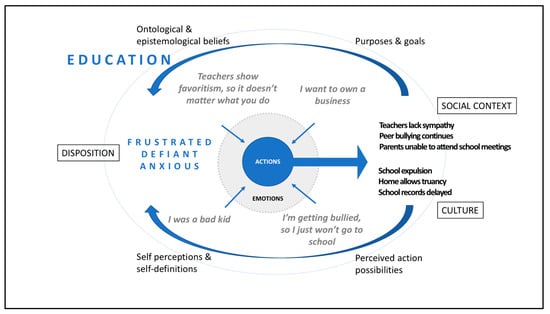
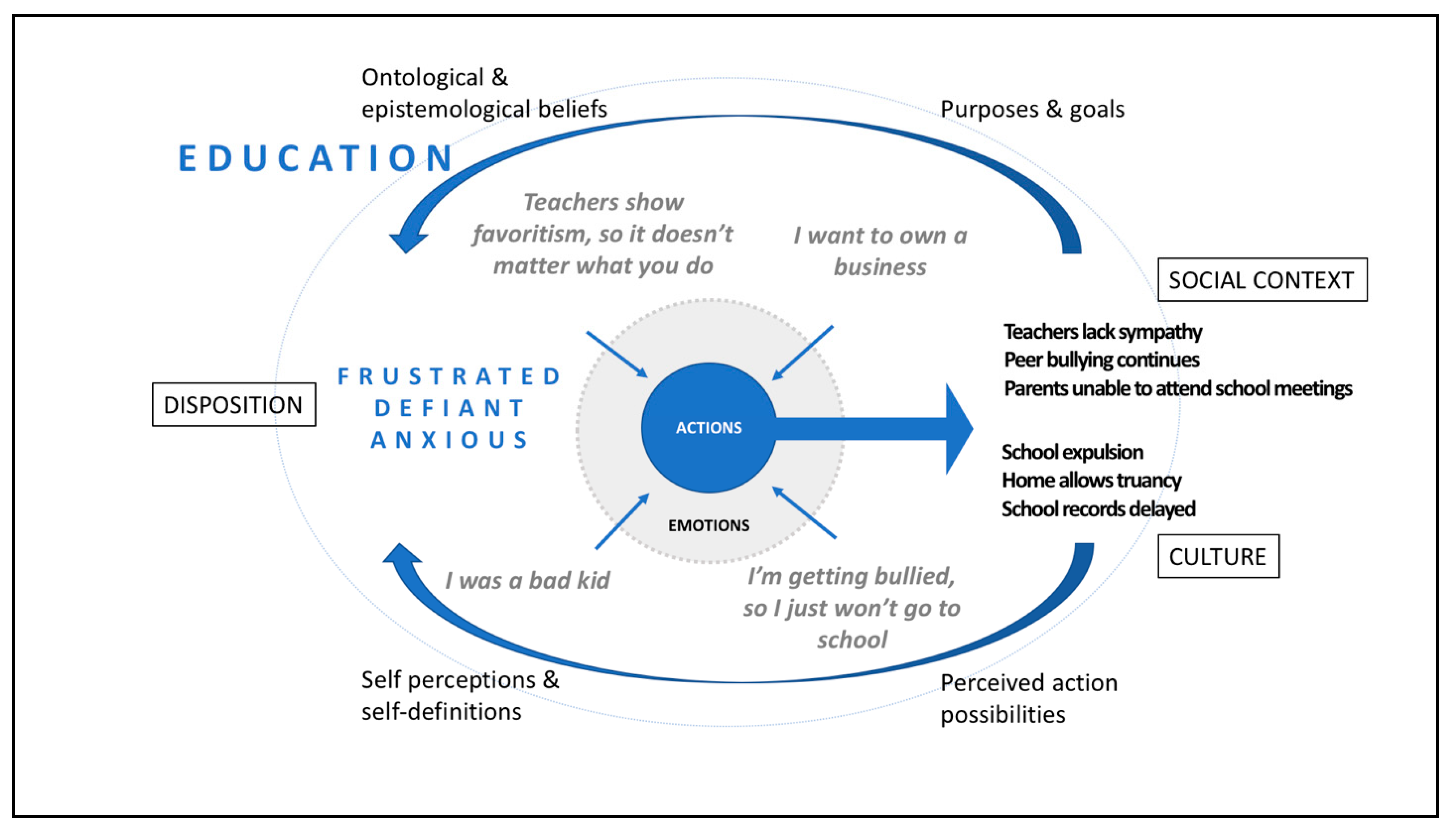

Disclaimer/Publisher’s Note: The statements, opinions and data contained in all publications are solely those of the individual author(s) and contributor(s) and not of MDPI and/or the editor(s). MDPI and/or the editor(s) disclaim responsibility for any injury to people or property resulting from any ideas, methods, instructions or products referred to in the content. |
© 2026 by the authors. Licensee MDPI, Basel, Switzerland. This article is an open access article distributed under the terms and conditions of the Creative Commons Attribution (CC BY) license.