


Abstract
One of the most important transformative strategies for better understanding of plant resilient against abiotic and biotic stresses are the integration of omics approaches, encompassing genomics, metabolomics, proteomics, transcriptomics, and phenomics. Genomics explores genome structure, evolution, and function, and advances in next-generation genome annotation and sequencing have enabled the accurate and complete decoding of different plant genomes. Epigenetics involves heritable gene expression alterations without DNA sequence changes, mainly through histone modification, and DNA methylation. Among the main epigenetic mechanisms, DNA methylation is particularly important in plants and is maintained throughout mitosis. Transcriptomics is a study of all RNA molecules transcribed in a cell or organism, providing useful information about dynamic patterns of gene expression. Recent advances in sequencing technology have enabled more evolutionary and accurate transcriptomic analysis. Metabolomics is a powerful approach because metabolites and their concentrations Metabolomics is known to provide a direct functional readout of the physiological state of an organism. It can deal with qualitative and quantitative assessment of metabolites, which are necessary intermediates and end products of metabolism. Metabolomics uses targeted approaches such as quantitative and hypothesis-driven as well as non-targeted approaches to characterize plant metabolites. This article aims to study the importance of multi-omics studies for crop abiotic and biotic stress tolerance while considering plant growth in sustainable agriculture. To provide a comprehensive understanding of the metabolic, epigenetic, and genetic bases of main agronomic traits in crops, considering the integration of multi-omics data is necessary. The integration of different technologies can induce better optimized farming activities, sustainable agriculture, and crop improvement.
1. Introduction
Plants are subject to different types of abiotic and biotic stress, which can influence physiology, metabolism, growth, and morphology [1,2,3]. Drought is among the most common severe threats to crop quality and productivity all over the world [4], and recently three main types of researches such as RNA-mediated gene silencing, histone modification, and DNA methylation have found effective to increase resistance exist at both epigenetic and genetic levels [3,4]. Another important abiotic stress parameter is salinity, especially in arid and semi-arid regions [5]. Another major factor that can determine the cultivation area of crops is temperature [4,5]. Functions of drought-inducible genes in stress responses and tolerance are categorized into two groups: functional proteins such as water channels and transporters, detoxification enzymes to reduce reactive oxygen species (ROS), protection factors of macromolecules (chaperons, late embryogenesis abundant (LEA) proteins), proteases, key enzymes for osmolyte biosynthesis like sugars and proline, and regulatory proteins, protein kinases and phosphatase, transcription factors such as bZIP, MYB, MYC, AREB, DREB2, NAC HB, phospholipid metabolism, and abscisic acid (ABA) regulation [6]. Heat stress (HS)-driven challenges and responses of plants, under heat stress may cause decrease in plant productivity, pollen viability, fruit quality, inflorescence, leaf structure integrity, stomatal conductance, relative water content, shoot and root growth, photorespiration, photosynthetic rate, respiration rate and seed germination as well as increase in cell membrane fluidity, cell membrane permeability, specialized metabolites production and harmful ROS production [5,6]. Plant responses to cope with elevated temperatures are thermomorphogenesis, HS sensing and perception, cell wall remodeling, heat-responsive chemical and phytohormone signaling, heat-responsive genetic elements, activation of antioxidant defense, elevated production of secondary metabolites, leaf rolling, osmolyte production, and improved root architectures [5,6]. Plants have different mechanisms to increase tolerance to freezing during exposure to periods of low temperatures, and the most important phenomenon is known as cold acclimation, and cold response is highly complicated process which consists of an array of biochemical and physiological changes, and alterations of the expression patterns of many metabolites, proteins, and genes in reaction to cold stress have been recognized such as post-translational and post-transcriptional regulations [7]. Salinity stress can inhibit plant growth by decreasing the water potential of the leaf, causing morphological and physiological alterations, ion toxicity, generating reactive oxygen species, increasing osmotic stress, and changing biochemical processes, and it can negatively affect photosynthesis, seed germination, percentage of survival, respiration rate of the plant and morphological characteristics [8]. One of the most important limitations for crop production is soil salinity, which can significantly influence crop yield, fruit yield, vegetative growth as well as marketable quality, and application of integrated programs which can combine physiological knowledge together with biological interventions is important for sustaining production in salt-affected areas [7,8].
Plant microbiome is important in increasing resilience under combined heat stress, and biotic challenges vis priming impacts on plant immunity as well as competition for antimicrobial chemicals such as toxins and antibiotics, and nutrients produced by beneficial microbes restricts the spread and growth of pathogenic strains [9]. The mechanism of abiotic and biotic stress resistance in plants consists of molecular, physiological, phytochemical, and morphological aspects [10], such as changes in anatomical features like significant changes in root system architecture and root morphology [11], as well as maintaining a balance in transpiration and water uptake by alterations in stomatal density, leaf size, waxy cuticle, cell wall thickness, and cell density trichomes [12]. Pests such as spider mites, whiteflies, and aphids need integrated and constant vigilance integrated pest management (IPM) protocols [13], and advanced control strategies such as biological controls to RNA interference (RNAi) and clustered regularly interspaced short palindromic repeats (CRISPR)-Cas9 (CRISPR-associated proteins) gene editing can be used to control invasive species such as the oriental fruit fly (Bactrocera dorsalis) [14]. Potential of RNAi technology and genetic engineering can be developed nematode-resistance crops, proving a promising frontier in durable resistance breeding [15]. CRISPR/Cas9 is an important tool for genome editing of Cas9 to guide RNA which directs the complex to a place on the DNA double helix and includes the code for the addition of a new DNA sequence at the double-stranded break. CRISPR/Cas9 technology-mediated improvements to plants tolerance to abiotic stress such as TaDREB2 and TaERF3 in wheat for abiotic stress response [16], MaAPS1 and MaAPL3 in banana against cold and salt stress [17], GhRDL1 in cotton for drought resistance [18], CpDreb2 in papaya for heat, drought and cold resistance [19], OsDST in Indica mega rice cultivar against drought and salt stress, SlNPR1 in tomato against drought stress, and Leaf1,2 in rice against drought stress [20]. Khare et al. [21] found that Trichoderma cerinum Gur1 enhances pathogen and salt stress tolerance in Arabidopsis thaliana, decreases oxidative damage, increases proline-mediated osmoprotection under salinity, and modulates key stress-responsive genes via ethylene (ET), salicylic acid (SA), jasmonic acid (JA), and ABA signaling pathways. Li and Wu [22] concluded that by adopting sustainable agronomic activities, leveraging advanced biotechnological tools, and improving interdisciplinary collaboration, it is possible to enhance agricultural and horticultural systems against some biotic stresses, while the integration of multi-omics data such as metabolomics, proteomics, transcriptomics, and genomics can revolutionize the understanding of sustainable practices and integrated future strategies. Osmolytes production and secondary metabolites for plants under salt stress is proline, glycine betaine (GB), flavonoids, jasmonates (JA), ABA [23], proline, glycine betaine (GB) and polyamines for drought stress, ABA, GB, proline and polyols for heat stress, GB and polyamines for osmotic stress [24]. The omics data focus on the various techniques of genetic engineering that can develop various crops to resist biotic and abiotic stresses. The identification of favorable alleles and candidate genes has enabled the application of genomic selection (GS), marker-assisted selection (MAS), and speed breeding, thereby increasing the effectiveness of breeding programs; also, emerging techniques such as transcriptomics, pangenomics, and CRISPR/Cas-mediated genome editing present new opportunities for the precise improvement and progress of complex traits [25]. The goal of this manuscript is to survey and study the importance of various multi-omics insights for abiotic and biotic stress tolerance, plant growth, and crop production in sustainable agriculture.
In this review article, authors have considered the importance of omics technology which may allow significant parallel studies of molecules including proteins, genes, and transcripts; moreover, considering the detection of both quantitative and qualitative levels of multiple genes and proteins simultaneously. The article also provides a critical and structured review of established omics disciplines and techniques, as well as focusing on the integration of recent advances in multi-omics analysis and both biotic and abiotic stress in plants, with an emphasis on improving crop yield.
Multi-omics study is a transformative research approach that integrates data from transcriptomics, genomics, metabolomics, proteomics, and other omics approaches to provide a comprehensive understanding of modern techniques. The multi-omics approach relies on advanced equipment and techniques to analyze, acquire, and interpret complicated batches of biological data with higher data throughput, faster speed than traditional methods, and better batch consistency. Multi-omics techniques have been used in plant systems for developing effective diagnostic tools for different biotic and abiotic stresses and better understanding of plant responses to them. Omics approaches are also enhancing our knowledge about stress-responsive changes in the proteome, transcriptome, and metabolome of plants, while the sequencing of whole plant genomes is providing resources to guide crop improvement strategies.
In conducting the literature survey for this review article, different articles have been checked in different scientific resources such as ScienceDirect, PubMed, and Google Scholar, with a focus on Scopus and ScienceDirect. The keywords used for collecting literature were “Biotic stress”, “Abiotic stress”, “Omics”, “Genomics”, “Transcriptomics”, “Proteomics”, “Epigenomics”, and “Metabolomics.” Genomics, transcriptomics, metabolomics, epigenomics, and proteomics play important roles in crop improvement by enhancing knowledge of genetic makeup and gene expression patterns of various gene families in crops. In this survey, we considered all the scientific papers available in the form of full text, in English. All relevant information was examined in the selected articles. This research examines the scientific literature from 1990 to October 2026 by conducting an analysis of the published sources in the literature.
2. Biotic Stress and Crop Improvement, and Plant Growth
Biotic stress in crops is caused by living organisms, including viruses, phytoplasma, bacteria, fungi, insects, nematodes, and weeds, causing damage or diseases [26]. Specific ion channels, phytohormones, ROS, and kinase cascades are activated in crops following exposure to stress [27]. The induction of some of these changes was found to be regulated by an effective and complex signal transduction network involving ethylene, jasmonic acid, and salicylic acid. Both salicylic acid and jasmonic acid are the main nonexpressors of pathogenesis-related protein1 transcription factor, which is responsible for the induction of pathogenesis-related gene expression. Some of the main biotic stress factors influencing common bean are Anthracnose (Colletotrichum lindemuthianum) which can infect seeds, pods, stems, and leaves, producing sunken necrotic lesions which can cause tremendous loss in final yield [28], angular leaf spot (Pseudocercospora griseola) which can cause depressed and angular lesions on pods, stems, and leaves leading to reduced grain quality, and yield as well as defoliation [29], rust (Uromyces appendiculatus) which can produce reddish pustules with a yellow halo on stems, leaves, seeds, and pods, decreasing photosynthesis, grain quality, and pod filling [30], white mold (Sclerotinia sclerotiorum) which can lead to tissue necrosis, irreversible wilting and yield loss [31], root rot (Rhizoctonia solani) that may cause reddish-brown necrotic lesions, affects roots and decrease final yield [31], vascular wilt (Fusarium oxysporum f. sp. phaseoli) which can infect the vascular system, cause leaf drop, internal vascular discoloration and yield losses up to 100% [32], powdery mildew (Erysiphe polygoni) which can produce white powdery patches with chlorosis and curling, and reduce the assimilation of carbon dioxide and photosynthesis [33], common bacterial blight (Xanthomonas axonopodis pv. phaseoli) which cause necrotic spots with yellow haloes on seeds, pods, stems, and leaves [34], bacterial halo blight (Pseudomonas syringae pv. phaseolicola) which can significantly reduce the final yield [35], bean common mosaic virus (BCMV), and bean common mosaic necrosis virus (BCMNV) which can infect seeds, pods, stems, and leaves causing chlorosis, mosaic patterns, necrosis, deformation, and decreased seed quality [36], bean weevil (Acanthoscelides obtectus) [37], bean fly (Ophiomyia phaseoli) [38], and thrips (Frankliniella occidentalis) [39] which can decrease photosynthetic activity, and reduce the final yield. Different secondary metabolites reveal various metabolisms which can help to inhibit the growth and development of herbivores, and the main plant secondary metabolites are nitrogen compounds such as dhurrin and sinigrin, phenolics such as lignin, flavones, flavonoids, tannin, and glyceollin, and terpenoids such as saponin [40]. Pyrethrins which is in the category of monoterpenes is neurotoxic to parasitic, insect, moths and wasps in Chrysanthemum indicum [41], hemigossypol that is in the category of sesquiterpenes has shown antifungal activity against Gossypium hirsutum [41], gossypol which is in the category of diterpene is antibacterial and antifungal in Gossypium hirsutum [42], and cucurbitacin-C which is in the category of triterpene is toxic to spider mites in Cucurbita spp. [42]. Examples of phytoalexins discovered in various plants with target pathogens are glycosides in Cruciferae [43] and allicin in garlic [44]. It is also reported Allium sativum leaf lectin in Cicer arietinum and Nicotiana spp. can be used against Aphis craccivora and aphids [45], snowdrop lectin in Oryza sativa, Arabidopsis spp., and Triticum aestivum against aphids, Pieris rapae, Spodoptera littoralis, and Nilaparvata lugens [46], Nictaba-related lectins NICTABA, PP2 in Nicotiana spp. against Acyrthosiphon pisum, Spodoptera littoralis, and Manduca sexta [47] (Vandenborre et al., 2009), and Bauhinia monandra leaf lectin, and Jacalin-like lectins in Nicotiana spp., and Triticum aestivum against Zabrotes subfasciatus, Callosobruchus maculatus, Anagasta kuehniella, and Mayetiola destructor [48].
Different plant growth-promoting bacteria and fungi have different roles in plant stress responses, such as Pseudomonas fluorescens, which can enhance root length and leaf area, increase accumulation of betaine, glycine, soluble sugars, total chlorophyll, and proline in Lycopersicon esculentum Mill. under fluoride stress [49], Bacillus atrophaeus and Bacillus ginsengihumi which can increase biomass, indole 3 acetic acid (IAA) production and nitrogen uptake of Lactuca sativa L. under drought stress [50], B. subtilis, Brevibacillus parabrevis, and Mesobacillus subterraneus which can reduce malondialdehyde (MDA), increase leaf number and plant height of Oryza sativa L. under arsenic, saline and drought stress [51], Bacillus safensis that may increase leaf area, Enterobacter cloacae with positive effects on phytohormone secretion, enhance 1-aminocyclopropane-1-carboxylic acid (ACC) deaminase activity and reduce ethylene levels of Oryza sativa L. under saline stress [52], Herbaspirillum seropedicae which can increase shoot and root length, fresh biomass, and decrease disease incidence with a lower number of leaflets with symptoms in L. esculentum Mill. under stress caused Xanthomonas euvesicatoria [53], B. subtilis which can decrease crown rot incidence in both resistant and susceptible papaya genotypes in Carica papaya L. under the stress caused by Erwinia mallotivora [54], P. fluorescens that may reduce disease symptoms caused by fungus with antagonistic activity in Olea europaea L. under stress caused by Verticillium dahliae [55].
Funneliformis mosseae increased leaf water content, antioxidant components, phenolic contents, as well as root and shoot size in Capsiucum annuum L. under saline stress [56], Acremonium alternatum could reduce oxoglutarate, superoxide, and hydrogen peroxide, and enhanced defense components including phenolics, brassinin, and nervonic acid of B. napus L. under saline stress [57], Periconia macrospinosa, Neocamarosporium goegapense, and Neocamarosporium chichastianum increased biomass, greater root and shoot length, higher proline and chlorophyll content and enzyme activities of Hordeum vulgare L. under drought and saline stress [58], and Purpureocillium lilacinum could enhance chlorophyll content, root length and germination rate with reduced disease incidence of Solanum melongena L. under stress caused by Mucor piriformis, Trichothecium roseum, and Rhizoctonia solani [59].
3. Abiotic Stress and Crop Improvement, and Plant Growth
Abiotic stresses can negatively affect crop quality and productivity, and reduce plant growth and development. While heat stress can negatively influence crop yield, product quality, and plant growth, salt stress is responsible for more than 50% of crop losses, especially in semi-arid and arid regions [60]. When plants are exposed to abiotic stress, such as salinity, extreme temperatures, drought, and nutrient deficiencies, they use various signaling pathways to adapt, and JA, ethylene, ABA, and calcium ions are involved in these pathways [61]. These signaling molecules coordinate cellular responses such as osmotic correction, stomatal closure, and the activation of stress-responsive genes [61]. The combination of stress parameters can diminish crop quality and reduce crop yield, posing a significant threat to human health because of the consumption of low-quality products [62]. Salt stress causes different symptoms such as inhibition of plant growth, stunting, shortening of shoots, delayed opening of fruits and buds, necrosis, shrinking of leaves, wilting, and cell death [61,62]. Different mechanisms of plants against salt stress are modulation of gene expression at the transcriptional level, accumulation of osmo-protectants, and closure of the stomata to maintain water homeostasis [63]. Moreover, non-enzymatic antioxidant substances such as arginine, glycine betaine, proline, vitamins, glucose, and different metabolites act as stabilizing macromolecules, osmoprotectants, and are involved in maintaining proper cellular function under saline conditions [64]. Proteins are directly involved in stress tolerance, and they are important for the stress response [65]. Heavy metal stress responses consist of root avoidance responses and rhizospheric processes, cell wall fixation, intracellular chelation, and vacuolar sequestration, oxidative stress, activation of antioxidant defense, directed allocation and stress memory, and hormonal signaling and epigenetic regulation [61,62]. The exogenous applications such as microbial applications, signaling molecules and remediation of saline soil could increase the conditions of plants alone, however, other strategies such as OMICS applications namely proteomics, transcriptomics, metabolomics, and miRNAomics, gene modification, and priming researches could enhance the regeneration of tolerant and resistant cereal plants. Malik et al. [66] reported the importance of arbuscular mycorrhizal fungi (AMF) such as Funneliformis mosseae, Claroideoglomus etunicatum, Rhizophagus intraradices, and R. fasciculatum species in reducing the adverse impacts of salt stress on root length, shoot dry weight, root surface area, root dry weight, root diameter, root volume, the number of leaves, and nodes of buffelgrass (Cenchrus ciliaris L.).
Cold stress happens when temperatures fall below the physiologically optimal range for crops, causing irreversible and permanent damage to plant growth, production, and development [67]. He et al. [68] reported that Brassinosteroids are steroid hormones that play a significant role in different stress responses and plant growth, and their signaling is involved in the regulation of plant tolerance to low temperatures. The significant reduction in yield and disruption of growth of wheat plants because of late-spring cold weather is reported [69]. Wen et al. [70] also reported the negative effects of cold stress on broccoli seedlings. The main impacts of high temperature on plants are oxidative stress, reduction of plant growth, inhibition of seed germination, reduction of crop quality, improper development, yield reduction, alteration in photosynthesis, water loss, alteration in dry matter partitioning, and alteration in phenology [71]. Different adaptation mechanisms of crops to high temperature are transpirational cooling, changing leaf orientation, signaling cascades and transcriptional control, leaf rolling, expression of stress proteins, early maturation, antioxidant defense, osmo-protectants, and alteration of membrane lipid compositions [72].
As a meteorological condition, drought stress can induce alterations in plants on biochemical, physiological, morphological, and molecular levels [73], and negatively affect plant growth and development [74]. It can also generate free radicals such as hydroxyl, superoxide, and hydrogen peroxide, which can influence plant defense systems [72,73,74]. Krishna et al. [75] found that application of plant growth-promoting microorganisms (PGPM) such as Trichoderma harzianum, Paenibacillus polymyxa BHUPSB17, Pseudomonas putida BHUPSB0, Bacillus megaterium BHUPSB14, and Pseudomonas fluorescens BHUPSB 17 can increase proline accumulation and decrease the formation of lipid peroxidation and hydrogen peroxide under drought stress. In Arabidopsis, the coordinated action of a family of twenty-six protein kinases (CIPKs), phosphatases (PP2Cs), and ten calcium sensors (CBLs) produces transient phosphorylation and the activation of various signaling pathways in reaction to environmental stresses [76]. Different samples from the model species Arabidopsis show the importance of some of the transcription factors (TFs) which can enhance stress tolerance without negative impacts on growth and development [77]. Lindemose et al. [77] found that TF interaction partners, such as TF regions with intrinsic disorder (ID) that represent E3 ubiquitin ligases, reveal future targets for engineering improved abiotic stress tolerance in crops. As an important non-energy-conserving terminal oxidase in the plant mitochondrial electron transport chain, alternative oxidase (AOX) can provide a degree of metabolic homeostasis to energy and carbon metabolism [78], and AOX’s role in metabolic and signaling homeostasis is vital during both biotic and abiotic stress [78]. Emerging mechanisms underlying plant responses to major abiotic stresses are shown in Figure 1.
Figure 1.
Emerging mechanisms underlying plant responses to major abiotic stresses. ABA: Abscisic acid; JA: Jasmonates; SA: Salicylic acid; SOS: Salt overly sensitive; ROS: Reactive oxygen species; CBF: C-repeat binding factor.
4. Functional Roles of Activated Genes in Response to Different Stresses
One the most important tolerance pathway for salinity stress is the salt overly sensitive (SOS) signaling pathway which can keep ion equilibrium, and the pathway was first recognized in Arabidopsis thaliana and includes three core ingredients: a SOS1 Na+/H+ transporter, a SOS2 kinase, and a SOS3 Ca2+ sensor [79]. The SOS pathway has an important function in ion homeostasis in cotton [80] and maintains low intracellular Na+ levels associated with the extracellular environment, which can mitigate salt stress [79,80]. Iqra et al. [81] reported that the SOS1 gene family encodes plasma membrane Na+/H+ antiporters essential for ionic homeostasis and salt tolerance in crops, and that GhSOS1-5 and GhSOS1-11 are strongly induced by drought and salt stress in cotton. It is also reported that genome editing can be used in crop improvement against abiotic stresses such as drought, salinity, cold, heat, herbicide, and heavy metal stresses, and these stages consist of identification of targeted stress-responsive genes; after that, targeted genes are edited through zinc finger nucleases (ZFNs), transcription activator-like effector nucleases (TALENs), and CRISPR-Cas9, then incorporation of the edited gene into the plant cell mediated through Agrobacterium, PEG, and biolistic methods, and final confirmation of genome editing in stress-tolerant plants [82]. The fundamental mechanisms involved in genetic modification by programmable nucleases (NHEJ) are binding of the effector DNA-binding domain (DBD) to target genomic loci, double-stranded breaks (DSBs) in target DNA caused by restriction endonucleases (FokI and Cas), and repair of DSBs via homology-directed repair (HDR) or non-homologous end joining [83]. On the basis of transcriptome data, 12 AnAP2/ERF genes were significantly upregulated under either flooding or drought stress, with 8 genes responding to both conditions, and these genes also revealed significant induction by GA, IAA, and ABA, proving their potential involvement in stress responses through hormone crosstalk [84]. Many quantitative trait loci or quantitative trait loci (QTLs) linked to yield and stress tolerance in crop [84,85], for example, identification of QTLs which may helpful in marker-assisted breeding of cultivars of maize and rice have been found successful in improvement of yield under stressful conditions [85]. Adaptation to low temperature stress has also been a topic notably studied from the perspective of developing a special metabolic signature which could be linked to gene expression [86]. QTL is a gene or a region of DNA that is linked to the variation of a quantitative/phenotypic trait and may be polymorphic and influence the biological population. Marker-assisted breeding results for improving crop quality under drought and salinity stresses are RM223 in rice that may develop high-yielding rice cultivars suitable for water-limited environments through marker-assisted breeding against drought stress [87], NAL1 in rice which can increase yield through optimizing transportation efficiency of photosynthetic products in rice by marker-assisted selection in salinity stress [88]. TaCRT-D in wheat may increase plant tolerance, and the functional markers of TaCRT-D for marker-assisted selection in wheat breeding under salt and drought stress [89], TaCRT-D in rice against salinity stress [90], and drought stress [91]. Several examples of QTLs for improving crop plant production under drought and salinity stresses are detected QTL relevant to salt-tolerance and sensitive varieties in cowpea in drought stress [92], detected genetic loci to major morpho-physiological traits and grain yield of wheat in drought stress [93], detected QTLs related to stomatal and photosynthetic traits of barley linked to salinity tolerance [94], identified QTLs associated with flowering of sorghum under drought stress [95], detected salinity and drought tolerance varieties of rice based on physiological and developmental traits under flood and drought stress [96], detected two QTLs for drought and one QTL for salt stress of rice under salinity stress [96], and identified QTLs relevant to leaf rolling, leaf relative water content, leaf drying, and relative growth rate of upland rice under water stress [97].
MYB4 gene in Arabidopsis thaliana under ultraviolet (UV)-B stress can repair UV-B-induced DNA breaks and negative regulator of sinapate ester and flavonoids [98], AtMYB111 in Arabidopsis thaliana under salt stress can cause salt resistance, regulates CHS, flavonoid 3-hydroxylase (F3H), and flavonol synthase (FLS) 1 genes as well as increase quercetin production [99], GbMYB1 in Ginkgo biloba under UV-B radiation can regulates FLS module, activates flavonoid biosynthesis and cause photoprotection by anthocyanins [100], VaMyb14 in Vitis amurensis under cold and drought stress may increase peroxidase (POD) activity and reduce MDA, activate lipid transfer protein and controls stilbene synthase expression [101], VviMYB24 in Cabernet Sauvignon grape under drought stress can activate VviFLS5 expression, forms MYB24-iMYC2b-FLS5 module, and positively regulates flavonol biosynthesis [102], MYB-Arahy.J3K16K in Arachis hypogaea under abiotic stress can increase anthocyanins, regulates PAL, CHS, CHI, F3H, dihydroflavonol reductase (DFR), and ANR [103], LIMYB3 in Lilium lancifolium L. under chilling, drought and salt stress can upregulate ascorbate peroxidase 2 (APX2) and late embryogenesis abundant 14 (LEA) 14, directly binds with LICHS2, and cause anthocyanin accumulation [104], LhMYBC2 in Lilium cb. Sunny Martinique under heat stress can increase isoflavonoids, regulates isoflavonoids biosynthesis genes, and modulates flavonoids biosynthesis [105], CsYBL2 in Camellia sinensis under light and temperature can upregulate anthocyanin and catechin, enhances cold and UV-B tolerance and activates phenylpropanoid biosynthesis genes [106], RsMYB1 in Raphanus sativus under heavy metal stress can increase activity of glutathione S-transferase (GST), PCD, SOD, POD, and catalase (CAT), enhances anthocyanin production, and activates anthocyanin biosynthesis genes [107], SIMYB14 in Solanum lycopersicum under pesticide stress can maintain ROS homeostasis, promotes flavonoid biosynthesis, and binds with Solanum lycopersicum phenylalnine ammonia-lyase (SIPAL) gene [108], SsMYB113 in Schima superba under drought stress can modulate ROS generation, bind directly to SsCHS genes and accumulates flavonoids [109], FtMYB11 in Fagopyrum tataricum under salt and drought stress can regulate MDA and proline, and regulates Arabidopsis thaliana cinnamate 4-hydroxylase (AtC4H), AtF3H, AtANS, AtFLS, and At4CL [110], VvmybA1 from Vitis vinifera under cold stress can regulate anthocyanin biosynthesis genes, increase ROS scavenging capacity in citrus trees [111], AtMYB2 in Arabidopsis thaliana under salt stress can regulate phenolic acid genes, decrease ROS accumulation, and triggers phenolic acid synthesis [112], and AtMYB3 in Arabidopsis thaliana under salt stress can reduce ROS, stimulate lignin and anthocyanins, and promote expression of PAL2, C4H, caffeic acid O-methyltransferase (COMT), and DFR [113]. OsPT8, a phosphate transporter, has a significant role in abiotic stress signaling via the auxin pathway, and its overexpression may increase tobacco tolerance to high-temperature stress by influencing auxin content and antioxidant capacity; it can be considered an important candidate gene for breeding plant species that can withstand high temperatures in crops [114]. Ding et al. [115] found significant links between genetic variation in ZmGRXCC14 and drought tolerance; moreover, previous studies have shown that CC-type GRXs are candidate genes that can regulate maize growth and response to environmental stresses [116].
Changes in the expression of ABA-induced transcription repressors (AITR) genes may result in abiotic stress tolerance, including both salinity and drought in Arabidopsis [117], and a CRISPR/Cas9-induced mutation in the Arabidopsis Open Stomata 2 (OST2) structural gene showed drought resistance [118]. In another trial, it was found that knockout of Arabidopsis plants, genemiR169, through CRISPR/Cas9 led to significantly increased drought tolerance [119]. Also, drought tolerance in Arabidopsis was enhanced after the vacuolar H+-pyrophosphate regulating gene was expressed using CRISPR/Cas9 [120], as CRISPR confers drought resistance in different plants. It has been shown that increasing rice’s ability to withstand drought can be attained by decreasing the expression of the regulatory genes SPP, MYB5, MSH1, PMS3, and DERF1 [121]. In rice plants, CRISPR/Cas9 has been used to enhance drought resistance by knocking out the ERA1, SRL1, and SRL2 genes [122]. In chickpeas, two genes, 4CL and RVE7, have been recognized to be linked with drought tolerance [123]. ARGOS8 can also provide drought tolerance because of its role as a negative regulator of ethylene signaling pathways [124]. Gene mutation of the SlLBD40 gene caused by CRISPR/Cas9 noticeably enhanced drought tolerance in tomatoes [125]. It is also reported that CRISPR/Cas genome editing of the HB12 gene can enhance cotton’s resistance to drought [126], and it can also modify the BnaA6.RGA gene in oilseed crops to increase tolerance to drought stress [127]. A cultivable heat stress-inducible rice mutant was created using CRISPR/Cas9 technology [128], and CRISPR-edited mutant plants have enhanced agronomic characteristics and were resilient to abiotic stresses [129]. It is also reported that CRISPR-Cas9-based bzr1 mutants can decrease temperature tolerance and reduce hydrogen peroxide generation in the apoplast [130]. CRISPR/Cas-mediated heat-stress-sensitive albino 1 (HSA1) mutants could decrease sensitivity to temperature stress in tomato plants [131]. CRISPR in maize [132] and knockouts of NCED4 in lettuce [133] could promote thermos-susceptible male-sterile plants and allow the seeds to germinate at a higher temperature, respectively. Some of the notable targeted genes via CRISPR/Cas9 technology for development of tolerant genotypes against cold stresses are OsMYB30 in rice [134], OsaAnn3 in rice [135], OsAnn6 in rice [135], OsPRP1 in rice [136], SiCBF1 in tomato [137], and AtCBF1 and AtCBF2 in Arabidopsis thaliana [138]. Genome editing has the capacity to improve crops under salinity stress [139].
It is also reported that enhanced plant tolerance to heavy metals is affected by different genes [140], by using different transporter genes in rice, including OsNramp5 and OsLCT1, which are implicated in Cd absorption by roots [141]. Various reported targeted genes via CRISPR/Cas9 technology for metal stress tolerance and herbicide resistance are C287T in rice for herbicide resistance [142], ALS1 and ALS2 in maize for herbicide resistance [143], MS26 in maize for herbicide resistance [143], ALS in tomato for resistance to chlorsulfuron [144], and OsPRX2 in rice for potassium deficiency tolerance [145]. It is also confirmed that genome-wide association studies (GWAS) identify associations between phenotypes of genotypes of interest, enabling the detection of genomic regions with significant impacts on specific characteristics [146]. GWAS studies have proven to be a uniquely effective tool for investigating the genetic architecture of complex traits, providing insights into the polygenic contributions of common variants, and yielding replicable genetic signals in contrast to many candidate gene studies [147]. It is also important to adopt high-throughput technologies and advanced genomics to find candidate alleles and genes for crop traits, genomic selection models, develop molecular markers, design appropriate ideotypes, and create new genetic variation that suits the changing climate [148]. Table 1 shows key information on the effects of various genes under different stresses to reduce negative effects of stressors.
Table 1.
Key information on the roles of activated genes on different crops in response to different stresses.
It is also reported that the Mediator complex shows an important role in orchestrating the transcriptional responses by linking stress-responsive transcription factors (TFs) to the core transcriptional machinery [236], for example AtMED5a and AtMED5b take part in active transcriptional processes which inhibit lignin biosynthesis and growth in plants [237], PFT1 can encourage Arabidopsis flowering [238], OsMED14-1 can decrease vasculature, reduced seed set and panicle branching, and smaller seeds in rice [239], SIMED18 can limit the growth of tomato leaves and internodes [240], AtMED18 and AtSUF4 can influence flowering [241]. Different genes have various roles in crops; it is reported that BADH in rice is for heavy metal stress [242], CodA in rice is useful for drought, cold, and salt stress [243], bet A in maize is for drought and cold stress [244], P5CS in wheat is useful under drought stress [245], bZIP4 in maize is useful against salinity stress [246], and bZIP16 in rice is important under salt stress [247]. ZmHKT1 in maize against salt stress [248], HKT1 in wheat against salt stress [249], and HKT1 in rice against salt stress [250]. Various gene editing tools used against biotic and abiotic stressors such as CRISPR/Cas9 which can improve tomato traits, as targeted gene editing may increase resistance to drought, cold, heat and salinity by modifying stress-related genes [251], CRISPR/Cas9 which may disturb negative regulators at the genetic level for multi-stress tolerance, and changes proline-rich proteins, disrupting stress-regulating protein pathways for enhanced tolerance [252], TALENs and CRISPR/Cas9 which can regulate sugar transporter protein to improve stress response at the proteomic level, and engineering sweet genes can regulate abiotic stress responses such as salinity and drought in sweet sugar transporters [253], CRISPR/Cas that may regulate stress-associated proteins like ion transporters and heat shock protein and modified genes regulating tolerance to temperature extreme and salinity, and other abiotic factors in abiotic stress tolerance in Arabidopsis and rice, genetic modification in climate-smart banana development which can changes genes to increase resistance to biotic and abiotic stress, and increase protein networks associated to resistance against environmental and pathogen-induced stress [254].
CRISPR/Cas9 is one of the powerful tools increasing precision in genetic modification and an advanced genome-editing tool, and it may target and modify specific genes, and genome editing enables breeders to fine-tune plant traits and increase adaptation to changing environmental conditions [255]. Some examples to improve tolerance by application of CRISPR/Cas9 are OsRR22 in rice, which may cause mutants with improved salt tolerance without compromising performance against salinity [256]; OsDST in rice, which may lead to greater tolerance to salinity and drought stress [257]; OsDERF1 and OsERA1 in rice, which can enhance drought resistance [258], and mutants with longer roots and better response to drought [122], respectively. TaERF3 in wheat which can increase water efficiency and photosynthesis under drought stress [259], TaHKT1;5 that may improve ionic regulation and salt tolerance under salt stress [259], TaDREB2/3 and TaHAG1 that may promote tolerance and improve multi-source resistance against drought and salt stress in wheat plants [260]. MdNHX1 in apple which may induce to salt tolerance high K+/Na+ in leaves under salinity stress [261], GhHB12 in cotton which can increase the tolerance to abiotic stress under drought and salt stress [262], AVP1 in peanut that may cause improve in photosynthetic rate and higher yield under salt and drought stress [263], eIF4E, CsLOB1 and SlDmr6-1 in cassava, cucumber and tomato that may broad resistance through gene knockouts under virus and bacteria stress [264].
5. Multi-Omics and Plants
Omics-driven elucidation of mechanisms underlying crop tolerance to different environmental stresses via identification of key candidate proteins, genes, metabolic pathways, and metabolites related to specific traits that have been successfully analyzed, validated, manipulated, and incorporated into crops [265]. Multi-omics approaches provide a significant framework to investigate complexity, enabling resolution of stress-induced trade-offs between defense, growth, and metabolic homeostasis [266]. Multi-omics data can inform breeding programs by recognizing resilient genotypes that exhibit desirable characteristics under stress conditions [267]. Multi-omics studies permit scholars to study the composite interactions between different biological molecules and their functions in stress response, leading to more effective crop improvement strategies [268], and in the field of biotic and abiotic stress, genomics helps identify quantitative trait loci (QTLs) [267,268]. Multi-omics frameworks combine epigenomics, metabolomics, proteomics, and transcriptomics to map dynamic and context-specific regulatory networks that mediate cross-tolerance mechanisms [269]. Beyond these core omics, emerging layers such as immunomics, lipidomics, glycomics, and RNomics capture lipid diversity, complex carbohydrates, immune signaling, and regulatory RNAs, broadening applications in plant biology [270]. The advent of omics technologies, viz transcriptomics, genomics, metabolomics, proteomics, and epigenomics, has fundamentally transformed plant stress biology through high-throughput analyses of molecular, biochemical, and regulatory responses to biotic and abiotic stresses [271]. The integration of these omics layers, supported by computational platforms, systems biology tools, and advanced bioinformatics, has facilitated the identification of main regulatory nodes, such as miRNAs, and has improved the development of stress-resilient crop varieties via genetic engineering, precision breeding, and genome editing [271]. Transcriptomics and genomic analyses assess induction of genes encoding surface recognition parameters as well as cell wall-degrading enzymes (CWDEs), priming the fungus for host entry [272]. Single-cell multi-omics (scMulti-omics) technologies have increased understanding of cellular functions and interactions by enabling the simultaneous measurement of various cellular modalities. Moreover, integrating these heterogeneous data types offers noticeable challenges because of differences in resolution, scale, and biological variability across the omics layers. A single-cell multi-omics deep learning model based on contrastive learning, called scMDCF, is designed to extract joint representations from single-cell multi-omics data, and it adopts multi-omics-informed encoders to independently learn the processed feature representations of each omics type. This contrastive learning-based framework for single-cell multi-omics integration harmonizes cross-modality representations while preserving biological heterogeneity, and applications across diverse scMulti-omics datasets demonstrate improved clustering performance, effective batch-effect mitigation, and mechanistic insights into underlying biological processes [273].
The integration of multi-omics technologies, especially proteomics, transcriptomics, and metabolomics, has revolutionized the study of medicinal herbs and plants, and these approaches allow for the comprehensive profiling of secondary metabolites, as well as the discovery of novel biomarkers related to therapeutic application, and the study of biosynthetic pathways [265,266,267,268,269,270]. By combining proteomics and transcriptomics with metabolomics in research on herbs and plants, scholars can link cause and effect in the plant’s responses, especially under elicitation or other treatments; multi-omics shows shifts in gene/protein expression correspond to changes in metabolite profiles. Multi-omics can lead to finding both new components and assigning biosynthetic roles to genes/proteins, essentially piecing together new metabolic pathways.
In the last few years, a number of techniques have been designed to cover the entire three aspects of an organism’s biology, namely metabolomics, proteomics, and transcriptomics, with many new software and algorithms published every year [274]. The main platforms to better analysis of gene transcripts are the gene microarray technique allowing the analysis of various genes at a time [275], the extremely accurate qRT-PCR which permits only a limited number of genes to be analyzed [276], and RNA Seq oriented to the performance of unbiased analysis of RNA transcripts [277], which significantly generates gigabyte size readouts with all the RNA transcripts of a given cell, tissue or organisms. Also, with RNA-seq, it is also possible to study various variants of mRNA and other RNA molecules such as small RNAs and noncoding RNA in different organisms [278].
The developments of some modern omics tools, such as proteomics, genomics, metabolomics, and transcriptomics has rationalized the research of crop plants and complete researches related to plant breeding and biological components. Omics tools allow comparative studies of cultivated and wild species of plants, which can lead to the identification of proteins and genes, the elucidation of their roles, and assist in the development of multiple stress-tolerant crop designs. Choudhary et al. [279] reported that the integration of techniques or transcriptomics, proteomics, and genomics such as LC-MS, MALDI-MS, IT-MS, ESTs, DIGE, WGS, SAGR, GBS, GWAS, CRISPR-Cas, 2D-PAGE, HLS, cDNA-AFLP, MPSS, HRPF, MAS, CAGE, MudPIT, IEF, sequential window acquisition of all theoretical fragment ion spectra-mass spectrometry (SWATH-MS), SRM/MRM, ESI have significantly increased the ability to comprehend the regulatory networks and molecular pathways, involved in balancing the ecology/ecosystem stress adaptation.
Genomics techniques include the study of structure, evolution, and function, and, on the basis of epigenomic studies, the precise selection of genes responsible for traits like crop productivity and stress tolerance. Transcriptomics, utilizing digital gene expression profiling, microarrays, RNA sequencing, next-generation sequencing, and quantitative PCR, provides insights into gene expression patterns in different environmental conditions. Metabolomics means the quantification and identification of low molecular weight metabolites in a given organism, in a given organ, and at a given developmental stage, cell or tissue type [280]. The most important metabolomics technique focuses on metabolites with specific and similar chemical properties and is globally recognized as metabolite profiling, covering a fraction of the metabolome. It is reported that data and results from Omics findings, including molecular markers, putative QTLs, metabolites, candidate genes, proteins, etc., should be cross-tested with wet lab research before they can be accurately applied in commercial breeding and scientific research [281]. Omics data are important in genome editing to design effective CRISPR targets, with reduced off-target mutations in crop breeding [281]. Gupta et al. [282] found that genetic engineering can help to boost cotton fiber, yield, and cottonseed oil quality by modifying and identifying gene sequences and expression levels. Platforms like OmicsNet, COLOMBOS, PlantMetabolomics, and OMICTools offer researchers tools to visualize and compare multi-omics data, analyze and construct gene co-expression networks, access curated lists of software databases and tools for omics data analysis, and better understand plant metabolomics data analysis resources. Various approaches have already made considerable headway in integrating gene expression and metabolism, and the most developed studies are based on combining new models of metabolic networks and gene expression data, which means that gene expression levels are used to parameterize the flux capacity of metabolic reactions to create context-specific models. It is also important to know the fact that metabolism is driven by specific enzymatic products of gene expression, and in turn, gene expression may need the continual synthesis of certain metabolites and ATP. Therefore, the two processes are coupled and should coordinate with one another as cells navigate changing conditions of existence. Furthermore, the coordination should be considered in particular cellular strategies such as growth, division, and differentiation on the basis of the prevailing conditions. The coupling of these two fundamental processes should be considered together with their individual dynamics; moreover, the timescale of metabolic supply-demand is much smaller than the timescale of gene expression [280,281,282,283,284,285].
The integration of different databases and omics tools has significantly enhanced our understanding of intricate biological processes in crops, which can improve knowledge of gene regulation, metabolic pathways, protein functions, and other molecular interactions in plant biology. It is reported that in the interaction of transcriptomics + proteomics + phosphor-proteomics in rice-M. oryzae, defense protein abundance was not correlated with transcript levels in susceptible cultivars [284], and in the interaction of proteomics + metabolomics in rice-M. oryzae, metabolite shifts did not align with predicted pathway activity from proteomics [285], while in proteomics, protein accumulation was lower in susceptible lines despite high transcript levels [286]. Rice has been studied as an important model species to reveal the application of multi-omics in trait discovery and practical breeding [287]. Recent soybean and maize multi-omics maps showed networks linking genetic variation with metabolomic, transcriptomic, and transcription-factor regulation [288]. A multi-omics transcriptional regulatory network in soybean revealed key transcription factors regulating agronomic traits such as quality and yield [289]. Spatial metabolomics integrated with proteomics and transcriptomics enables tissue-level mapping of regulatory networks [290]. The development of spatial multi-omics technologies, including spatial proteome, spatial transcriptome, and spatial epigenome, has provided new opportunities to decode cellular ecosystems through complementary molecular layers; nevertheless, the inherent heterogeneity among various modalities in both technical noise and biological variation offers challenges for integration and requires advanced computational approaches for data harmonization [291]. Spatial transcriptomics aims to count the number of transcripts of a gene at distinct spatial locations in a tissue, and there are two ways to profile transcriptomes while preserving spatial information: firstly, by imaging mRNAs in situ via microscopy, and secondly, the other broad method of spatial transcriptomics is to extract mRNAs from the tissue while preserving spatial information and subsequently profiling mRNA species via next-generation sequencing (NGS) techniques [292]. Spatial metabolomics is a field of omics study concentrated on the interpretation and detection of lipids, metabolites, and other small molecules in the spatial context of organisms, tissues, cells, and organs [293]. It is also reported that genome editing and AI-driven breeding accelerate the precise development of stress-tolerant crop cultivars [294].
Some strategies for integrating proteomics, transcriptomic, and metabolomics data using the correlation-based approaches are gene co-expression analysis which is about transcriptomics and metabolomics that may identify co-expressed gene modules with metabolite, gene-metabolite network which is about transcriptomics and metabolomics that may perform a correlation network of genes and metabolites, similarity network fusion which is about proteomics, metabolomics, and transcriptomics that may build a similarity network for each omics data separately, and subsequently, all networks are merged, and the edges with high associations in each omics network are highlighted, enzyme and metabolite-based network which is about metabolomics and proteomics that may identify a network of protein-metabolite or enzyme-metabolite interactions using genome-scale models or pathways databases [295]. It is also important to say that sometimes multi-omics integration fails because of unmatched samples across omics layers, misaligned resolution and missing cell type anchors, improper normalization across modalities, blind feature selection without biological guidance, overinterpreting weak correlations across omics, ignoring batch effects that compound across layers, using the wrong dimensionality reduction for integration, mixing static and dynamic signals without temporal context, and tools that promise integration but mask biological conflicts. Multi-omics integration is fragile, as each layer comes with its own biases, temporal dynamics, and resolution, and successful integration is about an appropriate understanding that the data represent.
During integration, some different scenarios depending on the types of omics involved may occur which are horizontal integration, which involves merging the same type of omics data across different experiments, datasets and studies; vertical integration which combines multiple types of omics data collected from the same biological samples, and diagonal integration which combines different omics types across samples or cohorts.
It is reported that multi-omics techniques are highly innovative, leading to a higher resolution and a deeper understanding of complex traits in plants, and plant breeding using omics technologies is significantly promoted by the rapid development of high-throughput platforms and successful omics-based breeding in crops [296]. Genomic selection has revolutionized the field of plant breeding by enabling the selection of superior genotypes based on genomic estimated breeding values obtained from dense molecular marker information [297].
Multi-omics can be broadly categorized into unmatched multi-omics, where data is created from various, unpaired samples, and matched multi-omics, where multi-omics profiles are acquired concurrently from the same set of samples. Unmatched data may need more complex computational analyses involving diagonal integration to combine omics from various technologies, studies, and cells, and matched multi-omics is arguably more desirable as it may keep the biological context consistent, enabling more refined associations between often non-linear molecular modalities. The main challenges in multi-omics data integration are the lack of pre-processing standards, the special bioinformatics expertise required, the difficult choice of the appropriate integration method, and the challenging interpretation of biologically meaningful profiles [298,299,300]. Appropriate integration of the multiple-omics profiles must be performed to fully take advantage of the interactions between omics and their interdependencies, and the challenge of multi-omics integration is to present interpretation regulations adapted to the multiplicity and heterogeneity of designs such as number of conditions, data types, timepoints and samples [301].
Machine learning-driven interrogation of omics data significantly reduces the time taken for biomarker discovery and candidate validation [302]. It is a subfield of artificial intelligence (AI) that focuses on developing algorithms that can learn from data, identify hidden patterns, and make decisions; moreover, machine-learning algorithms can be applied to build predictive models, recognize objects in images, and control robotic systems [303]. AI facilitates the optimization of the entire production chain, from cultivation conditions to extraction parameters [304]. In plant breeding, data collection is an important step involving the collection of data for target traits from a wide range of environments, plant populations, and trials, and plant breeders usually work in different environmental settings in order to obtain an accurate understanding of the genotype-by-environment interaction in various trials within each environment [303]. It is reported that integrating predictive machine learning with spatial engineering presents promising strategies to design complex biosynthetic pathways; hybrid approaches, combining constraint-based metabolic models with generative algorithms, decrease trial-and-error in crop engineering [304]. Some of the most important AI and machine learning techniques used in horticulture science are supervised learning, unsupervised learning, reinforcement learning, deep learning, and convolutional neural networks (CNNs) [305].
In science related to multi-omics, the systems paradigm was limited by technology to bulk analysis of tissues, and typically, omics levels were analyzed individually, even though it was recognized that cells within tissues displayed significant heterogeneity. Recent improvements in single-cell and spatial biology, together with advances in artificial intelligence and cloud computing, have now made it possible to conduct multi-omics analyses on individual cells of complex organisms and to place that information in a spatial context, resulting in spatially oriented whole system analyses. Systems biology is an attempt to correlate multiple omics levels together for the purpose of building mathematical models of organisms as well as metabolic pathways which could be applied to test predictions and to engineer metabolic networks. The most important challenges of multi-omics data integration are choosing the omics layers most relevant to the analysis to simplify integration, integrating horizontal and vertical datasets as necessary, under the particular statistical properties of each omics layer, including normalization and accounting for missing data, better understanding of biological anchors between layers for either paired or unpaired data, accounting for temporal differences between omics layers, dimensionality reduction, and identifying layer-specific effects vs. latent impacts common to all omics layers [265,266,267,268,269,270,271,272,273].
6. Genomics
One of the most important methods for creating agricultural and horticultural crops that can withstand abiotic and biotic stress is genomic-assisted breeding. By considering the science of genomic technology, breeders may enhance pest and disease resistance while keeping productivity and quality. Genomics considers studying and exploring the genomes, the complete set of DNA or genetic material within an organism, with the help of a range of approaches and techniques [306], and it consists of interpreting and analyzing the structure, function, and evolution of genomes [307]. Genomics is divided into three parts: functional genomics, structural genomics, and comparative genomics. Functional genomics’ goals are to study gene functions and interactions within regulatory networks, analyze gene expression, and emphasize the importance of overexpressing genes; the goals of structural genomics are DNA sequencing, providing data on genome features, coding and non-coding genes, and repetitive elements; the aims of comparative genomics are to compare characteristics between species, analyze differences and similarities between two or more genomes, identify and analyze gene families in crop genomes, and discover stress-inducible promoter regions [308].
Integrative genomics shows regulatory networks in fragrance and stress adaptation [309]. While genome sequencing has provided important insights into the physiological and ecological functions of PGPR, genome annotation, comparative genomic analysis, and in silico construction of metabolic pathways have noticeably enhanced our understanding of microbial physiology and morphology [310]. Integrating genomics, speed breeding, and digital methods can provide a transformative framework to enhance genetic gain and deliver smarter, faster, and more resilient crop improvement for nutritional and global food security [311]. The important points of functional genomics in trait gene discovery are crop phenotyping, diverse genetic resources, genomics tools integrated with bioinformatics, and proof of gene function in planta. Two important points in functional genomics are understanding the desired phenotypic trait of crops in the field, and increasing the knowledge through genomics, as well as the mechanisms which have been used for genomic information to achieve improved crop phenotypes [312].
RNAi technology can be applied for gene inactivation and functional research, which consists of the introduction of small interfering RNA (siRNA) or short hairpin RNA (shRNA) molecules into the cell, and these molecules bind to the target mRNA, inducing inhibition and degradation of its protein translation [313]. Virus-induced gene silencing (VIGS) is a transient induction of RNAi by utilizing modified viral vectors for plant functional genomics [314], and both VIGS and RNAi have been used for improvement of different traits in crops [315]. To functionally characterize plant genes, genome editing techniques like targeted mutation, INDEL creation, and genomic sequence modifications can be used, and common genome editing tools include CRISPR-Cas9, transcriptional activator-like effector nucleases (TALENs), and Zinc finger nucleases (ZFNs) [316]. One of the examples of adaptation of tolerant halophytic plants to salinity in level of study of genomics is gene duplication (increased gene copy number) and promoter adaptation of different salinity-responsive genes (transcription factors: adenosine triphosphatase ATPase AVP1, Myb24, ion transporters: Na+/H+ (NHX), superoxide dismutase (SOD1); ABD) [317]. Jeon et al. [318], after studying the genomic insights into the adaptive evolution of the memorial rose in saline environments, concluded that salt tolerance in rose is associated with detoxification, homeostasis, and stress response, and multiple gene duplication modes can shape salt tolerance-related gene diversification. Yu et al. [319] reported that for sorghum functional genomics and molecular breeding, noticeable achievements include the establishment of effective transformation systems, CRISPR/Cas9-mediated genome editing increased by morphogenic regulators, and the development of mutagenized populations for gene function validation. GWAS and QTL mapping pinpoint causal genes for marker-assisted breeding, and CRISPR-Cas allows targeted editing of defense regulator and susceptibility genes in sweet potato [320]. Sharma et al. [321] found that genome-wide analysis identified 22 StTIFY genes in potato, and the genes were classified using conserved phylogeny and domains; moreover, StTIFY12 and StTIFY3 were strongly induced in roots under drought. Jha et al. [322] revealed that main quantitative loci and genomic regions linked with salinity and drought stress, and emerging CRISPR/Cas-based genome editing, provide precise opportunities to increase stress resilience and are vital for developing climate-resilient chickpea cultivars.
Genomic studies in Amaranthus species are Random amplified polymorphic DNA (RAPD) which is used to classify the amaranth family into two subfamilies: Gomphrenoideae and Amaranthoideae based on DNA polymorphism [323], Inter simple sequence repeat (ISSR) which can detect 87.15% polymorphism among Amaranthus genotypes, aiding genotype differentiation [324], Simple sequence repeats (SSR) which can assess genetic diversity and population structure across 94 A. hypochondriacus accessions using 36 in-house developed genomic-SSR markers [325], Amplified fragment length polymorphism (AFLP) in which phylogenetic relationships among 98 accessions were studied based on UPGMA clustering method [326], Single nucleotide polymorphism (SNP) which used a 15K SNP set for taxonomic annotation and interspecific GWAS, enabling QTL discovery and trait introgression across different species [327], Restriction fragment length polymorphism (PCR-RFLP) in which a PCR-RFLP marker targeting the starch branching enzyme (SBE) locus was developed to differentiate A. cruentus from other cultivated grain amaranth species [328], Diversity arrays technology (DArT) [329], chloroplast DNA (CpDNA markers) [330], Quantitative real-time PCR assay [331], Agrobacterium mediated transformation, and Transcriptome-wide association studies (TWAS) [332]. The integration of omics technologies and genomics, together with advanced computational tools, holds promise for unraveling the complexities of stress responses in organisms and developing new methods for enhanced stress tolerance in crops [333].
It is also important to establish a link between the genomic and metabolomic fragments to understand genetic elements involved in regulatory pathways that can enhance crop quality. Comparative genomics compares genomes of various crop species, including stress-tolerant variants, to identify genetic changes associated with stress resilience by scrutinizing genetic diversity between and within species, which helps researchers identify key genomic regions or genes accountable for stress tolerance traits [334]. Functional genomics uses methods like CRISPR/Cas9 gene editing, which can target modifications in specific genes to discern their function in stress responses [335]. Functional genomics is an important aspect of genomics that consists of the comprehensive study of gene functions and their interactions within regulatory networks [336], and different approaches, including hybridization- or sequence-based methodologies, gene overexpression, gene inactivation, or editing, have been used to characterize and identify gene functions [336]; this knowledge contributes to a better understanding of gene regulation, expression, complex stress-responsive characteristics at a genome-wide level, and is important in the development of climate-resilient crops [334]. CRISPR/Cas system has many advantages over previous genome engineering technologies, as it is simple, easily programmed to target specific DNA sequences, and has a wide range of applications, including gene editing, gene knockout, gene regulation, and even epigenome modifications [336]. Both structural and functional genomics studies play an important function in deciphering the intricate connections between structure and sequence, presenting a comprehensive understanding of the entire genome and addressing diverse biological inquiries [334,336]. Comparative genomics involves analyzing two or more genomes to uncover their differences and similarities [336]. Comparative genomics offers to be especially beneficial for the assessment of less-examined botanical species under varying stressful conditions [336]. Comparative genomic studies significantly depend on different databases and tools that cater to various areas such as gene function analysis, phylogenetic investigation, sequence examination, orthologous research, intron scrutiny, and cis-regulatory element detection [334]. The integration of genomics and omics technologies, together with computational tools, may lead to unraveling the complexities of stress responses in organisms and developing strategies for enhanced stress tolerance in plants [337]. Microarrays can be applied for both anchoring markers to genome maps and analyzing gene expression, and functional markers show both phenotypes and genetic locations. QTL-seq uses a reference genome sequence to isolate QTLs based on phenotypic variation. Higher knowledge about structural genomics information may cause better usage of genomics tools such as genome zippers to elucidate the structure of unsequenced genomes and as a shortcut to design targeted functional research. Schematic utilization of genomics findings for crops against abiotic stresses by considering functional, structural, and comparative genomics approaches is shown in Figure 2. An overview of genomics methodology in the study of abiotic stress tolerance is shown in Figure 3.
Figure 2.
Schematic the application of genomics approaches for crops against abiotic stresses by considering comparative, structural and functional genomics approaches.
Figure 3.
Genomics approaches for increasing abiotic stress.
7. Epigenomics
Epigenomics studies heritable alterations in gene expression mediated by DNA methylation, histone modifications, and non-coding RNAs such as miRNAs, which affect transcriptional regulation and chromatin dynamics [338]. Stress memory is plant memory is an important trait which involves DNA methylation, that may enhance stress tolerance response in plants, and these memories are because of epigenetic changes [339]. It is reported that epigenetics plays an important role in transcriptional regulation in Brassica vegetables [340]. They have also found that in both Brassica vegetables and A. thaliana, histone modification or DNA methylation may regulate gene expression under biotic stresses and can mediate reversible and rapid responses to pathogen attack, and in both crops, the importance of epigenetic regulation in controlling plant immune responses has been emphasized [340]. As different DNA methylation enzymes are involved in various plant processes, priming drives a wide range of epigenetic mechanisms, and an epigenetic code is available in response to environmental stresses in crops [341]. The main sequencing technologies for plant abiotic stress epigenetics are Micrococcal nuclease-based 3D genome mapping technology (Micro-C), chromosome conformation capture (Hi-C), chromatin immunoprecipitation sequencing (ChIP-seq) maps activating and repressive histone landscapes and factor occupancy, Cleavage under targets and tagmentation (CUT&Tag), Transposase-accessible chromatin sequencing (ATAC-seq) profiles promoter- and enhancer-proximal accessibility and TF footprinting [342].
DNA methylation has an important role in the chromatin remodeling process, and it may contribute to the regulation of gene expression without changing the primary DNA sequence. LncRNAs are generally known as RNA transcripts in eukaryotes, and plant lncRNAs play important roles in response to light, flowering regulation, root organ formation, gene silencing, response to stress, seedling photomorphogenesis, and reproductive growth [343]. LncRNAs are also involved in tolerance to abiotic and biotic stress, such as heat stress, disease resistance, drought resistance, cadmium stress, nitrogen starvation, expression regulation of adjacent genes in rice [344,345], as well as resistance to the rice blast pathogen Magnaporthe oryzae [346]. Dinkar et al. [347] also reported that abiotic stresses in crops are significantly regulated by their genetic makeup and stress-responsive genes and are controlled epigenetically [348]. The dynamics of DNA methylation are controlled by specific DNA methyltransferases, which mediate cytosine methylation in various sequence contexts [349]. Histone modification, DNA methylation, and chromatin remodeling are the most important epigenetic mechanisms [350]. DNA methylation involves the addition of a methyl group (CH3) to cytosine bases in DNA, forming 5-methylcytosine (5mC). Parkin et al. [351] reported that there is no correlation between gene expression and DNA methylation, but DNA methylation plays an important role in the functional diversification of duplicated genes. In Arabidopsis, drought-induced hypermethylation of stress-responsive genes increases tolerance to subsequent stress events, establishing stress memory and priming mechanisms [352], and in rice, miR820 and the methyltransferase gene OsDRM2 modulate salinity tolerance by changing DNA methylation patterns [353] (Nosaka et al., 2013). Epigenomic regulation is also important in biotic stress responses [353]; epigenetic studies are necessary for better identification of long-term stress adaptation and developing epigenetically primed crop varieties [354]. Different responses of plants to stress such as environmental and developmental factors are changes in nucleosome positioning, the redistribution of heterochromatin and euchromatin in the nucleus, and the differential binding of chromatin-modifying proteins and methyl-CpG binding domain (MBD) proteins to DNA [355].
It is reported that the enzymes accountable for epigenetic changes are not directly involved, but transcriptional and protein factors and others play a mediatory role in the function of the enzymes in gene regulation for better and higher yield [356]. Several differential histone modifications and chromatin marks, such as H3K27me3 and H3K27ac, enhance DNA accessibility, promoting the transcription of cold-responsive genes in indica rice [357]. Wang et al. [358] analyzed metabolome and transcriptome changes in cotton seedlings YM11 which was subjected to cold stress, in their experiment consistently and significant changing histone modifications and the gene expressions were screened, of which transcription factors were emphasized, and the results showed a positive correlation between the changes in H3K9ac and H3K4me3 modifications and cold stress-responsive gene activation. Li et al. [359] concluded that DNA demethylation induced higher expression levels of some Ca2+ sensor genes in Pyrus betulaefolia roots, and the higher K+/Na+ ratio in the roots of the salt-tolerance ecotype is related to Ca2+ sensor gene transcription caused by hypomethylation. Mutations in genes that encode DNA methyltransferases or histone-modifying enzymes can lead to alterations in epigenetic patterns, and epigenetic variation has special potency to contribute to genetic diversity and the process of evolution [360]. Liu et al. [361] reported that, on the basis of integrative epigenomic and transcriptomic analyses, GhERF14 in Arabidopsis impairs abiotic stress resilience by suppressing ROS scavenging capacity and plays an important role in hormonal and metabolic signaling pathways. It is reported that the DNA methylome is stable in response to drought and excess light stress, in which a few 5mC DNA methylation alterations were found upon the stress treatment [362]. Drought stress-induced gene expression is associated with changes in histone modification dynamics [363]. The expression of TaHKT2;3 and TaHKT2;1 was downregulated under NaCl stress in wheat root and shoot tissues, and their downregulation was correlated with the increase in cytosine methylation on the coding regions of TaHKT2;3 and TaHKT2;1 [364]. It is also reported that heat stress may reduce DNA methylation and enhance chromatin accessibility at some transposons and DNA repeats [365]. DNA methylation and histone modification dynamics have been monitored upon plant exposure to pathogens and changes in plant-pathogen interactions of some DNA methylation and histone modification factor mutants [366].
It is also reported that DNA methylation is important for the adaptive response of rice to salinity stress, permitting the plants to maintain ionic homeostasis and survive in a saline environment [367], and the differences in methylation were related to osmotic tolerance in rice seedlings [368]. DNA methylation also has an important role in the resilience of rice to extreme temperature stress and increasing tolerance [369], and it may improve the tolerance of rice to heavy metal pollution [370]. Rice produces large amounts of ABA under drought stress, which may decrease transpiration water loss and stomatal conductance, and different MYC and MYB transcription factors are involved in ABA synthesis [371]. The overexpression of both OsMYB48-1 and OsMYBR1 [372] influences ABA synthesis in rice and increases drought stress tolerance. In rice seedlings, the molecular mechanisms that play a role in response to heat stress include changes in cell membrane fluidity, cell wall structure remodeling, changes in cell membrane-localized respiratory burst oxidase homolog-mediated ROS concentrations, and alterations in cell membrane-localized Ca2+ channel-mediated Ca2+ contents [373]. It is reported that DNA methylation in rice influenced the up-regulation and down-regulation of gene expression by acting on the promoter of the gene in rice seedlings [374]. DNA methylation is associated with short-term drought memory in rice along with long non-coding RNA (lncRNA) and endogenous phytohormones such as ABA [375]. DNA methylation in response to drought stress in rice is related to genome-, species-, tissue-, and period-specific effects [376]. Epigenetic mechanisms in plant interaction with potentially toxic elements (PTEs) include PTE-induced modulation of modifying enzymes [377], PTE-induced chromatin modifications [378], transgenerational memory of the PTE stress response [379], and epigenetic modifications in the evolution of PTE-tolerant species [380].
Transcriptome, miRNA, and DNA methylation analysis in maize showed that plants improved water retention under drought stress [381]; DNA methylation analysis showed the resistance of soybean plants to salt stress through demethylation and hypomethylation [382]; DNA methylation analysis in clover seedlings showed high resistance to heavy metal stress via hypomethylation [383]. Some examples of intergenerational stress memory resistance development in crops through modifications are stress resistance to drought in chickpea seedlings [384], resistance to salt and drought stress in canola [385], resistance to low temperature in okra [386], resistance to salinity and drought in sugarcane [387], resistance to salinity and abiotic stresses in tomato [388], resistance to salt and drought stress in soybean [389], resistance to drought and heavy metal in mung bean [390], and resistance to salinity and non-ionic osmotic/thermotolerance in strawberry [391]. In citrus, DNA methylation patterns with an increase in ABA levels under drought stress are reported [392], while in water shortage conditions, increased expression of drought response genes or dehydration memory genes encoding transcription factors, protein phosphatase 2Cs, and late embryogenesis abundant proteins in Glycine max is found [393]. In other experiments, histone modifications of Gossypium hirsutum L. [394], and higher photosynthetic efficiency, higher proline and sugar contents, as well as more active antioxidant machinery in Olea europaea L. [395] under drought stress have been found.
Activation of antioxidant defense redox homeostasis mechanisms, miRNA-induced osmoregulation [396], and phytohormone JA- and ABA-induced activity of detoxifying enzymes in wheat plants [397] under drought stress have been identified in many studies. Under heat stress, increased metabolites and antioxidant defense mechanisms [398], HSPs, redox homeostasis genes, and downregulation of lipid metabolism genes involved in membrane rigidity [399] in wheat plants, and increased expression of 22 genes associated with biological processes active in the heat stress response in Phaseolus vulgaris L. are reported [400]. Under salinity stress, reduced ammonium accumulation and glutamate dehydrogenase activity, seed-halopriming elevated activities of nitrate assimilatory enzymes resulting in improved nitrate uptake in Leguminous species [401], and improved catalase activity, higher water contents, lower accumulation of proline, MDA, and ROS, reduced DNA damage, and enhanced growth in Leguminous species [402] have been found. Under waterlogging stress, alteration in expression and chromatin level of flooding-responsive genes in Oryza sativa [403], increased activities of antioxidant enzymes and photosynthetic capacity, higher chlorophyll content, and light use efficiency in wheat plants [404], and enzymatic and non-enzymatic processes involved in ascorbic acid-glutathione (ASA-GSH) cycle, enhanced plant biomass, maintenance of root growth, induction of ethylene biosynthesis and formation of aerenchyma in roots of wheat [405]. Plants have been found.
Histone modification has been involved in different stress memories, such as HSFA2, which can maintain high levels of H3K4me3/2, thereby sustaining heat stress memory in Arabidopsis thaliana under elevated temperature [406]; FGT1 induces and maintains the expression of memory genes and mediates stress memory by regulating nucleosome occupancy in Arabidopsis thaliana under heat stress [407]; REF6 can maintain heat stress memory regulated by H3K27me3 demethylation in Arabidopsis thaliana under elevated temperature [408]. High levels of H3K4me3 modification can increase the transcription of RD29B and RAB18 genes in Arabidopsis thaliana under drought stress [407,408]. A decrease in the level of H3K27me3 modification accelerates the transcription of the HKT1 gene in Arabidopsis thaliana [409], and high levels of H3K4me3 modification accelerate the transcription of the P5CS1 gene under salt stress [410]. Under low temperature, decreased H3K27me3 modification promotes the transcription of COR15A and ATGOLS3 genes in Arabidopsis thaliana [411]. DNA methylation in barley caused HvDME expression which may induced by drought stress, which is correlated with the differential DNA methylation patterns within the gene [412], histone methylation in wheat may cause the expression of the wheat TaGCN5 gene in Arabidopsis gcn5 mutant plant complemented the heat and salt tolerance [412], and TaHDA6 represses histone acetylation at promoters of defense-related genes and negatively regulates their expression in plant defense [413], chromatin remodeling may cause TacCHR279 promotes H3K4me3 at the TaKCS6 promoters and positively regulates the TaKCS6 expression and cuticular wax biosynthesis in wheat plants [414].
8. Transcriptomics
Transcriptomic profiling has shown the transcriptional reprogramming that occurs upon identification of pathogen-associated molecular patterns (PAMPs) or effectors, shedding light on both effector-triggered immunity (ETI) and pattern-triggered immunity (PTI). It is reported that integrating metabolomics with transcriptomics has created a link between transcriptional regulation and metabolic adaptation during multi-stress responses [415]. Because of the importance of transcriptomic data for regulatory mechanisms of cell functions and for revealing gene expression patterns, RNA sequencing analyses such as RNA-seq and expressed sequence tags (ESTs), and microarrays are important in studies associated with plant responses to abiotic stresses [416]. Some of the examples of transcriptomic applications in plant-pathogen interactions are dual RNA-seq in Arabidopsis-P. syringae, which coordinated regulation of JA and SA signaling genes [417], RNA-seq in rice-M. oryzae, which can activate WRKY and NAC transcription factors in resistance [418], and time-series RNA-seq in wheat-Fusarium graminearum, which has a role in early upregulation of secondary metabolite biosynthetic genes [419]. Transcriptomics elucidates tissue responses that drive plant developmental pathways [420]. While genomics considers whole-genome sequencing and analysis to identify genetic variations that can facilitate the better discovery and annotation of miRNA genes, transcriptomics, primarily through RNA-Seq, complements genomics through profiling global gene expression and identifying differentially expressed genes (DEGs) under stress conditions [420]. Transcriptomic research can reveal candidate targets of miRNA-mediated regulation, and these transcriptomic datasets also provide important resources for better understanding miRNA-target modules that can regulate osmotic stress responses and ABA signaling [420].
One of the examples of adaptation of tolerant halophytic plants to salinity in level of study of transcriptomic is enhanced constitutive expression of different salinity-responsive transcripts superoxide dismutase (SOD), salt overly sensitive (SOS1), glutamine synthetase (GS), pyrroline-5-carboxylate (P5CS), L-myo-inositol-1-phosphate synthase (INPS), cytochrome P450, heat shock protein, Hsc70-3, antifungal protein PDF1.2) [421]. Dasanya and Hewadikaram [422] found that the outcomes of the de novo transcriptome research performed in Solanaceae medicinal plants have been widely elucidated, with a primary focus on the identification of candidate genes, the discovery of molecular markers, pathway analysis, differential gene expression analysis, and the identification of transcription factors. Important transcriptomics technologies in plant science are RNA-seq, which has roles in improving gene annotation and building transcriptome databases, analyzing differentially expressed genes and regulatory networks, revealing the complexity of the plant transcriptome, and studying the origin and evolution of plants [423,424,425,426]; and spatial transcriptome technology, which has roles in establishing spatial transcriptome databases and spatial expression atlases, revealing cellular spatial heterogeneity and spatial developmental trajectories, and understanding gene expression and metabolic mechanisms [427,428].
RNA sequencing has many advantages such as high accuracy, wide detection range, low cost, and high throughput, with some limitations such as the sample preparation is cumbersome, it can not reveal the heterogeneity of expression among single cells, and the bioinformatics analysis tools are limited [429]. RNA-sequencing analysis revealed that the expression patterns of genes related to translation, membrane, and oxidoreductase activity pathways were changed under drought stress [430]. scRNA-seq has many advantages such as high accuracy and specificity, clarify cell function and locations, but some disadvantages such as high requirements for sample quality, high cost, difficulties in data analysis and interpretation [431], moreover, single-cell analysis of Arabidopsis root tips shows specific transcriptional responses of epidermal and cortical cells under salt stress [432]. Transcriptome and RT-qPCR analyses identified ZmNUDX-15, ZmNUDX-9, ZmNUDX-2, and ZmNUDX-25 as strongly induced genes, while ZmNUDX-28 revealed dynamic expression under maize smut (Sphacelotheca reiliana), and stem rot (Fusarium graminearum) [433]. It is reported that in maize, RNA-Seq identified nearly 3000 drought-responsive genes that have roles in NCED-mediated ABA biosynthesis, ABA signaling, and proline metabolism, contributing to osmotic adjustment [434]. In another study, transcriptome analysis under drought in maize and rewatering identified ZmbZIP33 as a strongly up-regulated ABA-responsive transcription factor [435]. In rice, transcriptomics showed OsNAC6 and OsDREB1A as central regulators of salinity and drought stress [436]. In rice, RNA-Seq showed upregulation of pattern recognition receptor (PRR) genes such as Xa21 during bacterial blight caused by Xanthomonas oryzae [437]. Together, transcriptomics and genomics enable the construction of co-expression networks, mapping of stress-related QTLs, and identification of hub genes, which may support marker-assisted breeding techniques [438]. It is reported that proteomic and transcriptomic markers linked with drought-induced regulatory modules have enhanced selection effectiveness in crops such as maize and rice [439].
Transcriptomics can be used for both abiotic and biotic stresses, for instance, drought/salt tolerant varieties of wheat such as JM22 and salt sensitive YM20 under drought and salinity stress in transcriptomics studies annotated to cellular process, osmotic regulation, metabolic process, and MAPK signaling pathway, were co-identified as salinity and drought tolerance-associated DEGs contributing to better stress tolerance in JM22 [440], drought-tolerant CML69 and susceptible LX9801 inbred lines of maize under drought stress showed significantly higher leaf RWC, and lower electrolyte leakage and MDA levels than the susceptible lines, which probably contributed to its better drought tolerance [441], tropical line Suwan-2 and temperature line Cim-3 of maize under waterlogging stress revealed crucial waterlogging-responsive DEGs in Suwan-2 which were related to TF modulation, cellular redox homeostasis maintenance, and plant hormone biosynthesis regulation [442], salt-tolerant HH11 and salt-sensitive IR29 cultivars of rice under salinity stress, showed more favorable antioxidant and osmotic adjustments than IR29 upon salt stress exposure, with better salt tolerance [443], heat-tolerant genotype WH-730 of wheat under heat stress revealed HSPs, antioxidant defense as well as metabolic adjustments [444], cold-tolerant cultivar Huaidao5 and cold-sensitive cultivar of rice under cold stress showed better panicle tolerance to cold stress because higher expression levels of cold-responsive genes associated to pathways, MAPK signaling pathway, plant hormone signal transduction, and glutathione metabolisms [445], ZZ143 (low grain Cd) and YX409 (high grain Cd) of rice showed higher root Cd tolerance than the susceptible genotype under cadmium stress [446], and N-efficient (398B), and the N-inefficient (CS3541) inbred lines of sorghum showed superior low nitrogen tolerance under low nitrogen stress [447].
Through proteomics and transcriptomics approaches, it has been found that OsDREB1 TFs, OsDREB1A, and OsDREB1C showed resistance to cold, drought and salt stresses via proline accumulation and control of the expression of genes that respond to stress [448], under heat stress, transcriptomics and RNA-seq showed that OsDREB2B had role in control of gene expression through alternative splicing brought on by stress [449], transcriptomics and functional genomics showed that SNAC1 showed an increase in the expression of genes associated to stress tolerance and stomatal closure under salt, cold and drought stress [450], transcriptomics and functional genomics showed that OsNAC10 caused increased grain production under drought [451], transcriptomics, gene expression analysis revealed that AP37 increased grain yield under drought stress [450], metabolomics and transcriptomics showed that ZFP252 had role in buildup of proline and sugars under salt and drought stress [452], transcriptomics and metabolomics revealed that ZFP245 increased activity of the ROS enzyme under cold and drought stress [453], and functional genomics and transcriptomics proved exhibited that DST caused H2O2-induced regulation of stomatal closure under salt stress [454].
The potential uses of RNA methylation in stress response, fruit development, genetic improvement, and breeding of cucurbit plants include RNA methylation regulation and shape, fruit size, sugar content and flavor component synthesis, the synergistic impact of hormones/transcription factors and DNA methylation, integration of dynamic changes in methylation under different stresses, synergistic impacts of DNA methylation with hormone and transcription factor networks, high-throughput sequencing technologies, and RNA methylation maps in multiple species and different developmental stages [455]. Yao et al. [456] used an omics study in potato plants infected with Phytophthora infestans, and they found the importance of transcription factors involved in stress adaptation, defense, and hormone signaling. Usman et al. [457] found that the combination of spatial transcriptomics and scRNA-seq advances precise gene discovery and trait improvement in plants. Xie et al. [458], after integrating transcriptomic and metabolomic profiling studies, revealed that the CsMYC2-CSWRKY23-CsLOXs regulatory cascade orchestrates JA-dependent defense in tea leaves against Basilepta melanopus. Integrated metabolomic and transcriptomic analysis shows that key structural genes for isoflavonoid synthesis, namely IF7MAT, IFR, 12,H, HI4,OMT, HID, IFS, CHR, and CHS, along with five MYB transcription factors, acted as main regulators to alleviate drought stress in Sophora tonkinensis Gagnep [459]. Emerging directions and future applications of spatial transcriptomics in plant research include applications to different plant species, multi-omics data integration, sample processing, population-level studies, and enhancing spatial resolution [460]. Transcriptomics and metabolomics analyses revealed that the overexpression of TaMGD in wheat may influence multiple metabolic pathways such as amino acid metabolism, photosynthesis, and carbon metabolism in response to high-temperature stress via changes in cell fatty acid unsaturation, cell membrane lipid content, and other parameters [461]. Transcriptomics approaches for increasing abiotic stress tolerance in crops are presented in Figure 4.
Figure 4.
Transcriptomics approaches for increasing abiotic stress.
9. Proteomics
Proteomics studies have been divided into structural and functional traits, encompassing all proteins within an organism. Proteomics complements transcriptomics by providing insight into post-transcriptional regulation, protein modifications, and dynamic signaling events, and comparative proteomic studies have recognized stress-responsive proteins involved in heat-shock responses, ROS scavenging, and pathogenesis-related (PR) protein accumulation [462]. Plant proteomes are profoundly influenced by abiotic and biotic stress, including cellular localization, protein abundances, protein interactions with other protein partners, and protein biological functions. Proteomics can be categorized into sequence, structural, and phosphoproteomics [463], and structural proteomics aims to analyze the functions of proteins by studying their structures using methods like X-ray diffraction, electron microscopy, crystallization, nuclear magnetic resonance (NMR), and computer-based modeling [464]. Methods such as tandem mass tag (TMT) and isobaric tags for relative and absolute quantification (iTRAQ) may lead to better identification and precise measurement of heat-responsive proteins [463,464]. A proteomics approach, such as identification of abiotic stress-specific biomarkers, study of the selected protein accumulation pattern in response to various stresses, and elucidation of functional protein pathways, is most important [465]. As it is an important method for studying plant stress tolerance, it may enable the profiling of the entire proteome and help in better understanding of structural, functional, and developmental dynamics under different environmental conditions [466]. Comparative proteomics allows protein profiling across individuals exposed to stress treatments, revealing proteins and pathways for adaptation [467]. Proteomics also considers the importance of protein-protein interaction (PPI) networks in coordinating multi-stress reactions [468]. Integrating proteomic and transcriptomic data identifies main discrepancies between protein levels and mRNA because of translational control and protein degradation, presenting important views into the mechanisms underlying plant adaptive plasticity [467,468]. Different proteomic methods have different advantages and limitations, for example, 2DE-mass spectrometry (MS) (2-dimensional polyacrylamide gel electrophoresis (2DE-PAGE); 2-dimensional difference gel electrophoresis (2D-DIGE) is simple and easy to use, and it needs high resolution proteome coverage together with advanced techniques, and its limitations are low reproducibility, less effective to identify low abundant and low molecular weight proteins; Data dependent acquisition (DDA: Label-free) which has precise quantification of all peptides of a sample with high reproducibility, however it is inefficient to identify extensive low abundance peptides and proteins; Data independent acquisition (DIA: SWATH-MS) which has ability to identify protein and proteoforms precisely, higher data consistency than other methods with high data reproducibility, but its identification of unknown proteins is challenging, dependent on DDA-MS for spectral library and sophisticated software is needed for precise peptide identification [469]. The main techniques used in crop proteomics are differential gel electrophoresis (DIGE) (Cy3,Cy5)/matrix-assisted laser desorption and ionization time of flight (MALDI-TOF)/MS, multidimensional protein identification technique (MudPIT), liquid chromatography-mass spectrometry/mass spectrometry (LC-MS/MS) (11), MALDI-TOF/MS, gel-enhanced liquid chromatography (GeLC)-MS/MS, iTRAQ-LC-MS/MS, and SWATH-MS) [470].
It may provide knowledge of functional outcomes of gene expression through post-transcriptional modifications (PTMs), profiling protein abundance, and protein-protein interactions under stress. Different defense mechanisms may arise from alterations in the proteome during stress responses. One of the examples of adaptation of tolerant halophytic plants to salinity in level of study of proteomic is enhanced abundance of different stress-and defense-related proteins (Late embryogenesis abundant (LEA), redox, pathogenesis-related (PR), ion transporters, protective proteins involved in activation of photosynthesis (D2 protein) and protein biosynthesis, activation of biosynthesis of protective components (lignin) [471]. Mass spectrometry-based proteomic studies showed phosphorylation of HSPs under heat stress, which can increase cellular and thermal tolerance [472]. Under salinity stress, proteomic studies in barley could enhance the abundance of ion transporters such as HKT1;5, which may facilitate ion homeostasis and sodium exclusion [473]. Proteomic analyses showed enhanced defense-related proteins regulated by the Meloidogyne incognita resistance gene-1 (mi-1) in tomato during nematode infestation [474].
In proteomics studies, tolerant BW35695 and drought-sensitive BW4074 cultivars of wheat showed greater antioxidant capacity, osmotic adjustment, and high upregulation of protein synthesis-related proteins, contributing to better stress tolerance to drought stress [475], drought-tolerant YE8112 and drought-sensitive MO17 cultivars of maize showed better tolerance to drought because of its activation of photosynthesis proteins associated to balancing light capture and utilization [476], heat-tolerant variety 9311 and sensitive variety Guangluai4 (GLA4) of rice showed a core set of HS-responsive protein kinases, regulatory factors, and splicing factors, especially those involved in starch metabolism [477], tolerant XM 55 and sensitive genotypes YM 158 of wheat through iTRAQ proteomic analysis of wheat responses to waterlogging showed high tolerance [478], tolerant and sensitive accessions of pearl millet through 2DE-based whole proteome analysis of pearl millet response to 150 mm NaCl treatment, and their salinity tolerance of the tolerant accession was attributed to its higher upregulation of stress-responsive proteins [479], Kharchia-65 salt-tolerant via LC-MS/MS based proteomic analysis of wheat responses to 0 and 300 mM NaCl treatment for 48 h showed high tolerance to salinity stress because of higher upregulation of stress-responsive proteins, peroxidase, auxin-responsive in tolerant genotype and comparative downregulation in susceptible genotype [480], LT-tolerant Gurez local and LT-sensitive GM6 of maize through 2D-PAGE based proteomic analysis of maize leaf responses to low temperature stress exposure for 12 h at 3-leaf stage which showed high tolerance because of 19 and 10 proteins that were identified in Gurez local and GM6 [481], Al-sensitive barley cultivar ZU9 through TMT-based quantitative proteomic analysis of barley response to aluminium stress under phosphorus-Piriformospora indica interaction, and DEPs were mainly enriched in the phenylpropanoid biosynthesis pathways, among which peroxidases were prominent [482], drought-sensitive S4 and S4-1, and drought-resistant T33 and T14 of sorghum through nano-LC-MS/MS-based leaf proteome analysis of sorghum response to drought, a total of 3927 proteins were quantified, and tolerant genotypes revealed enhanced TCA cycle and influenced aminoacyl-tRNA biosynthesis [483].
Some proteins to combat abiotic stress tolerance in tomato are COR15 protein which adheres and folds to the chloroplast membranes to support leaf cells during freezing under cold stress [484], P5CS protein involved in proline biosynthesis and inducible upon salt shock in drought-resistance which is useful in both salt and drought tolerance [485], SpPKE1 which interacts with an F-box protein associated with drought tolerance [486], LEA proteins that may prevent membrane leakage, membrane and protein stabilization under drought stress [487], SIbZIP1 which can reduce ABA-mediated stress and reduced drought and salt stress [488], MdVHA-B that may cause better tolerance to drought stress [489], and LeHSP21.5 which improved tolerance to tunicamycin-ER stress inducer and enhanced tolerance [490]. Tosto et al. [491] reported that most of the proteins found belong to the group of proteins that are active in the metabolism of organic components, and changes in the proteomic profile promoted maintenance of root system growth and cellular homeostasis during stress in young cacao plants. In tea plant (Camellia sinensis), differentially expressed proteins (DEPs) are mainly involved in catalytic, transport, binding, and antioxidant activity, and DEPs involved in stress/defense/detoxification pathways may have vital roles in the response to glyphosate stress [492]. Kushalappa and Gunnaiah [493] found that metabolo-proteomics is the state of art tool for biotic stress resistance gene discovery, and metabolo-proteomics is used in forward and reverse genetics to decipher gene function. Subramani et al. [494] found that both conserved and genotype-specific DEPs can be applied as targets in selective breeding and developing drought-tolerant common bean genotypes, and the tolerant genotypes uniquely revealed DEPs related to sugar metabolism and plant signaling, while the sensitive genotypes showed more DEPs involved in plant-pathogen interaction, carbohydrate metabolism, and proteasome function. Proteomic investigation in foxtail millet showed that the appropriate content of auxin could activate downstream SiARFs-SiSAURs expression, and two genes, namely SiTCH4 and SiGH3, were found to be associated with plant height regulation [495]. Tang et al. [496] reported the functional validation of SlTAS14 as an important regulator in coordinating proteomic adaptation to salt stress in tomato plants.
Some of the most important proteomics of drought tolerance in crops are 2D-E with MALDI-TOF-TOF mass spectrometer in barley in which 38 differentially abundant proteins involved in energy, stress response, amino-acid biosynthesis, and photosynthesis [497], iTRAQ (isobaric tags for relative and absolute quantification) in which 721 differentially abundant proteins (DAPs), RNA transport (nine proteins), ribosome, carbon metabolism, biosynthesis of amino acids and carbon fixation in photosynthetic organisms are active [498], 2D-E with MALDI-TOF/TOF mass spectrometer in rice in which 102 identified proteins involved in metabolism and bioenergy, cell defense and rescue, protein biogenesis and storage class, cell signaling, and proteins with miscellaneous function [499], LC-MS/MS analysis in sorghum that genotype-specific drought responsive involved in flowering time control, starch biosynthesis, and Rubisco activation, ROS scavenging, HSPs epicuticular wax production, and phospholipid metabolism and abscisic acid signaling [498,499], 2D-E with LC/MS/MS in chickpea in which 34 differentially expressed proteins related to stress response, photosynthesis, gene transcription, protein synthesis and degradation and signaling [500], 2D-DIGE in cotton that around 8 DEPs were found in the Bt cotton leaves, which showed differential expression and were involved in essential plant growth mechanism, cell defense, photorespiration, and metabolism of amino acids [501], 2D-E with MALDI-TOF/TOF-MS in barley in which 184 proteins in leaves and 231 proteins in root tissue, related to nitrogen metabolism, defense mechanisms, photosynthesis, and secondary metabolism [502], 2D-E with LC-MS/MS analysis in potato in which 18 differentially abundant proteins identified related to energy and carbohydrate metabolism and defense and detoxification processes [503], and 2D-E with MALDI-TOF/TOF mass spectrometer that around 39 differential proteins involved in metabolism, response to heat, redox process, protein refolding, and photosynthesis [504].
10. Metabolomics
Metabolomics consists of the study of the whole set of metabolites synthesized in crops under stressed and normal conditions, showing the plant’s metabolome. It is an important component of post-genomic omics studies which deals with the comprehensive chemical analysis of the whole metabolites, in a particular biological system such as a tissue, a cell, or an organism at a specific developmental stage or under an induced circumstance [505]. Metabolomics profiles stress-induced changes in small molecules, including sugars, amino acids, secondary metabolites, and osmo-protectants, providing a functional perspective on stress adaptation [506]. Metabolomic datasets can show physiological results of miRNA-mediated regulatory networks. Metabolomic studies showed drought-induced accumulation of proline, GABA, and trehalose, which stabilize membranes and protect cellular activities [506,507].
The main metabolomic techniques that have been used in studying plant pathogen interactions are Capillary Electrophoresis Mass Spectrometry (CE-MS), Gas Chromatography Mass Spectrometry (GC-MS), High-Performance Liquid Chromatography Mass Spectrometry (HPLC-MS), NMR, High-Performance Liquid Chromatography-UV, Ion Exchange Chromatography, LC-MS, MALDI mass spectrometry, and NMR [507]. Metabolomics is an important approach to understanding how plants respond to different stresses, and it may offer a comprehensive and high-throughput assessment of metabolites in crops [508]. Important techniques such as LC-MS and GC-MS are necessary for assessment of a broad range of metabolites, namely primary metabolites, such as amino acids and sugars, and secondary metabolites such as alkaloids and flavonoids, which show important functions in plant defense [509]. The integration of metabolomics with different omics disciplines such as proteomics and transcriptomics provides multi-dimensional perspectives on plant stress responses [508,509]. It is important to say that no single metabolomics method can determine all metabolites in a sample, and metabolomes shown by any combined metabolomics methods reflect only the tip of the iceberg of an organism, a tissue, and a cell [507,508,509]. Because of the importance of salinity stress in agriculture, there is a lot of metabolomics research on crop species such as the legume genus Lotus [510,511], poplar [512], sea lavender [513], tomato [514], and Arabidopsis [515], showing the components involved in tolerance and resistance to salt stress, which may improve identification of candidate genes associated with abiotic stress responses. In barley, elevated levels of flavonoids and polyamines under salinity stress may have a role in ROS detoxification and osmotic adjustment [516]. miRNAs such as miR398, miR159, and miR156 regulate these metabolic pathways by targeting transcription factors for antioxidant enzymes, linking regulatory networks to physiological results [517].
Metabolomics presents an accurate and rapid analysis of metabolites, providing an overview of cellular metabolites involved in various processes [518], which may increase understanding of biochemical pathways associated with molecular mechanisms and is important for high-throughput research of resistance traits to herbicides. The phytohormone jasmonic acid imparts resistance to tomato plants against various types of herbivorous attacks, such as Manduca sexta, Tetranychus urticae, and Spodoptera littoralis [519]. Salicylic acid is an important precursor of methyl salicylate to protect tomato plants against Bemisia tabaci [520]. It is also reported that importance of fluopimomide which is a succinate dehydrogenase-inhibitor fungicide with nematicidal activity against Meloidogyne incognita with important function in enhancement of plant growth [521]. Melatonin can prevent damage to membranes and proteins and increase tolerance against abiotic stress in tomato plants [522]; ABP19a protein is involved in various developmental processes and drought tolerance [521,522]; SpUSP, which is an annexin-interacting universal stress protein, can reduce oxidative stress by preventing the generation of ROS, activating several stress-responsive genes that may cause the accumulation of some osmo-protective solutes and enhance drought tolerance in tomato plants [523]. In tomato plants, SINAC4 can improve oxidative stress response through fruit ripening and carotenoid accumulation [524], SINAM2 inhibits extreme water loss by flower-boundary morphogenesis [525], and SINAC1 enhances tolerance to lower temperature and phytopathogens through increasing viral replication and chill tolerance via interactions with replication accessory proteins [526]. Metabolomics studies have become an important tool to monitor plant responses to various environmental stress conditions [527], and with the help of advanced metabolic tools such as NMR, LC-MS, Fourier transform infrared spectroscopy (FTIR), and GC-MS, it is possible to perform appropriate data analysis, identification, detection, and evaluation of the metabolites [528]. Recently, metabolite profiling of transgenic lines and mutants has provided insights into metabolic networks and identified candidate genes underlying specific traits [529]. It is reported that metabolomics may increase the chance of accelerating the selection of superior breeding stock and the screening of elite crop types [530]. It is noteworthy to say that the identification of various classes of metabolites in plants is largely according to using hyphenated mass spectrometric techniques to chromatographic equipment and electrophoretic findings [531], and selection of suitable ionization technique and analyzer type for metabolite technique is vital in a mass spectrometer [531]. Designing the trial according to the Metabolomics Standards Initiative (MSI) is also important for analytical protocols, appropriate procedures for metabolite extraction, and the right biological material preparation [532]. Various statistical calculations could be considered to determine the metabolites, capabilities that allow the definition of alterations of a specific component in definite environments [533]. MSI techniques do not need antibody or chemical labeling, and it is possible to visualize the geographic distribution and relative abundance of molecules, which include desorption electrospray ionization (DESI), laser desorption/ionization (LDI), MALDI, secondary ion mass spectrometry (SIMS), and laser ablation electrospray ionization (LAESI) [534]. Machine learning (ML) based methodologies, deep learning (DL), and in-depth multi-omics data analysis approaches are enabling scholars to construct models and metabolic reports for desired plant species under particular settings [535]. Integrated metabolomic and transcriptomic analyses show important mechanisms of melatonin and selenium in increasing tea plant resistance to gray blight disease, as both of them decreased the accumulation of triterpenoids and significantly enhanced the production of the antifungal components such as Cinchonain and Tangeretin [534,535]. GC-MS is an advanced analytical technique for metabolic profiling in plants and is necessary to recognize different components belonging to different classes, such as amino acids, organic acids, sugars, amines, alcohols, and fatty acids [536]. The value of LC-MS is enhanced in metabolomics, particularly after the adoption of ultra-performance liquid chromatography technique, which can boost separation effectiveness and reduce analysis time [537]. NMR spectroscopy suggests an entirely different analytical technique compared to MS-based findings, which has lower sensitivity [537]. NMR has other advantages such as simple preparation, convenience, and non-destructive capability [538]. The metabolomics of plants is very varied and complex in their chemical structure [539], and metabolomics analyses include three key methods, namely, sample preparation, data gaining and identification of components via utilizing the statistical analysis of the data [540].
Plant metabolites are structurally varied with high complications, such as solubility, dissimilar size, separation, explosive nature, stability, and amount [541,542], and the extraction technique of metabolites depends on different parameters such as chemical and physical properties of the targeted metabolites, different types of plant organs, the solvent used, and chemical structure [541]. The main metabolite extraction methods are supercritical fluid extraction, solvent extraction, sonication, and solid-phase extraction [543], followed by vapor-hydrodistillation, hydrodistillation, hydrodiffusion, vapor-distillation, cold pressing, and organic solvent extraction [543]. Key steps in metabolomics are sample collection and organization, metabolite extraction, derivatization and separation, data acquisition, data analysis, metabolite identification, and data submission to public repositories [544].
One of the examples of adaptation of tolerant halophytic plants to salinity at the metabolomic level is alterations in carbohydrate metabolism- activation of catabolism (starch degradation, Krebs cycle, glycolysis), enhanced biosynthesis of organic osmolytes, lignin, and phenolic components) [545]. The data gathered from proteomics, transcriptomics, and metabolomics need to be combined to achieve better findings of the plant as a system, and the main research groups have provided workflows to integrate all this information into a single pipeline with topics of transcriptomic-proteomic, transcriptomic-metabolomic, and metabolomic-proteomic [543,544]. Metabolomics has developed and is considered an important technology in assessing or elucidating phenotypes in assorted living systems under changing climatic conditions, necessary for stress biology studies of plants and different organisms by understanding different molecules [546], as well as its application in different fields such as imitation biology, medicinal biology, and analytical modeling of animals, plants, and microscopic organisms [547].
Various studies show the importance of metabolomics in different studies under environmental abiotic stresses such as drought and salinity, temperature, and soil flooding. It is reported that GC-MS method can be used for exploring the temperatures stress metabolome in Arabidopsis thaliana L. under different temperature stress [548]; GC/MS and LC/MS method can be used to reveal the short-term responses to salt stress in Arabidopsis thaliana L. under water and salinity stress [549]; metabolic profiling is beneficial to identify the responses of plants to abiotic stresses in Arabidopsis thaliana L. under flooding and drought stress [550]; multi-parallel and high-throughput analysis can reveal novel findings in Arabidopsis thaliana L. under sulfur stress [551]; transcript profiling can investigate global gene expression and metabolic responses in Phaseolus vulgaris under phosphorus stress [552], NMR is beneficial in study change metabolic consequences of stress, and metabolomics analysis of the consequences of cadmium exposure under heavy metals stress in Arabidopsis thaliana L., and Silene cucubalus Wibel [553], GC-MS can be used for metabolomics analysis in the roots of different Soybean varieties under salinity stress [554], while CE-MS can be used for proteomic profile investigation of different Soybean varieties under Cd stresses conditions [555].
Both proteomics and metabolomics techniques offer comprehensive analyses of proteins and metabolites involved in stress responses, providing a holistic knowledge of biochemical alterations in crops under stress [554,555]. It is also believed that identifying key proteins and metabolites linked with stress tolerance aids in developing biomarkers for elucidating stress adaptation pathways and stress screening. Yu et al. [556] revealed the novel metabolomic and transcriptomic insights into the secondary metabolites response mechanisms of tea seedlings under various temperatures, in which the purple-leaf cultivar showed significantly increased anthocyanin accumulation under low temperatures, whereas the green-leaf cultivar accumulated higher levels of catechins under the same environment, and main transcription factors such as WRKY (CSS0024910), MYB (CSS0002706), MYB (CSS0000220), AP2/ERF (CSS0000647), NAC (CSS0035736), and bHLH (CSS0002807) closely associated to these metabolites.
Varieties 02428 (japonica) and YZX (indica) of rice through LC-MS/MS-based metabolomics analysis of rice response to LT (15 °C for 4 days) at germination, and 7 key LT-responsive metabolites were recognized, and these metabolites were found to participate in biosynthesis of amino acids and phenylpropanoids, as well as metabolism of glutathione and inositol phosphate under low temperature stress [557], drought-tolerant T13 and drought-susceptible T2 of wheat through integrated transcriptome and metabolomics analyses of wheat responses to drought showed drought tolerance because of phenolic acids and flavonoids metabolism [558], warm-adapted Fahng60 and heat-sensitive Samerng2 cultivars of wheat via physiological and metabolomics analysis of seedlings, response to salt and heat stress treatments and sugars, amino acids and sugar derivatives were the main responsive metabolites in leaves under the stress [559], drought-tolerance line si287 and a drought-sensitive line X178 of maize through transcriptomic and metabolomics analysis of maize responses to a 7-day drought at the 3-leaf stage showed that they were significantly enriched in starch, flavonoid biosynthesis, and sucrose metabolism as well as amino acids biosynthesis-related pathways under drought stress [560], GN2 (salt-tolerant) and GN18 (salt-sensitive) of barley via metabolomics and proteomic analysis of barley response to salt stress at germination stage, and a total of 187 salt-regulated metabolites were identified, which were mainly associated to ABC transporters, CHO metabolism, amino acid metabolism, and lipid metabolism under salinity stress [561].
Recent multi-omics and metabolomic studies showed that heat stress reshapes amino acid, central carbon, lipid, and hormone-associated pathways across diverse crop species, and the nitrogen-rich metabolites showed important roles in stress signaling, redox homeostasis, and regulation of stomatal behavior [562]. The integration of metabolomics with other omics data such as proteomics, transcriptomics, and genomics through systems biology approaches provides researchers a better understanding of metabolic network regulation and cellular functions [563]. Metabolomics has been successfully applied to assess tea quality under stressful and normal conditions, during various processing processes, and to construct metabolic pathways [564]. Metabolic markers recognized by metabolomics are important parameters for effective evaluation of tea quality in different situations [565]. Metabolomics has been applied for quality control of natural components by monitoring the effectiveness of phytomedicines [566], and it has increasingly been applied to detect potential contamination and adulteration in herbal preparations or medicines for key bioactive components such as rosavin, ginsenosides, artemisia, etc. [567].
Spatial metabolomics is a research method based on the development of mass spectrometry imaging technology, whose birth and further progress are inseparable from that important technology [568]. Advantages of spatial metabolomics are the sampling process of spatial metabolomics is relatively simple so that the test results have high accuracy, spatial metabolomics has a wider range of applications and can detect more abundance substances, and the spatial distribution information of spatial metabolomics is clear, and the analysis dimension is comprehensive. Spatial metabolomics does not require special treatment before sample detection, and after the sample is simply cleaned or wiped clean, it can be embedded with reagents such as carboxymethyl cellulose, frozen section embedding agent, and gelatin, which maintain the original state of the metabolite to a greater extent to enhance the accuracy of the test results [569]. The detection sensitivity of traditional metabolomics is relatively low, and it is difficult to detect metabolites with large differences in high throughput at the same time [570]; however, spatial metabolomics can detect thousands of metabolites at the same time because of its high sensitivity, high coverage, and high resolution, so it is easier to detect differential metabolites in some metabolic pathways [571]. Moreover, spatial metabolomics is embedded in the original state of the sample, which can describe the specific location of changes in the micro-area directly related to the research target [572], and raise the metabolomics information from the two-dimensional level to the three-dimensional level, providing visual data information for plant research. Spatial metabolomics has different applications in different plant types; its application purposes in medicinal plants are visual analysis of natural ingredients, quality control of medicinal materials, assisting specificity identification, and analyzing anabolic pathways of metabolites, and its application purposes for food crops and economic crops are exploring the regulation of growth and development, revealing the interaction mechanism between crop and environment, and verifying gene function [573].
11. Phenomics
It is an important field in crop research that can be used to identify the large-scale responses of crops to different stresses. Phenomics approaches such as high-throughput phenotyping (HTP) have a significant role in assessing resistance traits in crops [574], with special capability to evaluate salinity tolerance by assessment of some traits such as growth inhibition, ion accumulation, and osmotic regulation [575]. Because of complex and non-distinct mechanisms involved in the responses of crops to abiotic stress, including drought, salinity, nutrient deficiencies, and extreme temperatures, the phenotyping of abiotic stress resistance is usually an important challenge, and high-throughput phenotyping methods are needed for better understanding and to enhance the ability to reliably screen various traits under different stress conditions [576]. It is also reported that plant phenomics has studied the development of high-throughput mechanisms rather than a theoretical framework [577]. The incorporation of advanced studies in phenomics has transformed stress analysis with imaging techniques such as hyperspectral, thermal, and fluorescence imaging, enabling precise monitoring of plant responses [578]. It is also reported that nondestructive imaging such as visible and near-infrared reflectance methods has been developed for plant physiology and stress status, and thermal imaging and canopy temperature are sensitive methods of the stomatal response to abiotic stress [579].
The Control-Stress data Integration with Overlapping Clustering (CSI-OC) workflow shows significant progress in stress response research, providing a comprehensive framework for recognizing stress-responsive genes and their associations with phenotypic traits, and it has been found effective as a comprehensive approach for identifying pertinent genes associated with drought stress in sugarcane, and the number of genes selected by CSI-OC showed a contrasting pattern between roots and leaves [580]. Root system analysis, which is an important phenotyping platform, can be used for studying root traits for drought resistance, which has high-precision root scanning, understanding root-soil interactions, studying root growth in different soil conditions [581], and screening root traits for improved nutrient uptake. Leaf and shoot phenotyping can be used for assessing leaf traits for yield improvement [582], measurements of water-deficit related traits and drought tolerance screening in crops, and precision agriculture and stress detection [583]. The five main pillars of plant phenomics are data acquisition, data management, data interpretation, modeling, and applications. Phenotypic analysis of two distinct wheat genotypes, namely SSD397 and SSD69, showed that during heat stress, SSD69 showed changed accumulation of MDA content as well as H2O2 under heat stress conditions [584].
12. Metagenomics
Metagenomics is a culture-independent study for identification of microbial communities, and it has the special ability to enable the direct sequencing of environmental DNA [585]. Progress in metagenomics can enhance knowledge of plant microbiome regulation, increasing plant health, and promoting food production and sustainable methods [586], and by application of metagenomics, scholars can design synthetic communities particularly appropriate to increase plant resistance, productivity, and nutrient uptake [587]. Greenman et al. [588] also showed the strengths of long-read metagenomic sequencing for microbiome research, including relative abundance estimates and the accuracy of the classification. The most important metagenomics approaches and next-generation sequencing platforms are amplicon sequencing, shotgun metagenomics, metagenome-assembled genomes (MAGs), single-cell genomics, and metagenome-wide association studies (MWAS) [589]. Fouad et al. [590] found metagenomic studies of the rhizosphere of wheat can highlight the potential benefits and diversity of microbes as well as focusing on the need for innovative findings to benefit from unculturable bacteria to resist salt stress. Moreover, according to the metagenomic studies, the phyla Actinobacteria, Proteobacteria, Firmicutes, Bacteroidetes, Fibrobacteres, and Verrucomicrobia can induce systemic resistance in crops under saline conditions [590]. Alsaedi et al. [591] concluded that metagenomic analysis of medicinal plants may induce a better understanding of novel genes and organisms that may have an important function in abiotic stress resistance in crops. El-Halim et al. [592], after studying metagenomic insight into drought-induced changes in the Egyptian wheat rhizosphere microbiome, found that classes such as Cytophagia and Alphaproteobacteria were significantly enriched under drought, which could be a promising enhancement of plant stress altruism, and some genes may play an important role in stress adaptation through energy-dependent cellular processes involved in plant survival. One study about metagenomic study of the communities of bacterial endophytes in the rubber Hevea brasiliensis leaves showed that Cyanobacteria and Firmicutes were the dominant phyla, with noticeable differences in community structure between diseased and healthy leaves [593]. In one shotgun metagenomic study on the maize rhizosphere revealed that an abundance of nifA, nifH, csp A, and groES genes can be used to reduce environmental stress and increase plant development [594], and metagenomic researches also can make able precise detection of novel viruses belonging to Tombusviridae, Betaflexiviridae, and Geminiviridae families in maize [595].
13. Single-Cell and Plants
Plant single-cell microsystem environments, such as chip-based platforms and microfluidic systems, provide new insights into omics, environmental sensing, and cell biology. The application of single-cell technology in different biological research domains has been transformative, especially in the exploration of plant metabolomics [596,597]. Advancements in single-cell research now enable better analysis and study of gene expression in individual plant cells that interact with pathogens, and this technology may permit better examination of different cell types implicated in resistance, exploration of cellular behaviors at the individual cell level, and the responses of cells targeted by pathogens [597]. SmartSeq2 and CelSeq2 are the two most popular plate-based methods [598], and Smart-seq is one of the most successful plate-based methods for single-cell RNA sequencing in studies of plants [599]. Omics analysis of single cells has become possible with novel advances in techniques for single-cell isolation, which may improve the revealing of the inherent properties of single cells at high resolution. Single-cell omics can improve identification of proteins, metabolites, and expressed genes in individual cells of a given population, which can improve the science of better determining the role of various cell types in plants and biological processes. Single-cell multi-omics research aiming at analysis and simultaneous extraction of various analyte biomolecules in a cell will assist in validating the relative alterations occurring in a cell to a specific elicitor [600]. In genomics, single-cell methods empower researchers to understand the complexity of plant tissues, showing the distinct cell types and their specific contributions to natural product formation. In single-cell epigenomics, recent approaches have enabled accurate and comprehensive profiling of various epigenomic characteristics, and the cell-specific epigenome improves the dissection of molecular mechanisms underlying biological processes in crops [601].
Single-cell genomics has progressed beyond model systems into crops such as rice and maize with new knowledge of tissue-level expression and accessibility [602]. Single-cell transcriptomics has shown the dynamic gene expression patterns within individual plant cells, presenting a precise view of the molecular machinery driving the biosynthesis of secondary metabolites [603]. Metabolomics and proteomics at the single-cell level may increase knowledge of metabolites and proteins involved in natural product pathways [604]. Single-cell technology is important for optimizing the production of valuable components, uncovering novel bioactive molecules, and progressing the sustainable production of nutraceuticals, industrial products, as well as plant-derived pharmaceuticals [605]. Single-cell omics have enabled the differential analysis of gene expression and genomic DNA expression between plant cell types [606]. Single-cell approaches are important to discover genotype-phenotype relationships and reveal hidden cellular heterogeneity in mitochondrial diseases [607]. With the study of single-cell metabolomics, scholars and scientists can discover the metabolic distinctions among individual cells and better understand how such variability contributes to the plant’s overall function and the identification of diverse environmental challenges.
The application of advanced techniques such as capillary electrophoresis, mass spectrometry, and fluorescence assays, in conjunction with micro-sampling and cell isolation techniques, improves our science for the meticulous metabolic characterization of single plant cells. Usman et al. [608] reported that CRISPR/Cas9 validation of scRNA-seq-predicted genes confirms their functions in development and stress responses, and combining scRNA-seq with spatial transcriptomics advances precise trait improvement and gene discovery in crops. Jain [609] reported that an integrated multi-omics finding can improve understand of cell-type-specific gene regulatory networks (GRNs) to prove the main components which coordinate adaptive responses to various stresses, and coupling spatial transcriptomics with scRNA-seq can provide spatially resolved gene expression and insights into cell-to-cell interactions. It is also reported that overexpression of SaPEPC1 enhanced the photosynthetic performance of Arabidopsis, particularly under intense light, and SaPEPC1 can promote carbon metabolism by utilization of photosynthates and increasing the synthesis in Arabidopsis [610]. Although single-cell transcriptomics has revolutionized the science of cellular diversity and gene expression, it may not fully capture the functional state of the cell, and as the direct effectors of cellular function and signaling, proteins can provide immediate readouts of biological cases, although single-cell proteomics also faces some challenges in terms of dynamic range, sensitivity, and sample loss, as well as limiting detection to only high-abundance proteins [611]. The main limitations of single-cell transcriptomics are concerning the specific cell types, profiling of transcriptome responses in cell types, and technical variability in interpreting the results [612], as well as biological changes and false positives in scRNA-sequenced cell types because of RNA degradation, amplification bias, and sequencing errors influencing data reliability [613]. One of the most important frontiers in plant science is single-cell metabolomics because of dynamic range, extreme chemical diversity, and small volume of intracellular metabolites [614]. Single-cell RNA sequencing has been applied to provide detailed maps of cell types in crops, which has been restricted to cell types, tissues, and organs [615]. It is reported that techniques such as CEL-Seq, Smart-Seq, and 10xGenomics have significantly advanced single-cell research, especially in crop sciences [616]. Other methods such as BD Rhapsody and Nextera XT system, present versatility for analyzing different plant tissues, inducing protein analysis and simultaneous gene studies [617]. The scRNA-seq process creates high-dimensional and complex data which may require meticulous preprocessing, normalization, and quality control [618].
It is reported that scRNA-seq has provided important insights into the distinct ways individual cell types in crops respond to environmental challenges [619]. scRNA-seq research in Arabidopsis under heat stress has shown differences in heat shock gene responses among different cell types [620]. Under high-temperature stress conditions, energy redistribution at the single-cell level showed a noticeable dichotomy in multiple cells of Arabidopsis roots [621]. scRNA-seq in Arabidopsis was used to prove the cell-specific and coordinated defense responses in Arabidopsis leaves under pathogenic Pseudomonas attack, showing characteristic transcriptional reprogramming in various cell types during immune and susceptible processes [620]. Application of scRNA-seq in analysis of gene expression patterns in strawberry leaves during early Botrytis cinerea infection showed distinct early defense responses in hydathode, mesophyll, and upper epidermal cells [622]. Results of scRNA-seq of rice varieties exposed to brown planthopper have shown considerable cellular differences in sheath and phloem parenchyma cells between resistant and susceptible strains [623]. Recent research has also used scRNA-seq to discover cell-specific mechanisms in plant-microbe interactions, such as root nodule development in soybean and Medicago truncatula [624]. Graeff et al. [625] used scRNA-seq analysis to identify the effects of brassinosteroid (BR) signaling in the root via characterization of briTRIPLE mutants at single-cell resolution, and they reported that BR signaling did not influence cellular development or cell proliferation, but rather improved cell division plane orientation and cellular anisotropy.
In the transition from microarrays to RNA-seq, differential gene expression data are usually reported alone as a single-omics study, whereas studies incorporating alternative omics methods such as metabolomics and proteomics commonly anticipate the logical follow-up question of how observed changes are associated with underlying patterns of gene expression [298]. The introduction of single-cell and spatially resolved methods has further exacerbated this difficulty by including additional levels of information which should be considered. The challenge of multi-omics is that adding more data is just as likely to obfuscate the underlying signal as it is to clarify it. There is also no guarantee that gathering more and different types of data will make a problem easier to solve, and rapid expansion of the omics portfolio brings with it a new set of challenges. Multi-omics data are expensive and difficult to analyze and generate, and the development of new tools will possibly be able to tease out patterns which are missed by current tools [298,626].
14. Conclusions
The recent progress in high-throughput proteomics, genomics, and metabolomics technologies enables the understanding, quantification, and analysis of proteomes, genes, and metabolomes in different tissues and their response to various stresses. The role of genomics technologies in recent years has revolutionized genome sequencing, annotation, and analysis, which has significantly improved information about the plant genetic architecture of environmental adaptation. High-throughput genotyping and phenomics systems, together with genome selection strategies and machine learning, may help breeders to make a rapid evaluation of genetic resources for increasing biotic and abiotic stress tolerance and yield stability. Advances in transcriptomics consist of RNA-seq, alternative splicing analysis, gene co-expression network analysis, functional annotation, IncRNA analysis, and pathway analysis. In recent years, proteomics has emerged as an important tool for understanding stress tolerance in crops, which may allow scholars to identify and quantify differentially expressed proteins in response to various stresses. Modern metabolomics methods such as NMR, MS, and cutting-edge imaging technologies like NanoSIMS have caused better chances for study of crop metabolomes. Plant metabolomics is an important tool for discovering the complex chemical landscape of plants, and by identifying and quantifying metabolites, scholars can gain considerable insights into improving crop varieties, plant physiology, better understanding of how plants interact with the environment, and discovering new medicinal components. The main opportunities for the application of multi-omics studies are yield improvement, nutritional quality, precision breeding, stress resistance, and enhanced trait identification; the main challenges are experimental design, data complexity, integration issues, and transferring data into a biological context, and prospects are sustainable agriculture, personalized agriculture, enhanced breeding programs, increased throughput, and interdisciplinary collaborations. Phenomics may help solve complicated issues about plant physiology, which may need a clear framework to be programmed, as has been achieved for genomics. The main limitations of single-omics techniques are difficult detection of low-abundance proteins and distinguishing between pathogen proteins and hosts in proteomics studies. Not accurate information of transcriptomics studies on protein abundance because regulatory processes like microRNA-mediated control and alternative splicing knowledge. Limitations of metabolomics studies in capturing the full range of metabolites, with shared metabolites between pathogen and host. Although, in recent years, omics technologies have been extensively used for different crops, however, due to the complex biological regulation network, single omics generally fail to illustrate the specific biological phenomena. Integrated omics technologies have shown high potential in crop breeding to bridge the gap between food security and environmental challenges. Future studies should focus more on the role of transgenerational stress memory and epigenetic regulation in upregulating hormonal reactions, as well as the contribution of plant growth-promoting bacteria and AMF. Also, to facilitate more research on crops, considering the ordinary bioinformatics resources available for studying omics datasets is needed. Moreover, future studies should focus on the importance of advances in omics technologies for accelerating crop breeding to cope with the changing climate and increase sustainable food production.
Author Contributions
W.S., writing-original draft preparation; M.H.S., writing-original draft preparation and editing. All authors have read and agreed to the published version of the manuscript.
Funding
This research received no external funding.
Institutional Review Board Statement
Not applicable.
Informed Consent Statement
Not applicable.
Data Availability Statement
No new data were created or analyzed in this study. Data sharing is not applicable to this article.
Conflicts of Interest
The authors declare no conflicts of interest.
Abbreviations
| ROS | Reactive Oxygen Species |
| LEA | Late Embryogenesis Abundant |
| ABA | Abscisic Acid |
| IPM | Integrated Pest Management |
| RNAi | RNA Interference |
| CRISPR | Clustered Regularly Interspaced Short Palindromic Repeats |
| ET | Ethylene |
| SA | Salicylic Acid |
| JA | Jasmonic Acid |
| GS | Genomic Selection |
| MAS | Marker-Assisted Selection |
| BCMV | Bean Common Mosaic Virus |
| BCMNV | Bean Common Mosaic Necrosis Virus |
| HP | Hypericum perforatum |
| IAA | Indole 3 Acetic Acid |
| MDA | Malondialdehyde |
| ACC | 1-aminocyclopropane-1-carboxylic acid |
| scMulti-omics | Single-cell multi-omics |
| PSII | Photosystem II |
| PGPM | Plant Growth-Promoting Microorganism |
| CIPKs | Coordinated Action of a Family of Twenty-Six Protein Kinases |
| TFs | Transcription Factors |
| ID | Intrinsic Disorder |
| AOX | Alternative Oxidase |
| SOS | Salt Overly Sensitive |
| CBF | C-Repeat Binding Factor |
| ZFNs | Zinc Finger Nucleases |
| TALENs | Transcription Activator-Like Effector Nucleases |
| DBD | DNA-Binding Domain |
| DSBs | Double-Stranded Breaks |
| HDR | Homology-Directed Recombination |
| UV | Ultraviolet |
| F3H | Flavonoid 3-hydroxylase |
| FLS | Flavonol Synthase |
| POD | Peroxidase |
| DFR | Dihydroflavonol Reductase |
| APX2 | Ascorbate Peroxidase 2 |
| GST | Glutathione S-Transferase |
| COMT | Caffeic Acid O-Methyltransferase |
| AITR | ABA-Induced Transcription Repressors |
| GWAS | Genome-Wide Association Studies |
| QTLs | Quantitative Trait Loci |
| CAT | Catalase |
| OST2 | Open Stomata 2 |
| siRNA | Small Interfering RNA |
| RAPD | Random Amplified Polymorphic DNA |
| qRT-PCR | Quantitative Real-Time PCR |
| TWAS | Transcriptome-Wide Association Studies |
| SBE | Starch Branching Enzyme |
| PTMs | Post-Transcriptional Modifications |
| shRNA | Short Hairpin RNA |
| VIGS | Virus-Induced Gene Silencing |
| TALENs | Transcriptional Activator-Like Effector Nucleases |
| SOD | Superoxide Dismutase |
| ISSR | Inter Simple Sequence Repeat |
| SSR | Simple Sequence Repeats |
| MBD | Methyl-CpG Binding Domain |
| CUT&Tag | Cleavage under Targets and Tagmentation |
| scRNA-seq | Single-Cell RNA Sequencing |
| PTEs | Potentially Toxic Elements |
| ChIP-seq | Chromatin Immunoprecipitation Sequencing |
| PAMPs | Pathogen-Associated Molecular Patterns |
| AFLP | Amplified Fragment Length Polymorphism |
| SNP | Single Nucleotide Polymorphism |
| DArt | Diversity Arrays Technology |
| ETI | Effector-Triggered Immunity |
| PTI | Pattern-Triggered Immunity |
| ESTs | Expressed Sequence Tags |
| DEGs | Differentially Expressed Genes |
| GS | Glutamine Synthetase |
| HTP | High-Throughput Phenotyping |
| LC-MS | Liquid Chromatography-Mass Spectrometry |
| PPI | Protein-Protein Interaction |
| DIGE | Differential Gel Electrophoresis |
| iTRAQ | Isobaric Tags for Relative and Absolute Quantification |
| MALDI-TOF | Matrix-Assisted Laser Desorption and Ionization Time of Flight |
| MudPIT | Multidimensional Protein Identification Technique |
| HPLC-MS | High Performance Liquid Chromatography Mass Spectrometry |
| LAESI | Laser Ablation Electrospray Ionization |
| CNNs | Convolutional neural networks |
| AI | Artificial intelligence |
| CSI-OC | Control-Stress Data Integration with Overlapping Clustering |
| DAPs | Differentially Abundant Proteins |
| PR | Pathogenesis-Related |
| NGS | Next generation sequencings |
| FTIR | Fourier Transform Ion Resonance |
| GRNs | Gene Regulatory Networks |
| SIMS | Secondary Ion Mass Spectrometry |
| LDI | Laser Desorption/Ionization |
| DESI | Desorption Electrospray Ionization |
| GeLC | Gel-Enhanced Liquid Chromatography |
| NMR | Nuclear Magnetic Resonance |
| TMT | Tandem Mass Tag |
| MS | Mass Spectrometry |
| CE-MS | Capillary Electrophoresis Mass Spectrometry |
| GC-MS | Gas Chromatography Mass Spectrometry |
| P5CS | Pyrroline-5-Carboxylate |
| PRR | Pattern Recognition Receptor |
| SWATH-MS | Sequential Window Acquisition of all Theoretical Fragment Ion Spectra-Mass Spectrometry |
| DEPs | Differentially Expressed Proteins |
| MSI | Metabolomic Standard Initiative |
References
- Sun, W.; Shahrajabian, M.H.; Kuang, Y.; Wang, N. Amino acids biostimulants and protein hydrolysates in agricultural sciences. Plants 2024, 13, 210. [Google Scholar] [CrossRef] [Scilit] [PubMed]
- Sun, W.; Shahrajabian, M.H.; Soleymani, A. The roles of plant-growth-promoting rhizobacteria (PGPR)-based biostimulants for agricultural production systems. Plants 2024, 13, 613. [Google Scholar] [CrossRef] [Scilit] [PubMed]
- Sun, W.; Shahrajabian, M.H. The application of arbuscular mycorrhizal fungi as microbial biostimulant, sustainable approaches in modern agriculture. Plants 2023, 12, 3101. [Google Scholar] [CrossRef] [Scilit] [PubMed]
- Yang, X.; Huang, S.; Li, W.; Li, Z.; Xu, Z.; Zhou, W.; Meng, X.; Xie, Y.; Wang, S.; Jin, L.; et al. Identification of biological rhythms related GIGANTEA genes in tomato and functional analysis under heat stress. Plant Stress 2025, 15, 100736. [Google Scholar] [CrossRef] [Scilit]
- Fan, X.; Lin, B.; Yin, Y.; Zong, Y.; Li, Y.; Zhu, Y.; Guo, W. Unraveling the molecular mechanisms of Blueberry root drought tolerance through yeast functional screening and metabolomic profiling. Plants 2024, 13, 3528. [Google Scholar] [CrossRef] [Scilit] [PubMed]
- Yamaguchi-Shinozaki, K.; Shinozaki, K. Transcriptional regulatory networks in cellular responses and tolerance to dehydration and cold stresses. Annu. Rev. Plant Biol. 2006, 57, 781–803. [Google Scholar] [CrossRef] [Scilit] [PubMed]
- Miura, K.; Furumoto, T. Cold signaling and cold response in plants. Int. J. Mol. Sci. 2013, 14, 5312–5337. [Google Scholar] [CrossRef] [Scilit] [PubMed]
- Waters, S.; Gilliham, M.; Hrmova, M. Plant high-affinity potassium (HKT) transporters involved in salinity tolerance: Structural insights to probe differences in ion selectivity. Int. J. Mol. Sci. 2013, 14, 7660–7680. [Google Scholar] [CrossRef] [Scilit] [PubMed]
- Mittler, R.; Zandalinas, S.I.; Fichman, Y.; Van, F. Reactive oxygen species signaling in plant stress responses. Nat. Rev. Mol. Cell Biol. 2022, 23, 663–679. [Google Scholar] [CrossRef] [Scilit] [PubMed]
- Musazade, E.; Mrisho, I.I.; Feng, X. Auxin metabolism and signaling: Integrating independent mechanisms and crosstalk in plant abiotic stress responses. Plant Stress 2025, 18, 101034. [Google Scholar] [CrossRef] [Scilit]
- Voss, N.S.; Bowersox, B.J.; Nolfi, D.C.; Quist, M.C. Patterns of recent brook trout invasion in bull trout streams in relation to habitat, source connectivity, biotic resistance, and disturbance. Can. J. Fish. Aquat. Sci. 2026, 83, 1–15. [Google Scholar] [CrossRef] [Scilit]
- Song, C.; Yan, R.; Jiang, M.; Peng, R.; Han, Q. Testing the applicability of marine biotic indices for ecological quality in the Northern East China Sea. J. Sea Res. 2023, 195, 102441. [Google Scholar] [CrossRef] [Scilit]
- Varadharajan, V.; Rajendran, R.; Muthuramalingam, P.; Runthala, A.; Madhesh, V.; Swaminathan, G.; Murugan, P.; Srinivasan, H.; Park, Y.; Shin, H.; et al. Multi-omics approaches against abiotic and biotic stress—A review. Plants 2025, 14, 865. [Google Scholar] [CrossRef] [Scilit] [PubMed]
- Jaffar, S.; Rizvi, S.A.H.; Lu, Y. Understanding the invasion, ecological adaptations, and management strategies of Bactrocera dorsalis in China: A review. Horticulturae 2023, 9, 1004. [Google Scholar] [CrossRef] [Scilit]
- Vashisth, S.; Kumar, P.; Chandel, V.G.S.; Kumar, R.; Verma, S.C.; Chandel, R.S. Unraveling the enigma of root-knot nematodes: From origins to advanced management strategies in agriculture. Planta 2024, 260, 36. [Google Scholar] [CrossRef] [Scilit] [PubMed]
- Kim, D.; Alptekin, B.; Budak, H. CRISPR/Cas9 genome editing in wheat. Funct. Integr. Genom. 2017, 18, 31–41. [Google Scholar] [CrossRef] [Scilit] [PubMed]
- Miao, C.; Xiao, L.; Hua, K.; Zou, C.; Zhao, Y.; Bressan, R.A.; Zhu, J.K. Mutations in a subfamily of abscisic acid receptor genes promote rice growth and productivity. Proc. Natl. Acad. Sci. USA 2018, 115, 6058–6063. [Google Scholar] [CrossRef] [Scilit] [PubMed]
- Das, P.; Lakra, N.; Nutan, K.K.; Singla-Pareek, S.L.; Pareek, A. A unique bZIP transcription factor imparting multiple stress tolerance in rice. Rice 2019, 12, 58. [Google Scholar] [CrossRef] [Scilit] [PubMed]
- Arroyo-Herrera, A.; Yanez, F.; Castano, E.; Santamaria, J.; Pereira-Santana, A.; Espadas-Alcocer, J.; Teyer, L.F.S.; Espadas-Gil, F.; Alcaraz, L.D.; Lopez-Gomez, R.; et al. A novel Dreb2-type gene from Carica papaya confers tolerance under abiotic stress. Plant Cell Tissue Organ Cult. 2015, 125, 119–133. [Google Scholar] [CrossRef] [Scilit]
- Liao, S.; Qin, X.; Luo, L.; Han, Y.; Wang, X.; Usman, B.; Nawaz, G.; Zhao, N.; Liu, Y.; Li, R. CRISPR/Cas9-induced mutagenesis of semi-rolled leaf1, 2 confers curled leaf phenotype and drought tolerance by influencing protein expression patterns and ROS scavenging in rice (Oryza sativa L.). Agronomy 2019, 9, 728. [Google Scholar] [CrossRef] [Scilit]
- Khare, E.; Kim, K.; Kaistha, S.D.; Gupta, G.; Kalani, A. Synergistic alleviation of salt and Fusarium oxysporum stresses in Arabidopsis thaliana by Trichoderma cerinum Gur1 via modulation of the ABA-JA-SA signaling axis. Physiol. Mol. Plant Pathol. 2026, 141, 103020. [Google Scholar] [CrossRef] [Scilit]
- Li, C.; Wu, Y. Advances and future directions in biotic and abiotic stress responses of horticultural plants. Horticulturae 2025, 11, 1405. [Google Scholar] [CrossRef] [Scilit]
- Wei, M.; Zhuang, Y.; Li, H.; Li, P.; Huo, H.; Shu, D.; Huang, W.; Wang, S. The cloning and characterization of hypersensitive to salt stress mutant, affected in quinolinate synthase, highlights the involvement of NAD in stress-induced accumulation of ABA and proline. Plant J. 2020, 102, 85–98. [Google Scholar] [CrossRef] [Scilit] [PubMed]
- Guo, Y.; Liu, Y.; Zhang, Y.; Liu, J.; Gul, Z.; Guo, X.R.; Zbozeid, A.; Tang, Z.H. Effects of exogenous Calcium on adaptive growth, photosynthesis, ion homeostasis and phenolics of Gleditsia sinensis Lam. plants under salt stress. Agriculture 2021, 11, 978. [Google Scholar] [CrossRef] [Scilit]
- Yali, W. Integrating genomics, breeding, and climate resilience for sustainable improvement of mungbean [Vigna radiata (L.) Wilczek]: Advances and future directions. Crop Des. 2026, 5, 100146. [Google Scholar] [CrossRef] [Scilit]
- Djalovic, I.; Mitrovic, P.; Trivan, G.; Jelusic, A.; Pezo, L.; Janic Hajnal, E.; Popovic Milovanovic, T. Effect of biotic stress in plant species induced by Candidatus phytoplasma solani-An artificial neural network approach. Horticulturae 2024, 10, 426. [Google Scholar] [CrossRef] [Scilit]
- Prasad, A.; Senthil-Kumar, M.; Prasad, M. Complex molecular mechanisms determine fitness of plants to biotic and abiotic stresses. J. Plant Biochem. Biotechnol. 2021, 30, 633–635. [Google Scholar] [CrossRef] [Scilit]
- Gupta, C.; Salgotra, R.K.; Venegas, R.A. SNP-based functional marker for anthracnose-resistant Co-2 gene in common bean (Phaseolus vulgaris L.). J. Plant Dis. Prot. 2025, 132, 66. [Google Scholar] [CrossRef] [Scilit]
- Nay, M.M.; Souza, T.L.P.O.; Raatz, B.; Mukankusi, C.M.; Goncalves-Vidigal, M.C.; Abreu, A.F.B.; Melo, L.C.; Pastor-Corrales, M.A. A review of angular leaf spot resistance in common bean. Crop Sci. 2019, 59, 1376–1391. [Google Scholar] [CrossRef] [Scilit] [PubMed]
- Tsegaye, Y.; Chala, A.; Rezene, Y. Destructive fungal disease survey of common bean (Phaseolus vulgaris L.) rust (Uromyces appendiculatus) in Southern Ethiopia. Sci. Rep. 2024, 14, 23642. [Google Scholar] [CrossRef] [Scilit] [PubMed]
- Escobar, E.; Oladzad, A.; Simons, K.; Miklas, P.; Lee, R.K.; Schroder, S.; Bandillo, N.; Wunsch, M.; McClean, P.E.; Osorno, J.M. New genomic regions associated with white mold resistance in dry bean using a MAGIC population. Plant Genome 2022, 15, e20190. [Google Scholar] [CrossRef] [Scilit] [PubMed]
- Benchimol-Reis, L.L.; Bueno, C.J.; Carbonell, S.A.M.; Chiorato, A.F. Fusarium wilt-common bean pathosystem: Pathogen variability and genetic control. Crop Sci. 2023, 63, 2609–2622. [Google Scholar] [CrossRef] [Scilit]
- Leitao, S.T.; Mendes, F.A.; Rubiales, D.; Patto, M.C.V. Oligogenic control of quantitative resistance against powdery mildew revealed in Portuguese common bean germplasm. Plant Dis. 2023, 107, 3113–3122. [Google Scholar] [CrossRef] [Scilit] [PubMed]
- Francisco Francisco, N.; Gallegos Morales, G.; Ochoa Fuentes, Y.M.; Hernandez Castillo, F.D.; Benavides Mendoza, A.; Castillo Reyes, F. Fundamental aspects of common bacterial blight (Xanthomonas axonopodis pv. phaseoli Smith): Characteristic, Pathogenicity and control. Rev. Mex. Fitopatol. 2013, 31, 147–160. [Google Scholar]
- Arnold, D.L.; Lovell, H.C.; Jackson, R.W.; Mansfield, J.W. Pseudomonas syringae pv. phaseolicola: From Has Bean to supermodel. Mol. Plant Pathol. 2011, 12, 617–627. [Google Scholar] [CrossRef] [Scilit] [PubMed]
- Osogo, A.K.; Muyekho, F.; Okoth, P.; Were, H.; Ayaaga, G. Occurrence, distribution, incidence, and severity of common bean viral diseases in resource-limited smallholder farms of Western Kenya. Crop Prot. 2025, 194, 107231. [Google Scholar] [CrossRef] [Scilit]
- Parsons, D.M.J.; Credland, P.F. Determinants of oviposition in Acanthoscelides obtectus: A nonconformist bruchid. Physiol. Entomol. 2003, 28, 221–231. [Google Scholar] [CrossRef] [Scilit]
- Mugovo, I.; Chinji, M.; Thole, R.; Hamabwe, S.M.; Kuwabo, K.; Nkandela, M.; Zimba, K.; Jochua, C.; Urrea, C.; McClean, P.; et al. Genome-wide association analysis for weevil resistance in the Andean gene pool of common bean. Euphytica 2025, 221, 13. [Google Scholar] [CrossRef] [Scilit]
- Kasina, J.; Nderitu, J.; Nyamasyo, G.; Olubayo, F.; Waturu, C.; Obudho, E.; Yobera, D. Evaluation of companion crops for thrips 9Thysanoptera: Thripidae) management on French bean Phaseolus vulgaris (Fabaceae). Int. J. Trop. Insect Sci. 2006, 26, 121–125. [Google Scholar] [CrossRef] [Scilit]
- Ahmed, E.; Arshad, M.; Khan, M.Z.; Amjad, M.S.; Sadaf, H.M.; Riaz, I.; Sabir, S.; Ahmad, N. Sabaoon secondary metabolites and their multidimensional prospective in plant life. J. Pharmacogn. Phytochem. 2017, 6, 205–214. [Google Scholar]
- Garas, N.A.; Waiss, A.C., Jr. Differential accumulation and distribution of antifungal sesquiterpenoids in cotton stems inoculated with Verticillium dahlia. Phytopathology 1986, 76, 1011–1017. [Google Scholar] [CrossRef] [Scilit]
- Kortbeek, R.W.J.; van der Gragt, M.; Bleeker, P.M. Endogenous plant metabolites against insects. Eur. J. Plant Pathol. 2019, 154, 67–90. [Google Scholar] [CrossRef] [Scilit]
- Bennett, R.N.; Wallsgrove, R.M. Secondary metabolites in plant defense mechanisms. New Phytol. 1994, 127, 617–633. [Google Scholar] [CrossRef] [Scilit] [PubMed]
- Borlinghaus, J.; Albrecht, F.; Gruhlke, M.C.H.; Nwachukwu, I.D.; Slusarenko, A.J. Allicin: Chemistry and biological properties. Molecules 2014, 19, 12591–12618. [Google Scholar] [CrossRef] [Scilit] [PubMed]
- Dutta, I.; Saha, P.; Majumder, P.; Sarkar, A.; Chakraborti, D.; Banerjee, S.; Das, S. The efficacy of a novel insecticidal protein, Allium sativum leaf lectin (ASAL), against homopteran insects monitored in transgenic tobacco. Plant Biotechnol. J. 2005, 3, 601–611. [Google Scholar] [CrossRef] [Scilit] [PubMed]
- Shahrajabian, M.H.; Zhang, M.; You, J.; Li, Y.; Yang, H.; Wang, J.; Wang, N.; Sun, W. The importance of different species of Aspergillus for stimulation of plant growth. Plants 2006, 15, 2943. [Google Scholar] [CrossRef] [Scilit]
- Vandenborre, G.; Miersch, O.; Hause, B.; Smagghe, G.; Wasternack, C.; Van Damme, E.J.M. Spodoptera littoralis-induced lectin expression in tobacco. Plant Cell Physiol. 2009, 50, 1142–1155. [Google Scholar] [CrossRef] [Scilit] [PubMed]
- Giovanini, M.P.; Saltzmann, K.D.; Puthoff, D.P.; Gonzalo, M.; Ohm, H.W.; Williams, C.E. A novel wheat gene encoding a putative chitin-binding lectin is associated with resistance against hessian fly. Mol. Plant Pathol. 2007, 8, 69–82. [Google Scholar] [CrossRef] [Scilit] [PubMed]
- Singh, S.; Praveen, A.; Dudha, N.; Bhadrecha, P. Integrating physiological and multi-omics methods to elucidate heat stress tolerance for sustainable rice production. Physiol. Mol. Biol. Plants 2024, 30, 1185–1208. [Google Scholar] [CrossRef] [Scilit] [PubMed]
- Santander, C.; Gonzalez, F.; Perez, U.; Ruiz, A.; Aroca, R.; Santos, C.; Cornejo, P.; Vidal, G. Enhancing water status and nutrient uptake in drought-stressed lettuce plants (Lactuca sativa L.) via inoculation with different Bacillus spp. isolated from the Atacama desert. Plants 2024, 13, 158. [Google Scholar] [CrossRef] [Scilit] [PubMed]
- Roy, B.; Maitra, D.; Bhattacharya, A.; Mondal, A.; Pal, N.; Nandy, A.; Bakshi, B.; Ghosh, J.; Mitra, A.K. Alleviation of abiotic stress in Oryza sativa by the application of novel polyextremophilic plant growth promoting Bacillus. Biocatal. Agric. Biotechnol. 2024, 60, 103272. [Google Scholar] [CrossRef] [Scilit]
- Singh, R.P.; Pandey, D.M.; Jha, P.N.; Ma, Y. ACC deaminase producing rhizobacterium Enterobacter cloacae ZNP-4 enhance abiotic stress tolerance in wheat plants. PLoS ONE 2022, 17, e0267127. [Google Scholar] [CrossRef] [Scilit] [PubMed]
- da Silva, A.P.S.; Olivares, F.L.; Sudre, C.P.; Peres, L.E.P.; Canellas, N.A.; da Silva, R.M.; Cozzolino, V.; Canellas, L.P. Attenuations of bacterial spot disease Xanthomonas euvesicatoria on tomato plants treated with biostimulants. Chem. Biol. Technol. Agric. 2021, 8, 42. [Google Scholar] [CrossRef] [Scilit]
- Rivarez, M.P.S.; Parac, E.P.; Dimasingkil, S.F.M.; Magdalita, P.M. Influence of native endophytic bacteria on the growth and bacterial crown rot tolerance of Papaya (Carica papaya). Eur. J. Plant Pathol. 2021, 161, 593–606. [Google Scholar] [CrossRef] [Scilit]
- Gomez-Lama Cabanas, C.; Legarda, G.; Ruano-Rose, D.; Pizarro-Tobias, P.; Valverde-Corredor, A.; Niqui, J.L.; Trivino, J.C.; Roca, A.; Mercado-Blanco, J. Indigenous Pseudomonas spp. strain from the olive (Olea europaea L.) rhizosphere as effective biocontrol agents against Verticillium dahliae: From the host roots to the bacterial genomes. Front. Microbiol. 2018, 9, 277. [Google Scholar] [CrossRef] [Scilit] [PubMed]
- Gunes, H.; Demir, S.; Durak, E.D.; Boyno, G. The effect of arbuscular mycorrhizal fungal species Funneliformis mosseae and biochar against Verticillium dahlia in pepper plants under salt stress. Eur. J. Plant Pathol. 2024, 170, 669–686. [Google Scholar] [CrossRef] [Scilit]
- Berkova, V.; Berka, M.; Stepankova, L.; Kovac, J.; Auer, S.; Mensikova, S.; Durkovic, J.; Kopriva, S.; Ludwig-Muller, J.; Brzobohaty, B.; et al. The fungus Acremonium alternatum enhances salt stress tolerance by regulating host redox homeostasis and phytohormone signaling. Physiol. Plant. 2024, 176, e14328. [Google Scholar] [CrossRef] [Scilit] [PubMed]
- Hosseyni Moghaddam, M.S.; Safaie, N.; Rahimlou, S.; Hagh-Doust, N. Inducing tolerance to abiotic stress in Hordeum vulgare L. by halotolerant endophytic fungi associated with Salt lake plants. Front. Microbiol. 2022, 13, 906365. [Google Scholar] [CrossRef] [Scilit] [PubMed]
- Lan, X.; Zhang, J.; Zong, Z.; Ma, Q.; Wang, Y. Evaluation of the biocontrol potential of Purpureocillium lilacinum QLP12 against Verticillium dahlia in eggplant. BioMed Res. Int. 2017, 2017, 4101357. [Google Scholar] [CrossRef] [Scilit] [PubMed]
- Ahmed, T.; Abou Elezz, A.; Khalid, M.F. Hydropriming with Moringa leaf extract mitigates salt stress in wheat seedlings. Agriculture 2021, 11, 1254. [Google Scholar] [CrossRef] [Scilit]
- Bogosel, A.-F.; Lungu, M.; Gainaru, O.-A.; Ianovici, N. Optimizing tomato seed performance through cold atmospheric plasma: Effects on germination rates and early biomass development. Plants 2026, 15, 2093. [Google Scholar] [CrossRef] [Scilit] [PubMed]
- Baran, B.; Olmez, F.; Capa, B.; Dikilitas, M. Defense pathways of wheat plants inoculated with Zymoseptoria tritici under NaCl stress conditions: An overview. Life 2024, 14, 648. [Google Scholar] [CrossRef] [Scilit] [PubMed]
- Damaris, R.N.; Tang, F.; Fan, X.; Fang, Z.; Yang, P.; Li, M. Salt induced protein dynamics in young rice roots of osmybcc-1 mutant and its involvement in salt stress. Plant Stress 2024, 11, 100385. [Google Scholar] [CrossRef] [Scilit]
- Malik, S.; Ashraf, M.; Arshad, M.; Malik, T.A. Effects of ascorbic acid application on physiology of wheat under drought stress. Pak. J. Agric. Sci. 2015, 52, 209–217. [Google Scholar]
- Sofy, M.R.; Sharaf, A.; Osman, M.S.; Sofy, A.R. Physiological changes, antioxidant activity, lipid peroxidation and yield characters of salt-stresses barley plant in response to treatment with Sargassum extract. Int. J. Adv. Res. Biol. Sci. 2017, 4, 90–109. [Google Scholar] [CrossRef] [Scilit]
- Malik, J.A.; Alqarawi, A.A.; Alotaibi, F.; Habib, M.M.; Sorrori, S.N.; Almutairi, M.B.R.; Dar, B.A. Alleviation of NaCl stress on growth and biochemical traits of Cenchrus ciliaris L. via arbuscular mycorrhizal fungi symbiosis. Life 2024, 14, 1276. [Google Scholar] [CrossRef] [Scilit] [PubMed]
- Gusain, S.; Joshi, S.; Joshi, R. Sensing, signaling, and regulatory mechanism of cold-stress tolerance in plants. Plant Physiol. Biochem. 2023, 197, 107646. [Google Scholar] [CrossRef] [Scilit] [PubMed]
- He, Z.; Zhou, M.; Feng, X.; Di, Q.; Meng, D.; Yu, X.; Yan, Y.; Sun, M.; Li, Y. The role of Brassinosteroids in plant cold stress response. Life 2024, 14, 1015. [Google Scholar] [CrossRef] [Scilit] [PubMed]
- Zhang, Y.; Cai, H.; Liu, L.; Xu, H.; Chen, X.; Li, J. Screening of varieties resistant to late-spring coldness in wheat and effects of late-spring coldness on the ultrastructure of wheat cells. Agronomy 2023, 13, 3011. [Google Scholar] [CrossRef] [Scilit]
- Wen, D.; Han, F.; Zhao, Y.; Liu, Y.; Huang, J.; Li, Z. Construction and identification of cold tolerance in different Broccoli cultivars at the seedling stage. Agronomy 2024, 14, 237. [Google Scholar] [CrossRef] [Scilit]
- Hasanuzzaman, M.; Nahar, K.; Alam, M.M.; Roychowdhury, R.; Fujita, M. Physiological, biochemical, and molecular mechanisms of heat stress tolerance in plants. Int. J. Mol. Sci. 2013, 14, 9643–9684. [Google Scholar] [CrossRef] [Scilit] [PubMed]
- Penueli, L.; Liang, H.; Rozenberg, M.; Mittler, R. Growth suppression, altered stomatal responses, and augmented induction of heat shock proteins in cytosolic ascorbate peroxidase (Apx1)-deficient Arabidopsis plants. Plant J. 2003, 34, 187–203. [Google Scholar] [CrossRef] [Scilit] [PubMed]
- Tiwari, S.; Lata, C.; Chauhan, P.S.; Nautiyal, C.S. Pseudomonas putida attunes morphophysiological, biochemical and molecular responses in Cicer arietinum L. during drought stress and recovery. Plant Physiol. Biochem. 2016, 99, 108–117. [Google Scholar] [CrossRef] [Scilit] [PubMed]
- Vurukonda, S.S.K.P.; Vardharajula, S.; Shrivastava, M.; SkZ, A. Enhancement of drought stress tolerance in crops by plant growth promoting rhizobacteria. Microbiol. Res. 2016, 184, 13–24. [Google Scholar] [CrossRef] [Scilit] [PubMed]
- Krishna, R.; Ansari, W.A.; Altaf, M.; Jaiswal, D.K.; Pandey, S.; Singh, A.K.; Kumar, S.; Verma, J.P. Impact of plant growth-promoting microorganism (PGPM) consortium on biochemical properties and yields of tomato under drought stress. Life 2024, 14, 1333. [Google Scholar] [CrossRef] [Scilit] [PubMed]
- Sanchez-Barrena, M.J.; Martinez-Ripoll, M.; Albert, A. Structural biology of a major signaling network that regulates plant abiotic stress: The CBL-CIPK mediated pathway. Int. J. Mol. Sci. 2013, 14, 5734–5749. [Google Scholar] [CrossRef] [Scilit] [PubMed]
- Lindemose, S.; O’Shea, C.; Jensen, M.K.; Skriver, K. Structure, function and networks of transcription factors involved in abiotic stress responses. Int. J. Mol. Sci. 2013, 14, 5842–5878. [Google Scholar] [CrossRef] [Scilit] [PubMed]
- Vanlerberghe, G.C. Alternative oxidase: A mitochondrial respiratory pathway to maintain metabolic and signaling homeostasis during abiotic and biotic stress in plants. Int. J. Mol. Sci. 2013, 14, 6805–6847. [Google Scholar] [CrossRef] [Scilit] [PubMed]
- Guo, M.; Wang, X.-S.; Guo, H.-D.; Bai, S.-Y.; Khan, A.; Wang, X.-M.; Gao, Y.-M.; Li, J.-S. Tomato salt tolerance mechanisms and their potential applications for fighting salinity: A review. Front. Plant Sci. 2022, 13, 949541. [Google Scholar] [CrossRef] [Scilit] [PubMed]
- Maryum, Z.; Luqman, T.; Nadeem, S.; Khan, S.M.U.D.; Wang, B.; Ditta, A.; Khan, M.K.R. An overview of salinity stress, mechanism of salinity tolerance and strategies for its management in cotton. Front. Plant Sci. 2022, 13, 907937. [Google Scholar] [CrossRef] [Scilit] [PubMed]
- Iqra, L.; Shahid, M.N.; Caetano-Anolles, G. Genome-wide identification and abiotic stress-responsive expression analysis of the SOS1 gene family in Gossypium hirsutum. Life 2025, 15, 1843. [Google Scholar] [CrossRef] [Scilit] [PubMed]
- Yadav, R.K.; Tripathi, M.K.; Tiwari, S.; Tripathi, N.; Asati, R.; Chauhan, S.; Tiwari, P.N.; Payasi, D.K. Genome editing and improvement of abiotic stress tolerance in crop plants. Life 2023, 13, 1456. [Google Scholar] [CrossRef] [Scilit] [PubMed]
- Gao, C. Genome engineering for crop improvement and future agriculture. Cell 2021, 184, 1621–1635. [Google Scholar] [CrossRef] [Scilit] [PubMed]
- Wu, D.; Zhang, T.; Li, L.; Liang, Q.; Wang, J.; Xiao, Z.; Xiang, G.; Zhang, H.; Liu, J.; Huang, G. Genome-wide identification and comprehensive analysis of AP2/ERF gene family in Adiantum nelumboides under abiotic stress. Life 2025, 15, 1269. [Google Scholar] [CrossRef] [Scilit] [PubMed]
- Messmer, R.; Fracheboud, Y.; Banziger, M.; Vargas, M.; Stamp, P.; Ribaut, J.-M. Drought stress and tropical maize: QTL-by-environment interactions and stability of QTLs across environments for yield components and secondary traits. Theor. Appl. Genet. 2009, 119, 913–930. [Google Scholar] [CrossRef] [Scilit] [PubMed]
- Lisec, J.; Romisch-Margl, L.; Nikoloski, Z.; Piepho, H.-P.; Giavalisco, P.; Selbig, J.; Gierl, A.; Willmitzer, L. Corn hybrids display lower metabolic variability and complex metabolite inheritance patterns. Plant J. 2011, 68, 326–336. [Google Scholar] [CrossRef] [Scilit] [PubMed]
- Prince, S.J.; Beena, R.; Gomez, S.M.; Senthivel, S.; Babu, R.C. Mapping consistent rice (Oryza sativa L.) yield QTLs under drought stress in target rainfed environments. Rice 2015, 8, 25. [Google Scholar] [CrossRef] [Scilit] [PubMed]
- Zhai, K.; Zheng, T.; Wang, X.; Wang, Y.; Chen, K.; Wang, S.; Xu, J.; Li, Z. QTL mapping and candidate gene analysis of peduncle vascular bundle related traits in rice by genome-wide association study. Rice 2018, 11, 13. [Google Scholar] [CrossRef] [Scilit] [PubMed]
- Wang, L.; Chen, L.; Li, R.; Zhao, R.; Yang, M.; Sheng, J.; Shen, L. Reduced drought tolerance by CRISPR/Cas9-mediated SIMAPK3 mutagenesis in tomato plants. J. Agric. Food Chem. 2017, 65, 8674–8682. [Google Scholar] [CrossRef] [Scilit] [PubMed]
- Bimpong, I.K.; Manneh, B.; Sock, M.; Diaw, F.; Amoah, N.K.A.; Ismail, A.M.; Gregorio, G.; Singh, R.K.; Wopereis, M. Improving salt tolerance of lowland rice cultivar Rassi through marker-aided backcross breeding in West Africa. Plant Sci. 2016, 242, 288–299. [Google Scholar] [CrossRef] [Scilit] [PubMed]
- Gu, J.; Yin, X.; Zhang, C.; Wang, H.; Struik, P.C. Linking ecophysiological modelling with quantitative genetics to support marker-assisted crop design for improved yields of rice (Oryza sativa) under drought stress. Ann. Bot. 2014, 114, 499–511. [Google Scholar] [CrossRef] [Scilit] [PubMed]
- Zhao, Y.; Zhang, C.; Liu, W.; Gao, W.; Liu, C.; Song, G.; Li, W.X.; Mao, L.; Chen, B.; Xu, Y.; et al. An alternative strategy for targeted gene replacement in plants using a dual-sgRNA/Cas9 design. Sci. Rep. 2016, 6, 23890. [Google Scholar] [CrossRef] [Scilit] [PubMed]
- Bennett, D.; Reynolds, M.P.; Mullan, D.; Izanloo, A.; Kuchel, H.; Langridge, P.; Schnurbusch, T. Detection of two major grain yield QTL in bread wheat (Triticum aestivum L.) under heat, drought and high yield potential environments. Theor. Appl. Genet. 2012, 125, 1473–1485. [Google Scholar] [CrossRef] [Scilit] [PubMed]
- Liu, X.; Fan, Y.; Mak, M.; Babla, M.; Holford, P.; Wang, F.; Chen, G.; Scott, G.; Wang, G.; Shabala, S.; et al. QTLs for stomatal and photosynthetic traits related to salinity tolerance in barley. BMC Genom. 2017, 18, 9. [Google Scholar] [CrossRef] [Scilit] [PubMed]
- Sanchez, A.; Subudhi, P.; Rosenow, D.; Nguyen, H. Mapping QTLs associated with drought resistance in sorghum (Sorghum bicolor L. Moench). Plant Mol. Biol. 2002, 48, 713–726. [Google Scholar] [CrossRef] [Scilit] [PubMed]
- Fan, Y.; Shabala, S.; Ma, Y.; Xu, R.; Zhou, M. Using QTL mapping to investigate the relationships between abiotic stress tolerance (drought and salinity) and agronomic and physiological traits. BMC Genom. 2015, 16, 43. [Google Scholar] [CrossRef] [Scilit] [PubMed]
- Courtois, B.; McLaren, G.; Sinha, P.; Prasad, K.; Yadav, R.; Shen, L. Mapping QTLs associated with drought avoidance in upland rice. Mol. Breed. 2000, 6, 55–66. [Google Scholar] [CrossRef] [Scilit]
- Banerjee, S.; Agarwal, P.; Choudhury, S.R.; Roy, S. MYB4, a member of R2R3-subfamily of MYB transcription factor functions as a repressor of key genes involved in flavonoids biosynthesis and repair of UV-B induced DNA double strand breaks in Arabidopsis. Plant Physiol. Biochem. 2024, 211, 108698. [Google Scholar] [CrossRef] [Scilit] [PubMed]
- Qin, J.; Zhao, C.; Wang, S.; Gao, N.; Wang, X.; Na, X.; Wang, X.; Bi, Y. PIF4-PAP1 interaction affects MYB-BHLH-WD40 complex formation and anthocyanin accumulation in Arabidopsis. J. Plant Physiol. 2021, 268, 153558. [Google Scholar] [CrossRef] [Scilit] [PubMed]
- Liu, S.; Gu, X.; Jiang, Y.; Wang, L.; Xiao, N.; Chen, Y.; Jin, B.; Wang, L.; Li, W. UV-B promotes flavonoid biosynthesis in Ginkgo biloba by inducing the GbHY5-GbMYB1-GbFLS module. Hortic. Res. 2023, 10, uhad118. [Google Scholar] [CrossRef] [Scilit] [PubMed]
- Fang, L.; Wang, Z.; Sun, L.; Gong, L.; Xin, H. Vitis Myb14 confer cold and drought tolerance by activating lipid transfer protein genes expression and reactive oxygen species scavenge. Gene 2024, 890, 147792. [Google Scholar] [CrossRef] [Scilit] [PubMed]
- Tan, Y.; Zhao, W.; Zhou, R.; Wang, B.; Liu, Y.; Ge, W.; Liang, J.; Zhao, Q.; Wen, P. VviMYB24 positively regulates flavonol biosynthesis in response to moderate drought stress in Cabernet Sauvignon grape seedlings. Sci. Hortic. 2024, 338, 113769. [Google Scholar] [CrossRef] [Scilit]
- Raziq, A.; Zhang, K.; Sun, W.; Ahmad, N.; Zhao, H.; Raza, M.A.; Ahmed, S.; Din, A.M.U.; Zhao, S.; Pan, J.; et al. Transcriptome profiling of MYB-overexpressed transgenic lines provides crucial molecular insights into anthocyanin and remodel the biosynthesis regulatory network in Nicotiana tabacum. Ind. Crops Prod. 2024, 213, 118374. [Google Scholar] [CrossRef] [Scilit]
- Yong, Y.; Zhang, Y.; Lyu, Y. A MYB-related transcription factor from Lilium lancifolium L. (LIMYB3) is involved in anthocyanin biosynthesis pathway and enhances multiple tolerance in Arabidopsis thaliana. Int. J. Mol. Sci. 2019, 20, 3195. [Google Scholar] [CrossRef] [Scilit] [PubMed]
- Yang, J.; Guo, C.; Chen, F.; Lv, B.; Song, J.; Ning, G.; He, Y.; Lin, J.; He, H.; Yang, Y.; et al. Heat-induced modulation of flavonoid biosynthesis via a LhMYBC2-mediated regulatory network in oriental hybrid Lily. Plant Physiol. Biochem. 2024, 214, 108966. [Google Scholar] [CrossRef] [Scilit] [PubMed]
- Zhao, X.; Li, P.; Zuo, H.; Peng, A.; Lin, J.; Li, P.; Wang, K.; Tang, Q.; Tadege, M.; Liu, Z. CsMYBL2 homologs modulate the light and temperature stress-regulated anthocyanin and catechins biosynthesis in tea plants (Camellia sinensis). Plant J. 2023, 115, 1051–1070. [Google Scholar] [CrossRef] [Scilit] [PubMed]
- Ai, T.N.; Naing, A.H.; Yun, B.-W.; Lim, S.H.; Kim, C.K. Overexpression of RsMYB1 enhances anthocyanin accumulation and heavy metal stress tolerance in transgenic Petunia. Front. Plant Sci. 2018, 9, 01388. [Google Scholar] [CrossRef] [Scilit] [PubMed]
- Li, Z.; Peng, R.; Yao, Q. SIMYB14 promotes flavonoids accumulation and confers higher tolerance to 2,4,6-Trichlorophenol in tomato. Plant Sci. 2021, 303, 110796. [Google Scholar] [CrossRef] [Scilit] [PubMed]
- Zhang, G.; Yu, Z.; Yao, B.; Teixeira da Silva, J.A.; Wen, D. SsMYB113, a Schima superba MYB transcription factor, regulates the accumulation of flavonoids and functions in drought stress tolerance by modulating ROS generation. Plant Soil 2022, 478, 427–444. [Google Scholar] [CrossRef] [Scilit]
- Chen, Q.; Peng, L.; Wang, A.; Yu, L.; Liu, Y.; Zhang, X.; Wang, R.; Li, X.; Yang, Y.; Li, X.; et al. An R2R3-MYB FtMYB11 from tartary buckwheat has contrasting effects on abiotic tolerance in Arabidopsis. J. Plant Physiol. 2023, 280, 153842. [Google Scholar] [CrossRef] [Scilit] [PubMed]
- Mahmoud, L.M.; Killiny, N.; Dutt, M. Physiological and molecular responses of Hamlin sweet orange trees expressing the VvmybA1 gene under cold stress conditions. Planta 2024, 260, 67. [Google Scholar] [CrossRef] [Scilit] [PubMed]
- Li, Y.; Su, Z.; Lin, Y.; Xu, Z.; Bao, H.; Wang, F.; Liu, J.; Hu, S.; Wang, Z.; Yu, X. Utilizing transcriptomics and metabolomics to unravel key genes and metabolites of maize seedlings in response to drought stress. BMC Plant Biol. 2024, 24, 34. [Google Scholar] [CrossRef] [Scilit] [PubMed]
- Kim, D.; Jeon, S.J.; Yanders, S.; Park, S.; Kim, H.S.; Kim, S. MYB3 plays an important role in lignin and anthocyanin biosynthesis under salt stress condition in Arabidopsis. Plant Cell Rep. 2022, 41, 1549–1560. [Google Scholar] [CrossRef] [Scilit] [PubMed]
- Song, Z.; Fan, N.; Jiao, G.; Liu, M.; Wang, X.; Jia, H. Overexpression of OsPT8 increases auxin content and enhances tolerance to high-temperature stress in Nicotiana tabacum. Genes 2019, 10, 809. [Google Scholar] [CrossRef] [Scilit] [PubMed]
- Ding, S.; He, F.; Tang, W.; Du, H.; Wang, H. Identification of maize CC-type glutaredoxins that are associated with response to drought stress. Genes 2019, 10, 610. [Google Scholar] [CrossRef] [Scilit] [PubMed]
- Gutsche, N.; Thurow, C.; Zachgo, S.; Gatz, C. Plant-specific CC-type glutaredoxins: Functions in developmental processes and stress responses. Biol. Chem. 2015, 396, 495–509. [Google Scholar] [CrossRef] [Scilit] [PubMed]
- Tian, H.; Chen, S.; Yang, W.; Wang, T.; Zheng, K.; Wang, Y.; Cheng, Y.; Zhang, N.; Liu, S.; Li, D.; et al. A novel family of transcription factors conserved in angiosperms is required for ABA signalling. Plant Cell Environ. 2017, 40, 2958–2971. [Google Scholar] [CrossRef] [Scilit] [PubMed]
- Osakabe, Y.; Watanbe, T.; Sugano, S.S.; Ueta, R.; Ishihara, R.; Shinozaki, K.; Osakabe, K. Optimization of CRISPR/Cas9 genome editing to modify abiotic stress responses in plants. Sci. Rep. 2016, 6, 26685. [Google Scholar] [CrossRef] [Scilit] [PubMed]
- Zhao, Y.; Wang, H.; Shao, B.; Chen, W.; Guo, Z.; Gong, H.; Sang, X.; Wang, J.; Ye, W.W. SSR-based association mapping of salt tolerance in cotton (Gossypium hirsutum L.). Genet. Mol. Res. 2016, 15, gmr.15027370. [Google Scholar] [CrossRef] [Scilit] [PubMed]
- Park, J.J.; Dempewolf, E.; Zhang, W.; Wang, Z.Y. RNA-guided transcriptional activation via CRISPR/dCas9 mimics overexpression phenotypes in Arabidopsis. PLoS ONE 2017, 12, e0179410. [Google Scholar] [CrossRef] [Scilit] [PubMed]
- Zhang, H.; Zhang, J.; Wei, P.; Zhang, B.; Gou, F.; Feng, Z.; Mao, Y.; Yang, L.; Zhang, H.; Xu, N.; et al. The CRISPR/Cas9 system produces specific and homozygous targeted gene editing in rice in one generation. Plant Biotechnol. J. 2014, 12, 797–807. [Google Scholar] [CrossRef] [Scilit] [PubMed]
- Ogata, T.; Ishizaki, T.; Fujita, M.; Fujita, Y. CRISPR/Cas9-targeted mutagenesis of OsERA1 confers enhanced responses to abscisic acid and drought stress and increased primary root growth under non-stressed conditions in rice. PLoS ONE 2020, 15, e0243376. [Google Scholar] [CrossRef] [Scilit] [PubMed]
- Badhan, S.; Ball, A.S.; Mantri, N. First report of CRISPR/Cas9 mediated DNA-free editing of 4CL and RVE7 genes in chickpea protoplasts. Int. J. Mol. Sci. 2021, 22, 396. [Google Scholar] [CrossRef] [Scilit] [PubMed]
- Guo, M.; Rupe, M.A.; Wei, J.; Winkler, C.; Concalves-Butruille, M.; Weers, B.P.; Cerwick, S.F.; Dieter, J.A.; Duncan, K.E.; Howard, R.J. Maize ARGOS1 (ZAR1) transgenic alleles increase hybrid maize yield. J. Exp. Bot. 2014, 65, 249–260. [Google Scholar] [CrossRef] [Scilit] [PubMed]
- Liu, L.; Zhang, J.; Xu, J.; Li, Y.; Guo, L.; Wang, Z.; Zhang, X.; Zhao, B.; Guo, Y.D.; Zhang, N. CRISPR/Cas9 targeted mutagenesis of SlLBD40, a lateral organ boundaries domain transcription factor, enhances drought tolerance in tomato. Plant Sci. 2020, 301, 110683. [Google Scholar] [CrossRef] [Scilit] [PubMed]
- Shahrajabian, M.H.; Sun, W.; Cheng, Q. Molecular breeding and the impacts of some important genes families on agronomic traits, a review. Genet. Resour. Crop Evol. 2021, 68, 1709–1730. [Google Scholar] [CrossRef] [Scilit]
- Wu, J.; Yan, G.; Duan, Z.; Wang, Z.; Kang, C.; Guo, L.; Liu, K.; Tu, J.; Shen, J.; Yi, B. Roles of the Brassica napus della protein BnaA6. RGA, in modulating drought tolerance by interacting with the ABA signalling component BnaA10.ABF2. Front. Plant Sci. 2020, 11, 577. [Google Scholar] [CrossRef] [Scilit] [PubMed]
- Nandy, S.; Pathak, B.; Zhao, S.; Srivastava, V. Heat-shock-inducible CRISPR/Cas9 system generates heritable mutations in rice. Plant Direct 2019, 3, e00145. [Google Scholar] [CrossRef] [Scilit] [PubMed]
- Bouzroud, S.; Gasparini, K.; Hu, G.; Barbosa, M.A.M.; Rosa, B.L.; Fahr, M.; Bendaou, N.; Bouzayen, M.; Zsogon, A.; Smouni, A.; et al. Down regulation and loss of auxin response factor 4 function using CRISPR/Cas9 alters plant growth, stomatal function and improves tomato tolerance to salinity and osmotic stress. Genes 2020, 11, 272. [Google Scholar] [CrossRef] [Scilit] [PubMed]
- Yin, Y.; Qin, K.; Song, X.; Zhang, Q.; Zhou, Y.; Xia, X.; Yu, J. BZR1 transcription factor regulates heat stress tolerance through FERONIA receptor-like kinase-mediated reactive oxygen species signalling in tomato. Plant Cell Physiol. 2018, 59, 2239–2254. [Google Scholar] [CrossRef] [Scilit] [PubMed]
- Qiu, Z.; Kang, S.; He, L.; Zhao, J.; Zhang, S.; Hu, J.; Zeng, D.; Zhang, G.; Dong, G.; Gao, Z.; et al. The newly identified heat-stress sensitive albino 1 gene affects chloroplast development in rice. Plant Sci. 2018, 267, 168–179. [Google Scholar] [CrossRef] [Scilit] [PubMed]
- Li, J.; Zhang, H.; Si, X.; Tian, Y.; Chen, K.; Liu, J.; Chen, H.; Gao, C. Generation of thermosensitive male-sterile maize by targeted knockout of the ZmTMS5 gene. J. Genet. Genom. 2017, 44, 465–468. [Google Scholar] [CrossRef] [Scilit] [PubMed]
- Bertier, L.D.; Ron, M.; Huo, H.; Bradford, K.J.; Britt, A.B.; Michelmore, R.W. High-resolution analysis of the efficiency, heritability and editing outcomes of CRISPR/Cas9-induced modifications of NCED4 in lettuce (Lactuca sativa). G3 Genes Genomes Genet. 2018, 8, 1513–1521. [Google Scholar] [CrossRef] [Scilit] [PubMed]
- Zeng, Y.; Wen, J.; Zhao, W.; Wang, Q.; Huang, W. Rational improvement of rice yield and cold tolerance by editing the three genes OsPIN5b, GS3, and OsMYB30 with CRISPR-Cas9 system. Front. Plant Sci. 2019, 10, 1663. [Google Scholar] [CrossRef] [Scilit] [PubMed]
- Shen, C.; Que, Z.; Xia, Y.; Tang, N.; Li, D.; He, R.; Cao, M. Knock out of the annexin gene OsAnn3 via CRISPR/Cas9-mediated genome editing decreased cold tolerance in rice. J. Plant Biol. 2017, 60, 539–547. [Google Scholar] [CrossRef] [Scilit]
- Nawaz, G.; Kang, H. Rice OsRH58, a chloroplast DEAD-box RNA helicase, improves salt or drought stress tolerance in Arabidopsis by affecting chloroplast translation. BMC Plant Biol. 2019, 19, 17. [Google Scholar] [CrossRef] [Scilit] [PubMed]
- Li, R.; Zhang, L.; Wang, L.; Chen, L.; Zhao, R.; Sheng, J.; Shen, L. Reduction of tomato-plant chilling tolerance by CRISPR-Cas9-mediated SlCBF1 mutagenesis. J. Agric. Food Chem. 2018, 66, 9042–9051. [Google Scholar] [CrossRef] [Scilit] [PubMed]
- Chen, H.J.; Su, C.T.; Lin, C.H.; Huang, G.J.; Lin, Y.H. Expression of sweet potato cysteine protease SPCP2 altered developmental characteristics and stress responses in transgenic Arabidopsis plants. J. Plant Physiol. 2010, 167, 838–847. [Google Scholar] [CrossRef] [Scilit] [PubMed]
- Takagi, H.; Tamiru, M.; Abe, A.; Yoshida, K.; Uemura, A.; Yaegashi, H.; Obara, T.; Oikawa, K.; Utsushi, H.; Kanzaki, E.; et al. MutMap accelerates breeding of a salt-tolerant rice cultivar. Nat. Biotechnol. 2015, 33, 445–449. [Google Scholar] [CrossRef] [Scilit] [PubMed]
- Liu, S.; Jiang, J.; Liu, Y.; Meng, J.; Xu, S.; Tan, Y.; Li, Y.; Shu, Q.; Huang, J. Characterization and evaluation of OsLCT1 and OsNramp5 mutants generated through CRISPR/Cas9-mediated mutagenesis for breeding low Cd rice. Rice Sci. 2019, 26, 88–97. [Google Scholar] [CrossRef] [Scilit]
- Chang, J.D.; Huang, S.; Yamaji, N.; Zhang, W.; Ma, J.F.; Zhao, F.J. OsNRAMP1 transporter contributes to cadmium and manganese uptake in rice. Plant Cell Environ. 2020, 43, 2476–2491. [Google Scholar] [CrossRef] [Scilit] [PubMed]
- Shimatani, Z.; Kahojiya, S.; Takayama, M.; Terada, R.; Arazoe, T.; Ishii, H.; Teramura, H.; Yamamoto, T.; Komatsu, H.; Miura, K.; et al. Targeted base editing in rice and tomato using a CRISPR-Cas9 cytidine deaminase fusion. Nat. Biotechnol. 2017, 35, 441–443. [Google Scholar] [CrossRef] [Scilit] [PubMed]
- Kuang, Y.; Li, S.; Ren, B.; Yan, F.; Spetz, C.; Li, X.; Zhou, X.; Zhou, H. Base-editing-mediated artificial evolution of OsALS1 in planta to develop novel herbicide-tolerant rice germplasms. Mol. Plant 2020, 13, 565–572. [Google Scholar] [CrossRef] [Scilit] [PubMed]
- Veillet, F.; Perrot, L.; Chauvin, L.; Kermarrec, M.P.; Guyon-Debast, A.; Chauvin, J.E.; Nogue, F.; Mazier, M. Transgene-free genome editing in tomato and potato plants using agrobacterium-mediated delivery of a CRISPR/Cas9 cytidine base editor. Int. J. Mol. Sci. 2019, 20, 402. [Google Scholar] [CrossRef] [Scilit] [PubMed]
- Mao, X.; Zheng, Y.; Xiao, K.; Wei, Y.; Zhu, Y.; Cai, Q.; Chen, L.; Xie, H.; Zhang, J. OsPRX2 contributes to stomatal closure and improves potassium deficiency tolerance in rice. Biochem. Biophys. Res. Commun. 2018, 485, 461–467. [Google Scholar] [CrossRef] [Scilit] [PubMed]
- Zaidan, I.R.; Ferreira, M.F.D.S.; Couto, D.P.D.; Santos, J.G.; Silva, M.A.; Canal, G.B.; Bernardes, C.D.O.; Azevedo, C.F.; Ferreira, A. Genome-wide association analysis of traits related to development, abiotic and biotic stress resistance in Coffea canephora. Sci. Hortic. 2025, 341, 114004. [Google Scholar] [CrossRef] [Scilit]
- Baranger, D.A.A.; Hatoum, A.S.; Polimanti, R.; Gelernter, J.; Edenberg, H.J.; Bogdan, R.; Agrawal, A. Multi-omics can not replace sample size in genome-wide association studies. Genes Brain Behav. 2023, 22, e12846. [Google Scholar] [CrossRef] [Scilit] [PubMed]
- Somegowda, V.K.; Reddy, S.E.D.; Gaddameedi, A.; Usha Kiranmayee, K.N.S.; Naravula, J.; Kishor, P.B.K.; Penna, S. Genomics breeding approaches for developing Sorghum bicolor lines with stress resilience and other agronomic traits. Curr. Plant Biol. 2024, 37, 100314. [Google Scholar] [CrossRef] [Scilit]
- Chen, J. Genome-wide identification of the ZmNUDX gene family and its response to biotic stress in maize. Gene Rep. 2026, 43, 102502. [Google Scholar] [CrossRef] [Scilit]
- An, Y.; Liu, B.; Cao, Y.; Wang, Z.; Yin, S.; Chen, L. Systematic characterization of the calmodulin-like (CML) gene family in alfalfa and functional analysis of msCML70 under salt stress. Int. J. Biol. Macromol. 2025, 304, 140835. [Google Scholar] [CrossRef] [Scilit] [PubMed]
- Zhao, W.; Zhang, Z.; Gao, Y.; Xian, X.; Zhang, D.; Li, J.; Li, X.; Sun, W.; Wang, Y. Identification of the DEAD-box gene family in apple (Malus domestica) and functional verification of MdRH28 under low-temperature stress. Plant Physiol. Biochem. 2026, 232, 111099. [Google Scholar] [CrossRef] [Scilit] [PubMed]
- Lyu, X.; Li, T.; Sha, R.-X.; Zhang, Q.; Li, Z.; Luo, L.-X.; Ge, S.-F.; Zhu, Z.-L.; Zhang, Y.-L.; Wu, S.; et al. Functional identification of apple MdCBL5 in improving fruit quality and its response under salt stress. Horticulturae 2026, 12, 845. [Google Scholar] [CrossRef] [Scilit]
- Liu, Y.; Yao, Y.; Deng, W.; Zhao, R.; Du, J.; Guo, H.; Xu, J.; Ali, S.; Yang, A.; Zeng, H. Genome-wide identification of trehalose-6-phosphate synthase genes in soybean and functional analysis of GmTPS12a in growth and stress response. Plant Sci. 2026, 363, 112863. [Google Scholar] [CrossRef] [Scilit] [PubMed]
- Jiang, M.; Garcia-Caparros, P.; Wang, Z.; Zhang, Y.; Liao, Y.; Gong, Y.; Zhao, C.; Wen, G. Evolution of mitogen-activated protein kinase in plants and AtMAPK6’s role in heat stress response in Arabidopsis. Plant Sci. 2026, 362, 112767. [Google Scholar] [CrossRef] [Scilit] [PubMed]
- Madrid-Espinoza, J.; Perez-Diaz, R.; Cifuentes, D.; Junco, M.; Soto, F.; Norambuena, L.; Ruiz-Lara, S. VviAHA10, a tonoplast P3A-type ATPase from Vitis vinifera, reveals a functional link between vacuolar flavonoid accumulation and abiotic stress responses. Plant Sci. 2026, 367, 113108. [Google Scholar] [CrossRef] [Scilit] [PubMed]
- Li, W.; Chen, Y.; Ye, M.; Lu, H.; Wang, D.; Chen, Q. Evolutionary history of the C-repeat binding factor/dehydration-responsive element-binding 1 (CBF/DREB1) protein family in 43 plant species and characterization of CBF/DREB1 proteins in Solanum tuberosum. BMC Evol. Biol. 2020, 20, 142. [Google Scholar] [CrossRef] [Scilit] [PubMed]
- Eom, S.H.; Lim, H.B.; Hyun, T.K. Overexpression of the Brassica rapa bZIP transcription factor, BrbZIP-S, increases the stress tolerance in Nicotiana benthamiana. Biology 2023, 12, 517. [Google Scholar] [CrossRef] [Scilit] [PubMed]
- Sun, W.; Qin, Y.; Cao, Y.; Tong, J.; Shi, L.; Liu, H.; Wang, G.; Zheng, X.; Zou, L.; Jiang, L.; et al. Genome-wide identification and functional characterization of rapid alkalinization factor 6 as a key peptide regulator of abiotic stress tolerance in Tartary buckwheat. Plant Sci. 2026, 362, 112747. [Google Scholar] [CrossRef] [Scilit] [PubMed]
- Li, T.; Zhang, S.; Li, Y.; Zhang, L.; Song, W.; Chen, C. Overexpression of AtMYB2 promotes tolerance to salt stress and accumulations of tanshinones and phenolic acid in Salvia miltiorrhiza. Int. J. Mol. Sci. 2024, 25, 4111. [Google Scholar] [CrossRef] [Scilit] [PubMed]
- Wang, W.; Qu, G.; Sun, Y.; Chen, J.; Feng, H.; Gao, Y. Genome-wide identification of ADF gene family in Chinese cabbage (Brassica rapa L. ssp. Pekinensis) and functional characterization of BrADF11 under heat stress. Plant Physiol. Biochem. 2025, 223, 109796. [Google Scholar] [CrossRef] [Scilit] [PubMed]
- De Caroli, M.; Rampino, P.; Curci, L.M.; Pecatelli, G.; Carrozzo, S.; Piro, G. CiXTH29 and CiLEA4 role in water stress tolerance in Cichorium intybus varieties. Biology 2023, 12, 444. [Google Scholar] [CrossRef] [Scilit] [PubMed]
- Qiu, F.; Yu, Z.; Fan, Y.; Zhang, B.; Zhang, G.; Lai, Y.; Yuan, F.; Zhang, Z.; Li, M.; Gu, L. Screening and functional characterization of Rehmannia glutinosa receptor proteins (RgRLPs) in response to continuous cropping stress. Sci. Hortic. 2025, 344, 114101. [Google Scholar] [CrossRef] [Scilit]
- Shi, G.; Lu, S.; Yang, J.; Zeng, B.; Wang, N.; Huang, X.; Gou, H.; Liang, G.; Mao, J. Functional characterization of VaMAPK9 in enhancing cold tolerance of Vitis amurensis. Int. J. Biol. Macromol. 2026, 362, 152132. [Google Scholar] [CrossRef] [Scilit] [PubMed]
- Wang, Q.; Xiong, T.; Feng, B. Evolutionary and expression analyses of the DREB family in Scutellaria baicalensis and functional characterization of SbDREB10 in response to salt stress. Ind. Crops Prod. 2026, 249, 123669. [Google Scholar] [CrossRef] [Scilit]
- Liu, Y.; Cheng, H.; Cheng, P.; Wang, C.; Li, J.; Liu, Y.; Song, A.; Chen, S.; Chen, F.; Wang, L.; et al. The BBX gene CmBBX22 negatively regulates drought stress tolerance in chrysanthemum. Hortic. Res. 2022, 9, uhac181. [Google Scholar] [CrossRef] [Scilit] [PubMed]
- Li, C.; Wei, X.; Chen, Q.; Xu, X.; Tian, W.; Dai, X.; Su, X.; Guo, W.; Cheng, H.; Si, H.; et al. Genome-wide identification of cytochrome c oxidase genes in cotton and functional characterization of GhCOX11 in drought and cold stress. Int. J. Biol. Macromol. 2025, 329, 147731, Correction in Int. J. Biol. Macromol. 2026, 337, 149917.. [Google Scholar] [CrossRef] [Scilit] [PubMed]
- Ashraf, R.; Rashid, B.; Arif, U. Species-specific functional divergence of MAH1-L genes enhances wax biosynthesis and drought tolerance in cotton (Gossypium hirsutum L.). Plant Sci. 2026, 371, 113229. [Google Scholar] [CrossRef] [Scilit] [PubMed]
- Feng, X.; Wang, X.; Xie, K.; He, Z.; Tang, B.; Yu, X.; He, C.; Yan, Y.; Wang, J.; Zhong, F.; et al. Genome-wise identification of the cucumber 2-OXOGLUTARATE-DE-PENDENT DIOXYGENASE (Cs2OGD) superfamily and functional analysis of CsF3H2 in salt stress response. Sci. Hortic. 2026, 366, 115027. [Google Scholar] [CrossRef] [Scilit]
- Liu, Q.; Li, Y.; Umer, M.J.; Hou, Y.; Zhang, A.; Du, X.; Zhao, Y.; Liu, Y.; Liu, Y.; Wei, Y.; et al. Integrative transcriptomic and epigenomic analyses several GhERF114 as a negative regulator of drought and salt stress tolerance in cotton. Ind. Crops Prod. 2026, 243, 123063. [Google Scholar] [CrossRef] [Scilit]
- Yang, S.; Zhu, C.; Chen, J.; Zhao, J.; Hu, Z.; Liu, S.; Zhou, Y. Identification and expression profile analysis of the OSCA gene family related to abiotic and biotic stress response in cucumber. Biology 2022, 11, 1134. [Google Scholar] [CrossRef] [Scilit] [PubMed]
- Li, J.; Liu, J.; Zuo, G.; Shi, H.; Yin, L.; Wang, S. Molecular mechanisms of drought tolerance in Lespedeza davurica: Identification and functional characterization of a novel ALDH family gene (LdALDH2-19) in drought stress adaptation. Plant Physiol. Biochem. 2026, 234, 111339. [Google Scholar] [CrossRef] [Scilit] [PubMed]
- Zheng, F.; Xu, Z.; Deng, X.; Sun, Y.; da Silva, J.A.T.; Shen, X.; Yu, Z. Comprehensive identification of aquaporins under salt stress, and functional characterization of DoTIP1-1 in Dendrobium officinale. Plant Physiol. Biochem. 2026, 231, 110952. [Google Scholar] [CrossRef] [Scilit] [PubMed]
- Zeng, B.; Gou, H.; Lu, S.; Shi, G.; Wu, X.; Wang, N.; Gao, J.; Xu, H.; Liang, G.; Mao, J. Molecular evolution of RAXs in Vitis vinifera and functional analysis of VvRAX82 gene under salt stress. Plant Physiol. Biochem. 2025, 229, 110665. [Google Scholar] [CrossRef] [Scilit] [PubMed]
- Geng, K.; Li, Z.; Wang, J.; Guan, X. Genome-wide characterization of BiP gene family and functional analysis of VvBiP3 in Vitis vinifera. Plant Sci. 2026, 371, 113320. [Google Scholar] [CrossRef] [Scilit] [PubMed]
- Xie, Z.; Zong, X.; Zhang, C.; Wu, F.; Sun, X.; Wang, S.; Zhang, J. Identification of AQP gene family with functional characterization of MaPIP2;1, MaTIP2;2 and MaPIP1;1 under salinity in Melilotus albus. Plant Physiol. Biochem. 2026, 234, 111341. [Google Scholar] [CrossRef] [Scilit] [PubMed]
- Zhou, Y.; Zhang, Y.; Gu, Y.; Wang, Y.; Pu, Y.; Wang, Y.; Lu, Y.; Wang, Y. Genome-wide characterization of the Bcl-2-associated athanogene (BAG) gene family and functional analysis of ZmBAG14 under drought stress in maize. Plant Physiol. Biochem. 2026, 237, 111539. [Google Scholar] [CrossRef] [Scilit] [PubMed]
- Ma, S.; Lin, Q.; Wu, T.; Chen, H.; Hu, S.; Wu, B.; Lin, S.; Lin, S.; Wu, J. EjCBF3 conferred cold-resistance through the enhancement of antioxidase activity in Ioquat (Eriobotrya japonica Lindl.). Sci. Hortic. 2024, 337, 113556. [Google Scholar] [CrossRef] [Scilit]
- Wang, Y.; Wen, X.; Lv, Z.; Chen, H.; Liang, D.; Xia, H.; Zhang, X. Genome-wide identified of SnRK gene family and functional characterization of AcSnRK2.4 in response to heat stress in kiwifruit. Environ. Experim. Bot. 2025, 233, 106146. [Google Scholar] [CrossRef] [Scilit]
- Sali, Y.; Tang, X.; Waili, A.; He, Q.; Li, H.; Chen, L.; Chen, Y. Evolutionary divergence and functional characterization of the lavender metallothionein (LaMT) gene family in heavy metal stress tolerance. Ind. Crops Prod. 2025, 238, 122385. [Google Scholar] [CrossRef] [Scilit]
- Li, W.; Shang, Z.; Gai, L.; Bi, S.; Zhang, X.; Wang, Y. Salt-tolerant growth-promoting bacterium Enterobacter asburiae LL-1 isolated from rhizosphere soil of severely saline-alkali regions: Functional analysis of its genome and growth-promoting effect on maize under salt stress. Plant Physiol. Biochem. 2026, 235, 111395. [Google Scholar] [CrossRef] [Scilit] [PubMed]
- Su, A.; Yang, Y.; Tang, X.; Yang, S.; Yu, B.; Rao, W.; Qin, Y.; Wang, M.; Si, W.; Jiang, H. Genome-wide identification and analysis of GATA genes family in maize reveals involvement of ZmGATA17 in salt stress tolerance. Gene 2026, 1009, 150274. [Google Scholar] [CrossRef] [Scilit] [PubMed]
- Wang, X.C.; Tian, X.; Zhang, H.; Li, H.; Zhang, S.; Li, H.; Zhu, J. Genome-wide analysis of the maize LACS gene family and functional characterization of the ZmLACS9 responses to heat stress. Plant Stress 2023, 10, 100271. [Google Scholar] [CrossRef] [Scilit]
- Gao, C.; Zhang, Z.; Zhu, Y.; Tiang, J.; Yu, K.; Hou, J.; Luo, D.; Cai, J.; Zhu, Y. Genome-wide analysis of HIPP gene family in maize reveals its role in the cadmium stress response. Genes 2025, 16, 770. [Google Scholar] [CrossRef] [Scilit] [PubMed]
- Cui, Y.; Ma, Z.; Tong, Y.; Zhang, J.; Gao, C.; Ma, X.; Zhou, Y.; Huang, S.; Yang, P.; Li, Z. Genome-wide identification of the HD-Zip gene family and functional study of AsHD-Zip49 under drought stress in oat (Avena sativa L.). Plant Sci. 2026, 365, 113020. [Google Scholar] [CrossRef] [Scilit] [PubMed]
- Luo, H.-B.; Cao, H.-Q.; Huang, C.-M.; Wu, X.-J.; Ye, L.-P.; Wei, Y.-W. Genome wide identification and functional analyses of HAK family potassium transporter genes in passion fruit (Passiflora edulis Sims) in response to potassium deficiency and stress responses. Plant Physiol. Biochem. 2025, 225, 109995. [Google Scholar] [CrossRef] [Scilit] [PubMed]
- Liu, X.; Zhou, J.; Haq, M.Z.U.; Fu, Z.; Gu, G.; Yu, J.; Liu, Y.; Yang, D.; Yang, H.; Wu, Y. Functional analysis of the PcCDPK5 gene in response to allelopathic substances on p-hydroxybenzoic acid (p-HBA) stress in patchouli. Ecotoxicol. Environ. Saf. 2025, 291, 117807. [Google Scholar] [CrossRef] [Scilit] [PubMed]
- Vashisht, A.A.; Pradhan, A.; Tuteja, R.; Tuteja, N. Cold- and salinity stress-induced bipolar pea DNA helicase 47 is involved in protein synthesis and stimulated by phosphorylation with protein kinase C: Stress-induced bipolar and dual pea helicase regulated by phosphorylation. Plant J. 2005, 44, 76–87. [Google Scholar] [CrossRef] [Scilit] [PubMed]
- Nuram, M.; Hoque, M.I.; Sarker, R.H. In vitro regeneration and over expression of pea DNA helicase 45 (PDH45) gene into the local cultivars of chickpea (Cicer arietinum L.) through Agrobacterium-mediated genetic transformation. Plant Tissue Cult. Biotechnol. 2018, 28, 125–140. [Google Scholar] [CrossRef] [Scilit]
- Ma, Y.; Wu, Y.; Li, X.; Zhong, J.; Rao, J. Genome-wide analysis of the TALE gene family in peach (Prunus persica): Evolution, expression profiling, and functional insights into postharvest cold stress response. Sci. Hortic. 2026, 359, 114759. [Google Scholar] [CrossRef] [Scilit]
- Hou, X.; Zhang, M.; Sun, J.; Liu, C.; Wang, B.; Liu, K.; Ding, T. Genome-wide identification of APX gene family in peach and functional characterization of PpAPX1 in salt tolerance. Plant Sci. 2026, 367, 113117. [Google Scholar] [CrossRef] [Scilit] [PubMed]
- Chen, Y.; Zhonghou, G.; You, Z.; Liu, J.; Jin, M.; Shang, L.; Chen, L.; Gao, M.; Wu, L.; Zhan, T.; et al. AhDi19-3B confers drought tolerance in peanut: Functional characterization of a candidate gene from the genome-wide identified Di19 family. Plant Stress 2026, 20, 101262. [Google Scholar] [CrossRef] [Scilit]
- Yao, R.; Liu, Y.; Ouyang, L.; He, D.; Yan, L.; Chen, Y.; Huai, D.; Wang, Z.; Kang, Y.; Wang, Q.; et al. Genome-wide analysis of the laccase gene family in Arachis hypogaea and functional characterization of AhLAC63 involved in lignin biosynthesis and abiotic stress. Int. J. Biol. Macromol. 2025, 289, 138886. [Google Scholar] [CrossRef] [Scilit] [PubMed]
- Liu, Y.; Li, Z.; Liang, J.; He, Z.; Hu, Q.; Wang, Y.; Zhang, W.; Pan, T.; Wang, J.; Zhang, H.; et al. Identification and characterization of Nonexpressor of Pathogenesis-Related (NPR) genes in peanut and functional analysis of AhNPRs involved in cold stress. Ind. Crops Prod. 2025, 227, 120793. [Google Scholar] [CrossRef] [Scilit]
- Wang, G.; Xu, Y.; Guan, S.L.; Zhang, J.; Jia, Z.; Hu, L.; Zhai, M.; Mo, Z.; Xuan, J. Comprehensive genomic analysis of CiPawPYL-PP2C-SnRK family genes in pecan (Carya illinoinensis) and functional characterization of CiPawSnRK2.1 under salt stress responses. Int. J. Biol. Macromol. 2024, 279, 135366. [Google Scholar] [CrossRef] [Scilit] [PubMed]
- Jeong, S.; Lim, C.W.; Lee, S.C. The pepper MAP kinase CaAIMK1 positively regulates ABA and drought stress responses. Front. Plant Sci. 2020, 11, 720. [Google Scholar] [CrossRef] [Scilit] [PubMed]
- Jing, H.; Li, C.; Ma, F.; Ma, J.-H.; Khan, A.; Wang, X.; Zhao, L.-Y.; Gong, Z.-H.; Chen, R.-G. Genome-wide identification, expression diversication of dehydrin gene family and characterization of CaDHN3 in pepper (Capsicum annuum L.). PLoS ONE 2016, 11, e0161073. [Google Scholar] [CrossRef] [Scilit] [PubMed]
- Tian, H.; Fan, G.; Xiong, X.; Wang, H.; Zhang, S.; Geng, C. Characterization and transformation of the CanHLH18 gene from hot pepper to enhance waterlogging tolerance. Front. Plant Sci. 2024, 14, 1285198. [Google Scholar] [CrossRef] [Scilit] [PubMed]
- Lim, J.; Lim, C.W.; Lee, S.C. Role of pepper MYB transcription factor CaDIM1 in regulation of the drought response. Front. Plant Sci. 2022, 13, 1028392. [Google Scholar] [CrossRef] [Scilit] [PubMed]
- Huang, J.; Wang, G.; Yuan, C.; Chen, X.; Yu, J.; Gong, H.; Wang, H. Genome-wide identification of MATE gene family in potato and functional characterization of StMATE1/4/98 in response to aluminum stress. Plant Sci. 2026, 368, 113168. [Google Scholar] [CrossRef] [Scilit] [PubMed]
- Naveed, M.; Khan, S.M.; Aziz, T.; Saleem, A.; Siddig, N.H.; Al-Hoshani, N. In silico comparative genomic and pan-genomic characterization of Bacteroides uniformis JCM5828 reveals genome plasticity, biosynthetic potential, and functional diversity. Curr. Genom. 2026, 27, 217–227. [Google Scholar] [CrossRef] [Scilit]
- Mei, C.; Liu, H.; Song, Y.; Song, Q.; Duan, Y.; Feng, R.; Liu, Z. StICE1 activates StCBFs expression to regulate cold stress response in potato (Solanum tuberosum L.) seedlings. Plant Sci. 2026, 370, 113210. [Google Scholar] [CrossRef] [Scilit] [PubMed]
- Zhu, X.; Wang, K.; Duan, X.; Pang, X.; Du, X.; Han, Z.; Li, W.; Chen, S.; Jin, H.; Chen, Z.; et al. Genome-wide identification of StMAPKKKs and functional characterization of StMAPKKK44 in regulating salt and drought tolerance in potato (Solanum tuberosum L.). J. Plant Physiol. 2026, 323, 154799, Correction in J. Plant Physiol. 2026, 324, 154835.. [Google Scholar] [CrossRef] [Scilit] [PubMed]
- Eshkiki, E.M.; Hajiahmadi, Z.; Abedi, A.; Kordrostami, M. In silico analyses of autophagy-related genes in rapeseed (Brassica napus L.) under different abiotic stresses and in various tissues. Plants 2020, 9, 1393. [Google Scholar] [CrossRef] [Scilit] [PubMed]
- Tang, J.; Zheng, H.; Sun, M.; Zhang, W.; Zou, Y.; Du, W.; Li, Y.; Lin, N.; Liu, L. Genome-wide identification of the DREB gene family and functional exploration of BnaA6.TINY under drought stress response in Brassica napus L. Ind. Crops Prod. 2026, 239, 122541. [Google Scholar] [CrossRef] [Scilit]
- Song, Y.; Chen, L.; Zhang, L.; Yu, D. Overexpression of OsWRKY72 gene interferes in the abscisic acid signal and auxin transport pathway of Arabidopsis. J. Biosci. 2010, 35, 459–471. [Google Scholar] [CrossRef] [Scilit] [PubMed]
- Wang, L.; Yu, C.; Xu, S.; Zhu, Y.; Huang, W. OsDi19-4 acts downstream of OsCDPK14 to positively regulate ABA response in rice. Plant Cell Environ. 2016, 39, 2740–2753. [Google Scholar] [CrossRef] [Scilit] [PubMed]
- Nawaz, G.; Han, Y.; Usman, B.; Liu, F.; Qin, B.; Li, R. Knockour of OsPRP1, a gene encoding proline-rich protein, confers enhanced cold sensitivity in rice (Oryza sativa L.) at the seedling stage. 3 Biotech 2019, 9, 254. [Google Scholar] [CrossRef] [Scilit] [PubMed]
- Liu, Q.; Song, Y.; Liu, Y.; Xu, X.; Shao, A.; Wei, M.; He, Y.; Zhang, X.; Wang, W. Genome-wide characterization of the BBX gene family in perennial ryegrass and functional insights into the potentiality of LpBBX3 in drought and salt tolerance. Ecotoxicol. Environ. Saf. 2025, 302, 118753. [Google Scholar] [CrossRef] [Scilit] [PubMed]
- Chen, K.; Liang, S.; Xu, L.; Zhang, X.; Chen, C.; Jiang, Y. Genome-wide identification of the HIPP gene family in Populus alba and functional validation of PalHIPP26L in resistance to Dothiorella gregaria. Ind. Crop. Prod. 2026, 248, 123613. [Google Scholar] [CrossRef] [Scilit]
- Lv, C.Q.; Yao, Z.Y.; Huang, S.S.; Zhang, Y.Y.; Yang, J.K.; Wang, H.S.; Liu, L.; Wang, J.Q.; Sun, H.; Hao, Z.M.; et al. Genome-wide identification of the TGD2 gene family in seven plant species and functional characterization of soybean GmTGD2.1 in cold tolerance. Environ. Experim. Bot. 2026, 247, 106379. [Google Scholar] [CrossRef] [Scilit]
- Chen, Q.Q.; Wu, W.W.; Zhao, T.; Tan, W.; Tian, J.; Liang, C. Complex gene regulation underlying mineral nutrient homeostasis in soybean root response to acidity stress. Gene 2019, 10, 402. [Google Scholar] [CrossRef] [Scilit] [PubMed]
- Xu, M.; Zuo, H.; He, M.; Yang, Y.; Zhang, L.; Zhai, X.; Hu, D.; Lu, H.; Chu, S.; Wang, J.; et al. Functional analysis of GmMATE gene family in soybean phosphorus homeostasis and abiotic stress resilience. Plant Sci. 2025, 359, 112622. [Google Scholar] [CrossRef] [Scilit] [PubMed]
- Ke, D.; Zhou, Z.; Song, X.; Lin, J.; Zhang, K. GmPP2C113, a soybean protein phosphatase, positively regulates both salt tolerance and symbiotic nodulation. Genes 2026, 17, 815. [Google Scholar] [CrossRef] [Scilit] [PubMed]
- He, C.; Gao, H.; Wang, H.; Guo, Y.; He, M.; Wang, X. GSK3-mediated stress signaling inhibits legume-rhizobium symbiosis by phosphorylating GmNSP1 in soybean. Mol. Plant 2021, 14, 488–502. [Google Scholar] [CrossRef] [Scilit] [PubMed]
- Xu, K.; Wang, P. Identification of the JAZ gene family in Cucurbita pepo and functional analysis of CpJAZ5 in drought stress response. Plant Sci. 2026, 363, 112862. [Google Scholar] [CrossRef] [Scilit] [PubMed]
- Zhang, W.; Li, Y.; Shen, L.; Liu, H.; Shi, B.; Xu, L. Genome-wide identification and functional analysis of the OFP gene family under biotic and abiotic stresses in sunflower (Helianthus annuus L.). Biocatal. Agric. Biotechnol. 2026, 76, 104155. [Google Scholar] [CrossRef] [Scilit]
- Zhang, H.; Wang, Z.; Li, X.; Gao, X.; Dai, Z.; Cui, Y.; Zhi, Y.; Liu, Q.; Zhai, H.; Gao, S.; et al. The IbBBX24-IbTOE3-IbPRX17 module enhances abiotic stress tolerance by scavenging reactive oxygen species in sweet potato. New Phytol. 2022, 233, 1133–1152. [Google Scholar] [CrossRef] [Scilit] [PubMed]
- Hu, X.; Zhang, H.; Zhai, N.; Xie, X.; Li, Z.; Du, J.; Jin, L.; Li, Z.; Zhou, H.; Xu, G. Identification of NtHDAC family genes and functional analysis of NtHDT605 in the cold response of tobacco (Nicotiana tabacum L.). Ind. Crops Prod. 2026, 245, 123279. [Google Scholar] [CrossRef] [Scilit]
- Suo, H.; Liu, Y.; Ren, Z.; Xiao, D.; Yu, S.; Zhang, J.; Qu, G.; You, X. Comprehensive genome-wide identification and expression analysis of phenylalanine ammonia-lyase (PAL) gene family in Populus simonii x Populus nigra, and functional study in tobacco under abiotic stress. Plant Physiol. Biochem. 2025, 229, 110362. [Google Scholar] [CrossRef] [Scilit] [PubMed]
- Li, Y.; Ge, Z.; Guan, K.; Liu, C.; Zhang, Y.; Yang, J.; Chang, J.; Xia, Z.; Dai, X. Transcriptome analysis and functional validation reveal the mechanism of action of NtCaM13 in drought stress in tobacco plants. Plant Physiol. Biochem. 2025, 229, 110538. [Google Scholar] [CrossRef] [Scilit] [PubMed]
- Shi, T.; Zhao, X.; Xu, X.; Zhai, N.; Wang, J.; Xu, G.; Zhai, L.; Zhang, J.; Bian, S.; Liu, P.; et al. Genome-wide identification of the NtGST gene family and functional analysis of NtGSTF6 under UV and cold stress in tobacco. Ind. Crops Prod. 2026, 247, 123428. [Google Scholar] [CrossRef] [Scilit]
- Peng, X.; Ma, T.; Song, K.; Ji, X.; Xiang, L.; Chen, N.; Zu, R.; Xu, W.; Zhu, S.; Liu, W. Overexpression of NtGPX8a improved cadmium accumulation and tolerance in tobacco (Nicotiana tabacum L.). Genes 2024, 15, 366. [Google Scholar] [CrossRef] [Scilit] [PubMed]
- Song, J.; Lin, R.; Tang, M.; Wang, L.; Fan, P.; Xia, X.; Yu, J.; Zhou, Y. SIMPK1- and SIMPK2-mediated SlBBX17 phosphorylation positively regulates CBF-dependent cold tolerance in tomato. New Phytol. 2023, 239, 1887–1902, Correction in New Phytol. 2024, 243, 2039–2039.. [Google Scholar] [CrossRef] [Scilit] [PubMed]
- Li, Y.; Zhang, F.; Chen, B.; Du, W.; Fang, S.; Wang, G.; Hu, J.; Li, L.; Hu, Z.; Jia, Z.; et al. Identification of MFS gene family in tomato and functional characterization of SIZIF1/SIMFS4 under salt stress. Plant Physiol. Biochem. 2025, 229, 110554. [Google Scholar] [CrossRef] [Scilit] [PubMed]
- Wang, C.; Zhang, J.; Li, J.; Yang, Y.; Zhang, Z.; Chai, Q.; Xie, J. Genome-wide identification and functional analysis of trehalose-6-phosphate phosphatase (TPP) gene family in tomato (Solanum lycopersicum L.) and the role of SlTPP3 under NaCl stress. Sci. Hortic. 2025, 345, 114161. [Google Scholar] [CrossRef] [Scilit]
- Cui, X.; Gu, J.; Liu, P.; Lu, R.; Ren, Z.; Zhang, Y.; Wang, F.; Qi, M.; Liu, Y.; Li, T. Genome-wide identification and characterization of the thioredoxin (TRX) gene family in tomato (Solanum lycopersicum) and a functional analysis of SlTRX2 under salt stress. Plant Physiol. Biochem. 2025, 220, 109478. [Google Scholar] [CrossRef] [Scilit] [PubMed]
- He, Y.; Yang, T.; Yan, S.; Niu, S.; Zhang, Y. Identification and characterization of the BEL1-like genes reveal their potential roles in plant growth and abiotic stress response in tomato. Int. J. Biol. Macromol. 2022, 200, 193–205. [Google Scholar] [CrossRef] [Scilit] [PubMed]
- AbuQamar, S.; Luo, H.; Laluk, K.; Mickelbart, M.V.; Mengiste, T. Crosstalk between biotic and abiotic stress responses in tomato is mediated by the AIM1 transcription factor. Plant J. 2009, 58, 347–360. [Google Scholar] [CrossRef] [Scilit] [PubMed]
- Yin, W.; Hu, Z.; Cui, N.; Guo, X.; Hu, K.; Zhu, Z.; Chen, G. Suppression of the MADS-box gene SIMBP8 accelerates fruit ripening of tomato (Solanum lycopersicum). Plant Physiol. Biochem. 2017, 118, 235–244. [Google Scholar] [CrossRef] [Scilit] [PubMed]
- Zhu, J.; He, L.; Song, F.; Wang, Z.; Ma, X.; Xiao, C.; Song, X.; Fan, Y.; Wang, C.; Xie, Y.; et al. Genome-wide identification and functional characterization under abiotic stress of melatonin biosynthesis enzyme family genes in Poncirus trifoliata. Agronomy 2025, 15, 2246. [Google Scholar] [CrossRef] [Scilit]
- Aslam, A.; Wang, X.; Waseem, M.; Azam, M.; Masroor, A.; Shi, Q.; Muhammad, S.; Smerat, A.; Razzaq, M.K.; Zhang, R. Genome-wide study uncovering the role of GPAT gene family in watermelon and functional validation of ClGPAT8 against cold stress. Plant Sci. 2026, 371, 113294. [Google Scholar] [CrossRef] [Scilit] [PubMed]
- Liu, J.; Yu, Z.; Hou, X.; Wang, J.; Fu, X.; Zhang, H.; Wang, H.; Guo, C.; Xiao, K. Functional characterization of TaSnRK2.8-5A reveals the central role of its signal module in enhancing drought tolerance through coordinated molecular and physiological response of wheat. Plant Physiol. Biochem. 2026, 235, 111397. [Google Scholar] [CrossRef] [Scilit] [PubMed]
- Javed, J.; Zhang, Z.; Li, J.-J.; Gou, Q.-R.B.; Wang, M.-L. Pan-genomic characterization of the NCED genes and their response to abiotic stresses in wheat species. Curr. Plant Biol. 2026, 47, 100616. [Google Scholar] [CrossRef] [Scilit]
- Wang, H.-M.; Wang, Y.-M.; Liu, Y.-J.; Jiang, P.-F.; Zeng, Q.-Y. Identification and functional characteristics of key regulatory genes in Populus alba in response to cold stress. Plant Physiol. Biochem. 2026, 237, 111526. [Google Scholar] [CrossRef] [Scilit] [PubMed]
- Hui, Y.; Gao, W.; Wang, G.; Fu, F.; Wang, G.; Cao, F.; Yang, X. Comprehensive analysis of WRKY gene family in yellowhorn (Xanthoceras sorbifolium Bunge) and functional characterization of XsWRKY30 in salt stress. Sci. Hortic. 2025, 351, 114375. [Google Scholar] [CrossRef] [Scilit]
- Almutairi, Z.M.; Alam, P.; Albalawi, T.; Khare, S.; Baran, M.F.; Faizan, M. Roles of the mediator complex and transcriptional activators/repressors in regulating plant gene expression under salt stress. Curr. Plant Biol. 2026, 46, 100596. [Google Scholar] [CrossRef] [Scilit]
- Bonawitz, N.D.; Kim, J.; Tobimatsu, Y.; Cardenas, C.L.; Anderson, N.; Xie, G.; Douglas, C.J. Disruption of mediators of plastic function and phenylpropanoid-based responses in Arabidopsis leads to increased susceptibility to biotic stress. Plant Cell 2012, 24, 3604–3629. [Google Scholar]
- Inigo, S.; Alvarez, M.J.; Strasser, B.; Califano, A.; Cerdan, P.D. PFT1, the MED25 subunit of the plant mediator complex, promotes flowering through CONSTANS dependent and independent mechanisms in Arabidopsis. Plant J. 2012, 69, 601–612. [Google Scholar] [CrossRef] [Scilit] [PubMed]
- Malik, N.; Ranjan, R.; Parida, S.K.; Agarwal, P.; Tyagi, A.K. Mediator subunit OsMED14-1 plays an important role in rice development. Plant J. 2020, 101, 1411–1429. [Google Scholar] [CrossRef] [Scilit] [PubMed]
- Wang, Y.; Hu, Z.; Zhang, J.; Yu, X.; Guo, J.E.; Liang, H.; Liao, C.; Chen, G. Silencing SlMED18, tomato mediator subunit 18 gene, restricts internode elongation and leaf expansion. Sci. Rep. 2018, 8, 3285. [Google Scholar] [CrossRef] [Scilit] [PubMed]
- Zheng, Z.; Guan, H.; Leal, F.; Grey, P.H.; Oppenheimer, D.G. Mediator subunit19 controls flowering time and floral organ identify in Arabidopsis. PLoS ONE 2013, 8, e53924. [Google Scholar] [CrossRef] [Scilit] [PubMed]
- Paul, S.; Roychoudhury, A. Transcriptome profiling of abiotic stress-responsive genes during cadmium chloride-mediated stress in two indica rice varieties. J. Plant Growth Regul. 2018, 37, 657–667. [Google Scholar] [CrossRef] [Scilit]
- Kathuria, H.; Giri, J.; Nataraja, K.N.; Murata, N.; Udayakumar, M.; Tyagi, A.K. Glycinebetaine-induced water-stress tolerance in coda-expressing transgenic indica rice is associated with up-regulation of several stress responsive genes. Plant Biotechnol. J. 2009, 7, 512–526. [Google Scholar] [CrossRef] [Scilit] [PubMed]
- Quan, R.; Shang, M.; Zhang, H.; Zhao, Y.; Zhang, J. Engineering of enhanced glycine betaine synthesis improves drought tolerance in maize. Plant Biotechnol. J. 2004, 2, 477–486. [Google Scholar] [CrossRef] [Scilit] [PubMed]
- Maghsoudi, K.; Emam, Y.; Niazi, A.; Pessarakli, M.; Arvin, M.J. P5CS expression level and proline accumulation in the sensitive and tolerant wheat cultivars under control and drought stress conditions in the presence/absence of silicon and salicylic acid. J. Plant Interact. 2018, 13, 461–471. [Google Scholar] [CrossRef] [Scilit]
- Ma, H.; Liu, C.; Li, Z.; Ran, Q.; Xie, G.; Wang, B.; Fang, S.; Chu, J.; Zhang, J. ZmbZIP4 contributes to stress resistance in maize by regulating ABA synthesis and root development. Plant Physiol. 2018, 178, 753–770. [Google Scholar] [CrossRef] [Scilit] [PubMed]
- Pandey, A.S.; Sharma, E.; Jain, N.; Singh, B.; Burman, N.; Khurana, J.P. A rice bZIP transcription factor, OsbZIP16, regulates abiotic stress tolerance when over-expressed in Arabidopsis. J. Plant Biochem. Biotechnol. 2018, 27, 393–400. [Google Scholar] [CrossRef] [Scilit]
- Jiang, Z.; Song, G.; Shan, X.; Wei, Z.; Liu, Y.; Jiang, C.; Jiang, Y.; Jin, F.; Li, Y. Association analysis and identification of ZmHKT1; 5 variation with salt-stress tolerance. Front. Plant Sci. 2018, 9, 1485. [Google Scholar] [CrossRef] [Scilit] [PubMed]
- Xu, B.; Hrmova, M.; Gilliham, M. High affinity Na + transport by wheat HKT1; 5 is blocked by K+. Plant Direct 2020, 4, e00275. [Google Scholar] [CrossRef] [Scilit] [PubMed]
- Habibpourmehraban, F.; Wu, Y.; Wu, J.X.; Hamzelou, S.; Masoomi-Aladizgeh, F.; Kamath, K.S.; Amirkhani, A.; Atwell, B.J.; Haynes, P.A. Multiple abiotic stresses applied simultaneously elicit distinct responses in two contrasting rice cultivars. BioMed Res. Int. 2022, 23, 1739. [Google Scholar] [CrossRef] [Scilit]
- Salava, H.; Thula, S.; Mohan, V.; Kumar, R.; Maghuly, F. Application of genome editing in tomato breeding: Mechanisms, advances, and prospects. Int. J. Mol. Sci. 2021, 22, 682. [Google Scholar] [CrossRef] [Scilit] [PubMed]
- Saikia, B.; Singh, S.; Debbarma, J.; Velmurugan, N.; Dekaboruah, H.; Arunkumar, K.P.; Chikkaputtaiah, C. Multigene CRISPR/Cas9 genome editing of hybrid proline rich proteins (HyPRPs) for sustainable multi-stress tolerance in crops: The review of a promising approach. Physiol. Mol. Biol. Plants 2020, 26, 857–869. [Google Scholar] [CrossRef] [Scilit] [PubMed]
- Gautam, T.; Dutta, M.; Jaiswal, V.; Zinta, G.; Gahlaut, V.; Kumar, S. Emerging roles of SWEET sugar transporters in plant development and abiotic stress responses. Cells 2022, 11, 1303. [Google Scholar] [CrossRef] [Scilit] [PubMed]
- Tripathi, L.; Ntui, V.O.; Tripathi, J.N. Application of genetic modification and genome editing for developing climate-smart banana. Food Energy Secur. 2019, 8, e00168. [Google Scholar] [CrossRef] [Scilit]
- Pagnotta, M.A. Molecular breeding for abiotic stress tolerance in crops: Recent developments and future prospectives. Int. J. Mol. Sci. 2025, 26, 9164. [Google Scholar] [CrossRef] [Scilit] [PubMed]
- Zhang, R.; Liu, J.; Chai, Z.; Chen, S.; Bai, Y.; Zong, Y.; Chen, K.; Li, J.; Jiang, L.; Gao, C. Generation of herbicide tolerance traits and a new selectable marker in wheat using base editing. Nat. Plants 2019, 5, 480–485. [Google Scholar] [CrossRef] [Scilit] [PubMed]
- Santosh Kumar, V.V.; Verma, R.K.; Yadav, S.K.; Yadav, P.; Watts, A.; Rao, M.V.; Chinnusamy, V. CRISPR-Cas9 mediated genome editing of drought and salt tolerance (OsDST) gene in Indica mega rice cultivar MTU1010. Physiol. Mol. Biol. Plants 2020, 26, 1099–1110. [Google Scholar] [CrossRef] [Scilit] [PubMed]
- Zhang, A.; Sun, H.; Yan, G.; Wang, P.; Wang, X. Mass spectrometry-based metabolomics: Applications to biomarker and metabolic pathway research. Biomed. Chromatogr. 2016, 30, 7–12. [Google Scholar] [CrossRef] [Scilit] [PubMed]
- Du, L.; Ding, L.; Huang, X.; Tang, D.; Chen, B.; Tian, H.; Kang, Z.; Mao, H. Natural variation in a K+-preferring HKT transporter contributes to wheat shoot K+ accumulation and salt tolerance. Plant Cell Environ. 2024, 47, 540–556. [Google Scholar] [CrossRef] [Scilit] [PubMed]
- Yang, Y.; Al-Baidhani, H.H.J.; Harris, J.; Riboni, M.; Li, Y.; Mazonka, I.; Bazanova, N.; Chirkova, L.; Hussain, S.S.; Hrmova, M.; et al. DREB/CBF expression in wheat and barley using the stress-inducible promoters of HD-Zip I genes: Impact on plant development, stress tolerance and yield. Plant Biotechnol. J. 2020, 18, 829–844. [Google Scholar] [CrossRef] [Scilit] [PubMed]
- Li, Y.; Zhang, Y.; Feng, F.; Liang, D.; Cheng, L.; Ma, F.; Shi, S. Overexpression of a malus vacuolar Na+/H+ antiporter gene (MdNHX1) in apple rootstock m. 26 and its influence on salt tolerance. Plant Cell Tissue Organ Cult. 2010, 102, 337–345. [Google Scholar] [CrossRef] [Scilit]
- He, X.; Luo, X.; Wang, T.; Liu, S.; Zhang, X.; Zhu, L. GhHB12 negatively regulates abiotic stress tolerance in Arabidopsis and cotton. Environ. Exp. Bot. 2020, 176, 104087. [Google Scholar] [CrossRef] [Scilit]
- Qin, H.; Gu, Q.; Kuppu, S.; Sun, L.; Zhu, X.; Mishra, N.; Hu, R.; Shen, G.; Zhang, J.; Zhang, Y.; et al. Expression of the Arabidopsis vacuolar h+-pyrophosphatase gene AVP1 in peanut to improve drought and salt tolerance. Plant Biotechnol. Rep. 2013, 7, 345–355. [Google Scholar] [CrossRef] [Scilit]
- Bastet, A.; Robaglia, C.; Gallois, J.L. eIF4E resistance: Natural variation should guide gene editing. Trend Plant Sci. 2017, 22, 411–419. [Google Scholar] [CrossRef] [Scilit] [PubMed]
- Adamski, N.M.; Borrill, P.; Brinton, J.; Harrington, S.A.; Marchal, C.; Bentley, A.R.; Bovill, W.D.; Cattivelli, L.; Cockram, J.; Contreras-Moreira, B.; et al. A roadmap for gene functional characterization in crops with large genomes: Lessons from polyploid wheat. eLife 2020, 9, e55646. [Google Scholar] [CrossRef] [Scilit] [PubMed]
- Balotf, S.; Wilson, R.; Hemmati, R.; Eshaghi, M.; Wilson, C.; Mur, L.A. Plant-pathogen interactions: Making the case for multi-omics analysis of complex pathosystems. Stress Biol. 2025, 5, 66. [Google Scholar] [CrossRef] [Scilit] [PubMed]
- Raza, A.; Gangurde, S.S.; Singh Sandhu, K.; Lv, Y. Omics-assisted crop improvement under abiotic stress conditions. Plant Stress 2024, 14, 100626. [Google Scholar] [CrossRef] [Scilit]
- Roychowdhury, R.; Das, S.P.; Gupta, A.; Parihar, P.; Chandrasekhar, K.; Sarker, U.; Kumar, A.; Ramrao, D.P.; Sudhakar, C. Multi-omics pipeline and omics-integration approach to decipher plant’s abiotic stress tolerance responses. Gene 2023, 14, 1281. [Google Scholar] [CrossRef] [Scilit] [PubMed]
- Sato, H.; Mizoi, J.; Shinozaki, K.; Yamaguchi-Shinozaki, K. Complex plant responses to drought and heat stress under climate change. Plant J. 2024, 117, 1873–1892. [Google Scholar] [CrossRef] [Scilit] [PubMed]
- Younas, M.U.; Zuo, S.; Qasim, M.; Ahmad, I.; Feng, Z.; Korai, S.K.; Zulfiqar, U.; Tukhtaboeva, F.; Ismoilov, I.; Malik, T. Multi-omics approaches in plant biology: Decoding agronomic traits for sustainable agriculture. Plant Stress 2025, 18, 101118. [Google Scholar] [CrossRef] [Scilit]
- Shukla, G.; Singh, A.; Basnal, N.; Moghiya, A.; Gaurav, S.S.; Singhal, P.; Singh, J. Integrative roles of miRNAs and omics in crop responses to abiotic and biotic stresses. Curr. Plant Biol. 2026, 47, 100614. [Google Scholar] [CrossRef] [Scilit]
- Hera, M.H.; Wang, Y.; Liu, L.; Liu, Y.; Yu, P.; Jibril, S.M.; Iqbal, O.; Hu, Y.; Yang, L.; Li, C. Multi-omics perspectives on immune networks underlying durable blast resistance in rice under biotic and climate stress. Plant Stress 2026, 22, 101450. [Google Scholar] [CrossRef] [Scilit]
- Cheng, Y.; Su, Y.; Fan, Y.; Yang, Y.; Chen, X.; Wang, F.; Wong, K.-C.; Li, X. Aligned cross-modal integration and regulatory heterogeneity characterization of single-cell multiomic data with deep contrastive learning. Genome Med. 2026, 18, 10. [Google Scholar] [CrossRef] [Scilit] [PubMed]
- Ma, Y.; Qin, F.; Tran, L.-S.P. Contribution of genomics to gene discovery in plant abiotic stress responses. Mol. Plant 2012, 5, 1176–1178. [Google Scholar] [CrossRef] [Scilit] [PubMed]
- Brady, S.M.; Orlando, D.A.; Lee, J.-Y.; Wang, J.Y.; Koch, J.; Dinneny, J.R.; Mace, D.; Ohler, U.; Benfey, P.N. A high-resolution root spatiotemporal map reveals dominant expression patterns. Science 2007, 318, 801–806. [Google Scholar] [CrossRef] [Scilit] [PubMed]
- Steilbel, J.P.; Poletto, R.; Coussens, P.M.; Rosa, G.J.M. A powerful and flexible linear mixed model framework for the analysis of relative quantification RT-PCR data. Genomics 2009, 94, 146–152. [Google Scholar] [CrossRef] [Scilit] [PubMed]
- Yendrek, C.R.; Ainsworth, E.A.; Thimmapuram, J. The bench scientist’s guide to statistical analysis of RNA-Seq data. BMC Res. Not. 2012, 5, 506. [Google Scholar] [CrossRef] [Scilit] [PubMed]
- Breakfield, N.W.; Corcoran, D.L.; Petricka, J.J.; Shen, J.; Sae-Seaw, J.; Rubio-Somoza, I.; Weigel, D.; Ohler, U.; Benfey, P.N. High-resolution experimental and computational profiling of tissue-specific known and novel miRNAs in Arabidopsis. Genome Res. 2012, 22, 163–176. [Google Scholar] [CrossRef] [Scilit] [PubMed]
- Choudhary, R.; Ahmad, F.; Kaya, C.; Upadhyay, S.K.; Muneer, S.; Kumar, V.; Meena, M.; Liu, H.; Upadhyaya, H.; Seth, C.S. Decrypting proteomics, transcriptomics, genomics, and integrated omics for augmenting the abiotic, biotic, and climate change stress resilience in plants. J. Plant Physiol. 2025, 305, 154430. [Google Scholar] [CrossRef] [Scilit] [PubMed]
- Arbona, V.; Iglesias, D.J.; Talon, M.; Gomez-Cadenas, A. Plant phenotype demarcation using nontargeted LC-MS and GC-MS metabolite profiling. J. Agric. Food Chem. 2009, 57, 7338–7347. [Google Scholar] [CrossRef] [Scilit] [PubMed]
- Huang, R.; Li, H.; Gao, C.; Yu, W.; Zhang, S. Advances in omics research on peanut response to biotic stresses. Front. Plant Sci. 2023, 14, 1101994. [Google Scholar] [CrossRef] [Scilit] [PubMed]
- Gupta, A.; Kumar, M.; Zhang, B.; Tomar, M.; Walia, A.K.; Choyal, P.; Saini, R.P.; Potkule, J.; Burritt, D.J.; Sheri, V.; et al. Improvement of qualitative and quantitative traits in cotton under normal and stressed environments using genomics and biotechnological tools: A review. Plant Sci. 2024, 340, 111937. [Google Scholar] [CrossRef] [Scilit] [PubMed]
- Gupta, R.; Min, C.W.; Kim, S.W.; Yoo, J.S.; Moon, A.-R.; Shin, A.-Y.; Kwon, S.-Y.; Kim, S.T. A TMT-based quantitative proteome analysis to elucidate the TSWV induced signaling cascade in susceptible and resistant cultivars of Solanum lycopersicum. Plants 2020, 9, 290. [Google Scholar] [CrossRef] [Scilit] [PubMed]
- Peng, W.; Wang, Y.; Zeng, X.; Li, W.; Song, N.; Liu, J.; Wang, B.; Dai, L. Integrative transcriptomic, proteomic, and phosphoproteomic analysis on the defense response to Magnaporthe oryzae reveals different expression patterns at the molecular level of durably resistant rice cultivar Mowanggu. Front. Plant Sci. 2023, 14, 1212510. [Google Scholar] [CrossRef] [Scilit] [PubMed]
- Vo, K.T.X.; Rahman, M.M.; Rahman, M.M.; Trinh, K.T.T.; Kim, S.T.; Jeon, J.S. Proteomics and metabolomics studies on the biotic stress responses of rice: An update. Rice 2021, 14, 30. [Google Scholar] [CrossRef] [Scilit] [PubMed]
- Tian, D.; Yang, L.; Chen, Z.; Chen, Z.; Wang, F.; Zhou, Y.; Chen, S. Proteomic analysis of the defense response to Magnaporthe oryzae in rice harboring the blast resistance gene piz-t. Rice 2018, 11, 47. [Google Scholar] [CrossRef] [Scilit] [PubMed]
- Nguyen, P.V.; Darnetty; Lina, E.C.; Duong, N.V.; Ho, P.T.; Huỳnh, D.B. Nanotechnology for managing rice blast disease: A comprehensive review. J. Nanotheranostics. 2025, 6, 23. [Google Scholar] [CrossRef] [Scilit]
- Han, L.; Zhong, W.; Qian, J.; Jin, M.; Tian, P.; Zhu, W.; Zhang, H.; Sun, Y.; Feng, J.-W.; Liu, X. A multi-omics integrative network map of maize. Nat. Genet. 2023, 55, 144–153. [Google Scholar] [CrossRef] [Scilit] [PubMed]
- Jiao, W.; Wang, M.; Guan, Y.; Guo, W.; Zhang, C.; Wei, Y.; Zhao, Z.; Ma, H.; Wang, L.; Jiang, X. Transcriptional regulatory network reveals key transcription factors for regulating agronomic traits in soybean. Genome Biol. 2024, 25, 313. [Google Scholar] [CrossRef] [Scilit] [PubMed]
- Wang, Z.; Li, N.; Yu, Q.; Wang, H. Genome-wise characterization of salt-responsive miRNAs, circRNAs and associated ceRNA networks in tomatoes. Int. J. Mol. Sci. 2021, 22, 12238. [Google Scholar] [CrossRef] [Scilit] [PubMed]
- Gui, Y.; Xu, Y.; Li, C. Spatial multi-omics integration by cross-modal graph contrastive learning. Brief. Bioinform. 2026, 27, 192. [Google Scholar] [CrossRef] [Scilit] [PubMed]
- Williams, C.G.; Lee, H.J.; Asatsuma, T.; Vento-Tormo, R.; Haque, A. An introduction to spatial transcriptomics for biomedical research. Genome Med. 2022, 14, 68. [Google Scholar] [CrossRef] [Scilit] [PubMed]
- Alexandrov, T. Spatial metabolomics and imaging mass spectrometry in the age of artificial intelligence. Annu. Rev. Biomed. Data Sci. 2020, 3, 61–87. [Google Scholar] [CrossRef] [Scilit] [PubMed]
- Alexandrov, T. Spatial metabolomics: From a niche field towards a driver of innovation. Nat. Metab. 2023, 5, 1443–1445. [Google Scholar] [CrossRef] [Scilit] [PubMed]
- Sanches, P.H.G.; de Melo, N.C.; Porcari, A.M.; de Carvalho, L.M. Integrating molecular perspectives: Strategies for comprehensive multi-omics integrative data analysis and machine learning applications in transcriptomics, proteomics, and metabolomics. Biology 2024, 13, 848. [Google Scholar] [CrossRef] [Scilit] [PubMed]
- Robinson, H.; Robles-Zazueta, C.A.; Voss-Fels, K.P. Accelerating perennial crop improvement via multi-omics-based predictive breeding. Plant Genome 2025, 18, e70058. [Google Scholar] [CrossRef] [Scilit] [PubMed]
- Ma, D.; Hu, H.; Feng, J.; Xu, B.; Du, C.; Yang, Y.; Xie, Y.; Wang, C. Metabolomics and transcriptomics analyses revealed overexpression of TaMGD enhances wheat plant heat stress resistance through multiple responses. Ecotoxicol. Environ. Saf. 2025, 290, 117738. [Google Scholar] [CrossRef] [Scilit] [PubMed]
- Hayes, C.N.; Nakahara, H.; Ono, A.; Tsuge, M.; Oka, S. From omics to multi-omics: A review of advantages and tradeoffs. Genes 2024, 15, 1551. [Google Scholar] [CrossRef] [Scilit] [PubMed]
- Hemme, C.L.; Atoyan, J.; Cai, A.; Liu, C. Challenges and opportunities in multi-omics data acquisition and analysis: Toward integrative solutions. Biomolecules 2026, 16, 271. [Google Scholar] [CrossRef] [Scilit] [PubMed]
- Yu, Y.; Zhang, N.; Mai, Y.; Ren, L.; Chen, Q.; Cao, Z.; Chen, Q.; Liu, Y.; Hou, W.; Yang, J.; et al. Correcting batch effects in large-scale multi-omics studies using a reference-material-based ration method. Genome Biol. 2023, 24, 201. [Google Scholar] [CrossRef] [Scilit] [PubMed]
- Bodein, A.; Scott-Boyer, M.-P.; Perin, O.; Cao, K.-A.L.; Droit, A. Interpretation of network-based integration from multi-omics longitudinal data. Nucleic Acids Res. 2021, 50, e27. [Google Scholar] [CrossRef] [Scilit] [PubMed]
- Theodorakis, N.; Feretzakis, G.; Tzelves, L.; Paxinou, E.; Hitas, C.; Vamvakou, G.; Verykios, V.S.; Nikolaou, M. Integrating machine learning with multi-omics technologies in geroscience: Towards personalized medicine. J. Personal. Med. 2024, 14, 931. [Google Scholar] [CrossRef] [Scilit] [PubMed]
- Yoosefzadeh Najafabadi, M.; Hesami, M.; Eskandari, M. Machine learning-assisted approaches in modernized plant breeding programs. Genes 2023, 14, 777. [Google Scholar] [CrossRef] [Scilit] [PubMed]
- Chen, F.; Yun, A.; Zhang, J. Genome-wide identification of the CIPK gene family in Medicago sativa and functional characterization of MsCIPK2 in salt stress tolerance. Plant Sci. 2026, 364, 112921. [Google Scholar] [CrossRef] [Scilit] [PubMed]
- Cembrowska-Lech, D.; Krzeminska, A.; Miller, T.; Nowakowska, A.; Adamski, C.; Radaczynska, M.; Mikiciuk, G.; Mikiciuk, M. An integrated multi-omics and artificial intelligence framework for advance plant phenotyping in horticulture. Biology 2023, 12, 1298. [Google Scholar] [CrossRef] [Scilit] [PubMed]
- Bustamante, C.D.; De La Vega, F.M.; Burchard, E.G. Genomics for the world. Nature 2011, 475, 163–165. [Google Scholar] [CrossRef] [Scilit] [PubMed]
- Kamali, S.; Singh, A. Genomic and transcriptomic approaches to developing abiotic stress-resilient crops. Agronomy 2023, 13, 2903. [Google Scholar] [CrossRef] [Scilit]
- Varshney, R.K.; Singh, V.K.; Kumar, A.; Powell, W.; Sorrells, M.E. Can genomics deliver climate-change ready crops? Curr. Opin. Plant Biol. 2018, 45, 205–211. [Google Scholar] [CrossRef] [Scilit] [PubMed]
- Priyatharsini, A.; Thamaraiselvi, S.P.; Sharathkumar, M.; Ganga, M. Unlocking jasmine’s aromatic potential: Advances in breeding, genomics and molecular insights into fragrance biosynthesis. Sci. Hortic. 2026, 355, 114578. [Google Scholar] [CrossRef] [Scilit]
- Belhassan, M.; Farhat, A.; Bouzid, F.; Elleuch, A.; Khemakhem, B. Unveiling the plant growth-promoting abilities and abiotic stress resistance of Bacillus glycinifermentans IS-2T through functional and genomic analysis. Biocatal. Agric. Biotechnol. 2025, 70, 103826. [Google Scholar] [CrossRef] [Scilit]
- Begna, T.; Yali, W.; Teressa, T.; Gichile, H. Enhancing genetic gain in major cereal crops using speed breeding, genomic selection and gene editing technologies. Ecol. Genet. Genom. 2026, 40, 100496. [Google Scholar] [CrossRef] [Scilit]
- Ishitani, M.; Rao, I.; Wenzl, P.; Beebe, S.; Tohme, J. Integration of genomics approach with traditional breeding towards improving abiotic stress adaptation: Drought and aluminum toxicity as case studies. Field Crops Res. 2004, 90, 35–45. [Google Scholar] [CrossRef] [Scilit]
- Xu, H.; Xiang, N.; Du, W.; Zhang, J.; Zhang, Y. Genetic variation and structure of complete chloroplast genome in alien monoecious and dioecious Amaranthus weeds. Sci. Rep. 2022, 12, 8255. [Google Scholar] [CrossRef] [Scilit] [PubMed]
- Raffeiner, M.; Ustun, S.; Guerra, T.; Spinti, D.; Fitzner, M.; Sonnewald, S.; Baldermann, S.; Bornke, F. The Xanthomonas type-III effectors XopS stabilizes CaWEKY40a to regulate defense responses and stomatal immunity in pepper (Capsicum annuum). Plant Cell 2022, 34, 1684–1708. [Google Scholar] [CrossRef] [Scilit] [PubMed]
- Hen-Avivi, S.; Savin, O.; Racovita, R.C.; Lee, W.-S.; Adamski, N.M.; Malitsky, S.; Almekias-Siegl, E.; Levy, M.; Vautrin, S.; Berges, H.; et al. A metabolic gene cluster in the wheat W1 and the barley cer-cqu loci determines β-diketone biosynthesis and glaucousness. Plant Cell 2016, 28, 1440–1460. [Google Scholar] [CrossRef] [Scilit] [PubMed]
- Ran, Y.; Patron, N.; Kay, P.; Wong, D.; Buchanan, M.; Cao, Y.; Sawbridge, T.; Davies, J.P.; Mason, J.; Webb, S.R.; et al. Zinc finger nuclease-mediated precision genome editing of an endogenous gene in hexaploidy bread wheat (Triticum aestivum) using a DNA repair template. Plant Biotechnol. J. 2018, 16, 2088–2101. [Google Scholar] [CrossRef] [Scilit] [PubMed]
- Dasanya, P.H.S.; Hewadikaram, M. Transcriptomic analysis of secondary metabolite biosynthesis in Solanaceae medicinal plants. J. Herb. Med. 2024, 46, 100899. [Google Scholar] [CrossRef] [Scilit]
- Jeon, J.-H.; Jung, M.; Shin, Y.; Kim, S.-C. Genomic insights into the adaptive evolution of the memorial rose (Rosa lucieae: Rosaceae) in saline environments. Sci. Hortic. 2026, 361, 114842. [Google Scholar] [CrossRef] [Scilit]
- Yu, F.; Tao, Y.; Liu, L.; Xie, P.; Mace, E.; Jordan, D.; Xie, Q. Sorghum 2035: A decadal vision for sorghum functional genomics and molecular breeding. Mol. Plant. 2026, 19, 470–497. [Google Scholar] [CrossRef] [Scilit] [PubMed]
- Tarun, J.A.; Amalin, D.; Balendres, M.A. Transcriptional, hormonal, and systems level regulation of defense response in sweet potato against biotic stresses. Physiol. Mol. Plant Pathol. 2025, 140, 102863. [Google Scholar] [CrossRef] [Scilit]
- Sharma, P.K.; Singh, R.; Yadav, M.; Vashisht, D.; Lamba, N.; Jangra, D. Functional genomics of the StTIFY gene family in potato: Insights from genome-wide studies on stress resilience. Gene Rep. 2026, 44, 102531. [Google Scholar] [CrossRef] [Scilit]
- Jha, U.C.; Priya, M.; Nayyar, H.; Naik, Y.D.; Layek, J.; Beena, R.; Siddique, K.H.M.; Prasad, P.V.V. Breeding chickpea for drought and salinity resilience: Physiological and genomic advances. Plant Stress 2026, 21, 101407. [Google Scholar] [CrossRef] [Scilit]
- Fatinah, A.A.; Arumingtyas, E.L.; Mastuti, R. Genetic diversity study among six genera of Amaranth family found in Malang based on RADP marker. J. Trop. Life Sci. 2010, 2, 81–86. [Google Scholar] [CrossRef] [Scilit]
- Gelotar, M.T.; Dharajiya, D.T.; Solanki, S.D.; Prajapati, N.N.; Tiwari, K.K. Genetic diversity analysis and molecular characterization of grain amaranth genotypes using inter simple sequence repeat (ISSR) markers. Bull. Natl. Res. Cent. 2019, 43, 103. [Google Scholar] [CrossRef] [Scilit]
- Singh, H.; Singh, Z.; Zhu, T.; Xu, X.; Waghmode, B.; Garg, T.; Yadav, S.; Sircar, D.; De Smet, I.; Yadav, S.R. Auxin-responsive (phosphor) proteome analysis reveals key biological processes and signaling associated with shoot-borne crown root development in rice. Plant Cell Physiol. 2022, 63, 1968–1979. [Google Scholar] [CrossRef] [Scilit] [PubMed]
- Wassom, J.J.; Tranel, P.J. Amplified fragment length polymorphism-based genetic relationships among weedy Amaranthus species. J. Hered. 2005, 96, 410–416. [Google Scholar] [CrossRef] [Scilit] [PubMed]
- Lin, Y.P.; Wu, T.H.; Chan, Y.K.; van Zonneveld, M.; Schafleitner, R.; De novo, R. SNP calling reveals the genetic differentiation and morphological divergence in genus Amaranthus. Plant Genome 2022, 15, e20206. [Google Scholar] [CrossRef] [Scilit] [PubMed]
- Park, Y.J.; Nishikawa, T.; Matsushima, K.; Minami, M.; Nemoto, K. A rapid and reliable PCR-restriction fragment length polymorphism (RFLP) marker for the identification of Amaranthus curentus species. Breed. Sci. 2014, 64, 422–426. [Google Scholar] [CrossRef] [Scilit] [PubMed][Green Version]
- Wanyama, R.; Schreinemachers, P.; Ochieng, J.; Bwambo, O.; Alphonce, R.; Dinssa, F.F.; Lin, Y.P.; Schafleitner, R. Adoption and impact of improved amaranth cultivars in Tanzania using DNA fingerprinting. Food Secur. 2023, 15, 1185–1196. [Google Scholar] [CrossRef] [Scilit]
- Xu, H.-R.; Liu, Y.; Yu, T.-F.; Hou, Z.-H.; Zheng, J.-C.; Chen, J.; Zhou, Y.-B.; Chen, M.; Fu, J.-D.; Ma, Y.-Z.; et al. Comprehensive profiling of tubby-like proteins in soybean and roles of the gmtlp8 gene in abiotic stress responses. Front. Plant Sci. 2022, 13, 844545. [Google Scholar] [CrossRef] [Scilit] [PubMed]
- Kim, Y.M.; Jang, C.S. Development of molecular markers based on real-time PCR to detect flax and sesame in commercial amaranth products. Food Sci. Biotechnol. 2024, 33, 3313–3322. [Google Scholar] [CrossRef] [Scilit] [PubMed]
- Delano-Frier, J.P.; Aviles-Arnaut, H.; Casarrubias-Castillo, K.; Casique-Arroyo, G.; Castrillon-Arbelaez, P.A.; Herrera-Estrella, L.; Estrada-Hernandez, M.G. Transcriptomic analysis of grain amaranth (Amaranthus hypochondriacus) using 454 pyrosequencing: Comparison with A. tuberculatus, expression profiling in stems and in response to biotic and abiotic stress. BMC Genom. 2011, 12, 363. [Google Scholar] [CrossRef] [Scilit] [PubMed]
- Schauer, N.; Fernie, A.R. Plant metabolomics: Towards biological function and mechanism. Trends Plant Sci. 2006, 11, 508–516. [Google Scholar] [CrossRef] [Scilit] [PubMed]
- Ebeed, H.T. Genome-wide analysis of polyamine biosynthesis genes in wheat reveals gene expression specificity and involvement of STRE and MYB-elements in regulating polyamines under drought. BMC Genom. 2022, 23, 734. [Google Scholar] [CrossRef] [Scilit] [PubMed]
- Abdallah, N.A.; Elsharawy, H.; Abulela, H.A.; Thilmony, R.; Abdelhadi, A.A.; Elarabi, N.I. Multiplex CRISPR/Cas9-mediated genome editing to address drought tolerance in wheat. GM. Crops Food 2022, 16, 1–17. [Google Scholar] [CrossRef] [Scilit] [PubMed]
- Ebeed, H.T.; Ceasar, S.A. Genomics and bioinformatics applications in crop stress: Unraveling molecular mechanisms for sustainable agriculture. S. Afr. J. Bot. 2024, 170, 38–47. [Google Scholar] [CrossRef] [Scilit]
- Ebeed, H.T. Peroxisome biogenesis and proliferation during stress. Curr. Protein Pept. Sci. 2023, 24, 199–202. [Google Scholar] [CrossRef] [Scilit] [PubMed]
- Yajnik, K.N.; Singh, I.K.; Singh, A. IncRNA and epigenetics regulate plant’s resilience against biotic stresses. Plant Physiol. Biochem. 2024, 214, 108892. [Google Scholar] [CrossRef] [Scilit] [PubMed]
- Ding, Y.; Fromm, M.; Avramova, Z. Multiple exposures to drought train transcriptional responses in Arabidopsis. Nat. Commun. 2012, 3, 740. [Google Scholar] [CrossRef] [Scilit] [PubMed]
- Akter, M.A.; Iwamura, M.; Singh, S.; Doullah, M.A.-U.; Fujimoto, R.; Stotz, H.U.; Mehraj, H. Genetic and epigenetic mechanisms underpinning biotic stress resilience of Brassica vegetables. Plants 2025, 14, 3765. [Google Scholar] [CrossRef] [Scilit] [PubMed]
- Shipa; Thakur, R.; Prasad, P. Epigenetic regulation of abiotic stress responses in plants. Biochim. Biophys. Acta 2024, 1868, 130661. [Google Scholar] [CrossRef] [Scilit] [PubMed]
- Fan, S.; Yang, H.; Hu, Y.; Zhang, L.; Huang, M. A review of the advances and perspectives in sequencing technologies for analyzing plant epigenetic responses to abiotic stress. Plant Stress 2026, 19, 101144. [Google Scholar] [CrossRef] [Scilit]
- Zhang, Y.; Fan, F.; Zhang, Q.; Luo, Y.; Liu, Q.; Gao, J.; Liu, J.; Chen, G.; Zhang, H. Identification and functional analysis of long non-coding RNA (lncRNA) in response to seed aging in rice. Plants 2022, 11, 3223. [Google Scholar] [CrossRef] [Scilit] [PubMed]
- Wang, H.; Niu, Q.-W.; Wu, H.-W.; Liu, J.; Ye, J.; Yu, N.; Chua, N.-H. Analysis of non-coding transcriptome in rice and maize uncovers roles of conserved LncRNAs associated with agriculture traits. Plant J. 2015, 84, 404–416. [Google Scholar] [CrossRef] [Scilit] [PubMed]
- Wang, Y.; Luo, X.; Sun, F.; Hu, K.; Zha, X.; Sun, W.; Yang, J. Overexpressing LncRNA LAIR increase grain yield and regulates neighbouring gene cluster expression in rice. Nat. Commun. 2018, 9, 3516. [Google Scholar] [CrossRef] [Scilit] [PubMed]
- Jain, P.; Sharma, V.; Dubey, H.; Singh, P.K.; Kapoor, R.; Kumari, M.; Singh, J.; Pawar, D.V.; Bisht, D.; Solanke, A.U.; et al. Identification of long non-coding RNA in rice lines resistant to rice blast pathogen Maganaporthe oryzae. Bioinformation 2017, 13, 249–255. [Google Scholar] [CrossRef] [Scilit] [PubMed]
- Dinkar, V.; Pandey, S.; Kumar, A.; Shiv, A.; Lal, D.; Bharati, A.; Joshi, A.; Adhikari, S.; Singh, A.A.; Pandey, P.K.; et al. Epigenetic regulations under plant stress: A cereals perspective. Environ. Exp. Bot. 2024, 220, 105688. [Google Scholar] [CrossRef] [Scilit]
- Ferrari, M.; Muto, A.; Bruno, L.; Cozza, R. DNA methylation in algae and its impact on abiotic stress responses. Plant 2023, 12, 241. [Google Scholar] [CrossRef] [Scilit] [PubMed]
- Stroud, H.; Do, T.; Du, J.; Zhong, X.; Feng, S.; Johnson, L.; Patel, D.J.; Jacobsen, S.E. Non-CG methylation patterns shape the epigenetic landscape in Arabidopsis. Nat. Struct. Mol. Biol. 2014, 21, 64–72. [Google Scholar] [CrossRef] [Scilit] [PubMed]
- Hemenway, E.A.; Gehring, M. Epigenetic regulation during plant development and the capacity for epigenetic memory. Annu. Rev. Plant Biol. 2023, 74, 87–109. [Google Scholar] [CrossRef] [Scilit] [PubMed]
- Parkin, I.A.; Koh, C.; Tang, H.; Robinson, S.J.; Kagale, S.; Clarke, W.E.; Town, C.D.; Nixon, J.; Krishnakumar, V.; Bidwell, S.L.; et al. Transcriptome and methylome profiling reveals relics of genome dominance in the mesopolyploid Brassica oleracea. Genome Biol. 2014, 15, R77. [Google Scholar] [CrossRef] [Scilit] [PubMed]
- Crisp, P.A.; Ganguly, D.; Eichten, S.R.; Borevitz, J.O.; Pogson, B.J. Reconsidering plant memory: Intersections between stress recovery, RNA turnover, and epigenetics. Sci. Adv. 2016, 2, e1501340. [Google Scholar] [CrossRef] [Scilit] [PubMed]
- Nosaka, M.; Ono, A.; Ishiwata, A.; Shimizu-Sato, S.; Ishimoto, K.; Noda, Y.; Sato, Y. Expression of the rice microRNA miR820 is associated with epigenetic modifications at its own locus. Genes Genet. Syst. 2013, 88, 105–112. [Google Scholar] [CrossRef] [Scilit] [PubMed][Green Version]
- Avramova, Z. Transcriptional memory of a stress: Transient chromatin and memory (epigenetic) marks at stress-response genes. Plant J. 2015, 83, 149–159. [Google Scholar] [CrossRef] [Scilit] [PubMed]
- Miryeganeh, M. Plants’ mechanisms and abiotic stress. Genes 2021, 12, 1106. [Google Scholar] [CrossRef] [Scilit] [PubMed]
- Santos, A.P.; Serra, T.; Figueiredo, D.D.; Barros, P.; Lourenco, T.; Chander, S.; Oliveira, M.M.; Saibo, N.J.M. Transcription regulation of abiotic stress responses in rice: A combined action of transcription factors and epigenetic mechanisms. Omics 2011, 15, 839–857. [Google Scholar] [CrossRef] [Scilit] [PubMed]
- Dasgupta, P.; Prasad, P.; Bag, S.K.; Chaudhuri, S. Dynamicity of histone H3K27ac and H3K27me3 modifications regulate the cold-responsive gene expression in Oryza sativa L. spp. indica. Genomics 2022, 114, 110433. [Google Scholar] [CrossRef] [Scilit] [PubMed]
- Wang, J.; Liang, Y.; Gong, Z.; Zheng, J.; Li, Z.; Zhou, G.; Xu, Y.; Li, X. Genomics and epigenomic insights into the mechanism of cold response in upland cotton (Gossypium hirsutum). Plant Physiol. Biochem. 2024, 206, 108206. [Google Scholar] [CrossRef] [Scilit] [PubMed]
- Li, Y.; Zhang, X.; Singh, B.; Varshney, R.K. Advances in mungbean genomics and the application of genome-wide association studies for complex trait dissection. Front. Plant Sci. 2022, 13, 1–15. [Google Scholar]
- Bian, L.; Huo, X.; Chen, Q.; Zhang, Y.; Guo, N.; Xu, J.; Li, J.; Zhang, Z. Overexpression of an alfalfa gene, MsCKX5, confers cold tolerance in transgenic Arabidopsis thaliana. Genes 2026, 17, 557. [Google Scholar] [CrossRef] [Scilit] [PubMed]
- Liu, Q.; Wang, T.-Q.; Bai, W.-P.; Wang, S.-M. Identification of NAC gene family in Zygophyllum xanthoxylum and the functional analysis ZxNAC48 in Arabidopsis under heat stress. Plant Sci. 2026, 362, 112856. [Google Scholar] [CrossRef] [Scilit] [PubMed]
- Ganguly, D.R.; Crisp, P.A.; Eichten, S.R.; Pogson, B.J. Maintenance of pre-existing DNA methylation states through recurring excess-light stress. Plant Cell Environ. 2018, 41, 1657–1672. [Google Scholar] [CrossRef] [Scilit] [PubMed]
- Hou, Q.; Wan, X. Epigenome and epitranscriptome: Potential resources for crop improvement. Int. J. Mol. Sci. 2021, 22, 12912. [Google Scholar] [CrossRef] [Scilit] [PubMed]
- Kumar, S.; Beena, A.S.; Awana, M.; Singh, A. Salt-induced tissue-specific cytosine methylation downregulates expression of HKT genes in contrasting wheat (Triticum aestivum L.) genotypes. DNA Cell Biol. 2017, 36, 283–294. [Google Scholar] [CrossRef] [Scilit] [PubMed]
- Liu, S.; de Jong, J.; Trejo-Arellano, M.S.; Santos-Gonzalez, J.; Kohler, C.; Henning, L. Role of H1 and DNA methylation in selective regulation of transposable elements during heat stress. New Phytol. 2021, 229, 2238–2250. [Google Scholar] [CrossRef] [Scilit] [PubMed]
- Annacondia, M.L.; Markovic, D.; Reig-Valiente, J.L.; Scaltsoyiannes, V.; Pieterse, C.M.J.; Ninkovic, V.; Slotkin, R.K.; Martinez, G. Aphid feeding induces the relaxation of epigenetic control and the associated regulation of the defense response in Arabidopsis. New Phytol. 2021, 230, 1185–1200. [Google Scholar] [CrossRef] [Scilit] [PubMed]
- Rajukumar, M.S.; Shankar, R.; Garg, R.; Jain, M. Bisulphite sequencing reveals dynamic DNA methylation under desiccation and salinity stresses in rice cultivars. Genomics 2020, 112, 3537–3548. [Google Scholar] [CrossRef] [Scilit] [PubMed]
- Xia, H.; Huang, W.; Xiong, J.; Yan, S.; Tao, T.; Li, J.; Wu, J.; Luo, L. Differentially methylated epiloci generated from numerous genotypes of contrasting tolerances are associated with Osmotic-tolerance in rice seedlings. Front. Plant Sci. 2017, 8, 11. [Google Scholar] [CrossRef] [Scilit] [PubMed]
- Folsom, J.J.; Begcy, K.; Hao, X.; Wang, D.; Walia, H. Rice fertilization-independent endosperm1 regulates seed size under heat stress by controlling early endosperm development. Plant Physiol. 2014, 165, 238–248. [Google Scholar] [CrossRef] [Scilit] [PubMed]
- Cong, W.; Li, N.; Miao, Y.; Huang, Y.; Zhao, W.; Kang, Y.; Zhang, B.; Wang, J.; Zhang, J.; Lv, Y.; et al. DNA hypomethylation-associated transcriptional rewiring enables resistance to heavy metal mercury (Hg) stress in rice. J. Hazard Mater. 2024, 5, 132649. [Google Scholar] [CrossRef] [Scilit] [PubMed]
- Chaves, M.M.; Maroco, J.P.; Pereira, J.S. Understanding plant responses to drought-from genes to the whole plant. Funct. Plant Biol. 2003, 30, 239–264. [Google Scholar] [CrossRef] [Scilit] [PubMed]
- Yin, X.; Cui, Y.; Wang, M.; Xia, X. Overexpression of a novel MYB-related transcription factor, OsMYBR1, confers improved drought tolerance and decreased ABA sensitivity in rice. Biochem. Biophys. Res. Commun. 2017, 490, 1355–1361. [Google Scholar] [CrossRef] [Scilit] [PubMed]
- Li, J.; Shen, L.; Han, X.; He, G.; Fan, W.; Li, Y.; Yang, S.; Zhang, Z.; Yang, Y.; Jin, W.; et al. Phosphatidic acid-regulated SOS2 controls sodium and potassium homeostasis in Arabidopsis under salt stress. EMBO J. 2023, 42, e112401. [Google Scholar] [CrossRef] [Scilit] [PubMed]
- Santos, R.B.; Figueiredo, A. Biotic and abiotic stress management in grapevine: Recent advances and major breakthroughs. Agronomy 2023, 13, 1584. [Google Scholar] [CrossRef] [Scilit]
- Li, R.; Liu, C.; Zhao, R.; Wang, L.; Chen, L.; Yu, W.; Zhang, S.; Sheng, J.; Shen, L. CRISPR/Cas9-mediated SINPR1 mutagenesis reduces tomato plant drought tolerance. BMC Plant Biol. 2019, 19, 38. [Google Scholar] [CrossRef] [Scilit] [PubMed]
- Yin, H.; Wang, J.; Yao, Z.P. Proteomic analysis of secreted vesicle proteins from the plant cells. Methods Mol. Biol. 2024, 2841, 67–73. [Google Scholar] [CrossRef] [Scilit] [PubMed]
- Bahmani, R.; Modareszadeh, M.; Kim, D.; Hwang, S. Methylcytosine-binding protein VIM1 decreases As (III) accumulation by epigenetic downregulation of the As (III) importer NIP3; 1 in Arabidopsis. J. Hazard. Mat. 2023, 441, 129987. [Google Scholar] [CrossRef] [Scilit]
- Wakeel, A.; Asif, A.R.; Pitann, B.; Schubert, S. Proteome analysis of sugar beet (Beta vulgaris L.) elucidates constitutive adaptation during the first phase of salt stress. J. Plant Physiol. 2011, 168, 519–526. [Google Scholar] [CrossRef] [Scilit] [PubMed]
- Mirouze, M.; Paszkowski, J. Epigenetic contribution to stress adaptation in plants. Curr. Opin. Plant Biol. 2011, 14, 267–274. [Google Scholar] [CrossRef] [Scilit] [PubMed]
- Abratowska, A.; Wasowicz, P.; Bednarek, P.T.; Telka, J.; Wierzbicka, M. Morphological and genetic distinctiveness of metallicolous and non-metallicolous populations of Armeria maritima sl (Plumbaginaceae) in Poland. Plant Biol. 2012, 14, 586–595. [Google Scholar] [CrossRef] [Scilit] [PubMed]
- Aravind, J.; Rinku, S.; Pooja, B.; Shikha, M.; Kaliyugam, S.; Mallikarjuna, M.G.; Kumar, A.; Rao, A.R.; Nepolean, T. Identification, characterization, and functional validation of drought-responsive MicroRNAs in subtropical maize inbreds. Front. Plant Sci. 2017, 8, 941. [Google Scholar] [CrossRef] [Scilit] [PubMed]
- Gunapati, S.; Naresh, R.; Ranjan, S.; Nigam, D.; Hans, A.; Verma, P.C.; Gadre, R.; Pathre, U.V.; Sane, A.P.; Sane, V.A. Expression of GhNAC2 from G. herbaceum, improves root growth and imparts tolerance to drought in transgenic cotton and Arabidopsis. Sci. Rep. 2016, 6, 24978, Correction in Sci. Rep. 2016, 6, 34897.. [Google Scholar] [CrossRef] [Scilit] [PubMed]
- Ghahramani, A.; Howden, S.M.; Prado, A.D.; Thomas, D.T.; Moore, A.D.; Ji, B.; Ates, S. Climate change impact, adaptation, and mitigation in temperate grazing systems: A review. Sustainability 2019, 11, 7224. [Google Scholar] [CrossRef] [Scilit]
- Kaur, S.; Gupta, A.K.; Kaur, N. Effect of osmo- and hydropriming of chickpea seeds on seedling growth and carbohydrate metabolism under water deficit. Plant Growth Regul. 2002, 37, 17–22. [Google Scholar] [CrossRef] [Scilit]
- Farhoudi, R.; Sharifzadeh, F.; Pustini, K.; Makkizadeh, M.T.; Kochak Por, M. The effects of NaCl priming on salt tolerance in canola (Brassica napus) seedlings grown under saline conditions. Seed Sci. Technol. 2007, 35, 754–759. [Google Scholar] [CrossRef] [Scilit]
- Pandita, V.K.; Anand, A.; Nagarajan, S.; Seth, R.; Sinha, S.N. Solid matrix priming improves seed emergence and crop performance in okra. Seed Sci. Technol. 2010, 38, 665–674. [Google Scholar] [CrossRef] [Scilit]
- Patade, V.Y.; Bhargava, S.; Suprasanna, P. Halopriming mediated salt and iso-osmotic PEG stress tolerance and gene expression profiling in sugarcane (Saccharum officinarum L.). Mol. Biol. Rep. 2012, 39, 9563–9572. [Google Scholar] [CrossRef] [Scilit] [PubMed]
- Omidvar, V.; Fellner, M. DNA methylation and transcriptomic changes in response to different lights and stresses in 7B-1 male-sterile tomato. PLoS ONE 2015, 10, e0121864. [Google Scholar] [CrossRef] [Scilit] [PubMed]
- Chen, R.; Li, M.; Zhang, H.; Duan, L.; Sun, X.; Jiang, Q.; Zhang, H.; Hu, Z. Continuous salt stress-induced long non-coding RNAs and DNA methylation patterns in soybean roots. BMC Genom. 2019, 20, 730. [Google Scholar] [CrossRef] [Scilit] [PubMed]
- Li, J.; Wang, Y.; Wei, J.; Pan, Y.; Su, C.; Zhang, X. A tomato proline-, lysine-, and glutamic-rich type gene SpPKE1 positively regulated drought stress tolerance. Biochem. Biophys. Res. Commun. 2018, 499, 777–782. [Google Scholar] [CrossRef] [Scilit] [PubMed]
- Christou, A.; Manganaris, G.A.; Fotopoulos, V. Systemic mitigation of salt stress by hydrogen peroxide and sodium nitroprusside in strawberry plants via transcriptional regulation of enzymatic and non-enzymatic antioxidants. Environ. Exp. Bot. 2014, 107, 46–54. [Google Scholar] [CrossRef] [Scilit]
- Neves, D.M.; Almeida, L.A.D.H.; Santana-Vieira, D.D.S.; Freschi, L.; Ferreira, C.F.; Soares Filho, W.D.S.; Costa, M.G.C.; Micheli, F.; Coelho Filho, M.A.; Gesteira, A.D.S. Recurrent water deficit causes epigenetic and hormonal changes in citrus plants. Sci. Rep. 2017, 7, 13684. [Google Scholar] [CrossRef] [Scilit] [PubMed]
- Kim, Y.-K.; Chae, S.; Oh, N.-I.; Nguyen, N.H.; Cheong, J.-J. Recurrent drought conditions enhance the induction of drought stress memory genes in Glycine max L. Front. Genet. 2020, 11, 576086. [Google Scholar] [CrossRef] [Scilit] [PubMed]
- Tian, Z.; Li, K.; Sun, Y.; Chen, B.; Pan, Z.; Wang, Z.; Pang, B.; He, S.; Maio, Y.; Du, X. Physiological and transcriptional analyses reveal formation of memory under recurring drought stresses in Gossypium hirsutum. Plant Sci. 2024, 111920. [Google Scholar] [CrossRef] [Scilit] [PubMed]
- Ben Abdallah, M.; Methenni, K.; Nouairi, I.; Zarrouk, M.; Youssef, N.B. Drought priming improves subsequent more severe drought in a drought-sensitive cultivar of olive cv. Chetoui Sci. Hortic. 2017, 221, 43–52. [Google Scholar] [CrossRef] [Scilit] [PubMed]
- Yue, H.; Zhang, H.; Su, N.; Sun, X.; Zhao, Q.; Weining, S.; Nie, X.; yue, W. Integrate small RNA and degradome sequencing to reveal drought memory response in wheat (Triticum aestivum L.). Int. J. Mol. Sci. 2022, 23, 5917. [Google Scholar] [CrossRef] [Scilit] [PubMed]
- Wang, F.; Xu, Y.; Li, W.; Chen, Z.; Wang, J.; Fan, F.; Tao, Y.; Jiang, Y.; Zhu, Q.-H.; Yang, J. Creating a novel herbicide-tolerance OsALS allele using CRISPR/Cas9-mediated gene editing. Crop J. 2021, 9, 305–312. [Google Scholar] [CrossRef] [Scilit]
- Fan, Y.; Ma, C.; Huang, Z.; Abid, M.; Jiang, S.; Dai, T.; Zhang, W.; Ma, S.; Jiang, D.; Han, X. Heat priming during early reproductive stages enhances thermos-tolerance to post-anthesis heat stress via improving photosynthesis and plant productivity in winter wheat (Triticum aestivum L.). Front. Plant Sci. 2018, 9, 805. [Google Scholar] [CrossRef] [Scilit] [PubMed]
- Xin, C.; Wang, X.; Cai, J.; Zhou, Q.; Liu, F.; Dai, T.; Cao, W.; Jiang, D. Changes of transcriptome and proteome are associated with the enhanced post-anthesis high temperature tolerance induced by pre-anthesis heat priming in wheat. Plant Growth Regul. 2016, 79, 135–145. [Google Scholar] [CrossRef] [Scilit]
- Lopez-Hernandez, F.; Cortes, A.J. Last-generation genome-environment associations reveal the genetic basis of heat tolerance in common bean (Phaseolus vulgaris L.). Front. Genet. 2019, 10, 954. [Google Scholar] [CrossRef] [Scilit] [PubMed]
- Biswas, S.; Paul, A.; Biswas, A.K. Potential of seed halopriming in mitigating NaCl-induced adversities on nitrogen metabolism in Legume crops. Legume Res. 2022, 45, 73–81. [Google Scholar] [CrossRef] [Scilit]
- Paul, A.; Biswas, S.; Banerjee, R.; Mukherjee, A.; Biswas, A.K. Halopriming imparts salt tolerance by reducing oxidative, osmotic stress and DNA damage in five different legume varieties. Legume Res. 2021, 41, 490–499. [Google Scholar] [CrossRef] [Scilit]
- Tsuji, H.; Saika, H.; Tsutsumi, N.; Hirai, A.; Nakazono, M. Dynamic and reversible changes in histone H3-Lys4 methylation and H3 acetylation occurring at submergence-inducible genes in rice. Plant Cell Physiol. 2006, 47, 995–1003. [Google Scholar] [CrossRef] [Scilit] [PubMed]
- Li, C.; Jiang, D.; Wollenweber, B.; Li, Y.; Dai, T.; Cao, W. Waterlogging pretreatment during vegetative growth improves tolerance to waterlogging after anthesis in wheat. Plant Sci. 2011, 180, 672–678. [Google Scholar] [CrossRef] [Scilit] [PubMed]
- Wang, X.; Cai, X.; Xu, C.; Wang, Q.; Dai, S. Drought-responsive mechanisms in plant leaves revealed by proteomics. Int. J. Mol. Sci. 2016, 17, 1706. [Google Scholar] [CrossRef] [Scilit] [PubMed]
- Lamke, J.; Brzezinka, K.; Altmann, S.; Baurle, I. A hit- and -run heat shock factor governs sustained histone methylation and transcriptional stress memory. EMBO J. 2016, 35, 162–175. [Google Scholar] [CrossRef] [Scilit] [PubMed]
- Brzezinka, K.; Altmann, S.; Czesnick, H.; Nicolas, P.; Gorka, M.; Benke, E.; Kabelitz, T.; Jahne, F.; Graf, A.; Kappel, C.; et al. Arabidopsis FORGETTER1 mediates stress-induced chromatin memory through nucleosome remodeling. eLife 2016, 5, e17061. [Google Scholar] [CrossRef] [Scilit] [PubMed]
- Liu, J.Z.; Feng, L.L.; Gu, X.T.; Deng, X.; Qiu, Q.; Li, Q.; Zhang, Y.Y.; Wang, M.Y.; Deng, Y.W.; Wang, E.; et al. An H3K27met demethylase-HSFA2 regulatory loop orchestrates transgenerational thermomemory in Arabidopsis. Cell Res. 2019, 29, 379–390. [Google Scholar] [CrossRef] [Scilit] [PubMed]
- Sani, E.; Herzyk, P.; Perrella, G.; Colot, V.; Amtmann, A. Hyperosmotic priming of Arabidopsis seedlings establishes a long-term somatic memory accompanied by specific changes of the epigenome. Genome Biol. 2013, 14, R59. [Google Scholar] [CrossRef] [Scilit] [PubMed]
- Feng, X.J.; Li, J.R.; Qi, S.L.; Lin, Q.F.; Jin, J.B.; Hua, X.L. Light affects salt stress-induced transcriptional memory of P5CS1 in Arabidopsis. Proc. Natl. Acad. Sci. USA 2016, 113, E8335–E8343. [Google Scholar] [CrossRef] [Scilit] [PubMed]
- Kwon, C.S.; Lee, D.; Choi, G.; Chung, W.I. Histone occupancy-dependent and -independent removal of H3K27 trimethylation at cold-responsive genes in Arabidopsis. Plant J. 2009, 60, 112–121. [Google Scholar] [CrossRef] [Scilit] [PubMed]
- Zheng, M.; Liu, X.; Lin, J.; Liu, X.; Wang, Z.; Xin, M.; Yao, Y.; Peng, H.; Zhou, D.X.; Ni, Z.; et al. Histone acetyltransferase GCN5 contributes to cell wall integrity and salt stress tolerance by altering the expression of cellulose synthesis genes. Plant J. 2019, 97, 587–602. [Google Scholar] [CrossRef] [Scilit] [PubMed]
- Liu, J.; Zhi, P.; Wang, X.; Fan, Q.; Chang, C. Wheat WD40-repeat protein taHOS15 functions in a histone deacetylase complex to fine-tune defense responses to Blumeria graminis f.sp. tritici. J. Exp. Bot. 2019, 70, 255–268. [Google Scholar] [CrossRef] [Scilit] [PubMed]
- Wang, W.C.; Lin, T.C.; Keiber, J.; Tsai, Y.C. Response regulators 9 and 10 negatively regulate salinity tolerance in rice. Plant Cell Physiol. 2019, 60, 2549–2563. [Google Scholar] [CrossRef] [Scilit] [PubMed]
- Li, Q.; Cai, Y.; Gu, L.; Yu, X.; Wang, Y.; Zhang, G.; Zhao, Y.; Abdullah, S.; Li, P. transcriptome reveals molecular mechanism of cabbage response to low temperature stress and functional study of BoPYL8 gene. Sci. Hortic. 2024, 323, 112523. [Google Scholar] [CrossRef] [Scilit]
- Budak, H.; Akpinar, B.A. Plant miRNAs: Biogenesis, organization and origins. Funct. Integr. Genom. 2015, 15, 523–531. [Google Scholar] [CrossRef] [Scilit] [PubMed]
- Nguyen, E.; Poli, M.; Durrant, M.G.; Kang, B.; Katrekar, D.; Li, D.B.; Bartie, L.J.; Thomas, A.W.; King, S.H.; Brixi, G.; et al. Sequence modeling and design from molecular to genome scale with Evo. Science 2024, 386, eado9336. [Google Scholar] [CrossRef] [Scilit] [PubMed]
- Westermann, A.J.; Barquist, L.; Vogel, J. Resolving host-pathogen interactions by dual RNA-seq. PLoS Pathog. 2017, 13, e1006033. [Google Scholar] [CrossRef] [Scilit] [PubMed]
- Zhang, B.; Lam, T.K.Y.; Chen, L.; Zhang, C.; Zhu, L.; Zhang, H.; Wang, P.; Wang, J.; Cai, Z.; Xia, Y. Single-cell transcriptomics and time-series metabolite profiling reveal the spatiotemporal regulation of flavonoid biosynthesis genes and phytohormone homeostasis by PAP1 in Arabidopsis. BMC Biol. 2025, 23, 191. [Google Scholar] [CrossRef] [Scilit] [PubMed]
- Choudhury, A.; Jain, S.; Rao, S.R.; Deb, S.; Kharbyngar, B.; Wahlang, D.R. Transcriptomic landscapes acroos plant biology: Insights from in vitro cultivation to orchid flowering and legume-rhizobia symbiosis. S. Afr. J. Bot. 2026, 192, 30–56. [Google Scholar] [CrossRef] [Scilit]
- Taji, T.; Seki, M.; Satou, M.; Sakurai, T.; Kobayashi, M.; Ishiyama, K.; Narusaka, Y.; Narusaka, M.; Zhu, J.K.; Shinozaki, K. Comparative genomics in salt tolerance between Arabidopsis and Arabidopsis-related halophyte salt cress using Arabidopsis microarray. Plant Physiol. 2004, 135, 1697–1709. [Google Scholar] [CrossRef] [Scilit] [PubMed]
- Dassanayake, M.; Oh, D.H.; Haas, J.S.; Hernandez, A.; Hong, H.; Ali, S.; Yun, D.J.; Bressan, R.A.; Zhu, J.K.; Bohnert, H.J.; et al. The genome of the extremophile crucifer Thellungiella parvula. Nat. Genet. 2011, 43, 913–918. [Google Scholar] [CrossRef] [Scilit] [PubMed]
- Budak, H.; Kaya, S.B.; Cagirici, H.B. Long non-coding RNA in plants in the era of reference sequences. Front. Plant Sci. 2020, 11, 276. [Google Scholar] [CrossRef] [Scilit] [PubMed]
- Olmstead, R. The originn and early diversification of land plants. A cladistic study. Science 1998, 280, 5362. [Google Scholar] [CrossRef] [Scilit]
- Farmer, A.; Thibivilliers, S.; Ryu, K.H.; Schiefelbein, J.; Libault, M. Single-nucleus RNA and ATAC sequencing reveals the impact of chromatin accessibility on gene expression in Arabidopsis roots at the single-cell level. Mol. Plant 2021, 14, 372–383. [Google Scholar] [CrossRef] [Scilit] [PubMed]
- Liao, R.Y.; Wang, J.W. Analysis of meristems and plant regeneration at single-cell resolution. Curr. Opin. Plant Biol. 2023, 74, 102378. [Google Scholar] [CrossRef] [Scilit] [PubMed]
- Xia, K.; Sun, H.-X.; Li, J.; Zhao, Y.; Chen, L.; Qin, C.; Chen, R.; Chen, Z.; Liu, G.; Yin, R.; et al. The single-cell stereo-seq reveals region-specific cell subtypes and transcriptome profiling in Arabidopsis leaves. Dev. Cell 2022, 57, 1299–1310. [Google Scholar] [CrossRef] [Scilit] [PubMed]
- Moreno-Villena, J.J.; Zhou, H.R.; Gilman, I.S.; Tausta, S.L.; Cheung, C.Y.M.; Edwards, E.J. Spatial resolution of an integrated C4+CAM photosynthetic metabolism. Sci. Adv. 2022, 8, eabn2349. [Google Scholar] [CrossRef] [Scilit] [PubMed]
- Wang, X.; Fan, P.; Song, H.; Chen, X.; Li, X.; Li, Y. Comparative proteomic analysis of differentially expressed proteins in shoots of Salicornia europaea under different salinity. J. Proteome Res. 2009, 8, 3331–3345. [Google Scholar] [CrossRef] [Scilit] [PubMed]
- Ma, Z.; Jia, Y.; Min, Y.; Fang, X.; Yan, H.; Ma, Q.; Cai, R. Maize ZmWRKY71 gene positively regulates drought tolerance through reactive oxygen species homeostasis. Plant Physiol. Biochem. 2025, 219, 109399. [Google Scholar] [CrossRef] [Scilit] [PubMed]
- Bawa, G.; Liu, Z.; Yu, X.; Qin, A.; Sun, X. Single-cell RNA sequencing for plant research: Insights and possible benefits. Int. J. Mol. Sci. 2022, 23, 4497. [Google Scholar] [CrossRef] [Scilit] [PubMed]
- Liu, C.; Gu, W.; Liu, C.; Shi, X.; Li, B.; Zhou, Y. Comparative phenotypic and transcriptomic analysis reveals genotypic differences in nitrogen use efficiency in sorghum. Plant Physiol. Biochem. 2024, 215, 109028. [Google Scholar] [CrossRef] [Scilit] [PubMed]
- Chen, H.; Yang, J.; Du, M. AI-assisted spatial metabolic engineering in plants: Integrating flux design, spatial omics, and synthetic biology. Metabolites 2026, 16, 519. [Google Scholar] [CrossRef] [Scilit] [PubMed]
- Kakumanu, A.; Ambavaram, M.M.; Klumas, C.; Krishnan, A.; Batlang, U.; Myers, E.; Grene, R.; Pereira, A. Effects of drought on gene expression in maize reproductive and leaf meristem tissue revealed by RNA-Seq. Plant Physiol. 2012, 160, 846–867. [Google Scholar] [CrossRef] [Scilit] [PubMed]
- Cao, L.; Lu, X.; Wang, G.; Zhang, Q.; Zhang, X.; Fan, Z.; Cao, Y.; Wei, L.; Wang, T.; Wang, Z. Maize ZmbZIP33 is involved in drought resistance and recovery ability through an abscisic acid-dependent signaling pathway. Front. Plant Sci. 2021, 12, 629903. [Google Scholar] [CrossRef] [Scilit] [PubMed]
- Nakashima, K.; Tran, L.S.P.; Van Nguyen, D.; Fujita, M.; Maruyama, K.; Todaka, D.; Ito, Y.; Hayashi, N.; Shinozaki, K.; Yamaguchi-Shinozaki, K. Functional analysis of a NAC-type transcription factor OsNAC6 involved in abiotic and biotic stress-responsive gene expression in rice. Plant J. 2007, 51, 617–630. [Google Scholar] [CrossRef] [Scilit] [PubMed]
- Peng, H.; Chen, Z.; Fang, Z.; Zhou, J.; Xia, Z.; Gao, L.; Chen, L.; Li, L.; Li, T.; Zhai, W.; et al. Ric Xa21 primed genes and pathways that are critical for combating bacterial blight infection. Sci. Rep. 2015, 5, 12165. [Google Scholar] [CrossRef] [Scilit] [PubMed]
- Haq, I.U.; Zhang, K.X.; Gou, Y.; Hajjar, D.; Makki, A.A.; Alkherb, W.A.; Ali, H.; Liu, C. Transcriptomic and biochemical insights into fall armyworm (Spodoptera frugiperda) responses on silicon-treated maize. PeerJ 2024, 12, e16859. [Google Scholar] [CrossRef] [Scilit] [PubMed]
- Singh, D.; Thapa, S.; Singh, J.P.; Mahawar, H.; Saxena, A.K.; Singh, S.K.; Mahla, H.R.; Choudhary, M.; Parihar, M.; Choudhary, K.B. Prospecting the potential of plant growth-promoting microorganisms for mitigating drought stress in crop plants. Curr. Microbiol. 2024, 81, 84. [Google Scholar] [CrossRef] [Scilit] [PubMed]
- Dugasa, M.T.; Feng, X.; Wang, N.-H.; Wang, J.; Wu, F. Comparative transcriptome and tolerance mechanism analysis in the two contrasting wheat (Triticum aestivum L.) cultivars in response to drought and salinity stresses. Plant Growth Regul. 2021, 94, 101–114. [Google Scholar] [CrossRef] [Scilit]
- Waititu, J.K.; Zhang, X.; Chen, T.; Zhang, C.; Zhao, Y.; Wang, H. Transcriptome analysis of tolerant and susceptible maize genotypes reveals novel insights about the molecular mechanisms underlying drought responses in leaves. Int. J. Mol. Sci. 2021, 22, 6980. [Google Scholar] [CrossRef] [Scilit] [PubMed]
- Yao, Q. Crucial waterlogging-responsive genes and pathways revealed by comparative physiology and transcriptome in tropical and temperate maize (Zea mays L.) inbred lines. J. Plant Biol. 2021, 64, 313–325. [Google Scholar] [CrossRef] [Scilit]
- Fang, X.; Mo, J.; Zhou, H.; Shen, X.; Xie, Y.; Xu, J.; Yang, S. Comparative transcriptome analysis of gene responses of salt-tolerant and salt-sensitive rice cultivars to salt stress. Sci. Rep. 2023, 13, 19065. [Google Scholar] [CrossRef] [Scilit] [PubMed]
- Lamba, K.; Kumar, M.; Singh, V.; Chaudhary, L.; Gupta, V. Transcriptome analysis for heat stress related genes in wheat genotype WH-730. Cereal Res. Commun. 2025, 53, 793–805. [Google Scholar] [CrossRef] [Scilit]
- Niu, Y.; Fan, S.; Cheng, B.; Li, H.; Wu, J.; Zhao, H.; Huang, Z.; Yan, F.; Qi, B.; Zhang, L. Comparative transcriptomics and co-expression networks reveal cultivar-specific molecular signatures associated with reproductive-stage cold stress in rice. Plant Cell Rep. 2023, 42, 707–722. [Google Scholar] [CrossRef] [Scilit] [PubMed]
- Zhao, S.; Zhang, W.; Xiao, W.; Chen, D.; Hu, J.; Gao, N.; Huang, M.; Ye, X. Comparative transcriptomic analysis reveals the important process in two rice cultivars with differences in Cadmium accumulation. Ecotoxicol. Environ. Saf. 2023, 252, 114629. [Google Scholar] [CrossRef] [Scilit] [PubMed]
- Liu, Q.; Ma, W.; Chen, R.; Li, S.T.; Wang, Q.; Wei, C.; Hong, Y.; Sun, H.X.; Cheng, Q.; Zhao, J.; et al. Multiome in the same cell reveals the impact of osmotic stress on Arabidopsis root tip development at single-cell level. Adv. Sci. 2024, 11, e2308384. [Google Scholar] [CrossRef] [Scilit] [PubMed]
- Ito, Y.; Katsura, K.; Maruyama, K.; Taji, T.; Kobayashi, M.; Seki, M.; Shinozaki, K.; Yamaguchi-Shinozaki, K. Functional analysis of rice DREB1/CBF-type transcription factors involved in cold-responsive gene expression in transgenic rice. Plant Cell Physiol. 2006, 47, 141–153. [Google Scholar] [CrossRef] [Scilit] [PubMed]
- Matsukura, S.; Mizoi, J.; Yoshida, T.; Todaka, D.; Ito, Y.; Maruyama, K.; Shinozaki, K.; Yamaguchi-Shinozaki, K. Comprehensive analysis of rice DREB2-type genes that encode transcription factors involved in the expression of abiotic stress-responsive genes. Mol. Genet. Genom. 2010, 283, 185–196. [Google Scholar] [CrossRef] [Scilit] [PubMed]
- Oh, S.-J.; Kim, Y.S.; Kwon, C.-W.; Park, H.K.; Jeong, J.S.; Kim, J.-K. Overexpression of the transcription factor AP37 in rice improves grain yield under drought conditions. Plant Physiol. 2009, 150, 1368–1379. [Google Scholar] [CrossRef] [Scilit] [PubMed]
- Jeong, J.S.; Kim, Y.S.; Baek, K.H.; Jung, H.; Ha, S.-H.; Do Choi, Y.; Kim, M.; Reuzeau, C.; Kim, J.-K. Root-specific expression of OsNAC10 improves drought tolerance and grain yield in rice under field drought conditions. Plant Physiol. 2010, 153, 185–197. [Google Scholar] [CrossRef] [Scilit] [PubMed]
- Xu, D.-Q.; Huang, J.; guo, S.-Q.; Yang, X.; Bao, Y.-M.; Tang, H.-J.; Zhang, H.-S. Overexpression of a TFIIIA-type zinc finger protein gene ZFP252 enhances drought and salt tolerance in rice (Oryza sativa L.). FEBS Lett. 2008, 582, 1037–1043. [Google Scholar] [CrossRef] [Scilit] [PubMed]
- Huang, J.; Sun, S.-J.; Xu, D.-Q.; Yang, X.; Bao, Y.-M.; Wang, Z.-F.; Tang, H.-J.; Zhang, H. Increased tolerance of rice to cold, drought and oxidative stresses mediated by the overexpression of a gene that encodes the zinc finger protein ZFP245. Biochem. Biophys. Res. Commun. 2009, 389, 556–561. [Google Scholar] [CrossRef] [Scilit] [PubMed]
- Huang, X.-Y.; Chao, D.-Y.; Gao, J.-P.; Zhu, M.-Z.; Shi, M.; Lin, H.-X. A previously unknown zinc finger protein, DST, regulates drought and salt tolerance in rice via stomatal aperture control. Genes Dev. 2009, 23, 1805–1817. [Google Scholar] [CrossRef] [Scilit] [PubMed]
- Yu, G.; Wang, Z.; Jia, L.; Huang, H. Epigenomic transcriptome regulation of growth and development and stress response in Cucurbitaceae plants: The role of RNA methylation. Curr. Issues Mol. Biol. 2025, 47, 938. [Google Scholar] [CrossRef] [Scilit] [PubMed]
- Peng, Y.; Chang, S.; Li, C.; Liu, L. Exploring the metabolic and genetic landscape of potato plants in response to late blight using metabolomic and transcriptomic profiling. Physiol. Mol. Plant Pathol. 2025, 138, 102737. [Google Scholar] [CrossRef] [Scilit]
- Usman, B.; Khan, N.; Wang, Y.; Gupta, R.; Kwon, S.W.; Kim, S.T. Probing cellular landscapes in plants via single-cell transcriptomics. Plant Sci. 2026, 364, 112964. [Google Scholar] [CrossRef] [Scilit] [PubMed]
- Xie, N.; Bao, Q.; Duan, J.; Huang, F.; Peng, Y.; Tao, Q.; Zhong, N.; Chen, Y.; Chen, Y.; Lei, Y.; et al. Integrated metabolomic and transcriptomic profiling reveals the defense response of tea plants (Camellia sinensis) to Basilepta melanopus. Ind. Crops Prod. 2026, 239, 122543. [Google Scholar] [CrossRef] [Scilit]
- Zhou, X.; Huang, R.; Li, L.; Lu, R.; Yao, C.; Chen, J.; Cao, K. Integrated transcrimptomic and metabolomic analysis reveals plant growth-promoting bacteria consortia-induced isoflavonoids biosynthesis as a key mechanisms alleviating drought stress in Sophora tonkinensis Gagnep. Plant Stress 2026, 19, 101164. [Google Scholar] [CrossRef] [Scilit]
- Shao, W.; Sitepu, I.; Guo, X.; Qian, B.; Wei, T.; Sahu, S.K. Decoding spatial heterogeneity in plants: Advances and challenges in spatial transcriptomics for stress responses and crop resilience. Plant Stress 2026, 20, 101300. [Google Scholar] [CrossRef] [Scilit]
- Ma, J.; Tang, Z.; Zhang, H.; Liu, Y.; Xiong, X.; Liu, X.; Yin, L.; Lei, M. Multi-omics annotation and residual split strategy-based deep learning model for efficient and robust genomic prediction in pigs. Agriculture 2025, 15, 2354. [Google Scholar] [CrossRef] [Scilit]
- Lin, J.; Zheng, X.; Xia, J.; Xie, R.; Gao, J.; Ye, R.; Liang, T.; Qu, M.; Luo, Y.; Wang, Y.; et al. Integrative analysis of the transcriptome and proteome reveals the molecular responses of tobacco to boron deficiency. BMC Plant Biol. 2024, 24, 689. [Google Scholar] [CrossRef] [Scilit] [PubMed]
- Aizat, W.M.; Hassan, M. Proteomics in systems biology. Adv. Exp. Med. Biol. 2018, 1102, 31–49. [Google Scholar] [CrossRef] [Scilit] [PubMed]
- Liu, H.-L.; Hsu, J.-P. Recent developments in structural proteomics for protein structure determination. Proteomics 2005, 5, 2056–2068. [Google Scholar] [CrossRef] [Scilit] [PubMed]
- Boukid, F. Proteomics-driven innovations in plant-based foods: Current advances, emerging technologies, and future perspectives. J. Proteom. 2026, 327, 105624. [Google Scholar] [CrossRef] [Scilit] [PubMed]
- Rahman, M.A.; Yong-Goo, K.; Iftekhar, A.; Liu, G.S.; Hyoshin, L.; Joo, L.J.; Byung-Hyun, L. Proteome analysis of alfalfa roots in response to water deficit stress. J. Integr. Agric. 2016, 15, 1275–1285. [Google Scholar] [CrossRef] [Scilit]
- Hu, J.; Rampitsch, C.; Bykova, N.V. Advances in plant proteomics toward improvement of crop productivity and stress resistance. Front. Plant Sci. 2015, 6, 209. [Google Scholar] [CrossRef] [Scilit] [PubMed]
- Chen, S.; Zhang, N.; Zhou, G.; Hussain, S.; Ahmed, S.; Tian, H.; Wang, S. Knockout of the entire family of AITR genes in Arabidopsis leads to enhanced drought and salinity tolerance without fitness costs. BMC Plant Biol. 2021, 21, 137. [Google Scholar] [CrossRef] [Scilit] [PubMed]
- Halder, T.; Bhoite, R.; Islam, S.; Yan, G.; Siddiqui, M.N.; Kayess, M.O.; Siddique, K.H.M. Proteomics in allopolyploid crops: Stress resilience, challenges and prospects. Proteomes 2025, 13, 60. [Google Scholar] [CrossRef] [Scilit] [PubMed]
- Lopez-Pedrouso, M.; Lorenzo, J.M.; Gagaoua, M.; Franco, D. Current trends in proteomic advances for food allergen analysis. Biology 2020, 9, 247. [Google Scholar] [CrossRef] [Scilit] [PubMed]
- Jellouli, N.; Ben Jouira, H.; Skouri, H.; Ghorbel, A.; Gourgouri, A.; Mliki, A. Proteomic analysis of Tunisian grapevine cultivar Razegui under salt stress. J. Plant Physiol. 2008, 165, 471–481. [Google Scholar] [CrossRef] [Scilit] [PubMed]
- Halder, T.; Choudhary, M.; Liu, H.; Chen, Y.; Yan, G.; Siddique, K.H. Wheat proteomics for abiotic stress tolerance and root system architecture: Current status and future prospects. Proteomes 2022, 10, 17. [Google Scholar] [CrossRef] [Scilit] [PubMed]
- Huang, S.; Yang, X.; Li, W.; Xu, Z.; Xie, Y.; Meng, X.; Li, Z.; Zhou, W.; Wang, S.; Jin, L.; et al. Genome-wide analysis of the CCT gene family and functional characterization of SlCCT6 in response to drought stress in tomato. Int. J. Biol. Macromol. 2024, 280, 135906. [Google Scholar] [CrossRef] [Scilit] [PubMed]
- Zinovieva, S.V.; Udalova, Z.V.; Seiml-Buchinger, V.V.; Khasanov, F.K. Gene expression of protease inhibitors in tomato plants with invasion by root-knot nematode Meloidogyne incognita and modulation of their activity with salicylic and jasmonic acids. Biol. Bull. 2021, 48, 130–139, Correction in Biol. Bull. 2021, 48, 518.. [Google Scholar] [CrossRef] [Scilit]
- Moloi, S.J.; Alqarni, S.J.; Brown, A.O.; Goche, A.P.; Shargie, T.; Moloi, N.G.; Gokul, A.; Chivasa, S.; Ngara, R. Comparative physiological, biochemical and leaf proteome responses of contrasting wheat varieties to drought stress. Plants 2024, 13, 2797. [Google Scholar] [CrossRef] [Scilit] [PubMed]
- Zenda, T.; Liu, S.; Wang, X.; Jin, H.; Liu, G.; Duan, H. Comparative proteomic and physiological analyses of two divergent maize inbred lines provide more insights into drought-stress tolerance mechanisms. Int. J. Mol. Sci. 2018, 19, 3225. [Google Scholar] [CrossRef] [Scilit] [PubMed]
- Pang, Y.; Hu, Y.; Bao, J. Comparative phosphoproteomic analysis reveals the response of starch metabolism to high-temperature stress in rice endosperm. Int. J. Mol. Sci. 2021, 22, 10546. [Google Scholar] [CrossRef] [Scilit] [PubMed]
- Yang, R.; Li, M.; Harrison, M.T.; Fahad, S.; Wei, M.; Li, X.; Yin, L.; Sha, A.; Zhou, M.; Liu, K. iTRAQ proteomic analysis of wheat (Triticum aestivum L.) genotypes differing in waterlogging tolerance. Front. Plant Sci. 2022, 13, 890083. [Google Scholar] [CrossRef] [Scilit] [PubMed]
- Jha, S. Proteome responses of pearl millet genotypes under salinity. Plant Gene 2022, 29, 100347. [Google Scholar] [CrossRef] [Scilit]
- Yadav, R.; Santal, A.R.; Singh, N.P. Comparative root proteome analysis of two contrasting wheat genotypes Kharchia-65 (highly salt-tolerant) and PBW-373 (salt-sensitive) for salinity tolerance using LC-MS/MS approach. Vegetos 2022, 35, 133–139. [Google Scholar] [CrossRef] [Scilit]
- Ramazan, S.; Jan, N.; John, R. Comparative protein analysis of two maize genotypes with contrasting tolerance to low temperature. BMC Plant Biol. 2023, 23, 183. [Google Scholar] [CrossRef] [Scilit] [PubMed]
- Feng, Q.; Sehar, S.; Zhou, F.; Wei, D.; Askri, S.M.H.; Ma, Z.; Adil, M.F.; Shamsi, I.H. Physiological and TMT-based quantitative proteomic responses of barley to Aluminium stress under phosphorus-Piriformospora Indica interaction. Plant Physiol. Biochem. 2023, 196, 634–646. [Google Scholar] [CrossRef] [Scilit] [PubMed]
- Li, Y.; Tan, B.; Wang, D.; Mu, Y.; Li, G.; Zhang, Z.; Pan, Y.; Zhu, L. Proteomic analysis revealed different molecular mechanisms of response to PEF stress in drought-sensitive and drought-resistant sorghums. Int. J. Mol. Sci. 2022, 23, 13297. [Google Scholar] [CrossRef] [Scilit] [PubMed]
- Thalhammer, A.; Hincha, D.K. A mechanistic model of COR15 protein function in plant freezing tolerance: Integration of structural and functional characteristics. Plant Signal. Behav. 2014, 9, e977722. [Google Scholar] [CrossRef] [Scilit] [PubMed]
- Ogden, A.J.; Bhatt, J.J.; Brewer, H.M.; Kintigh, J.; Kariuki, S.M.; Rudrabhatla, S.; Adkins, J.N.; Curtis, W.R. Phloem exudate protein profiles during drought and recovery reveal abiotic stress responses in tomato vasculature. Int. J. Mol. Sci. 2020, 21, 4461. [Google Scholar] [CrossRef] [Scilit] [PubMed]
- Li, S.-W.; Zeng, X.-Y.; Leng, Y.; Feng, L.; Kang, X.-H. Indole-3-butyric acid mediates antioxidative defense systems to promote adventitious rooting in mung bean seedlings under cadmium and drought stress. Ecotoxicol. Environ. Saf. 2018, 161, 332–341. [Google Scholar] [CrossRef] [Scilit] [PubMed]
- Oliver, M.J.; Jain, R.; Balbuena, T.S.; Agrawal, G.; Gasulla, F.; Thelen, J.J. Proteome analysis of leaves of the desiccation-tolerant grass, Sporobolus stapfianus, in response to dehydration. Phytochemistry 2011, 72, 1273–1284. [Google Scholar] [CrossRef] [Scilit] [PubMed]
- Zhu, M.; Meng, X.; Cai, J.; Li, G.; Dong, T.; Li, Z. Basic leucine zipper transcription factor SlbZIP1 mediates salt and drought stress tolerance in tomato. BMC Plant Biol. 2018, 18, 83. [Google Scholar] [CrossRef] [Scilit] [PubMed]
- Hu, D.-G.; Wang, S.-H.; Luo, H.; Ma, Q.-J.; Yao, Y.-X.; You, C.-X.; Hao, Y.-J. Overexpression of MdVHA-B, a V-ATPase gene from apple, confers tolerance to drought in transgenic tomato. Sci. Hortic. 2012, 145, 94–101. [Google Scholar] [CrossRef] [Scilit]
- Zhao, C.; Shono, M.; Sun, A.; Yi, S.; Li, M.; Liu, J. Constitutive expression of an endoplasmic reticulum small heat shock protein alleviates endoplasmic reticulum stress in transgenic tomato. J. Plant Physiol. 2007, 164, 835–841. [Google Scholar] [CrossRef] [Scilit] [PubMed]
- Tosto, T.F.; Almeida, A.-A.F.D.; Oliveira, B.R.M.; Paiva, A.Q.; Neto, C.H.D.C.; Silva, R.J.S.; Pirovani, P. Proteomic profiles in roots of young cacao plants grown in coastal plain compacted soil, with location and phosphorus limitation. Sci. Hortic. 2024, 332, 113219. [Google Scholar] [CrossRef] [Scilit]
- Liu, S.; Rao, J.; Zhu, J.; Li, G.; Li, F.; Zhang, H.; Tao, L.; Zhou, Q.; Tao, Y.; Zhang, Y.; et al. Integrated physiological, metabolite, and proteomic analysis reveal the glyphosate stress response mechanism in tea plant (Camellia sinensis). J. Hazard. Mater. 2023, 454, 131419. [Google Scholar] [CrossRef] [Scilit] [PubMed]
- Kushalappa, A.C.; Gunnaiah, R. Metabolo-proteomics to discover plant biotic stress resistance genes. Trends Plant Sci. 2013, 18, 522–531. [Google Scholar] [CrossRef] [Scilit] [PubMed]
- Subramani, M.; Urrea, C.A.; Tamatamu, S.R.; Sripathi, V.R.; Williams, K.; Chintapenta, L.K.; Todd, A.; Ozbay, G. Comprehensive proteomic analysis of common bean (Phaseolus vulgaris L.) seeds reveal shared and unique proteins involved in terminal drought stress response in tolerant and sensitive genotypes. Biomolecules 2024, 14, 109. [Google Scholar] [CrossRef] [Scilit] [PubMed]
- Zhao, Z.; Li, W.; Wang, Y.; Jin, M.; Tang, W.; Li, J.; Zhang, R.; Zhang, Y.; Xin, P.; Chu, J.; et al. Proteomic investigation reveals the molecular mechanisms of plant height regulation in foxtail millet. J. Integr. Agric. 2026, 25, 1402–1417. [Google Scholar] [CrossRef] [Scilit]
- Tang, H.; Zhang, Y.; Liu, Y.; Ge, L.; Zheng, J.; Xin, X.; Shi, Q. SlTAS14-mediated proteomic reprogramming enhances salt stress tolerance in tomato (Solanum lycopersicum) plants. Sci. Hortic. 2026, 358, 114680. [Google Scholar] [CrossRef] [Scilit]
- Wang, N.; Zhao, J.; He, X.; Sun, H.; Zhang, G.; Wu, F. Comparative proteomic analysis of drought tolerance in the two contrasting Tibetan wild genotypes and cultivated genotype. BMC Genom. 2015, 16, 432. [Google Scholar] [CrossRef] [Scilit] [PubMed]
- Zenda, T.; Liu, S.; Dong, A.; Li, J.; Wang, Y.; Liu, X.; Wang, N.; Duan, H. Omics-facilitated crop improvement for climate resilience and superior nutritive value. Front. Plant Sci. 2021, 12, 774994. [Google Scholar] [CrossRef] [Scilit] [PubMed]
- Agrawal, L.; Gupta, S.; Mishra, S.K.; Pandey, G.; Kumar, S.; Chauhan, P.S.; Chakrabarty, D.; Nautiyal, C.S. Elucidation of complex nature of PEG induced drought-stress response in rice root using comparative proteomics approach. Front. Plant Sci. 2016, 7, 1466. [Google Scholar] [CrossRef] [Scilit] [PubMed]
- Vessal, S.; Arefian, M.; Siddique, K.H. Proteomic responses to progressive dehydration stress in leaves of chickpea seedlings. BMC Genom. 2020, 21, 523. [Google Scholar] [CrossRef] [Scilit] [PubMed]
- Nagamalla, S.S.; Alaparthi, M.D.; Mellacheruvu, S.; Gundeti, R.; Earrawandla, J.P.S.; Sagurthi, S.R. Morpho-physiological and proteomic response of Bt-cotton and non-Bt cotoon to drought stress. Front. Plant Sci. 2021, 12, 658. [Google Scholar] [CrossRef] [Scilit] [PubMed]
- Rodziewicz, P.; Chmielewska, K.; Sawikowska, A.; Marczak, L.; Luczak, M.; Bednarek, P.; Mikolajczak, K.; Ogrodowicz, P.; Kuczynska, A.; Krajewski, P.; et al. Identification of drought responsive proteins and related proteomic QTLs in barley. J. Exp. Bot. 2019, 70, 2823–2837. [Google Scholar] [CrossRef] [Scilit]
- Boguszewska-Mankowska, D.; Gietler, M.; Nykiel, M. Comparative proteomic analysis of drought and high temperature response in roots of two potato cultivars. Plant Growth Regul. 2020, 92, 345–363. [Google Scholar] [CrossRef] [Scilit]
- Katam, R.; Shokri, S.; Murthy, N.; Singh, S.K.; Suravajhala, P.; Khan, M.N.; Bahmani, M.; Sakata, K.; Reddy, K.R. Proteomics, physiological and biochemical analysis of cross tolerance mechanisms in response to heat and water stresses in soybean. PLoS ONE 2020, 15, e0233905. [Google Scholar] [CrossRef] [Scilit] [PubMed]
- Sun, W.; Chen, Z.; Hong, J.; Shi, J. Promoting human nutrition and health through plant metabolomics: Current status and challenges. Biology 2021, 10, 20. [Google Scholar] [CrossRef] [Scilit] [PubMed]
- Salam, U.; Ullah, S.; Tang, Z.H.; Elateeq, A.A.; Khan, Y.; Khan, J.; Khan, A.; Ali, S. Plant metabolomics: An overview of the role of primary and secondary metabolites against different environmental stress factors. Life 2023, 13, 706. [Google Scholar] [CrossRef] [Scilit] [PubMed]
- Skalska, A.; Wolny, E.; Beckmann, M.; Doonan, J.H.; Hasterok, R.; Mur, L.A.J. Allotetraploidization in Brachypodium may have led to the dominance of one parent’s metabolome in germination seeds. Cell 2021, 10, 828. [Google Scholar] [CrossRef] [Scilit] [PubMed]
- De Souza Candido, E.; Pinto, M.F.S.; Pelegrini, P.B.; Lima, T.B.; Silva, O.N.; Pogue, R.; Grossi-De-Sa, M.F.; Franco, O.L. Plant storage proteins with antimicrobial activity: Novel insights into plant defense mechanisms. FASEB J. 2011, 25, 3290–3305. [Google Scholar] [CrossRef] [Scilit] [PubMed]
- Carrera, F.P.; Noceda, C.; Mariduena-Zavala, M.G.; Cevallos-Cevallos, J.M. Metabolomics, a powerful tool for understanding plant abiotic stress. Agronomy 2021, 11, 824. [Google Scholar] [CrossRef] [Scilit]
- Sanchez, D.H.; Lippold, F.; Redesting, H.; Hannah, M.A.; Erban, A.; Kramer, U.; Kopka, J.; Udvardi, M.K. Integrative functional genomics of salt acclimatization in the model legume Lotus japonicus. Plant J. 2008, 53, 973–987. [Google Scholar] [CrossRef] [Scilit] [PubMed]
- Sanchez, D.H.; Lippold, F.; Redestig, H.; Hannah, M.A.; Erban, U.; Udvardi, M.K.; Kopka, J. Comparative ionomics and metabolomics in extremophile and glycophytic Lotus species under salt stress challenge the metabolic pre-adaptation hypothesis. Plant Cell Environ. 2011, 34, 605–617. [Google Scholar] [CrossRef] [Scilit] [PubMed]
- Brosche, M.; Vinocur, B.; Alatalo, E.R.; Lamminmaki, A.; Teichmann, T.; Ottow, E.A.; Djilianov, D.; Afif, D.; Bogeat-Triboulot, M.-B.; Altman, A.; et al. Gene expression and metabolite profiling of Populus euphratica growing in the Negev desert. Genome Biol. 2005, 6, R101. [Google Scholar] [CrossRef] [Scilit] [PubMed]
- Gagneul, D.; Ainouche, A.; Duhaze, C.; Lugan, R.; Larher, F.R.; Bouchereau, A. A reassessment of the function of the so-called compatible solutes in the halophytic plumbaginaceae Limonium latifolium. Plant Physiol. 2007, 144, 1598–1611. [Google Scholar] [CrossRef] [Scilit] [PubMed]
- Johnson, H.E.; Broadhurst, D.; Goodacre, R.; Smith, A.R. Metabolic fingerprinting of salt-stresses tomatoes. Phytochemistry 2003, 62, 919–928. [Google Scholar] [CrossRef] [Scilit] [PubMed]
- Kim, J.K.; Bamba, T.; Harada, K.; Fukusaki, E.; Kobayashi, A. Time-course metabolic profiling in Arabidopsis thaliana cell cultures after salt stress treatment. J. Exp. Bot. 2007, 58, 415–424. [Google Scholar] [CrossRef] [Scilit] [PubMed]
- Widodo; Patterson, J.H.; Newbigin, E.D.; Tester, M.; Bacic, A.; Roessner, U. Metabolic responses to salt stress of barley (Hordeum vulgare L.) cultivars, Sahara and Clipper, which differ in salinity tolerance. J. Exp. Bot. 2009, 60, 4089–4103. [Google Scholar] [CrossRef] [Scilit] [PubMed]
- Du, H.; Feng, B.r.; Yang, S.S.; Huang, Y.B.; Tang, Y.X. The R2R3-MYB transcription factor gene family in maize. PLoS ONE 2012, 7, e37463. [Google Scholar] [CrossRef] [Scilit] [PubMed]
- Arbona, V.; Manzi, M.; Ollas, C.D.; Gomez-Cadenas, A. Metabolomics as a tool to investigate abiotic stress tolerance in plants. Int. J. Mol. Sci. 2013, 14, 4885–4911. [Google Scholar] [CrossRef] [Scilit] [PubMed]
- Ament, K.; Kant, M.R.; Sabelis, M.W.; Haring, M.A.; Schuurink, R.C. Jasmonic acid is a key regulator of spider mite-induced volatile terpenoid and methyl salicylate emission in tomato. Plant Physiol. 2004, 135, 2025–2037. [Google Scholar] [CrossRef] [Scilit] [PubMed]
- Shi, X.; Chen, G.; Tian, L.; Peng, Z.; Xie, W.; Wu, Q.; Wang, S.; Zhou, X.; Zhang, Y. The salicylic acid-mediated release of plant volatiles affects the host choice of Bemisia tabaci. Int. J. Mol. Sci. 2016, 17, 1048. [Google Scholar] [CrossRef] [Scilit] [PubMed]
- Jiang, L.; Wang, H.; Zong, X.; Wang, X.; Wu, C. Effects of soil treated fungicide fluopimomide on tomato (Solanum lycopersicum L.) disease control and plant growth. Open Life Sci. 2022, 17, 800–810. [Google Scholar] [CrossRef] [Scilit] [PubMed]
- Martinez, V.; Nieves-Cordones, M.; Lopez-Delacalle, M.; Rodenas, R.; Mestre, T.C.; Garcia-Sanchez, F.; Rubio, F.; Nortes, P.A.; Mittler, R.; Rivero, R.M. Tolerance to stress combination in tomato plants: New insights in the protective tole of melatonin. Molecules 2018, 23, 535. [Google Scholar] [CrossRef] [Scilit] [PubMed]
- Loukehaich, R.; Wang, T.; Ouyang, B.; Ziaf, K.; Li, H.; Zhang, J.; Lu, Y.; Ye, Z. SpUSP, an annexin-interacting universal stress protein, enhances drought tolerance in tomato. J. Exp. Bot. 2012, 63, 5593–5606. [Google Scholar] [CrossRef] [Scilit] [PubMed]
- Zhu, M.; Chen, G.; Zhang, J.; Zhang, Y.; Xie, Q.; Zhao, Z.; Pan, Y.; Hu, Z. The abiotic stress-responsive NAC-type transcription factor SINAC4 regulates salt and drought tolerance and stress-related genes in tomato (Solanum lycopersicum). Plant Cell Rep. 2014, 33, 1851–1863. [Google Scholar] [CrossRef] [Scilit] [PubMed]
- Hendelman, A.; Stav, R.; Zemach, H.; Arazi, T. The tomato NAC transcription factor SINAM2 is involved in flower-boundary morphogenesis. J. Exp. Bot. 2013, 64, 5497–5507. [Google Scholar] [CrossRef] [Scilit] [PubMed]
- Ma, N.L.; Rahmat, Z.; Lam, S.S. A review of the “Omics” approach to biomarkers of oxidative stress in Oryza sativa. Int. J. Mol. Sci. 2013, 14, 7515–7541. [Google Scholar] [CrossRef] [Scilit] [PubMed]
- Zhang, H.; Gou, F.; Zhang, J.; Liu, W.; Li, Q.; Mao, Y.; Botella, J.R.; Zhu, J.K. TALEN-mediated targeted mutagenesis produces a large variety of heritable mutations in rice. Plant Biotechnol. J. 2016, 14, 186–194. [Google Scholar] [CrossRef] [Scilit] [PubMed]
- Salekdeh, G.H.; Komatsu, S. Crop proteomics: Aim at sustainable agriculture of tomorrow. Proteomics 2007, 7, 2976–2977. [Google Scholar] [CrossRef] [Scilit] [PubMed]
- Fukushima, A.; Kusano, M.; Mejia, R.F.; Iwasa, M.; Kobayashi, M.; Hayashi, N.; Watanabe-Takahashi, A.; Narisawa, T.; Tohge, T.; Hur, M.; et al. Metabolomic characterization of knockout mutants in Arabidopsis: Development of a metabolite profiling database for knockout mutants in Arabidopsis. Plant Physiol. 2014, 165, 948–961. [Google Scholar] [CrossRef] [Scilit] [PubMed]
- Razzaq, A.; Sadia, B.; Raza, A.; Khalid Hameed, M.; Saleem, F. Metabolomics: A way forward for crop improvement. Metabolites 2019, 9, 303. [Google Scholar] [CrossRef] [Scilit] [PubMed]
- Piestansky, J.; Matuskova, M.; Cizmarova, I.; Majerova, P.; Kovac, A.; Mikus, P. Ultrasensitive determination of serotonin in human urine by a two dimensional capillary isotachophoresis-capillary zone electrophoresis hyphenated with tandem mass spectrometry. J. Chromatogr. A 2021, 1648, 462190. [Google Scholar] [CrossRef] [Scilit] [PubMed]
- Rodrigues, A.M.; Ribeiro-Barros, A.I.; Antonio, C. Experimental design and sample preparation in forest tree metabolomics. Metabolites 2019, 9, 285. [Google Scholar] [CrossRef] [Scilit] [PubMed]
- Van den Berg, R.A.; Hoefsloot, H.C.; Westerhuis, J.A.; Smilde, A.K.; van der Werf, M.J. Centering, scaling, and transformations: Improving the biological information content of metabolomics data. BMC Genom. 2006, 7, 142. [Google Scholar] [CrossRef] [Scilit] [PubMed]
- Kulkarni, P.; Wilschut, R.A.; Verhoeven, K.J.F.; van der Putten, W.H.; Garbeva, P. LAESI mass spectrometry imaging as a tool to differentiate the root metabolome of native and range-expanding plant species. Planta 2018, 248, 1515–1523. [Google Scholar] [CrossRef] [Scilit] [PubMed]
- Misra, B.B. New software tools, databases, and resources in metabolomics: Updates from 2020. Metabolomics 2021, 17, 49. [Google Scholar] [CrossRef] [Scilit] [PubMed]
- Shulaev, V.; Cortes, D.; Miller, G.; Mittler, R. Metabolomics for plant stress response. Physiol. Plant. 2008, 132, 199–208. [Google Scholar] [CrossRef] [Scilit] [PubMed]
- Giri, S.; Krausz, K.W.; Idle, J.R.; Gonzalez, F.J. The metabolomics of (±)-arecoline 1-oxide in the mouse and its formation by human flavin-containing monooxygenases. Biochem. Pharmacol. 2007, 73, 561–573. [Google Scholar] [CrossRef] [Scilit] [PubMed]
- Krishnan, P.; Kruger, N.; Ratcliffe, R. Metabolite fingerprinting and profiling in plants using NMR. J. Exp. Bot. 2005, 56, 255–265. [Google Scholar] [CrossRef] [Scilit] [PubMed]
- Pan, H.; Nie, S.; Kou, P.; Wang, L.; Wang, Z.; Zhao, C.; Wang, X.; Fu, Y. An enhanced extraction and enrichment phytochemicals from Rosa roxburghii Tratt leaves with ultrasound-assist CO2-based switchable-solvent and extraction mechanisms study. J. Mol. Liq. 2021, 337, 116591. [Google Scholar] [CrossRef] [Scilit]
- Pan, H.; Nie, S.; Wang, Z.; Yu, L.; Liu, Z.; Xu, J.; Fu, Y. Ultrasound-assisted extraction of phytochemicals from Cili leaves with a novel CO2-responsive surfactant-aqueous and extraction mechanisms. Ind. Crops Prod. 2022, 175, 114241. [Google Scholar] [CrossRef] [Scilit]
- Pan, H.; Kou, P.; Yang, J.; Niu, L.; Wan, N.; Zhao, C.; Liu, Z.; Gu, C.; Fu, Y. A novel approach for efficient extraction and enrichment of phytochemicals with CO2-based switchable-solvent from pigeon pea leaves. J. Clean. Prod. 2021, 284, 124629. [Google Scholar] [CrossRef] [Scilit]
- Twaij, B.M.; Hasan, M.N. Bioactive secondary metabolites from plant sources: Types, synthesis, and their therapeutic uses. Int. J. Plant Biol. 2022, 13, 4–14. [Google Scholar] [CrossRef] [Scilit]
- Jin, W.; Zhou, T.; Li, G. Recent advances of modern sample preparation techniques for traditional Chinese medicines. J. Chromatogr. A 2019, 1606, 460377. [Google Scholar] [CrossRef] [Scilit] [PubMed]
- Valledor, L.; Escandon, M.; Meijon, M.; Nukarinen, E.; Canal, M.J.; Weckwerth, W. A universal protocol for the combined isolation of metabolites, DNA, long RNAs, small RNAs, and proteins from plants and microorganisms. Plant J. 2014, 79, 173–180. [Google Scholar] [CrossRef] [Scilit] [PubMed]
- Yu, J.; Chen, S.; Zhao, Q.; Wang, T.; Yang, C.; Diaz, C.; Sun, G.; Dai, S. Physiological and proteomic analysis of salinity tolerance in Puccinellia tenuiflora. J. Proteome Res. 2011, 10, 3852–3870. [Google Scholar] [CrossRef] [Scilit] [PubMed]
- Ghatak, A.; Chaturvedi, P.; Weckwerth, W. Metabolomics in plant stress physiology. In Plant Genetics and Molecular Biology; Springer: Berlin/Heidlberg, Germany, 2018; pp. 187–236. [Google Scholar] [CrossRef] [Scilit] [PubMed]
- Putri, S.P.; Nakayama, Y.; Matsuda, F.; Uchikata, T.; Kobayashi, S.; Matsubara, A.; Fukusaki, E. Current metabolomics: Practical applications. J. Biosci. Bioeng. 2013, 115, 579–589. [Google Scholar] [CrossRef] [Scilit] [PubMed]
- Kaplan, F.; Kopka, J.; Sung, D.Y.; Zhao, W.; Popp, M.; Porat, R.; Guy, C.L. Transcript and metabolite profiling during cold acclimation of Arabidopsis reveals an intricate relationship of cold-regulated gene expression with modifications in metabolite content. Plant J. 2007, 50, 967–981. [Google Scholar] [CrossRef] [Scilit] [PubMed]
- Kim, H.K.; Verpoorte, R. Sample preparation for plant metabolomics. Phytochem. Anal. 2010, 21, 4–13. [Google Scholar] [CrossRef] [Scilit] [PubMed]
- Rizhsky, L.; Liang, H.; Shuman, J.; Shulaev, V.; Davletova, S.; Mittler, R. When defense pathways collide. The response of Arabidopsis to a combination of drought and heat stress. Plant Physiol. 2004, 134, 1683–1696. [Google Scholar] [CrossRef] [Scilit] [PubMed]
- Nikiforova, V.J.; Kopka, J.; Tolstikov, V.; Fiehn, O.; Hopkins, L.; Hawkesford, M.J.; Hesse, H.; Hoefgen, R. Systems rebalancing of metabolism in response to sulfur deprivation, as revealed by metabolome analysis of Arabidopsis plants. Plant Physiol. 2005, 138, 304–318. [Google Scholar] [CrossRef] [Scilit] [PubMed]
- Hernandez, G.; Ramirez, M.; Valdes-Lopez, O.; Tesfaye, M.; Graham, M.A.; Czechowski, T.; Schlereth, A.; Wandrey, M.; Erban, A.; Cheung, F. Phosphorus stress in common bean: Root transcript and metabolic responses. Plant Physiol. 2007, 144, 752–767. [Google Scholar] [CrossRef] [Scilit] [PubMed]
- Le Lay, P.; Isaure, M.-P.; Sarry, J.-E.; Kuhn, L.; Fayard, B.; Le Bail, J.-L.; Bastien, Q.; Garin, J.; Roby, C.; Bourguignon, J. Metabolomic proteomic and biophysical analyses of Arabidopsis thaliana cells exposed to a caesium stress. Influence of potassium supply. Biochimie 2006, 88, 1533–1547. [Google Scholar] [CrossRef] [Scilit] [PubMed]
- Lu, Y.; Lam, H.; Pi, E.; Zhan, Q.; Tsai, S.; Wang, C.; Kwan, Y.; Ngai, S. Comparative metabolomics in Glycine max and Glycine soja under salt stress to reveal the phenotypes of their offspring. J. Agric. Food Chem. 2013, 61, 8711–8721, Correction in J. Agric. Food Chem. 2014, 62, 327.. [Google Scholar] [CrossRef] [Scilit] [PubMed]
- Ahsan, N.; Nakamura, T.; Komatsu, S. Differential responses of microsomal proteins and metabolites in two contrasting cadmium (Cd)-accumulating soybean cultivars under Cd stress. Amino Acids 2012, 42, 317–327. [Google Scholar] [CrossRef] [Scilit] [PubMed]
- Yu, J.; Wang, Q.; Wang, W.; Ma, R.; Ding, C.; Wei, K.; Wang, L.; Ge, S.; Shi, Y.; Li, X. Transcriptomic and metabolomic insights into temperature-dependent changes in catechin and anthocyanin accumulation in tea plants with different leaf colors. Plant Stress 2024, 14, 100705. [Google Scholar] [CrossRef] [Scilit]
- Yang, M.; Yang, J.; Su, L.; Sun, K.; Li, D.; Liu, Y.; Wang, H.; Chen, Z.; Guo, T. Metabolic profile analysis and identification of key metabolites during rice seed germination under low-temperature stress. Plant Sci. 2019, 289, 110282. [Google Scholar] [CrossRef] [Scilit] [PubMed]
- Guo, X.; Lv, L.; Zhao, A.; Zhao, W.; Liu, Y.; Li, Z.; Li, H.; Chen, X. Integrated transcriptome and metabolome analysis revealed differential drought stress response mechanisms of wheat seedlings with varying drought tolerance. BMC Plant Biol. 2025, 25, 571. [Google Scholar] [CrossRef] [Scilit] [PubMed]
- Shunkaro, S.; Theerakulpisut, P.; Wanichthanarak, K.; Pongdontri, P.; Thitisaksakul, M. Integrative physiological and metabolomics study reveals adaptive strategies of wheat seedlings to salt and heat stress combination. Plant Growth Regul. 2023, 100, 181–196. [Google Scholar] [CrossRef] [Scilit]
- Li, W.; Yang, F.; Wang, F.; Rong, Y.; Liu, L.; Wu, B.; Zhang, H.; Yao, J. scPROTEIN: A versatile deep graph contrastive learning framework for single-cell proteomics embedding. Nat. Methods 2024, 21, 623–634. [Google Scholar] [CrossRef] [Scilit] [PubMed]
- Chen, Y.; Wang, J.; Yao, L.; Li, B.; Ma, X.; Si, E.; Yang, K.; Li, C.; Shang, X.; Meng, Y. Combined proteomic and metabolomic analysis of the molecular mechanism underlying the response to salt stress during seed germination in barley. Int. J. Mol. Sci. 2022, 23, 10515. [Google Scholar] [CrossRef] [Scilit] [PubMed]
- Zandalinas, S.I.; Molinero-Domingo, L.; Rivero, R.M.; Lopez-Climent, M.F.; Vives-Peris, V.; Mittler, R.; Pascual, L.S. Heat as a central regulator of plant responses to stress combination: Insights from physiology, transcriptomics, and metabolomics. Plant Stress 2026, 21, 101418. [Google Scholar] [CrossRef] [Scilit]
- Tan, L.; Liu, L.; Liu, J.; Fu, Y.; Zhang, Y.; Sun, C.; Zhang, Y. Integrated transcriptomic and metabolomic analysis reveals biochar-induced enhancement of growth and secondary metabolism in the medicinal plant Echinacea purpurea. Int. J. Mol. Sci. 2025, 26, 11249. [Google Scholar] [CrossRef] [Scilit] [PubMed]
- Gamboa-Becerra, R.; Hernandez-Hernandez, M.C.; Gonzalez-Rios, O.; Suarez-Quiroz, M.L.; Galvez-Ponce, E.; Ordaz-Ortiz, J.J.; Winkler, R. Metabolomic markers for the early selection of Coffea canephora plants with desirable cup quality traits. Metabolites 2019, 9, 214. [Google Scholar] [CrossRef] [Scilit] [PubMed]
- Miyauchi, S.; Yonetani, Y.; Yuki, T.; Tomio, A.; Bamba, T.; Fukusaki, E. Quality evaluation of green tea leaf cultured under artificial light condition using gas chromatography/mass spectrometry. J. Biosci. Bioeng. 2017, 123, 197–202. [Google Scholar] [CrossRef] [Scilit] [PubMed]
- Wang, Y.; Tang, H.; Nicholson, J.K.; Hylands, P.J.; Sampson, J.; Whitcombe, I.; Stewart, C.G.; Caiger, S.; Oru, I.; Holmes, E. Metabolomic strategy for the classification and quality control of phytomedicine: A case study of chamomile flower (Matricaria recutita L.). Planta Med. 2004, 70, 250–255. [Google Scholar] [CrossRef] [Scilit] [PubMed]
- Crighton, E.; Weisenseel, J.; Bunce, M.; Musgrave, I.F.; Trengove, R.; Marker, G.L. Exploring the application of the DSA-TOF, a direct, high-resolution time-of-flight mass spectrometry technique for the screening of potential adulterated and contaminated herbal medicines. J. Am. Soc. Mass Spectrom. 2019, 30, 1713–1719. [Google Scholar] [CrossRef] [Scilit] [PubMed]
- Li, R.; Chen, L.; Liu, Y.; Zhao, C.; Li, Y.; Ding, G. Genomic characterization of BvMLO genes in sugar beet focusing on BvMLO2 BvMLO7 responses to Cercospora beticola and abiotic stress. Phyton Int. J. Experim. Bot. 2025, 94, 875–895. [Google Scholar] [CrossRef] [Scilit]
- Shen, Y.; Xu, X. Matrix-assisted laser desorption ionization mass spectrometry imaging and its application. J. Technol. 2022, 22, 106–114. [Google Scholar]
- Zhang, H.; Zhu, J.K. Epigenetic gene regulation in plants and its potential applications in crop improvement. Nat. Rev. Mol. Cell Biol. 2024, 26, 51–57. [Google Scholar] [CrossRef] [Scilit] [PubMed]
- Gao, S.-Q.; Zhao, J.-H.; Guan, Y.; Tang, Y.-S.; Li, Y.; Liu, L.-Y. Mass spectrometry imaging technology in metabolomics: A systematic review. Biomed. Chromatogr. 2023, 37, e5494. [Google Scholar] [CrossRef] [Scilit] [PubMed]
- Fox, B.W.; Schroeder, F.C. Toward spatially resolved metabolomics. Nat. Chem. Biol. 2020, 16, 1039–1040. [Google Scholar] [CrossRef] [Scilit] [PubMed]
- Li, C.; Wang, J.; Lan, H.; Yu, Q. Comprehensive analyses of the metabolome and transcriptome reveal the photosynthetic effects in Arabidopsis thaliana of SaPEPC1 gene from desert plant with single-cell C4 photosynthetic pathway. Plant Sci. 2025, 356, 112516. [Google Scholar] [CrossRef] [Scilit] [PubMed]
- Mir, R.R.; Reynolds, M.; Pinto, F.; Khan, M.A.; Bhat, M.A. High-throughput phenotyping for crop improvement in the genomics era. Plant Sci. 2019, 282, 60–72. [Google Scholar] [CrossRef] [Scilit] [PubMed]
- Awlia, M.; Nigro, A.; Fajkus, J.; Schmoeckel, S.M.; Negrao, S.; Santelia, D.; Trtilek, M.; Tester, M.; Julkowska, M.M.; Panzarova, K. High-throughput non-destructive phenotyping of traits that contribute to salinity tolerance in Arabidopsis thaliana. Front. Plant Sci. 2016, 7, 1414. [Google Scholar] [CrossRef] [Scilit] [PubMed]
- Edlich-Muth, C.; Muraya, M.M.; Altmann, T.; Selbig, J. Phenomic prediction of maize hybrids. Biosystems 2016, 146, 102–109. [Google Scholar] [CrossRef] [Scilit] [PubMed]
- Zavafer, A.; Bates, H.; Mancilla, C.; Ralph, P.J. Phenomics: Conceptualization and importance for plant physiology. Trends Plant Sci. 2023, 28, 1004–1013. [Google Scholar] [CrossRef] [Scilit] [PubMed]
- Kayess, O.; Ashrafuzzaman, M.; Khan, M.A.R.; Siddiqui, M.N. Functional phenomics and genomics: Unravelling heat stress responses in wheat. Plant Stress 2024, 14, 100601. [Google Scholar] [CrossRef] [Scilit]
- Chen, S.; Guo, Y.; Sirault, X.; Steganova, K.; Saradadevi, R.; Turner, N.C.; Nelson, M.N.; Furbank, R.T.; Siddique, K.H.M.; Cowling, W.A. Nondestructive phenomic tools for the prediction of heat and drought tolerance at anthesis in Brassica species. Plant Phenom. 2019, 2019, 3264872. [Google Scholar] [CrossRef] [Scilit] [PubMed]
- Riccio-Rengifo, C.; Ramirez-Castrillon, M.; Sosa, C.C.; Aguilar, F.S.; Trujillo-Montenegro, J.H.; Riascos, J.J.; Finke, J.; Rocha, C. Assessing drought stress in sugarcane with gene expression and phenomic data using CSI-OC. Ind. Crops Prod. 2024, 216, 118621. [Google Scholar] [CrossRef] [Scilit]
- Lobet, G.; Pages, L.; Draye, X. A novel image-analysis toolbox enabling quantitative analysis of root system architecture. Plant Physiol. 2011, 157, 29–39. [Google Scholar] [CrossRef] [Scilit] [PubMed]
- Reuzeau, C.; Frankard, V.; Hatzfeld, Y.; Sanz, A.; Van Camp, W.; Lejeune, P.; De Wilde, C.; Lievens, K.; de Wolf, J.; Vranken, E. TraitmillTM: A functional genomics platform for the phenotypic analysis of cereals. Plant Gen. Res. 2006, 4, 20–24. [Google Scholar] [CrossRef] [Scilit]
- Golzarian, M.R.; Frick, R.A.; Rajendran, K.; Berger, B.; Roy, S.; Tester, m.; Lun, D.S. Accurate inference of shoot biomass from high-throughput images of cereal plants. Plant Methods 2011, 7, 2. [Google Scholar] [CrossRef] [Scilit] [PubMed]
- Palermo, N.; Buffagni, V.; Vurro, F.; Impollonia, G.; Pignone, D.; Janni, M.; Nguyen, H.T.; Dembech, E.; Marmiroli, N. From landraces to halotypes, exploiting a genomic and phenomic approach to identify heat tolerant genotypes within durum wheat landraces. Environ. Experim. Both. 2024, 228, 105986. [Google Scholar] [CrossRef] [Scilit]
- Wani, A.K.; Qadir, F.; Elboughdiri, N.; Rahayu, F.; Saefudin; Pranowo, D.; Martasari, C.; Kosmiatin, M.; Suhara, C.; Sudaryono, T.; et al. Metagenomics and plant-microbe symbioses: Microbial community dynamics, functional roles in carbon sequestration, nitrogen transformation, sulfur and phosphorus mobilization for sustainable soil health. Biotechnol. Adv. 2025, 82, 108580. [Google Scholar] [CrossRef] [Scilit] [PubMed]
- Trivedi, P.; Mattupalli, C.; Eversole, K.; Leach, J.E. Enabling sustainable agriculture through understanding and enhancement of microbiomes. New Phytol. 2021, 230, 2129–2147. [Google Scholar] [CrossRef] [Scilit] [PubMed]
- Jing, J.; Garbeva, P.; Raaijmakers, J.M.; Medema, M.H. Strategies for tailoring functional microbial synthetic communities. ISME J. 2024, 18, wrae049. [Google Scholar] [CrossRef] [Scilit] [PubMed]
- Greenman, N.; Hassouneh, S.A.-D.; Abdelli, L.S.; Johnston, C.; Azarian, T. Improving bacterial metagenomic research through long-read sequencing. Microorganisms 2024, 12, 935. [Google Scholar] [CrossRef] [Scilit] [PubMed]
- Sivaprakasam, N.; Vaithiyanathan, S.; Gandhi, K.; Narayanan, S.; Kavitha, P.S.; Rajasekaran, R.; Muthurajan, R. Metagenomics approaches in unveiling the dynamics of plant growth-promoting microorganisms (PGPM) vis-à-vis Phytophthora sp. suppression in various crop ecological systems. Res. Microbiol. 2024, 175, 104217. [Google Scholar] [CrossRef] [Scilit] [PubMed]
- Fouad, N.; El-Zayat, E.M.; Amr, D.; El-Khishin, D.A.; Abd-Elhalim, H.M.; Hafez, A.; Radwan, K.H.; Hamwieh, A.; Tadesse, W. Characterizing wheat rhizosphere bacterial microbiome dynamics under salinity stress: Insights from 16S rRNA metagenomics for enhancing stress tolerance. Plants 2025, 14, 1033. [Google Scholar] [CrossRef] [Scilit] [PubMed]
- Alsaedi, Z.S.; Ashy, R.A.; Shami, A.Y.; Majeed, M.A.; Alswat, A.M.; Baz, L.; Baeshen, M.N.; Jalal, R.S. Metagenomic study of the communities of bacterial endophytes in the desert plant Senna Italica and their role in abiotic stress resistance in the plant. Braz. J. Biol. 2022, 82, 1–18. [Google Scholar] [CrossRef] [Scilit] [PubMed]
- El-Halim, H.M.A.; El-Hadidi, M.; Fouad, N.; Hamed, R.R.; Megid, I.A.; Taha, M.H.; Radwan, K.H. Metagenomic insight into drought-induced changes in the Egyptian wheat rhizosphere microbiome. World J. Microbiol. Biotechnol. 2025, 41, 310. [Google Scholar] [CrossRef] [Scilit] [PubMed]
- Tamorron, S.B.; Mukrimin, M.; Larekeng, S.H.; Khairina, Y.; Simarmata, R.; Parakkasi, K.; Christita, M. Metagenomic study of the communities of bacterial endophytes in the rubber Hevea brasiliensis leaves and their role in biotic stress resistance in the plant. IOP Conf. Ser. Earth Environ. Sci. 2026, 1584, 012031. [Google Scholar] [CrossRef] [Scilit]
- Omotayo, O.P.; Igiehon, O.N.; Babalola, O.O. Microbial genes of agricultural importance in maize rhizosphere unveiled through shotgun metagenomics. Span. J. Soil Sci. 2022, 12, 6. [Google Scholar] [CrossRef] [Scilit]
- Lappe, R.R.; Elmore, M.G.; Lozier, Z.R.; Jander, G.; Miller, W.A.; Whitham, S.A. Metagenomic identification of novel viruses of maize and teosinte in North America. BMC Genom. 2022, 23, 767. [Google Scholar] [CrossRef] [Scilit] [PubMed]
- Peng, X.; Pan, J.; Han, Z.; Wu, P.; He, Z.; Feng, H.; Liu, W.; Zhang, K.; Zhu, E.; Qian, Z. Three-dimensional tracking of organ development in live plants based on plasma membrane dyes at single-cell resolution. Spectrochim. Acta Part Mol. Biomol. Spectros. 2025, 329, 125575. [Google Scholar] [CrossRef] [Scilit] [PubMed]
- Burlat, V.; Papon, N.; Courdavault, V. Medicinal plants enter the single-cell multi-omics era. Trends Plant Sci. 2023, 28, 1205–1207. [Google Scholar] [CrossRef] [Scilit] [PubMed]
- Netla, V.R.; Shinde, H.; Kumar, G.; Dudhate, A.; Hong, J.C.; Kadam, U.S. A comparative analysis of single-cell transcriptomic technologies in plants and animals. Curr. Plant Biol. 2023, 35–36, 100289. [Google Scholar] [CrossRef] [Scilit]
- Wang, T.; Xun, H.; Wang, W.; Ding, X.; Tian, H.; Hussain, S.; Dong, Q.; Li, Y.; Cheng, Y.; Wang, C.; et al. Mutation of GmAITR genes by CRISPR/Cas9 genome editing results in enhanced salinity stress tolerance in soybean. Front. Plant Sci. 2021, 12, 779598. [Google Scholar] [CrossRef] [Scilit] [PubMed]
- Conde, D.; Kirst, M. Decoding exceptional plant traits by comparative single-cell genomics. Trends Plant Sci. 2022, 27, 1095–1098. [Google Scholar] [CrossRef] [Scilit] [PubMed]
- Luo, C.; Fernie, A.R.; Yan, J. Single-cell genomics and epigenomics: Technologies and applications in plants. Trends Plant Sci. 2020, 25, 1030–1040. [Google Scholar] [CrossRef] [Scilit] [PubMed]
- Cuperus, J.T. Single-cell genomics in plants: Current state, future directions, and hurdles to overcome. Plant Physiol. 2022, 188, 749–755. [Google Scholar] [CrossRef] [Scilit] [PubMed]
- Bawa, G.; Liu, Z.; Yu, X.; Tran, L.-S.P.; Sun, X. Introducing single cell stereo-sequencing technology to transform the plant transcriptome landscape. Trends Plant Sci. 2024, 29, 249–265. [Google Scholar] [CrossRef] [Scilit] [PubMed]
- Misra, B.B.; Assmann, S.M.; Chen, S. Plant single-cell and single-cell-type metabolomics. Trends Plant Sci. 2014, 19, 637–646. [Google Scholar] [CrossRef] [Scilit] [PubMed]
- Ventura, L.; Giovannini, A.; Savio, M.; Dona, M.; Macovei, A.; Buttafava, A.; Carbonera, D.; Balestrazzi, A. Single cell gel electrophoresis (Comet) assay with plants: Research on DNA repair and ecogenotoxicity testing. Chemosphere 2013, 92, 1–9. [Google Scholar] [CrossRef] [Scilit] [PubMed]
- Zheng, D.; Xu, J.; Lu, Y.; Chen, H.; Chu, Q.; Fan, L. Recent progresses in plant single-cell transcriptomics. Crop Des. 2023, 2, 100041. [Google Scholar] [CrossRef] [Scilit]
- Barresi, M.; Meo, I.V.; Nasca, A.; Lamantea, E.; Legati, A.; Ghezzi, D. Exploring heteroplasmic variants in mtDNA: Insights from single-cell transcriptomics. Cells 2026, 15, 1403. [Google Scholar] [CrossRef] [Scilit] [PubMed]
- Usman, B.; Nawaz, G.; Zhao, N.; Liao, S.; Liu, Y.; Li, R. Precise editing of the OsPYL9 gene by RNA-guided Cas9 nuclease confers enhanced drought tolerance and grain yield in rice (Oryza sativa L.) by regulating circadian rhythm and abiotic stress responsive proteins. Int. J. Mol. Sci. 2020, 21, 7854. [Google Scholar] [CrossRef] [Scilit] [PubMed]
- Jain, M. Gene regulatory networks in abiotic stress responses via single-cell sequencing and spatial technologies: Advances and opportunities. Curr. Opin. Plant Biol. 2024, 82, 102662. [Google Scholar] [CrossRef] [Scilit] [PubMed]
- Li, R.; Wang, F.; Wang, J. Spatial metabolomics and its application in plant research. Int. J. Mol. Sci. 2025, 26, 3043. [Google Scholar] [CrossRef] [Scilit] [PubMed]
- Li, W.; Wang, Z.; Wang, X. Genome-wide identification, analysis, and expression levels of honeysuckle APETALA2/ethylene-responsive factor gene family and functional analysis of the LjCBF1.13 gene in mediating abiotic stress resistance in Arabidopsis thaliana. Ind. Crops Prod. 2026, 250, 123869. [Google Scholar] [CrossRef] [Scilit]
- Trapnell, C. Defining cell types and states with single-cell genomics. Genome Res. 2015, 25, 1491–1498. [Google Scholar] [CrossRef] [Scilit] [PubMed]
- Hicks, S.C.; Townes, F.W.; Teng, M.; Irizarry, R.A. Missing data and technical variability in single-cell RNA-sequencing experiments. Biostatistics 2018, 19, 562–578. [Google Scholar] [CrossRef] [Scilit] [PubMed]
- Li, G.; Cai, M.; Liao, X.; Ma, G.-L.; Fan, X. Exploring specialized metabolic pathways in medicinal plants with single-cell and spatial omics. Acta Pharm. Sin. 2026, 16, 2929–2946. [Google Scholar] [CrossRef] [Scilit] [PubMed]
- Lee, T.A.; Illouz-Eliaz, N.; Nobori, T.; Xu, J.; Jow, B.; Nery, J.R.; Ecker, J.R. A single-cell, spatial transcriptomic atlas of the Arabidopsis life cycle. Nat. Plants 2025, 11, 1960–1975. [Google Scholar] [CrossRef] [Scilit] [PubMed]
- Shulse, C.N.; Cole, B.J.; Ciobanu, D.; Lin, J.; Yoshinaga, Y.; Gouran, M.; Turco, G.M.; Zhu, Y.; O’Malley, R.C.; Brady, S.M. High-throughput single-cell transcriptome profiling of plant cell types. Cell Rep. 2019, 27, 2241–2247. [Google Scholar] [CrossRef] [Scilit] [PubMed]
- Shum, E.Y.; Walczak, E.M.; Chang, C.; Christina Fan, H. Quantitation of mRNA transcripts and proteins using the BD RhapsodyTM single-cell analysis system. Single Mol. Single Cell Seq. 2019, 1129, 63–79. [Google Scholar] [CrossRef] [Scilit] [PubMed]
- Lahnemann, D.; Koster, J.; Szczurek, E.; McCarthy, D.J.; Hicks, S.C.; Robinson, M.D.; Vallejos, C.A.; Campbell, K.R.; Beerenwinkerl, N.; Mahfouz, A. Eleven grand challenges in single-cell data science. Genome Biol. 2020, 21, 31. [Google Scholar] [CrossRef] [Scilit] [PubMed]
- Cao, S.; Zhao, X.; Li, Z.; Yu, R.; Li, Y.; Zhou, X.; Yan, W.; Chen, D.; He, C. Comprehensive integration of single-cell transcriptomic data illuminates the regulatory network architecture of plant cell fate specification. Plant Divers. 2024, 46, 372–385. [Google Scholar] [CrossRef] [Scilit] [PubMed]
- Delannoy, E.; Batardiere, B.; Pateyron, S.; Soubigou-Taconnat, L.; Chiquet, J.; Colcombet, J.; Lang, J. Cell specialization and coordination in Arabidopsis leaves upon pathogenic attack revealed by scRNA-seq. Plant Commun. 2023, 4, 100676. [Google Scholar] [CrossRef] [Scilit] [PubMed]
- Jean-Baptiste, M.; McFaline-Figueroa, J.L.; Alexandre, C.M.; Dorrity, M.W.; Saunder, L.; Bubb, K.L.; Trapnell, C.; Fields, S.; Queitsch, C.; Cuperus, J.T. Dynamics of gene expression in single root cells of Arabidopsis thaliana. Plant Cell 2019, 31, 993–1011. [Google Scholar] [CrossRef] [Scilit] [PubMed]
- Bai, Y.; Liu, H.; Lyu, H.; Su, L.; Xiong, J.; Cheng, Z.-M. Development of a single-cell atlas for woodland strawberry (Fragaria vesca) leaves during early Botrytis cinerea infection using single-cell RNA-seq. Hortic. Res. 2022, 9, unhab055. [Google Scholar] [CrossRef] [Scilit] [PubMed]
- Zha, W.; Li, C.; Wu, Y.; Chen, J.; Li, S.; Sun, M.; Wu, B.; Shi, S.; Liu, K.; Xu, H. Single-cell RNA sequencing of leaf sheath cells reveals the mechanism of rice resistance to brown planthopper (Nilaparvata lugens). Front Plant Sci. 2023, 14, 1200014. [Google Scholar] [CrossRef] [Scilit] [PubMed]
- Ye, Q.; Zhu, F.; Sun, F.; Wang, T.C.; Wu, J.; Liu, P.; Shen, C.; Dong, J.L.; Wang, T. Differentiation trajectories and biofunctions of symbiotic and un-symbiotic fate cells in root nodules of Medicago truncatula. Mol. Plant 2022, 15, 1852–1867. [Google Scholar] [CrossRef] [Scilit]
- Graeff, M.; Rana, S.; Wendrich, J.R.; Dorier, J.; Eekhout, T.; Aliaga Fandino, A.C.; Guex, N.; Bassel, G.W.; De Rybel, B.; Hardtke, C.S. A single-cell morpho-transcriptomic map of brassinosteroind in the Arabidopsis root. Mol. Plant 2021, 14, 1985–1999. [Google Scholar] [CrossRef] [Scilit] [PubMed]
- Lim, J.; Park, C.; Kim, M.; Kim, H.; Kim, J.; Lee, D.-S. Advances in single-cell omics and multiomics for high-resolution molecular profiling. Exp. Mol. Med. 2024, 56, 515–526. [Google Scholar] [CrossRef] [Scilit] [PubMed]
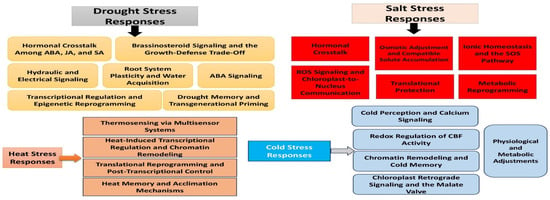
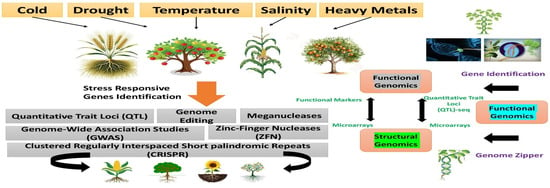
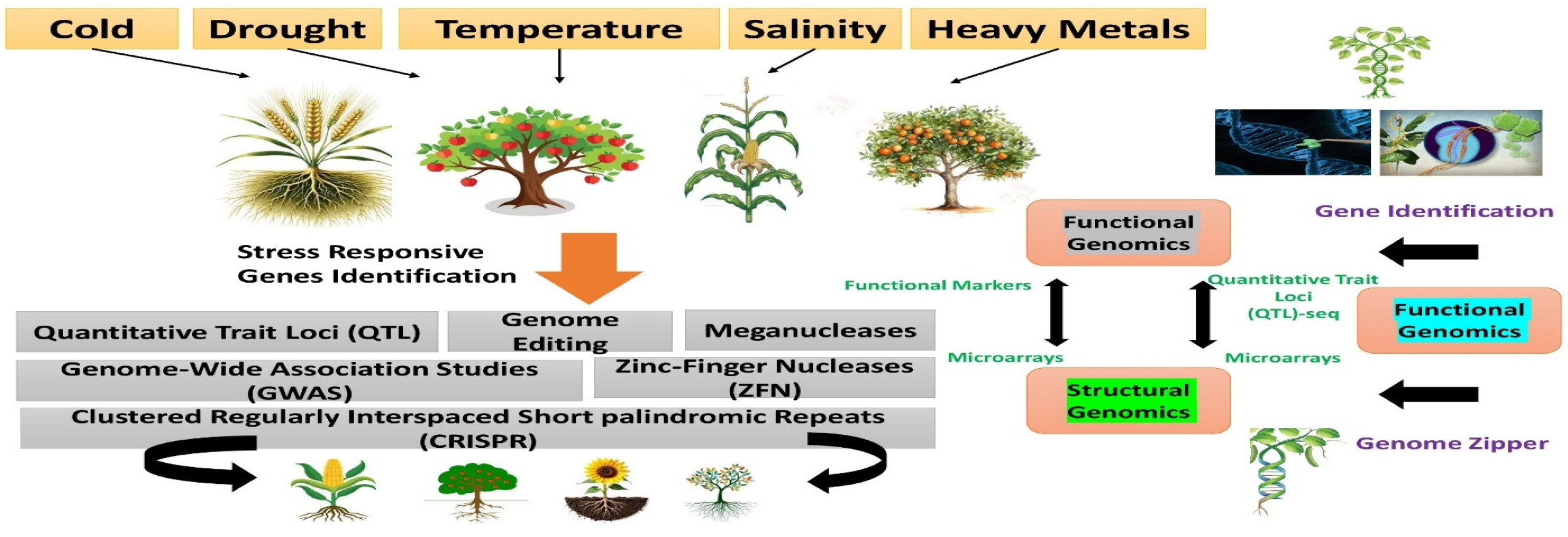
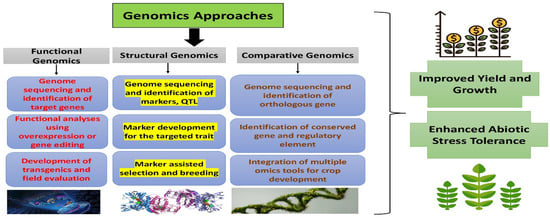
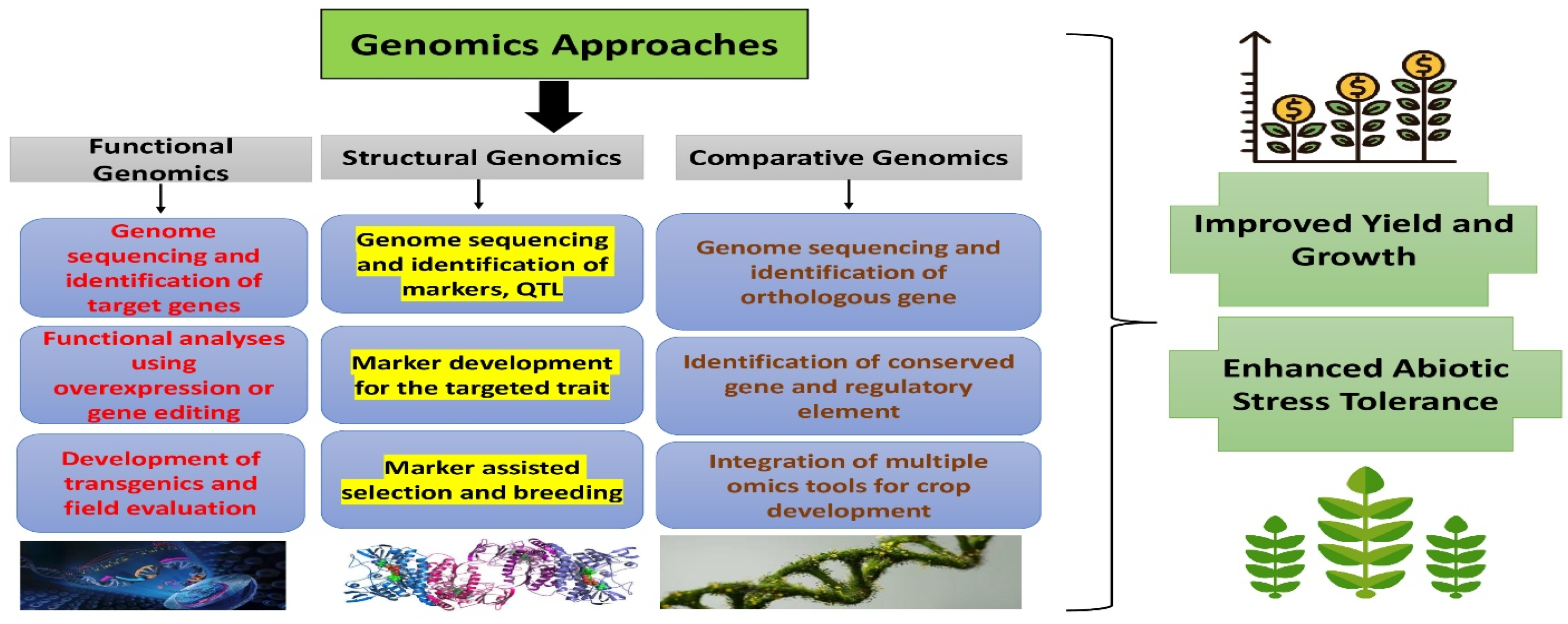
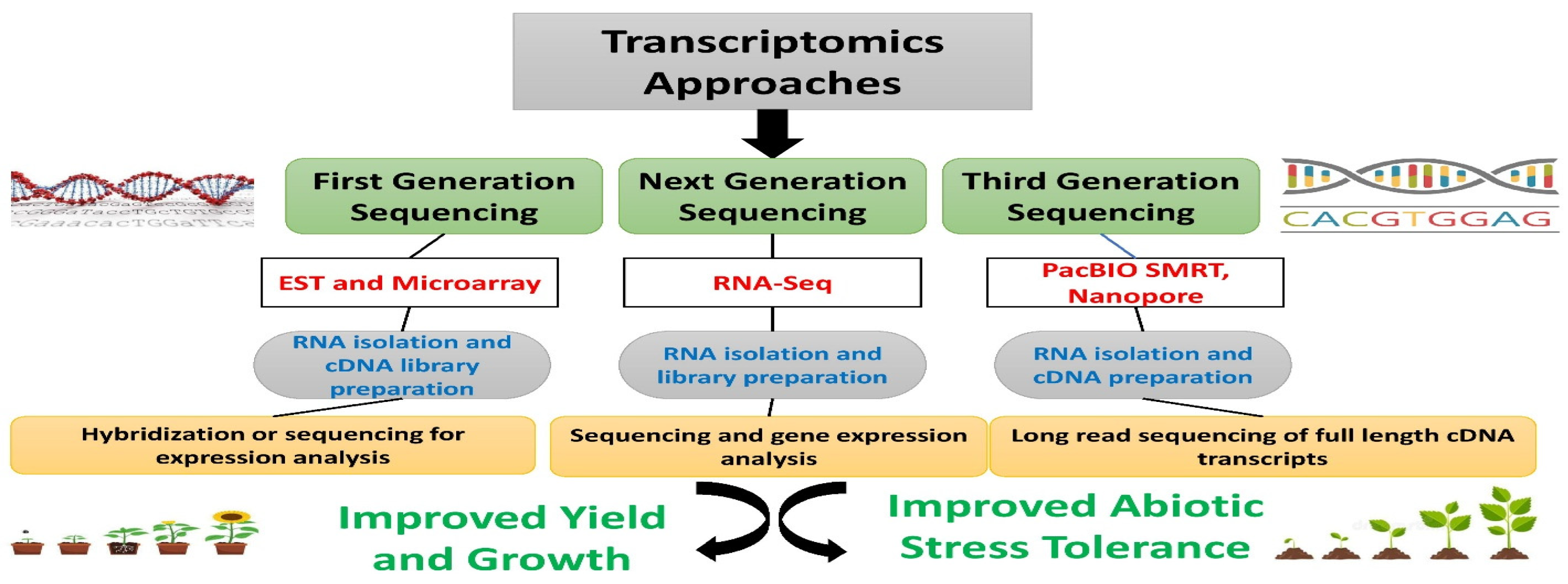

Disclaimer/Publisher’s Note: The statements, opinions and data contained in all publications are solely those of the individual author(s) and contributor(s) and not of MDPI and/or the editor(s). MDPI and/or the editor(s) disclaim responsibility for any injury to people or property resulting from any ideas, methods, instructions or products referred to in the content. |
© 2026 by the authors. Licensee MDPI, Basel, Switzerland. This article is an open access article distributed under the terms and conditions of the Creative Commons Attribution (CC BY) license.