


Abstract
The second member of the Kongdian Formation (Ek2; also referred to as the Kong 2 Member) in the Cangdong Sag within the Bohai Bay Basin contains a series of high-quality lacustrine shales characterized by high organic matter abundance and significant hydrocarbon shows. However, the mechanisms governing organic matter enrichment in the deep parts of the sag remain poorly understood, and the impacts of depositional environments on organic matter enrichment are yet to be determined. This study investigated shales in the C1, C3, and C5 sublayers of the Kong 2 Member. Specifically, this study examined the mineralogy and petrology, organic geochemistry, and elemental geochemistry of the shales using whole-rock X-ray diffraction (XRD) analysis, total organic carbon (TOC) analysis, pyrolysis experiments, and analyses of macerals, major and trace elements, and stable carbon and oxygen isotopes. Additionally, numerical analyses were conducted. The results indicate that shales in the Kong 2 Member consist primarily of felsic, dolomitic–calcareous, and mixed shales. These shales exhibit high TOC content (average: 3.07%), and favorable organic matter types dominated by liptinite and interbedded with minor planktonic algae and amorphous sapropelinite. These suggest great potential for hydrocarbon exploitation. During the deposition of shales in the Kong 2 Member, substantial terrigenous clasts were deposited at moderate rates under relatively arid climates characterized by frequently alternating dry and humid conditions. In this period, the anoxic to reducing depositional water bodies showed elevated salinity, resulting in saline-to-brackish water environments and moderate paleoproductivity. The organic matter enrichment of shales in the Kong 2 Member was jointly governed by paleoclimate dynamics, terrigenous input, and redox conditions, as demonstrated by multivariate analyses including the correlation analysis of depositional environmental factors, the univariate analysis of TOC content, gray relational analysis (GRA), and robust regression analysis. Two organic matter enrichment patterns were identified: (1) the preservation-dominated pattern under arid climates, governed by intense reducing environments, and (2) the productivity-driven pattern under humid climates, enhanced by terrestrial input.
1. Introduction
Shale is usually a fine-grained, thin, laminated sedimentary rock. Its organic matter enrichment is governed by a complex set of factors, such as the paleoclimate, paleosalinity, paleoredox conditions, paleo-water depth, and primary productivity. These paleo-environmental parameters can be derived from elemental and molecular geochemical data [1,2,3,4,5,6]. Organic-rich sediments typically form under warm-humid climates with strongly reducing and deep-water conditions, which promote high primary productivity [7,8]. Meanwhile, organic matter is well-preserved under strongly reducing conditions [9,10]. Previous studies have indicated that terrigenous detrital input and moderate sedimentation rates are also critical factors influencing the enrichment and preservation of organic matter [11,12,13,14,15].
China boasts abundant lacustrine shale oil and gas resources. Based on the resource assessments in China’s 13th Five-Year Plan, PetroChina Company Limited reports that the geological resources of onshore shale oil with medium-to-high maturity (also referred to as shale oil) amount to 20.1 × 10⁹ t, representing 71% of the total geological resources of shale oil in China. Accelerating the exploration and production of lacustrine shale oil and gas resources has become a national strategy for replacing hydrocarbon resources [16,17,18]. Currently, the exploration and production of lacustrine shale oil face both opportunities and challenges. Successful shale oil and gas production has been achieved in the Triassic strata in the Ordos Basin, the Cretaceous strata in the Songliao Basin, and the Paleogene strata in the Bohai Bay Basin, with the construction of three national demonstration zones for shale oil production capacity having been initiated in Jimusaer in Xinjiang, Gulong in Daqing, and Jiyang in Shengli [19]. However, compared to North American marine shales, China’s lacustrine shale series exhibit complex mineral compositions, poor planar continuity, significant thermal evolution variations, and pronounced heterogeneity, posing significant technical challenges. In addition, a comprehensive theoretical system for research on lacustrine shale oil and gas is yet to be established [20,21,22,23].
The Kong 2 Member in the Cangdong Sag was formed in a depositional setting of a faulted lacustrine basin, exhibiting a multi-provenance supply system at the basin periphery and extensively distributed laminated shales [24,25,26]. Geological studies reveal that these shales show three distinctive geological features: considerable cumulative thicknesses and extensive distribution, high organic matter abundance and great hydrocarbon-generating potential, and significant source rock characteristics. Previous studies have systematically investigated their petrology, reservoir properties, and organic geochemistry, gaining critical insights into lithofacies assemblages, pore structure evolution, and hydrocarbon generation and expulsion mechanisms. For instance, Pu Xiugang et al. examined the impacts of the lithological, reservoir, and organic geochemical characteristics of shales on hydrocarbon accumulation through quantitative mineralogical analyses, positing the mechanisms underlying shale formation and hydrocarbon accumulation [25,26,27]. Zhao Xianzheng held that the abundance and type of organic matter were governed by five-order cycles, as well as varying depositional environments, mineral contents, and parent material compositions in the cycles [26]. Xie Delu et al. determined the organic matter types of various rocks through organic facies analysis [28]. However, previous studies focus primarily on the margin of the Cangdong Sag. Limited surveys have been conducted on the geochemical characteristics of shales in the Kong 2 Member in the central part of the Cangdong Sag, leading to an unclear understanding of both factors influencing organic matter distribution and mechanisms governing organic matter enrichment. Through comprehensive petrological, mineralogical, organic geochemical, and elemental geochemical analyses, this study determined the paleoenvironmental conditions, including paleo-provenance, paleoclimate, paleosalinity, paleoproductivity, and paleoredox conditions, of organic-rich argillaceous shales in the deep parts of the Cangdong Sag. Using numerical analyses, this study identified dominant factors controlling organic matter enrichment in the argillaceous shales and explored the organic matter enrichment patterns in the deep parts. The results of this study are expected to provide a theoretical basis for subsequent oil and gas exploration in shales in the Kong 2 Member.
2. Geological Setting
The Bohai Bay Basin in East China represents a Meso-Cenozoic basin in the eastern North China Craton, with the Huanghua Depression residing in its central portion [24]. The Cangdong Sag is a secondary tectonic unit in the southern Huanghua Depression, covering an area of 1760 km2. This sag is bounded by the Cangdong Fault to the west, the Xuxi Fault to the east, the Kongdian Uplift to the north, and the Dongguang Uplift to the south. It is sandwiched between the Cangxian and Xuhei uplifts, exhibiting a SW-NE-directed elongated and narrow distribution (Figure 1a) [29,30,31]. Subjected to differential modifications in the evolutionary process of the Bohai Bay Basin, the Kongxi and Kongdong slopes in the north exhibit intense structural inversion, while the Nanpi Slope in the south shows relatively stable inherited characteristics [25]. Through a comprehensive analysis of gravity data, seismic profiles [32,33], heavy mineral assemblages, and clastic features, this study determined the provenance system during the deposition of the Kong 2 Member in the Cangdong Sag and identified 10 provenance areas including Xueguantun (Figure 1a).
Figure 1.
(a) Structural units and provenance system map of Cangdong Sag (modified after [9]). (b) Stratigraphic distribution map of Kongdian Formation in the study area (modified after [10]).
The Kongdian Formation has a total thickness of approximately 2000 m. Based on rock colors and grain sizes, this formation can be divided into the third, second, and first members (Ek3, Ek2, and Ek1, respectively) from bottom to top, which manifest coarse, fine, and coarse grain sizes and red, black, and red colors, respectively (Figure 1b). In terms of sequence stratigraphy, the Kongdian Formation, preserving a complete depositional cycle, is classified as a second-order sequence consisting of four third-order sequences: SQ1 (Ek3), SQ2 (Ek2), SQ3 (Ek1x), and SQ4 (Ek1s) [32]. The Kong 2 Member (thickness: about 400 m to 600 m) primarily exhibits grayish-black organic-rich shales interbedded with thinly laminated siltstones and carbonate, serving as primary source rocks in the Cangdong Sag [34,35], which are characterized by a composition of feldspar, quartz, carbonate minerals (calcite and dolomite), and clay minerals, indicating typical mixed sedimentation features [14,15].
3. Samples and Methods
3.1. Experimental Samples
All shale samples used in this study were collected from cored wells in the Kong 2 Member, Cangdong Sag, Dagang Oilfield. A total of 268 sampling points were arranged at depths ranging from 3916.98 m to 4072.12 m, consisting of 79, 120, and 69 sampling points in the C1, C3, and C5 sublayers, respectively. All samples were subjected to TOC content, pyrolysis, and XRD analyses. Representative samples were further tested for major and trace elements, with data on stable carbon and oxygen isotopes collected at the Dagang Oilfield Research Institute. For the cored intervals, 268 samples were used for whole-rock XRD analyses and TOC pyrolysis experiments, 55 for major and trace element analyses, 55 for rare earth element (REE) analyses, and 10 samples were analyzed using field emission scanning electron microscopy (FE-SEM) after argon ion polishing. Additionally, 60 stable carbon and oxygen isotope analysis data points were obtained from the same stratigraphic interval in neighboring wells.
3.2. Experimental Methods
All the following experiments were conducted at the State Key Laboratory of Deep Oil and Gas, China University of Petroleum (East China).
- 1.
- XRD Analyses
Samples were dried at 60 °C and ground to pass a 200-mesh screen. The prepared samples were scanned over a 2θ range from 1° to 160° using an X‘Pert PRO MPD X-ray diffractometer (Malvern PANalytical, Worcestershire, UK) with Cu Kα radiation (60 kV, 55 mA) and a Ni filter. The mineral compositions of the samples were identified through the computer-based analysis of XRD patterns, with the weight percentages of various minerals being quantified. Data processing and mineral identification were conducted using High Score Plus software [version 4.0]. Semi-quantitative phase analysis was performed using the Reference Intensity Ratio (RIR) method.
- 2.
- TOC Pyrolysis Experiments
The TOC content of 268 samples was determined using a LECO CS230 carbon-sulfur analyzer (LECO Corporation, St. Joseph, MI, USA). Before experiments, the samples were ground to sizes below 0.2 mm, dried at low temperatures, and treated using 12.5% hydrochloric acid (HCl) to remove inorganic carbon. Subsequently, the samples were rinsed with deionized water, filtered to neutrality, and oven dried at 60 °C to 80 °C.
- 3.
- Maceral Analysis
The shale samples were crushed to pass through a 20-meshe sieve and whole-rock polished pellets were prepared following standard coal petrology procedures. Maceral characteristics, including their mode of occurrence, color, morphology, and structures, were recorded using a Leica DM4500P optical microscope equipped with a Leica DFC 310 FX digital camera (Leica Microsystems, Wetzlar, Germany).
- 4.
- Stable Carbon and Oxygen Isotope Analyses
Samples were ground to pass a 200-mesh screen and dried at a constant temperature of 105 °C. The prepared samples and saturated phosphoric acid were loaded into the sample tube and its sidearm, respectively. After vacuum pumping, the samples reacted with the phosphoric acid in a constant-temperature water bath shaker. The resulting carbon dioxide (CO2) was collected using a liquid nitrogen cold trap (−196 °C). After being purified, the collected gas was then loaded into a MAT252 mass spectrometer (Thermo Fisher Scientific, Waltham, MA, USA) for analysis. The analytical results were calibrated using standard sample VPDB, with experimental errors not exceeding 0.1 ‰.
- 5.
- Major and Trace Element Analyses
The samples were ground to pass a 200-mesh screen and then dried at a constant temperature of 105 °C. Afterward, the samples were pressed into pellets, and their major elements were analyzed using a Thermo Fisher ARL 9900 X-ray fluorescence (XRF) spectrometer (Thermo Fisher Scientific, Waltham, MA, USA). For trace element analyses, involving REEs, the powdered samples were dissolved in hydrofluoric acid (HF) and nitric acid (HNO3) and then analyzed using a Finnigan MAT-252 inductively coupled plasma–mass spectrometer (ICP-MS) (Thermo Fisher Scientific, Waltham, MA, USA).
- 6.
- SEM
The shale samples were subjected to large-area polishing using a Gatan 693 argon ion polishing system (Gatan, Inc., Pleasanton, CA, USA) to achieve a polished area of approximately 0.5 cm × 0.5 cm, followed by carbon coating. The samples were then imaged using an FEI Helios 650 DualBeam FIB-SEM (FEI Company, Hillsboro, OR, USA) at an accelerating voltage of 5 kV.
3.3. Data Preparation
The chemical index of alteration (CIA), a pivotal geochemical indicator, is widely utilized to quantitatively assess chemical weathering intensity in provenance areas. This indicator serves as an effective basis for reconstructing paleoclimate evolutionary patterns [36,37]. The calculation equation is as follows:
CIA = 100 × Al2O3/(Al2O3 + CaO* + Na2O + K2O)
In the application of CIA to the inference of paleoclimate evolution, the CaO content of carbonate is usually corrected to eliminate the influence of carbonate overprinting in the late-stage diagenetic process [38,39]:
CaO* = CaO − (10/3 × P2O5)
This correction method can effectively remove the interference of secondary carbonates on CIA values, thereby preserving the original climatic significance of CIA.
C-value, a paleoclimate index, is commonly used to characterize paleoclimatic conditions, and the calculation equation is as follows [40,41]:
C = Σ(Fe + Mn + Cr + V + Ni + Co)/Σ(Ca + Mg + K + Sr + Ba + Na)
It is hypothesized that elements Fe, Mn, Cr, V, Ni, and Co are enriched under humid climatic conditions, while metal elements Ca, Mg, K, Sr, Ba, and Na are significantly enriched under arid climatic conditions.
The content of biogenic barium (Babio), obtained by subtracting the Ba content in terrigenous clastics from the total Ba content, is generally considered an indicator of paleoproductivity. It can be calculated as follows [42,43]:
where Babio is the biogenic Ba content; Al and Batot are the total Al and Ba contents derived from experiments, respectively, and (Ba/Al)detrital is based on the Ba/Al ratio in average crustal rocks, ranging from 0.0032 to 0.0046 (average: 0.0039). In this study, the average (0.0039) was used to calculate the Babio content.
Babio = Batot − [Al × (Ba/Al)detrital]
4. Results
4.1. Mineralogical and Petrological Characteristics
4.1.1. Mineral Composition
The whole-rock XRD data indicate that shales in the Kong 2 Member within the Cangdong Sag contain felsic, carbonate, and clay minerals, as well as minor authigenic minerals like pyrite and chlorite. The felsic minerals are dominated by plagioclase (31.22%), followed by quartz (17.57%) and K-feldspar (9.24%). The carbonate minerals primarily comprise ankerite (20.73%), followed by calcite (5.13%) and dolomite (0.58%), with siderite occasionally visible. The clay minerals (13.23%) consist primarily of illite, chlorite, mixed-layer illite–smectite, and smectite, along with rare kaolinite and mixed-layer chlorite–smectite (Figure 2d). Mineral contents vary significantly across sublayers. Specifically, the highest felsic mineral content is observed in sublayer C3 (Figure 2b), while sublayers C1 and C5 show comparable felsic mineral content. The highest carbonate mineral content is found in sublayer C1 (Figure 2a), while sublayers C3 and C5 show similar carbonate mineral content. Furthermore, sublayer C5 has higher clay mineral content than sublayers C1 and C3 (Figure 2c).
Figure 2.
Mineral content distribution map: (a) C1 sublayer, (b) C3 sublayer, (c) C5 sublayer, (d) Average content.
4.1.2. Rock Type Classification
The XRD data of primary minerals, including felsic (i.e., quartz and feldspar), carbonate (i.e., calcite, dolomite, and ankerite), and clay minerals, were normalized. With felsic, carbonate, and clay minerals as ternary endmembers and 50% of their contents as thresholds, the shale samples were classified into felsic, carbonate, and clayey shales. For sublayer C1, felsic, dolomitic–calcareous (a carbonate shale type), and mixed shales represent 68.35%, 21.52%, and 10.13%, respectively. For sublayer C3, felsic, dolomitic–calcareous, and mixed shales represent 78.33%, 15.00%, and 6.67%, respectively. For sublayer C5, felsic, dolomitic–calcareous, and mixed shales account for 70.30%, 10.89%, and 18.81%, respectively. Based on the ternary diagram of mineral contents, shales in the Kong 2 Member consist predominantly of felsic, dolomitic–calcareous, and mixed shales, with clayey shales occasionally occurring in sublayer C5 (Figure 3).
Figure 3.
Lithological map of Member 2, Kongdian Formation in the study area.
4.2. Characteristics of Organic Matter Enrichment
4.2.1. Organic Matter Characteristics
The organic geochemical data in shale is shown in Supplementary Table S1. Shales in the Kong 2 Member exhibit TOC content ranging from 0.25% to 8.45% (average: 3.07%), S1 + S2 values from 0.48 to 63.8 (average: 18.2), and hydrogen index (HI) values from 112.44 to 1157.33 (average: 429.29) (Table 1). Based on the Geochemical Assessment Method for Lacustrine Source Rocks (SY/T 5735-1995) [44], shales in the Kong 2 Member in the Cangdong Sag are identified as good-to-excellent source rocks (Figure 4a), with only minor amounts of poor source rocks. The organic matter abundance decreases in the order of C1(TOCaverage: 3.82) > C5(TOCaverage: 3.17) > C3(TOCaverage: 2.48), with the C1 sub-layer being the most enriched (Table 1). Considering existing classification schemes for organic matter in different areas [21], as well as previous insights and the current status of the study area, this study defined shales with TOC contents of less than 1%, 1% to 2%, and greater than 2% as organic-deficient, -moderate, and -rich shales, respectively. Figure 4b shows that shales in the Kong 2 Member are predominantly organic-rich, followed by organic-moderate and a small amount of organic-deficient shales.
Table 1.
Organic geochemical data of the shale from EK2.
Figure 4.
(a) Evaluation chart of organic matter abundance (HI vs. TOC) in Member 2 Shale, Kongdian Formation (modified after [45]). (b) Columnar chart of organic matter abundance distribution. (c) Distribution map of organic matter types (HI vs. Tmax) (modified after [46]). (d) Triangular diagram of maceral component types (modified after [47]).
The organic matter in a lacustrine basin originates primarily from two sources: autochthonous lower aquatic organisms, such as algae and bacteria, and allochthonous higher terrestrial plants transported into lakes by wind or rivers. The organic matter sources can be inferred from maceral analyses and pyrolysis experiments. The HI vs. peak pyrolysis yield temperature (Tmax) diagram reveals that the organic matter in the Cangdong area is predominantly of types I and II1, with a minor presence of type II2, suggesting a source of lower aquatic organisms along with some higher terrestrial plants (Figure 4c). The maceral type index range of 20.97 to 85.33 (average: 61.15) indicates that the organic matter is primarily of type II1, followed by type II2 and some type I (Table 2). Maceral analyses (Supplementary Table S2) reveal that the organic matter in shales in the Kong 2 Member is dominated by exinite (Figure 5a,b), interbedded with minor planktonic algae and amorphous sapropelinite (Figure 5c,d). The ternary diagram of maceral composition shows that the organic matter in shales in the Kong 2 Member is predominantly of the mixed type (sublayers C3 and C5), with a minor presence of the sapropelic type in sublayer C1.
Table 2.
Maceral composition of the shale from EK2.
Figure 5.
(a) exinite, 4067.55 m, 200× (oil immersion fluorescence). (b) exinite, 4067.55 m, 200× (oil immersion reflected white light). (c) liptinite, 4028.55 m, 200× (oil immersion fluorescence). (d). liptinite, 4028.55 m, 200× (oil immersion reflected white light). (e) Bedding-parallel distribution of organic matter, 4008.36 m, 77× (SEM). (f) Dispersed distribution of organic matter, 4011.11 m, 57× (SEM). (g) Massive distribution of organic matter, 3933.42 m, 1.55k× (SEM). (h) Interstitial distribution of organic matter, 4067.55 m, 2.25k× (SEM). (i) Organic matter infilling the interiors of mineral grains in a reticular pattern, 3933.42 m, 260× (SEM).
4.2.2. Characteristics of Organic Matter Occurrence
Macroscopically, organic-rich shales exhibit high TOC content. Microscopically, their organic matter is primarily paragenetic with inorganic minerals. The organic matter in shales in the Kong 2 Member within the Cangdong area displays diverse forms. The SEM results show laminated, massive, and pore-filling organic matter. Based on their modes of occurrence, the laminated and massive forms are primarily identified as primary kerogen, whereas the pore-filling form is interpreted as secondary solid bitumen [48]. Organic laminae are observed occasionally in a banded distribution, containing minor clay minerals and mineral grains such as feldspar and quartz (Figure 5e). Some organic matter is dispersed among rock grains (Figure 5f), with the visible portion showing irregular massive shapes (Figure 5g) and distinct boundaries being visible between it and surrounding minerals. Pore-filling organic matter is distributed in intergranular pores of minerals or inter-crystalline pores of clay minerals (Figure 5h). Its morphology is governed by pore geometry, with no significant morphological characteristics. Occasionally, organic matter is observed filling the interiors of mineral grains in a reticular pattern (Figure 5i).
4.3. Element Geochemical Characteristics
4.3.1. Major Elements
The major elements of the samples are shown in Supplementary Table S3. In shales in the Kong 2 Member within the Cangdong area, the oxides of major elements include Na2O, MgO, Al2O3, SiO2, P2O5, K2O, CaO, TiO2, MnO, and Fe2O3. Among these oxides, SiO2 forms the highest content (average: 41.60%), followed by Al2O3 (11.73%) and CaO (10.81%). The Na2O, MgO, and Fe2O3 contents are below 5%, while the P2O5, TiO2, and MnO contents are below 1% (Supplementary Table S3). Compared to the UCC standard values, sublayers C1, C3, and C5 are generally enriched in MgO and CaO (proportions: above 2%), suggesting that the rocks in these sublayers were possibly formed in an evaporative environment. These sublayers are relatively enriched in P2O5 and MnO (proportions: above 1%), contributing to organic matter formation, and are relatively depleted in Al2O3, SiO2, K2O, TiO2, and Fe2O3 (proportions: below 1%) (Figure 6d). Additionally, Na2O is enriched in sublayer C3 but depleted in sublayers C1 and C5 (Figure 6b), aligning with the finding that sublayer C3 is relatively enriched in felsic minerals but sublayers C1 and C5 contain relatively abundant carbonate minerals (Figure 6a,c).
Figure 6.
Distribution map of major element content: (a) C1 sublayer, (b) C3 sublayer, (c) C5 sublayer, (d) average content.
4.3.2. Trace Elements
The trace elements of the samples are shown in Table S4. The analyses of the EFs and spider diagrams of trace elements (Figure 7) reveal that shales in the Kong 2 Member are relatively enriched in Li (EF: 1.78), Sr (EF: 1.36), Cd (EF: 1.24), and Bi (EF: 1.47), with EFs all far exceeding 1, but are relatively depleted in the remaining elements (EF: below 1). The co-enrichment of Li and Bi is attributed to the coupling of an arid paleoclimate. Specifically, Li enrichment results from intense evaporation and brine concentration under arid conditions [46], while Bi enrichment is attributed to salinity-induced water stratification, which establishes a stable reducing environment favorable for its preservation [49]. The pronounced enrichment of Sr is largely associated with the saline-to-brackish lacustrine depositional environment in the Cangdong area. The overall Cd enrichment suggests the presence of anoxic deposits formed by sulfate reduction [50]. Compared to sublayer C1, sublayers C3 and C5 display significantly varying EFs, indicating relatively stable climatic conditions during the deposition of C1 but marked climatic fluctuations during the deposition of C3 and C5.
Figure 7.
Distribution characteristics of trace elements: (a) C1 sublayer, (b) C3 sublayer, (c) C5 sublayer, (d) average content.
4.3.3. REEs
The rare earth elements in the samples are shown in Table S5. REE analysis reveals that shales in the Kong 2 Member within the Cangdong area have a total REE (ΣREE) content ranging from 28.00 mg/kg to 194.58 mg/kg (average: 143.81 mg/kg). Sublayers C1, C3, and C5 have a total light REE (ΣLREE) content ranging from 84.35 mg/kg to 177.46 mg/kg (average: 119.21 mg/kg), from 24.59 mg/kg to 180.38 mg/kg (average: 136.92 mg/kg), and from 49.68 mg/kg to 176.28 mg/kg (average: 137.48 mg/kg), respectively. They exhibit a total heavy REE (ΣHREE) content ranging from 8.64 mg/kg to 16.79 mg/kg (average: 11.33 mg/kg), from 3.41 mg/kg to 15.21 mg/kg (average: 12.26 mg/kg), and from 7.04 mg/kg to 16.84 mg/kg (average: 13.15 mg/kg), respectively. Accordingly, the average ΣLREE/ΣHREE ratios of sublayers C1, C3, and C5 are 10.50, 11.06, and 10.23, respectively, indicating LREE enrichment and HREE depletion in the Cangdong area. Chondrite-normalized REE patterns (Figure 8d) show an inclined LREE distribution, a flat HREE distribution, and weak negative Eu anomalies across the Kong 2 Member. It suggests the sediments were derived from a stable, weathered continental source area rather than mafic or hydrothermal sources [51]. Similar REE distributions across the C1, C3, and C5 sublayers suggest the presence of a homogeneous provenance system in the Cangdong Sag during the deposition of the Kong 2 Member.
Figure 8.
Chondrite-normalized rare earth element distribution patterns: (a) C1 sublayer, (b) C3 sublayer, (c) C5 sublayer, (d) average content.
5. Discussion
5.1. Analysis of Depositional Environments
5.1.1. Paleolake Type
The carbon and oxygen isotopes of the samples are shown in Table S5. The stable carbon and oxygen isotopes of primary carbonate rocks serve as critical proxies in the reconstruction of paleoenvironmental and paleoclimatic changes, having found wide applications in paleoceanographic and paleolimnologic studies [52]. The openness of lake water bodies governs the variation patterns of carbon and oxygen isotopes in primary lacustrine carbonate rocks. Closed water bodies are subjected to significant evaporation. In the case of intense evaporation, light δ16O and δ12C isotopes preferentially escape from lake water. This leads to the co-enrichment of δ18O and δ13C in residual water, with a strong linear correlation between both values [53,54]. A higher correlation coefficient typically indicates more restricted lake hydrology. In modern open freshwater lakes, the δ18O and δ13C values of primary carbonate rocks are both negative, falling within the third quadrant. In contrast, closed saline/brackish lakes predominantly exhibit positive δ13C values and positive and negative δ18O values, with data points clustering in the first and second quadrants. The δ13C vs. δ18O cross plots (Figure 9) of coeval samples from wells Guan 108-8 (A) and Guan 14 (B) reveal that the δ18O and δ13C values falling within the second quadrant show a strong positive correlation, demonstrating that the Cangdong Sag contained a relatively closed, saline lacustrine system during the deposition of the Kong 2 Member.
Figure 9.
Distribution characteristics of carbon and oxygen isotopes in the Ek2 Member of the study area (modified after [54]).
5.1.2. Paleoprovenance
Primary primitive materials in lacustrine shales include the weathering products of parent rocks, volcanic materials, and organic matter, with the former predominating. Variations in parent rock composition result in different weathering products, further influencing the deposit types. Distinct weathering products are transported into depositional water bodies via surface runoff, carrying diverse materials [55]. REEs feature strong geochemical stability and can be rapidly deposited onto deposit surfaces. These elements undergo minimal chemical alteration during weathering, transport, and deposition, thus effectively preserving source rock signatures. Therefore, REE cross plots are widely applied in provenance analysis [56]. The La/Th vs. Hf chart board used to determine the parent rock types of deposits (Figure 10) reveals that during the deposition of the Kong 2 Member, the Cangdong Sag predominantly exhibited a felsic-mafic mixed provenance area, whose weathering products consisted primarily of minerals like quartz and feldspar. Meanwhile, sublayers C1, C3, and C5 exhibited consistent provenance types.
Figure 10.
La/Th-Hf Distribution Characteristics in the Ek2 Member (modified after [57]).
5.1.3. Terrestrial Input and Its Deposition Rates
Aluminum (Al) and titanium (Ti) exhibit strong stability during deposition. Variations in their contents reflect the degree of terrestrial input. Higher contents indicate a higher abundance of terrestrial materials [57]. A stronger correlation between Al and Ti suggests a more consistent, stable terrestrial clast supply from provenance areas. During the deposition of the Kong 2 Member, multiple provenance areas occurred surrounding the lacustrine basin in the Cangdong Sag, forming lobes of fan deltas and braided river deltas, from which materials were transported to the center of the lacustrine basin [35]. The samples showed a strong positive correlation between Ti and Al, with an R2 value of 0.9017, indicating consistent terrestrial clastic input generally across sublayers C1, C3, and C5 (Figure 11). The study area shows Al content ranging from 1.82% to 17.16%, with an average of 11.7%, which is higher than that of the UCC (8.04%). The Ti content ranges from 0.08% to 0.72%, averaging 0.48%, which also exceeds that of the UCC (0.38%). Sublayer C3 exhibits the most abundant terrestrial input (average Al and Ti contents: 12.88% and 0.53%, respectively), followed by sublayer C5 (average Al and Ti contents: 11.52% and 0.49%, respectively) and C1 (average Al and Ti contents: 10.28% and 0.41%, respectively).
Figure 11.
Scatter plot of Ti-Al content distribution in the Ek2 member of the study area (modified after [45]).
The chondrite-normalized La/Yb ratio, expressed as the (La/Yb)N ratio, serves as an effective geochemical proxy used to characterize the differences in deposition rates of clastic deposits from provenance areas [58]. (La/Yb)N ratios close to 1 suggest low deposition rates. In this case, suspended particles will be retained in water bodies for a prolonged period, allowing the adsorption of LREEs by organic matter and clay minerals, as well as HREE enrichment. This leads to strong differentiation. In contrast, (La/Yb)N ratios significantly above 1 suggest high deposition rates. In this case, clastics will undergo insufficient sorting and weathering. As a result, LREEs like La are adsorbed by clay minerals, while HREEs like Yb are taken away [59,60,61]. Shales in the Kong 2 Member within the Cangdong area exhibit (La/Yb)N ratios ranging from 4.94 to 14.21 (average: 11.08), indicating relatively high overall deposition rates (Figure 12). Specifically, sublayer C3 shows the highest deposition rate (average (La/Yb)N ratio: 11.91), followed by sublayers C5 and C1, which correspond to average (La/Yb)N ratios of 11.1 and 10.87, respectively. The histogram showing the depositional environment parameters (Figure 12) reveals a large amount of terrestrial input, despite frequent changes, during the deposition of the Kong 2 Member. Specifically, sublayer C5 experienced fluctuating and then stable terrestrial input, while sublayer C3 underwent rapid terrestrial input with occasional sharp declines. However, sublayer C1 showed a small amount of terrestrial input. These findings indicate that the onset of lake regression led to reduced terrestrial clastic input.
Figure 12.
Box plot of (La/Yb)N content distribution in the Ek2 member of the study area.
5.1.4. Paleosalinity
Water salinity represents the mass fraction of all soluble salts in water. Paleosalinity denotes the water salinity of a specific geological period preserved in paleodeposits, significantly influencing chemical deposition and the distribution of chemical rocks. Strontium (Sr) and barium (Ba), sharing similar chemical properties, show distinct solubility. Both can dissolve in freshwater environments. With an increase in salinity, Ba, featuring lower solubility, will combine with SO42− and then precipitate, while Sr remains dissolved in water, creating a marked disparity in their concentrations. As salinity rises to a certain level, Sr also precipitates, leading to a decrease in its aqueous concentration. Therefore, the Sr/Ba ratio can effectively reflect water salinity [62]. The Sr/Ba ratios of greater than 1, 1–0.5, and less than 0.5 correspond to saline water, brackish water, and freshwater, respectively. Higher Sr/Ba ratios suggest increased salinity. In the Cangdong area, the Sr/Ba ratios (Figure 13) range from 0.35 to 2.02 (average: 1.01), suggesting overall saline-to-brackish water environments. The average Sr/Ba ratios indicate the salinities of the three sublayers decreased in the order of C1 (1.31), C5 (0.93), and C3 (0.82).
Figure 13.
Scatter plot of Sr/Ba-MgO/Al2O3 distribution in the Ek2 member of the study area (modified after [61]).
The MgO/Al2O3 ratio represents a reliable indicator for reconstructing paleosalinity variations. Water environments can be classified based on ω = 100 × MgO/Al2O3. Specifically, ω < 1 denotes freshwater environments, 1 < ω < 10 represents marine–terrestrial transitional environments, 10 < ω < 500 suggests marine environments, and ω > 500 signifies epicontinental marine environments [63]. The Kong 2 Member in the Cangdong area exhibits MgO/Al2O3 ratios ranging primarily from 7.01 to 929.03 (average: 83.89), suggesting that this member was predominantly deposited in brackish-to-saline water environments (Figure 13). The average ω values indicate that the salinities of the three sublayers decreased in the order of C1 (137.39), C5 (83.02), and C3 (44.92).
There existed a significant positive correlation between the Sr/Ba and MgO/Al2O3 ratios, with an R2 value of 0.3757, indicating consistency between both salinity proxies. The histogram showing the depositional environmental parameters reveals that water salinity in sublayers C5 to C3 alternated frequently between brackish and saline environments, with sporadic freshwater conditions identified in sublayer C3. During the deposition of C1, the water system predominantly maintained saline water, mixed with minor occurrences of brackish water.
5.1.5. Paleoclimate
Paleoclimatic change influences deposit supply and water column stratification, further constraining the population density and biotic assemblages in water bodies while indirectly affecting the enrichment and preservation of organic matter. The CIA, proposed by Nesbitt et al., has been widely applied to paleoclimatic analyses and the assessments of weathering intensity in provenance areas. Studies demonstrate that a higher CIA value suggests a more humid paleoclimate. Specifically, 85 < CIA < 100 indicates hot and humid climates with intense chemical weathering, 70 < CIA < 85 reflects warm and humid climates with moderate chemical weathering, 50 < CIA < 70 suggests semi-arid climates with weak chemical weathering, and CIA < 50 signifies arid climates with minimal chemical weathering. In the Cangdong area, the CIA values range from 6.13 to 63.73 (average: 43.22), indicating arid and semi-arid climates (Figure 14), with weak chemical weathering during the deposition of the Kong 2 Member. The average CIA values indicate that the aridity of the three sublayers decreased in the order of C1 (37.32), C5 (42.47), and C3 (48.06).
Figure 14.
Scatter plot of C-CIA value distribution in the Ek2 member of the study area (modified after [64]).
Under different paleoclimatic settings, the migration patterns and accumulation characteristics of metal elements exhibit significant differentiation. Geochemical studies reveal that under humid climatic conditions, metal elements with variable valencies, like Fe, Mn, Cr, V, Ni, and Co, are more prone to be activated and migrate in reducing weathering-depositional systems, subsequently enriched in depositional layers through organic matter complexation or oxide adsorption. Under arid climatic conditions, intense evaporation causes the supersaturation and precipitation of the saline minerals (e.g., carbonates and sulfates) of alkaline earth metals like Ca, Mg, K, Sr, Ba, and Na, leading to the formation of evaporite sequences. Meanwhile, the alkaline earth metals accumulate prominently on the depositional profiles. Therefore, the paleoclimate index, i.e., C-value, has often been employed to characterize paleoclimatic conditions [64,65]. Previous studies suggest that a lower C-value indicates a more arid climate. Specifically, C-values of less than 0.2, 0.2–0.4, 0.4–0.6, and greater than 0.6 signify arid, semi-arid, sub-humid, and humid climatic conditions, respectively. The Cangdong area exhibits C-values ranging from 0.02 to 0.41 (average: 0.16), indicating arid and semi-arid climatic conditions (Figure 14) during the deposition of the Kong 2 Member. The average C-values indicate that the aridity of the three sublayers decreased in the order of C1 (0.10), C5 (0.17), and C3 (0.21).
There existed a significant positive correlation between the CIA and C-value, with an R2 value of 0.3408, demonstrating consistency between both paleoclimate proxies. The histogram showing the depositional environmental parameters (Figure 14) reveals arid and semi-arid alternating conditions in sublayers C5 to C3. Sublayer C1 primarily experienced arid climates, while sublayer C3 underwent relatively weak aridity, with the occasional presence of humid climatic conditions.
5.1.6. Paleoredox Conditions
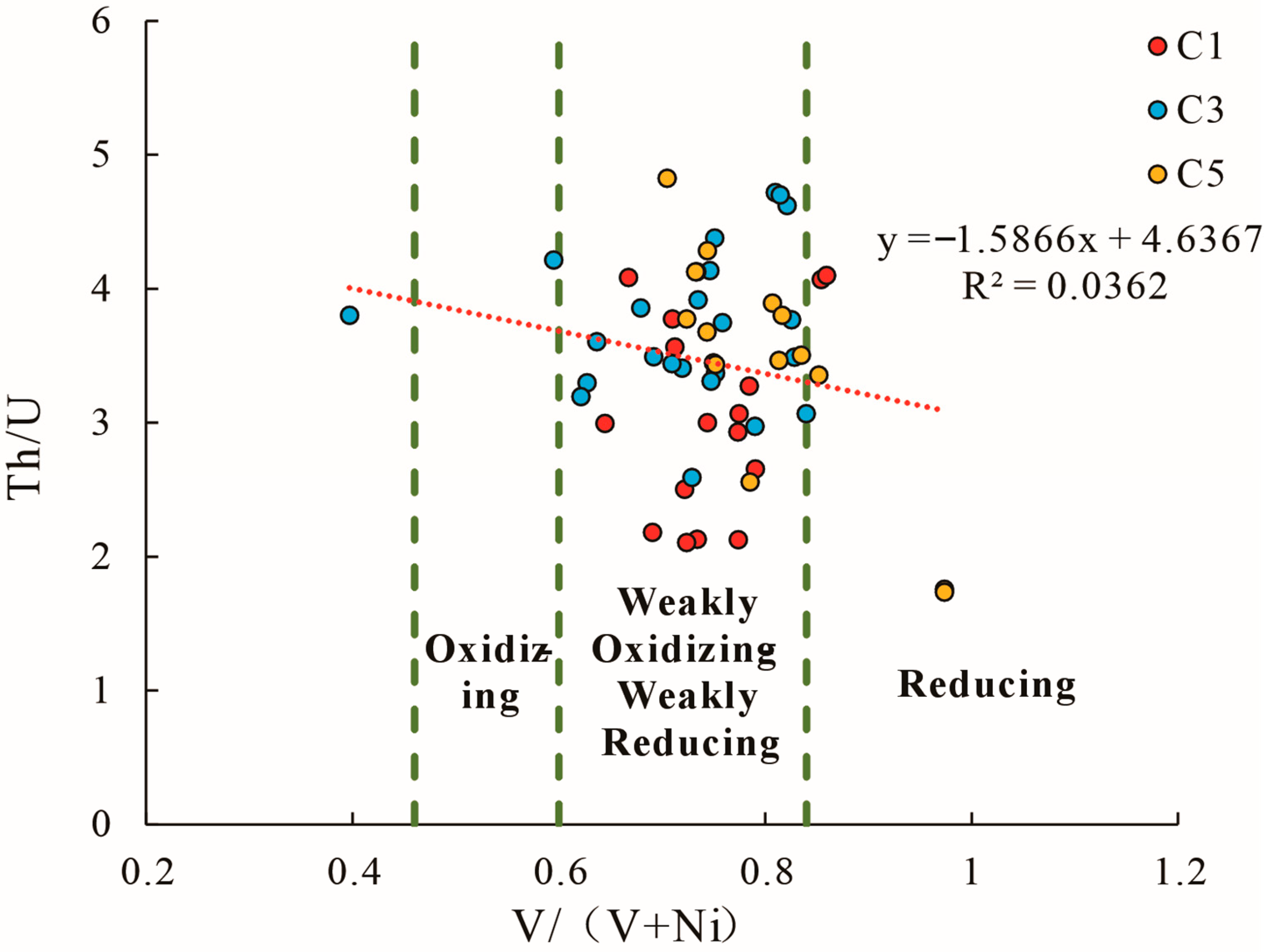
Vanadium (V) and nickel (Ni) in water bodies are primarily adsorbed by colloidal particles or clay minerals and then precipitated. V tends to be enriched under oxidizing environments with high acidity, while Ni is prone to accumulate in reducing environments with elevated alkalinity. Therefore, the V/(V + Ni) ratio can reflect the redox conditions of depositional environments. High (above 0.84), intermediate (0.60–0.84), and low (0.46–0.60) V/(V + Ni) ratios indicate strongly reducing environments, moderately stratified dysoxic environments, and weakly stratified aerobic environments, respectively [66]. The Cangdong area exhibits V/(V + Ni) ratios ranging from 0.04 to 0.97 (average: 0.75; Figure 15), signifying dysoxic to reducing environments during the deposition of the Kong 2 Member. The average V/(V + Ni) ratios indicate that the reducibility of the three sublayers decreased in the order of C1 (0.75), C5 (0.72), and C3 (0.69).
The chemical activity of thorium (Th) and uranium (U) exhibits a certain correlation with the redox properties of water bodies. Th occurs only in the +4 valence state and displays limited solubility, with relatively stable chemical properties. In contrast, U displays varying valences under different environments. In strongly reducing environments, U is stabilized as U4+, which is insoluble and enriched in deposits. In contrast, oxidizing environments promote U oxidation to U6+, enhancing its solubility and leading to U depletion in deposits [67,68]. Therefore, the Th/U ratio serves as a robust proxy for redox conditions. Th/U ratios of less than 4, 4–30, and greater than 30 indicate anoxic to strongly reducing, dysoxic, and strongly oxidizing environments, respectively. The Cangdong area exhibits Th/U ratios ranging from 1.74 to 4.82 (average: 3.44; Figure 15), implying anoxic to reducing environments generally during the deposition of the Kong 2 Member. The average Th/U ratios indicate that the reducibility of the three sublayers decreased in the order of C1 (3.06), C5 (3.49), and C3 (3.70). The histogram showing depositional environmental parameters (Figure 15) reveals that the Cangdong area was predominantly subjected to dysoxic to reducing environments. Sublayers C5 to C3 underwent fluctuating redox conditions, with oxidizing water bodies occasionally present. Notably, sublayer C1 maintained a stable dysoxic to reducing environment.
Figure 15.
Scatter plot of Th/U-V/(V + Ni) value distribution in the Ek2 member of the study area (modified after [68]).
5.1.7. Paleoproductivity
Paleoproductivity describes the process by which organisms synthesize and accumulate organic matter in external environments through their life activities. This process influences the shale oil and gas enrichment by affecting the content of depositional organic matter [69]. Copper (Cu) is typically combined with organic matter, forming metal–organic complexes, which are then transported into deposits [70]. The Cu/Al ratio is commonly used to reflect paleoproductivity. Specifically, Cu/Al ratios of less than 1, 1–2, and 2–5 and greater than 5 correspond to low, moderate, high, and extremely high productivity, respectively. The content of biogenic barium (Babio) is generally considered an indicator of paleoproductivity. Babio contents of less than 200 µg/g, 200–1000 µg/g, and greater than 1000 µg/g represent low, moderate, and high paleoproductivity, respectively [71,72]. The Cu/Al ratios and Babio content (Figure 16) reveal that the Kong 2 Member features moderate paleoproductivity generally. Specifically, the paleoproductivity of the three sublayers decreased in the order of C1 (averages: Cu/Al = 2.73 and Babio = 754, respectively), C5 (averages: Cu/Al = 2.31 and Babio = 693, respectively), and C3 (averages: Cu/Al = 2.07 and Babio = 632, respectively). The histogram showing depositional environmental parameters (Figure 16) reveals that sublayers C5 to C1 generally feature moderate paleoproductivity despite some fluctuations.
Figure 16.
Scatter plot of Cu/Al-Babio value distribution in the Ek2 member of the study area (modified after [73]).
The comprehensive analysis of multiple geochemical parameters (Figure 17) reveals that the Kong 2 Member in the Cangdong area is a closed lacustrine basin formed under arid and semi-arid climatic conditions. Its paleowater environment was characterized by dysoxic to reducing environments, along with brackish-to-saline water bodies due to climatic change. Organic matter enrichment in the member was jointly promoted by intense terrigenous clastic input, moderate paleoproductivity, and sustained reducing environments. Two distinct depositional settings were identified in the Cangdong area. Sublayers C5 and C3 experienced frequent alternations between dry and humid conditions under generally arid to semi-arid climates. Their humidity increased upward, and their water salinity fluctuated with terrigenous input. In contrast, sublayer C1 primarily experienced arid climatic conditions, featuring saline water bodies under reducing environments. Moreover, terrigenous input into sublayer C1 began to decrease, accompanied by minimal variations in paleoproductivity.
Figure 17.
Columnar chart of sedimentary environment parameters of the Ek2 member in the study area.
5.2. Analysis of Factors Influencing Organic Matter Enrichment
Previous studies posit that organic matter abundance generally represents the final outcome of competing positive and negative effects. Based on the organic matter enrichment process, two primary enrichment models have been developed [74,75,76,77,78]: (1) the productivity model, highlighting that primary productivity serves as the dominant cause of organic matter enrichment, and (2) the preservation model, underscoring the dominant role of anoxic to reducing marine conditions in organic matter enrichment. To overcome the limitations of single-factor analysis [54,77], this study integrates gray relational analysis (GRA) with robust regression. This method mitigates the influence of outliers and quantitatively reveals the synergistic controls of sedimentary factors on organic matter enrichment.
5.2.1. Correlation Analysis of Depositional Environmental Factors
Traditional qualitative assessments using individual environmental parameters have limitations in research on organic matter enrichment mechanisms. Hence, this study employed gray relational analysis to systematically investigate the nonlinear response relationships between organic matter content and critical geochemical indicators (e.g., major and trace elements and redox-sensitive parameters) within the depositional system. Furthermore, this study quantitatively assessed the similarities among various factors, including paleoproductivity, preservation condition, and deposition rate. Gray relational analysis (GRA) can determine the geometric similarity between a reference sequence (TOC content) and comparative sequences (environmental parameters), reflecting the degrees of correlation among their curves [78,79]. The correlations among various paleoenvironmental factors can be determined by comparing their gray relational degrees. A higher gray relational degree indicates a stronger correlation. Environmental parameters with significant correlation coefficients were selected as comparative sequences. Based on the mean normalization of environmental parameters and a distinguishing coefficient (ρ) of 0.5, gray relational degrees were determined through the mean normalization of gray relational coefficients corresponding to various depths (Figure 18).
Figure 18.
Columnar charts of gray correlation degrees for environmental parameters (a) C1 sub-layer, (b) C3 + C5 sublayers.
Based on the gray relational degrees, the parameters with stronger correlations—CIA, Sr/Ba ratio, V/(V + Ni) ratio, Al content, and Babio content—were selected for subsequent analysis of depositional environmental parameters. The calculated gray relational degrees between various influential factors and TOC content (Figure 19) differed slightly between sublayer C1 and sublayers C3 to C5. For sublayer C1, the gray relational degrees of various factors decreased in the order of paleoclimate (0.932), paleoredox (0.93), paleoproductivity (0.926), paleoprovenance (0.895), and paleosalinity (0.875). For sublayers C3 and C5, the gray relational degrees of various factors decreased in the order of paleoprovenance (0.933), paleoclimate (0.919), paleoredox (0.908), paleoproductivity (0.897), and paleosalinity (0.866). Overall, paleoclimate exerted significant impacts on organic matter enrichment across different depositional environments. However, paleosalinity exhibited the lowest correlation coefficients, indicating it produces the weakest impact on organic matter enrichment.
Figure 19.
Correlation analysis of sedimentary environment parameters in the Ek2 member of the study area: (a) CIA-Sr/Ba, (b) CIA-Al2O3, (c) CIA-V/(V + Ni), (d) CIA-Babio, (e) Al2O3-Sr/Ba, (f) Al2O3-V/(V + Ni), (g) Al2O3-Babio, (h) Sr/Ba-V/(V + Ni), (i) Sr/Ba-Babio, (j) V/(V + Ni)-Babio, (k) heatmap of Pearson correlation coefficients among environmental variables.
Based on the correlation analysis of depositional environmental factors, this study employed the Pearson correlation coefficient to quantitatively characterize the degrees of correlation among depositional environmental indicators. The Pearson correlation coefficient can characterize the linear correlation between two variables. Its values range from −1 to 1, representing perfect negative to perfect positive correlations.
The Pearson correlation coefficient (Figure 19k) reveals the CIA exhibited a strong positive correlation with the Al content, weak negative correlations with the Babio content and the V/(V + Ni) ratio, and a moderate negative correlation with the Sr/Ba ratio. The Al content exhibited a moderate negative correlation with the Sr/Ba ratio and weak negative correlations with the V/(V + Ni) ratio and the Babio content. The Sr/Ba ratio displayed a weak positive correlation with the V/(V + Ni) ratio and an extremely weak negative correlation with the Babio content. Additionally, the V/(V + Ni) ratio showed an extremely weak negative correlation with the Babio content.
In sedimentological studies, the Pearson correlation coefficient is prone to being constrained by data quality (e.g., test accuracy and distribution characteristics) and the dispersion degree of samples (e.g., interference from allochthonous components). Therefore, the statistical results were coupled with depositional environmental factors to reveal the association of the migration and enrichment behavior of elements with depositional responses. The analysis of the Pearson correlation coefficient and depositional environmental indicators reveals the following results.
A systematic analysis of multiple environmental parameters (Figure 19) reveals the intrinsic mechanisms underlying environmental evolution in the Cangdong area. The negative correlation between the CIA and the Sr/Ba ratio (Figure 19a) reflects the synergy between increasing water depth and decreasing salinity under humid climatic conditions [80]. In the case where increased rainfall enhanced surface runoff, terrestrial freshwater input significantly diluted water salinity (Sr/Ba < 0.5). Moreover, the strong positive correlation between the CIA and the Al content (Figure 19b) indicates enhanced chemical weathering under humid conditions, with terrestrial clasts carried by surface runoff becoming the primary material source of lacustrine deposits. The weak negative correlation between the CIA and the V/(V + Ni) ratio (Figure 19c) is attributed to the damage to water column stratification caused by freshwater influx during climate humidification, leading to increased dissolved oxygen concentrations in bottom water and weakened reducibility of deposits [81]. In terms of productivity, the CIA and the Babio content exhibited a nonlinear relationship, which increased initially and then decreased (Figure 19d) [82]. During arid periods (CIA < 50), nutrients from terrestrial clastic input contributed to enhanced paleoproductivity. As aridity decreased (CIA > 50), excess clastic input diluted nutrients, leading to declining productivity. The strong negative correlation between the Sr/Ba ratio and the Al content (Figure 19e) further confirms the dilution effect of terrestrial input on salinity in a closed lacustrine basin system [83]. The weak negative correlation between the V/(V + Ni) ratio and the Al content (Figure 19f) reveals the damage to water column stratification caused by terrestrial clastic flux [82]. The trend of the Babio content increased initially and then decreased with the Al content (Figure 19g), reflecting the dual effects of terrestrial input: productivity enhancement due to early nutrient supply and nutrient dilution caused by later excess input. The correlation between the Sr/Ba and V/(V + Ni) ratios diverged at the salinity threshold (Sr/Ba = 1; Figure 19h). In low-salinity environments (Sr/Ba < 1), salinity drove the reducibility enhancement of water bodies. In high-salinity environments (Sr/Ba > 1), evaporative concentration predominated, maintaining V/(V + Ni) ratios between 0.7 and 0.8 and relatively stable reducibility. This salinity effect is also reflected in the nonlinear relationship between the Babio content and the Sr/Ba ratio (Figure 19i) [82]. In freshwater-to-brackish environments (Sr/Ba < 1), a moderate increase in salinity enhanced primary productivity. However, extremely high salinity (Sr/Ba > 1) inhibited algal growth due to excessively high osmotic pressure, thus reducing paleoproductivity. This is further corroborated by the relationship between the Babio content and the V/(V + Ni) ratio (Figure 19j), which indicates increased paleoproductivity under weakly reducing conditions and decreased paleoproductivity under reducing conditions. These correlations reveal the complex response mechanisms among the supply of climate-driven material sources, water column stratification, and biological productivity in a closed lacustrine basin system, providing a chemical basis for subsequent research on organic matter enrichment.
5.2.2. Impacts of Individual Environmental Factors on Organic Matter Enrichment
This study analyzed the impacts of individual environmental factors on organic matter enrichment in the Kong 2 Member within the Cangdong Sag. The correlation plots of factors such as paleosalinity, paleoclimate, paleoprovenance, paleoproductivity, and paleoredox conditions with organic matter content reveal the following results:
The CIA index exhibits a moderate positive correlation with TOC content (Figure 20a), indicating that the climate humidification accelerated organic matter enrichment by enhancing the surface runoff input. The TOC content increased more significantly during dry and humid alternating climatic stages (Figure 20(a2)) compared to persistent arid periods (Figure 20(a1)), demonstrating the dominant role of surface runoff in controlling organic matter input. The positive correlation between the paleoprovenance indicator (Al content) and the TOC content (Figure 20b) reveals the contribution of terrestrial clastic input to organic matter enrichment. This correlation was stronger in sublayers C3 and C5 (Figure 20(b2)) under dry and humid alternating conditions compared to sublayer C1 (Figure 20(b1)), suggesting that the higher amounts of plant debris carried by seasonal floods effectively increased the organic matter flux. In contrast, the weaker correlation in sublayer C1 may be associated with the aeolian detrital input during arid periods. The paleoenvironmental parameters, including the salinity (Sr/Ba ratio) and redox (V/(V + Ni) ratio) indicators, showed negative correlations with the TOC content (Figure 20c,d), indicating that the saline, reducing environments constrained organic matter enrichment. The inhibition of TOC content showed similar patterns in saline, reducing environments under arid conditions and brackish environments during humid periods, suggesting that salinity and dysoxic to reducing environments jointly inhibited organic matter enrichment (Figure 20(c1,c2,d1,d2)). The weak correlation between the paleoproductivity indicator and the TOC content suggests that the relationship between Babio content and organic matter enrichment is not merely linear (Figure 20e). Initially, organic matter content increased with productivity (Figure 20(e1)). As paleoproductivity reached a certain level, the enrichment of terrestrial higher plants and algae began to decompose organic matter, leading to a decline in organic matter content (Figure 20(e2)).
Figure 20.
TOC sedimentary environment parameter correlation analysis in the Ek2 member of the study area. (a) TOC-CIA (Kong2 member); (a1) TOC-CIA (C1 submember); (a2) TOC-CIA (C3 + C5 submember); (b) TOC-Al2O3 (Kong2 member); (b1) TOC-Al2O3 (C1 submember); (b2) TOC-Al2O3 (C3 + C5 submember); (c) TOC-Sr/Ba (Kong2 member); (c1) TOC-Sr/Ba (C1 submember); (c2) TOC-Sr/Ba (C3 + C5 su-bmember); (d) TOC-V/(V+Ni) (Kong2 member); (d1) TOC-V/(V+Ni) (C1 submember); (d2) TOC-V/(V+Ni) (C3 + C5 submember); (e) TOC-Babio(Kong2 member); (e1) TOC-Babio(C1 submember); (e2) TOC-Babio (C3 + C5 submember).
5.2.3. Multivariate Statistical Analysis of Factors Influencing Organic Matter Enrichment
The impacts of multiple environmental factors on organic matter enrichment can be analyzed through multiple linear regression. This allows for further exploration of the interrelationships between these factors during organic matter enrichment and expression of them numerically [84]. Using the TOC content in the Cangdong area as the dependent variable and environmental parameters with high gray relational degrees—paleoclimate (CIA), paleoprovenance (Al content), paleoproductivity (Babio content), paleoredox conditions (V/(V + Ni) ratio), and paleosalinity (Sr/Ba ratio)—as independent variables, the robust regression method in the SPSS software [27.0] yields the following results:
TOC = 5.758 + 0.003 × CIA + 0.049 × Al2O3 − 0.854 × Sr/Ba − 2.221 × V/(V + Ni) − 0.001 × Babio
A certain discrepancy existed between the fitted and actual values (Table 3), with an R2 value of 0.282, indicating moderate fitting correlation and certain accuracy. The parameters reveal that the p-values for Sr/Ba ratios were all below 0.05, suggesting that increased paleosalinity significantly inhibited organic matter enrichment. In contrast, the p-values for paleoclimate, paleoprovenance, paleoredox conditions, and paleoproductivity all exceeded 0.05, indicating that these factors exerted nonsignificant impacts on organic matter enrichment.
Table 3.
Robust regression parameters for sedimentary environment parameters in the Ek2 member of the study area.
Comprehensive analysis of factors influencing organic matter enrichment shows that paleodepositional environments produced complex impacts on organic matter enrichment. The optimal depositional environmental parameters were selected by analyzing the gray correlation degrees between various environmental factors and TOC content derived using the GRA. The correlations between various environmental factors were determined by combining the Pearson correlation coefficient with the correlation analysis of depositional environmental factors. Based on the correlations between depositional environmental factors and TOC content, this study determined the significance of the impacts of various environmental factors on TOC content in the depositional process through robust regression analysis. The above analyses indicate that during the deposition of the Kong 2 Member, paleoclimatic conditions and terrestrial clastic input served as the dominant factors controlling organic matter enrichment. In contrast, paleoredox conditions somewhat inhibited organic matter enrichment, while paleosalinity exerted a significant inhibitory effect. Paleoproductivity produced minimal impacts on organic matter enrichment.
5.3. Organic Matter Enrichment Patterns
The above analyses indicate that organic matter enrichment is a complex geological process subjected to various factors. Based on previous studies and depositional environmental factors, this study explored the organic matter enrichment patterns of the Kong 2 Member within the Cangdong area.
The target layers of the Kong 2 Member in the Cangdong area underwent arid and semi-arid climates with frequent alternations between dry and humid conditions. They were governed by climatic change, and two organic matter enrichment patterns were identified:
Under dry and humid alternating climatic conditions (sublayers C3 and C5), chemical weathering intensified through a humidification process (Figure 21a). Accordingly, terrestrial clastic input increased, carrying abundant nutrients into the depositional water bodies. Freshwater input led to increased water depths, reduced salinity, and enhanced vertical mixing of water bodies. The relatively oxidizing environments promoted the proliferation of planktonic organisms like algae, thereby increasing organic matter content. Additionally, the substantial input of terrestrial higher plants further contributed to organic matter enrichment.
Figure 21.
Organic matter enrichment patterns in the Ek2 member of the study area: (a) enrichment process under alternating dry-wet climate (C3 + C5), (b) enrichment process under arid climate (C1).
Under arid climatic conditions (sublayer C1), reduced surface runoff led to decreased terrestrial clastic input (Figure 21b). Intense transpiration under high temperatures caused lake water to evaporate, leading to reduced lake areas and increased water salinity. This enhanced density stratification, creating high-salinity reducing environments in the bottom water. Such environments lowered the efficiency of organic matter oxidation and degradation, allowing organic matter to be preserved.
6. Conclusions
- Shales in the Kong 2 Member in the Cangdong Sag contain diverse minerals, which can be divided into felsic (quartz and feldspar), carbonate (ankerite, calcite, and dolomite), clay (illite and chlorite), and authigenetic (like pyrite and zeolite) types, with the absence of significant dominant minerals. Based on the mineral types and their ternary endmembers, shales in the Kong 2 Member are classified into felsic, dolomitic–calcareous, and mixed shales.
- Shales in the Kong 2 Member in the Cangdong Sag are generally enriched in organic matter, displaying laminated, massive, and pore-filling occurrence forms under a scanning electron microscope. Their organic matter is predominantly of types I and II1, along with a minor presence of Type II2. The maceral analyses reveal a limited amount of organic matter in sublayer C1. In contrast, sublayers C3 and C5 exhibit mixed organic matter generally.
- Pyrolysis experiments indicate organic matter enrichment in the Kong 2 Member within the Cangdong Sag. During the deposition of the Kong 2 Member, primary factors influencing organic matter enrichment in the Cangdong area included paleoclimate and terrestrial input, as revealed by the correlation analysis of depositional environmental factors, the analysis of the relationship between individual environmental factors and TOC content, the GRA, and the robust regression analysis.
- Since arid to semi-arid climates predominated during the deposition of the Kong 2 Member, mechanisms underlying organic matter enrichment in the member involve two climate-provenance coupling patterns. Under arid climates, weakened physical weathering led to reduced terrestrial input. Strong transpiration caused an increase in water salinity, and the strong reducing environments in bottom water inhibited the microbial degradation of organic matter. The synergistic effect of high salinity-induced density stratification and anoxic conditions created favorable conditions for organic matter preservation. Under humid climates, the substantial terrestrial input carried substantial amounts of nutrients into the lacustrine basin. Water eutrophication, moderately oxidizing to slightly reducing environments, and decreased salinity jointly drove the explosive growth of planktonic organisms like algae. This, along with the input of terrestrial higher plants, jointly provided a material basis for organic matter enrichment.
Supplementary Materials
The following supporting information can be downloaded at: https://www.mdpi.com/article/10.3390/min16020146/s1, Table S1: Organic geochemical data of the shale from EK2; Table S2: Maceral composition data of the shale from EK2; Table S3: Major element of the shale from EK2; Table S4: Trace element of the shale from EK2; Table S5: The rare earth element of the shale from EK2; Table S6: Summary of sedimentary paleoenvironment parameters of the EK2.
Author Contributions
Conceptualization, W.L. and J.Y.; methodology, W.L. and J.Y.; software, W.L. and J.Y.; investigation, W.L.; resources, J.Y., S.C., X.P., Z.S., W.H., and W.Z.; writing—original draft, W.L. and J.Y.; writing—review and editing, W.L. and J.Y.; supervision, J.Y. and S.C. All authors have read and agreed to the published version of the manuscript.
Funding
This work was financially supported by the National Natural Science Foundation of China (No. 41572087).
Data Availability Statement
The data presented in this study are available on request from the authors.
Acknowledgments
We sincerely appreciate the assistance provided by the Dagang Oilfield Exploration & Development Research Institute. The latter also provided the core samples used in this work.
Conflicts of Interest
The co-authors Xiugang Pu, Zhannan Shi, Wenzhong Han, and Wei Zhang are affiliated with the Dagang Oilfield Company of Petro. The remaining authors declare that the research was conducted in the absence of any commercial or financial relationships that could be construed as a potential conflict of interest.
References
- McLennan, S.M. Weathering and Global Denudation. J. Geol. 1993, 101, 295–303. [Google Scholar] [CrossRef] [Scilit]
- Tanaka, K.; Akagawa, F.; Yamamoto, K.; Tani, Y.; Kawabe, L. Rare earth element geochemistry of Lake Baikal sediment: Its implication for geochemical response to climate change during the Last Glacial/Interglacial transition. Quat. Sci. Rev. 2007, 26, 1362–1368. [Google Scholar] [CrossRef] [Scilit]
- Liang, C.; Cao, Y.; Liu, K.; Jiang, Z.; Wu, J. Diagenetic variation at the lamina scale in lacustrine organic-rich shales: Implications for hydrocarbon migration and accumulation. Geochim. Cosmochim. Acta J. Geochem. Soc. Meteorit. Soc. 2018, 229, 112–128. [Google Scholar] [CrossRef] [Scilit]
- Wu, J.; Liang, C.; Yang, R.; Xie, J. Sequence stratigraphic control on the variations of organic matter in Eocene lacustrine shales within the Dongying Depression, eastern China. J. Asian Earth Sci. 2022, 237, 105353. [Google Scholar] [CrossRef] [Scilit]
- Li, Q.; Wu, S.; Xia, D.; You, X.; Zhang, H. Major and trace element geochemistry of the lacustrine organic-rich shales from the Upper Triassic Chang 7 Member in the southwestern Ordos Basin, China: Implications for paleoenvironment and organic matter accumulation. Mar. Pet. Geol. 2020, 111, 16. [Google Scholar] [CrossRef] [Scilit]
- Eker, I.S. Geochemical characteristic of the Lutetian black shale (Bayburt, NE-Turkey): Amount, nature, origin of organic matter and palaeo-environment conditions. Geol. Mag. 2024, 161, 23. [Google Scholar]
- Wei, X.; Yan, D.; Liu, E.; Jiang, P.; Zhou, J.; Huang, H.; Zhang, B.; Fu, H.; Gong, Y. Organic Matter Enrichment in Asia’s Paleolake Controlled by the Middle Eocene Global Warming and Astronomically Driven Precessional Climate. Mar. Pet. Geol. 2023, 154, 106342. [Google Scholar] [CrossRef] [Scilit]
- Zhu, X.; Cao, J.; Xia, L.; Bian, L.; Liu, J. Links between marine incursions, lacustrine anoxia and organic matter enrichment in the Upper Cretaceous Qingshankou Formation, Songliao Basin, China. Mar. Pet. Geol. 2023, 158, 14. [Google Scholar] [CrossRef] [Scilit]
- Cao, J.; Xia, L.; Wang, T.; Zhi, D.; Tang, Y. An alkaline lake in the Late Paleozoic Ice Age (LPIA): A review and new insights into paleoenvironment and petroleum geology. Earth-Sci. Rev. 2020, 202, 103091. [Google Scholar] [CrossRef] [Scilit]
- Liang, C.; Yang, B.; Cao, Y.; Liu, K.; Wu, J. Salinization mechanism of lakes and controls on organic matter enrichment: From present to deep-time records. Earth-Sci. Rev. 2024, 251, 104720. [Google Scholar] [CrossRef] [Scilit]
- Zhang, Y.; Liu, C.; Gao, X.; Dang, Z.; Sun, Z. Geochemical Characteristics and Organic Matter Accumulation of Wufeng-Longmaxi Shales in the Southeast of the Sichuan Basin of South China. Geofluids 2022, 7, 667–682. [Google Scholar] [CrossRef] [Scilit]
- Yan, M.; Feng, J. Depositional environment variations and organic matter accumulation of the first member of the Qingshankou formation in the southern Songliao Basin, China. Front. Earth Sci. 2023, 11, 1249787. [Google Scholar] [CrossRef] [Scilit]
- Zhao, X.; Pu, X.; Zhou, L.; Han, W.; Xin, B. Geochemical, Mineralogical, and Lithofacies Characterizations of Lacustrine Shale: A Case Study From the Cangdong Sag, Bohai Bay Basin, China. Front. Earth Sci. 2021, 9, 755714. [Google Scholar] [CrossRef] [Scilit]
- Xu, Q.; Zhao, X.; Pu, X.; Han, W.; Shi, Z. Characteristics and Control Mechanism of Lacustrine Shale Oil Reservoir in the Member 2 of Kongdian Formation in Cangdong Sag, Bohai Bay Basin, China. Front. Earth Sci. 2021, 9, 783042. [Google Scholar] [CrossRef] [Scilit]
- Yuan, Z.; Lin, C.; Ma, C.; Han, W.; Ma, P. Lithofacies Characteristics and Sweet Spot Distribution of Lacustrine Shale Oil Reservoirs: A Case Study of the Second Member of the Kongdian Formation in the Cangdong Sag, Bohai Bay Basin. Minerals 2023, 13, 26. [Google Scholar] [CrossRef] [Scilit]
- Yang, Z.; Zou, C. “Exploring petroleum inside source kitchen”: Connotation and prospects of source rock oil and gas. Pet. Explor. Dev. 2019, 46, 181–193. [Google Scholar] [CrossRef] [Scilit]
- Zhao, Z.; Bai, B.; Liu, C.; Wang, L.; Zhou, H.; Liu, Y. Current status, advances, and prospects of CNPC’s exploration of onshore moderately to highly mature shale oil reservoirs. Oil Gas Geol. 2024, 45, 327–340. [Google Scholar]
- Zhijun, J.; Jinchuan, Z.; Xuan, T. Unconventional natural gas accumulation system. Nat. Gas Ind. B 2022, 9, 9–19. [Google Scholar] [CrossRef] [Scilit]
- Wang, M.; Ma, R.; Li, J.; Lu, S.; Li, C. Occurrence mechanism of lacustrine shale oil in the Paleogene Shahejie Formation of Jiyang Depression, Bohai Bay Basin, China. Pet. Explor. Dev. 2019, 46, 833–846. [Google Scholar] [CrossRef] [Scilit]
- Zhang, K.; Liu, R.; Ding, W.; Li, L.; Liu, Z. The influence of Early Cretaceous paleoclimate warming event on sedimentary environment evolution and organic matter sources in Yin’e Basin: Evidence from petrology and molecular geochemistry. Int. J. Coal Geol. 2022, 254, 103972. [Google Scholar] [CrossRef] [Scilit]
- Zhang, M.; Hu, M.; Cai, Q.; Deng, Q.; Wei, S. Controlling Factors of Organic Matter Enrichment in Marine–Continental Transitional Shale: A Case Study of the Upper Permian Longtan Formation, Northern Guizhou, China. Minerals 2024, 14, 540. [Google Scholar] [CrossRef] [Scilit]
- Li, G.; Guo, Y.; Wang, H.; Li, M.; Han, J. Sedimentology and Paleoenvironmental Characteristics of Fine-grained Sediments in Coal-bearing Strata in the Eastern Ordos Basin: A Case Study of the Exploratory Well in the Zizhou Area. Acta Geol. Sin. 2023, 97, 1181–1195. (In English) [Google Scholar] [CrossRef] [Scilit]
- Guo, X.; Wang, R.; Shen, B.; Wang, G.; Wan, C.; Wang, Q. Geological characteristics, resource potential, and development direction of shale gas in China. Pet. Explor. Dev. 2025, 52, 17–32. [Google Scholar] [CrossRef] [Scilit]
- Zhao, X.; Zhou, L.; Pu, X.; Jin, F.; Han, W.; Xiao, D.; Chen, S.; Shi, Z.; Zhang, W.; Yang, F. Geological characteristics of shale rock system and shale oil exploration breakthrough in a lacustrine basin: A case study from the Paleogene 1st sub-member of Kong 2 Member in Cangdong sag, Bohai Bay Basin, China. Pet. Explor. Dev. 2018, 45, 377–388. [Google Scholar] [CrossRef] [Scilit]
- Pu, X.; Han, W.; Zhou, L.; Chen, S.; Zhang, W.; Shi, Z.; Yang, F.; Liu, S. Lithologic characteristics and geological implication of fine-grained sedimentation in Ek2 high stand system tract of Cangdong Sag, Huanghua Depression. China Pet. Explor. 2015, 20, 30. [Google Scholar]
- Zhao, X.; Zhou, L.; Pu, X.; Jin, F.; Shi, Z.; Xiao, D.; Han, W.; Jiang, W.; Zhang, W.; Wang, H. Favorable formation conditions and enrichment characteristics of lacustrine facies shale oil in faulted lake basin: A case study of Member 2 of Kongdian Formation in Cangdong Sag, Bohai Bay Basin. Acta Pet. Sin. 2019, 40, 1013. [Google Scholar]
- Wen, J.; Hu, Q.; Yang, S.; Ma, B.; Wang, X.; Pu, X.; Han, W.; Zhang, W. Shale Reservoir Characteristics and Shale Oil Mobility in Member 2 of Kongdian Formation of Cangdong Sag,Bohai Bay Basin. Spec. Oil Gas Reserv. 2023, 30, 63–70. [Google Scholar]
- Xie, D.; Zhao, X.; Jin, F.; Pu, X.; Han, W.; Shi, Z.; Zhang, W.; Dong, X. Genesis of deep lacustrine subfacies laminated shale and influence factors on shale oil mobility in Cangdong sag, Bohai Bay Basin. Acta Pet. Sin. 2024, 45, 804. [Google Scholar]
- Dong, Q.; Pu, X.; Chen, S. The Occurrence Mechanism of Lacustrine Shale Oil in the Second Member of the Paleogene Kongdian Formation, Cangdong Sag, Bohai Bay Basin. Minerals 2023, 13, 199. [Google Scholar] [CrossRef] [Scilit]
- Xu, Q.; Yuan, G.; Yang, J.; Xin, H.; Yi, L. Plio-Pleistocene magnetostratigraphy of northern Bohai Bay and its implications for tectonic events since ca. 2.0 Ma. J. Geodyn. 2017, 111, 1–14. [Google Scholar] [CrossRef] [Scilit]
- Feng, Y.; Li, S.; Lu, Y. Sequence stratigraphy and architectural variability in Late Eocene lacustrine strata of the Dongying Depression, Bohai Bay Basin, Eastern China. Sediment. Geol. 2013, 295, 1–26. [Google Scholar] [CrossRef] [Scilit]
- Han, W.; Zhao, X.; Jin, F.; Pu, X.; Chen, S. Sweet spot evaluation and exploration practice of lacustrine shale oil of the second member of Kongdian Formation in Cangdong sag, Bohai Bay Basin. Pet. Explor. Dev. 2021, 48, 900–910. [Google Scholar] [CrossRef] [Scilit]
- Zhong, W. Research of Distribution of Sand Body and Sedimentary System of the Second Member of Kongdian Formation in Cangdong Sag, Huanghua Depression. Master’s Thesis, Yangtze University, Jingzhou, China, 2013. [Google Scholar]
- Zhao, X.; Zhou, L.; Pu, X.; Jin, F.; Han, W.; Shi, Z.; Chen, C.; Jiang, W.; Guan, Q.; Xu, J.; et al. Theories, technologies and practices of lacustrine shale oil exploration and development: A case study of Paleogene Kongdian Formation in Cangdong sag, Bohai Bay Basin, China. Pet. Explor. Dev. 2022, 49, 707–718. [Google Scholar] [CrossRef] [Scilit]
- Sun, N.; Chen, T.; Gao, J.; Zhong, J.; Huo, Z.; Qu, J. Lithofacies and reservoir characteristics of saline lacustrine fine-grained sedimentary rocks in the northern Dongpu Sag, Bohai Bay Basin: Implications for shale oil exploration. J. Asian Earth Sci. 2023, 252, 105686. [Google Scholar] [CrossRef] [Scilit]
- Nesbitt, H.W.; Young, G.M. Prediction of some weathering trends of plutonic and volcanic rocks based on thermodynamic and kinetic considerations. Geochim. Et Cosmochim. Acta 1984, 48, 1523–1534. [Google Scholar] [CrossRef] [Scilit]
- Nesbitt, H.W.; Young, G.M. Formation and diagenesis of weathering profiles. J. Geol. 1989, 97, 129147. [Google Scholar] [CrossRef] [Scilit]
- Nesbitt, H.W.; Young, G.M.; McLennan, S.M.; Keays, R.R. Effects of chemical weathering and sorting on the petrogenesis of siliciclastic sediments, with implications for provenance studies. J. Geol. 1996, 104, 525–542. [Google Scholar] [CrossRef] [Scilit]
- Singh, S.K.; Sarin, M.M.; France, L.C. Chemical erosion in the eastern Himalaya: Majorion composition of the Brahmaputra and delta C13 of dissolved inorganic carbon. Geochim. Cosmochim. Acta 2005, 69, 3573–3588. [Google Scholar] [CrossRef] [Scilit]
- Guan, Y.; Chen, Y.; Sun, X.; Xu, L.; Xu, D.; Zhu, Z.; He, W. The Clay Mineralogy and Geochemistry of Sediments in the Beibu Gulf, South China Sea: A Record of the Holocene Sedimentary Environmental Change. J. Mar. Sci. Eng. 2023, 11, 1463. [Google Scholar] [CrossRef] [Scilit]
- Sun, Y.; Li, S.; Dong, X.; Chen, W.; Song, W.; Zhang, Y.; Sun, K.; Qin, G. Distribution Characteristics of Trace Elements in Carboniferous–Permian Coal from the Western Margin of Ordos Basin: Emphasis on Their Complex Geological Genesis. Minerals 2024, 14, 1136. [Google Scholar] [CrossRef] [Scilit]
- Francois, R.; Honjo, S.; Manganini, S.J.; Ravizza, G. Biogenic barium fluxes to the deep sea: Implications for paleoproductivity reconstruction. Glob. Biogeochem. Cycles 1995, 9, 289–303. [Google Scholar] [CrossRef] [Scilit]
- Zeng, W.; Wang, B.; Chen, X.; Fu, G.; Zhang, Z.; Huang, Z. Geochemical characteristics and formation mechanism of organic-rich source rocks of mixed sedimentary strata in continental saline lacustrine basin: A case study of Permian Pingdiquan formation in the Shishugou Sag, Junggar Basin, Northwest China. Int. J. Coal Geol. 2024, 287, 104508. [Google Scholar] [CrossRef] [Scilit]
- SY/T 5735-1995; Geochemical Evaluation Method of Continental Source Rocks. Standards Press of China: Beijing, China, 1995.
- Wang, Y.; Zhang, H.; Chen, H. The sedimentary environment and main controlling factors of organic matter enrichment of Carboniferous-Permian marine-continental transitional shale in Kaiping syncline. Pet. Sci. Technol. 2025, 43, 2186–2206. [Google Scholar] [CrossRef] [Scilit]
- Tang, S.; Shi, Z.; Zang, S.; Hua, C.; Li, W.; Tan, Q.; Fu, H.; Xiao, H.; Ning, K.; Liu, H. Impact of Paleoclimatic Variability on Shale Oil Enrichment in Deep to Semi-Deep Lacustrine Facies: A Case Study of the Second Member of the Funing Formation, Qintong Depression, Subei Basin, Eastern China. ACS Omega 2025, 10, 51807–51828. [Google Scholar] [CrossRef] [Scilit] [PubMed]
- Li, G.; Liu, C.; Chen, Z.; Awan, R.; Wang, F.; Wang, G.; Yang, H.; Zeng, X.; Wu, P.; Deng, D.; et al. Investigation on the thermal maturity, organic matter sources and depositional environment of lacustrine source rocks in the Dongying Formation of the Bozhong Sag, Bohai Bay Basin, China. Geol. J. 2024, 59, 1539–1567. [Google Scholar] [CrossRef] [Scilit]
- Gao, J.; Zhu, H.; Li, S.; Lu, Y.; Ju, Y. Organic Geochemistry and Organic Carbon Structure of Gas-Producing Longmaxi Shales in Sichuan Basin. ACS Omega 2025, 10, 35196–35206. [Google Scholar] [CrossRef] [Scilit]
- Brumsack, H.J. The trace metal content of recent organic carbon-rich sediments: Implications for Cretaceous black shale formation. Palaeogeogr. Palaeoclimatol. Palaeoecol. 2006, 232, 344–361. [Google Scholar] [CrossRef] [Scilit]
- Chaillou, G.; Anschutz, P.; Lavaux, G.; Schafer, J.; Blanc, G. The distribution of Mo, U, and Cd in relation to major redox species in muddy sediments of the Bay of Biscay. Mar. Chem. 2002, 80, 41–59. [Google Scholar] [CrossRef] [Scilit]
- Taylor, S.R.; Mclennan, S.M. The continental crust: Its composition and evolution. J. Geol. 1985, 94, 57–72. [Google Scholar]
- Brombin, V.; Natali, C.; Frijia, G.; Schmitt, K.; Casalini, M.; Bianchini, G. Isotope Geochemistry for Seafood Traceability and Authentication: The Northern Adriatic Manila Clams Case Study. Foods 2022, 11, 3054. [Google Scholar] [CrossRef] [Scilit]
- Yuan, J.; Huang, C.; Cao, Z.; Li, Z.; Wan, C.; Xu, L.; Pan, X.; Wu, L. Carbon and oxygen isotopic composition of saline lacustrine dolomite and its palaeoenvironmental significance: A case study of Lower Eocene Ganchaigou Formation in western Qaidam Basin Western China. J. Pet. Sci. Eng. 2015, 135, 596–607. [Google Scholar] [CrossRef] [Scilit]
- Liu, G.; Wang, Z.; Li, N.; He, H.; Lu, N.; Lei, Q.; Wang, Z. Characteristics and geological significance of carbon and oxygen isotopes of the Permian Lucaogou Formation dolomite in the southern Junggar Basin, northwestern China. J. Palaeogeogr. 2024, 13, 862–882. [Google Scholar] [CrossRef] [Scilit]
- Xin, B.; Hao, F.; Han, W.; Xu, Q.; Zhang, B.; Tian, J. Paleoenvironment evolution of the lacustrine organic-rich shales in the second member of Kongdian Formation of Cangdong Sag, Bohai Bay Basin, China: Implications for organic matter accumulation. Mar. Pet. Geol. 2021, 133, 105244. [Google Scholar] [CrossRef] [Scilit]
- Cheng, C. Study on the Relationship Between Paleo-sedimentary Environment and Organic Matter Enrichment of Shale in the Second Member of GX Well Kongdian Formation in Cangdong Sag. Master’s Thesis, Northeast Petroleum University, Daqing City, China, 2022. [Google Scholar]
- Wang, X.; Liu, J.; Xiao, J.; Chu, H.; Yan, K.; Wang, Q.; Jiang, W. Geochemical Characteristics of Carbonates and Indicative Significance of the Sedimentary Environment Based on Carbon–Oxygen Isotopes and Trace Elements: Case Study of the Lower Ordovician Qiulitage Formation in Keping Area, Tarim Basin (NW China). Appl. Sci. 2024, 14, 7885. [Google Scholar] [CrossRef] [Scilit]
- Cao, J.; Yang, R.; Yin, W.; Hu, G.; Bian, L.; Fu, X. Mechanism of organic matter accumulation in residual bay environments: The early Cretaceous Qiangtang Basin, Tibet. Energy Fuels 2018, 32, 1024–1037. [Google Scholar] [CrossRef] [Scilit]
- Doner, Z.; Kumral, M.; Demirel, I.H.; Hu, Q. Geochemical characteristics of the Silurian shales from the central Taurides, southern Turkey: Organic matter accumulation, preservation and depositional environment modeling. Mar. Pet. Geol. 2019, 102, 155–175. [Google Scholar] [CrossRef] [Scilit]
- Murray, R.W.; Buchholtz Ten Brink, M.R.; Gerlach, D.C.; Russ, G.P.; Jones, D.L. Rare earth, major, and trace elements in chert from the Franciscan Complex and Monterey Group, California: Assessing REE sources to fine-grained marine sediments. Geochim. Cosmochim. Acta 1991, 55, 1875–1895. [Google Scholar] [CrossRef] [Scilit]
- Liu, Q.; Li, P.; Jin, Z.; Liang, X.; Zhu, D.; Wu, X.; Meng, Q.; Liu, J.; Fu, Q.; Zhao, J. Preservation of organic matter in shale linked to bacterial sulfate reduction (BSR) and volcanic activity under marine and lacustrine depositional environments. Mar. Pet. Geol. 2021, 127, 104950. [Google Scholar] [CrossRef] [Scilit]
- Ma, D.; Zhang, Z.; Zhou, C.; Cheng, D.; Hong, H.; Meng, H.; Yu, X.; Peng, Z. Element Geochemical Characteristics and Geological Significance of Mudstones from the Middle Jurassic Shaximiao Formation in Sichuan Basin, Southwest China. ACS Omega 2023, 8, 29979–30000. [Google Scholar] [CrossRef] [Scilit]
- Wang, J.; Qiao, Z. Study on the material source and enrichment mechanism of REE-rich phosphorite in Zhijin, Guizhou. Sci. Rep. 2024, 14, 6474. [Google Scholar] [CrossRef] [Scilit]
- Wang, F.; Chen, R.; Liang, Q.; Chang, X.; Tian, J.; Deng, X. Geochemical characteristics and depositional environments of mudstones from the Triassic Zhifang Formation in the Tongchuan Area, southern Ordos Basin, China. Geol. J. 2020, 55, 3857–3869. [Google Scholar] [CrossRef] [Scilit]
- Halim, A.F.M.; Abidin, Z.S.N.; Arifullah, E. Provenance, environments, and tectonic signatures of Tanjong-Sandakan Formations, Northeast Sabah, Malaysia: Implications from sedimentology, palynology, and geochemistry. Heliyon 2024, 10, e39969. [Google Scholar] [CrossRef] [Scilit] [PubMed]
- Tribovillard, N.; Algeo, T.J.; Lyons, T. Trace metals as paleoredox and paleoproductivity proxies: An update. Chem. Geol. 2006, 232, 12–32. [Google Scholar] [CrossRef] [Scilit]
- Wang, M.; Xie, H.; Wang, C.; Li, Z.; Yang, C.; Wang, Y. Enrichment process of phosphorite type REY based on the structure and geochemical features of the Zhijin Xinhua phosphorite in China. Sci. Rep. 2025, 15, 22218. [Google Scholar] [CrossRef] [Scilit]
- Zheng, R.; Zeng, W.; Li, Z.; Chen, X.; Man, K.; Zhang, Z.; Wang, G.; Shi, S. Differential enrichment mechanisms of organic matter in the Chang 7 Member mudstone and shale in Ordos Basin, China: Constraints from organic geochemistry and element geochemistry. Palaeogeogr. Palaeoclimatol. Palaeoecol. 2022, 601, 111126. [Google Scholar] [CrossRef] [Scilit]
- Arsairai, B.; Wannakomol, A.; Feng, Q.; Chonglakmani, C. Paleoproductivity and Paleoredox Condition of the Huai Hin Lat Formation in Northeastern Thailand. J. Earth Sci. 2016, 27, 350–364. [Google Scholar] [CrossRef] [Scilit]
- Alessandro, P.; Elena, P.; Raymond, J.; Davide, Z.; Martina, C. Processing of Metals and Metalloids by Actinobacteria: Cell Resistance Mechanisms and Synthesis of Metal(loid)-Based Nanostructures. Microorganisms 2020, 8, 2027. [Google Scholar]
- Dong, T.; Harris, B.N.; Ayranci, K. Relative sea-level cycles and organic matter accumulation in shales of the Middle and Upper Devonian Horn River Group, northeastern British Columbia, Canada: Insights into sediment flux, redox conditions, and bioproductivity. Geol. Soc. Am. Bull. 2018, 130, 859–880. [Google Scholar]
- Shen, J.; Schoepfer, S.D.; Feng, Q.L.; Zhou, L.; Yu, J.X.; Song, H.Y.; Wei, H.; Algeo, T.J. Marine productivity changes during the EndPermian crisis and Early Triassic recovery. Earth-Sci. Rev. 2015, 149, 136–162. [Google Scholar]
- Eagle, M.; Paytan, A.; Arrigo, R.K.; Dijken, G.V.; Murray, R.W. A comparison between excess barium and barite as indicators of carbon export. Paleoceanography 2003, 18. [Google Scholar] [CrossRef] [Scilit]
- Lai, T.; Xia, F.; Huang, G.; Liu, W.; Sun, D.; Meng, F.; Wang, W. Analysis on factors controlling organic matter enrichment in marine-terrestrial transitional shale of Member 1, Upper Carboniferous Keluke Formation, Huaitoutala area, east of northern margin of Qaidam Basin, China. PLoS ONE 2025, 20, e0328397. [Google Scholar] [CrossRef] [Scilit]
- Carroll, A.R.; Bohacs, K.M. Stratigraphic classification of ancient lakes: Balancing tectonic and climatic controls. Geology 1999, 27, 99–102. [Google Scholar] [CrossRef] [Scilit]
- Tan, J.; Ma, X.; Hua, S.; Wang, B.; Zhang, B.; Tian, W.; Jiang, S.; Hu, R. Influence of Sedimentary Environments on Organic Matter Enrichment in Marine-Continental Transitional Shale: A Case Study of the Upper Permian Longtan Formation in the Central Hunan Depression, China. Energy Fuels 2024, 38, 16. [Google Scholar] [CrossRef] [Scilit]
- Li, W.; Tan, X.; Jiang, W.; Dong, X.; Wang, D.; Luo, L.; Wang, J.; Liu, J.; Yan, X.; Huang, C. Organic matter accumulation and carbon sequestration in the Paleocene-Eocene Thermal Maximum: Insights from the Kongdian Formation in Cangdong Sag, Bohai Bay Basin. J. Asian Earth Sci. 2025, 288, 106606. [Google Scholar] [CrossRef] [Scilit]
- Si, S.; You, X.; Liu, H.; Zhang, P. DEMATEL Technique: A Systematic Review of the State-of-the-Art Literature on Methodologies and Applications. Math. Probl. Eng. 2018, 2018, 1–33. [Google Scholar] [CrossRef] [Scilit]
- Yin, K.; Xu, J.; Li, X. A new grey comprehensive relational model based on weighted mean distance and induced intensity and its application. Grey Syst. Theory Appl. 2019, 9, 374–384. [Google Scholar] [CrossRef] [Scilit]
- Shao, J.; Yang, S. Does chemical index of alteration (CIA) reflect silicate weathering and monsoonal climate in the Changjiang River basin? Sci. Bull. 2012, 57, 1178–1187. [Google Scholar] [CrossRef] [Scilit]
- Huang, M.; Liu, Y.; Chen, F.; Tao, Y.; Sun, Y. Correlations of chemical weathering indicators with major chemical constituents in sediments to obtain palaeoclimate information from Chaohu Lake, China. Sci. Rep. 2024, 14, 17258. [Google Scholar] [CrossRef] [Scilit]
- Ge, Y.; Bond, D.P.G. Two deep marine oxygenation events during the Permian-Triassic boundary interval in South China: Relationship with ocean circulation and marine primary productivity. Earth-Sci. Rev. 2022, 234, 104220. [Google Scholar] [CrossRef] [Scilit]
- Ghandour, I.M.; Mannaa, A.; Omar, A.; Masoud, A.; Aljahdali, M. Major Factors Controlling the Elemental Composition of Al-Kharrar Lagoon Bottom Sediments, Rabigh, Saudi Arabia. Minerals 2022, 12, 1096. [Google Scholar] [CrossRef] [Scilit]
- Fan, Y.; Xiang, Y.; Guo, Z. Adaptive efficient and double-robust regression based on generalized empirical likelihood. Commun. Stat. Simul. Comput. 2023, 52, 3079–3094. [Google Scholar]
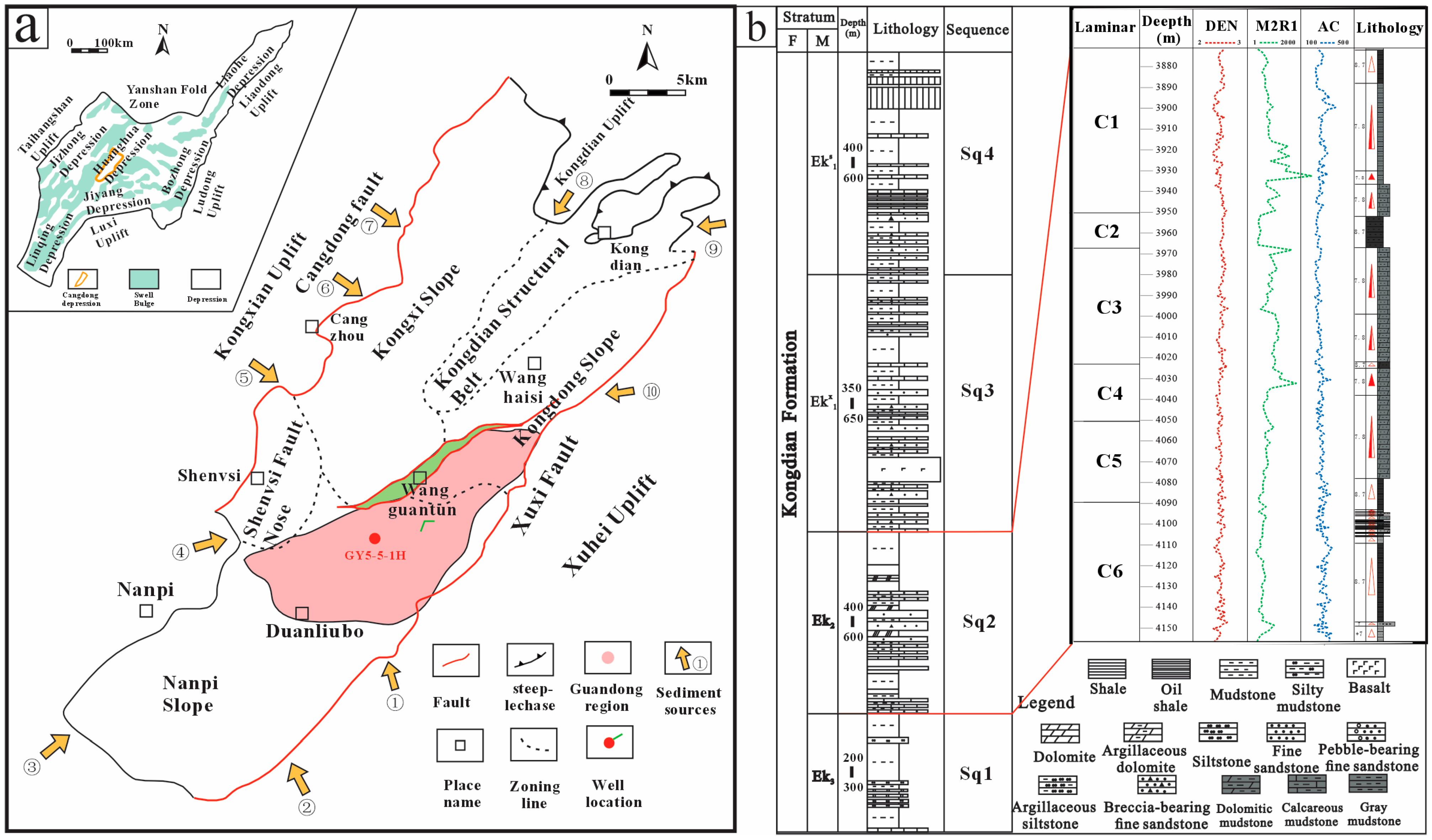
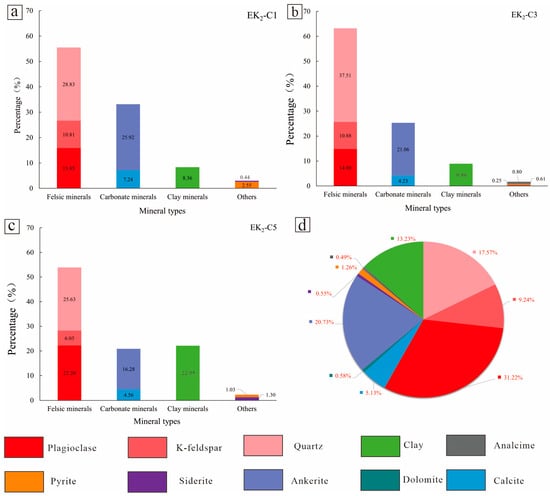
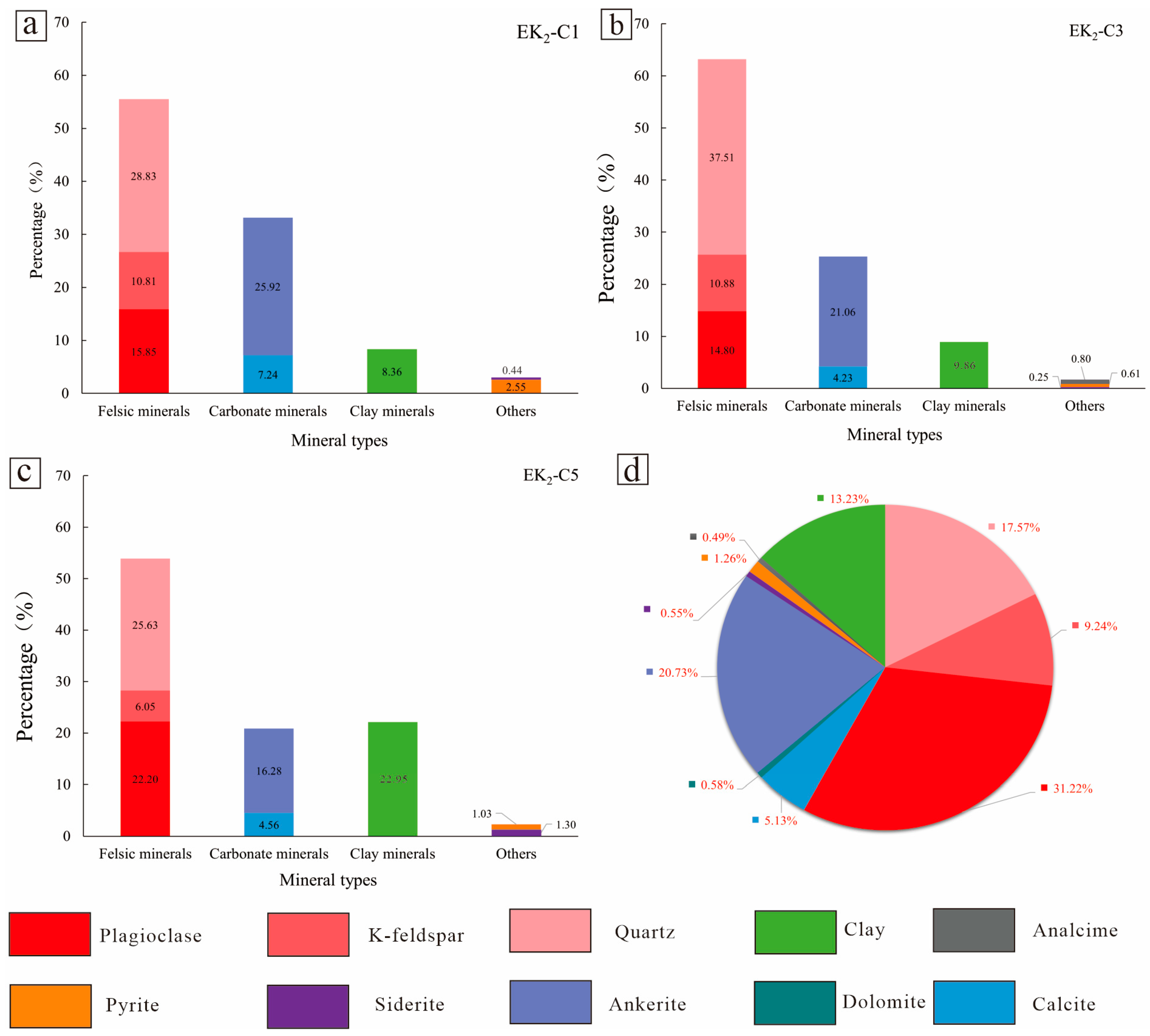
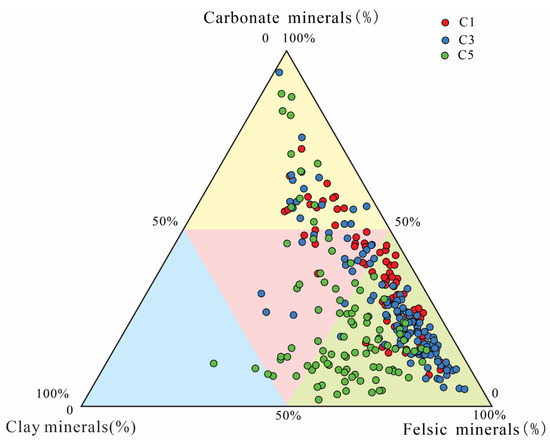
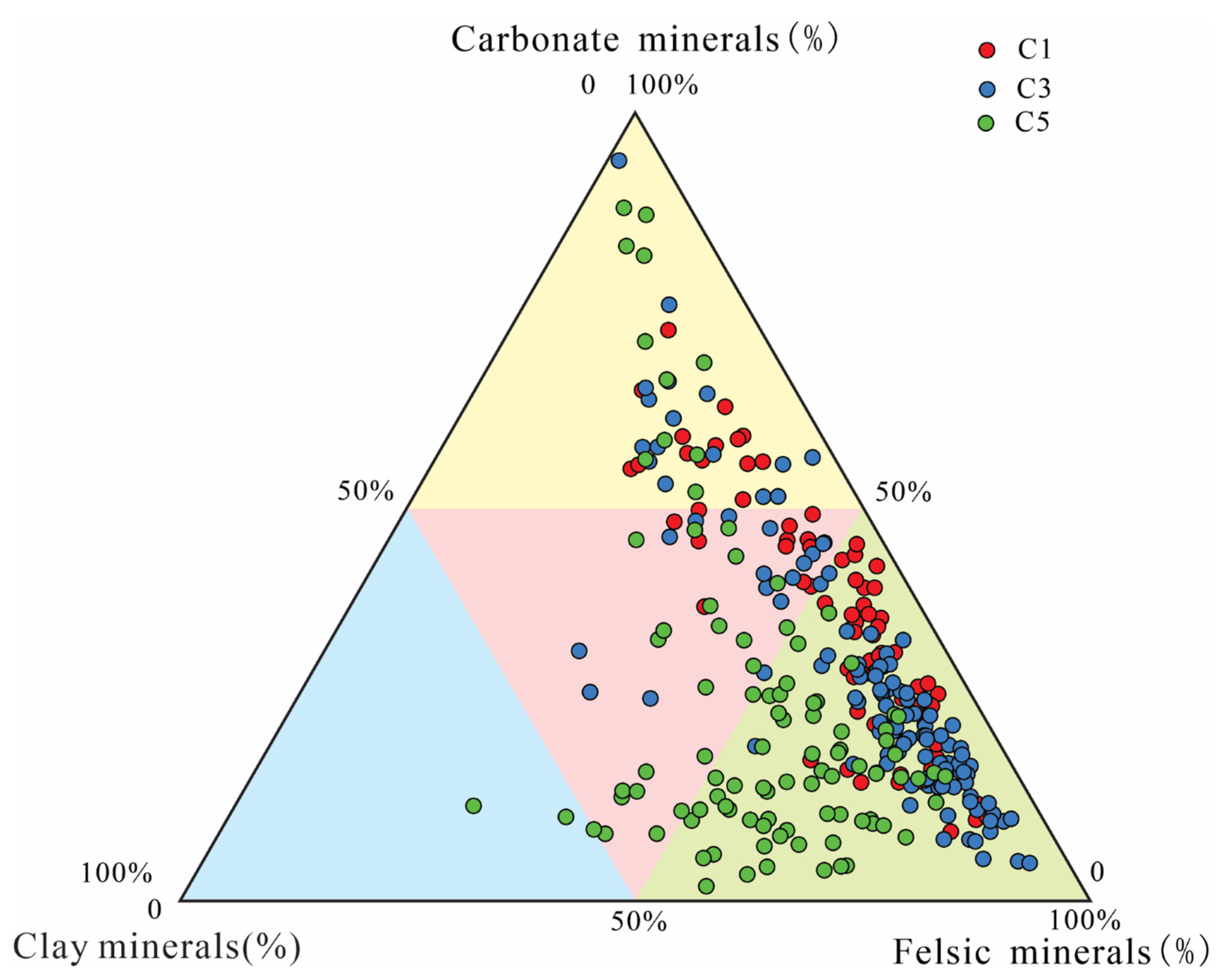
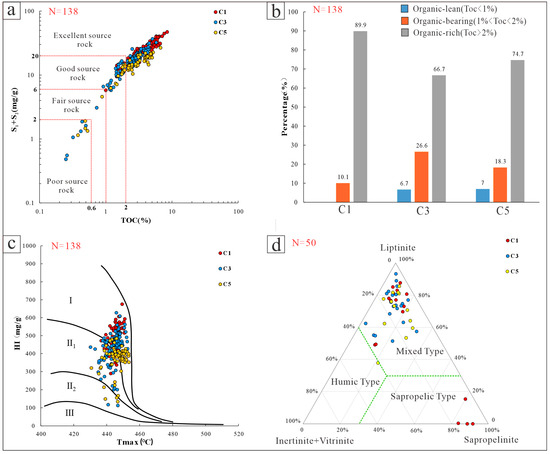
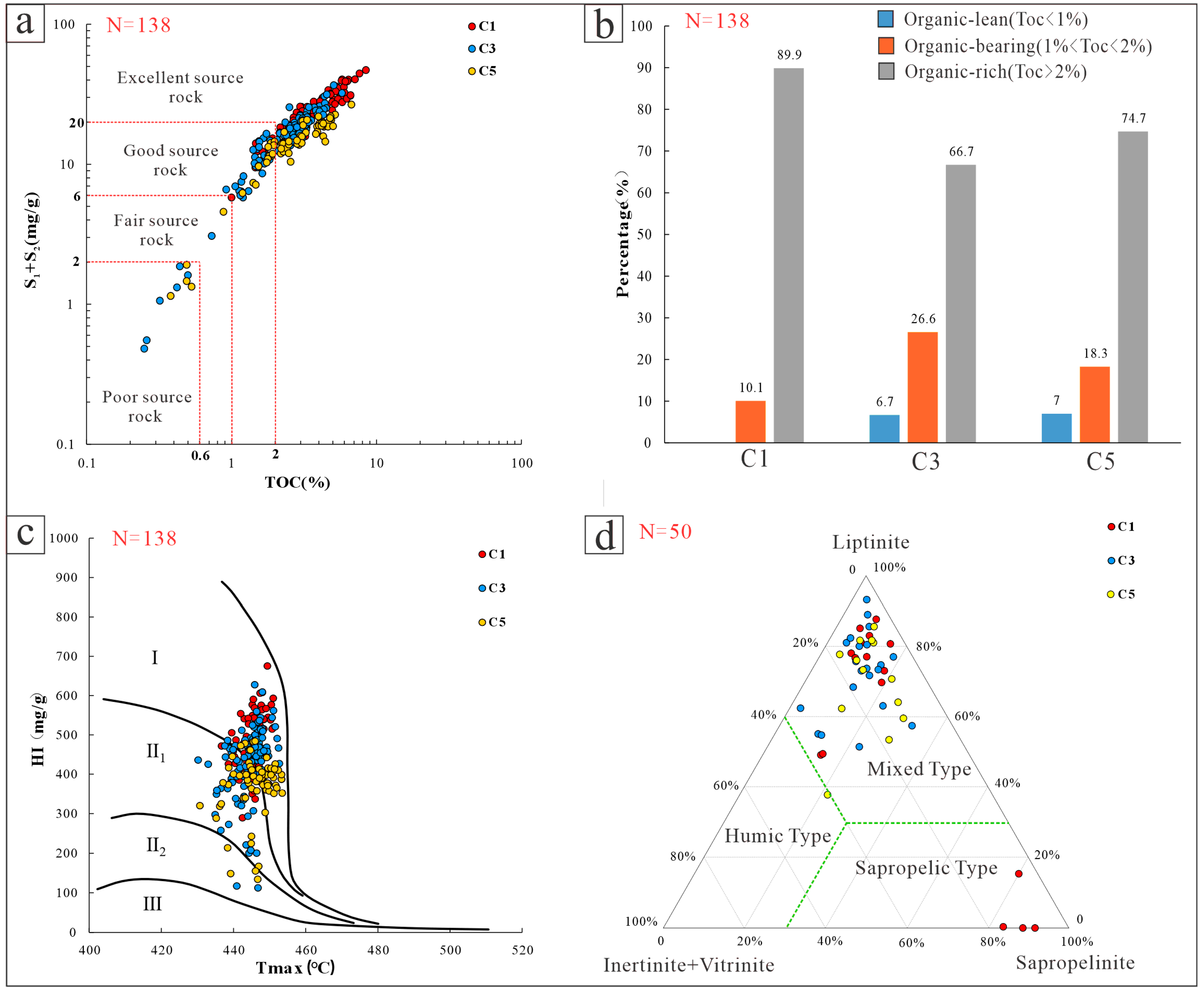
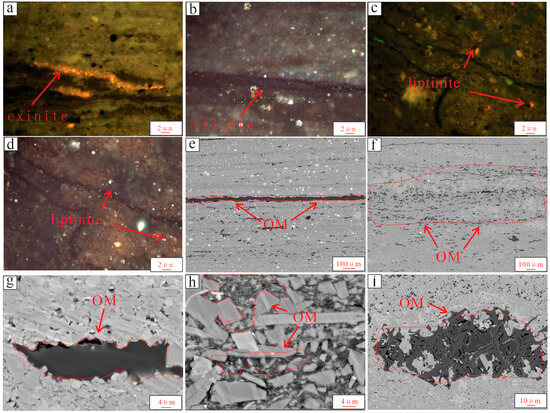
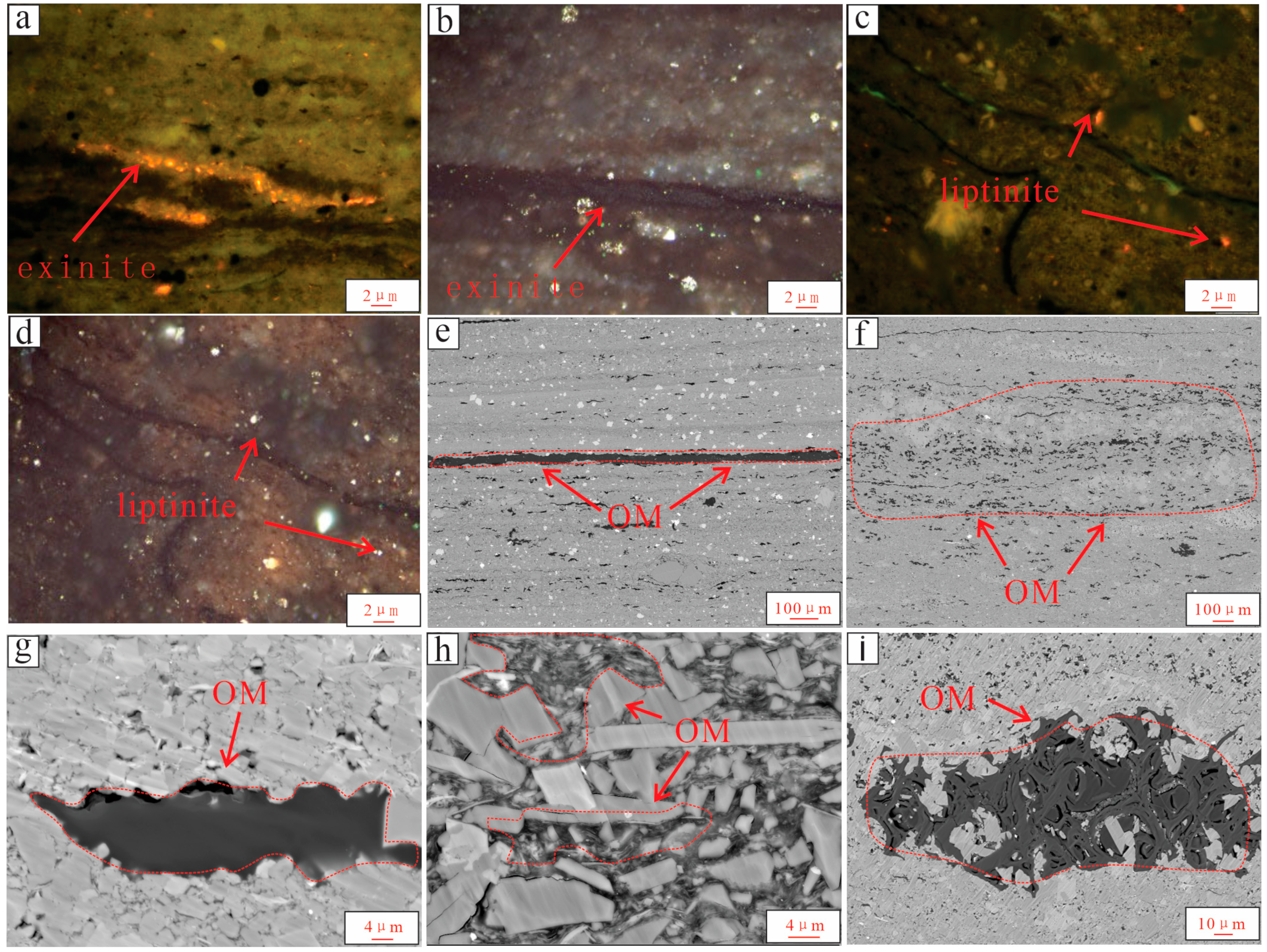
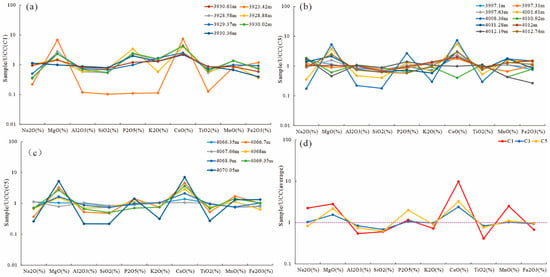
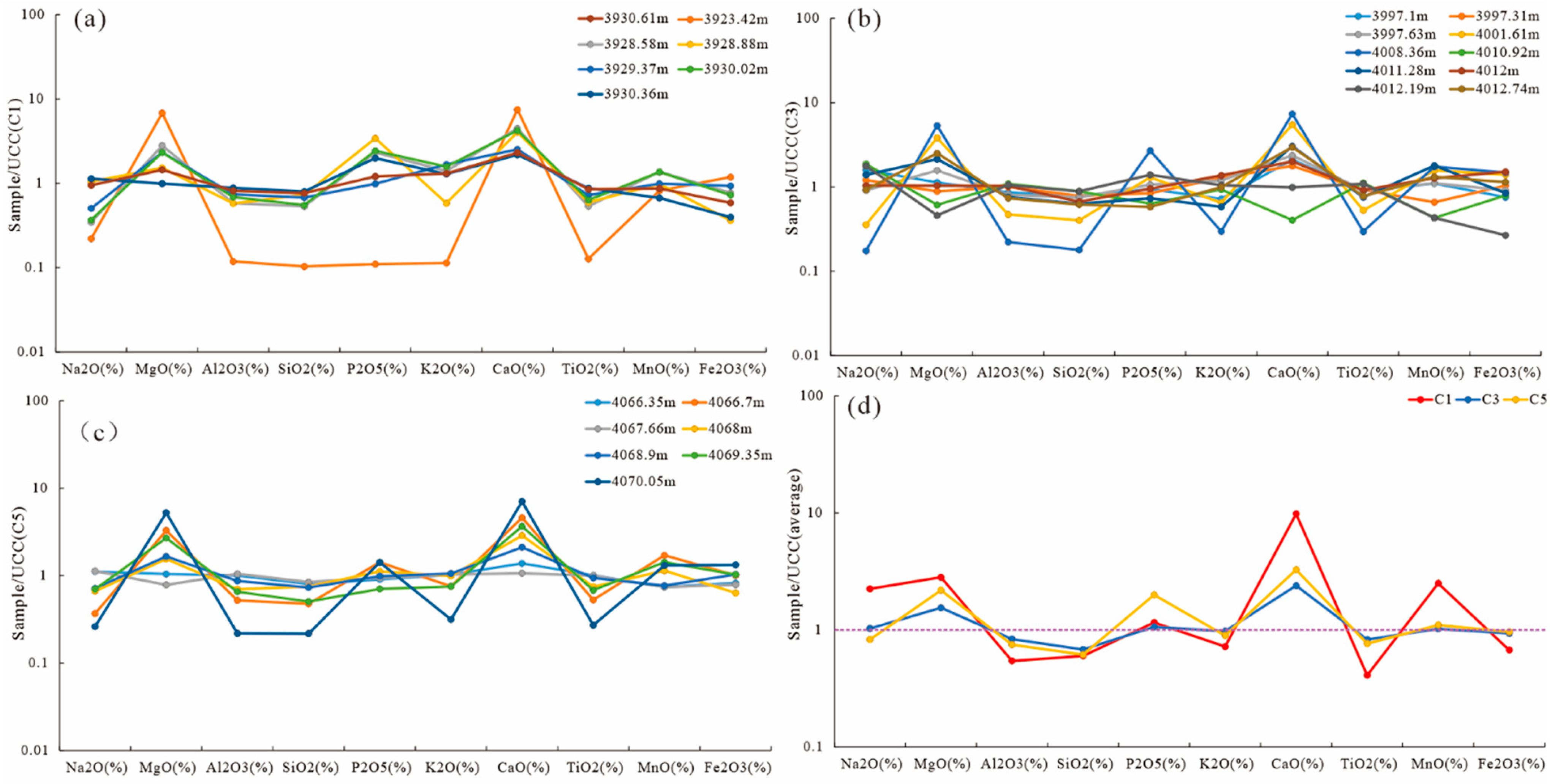
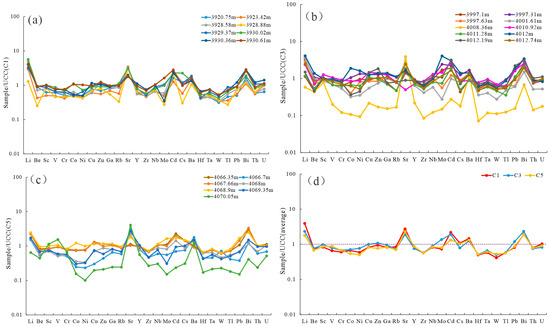
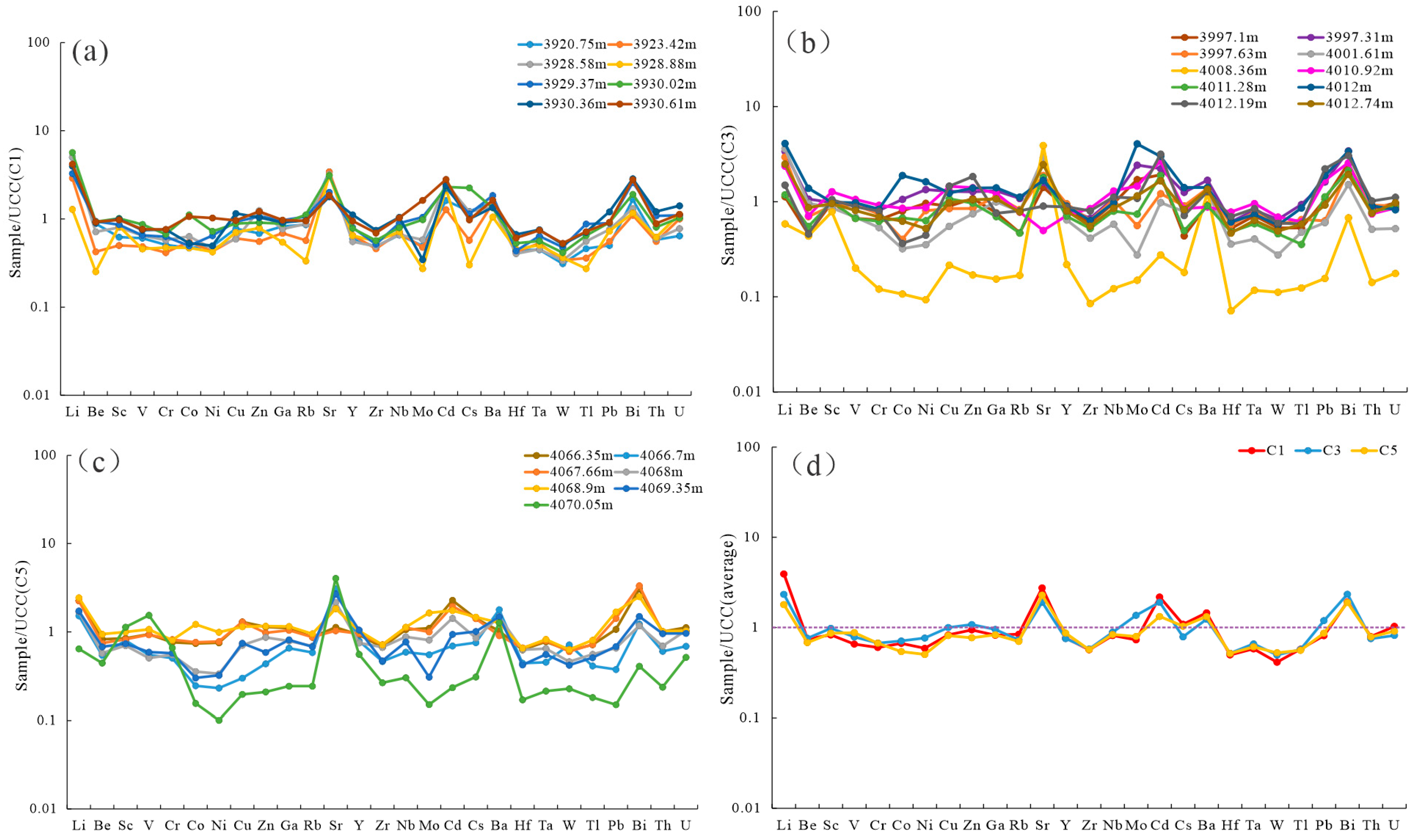
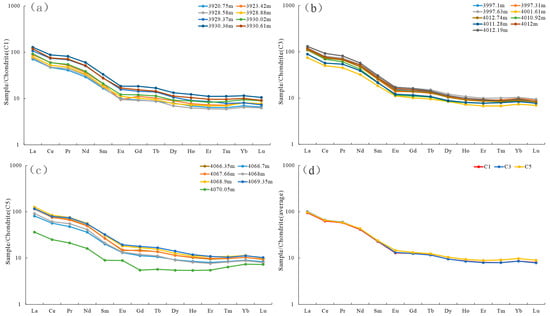
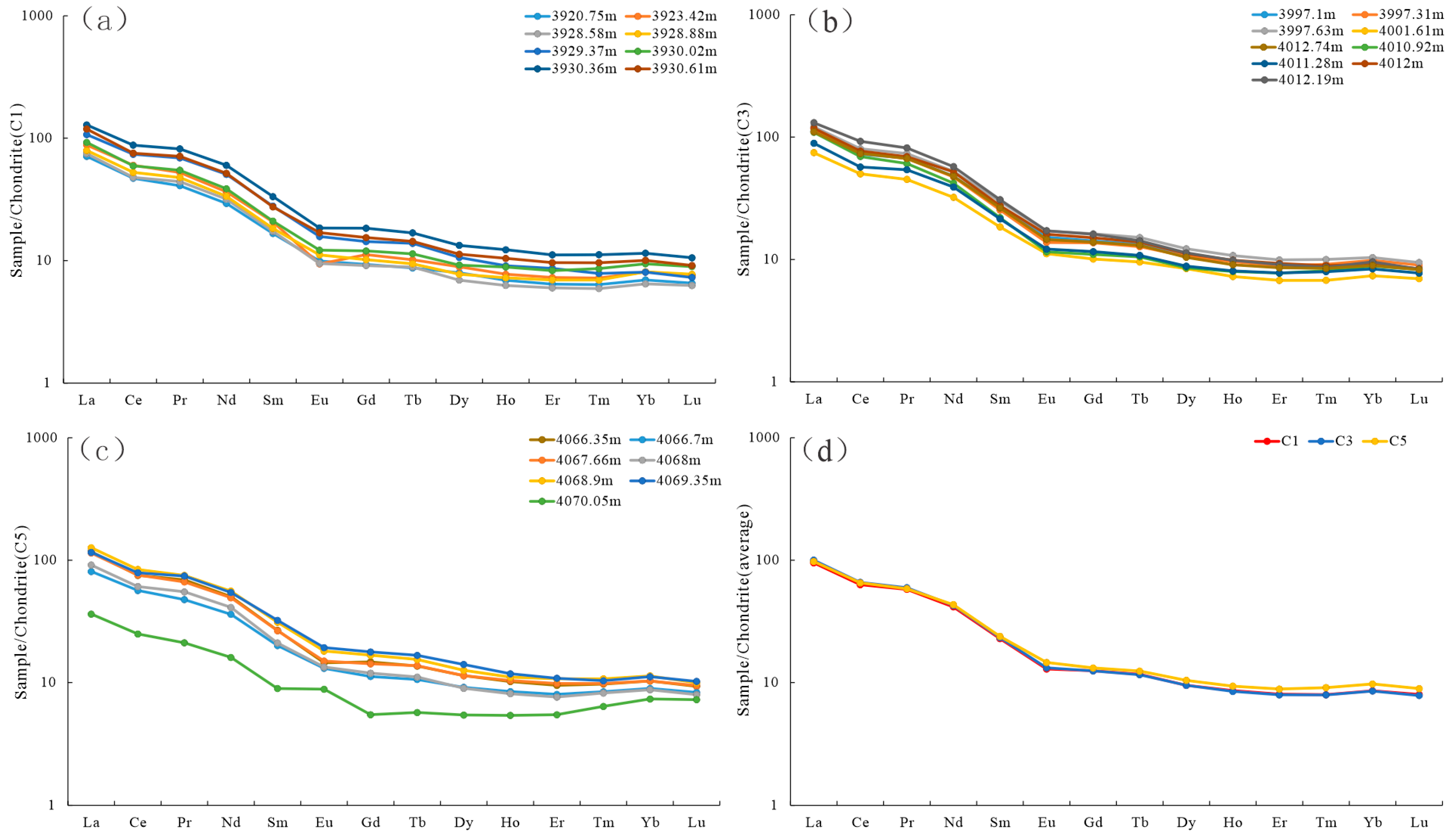
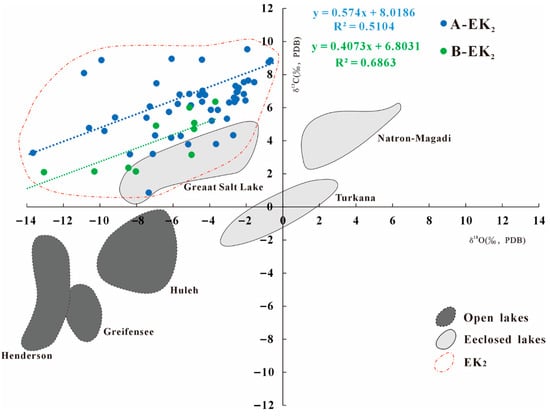
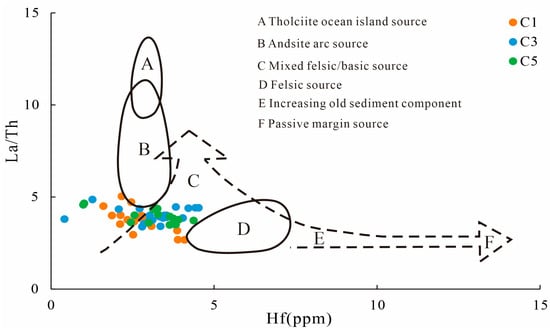
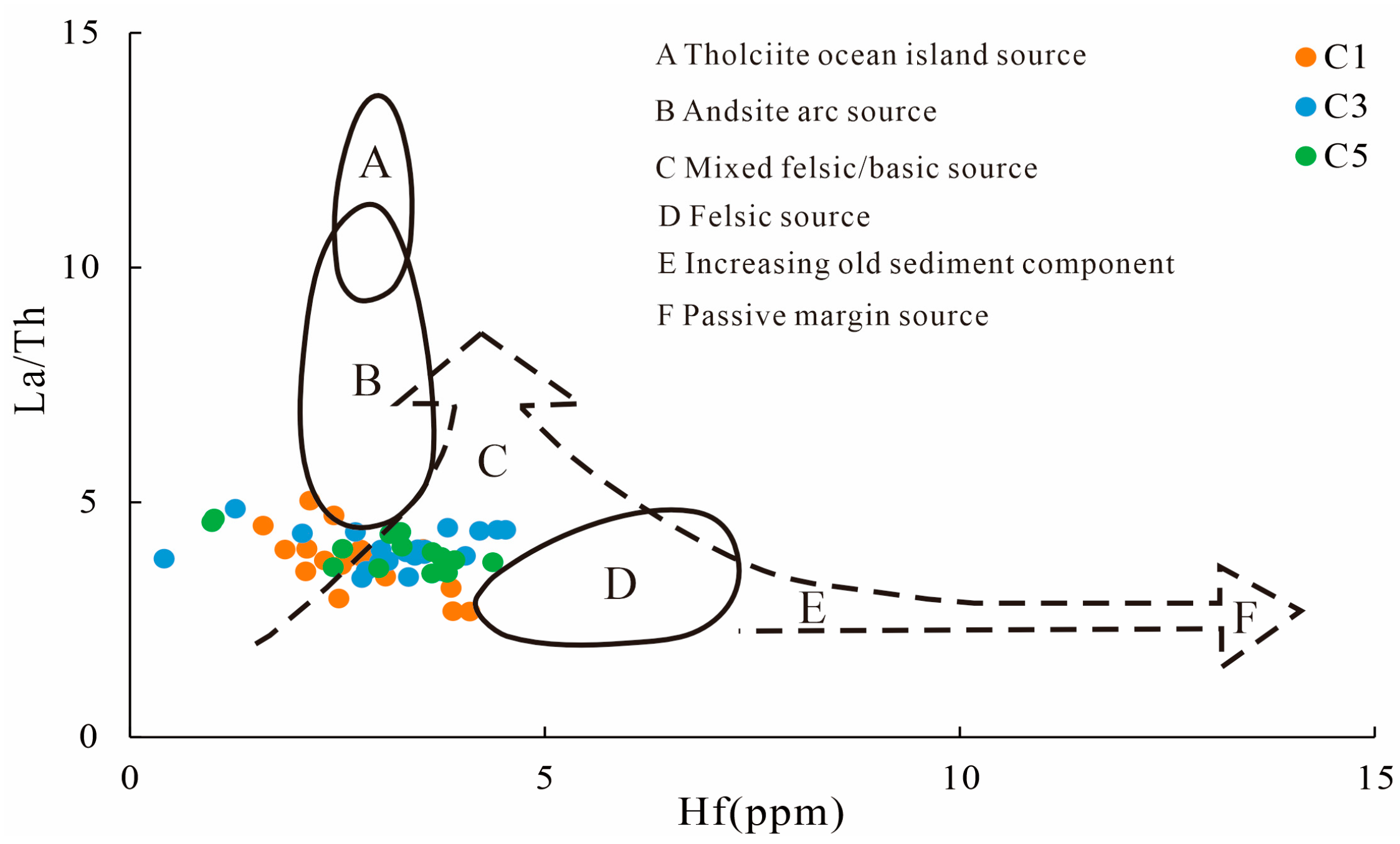
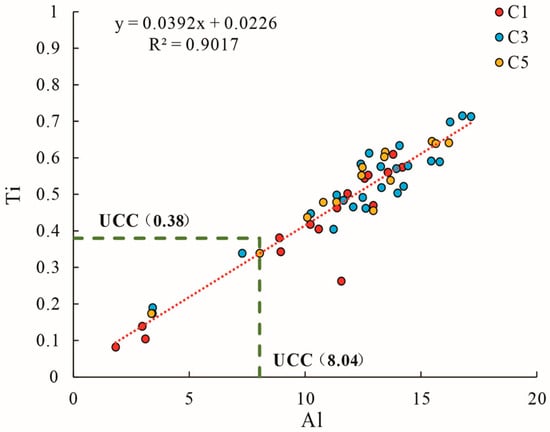
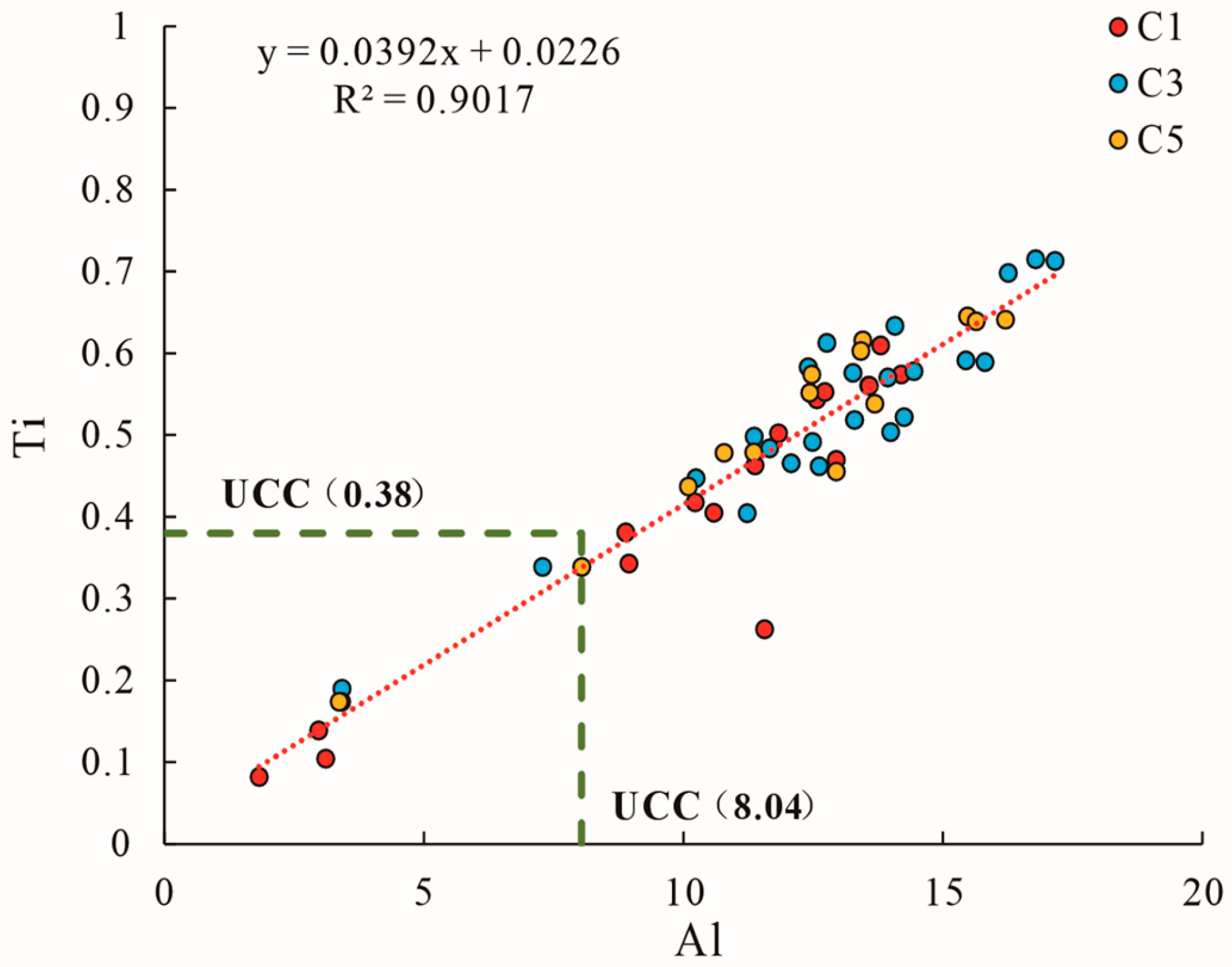
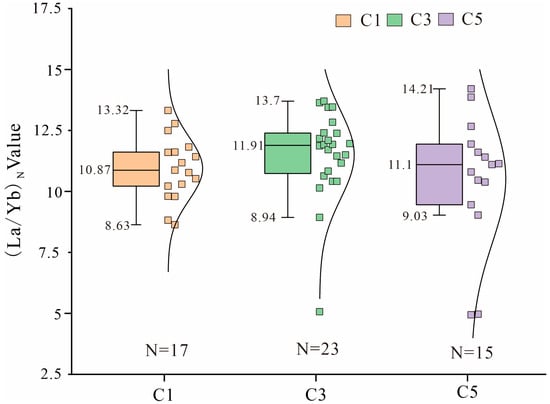
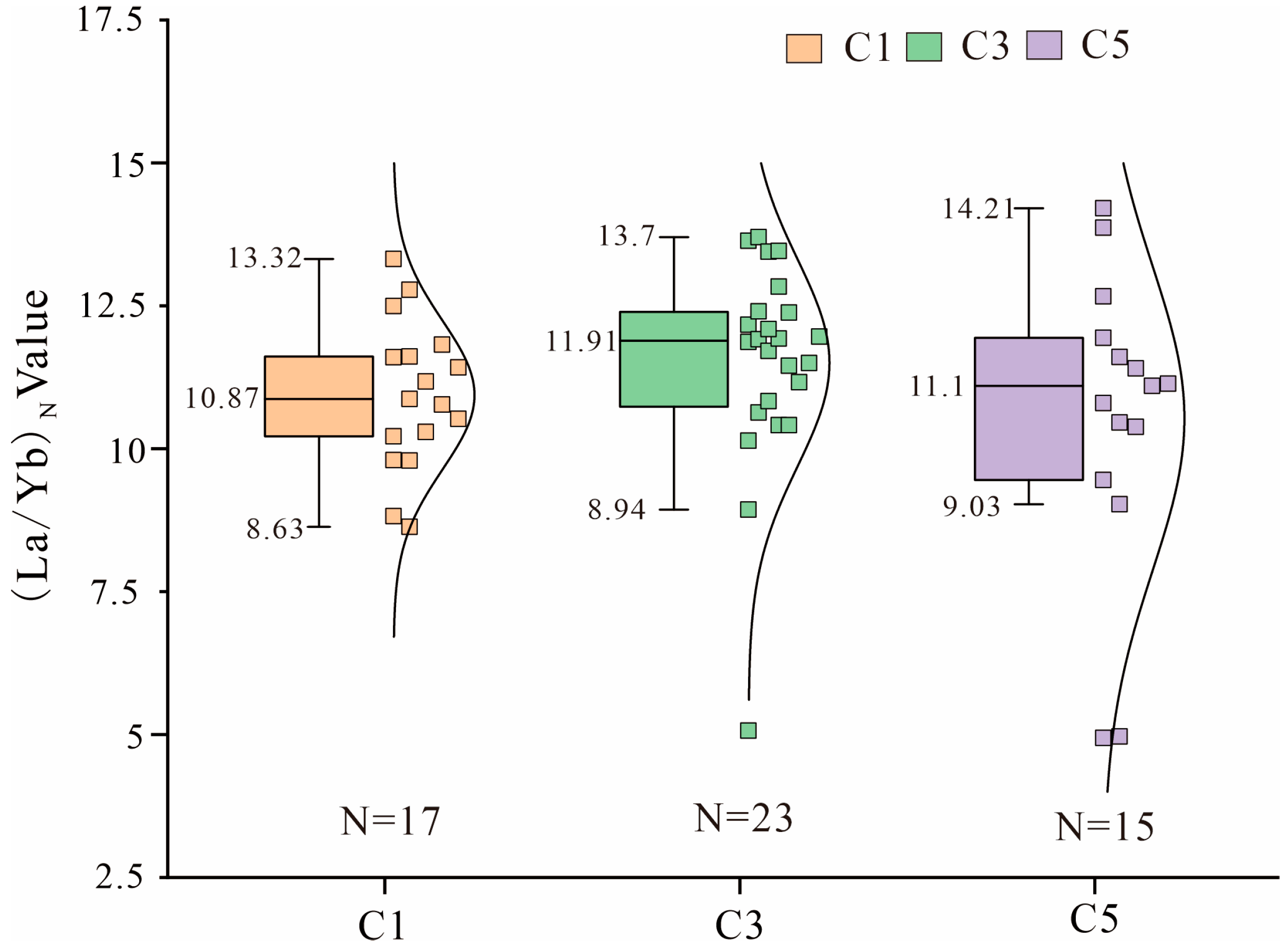
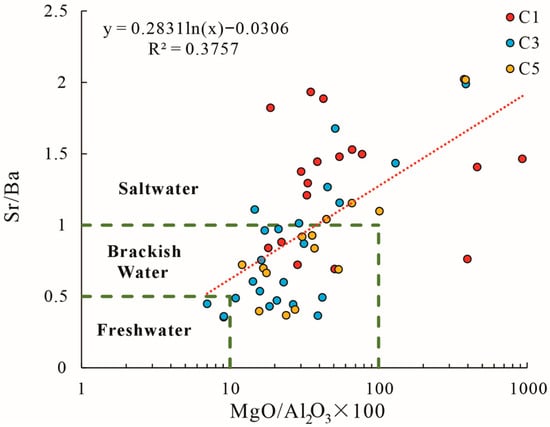
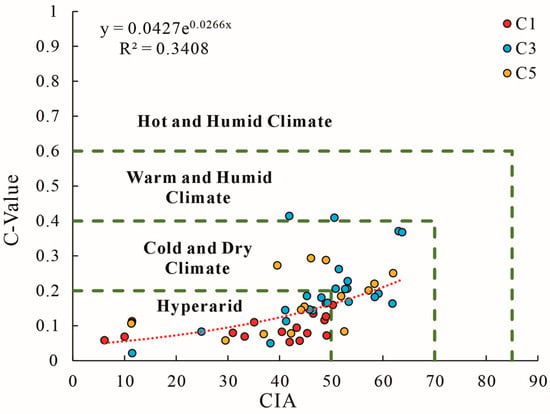
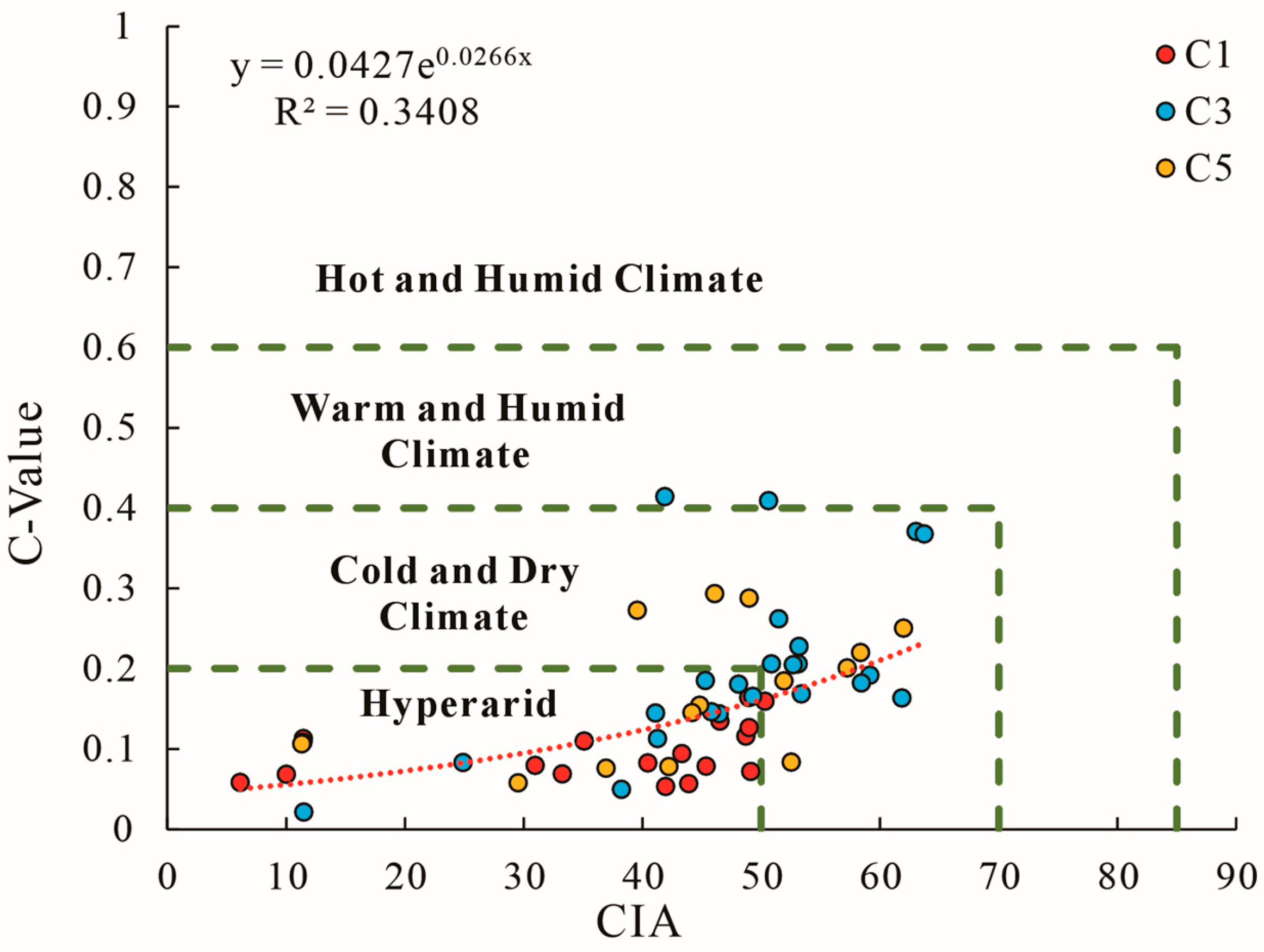
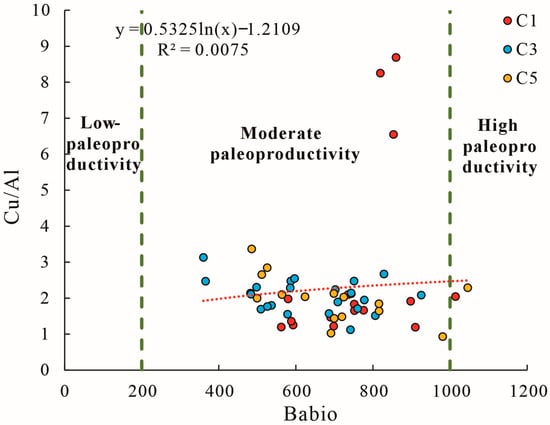
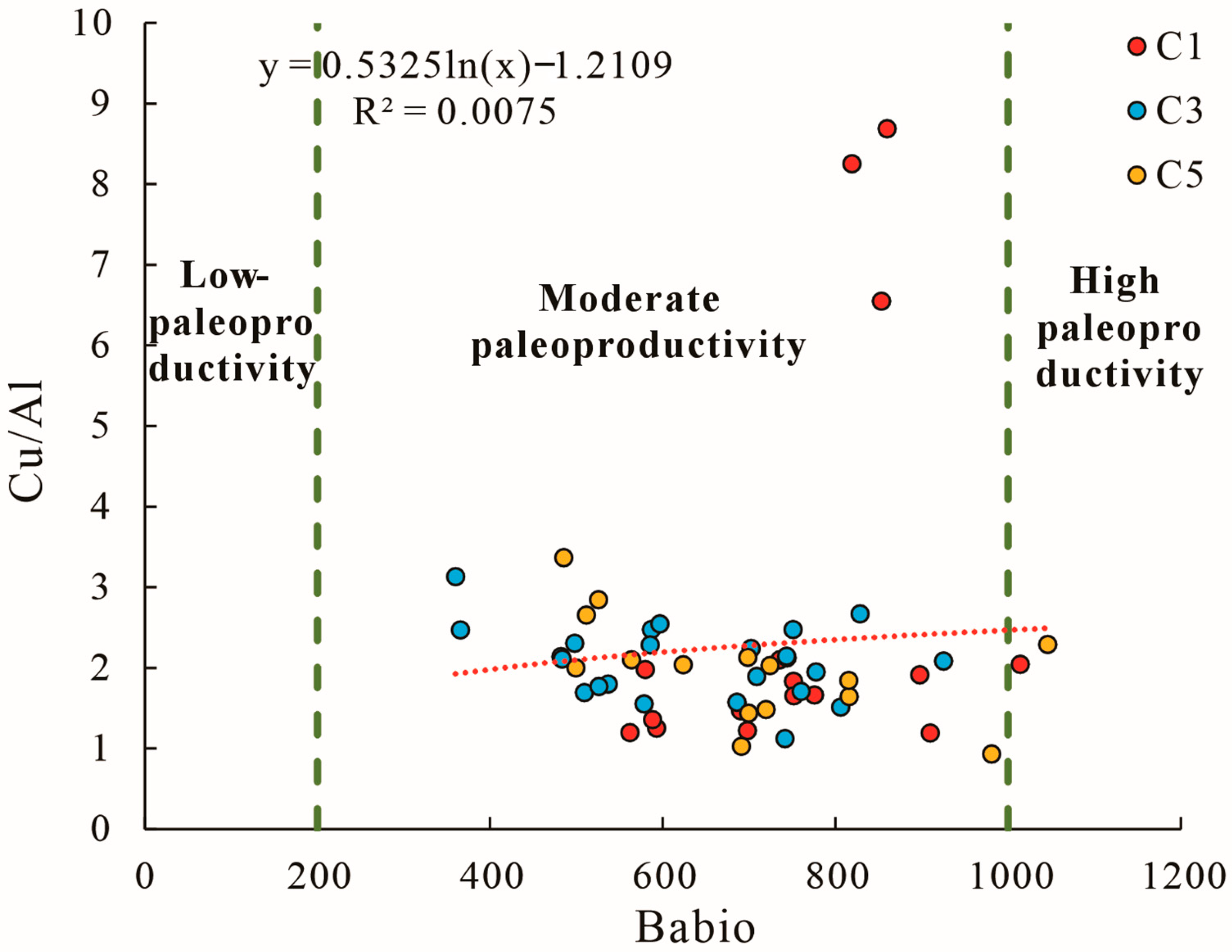
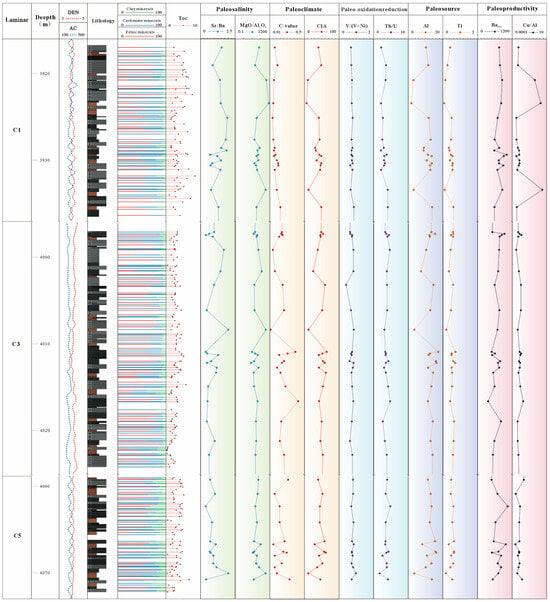
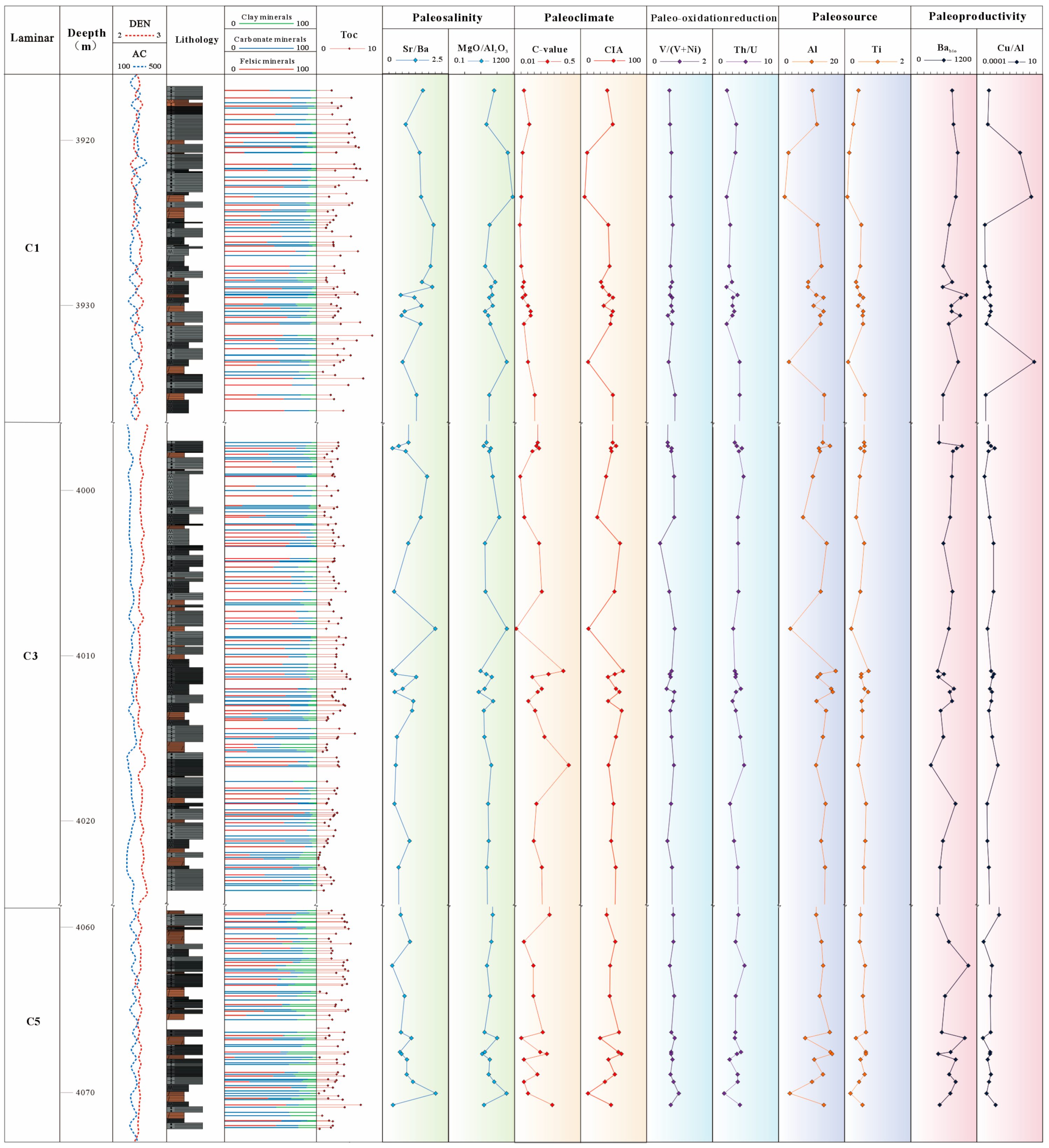
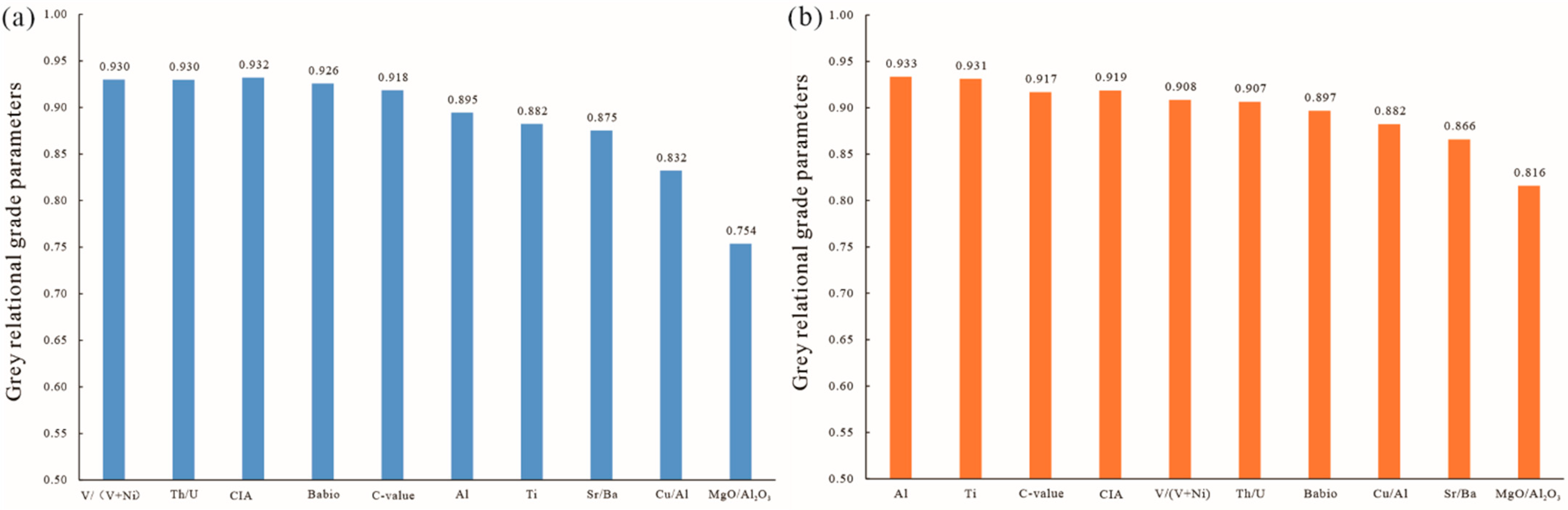
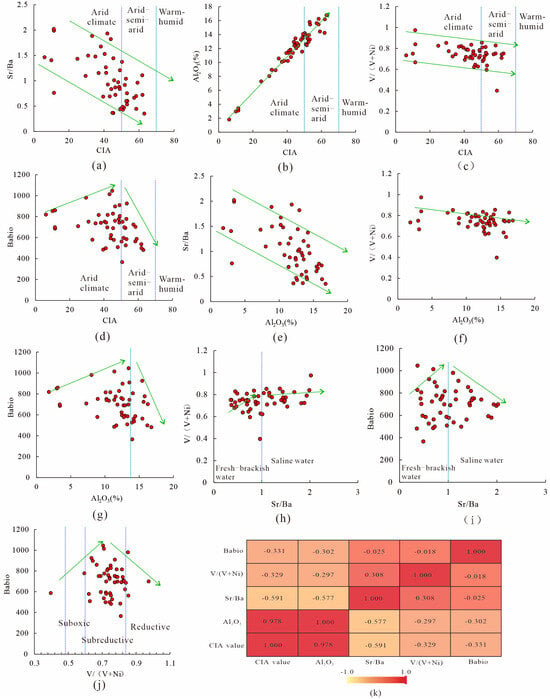
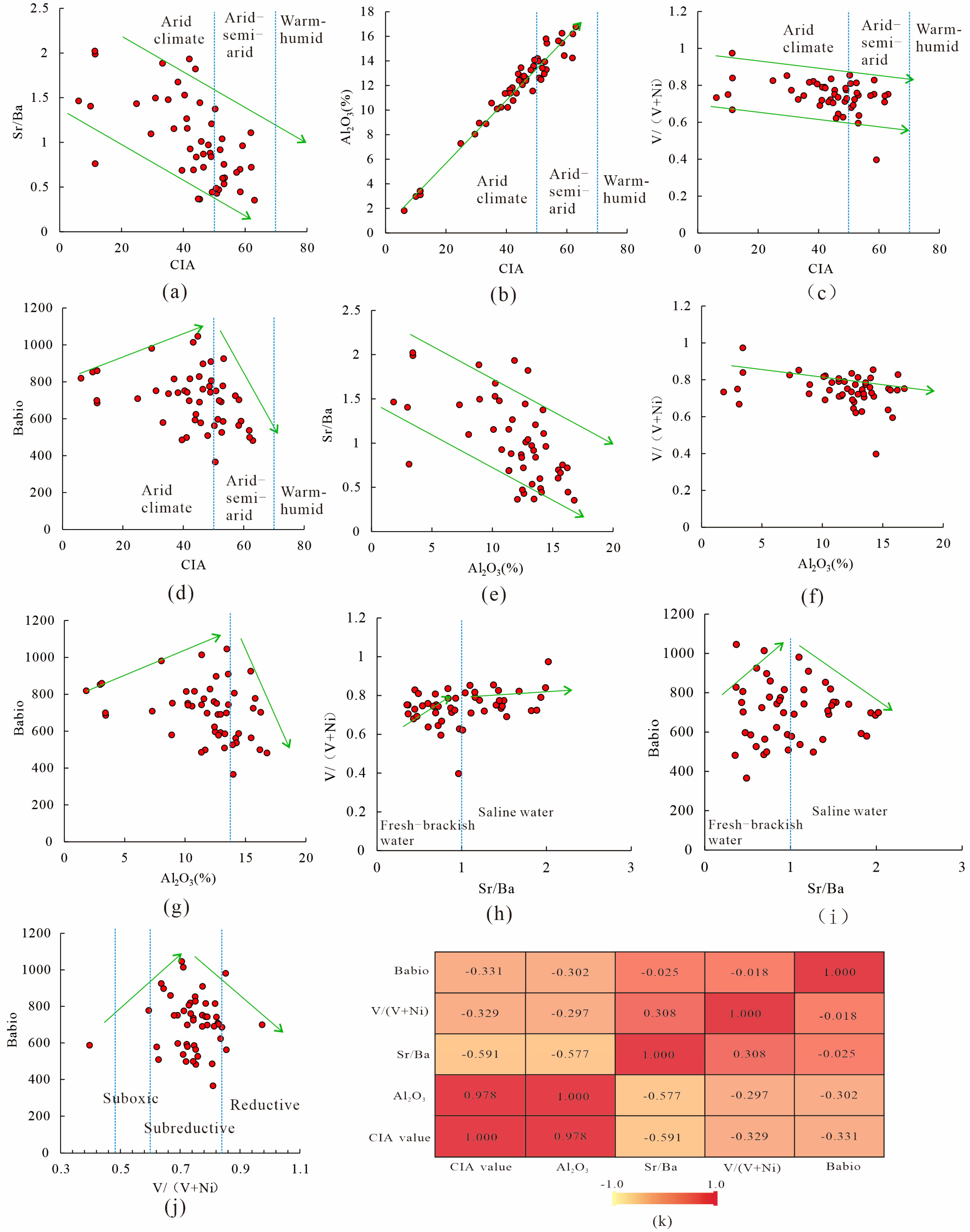
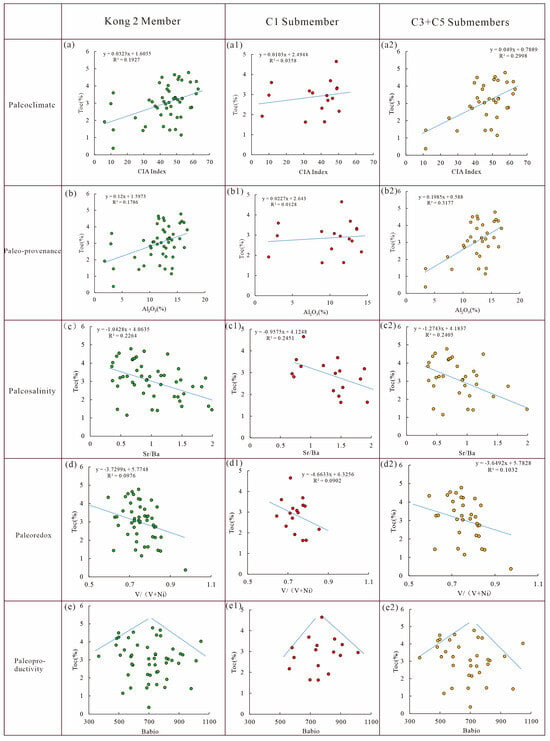
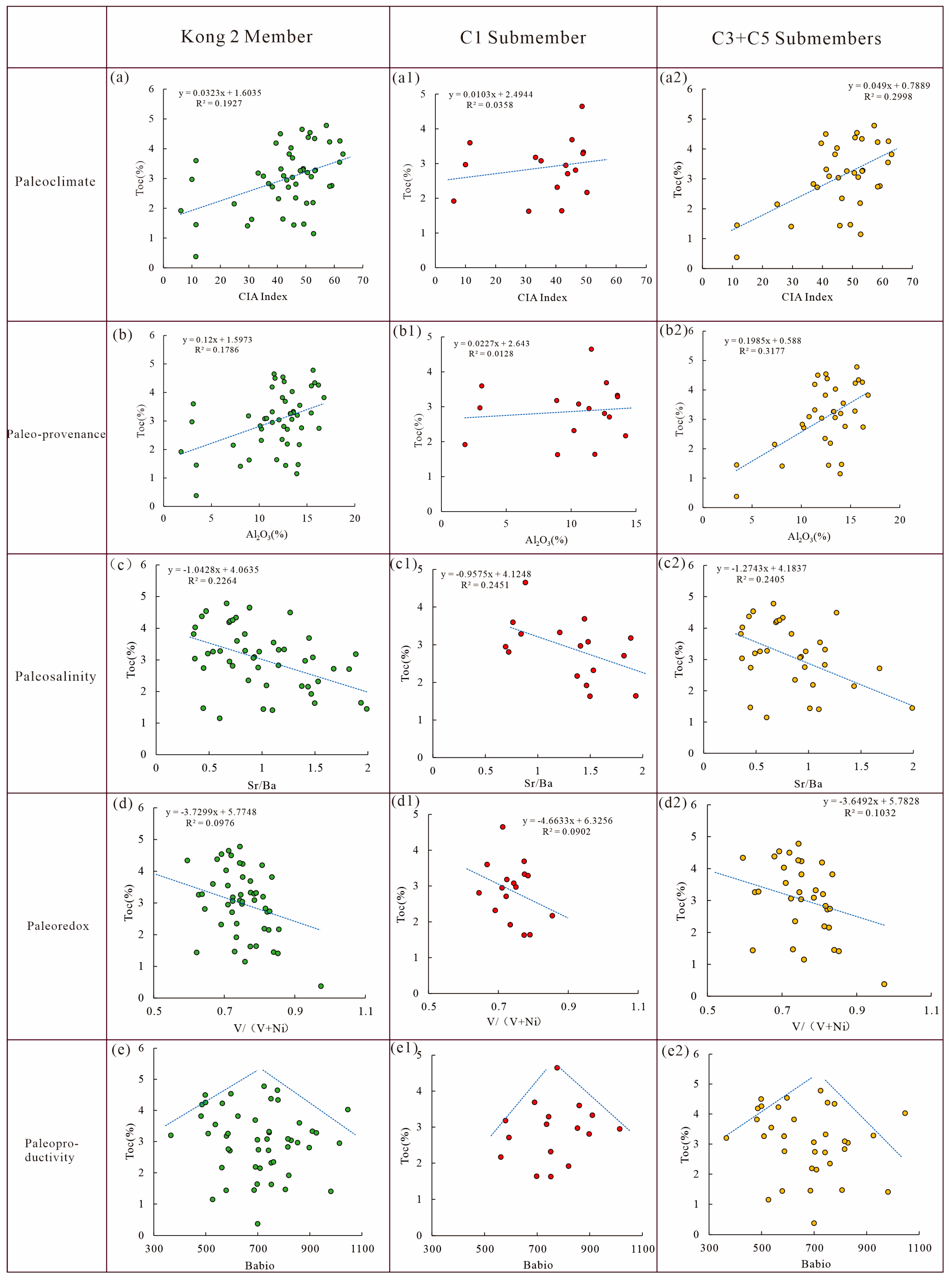
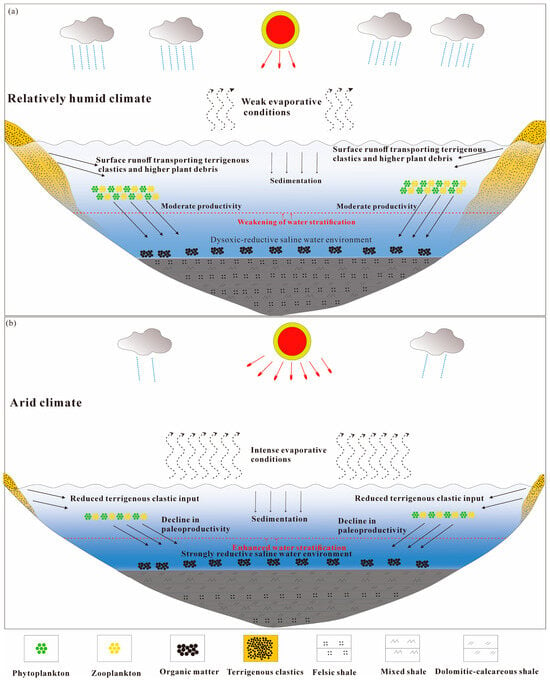
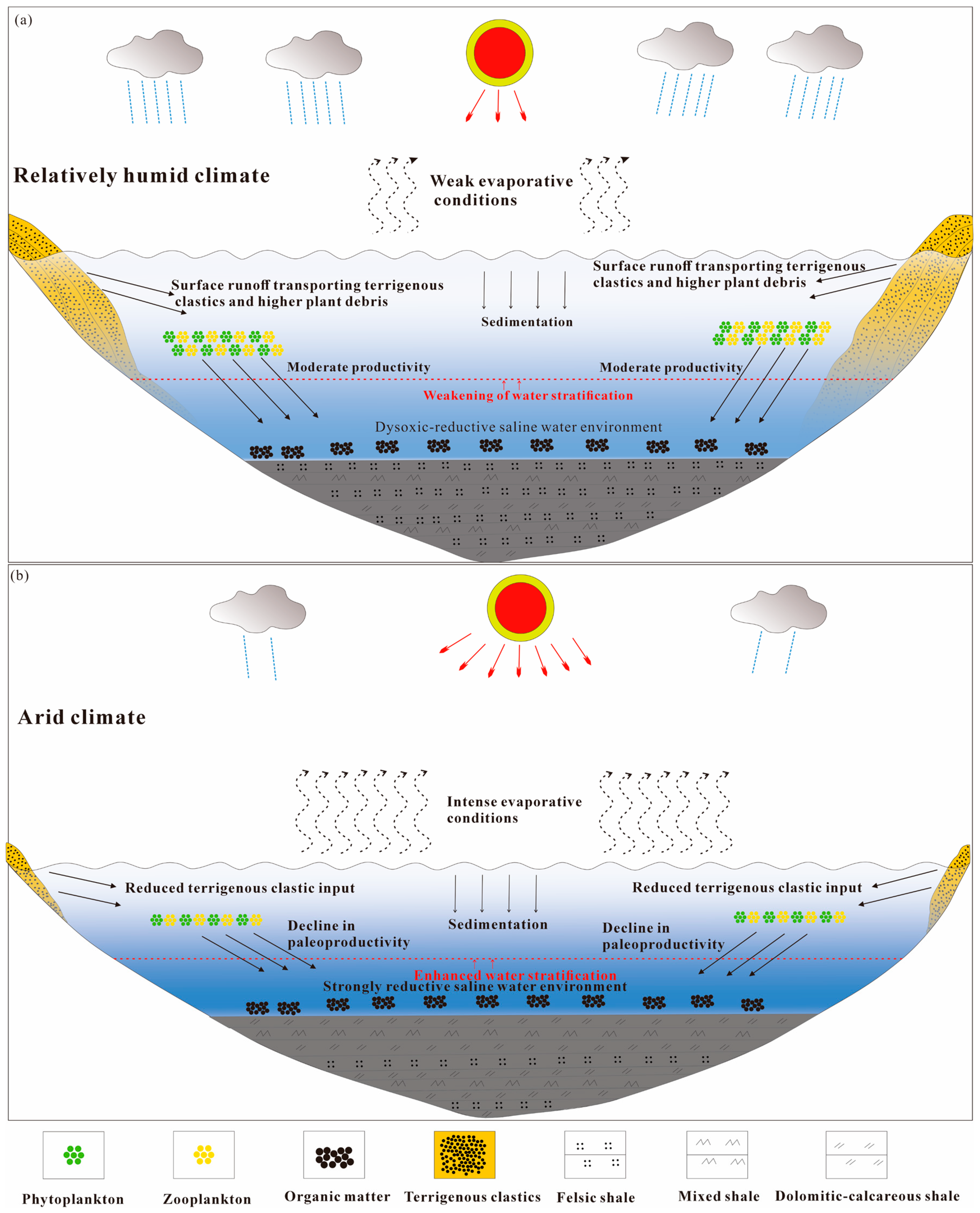

Disclaimer/Publisher’s Note: The statements, opinions and data contained in all publications are solely those of the individual author(s) and contributor(s) and not of MDPI and/or the editor(s). MDPI and/or the editor(s) disclaim responsibility for any injury to people or property resulting from any ideas, methods, instructions or products referred to in the content. |
© 2026 by the authors. Licensee MDPI, Basel, Switzerland. This article is an open access article distributed under the terms and conditions of the Creative Commons Attribution (CC BY) license.