


Abstract
The sponge city pilot policy (SCP) is a green infrastructure initiative that integrates ecological stormwater management, land-use planning, and urban sustainability goals. This study employs the super-efficiency slack-based measure (SBM) model to evaluate the green total factor productivity (GFP) of 278 prefecture-level and above cities in China from 2010 to 2022. It then applies a difference-in-differences (DID) model to identify the causal effect of the SCP on urban GFP while further examining transmission mechanisms and heterogeneous policy effects. The empirical findings show that: (1) the SCP significantly enhances urban GFP, with pilot cities exhibiting an average increase of approximately 6.08% relative to non-pilot cities, indicating broader medium- to long-term ecological–economic co-benefits beyond the policy’s immediate hydrological objectives; (2) the policy effect is more pronounced in cities with stronger economic foundations, larger urban scales, greater environmental governance pressure, weaker resource dependence, and more favorable locational conditions; and (3) the SCP promotes industrial structure transformation (IST) and green technological innovation (GTI), which jointly mediate the relationship between ecological infrastructure and green productivity. Drawing on ecological modernization theory and structural change theory, this study explains how ecological infrastructure, as a techno-structural reform mechanism, can internalize environmental externalities, stimulate innovation, and facilitate sustainable urban transformation. These findings provide evidence that green infrastructure policies can generate both ecological and economic co-benefits, offering useful insights for climate-resilient and sustainable urban planning.
1. Introduction
In recent years, accelerating global climate change and urbanization have profoundly reshaped the structure of urban ecosystems. The frequency and intensity of extreme rainfall, short-duration severe convective storms, and urban flooding events continue to rise [1,2], placing greater strain on urban infrastructure, energy consumption, and environmental externalities. The United Nations (UN) indicates that by 2030, the global freshwater resource gap may reach 40%, with cities becoming the primary exposure areas for climate-related risks [3]. Therefore, reinforcing urban environmental governance, enhancing the resilience of urban ecosystems, and optimizing resource utilization efficiency have emerged as pivotal tasks for attaining the Sustainable Development Goals (SDGs).
Since the 1970s, developed countries have initiated diverse green infrastructure strategies focused on natural ecological processes. These approaches have generated synergistic benefits in flood prevention, rainwater reuse, and ecological restoration. In the United States and Canada, low-impact development (LID) techniques are specifically designed to address surface runoff, with reported reductions ranging from 45% to 80% and comparable decreases observed in peak flood flows [4]; Australian Water Sensitive Urban Design practices demonstrate that street tree canopies contribute to the reduction of rainfall runoff, while green roofs exhibit an approach toward nearly complete annual runoff mitigation [5]. The UK’s Sustainable Drainage Systems, which were at least partially accountable for mitigating the more severe floods in 2011, demonstrated a reduction in the volume of all types of runoff they received [6]. International experiences of this nature indicate that genuine ecosystem-based stormwater management is not exclusively a physical or environmental issue; rather, economic and social co-benefits are paramount and should be regarded as integral components of the overall resilience of an urban area. More importantly, the effectiveness of green infrastructure depends not only on individual facilities but also on how land systems, ecological functions, and urban development patterns are coordinated in planning and implementation.
In China, the sponge city concept constitutes an innovative policy framework for urban stormwater management and ecological infrastructure development. Systematically incorporating green infrastructure principles into national urban planning is a widely recognized strategy for contemporary urban development. Since 2015, the Chinese government has implemented sponge city initiatives in 30 prefecture-level cities, establishing an integrated system for infiltration, retention, storage, purification, and limited utilization. The conventional “rapid drainage” model has been supplanted by an ecological paradigm that is nearly biological in nature—cities assimilating, retaining, and discharging water “akin to a sponge” [7,8]. Mitigating both urban flooding and diverse manifestations of water scarcity constitutes the primary objective of the policy, with green urban development serving as a consistent endpoint pursued by all current and future sponge city planning initiatives. More importantly, the SCP is not limited to flood control alone. By promoting blue–green space integration, ecological restoration, land-use optimization, and more efficient resource circulation, it may also generate broader medium- and long-term effects on urban green development.
Within the context of China’s high-quality development policies, GFP has emerged as a pivotal indicator for evaluating the synergistic interplay among economic growth, resource utilization efficiency, and multiple dimensions of environmental sustainability. Empirical studies have demonstrated that the evolution of this GFP across Chinese cities and provinces is significantly associated with IST, technological innovation, and predominantly green infrastructure investment [9,10]. Existing research has, however, devoted limited attention to the direct economic impacts of the SCP as a distinct form of green infrastructure intervention; the specific mechanism through which such policies augment said GFP via structural and technological transformation remains systematically unexplored. Although the SCP originates in stormwater management and water–ecological restoration, its policy effects may extend beyond hydrological performance. By reshaping urban ecological infrastructure, improving land-use coordination, reducing environmental constraints, and stimulating structural and technological upgrading, the SCP may ultimately affect broader city-level green productivity. In this sense, GFP is used in this study not as a direct hydrological outcome but as a comprehensive indicator of the ecological–economic co-benefits generated by sponge city construction.
The current literature predominantly emphasizes the immediate ecological and short-term environmental effects of sponge city construction, with urban water management, water quality, and localized flood risk serving as primary examples [8,11]. A smaller yet burgeoning body of research is commencing to examine certain forms of economic or performance-related impact. Ma et al. (2023) [12] conducted a sustainable development performance evaluation from the perspective of ecological philosophy, concluding that a positive impetus toward urban green transformation was attained. Yuan et al. (2025) [13] reported an average enhancement of 0.86% in climate resilience attributable to the effective implementation of the SCP. Nevertheless, these studies predominantly focus on ecological or efficiency outcomes, lacking a systematic exploration of the mediating mechanisms underlying structural and technological transformations. More broadly, three gaps remain in the existing literature. First, most studies on sponge city construction focus on ecological and hydrological outcomes, while its broader productivity consequences remain underexplored. Second, although the GFP literature has extensively examined the roles of technology, industrial upgrading, and environmental regulation, green infrastructure policy has seldom been incorporated into this analytical framework. Third, even when policy effects are discussed, the structural and technological transmission channels through which the SCP may influence urban GFP have not been systematically identified.
However, less is known about whether large-scale green infrastructure policies can translate into measurable urban sustainability gains through structural and technological transformation, thereby informing land-use planning and long-term urban governance. To fill these gaps, this study creates a unified analytical framework that includes measuring efficiency, finding causes, and testing mechanisms. First, we use a super-efficiency SBM model to measure the GFP of 278 cities in China from 2011 to 2022. We use the geographic information system (GIS) to show how it changes over time and space. Second, using the SCP as a sort of natural experiment, a DID model is used to carefully look at how the policy affects urban GFP, and a sequence of robustness tests is performed to confirm the reliability and stability of fundamental hypotheses. Subsequently, two mediating variables—IST and GTI—are introduced to demonstrate the manner in which the policy enhances green productivity via structural and technological transmission mechanisms. Finally, a heterogeneity analysis is conducted across varying levels of economic development and urban scales to examine regional disparities in policy impacts, providing empirical support for the differentiated implementation of the SCP.
This study makes three primary contributions: First, unlike existing studies that mainly evaluate the ecological or hydrological performance of sponge city construction, this study brings the SCP into the analytical framework of urban green productivity and assesses its broader ecological–economic consequences. Second, by integrating ecological modernization theory and structural transformation theory, this study identifies a dual transmission mechanism through IST and GTI, thereby clarifying how green infrastructure policy can be translated into measurable productivity gains. Third, this study further reveals heterogeneous policy effects across regions and city types, providing empirical evidence for differentiated policy design and implementation. This study employs ecological modernization theory and structural transformation theory to elucidate how ecological infrastructure functions as an institutional and technological reform mechanism, fostering cleaner production and high-quality growth.
2. Theoretical Analysis
2.1. Research on the SCP
With the rapid development of cities and environmental change, stormwater management and green environmental governance are becoming more significant in terms of sustainable urban development. As a policy that was proposed and promoted in China, the SCP aims to improve the ability of cities to withstand heavy rainfall, flooding and drought through the principle of “naturally storing, naturally infiltrating, naturally purifying, and naturally utilizing water” and simultaneously improving water environments and ecosystem services [14].
Existing studies on the SCP mainly focus on three aspects: planning and implementation, environmental and social effects, and ecological and hydrological performance. For example, Chen et al. (2021) [15] conducted a systematic review of the planning content and procedures of the Nanjing sponge city project and found that data accessibility and stakeholder coordination are key issues in the project implementation. Wang and Wang (2024) [16], in the environmental policy effects of Sponge City projects, studied the environmental and social effects of SCP implementation, while Yin et al. (2022) [8] and Ma et al. (2020) [7] verified that SCPs can enhance rainwater utilization efficiency and urban hydrological cycles.
Although such studies have shown the ecological and hydrological significance of SCPs, few have considered them as institutional innovations reshaping economic and technological systems. Ecological modernization theory [17] believes that environmental policies can lead to technological upgrade and efficiency improvement. Accordingly, the present study extends the SCP literature from ecological performance to its broader role in improving urban green productivity. From the view of the Porter Hypothesis, the SCP gives a micro-level mechanism for environmental policy to bring about competitive advantage as well as environmental improvement.
2.2. Research on GFP
GFP has become a key indicator for measuring the quality of economic growth under resource and environmental constraints. Fang et al. (2021) [18] studied the changes in GFP within China’s extractive industries, pointing out that improving industrial efficiency is crucial under conditions of energy consumption and carbon emissions. Likewise, Ma et al. (2025) [19] measured GFP in the industrial sector of China by using the SBM Global Malmquist–Luenberger index (GML) model and came to the conclusion that technological progress is the main driver of GFP growth.
As for mechanism research, Hunjra et al. (2024) [20] examined how green innovation drives regional GFP and found a significantly positive relationship. Qian et al. (2024) [21] examined GFP in Chinese cities through the lens of the digital economy and uncovered that digitalization and industrial upgrading serve as transmission channels. Xu and Deng (2022) [9] also noted that regional GFP development is closely linked to local policy interventions and ecological infrastructure investments.
Although the literature has comprehensively studied GFP from the technology and industry aspects, the integration of green infrastructure policy with this analytic framework is theoretically underdeveloped. From the structural change theory’s perspective, GFP growth hinges on moving away from resource-intensive industries and toward knowledge-intensive ones—a transformation that the SCP may facilitate but which has not yet been adequately explored in the existing literature.
2.3. Mechanisms of IST and GTI
Among the drivers of GFP growth, IST and GTI are key. Tian and Zhang (2024) [22] found that industrial structure upgrading greatly promotes GFP growth. Like that of Wang (2024) [23], this study stresses that the local tech level and production efficiency can be increased by industrial upgrading. In contrast, studies about GTI, an emerging factor of productivity growth, have become more thorough. Zhao et al. (2022) [24] discovered that it exerts a strong positive effect on urban GFP through cleaner production and energy efficiency promotion; Huang and Chen (2024) [25] examined the influence of data-driven industries on GFP, demonstrating that data industries elevate GFP via AI-driven technological innovation.
More recent studies show the complementarity of IST and GTI. Industrial upgrading provides the structural basis for green growth, while green innovation supplies the technological impetus for sustained productivity improvement. In this sense, the SCP may generate a dual mechanism by simultaneously stimulating industrial reorganization and technological innovation, which is consistent with the green transformation logic of ecological modernization theory. Therefore, environmental policy should be understood not only as a tool for reducing environmental damage, but also as a catalyst for structural and technological transformation.
2.4. Theoretical Framework and Hypothesis Development
Although the sponge city policy originates in stormwater management and water–ecological restoration, its policy logic extends beyond hydrological performance alone. By reshaping blue–green infrastructure, land-use efficiency, ecological service provision, and environmentally constrained resource allocation, the SCP may generate broader effects on urban green development. In this sense, GFP is used in this study not as a direct hydrological outcome but as a comprehensive indicator of the medium- to long-term ecological–economic co-benefits induced by sponge city construction. Contrary to traditional total factor productivity, which focuses only on economic efficiency, GFP includes economic and ecological aspects of growth, which is aligned with the paradigm of high-quality and sustainable development [26]. According to the classic theory of productivity growth [27], economic growth is caused by capital accumulation, labor force input and technological advancement. But with the dual constraints of resources and environment, GFP adds the impacts of resource exhaustion and pollutant discharge on production efficiency to show that productivity growth has to be resource-efficient and environmentally friendly.
The environmental Kuznets curve [28] shows that environmental degradation is increasing during the earlier stage of industrialization, and it decreases once an economy achieves a higher technological capacity. In this sense, the Porter Hypothesis and ecological modernization theory both imply that appropriate environmental regulation can stimulate innovation and transform regulatory pressure into opportunities for green competitiveness. Structural change theory further suggests that long-term productivity improvement arises from reallocating resources away from pollution-intensive and inefficient sectors toward cleaner, more knowledge-intensive sectors.
Within this integrated theoretical framework, the SCP can be understood as an ecologically oriented institutional innovation that activates these mechanisms through green infrastructure construction. By creating urban systems capable of absorbing, storing, and purifying water, the SCP helps reduce environmental pressure and improve resource circulation, thereby embedding ecological infrastructure into the urban economic system. This combination of environmental improvement and technological upgrading implies that the SCP may contribute to urban green transformation and improve green productivity.
According to the above theories, it is proposed in this research that the SCP boosts the GFP through two interrelated ways, which are (i) IST and (ii) GTI, and both agree with the concept of ecological modernization theory and structural change theory.
First, the SCP advances IST by optimizing the urban industrial structure. Classical industrial theory [29] and the Porter Hypothesis argue that industrial upgrading improves resource allocation and productivity. The creation of a sponge city drives the development of green building materials, environmental services, and renewable energy industries, but it also deters high-emitting, resource-consuming industries. The SCP creates more clean production and value added by the ecological construction investment and public procurement to achieve urban productivity.
Second, the SCP creates policy incentives and market demand for the environmentally friendly technology. Drawing on Schumpeter’s theory of innovation [30], technological progress is treated as an endogenous force for productivity. The SCP promotes R&D and application of green tech like rainwater harvesting, permeable paving, and eco-wetlands. Empirical studies support that GTI notably improves energy efficiency and pollution control [24,31] while creating spillovers to promote sustainable industrial upgrading. IST and GTI constitute a dual-channel mechanism; the former offers the structural foundation for green growth, whereas the latter serves as its engine. This synergy may enable cities to move from “grey growth” toward “green efficiency”, thereby achieving higher-quality development under ecological constraints.
This theoretical framework provides the basis for the quasi-experimental design developed in Section 3. Based on the above discussion, the following hypotheses are proposed:
Hypothesis 1:
The SCP acts as an institutional driver, which promotes urban GFP by reconciling the environment with resource efficiency.
Hypothesis 2:
The SCP promotes green productivity growth through the acceleration of IST toward service-oriented and low-carbon sectors.
Hypothesis 3:
The SCP will stimulate GTI that reduces environmental externalities and increase resource-use efficiency, thereby enhancing urban GFP.
Drawing on ecological modernization theory and structural change theory, this study develops a conceptual framework to illustrate how the SCP influences urban GFP through structural and technological channels, as presented in Figure 1.
Figure 1.
Theoretical mechanism framework. Note: In this study, GFP is used as a comprehensive indicator of the medium- to long-term ecological–economic co-benefits of sponge city construction, rather than a direct measure of hydrological performance.
3. Research Design
3.1. Data Sources and Sample Selection
The SCP has citywide ecological and economic effects because it integrates a system that combines an urban stormwater drainage system. Given that LID facilities are found across urban and suburban districts, the prefecture-level city is defined as the spatial scale of the study. According to the national guidelines, sponge city construction proceeds gradually, and its benefits are realized over a period of time. Therefore, we construct a balanced panel of 278 prefecture-level and above cities from 2011 to 2022, including the pre-policy period and the post-policy period. The treatment group comprises 27 cities from the first and second national batches (2015–2016), and all other cities are controls, excluding three pilot areas not in the prefecture-level city hierarchy. Data are collected from the statistical yearbooks and government databases (https://www.stats.gov.cn/english/Statisticaldata/yearbook/; https://english.mee.gov.cn/; https://english.cnipa.gov.cn/; https://www.mof.gov.cn/; accessed on 10 December 2025). To improve reliability, the cities with missing data are removed, and the continuous variables are winsorized at the 1% level. Information on sample selection and pilot city identification is presented in Appendix A, Table A1, while detailed variable definitions, data sources, and preprocessing procedures are reported in Section 3.2.
3.2. Variable Definition
3.2.1. Dependent Variable
The measurement of GFP adopts the super-efficiency SBM model with undesirable outputs. This approach builds on the original SBM framework proposed by Tone (2001) [32] and its subsequent extensions to super-efficiency and undesirable outputs. In particular, the model specification used in this study is informed by the improved super-SBM approach developed by Yin et al. (2025) [33]. By incorporating inputs, desirable outputs, and undesirable outputs simultaneously, this model captures efficiency loss under environmental constraints and provides a more accurate representation of urban green performance than the traditional DEA model.
- (1)
- Super-Efficiency SBM Model Specification:
There are N decision-making units (DMUs) in the evaluation system. Each DMU consumes M input factors (), produces Z desirable outputs (), and produces S undesirable outputs ().
Under such conditions, the super-efficiency SBM model with undesirable outputs was used to measure the level of urban GFP, which can be written as
where , , and represent the slack variables for inputs, desirable outputs, and undesirable outputs, respectively; , , and represent the number of input, desirable output, and undesirable output indicators; refers to the DMU being evaluated; represents all DMUs in the sample; is the non-negative intensity (weight) variable; and denotes the super-efficiency score of each DMU, which indicates the city’s GFP index.
- (2)
- Measurement Framework:
The model contains input indicators, desirable outputs and undesirable outputs, as in Table 1.
Table 1.
Measurement of GFP.
- (i)
- Input Indicators: The capital input indicates the quantity of capital factors employed in the production procedure. Because official statistics can only offer the sum of the fixed asset investment, we estimate the urban fixed capital stock with the perpetual inventory method (PIM) proposed by Zhang et al. (2004) [34]. Specifically, the fixed capital of all provinces and cities from 2011 to 2022 is deflated using the fixed asset investment price index to convert into constant 2011 prices, with a depreciation rate of 9.6%. The original data on fixed asset investment are obtained from the China City Statistical Yearbook and supplemented by provincial and municipal statistical yearbooks where necessary. Labor input theoretically is the actual amount of labor used in production and is generally measured in terms of standard working hours. However, because no such data is available in China, this paper approximates labor input with the number of employed persons at year-end from the China City Statistical Yearbook [35]. Energy input is mainly attributed as the source of undesirable outputs. A large number of national- or provincial-level studies adopt coal consumption or oil consumption as a proxy for the input of energy; however, such data do not exist at the city level, and data on natural gas and LPG are usually missing. Therefore, we follow Yu and Wei (2021) [36] and use total electricity consumption as a proxy of urban energy input. The data on electricity consumption are mainly obtained from the China City Statistical Yearbook, local statistical yearbooks, and city statistical bulletins. Admittedly, total electricity consumption may not fully capture cross-city differences in heating demand or fossil-energy use, particularly in industrially intensive cities and northern cities with substantial winter heating needs. However, given the limited availability and comparability of comprehensive city-level energy data in China, electricity consumption remains the most broadly available and operationally consistent proxy for urban energy input. To alleviate this concern, the robustness analysis further introduces an additional energy-related indicator as a supplementary cross-check.
- (ii)
- Desirable Output: The desirable output, which is a reflection of the expected level of economic performance, is given by each city’s real GDP. To make sure that intertemporal comparisons could be made, nominal GDP was deflated to 2011 constant prices using provincial GDP deflators, and thus inflation was removed. The GDP data are obtained from the China City Statistical Yearbook and relevant provincial statistical yearbooks.
- (iii)
- Undesirable Output: The undesirable output dimension includes the unintentional environmental by-products that are produced through urban economic activities. Although there is no universal standard for the indicators that are selected, past studies emphasize emissions and industrial discharges as the main pollutants. Following Tu (2008) [37] and subsequent provincial-level analyses, SO2 emissions, industrial wastewater discharge, and industrial soot and dust emissions are used as the representative undesirable outputs, as they are the most prominent pollution sources of industrial production. The data are mainly obtained from the China City Statistical Yearbook, the China Environmental Statistical Yearbook, and relevant local statistical yearbooks and statistical bulletins.
This comprehensive input–output framework guarantees that GFP is both economically efficient and environmentally effective, conforming to the concept of eco-efficiency in green growth theory.
3.2.2. Explanatory Variable
The SCP, the main explanatory variable, is created by a DID framework to find out the effect of the policy being carried out. The treatment variable is an indicator of whether or not a city was on the list of sponge city pilots, with a value of 1 if it was a pilot city and 0 otherwise. Time dummy is 1 for the year of policy start and all years after that; it is 0 otherwise. is the interaction term; it is the DID estimator, which is the difference in GFP in pilot cities before and after the SCP, minus the same difference in non-pilot cities. This specification allows for the identification of the average treatment effect of the policy by comparing within-city changes over time between the treatment and control groups.
3.2.3. Mediating Variables
IST and GTI are the key transmission routes of the influence of the SCP on urban GFP. They are selected based on the theoretical logic that the SCP leads to sustainable urban productivity through structural upgrading and technological progress.
- (1)
- IST: This is an indicator for measuring the extent to which structural transformation is towards a service and green economy. It is defined as
- (2)
- GTI: GTI represents the technological pathway through which the SCP promotes GFP. Following R. Ma et al. (2023) [39], it is proxied by the number of authorized green patents (×104) granted to enterprises in each city, capturing the intensity of local GTI.
A higher value means that more investment in technology is needed save energy, to control pollution and to recycle resources. This measure captures the “technology-push” channel of ecological modernization theory [17], which holds that environmental policies lead to more green R&D and cleaner production technologies.
3.2.4. Control Variables
This study controls for six factors that could influence GFP, namely human capital, government interference, openness to foreign trade, marketization, urbanization, and financial development, to control for the omission of variables [7,13]. These variables are included because they capture key dimensions of urban economic development, institutional environment, factor allocation, and external openness that may simultaneously influence both the implementation effects of the SCP and the level of green productivity. In detail, human capital (HCL) is defined as the ratio of university students to the total population, which reflects labor quality and may affect green innovation and technology absorption; government intervention (Gov) is defined as the ratio of fiscal expenditure to GDP, which reflects the degree of government intervention and may influence public investment and environmental governance; openness (OPEN) is defined as the sum of import and export values of goods and services in relation to GDP, which reflects the degree of openness to the outside world and may affect technology spillovers and industrial structure; marketization (Market) is defined as the Fan Gang Marketization Index, which reflects the level of market-oriented institutional development and may influence factor allocation efficiency; urbanization (Urban) is defined as the ratio of the number of people living in cities to the total population, reflecting the level of urbanization and the agglomeration effects of urban development; financial development (Fin) is defined as the ratio of the sum of end-of-year deposit and loan balances to GDP, representing the efficiency of financial resources and their potential support for green investment and industrial upgrading. Detailed definitions and data sources in Table 2.
Table 2.
Variable definitions.
3.3. Model Specification
The DID framework is used to figure out the cause and effect of the SCP on GFP, following the cleaner production idea that ecological infrastructure becomes an endogenous productivity push. A mediation model is also introduced to show how the SCP affects GFP, concentrating on two major channels: IST and GTI.
3.3.1. Baseline Regression Model
Following the standard two-way fixed effects DID design, the empirical model captures policy-induced changes in GFP, holding city- and time-specific unobserved shocks constant. To measure the direct effect of the SCP on urban GFP, the following baseline DID model is specified:
where denotes city, and denotes year; is the policy variable; is the control variables, including human capital, government intervention, industrial upgrading, foreign investment, urbanization rate, and financial development; and denote city and year fixed effects, respectively; and is the random error term.
This model captures the net policy effect through a comparison of the change in GFP over time in pilot and non-pilot cities. The parallel trend assumption of DID estimation is empirically examined in Section 4 via dynamic effects and placebo tests.
3.3.2. Mediation Effect Models
To better explore the underlying mechanisms of how the SCP improves GFP, this study adopts a stepwise mediation approach and complements it with a bootstrap test of indirect effects. Specifically, the analysis proceeds in three stages. First, the benchmark model is used to identify the total effect of the SCP on urban GFP. Second, the effects of the SCP on the two proposed mediators—IST and GTI—are estimated separately. Third, each mediator is incorporated into the GFP equation to examine whether it exerts a significant effect on GFP and whether the coefficient of the SCP declines accordingly. This design allows us to assess whether IST and GTI serve as transmission channels linking the SCP to urban green productivity.
- (1)
- IST Mediation Model:
- (2)
- GTI Mediation Model:
Equations (4)–(8) provide the empirical framework for assessing whether IST and GTI serve as mediating channels through which the SCP affects urban GFP. If the mediator enters significantly and the coefficient of the SCP is reduced relative to the benchmark estimate, this is taken as evidence consistent with a mediation effect. In addition, this study employs bootstrap resampling to test the statistical significance of the indirect effects and to improve the robustness of the mediation inference.
4. Empirical Analysis
4.1. Descriptive Statistics
Table 3 reports the descriptive statistics based on 3287 observations from 278 prefecture-level cities from 2011 to 2022. The mean GFP is 0.347 (SD = 0.138), ranging from 0.145 to 1.074, indicating substantial intercity variation and room for improvement. The mean IST value (1.016, SD = 0.538) reflects uneven industrial transformation, while green patent authorization averages 0.0436 × 10⁴, with high dispersion (SD = 0.115), suggesting right-skewed green innovation levels. The mean SCP is 0.062, meaning about 6.2% of observations belong to pilot cities after policy implementation. Among control variables, human capital averages 1.98%, government intervention 19.5% of GDP, and openness 1.7%, showing clear regional heterogeneity. The mean marketization index (1.336) and urbanization rate (55.7%) vary notably across cities, while financial development averages 2.46, with higher levels in developed regions.
Table 3.
Results for descriptive statistics.
4.2. Spatiotemporal Differentiation and Cluster Dynamics of Urban GFP
Figure 2 shows the changes in the spatial configuration of GFP among the 278 prefecture-level cities in China from 2011 to 2022. Over the study period, the urban GFP showed an overall increasing trend, and the regional gap became smaller. In the early 2010s, low-GFP areas tended to be in the inland parts of central and western China, while the higher productivity areas were seen along the eastern seaboard, in the major coastal economic zones.
Figure 2.
Spatiotemporal evolution of urban GFP in China, 2011–2022. Note: Panels (a–d) show the spatial distribution of GFP among 278 prefecture-level cities in 2011, 2014, 2018, and 2022, respectively. Color gradient indicates 5 levels of GFP, from low to high; darker means higher productivity. The blue dashed lines denote the South China Sea islands. (Map lines delineate study areas and do not necessarily depict accepted national boundaries).
Spatial structure began to change noticeably after about 2014, moving away from the traditional east-high–west-low pattern towards one of coastal clustering and inland spreading. By 2022, the most dynamic GFP growth poles had formed into contiguous high-value corridors in the Yangtze River Delta, Pearl River Delta, and Beijing–Tianjin–Hebei urban agglomerations. This change indicates polycentric and network-style spatial development, which is being brought about by technology spreading out, industries upgrading, and regions affecting each other.
4.3. Preliminary Panel Diagnostics
Before proceeding to the benchmark regressions, this study conducts a series of preliminary panel diagnostics to ensure the validity of the empirical specification. Table 4 reports the results of Fisher-type panel unit-root tests for the main variables. All variables reject the null hypothesis of a unit root at conventional significance levels, suggesting that they are stationary in levels despite the short and slightly unbalanced panel structure. These results support the direct use of the variables in the subsequent regressions.
Table 4.
Fisher-type unit-root tests.
Table 5 further reports the diagnostic results for the baseline panel. The Wooldridge test indicates the presence of first-order serial correlation, the Modified Wald test confirms heteroskedasticity, and the Pesaran CD test reveals significant cross-sectional dependence. In addition, the slope heterogeneity test strongly rejects the null hypothesis of homogeneous slopes. Taken together, these results suggest that the panel data exhibit several common econometric issues and that coefficient homogeneity across cities may not hold. Accordingly, the subsequent benchmark and extended regressions report Driscoll–Kraay robust t-statistics to improve statistical inference in the presence of serial correlation, heteroskedasticity, and cross-sectional dependence. However, since Driscoll–Kraay standard errors do not in themselves correct for the potential inconsistency arising from slope heterogeneity, the estimated coefficients should be interpreted with appropriate caution.
Table 5.
Baseline-panel diagnostics.
4.4. Correlation Analysis and Multicollinearity Test
Table 6 reports pairwise correlations. GFP positively correlates to the SCP (0.224, p < 0.01). Both IST (0.250) and GTI (0.386) are positively associated with GFP (p < 0.01), consistent with the mechanism design. The SCP also correlates with IST (0.237) and GTI (0.379). Multicollinearity is limited (max VIF = 2.369; mean VIF = 1.605; Appendix A Table A2). While correlations are not causal, they support the DID setup and subsequent robustness checks.
Table 6.
Correlation analysis results of main variables.
4.5. Baseline Regression Results
According to Table 7, the estimated coefficient of the SCP remains positive and significant in all models. After sequentially incorporating control variables and fixed effects, the estimated coefficient stays around 0.0584 to 0.0608. In the full model (Model 7), the coefficient of the SCP is 0.0608 (t = 3.1046, p < 0.01), suggesting that, after policy implementation, the GFP of the pilot city was about 6.08% higher than that of the non-pilot city on average. The above results support Hypothesis H1, which proves that the SCP can promote urban green productivity.
Table 7.
Baseline regression analysis results.
On a theoretical level, this finding is consistent with ecological modernization and the idea of cleaner production. These two ideas both posit that environmental regulation and green infrastructure will turn environmental restrictions into incentives for innovation and efficiency. In sponge city construction, in terms of building sponge city, it will promote the synergistic effect of economic production and ecological protection by adopting ecological equipment, such as permeable pavement, rain garden, rainwater recycling system, etc. It improves the efficiency of resource allocation, reduces the inefficiency caused by pollution, and expands the green production frontier. Importantly, the estimated effect should be understood as reflecting broader medium- to long-term ecological–economic gains in urban productivity, rather than direct hydrological performance.
Among the control variables, the coefficient of government intervention (Gov) is −0.1759 (p < 0.1), suggesting that excessive fiscal expansion may crowd out market-oriented green investment efficiency. Openness (OPEN) also shows a negative and significant effect (−0.4268, p < 0.10), indicating potential dependence on pollution-intensive export sectors. In contrast, human capital (HCL) and urbanization (Urban) are insignificant, implying that their positive effects on GFP may materialize through indirect structural or technological adjustments rather than through immediate productivity gains.
With each control added to the model, the explanatory power of the model rises as indicated by R2, which increases from 0.132 to 0.145. Meanwhile, the SCP coefficient varies by less than 4%, and is still significant at the 1% level, suggesting that our results are robust and reliable. To put it together, the baseline regression affirms the direct effect of the SCP on urban green productivity; that is, the policy focusing on ecological infrastructure and resource efficiency produces concrete improvements in sustainable urban growth performance and lays the ground for subsequent mechanism analysis.
4.6. Robustness Tests
To guarantee that the estimated effect of the SCP on GFP is credible and causally valid, a set of robustness tests has been carried out under three aspects of identification robustness, policy independence and model stability. The results consistently show that the positive effect of the SCP on GFP is not a result of the choice of sample or the model specification or because of the existence of other simultaneous policy shocks.
4.6.1. Parallel Trend Test
A necessary condition of DID identification is that treated and untreated cities have similar GFP before the treatment. We carried out a parallel trend test for the sake of validating such an assumption and preserving the credibility of causal inference. Figure 3 shows the estimated policy effects over time. The red vertical line marks year 0, the year of implementation; the green line and dots are the estimated coefficients and 95% CI. As we can see, the coefficients from −5 to −2 years are not significant and near 0, which shows that both groups were following parallel trends.
Figure 3.
Parallel trend test results. Note: The red line represents the implementation year (year 0). The green dot represents the estimated coefficient and 95% confidence interval.
Moreover, the dynamic model clearly reveals the lag in policy effects: the impact of the SCP remains limited in the initial years following implementation. However, as the sponge city infrastructure is completed and put into operation, its impact significantly intensifies in later stages. The coefficients turn out to be significantly positive and increase with time after implementation (+1 to +5 years), which indicates that the SCP improved urban GFP a lot.
For completeness, the extended event-study estimates covering the entire observation window from 2010 to 2022 are reported in Appendix A, Table A3, and they show that the positive effects remain robust in the longer term. Overall, the results support that the parallel trend assumption holds, which confirms the robustness of the DID estimation.
4.6.2. Placebo Test
To further rule out the possibility that we are seeing an effect of unobserved shocks or random coincidences, we do a placebo test. Specifically, we randomly assign non-pilot cities as the pseudo-treatment group, equal in number to actual pilot cities, to generate a fictional SCP dummy. Baseline regression was run 1000 times to get a distribution of simulated coefficients.
Figure 4 gives a comparison between the placebo and real policy results. The horizontal axis is for the estimated coefficients, and the vertical axis is for the kernel density. The gray dashed line is the true policy coefficient (0.0608), and the blue areas show the distribution of placebo estimates.
Figure 4.
Placebo test results.
Placebo coefficients are very concentrated around 0. There is no noticeable deviation from zero, but the true policy effect (0.0608) is well above the 99.9th percentile of the simulated distribution. This implies that the positive effect of the SCP on GFP is unlikely to be driven by random shocks or unobserved heterogeneity. So, the placebo test confirms the robustness and causal validity of the main results, which supports Hypothesis H1.
4.6.3. Matching-Based Robustness: PSM-DID
To further enhance the robustness of the estimation results and mitigate potential selection bias caused by systematic differences between the treatment and control groups before policy implementation, this study applies the PSM-DID method (see Table 8 and Table 9). The procedure consists of two steps. First, a Logit model is used to estimate each city’s propensity score based on pre-policy characteristics, representing its probability of being selected as a pilot city. Second, each treated city is matched with comparable non-pilot cities under the common-support condition using two matching strategies: kernel matching based on the Epanechnikov kernel and radius matching with a caliper of 0.01, thereby constructing a more credible counterfactual control group.
Table 8.
Covariate balance after kernel matching.
Table 9.
Results of the PSM-DID estimation.
Before conducting the matched DID estimation, Table 8 reports the covariate balance results after kernel matching. The results show that the matching procedure substantially improves sample comparability. Specifically, the mean standardized bias decreases sharply from 43.90% before matching to 6.18% after matching, while the pseudo-R-squared declines from 0.099 to 0.007. In addition, Rubin’s B falls markedly, and Rubin’s R moves closer to 1 after matching, indicating that the observable differences between the treatment and control groups are effectively reduced.
Table 9 reports the matched DID estimates. The coefficient of the SCP is 0.0390 (t = 2.4512, p < 0.05) under kernel matching and 0.0330 (t = 2.1034, p < 0.05) under radius matching. Both estimates remain positive and statistically significant, confirming that the promoting effect of the SCP on urban GFP persists even after controlling for pre-treatment heterogeneity. Although the matched coefficients are smaller than the baseline estimate, this pattern is consistent with the common-support restriction, which removes part of the treated-control contrast and yields a more conservative estimate of the treatment effect.
Among the control variables, government intervention (Gov) remains significantly negative under kernel matching, while openness (OPEN) and marketization (Market) are weakly significant in some specifications. In contrast, human capital (HCL), urbanization (Urban), and financial development (Fin) remain statistically insignificant, suggesting that their effects may be absorbed by the improved comparability of the matched sample. Overall, the PSM-DID results confirm the baseline findings and indicate that the positive impact of the SCP on urban GFP is robust and not driven by observable selection bias.
4.6.4. Excluding the Effects of Other Concurrent Policies
To ensure that the estimated impact of the SCP on GFP is not confounded by other concurrent policy interventions, this study conducts a multi-policy control test. Specifically, four potentially overlapping or complementary urban policies were considered: the carbon emission trading policy, the smart city policy, the civilized city policy, and the innovation-oriented city policy. Each policy is represented by a corresponding dummy variable (DID1–DID4) incorporated into the baseline regression.
Models (1) to (4) individually control for each policy, while Model (5) includes all four simultaneously. The results, summarized in Table 10, show that the coefficient of the SCP remains consistently positive and significant at the 1% level, ranging from 0.0611 to 0.0642, with deviations from the baseline estimate (0.0608) of less than 5%. When controlling for the carbon emission policy (Model 1), the SCP coefficient is 0.0617 (t = 3.128), confirming that the SCP continues to enhance GFP by approximately 6.17 percentage points even under carbon constraints. Similarly, after accounting for the smart city (Model 2) and innovation-oriented city policies (Model 4), the SCP coefficients remain 0.0614 (t = 3.141) and 0.0611 (t = 3.148), respectively, further confirming the independence of the SCP’s effect. In the fully controlled Model (5), which includes all four policy dummies, the coefficient of the SCP increases slightly to 0.0642 (t = 3.225), while only the innovation-oriented city policy (DID4) shows a significant negative coefficient (–0.0283), possibly reflecting resource competition or overlapping implementation effects among local programs.
Table 10.
Regression results controlling for concurrent policy effects on GFP.
All in all, the SCP coefficients are quite stable across all specifications, indicating that the positive effect of the SCP on GFP is not driven by other concurrent policy influences. This finding reinforces the robustness and causal validity of the core conclusions of Hypothesis H1.
4.6.5. Additional Robustness Tests
To further confirm the reliability of the results, several robustness checks were conducted, as shown in Table 11 (Columns 1–7).
Table 11.
Other robustness tests.
- (1)
- Replacing the GFP measurement model.
To verify the robustness of the results to different GFP measurement methods, this study recalculates GFP using a super-efficiency CCR model instead of the original super-efficiency SBM model. The CCR model assumes constant returns to scale and omits the treatment of slack variables, differing from the SBM model in handling undesirable outputs. The estimation results indicate that the coefficient of the SCP is 0.0567, only 6.7% lower than that of the baseline model (0.0608), with unchanged statistical significance. This indicates that whether using the slack-adjusted SBM model or the traditional radial CCR model, the positive effect of the SCP on GFP remains significant, demonstrating that the conclusion is robust to the choice of efficiency measurement method.
- (2)
- Excluding municipalities.
Tianjin, Beijing, Chongqing, and Shanghai are excluded due to their unique administrative and economic structures. The SCP coefficient drops slightly to 0.0509 (−16.3%) but is still statistically significant, indicating that the SCP effect holds for ordinary prefecture-level cities.
- (3)
- Excluding the COVID-19 period (2020–2022).
To eliminate pandemic-induced data distortions, only 2011–2019 data were retained. The SCP coefficient increases to 0.0658 (+8.2%) with stronger significance, implying that the pre-pandemic policy effect was even more pronounced.
- (4)
- Adding province-year interaction fixed effects.
To control for unobserved provincial shocks, province-year interactions were added. The SCP coefficient rises to 0.0663, and the model’s R2 increases to 0.761, indicating possible provincial synergy while maintaining robustness of the main conclusion.
- (5)
- Lagging the policy variable.
To account for potential delayed effects, the SCP variable was lagged one period (L.SCP). The coefficient (0.0658) remains close to the contemporaneous effect, confirming the persistence of policy impact.
- (6)
- Counterfactual test.
To further verify that the estimated results are not driven by inherent city-specific trends, a pseudo-SCP variable (Dum_SCP) was constructed by artificially advancing the policy implementation year by five years (to 2010). The estimation results indicate that the coefficient of the pseudo-SCP is 0.0143, statistically insignificant and opposite in sign to the true effect, confirming that the observed improvement in GFP arises from the genuine implementation of the SCP rather than from pre-existing development trends.
- (7)
- Expanding winsorization range.
Expanded winsorization ranges from 1% to 5% to check sensitivity to outliers. The SCP coefficient goes down to 0.0397 (−34.7%), though it stays positive and important, indicating that extremely high values do not change the main results.
- (8)
- Alternative energy proxy.
To further respond to the concern regarding the measurement of urban energy input, this study adds gas penetration as a supplementary energy-related indicator. Column (8) shows that the coefficient of the SCP remains significantly positive at 0.0608, while the coefficient on gas penetration is statistically insignificant. This finding indicates that the baseline result is robust to the inclusion of an additional energy-related control and is unlikely to be entirely driven by the electricity-based proxy. Nevertheless, this exercise should be viewed as a supplementary cross-check rather than a full replacement of the original energy input measure.
Across all these robustness checks, the direction and significance of the SCP coefficient remain stable, with variations below 10%, further validating the reliability and internal consistency of the baseline findings.
4.7. Mechanism Test
To further examine the channels through which the SCP affects urban GFP, this study employs a stepwise mediation approach and supplements it with bootstrap tests of the indirect effects. The analysis focuses on two proposed mechanisms—IST and GTI—which correspond respectively to the structural and technological pathways through which sponge city construction may enhance green productivity.
Table 12 reports the stepwise mediation results. Column (1) presents the benchmark regression, in which the coefficient of the SCP is 0.0608 and statistically significant at the 1% level, indicating that the policy significantly improves urban GFP. Columns (2) and (4) then examine the first-stage effects of the policy on the two mediating variables. The coefficient of the SCP in the IST equation is 0.0731 (t = 2.0165, p < 0.05), suggesting that the SCP significantly promotes IST. This finding indicates that sponge city construction increases the relative share of service-oriented and low-pollution sectors, signaling a shift toward a more resource-efficient and environmentally friendly urban economic structure. Such a transformation can be understood as a substitution effect induced by ecological infrastructure investment: the development of sponge facilities, such as rain gardens, permeable pavements, and ecological restoration projects, tends to compress the space for pollution-intensive activities while creating new demand for environmental services, ecological engineering, and resource-recycling industries.
Table 12.
Mechanism test: IST and GTI.
The coefficient of the SCP in the GTI equation is 0.0987 (t = 3.4836, p < 0.01), indicating that the policy also significantly stimulates GTI. This suggests that pilot-city construction, together with associated policy support, demonstration effects, and innovation incentives, promotes the development and adoption of green technologies. Representative innovations may include permeable construction materials, low-impact drainage technologies, and intelligent stormwater management systems, all of which can reduce the marginal cost of environmental governance and improve the technological efficiency of urban ecological management.
Columns (3) and (5) complete the second step of the mediation analysis by adding the mediators to the GFP equation. In Column (3), IST enters positively and significantly (coefficient = 0.0152, p < 0.05), while the SCP coefficient remains positive and significant. This result suggests that IST constitutes a partial transmission channel through which the SCP improves urban GFP. The underlying logic is that industrial upgrading enhances green productivity through a resource reallocation effect: as the economic structure shifts toward cleaner and higher-value-added service sectors, energy consumption and pollution intensity per unit of output tend to decline, while capital and labor are reallocated from relatively inefficient sectors to more efficient ones.
In Column (5), GTI also enters positively and significantly (coefficient = 0.3561, p < 0.01), and the coefficient of the SCP declines from 0.0608 to 0.0257, while remaining significant at the 5% level. This indicates that GTI is another important mediating channel and appears to play a quantitatively stronger role than IST. From a substantive perspective, GTI improves urban GFP through a technology spillover effect. The diffusion and application of green patents can lower industrial energy intensity, facilitate the adoption of cleaner production processes, and reduce undesirable outputs such as pollutant emissions, thereby pushing the production frontier outward under environmental constraints.
To further assess the robustness of the mediation results, Table 13 reports the bootstrap estimates of the indirect effects. The indirect effect through IST is 0.0051, with a 95% confidence interval of [0.0012, 0.0098], excluding zero. The indirect effect through GTI is 0.0351, with a 95% confidence interval of [0.0228, 0.0541], which likewise excludes zero. These bootstrap results provide additional support for the existence of statistically significant mediation effects through both channels. Moreover, the indirect effect associated with GTI is substantially larger than that associated with IST, indicating that technological innovation is the more prominent pathway through which the SCP enhances urban GFP.
Table 13.
Bootstrap test of indirect effects.
Overall, the evidence suggests that the SCP improves urban GFP not only directly through ecological infrastructure investment but also indirectly by promoting industrial upgrading and stimulating green innovation. These findings support Hypotheses 2 and 3 and suggest that sponge city construction functions as both a structural adjustment mechanism and a technological upgrading mechanism in the process of urban green transformation. In this sense, the SCP can be understood as a policy instrument that embodies the dual logic of ecological modernization and the Porter-type innovation–compensation effect, transforming ecological governance pressure into productivity-enhancing structural and technological change.
4.8. Heterogeneity Test
4.8.1. Regional Heterogeneity
Table 14 (Columns 1–3) presents the results of regional heterogeneity tests, showing that the effects of the SCP on GFP vary significantly across regions. The estimated coefficient for the eastern region is 0.0887 (t = 3.0209, p < 0.01), suggesting that the policy increased GFP in eastern cities by an average of 8.87%, which is notably higher than the national average effect (6.08%). This result may reflect the eastern region’s stronger technological absorption capacity, better fiscal conditions, and more mature market environment, which facilitate the conversion of ecological infrastructure investment into measurable green productivity gains.
Table 14.
Heterogeneity test: regional and city size effects of the SCP on GFP.
In contrast, the coefficients for the central and western regions are 0.0265 (t = 1.5059) and 0.0008 (t = 0.0406), respectively, neither of which is statistically significant at the 10% level. The weaker effects in central and western cities may stem from: (i) fiscal constraints, which limit investment in eco-infrastructure; (ii) industrial rigidity, as heavy industrial structures in the central region hinder short-term industrial upgrading; and (iii) low technological adaptability, as sponge infrastructure in arid western cities underperforms relative to design expectations, reducing its efficiency gains.
This finding is consistent with the spatial–temporal evolution pattern shown in Figure 1, where eastern coastal cities exhibit persistently higher GFP levels and stronger spatial agglomeration effects than those in central and western regions.
4.8.2. Urban-Scale Heterogeneity
To further investigate heterogeneity by city size, this study divides cities into large cities (urban core population > 3 million) and small/medium cities. As shown in Table 14 (Columns 4–5), the estimated coefficient of the SCP for large cities is 0.0864 (t = 3.1858, p < 0.01), indicating that the policy raised GFP by an average of 8.64%, higher than the national average (6.08%). In contrast, the coefficient for small and medium-sized cities is 0.0059 (t = 0.3165), which is not statistically significant.
The stronger policy impact in large cities can be attributed to their resource concentration and institutional capacity. On one hand, the dense population and economic activity enable scale economies in sponge infrastructure investment; on the other hand, their stronger fiscal capacity and technical expertise ensure higher implementation quality. Furthermore, industrial diversity allows for synergy between ecological investment and industrial upgrading. Large cities may also be better positioned to integrate sponge city construction with digital governance, green services, and industrial upgrading, thereby amplifying their productivity effects.
In contrast, the limited policy effects in small and medium-sized cities can be explained by several constraints: (i) insufficient fiscal investment, leading to fragmented projects and a lack of systemic eco-network formation; (ii) weaker technological and administrative capacity, hindering long-term benefits; and (iii) single industrial structure, which restricts the ability of the policy to drive the transition of energy-intensive industries.
4.8.3. Environmental Governance Heterogeneity
To capture differences in ecological governance pressure and environmental policy demand, this study divides the sample into environmentally important and non-environmental cities. The results in Table 15 show that the coefficient of the SCP is significantly positive in environmentally important cities (0.0581, p < 0.05) but insignificant in non-environmental cities. This suggests that the policy generates stronger productivity gains where environmental governance pressure is greater. In such cities, local governments may have stronger incentives and greater institutional capacity to integrate sponge city construction with broader ecological restoration and pollution-control objectives. Therefore, the SCP is more likely to produce both environmental and productivity benefits in areas where ecological governance is already a central policy priority.
Table 15.
Policy-related heterogeneity test of the SCP on GFP.
4.8.4. Resource-Dependence Heterogeneity
This study also examines whether resource endowment conditions shape the policy effect by comparing resource-based and non-resource-based cities. The results indicate that the SCP has no statistically significant effect in resource-based cities, but exerts a significantly positive effect in non-resource-based cities (0.0638, p < 0.01). This pattern suggests that non-resource-based cities are better positioned to convert ecological infrastructure investment into green productivity gains through industrial upgrading and innovation. By contrast, resource-based cities often exhibit stronger dependence on extractive or resource-intensive industries, and such structural path dependence may weaken the transmission from sponge city construction to overall GFP.
4.8.5. Climatic Heterogeneity
Given the close relationship between sponge city construction and local hydrological and climatic conditions, this study further distinguishes between northern and southern cities. The results show that the SCP has a significantly positive effect in both northern and southern cities, with a larger coefficient in northern cities (0.0868 versus 0.0474). This finding suggests that the policy has broad applicability across climatic zones, while its marginal effect appears stronger in northern cities. A plausible explanation is that northern cities often face more acute water-related ecological constraints, infrastructure deficiencies, or restoration needs. Under such conditions, sponge city construction may generate larger gains in environmental efficiency and resource allocation, thereby producing a greater improvement in urban GFP.
4.8.6. Locational Heterogeneity
Finally, this study investigates whether locational conditions matter by comparing coastal and inland cities. The results show that the policy effect is strongly significant in coastal cities (0.0930, p < 0.01) but insignificant in inland cities. This suggests that the productivity-enhancing effect of the SCP is more easily realized in cities with stronger economic foundations, better market connectivity, and greater innovation capacity. Coastal cities are typically better able to combine green infrastructure investment with higher-value industrial activities, knowledge spillovers, and technological upgrading, thereby generating greater improvements in urban GFP. In contrast, inland cities may face greater limitations in terms of capital, market access, and innovation resources, which can weaken the productivity effects of the policy.
Taken together, the heterogeneity results indicate that the productivity-enhancing effect of the SCP is not uniform across city types. Instead, it is more pronounced in cities with stronger economic foundations, larger urban scale, greater ecological governance pressure, weaker resource dependence, and more favorable conditions for innovation and structural upgrading. These findings imply that the effectiveness of sponge city construction depends not only on the policy itself, but also on the institutional, industrial, and geographic context in which it is implemented.
4.9. Simplified Spatial Spillover Test
Given the inherently spatial nature of the SCP, its effects may extend beyond the administrative boundaries of pilot cities through regional coordination, ecological linkages, and policy diffusion. To provide supplementary evidence on this issue, this study conducts a simplified spatial spillover analysis from two aspects: global spatial autocorrelation and neighborhood exposure.
First, the global Moran’s I statistics of urban GFP based on a binary adjacency matrix are reported in Appendix A, Table A4. The Moran’s I values are positive in every year during the sample period, and all corresponding permutation p-values are below 0.05. These results indicate that urban GFP exhibits persistent spatial clustering, suggesting that a spatial perspective is relevant for interpreting the policy effects of the SCP.
Second, Table 16 reports the results of a simplified neighborhood-exposure design. Two measures are considered: an adjacency-exposure dummy, which captures whether a city is adjacent to a pilot city, and a continuous neighbor-treatment-share indicator, which measures the treatment intensity among neighboring cities. In the full sample, the adjacency-exposure coefficient is negative and statistically significant (−0.0079, p < 0.05), whereas the neighbor-treatment-share coefficient is negative but statistically insignificant. Restricting the sample to untreated cities yields a similar pattern: the adjacency-exposure coefficient remains significantly negative (−0.0110, p < 0.05), while the treatment-share coefficient remains statistically weak.
Table 16.
Simplified neighborhood exposure test.
Taken together, these results suggest that spatial spillovers may exist, but they appear to be mainly local and limited in magnitude. Rather than indicating a broad positive diffusion effect, the estimates are more consistent with short-range coordination costs, crowding effects, or localized competition for policy-related resources. Therefore, while the baseline findings remain robust, the spatial dimension should be taken into account when interpreting the broader scope of the SCP effects.
5. Conclusions and Limitations
5.1. Discussion
This study adds to the literature on sponge city construction and urban sustainability by showing that the effects of the SCP extend beyond hydrological regulation and ecological restoration. Existing studies have mainly emphasized sponge city construction as a strategy for urban water management, planning reform, and environmental improvement, with particular attention to runoff control, ecological restoration, and implementation challenges [7,41]. The present findings complement this literature by indicating that the SCP can also generate broader gains in urban GFP, suggesting that green infrastructure should be understood not only as a stormwater-governance tool, but also as a form of ecological infrastructure investment with wider ecological–economic co-benefits [42].
The mechanism results further clarify how such gains are produced. By promoting IST and GTI, the SCP improves urban green productivity through both structural and technological channels. This interpretation is consistent with existing research showing that industrial upgrading and technological innovation are key drivers of GFP [10,43]. In this sense, the productivity effect of the SCP is not merely a by-product of environmental improvement but is rooted in larger changes in industrial organization, innovation incentives, and resource allocation. The stronger mediating role of GTI also suggests that the long-run effectiveness of sponge city construction depends not only on physical infrastructure itself, but also on the capacity of cities to embed ecological investment into broader processes of technological upgrading [23,44].
The heterogeneity results likewise align with the broader literature. Prior studies have shown that sponge city implementation and green development outcomes are highly sensitive to local planning quality, fiscal support, environmental pressure, and regional development conditions [14,16,41,45]. Our finding that the SCP performs better in economically developed, large-scale, environmentally important, non-resource-based, northern, and coastal cities suggests that the benefits of green infrastructure are context-dependent rather than spatially uniform. In other words, ecological investment is more likely to translate into green productivity gains where cities possess stronger governance capacity, better market conditions, and more developed innovation ecosystems.
5.2. Conclusions
This paper uses a panel dataset of 278 prefecture-level cities from 2011 to 2022 to explore the impacts of the SCP on urban GFP. Empirical results offer strong support that the SCP acts as a representative green infrastructure policy and has greatly improved urban GFP.
The findings reveal two major and interrelated transmission channels. First, the SCP promotes IST by encouraging the expansion of cleaner and service-oriented sectors, thereby improving factor allocation efficiency and supporting greener production patterns. Second, the SCP stimulates GTI, which enhances resource-use efficiency, facilitates cleaner production, and reduces environmental externalities. Taken together, these results support the core implications of ecological modernization theory and the Porter Hypothesis by showing that well-designed environmental infrastructure policy can generate both ecological and productivity dividends.
This study also makes a methodological contribution by linking sponge city construction to urban green productivity through a quasi-natural experiment framework and a broad set of robustness checks. In addition, the mediation analysis identifies the important roles of industrial structure transformation and green technological innovation, while the heterogeneity analysis shows that the policy effect is stronger in cities with more favorable economic, institutional, and innovation conditions.
Several policy implications follow from these findings. First, sponge city planning should be embedded within a broader green development strategy rather than treated solely as an engineering response to urban flooding. Local governments should strengthen the coordination between ecological infrastructure construction and the development of green industries such as sustainable construction, ecological services, and smart water management. Fiscal and financial instruments, including green development funds, tax incentives, and public–private partnerships, may help accelerate this process.
Second, green technological innovation should be regarded as a central engine of sponge city development. Policymakers should increase support for research, demonstration, and diffusion of technologies related to energy saving, emission reduction, water recycling, permeable materials, and intelligent water management systems. Strengthening the linkage between ecological infrastructure and innovation policy would help transform short-term environmental investments into long-term productivity gains.
Third, policy implementation should be differentiated according to local conditions. For eastern and large cities, the priority should be to deepen the integration of ecological infrastructure with advanced services, digital governance, and innovation-driven industries. For central, western, and smaller cities, greater emphasis should be placed on improving implementation capacity, strengthening fiscal support, and gradually fostering the institutional and industrial conditions needed for low-carbon and innovation-oriented development. More broadly, the heterogeneity results suggest that a “one-size-fits-all” approach is unlikely to maximize the productivity effects of sponge city construction.
5.3. Limitations
Despite these findings, several limitations should be acknowledged. First, this study focuses on prefecture-level cities in China. Although this setting provides a valuable context for examining green infrastructure policies in a large developing economy, the conclusions may not be directly generalizable to countries with different institutional arrangements, fiscal systems, or urban governance structures. Future comparative studies across national and policy contexts would help assess the external validity of the findings.
Second, although the DID framework, fixed effects, and multiple robustness checks improve the credibility of the identification strategy, potential bias from unobserved factors or non-random policy selection cannot be fully ruled out. In addition, while this study provides supplementary spatial evidence through neighborhood-exposure tests, it does not estimate a full spatial DID or other formal spatial econometric models. Moreover, the panel diagnostics indicate significant slope heterogeneity across cities. Although the benchmark regressions use Driscoll–Kraay standard errors to improve statistical inference under serial correlation, heteroskedasticity, and cross-sectional dependence, such corrections do not fully address the potential inconsistency of fixed effects estimates when slope coefficients differ systematically across units. Therefore, the estimated policy effects should be interpreted with appropriate caution. Future research could adopt more advanced identification strategies, such as spatial DID, dynamic treatment models, alternative quasi-experimental designs, or estimators explicitly robust to slope heterogeneity, such as the Mean Group estimator, to further strengthen causal inference.
Third, this study mainly examines two transmission channels—IST and GTI. While both channels are empirically supported, the effects of the sponge city policy may also operate through broader mechanisms, such as fiscal support, governance quality, land-use coordination, and inter-city spillovers. Further research could explore these dimensions to provide a more comprehensive understanding of how green infrastructure policies shape sustainable urban productivity over the medium and long term.
Author Contributions
Conceptualization, S.L.; methodology, S.L. and J.X.; software, S.L., C.C. and J.X.; validation, S.L., C.C. and J.X.; formal analysis, S.L. and J.X.; resources, S.L., H.Q. and S.N.; data curation, S.L. and H.Q.; writing—original draft preparation, S.L. and C.C.; writing—review and editing, S.L., C.C., J.X., H.Q. and S.N.; visualization, S.L., C.C. and J.X.; supervision, S.N.; project administration, S.L.; funding acquisition, S.N. All authors have read and agreed to the published version of the manuscript.
Funding
This paper was supported by Wonkwang University in 2026.
Data Availability Statement
The data presented are available upon request from the corresponding author.
Acknowledgments
We acknowledge the support provided by Wonkwang University. We also express our gratitude to the reviewers and editors for their invaluable recommendations in revising and enhancing the manuscript.
Conflicts of Interest
The authors declare no conflicts of interest.
Abbreviations
The following abbreviations are used in this manuscript:
| SCP | Sponge city pilot policy |
| DID | Difference-in-differences |
| GFP | Green total factor productivity |
| SBM | Slack-based measure |
| SDGs | Sustainable development goals |
| DMU | Decision-making unit |
| LID | Low-impact development |
| PIM | Perpetual inventory method |
| IST | Industrial structure transformation |
| GTI | Green technological innovation |
| PSM | Propensity score matching |
| GIS | Geographic Information System |
| GML | Global Malmquist–Luenberger index |
Appendix A
Table A1.
Sample selection and pilot city identification (SCP).
Table A2.
Multicollinearity test results.
Table A3.
Event-study regression results for the parallel trend test.
Table A4.
Global Moran’s I of urban GFP based on the adjacency matrix.
References
- Calvin, K.; Dasgupta, D.; Krinner, G.; Mukherji, A.; Thorne, P.W.; Trisos, C.; Romero, J.; Aldunce, P.; Barrett, K.; Blanco, G.; et al. IPCC, 2023: Climate Change 2023: Synthesis Report. Contribution of Working Groups I, II and III to the Sixth Assessment Report of the Intergovernmental Panel on Climate Change, 1st ed.; Lee, H., Romero, J., Eds.; Intergovernmental Panel on Climate Change (IPCC): Geneva, Switzerland, 2023.
- Dharmarathne, G.; Waduge, A.O.; Bogahawaththa, M.; Rathnayake, U.; Meddage, D.P.P. Adapting Cities to the Surge: A Comprehensive Review of Climate-Induced Urban Flooding. Results Eng. 2024, 22, 102123. [Google Scholar] [CrossRef] [Scilit]
- EcoWatch. Global Freshwater Demand Will Exceed Supply 40% by 2030, Experts Warn; EcoWatch: New York, NY, USA, 2023. [Google Scholar]
- Yang, W.; Zhang, J.; Krebs, P. Low Impact Development Practices Mitigate Urban Flooding and Non-Point Pollution under Climate Change. J. Clean. Prod. 2022, 347, 131320. [Google Scholar] [CrossRef] [Scilit]
- Radcliffe, J.C. History of Water Sensitive Urban Design/Low Impact Development Adoption in Australia and Internationally. In Approaches to Water Sensitive Urban Design; Elsevier: Amsterdam, The Netherlands, 2019; pp. 1–24. ISBN 978-0-12-812843-5. [Google Scholar]
- Ashley, R.; Walker, L.; D’Arcy, B.; Wilson, S.; Illman, S.; Shaffer, P.; Woods-Ballard, B.; Chatfield, P. UK Sustainable Drainage Systems: Past, Present and Future. Proc. Inst. Civ. Eng.-Civ. Eng. 2015, 168, 125–130. [Google Scholar] [CrossRef] [Scilit]
- Ma, Y.; Jiang, Y.; Swallow, S. China’s Sponge City Development for Urban Water Resilience and Sustainability: A Policy Discussion. Sci. Total Environ. 2020, 729, 139078. [Google Scholar] [CrossRef] [Scilit]
- Yin, D.; Xu, C.; Jia, H.; Yang, Y.; Sun, C.; Wang, Q.; Liu, S. Sponge City Practices in China: From Pilot Exploration to Systemic Demonstration. Water 2022, 14, 1531. [Google Scholar] [CrossRef] [Scilit]
- Xu, Y.; Deng, H. Green Total Factor Productivity in Chinese Cities: Measurement and Causal Analysis within a New Structural Economics Framework. J. Innov. Knowl. 2022, 7, 100235. [Google Scholar] [CrossRef] [Scilit]
- Yang, Y.; Wei, X.; Wei, J.; Gao, X. Industrial Structure Upgrading, Green Total Factor Productivity and Carbon Emissions. Sustainability 2022, 14, 1009. [Google Scholar] [CrossRef] [Scilit]
- Liu, Y.; Yang, Y.; Li, H.; Zhong, K. Digital Economy Development, Industrial Structure Upgrading and Green Total Factor Productivity: Empirical Evidence from China’s Cities. Int. J. Environ. Res. Public Health 2022, 19, 2414. [Google Scholar] [CrossRef] [Scilit]
- Ma, J.; Liu, D.; Wang, Z. Sponge City Construction and Urban Economic Sustainable Development: An Ecological Philosophical Perspective. Int. J. Environ. Res. Public Health 2023, 20, 1694. [Google Scholar] [CrossRef] [Scilit]
- Yuan, Y.; Zheng, Y.; Zhai, J.; Huang, X.; Yao, M.; Shi, J. How Does the Sponge City Pilot Policy Affect the Urban Water System Climate Resilience: Quasi-Experimental Evidence from China. Urban Clim. 2025, 64, 102643. [Google Scholar] [CrossRef] [Scilit]
- Qiao, X.-J.; Liao, K.-H.; Randrup, T.B. Sustainable Stormwater Management: A Qualitative Case Study of the Sponge Cities Initiative in China. Sustain. Cities Soc. 2020, 53, 101963. [Google Scholar] [CrossRef] [Scilit]
- Chen, S.; Van De Ven, F.H.M.; Zevenbergen, C.; Verbeeck, S.; Ye, Q.; Zhang, W.; Wei, L. Revisiting China’s Sponge City Planning Approach: Lessons From a Case Study on Qinhuai District, Nanjing. Front. Environ. Sci. 2021, 9, 748231. [Google Scholar] [CrossRef] [Scilit]
- Wang, W.; Wang, S. Sustainable Stormwater Management for Different Types of Water-Scarce Cities: Environmental Policy Effect of Sponge City Projects in China. Sustainability 2024, 16, 5685. [Google Scholar] [CrossRef] [Scilit]
- Zhao, L.; Xu, J.; Zhang, B.; Lu, J. Leveraging AI to Enhance Firms’ Resource Efficiency: Ecological Modernization Theory and Resource-Based View Perspectives. Int. J. Prod. Econ. 2025, 291, 109723. [Google Scholar] [CrossRef] [Scilit]
- Fang, C.; Cheng, J.; Zhu, Y.; Chen, J.; Peng, X. Green Total Factor Productivity of Extractive Industries in China: An Explanation from Technology Heterogeneity. Resour. Policy 2021, 70, 101933. [Google Scholar] [CrossRef] [Scilit]
- Ma, M.; Yang, Y.; Ma, Y.; Wang, Z. Evaluation and Heterogeneity of the Green Total Factor Productivity of Shandong Province, China: A Super-SBM and GML Analysis. Sci. Rep. 2025, 15, 21901. [Google Scholar] [CrossRef] [Scilit]
- Hunjra, A.I.; Zhao, S.; Tan, Y.; Bouri, E.; Liu, X. How Do Green Innovations Promote Regional Green Total Factor Productivity? Multidimensional Analysis of Heterogeneity, Spatiality and Nonlinearity. J. Clean. Prod. 2024, 467, 142935. [Google Scholar] [CrossRef] [Scilit]
- Qian, J.; Zhou, Y.; Hao, Q. The Effect and Mechanism of Digital Economy on Green Total Factor Productivity—Empirical Evidence from China. J. Environ. Manag. 2024, 372, 123237. [Google Scholar] [CrossRef] [Scilit]
- Tian, X.; Zhang, H. Analysis of the Impact Factors of Industrial Structure Upgrading on Green Total Factor Productivity from the Perspective of Spatial Spillover Effects. Heliyon 2024, 10, e28660. [Google Scholar] [CrossRef] [Scilit]
- Wang, H. Industrial Structure Upgrading and Technological Capability in China—Based on the Perspective of Industrial Structure Depth. Asian J. Technol. Innov. 2024, 32, 416–436. [Google Scholar] [CrossRef] [Scilit]
- Zhao, X.; Nakonieczny, J.; Jabeen, F.; Shahzad, U.; Jia, W. Does Green Innovation Induce Green Total Factor Productivity? Novel Findings from Chinese City Level Data. Technol. Forecast. Soc. Change 2022, 185, 122021. [Google Scholar] [CrossRef] [Scilit]
- Huang, P.; Chen, X. The Impact of Data Factor-Driven Industry on the Green Total Factor Productivity: Evidence from the China. Sci. Rep. 2024, 14, 25377. [Google Scholar] [CrossRef] [Scilit] [PubMed]
- Fan, M.; Yang, P.; Li, Q. Impact of Environmental Regulation on Green Total Factor Productivity: A New Perspective of Green Technological Innovation. Environ. Sci. Pollut. Res. 2022, 29, 53785–53800. [Google Scholar] [CrossRef] [Scilit] [PubMed]
- Solow, R.M. Chapter 9 Neoclassical Growth Theory. In Handbook of Macroeconomics; Elsevier: Amsterdam, The Netherlands, 1999; Volume 1, pp. 637–667. ISBN 978-0-444-50156-1. [Google Scholar]
- Dinda, S. Environmental Kuznets Curve Hypothesis: A Survey. Ecol. Econ. 2004, 49, 431–455. [Google Scholar] [CrossRef] [Scilit]
- Audretsch, D.B. Industrial Organization and the Organization of Industries: Linking Industry Structure to Economic Performance. Rev. Ind. Organ. 2018, 52, 603–620. [Google Scholar] [CrossRef] [Scilit]
- Sweezy, P.M. Professor Schumpeter’s Theory of Innovation. Rev. Econ. Stat. 1943, 25, 93. [Google Scholar] [CrossRef] [Scilit]
- Liang, P.; Xie, S.; Qi, F.; Huang, Y.; Wu, X. Environmental Regulation and Green Technology Innovation under the Carbon Neutrality Goal: Dual Regulation of Human Capital and Industrial Structure. Sustainability 2023, 15, 2001. [Google Scholar] [CrossRef] [Scilit]
- Tone, K. A Slacks-Based Measure of Efficiency in Data Envelopment Analysis. Eur. J. Oper. Res. 2001, 130, 498–509. [Google Scholar] [CrossRef] [Scilit]
- Yin, S.; Lu, Y.; Song, H.; Liao, Y.; Guo, S. Measuring Green Total Factor Productivity in China’s Power Industry Based on Super-Efficiency SBM and GML Index Models. Sustainability 2025, 18, 38. [Google Scholar] [CrossRef] [Scilit]
- Zhang, J.; Wu, G.; Zhang, J. Estimation of China’s Inter-Provincial Physical Capital Stock: 1952–2000. Econ. Res. J. 2004, 10, 35–44. [Google Scholar]
- Li, J.; Xu, J. Analysis of Inter-Provincial Green Total Factor Productivity Growth Trends—An Application of a Non-Parametric Method. J. Beijing For. Univ. (Soc. Sci. Ed.) 2009, 8, 139–146. [Google Scholar] [CrossRef]
- Yu, Y.; Wei, P. Study on Urban Green Total Factor Productivity Measurement in China. Ecol. Econ. 2021, 37, 43–52. [Google Scholar]
- Tu, Z. The Coordination of Industrial Growth with Environment and Resource. Econ. Res. J. 2008, 2, 431–445. [Google Scholar]
- Gabardo, F.A.; Pereima, J.B.; Einloft, P. The Incorporation of Structural Change into Growth Theory: A Historical Appraisal. EconomiA 2017, 18, 392–410. [Google Scholar] [CrossRef] [Scilit]
- Ma, R.; Lin, Y.; Lin, B. Does Digitalization Support Green Transition in Chinese Cities? Perspective from Metcalfe’s Law. J. Clean. Prod. 2023, 425, 138769. [Google Scholar] [CrossRef] [Scilit]
- Hashem Pesaran, M.; Yamagata, T. Testing Slope Homogeneity in Large Panels. J. Econom. 2008, 142, 50–93. [Google Scholar] [CrossRef] [Scilit]
- Li, H.; Ding, L.; Ren, M.; Li, C.; Wang, H. Sponge City Construction in China: A Survey of the Challenges and Opportunities. Water 2017, 9, 594. [Google Scholar] [CrossRef] [Scilit]
- Herath, P.; Bai, X. Benefits and Co-Benefits of Urban Green Infrastructure for Sustainable Cities: Six Current and Emerging Themes. Sustain. Sci. 2024, 19, 1039–1063. [Google Scholar] [CrossRef] [Scilit]
- Wang, D.; Liang, Y.F.; Dou, W. How Does Urban Industrial Structure Upgrading Affect Green Productivity? The Moderating Role of Smart City Development. Struct. Change Econ. Dyn. 2025, 72, 133–149. [Google Scholar] [CrossRef] [Scilit]
- Du, K.; Cheng, Y.; Yao, X. Environmental Regulation, Green Technology Innovation, and Industrial Structure Upgrading: The Road to the Green Transformation of Chinese Cities. Energy Econ. 2021, 98, 105247. [Google Scholar] [CrossRef] [Scilit]
- Wan, P.; Zhang, H. Enhancing Urban Water Ecological Resilience through Sponge City Initiatives: Evidence from China. Urban Clim. 2026, 65, 102755. [Google Scholar] [CrossRef] [Scilit]
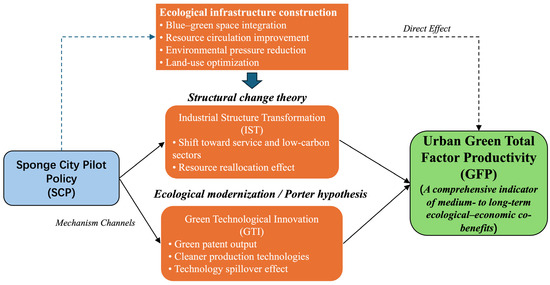
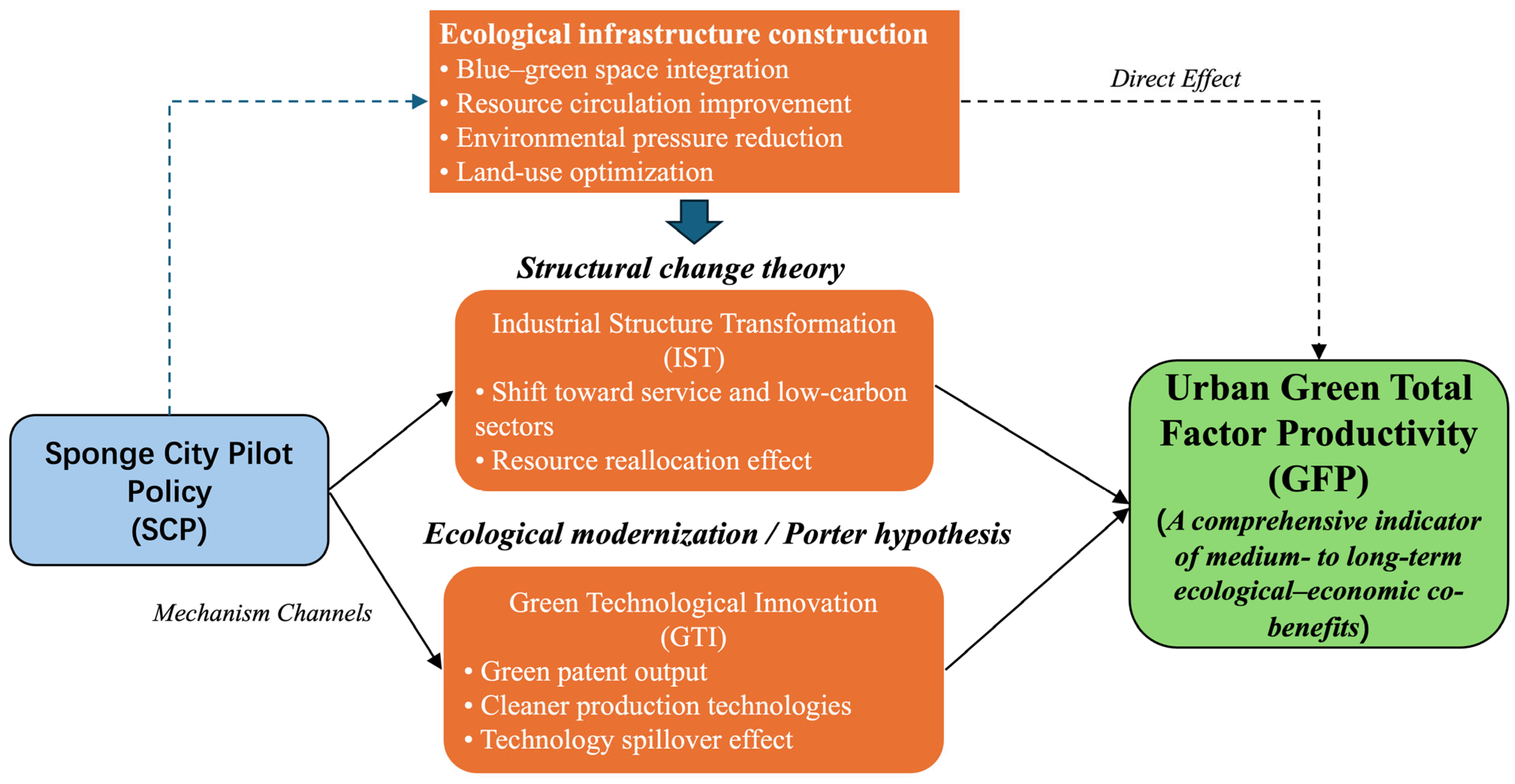
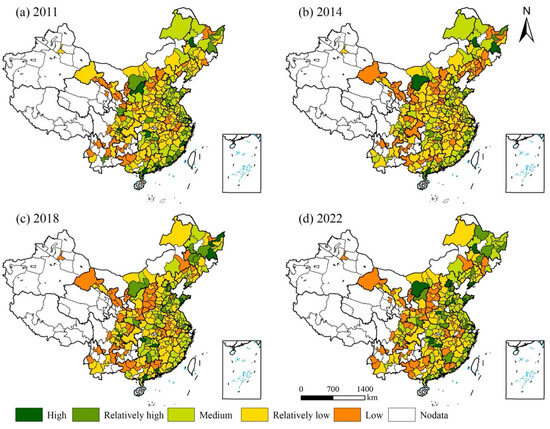
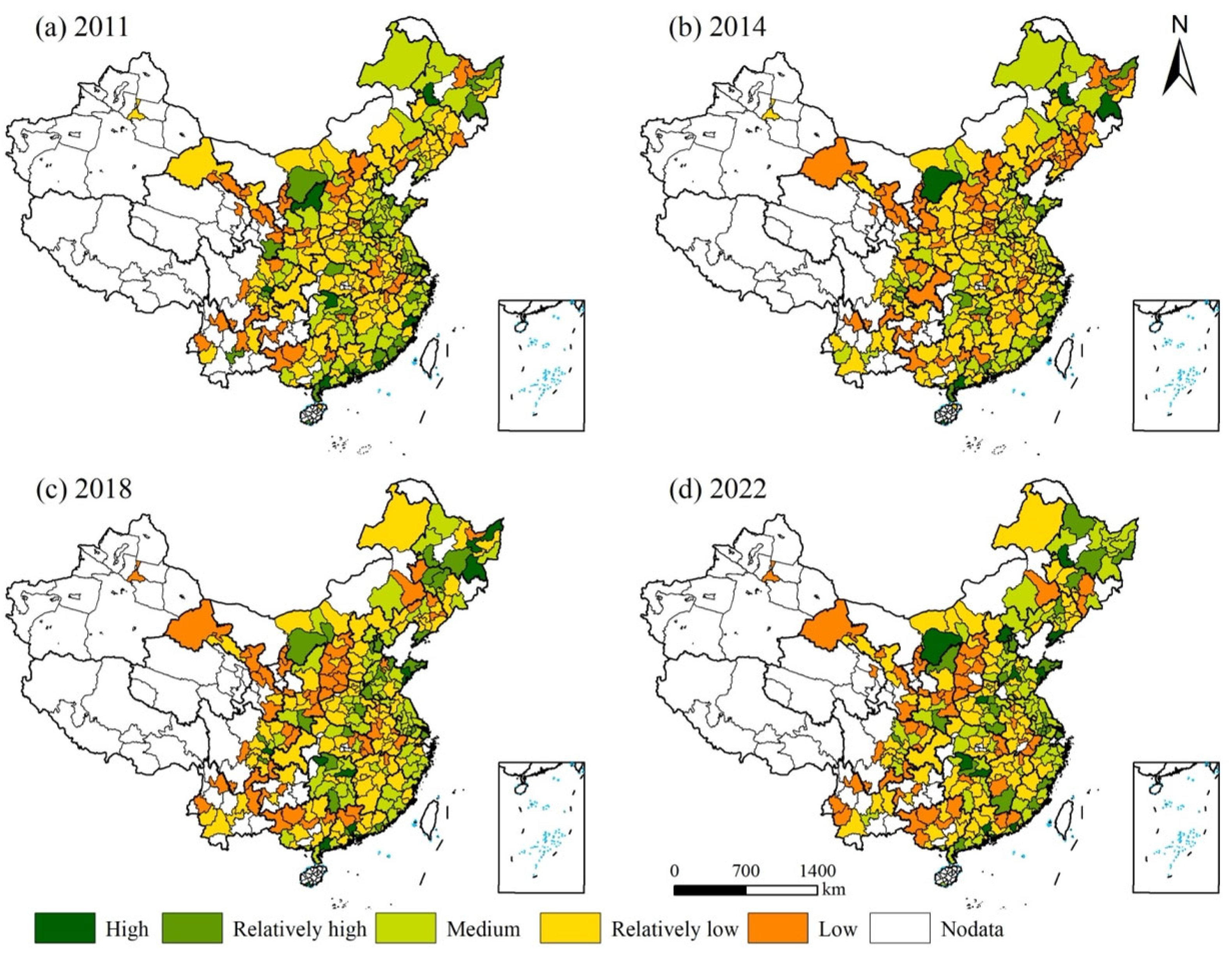
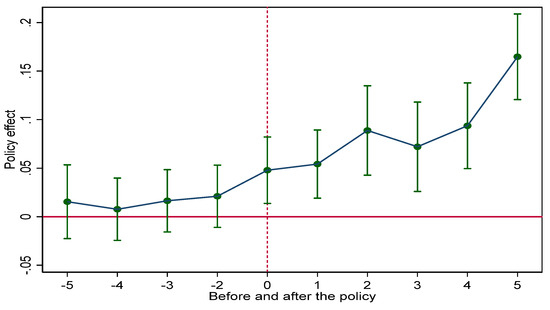
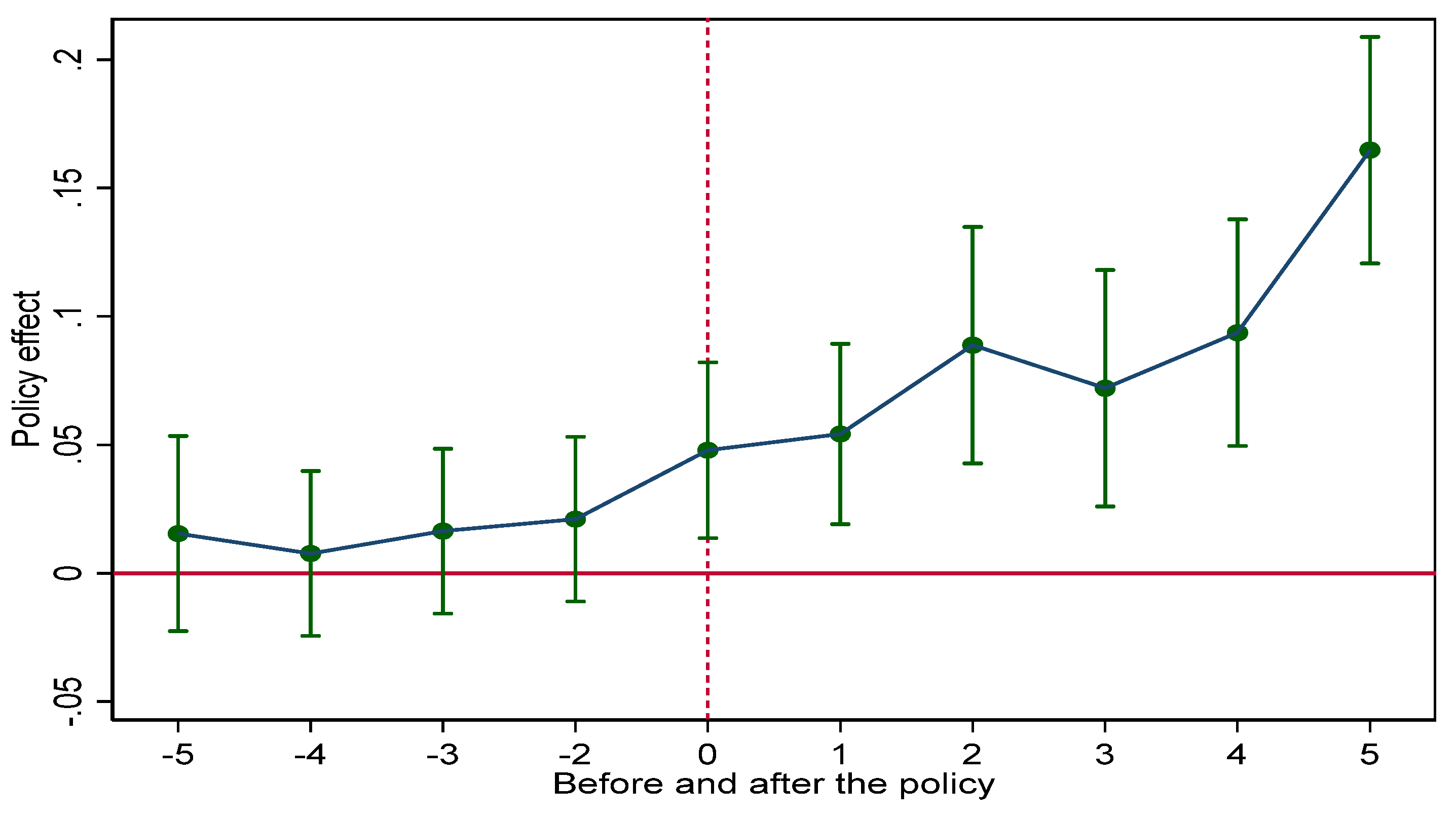
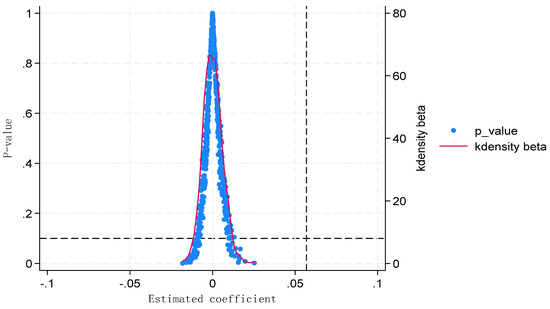
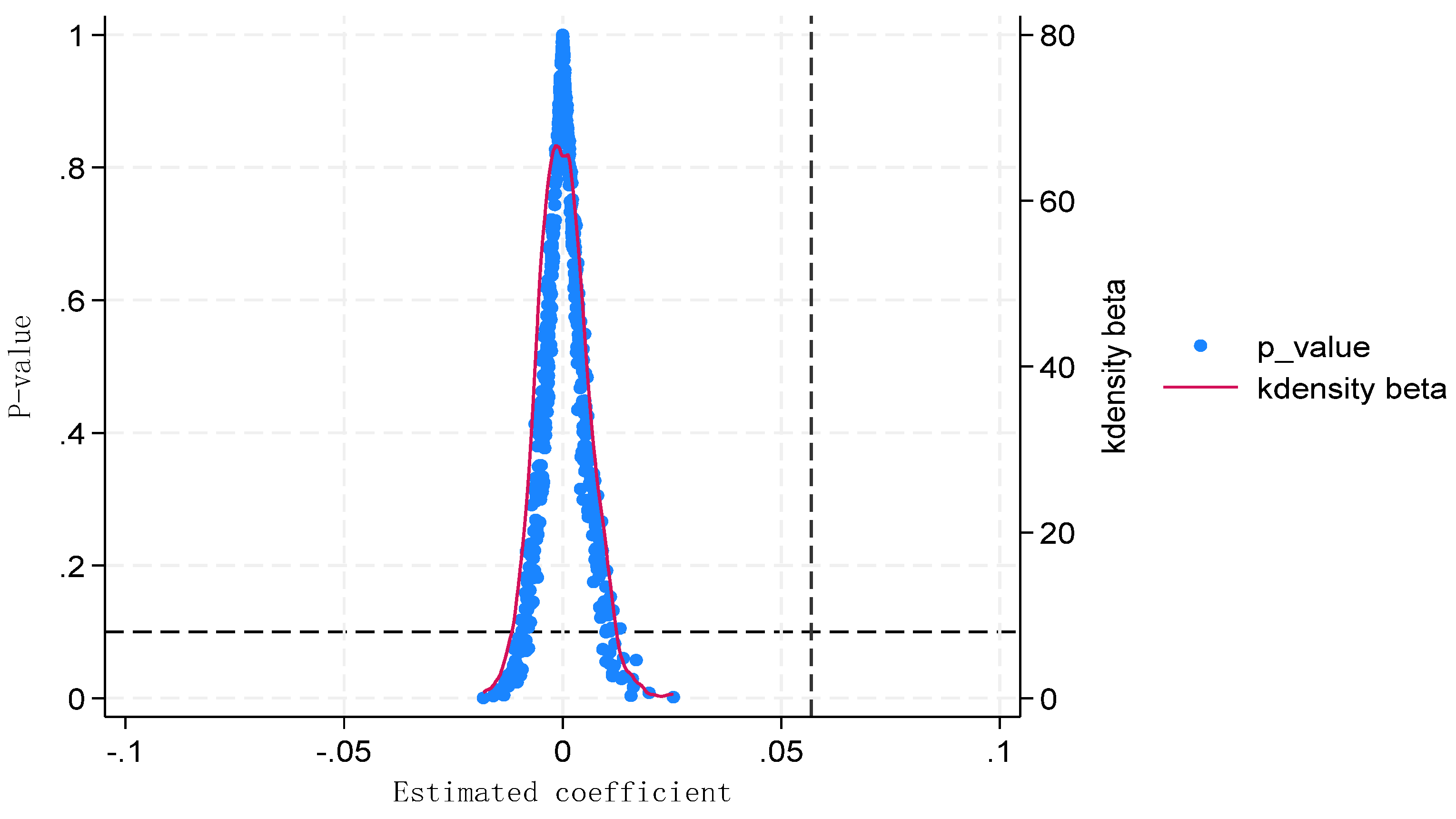

Disclaimer/Publisher’s Note: The statements, opinions and data contained in all publications are solely those of the individual author(s) and contributor(s) and not of MDPI and/or the editor(s). MDPI and/or the editor(s) disclaim responsibility for any injury to people or property resulting from any ideas, methods, instructions or products referred to in the content. |
© 2026 by the authors. Licensee MDPI, Basel, Switzerland. This article is an open access article distributed under the terms and conditions of the Creative Commons Attribution (CC BY) license.