


Abstract
Per- and polyfluoroalkyl substances (PFAS) pollution control entails drinking-water treatment, site remediation, and legal liability. This critical narrative review compares population attributable fractions (PAF), cost-of-illness (COI), disability-adjusted life years (DALYs), and welfare valuation. The principal findings identify three recurring risks, including the equation of total attributable burden with intervention benefits, the assignment of population burden to individual companies, and the treatment of societal losses as financial liabilities. PAF describes reference-dependent burden, whereas the potential impact fraction (PIF) estimates intervention-avoidable burden under specified assumptions. Published health-cost calculations and the C8 litigation record illustrate both supported transformations and evidentiary stopping points. The principal conceptual contribution is defining information conversion loss as a change in the meaning or permissible use of a health-economic estimate during cross-context use that cannot be reconstructed from retained conditions and additional evidence. The proposed framework records six mandatory interpretation fields, encompassing estimation object and scope, evidence basis and certainty, counterfactual, temporal and monetary basis, source and entity boundaries, and intended use, uncertainty, and decision rule. These fields support classification as purpose-compatible filtering, traceable transformation, or invalid cross-level inference. The framework identifies supported uses and limits further inference when required evidence is missing. Empirical validation remains necessary.
1. Introduction
Per- and polyfluoroalkyl substances (PFAS) rank among the persistent chemicals of greatest concern for drinking-water safety and watershed governance of emerging contaminants. PFAS comprise thousands of compounds that differ markedly in structure, use, and environmental behavior. Their widespread industrial use and extreme persistence have caused long-term, multimedia, and cross-regional contamination [1,2]. Studies worldwide have consistently detected legacy and emerging PFAS in various water bodies. Drinking-water exposure constitutes only one component of total human exposure. Diet, indoor dust, and other media also contribute to internal PFAS burden [1,3]. Recent studies in China show the co-occurrence of legacy and emerging PFAS with marked regional differences [4]. Furthermore, source-water contamination can substantially alter the contamination profile of tap water at the point of use [5]. Translating PFAS detection in water into human exposure, disease burden, and economic losses requires retaining exposure pathways, compound types, spatiotemporal scope, and counterfactual benchmarks at each step. Environmental concentrations, internal exposure, and health damage are not directly interchangeable indicators [1,3]. The validity of health-economic valuations rests primarily on whether these conditions are fully retained.
Extensive epidemiological and toxicological research has documented the adverse health effects of PFAS, including endocrine disruption, immunotoxicity, and developmental risks [6]. However, the certainty of evidence differs markedly across compound-endpoint combinations, directly affecting endpoint selection in health-economic valuations. An umbrella review found that high-certainty evidence was limited to a small number of PFAS-outcome combinations, while many associations remained at low or very low certainty [7]. A 2022 systematic evidence map identified human epidemiological data for 15 of approximately 150 lesser-studied PFAS prioritized for toxicity testing [8]. Toxicokinetics and mechanisms of action differ substantially among PFAS, meaning evidence for PFOA and PFOS cannot be unconditionally extrapolated to the entire class [9]. Studies of mixtures and organ-specific outcomes also indicate that study heterogeneity and limited compound coverage constrain evidence strength [10,11,12]. The C8 Science Panel study examined PFOA-exposed communities in the mid-Ohio Valley. A study of evidence evolution confirmed that certainty levels are not uniform across health outcomes [13]. These evidence gradients mean that endpoint inclusion is itself a substantive evidence choice. High-certainty endpoints can be prioritized for primary analysis, whereas low-certainty or inconsistent endpoints are better suited to sensitivity analysis or qualitative discussion. Incorporating all statistical associations indiscriminately into a monetization model would create dual risks of conflated evidence tiers and spurious numerical precision. Endpoint selection is therefore not merely a methodological issue; it directly determines what valuation results represent, including which health damages are covered and what level of evidence supports monetization.
PFAS contamination has moved from risk research to large-scale remediation, litigation, and liability sharing. Major chemical companies, including 3M and DuPont-affiliated entities, have reached multibillion-dollar settlements regarding contaminated public water systems, and state governments continue to pursue related claims and funding arrangements [14,15,16]. These settlement funds serve different legal purposes and rest on different payment criteria. They cannot be mechanically aggregated, nor can they be equated directly with the monetary value of public health damages. Comparative research on environmental liability shows that different jurisdictions, such as the United States and Sweden, employ distinct institutional logics regarding liable parties, retroactivity, and public funding allocation. Liability allocation thus depends on legal facts and evidentiary rules rather than an automatic mapping of health-economic valuations [17]. Similar boundaries exist in corporate financial reporting. Chemours reports PFAS-related litigation accruals for company-specific losses meeting its recognition criteria, rather than total societal health losses [18]. A study of Dutch publicly traded companies found that PFAS disclosures in annual reports are generally sparse, fragmented, and predominantly qualitative, which limits their utility for substantive financial recognition [19]. Settlement amounts reflect negotiated legal outcomes; corporate liabilities reflect present obligations that meet accounting standards; and health-economic loss valuations reflect attributable burden under specific counterfactuals. Each is valid on its own terms but cannot substitute for another. Converting any one of these values directly into another requires explicit mapping rules and evidentiary thresholds.
Academic research has demonstrated that quantifying PFAS health and economic impacts is technically feasible, but different methods address different questions. Population attributable fraction (PAF) and cost-of-illness (COI) approaches convert exposure-response evidence into attributable cases and then estimate resource costs by combining healthcare costs and productivity losses. A U.S. study estimated the burden associated with PFOA and PFOS by combining COI data with the monetization of certain health endpoints, although the valuation components and time horizons varied across these endpoints [20]. The environmental disease burden approach characterizes loss of healthy life using disability-adjusted life years (DALYs). A European study demonstrated the feasibility of quantifying DALYs from population exposure distributions, while acknowledging that data gaps and evidence uncertainty may constrain results [21]. The welfare economics approach measures changes in non-market welfare through the value of a statistical life (VSL) or willingness to pay (WTP), which has theoretical implications distinct from healthcare expenditures [22]. An interdisciplinary framework integrated PAF, COI, and the polluter-pays principle to discuss healthcare costs, productivity losses, and legal compensation mechanisms [23]. A drinking water treatment study quantified the health benefits of reduced PFAS exposure alongside the indirect burdens of treatment processes such as granular activated carbon (GAC), illustrating that remediation itself may generate health trade-offs [24]. In non-market valuation, a benefit transfer study and a contingent valuation survey assessed household willingness to pay for water quality improvements in different regions [25,26]. Collectively, these findings demonstrate that COI, DALYs, and VSL/WTP correspond to distinct decision purposes: resource consumption, health burden, and welfare evaluation. Given identical exposure evidence, different valuation pathways yield fundamentally divergent outputs. They are not interchangeable merely because they can be expressed in monetary terms.
Whether PFAS health-economic results can be applied across different uses depends on whether estimation conditions can be preserved and whether sufficient evidence exists for the new context. PAF cannot identify the liability share attributable to specific enterprises [27]. Combining attributable cases with average case costs can describe disease burden, but evaluating avoidable resource consumption requires matching governance counterfactuals with the cost perspective. Similarly, societal health losses do not automatically translate into corporate liabilities. Environmental management accounting and environmental liability research both indicate that financial recognition requires clear obligations and measurement conditions [28,29]. Water accounting studies, which emphasize correspondence between pollution loads, industries, and spatial scopes, provide an adjacent-field reference for the traceability of health-economic valuations [30,31]. Drawing on these adjacent fields, this work defines information conversion loss as a change in the meaning or permissible use of a health-economic estimate during cross-context use that cannot be reconstructed from retained conditions and additional evidence. This study examines such changes using six mandatory interpretation fields: F1 estimation object and scope, F2 evidence basis and certainty, F3 counterfactual, F4 temporal and monetary basis, F5 source and entity boundaries, and F6 intended use, uncertainty, and decision rule. Section 3.4.1 defines these fields and the rules for evaluating downstream claims. Existing research has accumulated substantial knowledge on PAF, COI, DALYs, VSL, and WTP, but it remains insufficient for determining which conditions must be preserved when these results enter policy, litigation, and corporate reporting, and when unacceptable cross-level inferences may occur.
Integrating environmental, health, and economic data into policy frameworks is a global challenge. China provides an important case for examining this transition. The country has strengthened risk management through the Action Plan for Emerging Contaminant Control [32], the List of Key Controlled Emerging Contaminants (2023 Edition) [33], and the GB 5749-2022 Standards for Drinking Water Quality [34]. However, a unified methodology that integrates water environment monitoring, health outcomes, economic valuation, and liability information has yet to be established. Recent provincial-level studies indicate that effect size conversion and counterfactual settings directly influence attribution results [35], yet such methodological choices remain unstandardized in local data applications. Existing studies on PFAS water treatment primarily focus on process effectiveness and life-cycle costs [36,37] and do not address how health-economic results enter governance decisions and corporate information. Although treatment costs and health-economic losses both belong to the economic information of PFAS governance, they reside at different information levels.
This work adopts a problem-oriented approach to synthesize the literature across five evidence domains: PFAS in the water environment and human exposure; health evidence and population attribution; health-economic valuation; pollution sources and legal liability; and environmental accounting and water governance. The detailed review scope and targeted search strategy are provided in Section 2.1. Literature selection prioritizes peer-reviewed systematic reviews and methodological studies, recent empirical research on PFAS and drinking water treatment, and primary institutional documents on standards, settlements, regulations, and accounting rules. The synthesis compares evidence systems with respect to their estimation objects, counterfactuals, liability boundaries, and institutional applications, thereby identifying information conversion issues that arise in cross-context use. Figure 1 illustrates the pathways through which PFAS health-economic results undergo three structural conversions to inform institutional applications, as well as the potential outcomes of these conversions.
Figure 1.
Pathways of PFAS health-economic information into institutional applications. Exposure, health evidence, attributable burden, economic valuation, and treatment costs inform institutional applications through three types of conversion: attribution to valuation, population to liable parties, and science to institution. Panel items highlight use-specific checks within a common set of interpretation requirements. The conversions may occur independently rather than in a fixed sequence. The bottom arrow distinguishes purpose-compatible filtering, traceable transformation, and invalid cross-level inference as categories rather than a numerical scale. (The generative artificial intelligence tool ChatGPT (GPT-6 Sol, OpenAI) was used to assist in generating small decorative icons to enhance the visual aesthetics of the figure).
2. Existing Methods and Evidence for Assessing PFAS Health-Economic Losses
Differences among PFAS health-economic studies stem primarily from their estimation objects rather than their choice of valuation methods. The literature contains at least four interrelated yet non-interchangeable types of results. The first category concerns environmental or human exposure and its distribution. The second includes attributable cases or disease burden. The third covers resource consumption and productivity losses caused by disease. The fourth addresses welfare values associated with risk reduction or water quality improvement. Without distinguishing these categories, subsequent comparisons of PFAS health costs may conflate values at different levels, such as exposure concentrations, disease burden, resource consumption, and welfare values.
PFAS-related studies and institutional documents report monetary figures that serve distinct institutional purposes. These include modelled population-level health burdens, treatment and remediation costs, negotiated settlement amounts, and recognized corporate liabilities. Although these figures are frequently cited alongside one another, they are derived from fundamentally different methodologies and regulatory or legal processes. Table 1 presents selected examples to illustrate these differences, focusing on the measurement basis and analytical meaning of each amount, rather than ranking cases or attempting to aggregate total PFAS-related losses.
Table 1.
Selected PFAS-related monetary figures across distinct institutional contexts.
The comparison illustrates why monetary figures cannot be interpreted without considering their estimation objects and institutional bases. Model estimates depend on exposure-response evidence, attribution assumptions, endpoint selection, and valuation parameters. Settlement amounts reflect the resolution of defined claims under negotiated legal terms, whereas accounting accruals follow specific recognition and measurement rules. Consequently, translating exposure evidence into attributable burden requires distinct valuation methods tailored to specific decision contexts.
2.1. Review Scope and Evidence Selection
This review synthesizes literature identified through a structured search of the Web of Science Core Collection, Scopus, and PubMed up to October 2026. This multi-database approach facilitated comprehensive cross-disciplinary coverage across environmental science, public health, and socio-economic domains. The search strategy combined core PFAS terminology with domain-specific keywords covering four areas. These included health outcomes and epidemiology (e.g., attributable fraction and epidemiology), economic valuation (e.g., cost-of-illness and willingness to pay), legal liability (e.g., environmental liability and litigation), and water governance (e.g., drinking water treatment and regulation). Additional records were identified through backward citation tracking of key systematic reviews, regulatory reports, and primary institutional documents, including court settlements and corporate financial filings. Inclusion criteria prioritized peer-reviewed English-language articles and primary institutional documents that provided an identifiable contribution to exposure attribution, health-economic valuation, or institutional application. Studies were excluded if they focused exclusively on treatment engineering without health-economic relevance or lacked methodological rigor. Rather than an exhaustive meta-analysis, this review adopts an interpretive, problem-oriented approach. It does not pool effect estimates or conduct new evidence grading.
2.2. Estimation Objects and Information Hierarchy
PFAS health-economic valuation begins with exposure characterization. Environmental monitoring studies can identify contamination patterns and potential point sources, but concentrations in water do not equate to individual doses. A nationwide U.S. study found spatial associations between PFAS detection and industrial, military, and wastewater treatment facilities [41]. A systematic study further noted that drinking water, diet, and consumer products collectively influence internal PFAS burden [42]. Therefore, while environmental concentration studies are useful for describing contamination patterns, they require a clear conversion from external exposure to internal dose before they can enter health attribution models.
To ensure the traceability of these upstream inputs, reporting of water concentrations and treatment costs requires strict boundary definitions. Environmental monitoring must report specific target analytes, sample matrix, detection limits, and detection frequencies. Concentrations should be reported with explicit units, typically ng/L for water, together with sampling dates, reporting limits, non-detect handling, and relevant blank and recovery controls. A simple sum of targeted PFAS is not exhaustive of total PFAS [43,44]. Regarding analytical protocols, EPA Methods 533 and 537.1 address drinking water [45], whereas Method 1633A covers 40 target PFAS in aqueous and other environmental matrices, including wastewater [46]. These methods generally rely on solid-phase extraction (SPE) coupled with liquid chromatography-tandem mass spectrometry (LC-MS/MS), with method-specific analyte coverage and quality-control requirements. Costs are similarly boundary-dependent. As a historical analytical-cost example, Michigan’s laboratory list, current as of April 2023, listed a fee of US$250 per drinking-water sample, with an optional field blank costing an additional US$250 [47]. Treatment costs likewise depend on system configuration and the specific cost components included [36,37]. In a pilot study at a Swedish drinking-water treatment plant, Franke et al. compared granular activated carbon (GAC) treatment with nanofiltration (NF) followed by concentrate treatment using GAC or anion exchange (AIX) resins [48]. Their economic analysis reported annual unit operating costs of approximately EUR 0.02–0.41 per m3 of drinking water across the evaluated treatment scenarios, depending on drinking-water treatment targets and concentrate-discharge requirements, based on an annual production of 7 million m3 at the Bäcklösa plant. These findings highlight that treatment costs are technology- and boundary-dependent, and that membrane filtration and residual concentrate management should be considered jointly. Consequently, published cost estimates should not be directly compared without accounting for differences in price year, design basis, and included cost components. Reproducibility requires transparent reporting of analytical limits, treatment capacity, operating conditions, capital and operating costs, residual-management costs, and the monetary reference year [49,50].
Biomonitoring studies have narrowed this gap. Multi-site community studies measured serum concentrations in exposed populations and collected health information [51]; pharmacokinetic studies estimated the contribution of drinking water to serum concentrations [52]; and a Southern California study confirmed an empirical link between PFAS in public water supplies and residents’ serum levels [53]. These studies estimate exposure doses or internal burdens rather than disease cases. For drinking water treatment, serum markers typically integrate historical exposure from multiple pathways. Only by estimating the contribution of the drinking water pathway and simulating post-treatment changes in internal dose can overall exposure evidence be translated into health effects preventable by drinking water interventions [42,52,53].
Once exposure enters disease burden research, the unit of analysis changes again. For example, a U.S. study geographically linked public water supply monitoring data with county-level cancer incidence data [54]. Such ecological-scale studies can identify priority areas but cannot replace individual-level causal identification. Systematic evidence maps and endpoint-specific systematic studies are more suitable for selecting effect parameters [8,11,12]. Therefore, the primary heterogeneity in PFAS economic studies arises from estimation objects. Exposure concentrations, attributable cases, DALYs, healthcare costs, willingness to pay, and treatment costs reside at different information levels and cannot be collectively termed health compensation amounts.
2.3. Counterfactual Attribution and Effect Estimate Selection
The validity of health-economic valuations depends primarily on whether exposure-response evidence can be reasonably translated into population-attributable figures. Epidemiological studies typically report relative risks (RR), odds ratios (OR), or hazard ratios (HR), whereas causal interpretation of the population attributable fraction (PAF) requires clear definitions of the target population, exposure distribution, and counterfactual exposure level. The PAF for a health endpoint can be expressed as the proportion of disease burden in the observed scenario that is attributable to exposure, as shown in Equation (1) [55,56].
Here, Bh,obs and Bh,cf denote the disease burden under the observed and counterfactual scenarios, respectively. This expression emphasizes that PAF is a counterfactual concept. For continuous exposures such as PFAS, the counterfactual can be a lower exposure level or a reference concentration; its definition must be consistent with the effect function and target population [55,56]. Binary-exposure formulas require justified categorization and compatible risk inputs; a continuous-exposure effect cannot be substituted directly [56]. For continuous exposure, a more appropriate approach combines the full exposure distribution with a concentration-specific risk function. A recent study on PFOS and diabetes used a two-tier Monte Carlo risk assessment, applying the 5th percentile of the population-weighted serum concentration as the lower-exposure counterfactual, which cannot be interpreted as zero PFAS exposure [35].
Attributable cases are typically derived by multiplying the PAF by the baseline number of cases. The key is that the counterfactual, baseline disease frequency, and target population are mutually consistent. Attributable cases are population-level statistical estimates and do not imply that each case can be identified at the individual level as being caused solely by PFAS [27]. However, PAF describes the burden relative to a specified counterfactual, which need not be zero exposure. The potential impact fraction (PIF) instead describes the burden avoidable under a specified intervention [57]. For continuous serum exposure c, Equation (2) integrates the same causal risk function RR(c) over the baseline distribution f0(c) and the intervention distribution f1(c). Both distributions must refer to the same population and outcome horizon, with appropriate confounder control, covariate standardization, and consideration of the exposure-to-disease lag. PAF and PIF coincide only when their counterfactual distributions are identical.
Therefore, a drinking-water PIF requires an evidence-based change in internal exposure, rather than treating all serum-attributable burden as a treatment benefit [42,53].
The selection of effect estimates is an easily underestimated technical step in attribution calculations. An OR approximates an RR only when the outcome is rare; for common outcomes, direct substitution can inflate the effect. An approximate method has been proposed to convert the OR to the RR based on the baseline risk in the reference population [58]. A recent provincial-level study found that direct use of the OR yielded an average PAF of 25.96%, which decreased to 21.77% after conversion to the RR [35]. For co-exposure to multiple PFAS, a single-compound concentration-response function cannot simply replace a mixture model, and different statistical approaches may yield divergent estimates of effect direction and magnitude [10]. A comparable attribution study should report at least the exposure indicator, effect estimate type, exposure distribution, counterfactual level, baseline disease frequency, population structure, and uncertainty intervals.
2.4. Functions and Boundaries of Valuation Methods
Following attribution, PFAS health-economic assessment can proceed through several complementary approaches. PAF, COI, DALYs, VSL, and WTP address distinct analytical questions rather than forming a single sequential valuation procedure. PAF estimates the population burden attributable to exposure under a specified counterfactual; COI measures disease-related healthcare and productivity costs; DALYs quantify losses in healthy life years; VSL estimates the welfare value of small mortality-risk reductions; and WTP measures willingness to pay for defined risk or environmental quality improvements. PAF is an attribution measure rather than an economic valuation method, whereas DALYs are a non-monetary health-burden metric. These measures and approaches can provide complementary information for the same policy issue or serve as independent study endpoints, provided that their outputs are interpreted according to the research question and valuation boundaries. The core of the COI method is to measure the resources consumed by disease rather than the welfare value of health to an individual. Classic COI studies typically organize costs using a prevalence or incidence approach and distinguish between direct medical costs, non-medical costs, and productivity losses. Studies may also adopt societal, health-system, payer, or patient perspectives [59,60,61]. A methodological review notes that the primary function of COI is to describe the economic burden of disease on society, but it does not equate to damage value in welfare economics and cannot alone rank the cost-effectiveness of different governance options [59]. Table 2 compares the assumptions, minimum data, limitations, and water-governance uses of each method.
Table 2.
Functions and boundaries of primary health-economic valuation methods.
2.4.1. Cost-of-Illness Method
A previous study combined attributable cases with existing disease costs and DALY value parameters to estimate the health-economic burden of PFOA and PFOS in the United States [20]. The study did not rely solely on average case costs. For example, it estimated incremental lifetime medical costs for childhood obesity and included monetized DALY losses in the kidney-cancer estimate. The aggregate total therefore combines endpoint-specific cost components and time horizons. For COI studies focused on resource consumption, using average case costs requires verifying that the treatment pathways and cost structures of attributable cases are comparable to those of the general population. To assess the resource consumption avoided by a specific governance measure, the expected cost difference between the baseline and the governance scenario should be estimated. Cross-pollutant studies offer methodological references. One study linked health outcomes attributable to nitrate in drinking water to medical and productivity costs [64]; another compared averted cases, health benefits, and governance costs under different nitrate standards [65]; a third incorporated non-fatal outcomes and quality-of-life losses [66]. Although these studies do not provide evidence of PFAS effects, they illustrate the need to distinguish clearly between total burden estimates and incremental policy evaluations.
2.4.2. Disability-Adjusted Life Years
DALYs measure health burden and are not a monetary unit. According to standard burden-of-disease definitions, DALYs are calculated as the sum of years of life lost (YLL) from premature mortality and years lived with disability (YLD) [62,63]. This indicator measures health loss in terms of healthy life years and should not be added directly to monetized costs. DALYs can compare fatal and non-fatal outcomes on a common scale, but results depend on life tables, disease state definitions, and disability weights [62,63]. A previous study applied this framework to estimate the environmental disease burden of chemical exposures, including PFOA [21], while another used DALYs to compare the net health effects of PFAS drinking water treatment [24]. DALYs thus quantify the magnitude of health loss and the health burden reduced by governance options, but they do not constitute a compensation amount. Monetizing DALYs requires a separately selected value per healthy life year, willingness to pay, or other welfare parameters, along with explicit justification of their ethical and geographical applicability.
2.4.3. Welfare Valuation: Value of a Statistical Life and Willingness to Pay
VSL and WTP belong to the welfare economics pathway. VSL is not the price of an individual’s life, but a risk value aggregated from individuals’ willingness to pay for small changes in mortality risk. For sufficiently small risk changes, the corresponding WTP can be approximated by multiplying VSL by the risk change [22]. A systematic study shows that VSL estimates vary significantly with national income, risk type, survey design, and application sector, so direct transfer across regions introduces substantial uncertainty [67]. The contingent valuation method constructs hypothetical markets to ask respondents how much they are willing to pay for risk reduction or environmental quality improvement. A methodological work points out that its main policy use is to provide welfare values for public goods and risk changes without market prices, rather than replacing actual medical costs [68]. Benefit transfer further applies existing WTP functions to new regions, but transfer error depends on similarities in income, risk, baseline water quality, and survey design between the study and policy sites [69].
In the PFAS field, benefit transfer and contingent valuation studies exemplify welfare valuation [25,26]. To prevent double counting when aggregating or comparing these results, a formal component-by-endpoint register must be established prior to any monetary summation. This register requires explicit mapping of the target population, time horizon, healthcare and care costs, productivity losses, mortality risk, and morbidity welfare covered by each estimate. Each component must be counted only once. Three exclusionary rules apply: First, comprehensive WTP estimates must not be added to COI measures that cover medical or income losses already incorporated within that WTP. Second, VSL estimates for mortality risk must not be combined with monetized years of life lost (YLL) or productivity losses for the same fatal outcomes [59,61,70]. Third, DALYs must be treated as an independent health metric unless a separate and transparent monetization rule is applied. Furthermore, the register must account for disease progression (e.g., overlapping costs of childhood obesity and subsequent diabetes) and compound-specific overlaps (e.g., overlapping burdens from PFOA and PFOS). Where such overlaps cannot be empirically resolved, results must be reported as separate components or alternative scenarios rather than as a single aggregate. Finally, water utility capital and operating costs must remain strictly separated from societal health or welfare benefits [49,50].
2.5. Institutional Application Scenarios
Health-economic evaluation results ultimately serve different institutional contexts, and evidence requirements vary fundamentally across these contexts. Studies on societal burden primarily describe existing health impacts, whereas policy evaluations require comparing the losses that governance can prevent with the associated costs. These two types of studies may employ different counterfactuals and valuation methods; accuracy cannot be judged solely by the magnitude of the monetary figures. In contrast, judicial and settlement contexts require not only clear definitions of damages but also identification of the source, responsible party, timeframe, and legal claims. An interdisciplinary framework integrated PAF, COI, and the polluter-pays principle with systematic evidence to discuss the causal and liability challenges posed by chronic, low-dose, and multi-source exposures [23]. A comparative study of the United States and Sweden also shows that different jurisdictions apply varying rules for retroactive liability, reasonableness study, and public funding allocation [17]. Therefore, health valuation can only provide context regarding the burden and cannot independently determine a defendant’s liability or payable amount.
Corporate management and financial reporting constitute a third information context. Management accounting can record environmental risks, replacement costs, and scenario costs that do not yet meet financial recognition criteria as internal decision-making information. In contrast, liabilities in financial statements are strictly governed by recognition and measurement rules, including present obligations, probability of outflow, and reliable estimates [28,29]. Therefore, even rigorously estimated societal health losses from academic research do not automatically become liabilities on a corporate balance sheet. Water accounting studies provide insights for source tracing: recording pollution loads across industries, emission stages, and spatial units helps trace upstream economic activities and liability allocation [30,31].
To clarify these institutional boundaries, Table 3 summarizes the decision questions, output types, and impermissible direct inferences for each major scenario. The water utility operations scenario warrants particular attention: in PFAS governance, water utilities are typically service providers and bearers of treatment costs, and they do not automatically become liable parties simply by assuming purification obligations. Actual treatment costs and water affordability depend heavily on source water contamination levels, process selection, system scale, and reliance on groundwater [49,50]. Therefore, water utility costs, health benefits, and pollution liability should be reported separately as interrelated but distinct governance information. If counterfactuals, time frames, or responsible-party boundaries are omitted during result transfer, a calculable monetary amount may be assigned a meaning that exceeds the evidence scope. The term information conversion loss introduced in this paper identifies the loss or misinterpretation of such critical conditions and does not deny the validity of different institutional outcomes.
Table 3.
Institutional applications and use limits of PFAS health-economic information.
3. Major Barriers to the Cross-Context Use of Health-Economic Information
Health-economic assessments of PFAS link exposure, health burden, and economic outcomes. However, the evidence required changes when these outcomes are incorporated into policy, litigation, and corporate reporting. Uncertainties in emerging contaminant research stem from sampling, analysis, model structure, risk parameters, and source identification, and propagate downstream through models [71]. This section identifies three systemic barriers: the transmission of attribution uncertainty to monetary valuation, the shift from population-level statistics to specific entities, and differing institutional logics in handling uncertain information. These barriers cannot be resolved solely by increasing sample size or improving the precision of monetary estimates.
3.1. Transmission of Attribution Uncertainty
3.1.1. Effect Parameters and Health Endpoint Selection
Effect parameters are the primary source of uncertainty in the attribution chain. OR, RR, and HR are not interchangeable across all outcomes. A previous study showed that when the OR for common outcomes was converted to RR, the average PAF decreased from 25.96% to 21.77%, and the number of attributable cases changed accordingly [35]. Even with highly accurate unit costs, systematic changes in PAF input parameters will proportionally alter the final monetary outcome. Thus, the statistical form of effect parameters is an integral component of the monetary result. Furthermore, common diseases such as diabetes should not be treated as a single endpoint with uniform evidence strength. The association between PFAS and gestational diabetes differs from that for type 2 diabetes [72], and effect estimate correction cannot replace endpoint-specific judgments.
Health endpoint selection is a structural source of uncertainty, given that PFAS evidence is highly concentrated on a limited number of compounds and outcomes [7,8]. Rather than re-evaluating the evidence, this review retains the published certainty assessments. The primary analysis prioritizes higher-certainty endpoints that support defensible causal inference and possess an applicable risk function. Lower-certainty endpoints are evaluated in separate scenarios, while outcomes lacking a usable risk function are treated qualitatively. For quantitative reporting, endpoint and causal-model scenarios are compared independently, with parameter distributions propagated within each scenario. This approach avoids assigning arbitrary numerical probabilities to qualitative certainty labels. As shown in previous treatment assessments, endpoint inclusion can materially alter DALY gains and net health outcomes [24]. Regulatory thresholds further illustrate this dependency on endpoint choice and toxicokinetics. For instance, the European Food Safety Authority (EFSA) established a group tolerable weekly intake (TWI) for the combined exposure to PFOA, PFOS, PFNA, and PFHxS [73], whereas the Australian drinking-water guidelines are based on water-specific exposure assumptions [74]. Because these regulatory benchmarks are derived from different toxicokinetic assumptions and are expressed in different units, they cannot be directly equated or translated into a single universal safe concentration.
3.1.2. Exposure Characterization and Mixtures
The second source of uncertainty in attribution models stems from exposure characterization itself. Conventional targeted analyses quantify only pre-listed PFAS, whereas the environment contains numerous unknown precursors. A systematic work noted that analytical methods for total fluorine and organofluorine differ significantly in principles and algorithms and may even yield contradictory results [43]. Non-targeted studies have reported more than 1000 PFAS across 382 classes, highlighting the limited coverage of conventional targeted analyses [44]. Therefore, non-detection of target PFAS does not equate to the absence of exposure. More critically, surrogate markers such as total fluorine are not perfect substitutes; their mass balance is often affected by recovery rates and inorganic fluorine interference, potentially overestimating or underestimating actual exposure [75,76]. Uncertainties in exposure characterization must be reported by analytical method, rather than applying a universally applicable unknown proportion.
Mixture exposures can also alter effect estimates themselves. Existing mixture studies employ various statistical methods that may yield different estimates of effect direction and major contributors [10]. Correlated co-exposures can introduce not only confounding but also bias amplification. A simulation study showed that when co-exposures are highly correlated and the causal structure is improperly specified, multi-pollutant adjustment does not necessarily reduce bias [77]. Thus, model selection itself is a source of attribution uncertainty.
3.1.3. Transmission of Uncertainty into Monetary Valuation
Once these uncertainties enter economic evaluation, they propagate along the calculation chain. In the COI pathway, attributable resource costs are aggregated by multiplying attributable cases by the unit case cost [60]. PAF, baseline disease frequency, endpoint selection, and unit case cost are not independent error terms; rather, they collectively define the final valuation object. COI studies are also influenced by the chosen cost perspective, the prevalence-based versus incidence-based approach, productivity loss algorithms, and discounting choices [59,60,61]. When these choices coexist with upstream parameters, a monetary point estimate precise to the nearest thousand dollars does not imply that the entire evidence chain has the same level of precision.
Parametric and structural uncertainties must be distinguished. Effect estimate intervals and unit cost distributions can be propagated via Monte Carlo simulation. However, whether to include health endpoints, whether to model exposure as a mixture, and how to define counterfactuals are structural choices that cannot be resolved solely by increasing simulation runs [71]. Sensitivity analyses must report these two types of uncertainty independently, rather than collapsing them into a single combined range. Figure 2 illustrates the transmission pathway of uncertainty from exposure and effect estimates to monetary valuation.
Figure 2.
Transmission of parametric and structural uncertainties in the health-economic valuation chain for PFAS. Parametric uncertainties propagate horizontally through the sequential stages: exposure and effect estimation, endpoints and counterfactuals, burden calculation, and monetary valuation. Structural uncertainties, including endpoint inclusion, mixture models, and counterfactuals, require separate scenario analyses. The figure highlights that PAF describes reference-dependent attribution, whereas PIF describes intervention-avoidable burden. A supported water-specific exposure change is required before calculating PIF; total internal exposure does not equate to the burden controllable by drinking water treatment. Monetary precision cannot exceed the precision of the weakest structural assumption.
A further source of uncertainty in water treatment arises from mismatched exposure pathways. Many health effect parameters are based on internal exposure indicated by serum levels, whereas drinking-water treatment alters only the drinking-water pathway. Directly interpreting the PAF for overall exposure as the total health burden preventable by water treatment assumes that drinking water explains the corresponding changes in internal exposure. A previous study indicates that this assumption requires joint support from the drinking water contribution, residential history, and other exposure sources [52]. Assessments of drinking-water benefits should separately report the counterfactual conversion from water concentration to internal dose. The total attributable burden should not be treated directly as the burden controllable by water utilities.
To isolate the exposure attributable specifically to drinking water, the counterfactual framework must explicitly hold non-water pathways constant. The baseline serum distribution (f0) incorporates total internal exposure from drinking water, diet, indoor dust, and other media [52]. When simulating a water treatment intervention, the intervention distribution (f1) should be derived by altering only the water-specific input and combining it with unchanged non-water inputs. This requires empirical data on residential history, water consumption rates, and compound-specific toxicokinetics to model the subsequent decline in serum concentrations [42,53]. If non-water pathways are omitted or assumed to remain constant without evidence, the estimated PIF would erroneously reflect the avoidable burden of total PFAS exposure rather than the specific benefit of water treatment. Furthermore, a cross-sectional water-serum association or a treatment-removal percentage alone does not establish the disease reduction achievable within a given policy horizon.
3.2. From Population Attribution to Liable Parties
3.2.1. Population Attribution and Legal Causation
A frequently overlooked scale shift exists between the PAF and liable parties. The PAF is a statistical description of the attributable disease proportion in a target population. Methodological studies have established that it does not identify whether specific cases are caused by exposure, nor does it provide a unique allocation of responsibility among multiple risk factors [27]. Even a highly reliable PAF estimate for a watershed only indicates the potential reduction in population disease burden, not the share of responsibility a specific company should bear. The latter requires additional evidence, including pollution sources, emission timing, and applicable legal rules. This does not imply that PAF estimates are inadmissible in litigation. PAF can provide background evidence of general population-level causation. However, without source, temporal, and legal evidence, it cannot independently establish the legal liability of a specific liable party.
An interdisciplinary framework integrating systematic evidence, the PAF, and the polluter-pays principle acknowledges that multi-source exposure complicates individual causation and source attribution [23]. A comparative study shows that U.S. CERCLA-style retroactive liability and Swedish law’s emphasis on historical context yield different cost allocations for similar facts [17]. Tort law further indicates that liability establishment depends on specific jurisdictional requirements for causation and duty of care [78]. Legal liability is therefore not a direct derivative of the PAF but a distinct process of evidentiary screening.
3.2.2. Spatiotemporal Attribution of Contamination Sources
Before moving from population attribution to establishing liability, the source of contamination must be determined. The multi-source nature of PFAS makes this process particularly challenging. A case study in Maine found that sludge application, industrial emissions, and product use can create overlapping contamination in the same area, and that contamination can migrate among water, soil, and snow [79]. Even when environmental concentrations and health burdens are measurable, spatial proximity alone cannot attribute all exposure to the nearest facility.
Source apportionment encompasses tools such as multivariate models, time-of-travel sampling, and chemical fingerprinting [80,81,82]. Determining whether these tools are sufficiently reliable for allocating environmental liability requires a tiered evidentiary assessment rather than a single numerical threshold. First, analytical validity requires adequate detection limits, contamination control, and reproducible measurements. Second, source plausibility demands distinguishable chemical profiles and a documented transport pathway, while accounting for environmental alterations to fingerprints [83]. Third, temporal and competing-source evidence must correlate historical releases with exposure timelines and explicitly retain any unresolved contributions. Fourth, legal sufficiency requires an identified entity, a relevant duty under statutory or tort law, and adherence to the jurisdiction’s specific causation and allocation rules [17,78]. No universal concentration, statistical significance, or fingerprint-similarity threshold can establish legal sufficiency across all jurisdictions. A physical mass share attributed to a specific source does not equal a health-damage share, much less a legal liability share. Without documented source-to-exposure evidence or a verified entity connection, source apportionment serves only as a preliminary screening tool. Water accounting can enhance upstream traceability but cannot replace these legal findings [30].
3.2.3. Life Cycle and Supply Chain Boundaries
The attribution of liability is also bounded by life cycle stages. PFAS emissions occur across multiple stages, from raw material production to product use and waste disposal. A high-resolution emission inventory in China reveals the substantial influence of historical emission hotspots and waste streams from legacy products [84]. Dynamic material flow studies further show that emissions redistribute according to production technologies and product lifespans [85]. Emission characteristics also vary across fluorochemical production processes [86]. Consequently, a company’s use or production of PFAS alone is insufficient to determine its share of regional population exposure [87]. The spatial attribution of liability requires, at a minimum, an integration of life-cycle activity data, environmental transport information, and trade records.
3.3. Institutional Approaches to Uncertainty
3.3.1. Academic Evaluation
Academic evaluations typically allow uncertainty to be explicitly retained as intervals, probability distributions, alternative models, and scenario-based results. Life-cycle and treatment cost studies use sensitivity analyses to demonstrate how changes in energy, materials, treatment frequency, and cost boundaries affect the results [37]. Such reporting allows readers to examine the parameters and assumptions underlying the results, although it does not imply that all uncertainties have been quantified. Academic research can also accommodate multiple counterfactuals that are mutually incompatible yet individually reasonable. For example, a single PFAS exposure study may compare current exposure, theoretical minimum exposure, or regulatory limit scenarios; different counterfactuals address different questions, such as disease burden, preventable burden, or policy benefits. Prior research emphasizes that model structure and input assumptions should be discussed alongside output uncertainty [71]. In an academic context, provided that the sources of uncertainty are fully retained, intervals and multi-scenario results help prevent a single number from being overinterpreted.
3.3.2. Litigation and Settlement
Judicial proceedings cannot rely solely on probability distributions or macro-level population associations. Legal claims typically require linking damages to a specific defendant, act, time period, and causal chain, and the thresholds for proving liability and causation vary across jurisdictions [17,78]. Consequently, PAF ranges accepted in academic research often provide only background evidence of general causation or damage magnitude in litigation, and must be combined with specific source identification and legal liability evidence.
Settlement amounts must also be strictly distinguished from the statistical true value of damages. A settlement is an institutional outcome shaped by litigation risks, evidence strength, legal claims, governance obligations, payment terms, and negotiation arrangements. Its informational value stems from the use of funds and liability boundaries rather than direct correspondence with an academic point estimate. PFAS-related settlements involve various funding purposes, including testing, treatment, natural resource damages, and site remediation [16]. Inferring total health damages from settlement amounts is an invalid cross-level inference that reinterprets legal arrangements as unproven societal health valuations. Furthermore, even for drinking water treatment costs, different estimates vary due to institutional and engineering boundaries. Water treatment project costs in the United States are influenced by scale and water quality [49]. A study of California water utilities further shows that source water contamination levels and regulatory stringency are key determinants [50]. These findings indicate that even for treating the same class of PFAS, costs cannot be compared without considering standards, contamination levels, and system boundaries, nor can cost differences be attributed solely to the accuracy of a particular estimator.
3.3.3. Accounting Recognition and Disclosure
The accounting context adopts a third logic for handling uncertainty. Environmental risks enter financial statements as liabilities only after meeting the recognition and measurement criteria of applicable standards. Items that do not meet these criteria may still inform decisions through management accounting, projected cash flow analysis, or sustainability disclosures. International Accounting Standard 37 (IAS 37) requires recognition and disclosure judgments based on present obligations, probability of resource outflow, and measurement [88]. This means uncertainty is not eliminated but transformed into institutional judgments regarding whether to recognize, how to measure, and how much to disclose. A societal health-loss estimate does not inherently establish either a provision or a contingent liability. Contingent liability disclosure specifically requires either a possible obligation of the entity or a present obligation that fails to meet the applicable recognition criteria. This distinction is essential for understanding information conversion in corporate reporting.
Empirical evidence shows that measurement assumptions for environmental liabilities significantly influence financial statement figures. A study of Canadian companies transitioning to International Financial Reporting Standards (IFRS) found that approximately one-third chose higher discount rates to avoid substantial increases in environmental liabilities [89]. Another study found that only about 35% of firm-years with material environmental liabilities disclosed both the discount rate and expected payment horizon, while more specific disclosures were associated with lower analyst forecast errors and dispersion [29]. Thus, the decision-usefulness of accounting figures depends on both the recognized amount and the traceability of key estimation inputs.
Institutional pressures also affect whether companies translate environmental obligations into structured information. Research indicates that reported environmental liabilities do not necessarily reflect all environmental obligations [90]. Direct evidence from the PFAS sector shows that PFAS disclosures in Dutch listed companies’ annual reports are generally scarce and fragmented, with only one report explicitly identifying PFAS as a material topic [19]. Environmental accounting is defined as the process of transforming raw environmental and socioeconomic data into information usable for management and policy [91]. At the national accounts level, marginal damage from air pollution has been allocated to industries to compare external damage with industry value added [92]. Such environmental-economic accounting demonstrates that external losses can be reorganized by economic activity, but industry-level allocation of social damages differs from financial recognition by an individual firm. A reporting-entity boundary and accounting recognition threshold remain between what can be accounted for at the industry level and what should be recognized as a liability for a specific company.
3.4. Identifying Information Conversion Loss
3.4.1. Diagnostic Criteria
Information conversion loss denotes a semantic or permissible-use shift that cannot be reconstructed from preserved conditions and supplementary evidence. It specifically addresses the transfer of health-economic estimates across policy, legal, and institutional boundaries. While existing frameworks link health costs to the polluter-pays principle [23] and environmental accounting supports cross-context traceability [31,91], this review proposes a reporting diagnostic to explicitly delineate the interpretation scope and identify missing institutional evidence. It does not provide a new causal estimator, valuation method, or liability standard. Rather, it diagnoses whether a specific downstream claim remains reconstructable after the transfer. For instance, relabeling a correctly estimated local societal loss as a corporate liability without entity-specific obligation evidence constitutes such a loss, even if the numerical value and uncertainty interval remain unchanged.
To distinguish this concept from related frameworks, uncertainty propagation describes how parametric or structural errors are amplified within a specified model, whereas evidence translation addresses the broader application of research in decision-making. Ecological fallacy involves invalid individual inferences drawn from aggregate data; causal transportability assesses whether causal effects identified in one population can be validly transported to another population [93]; and benefit-transfer error arises when economic values are misapplied to a new setting [69]. In contrast, information conversion loss examines whether the interpretive conditions attached to a specific estimate remain traceable when it is used to support a different institutional claim, and whether that claim can be reconstructed from the retained conditions and supplementary evidence. Although these issues can coexist, this diagnostic does not replace or rectify established causal, statistical, or legal methods. Environmental liability assessment remains a distinct legal process governed by statutory facts and evidentiary standards.
A traceable framework is defined as a structured, record-based protocol. It comprises the original source identifier, the original value and unit, six mandatory interpretation fields, the proposed downstream claim, the supplementary evidence, and a dated decision record. The six mandatory fields are F1 estimation object and scope, F2 evidence basis and certainty, F3 counterfactual, F4 temporal and monetary basis, F5 source and entity boundaries, and F6 intended use, uncertainty, and decision rule. These field names and their order remain fixed across uses, while the information recorded within each field depends on the intended application. The framework operationalizes three explicit decision rules to classify cross-context uses. First, purpose-compatible filtering is permissible when the estimation object and intended claim remain unchanged, and the information required to interpret the retained result remains traceable. Second, traceable transformation is permissible when the numerical form, estimation object, or entity boundary changes, provided that explicit mapping rules and supplementary evidence enable the reconstruction of the new claim. Third, invalid cross-level inference is rejected when a downstream claim alters its semantic meaning or asserts an obligation without the requisite evidence. The analyst records these fields for the original estimate, identifies the contextual modifications required by the new use, and applies the corresponding rule. Missing evidence constrains the permissible use and is made transparent in the record. As with the CHEERS 2022 reporting guidance, completeness does not inherently imply a quality score [94]. Legal and accounting judgments remain governed by their respective statutory and regulatory frameworks.
Table 4 applies the same F1-F6 record to the three conversions. Its use-specific checks identify what must be examined within the corresponding fields, rather than introducing alternative field definitions. All six fields apply to every conversion; the table highlights particular verification priorities. While filtering may shorten a record, it must preserve the meaning and traceability of the retained result.
Table 4.
Verification priorities for the three types of conversion.
3.4.2. Reasonable and Unreasonable Transformations
Classification applies to a specified downstream claim using the F1-F6 record defined in Section 3.4.1. Purpose-compatible filtering occurs when the estimation object (F1) and intended claim (F6) remain unchanged, and the information required to interpret the retained result remains traceable; any exclusions must be explicitly documented. Traceable transformation applies when the numerical form, estimation object (F1), or entity boundary (F5) changes, provided that an explicit, reproducible mapping rule and the additional evidence required by the new use are documented. Invalid cross-level inference occurs when a changed meaning or obligation is asserted without such support, such as deriving a defendant’s liability share directly from the PAF. A changed numerical value alone is insufficient to distinguish these categories; a value may remain identical in magnitude yet be erroneously recategorized as a financial liability. As a mandatory stop condition, when missing information within the F1-F6 record or missing mapping evidence prevents reconstruction of the downstream claim, its use must be restricted to what the available evidence supports. Completeness in other fields cannot compensate for this omission. Agreement among independent users in applying these proposed rules remains a subject for future empirical testing.
An existing framework links health evidence, COI, and the polluter-pays principle, providing a foundation for interdisciplinary discussion [23]. This paper focuses on which original conditions must be retained and what entity-specific evidence must be supplemented when results enter a new use. Whether PFAS health-economic results can be applied to new uses depends on whether the original estimation conditions remain traceable and whether the evidence required for the new use has been added. Checking these two conditions better identifies the practical scope of valuation than requiring all studies to report a uniform monetary value.
4. Application Boundaries and a Traceable Framework for PFAS Health-Economic Valuations
4.1. From Monetary Losses to Actionable Decision Information
PFAS health-economic evaluations can already produce attributable cases, DALYs, and monetary valuations. However, the practical difficulty is that the same valuation result is often used to answer fundamentally different questions: What is the health burden on society? How much loss can be avoided through drinking water treatment? How much should a specific company pay? The counterfactuals, entity boundaries, and evidence thresholds required for these three questions differ fundamentally. The more refined the model, the more critical it is to clarify these prerequisites. Merely adding decimal places to a monetary figure does not bridge the gap between different uses.
For instance, disease burdens estimated using serum PFAS as an exposure indicator typically amalgamate contributions from multiple pathways, including drinking water and diet. Directly attributing this aggregate burden to the benefits of drinking water treatment would substantially overestimate the actual exposure reduction achievable by such interventions. Similarly, even an epidemiologically credible regional attributable burden requires supplementary evidence regarding specific emission profiles, transport pathways, and exposure histories to establish the liability of a particular corporate entity. The fundamental issue is aligning valuation characteristics with the targeted use context, rather than forcing all contexts to adopt a uniform standard.
This issue is particularly important for water governance. Water governance simultaneously involves public health, infrastructure investment, pollution source control, corporate behavior, and public acceptance. Research on water quality valuation indicates that a single cost–benefit metric cannot fully capture the social significance of water quality improvements; policy evaluation must maintain boundary awareness among welfare valuation, distributional effects, and non-market values [95]. For broader emerging contaminant governance, recent research also emphasizes that a significant time lag remains among scientific identification, risk assessment, source prevention, and institutional regulation; governance capacity cannot rely solely on post-pollution remediation [96]. Therefore, the value of PFAS health-economic information should not be measured solely by whether a monetary figure can be obtained, but should further assess whether that figure aligns with the governance issue, the liable party, and the intended information use.
4.2. Three Types of Conversions of Health-Economic Results
The three conversions address three distinct questions: how to monetize health burden, to whom pollution costs should be attributed, and how results can enter management and reporting. They can occur independently or be linked within the same governance process. The traceable framework preserves the original estimation conditions for each result and supplements corresponding evidence when intended uses change. The specific pathways of these three conversions are shown in Figure 3.
Figure 3.
Three conversion contexts for PFAS health-economic results and their institutional applications. The upper panels identify use-specific checks within a common set of interpretation requirements. The lower panels show the corresponding applications and information outputs. The three conversions may occur independently or be linked within the same governance process; the arrows do not imply that each application is exclusive to one conversion.
4.2.1. Health Attribution to Economic Valuation
While PAF and attributable cases characterize the health burden for a given population, exposure, and counterfactual scenario, monetary valuation requires the selection of unit cost or value parameters. When comparing policy options, the exposure range, health endpoints, and time window that an intervention can alter should be aligned. Average case cost can serve as a parameter; however, the severity, treatment pathways, and cost structures of attributable cases must be comparable to those of the general population. When differences exist, stratified costs or corresponding incremental costs should be used. Merely changing the name of the formula does not eliminate the confounding effect of expenditures related to baseline diseases.
For policy comparisons, avoidable resource costs can be expressed as the difference between expected costs under the baseline and governance scenarios, as shown in Equation (3).
ΔC = E(C∣S0) − E(C∣S1)
Here, S0 represents the baseline scenario, and S1 represents a clearly defined governance scenario. C specifically refers to the resource costs associated with the included health endpoints under the same cost perspective, time horizon, and price basis. This includes medical, care, or productivity costs, but excludes investment and operating expenditures for treatment facilities. If the expected cost under S1 is lower than that under S0, the difference represents the avoidable resource consumption under that scenario. This constitutes the resource cost component of health benefits; the net resource cost benefit of the policy must further deduct additional governance expenditures. Net welfare gains must be calculated using a consistent welfare valuation scope, and the two approaches must not be mixed. An evaluation of drinking water nitrate standards illustrates this comparative scenario approach [65]. This methodological reference cannot substitute for PFAS-specific exposure-response evidence.
DALYs can be reported alongside resource costs; if monetization is required, the value per DALY must be specified separately. WTP and VSL reflect welfare changes and should not be incorporated into C without verification. In particular, when WTP already incorporates considerations of medical costs, income, or health-related suffering, adding COI of the same scope may result in double counting. The key to converting health attribution into economic valuation is to clarify whether the figure represents total burden, avoidable costs, or welfare gains, rather than simply combining all results into a single amount.
4.2.2. Population Burden to Liable Parties
The second conversion occurs between the population scale and the responsible-party scale. While PAF serves as a counterfactual population-level statistic, liability allocation demands the identification of the causal agent, timing, source, and legal relationship. Consequently, translating PAF into responsible-party liability lacks a direct mathematical foundation. Methodological studies have established that population-attributable metrics cannot identify specific cases or provide a unique division of responsibility among multiple risk factors [27,55]. The multi-source, long-range transport, and historical emission characteristics of PFAS further amplify this scale difference.
Establishing corporate liability requires independent verification of sources, liability periods, and applicable laws beyond population attribution. Causation standards, duty of care, and types of damages in tort law directly influence the pathway for establishing PFAS liability [78]. A regional attributable burden provides only contextual background and cannot be directly used to calculate a company’s statutory liability share.
Source apportionment techniques, such as multivariate modeling, time-of-travel sampling, and environmental forensics, can narrow the range of potential contributors [80,81,82]. However, these results primarily describe contamination contributions and remain subject to sampling design, source profile similarity, and environmental transport. Only when corporate names, emission periods, and residents’ exposure histories are matched with these contribution data can a basis for discussing specific liability be established. A physical share of river load does not equal a share of health damage, much less a share of legal liability.
4.2.3. Scientific Estimates to Institutional Information
When applying PFAS valuation results, companies must strictly distinguish among three types of information. Internal management focuses on potential future governance and replacement expenditures and may retain multiple scenarios. Sustainability disclosure focuses on the environmental and health impacts of corporate activities and the associated financial risks. Financial reporting focuses solely on the recognition and measurement of present obligations that the entity has already incurred. These three categories may rely on shared underlying data, but they cannot converge on a singular aggregate PFAS cost.
Environmental management accounting can use emission volumes, treatment costs, and replacement costs for internal decision-making, even if some items do not yet meet the criteria for financial recognition [28]. The measurement of environmental liabilities is influenced by discount rates and payment terms, and the transparency of underlying assumptions directly determines how well external users can understand these figures [29]. A dedicated study on PFAS found that relevant information in corporate annual reports remains scarce and fragmented [19]. The issue is not the absence of a macro-level valuation, but rather a failure to establish verifiable linkages among environmental, health, and financial data.
Societal health losses can help companies identify external impacts and governance risks, but they do not automatically become financial liabilities. Financial recognition must be based on applicable rules, assessing the existence of a present obligation, the probability of resource outflow, and a reliable estimate [88]. Unrecognized risks need not be removed from management systems; they can be recorded as scenario budgets or risk disclosures, clearly distinguished from recognized obligations. In this way, health-economic information can serve corporate decision-making without overstepping the reporting-entity boundaries and recognition criteria of financial reporting.
4.3. Worked Case Study: Tracing Health Estimates Across Institutional Boundaries
The C8 record serves as an institutional audit across all three conversions, anchored to the US$670.7 million personal-injury settlement announced in February 2017 [97]. Regarding the attribution-to-valuation conversion, the cited public records lack an endpoint-level health-cost or welfare model that reproduces this negotiated amount. Consequently, this conversion halts at the evidentiary boundary. For the population-to-liable-party conversion, the earlier Leach agreement supplies a case-specific evidentiary bridge rather than a PAF allocation rule. The Sixth Circuit distinguished the agreement’s treatment of general causation for linked diseases from the remaining issue of specific causation [98]. Furthermore, the 2017 settlement defined covered claims and contractual funding while expressly not admitting liability [97].
For institutional reporting, the same 2017 settlement established a 50% Chemours funding share. Multiplying US$670.7 million by 0.50 yields US$335.35 million, matching the accrual reported on 31 December 2016 [97]. DuPont subsequently confirmed that settlement payments were completed by 31 December 2017 [40]. The accrual and the actual payment represent distinct accounting representations of the settlement, not additional health losses. To apply the framework, the case record defines the estimation object (F1) as covered personal-injury claims and the evidence basis (F2) as the specified court and filing evidence. It documents no reconstructed epidemiological intervention counterfactual (F3) and records nominal settlement dollars with stated reporting dates (F4). The source and entity boundaries (F5) encompass the named parties and contractual share, while the intended use (F6) remains limited to auditing funding and accrual reconstruction. The audit stops at a health-to-compensation inference. This case demonstrates the application of the proposed decision rules rather than empirical validation of a continuous three-stage valuation.
A separate numerical check illustrates the attribution-to-valuation conversion using the U.S. childhood-obesity component [20]. The published inputs comprise 127,362 PFOA-attributable incident cases at age 10 in 2018 and an incremental lifetime medical cost of US$20,780 per case in 2018 dollars. Their product equals US$2,646,582,360, which rounds to the reported US$2.65 billion. This reconstructs the lifetime cost component of a national cohort. However, it does not represent annual expenditure, a water-treatment PIF, or a source-specific liability, nor is it an input to the C8 settlement calculation.
4.4. Legal and Accounting Implementation Across Jurisdictions
Operationalizing this framework across jurisdictions requires identifying specific legal bridging mechanisms. These mechanisms include statutory cleanup duties, judicial findings, case-specific evidentiary agreements, and settlements that define the parties and covered claims. The C8 agreement exemplifies such a mechanism rather than a universal PAF-based liability rule. For example, the U.S. EPA’s 2024 CERCLA policy governs enforcement and settlement discretion for response costs, but it does not provide personal-injury compensation or establish a general statutory exemption [99]. Similarly, the EU Environmental Liability Directive addresses specific environmental damage and remediation duties but does not compensate for personal injury or private-property damage; for diffuse pollution, application requires a causal link between the damage and the activities of individual operators [100]. Consequently, these legal pathways require distinct evidentiary records and cannot rely on a shared, automatic allocation of health losses.
Accounting recognition requires a separate assessment under the applicable standard, informed by the relevant legal facts and any constructive obligation. Under International Financial Reporting Standards (IFRS), International Accounting Standard 37 (IAS 37) requires a present legal or constructive obligation, probable outflow, and a reliable estimate for a provision [88]. Chemours’ disclosed U.S. Generally Accepted Accounting Principles (GAAP) litigation policy uses probable and reasonably estimable losses; when no amount in a range is a better estimate, it accrues the lower end [18]. Meanwhile, China’s Accounting Standard for Business Enterprises (ASBE) No. 13 requires a present obligation, probable outflow, reliable measurement, and a best estimate [101]. The proposed traceable record must specify the applicable standard, obligating event, reporting-entity boundary, cash-flow range and timing, measurement basis, and reporting date. Identical terms such as probable do not establish a common probability threshold or measurement rule across different accounting systems.
4.5. Replacement PFAS with Limited Evidence
For replacement PFAS, compound-specific evidence should be used where available, and any read-across must be explicitly justified and reported separately. A defensible exposure-response function, exposure distribution, and applicable value parameters are prerequisites for conditional health-economic estimates. Where only hazard evidence exists without a suitable human function, the analysis supports screening and exposure scenarios rather than the monetization of disease burdens. Unquantified effects must be explicitly recorded rather than assigned a zero value. Assigning PFOA-equivalent potency to another substance solely based on shared class membership is scientifically unjustified. Read-across applications require documented structural, kinetic, mechanistic, and endpoint similarities, and must remain conditional where human data are lacking [8,9]. Substitution decisions must also account for functional performance and life-cycle impacts [102,103]. Finally, a documented remediation obligation may require accounting recognition even if associated health losses cannot be monetized.
5. Application of Health-Economic Information in Water Governance and Cost Sharing
5.1. Distinct Information Needs of Policymakers, Enterprises, and Communities
The application of PFAS health-economic information must align with specific decision-making contexts. Policymakers require comparisons of governance options; enterprises need to identify operational expenditures and potential liabilities; and communities need to understand exposure risks and actionable measures. Although all three rely on the same monitoring and health evidence, the outputs they focus on and the information they require differ substantially, as summarized in Table 5.
Table 5.
Information needs of policymakers, enterprises, and communities.
5.1.1. Comparison of Water Governance Strategies and Prioritization of Treatment Measures
In water governance policy evaluations, priority should be given to refining scenario definitions and evidence stratification. The cost-of-inaction perspective highlights the long-term consequences of continued contamination and delayed treatment [104]. PFAS assessments should separately describe scenarios such as current exposure, source reduction, enhanced treatment, and alternative water supplies, and evaluate their actual impact on internal exposure and health outcomes. Total societal losses serve only as contextual background on the burden; only the portion avoidable through treatment can constitute the health benefit of a given option.
Policy evaluations should also avoid misinterpreting non-monetized effects as zero value. Ecological, cultural, distributional, and social values are not always fully captured by traditional cost–benefit analysis [95]. Because PFAS contamination is long-term and small water systems face affordability constraints, aggregate net social benefits can easily mask cost disparities across regions, utilities, and households. Results should therefore present treatment investments, operating expenditures, and avoidable health burdens in parallel, clearly identifying who pays, who benefits, and which impacts remain unquantified. When health benefit ranges across options overlap significantly or evidence is insufficient, ranking solely by point estimates is inappropriate. Instead, options that cannot be reliably distinguished, along with their ranking conditions, should be reported together.
5.1.2. Corporate Accounting, Risk Management, and Liability Information
At the corporate level, the key is to assign different costs to appropriate accounting categories. Environmental management accounting can aggregate water use, emissions, alternative materials, and treatment costs, and document potential liability scenarios. Incurred governance expenditures, future program budgets, and recognized environmental obligations should be listed separately and linked to financial measurement assumptions [89]. Research indicates that institutional pressures influence how companies report environmental obligations, and the amounts disclosed in financial statements may not fully capture the environmental consequences of operations [90]. Therefore, traceable internal risk and material flow data remain necessary beyond financial statements.
External PFAS health impacts can transform into corporate financial risks through regulation, litigation, and supply chain substitution, but their timing and magnitude require case-specific assessment. For example, a work of the pulp, paper, and textile industries shows that product restrictions and substitution costs are reshaping corporate decision-making environments [105]. Companies should compare the life-cycle costs of alternative options, separately report corporate expenditures and societal health losses, and avoid treating external valuations directly as budgets. Furthermore, more disclosure does not guarantee higher quality. Although institutional incentives can improve general environmental information [106], truly useful information for regulators and water utilities should link contaminants, sources, emission periods, treatment costs, and liability status, and strictly distinguish among potential risks, incurred expenditures, and recognized obligations.
5.1.3. Public Communication and Community Engagement
Public communication should not reduce PFAS health-economic information to a single, isolated total figure. A nationwide survey in the United States shows that public awareness of PFAS is highly uneven [107]. Community risk communication must be tailored to local contamination sources and demographic characteristics rather than relying on a one-size-fits-all approach [108]. However, an experimental study demonstrated that simply altering the presentation mode or the information source may not substantially alter public risk perception [109]. Therefore, effective public information should not merely report the amount of the loss. It should also explain the exposure scenarios on which the figure is based, the health endpoints it covers, and how uncertainties affect the range of interpretations. Research on online information confirms that current PFAS communication severely lacks details regarding action efficacy [110]. Risk communication must therefore be provided in tandem with actionable risk-reduction measures, such as testing and filtration.
Communities are not merely recipients of information; they can also proactively improve exposure identification and risk governance. A community engagement study indicates that involving residents in private well sampling and providing filtration recommendations effectively encourages households to take protective actions [111]. Environmental justice research points out that PFAS detections are often concentrated in socioeconomically disadvantaged areas. Risk communication must therefore consider the ability of vulnerable groups to access testing and alternative water supplies [112]. Broader water governance research emphasizes that the core value of stakeholder participation lies in improving value expression and decision-making quality, rather than in the quantity of participation itself [113,114]. Through community participation, exposure data, risk perceptions, and governance preferences are integrated, thereby providing a more solid evidence base for translating scientific valuations into policy decisions.
5.2. Boundaries of Cost-Sharing Mechanisms for PFAS
Cost sharing for PFAS management should not be limited to end-of-pipe drinking water treatment. The polluter-pays principle, extended producer responsibility (EPR), and the essential use concept correspond to three distinct cost boundaries: liability for historical contamination, collective cost sharing along the product chain, and the necessity of specific uses. The polluter-pays principle must be determined based on specific contamination sources and liability periods. EPR focuses on clarifying which products and costs should enter collective financing. Essential use assesses whether a PFAS function has irreplaceable social value and feasible alternatives [115,116]. The information dimensions required by these three mechanisms differ fundamentally and cannot be directly derived from a single health-economic loss valuation.
Taking EPR as an example, the revised EU Urban Wastewater Treatment Directive provides an institutional reference for allocating a portion of treatment costs upstream in the product chain [117]. However, the necessity of quaternary treatment, its removal efficiency, and the associated risks to receiving water bodies depend heavily on specific environmental conditions and contaminant profiles [118]. Operating costs and residual risks also fluctuate significantly with process parameters and facility scale [119]. Furthermore, a study on the cosmetics industry indicates that accurately estimating the contamination load contribution of a single industry is difficult due to substance attribution and data gaps [120]. This demonstrates that EPR allocates collectively managed costs within a statutory framework, and its data foundation differs fundamentally from individual health damage claims. When designing EPR mechanisms for PFAS, the duplicate allocation of costs between historical contamination treatment and current products must be strictly avoided.
The relevance of source prevention extends beyond PFAS: a review of synthetic microfiber pollution discusses textile production and laundering as emission sources and considers source reduction alongside wastewater treatment and waste management [121]. Advancing source prevention and substitution assessment also faces information boundaries. Given the wide range of PFAS applications, blanket substitution approaches may create new risks. Existing research indicates that the maturity of true fluorine-free alternatives varies significantly across application scenarios [102]. Research emphasizes that determining essential use cannot rely solely on technical feasibility but must incorporate social values and stakeholder input [122]. Research also notes that functional requirements for industrial applications are often more complex than those for consumer goods and depend heavily on supply chain information sharing [116]. Therefore, substitution cost comparisons cannot rely solely on material unit prices; functional performance, life cycle impacts, and uncertainties must also be evaluated [103]. Health-economic loss information can inform substitution priorities and cost distribution, but it must never be the sole criterion for substitution decisions.
5.3. Data Foundations and Research Priorities for PFAS Governance in China
China has adopted the Action Plan for Emerging Contaminant Control [32], the Key Controlled Emerging Contaminant List (2023 Edition) [33], and GB 5749-2022 Standards for Drinking Water Quality [34], progressively establishing a risk management framework for substances such as PFOS and PFOA. Research in China generally agrees that future governance must promote the integration of monitoring, risk assessment, and interagency coordination [96,123,124]. However, the practical task of health-economic evaluation is not to immediately establish a nationwide uniform loss valuation, but rather to develop well-defined, verifiable local or watershed-level scenarios based on existing data. Table 6 summarizes the foundations, gaps, and priority tasks for each data layer in China’s PFAS governance.
Table 6.
Data layers and priority tasks for PFAS governance in China.
Exposure and source data form the foundation of health-economic valuation. A nationwide drinking-water study in China assessed PFAS exposure and health risks using a probabilistic approach [125]. Such assessments inform exposure evaluation but do not directly measure serum burdens or establish attributable disease cases. A nationwide tap water survey confirmed the spatial heterogeneity of legacy and emerging PFAS [4]. High-resolution source apportionment in the Yangtze River Basin indicates that this capacity has advanced from identifying where substances are detected to recognizing associations between specific socioeconomic activities and contamination patterns [126]. Furthermore, a comprehensive study of river and marine systems from 2004 to 2024 revealed a shift from predominantly legacy long-chain PFAS to a coexistence of legacy and alternative PFAS [127]. Although these environmental monitoring and source apportionment data provide a solid foundation for subsequent analysis, they still require deep integration with emission inventories and product flow data. They cannot be directly converted into corporate liability shares.
Establishing reusable human exposure and health-economic parameters is the second core task. Serum studies in industrialized regions can directly measure internal burden and observe early signals of health effects [128]. However, regional samples cannot yet represent national exposure distributions nor can they be directly applied to disease monetization. Future efforts should focus on accumulating population biomonitoring data aligned with drinking-water pathways and refining localized parameter databases that cover baseline disease frequency, healthcare resource utilization, and productivity losses. Increasing domestic data can reduce extrapolation bias and allow researchers to stratify primary and scenario analyses by evidence levels. However, this does not automatically resolve causal identification issues.
At the institutional application level, data development can proceed in parallel with governance actions, but evidence thresholds must be differentiated. River basins or water supply systems can initially pilot comparative scenario analyses, such as source reduction and enhanced treatment, reporting avoidable resource costs and DALYs separately. The reference indicators in GB 5749-2022 [34] can inform scenario setting but should not be interpreted as zero exposure or zero health risk. For matters with existing liability evidence, lawful governance need not await the completion of a national database. However, financial recognition based on individual harm or present obligations must be supported by corresponding evidence.
Finally, domestic accounting must incorporate risk prevention for substitutes. Research on domestic water environments shows that legacy PFAS and replacement substances coexist with regional variations [5,127], and the supply of fluorine-free alternatives varies across applications [102]. Therefore, comprehensive assessments of performance and life-cycle impacts are essential [103]. Domestic governance must avoid simply replacing PFAS with other fluorinated substances that are persistent or lack sufficient evidence. Future empirical research in China should avoid pursuing a nationwide uniform monetary valuation of losses. Instead, it should prioritize pilot studies at the scale of typical river basins or large water supply systems. A European Commission assessment compared four PFAS governance scenarios [38]. Under its exposure assumptions, the Drinking Water Directive scenario produced little change in modelled serum concentrations relative to the baseline because drinking water contributed a small share of total exposure. Its Environmental Quality Standards scenario had high treatment costs under assumptions of extensive advanced treatment. These scenario-specific results are not general estimates of the benefits or cost-effectiveness of treating highly contaminated local water supplies. Local pilots in China should adopt this multi-scenario comparison logic, clearly documenting the counterfactual scenario, evidence level, and correspondence between contamination sources and exposure in each pilot. Aligning monitoring, human exposure, local cost, and contamination source data is key to forming a verifiable basis for policy comparisons and cost sharing.
6. Conclusions
Multiple methods for PFAS health-economic evaluation are currently available. However, once results enter water governance, liability identification, and corporate information systems, the estimation objects and their application conditions must be strictly defined. Discrepancies in monetary values arise not only from variations in exposure scope, health endpoints, and cost perspectives, but also from fundamental differences in legal and accounting objectives. This study proposes the concept of information conversion loss to identify cases in which essential interpretive conditions are omitted, replaced, or lack verifiable substantiation during cross-context use. Accordingly, this paper distinguishes three key conversions: health attribution to economic valuation, which necessitates aligning resource costs or welfare values with the decision context; population burden to liable parties, which requires the supplementation of source, temporal, entity-specific, and legal evidence; and scientific estimates to institutional information, which demands a strict distinction among internal management, sustainability disclosure, and financial recognition. These three conversions can occur independently and do not necessitate a strict sequence.
This traceable framework has clear practical implications for water governance and multi-stakeholder liability analysis. For policy evaluation, health-economic and welfare information should inform comparisons of governance options, clarifying who pays, who benefits, and which impacts remain unquantified. In liability analysis, regional attributable burdens cannot directly determine corporate liability shares; they must be supported by evidence on source, timing, and legal causation. Within corporate management, emissions, governance expenditures, and recognized obligations should be linked, while maintaining strict boundaries between internal management and public disclosure. Producer responsibility and source substitution can alleviate end-of-pipe treatment pressures by shifting burdens upstream, but their scope and feasibility require independent justification. For China, verifiably aligning local monitoring, human biomonitoring, economic parameters, and corporate records is essential for applying this framework and improving governance decisions.
Although this study introduces a conceptual framework, its empirical validation in specific water-supply or watershed cases remains necessary. First, future research should examine how different water governance counterfactuals affect incremental health costs, and whether this choice systematically alters governance priorities and cost-sharing conclusions [65]. Second, because evidence coverage varies across endpoints [7], future studies should compare how stratifying high- and low-certainty endpoints affects the PAF, valuation, and final ranking. Finally, early applications of dual materiality show discrepancies between corporate disclosures and stated principles [129]. Future research should integrate water accounting and source apportionment data with corporate financial information to examine when external health impacts can enter risk registers and financial recognition. The ultimate value of PFAS health-economic evaluations depends on whether they clearly specify the estimation objects, formation conditions, and application boundaries of the estimated amounts.
Author Contributions
Conceptualization, Y.Z. and B.W.; Data curation, Y.Z., Y.X., and L.D.; Formal analysis, Y.Z.; Funding acquisition, B.W.; Investigation, Y.Z., Y.X., and L.D.; Methodology, Y.Z., Y.X., L.D., and B.W.; Project administration, B.W. and Y.Z.; Resources, B.W.; Software, Y.Z.; Supervision, B.W.; Validation, Y.Z., Y.X., L.D. and B.W.; Visualization, Y.Z.; Writing—original draft preparation, Y.Z., Y.X., and L.D.; Writing—review and editing, L.D., and B.W. All authors have read and agreed to the published version of the manuscript.
Funding
This research was funded by the Fundamental and Interdisciplinary Disciplines Breakthrough Plan of the Ministry of Education of China (JYB2025XDXM903).
Data Availability Statement
No new data were generated or analyzed in this review. All data discussed are available in the cited original publications.
Acknowledgments
During the preparation of this manuscript, the authors used ChatGPT (OpenAI) solely to generate small decorative icons for Figure 1 to enhance its visual aesthetics. All scientific data, frameworks, and text annotations were entirely designed and generated by the authors. The authors have reviewed and edited the output and take full responsibility for the content of this publication.
Conflicts of Interest
The authors declare no conflicts of interest.
Abbreviations
| CERCLA | Comprehensive Environmental Response, Compensation, and Liability Act |
| COI | Cost-of-illness |
| DALYs | Disability-adjusted life years |
| EEA | European Economic Area |
| EPR | Extended producer responsibility |
| GAAP | Generally accepted accounting principles |
| GAC | granular activated carbon |
| IAS 37 | International Accounting Standard 37 |
| IFRS | International Financial Reporting Standards |
| OR | Odds ratio |
| PAF | Population attributable fraction |
| PFAS | Per- and polyfluoroalkyl substances |
| PFOA | Perfluorooctanoic acid |
| PFOS | Perfluorooctanesulfonic acid |
| PIF | Potential impact fraction |
| RR | Relative risk |
| VSL | Value of a statistical life |
| WTP | Willingness to pay |
| YLD | Years lived with disability |
| YLL | Years of life lost |
References
- Kurwadkar, S.; Dane, J.; Kanel, S.R.; Nadagouda, M.N.; Cawdrey, R.W.; Ambade, B.; Struckhoff, G.C.; Wilkin, R. Per- and polyfluoroalkyl substances in water and wastewater: A critical review of their global occurrence and distribution. Sci. Total Environ. 2022, 809, 151003. [Google Scholar] [CrossRef] [Scilit]
- Glüge, J.; Scheringer, M.; Cousins, I.T.; DeWitt, J.C.; Goldenman, G.; Herzke, D.; Lohmann, R.; Ng, C.A.; Trier, X.; Wang, Z. An overview of the uses of per- and polyfluoroalkyl substances (PFAS). Environ. Sci. Process. Impacts 2020, 22, 2345–2373. [Google Scholar] [CrossRef] [Scilit]
- Domingo, J.L.; Nadal, M. Human exposure to per- and polyfluoroalkyl substances (PFAS) through drinking water: A review of the recent scientific literature. Environ. Res. 2019, 177, 108648. [Google Scholar] [CrossRef] [Scilit]
- Zhao, C.; Guo, Q.; Zhang, R. Nationwide occurrence, profiles, and health risks of legacy and emerging per- and polyfluoroalkyl substances (PFAS) in tap water across China. Environ. Pollut. 2026, 398, 128119. [Google Scholar] [CrossRef] [Scilit]
- Zhang, X.; Wang, D.; Wang, K.; Yang, Z.; Ai, M.; Zhang, Y. Legacy and novel per- and polyfluoroalkyl substances in tap water from East China: Impact from water sources and risk mitigation by household purifiers. Environ. Sci. Technol. 2025, 59, 17210–17221. [Google Scholar] [CrossRef] [Scilit]
- Samal, K. PFAS as emerging contaminants (EC): Advancement in remediation strategies, impact on environment and human health. Clean. Water 2026, 6, 100274. [Google Scholar] [CrossRef] [Scilit]
- Xing, W.-Y.; Sun, J.-N.; Liu, F.-H.; Shan, L.-S.; Yin, J.-L.; Li, Y.-Z.; Xu, H.-L.; Wei, Y.-F.; Liu, J.-X.; Zheng, W.-R.; et al. Per- and polyfluoroalkyl substances and human health outcomes: An umbrella review of systematic reviews with meta-analyses of observational studies. J. Hazard. Mater. 2024, 472, 134556. [Google Scholar] [CrossRef] [Scilit]
- Radke, E.G.; Wright, J.M.; Christensen, K.; Lin, C.J.; Goldstone, A.E.; Lemeris, C.; Thayer, K.A. Epidemiology evidence for health effects of 150 per- and polyfluoroalkyl substances: A systematic evidence map. Environ. Health Perspect. 2022, 130, 096003. [Google Scholar] [CrossRef] [Scilit]
- Fenton, S.E.; Ducatman, A.; Boobis, A.; DeWitt, J.C.; Lau, C.; Ng, C.; Smith, J.S.; Roberts, S.M. Per- and polyfluoroalkyl substance toxicity and human health review: Current state of knowledge and strategies for informing future research. Environ. Toxicol. Chem. 2021, 40, 606–630. [Google Scholar] [CrossRef] [Scilit]
- Kemp, M.J.; Thoppe, K.; Jones, K.; Maltby, M.; Ball, K.; Barlow, C.A. Evaluating health impacts of exposure to PFAS mixtures: A systematic review of epidemiological studies using mixture methods. Crit. Rev. Toxicol. 2025, 55, 777–795. [Google Scholar] [CrossRef] [Scilit]
- Du, X.; Wu, Y.; Tao, G.; Xu, J.; Du, Z.; Wu, M.; Gu, T.; Xiong, J.; Xiao, S.; Wei, X.; et al. Association between PFAS exposure and thyroid health: A systematic review and meta-analysis for adolescents, pregnant women, adults and toxicological evidence. Sci. Total Environ. 2024, 953, 175958. [Google Scholar] [CrossRef] [Scilit]
- Hanvoravongchai, J.; Laochindawat, M.; Kimura, Y.; Mise, N.; Ichihara, S. Clinical, histological, molecular, and toxicokinetic renal outcomes of per-/polyfluoroalkyl substances (PFAS) exposure: Systematic review and meta-analysis. Chemosphere 2024, 368, 143745. [Google Scholar] [CrossRef] [Scilit]
- Steenland, K.; Fletcher, T.; Stein, C.R.; Bartell, S.M.; Darrow, L.; Lopez-Espinosa, M.-J.; Ryan, P.B.; Savitz, D.A. Review: Evolution of evidence on PFOA and health following the assessments of the C8 Science Panel. Environ. Int. 2020, 145, 106125. [Google Scholar] [CrossRef] [Scilit]
- 3M Company. Annual Report on Form 10-K for the Fiscal Year Ended 31 December 2025. Available online: https://investors.3m.com/financials/sec-filings/content/0000066740-26-000014/mmm-20251231.htm (accessed on 20 September 2026).
- The Chemours Company; DuPont de Nemours, Inc.; Corteva, Inc. Chemours, DuPont, and Corteva Reach Comprehensive PFAS Settlement with U.S. Water Systems. Press Release. 2 June 2023. Available online: https://www.corteva.com/news/chemours-dupont-and-corteva-reach-comprehensive-pfas-settlement-with-us-water-systems.html (accessed on 20 September 2026).
- New Jersey Office of the Attorney General. Federal Court Approves Historic PFAS Settlements Valued at Approximately $2.5 Billion. Press Release, 7 August 2026. Available online: https://www.njoag.gov/federal-court-approves-historic-pfas-settlements-valued-at-approximately-2-5-billion/ (accessed on 20 September 2026).
- Johansson, M. Who pays for PFAS contamination? A comparative analysis of environmental liability in the US and Sweden. Rev. Eur. Comp. Int. Environ. Law 2026, 35, 240–253. [Google Scholar] [CrossRef] [Scilit]
- The Chemours Company. Annual Report on Form 10-K for the Fiscal Year Ended 31 December 2025. Available online: https://www.sec.gov/Archives/edgar/data/1627223/000119312526065201/cc-20251231.htm (accessed on 12 October 2026).
- Ihl-Deviv’e, O.; Thijssens, T. PFAS disclosure practices of Dutch listed companies: An exploratory study. Maandbl. Account. Bedrijfsecon. 2026, 100, 101–116. [Google Scholar] [CrossRef] [Scilit]
- Obsekov, V.; Kahn, L.G.; Trasande, L. Leveraging systematic reviews to explore disease burden and costs of per- and polyfluoroalkyl substance exposures in the United States. Expo. Health 2023, 15, 373–394. [Google Scholar] [CrossRef] [Scilit]
- Plass, D.; Beloconi, A.; Bessems, J.; Buekers, J.; Kienzler, S.; Sanchez Martinez, G.; Purece, A.; Vounatsou, P. Estimating the environmental burden of disease resulting from exposure to chemicals in European countries—Potentials and challenges revealed in selected case studies. Environ. Res. 2025, 269, 120828. [Google Scholar] [CrossRef] [Scilit]
- Robinson, L.A.; Hammitt, J.K. Research synthesis and the value per statistical life. Risk Anal. 2015, 35, 1086–1100. [Google Scholar] [CrossRef] [Scilit]
- Vandamme, Z.; Reimann, B.; Vandenbulcke, B.; Portugaels, N.; Vanhooff, L.; Louckx, F.; Weyts, B.; Plusquin, M.; Putman, K. A conceptual framework linking health related costs of PFAS pollution to the polluter pays principle. iScience 2026, 29, 116748. [Google Scholar] [CrossRef] [Scilit]
- Smith, S.J.; Sylvestre, É.; Motelica-Wagenaar, A.M.; Cantoni, B.; Nair, P.S.; Palmeros Parada, M. PFAS drinking water treatment trade-offs: Comparing the health burden of GAC treatment to the health benefits of reduced PFAS exposure. Environ. Sci. Process. Impacts 2025, 27, 1796–1809. [Google Scholar] [CrossRef] [Scilit]
- Pintus, F.J. Valuing drinking water quality after a PFAS contamination event: Results from a meta-analysis benefit transfer. J. Environ. Manag. 2024, 360, 121143. [Google Scholar] [CrossRef] [Scilit]
- Lemos, S.R., Jr.; Price, T.C.; Halstead, J.M. Economic valuation of PFAS remediation in New Hampshire municipal drinking water systems: A contingent valuation approach. J. Water Resour. Plan. Manag. 2024, 150, 05024006. [Google Scholar] [CrossRef] [Scilit]
- Greenland, S.; Robins, J.M. Conceptual problems in the definition and interpretation of attributable fractions. Am. J. Epidemiol. 1988, 128, 1185–1197. [Google Scholar] [CrossRef] [Scilit]
- Burritt, R.L.; Schaltegger, S.; Christ, K.L. Environmental management accounting: Developments over the last 20 years from a framework perspective. Aust. Account. Rev. 2023, 33, 336–351. [Google Scholar] [CrossRef] [Scilit]
- Paananen, M.; Runesson, E.; Samani, N. Time to clean up environmental liabilities reporting: Disclosures, media exposure and market implications. Account. Forum 2021, 45, 85–116. [Google Scholar] [CrossRef] [Scilit]
- Salminen, J.M.; Weckström, M.M. Water accounting as a tool for tracing the industries responsible for the point-source loads into water bodies. Water Res. 2023, 241, 120142. [Google Scholar] [CrossRef] [Scilit]
- Vardon, M.J.; Le, T.H.L.; Martinez-Lagunes, R.; Pule, O.B.; Schenau, S.; May, S.; Grafton, R.Q. Accounting for water: A global review and indicators of best practice for improved water governance. Ecol. Econ. 2025, 227, 108396. [Google Scholar] [CrossRef] [Scilit]
- Action Plan for Emerging Contaminant Control (State Council Document No. 15 [2022]). Available online: https://app.www.gov.cn/govdata/gov/202205/24/485313/article.html (accessed on 15 September 2026).
- Ministry of Ecology and Environment; Ministry of Industry and Information Technology; Ministry of Agriculture and Rural Affairs; Ministry of Commerce; General Administration of Customs; State Administration for Market Regulation. Key Controlled Emerging Contaminant List (2023 Edition), Order No. 28. Available online: https://www.mee.gov.cn/gzk/gz/202212/t20221230_1009192.shtml (accessed on 15 September 2026).
- GB 5749-2022; Standards for Drinking Water Quality. State Administration for Market Regulation of the People’s Republic of China. National Standardization Administration of the People’s Republic of China: Beijing, China, 2022.
- Gao, Y.; Jiang, Y.; Guo, Y.; Yuan, X.; Guo, C.; Qian, C.; Ding, Y.; Xu, J. PFOS exposure and diabetes burden in selected Chinese provinces: A spatiotemporal and demographic assessment. Environ. Sci. Technol. 2026, 60, 13837–13847. [Google Scholar] [CrossRef] [Scilit]
- Gill, D.; El Hanandeh, A. Review of the Effectiveness of Current Water Treatment Technologies for PFAS Removal. Water 2026, 18, 1653. [Google Scholar] [CrossRef] [Scilit]
- Altmeyer Mendes, S.; Aggarwal, R.; Svanström, M.; Peters, G. Review of water treatment technologies for PFAS from a life cycle perspective, with meta-analysis of financial costs and climate impacts. Resour. Conserv. Recycl. 2025, 223, 108524. [Google Scholar] [CrossRef] [Scilit]
- European Commission; Directorate-General for Environment; WSP; Ricardo; Trinomics. The Cost of PFAS Pollution for Our Society; Publications Office of the European Union: Luxembourg, 2026. [Google Scholar] [CrossRef]
- DuPont de Nemours, Inc. Annual Report on Form 10-K for the Fiscal Year Ended 31 December 2025. Available online: https://www.sec.gov/Archives/edgar/data/1666700/000166670026000013/dd-20251231.htm (accessed on 10 October 2026).
- E.I. du Pont de Nemours and Company. Annual Report on Form 10-K for the Fiscal Year Ended 31 December 2017. Available online: https://www.sec.gov/Archives/edgar/data/30554/000003055418000002/dd-12x31x201710xk.htm (accessed on 10 October 2026).
- Hu, X.C.; Andrews, D.Q.; Lindstrom, A.B.; Bruton, T.A.; Schaider, L.A.; Grandjean, P.; Lohmann, R.; Carignan, C.C.; Blum, A.; Balan, S.A.; et al. Detection of poly- and perfluoroalkyl substances (PFASs) in U.S. drinking water linked to industrial sites, military fire training areas, and wastewater treatment plants. Environ. Sci. Technol. Lett. 2016, 3, 344–350. [Google Scholar] [CrossRef] [Scilit]
- Sunderland, E.M.; Hu, X.C.; Dassuncao, C.; Tokranov, A.K.; Wagner, C.C.; Allen, J.G. A review of the pathways of human exposure to poly- and perfluoroalkyl substances (PFASs) and present understanding of health effects. J. Expo. Sci. Environ. Epidemiol. 2019, 29, 131–147. [Google Scholar] [CrossRef] [Scilit]
- Idowu, I.G.; Ekpe, O.D.; Megson, D.P.; Bruce-Vanderpuije, P.; Sandau, C.D. A systematic review of methods for the analysis of total per- and polyfluoroalkyl substances (PFAS). Sci. Total Environ. 2025, 967, 178644. [Google Scholar] [CrossRef] [Scilit]
- Megson, D.P.; Bruce-Vanderpuije, P.; Idowu, I.G.; Ekpe, O.D.; Sandau, C.D. A systematic review for non-targeted analysis of per- and polyfluoroalkyl substances (PFAS). Sci. Total Environ. 2025, 960, 178240. [Google Scholar] [CrossRef] [Scilit]
- U.S. Environmental Protection Agency. EPA PFAS Drinking Water Laboratory Methods; U.S. EPA: Washington, DC, USA, 2024. Available online: https://www.epa.gov/pfas/epa-pfas-drinking-water-laboratory-methods (accessed on 4 November 2026).
- U.S. Environmental Protection Agency. CWA Analytical Methods for Per- and Polyfluorinated Alkyl Substances (PFAS); U.S. EPA: Washington, DC, USA, 2024. Available online: https://www.epa.gov/cwa-methods/cwa-analytical-methods-and-polyfluorinated-alkyl-substances-pfas (accessed on 4 November 2026).
- Michigan PFAS Action Response Team. Laboratories Offering Home Testing; Michigan Department of Environment, Great Lakes, and Energy: Lansing, MI, USA, 2023. Available online: https://www.michigan.gov/pfasresponse/drinking-water/laboratories (accessed on 4 November 2026).
- Franke, V.; Ullberg, M.; McCleaf, P.; Wålinder, M.; Köhler, S.J.; Ahrens, L. The price of really clean water: Combining nanofiltration with granular activated carbon and anion exchange resins for the removal of per- and polyfluoroalkyl substances (PFASs) in drinking water production. ACS ES T Water 2021, 1, 782–795. [Google Scholar] [CrossRef] [Scilit]
- deSilva, V.; Deshmukh, D. The cost to remove PFAS: A review of US water treatment plants. J. AWWA 2025, 117, 54–63. [Google Scholar] [CrossRef] [Scilit]
- Andries, D.M.; Schwabe, K.; Garrido, A.; De Stefano, L. The cost of “forever”: Economic implications of per- and polyfluoroalkyl substances (PFAS) mitigation in drinking water and their impact on water affordability. ACS ES T Water 2026, 6, 3650–3665. [Google Scholar] [CrossRef] [Scilit]
- Pavuk, M.; Adgate, J.L.; Bartell, S.M.; Bell, E.; Brown, L.M.; Laumbach, R.J.; Schaider, L.A.; van T’ Erve, T.J.; Bailey, J.M.; Botelho, J.C.; et al. Multi-site study of communities with PFAS-contaminated drinking water: Methods, demographics, and PFAS serum concentrations. Environ. Int. 2025, 202, 109589. [Google Scholar] [CrossRef] [Scilit]
- Bogdan, A.R.; Fossen Johnson, S.; Goeden, H. Estimation of serum PFOA concentrations from drinking and non-drinking water exposures. Environ. Health Perspect. 2023, 131, 067701. [Google Scholar] [CrossRef] [Scilit]
- Fillman, T.; Coffin, S.; Ta, B.; Beglarian, E.; Linck, W.; Baek, H.-G.; Gao, S.; Smith, S.; Park, J.-S.; Wu, N.; et al. Associations between PFAS in public water system drinking water and serum among Southern California adults. J. Expo. Sci. Environ. Epidemiol. 2026, 36, 311–321. [Google Scholar] [CrossRef] [Scilit]
- Li, S.; Oliva, P.; Zhang, L.; Goodrich, J.A.; McConnell, R.; Conti, D.V.; Chatzi, L.; Aung, M. Associations between per- and polyfluoroalkyl substances (PFAS) and county-level cancer incidence between 2016 and 2021 and incident cancer burden attributable to PFAS in drinking water in the United States. J. Expo. Sci. Environ. Epidemiol. 2025, 35, 425–436. [Google Scholar] [CrossRef] [Scilit]
- Mansournia, M.A.; Altman, D.G. Population attributable fraction. BMJ 2018, 360, k757. [Google Scholar] [CrossRef] [Scilit]
- Rockhill, B.; Newman, B.; Weinberg, C. Use and misuse of population attributable fractions. Am. J. Public Health 1998, 88, 15–19. [Google Scholar] [CrossRef] [Scilit]
- Barendregt, J.J.; Veerman, J.L. Categorical versus continuous risk factors and the calculation of potential impact fractions. J. Epidemiol. Community Health 2010, 64, 209–212. [Google Scholar] [CrossRef] [Scilit]
- Zhang, J.; Yu, K.F. What’s the relative risk? A method of correcting the odds ratio in cohort studies of common outcomes. JAMA 1998, 280, 1690–1691. [Google Scholar] [CrossRef] [Scilit]
- Tarricone, R. Cost-of-illness analysis: What room in health economics? Health Policy 2006, 77, 51–63. [Google Scholar] [CrossRef] [Scilit]
- Jo, C. Cost-of-illness studies: Concepts, scopes, and methods. Clin. Mol. Hepatol. 2014, 20, 327–337. [Google Scholar] [CrossRef] [Scilit]
- Larg, A.; Moss, J.R. Cost-of-illness studies: A guide to critical evaluation. Pharmacoeconomics 2011, 29, 653–671. [Google Scholar] [CrossRef] [Scilit]
- Fox-Rushby, J.A.; Hanson, K. Calculating and presenting disability adjusted life years (DALYs) in cost-effectiveness analysis. Health Policy Plan. 2001, 16, 326–331. [Google Scholar] [CrossRef] [Scilit]
- GBD 2019 Diseases and Injuries Collaborators. Global burden of 369 diseases and injuries in 204 countries and territories, 1990-2019: A systematic analysis for the Global Burden of Disease Study 2019. Lancet 2020, 396, 1204–1222. [Google Scholar] [CrossRef]
- Temkin, A.; Evans, S.; Manidis, T.; Campbell, C.; Naidenko, O.V. Exposure-based assessment and economic valuation of adverse birth outcomes and cancer risk due to nitrate in United States drinking water. Environ. Res. 2019, 176, 108442. [Google Scholar] [CrossRef] [Scilit]
- Jacobsen, B.H.; Hansen, B.; Schullehner, J. Health-economic valuation of lowering nitrate standards in drinking water related to colorectal cancer in Denmark. Sci. Total Environ. 2024, 906, 167368. [Google Scholar] [CrossRef] [Scilit]
- Keeler, B.L.; Mayer, T.V.; Noe, R. Health damages of nitrate exposure in drinking water: Inclusion of non-fatal conditions increases the social costs of nitrogen. J. Environ. Manag. 2025, 393, 126895. [Google Scholar] [CrossRef] [Scilit]
- Keller, E.; Newman, J.E.; Ortmann, A.; Jorm, L.R.; Chambers, G.M. How much is a human life worth? A systematic review. Value Health 2021, 24, 1531–1541. [Google Scholar] [CrossRef] [Scilit]
- Carson, R.T. Contingent valuation: A practical alternative when prices aren’t available. J. Econ. Perspect. 2012, 26, 27–42. [Google Scholar] [CrossRef] [Scilit]
- Brouwer, R.; Bateman, I.J. Benefits transfer of willingness to pay estimates and functions for health-risk reductions: A cross-country study. J. Health Econ. 2005, 24, 591–611. [Google Scholar] [CrossRef] [Scilit]
- Herrera-Araujo, D.; Rheinberger, C.M.; Hammitt, J.K. Valuing non-marginal changes in mortality and morbidity risk. J. Health Econ. 2022, 84, 102627. [Google Scholar] [CrossRef] [Scilit]
- Zhao, W.; Wang, B.; Yu, G. Addressing the Uncertainties in the Environmental Analysis, Modeling, Source and Risk Assessment of Emerging Contaminants. Water 2025, 17, 215. [Google Scholar] [CrossRef] [Scilit]
- Aldana, S.I.; Yu, X.; Yao, M.; Cohen, N.; Markopoulou, E.; Chowdhury, M.; Midya, V.; Eick, S.M.; Trowbridge, J.; Starling, A.P.; et al. Associations of perfluoroalkyl and polyfluoroalkyl substances with markers of glycaemic control, insulin secretion and sensitivity, and diabetes risk: A systematic review and meta-analyses. EClinicalMedicine 2026, 92, 103747. [Google Scholar] [CrossRef] [Scilit]
- EFSA Panel on Contaminants in the Food Chain (CONTAM). Risk to human health related to the presence of perfluoroalkyl substances in food. EFSA J. 2020, 18, e06223. [Google Scholar] [CrossRef] [Scilit]
- Per- and Poly-fluoroalkyl Substances (PFAS), Australian Drinking Water Guidelines. Available online: https://guidelines.nhmrc.gov.au/australian-drinking-water-guidelines/part-5/physical-chemical-characteristics/cas-numbers-1763-23-1-pfos-335-67-1-pfoa-355-46-4-pfhxs (accessed on 15 September 2026).
- He, Z.; Plassmann, M.; Cousins, I.T.; Benskin, J.P. A novel fluorine mass balance method for improved characterization and quantification of extractable (organo)fluorine in drinking water. Environ. Sci. Technol. Lett. 2025, 12, 73–78. [Google Scholar] [CrossRef] [Scilit]
- Larsson, P.; Jiao, E.; Kärrman, A.; van Hees, P.; Karlsson, P.; Yeung, L.W.Y. Approaches and limitations of using extractable organofluorine-combustion ion chromatography to assess PFAS Total in drinking water. Environ. Sci. Process. Impacts 2026, 28, 1830–1842. [Google Scholar] [CrossRef] [Scilit]
- Christensen, K.Y.; Leung, M.; Radke, E.G.; Wright, J.M.; Bommarito, P.A.; Bateson, T.F.; Weisskopf, M.G. Coexposure confounding and amplification of bias—An exploration with practical interpretation and perspectives. Am. J. Epidemiol. 2026, 195, 2585–2591. [Google Scholar] [CrossRef] [Scilit]
- Nitsch, S. Forever chemicals and comparative tort law: Grounds for liability. J. Eur. Tort. Law 2025, 16, 99–120. [Google Scholar] [CrossRef] [Scilit]
- Carlson, G.L.; Andersen, M. Tracking environmental contamination from multiple sources of per- and polyfluoroalkyl substances. Environ. Res. 2025, 276, 121470. [Google Scholar] [CrossRef] [Scilit]
- Zeng, J.; Liu, K.; Liu, X.; Tang, Z.; Wang, X.; Fu, R.; Lin, X.; Liu, N.; Qiu, J. Driving factor, source identification, and health risk of PFAS contamination in groundwater based on the self-organizing map. Water Res. 2024, 267, 122458. [Google Scholar] [CrossRef] [Scilit]
- Woodward, E.E.; Senior, L.A.; Fleck, J.A.; Barber, L.B.; Hansen, A.M.; Duris, J.W. Using a time-of-travel sampling approach to quantify per- and polyfluoroalkyl substances (PFAS) stream loading and source inputs in a mixed-source, urban catchment. ACS ES T Water 2024, 4, 4356–4367. [Google Scholar] [CrossRef] [Scilit]
- McKnight, T.; DiFilippo, E.; Drollette, B.; Duncan, J.; Eberle, D.; Flehmer, B.; Horn, A. PFAS forensics, Part 1: Identifying source-specific signatures. Groundw. Monit. Remediat. 2026, 46, 82–90. [Google Scholar] [CrossRef] [Scilit]
- Balgooyen, S.; Remucal, C.K. Impacts of environmental and engineered processes on the PFAS fingerprint of fluorotelomer-based AFFF. Environ. Sci. Technol. 2023, 57, 244–254. [Google Scholar] [CrossRef] [Scilit]
- Song, S.; Mei, Z.; Huang, T.; Gao, Y.; Huang, L.; Liu, J.; Jing, N.; Zhong, Y.; Ma, J.; Wen, C.; et al. Highly resolved life cycle emissions of per- and polyfluoroalkyl substances (PFAS) in China from 1985 to 2023. Environ. Sci. Technol. 2026, 60, 21211–21223. [Google Scholar] [CrossRef] [Scilit]
- Zhou, X.; Zhao, X.; Chen, T.; Lv, J.; Guo, J.; Song, B.; Li, J.; Wang, Y.; Jiang, G. Comprehensive assessment of poly- and perfluoroalkyl substances in China: Flows, stocks, and emissions from polytetrafluoroethylene. Environ. Sci. Technol. 2026, 60, 3886–3898. [Google Scholar] [CrossRef] [Scilit]
- Liang, Z.; Lu, Y.; Cao, Z.; Huang, X.; Lei, H.; Li, J.; Wu, Z.; An, X.; Wang, P. Co-emissions of fluoride ion, fluorinated greenhouse gases, and per- and polyfluoroalkyl substances (PFAS) from different fluorochemical production processes. Environ. Pollut. 2024, 360, 124609. [Google Scholar] [CrossRef] [Scilit]
- Zhang, Y.; Zhou, Y.; Dong, R.; Song, N.; Hong, M.; Li, J.; Yu, J.; Kong, D. Emerging and legacy per- and polyfluoroalkyl substances (PFAS) in fluorochemical wastewater along full-scale treatment processes: Source, fate, and ecological risk. J. Hazard. Mater. 2024, 465, 133270. [Google Scholar] [CrossRef] [Scilit]
- IAS 37 Provisions, Contingent Liabilities and Contingent Assets. Available online: https://www.ifrs.org/issued-standards/list-of-standards/ias-37-provisions-contingent-liabilities-and-contingent-assets/ (accessed on 15 September 2026).
- Schneider, T.; Michelon, G.; Maier, M. Environmental liabilities and diversity in practice under international financial reporting standards. Account. Audit. Account. J. 2017, 30, 378–403. [Google Scholar] [CrossRef] [Scilit]
- Negash, M.; Lemma, T.T. Institutional pressures and the accounting and reporting of environmental liabilities. Bus. Strategy Environ. 2020, 29, 1941–1960. [Google Scholar] [CrossRef] [Scilit]
- Liu, G.; Yin, X.; Pengue, W.; Benetto, E.; Huisingh, D.; Schnitzer, H.; Wang, Y.; Casazza, M. Environmental accounting: In between raw data and information use for management practices. J. Clean. Prod. 2018, 197, 1056–1068. [Google Scholar] [CrossRef] [Scilit]
- Muller, N.Z.; Mendelsohn, R.; Nordhaus, W. Environmental accounting for pollution in the United States economy. Am. Econ. Rev. 2011, 101, 1649–1675. [Google Scholar] [CrossRef] [Scilit]
- Pearl, J.; Bareinboim, E. External validity: From do-calculus to transportability across populations. Stat. Sci. 2014, 29, 579–595. [Google Scholar] [CrossRef] [Scilit]
- Husereau, D.; Drummond, M.; Augustovski, F.; de Bekker-Grob, E.; Briggs, A.H.; Carswell, C.; Caulley, L.; Chaiyakunapruk, N.; Greenberg, D.; Loder, E.; et al. Consolidated Health Economic Evaluation Reporting Standards 2022 (CHEERS 2022) statement: Updated reporting guidance for health economic evaluations. BMJ 2022, 376, e067975. [Google Scholar] [CrossRef] [Scilit]
- Keeler, B.L. Mainstream and heterodox approaches to water quality valuation: A case for pluralistic water policy analysis. Annu. Rev. Resour. Econ. 2020, 12, 235–258. [Google Scholar] [CrossRef] [Scilit]
- Zhao, X.; Wang, X.; He, J.; Feng, C.; Jin, X.; Leung, K.M.Y.; Xu, J.; Li, C.; Wang, J.; Liu, S.; et al. Time to strengthen the governance of new contaminants in the environment. Nat. Commun. 2025, 16, 7775. [Google Scholar] [CrossRef] [Scilit]
- The Chemours Company. Current Report on Form 8-K, 13 February 2017, Item 8.01, Settlement of PFOA Litigation; U.S. Securities and Exchange Commission: Washington, DC, USA, 2017. Available online: https://www.sec.gov/Archives/edgar/data/1627223/000156459017001405/cc-8k_20170213.htm (accessed on 4 November 2026).
- United States Court of Appeals for the Sixth Circuit. Travis Abbott v. E. I. du Pont de Nemours & Co., 54 F.4th 912 (6th Cir. 2022). Available online: https://hallapproved.com/us/cases/ca6/2022/9327646/ (accessed on 4 November 2026).
- U.S. Environmental Protection Agency. PFAS Enforcement Discretion and Settlement Policy under CERCLA; U.S. EPA: Washington, DC, USA, 2024. Available online: https://www.epa.gov/enforcement/pfas-enforcement-discretion-and-settlement-policy-under-cercla (accessed on 4 November 2026).
- European Parliament; Council of the European Union. Directive 2004/35/EC of the European Parliament and of the Council of 21 April 2004 on environmental liability with regard to the prevention and remedying of environmental damage. Off. J. Eur. Union 2004, L 143, 56–75. [Google Scholar]
- Ministry of Finance of the People’s Republic of China. Accounting Standard for Business Enterprises No. 13 Contingencies; Ministry of Finance: Beijing, China, 2006. Available online: https://kjs.mof.gov.cn/zt/kjzzss/kuaijizhunzeshishi/200806/t20080618_46235.htm (accessed on 4 November 2026).
- Figuière, R.; Miaz, L.T.; Savvidou, E.; Cousins, I.T. An overview of potential alternatives for the multiple uses of per- and polyfluoroalkyl substances. Environ. Sci. Technol. 2025, 59, 2031–2042. [Google Scholar] [CrossRef] [Scilit]
- Ateia, M.; Scheringer, M. From “forever chemicals” to fluorine-free alternatives. Science 2024, 385, 256–258. [Google Scholar] [CrossRef] [Scilit]
- Bellver-Domingo, Á.; Castellet-Viciano, L.; Hernández-Chover, V.; Hernández-Sancho, F. The Quantification of Non-Action Costs as an Incentive to Address Water Pollution Problems. Water 2023, 15, 582. [Google Scholar] [CrossRef] [Scilit]
- Lendewig, M.; Marquez, R.; Franco, J.; Vera, R.E.; Vivas, K.A.; Forfora, N.; Venditti, R.A.; Gonzalez, R. PFAS regulations and economic impact: A review of U.S. pulp & paper and textiles industries. Chemosphere 2025, 377, 144301. [Google Scholar] [CrossRef] [Scilit]
- Hua, Y.; Fan, S.; Du, L. Does environmental liability insurance matter for firms’ environmental disclosure? J. Environ. Plan. Manag. 2025, 68, 2796–2814. [Google Scholar] [CrossRef] [Scilit]
- Berthold, T.A.; McCrary, A.; deVilleneuve, S.; Schramm, M. Let’s talk about PFAS: Inconsistent public awareness about PFAS and its sources in the United States. PLoS ONE 2023, 18, e0294134. [Google Scholar] [CrossRef] [Scilit]
- Harclerode, M.; Baryluk, S.; Lanza, H.; Frangos, J. Preparing for effective, adaptive risk communication about per- and polyfluoroalkyl substances in drinking water. AWWA Water Sci. 2021, 3, e1236. [Google Scholar] [CrossRef] [Scilit]
- Morphett, K.; Magi-Prowse, C.R.; Roiko, A.H.; Fielding, K.S. Framing per- and polyfluoroalkyl substances (PFAS) risk: Assessing the influence of message content and source on concern about emerging contaminants. J. Risk Res. 2025, 28, 531–546. [Google Scholar] [CrossRef] [Scilit]
- Hutchins, R.A.; van Swol, L.M.; Shaw, B.R.; Holland, T.E.; Dehnert, G.K. Efficacy and threat language in PFAS messaging. Risk Anal. 2026, 46, e70239. [Google Scholar] [CrossRef] [Scilit]
- Wood, E.; Mulhern, R.E.; MacDonald Gibson, J.; Reich, B.J.; McWilliams, A.; Liyanapatirana, C.; Hoffman, K.; Kondash, A.J.; Hoponick Redmon, J. PFAS in rural U.S. well water: Using. participatory science to identify and communicate results to address risks. Environ. Sci. Technol. 2025, 59, 16852–16863. [Google Scholar] [CrossRef] [Scilit]
- Von Behren, J.; Reynolds, P.; Bradley, P.M.; Gray, J.L.; Kolpin, D.W.; Romanok, K.M.; Smalling, K.L.; Carpenter, C.; Avila, W.; English, P.B.; et al. Per- and polyfluoroalkyl substances (PFAS) in drinking water in Southeast Los Angeles: Industrial legacy and environmental justice. Sci. Total Environ. 2024, 953, 176067. [Google Scholar] [CrossRef] [Scilit]
- Pigmans, K.; Aldewereld, H.; Dignum, V.; Doorn, N. The role of value deliberation to improve stakeholder participation in issues of water governance. Water Resour. Manag. 2019, 33, 4067–4085. [Google Scholar] [CrossRef] [Scilit]
- Ellermann, A.; Özerol, G.; Vinke-de Kruijf, J.; Casiano Flores, C.; Laukka, V.; Stein, U.; Sojamo, S.; Collins, R. Innovations for stakeholder engagement in water governance: A systematic literature review from a sustainability transition perspective. Environ. Policy Gov. 2026, 36, 548–567. [Google Scholar] [CrossRef] [Scilit]
- Cousins, I.T.; Goldenman, G.; Herzke, D.; Lohmann, R.; Miller, M.; Ng, C.A.; Patton, S.; Scheringer, M.; Trier, X.; Vierke, L.; et al. The concept of essential use for determining when uses of PFASs can be phased out. Environ. Sci. Process. Impacts 2019, 21, 1803–1815. [Google Scholar] [CrossRef] [Scilit]
- Glüge, J.; London, R.; Cousins, I.T.; DeWitt, J.; Goldenman, G.; Herzke, D.; Lohmann, R.; Miller, M.; Ng, C.A.; Patton, S.; et al. Information requirements under the essential-use concept: PFAS case studies. Environ. Sci. Technol. 2022, 56, 6232–6242. [Google Scholar] [CrossRef] [Scilit]
- Directive (EU) 2024/3019 of the European Parliament and of the Council of 27 November 2024 Concerning Urban Wastewater Treatment (Recast). Available online: https://eur-lex.europa.eu/legal-content/EN/ALL/?uri=CELEX:32024L3019 (accessed on 15 September 2026).
- Kardos, M.K.; Patziger, M.; Jolánkai, Z.; Clement, A. The new urban wastewater treatment directive from the perspective of the receiving rivers’ quality. Environ. Sci. Eur. 2025, 37, 10. [Google Scholar] [CrossRef] [Scilit]
- Ianes, J.; Piraldi, S.; Cantoni, B.; Antonelli, M. Micropollutants removal, residual risk, and costs for quaternary treatments in the framework of the Urban Wastewater Treatment Directive. Water Res. X 2025, 29, 100334. [Google Scholar] [CrossRef] [Scilit]
- Duis, K.; Junker, T.; Coors, A. The EU’s recast of the Urban Wastewater Treatment Directive: Analysis of the scientific basis for identifying the cosmetic industry’s contribution to the extended producer responsibility. Environ. Sci. Eur. 2026, 38, 175. [Google Scholar] [CrossRef] [Scilit]
- Samal, K.; Samal, S.R.; Mishra, S.; Nayak, J.K. Sources, transport, and accumulation of synthetic microfiber wastes in aquatic and terrestrial environments. Water 2024, 16, 2238. [Google Scholar] [CrossRef] [Scilit]
- Suffill, E.; White, M.P.; Hale, S.; Pahl, S. Regulating “forever chemicals”: Social data are necessary for the successful implementation of the essential use concept. Environ. Sci. Eur. 2024, 36, 111. [Google Scholar] [CrossRef] [Scilit]
- Wang, Y.; Jiang, L.; Jiang, G. Emerging chemicals in China: Historical development, current situation, and future outlook. Environ. Health 2024, 2, 180–188. [Google Scholar] [CrossRef] [Scilit]
- Xu, J.; Zhao, X.; Jin, X.; Sun, J.; Guo, R.; Wu, F. Addressing the challenges of new pollutants in China: Current status, knowledge gaps, and strategic recommendations. Carbon Res. 2025, 4, 48. [Google Scholar] [CrossRef] [Scilit]
- Li, L.; Cao, S.; Shang, X.; Zhang, L.; Guan, J.; Shao, K.; Qin, N.; Duan, X. Occurrence of per- and polyfluoroalkyl substances in drinking water in China and health risk assessment based on a probabilistic approach. J. Hazard. Mater. 2024, 480, 136072. [Google Scholar] [CrossRef] [Scilit]
- Yang, Y.; Wei, L.; Wang, R.; Zhao, G.; Yang, S.; Cheng, H.; Wu, H.; Huang, Q. High-resolution source apportionment and spatiotemporal drivers of per- and polyfluoroalkyl substances (PFAS) across China’s largest river-estuary continuum: Toward sustainable management of emerging contaminants. Water Res. 2025, 284, 124015. [Google Scholar] [CrossRef] [Scilit]
- Li, M.; Wu, K.; Zhu, J.; Pang, Z.; Wu, H.; Qiu, G.; Wei, C. Spatiotemporal distribution, source apportionment, and driving factors of per- and polyfluoroalkyl substances in the river-to-sea systems of China between 2004 and 2024. Water Res. 2026, 290, 125032. [Google Scholar] [CrossRef] [Scilit]
- Gao, C.; Quan, F.; Qiu, W.; Zheng, Y. Assessing the impact of serum per- and polyfluoroalkyl substance concentrations on immune function in an industrialized region of China. Environ. Health 2025, 3, 352–362. [Google Scholar] [CrossRef] [Scilit]
- Correa-Mejía, D.A.; Correa-Garcia, J.A.; García-Benau, M.A. Analysis of double materiality in early adopters. Are companies walking the talk? Sustain. Account. Manag. Policy J. 2024, 15, 299–329. [Google Scholar] [CrossRef] [Scilit]
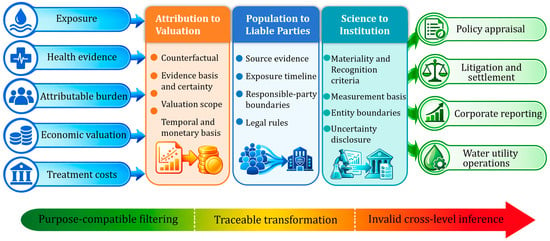
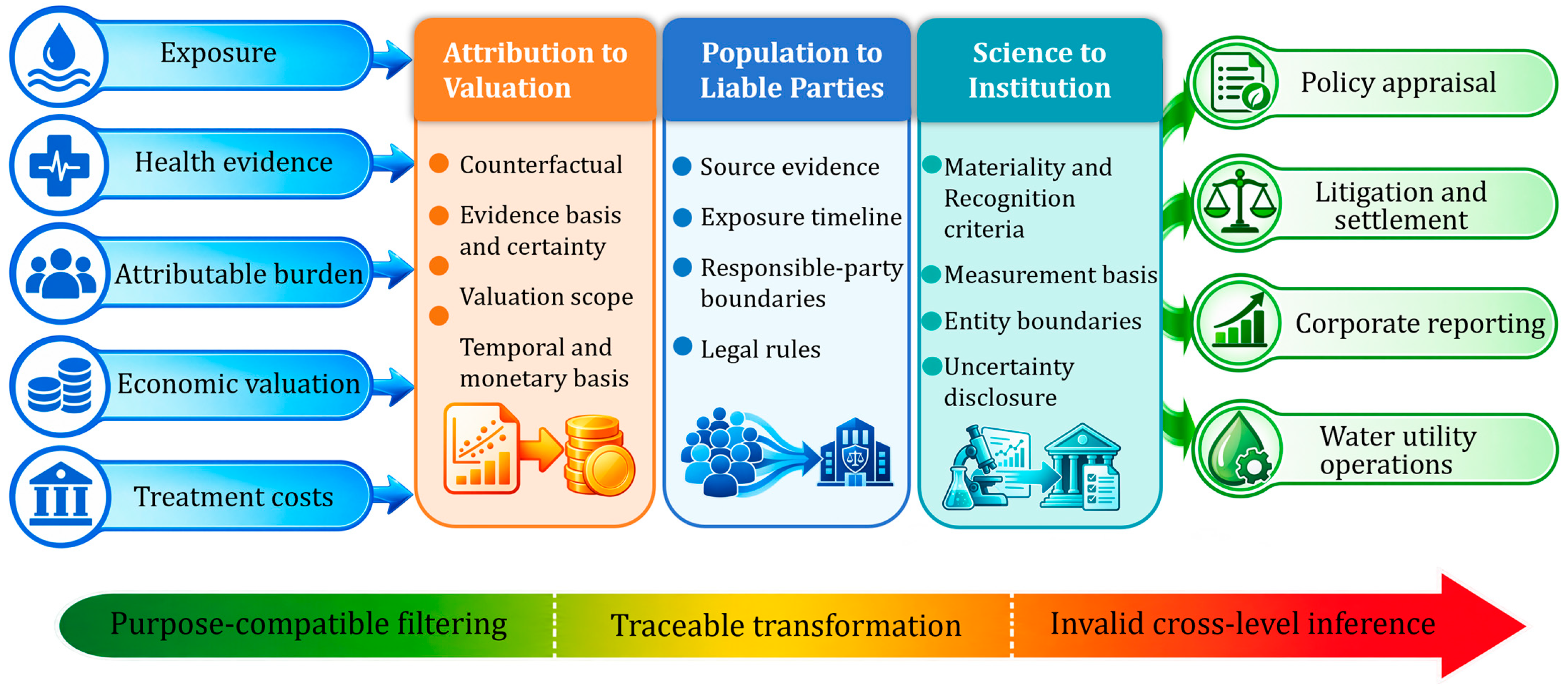
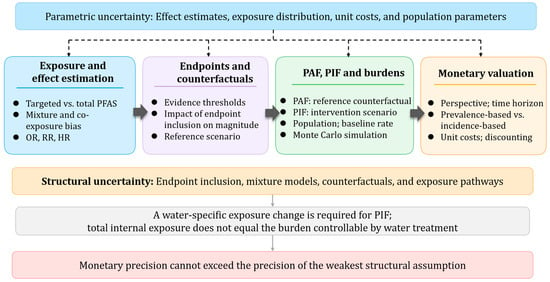
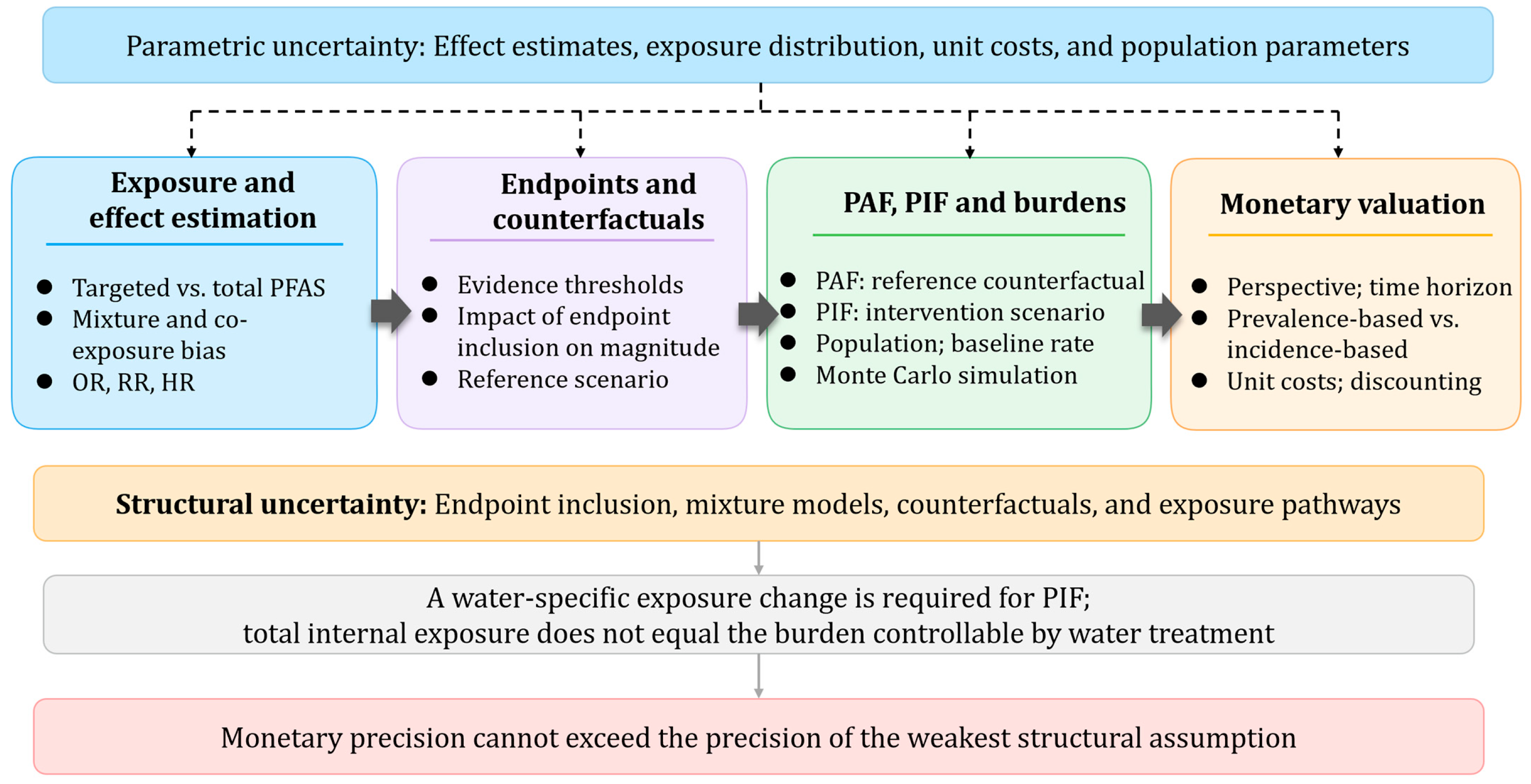
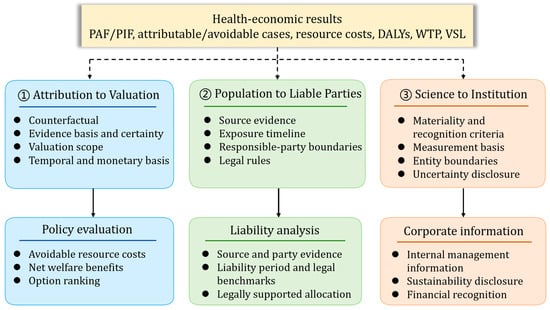
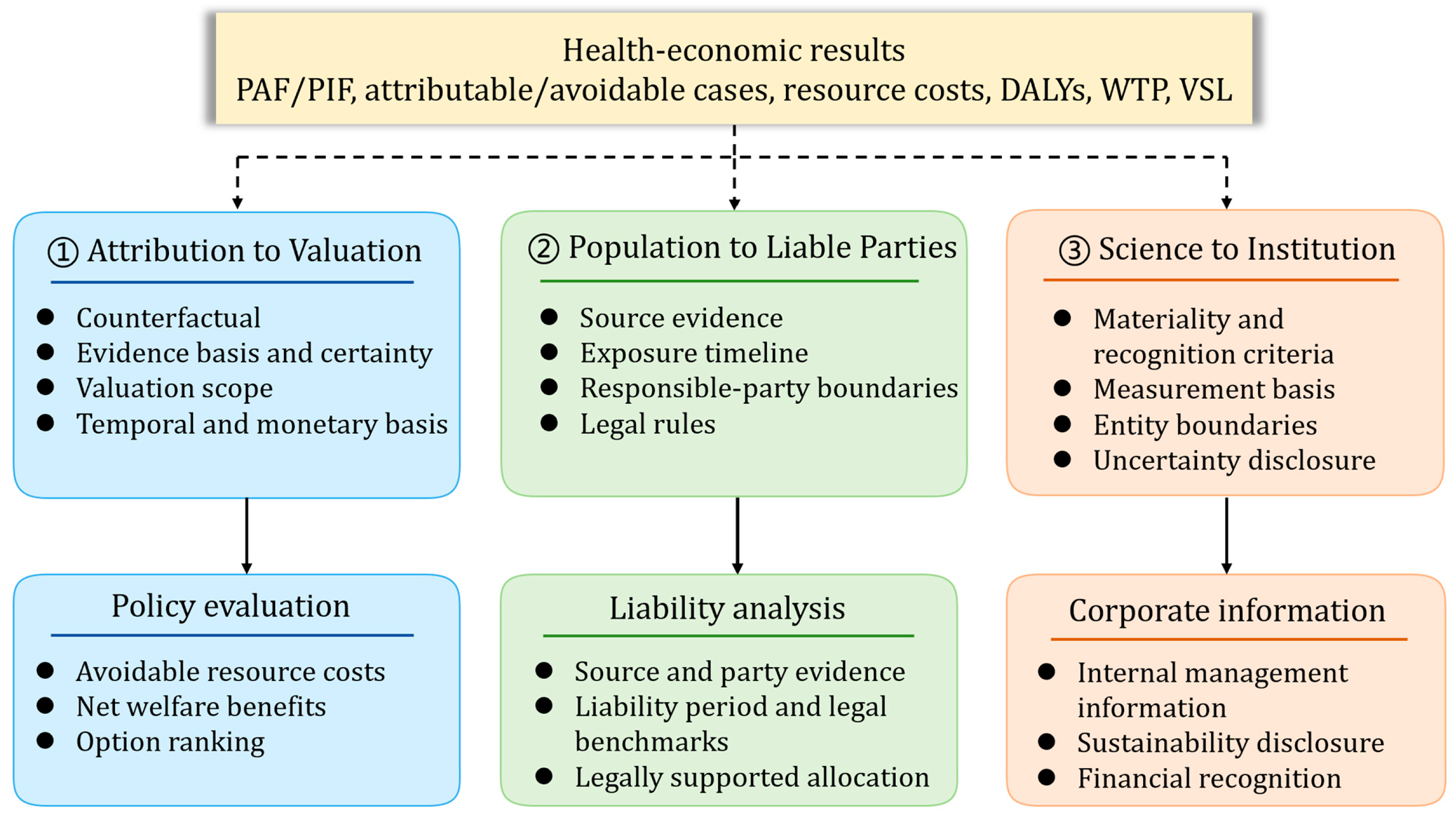

Disclaimer/Publisher’s Note: The statements, opinions and data contained in all publications are solely those of the individual author(s) and contributor(s) and not of MDPI and/or the editor(s). MDPI and/or the editor(s) disclaim responsibility for any injury to people or property resulting from any ideas, methods, instructions or products referred to in the content. |
© 2026 by the authors. Licensee MDPI, Basel, Switzerland. This article is an open access article distributed under the terms and conditions of the Creative Commons Attribution (CC BY) license.