


Abstract
Non-revenue water (NRW) entails serious problems for water distribution networks (WDNs), including contamination, leakage, unauthorized use, and inefficient invoicing. These issues lead to large financial losses and operational inefficiencies. This work investigates and focuses on Internet of Things (IoT) and Artificial Intelligence (AI) technologies involving WDNs that could be employed for monitoring NRW distribution. According to the analysis, NRW resulting from contamination, unauthorized connections, and unpaid water bills causes water companies to lose a substantial amount of money. In the water industry, the implementation, utilization, and installation of IoT–AI technologies can help decision-making, improve sustainable development, develop innovative products and services, and find solutions. Furthermore, IoT technologies and protocols can assist the water sector in reducing NRW, improving WDN management and operations, and identifying key challenges, including sensor reliability, communication constraints, cybersecurity concerns, scalability issues, and cost-effectiveness in practical deployment. This study offers an integrated analysis of IoT technologies, AI techniques, communication protocols, and NRW management strategies within a unified WDN perspective to earlier review articles that independently concentrate on leakage detection, IoT frameworks, or AI applications. Lastly, the study’s originality depends on its ability to show how theoretical advancements and technologies can be commercialized in cost-effective smart water distribution systems, contributing to the advancement of resilient urban water infrastructure and smart city development.
1. Introduction
For WDN to reduce water loss and achieve sustainable water usage, identifying leaks and localizing them are essential. The projected yearly volume of NRW worldwide is 126 billion cubic meters (m3), and the yearly expense and market value of water waste is 39 billion US dollars [1,2]. There are remarkable, notable geographical differences in NRW levels; Australia has the lowest levels, at 36 L per capita per day (L/c/d), while sub-Saharan Africa has the highest levels, at 64 L per capita per day, as determined by Equation (1). Using Equation (2), determine the value of NRW [3]. Table 1 presents the estimated price/value ratio of NRW, the average NRW levels, and NRW dimensions by region [3,4,5]. The water supply industry is severely harmed financially by the annual global price/value ratio of NRW, which is 39 billion US dollars.
where, PS is supplied populations; PCC is per capita consumption (l/c/d)
Table 1.
Regional non-revenue water (NRW) level, volume, and cost [3,4,5].
A reduction of just 115 million m3/day in global NRW could generate an annual financial benefit of approximately 13 billion US dollars. A total of 69 billion US dollars is needed to achieve this reduction, with a payback period of 7 to 10 years, considering a standard NRW lower cost of 600 US dollars per m3/day [3,5]. It is also crucial to remember that, considering daily use of 150 L per capita, 800 million people are served by the 115 million. This could increase present coverage, meet the demands of future customers, or handle the requirements of customers who are lacking in service. Leaks not only cause water loss but also contaminate water supplies, destroy public facilities, including buildings and roads, and have a negative impact on public health. The volume of water lost as a consequence of leaks typically varies with the period of time that passes during the leak’s occurrence and the water utility company’s identification of it.
Water business organizations around the world deal with enduring gaps in providing consumers with a consistent, sufficient, and affordable supply of water. The majority of water companies in the region of sub-Saharan Africa (SSA) have to deal with providing drinkable water and regulating water users’ demands [4,6]. The implementation of emerging advanced technologies, like the Internet of Things (IoT), into WDNs is highlighted as an approach to achieving Sustainable Development Goal 6 (SDG6) of the UN. By 2030, there will be around 4.0 billion connections to IoT globally, increasing from about 2.0 billion in 2021. The Global South’s developing countries, where the majority of water agencies are still in the early stages of implementing IoT-based technologies, will be most affected by this enormous development. The estimated number of integrated utility infrastructures in SSA will almost double from 2021 to 2030, reaching 152 million, or around 4.34% of total expected global connectivity [4].
IoT adoption in SSA is still comparatively low when compared to other developing regions like Latin America, South Asia, Southeast Asia, and the Middle East and North Africa (MENA). This is because of infrastructure deficiencies, financial limitations, poor digital connectivity, and difficulties implementing policies. On the other hand, due to greater expenditures in urban infrastructure and communication technology, several developing nations in Asia and Latin America have shown comparatively quicker adoption of smart metering, sensor-based monitoring, and digital water management systems [7,8]. These regional variations underscore the need for context-specific methods to promote smart water management in SSA and other resource-constrained regions, as well as the variable pace of IoT deployment across developing economies.
A few prominent nations (the USA, Singapore, and South Korea) have provided funding for projects aimed at creating smart water distribution systems. To improve their water modernization infrastructure and reduce NRW to about 12%, policies mandate the use of innovative technologies. Another contemporary use of innovative technology in the water supply industry is intelligent metering, which necessitates the use of automatic meter reading (AMR) and advanced meter infrastructure (AMI). To provide accurate metering and billing features, Gochang Water Management in South Korea deployed smart water meters in 24,000 residences in 2017 that enabled the utilization of the LoRa-AMR (Long Range AMR) technology. These techniques can improve the reliability of usage-based billing data while lowering the cost of repairing pipe leaks. Several cities and water providers are presently pilot-testing AMI [7,9,10,11]. The MICROmega Group Company introduced the UtiliMeter, a new AMI-based water management device that integrates with a traditional water meter in South Africa (Inzaalo Utility System). Flow-restricting, flat-rate, postpaid, and prepaid water metering and quick responsiveness to tampering and leakage are all made possible by this method. To raise awareness of the use of IoT in the water sector, South East Water, in collaboration with industry experts, implemented tests in mid-2019 to build and connect modern water meters and mount sensors to measure pressure inside underground pipelines using NB-IoT (Narrow Band IoT) [9,12].
Despite these advantages, there are many obstacles to the broader implementation of smart metering systems, such as expensive installation and maintenance costs, the need for communication infrastructure, cybersecurity issues, a lack of technical know-how, and integration difficulty with legacy water systems. Scalability is further hampered in developing areas by infrastructure constraints and cost, especially for large-scale implementation in utilities with limited resources. These obstacles imply that while smart metering technologies enhance NRW management and operational efficiency, their long-term adoption is contingent upon cost-effectiveness, infrastructural preparedness, and supporting legislative frameworks.
1.1. Literature-Based Research Gaps Identification
The ICT, IoT, AI, and leakage monitoring for WDNs are a focus of numerous studies [13,14,15,16,17,18]. However, installing, running, and maintaining sensing infrastructure continues to be expensive and technically difficult for many water companies, especially in developing nations. Model-based and data-driven approaches are the two main categories of leakage detection techniques in this setting, each having unique benefits and drawbacks. Interpretable and physically grounded leakage detection can be achieved by model-based approaches that rely on hydraulic simulations and physical network features. However, they need precise network models, thorough calibration, and trustworthy infrastructure data, all of which are frequently lacking in outdated or inadequately documented systems. On the other hand, data-driven methods, such as AI techniques, may provide greater flexibility in complex systems by directly identifying leakage patterns from sensor data. However, these techniques rely significantly on the quantity, quality, placement, and availability of sensors as well as adequate historical information for validation and training. While data-driven approaches may perform better in data-rich contexts, model-based approaches may be more practicable for utilities with limited financing and sparse sensing equipment. Future studies should therefore concentrate on hybrid frameworks that combine physical models with AI-based analytics and comparative evaluation, considering variables like network characteristics, sensor availability, validation needs, and financial restrictions at various water utilities.
For the majority of water utilities, particularly those in developing countries, installing and maintaining sensors is extremely costly. Therefore, much more research is needed to determine the most effective method (model-based or data-driven), taking into account various variables like the network’s physical properties and specific details about these factors, the accessibility of a hydraulic simulation, the extent of validation, the quantity, classification, and location of existing devices such as sensors, and the funding limitations at any water utility [13]. Future studies should be clear of conventional concepts, which relate to scholarly studies but limit the method’s effective implementation, since innovative leakage management approaches need to be devised to satisfy the demands of real-world applications. In particular, the recently presented techniques need to consider and resolve the multiple leakage issue because applying single-leaking approaches in actual water networks may result in false alarms or unintentional mistakes, which could result in excessive and unnecessary expenses associated with water leakages.
There is sufficient evidence that elevated acoustic sensors and frequency pressure are used in real, extensive WDNs [13]. While there are several uses for acoustic sensor data (such as exact leak identification and localization and preliminary identification of pipeline defects), the confirmed instances are location particulars and are primarily located in urban centers in the North American continent. These applications have utilized pressure sensor data to perform real-time leak detection, water quality control, water demand prediction, and risk-based resource restoration [13,16]. Researchers, professionals, and water authorities may want to concentrate on keeping track of the advantages and difficulties of establishing and utilizing high-frequency sensors in standardized and applicable techniques to enable assessment, as there is variability and an absence of standardization in the utilization cases associated with the characterization of physical components of WDNs, such as the numbers of sensors installed for each pipeline measurement length, water resources, and cost reductions, among other things [13]. This highlights the need for more research with an emphasis on enhancing sensor uses and broadening modeling applications while taking physical complexity into account. Conversely, pressure sensors are frequently chosen for affordable, network-wide monitoring and real-time operational management, whereas acoustic sensors are better suited for high-accuracy localized leak discovery. Notwithstanding these benefits, a significant obstacle still exists in the absence of uniform standards for sensor accuracy, sensitivity, energy efficiency, installation density, and cost-effectiveness. To improve reliability while considering physical complexity, operating cost, and scalability in WDN applications, future research should concentrate on comparative performance evaluation and hybrid sensing frameworks that incorporate acoustic and pressure data.
The complimentary sharing and communication of exhaustive details concerning the cost required, financial savings, methods and procedures, and case study specifications like sensor numbers, pipe length, and monitoring duration are hampered by concerns about intellectual property (IP), financial interest, and the privacy and sensitivity characteristics of the data. However, a lot of investigations conducted by institutions or providers of products and solutions lack sufficiently accurate data to evaluate and determine the cost–benefit ratio as well as effectiveness (such as software, sensor specifications, technique details, and restrictions). On the other hand, the majority of scholarly research lacks complete and standardized data (such as sensor concentration and WDN size) that would enable in-depth comparability. While standardizing the characterization of case studies and the performance metrics, it is recommended that the presented applications of both the advantages and disadvantages of large-scale, intelligent WDNs be functionally recommended. This review’s findings highlight how IoT technology might help optimize water distribution in WDNs by facilitating real-time flow analysis, pressure monitoring, and leak detection. According to published research, these applications contribute to decreased operating costs, a decrease in NRW, and an increase in the overall effectiveness of water management.
For NRW and to ensure sustainable water management, leaks in WDNs must be identified, and their locations must be determined. The need for applying IoT-based cutting-edge technological processes is demonstrated by the reality that water leakage results in significant economic losses and the degradation of structures [5]. It has been demonstrated that IoT–AI-enabled intelligent solutions, such as AMI and AMR, improve the identification of leaks and meter accuracy while lowering operating costs in both developed and developing countries [12,19]. While the majority of developing countries continue to use these technologies, developed countries have made significant improvements in their implementation. However, the surrounding area is expected to undergo an extensive change in water resource management as a result of increasing developments and IoT communications. To facilitate water supply optimization, reduce NRW, achieve cost savings, and further advance sustainable water management, this review must verify the possibility and viability of implementing IoT technologies in WDNs. It should also emphasize the importance of enhancing sensor applications and developing modeling utilization while taking technological advancements and challenges into account and consider different cost–benefit circumstances in future research efforts.
The gaps that have been identified are as follows: First, the absence of integration using the present physical infrastructure necessitates complex modifications or an extensive reconstruction, which is costly and time-consuming for the majority of water utilities; second, the expensive initial investment of IoT technologies can delay or completely avoid their implementation in water management; third, the security and confidentiality of data are essential for preventing laws and regulations because IoT technologies contain significant quantities of confidential data. Cyberthreats that might jeopardize system dependability and regulatory compliance include unauthorized access, data breaches, virus assaults, sensor manipulation, denial-of-service attacks, and communication network interception. Furthermore, insufficient data security, shoddy authentication, and inadequate encryption techniques could reveal private infrastructure data and raise privacy concerns. Fourth, the convergence of emerging technologies, especially AI and IoT, in the structure of NRW in WDN management is deployed; and fifth, connectivity difficulties are a real challenge in peri-urban and rural areas because inadequate connectivity may result in data loss and system failures.
1.2. Contribution
This study’s primary goal was to evaluate the use and application of IoT–AI-based solutions to proactively identify, control, and minimize NRW and other types of water loss in WDNs. The investigation offers readers thorough and perceptive viewpoints on the possibilities of IoT technologies, protocols, sensors, and AI-based solutions and their impact on the water industry. As a result, it helps with the following:
- Comparative review of IoT-enabled WDNs.
- Technologies and protocols relevant to IoT-based WDNs.
- Characteristics and perspectives of IoT in modern WDNs.
- IoT–AI integration and intersectionality for WDNs.
- Impact of IoT–AI-enabled digital technology on water utilities.
- Research gaps, recommendations, and futuristic strategies for IoT–AI-based WDNs.
This manuscript is organized as follows: Section 2 presents the SLR approach. Section 3 discusses the comparative analysis of the review of IoT-enabled WDNs, which includes the conventional WDN, a general discussion of leakage detection, and smart technology applications in water supply, transmission, distribution, and management. IoT-based WDN technologies and protocols are presented in Section 4. Section 5 discusses the characteristics and perspectives of IoT in modern WDNs. Section 6 presents the IoT–AI integration and intersectionality for WDNs. Section 7 discusses the impact of IoT–AI-based digital technology on water utilities. Section 8 highlights the research gaps, recommendations, and futuristic strategies of this study. Finally, this article concludes in Section 9.
2. Literature Review Approach
To achieve a clear, thorough, and detailed function of IoT and AI in the management of NRW in WDNs, this study used a literature review of relevant articles. A thorough and perceptive assessment and analysis of the literature was carried out, with a primary focus on the use of IoT and AI technologies in the control of water losses and other WDN operations. It is significant to examine current and standard networks according to their features and specifications by determining the steps and procedures involved to evaluate and analyze the function of IoT–AI in a WDN in Figure 1. To get clarity and comprehension of the significance, features, and attributes of IoT technologies, a review of the topic is conducted.
Figure 1.
PRISMA approach for research methodology.
2.1. Scientometric Analysis
The scientometric analysis employed both the bibliometric and science-mapping search methods. Science mapping assessment is already used in research in many other sectors, including large-scale developments, construction security, and acoustic-based leak localization. Significant outcomes have resulted from this, including early conceptions on current research issues and potential fields of study and also functional relationships and assessments involving researchers, nations, and organizations. The journals and commonly used keywords were mapped using science mapping analysis. This made it easier to examine and display networks, patterns, and trends using bibliometric data. Bibliometric searches were conducted on reputable databases using well-known search engines, including Scopus, IEEE Xplore, SpringerLink, MDPI, ACM, Wiley, and Web of Science, to find relevant published papers on water leak detection and localization. Google Scholar was additionally used as a supplementary search tool because of its broad coverage, which helps identify interdisciplinary studies, conference papers, theses, and early-access publications that may not be fully indexed in traditional databases. ResearchGate’s content curation and quality-control procedures are different from those of official bibliographic databases; it was only utilized as a supplementary source for finding accessible versions of previously identified publications and relevant references, not as a primary indexing database. The selection of articles was conducted using the PRISMA approach (Figure 1). Snowballing was used to filter the retrieved journals and conference proceedings to find more targeted and pertinent journals.
2.2. Search Query
A Boolean query was created and run across top academic databases to ensure the thorough retrieval of pertinent material. The search approach was developed by initially determining the four main conceptual scopes: IoT, AI, NRW, and WDN. Keywords within the same conceptual scope were linked using the OR operator to capture terminology changes. The AND operator was then used to combine the two main perspectives to make sure that the obtained studies concurrently addressed them. The complete Boolean search string that was employed is as follows:
((“WDN”) OR (“water distribution systems”) OR (“water supply networks”) OR (“water supply systems”) OR (“water delivery networks”) OR (“water delivery systems”) OR (“urban water networks”) OR (“smart water grids”) OR (“urban water systems”)) AND (“Internet of Things”) AND (“AI technology”) AND (Digital Technology on Water Utilities) OR (“Digital Technology on NRW”))
This structured query allowed for a more precise yet thorough retrieval of research pertinent to the review’s goals by improving uniformity in the usage of brackets and logical operators.
2.3. Inclusion and Exclusion
Before the screening procedure, a set of precise inclusion and exclusion criteria was established to ensure the quality, relevance, and consistency of the identified studies. These criteria guided the selection of primary research specifically addressing the application of IoT and AI technologies in WDNs, as summarized in Table 2. Following the PRISMA-based selection process (Figure 1), a total of 478 records were initially identified from seven databases. During the preliminary filtering stage, 199 records were removed, including conference proceedings, books, chapters (n = 76), and duplicate records (n = 123), leaving 279 studies for title and abstract screening. Subsequently, 126 studies were excluded, and 153 full-text articles were sought for retrieval, of which 67 could not be retrieved. The remaining 86 studies were assessed for eligibility, and 49 studies were excluded for not meeting the inclusion criteria. Finally, 37 studies were included in the systematic review analysis, while 105 additional relevant studies were retained as supporting references for the broader discussion. This stepwise reporting improves transparency and clarity in the study selection process. Table 2 includes a thorough explanation of the used criteria for inclusion and exclusion.
Table 2.
Criteria for inclusion and exclusion.
2.4. Qualitative Examination
Journals, book chapters, and conference proceedings considered to be more pertinent were carefully chosen for additional research after a qualitative analysis of the primary area of literature was completed among the databases that were discussed in this study. It was carried out so that the evaluations were categorized based on their research topic and the main contributions.
Thus, this article offers a complete understanding of new technologies, trends, and useful applications in water management using an integration of empirical and qualitative assessments. To improve effectiveness, lower water losses, and enable sustainable management of water resources, the study highlights the necessity of increased integration and the implementation of IoT–AI-based solutions in WDNs.
3. Comparative Review of IoT-Enabled WDNs
3.1. Conventional WDN Taxonomy
A thorough taxonomy of a traditional WDN is shown in Figure 2, emphasizing its structural elements, functional areas, operational losses, and service results. Pumps, pipes, valves, storage tanks, hydrant systems, service lines, and auxiliary appurtenances make up a WDN’s physical infrastructure. These components work together to facilitate water transport, pressure control, storage, and regulated delivery to customers. To maintain hydraulic head and guarantee dependable system functioning, pumping stations usually incorporate pumps, control valves, pressure switches, and a SCADA system. Functionally speaking, WDNs serve a variety of user groups, such as commercial, industrial, residential, and firefighting services, each of which has unique flow, pressure, and quality needs. Hydraulic dependability, reliability, pressure, and standard distribution characteristics are influenced by network topologies that use tree, ring, grid, or radial arrangements. In order to maximize operating efficiency and system design, engineering study of WDN performance often relies on flow balancing, standardized pressure measurement, and energy balance evaluations.
Figure 2.
Overview of water distribution network system, adaptation, and modification from [4].
Continuous monitoring of vital variables like water quality, pressure, flow rate, valve condition, and reservoir levels is necessary for efficient operation because WDN assets are geographically dispersed and hydraulically coupled. To improve leak detection, predictive maintenance, NRW reduction, operational optimization, and sustainable water supply management, contemporary cross-cutting enablers like sensing and monitoring systems, IoT, AI, SCADA, data analytics, asset management, and policy frameworks are becoming more and more necessary. As a result, this enlarged taxonomy offers a technical and structural comprehension of traditional WDNs and their operational difficulties. The key components that constitute a traditional WDN, which include pumps, reservoirs and lakes, valves, pipelines, parts and accessories, and additional related facilities, are illustrated in Figure 2.
Water-pumping stations can be equipped with pumps, electric motors, on/off valves, pressure switches, and other equipment. Due to the geographic distribution of WDNs, issues like water quality, pipe break, leak monitoring, and crack tracing are difficult to manage daily without the right innovations and technology [9]. Among the most important variables that require being tracked are the flows and pressures at the user’s location and primary levels through the reservoir’s edge, as well as the WDN valves’ operations. Although sacrificing the optimal pressure levels for distribution and pipeline water purity, a dependable WDN is required to deliver water through a variety of applications, such as residential, industrial, commercial, and firefighting. The design has made it possible to improve the traditional WDN system into three phases [16,20].
- First phases—sensing and data collection: The system concentrates on reliably measuring, acquiring, perceiving, and recording operational data. For instance, pressure, turbidity, data on flow rate, and chlorine levels are continuously gathered by water quality sensors in reservoirs, flow meters at pumping stations, and pressure sensors placed at pipeline intersections.
- Second phase—communication and interconnected operation: Sensing technologies develop towards a network of interconnected communications that may communicate with end users, SCADA units, and system operators. For instance, operators can detect pressure anomalies, remotely monitor leaks, or detect unusual consumption patterns thanks to IoT-enabled smart meters and SCADA systems that send real-time data from dispersed field sensors to a central control center.
- Third phase—optimization feedback-driven control: The communication system’s feedback is utilized to automatically control and improve system performance. To minimize water loss and resume regular operation, for instance, control valves can be automatically modified, and maintenance warnings can be sent if pressure sensors identify unusual decreases that may indicate a leak.
Water parameters, water quality, pipeline condition, demand forecasts, water leaks, water pressure, water resource management, and pump energy consumption are the nine application checks that make up the management of the entire WDN [21].
3.2. Leakage Detection and Management
The water demand management, controlling and pressure control, pump scheduling, operation supervision, and water security have been significant challenges in water supply, having immediate implications on the efficient transportation of WDN [22,23]. One major issue with WDNs is leakage. By combining data from various transmission and distribution systems, water companies can control leakage and reduce wastewater. Most leak detections are increasingly accomplished by personnel [19,24]. Because IoT sensors can ensure the security of large WDNs, supply dependability, leakage and intrusion detection, and pressure variation management, all of which eventually reduce NRW, they present a significant gateway for utility companies to remain operational [12,25].
Two separate leak identification techniques, software- and hardware-based approaches that were classified and assembled from various angles, are depicted in Figure 3 [26,27]. The technology advancement has led to the widespread use of advanced sensor technology integrating wireless and wired technology for communication for leak detection [10]. This has made it possible to locate leaks in WDNs by utilizing real-time acoustic data, customer demand, flow, and pressure. Researchers have examined a wide range of leak locating and detection methods, and it is challenging to classify them effectively. A summary of the multiple leak control and detection techniques addressed in studies is shown in Figure 4 [4,26,27].
Figure 3.
Software and hardware-based leak detection methods.
Figure 4.
Leakage management and detection methods in the literature.
From a critical perspective, hardware-based methods (such as fiber-optic sensors, pressure loggers, smart flow meters, acoustic sensors, and ground-penetrating devices) are appropriate for urban WDNs and vital transmission pipelines because they offer high real-time identification performance and direct field analysis. However, these methods frequently include expensive installation, sensor upkeep, communication infrastructure, and calibration, which may restrict their applicability in remote or resource-constrained settings. For instance, acoustic sensors work poorly in noisy settings or plastic pipelines where the transmission of sound is less effective, but they are quite successful in identifying burst leaks in metal pipes.
On the other hand, as software-based methods (such as hydraulic modeling, traditional signal processing, and AI-driven predictive analytics) leverage operational records and sensor data already in existence to find abnormalities, they are typically more scalable and less expensive. Large-scale smart WDNs with access to both history and current data are especially well-suited for these techniques. However, the availability of labeled datasets, computing demands, model calibration, and data quality all have a significant impact on their efficacy, and they may generate false alarms in situations with extremely fluctuating demand.
Leak detection (identifying leak hotspots), leakage assessment (calculating the quantity of water lost), and leak control and tracking are the three main types of leakage management techniques that have also been documented. Leak detection [28,29,30,31], water loss assessment [32,33,34], and water pipe condition evaluation [35,36] have been areas of other investigations.
Numerous methods have been proposed for leak detection [28], including data-driven methods [37], pressure-centered methods [28], internally and externally driven methods [38], support vector machines, acoustic techniques [39], negative pressure waves [40], vibration analysis [41], interferometric fiber sensors [42], filter diagonalization methods [43] and model-based intelligent methods [44,45]. Figure 5 provides more in-depth information and viewpoints on the subject matter of these investigations.
Figure 5.
Leakage detection and localization methods: overview of literature reviews.
This investigation offers further information on methods for localizing and detecting leaks, as well as potential digital advances and technologies that might be used. Based on their individual leak detection strategies, we categorized the approaches under these headings and outlined their general procedures. A low-power wide area network (LPWAN)-connected IoT device for real-time water quality, availability, and quantity monitoring has become an example of a smart water grid solution that focuses on the implementation of IoT solutions in the water sector, specifically on leak identification, control, and management [4,46].
From a critical standpoint, LPWAN technologies (such as LoRaWAN, NB-IoT, and Sigfox) provide substantial benefits for WDN monitoring due to their low power consumption, long communication range, and affordable deployment, which makes them appropriate for remote monitoring applications and geographically dispersed water infrastructure. However, there are some practical restrictions related to their performance. Signal attenuation, urban interference, subterranean pipe environments, and network congestion can all impact communication reliability by causing packet loss or decreased data accuracy. Latency may be less appropriate for time-sensitive leak situations that call for an instant response, particularly in devices that have limited bandwidth or duty-cycle constraints. However, latency is often suitable for frequent monitoring purposes like water quality or pressure reporting. Long-term deployment may also result in increased operational complexity due to maintenance requirements, such as sensor calibration, battery replacement, gateway administration, and communication infrastructure upkeep. As a result, even if LPWAN-based IoT systems show promise for smart water grid uses, their applicability depends on the necessary detection speed, network dependability, environmental factors, and water utility maintenance capacity. Robustness and real-time leak management performance may be further enhanced by hybrid designs that combine LPWAN with complementary communication technologies or edge analytics.
Water flowmeter, pH, water level, temperature, oxidation-reduction potential (ORP), turbidity, and salinity are the quality metrics included in this system. Additionally, it tackles distribution grid issues such as combining clean and sewage water, inadequate water purification, irregular water supply, and ineffective circulation gate control. Low data rates and long communication ranges are supported by the LoRa communication technology. Additionally, the system can overcome limitations related to computational power efficiency and power consumption.
Three subsystems constitute the IoT-based water quality monitoring system [47]: micro notification nodes, radio frequency (RF) transceiver-based ZigBee interconnected for a central measurement node, and a control node. Through interface peripherals, this technology gives the user local, near-tap notifications. ORP, pH, temperature, water flow, conductivity, and turbidity can all be measured using the six water quality sensors in this configuration. Rapid quality testing methods are desperately needed since WDNs are quickly contaminated with dangerous contaminants.
Smart technology applications in water supply, transmission, and distribution: A WDN can readily employ IoT to collect vital data within the network to control, regulate, and distribute water efficiently to users [48]. Since most of the global water losses are caused by the distribution and transmission of the most significant leaks, water utilities should prioritize the localization of actual water losses. Since physical water loss accounts for a significant portion of NRW, modern technology like pressure transmitters and flow meters is now irregularly employed in WDNs to reduce water losses [49].
IoT-based sensors are used by digital water networks to collect real-time data and produce digital twins, digital representations of local infrastructures that allow for more modern and efficient management [48]. By identifying pressure levels, flow rates, and leaks, operators may optimize WDNs and manage water resources more effectively, taking qualitative variables into account.
Industrial Revolution (IR) 4.0 has improved the performance of water delivery systems by enabling the use of developing innovations with increased tracking and management capabilities and capacities, as well as better calculation and decision-making procedures. A digital WDN functions on a combined framework and can offer decision support using IR 4.0 for water. Even in the water industry, the use of cutting-edge innovations and technologies like automation, cloud computing (CC), cyber-physical systems (CPS), IoT, and artificial intelligence (AI) to boost productivity in the IR 4.0 era is becoming more popular [50]. An integrated approach to enhancing the efficiency and effectiveness of water distribution networks by utilizing cutting-edge digital technologies like CC, CPS, IoT, AI, and automation is part of the present transformation affecting the water sector [51,52]. As a result, IR 4.0 can be effectively utilized for early warning, water production, and making decisions about complex WDN demands. The rate at which water providers are adopting smart technologies is summarized in the Digital Water Adoption Roadmap (DWAR), shown in Figure 6. The DWAR was developed as a practical instrument for water industries to assess their present degree of digitization maturity and as a fundamental roadmap for future ambitions. When the curve begins, utilities have entered the early stages of technological growth. Later, they progress to innovative and dynamic utilities that embrace digitization and grow progressively more digitally aware [53,54].
Figure 6.
Digital Water Adoption.
It is clear how water utilities grow across a path as they go through their digitalization process, considering the modernizing systems, infrastructure, and procedures. Considering a standard participation level of “opportunistic,” it demonstrates how many organizations that have advanced through the adoption pathway have started their journey towards conversion to smart water management. Early-stage providers focus their initiatives on implementing new sensors, software platforms, and smart meters. Utilities integrate appropriate and applicable advancements into computerized operations and decision-making to provide smart solutions. However, all services offer the potential to increase the range of chances for the adoption and acceptance of updated smart infrastructure.
Immediate warning, enhanced decision-making for operations, and increased efficiency in WDN are all made possible by smart technologies. To technological performance, their successful deployment depends on auxiliary elements including infrastructure readiness, dependable communication systems, routine maintenance, cybersecurity protections, and long-term financial sustainability. To implement cutting-edge technologies, future smart water management projects should carefully assess system scalability, long-term sustainability under actual operating circumstances, and practical implementation issues.
4. IoT-Based WDN Technologies and Protocols
Real-time monitoring of flow, pressure, water quality, reservoir levels, and pipe conditions is made possible by data generated through IoT sensors in WDNs. Leak and explosion detection, NRW evaluation, demand forecasting, pressure control, pump optimization, and predictive infrastructure maintenance are all made possible by this data. Utilities are able to detect contamination incidents, identify unusual operating circumstances, maximize energy use, and enhance asset management. Sensor data facilitates automated decision-making, fault prediction, and operational planning when combined with AI and digital twins. This results in improved service dependability, less water loss, cheaper operating costs, and more sustainable use of water resources. The following is a short overview of IoT applications in WDNs, various national standards, and regulations in a few chosen nations [48]:
- USA: AWWA C700-20, AWWA C701-12, AWWA C702-15, AWWA C703-19, AWWA C708-11, AWWA C712-10, AWWA C213-19, AWWA M6, NIST Handbook 44.
- EU: 2009/34/EC, MID 2014/32/EU.
- Australia: NMI R 49.
- Canada: Weights and Measures Regulations.
- Japan: Measurements Act list revision—ACT No. 69 of 2014.
- China: The Weights and Measures Act, Regulations Governing Types Approval of Measuring Instruments.
- India: IS 779:1994, IS 6784:1996, IS 2373:1981, IS 1264:1997, IS 2372:2004, IS 2373:1981, IS 9264:1980, IS 14697:1999, IS 13343:1992.
Utility services can reduce inefficiencies in their operations, enhance resource utilization, and increase the availability of services to more clients by integrating IoT technology through their distribution channels [55]. IoT systems have helped the gas, oil, and energy industries’ utilities, but their effects on water utilities, which are primarily found in underdeveloped nations in the Global South, have not yet been documented. The IoT, AI, machine learning (ML), and other emerging digital technologies offer the capacity to completely transform the water industry by improving everyday water distribution and resolving long-term issues with water disruptions. As an element of the digital evolution of a sustainable water supply system, an IoT-based intelligent water network scheduling system has to be integrated to achieve real-time monitoring and tracking of the WDN’s condition [56,57]. Despite these encouraging outcomes, there is still a dearth of large-scale data from water utilities, especially in developing nations in the Global South, and many applications that have been reported remain centered on trial projects or localized case studies. It indicates that, in addition to technological competence, other elements that affect the practical impact of IoT in water utilities include infrastructure readiness, communication dependability, investment costs, and technical experience. For effective decision-making, the data requires being actively collected, processed, and securely transmitted to a distant location where further analysis is carried out.
4.1. IoT-Based Technologies Applicability for the Proposed Digital WDN
A prosperous overview of current IoT-enabled WDNs is provided by an examination of the scientific literature on the assessment of emerging advancements and technologies in water industries, with a particular concentration on the implementation of IoT technologies alongside leak detection sensors, which comprises the provided associated case studies. The planned on-site investigation of the installation of leak-detection sensors with WDNs will benefit from these application cases. The ICT was originally incorporated into conventional water management processes to create Smart Water Management (SWM). SWM may organize and manage a sustainable water supply, monitor water resources, identify issues, and increase effectiveness. Additionally, SWM handles every step of the water management cycle, from source to user, including water withdrawal, treatment, transportation, distribution, and reuse [58,59].
The second use case, providing a variety of IoT applications using the WDN, constitutes a water consumption equipment and control management framework utilizing an integrated strategy pertaining to IoT, cloud computing, and water supply [60,61,62]. The structure manages the leakage localization, availability, intermittent supply, billing, and consumption behaviors of the customer. Standard water flow meters have been used to collect the consumption and leakage data. A supplying source, pumps, valves, and pipes make up the design of a smart WDS. The WDN layer has water flow meters, valves, and continuous level sensors. The cloud layer handles control, management apps, user awareness, and data analytics. The system is expensive and multidisciplinary, making its practical implementation difficult.
The third case study represents a sustainable WDN that uses IoT and big data technology to help consumers and utilities save energy and water. In this approach, consumers install Wi-Fi-capable IoT devices, and the GSM Communications transmits the collected data to the utility. Integrated water inspections, billing processes, and hydraulic performance studies are all part of the big data processing platform. Additionally, network reliability optimization, including control, monitoring, pressure, and overflowing of the consumer home network, is controlled by analyzing these data utilities [7,51,63,64].
Figure 7 presents a synthesis and analysis of the many sensor configurations needed to record various WDN activities or operations, as well as the necessary network infrastructure and configurations. We also studied the scientific literature and provided an analysis of several IoT technology standards and their uses in WDNs in Table 3 to provide additional insights into IoT-enabled WDNs. By using and implementing the right tools, parts, and communication technologies, an efficient WDS can be constructed.
Figure 7.
Sensors deployed at different WDN stages.
Table 3.
Communication technologies for smart WDNs: capabilities, roles, and deployment contexts.
4.2. IoT Protocols for WDN
Approximately twenty potential IoT technology standards or protocols that are capable of being implemented in a WDN are shown in Table 4. NB-IoT, LoRa, and Sigfox are the three most widely used modulation methods appropriate for IoT-based applications in a WDN [9,47]. Table 5 provides a brief discussion and presentation of the three most widely used modulation protocols (NB-IoT, LoRa/LoRaWAN, and Sigfox) appropriate for IoT applications in WDS. For the implementation of smart water systems, LoRa is thought to be the optimum protocol. As a result, it is more relevant to WDN IoT solutions. LoRa has ultra-low power demands, which result in a long battery life; deep indoor penetration, which is necessary for smart buildings; operation in a license-free spectrum; geolocation; public and private deployments, depending on gateway ownership; end-to-end security; firmware updates over the air; a certification program for all hardware; roaming; seamless handover from one network to another, supported by a diverse global ecosystem of hardware manufacturers, network providers, software designers, industry associations; and bidirectional communication or uplinks and downlinks [44,65].
Table 4.
Summary of various types of IoT technologies applicable for digitizing a water distribution network.
Table 5.
Comparison of LoRa/LoRaWAN, Sigfox, and NB-IoT Protocols.
The battery life or power needs of linked devices present the largest obstacle. Since 2010, advances in modulation technology have significantly reduced bandwidth by transmitting small data packets at specific intervals. Battery life is increased from five to eighteen years due to the tiny package data, which is similar to low energy consumption and narrow bandwidth [66,67]. These benefits have been shown in practice by industrial deployments. While NB-IoT deployments in urban smart water systems have demonstrated improved reliability but with comparatively higher energy demand due to cellular network dependency, LoRa-based smart metering schemes in regulated utilities in Europe and Asia have reported multi-year battery operation and dependable long-range communication for periodic pressure and flow monitoring. Additionally, depending on the obstructions surrounding the sensor being measured and the gateway/collector, the signal can be transmitted over long distances. It is evident from the examination of the various communication protocols that LoRa and LoRaWAN become particularly appropriate and favored for smart WDS networks [68,69,70].
5. Roles of IoT in the WDN
Utilizing communications network protocols, IoT systems have the capability and functionality to link individuals or commodities at any time, anywhere, and with anybody to efficiently validate and automate WDNs [71]. IoT has developed towards the conclusion that it must manage, process, store, and monitor enormous volumes of data. Among IoT’s skills that have been crucial to the water business are monitoring, analyzing, and examining data, as well as inferring characteristics from appropriate and vulnerable resources to urbanized installations [51,68]. Robust monitoring and system automation can be used to solve WDN-related issues.
IoT technological advances have led to the implementation of wireless sensor networks, low-power communication protocols and technologies, and small embedded devices that have significantly enhanced the industry [72]. IoT, which combines intelligence and analytics to provide variable assessment and automated processes, is considered to be among the optimum and most reliable monitoring solutions for WDNs. Because of its detecting capabilities, data transfer and communication capabilities, and processing with storage and visualization, the IoT provides an effective framework for smart monitoring [73,74].
IoT devices can be used for scheduled repairs, pipeline inspection, and live data analysis to find leaks and help consumers and water utilities track their domestic and commercial usage [48,75]. The IoT is an efficient platform for intelligent monitoring systems because of its sensing systems, communication protocols, networking capabilities, computation with visualization, processing, and storage. Additionally, it is demonstrated that one of the biggest advantages of modern technology is the use of IoT apps for WDN monitoring and automation. Stakeholders in the water industries can effectively adapt and address issues connected to water supplies and obsolete infrastructure because standardized IoT solutions can provide exact management of data linked to water resources.
IoT has developed significantly in the industrial domain, changing existing production systems and being acknowledged as an important advancement for the next generation of industrial production facilities [76]. IoT has assisted smart manufacturing facilities by enabling plant operators to automate data collection and evaluation to support decision-making and boost output [77]. IoT communication applications at the manufacturing facility layer provide data to the cloud through standardized sensors and devices. The distribution of water may benefit from a similar standard approach. IoT devices can connect to the internet and digital network monitoring devices to gather important data based on the condition of WDNs for application in controlling, tracking, and decision-making utilizing the data received.
5.1. IoT Characteristics and Deployment Constraints in WDN
Ensuring advanced security of water controls for sensors and actuators, data and devices protection, reliable networks, servers, protocols, and consumer connectivity, a standardized framework that can improve interoperability and reliability between suppliers could potentially be considered based on the specific demands of its applications to accomplish the standard features of a reliable IoT system. IoT safety deployment in WDNs is crucial, considering that WDNs are geographically dispersed, and IoT infrastructures need to manage the sophisticated integration of devices used in different domains to improve the security and protection of data [78,79,80,81]. Semantic analysis, monitoring, identification, management, security, and application development are just a few of the operational components that make up an IoT infrastructure. The key IoT attributes of scalability, reliability, interconnection, distributiveness, and security also have to be met by every IoT infrastructure.
IoT security is a significant obstacle throughout the system’s implementation and standardization due to many security issues and risks, including network hacking, DDoS, and FDI attack, clone attacks, jamming, and unauthorized communication between standardized devices [82,83]. Cloud server disruptions and accessibility problems may have an impact on the reliability and reconfiguration of centralized data structures [80,81]. As data standardization and data reliability become increasingly important, the growth of IoT devices and networks is essential. Thus, a logical approach towards the planning and development of an application involves data analysis, feature modification, corrections, and code optimization. The water utilities network requires being able to adjust to basic and environmental factors to improve the standard field installation’s effectiveness because the infrastructure necessary for supplying water is distributed both physically and electronically [75,84]. Multiple layers of security are necessary for safe IoT designs to lower these risks. Particularly in IoT devices with limited resources, encryption methods like end-to-end encryption, effective key management, and lightweight cryptographic algorithms can help safeguard sensor data between transmission and storage. Considering the primary issues with IoT implementations are the size requirements, expense, and cybersecurity faults in IoT configuration, as well as data hacking and other types of security vulnerabilities, IoT adoption for WDNs must take environmentally friendly methods and customer-centered development into consideration.
5.2. IoT-Based WDN Perspectives for Controlling, Monitoring, and Automation
Billions of devices are connected through the internet using a variety of IoT, machine-to-machine (M2M) communication, cellular, and other technologies. Because IoT is an advanced technology that involves the coexistence of several IoT protocols, such as LoRa, Wi-Fi, NB-IoT, and Sigfox, it is susceptible to the development of internet-connected sensors, actuators, intelligent devices, and M2M tools [65].
Implementing an efficient monitoring framework, integrating sensors and devices, ensuring data analysis and security, and facilitating real-time decision-making are the primary objectives of IoTs. The following are the main functions associated with the IoT-enabled WDN: To gather appropriate data concerning the different devices of the supply chain, such as reservoirs, pipes, pumps, valves, and stabilization mechanisms, the first stage allows physical visualization. The implementation of a variety of sensors to continuously monitor the characteristics of different supply chains, such as pressure, flow, and the standard of quality, comes next. Ultimately, communication protocols are implemented to transmit the observed characteristics to a data system for analysis and necessary response.
Statistical modeling and optimization techniques are used in WDNs to investigate pump operations, real-time procedures, network design, and demand prediction. There are remaining unproven and unverified methods that are capable of being assessed and applied to a variety of water systems, although considerable progress has been made in this domain [85,86]. Through the combination of IoT and AI, including other emerging technologies, monitoring, supervision, and automated operations of WDNs can progressively change to make the management and operation of distributed systems more productive [87].
Several ML methods have demonstrated promising uses in WDN management. By learning nonlinear correlations from past operational data, ANNs have been employed for leak detection, pressure estimate, and water demand prediction. While random forest models have been employed for event detection and prediction due to their robustness in handling noisy sensors, SVMs have been used for fault classification and anomaly detection in pressure and flow signals. LSTM networks and other DL models have also been used in smart water systems for abnormal event detection and time-series forecasting of water consumption [48].
Optimization algorithms have advanced beyond traditional techniques. By looking for near-optimal solutions under various operational restrictions, genetic algorithms, particle swarm optimization, and ant colony optimization have been used for sensor placement, pump operation scheduling, pressure management, and leakage minimization in WDNs. When balancing conflicting goals like pressure stability, energy cost, and water loss reduction, these strategies are especially helpful [48].
Additionally, for leak detection and cost savings, the problem is improving the use of intelligent sensor data and automating traditional processes and operations to increase operational efficacy. Many research studies on IoT applications, including smart water supplies, WDN optimization control in automated environments, decision-making, and knowledge-based support systems, have not been thoroughly investigated over the past few years, with an emphasis on their suitability and adaptability [49,88,89].
6. IoT–AI Integration and Intersectionality for WDNs
To increase operational effectiveness, dependability, and sustainability, IoT–AI integration into WDNs is essential. IoT-enabled sensors continuously track flow rate, water quality, pressure, and leakage conditions in real time, while AI algorithms evaluate the information gathered to help with demand forecasting, anomaly identification, and predictive maintenance. This integration minimizes NRW, speeds up fault discovery, minimizes human inspections, and maximizes energy use and pump scheduling. Additionally, AI–IoT systems enhance decision-making, asset management, and emergency response capabilities. While enhancing service dependability and resource efficiency, smart WDNs can lower water losses and operating expenses. For utilities and smart city applications, the long-term economic benefits, lower maintenance costs, and improved water sustainability offer a favorable cost–benefit ratio despite the relatively high initial deployment cost.
In the context of NRW in WDN management, there is a convergence of developing technologies, particularly AI, ML, and IoT. The water industry may be intelligently optimized while significantly increasing effectiveness, productivity, and sustainability with the use of IoT technologies driven by AI and ML. IoT, ML, deep learning (DL), data analytics, and natural language processing (NLP) are important AI-related technologies. Systems may acquire data requiring programming explicitly thanks to ML techniques. Water industry and company stakeholders can gain valuable insights through water utilization patterns and trends, identify efficiencies, and implement focused interventions to enhance standards based on NRW minimization and reduction in WDNs by utilizing IoT technologies, which are assisted by AI, ML, DL, NLP, and data analytics [90,91,92]. Proactive approaches to management and demand-based water distribution are made possible by the integration of these advancements, which can further improve predictive capacities and decision-making processes. Energy efficiency, interoperability, data security, and the involvement of stakeholders are further areas that can be significantly enhanced while improving immediate decision-making.
Scalability is another crucial issue. Real-time processing, storage, and communication become more difficult as the volume, velocity, and heterogeneity of data rise, along with the number of interconnected sensors and controlled network infrastructure. In city-scale WDNs, where network complexity is high, data are inconsistent, and changing hydraulic conditions might lower predictive dependability, models created for pilot-scale systems might not always operate effectively.
Data handling is still a crucial problem. High-quality, labeled, and trustworthy datasets are necessary for AI-driven systems. Water utility data are frequently imbalanced, noisy, partial, or gathered from diverse sources with varying formatting and sampling rates. Practical implementation is further complicated by data preprocessing, synchronization, interoperability between sensor platforms, and storage security. Additionally, since network circumstances change over time, performance must be maintained through ongoing model validation and updating.
IoT sensors in WDN management may measure flow rates, pressures, water levels, and water quality indicators in real-time. These data are essential for AI systems that effectively manage water resources by controlling supply and utilizing contemporary water demand, levels, and pressure. AI has the ability to significantly reduce water leaks in a number of applications, including WDN management. Learning, problem-solving, perception, and NLP comprehension are all capabilities that may be shaped, modified, developed, and conceptualized by AI and ML combined with IoT. It is possible to apply different types of ML in water management systems, such as supervised learning using labeled data, unsupervised learning using unlabeled data, and reinforcement learning using trial and error [90,93].
The following elements appear to be an integration of IoT, AI, and ML in controlling the operation of a smart WDN intended to lower NRW [93]: The first issue is a smart water management system, which is created and operationalized by AI applications in conjunction with IoT, ML, and different types of smart technologies. The integration steadily improves the distribution’s comprehensive safety and environmental efficiency while properly predicting, measuring, and controlling WDN in real time. The approach can also manage water reserves, react to events, and decide when to pump water. The second is restoration and leak detection: Analyzing data collected by conventional sensors and smart meter data to find leaks, which reduces leak maintenance and repair costs, is a simple instance of AI applications. This involves using image recognition, enabling pipeline leak identification through inspections alongside pressure variations, fluid flow anomalies, and typical sound patterns to locate leakage sites. Infrastructure management is the third component: IoT, AI, and ML are capable of being utilized to evaluate the state of water infrastructure and forecast future malfunctions and necessary maintenance. The practice of predictive maintenance decreases replacement costs and extends the life of water infrastructure by reducing repeated interruptions in service and maintenance expenses. The final method is demand forecasting, which uses IoT and AI frameworks to efficiently evaluate past water use data and forecast future water demands. Better demand forecasting saves operating costs and eliminates needless water shortages [92]. The water industry has reached a major milestone with the adoption and integration of IoT and AI solutions, which are anticipated to lead to further substantial advancements and the construction of robust infrastructure. Water tech professionals, utility administrators and management, and data scientists may create plans to track and maintain this essential infrastructure and additional resources while simultaneously making sure that NRW is brought down to appropriate levels by utilizing these technologies.
Considering the revolutionary acceptance of IoT, AI, and ML-based technologies, there are still several issues that need to be considered in order to ensure responsible and successful implementation. These have to do with interconnection and system integration, data reliability, physical and technical constraints, privacy and security problems, and ethical and legal considerations [93]. Even considering the notable developments in IoT and AI integration, there are still several crucial gaps that prevent these advancements from being fully scalable, reliable, and sustainable. For example, sustainability: model deterioration, hardware durability, and continuous data on sensor movement are still lacking, despite the fact that many studies show effective, rapid IoT and AI implementations. Real-time explainability is another major issue [91]. Explainable AI approaches to transmitting IoT data are still in their infancy, despite techniques like SHAP ensuring full transparency for conventional static AI forecasts. Finally, sociotechnical governance becomes one under-studied field, especially when it comes to transparently balancing data privacy laws concerning the public interest [93]. Few governing bodies explain how community participation, regulations, and ethical issues are supposed to be integrated with IoT and AI adoption strategies, although ML, AI, and IoT infrastructure produce enormous amounts of data.
As smart water systems produce massive amounts of operational and consumer-based data, governance and regulatory issues have also grown in significance. Accountability, interoperability, transparency, cybersecurity, and data protection in AI-driven infrastructures are highlighted in recent policy frameworks, such as the OECD AI Principles, OECD privacy guidelines, and ISO 24591-1:2024 on smart water management governance [48]. The necessity of risk-based management, human supervision, technical documentation, and the secure adoption of AI technologies in highly regulated sectors is further highlighted by regulatory developments like the EU AI Act. Despite these new frameworks, there is still a significant gap between technological advancement and practical application when it comes to incorporating public involvement, ethical protections, operational governance, and privacy compliance into smart water utility deployments [48].
AI–IoT technologies have been successfully developed and applied in several WDS monitoring applications, showing notable gains in real-time decision-making, accuracy, and efficiency. In the domains of pollution detection, water quality evaluation, and climate impact analysis, these integrating methods proved to be very successful. The case studies that follow showcase noteworthy applications of AI–IoT systems in various scenarios. Real-time WDS observation, where sensors actively collect data on water properties including pH, dissolved oxygen levels, turbidity, and temperature, is one noteworthy application of AI–IoT integration. These data are processed by AI-driven models to identify anomalies and forecast dangerous situations. In order to improve urban water safety, Khan et al. [94] created an IoT-based water quality assessment framework for smart cities by using inexpensive sensors and ML algorithms to predict pollution incidents. Besides traditional urban applications, AI–IoT has revolutionized smart agricultural practices by making it possible to monitor soil nutrients, temperature, and moisture levels in real time. An AI–IoT system for urban farming automatic crop management was presented in a study by Konar [95], which integrated predictive analytics to optimize fertilization and irrigation timing. By increasing crop production and decreasing resource usage, these technologies have increased water efficiency. Through integrating updated standardized ultra-low-power IoT devices and AI models, dynamic AI–IoT systems have improved scalability in distant and resource-constrained areas. To improve long-term deployment practicality and do away with the necessity for firmware upgrades, Alselek et al. [96] presented a system in which standardized AI models are updated dynamically across 5G-enabled IoT networks. The WDS in disaster-affected locations, where AI models must constantly respond to changing environmental circumstances, would especially benefit from this invention. A comparative summary of these representative AI–IoT case studies, including their objectives, analytical methods, datasets, and key outcomes, is provided in Table 6 for clearer assessment of their practical contributions.
Table 6.
Comparative summary of AI–IoT case studies: objectives, methods, data, and outcomes.
To manage NRW and create more robust, effective, and sustainable water infrastructure, sustainable development standards are crucial for facilitating the convergence and combination of AI and IoT technologies. To fully realize the possibility of these advances in technology in tackling global water concerns and assuring the next generation is allowed access to clean, inexpensive, and dependable water, more focused research projects, cooperation, and development in this field are needed.
One important technical finding is that while acoustic sensing enhances leak localization in some operational conditions, both flow and pressure monitoring continue to be the most often used methods for NRW detection. By transforming real-time sensor data into useful operational insights for leak detection, asset monitoring, demand analysis, and pressure control, the combination of IoT sensing and AI-based analytics improves decision-making. By decreasing manual inspections, increasing worker productivity, assisting with asset management, and cutting operating expenses, these technologies also enhance operational efficiency.
Some deployment limitations, such as sensor durability, data quality uncertainty, scalability issues, communication reliability, cybersecurity risks, and energy requirements for long-term sensing systems, are also identified by this study as limiting widespread adoption. These restrictions are especially important for water utilities in the Global South, where there is still little real-world application. The absence of the assessment of many suggested approaches under actual operational WDN settings is another significant drawback. Field-scale testing utilizing quantifiable operational measurements, such as pressure fluctuation, flow variation, consumption behavior, leak occurrence, localization accuracy, and NRW reduction performance, should be the main focus of future research. IoT and AI-enabled systems can enhance NRW management, according to the examined data, but their usefulness will depend on accurate sensing, scalable analytics, strong communication, and validation under actual utility operating settings.
7. Impact of Digital Technology on Water Utilities
Water is a valuable and essential natural resource that is essential to social and economic advancement as well as the preservation of the environment. The key objective of integrated IoT and AI for water resource management involves the ability to more efficiently and sustainably control water and other associated resources. However, protecting the environment while meeting basic human requirements and resolving the numerous conflicts pertaining to these resources presents a significant challenge. According to the United Nations Water Scarcity study, approximately 1.8 billion individuals reside in water-scarce areas as of 2025, underscoring the critical need for creative management of water resources [97]. Three areas are currently the main focus of study on managing water resources. Scholars have carried out thorough assessments of the storage capacity of water resources and the effectiveness of water management at the macro level [98]. The distribution of water supply in China exhibits evidence of a shift from “highly balanced” to “highly unbalanced” from east to west, according to researchers who have examined the effect of decoupling and the resulting balance distribution of water supplies from a temporal and spatial perspective [6]. Traditional methods of managing water supply have challenges with real-time data gathering, data analysis, and intelligent decision-making at the micro level. However, IoT, big data and AI are essential for forecasting demand and supply of water as well as monitoring water quality. Research demonstrates that cooperative efforts in the areas of technology, standards, and other areas are necessary for the creative management of water resources [97,99].
In 2013, the German government unveiled the Future Cision regarding the advancement of digital technology, also referred to as the Industry 4.0 paradigm. These days, the breadth of technological innovation has grown from data-based systems like IoT, AI, and cloud computing to technologies with tangible forms, progressively creating an integrated digital application system [100]. IoT, AI, big data, cloud computing, and 5G base stations are among the digital technologies that are spearheading significant changes in China’s water resources management systems. These developments provide new possibilities for restructuring the management structures and processes of water resources [97]. The use of technological advances has greatly improved the capacity to gather, process, and evaluate data related to water resources, enabling the improvement in water resources management.
Water supply utility executives understand that development is necessary to increase management efficacy. Indicators, including service levels, efficiency, compliance, and cost-effectiveness, can be utilized alongside performance management to evaluate development. Water utilities do not frequently employ established benchmarking procedures and performance management. This is partially because water utilities are relatively conservative, which indicates that new avenues for development and technology transmission are required. The majority of US water utilities have been controlled by local governments, which creates barriers. Federal and state laws on health consequences are also in place, but local political boards are the only ones who regulate pricing and general performance. In addition to frequently lacking experience, these boards could not be motivated to carry out management enhancements. Due to the requirement that they provide regulatory bodies with justification for rising rates, private utilities are subject to indirect versus standard management effectiveness regulation [63]. Transferring research findings to other utilities is more difficult, even if advanced and reputable water companies may apply them. The majority of research initiatives make little progress, and their findings are rarely used widely. While researchers often concentrate on creating tools that will be sustainable, innovation takes time to develop and involves strategic management, internal specialists, and industry vendors. When companies possessing a shared goal are networked, it may happen as a result of the efforts of technology experts operating through WDNs [101].
An example of innovation is the development of a novel technique for monitoring water losses. Around 1990, a concept for an all-encompassing strategy to control water loss evolved from large water associations, which marked the beginning of the process. The International Water Association (IWA), which was established in 1999 via the combination of the International Association of Water Pollution Research and the International Water Supply Association (IWSA), organized work through specialized committees and standardized task groups. The first edition of the Manual of Practice M36 on Water Audits and Leak Detection was published in 1991 after AWWA leaders took part in the project. Thousands of utilities currently employ the technique, and some state bodies have started to mandate it. “Today’s emerging water loss industry grew out of the efforts of a bunch of brilliant, obsessive, far-thinking engineers in Britain who started something called the National Leakage Initiative in the early 1990s,” was the explanation given to explain the breakthrough. Under the direction of Allan Lambert, they created a system for classifying and measuring water leaks as well as forecasting losses to thoroughly ascertain how to minimize them. Britain had some of the oldest water systems in the world; thus, this was crucial. Their endeavors were renowned for their success [102].
The innovation was spurred by regulatory pressure, which could have prevented the voluntary implementation of new techniques. Despite extensive study and other scientifically based improvements, such as distribution system optimization and pipe break models, they failed to gain traction regardless of regulatory constraints. Return on investment is another factor that might help utilities maintain low rates and evade political influence. In the conclusion, tech innovators, proactive managers, and industry vendors are expected to be more necessary for development than anticipated transmission from research initiatives. Considering this experience, there is still discussion regarding how to make the research-to-practice approach effective [103]. Participants in these conversations are typically academics, consultants, or technical supervisors at utilities, and they typically center on research-based technologies like standards, AI-based models, and optimization techniques.
8. Research Gaps, Recommendations, and Futuristic Strategies
The primary gaps in WDNs in the southern part of the world include the reduction in NRW, supply and demand management, pressure management, technological advancements, growing populations, crumbling infrastructure, regulations and policies, energy prices, and changing public dynamics and preferences.
8.1. Research Gaps
Sophistications and complexities of the WDN: IoT integration in the water sector is challenging due to the widespread WDN infrastructure layout, which has intricate and complex interconnected installations and characteristics. More thorough research should be conducted to offer frameworks and guidelines for the appropriate development of the standardized pipelines and connections, making them essential for the modernization of water supply infrastructure. This will make it easier for utility management to automate the procedures and correctly and promptly identify and track leaks, leading to the realization of an effective WDN that recognizes intrusions, pressure decreases, pipe cracks, etc.
Compatibility, affordability, and performance of the sensors: Particularly in low-income countries, there is still a lack of study and documentation regarding the commercial feasibility and effectiveness of standardized leak detection sensors, particularly acoustic leaks, besides their applicability and effectiveness. There continues to be a significant gap in the administration of water utilities due to their involvement with subterranean pipelines, underground and outdated pipes, standardized valves, pumps, and motor performance. More study and focus across each stakeholder are needed to comprehend the numerous, constantly changing, and variable features of pipeline materials, qualities, and IoT technologies in the water industry. This gap can be filled by providing adequate funding and enhancing the skills of water specialists.
Balancing of water demand and pressure variations: Water demand and pressure fluctuations are intricately linked. Reasonable demand must be met at the node level for an efficient delivery of safe drinking water to end-customers. But the opposite is happening. The direct relationship between leakage pressure and flow rate is the reason behind this. Water loss is decreased by decreasing excess pressure and eliminating rapid pressure changes. An action that provides a positive impact on the components of real water loss, including background information and identified and undetected leaks, is necessary for appropriate pressure maintenance. Water demand, level, pressure, and flow data are essential for determining the optimal operational control approach that offers an efficient and economical resolution.
Data Quality and Reliability: The quality and reliability of the data collected through IoT devices determine how effective AI-driven WDN monitoring systems are. While low data quality can result in wrong assumptions and inefficient approaches, quality data guarantees reliable analysis, dependable projections, and reliable decision-making. Maintaining reliable measurements requires regularly scheduled calibration and device reliability. Sensors may deteriorate or wander with time, requiring regular servicing to maintain data integrity. Furthermore, data completeness and consistency are crucial; inadequate or incoherent data might hinder AI models’ performance and result in erroneous evaluations. The WDN considerations can also affect sensor effectiveness since IoT devices placed in challenging or unpredictable environments may sustain physical damage or be exposed to extreme weather conditions, which could compromise the accuracy of the data. To find and fix anomalies, irregularities, and mistakes in the dataset and preserve the overall standard of the data utilized, strong data validation and standardized cleaning techniques are required.
Cybersecurity and systemic gaps: Wireless communication technologies can be used to connect CPS, AI, and IoT intelligent sensors in the 4IR band, increasing the infrastructure’s versatility. However, given their transmission nature, wireless transmissions face greater security risks and are susceptible to a range of cyber-physical threats. A comprehensive WDN attack may result in some negative effects, such as extended operational interruption and economic losses. Therefore, preceding advanced digital technologies may be prevalent in WDNs, and security requirements need to be thoroughly investigated. In AI–IoT-based water control systems, cybersecurity is a major issue.
8.2. Recommendations
The worldwide major developments of urbanization, changing populations, and climate change are anticipated to have a greater impact on the water sector. Since most people live in towns, metropolitan areas, and other urban areas, the water demand is continually increasing while the infrastructure necessary for its supply is not. In numerous areas of the global community, it is difficult to provide inexpensive, sustainable, secure, and safe accessibility to water. Since a significant portion of the water supplied disappears as NRW, water loss due to inadequate or outdated infrastructure is a major problem. In South Africa, approximately 50% of drinkable water is wasted as a result of leakage, theft, infiltration, or nonpayment. NRW presents a serious problem. This emphasizes how critical it is to integrate cutting-edge technology into distribution networks and manage water resources effectively.
All infrastructural businesses experience technologically advanced developments at the consumer level, and the water industry has become less able to endure this technological exclusivity. Rather, it is strongly advised to embrace absorption, standardization, and implementation. The IoT is seen as a monitoring and automation tool that enables precise management throughout standardized water resource data, hence effectively developing and addressing issues with water availability and managing the aging of water facilities. To accomplish control and operational functions in a WDS, the Internet of Things can also incorporate intelligence and analytics. Furthermore, the IoT is an effective intelligent monitoring systems platform due to monitoring technologies, networking capabilities, communication technologies, and computing capabilities with visualization and storage. The assessment of pipes (such as cracks and corrosion), real-time sensor data analysis, routine maintenance forecasting to find leaks and corrosion, and software utilization to assist service providers and customers in tracking water usage cycles for more effective water management represent a few of the primary uses of IoT-based monitoring infrastructure.
The water sector has to support the implementation and digitalization of standardized tracking, monitoring, control, and automated control of distribution procedures to maintain the environmental viability of WDN management and operations. This facilitates the gathering, processing, and evaluation of data regarding the features and communication of activities. Resilience development in urban WDS to withstand the stresses and shocks of urbanization, deteriorating water systems, increasing populations, and limited availability of water supplies, among additional issues, becomes the top priority because South African cities and municipalities are severely depleted of water. IoT has been successfully and efficiently used in the energy industry, but there has not been much investigation done on its usage in the water industry.
8.3. Futuristic Strategies
A knowledge-driven and data-centered strategy may be used to explore futuristic options for all of these difficulties, which requires every important stakeholder in the water industry to embrace digital technology and advances. By combining the physical and digital domains, this method enables data-driven, well-informed decision-making over the whole lifecycle and throughout all organizational levels and responsibilities. Third-party sources can be integrated with full adaptability and standardized and open interfaces. Additionally, IoT technology apps are able to run on-site, in a hybrid arrangement, or via the cloud, allowing customers to select a configuration that best suits their data policies in consideration of availability, performance, price, and desired level of security. It is important to note that the implementation of IoT solutions in the WDS sector may represent a disruptive and difficult change for traditional utility management to help their utilities become future-ready and experience the full benefits of digitalization. A digitized WDS and associated use cases may solve standardization and operation challenges such as reducing NRW and leaks, operational costs, and CO2 emissions; ensuring safe and dependable plant operations; providing resilience and cybersecurity in essential facilities; enhancing resource efficiency; and providing reliable data-based decisions. Table 7 presents an overview of water issues, challenges that water managers must address, and IoT solutions that are available locally, regionally, and globally to water utility companies and different water-related stakeholders from the industry. It additionally provides alternative options or standard measures that can be provided by implementing the IoT in WDNs.
Table 7.
IoT-enabled solutions for local, regional, and global water sector concerns.
9. Conclusions
Upgrading metering systems, modernizing infrastructure, advancing digital transformation, and changing legal and legislative frameworks are just a few of the obstacles that must be overcome to ensure a seamless transition. Many obstacles must be overcome to properly utilize digital technology for the creation of sustainable smart cities, including security issues, data quality and ambiguity, scalability, energy-efficient solutions, and long-term sustainability for smart sensing equipment. Urban water utilities must maintain low operating costs while maintaining a consistent, high-quality water supply. Operators must implement smart water treatments, cutting-edge technologies, and creative methods to enable more effective and dependable data collection and analysis. In addition to improving customer service and cutting expenses, the implementation of IoT devices and sophisticated analytics enables advancements in workforce transformation, asset management, and NRW reduction. Deeper system insights are made possible by these developments, which enable utilities to maximize worker productivity and operations while preserving dependable service supply.
The NRW, which causes significant financial losses via leaks, theft, unauthorized use, and other types of hidden water loss, is a major problem for water utilities. However, utilities now have a variety of options to improve water system administration and operation while lowering NRW due to developments in IoT technologies. IoT devices can be connected via communication technologies like LoRa, Sigfox, or NB-IoT to deploy different sensors that track pressure conditions and identify leaks in real time across the entirety of the WDN. Through embedding flow sensors that provide instantaneous data regarding water flow, leakage occurrences, and pressure fluctuations, these IoT-based solutions assist NRW reduction. The integration of IoT and AI in controlling the operation of a smart WDN is intended to lower NRW.
Additionally, utilities can promptly detect anomalous consumption patterns suggestive of leaks with the aid of real-time water usage monitoring. Technologies for ultrasonic sensing can also help locate leaks and promptly notify operators. In the meantime, pressure sensors make it possible to continuously monitor system pressure, which aids in locating low-pressure areas that can indicate leaks brought on by pipe breaks, cracks, or illegal incursion.
Most of the water utilities in the Global South have not yet completely embraced these innovations, despite the obvious advantages they offer. This has limited their capacity to handle high levels of NRW and other water losses in an efficient and sustainable manner. The lack of validation through practical use of these technologies in an operating water distribution network, especially in the context of the Global South, is a major limitation of this study. Therefore, it is still necessary to thoroughly evaluate the suggested solutions’ contextual viability and practical performance. Key operational metrics, including flow rates, pressure variations, water consumption trends, demand behavior, and leak identification and characterization, will be the main focus of the evaluation.
The feasibility and usefulness of IoT technologies and leak detection sensors in minimizing water losses and thus lowering NRW in the water industry are clearly demonstrated by the analysis of the literature reviewed and the findings, as shown in Figure 2, Figure 3, Figure 4, Figure 5, Figure 6 and Figure 7 and Table 3, Table 4, Table 5 and Table 6. The work significantly advances the use of cutting-edge technologies to reduce NRW and other types of water loss. Through a clear understanding of the possible uses of IoT technologies, the practical roles of IoT solutions in a WDN, and the opportunities and challenges for the deployment of IoT-based solutions in a WDN, readers will have thorough and perceptive viewpoints on the possibilities of IoT technologies and sensors in the water sector.
Author Contributions
Conceptualization, Z.M., M.M.R. and S.P.S.; and A.A.H.; methodology, Z.M.; and M.M.R.; software, Z.M. and M.M.R.; validation, Z.M., M.M.R., A.A.H., S.P.S., A.Z.A. and A.G.; formal analysis, Z.M. and M.M.R.; investigation, Z.M. and M.M.R.; resources, Z.M., M.M.R. and A.A.H.; data curation, Z.M., M.M.R. and A.A.H.; writing—original draft preparation, Z.M. and M.M.R.; writing—review and editing, A.A.H., S.P.S., A.Z.A. and A.G.; visualization, A.A.H., S.P.S., A.Z.A. and A.G.; supervision, A.A.H.; project administration, T.M.T.L.; funding acquisition, T.M.T.L. All authors have read and agreed to the published version of the manuscript.
Funding
This research was funded by the University of Saint Joseph, grant number 002.
Data Availability Statement
No new data were created or analyzed in this study.
Acknowledgments
During the preparation of this manuscript, the authors utilized a generative artificial intelligence (AI) tool (ChatGPT 5.5) to assist in improving the clarity, grammar, and overall language quality of the text. The AI tool was employed solely for linguistic refinement and did not contribute to the generation of scientific ideas, data analysis, or the interpretation of results. All content has been critically reviewed, revised, and validated by the authors to ensure its accuracy, originality, and compliance with academic standards. The authors accept full responsibility for the integrity and content of this publication.
Conflicts of Interest
The authors declare no conflicts of interest.
Abbreviations
| AI | Artificial intelligence |
| AMI | Advanced meter infrastructure |
| AMR | Automatic meter reading |
| CC | Cloud computing |
| CPS | Cyber-physical systems |
| DL | Deep learning |
| DWAR | Digital Water Adoption Roadmap |
| EC | Exclusion criteria |
| IoT | Internet of Things |
| IC | Inclusion criteria |
| IR | Industrial revolution |
| IWA | International Water Association |
| IWSA | International Water Supply Association |
| LoRa-AMR | Long-range automatic meter reading |
| LPWAN | Low-power wide area network |
| M2M | Machine-to-machine |
| ML | Machine learning |
| NLP | Natural language processing |
| NRW | Non-revenue water |
| ORP | Oxidation-reduction potential |
| RF | Radio frequency |
| SDG | Sustainable Development Goal |
| SSA | Sub-Saharan Africa |
| SWM | Smart water management |
| WDN | Water distribution networks |
References
- Islam, M.T.; Ali, A. Sustainable green energy transition in Saudi Arabia: Characterizing policy framework, interrelations and future research directions. Next Energy 2024, 5, 100161. [Google Scholar] [CrossRef] [Scilit]
- Grievson, O.; Holloway, T.; Johnson, B. A Strategic Digital Transformation for the Water Industry; IWA Publishing: London, UK, 2022. [Google Scholar]
- Liemberger, R.; Wyatt, A. Quantifying the global non-revenue water problem. Water Supply 2019, 19, 831–837. [Google Scholar] [CrossRef] [Scilit]
- Obunga, P.O.; Rwanga, S.S.; Dinka, M.O.; Otieno, B.O. Review of the emerging technologies in the water sector with a focus on the deployment of Internet of Things solutions. npj Clean Water 2025, 8, 53. [Google Scholar] [CrossRef] [Scilit]
- Obunga, P.; Rwanga, S.S.; Dinka, M.O. Quantification of water loss indices in a water distribution network: A case of water and sewerage company of Nairobi City, Kenya. Water Pract. Technol. 2025, 20, 732–745. [Google Scholar] [CrossRef] [Scilit]
- Duker, A.; Embaye, T.; Hagos, E.; Smigaj, M.; Walker, D.; Yusuf, H. Balancing water and sand demands: A research agenda to support more sustainable sand harvesting from sand rivers in sub-Saharan Africa. Environ. Sci. Policy 2025, 171, 104162. [Google Scholar] [CrossRef] [Scilit]
- Dai, Y.; Huang, Z.; Khan, N.; Labbo, M.S. Smart Water Management: Governance Innovation, Technological Integration, and Policy Pathways Toward Economic and Ecological Sustainability. Water 2025, 17, 1932. [Google Scholar] [CrossRef] [Scilit]
- Msamadya, S.; Joo, J.C.; Lee, J.M.; Choi, J.S.; Lee, S.; Lee, D.J.; Go, H.W.; Jang, S.Y.; Lee, D.H. Role of water policies in the adoption of smart water metering and the future market. Water 2022, 14, 826. [Google Scholar] [CrossRef] [Scilit]
- Obunga, P.O.; Rwanga, S.S.; Dinka, M.O. Comparative analysis on deployment of Internet of Things in management of non-revenue water in water distribution networks. Digit. Water 2025, 3, 1–30. [Google Scholar] [CrossRef] [Scilit]
- Alshami, A.; Ali, E.; Elsayed, M.; Eltoukhy, A.E.; Zayed, T. IoT innovations in sustainable water and wastewater management and water quality monitoring: A comprehensive review of advancements, implications, and future directions. IEEE Access 2024, 12, 58427–58453. [Google Scholar] [CrossRef] [Scilit]
- Bandara, R.M.P.N.S.; Jayasignhe, A.B.; Retscher, G. The Integration of IoT (Internet of Things) Sensors and Location-Based Services for Water Quality Monitoring: A Systematic Literature Review. Sensors 2025, 25, 1918. [Google Scholar] [CrossRef] [Scilit] [PubMed]
- Chaudhary, M.; Pandey, S. Water Sector 5.0: Harnessing digital transformation opportunities and mitigating risks. Water Resour. Manag. 2025, 39, 2463–2477. [Google Scholar] [CrossRef] [Scilit]
- Romero-Ben, L.; Alves, D.; Blesa, J.; Cembrano, G.; Puig, V.; Duviella, E. Leak detection and localization in water distribution networks: Review and perspective. Annu. Rev. Control 2023, 55, 392–419. [Google Scholar] [CrossRef] [Scilit]
- Rousso, B.Z.; Lambert, M.; Gong, J. Smart water networks: A systematic review of applications using high-frequency pressure and acoustic sensors in real water distribution systems. J. Clean. Prod. 2023, 410, 137193. [Google Scholar] [CrossRef] [Scilit]
- Nguyen, D.-T.; Nguyen, T.-K.; Ahmad, Z.; Kim, J.-M. A reliable pipeline leak detection method using acoustic emission with time difference of arrival and Kolmogorov–Smirnov test. Sensors 2023, 23, 9296. [Google Scholar] [CrossRef] [Scilit]
- Velayudhan, N.K.; Pradeep, P.; Rao, S.N.; Devidas, A.R.; Ramesh, M.V. IoT-enabled water distribution systems—A comparative technological review. IEEE Access 2022, 10, 101042–101070. [Google Scholar] [CrossRef] [Scilit]
- Qiao, J.; Xiao, C.; Fu, A. An Edge Cloud Collaborative Leakage Detection Approach for Urban Water Distribution Systems. IEEE Trans. Instrum. Meas. 2025, 74, 2547615. [Google Scholar] [CrossRef] [Scilit]
- Sousa, D.P.; da Silva, J.M., Jr.; Cavalcante, C.C.; Fischione, C. A Federated Prototype-Based Model for IoT Systems: A Study Case for Leakage Detection in a Real Water Distribution Network. Wirel. Sens. Netw. Smart Environ. Enabling Digit. Fundam. Adv. Solut. 2025, 273–298. [Google Scholar] [CrossRef] [Scilit]
- Bakhtawar, B.; Fares, A.; Zayed, T. AIoT-Driven leak detection in real water networks using hydrophones. Water Resour. Manag. 2025, 39, 2551–2566. [Google Scholar] [CrossRef] [Scilit]
- Hu, Z.; Tariq, S.; Zayed, T. A comprehensive review of acoustic based leak localization method in pressurized pipelines. Mech. Syst. Signal Process. 2021, 161, 107994. [Google Scholar] [CrossRef] [Scilit]
- Adedeji, K.B.; Hamam, Y. Cyber-physical systems for water supply network management: Basics, challenges, and roadmap. Sustainability 2020, 12, 9555. [Google Scholar] [CrossRef] [Scilit]
- Ahmed, T.; Ahmed, M.; Sipra, H.; Hassan, F.u.; Scholz, M. Sustainable urban water management through the application of smart water meters in developing countries: Example case study from Pakistan. Sustain. Water Resour. Manag. 2025, 11, 32. [Google Scholar] [CrossRef] [Scilit]
- Santos, E. Beyond Leakage: Non-Revenue Water Loss and Economic Sustainability. Urban Sci. 2024, 8, 194. [Google Scholar] [CrossRef] [Scilit]
- Soldevila, A.; Blesa, J.; Tornil-Sin, S.; Fernandez-Canti, R.M.; Puig, V. Incremental upgrading sensor placement methodology: Application to the leak localization in water networks. Comput. Chem. Eng. 2022, 158, 107642. [Google Scholar] [CrossRef] [Scilit]
- Shabangu, T.H.; Hamam, Y.; Adedeji, K.B. Decision support systems for leak control in urban water supply systems: A literature synopsis. Procedia CIRP 2020, 90, 579–583. [Google Scholar] [CrossRef] [Scilit]
- Li, W.; Liu, T.; Xiang, H. Leakage detection of water pipelines based on active thermometry and FBG based quasi-distributed fiber optic temperature sensing. J. Intell. Mater. Syst. Struct. 2021, 32, 1744–1755. [Google Scholar] [CrossRef] [Scilit]
- Zaman, D.; Tiwari, M.K.; Gupta, A.K.; Sen, D. A review of leakage detection strategies for pressurised pipeline in steady-state. Eng. Fail. Anal. 2020, 109, 104264. [Google Scholar] [CrossRef] [Scilit]
- Farah, E.; Shahrour, I. Water leak detection: A comprehensive review of methods, challenges, and future directions. Water 2024, 16, 2975. [Google Scholar] [CrossRef] [Scilit]
- Jun, S.; Jung, D. Exploration of deep learning leak detection model across multiple smart water distribution systems: Detectable leak sizes with AMI meters. Water Res. X 2025, 29, 100332. [Google Scholar] [CrossRef] [Scilit]
- Barros, D.; Zanfei, A.; Menapace, A.; Meirelles, G.; Herrera, M.; Brentan, B. Leak detection and localization in water distribution systems via multilayer networks. Water Res. X 2025, 26, 100280. [Google Scholar] [CrossRef] [Scilit] [PubMed]
- Liu, R.; Zayed, T.; Xiao, R.; Hu, Q. Time-Transformer for acoustic leak detection in water distribution network. J. Civ. Struct. Health Monit. 2025, 15, 759–775. [Google Scholar] [CrossRef] [Scilit]
- Lencha, S.M.; Babore, T.A. Modelling of the water distribution system and determination of losses: The case of Halaba Kulito town, Central Ethiopia. Discov. Sustain. 2025, 6, 92. [Google Scholar] [CrossRef] [Scilit]
- Berardi, L.; Laucelli, D.B.; Ripani, S.; Piazza, S.; Freni, G. Using water loss performance indicators to support regulation and planning in real water distribution systems. Digit. Water 2025, 3, 1–20. [Google Scholar] [CrossRef] [Scilit]
- Serafeim, A.V.; Fourniotis, N.T.; Deidda, R.; Kokosalakis, G.; Langousis, A. Leakages in Water Distribution Networks: Estimation Methods, Influential Factors, and Mitigation Strategies—A Comprehensive Review. Water 2024, 16, 1534. [Google Scholar] [CrossRef] [Scilit]
- Tuninetti, V.; Huentemilla, M.; Gomez, A.; Oñate, A.; Menacer, B.; Narayan, S.; Montalba, C. Evaluating Pipeline Inspection Technologies for Enhanced Corrosion Detection in Mining Water Transport Systems. Appl. Sci. 2025, 15, 1316. [Google Scholar] [CrossRef] [Scilit]
- Zhou, Y.; Liu, H.; Cao, X.; Hu, J.; Wang, X. An efficient intelligent detection method for water pipeline leakages utilizing homologous Multi-Modal signal fusion. Measurement 2025, 253, 117562. [Google Scholar] [CrossRef] [Scilit]
- Nimri, W.; Wang, Y.; Zhang, Z.; Deng, C.; Sellstrom, K. Data-driven approaches and model-based methods for detecting and locating leaks in water distribution systems: A literature review. Neural Comput. Appl. 2023, 35, 11611–11623. [Google Scholar] [CrossRef] [Scilit]
- Pan, S.; Zhang, Y.; Lu, P.; Yang, D.; Huang, Y.; Wu, X.; He, P.; Guo, D. Environmental impacts of shale gas development on groundwater, and flowback and produced water treatment management: A review. Sustainability 2025, 17, 5209. [Google Scholar] [CrossRef] [Scilit]
- Yuan, T.; Zhang, X.; Zhang, Q.; Tan, M. A pipeline leakage detection method for boiler energy operation system using enhanced SVM-based acoustic emission technology. Sci. Rep. 2026, 16, 12520. [Google Scholar] [CrossRef] [Scilit]
- Sharifi, A.; Ranjbar, S.F.; Alamdardehi, S.A.M.; Aslani, N.; Zarezadeh, R.; Majidi, H.; Asadi, F. Genetic algorithm optimization of negative pressure wave method for robust real time leak detection in long distance pipelines. Sci. Rep. 2025, 15, 36429. [Google Scholar] [CrossRef] [Scilit]
- Zhang, Z.; Cao, W.; Hu, W. An improved EEMD-GCC method for pipeline leak detection and localization with maglev vibration detector. Measurement 2025, 252, 117244. [Google Scholar] [CrossRef] [Scilit]
- Zhou, R.; Xiao, A.; Zhang, X.; Wang, Y.; Lu, Y.; Ling, Q.; Tao, C.; Zhang, Y.; Yu, Z.; Chen, D. Early pipeline leak detection: Hydraulic pressure sensor based on all-fiber Fabry–Perot interferometer. Eng. Fail. Anal. 2025, 181, 109927. [Google Scholar] [CrossRef] [Scilit]
- Zeng, J.-X.; Yang, S.; Zhu, Y.-C.; Fang, W.; Jiang, L.; Wang, E.-G.; Zhang, D.H.; Li, X.-Z. Semiclassical vibrational spectroscopy of real molecular systems by means of cross-correlation filter diagonalization. J. Phys. Chem. A 2023, 127, 2902–2911. [Google Scholar] [CrossRef] [Scilit] [PubMed]
- Joseph, K.; Shetty, J.; Patnaik, R.; Matthew, N.S.; Van Staden, R.; Liyanage, W.P.; Powell, G.; Bennett, N.; Sharma, A.K. Early leak and burst detection in water pipeline networks using machine learning approaches. Water 2025, 17, 2164. [Google Scholar] [CrossRef] [Scilit]
- Rajan, G.; Li, S. A systematic literature review on flow data-based techniques for automated leak management in water distribution systems. Smart Cities 2025, 8, 78. [Google Scholar] [CrossRef] [Scilit]
- Khairullah, E.F.; Alghamdi, A.M.; Al mojamed, M.M.; Zeadally, S. LoRaWAN-based smart water management IoT applications: A review. J. Inf. Telecommun. 2025, 9, 420–446. [Google Scholar] [CrossRef] [Scilit]
- Okoli, N.J.; Kabaso, B. Building a smart water city: Iot smart water technologies, applications, and future directions. Water 2024, 16, 557. [Google Scholar] [CrossRef] [Scilit]
- Slany, V.; Krcalova, E.; Balej, J.; Zach, M.; Kucova, T.; Prauzek, M.; Martinek, R. Smart Water-IoT: Harnessing IoT and AI for Efficient Water Management. ACM Comput. Surv. 2025, 57, 1–36. [Google Scholar] [CrossRef] [Scilit]
- Adedeji, K.B.; Ponnle, A.A.; Abu-Mahfouz, A.M.; Kurien, A.M. Towards digitalization of water supply systems for sustainable smart city development—Water 4.0. Appl. Sci. 2022, 12, 9174. [Google Scholar] [CrossRef] [Scilit]
- Alsehaimi, A.O.; Sanni-Anibire, M.O. Industry 4.0 technologies: An examination of benefits, challenges and critical success factors for implementation in the Saudi construction industry. Constr. Innov. 2026, 26, 607–630. [Google Scholar] [CrossRef] [Scilit]
- Amanatidis, P.; Lyratzis, E.; Angelopoulos, V.; Kouloumpris, E.; Skaperdas, E.; Bassiliades, N.; Vlahavas, I.; Maris, F.; Emmanouloudis, D.; Karampatzakis, D. Intelligent Water Management Through Edge-Enabled IoT, AI, and Big Data Technologies. IoT 2025, 7, 5. [Google Scholar] [CrossRef] [Scilit]
- Habib, M.A.; Jurcut, A.D.; Ahmed, H.; Wei, W.; Salauddin, M. Cybersecurity in water distribution networks: A systematic review of AI-based detection algorithms. Water 2026, 18, 519. [Google Scholar] [CrossRef] [Scilit]
- Yau, S.R.; Jalani, J.; Sadun, A.S.; Rejab, S.M.; John, J. Development of an aquaponics farming technology system using Arduino based on Internet of Things. J. Adv. Res. Appl. Sci. Eng. Technol. 2025, 45, 11–24. [Google Scholar]
- Divya, A.; Ramesh, S.; Chakrasali, S.V.; Kumar, M.K.; Taj, M.; Ganiya, R.K.; Rao, J.N.; Qamar, S. Federated Digital-Twin–Empowered Blockchain Architecture for Autonomous and Resilient Smart Water Management in Sustainable Cities. Sustain. Comput. Inform. Syst. 2026, 50, 101303. [Google Scholar] [CrossRef] [Scilit]
- Morchid, A.; Qjidaa, H.; Alami, R.E.; Mobayen, S.; Skruch, P.; Bossoufi, B. Smart irrigation-based internet of things and cloud computing technologies for sustainable farming. Sci. Rep. 2026, 16, 5293. [Google Scholar] [CrossRef] [Scilit]
- Elkhodr, M.; Al-Sabbagh, A. An integrative framework for flood monitoring and water quality management enabled by emerging IoT, drone, blockchain, and AI technologies. Clust. Comput. 2026, 29, 97. [Google Scholar] [CrossRef] [Scilit]
- Shang, S.; Xie, X. The research on intelligent scheduling systems for urban water resources based on big data and artificial intelligence: Theoretical foundations, key technologies, and development prospects. Adv. Resour. Res. 2026, 6, 179–204. [Google Scholar]
- Kumar, G.; Pragya; Rawat, S.S. IoT and Blockchain in Smart Water Management: A Comprehensive Review. In Unleashing the Power of Blockchain and IoT for Water Informatics; Springer: Singapore, 2025; pp. 25–41. [Google Scholar]
- Moon, S.R.; Rahman, M.M.; Rahman, A.; Khan, A.A.; Nazir, M.A.; Islam, M.A.; Abdulla-Al-Mamun, M. Water Resources and Environmental Sustainability: Current Challenges and Future Perspectives. Resources 2026, 15, 31. [Google Scholar] [CrossRef] [Scilit]
- Rumbayan, M.; Pundoko, I.; Sompie, S.R.; Ruindungan, D.G. Integration of smart water management and photovoltaic pumping system to supply domestic water for rural communities. Results Eng. 2025, 25, 103966. [Google Scholar] [CrossRef] [Scilit]
- Ndubuisi, O.G.; Obiorah, C.; Ugah, T.; Agbakhamen, C.; Ali, S.; Nesiama, O. Integrated water resource management in a changing climate: Assessing adaptive strategies, technologies, and policies for resilient water system. Int. J. Innov. Sci. Eng. Technol. Res. 2025, 13, 264–277. [Google Scholar]
- Morchid, A.; Et-taibi, B.; Oughannou, Z.; El Alami, R.; Qjidaa, H.; Jamil, M.O.; Boufounas, E.-M.; Abid, M.R. IoT-enabled smart agriculture for improving water management: A smart irrigation control using embedded systems and Server-Sent Events. Sci. Afr. 2025, 27, e02527. [Google Scholar] [CrossRef] [Scilit]
- Grigg, N.S. Digital transformation in water utilities: Status, challenges, and prospects. Smart Cities 2025, 8, 99. [Google Scholar] [CrossRef] [Scilit]
- Mahin, M.I.S.; Arefin, M.S.; Hasan, M.M.; Eva, A.J.; Hossain, I. A conceptual model for smart water metering in Bangladesh: Transitioning from traditional systems to digitalization. Iran. J. Sci. Technol. Trans. Civ. Eng. 2025, 49, 6087–6102. [Google Scholar] [CrossRef] [Scilit]
- Martínez-Peiró, M.; Torres-Curado, R.; Gomis-Tena, J. Evaluating NB-IoT and Sigfox for Energy-Efficient Data Loggers in Sewer Infrastructure. IEEE Sens. J. 2026, 26, 7706–7719. [Google Scholar] [CrossRef] [Scilit]
- Skrastins, V.; Medvedevs, V.; Orlovs, D.; Ormanis, J.; Judvaitis, J. Experimental Evaluation of NB-IoT Power Consumption and Energy Source Feasibility for Long-Term IoT Deployments. IoT 2026, 7, 7. [Google Scholar] [CrossRef] [Scilit]
- Krawiec, J.; Wybraniak-Kujawa, M.; Jacyna-Gołda, I.; Kotylak, P.; Panek, A.; Wojtachnik, R.; Siedlecka-Wójcikowska, T. Energy footprint and reliability of iot communication protocols for remote sensor networks. Sensors 2025, 25, 6042. [Google Scholar] [CrossRef] [Scilit]
- Dutta, P.; Sarma, S. Smart Water Management: Role of IoT, AI, and Machine Learning in Water Quality Monitoring. Water Environ. Res. 2026, 98, e70249. [Google Scholar] [CrossRef] [Scilit]
- Balderrama-Rey, U.; Verdugo-Miranda, R.; Martínez-Gil, M.; Carvajal-Soto, J.; Romo-García, F.; Medina-Zazueta, L.; Espinoza-Zallas, E.; Flores-Ochoa, R. Design and Implementation of a Remote Water Level Control and Monitoring System in Rural Community Tanks Using LoRa and SMS Technology. Appl. Syst. Innov. 2026, 9, 76. [Google Scholar] [CrossRef] [Scilit]
- Berrio Quintanilla, K.J.; Huayta Cosi, P.L.; Huarca Quispe, J.L.; Cutipa Luque, J.C.; Julca Avila, J.P. Implementation of a Dynamic LoRa Network for Real-Time Monitoring of Water Quality. Designs 2025, 9, 96. [Google Scholar] [CrossRef] [Scilit]
- Shahjalal, M.; Rahman, M.S.; Hossain, M.M.; Chowdhury, M.Z. Prospects of LoRaWAN Technology for IoT Solution in Bangladesh. J. Sens. 2026, 2026, 8835153. [Google Scholar] [CrossRef] [Scilit]
- Trigka, M.; Dritsas, E. Wireless sensor networks: From fundamentals and applications to innovations and future trends. IEEE Access 2025, 13, 96365–96399. [Google Scholar] [CrossRef] [Scilit]
- Hudda, S.; Haribabu, K. A review on WSN based resource constrained smart IoT systems. Discov. Internet Things 2025, 5, 56. [Google Scholar] [CrossRef] [Scilit]
- Khan, S.; Mazhar, T.; Shahzad, T.; Ghadi, Y.Y.; Hamam, H. Integrating IoT and WSN: Enhancing quality of service through energy efficiency, scalability, and secure communication in smart systems. Peer-Peer Netw. Appl. 2025, 18, 249. [Google Scholar] [CrossRef] [Scilit]
- Silva, J.B.; De Oliveira, L.D.; Duarte, R.M.; de Rocha Souto, C.; Villanueva, J.M. Smart Water Management: An Energetically Autonomous IoT-Based Application for Pressure and Flow Monitoring in Water Distribution Systems. Sensors 2025, 25, 7227. [Google Scholar] [CrossRef] [Scilit]
- Krúpová, S.; Koman, G.; Soviar, J.; Holubčík, M. The role of business models in smart-city waste management: A framework for sustainable decision-making. Systems 2025, 13, 556. [Google Scholar] [CrossRef] [Scilit]
- Alkaraan, F.; Elmarzouky, M.; de Sousa Jabbour, A.B.L.; Jabbour, C.J.C.; Gulko, N. Maximising sustainable performance: Integrating servitisation innovation into green sustainable supply chain management under the influence of governance and Industry 4.0. J. Bus. Res. 2025, 186, 115029. [Google Scholar] [CrossRef] [Scilit]
- Younos, T.; Lee, J.; Parece, T.E. Cybersecurity in Water Infrastructure Systems: An Overview. In Smart Technology Applications in Water Management; Springer: Cham, Switherland, 2025; pp. 209–218. [Google Scholar]
- Balta, D.D.; Kac, S.B.; Balta, M.; Oğur, N.B.; Eken, S. Cybersecurity-aware log management system for critical water infrastructures. Appl. Soft Comput. 2025, 169, 112613. [Google Scholar] [CrossRef] [Scilit]
- Bello, A.; Jahan, S.; Farid, F.; Ahamed, F. A systemic review of the cybersecurity challenges in Australian water infrastructure management. Water 2022, 15, 168. [Google Scholar] [CrossRef] [Scilit]
- Aslam, M.M.; Tufail, A.; Kim, K.-H.; Apong, R.A.A.H.M.; Raza, M.T. A comprehensive study on cyber attacks in communication networks in water purification and distribution plants: Challenges, vulnerabilities, and future prospects. Sensors 2023, 23, 7999. [Google Scholar] [CrossRef] [Scilit]
- Avdalović, A.; Khoury, J.; Taha, A.; Bou-Harb, E. Enhancing Network Security Management in Water Systems using FM-based Attack Attribution. In Proceedings of the NOMS 2025-2025 IEEE Network Operations and Management Symposium, Honolulu, HI, USA, 5–8 May 2025; pp. 1–10. [Google Scholar]
- Gulzar, Q.; Mustafa, K. Interdisciplinary framework for cyber-attacks and anomaly detection in industrial control systems using deep learning. Sci. Rep. 2025, 15, 26575. [Google Scholar] [CrossRef] [Scilit]
- Muthulakshimi, S.; Sathyamoorthy, M.; Akash, S.; Charumathi, P.; Sri Suvathi, N.M. IoT Based Water Management and Monitoring System. In Proceedings of the 2025 3rd International Conference on Intelligent Data Communication Technologies and Internet of Things (IDCIoT), Bengaluru, India, 5–7 February 2025; pp. 751–756. [Google Scholar]
- Faúndez-Lizama, T.; Gutiérrez-Bahamondes, J.H.; Gajardo-Sepúlveda, N.; Mora-Meliá, D. Feasibility-guided evolutionary optimization of pump station design and operation in water networks. Sci. Rep. 2025, 15, 34455. [Google Scholar] [CrossRef] [Scilit]
- Peng, S.; Yang, H.; Hao, J.; Ma, B.; Wu, Q.; Wang, Y. Intelligent real-time pump scheduling in water distribution networks based on graph convolutional networks. Water Res. X 2025, 28, 100388. [Google Scholar] [CrossRef] [Scilit]
- Velayudhan, N.K.; Devidas, A.R.; Savić, D. Generative AI for spatio-temporal multivariate imputation and demand prediction in water distribution systems. Results Eng. 2025, 27, 106178. [Google Scholar] [CrossRef] [Scilit]
- Cortez-Lara, P.; Sanchez, B.; Barrios-Piña, H.A. A BIM-simulated annealing approach to optimize cost, size, and environmental impact of building water networks. Sci. Rep. 2026, 16, 11345. [Google Scholar] [CrossRef] [Scilit] [PubMed]
- Zhu, Z.; Zhang, H.; Zhang, S.; Wang, J.; Ren, H. Intelligent Monitoring and Control Systems for Smart Water Management. In Nano-Solutions for Sustainable Water and Wastewater Management: From Monitoring to Treatment; Springer: Berlin/Heidelberg, Germany, 2025; pp. 369–390. [Google Scholar]
- Abdulameer, L.; Al Maimuri, N.; Nama, A.; Rashid, F.; Al-Dujaili, A. The role of artificial intelligence in managing sustainable water resources: A review of smart solution implementations. Water Conserv. Manag. 2025, 9, 181–191. [Google Scholar] [CrossRef] [Scilit]
- Farhaoui, Y.; El Allaoui, A. Sustainability in the Internet of Things: Insights, scope, and AI-driven optimized water management with big data integration. In Proceedings of the International Workshop on Big Data and Business Intelligence, Washington, DC, USA, 15–18 December 2024; pp. 468–475. [Google Scholar]
- Masud, M.; Shamem, A.; Saif, A.; Bari, M.F.; Mostafa, R. The role of artificial intelligence in sustainable water management in Asia: A systematic literature review with bibliographic network visualization. Int. J. Energy Water Resour. 2025, 9, 247–265. [Google Scholar] [CrossRef] [Scilit]
- Miller, T.; Durlik, I.; Kostecka, E.; Kozlovska, P.; Łobodzińska, A.; Sokołowska, S.; Nowy, A. Integrating artificial intelligence agents with the internet of things for enhanced environmental monitoring: Applications in water quality and climate data. Electronics 2025, 14, 696. [Google Scholar] [CrossRef] [Scilit]
- Khan, S.A.; Kalifullah, A.H.; Ibragimova, K.; Singh, A.K.; Muniyandy, E.; Rachapudi, V. Integrating AI and IoT in Advanced Optical Systems for Sustainable Energy and Environment Monitoring. Int. J. Adv. Comput. Sci. Appl. 2024, 15, 1213. [Google Scholar] [CrossRef] [Scilit]
- Konar, M. Integrating IoT and AI for automated crop with smart urban farming. In Proceedings of the 2024 International Conference on Emerging Innovations and Advanced Computing (INNOCOMP), Sonipat, India, 25–26 April 2024; pp. 454–462. [Google Scholar]
- AlSelek, M.; Alcaraz-Calero, J.M.; Wang, Q. Dynamic AI-IoT: Enabling updatable AI models in ultralow-power 5G IoT devices. IEEE Internet Things J. 2023, 11, 14192–14205. [Google Scholar] [CrossRef] [Scilit]
- Zhao, X.; Yang, D.; Zhou, Y. The impact of digital technology on water resources management: Evidence from China. Water 2024, 16, 2867. [Google Scholar] [CrossRef] [Scilit]
- Grison, C.; Koop, S.; Eisenreich, S.; Hofman, J.; Chang, I.-S.; Wu, J.; Savic, D.; Van Leeuwen, K. Integrated water resources management in cities in the world: Global challenges. Water Resour. Manag. 2023, 37, 2787–2803. [Google Scholar] [CrossRef] [Scilit]
- Kamyab, H.; Khademi, T.; Chelliapan, S.; SaberiKamarposhti, M.; Rezania, S.; Yusuf, M.; Farajnezhad, M.; Abbas, M.; Jeon, B.H.; Ahn, Y. The latest innovative avenues for the utilization of artificial Intelligence and big data analytics in water resource management. Results Eng. 2023, 20, 101566. [Google Scholar] [CrossRef] [Scilit]
- Ciarli, T.; Kenney, M.; Massini, S.; Piscitello, L. Digital technologies, innovation, and skills: Emerging trajectories and challenges. Res. Policy 2021, 50, 104289. [Google Scholar] [CrossRef] [Scilit]
- Satell, G. The 4 types of innovation and the problems they solve. Harv. Bus. Rev. 2017, 11, 2–9. [Google Scholar]
- Bornstein, D. The art of water recovery. The New York Times, 10 July 2014.
- Sowby, R.B.; Walski, T.M. Reconnecting water resources research and practice. J. Water Resour. Plan. Manag. 2021, 147, 02521004. [Google Scholar] [CrossRef] [Scilit]
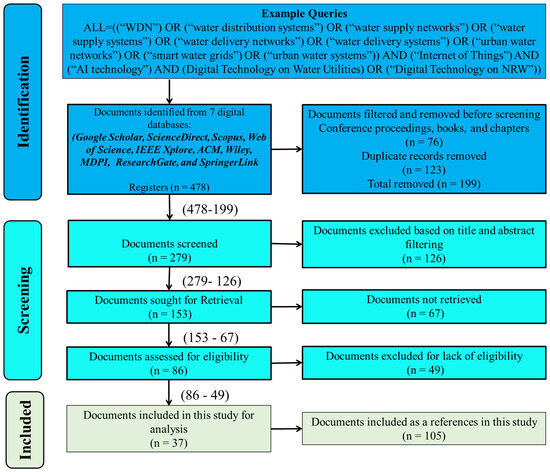
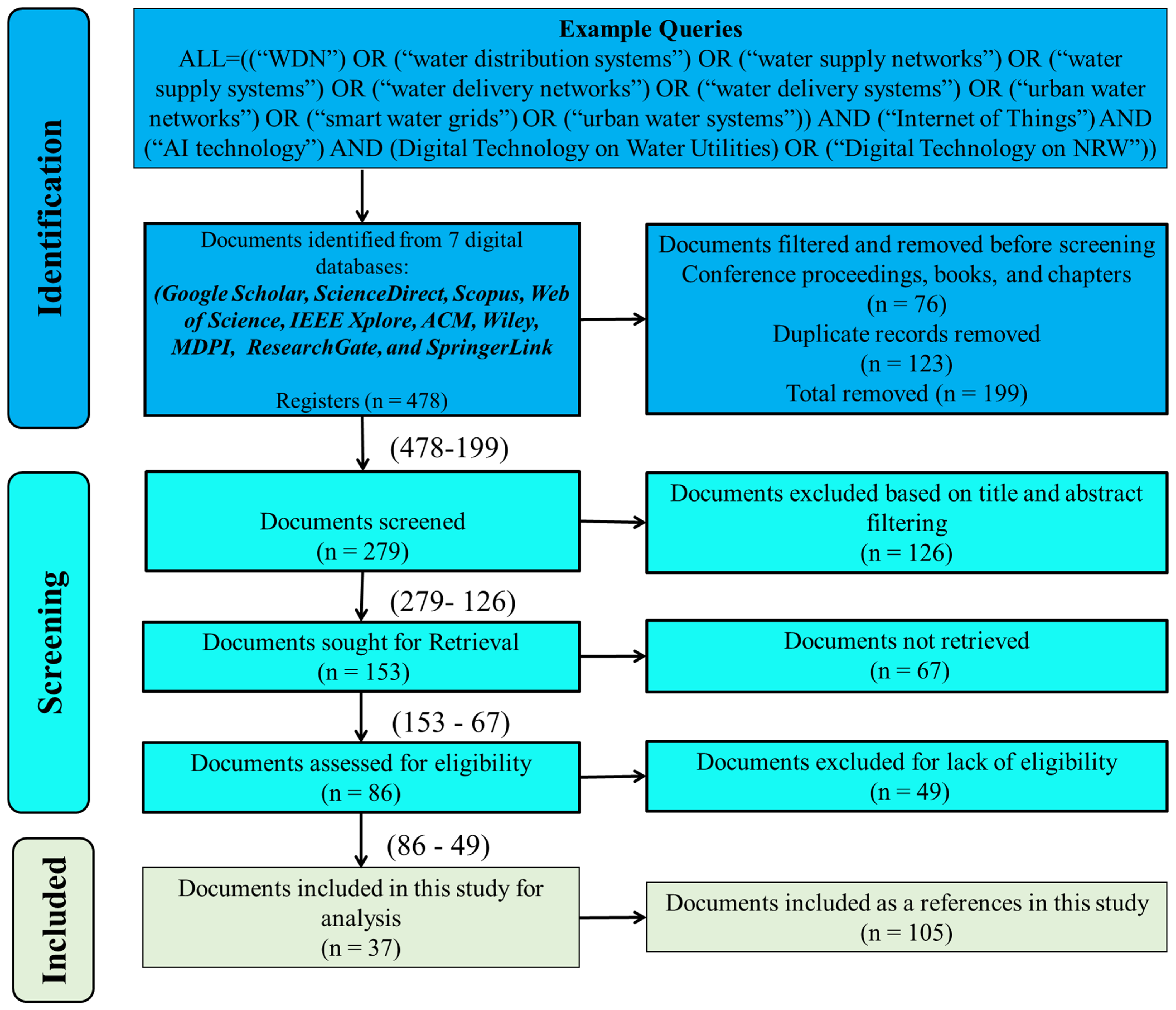
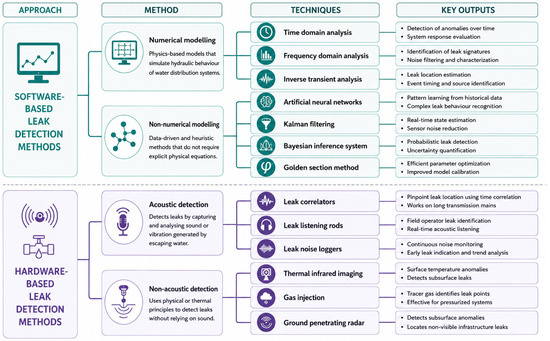
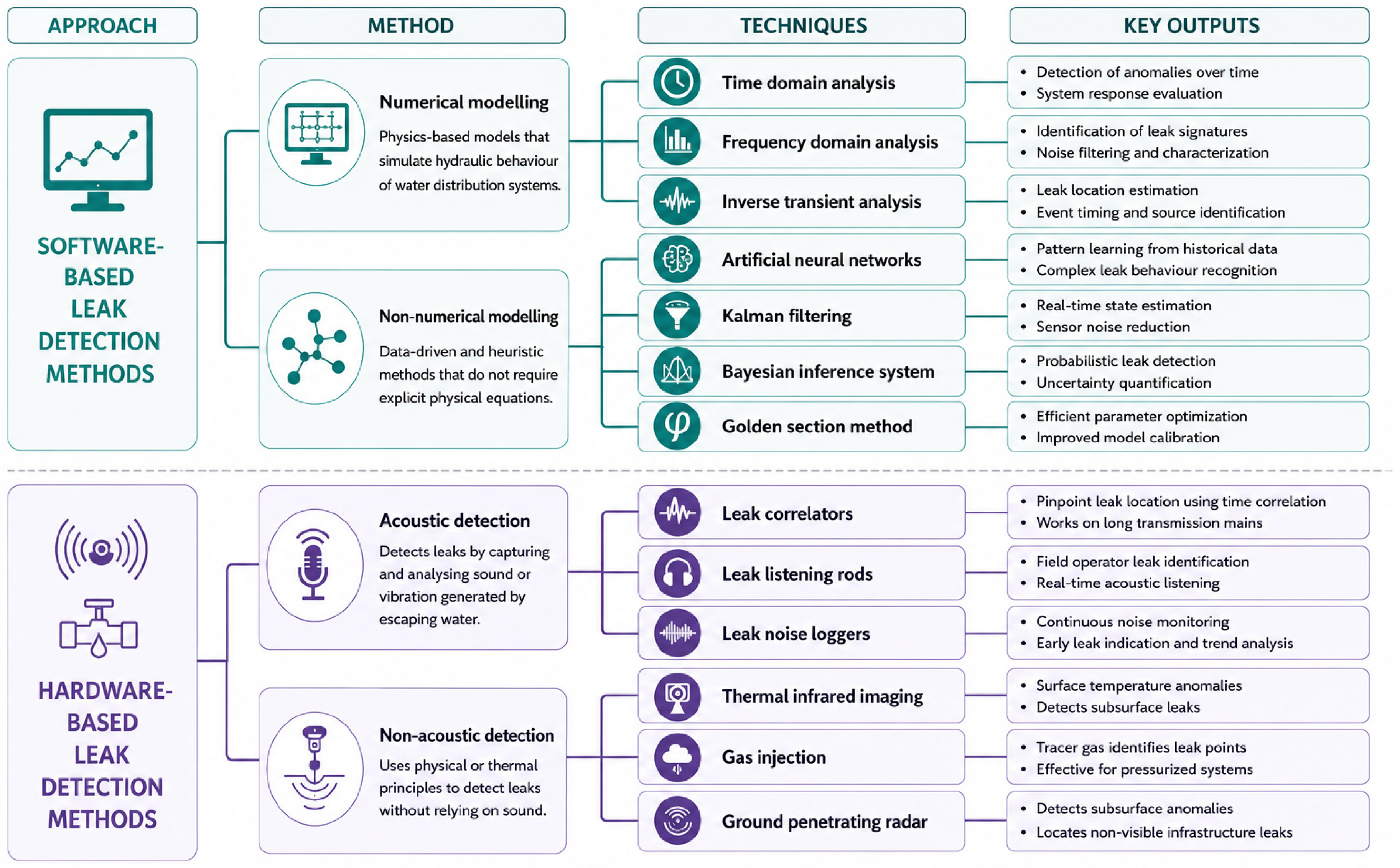
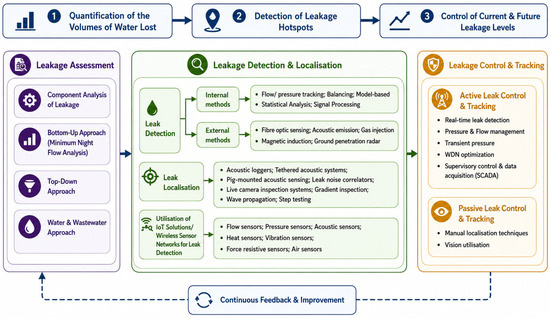
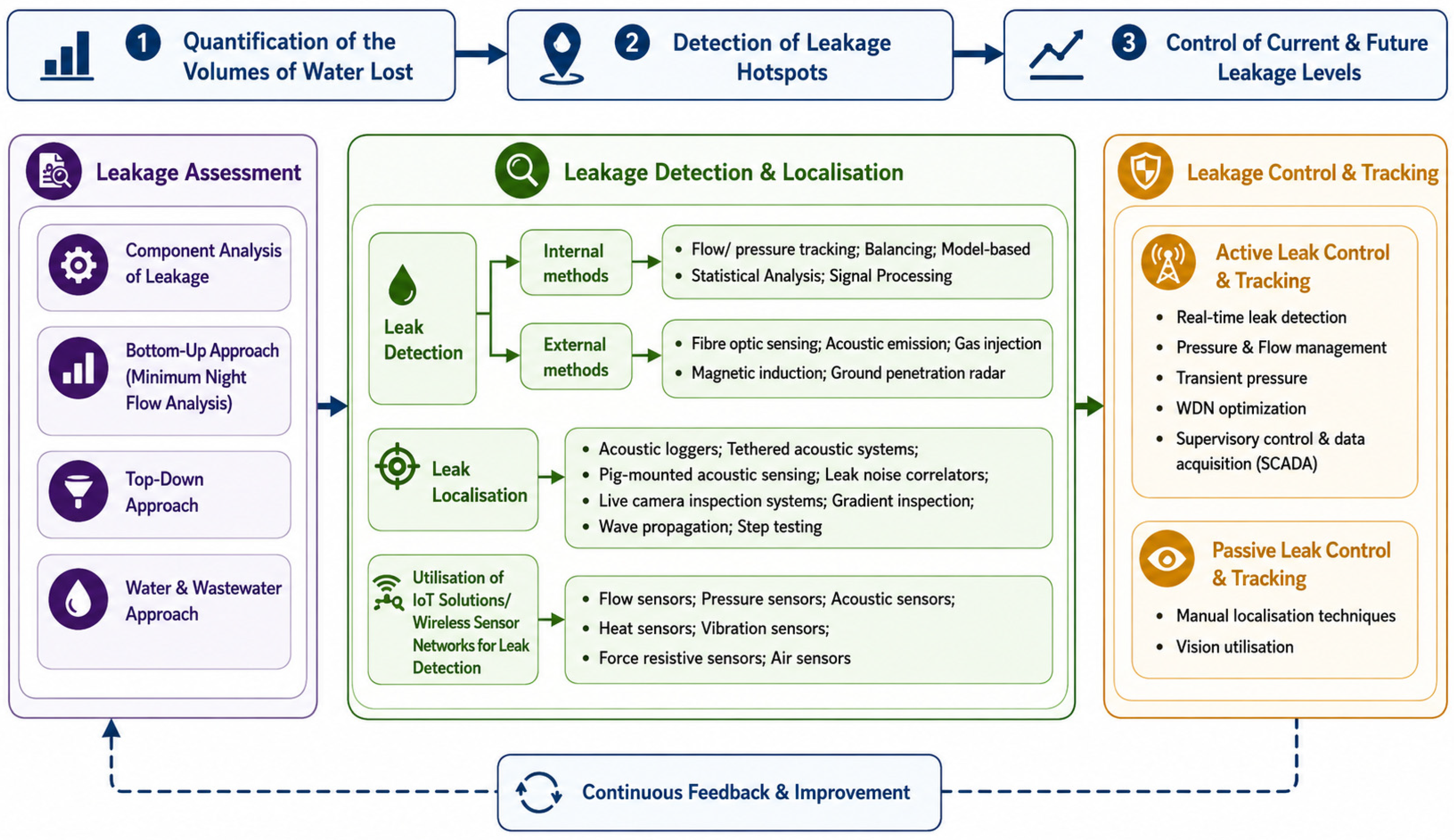
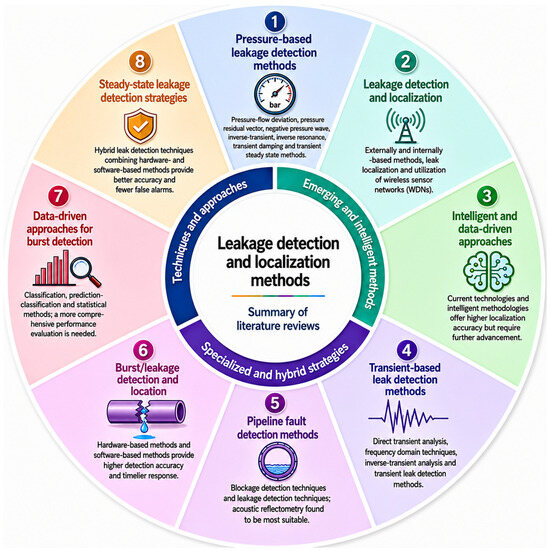
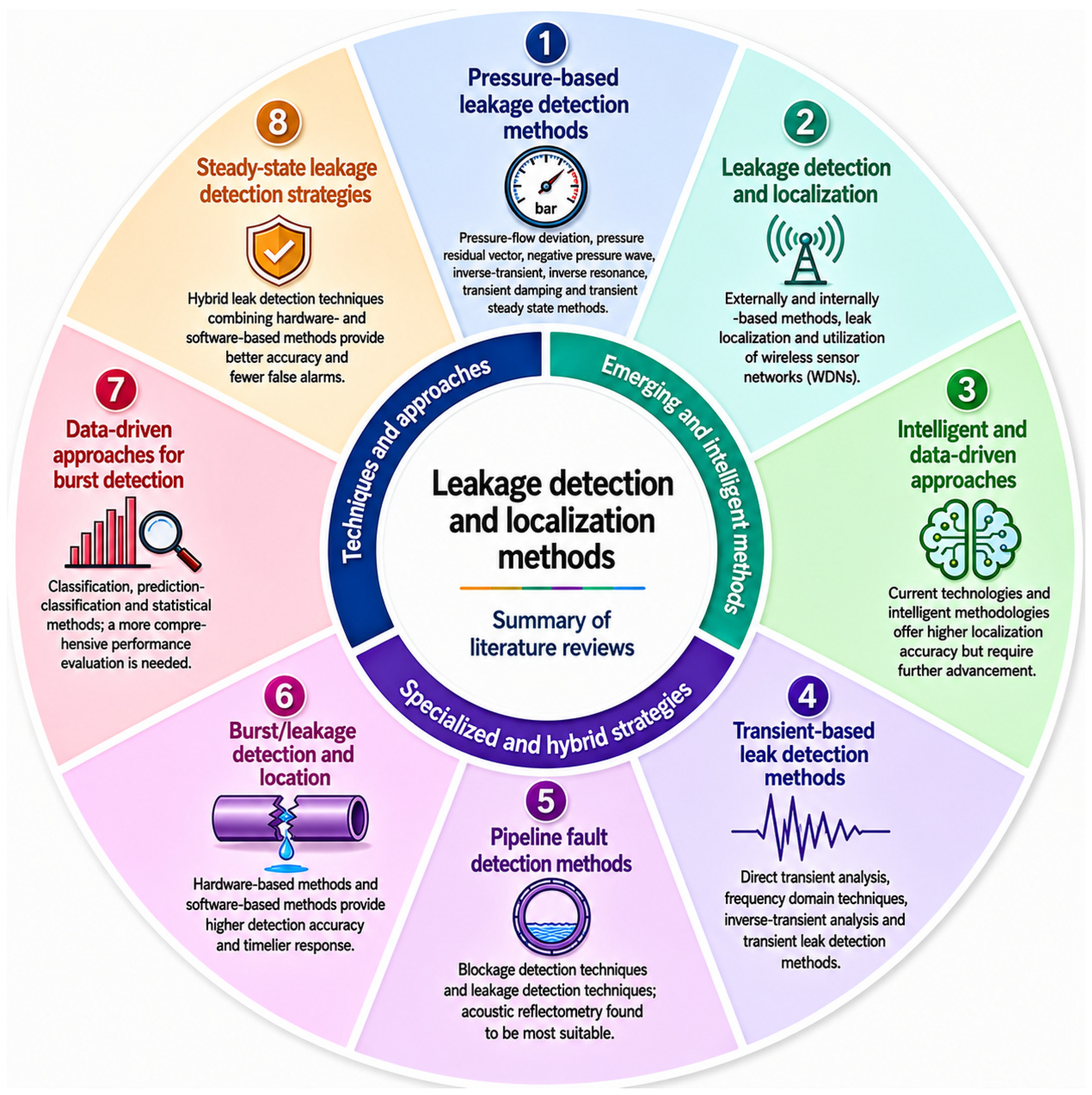
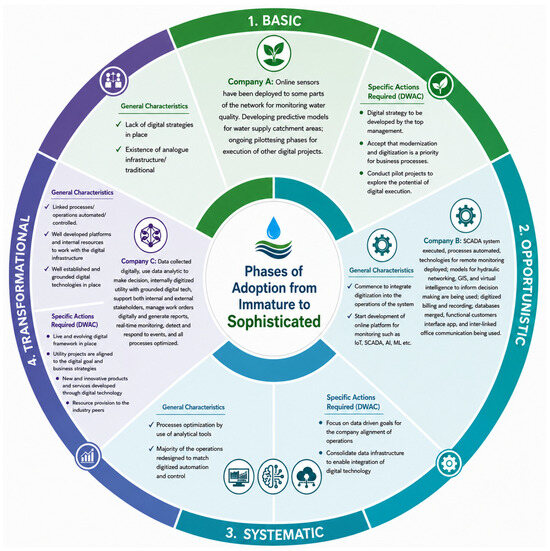
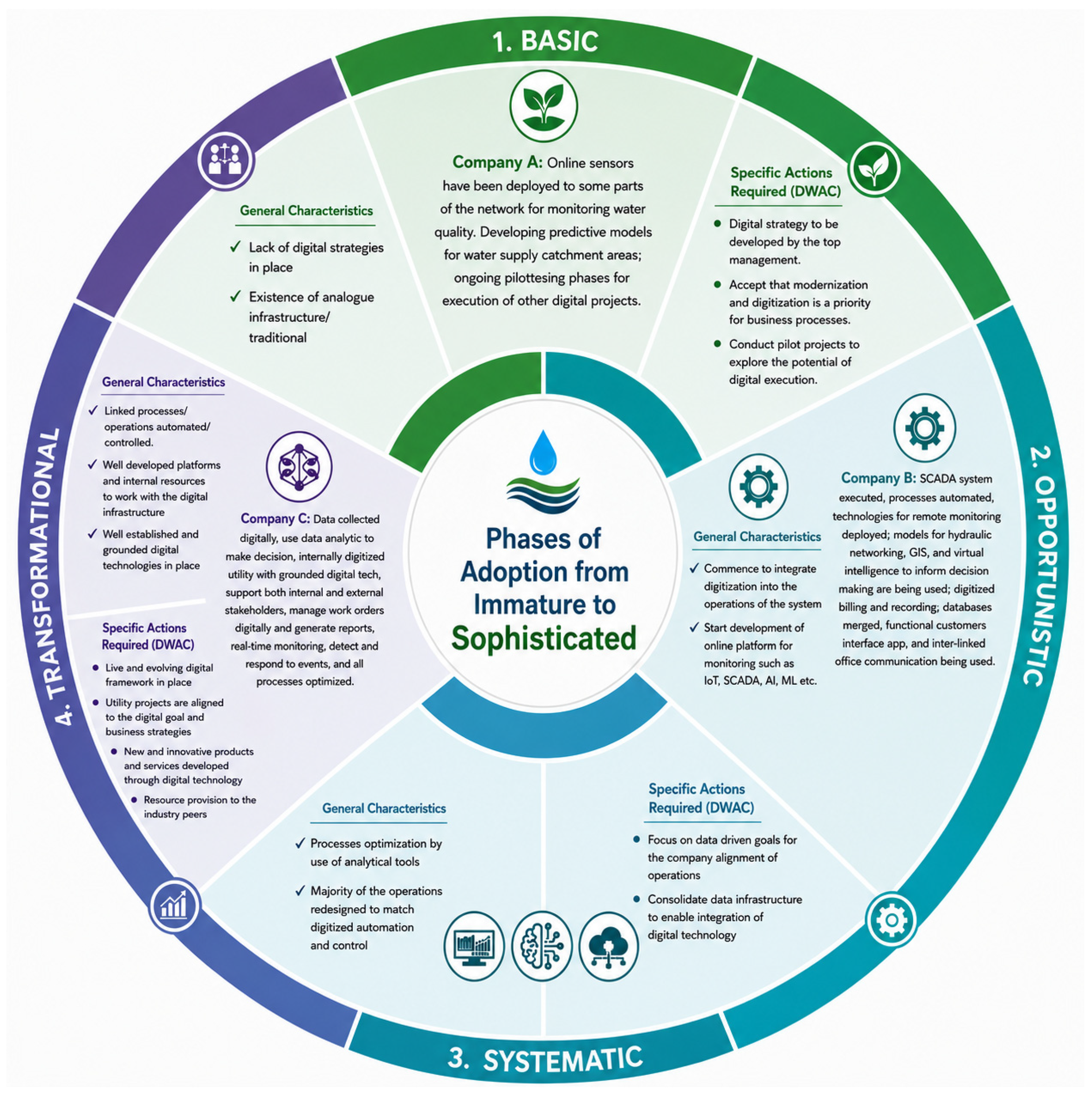
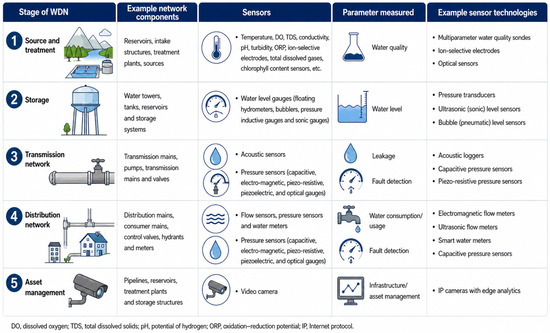
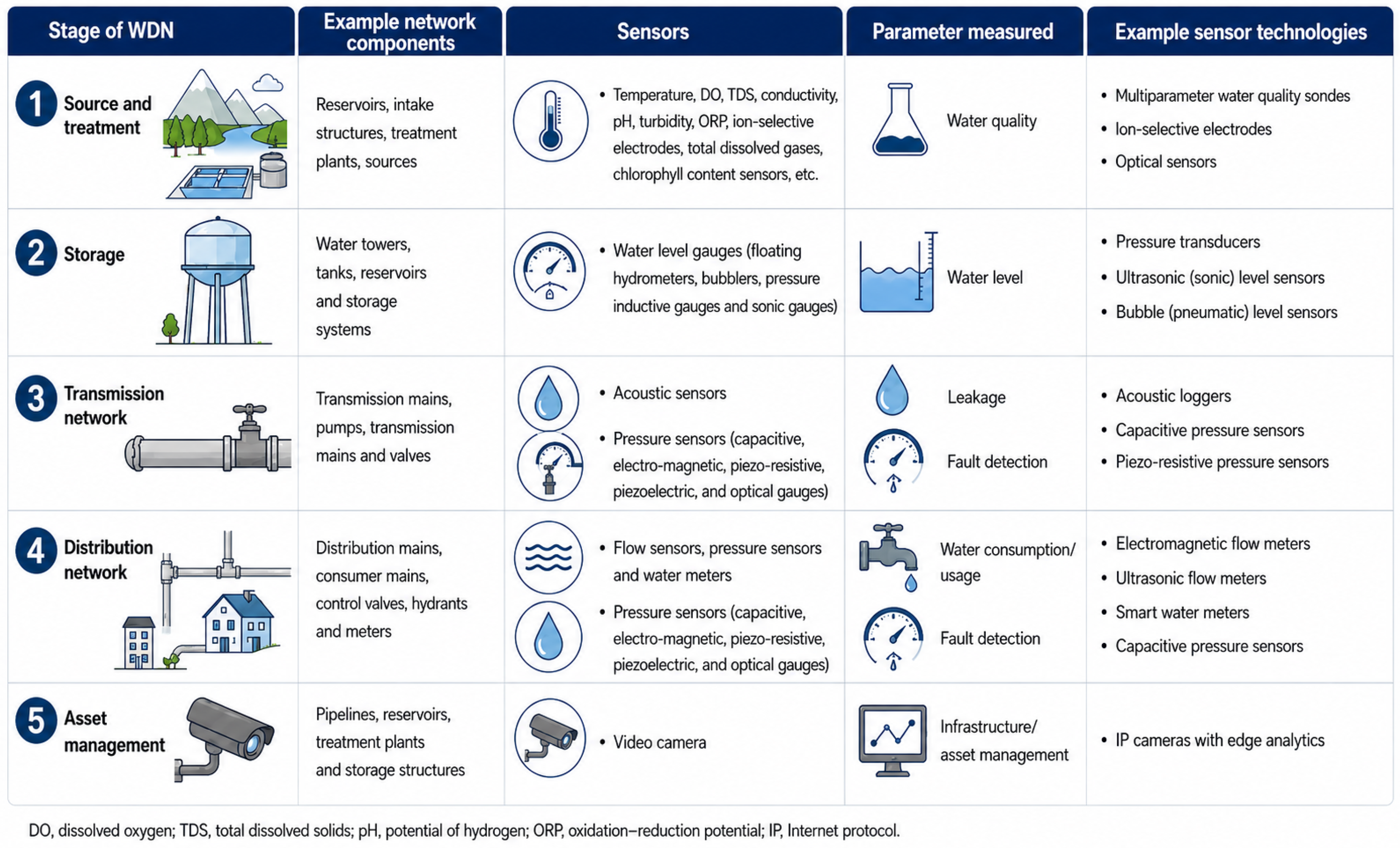

Disclaimer/Publisher’s Note: The statements, opinions and data contained in all publications are solely those of the individual author(s) and contributor(s) and not of MDPI and/or the editor(s). MDPI and/or the editor(s) disclaim responsibility for any injury to people or property resulting from any ideas, methods, instructions or products referred to in the content. |
© 2026 by the authors. Licensee MDPI, Basel, Switzerland. This article is an open access article distributed under the terms and conditions of the Creative Commons Attribution (CC BY) license.