


Abstract
Brazil presents a distinctive convergence of continental-scale climatic diversity, extensive urbanization, large-scale biomass burning, rapid land-use change, persistent air-quality monitoring gaps, and deep social inequalities, producing highly heterogeneous and compound environmental health risks. In this context, treating air pollution and climate change as parallel environmental crises obscures their structural interconnections through shared emission sources, mutually reinforcing exposure pathways, and overlapping health and social consequences. In this narrative review, we critically synthesize scientific and institutional lines of evidence and argue that air pollution and climate risks can be more effectively addressed in Brazil through a single strategic agenda for science, public health, and governance. We first discuss why these challenges cannot be managed in isolation, emphasizing the effects of heat, drought, stagnation events, biomass burning, and extreme weather on pollutant formation, dispersion, and health burden. We then examine Brazil as a critical case where recent regulatory advances coexist with structural limitations in monitoring, data integration, and territorial coverage. Based on this diagnosis, we propose an integrated national agenda organized around five mutually reinforcing priorities: monitoring through hybrid networks; predictive science through climate-informed modeling and early warning; public health through the convergence of epidemiology, toxicology, and mechanistic research; equity-oriented research and action through the explicit incorporation of vulnerability, inequality, and climate justice; and policy appraisal through the assessment of disease burden, economic costs, mitigation co-benefits, and trade-offs. We further discuss the governance mechanisms needed to connect these priorities and translate evidence into coordinated action and adaptive public policies. We also argue that the Amazon should be approached not as an isolated ecological exception but as a central component of a broader Brazilian and Global South discussion on environmental health, land-use change, and climate justice. In this scenario, Brazil has the scientific capacity and regulatory momentum to become a reference in the integrated management of air pollution and climate risks, but this will depend on replacing fragmented approaches with a coordinated framework capable of linking exposure, mechanism, burden, inequality, and action.
1. Introduction
Air pollution remains one of the most important environmental threats to health worldwide. Recent global assessments indicate that air pollution contributed to approximately 7.9 million deaths in 2023 and ranked as the second leading risk factor for early death globally, while particulate matter pollution continues to be one of the most consequential components of this burden [1,2]. At the same time, recent studies and reports have identified that harmful effects occur at lower concentrations than previously assumed, which has important implications for national standards, risk communication, and health protection strategies [3,4]. The health burden extends well beyond classical cardiorespiratory outcomes, encompassing neurological diseases, metabolic disorders, adverse pregnancy outcomes, and cancers, which means that its public-health relevance is deeper and more systemic than a narrow sectoral interpretation would suggest [5,6,7,8]. Despite this expanding evidence base, air pollution and climate risks continue to be examined through separate research and governance frameworks, particularly in territorially heterogeneous middle-income settings such as Brazil. This disconnect limits the translation of current knowledge into coordinated research, public health and policy responses capable of addressing their combined risks.
Climate change is itself an escalating health, environmental, and development crisis. It is no longer restricted to a future scenario of projected harms but is already reshaping exposure patterns, disease risks, food and water security, labor capacity, ecosystem stability, and the resilience of health systems across regions [9,10,11,12,13]. Heatwaves, droughts, floods, wildfires, sea-level rise, and other climate-related hazards have become more frequent, intense, or prolonged in many settings, with particularly severe consequences for socially and territorially vulnerable populations [10,12,13]. These climate-related changes can also worsen air quality by promoting atmospheric stagnation, enhancing temperature-sensitive ozone formation, intensifying wildfire emissions, and altering particulate transport [14,15,16]. These impacts extend beyond direct mortality and morbidity to include mental health burdens, displacement, pressure on health services, nutritional insecurity, and losses in social and economic productivity [10,11,13]. Importantly, every additional increment of warming magnifies these risks, reinforcing the need to understand climate change not only as an environmental issue but also as a central determinant of population health and societal stability [9,10,11,12,13].
Despite this evidence, air pollution and climate change are still frequently approached as separate governance problems. Air-quality regulation is commonly treated as a local or regional matter focused on pollutant concentrations and compliance, whereas climate policy is often framed around greenhouse gas accounting, energy transition, and long-term mitigation targets [17,18]. This administrative separation is no longer scientifically defensible. The same fossil fuel combustion processes, transport systems, industrial emissions, and land-use dynamics that drive climate change also shape air pollution exposure [14,15,17,18]. Moreover, climate change alters the atmospheric conditions that control pollutant formation, dispersion, transport, and deposition, intensifying the frequency and severity of compound exposure scenarios [14,15,16].
Brazil is a strategically important setting in which to rethink that separation. The country combines very large urban centers, industrial corridors, agribusiness expansion, recurrent biomass burning, strong regional climatic contrasts, and profound socioeconomic inequalities [19]. It also combines two apparently contradictory realities. On one hand, Brazil has recently made relevant advances in its legal and regulatory architecture for air quality management [20,21,22,23]. On the other hand, the country still faces major limitations in monitoring coverage, territorial representativeness, data transparency, and integrated risk governance [24,25,26]. Accordingly, the objective of this narrative review is to critically synthesize scientific and institutional evidence, identify recurrent knowledge and implementation gaps, and, on this basis, define research priorities and policy opportunities for integrating air pollution and climate governance in Brazil, thereby outlining future directions for environmental health research and policy implementation. The novelty of the proposed framework lies in treating Brazil’s territorial, climatic, and social heterogeneity not only as a source of risk but also as the basis for an implementation-oriented model integrating air pollution and climate governance. For this reason, Brazil is not only a national case of urgency; it is also a conceptual test for how the relationship between air pollution and climate change should be studied and governed in middle-income countries with heterogeneous exposure landscapes. Rather than merely calling for more studies, we argue for a reorganization of the research and policy agenda itself. This does not mean dissolving the specificities of air-quality science and climate policy into a single undifferentiated field. Rather, it means integrating evidence streams, institutions, and decision tools wherever the same sources, exposure pathways, and affected populations overlap.
To this end, this narrative review adopts a focused and policy-oriented approach, drawing on peer-reviewed studies, national legislation, technical reports, and institutional documents relevant to the intersections among air pollution, climate change, and health in Brazil. Sources were selected to encompass the principal scientific, public-health, regulatory, and governance dimensions of these interconnections, with emphasis on recent evidence and authoritative national and international sources. Figure 1 provides an overview of the integrated agenda. It links the shared emission sources, climate-related hazards, exposure processes, and social inequalities examined throughout the manuscript to analytically distinct dimensions of compound risk, five mutually reinforcing scientific and policy priorities, and the governance mechanisms needed to translate evidence into anticipatory and coordinated action.
Figure 1.
Conceptual framework for an integrated research and policy agenda on air pollution, climate change, and health in Brazil. The framework links shared emission sources, climate-related hazards, exposure processes, and social inequalities to distinct dimensions of compound risk, five mutually reinforcing scientific and policy priorities, coordinated action, and a continuous governance and evaluation feedback loop responsive to Brazil’s territorial and institutional heterogeneity.
2. Why Air Pollution and Climate Change Require Integrated Governance
The interaction between air pollution and climate change is not incidental. It is mechanistic, epidemiological, and political. From an atmospheric perspective, climatic conditions influence chemical transformation, boundary-layer dynamics, transport pathways, humidity, and the persistence of stagnation events [14,15,16,27]. In practical terms, this means that rising temperatures and more frequent extreme events can enhance ozone formation and increase population exposure, thereby amplifying the associated health burden [14,15,16,27]. Altered rainfall regimes and prolonged drought can increase dust resuspension and wildfire activity, leading to higher PM2.5 emissions and downwind health risks. Furthermore, atmospheric stagnation can further limit pollutant dispersion in densely populated regions [14,15,16,27].
At the same time, some of the most important sources of greenhouse gases are also major sources of population exposure to harmful air pollutants. Fossil fuel use in transport, electricity generation, and industry emits not only carbon dioxide but also particulate matter precursors, nitrogen oxides, sulfur compounds, and a range of toxic co-pollutants [17,18,28,29]. Likewise, land-use change and fire regimes influence both short-lived climate forcers and locally or regionally relevant air pollutants [28,29]. These shared sources also highlight an important distinction between long-lived greenhouse gases, such as carbon dioxide, and short-lived climate pollutants (SLCPs), including black carbon, methane, and tropospheric ozone. Because SLCPs influence both near-term climate forcing and air quality, mitigation strategies targeting them can generate relatively rapid health benefits while complementing long-term carbon dioxide reductions [17,18]. Together, these linkages mean that mitigation actions can produce co-benefits, whereas policy failures can create double penalties [30,31,32]. A poorly designed energy and mobility system does not only worsen long-term climate risk; it also increases daily morbidity, mortality, and health-system pressure in the present [30,31,32].
The converse is equally true. Policies that improve air quality may also strengthen climate resilience and climate mitigation when they reduce dependence on combustion-based systems, protect vegetation, improve urban form, and lower vulnerability to extreme heat [30,31,32]. These co-benefits, however, are not automatic. Although bioenergy can contribute to fossil fuel substitution, its expansion may, depending on the feedstock, scale, and land management practices, increase competition for land and water, affect food production and food security, and generate additional greenhouse gas emissions through direct and indirect land-use change [33,34]. More broadly, poorly designed interventions may shift emissions or exposure across sectors and territories, create environmental or social trade-offs, or distribute costs and benefits unevenly [33]. Their appraisal should therefore consider local conditions, life-cycle effects, and possible unintended consequences. The problem, therefore, is not only scientific fragmentation but also a missed opportunity. If air pollution is handled without climate change, interventions risk being narrow, reactive, and short-lived. If climate change is handled without air pollution, a large part of the immediate and measurable health return of mitigation is ignored. The strongest rationale for integration is not rhetorical convenience. It is that the same intervention can simultaneously reduce emissions, prevent disease, increase resilience, and generate political legitimacy through visible public health gains [30,31,32].
3. Brazil as a Strategic and Understudied Case
Brazil deserves particular attention because it concentrates many of the tensions that define the air pollution–climate nexus [35,36,37]. Its continental dimension is reflected in several climatic zones (tropical, semi-arid, and subtropical) and extensive biome diversity, including the largest national share of the Amazon, the world’s largest tropical forest [38,39]. This climatic and ecological heterogeneity generates highly variable meteorological conditions and exposure profiles, ranging from prolonged Amazonian droughts and smoke transport to semi-arid heat and water scarcity in the Caatinga, recurrent floods in the South, and humid coastal atmospheres that interact with dense urban emissions [35,36,37]. Large metropolitan areas are affected by transport emissions, secondary pollutant formation, industrial activity, and urban heat [19,37]. Agricultural frontiers and forest edges experience fire, smoke, dust, and land-use transitions [28,29]. The coexistence of urban-industrial and rural land-use sources across these climatic and ecological settings, combined with pronounced environmental inequality, makes Brazil a particularly informative setting for examining how climate modifies emissions, exposure, and health risk [35,36,37]. A national strategy based only on conventional urban monitoring logic is therefore insufficient by design [24,37].
This diversity is amplified by the scale of emission-related activities in the country. Recent national indicators show that Brazil has a vehicle fleet of approximately 124 million vehicles; harvested approximately 292.7 million tonnes of cereals, legumes, and oilseeds in 2024; recorded more than 278,000 fire hotspots in the same year; and emitted roughly 2.1 GtCO2e in 2024 [40,41,42,43]. Demographic data further show that 87.4% of the Brazilian population lived in urban areas in 2022 [44], while the 15 metropolitan regions analyzed using data from the same Census comprised approximately 74.6 million residents, equivalent to 36.7% of the national population [45]. In the Metropolitan Area of São Paulo, road vehicles accounted for 60% of NOx and 37% of PM2.5 emissions in 2022 [46]. Together, these figures illustrate that Brazil is not simply exposed to the air pollution–climate nexus; it is also a large-scale producer, receiver, and redistributor of the processes that sustain it.
3.1. Regulatory Progress Amid Structural Monitoring Gaps
Brazil has recently taken important legal steps by approving the National Air Quality Policy through Law No. 14850/2024 and, shortly thereafter, by updating national air-quality standards through National Council for the Environment (CONAMA) Resolution No. 506/2024 [20,21]. These measures represent a meaningful shift because they strengthen the legal basis for monitoring, inventories, models, information systems, and long-term planning [20,21]. They also help move air quality from a fragmented regulatory niche toward a broader governance framework that explicitly recognizes public health, access to information, and the need for national coordination [20,21]. This was widely recognized as a milestone in the Brazilian debate on air quality [22,23].
However, regulatory progress does not automatically solve the historical problem of territorial invisibility. Brazil’s monitoring network has long been sparse, spatially concentrated, and uneven in quality and public accessibility, with coverage historically focused on a limited number of states and urbanized regions [24,25,26,47]. The monitoring infrastructure has recently expanded: the latest report from the Brazilian Ministry of the Environment and Climate Change (MMA), based on 2024 data, registered 570 stations, representing a 44% increase from the 395 reported for 2022 [26,48]. Nevertheless, this increase should be interpreted according to the type and operational status of the equipment. The report distinguishes reference or equivalent stations from indicative monitors, the latter corresponding to low-cost sensors. Between 2022 and 2024, the number of indicative low-cost monitors increased from 37 to 194, whereas the number of reference or equivalent stations remained virtually unchanged, increasing from 358 to 359 [26,48]. Thus, the recent expansion was driven predominantly by low-cost sensors rather than by a corresponding expansion of the reference network. Moreover, 75 of the stations registered in 2024 were classified as inactive, and 21 had no reported operational status, demonstrating that the number of registered stations does not correspond directly to continuous and quality-assured data coverage [26].
The territorial distribution of the reference network also remained markedly unequal. Of the 359 reference or equivalent stations characterized in 2024, 265 (73.8%) were located in the Southeast, compared with 48 in the South, 31 in the Northeast, 12 in the Center-West, and only three in the North, all located in Pará [26]. Conversely, the North had 137 indicative low-cost monitors. Acre, Amapá, Amazonas, Rondônia, Roraima, and Tocantins therefore had only indicative monitoring, as did Mato Grosso, which had 23 indicative monitors and no reference or equivalent station [26]. This pattern shows that low-cost sensors have improved spatial detection; however, this gain has not been accompanied by a comparable expansion of reference monitoring, leaving large areas without the infrastructure required for calibration, multipollutant assessment, and reliable long-term surveillance.
The limited coverage of the formal monitoring network remains evident in national assessments. A 2021 assessment estimated that only approximately 1.6% of Brazilian municipalities had air-quality monitoring stations and that 41% of the existing stations were privately operated, limiting consistent public access to part of the monitoring data [25,47]. In 2024, an IEMA assessment considering active automatic stations and explicitly excluding low-cost sensors reported that 10 of the country’s 23 urban localities with more than one million inhabitants lacked an automatic monitoring station, including Brasília, Goiânia, and Manaus, and identified low or absent PM2.5 monitoring by active reference stations in several states [24]. Brazil also maintains complementary meteorological, satellite, fire-detection, and disaster-monitoring systems operated by the National Institute of Meteorology (INMET), National Institute for Space Research (INPE), National Center for Monitoring and Early Warning of Natural Disasters (CEMADEN), and environmental authorities; however, although these systems substantially extend environmental situational awareness, they do not replace continuous, ground-based, multipollutant monitoring, and their public health value depends on effective integration with air-quality and health-surveillance systems [42,49,50]. Even where monitoring exists, continuity, pollutant scope, public reporting, and health-oriented use of the data are not always adequate [24,25,26]. This matters because exposure cannot be managed where it is not measured, and it cannot be incorporated into climate adaptation or health planning where it is not translated into actionable indicators [24,25,47]. In a country of Brazil’s size, under-monitoring is not a technical inconvenience. It is a structural form of inequity because it leaves many populations outside the field of environmental surveillance [24,37,47].
3.2. The Amazon, Deforestation, Biomass Burning, and Long-Range Exposure
The Amazon is central to this discussion, but it should not be treated as a distant or exceptional frontier disconnected from the rest of the country. Fire emissions in the Amazon and other Brazilian biomes affect local communities directly, but they also have regional and long-range consequences [51,52,53,54,55]. Economic and epidemiological evidence from Brazil has linked wildfire-related air pollution, particularly PM2.5, to increased mortality and hospital admissions, with stronger impacts on cardiorespiratory outcomes, vulnerable age groups, and populations living in regions where access to health services is often more limited [51,52,53,54,55]. More recent work focusing on the seven Amazonian capitals further quantified long-term PM2.5 exposure and its cardiorespiratory mortality burden, reinforcing the need to treat Amazonian smoke exposure as a central component of national air-quality policy [56].
The importance of fire-related pollution in Brazil cannot be understood through a single national pattern. In the Amazon, fire remains closely linked to deforestation and forest degradation, producing persistent smoke exposure during the dry season [57]. The Cerrado is a fire-adapted savanna, but its contemporary fire regime is increasingly shaped by human ignitions, agricultural expansion, pasture management, and burning late in the dry season [57,58]. In the Pantanal, extreme drought and heat can interact with human ignitions to transform seasonal fires into extensive wildfire crises [59]. In southeastern Brazil, agricultural burning, including sugarcane residue burning, can combine with smoke transported from forest and savanna fires and with dense urban emissions, extending exposure into major metropolitan areas [46]. Because fuel type, moisture conditions, and combustion characteristics differ across these settings, the resulting plumes also vary in chemical composition, intensity, seasonality, and persistence [60]. These effects are not confined by national borders: large fire episodes can generate transboundary smoke plumes that affect neighboring South American countries, reinforcing the need for coordinated regional monitoring, forecasting, and public-health responses [61].
These findings are important for two reasons. First, they show that land-use change, deforestation, and fire are not only conservation or climate issues; they are public health determinants [51,52,53,54,55,56,62]. Second, they reveal that an air-quality agenda centered exclusively on traffic and industry in major cities is conceptually incomplete in Brazil [37,47,63,64]. The country cannot claim to have a climate-aware air-pollution strategy if fire emissions remain analytically or institutionally peripheral [63,64]. The Amazon is not merely a place where air pollution happens under unusual conditions. It is one of the clearest examples of how environmental degradation, climate stress, and health inequity converge in Brazil [51,52,53,54,55,56,62,63,64,65].
3.3. Heat, Drought, Floods, and Compound Risk
Brazil is also a relevant case because climate hazards do not operate independently from pollution exposure. Long-term changes in meteorological conditions have already been associated with changes in concentrations of major air pollutants in different Brazilian settings, consistent with broader international evidence that climate-related shifts can modify air quality profiles over time [14,15,16,35,36,66,67]. This is not a marginal point. It means that climate change should not be viewed only as a future modifier of air quality but also as a present driver of exposure dynamics [14,15,16,27,66]. Heatwaves, cold spells, stagnation episodes, prolonged droughts, and large-scale smoke events can produce compound risks that are not captured by single-hazard frameworks [10,16,27,68].
Within this broad framework, four analytically distinct processes should be separated. Atmospheric interactions refer to meteorological influences on pollutant formation, transport, and dispersion and can be examined using temperature, humidity, wind, boundary-layer, and pollutant-concentration data in process-based or statistical models [14,15,16,27,35,36,66]. Concurrent heat–pollution exposure refers to the temporal and spatial co-occurrence of elevated temperatures and pollutant concentrations and can be characterized using joint-exceedance days, cumulative exposure indices, or population-weighted exposure estimates [10,16,27,68]. Health-effect modification concerns whether the association between air pollution and a health outcome varies according to temperature and can be evaluated using interaction terms, stratified concentration–response functions, or distributed-lag models [69,70,71,72]. Social vulnerability, in turn, refers to differences in exposure, susceptibility, and response capacity and can be assessed using demographic, housing, occupational, healthcare-access, and territorial indicators in stratified, spatial, or multilevel analyses [13,69,73,74]. Although these processes may converge during the same event, they represent different mechanisms and require distinct indicators and analytical approaches.
These distinctions have practical implications, and the magnitude and unequal distribution of these risks are already measurable in Brazil. Across 14 of Brazil’s most populous urban areas, annual heatwave frequency increased from 0–3 events in the 1970s to 3–11 events in the 2010s, and an estimated 48,075 excess deaths were attributed to heatwaves between 2000 and 2018. Mortality was disproportionately higher among older adults, women, Black and Brown populations, and individuals with lower educational attainment [69]. The implications are substantial. Early warning systems that focus only on temperature or only on air pollution may fail to identify the real public-health burden of simultaneous exposure [10,13,27,68]. Hospital systems and local governments often organize preparedness in separate institutional channels, one for climate-related disasters and another for routine environmental management. This separation weakens prevention because the populations most at risk during extreme events are frequently the same populations already burdened by chronic pollution, poor housing, occupational exposure, mobility constraints, and limited access to care [13,69,73,74]. Compound risk is therefore not only a physical interaction in the atmosphere; it is a social interaction in the territory [13,69,73,74].
In territorial terms, compound risk means that an extreme event can activate multiple vulnerabilities simultaneously. During dry and hot periods, smoke exposure, dehydration, outdoor work, reduced access to primary care, and the need to keep schools and economic activities operating may converge in the same communities [10,13,51,52,53,54,55,68,69,73,74]. During floods, disruption of transport, interruption of healthcare access, displacement, and deterioration of indoor environmental conditions can increase susceptibility and reduce the capacity for timely response [13]. Therefore, the health impact of a climate–pollution episode depends not only on pollutant concentration or meteorology but also on housing, mobility, work, warning capacity, and the speed of local response [13,69,73,74].
4. The Integrated Scientific Agenda Brazil Still Needs
If air pollution and climate change are to be addressed together, Brazil needs more than additional datasets or isolated case studies. It needs a different organizing logic for science. The traditional progression from exposure description to health association to policy recommendation remains useful, but it is too linear for the current challenge. What is needed is an integrated platform capable of linking monitoring, forecasting, epidemiology, mechanistic evidence, social vulnerability, and governance response. This is where the country still lacks coherence. Important groups already produce high-quality work in each of these areas, yet the national architecture remains fragmented across institutions, biomes, exposure types, and disciplinary traditions. This fragmentation is particularly paradoxical because Brazil already has visible scientific production in both fields. Exploratory bibliometric searches conducted separately in April 2026 in Web of Science and Scopus, covering the full period available in each database up to the search date and using the terms “air pollution” OR “air quality” and “climate change*”, without restrictions on document type or language, indicated that Brazil ranked 19th in Web of Science and 20th in Scopus for publications related to air pollution or air quality and 15th in Web of Science and 14th in Scopus for publications related to climate change. Country rankings were obtained directly from the country/territory analysis available in each database, based on author-affiliation information. Because the databases and topics were analyzed separately and the records were not combined, duplicate removal was not applicable. The problem is therefore not the absence of scientific production but the limited conversion of this production into coordinated national systems for monitoring, prevention, and response.
On this basis, we propose five mutually reinforcing priorities for an integrated Brazilian agenda: hybrid monitoring networks; climate-informed predictive modeling and early warning; convergence between epidemiology, toxicology, and mechanistic evidence; incorporation of vulnerability, inequality, and climate justice; and assessment of disease burden, economic costs, and mitigation co-benefits. These priorities are not intended as an exhaustive catalogue of research and policy needs. They were selected because they address the most immediate and recurrent bottlenecks along the pathway from evidence to action in Brazil: insufficient territorial observation, limited anticipation of compound events, weak integration of population-level and mechanistic evidence, inadequate consideration of differential vulnerability, and incomplete translation of health impacts into economic and policy appraisal. Their urgency follows from the gaps documented in the preceding sections, while their feasibility is supported by approaches already applied in Brazil or internationally and discussed within each subsection. Together, they connect hazard detection and forecasting to causal interpretation, equity-oriented prioritization, policy appraisal, and implementation.
4.1. Hybrid Monitoring Networks as a National Priority
The first priority is to rethink what monitoring means in a country with vast territorial heterogeneity. Reference-grade stations remain indispensable, but they cannot alone provide the spatial density required to understand exposure in smaller cities, peri-urban zones, fire-affected regions, or under-monitored biomes [24,47,75,76,77,78,79,80]. Brazil should adopt hybrid monitoring networks that combine reference stations, calibrated low-cost sensors, satellite-derived products, and chemical transport or statistical models in a single operational framework [24,47,75,76,77,78,79,80,81]. International guidance already recognizes that low-cost sensor systems can support policy-relevant air-quality applications when they are properly integrated, calibrated, quality-controlled, and interpreted as complements rather than substitutes for reference infrastructure [75,76,77,78,79,80]. Nevertheless, their effective incorporation requires operational plans that explicitly provide for calibration against reference-grade instruments and periodic performance evaluation, because humidity and temperature sensitivity, sensor aging and drift, and maintenance limitations can compromise data quality. Such plans must also incorporate robust quality-assurance procedures while standardization and intercomparison protocols continue to evolve [75,76,77,78,79,80].
This hybrid model is especially suitable for Brazil because it can improve territorial coverage without reproducing the false choice between scientific rigor and geographic reach. A dense but poorly validated sensor network is not sufficient, but neither is a small number of high-quality stations concentrated in already visible territories [24,47,75,76,77,78,79,80,81]. The goal should be a layered observation system capable of supporting exposure assessment, community information, school and workplace protection, episode detection, and forecast validation [24,47,75,76,77,78,79,80,81]. Such a system would also make the legal instruments created by recent regulation more operational, particularly with regard to public information and coordinated air quality management [20,21,24,25,26,47].
4.2. Climate-Informed Predictive Modeling and Early Warning
The second priority is predictive integration. Air-quality management in Brazil still relies too heavily on retrospective assessment, while climate risk management often advances without pollutant-specific exposure modeling. These two traditions need to converge. Predictive models should combine emissions, meteorology, land-use information, atmospheric chemistry, and health-sensitive thresholds in order to anticipate critical exposure scenarios rather than merely document them after the fact [14,15,16,27,66,82]. A Brazilian initiative already provides a concrete example of this integration by combining nationwide emissions, meteorological, and modeled air-quality data within a common platform [83]. The strong interconnection between air quality and climate emphasized by the WMO should be translated into operational systems able to detect and communicate risk before the health burden peaks [27,75,82]. At the same time, recent developments in predictive and modeling science extend beyond conventional machine learning to include physics-informed AI and hybrid models that incorporate atmospheric-process constraints, as well as digital twins that integrate continuously updated observations with scenario simulation [84,85]. These approaches may strengthen forecasting, but their added value should be assessed against transparent and interpretable baselines and under real-world operational data constraints.
For Brazil, this implies building forecast systems that are not limited to large metropolitan ozone episodes, but that also include smoke transport, extreme heat combined with particulate matter, seasonal biomass-burning dynamics, and region-specific thresholds for susceptible populations [51,52,53,54,55,66,82]. Forecasting should be explicitly health-oriented. A model is useful not only when it reproduces concentration fields accurately, but when it helps define where schools need contingency plans, when primary-care services should reinforce surveillance, and how local authorities should communicate behavioral guidance during compound events [82]. In that sense, predictive modeling is not an atmospheric luxury. It is a public health infrastructure [27,75,82].
4.3. Convergence Between Epidemiology, Toxicology, and Mechanistic Evidence
A third priority is to reduce the distance between population-level evidence and mechanistic understanding. Brazil has a strong tradition in epidemiological studies of air pollution and health, and the broader Latin American context now includes increasingly robust multicity evidence. For example, recent work in 337 cities across nine Latin American countries found that short-term increases in PM2.5 were associated with higher cardiovascular and respiratory mortality, offering regionally relevant evidence that should inform burden assessment and regulation [70]. At the same time, methodological discussions in air pollution epidemiology have highlighted the importance of choosing appropriate concentration–response functions and outcome definitions if health impact assessment is to become more robust and policy useful [70,71].
Yet epidemiology alone cannot answer all the questions that climate-aware air-quality governance now faces. Brazil also needs stronger integration with experimental, toxicological, and exposure-science approaches capable of clarifying how different pollutant mixtures, fire-derived particles, thermal stress, and repeated exposure episodes affect inflammatory, oxidative, mutagenic, and systemic pathways [6,7,8,86,87]. This matters because climate change is likely to alter not only concentrations but also source mixtures, particle composition, exposure duration, and the timing of risk [14,15,16,27,66]. A forward-looking research agenda should therefore connect field exposure, hospital and mortality data, toxicological assays, and mechanistic biomarkers instead of treating them as parallel studies [6,7,8,70,71,86,87]. The point is not disciplinary accumulation for its own sake; it is to make causal inference more actionable [70,71,86,87].
4.4. Vulnerability, Inequality, and Climate Justice Are Core Analytical Dimensions
A fourth priority is methodological and interpretive rather than mainly technological. Social vulnerability, race, territory, gendered exposure, and uneven adaptive capacity should not appear only at the end of the discussion as normative concerns. They must be built into study design, monitoring strategy, and policy interpretation from the outset [13,69,73,74]. In Brazil, environmental exposure is profoundly unequal, and climate-sensitive harms are often concentrated in populations that already face precarious housing, occupational risk, limited mobility, and weak institutional protection [13,69,73,74]. Gender can also shape exposure and adaptive capacity, particularly when outdoor work, caregiving responsibilities, mobility constraints, and unequal access to warnings, cooling, healthcare, or protective resources influence who can avoid or respond to heat, smoke, and other compound events [13]. Recent Brazilian work on urban heat has shown that non-White populations, low-income residents, and older adults are disproportionately associated with higher heat risk in metropolitan space [69,74]. This is directly relevant to the air pollution–climate nexus because heat, urban form, and pollutant exposure often overlap in the same socially vulnerable territories [13,69,73,74].
Indigenous populations require explicit attention within this framework because environmental exposure is closely connected to territorial, cultural, and livelihood conditions. Proximity to fire, limited access to monitoring and healthcare, and reliance on land-based food, water, and livelihood systems can make smoke exposure and land-use change interconnected threats to health, food security, and the continuity of traditional ways of life [13,88]. In Amazonian Indigenous territories, estimated smoke-attributable mortality rates were approximately twice those observed across the South American population [89]. At the same time, Indigenous knowledge and community-based fire management can contribute to context-specific strategies for reducing wildfire risk and strengthening territorial resilience [88]. Monitoring, warning, and fire-management strategies should therefore be co-designed with Indigenous organizations rather than treating these populations only as recipients of protection [88].
A climate-aware air-pollution agenda must therefore move beyond average effects. National means and citywide compliance statistics can obscure who is most exposed, who is least protected, and who bears the cumulative burden of multiple stressors [69,73,74]. The policy consequence is clear: monitoring expansion, alert systems, school protection, occupational guidance, and healthcare preparedness should be prioritized not only where concentrations are highest in absolute terms but also where exposure intersects with social fragility and institutional neglect [24,47,69,73,74,80]. In Brazil, climate justice is not a parallel discourse to air-quality science. It is one of the conditions for interpreting the science correctly [13,69,73,74].
4.5. From Disease Burden to Economic Burden and Co-Benefits
A fifth priority is to expand the evaluative frame. The public-health case for integrating air pollution and climate change is already strong, but it becomes even stronger when burden is expressed in economic and social terms that are relevant for public finance and development planning [90,91,92]. Recent nationwide Brazilian evidence has shown that high temperatures increase hospital admissions and generate substantial direct and indirect economic costs, with projected annual heat-related costs reaching USD 228–264 million by the 2050s in scenarios without adaptation [91]. These kinds of analyses should be broadened to include pollution episodes, smoke events, and compound exposure scenarios, especially in places where climate-sensitive sectors such as transport, energy, agriculture, and health services already operate under fiscal pressure [51,52,53,54,55,65,90,91,92].
Estimating economic burden and appraising policy options are related but distinct tasks [93,94]. Health impact assessment can estimate the number of cases, deaths, or disability-adjusted life years that could be avoided under alternative air-pollution and climate scenarios [93], while cost-effectiveness analysis compares interventions according to the resources required to achieve these health gains [94]. Cost–benefit analysis further compares implementation costs with monetized health, productivity, and other social benefits [93]. For Brazil, these evaluations should also incorporate distributional effects because interventions with similar aggregate returns may differ substantially in how their costs and benefits are shared across regions and social groups [95]. Applying these approaches jointly would provide a clearer basis for prioritizing investments in monitoring, early-warning systems, cleaner transport and energy, fire prevention, and health-system preparedness [90,91,92,93,94,95,96].
Beyond quantifying avoidable losses, economic evaluation can also make the opportunity dimension of integrated action more visible. A recent systematic review of strategies consistent with net-zero emissions concluded that such policies are associated with substantial public-health co-benefits, especially through cleaner air, better diets, and increased physical activity [32]. For Brazil, this implies that climate mitigation should not be defended only as a long-term planetary necessity but also as an immediate health investment [30,31,32,96]. Electrified mobility, cleaner household and industrial energy, urban greening, better public transport, and reduced burning can all be framed as interventions that simultaneously reduce emissions, prevent disease, and lower avoidable costs [30,31,32,96]. This is strategically important because health co-benefits can help build political coalitions that are often unavailable when climate policy is discussed only in abstract carbon terms [30,31,32,96].
5. From Fragmented Evidence to Governance
The governance implication of this narrative review is straightforward: Brazil needs an integrated national agenda, outlined in Figure 1, in which air pollution and climate change are treated as mutually constitutive dimensions of environmental health [20,21,26,27]. The country already has important legal instruments that can support this shift, including monitoring, inventories, modeling tools, information systems, and national planning mechanisms under the National Air Quality Policy [20]. What remains insufficient is the degree of operational linkage between environmental surveillance, meteorological intelligence, epidemiological analysis, health system preparedness, and social protection [24,25,26,27,47,75].
Climate change has gained greater political visibility in Brazil in recent years, including through the current designation of the federal environmental portfolio as the Ministry of Environment and Climate Change. However, visibility is not the same as operational articulation. The links between climate policy and the ministries responsible for health, science and technology, cities, planning, and economic development remain limited and uneven [20,21,97]. For air pollution, the gap is even more pronounced: beyond VIGIAR and isolated state initiatives, Brazil still lacks a consolidated mechanism capable of connecting federal guidance, state monitoring, municipal preparedness, and health-system response [24,25,26,97]. The problem is therefore not necessarily the absence of centralization but the absence of coordination among actors that already hold partial responsibilities [20,21,24,25,26,27,97].
Operationally, the integration of air-quality and climate governance should be formalized through an intersectoral mechanism jointly coordinated by the Ministry of Environment and Climate Change, responsible for national air-quality and climate policy, and the Ministry of Health, responsible for environmental health surveillance and health-system preparedness. The Ministry of Science, Technology and Innovation, through INPE and CEMADEN, would provide satellite, fire, meteorological, atmospheric-modeling, and risk-forecasting information. State environmental and health agencies would connect air-quality monitoring and climate indicators with epidemiological surveillance, while the National Secretariat for Protection and Civil Defense, municipal governments, and state and municipal civil defense authorities would translate integrated alerts into local preparedness and response. Academic institutions would contribute methodological development, workforce training, and independent evaluation. This mechanism should establish defined responsibilities for data sharing, integrated alert issuance, response protocols, and periodic evaluation. It could build on and expand existing institutional arrangements, including the integrated protocol between CEMADEN and the National Secretariat for Protection and Civil Defense, by incorporating air-quality surveillance and associated health-response functions [50].
A coordinated agenda should contain at least six elements. First, it should guarantee territorially representative monitoring with strong public transparency [20,21,24,25,26,27,47]. Second, it should institutionalize climate-informed air-quality forecasting and episode response protocols [27,75,82]. Third, it should support national and regional health impact assessments capable of incorporating Brazilian exposure patterns rather than relying exclusively on imported assumptions [70,71,91,92]. Fourth, it should define vulnerability-sensitive action thresholds for schools, primary care networks, outdoor workers, and socially deprived communities [69,73,74,97]. Fifth, it should connect the Amazon and other fire-prone regions to the national air-quality debate as central, not peripheral, priorities [51,52,53,54,55,56,62,63,64,65]. Sixth, it should finance interdisciplinary research programs designed around integrated questions instead of isolated disciplinary outputs [70,71,75,76,77,78,79,80,81,82,86,87].
Translating these elements into practice also depends on conditions that an integrated framework cannot take for granted. Interoperability requires common metadata, compatible temporal and spatial resolutions, quality-control rules, and governance arrangements for data exchange across federal, state, municipal, academic, and private systems. Reference-grade and low-cost sensor networks require sustained financing, maintenance, calibration, and trained local personnel, and these capacities vary substantially across regions [24,25,26,27,47,75,76,77,78,79,80]. Linking environmental and health records further requires privacy-preserving data access, appropriate spatial aggregation, secure linkage procedures, and compliance with Brazil’s General Data Protection Law [98]. Priorities should therefore be implemented in stages and adapted to local technical capacity rather than imposed through a single uniform model. To make this staged approach explicit, Table 1 presents an indicative timescale for implementing the proposed integrated research and policy agenda across short-, medium-, and long-term horizons.
Table 1.
Indicative timescale for implementing the integrated research and policy agenda on air pollution, climate change, and health in Brazil.
This transition also requires a change in language. Air pollution cannot continue to be communicated only as an environmental parameter, and climate change cannot continue to be communicated only as a long-term planetary trend. For populations and decision-makers, both are experienced through concrete events: smoke in the dry season, heat in dense neighborhoods, hospital overcrowding, work interruption, school exposure, and the erosion of everyday well-being [10,51,52,53,54,55,56,62,63,64,65,66,68,69,73,74]. Governance becomes more effective when it is organized around these lived intersections rather than around disconnected administrative categories [20,21,24,25,26,27,97]. In this sense, integration is not just a scientific recommendation. It is a condition for more intelligible and more democratic public action [20,21,24,25,26,27,97].
6. Conclusions
Brazil is at a decisive moment. The country has scientific expertise, institutional diversity, growing regulatory momentum, and a uniquely important territorial position in the global debate on climate and environmental health. But it also faces a persistent risk of fragmentation. If air pollution remains confined to narrow compliance logic and climate change remains confined to abstract mitigation discourse, Brazil will miss the opportunity to build a truly preventive and equitable agenda. The evidence now supports a different path.
Air pollution and climate change should be understood as interacting determinants of health, not as adjacent topics. This requires a research architecture able to connect hybrid monitoring, forecasting, epidemiology, toxicology, inequality analysis, and economic evaluation. It also requires a governance architecture able to transform that knowledge into anticipatory policies, early warnings, public communication, and territorial prioritization. In Brazil, the most important question is no longer whether air pollution and climate change are related. It is whether institutions are prepared to govern that relationship with the speed, scale, and integration that the current moment demands.
Although developed around the Brazilian context, this integrated research and governance framework is directly relevant to other middle-income countries and Global South contexts where rapid urbanization, under-monitoring, biomass burning, climatic instability, land-use change, and social inequality interact to shape exposure and health burden. The value of the Brazilian case lies not in offering a fixed model for replication but in providing a transferable structure that connects hybrid monitoring, climate-informed forecasting, integrated health evidence, vulnerability-sensitive action, economic appraisal, and intersectoral governance and can be adapted to local emission profiles, institutional capacities, and social conditions. For this reason, the integration of air pollution and climate challenges should not be viewed merely as an academic refinement. It should be treated as one of the central environmental-health imperatives of the coming decade.
Author Contributions
Conceptualization, R.A.T., F.R.d.M., A.d.S.B., R.d.L.B., L.d.S.F., J.d.L.R., E.S.-S., R.G.N., R.C.F., R.A.M., M.R.P.M., R.B., H.C., G.L.M., R.R., D.F.A., M.V.C., V.M.F.V., G.d.A.U., M.M.V., S.d.S.H., A.G., S.A.P., E.D.d.F., W.J.R. and F.M.R.d.S.J.; methodology, R.A.T. and F.M.R.d.S.J.; investigation, R.A.T. and F.M.R.d.S.J.; visualization, R.A.T.; writing—original draft preparation, R.A.T., F.R.d.M., A.d.S.B., R.d.L.B., L.d.S.F., J.d.L.R., E.S.-S., R.G.N., R.C.F., R.A.M., M.R.P.M., R.B., H.C., G.L.M., R.R., D.F.A., M.V.C., V.M.F.V., G.d.A.U., M.M.V., S.d.S.H., A.G., S.A.P., E.D.d.F., W.J.R. and F.M.R.d.S.J.; writing—review and editing, R.A.T., F.R.d.M., A.d.S.B., R.d.L.B., L.d.S.F. and F.M.R.d.S.J.; supervision, R.A.T. and F.M.R.d.S.J.; project administration, R.A.T. and F.M.R.d.S.J. All authors have read and agreed to the published version of the manuscript.
Funding
This research received no specific external funding.
Institutional Review Board Statement
Not applicable.
Informed Consent Statement
Not applicable.
Data Availability Statement
No new data were created for this study. Data sharing is not applicable.
Acknowledgments
We acknowledge the support by the Fundação de Amparo à Pesquisa do Estado de São Paulo (FAPESP), Grant 2024/02579-0 (RAT); Conselho Nacional de Desenvolvimento Científico e Tecnológico (CNPq), Grants 307791/2023-8 and 407484/2025-6 (FMRSJ), 309953/2021-9 (AG), 313210/2022–5 (EDF), and 311576/2022-2 (MMV); Fundação de Amparo à Pesquisa do Estado do Rio Grande do Sul (FAPERGS), Grant 24/2551-0002130-2 (FMRSJ); Cientista do Nosso Estado da Fundação de Amparo à Pesquisa do Estado do Rio de Janeiro (CNE-FAPERJ), Grant E-26/201.107/2022 (AG); and Fundação de Amparo à Pesquisa do Estado do Amazonas (FAPEAM), Grant TACT 005/2024 (SSH).
Conflicts of Interest
The authors declare no conflicts of interest.
Abbreviations
The following abbreviations are used in this manuscript:
| CEMADEN | National Center for Monitoring and Early Warning of Natural Disasters |
| CONAMA | Brazilian National Council for the Environment |
| GtCO2e | Gigatonnes of carbon dioxide equivalent |
| INMET | National Institute of Meteorology |
| INPE | National Institute for Space Research |
| MMA | Ministry of the Environment and Climate Change |
| PM2.5 | Particulate matter with aerodynamic diameter ≤2.5 μm |
| SLCPs | Short-lived climate pollutants |
| VIGIAR | Brazilian Surveillance of Populations Exposed to Air Pollutants |
| WMO | World Meteorological Organization |
References
- Health Effects Institute. State of Global Air 2025: A Special Report on Global Exposure to Air Pollution and Its Health Impacts; Health Effects Institute: Boston, MA, USA, 2025; Available online: https://www.stateofglobalair.org/resources/report/state-global-air-report-2025 (accessed on 9 July 2026).
- GBD 2021 Risk Factors Collaborators. Global burden and strength of evidence for 88 risk factors in 204 countries and 811 subnational locations, 1990–2021: A systematic analysis for the Global Burden of Disease Study 2021. Lancet 2024, 403, 2162–2203. [Google Scholar] [CrossRef] [Scilit] [PubMed]
- World Health Organization. WHO Global Air Quality Guidelines: Particulate Matter (PM2.5 and PM10), Ozone, Nitrogen Dioxide, Sulfur Dioxide and Carbon Monoxide; World Health Organization: Geneva, Switzerland, 2021; Available online: https://www.who.int/publications/i/item/9789240034228 (accessed on 9 July 2026).
- Strak, M.; Weinmayr, G.; Rodopoulou, S.; Chen, J.; de Hoogh, K.; Andersen, Z.J.; Atkinson, R.; Bauwelinck, M.; Bekkevold, T.; Bellander, T.; et al. Long-term exposure to low level air pollution and mortality in eight European cohorts within the ELAPSE project: Pooled analysis. BMJ 2021, 374, n1904. [Google Scholar] [CrossRef] [Scilit] [PubMed]
- Brunekreef, B.; Holgate, S.T. Air pollution and health. Lancet 2002, 360, 1233–1242. [Google Scholar] [CrossRef] [Scilit] [PubMed]
- Schraufnagel, D.E.; Balmes, J.R.; Cowl, C.T.; De Matteis, S.; Jung, S.H.; Mortimer, K.; Perez-Padilla, R.; Rice, M.B.; Riojas-Rodriguez, H.; Sood, A.; et al. Air pollution and noncommunicable diseases: A review by the Forum of International Respiratory Societies’ Environmental Committee, part 1: The damaging effects of air pollution. Chest 2019, 155, 409–416. [Google Scholar] [CrossRef] [Scilit] [PubMed]
- Schraufnagel, D.E.; Balmes, J.R.; Cowl, C.T.; De Matteis, S.; Jung, S.H.; Mortimer, K.; Perez-Padilla, R.; Rice, M.B.; Riojas-Rodriguez, H.; Sood, A.; et al. Air pollution and noncommunicable diseases: A review by the Forum of International Respiratory Societies’ Environmental Committee, part 2: Air pollution and organ systems. Chest 2019, 155, 417–426. [Google Scholar] [CrossRef] [Scilit] [PubMed]
- International Agency for Research on Cancer. Outdoor Air Pollution. IARC Monographs on the Evaluation of Carcinogenic Risks to Humans; IARC: Lyon, France, 2016; Volume 109, Available online: https://publications.iarc.fr/538 (accessed on 9 July 2026).
- Intergovernmental Panel on Climate Change. Climate Change 2023: Synthesis Report. Contribution of Working Groups I, II and III to the Sixth Assessment Report of the Intergovernmental Panel on Climate Change; IPCC: Geneva, Switzerland, 2023. [Google Scholar] [CrossRef] [Scilit]
- Romanello, M.; Napoli, C.; Green, C.; Kennard, H.; Lampard, P.; Scamman, D.; Ali, Z.; Ameli, N.; Angelova, D.; Ayeb-Karlsson, S.; et al. The 2024 report of the Lancet Countdown on health and climate change: Facing record-breaking threats from delayed action. Lancet 2024, 404, 1847–1896. [Google Scholar] [CrossRef] [Scilit] [PubMed]
- Haines, A.; Ebi, K. The imperative for climate action to protect health. N. Engl. J. Med. 2019, 380, 263–273. [Google Scholar] [CrossRef] [Scilit] [PubMed]
- Mora, C.; Spirandelli, D.; Franklin, E.C.; Lynham, J.; Kantar, M.B.; Miles, W.; Smith, C.Z.; Freel, K.; Moy, J.; Louis, L.V.; et al. Broad threat to humanity from cumulative climate hazards intensified by greenhouse gas emissions. Nat. Clim. Change 2018, 8, 1062–1071. [Google Scholar] [CrossRef] [Scilit]
- Intergovernmental Panel on Climate Change. Climate Change 2022: Impacts, Adaptation and Vulnerability. Contribution of Working Group II to the Sixth Assessment Report of the Intergovernmental Panel on Climate Change; Cambridge University Press: Cambridge, UK, 2022. [Google Scholar] [CrossRef] [Scilit]
- Jacob, D.J.; Winner, D.A. Effect of climate change on air quality. Atmos. Environ. 2009, 43, 51–63. [Google Scholar] [CrossRef] [Scilit]
- Fiore, A.M.; Naik, V.; Leibensperger, E.M. Air quality and climate connections. J. Air Waste Manag. Assoc. 2015, 65, 645–685. [Google Scholar] [CrossRef] [Scilit] [PubMed]
- Horton, D.E.; Skinner, C.B.; Singh, D.; Diffenbaugh, N.S. Occurrence and persistence of future atmospheric stagnation events. Nat. Clim. Change 2014, 4, 698–703. [Google Scholar] [CrossRef] [Scilit] [PubMed]
- Shindell, D.; Kuylenstierna, J.C.I.; Vignati, E.; van Dingenen, R.; Amann, M.; Klimont, Z.; Anenberg, S.C.; Muller, N.; Janssens-Maenhout, G.; Raes, F.; et al. Simultaneously mitigating near-term climate change and improving human health and food security. Science 2012, 335, 183–189. [Google Scholar] [CrossRef] [Scilit] [PubMed]
- Anenberg, S.C.; Schwartz, J.; Shindell, D.; Amann, M.; Faluvegi, G.; Klimont, Z.; Janssens-Maenhout, G.; Pozzoli, L.; Van Dingenen, R.; Vignati, E.; et al. Global air quality and health co-benefits of mitigating near-term climate change through methane and black carbon emission controls. Environ. Health Perspect. 2012, 120, 831–839. [Google Scholar] [CrossRef] [Scilit] [PubMed]
- Andrade, M.F.; Kumar, P.; de Freitas, E.D.; Ynoue, R.Y.; Martins, J.; Martins, L.D.; Nogueira, T.; Perez-Martinez, P.; Miranda, R.M.; Albuquerque, T.; et al. Air quality in the megacity of Sao Paulo: Evolution over the last 30 years and future perspectives. Atmos. Environ. 2017, 159, 66–82. [Google Scholar] [CrossRef] [Scilit]
- Brasil. Lei No. 14.850, de 2 de Maio de 2024. Institui a Política Nacional De Qualidade Do Ar; Diário Oficial da União: Brasília, Brazil, 2024. Available online: https://www.planalto.gov.br/ccivil_03/_ato2023-2026/2024/lei/l14850.htm (accessed on 9 July 2026).
- Conselho Nacional do Meio Ambiente. Resolução CONAMA No. 506, de 5 de Julho de 2024. Dispõe Sobre Padrões Nacionais De Qualidade Do Ar; Diário Oficial da União: Brasília, Brazil, 2024. Available online: https://conama.mma.gov.br/ (accessed on 9 July 2026).
- Tavella, R.A.; de Moura, F.R.; Miraglia, S.G.E.K.; da Silva Junior, F.M.R. A new dawn for air quality in Brazil. Lancet Planet. Health 2024, 8, e717–e718. [Google Scholar] [CrossRef] [Scilit] [PubMed]
- Buralli, R.J.; Connerton, P. Air pollution, health and regulations in Brazil: Are we progressing? Cad. Saude Publica 2025, 41, e00172924. [Google Scholar] [CrossRef] [Scilit] [PubMed]
- Instituto de Energia e Meio Ambiente. Dimensionamento Da Rede Básica De Monitoramento Da Qualidade Do Ar No Brasil: Nota Técnica; IEMA: Sao Paulo, Brazil, 2024; Available online: https://energiaeambiente.org.br/ (accessed on 9 July 2026).
- Sant’Anna, A.; Alencar, A.; Araújo, C.; Vormittag, E.; Wicher, H.; Borges, K.; Faria, M.; de Fátima Andrade, M.; Porto, P.; Artaxo, P.; et al. O Estado Da Qualidade Do Ar No Brasil; WRI: São Paulo, Brasil, 2021; Available online: https://www.wribrasil.org.br/ (accessed on 9 July 2026).
- Ministério do Meio Ambiente e Mudança do Clima. Relatório Anual De Acompanhamento Da Qualidade Do Ar: 2025; MMA: Brasília, Brazil, 2026. Available online: https://www.gov.br/mma/pt-br (accessed on 9 July 2026).
- World Meteorological Organization. WMO Air Quality and Climate Bulletin No. 4; World Meteorological Organization: Geneva, Switzerland, 2024; Available online: https://wmo.int/publication-series/air-quality-and-climate-bulletin (accessed on 9 July 2026).
- Bowman, D.M.J.S.; Williamson, G.J.; Abatzoglou, J.T.; Kolden, C.A.; Cochrane, M.A.; Smith, A.M.S. Human exposure and sensitivity to globally extreme wildfire events. Nat. Ecol. Evol. 2017, 1, 58. [Google Scholar] [CrossRef] [Scilit] [PubMed]
- Reddington, C.L.; Butt, E.W.; Ridley, D.A.; Artaxo, P.; Morgan, W.T.; Coe, H.; Spracklen, D.V. Air quality and human health improvements from reductions in deforestation-related fire in Brazil. Nat. Geosci. 2015, 8, 768–771. [Google Scholar] [CrossRef] [Scilit]
- West, J.J.; Smith, S.J.; Silva, R.A.; Naik, V.; Zhang, Y.; Adelman, Z.; Fry, M.M.; Anenberg, S.; Horowitz, L.W.; Lamarque, J.-F. Co-benefits of mitigating global greenhouse gas emissions for future air quality and human health. Nat. Clim. Change 2013, 3, 885–889. [Google Scholar] [CrossRef] [Scilit] [PubMed]
- Hamilton, I.; Kennard, H.; McGushin, A.; Hoglund-Isaksson, L.; Kiesewetter, G.; Lott, M.; Milner, J.; Purohit, P.; Rafaj, P.; Sharma, R.; et al. The public health implications of the Paris Agreement: A modelling study. Lancet Planet. Health 2021, 5, e74–e83. [Google Scholar] [CrossRef] [Scilit] [PubMed]
- Moutet, L.; Bernard, P.; Green, R.; Milner, J.; Haines, A.; Slama, R.; Temime, L.; Jean, K. The public health co-benefits of strategies consistent with net-zero emissions: A systematic review. Lancet Planet. Health 2025, 9, e145–e156. [Google Scholar] [CrossRef] [Scilit] [PubMed]
- Intergovernmental Panel on Climate Change. Climate Change 2022: Mitigation of Climate Change. Contribution of Working Group III to the Sixth Assessment Report of the Intergovernmental Panel on Climate Change; Cambridge University Press: Cambridge, UK, 2022. [Google Scholar] [CrossRef] [Scilit]
- Calvin, K.; Cowie, A.; Berndes, G.; Arneth, A.; Cherubini, F.; Portugal-Pereira, J.; Grassi, G.; House, J.; Johnson, F.X.; Popp, A.; et al. Bioenergy for climate change mitigation: Scale and sustainability. GCB Bioenergy 2021, 13, 1346–1371. [Google Scholar] [CrossRef] [Scilit]
- Tavella, R.A.; das Neves, D.F.; Silveira, G.O.; Vieira de Azevedo, G.M.G.; Brum, R.L.; Bonifácio, A.S.; Machado, R.A.; Brum, L.W.; Buffarini, R.; Adamatti, D.F.; et al. The relationship between surface meteorological variables and air pollutants in simulated temperature increase scenarios in a medium-sized industrial city. Atmosphere 2025, 16, 363. [Google Scholar] [CrossRef] [Scilit]
- de Lima Brum, R.; Penteado, J.O.; Tavella, R.A.; Nadaleti, W.C.; Brum, A.N.; They, N.H.; Coronas, M.V.; Klein, R.D.; Pereira, N.; Júnior, F.M.R.d.S.; et al. Effects of increased temperature on atmospheric pollutant levels and human health in small and medium-sized cities in southern Brazil. Case Stud. Chem. Environ. Eng. 2025, 11, 101170. [Google Scholar] [CrossRef] [Scilit]
- da Silva Júnior, F.M.R.; de Moura, F.R.; de Lima Brum, R.; Tavella, R.A. Air pollution: A look beyond big cities. Integr. Environ. Assess. Manag. 2023, 19, 295–297. [Google Scholar] [CrossRef] [Scilit] [PubMed]
- Alvares, C.A.; Stape, J.L.; Sentelhas, P.C.; Gonçalves, J.L.M.; Sparovek, G. Köppen’s climate classification map for Brazil. Meteorol. Z. 2013, 22, 711–728. [Google Scholar] [CrossRef] [Scilit] [PubMed]
- Science Panel for the Amazon. Amazon Assessment Report 2021; United Nations Sustainable Development Solutions Network: New York, NY, USA, 2021. [Google Scholar] [CrossRef] [Scilit]
- Secretaria Nacional de Trânsito. Estatísticas: Frota De Veículos; Ministério dos Transportes: Brasília, Brazil, 2024. Available online: https://www.gov.br/transportes/pt-br/assuntos/transito/conteudo-Senatran/estatisticas-frota-de-veiculos-senatran (accessed on 9 July 2026).
- Instituto Brasileiro de Geografia e Estatística. Em 2024, Safra De Cereais, Leguminosas e Oleaginosas Fecha Em 292,7 Milhões De Toneladas; IBGE: Rio de Janeiro, Brazil, 2025. Available online: https://agenciadenoticias.ibge.gov.br/ (accessed on 9 July 2026).
- Instituto Nacional de Pesquisas Espaciais. Programa Queimadas: BDQueimadas; INPE: São Jose dos Campos, Brazil, 2025; Available online: https://terrabrasilis.dpi.inpe.br/queimadas/bdqueimadas/ (accessed on 9 July 2026).
- Sistema de Estimativas de Emissões e Remoções de Gases de Efeito Estufa. Analise Das Emissões De Gases De Efeito Estufa e Suas Implicações Para As Metas Climáticas Do Brasil 1970-2024; Observatório do Clima: São Paulo, Brazil, 2025; Available online: https://seeg.eco.br/ (accessed on 9 July 2026).
- Instituto Brasileiro de Geografia e Estatística. 2022 Census: 87% of the Brazilian Population Lives in Urban Areas; IBGE: Rio de Janeiro, Brazil, 2024. Available online: https://educa.ibge.gov.br/jovens/materias-especiais/22550-87-da-populacao-brasileira-vivia-em-areas-urbanas.html (accessed on 25 July 2026).
- Instituto Jones dos Santos Neves. Resultado Do Censo 2022 e Análise Da População Das Regiões Metropolitanas (RMs), Com Ênfase Na RMGV; IJSN: Vitória, Brazil, 2023. Available online: https://ijsn.es.gov.br/publicacoes/resenhas/resultado-do-censo-2022-e-analise-da-populacao-das-regioes-metropolitanas-rms-com-enfase-na-rmgv (accessed on 25 July 2026).
- Pereira, G.M.; Kamigauti, L.Y.; Pereira, R.F.; dos Santos, D.M.; Santos, T.S.; Martins, J.V.; Alves, C.; Gonçalves, C.; Rienda, I.C.; Kováts, N.; et al. Source apportionment and ecotoxicity of PM2.5 pollution events in a major Southern Hemisphere megacity: Influence of a biofuel-impacted fleet and biomass burning. Atmos. Chem. Phys. 2025, 25, 4587–4616. [Google Scholar] [CrossRef] [Scilit]
- da Silva Junior, F.M.R.; Tavella, R.A.; Requia, W.J. Expanding air quality monitoring in Brazil: The role of low-cost sensors in addressing national challenges. Integr. Env. Assess. Manag. 2025, 21, 718–720. [Google Scholar] [CrossRef] [Scilit]
- Ministério do Meio Ambiente e Mudança do Clima. Relatório Anual De Acompanhamento Da Qualidade Do Ar 2023; MMA: Brasília, Brazil, 2023. Available online: https://www.gov.br/mma/pt-br/assuntos/meio-ambiente-urbano-recursos-hidricos-qualidade-ambiental/qualidade-do-ar/relatorio-anual/relatorio-anual-da-qualidade-do-ar-2023.pdf (accessed on 27 July 2026).
- Instituto Nacional de Meteorologia. Sobre o INMET. Available online: https://portal.inmet.gov.br/sobre (accessed on 27 July 2026).
- Brasil Ministério da Integração e do Desenvolvimento Regional; Ministério da Ciência, Tecnologia e Inovação. Portaria Interministerial MIDR/MCTI No. 3, de 5 de março de 2026. Aprova a Atualização Do Protocolo de Atuação Integrada Entre a Secretaria Nacional De Proteção e Defesa Civil e o Centro Nacional De Monitoramento e Alertas De Desastres Naturais; Diário Oficial da União: Brasília, Brazil, 2026. Available online: https://in.gov.br/en/web/dou/-/portaria-interministerial-midr/mcti-n-3-de-5-de-marco-de-2026-693793866 (accessed on 25 July 2026).
- Requia, W.J.; Amini, H.; Mukherjee, R.; Gold, D.R.; Schwartz, J.D. Health impacts of wildfire-related air pollution in Brazil: A nationwide study of more than 2 million hospital admissions between 2008 and 2018. Nat. Commun. 2021, 12, 6555. [Google Scholar] [CrossRef] [Scilit] [PubMed]
- Ye, T.; Xu, R.; Yue, X.; Chen, G.; Yu, P.; Micheline, S.Z.S.C.; Saldiva, P.H.N.; Abramson, M.J.; Guo, Y.; Li, S. Short-term exposure to wildfire-related PM2.5 increases mortality risks and burdens in Brazil. Nat. Commun. 2022, 13, 7651. [Google Scholar] [CrossRef] [Scilit] [PubMed]
- Ye, T.; Guo, Y.; Yue, X.; Xu, R.; Coelho, M.S.Z.S.; Saldiva, P.H.N.; Zhao, Q.; Li, S. Risk and burden of hospital admissions associated with wildfire-related PM2.5 in Brazil, 2000–2015: A nationwide time-series study. Lancet Planet. Health 2021, 5, e599–e607. [Google Scholar] [CrossRef] [Scilit] [PubMed]
- de Oliveira, I.N.; de Oliveira, B.F.A.; da Silveira, I.H.; Machado, L.M.G.; Villardi, J.W.R.; Ignotti, E. Air pollution from forest burning as environmental risk for millions of inhabitants of the Brazilian Amazon: An exposure indicator for human health. Cad. Saude Publica 2023, 39, e00131422. [Google Scholar] [CrossRef] [Scilit] [PubMed]
- de Moura, F.R.; Machado, P.D.W.; Ramires, P.F.; Tavella, R.A.; Carvalho, H.; da Silva Júnior, F.M.R. In the line of fire: Analyzing burning impacts on air pollution and air quality in an Amazonian city, Brazil. Atmos. Pollut. Res. 2024, 15, 102033. [Google Scholar] [CrossRef] [Scilit]
- de Oliveira Silveira, G.; de Lima Brum, R.; Tavella, R.A.; da Silva Bonifácio, A.; Fernandes, R.C.; da Silva Júnior, F.M.R. Impact of PM2.5 on cardiorespiratory mortality: A study in the capitals of Brazilian Amazon rainforest. Toxicology 2026, 521, 154401. [Google Scholar] [CrossRef] [Scilit] [PubMed]
- Pivello, V.R. The use of fire in the Cerrado and Amazonian rainforests of Brazil: Past and present. Fire Ecol. 2011, 7, 24–39. [Google Scholar] [CrossRef] [Scilit]
- da Silva Arruda, V.L.; Alencar, A.A.C.; de Carvalho Júnior, O.A.; Ribeiro, F.d.F.; de Arruda, F.V.; Conciani, D.E.; da Silva, W.V.; Shimbo, J.Z. Assessing four decades of fire behavior dynamics in the Cerrado biome (1985 to 2022). Fire Ecol. 2024, 20, 64. [Google Scholar] [CrossRef] [Scilit]
- Libonati, R.; Geirinhas, J.L.; Silva, P.S.; Russo, A.; Rodrigues, J.A.; Belém, L.B.C.; Nogueira, J.; Roque, F.O.; DaCamara, C.C.; Nunes, A.M.B.; et al. Assessing the role of compound drought and heatwave events on unprecedented 2020 wildfires in the Pantanal. Environ. Res. Lett. 2022, 17, 015005. [Google Scholar] [CrossRef] [Scilit]
- Andreae, M.O. Emission of trace gases and aerosols from biomass burning—An updated assessment. Atmos. Chem. Phys. 2019, 19, 8523–8546. [Google Scholar] [CrossRef] [Scilit]
- Palmeiro-Silva, Y.; Llerena-Cayo, C.; Blanco-Villafuerte, L.; Rojas-Rueda, D.; Borchers Arriagada, N.; Vela-Clavo, Z.; de Camargo, T.; Rusticucci, M.; Valdes-Velasquez, A.; Hartinger, S.M. The 2024 South America ablaze: Health impacts and policy imperatives for protecting population health in an era of wildfires. Lancet Reg. Health Am. 2025, 48, 101160. [Google Scholar] [CrossRef] [Scilit] [PubMed]
- Requia, W.J.; Kill, E.F.; Pego, J.P.R.; Deo, S.V.; Tavella, R.A.; Miraglia, S.G.E.K. Driver-specific deforestation as a modifier of wild-fire PM2.5-mortality associations in Brazil. Environ. Pollut. 2026, 400, 128249. [Google Scholar] [CrossRef] [Scilit] [PubMed]
- Moreira, G.A.; Carbone, S.; Guerrero-Rascado, J.L.; Andrade, I.S.; Cacheffo, A.; Vélez-Pereira, A.M.; Zamora-Ledezma, E.; Thielen, D.; Gomes, A.A.; Duarte, E.d.S.F.; et al. Evidence of the consequences of the prolonged fire season on air quality and public health from 2024 São Paulo (Brazil) data. Sci. Rep. 2025, 15, 28337. [Google Scholar] [CrossRef] [Scilit] [PubMed]
- Tavella, R.A.; de Moura, F.R.; da Silva Júnior, F.M.R. Ashes of governance: Brazil’s 2024 wildfire crisis and its implications. Reg. Environ. Change 2025, 25, 123. [Google Scholar] [CrossRef] [Scilit]
- Barlow, J.; Parry, L.; Gardner, T.A.; Ferreira, J.; Aragão, L.E.O.C.; Carmenta, R.; Berenguer, E.; Vieira, I.C.; Souza, C.; Cochrane, M.A. The critical importance of considering fire in REDD+ programs. Biol. Conserv. 2012, 154, 1–8. [Google Scholar] [CrossRef] [Scilit]
- Tavella, R.A.; Scursone, G.F.; dos Santos da Silva, L.; Nadaleti, W.C.; Adamatti, D.F.; El Khouri Miraglia, S.G.; Júnior, F.M.R.d.S. Predicting air pollution changes due to temperature increases in two Brazilian capitals using machine learning: A necessary perspective for a climate resilient health future. Int. J. Environ. Health Res. 2025, 35, 3392–3406. [Google Scholar] [CrossRef] [Scilit] [PubMed]
- Lai, Y.; Lu, M.; Chen, G.; Fu, B.; Xu, Z.; Xin, J.; Li, G.; Zhang, W.; Li, B.; Cao, J. Unraveling the complex impact of climate change on air quality in the world. npj Clean Air 2025, 1, 25. [Google Scholar] [CrossRef] [Scilit]
- Perkins-Kirkpatrick, S.E.; Lewis, S.C. Increasing trends in regional heatwaves. Nat. Commun. 2020, 11, 3357. [Google Scholar] [CrossRef] [Scilit] [PubMed]
- Monteiro dos Santos, D.; Libonati, R.; Garcia, B.N.; Geirinhas, J.L.; Salvi, B.B.; Lima e Silva, E.; Rodrigues, J.A.; Peres, L.F.; Russo, A.; Gracie, R.; et al. Twenty-first-century demographic and social inequalities of heat-related deaths in Brazilian urban areas. PLoS ONE 2024, 19, e0295766. [Google Scholar] [CrossRef] [PubMed]
- Gouveia, N.; Rodriguez-Hernandez, J.L.; Kephart, J.L.; Ortigoza, A.; Morales Betancourt, R.; Texcalac Sangrador, J.L.; Rodriguez, D.A.; Roux, A.V.D.; Sanchez, B.; Yamada, G. Short-term associations between fine particulate air pollution and cardiovascular and respiratory mortality in 337 cities in Latin America. Sci. Total Environ. 2024, 920, 171073. [Google Scholar] [CrossRef] [Scilit] [PubMed]
- Marcilio, I.; Gouveia, N. Quantifying the impact of air pollution on the urban population of Brazil. Cad. Saude Publica 2007, 23, S529–S536. [Google Scholar] [CrossRef] [Scilit][Green Version]
- Stafoggia, M.; Michelozzi, P.; Schneider, A.; Armstrong, B.; Scortichini, M.; Rai, M.; Achilleos, S.; Alahmad, B.; Analitis, A.; Åström, C.; et al. Joint effect of heat and air pollution on mortality in 620 cities of 36 countries. Environ. Int. 2023, 181, 108258. [Google Scholar] [CrossRef] [Scilit] [PubMed]
- Gronlund, C.J. Racial and socioeconomic disparities in heat-related health effects and their mechanisms: A review. Curr. Epidemiol. Rep. 2014, 1, 165–173. [Google Scholar] [CrossRef] [Scilit] [PubMed]
- Jung, M.W.; Haddad, M.A.; Gelder, B.K. Examining heat inequity in a Brazilian metropolitan region. Environ. Plan. B Urban Anal. City Sci. 2024, 51, 109–127. [Google Scholar] [CrossRef] [Scilit]
- World Meteorological Organization. An Update on Low-Cost Sensors for the Measurement of Atmospheric Composition; World Meteorological Organization: Geneva, Switzerland, 2021; Available online: https://library.wmo.int/ (accessed on 9 July 2026).
- Morawska, L.; Thai, P.K.; Liu, X.; Asumadu-Sakyi, A.; Ayoko, G.; Bartonova, A.; Bedini, A.; Chai, F.; Christensen, B.; Dunbabin, M.; et al. Applications of low-cost sensing technologies for air quality monitoring and exposure assessment: How far have they gone? Environ. Int. 2018, 116, 286–299. [Google Scholar] [CrossRef] [Scilit] [PubMed]
- Karagulian, F.; Barbiere, M.; Kotsev, A.; Spinelle, L.; Gerboles, M.; Lagler, F.; Redon, N.; Crunaire, S.; Borowiak, A. Review of the performance of low-cost sensors for air quality monitoring. Atmosphere 2019, 10, 506. [Google Scholar] [CrossRef] [Scilit]
- Castell, N.; Dauge, F.R.; Schneider, P.; Vogt, M.; Lerner, U.; Fishbain, B.; Broday, D.; Bartonova, A. Can commercial low-cost sensor platforms contribute to air quality monitoring and exposure estimates? Environ. Int. 2017, 99, 293–302. [Google Scholar] [CrossRef] [Scilit] [PubMed]
- Barkjohn, K.K.; Gantt, B.; Clements, A.L. Development and application of a United States-wide correction for PM2.5 data collected with the PurpleAir sensor. Atmos. Meas. Tech. 2021, 14, 4617–4637. [Google Scholar] [CrossRef] [Scilit] [PubMed]
- Coker, E.S.; Buralli, R.; Manrique, A.F.; Kanai, C.M.; Amegah, A.K.; Gouveia, N. Association between PM2.5 and respiratory hospitalization in Rio Branco, Brazil: Demonstrating the potential of low-cost air quality sensor for epidemiologic research. Environ. Res. 2022, 214, 113738. [Google Scholar] [CrossRef] [Scilit] [PubMed]
- Connerton, P.J.; Nogueira, T.; Kumar, P.; Ribeiro, H. Use of low-cost sensors for environmental health surveillance: Wildfire-related particulate matter detection in Brasília, Brazil. Atmosphere 2023, 14, 1796. [Google Scholar] [CrossRef] [Scilit]
- Bonifácio, A.S.; Tavella, R.A.; Brum, R.L.; Silveira, G.O.; Fernandes, R.C.; Scursone, G.F.; Machado, R.A.; Adamatti, D.F.; Júnior, F.M.R.d.S. Evaluating machine learning models for particulate matter prediction under climate change scenarios in Brazilian capitals. Atmosphere 2025, 16, 1052. [Google Scholar] [CrossRef] [Scilit]
- Hoinaski, L.; Will, R.; Ribeiro, C.B. Brazilian Atmospheric Inventories—BRAIN: A comprehensive database of air quality in Brazil. Earth Syst. Sci. Data 2024, 16, 2385–2405. [Google Scholar] [CrossRef] [Scilit]
- Li, L.; Wang, J.; Franklin, M.; Yin, Q.; Wu, J.; Camps-Valls, G.; Zhu, Z.; Wang, C.; Ge, Y.; Reichstein, M. Improving air quality assessment using physics-inspired deep graph learning. npj Clim. Atmos. Sci. 2023, 6, 152. [Google Scholar] [CrossRef] [Scilit]
- Topping, D.; Bannan, T.J.; Coe, H.; Evans, J.; Jay, C.; Murabito, E.; Robinson, N. Digital twins of urban air quality: Opportunities and challenges. Front. Sustain. Cities 2021, 3, 786563. [Google Scholar] [CrossRef] [Scilit]
- Brook, R.D.; Rajagopalan, S.; Pope, C.A., 3rd; Brook, J.R.; Bhatnagar, A.; Diez-Roux, A.V.; Holguin, F.; Hong, Y.; Luepker, R.V.; Mittleman, M.A.; et al. Particulate matter air pollution and cardiovascular disease: An update to the scientific statement from the American Heart Association. Circulation 2010, 121, 2331–2378. [Google Scholar] [CrossRef] [Scilit] [PubMed]
- Valavanidis, A.; Fiotakis, K.; Vlachogianni, T. Airborne particulate matter and human health: Toxicological assessment and importance of size and composition of particles for oxidative damage and carcinogenic mechanisms. J. Environ. Sci. Health C Environ. Carcinog. Ecotoxicol. Rev. 2008, 26, 339–362. [Google Scholar] [CrossRef] [Scilit] [PubMed]
- Mistry, J.; Bilbao, B.A.; Berardi, A. Community owned solutions for fire management in tropical ecosystems: Case studies from Indigenous communities of South America. Philos. Trans. R. Soc. Lond. B Biol. Sci. 2016, 371, 20150174. [Google Scholar] [CrossRef] [Scilit] [PubMed]
- Bonilla, E.X.; Mickley, L.J.; Raheja, G.; Eastham, S.D.; Buonocore, J.J.; Alencar, A.; Verchot, L.; Westervelt, D.M.; Castro, M.C. Health impacts of smoke exposure in South America: Increased risk for populations in the Amazonian Indigenous territories. Environ. Res. Health 2023, 1, 021007. [Google Scholar] [CrossRef] [Scilit]
- World Bank. The Global Health Cost of PM2.5 Air Pollution: A Case for Action Beyond 2021; World Bank: Washington, DC, USA, 2022; Available online: https://openknowledge.worldbank.org/handle/10986/36501 (accessed on 9 July 2026).
- Chen, H.; Cecilio e Silva, I.A.; Hajat, S.; Russo, L.X.; Wan, K.; Part, C.; Mi, Z.; Borghi, J.; Nitsch, D.; da Silva, E.N.; et al. Regional variations in the impacts of high temperature on hospital admissions in Brazil. Environ. Int. 2025, 202, 109620. [Google Scholar] [CrossRef] [Scilit] [PubMed]
- Alves Laucas e Myrrha, L.H.A.; Loukili, Y.F.; Silveira, G.O.; Tavella, R.A.; Bonifácio, A.S.; Brum, R.L.; Pereira, N.; Júnior, F.M.R.d.S. Health and economic benefits of accelerating the PM10 interim targets in Brazil’s new air quality resolution: A case study in southern Brazil. Atmosphere 2025, 16, 270. [Google Scholar] [CrossRef] [Scilit]
- World Health Organization. A Framework for the Quantification and Economic Valuation of Health Outcomes Originating from Health and Non-Health Climate Change Mitigation and Adaptation Action; World Health Organization: Geneva, Switzerland, 2023; Available online: https://www.who.int/publications/i/item/9789240057906 (accessed on 25 July 2026).
- Sanders, G.D.; Neumann, P.J.; Basu, A.; Brock, D.W.; Feeny, D.; Krahn, M.; Kuntz, K.M.; Meltzer, D.O.; Owens, D.K.; Prosser, L.A.; et al. Recommendations for conduct, methodological practices, and reporting of cost-effectiveness analyses: Second Panel on Cost-Effectiveness in Health and Medicine. JAMA 2016, 316, 1093–1103. [Google Scholar] [CrossRef] [Scilit] [PubMed]
- Asaria, M.; Griffin, S.; Cookson, R. Distributional cost-effectiveness analysis: A tutorial. Med. Decis. Mak. 2016, 36, 8–19. [Google Scholar] [CrossRef] [Scilit] [PubMed]
- Woodcock, J.; Edwards, P.; Tonne, C.; Armstrong, B.G.; Ashiru, O.; Banister, D.; Beevers, S.; Chalabi, Z.; Chowdhury, Z.; Cohen, A.; et al. Public health benefits of strategies to reduce greenhouse-gas emissions: Urban land transport. Lancet 2009, 374, 1930–1943. [Google Scholar] [CrossRef] [Scilit] [PubMed]
- Ministério da Saúde. VIGIAR: Vigilância Em Saúde De Populações Expostas a Poluentes Atmosféricos; Ministério da Saúde: Brasilia, Brazil, 2025. Available online: https://www.gov.br/saude/pt-br (accessed on 9 July 2026).
- Brasil. Lei No. 13.709, de 14 de Agosto de 2018. Lei Geral De Proteção De Dados Pessoais; Diário Oficial da União: Brasilia, Brazil, 2018. Available online: https://www.planalto.gov.br/ccivil_03/_ato2015-2018/2018/lei/l13709.htm (accessed on 27 July 2026).
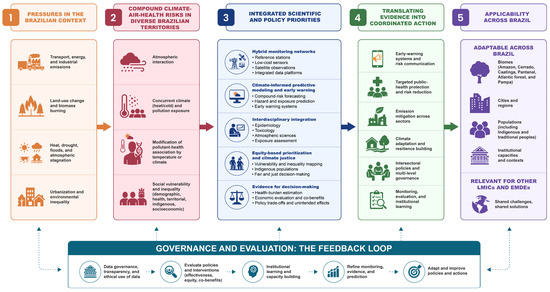
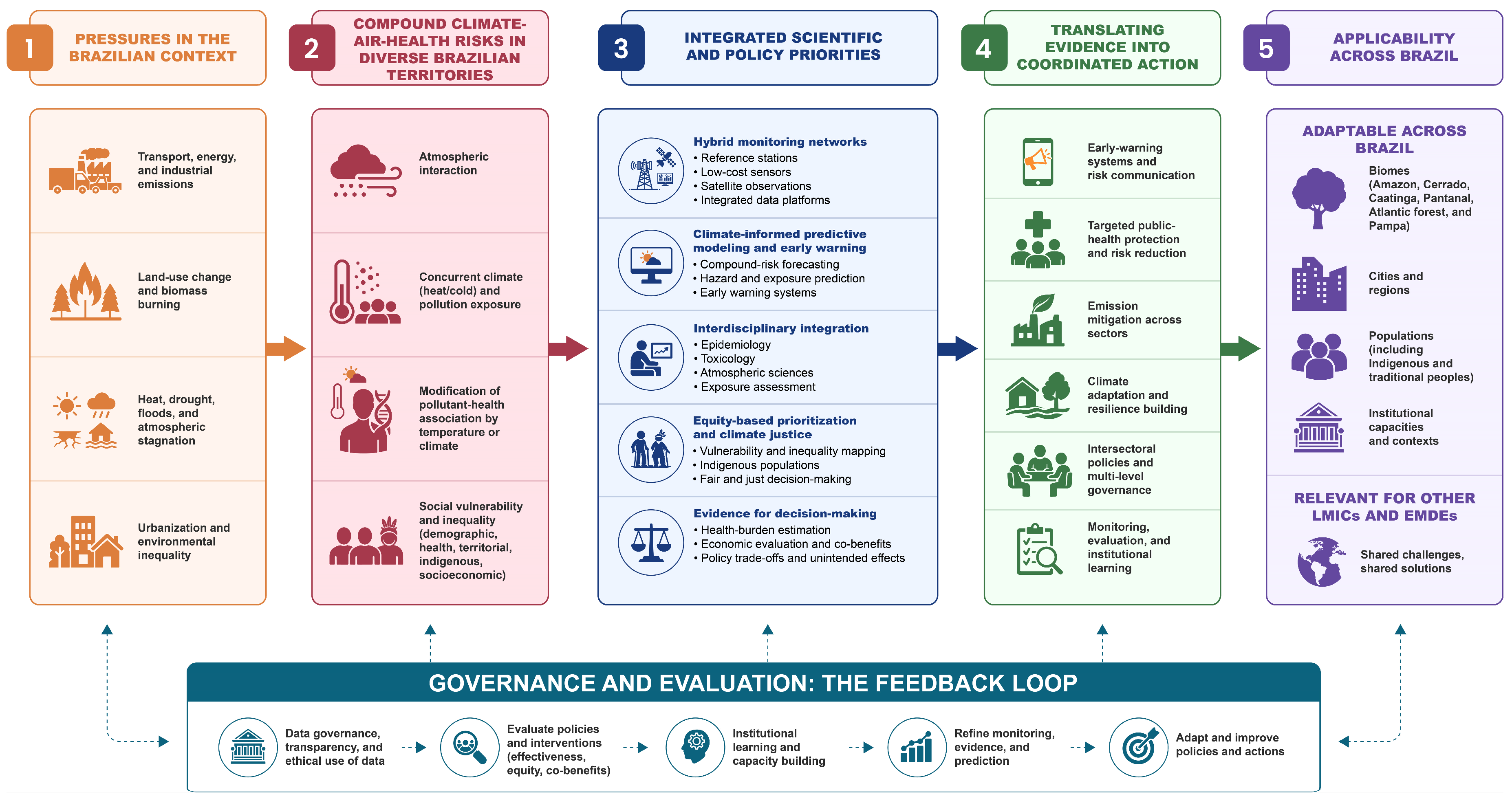

Disclaimer/Publisher’s Note: The statements, opinions and data contained in all publications are solely those of the individual author(s) and contributor(s) and not of MDPI and/or the editor(s). MDPI and/or the editor(s) disclaim responsibility for any injury to people or property resulting from any ideas, methods, instructions or products referred to in the content. |
© 2026 by the authors. Licensee MDPI, Basel, Switzerland. This article is an open access article distributed under the terms and conditions of the Creative Commons Attribution (CC BY) license.