


Abstract
In this study, the in situ solvothermal synthesis of a copper-based metal–organic framework (Cu-BTC MOF) into two porous ceramic substrates with a 10 cm diameter and 2 cm thickness was reported. X-ray diffraction (XRD), Fourier transform infrared (FT-IR) spectroscopy, diffuse reflectance spectroscopy (DRS), Tauc plot analysis, optical microscopy, scanning electron microscopy (SEM), and transmission electron microscopy (TEM) were the techniques that were utilized to verify the formation and incorporation of the MOF into ceramics (two samples, with different SiO2 particles; 500 µm (Ceramic 1), and 150 µm (Ceramic 2)). The synthesized Cu-MOF exhibited a crystalline structure. Both the composites and the Cu-MOF exhibited visible-light absorption, with optical band gaps of 2.5 eV and 2.4 eV, respectively, as determined by DRS. TEM images demonstrated that crystalline MOF domains were successfully included inside the ceramics. Methyl orange (MO), Congo red (CR), and methylene blue (MB) were used to assess the composites’ ability to remove dyes. Catalytic hydrogenation, powered by in situ hydrogen production from NaBH4 hydrolysis, demonstrated high removal efficiencies of 91–97% after 60 min. Adsorption, on the other hand, was ineffective. Despite undergoing four consecutive cycles without performance degradation, the materials demonstrated remarkable recyclability. Cu-MOF@ceramic composites are effective, durable, and practically applicable for improved wastewater treatment.
1. Introduction
Ceramics constitute one of the oldest categories of engineered materials, typically characterized as inorganic, non-metallic solids formed by shaping and subsequent heat treatment of natural or manufactured raw materials [1,2]. Owing to their exceptional characteristics, such as high hardness, remarkable thermal stability, superior chemical resistance, and significant mechanical strength, ceramics have been extensively used in structural components, construction materials, and biomedical implants, as well as in advanced technological domains such as electronics, energy storage, and catalysis [3]. In recent decades, advancements in processing techniques and material design have broadened the applications of ceramics from conventional products (e.g., tableware and bricks) to sophisticated ceramic systems such as alumina, zirconia, and silicon carbide, which are engineered for rigorous industrial applications requiring high performance and durability [4]. Silicon-based ceramic coatings have been engineered to offer protection against high-temperature oxidation [5]. The mechanical strength and toughness of ceramics have been enhanced by the inclusion of reinforcing additives, such as carbon-based compounds [6]. Silicon carbide (SiC) ceramic membranes, when integrated with pre-ceramic polymers, provide superior retention efficiency and remarkable corrosion resistance in membrane technology [7]. Ceramic–polymer composites have been explored as potential electrolytes for solid-state batteries [8] and as functional materials in supercapacitors [9], underscoring the increasing significance of ceramics in advanced energy storage systems. Ceramics can be produced using many shaping techniques, including modern methods such as three-dimensional (3D) printing, which provide intricate geometries and customized microstructures [10,11,12]. Moreover, ceramics are widely used in multilayer ferroelectric capacitors [13], corrosion-resistant coatings [14], thermal management and cooling systems [15], and electromagnetic wave-absorption applications [13]. These varied advancements highlight the adaptability and ongoing advancement in ceramic materials across traditional and advanced technological domains.
Metal–organic frameworks (MOFs) are crystalline porous materials composed of metal nodes and organic linkers, garnering considerable interest due to their large surface area, customizable pore structures, and chemical versatility [14,15,16,17,18]. The synthesis of MOFs has been extensively studied; however, developing scalable processing procedures to integrate these materials into functional structures remains a substantial challenge for their practical applications in catalysis, gas storage, separation, sensing, and energy devices [19,20,21,22,23,24,25]. Diverse processing approaches have been employed to transform MOF powders into structured, mechanically stable, and application-specific forms to address this issue [26,27,28,29]. Among them, 3D printing has emerged as a powerful technique for producing MOF-based structures with exact geometry and hierarchical porosity [30,31]. Typically, polymers serve as printable matrices into which MOF powders or precursors are incorporated. Electrospinning is a versatile process that enables the production of nanofibers containing MOFs [32,33,34]. Freeze-drying (lyophilization) offers a technique for generating lightweight, porous MOF aerogels and monoliths. These solutions bridge fundamental MOF chemistry and device-level applications, enabling the construction of tailored structures that enhance MOFs’ intrinsic properties and meet the requirements for scalability, mechanical stability, and processability.
The natural powders of MOFs limit their wide application. Thus, several methods exist for processing MOF powder into commercial products. One of these methods is the integration of ceramic materials [4]. Digital Light Processing (DLP) was reported for the production of porous mullite (3Al2O3·2SiO2) substrates for MOFs [35]. Nanocarbons derived from MOFs were used as a reinforcing phase in ceramic composites [36]. Several MOFs have been reported as carbon sources and reinforcement materials, including ZIF-8 [6] and ZIF-67 [37]. MOFs@ceramics were reported for forward osmosis [38], water treatment [39], seawater desalination [4], heterogeneous catalysis [40], and carbon dioxide (CO2) capture [41].
Water contamination has become a significant global issue due to accelerated industrialization, urbanization, and population growth. Synthetic dyes are a significant category of water contaminants due to their elevated toxicity, persistence, and probable carcinogenic and mutagenic properties. These pollutants pose significant threats to aquatic ecosystems and human health, necessitating the development of effective remediation solutions. A variety of strategies have been used to eliminate dyes from wastewater, including adsorption [42], photocatalysis [43,44], and catalytic degradation [42]. Membrane-based technologies have garnered significant attention among these approaches. Composite membranes exhibit superior dye-rejection efficiency and better antifouling characteristics, rendering them viable options for long-term wastewater treatment applications [43]. The increasing demand for economical and sustainable wastewater treatment solutions has prompted research into low-cost alternative adsorbents that have high removal efficiency and excellent recyclability [44,45]. The creation of these materials is crucial for achieving practical scalability and economic viability, particularly in resource-constrained areas [46]. These techniques can expedite innovation and enhance the sustainable management of water resources. However, additional efforts are needed to refine removal technologies, enhance material performance, and develop more effective, durable, and eco-friendly treatment systems [47].
Herein, a copper-based MOF was synthesized in situ on two different ceramic substrates, designated ceramic 1 and ceramic 2 (circular monoliths with diameters of 10 cm and thickness of 2 cm, with different silica particle sizes). This method facilitated the direct incorporation of the active MOF phase into the ceramic matrix, improving structural stability and enabling water treatment applications. The resultant composite materials were thoroughly analyzed via X-ray diffraction (XRD) to ascertain crystalline structure, Fourier transform infrared (FT-IR) spectroscopy to identify functional groups and verify MOF incorporation, and scanning electron microscopy (SEM) and transmission electron microscopy (TEM) to investigate surface morphology and microstructural characteristics. Optical microscopy was used to assess surface uniformity, while diffuse reflectance spectroscopy (DRS) and Tauc plot analysis were performed to characterize optical properties and estimate band gap energies. The produced materials were assessed for their adsorption and catalytic hydrogenation capabilities concerning typical organic pollutants, namely methyl orange (MO), Congo red (CR), and methylene blue (MB). The composites exhibited removal efficiency of 91–97%, ensuring high catalytic activity toward dye compounds. Furthermore, recyclability assessments demonstrated remarkable stability, with the materials maintaining performance across four successive cycles without significant degradation in efficiency. These findings validate the efficacy of the synthesized copper-based MOF/ceramic composites as reusable systems for wastewater treatment.
2. Results and Discussion
2.1. Material Synthesis and Characterization
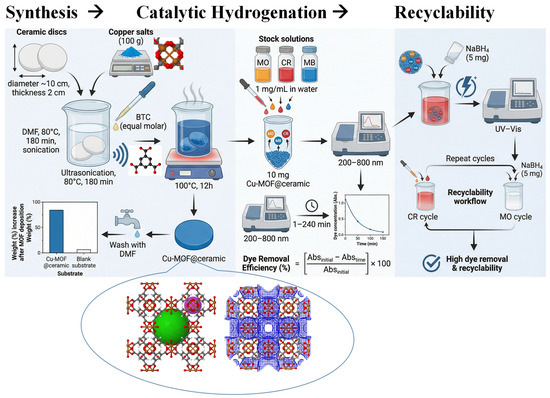
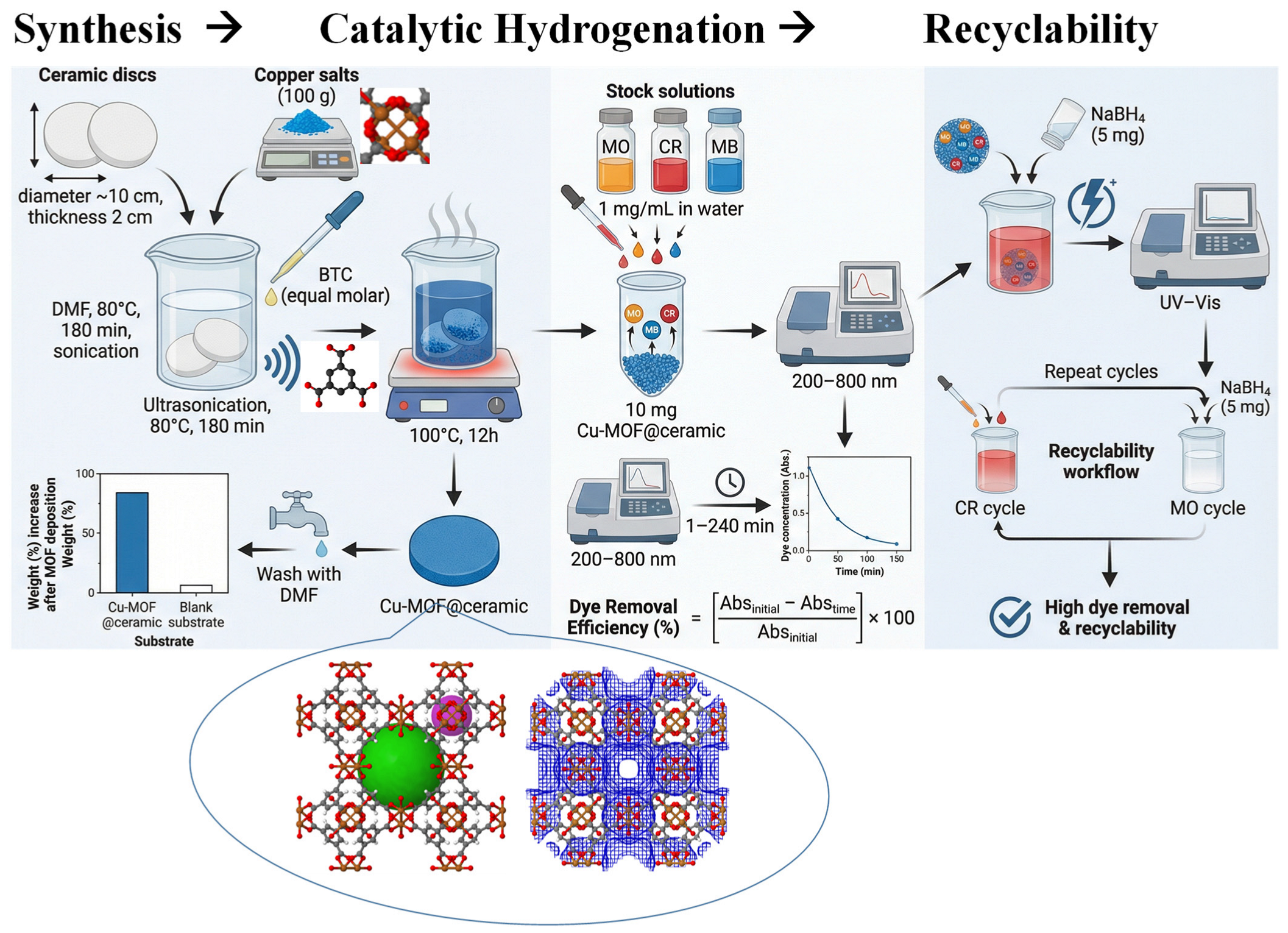
Figure 1 illustrates the solvothermal synthesis technique employed for the in situ formation of Cu-MOF between two ceramic substrates. The synthesis process involved the coordination of copper ions with the organic linker BTC, followed by polymerization, yielding the Cu-BTC framework. Initially, the two ceramic monoliths (circular disks having a diameter of 10 cm and a thickness of 2 cm) were immersed in DMF and subjected to sonication to ensure sufficient solvent penetration and surface activation. Thereafter, copper salt was introduced to the solution, accompanied by an additional 180 min of sonication at 80 °C to promote homogeneous dispersion and interaction with the ceramic surface. An equimolar amount of BTC linker was then incorporated, and the reaction mixture was heated for 12 h under solvothermal conditions at 100 °C. A unique blue precipitate emerged during the procedure, signifying the formation of the Cu-BTC MOF. Concurrently, the ceramic substrates demonstrated a color transition to blue, confirming the in situ incorporation and formation of the MOF within and on the ceramic structure. The resulting composites were purified with DMF to remove any unreacted precursors and loosely adherent particles.
Figure 1.
Scheme for MOF@Ceramic synthesis.
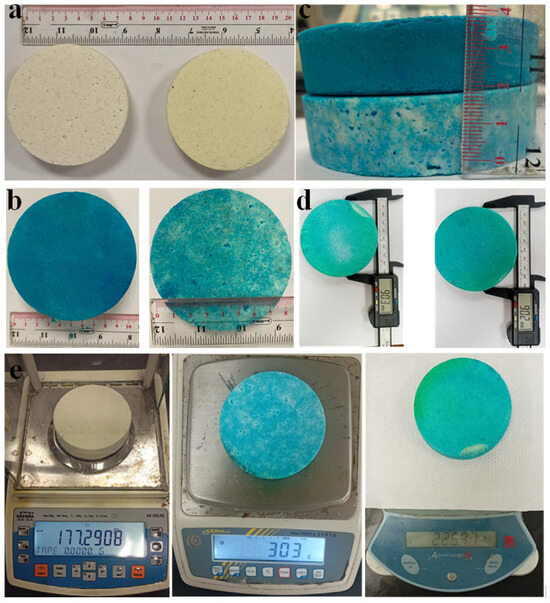
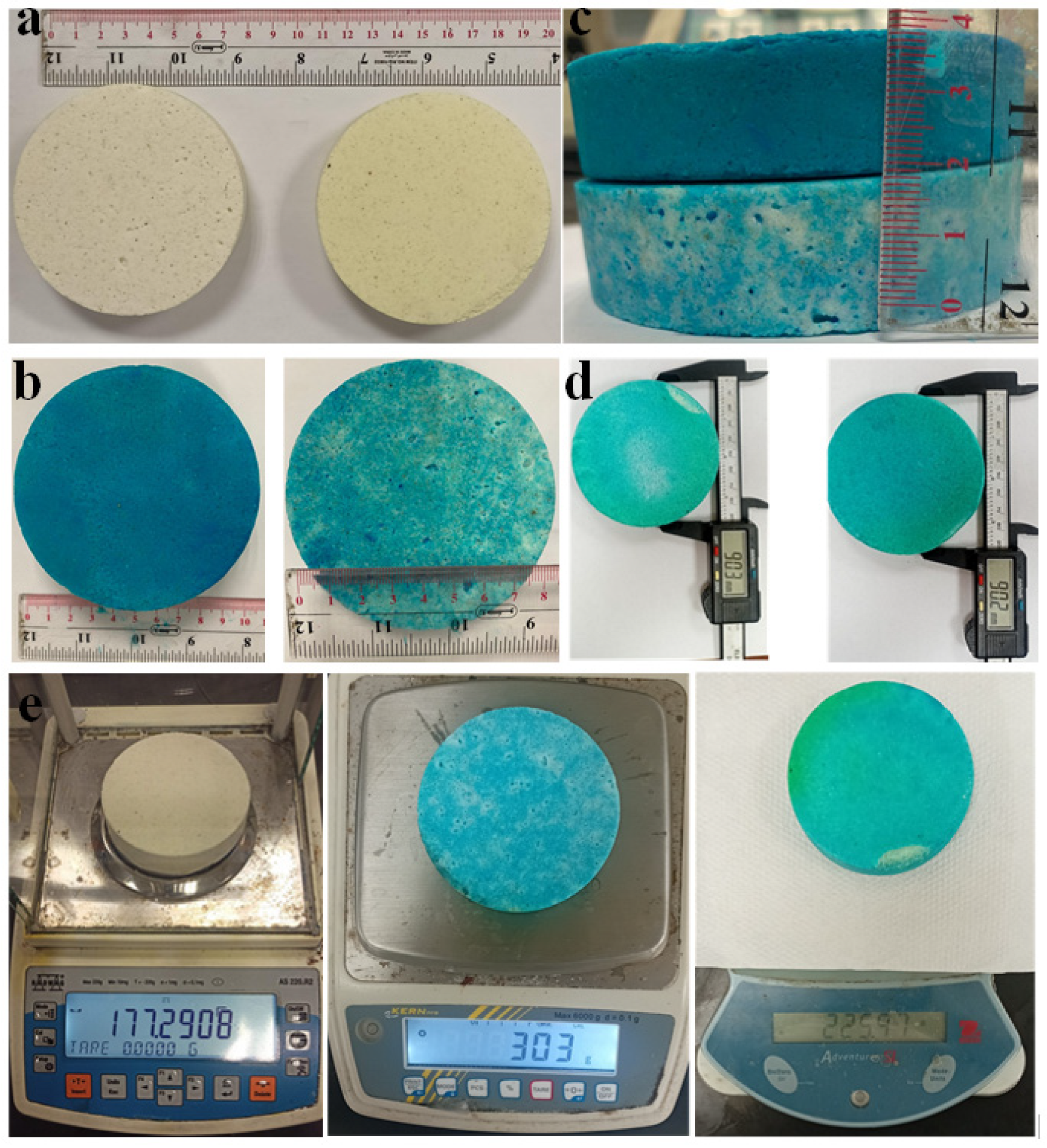
The visual characteristics of ceramics were evaluated before and after MOF growth to verify satisfactory integration. Figure 2a shows that the pristine ceramics were white. Following the solvothermal synthesis, the substrates exhibited a pronounced blue color, providing unequivocal visual confirmation of the in-situ formation of Cu-MOF within the ceramic matrix (Figure 2b). The color change indicates the formation of the copper-based framework and demonstrates its successful incorporation into the ceramic structure. The macroscopic size of ceramics remained constant after MOF synthesis. The thickness (2 cm) and diameter (10 cm) were maintained, as depicted in Figure 2c,d, indicating that the synthesis procedure did not undermine the structural integrity or geometry of the ceramic supports. The amount of MOF deposited on the ceramic substrates was determined by calculating the percentage increase in weight relative to the initial ceramic supports (Figure 2e). This gravimetric technique yielded an evaluation of the MOF loading efficiency in each ceramic matrix. The observed weight differences indicated a Cu-MOF loading of 21% for ceramic 1 and 41% for ceramic 2.
Figure 2.
(a) pristine ceramics, (b) MOFs@ceramics, (c) thickness, (d) diameter, and (e) weight of ceramics before and after MOF synthesis.
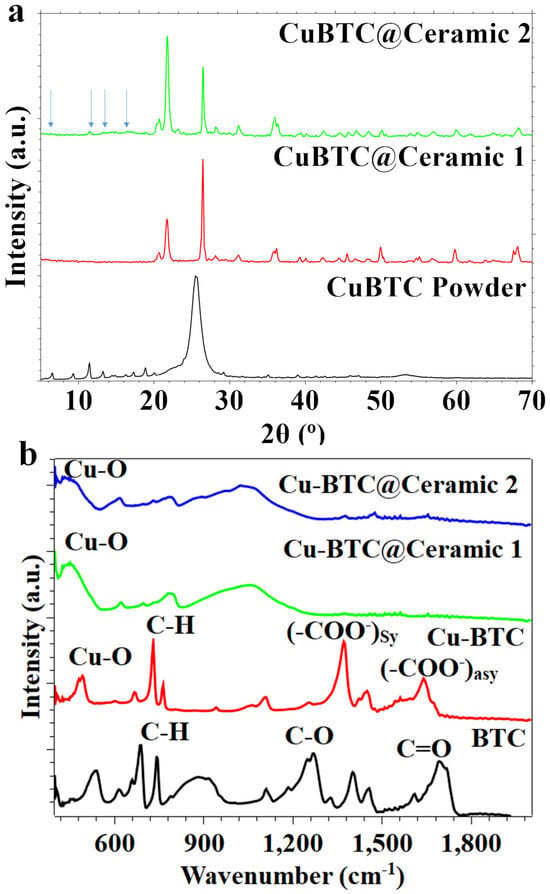
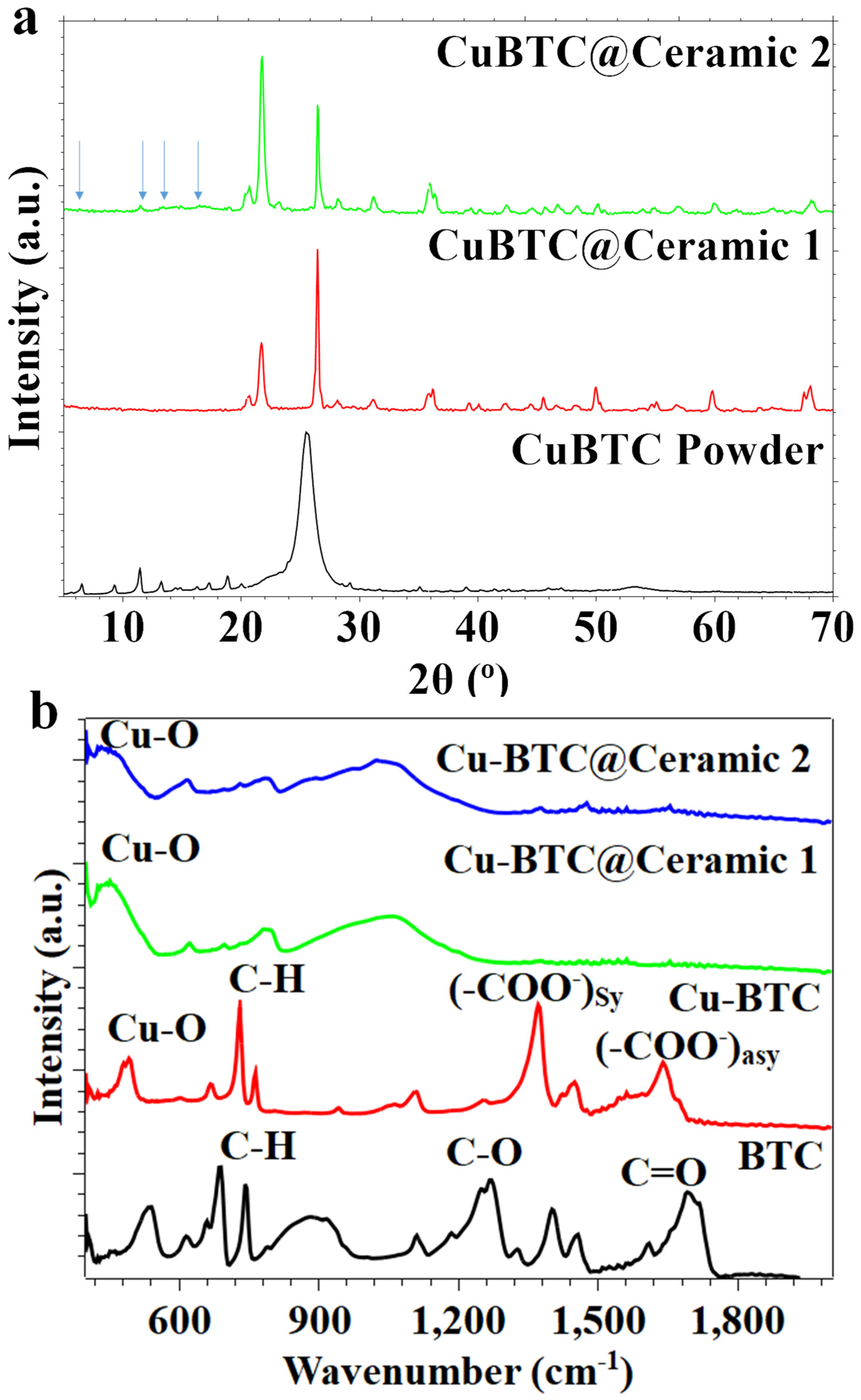
The XRD patterns of the produced Cu-MOF powder and Cu-MOF@ceramic composites were examined to verify phase formation and structural integrity, as illustrated in Figure 3a. The XRD pattern of the Cu-MOF powder displays distinctive diffraction peaks at Bragg angles (2θ) of 6.5°, 9.2°, 11.4°, 13.2°, 14.4°, 14.7°, 16.2°, 17.2°, 18.8°, and 20.0°. These diffractions align with the crystalline structure of the Cu-BTC MOF, validating the synthesis of the copper MOF via solvothermal processing. For the Cu-MOF@ceramic composites, identical characteristic peaks are observed, moreover their reduced intensities. The decrease in peak intensity is due to the lower concentration of the MOF phase within the ceramic matrix and/or to the presence of highly crystalline ceramic components that dominate the diffraction pattern. Background reflections from the ceramic substrates may obscure MOF signals, thereby reducing peak intensities. The XRD data confirms the integration of crystalline Cu-BTC MOF into the ceramic supports while preserving the framework’s structural characteristics.
Figure 3.
Characterization using (a) XRD, Arrows highlight MOF peaks, and (b) FT-IR.
The functional groups of the BTC linker, Cu-MOF, and Cu-MOF@ceramic composites were analyzed using FT-IR spectroscopy, as seen in Figure 3b. The FT-IR spectra of the free BTC linker display a significant absorption band at 1748 cm−1, corresponding to the stretching vibration of the protonated carboxylic acid group (C=O). Supplementary bands at 1413 cm−1 are attributed to O–H bending vibrations of the carboxylic acid, whilst the band at 1266 cm−1 is designated for C–O stretching vibrations. The peaks at 745 cm−1 and 679 cm−1 correspond to out-of-plane bending vibrations of the aromatic C–H bonds in the benzene ring. The coordination with copper ions and the formation of the Cu-MOF structure result in the disappearance of the distinctive band at 1748 cm−1, indicating the deprotonation of carboxylic acid groups and their coordination to Cu2+ ions. Bands at 1637 cm−1 and 1377 cm−1 are attributed to the asymmetric and symmetric stretching vibrations of coordinated carboxylate groups (–COO−), respectively. The distinction between these two bands further corroborates the coordination of copper ions by the BTC linker. A band at 484 cm−1 is ascribed to Cu–O stretching vibrations, hence affirming the establishment of metal–ligand connections inside the framework. In the Cu-MOF@ceramic composites, numerous characteristic Cu-MOF bands are preserved with low intensities due to the ceramic matrix. The sustained presence of the coordinated carboxylate and Cu–O bands verifies the effective integration of the copper-based MOF into the ceramic substrates.
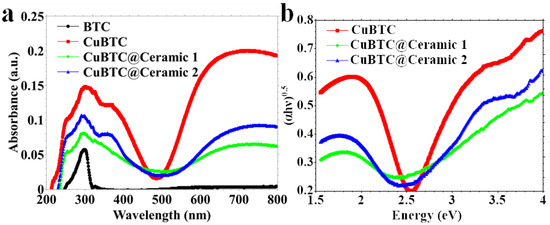
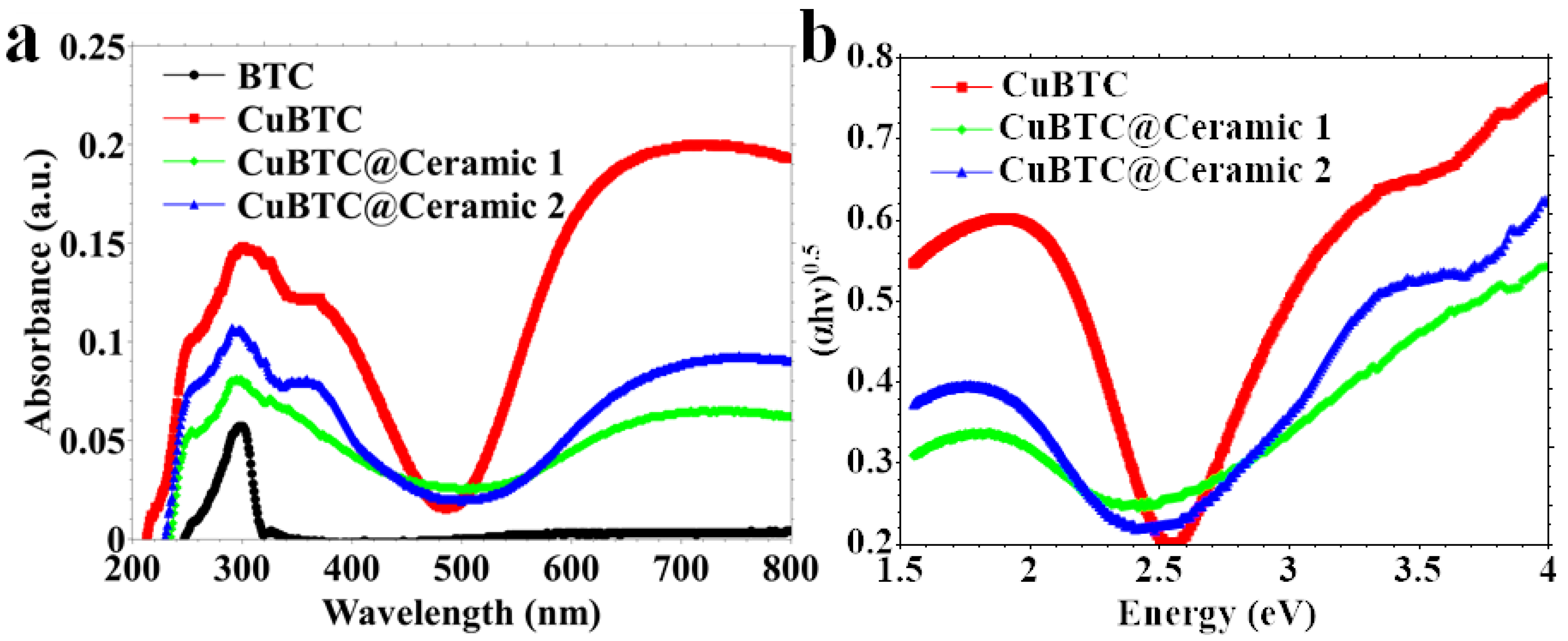
The optical characteristics and color variations in the materials were examined by DRS (Figure 4a) and subsequent Tauc plot analysis (Figure 4b). The DRS spectra of the BTC linker exhibit an absorption band at 297 nm in the UV range. This absorption behavior elucidates the colorless nature of the organic linker, as it does not absorb substantially in the visible region.
Figure 4.
(a) DRS and (b) Tauc plots.
The DRS spectra of Cu-BTC MOF and Cu-MOF@ceramic composites exhibit similar absorption profiles, indicating that the MOF’s optical properties are retained upon integration into the ceramic substrates (Figure 4a). The DRS analysis indicates pronounced absorption features in the visible spectrum, with distinct bands observed between 240 and 445 nm and 500–800 nm (Figure 4a). The visible-range absorption accounts for the blue color of both the Cu-MOF powder and the MOF-functionalized ceramics, attributed to ligand-to-metal charge-transfer (LMCT) and d–d transitions of Cu2+ ions within the framework.
The optical band gap energies were calculated from Tauc plots derived from DRS data (Figure 4b). The determined band gap values were around 2.5 eV for Cu-MOF and 2.4 eV for Cu-MOF@ceramics. The minor decrease in the composite material’s band gap may be attributed to interactions between the MOF and the ceramic matrix. The results confirm that integrating Cu-MOF into ceramics preserves its optical properties and visible-light absorption capabilities.
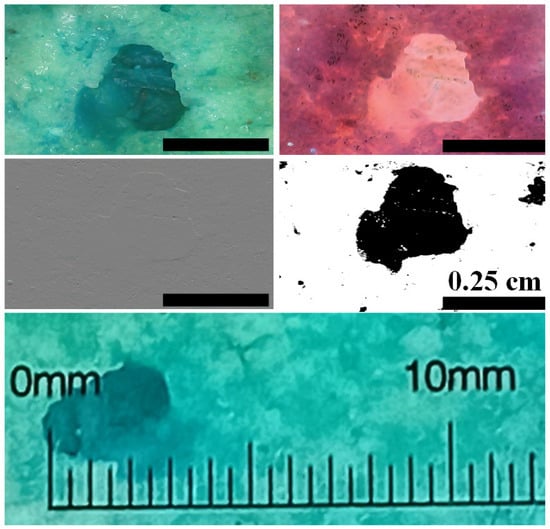
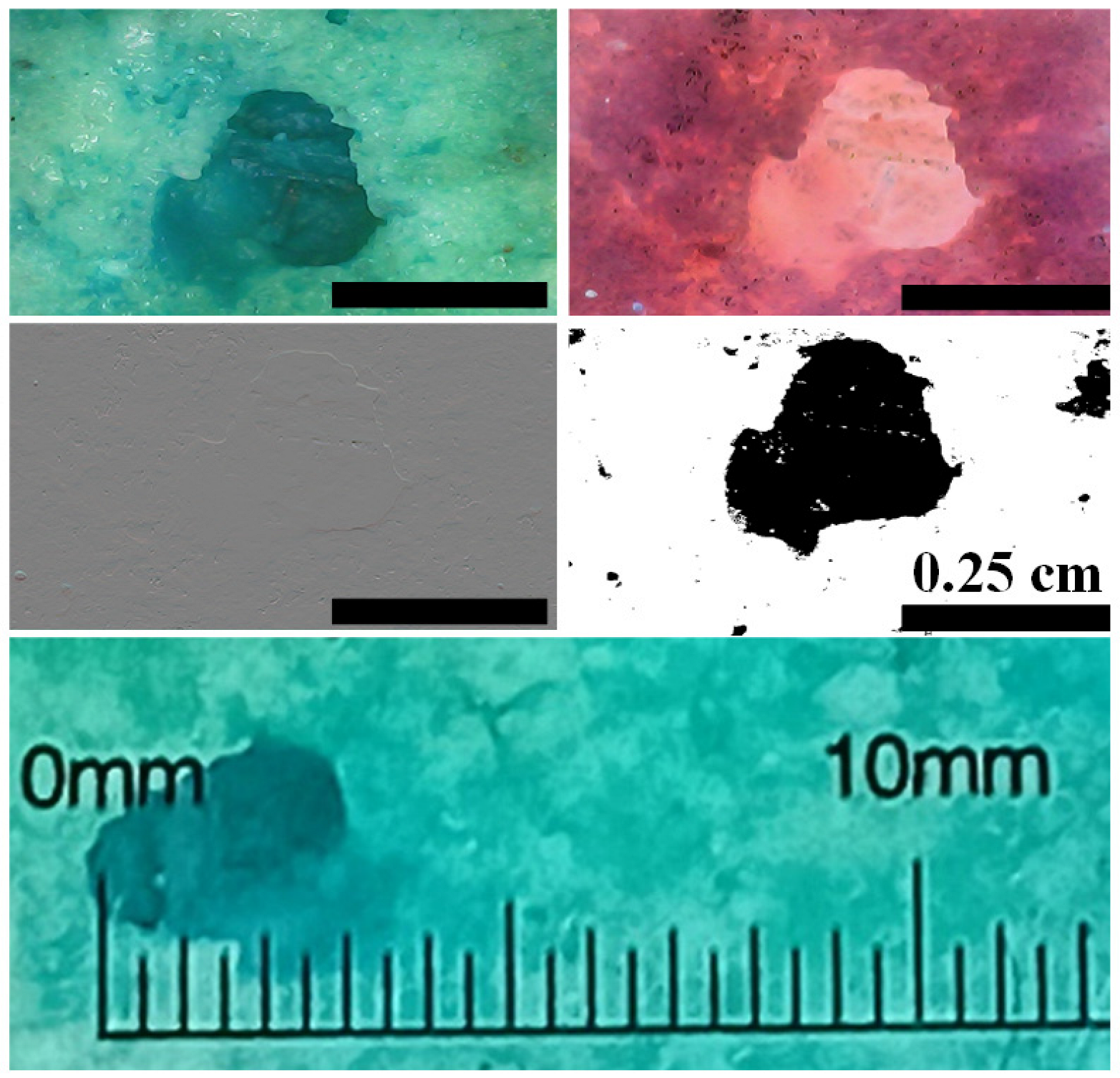
Optical microscopy was utilized to analyze the surface properties of the Cu-MOF@ceramic composites using various imaging modes (Figure 5). Macroscopic photographs of the exterior surfaces exhibit a consistent blue color, corroborating the successful in situ synthesis of the Cu-MOF on the ceramic substrates. The surfaces retain their inherent porous structure, with distinctly observable pores averaging about 0.250 cm in diameter. This macroporosity enhances fluid permeability and facilitates mass transfer in adsorption and catalytic applications. Optical microscope photos at higher magnification further illustrate a uniform distribution of the Cu-MOF on the ceramic surfaces. No notable aggregation or irregular deposition is observed, indicating efficient anchoring and consistent coverage of the MOF within the porous ceramic matrix.
Figure 5.
Optical microscopy characterization using different modes.
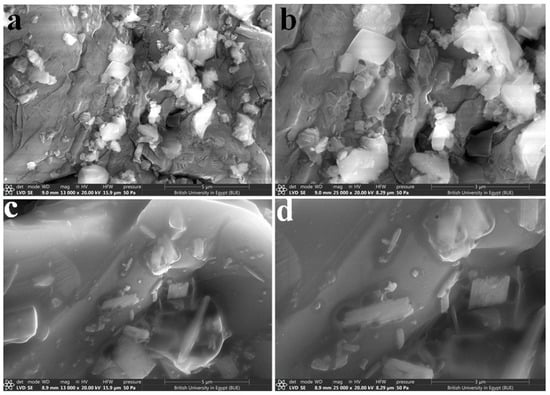
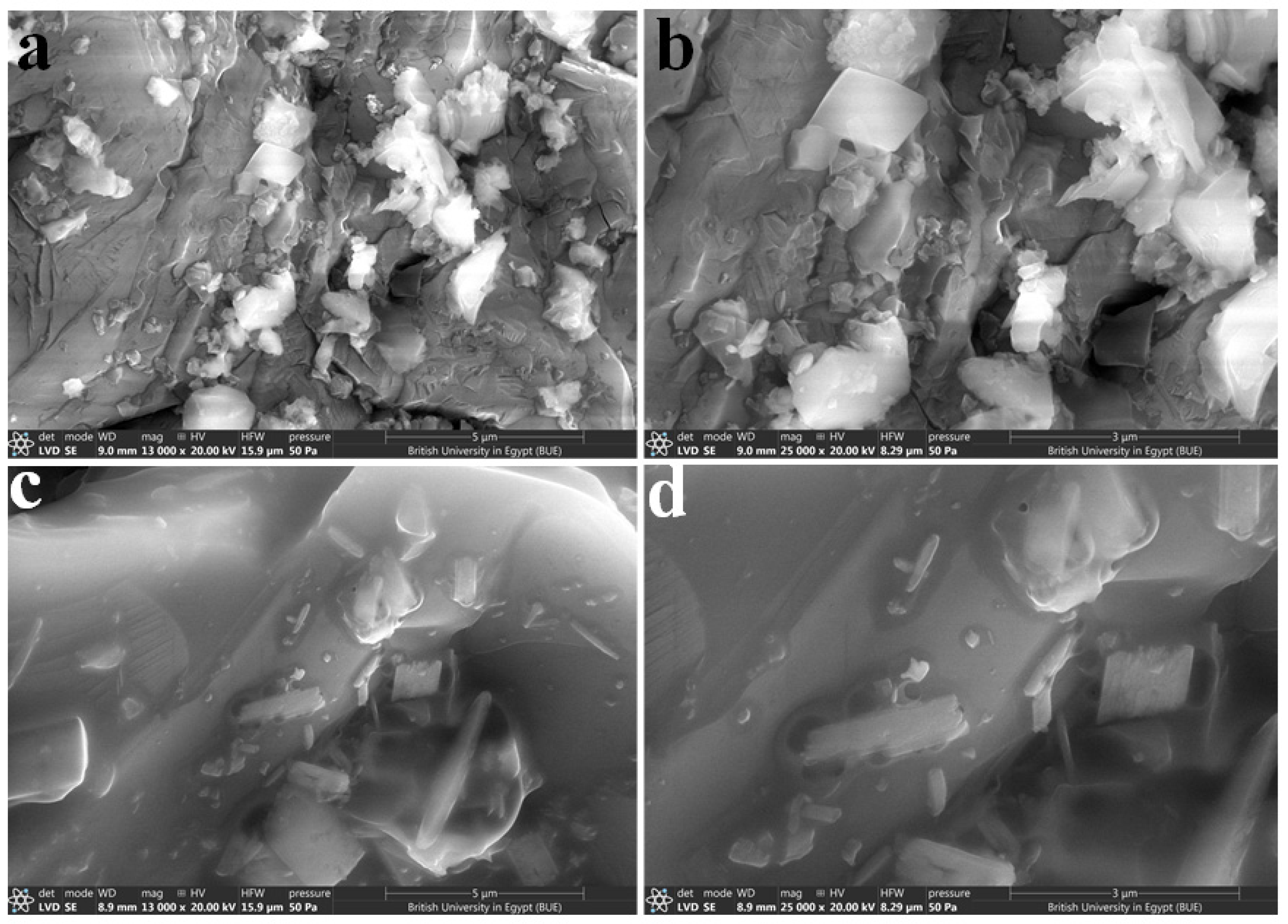
The surface morphology and structural integration of the MOF with the ceramic substrate were meticulously analyzed using SEM, concentrating on two specific composite materials, labeled MOF@ceramic 1 and MOF@ceramic 2, with their corresponding morphologies illustrated in Figure 6a–d. SEM imaging corroborates the incorporation of the MOF phase into the ceramic structures, with comprehensive data analysis indicating that the MOF crystals are substantially embedded within the ceramic materials’ porous matrix, suggesting robust interfacial interactions that enhance mechanical stability. The MOF@ceramic 1 composite (Figure 6a,b) displays uniform coverage with a rough surface, featuring well-defined, intergrown MOF crystals that form a continuous layer adhering to the substrate’s features, thus enhancing the effective surface area. Conversely, MOF@ceramic 2 (Figure 6c,d) exhibits an alternative surface design in which the MOF crystals are embedded, albeit with less uniform coverage and varying crystal morphology; yet, the rough surface is apparent, affirming the presence of exposed MOF crystallites. The embedding of MOF crystals suggests increased durability to mechanical abrasion and improved interfaces for synergistic effects. At the same time, the consistently rough surface morphology confirms the exposure of the microporous MOF structure, ensuring the accessibility of active sites for catalytic or adsorption applications.
Figure 6.
SEM images at different magnifications for (a,b) MOF@ceramic 1 and (c,d) MOF@ceramic 2.
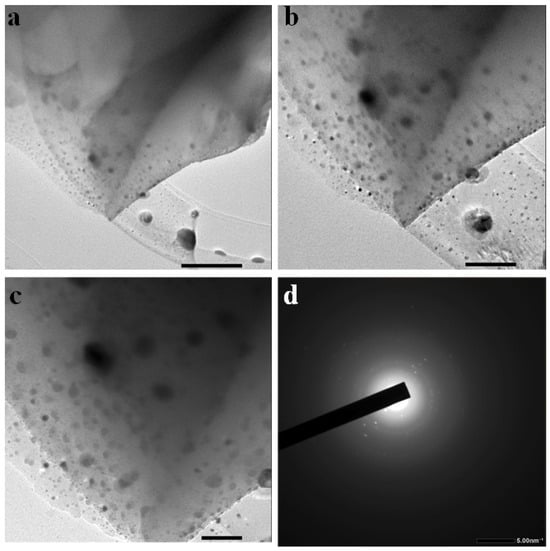
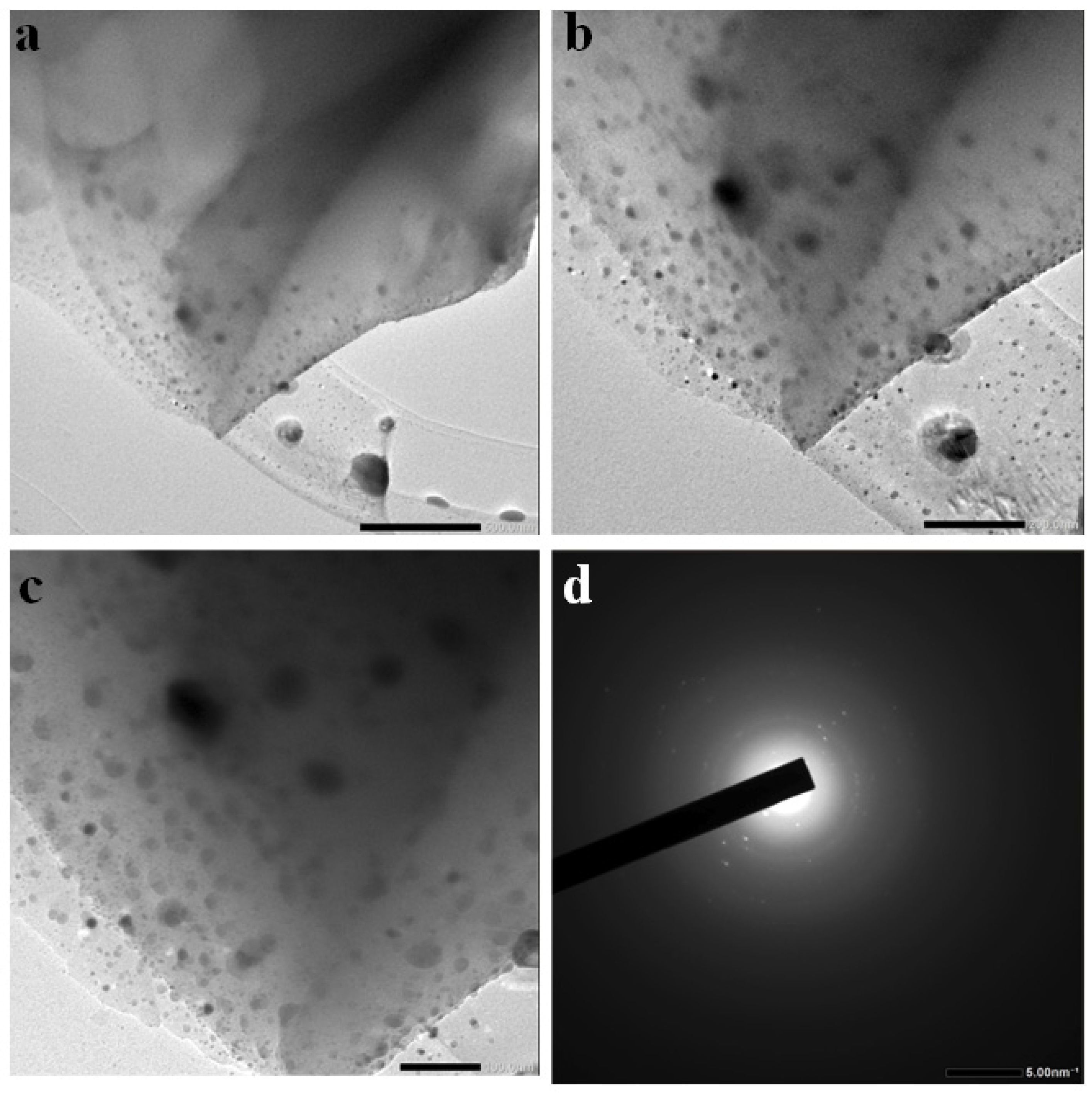
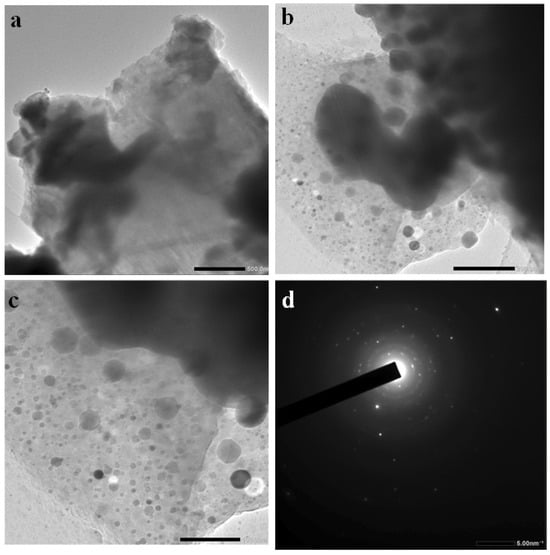
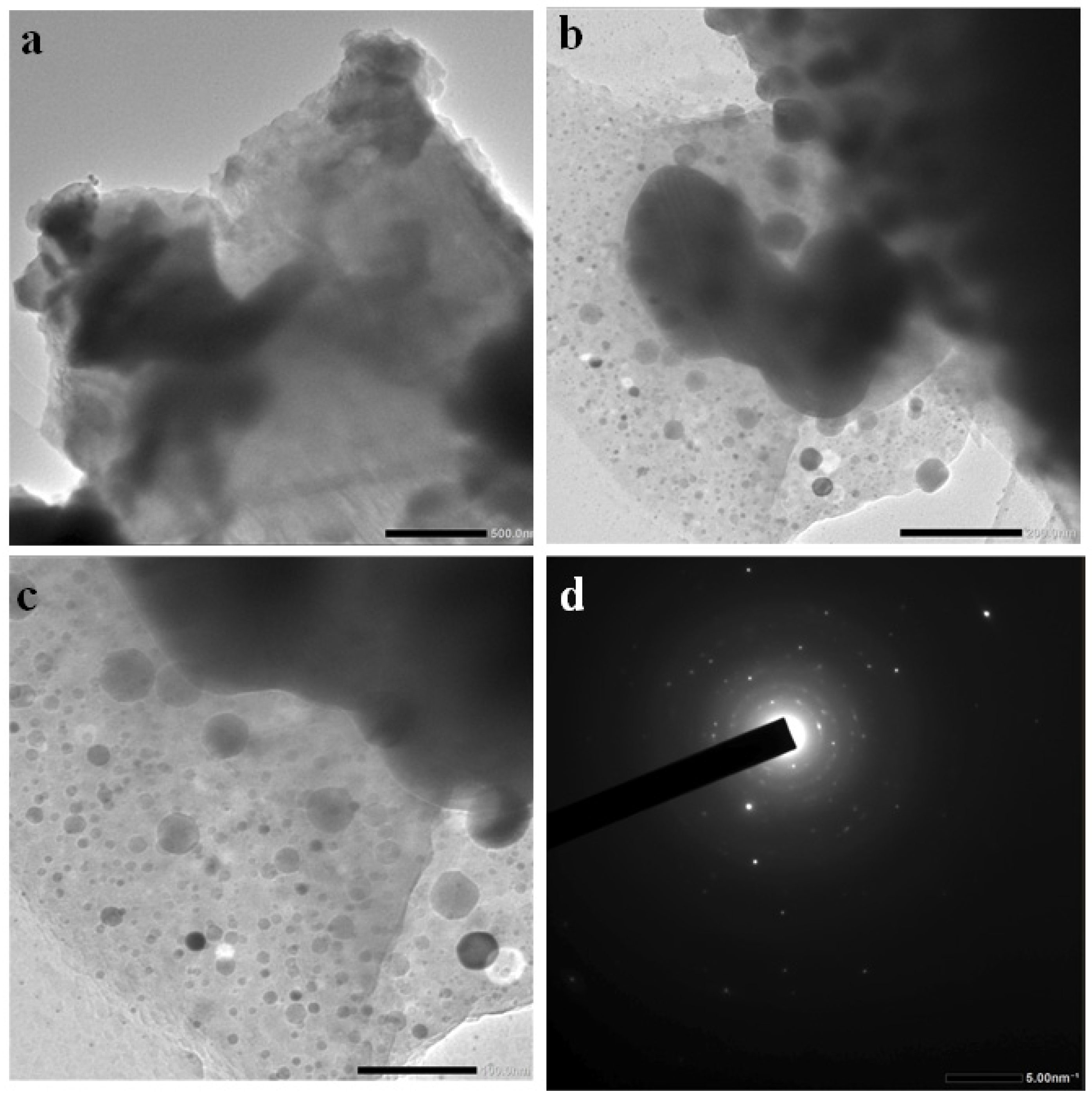
The structure, particle sizes, and crystallinity of the composites were further analyzed using TEM, with MOF@ceramic 1 illustrated in Figure 7 and MOF@ceramic 2 in Figure 8 at different magnifications. The images at reduced magnification (Figure 7a–c for MOF@ceramic 1 and Figure 8a–c for MOF@ceramic 2) unequivocally demonstrate that the Cu-MOF particles are successfully incorporated into the ceramic matrices, corroborating the close integration observed in the SEM analysis and highlighting the stability of the composite structure. Higher-magnification TEM images (Figure 7d and Figure 8d) reveal a significant detail about the nature of these materials, showing areas of low crystallinity that may correspond to amorphous components of the ceramic support, disordered MOF domains, or possible interfacial phases formed during synthesis.
Figure 7.
(a–c) TEM image with different magnifications and (d) SAED for MOF@ceramic 1.
Figure 8.
(a–c) TEM image with different magnifications and (d) SAED for MOF@ceramic 2.
2.2. Dye Removal via Adsorption and Catalytic Hydrogenation
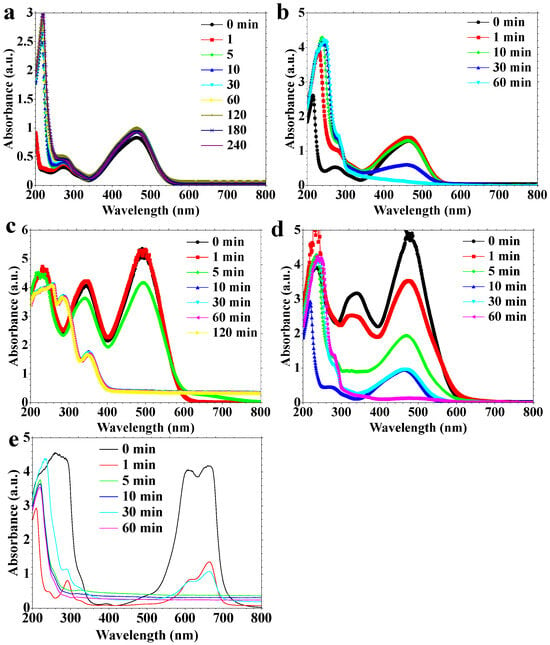
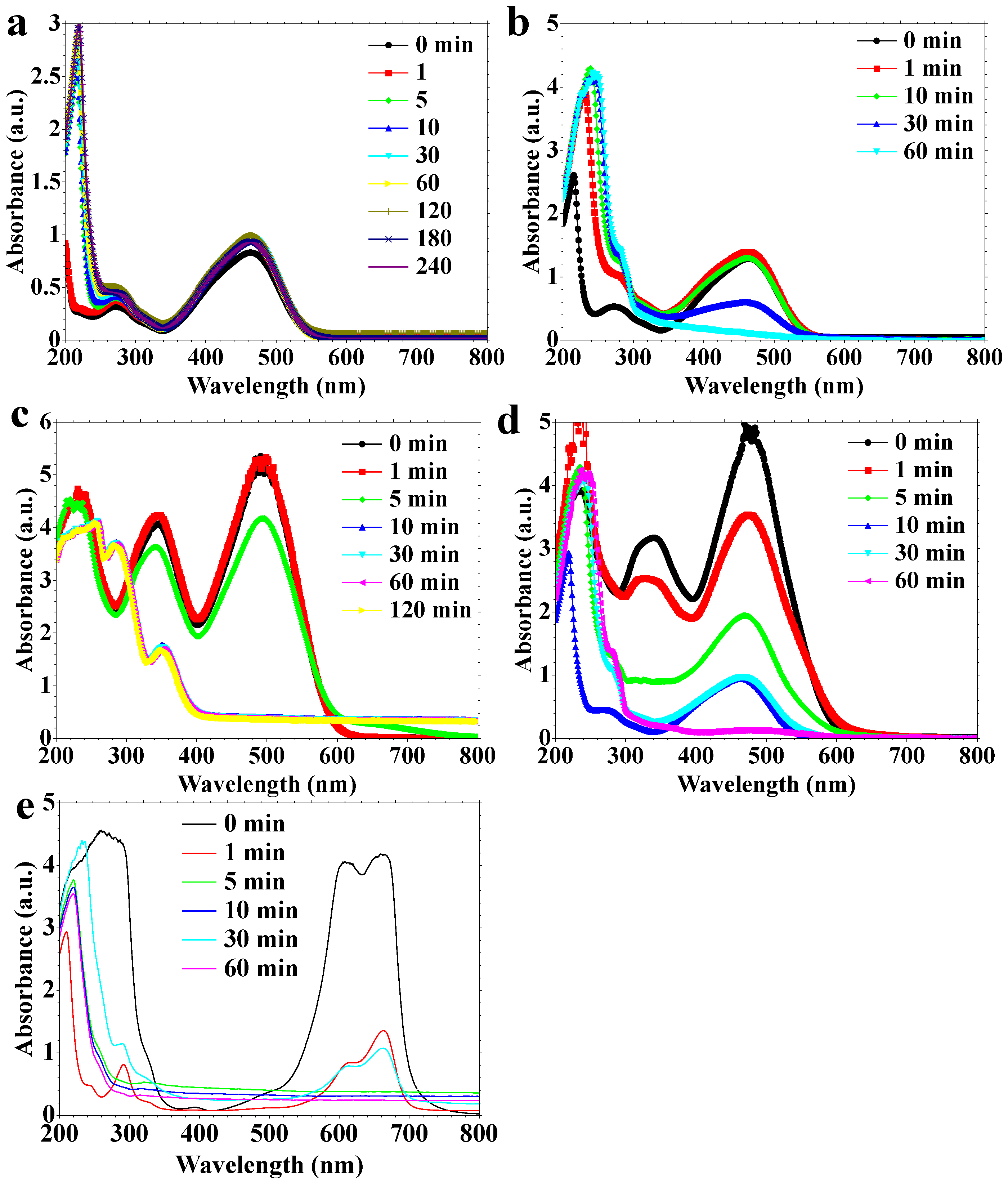
The dye-removal efficacy of the MOF@ceramic composites was systematically examined for three distinct dye species, methyl orange (MO), Congo red (CR), and methylene blue (MB), using both adsorption and catalytic hydrogenation methods, with time-dependent UV-Vis spectra documented in Figure 9. The adsorption experiments demonstrated that the MOF@ceramics were ineffective in adsorbing the investigated dyes, as the UV spectra of methyl orange, which exhibit distinctive absorption bands at 460 nm and 270 nm (Figure 9a), revealed no variation in absorbance over time, signifying the absence of MO adsorption by the MOF@ceramics under the evaluated conditions. Thus, the study shifted to examine dye hydrogenation enabled by in situ-generated hydrogen from the hydrolysis of sodium borohydride (NaBH4), with catalytic hydrogenation efficacy assessed across four distinct systems (Figure 9b–e). The results illustrate the effectiveness of this method, showing the successful hydrogenation of methyl orange (Figure 9b), Congo red (Figure 9c), and methylene blue (Figure 9e) when treated separately, as evidenced by the gradual decline in their characteristic absorbance peaks over time. The composite demonstrated efficacy in a mixed-dye system, catalyzing the simultaneous hydrogenation of methyl orange and Congo red in a single solution (Figure 9d), highlighting its broad catalytic activity and potential for treating complex dye wastewater.
Figure 9.
UV-Vis for (a) MO adsorption, (b) MO hydrogenation, (c) CR hydrogenation, (d) MO + CR hydrogenation, and (e) MB hydrogenation.
Figure 9b illustrates a considerable drop in the visible absorption band at 460 nm that may be observed in the UV-Vis spectra of MO under the influence of hydrogenation over time. In Figure 9c, the UV-Vis spectra of CR exhibit a distinctive absorption band at a wavelength of 475 nm. During catalytic hydrogenation, this band shows a significant decrease in absorbance. The same thing happened with a dye mixture containing MB and CR (Figure 9d). Additionally, methylene blue, a cationic dye, was studied for its potential as a catalyst for hydrogenation (Figure 9e). The UV-Vis spectra exhibit characteristic absorption bands at 605 and 660 nm, as shown in Figure 9e. Because of hydrogenation over MOF@ceramic, these bands exhibit a significant drop in intensity. The results demonstrate the efficacy of this procedure by showing the hydrogenation of methyl orange (Figure 9b), Congo red (Figure 9c), and methylene blue (Figure 9e) when treated independently. These observations were demonstrated by the gradual decrease in the characteristic absorbance peaks of each color over time. It is important to note that the use of NaBH4 did not reduce these dyes [48,49].
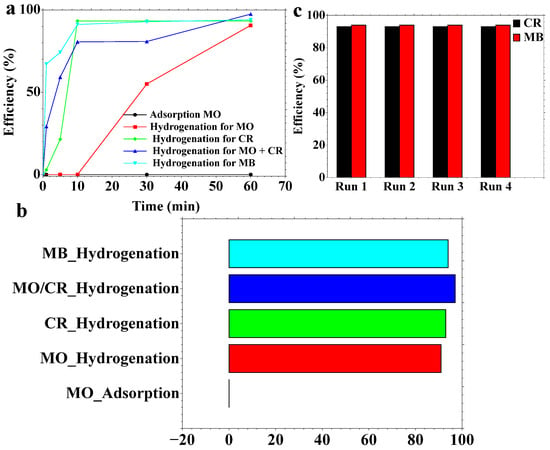
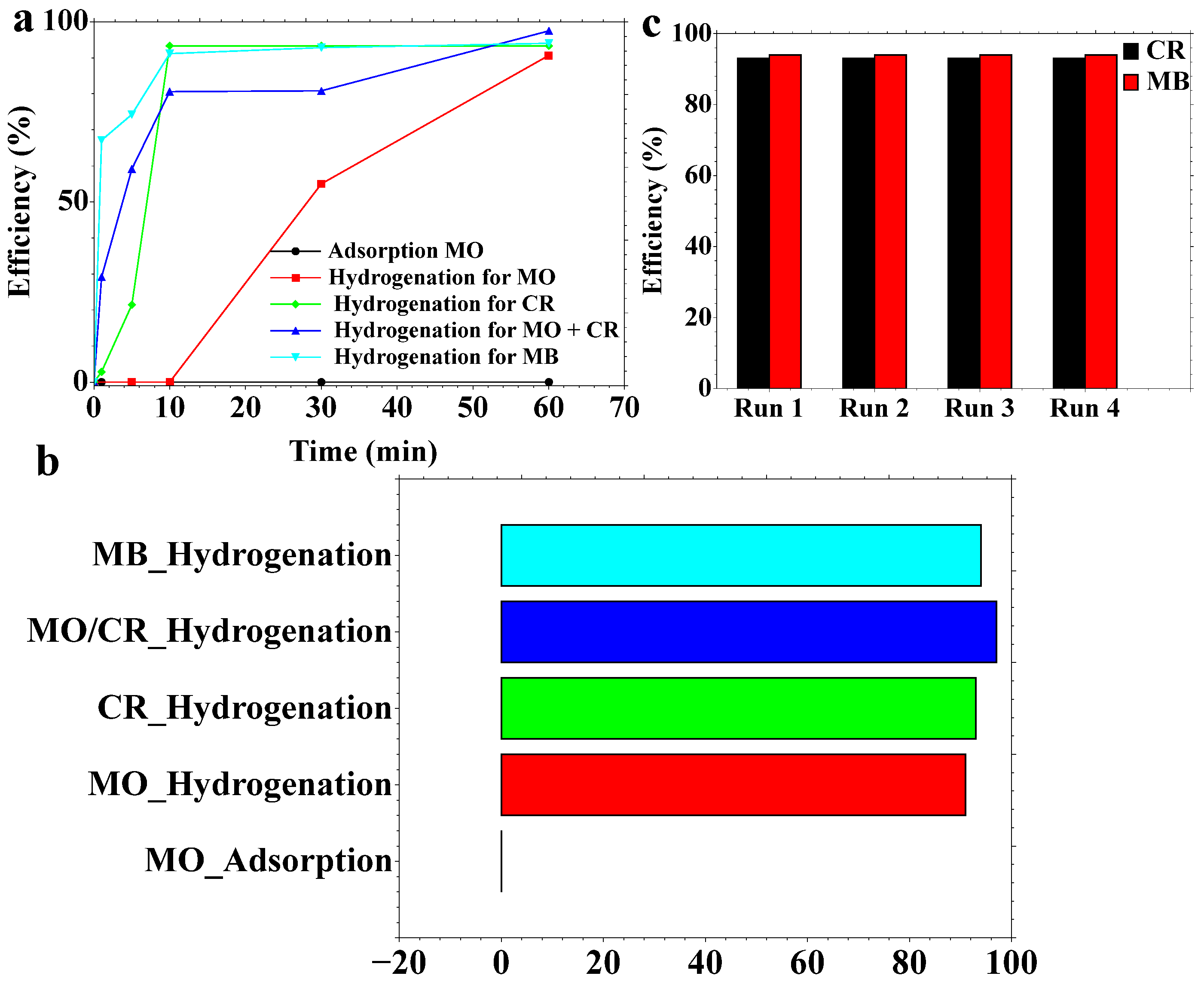
Figure 10a presents the results of a study that was conducted to determine the effectiveness of dye removal for various pollutants. Catalytic hydrogenation increases the amount of dye removed over time, reaching a maximum after 60 min (Figure 10a). Analysis of the data indicates that the removal efficiencies for MO, CR, MO + CR, and MB are 91%, 93%, 97%, and 94%, respectively (Figure 10b).
Figure 10.
(a) kinetic removal of dye, (b) efficiency, and (c) recyclability.
Figure 10c depicts the results of an investigation into the recyclability of CR and MB throughout four successive cycles. After conducting the investigation, the data analysis showed no decrease in the material’s efficiency. Based on this observation, the materials can be recycled without affecting their efficiency.
3. Experimental Section
3.1. Materials and Methods
Copper sulfate (CuSO4·5H2O), 1,3,5-tricarboxylic benzene (BTC), sodium borohydride (NaBH4), methyl orange (MO), Congo red (CR), and methylene blue (MB), and dimethyl formamide (DMF) were purchased from Sigma-Aldrich (Berlin, Germany). Two ceramics (circular, 10 cm in diameter and 2 cm thick) were used. The ceramic samples were fabricated utilizing silica sand, glass powder, and gum as precursor ingredients. Two portions of silica sand with distinct particle sizes were utilized: 133 g of SiO2 with a particle size of 500 µm (Ceramic 1) and 133 g of SiO2 with a particle size of 150 µm (Ceramic 2). Furthermore, 100 g of glass powder and 15 g of gum, both exhibiting particle sizes of 150 µm, were precisely measured. All dry constituents, comprising silica sand, glass powder, and gum, were transferred to a mixing vessel and mixed for 20 min to achieve a homogeneous mixture. Thereafter, 125 mL of deionized water was incrementally added to the mixture under continuous agitation until a homogeneous paste was obtained. The resultant paste was further compressed at 120 bar to form the samples. The pressed samples were sintered at 1100 °C to get the final ceramic materials.
3.2. Synthesis of Cu-MOF@Ceramics
Cu-BTC MOF was grown in situ into two ceramics (circular, 10 cm in diameter and 2 cm thick). They were immersed in 500 mL of DMF and sonicated for 180 min at 80 °C. Copper salts (100 g) were added, and the solution was further sonicated for 180 min at 80 °C. An equimolar amount of BTC was added to the solution and heated at 100 °C for 12 h. A blue precipitate was observed. The ceramics turn blue after the incorporation of MOF. They were washed further with DMF. The deposited amount of MOF was determined by the weight percentage increase relative to the blank substrates.
3.3. Characterization Instruments
XRD patterns were obtained using a Philips 1700 diffractometer (Philips, Amsterdam, Netherlands) with Cu Kα radiation across a Bragg angle (2θ) range of 5° to 70°. TEM, high-resolution TEM (HR-TEM), and selected-area electron diffraction (SAED) analyses were performed using a JEM-2100F (JEOL, Tokyo, Japan). The morphology and elemental content of the samples were analyzed using Field-Emission SEM (FESEM, Quattro S, Thermo Scientific, Waltham, MA, USA). Optical microscopy images were evaluated using digital microscopy (RoHS, Beijing, China). FT-IR spectra were obtained using a PerkinElmer spectrophotometer (PerkinElmer, Waltham, MA, USA). DRS and liquid UV-Vis spectra were obtained using the UV-2600I, spectrophotometer (Shimadzu Corporation, Kyoto, Japan).
3.4. Dye Adsorption and Degradation
Stock solutions of organic dyes, e.g., MO, CR, and MB, were prepared in water at 1 mg/mL.
The adsorption of MO dye was performed on Cu-MOF@ceramic. The material (10 mg) was dispersed in the dye solution. The concentration of dye was followed using a UV-vis spectrophotometer (UV-2600I, Shimadzu Corporation, Kyoto, Japan). Dye removal over time (1–240 min) was monitored by UV-Vis spectroscopy in the 200–800 nm wavelength range.
Dye removal via catalytic hydrogenation was followed adsorption. Typically, Cu-MOF@ceramics were added to dye solutions, e.g., MO, CR, MB, and mixed MO/CR solutions. Sodium borohydride (NaBH4, 5 mg) was added to the dye solution. The dye concentration was evaluated using a UV-Vis spectrophotometer. Dye removal was calculated using the following equation:
Recyclability was evaluated for the CR and MO dye. After dye decolorization, the solution was charged with dye and sodium borohydride. Dye removal was assessed using the same procedure as described above.
4. Conclusions
Cu-BTC MOF was effectively synthesized and grown in situ within two porous ceramic substrates, yielding Cu-MOF@ceramic composites that were both mechanically stable and functionally active. According to the structural characterization, the crystalline framework of the MOF was successfully preserved, and strong coordination between the copper ions and the BTC linkers was observed. Additionally, the composites achieved high MOF loadings (21–41%) while retaining their macroscopic shape. There was significant structural integration between the MOF and ceramic matrices, as demonstrated by microscopic examination. According to microscopic (TEM, SEM, and optical) results, well-embedded MOF crystals formed rough, continuous surface layers, increasing the effective surface area and enhancing the material’s mechanical endurance. Both crystalline MOF domains and regions of low crystallinity were confirmed by TEM and SAED. These regions are most likely associated with interfacial phases or amorphous ceramic components, both of which can alter charge transport and mass transfer. The displayed exceptional catalytic hydrogenation capability is facilitated by hydrogen generated from NaBH4. After only 60 min, high removal efficiencies of 91–97% were achieved for both individual and combined dye systems, with no significant drop in performance across four reuse cycles. In general, this study proposes a scalable technique for integrating MOFs into porous ceramic substrates, yielding long-lasting, reusable, and highly efficient catalytic systems. Strong interfacial contacts, maintained semiconducting properties, and outstanding catalytic activity are among the o that make these composites promising candidates for advanced wastewater remediation and complex dye treatment applications.
Author Contributions
Conceptualization, H.N.A.; methodology, H.N.A.; software, H.N.A.; validation, H.N.A.; formal analysis, H.N.A.; investigation, H.N.A.; resources, H.N.A.; data curation, H.N.A.; writing—original draft preparation, H.N.A.; writing—review and editing, H.N.A. and S.A.A.; visualization, H.N.A.; project administration, H.N.A. All authors have read and agreed to the published version of the manuscript.
Funding
This work was supported and funded by the Deanship of Scientific Research at Imam Mohammad Ibn Saud Islamic University (IMSIU) (grant number IMSIU-DDRSP2602).
Data Availability Statement
All data are presented in the manuscript.
Conflicts of Interest
The authors declare that they have no known competing financial interests or personal relationships that could have influenced the work reported in this paper.
References
- Fan, M.; Wen, T.; Chen, S.; Dong, Y.; Wang, C. Perspectives Toward Damage-Tolerant Nanostructure Ceramics. Adv. Sci. 2024, 11, 2309834. [Google Scholar] [CrossRef] [Scilit] [PubMed]
- Qu, S.; Yang, Y.; Yao, P.; Li, L.; Sun, Y.; Chu, D. Fiber reinforced ceramic matrix composites: From the controlled fabrication to precision machining. Int. J. Extrem. Manuf. 2025, 7, 062004. [Google Scholar] [CrossRef] [Scilit]
- Liu, J.; Zhang, D.; Yan, Y.; Li, Z.; Li, F.; Yang, S. Piezoelectric Ceramic Hardening Through Defect Distribution Optimization in Multicomponent Systems. Adv. Funct. Mater. 2025, 35, 2413130. [Google Scholar] [CrossRef] [Scilit]
- Zhang, Y.; Shi, J.; Fu, Z.; Zheng, Q.; Wang, L.; Jiang, W. Engineering metal–organic frameworks for advanced ceramic composites. J. Am. Ceram. Soc. 2025, 108, e20509. [Google Scholar] [CrossRef] [Scilit]
- Liu, B.; Sun, J.; Guo, L.; Shi, H.; Feng, G.; Feldmann, L.; Yin, X.; Riedel, R.; Fu, Q.; Li, H. Materials design of silicon based ceramic coatings for high temperature oxidation protection. Mater. Sci. Eng. R Rep. 2025, 163, 100936. [Google Scholar] [CrossRef] [Scilit]
- Morales-Flórez, V.; Domínguez-Rodríguez, A. Mechanical properties of ceramics reinforced with allotropic forms of carbon. Prog. Mater. Sci. 2022, 128, 100966. [Google Scholar] [CrossRef] [Scilit]
- Yan, B.; Chen, Z.; Wang, Y.; Liu, J.; Wang, R.; Li, X.; Fang, M.; Li, G.; Rao, P.; Liu, Y. Pore size engineering of SiC ceramic membrane with pre-ceramic polymer for high retention performance and corrosion resistance. Ceram. Int. 2025, 51, 60844–60854. [Google Scholar] [CrossRef] [Scilit]
- Sand, S.C.; Rupp, J.L.M.; Yildiz, B. A critical review on Li-ion transport, chemistry and structure of ceramic–polymer composite electrolytes for solid state batteries. Chem. Soc. Rev. 2025, 54, 178–200. [Google Scholar] [CrossRef] [Scilit] [PubMed]
- Zhu, Z.; Bu, Y.; Gu, C.; Wang, X. Advances in advanced ceramic super pseudocapacitors: Principles, techniques and applications. J. Eur. Ceram. Soc. 2025, 45, 117423. [Google Scholar] [CrossRef] [Scilit]
- Zhang, F.; Zhou, S.; You, H.; Zhang, G.; Yang, J.; Shi, Y. 3D printing of ceramic matrix composites: Strengthening and toughening strategies. Compos. Part B Eng. 2025, 297, 112335. [Google Scholar] [CrossRef] [Scilit]
- Wang, A.; Qiao, Y.; Chen, T.; Wu, W.; Song, J.; Wang, T.; Li, P.; Huang, W. The Significance and Usage Strategies of Macromolecules in 3D Printed Ceramic Composites. Adv. Mater. 2025, 37, e2413078. [Google Scholar] [CrossRef] [Scilit]
- Li, Y.; Nie, G.; Sheng, P.; Wang, L.; Chen, X.; Liu, Y.; Deng, X.; Wu, S. Effects of ceramic powder coating treatment on the curing behavior, mechanical properties, and microstructure of 3D printed silicon nitride ceramics. J. Eur. Ceram. Soc. 2025, 45, 116952. [Google Scholar] [CrossRef] [Scilit]
- Luo, J.; Lv, Z.; Zhang, L.; Zhong, Y.; Xu, H.; Mao, Z. Modulation of Dielectric Behavior in Ceramic-Based Materials for Integrated Electromagnetic Waves Absorption and Thermal Conduction. Adv. Funct. Mater. 2025, 35, 2420086. [Google Scholar] [CrossRef] [Scilit]
- Furukawa, H.; Cordova, K.E.; O’Keeffe, M.; Yaghi, O.M. The Chemistry and Applications of Metal-Organic Frameworks. Science 2013, 341, 1230444. [Google Scholar] [CrossRef] [Scilit]
- Abdelhamid, H.N.; Mathew, A.P. In-situ growth of zeolitic imidazolate frameworks into a cellulosic filter paper for the reduction of 4-nitrophenol. Carbohydr. Polym. 2021, 274, 118657. [Google Scholar] [CrossRef] [Scilit]
- Abdelhamid, H.N. Salts Induced Formation of Hierarchical Porous ZIF-8 and Their Applications for CO2 Sorption and Hydrogen Generation via NaBH4 Hydrolysis. Macromol. Chem. Phys. 2020, 221, 2000031. [Google Scholar] [CrossRef] [Scilit]
- Mohtaram, M.S.; Abolghasemi, A.; Sayahi, S.; Rajabi, H.; Mohtaram, S.; Long, M.; Sabbaghi, S. MOF-derived nanomaterials: Transformative innovations for renewable energy and environmental sustainability. Coord. Chem. Rev. 2026, 546, 217083. [Google Scholar] [CrossRef] [Scilit]
- Mourdikoudis, S.; Dutta, S.; Kamal, S.; Gómez-Graña, S.; Pastoriza-Santos, I.; Wuttke, S.; Polavarapu, L. State-of-the-Art, Insights, and Perspectives for MOFs-Nanocomposites and MOF-Derived (Nano) Materials. Adv. Mater. 2025, 37, e2415399. [Google Scholar] [CrossRef] [Scilit] [PubMed]
- Abdelhamid, H.N.; Mathew, A. Cellulose-Metal Organic Frameworks (CelloMOFs) Hybrid Materials and their Multifaceted Applications: A Review. Coord. Chem. Rev. 2022, 451, 214263. [Google Scholar] [CrossRef] [Scilit]
- Abdelhamid, H.N. Zeolitic Imidazolate Frameworks (ZIF-8) for Biomedical Applications: A Review. Curr. Med. Chem. 2021, 28, 7023–7075. [Google Scholar] [CrossRef] [Scilit]
- Sultan, S.; Abdelhamid, H.N.; Zou, X.; Mathew, A.P. CelloMOF: Nanocellulose Enabled 3D Printing of Metal–Organic Frameworks. Adv. Funct. Mater. 2019, 29, 1805372. [Google Scholar] [CrossRef] [Scilit]
- Abdellatif, A.B.A.; El-Bery, H.M.; Abdelhamid, H.N.; El-Gyar, S.A. ZIF-67 and Cobalt-based@heteroatom–doped carbon nanomaterials for hydrogen production and dyes removal via adsorption and catalytic degradation. J. Environ. Chem. Eng. 2022, 10, 108848. [Google Scholar] [CrossRef] [Scilit]
- Abdelhamid, H.N. Dye encapsulated hierarchical porous zeolitic imidazolate frameworks for carbon dioxide adsorption. J. Environ. Chem. Eng. 2020, 8, 104008. [Google Scholar] [CrossRef] [Scilit]
- Abdelhamid, H.N.; El-Zohry, A.M.; Cong, J.; Thersleff, T.; Karlsson, M.; Kloo, L.; Zou, X. Towards implementing hierarchical porous zeolitic imidazolate frameworks in dye-sensitized solar cells. R. Soc. Open Sci. 2019, 6, 190723. [Google Scholar] [CrossRef] [Scilit]
- Wu, Q.; Liang, J.; Wang, D.; Wang, R.; Janiak, C. Host molecules inside metal–organic frameworks: Host@MOF and guest@host@MOF (Matrjoschka) materials. Chem. Soc. Rev. 2025, 54, 601–622. [Google Scholar] [CrossRef] [Scilit] [PubMed]
- Fu, M.; Liu, Y.; Lyu, Q.; Zhang, S.; Liu, Y.; Li, B.; Wang, S.-Q.; Dong, Y. Sustainable vapor-phase deposition and applications of MOF films and membranes: A critical review. Sep. Purif. Technol. 2025, 356, 129883. [Google Scholar] [CrossRef] [Scilit]
- Najafabadi, S.A.N.; Huang, C.; Betlem, K.; van Voorthuizen, T.A.; de Smet, L.C.P.M.; Ghatkesar, M.K.; van Dongen, M.; van der Veen, M.A. Advancements in Inkjet Printing of Metal- and Covalent-Organic Frameworks: Process Design and Ink Optimization. ACS Appl. Mater. Interfaces 2025, 17, 11469–11494. [Google Scholar] [CrossRef] [Scilit] [PubMed]
- Rabiee, N. Wearable MOF biosensors: A new frontier in real-time health monitoring. TrAC Trends Anal. Chem. 2025, 184, 118156. [Google Scholar] [CrossRef] [Scilit]
- Zhang, W.; Wu, X.; Peng, X.; Tian, Y.; Yuan, H. Solution Processable Metal–Organic Frameworks: Synthesis Strategy and Applications. Adv. Mater. 2025, 37, e2412708. [Google Scholar] [CrossRef] [Scilit]
- Nasser Abdelhamid, H.; Sultan, S.; Mathew, A.P. Binder-free Three-dimensional (3D) printing of Cellulose-ZIF8 (CelloZIF-8) for water treatment and carbon dioxide (CO2) adsorption. Chem. Eng. J. 2023, 468, 143567. [Google Scholar] [CrossRef] [Scilit]
- Kumi, M.; Kpomah, B.; Ejeromedoghene, O.; Takyiwaa, A.G.; Ehizojie, O.A. 3D-Printed metal organic frameworks-based supramolecular hydrogel as biological materials. Supramol. Mater. 2025, 4, 100100. [Google Scholar] [CrossRef] [Scilit]
- Abdelhamid, H.N.; Salim, S.A. Ferric metal-organic frameworks (MOFs)-based electrospinning fibers for supercapacitors. React. Funct. Polym. 2025, 217, 106466. [Google Scholar] [CrossRef] [Scilit]
- Wang, R.; Fu, R.; Wang, C.; Wang, J.; Peng, R.; Zhu, X.; Yan, X.; Kang, H.; Mao, Y.; Kim, M.; et al. Sustainable application of MOF electrospinning in the environment. J. Environ. Chem. Eng. 2025, 13, 117022. [Google Scholar] [CrossRef] [Scilit]
- Lin, P.; Lu, X.; Deka, B.J.; Shang, J.; Wu, H.; Sun, J.; Yi, C.; Farid, M.U.; An, A.K.; Guo, J. Research progress in the preparation of electrospinning MOF nanofiber membranes and applications in the field of photocatalysis. Sep. Purif. Technol. 2025, 356, 129948. [Google Scholar] [CrossRef] [Scilit]
- Bertero, A.; Coppola, B.; Milovanov, Y.; Palmero, P.; Schmitt, J.; Tulliani, J.-M. DLP 3D-Printed Mullite Ceramics for the Preparation of MOFs Functionalized Monoliths for CO2 Capture. Ceramics 2024, 7, 1810–1835. [Google Scholar] [CrossRef] [Scilit]
- Duden, E.I.; Gurcan Bayrak, K.; Balkan, M.; Cakan, N.; Demiroglu, A.; Ayas, E.; Caglar, M.; Turan, S.; Islamoglu, T.; Farha, O.K.; et al. Boosting the Ceramics with In Situ MOF-Derived Nanocarbons. ACS Mater. Lett. 2023, 5, 1537–1545. [Google Scholar] [CrossRef] [Scilit]
- Cakan, N.; Bayrak, K.G.; Duden, E.I.; Caglar, M.; Erkartal, M.; Zheng, Q.; Jiang, W.; Sen, U. Advanced yttria-stabilized zirconia composites through in situ growth zeolitic imidazolate framework-derived nanocarbon. Ceram. Int. 2025, 51, 20283–20289. [Google Scholar] [CrossRef] [Scilit]
- Sun, K.; Lyu, Q.; Zheng, X.; Liu, R.; Tang, C.Y.; Zhao, M.; Dong, Y. Enhanced water treatment performance of ceramic-based forward osmosis membranes via MOF interlayer. Water Res. 2024, 254, 121395. [Google Scholar] [CrossRef] [Scilit]
- Wang, X.; Wang, M.; Chen, M.; Zhang, Y. A Mini Review of Ceramic-Based MOF Membranes for Water Treatment. Membranes 2023, 13, 751. [Google Scholar] [CrossRef] [Scilit]
- Druta, A.; Bouhmala, R.; Ragdi, T.; Luna, M.; Bañobre-López, M.; Masaguer, C.F.; Amorín, M.; Barbosa, S.; Taboada, P.; Coelho, A. Developing Heterogeneous Porous 3D-Printed SiO2-Pd-K2SiO3 Monolithic Catalyst via Surface MOF Growth and Pyrolysis for the Synthesis of Antitumoral Isatins. Pharmaceutics 2025, 17, 505. [Google Scholar] [CrossRef] [Scilit] [PubMed]
- Muñoz, H.J.; Vicente, M.A.; Korili, S.A.; Gil, A. Synthesis of MOF@aluminum saline slag-based composites for CO2 capture at moderate temperatures. Chem. Eng. J. 2025, 519, 164973. [Google Scholar] [CrossRef] [Scilit]
- Abdelhaleem, A.; Abdelhamid, H.N.; Ibrahim, M.G.; Chu, W. Photocatalytic degradation of paracetamol using photo-Fenton-like metal-organic framework-derived CuO@C under visible LED. J. Clean. Prod. 2022, 379, 134571. [Google Scholar] [CrossRef] [Scilit]
- Khan, I.A.; Deen, K.M.; Asselin, E.; Yasir, M.; Sadiq, R.; Ahmad, N.M. Boosting water flux and dye removal: Advanced composite membranes incorporating functionalized AC-PAA for wastewater treatment. J. Ind. Eng. Chem. 2025, 145, 705–720. [Google Scholar] [CrossRef] [Scilit]
- Kassa, A.; Engida, A.; Endaye, M. Eco-friendly adsorbents for industrial dye removal: A comprehensive review of low-cost alternatives. Desalin. Water Treat. 2025, 323, 101362. [Google Scholar] [CrossRef] [Scilit]
- Zhang, Z.; Lu, Y.; Gao, S.; Wu, S. Sustainable and Efficient Wastewater Treatment Using Cellulose-Based Hydrogels: A Review of Heavy Metal, Dye, and Micropollutant Removal Applications. Separations 2025, 12, 72. [Google Scholar] [CrossRef] [Scilit]
- Li, Y.; Xie, L.; Liu, J.; Tang, S.; Lei, H.; Zhong, Y.; Zhang, Y.-F. Efficient dye removal and antibacterial activity of imidazole-crosslinked chitosan hydrogel for wastewater treatment. Int. J. Biol. Macromol. 2025, 309, 142904. [Google Scholar] [CrossRef] [Scilit]
- Wang, X.; Ding, C.; Long, H.; Peng, C.; Xu, X.; Wu, Y.; Yan, Z.; Jiang, F.; Chang, R.; Xue, S.; et al. Dye wastewater treatment through adsorption-photocatalysis using electroplating sludge-derived NiFe2O4@C catalyst. Sep. Purif. Technol. 2025, 354, 128894. [Google Scholar] [CrossRef] [Scilit]
- Georgouvelas, D.; Abdelhamid, H.N.; Li, J.; Edlund, U.; Mathew, A.P. All-cellulose functional membranes for water treatment: Adsorption of metal ions and catalytic decolorization of dyes. Carbohydr. Polym. 2021, 264, 118044. [Google Scholar] [CrossRef] [Scilit]
- Kassem, A.A.; Abdelhamid, H.N.; Fouad, D.M.; Ibrahim, S.A. Hydrogenation reduction of dyes using metal-organic framework-derived CuO@C. Microporous Mesoporous Mater. 2020, 305, 110340. [Google Scholar] [CrossRef] [Scilit]
Disclaimer/Publisher’s Note: The statements, opinions and data contained in all publications are solely those of the individual author(s) and contributor(s) and not of MDPI and/or the editor(s). MDPI and/or the editor(s) disclaim responsibility for any injury to people or property resulting from any ideas, methods, instructions or products referred to in the content. |
© 2026 by the authors. Licensee MDPI, Basel, Switzerland. This article is an open access article distributed under the terms and conditions of the Creative Commons Attribution (CC BY) license.