Article

Physicochemical Characterization and Formation Pathway of Hydrochar from Brewer’s Spent Grain via Hydrothermal Carbonization


1
Department of Chemical Engineering for Energy Resources, School of Resources and Environmental Engineering, East China University of Science and Technology, Shanghai 200237, China
2
Engineering Research Center of Resource Utilization of Carbon-Containing Waste with Carbon Neutrality, Ministry of Education, East China University of Science and Technology, Shanghai 200237, China
3
School of Environmental Engineering, Henan University of Technology, Zhengzhou 450001, China
4
School of Chemistry and Chemical Engineering, Harbin Institute of Technology, Harbin 150001, China
5
Zhengzhou Research Institute of Harbin Institute of Technology, Zhengzhou 450001, China
*
Authors to whom correspondence should be addressed.
Catalysts 2025, 15(9), 847; https://doi.org/10.3390/catal15090847
Submission received: 7 August 2025 / Revised: 1 September 2025 / Accepted: 1 September 2025 / Published: 3 September 2025

Abstract

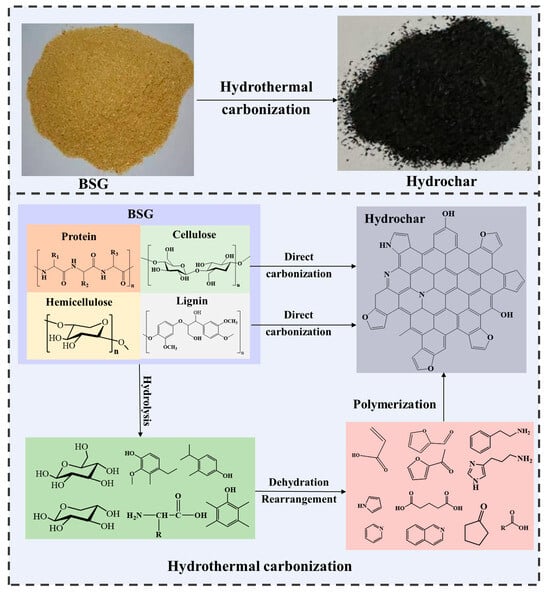
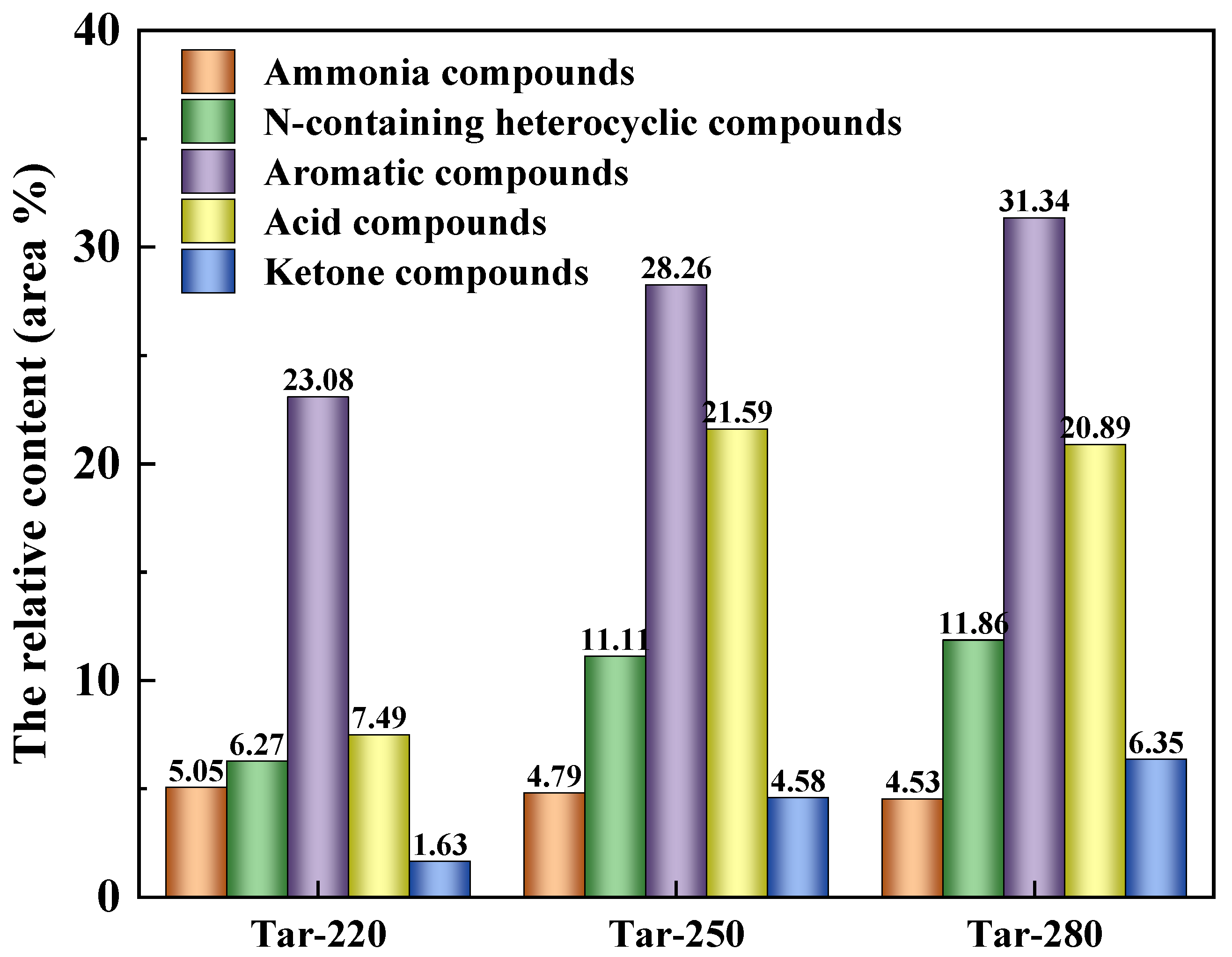
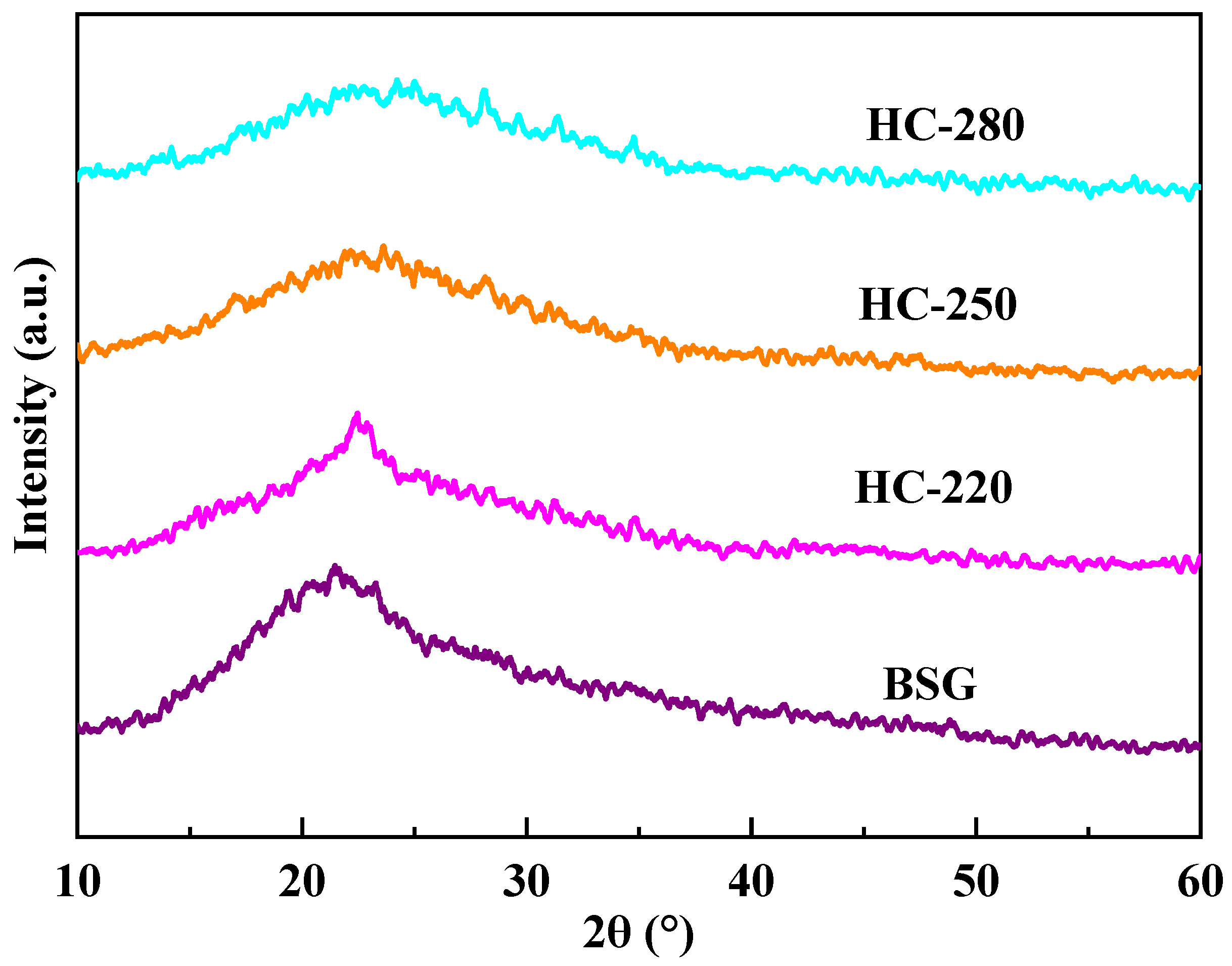
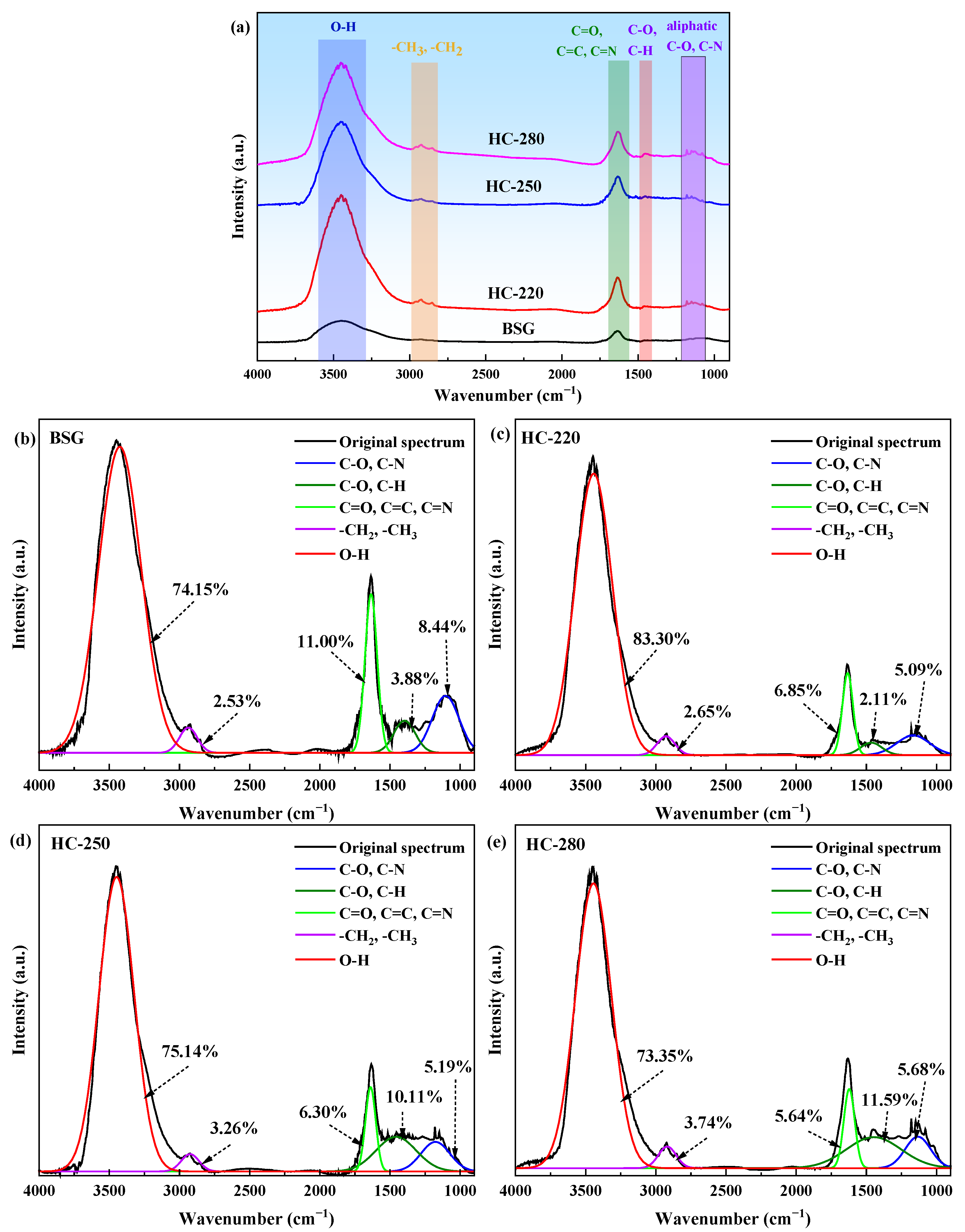
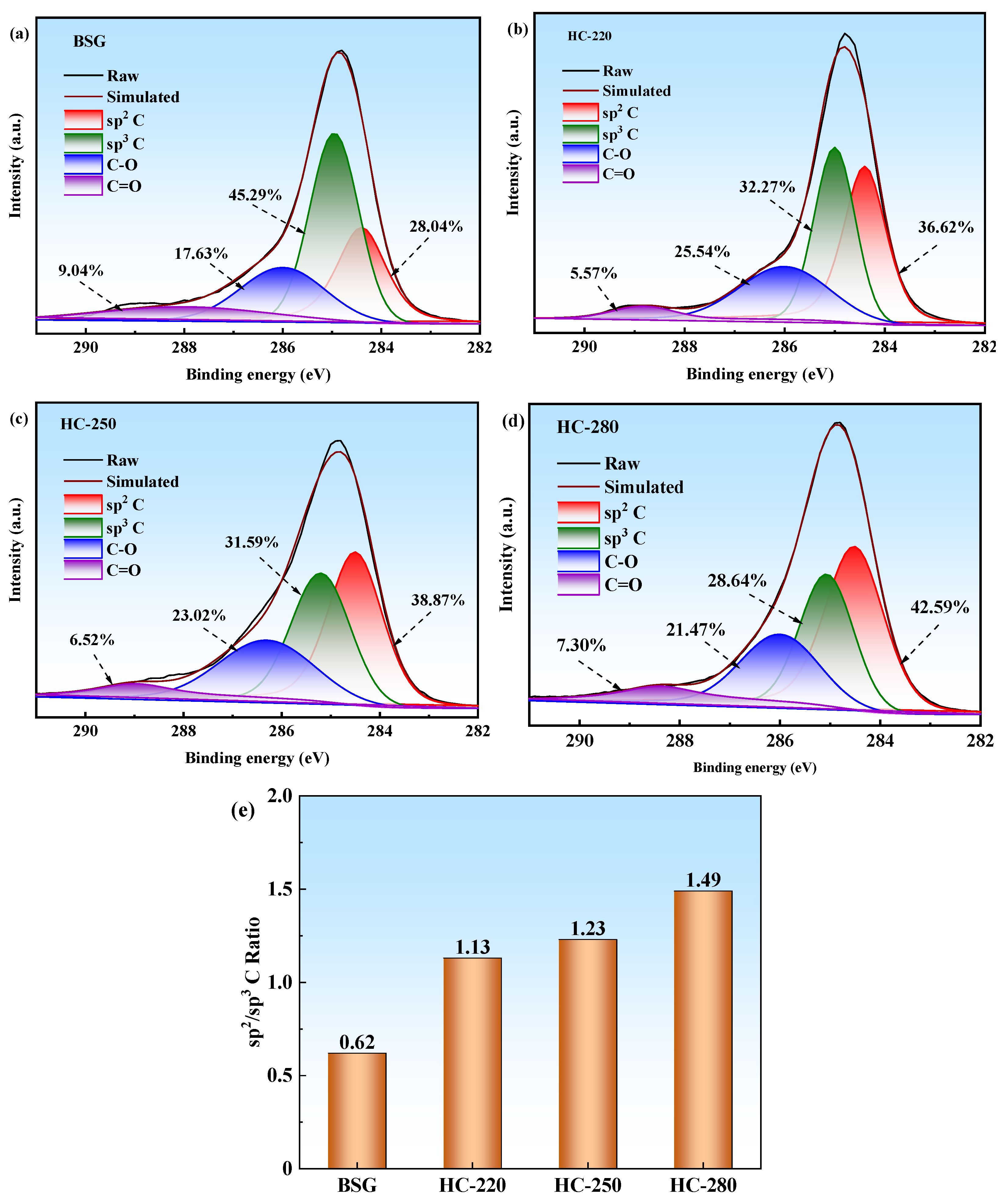
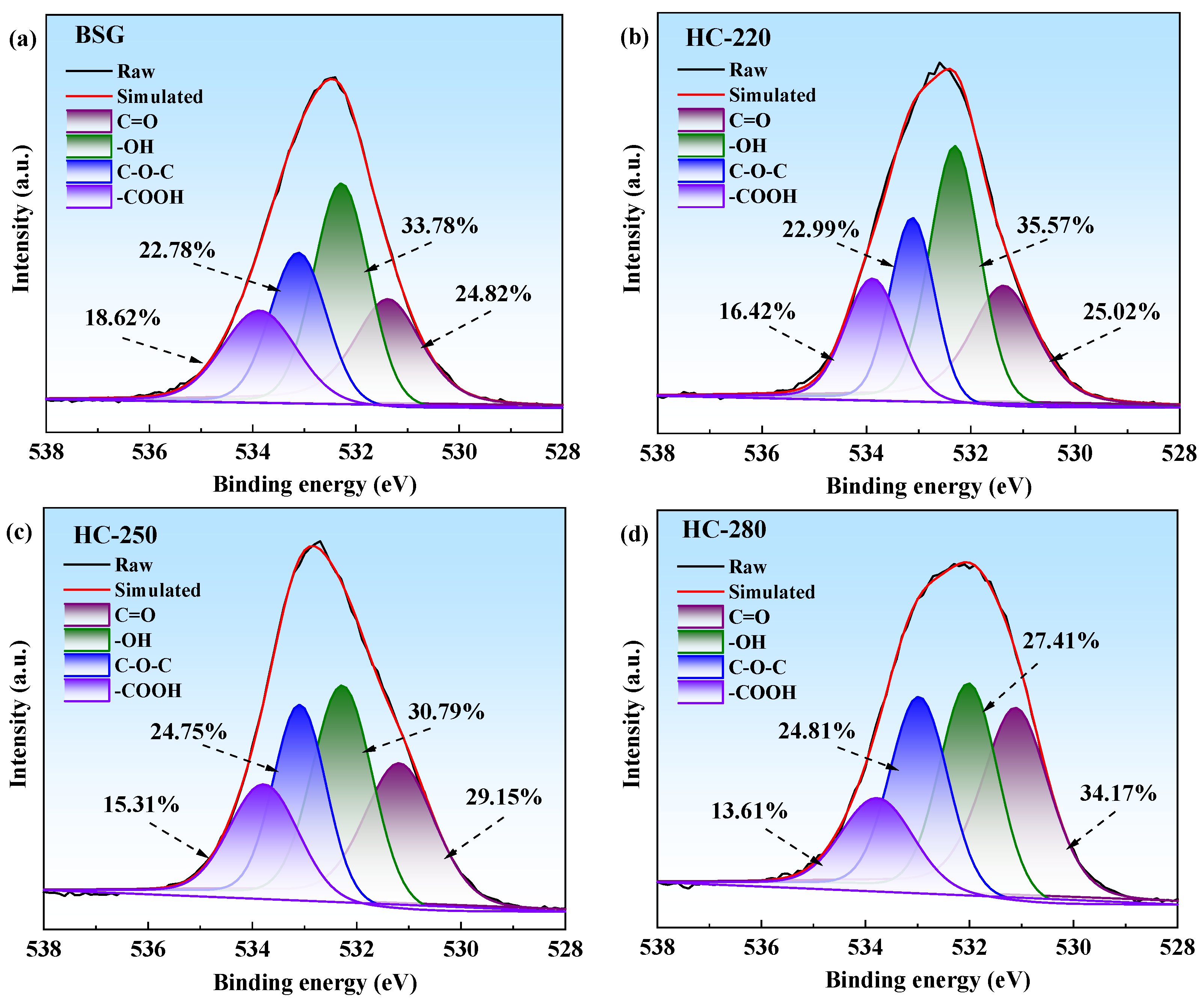
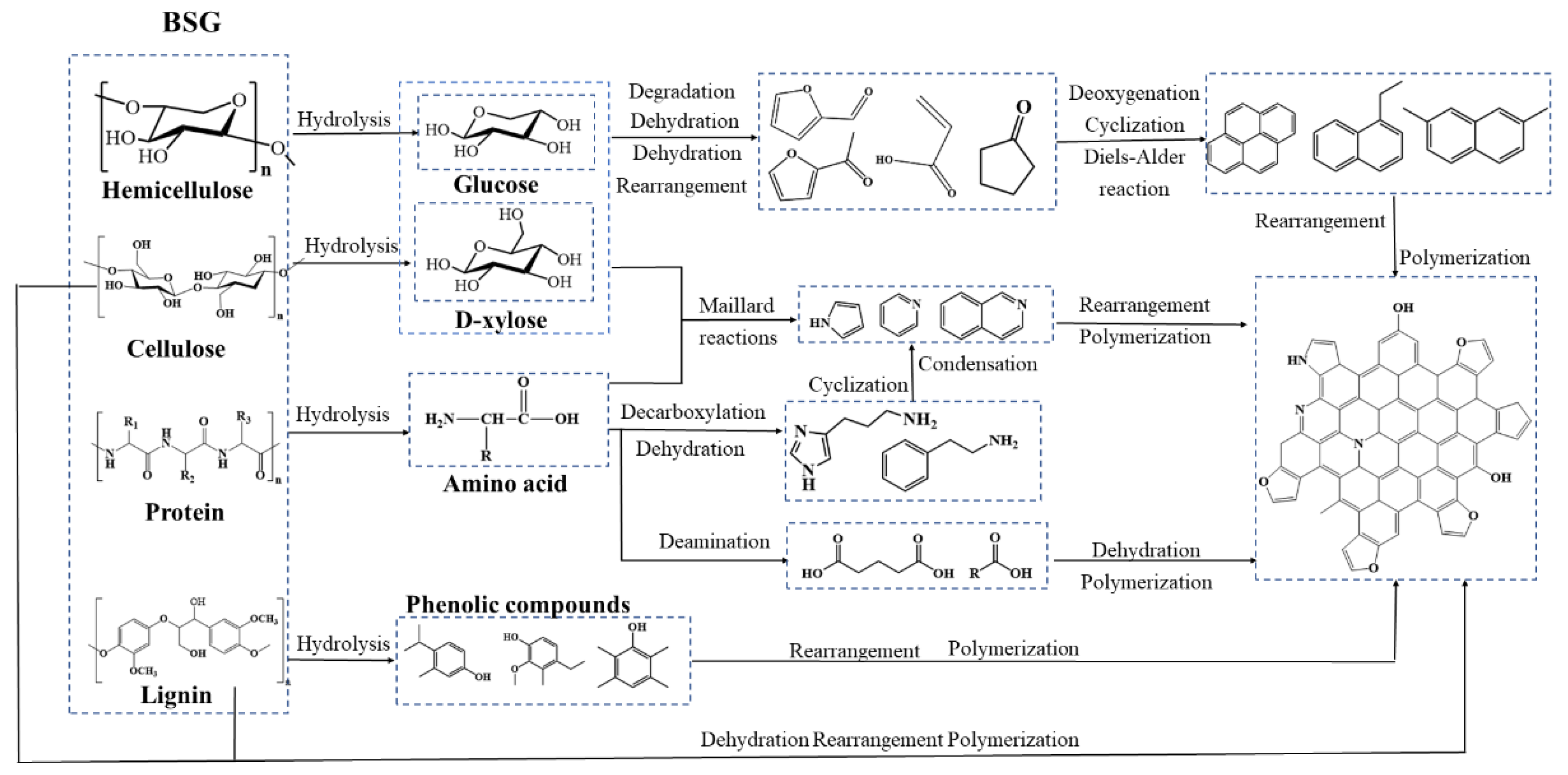
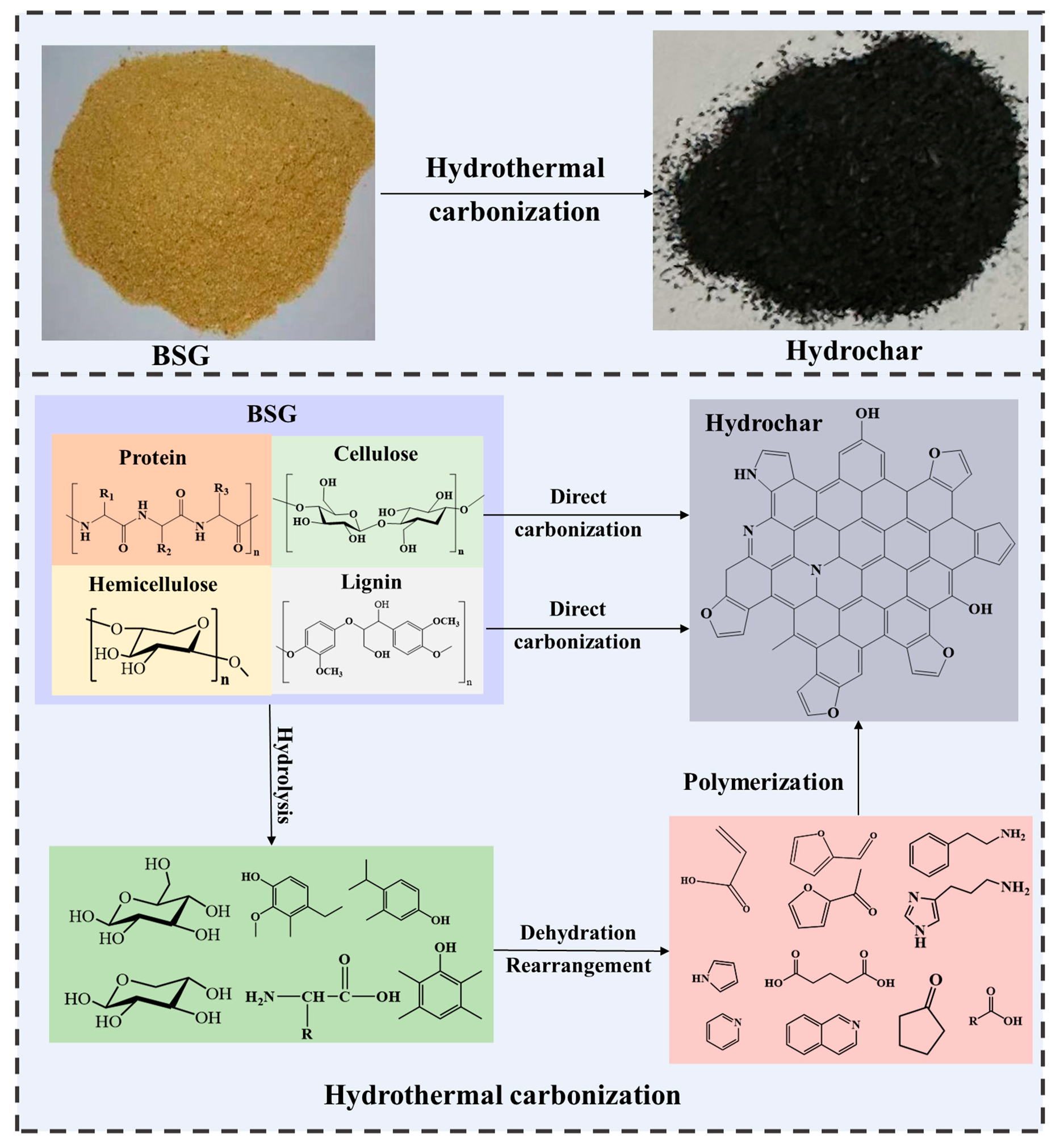
In order to investigate the formation pathway of hydrochar during hydrothermal carbonization (HTC) and to identify the optimal process conditions for producing high-quality pyrolysis feedstock, the effect of hydrothermal temperature (220, 250, and 280 °C) on tar and hydrochar properties were analyzed by GC-MS, XRD, XPS, FT-IR, and SEM using protein-rich brewer’s spent grain (BSG) as raw material. The results showed that aromatic compounds play a major role in tar production. Increasing hydrothermal temperature significantly enhanced volatile matter removal and consequently increased the fixed carbon content from 23.14 wt.% in HC-220 to 27.07 wt.% in HC-280, while the catalytic effect of H3O+ produced by high-temperature water facilitated the dehydration and decarboxylation reactions, resulting in a reduction in the H/C atomic ratio from 1.44 in HC-220 to 1.25 in HC-280 and the O/C atom ratio from 0.32 in HC-220 to 0.25 in HC-280. HC-280 exhibited superior fuel properties, with a high heating value (HHV) of 35.4 MJ/kg. XPS analysis indicated that elevated temperatures promote the conversion of sp3 C to sp2 C (the value of sp2 C/sp3 C increased from 1.13 in HC-220 to 1.49 in HC-280), significantly increasing the aromatic condensation degree of hydrochar. The more pronounced reduction in the -OH content compared to -COOH indicated that dehydration reactions predominated over decarboxylation. Finally, the formation pathways of hydrochar during HTC were revealed based on the properties of different products. The results demonstrate that HTC is an effective method for converting BSG into pyrolysis feedstock with potential applications in energy production. Future work should focus on the technical–economic assessment of the process at a pilot scale and evaluating the hydrochar’s performance in real pyrolysis systems.
Keywords: brewer’s spent grain; hydrothermal carbonization; hydrochar; formation pathway brewer’s spent grain; hydrothermal carbonization; hydrochar; formation pathway
Graphical Abstract