Article

Sorbent and Photocatalytic Potentials of Local Clays for the Removal of Organic Xenobiotic: Case of Crystal Violet

1
Department of Chemistry, Faculty of Science, University of Maroua, JCR8+423 Maroua, Cameroon
2
Department of Chemistry, School of Physical Sciences, College of Agriculture and Natural Sciences, University of Cape Coast, Cape Coast P.O. Box LG 25, Ghana
3
UniLaSalle-Ecole des Métiers de l’Environnement, Cyclann, Campus de Ker Lann, 35170 Bruz, France
4
Department of Chemical Engineering, College of Engineering, King Khalid University, Abha 61411, Saudi Arabia
5
Univ Rennes, CNRS, ISCR (Institut des Sciences Chimiques de Rennes)—UMR 6226, F-35000 Rennes, France
6
Multifunctional Materials Laboratory, Department of Mechanical Engineering, Ahmadu Bello University, Zaria 810222, Nigeria
7
Africa Centre of Excellence on New Pedagogies in Engineering Education, Ahmadu Bello University, Zaria 81022, Nigeria
*
Authors to whom correspondence should be addressed.
Catalysts 2022, 12(8), 899; https://doi.org/10.3390/catal12080899
Submission received: 22 July 2022 / Revised: 5 August 2022 / Accepted: 8 August 2022 / Published: 16 August 2022
(This article belongs to the Special Issue Nanomaterials for Photocatalysis)

Abstract

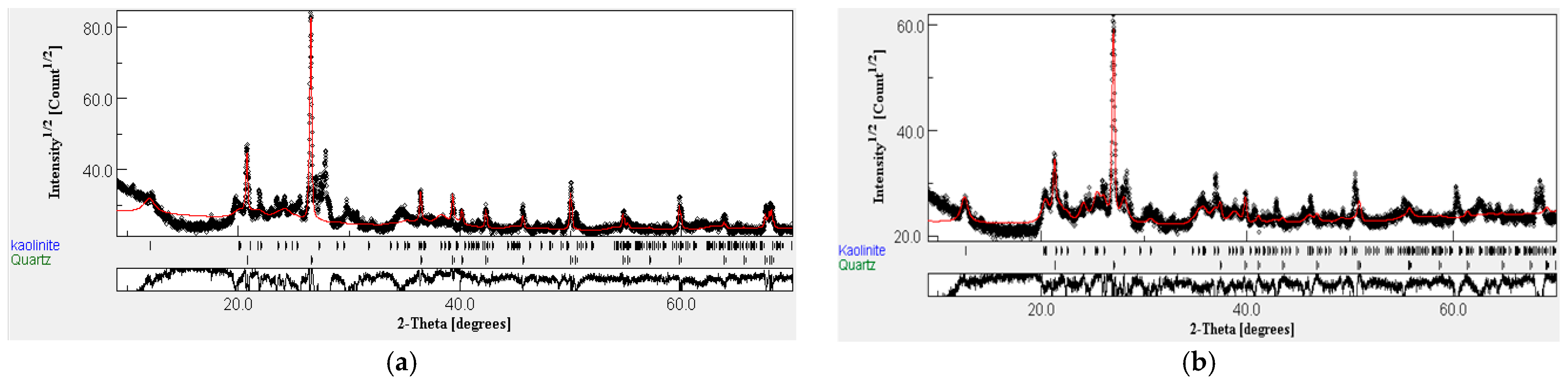
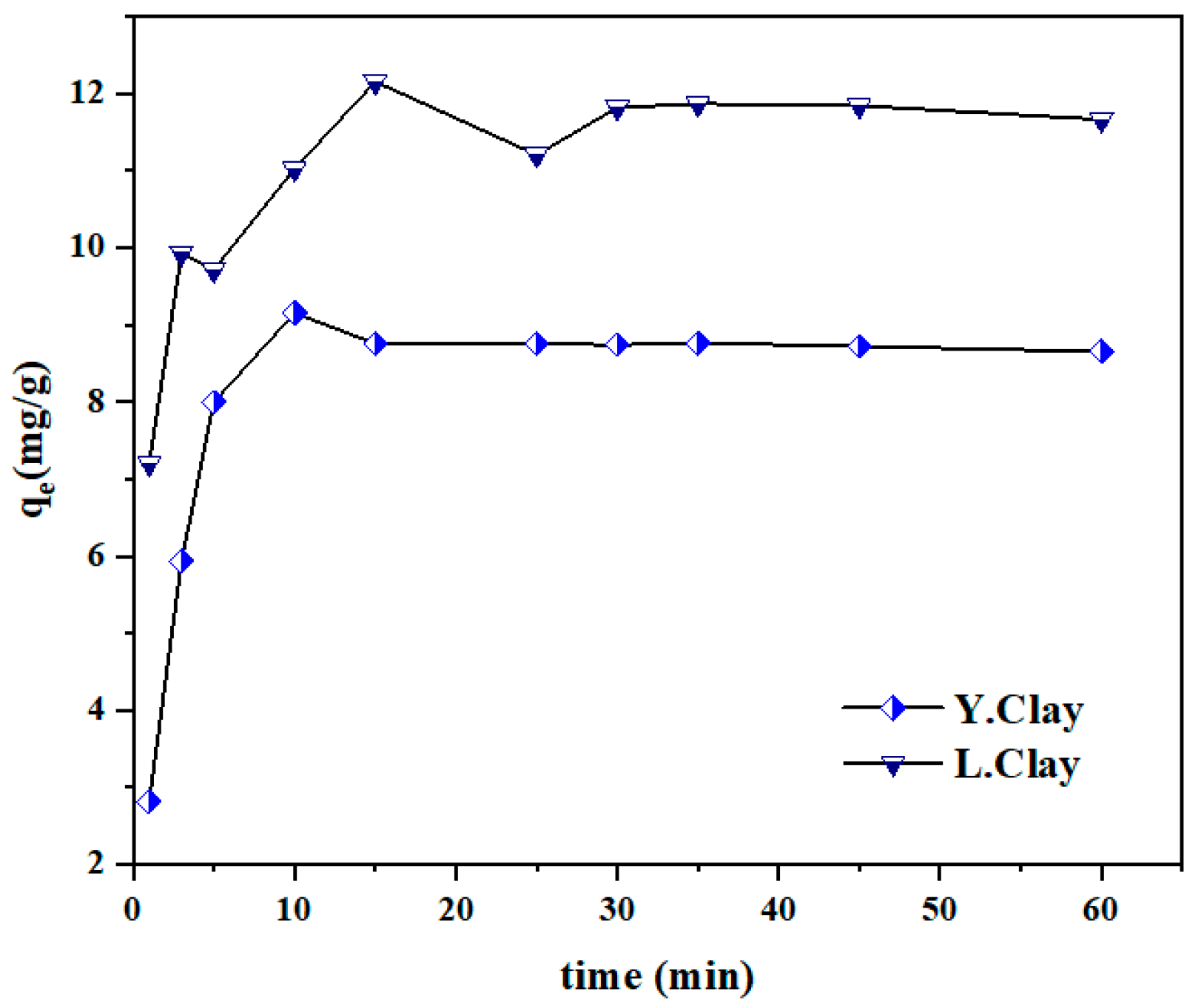
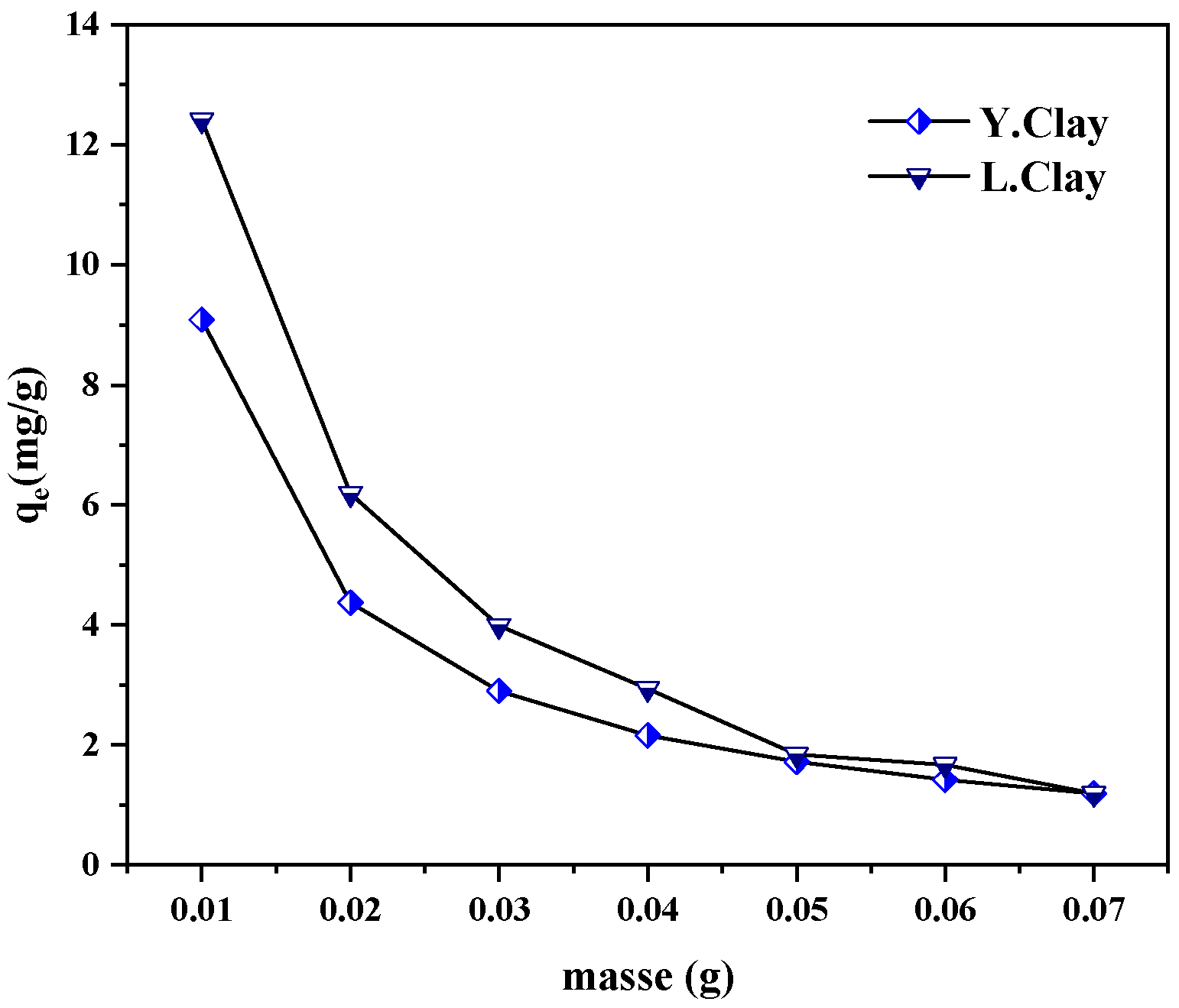
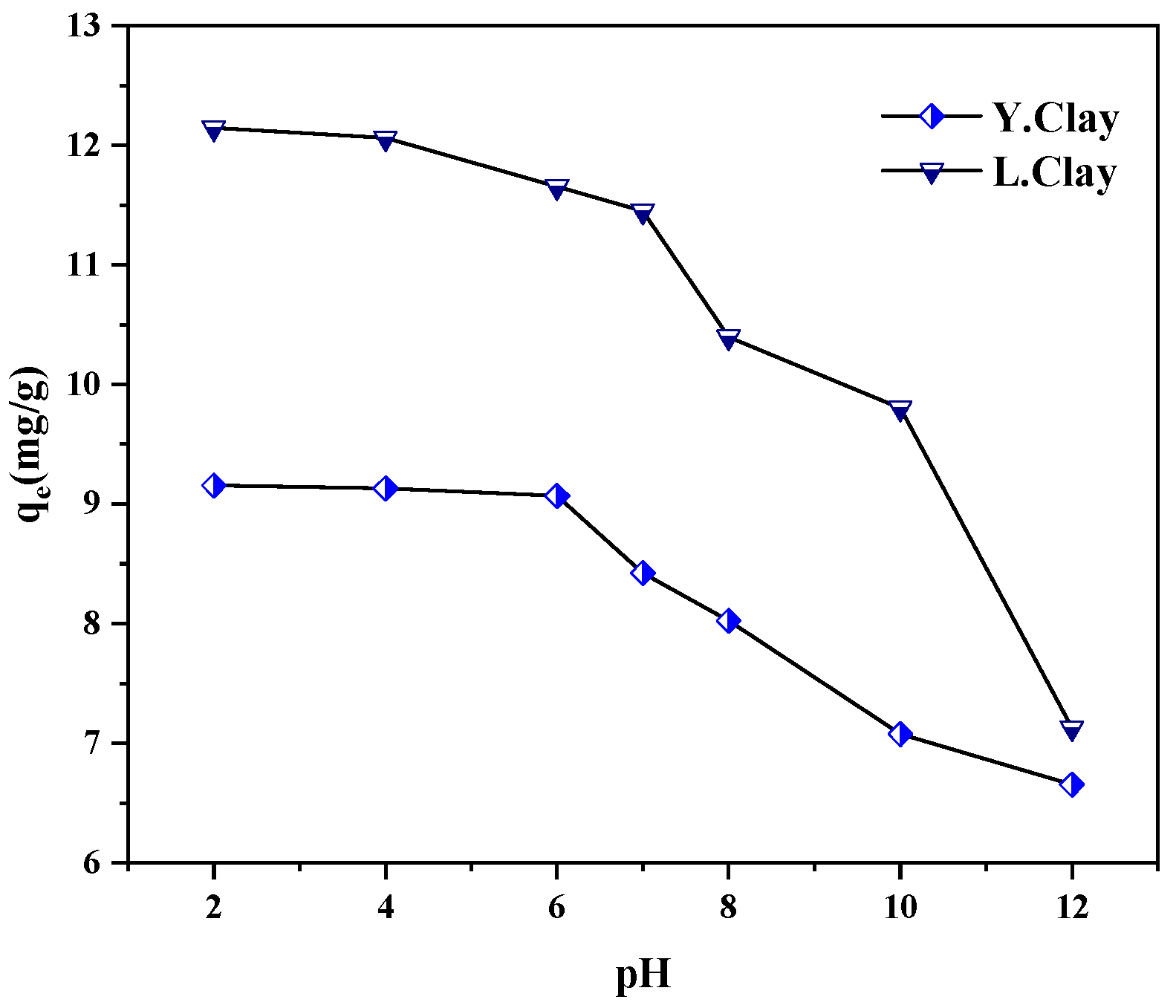
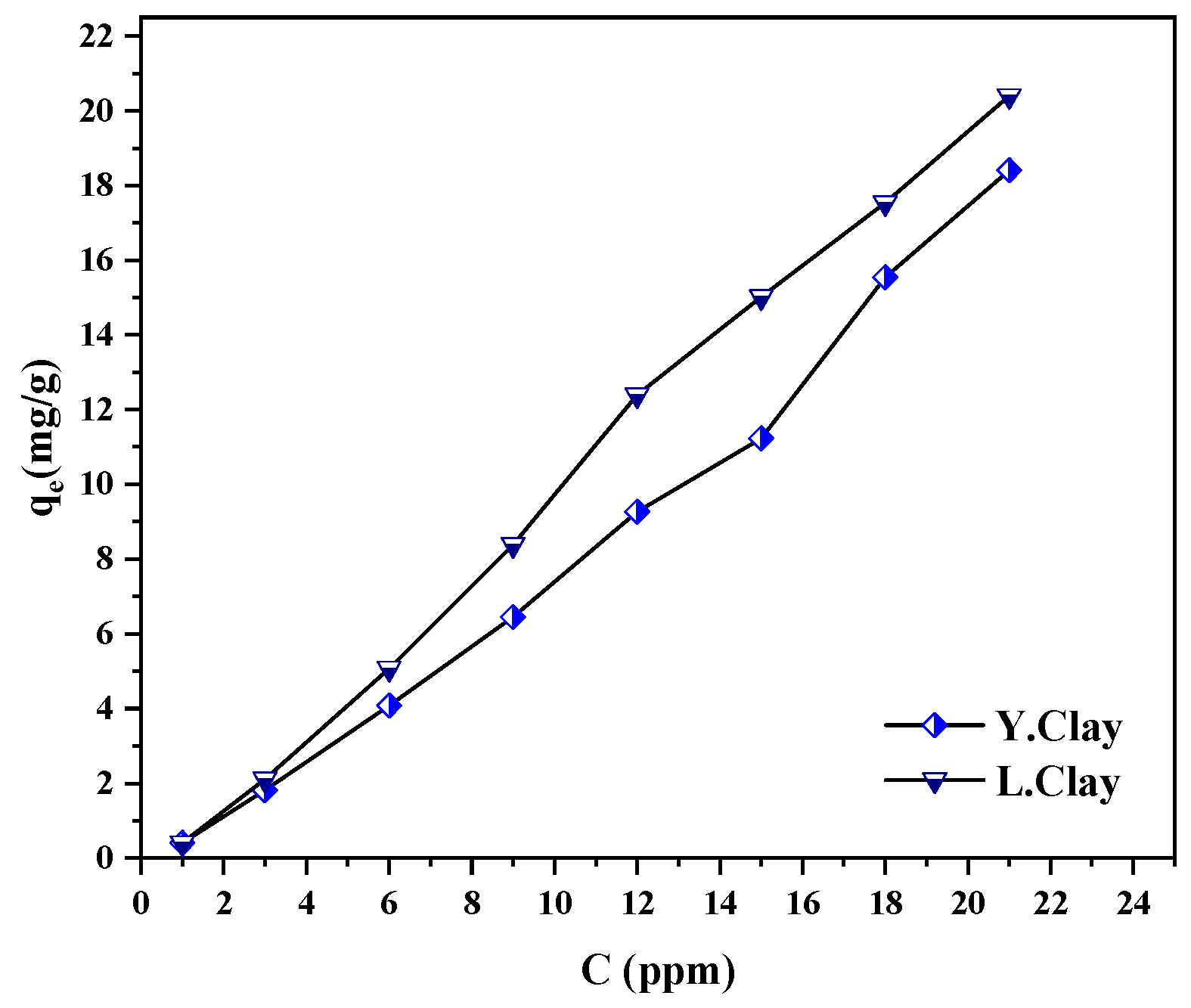
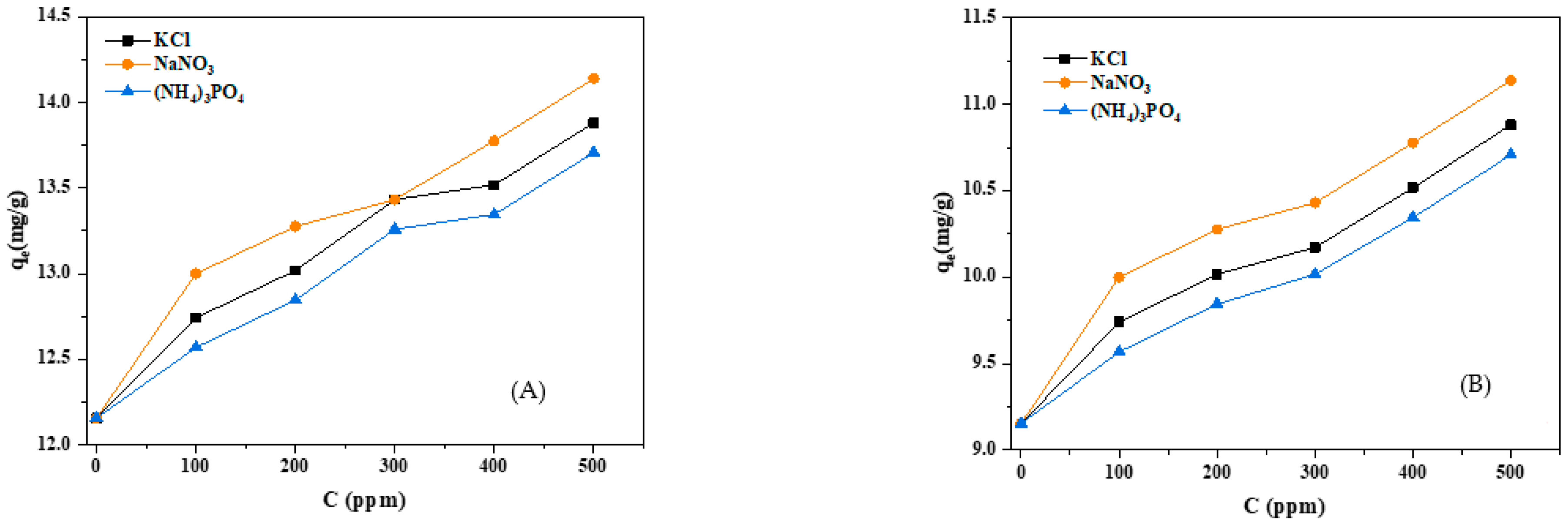
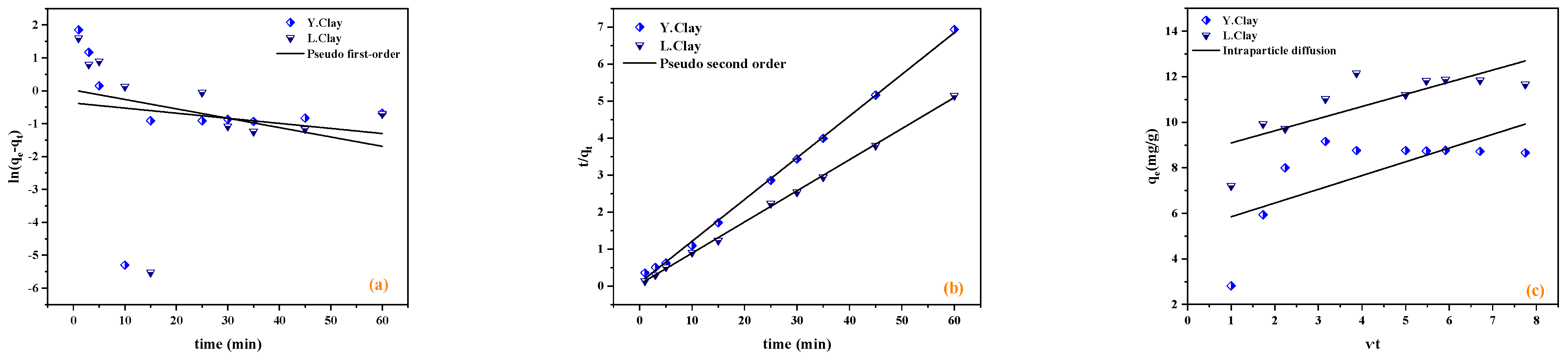
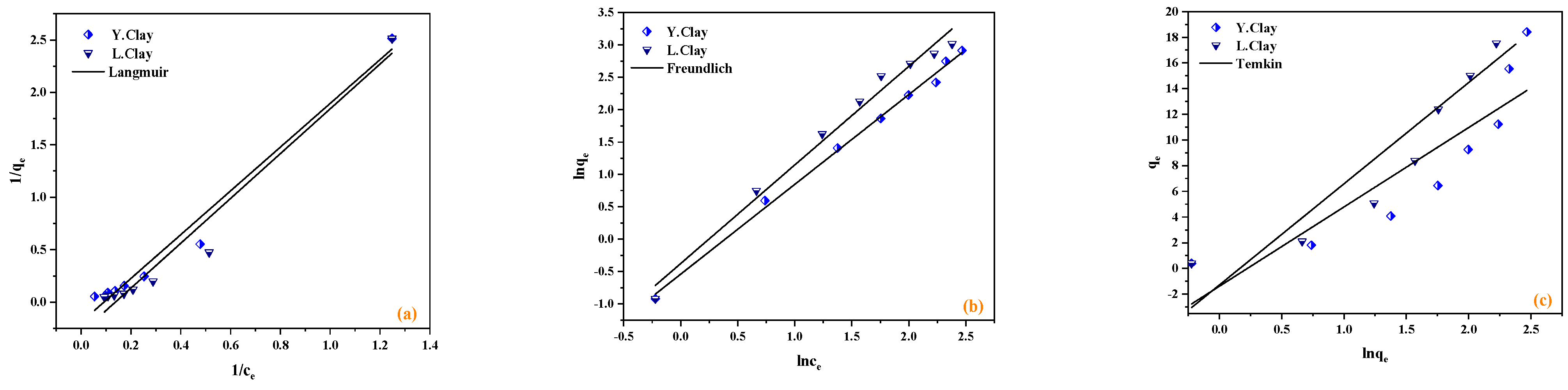
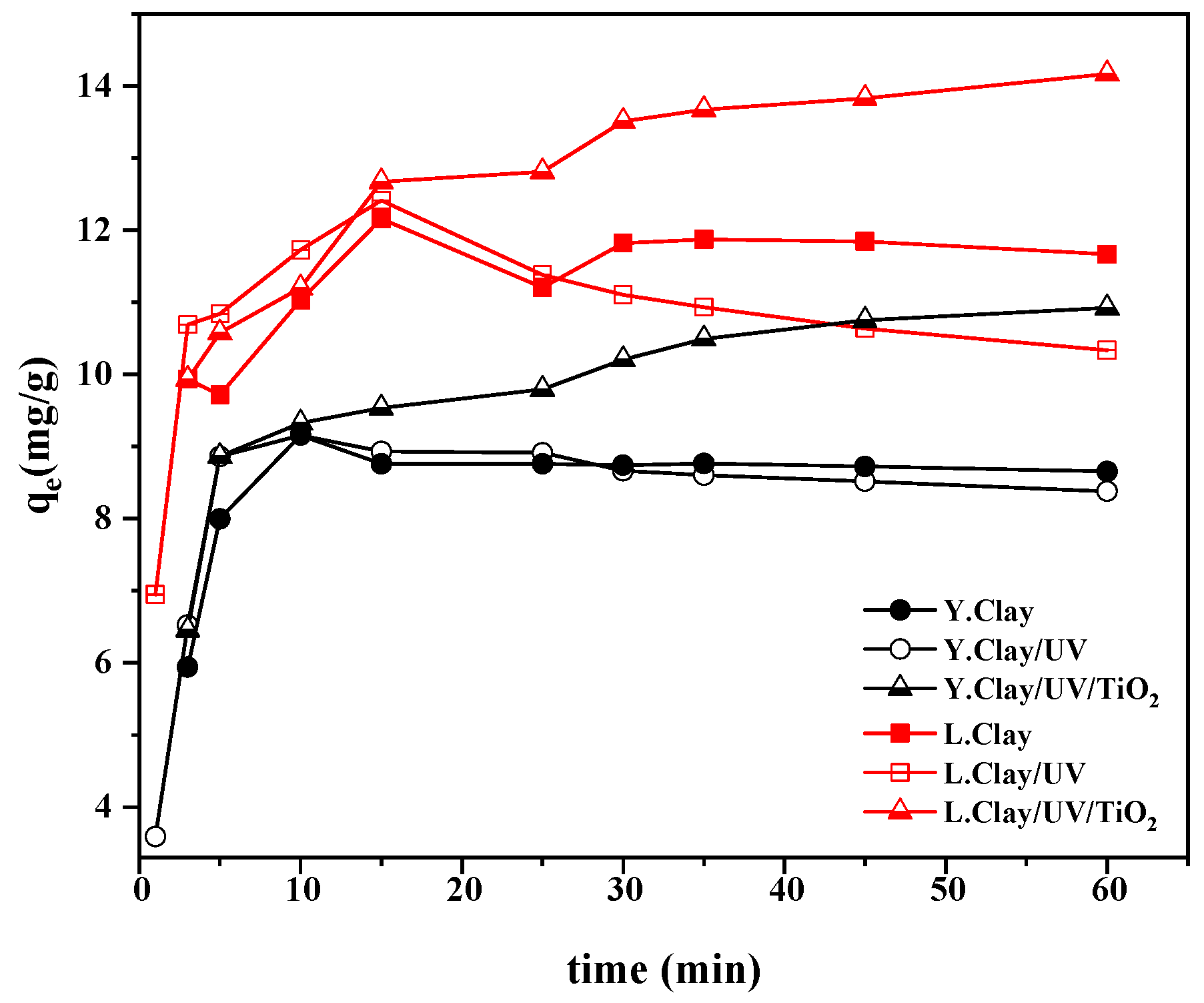
Natural materials are widely used in the field of environmental remediation and are appreciated for their surface physical and chemical properties. Clay constitutes a typical example. In this work, we report the evaluation of sorbent and photocatalytic potentials of local clay of two irrigated rice field waters in the degradation of crystal violet. The structural, textural and compositional properties of the local clay were investigated by Fourier Transform Infrared Spectroscopy (FTIR), X-ray Diffraction (XRD) and X-ray Fluorescence (XRF) analysis. The analysis results showed that these materials were composed mainly of quartz and kaolinite. The efficiency of these adsorbents (Y. Clay and L. Clay) to eliminate crystal violet dye from aqueous medium was examined at different initial concentrations, pH, contact time, adsorbent dose and the possible interference of inorganic salts from fertilizers. Kinetic studies showed that the adsorption process was well described by the pseudo-second order model and the equilibrium modelling results fitted adequately to the Freundlich model. The maximum amount of uptake capacity achieved at pH 2.0 was 18.40 (mg·g−1) and 20.40 (mg·g−1), respectively, for Y. Clay and L. Clay. The evaluation of the photocatalytic potential showed that the raw clay samples do not show photocatalytic activities during the 30 min of exposure to UV light. On the other hand, their photocatalytic potential is manifested when loaded with titanium dioxide (TiO2). Clays coupled with TiO2 under UV light showed an improvement in the degradation of the crystal violet dye by 15%. The synergistic effects between the high photocatalytic activity of TiO2 and the strong adsorption capacity of clays can be one promising technique for in situ remediation of contaminated soaked rice field.
Keywords: clay; adsorption; photocatalysis; degradation kinetic; crystal violet; fertilizer; competition clay; adsorption; photocatalysis; degradation kinetic; crystal violet; fertilizer; competition