


Abstract
In modern power distribution networks, robust and intelligent fault management techniques are increasingly important as system complexity grows with the integration of distributed energy resources. This article reviews the use of deep learning methods for short-circuit fault detection, classification, and localization in power distribution systems, including symmetrical, asymmetrical, and high-impedance faults. The approaches examined include convolutional neural networks, recurrent neural networks, deep reinforcement learning, graph neural networks, and hybrid architectures. A comprehensive taxonomy of these models is presented, followed by an analysis of their application across the stages of fault diagnostics. Major contributions to the field are highlighted, and research gaps are identified in relation to data scarcity, model interpretability, real-time responsiveness, and deployment scalability. The paper provides an in-depth technical and performance comparison of deep learning approaches based on current research trends, and it also outlines the limitations of previous review studies. The objective of this work is to support researchers in selecting and implementing appropriate deep learning techniques for fault analytics in complex smart electricity grids with significant penetration of distributed energy resources. The review is intended to serve as an initial foundation for continued research and development in intelligent fault analytics for reliable and sustainable power distribution systems.
1. Introduction
1.1. Background and Overview
Electrical power grids have been transformed into more intelligent, adaptive and sustainable infrastructure in recent years. This advancement is primarily driven by the integration of renewable energy sources (RES), distributed energy resources (DER), electric vehicles (EV), and the deployment of advanced metering infrastructure (AMI) and communication technologies [1]. Smart grids describe a new generation of the smart electric network model that integrates actions from all connected end-users. This infrastructure provides bidirectional power and communication flow between end-users and the grid operator, increasing energy grid accessibility and improving monitoring and data-driven decision-making capabilities [2]. For example, consumers, such as households and enterprises, are now digitally connected to the information and communication technology infrastructures of distribution system operators through smart meters via a wide area network.
However, despite ongoing advances in smart grid technologies and infrastructure, increasing system complexity has made electrical fault management more challenging and more critical, as faults can rapidly compromise power system stability [3]. Faults in power systems—regardless of their initial scale—can escalate into widespread outages with severe economic and societal consequences.
A notable example is the large-scale blackout that occurred on 14 August 2003, affecting the northeastern and midwestern United States, as well as Ontario, Canada, and leaving approximately 50 million people without electricity. The root cause was traced to a software failure in the alarm system of a control room operated by FirstEnergy Corporation in Ohio, which prevented operators from receiving critical alerts needed to rebalance power flows. As a result, the transmission lines sagged into overgrown trees and tripped offline, initially presenting as a minor line-to-ground fault. This seemingly localized disturbance triggered a cascade of failures, including short-circuit events and inadequately coordinated protective responses, ultimately leading to a widespread system collapse.
This event illustrates how a relatively small fault, if not detected, classified, and managed promptly, can initiate a chain reaction culminating in a major blackout. It underscores the importance of robust, reliable, and adaptive fault management strategies in modern power systems to enhance grid resilience and prevent localized disturbances from propagating to large-scale failures [4,5].
Electrical faults in smart grids can be categorized using several complementary perspectives, including their underlying cause, duration, location within the network, fault impedance, and the type of equipment affected [6,7,8,9]. A consolidated classification that integrates these criteria is presented in Figure 1. Although these perspectives provide different analytical insights, all electrical faults ultimately fall into two fundamental categories based on their physical nature: short-circuit faults and open-circuit faults. In this review, the primary focus is on short-circuit faults in smart grids and distribution networks, as they are more prevalent, pose greater operational risk, and dominate the existing data-driven fault diagnostics literature. These fault types and their relevance to smart distribution grids are further discussed in Section 3.
Figure 1.
Classification of electrical faults in smart distribution grids based on nature, cause, duration, location, impedance, and affected equipment. The review focuses on short-circuit faults (including HIFs), while other fault categories are shown for context.
Within the overall power system, distribution networks are particularly susceptible to faults and account for approximately 80% of service interruptions [10]. Among short-circuit faults, single-phase-to-ground faults are the most prevalent, representing nearly 70% of all occurrences, while three-phase faults are comparatively rare (about 5%), but pose the greatest risk due to their severity and potential to destabilize the system [11]. This fault distribution underscores the importance of effective fault detection, classification, and localization strategies specifically tailored to distribution-level operating conditions.
The research community has increasingly focused on the development of fault diagnostic techniques for smart grids, driven by the need to enhance system reliability and resilience. Fault diagnostics in smart grids typically comprises three main stages: fault detection (FD), fault classification (FC), and fault localization (FL), and is relevant across transmission, distribution, and microgrid levels. However, the growing complexity of smart grids has rendered many conventional fault diagnostic approaches—such as impedance-based methods, traveling-wave techniques, and deterministic protection rules—insufficient to maintain the reliability, safety and resilience of the system.
The demand for fast, accurate, and adaptive fault diagnostics has become particularly critical as modern power systems operate under highly dynamic conditions introduced by renewable energy sources such as solar and wind, variable load profiles, integration of energy storage, and uncertain operating states [12]. Traditional diagnostic techniques often struggle to cope with these challenges due to their limited adaptability and reliance on predefined models. In contrast, machine learning (ML)-based approaches have demonstrated strong potential by leveraging historical and real-time data to learn fault patterns, adapt to changing system conditions, and improve overall diagnostic accuracy.
Deep learning (DL) has attracted significant attention in fault diagnostics due to its ability to automatically learn hierarchical and spatiotemporal features from complex data sources, such as voltage and current waveforms, phasor measurements, and supervisory control and data acquisition (SCADA) data, without relying on extensive manual feature extraction. In recent years, numerous studies have focused on DL architectures—including convolutional neural networks (CNNs), recurrent neural networks (RNNs), long-short-term memory (LSTM) networks, transformers and graph neural networks (GNNs)—owing to their strong performance in tasks such as image recognition, sequence modeling, and anomaly detection [13]. These capabilities make DL models particularly well suited for smart grid fault analytics, enabling timely, accurate, and adaptive real-time diagnostics across diverse operating conditions [14].
This comprehensive review examines how DL techniques have been utilized for fault diagnostics in smart grids, with a focus on their application to fault detection, classification, and localization under modern grid operating conditions.
1.2. The Evolution of Fault Diagnostic Methodologies
The rapid development of modern electrical distribution grids has driven a fundamental shift in how faults are identified and managed. To understand the transition towards DL, it is important to consider the evolution of fault diagnostic techniques. This section explains the technical progression of fault diagnostic methods, from conventional approaches to data-driven intelligent frameworks.
1.2.1. Conventional Fault Diagnostic Methods
In the past, fault diagnostics in power systems relied on physics-based models that utilized fundamental electrical principles to monitor grid integrity. These traditional approaches are primarily categorized into impedance-based and traveling-wave-based methods. These methods served as the industry standard for decades due to several inherent advantages: lower computational complexity resulting from reliance on closed-form mathematical equations rather than iterative training; physical interpretability, which allows engineers to easily verify the logic behind a fault trigger; and requirements, typically limited to the real-time voltage and current measurements [15,16].
Physics-based traditional fault diagnostic approaches are increasingly struggling to keep pace with the complexity of modern smart grids. Impedance-based methods, which are typically the first strategy applied in fault diagnostics, require precise knowledge of system parameters and often produce unreliable results in the presence of impedance mismatches and parameter inaccuracies, especially in multi-section or laterally branched feeders [17]. Similarly, travelling-wave-based methods, although theoretically accurate, require high-frequency measurement devices that are rarely available in distribution systems and are sensitive to wave reflections and signal attenuation—particularly in networks with underground cables or complex topologies [18].
The performance of impedance-based fault diagnostic techniques further degrades as DER penetration levels increase. At low DER penetration, inverter-based DERs—such as PV systems, EV chargers, and battery energy storage—may only marginally affect fault current magnitude and direction. However, at higher penetration levels, widespread current limiting, bidirectional power flow, and control-driven responses significantly distort the relationship between voltage, current, and line impedance. This distortion leads to errors in impedance estimation, increased relay under-reach, and unreliable fault location accuracy. Unlike synchronous generators, inverter-based DERs rely on power-electronic interfaces with current-limiting and protection controls, resulting in reduced, asymmetric, and control-dependent fault current injections that are weakly correlated with network impedance [19,20]. Moreover, fast and ultra-fast EV charging introduces stochastic, high-power electronic loads that increase peak demand, voltage fluctuations, phase imbalance, and harmonic distortion, thereby degrading power quality and increasing measurement noise.
The introduction of vehicle-to-grid operation further enables bidirectional power flow. However, fault current contributions from these inverters are typically limited to approximately 1.1 per unit, making them insufficient and unpredictable for conventional current-based analysis [21]. As a result, conventional fault diagnostic methods struggle to provide accurate results when DERs or EVs affect fault currents in a non-linear fashion [16], motivating the adoption of data-driven and ML–based approaches.
1.2.2. Transition to Classical Machine Learning
To overcome the rigidity of physics-based models, ML has been widely adopted for system monitoring and fault diagnostics. ML is a subset of artificial intelligence (AI) that enables systems to learn from data and make decisions without being explicitly programmed. ML has achieved significant advances in the smart grid applications, including system monitoring, fault diagnostics, load forecasting, power grid stability assessment, and grid security [22]. While classical ML techniques—such as Naive Bayes classifier (NBC) [23], decision trees (DT) [24], support vector machines (SVM) [25], random forests (RF), and k-nearest neighbors (k-NN) [26,27,28]—have been widely applied to FC and FL tasks, they exhibit several limitations that constrain their effectiveness in complex smart grid environments.
NBC offers simple implementation and support for high-dimensional datasets [23]. DTs are widely appreciated for their simplicity and ease of implementation, and their rule-based structure makes them particularly attractive for applications requiring interpretability [24]. Ensemble methods such as RF improve upon individual DTs by enhancing robustness against class imbalance and handling high-dimensional data more effectively, thereby providing greater classification stability and reduces variance [29]. Similarly, SVMs are often utilized for their high classification accuracy, particularly when decision boundaries are clearly defined [30]. Nevertheless, the applicability of these classical ML approaches becomes increasingly constrained as power distribution grids grow in complexity and operational variability.
1.2.3. Motivation for Deep Learning
Classical ML methods provide interpretable solutions; however, they are increasingly insufficient to meet the complex requirements of modern smart electricity grids. Their limitations in handling dynamic system behavior and high-dimensional data have necessitated a shift toward DL. For example, the performance of NBC degrades when applied to datasets with dependent attributes. It also lacks robustness to noise and performs poorly on previously unseen data, making it unsuitable for real-time operation under uncertain grid conditions [31]. DTs are highly susceptible to overfitting when applied to high-dimensional or imbalanced distributed datasets. As system uncertainty increases, model complexity grows, and DTs may generate biased results in the presence of repetitive features [31]. Even ensemble methods, such as RF, while improving robustness, can still suffer from overfitting under certain conditions and longer training times, which require more computational power. As a result, these limitations reduce their suitability for real-time fault diagnostics in smart grids, where efficiency and speed are essential [31]. SVMs perform well in binary classification tasks; however, they are less effective for handling multi-class output problems and struggle with noisy or high-volume datasets. The kNN algorithm, known for being simple and intuitive, avoids a formal training phase altogether. This makes it suitable for small-scale, well-behaved datasets, but it becomes a bottleneck when applied to large data volumes, often resulting in inaccurate predictions in many smart grid scenarios [30].
The limitations of classical ML methods in handling dynamic system behavior, high-dimensional data, and real-time processing have contributed to a shift toward DL techniques, which offer stronger capabilities in automatic feature extraction, temporal sequence modeling, and robust generalization under uncertain operating conditions. The motivation for this study is therefore to examine the application and suitability of a range of DL techniques for fault diagnostics in contemporary smart electricity grids.
1.3. Contribution
To the best of our knowledge, this review provides the most comprehensive and structured synthesis of DL applications for short-circuit fault analytics in power distribution systems to date. Several review papers have examined the use of AI and ML for fault diagnostics in power systems. However, most of these studies either concentrate on a limited set of technologies or do not provide a fully integrated perspective across DL architectures, datasets, and stages of the fault diagnostic process. For example, Khounsari and Fazeli [32] reviewed ML-based fault location methods in smart grids, with an emphasis on standard algorithms such as SVM and DTs, but without exploring recent developments in DL or the questions of model scalability. Imam et al. [8] focused on asset reliability using parametric and nonparametric ML approaches, but their scope did not extend to real-time or distributed-energy-resource-integrated fault analytics. Although limited to microgrids, Zaben et al. [33] broadened the discussion by including DL techniques such as CNN and LSTM in their focused review of ML methods for fault diagnostics in alternating-current microgrids. Meanwhile, De La Cruz et al. [7] and Stefanidou-Voziki et al. [16] provided system-level overviews of fault classification and fault location in distribution networks, although these studies placed comparatively little emphasis on DL models, performance benchmarks, or hybrid learning strategies.
The features at the infrastructure level have been examined in several earlier studies. Labrador Rivas and Abrão [9] focused primarily on sensor integration and communication technologies for fault monitoring, but did not extend their analysis to algorithmic developments in DL or RL. With broad domain coverage, Zhang et al. [34] provided one of the early comprehensive surveys on DL, RL, and deep reinforcement learning in smart grids; however, their discussion did not capture more recent advances in detailed fault diagnostics. Similarly, Shakiba et al. [30] concentrated on ML applications in transmission lines and on preprocessing techniques, without examining distribution networks or newer hybrid DL architectures. In their review of fault detection in systems that incorporate DERs, Gururajapathy et al. [35] focused on early-stage AI methods such as artificial neural networks (ANNs) and SVMs, with limited attention to DL models or practical implementation considerations.
A structured comparison of existing review papers is presented in Table 1, which outlines their scope, techniques, and fault stages addressed, with emphasis on DL and DER integration. As shown in the table, relatively few studies provide comprehensive coverage of all stages of fault analytics while employing state-of-the-art DL models under diverse grid conditions.
Table 1.
Comparison between existing review papers.
The key contributions of this review are as follows:
- A unified review of short-circuit fault analytics in power distribution systems that comprehensively covers FD, FC, and FL, bringing together all stages of the process in a manner not typically addressed in earlier reviews.
- A novel fault type classification diagram that categorizes electrical fault types across multiple criteria (such as location, nature, phase, and impedance), offering a clearer and more systematic representation than what is commonly found in prior surveys.
- A detailed comparison of DL techniques, including CNN, LSTM, DRL, GNN, ANFIS, and hybrid models, evaluated across multiple performance dimensions such as accuracy, computational complexity, and suitability for real-time applications.
- A structured comparative analysis of existing review papers covering scope, fault analytics stages (FD, FC, FL), methodological focus (including ANN, DT, SVM, KNN, RF, AdaBoost, XGBoost, MLP, LR, and DL approaches), depth of performance comparison, and level of DER integration, illustrating how this review provides broader and more integrated coverage.
- A dedicated focus on DER-integrated distribution systems, examining how varying levels of DER penetration influence fault behavior—an aspect only briefly discussed in much of the existing literature.
- An in-depth discussion of hybrid architectures, including combinations such as LSTM–DRL, highlighting their potential for real-time fault analytics in environments with dynamic generation and decentralized control.
- An exploration of federated and distributed learning frameworks, emphasizing their relevance for scalable, privacy-preserving training and local decision-making within decentralized grid architectures.
- Identification of key research gaps and challenges, including limited work applying DL to FL, insufficient use of realistic power-quality testing scenarios, and suboptimal sensor placement strategies.
- A bridge between research and industry practice, offering guidance for both academic researchers and grid operators in advancing intelligent fault analytics for modern power distribution systems.
These contributions collectively position this review as a comprehensive and forward-looking resource for researchers and practitioners seeking to advance fault analytics in modern smart grids. The remainder of this paper is organized as follows. The methodology employed in this study is presented in Section 2. Section 3 provides an overview of fault management and introduces the three main stages of fault diagnostics. Section 4 outlines the architectures and functions of key DL techniques, and Section 5 examines how these architectures have been employed for short-circuit FD, FC, and FL in distribution grids. The gaps and challenges associated with DL in fault analysis are discussed in Section 6. Finally, concluding remarks are presented in Section 7.
2. Review Methodology
This section outlines the methodology used to conduct this review, including the main research questions, the article search and screening process, and the inclusion and exclusion criteria applied. The aim is to systematically investigate and synthesize existing DL approaches for fault analytics in distribution grids with integrated DERs. The primary research question guiding this literature review is: How have DL techniques been applied for fault diagnostics in smart grids? To examine this question in depth, it is further refined into the following sub-questions:
- What DL architectures have been implemented for FD, FC, and FL in distribution-level smart grids?
- What types of fault data are commonly used for DL-based fault diagnostics?
- How do DL models compare with traditional ML and signal-based approaches in terms of accuracy, generalization capability, and computational requirements?
- What real-world deployment challenges arise when using DL in smart grids?
- What emerging trends and future directions shape the use of DL in fault analytics?
Specific inclusion and exclusion criteria were applied to ensure that the studies incorporated in this review were relevant and aligned with the research objectives. To be included, a study had to employ a DL model—such as CNN, LSTM, GRU, Transformers, GNN, or a hybrid architecture—for at least one of the main fault diagnostic tasks: FD, FC, or FL. In addition, the research needed to focus on applications within power systems, particularly in the context of smart grids, including distribution networks, microgrids, and systems with RES. Eligible studies were also required to report experimental results, using real-world measurements or simulated environments such as the IEEE 13-bus or 33-bus test systems. Only peer-reviewed journal articles, conference papers, or credible preprints meeting these criteria were considered for inclusion. Studies were excluded if they relied solely on conventional ML techniques or signal-processing methods without incorporating DL models. Research applying DL outside the power systems domain was also excluded unless the methodological framework demonstrated clear relevance or transferability to smart grid applications. The literature search was conducted using a set of specialized and multidisciplinary databases containing high-impact scientific publications, including the IEEE Xplore Digital Library, Elsevier, Springer Link, MDPI and ArXiv. Additional gray literature and recent preprints were identified through Google Scholar. The searches were restricted to articles published in English between 2015 and May 2025. A combination of keyword sets related to DL and power system fault diagnostics was used to identify relevant studies. The search process used the following product (AND) sets of keywords:
- DL keywords: [“deep learning”, “CNN”, “LSTM”, “transformer”, “graph neural network”, “hybrid deep learning”, “reinforcement learning”, “DQN”, “PPO”]
- Smart grid and fault-related keywords: [“smart grid”, “fault detection”, “fault classification”, “fault localization”, “PMU”, “DER”, “distribution network”, “microgrid”, “high impedance fault”]
Multiple literature searches were conducted between April and July 2025. Consequently, studies published or made available after July 2025 were not considered for inclusion in this review. The screening and review process was managed using Covidence, a platform widely used in systematic reviews to streamline duplicate removal, blinded title and abstract screening, conflict resolution, and full-text tracking. This review adopted a structured article selection process following the PRISMA framework to ensure methodological transparency. The search yielded 446 articles across the selected databases. After removing duplicates and conducting title and abstract screening, 181 eligible articles underwent full-text evaluation against the inclusion criteria. As a result of this process, 29 studies were determined to meet all eligibility requirements and were included in the final review. The detailed screening and selection procedure is summarized in Figure 2.
Figure 2.
PRISMA flow diagram of the study selection process.
3. Overview of Fault Management in Distribution Grids
This section explains the stages of fault diagnostics in a power distribution grid. In electric power systems, a fault refers to an abnormal current condition resulting from unintended electrical connections or insulation breakdown. Efficient fault management typically involves three interconnected tasks: FD, FC, and FL. Before reviewing DL approaches for these tasks, relevant fault types in smart distribution grids are summarized, and the motivation for focusing on short-circuit faults is discussed.
3.1. Fault Types in Smart Distribution Grids
In smart distribution grids, faults can originate from equipment failures, mechanical damage, vegetation, weather, cyber-physical disturbances, or DER-related interactions. These events can be conceptually categorized based on cause, duration, impedance, location, and affected equipment, as summarized in Figure 1. The increasing deployment of outdoor and public-facing smart grid devices (e.g., DER inverters, PV panels, EV charging stations, and smart metering infrastructure) further increases exposure to mechanically or weather-driven disturbances. These conditions introduce additional operational challenges that can trigger transient disturbances and contribute to fault initiation in distribution feeders.
Beyond short-circuit faults, smart distribution grids may experience open-circuit faults, power quality disturbances (e.g., voltage sags, swells, and harmonics) [36,37], and operational anomalies induced by DER integration or cyber-physical interactions [38,39]. These phenomena are typically addressed under power quality monitoring, operational control, or cybersecurity rather than FD, FC, and FL. A limited number of DL studies addressing power quality or cyber-physical disturbances are briefly mentioned in the Section 5, as they extend DL techniques to related anomaly domains. Many of these physical and environmental disturbances can escalate into short-circuit events, which represent the critical failure mode in distribution grids.
From the physical protection perspective and operational risk, short-circuit faults—including low-impedance and high-impedance faults (HIFs)—remain the dominant fault category in distribution grids. Owing to their high occurrence frequency, safety hazards, and the requirement for fast and accurate detection, short-circuit faults constitute the primary focus of fault detection, classification, and localization systems [11,40].
Short-circuit faults in distribution grids are generally categorized into two main types: symmetrical faults and asymmetrical faults, with the latter being far more common in practical power system scenarios. A general classification of electrical faults is shown in Figure 1. Asymmetrical faults are further divided into three subcategories: line-to-ground fault (LGF), line-to-line fault (LLF), and double line-to-ground fault (LLGF). These fault types are illustrated in the schematic diagram shown in Figure 3, where a, b, and c represent the three phases of the distribution lines and denotes the fault resistance.
Figure 3.
Different short-circuit fault types in a three-phase system.
LGFs are the most common electrical faults, accounting for approximately 70% of all short-circuit events. They are typically caused by severe weather conditions, such as strong winds or falling trees. LL faults occur when conductors sag or swing and come into contact with adjacent phases due to high winds, thermal expansion, or ice loading. LLFs exhibit a wide variability in the fault impedance, which makes it challenging to accurately define their lower and upper limits. They account for roughly 15% of all faults in distribution networks [41,42].
Similarly, an LLGF occurs when two phase conductors come into contact with the ground, creating a significant system imbalance. If not cleared promptly, this type of fault can escalate into a full three-phase fault. LLGFs make up about 10% of electrical faults, and common causes include tree branches bridging phases to ground, insulation breakdown, equipment failure, and lightning strikes.
Symmetrical faults—most notably the three-phase-to-ground fault (LLLGF)—are the least common, with an occurrence rate of roughly 5%. Although rare, these faults are typically the most severe, as they involve all three phases and result in very high fault currents and substantial system stress [35].
HIFs constitute a special class of short-circuit faults characterized by low fault currents and weak electrical signatures that make them difficult to detect. Common causes include vegetation contact, broken conductors, and downed lines, particularly in public-facing urban and suburban environments [43]. Several studies demonstrate that HIFs can be differentiated from non-fault events, such as capacitor switching, by DL models that learn the distinct temporal and spectral characteristics of these phenomena [40,43,44]. While capacitor switching typically produces short-duration, well-damped transients, HIFs exhibit sustained and irregular signatures associated with nonlinear arcing behavior.
Given the diverse and complex nature of short-circuit faults in distribution grids, effective fault diagnostics is essential for maintaining system reliability, preventing equipment damage, and minimizing power interruptions in smart grids. The increasing integration of DERs and the emergence of bidirectional power flows have introduced additional challenges to traditional fault diagnostic approaches. DL approaches have been applied across all standard short-circuit fault types (LGF, LLF, LLGF, LLLGF), with recent studies extending to the more challenging HIF case. The following subsections provide a detailed overview of the three main stages of fault diagnostics and analysis: detection, classification, and localization.
3.2. Fault Detection
FD is the initial and essential step in diagnosing issues within distribution grids. It involves recognizing that a fault has occurred by identifying abnormal operating conditions such as voltage dips, current surges, or waveform distortions [45]. In distribution grids, where infrastructure is often radial and less redundant than in transmission networks, timely detection is critical for maintaining service continuity and preventing equipment damage. Traditional detection methods rely on devices such as overcurrent relays and undervoltage protection, which perform effectively under standard operating conditions. However, these approaches may not consistently provide reliable performance in modern, more complex grid environments, particularly those with high levels of DER integration and variable load profiles [46].
3.3. Fault Classification
Once a fault is detected, the next step is to classify the fault type. The major fault categories are described above and illustrated in Figure 3. FC determines whether the event is an LGF, LLF, LLGF, or LLLGF. Because asymmetrical faults occur more frequently in distribution systems, accurate classification is essential for selecting an appropriate protection strategy and ensuring efficient system recovery. Conventional FC approaches typically rely on rule-based logic or phasor analysis, but their performance can be constrained by measurement quality and increasing system complexity. To address these limitations, modern power grids increasingly employ intelligent systems based on ML or DL models to improve classification accuracy and reliability [11].
3.4. Fault Localization
FL refers to the process of identifying the physical location of a fault in the power system, whether on a specific piece of equipment, feeder, branch, or line segment. Automated FL is especially important in distribution grids, where manual fault tracing is time-consuming and can lead to increased operational costs. Historically, the most common methods for FL were impedance-based techniques and waveform analysis. Although these approaches have been effective in many cases, they often struggle in systems with distributed generation (DG), unbalanced loads, or variable line parameters.
Recent advances have introduced real-time monitoring technologies that take advantage of smart sensors and data-driven models to improve both the accuracy and speed of FL [11,47]. In addition, statistical analysis plays a critical role in accurately characterizing the error distributions of FL methods under DER-integrated operating conditions. Conventional performance metrics, such as distance from the substation, become less informative in multisource networks, requiring revised modeling and evaluation approaches to ensure reliable fault localization [48].
As smart grids continue to evolve, conventional diagnostic techniques have become less suitable and are increasingly being complemented—or replaced—by advanced data-driven analytics, including ML and DL. These methods can process large volumes of data from smart meters, PMUs, and sensor networks, enabling utilities to identify and respond to faults with improved accuracy and efficiency. Most studies employing DL for distribution grid fault diagnostics focus on detecting, classifying, or localizing asymmetrical and symmetrical short-circuit faults, with an increasing number of recent works addressing HIFs. The application of DL techniques to FL, as well as to FD and FC, is further examined in Section 5.
4. Taxonomy of Deep Learning Models in Fault Analytics
DL has emerged as a powerful tool in multiple smart grid domains—from load forecasting [49] and voltage stability assessment [50] to anomaly detection [51] and system optimization [52]—owing to its ability to learn complex patterns from large volumes of electrical grid data. Unlike conventional fault diagnostic methods that rely on predefined rules or signal-based feature extraction, DL models can process raw inputs and adapt to the dynamic and nonlinear conditions characteristic of modern distribution grids.
The most commonly applied DL architectures in fault analytics are explored in the following subsections, focusing on their relevance, strengths, and challenges in the context of distribution networks. These include CNN, which is effective for spatial feature extraction; RNN, LSTM, and GRU, which are well suited for modeling temporal dynamics; GNN, which captures spatial and network topology; and DRL, which enables adaptive decision-making and optimization in fault scenarios. In addition, hybrid models that integrate two or more of these techniques are also discussed.
4.1. Convolutional Neural Networks
CNNs have demonstrated excellent performance in many ML tasks such as image recognition, speech processing, medical diagnostics, financial time-series forecasting, and natural language processing [53]. Their ability to extract local features and detect complex patterns in input data has made CNNs highly suitable for tasks requiring high accuracy and robustness, including fault diagnostics in power grids.
A CNN is a specialized type of ANN developed to address the limitations of multilayer perceptrons (MLPs) when processing spatially structured data. In standard neural networks, every neuron in one layer is connected to all neurons in the next. By contrast, CNNs focus on local patterns by applying filters across the input data, making them well suited for handling multidimensional electrical measurements in power system applications. CNNs have been widely used to analyze voltage and current signals, identifying indicators such as voltage dips, transients, and waveform distortions.
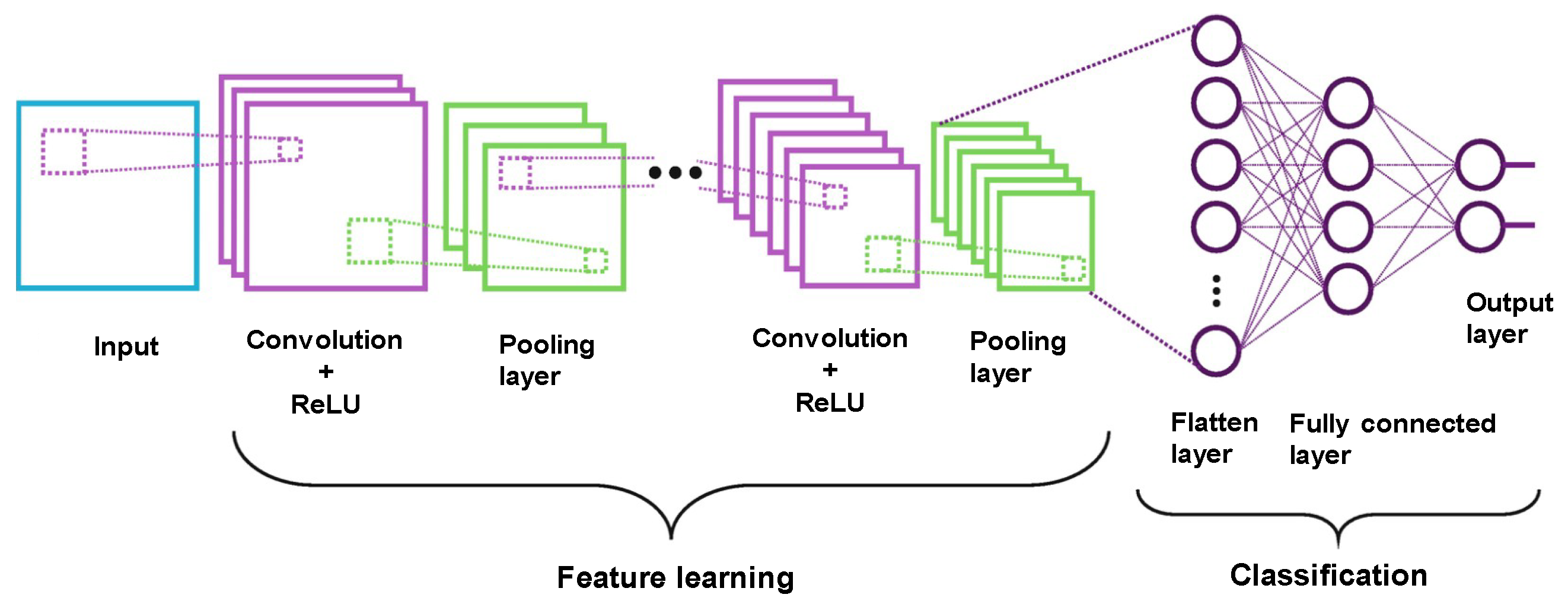
The architecture of a CNN consists of multiple layers that extract and process features from multidimensional data. A typical CNN architecture is illustrated in Figure 4, and its main components include:
- Input layer: accepts multidimensional raw data (e.g., voltage, current, or phasor measurements) for processing within the network.
- Convolutional layers: apply filters to input data to automatically learn features by detecting patterns such as edges, textures, or instantaneous signal changes. Each convolutional operation is followed by a non-linear rectified linear unit (ReLU) activation function.
- Pooling layers: reduce the dimensionality of feature maps through max-pooling or average-pooling operations, preserving key information while lowering computational complexity. Pooling also supports regularization and helps prevent overfitting, commonly in combination with dropout techniques.
- Fully connected layers: positioned after several convolutional and pooling layers, these layers receive the flattened feature maps and integrate the extracted information into a unified representation for decision-making.
- Output layer: contains neurons corresponding to the target fault classes (e.g., fault types or locations). A softmax activation function is commonly used to assign probabilities to each class, allowing multiclass classification [53,54].
Figure 4.
Architecture of basic CNN model [55].
CNNs offer several advantages in power system applications, including high accuracy, noise tolerance, and computational efficiency, making them suitable for real-time diagnostics. However, a primary limitation of CNNs is their inability to model temporal dependencies, as they process fixed-size input windows independently. This constraint reduces their effectiveness in situations where fault characteristics evolve over time or depend on historical signal trends. To overcome this issue, CNNs are often combined with temporal models such as LSTMs, resulting in hybrid architectures capable of capturing both spatial and sequential information.
4.2. Recurrent Neural Networks
An RNN is a specialized type of neural network in which connections between units form a directed cycle, unlike feedforward neural networks. These recurrent connections allow the model to maintain an internal state, or memory, that captures information from previous time steps. This capability enables RNNs to model temporal dependencies, making them suitable for time-series fault analysis in power distribution systems.
At the core of RNNs is a shared set of parameters that are reused across all time steps. Each output depends on both the current input and the previous hidden state, allowing the network to learn temporal patterns. The architecture of a typical RNN is illustrated in Figure 5 [56]. The model can be interpreted by unfolding it across the input sequence, where each output is influenced by earlier outputs through repeated application of the same update rule. This recurrent formulation produces parameter sharing across a deep computational graph, and training is typically performed using backpropagation through time.
Figure 5.
Architecture of an RNN model.
For a given input at time step t, the output and the updated hidden state can be computed as:
where , , and denote the shared weight matrices for the input-to-hidden, hidden-to-hidden, and hidden-to-output connections, respectively. The terms and represent the corresponding biases, and and are activation functions, such as tanh, ReLU, or softmax.
However, training RNNs can be challenging. As input sequences grow longer, the model may struggle to capture long-term dependencies due to vanishing or exploding gradients during backpropagation. This limitation reduces the ability to retain information from earlier time steps—an issue that is particularly relevant in power systems, where fault behavior may evolve gradually over multiple cycles. Truncated backpropagation through time is one mitigation strategy, but it reduces the temporal depth from which the model can learn. Several design variations for RNNs have been proposed, including: recurrent hidden units, output-recurrent models, sequence-to-one models, and bidirectional RNNs. RNNs can handle input sequences of varying lengths without increasing the model size [57]. However, they also present practical challenges: the inherently sequential nature of their computation makes training computationally expensive and time-consuming, while still limiting their effectiveness in retaining long-term dependencies. These shortcomings have motivated the development of more advanced RNN architectures, such as LSTM and GRU, which address many of the limitations of standard RNNs.
LSTM networks are an advanced type of RNN designed to address the limitations of traditional RNNs, most notably the vanishing gradient problem. The architecture of an LSTM network is illustrated in Figure 6 [54]. Each LSTM cell is composed of three key gates—the forget gate f, the input gate i, and the output gate o—each of which plays a distinct role in regulating the flow of information and preserving long-term dependencies. The forget gate determines which information from the previous cell state should be discarded, while the input gate regulates the incorporation of new information into the cell state. The output gate controls which portions of the updated cell state are propagated as the hidden state to the next time step [37]. The equations governing the LSTM cell operations for an input at time step t are defined as follows.
where , , and denote the cell state, the candidate cell state, and the hidden state, respectively. The cell state represents the memory of the LSTM network, while the candidate cell state contains new information that can be incorporated into the memory. The matrices , , , , , , , and represent the weight parameters associated with the respective gates. The corresponding bias vectors are denoted by , , , and [58]. This internal gating mechanism enables LSTMs to effectively model complex temporal dynamics, making them particularly well suited for fault diagnostic tasks in smart grids, where an accurate interpretation of time-dependent voltage and current variations is essential [54,58].
Figure 6.
Architecture of an LSTM cell.
GRU is another advanced variant of an RNN, introduced to improve training efficiency while still capturing long-term dependencies in sequential data, similar to LSTM. Structurally, unlike LSTM—which employs three separate gates and maintains both a cell state and a hidden state—GRU simplifies the architecture by combining these functions into a single hidden state regulated by two gates: the update gate and the reset gate. The update gate (u) controls how much information from the previous hidden state is retained and propagated forward, thereby managing memory flow across time steps [59]. The reset gate (r) regulates the influence of the previous hidden state () when computing the candidate hidden state (). The update gate then interpolates between the previous and candidate hidden states to produce the final hidden state () at the current time step. This streamlined design enables GRUs to learn temporal dependencies effectively while reducing architectural complexity and computational overhead compared to LSTMs. The internal structure of a GRU is illustrated in Figure 7, and its mathematical formulation is expressed as follows.
where denotes the sigmoid activation function and tanh represents the hyperbolic tangent function. The weight matrices W and Z, together with the bias terms b, constitute the model parameters learned during training [60]. This compact structure often allows GRUs to train faster than LSTMs while requiring fewer computational resources, making them a practical choice for real-time applications such as fault detection in power systems. GRUs offer a favorable balance between model simplicity and temporal learning capability, particularly when computational constraints are a concern.
Figure 7.
Internal architecture of a GRU cell.
4.3. Deep Reinforcement Learning
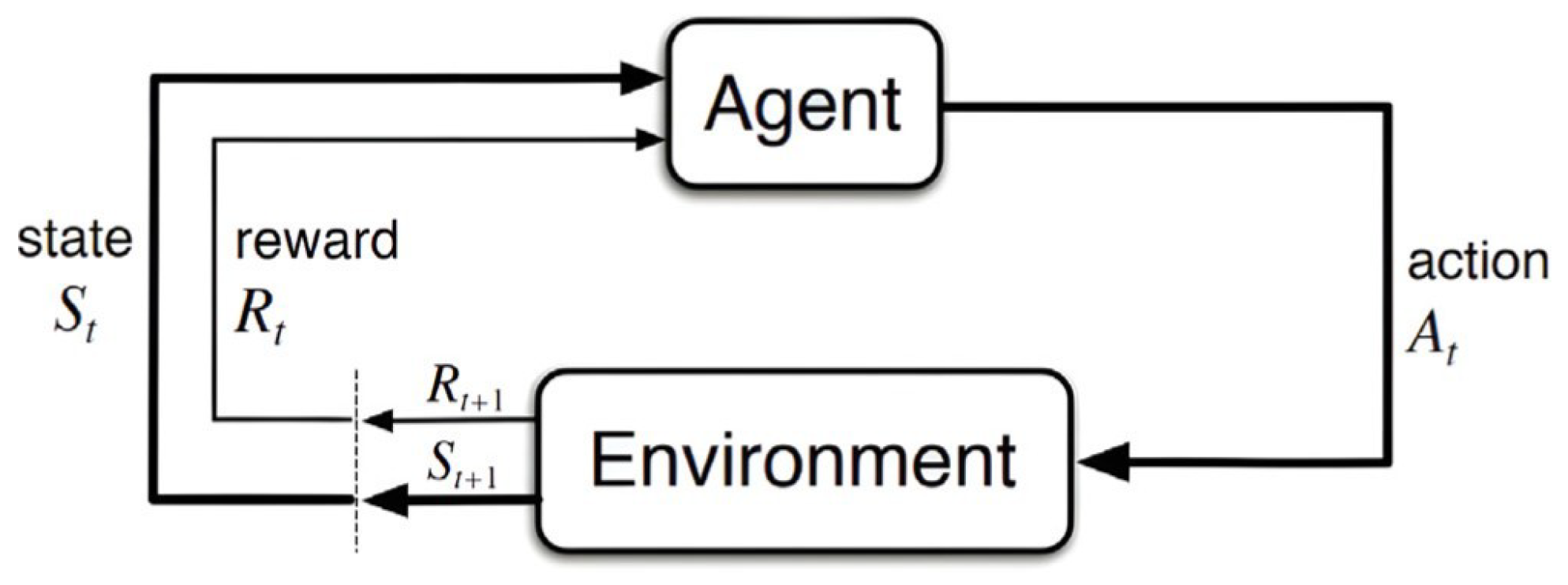
DRL integrates the decision-making framework of RL with the powerful representation capabilities of deep neural networks. RL is an ML paradigm that focuses on optimizing an agent’s interaction with its environment through a reward-driven learning process, as illustrated in Figure 8. It has emerged as an effective approach for addressing complex sequential decision-making problems, particularly those involving high-dimensional state and action spaces, such as smart grid fault analytics.
In an RL setting, an agent interacts with an environment over discrete time steps. At each time step t, the agent observes the current state , selects an action , and receives a corresponding reward that reflects the outcome of that action [61]. Through repeated interactions, the agent incrementally improves its decision-making strategy, either by estimating value functions or by directly learning an optimal policy [62]. The state-value function represents the expected cumulative reward obtained from state when following policy , while the action-value function estimates the expected return resulting from taking action in state :
The objective of the agent is to learn an optimal policy (a mapping from states to actions) that maximizes the expected cumulative future reward, commonly referred to as the return :
where is the discount factor that controls the relative importance of future rewards compared to immediate rewards [61]. The DRL agent seeks to optimize the policy so that the expected return is maximized over an entire trajectory. This learning objective makes DRL particularly well suited for applications such as FD in power systems, where system dynamics are time-varying and the available data are often complex and noisy.
Figure 8.
Agent to environment interaction diagram in RL [63].
DRL methods are commonly categorized into three classes based on their learning paradigms: value-based methods, policy gradient methods, and actor–critic methods. Value-based approaches, such as deep Q-networks (DQN), double DQN, and multi-step learning, focus on estimating action–value functions to guide optimal decision-making. These techniques have been applied to tasks including FL, protection coordination, and grid reconfiguration under uncertain operating conditions [64].
Policy gradient methods, including proximal policy optimization (PPO) and trust region policy optimization (TRPO), adopt a different strategy by directly learning control policies, making them particularly suitable for continuous control problems such as voltage regulation, electric vehicle charging, and demand response. Actor–critic methods, such as advantage actor–critic (A2C) and deep deterministic policy gradient (DDPG), integrate value-based estimation with policy learning, providing improved training stability and adaptability. These characteristics make actor–critic frameworks well suited for real-time applications involving DER integration [65,66].
As distribution systems become increasingly decentralized and data-rich, the ability of DRL to manage nonlinear, stochastic, and high-dimensional environments positions it as a promising tool for advanced decision-making in modern grid operations.
4.4. Graph Neural Network
GNN models constitute a class of DL approaches specifically designed to process data represented in graph form, such as the topological structure of power distribution networks combined with voltage and current measurements. Unlike conventional DL models that operate on Euclidean data, GNNs are capable of learning from non-Euclidean and irregular data structures. This property makes them particularly well suited for fault analytics in power grids, where spatial relationships among system components (e.g., buses, feeders, and lines) play a critical role in fault propagation and detection. This graph-based representation also allows GNNs to incorporate changes in network connectivity, such as feeder reconfiguration and switching operations, by updating the underlying adjacency structure. As a result, GNNs are conceptually capable of accommodating topology variations that commonly occur in distribution systems. However, the extent to which this capability is realized in practice depends on whether dynamic or multiple network configurations are explicitly considered during model training and evaluation.
Among the most widely used GNN architectures are graph convolutional networks (GCNs) and graph attention networks (GATs) [67]. GCNs can be viewed as an extension of traditional CNNs to graph-structured data. The key distinction lies in their operation on unordered nodes connected through arbitrary graph topologies, rather than on ordered grid-like data as in CNNs. This capability enables GCNs to capture local patterns and structural dependencies that are essential for tasks such as node classification and FL in power systems [44].
GCNs learn node representations by aggregating information from neighboring nodes using a normalized adjacency matrix, which defines the weighting of neighbor contributions during the feature aggregation process. This operation can be expressed mathematically through the aggregation function Z, as shown in the following equation.
where denotes the normalized graph adjacency matrix and F represents the node feature matrix. The parameters W and b correspond to the learnable weight matrix and the bias vector, respectively [67].
GAT further extends the GCN framework by introducing an attention mechanism that enables each node to assign different levels of importance to its neighbors during information aggregation. The working principles of the GCN and GAT architectures are illustrated in Figure 9. Similarly to GCNs, GATs learn their weight parameters during training; however, these weights are modulated by attention coefficients that govern the neighborhood aggregation process [68]. The weighted aggregation mechanism employed by GAT can be expressed as follows:
where denotes the updated representation of node i at layer , represents the feature vector of a neighboring node j at layer k, is the nonlinear activation function (e.g., ReLU), and denotes the one-hop neighborhood of node i. The term is the normalized attention (or aggregation) coefficient between the nodes i and j, and W represents the learnable weight matrix [67].
Figure 9.
Working principle of GCN and GAT.
4.5. Hybrid Models
Hybrid models have attracted increasing attention across a wide range of applications because of their ability to mitigate the limitations of individual techniques. By integrating spatial, temporal, and topological feature representations, hybrid DL methods generally constitute the current state-of-the-art for distribution system FD, FC, and FL. By combining two or more methods from DL, classical ML, rule-based systems, or probabilistic reasoning, these models provide a more comprehensive framework for addressing complex system behaviors. For example, the combination of CNN and LSTM has been widely adopted in smart grid applications. This hybrid approach leverages the strengths of CNNs in extracting spatial features from electrical signals and LSTMs in capturing temporal dependencies, resulting in a balanced and effective solution for fault diagnostics in distribution systems with high penetration of DERs [69].
Hybrid CNN–LSTM models augmented with attention mechanisms further illustrate the importance of hybrid designs. Li et al. [58] proposed a CNN–LSTM with an attention mechanism for partial-discharge detection in insulated conductors, where long, noisy voltage sequences make pure CNN or RNN models struggle. Their CNN–LSTM–attention model reached higher average accuracy than MLP, SVM, CNN, and BiLSTM baselines [58]. The attention layer reduces information loss in very long sequences and focuses the LSTM on partial-discharge-relevant time segments, demonstrating how hybridizing sequence models with attention can substantially increase detection robustness for low-SNR, high-dimensional measurements.
Several studies have also proposed hybrid frameworks that integrate DL-based feature extraction with classical ML classifiers such as SVMs and DTs. Such approaches are particularly useful in scenarios where training data are limited or model interpretability is a key requirement, as they combine high-level feature representation with relatively low computational complexity [70,71]. Kumar et al. used a hybrid SVM–ANN pipeline for transmission-line fault diagnosis, where SVM is used to train the system and an ANN performs final fault-type classification, yielding satisfactory outcomes and illustrating how hybrid ML schemes can exploit the strong generalization of SVMs while retaining the flexible decision boundaries of ANNs [70]. In addition, ML-based techniques have been coupled with probabilistic models, such as dynamic Bayesian networks, to explicitly account for time-varying uncertainties in power system operation. These hybrid configurations support continuous learning and adaptive optimization in real-time monitoring and control tasks [72].
Beyond accuracy, hybrid models deliver higher gains in operational performance metrics such as latency, resource usage, and adaptivity. Li et al. integrated DRL with multi-layer neural inference in a cloud–edge collaborative framework, achieving high average detection accuracies (86–99%) while simultaneously reducing inference delay and improving throughput relative to pure-cloud or greedy resource allocation strategies [73]. This result highlights that hybridization is not limited to model architecture—it extends to system-level hybridization, enabling real-time deployment and scalability. In general, hybrid models offer flexible and efficient solutions for fault diagnostics in modern power systems.
5. Application of Deep Learning Models Across Fault Analytics Stages
This section reviews how various DL models have been applied across the primary stages of fault diagnostics, FD, FC, and FL, and discusses their strengths and limitations, as reported in the literature. Conventional fault diagnostic techniques increasingly face challenges related to training time, computational speed, scalability, and adaptability, particularly as modern smart grids become more complex due to the integration of DERs. In response to these challenges, DL has emerged as a powerful tool capable of learning complex spatiotemporal patterns from system data, enabling more accurate, efficient, and automated fault diagnosis.
The following subsections provide a structured review of DL applications at each stage of fault diagnostics—FD, FC, and FL—drawing on recent studies to highlight methodological advances, system configurations, and reported performance improvements. To provide a more rigorous technical synthesis, each stage is categorized into single-task models and integrated diagnostic frameworks. The functional distribution and quantitative density of these studies are visually summarized in the Venn diagram in Figure 10. This mapping highlights the current research emphasis on multi-task models, particularly in the overlap between FD and FC, while identifying emerging trends in comprehensive three-stage analytics. Overlapping regions represent integrated frameworks (e.g., FD-FC, FC-FL), while numerical values indicate the quantity of reviewed articles in each category.
Figure 10.
Functional categorization and distribution of the 29 reviewed studies across fault diagnostic stages (FD, FC, and FL).
5.1. Fault Detection Using Deep Learning
This subsection describes how various DL techniques have been applied to FD. Numerous studies have demonstrated that classical ML models, such as SVM, DT, and bagged trees, can achieve high accuracy in FD tasks, particularly in microgrid environments [74,75,76]. However, the performance of these approaches is often constrained by their reliance on manual feature extraction and sensitivity to data quality. As a result, they typically require signal preprocessing techniques, such as the discrete wavelet transform (DWT), to extract representative features from voltage and current measurements. Even with such preprocessing, their ability to generalize under varying load conditions and nonlinear system behavior remains limited.
DL techniques address many of these limitations by learning complex patterns directly from raw voltage and current waveforms. This capability reduces the dependence on handcrafted features and enhances robustness and scalability in dynamic operating environments commonly encountered in modern power systems. Based on these advantages, recent studies have applied diverse DL architectures—such as CNNs, DRL, and other hybrid models—to short-circuit fault diagnostics in distribution systems.
Zhang et al. [43] proposed a CNN-based method for detecting HIFs in distribution networks using data collected from distribution-level PMUs. The model learns irregular, non-linear transient signatures associated with HIFs, which persist across sliding time windows despite low current levels. To distinguish HIFs from non-fault events, the study explicitly incorporates load and distributed generation switching disturbances as a separate class during training. The proposed model achieved an average detection accuracy of 97% and demonstrated robustness under a wide range of operating conditions, including variations in fault location, initial phase angle, fault impedance, time-window length, noise level, and external disturbances. Even under multiple load changes and distributed generation (DG) switching events, the FD accuracy remained above 94%, indicating strong generalization capability.
A DRL-based approach for FD and fault prediction in power systems was presented in [77], where alarm signal data were used as model inputs. The study considered faults in distribution lines, busbars, transformers, as well as complex switch refusal scenarios. The proposed model was evaluated using both simulated and real-world datasets, achieving detection accuracies ranging from 82 to 95% in simulation studies and from 47.6 to 86.9% when tested on field data.
In another recent work, Li et al. [73] introduced a cloud–edge collaborative FD framework based on DRL for smart grid applications. The authors employed an actor–critic architecture combined with a pointer network and policy gradient optimization to enable dynamic resource allocation and task scheduling under real-time communication delays. Neural networks were deployed across both cloud and edge layers to support distributed FD. The results showed that the proposed DRL-based control mechanism effectively reduced data transmission latency, improved throughput, and enhanced overall fault detection efficiency.
By integrating multiple techniques, hybrid models are often able to achieve performance levels beyond those of individual algorithms. Siddiqui et al. [78] proposed a hybrid ML framework that combines an auxiliary classifier generative adversarial network (ACGAN) for synthetic fault data generation with an extra trees classifier (ETC) for FD. The ETC was selected based on a comparative evaluation against other classifiers, including DL models, RF, gradient boosting classifiers (GBC), and kNN. Power system features such as transients, voltage sags, surges, and oscillations were extracted as one-dimensional waveforms from sensors installed on multiple pieces of equipment, using data from the Georgia Electric System Load dataset. The proposed model demonstrated significant performance improvements across various fault scenarios, including lightning strikes, equipment failures, and oscillatory events. The augmented dataset was validated using 10-fold cross-validation, yielding a standard deviation of 0.00659, which indicates stable and reliable performance.
Ramkumar et al. [79] developed a hybrid approach for substation automation that integrates LSTM, SVM, and DQN. The proposed system leverages sensor data from circuit breakers, relays, and transformers to support FD, predictive maintenance, and real-time operational optimization. The results demonstrate accuracies of 92% for predictive maintenance and 95% for FD, along with a 90% improvement in operational efficiency and a 30% reduction in service interruptions. Compared to an earlier study on the same network by Xuan et al. [80], which employed YOLOv5 for FD in substation equipment, the hybrid framework proposed by Ramkumar et al. [79] shows enhanced efficiency, reliability, and operational safety in power distribution networks.
Several studies in the literature address multiple fault diagnostic tasks within a single framework, most often combining FD and FC. These integrated approaches are examined in greater detail in the following subsections.
5.2. Fault Classification Using Deep Learning
Fault classification is a critical function in distribution grids, as it enables rapid identification of fault types, which is essential for selecting appropriate protection and restoration actions, minimizing service interruptions, and improving overall system reliability [81]. As the complexity of power networks continues to increase, experts anticipate that future smart grids will increasingly rely on optimization-based techniques to improve protection coordination and fault handling efficiency [82]. A comprehensive review by Bindi et al. [11], focusing on shunt faults—the most prevalent and damaging fault types in power systems—highlights a growing shift toward data-driven DL approaches for accurate real-time FD, FC, and FL, overcoming the limitations of traditional protection schemes. This section reviews how DL techniques are applied specifically to FC.
5.2.1. Single-Task Classification Models
Punitha et al. [83] proposed a CNN-based FC framework for a 33 kW solar photovoltaic (PV) system equipped with a real-time, Internet-of-Things-enabled data acquisition infrastructure. The model was trained using a dataset comprising more than 23,000 real-world fault instances collected over a five-year period, encompassing eight fault categories such as cell cracks, partial shading, ground faults, and module failures. Voltage, current, temperature, and irradiance measurements were acquired using ESP32-based sensor nodes. The proposed CNN achieved an FC accuracy of 96.5%, with a precision of 95%, recall of 98%, and an F1-score of 96.5%.
The challenges associated with detecting internal faults—such as HIFs and downed conductor events—which are often missed by conventional methods due to low fault currents or inverter-dominated system responses, were addressed in [84]. In that study, dynamic state estimation was employed to identify anomalies in real-time voltage and current measurements obtained from merging units, followed by FC using a lightweight one-dimensional CNN trained on 12 fault classes. The proposed approach achieved a validation accuracy of 97.83%, while also demonstrating fast response times and robustness to measurement noise and corrupted data. By plotting training and test accuracy curves over the epochs, the authors provided evidence that the model generalized well within the evaluated simulation environment.
Another CNN-based FC approach was presented in [85], where raw three-phase voltage and current signals were processed directly, enabling automatic hierarchical feature extraction without explicit preprocessing. The system configuration followed parameters reported in earlier studies [86,87]. Fault scenarios generated using a MATLAB/Simulink-based distribution system with two distributed generators were evaluated using 10-fold cross-validation. The proposed model achieved an average classification accuracy of 99.52%, with precision, recall, specificity, and F1-score values consistently exceeding 99%. Additional testing on a mixed transmission–distribution network confirmed the model’s suitability for real-time FC in modern smart grids. Compared to GRU-based architectures and traditional ML methods such as SVM, KNN, and DTs, the CNN model demonstrated a favorable balance between classification accuracy and online computational efficiency.
Overall, the studies reported in [83,84,85] demonstrate the strong potential of CNN-based methods for reliable FD and FC in smart grid environments characterized by fluctuating generation and high levels of PV integration.
Li et al. [88] proposed an online FC method based on a calibrated LSTM network, which incorporates a calibration filter to select only historically relevant samples that match current signal patterns. This design significantly reduces computational overhead during online operation. Trained on more than 110,000 simulated fault cases generated using a model developed in [89], the proposed approach consistently outperformed SVM, ANN, and conventional LSTM models. It achieved an average classification precision of 99.7%, an F1-score of 0.995, and a missed detection rate as low as 0.1%, even under varying system parameters and noise conditions. The method also demonstrated suitability for real-world protection relaying applications, with an average response time of 8.6 ms.
Almasoudi et al. [54] implemented real-time FD using hybrid DL architectures, including CNN–GRU, CNN–LSTM, and CNN–RNN, trained on multi-year operational grid data. Among these, the CNN–GRU model achieved the best performance, attaining an accuracy of 93.92% along with the lowest error metrics. By combining spatial feature extraction and temporal modeling capabilities, these hybrid models were able to rapidly and accurately identify fault patterns and respond to anomalies in real time.
An integrated fault diagnosis and control framework for inverter-interfaced DERs in microgrids was presented by Fallah and Ramezani [19]. Their approach combines LSTM-based signal prediction with k-NN-based FC and corrective control actions. The control strategy operates in three stages: prediction of the next pulse-width modulation (PWM) input voltage, classification of the operating condition into fault or normal states, and corrective adjustment of the control signal when a fault is detected. Trained on a dataset exceeding 800,000 samples, the model achieved high detection accuracy, particularly for faults characterized by significant amplitude deviations (mean absolute error below 0.2). The system was simulated using the framework described in [90].
The robustness of hybrid DL models under varying load conditions was further demonstrated by Sahu et al. [91], who proposed a CNN–LSTM-based framework capable of maintaining reliable performance across diverse operating scenarios.
5.2.2. Integrated Diagnostic Frameworks with Classification Models
DL techniques can be applied not only to individual fault diagnostic tasks but also to multi-objective settings that jointly address two or more of FD, FC, and FL. Shanmugapriya and Baskaran [36] presented a residual network (ResNet), a deep CNN-based architecture, for the detection and classification of power quality disturbances (PQDs), including voltage sags, swells, transients, interruptions, and waveform distortions. Their study demonstrated that PMU-integrated ResNet models enable faster and more accurate disturbance detection compared to conventional CNN, LSTM, and hybrid CNN–LSTM architectures.
LSTM-based models for combined FD and FC of shunt faults were developed and evaluated in [92,93]. These studies showed that deep LSTM architectures can eliminate the need for explicit feature extraction while achieving high classification accuracy. The reported implementations also demonstrated acceptable computational performance, with approximate processing times on the order of 43 s.
In addition to physical faults, modern distribution grids are increasingly exposed to cyber-attacks targeting critical components such as sensors, protection relays, and communication links, potentially leading to malfunctions or delayed fault responses. To address these challenges, recent research has explored the use of DL models for timely and accurate detection of malicious intrusions. Ness [38] proposed an LSTM-based approach for detecting adversarial cyber-attacks, including denial-of-service, backdoor, and adversarial perturbation attacks, in smart grid communication networks designed following the framework in [94]. The proposed method significantly outperformed traditional classifiers by enhancing fault tolerance while strengthening the overall security and operational stability of energy distribution systems. Related anomaly detection studies have also examined physical-layer jamming in IoT networks [39], although these works primarily focus on wireless communication systems, rely on statistical or rule-based techniques rather than DL, and do not address electrical short-circuit faults. However, these concepts could potentially be adapted to smart grid cyber-physical security. With the increasing deployment of outdoor, public-facing DER assets and smart-grid devices, similar approaches may become relevant for distribution-grid security.
Using a deep belief network (DBN), a hierarchical DL model constructed by stacking multiple restricted Boltzmann machines, Fahim et al. [95] proposed a combined FD and FC framework for microgrids. The DBN architecture enables the learning of rich feature representations from raw or transformed inputs through layer-wise unsupervised pre-training followed by supervised fine-tuning.
Overall, these DL-based studies demonstrate strong performance in both single-task and multi-task fault diagnostic scenarios. A comparative summary of their reported performance metrics is provided in Table 2.
5.3. Fault Localization Using Deep Learning
Fault Localization is a critical function in power distribution systems, as it enables faster service restoration, reduces outage duration, minimizes equipment damage, and enhances overall system reliability and safety [96]. This section reviews recent applications of DL techniques for FL.
Alwash et al. [97] presented a voltage-matching and impedance-based FL scheme for DG-integrated distribution systems, which was validated on the IEEE 34-bus test system under a range of fault scenarios. Their approach outperformed earlier techniques proposed by Bretas [98] and Nunes [99], achieving higher localization accuracy with FL errors as low as 0.005%. However, the scalability and real-time adaptability of this method are limited due to its dependence on accurate system modeling and high-quality PMU measurements.
Similarly, José [100] analyzed distance-based FL techniques and demonstrated that their accuracy degrades in the presence of DERs, primarily due to altered current paths and variable fault resistances. These findings further emphasize the challenges faced by traditional FL methods in handling the increased complexity of modern smart grids. Addressing these limitations, Hameed and Cevik [27] evaluated several classical ML models for combined FD and FL tasks. Prior to the widespread adoption of DL, data-driven frameworks were also developed for joint FD, FC, and FL in smart grids. For example, Jiang et al. [101] proposed an integrated approach based on time–frequency feature extraction, hidden Markov models, and clustering applied to voltage and frequency measurements, considering fault scenarios such as generator ground faults, transmission line outages, generator outages, and load losses. While such approaches are effective under noisy conditions, the reliance on handcrafted features limited their scalability in large, DER-rich distribution systems. While these approaches showed reasonable performance, the authors noted their inability to effectively capture the spatiotemporal dynamics of power system faults, thereby reinforcing the need for DL-based solutions.
5.3.1. Single-Task Localization Models
Considering the measurement variability introduced by DER integration in distribution grids, Chen et al. [44] proposed a DL-based FL approach using a GCN. The model demonstrated strong localization performance under a range of challenging conditions, including Gaussian noise, data loss, and measurement uncertainty. Its effectiveness was validated on the IEEE 123-bus and 37-bus benchmark systems and shown to outperform several classical ML approaches. In the simulation studies, fault scenarios were generated by varying fault types, locations, fault resistances, and inception angles. The authors also assess the impact of feeder reconfiguration by considering two network configurations in the IEEE 123-bus system, demonstrating that the GCN maintains stable fault diagnostic performance (with FL accuracies of 88.37% and 91.89%) under topology changes.
The sensitivity of FL accuracy to measurement availability was investigated by progressively reducing the number of measured buses in the IEEE 37-bus system. The results show that overall FL accuracy decreases as observability is reduced, whereas one-hop and two-hop localization accuracies remained comparatively robust. This suggests that graph-based models are capable of identifying the fault vicinity even under sparse measurement conditions. However, the PMU locations are predefined, phasor measurements are assumed to be ideally synchronized, and the impact of synchronization errors on localization accuracy is not explicitly evaluated.
A CNN–LSTM hybrid model for FL was presented in [102], where the approach was simulated and evaluated on the IEEE 30-bus system. The proposed model achieved a weighted average localization accuracy of 99.36%, outperforming standalone CNN, LSTM, and fully convolutional network (FCN) models. The robustness of the approach was further validated using 10-fold cross-validation.
In another study conducted on the IEEE 14-bus transmission system, root-mean-square voltage and current features were used to identify and locate shunt faults using conventional ML techniques, including SVM and DTs [25]. While SVM achieved a relatively high localization accuracy of 87%, the study highlighted the limitations of traditional ML methods in handling complex fault scenarios, particularly when compared to DL-based approaches.
5.3.2. Integrated Diagnostic Frameworks with Localization Models
Further emphasizing these challenges, Nante and Wang [103] carried out a comprehensive analysis of AI applications for FD and FL in DC microgrids integrated with AC systems. Their study underscored the growing risks posed by DERs to conventional protection schemes, including altered fault current paths, increased sensitivity to nuisance tripping, and protection blinding. A wide range of techniques—including principal component analysis, K-means clustering, CNNs, genetic algorithms, and explainable artificial intelligence (XAI)—were evaluated. Based on their findings, the authors advocated for hybrid mechanisms that balance interpretability, accuracy, and optimization.
Similarly, Srivastava et al. [104] proposed a fault prognosis framework based on fast Fourier transform-assisted ML techniques. Using the IEEE 34-bus system, their approach combined weighted KNN for FC and linear regression for FL, achieving high localization accuracy. Although effective, the study further supports the view that DL-based methods may offer greater flexibility and resilience for FL in dynamic and data-rich smart grid environments.
Balouji et al. [105] proposed a deep CNN-based method for earth FC and source localization in smart grids using high-frequency neutral voltage and current measurements. When evaluated on the native grid, the model achieved FC and FL accuracies of 95.83% and 89.29%, respectively, for solid, high-resistance, and intermittent earth faults. When tested on a different grid, the model maintained strong generalization performance, achieving accuracies of 85.11% for FC and 80.85% for FL. The study highlights both the diagnostic value of neutral voltage measurements for real-time fault analysis and the practical applicability of CNN-based approaches.
Although the primary focus of this review is shunt fault diagnostics in power systems, the effectiveness of CNNs has also been demonstrated in related domains. For instance, Wen et al. [106] employed a LeNet-5-based CNN to diagnose faults in rotating machinery by transforming raw sensor signals into two-dimensional representations. Their results illustrate the strong feature extraction capability of CNNs, which is equally relevant for complex FC tasks in power transmission and distribution networks, even though the application domain differs.
Li [107] presented a DRL-based framework for FD and FL of line-to-line-to-line-to-ground (LLLG) shunt faults in power networks. The proposed method formulates the problem as a parameter identification task by encoding fault type and location into a parameter vector and employs a DQN to iteratively minimize the mismatch between simulated and reference system outputs in an IEEE 14-bus system. Compared with standard approaches such as LSTM, CNN, genetic algorithms (GA), and particle swarm optimization (PSO), the method demonstrated superior accuracy and computational efficiency, achieving 100% FD accuracy under both low and high signal-to-noise ratio conditions.
Similarly, Hu et al. [108] proposed a spatiotemporal deep graph learning framework based on GNNs for FC and FL in power distribution systems. Evaluated on the IEEE 33-bus and IEEE 37-bus test systems, the model achieved FC and FL accuracies of 99.9% and 99.2%, respectively, while demonstrating strong robustness across varying fault resistances and network topologies. To examine topology generalization, the authors construct three mesh-based network topologies of the IEEE 33-bus system and evaluate cross-topology performance by training the model on one topology and testing it on the remaining two configurations. This model uses simulated PMU-like RMS voltage and current measurements at each bus as node features, assuming ideal sampling and synchronization, which explains why PMU placement density and timing errors are not explicitly analyzed.
A comprehensive review of FL and fault prediction methods for AC and DC distribution networks, including smart grid applications, was presented by Dashti et al. [109]. Emphasizing the role of hybrid approaches and high-quality data in enhancing system resilience, the authors evaluated existing techniques under a range of operating conditions, including the presence of DG and varying communication standards.
An SVM-based approach combined with inter-harmonic injection for locating HIFs in meshed AC microgrids was proposed by Forouzesh et al. [110], relying on voltage-based features and actively injected interharmonic signals, enabling reliable identification under low fault current conditions and reducing sensitivity to non-fault transients. Using detailed electromagnetic transient program (EMTP) simulations, Teimourzadeh et al. [40] developed a hybrid CNN–DQN framework for detecting and localizing HIFs and LGFs in power lines by learning nonlinear frequency-domain voltage–current transfer characteristics rather than fault current magnitude.
To jointly address FD, FC, and FL in distribution systems with different DG configurations, Deng et al. [20] introduced a DL-based artificial neural network (DL–ANN) framework. Their methodology employs an MLP to identify fault types and locations, DWT is used to extract features from three-phase current signals. In another smart grid study, Alhanaf et al. [111] applied CNN and ANN models to diagnose multiple fault types using voltage and current measurements.
A real-time hierarchical fault diagnostic framework integrating FD, FC, and FL for frequency disturbance events was proposed in [37]. This approach leverages RNN and LSTM models trained on rate-of-change-of-frequency (ROCOF) signals obtained from PMUs. Collectively, these studies demonstrate how DL architectures—including ANN, CNN, RNN, and LSTM—can effectively address complex fault scenarios in modern transmission and distribution networks.
Ngo et al. [68] proposed a DL-based fault diagnostic framework employing a GAT for multi-task FD, FC, and FL in microgrids. The model captures spatiotemporal dependencies across the network using µPMU voltage and branch current measurements. When evaluated on the Potsdam 13-node and IEEE 123-node test systems, the approach outperformed traditional models. The authors also identified several limitations, including scalability challenges, a lack of evaluation under missing-data conditions or cascading fault scenarios, and the need for extensive hyperparameter tuning. Although GAT is employed, the evaluation is conducted on a fixed feeder topology, and the impact of dynamic reconfiguration or switching operations is not explicitly investigated. Authors assessed robustness under additive measurement noise (3–10%), but did not explicitly quantify the impact of reduced µPMU density or synchronization errors on FL performance, highlighting an important evaluation gap for real-world adoption.
Similarly, Chanda et al. [41] introduced a heterogeneous graph-based multi-task learning model (MTL-GNN) for diagnosing short-circuit faults in distribution systems. Their approach extracts both topological and phasor features using GNNs and reduces training costs by estimating fault resistance and fault current without relying on explicit ground-truth labels. The model is evaluated for unseen topology changes on the IEEE-123 feeder by testing on out-of-distribution test cases with modified connectivity, showing that model performance is retained under network reconfiguration. The authors discuss practical implementation considerations, including compatibility with µPMU-based measurements and operation under partial observability (approximately 20% of nodes), potentially aided by state estimation. However, this discussion focuses on deployment feasibility rather than a systematic sensitivity analysis, and does not quantify FL accuracy trends under varying PMU placement densities. Despite these advantages, the method requires substantial hyperparameter tuning and prior knowledge of the number of diagnostic tasks, which remain significant barriers to practical deployment.
Similarly, Rizeakos et al. [42] proposed a ConvLSTM-based framework that integrates spatiotemporal learning using voltage and current data collected from AMI for fault analysis in low-voltage radial distribution networks. Both hybrid approaches demonstrated superior performance compared to standalone CNN and LSTM models in reliability-related metrics such as dependability and security, and showed robust behavior under islanded operating conditions.
In addition to studies that highlight the limitations of conventional fault diagnostic techniques under high DER penetration, a limited number of DL-based works explicitly evaluate diagnostic performance across multiple DER scenarios. For example, Alhanaf et al. [69] investigated a CNN–LSTM architecture for FC and FL on modified IEEE 6-bus and 9-bus systems with varying levels of distributed generation penetration (2–3 DGs). The authors reported FC accuracies ranging from 96.94% (3 DGs on the 9-bus system) to 97.60% (2 DGs on the 6-bus system), indicating that variations in DER penetration levels can influence diagnostic accuracy, although the observed degradation remained limited within the tested scenarios. These results suggest that DL–based models such as CNN–LSTM may exhibit comparatively greater robustness to DER variability than traditional impedance-based methods, while also underscoring the need for more systematic benchmarking across broader DER penetration ranges.
A comprehensive summary of DL-based research on fault analytics in power distribution systems is presented in Table 2. The reviewed studies cover a broad range of DL techniques, including CNN, LSTM, RNN, GNN, DRL, as well as various hybrid architectures. Each approach is evaluated based on its ability to perform one or more key diagnostic tasks, namely FD, FC, and FL. The table also summarizes the specific fault types considered, the test systems employed, and the performance metrics reported in the literature.
Many of the reported accuracies exceeding 99% are achieved under controlled simulation environments that may not fully reflect real-world operating conditions. In several cases, the training and testing datasets are derived from the same simulated feeder, raising concerns about the independence of the evaluation dataset and the potential for overfitting or dataset memorization [91,102]. Furthermore, only a limited subset of studies report k-fold cross-validation, and very few works employ real-world measurements to assess deployment-level generalization [78,83,85]. As a result, high performance observed in simulation does not necessarily translate to robust field performance, particularly under DER-driven uncertainties, measurement noise, or cyber-physical disturbances. This comparative overview highlights a clear shift toward multi-task, data-driven frameworks that integrate spatial and temporal learning capabilities, offering improved accuracy, interpretability, and adaptability in complex, DG-integrated smart grid environments.
Table 2.
Summary of Deep Learning-Based Fault Analytics Techniques.
6. Discussion
This discussion section synthesizes the key findings of the review by comparing the relative strengths of the examined approaches, identifying remaining research gaps and technical challenges, and outlining promising directions for future work. Each of these aspects is examined in detail in the following subsections.
6.1. Comparison of DL Methods for Fault Analytics
The comparative characteristics of commonly used DL techniques for fault analytics are illustrated in Figure 11. The comparison is based on key performance criteria—namely accuracy, adaptability to dynamic grid conditions, training complexity, data requirements, and inference speed—derived from the comprehensive literature review conducted in this study. These comparative metrics are obtained through a structured qualitative synthesis of the studies summarized in Table 2. A quantitative comparison across all reviewed techniques is not feasible, as the studies vary significantly in terms of fault types, test systems, network sizes, DER penetration levels, measurement configurations, and experimental setups. Therefore, the five metrics are interpreted in a relative and conceptual manner, based on recurring trends reported in the literature.
Figure 11.
Comparative performance analysis of DL techniques used in power distribution fault analytics.
Accuracy reflects the consistency of reported diagnostic performance across different test systems (e.g., techniques that repeatedly report high FD or FC accuracy across multiple networks and fault scenarios). Speed represents relative inference efficiency inferred from architectural characteristics rather than standardized latency measurements (e.g., single-pass CNN models are generally faster than sequential or multi-stage architectures such as CNN-LSTM-based models [88]). Training complexity and data requirements are assessed based on model structure, optimization strategy, and dataset diversity (e.g., hybrid, GNN-, and DRL-based approaches typically involve multi-stage training procedures or require larger and more diverse datasets) [40]. Adaptability is defined as the ability of a model to maintain performance under varying operating conditions—such as DER penetration levels, noisy measurements, and topology changes, as evidenced by the application scope and scenarios addressed in the reviewed studies. For example, GNN-based and temporal models that explicitly account for network topology or dynamic behavior are considered more adaptable [44].
As shown in the Figure 11, hybrid models (such as CNN–LSTM and CNN–GNN) consistently exhibit strong performance in terms of both accuracy and adaptability. For instance, on the same IEEE 6-bus test system, a hybrid CNN–LSTM model achieved higher FL accuracy (97.60%) [69] than a CNN-only model (96.85%) [111]. However, these benefits are often accompanied by increased training complexity and higher data requirements. DRL-based methods also demonstrate high adaptability and accuracy, particularly in real-time control and decision-making scenarios, but they tend to be computationally intensive and require substantial amounts of training data. GNN-based approaches offer robust generalization and an inherent ability to capture network structure, although their inference speed may be limited in time-critical applications.
Table 3 summarizes the quantitative inference-related speed metrics reported in representative fault diagnosis studies. As shown, only a limited number of works provide numerical latency values, and the reported metrics vary from pure inference time to dataset-level testing time and system-level detection delay. Importantly, although hybrid architectures such as CNN–LSTM are increasingly adopted for fault analytics, none of the reviewed studies report quantitative inference latency measurements for these models. As a result, direct and fair comparisons of inference efficiency across different model architectures remain challenging, highlighting the need for standardized latency reporting in future studies.
Table 3.
Quantitative summary of inference latency and computational speed reported in selected fault diagnosis studies.
Beyond architectural differences, the suitability of DL models for fault diagnostics depends strongly on the operational scenario. In distribution grids with high penetration of DERs and EVs, system behavior becomes increasingly time-varying, and inverter-driven dynamics introduce non-stationary features. Under such conditions, sequential models (e.g., LSTM- and Transformer-based architectures) tend to demonstrate improved stability and consistency in FD and FL tasks [58,112]. Similarly, when network connectivity and measurement sparsity are critical factors, graph-based architectures (e.g., GNNs) often outperform purely spatial or temporal models by explicitly leveraging topological information [67].
Deployment constraints further influence model selection. For fast protection and low-latency decision-making, lightweight CNN- and MLP-based models offer a favorable balance between accuracy and inference speed, making them well suited for edge devices or embedded protection relays [111]. In distribution protection, real-time operation typically requires cycle-level decision-making (16.7 ms at 60 Hz and 20 ms at 50 Hz), whereas supervisory analytics can tolerate multi-cycle delays. Based on the reported inference times in Table 3, CNN-, ANN-, and GNN-based approaches can satisfy cycle-level constraints even on commodity CPUs, while LSTM-based and hybrid CNN–LSTM architectures often incur inference delays on the order of tens to hundreds of milliseconds of delay, making them more suitable for supervisory or offline analytics. DRL-based models can also support fast inference once trained; however, their substantial training overhead limits their applicability for online adaptation.
Hybrid approaches and DRL-based models generally achieve higher accuracy and adaptability across a wide range of grid conditions; however, their greater computational and data requirements often restrict deployment to supervisory or offline analytics layers. In addition, GNN- and DRL-based models tend to exhibit stronger robustness to topology changes, PMU placement variability, and DER-driven dynamics, underscoring their potential value for modern, heterogeneous distribution systems.
In contrast, CNN- and LSTM-based models offer a more balanced trade-off between performance and practicality. CNNs are comparatively simple, fast, and effective for spatial feature extraction, while LSTMs are well suited for modeling temporal dependencies with moderate training and data requirements. In practice, achieving high diagnostic accuracy does not necessarily require highly complex architectures. For example, a lightweight CNN-based FD model achieved 97% accuracy on a DER-integrated system with low computational burden [43], whereas topology-aware GCNs reached 99.26% FL accuracy [44], illustrating the trade-off between spatial precision and model complexity. These patterns provide practical guidance for utilities and operators when selecting DL architectures that align with DER penetration levels, measurement density, and latency constraints. Overall, no single method outperforms all others across every criterion. Hybrid and DRL-based approaches are well suited for high-performance, data-rich environments, whereas CNN- and LSTM-based models often represent more practical solutions for resource-constrained or real-time operational settings.
6.2. Advances and Improvements Enabled by Deep Learning
Fault diagnostics in power distribution systems have evolved significantly over time, encompassing a broad range of techniques from early analytical methods to recent data-driven approaches, including impedance-based methods [113], traveling-wave techniques [114], fuzzy logic [115], AI-based approaches [116], and various hybrid frameworks. Although traditional traveling-wave and impedance-based techniques are valued for their analytical and physical interpretability, they often struggle under modern grid conditions characterized by low fault currents, variability introduced by DERs, and limited sensor deployment. To address these challenges, AI-based approaches—particularly those driven by ML and DL—have emerged as effective alternatives. In addition, hybrid strategies that combine domain knowledge with learning-based algorithms, as well as methods relying on sparse or distributed measurements (such as PMUs and µPMUs), have been proposed to enhance real-time FD, FC, and FL in distribution networks.
This review highlights that advances in DL techniques have led to substantial improvements in short-circuit fault analytics. Models based on CNN, LSTM, DRL, GNN, and their hybrid combinations have been successfully applied across FD, FC, and FL tasks. Numerous studies report high diagnostic performance, with accuracies often exceeding 98% on widely used simulation benchmarks, such as the IEEE 14-bus, 33-bus, and 123-bus systems. Hybrid models, in particular, have proven effective in handling time-varying grid behavior induced by DER integration. For example, frameworks that combine the temporal learning capability of LSTM with the real-time optimization strengths of DRL offer both accuracy and adaptability. Such models are well suited for dynamic fault diagnostic scenarios that require rapid decision-making, contributing to improved grid resilience and a reduction in customer service interruptions through fast and automated corrective actions.
6.3. Research Gaps
Recent advances in DL-based fault analytics have improved performance across FD, FC, and FL tasks; however, despite these advances, several important research gaps remain. These research gaps arise across four key dimensions, including fault scenario coverage, data and evaluation practices, interpretability and physical consistency, and topology-aware system modeling, as detailed in the following subsections.
6.3.1. Incomplete Coverage of Fault Scenarios
A critical gap in the existing literature on data-driven fault diagnostics in power distribution systems is the limited attention given to open-circuit faults, such as open-phase or broken-conductor events. While the majority of studies focus on short-circuit faults, open-circuit fault scenarios remain comparatively underrepresented. This limitation has been noted in prior work, which emphasizes the inherent difficulty of detecting open-circuit faults due to the absence of distinct fault current signatures and the resulting ineffectiveness of conventional current-based protection schemes [117]. Although dedicated methods for open-circuit FD in overhead distribution networks have been proposed [118], such studies are relatively few compared to the extensive body of work on short-circuit fault diagnostics. Consequently, most existing data-driven frameworks are not explicitly designed to detect or diagnose open-circuit faults, particularly under varying operating conditions and increasing DER penetration.
Fault scenarios such as HIFs, cascading events, and cyber–physical disturbances are still not adequately represented in the literature. In addition, relatively few studies explicitly consider varying levels of DER penetration, and those that do tend to focus mainly on FD and FC. The problem of FL under various operating conditions of the DER remains largely unexplored.
6.3.2. Data and Evaluation Gaps
Most existing DL models have been developed and evaluated primarily in simulation environments, with limited validation using real-world operational data. Across the reviewed DL-based fault diagnosis studies, training objectives remain predominantly task-driven. Most FC models employ categorical cross-entropy or negative log-likelihood losses [41,68], while mean absolute error (MAE) is commonly used for FL and parameter estimation tasks [54]. Several integrated diagnostic frameworks adopt weighted multi-task loss functions that combine classification and regression objectives, and some studies further incorporate L2 regularization or dropout to improve generalization [43,78].
However, these objectives do not explicitly address key data-related challenges in power systems—such as class imbalance (due to the under-representation of certain fault scenarios), distribution shift under DER variability, or the need for uncertainty-aware diagnostics. Evaluation metrics also remain heterogeneous, with many studies reporting accuracy alone and lacking standardized benchmarking against real-time requirements or latency constraints. These limitations highlight a broader gap in data-efficient and evaluation-aware learning for fault diagnostics.
6.3.3. Model Interpretability and Knowledge Gaps
Another important gap concerns the limited interpretability of DL-based fault diagnostics models. Most reviewed approaches operate as black boxes and primarily report task-level performance metrics without explaining the basis for fault alarms or localization decisions. While XAI techniques—such as Shapley additive explanations (SHAP) and local interpretable model-agnostic explanations (LIME)—have been explored in related domains (e.g., IoT weather-related attack detection [119]), and gradient-weighted class activation mapping (Grad-CAM) has been applied to machinery fault diagnosis [120], such techniques have not yet been widely adopted for short-circuit fault diagnostics in distribution grids. Interpretability is critical for operator trust, auditing, and safety-critical decision-making, and its absence therefore represents a significant barrier to practical deployment.
However, despite the inherently physical nature of power systems, none of the reviewed works explicitly modify the loss function to enforce Kirchhoff’s current or voltage laws. Instead, these studies rely on implicit physical consistency introduced through simulation-based data generation [36,85], topology-aware representations [44], or electrical feature selection. From a methodological perspective, Kirchhoff’s laws can be embedded into DL models by augmenting task-driven loss functions with physics-based penalty terms that enforce current balance or voltage–current consistency, or by integrating differentiable power-flow layers into the DL pipeline. The limited adoption of such physics-informed loss formulations highlights an important and largely unexplored research opportunity.
Transformer-based DL architectures have recently demonstrated strong performance in other fault-related time-series domains. For example, transformer models have been applied to power quality disturbance classification in transmission systems [121], and attention-based transformers have been used to identify rotary machine faults [122]. However, such studies remain outside the scope of distribution-level short-circuit fault analytics, and applications of transformer-based models for fault detection, classification, and localization in smart distribution grids remain limited.
6.3.4. Topology and System Dynamics Gaps
While several GNN-based fault diagnostic studies evaluate robustness under predefined feeder reconfiguration scenarios or across multiple network topologies, most approaches still assume a static graph during inference, with only node or edge features varying over time. In practice, distribution networks experience frequent switching operations and reconfiguration, and fully capturing continuous or real-time topology changes remains largely unexplored.
In addition, many proposed models rely on idealized assumptions, such as perfect communication, synchronized PMU measurements, and complete system observability. Practical challenges such as communication delays, measurement synchronization errors, data loss, and partial observability are often neglected, despite their significant impact on real-world deployment. Overall, these gaps present practical and operational barriers to the real-world deployment of DL-based fault analytics.
6.4. Technical Challenges
Based on a synthesis of the reviewed studies, several recurring technical and practical challenges can be identified across data-driven fault diagnostic approaches for distribution grids. Considering technical challenges, many current models suffer from high training complexity, limited generalization under previously unseen operating conditions, and lack of interpretability. These challenges can be categorized into four groups and are explained in this section.
6.4.1. Model Complexity and Generalization Limitations
Many DL models reported in the literature exhibit high training complexity, requiring large datasets, extensive hyperparameter tuning, or specialized computation hardware [68,77] Several reviewed studies report accuracies exceeding 99%, in some cases approaching 100%, often under highly controlled simulation settings. In many instances, such results may reflect overfitting or dataset memorization rather than robust generalization, particularly in the absence of real-world validation or cross-system testing. Nevertheless, a subset of studies provides evidence of intra-simulation generalization through training–testing accuracy trends [84,108], multi-feeder evaluation [69], or topology-transfer testing [44]. These issues are particularly pronounced for computationally intensive and highly tuned architectures based on DRL and GNN.
DL-based fault diagnostic pipelines also require substantial computational resources and expert intervention during data preprocessing, feature handling, and model training, especially when dealing with non-Gaussian data distributions, autocorrelated measurements, and nonlinear system behavior [112].
6.4.2. Privacy and Data Quality Constraints
Operational grid data often contains sensitive information related to network topology, load patterns, and customer behavior, making utilities reluctant to share raw measurements across organizational boundaries. These concerns pose a major barrier to the development of generalized and transferable data-driven fault diagnostic models in practical deployment [123]. Furthermore, the scarcity of labeled data for rare but impactful fault events poses significant challenges for robust model training and validation. In addition, centralized model training and data aggregation raise privacy and data governance concerns, which can hinder cross-utility collaboration and real-world deployment.
6.4.3. Model Interpretability Challenges
Fault diagnostics in distribution grids influence safety-critical decisions such as relay operation, switching, isolation, and service restoration. As a result, operators must understand the basis of diagnostic outcomes to assess risk, justify corrective actions, and ensure regulatory compliance. However, DL models often function as black-box systems, used for FC or FL without interpretable reasoning. This lack of transparency complicates operator trust, auditing, and post-event analysis, particularly when misclassifications could trigger unnecessary outages or delayed restoration. Therefore, industrial deployment demands interpretable models that can expose key features, spatial and temporal patterns across feeders to support situational awareness and decision-making.
6.4.4. Real-Time Deployment Challenges
From an operational perspective, real-time deployment demands fast and adaptable models that can reliably maintain FC and FL performance under dynamic and uncertain grid conditions. Beyond high training costs, practical deployment often demands model architecture selection, hyper-parameter tuning, and the integration of heterogeneous grid measurements (e.g., voltage and current phasors across multiple buses) [41,66,68]. The presence of time-varying loading patterns, stochastic DER injections, and distributed EV charging introduces additional data conditioning and validation problems. These complexities collectively increase development overhead and limit practical real-time deployment of fault analytics in distribution grids.
These challenges motivate the future research directions discussed in Section 6.5, particularly the need for scalable, interpretable, privacy-preserving, and deployment-ready diagnostic frameworks.
6.5. Future Directions
Building on the gaps and challenges identified in Section 6.3 and Section 6.4, future research directions should focus on improving privacy-preserving learning, interpretable and physics-informed modeling, real-time deployment robustness, benchmarking and evaluation, and the exploration of emerging DL architectures.
First, in response to recent challenges related to scalability and data privacy, distributed learning and federated learning have emerged as promising solutions [124]. Mei et al. [123] proposed a smart grid fault diagnostic framework based on federated learning, allowing geographically distributed clients to collaboratively train DL models without sharing raw data. This approach is particularly well suited for large-scale, privacy-sensitive grid environments where centralized data aggregation is impractical. Their results demonstrate the potential of federated learning for accurate and secure fault analytics, with LSTM- and GRU-based models consistently outperforming their alternatives in terms of MAE, root mean squared error (RMSE), and training stability.
Second, future research should extend data-driven fault diagnostic frameworks to explicitly address open-circuit fault scenarios in distribution systems by leveraging voltage-based and topology-aware features that capture phase loss and voltage imbalance. Advanced learning architectures, such as dynamic-graph GNNs and temporal models, offer promising potential for exploiting network topology and time-dependent behaviors. These studies may explore synthetic data generation using physics-based simulation environments, digital twins, and domain randomization. Furthermore, the dependence on large labeled datasets—particularly problematic for rare fault events—can be reduced through transfer learning, few-shot learning, and semi-supervised training strategies.
Third, to mitigate challenges related to model complexity and interpretability, priority should be given to the development of lightweight and transparent DL architectures, including XAI [125] frameworks and attention-based LSTM models. Physics-informed DL approaches offer an additional pathway for embedding power system constraints into learning models, thus improving robustness, reliability and trustworthiness [126].
Fourth, improving generalization across different feeders and network topology changes also remains an important challenge; approaches such as transfer learning, domain adaptation, and continual learning offer promising means to reduce retraining effort as grid conditions evolve [106]. Broader validation using utility operational data and hardware-in-the-loop or real-time digital simulation platforms, together with deployment-oriented metrics such as detection latency, false alarm rate, and computational footprint, would substantially enhance the practical relevance and reproducibility of future data-driven fault diagnostic frameworks [77,103].
Fifth, future studies should place greater emphasis on deployment realism and operational robustness, beyond these directions. In particular, data-driven models should be evaluated under practical measurement imperfections, including missing data, time-stamp misalignment, communication latency, and partial observability, all of which can significantly affect real-time fault classification and localization performance [36,73].
The establishment of open-access benchmark datasets and standardized evaluation metrics remains critical to enabling fair and reproducible comparisons across DL-based fault diagnostic methods [127]. As shown in Table 3, only a limited number of studies report quantitative inference latency, which restricts a clear and fair assessment of the real-time performance of different models. Future research should therefore prioritize standardized inference-latency evaluation, particularly for hybrid architectures such as CNN–LSTM, to enable meaningful comparisons with lightweight models in real-time fault diagnosis.
Finally, emerging deep architectures provide another promising direction. Transformer-based and attention-driven architectures could be adopted to distribution grid fault analytics, given their strengths in long-range temporal modeling and multi-modal representation learning. Similarly, recent studies have highlighted the effectiveness of PMU-integrated ResNet models for fast and accurate grid disturbance detection. Future research directions in this area emphasize the need for more realistic power quality disturbance scenarios and optimized sensor placement strategies, which directly address current limitations related to idealized assumptions and sparse measurement coverage. In addition, continued research into distributed and federated learning frameworks is essential to support scalable, cooperative, and secure analytics across utilities, microgrids, and DER-integrated networks.
In conclusion, although DL techniques have demonstrated significant potential to improve FD, FC and FL in modern smart grids, substantial effort is still required to ensure their scalability, interpretability, and robustness. Progress in intelligent power system diagnostics will ultimately depend on the effective integration of domain knowledge from conventional methods with next-generation learning paradigms.
7. Conclusions
This paper provides a comprehensive review of deep learning applications for short-circuit fault detection, classification, and localization in power distribution systems. A broad spectrum of techniques, including CNN, LSTM, DRL, GNN, and hybrid architectures, are examined with respect to their performance, computational requirements, and suitability for modern smart grid environments. The analysis shows that hybrid and DRL-based models are particularly effective in handling complex, dynamic grid behavior, especially in the presence of high DER penetration. However, persistent challenges related to data scarcity, model interpretability, scalability, and real-time deployment continue to limit widespread adoption.
This review identifies important research gaps, including the limited attention given to fault localization under diverse DER operating conditions and the insufficient use of real-world datasets for validation. In response to emerging privacy and scalability concerns, distributed and federated learning frameworks are highlighted as promising directions for collaborative and secure fault analytics across utilities and microgrids. Looking ahead, further improvements in grid resilience and autonomy will depend on the integration of heterogeneous sensor data, accurate modeling of DER dynamics, and development of interpretable, physics-informed deep learning solutions that can operate reliably in real-world smart grid environments.
Author Contributions
Conceptualization, F.R.M.R. and P.M.; methodology, F.R.M.R.; resources, P.M.; writing—original draft preparation, F.R.M.R.; writing—review and editing, P.M.; supervision, P.M.; project administration, P.M.; funding acquisition, P.M. All authors have read and agreed to the published version of the manuscript.
Funding
This research has been supported by the Natural Sciences and Engineering Research Council (NSERC) of Canada grant number ALLRP 549804–19, and by AESO, Altalink, ATCO, Enmax, EPCOR, and FortisAlberta.
Data Availability Statement
No new data were created or analyzed in this study. Data sharing is not applicable to this article.
Conflicts of Interest
The authors declare no conflicts of interest.
Abbreviations
The following abbreviations are used in this manuscript:
| RES | Renewable energy sources |
| DER | Distributed energy resources |
| EV | Electric vehicles |
| AMI | Advanced metering infrastructure |
| FD | Fault detection |
| FC | Fault classification |
| FL | Fault localization |
| ML | Machine learning |
| DL | Deep learning |
| CNN | Convolutional neural network |
| RNN | Recurrent neural network |
| LSTM | Long short-term memory |
| GNN | Graph neural networks |
| AI | Artificial intelligence |
| NBC | Naive Bayes Classifier |
| DT | Decision trees |
| SVM | Support vector machines |
| RF | Random forests |
| kNN | k-nearest neighbors |
| LGF | Line-to-ground fault |
| LLF | Line-to-line fault |
| LLGF | double line-to-ground faults |
| LLLGF | Three-phase-to-ground faults |
| DG | Distributed generation |
| PMU | Phasor measurement unit |
| GRU | Gated recurrent units |
| DRL | Deep reinforcement learning |
| ANN | Artificial neural network |
| MLP | Multilayer perceptron |
| ReLU | Rectified linear unit |
| DQN | Deep Q-networks |
| PPO | Proximal policy optimization |
| TRPO | Trust region policy optimization |
| A2C | Actor-critic |
| DDPG | Deep deterministic policy gradient |
| GCN | Graph convolutional network |
| DWT | Discrete wavelet transform |
| HIF | High-impedance faults |
| ACGAN | Auxiliary Classifier Generated Adverserial Network |
| ETC | Extra tree classifier |
| PV | Photovoltaic |
| PQD | Power quality disturbances |
| DBN | Deep belief network |
| FCN | Fully convolutional network |
| GA | Genetic algorithms |
| PSO | Particle swarm optimization |
| EMTP | Electromagnetic transient program |
| ROCOF | Rate-of-change-of-frequency |
| XAI | Explainable AI |
| MAE | Mean absolute error |
| RMSE | Root mean squared error |
References
- Hussain, A.; Kazemi, N.; Musilek, P. Clustering-based EV suitability analysis for grid support services. Energy 2025, 320, 134970. [Google Scholar] [CrossRef] [Scilit]
- Bhattarai, B.P.; Paudyal, S.; Luo, Y.; Mohanpurkar, M.; Cheung, K.; Tonkoski, R.; Hovsapian, R.; Myers, K.S.; Zhang, R.; Zhao, P.; et al. Big data analytics in smart grids: State-of-the-art, challenges, opportunities, and future directions. IET Smart Grid 2019, 2, 141–154. [Google Scholar] [CrossRef] [Scilit]
- Ourahou, M.; Ayrir, W.; EL Hassouni, B.; Haddi, A. Review on smart grid control and reliability in presence of renewable energies: Challenges and prospects. Math. Comput. Simul. 2020, 167, 19–31. [Google Scholar] [CrossRef] [Scilit]
- Muir, A.; Lopatto, J. Final Report on the August 14, 2003 Blackout in the United States and Canada: Causes and Recommendations; Technical Report; U.S.-Canada Power System Outage Task Force: Ottawa, ON, Canada, 2004. [Google Scholar]
- Yang, B.; Vittal, V.; Heydt, G.T. Slow-Coherency-Based Controlled Islanding—A Demonstration of the Approach on the August 14, 2003 Blackout Scenario. IEEE Trans. Power Syst. 2006, 21, 1840–1847. [Google Scholar] [CrossRef] [Scilit]
- Mahmoud, M.A.; Md Nasir, N.R.; Gurunathan, M.; Raj, P.; Mostafa, S.A. The current state of the art in research on predictive maintenance in smart grid distribution network: Fault’s types, causes, and prediction methods—A systematic review. Energies 2021, 14, 5078. [Google Scholar] [CrossRef] [Scilit]
- La Cruz, J.; Gómez-Luna, E.; Ali, M.; Vasquez, J.; Guerrero, J. Fault Location for Distribution Smart Grids: Literature Overview, Challenges, Solutions, and Future Trends. Energies 2023, 16, 2280. [Google Scholar] [CrossRef] [Scilit]
- Imam, F.; Musilek, P.; Reformat, M. Parametric and Nonparametric Machine Learning Techniques for Increasing Power System Reliability: A Review. Information 2024, 15, 37. [Google Scholar] [CrossRef] [Scilit]
- Labrador Rivas, A.; Abrão, T. Faults in Smart Grid Systems: Monitoring, Detection and Classification. Electr. Power Syst. Res. 2020, 189, 106602. [Google Scholar] [CrossRef] [Scilit]
- Gönen, T.; Ten, C.W.; Mehrizi-Sani, A. Electric Power Distribution Engineering; CRC Press: Boca Raton, FL, USA, 2024. [Google Scholar]
- Bindi, M.; Piccirilli, M.C.; Luchetta, A.; Grasso, F. A comprehensive review of fault diagnosis and prognosis techniques in high voltage and medium voltage electrical power lines. Energies 2023, 16, 7317. [Google Scholar] [CrossRef] [Scilit]
- Ahsan, S.M.; Iqbal, M.A.; Hussain, A.; Musilek, P. Adaptive Pricing-Based Optimized Resource Utilization in Networked Microgrids. IEEE Access 2025, 13, 34483–34495. [Google Scholar] [CrossRef] [Scilit]
- Kwon, D.; Kim, H.; Kim, J.; Suh, S.C.; Kim, I.; Kim, K.J. A survey of deep learning-based network anomaly detection. Clust. Comput. 2019, 22, 949–961. [Google Scholar] [CrossRef] [Scilit]
- Kaplan, H.; Tehrani, K.; Jamshidi, M. Fault Diagnosis of Smart Grids Based on Deep Learning Approach. In Proceedings of the 2021 World Automation Congress (WAC), Taipei, Taiwan, 1–5 August 2021; pp. 164–169. [Google Scholar] [CrossRef] [Scilit]
- Zhu, J.; Lubkeman, D.; Girgis, A. Automated fault location and diagnosis on electric power distribution feeders. IEEE Trans. Power Deliv. 1997, 12, 801–809. [Google Scholar] [CrossRef] [Scilit]
- Stefanidou-Voziki, P.; Sapountzoglou, N.; Raison, B.; Dominguez-Garcia, J. A Review of Fault Location and Classification Methods in Distribution Grids. Electr. Power Syst. Res. 2022, 209, 108031. [Google Scholar] [CrossRef] [Scilit]
- Gabr, M.; Ibrahim, D.; Ahmed, E.; Gilany, M. A New Impedance-Based Fault Location Scheme for Overhead Unbalanced Radial Distribution Networks. Electr. Power Syst. Res. 2017, 142, 153–162. [Google Scholar] [CrossRef] [Scilit]
- Magnago, F.; Abur, A. Fault Location Using Wavelets. IEEE Trans. Power Deliv. 1998, 13, 1475–1480. [Google Scholar] [CrossRef] [Scilit]
- Fallah, F.; Ramezani, A.; Mehrizi-Sani, A. Integrated Fault Diagnosis and Control Design for DER Inverters Using Machine Learning Methods. In Proceedings of the 2022 IEEE Power & Energy Society General Meeting (PESGM), Denver, CO, USA, 17–21 July 2022; pp. 1–5. [Google Scholar] [CrossRef] [Scilit]
- Deng, P.; Irungu, G.; Munda, J. Implementation of a Deep Learning ANN-Based Algorithm Utilizing the IEEE 34 Bus Test System to Investigate the Effects of Distributed Generation on Fault Diagnosis in Distribution Networks. Eng. Technol. Appl. Sci. Res. 2025, 15, 19506–19521. [Google Scholar] [CrossRef] [Scilit]
- El-Khatib, M.; Hernandez Alvidrez, J.; Ellis, A. Fault Analysis and Detection in Microgrids with High PV Penetration; Technical Report SAND2017-5472; Sandia National Laboratories: Albuquerque, NM, USA, 2017. [CrossRef] [Scilit]
- Omitaomu, O.; Niu, H. Artificial Intelligence Techniques in Smart Grid: A Survey. Smart Cities 2021, 4, 548–568. [Google Scholar] [CrossRef] [Scilit]
- da Silva, P.R.N.; Gabbar, H.A.; Vieira Junior, P.; da Costa Junior, C.T. A New Methodology for Multiple Incipient Fault Diagnosis in Transmission Lines Using QTA and Naïve Bayes Classifier. Int. J. Electr. Power Energy Syst. 2018, 103, 326–346. [Google Scholar] [CrossRef] [Scilit]
- Chingshom, M.; Shakila, B.; Prakash, M. Fault Detection and Classification in Smart Grid Using Machine Learning Approach. In Proceedings of the 2024 International Conference on Advancement in Renewable Energy and Intelligent Systems (AREIS), Thrissur, India, 5–6 December 2024; pp. 1–6. [Google Scholar] [CrossRef] [Scilit]
- Bouchiba, N.; Kaddouri, A. Fault Detection and Localization Based on Decision Tree and Support Vector Machine Algorithms in Electrical Power Transmission Network. In Proceedings of the 2022 2nd International Conference on Advanced Electrical Engineering (ICAEE), Constantine, Algeria, 29–31 October 2022; pp. 1–6. [Google Scholar] [CrossRef] [Scilit]
- Venkatachalam, Y.; Subbaiyan, T. Intelligent Fault Diagnosis in Power Systems: A Comparative Analysis of Machine Learning-Based Algorithms. Expert Syst. Appl. 2025, 265, 125945. [Google Scholar] [CrossRef] [Scilit]
- Hameed, M.E.; Cevik, M. Diagnose and Analyze Power System Faults Using Machine Learning. In Proceedings of the 2022 4th International Conference on Current Research in Engineering and Science Applications (ICCRESA), Baghdad, Iraq, 20–21 December 2022; pp. 369–374. [Google Scholar] [CrossRef] [Scilit]
- Taha, I.; Mansour, D. Novel Power Transformer Fault Diagnosis Using Optimized Machine Learning Methods. Intell. Autom. Soft Comput. 2021, 28, 739–752. [Google Scholar] [CrossRef] [Scilit]
- Shi, K.; Qiao, Y.; Zhao, W.; Wang, Q.; Liu, M.; Lu, Z. An improved random forest model of short-term wind-power forecasting to enhance accuracy, efficiency, and robustness. Wind Energy 2018, 21, 1383–1394. [Google Scholar] [CrossRef] [Scilit]
- Shakiba, F.; Azizi, S.; Zhou, M.; Abusorrah, A. Application of Machine Learning Methods in Fault Detection and Classification of Power Transmission Lines: A Survey. Artif. Intell. Rev. 2023, 56, 5799–5836. [Google Scholar] [CrossRef] [Scilit]
- Jadhav, S.D.; Channe, H. Comparative study of K-NN, naive Bayes and decision tree classification techniques. Int. J. Sci. Res. (IJSR) 2016, 5, 1842–1845. [Google Scholar] [CrossRef] [Scilit]
- Khounsari, H.; Fazeli, A. Machine Learning Approaches to Improve Fault Location and Diagnosis in Smart Grids: Current Trends and Future Directions. In Proceedings of the 2024 International Conference on Energy and Electrical Engineering (EEE), Nanchang, China, 5–6 July 2024; pp. 1–7. [Google Scholar] [CrossRef] [Scilit]
- Zaben, M.; Worku, M.; Hassan, M.; Abido, M. Machine Learning Methods for Fault Diagnosis in AC Microgrids: A Systematic Review. IEEE Access 2024, 12, 20260–20298. [Google Scholar] [CrossRef] [Scilit]
- Zhang, D.; Han, X.; Deng, C. Review on the Research and Practice of Deep Learning and Reinforcement Learning in Smart Grids. CSEE J. Power Energy Syst. 2018, 4, 362–370. [Google Scholar] [CrossRef] [Scilit]
- Gururajapathy, S.; Mokhlis, H.; Illias, H. Fault location and detection techniques in power distribution systems with distributed generation: A review. Renew. Sustain. Energy Rev. 2017, 74, 949–958. [Google Scholar] [CrossRef] [Scilit]
- Shanmugapriya, J.; Baskaran, K. Rapid Fault Analysis by Deep Learning-Based PMU for Smart Grid System. Intell. Autom. Soft Comput. 2023, 35, 1581–1594. [Google Scholar] [CrossRef] [Scilit]
- Shadi, M.R.; Ameli, M.T.; Azad, S. A real-time hierarchical framework for fault detection, classification, and location in power systems using PMUs data and deep learning. Int. J. Electr. Power Energy Syst. 2022, 134, 107399. [Google Scholar] [CrossRef] [Scilit]
- Ness, S. Adversarial Attack Detection in Smart Grids Using Deep Learning Architectures. IEEE Access 2025, 13, 16314–16323. [Google Scholar] [CrossRef] [Scilit]
- Abdollahi, M.; Malekinasab, K.; Tu, W.; Bag-Mohammadi, M. Physical-Layer Jammer Detection in Multihop IoT Networks. IEEE Internet Things J. 2023, 10, 20574–20585. [Google Scholar] [CrossRef] [Scilit]
- Teimourzadeh, H.; Moradzadeh, A.; Shoaran, M.; Mohammadi-Ivatloo, B.; Razzaghi, R. High Impedance Single-Phase Faults Diagnosis in Transmission Lines via Deep Reinforcement Learning of Transfer Functions. IEEE Access 2021, 9, 15796–15809. [Google Scholar] [CrossRef] [Scilit]
- Chanda, D.; Soltani, N. A Heterogeneous Graph-Based Multi-Task Learning for Fault Event Diagnosis in Smart Grid. IEEE Trans. Power Syst. 2025, 40, 1427–1438. [Google Scholar] [CrossRef] [Scilit]
- Rizeakos, V.; Bachoumis, A.; Birbas, A.; Birbas, M. ConvLSTM-based fault detection and classification in active distribution grids. In 2022 International Conference on Electrical, Computer and Energy Technologies (ICECET), Prague, Czech Republic, 20–22 July 2022; IEEE: Prague, Czech Republic, 2022; pp. 1–6. [Google Scholar] [CrossRef] [Scilit]
- Zhang, Y.; Wang, X.; Luo, Y.; He, J.; Hua, B.; Xu, Q. High impedance fault detection in distribution network using convolutional neural network based on distribution-level PMU data. In Proceedings of the 8th Renewable Power Generation Conference (RPG 2019), Shanghai, China, 24–25 October 2019; pp. 1–8. [Google Scholar] [CrossRef] [Scilit]
- Chen, K.; Hu, J.; Zhang, Y.; Yu, Z.; He, J. Fault Location in Power Distribution Systems via Deep Graph Convolutional Networks. IEEE J. Sel. Areas Commun. 2020, 38, 119–131. [Google Scholar] [CrossRef] [Scilit]
- Vishal, M.; Kamal, A.; Viji, D. Electrical Fault Detection Using Machine Learning Algorithm. AIP Conf. Proc. 2023, 2782, 020048. [Google Scholar] [CrossRef] [Scilit]
- Esmail, E.; Elgamasy, M.; Kawady, T.; Taalab, A.M.; Elkalashy, N.; Elsadd, M. Detection and Experimental Investigation of Open Conductor and Single-Phase Earth Return Faults in Distribution Systems. Int. J. Electr. Power Energy Syst. 2022, 140, 108089. [Google Scholar] [CrossRef] [Scilit]
- Sapountzoglou, N.; Raison, B.; Silva, N. A Fault Localization Method for Single-Phase to Ground Faults in LV Smart Distribution Grids. In Proceedings of the ELECTRIMACS 2019, the 13th International Conference of the IMACS TC1 Committee; Ferrari, R., Vaccaro, A., Eds.; Springer: Salerno, Italy, 2020; Volume 615, pp. 327–338. [Google Scholar] [CrossRef] [Scilit]
- Chen, P.; Malbasa, V.; Kezunovic, M. Sensitivity Analysis of Voltage Sag Based Fault Location Algorithm. In Proceedings of the 2014 Power Systems Computation Conference (PSCC), Wroclaw, Poland, 18–22 August 2014; pp. 1–7. [Google Scholar] [CrossRef] [Scilit]
- Li, W.; Yang, X.; Li, H.; Su, L. Hybrid Forecasting Approach Based on GRNN Neural Network and SVR Machine for Electricity Demand Forecasting. Energies 2017, 10, 44. [Google Scholar] [CrossRef] [Scilit]
- Shi, Z.; Yao, W.; Zeng, L.; Wen, J.; Fang, J.; Ai, X.; Wen, J. Convolutional neural network-based power system transient stability assessment and instability mode prediction. Appl. Energy 2020, 263, 114586. [Google Scholar] [CrossRef] [Scilit]
- Duong, H.T.; Le, V.T.; Hoang, V.T. Deep Learning-Based Anomaly Detection in Video Surveillance: A Survey. Sensors 2023, 23, 5024. [Google Scholar] [CrossRef] [Scilit]
- Su, Q.; Khan, H.U.; Khan, I.; Choi, B.J.; Wu, F.; Aly, A.A. An optimized algorithm for optimal power flow based on deep learning. Energy Rep. 2021, 7, 2113–2124. [Google Scholar] [CrossRef] [Scilit]
- Zhou, M.; Kazemi, N.; Musilek, P. Distribution Grid Fault Classification and Localization Using Convolutional Neural Networks. Smart Grids Energy 2024, 9, 24. [Google Scholar] [CrossRef] [Scilit]
- Almasoudi, F. Enhancing Power Grid Resilience through Real-Time Fault Detection and Remediation Using Advanced Hybrid Machine Learning Models. Sustainability 2023, 15, 8348. [Google Scholar] [CrossRef] [Scilit]
- Vakalopoulou, M.; Christodoulidis, S.; Burgos, N.; Colliot, O.; Lepetit, V. Deep Learning: Basics and Convolutional Neural Networks (CNNs). In Machine Learning for Brain Disorders; Springer: New York, NY, USA, 2023; pp. 77–115. [Google Scholar] [CrossRef] [Scilit]
- Recurrent Neural Networks (RNNs)—Easily Explained. 2025. Available online: https://www.kaggle.com/discussions/general/443628 (accessed on 26 June 2025).
- Sutskever, I.; Vinyals, O.; Le, Q.V. Sequence to sequence learning with neural networks. Adv. Neural Inf. Process. Syst. 2014, 27. [Google Scholar] [CrossRef] [Scilit]
- Li, Z.; Qu, N.; Li, X.; Zuo, J.; Yin, Y. Partial Discharge Detection of Insulated Conductors Based on CNN-LSTM of Attention Mechanisms. J. Power Electron. 2021, 21, 1030–1040. [Google Scholar] [CrossRef] [Scilit]
- Perumal, T.; Mustapha, N.; Mohamed, R.; Shiri, F.M. A Comprehensive Overview and Comparative Analysis on Deep Learning Models. J. Artif. Intell. 2024, 6, 301–360. [Google Scholar] [CrossRef] [Scilit]
- Wang, Z.; Dong, Y.; Liu, W.; Ma, Z. A Novel Fault Diagnosis Approach for Chillers Based on 1-D Convolutional Neural Network and Gated Recurrent Unit. Sensors 2020, 20, 2458. [Google Scholar] [CrossRef] [Scilit]
- May, D.C.; Taylor, M.; Musilek, P. Decentralized Coordination of Distributed Energy Resources through Local Energy Markets and Deep Reinforcement Learning. Energy AI 2024, 18, 100446. [Google Scholar] [CrossRef] [Scilit]
- Wang, X.; Wang, S.; Liang, X.; Zhao, D.; Huang, J.; Xu, X. Deep Reinforcement Learning: A Survey. IEEE Trans. Neural Netw. Learn. Syst. 2024, 35, 5064–5078. [Google Scholar] [CrossRef] [Scilit]
- Sutton, R.S.; Barto, A.G. Reinforcement Learning: An Introduction, 2nd ed.; The MIT Press: Cambridge, MA, USA, 2018. [Google Scholar]
- Jayaprakash, J.; Priyadarsini, M.; Parameshachari, B.; Karimi, H.; Gurumoorthy, S. Deep Q-Network with Reinforcement Learning for Fault Detection in Cyber-Physical Systems. J. Circuits Syst. Comput. 2022, 31, 2250158. [Google Scholar] [CrossRef] [Scilit]
- Perera, A.; Kamalaruban, P. Applications of Reinforcement Learning in Energy Systems. Renew. Sustain. Energy Rev. 2021, 137, 110618. [Google Scholar] [CrossRef] [Scilit]
- Massaoudi, M.S.; Abu-Rub, H.; Ghrayeb, A. Navigating the Landscape of Deep Reinforcement Learning for Power System Stability Control: A Review. IEEE Access 2023, 11, 134298–134317. [Google Scholar] [CrossRef] [Scilit]
- Khemani, B.; Patil, S.; Kotecha, K.; Tanwar, S. A Review of Graph Neural Networks: Concepts, Architectures, Techniques, Challenges, Datasets, Applications, and Future Directions. J. Big Data 2024, 11, 18. [Google Scholar] [CrossRef] [Scilit]
- Ngo, Q.; Nguyen, B.; Zhang, J.; Schoder, K.; Ginn, H.; Vu, T. Deep Graph Neural Network for Fault Detection and Identification in Distribution Systems. Electr. Power Syst. Res. 2025, 247, 111721. [Google Scholar] [CrossRef] [Scilit]
- Alhanaf, A.; Farsadi, M.; Balik, H. Fault Detection and Classification in Ring Power System with DG Penetration Using Hybrid CNN-LSTM. IEEE Access 2024, 12, 59953–59975. [Google Scholar] [CrossRef] [Scilit]
- Kumar, S.; Singh, A.; Kalam, A.; Singh, D. Improved Fault Prediction Using Hybrid Machine Learning Techniques. In Proceedings of the 2021 2nd Global Conference for Advancement in Technology (GCAT), Bangalore, India, 1–3 October 2021; pp. 1–6. [Google Scholar] [CrossRef] [Scilit]
- Xu, J.; Yue, H. Research on Fault Diagnosis Method of Power Grid Based on Artificial Intelligence. In Proceedings of the 2020 IEEE Conference on Telecommunications, Optics and Computer Science (TOCS), Shenyang, China, 11–13 December 2020; pp. 113–116. [Google Scholar] [CrossRef] [Scilit]
- Daorui, D.; Hong, C.; Durga Kumar, B. Optimized Energy Distribution in Smart Grid System Using Hybrid Machine Learning Techniques. In Proceedings of the 2023 IEEE 8th International Conference on Software Engineering and Computer Systems (ICSECS), Penang, Malaysia, 25–27 August 2023; pp. 377–381. [Google Scholar] [CrossRef] [Scilit]
- Li, Q.; Zhu, Y.; Ding, J.; Wang, X.; Chen, L. Deep Reinforcement Learning Based Resource Allocation for Fault Detection with Cloud Edge Collaboration in Smart Grid. CSEE J. Power Energy Syst. 2024, 10, 1220–1230. [Google Scholar] [CrossRef] [Scilit]
- Swarnkar, V.; Diwan, K.S.; Singh, M.; Ralhan, S. Machine learning based high impedance fault diagnosis in microgrid. In Proceedings of the 2022 Second International Conference on Advances in Electrical, Computing, Communication and Sustainable Technologies (ICAECT), Bhilai, India, 21–22 April 2022; pp. 1–4. [Google Scholar] [CrossRef] [Scilit]
- Gupta, S.; Kumar, S.; Kumar, R.R. An Efficient Protection Scheme for High Impedance Fault Diagnosis in Micro Grid Using Machine Learning. In Proceedings of the 2024 IEEE 3rd International Conference on Electrical Power and Energy Systems (ICEPES), Bhopal, India, 21–22 June 2024; pp. 1–4. [Google Scholar] [CrossRef] [Scilit]
- Srivastava, A.; Parida, S. A Robust Fault Detection and Location Prediction Module Using Support Vector Machine and Gaussian Process Regression for AC Microgrid. IEEE Trans. Ind. Appl. 2022, 58, 930–939. [Google Scholar] [CrossRef] [Scilit]
- Wang, Z.; Zhang, Z.; Zhang, X.; Du, M.; Zhang, H.; Liu, B. Power System Fault Diagnosis Method Based on Deep Reinforcement Learning. Energies 2022, 15, 7639. [Google Scholar] [CrossRef] [Scilit]
- Siddiqui, H.; Brown, R.; Saleem, A.; Raza, M.; Dudley, S. Enhancing Power Grid Reliability with Machine Learning and Auxiliary Classifier Generative Adversarial Networks: A Study on Fault Detection Using the Georgia Electric System Load Dataset. IEEE Access 2025, 13, 2463–2473. [Google Scholar] [CrossRef] [Scilit]
- Ramkumar, G.; Vijayakumar, K.; Aravinth, S.; Vali, S.; Parida, A.; Chandrasekar, P. Transforming Substation Automation through Deep Learning and Machine Learning. In Proceedings of the 2024 International Conference on Distributed Systems, Computer Networks and Cybersecurity (ICDSCNC), Bengaluru, India, 20–21 September 2024; pp. 1–6. [Google Scholar] [CrossRef] [Scilit]
- Xuan, W.; Li, Z.; Chen, H.; Peng, H.; Guo, Y.; Wang, X.; Song, L.; Wang, H. Exploration on Intelligent Detection Methods for Substation Equipment Based on Deep Learning. In Proceedings of the 2024 IEEE 4th International Conference on Power, Electronics and Computer Applications (ICPECA), Shenyang, China, 26–28 January 2024; pp. 332–335. [Google Scholar] [CrossRef] [Scilit]
- Cunha, T.M.O.A.; Lopes, G.N.; Lessa, L.S.; Davi, M.J.B.B.; Oleskovicz, M.; Vieira, J.C.M. Insights and Recommendations for the Assessment and Design of Fault Diagnosis Methods Applied to Modern Distribution Systems. IEEE Access 2025, 13, 111847–111865. [Google Scholar] [CrossRef] [Scilit]
- Hossain, E.; Khan, I.; Un-Noor, F.; Sikander, S.S.; Sunny, M.S.H. Application of big data and machine learning in smart grid, and associated security concerns: A review. IEEE Access 2019, 7, 13960–13988. [Google Scholar] [CrossRef] [Scilit]
- Punitha, K.; Sivapriya, G.; Jayachitra, T. CNN Based Fault Classification and Prediction of 33kW Solar PV System with IoT Based Smart Data Collection Setup. EAI Endorsed Trans. Energy Web, 2025; in press. [CrossRef] [Scilit]
- Chen, Z.; Cai, S.; Sakis Meliopoulos, A.P. A Real-time Deep Learning-based Fault Diagnosis Framework in Power Distribution System with PVs. In Proceedings of the 2024 IEEE Power & Energy Society Innovative Smart Grid Technologies Conference (ISGT), Washington, DC, USA, 19–22 February 2024; pp. 1–5. [Google Scholar] [CrossRef] [Scilit]
- Rai, P.; Londhe, N.D.; Raj, R. Fault classification in power system distribution network integrated with distributed generators using CNN. Electr. Power Syst. Res. 2021, 192, 106914. [Google Scholar] [CrossRef] [Scilit]
- Chaitanya, B.; Yadav, A. An intelligent fault detection and classification scheme for distribution lines integrated with distributed generators. Comput. Electr. Eng. 2018, 69, 28–40. [Google Scholar] [CrossRef] [Scilit]
- Dehghani, M.; Khooban, M.H.; Niknam, T. Fast fault detection and classification based on a combination of wavelet singular entropy theory and fuzzy logic in distribution lines in the presence of distributed generations. Int. J. Electr. Power Energy Syst. 2016, 78, 455–462. [Google Scholar] [CrossRef] [Scilit]
- Li, M.; Yu, Y.; Ji, T.; Wu, Q. On-line Transmission Line Fault Classification using Long Short-Term Memory. In Proceedings of the 2019 IEEE 12th International Symposium on Diagnostics for Electrical Machines, Power Electronics and Drives (SDEMPED), Toulouse, France, 27–30 August 2019; pp. 513–518. [Google Scholar] [CrossRef] [Scilit]
- Malik, H.; Sharma, R. Transmission line fault classification using modified fuzzy Q learning. IET Gener. Transm. Distrib. 2017, 11, 4041–4050. [Google Scholar] [CrossRef] [Scilit]
- Tran, T.; Yoon, S.J.; Kim, K.H. An LQR-Based Controller Design for an LCL-Filtered Grid-Connected Inverter in Discrete-Time State-Space under Distorted Grid Environment. Energies 2018, 11, 2062. [Google Scholar] [CrossRef] [Scilit]
- Sahu, C.; Londhe, N.D.; Raj, R. Representational and sequential feature learning model for fault classification in power system. Aust. J. Electr. Electron. Eng. 2025, 22, 80–91. [Google Scholar] [CrossRef] [Scilit]
- Devi, M.M.; Sharma, M.; Ganguly, A. Detection and Classification of Transmission Line Faults using LSTM Algorithm. In Proceedings of the 2023 IEEE 2nd International Conference on Industrial Electronics: Developments & Applications (ICIDeA), Imphal, India, 29–30 September 2023; pp. 146–151. [Google Scholar] [CrossRef] [Scilit]
- Bhattacharya, B.; Sinha, A. Intelligent fault analysis in electrical power grids. In Proceedings of the 2017 IEEE 29th International Conference on Tools with Artificial Intelligence (ICTAI), Boston, MA, USA, 6–8 November 2017; pp. 985–990. [Google Scholar] [CrossRef] [Scilit]
- Zidi, S.; Mihoub, A.; Mian Qaisar, S.; Krichen, M.; Abu Al-Haija, Q. Theft detection dataset for benchmarking and machine learning based classification in a smart grid environment. J. King Saud Univ.-Comput. Inf. Sci. 2023, 35, 13–25. [Google Scholar] [CrossRef] [Scilit]
- Rahman Fahim, S.; Sarker, S.; Muyeen, S.; Sheikh, M.; Das, S. Microgrid Fault Detection and Classification: Machine Learning Based Approach, Comparison, and Reviews. Energies 2020, 13, 3460. [Google Scholar] [CrossRef] [Scilit]
- Rezapour, H.; Jamali, S.; Bahmanyar, A. Review on Artificial Intelligence-Based Fault Location Methods in Power Distribution Networks. Energies 2023, 16, 4636. [Google Scholar] [CrossRef] [Scilit]
- Alwash, S.F.; Ramachandaramurthy, V.K.; Mithulananthan, N. Fault-Location Scheme for Power Distribution System with Distributed Generation. IEEE Trans. Power Deliv. 2015, 30, 1187–1195. [Google Scholar] [CrossRef] [Scilit]
- Bretas, A.S.; Salim, R.H. Fault Location in Unbalanced DG Systems using the Positive Sequence Apparent Impedance. In Proceedings of the 2006 IEEE/PES Transmission & Distribution Conference and Exposition: Latin America, Caracas, Venezuela, 15–18 August 2006; pp. 1–6. [Google Scholar] [CrossRef] [Scilit]
- de Nunes, J.U.N.; Bretas, A.S. An extended fault location formulation for unbalanced distribution feeders with distributed generation. In Proceedings of the 2010 Modern Electric Power Systems, Wrocław, Poland, 20–22 September 2010; pp. 1–6. [Google Scholar]
- José, B.; Cavalcante, P.; Trindade, F.C.; de Almeida, M.C. Analysis of distance based fault location methods for Smart Grids with distributed generation. In Proceedings of the IEEE PES ISGT Europe 2013, Lyngby, Denmark, 6–9 October 2013; pp. 1–5. [Google Scholar] [CrossRef] [Scilit]
- Jiang, H.; Zhang, J.J.; Gao, W.; Wu, Z. Fault Detection, Identification, and Location in Smart Grid Based on Data-Driven Computational Methods. IEEE Trans. Smart Grid 2014, 5, 2947–2956. [Google Scholar] [CrossRef] [Scilit]
- Bais, P.K.; Londhe, N.D.; Raj, R.; Sachdev, H.S. Faulty Line Localization in IEEE 30 Bus System Using CNN-LSTM. In Proceedings of the 2022 Fourth International Conference on Emerging Research in Electronics, Computer Science and Technology (ICERECT), Mandya, India, 26–27 December 2022; pp. 1–5. [Google Scholar] [CrossRef] [Scilit]
- Nante, Z.; Wang, Z. DC Microgrid Subsystems in AC Network Fault Detection and Localization Using Artificial Intelligence: A Review. In Proceedings of the 6th International Symposium on Advanced Technologies and Applications in the Internet of Things (ATAIT 2024), Kusatsu, Japan, 19–22 August 2024; pp. 202–214. [Google Scholar]
- Srivastava, A.; Jha, S.; Mishra, S.; Parida, S.; Priyadarshi, H. Fault Prognosis in Smart Distribution System with Distributed Generation Using Fast Fourier Transform Assisted Machine Learning. IETE J. Res. 2024, 70, 7415–7431. [Google Scholar] [CrossRef] [Scilit]
- Balouji, E.; Bäckström, K.; Hovila, P. A Deep Learning Approach to Earth Fault Classification and Source Localization. In Proceedings of the 2020 IEEE PES Innovative Smart Grid Technologies Europe (ISGT-Europe), The Hague, The Netherlands, 26–28 October 2020; pp. 635–639. [Google Scholar] [CrossRef] [Scilit]
- Wen, L.; Li, X.; Gao, L.; Zhang, Y. A New Convolutional Neural Network-Based Data-Driven Fault Diagnosis Method. IEEE Trans. Ind. Electron. 2018, 65, 5990–5998. [Google Scholar] [CrossRef] [Scilit]
- Li, M.; Zhang, H.; Ji, T.; Wu, Q.H. Fault Identification in Power Network Based on Deep Reinforcement Learning. CSEE J. Power Energy Syst. 2022, 8, 721–731. [Google Scholar] [CrossRef] [Scilit]
- Hu, J.; Hu, W.; Chen, J.; Cao, D.; Zhang, Z.; Liu, Z.; Chen, Z.; Blaabjerg, F. Fault Location and Classification for Distribution Systems Based on Deep Graph Learning Methods. J. Mod. Power Syst. Clean Energy 2023, 11, 35–51. [Google Scholar] [CrossRef] [Scilit]
- Dashti, R.; Daisy, M.; Mirshekali, H.; Shaker, H.; Aliabadi, M. A Survey of Fault Prediction and Location Methods in Electrical Energy Distribution Networks. Measurement 2021, 184, 109947. [Google Scholar] [CrossRef] [Scilit]
- Forouzesh, A.; Golsorkhi, M.S.; Savaghebi, M.; Baharizadeh, M. Fault Location Identification in Meshed AC Microgrids Using Interharmonic Injection. In Proceedings of the 7th Iran Wind Energy Conference (IWEC2021), Shahrood, Iran, 17–18 May 2021; pp. 1–6. [Google Scholar] [CrossRef] [Scilit]
- Alhanaf, A.; Balik, H.; Farsadi, M. Intelligent Fault Detection and Classification Schemes for Smart Grids Based on Deep Neural Networks. Energies 2023, 16, 7680. [Google Scholar] [CrossRef] [Scilit]
- Yu, J.; Zhang, Y. Challenges and Opportunities of Deep Learning-Based Process Fault Detection and Diagnosis: A Review. Neural Comput. Appl. 2023, 35, 211–252. [Google Scholar] [CrossRef] [Scilit]
- Salim, R.; Salim, K.; Bretas, A. Further improvements on impedance-based fault location for power distribution systems. IET Gener. Transm. Distrib. 2011, 5, 467–478. [Google Scholar] [CrossRef] [Scilit]
- Goudarzi, M.; Vahidi, B.; Naghizadeh, R.; Hosseinian, S. Improved fault location algorithm for radial distribution systems with discrete and continuous wavelet analysis. Int. J. Electr. Power Energy Syst. 2015, 67, 423–430. [Google Scholar] [CrossRef] [Scilit]
- Mora, J.J.; Carrillo, G.; Perez, L. Fault Location in Power Distribution Systems using ANFIS Nets and Current Patterns. In Proceedings of the 2006 IEEE/PES Transmission & Distribution Conference and Exposition: Latin America, Caracas, Venezuela, 15–18 August 2006; pp. 1–6. [Google Scholar] [CrossRef] [Scilit]
- Usman, M.U.; Ospina, J.; Faruque, M.O. Fault Classification and Location Identification in a Smart Distribution Network Using ANN. In Proceedings of the 2018 IEEE Power & Energy Society General Meeting (PESGM), Portland, OR, USA, 5–10 August 2018; pp. 1–6. [Google Scholar] [CrossRef] [Scilit]
- Al-Baghdadi, A.G.; Abd, M.K.; Flaih, F.M.F. A New Detection Method for Load Side Broken Conductor Fault Based on Negative to Positive Current Sequence. Electronics 2022, 11, 836. [Google Scholar] [CrossRef] [Scilit]
- Lau, S.K.; Ho, S.K. Open-Circuit Fault Detection in Distribution Overhead Power Supply Network. J. Int. Counc. Electr. Eng. 2017, 7, 269–275. [Google Scholar] [CrossRef] [Scilit]
- Qawqzeh, Y. Enhancing IoT Attack Detection with Explainable AI: A Robust Evaluation of LIME and SHAP Interpretability. J. Adv. Inf. Technol. 2025, 16, 1638–1643. [Google Scholar] [CrossRef] [Scilit]
- Li, S.; Li, T.; Sun, C.; Yan, R.; Chen, X. Multilayer Grad-CAM: An effective tool towards explainable deep neural networks for intelligent fault diagnosis. J. Manuf. Syst. 2023, 69, 20–30. [Google Scholar] [CrossRef] [Scilit]
- Yoon, D.H.; Yoon, J. Development of a real-time fault detection method for electric power system via transformer-based deep learning model. Int. J. Electr. Power Energy Syst. 2024, 159, 110069. [Google Scholar] [CrossRef] [Scilit]
- Wu, H.; Triebe, M.J.; Sutherland, J.W. A transformer-based approach for novel fault detection and fault classification/diagnosis in manufacturing: A rotary system application. J. Manuf. Syst. 2023, 67, 439–452. [Google Scholar] [CrossRef] [Scilit]
- Mei, H.; Liu, H.; Zeng, Y.; Lin, X.; Deng, C.; Zeng, Y.; Huang, X. Using federated learning technology to improve smart grid fault diagnosis efficiency and privacy protection. In Proceedings of the Fourth International Conference on Advanced Algorithms and Signal Image Processing (AASIP 2024), Kuala Lumpur, Malaysia, 20 September 2024; Volume 13269, pp. 158–166. [Google Scholar] [CrossRef] [Scilit]
- Gholizadeh, N.; Musilek, P. Distributed Learning Applications in Power Systems: A Review of Methods, Gaps, and Challenges. Energies 2021, 14, 3654. [Google Scholar] [CrossRef] [Scilit]
- Gholizadeh, N.; Musilek, P. Explainable reinforcement learning for distribution network reconfiguration. Energy Rep. 2024, 11, 5703–5715. [Google Scholar] [CrossRef] [Scilit]
- Su, H.Y.; Lai, C.C. Improving Online Voltage Stability Monitoring in Smart Grids: A Physics-Informed Guided Deep Learning Model. IEEE Trans. Ind. Appl. 2025, 61, 2397–2409. [Google Scholar] [CrossRef] [Scilit]
- Marchesini, E.; Donnot, B.; Crozier, C.; Dytham, I.; Merz, C.; Schewe, L.; Westerbeck, N.; Wu, C.; Marot, A.; Donti, P.L. RL2Grid: Benchmarking Reinforcement Learning in Power Grid Operations. arXiv 2025, arXiv:2503.23101. [Google Scholar] [CrossRef] [Scilit]
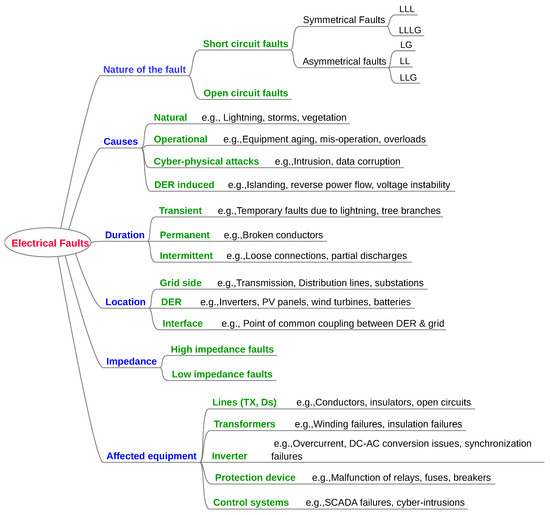
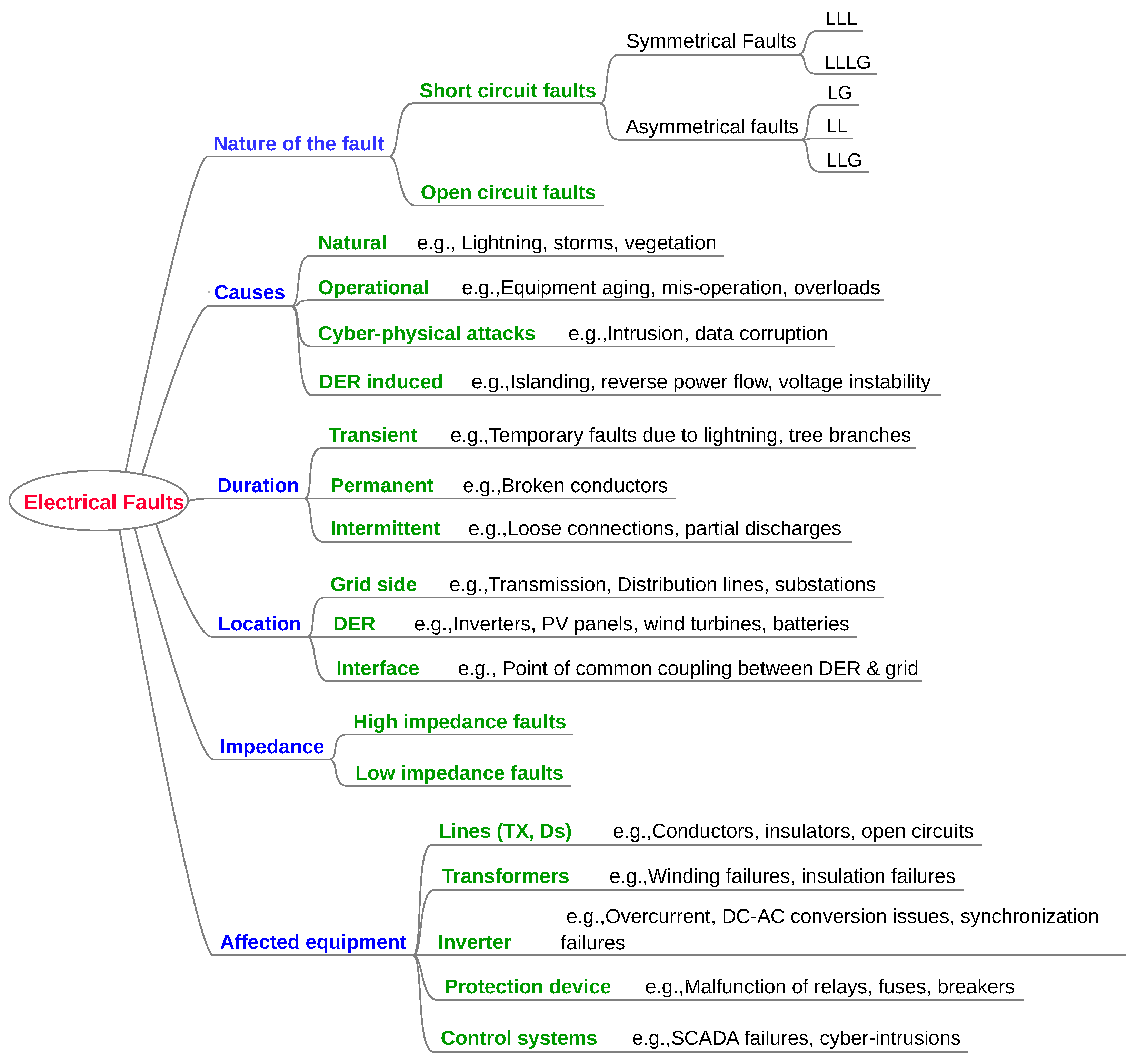
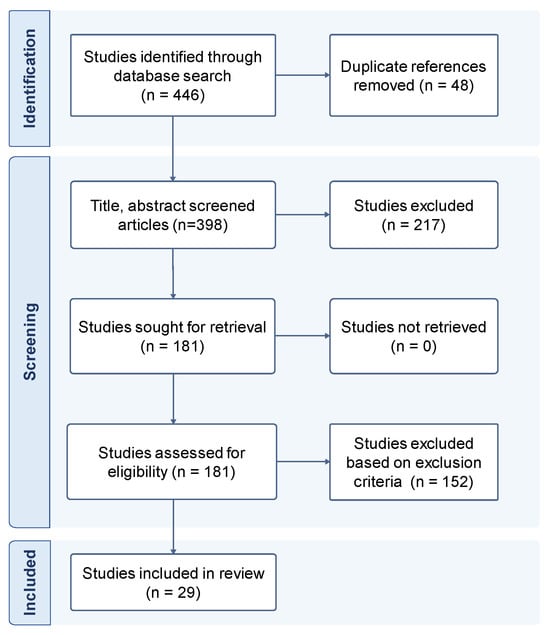
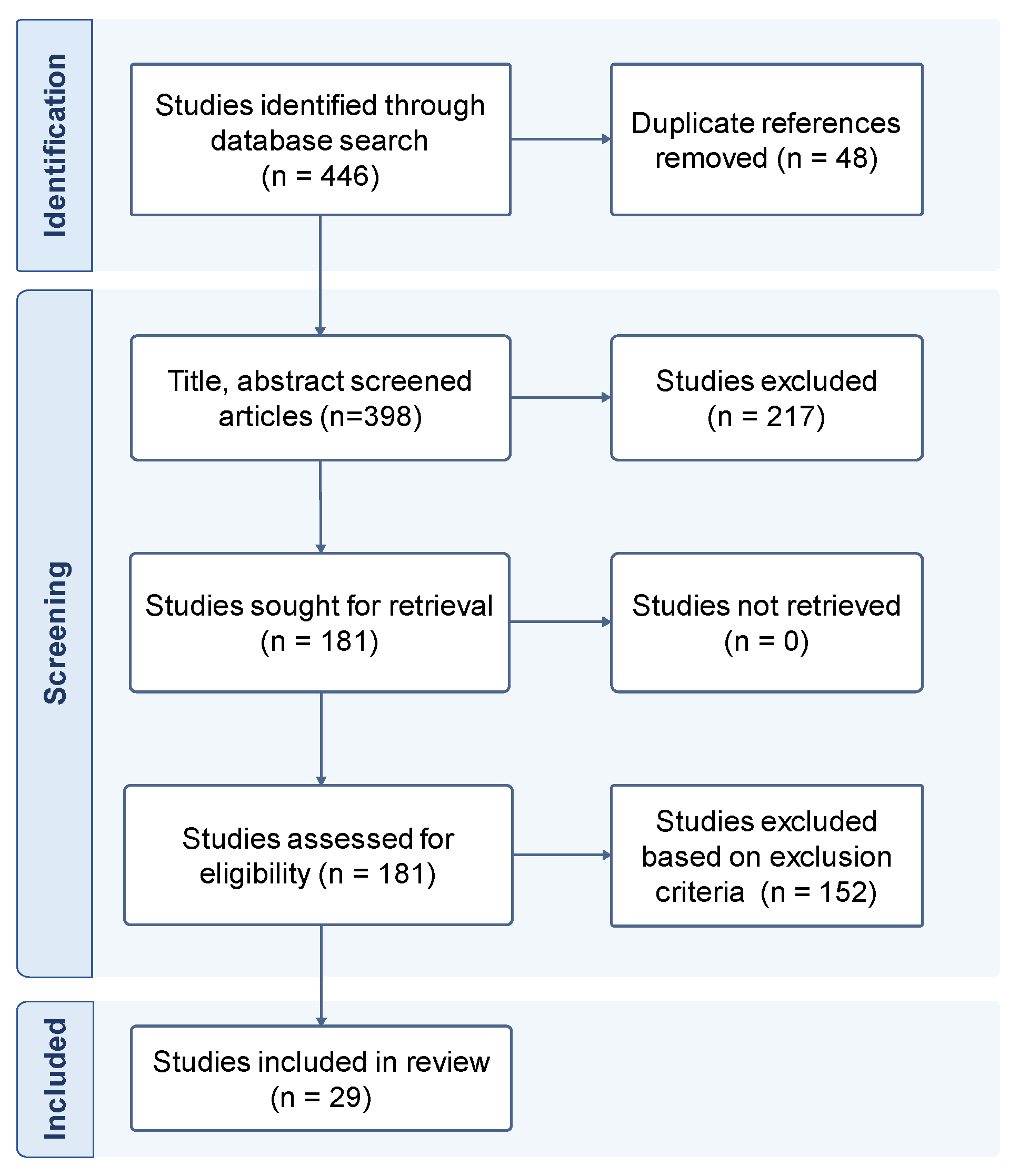
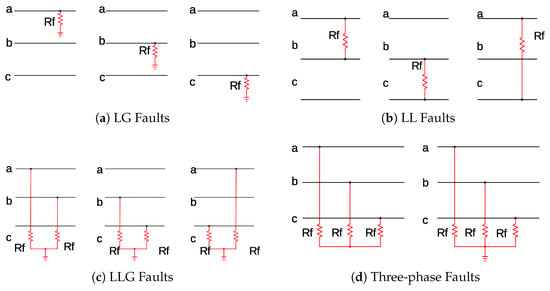
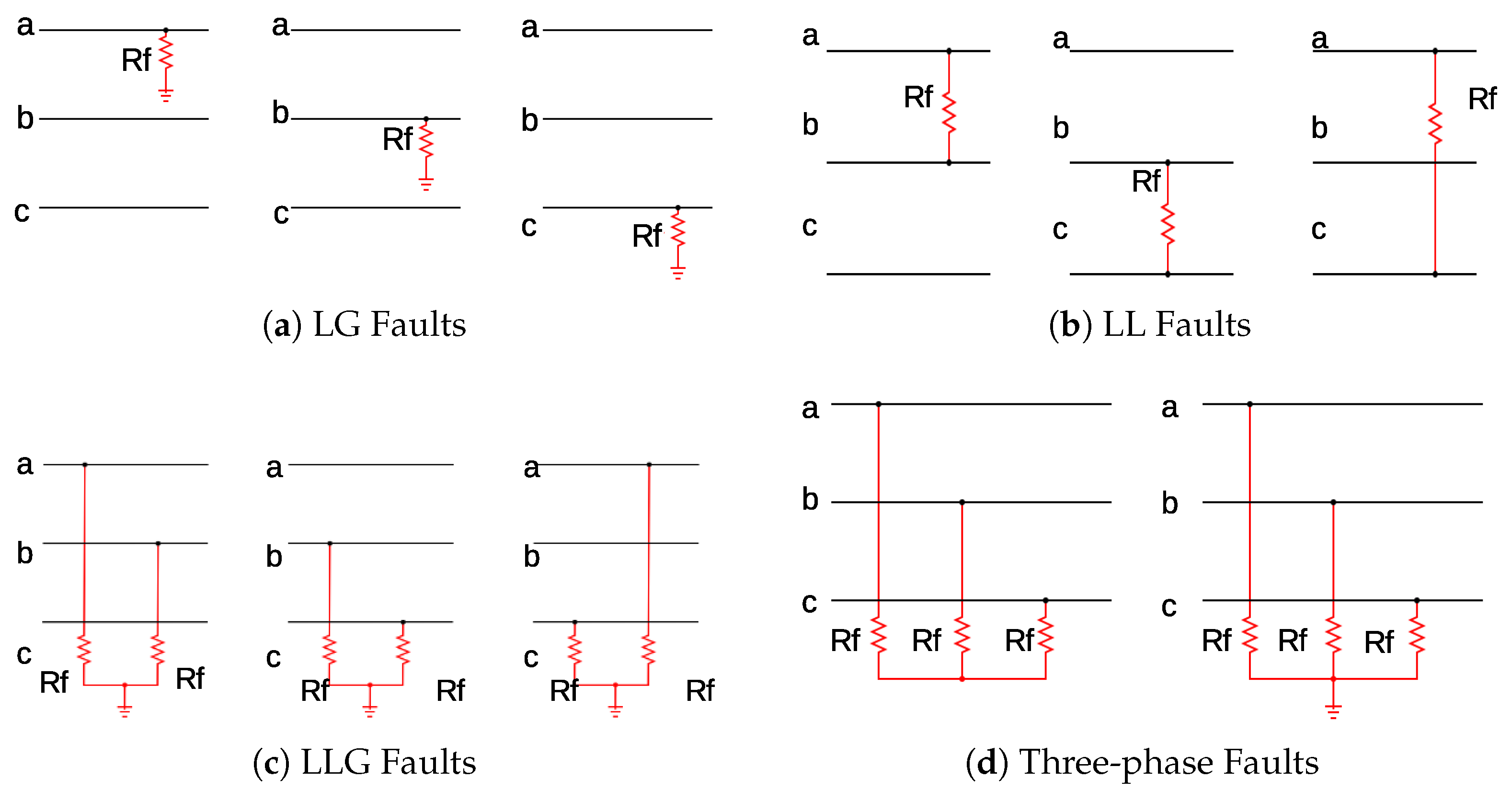
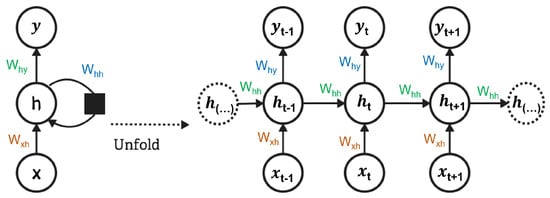
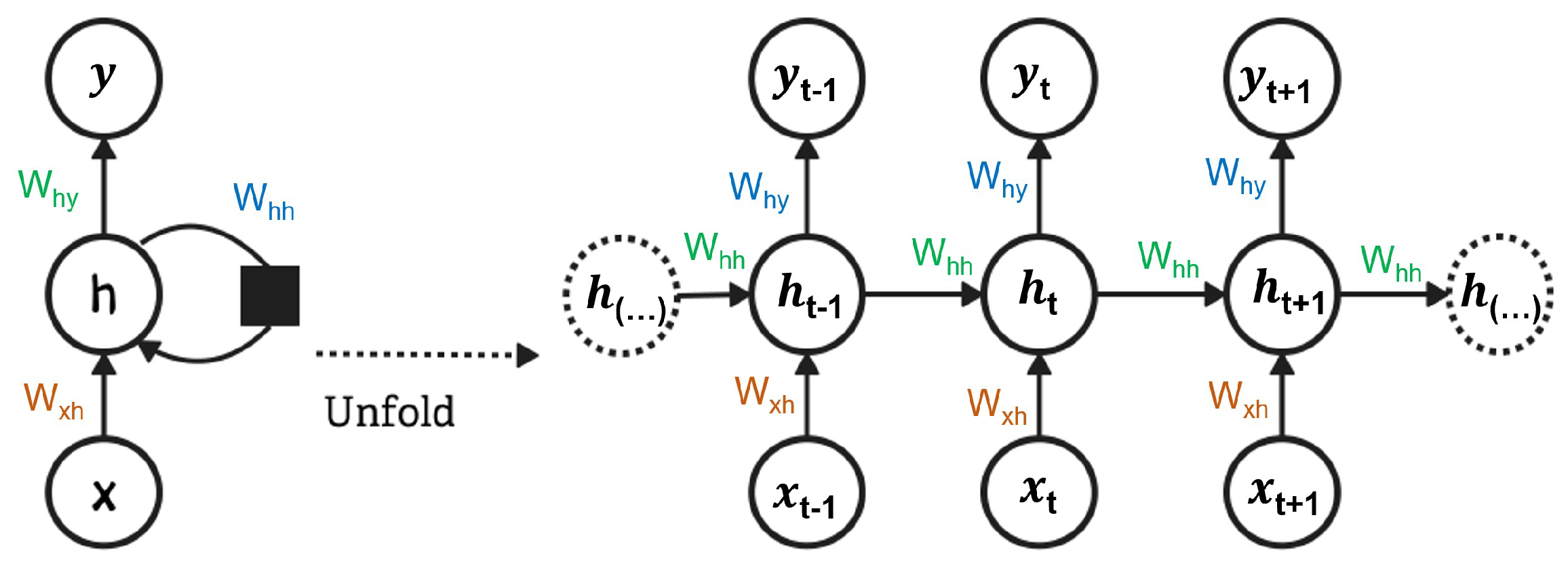
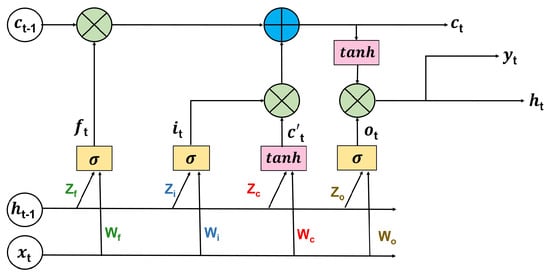
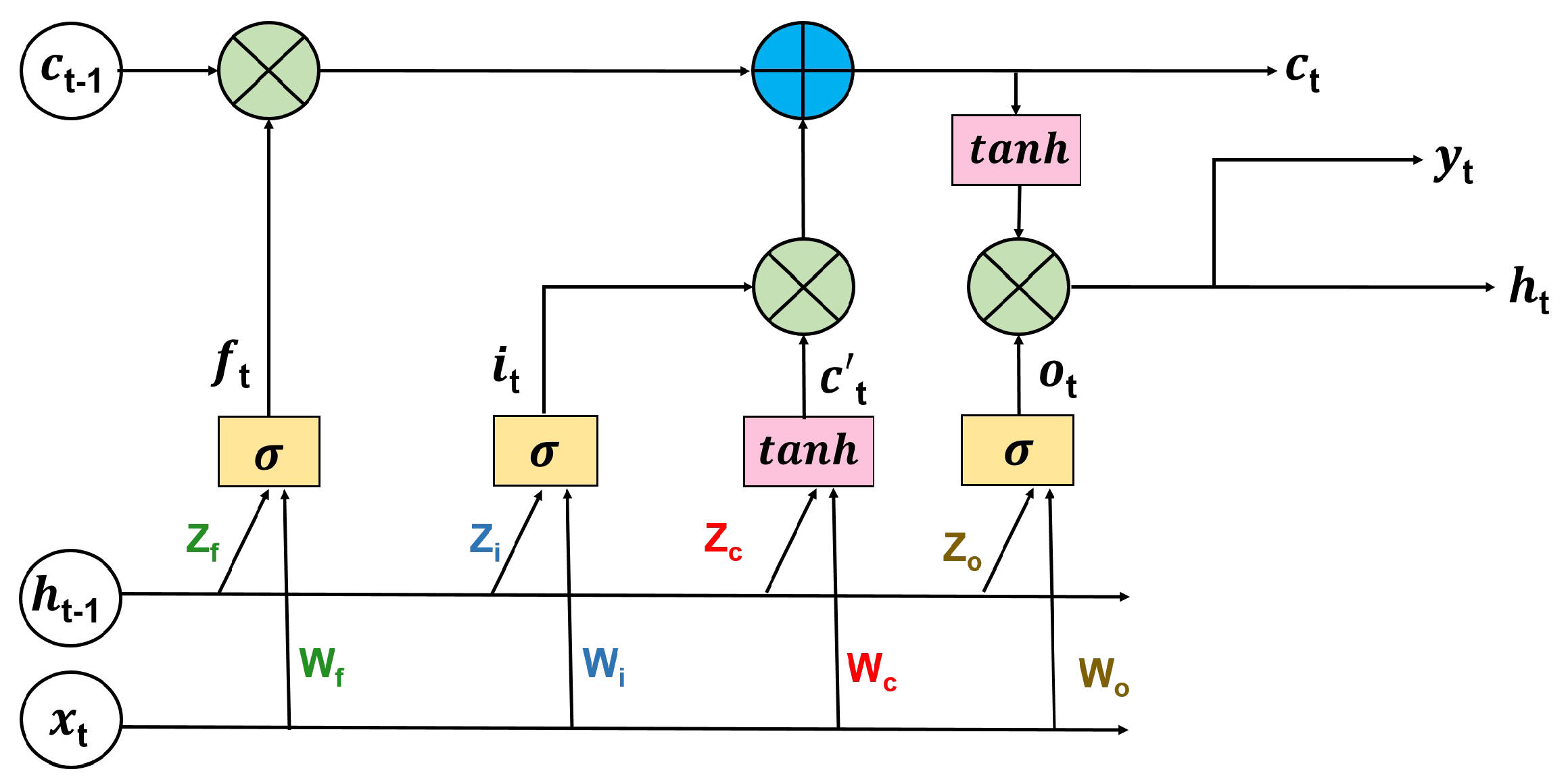
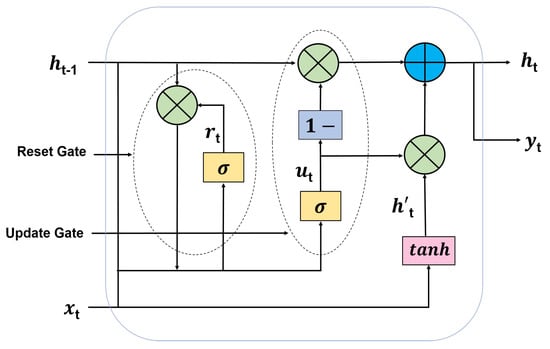
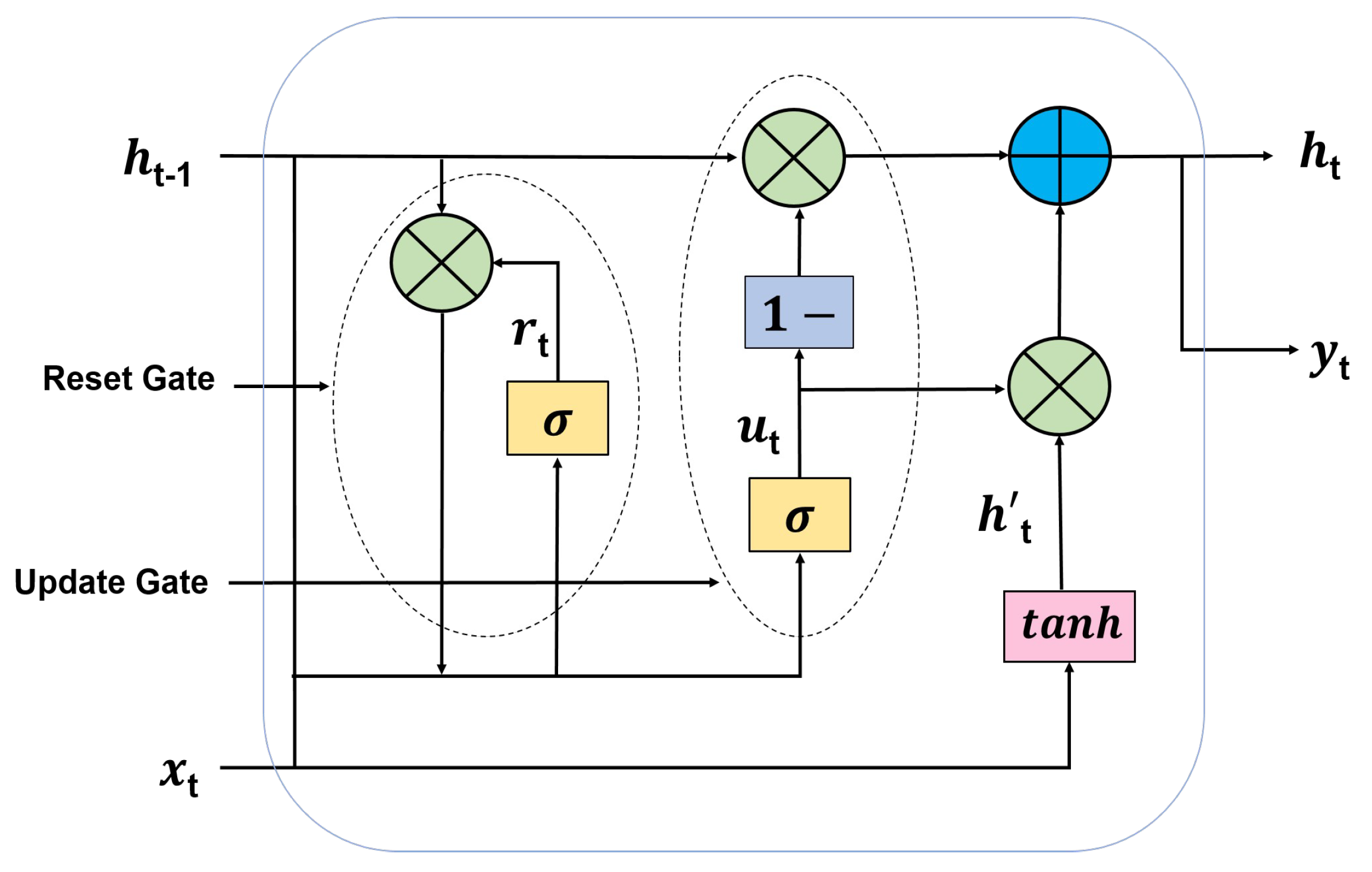
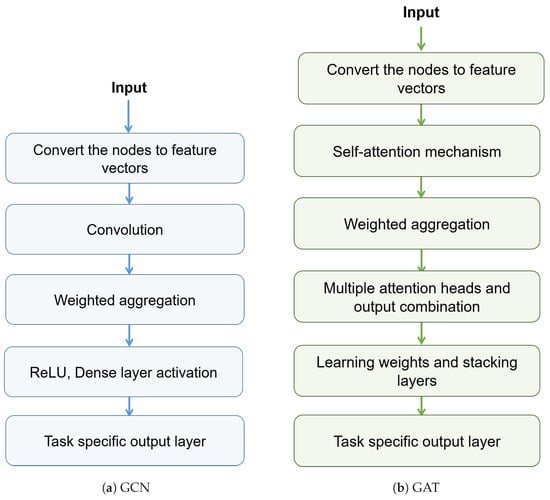
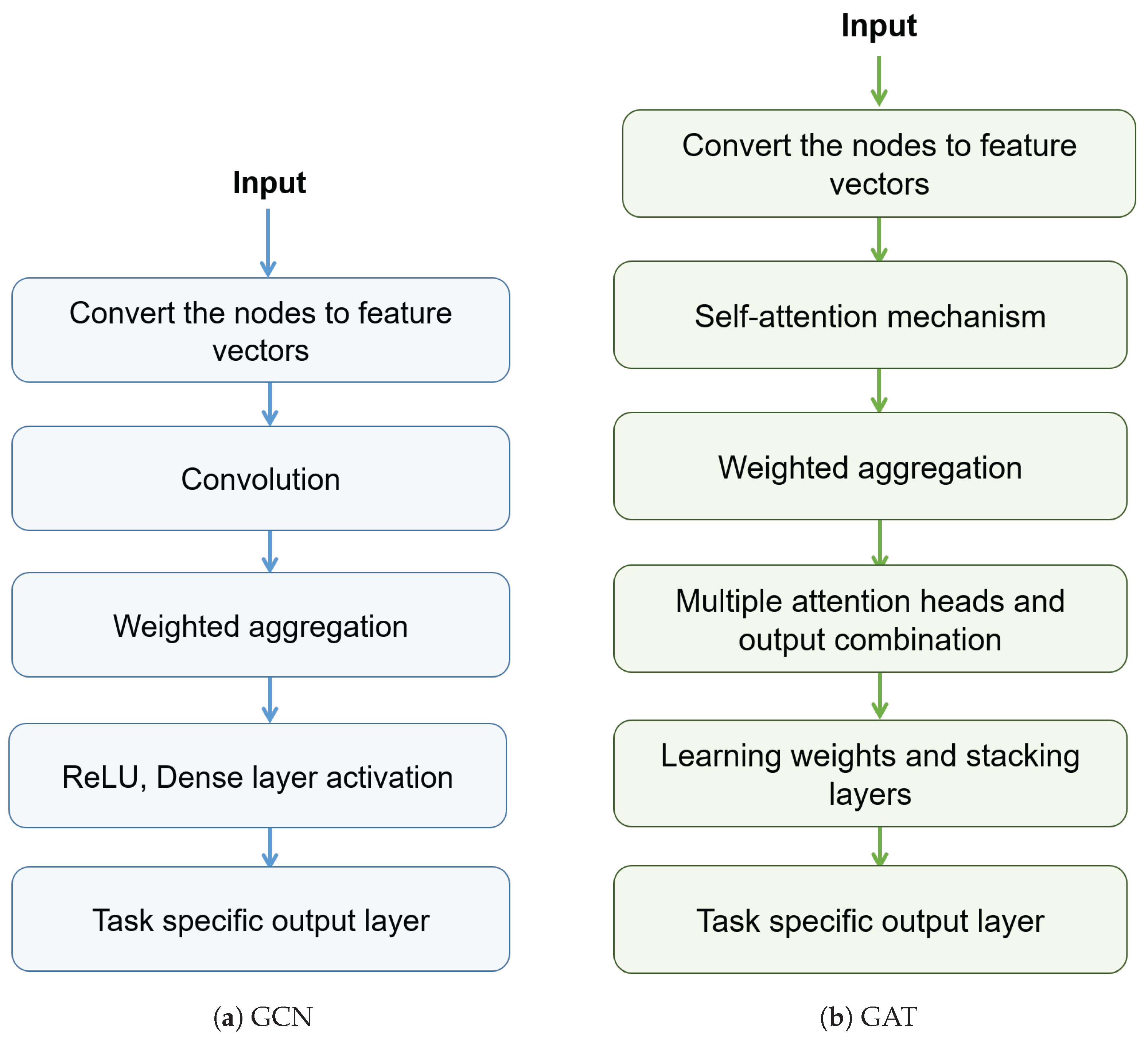
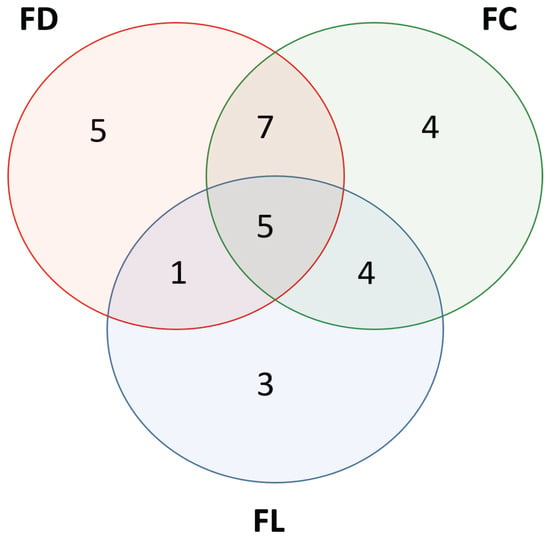
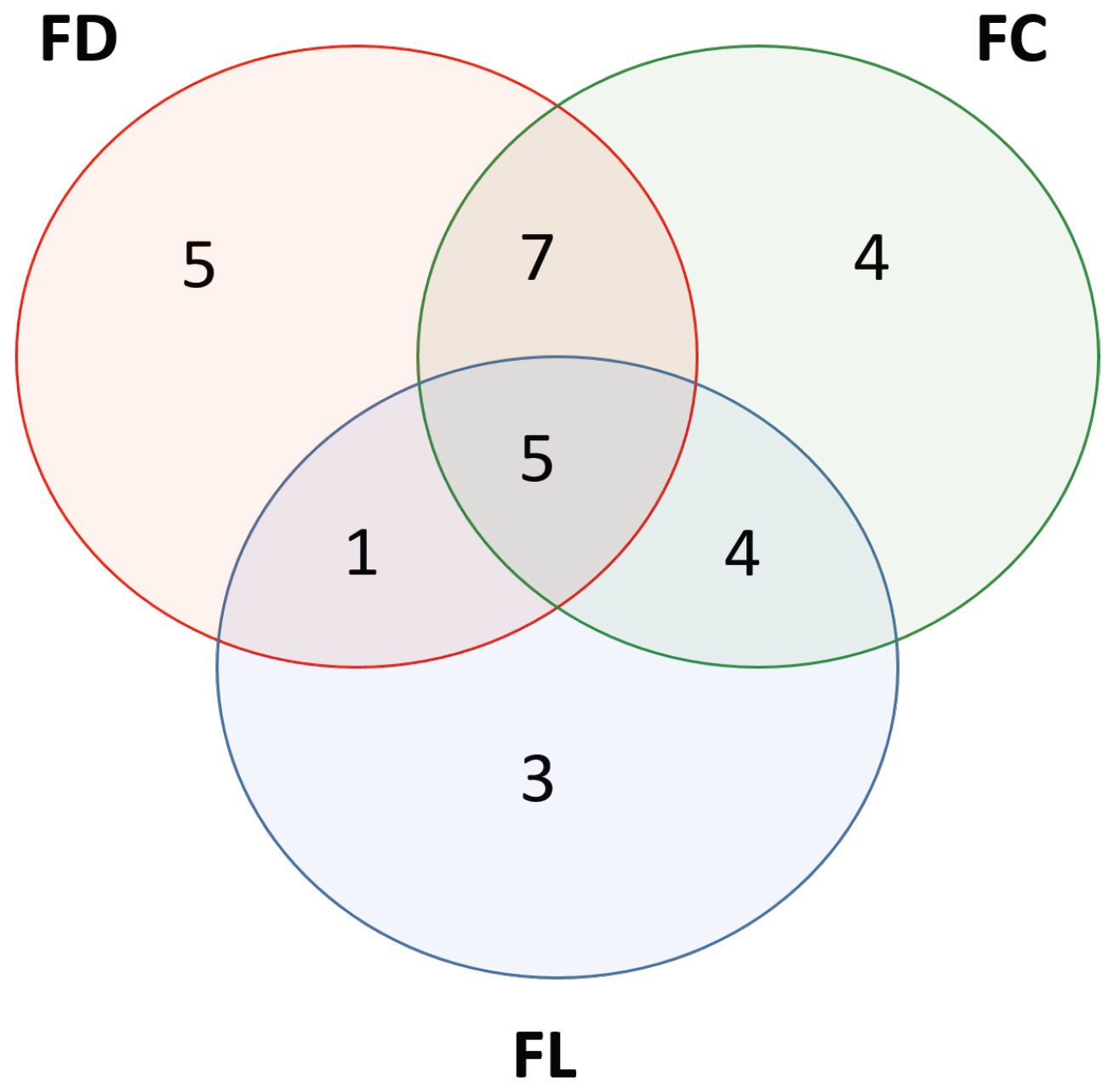
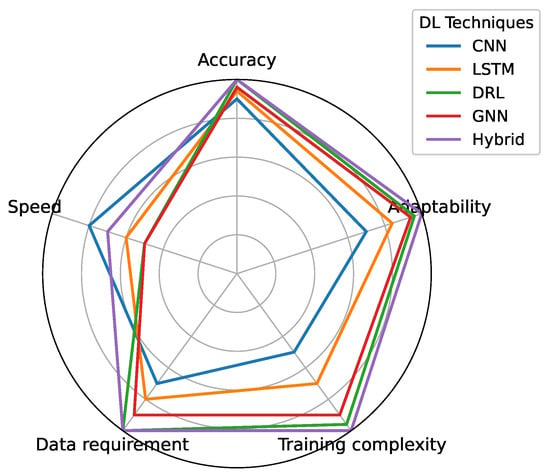
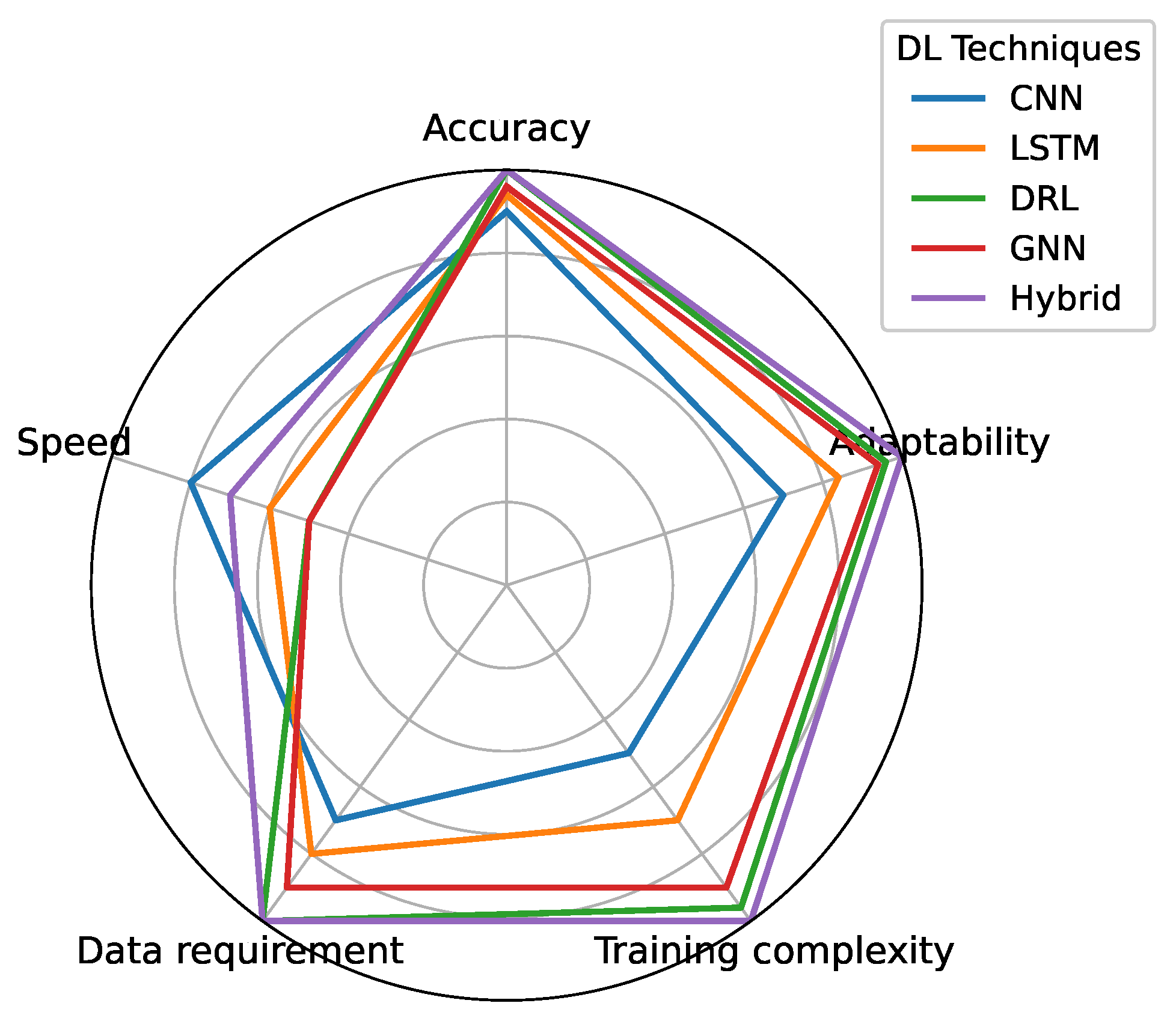

Disclaimer/Publisher’s Note: The statements, opinions and data contained in all publications are solely those of the individual author(s) and contributor(s) and not of MDPI and/or the editor(s). MDPI and/or the editor(s) disclaim responsibility for any injury to people or property resulting from any ideas, methods, instructions or products referred to in the content. |
© 2026 by the authors. Licensee MDPI, Basel, Switzerland. This article is an open access article distributed under the terms and conditions of the Creative Commons Attribution (CC BY) license.