Article

A Micromechanical Transmitter with Only One BAW Magneto-Electric Antenna
1
School of Information Engineering, Southwest University of Science and Technology, Mianyang 621010, China
2
College of Optoelectronic Engineering, Chongqing University, Chongqing 400044, China
3
Robot Technology Used for Special Environment Key Laboratory of Sichuan Province, Mianyang 621010, China
*
Author to whom correspondence should be addressed.
Si Chen and Junru Li are co-first authors of this article.
Micromachines 2022, 13(2), 272; https://doi.org/10.3390/mi13020272
Submission received: 26 December 2021 / Revised: 4 February 2022 / Accepted: 7 February 2022 / Published: 8 February 2022
(This article belongs to the Special Issue Design and Fabrication of Micro/Nano Sensors and Actuators)

Abstract

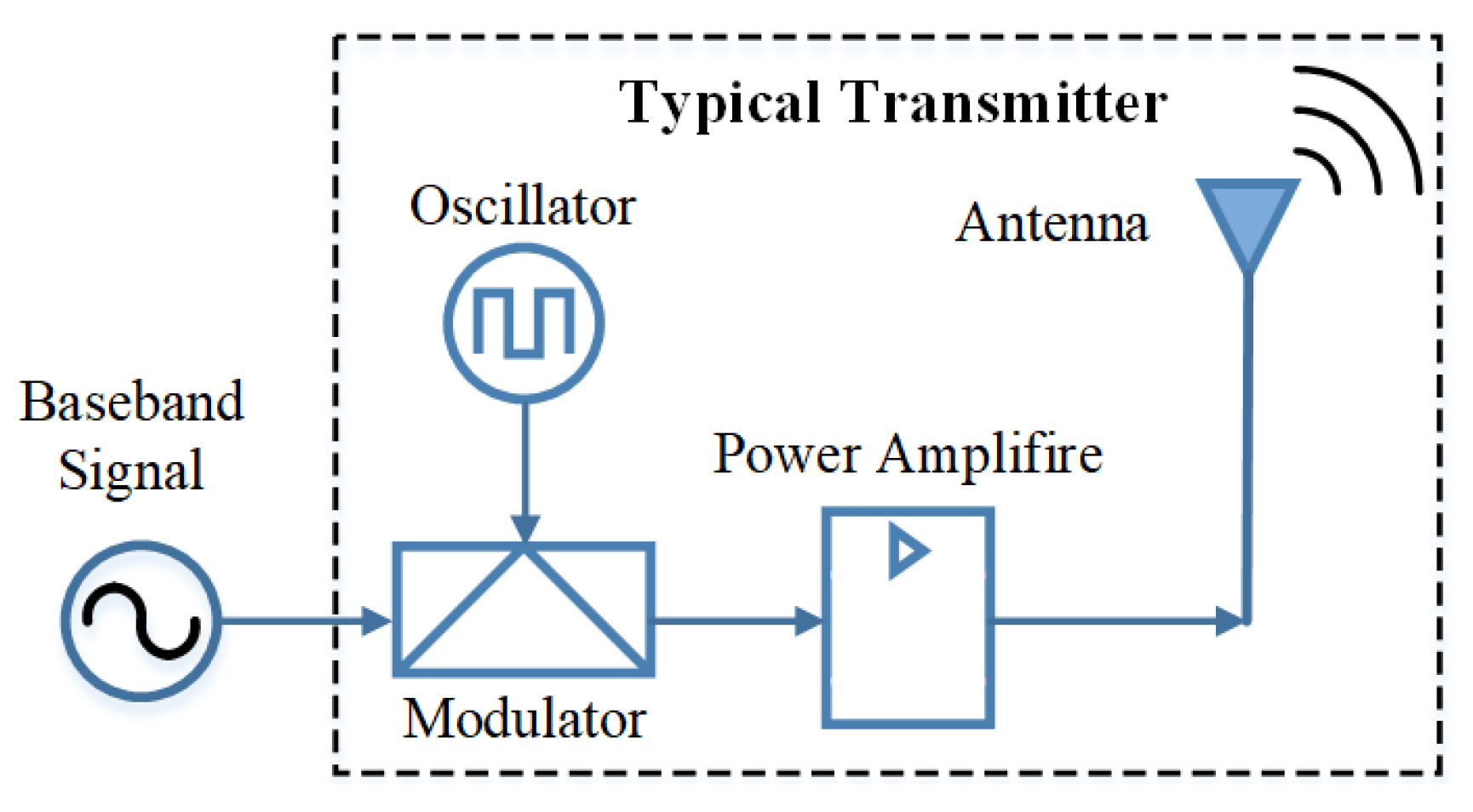
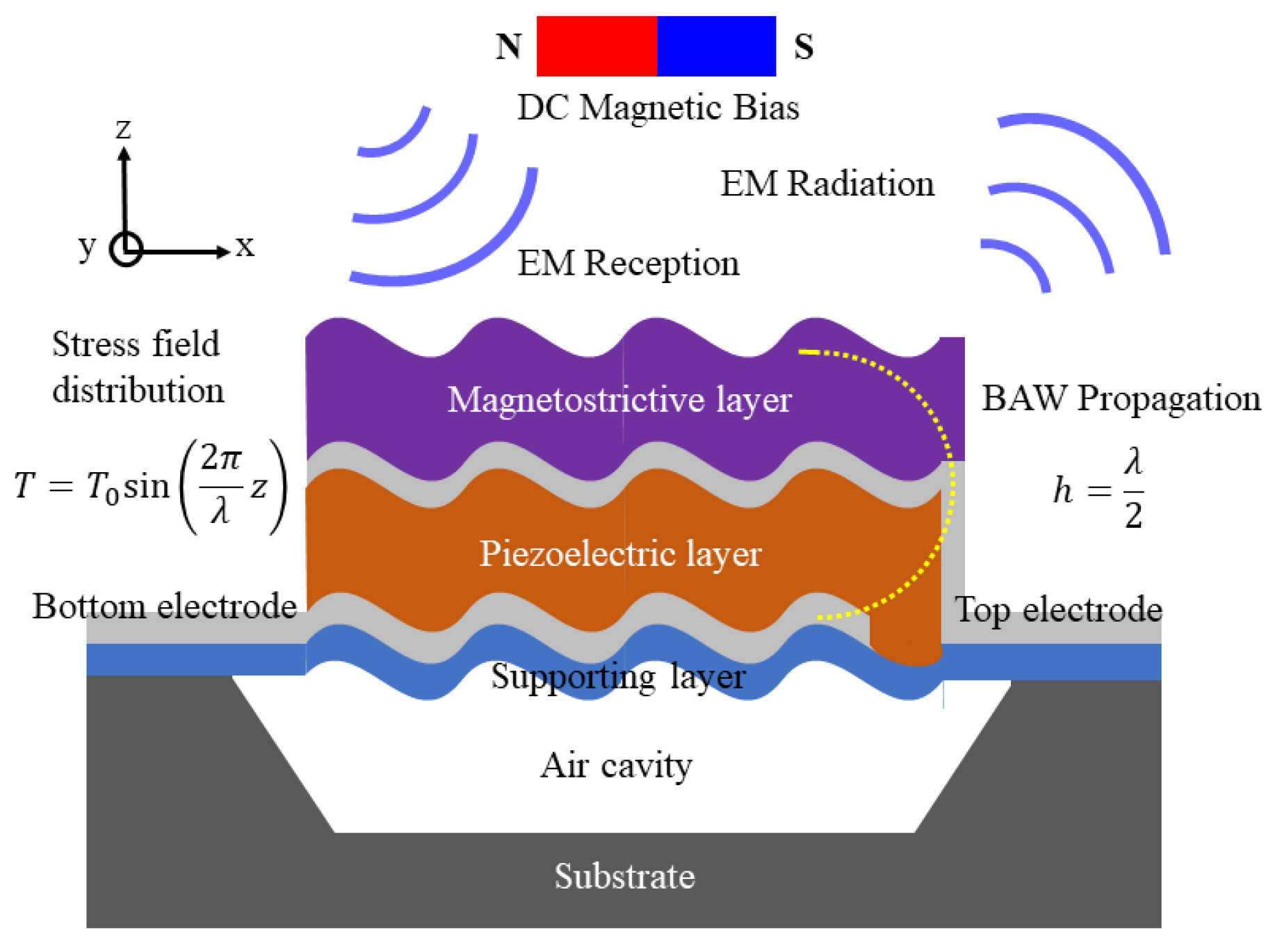
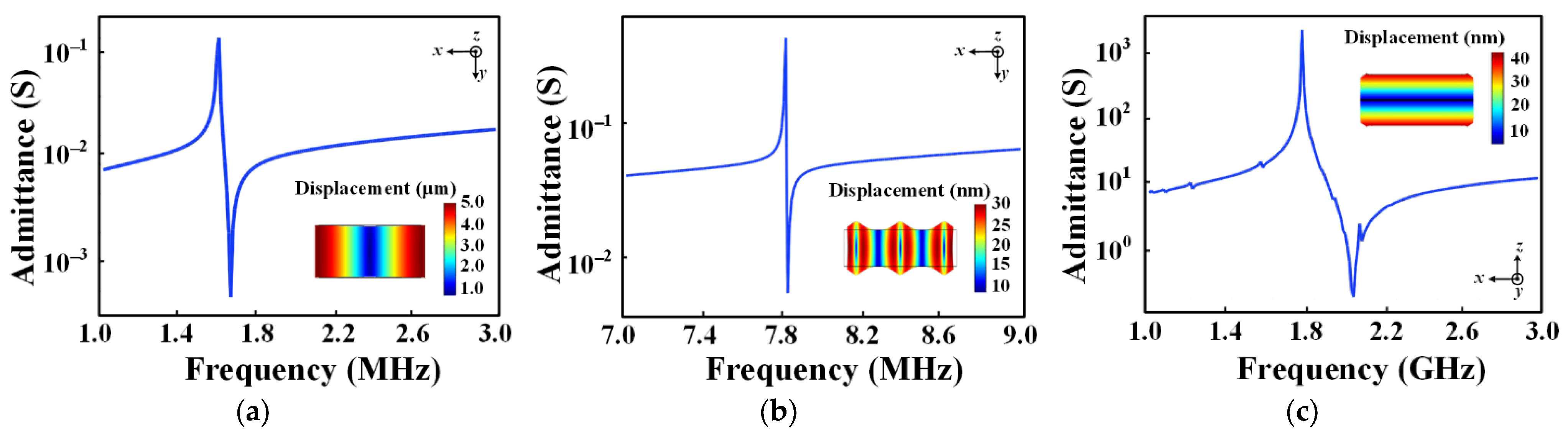
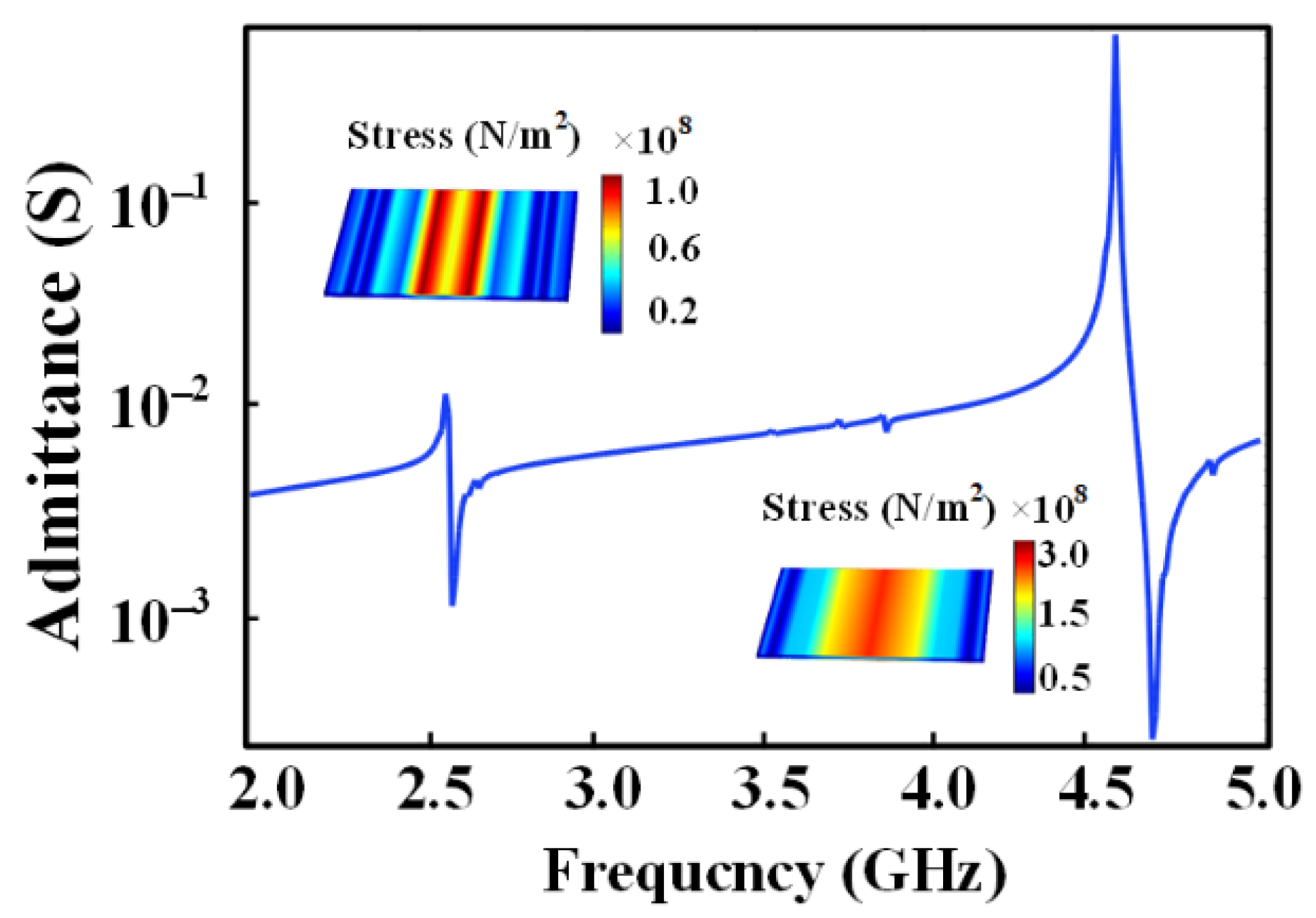
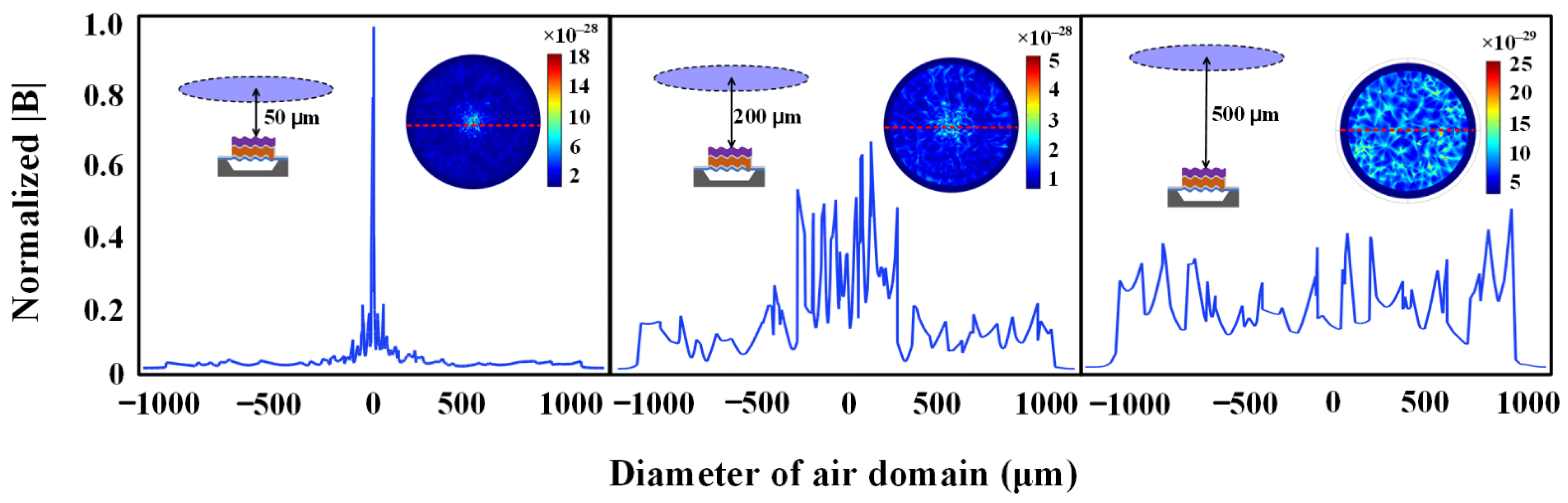
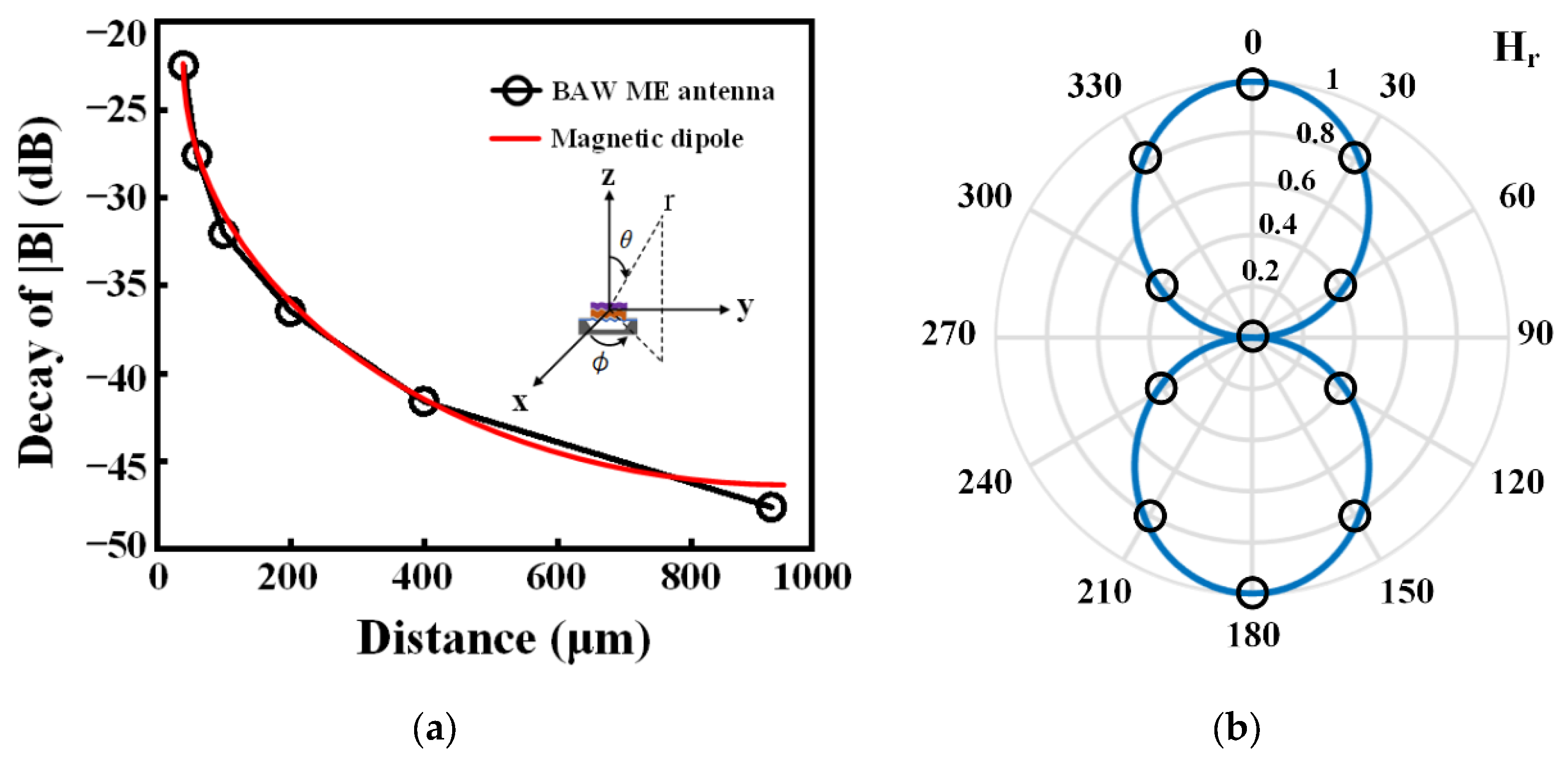
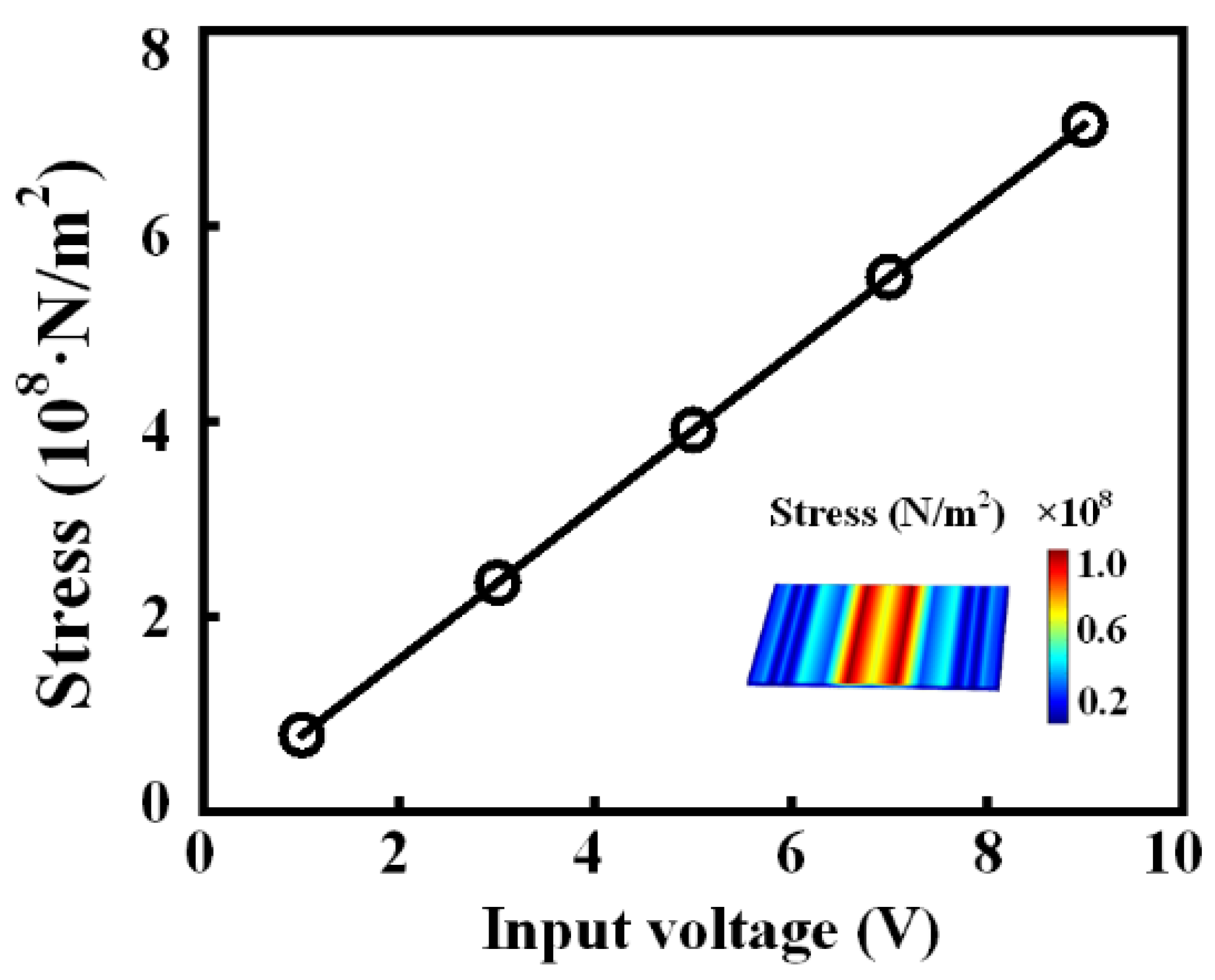
Implantable medical devices have been facing the severe challenge of wireless communication for a long time. Acoustically actuated magnetoelectric (ME) transducer antennas have attracted lots of attention due to their miniaturization, high radiation efficiency and easy integration. Here, we fully demonstrate the possibility of using only one bulk acoustic wave (BAW) actuated ME transducer antenna (BAW ME antenna) for communication by describing the correspondence between the BAW ME antenna and components of the traditional transmitter in detail. Specifically, we first demonstrate that the signal could be modulated by applying a direct current (DC) magnetic bias and exciting different resonance modes of the BAW ME antenna with frequencies ranging from medium frequency (MF) (1.5 MHz) to medium frequency (UHF) (2 GHz). Then, two methods of adjusting the radiation power of the BAW ME antenna are proposed to realize signal amplification, including increasing the input voltage and using higher order resonance. Finally, a method based on electromagnetic (EM) perturbation is presented to simulate the transmission process of the BAW ME antenna via the finite element analysis (FEA) model. The simulation results match the radiation pattern of magnetic dipoles perfectly, which verifies both the model and our purpose.
Keywords: bulk acoustic wave (BAW); magnetoelectric transducer; antenna; transmitter; implantable medical devices (IMDs); resonance modes; frequency modulation; radiation power; FEA bulk acoustic wave (BAW); magnetoelectric transducer; antenna; transmitter; implantable medical devices (IMDs); resonance modes; frequency modulation; radiation power; FEA