


Abstract
Background/Objectives: Tailoring dietary recommendations to an individual’s biological, metabolic, behavioral, and lifestyle factors may be a promising approach for supporting the prevention and management of chronic metabolic disorders. Methods: This narrative review summarizes the potential significance of personalized nutrition, focusing on digital technologies, functional foods, and the gut microbiota, by reviewing relevant data from PubMed, Scopus, Web of Science, and Google Scholar from 2019 to 2026. The evidence was synthesized narratively to critically evaluate the interactions among these components and their potential translation into clinically relevant cardiometabolic outcomes. Results: Genetics, epigenetics, metabolic phenotype, gut microbial profile, physical activity, sleep, stress, and other behavioral factors contribute to inter-individual variability in nutritional response. Technologies ranging from mobile health apps to AI and machine learning, wearable devices, continuous glucose monitoring, diet-tracking apps, and tele-nutrition allow real-time monitoring and adjustment of nutrition guidance. Probiotic, prebiotic, synbiotic, dietary fiber, polyphenol, omega-3 fatty acid, and phytosterol interventions could help support metabolic regulation, inflammation control, gut health, and cardiovascular function. Moreover, short-chain fatty acid production, immune regulation, gut–liver–brain signaling, and nutrient metabolism highlight the role of the gut microbiota in contributing to personalized responses. Conclusions: Emerging evidence suggests potential benefits of personalized nutrition approaches; however, their long-term clinical effectiveness remains insufficiently validated. Moreover, several challenges remain, such as inconsistent validation, heterogeneous study designs, variable evidence regarding functional foods, data privacy concerns, high costs, limited accessibility, digital literacy, and long-term adherence, which hinder clinical translation. Furthermore, the potential attributes of personalized nutrition lie in its coordinated integration; therefore, biological profiling informs targeted dietary interventions and digital monitoring supports continuous evaluation and adaptation.
1. Introduction
Cardiometabolic diseases, such as obesity, type 2 diabetes, cardiovascular diseases, and metabolic syndrome, are a major public health concern throughout the world. Obesity-related diseases are caused by increased metabolic risk, which has been exacerbated by the rapid growth of urbanization, changing diets, sedentary lifestyles, and environmental changes, thereby exposing the inadequacies of traditional population-based nutritional recommendations. Diet, physical activity, and lifestyle behaviors have shifted and are responsible for the increasing prevalence of metabolic disorders and chronic diseases. It is estimated by the World Health Organization that ~830 million adults had diabetes in 2022, approximately 17.9 million deaths annually are attributed to cardiovascular diseases, and there were 2.5 billion overweight and 890 million obese individuals in 2022. These health concerns can be managed and prevented by adequate nutrition and by improving physical activity levels [1,2].
Personalized nutrition has the potential to improve the health status and lifespan of individuals, particularly by addressing metabolic risks, including impaired glucose regulation, body fat accumulation, an unfavorable lipid profile, inflammation, and dietary non-adherence [3,4]. This concept is especially important as general nutritional guidelines have positive effects on health; however, they tend to produce variable responses across individuals with conditions such as obesity, diabetes, metabolic syndrome, and other cardiometabolic risks [5]. Therefore, personalized nutrition is considered a more data-informed strategy with the potential to optimize dietary recommendations by incorporating individual differences in biology, metabolism, microbiota, and behaviors [6,7]. Moreover, it is valued because individuals can differ greatly in their metabolic response to the same foods due to genetic variations, physiological characteristics, and metabolism [4]. Digital health interventions have established new avenues for the large-scale application of personalized nutrition [8]. Applications and programs used for personal health monitoring, such as mobile nutrition applications, wearables, electronic food diaries, AI-based recommendation engines, digital dietary tracking platforms, and continuous glucose monitors, can collect near-real-time data on food consumption, physical activity, sleep, glucose response, body weight, and adherence [9]. All these tools enable routine assessment outside the conventional medical environment [10,11]. They also offer feedback, reminders, and adaptive suggestions, which may increase motivation and adherence [12,13].
Functional foods have gained interest in personalized nutrition, as they provide essential nutrients while also containing bioactive compounds that may contribute to metabolic regulation and health maintenance [14,15]. Functional ingredients, including probiotics, prebiotics, synbiotics, beta-glucan, phytosterols, phytostanols, omega-3 fatty acids, fermented foods, and polyphenols, promote gut health, reduce LDL cholesterol, improve insulin sensitivity, decrease oxidative stress and inflammation, increase satiety, and maintain cardiovascular health [16,17,18]. Therefore, consumption of these foods could act as an effective tool for personalizing nutrition to achieve better cardiometabolic health.
The microbiota is an important link between personalized nutrition and functional foods since it affects nutrient metabolism, promotes short-chain fatty acid synthesis, regulates bile acid metabolism, and is involved in immunity, barrier integrity, and inflammation regulation [6,19]. There are many external and internal factors influencing the microbiota, of which diet is one of the most significant factors [20]. Functional foods containing fibers, prebiotics, probiotics, polyphenols, and fermented components may positively affect the composition of the microbiota and its functionality. Nevertheless, since each individual’s microbiota composition is unique, the impact of functional foods may vary between individuals [21,22].
There have been multiple reviews on various parts of personalized nutrition, such as nutrigenomics, gut microbiota, functional foods, and digital health technologies; however, these areas are often cited independently. A key unanswered question is whether there are clinically significant benefits to incorporating these methods into traditional evidence-based nutrition counseling. This review examines the connections between biological and metabolic phenotyping, microbiota-driven dietary responses, functional food interventions, and digitally enabled nutritional monitoring in the context of cardiometabolic prevention. This review not only discusses the possible mechanisms and applications of these approaches, but also critically appraises the clinical evidence, methodological weaknesses, reproducibility, and practical implementation of these approaches. A particular focus is placed on the difference between biological plausibility, changes in intermediate cardiometabolic parameters, and proven long-term health benefits. This review combines evidence from mechanistic and intervention-based studies, as well as implementation research, with the goal of identifying opportunities and the conditions and limitations that need to be addressed for advanced personalization to become part of routine preventive health care.
2. Materials and Methods
2.1. Review Design and Literature Search Strategy
This review aimed to provide a comprehensive, critical, and integrative review of the concept of personalized nutrition in the context of inter-individual biological variability, functional foods, gut microbiota, digital health technologies, and cardiometabolic prevention. The purpose of the literature search was not to perform a formal systematic literature review or quantitative evidence synthesis, but rather to identify representative and scientifically relevant publications related to the main themes of the review. Four electronic databases (PubMed, Scopus, Web of Science, and Google Scholar) were searched using a structured search strategy. The search included publications from 2019 through November 2026, and some landmark publications prior to 2019 were included if they contained conceptual, methodological, or mechanistic evidence. The keywords were formulated based on the main themes of the review: personalized nutrition, precision nutrition, nutrigenetics, nutrigenomics, multi-omics, metabolomics, gut microbiota, microbiome, functional foods, probiotics, prebiotics, digital nutrition, artificial intelligence, machine learning, continuous glucose monitoring, mobile health, wearable devices, obesity, type 2 diabetes, cardiovascular disease, and metabolic syndrome. The terms were searched both alone and in combination to retrieve pertinent publications in the predetermined thematic areas. The reference lists of the retrieved papers from the primary database searches, systematic reviews, meta-analyses, and clinical guidelines were also screened for additional papers that were not identified through the main database searches.
2.2. Literature Selection and Eligibility Criteria
The relevance of each publication to the objectives and thematic scope of the review was used as a guide for literature selection. The publications were eligible if they were relevant to any of the following topics: (i) biological and metabolic inter-individual variability in dietary responses; (ii) genetic, epigenetic, metabolomic, and other multi-omics approaches relevant to nutritional personalization; (iii) gut microbiota and microbiota-mediated dietary responses; (iv) functional foods and bioactive nutritional components; (v) digital health technologies, artificial intelligence, and continuous physiological monitoring; and (vi) clinical applications of personalized nutrition in obesity, type 2 diabetes, cardiovascular disease, and metabolic syndrome.
The publications included were original human studies, randomized controlled trials, prospective or observational studies, systematic reviews and meta-analyses, authoritative narrative reviews, and evidence-based clinical guidelines. Mechanistic and experimental studies were also included provided that they offered a relevant biological explanation for variability in dietary responses or interactions between nutritional components and host metabolic pathways. The selection of earlier publications (published before 2019) was guided by the need to include key landmark studies and to provide fundamental conceptual and mechanistic background.
Publications that were not relevant to the predefined themes of nutrition or cardiometabolic outcomes, that did not provide sufficient scientific data for meaningful discussion, or that were based solely on non-human experimental results were excluded. Studies that focused on general dietary recommendations without an individual, biological, behavioral, or technological component were not deemed to be direct evidence of personalized nutrition, but they could be included as background evidence or conventional dietary comparators.
Selection was based on the titles and abstracts of the publications, followed by a full-text review of selected potentially relevant studies. The study design, population characteristics, type of intervention, comparator, duration of follow-up, and relevance of reported outcomes were considered in particular. Thematic relevance and the scientific contribution of the literature formed the basis for literature selection, as this was a narrative review and not a systematic review following a formal screening protocol. Thus, a formal study selection process and/or quantitative risk-of-bias assessment according to PRISMA guidelines was not performed.
2.3. Classification of Personalized Nutrition Approaches
The interventions reviewed were categorized according to the type and level of personal information used to inform dietary recommendations, either based on the form of personal information used or the level of complexity. This classification was constructed to differentiate between conventional clinical personalization approaches and those that involve more sophisticated biological data or technological capabilities.
Level 1 (Classic Clinical and Behavioral Personalization): Dietary recommendations were generated using routinely collected data, including dietary intake, anthropometric parameters, biochemical parameters, medical history, medication use, physical activity, sleep patterns, food preferences, and behavior. These approaches are relatively accessible methods of individualized nutrition counseling and can be integrated into clinical practice.
Level 2 (Response-Guided Personalization Using Digital and Physiological Data): This category included interventions using mobile health apps, wearable devices, continuous glucose monitoring (CGM), digital dietary records, and algorithm-based feedback. These approaches involve the use of physiological and behavioral information collected at regular intervals or continuously to track dietary responses and adjust recommendations as needed. Their clinical usefulness is contingent on the reliability of measurements, the validity of data interpretation, and evidence demonstrating benefits beyond traditional nutritional counseling.
Level 3 (Personalization Using Molecular and Multi-Omics Data): This category included interventions that involved the use of genetic, epigenetic, transcriptomic, proteomic, and metabolomic profiles to define individual differences in nutrient metabolism and dietary responsiveness. These methods are designed to discover molecular features that might account for or predict differences in nutritional responses.
Level 4 (Precision Nutrition: Microbiome-Guided and Integrated Approaches): These approaches included the use of gut microbial composition, microbial metabolites, and host–microbiota interactions to guide nutritional recommendations. This category also included novel approaches that integrated microbiome profiling, multi-omics data, digital monitoring, and AI-powered predictions.
AI and machine-learning approaches were regarded as analytical tools that could be used to enable various levels of personalization based on the information fed into the predictive models. Therefore, their use was not regarded as indicative of advanced biological personalization unless relevant molecular or physiological profiles were included in the models. These categories were used to differentiate approaches based on their data requirements, technological complexity, and current clinical evidence. Importantly, increased complexity was not assumed to be associated with greater clinical effectiveness. Advanced personalization must be demonstrated through appropriate comparative clinical studies to show incremental value.
2.4. Evidence Prioritization and Synthesis
The narratively synthesized evidence was classified according to one or more of the following: study design, methodological quality of the studies, consistency of the findings across the included studies, characteristics of the study population, intervention type, comparator, follow-up duration, and relevance to the clinical objectives of the review. Systematic reviews and meta-analyses of relevant randomized controlled trials were given special attention when multiple publications were identified that investigated the same research question, to provide an overall assessment of the consistency of findings. Specific personalized nutritional interventions were considered with regard to their comparative effectiveness, and, when these included traditional dietary counseling or dietary recommendations as a comparison, individual randomized controlled trials were prioritized. Biological characteristics, dietary patterns, and the associations between them in relation to cardiometabolic risk were identified using prospective and observational studies, while clinical guidelines and consensus statements were considered when discussing established nutritional care practices and clinical implementation. Mechanistic and experimental studies were used primarily to explain the biological plausibility, possible molecular pathways, and interactions between nutritional components and host metabolic processes. Animal or in vitro studies were not considered sufficient to establish clinical effectiveness and were not used independently for this purpose.
The findings from studies that included a suitable control group, a well-defined population, a well-defined intervention, validated outcome measures, and a longer duration of follow-up were given special attention. When systematic reviews and meta-analyses were available, the methodological limitations and heterogeneity of the individual studies were also considered when interpreting the pooled estimates. For instance, reviews with mixed populations, intervention types, and outcome measures were not necessarily considered conclusive evidence of intervention effectiveness. In cases of overlapping systematic reviews or meta-analyses, the focus was on the primary studies to avoid double counting of clinical evidence across different publications. Studies reporting well-designed original intervention studies were given greater emphasis when they provided new information that was not adequately represented in previous reviews. Conflicting results were retained in the narrative synthesis and interpreted based on the type and level of evidence, rather than including only those supporting personalized nutrition.
2.5. Classification of Clinical Outcomes
The outcomes were categorized as either intermediate/surrogate outcomes or long-term clinically meaningful outcomes to distinguish physiological responses from proven clinical outcomes. Secondary or proxy endpoints comprised postprandial glucose responses, fasting glucose, glycated hemoglobin, insulin sensitivity, serum lipid concentrations, inflammatory markers, markers of oxidative stress, blood pressure, body composition, and gut microbiota composition and diversity. These measures were regarded as markers of the physiological and metabolic responses to nutritional interventions. While improvements in these parameters can be seen as positive metabolic effects, they do not necessarily equate to direct evidence of long-term disease prevention or reduced mortality. Long-term or clinically meaningful outcomes included incident type 2 diabetes, weight loss, resolution of and sustained improvement in metabolic syndrome, cardiovascular events, cardiovascular mortality, and all-cause mortality. These outcomes received greater emphasis in assessing the clinical effectiveness, feasibility, and translation of personalized nutrition interventions. This classification was used to distinguish among outcome categories in the narrative synthesis. While improvements in intermediate biomarkers were reported as metabolic or physiological benefits, claims of disease prevention and cardiovascular risk reduction were made only for studies that directly assessed the relevant clinical outcomes. This limitation was explicitly recognized when long-term clinical outcome data were unavailable. In general, this methodological approach was applied to connect biological mechanisms, individual dietary interventions, digital technologies, and cardiometabolic outcomes, and to identify clinical applications as opposed to emerging investigational approaches.
Relevance of the literature to the predefined thematic scope of the review was used to guide literature selection. Original human randomized controlled trials, systematic reviews, meta-analyses, authoritative reviews, and scientific guidelines that were more relevant to inter-individual dietary responses, mechanisms involving the microbiota, functional food components, digital monitoring and decision-support technologies, behavioral determinants, and cardiometabolic prevention were given greater consideration. The excluded publications were mainly those that did not address human personalized nutrition or were unrelated to these themes.
This review is narrative in nature, and eligibility criteria were used to identify representative and scientifically relevant evidence, not to conduct a systematic study screening process or a quantitative synthesis. The selected literature was structured and analyzed by major thematic domains, such as biological determinants of nutritional variability, the mechanisms of personalized responses, microbiota interactions, digital technologies, functional foods, applications for prevention, behavioral factors, barriers to implementation, and future research priorities. As this was a narrative study and not a systematic review, a protocol registration was not required, and the study did not systematically screen studies, assess risk of bias, or perform a quantitative meta-analysis. The synthesis was thus designed to give an interpretive and interdisciplinary overview of the field, not to provide a systematic estimate of intervention effects.
Study quality and evidence hierarchy were considered during literature selection. Human studies, including randomized controlled trials, systematic reviews, meta-analyses, and consensus statements or scientific guidelines, were given priority when available, since they offer stronger evidence for clinical interpretation. Mechanistic evidence from animal and in vitro studies was only included if it added important biological understanding or mechanistic explanations, but it was not used as a substitute for clinical evidence. In this way, new concepts of personalized nutrition could be incorporated while preserving the hierarchy of evidence and maintaining relevance to human health and clinical outcomes.
3. Personalized Nutrition in Preventive Health
Personalized nutrition is a dietary approach that provides nutritional recommendations based on an individual’s biology, metabolism, genetics, and lifestyle to promote health and reduce disease risk [23]. It differs considerably from conventional dietary recommendations, which are designed for entire populations; however, personalized nutrition develops plans based on an individual’s dietary intake, clinical measurements, metabolic phenotype, microbiota, behaviors, and even genetics [24,25,26]. Personalized nutrition is particularly supported by digital health applications, wearable sensors, and complex biological systems modeling [27]. Consequently, personalized nutrition is gaining interest as a tool in preventive health for the primary prevention and management of obesity, type 2 diabetes, cardiovascular disease, and other metabolic complications.
3.1. Evolution from Conventional to Personalized Nutrition
Nutrition has experienced an important paradigm shift, moving the focus from traditional, population-based recommendations to more precision-driven, individually tailored nutritional approaches [28]. Modern recommendations have traditionally been based on epidemiological data and averaged responses across population groups, with the aim of addressing public health issues and supporting disease prevention at a broad population level [29,30]. However, general recommendations have become increasingly limited over the last few decades due to variability between individuals in their metabolic and physiological responses to the same diet [31].
These limitations have been addressed through the emergence of the personalized nutrition paradigm, advances in nutrigenomics, metabolomics, microbiota studies, and systems biology, which collectively have enhanced our understanding of the intricate and dynamic interplay among diet, host biology, and disease risk [32]. Moreover, the use of digital health technologies has contributed to fine-tuned phenotyping and dynamic monitoring of individual dietary responses [33,34]. Together, the amalgamation of biological and technological developments has driven a transition toward the delivery of personalized nutrition for optimizing preventive strategies against chronic metabolic and cardiovascular diseases through genetically informed, metabolically profiled, microbiota-informed, and lifestyle-tailored dietary interventions [35,36].
3.2. Conceptual Framework of Personalized Nutrition
Personalized nutrition is conceptualized within the diet–host interaction framework, where dietary intake is characterized in the context of individual variation in biologically relevant traits as opposed to population-averaged traits [35]. Diet- and host-oriented factors interact in a dynamic and bidirectional manner to define nutrition as a complex process because of the host’s genetic architecture, metabolic phenotype, gut microbiologic function and composition, and modifiable behaviors (exercise, sleep, psychosocial stress, and pharmacology). Moreover, nutrient bioavailability, metabolism, endocrinology, immunity, and energy homeostasis modify clinical responses between individuals following the same dietary patterns [37,38]. Systems biology, multi-omics technologies, and computational data science offer new opportunities to integrate biological and behavioral data, which frequently involve high-dimensional measurements, into personalized, predictive, and stratified nutrition models [39]. Within this framework, personalized nutrition is a continuous, iterative, and adaptive “closed-loop” approach where data-driven dietary changes occur based on feedback loops from health-monitoring devices and real-world physiological signals and behaviors [40]. Fundamentally, this approach translates molecular and mechanistic understanding into clinical nutritional recommendations, placing personalized nutrition at the core of a precision preventive medicine approach targeting cardiometabolic risk and chronic disease progression [41]. Figure 1 shows these interconnections.
Figure 1.
Integrated framework for personalized nutrition and adaptive dietary management. Individual responses to diet are shaped by interacting biological, behavioral, and clinical determinants, including genetics and epigenetics, metabolic phenotype, microbiota composition, dietary intake, physical activity, sleep, stress and behavior, and medication use. Real-time monitoring through wearable devices and digital health technologies enables continuous collection of physiological and behavioral data, which can be integrated and analyzed to generate individualized nutrition plans.
4. Determinants of Inter-Individual Variability in Nutritional Response
The concept that individuals can respond differently to the same diet, with varying metabolic, inflammatory, and clinical consequences across subjects receiving the same dietary intervention, lies at the heart of personalized nutrition [4]. In humans, variation in dietary response is caused by interactions among biological, environmental, and behavioral factors affecting nutrient digestion and absorption, nutrient metabolism, utilization, and physiological response to nutrients [37,38]. Understanding these factors is a critical priority for tailoring dietary interventions and optimizing preventive and therapeutic benefits for metabolic health. The mechanisms underlying dietary variability include genetic architecture, which contributes to an individual’s susceptibility to developing diet-related traits by affecting the expression of genes coding for enzymes, transporters, and receptors involved in nutrient metabolism and function [42]. Meanwhile, epigenetic mechanisms serve as another crucial layer by affecting gene–environment interactions mediated through prolonged exposure to certain dietary patterns and lifestyle habits. Moreover, gut microbes have been identified as essential host components regulating host energy harvest, the generation of short-chain fatty acids (SCFAs), the regulation of bile acid metabolism, and host–microbe signaling pathways involved in short-term and long-term dietary effects. Beyond those with biological relevance, additional phenotypic attributes, such as age, sex, body composition, and basal metabolic state, impact the diet–host interaction across various health and metabolic parameters, notably glucose metabolism, lipid metabolism, and inflammation [6]. Environmental factors, such as physical activity, sleep duration and quality, psychological stress, and medications, have a significant impact on metabolic flexibility, food absorption, and overall diet–host interaction [43]. These multifaceted determinants underpin personalized nutrition in a preventive context.
4.1. Genetic Influences (Nutrigenetics)
Genetics contributes significantly to individual health outcomes because each person possesses a unique genetic makeup, resulting in variable responses, particularly to diet and environmental influences [37]. Various polymorphisms and other genomic variations can affect key metabolic pathways that are responsible for the digestion, absorption, transport, and utilization of the food consumed [44]. These variations influence physiological processes involved in fat metabolism, glucose regulation, and micronutrient processing, which in turn determine an individual’s susceptibility to diet-related diseases [45]. In addition, genetic variability may affect control of food intake, energy utilization, and inflammatory mechanisms, which contribute to varying dietary outcomes among individuals [46]. Although nutrigenetic variants influence nutrient metabolism, their translation into routine clinical dietary recommendations remains limited due to small effect sizes, which require validation in diverse populations.
4.2. Epigenetic Regulation
Epigenetic mechanisms, such as DNA methylation, histone modification, and non-coding RNA expression, act as flexible regulators of gene expression in response to alterations in diet and the environment [47]. Unlike fixed genetic variations, epigenetic events can potentially be reversed, as these mechanisms are sensitive to diet and nutrition in early life as well as to metabolic state [48]. These processes mediate the effects of diet on metabolic health through pathways responsible for inflammatory responses, insulin signaling, and energy balance. Bioactive components of food, such as polyphenols and omega-3 fatty acids, have been shown to affect epigenetic marks associated with metabolic disease risk [49]. Thus, the importance of diet as a modifiable factor affecting gene expression is confirmed in diet-related prevention strategies. Research suggests that early-life epigenetic programming and reprogramming might lead to adult disease susceptibility.
4.3. Microbiota Composition and Function
The gut makes a significant contribution to individuals’ overall health. Recent research shows that the microbiota is a crucial player in nutrition, serving as a metabolic mediator linking food intake to human physiology [50]. Gut microorganisms contribute to human metabolic processes, participating in the breakdown of food into nutrients, producing bioactive substances, such as short-chain fatty acids, regulating bile acid metabolism, and affecting immune and inflammatory pathways [51]. Variations in microbiota diversity and functionality among individuals may lead to variations in metabolic responses to the same diet [4]. Moreover, microbiota alterations due to dietary patterns can lead to metabolic and inflammatory shifts in the human body, affecting metabolic risk [52]. Metabolites produced by the microbiota play an essential role in gut–brain and gut-liver communication, affecting metabolic regulation [53,54]. Emerging studies also indicate that the gut microbiota could be linked to variability in treatment response. For instance, the microbiomes of patients with Parkinson’s disease (PD) and anemia have been associated with changes in iron metabolism following roxadustat treatment, and microbiome profiling might be considered relevant to predicting individual clinical responses [55].
4.4. Metabolic and Phenotypic Differences
Metabolism is the process by which the body converts food components and nutrients into energy. Phenotypic characteristics pertaining to body fat composition, glucose regulation, and metabolic function have a significant impact on individual responses to nutrition [56]. Hormonal differences related to age and sex are also responsible for variations in metabolic processes as well as energy-substrate utilization [57]. Fundamentally, changes in body composition determine the extent to which nutrients are absorbed and processed by the body, thereby affecting the likelihood of developing obesity, diabetes, and cardiovascular diseases. In addition, differences in metabolic flexibility, i.e., the capability of switching between fat burning and carbohydrate oxidation, must be considered when investigating metabolic function [58]. Moreover, differences in organ physiology, involving metabolism in the liver and adipose tissue, can also lead to varying nutritional outcomes across different populations.
4.5. Lifestyle and Behavioral Factors
Metabolic regulation may be influenced by physical activity, sleep, and circadian rhythms [43]. Randomized controlled trials have shown that sleep manipulation affects insulin sensitivity markers [59]. Chronic psychosocial stress can alter endocrine and inflammatory pathways, which can affect metabolic regulation and individual responses to food intake [60,61]. These modifiable factors interact with biological determinants, contributing to inter-individual variability in nutrient metabolism and dietary responses. Another important point is that disruptions in circadian rhythms affect the way nutrients are processed by the body and influence energy balance [62]. An additional consideration for nutrition interventions aimed at improving cardiometabolic health could be the timing of nutrient consumption. The role of circadian rhythms in nutritional interventions has been studied in the context of intermittent fasting and has revealed potential links between feeding patterns, circadian rhythms, and cardiovascular outcomes [63].
5. Biological Mechanisms Underlying Personalized Nutrition
Personalized nutrition relies on the understanding that each person may have a unique metabolism and physiology, and thus unique responses and reactions to the same food exposure due to variation in genetic traits, metabolic phenotypes, gut microbiota, and other biological factors [4,37]. From metabolic processes and inflammatory pathways to neuroendocrine functions and the gut microbiota, these mechanisms act across multiple body systems. Understanding these pathways is vital for translating observed inter-individual variations into mechanistic insights and practical dietary recommendations [64]. They form the basis of the modern concept of personalized nutrition.
5.1. Postprandial Glycemic and Lipemic Responses
Postprandial changes in glucose and fat metabolism are key indicators of differences in nutritional metabolism and cardiovascular disease risk [4]. It has been observed that the same food can lead to different blood glucose and fat levels among individuals, which is largely influenced by insulin sensitivity, beta-cell function, the rate of digestion, and liver activity [65]. Additionally, these responses are influenced by the microbiota, food composition, circadian rhythms, and an individual’s baseline metabolic condition. Repeated postprandial surges lead to changes in vascular endothelial function, oxidative stress, and chronic inflammation, ultimately contributing to the pathogenesis of atherosclerosis and type 2 diabetes mellitus [66]. Impaired postprandial fat metabolism is often associated with the progression of cardiometabolic risk despite normal fasting lipid concentrations [67].
5.2. Inflammation and Oxidative Stress Pathways
Both inflammation and oxidative stress are critical biological mechanisms that connect dietary intake with chronic diseases [68]. Nutritional factors have been known to either promote or reduce inflammatory signals depending on diet quality. One of the main factors that contribute to increased inflammatory signaling is the consumption of excessive refined carbohydrates, trans fats, and ultra-processed products, whereas the consumption of fiber, polyphenolic compounds, unsaturated fats, and beneficial micronutrients has anti-inflammatory and antioxidant effects [69]. However, inter-individual differences in the effectiveness of these compounds depend on characteristics such as immune status, adiposity, the influence of microbiota metabolites, and genetic predispositions. Chronic low-grade inflammation is currently recognized as one of the main causes of obesity, insulin resistance, metabolic syndrome, and cardiovascular diseases [70,71]. Interestingly, differences in antioxidant defense systems among individuals demonstrate variations in the effectiveness of different dietary patterns. Personalized nutrition offers dietary options that can regulate inflammation and oxidative stress pathways more effectively on an individual basis. The targeted adjustment of immune-metabolic balance is considered a key part of preventive healthcare strategies. The inflammatory microenvironment in cardiometabolic diseases is complex and is characterized by interactions between molecular signaling pathways, immune cells, and metabolically active tissues. Recent studies have focused on the molecular and cellular mechanisms involved in the generation of this inflammatory microenvironment in cardiometabolic disorders, which may provide a rational approach to the development of treatments targeting inflammatory mechanisms associated with chronic inflammation [72].
5.3. Gut–Liver–Brain Axis in Nutritional Regulation
The gut–liver–brain axis is a complex network involved in metabolic homeostasis and nutritional processes. It allows for two-way communication between the gut, liver, and nervous system through the exchange of information mediated by microbial metabolites, hormones, and neuronal connections [73]. For instance, gut-derived microbial metabolites, such as Short-chain fatty acids, secondary bile acids, and metabolites produced through tryptophan metabolism, play a substantial role in controlling energy metabolism, lipid metabolism, and immunity [74]. Furthermore, the liver acts as a central processing unit that brings together all dietary input with various microbial and hormonal influences to regulate energy balance [75]. At the same time, appetite regulation, satiety, and energy metabolism are moderated by the brain through neuroendocrine mechanisms involving hypothalamic signaling and the action of hormones produced by the digestive system [76]. In conclusion, the gut–liver–brain axis is a complex communication network that plays a significant role in metabolic homeostasis and the regulation of nutrition. Microbiota products can influence the intestine through neuronal pathways, hormones, and gastrointestinal metabolites, as well as the liver via the gut-liver axis, and then the central nervous system through the gut–brain axis [77]. Understanding the mechanisms governing this axis provides important insights into how diet can influence human physiology. Integrated microbiome and metabolomics approaches involving analyses of intestinal microbiota and their metabolites could elucidate the connection between the gut microbiome, metabolites, and host physiology. In APP/PS1 mice, combined fecal 16S rRNA sequencing and multi-compartment metabolomics have been used to characterize interactions involving the gut–brain axis and the potential use of multi-omics approaches for gut microbiota characterization [78].
5.4. Satiety and Appetite Regulation Mechanism
Regulation of satiety and appetite occurs through a complex interaction of hormonal, neural, and metabolic signaling pathways. Neuroendocrine mechanisms are involved in the regulation of appetite and food intake by leptin and incretin hormones, such as glucagon-like peptide-1 (GLP-1) [76,79]. Several hormones, including leptin, ghrelin, peptide YY (PYY), and glucagon-like peptide-1 (GLP-1), are crucial for transmitting hunger and satiety signals to the brain [80]. Their circulating levels and receptor sensitivities vary among individuals because of differences in adiposity, genetic factors, microbiota composition, and dietary habits [81]. Consequently, appetite control and eating behaviors vary considerably among individuals. Besides homeostatic mechanisms, there are also brain systems that affect food choices, food cravings, and motivation for eating. These neurobehavioral factors can override physiologically mediated satiety signals, especially under conditions characterized by the availability of highly palatable and energy-dense foods [82,83]. Dysregulation affecting appetite has been linked to the development of obesity and metabolic syndrome [84]. Personalized nutrition takes these factors into account during the formulation of dietary strategies, including diet composition, macronutrient distribution, and functional food intake, to support satiety regulation and prevent overeating [5]. Therefore, appetite variability should be understood to develop sustainable dietary practices that promote long-term metabolic health, and the underlying mechanisms are illustrated in Figure 2.
Figure 2.
Integrated physiological pathways determining individual metabolic responses to diet. Dietary intake influences multiple interconnected systems, including postprandial glucose and lipid metabolism, inflammatory and oxidative stress pathways, gut–liver–brain communication, and appetite regulation.
6. Role of the Microbiota in Personalized Nutrition
The microbiota is increasingly recognized as an important contributor to variability in dietary responses due to its fundamental role in nutrition and metabolism [7]. The microbiota is a complex ecosystem comprising a wide range of microorganisms that play an important role in nutrient processing, energy production, and the regulation of metabolism and immunity. In the realm of personalized nutrition, the microbiota is increasingly viewed as a dynamic organ rather than a passive component in the digestive system. The composition and functionality of the microbiota vary among individuals and can lead to differences in their responses to diets [51]. Those differences are influenced by several factors, such as genetics, lifestyle, environment, medication, and early-life experiences. Moreover, microbiota metabolites have systemic effects by serving as signals for the liver, brain, and adipose tissues, thus making the microbiota one of the main reasons for differences in food metabolism among individuals [85].
6.1. Microbial Metabolism of Nutrients
Microbial nutrient metabolism refers to the digestion and transformation of food components by microorganisms within the gut. Moreover, these food components include polysaccharides, fibers, amino acids, and polyphenols, which can be converted into bioactive substances as a result of microbial catabolism [86,87]. Microbial metabolism contributes to the metabolic capacity of humans. Microorganisms have different metabolic enzymes; therefore, the metabolic pathways of different people differ. This is reflected in the amount of energy produced and the availability of nutrients derived from food [88]. Microbial metabolism also leads to the production of secondary metabolites with potential systemic effects beyond the gut. An example of such microbial activity is the formation of Short-chain fatty acids from fibers as well as the fermentation of proteins into substances that may be either beneficial or harmful [89,90]. The type of nutrients consumed influences the composition of the microbiota; therefore, the same diet can lead to different metabolic products [64].
6.2. Short-Chain Fatty Acids and Metabolic Health
Short-chain fatty acids (SCFAs), mainly acetate, propionate, and butyrate, are the main products of microbial fermentation of dietary fibers in the colon. These metabolites contribute to the health of the gastrointestinal tract as well as to the overall metabolism of the organism [74]. SCFAs provide energy for colonocytes and maintain gut barrier integrity. SCFAs influence glucose and lipid metabolism due to their effect on the liver and peripheral tissues [91]. Moreover, SCFAs play a role in the modulation of immune status through decreasing pro-inflammatory signaling and enhancing regulatory immune pathways. Butyrate, in particular, has anti-inflammatory and epigenetic properties. SCFAs also have an impact on gut hormones, regulating appetite and energy balance [92,93]. However, the production of SCFAs differs significantly among individuals because of differences in microbiota composition and fiber intake. This variability causes differences in metabolic outcomes after consuming the same diet [94]. Thus, SCFAs create a significant link between diet, microbiota, and individual metabolism.
6.3. Diet-Microbiota Interactions
Diet is considered the most significant and rapid modulator of the microbiota, which is influenced by various types of diets, such as high-fiber, low-fiber, and vegetarian diets [95]. Changes in the composition and function of the microbiota can be observed within a few days after changing one’s diet [96,97]. Moreover, the microbiota influences the metabolism and utilization of food components, thus developing a cycle of mutual interaction between diet and the gut microbiota. Bioactive food compounds may positively affect the microbiota through polyphenols, probiotics, and the consumption of fermented products [88,98]. Ultra-processed foods may have the opposite effect. Different people react differently to the same diet due to differences in their microbiota composition [99]. The results of animal studies also indicate that plant essential oils can affect the intestinal microbial community and the host’s physiological responses. In pigs, the effects of Litsea cubeba essential oil on fecal microflora, antioxidant status, immune function, and nutrient digestibility have been studied, providing experimental insights into the interactions between dietary bioactive compounds and gastrointestinal physiology [100]. More recent studies have investigated the effects of natural products on intestinal inflammation by altering intestinal microbial communities and their metabolites. In the context of ulcerative colitis, the microbiota- and metabolite-mediated mechanisms of natural products have been reviewed, adding to the understanding of the interactions between bioactive compounds, microbial metabolism, and intestinal health [101].
6.4. Individual Variability in Microbiota Response
Individual differences in microbiota responses refer to the variations present in the bacterial makeup and functionality of the microbiota as a result of similar dietary changes. The intestinal microbiota may respond differently even when individuals consume the same foods [102]. Factors that contribute to these variations include the uniqueness of the initial microbiota composition, genetic makeup, immune status, and lifestyle habits [103]. Hence, people may react differently to the same diet in terms of their metabolic health. Numerous studies demonstrate this phenomenon following dietary fiber consumption, probiotic supplementation, and other dietary interventions [104]. The terms “responders” and “non-responders” have been adopted to better describe this variation. The available literature supports the view that microbiota resilience and stability of the microbiota play a crucial role in determining response patterns [105].
The temporal variability of the microbial profile poses an important challenge for its clinical application, while inter-individual microbiota variability provides a biological basis for personalized nutrition. The gut microbiota is a dynamic ecosystem that can change within an individual in response to dietary changes, environmental exposures, gastrointestinal disturbances, medication use, and behavioral changes. An unexpected degree of variation in the abundance of many bacterial genera has been demonstrated through longitudinal quantitative microbiome profiling. In a study of 20 healthy women followed for 6 weeks, intra-individual variation in the abundance of 78% of the microbial genera examined was greater than inter-individual variation, including some genera that varied by as much as 100-fold [106]. These findings challenge the assumption that an individual’s microbial profile can be determined from a single microbiome sample. This variability is also influenced by environmental factors. For instance, a study involving long-term monitoring of the gut microbiomes of international travelers revealed that the gut microbiome changed significantly during travel, but there were no significant overall changes in taxonomic diversity. Diarrheal episodes were associated with a greater degree of disruption to microbial stability and with variation in the abundance of antimicrobial resistance genes [107]. In addition, psychological, environmental, and biological markers of stress in healthy adults have been shown to correlate with gut microbiome features [108]. These associations, however, should not necessarily be interpreted as evidence of direct causation, and the magnitude and duration of such changes need to be further explored.
Importantly, temporal shifts in microbial composition do not necessarily correspond to similar shifts in microbial diversity, functional capacity, or host metabolic response. This distinction is critical because recommendations based on individual microbial taxa may be sensitive to sampling conditions and transient environmental influences. As such, a single microbiome measurement might not be representative of a person’s microbial profile over a longer period. To improve the reliability of nutrition predictions based on the microbiome, repeated sampling, standardized collection and sequencing methods, functional characterization of microbial activity, and consideration of diet- and environment-related factors should be incorporated. Therefore, microbiome profiling should currently be viewed as a research tool rather than a standalone tool for routine dietary recommendations. Future studies should determine whether repeated microbiome testing yields reproducible and clinically relevant benefits over traditional evidence-based dietary counseling. Figure 3 comprehensively illustrates the association between dietary patterns, genetic factors, lifestyle habits, the gut microbiota, and human physiology.
Figure 3.
Microbiota-mediated mechanisms underlying inter-individual variability in dietary response. Dietary components, including fiber, polysaccharides, amino acids, polyphenols, probiotics, fermented foods, and ultra-processed foods, rapidly influence the composition and metabolic activity of the microbiota. Host factors such as genetics, lifestyle, environment, medication use, and early-life exposures further modify microbial responses. Microbial metabolism generates short-chain fatty acids (SCFAs), secondary metabolites, and other bioactive compounds that regulate intestinal barrier integrity, glucose and lipid metabolism, immune function, appetite and energy balance, inflammation, and epigenetic processes.
7. Digital Technologies in Personalized Nutrition
Digital technologies are now emerging as important tools to support the implementation of personalized nutrition in cardiometabolic prevention, providing continuous dietary assessment, physiological monitoring, personalized risk prediction, and personalized dietary feedback. This section therefore emphasizes specific technologies that have direct applications in nutrition and cardiometabolic health, such as mHealth applications, artificial intelligence and machine learning, wearable devices, continuous glucose monitoring, digital dietary assessment, and tele-nutrition. This review does not include other digital technologies not directly linked to nutrition or cardiometabolic outcomes. However, it should be mentioned that digital technologies are powerful enablers of change, providing opportunities to collect data in real time, monitor continuously, and make nutrition decisions based on data. These technologies are expected to improve nutrition recommendations by using biological, behavioral, and environmental information together, thereby enhancing the accuracy of recommendations [8]. Mobile health technologies, artificial intelligence, wearable sensors, and data analysis have opened up new avenues for detecting inter-individual variations in nutritional responses. Furthermore, digital nutrition tools can be used to dynamically and longitudinally track health parameters [109]. This transformation enables the development of nutrition models that act based on users’ inputs. Therefore, digital technologies are seen as crucial tools in current personalized nutrition practice and are also seen as improving the accuracy and scalability of nutrition interventions [110]. The overview of the digital technologies and emerging tools used in personalized nutrition, including their data requirements, strengths, limitations, and current clinical readiness, is provided in Table 1.
Table 1.
Overview of Digital Technologies and Emerging Tools Used in Personalized Nutrition: Data Types, Strengths, Limitations, and Clinical Readiness.
7.1. Mobile Health Applications
Dietary monitoring and feedback are key features of mobile health (mHealth) applications that play a crucial role in providing personalized nutrition [111]. These apps help users track, record, and monitor their eating habits, physical activity, and dietary intake [112]. Most mHealth tools use nutrient databases and algorithmic systems to determine an individual’s macronutrient and micronutrient intake [113,114]. These features enable users to visualize their eating habits and help them make better food choices. Furthermore, some advanced applications incorporate principles of behavioral psychology to improve adherence to dietary recommendations [115]. Moreover, mHealth platforms can integrate biometric data from wearables to further enhance program customization. While mHealth technologies offer numerous benefits, issues related to data reliability and user compliance remain challenges [116]. In fact, the success of mHealth depends on active user involvement and users’ familiarity with these technologies. Despite this, mHealth tools continue to become more reliable as technology advances [117].
7.2. Artificial Intelligence and Machine Learning Models
Complex nutrition and microbiological data can be interpreted using artificial intelligence (AI) and machine learning (ML) tools, which can identify patterns and relationships between diet, metabolism, microbiota composition, and health [118,119]. The processing of vast quantities of data can be used to forecast how an individual will react to specific food products or meals and provide more precise and flexible dietary recommendations [119]. Furthermore, machine learning algorithms are becoming increasingly accurate and can also be used to predict metabolic and food responses [56]. Nonetheless, the quality of predictions is determined by the quality of input data. Ethical issues, including data privacy and algorithmic transparency, represent additional challenges [120,121]. Despite these restrictions, AI-supported nutrition technologies are rapidly evolving, moving from early-stage applications toward precision nutrition and precision medicine [4,122].
7.3. Wearable Devices and Continuous Glucose Monitoring
Wearable and continuous glucose monitoring (CGM) devices have greatly improved the healthcare sector, particularly in the assessment of biological responses to food consumption [123]. These devices can measure heart rate, physical activity, sleeping patterns, caloric expenditure, and interstitial glucose levels, thereby making it easier to analyze food-related glucose responses in individual users [124]. The combination of data obtained from wearables and information related to food consumption provides a holistic approach to dietary monitoring. Nevertheless, the application of wearable devices in practice faces several challenges, including high cost, availability, and user compliance [125]. Additionally, proper analytical frameworks must be implemented to convert raw signals into actionable insights [126]. Despite these concerns, wearable technology is playing an increasingly important role in both research and clinical practice [110].
The validity of postprandial glucose responses based on CGM data should be further investigated, although CGM data might be useful in personalized nutrition. While significant inter-individual differences in glycemic responses to the same food have been reported, not every response is reproducible within an individual. Study [127] examined repeated responses to identical food items served approximately one week apart in 30 adults without diabetes. The study found that glucose responses were moderately correlated, with low intra-class correlation coefficients of 0.28 and 0.17 for the two CGM devices analyzed, indicating only moderate within-participant reliability. The results suggest that the glycemic response to the same meal can be highly variable from one day to the next within an individual. Consequently, dietary advice based solely on isolated postprandial glucose excursions may be unreliable for food classification and may lead to unnecessary dietary restrictions [127].
However, these limitations of CGM do not suggest that the devices are inappropriate for personalized nutrition. Study [124] found high agreement between devices from the same manufacturer and moderate agreement between devices from different manufacturers in data obtained from 394 participants simultaneously wearing two CGM devices. This distinction implies that device agreement and the repeatability of an individual’s physiological response to repeated meals are conceptually distinct, although methodologically related, issues [124]. Thus, diet personalization based on CGM should include repeated measurements, standardized meal conditions, suitable analytical approaches, and consideration of varying baseline metabolic conditions and other behaviors. In addition, the potential benefits indicated by postprandial glucose profiles should not be interpreted as evidence of a lower risk of long-term diabetes or cardiovascular disease unless supported by appropriate clinical outcome trials.
7.4. Dietary Tracking Systems and Data Analytics
The use of dietary tracking technology and progress in big data analytics are essential components of modern-day personalized nutrition research, enabling the collection and analysis of a wide spectrum of dietary- and health-related data [128]. Different tools, such as food logging systems, image-based dietary assessment techniques, and automated nutrient assessment applications, may be useful for researchers to identify diet-related patterns at the population level, as well as differences in dietary responses at the individual level [129,130]. Thus, integrating these approaches makes it easier to analyze complex interrelationships between diet and health [95,131]. Moreover, these approaches can also aid in developing models that predict disease risks and responses to specific diets [95,132].
7.5. Digital Dietary Assessment
Dietary assessment plays an important role in the management of dietary patterns to enhance individual health. Recently, digitalization has facilitated the assessment process by reducing bias and improving data accuracy, which can be applied on a large scale for improved monitoring and health promotion. Several technologies, including image recognition, audio logging, barcode reading, digital food frequency questionnaires, and automated nutrient evaluation, have been developed to reduce the workload associated with dietary assessment [133,134].
These technologies are able to transform dietary monitoring from retrospective recall-based methods to near-real-time recording; however, challenges remain regarding mixed dishes, accurate portion-size estimation, and variability in food nutrient databases across different cultures [135]. For functional foods, preparation methods or the viability of microbial components are often more relevant than the food’s classification, which is an important consideration [136]. Digital technologies may overlook this complexity and oversimplify dietary exposures, potentially limiting the characterization of functional effects [137,138].
7.6. Tele-Nutrition and Remote Coaching
The practice of tele-nutrition may greatly enhance the effectiveness of personalized nutrition, as successful nutrition interventions are strongly influenced by behavioral modification [139]. Dietitians and practitioners provide remote coaching to reduce the risk of misinterpretation and help individuals adapt dietary choices to their cultural context. Additionally, tele-nutrition offers scalable models for diabetes prevention programs, workplace health initiatives, community development programs, and primary health care [140,141].
The main digital technologies currently supporting personalized nutrition, such as mHealth applications, artificial intelligence and machine learning applications, wearables, continuous glucose monitoring, digital dietary assessment, dietary tracking systems, and tele-nutrition, are summarized in Table 2, highlighting their applications in individualized dietary guidance and cardiometabolic risk management. However, the implementation of tele-nutrition can be challenging; therefore, hybrid models may improve its effectiveness [142,143], and their mechanisms are illustrated in Figure 4.
Table 2.
Digital technologies supporting personalized nutrition and cardiometabolic prevention.
Figure 4.
Digital technologies enabling personalized nutrition. The integration of wearable devices and continuous glucose monitoring (CGM), mobile health (mHealth) applications, artificial intelligence and machine learning (AI/ML), diet-tracking analytics, tele-nutrition, and digital dietary assessment enables the collection and integration of individual-level dietary, behavioral, and physiological data.
8. Functional Foods in Personalized Nutrition
Functional foods are an integral aspect of personalized nutrition due to their provision of health benefits in addition to nutritional values [144,145]. Moreover, bioactive compounds support physiological functions and metabolic processes, consequently managing metabolic and cardiovascular diseases [4]. Furthermore, they have the potential to address dietary response variability via targeted food-oriented interventions [24]. Furthermore, the effects of functional foods can differ depending on host genotype, the composition of the host microbiota, metabolic status, and lifestyle, but the clinical use of microbiota-guided functional food recommendations is still in its infancy and needs further validation [146]. All these features make functional foods effective candidates for personalized nutrition, which also validates the association between diet and nutrition therapy [147].
8.1. Classification of Functional Foods
The potential biological effects of functional foods depend on their types, phytoconstituents, mechanisms of action, and consumers’ responses [6,15,144]. For instance, functional foods can be rich in prebiotics or probiotics, as well as include fortified products, such as fermented milk products, grains, fruits and vegetables, and foods rich in omega-3 fatty acids [148,149]. Functional foods have been studied regarding their roles in metabolic modulation, immune modulation, and microbiota support and health [150].
8.2. Bioactive Compounds and Mechanisms of Action
Bioactive components have significant importance in functional foods as they provide underlying health benefits, regulate cell signaling pathways, and reduce oxidative stress and inflammation, thereby aiding in modulating metabolic homeostasis [14,151]. For instance, polyphenols have both antioxidant and anti-inflammatory properties through their ability to affect gene expression and enzyme activity [152]. Moreover, omega-3 fatty acids help regulate fat metabolism and cytokine concentrations [153,154]. Similarly, dietary fibers act as an energy source for microbial fermentation, resulting in the production of Short-chain fatty acids (SCFAs), which may help prevent the pathogenesis of metabolic disorders [7,155]. However, bioactivity depends on the absorption of bioactive compounds, microbiota composition, and individual characteristics. Different individuals have distinct metabolic profiles, thereby highlighting the significance of personalized approaches in the practice of incorporating functional foods [4,156]. Experimental evidence also suggests that xanthohumol, a dietary polyphenolic compound found in plants, could influence signaling pathways associated with cardiac fibrosis. Xanthohumol has been studied for its ability to inhibit cardiac fibroblast activation in response to TGF-β1 via the PTEN/Akt/mTOR pathway, providing mechanistic support for the potential cardiovascular effects of this plant-derived bioactive compound [157].
8.3. Probiotics, Prebiotics, and Synbiotics
The gut microbiota has a significant effect on the overall health of individuals, as it is involved in the production of various vitamins and minerals. Moreover, it regulates the fermentation of dietary fibers, ultimately producing SCFAs and thereby influencing associated physiological functions. Probiotics, prebiotics, and synbiotics are different types of functional foods with the aim of improving microbiota composition and activity [158]. Probiotics are microorganisms that provide positive health effects, mainly by regulating the composition of microorganisms in the gut [18]. Moreover, prebiotics are dietary components that cannot be digested, including inulin and oligosaccharides, which stimulate the growth of beneficial bacteria [159]. Synbiotics are a combination of probiotics and prebiotics aimed at improving their synergistic effect on gut health [47]. These components have effects on the regulation of digestion, immune system function, and metabolism [160]. Clinical studies have reported potential benefits of these interventions in improving insulin sensitivity and lipid levels, as well as inflammatory markers [161]. Nonetheless, the effect varies from person to person depending on microbiota characteristics and dietary habits, and therefore these interventions may need to be integrated into personalized nutrition strategies [4].
8.4. Plant-Based Bioactives
Plant-derived bioactive compounds, such as polyphenols, omega-3 fatty acids, and dietary fiber, have a significant influence on functional nutrition due to their multiple metabolic functions [162]. Polyphenol-rich foods, such as fruits, vegetables, tea and coffee, cocoa, and olive oil, exhibit promising antioxidant and anti-inflammatory activities [163]. Moreover, fish and plant sources are the main sources of omega-3 fatty acids, which not only regulate lipid metabolism but also reduce inflammation [164]. Furthermore, dietary fiber contributes to regulating gut health through increased microbial diversity and metabolite production and ultimately contributes to improving cardiovascular, metabolic, and immune function through gene expression, enzyme activation, and microbiota interaction [16]. Nevertheless, due to digestion, absorption, and microbiota activity, the bioavailability and effectiveness of these substances vary between individuals, which supports personalized dietary recommendations [5]. Table 3 comprehensively describes functional foods and their association with underlying biological mechanisms.
Table 3.
Functional foods, underlying biological mechanisms, and indicative levels of scientific evidence.
8.5. Role in Metabolic Regulation
Functional foods are essential for regulating metabolism, which is an important function for the maintenance of health and prevention of chronic diseases [167]. They affect glucose metabolism, lipid balance, energy expenditure, as well as inflammation via various biological mechanisms [168]. The use of functional food products is associated with increased insulin sensitivity and a reduced risk of metabolic disorders [169]. They also aid in lowering LDL cholesterol and modulate vasodilation to decrease the risk of developing cardiovascular diseases [170,171]. Their effects on the microbiota can further enhance metabolic regulation via bioactive metabolite production. However, individual metabolic responses to functional foods can vary due to genetic, microbial, and lifestyle differences [4,162].
8.6. Evidence Strength and Clinical Maturity of Personalized Nutrition Approaches
Evidence for the components of personalized nutrition is quite variable, depending on the intervention, biological target, and extent of clinical validation. There are various nutritional strategies, such as dietary fiber and the consumption of foods containing beta-glucan, phytosterols, and omega-3 fatty acids, which have been corroborated by several human studies demonstrating benefits for lipid metabolism, glycemic regulation, inflammation, and cardiovascular health. These strategies can now be integrated into evidence-based dietary recommendations; however, there are substantial differences in individual responses depending on metabolic phenotype, dietary patterns, and biological characteristics.
Personalized nutrition, on the other hand, is a rapidly evolving field with significant scientific promise, including microbiome-based dietary recommendations, multi-omics nutritional profiling, artificial-intelligence-driven nutrition prediction systems, and advanced digital decision-support systems. To date, these approaches cannot be routinely used in clinical practice because there are difficulties in external validation, repeatability, standardization, cost, interpretation of data, and the ability to prove their clinical utility over traditional methods of dietary assessment.
In this context, personalized nutrition can be seen as a continuum of interventions, including those with proven clinical effectiveness in nutrition and others that are still being developed and require additional validation prior to broad clinical use. Future studies should seek to identify the point at which there is added value in introducing advanced personalization beyond existing dietary interventions.
9. Preventive Health Applications and Behavioral Dimensions
9.1. Preventive Health Applications
Personalized and functional nutrition have gained significant interest in the prevention of metabolic disorders, which are increasingly prevalent worldwide, such as obesity, diabetes, cardiovascular diseases, and metabolic syndrome [172]. Today, it is clear that dietary interventions tailored to the unique biological, metabolic, and behavioral characteristics of each individual may be more effective than those based solely on general dietary guidelines. Factors such as genetic predispositions, microbiota profiles, metabolic phenotype, and individual behavior can help optimize dietary interventions [5,6]. Personalized nutrition is increasingly being applied clinically as a supplement to drug and behavioral therapy. The main purpose of personalized nutrition is to identify early risk factors and implement timely interventions to prevent disease progression [173]. Regarding its potential clinical application, digital technologies and biomarker analyses could play important roles. Additionally, functional foods and specific dietary patterns can be used in the prevention of diseases. Nevertheless, individual variability in response to diet is one of the crucial issues in implementing this approach in clinical practice [174]. However, personalized nutrition offers considerable potential for precision preventive medicine.
9.1.1. Obesity and Weight Management
Obesity is a complex metabolic disorder, influenced by genetic, environmental, behavioral, and nutritional risk factors, and is therefore a key topic for personalized nutrition interventions [175]. The variability of weight-management outcomes may reflect inter-individual differences in metabolism, appetite regulation, and responsiveness to dietary interventions [4,176]. Personalized nutrition aims to address this heterogeneity by tailoring dietary composition, energy intake, and behavioral recommendations to the individual according to his or her metabolic traits and preferences. Nevertheless, the biological basis for personalization should be distinguished from proven clinical benefits. Randomized dietary intervention studies have demonstrated that various dietary compositions can affect metabolic parameters; however, they do not necessarily demonstrate superior long-term weight loss outcomes through advanced biologically guided personalization [177]. Likewise, individualized behavioral feedback and digital self-monitoring have been investigated as tools to support weight management, and the role of study design, comparator, and participant engagement must be considered when evaluating the added value of these interventions [111,178]. Dietary fiber and other bioactive ingredients in functional foods could affect satiety via gut–brain communication pathways, although the underlying mechanisms are not fully understood [179]. Thus, personalized nutrition may be a biologically plausible and potentially effective approach to obesity management, but its incremental benefits over traditional evidence-based nutrition counseling should be evaluated based on its ability to induce changes in body weight, adiposity, adherence, and maintenance of weight loss over time, rather than solely on its potential to alter individual patterns of metabolism [176,178,180].
9.1.2. Type 2 Diabetes Prevention
Dietary habits, insulin resistance, adiposity, and other environmental and lifestyle factors are important in the prevention and management of type 2 diabetes [181], as the disease is strongly influenced by these factors. The inter-individual variability in postprandial glycemic responses provides biological justification for the study of individualized dietary recommendations according to metabolic characteristics and individual dietary responses [4,182]. The existence of this variability, however, is not enough to conclude that the glycemic response to any particular food is reproducible within an individual or that CGM-guided dietary recommendations lead to better long-term clinical outcomes. Hence, there is a need for repeated assessment and comparative intervention studies to establish their reliability and clinical relevance [127]. Personalized strategies can include traditional metabolic assessment, dietary composition analysis, physical activity levels, continuous glucose monitoring, or microbiota data to inform dietary choices [56,124]. Dietary approaches targeting fiber-rich foods and whole grains have been shown to improve glycemic control in people with diabetes, but these findings primarily reflect the effects of dietary components and do not demonstrate the superior efficacy of microbiome- or multi-omics-based personalization [183,184]. Moreover, improvements in fasting glucose, postprandial glucose, and glycated hemoglobin do not necessarily constitute direct evidence of a reduced risk of developing type 2 diabetes. While advanced personalization may provide benefits for selected metabolic parameters in certain populations, its superiority over established diet and lifestyle interventions remains unproven [180,181]. Therefore, future long-term randomized controlled trials should evaluate both intermediate glycemic markers and clinically relevant endpoints, such as the development of type 2 diabetes mellitus, and clearly define the populations most likely to benefit.
9.1.3. Cardiovascular Disease Risk Reduction
Cardiovascular diseases remain a leading cause of morbidity and mortality worldwide, and diet is a significant modifiable risk factor for their development and progression [185]. Personalized nutrition strategies are designed to consider inter-individual variability in lipid metabolism, dietary fat responsiveness, inflammatory status, and other metabolic parameters that could modify cardiovascular risk profiles [186,187]. Biological evidence suggests that people may have varying LDL-cholesterol responses to certain fatty acids in their diets, which provides a basis for individualized dietary advice [188]. In addition, dietary components of functional foods, such as dietary fiber, phytosterols, and omega-3 fatty acids, can modulate specific lipid and metabolic pathways, and the gut microbiome plays a role in cardiovascular physiology via microbial metabolism and host–microbe interactions [189,190]. However, these mechanistic associations and improvements in intermediate cardiovascular markers should not be taken as evidence that personalized nutrition always outperforms conventional dietary recommendations. Selected personalized interventions might have a beneficial effect on lipid concentrations and other cardiometabolic risk factors, but there is insufficient robust evidence to support superior long-term cardiovascular outcomes compared with established evidence-based dietary interventions [28,180]. In addition, it has not been proven that reductions in LDL cholesterol, triglycerides, and inflammatory markers due to dietary changes will directly lead to reductions in myocardial infarction, stroke, and cardiovascular death. As a result, the clinical relevance of personalized nutrition for cardiovascular prevention needs to be explored in appropriately designed comparative studies that measure changes in validated risk factors and clinically relevant cardiovascular endpoints [180,191].
Observational studies of cardiovascular–kidney–metabolic health support the importance of modifiable health behaviors. In advanced cardiovascular–kidney–metabolic syndrome, associations between Life’s Essential 8 health behaviors and prognosis have been studied, highlighting the clinical relevance of behavioral risk factors among individuals with established cardiovascular–kidney–metabolic disease [192]. Experimental studies of plant-derived therapeutic preparations have also examined molecular pathways related to cerebrovascular injury. Huoluo Xiaoling Pellet has been investigated in the context of ischemic stroke, focusing on the identification of metabolic abnormalities and integrin- and ICAM1-associated pathways. However, these types of evidence should not be viewed as proof of the efficacy of personalized nutrition in stroke prevention [193].
9.1.4. Metabolic Syndrome Management
Metabolic syndrome is a set of interrelated cardiometabolic disorders, such as central obesity, impaired glucose tolerance, dyslipidemia, and hypertension, that collectively increase the risk of type 2 diabetes and cardiovascular disease [194]. Genetic differences, metabolic phenotypes, and lifestyle factors may explain inter-individual variations in response to nutritional interventions, providing a rationale for individualized nutrition recommendations [195]. These strategies can be based on macronutrient composition, food quality, energy intake, and the inclusion of functional food components, depending on the metabolic needs of each person [190]. Dietary interventions focusing on the consumption of fiber and other bioactive compounds can help improve certain metabolic parameters, and microbiota-driven pathways can offer further biological insights into differences in dietary responses [196,197].
Nevertheless, there is limited evidence to support the superiority of advanced personalized nutrition strategies beyond improvements in individual metabolic syndrome components, and such findings should not be interpreted as evidence favoring advanced personalized nutrition strategies over conventional evidence-based dietary management approaches [198]. A systematic review of randomized controlled trials evaluating the effects of precision and personalized nutrition interventions in adults with prediabetes and metabolic syndrome on specific cardiometabolic outcomes and intervention characteristics highlighted the need to assess the effectiveness of these interventions using clearly defined outcomes and intervention characteristics. Digital health technologies may also be used to assist with dietary monitoring and behavioral adherence; however, their effectiveness depends on sustained long-term engagement, appropriate implementation, and the performance of the technologies themselves [199].
Therefore, personalized nutrition appears to be a promising complementary strategy for the management of metabolic syndrome, but its potential effects on long-term disease prevention, the resolution of metabolic syndrome, and long-term improvement of metabolic syndrome components need to be further clinically validated [180,191].
9.1.5. Gut Health and Immune Function
Gut health is one of the important determining factors in immune regulation since the gut plays a pivotal role as a site of interaction between the host, food intake, microbiota, and environmental antigens. The microbiota regulates the immune system by ensuring proper functioning of the epithelial barrier, maintaining mucosal immunity, and regulating systemic inflammation [200]. The beneficial bacteria in the gut generate metabolites such as Short-chain fatty acids, which induce regulatory responses within the immune system [201]. Dysbiosis causes impaired barrier function, increased intestinal permeability, and low-grade inflammation that are associated with different diseases [202].
The role of dietary variety, especially the intake of foods high in fiber, is critical for enhancing microbial diversity and immune-regulatory pathways within the gut. Prebiotics, probiotics, synbiotics, and fermented foods may have potential benefits for immune outcomes, but their effectiveness is strain-specific and context-dependent [51]. Microbial signals derived from the gut could affect systemic immunity, including respiratory, metabolic, and neuroimmune functions [197]. Behavioral factors, such as diet, sleep, exercise, stress, medication use, and antibiotic use, can significantly affect the microbiota. Therefore, gut-centered prevention should involve not only nutritional interventions but also behavioral modification. Personalized nutrition and microbiota analysis could be useful in developing immune-friendly prevention measures [5]. Clinical translation requires well-validated biomarkers and methodologies [203]. Interestingly, intestinal microbiota, barrier function, and metabolic regulation have been linked to type 2 diabetes mellitus. In relation to type 2 diabetes, the possible impact of Astragalus on intestinal barrier integrity, immune regulation, and gut microbiota has been reviewed, suggesting potential interactions between host metabolic and immune pathways and plant-derived compounds [204]. The immunomodulatory properties of phytochemicals have also been studied in inflammatory disease models. Kadsura coccinea extract has been investigated for its anti-rheumatic activity through the suppression of TNF-α production, suggesting potential connections between gut microbiota regulation and systemic inflammatory pathways in rheumatoid arthritis (RA) [205].
9.1.6. Healthy Aging
Healthy aging expands the focus from traditional cardiometabolic endpoints to resilience, sarcopenia prevention, cognitive maintenance, inflammation control, and the management of multimorbidity [206]. The functional foods that fall under this category include high-protein cultured dairy products, extra-virgin olive oil, nuts, berries, beans, omega-3-rich fish, and fermented foods that are easy to digest [158]. Personalized nutrition becomes increasingly challenging in older adults because they often face polypharmacy, changes in appetite, dental health issues, socioeconomic constraints, and varying levels of digital literacy. Hence, it becomes necessary to offer digital nutrition assistance that facilitates decision-making [80]. Digital advice through remote coaching, guidance on food intake in relation to medications, and food substitutions may be more effective than detailed consumer dashboards [207], and Table 4 illustrates functional-food-based personalized interventions.
Table 4.
Functional food-based personalized interventions supported by digital technologies for metabolic health management.
9.2. Integrated Perspective: Translating Multi-Omics, Gut Microbiota, Functional Foods, and Digital Health into Clinical Outcomes
Personalized nutrition is unlikely to achieve its complete clinical potential through the independent application of multi-omics profiling, microbiota analysis, functional foods, and digital health technologies. Instead, these approaches may be most useful when integrated into a framework in which biological feedback influences food choice, specific nutritional interventions modify metabolic and microbial pathways, and digital technology enables continuous monitoring and adaptation. This holistic strategy offers a conceptual bridge between inter-individual variability in dietary responses and the potential for improved cardiometabolic outcomes.
Omics information (genomic, transcriptomic, metabolomic, and related molecular information) may be useful for identifying inter-individual differences in nutrient metabolism, insulin sensitivity, lipid regulation, and inflammatory responses. However, molecular information should not invariably be regarded as equivalent to better clinical outcomes. Its clinical relevance depends on whether the identified characteristics can help guide appropriate dietary modifications. Gut microbiota profiling provides an additional functional layer in this context and could explain individual metabolism of dietary fibers, polyphenols, and other bioactive compounds. Dietary interventions may impact glucose and lipid homeostasis through microbial production of short-chain fatty acids (SCFAs), modulation of bile acid metabolism, maintenance of intestinal barrier integrity, and regulation of inflammatory signaling.
Functional foods, as an interventional component, could play a role within this context. For instance, dietary fibers and prebiotics have been proposed to promote microbial fermentation and the production of SCFAs, while phytosterols, omega-3 fatty acids, and polyphenol-rich foods may influence lipid metabolism, inflammatory pathways, and oxidative stress. However, these impacts vary depending on baseline metabolic status, gut microbiota composition, eating habits, and other individual factors. This means there is a need to consider both the biological profile of the individual and the clinical evidence available for the particular functional component being investigated in order to identify the most appropriate nutritional intervention.
Digital health technologies play a key role in connecting biological assessment with day-to-day dietary management. Physiological, dietary, and behavioral data can be collected and analyzed with the help of continuous glucose monitoring, wearable devices, mobile health apps, dietary tracking tools, and artificial intelligence-powered analytical models. These technologies can help healthcare providers detect personalized responses to food, assess compliance, and adjust nutrition recommendations as needed. Thus, digital monitoring has the potential to transform personalized nutrition from a relatively fixed dietary plan into a dynamic approach in which interventions are modified based on their observed effects.
Several cardiometabolic outcomes could be considered when evaluating the potential clinical significance of this integrated approach. In obesity management, metabolic phenotyping, the selection of microbiota-informed dietary plans, consumption of fiber-rich functional foods, and behavioral monitoring may help promote satiety control, dietary compliance, and ultimately weight management. Assessment of carbohydrate requirements based on metabolic parameters and postprandial glucose monitoring could be useful for optimizing glycemic control in the prevention and management of type 2 diabetes. Similarly, selecting appropriate dietary fats, phytosterols, omega-3 fatty acids, and fiber-rich foods could help improve lipid profiles and inflammatory status in cardiovascular risk reduction. The possible benefits of these technologies should be interpreted in relation to the strength of the available evidence rather than assumed simply because they combine multiple technologies and nutritional approaches.
However, there are also several limitations to the integrated model. Multi-omics and microbiota analyses are not yet sufficiently standardized for routine dietary decision-making, and the predictive ability of AI models relies on the quality and representativeness of the underlying datasets. Moreover, evidence supporting individual functional food ingredients does not necessarily translate into evidence for the effectiveness of microbiota- and multi-omics-guided combinations. Importantly, improvements in intermediate biomarkers should not be confused with proven reductions in cardiovascular events, diabetes incidence, or mortality. Longitudinal intervention studies are therefore needed to establish whether such combined methods offer additional clinical advantages over traditional evidence-based nutritional counseling.
The key benefit of an integrated personalized nutrition framework is the linkage of individual biological variability with personalized nutritional interventions and ongoing behavioral and physiological monitoring. This perspective reinforces the importance of evaluating personalized nutrition interventions solely on the basis of their clinical benefits and outcomes, ideally meaningful, sustained improvements in cardiometabolic health, rather than on the number or complexity of technologies included in the intervention.
9.3. Behavioral and Psychological Dimensions
9.3.1. Adherence as the Central Challenge
For personalization to be relevant, it must be feasible, acceptable, and sustainable. In nutrition science, adherence is often the key factor underlying the poor performance of well-intentioned interventions beyond laboratory conditions [213]. Functional foods can work when they are affordable, palatable, culturally compatible, and easy to integrate into daily life. They do not work when they rely on unfamiliar foods, require substantial financial investment, involve constant effort, or require self-denial [214]. A good literature review must therefore consider adherence not as an implementation issue but as a mechanistic determinant of real-world effectiveness. The most metabolically appropriate intervention may not be the “best” if the individual is not willing to adhere to it. In a way, adherence itself is another kind of precision variable [215].
9.3.2. Behavior-Change Techniques
A good digital personalized nutrition platform usually involves the use of well-known behavior-change strategies: goal-setting, self-monitoring, prompting and reminders, social support, gamification, motivational interviewing, and digital prompts [12]. However, these strategies are not optional extras but rather elements that enable people to move from knowing something to doing something. Feedback works well when users can clearly connect their actions with observable physical effects [216]. The point is that engagement strategies might become manipulative or mere trivial games when poorly designed. Good digital programs must foster autonomy and comprehension rather than simply maximizing app usage time [13].
9.3.3. User Engagement with Digital Nutrition Tools
Long-term engagement requires simplicity, trustworthiness, utility, and personalization [217]. If an application requires detailed logs but provides no actionable insight, user engagement is unlikely to be maintained. Similarly, if the advice provided does not seem personal, there will be little incentive for the user to continue using it. Likewise, if the technology appears overly complex, users may be less likely to trust it. Application fatigue thus turns out to be not just a usability problem; it is one of the main reasons why interventions fail [218]. This is especially true for personalized nutrition due to its higher data requirements. The key design challenge is to request only information that meaningfully improves recommendations while providing relevant and actionable feedback [219].
9.3.4. Cultural and Socioeconomic Personalization
Personalized nutrition without consideration of affordability and culture is not truly personalized nutrition. Functional foods should not only refer to costly branded health foods; rather, many functional foods are already present in traditional diets worldwide, including fermented dairy products, legumes, chickpeas, minimally processed grains, spice-rich vegetables, and locally available oily fish or nuts [220]. Personalized nutrition should therefore focus on familiar food matrices rather than expensive products or exotic superfoods [23]. Equity is both a scientific and ethical issue. If data are mostly collected from wealthy, digitally savvy individuals who use English-language platforms and premium equipment, algorithms may reflect a limited and potentially biased perspective. Inclusive datasets, multilingual user interfaces, low-cost interventions, and support for local food systems are therefore not simply aspirational policy goals but essential requirements for externally valid personalized nutrition [221].
10. Challenges and Limitations
Despite the significant advances in the field of personalized nutrition, digital health technologies, and functional foods research, there are certain limitations that hinder the implementation of these concepts in practice. The scientific field remains limited by methodological weaknesses and insufficient validation of many proposed approaches [222]. Inconsistencies in experimental designs, sample heterogeneity, and the relatively short duration of interventions are often limiting factors for the generalizability of findings. Moreover, it is challenging to apply methods for processing omics datasets and conducting accurate dietary assessment. In addition, there are several economic and infrastructural challenges associated with translating research outcomes into practice [121,223].
10.1. Scientific Validity of Digital Tools
The validity of digital tools used in personalized nutrition is one of the crucial issues discussed in the literature. Indeed, many applications used in mobile health and dietary tracking systems rely on self-reported data. Moreover, such an approach can be prone to problems associated with underreporting and recall bias [21]. Another factor that can cause inconsistency in the process of nutritional assessment is the variation in the algorithms utilized and the different methods used for their validation. Wearable tracking devices can also vary in terms of their precision according to the type of device and the behavior of the user. Artificial intelligence algorithms applied in the field of dietary prediction heavily depend on the characteristics of the input data [224]. Moreover, there is little external validation of digital nutrition tools across different populations. The rapid development of technology and the lack of adequate scientific and regulatory oversight are other important aspects that create uncertainty about the clinical reliability and reproducibility of results [222,225]. In addition to technical accuracy, the reproducibility of the physiological responses produced by digital monitoring instruments is a critical factor in assessing their clinical usefulness. Specifically, postprandial glucose patterns may provide detailed information about glycemic responses, but the reliability of food-specific recommendations depends on the consistency of glucose response patterns to the same meal across multiple occasions. Measuring a single glucose excursion may not be a reliable measure of dietary tolerance, as there is substantial within-individual variability in responses to repeated meals [127]. Similarly, incomplete dietary records, variations in sampling conditions, temporal variability, and differences in analytical processes can influence digital dietary assessment and microbiome-based prediction systems. These limitations may affect the reliability and repeatability of recommendations generated by predictive algorithms. Thus, in addition to demonstrating technical performance and predictive accuracy, digital nutrition technologies should also be shown to be reliable across repeated measurements, externally validated, and effective in improving meaningful nutritional and cardiometabolic health outcomes.
10.2. Accessibility and Cost Barriers
Accessibility and affordability remain challenges for the widespread use of personalized nutrition techniques [226]. The use of high-tech methods such as continuous glucose monitoring devices, genotyping, and microbiota tests is often costly, and these tools are not readily accessible in low- and middle-income countries (LMICs) [227]. This means that personalized nutrition technologies are not widely used globally because of limited access to these resources. Even in high-income countries, insurance coverage is often unavailable for the use of these technologies [23]. Digital devices and apps can help address some barriers, but both digital literacy and access to the Internet are needed to use these technologies effectively [228]. The influence of socioeconomic status on food choices adds another layer to the challenge of effectively implementing personalized recommendations [229]. Moreover, there could be a shortage of qualified personnel capable of analyzing complex multi-omics datasets. Overall, this represents a significant barrier to the integration of personalized nutrition into routine practice [230].
10.3. Variability in Functional Food Evidence
Even though functional foods are heavily marketed due to the health benefits that they allegedly provide, evidence of their effectiveness varies considerably across different products and contexts. Studies evaluating the efficacy of such foods have been found to be limited in sample size, study duration, and design [231]. The impact that such foods have on an individual’s body depends on various factors such as genetics, microbiota, and metabolic state. There are instances in which the observed effects are not consistent among different populations [232]. The marketing practices employed by food producers tend to make claims that go beyond the available scientific evidence. Furthermore, there can be substantial variations in the bioavailability of active ingredients based on processing and preparation methods [233]. This variability in bioavailability is further complicated by the lack of standardized dosing and formulation of functional foods [234].
10.4. Data Privacy and Ethical Concerns
Introducing digital technologies and multi-omics data into personalized nutrition leads to several data privacy and ethical issues. First, there is the challenge of collecting vast amounts of sensitive personal health information, including genetic, metabolic, and behavioral data, through digital technologies [121]. There are risks related to the misuse of data and breaches of confidentiality in this context. Additionally, several ethical questions are raised concerning informed consent and the transparency of using personal data for commercial purposes. Another question is whether there is a risk of bias in algorithm-based decision-making when training datasets are not sufficiently diverse [235]. Additionally, unequal access to personalized nutrition services may create ethical concerns and potentially exacerbate existing health inequities. The use of personal health data for commercial purposes raises further ethical concerns. Last but not least, there are still no comprehensive regulations in many regions governing the protection of data used in digital nutrition platforms. Thus, preserving patient autonomy and ensuring the protection of personal information are of critical importance [121].
10.5. Need for Long-Term Clinical Trials
A critical limitation of personalized nutrition research is the insufficient number of well-designed longitudinal clinical trials that measure long-term health outcomes. Most existing studies are conducted over relatively short periods and use metabolic biomarkers as the primary outcome measures, without assessing effects on chronic disease prevention or other clinically relevant health outcomes. Consequently, it is difficult to determine whether the observed benefits are durable. There is a need for longitudinal trials that evaluate the effects of personalized nutrition interventions on obesity, type 2 diabetes, cardiovascular disease, and mortality risk [180]. Another difficulty in comparing studies arises from methodological differences between investigations. Standardized longitudinal trials would facilitate meaningful comparisons across studies. Moreover, there is a need for studies that assess long-term adherence to interventions and the effectiveness of behavioral change strategies. Digital technology and multi-omics approaches should also be incorporated into longitudinal trials. However, there are many logistical challenges associated with conducting such studies [19,191].
10.6. Clinical Translation and Readiness for Routine Practice
The available evidence needs to be considered in terms of its strength, consistency, and clinical relevance for the clinical translation of personalized nutrition. Importantly, there is a difference between biological plausibility and improvements in intermediate cardiometabolic markers, on the one hand, and demonstrated improvements in clinically relevant health outcomes, on the other. While genetic variations in genetic architecture, metabolic phenotype, gut microbiota composition, and lifestyle characteristics provide a robust biological basis for tailored dietary interventions, such differences alone do not signify that a dietary intervention is clinically effective [4,37,176]. Similarly, improvements in postprandial glucose, glycated hemoglobin, circulating lipids, inflammatory markers, and body weight may be taken as indicators of favorable metabolic effects, but should not be viewed as proof of reductions in cardiovascular events, progression to type 2 diabetes, or mortality [180,181]. Thus, the clinical readiness of personalized nutrition approaches should be assessed based on the populations studied, the characteristics of the intervention, its comparative effectiveness, the length of the follow-up period, and the outcome measures assessed.
There is some evidence to support individualized dietary counseling according to well-defined clinical and behavioral characteristics, such as dietary intake, anthropometric measurements, biochemical parameters, physical activity, medication use, and individual preferences. This can be accomplished with relatively simple assessment methods that are already incorporated into routine nutritional care. Other technologies that support dietary assessment and personalized nutrition include digital dietary assessment tools, web-based personalized nutrition applications, tele-nutrition, and behavioral monitoring systems, which could provide additional support for dietary modification and tailored nutrition advice [8,111,139]. Randomized clinical evidence has shown that personalized nutrition interventions delivered via the internet can achieve dietary behavior change and improve targeted dietary outcomes; however, dietary behavior change cannot be directly translated into long-term reductions in cardiometabolic disease. Likewise, randomized studies assessing personalized daily feedback and self-monitoring of lifestyle behaviors provide a basis for evaluating the added value of individual feedback strategies in weight-management interventions, contingent on the comparator groups and outcome measures used [178].
In some populations, the evidence suggests possible benefits of metabolically targeted nutritional interventions. For instance, studies investigating tissue-specific insulin resistance phenotypes suggest that individual metabolic phenotypes may respond differently to dietary interventions and exhibit different cardiometabolic outcomes [56]. These findings support the potential use of phenotype-driven dietary interventions, especially in people with metabolic dysfunction. However, positive changes in insulin sensitivity, glucose control, and lipid profiles are intermediate outcomes that do not prove reductions in cardiovascular events or diabetes incidence. Likewise, research on inter-individual variability in glycemic responses to carbohydrate-rich foods provides physiological support for dietary variability, but identifying individual glycemic response patterns does not necessarily indicate improved long-term clinical outcomes with personalized dietary interventions [4,182]. A systematic review of randomized controlled trials conducted in adults with prediabetes and metabolic syndrome provides a relevant evidence base for examining these interventions, but also highlights the need to consider specific outcomes and intervention characteristics rather than assuming a consistent effect of personalized nutrition interventions [180].
Digital health technologies are another important area of clinical application, although their readiness for routine clinical use varies according to the type of technology, intended application, and target population. Despite the currently limited evidence base for some technologies, mobile health applications, digital food records, wearable devices, and tele-nutrition may help assess dietary intake, monitor behaviors, and provide professional follow-up [8,110,111,139]. Continuous glucose monitoring can be used to characterize patterns of glycemic variability and individual responses to food intake, providing potentially useful information for dietary adjustment [124]. However, the measurement of physiological responses should be distinguished from evidence that dietary recommendations based on these measurements provide additional clinical benefits. In particular, the widespread use of CGM for nutrition personalization in people without diabetes requires further validation [124,236]. Likewise, AI and machine-learning methods may help model complex relationships among nutrition, metabolic profile, microbiota, and behavior, but their clinical application remains limited because of inadequate external validation, limited interpretability, heterogeneous datasets, and ethical concerns [56,121,236].
Nutrigenetic testing, microbiome-based dietary prescription, multi-omics integration, and AI-assisted nutritional decision-making should currently be considered research tools for general cardiometabolic prevention. These approaches may utilize information on genetic variation and microbiota composition in dietary responsiveness, nutrient metabolism, and host metabolic regulation, providing important mechanistic insights [37,51,176]. The presence of biological associations or improvements in predictive performance, however, does not ensure that dietary advice based on these associations is more effective than traditional personalized nutritional counseling. Furthermore, microbiota-based strategies are limited by challenges related to reproducibility, analytical approaches, sequencing methodologies, population characteristics, and microbial signatures [19,191]. Consequently, these approaches should be prospectively validated, supported by standardized methodologies for routine clinical implementation, and shown to provide clinically meaningful incremental benefits.
The second component in evaluating the clinical readiness of personalized nutrition is the reliability of the biological information used to generate individual nutrition recommendations. Identifying inter-individual differences in glucose responses and/or microbial composition does not imply that these characteristics are sufficiently stable to support ongoing dietary recommendations. For instance, postprandial glucose responses have been shown to exhibit inconsistent reproducibility, and gut microbial communities may vary substantially over time [106,127]. These assessments may be further complicated by environmental and behavioral factors such as dietary changes, stress, medication exposure, and travel [107,108]. A key premise is that evidence of analytical reliability, temporal repeatability, external validation, and incremental benefit over standard nutritional counseling should be required before clinical translation. These methods may become more reliable when repeated measurements are obtained over extended periods; however, they must also be shown to produce sustained benefits for weight management, diabetes prevention, cardiovascular health, and quality of life.
Special considerations are warranted when evaluating the effectiveness of personalized nutrition for cardiovascular disease prevention and the management of metabolic syndrome. Dietary interventions can affect LDL cholesterol, triglycerides, blood pressure, glycemic control, and other metabolic risk factors; however, these changes do not necessarily translate into reductions in cardiovascular morbidity and mortality [185,188,194]. Furthermore, the evidence supporting established dietary guidelines for metabolic syndrome management does not necessarily demonstrate the superiority of advanced personalized nutrition over conventional dietary counseling [198]. The available literature suggests that the effectiveness of precision and personalized nutrition interventions should be assessed within the context of specific populations, dietary strategies, and cardiometabolic outcomes and should not be extrapolated to other clinical conditions [180]. Therefore, claims of superiority should be restricted to interventions supported by clear comparative clinical evidence of benefit.
Overall, personalized nutrition can be viewed through a graded evidence framework with respect to clinical readiness. Dietary counseling based on individual dietary assessment, clinical characteristics, and dietary behavior can already be integrated into routine clinical care, and validated digital technologies may be used to support dietary monitoring and adherence [8,111,139]. Some phenotype-informed approaches may be beneficial for specific metabolic outcomes, but additional research is needed to establish their utility in broader clinical settings [56,180]. Comprehensive multi-omics-guided, microbiome-informed, nutrigenetic-, and artificial intelligence-based nutrition interventions, however, remain investigational for routine cardiometabolic prevention [121,176,191,236]. Future research should focus on adequately powered randomized controlled trials with appropriate conventional dietary counseling comparators, diverse study populations, longer follow-up periods, and well-defined clinical outcome measures. These investigations should also include metabolic biomarkers, sustained weight management, incident type 2 diabetes, cardiovascular events, quality of life, cost-effectiveness, and treatment adherence. Such evidence will be essential for establishing the incremental clinical value of advanced personalized nutrition beyond established nutritional care [180,191].
11. Future Directions
Personalized nutrition can be further advanced through its integration into conventional healthcare systems as a core component of disease prevention and health promotion strategies. Future innovations in artificial intelligence, multi-omics technologies, wearable technologies, and microbiota research are expected to increase the precision and scalability of customized dietary interventions. This progress may facilitate the early detection of metabolic risks and support proactive interventions tailored to individual biological profiles. Additionally, advances in personalized functional foods and digital dietary platforms are expected to further bridge the gap between nutrition science and clinical medicine. Personalized nutrition could play a substantial role in the future of cardiometabolic prevention, provided that the various forms of personalized nutrition undergo appropriate clinical validation. Although some multi-omics profiling, microbiome-based interventions, and AI tools for nutritional prediction are already available and could be integrated into existing nutritional care, their clinical efficacy, feasibility, and cost-effectiveness need to be established across a much larger and more diverse population. Future advances will thus be contingent upon demonstrating meaningful clinical benefits and incremental advantages over established evidence-based nutritional interventions, and not solely on technological innovation.
12. Conclusions
Personalized nutrition is an emerging area of nutritional research that recognizes how individual biological, metabolic, behavioral, and lifestyle factors influence dietary responses and cardiometabolic health. Integrating these factors offers opportunities to move beyond population-based recommendations toward individualized nutritional strategies. However, clinical implementation depends on the type of information, intervention, and supporting evidence. Balanced dietary patterns, appropriate energy intake, dietary fiber, and evidence-based functional food components remain the foundations of cardiometabolic disease prevention and management. These recommendations can be tailored to individual clinical characteristics, dietary habits, metabolic risk factors, and preferences to improve adherence and nutritional counseling. Digital health technologies, including mobile health applications, tele-nutrition, dietary tracking, wearable devices, and continuous glucose monitoring (CGM), can support dietary assessment, behavioral guidance, and physiological monitoring; however, their effectiveness depends on validation, data reliability, accessibility, and sustained adoption. More advanced approaches, including nutrigenetic testing, multi-omics profiling, microbiome-based recommendations, and artificial intelligence-driven predictive models, remain at different stages of scientific and clinical development. Although these approaches provide mechanistic insights and may help identify inter-individual differences in dietary responses, their ability to determine optimal nutritional interventions and deliver long-term clinical benefits remains insufficiently validated. Therefore, their routine use in broad cardiometabolic prevention remains premature and requires well-designed clinical trials, standardized analytical methods, external validation, cost-effectiveness assessments, and regulatory and ethical oversight. Furthermore, improvements in intermediate markers, including glucose regulation, lipid profiles, inflammatory markers, and microbiota composition, must be distinguished from proven reductions in type 2 diabetes incidence, cardiovascular events, and mortality. Several challenges also limit broader implementation, particularly the stability and reproducibility of individual dietary responses. Variations in postprandial glucose responses observed through repeated CGM measurements and temporal changes in gut microbial composition highlight the need for cautious interpretation of physiological and microbiological data, which may be influenced by dietary changes, stress, medications, and travel. Accordingly, standardized protocols, repeated assessments, external validation, and evidence of additional clinical benefits beyond conventional nutritional counseling are essential. Future research should prioritize adequately powered, long-term randomized controlled trials assessing dietary adherence, weight loss, diabetes incidence, cardiovascular events, and other clinically relevant outcomes. Ultimately, the success of personalized nutrition should be determined not by technological complexity or the volume of biological data collected, but by its ability to deliver reproducible, accessible, and clinically meaningful improvements in cardiometabolic health.
Author Contributions
Writing—original draft preparation, writing—review and editing, M.M.; Conceptualization, validation, M.T.S.; methodology, software, A.M.N.; investigation, writing—review and editing, E.Y.Q.; resources, visualization, writing—review and editing, M.U.K.; validation, formal analysis, R.W.; writing—review and editing, H.O.E. All authors have read and agreed to the published version of the manuscript.
Funding
This work supported by the Deanship of Scientific Research, Vice Presidency for Graduate Studies and Scientific Research, King Faisal University, Saudi Arabia (Grant No. KFU266627).
Institutional Review Board Statement
Not applicable.
Informed Consent Statement
Not applicable.
Data Availability Statement
All data generated or analysed during this study are included in this published article.
Acknowledgments
We thank to Deanship of Scientific Research, Vice Presidency for Graduate Studies and Scientific Research, King Faisal University, Saudi Arabia (Grant No. KFU266627), for support this research work. During the preparation of this work, the authors used ChatGPT (OpenAI, GPT 5.3) to revise the English of the manuscript and improve readability. Canva (web-based version (https://www.canva.com/?success=true&continue_in_browser=true (accessed on 23 July 2026)); Canva Pty Ltd., Sydney, Australia) was used to prepare figures for the manuscript. The authors subsequently reviewed and edited the text and take full responsibility for the content of the publication.
Conflicts of Interest
The authors declare no conflicts of interest.
References
- Lichtenstein, A.H.; Appel, L.J.; Vadiveloo, M.; Hu, F.B.; Kris-Etherton, P.M.; Rebholz, C.M. American Heart Association Council on Lifestyle and Cardiometabolic Health; Council on Arteriosclerosis, Thrombosis and Vascular Biology; Council on Cardiovascular Radiology and Intervention; Council on Clinical Cardiology; and Stroke Council. 2021 dietary guidance to improve cardiovascular health: A scientific statement from the American Heart Association. Circulation 2021, 144, e472–e487. [Google Scholar] [CrossRef] [Scilit] [PubMed]
- Murray, C.J.; Aravkin, A.Y.; Zheng, P.; Abbafati, C.; Abbas, K.M.; Abbasi-Kangevari, M.; Borzouei, S. Global burden of 87 risk factors in 204 countries and territories, 1990–2019: A systematic analysis for the Global Burden of Disease Study 2019. Lancet 2020, 396, 1223–1249. [Google Scholar] [CrossRef] [Scilit] [PubMed]
- Powell-Wiley, T.M.; Poirier, P.; Burke, L.E.; Després, J.P.; Gordon-Larsen, P.; Lavie, C.J.; American Heart Association Council on Lifestyle and Cardiometabolic Health; Council on Cardiovascular and Stroke Nursing; Council on Clinical Cardiology; Council on Epidemiology and Prevention; et al. Obesity and cardiovascular disease: A scientific statement from the American Heart Association. Circulation 2021, 143, e984–e1010. [Google Scholar] [CrossRef] [Scilit] [PubMed]
- Berry, S.E.; Valdes, A.M.; Drew, D.A.; Asnicar, F.; Mazidi, M.; Wolf, J.; Spector, T.D. Human postprandial responses to food and potential for personalized nutrition. Nat. Med. 2020, 26, 964–973. [Google Scholar] [CrossRef] [Scilit] [PubMed]
- Asnicar, F.; Berry, S.E.; Valdes, A.M.; Nguyen, L.H.; Piccinno, G.; Drew, D.A.; Segata, N. Microbiota connections with host metabolism and habitual diet from 1, 098 deeply phenotyped individuals. Nat. Med. 2021, 27, 321–332. [Google Scholar] [PubMed]
- Bermingham, K.M.; Linenberg, I.; Polidori, L.; Asnicar, F.; Arrè, A.; Wolf, J.; Berry, S.E. Effects of a personalized nutrition program on cardiometabolic health: A randomized controlled trial. Nat. Med. 2024, 30, 1888–1897. [Google Scholar] [CrossRef] [Scilit] [PubMed]
- Wang, D.D.; Nguyen, L.H.; Li, Y.; Yan, Y.; Ma, W.; Rinott, E.; Huttenhower, C. The microbiota modulates the protective association between a Mediterranean diet and cardiometabolic disease risk. Nat. Med. 2021, 27, 333–343. [Google Scholar] [CrossRef] [Scilit] [PubMed]
- Zahedani, A.D.; McLaughlin, T.; Veluvali, A.; Aghaeepour, N.; Hosseinian, A.; Agarwal, S.; Snyder, M. Digital health application integrating wearable data and behavioral patterns improves metabolic health. npj Digit. Med. 2023, 6, 216. [Google Scholar] [CrossRef] [Scilit] [PubMed]
- Khazen, W.; Jeanne, J.F.; Demaretz, L.; Schäfer, F.; Fagherazzi, G. Rethinking the use of mobile apps for dietary assessment in medical research. J. Med. Internet Res. 2020, 22, e15619. [Google Scholar] [CrossRef] [Scilit] [PubMed]
- Smuck, M.; Odonkor, C.A.; Wilt, J.K.; Schmidt, N.; Swiernik, M.A. The emerging clinical role of wearables: Factors for successful implementation in healthcare. npj Digit. Med. 2021, 4, 45. [Google Scholar] [CrossRef] [Scilit] [PubMed]
- Wall, C.; Hetherington, V.; Godfrey, A. Beyond the clinic: The rise of wearables and smartphones in decentralising healthcare. npj Digit. Med. 2023, 6, 219. [Google Scholar] [CrossRef] [Scilit] [PubMed]
- Mair, J.L.; Salamanca-Sanabria, A.; Augsburger, M.; Frese, B.F.; Abend, S.; Jakob, R.; Haug, S. Effective behavior change techniques in digital health interventions for the prevention or management of noncommunicable diseases: An umbrella review. Ann. Behav. Med. 2023, 57, 817–835. [Google Scholar] [CrossRef] [Scilit] [PubMed]
- Salas-Groves, E.; Galyean, S.; Alcorn, M.; Childress, A. Behavior change effectiveness using nutrition apps in people with chronic diseases: Scoping review. JMIR mHealth uHealth 2023, 11, e41235. [Google Scholar] [CrossRef] [Scilit] [PubMed]
- Banwo, K.; Olojede, A.O.; Adesulu-Dahunsi, A.T.; Verma, D.K.; Thakur, M.; Tripathy, S.; Utama, G.L. Functional importance of bioactive compounds of foods with Potential Health Benefits: A review on recent trends. Food Biosci. 2021, 43, 101320. [Google Scholar] [CrossRef] [Scilit]
- Granato, D.; Barba, F.J.; Bursać Kovačević, D.; Lorenzo, J.M.; Cruz, A.G.; Putnik, P. Functional foods: Product development, technological trends, efficacy testing, and safety. Annu. Rev. Food Sci. Technol. 2020, 11, 93–118. [Google Scholar] [CrossRef] [Scilit] [PubMed]
- Gill, S.K.; Rossi, M.; Bajka, B.; Whelan, K. Dietary fibre in gastrointestinal health and disease. Nat. Rev. Gastroenterol. Hepatol. 2021, 18, 101–116. [Google Scholar] [CrossRef] [Scilit] [PubMed]
- Fan, Y.; Pedersen, O. Microbiota in human metabolic health and disease. Nat. Rev. Microbiol. 2021, 19, 55–71. [Google Scholar] [CrossRef] [Scilit] [PubMed]
- Swanson, K.S.; Gibson, G.R.; Hutkins, R.; Reimer, R.A.; Reid, G.; Verbeke, K.; Sanders, M.E. The International Scientific Association for Probiotics and Prebiotics (ISAPP) consensus statement on the definition and scope of synbiotics. Nat. Rev. Gastroenterol. Hepatol. 2020, 17, 687–701. [Google Scholar] [CrossRef] [Scilit] [PubMed]
- Cross, V.; Stanford, J.; Gómez-Martín, M.; Collins, C.E.; Robertson, S.; Clarke, E.D. Do personalized nutrition interventions improve dietary intake and risk factors in adults with elevated cardiovascular disease risk factors? A systematic review and meta-analysis of randomized controlled trials. Nutr. Rev. 2025, 83, e1709–e1721. [Google Scholar] [CrossRef] [Scilit] [PubMed]
- Sanz, Y.; Cryan, J.F.; Deschasaux-Tanguy, M.; Elinav, E.; Lambrecht, R.; Veiga, P. The microbiota connects nutrition and human health. Nat. Rev. Gastroenterol. Hepatol. 2025, 22, 534–555. [Google Scholar] [CrossRef] [Scilit] [PubMed]
- Zhang, L.; Misir, A.; Boshuizen, H.; Ocké, M. A systematic review and meta-analysis of validation studies performed on dietary record apps. Adv. Nutr. 2021, 12, 2321–2332. [Google Scholar] [CrossRef] [Scilit] [PubMed]
- Leshem, A.; Segal, E.; Elinav, E. The microbiota and individual-specific responses to diet. Msystems 2020, 5, 10–1128. [Google Scholar] [CrossRef] [Scilit] [PubMed]
- Linseisen, J.; Renner, B.; Gedrich, K.; Wirsam, J.; Holzapfel, C.; Lorkowski, S.; Leitzmann, M. Data in personalized nutrition: Bridging biomedical, psycho-behavioral, and food environment approaches for population-wide impact. Adv. Nutr. 2025, 16, 100377. [Google Scholar] [CrossRef] [Scilit] [PubMed]
- Martinsen, T.; Brennan, L. Key evidence for personalised nutrition: A review of randomised controlled trials. Food Funct. 2026, 17, 646–658. [Google Scholar] [CrossRef] [Scilit] [PubMed]
- Berciano, S.; Figueiredo, J.; Brisbois, T.D.; Alford, S.; Koecher, K.; Eckhouse, S.; Blumberg, J.B. Personalized nutrition: Maintaining scientific integrity while realizing market potential. Front. Nutr. 2022, 9, 979665. [Google Scholar] [CrossRef] [Scilit] [PubMed]
- Mazidi, M.; Valdes, A.M.; Ordovas, J.M.; Hall, W.L.; Pujol, J.C.; Wolf, J.; Berry, S.E. Meal-induced inflammation: Postprandial insights from the Personalised REsponses to DIetary Composition Trial (PREDICT) study in 1000 participants. Am. J. Clin. Nutr. 2021, 114, 1028–1038. [Google Scholar] [CrossRef] [Scilit] [PubMed]
- Saifuzzaman, M.; Ananna, T.N.; Chowdhury, M.J.M.; Ferdous, M.S.; Chowdhury, F. A systematic literature review on wearable health data publishing under differential privacy. Int. J. Inf. Secur. 2022, 21, 847–872. [Google Scholar] [CrossRef] [Scilit]
- Fayyaz, K.; Khalid, N. Personalized nutrition: Paving the path from potential to practice through systems science and ethical translation. Nutr. Health 2025, 31, 1293–1296. [Google Scholar] [CrossRef] [Scilit] [PubMed]
- Springmann, M.; Spajic, L.; Clark, M.A.; Poore, J.; Herforth, A.; Webb, P.; Scarborough, P. The healthiness and sustainability of national and global food based dietary guidelines: Modelling study. Bmj 2020, 370, m2322. [Google Scholar] [CrossRef] [Scilit] [PubMed]
- Herforth, A.; Arimond, M.; Álvarez-Sánchez, C.; Coates, J.; Christianson, K.; Muehlhoff, E. A global review of food-based dietary guidelines. Adv. Nutr. 2019, 10, 590–605. [Google Scholar] [CrossRef] [Scilit] [PubMed]
- Barrera-Suarez, M.A.; Zhao, C.Y.; Karnatovskaia, L.V.; Sung, J. Personalized nutrition through diet-microbiota interactions: Emerging insights driven by artificial intelligence, microbiota health metrics, and mechanistic modeling. Gut Microbes Rep. 2026, 3, 2650247. [Google Scholar] [CrossRef] [Scilit] [PubMed]
- Lagoumintzis, G.; Patrinos, G.P. Triangulating nutrigenomics, metabolomics and microbiomics toward personalized nutrition and healthy living. Hum. Genom. 2023, 17, 109. [Google Scholar] [CrossRef] [Scilit] [PubMed]
- Seshadri, D.R.; Li, R.T.; Voos, J.E.; Rowbottom, J.R.; Alfes, C.M.; Zorman, C.A.; Drummond, C.K. Wearable sensors for monitoring the physiological and biochemical profile of the athlete. npj Digit. Med. 2019, 2, 72. [Google Scholar] [CrossRef] [Scilit] [PubMed]
- Arefeen, A.; Fessler, S.; Mostafavi, S.M.; Johnston, C.S.; Ghasemzadeh, H. MealMeter: Using multimodal sensing and machine learning for automatically estimating nutrition intake. In Proceedings of the 2025 47th Annual International Conference of the IEEE Engineering in Medicine and Biology Society (EMBC); IEEE: New York, NY, USA, 2025; pp. 1–6. [Google Scholar]
- Nourazarain, A.; Vaziri, Y. Nutrigenomics meets multi-omics: Integrating genetic, metabolic, and microbiota data for personalized nutrition strategies. Genes Nutr. 2025, 20, 30. [Google Scholar] [CrossRef] [Scilit] [PubMed]
- Guasch-Ferré, M.; Wittenbecher, C.; Palmnäs, M.; Ben-Yacov, O.; Blaak, E.E.; Dahm, C.C.; Merino, J. Personalized nutrition for cardiometabolic diseases. Nat. Med. 2025, 31, 1444–1453. [Google Scholar] [CrossRef] [Scilit] [PubMed]
- Kolodziejczyk, A.A.; Zheng, D.; Elinav, E. Diet–microbiota interactions and personalized nutrition. Nat. Rev. Microbiol. 2019, 17, 742–753. [Google Scholar] [CrossRef] [Scilit] [PubMed]
- Zeisel, S.H. Precision (personalized) nutrition: Understanding metabolic heterogeneity. Annu. Rev. Food Sci. Technol. 2020, 11, 71–92. [Google Scholar] [CrossRef] [Scilit] [PubMed]
- Rahimah, S.; Tallei, T.E.; Savitri, M.; Yamada, C.; Kim, H.J.; Choi, M.; Kim, B. Molecular basis of personalized nutrition: Food components, microbiota-derived metabolites, and multi-omics modeling. Food Chem. Mol. Sci. 2026, 12, 100411. [Google Scholar] [CrossRef] [Scilit] [PubMed]
- Xu, M. A Closed-Loop Multi-Agent System Driven by LLMs for Meal-Level Personalized Nutrition Management. In Proceedings of the 2025 5th International Conference on Robotics, Automation, and Artificial Intelligence (RAAI); IEEE: New York, NY, USA, 2025; pp. 515–520. [Google Scholar]
- Shannon, C.E.; Ní Chathail, M.B.; Mullin, S.M.; Meehan, A.; McGillicuddy, F.C.; Roche, H.M. Personalized nutrition for targeting pathophysiology of cardiometabolic phenotypes. Rev. Endocr. Metab. Disord. 2023, 24, 921–936. [Google Scholar] [CrossRef] [Scilit] [PubMed]
- Voruganti, V.S. Personalized nutrition: Recent advances in obesity. Physiology 2023, 38, 42–50. [Google Scholar] [CrossRef] [Scilit] [PubMed]
- Healy, K.L.; Morris, A.R.; Liu, A.C. Circadian synchrony: Sleep, nutrition, and physical activity. Front. Netw. Physiol. 2021, 1, 732243. [Google Scholar] [CrossRef] [Scilit] [PubMed]
- Dhuli, K.; Medori, M.C.; Bonetti, G.; Donato, K.; Cristoni, S.; Miertus, S.; Bertelli, M. Nutrigenomics: SNPs correlated to minerals’ deficiencies. La Clin. Ter. 2023, 174, 193–199. [Google Scholar]
- Franzago, M.; Di Nicola, M.; Fraticelli, F.; Marchioni, M.; Stuppia, L.; Vitacolonna, E. Nutrigenetic variants and response to diet/lifestyle intervention in obese subjects: A pilot study. Acta Diabetol. 2022, 59, 69–81. [Google Scholar] [CrossRef] [Scilit] [PubMed]
- Lankinen, M.A.; Fauland, A.; Shimizu, B.I.; Ågren, J.; Wheelock, C.E.; Laakso, M.; Pihlajamäki, J. Inflammatory response to dietary linoleic acid depends on FADS1 genotype. Am. J. Clin. Nutr. 2019, 109, 165–175. [Google Scholar] [CrossRef] [Scilit] [PubMed]
- Li, H.Y.; Zhou, D.D.; Gan, R.Y.; Huang, S.Y.; Zhao, C.N.; Shang, A.O.; Li, H.B. Effects and mechanisms of probiotics, prebiotics, synbiotics, and postbiotics on metabolic diseases targeting microbiota: A narrative review. Nutrients 2021, 13, 3211. [Google Scholar] [CrossRef] [Scilit] [PubMed]
- Fitzgerald, K.N.; Hodges, R.; Hanes, D.; Stack, E.; Cheishvili, D.; Szyf, M.; Bradley, R. Potential reversal of epigenetic age using a diet and lifestyle intervention: A pilot randomized clinical trial. Aging 2021, 13, 9419. [Google Scholar] [CrossRef] [Scilit] [PubMed]
- Hoffmann, A.; Meir, A.Y.; Hagemann, T.; Czechowski, P.; Müller, L.; Engelmann, B.; Shai, I. A polyphenol-rich green Mediterranean diet enhances epigenetic regulatory potential: The DIRECT PLUS randomized controlled trial. Metabolism 2023, 145, 155594. [Google Scholar] [CrossRef] [Scilit] [PubMed]
- Corbin, K.D.; Carnero, E.A.; Dirks, B.; Igudesman, D.; Yi, F.; Marcus, A.; Smith, S.R. Host-diet-microbiota interactions influence human energy balance: A randomized clinical trial. Nat. Commun. 2023, 14, 3161. [Google Scholar] [CrossRef] [Scilit] [PubMed]
- Wastyk, H.C.; Fragiadakis, G.K.; Perelman, D.; Dahan, D.; Merrill, B.D.; Yu, F.B.; Sonnenburg, J.L. Gut-microbiota-targeted diets modulate human immune status. Cell 2021, 184, 4137–4153. [Google Scholar] [CrossRef] [Scilit] [PubMed]
- Bourdeau-Julien, I.; Castonguay-Paradis, S.; Rochefort, G.; Perron, J.; Lamarche, B.; Flamand, N.; Raymond, F. The diet rapidly and differentially affects the microbiota and host lipid mediators in a healthy population. Microbiota 2023, 11, 26. [Google Scholar] [CrossRef] [Scilit] [PubMed]
- Visconti, A.; Le Roy, C.I.; Rosa, F.; Rossi, N.; Martin, T.C.; Mohney, R.P.; Falchi, M. Interplay between the human microbiota and host metabolism. Nat. Commun. 2019, 10, 4505. [Google Scholar] [CrossRef] [Scilit] [PubMed]
- Hsu, C.L.; Schnabl, B. The gut–liver axis and microbiota in health and liver disease. Nat. Rev. Microbiol. 2023, 21, 719–733. [Google Scholar] [CrossRef] [Scilit] [PubMed]
- Fan, J.; Tan, X.; Liu, Y.; Liu, Z.; Dai, J.; Wang, L. Association of gut microbiome signatures with iron metabolism response to roxadustat in peritoneal dialysis patients with anemia: A cross-sectional study. Front. Pharmacol. 2026, 17, 1862547. [Google Scholar] [CrossRef] [Scilit] [PubMed]
- Trouwborst, I.; Gijbels, A.; Jardon, K.M.; Siebelink, E.; Hul, G.B.; Wanders, L.; Blaak, E.E. Cardiometabolic health improvements upon dietary intervention are driven by tissue-specific insulin resistance phenotype: A personalized nutrition trial. Cell Metab. 2023, 35, 71–83. [Google Scholar] [CrossRef] [Scilit] [PubMed]
- Cano, A.; Ventura, L.; Martinez, G.; Cugusi, L.; Caria, M.; Deriu, F.; Manca, A. Analysis of sex-based differences in energy substrate utilization during moderate-intensity aerobic exercise. Eur. J. Appl. Physiol. 2022, 122, 29–70. [Google Scholar] [CrossRef] [Scilit] [PubMed]
- Yu, E.A.; Le, N.A.; Stein, A.D. Measuring postprandial metabolic flexibility to assess metabolic health and disease. J. Nutr. 2021, 151, 3284–3291. [Google Scholar] [CrossRef] [Scilit] [PubMed]
- Sondrup, N.; Termannsen, A.D.; Eriksen, J.N.; Hjorth, M.F.; Faerch, K.; Klingenberg, L.; Quist, J.S. Effects of sleep manipulation on markers of insulin sensitivity: A systematic review and meta-analysis of randomized controlled trials. Sleep Med. Rev. 2022, 62, 101594. [Google Scholar] [CrossRef] [Scilit] [PubMed]
- Kivimäki, M.; Bartolomucci, A.; Kawachi, I. The multiple roles of life stress in metabolic disorders. Nat. Rev. Endocrinol. 2023, 19, 10–27. [Google Scholar] [CrossRef] [Scilit] [PubMed]
- Merabet, N.; Lucassen, P.J.; Crielaard, L.; Stronks, K.; Quax, R.; Sloot, P.M.; Nicolaou, M. How exposure to chronic stress contributes to the development of type 2 diabetes: A complexity science approach. Front. Neuroendocrinol. 2022, 65, 100972. [Google Scholar] [CrossRef] [Scilit] [PubMed]
- Boege, H.L.; Bhatti, M.Z.; St-Onge, M.P. Circadian rhythms and meal timing: Impact on energy balance and body weight. Curr. Opin. Biotechnol. 2021, 70, 1–6. [Google Scholar] [CrossRef] [Scilit] [PubMed]
- Zhang, J.; Chen, Y.; Zhong, Y.; Wang, Y.; Huang, H.; Xu, W.; Pan, W.; Chen, L.; Zhu, Y.; Bischof, E.; et al. Intermittent fasting and cardiovascular health: A circadian rhythm-based approach. Sci. Bull. 2025, 70, 2377–2389. [Google Scholar] [CrossRef] [Scilit] [PubMed]
- Johnson, A.J.; Vangay, P.; Al-Ghalith, G.A.; Hillmann, B.M.; Ward, T.L.; Shields-Cutler, R.R.; Knights, D. Daily sampling reveals personalized diet-microbiota associations in humans. Cell Host Microbe 2019, 25, 789–802. [Google Scholar] [CrossRef] [Scilit] [PubMed]
- Xiang, C.; Sun, Y.; Luo, Y.; Xie, C.; Huang, W.; Sun, Z.; Wu, T. Gastric emptying of a glucose drink is predictive of the glycaemic response to oral glucose and mixed meals, but unrelated to antecedent glycaemic control, in type 2 diabetes. Nutr. Diabetes 2024, 14, 13. [Google Scholar] [CrossRef] [Scilit] [PubMed]
- Hanssen, N.M.; Kraakman, M.J.; Flynn, M.C.; Nagareddy, P.R.; Schalkwijk, C.G.; Murphy, A.J. Postprandial glucose spikes, an important contributor to cardiovascular disease in diabetes? Front. Cardiovasc. Med. 2020, 7, 570553. [Google Scholar] [CrossRef] [Scilit] [PubMed]
- Hou, Y.; Tian, P.; Song, G.; Song, A.; Liu, D.; Wang, Z.; Ren, L. Postprandial triglyceride-rich lipoproteins as predictors of carotid atherosclerosis in individuals with normal fasting lipid profiles: A prospective follow-up study. Front. Endocrinol. 2025, 16, 1502792. [Google Scholar] [CrossRef] [Scilit] [PubMed]
- Quetglas-Llabrés, M.M.; Monserrat-Mesquida, M.; Bouzas, C.; Mateos, D.; Ugarriza, L.; Gómez, C.; Sureda, A. Oxidative stress and inflammatory biomarkers are related to high intake of ultra-processed food in old adults with metabolic syndrome. Antioxidants 2023, 12, 1532. [Google Scholar] [CrossRef] [Scilit] [PubMed]
- Shivakoti, R.; Biggs, M.L.; Djoussé, L.; Durda, P.J.; Kizer, J.R.; Psaty, B.; Mukamal, K.J. Intake and sources of dietary fiber, inflammation, and cardiovascular disease in older US adults. JAMA Netw. Open 2022, 5, e225012. [Google Scholar] [CrossRef] [Scilit] [PubMed]
- Pellegrinelli, V.; Rodriguez-Cuenca, S.; Rouault, C.; Figueroa-Juarez, E.; Schilbert, H.; Virtue, S.; Vidal-Puig, A. Dysregulation of macrophage PEPD in obesity determines adipose tissue fibro-inflammation and insulin resistance. Nat. Metab. 2022, 4, 476–494. [Google Scholar] [CrossRef] [Scilit] [PubMed]
- Muñoz, M.; López-Oliva, M.E.; Rodríguez, C.; Martínez, M.P.; Sáenz-Medina, J.; Sánchez, A.; Prieto, D. Differential contribution of Nox1, Nox2 and Nox4 to kidney vascular oxidative stress and endothelial dysfunction in obesity. Redox Biol. 2020, 28, 101330. [Google Scholar] [CrossRef] [Scilit] [PubMed]
- Liu, M.; Chen, R.; Zheng, Z.; Xu, S.; Hou, C.; Ding, Y.; Zhang, M.; Bao, M.; He, B.; Li, S. Mechanisms of inflammatory microenvironment formation in cardiometabolic diseases: Molecular and cellular perspectives. Front. Cardiovasc. Med. 2025, 11, 1529903. [Google Scholar] [CrossRef] [Scilit] [PubMed]
- Chen, J.; Dan, L.; Yuan, S.; Fu, T.; Sun, J.; Wolk, A.; Larsson, S.C. Dietary antioxidant capacity, genetic susceptibility and polymorphism, and inflammatory bowel disease risk in a prospective cohort. Clin. Gastroenterol. Hepatol. 2025, 23, 1623–1632. [Google Scholar] [CrossRef] [Scilit] [PubMed]
- Yang, W.; Yu, T.; Huang, X.; Bilotta, A.J.; Xu, L.; Lu, Y.; Cong, Y. Intestinal microbiota-derived Short-chain fatty acids regulation of immune cell IL-22 production and gut immunity. Nat. Commun. 2020, 11, 4457. [Google Scholar] [CrossRef] [Scilit] [PubMed]
- Zhao, S.; Jang, C.; Liu, J.; Uehara, K.; Gilbert, M.; Izzo, L.; Wellen, K.E. Dietary fructose feeds hepatic lipogenesis via microbiota-derived acetate. Nature 2020, 579, 586–591. [Google Scholar] [CrossRef] [Scilit] [PubMed]
- Bergmann, N.C.; Lund, A.; Gasbjerg, L.S.; Meessen, E.C.; Andersen, M.M.; Bergmann, S.; Knop, F.K. Effects of combined GIP and GLP-1 infusion on energy intake, appetite and energy expenditure in overweight/obese individuals: A randomised, crossover study. Diabetologia 2019, 62, 665–675. [Google Scholar] [CrossRef] [Scilit] [PubMed]
- Yan, M.; Man, S.; Sun, B.; Ma, L.; Guo, L.; Huang, L.; Gao, W. Gut liver brain axis in diseases: The implications for therapeutic interventions. Signal Transduct. Target. Ther. 2023, 8, 443. [Google Scholar] [CrossRef] [Scilit] [PubMed]
- Cheng, X.; Tan, Y.; Li, H.; Huang, J.; Zhao, D.; Zhang, Z. Fecal 16S rRNA sequencing and multi-compartment metabolomics revealed gut microbiota and metabolites interactions in APP/PS1 mice. Comput. Biol. Med. 2022, 151, 106312. [Google Scholar] [CrossRef] [Scilit] [PubMed]
- Tan, H.L.; Yin, L.; Tan, Y.; Ivanov, J.; Plucinska, K.; Ilanges, A.; Friedman, J.M. Leptin-activated hypothalamic BNC2 neurons acutely suppress food intake. Nature 2024, 636, 198–205. [Google Scholar] [CrossRef] [Scilit] [PubMed]
- Kim, S.; Park, C.; Park, S.; Kim, D.J.; Bae, Y.S.; Kang, J.H.; Chun, J.W. Measuring digital health literacy in older adults: Development and validation study. J. Med. Internet Res. 2025, 27, e65492. [Google Scholar] [CrossRef] [Scilit] [PubMed]
- Abou-Samra, M.; Venema, K.; Ayoub Moubareck, C.; Karavetian, M. The association of peptide hormones with glycemia, dyslipidemia, and obesity in Lebanese individuals. Metabolites 2022, 12, 1051. [Google Scholar] [CrossRef] [Scilit] [PubMed]
- Hardaway, J.A.; Halladay, L.R.; Mazzone, C.M.; Pati, D.; Bloodgood, D.W.; Kim, M.; Kash, T.L. Central amygdala prepronociceptin-expressing neurons mediate palatable food consumption and reward. Neuron 2019, 102, 1037–1052. [Google Scholar] [CrossRef] [Scilit] [PubMed]
- Mazzone, C.M.; Liang-Guallpa, J.; Li, C.; Wolcott, N.S.; Boone, M.H.; Southern, M.; Krashes, M.J. High-fat food biases hypothalamic and mesolimbic expression of consummatory drives. Nat. Neurosci. 2020, 23, 1253–1266. [Google Scholar] [CrossRef] [Scilit] [PubMed]
- Zorn, S.; Bounds, R.; Williamson, A.; Lawler, K.; Hanssen, R.; Keogh, J.; Farooqi, I.S. Obesity due to MC4R deficiency is associated with reduced cholesterol, triglycerides and cardiovascular disease risk. Nat. Med. 2025, 31, 4180–4188. [Google Scholar] [CrossRef] [Scilit] [PubMed]
- Tanoue, T.; Nagayama, M.; Roochana, A.J.; Zimmerman, S.; Ashenberg, O.; Jain, T.; Igarashi, R.; Sasajima, S.; Takeshita, K.; Hetherington, N.; et al. Microbiota-mediated induction of beige adipocytes in response to dietary cues. Nature 2026, 653, 499–509. [Google Scholar] [CrossRef] [Scilit] [PubMed]
- Murga-Garrido, S.M.; Hong, Q.; Cross, T.W.L.; Hutchison, E.R.; Han, J.; Thomas, S.P.; Rey, F.E. Microbiota variation modulates the effects of dietary fiber on host metabolism. Microbiota 2021, 9, 117. [Google Scholar] [CrossRef] [Scilit] [PubMed]
- Maldonado-Gomez, M.X.; Ng, K.M.; Drexler, R.A.; Conner, A.M.; Vierra, C.G.; Krishnakumar, N.; Amicucci, M.J. A diverse set of solubilized natural fibers drives structure-dependent metabolism and modulation of the human microbiota. Mbio 2025, 16, e00470-25. [Google Scholar] [CrossRef] [Scilit] [PubMed]
- Deehan, E.C.; Yang, C.; Perez-Munoz, M.E.; Nguyen, N.K.; Cheng, C.C.; Triador, L.; Walter, J. Precision microbiota modulation with discrete dietary fiber structures directs short-chain fatty acid production. Cell Host Microbe 2020, 27, 389–404. [Google Scholar] [CrossRef] [Scilit] [PubMed]
- Baxter, N.T.; Schmidt, A.W.; Venkataraman, A.; Kim, K.S.; Waldron, C.; Schmidt, T.M. Dynamics of human microbiota and Short-chain fatty acids in response to dietary interventions with three fermentable fibers. MBio 2019, 10, 10–1128. [Google Scholar] [CrossRef] [Scilit] [PubMed]
- Sinha, A.K.; Laursen, M.F.; Brinck, J.E.; Rybtke, M.L.; Hjørne, A.P.; Procházková, N.; Licht, T.R. Dietary fibre directs microbial tryptophan metabolism via metabolic interactions in the microbiota. Nat. Microbiol. 2024, 9, 1964–1978. [Google Scholar] [CrossRef] [Scilit] [PubMed]
- Takahashi, D.; Hoshina, N.; Kabumoto, Y.; Maeda, Y.; Suzuki, A.; Tanabe, H.; Hase, K. Microbiota-derived butyrate limits the autoimmune response by promoting the differentiation of follicular regulatory T cells. EBioMedicine 2020, 58, 102913. [Google Scholar] [CrossRef] [Scilit] [PubMed]
- Wang, R.X.; Lee, J.S.; Campbell, E.L.; Colgan, S.P. Microbiota-derived butyrate dynamically regulates intestinal homeostasis through regulation of actin-associated protein synaptopodin. Proc. Natl. Acad. Sci. USA 2020, 117, 11648–11657. [Google Scholar] [CrossRef] [Scilit] [PubMed]
- Nshanian, M.; Gruber, J.J.; Geller, B.S.; Chleilat, F.; Lancaster, S.M.; White, S.M.; Snyder, M.P. Short-chain fatty acid metabolites propionate and butyrate are unique epigenetic regulatory elements linking diet, metabolism and gene expression. Nat. Metab. 2025, 7, 196–211. [Google Scholar] [CrossRef] [Scilit] [PubMed]
- Devarakonda, S.L.S.; Superdock, D.K.; Ren, J.; Johnson, L.M.; Loinard-González, A.A.P.; Poole, A.C. Gut microbial features and dietary fiber intake predict microbiota response to resistant starch supplementation. Gut Microbes 2024, 16, 2367301. [Google Scholar] [CrossRef] [Scilit] [PubMed]
- Asnicar, F.; Manghi, P.; Fackelmann, G.; Baldanzi, G.; Bakker, E.; Ricci, L.; Segata, N. Gut micro-organisms associated with health, nutrition and dietary interventions. Nature 2026, 650, 450–458. [Google Scholar] [CrossRef] [Scilit] [PubMed]
- Oliver, A.; Chase, A.B.; Weihe, C.; Orchanian, S.B.; Riedel, S.F.; Hendrickson, C.L.; Whiteson, K. High-fiber, whole-food dietary intervention alters the human microbiota but not fecal Short-chain fatty acids. Msystems 2021, 6, 10–1128. [Google Scholar] [CrossRef] [Scilit] [PubMed]
- Zhu, C.; Sawrey-Kubicek, L.; Beals, E.; Rhodes, C.H.; Houts, H.E.; Sacchi, R.; Zivkovic, A.M. Human microbiota composition and tryptophan metabolites were changed differently by fast food and Mediterranean diet in 4 days: A pilot study. Nutr. Res. 2020, 77, 62–72. [Google Scholar] [CrossRef] [Scilit] [PubMed]
- Lessard-Lord, J.; Roussel, C.; Lupien-Meilleur, J.; Généreux, P.; Richard, V.; Guay, V.; Desjardins, Y. Short term supplementation with cranberry extract modulates microbiota in human and displays a bifidogenic effect. npj Biofilms Microbiotas 2024, 10, 18. [Google Scholar] [CrossRef] [Scilit] [PubMed]
- Chassaing, B.; Compher, C.; Bonhomme, B.; Liu, Q.; Tian, Y.; Walters, W.; Lewis, J.D. Randomized controlled-feeding study of dietary emulsifier carboxymethylcellulose reveals detrimental impacts on the microbiota and metabolome. Gastroenterology 2022, 162, 743–756. [Google Scholar] [CrossRef] [Scilit] [PubMed]
- Chen, F.; Wang, Y.; Wang, K.; Chen, J.; Jin, K.; Peng, K. Effects of Litsea cubeba essential oil on growth performance, blood antioxidation, immune function, apparent digestibility of nutrients, and fecal microflora of pigs. Front. Pharmacol. 2023, 14, 1166022. [Google Scholar] [CrossRef] [Scilit] [PubMed]
- Zhang, C.; Li, H.; Xu, M.; Pu, C.; Zhu, Y.; Du, L. Remodeling the gut ecosystem and its mechanism: Natural products in the treatment of ulcerative colitis via regulating gut microbiota and metabolites. Int. Immunopharmacol. 2026, 174, 116378. [Google Scholar] [CrossRef] [Scilit] [PubMed]
- Song, D.; Feng, G.; Ma, Y.; Shi, Y.; Qian, C.; Wang, C.; Peng, Y. Microbiota predicts personalized responses to dietary fiber in prediabetes: A randomized, open-label trial. Nat. Commun. 2025, 16, 11506. [Google Scholar] [CrossRef] [Scilit] [PubMed]
- Holmes, Z.C.; Villa, M.M.; Durand, H.K.; Jiang, S.; Dallow, E.P.; Petrone, B.L.; David, L.A. Microbiota responses to different prebiotics are conserved within individuals and associated with habitual fiber intake. Microbiota 2022, 10, 114. [Google Scholar] [CrossRef] [Scilit] [PubMed]
- Guthrie, L.; Spencer, S.P.; Perelman, D.; Van Treuren, W.; Han, S.; Yu, F.B.; Sonnenburg, J.L. Impact of a 7-day homogeneous diet on interpersonal variation in human microbiotas and metabolomes. Cell Host Microbe 2022, 30, 863–874. [Google Scholar] [CrossRef] [Scilit] [PubMed]
- Fragiadakis, G.K.; Wastyk, H.C.; Robinson, J.L.; Sonnenburg, E.D.; Sonnenburg, J.L.; Gardner, C.D. Long-term dietary intervention reveals resilience of the microbiota despite changes in diet and weight. Am. J. Clin. Nutr. 2020, 111, 1127–1136. [Google Scholar] [CrossRef] [Scilit] [PubMed]
- Vandeputte, D.; De Commer, L.; Tito, R.Y. Temporal variability in quantitative human gut microbiome profiles and implications for clinical research. Nat. Commun. 2021, 12, 6740. [Google Scholar] [CrossRef] [Scilit] [PubMed]
- Boolchandani, M.; Blake, K.S.; Tilley, D.H. Impact of international travel and diarrhea on gut microbiome and resistome dynamics. Nat. Commun. 2022, 13, 7485. [Google Scholar] [CrossRef] [Scilit] [PubMed]
- Delgadillo, D.R.; Borelli, J.L.; Mayer, E.A.; Labus, J.S.; Cross, M.P.; Pressman, S.D. Biological, environmental, and psychological stress and the human gut microbiome in healthy adults. Sci. Rep. 2025, 15, 362. [Google Scholar] [CrossRef] [Scilit] [PubMed]
- Bent, B.; Cho, P.J.; Henriquez, M.; Wittmann, A.; Thacker, C.; Feinglos, M.; Dunn, J.P. Engineering digital biomarkers of interstitial glucose from noninvasive smartwatches. npj Digit. Med. 2021, 4, 89. [Google Scholar] [CrossRef] [Scilit] [PubMed]
- Pai, A.; Santiago, R.; Glantz, N.; Bevier, W.; Barua, S.; Sabharwal, A.; Kerr, D. Multimodal digital phenotyping of diet, physical activity, and glycemia in Hispanic/Latino adults with or at risk of type 2 diabetes. npj Digit. Med. 2024, 7, 7. [Google Scholar] [CrossRef] [Scilit] [PubMed]
- Zenun Franco, R.; Fallaize, R.; Weech, M.; Hwang, F.; Lovegrove, J.A. Effectiveness of web-based personalized nutrition advice for adults using the eNutri web app: Evidence from the EatWellUK randomized controlled trial. J. Med. Internet Res. 2022, 24, e29088. [Google Scholar] [CrossRef] [Scilit] [PubMed]
- Guan, V.; Zhou, C.; Wan, H.; Zhou, R.; Zhang, D.; Zhang, S.; Wang, P. A novel mobile app for personalized dietary advice leveraging persuasive technology, computer vision, and cloud computing: Development and usability study. JMIR Form. Res. 2023, 7, e46839. [Google Scholar] [CrossRef] [Scilit] [PubMed]
- Nguyen, P.H.; Tran, L.M.; Hoang, N.T.; Trương, D.T.T.; Tran, T.H.T.; Huynh, P.N.; Gelli, A. Relative validity of a mobile AI-technology–assisted dietary assessment in adolescent females in Vietnam. Am. J. Clin. Nutr. 2022, 116, 992–1001. [Google Scholar] [CrossRef] [Scilit] [PubMed]
- Piernas, C.; Lee, C.; Hobson, A.; Harmer, G.; Riches, S.P.; Noreik, M.; Jebb, S.A. A behaviorally informed mobile app to improve the nutritional quality of grocery shopping (SwapSHOP): Feasibility randomized controlled trial. JMIR mHealth uHealth 2024, 12, e45854. [Google Scholar] [CrossRef] [Scilit] [PubMed]
- Huang, X.; Schmelter, F.; Seitzer, C.; Martensen, L.; Otzen, H.; Piet, A.; Sina, C. Digital biomarkers for interstitial glucose prediction in healthy individuals using wearables and machine learning. Sci. Rep. 2025, 15, 30164. [Google Scholar] [CrossRef] [Scilit] [PubMed]
- Evenepoel, C.; Clevers, E.; Deroover, L.; Van Loo, W.; Matthys, C.; Verbeke, K. Accuracy of nutrient calculations using the consumer-focused online app MyFitnessPal: Validation study. J. Med. Internet Res. 2020, 22, e18237. [Google Scholar] [CrossRef] [Scilit] [PubMed]
- Patra, E.; Kokkinopoulou, A.; Wilson-Barnes, S.; Hart, K.; Gymnopoulos, L.P.; Tsatsou, D.; Pagkalos, I. Personal goals, user engagement, and meal adherence within a personalised AI-based mobile application for nutrition and physical activity. Life 2024, 14, 1238. [Google Scholar] [CrossRef] [Scilit] [PubMed]
- Ben-Yacov, O.; Godneva, A.; Rein, M.; Shilo, S.; Kolobkov, D.; Koren, N.; Segal, E. Personalized postprandial glucose response–targeting diet versus mediterranean diet for glycemic control in prediabetes. Diabetes Care 2021, 44, 1980–1991. [Google Scholar] [CrossRef] [Scilit] [PubMed]
- Zignoli, A.; Skroce, K.; Lipman, D.J.; Zisser, H.C. Personalized nutrition and machine-learning: Exploring the scope of continuous glucose monitoring in healthy individuals in uncontrolled settings. Biomed. Signal Process. Control 2024, 90, 105809. [Google Scholar] [CrossRef] [Scilit]
- Arora, A.; Alderman, J.E.; Palmer, J.; Ganapathi, S.; Laws, E.; Mccradden, M.D.; Liu, X. The value of standards for health datasets in artificial intelligence-based applications. Nat. Med. 2023, 29, 2929–2938. [Google Scholar] [CrossRef] [Scilit] [PubMed]
- Martinho, A.; Ordovas, J.; Daniel, H.; Roche, H.M.; Berry, S.; Thomas, D.M.; Booth, S.L. Ethics and data in personalized nutrition: A roadmap for responsible innovation. J. Nutr. 2026, 156, 101547. [Google Scholar] [CrossRef] [Scilit] [PubMed]
- Rein, M.; Ben-Yacov, O.; Godneva, A.; Shilo, S.; Zmora, N.; Kolobkov, D.; Segal, E. Effects of personalized diets by prediction of glycemic responses on glycemic control and metabolic health in newly diagnosed T2DM: A randomized dietary intervention pilot trial. BMC Med. 2022, 20, 56. [Google Scholar] [CrossRef] [Scilit] [PubMed]
- van den Brink, W.J.; van den Broek, T.J.; Palmisano, S.; Wopereis, S.; de Hoogh, I.M. Digital biomarkers for personalized nutrition: Predicting meal moments and interstitial glucose with non-invasive, wearable technologies. Nutrients 2022, 14, 4465. [Google Scholar] [CrossRef] [Scilit] [PubMed]
- Merino, J.; Linenberg, I.; Bermingham, K.M.; Ganesh, S.; Bakker, E.; Delahanty, L.M.; Valdes, A.M. Validity of continuous glucose monitoring for categorizing glycemic responses to diet: Implications for use in personalized nutrition. Am. J. Clin. Nutr. 2022, 115, 1569–1576. [Google Scholar] [CrossRef] [Scilit] [PubMed]
- Everett, E.M.; Wisk, L.E. Relationships between socioeconomic status, insurance coverage for diabetes technology and adverse health in patients with type 1 diabetes. J. Diabetes Sci. Technol. 2022, 16, 825–833. [Google Scholar] [CrossRef] [Scilit] [PubMed]
- Jospe, M.R.; Richardson, K.M.; Schembre, S.M. Continuous glucose monitoring for personalized nutrition in real-world Vively app users: Retrospective observational study. JMIR Hum. Factors 2026, 13, e80734. [Google Scholar] [CrossRef] [Scilit] [PubMed]
- Hengist, A.; Ong, J.A.; McNeel, K.; Guo, J.; Hall, K.D. Imprecision nutrition? Intraindividual variability of glucose responses to duplicate presented meals in adults without diabetes. Am. J. Clin. Nutr. 2025, 121, 74–82. [Google Scholar] [CrossRef] [Scilit] [PubMed]
- Cohen, Y.; Jansen, T.; Onwuka, S.; Elinav, E. Advances and opportunities in measuring dietary intake: From omics to AI. Nat. Metab. 2026, 8, 795–809. [Google Scholar] [CrossRef] [Scilit] [PubMed]
- Folson, G.K.; Bannerman, B.; Atadze, V.; Ador, G.; Kolt, B.; McCloskey, P.; Gelli, A. Validation of mobile artificial intelligence technology–assisted dietary assessment tool against weighed records and 24-hour recall in adolescent females in Ghana. J. Nutr. 2023, 153, 2328–2338. [Google Scholar] [CrossRef] [Scilit] [PubMed]
- Konstantakopoulos, F.S.; Georga, E.I.; Fotiadis, D.I. An automated image-based dietary assessment system for mediterranean foods. IEEE Open J. Eng. Med. Biol. 2023, 4, 45–54. [Google Scholar] [CrossRef] [Scilit] [PubMed]
- Héritier, H.; Allémann, C.; Balakiriev, O.; Boulanger, V.; Carroll, S.F.; Froidevaux, N.; Salathé, M. Food & You: A digital cohort on personalized nutrition. PLoS Digit. Health 2023, 2, e0000389. [Google Scholar] [CrossRef] [Scilit] [PubMed]
- Lee, B.Y.; Ordovás, J.M.; Parks, E.J.; Anderson, C.A.; Barabási, A.L.; Clinton, S.K.; Martinez, M.F. Research gaps and opportunities in personalized nutrition: An NIH workshop report. Am. J. Clin. Nutr. 2022, 116, 1877–1900. [Google Scholar] [CrossRef] [Scilit] [PubMed]
- Chikwetu, L.; Daily, S.; Mortazavi, B.J.; Dunn, J. Automated diet capture using voice alerts and speech recognition on smartphones: Pilot usability and acceptability study. JMIR Form. Res. 2023, 7, e46659. [Google Scholar] [CrossRef] [Scilit] [PubMed]
- Rollo, M.E.; Windus, J.L.; Stewart, S.J.; Dodd, C.T.; Adam, M.T.; Duncanson, K.; Collins, C.E. An Image-Voice Dietary Assessment System for Estimating Individual Nutrient Intakes in Cambodian Women and Children: Relative Validity, Reliability, and Acceptability Study. J. Med. Internet Res. 2025, 27, e65939. [Google Scholar] [CrossRef] [Scilit] [PubMed]
- Moyen, A.; Rappaport, A.I.; Fleurent-Grégoire, C.; Tessier, A.J.; Brazeau, A.S.; Chevalier, S. Relative validation of an artificial intelligence–enhanced, image-assisted mobile app for dietary assessment in adults: Randomized crossover study. J. Med. Internet Res. 2022, 24, e40449. [Google Scholar] [CrossRef] [Scilit] [PubMed]
- Di Nunzio, M.; Picone, G.; Pasini, F.; Chiarello, E.; Caboni, M.F.; Capozzi, F.; Bordoni, A. Olive oil by-product as functional ingredient in bakery products. Influence of processing and evaluation of biological effects. Food Res. Int. 2020, 131, 108940. [Google Scholar] [CrossRef] [Scilit] [PubMed]
- Pasolli, E.; De Filippis, F.; Mauriello, I.E.; Cumbo, F.; Walsh, A.M.; Leech, J.; Ercolini, D. Large-scale genome-wide analysis links lactic acid bacteria from food with the microbiota. Nat. Commun. 2020, 11, 2610. [Google Scholar] [CrossRef] [Scilit] [PubMed]
- Hussin, F.S.; Chay, S.Y.; Hussin, A.S.M.; Wan Ibadullah, W.Z.; Muhialdin, B.J.; Abd Ghani, M.S.; Saari, N. GABA enhancement by simple carbohydrates in yoghurt fermented using novel, self-cloned Lactobacillus plantarum Taj-Apis362 and metabolomics profiling. Sci. Rep. 2021, 11, 9417. [Google Scholar] [CrossRef] [Scilit] [PubMed]
- Herbert, J.; Schumacher, T.; Brown, L.J.; Clarke, E.D.; Collins, C.E. Delivery of telehealth nutrition and physical activity interventions to adults living in rural areas: A scoping review. Int. J. Behav. Nutr. Phys. Act. 2023, 20, 110. [Google Scholar] [CrossRef] [Scilit] [PubMed]
- Azelton, K.R.; Crowley, A.P.; Vence, N.; Underwood, K.; Morris, G.; Kelly, J.; Landry, M.J. Digital health coaching for type 2 diabetes: Randomized controlled trial of healthy at home. Front. Digit. Health 2021, 3, 764735. [Google Scholar] [CrossRef] [Scilit] [PubMed]
- Santana, F.B.; Oliveira, N.S.; Costa, M.G.O.; Andrade, A.C.S.C.; Costa, M.L.; Teles, A.C.S.J.; Mendes-Netto, R.S. Impact of telenutrition protocols in a web-based nutrition counseling program on adult dietary practices: Randomized controlled pilto study. Patient Educ. Couns. 2024, 118, 108005. [Google Scholar] [CrossRef] [Scilit] [PubMed]
- Marashi-Hosseini, L.; Jafarirad, S.; Hadianfard, A.M. A fuzzy based dietary clinical decision support system for patients with multiple chronic conditions (MCCs). Sci. Rep. 2023, 13, 12166. [Google Scholar] [CrossRef] [Scilit] [PubMed]
- Niszczota, P.; Rybicka, I. The credibility of dietary advice formulated by ChatGPT: Robo-diets for people with food allergies. Nutrition 2023, 112, 112076. [Google Scholar] [CrossRef] [Scilit] [PubMed]
- Samtiya, M.; Aluko, R.E.; Dhewa, T.; Moreno-Rojas, J.M. Potential health benefits of plant food-derived bioactive components: An overview. Foods 2021, 10, 839. [Google Scholar] [CrossRef] [Scilit] [PubMed]
- Temple, N.J. A rational definition for functional foods: A perspective. Front. Nutr. 2022, 9, 957516. [Google Scholar] [CrossRef] [Scilit] [PubMed]
- Qin, Y.; Havulinna, A.S.; Liu, Y.; Jousilahti, P.; Ritchie, S.C.; Tokolyi, A.; Méric, G. Combined effects of host genetics and diet on human microbiota and incident disease in a single population cohort. Nat. Genet. 2022, 54, 134–142. [Google Scholar] [CrossRef] [Scilit] [PubMed]
- Chen, R.Y.; Mostafa, I.; Hibberd, M.C.; Das, S.; Mahfuz, M.; Naila, N.N.; Gordon, J.I. A microbiota-directed food intervention for undernourished children. N. Engl. J. Med. 2021, 384, 1517–1528. [Google Scholar] [CrossRef] [Scilit] [PubMed]
- Obayomi, O.V.; Olaniran, A.F.; Owa, S.O. Unveiling the role of functional foods with emphasis on prebiotics and probiotics in human health: A review. J. Funct. Foods 2024, 119, 106337. [Google Scholar] [CrossRef] [Scilit]
- Patted, P.G.; Masareddy, R.S.; Patil, A.S.; Kanabargi, R.R.; Bhat, C.T. Omega-3 fatty acids: A comprehensive scientific review of their sources, functions and health benefits. Future J. Pharm. Sci. 2024, 10, 94. [Google Scholar] [CrossRef] [Scilit]
- Damián, M.R.; Cortes-Perez, N.G.; Quintana, E.T.; Ortiz-Moreno, A.; Garfias Noguez, C.; Cruceño-Casarrubias, C.E.; Bermúdez-Humarán, L.G. Functional foods, nutraceuticals and probiotics: A focus on human health. Microorganisms 2022, 10, 1065. [Google Scholar] [CrossRef] [Scilit] [PubMed]
- Jantan, I.; Haque, M.A.; Arshad, L.; Harikrishnan, H.; Septama, A.W.; Mohamed-Hussein, Z.A. Dietary polyphenols suppress chronic inflammation by modulation of multiple inflammation-associated cell signaling pathways. J. Nutr. Biochem. 2021, 93, 108634. [Google Scholar] [CrossRef] [Scilit] [PubMed]
- Nani, A.; Murtaza, B.; Sayed Khan, A.; Khan, N.A.; Hichami, A. Antioxidant and anti-inflammatory potential of polyphenols contained in Mediterranean diet in obesity: Molecular mechanisms. Molecules 2021, 26, 985. [Google Scholar] [CrossRef] [Scilit] [PubMed]
- Borja-Magno, A.; Guevara-Cruz, M.; Flores-López, A.; Carrillo-Domínguez, S.; Granados, J.; Arias, C.; Gómez, F.E. Differential effects of high dose omega-3 fatty acids on metabolism and inflammation in patients with obesity: Eicosapentaenoic and docosahexaenoic acid supplementation. Front. Nutr. 2023, 10, 1156995. [Google Scholar] [CrossRef] [Scilit] [PubMed]
- Liu, T.; Wang, X.; Wang, X.H.; Wang, C.; Cai, J.Z.; Wang, H.F. Effects of omega-3 fatty acids on hyper-inflammatory response and clinical outcomes in critically ill patients: A meta-analysis. Intensive Crit. Care Nurs. 2026, 92, 104228. [Google Scholar] [CrossRef] [Scilit] [PubMed]
- Mueller, N.T.; Zhang, M.; Juraschek, S.P.; Miller, E.R., 3rd; Appel, L.J. Effects of high-fiber diets enriched with carbohydrate, protein, or unsaturated fat on circulating short chain fatty acids: Results from the OmniHeart randomized trial. Am. J. Clin. Nutr. 2020, 111, 545–554. [Google Scholar] [CrossRef] [Scilit] [PubMed]
- Lackner, S.; Mahnert, A.; Moissl-Eichinger, C.; Madl, T.; Habisch, H.; Meier-Allard, N.; Holasek, S. inter-individual differences in aronia juice tolerability linked to microbiota and metabolome changes—Secondary analysis of a randomized placebo-controlled parallel intervention trial. Microbiota 2024, 12, 49. [Google Scholar] [CrossRef] [Scilit] [PubMed]
- Jiang, C.; Xie, N.; Sun, T.; Ma, W.; Zhang, B. Xanthohumol Inhibits TGF-β1-Induced Cardiac Fibroblasts Activation via Mediating PTEN/Akt/mTOR Signaling Pathway. Drug Des. Devel. Ther. 2020, 14, 5431–5439. [Google Scholar] [CrossRef] [Scilit] [PubMed]
- Marco, M.L.; Sanders, M.E.; Gänzle, M.; Arrieta, M.C.; Cotter, P.D.; De Vuyst, L.; Hutkins, R. The International Scientific Association for Probiotics and Prebiotics (ISAPP) consensus statement on fermented foods. Nat. Rev. Gastroenterol. Hepatol. 2021, 18, 196–208. [Google Scholar] [CrossRef] [Scilit] [PubMed]
- Reimer, R.A.; Soto-Vaca, A.; Nicolucci, A.C.; Mayengbam, S.; Park, H.; Madsen, K.L.; Vaughan, E.E. Effect of chicory inulin-type fructan–containing snack bars on the human microbiota in low dietary fiber consumers in a randomized crossover trial. Am. J. Clin. Nutr. 2020, 111, 1286–1296. [Google Scholar] [CrossRef] [Scilit] [PubMed]
- Mukherjee, A.; Breselge, S.; Dimidi, E.; Marco, M.L.; Cotter, P.D. Fermented foods and gastrointestinal health: Underlying mechanisms. Nat. Rev. Gastroenterol. Hepatol. 2024, 21, 248–266. [Google Scholar] [CrossRef] [Scilit] [PubMed]
- Madan, J.; Desai, S.; Moitra, P.; Salis, S.; Agashe, S.; Battalwar, R.; Vaidya, A.B. Effect of almond consumption on metabolic risk factors—Glucose metabolism, hyperinsulinemia, selected markers of inflammation: A randomized controlled trial in adolescents and young adults. Front. Nutr. 2021, 8, 668622. [Google Scholar] [CrossRef] [Scilit] [PubMed]
- Zmora, N.; Suez, J.; Elinav, E. You are what you eat: Diet, health and the microbiota. Nat. Rev. Gastroenterol. Hepatol. 2019, 16, 35–56. [Google Scholar] [CrossRef] [Scilit] [PubMed]
- Leri, M.; Scuto, M.; Ontario, M.L.; Calabrese, V.; Calabrese, E.J.; Bucciantini, M.; Stefani, M. Healthy effects of plant polyphenols: Molecular mechanisms. Int. J. Mol. Sci. 2020, 21, 1250. [Google Scholar] [CrossRef] [Scilit] [PubMed]
- Khan, I.; Hussain, M.; Jiang, B.; Zheng, L.; Pan, Y.; Hu, J.; Zou, X. Omega-3 long-chain polyunsaturated fatty acids: Metabolism and health implications. Prog. Lipid Res. 2023, 92, 101255. [Google Scholar] [CrossRef] [Scilit] [PubMed]
- Fekete, M.; Lehoczki, A.; Kryczyk-Poprawa, A.; Zábó, V.; Varga, J.T.; Bálint, M.; Varga, P. Functional foods in modern nutrition science: Mechanisms, evidence, and public health implications. Nutrients 2025, 17, 2153. [Google Scholar] [CrossRef] [Scilit] [PubMed]
- Arshad, Z.; Shahid, S.; Hasnain, A.; Yaseen, E.; Rahimi, M. Functional foods enriched with bioactive compounds: Therapeutic potential and technological innovations. Food Sci. Nutr. 2025, 13, e71024. [Google Scholar] [CrossRef] [Scilit] [PubMed]
- Ma, X.; Jin, Z.; Rao, Z.; Zheng, L. Health benefits of anthocyanins against age-related diseases. Front. Nutr. 2025, 12, 1618072. [Google Scholar] [CrossRef] [Scilit] [PubMed]
- Luvián-Morales, J.; Varela-Castillo, F.O.; Flores-Cisneros, L.; Cetina-Pérez, L.; Castro-Eguiluz, D. Functional foods modulating inflammation and metabolism in chronic diseases: A systematic review. Crit. Rev. Food Sci. Nutr. 2022, 62, 4371–4392. [Google Scholar] [CrossRef] [Scilit] [PubMed]
- Mahdavi, A.; Bagherniya, M.; Mirenayat, M.S.; Atkin, S.L.; Sahebkar, A. Medicinal plants and phytochemicals regulating insulin resistance and glucose homeostasis in type 2 diabetic patients: A clinical review. Pharmacol. Prop. Plant-Deriv. Nat. Prod. Implic. Hum. Health 2021, 1308, 161–183. [Google Scholar] [CrossRef] [Scilit] [PubMed]
- Schoeneck, M.; Iggman, D. The effects of foods on LDL cholesterol levels: A systematic review of the accumulated evidence from systematic reviews and meta-analyses of randomized controlled trials. Nutr. Metab. Cardiovasc. Dis. 2021, 31, 1325–1338. [Google Scholar] [CrossRef] [Scilit] [PubMed]
- Esmaeili, M.; Ajami, M.; Barati, M.; Javanmardi, F.; Houshiarrad, A.; Mousavi Khaneghah, A. The significance and potential of functional food ingredients for control appetite and food intake. Food Sci. Nutr. 2022, 10, 1602–1612. [Google Scholar] [CrossRef] [Scilit] [PubMed]
- Zeinalian, R.; Ahmadikhatir, S.; Esfahani, E.N.; Namazi, N.; Larijani, B. The roles of personalized nutrition in obesity and diabetes management: A review. J. Diabetes Metab. Disord. 2022, 21, 1119–1127. [Google Scholar] [CrossRef] [Scilit] [PubMed]
- Moore, J.B. From personalised nutrition to precision medicine: The rise of consumer genomics and digital health. Proc. Nutr. Soc. 2020, 79, 300–310. [Google Scholar] [CrossRef] [Scilit] [PubMed]
- Kok, C.R.; Rose, D.; Hutkins, R. Predicting personalized responses to dietary fiber interventions: Opportunities for modulation of the microbiota to improve health. Annu. Rev. Food Sci. Technol. 2023, 14, 157–182. [Google Scholar] [CrossRef] [Scilit] [PubMed]
- Bouchard, C. Genetics of obesity: What we have learned over decades of research. Obesity 2021, 29, 802–820. [Google Scholar] [CrossRef] [Scilit] [PubMed]
- Matusheski, N.V.; Caffrey, A.; Christensen, L.; Mezgec, S.; Surendran, S.; Hjorth, M.F.; Péter, S. Diets, nutrients, genes and the microbiota: Recent advances in personalised nutrition. Br. J. Nutr. 2021, 126, 1489–1497. [Google Scholar] [CrossRef] [Scilit] [PubMed]
- Gardner, C.D.; Landry, M.J.; Perelman, D.; Petlura, C.; Durand, L.R.; Aronica, L.; Kim, S.H. Effect of a ketogenic diet versus Mediterranean diet on glycated hemoglobin in individuals with prediabetes and type 2 diabetes mellitus: The interventional Keto-Med randomized crossover trial. Am. J. Clin. Nutr. 2022, 116, 640–652. [Google Scholar] [CrossRef] [Scilit] [PubMed]
- Burke, L.E.; Sereika, S.M.; Parmanto, B.; Bizhanova, Z.; Kariuki, J.K.; Cheng, J.; Conroy, M.B. Effect of tailored, daily feedback with lifestyle self-monitoring on weight loss: The SMARTER randomized clinical trial. Obesity 2022, 30, 75–84. [Google Scholar] [CrossRef] [Scilit] [PubMed]
- Pizarroso, N.A.; Fuciños, P.; Gonçalves, C.; Pastrana, L.; Amado, I.R. A review on the role of food-derived bioactive molecules and the microbiota–gut–brain axis in satiety regulation. Nutrients 2021, 13, 632. [Google Scholar] [CrossRef] [Scilit] [PubMed]
- Robertson, S.; Clarke, E.D.; Gómez-Martín, M.; Cross, V.; Collins, C.E.; Stanford, J. Do precision and personalised nutrition interventions improve risk factors in adults with prediabetes or metabolic syndrome? A systematic review of randomised controlled trials. Nutrients 2024, 16, 1479. [Google Scholar] [CrossRef] [Scilit] [PubMed]
- Bodhini, D.; Morton, R.W.; Santhakumar, V.; Nakabuye, M.; Pomares-Millan, H.; Clemmensen, C.; Loos, R.J. Impact of individual and environmental factors on dietary or lifestyle interventions to prevent type 2 diabetes development: A systematic review. Commun. Med. 2023, 3, 133. [Google Scholar] [CrossRef] [Scilit] [PubMed]
- Wu, Y.; Ehlert, B.; Metwally, A.A.; Perelman, D.; Park, H.; Brooks, A.W.; Snyder, M.P. Individual variations in glycemic responses to carbohydrates and underlying metabolic physiology. Nat. Med. 2025, 31, 2232–2243. [Google Scholar] [CrossRef] [Scilit] [PubMed]
- Barber, T.M.; Kabisch, S.; Pfeiffer, A.F.; Weickert, M.O. The health benefits of dietary fibre. Nutrients 2020, 12, 3209. [Google Scholar] [CrossRef] [Scilit] [PubMed]
- Reynolds, A.N.; Akerman, A.P.; Mann, J. Dietary fibre and whole grains in diabetes management: Systematic review and meta-analyses. PLoS Med. 2020, 17, e1003053. [Google Scholar] [CrossRef] [Scilit] [PubMed]
- Vaduganathan, M.; Mensah, G.A.; Turco, J.V.; Fuster, V.; Roth, G.A. The global burden of cardiovascular diseases and risk: A compass for future health. J. Am. Coll. Cardiol. 2022, 80, 2361–2371. [Google Scholar] [PubMed]
- Barrea, L.; Annunziata, G.; Bordoni, L.; Muscogiuri, G.; Colao, A.; Savastano, S.; Obesity Programs of Nutrition; Education, Research and Assessment (OPERA) Group. Nutrigenetics—Personalized nutrition in obesity and cardiovascular diseases. Int. J. Obes. Suppl. 2020, 10, 1–13. [Google Scholar] [PubMed]
- Park, S.H.; Choi, H.K.; Park, J.H.; Hwang, J.T. Current insights into genome-based personalized nutrition technology: A patent review. Front. Nutr. 2024, 11, 1346144. [Google Scholar] [CrossRef] [Scilit] [PubMed]
- Griffin, B.A.; Mensink, R.P.; Lovegrove, J.A. Does variation in serum LDL-cholesterol response to dietary fatty acids help explain the controversy over fat quality and cardiovascular disease risk? Atherosclerosis 2021, 328, 108–113. [Google Scholar] [CrossRef] [Scilit] [PubMed]
- Witkowski, M.; Weeks, T.L.; Hazen, S.L. Microbiota and cardiovascular disease. Circ. Res. 2020, 127, 553–570. [Google Scholar] [CrossRef] [Scilit] [PubMed]
- Rabail, R.; Sultan, M.T.; Khalid, A.R.; Sahar, A.T.; Zia, S.; Kowalczewski, P.Ł.; Jeżowski, P.; Shabbir, M.A.; Aadil, R.M. Clinical, nutritional, and functional evaluation of chia seed-fortified muffins. Mol. 2022, 27, 5907. [Google Scholar] [CrossRef] [Scilit] [PubMed]
- Donovan, S.M.; Abrahams, M.; Anthony, J.C.; Bao, Y.; Barragan, M.; Bermingham, K.M.; Winters, B.L. Personalized nutrition: Perspectives on challenges, opportunities, and guiding principles for data use and fusion. Crit. Rev. Food Sci. Nutr. 2025, 65, 7151–7169. [Google Scholar] [CrossRef] [Scilit] [PubMed]
- Tan, S.; Zhou, J.; Li, F.; Zeng, G.; Liu, N.; Tu, T. Association between the life’s essential 8 health behaviors and prognosis in patients with advanced cardiovascular-kidney-metabolic syndrome. Eur. J. Prev. Cardiol. 2025, zwaf443. [Google Scholar] [CrossRef] [Scilit] [PubMed]
- Zhang, X.; Bai, M.; Liu, T.; Liao, Y.; Yu, J.; Zhang, M.; Zhang, Q.; Xu, X.; Ding, Y. Huoluo Xiaoling Pellet improves ischemic stroke by regulating metabolic disorders through integrins and ICAM1. J. Ethnopharmacol. 2025, 352, 120178. [Google Scholar] [CrossRef] [Scilit] [PubMed]
- Neeland, I.J.; Lim, S.; Tchernof, A.; Gastaldelli, A.; Rangaswami, J.; Ndumele, C.E.; Després, J.P. Metabolic syndrome. Nat. Rev. Dis. Primers 2024, 10, 77. [Google Scholar] [CrossRef] [Scilit]
- Fenwick, P.H.; Jeejeebhoy, K.; Dhaliwal, R.; Royall, D.; Brauer, P.; Tremblay, A.; Mutch, D.M. Lifestyle genomics and the metabolic syndrome: A review of genetic variants that influence response to diet and exercise interventions. Crit. Rev. Food Sci. Nutr. 2019, 59, 2028–2039. [Google Scholar] [CrossRef] [Scilit] [PubMed]
- Walsh, S.K.; Armet, A.M.; Nikolaeva, D.D.; Mota, J.F.; Lucey, A.J.; Oliero, M.; Walter, J. Optimizing Dietary Fiber Intake: Strategies for Human Nutrition and Food Science. Annu. Rev. Food Sci. Technol. 2026, 17, 25–50. [Google Scholar] [CrossRef] [Scilit] [PubMed]
- Sultan, M.T.; Anwar, M.J.; Imran, M.; Khalil, I.; Saeed, F.; Neelum, S.; Alsagaby, S.A.; Al Abdulmonem, W.; Abdelgawad, M.A.; Hussain, M.; et al. Phytochemical profile and pro-healthy properties of Terminalia chebula: A comprehensive review. Int. J. Foo Pro. 2023, 26, 526–551. [Google Scholar] [CrossRef] [Scilit]
- Castro-Barquero, S.; Ruiz-León, A.M.; Sierra-Pérez, M.; Estruch, R.; Casas, R. Dietary strategies for metabolic syndrome: A comprehensive review. Nutrients 2020, 12, 2983. [Google Scholar] [CrossRef] [Scilit] [PubMed]
- Coman, L.I.; Ianculescu, M.; Paraschiv, E.A.; Alexandru, A.; Bădărău, I.A. Smart solutions for diet-related disease management: Connected care, remote health monitoring systems, and integrated insights for advanced evaluation. Appl. Sci. 2024, 14, 2351. [Google Scholar] [CrossRef] [Scilit]
- Wang, J.; He, M.; Yang, M.; Ai, X. Microbiota as a key regulator of intestinal mucosal immunity. Life Sci. 2024, 345, 122612. [Google Scholar] [CrossRef] [Scilit] [PubMed]
- Hu, M.; Alashkar Alhamwe, B.; Santner-Nanan, B.; Miethe, S.; Harb, H.; Renz, H.; Nanan, R.K. Short-chain fatty acids augment differentiation and function of human induced regulatory T cells. Int. J. Mol. Sci. 2022, 23, 5740. [Google Scholar] [CrossRef] [Scilit] [PubMed]
- Mousa, W.K.; Chehadeh, F.; Husband, S. Microbial dysbiosis in the gut drives systemic autoimmune diseases. Front. Immunol. 2022, 13, 906258. [Google Scholar] [CrossRef] [Scilit] [PubMed]
- Gilbert, J.A.; Azad, M.B.; Bäckhed, F.; Blaser, M.J.; Byndloss, M.; Chiu, C.Y.; Knight, R. Clinical translation of microbiota research. Nat. Med. 2025, 31, 1099–1113. [Google Scholar] [CrossRef] [Scilit] [PubMed]
- Su, M.; Tang, T.; Tang, W.; Long, Y.; Wang, L.; Liu, M. Astragalus improves intestinal barrier function and immunity by acting on intestinal microbiota to treat T2DM: A research review. Front. Immunol. 2023, 14, 1243834. [Google Scholar] [CrossRef] [Scilit] [PubMed]
- Zheng, H.; Yang, J.; Deng, Y.; Zhang, B.; Bai, F.; Chen, Y.; Lu, Y.; Lian, B.; Huang, J.; Yang, Y.; et al. Kadsua coccinea Extract Alleviates Rheumatoid Arthritis via TNF-α Suppression and Gut Microbiota Modulation. J. Inflamm. Res. 2026, 19, 557108. [Google Scholar] [CrossRef] [Scilit] [PubMed]
- López-Otín, C.; Blasco, M.A.; Partridge, L.; Serrano, M.; Kroemer, G. Hallmarks of aging: An expanding universe. Cell 2023, 186, 243–278. [Google Scholar] [CrossRef] [Scilit] [PubMed]
- Gomez-Hernandez, M.; Ferre, X.; Moral, C.; Villalba-Mora, E. Design guidelines of mobile apps for older adults: Systematic review and thematic analysis. JMIR mHealth uHealth 2023, 11, e43186. [Google Scholar] [CrossRef] [Scilit] [PubMed]
- Zeevi, D.; Korem, T.; Zmora, N.; Israeli, D.; Rothschild, D.; Weinberger, A.; Segal, E. Personalized nutrition by prediction of glycemic responses. Cell 2015, 163, 1079–1094. [Google Scholar] [CrossRef] [Scilit] [PubMed]
- Agrawal, K.; Goktas, P.; Kumar, N.; Leung, M.F. Artificial intelligence in personalized nutrition and food manufacturing: A comprehensive review of methods, applications, and future directions. Front. Nutr. 2025, 12, 1636980. [Google Scholar] [CrossRef] [Scilit] [PubMed]
- Lovegrove, J.A. Dietary fats and cardiometabolic health—From public health to personalised nutrition: ‘One for all’ and ‘all for one’. Nutr. Bull. 2025, 50, 132–141. [Google Scholar] [CrossRef] [Scilit] [PubMed]
- Zheng, D.; Liwinski, T.; Elinav, E. Interaction between microbiota and immunity in health and disease. Cell Res. 2020, 30, 492–506. [Google Scholar] [CrossRef] [Scilit] [PubMed]
- Mantovani, A.; Scorletti, E.; Mosca, A.; Alisi, A.; Byrne, C.D.; Targher, G. Complications, morbidity and mortality of nonalcoholic fatty liver disease. Metabolism 2020, 111, 154170. [Google Scholar] [CrossRef] [Scilit] [PubMed]
- Worthington, A.; Coffey, T.; Gillies, K.; Roy, R.; Braakhuis, A. Exploring how researchers consider nutrition trial design and participant adherence: A theory-based analysis. Front. Nutr. 2024, 11, 1457708. [Google Scholar] [CrossRef] [Scilit] [PubMed]
- Deslippe, A.L.; Soanes, A.; Bouchaud, C.C.; Beckenstein, H.; Slim, M.; Plourde, H.; Cohen, T.R. Barriers and facilitators to diet, physical activity and lifestyle behavior intervention adherence: A qualitative systematic review of the literature. Int. J. Behav. Nutr. Phys. Act. 2023, 20, 14. [Google Scholar] [CrossRef] [Scilit] [PubMed]
- Shyam, S.; Lee, K.X.; Tan, A.S.W.; Khoo, T.A.; Harikrishnan, S.; Lalani, S.A.; Ramadas, A. Effect of personalized nutrition on dietary, physical activity, and health outcomes: A systematic review of randomized trials. Nutrients 2022, 14, 4104. [Google Scholar] [CrossRef] [Scilit] [PubMed]
- Krukowski, R.A.; Denton, A.H.; König, L.M. Impact of feedback generation and presentation on self-monitoring behaviors, dietary intake, physical activity, and weight: A systematic review and meta-analysis. Int. J. Behav. Nutr. Phys. Act. 2024, 21, 3. [Google Scholar] [CrossRef] [Scilit] [PubMed]
- Adnan, A.; Irvine, R.E.; Williams, A.; Harris, M.; Antonacci, G. Improving acceptability of mHealth apps—The use of the technology acceptance model to assess the acceptability of mHealth apps: Systematic review. J. Med. Internet Res. 2025, 27, e66432. [Google Scholar] [CrossRef] [Scilit] [PubMed]
- Grady, A.; Pearson, N.; Lamont, H.; Leigh, L.; Wolfenden, L.; Barnes, C.; Yoong, S.L. The effectiveness of strategies to improve user engagement with digital health interventions targeting nutrition, physical activity, and overweight and obesity: Systematic review and meta-analysis. J. Med. Internet Res. 2023, 25, e47987. [Google Scholar] [CrossRef] [Scilit] [PubMed]
- de Hoogh, I.M.; Reinders, M.J.; Doets, E.L.; Hoevenaars, F.P.; Top, J.L. Design issues in personalized nutrition advice systems. J. Med. Internet Res. 2023, 25, e37667. [Google Scholar] [CrossRef] [Scilit] [PubMed]
- Baker, M.T.; Lu, P.; Parrella, J.A.; Leggette, H.R. Consumer acceptance toward functional foods: A scoping review. Int. J. Environ. Res. Public Health 2022, 19, 1217. [Google Scholar] [CrossRef] [Scilit] [PubMed]
- Bitomsky, L.; Nißen, M.; Kowatsch, T. Equity by design principles for digital health interventions. Int. J. Equity Health 2025, 24, 271. [Google Scholar] [CrossRef] [Scilit] [PubMed]
- Stern, A.D.; Brönneke, J.; Debatin, J.F.; Hagen, J.; Matthies, H.; Patel, S.; Goldsack, J.C. Advancing digital health applications: Priorities for innovation in real-world evidence generation. Lancet Digit. Health 2022, 4, e200–e206. [Google Scholar] [CrossRef] [Scilit] [PubMed]
- Guo, C.; Ashrafian, H.; Ghafur, S.; Fontana, G.; Gardner, C.; Prime, M. Challenges for the evaluation of digital health solutions—A call for innovative evidence generation approaches. npj Digit. Med. 2020, 3, 110. [Google Scholar] [CrossRef] [Scilit] [PubMed]
- Cofre, S.; Sanchez, C.; Quezada-Figueroa, G.; López-Cortés, X.A. Validity and accuracy of artificial intelligence-based dietary intake assessment methods: A systematic review. Br. J. Nutr. 2025, 113, 1241–1253. [Google Scholar] [CrossRef] [Scilit] [PubMed]
- Day, S.; Shah, V.; Kaganoff, S.; Powelson, S.; Mathews, S.C. Assessing the clinical robustness of digital health startups: Cross-sectional observational analysis. J. Med. Internet Res. 2022, 24, e37677. [Google Scholar] [CrossRef] [Scilit] [PubMed]
- Pérez-Troncoso, D.; Epstein, D.M.; Castañeda-García, J.A. Consumers’ preferences and willingness to pay for personalised nutrition. Appl. Health Econ. Health Policy 2021, 19, 757–767. [Google Scholar] [CrossRef] [Scilit] [PubMed]
- Ramadaniati, H.U.; Anggriani, Y.; Lepeska, M.; Beran, D.; Ewen, M. Availability, price and affordability of insulin, delivery devices and self-monitoring blood glucose devices in Indonesia. PLoS ONE 2024, 19, e0309350. [Google Scholar] [CrossRef] [Scilit] [PubMed]
- Whitehead, L.; Talevski, J.; Fatehi, F.; Beauchamp, A. Barriers to and facilitators of digital health among culturally and linguistically diverse populations: Qualitative systematic review. J. Med. Internet Res. 2023, 25, e42719. [Google Scholar] [CrossRef] [Scilit] [PubMed]
- Carrillo-Alvarez, E.; Rifà-Ros, R.; Salinas-Roca, B.; Costa-Tutusaus, L.; Lamas, M.; Rodriguez-Monforte, M. Diet-related health inequalities in high-income countries: A scoping review of observational studies. Adv. Nutr. 2025, 16, 100439. [Google Scholar] [CrossRef] [Scilit] [PubMed]
- Khan, R.; Khan, S.; Almohaimeed, H.M.; Almars, A.I.; Pari, B. Utilization, challenges, and training needs of digital health technologies: Perspectives from healthcare professionals. Int. J. Med. Inform. 2025, 197, 105833. [Google Scholar] [CrossRef] [Scilit] [PubMed]
- Liu, B.; Chen, K.; Chen, X.; Wang, J.; Shu, G.; Ping, Z.; Zhang, S. Health outcomes associated with phytosterols: An umbrella review of systematic reviews and meta-analyses of randomized controlled trials. Phytomedicine 2024, 122, 155151. [Google Scholar] [CrossRef] [Scilit] [PubMed]
- Favari, C.; de Alvarenga, J.F.R.; Sánchez-Martínez, L.; Tosi, N.; Mignogna, C.; Cremonini, E.; Mena, P. Factors driving the inter-individual variability in the metabolism and bioavailability of (poly) phenolic metabolites: A systematic review of human studies. Redox Biol. 2024, 71, 103095. [Google Scholar] [CrossRef] [Scilit] [PubMed]
- Ashwell, M.; Hickson, M.; Stanner, S.; Prentice, A.; Williams, C.M. Nature of the evidence base and strengths, challenges and recommendations in the area of nutrition and health claims: A position paper from the Academy of Nutrition Sciences. Br. J. Nutr. 2023, 130, 221–238. [Google Scholar] [CrossRef] [Scilit] [PubMed]
- Hickson, M.; Papoutsakis, C.; Madden, A.M.; Smith, M.A.; Whelan, K. Nature of the evidence base and approaches to guide nutrition interventions for individuals: A position paper from the Academy of Nutrition Sciences. Br. J. Nutr. 2024, 131, 1754–1773. [Google Scholar] [CrossRef] [Scilit] [PubMed]
- Ceriani, F.; Montalvan, M.; Quintero, B.; Suárez, R.; Bautista-Valarezo, E.; Frias-Toral, E. Ethics of the clinical practice of nutrigenetics and nutrigenomics. Clin. Nutr. Open Sci. 2023, 49, 58–66. [Google Scholar] [CrossRef] [Scilit]
- Wu, X.; Oniani, D.; Shao, Z.; Arciero, P.; Sivarajkumar, S.; Hilsman, J.; Wang, Y. A scoping review of artificial intelligence for personalized nutrition. Adv. Nutr. 2025, 16, 100398. [Google Scholar] [CrossRef] [Scilit] [PubMed]
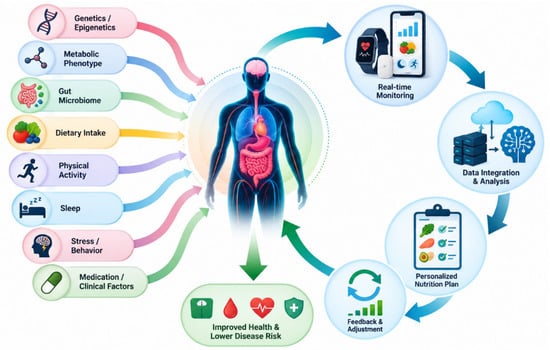
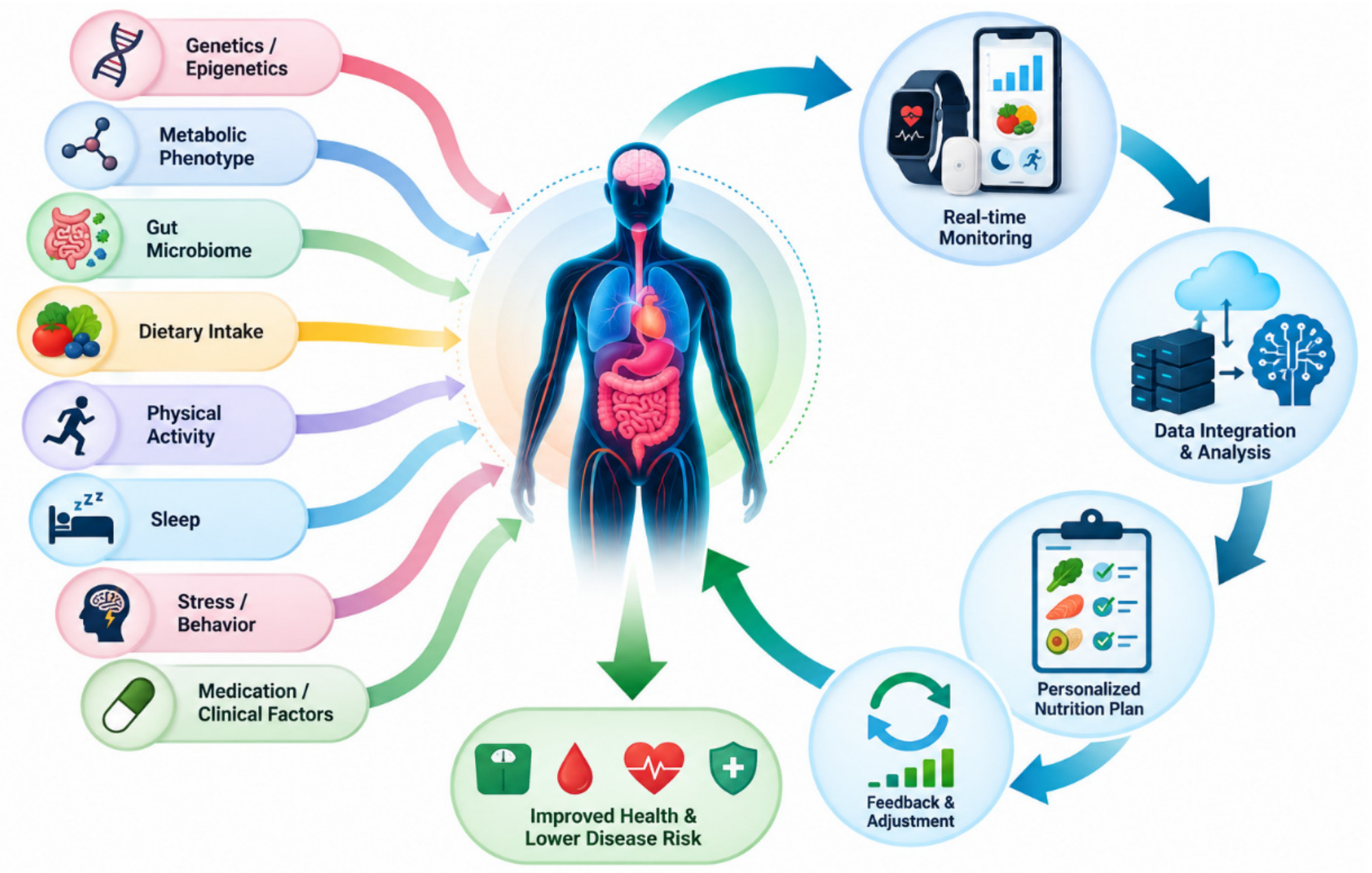
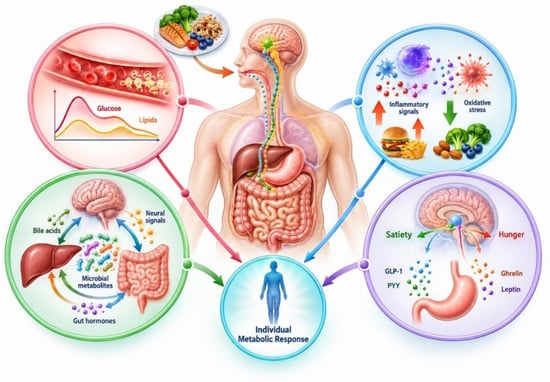
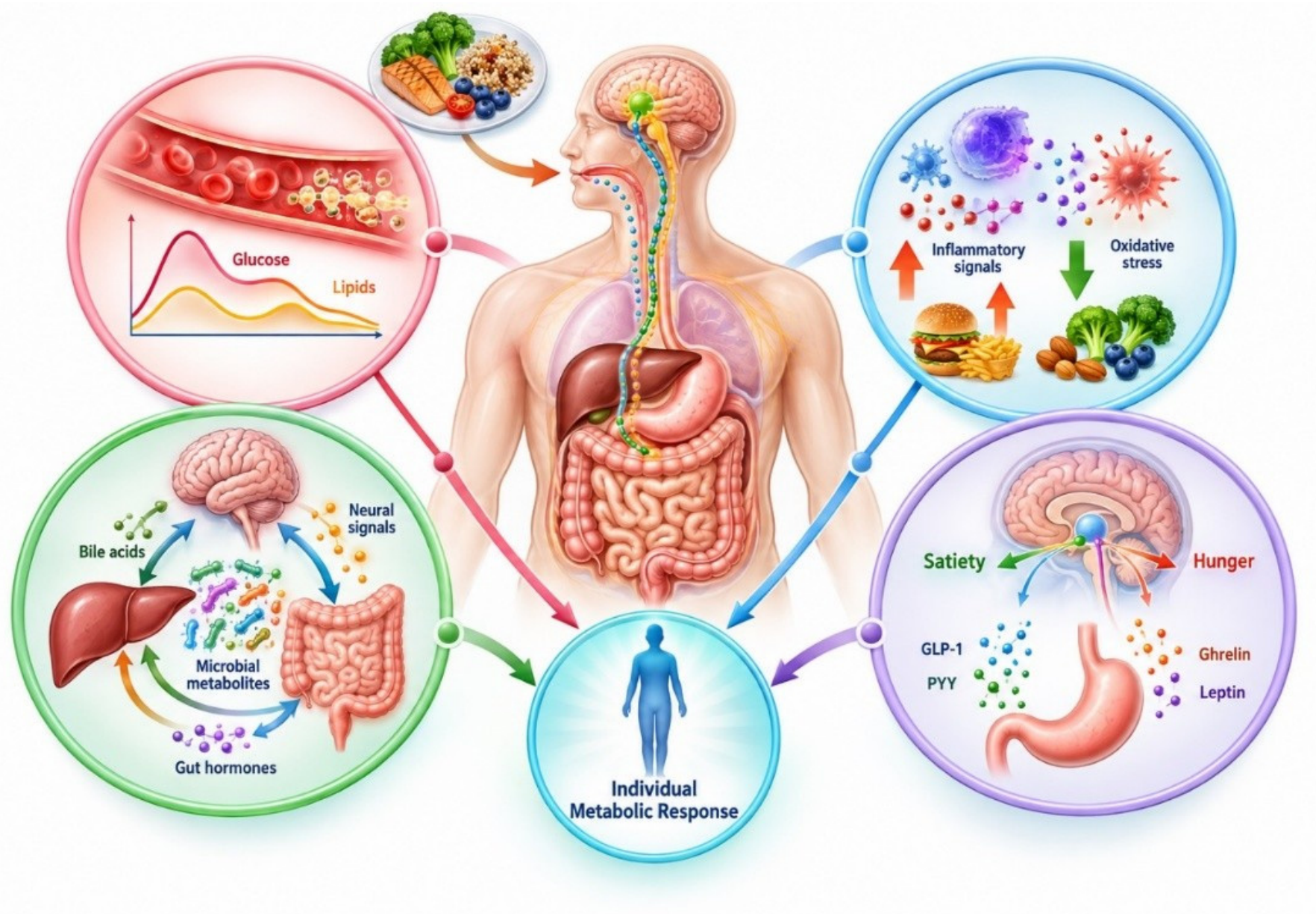
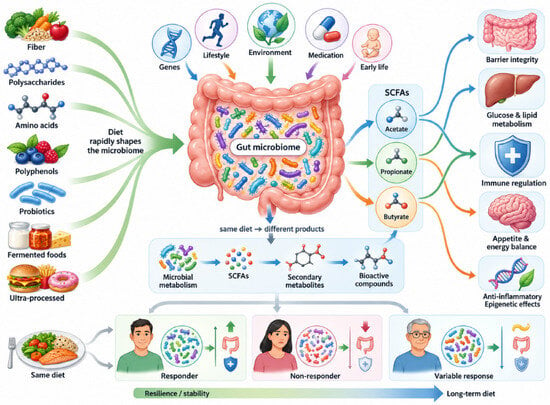
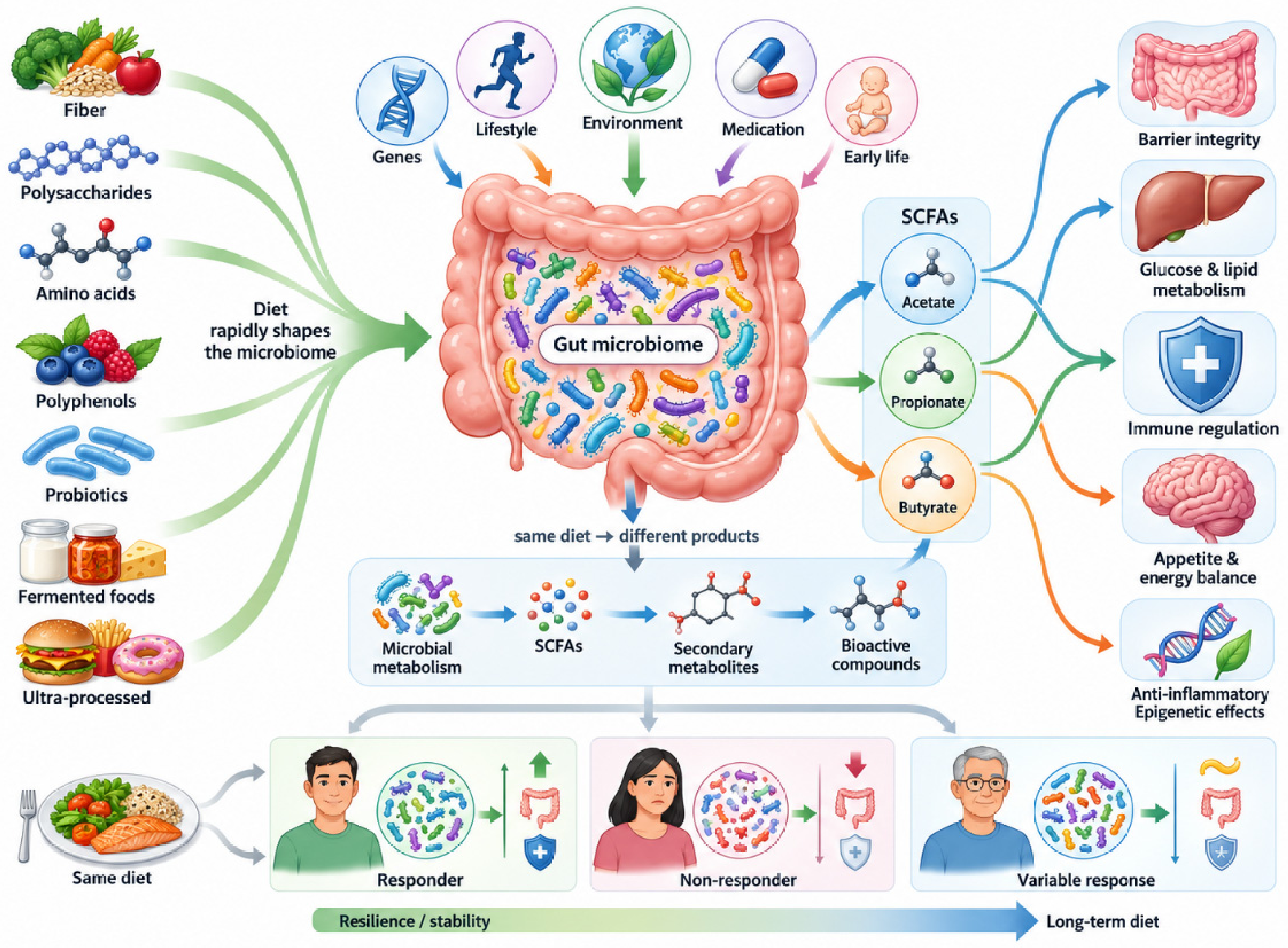
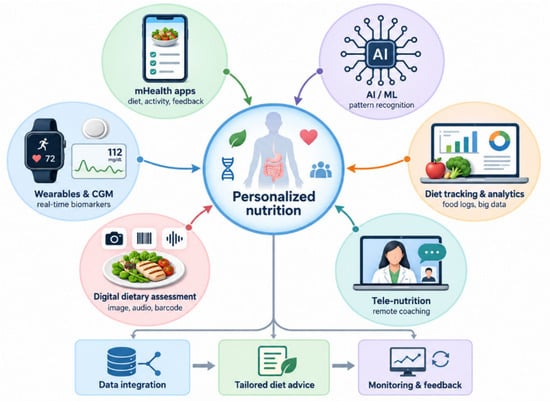
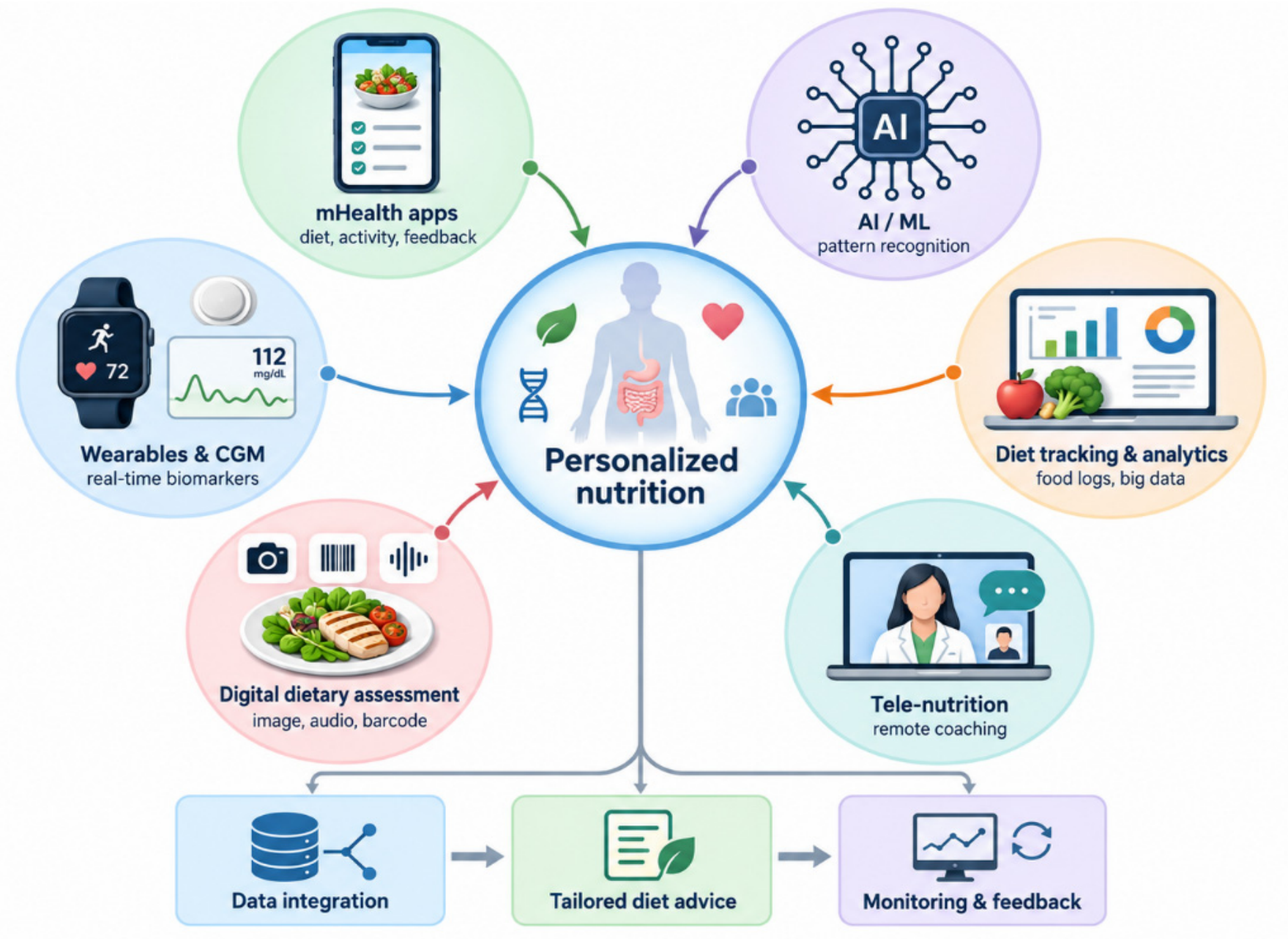

Disclaimer/Publisher’s Note: The statements, opinions and data contained in all publications are solely those of the individual author(s) and contributor(s) and not of MDPI and/or the editor(s). MDPI and/or the editor(s) disclaim responsibility for any injury to people or property resulting from any ideas, methods, instructions or products referred to in the content. |
© 2026 by the authors. Licensee MDPI, Basel, Switzerland. This article is an open access article distributed under the terms and conditions of the Creative Commons Attribution (CC BY) license.