


Abstract
Background/Objectives: Maternal consumption of sugar-sweetened beverages (SSBs) may influence fetal growth through metabolic and placental pathways. However, epidemiological findings remain inconsistent, and the underlying mechanisms are incompletely understood. This narrative review examines the relationship between maternal SSB consumption before and during pregnancy and fetal growth, integrating epidemiological evidence with potential biological mechanisms. Methods: A structured narrative literature search was conducted using PubMed/MEDLINE, Scopus, and Web of Science, considering publications available up to September 2026. Evidence on maternal SSB exposure, metabolic adaptations, placental function, fetal growth, and neonatal outcomes was critically examined and narratively synthesized. The primary evidence synthesis included 47 studies, while additional clinical, epidemiological, and mechanistic publications were considered to provide broader scientific context and support the interpretation of potential maternal–placental–fetal pathways. Results: Available studies suggest heterogeneous associations between maternal SSB consumption and fetal growth. Higher intake has been associated with large-for-gestational-age birth and macrosomia in some populations, particularly in relation to maternal metabolic status, whereas other studies report lower birth weight, increased small-for-gestational-age risk, or no significant associations. Evidence regarding preterm birth and neonatal adiposity is similarly inconsistent or limited. Maternal glycemic regulation, insulin resistance, lipid metabolism, and placental nutrient transport represent biologically plausible pathways, although direct evidence linking SSB consumption to these mechanisms during pregnancy remains insufficient. Differences in beverage definitions, exposure timing, dietary assessment, maternal metabolic characteristics, and outcome classification complicate comparisons across studies. Conclusions: Current evidence does not establish a consistent or causal relationship between maternal SSB consumption and fetal growth. Future prospective studies incorporating standardized exposure assessment, repeated dietary measurements, maternal metabolic profiling, and longitudinal fetal growth evaluation are needed to clarify potential associations and underlying mechanisms.
1. Introduction
Maternal nutrition is a major determinant of the intrauterine environment and plays an important role in fetal growth and development [1,2]. Nutritional exposures before and during pregnancy may influence maternal metabolic adaptations, placental function, and nutrient availability to the fetus, with potential consequences for pregnancy and neonatal outcomes [3].
Sugar-sweetened beverages (SSBs) are an important source of free sugars and rapidly available energy and are commonly consumed by women of reproductive age, including during pregnancy [4,5]. Because of their high sugar content and limited nutritional value, SSBs may contribute to unfavorable changes in energy balance and metabolic health. Recent evidence continues to support the relevance of beverage quality within healthy dietary patterns, with high SSB consumption consistently associated with adverse metabolic outcomes in the general population [6].
Fetal growth is a complex process influenced by maternal, placental, and fetal factors [7]. Birth weight remains the most widely used neonatal growth indicator but does not fully reflect intrauterine growth, as it is also strongly influenced by gestational duration [8]. Outcomes such as small for gestational age (SGA), large for gestational age (LGA), macrosomia, fetal growth trajectories, and neonatal adiposity may therefore provide complementary information [7,8].
Interest in the potential relationship between maternal beverage consumption and fetal outcomes has increased in recent years. Recent studies have examined beverage intake during pregnancy in relation to maternal metabolic complications and offspring outcomes, including macrosomia and LGA [9]. Experimental evidence has also begun to explore potential effects of maternal SSB exposure on placental nutrient transport and fetal development, further supporting interest in maternal–placental pathways [10].
However, the relationship between maternal SSB consumption and fetal growth has not yet been comprehensively characterized within a single framework. Existing literature has often considered beverage consumption more broadly or focused on selected maternal or neonatal outcomes [11,12]. A review specifically centered on SSB exposure and fetal growth may therefore help integrate available epidemiological evidence with emerging maternal metabolic and placental mechanisms, while considering fetal growth beyond birth weight alone.
This narrative review aims to examine SSB consumption before and during pregnancy in relation to fetal growth and related neonatal phenotypes, integrating clinical and mechanistic evidence and identifying the main methodological limitations and areas requiring further investigation.
2. Methods
A structured narrative literature search was conducted using PubMed/MEDLINE, Scopus, and Web of Science, considering publications available up to 1 September 2026. The search aimed to identify relevant clinical, epidemiological, and mechanistic evidence on maternal SSB consumption before and during pregnancy, with particular emphasis on fetal growth and neonatal outcomes. Reference lists of relevant original articles and reviews were additionally examined to identify potentially relevant publications.
The search strategy combined terms related to SSB consumption, pregnancy, and fetal growth. The core search strategy included the following terms:
(“sugar-sweetened beverage*” OR “sweetened beverage*” OR “soft drink*” OR soda OR “sugary drink*” OR “fruit drink*”) AND (pregnan* OR maternal OR preconception OR “pre-pregnancy”) AND (“fetal growth” OR “birth weight” OR birthweight OR SGA OR LGA OR macrosomia OR “low birth weight” OR “neonatal adiposity”). Search terms and Boolean operators were adapted to the characteristics of each database.
Human studies examining SSB consumption before or during pregnancy in relation to fetal or neonatal outcomes constituted the primary evidence base. Outcomes of interest included fetal biometry and growth trajectories, birth weight, small and large for gestational age, macrosomia, low birth weight, gestational duration, and neonatal adiposity or body composition.
Additional epidemiological, clinical, and mechanistic studies were considered when relevant to understanding the potential maternal–placental–fetal pathways linking SSB exposure to fetal growth. Evidence obtained from non-pregnant populations and experimental models was considered exclusively to provide mechanistic context and was distinguished from direct evidence obtained during human pregnancy.
Studies exclusively examining 100% fruit juice or low- or no-calorie sweetened beverages without separate SSB data, as well as case reports, editorials, and conference abstracts, were not considered part of the primary evidence base.
The database searches identified 1290 records, of which approximately 130 were retained after title and abstract screening. Among these, 60 articles underwent full-text assessment, resulting in the inclusion of 47 studies in the primary evidence synthesis. Exclusions were mainly due to the absence of relevant maternal SSB exposure or fetal and neonatal outcome data, the lack of SSB-specific results, or ineligible publication types. Of the 47 included studies, 15 were selected for presentation in the table in Section 5.6 to highlight the main findings from human studies, while the remaining studies contributed to the broader narrative synthesis. Additional clinical and mechanistic publications were considered to provide scientific context and support the interpretation of potential maternal–placental–fetal pathways but were not included in the primary evidence base.
Given the narrative design, the literature search aimed to provide a broad and clinically relevant overview rather than an exhaustive systematic review. Studies were selected based on their relevance and methodological characteristics, and descriptive screening counts were reported to improve transparency. A formal PRISMA flow diagram and quantitative pooling were not undertaken, also considering the heterogeneity of study populations, exposure definitions, assessment methods, gestational timing, and fetal outcomes. Nevertheless, the absence of a fully systematic selection protocol may have introduced selection bias, which should be considered when interpreting the findings.
Throughout the review, the term low- or no-calorie sweetened beverages is used consistently, whereas study-specific terminology, including artificially sweetened or diet beverages, is retained when reporting individual study findings.
3. SSB Exposure Before and During Pregnancy
3.1. Definition and Types of SSBs
The definition and classification of SSBs are not fully standardized across public health guidelines, regulatory frameworks, and nutritional epidemiology.
The World Health Organization (WHO) defines free sugars as monosaccharides and disaccharides added to foods and beverages, together with sugars naturally present in honey, syrups, and fruit juices [13]. Added sugars include sugars and other caloric sweeteners introduced during food manufacturing or preparation, as well as those added by consumers before or during consumption [14]. Accordingly, free sugars represent a broader category that includes added sugars together with sugars naturally present in honey, syrups, fruit juices, and fruit juice concentrates. The two terms are therefore not interchangeable; notably, sugars naturally present in 100% fruit juice are classified as free sugars but not as added sugars [13,14].
WHO uses a broad public-health definition of SSBs encompassing non-alcoholic beverages containing free sugars, including soft drinks, fruit and vegetable juices and drinks, energy and sports drinks, ready-to-drink tea and coffee, and flavoured milk drinks [15]. This broad definition differs from that commonly adopted in nutritional epidemiology, where SSBs are generally defined according to the presence of added caloric sweeteners and 100% fruit juice is typically analysed separately. Regulatory reporting requirements also vary by jurisdiction. For example, European Union nutrition labelling requires the declaration of total sugars, whereas U.S. nutrition labelling additionally requires the separate declaration of added sugars [16,17].
In nutritional epidemiology, SSBs are typically defined as beverages containing added sugars or other caloric sweeteners [18]. Common categories include carbonated and non-carbonated soft drinks, fruit drinks and fruit-flavoured beverages with added sugars, sports and energy drinks, sweetened waters, and sweetened tea or coffee.
A complementary example of definitional variability is the Global Dietary Database, which classifies SSBs as beverages with added sugars providing at least 50 kcal per 8-oz serving (≈237 mL; equivalent to ≥21 kcal per 100 mL) and excludes 100% fruit and vegetable juices, non-caloric artificially sweetened beverages, and sweetened milk [19]. These differences illustrate that the same label may encompass different nutritional exposures across studies and settings.
This variability in definition is also evident in pregnancy studies, where SSB exposure has been defined and assessed differently across cohorts. Lundeen et al. combined regular soda, fruit drinks, sweet tea, and sports or energy drinks while excluding 100% fruit juice and diet beverages [5], whereas Grundt et al. [20] focused specifically on sugar-sweetened carbonated beverages and analysed artificially sweetened carbonated beverages separately. Two distinctions are therefore particularly relevant: 100% fruit juice contains free sugar but no added sugar by definition and is therefore commonly treated as a separate beverage category in nutritional epidemiology, despite its inclusion within broader WHO free-sugar frameworks. Beverages sweetened with low- or no-calorie sweeteners also represent a compositionally distinct exposure and are generally considered separately from SSBs [5,20]. In this review, study-specific SSB definitions are retained, while these beverage categories are considered separately unless SSB-specific data are reported.
3.2. Timing and Patterns of Consumption
SSB consumption during pregnancy is common, although intake levels vary considerably across populations. Direct comparisons between studies are complicated by differences in SSB definitions, serving sizes, dietary assessment methods, and intake metrics. In the U.S. NHANES data, mean intake observed among 1154 pregnant women was 1.3 ± 1.5 12-oz servings/day (≈355 mL per serving) [21], while 2017 BRFSS data indicated that 21.9% consumed SSBs at least once daily [5]. In Project Viva, mean second-trimester intake was lower (0.6 ± 0.9 servings/day), although the distribution was wide: 57.8% consumed <0.5 servings/day and 7.9% consumed ≥2 servings/day [22]. Such findings illustrate why population averages may conceal subgroups with substantially different exposure levels.
Italian evidence remains limited but provides a relevant contribution related to the Mediterranean context. In a nationwide cross-sectional survey of 589 pregnant women, 89.1% reported at least weekly intake of sugary drinks [23]. As intake was assessed using the AIDGI, an 18-item qualitative dietary screener, this estimate reflects consumption frequency rather than beverage volume or sugar dose [23]. Outside the European and North American context, beverage patterns may also differ, both in composition and amount. In the Japanese TMM BirThree cohort, mean reported SSB consumption was 47.9 g/day during the pre- to early-pregnancy period and 36.1 g/day during the early- to mid-pregnancy period [24].
It should be noted that SSB consumption may change following conception. In the Norwegian Fit for Delivery study, the proportion consuming SSBs at least daily declined from 10% before pregnancy to 6% in early pregnancy, concurrent with a broader shift toward water, fruit juice, and milk [25]. In MoBa, among women reporting daily sugar-sweetened carbonated beverage consumption both before and during pregnancy, mean intake during gestation was approximately 44% lower than pre-pregnancy levels [20]. These observations support treating preconception diet as a distinct and potentially relevant exposure window rather than as a proxy for intake throughout pregnancy. Pregnancy-related symptoms may further influence beverage choices: in the Southampton Women’s Survey, greater severity of nausea and vomiting in early pregnancy was found to be associated with an increase in soft-drink consumption relative to pre-pregnancy intake [26]. In summary, maternal SSB exposure appears to be dynamic and should be interpreted in relation to both timing and the clinical context of pregnancy.
SSB intake may also act as a marker of a broader dietary pattern rather than isolated behaviour. In NHANES, each additional 12-oz serving of SSB was associated with a 2.3-point lower pregnancy-specific diet quality score and approximately 124 kcal/day higher total energy intake [21]. These associations should not be interpreted as demonstrating that SSB intake itself caused poorer overall diet quality or increased energy intake; rather, they highlight the importance of interpreting SSB exposure within the broader nutritional profile of pregnant women.
3.3. Assessment of SSB Intake
Maternal SSB exposure is typically evaluated using self-reported dietary methods, primarily food-frequency questionnaires (FFQs), 24-h recalls, dietary records, or beverage-specific screeners [27]. These methods capture different dimensions of exposure: FFQs generally estimate habitual intake over longer reference periods, whereas 24-h recalls and dietary records characterize intake over one or several specific days, and beverage-specific screeners typically prioritize consumption frequency over detailed quantitative assessment. Consequently, apparently similar SSB variables may not be directly comparable across studies.
The contrast between frequency- and volume-based measures illustrates this issue. Lundeen et al. converted reported consumption of selected beverage groups over the previous 30 days into times/day [5], while Grundt et al. [20] expressed intake in mL/day and averaged repeated assessments conducted at approximately 15, 22, and 30 weeks of gestation. Frequency-based measures do not capture the volume consumed on each occasion, whereas serving-based estimates additionally depend on the definition and standardization of serving size. Similarly, a single 24-h recall provides only a snapshot of intake and may poorly represent usual exposure, particularly for beverages consumed episodically; repeated non-consecutive recalls allow day-to-day within-person variability to be better characterized [27].
Repeated assessment is particularly relevant in pregnancy because intake may change across gestation. Averaging repeated measures can provide a more stable estimate of habitual exposure, but this approach may obscure trimester-specific variation; conversely, single time-point assessments may not represent the entire pregnancy. Potential exposure misclassification may further arise from incomplete beverage classification, inaccurate recall or portion-size estimation, and failure to distinguish SSBs from 100% fruit juice or low- and no-calorie sweetened beverages. These methodological differences should therefore be considered when comparing SSB exposure estimates across studies, particularly when exposure categories are derived from instruments differing in reference period, beverage coverage, portion-size assessment, and frequency of administration [28].
4. Biological Pathways Linking Maternal SSB Intake to Fetal Growth
4.1. Maternal Glycemia and Insulin Resistance
Pregnancy involves coordinated metabolic adaptations that support fetal nutrient supply while maintaining maternal energy homeostasis [29]. Insulin sensitivity, secretion and endogenous glucose production change across gestation [30].
Early pregnancy is characterized by adaptations that favor maternal energy storage, whereas late pregnancy involves progressive insulin resistance, increased insulin secretion and enhanced endogenous glucose production to meet increasing fetoplacental demands [30,31,32]. Fasting glucose generally remains low as fetal glucose utilization increases [30], whereas postprandial glycemia may increase in later pregnancy [30]. Maternal adiposity can further modify this response [33]. Yogev et al. [33] observed higher and more prolonged postprandial glucose excursions in pregnant women with obesity, despite comparable fasting and mean glucose concentrations. Early and late pregnancy differ in insulin sensitivity [32]. Powe et al. [32] documented increased sensitivity and insulin secretion in early pregnancy, followed by lower sensitivity and compensatory secretion in late gestation. Catalano et al. [31] reported comparable gestational adaptations in women with obesity, with distinct metabolic profiles in those developing gestational diabetes mellitus (GDM) [31]. The GDM group also showed poorer suppression of endogenous glucose production, suggesting impaired hepatic insulin sensitivity [31]. Increased hepatic glucose production contributes to fetoplacental glucose availability [30] and may coexist with higher postprandial glucose exposure [30]. These findings highlight the importance of maternal metabolic status when investigating the potential influence of dietary exposures on glucose regulation during pregnancy.
Whether SSB intake modifies these processes during pregnancy remains uncertain [34]. Kwan et al. [34] found no adjusted association between moderate SSB consumption and second-trimester fasting glucose or insulin; acute postprandial responses were not measured. Therefore, the absence of an association with fasting metabolic parameters does not exclude potential effects on postprandial glucose and insulin responses. In nonpregnant adults, Varsamis et al. [35] observed greater glucose, insulin and C-peptide responses after a sucrose-sweetened beverage than after water under prolonged sitting conditions. These experimental findings cannot be directly extrapolated to pregnancy. Overall, although physiological adaptations during pregnancy provide a plausible metabolic context for investigating SSB exposure, direct evidence demonstrating its effects on maternal glycemic regulation remains insufficient. Given reported SSB consumption during pregnancy [4,5], studies with repeated, trimester-specific SSB assessments and direct postprandial metabolic measures are needed to clarify whether SSB exposure contributes to maternal metabolic alterations potentially associated with fetal growth.
4.2. Gestational Diabetes Mellitus
GDM is a condition characterized by hyperglycemia first diagnosed during pregnancy in women without previously diagnosed diabetes [36], due to an inadequate pancreatic β-cell response relative to the degree of insulin resistance present during pregnancy [36,37]. Women who develop GDM may exhibit subclinical metabolic dysfunction before conception, including impaired insulin responses, reduced insulin-mediated suppression of endogenous glucose production and lower insulin-stimulated glucose uptake, while differences in insulin sensitivity and β-cell function may already be detectable during early pregnancy [37,38]. It was reported that among pregnant women with overweight or obesity, those who developed GDM had lower insulin sensitivity and β-cell responsiveness and higher fasting, one-hour and total glucose exposure during an oral glucose tolerance test at 15 weeks of gestation than women who did not develop GDM [38]. This evidence supports the hypothesis that GDM reflects both a metabolic vulnerability already evident in early pregnancy and an insufficient β-cell adaptation to the progressive metabolic demands of later gestation. The potential relevance of maternal glycemia to fetal growth is supported by evidence linking progressively higher maternal glucose concentrations with fetal insulin exposure and neonatal size [39,40,41]. In the HAPO Study [40], maternal glucose concentrations were associated with birth weight above the 90th percentile and elevated cord-blood C-peptide. Higher maternal glucose and cord-blood C-peptide concentrations were also associated with greater neonatal skinfold thickness and percentage body fat, supporting a relationship between maternal glycemic exposure, fetal insulin secretion and neonatal adiposity [42]. Finally, randomized trials of treatment for gestational glucose intolerance reported lower frequencies of LGA or macrosomia in treated groups [39,41]. Importantly, GDM is metabolically heterogeneous. In a prospective cohort of 809 pregnant women, Powe et al. identified a predominant insulin-sensitivity defect in 51% of women with GDM, a predominant insulin-secretion defect in 30%, and combined defects in 18%. Compared with women who maintained normal glucose tolerance, those with the insulin-sensitivity phenotype had higher BMI and fasting glucose, delivered larger infants and experienced a greater frequency of GDM-related adverse outcomes, whereas women with a predominant secretion defect had BMI, fasting glucose, infant birth weight and adverse-outcome risk similar to those of women with normal glucose tolerance [43]. These findings indicate that both the pathophysiological basis of GDM and its association with fetal growth may differ according to the relative contribution of maternal insulin resistance and impaired insulin secretion [43].
Evidence directly examining SSB consumption in relation to GDM remains limited [12,44]. In the Nurses’ Health Study II, it was reported that consumption of at least five servings of sugar-sweetened cola per week before pregnancy was associated with a 22% higher risk of GDM than consumption of less than one serving per month after adjustment for demographic, lifestyle, dietary and prepregnancy BMI factors [12]. The association was specific to sugar-sweetened cola, while no correlation in GDM risk was detected for other sugar-sweetened beverages or diet beverages [12]. Higher pre-pregnancy consumption of sugar-sweetened soft drinks was associated with greater odds of incident GDM after adjustment for potential confounders also in the SUN Study [44]. In a Shanghai study, SSB consumption was associated with GDM. Moreover, SSB consumption at least four times per week correlated with large-for-gestational-age (LGA) birth. However the study included pure fruit juice among the SSB evaluated and the participants examined were at different stages of pregnancy [9].
Taken together, these associations support the hypothesis that GDM could represent an intermediate pathway between SSB exposure and fetal growth, although this mediation pathway has not been directly tested.
4.3. Gestational Weight Gain
Available human evidence indicates that SSB consumption during pregnancy is associated with higher total energy intake [21]. Gamba et al. [21] reported that each additional 12 oz (approximately 355 mL) serving of SSBs was associated with a 124 kcal higher daily energy intake and a lower pregnancy-specific diet quality score after adjustments. However higher energy intake alone does not necessarily translate into greater gestational weight gain and possible associations have been inconsistent across studies [34,45,46,47,48,49]. A study on 95 Swedish women [46] found a positive association between third-trimester intake of caloric beverages with gestational weight gain and with higher odds of excessive gestational weight gain. Noteworthy, the beverages considered included soft drinks, lemonade, juice and non-alcoholic beer. Moreover, the sample was small and predominantly composed of women with normal pre-pregnancy BMI. Stuebe et al. [47] noted that SSB intake was not associated with higher odds of excessive gestational weight gain but was inversely associated with total gestational weight gain in the fully adjusted model, although authors stated that reverse causation and residual confounding might explain this unexpected inverse association. Similarly, in the study by Kwan et al. [34] neither SSB nor non-nutritively sweetened beverage intake was associated with excessive gestational weight gain, one-year postpartum weight retention, or second trimester fasting glucose or insulin after adjustment. The authors identified low or moderate consumption of SSB as a possible limitation in detecting associations at higher intake levels. In the GUSTO study [49], SSB intake was not associated with inadequate or excessive gestational weight gain in the main adjusted analyses. However, a sensitivity analysis using a different dietary assessment method found a positive association between SSB intake and gestational weight gain, suggesting that the results may depend partly on how beverage consumption was measured.
Evidence extending into the postpartum period suggests that SSB intake may be associated with greater maternal postpartum weight retention or weight gain, although the findings are not consistent across studies [50,51,52]. In a prospective cohort of 348 women, each additional daily occasion of SSB intake during the third trimester was associated with greater weight retention at six months postpartum after adjustment [52]. Similarly, Alderete et al. [51] reported a positive association between higher sweet soft drinks consumption and greater weight gain between one and six months postpartum after adjustment. Finally, a systematic review [53] included seven prospective cohort studies examining SSB intake during pregnancy in relation to gestational weight gain. Four studies reported no statistically significant associations. Nevertheless, the reviewers concluded that the evidence was insufficient to determine the exact relationship between SSB intake and gestational weight gain. Overall, SSB consumption has been associated with higher maternal energy intake and gestational or postpartum weight outcomes, but more specific studies are needed to assess the actual impact of SSB on gestational weight gain.
4.4. Fructose and Maternal Lipid Metabolism
Pregnancy is accompanied by substantial adaptations in maternal lipid metabolism that vary across gestation [54]. During early gestation, maternal increased maternal energy intake, lipogenic activity and enhanced insulin sensitivity promote the accumulation of maternal fat stores [54]. During the third trimester reduced insulin sensitivity, decreased adipose-tissue lipoprotein lipase activity and enhanced lipolysis increase the release of non-esterified fatty acids into the maternal circulation [54], contributing to maternal hyperlipidaemia, particularly through increased hepatic very-low-density lipoprotein (VLDL) production and reduced triglyceride clearance, while rising estrogen concentrations further stimulate VLDL production and reduce hepatic lipase activity [54]. In this context, the potential additional effects of dietary sugars should be evaluated. Comparisons of fructose- and glucose-sweetened beverages have been conducted in nonpregnant adults, whereas comparable evidence in pregnant women is lacking [55]. Fructose is relevant to SSBs because it is consumed as free fructose together with glucose in high-fructose corn syrup or as a component of sucrose. In overweight and obese non-pregnant adults, consumption of beverages providing 25% of energy requirements as fructose for 10 weeks increased hepatic de novo lipogenesis, postprandial triglyceride exposure, apoB, total and LDL cholesterol, small dense LDL and oxidized LDL compared with glucose-sweetened beverages [55]. Fasting triglycerides did not increase after fructose consumption despite the increase in de novo lipogenesis, suggesting that fasting triglyceride concentrations alone may not capture fructose-related changes in lipid metabolism [55]. In a randomized trial [56] involving 240 Mexican women with overweight or obesity that abitually consumed SSB, replacement with water lowered triglyceride concentrations and metabolic-syndrome prevalence in women with obesity but not in those with overweight. The possible relevance of these metabolic effects to fetal growth is supported by human pregnancy studies examining maternal lipids, although studies directly evaluating SSB intake are lacking [57,58,59,60,61]. In well-controlled GDM pregnancies, maternal triglycerides and FFAs were associated with fetal abdominal circumference [57]. Similarly, the study conducted by Vrijkotte et al. [58] reported a positive correlation between higher early-pregnancy maternal triglyceride and higher birth weight and greater prevalence of LGA birth. Overall, no study in the present corpus directly measured maternal fructose or SSB intake together with maternal de novo lipogenesis, lipid profile and fetal growth during pregnancy. However, evidence from nonpregnant populations provides a physiological basis for hypothesizing that high fructose intake could enhance hepatic lipogenesis and triglyceride production during pregnancy, although studies directly demonstrating this correlation need to be performed.
4.5. Placental Nutrient Transfer and Fetal Insulin Signaling
The placenta regulates fetal nutrient supply through blood flow, metabolism and substrate-specific transporters [10,62], responding to maternal nutrient availability and fetal demand [10,62]. Human findings on adaptations to maternal obesity or diabetes remain inconsistent [62,63]. Glucose crosses the placenta largely by facilitated diffusion along a maternal–fetal gradient [10,63] and stimulates fetal insulin secretion, an important determinant of growth [63,64]. The HAPO Study [40,42] linked maternal glycemia to birth weight, cord C-peptide and neonatal adiposity; observational analyses support, but cannot establish, fetal insulin mediation [42]. PANDORA likewise associated higher cord C-peptide with greater neonatal size and adiposity across maternal glucose-tolerance categories [65]. Amino-acid and fatty-acid transfer also influence fetal growth [54,63], although evidence for increased amino-acid transport in GDM remains limited [10,63]. Placental insulin–mTOR signalling may regulate amino-acid transport, but effects of obesity and GDM in humans are unresolved [62,63]. Maternal triglycerides require placental lipolysis before their fatty acids become available for uptake [54,63]; these fatty acids may be metabolized, stored or transferred to the fetus [54,63]. Heerwagen et al. [66] associated placental lipoprotein-lipase activity with birth weight and neonatal fat mass. In well-controlled GDM, maternal triglycerides and free fatty acids were also related to fetal size and LGA risk [57]. However, none of these studies directly tested SSB-related placental pathways. Population-level Norwegian trends in sugar intake and macrosomia are indirect [67]. The Japanese TMM BirThree cohort associated higher gestational SSB intake with offspring overweight or obesity at one year, without placental or cord-blood measurements [24]. Overall, glucose and lipid pathways are biologically plausible, but human evidence directly linking maternal SSB intake, placental transport, fetal insulin and neonatal adiposity is lacking.
The potential maternal metabolic and placental pathways linking SSB consumption during pregnancy to fetal growth and neonatal outcomes are summarized in Figure 1.
Figure 1.
Potential maternal metabolic and placental pathways linking sugar-sweetened beverage consumption during pregnancy to fetal growth and neonatal outcomes. Schematic representation of potential maternal metabolic and placental pathways linking SSB consumption to fetal growth and neonatal outcomes, including additional interacting mechanisms. Solid blue arrows indicate evidence-supported associations without implying causality, whereas dashed green arrows represent potential mechanisms based mainly on indirect or experimental evidence. Abbreviations: GDM, gestational diabetes mellitus; GLUT1, glucose transporter 1; IGF-1, insulin-like growth factor 1; LGA, large for gestational age; SGA, small for gestational age; SSBs, sugar-sweetened beverages.
5. Maternal SSB Consumption and Fetal Growth: Evidence from Human Studies
5.1. Fetal Growth During Pregnancy
Serial ultrasound biometry assesses fetal size and growth across gestation [68]; interpretation requires gestational-age-specific references.
Standard two-dimensional measures include biparietal diameter, head circumference, abdominal circumference (AC) and femur length. AC is particularly relevant to fetal nutritional status [69].
Three-dimensional ultrasound measures, including fractional limb volume, may provide additional information on fetal tissue compartments and improve fetal-weight estimation [70].
Estimated fetal weight (EFW) is commonly calculated from combinations of conventional biometric measures using validated equations, including the Shepard and Hadlock models [71,72].
Fetal size percentiles describe size at a given gestational age; they do not, in isolation, establish normal or abnormal growth velocity. Serial measurements, rather than isolated estimates, are needed to construct fetal growth trajectories [68], including interval-specific growth velocity [73,74]. These trajectories can help distinguish constitutional variation from evolving abnormalities [75]. Fetal growth restriction requires interpretation of fetal size together with relevant clinical and Doppler findings [76].
Validated growth standards differ in their underlying populations and approaches; international prescriptive standards support comparison across gestation [77].
Individualized growth assessment may additionally consider maternal and fetal characteristics when interpreting serial measurements [78]. Growth trajectories vary by gestational age and anatomical compartment; EFW velocity typically increases until late gestation [75,79,80]. EFW and neonatal birth weight represent different measurement contexts; neonatal standards incorporate gestational age and other relevant factors [81,82]. Ultrasound-derived EFW remains an estimate, with recognized measurement error [68].
5.2. Birth Weight
When discussing BW, one may refer either to absolute birth weight (i.e., unindexed fetal/neonatal weight) or to mean birth weight. Mean birth weight (MBW) is the average birth weight within a given population and depends on factors such as the distribution of gestational age at delivery, the male-to-female ratio, and maternal characteristics (e.g., parity, pre-pregnancy BMI and gestational weight gain, gestational diabetes, smoking). MBW is useful for describing and comparing populations, but not for classifying an individual newborn.
In terms of absolute birth weight, we distinguish between low birth weight (LBW), defined as <2500 g, and macrosomia, commonly defined as >4000 g [80]. These definitions should not be confused with the two categories of abnormal fetal growth based on weight-for-gestational-age charts: SGA, when EFW or AC falls below 3rd or 10th centile, and large for gestational age (LGA), when they exceed the 90th or 97th centile. Notably, an SGA fetus is not necessarily growth-restricted, and conversely, a fetus with FGR is not necessarily SGA; similarly, an LGA fetus may be constitutionally large rather than the result of pathological overgrowth [80].
5.3. Excessive Fetal Growth: LGA and Macrosomia
The association between maternal SSB intake and excessive fetal growth should be considered separately from evidence linking maternal dysglycemia itself to fetal overgrowth. The former is observational and heterogeneous, whereas the latter has a stronger physiological and clinical evidence base.
Interestingly, the effects of the intrauterine environment (including maternal diet and glycemic profile) on fetal development appear to be sex-specific, with evidence suggesting a higher risk of adverse pregnancy outcomes in male fetuses [83].
Chen et al. reported a 22% higher risk of developing GDM among pregnant women who consumed sugary cola at least five times per week compared with those who consumed it less than once per month [12]. Similarly, in the study by Wang et al., compared with women consuming SSBs less than once per month, consumption of SSBs four or more times per week was associated with increased odds of GDM (OR 2.578, 95% CI 2.064–3.222) and LGA (OR 1.476, 95% CI 1.041–2.094) [9]. Other investigators have suggested that sustained exposure to elevated glycemic profiles (including cases not already diagnosed as GDM) increases the risk of fetal outcomes such as LGA and macrosomia [84].
Brand et al. found that GDM was linked to smaller fetal size early in pregnancy followed by increased growth later in gestation, with South Asian fetuses consistently smaller than White European fetuses [85].
Grundt et al. revisited a Norwegian study conducted between 1990 and 2000 that linked a 50% increase in national SSBs consumption to a parallel increase in the proportion of neonates with BW > 4500 g [20,67]. They further reported that, in pregnancies complicated by GDM, the relationship between SSBs intake and high birth weight (HBW) was positive and opposite to that observed in women without GDM; specifically, among non-GDM pregnancies, higher SSBs intake was associated with increased risk of LBW. These findings suggest that maternal metabolic and clinical characteristics may modify the association between SSB intake and birth weight; however, the mechanisms underlying these divergent associations remain uncertain.
More recent data indicate that hyperglycemia (GDM, but also impaired glucose tolerance, IGT) may influence not only the magnitude of fetal growth but also its qualitative features, particularly fat distribution. Using 3D ultrasonography, Wagner et al. reported that fetuses of mothers with GDM and IGT exhibit larger total limb volumes in the third trimester and larger AC across the second and third parts of pregnancy, with more pronounced (and later) differences in IGT than in fetuses of euglycemic mothers, suggesting a potentially “silent” yet more intense effect when dysglycemia does not meet diagnostic thresholds or is not treated [86]. Moreover, when comparing GDM and IGT groups, the authors suggested that, at similar limb volumes, fetuses exposed to GDM may have relatively more fat tissue and less lean tissue, whereas fetuses of mothers with IGT, despite increased arm volume vs. euglycemic pregnancies, may have relatively more lean tissue and less fat tissue compared with fetuses exposed to GDM.
Together, these findings support maternal glycemia as a plausible pathway, but do not establish that SSB intake independently causes LGA or macrosomia; estimates may differ by maternal glycemic status and beverage definition.
5.4. Restricted Fetal Growth: SGA and Low Birth Weight
Finding on maternal consumption of SSBs with restricted fetal growth, defined by SGA birth or LBW, remains inconsistent. Importantly, LBW does not necessarily indicate impaired fetal growth, as birth weight is strongly influenced by gestational duration. Therefore, studies assessing SGA or birth weight standardized for gestational age may provide a more specific indication of fetal growth restriction than absolute birth weight alone.
Several observational studies have suggested an inverse association between maternal consumption of sugar-sweetened or sugar-rich beverages and birth size. In a study of 530 Mexican pregnant adolescents, Sámano et al. [87] reported an increased prevalence of SGA among those with inadequate SSBs intake (PR 1.58, 95% CI 1.01–2.49). As previously discussed, in the large Norwegian Mother and Child Cohort Study, Grundt et al. found that sugar-sweetened soft drink consumed during pregnancy was associated with a reduction in birth weight, but among women with gestational diabetes mellitus, higher soft-drink intake was instead associated with a greater risk of birth weight above 4500 g [20]. These findings suggest that the relationship between SSBs intake and fetal growth may be modified by maternal glucose metabolism and that a uniform interpretation of SSBs exposure may not be appropriate across pregnancy populations.
Additional evidence comes from studies examining dietary patterns characterized by consumption of soft drinks and other energy-dense foods. In the Osaka Maternal and Child Health Study, women following a dietary pattern characterized by relatively high consumption of bread, confectioneries, and soft drinks had infants with significantly lower birth weight and head circumference [88]. They also had substantially higher odds of delivering an SGA infant for weight compared with women following a pattern rich in rice, fish, and vegetables (OR 5.2, 95% CI 1.1–24.4). Similarly, in the ProcriAr study, a pre-pregnancy dietary pattern characterized by snacks, sandwiches, sweets, and soft drinks was associated with an increased risk of SGA (RR 1.92, 95% CI 1.08–3.39) [89]. These findings support the possibility that SSBs consumption may contribute to a broader energy-dense, nutrient-poor dietary profile that is associated with suboptimal fetal growth. However, because these studies evaluated dietary patterns rather than SSBs in isolation, the independent contribution of SSBs intake cannot be established.
Other studies have not confirmed an association. A systematic review conducted by the USDA Nutrition Evidence Systematic Review identified three studies specifically examining SSBs consumption and birth-weight outcomes; their findings were inconsistent, with one reporting a positive association, one a negative association, and one no significant association [90]. Likewise, a systematic review and dose–response meta-analysis of ultra-processed food consumption conducted by Talebi et al. found no significant association between overall ultra-processed food intake and LBW or SGA [91]. Similarly, Favara et al. analyzed 3234 mother–infant dyads from Piccolipiù (2011–2015) and 1564 from MAMI-MED (2020-ongoing), identifying two comparable dietary patterns in both cohorts: Western (processed foods, fried items, snacks/sweets, sugar-sweetened beverages) and Prudent (fruit, vegetables, fish, whole grains/yogurt). After full adjustment, dietary profiles were not consistently associated with preterm, birth SGA or LGA in either cohort [92].
Among women with gestational diabetes, a Brazilian study by Argenta et al. found no significant relationship between a dietary pattern characterized partly by soft drinks, sugars and sweets, and infant birth weight or adequacy of weight for gestational age [93].
Additional insights emerge from a quasi-experimental study. Using U.S. birth certificate data from 2013–2019, Jackson et al. found that implementation of SSBs taxes in five cities was associated with a reduction in the risk of SGA, together with reductions in gestational diabetes and gestational weight gain. Although these findings are consistent with a potential population-level benefit of reducing SSBs exposure, the study assessed policy exposure rather than individual beverage consumption, and therefore cannot establish a direct causal relationship between SSBs intake and fetal growth.
Overall, some observational studies associate SSB-rich exposures with smaller birth size or SGA, whereas others do not. Studies of overall dietary patterns cannot isolate the contribution of SSBs, and LBW should not be equated with fetal growth restriction.
5.5. Gestational Duration and Preterm Birth
Evidence from several prospective studies suggests that higher consumption of sugar-sweetened beverages may be associated with preterm delivery, although the available evidence remains limited.
In the Norwegian Mother and Child Cohort Study, Englund-Ögge et al. analyzed 60,761 pregnant women and found that consumption of more than one serving of SSBs per day was associated with increased odds of preterm delivery (adjusted OR 1.25, 95% CI 1.08–1.45). The association showed a positive trend with increasing intake [94]. Similarly, in the multi-ethnic Born in Bradford cohort, women consuming four cups per day of sugar-sweetened cola had higher odds of preterm delivery compared with women who did not consume these beverages daily [95]. In addition, a dietary-component analysis from the U.S. conducted by Pacyga et al. suggested that lower SSBs and fruit-juice intake was associated with longer gestational length, providing further support for a possible relationship between sweetened beverage consumption and pregnancy duration [96]. Some recent evidence is less conclusive. In the Australian Longitudinal Study on Women’s Health Gebremichael et al. found that frequent consumption during pregnancy was associated with gestational diabetes, whereas the association with preterm birth was inconclusive [11].
The relationship between SSBs consumption and pregnancy duration may differ according to maternal characteristics and reproductive circumstances. In a Chinese birth cohort including women who conceived naturally and women who underwent assisted reproductive technology (ART), Shen et al. found an association between cola consumption and preterm birth among ART pregnancies, with increased risks observed across all three trimesters, whereas no significant association among women was observed who conceived spontaneously [97].
The association between SSB consumption and gestational duration remains uncertain; therefore, gestational age should be considered when interpreting associations with birth weight.
5.6. Beyond Birth Weight: Neonatal Adiposity
Birth weight alone provides an incomplete representation of fetal growth because it does not distinguish between lean and fat mass. Measures of neonatal adiposity, including skinfold thickness and other anthropometric indicators of body composition, may therefore provide complementary information on fetal nutritional exposure and early metabolic programming.
Evidence directly linking maternal SSB consumption with neonatal adiposity is currently very limited. In a Chinese mother–infant cohort, a maternal dietary pattern characterized by high consumption of pasta, sweetened beverages, oils and condiments during pregnancy was associated with higher infant triceps skinfold thickness at six weeks of age. Although this finding does not establish an independent effect of SSBs consumption, it suggests that a dietary profile rich in sweetened beverages and energy-dense foods may be associated with altered early-life body composition [98].
Conversely, recent findings by Wood et al. from the PANDORA cohort, which included women with hyperglycaemia in pregnancy, did not identify significant associations between maternal SSBs consumption and childhood anthropometric outcomes, including BMI, waist circumference, arm circumference, and skinfold thickness [99]. In contrast, frequent maternal fast-food consumption was associated with higher values across these measures. These results emphasize that the potential effects of SSBs may be difficult to disentangle from the broader dietary and metabolic environment during pregnancy.
The main findings from human studies examining maternal SSB consumption in relation to fetal growth and related pregnancy and neonatal outcomes are summarized in Table 1.
Table 1.
Maternal SSB Consumption and Fetal Growth: Main Evidence from Human Studies.
6. Interpretation of Current Evidence and Research Gaps
6.1. Why Findings Differ Across Studies
Taken together, the studies reviewed do not support a single, directionally consistent association between maternal SSB consumption and fetal growth. Associations with excessive growth, smaller birth size, gestational duration, and later anthropometry vary across populations and outcomes. Importantly, evidence connecting maternal glycemia with fetal growth cannot be treated as direct evidence that SSBs cause these outcomes. This distinction is central to interpreting the current literature [9,20,92].
Exposure heterogeneity is a major source of incomparability. Some investigations isolate sugar-sweetened soft drinks or cola; others pool fruit drinks, sweetened tea, sports beverages, or even 100% fruit juice. Intake is variously expressed as consumption frequency, servings, volume, or components of composite dietary patterns. As a result, nominally equivalent exposure categories may represent different sugar doses and nutritional contexts. The relevant exposure window also varies: preconception dietary habits, isolated gestational assessments, and repeated measurements cannot be assumed to capture the same metabolic exposure. Inconsistent definitions of SSBs across public-health frameworks and nutritional epidemiology further complicate comparisons [18]. Methods and portion-size reporting can introduce additional misclassification [5,20,27,28].
Outcome definitions introduce a second layer of heterogeneity. Absolute birth weight and low birth weight are affected by gestational duration, whereas SGA and LGA require gestational-age-specific standards; macrosomia thresholds and fetal-growth criteria also differ. A single birth measurement cannot reveal the direction or timing of growth-trajectory changes, and birth weight does not distinguish fat from lean mass. Differences in maternal BMI, glucose tolerance, ethnicity, dietary patterns, and socioeconomic context further limit direct comparisons between cohorts [75,80,99].
6.2. Confounding, Mediation, and Maternal Metabolic Susceptibility
Maternal pre-pregnancy adiposity, dietary quality, energy intake, smoking, physical activity, and socioeconomic circumstances may be associated both with beverage choice and with pregnancy outcomes. Adjustment strategies differ across studies, and residual confounding remains possible. Composite dietary-pattern analyses provide useful nutritional context but cannot identify the beverage-specific contribution to an observed association. Baseline lifestyle and socioeconomic variables need to be distinguished from pregnancy-related changes, and the direction of adjustment depends on the specified causal structure [21,92,100].
Several maternal factors may also lie on a proposed causal pathway rather than acting solely as confounders. Gestational weight gain, insulin resistance, glycemic dysregulation, and circulating lipids could potentially mediate the effects of habitual SSB exposure, yet their precise roles depend on the exposure window and the assumed temporal sequence. Adjustment for a true mediator may attenuate a total association, while failing to account for pre-existing metabolic status may generate spurious associations. Analyses should therefore distinguish pre-pregnancy BMI and glycemic susceptibility from metabolic changes arising during gestation. In particular, adjusting for a metabolic intermediate may lead to overadjustment; formal mediation requires an appropriate temporal sequence and explicit assumptions [57,100,101].
Maternal metabolic susceptibility may also modify associations. The Norwegian cohort reported differing directions of the SSB–birth-weight association according to GDM status, while other cohorts showed null or inconsistent results. Such observations are hypothesis-generating: subgroup findings do not establish interaction without formal testing, and GDM diagnosed during pregnancy may itself be influenced by preceding exposures. Similarly, links between maternal triglycerides, placental transport, fetal insulin, and neonatal adiposity support biological plausibility but cannot establish mediation by SSB intake without all relevant measurements in the same study [20,65].
6.3. From Association to Causal Interpretation
Most direct SSB–fetal-growth evidence is observational. Reverse causation is possible when women change beverage choices in response to nausea, weight gain, a GDM diagnosis, or dietary counseling. Single dietary measurements and self-report may introduce additional error, and analyses that combine unlike beverages can obscure a sugar-specific association. Studies of SSB taxation offer complementary population-level evidence but cannot establish the effect of individual maternal consumption on fetal growth. Nausea and vomiting may affect food and beverage choices early in pregnancy, while a subsequent GDM diagnosis can prompt changes in diet; both may complicate interpretations of gestational exposure [20,26,94,102].
Future etiologic analyses should specify the hypothesized causal structure before choosing covariates; assess preconception and repeated gestational exposure; account for gestational age, total diet, and relevant baseline characteristics; and explicitly test effect modification by maternal glycemic status. Where supported by prospective measurements and sufficient sample sizes, causal mediation analyses could examine gestational dysglycemia, lipid metabolism, and placental markers. At present, pregnancy-specific evidence does not verify a complete SSB–maternal metabolism–placenta–fetal growth causal pathway. The analytical approach should be informed by directed causal assumptions to avoid adjustment for mediators; mediation analysis should only be pursued where exposure, intermediate factors, and outcomes are measured with suitable temporal ordering [21,70,100].
7. Future Directions and Conclusions
7.1. Priorities for Future Research
Future prospective studies should harmonize beverage definitions and report SSB categories separately from 100% fruit juice and low- or no-calorie sweetened drinks. They should quantify usual intake in standardized volumes and, where possible, grams of added sugar; capture preconception, early-, mid-, and late-gestation exposure using repeated validated dietary assessments; and investigate dose–response relationships rather than relying only on broad frequency categories. Validated dietary instruments and repeated measurements can improve exposure characterization while retaining trimester-specific patterns rather than obscuring them in pregnancy-wide averages [5,20,25,27,28].
Longitudinal fetal ultrasound measurements and consistently defined gestational-age-specific outcomes would clarify whether any associations arise from altered growth velocity, shifts in gestational duration, or changes in birth size. Neonatal fat and lean mass assessment would provide information that birth weight alone cannot capture. Integrated maternal–placental–fetal studies measuring glucose and insulin dynamics, lipid profiles, placental transport-related markers, cord-blood C-peptide, and neonatal body composition are needed to evaluate the proposed pathways. Maternal metabolic subgroups should be prespecified, with sufficient power for interaction analyses [75,86].
Noteworthy, complementary experimental studies can clarify mechanisms that are challenging to establish in observational pregnancy cohorts. Appropriately designed animal models could help clarify the effects of dietary sugar exposure on maternal metabolism, placental function, and fetal growth. However, it is necessary to account for species-specific differences in the physiology of gestation and metabolic regulation. Furthermore, the results obtained should be interpreted primarily as mechanistic evidence rather than as direct clinical proof [103].
7.2. From SSB Reduction to Beverage Substitution
A reduction in SSB intake necessarily involves replacement with another beverage or a change in overall dietary intake. Thus, the clinical relevance of reducing SSB consumption may depend on the substitute: water and unsweetened beverages differ from 100% fruit juice and low- or no-calorie sweetened drinks in sugar content and other nutritional characteristics. Future studies should report actual substitutions and changes in total dietary energy, rather than treating lower SSB intake as a uniform intervention. Evidence from nonpregnant populations suggests that the comparator beverage matters, including when SSBs are replaced with low- or no-calorie sweetened beverages; these findings should not be presented as pregnancy-specific effects [21,104,105].
Randomized beverage-substitution studies in pregnancy, where feasible and ethically appropriate, could assess maternal metabolic endpoints and gestational weight trajectories, followed by fetal growth and newborn body-composition outcomes. Existing trials of water substitution in nonpregnant women support metabolic plausibility but do not establish pregnancy-specific effects on placental physiology or birth outcomes. Intervention and observational substitution analyses should therefore be interpreted separately [56].
7.3. Clinical and Nutritional Implications
Within pregnancy care, beverage intake can be assessed as part of a broader dietary evaluation that includes overall energy and nutrient quality. Favoring water or unsweetened beverages over SSBs is consistent with limiting added sugars, without claiming that this specific change has been shown to prevent LGA, SGA, or preterm birth. From a practical standpoint, current nutritional guidelines for pregnancy suggest limiting sugary drinks and, more generally, products with a high sugar content, while prioritizing water as the primary choice [106]. This recommendation should be considered within the context of an overall balanced diet and the reduction in added sugars, rather than as a specific strategy aimed at preventing adverse fetal growth outcomes. Offering consistent dietary advice is particularly important during pregnancy, since women are often unfamiliar with nutritional guidelines or receive conflicting suggestions [106].
Counseling should be individualized, particularly for women with pre-existing obesity or glycemic dysregulation, while avoiding the assumption that findings from these populations apply uniformly to all pregnancies. Given the observational evidence, clinical advice should be framed within overall dietary quality, not as an established fetal-growth intervention [18,21,34].
Current evidence does not support using reported SSB intake in isolation to predict fetal growth outcomes, nor does it justify a distinct fetal-surveillance protocol based solely on beverage exposure. Observed associations should be considered alongside established clinical and obstetric risk factors and the broader maternal dietary pattern [90,99].
7.4. Conclusions
The evidence reviewed suggests that maternal SSB consumption may be associated with selected maternal metabolic outcomes and, in some cohorts, with differences in fetal or neonatal size and gestational duration. However, findings for LGA, macrosomia, SGA, low birth weight, and later adiposity are heterogeneous, and studies often differ in exposure definitions, timing, outcome measures, and control of confounding. Observational findings involving SSB-rich dietary patterns cannot isolate beverage-specific effects.
Maternal glycemia, lipid availability, placental nutrient transport, and fetal insulin secretion provide a plausible maternal–placental–fetal framework, but these pathways are supported largely by indirect evidence rather than studies measuring SSB intake and all relevant biological intermediates together. Consequently, a causal effect of maternal SSB intake on fetal growth remains unproven. Standardized repeated exposure assessment, serial fetal growth evaluation, neonatal body-composition measures, and appropriately designed substitution studies are priorities for defining whether, when, and in whom beverage choices influence fetal development.
Author Contributions
Conceptualization, V.C., H.C. and G.Z.; formal analysis, methodology, V.C., H.C., E.C., S.T., E.D.G., F.L.P., I.B., M.V.C. and G.Z.; investigation E.C., S.T., E.D.G., F.L.P., I.B. and M.V.C.; writing—original draft preparation, V.C., E.C., S.T., E.D.G., F.L.P., I.B. and M.V.C.; writing—review and editing, V.C., H.C., E.C., S.T., E.D.G., F.L.P., I.B., M.V.C. and G.Z.; supervision, V.C., H.C. and G.Z. All authors have read and agreed to the published version of the manuscript.
Funding
This work was conducted within the framework of the following projects: (1) The ON Foods Project, funded under the National Recovery and Resilience Plan (NRRP), Mission 4, Component 2, Investment 1.3, Call for Proposal No. 341 of 15 March 2022 of the Italian Ministry of University and Research, funded by the European Union–NextGenerationEU. Project code PE00000003, Concession Decree No. 1550 of 11 October 2022, CUP F13C22001210007. Project title: “ON Foods–Research and Innovation Network on Food and Nutrition Sustainability, Safety and Security–Working ON Foods”; (2) The PODiaCar Project (101128946-PODiaCar-EU4H-2022-PJ-3), co-funded by the European Union.
Institutional Review Board Statement
Not applicable, as this study is a narrative review of previously published literature.
Informed Consent Statement
Not applicable.
Data Availability Statement
No new data were created or analyzed in this study. Data sharing is not applicable to this article.
Acknowledgments
Generative artificial intelligence (AI) tools were used to assist with English language editing and to generate Figure 1 (ChatGPT (OpenAI)). All AI-assisted content was carefully reviewed and validated by the authors, who take full responsibility for the final manuscript.
Conflicts of Interest
The authors declare no conflict of interest.
References
- Capra, M.E.; Bellani, A.; Berzieri, M.; Fradusco, A.; Esposito, S.; Biasucci, G. Maternal Nutrition During Pregnancy and Fetal Outcome, Short- and Long-Term Health Effects: A Narrative Review. Nutrients 2026, 18, 1375. [Google Scholar] [CrossRef] [Scilit] [PubMed]
- Bazer, F.W.; Spencer, T.E.; Wu, G.; Cudd, T.A.; Meininger, C.J. Maternal Nutrition and Fetal Development. J. Nutr. 2004, 134, 2169–2172. [Google Scholar] [CrossRef] [Scilit] [PubMed]
- King, J.C. A Summary of Pathways or Mechanisms Linking Preconception Maternal Nutrition with Birth Outcomes. J. Nutr. 2016, 146, 1437S–1444S. [Google Scholar] [CrossRef] [Scilit] [PubMed]
- Adeoye, I. Sugar-Sweetened Beverage Consumption among Pregnant Women Attending General and Teaching Hospitals in Ibadan, Nigeria: SSB Consumption during Pregnancy. BMC Public Health 2023, 23, 980. [Google Scholar] [CrossRef] [Scilit] [PubMed]
- Lundeen, E.A.; Park, S.; Woo Baidal, J.A.; Sharma, A.J.; Blanck, H.M. Sugar-Sweetened Beverage Intake Among Pregnant and Non-Pregnant Women of Reproductive Age. Matern. Child Health J. 2020, 24, 709–717. [Google Scholar] [CrossRef] [Scilit] [PubMed]
- Sonestedt, E.; Lukic, M. Beverages—A Scoping Review for Nordic Nutrition Recommendations 2023. Food Nutr. Res. 2024, 68, 10458. [Google Scholar] [CrossRef] [Scilit] [PubMed]
- Dimasuay, K.G.; Boeuf, P.; Powell, T.L.; Jansson, T. Placental Responses to Changes in the Maternal Environment Determine Fetal Growth. Front. Physiol. 2016, 7, 12. [Google Scholar] [CrossRef] [Scilit] [PubMed]
- Larsson, A.; Ottosson, P.; Törnqvist, C.; Olhager, E. Body Composition and Growth in Full-Term Small for Gestational Age and Large for Gestational Age Swedish Infants Assessed with Air Displacement Plethysmography at Birth and at 3-4 Months of Age. PLoS ONE 2019, 14, e0207978. [Google Scholar] [CrossRef] [Scilit] [PubMed]
- Wang, Z.; Cui, X.; Yu, H.; Chan, E.-M.; Shi, Z.; Shi, S.; Shen, L.; Sun, Z.; Song, Q.; Lu, W.; et al. Association of Beverage Consumption during Pregnancy with Adverse Maternal and Offspring Outcomes. Nutrients 2024, 16, 2412. [Google Scholar] [CrossRef] [Scilit] [PubMed]
- Brett, K.; Ferraro, Z.; Yockell-Lelievre, J.; Gruslin, A.; Adamo, K. Maternal–Fetal Nutrient Transport in Pregnancy Pathologies: The Role of the Placenta. Int. J. Mol. Sci. 2014, 15, 16153–16185. [Google Scholar] [CrossRef] [Scilit] [PubMed]
- Gebremichael, B.; Begum, M.; Bianco-Miotto, T.; Zhou, S.J.; Lassi, Z.S. Preconception and Pregnancy Artificially Sweetened Beverage Consumption and Its Association with Adverse Pregnancy Outcomes: Findings from the Australian Longitudinal Study on Women’s Health. Diabetes Res. Clin. Pract. 2025, 227, 112422. [Google Scholar] [CrossRef] [Scilit] [PubMed]
- Chen, L.; Hu, F.B.; Yeung, E.; Willett, W.; Zhang, C. Prospective Study of Pre-Gravid Sugar-Sweetened Beverage Consumption and the Risk of Gestational Diabetes Mellitus. Diabetes Care 2009, 32, 2236–2241. [Google Scholar] [CrossRef] [Scilit] [PubMed]
- World Health Organization. Guideline: Sugars Intake for Adults and Children; WHO: Geneva, Switzerland, 2015. [Google Scholar]
- EFSA Panel on Nutrition; Novel Foods and Food Allergens (NDA). Tolerable Upper Intake Level for Dietary Sugars. EFSA J. 2022, 20, 7074. [Google Scholar] [CrossRef] [Scilit] [PubMed]
- World Health Organization. Fiscal Policies to Promote Healthy Diets: WHO Guideline; WHO: Geneva, Switzerland, 2024. [Google Scholar]
- U.S. Food and Drug Administration. Added Sugars on the Nutrition Facts Label. Available online: https://www.fda.gov/food/nutrition-facts-label/added-sugars-nutrition-facts-label (accessed on 30 October 2026).
- European Parliament and Council. Regulation (EU) No 1169/2011 of 25 October 2011 on the Provision of Food Information to Consumers. Available online: https://eur-lex.europa.eu/eli/reg/2011/1169/oj/eng (accessed on 30 October 2026).
- Malik, V.S.; Hu, F.B. The Role of Sugar-Sweetened Beverages in the Global Epidemics of Obesity and Chronic Diseases. Nat. Rev. Endocrinol. 2022, 18, 205–218. [Google Scholar] [CrossRef] [Scilit] [PubMed]
- Lara-Castor, L.; Micha, R.; Cudhea, F.; Miller, V.; Shi, P.; Zhang, J.; Sharib, J.R.; Erndt-Marino, J.; Cash, S.B.; Mozaffarian, D.; et al. Sugar-Sweetened Beverage Intakes among Adults between 1990 and 2018 in 185 Countries. Nat. Commun. 2023, 14, 5957. [Google Scholar] [CrossRef] [Scilit] [PubMed]
- Grundt, J.H.; Eide, G.E.; Brantsæter, A.; Haugen, M.; Markestad, T. Is Consumption of Sugar-sweetened Soft Drinks during Pregnancy Associated with Birth Weight? Matern Child Nutr. 2017, 13, e12405. [Google Scholar] [CrossRef] [Scilit] [PubMed]
- Gamba, R.J.; Leung, C.W.; Petito, L.; Abrams, B.; Laraia, B.A. Sugar Sweetened Beverage Consumption during Pregnancy Is Associated with Lower Diet Quality and Greater Total Energy Intake. PLoS ONE 2019, 14, e0215686. [Google Scholar] [CrossRef] [Scilit] [PubMed]
- Gillman, M.W.; Rifas-Shiman, S.L.; Fernandez-Barres, S.; Kleinman, K.; Taveras, E.M.; Oken, E. Beverage Intake During Pregnancy and Childhood Adiposity. Pediatrics 2017, 140, e20170031. [Google Scholar] [CrossRef] [Scilit] [PubMed]
- Callegaro, S.; Dall’Asta, A.; Kaihura, C.T.; Scazzina, F.; Rosi, A. Sociodemographic, Pregnancy-Related and Lifestyle Determinants of Adherence to Italian Dietary Guidelines during Pregnancy: A Cross-Sectional Study in a Representative Sample of Italian Pregnant Women. Eur. J. Nutr. 2026, 65, 108. [Google Scholar] [CrossRef] [Scilit] [PubMed]
- Aizawa, M.; Murakami, K.; Yonezawa, Y.; Takahashi, I.; Onuma, T.; Noda, A.; Ueno, F.; Matsuzaki, F.; Ishikuro, M.; Obara, T.; et al. Associations between Sugar-Sweetened Beverages before and during Pregnancy and Offspring Overweight/Obesity in Japanese Women: The TMM BirThree Cohort Study. Public Health Nutr. 2023, 26, 1222–1229. [Google Scholar] [CrossRef] [Scilit] [PubMed]
- Skreden, M.; Bere, E.; Sagedal, L.R.; Vistad, I.; Øverby, N.C. Changes in Beverage Consumption from Pre-Pregnancy to Early Pregnancy in the Norwegian Fit for Delivery Study. Public Health Nutr. 2015, 18, 1187–1196. [Google Scholar] [CrossRef] [Scilit] [PubMed]
- Crozier, S.R.; Inskip, H.M.; Godfrey, K.M.; Cooper, C.; Robinson, S.M. SWS Study Group Nausea and Vomiting in Early Pregnancy: Effects on Food Intake and Diet Quality. Matern. Child. Nutr. 2017, 13, e12389. [Google Scholar] [CrossRef] [Scilit] [PubMed]
- Shim, J.-S.; Oh, K.; Kim, H.C. Dietary Assessment Methods in Epidemiologic Studies. Epidemiol. Health 2014, 36, e2014009. [Google Scholar] [CrossRef] [Scilit] [PubMed]
- Savard, C.; Lemieux, S.; Lafrenière, J.; Laramée, C.; Robitaille, J.; Morisset, A.-S. Validation of a Self-Administered Web-Based 24-Hour Dietary Recall among Pregnant Women. BMC Pregnancy Childbirth 2018, 18, 112. [Google Scholar] [CrossRef] [Scilit] [PubMed]
- Mouzon, S.H.; Lassance, L. Endocrine and Metabolic Adaptations to Pregnancy; Impact of Obesity. Horm. Mol. Biol. Clin. Investig. 2015, 24, 65–72. [Google Scholar] [CrossRef] [Scilit] [PubMed]
- Angueira, A.R.; Ludvik, A.E.; Reddy, T.E.; Wicksteed, B.; Lowe, W.L.; Layden, B.T. New Insights Into Gestational Glucose Metabolism: Lessons Learned From 21st Century Approaches. Diabetes 2015, 64, 327–334. [Google Scholar] [CrossRef] [Scilit] [PubMed]
- Catalano, P.M.; Huston, L.; Amini, S.B.; Kalhan, S.C. Longitudinal Changes in Glucose Metabolism during Pregnancy in Obese Women with Normal Glucose Tolerance and Gestational Diabetes Mellitus. Am. J. Obstet. Gynecol. 1999, 180, 903–916. [Google Scholar] [CrossRef] [Scilit] [PubMed]
- Powe, C.E.; Huston Presley, L.P.; Locascio, J.J.; Catalano, P.M. Augmented Insulin Secretory Response in Early Pregnancy. Diabetologia 2019, 62, 1445–1452. [Google Scholar] [CrossRef] [Scilit] [PubMed]
- Yogev, Y.; Ben-Haroush, A.; Chen, R.; Rosenn, B.; Hod, M.; Langer, O. Diurnal Glycemic Profile in Obese and Normal Weight Nondiabetic Pregnant Women. Am. J. Obstet. Gynecol. 2004, 191, 949–953. [Google Scholar] [CrossRef] [Scilit] [PubMed]
- Kwan, M.G.; Lipsky, L.M.; Burger, K.S.; Shearrer, G.E.; Nansel, T.R. Sweetened Beverage Intake across Moderate Intake Range Is Not Associated with Pregnancy-Related Weight Change or Biomarkers of Glycemic Control. Nutr. Res. 2025, 140, 69–76. [Google Scholar] [CrossRef] [Scilit] [PubMed]
- Varsamis, P.; Formosa, M.F.; Larsen, R.N.; Reddy-Luthmoodoo, M.; Jennings, G.L.; Cohen, N.D.; Grace, M.; Hawley, J.A.; Devlin, B.L.; Owen, N.; et al. Between-Meal Sucrose-Sweetened Beverage Consumption Impairs Glycaemia and Lipid Metabolism during Prolonged Sitting: A Randomized Controlled Trial. Clin. Nutr. 2019, 38, 1536–1543. [Google Scholar] [CrossRef] [Scilit] [PubMed]
- Plows, J.F.; Stanley, J.L.; Baker, P.N.; Reynolds, C.M.; Vickers, M.H. The Pathophysiology of Gestational Diabetes Mellitus. Int. J. Mol. Sci. 2018, 19, 3342. [Google Scholar] [CrossRef] [Scilit] [PubMed]
- Catalano, P.M. Trying to Understand Gestational Diabetes. Diabet. Med. 2014, 31, 273–281. [Google Scholar] [CrossRef] [Scilit] [PubMed]
- Mittendorfer, B.; Patterson, B.W.; Haire-Joshu, D.; Cahill, A.G.; Cade, W.T.; Stein, R.I.; Klein, S. Insulin Sensitivity and β-Cell Function During Early and Late Pregnancy in Women With and Without Gestational Diabetes Mellitus. Diabetes Care 2023, 46, 2147–2154. [Google Scholar] [CrossRef] [Scilit] [PubMed]
- Landon, M.B.; Spong, C.Y.; Thom, E.; Carpenter, M.W.; Ramin, S.M.; Casey, B.; Wapner, R.J.; Varner, M.W.; Rouse, D.J.; Thorp, J.M.; et al. A Multicenter, Randomized Trial of Treatment for Mild Gestational Diabetes. N. Engl. J. Med. 2009, 361, 1339–1348. [Google Scholar] [CrossRef] [Scilit] [PubMed]
- HAPO Study Cooperative Research Group; Metzger, B.E.; Lowe, L.P.; Dyer, A.R.; Trimble, E.R.; Chaovarindr, U.; Coustan, D.R.; Hadden, D.R.; McCance, D.R.; Hod, M.; et al. Hyperglycemia and Adverse Pregnancy Outcomes. N. Engl. J. Med. 2008, 358, 1991–2002. [Google Scholar] [CrossRef] [Scilit] [PubMed]
- Crowther, C.A.; Hiller, J.E.; Moss, J.R.; McPhee, A.J.; Jeffries, W.S.; Robinson, J.S. Australian Carbohydrate Intolerance Study in Pregnant Women (ACHOIS) Trial Group Effect of Treatment of Gestational Diabetes Mellitus on Pregnancy Outcomes. N. Engl. J. Med. 2005, 352, 2477–2486. [Google Scholar] [CrossRef] [Scilit] [PubMed]
- The HAPO Study Cooperative Research Group Hyperglycemia and Adverse Pregnancy Outcome (HAPO) Study. Diabetes 2009, 58, 453–459. [Google Scholar] [CrossRef] [Scilit] [PubMed]
- Powe, C.E.; Allard, C.; Battista, M.-C.; Doyon, M.; Bouchard, L.; Ecker, J.L.; Perron, P.; Florez, J.C.; Thadhani, R.; Hivert, M.-F. Heterogeneous Contribution of Insulin Sensitivity and Secretion Defects to Gestational Diabetes Mellitus. Diabetes Care 2016, 39, 1052–1055. [Google Scholar] [CrossRef] [Scilit] [PubMed]
- Donazar-Ezcurra, M.; Lopez-del Burgo, C.; Martinez-Gonzalez, M.A.; Basterra-Gortari, F.J.; De Irala, J.; Bes-Rastrollo, M. Soft Drink Consumption and Gestational Diabetes Risk in the SUN Project. Clin. Nutr. 2018, 37, 638–645. [Google Scholar] [CrossRef] [Scilit] [PubMed]
- Zhang, S.; Zhang, C.; Guo, J.; Li, B.; Li, W.; Liu, J.; Feng, L.; Wang, P. Higher Sweet Beverage Consumption Was Associated with Increased Gestational Weight Gain and Birth Weight: A Chinese Cohort Study. Nutr. Res. 2024, 132, 15–26. [Google Scholar] [CrossRef] [Scilit] [PubMed]
- Bärebring, L.; Brembeck, P.; Löf, M.; Brekke, H.K.; Winkvist, A.; Augustin, H. Food Intake and Gestational Weight Gain in Swedish Women. SpringerPlus 2016, 5, 377. [Google Scholar] [CrossRef] [Scilit] [PubMed]
- Stuebe, A.M.; Oken, E.; Gillman, M.W. Associations of Diet and Physical Activity during Pregnancy with Risk for Excessive Gestational Weight Gain. Am. J. Obstet. Gynecol. 2009, 201, 58.e1–58.e8. [Google Scholar] [CrossRef] [Scilit] [PubMed]
- Guilloty, N.I.; Soto, R.; Anzalota, L.; Rosario, Z.; Cordero, J.F.; Palacios, C. Diet, Pre-Pregnancy BMI, and Gestational Weight Gain in Puerto Rican Women. Matern. Child Health J. 2015, 19, 2453–2461. [Google Scholar] [CrossRef] [Scilit] [PubMed]
- Lai, J.S.; Soh, S.E.; Loy, S.L.; Colega, M.; Kramer, M.S.; Chan, J.K.Y.; Tan, T.C.; Shek, L.P.C.; Yap, F.K.P.; Tan, K.H.; et al. Macronutrient Composition and Food Groups Associated with Gestational Weight Gain: The GUSTO Study. Eur. J. Nutr. 2019, 58, 1081–1094. [Google Scholar] [CrossRef] [Scilit] [PubMed]
- Davis, J.N.; Shearrer, G.E.; Tao, W.; Hurston, S.R.; Gunderson, E.P. Dietary Variables Associated with Substantial Postpartum Weight Retention at 1-Year among Women with GDM Pregnancy. BMC Obes. 2017, 4, 31. [Google Scholar] [CrossRef] [Scilit] [PubMed]
- Alderete, T.L.; Wild, L.E.; Mierau, S.M.; Bailey, M.J.; Patterson, W.B.; Berger, P.K.; Jones, R.B.; Plows, J.F.; Goran, M.I. Added Sugar and Sugar-Sweetened Beverages Are Associated with Increased Postpartum Weight Gain and Soluble Fiber Intake Is Associated with Postpartum Weight Loss in Hispanic Women from Southern California. Am. J. Clin. Nutr. 2020, 112, 519–526. [Google Scholar] [CrossRef] [Scilit] [PubMed]
- Mahabamunuge, J.; Simione, M.; Hong, B.; Horan, C.; Ayala, S.G.; Davison, K.; Redline, S.; Taveras, E.M. Association of Sugar-Sweetened Beverage Intake with Maternal Postpartum Weight Retention. Public Health Nutr. 2021, 24, 4196–4203. [Google Scholar] [CrossRef] [Scilit] [PubMed]
- Deierlein, A.L.; Raynor, H.A.; Andres, A.; Byrd-Bredbenner, C.; Fisher, J.O.; Fung, T.T.; Palacios, C.; Tobias, D.K.; Hoelscher, D.M.; Anderson, C.A.M.; et al. Sugar-Sweetened Beverages and Growth, Body Composition, and Risk of Obesity: A Systematic Review with Meta-Analysis; USDA Nutrition Evidence Systematic Review (NESR) Systematic Reviews, Rapid Reviews, and Evidence Scans; USDA Nutrition Evidence Systematic Review: Alexandria, VA, USA, 2024.
- Herrera, E.; Desoye, G. Maternal and Fetal Lipid Metabolism under Normal and Gestational Diabetic Conditions. Horm. Mol. Biol. Clin. Investig. 2016, 26, 109–127. [Google Scholar] [CrossRef] [Scilit] [PubMed]
- Stanhope, K.L.; Schwarz, J.M.; Keim, N.L.; Griffen, S.C.; Bremer, A.A.; Graham, J.L.; Hatcher, B.; Cox, C.L.; Dyachenko, A.; Zhang, W.; et al. Consuming Fructose-Sweetened, Not Glucose-Sweetened, Beverages Increases Visceral Adiposity and Lipids and Decreases Insulin Sensitivity in Overweight/Obese Humans. J. Clin. Investig. 2009, 119, 1322–1334. [Google Scholar] [CrossRef] [Scilit] [PubMed]
- Hernández-Cordero, S.; Barquera, S.; Rodríguez-Ramírez, S.; Villanueva-Borbolla, M.A.; González De Cossio, T.; Dommarco, J.R.; Popkin, B. Substituting Water for Sugar-Sweetened Beverages Reduces Circulating Triglycerides and the Prevalence of Metabolic Syndrome in Obese but Not in Overweight Mexican Women in a Randomized Controlled Trial. J. Nutr. 2014, 144, 1742–1752. [Google Scholar] [CrossRef] [Scilit] [PubMed]
- Schaefer-Graf, U.M.; Graf, K.; Kulbacka, I.; Kjos, S.L.; Dudenhausen, J.; Vetter, K.; Herrera, E. Maternal Lipids as Strong Determinants of Fetal Environment and Growth in Pregnancies With Gestational Diabetes Mellitus. Diabetes Care 2008, 31, 1858–1863. [Google Scholar] [CrossRef] [Scilit] [PubMed]
- Vrijkotte, T.G.M.; Algera, S.J.; Brouwer, I.A.; Van Eijsden, M.; Twickler, M.B. Maternal Triglyceride Levels during Early Pregnancy Are Associated with Birth Weight and Postnatal Growth. J. Pediatr. 2011, 159, 736–742.e1. [Google Scholar] [CrossRef] [Scilit] [PubMed]
- Adank, M.C.; Benschop, L.; Kors, A.W.; Peterbroers, K.R.; Smak Gregoor, A.M.; Mulder, M.T.; Schalekamp-Timmermans, S.; Roeters Van Lennep, J.E.; Steegers, E.A.P. Maternal Lipid Profile in Early Pregnancy Is Associated with Foetal Growth and the Risk of a Child Born Large-for-Gestational Age: A Population-Based Prospective Cohort Study: Maternal Lipid Profile in Early Pregnancy and Foetal Growth. BMC Med. 2020, 18, 276. [Google Scholar] [CrossRef] [Scilit] [PubMed]
- Lu, S.; Fu, Y.; Wu, Y.; Mao, A.; Xu, M.; Zheng, G.; Cai, F.; Wang, X.; Shi, M.; Hu, W. Mediating Effects of Maternal Blood Triglycerides on the Relationship between Prepregnancy Body Mass Index and Fetal Macrosomia. J. Pediatr. 2020, 226, 118–122.e1. [Google Scholar] [CrossRef] [Scilit] [PubMed]
- Gootjes, D.V.; Posthumus, A.G.; Wols, D.F.; De Rijke, Y.B.; Roeters Van Lennep, J.E.; Steegers, E.A.P. Maternal Lipid Profile in Pregnancy and Embryonic Size: A Population-Based Prospective Cohort Study. BMC Pregnancy Childbirth 2022, 22, 333. [Google Scholar] [CrossRef] [Scilit] [PubMed]
- Gaccioli, F.; Lager, S.; Powell, T.L.; Jansson, T. Placental Transport in Response to Altered Maternal Nutrition. J. Dev. Orig. Health Dis. 2013, 4, 101–115. [Google Scholar] [CrossRef] [Scilit] [PubMed]
- Castillo-Castrejon, M.; Powell, T.L. Placental Nutrient Transport in Gestational Diabetic Pregnancies. Front. Endocrinol. 2017, 8, 306. [Google Scholar] [CrossRef] [Scilit] [PubMed]
- Hattersley, A.T.; Tooke, J.E. The Fetal Insulin Hypothesis: An Alternative Explanation of the Association of Low Birthweight with Diabetes and Vascular Disease. Lancet 1999, 353, 1789–1792. [Google Scholar] [CrossRef] [Scilit] [PubMed]
- Lee, I.-L.; Barr, E.L.M.; Longmore, D.; Barzi, F.; Brown, A.D.H.; Connors, C.; Boyle, J.A.; Kirkwood, M.; Hampton, V.; Lynch, M.; et al. Cord Blood Metabolic Markers Are Strong Mediators of the Effect of Maternal Adiposity on Fetal Growth in Pregnancies across the Glucose Tolerance Spectrum: The PANDORA Study. Diabetologia 2020, 63, 497–507. [Google Scholar] [CrossRef] [Scilit] [PubMed]
- Heerwagen, M.J.R.; Gumina, D.L.; Hernandez, T.L.; Van Pelt, R.E.; Kramer, A.W.; Janssen, R.C.; Jensen, D.R.; Powell, T.L.; Friedman, J.E.; Winn, V.D.; et al. Placental Lipoprotein Lipase Activity Is Positively Associated with Newborn Adiposity. Placenta 2018, 64, 53–60. [Google Scholar] [CrossRef] [Scilit] [PubMed]
- Grundt, J.H.; Nakling, J.; Eide, G.E.; Markestad, T. Possible Relation between Maternal Consumption of Added Sugar and Sugar-Sweetened Beverages and Birth Weight—Time Trends in a Population. BMC Public Health 2012, 12, 901. [Google Scholar] [CrossRef] [Scilit] [PubMed]
- March, M.I.; Warsof, S.L.; Chauhan, S.P. Fetal Biometry: Relevance in Obstetrical Practice. Clin. Obstet. Gynecol. 2012, 55, 281–287. [Google Scholar] [CrossRef] [Scilit] [PubMed]
- Salomon, L.J.; Alfirevic, Z.; Da Silva Costa, F.; Deter, R.L.; Figueras, F.; Ghi, T.; Glanc, P.; Khalil, A.; Lee, W.; Napolitano, R.; et al. ISUOG Practice Guidelines: Ultrasound Assessment of Fetal Biometry and Growth. Ultrasound Obstet. Gynecol. 2019, 53, 715–723. [Google Scholar] [CrossRef] [Scilit] [PubMed]
- Lee, W.; Deter, R.; Sangi-Haghpeykar, H.; Yeo, L.; Romero, R. Prospective Validation of Fetal Weight Estimation Using Fractional Limb Volume. Ultrasound Obstet. Gynecol. 2013, 41, 198–203. [Google Scholar] [CrossRef] [Scilit] [PubMed]
- Shepard, M.J.; Richards, V.A.; Berkowitz, R.L.; Warsof, S.L.; Hobbins, J.C. An Evaluation of Two Equations for Predicting Fetal Weight by Ultrasound. Am. J. Obstet. Gynecol. 1982, 142, 47–54. [Google Scholar] [CrossRef] [Scilit] [PubMed]
- Hadlock, F.P.; Harrist, R.B.; Sharman, R.S.; Deter, R.L.; Park, S.K. Estimation of Fetal Weight with the Use of Head, Body, and Femur Measurements—A Prospective Study. Am. J. Obstet. Gynecol. 1985, 151, 333–337. [Google Scholar] [CrossRef] [Scilit] [PubMed]
- Owen, P.; Donnet, M.L.; Ogston, S.A.; Christie, A.D.; Howie, P.W.; Patel, N.B. Standards for Ultrasound Fetal Growth Velocity. BJOG Int. J. Obstet. Gynaecol. 1996, 103, 60–69. [Google Scholar] [CrossRef] [Scilit] [PubMed]
- Smith-Bindman, R.; Chu, P.W.; Ecker, J.L.; Feldstein, V.A.; Filly, R.A.; Bacchetti, P. US Evaluation of Fetal Growth: Prediction of Neonatal Outcomes. Radiology 2002, 223, 153–161. [Google Scholar] [CrossRef] [Scilit] [PubMed]
- Grantz, K.L.; Kim, S.; Grobman, W.A.; Newman, R.; Owen, J.; Skupski, D.; Grewal, J.; Chien, E.K.; Wing, D.A.; Wapner, R.J.; et al. Fetal Growth Velocity: The NICHD Fetal Growth Studies. Am. J. Obstet. Gynecol. 2018, 219, 285.e1–285.e36. [Google Scholar] [CrossRef] [Scilit] [PubMed]
- Martins, J.G.; Biggio, J.R.; Abuhamad, A. Society for Maternal-Fetal Medicine Consult Series #52: Diagnosis and Management of Fetal Growth Restriction. Am. J. Obstet. Gynecol. 2020, 223, B2–B17. [Google Scholar] [CrossRef] [Scilit] [PubMed]
- Papageorghiou, A.T.; Ohuma, E.O.; Altman, D.G.; Todros, T.; Ismail, L.C.; Lambert, A.; Jaffer, Y.A.; Bertino, E.; Gravett, M.G.; Purwar, M.; et al. International Standards for Fetal Growth Based on Serial Ultrasound Measurements: The Fetal Growth Longitudinal Study of the INTERGROWTH-21st Project. Lancet 2014, 384, 869–879. [Google Scholar] [CrossRef] [Scilit] [PubMed]
- Hiersch, L.; Melamed, N. Fetal Growth Velocity and Body Proportion in the Assessment of Growth. Am. J. Obstet. Gynecol. 2018, 218, S700–S711.e1. [Google Scholar] [CrossRef] [Scilit] [PubMed]
- Guihard-Costa, A.-M.; Droullé, P.; Larroche, J.-C. Growth Velocity of the Biparietal Diameter, Abdominal Transverse Diameter and Femur Length in the Fetal Period. Early Hum. Dev. 1991, 27, 93–102. [Google Scholar] [CrossRef] [Scilit] [PubMed]
- Mayer, C.; Joseph, K.S. Fetal Growth: A Review of Terms, Concepts and Issues Relevant to Obstetrics. Ultrasound Obstet. Gynecol. 2013, 41, 136–145. [Google Scholar] [CrossRef] [Scilit] [PubMed]
- Vesel, L.; Strout, S.; Parker, S.; Victor, A.; Ngatia, B.; Ohuma, E.O. Implications for Newborn and Child Growth Classification Using INTERGROWTH-21st and WHO Child Growth Standards. BJOG Int. J. Obstet. Gynaecol. 2026. Epub ahead of print. [Google Scholar] [CrossRef] [Scilit] [PubMed]
- Ngatia, B.; Vesel, L.; Ohuma, E.O. Growth Monitoring of Children Under Five Years Using National Reference Charts Versus International Growth Standards, 2007–2023: A Systematic Review. BJOG Int. J. Obstet. Gynaecol. 2025. Epub ahead of print. [Google Scholar] [CrossRef] [Scilit] [PubMed]
- Al-Qaraghouli, M.; Fang, Y.M.V. Effect of Fetal Sex on Maternal and Obstetric Outcomes. Front. Pediatr. 2017, 5, 144. [Google Scholar] [CrossRef] [Scilit] [PubMed]
- Sovio, U.; Murphy, H.R.; Smith, G.C.S. Accelerated Fetal Growth Prior to Diagnosis of Gestational Diabetes Mellitus: A Prospective Cohort Study of Nulliparous Women. Diabetes Care 2016, 39, 982–987. [Google Scholar] [CrossRef] [Scilit] [PubMed]
- Brand, J.S.; West, J.; Tuffnell, D.; Bird, P.K.; Wright, J.; Tilling, K.; Lawlor, D.A. Gestational Diabetes and Ultrasound-Assessed Fetal Growth in South Asian and White European Women: Findings from a Prospective Pregnancy Cohort. BMC Med. 2018, 16, 203. [Google Scholar] [CrossRef] [Scilit] [PubMed]
- Wagner, K.A.; Gleason, J.L.; Chen, Z.; Zhang, C.; Hinkle, S.N.; He, D.; Lee, W.; Newman, R.B.; Owen, J.; Skupski, D.W.; et al. Maternal Glycemic Status and Longitudinal Fetal Body Composition and Organ Volumes Based on Three-Dimensional Ultrasonography. Diabetes Care 2024, 47, 2180–2188. [Google Scholar] [CrossRef] [Scilit] [PubMed]
- Sámano, R.; Martínez-Rojano, H.; Ortiz-Hernández, L.; Nájera-Medina, O.; Chico-Barba, G.; Godínez-Martínez, E.; Gamboa, R.; Aguirre-Minutti, E. Dietary and Nutrient Intake, Eating Habits, and Its Association with Maternal Gestational Weight Gain and Offspring’s Birth Weight in Pregnant Adolescents. Nutrients 2022, 14, 4545. [Google Scholar] [CrossRef] [Scilit] [PubMed]
- Okubo, H.; Miyake, Y.; Sasaki, S.; Tanaka, K.; Murakami, K.; Hirota, Y.; Osaka Maternal and Child Health Study Group; Kanzaki, H.; Kitada, M.; Horikoshi, Y.; et al. Maternal Dietary Patterns in Pregnancy and Fetal Growth in Japan: The Osaka Maternal and Child Health Study. Br. J. Nutr. 2012, 107, 1526–1533. [Google Scholar] [CrossRef] [Scilit] [PubMed]
- Teixeira, J.A.; Hoffman, D.J.; Castro, T.G.; Saldiva, S.R.D.M.; Francisco, R.P.V.; Vieira, S.E.; Marchioni, D.M. Pre-Pregnancy Dietary Pattern Is Associated with Newborn Size: Results from ProcriAr Study. Br. J. Nutr. 2021, 126, 903–912. [Google Scholar] [CrossRef] [Scilit] [PubMed]
- Mayer-Davis, E.; Leidy, H.; Mattes, R.; Naimi, T.; Novotny, R.; Schneeman, B.; Kingshipp, B.J.; Spill, M.; Cole, N.C.; Bahnfleth, C.L.; et al. Beverage Consumption During Pregnancy and Birth Weight: A Systematic Review; USDA Nutrition Evidence Systematic Review: Alexandria, VA, USA, 2020.
- Talebi, S.; Mehrabani, S.; Ghoreishy, S.M.; Wong, A.; Moghaddam, A.; Feyli, P.R.; Amirian, P.; Zarpoosh, M.; Kermani, M.A.H.; Moradi, S. The Association between Ultra-Processed Food and Common Pregnancy Adverse Outcomes: A Dose-Response Systematic Review and Meta-Analysis. BMC Pregnancy Childbirth 2024, 24, 369. [Google Scholar] [CrossRef] [Scilit] [PubMed]
- Favara, G.; Leccese, L.; Barchitta, M.; Candelora, F.; Culasso, M.; Ettore, C.; Ettore, G.; Gagliardi, L.; Galvani, F.; Lastrucci, V.; et al. Maternal Dietary Patterns, Socioeconomic Conditions, and Birth Outcomes in the MAMI-MED and Piccolipiù Italian Birth Cohorts. Nutrients 2026, 18, 1065. [Google Scholar] [CrossRef] [Scilit] [PubMed]
- Argenta, L.d.C.B.; Dos Santos, N.H.A.; Saunders, C.; da Costa, J.D.; da Cunha, L.V.S.; Fedeszen, P.M.K.; Padilha, P.d.C. Association between Dietary Patterns and Infant Birth Weight in Brazilian Pregnancy Women with Gestational Diabetes: A Cross-Sectional Study. Rev. Bras. Ginecol. E Obstet. Rev. Fed. Bras. Soc. Ginecol. E Obstet. 2024, 46, e-rbgo68. [Google Scholar] [CrossRef] [Scilit] [PubMed]
- Englund-Ögge, L.; Brantsæter, A.L.; Haugen, M.; Sengpiel, V.; Khatibi, A.; Myhre, R.; Myking, S.; Meltzer, H.M.; Kacerovsky, M.; Nilsen, R.M.; et al. Association between Intake of Artificially Sweetened and Sugar-Sweetened Beverages and Preterm Delivery: A Large Prospective Cohort Study. Am. J. Clin. Nutr. 2012, 96, 552–559. [Google Scholar] [CrossRef] [Scilit] [PubMed]
- Petherick, E.S.; Goran, M.I.; Wright, J. Relationship between Artificially Sweetened and Sugar-Sweetened Cola Beverage Consumption during Pregnancy and Preterm Delivery in a Multi-Ethnic Cohort: Analysis of the Born in Bradford Cohort Study. Eur. J. Clin. Nutr. 2014, 68, 404–407. [Google Scholar] [CrossRef] [Scilit] [PubMed]
- Pacyga, D.C.; Haggerty, D.K.; Gennings, C.; Schantz, S.L.; Strakovsky, R.S. Interrogating Components of 2 Diet Quality Indices in Pregnancy Using a Supervised Statistical Mixtures Approach. Am. J. Clin. Nutr. 2023, 118, 290–302. [Google Scholar] [CrossRef] [Scilit] [PubMed]
- Shen, C.; Hou, R.; Zhang, X.; Cai, G.; Liang, C.; Gan, H.; Xu, X.; Xiang, H.; Tao, F.; Cao, Y.; et al. The Associations of Cola Intake with Adverse Birth Outcomes among Pregnant Women after Assisted Reproductive Technology Treatment and Women Naturally Conceived: A Birth Cohort Study. Hum. Fertil. 2023, 26, 1503–1510. [Google Scholar] [CrossRef] [Scilit] [PubMed]
- de Seymour, J.V.; Beck, K.L.; Conlon, C.A.; Jones, M.B.; Colombo, J.; Xia, Y.-Y.; Han, T.-L.; Qi, H.-B.; Zhang, H.; Baker, P.N. An Investigation of the Relationship Between Dietary Patterns in Early Pregnancy and Maternal/Infant Health Outcomes in a Chinese Cohort. Front. Nutr. 2022, 9, 775557. [Google Scholar] [CrossRef] [Scilit] [PubMed]
- Wood, A.J.; Brimblecombe, J.; Traill, A.; Tonkin, E.; Boyle, J.A.; Shaw, J.E.; Brown, A.; Barzi, F.; Titmuss, A.; Graham, S.; et al. Associations between Maternal Nutrition among Women with Hyperglycaemia in Pregnancy and Childhood Anthropometry: The PANDORA Cohort. Aust. N. Z. J. Public Health 2026, 50, 100585. [Google Scholar] [CrossRef] [Scilit] [PubMed]
- Schisterman, E.F.; Cole, S.R.; Platt, R.W. Overadjustment Bias and Unnecessary Adjustment in Epidemiologic Studies. Epidemiology 2009, 20, 488–495. [Google Scholar] [CrossRef] [Scilit] [PubMed]
- VanderWeele, T.J. Mediation Analysis: A Practitioner’s Guide. Annu. Rev. Public Health 2016, 37, 17–32. [Google Scholar] [CrossRef] [Scilit] [PubMed]
- Hinkle, S.N.; Li, M.; Grewal, J.; Yisahak, S.F.; Grobman, W.A.; Newman, R.B.; Wing, D.A.; Grantz, K.L.; Zhang, C. Changes in Diet and Exercise in Pregnant Women after Diagnosis with Gestational Diabetes: Findings from a Longitudinal Prospective Cohort Study. J. Acad. Nutr. Diet. 2021, 121, 2419–2428.e4. [Google Scholar] [CrossRef] [Scilit] [PubMed]
- Gao, X.; He, J.; Zhu, A.; Xie, K.; Yan, K.; Jiang, X.; Xu, Y.; Li, Q.; Xu, A.; Ye, D.; et al. Modelling Gestational Diabetes Mellitus: Large Animals Hold Great Promise. Rev. Endocr. Metab. Disord. 2021, 22, 407–420. [Google Scholar] [CrossRef] [Scilit] [PubMed]
- Zheng, M.; Allman-Farinelli, M.; Heitmann, B.L.; Rangan, A. Substitution of Sugar-Sweetened Beverages with Other Beverage Alternatives: A Review of Long-Term Health Outcomes. J. Acad. Nutr. Diet. 2015, 115, 767–779. [Google Scholar] [CrossRef] [Scilit] [PubMed]
- McGlynn, N.D.; Khan, T.A.; Wang, L.; Zhang, R.; Chiavaroli, L.; Au-Yeung, F.; Lee, J.J.; Noronha, J.C.; Comelli, E.M.; Blanco Mejia, S.; et al. Association of Low- and No-Calorie Sweetened Beverages as a Replacement for Sugar-Sweetened Beverages With Body Weight and Cardiometabolic Risk: A Systematic Review and Meta-Analysis. JAMA Netw. Open 2022, 5, e222092. [Google Scholar] [CrossRef] [Scilit] [PubMed]
- Hart, K.H.; Hill, A.J.; Gonzalez, J.T.; De La Hunty, A.; Gallagher, A.M.; Stanner, S.A. Diet in Pregnancy: A Review of Current Challenges and Recommendations. A British Nutrition Foundation Briefing Paper. Nutr. Bull. 2025, 50, 365–410. [Google Scholar] [CrossRef] [Scilit] [PubMed]
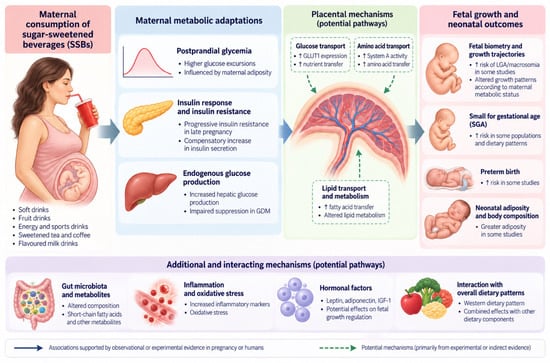
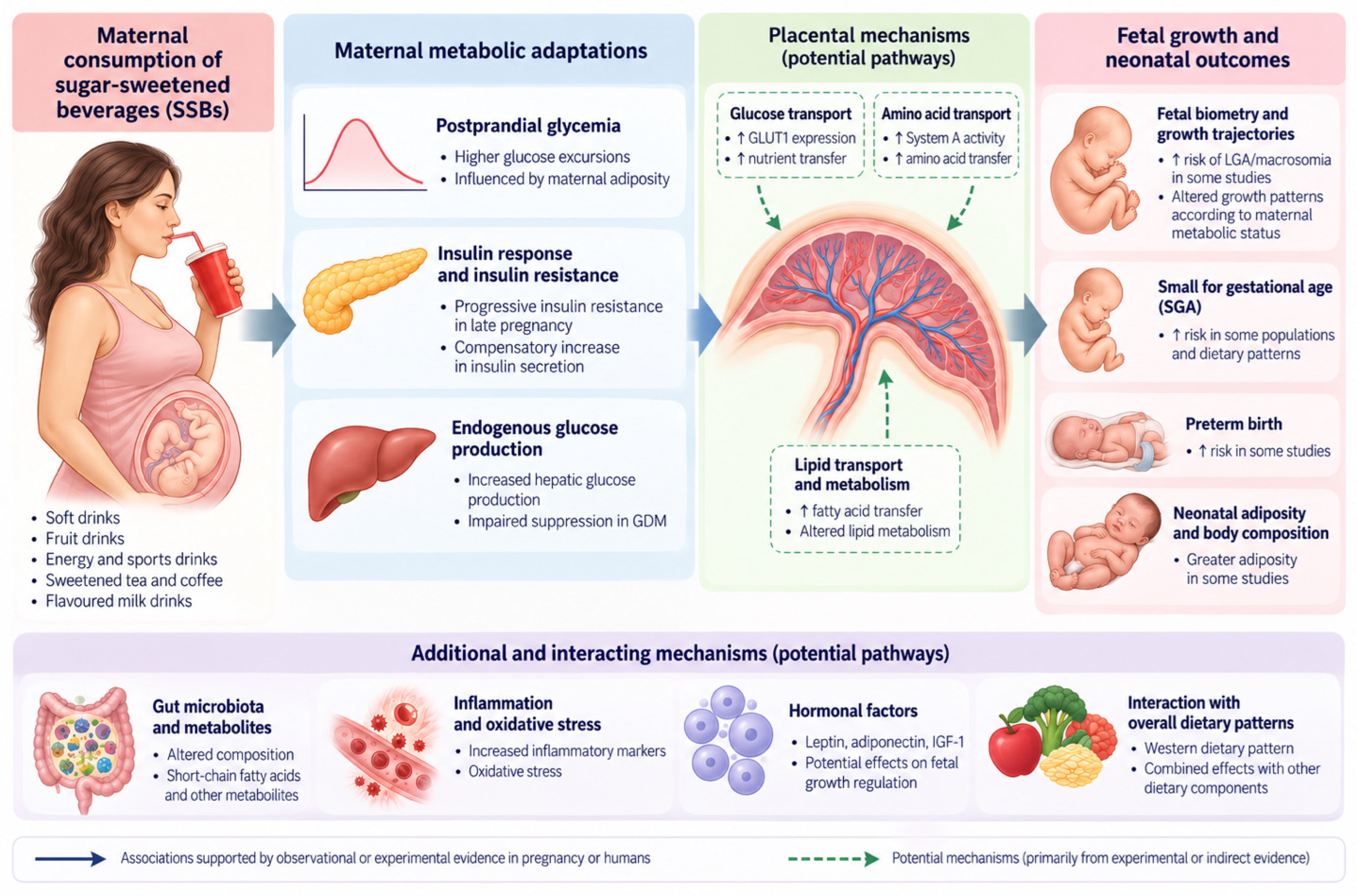

Disclaimer/Publisher’s Note: The statements, opinions and data contained in all publications are solely those of the individual author(s) and contributor(s) and not of MDPI and/or the editor(s). MDPI and/or the editor(s) disclaim responsibility for any injury to people or property resulting from any ideas, methods, instructions or products referred to in the content. |
© 2026 by the authors. Licensee MDPI, Basel, Switzerland. This article is an open access article distributed under the terms and conditions of the Creative Commons Attribution (CC BY) license.