


Highlights
What are the main findings?
- Incomplete annotations entangle false-negative proposals with informative challenging negatives, resulting in erroneous supervision and weak foreground–background discrimination in few-shot SAR ship detection.
- Aleatoric uncertainty is the dominant source of classification uncertainty in the RPN, while the background prototype constructed from clear negative proposals is more stable and discriminative than the class prototype derived from sparse support samples.
What are the implications of the main findings?
- Separating confusing and challenging negative proposals and assigning them adaptive training weights suppresses erroneous gradients introduced by unlabeled ships while strengthening the learning of informative difficult backgrounds.
- Aleatoric uncertainty provides a reliable cue for identifying potential unlabeled ships and challenging regions, while the background prototype enables more robust proposal assessment under limited support samples.
Abstract
Deep-learning-based few-shot synthetic aperture radar (SAR) ship detection has demonstrated considerable potential in scenarios with limited annotated samples and dynamically emerging ship categories, closely matching the practical requirements of maritime surveillance and intelligent SAR image interpretation. However, existing methods often overlook challenging negative proposals and the incomplete annotation problem inherent in few-shot learning. In complex offshore and inshore scenes, negative proposals contain either difficult background regions caused by sea clutter, port facilities, and strong scattering interference, or unlabeled ship targets resulting from missing annotations. Existing methods struggle to distinguish between these two types of proposals. Ignoring challenging negatives prevents the detector from learning precise decision boundaries between ships and complex backgrounds, whereas treating unlabeled ships as background introduces erroneous gradients during backpropagation and degrades detection performance. To address these issues, we introduce uncertainty as a measure of proposal reliability and propose two complementary components: uncertainty-guided proposal separation (UGPS) and uncertainty-aware discriminative gradient refocusing (UADGR). UGPS jointly exploits proposal uncertainty and intersection-over-union (IoU) to separate challenging negatives and confusing negatives from the negative proposal set, thereby preserving informative hard backgrounds while identifying potential unlabeled ships. Subsequently, UADGR combines proposal uncertainty with feature dissimilarity to a background prototype to adaptively regulate their training gradients. Specifically, higher weights are assigned to challenging negatives to improve discrimination between ships and complex background interference, whereas lower weights are assigned to confusing negatives to suppress erroneous supervision introduced by missing ship annotations. Extensive experiments on SRSDD-v1.0 demonstrate consistent improvements over existing few-shot detection approaches across different data splits and shot settings, while additional results on SAR-AIRcraft-1.0 further confirm the generalization of the proposed method.
1. Introduction
1.1. Background
Object detection is a fundamental technique for the intelligent interpretation of synthetic aperture radar (SAR) imagery. In maritime applications, SAR ship detection aims to accurately localize ships and identify their categories under diverse sea conditions, providing essential support for maritime surveillance, vessel traffic monitoring, marine resource management, emergency response, and coastal security. Owing to its all-day and all-weather imaging capability, SAR has become an important remote-sensing modality for large-scale ship monitoring, particularly in scenarios where optical sensors are severely affected by illumination and adverse weather conditions [1,2]. Classical statistical detection theory has extensively investigated reliable target detection under nonideal observation conditions. Recent studies have addressed adaptive subspace detection in nonzero-mean clutter [3], statistical performance analysis of generalized direction detectors [4], and multichannel detection under interference, noise, and signal mismatch [5]. Broader investigations have summarized the theory and CFAR properties of multichannel adaptive detection, developed coherent detectors for compound-Gaussian clutter, and considered partially coupled or uncertain interference subspaces [6]. These studies demonstrate the importance of explicitly modeling clutter statistics, interference structures, steering information, and signal mismatch for reliable radar detection. In recent years, with the rapid development of deep learning, convolutional neural network (CNN)-based methods have achieved substantial progress in SAR ship detection, significantly improving detection accuracy and robustness in complex offshore and inshore scenes [7,8,9,10].
Nevertheless, most existing SAR ship detectors rely heavily on large-scale, exhaustively annotated datasets and generally assume that all ship categories encountered during deployment are known in advance and sufficiently represented during training. Such assumptions are difficult to satisfy in practical maritime applications. First, the acquisition, interpretation, and fine-grained annotation of SAR imagery are costly and labor-intensive, as accurate target identification often requires professional knowledge of SAR imaging and ship structures. Second, rare or newly emerging ship categories may occur infrequently, resulting in a highly imbalanced category distribution. Third, differences in sensors, imaging modes, spatial resolutions, incidence angles, and operational environments introduce substantial distribution shifts. Therefore, although abundant samples may be available for common ship categories, only a limited number of annotated instances can typically be collected for certain novel categories [11,12]. Under such data-scarce conditions, conventional detectors are prone to overfitting and exhibit limited adaptability to unseen ship categories, substantially restricting their applicability in open and dynamically changing maritime environments. To alleviate this limitation, few-shot learning has been increasingly introduced into SAR ship detection, leading to growing interest in few-shot SAR ship detection [13,14,15,16].
Few-shot object detection (FSOD) aims to enable a detector to rapidly acquire the ability to recognize novel categories from only a small number of annotated instances, while preserving its detection performance on previously learned base categories. A typical FSOD framework follows a “base-class training followed by novel-class fine-tuning” paradigm. Specifically, the detector is first trained on a base dataset containing abundant samples from common ship categories to learn transferable feature representations and general localization capabilities. Subsequently, when a small number of samples from novel ship categories become available, the pretrained detector is fine-tuned using these novel-class samples together with a subset of base-class data, thereby extending its detection capability to newly introduced ship categories.
However, few-shot SAR ship detection faces two major challenges. First, the substantial imbalance between abundant base-class samples and scarce novel-class samples causes the detector to remain biased toward base ship categories during fine-tuning, resulting in inferior recognition performance for novel categories, commonly referred to as the category-bias problem. Second, SAR ship targets exhibit considerable intra-class variations and inter-class similarities. Even ships belonging to the same category present markedly different scattering patterns because of variations in imaging azimuth, target orientation, structural configuration, resolution, and sea conditions. Meanwhile, ships from different categories exhibit similar geometric contours and scattering responses. These difficulties are further aggravated by speckle noise, sea clutter, ship wakes, sidelobe interference, and complex scattering from ports and coastal facilities. Under few-shot conditions, limited support samples cannot adequately characterize the diverse feature distribution of each ship category, leading to unstable class representations and ambiguous decision boundaries. To address these challenges, existing studies have explored feature enhancement, attention mechanisms, prototype representation, and sample augmentation, continuously advancing the performance of few-shot SAR ship detection in complex maritime environments [13,14,15,17].
During the model fine-tuning process for learning novel classes, the detection accuracy on base classes continuously declines, and few-shot detectors tend to misclassify instances as background. The works of [18,19,20] attribute this phenomenon to model overfitting under supervision from limited training samples. Yan et al. [16], however, identify incomplete annotations during model training as a key factor causing this phenomenon. Figure 1 shows a standard N-way K-shot FSOD training dataset. Unlike general object detection that annotates all instances in an image, FSOD treats a single instance in an image as one shot. During training, only one instance per image is annotated, while the remaining instances are omitted. The missing annotations cause proposals generated by region proposal network (RPN) for these unannotated instances to be incorrectly labeled as background. This results in erroneous gradients during backpropagation, exacerbating the model’s confusion between foreground and background. To address this, Yan et al. [16] propose an intersection-over-union (IoU)-based confusing sample separation strategy to isolate these false-negative proposals. However, their approach treats negative proposals with low IoU relative to the available annotations as confusing samples, mixing false-negative proposals with a large number of true negative proposals, making it difficult to accurately isolate false negatives. Moreover, they simply adopt interval sampling to preserve the contribution of hard negative samples, which causes hard negatives to be overwhelmed by a large number of easy negatives.
Figure 1.
Schematic diagram of a standard N-way K-shot training dataset for FSOD fine-tuning. The dataset contains N classes of samples, with K labeled instances per class serving as support samples. (a) shows a schematic diagram of a sample. The green solid boxes represent labeled samples, while the yellow dashed boxes represent samples with missing annotations. (b) shows the missing annotation for the target within the yellow dashed box.
To more precisely identify challenging negative proposals and false-negative proposals that correspond to potential instances, this work adopts uncertainty as a quantitative measure. Uncertainty can be categorized into epistemic uncertainty and aleatoric uncertainty [21,22]. The former captures uncertainty in model parameters and gradually decreases as training data increases. The latter captures inherent properties of the data itself, such as noise in SAR sensors, which cannot be reduced. In this paper, we estimate the uncertainty in the predictions of RPN and use aleatoric uncertainty to represent the overall uncertainty in the prediction results. This is because the RPN receives sufficient training data during base class learning, our experimental results show that its epistemic uncertainty is negligible. Figure 2 shows the uncertainty heatmaps corresponding to each SAR image in the RPN. It can be observed that the regions corresponding to each instance exhibit high uncertainty. This arises from the inherent properties of SAR images and indicates that these regions pose challenges for detection. Conversely, we can treat these challenging regions as potential instances and thereby separate false-negative proposals from the vast number of genuine background proposals.
Figure 2.
Uncertainty heatmap for each SAR image from the RPN. The color transition from blue to red represents uncertainty increasing from low to high. As can be seen from the figure, target regions generally exhibit greater uncertainty compared to background regions. This indicates that these areas pose a challenge for the current task.
In this paper, we introduce uncertainty as an evaluation metric and design a simple yet effective negative sample mining method for two-stage FSOD detectors, termed the uncertainty-aware proposal mining protocol (UA-PMP). It consists of two components: uncertainty-guided proposal separation (UGPS) and uncertainty-aware discriminative gradient refocusing (UADGR). UGPS focuses on separating challenging samples and confusing samples from a large number of negative proposals. Challenging samples exhibit IoU with the available ground truth and simultaneously possess high uncertainty, which helps the detector establish more precise class decision boundaries. Confusing samples contain potential instances, isolating them helps mitigate gradient errors caused by missing annotations. UADGR aims to enhance the gradients for challenging samples while attenuating those for confusing samples. Its rationale is to adjust the weights assigned to different samples, thereby guiding the model to learn from more challenging examples while alleviating incorrect gradients arising from mislabeled negative samples.
Compared with existing negative proposal sampling methods, UA-PMP is distinguished in three aspects. First, conventional random sampling and hard example mining do not explicitly distinguish informative challenging backgrounds from false-negative proposals caused by incomplete annotations. In contrast, UGPS jointly considers proposal uncertainty and IoU to separate challenging negatives associated with annotated targets from confusing negatives that are more likely to contain unlabeled ships. Second, unlike IoU-only ambiguous proposal mining methods such as UNP, which may introduce a large number of genuine background proposals in large-scene SAR images, UGPS uses aleatoric uncertainty as an additional criterion to improve the specificity of false-negative proposal mining. Third, rather than uniformly suppressing ambiguous negatives or relying on class prototypes estimated from sparse support samples, UADGR constructs a stable background prototype from clear negative proposals and performs bidirectional gradient regulation: it strengthens challenging negatives while attenuating confusing negatives. Consequently, UA-PMP simultaneously improves foreground–background discrimination and reduces erroneous supervision caused by incomplete annotations within a unified proposal-mining framework.
The main contributions of this paper are as follows:
- (1)
- We introduce uncertainty estimation into the RPN of a two-stage SAR FSOD method, estimating the uncertainty in RPN predictions and conducting empirical analysis to identify the dominant sources of uncertainty in the RPN.
- (2)
- To guide the model in learning more precise class decision boundaries and mitigate foreground–background confusion caused by incomplete annotations, we propose UGPS and UADGR by introducing uncertainty. UGPS can separate high-value challenging samples and false-negative proposals containing potential instances from a large number of negative proposals. UADGR assigns appropriate weights to these samples, enhancing the model’s discriminative capability while alleviating gradient errors caused by mislabeled negative samples.
- (3)
- Extensive experiments on SRSDD-v1.0 demonstrate that our method outperforms existing approaches, while additional results on SAR-AIRcraft-1.0 further confirm the generalization of the proposed method to SAR aircraft detection. The proposed UGPS and UADGR significantly enhance the few-shot detection performance of the model.
1.2. Related Work
Few-shot Object Detection. FSOD has attracted growing attention from researchers due to its ability to rapidly acquire detection capability for novel classes using only a few samples, while preserving performance on base classes. Depending on the training paradigm, FSOD can be categorized into transfer-learning methods and meta-learning methods.
The transfer-learning method trains a robust model on a source domain with rich categories and abundant samples, and then transfers the model to the target domain for fine-tuning. For example, TFA proposed by Wang et al. [19] combines the classic Faster R-CNN with a two-stage fine-tuning approach: first training a strong detector on a base-class dataset with sufficient samples, and then fine-tuning it on limited samples of novel classes, demonstrating the great potential of transfer-learning paradigms. Sun et al. [23] propose FSCE, a transfer-learning paradigm based on supervised contrastive learning, which acquires more robust instance-level features through contrastive learning of feature embeddings from different instances. MPSR proposed by Wu et al. [24] focuses on feature enhancement, capturing more discriminative instance features through multi-scale feature extraction and fusion techniques.
Compared to transfer learning, meta learning introduces complex episodic training, dividing the dataset into individual tasks and enhancing the model’s generalization ability on novel classes by acquiring task-level knowledge from base classes. RepMet, proposed by Karlinsky et al. [25], is a classic meta-learning paradigm that encodes all support and query samples into a feature space and classifies samples based on the relative distances between their feature vectors. Wang et al. [26] and Yan et al. [18] introduce meta-learning into the classical one-stage and two-stage object detectors YOLO and Faster R-CNN. Their works fuse the class-level prototype vector with the query feature vector through a reweighting mechanism, using the resulting fused representation as the discriminative feature for detection. Additionally, variational feature aggregation (VFA), proposed by Han et al. [27], addresses the instability of class prototypes under limited samples by encoding support samples as a Gaussian distribution in a latent space, thus obtaining a robust representation of class prototypes by sampling from this distribution.
In contrast to optical imagery, SAR images are subject to substantial noise and display high intra-class variability, posing a significant challenge for constructing robust detectors given the scarcity of SAR training data. To improve the transferability of optical-domain methods to SAR applications, researchers have explored strategies including feature refinement [13], sample enhancement [28,29], and leveraging additional guidance signals [17]. For example, Zhou et al. [13] construct an improved feature aggregation module to enhance the discriminability of sample features. Zhou et al. [28] and Zhao et al. [29] introduce VFA technology to generate diverse support sample features, thereby obtaining more robust class prototypes.
Despite their effectiveness, the aforementioned methods largely overlook a fundamental challenge in few-shot scenarios: object annotations are often incomplete at the image level. Consequently, unlabeled instances may be mistakenly treated as background during training, resulting in inconsistent supervision whereby visually similar instances are assigned conflicting foreground and background labels across different images. This problem is particularly severe in SAR imagery, where substantial intra-class variation and complex background interference further hinder the learning of reliable class-discriminative boundaries.
In summary, existing FSOD methods primarily improve novel-class adaptation through feature enhancement, prototype construction, and meta-learning. However, most of them implicitly assume that the available annotations provide complete and reliable supervision, while paying limited attention to false-negative proposals arising from unlabeled foreground instances. These limitations motivate us to explicitly model proposal-level uncertainty and supervision reliability during few-shot fine-tuning.
Uncertainty Estimation. Uncertainty quantifies the expected prediction error and has gained wide recognition in fields such as object detection, object tracking, and stereo matching. Gal et al. [30] and Kendall et al. [22] establish a Bayesian Neural Network (BNN) framework to characterize uncertainty in both data and models. Following their contribution, the works of [31,32,33,34] introduce uncertainty into downstream tasks, enabling quantitative and visual assessment of prediction reliability. For example, Chen et al. [31] use soft histogram techniques to approximate the uncertainty distribution and find that combining stereo matching with uncertainty estimation leads to improved task performance. Ilg et al. [32] regard uncertainty as a crucial basis for decision-making and compare the quality of uncertainty capture across different strategies in optical flow estimation. Lee et al. [33] integrate uncertainty with object tracking to enhance the safety of subsequent decision-making tasks. Harakeh et al. [34] use uncertainty to replace confidence-based non-maximum suppression (NMS), alleviating the problem of information loss during the NMS process. Moreover, uncertainty estimation has also demonstrated strong generalizability in SAR object recognition and detection. Ye et al. [35] utilize uncertainty as a reference to detect adversarial attacks in SAR automatic target recognition. Huang et al. [36] combine uncertainty estimation with scattering feature masking techniques to capture the most representative scattering features of targets. Overall, uncertainty estimation provides an effective means of quantifying prediction reliability and has been successfully applied to various recognition and detection tasks. Nevertheless, its role in distinguishing and regulating negative proposals under incomplete few-shot SAR annotations remains insufficiently explored. Our work therefore introduces uncertainty into the RPN proposal-mining process.
Proposal Sampling for Object Detection. The sampling strategy allocates a balanced ratio of positive and negative samples for model training and is a key factor influencing the performance of two-stage detectors. Unlike one-stage detectors that use Focal Loss [37] to balance the number gap between positive and negative samples, two-stage detectors rely on the region proposal network (RPN) to sample and generate a certain ratio of positive and negative proposals. The most common sampling strategy is random sampling, which randomly selects a subset from the vast number of negative samples for training. This approach tends to overlook hard negative samples that could contribute more to model learning. To address this, the concept of hard example mining (HEM) is proposed [38,39], focusing on sampling hard negative samples. Pang et al. propose Libra R-CNN [40], which reduces inter-sample imbalance through IoU-balanced sampling. Zhang et al. [41] find that the essential difference between one-stage and two-stage detectors lies in how positive and negative samples are defined, and propose adaptive training sample selection (ATSS) based on IoU to bridge the performance gap between the two paradigms. To alleviate the problem of missing annotations in supervised training, Niitani et al. [42] propose part-aware sampling, which mines potential samples in the scene through contextual information. Wu et al. [43] propose soft sampling, which weights the training gradients according to the IoU between proposals and positive instances, alleviating erroneous training signals caused by unlabeled samples.
The work of [16] adapts soft sampling to FSOD, mining potential instances by selecting proposals that have relatively low IoU with available annotations. However, unlike general object detection where only a few instance annotations are missing among many, FSOD contains only a few annotated instances with most instances unannotated. Thus, IoU-based strategies introduce a large number of true negative samples. The UNP proposed by Yan et al. [16] yields a set dominated by a large number of true negative samples with only a few false negatives. This problem is further amplified in SAR FSOD, as high-altitude imaging produces large-scale scenes containing extensive background regions and complex clutter. Therefore, relying solely on IoU provides insufficient discrimination between unlabeled foreground objects and genuine backgrounds. To address this limitation, we introduce uncertainty as an additional quantitative criterion to more accurately identify false-negative proposals while retaining informative and challenging proposals that contribute to model optimization.
2. Problem Setting
Following the same FSOD setup previously adopted for SAR [13,14,15,16], we adhere to an identical problem formulation. Specifically, we partition the dataset into two disjoint subsets: . Herein, comprises base classes with abundant annotated data, whereas contains novel classes with only a small number of annotated instances. The base classes and novel classes are disjoint, i.e., . The model training procedure consists of two stages. In the first stage, a robust base-class detector is trained using the conventional fully supervised paradigm with all available annotations from the base dataset . In the second stage, the base model is fine-tuned on a fine-tuning dataset to acquire detection capability for the novel classes . During this stage, the fine-tuning dataset includes both base classes and novel classes , i.e., . Owing to the sparsity of novel-class data during training, this stage is formulated as an N-way K-shot problem. is partitioned into a support set and a query set , such that . Specifically, contains N classes, each with K annotated instances: , , . Here, and denote class and bounding box (BBox) annotations, respectively.
3. Materials and Methods
In this section, we first outline the problem setup. Then, we describe in detail the overall architecture of the proposed UA-PMP. Finally, we detail the uncertainty estimation method used by UA-PMP and its two key components, including UGPS and UADGR. The overall structural framework of UA-PMP is shown in Figure 3.
Figure 3.
Detailed structure of our proposed UA-PMP. Following processing by a feature extractor and a RPN embedded with uncertainty estimation (UE), the resulting proposal set S and uncertainty are fed into the proposed UA-PMP for gradient refocusing. The UA-PMP framework comprises two primary components: UGPS and UADGR. Among them, UGPS divides the samples into challenging samples , confusing samples , clear negative samples , and remaining samples based on their uncertainty and IoU. Subsequently, the result of the proposal partition is input into UADGR. UADGR first calculates the background prototype based on the clear negative samples . Then, it combines the difference between the proposals and the background with their corresponding uncertainty to assign appropriate training weights for these proposals. For challenging samples, their weights are enhanced to strengthen the robustness of the model. For confusing samples, their weights are suppressed to mitigate the erroneous learning signals they induce.
3.1. The Overall Architecture of the Proposed Method
In this section, we provide an overall overview of the proposed UA-PMP, which is capable of separating challenging and confusing samples from negative proposals, thereby enhancing the detector’s discriminative power and mitigating the adverse effects of false-negative proposals. Figure 3 illustrates the overall framework. First, SAR images are fed into the feature extractor and the RPN equipped with uncertainty estimation to generate region proposals along with their corresponding uncertainty scores. The negative samples in regional proposals and their associated uncertainties are then passed into the proposed UA-PMP to isolate challenging and confusing samples and compute their respective weights. Finally, the Region-CNN (RCNN) network is trained using the proposals selected by UA-PMP and their assigned weights. UA-PMP consists of two components: UGPS and UADGR. Based on both uncertainty and IoU between proposals and available annotations, UGPS partitions negative proposals into four distinct sets: challenging samples , confusing samples , clear negatives , and residual samples . By incorporating uncertainty as an additional criterion beyond IoU, UGPS enables precise and effective separation of challenging and confusing samples. After proposal separation, UADGR derives a background prototype from the clear negative proposals . UADGR modulates gradients for challenging and confusing samples by evaluating their dissimilarity to the background prototype and integrating uncertainty as guiding information. Specifically, it amplifies gradients from challenging samples to strengthen model discrimination and attenuates gradients from confusing samples to mitigate erroneous updates caused by false negatives.
It should be emphasized that UA-PMP is a training-time-only proposal mining strategy. UGPS and UADGR are used solely to partition negative proposals and regulate their training gradients. During inference, all uncertainty-based sampling and weighting operations are disabled, and proposals are selected directly using the standard RPN objectness scores. Consequently, the deployed model has the same parameter size and inference complexity as the baseline and introduces no additional inference-time overhead.
3.2. Uncertainty Estimation in RPN
Uncertainty in predictions can generally be decomposed into epistemic uncertainty and aleatoric uncertainty. Epistemic uncertainty characterizes uncertainty in the model parameters or learned function caused by insufficient knowledge of the underlying data distribution, such as limited training samples or inadequate coverage of possible input patterns. It reflects the variability of predictions among plausible model parameter configurations and can, in principle, be reduced by providing more representative training data. In this work, epistemic uncertainty is approximated by the predictive variance obtained from multiple stochastic forward passes with Monte Carlo dropout. Aleatoric uncertainty, in contrast, characterizes the inherent variability or ambiguity of the observation under a given input. In SAR imagery, it may arise from speckle noise, sea clutter, complex scattering, imaging-quality variation, and ambiguity between target and background responses. Unlike epistemic uncertainty, aleatoric uncertainty cannot generally be eliminated by increasing the amount of training data under the same observation process. In this work, it is modeled as input-dependent predictive variance jointly estimated by the classification and bounding-box regression heads of the RPN.
For epistemic uncertainty estimation, dropout layers are introduced into the RPN to simulate uncertainty arising from the model. The underlying rationale is to approximate the posterior distribution via variational inference combined with dropout, known as Monte Carlo dropout (MC-dropout), through multiple stochastic forward passes. The work of [22] has demonstrated the effectiveness of this variational inference scheme. The posterior distribution captures a set of model parameters well-suited to the current task. Its mathematical formulation is given by
where X denotes the model input, Y denotes the model output, and W denotes the model parameters. The marginal likelihood is required to evaluate this expression. Its mathematical expression is given by
where denotes the model’s predictive distribution given input X and model parameters w. For a complex and nonlinear neural network, it is intractable to precisely capture this predictive distribution. A common practice is to employ MC-dropout to approximate the posterior distribution , thereby circumventing direct computation of the predictive distribution. Following this principle, the dropout operation is applied to the shared RPN feature map immediately before the classification and bounding-box regression heads. For the offline diagnostic analysis in Section 5.1, epistemic uncertainty is estimated through R stochastic forward passes. Specifically, given the feature map F extracted by the feature extractor, the region proposals generated in a single forward pass of the RPN are denoted as
where denotes the dropout layer, while represent the classification and regression heads of the RPN, respectively. The final predicted proposals are computed as the mean over R forward passes, with their variance treated as the associated epistemic uncertainty. The specific computation is as follows:
For aleatoric uncertainty estimation, the classification logits are initially modeled as a Gaussian distribution . Here, denotes the classification logits predicted by the classification head, and represents the aleatoric uncertainty of the classification logits predicted by the neural network. Subsequently, samples of classification logits are sampled from this Gaussian distribution for model training. The collection of all sampled classification logits is denoted as
Cross-entropy is employed as the loss function between the classification logits and the ground-truth labels to compute the classification loss. The classification loss is as follows
where represents the cross-entropy function, represents Softmax activation function, and represents classification ground truth.
Similar to the classification task—where logits are modeled as a Gaussian distribution—the regression task treats the bounding box predictions output by the regression head as a Gaussian distribution. Specifically, . The negative log-likelihood is adopted as the regression loss. The regression loss is as follows
Following [22], to enhance training stability, the model predicts instead of .
3.3. Uncertainty-Guided Proposal Separation
Unlike single-stage detectors that perform dense prediction, two-stage detectors utilize the RPN to propose a balanced mix of positive and negative region proposals for downstream training of the RCNN module. Existing studies have demonstrated the importance of learning from false-negative proposals [38,39,43]. In particular, intensifying the learning of hard negative proposals can significantly improve the robustness of the model. In FSOD settings, due to the scarcity of annotations, hard negative proposals become entangled with false-negative proposals. Blindly attenuating gradients from all negative proposals diminishes the contribution of hard negatives, leading to insufficient model learning. To address this, Yan et al. [16] proposed UNP, which treats proposals with low IoU against available annotations as ambiguous proposals likely containing false negatives. Although this strategy performs well in optical imagery, it struggles to generalize to SAR domains characterized by large scenes and small object instances. As illustrated in Figure 4, SAR images depict scenes from a high altitude overlooking the ground, resulting in abundant background content and instances occupying only a small fraction of the entire image. Statistical results in Figure 4b reveal that over 97% of instances occupy no more than 2% of the image area. Consequently, adopting the method of treating low-IoU proposals as ambiguous would inadvertently mix false negatives with a substantial quantity of true background proposals.
Figure 4.
Illustration of SAR images and the statistical results of their instance proportions. (a) shows a schematic of a SAR image and its instances. It can be seen that because SAR images depict large-scale scenes captured from a high-altitude top-down view, the proportion of instances in the image is extremely small. (b) shows the statistical results of the instance size proportion in SAR images. It can be seen that the vast majority of targets occupy no more than 1% of the image, and the largest do not exceed 6%. Therefore, in SAR images, instances are sparse.
To mitigate this problem, we introduce uncertainty as a quantitative criterion for disentangling potential instances from the abundant negative proposals. Incorporating uncertainty estimation into the RPN enables the acquisition of per-proposal uncertainties, including those for classification and BBox regression. Since classifying proposals as positive or negative is inherently a classification task, classification uncertainty is adopted as the evaluation metric. Furthermore, empirical results show that epistemic uncertainty within classification uncertainty is negligible, and classification uncertainty is predominantly governed by aleatoric uncertainty. Therefore, this work adopts classification aleatoric uncertainty as the concrete measure of uncertainty.
Figure 5 presents the distribution of uncertainties corresponding to each potential instance. To analyze the uncertainty characteristics of omitted ship targets, we retrospectively identify false-negative proposals using the complete annotations. Following the standard few-shot fine-tuning protocol, only the selected K instances of each class are retained as visible annotations, whereas the annotations of the remaining ship instances in the same images are masked. During fine-tuning, proposal assignment and loss computation are performed exclusively using selected instances. It can be observed that 89.3% of potential instances exhibit an uncertainty value exceeding 0.2. This stems from the fact that aleatoric uncertainty captures inherent data-level ambiguity. Regions exhibiting non-negligible aleatoric uncertainty often indicate potential for being recognized as object instances. It should be clarified that high uncertainty is not specific to ship targets. Challenging background regions, such as sea clutter, port facilities, sidelobes, and strong scattering structures, may also produce high uncertainty. Therefore, proposals with high uncertainty and low IoU relative to the available annotations are not directly regarded as false-negative ships. Instead, they are defined as confusing proposals, because their actual contents cannot be reliably determined under incomplete supervision. Based on this statistical observation, potential instances can be separated from proposals according to their uncertainty scores. The specific formulation is as follows:
where represents the set of confusing proposals, represents the set of negative proposals, and represents the set of ground truth BBoxes. and represent the uncertainty threshold and IoU threshold for proposal selection, respectively. According to the statistical results in Figure 5, is set to 0.2. As for , following the setting of UNP, it is set to 0.1.
Figure 5.
The uncertainty distribution statistics of false-negative proposals. From this, it can be seen that false-negative proposals typically have a certain degree of uncertainty. 89.3% of false-negative proposals have an uncertainty greater than 0.2.
Uncertainty reflects the degree of challenge posed by the data in a given region for recognition. Regions with higher uncertainty are generally more prone to misclassification. Therefore, more challenging samples can be extracted from negative proposals based on their uncertainty scores. To avoid confusion with potential instances, we only consider challenging proposals associated with annotated ground-truth instances. Challenging proposals can be identified using the following criterion:
After separating confusing and challenging proposals, the remaining proposals can be further partitioned to clear negative proposals, which serve as genuine background samples for computing the background prototype. The clear negative proposal is defined as follows:
As seen in the equation above, represents the subset of negative proposals that simultaneously have a low IoU with available ground-truth annotations and low uncertainty. Clearly, proposals possessing these characteristics are typically genuine background regions. represents the set of real background proposals.
The remaining negative proposal set consists of proposals that exhibit moderate IoU with available annotations yet possess low uncertainty. In this work, these are treated as ordinary negative samples and are not subjected to further processing. During sampling, following the configuration in UNP, we perform random sampling from at a ratio of 2:2:1:1.
For clarity, we summarize the UGPS settings as follows: , , and the sampling ratio for is . No additional normalization is applied to the predicted classification aleatoric variance before thresholding.
3.4. Uncertainty-Aware Discriminative Gradient Refocusing
The role of UADGR is to assign distinct gradient weights to different proposals: for ambiguous proposals that may contain potential instances, their gradients are attenuated to mitigate the adverse learning signals caused by false-negative proposals. For challenging proposals with high uncertainty, their gradients are amplified to encourage the model to learn from them more effectively. To this end, UADGR computes adaptive training weights by jointly considering uncertainty and dissimilarity to the background of each proposal.
It is worth emphasizing that UADGR relies on the distance between a proposal and the background prototype, not on its similarity to the class prototype. This design choice stems from the distinctive imaging properties of SAR, where the same instance can manifest highly dissimilar appearances across different acquisition conditions, leading to substantial intra-class variability. In few-shot settings, such intra-class variance renders the class prototype overly scene-specific: it aligns well with instances from limited contexts but poorly generalizes to instances from diverse scenarios. Therefore, UADGR substitutes class-prototype similarity with background dissimilarity as a more robust cue. Compared to class prototypes derived from a sparse set of support samples, the background prototype is computed independently for each image using the clear negative proposals from that image, offering greater stability. The background prototype is computed as follows:
where represents the RoIAlign operation that extracts corresponding feature maps based on proposals, represents global average pooling, and represents the number of clear negative proposals.
After obtaining the background prototype , the dissimilarity between proposals and the background can be computed. Given proposals from the confusing proposal set and challenging proposal set , their corresponding region of interest (RoI) features are extracted via the RoIAlign operation, followed by global average pooling to obtain the proposal feature vectors . This process is described as follows
The cosine similarity is employed to compute the discrepancy between the proposal feature vectors and the background prototype . The dissimilarity of each proposal to the background is thus defined as
Finally, UADGR combines uncertainty with the discrepancy between these proposals and the background to attenuate and amplify the corresponding gradients for confusing and challenging proposals, respectively. For confusing proposals, their gradients are attenuated to mitigate the erroneous training signals caused by false-negative proposals. Their corresponding weights are
where , , and are hyperparameters used to modulate the distribution of weights. controls the strength of the influence of UADGR on the weights. governs the rate at which weights change under the joint influence of uncertainty and background dissimilarity. modulates the rate at which changes in uncertainty affect the overall weight variation. The negative sign preceding hyperparameter indicates that as both the proposal–background dissimilarity and uncertainty increase, the corresponding weight gradually decays. In this paper, these three hyperparameters are set to 0.25, 0.5, and 0.1, respectively.
For challenging proposals, their gradients are amplified to facilitate the model’s learning of these instances. The weight for challenging proposals is computed as
where the hyperparameters , , and are set identically to those used for confusing proposals. In contrast to the weighting scheme for confusing proposals, the hyperparameter here carries a positive sign, indicating that as both the proposal–background dissimilarity and uncertainty increase, the corresponding weight is progressively amplified to encourage the model to learn from such proposals.
4. Experiments
In this section, we first introduce the two benchmark datasets, evaluation metrics, and implementation details used in our experiments. We then compare UA-PMP with representative state-of-the-art FSOD methods on SRSDD-v1.0 [44] and further evaluate its cross-target generalization on SAR-AIRcraft-1.0 [45]. Qualitative detection results are also presented to illustrate its performance in complex SAR scenes. Subsequently, we analyze the epistemic and aleatoric uncertainty distributions in the RPN, investigate the sensitivity to the MC-dropout sampling count, and examine the discriminative advantage of the background prototype over the class prototype. Component-wise ablation experiments are conducted to verify the individual contributions and complementary effects of UGPS and UADGR, followed by a sensitivity analysis of the hyperparameters in the adaptive weighting functions. Finally, the parameter count and computational complexity are evaluated to assess the training overhead and inference efficiency of the proposed method.
4.1. Datasets
To comprehensively evaluate the effectiveness and robustness of our method, experiments are conducted on SRSDD-v1.0 and SAR-AIRcraft-1.0.
SRSDD-v1.0 is a dataset designed for the task of ship detection in SAR. It consists of 666 SAR images acquired by the Gaofen-3 satellite, each with a size of 1024 × 1024 pixels, cropped from 30 full-port panoramas of harbor areas at a resolution of 1 m. The scenes cover challenging inshore scenes, where the presence of scattering noise from docks and ground surfaces in harbor areas significantly increases the difficulty of target detection. This dataset includes annotations for six different types of ship targets. To support FSOD research, SRSDD-v1.0 is divided into base class and novel class subsets, each containing five base categories and one novel category according to FSOD task requirements. The specific class divisions are detailed in Table 1.
Table 1.
Detailed information on different split settings for base/novel settings on the SRSDD-v1.0 and SAR-AIRcraft-1.0 datasets.
SAR-AIRcraft-1.0 is a large-scale dataset specifically constructed for aircraft detection and recognition tasks in SAR imagery. This dataset is built upon high-resolution SAR images acquired by Gaofen-3 satellite, with a spatial resolution of 1 m, covering three major commercial airport regions: Shanghai Hongqiao Airport, Beijing Capital Airport, and Taiwan Taoyuan Airport. It contains a total of 4368 images across four image sizes—800 × 800, 1000 × 1000, 1200 × 1200, and 1500 × 1500 pixels—with precise annotations provided for 16,463 aircraft object instances. The dataset includes seven aircraft categories that exhibit high scattering similarity among classes, substantially increasing the difficulty of both detection and fine-grained recognition. To support FSOD tasks, this dataset is partitioned into two subsets, base classes and novel classes, according to task requirements, facilitating evaluation of cross-category generalization and algorithm validation. The specific class split is detailed in Table 1.
4.2. Evaluation Metric
In this paper, we adhere to the established evaluation metric in existing SAR FSOD research and adopt mean average precision (mAP) at an IoU threshold of 0.5 as the performance metric. mAP denotes the mean of the average precision (AP) across all classes, and its computation is given by the following formula:
where N denotes the number of classes, and r represent the precision and recall of the i-th class, respectively. Evidently, mAP reflects a balance between precision and recall. If the model is overly confident in detecting false regions as foreground, it will achieve high recall but low precision. Conversely, if the model is overly conservative in detection, it yields high precision but low recall. Both scenarios lead to a low mAP score. Therefore, a higher mAP indicates a better balance between precision and recall, signifying superior FSOD performance.
4.3. Implementation Details
All experiments are conducted on a server equipped with an NVIDIA RTX 4090 GPU, and the code implementation is based on the mmfewshot toolkit under the PyTorch 1.7.1 framework. During training, stochastic gradient descent (SGD) is employed as the optimizer, with a batch size of 2, momentum of 0.9, and weight decay of 0.0001. In the base-class training phase, the initial learning rate is set to 0.0002, with a total of 110,000 iterations. The learning rate is decayed by a factor of 0.1 at iterations 73,000 and 97,000. Following [21], the dropout rate is set to 0.5, and the number of stochastic forward passes R is set to 40 for epistemic uncertainty modeling. In the novel-class fine-tuning stage, the learning rate is adjusted to 0.001, and the number of iterations is set to 400, 800, 1200, 1600, 2000 corresponding to different K-shot settings (K = 1, 2, 3, 5, 10). To enhance model generalization, all training stages employ data augmentation strategies including random resize and random flip.
The stochastic procedures for epistemic and aleatoric uncertainty are used differently in our implementation. As demonstrated in Section 5.1, the epistemic uncertainty estimated using MC-dropout is several orders of magnitude smaller than the aleatoric uncertainty in the RPN. We therefore disable MC-dropout-based epistemic uncertainty estimation during both normal training and standard inference. The repeated stochastic forward passes are enabled only for the offline diagnostic analysis in Section 5.1 and do not participate in model optimization.
During training, stochastic Gaussian-logit sampling is retained only for learning classification aleatoric uncertainty. Specifically, logit samples are drawn from the predicted Gaussian distribution to calculate the classification loss. Following [21], we set in our experiment. During standard inference, this sampling procedure is disabled, and the predicted mean logits are used for deterministic detection.
4.4. Comparison with State-of-the-Art Algorithms
To validate the effectiveness and superiority of the proposed UA-PMP, this section presents a comprehensive performance comparison with state-of-the-art algorithms on SRSDD-v1.0. The evaluation focuses on base/novel/all target detection performance across different few-shot settings (1-shot to 10-shot) under both split 1 and split 2 conditions. In the experiment, ten state-of-the-art FSOD algorithms are selected as comparison methods, including transfer-learning methods MPSR [24], TFA [19], FSCE [23], and G-FSOD [46], meta-learning methods Meta-RCNN [18], VFA [27], FSDetView [47], ICPE [48], FPD [49], and UNP [16].
As summarized in Table 2, UA-PMP achieves the best performance on the base, novel, and all classes under every evaluated shot setting in both split 1 and split 2. This consistent superiority indicates that the proposed proposal-mining strategy benefits novel-class adaptation without sacrificing the detector’s previously acquired capability on base classes. Under split 1, UA-PMP achieves all-class mAP values of 40.92%, 44.77%, 45.89%, 47.39%, and 49.03% in the 1-, 2-, 3-, 5-, and 10-shot settings, respectively. Compared with the corresponding second-best methods, the improvements are 2.20, 3.38, 2.27, 1.18, and 3.48 percentage points. The advantage is especially pronounced for the novel classes. In the most data-scarce 1-shot setting, UA-PMP achieves a novel-class mAP of 16.53%, exceeding the second-best result of 8.08% by 8.45 percentage points. Even under the 10-shot setting, UA-PMP maintains a novel-class improvement of 3.18 percentage points. These results demonstrate that UA-PMP is effective not only when more support samples are available but also under extremely limited novel-class supervision. The results under split 2 further demonstrate the robustness of UA-PMP. Its all-class mAP increases from 44.79% in the 1-shot setting to 53.83% in the 10-shot setting, outperforming the second-best methods by 3.87, 2.56, 5.00, 4.29, and 5.59 percentage points across the five shot settings. For the novel classes, UA-PMP obtains improvements of 5.13, 6.35, 6.69, 6.16, and 5.51 percentage points over the corresponding second-best results. The consistently larger novel-class gains indicate that UA-PMP effectively alleviates the foreground–background confusion arising from incomplete annotations and sparse novel-class samples.
Table 2.
Performance comparisons of our proposed UA-PMP and other advanced methods on the SRSDD-v1.0 dataset.
Compared with UNP, which identifies ambiguous proposals primarily according to their IoU with the available annotations, UA-PMP achieves consistent and substantial improvements. Specifically, UA-PMP outperforms UNP in all-class mAP by 5.34–8.13 percentage points under split 1 and by 6.57–8.33 percentage points under split 2. The improvements on novel classes reach 7.22–15.09 percentage points under split 1 and 6.38–11.23 percentage points under split 2. This advantage arises from two complementary designs. First, UGPS introduces uncertainty in addition to IoU, enabling the model to remove numerous easy backgrounds from the ambiguous proposal set while retaining challenging negatives and proposals that are more likely to contain omitted ships. Second, UADGR does not uniformly suppress all mined proposals. Instead, it strengthens informative challenging negatives and attenuates confusing proposals according to uncertainty and their dissimilarity to the background prototype. Consequently, UA-PMP simultaneously improves foreground–background discrimination and reduces erroneous gradients caused by incomplete annotations.
Figure 6 shows the visualization of the detection results in the 10-shot SRSDD-v1.0 FSOD scenario under split 1 conditions. The ground truth and detection results of UA-PMP are labeled with green and orange BBoxes, respectively. According to the visualization of the detection results in the figure, it can be found that UA-PMP exhibits excellent detection performance in both offshore scenarios with sea clutter interference and inshore scenarios with port target scattering interference. Thanks to the suppression of erroneous samples and the emphasis on challenging samples, UA-PMP is able to face challenges in various complex scenarios.
Figure 6.
Visualization results of our proposed UA-PMP for all classes in the 10-shot setting on the SRSDD-v1.0 dataset are presented under split 1 condition. The green boxes represent the ground truth, while the orange boxes represent the detected boxes.
4.5. Generalization on SAR-AIRcraft-1.0
To further demonstrate the generalization of our method, we conducted experiments on SAR-AIRcraft-1.0. Table 3 presents the performance comparison of different FSOD methods on the SAR-AIRcraft-1.0 benchmark dataset, where our proposed UA-PMP achieves the best detection performance. Under the split 1 condition, UA-PMP demonstrates superior performance across all few-shot configurations. In the 1-shot scenario, UA-PMP achieves 13.22% mAP on novel target detection, substantially outperforming the second-best method UNP by 2.48%. As the number of shots increases, UA-PMP maintains its leadership position. It has the highest detection accuracy when facing base classes, novel classes, and all classes. Under the split 2 condition, UA-PMP also demonstrates strong detection performance with even larger performance margins. In the 1-shot scenario, UA-PMP achieves 15.58% mAP on novel target detection, representing 4.24% mAP improvement over the best competitor. The performance gap remains across all configurations: Compared to the second-best method, UA-PMP attains 4.73%, 5.05%, 5.46% and 7.47% mAP improvement on novel target detection in 2-shot, 3-shot, 5-shot, and 10-shot settings respectively, maintaining clear superiority over existing approaches. This indicates that, compared to other FSOD methods, UA-PMP is more robust and is capable of achieving superior detection performance. The consistent performance advantage across both split conditions and all shot configurations validates the effectiveness of our approach in addressing the fundamental challenges of FSOD.
Table 3.
Performance comparisons of our proposed UA-PMP and other advanced methods on the SAR-AIRcraft-1.0 dataset.
5. Discussion
5.1. Analysis of Uncertainty in RPN
Aleatoric uncertainty represents the uncertainty originating from data, while epistemic uncertainty represents the uncertainty originating from the model. To validate the rationality of using classification uncertainty as a sample selection metric in this paper, Figure 7 shows the statistical distributions of the two types of uncertainty in the classification and regression tasks of the RPN. As shown in Figure 7a, the order of magnitude for the maximum epistemic uncertainty in the classification and regression tasks is and , respectively, which is far lower than that of aleatoric uncertainty. Therefore, when calculating the uncertainty of the RPN, epistemic uncertainty can be disregarded. At the same time, this also reflects that since the RPN adopts a strategy of classifying objects as foreground or background and is class-agnostic, its classification and regression heads have been sufficiently trained. For the RPN, its challenges mainly stem from various noises in the data and the interference from the imaging quality of the objects. Figure 7b shows the joint distribution of classification and regression uncertainties. It can be seen that the two uncertainties are mainly concentrated near the diagonal, forming a distinct high-density band (red area), indicating a significant positive correlation between the uncertainties of the two tasks. Regions with higher classification uncertainty generally also have higher regression uncertainty. This indicates that when aleatoric uncertainty originating from data is dominant, the factors in the data that pose challenges to classification and regression are highly consistent. Therefore, it is reasonable for this paper to adopt the aleatoric uncertainty in the classification task as the proposal mining metric.
Figure 7.
Statistics on the distribution of epistemic uncertainty and aleatoric uncertainty in classification and regression tasks. (a) shows a bar chart of the maximum values for the two types of uncertainty in both tasks. It can be seen that the maximum value of epistemic uncertainty is much smaller than that of aleatoric uncertainty and can be ignored. (b) shows a schematic diagram of the joint distribution of the uncertainties for the two tasks. It can be seen that the uncertainties for the classification and regression tasks are distributed along the 45° diagonal, indicating a strong correlation between the two types of uncertainty. The color transition from blue to red indicates increasing sample density.
Moreover, to evaluate the sensitivity of epistemic uncertainty estimation to the Monte Carlo sampling round, we additionally conduct the offline analysis using . Across these settings, the estimated epistemic uncertainty remains on the order of and , and its distribution gradually stabilizes as R increases. Therefore, the conclusion that aleatoric uncertainty dominates RPN uncertainty is insensitive to the choice of R within the evaluated range. We adopt for the diagnostic results in Figure 8. It should be noted that MC-dropout is disabled during normal training and standard inference and is used only for this offline analysis.
Figure 8.
Sensitivity of maximum epistemic uncertainty to the MC-dropout rounds R.
5.2. Advantages of Background Prototype
In UADGR, training weights need to be dynamically allocated to each proposal. The most common weighting factor is the cosine similarity score between the proposal and the class prototype. That is, the class prototype is extracted from the support samples, and then the cosine similarity between the proposal and the class prototype is calculated. However, we find that this approach is not feasible in SAR FSOD. As shown in Figure 9a, the similarity between proposals and class prototypes is overly concentrated, mainly distributed in the range of 0.4–0.7, and particularly clustered around 0.5–0.6. This concentrated distribution provides limited discriminability. There is a large number of background samples in the proposals, and these background samples should have a certain distance from the foreground scores to be discriminative. We attribute this to the significant intra-class variance in SAR images, which renders the class prototypes acquired under few-shot settings unrepresentative, thereby complicating the calculation of the similarity to a class target based on its prototype. In this work, we propose to compute the dissimilarity to the background as a substitute for its similarity to the class prototype. As shown in Figure 9b, the dissimilarity between proposals and the background prototype is distributed over a wide range of 0.4–1.0, and has a certain distribution in each segment, without being concentrated in a single segment. Therefore, the dissimilarity between the proposal and the background is more discriminative.
Figure 9.
Statistics on the cosine similarity between proposal and class prototype, as well as the cosine dissimilarity between proposal and background prototype. (a) shows a histogram of the similarity distribution between proposal and class prototype. It can be seen that its distribution is relatively concentrated, with low discriminability. (b) shows a histogram of the dissimilarity distribution between proposal and background prototype. It can be seen that its distribution is more widespread, with higher discriminability.
To further validate the rationality of using the background prototype to replace the class prototype, Figure 10 visualizes the corresponding dissimilarity/similarity for each proposal. As shown in it, the green rectangular boxes in Figure 10a represent the ground truth. Figure 10b shows the dissimilarity between proposal and the background prototype. Figure 10c shows the similarity between proposal and the class prototype. It can be seen from this that the proposals shown in Figure 10b are more discriminative. Proposals spatially closer to ship targets generally exhibit higher background dissimilarity and are therefore visualized in warmer colors, whereas background-like proposals exhibit lower dissimilarity and appear in cooler colors. In contrast, the proposal to class prototype similarities in Figure 10c are concentrated within a narrow range, providing limited discriminability. This further illustrates that in the SAR FSOD scenario, compared to using the class prototype, using the background prototype can better evaluate the similarity between the proposal and the class.
Figure 10.
Visualization of proposal to background dissimilarity and proposal to class prototype similarity. The color changes from blue to red as the corresponding value increases. (a) Ground-truth boxes. (b) Cosine dissimilarity between proposals and background prototype, where warmer colors indicate greater deviation from the background. (c) Cosine similarity between proposals and the class prototype, whose values are highly concentrated and provide limited discriminability.
5.3. Ablation Studies
To validate the effectiveness of each component and investigate its contribution to the overall performance, ablation experiments are conducted on the SRSDD-v1.0 dataset. Specifically, VFA is adopted as the baseline, which is a method designed to address FSOD in optical images. Through a latent space sample generation technique based on Gaussian distribution, VFA aims to address the fluctuation of class prototypes under sample-constrained conditions. This section gradually adds the modules proposed in this paper to VFA until the complete UA-PMP is achieved. Table 4 presents the results of the ablation experiments.
Table 4.
Ablation experiments are conducted on the SRSDD-v1.0 dataset under split 1 and split 2 conditions. The modules for gradual ablation are UGPS and UADGR, respectively.
(1) Ablation on UGPS: UGPS aims to mine confusing and challenging samples from the proposals, providing a reliable sample partition result for the subsequent calculation of dynamic training weights by UADGR. As shown in the first two rows of the UA-PMP ablation experiment in Table 4, and represent mining the confusing samples and challenging samples from the proposals, respectively. It can be seen from the experimental results that mining the two types of samples from the proposals separately, combined with dynamic weight allocation via UADGR, both bring improvements in detection performance. Taking the 10-shot setting under the split 1 condition as an example, compared to the baseline, mining confusing samples brings performance gains of 5.89% and 2.20% for the detection of base and novel classes, respectively. This indicates that by mining confusing samples, which include false-negative proposals, and suppressing the erroneous learning signals they induce, the performance of the model can be effectively enhanced. Meanwhile, mining challenging samples brings performance gains of 6.57% and 1.34% for the detection of base and novel classes. This proves that strengthening the learning on challenging samples is an effective means of enhancing its robustness. In summary, the mining of both confusing and challenging proposals contributes to the improvement of model performance, validating the effectiveness of UGPS.
(2) Ablation on UADGR: Based on the proposals separated by UGPS, UADGR assigns appropriate learning weights to the proposals according to their difference from the background prototype and their uncertainty. Its purpose is to decay the weights of confusing proposals to suppress erroneous learning signals. At the same time, it strengthens the weights of challenging proposals to guide the model to learn these harder-to-discriminate samples, enhancing the robustness of the model. As shown in the last two rows of the UA-PMP ablation experiment in Table 4, removing UADGR leads to limited improvements over the baseline. In most settings, the gains are substantially smaller than those achieved by the complete UA-PMP framework, and a slight performance degradation is observed under the split-1 3-shot setting. This result is reasonable because SAR images typically cover large-scale scenes acquired from a high-altitude top-down perspective, in which ship targets occupy only a small fraction of the image. Consequently, under conventional random sampling, false-negative proposals are selected relatively infrequently from the large pool of background proposals. UGPS deliberately increases the proportion of confusing and challenging proposals in the sampled set. Without UADGR to attenuate potentially erroneous gradients from confusing proposals and strengthen informative challenging negatives, the additional mined proposals cannot be effectively exploited and may even introduce unstable supervision under extremely limited training samples.
(3) Results of ablation study: The experimental results in Table 4 fully demonstrate the effectiveness of each component in UA-PMP. Both UGPS and UADGR proposed in this paper make positive contributions to the improvement of model performance. Specifically, UGPS can accurately separate confusing and challenging samples from the proposals, and the separation of both types of samples contributes to the improvement of model performance. UADGR can assign appropriate training weights to different proposals based on the separation results, promoting the model to learn in the correct direction. Within the UA-PMP framework, UADGR is essential, and UGPS must operate in tight conjunction with UADGR to fulfill its role. Only when these modules are integrated together can UA-PMP achieve optimal detection accuracy.
5.4. Hyperparameter Selection
The adaptive weighting functions in UADGR contain three hyperparameters, namely , , and . Specifically, controls the overall modulation range of the proposal weights, determines the sensitivity of the weights to proposal-background dissimilarity, and controls the influence of proposal uncertainty. To investigate their effects and determine an appropriate parameter configuration, we conduct a coordinate-wise sensitivity analysis on the SRSDD-v1.0 dataset under the split 1 10-shot setting. During each group of experiments, only one hyperparameter is varied while the other two are fixed.
As shown in Table 5, we first vary from to while fixing and . The configuration achieves the best performance, with base-, novel-, and all-class mAP values of , , and , respectively. Increasing consistently degrades the performance. This is because a larger reduces the effective range of adaptive weighting, thereby weakening both the attenuation of confusing proposals and the enhancement of challenging proposals.
Table 5.
Selection of the hyperparameters , , and . Experiments are conducted on the SRSDD-v1.0 dataset under the split 1 10-shot setting.
We then evaluate with and . The best performance is obtained at . A small produces insufficient differentiation among proposals, whereas an excessively large causes the proposal weights to vary too aggressively with background dissimilarity. Therefore, the intermediate setting provides a more suitable balance between suppressing harmful gradients and preserving informative negative supervision.
Finally, with and , we investigate . Setting yields the highest base-, novel-, and all-class mAP values of , , and , respectively. A larger increases the sensitivity of the weighting function to uncertainty and may excessively amplify local fluctuations in the predicted uncertainty. In contrast, allows uncertainty to guide proposal weighting while maintaining stable weight variation.
Based on these results, we set , , and in all subsequent experiments. This configuration achieves the best overall performance and provides an effective trade-off between attenuating potentially erroneous gradients from confusing proposals and strengthening the supervision of challenging proposals.
6. Conclusions
To address the performance bottleneck in SAR FSOD caused by incomplete annotations and insufficient negative proposal mining, this paper proposes an uncertainty-aware method for mining confusing and challenging negative proposals. By introducing uncertainty as a measure of prediction reliability, we design two key modules: UGPS and UADGR. UGPS jointly utilizes uncertainty and IoU to identify confusing negative samples that are likely to correspond to unlabeled targets and challenging negative samples that offer greater learning value. UADGR dynamically adjusts gradient weights based on the discrepancy between instances and the background prototype, combined with uncertainty, to suppress harmful gradients introduced by false-negative proposals while emphasizing learning from difficult proposals. Extensive experiments on SRSDD-v1.0 demonstrate that our proposed method significantly outperforms existing state-of-the-art algorithms, while additional results on SAR-AIRcraft-1.0 further confirm the generalization of the proposed method.
Author Contributions
Conceptualization, F.Z.; methodology, F.Z.; software, F.Z.; validation, F.G.; formal analysis, X.H.; investigation, J.W. and J.S.; resources, F.G.; data curation, F.Z.; writing—original draft preparation, F.Z.; writing—review and editing, A.H.; visualization, X.H.; supervision, F.G.; project administration, F.G.; funding acquisition, J.W. All authors have read and agreed to the published version of the manuscript.
Funding
This work was supported by the National Natural Science Foundation of China under Grant 62371022.
Data Availability Statement
Datasets used in this study are publicly available.
Conflicts of Interest
The authors declare no conflicts of interest.
Abbreviations
The following abbreviations are used in this manuscript:
| SAR | Synthetic Aperture Radar |
| CNN | Convolutional Neural Network |
| RPN | Region Proposal Network |
| IoU | Intersection-over-Union |
| UA-PMP | Uncertainty-Aware Proposal Mining Protocol |
| UGPS | Uncertainty-Guided Proposal Separation |
| UADGR | Uncertainty-Aware Discriminative Gradient Refocusing |
| FSOD | Few-Shot Object Detection |
| BNN | Bayesian Neural Network |
| MC-dropout | Monte Carlo Dropout |
| RoI | Region of Interest |
| GAP | Global Average Pooling |
| BBox | Bounding Box |
| R-CNN | Region-CNN |
References
- Ni, K.; Zhou, W. Structure-Guided Domain-Adaptive Network for Few-Shot SAR Ship Detection. IEEE Trans. Neural Netw. Learn. Syst. 2026, 1–15. [Google Scholar] [CrossRef] [Scilit] [PubMed]
- Yu, X.; Peng, Y.; Du, X.; Xie, S.; Zhang, B. A frequency-enhanced Mamba network for few-shot SAR ATR. Pattern Recognit. 2026, 180, 114062. [Google Scholar] [CrossRef] [Scilit]
- Liu, W.; Xu, Z.; Liu, J.; Chen, H.; Liu, Y. Adaptive subspace signal detection and performance analysis in nonzero-mean clutter. IEEE Trans. Signal Process. 2026, 74, 2769–2786. [Google Scholar] [CrossRef] [Scilit]
- Xu, Z.; Liu, W.; Wu, C.; Du, Q.; Liu, J. Statistical performance of generalized direction detectors with known spatial steering vector. IEEE Signal Process. Lett. 2025, 32, 2933–2936. [Google Scholar] [CrossRef] [Scilit]
- Liu, W.; Liu, J.; Gao, Y.; Wang, G.; Wang, Y.L. Multichannel signal detection in interference and noise when signal mismatch happens. Signal Process. 2020, 166, 107268. [Google Scholar] [CrossRef] [Scilit]
- Wang, Z.; Wang, P.; Hao, P.; Shen, C.; You, F. Adaptive CFAR detectors for subspace signal in uncertain rank-one interference and Gaussian noise. Signal Process. 2025, 239, 110247. [Google Scholar] [CrossRef] [Scilit]
- Gao, F.; Ma, W.; Yuan, C.; Wang, J.; Sun, J.; Hussain, A. Universal domain adaptation for simulation-assisted SAR target recognition based on adversarial uncertainty and neighbor relation. IEEE Trans. Aerosp. Electron. Syst. 2026, 62, 7484–7503. [Google Scholar] [CrossRef] [Scilit]
- Rongling, L.; Hao, X.; Fei, G.; Zewen, T.; Zhipeng, W. Improving DOA estimation of GNSS interference through sparse non-uniform array reconfiguration. Chin. J. Aeronaut. 2025, 38, 103384. [Google Scholar] [CrossRef] [Scilit]
- Lang, R.; Wei, C.; Fan, Y.; Qu, Y.; Qin, H. Information of Opportunity-aided VI-SLAM for Enhancing Accuracy in Perpetual GNSS-Denied Environments Without Loop Closure. IEEE Trans. Instrum. Meas. 2026, 75, 5011116. [Google Scholar] [CrossRef] [Scilit]
- Ma, F.; Zhang, F.; Yin, Q.; Xiang, D.; Zhou, Y. Fast SAR image segmentation with deep task-specific superpixel sampling and soft graph convolution. IEEE Trans. Geosci. Remote Sens. 2021, 60, 5214116. [Google Scholar] [CrossRef] [Scilit]
- Gao, F.; Li, Y.; He, X.; Sun, J.; Wang, J.; Hussain, A. O2Former: Direction-Aware and Multiscale Query Enhancement for SAR Ship Instance Segmentation. IEEE J. Sel. Top. Appl. Earth Obs. Remote Sens. 2026, 19, 11633–11645. [Google Scholar] [CrossRef] [Scilit]
- Ma, F.; Zhang, F.; Xiang, D.; Yin, Q.; Zhou, Y. Fast task-specific region merging for SAR image segmentation. IEEE Trans. Geosci. Remote Sens. 2022, 60, 5222316. [Google Scholar] [CrossRef] [Scilit]
- Zhou, Z.; Chen, J.; Huang, Z.; Wan, H.; Chang, P.; Li, Z.; Yao, B.; Wu, B.; Sun, L.; Xing, M. FSODS: A lightweight metalearning method for few-shot object detection on SAR images. IEEE Trans. Geosci. Remote Sens. 2022, 60, 5232217. [Google Scholar] [CrossRef] [Scilit]
- Wang, X.; Zhou, H.; Chen, Z.; Bai, J.; Ren, J.; Shi, J. Few-shot SAR ship image detection using two-stage cross-domain transfer learning. In Proceedings of the IGARSS 2022-2022 IEEE International Geoscience and Remote Sensing Symposium, Kuala Lumpur, Malaysia, 17–22 July 2022; pp. 2195–2198. [Google Scholar] [CrossRef] [Scilit]
- Zhou, Z.; Cao, Z.; Chen, Q.; Tang, K.; Li, Y.; Pi, Y.; Cui, Z. Few-shot target detection in SAR imagery via intensive metafeature aggregation. IEEE Trans. Geosci. Remote Sens. 2024, 62, 1–19. [Google Scholar] [CrossRef] [Scilit]
- Yan, B.; Lang, C.; Cheng, G.; Han, J. Understanding negative proposals in generic few-shot object detection. IEEE Trans. Circuits Syst. Video Technol. 2024, 34, 5818–5829. [Google Scholar] [CrossRef] [Scilit]
- Chen, S.; Zhang, J.; Zhan, R.; Zhu, R.; Wang, W. Few shot object detection for SAR images via feature enhancement and dynamic relationship modeling. Remote Sens. 2022, 14, 3669. [Google Scholar] [CrossRef] [Scilit]
- Yan, X.; Chen, Z.; Xu, A.; Wang, X.; Liang, X.; Lin, L. Meta r-cnn: Towards general solver for instance-level low-shot learning. In Proceedings of the IEEE/CVF International Conference on Computer Vision, Seoul, Republic of Korea, 27 October–2 November 2019; pp. 9577–9586. [Google Scholar] [CrossRef] [Scilit]
- Wang, X.; Huang, T.E.; Darrell, T.; Gonzalez, J.E.; Yu, F. Frustratingly simple few-shot object detection. arXiv 2020, arXiv:2003.06957. [Google Scholar] [CrossRef] [Scilit]
- Cheng, G.; Yan, B.; Shi, P.; Li, K.; Yao, X.; Guo, L.; Han, J. Prototype-CNN for few-shot object detection in remote sensing images. IEEE Trans. Geosci. Remote Sens. 2021, 60, 1–10. [Google Scholar] [CrossRef] [Scilit]
- Guirguis, K.; Eskandar, G.; Wang, M.; Kayser, M.; Monari, E.; Yang, B.; Beyerer, J. Uncertainty-based forgetting mitigation for generalized few-shot object detection. In Proceedings of the IEEE/CVF Conference on Computer Vision and Pattern Recognition, Seattle, WA, USA, 16–22 June 2024; pp. 2586–2595. [Google Scholar] [CrossRef] [Scilit]
- Kendall, A.; Gal, Y. What uncertainties do we need in bayesian deep learning for computer vision? Adv. Neural Inf. Process. Syst. 2017, 30. [Google Scholar]
- Sun, B.; Li, B.; Cai, S.; Yuan, Y.; Zhang, C. Fsce: Few-shot object detection via contrastive proposal encoding. In Proceedings of the IEEE/CVF conference on Computer Vision and Pattern Recognition, Virtual, 19–25 June 2021; pp. 7352–7362. [Google Scholar] [CrossRef] [Scilit]
- Wu, J.; Liu, S.; Huang, D.; Wang, Y. Multi-scale positive sample refinement for few-shot object detection. In Proceedings of the European Conference on Computer Vision, Glasgow, UK, 23–28 August 2020; pp. 456–472. [Google Scholar] [CrossRef] [Scilit] [PubMed]
- Karlinsky, L.; Shtok, J.; Harary, S.; Schwartz, E.; Aides, A.; Feris, R.; Giryes, R.; Bronstein, A.M. Repmet: Representative-based metric learning for classification and few-shot object detection. In Proceedings of the IEEE/CVF Conference on Computer Vision and Pattern Recognition, Long Beach, CA, USA, 16–17 June 2019; pp. 5197–5206. [Google Scholar] [CrossRef] [Scilit]
- Wang, Y.X.; Ramanan, D.; Hebert, M. Meta-learning to detect rare objects. In Proceedings of the IEEE/CVF International Conference on Computer Vision, Seoul, Republic of Korea, 27 October–2 November 2019; pp. 9925–9934. [Google Scholar] [CrossRef] [Scilit]
- Han, J.; Ren, Y.; Ding, J.; Yan, K.; Xia, G.S. Few-shot object detection via variational feature aggregation. AAAI Conf. Artif. Intell. 2023, 37, 755–763. [Google Scholar] [CrossRef] [Scilit]
- Zhou, Z.; Cui, Z.; Tang, K.; Tian, Y.; Pi, Y.; Cao, Z. Gaussian meta-feature balanced aggregation for few-shot synthetic aperture radar target detection. ISPRS J. Photogramm. Remote Sens. 2024, 208, 89–106. [Google Scholar] [CrossRef] [Scilit]
- Zhao, P.; Chen, J.; Wan, H.; Cao, Y.; Wang, S.; Zhang, Y.; Li, Y.; Huang, Z.; Wu, B. Few-Shot Object Detection for SAR Images via Context-Aware and Robust Gaussian Flow Representation. Remote Sens. 2025, 17, 391. [Google Scholar] [CrossRef] [Scilit]
- Gal, Y.; Ghahramani, Z. Bayesian convolutional neural networks with Bernoulli approximate variational inference. arXiv 2015, arXiv:1506.02158. [Google Scholar]
- Chen, L.; Wang, W.; Mordohai, P. Learning the distribution of errors in stereo matching for joint disparity and uncertainty estimation. In Proceedings of the IEEE/CVF Conference on Computer Vision and Pattern Recognition, Vancouver, BC, Canada, 17–24 June 2023; pp. 17235–17244. [Google Scholar] [CrossRef] [Scilit]
- Ilg, E.; Cicek, O.; Galesso, S.; Klein, A.; Makansi, O.; Hutter, F.; Brox, T. Uncertainty estimates and multi-hypotheses networks for optical flow. In Proceedings of the European Conference on Computer Vision (ECCV), Munich, Germany, 8–14 September 2018; pp. 652–667. [Google Scholar] [CrossRef] [Scilit] [PubMed]
- Lee, C.W.; Waslander, S.L. UncertaintYtrack: Exploiting detection and localization uncertainty in multi-object tracking. In Proceedings of the 2024 IEEE International Conference on Robotics and Automation (ICRA), Yokohama, Japan, 13–17 May 2024; pp. 4946–4953. [Google Scholar] [CrossRef] [Scilit]
- Harakeh, A.; Smart, M.; Waslander, S.L. Bayesod: A bayesian approach for uncertainty estimation in deep object detectors. In Proceedings of the 2020 IEEE International Conference on Robotics and Automation (ICRA), Paris, France, 31 May–31 August 2020; pp. 87–93. [Google Scholar] [CrossRef] [Scilit]
- Ye, T.; Kannan, R.; Prasanna, V.; Busart, C. Uncertainty-aware sar atr: Defending against adversarial attacks via bayesian neural networks. In Proceedings of the 2024 IEEE Radar Conference (RadarConf24), Denver, CO, USA, 6–10 May 2024; pp. 1–6. [Google Scholar] [CrossRef] [Scilit]
- Huang, Z.; Liu, Y.; Yao, X.; Ren, J.; Han, J. Uncertainty exploration: Toward explainable SAR target detection. IEEE Trans. Geosci. Remote Sens. 2023, 61, 4202314. [Google Scholar] [CrossRef] [Scilit]
- Lin, T.Y.; Goyal, P.; Girshick, R.; He, K.; Dollár, P. Focal loss for dense object detection. In Proceedings of the Proceedings of the IEEE International Conference on Computer Vision, Venice, Italy, 22–29 October 2017; pp. 2980–2988. [Google Scholar] [CrossRef] [Scilit]
- Felzenszwalb, P.F.; Girshick, R.B.; McAllester, D.; Ramanan, D. Object detection with discriminatively trained part-based models. IEEE Trans. Pattern Anal. Mach. Intell. 2009, 32, 1627–1645. [Google Scholar] [CrossRef] [Scilit] [PubMed]
- Shrivastava, A.; Gupta, A.; Girshick, R. Training region-based object detectors with online hard example mining. In Proceedings of the IEEE Conference on Computer Vision and Pattern Recognition, Las Vegas, NV, USA, 27–30 June 2016; pp. 761–769. [Google Scholar] [CrossRef] [Scilit]
- Pang, J.; Chen, K.; Shi, J.; Feng, H.; Ouyang, W.; Lin, D. Libra r-cnn: Towards balanced learning for object detection. In Proceedings of the IEEE/CVF Conference on Computer Vision and Pattern Recognition, Long Beach, CA, USA, 15–20 June 2019; pp. 821–830. [Google Scholar] [CrossRef] [Scilit]
- Zhang, S.; Chi, C.; Yao, Y.; Lei, Z.; Li, S.Z. Bridging the gap between anchor-based and anchor-free detection via adaptive training sample selection. In Proceedings of the IEEE/CVF Conference on Computer Vision and Pattern Recognition, Seattle, WA, USA, 13–19 June 2020; pp. 9759–9768. [Google Scholar] [CrossRef] [Scilit]
- Niitani, Y.; Akiba, T.; Kerola, T.; Ogawa, T.; Sano, S.; Suzuki, S. Sampling techniques for large-scale object detection from sparsely annotated objects. In Proceedings of the IEEE/CVF Conference on Computer Vision and Pattern Recognition, Long Beach, CA, USA, 15–20 June 2019; pp. 6510–6518. [Google Scholar] [CrossRef] [Scilit]
- Wu, Z.; Bodla, N.; Singh, B.; Najibi, M.; Chellappa, R.; Davis, L.S. Soft sampling for robust object detection. arXiv 2018, arXiv:1806.06986. [Google Scholar]
- Lei, S.; Lu, D.; Qiu, X.; Ding, C. SRSDD-v1.0: A high-resolution SAR rotation ship detection dataset. Remote Sens. 2021, 13, 5104. [Google Scholar] [CrossRef] [Scilit]
- Wang, Z.; Kang, Y.; Zeng, X.; Wang, Y.; Zhang, T.; Sun, X. SAR-AIRcraft-1.0: High-resolution SAR aircraft detection and recognition dataset. J. Radars 2023, 12, 906–922. [Google Scholar] [CrossRef]
- Zhang, T.; Zhang, X.; Zhu, P.; Jia, X.; Tang, X.; Jiao, L. Generalized few-shot object detection in remote sensing images. ISPRS J. Photogramm. Remote Sens. 2023, 195, 353–364. [Google Scholar] [CrossRef] [Scilit]
- Xiao, Y.; Lepetit, V.; Marlet, R. Few-shot object detection and viewpoint estimation for objects in the wild. IEEE Trans. Pattern Anal. Mach. Intell. 2022, 45, 3090–3106. [Google Scholar] [CrossRef] [Scilit] [PubMed]
- Lu, X.; Diao, W.; Mao, Y.; Li, J.; Wang, P.; Sun, X.; Fu, K. Breaking immutable: Information-coupled prototype elaboration for few-shot object detection. AAAI Conf. Artif. Intell. 2023, 37, 1844–1852. [Google Scholar] [CrossRef] [Scilit]
- Wang, Z.; Yang, B.; Yue, H.; Ma, Z. Fine-grained prototypes distillation for few-shot object detection. AAAI Conf. Artif. Intell. 2024, 38, 5859–5866. [Google Scholar] [CrossRef] [Scilit]
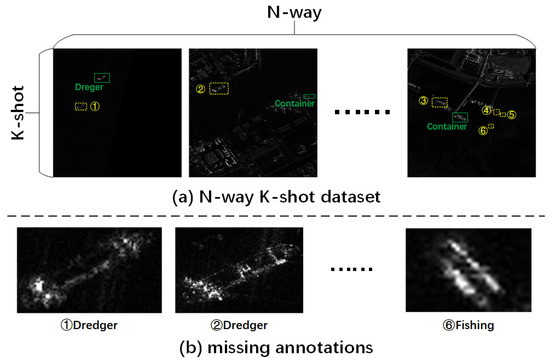
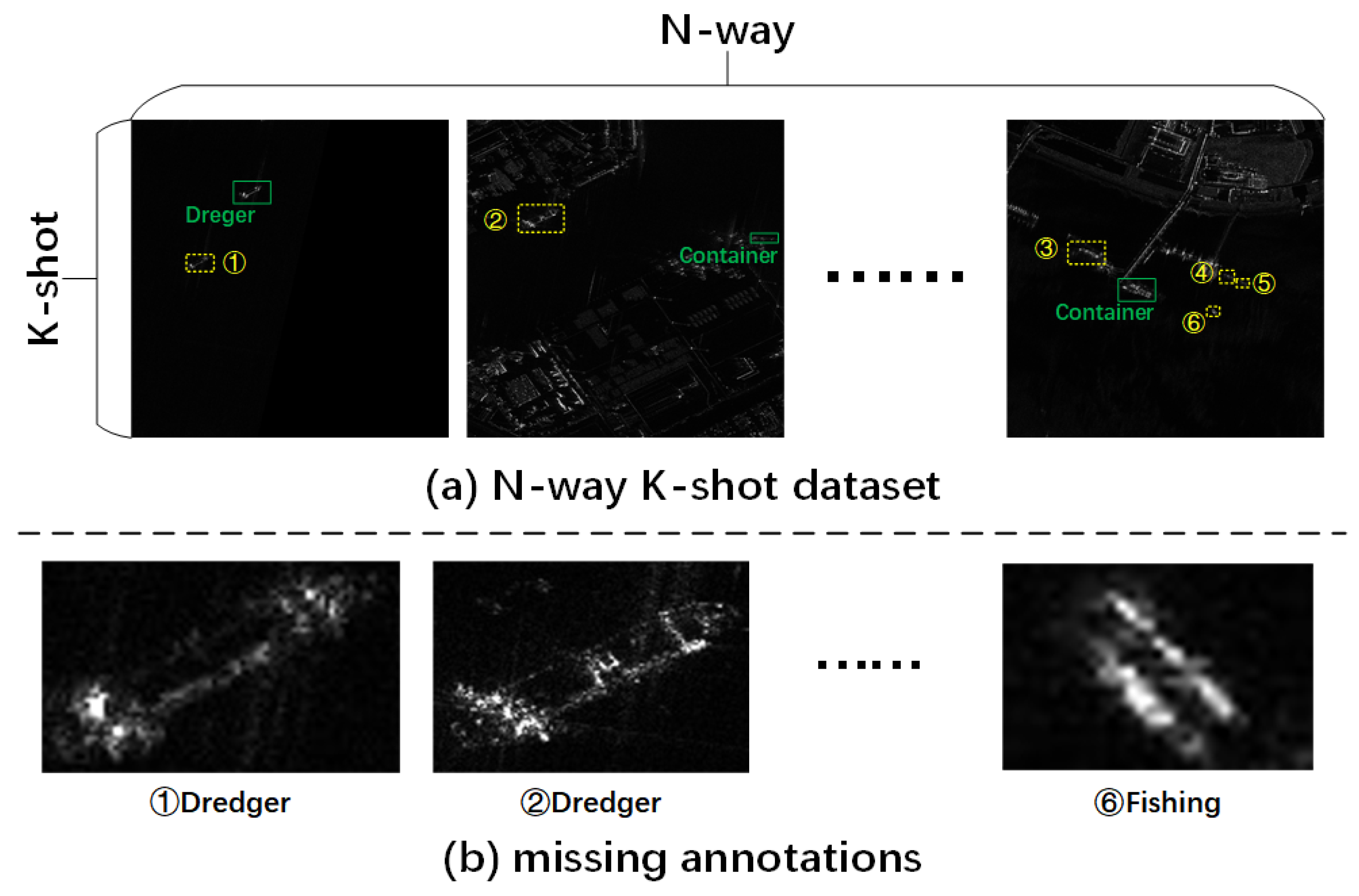
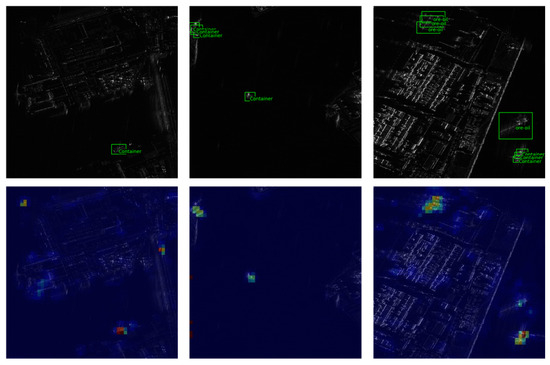
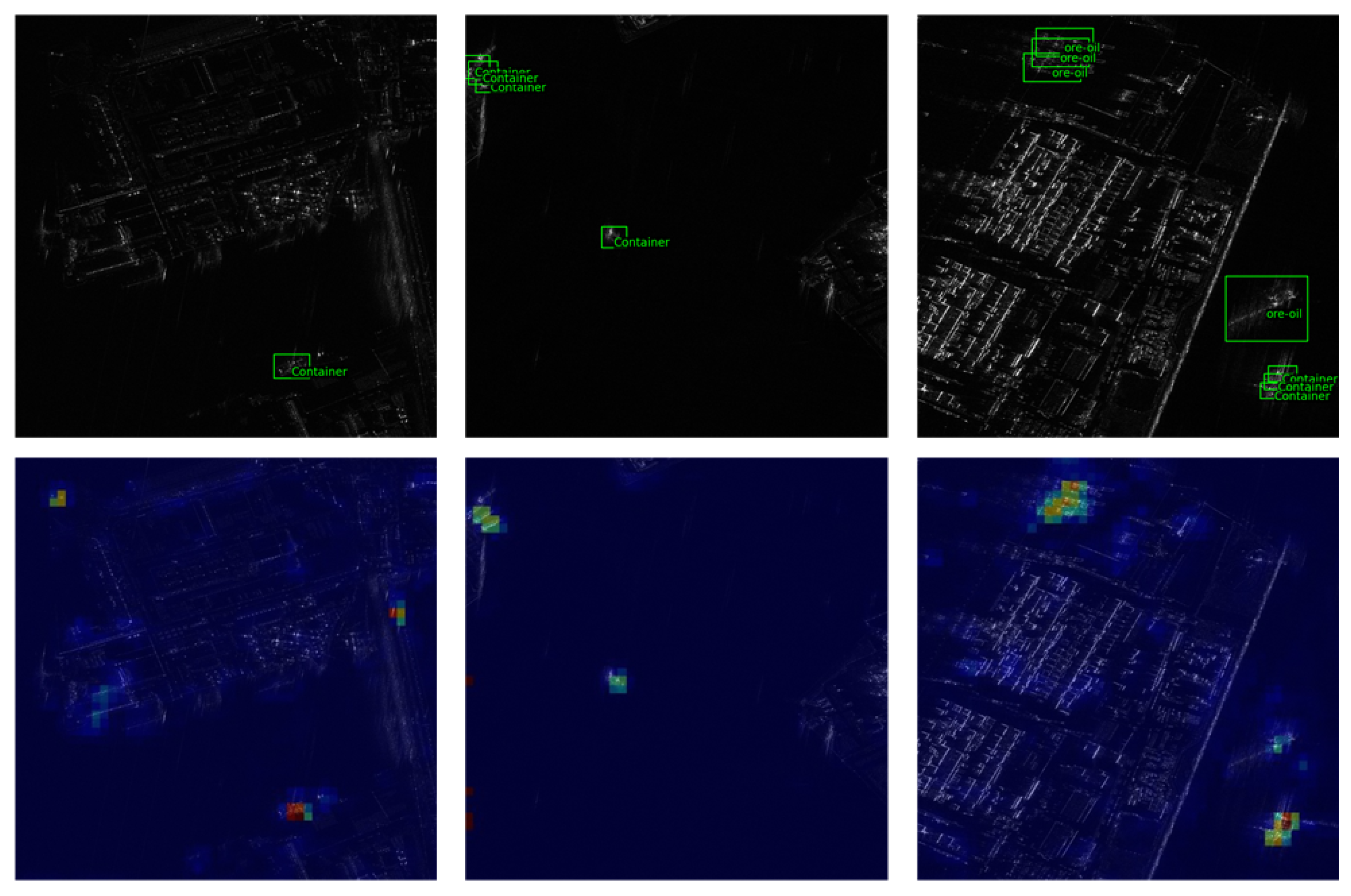
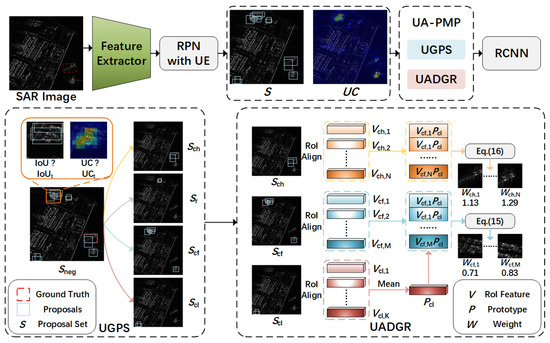
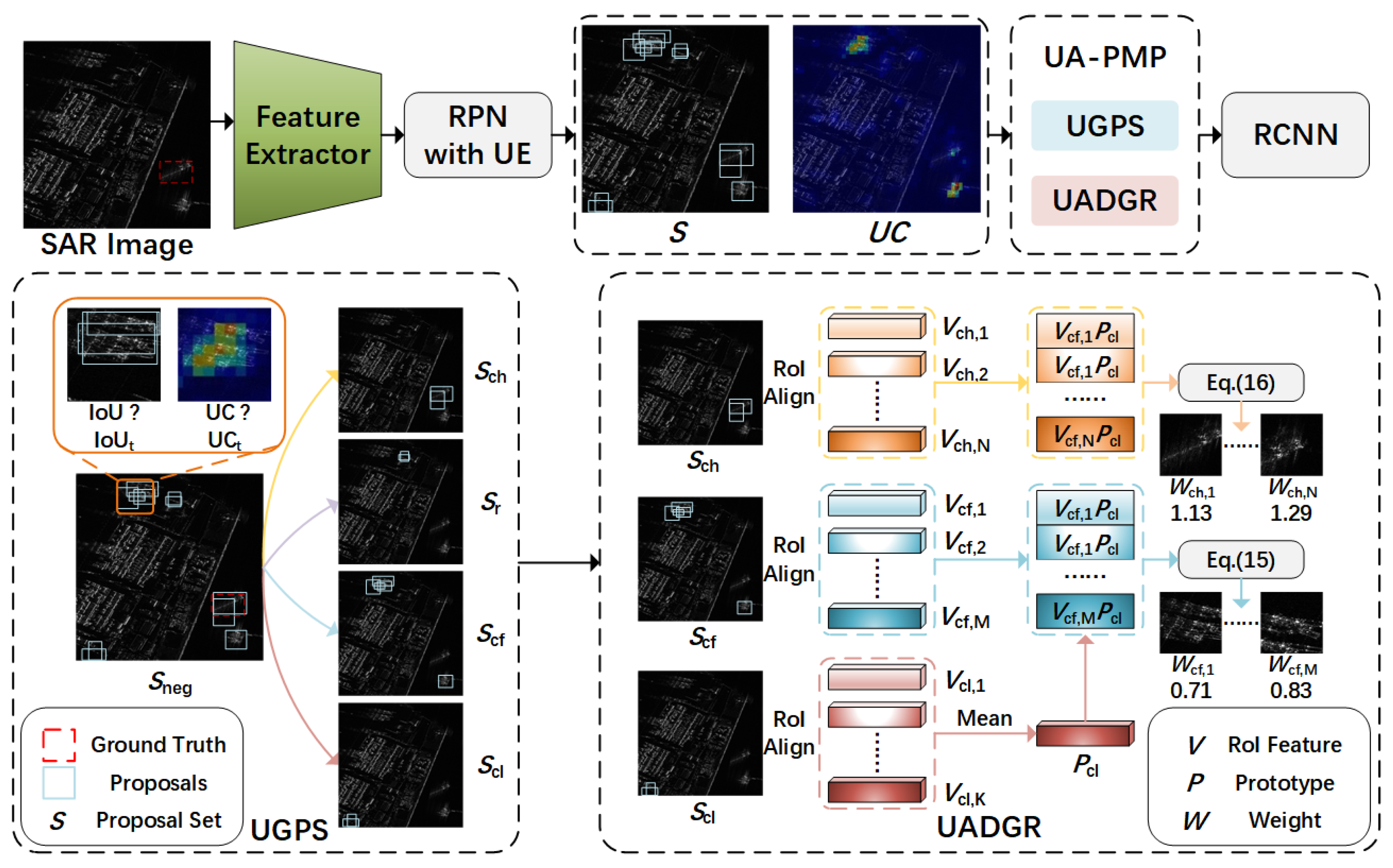
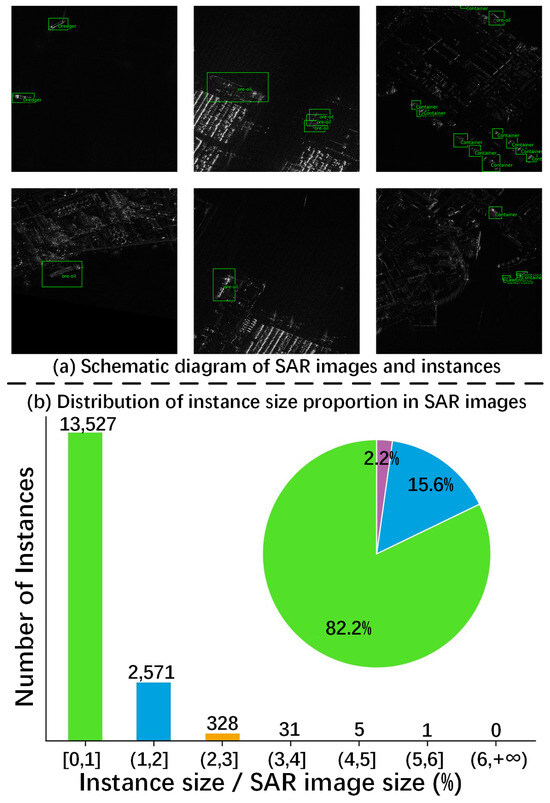
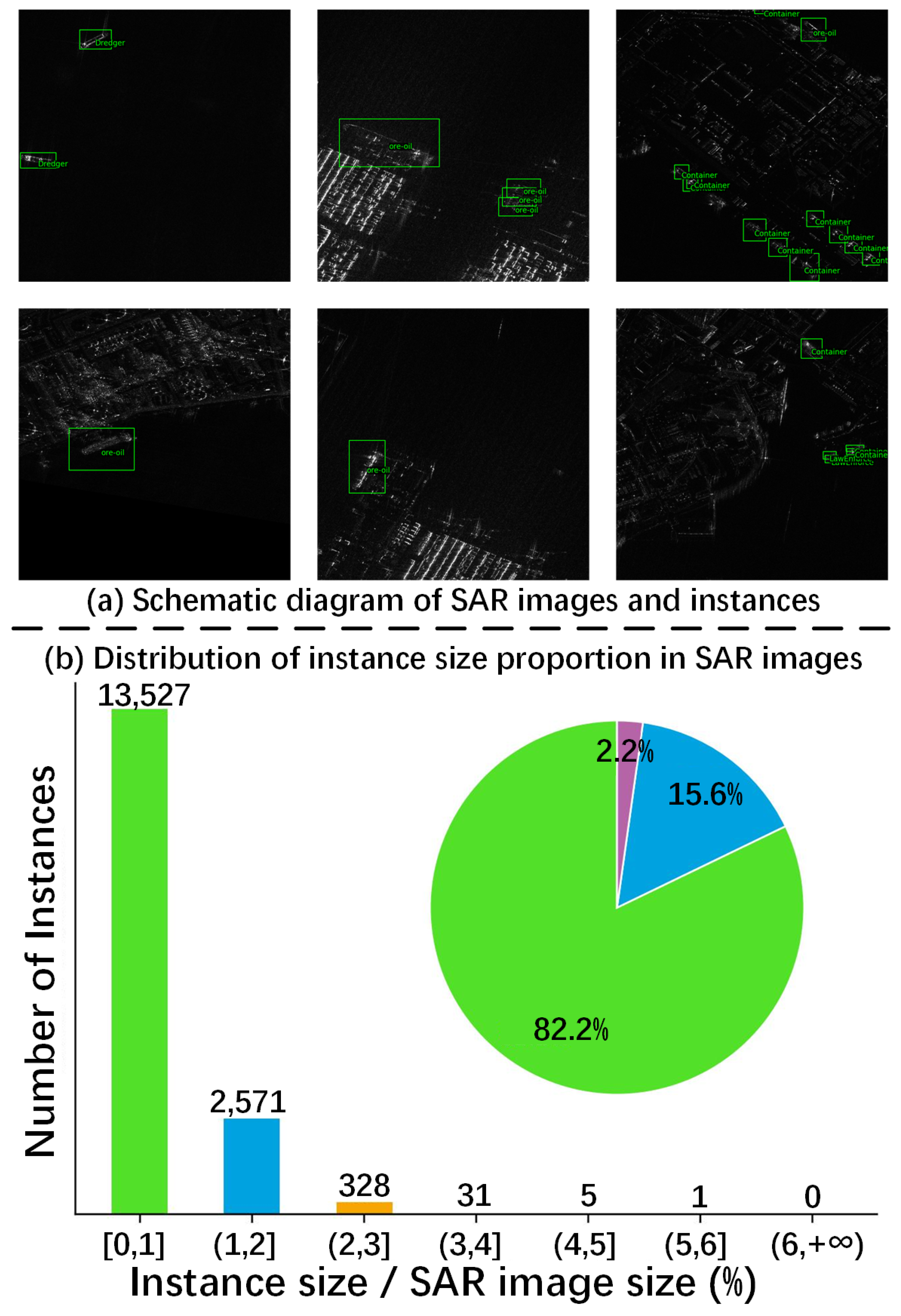
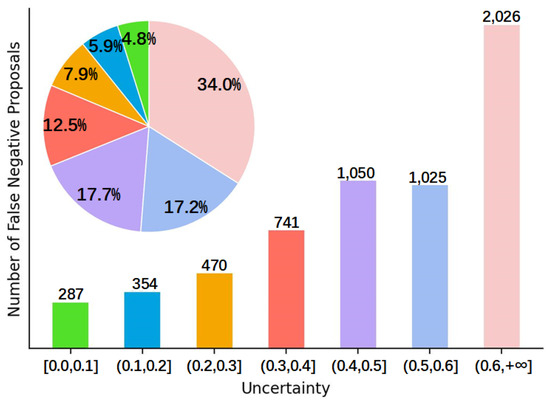
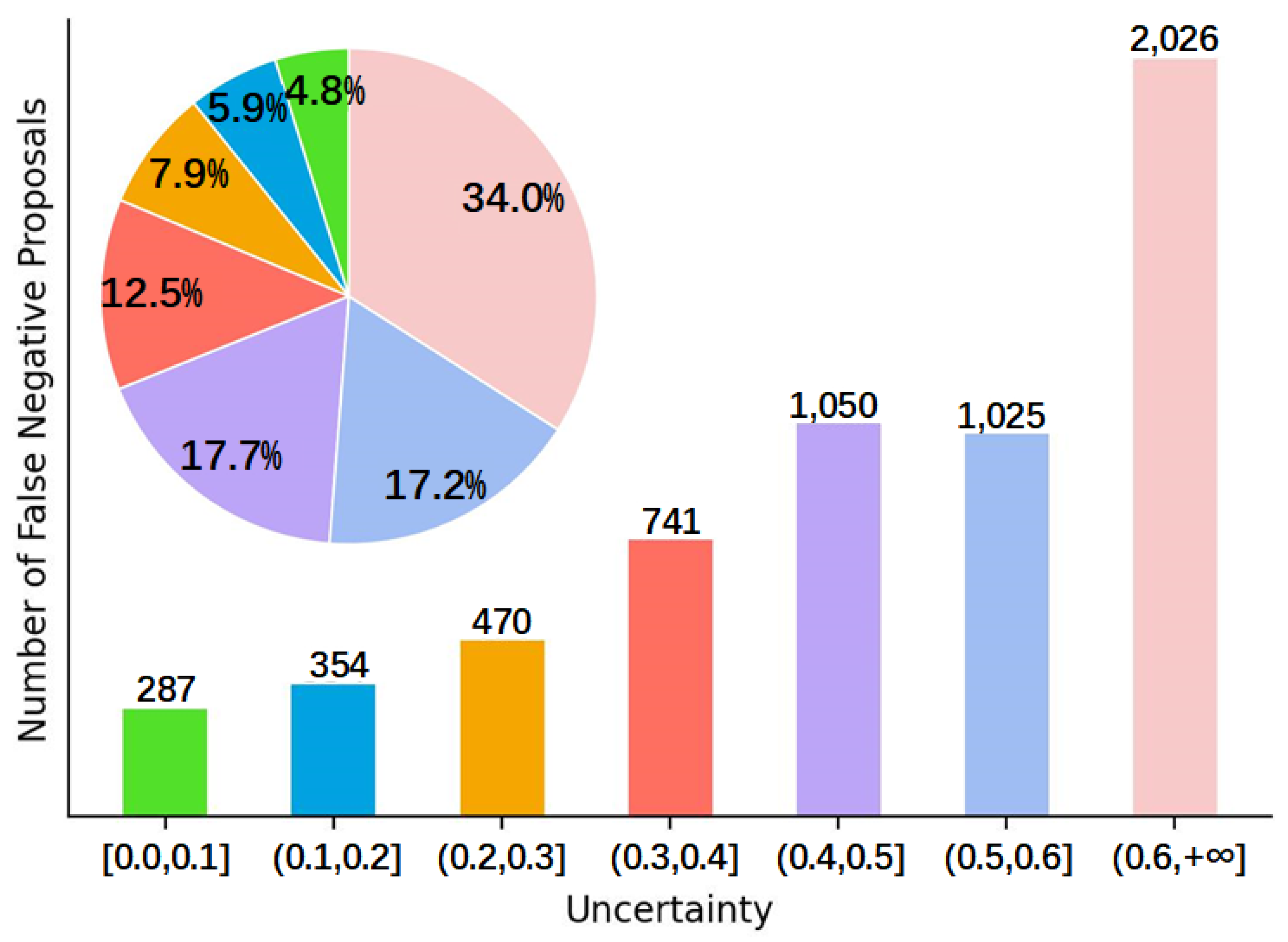
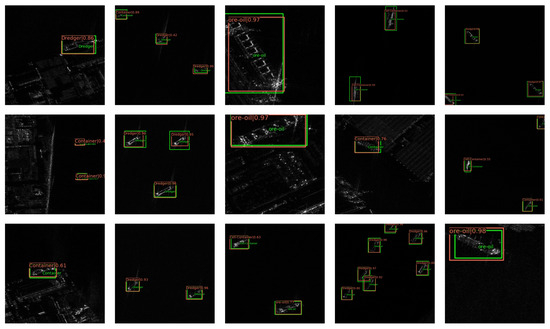
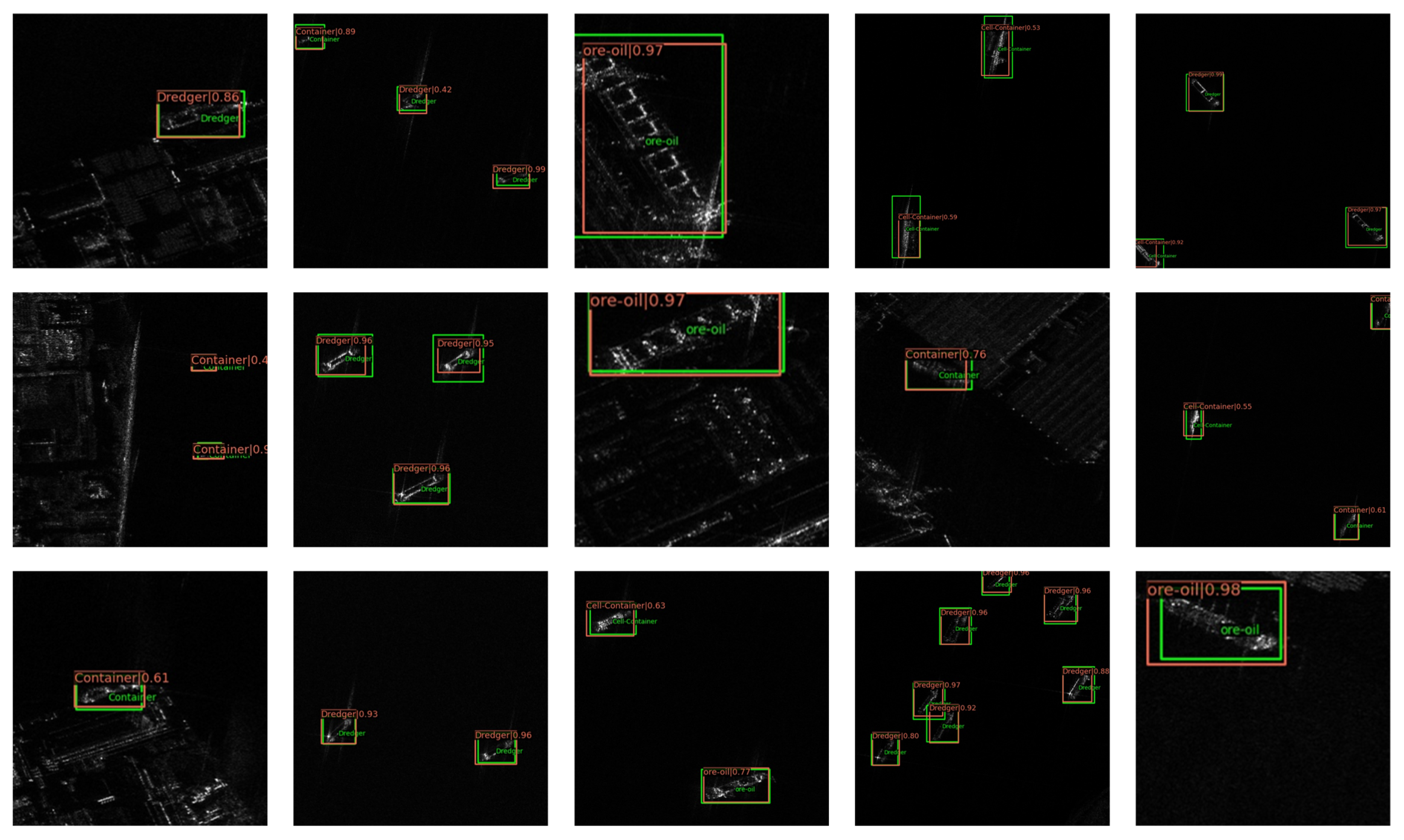
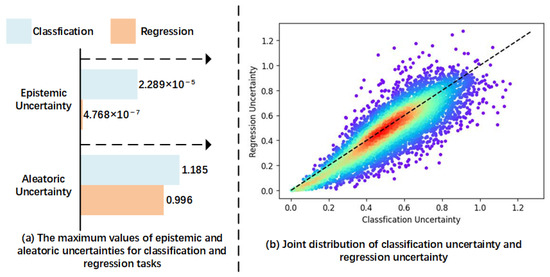
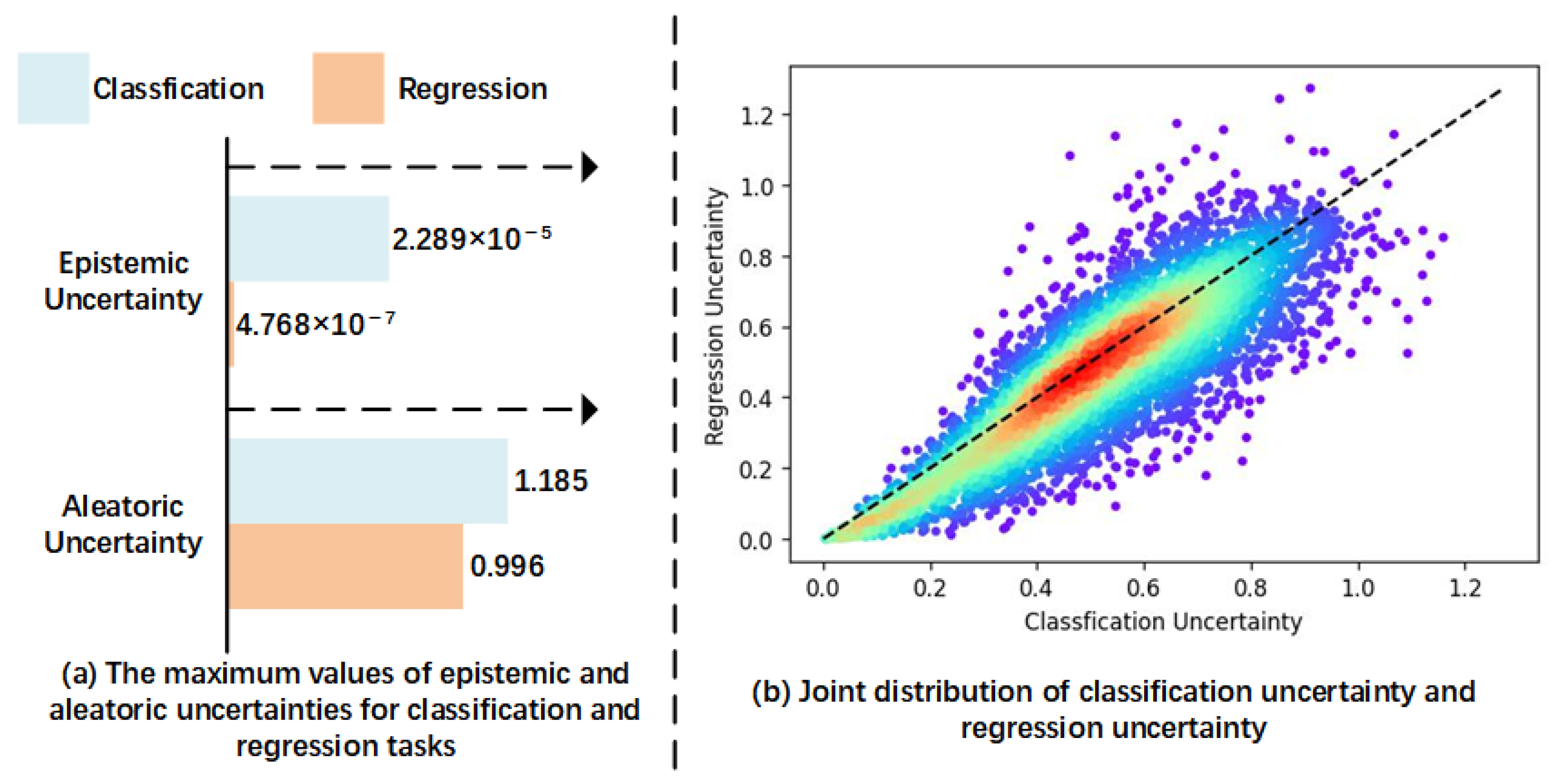
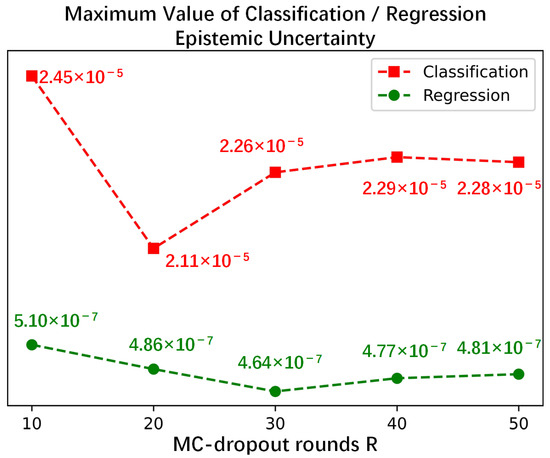
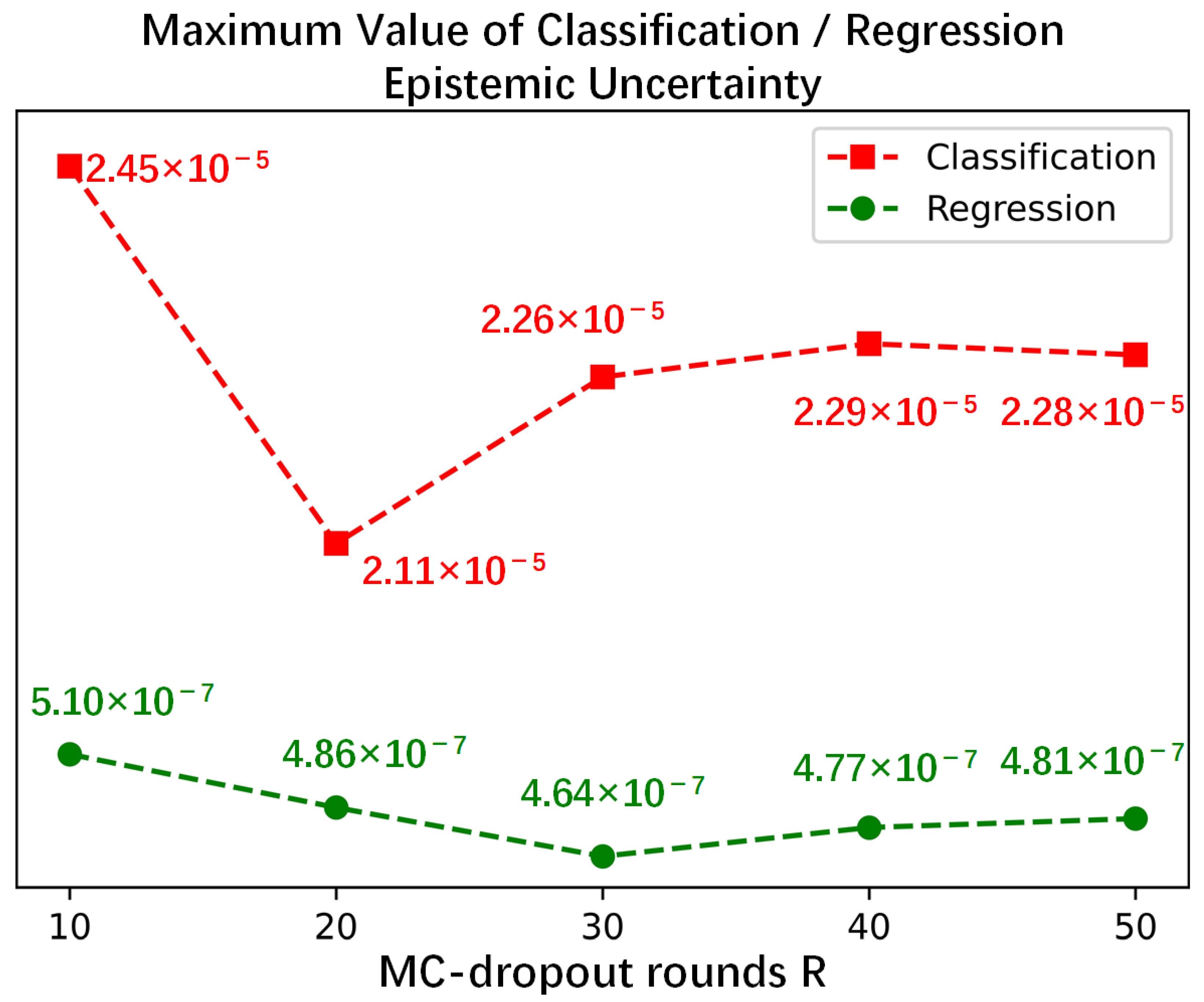
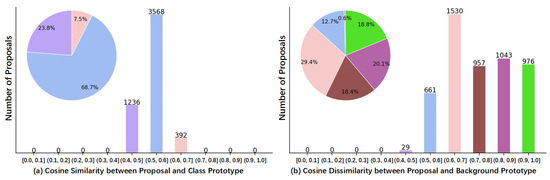
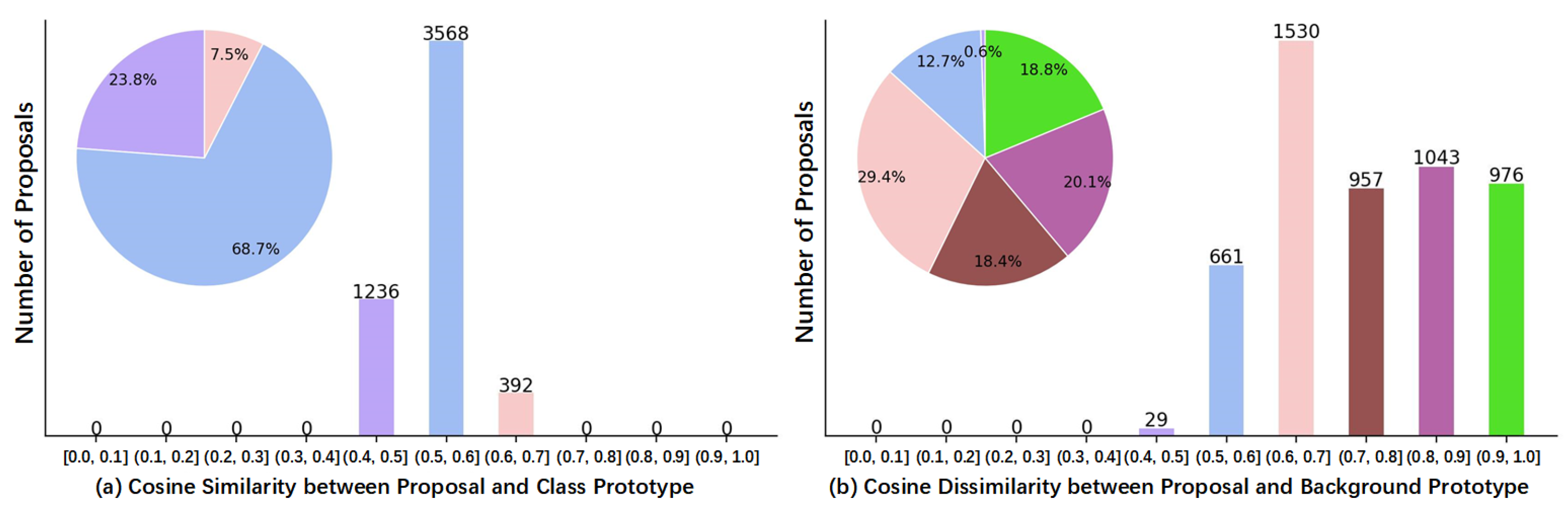
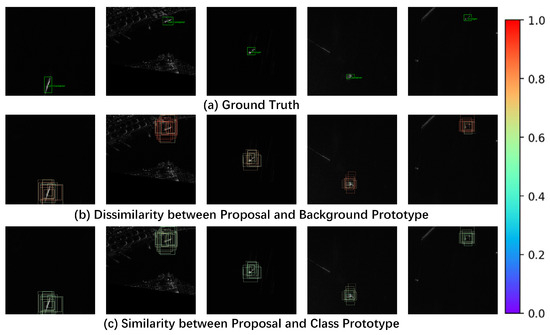
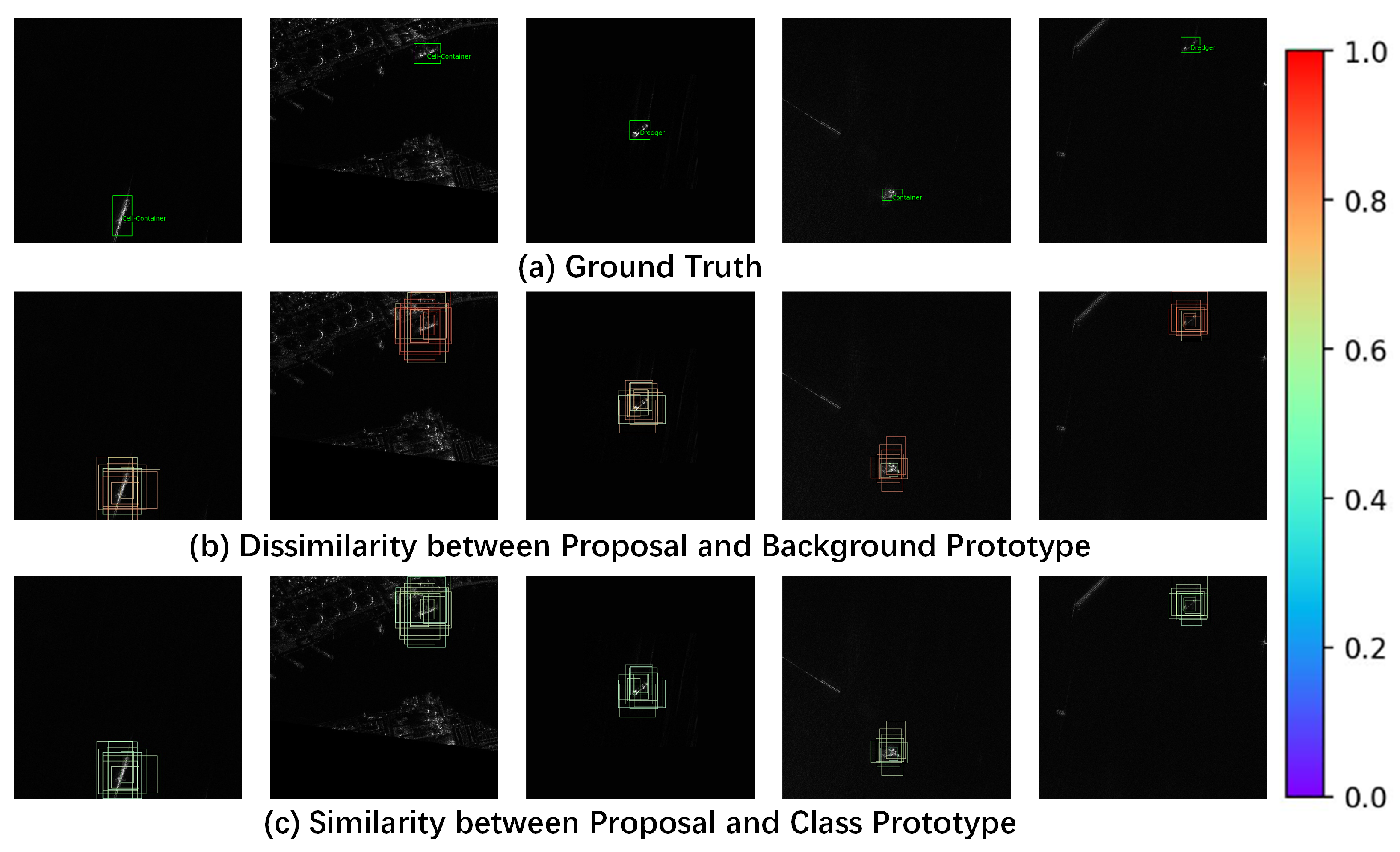

Disclaimer/Publisher’s Note: The statements, opinions and data contained in all publications are solely those of the individual author(s) and contributor(s) and not of MDPI and/or the editor(s). MDPI and/or the editor(s) disclaim responsibility for any injury to people or property resulting from any ideas, methods, instructions or products referred to in the content. |
© 2026 by the authors. Licensee MDPI, Basel, Switzerland. This article is an open access article distributed under the terms and conditions of the Creative Commons Attribution (CC BY) license.