Article

Estimating Rainfall Anomalies with IMERG Satellite Data: Access via the IPE Web Application

by
Kenneth Okechukwu Ekpetere
1,*,
Amita V. Mehta
2,
James Matthew Coll
3,
Chen Liang
1,
Sandra Ogugua Onochie
4 and
Michael Chinedu Ekpetere
5
1
Department of Geography & Atmospheric Science, University of Kansas, Lawrence, KS 66045, USA
2
NASA-Goddard Earth Sciences Technology and Research (GESTAR) II | University of Maryland, Baltimore County (UMBC), Greenbelt, MD 20771, USA
3
Lynker, 2614 Lodi CT, Fort Collins, CO 80526, USA
4
School of Geoscience, University of South Florida, Tampa, FL 33620, USA
5
School of Agricultural Extension, University of Abuja, FCT-Abuja 902101, Nigeria
*
Author to whom correspondence should be addressed.
Remote Sens. 2024, 16(22), 4137; https://doi.org/10.3390/rs16224137
Submission received: 19 September 2024 / Revised: 27 October 2024 / Accepted: 4 November 2024 / Published: 6 November 2024

Abstract

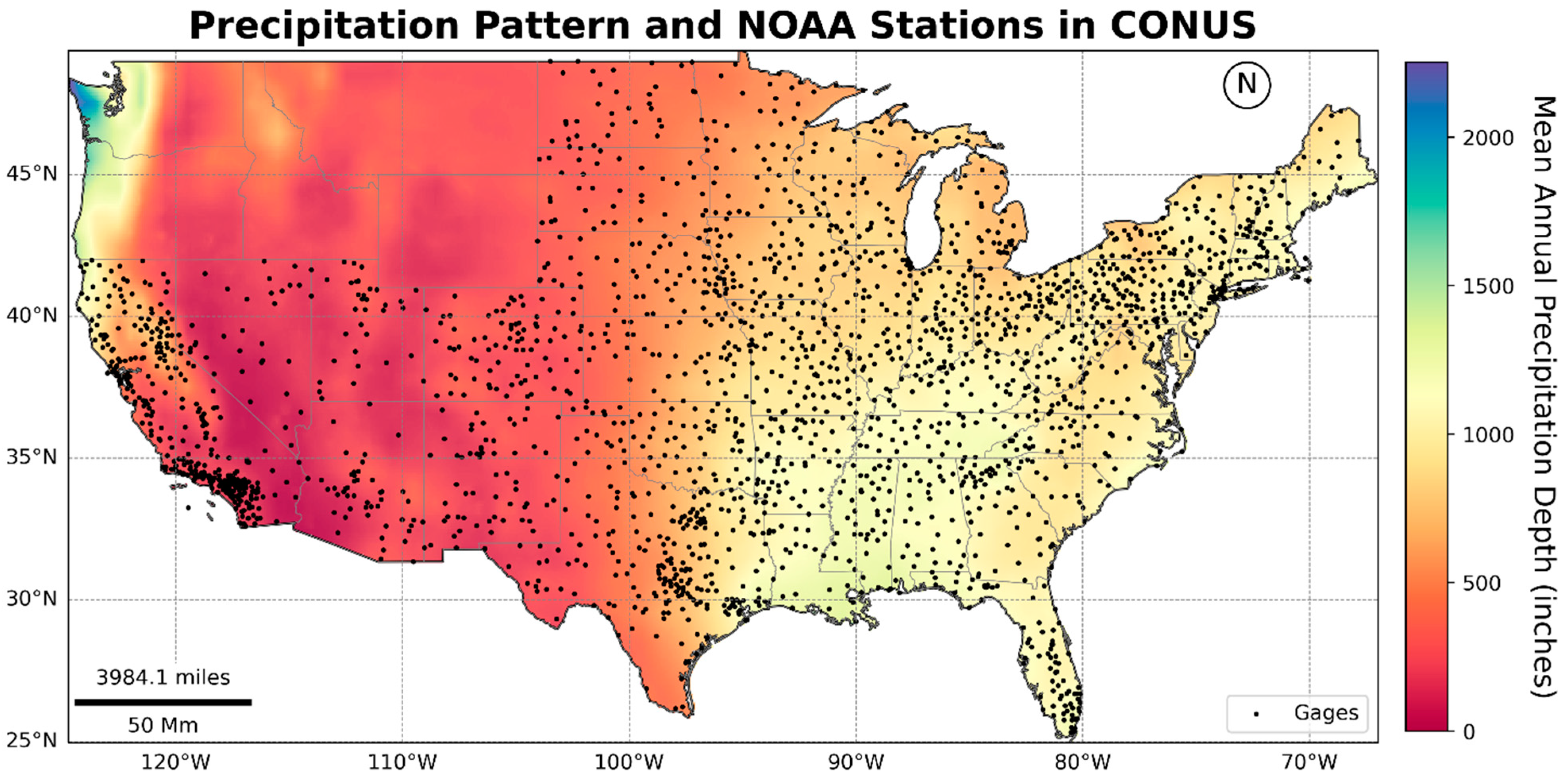
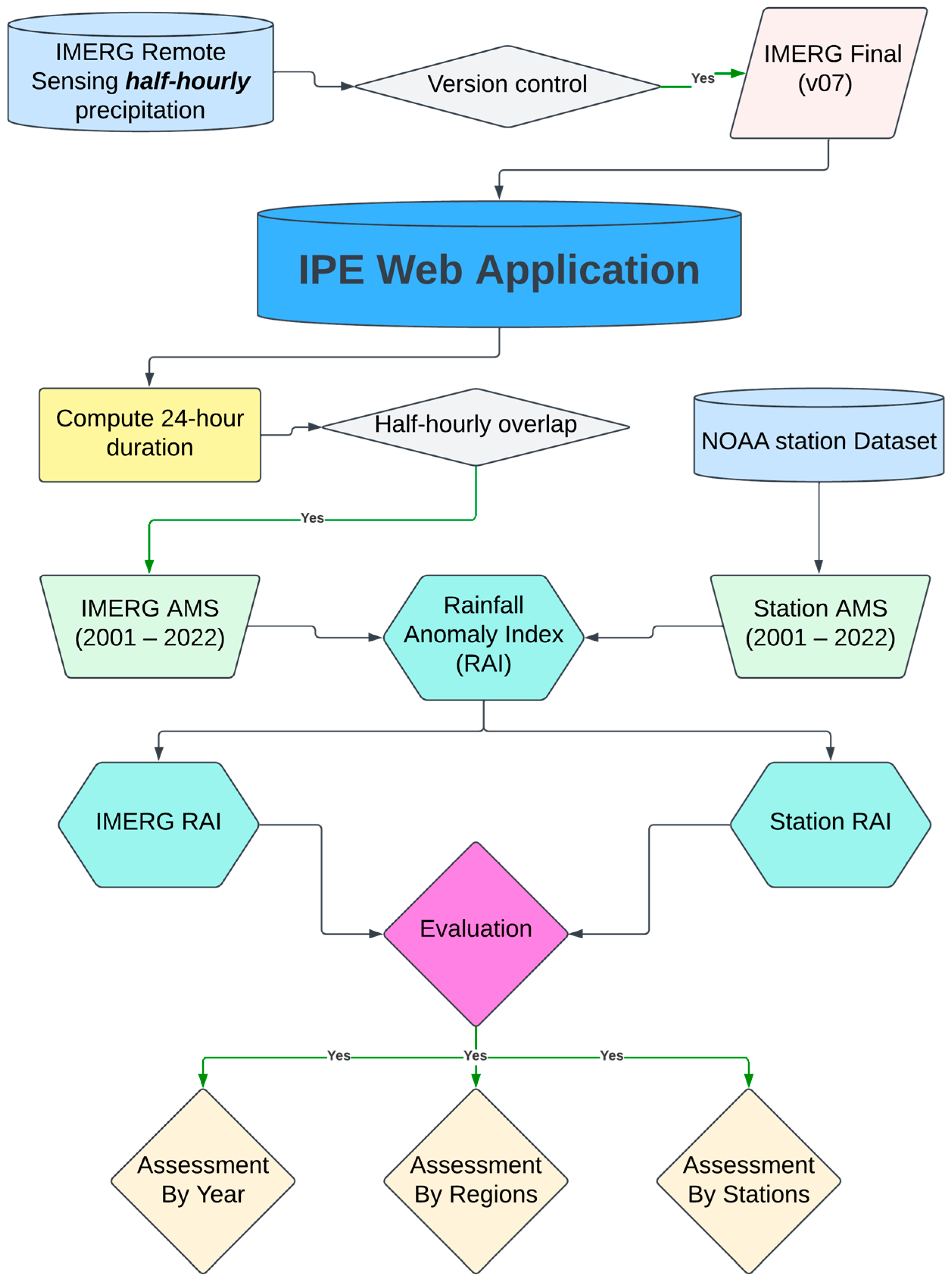
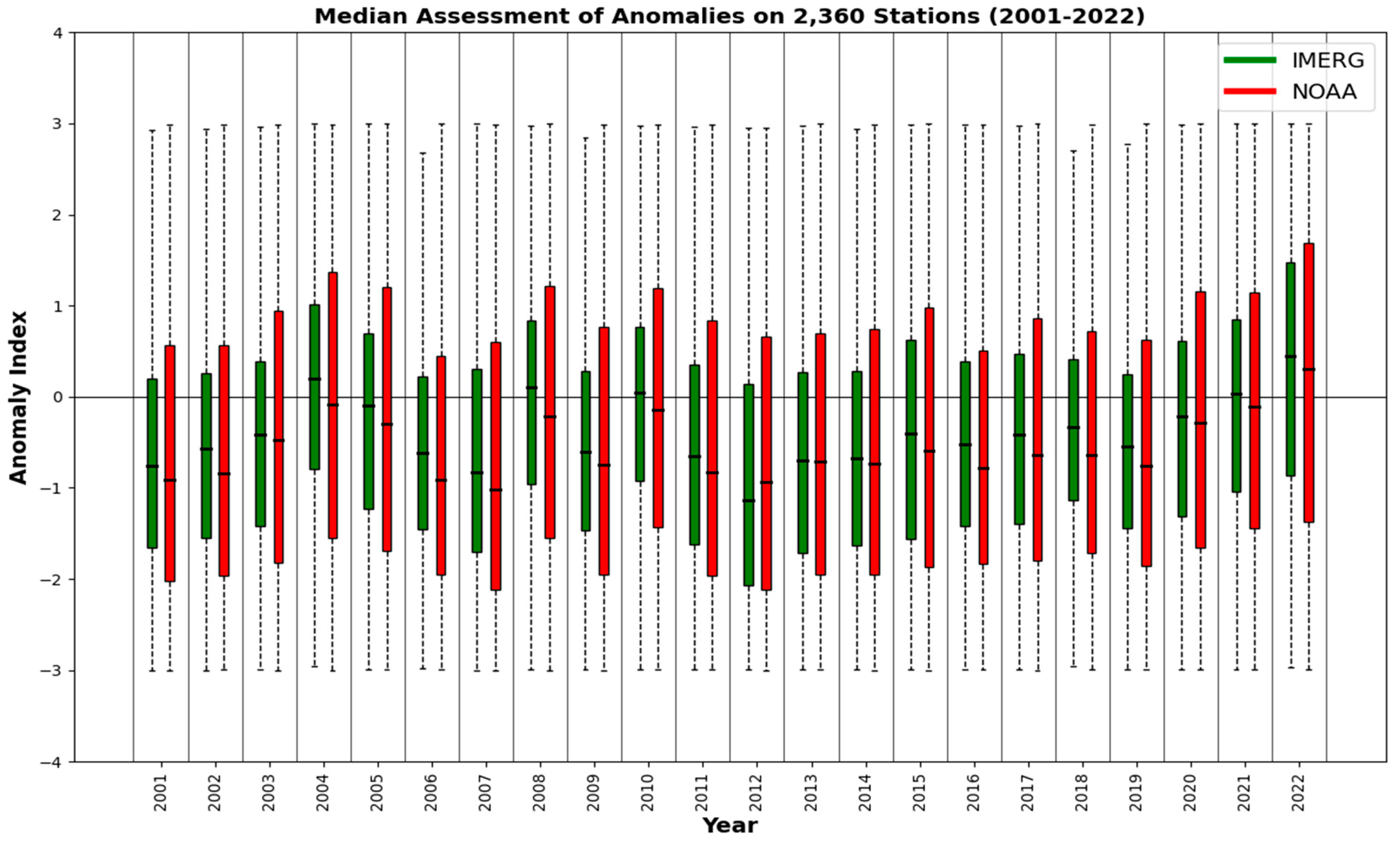
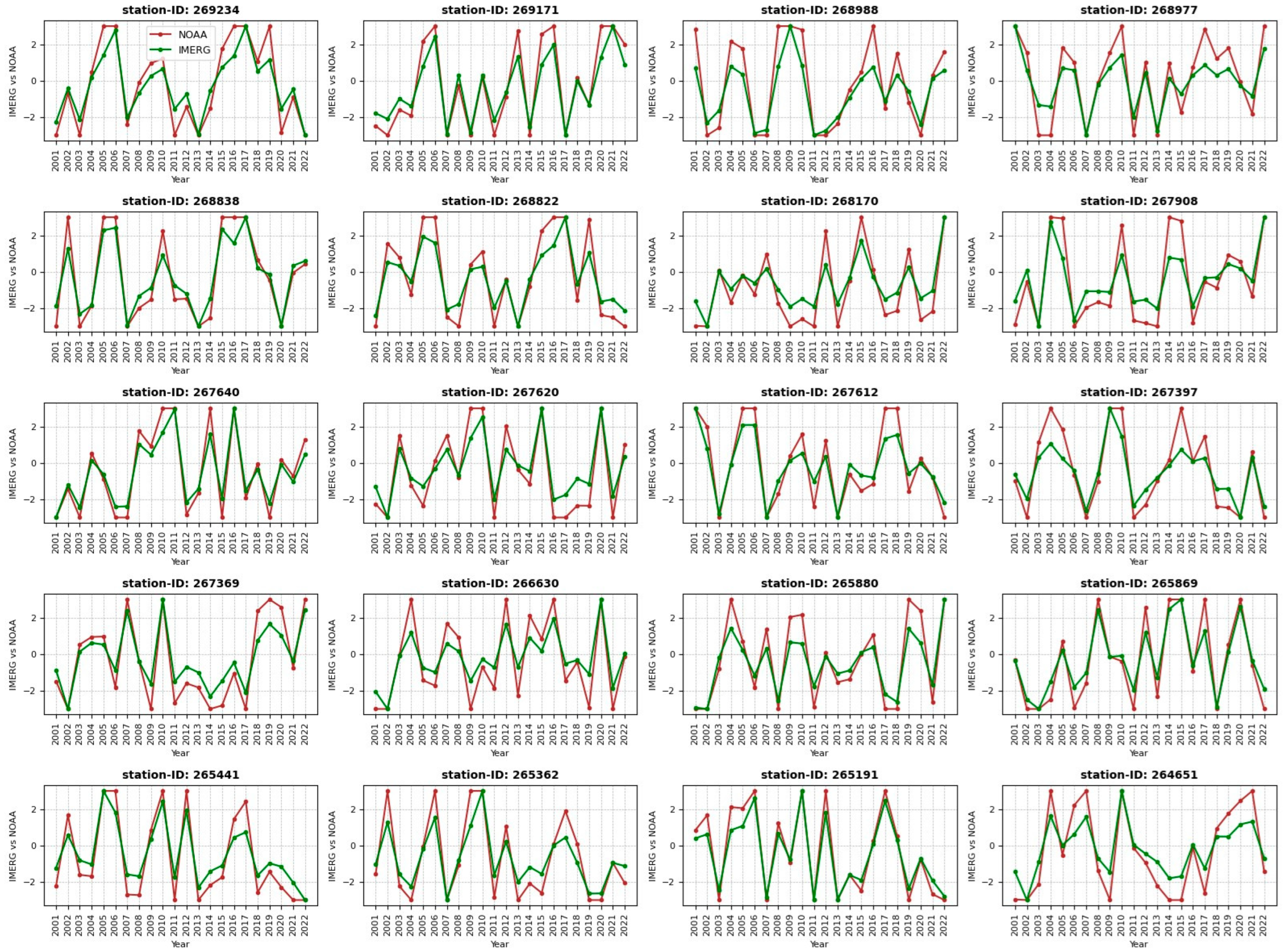
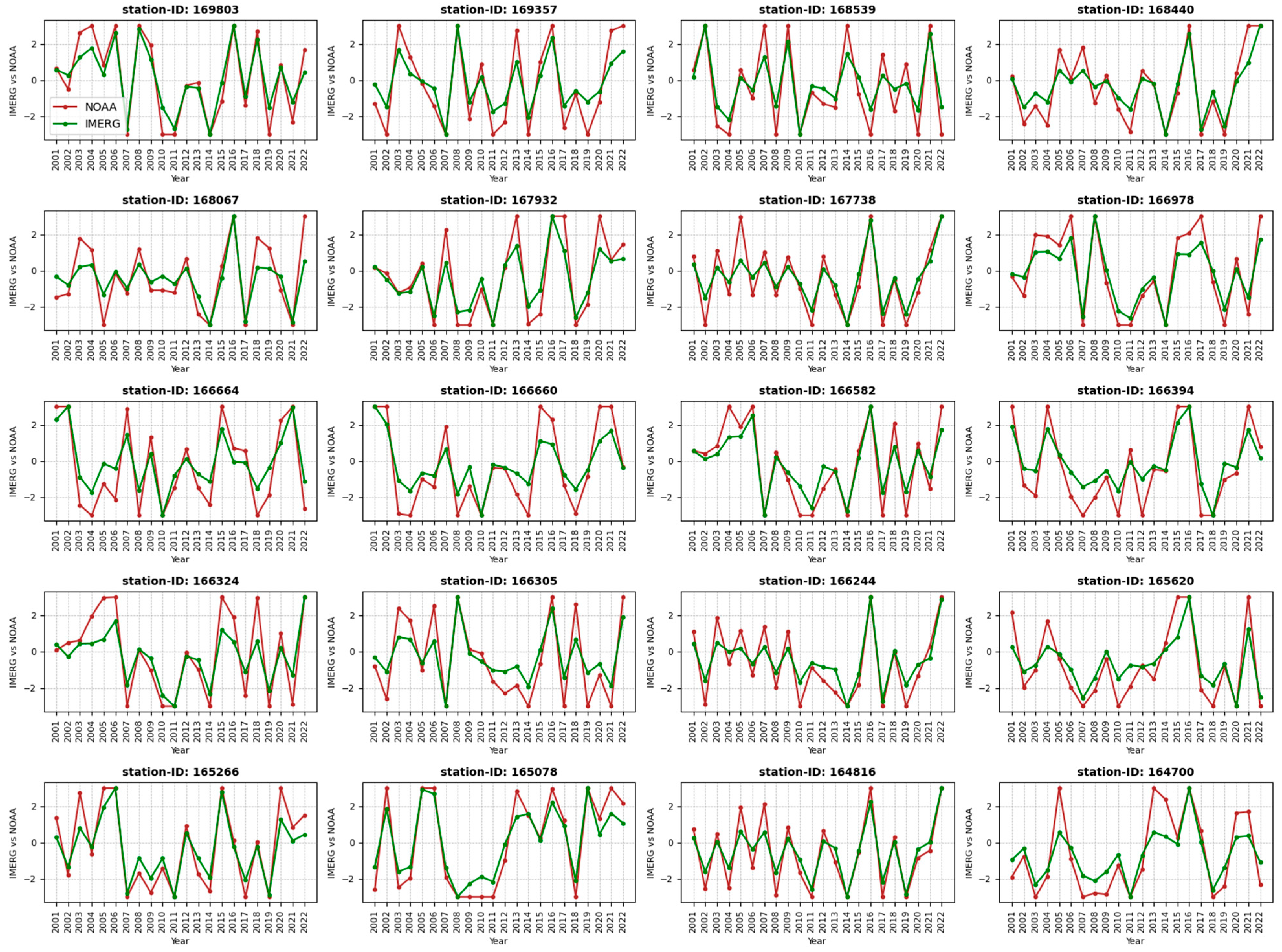
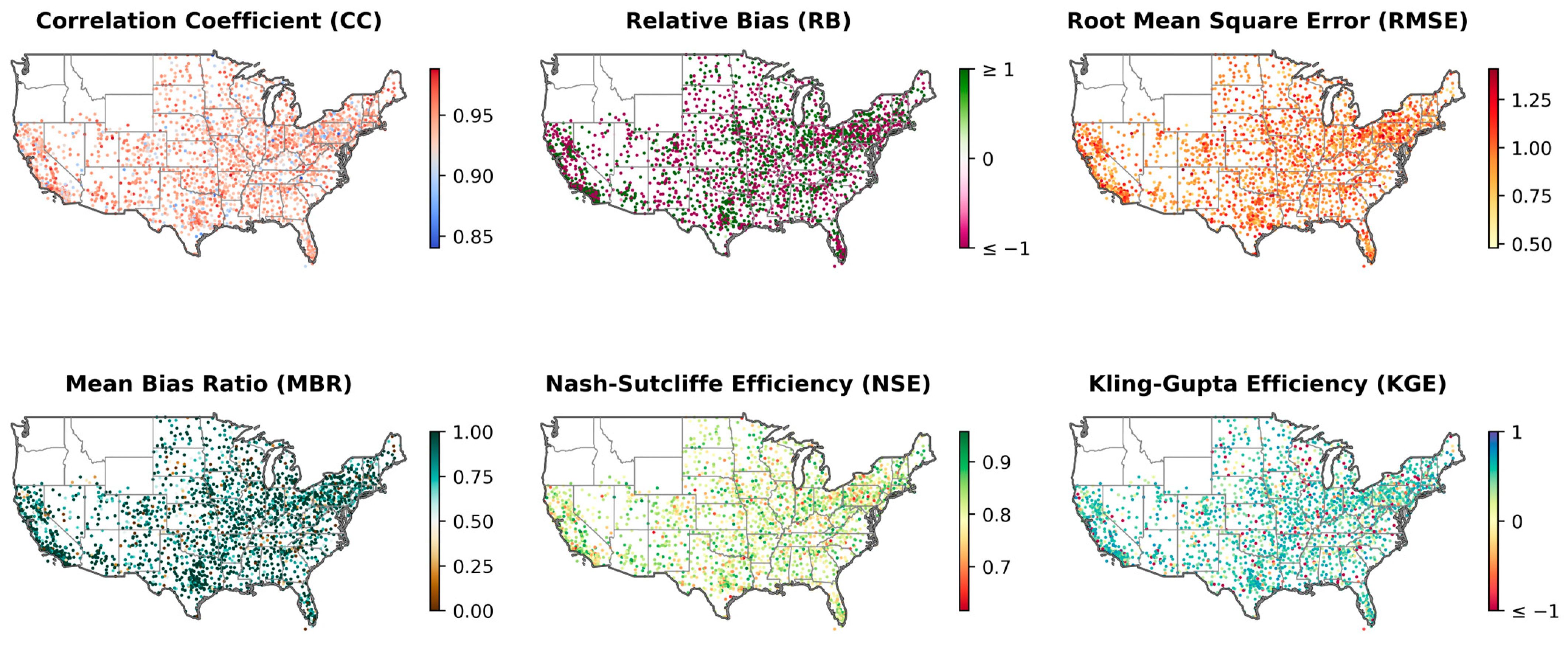
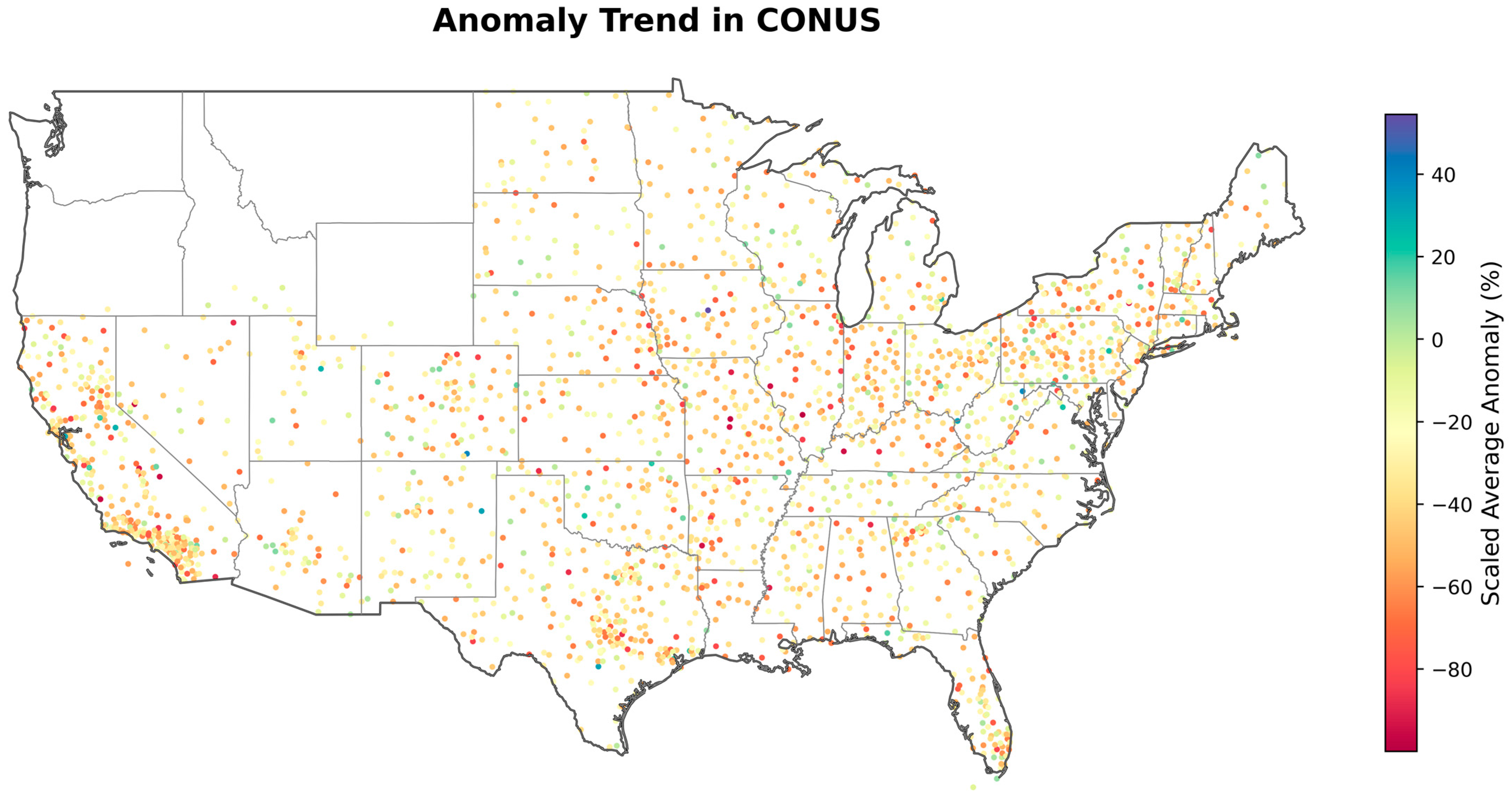
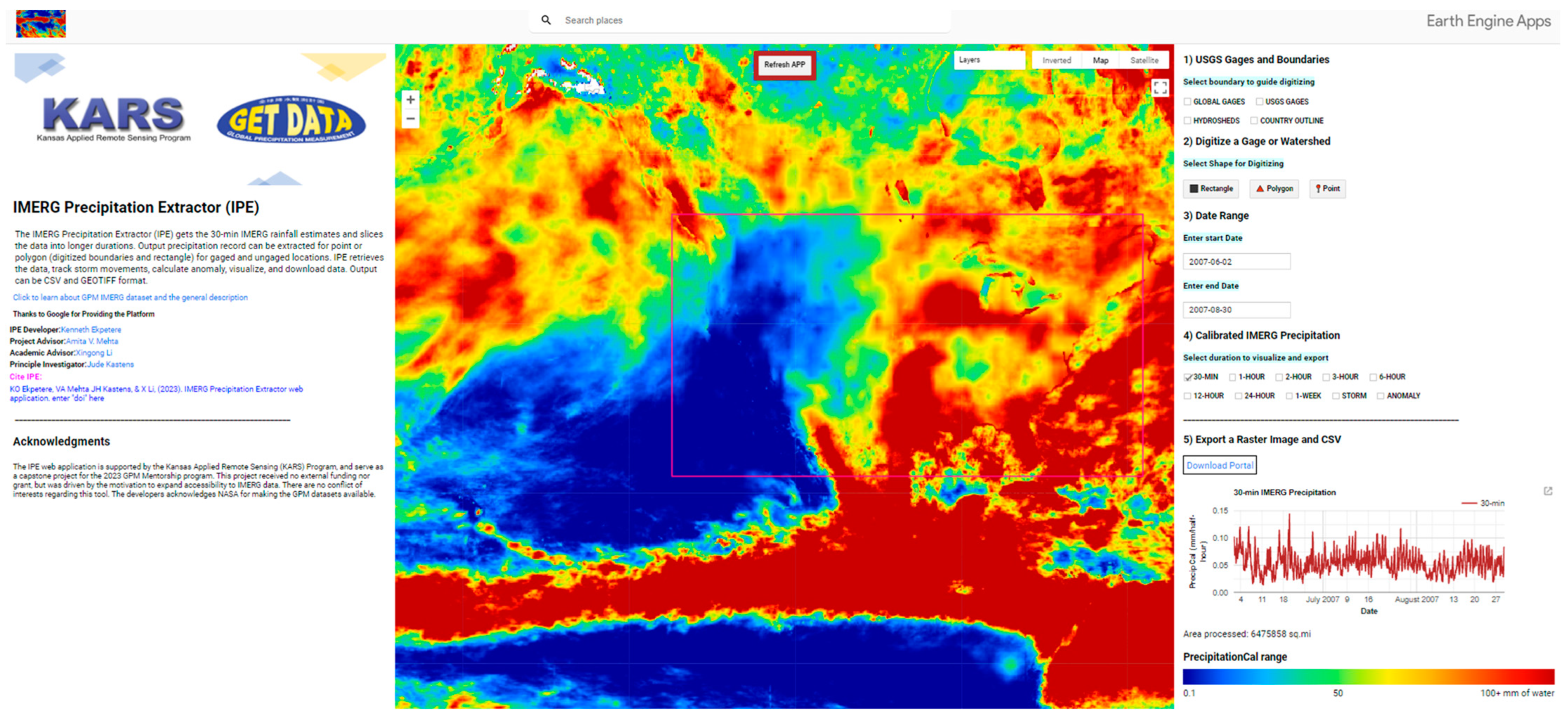
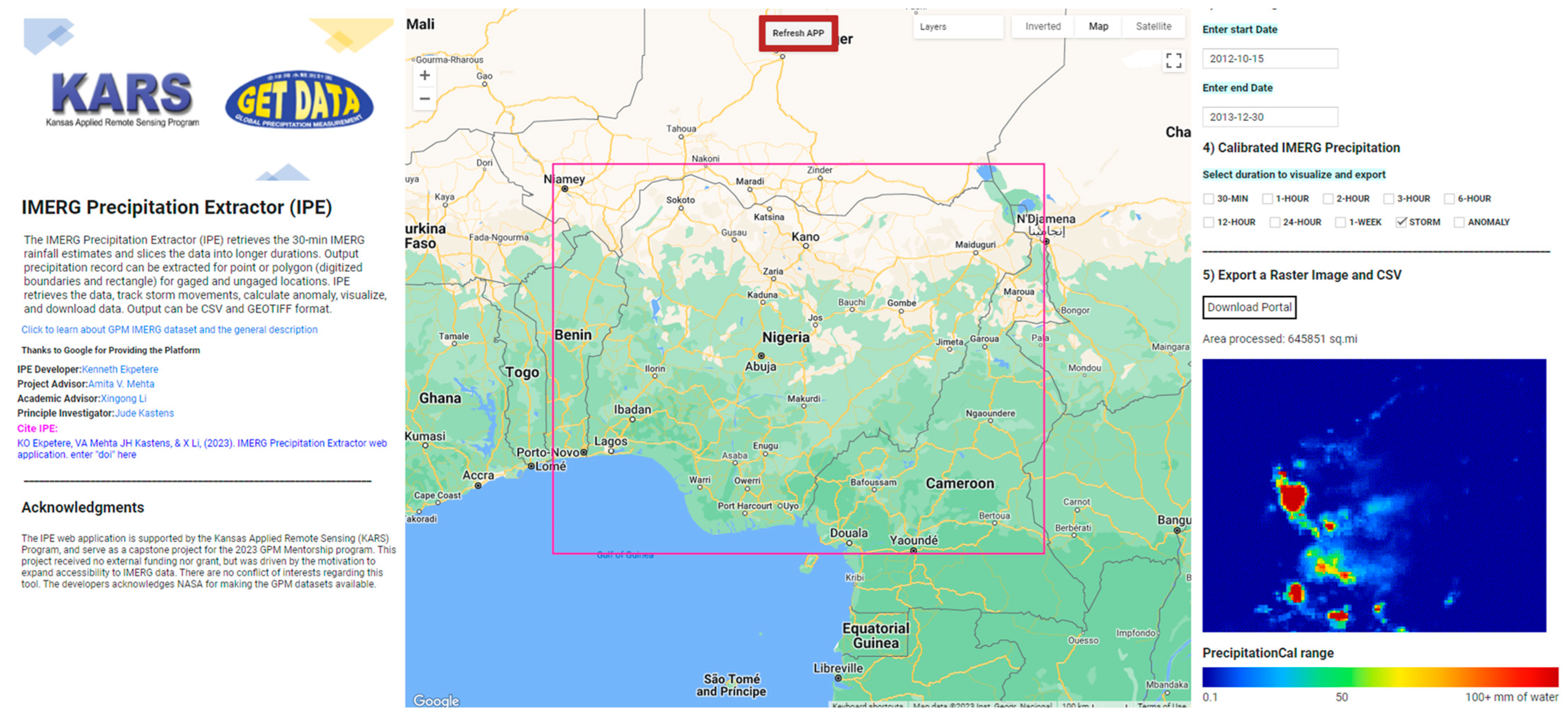
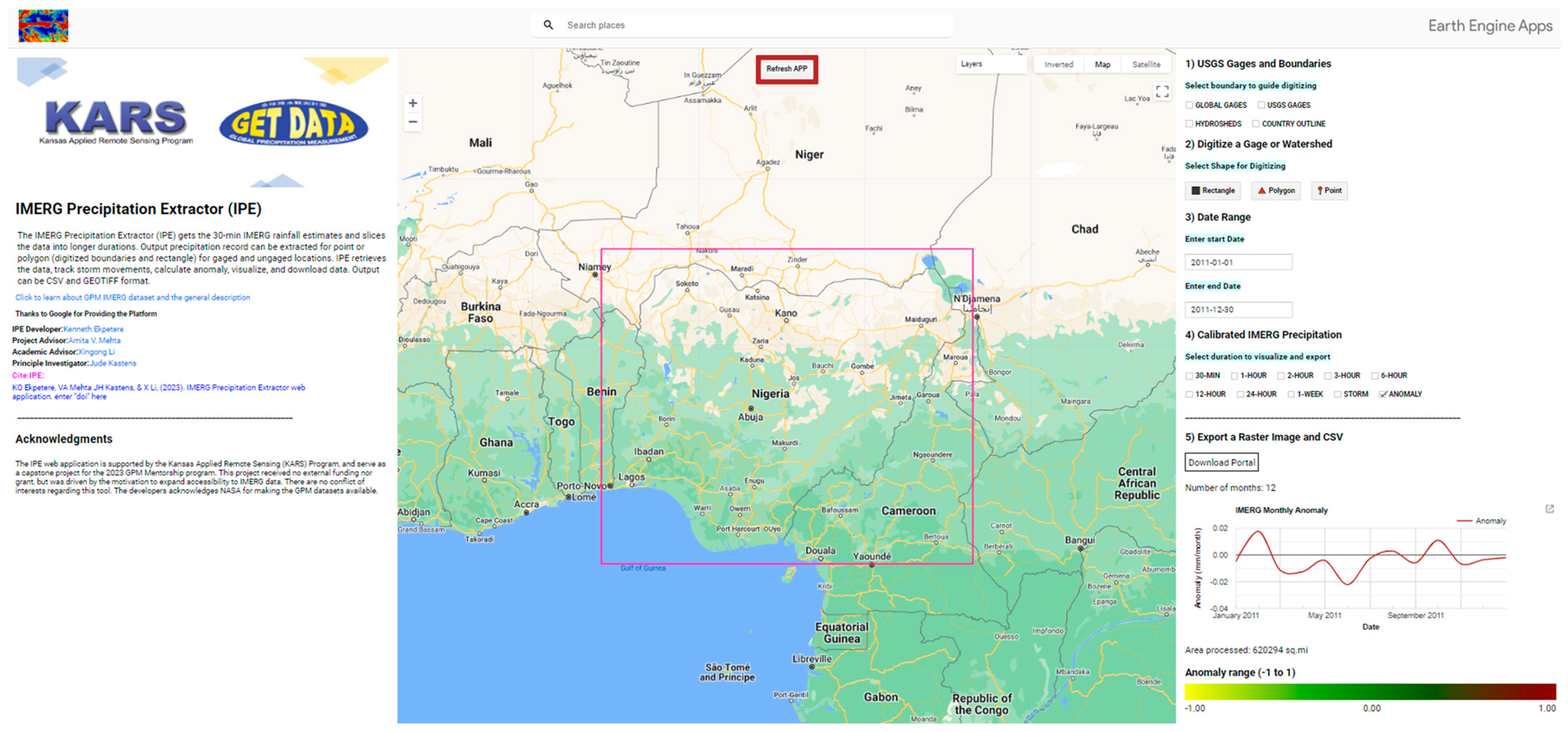
This study assesses the possibilities of the Integrated Multi-satellite Retrievals for Global Precipitation Measurement (IMERG-GPM) to estimate extreme rainfall anomalies. A web application, the IMERG Precipitation Extractor (IPE), was developed which allows for the querying, visualization, and downloading of time-series satellite precipitation data for points, watersheds, country extents, and digitized areas. The tool supports different temporal resolutions ranging from 30 min to 1 week and facilitates advanced analyses such as anomaly detection and storm tracking, an important component for climate change study. To validate the IMERG precipitation data for anomaly estimation over a 22-year period (2001 to 2022), the Rainfall Anomaly Index (RAI) was calculated and compared with RAI data from 2360 NOAA stations across the conterminous United States (CONUS), considering both dry and wet climate regions. In the dry region, the results showed an average correlation coefficient (CC) of 0.94, a percentage relative bias (PRB) of −22.32%, a root mean square error (RMSE) of 0.96, a mean bias ratio (MBR) of 0.74, a Nash–Sutcliffe Efficiency (NSE) of 0.80, and a Kling–Gupta Efficiency (KGE) of 0.52. In the wet region, the average CC of 0.93, PRB of 24.82%, RMSE of 0.96, MBR of 0.79, NSE of 0.80, and KGE of 0.18 were computed. Median RAI indices from both the IMERG and NOAA indicated an increase in rainfall intensity and frequency since 2010, highlighting growing concerns about climate change. The study suggests that IMERG data can serve as a valuable alternative for modeling extreme rainfall anomalies in data-scarce areas, noting its possibilities, limitations, and uncertainties. The IPE web application also offers a platform for extending research beyond CONUS and advocating for further global climate change studies.
Keywords: IPE; IMERG; rainfall anomaly index; climate change; rainfall intensity; rainfall frequencies; rainfall storm; web application; NOAA; CONUS IPE; IMERG; rainfall anomaly index; climate change; rainfall intensity; rainfall frequencies; rainfall storm; web application; NOAA; CONUS