


Abstract
This study examines how digital trade contributes to decarbonization within global value chains (GVCs), focusing on the roles of AI-enabled logistics, carbon pricing, and renewable energy policy. Using a monthly panel of 38 OECD economies from 2000 to 2024, we combine econometric models with machine-learning techniques to identify threshold effects and conditional relationships. The empirical specification includes fixed effects, interaction terms for AI-enhanced logistics, and carbon-pricing threshold analysis. At the same time, structural equation modelling (SEM) is used to assess mediation through renewable energy and regulatory stringency. The results indicate that GVC participation is significantly associated with lower CO2 emissions (β = −0.064, p < 0.01). Digital trade alone is not statistically significant (β = −0.030), but its environmental effect becomes stronger when combined with AI-enhanced logistics. We identify a carbon-pricing threshold of USD 40 per tonne, above which emissions decline significantly (Δ = −15%, p < 0.01). Renewable energy adoption further reinforces the beneficial effect of digital trade under stronger regulatory conditions. These findings suggest that the emissions effects of digital trade are conditional rather than uniform and depend on complementary policy, technological, and energy factors. While the analysis is limited to OECD economies and monthly aggregate data, the study helps explain mixed findings in the literature by identifying the conditions under which digital trade is more likely to support emissions reduction.
1. Introduction
As digitalisation reshapes global commerce, policymakers and researchers are increasingly concerned about whether digital trade can support climate-mitigation goals. Digital platforms, cross-border data flows, and digitally coordinated supply chains are transforming how goods and services are produced, exchanged, and delivered [1]. At the same time, countries are under growing pressure to reduce carbon emissions while maintaining trade competitiveness and participation in global value chains (GVCs) [2,3]. This underscores the importance of understanding whether digital trade contributes to decarbonization or instead creates new environmental pressures through energy-intensive digital infrastructure [4].
The environmental effect of digital trade remains theoretically and empirically ambiguous. On the one hand, digitalisation can improve coordination, reduce transaction costs, optimise logistics, and support more efficient resource allocation across production networks [1]. On the other hand, digital infrastructures such as data centres, cloud computing systems, and AI-enabled platforms also consume substantial energy, which may offset some environmental gains [3,5]. As a result, digital trade should not be assumed to be inherently green; rather, its impact on CO2 emissions may depend on policy design, technological capabilities, and energy structures [6]. This issue is particularly relevant in OECD economies, where digital integration, environmental regulation, and GVC participation have all expanded significantly over time [7].
Existing research provides useful but incomplete evidence. Prior studies show that GVC participation can promote cleaner production through technology diffusion, organizational upgrading, and efficiency gains [7,8,9]. Other work suggests that digitalisation may improve environmental performance by enhancing supply-chain coordination, logistics efficiency, and low-carbon adjustment [1,10]. Carbon pricing and renewable energy adoption are also widely recognised as key policy instruments for emissions reduction and green transition [11,12]. However, the literature still leaves several important questions unresolved. First, many studies examine digital trade, GVC participation, carbon pricing, and renewable energy separately rather than as an interconnected system [4,13]. Second, relatively little attention has been paid to whether the environmental effects of digital trade depend on stronger carbon-pricing regimes, renewable-energy transitions, and technological readiness [1,3]. Third, much of the existing empirical work relies on average linear relationships, which may overlook threshold effects and context-specific non-linearities [4,14].
This study addresses these gaps by examining how digital trade, GVC participation, carbon pricing, and renewable energy jointly shape CO2 emissions in OECD economies. Specifically, we analyse a panel of 38 OECD countries over the period 2000–2024 and investigate whether digital trade directly reduces emissions, indirectly through technology adoption and logistics optimisation, and conditionally under stronger carbon-pricing and renewable-energy settings. To do so, we combine panel econometric models with mediation, moderation, and threshold-oriented analysis, allowing us to capture both average effects and context-dependent non-linearities [10,15,16].
The results yield three main findings. First, greater GVC participation is consistently associated with lower CO2 emissions, supporting the argument that value-chain integration can facilitate cleaner production and the diffusion of technology [7,8]. Second, digital trade does not exhibit a robust standalone direct effect, but its emissions-reducing role becomes more meaningful when supported by technology adoption and logistics optimization [1,17]. Third, the environmental effects of digital trade become stronger under higher carbon-pricing regimes, with evidence of a threshold around USD 40 per metric ton, while renewable energy is more effective when combined with supportive regulatory conditions [3,14]. Taken together, these findings suggest that digital trade is not automatically associated with decarbonization; rather, its environmental benefits depend on complementary institutions, technologies, and climate-policy frameworks [13,18].
This study makes three contributions to the literature. First, it develops an integrated empirical framework linking digital trade, GVC participation, carbon pricing, renewable energy, and CO2 emissions. Second, it moves beyond direct-effect estimation by examining mediation and moderation channels through which digital trade may influence environmental outcomes [15,16,19]. Third, it contributes to the trade–environment literature by identifying non-linear policy conditions under which digital trade becomes more effective as a decarbonization mechanism [2,4,14]. These contributions are relevant for both academic debate and policy design in OECD economies seeking to align digital transformation with climate objectives [3,13].
The remainder of the paper is organised as follows. Section 2 reviews the relevant literature. Section 3 presents the research gaps and contributions. Section 4 develops the theoretical framework and hypotheses. Section 5 describes the data, variables, and empirical strategy. Section 6 reports the main results, followed by robustness checks, policy implications, and conclusions.
1.1. The Growing Importance of Digital Trade in Global Sustainability
Digital commerce, cross-border data transfers, and AI-powered logistics are all examples of digital trade, which has become a significant engine of economic expansion. It helps businesses improve operational effectiveness, lower transaction costs, and optimize their logistics [5]. Nevertheless, since the advantages of digitisation are frequently outweighed by the high energy consumption of digital infrastructures, its environmental effects remain unclear [5,20]. Emissions and digital trade have a complicated relationship, according to recent studies. On the one hand, by lowering transaction costs and streamlining supply chains, digital trade promotes low-carbon economic co-operation [21]. However, there are differences between established and developing economies, and the environmental advantages of digital trade depend on energy sources and technological infrastructure [22]. New research shows that trade openness and IT adoption can dramatically lower carbon footprints, challenging the pollution haven theory, which holds that trade liberalization raises emissions in poor nations [23].
1.2. Global Value Chains and Their Role in Emissions Reduction
Global value chains (GVCs) have become a central feature of international production and trade, linking economies through multi-stage cross-border production processes. While this integration can improve efficiency and technology diffusion, it also raises important questions about carbon leakage and the environmental consequences of fragmented production networks [24]. Concerns regarding carbon leakage, where emissions move to areas with laxer environmental regulations, are raised by GVC integration, even though it increases economic efficiency (S&P) [16,25]. However, a new study indicates that promoting the adoption of technology and cleaner industrial practices can reduce emissions through GVC involvement [26]. Given these considerations, the empirical evidence on the extent to which digital trade reduces emissions across different economic settings remains mixed. Accordingly, this study addresses the following research questions (RQs):
- RQ1: How does GVC participation impact CO2 emissions in OECD countries?
- RQ2: Does digital trade mediate the relationship between GVC participation and emissions?
- RQ3: Under what conditions (carbon pricing, renewable energy) does digital trade reduce emissions?
1.3. Contribution and Research Significance
By providing concrete data on how global value chains and digitisation influence emissions results, this study contributes to the growing body of research on commerce and environmental Sustainability. Using panel econometric models, Structural Equation Modeling (SEM), and moderation analysis, this study provides a comprehensive evaluation of the environmental impacts of digital trade [11]. The results will provide policy suggestions for improving Sustainability in international trade networks. A robust statistical method for examining intricate correlations among several variables, structural equation modelling (SEM) is ideally suited to examining the interplay among digital trade, CO2 emissions, and global value chains (GVCs). SEM is made to efficiently handle the complexity of these interactions, which frequently involve both observable and latent variables. SEM can shed light on how several elements, including international trade regulations and technological developments, interact to influence CO2 emissions in global supply chains when discussing digital trade and its environmental effects [27,28].
2. Literature Review
2.1. Global Value Chains and Environmental Sustainability
Approximately 70% of global trade consists of global value chains (GVCs), in which components, raw materials, and services are transported across borders multiple times before being consumed by customers. Concerns regarding carbon leakage, where emissions move to areas with laxer environmental restrictions, are raised by GVC integration even though it increases economic efficiency [16]. However, a new study indicates that by promoting the proliferation of technology [7,8,9] and cleaner industrial techniques, GVC involvement can reduce emissions [26]. According to recent studies, companies that participate in GVCs set higher environmental standards, especially in OECD economies where trade policies are influenced by sustainability requirements [15,29]. However, sectoral composition determines how effective GVCs are at lowering emissions; manufacturing and logistics, for example, have larger carbon footprints than services and digital trade [30].
2.2. Literature on Digital Trade and CO2 Emissions
Digital trade has become an increasingly important component of modern economic activity, encompassing e-commerce, digitally coordinated supply chains, and technology-enabled trade services. A growing body of literature suggests that digital trade can contribute to lower emissions by improving operational efficiency, reducing transaction costs, and optimising supply-chain management [5,9]. In particular, digitally enabled coordination may reduce waste, improve route planning, and support more efficient resource allocation across production and logistics systems [11,31].
At the same time, the environmental effect of digital trade is not uniform across countries or institutional settings. Several studies indicate that its emissions-reducing potential depends on the quality of digital infrastructure, technological readiness, and regulatory support [11,31]. In economies with stronger governance and better technological capacity, digital trade is more likely to reinforce low-carbon adjustment; in weaker regulatory environments, its environmental gains may be limited.
Moreover, digitalisation may also generate additional emissions through electricity demand associated with data centres, cloud computing, and AI-enabled platforms [32,33]. This means that digital trade can simultaneously improve efficiency while increasing energy consumption, making its overall environmental impact theoretically and empirically ambiguous. Taken together, the literature suggests that digital trade should not be understood as automatically green; rather, its effect on CO2 emissions depends on complementary technological, policy, and energy conditions. This unresolved relationship motivates the present study.
2.3. Background on Carbon Pricing and Emission Reduction
Carbon pricing is a crucial market-based tool for emissions mitigation. Countries with strong carbon taxes experience significant reductions in emissions [34], encouraging firms to adopt low-carbon technologies [24]. A study by [26] finds that carbon-pricing mechanisms are effective at reducing emissions in high-income economies. However, their impact is weaker in developing nations due to challenges in enforcing policies. One essential market-based instrument for reducing emissions is carbon pricing. Strong carbon taxation significantly reduces emissions and encourages businesses to use low-carbon technologies [23]. According to a study by [26], carbon pricing schemes successfully lower emissions in high-income countries, but because of difficulties enforcing the law, their effects are less pronounced in developing countries.
2.4. Renewable Energy’s Role in Trade Sustainability
Adoption of renewable energy is crucial for reducing emissions, but in many models, its influence on its own is still statistically insignificant. Investment and technology infrastructure are necessary for green energy strategies to be effective [22]. According to a study by [10], nations that rely heavily on renewable energy have lower emissions, but making the switch requires significant financial incentives and legislative support. Consistent with recent research, digital trade can hasten the adoption of renewable energy by enabling smart grid integration and cross-border energy transactions [27]. However, because cloud computing and AI-driven platforms demand high electricity consumption, the environmental advantages of digital trade depend on increased energy efficiency [32].
This literature review is organised around competing mechanisms rather than a study-by-study summary to clarify the theoretical basis of the empirical analysis.
2.5. Interactions Among Digital Trade, GVCs, Carbon Pricing, and Renewable Energy
Recent research increasingly suggests that the environmental impact of digital trade cannot be understood in isolation from global value chain (GVC) structure, carbon-pricing incentives, and energy transition dynamics. While earlier studies often examined trade openness, digitalisation, carbon policy, and renewable energy separately, newer evidence suggests a more interdependent relationship in which these factors jointly shape emissions outcomes.
First, digitalisation may improve the environmental performance of GVCs by enhancing coordination, logistics efficiency, monitoring, and information exchange across borders. However, such gains are not automatic: they depend on whether trade-related digitalisation is embedded in cleaner production systems and supported by adequate institutional capacity. Recent studies indicate that digitalisation and low-carbon participation in GVCs are increasingly linked, particularly where renewable energy adoption supports greener production and transport systems [35].
Second, the literature increasingly shows that the emissions effect of digital trade is conditional on broader technological and regulatory settings. Recent empirical work finds that digital trade can reduce emissions, but its effect varies across countries and depends on infrastructure quality, governance, and complementary policy frameworks [36]. This implies that average linear effects may conceal important heterogeneity.
Third, carbon pricing and renewable energy can be understood as enabling conditions that determine whether digital trade and GVC participation translate into meaningful decarbonization. Current international evidence shows that carbon-pricing systems are expanding in coverage and increasingly used to steer Innovation and low-carbon investment, while renewable energy remains central to reducing the emissions intensity of digitally enabled production and trade systems [37]. At the same time, recent policy reports stress that digitalisation itself has environmental costs, including increased electricity demand, data-center expansion, and upstream value-chain emissions, which means its net effect depends on the energy mix and policy design [38].
Taken together, the recent literature suggests that the relationship among digital trade, GVCs, carbon pricing, renewable energy, and CO2 emissions is interactive rather than additive. This motivates an empirical framework that examines not only direct effects, but also mediation, moderation, and non-linear threshold patterns.
2.6. From Mixed Evidence to the Research Gap
The existing literature suggests that the relationship between digital trade, GVC participation, and CO2 emissions is neither simple nor uniform. A first group of studies argues that digitalisation and GVC integration can reduce emissions by improving coordination, increasing efficiency, facilitating technology diffusion, and supporting cleaner production processes. A second group of studies, however, reports weaker, insignificant, or context-dependent effects, emphasising that digital infrastructure can also increase electricity demand and that trade expansion may reinforce carbon-intensive production under weak regulatory conditions. Taken together, the literature points to mixed empirical findings rather than a settled conclusion.
These mixed results are unlikely to be accidental. They may reflect several limitations in the existing literature. First, many studies examine digital trade, GVC participation, carbon pricing, renewable energy, and technology adoption separately, even though these factors are likely to operate jointly. Second, much of the empirical evidence is based on average linear estimates, which may obscure threshold effects and non-linear adjustment processes. Third, relatively limited attention has been paid to interaction effects, mediation channels, and policy conditionality, despite growing evidence that the environmental impact of digital trade depends on institutional quality, energy structure, and technological readiness. As a result, the literature provides useful insights into average associations but less clarity on the mechanisms and conditions under which digital trade becomes environmentally beneficial.
Accordingly, an important gap remains. It is still unclear whether digital trade reduces CO2 emissions directly, whether its effect operates indirectly through technology adoption and logistics optimization, and whether this relationship strengthens only under supportive policy and energy conditions, such as higher carbon pricing and greater renewable energy adoption. Put differently, what remains unknown is not simply whether digital trade matters, but under what conditions and through which channels it contributes to decarbonization within GVC-based production structures.
This study addresses that gap by developing an integrated empirical framework for 38 OECD countries over the period 2000–2024. The analysis combines panel regression models with mediation, moderation, and threshold-oriented non-linear analyses to examine direct effects, indirect mechanisms, and context-dependent policy conditions. By doing so, the study links the mixed findings in the literature to a more precise empirical strategy designed to explain why previous results may have differed and when digital trade is more likely to support emissions reduction.
2.7. Research Gaps and Contributions
Despite growing research on trade, digitalisation, and environmental Sustainability, three important gaps remain.
First, much of the existing literature examines digital trade, GVC participation, carbon pricing, and renewable energy as separate determinants of environmental outcomes, rather than as an interconnected system. As a result, the interaction between digitally enabled trade and GVC-based production structures remains insufficiently integrated in emissions research.
Second, although carbon pricing and renewable energy are widely recognized as important climate policy tools, their role as conditional mechanisms shaping the environmental effects of digital trade remains underexplored. In particular, limited attention has been paid to whether digital trade becomes more environmentally effective only under stronger carbon-pricing regimes or cleaner energy structures.
Third, the recent literature increasingly suggests that these relationships may be non-linear, yet many empirical studies still rely primarily on average linear estimates. This creates a gap in understanding threshold effects and context-dependent policy conditions.
In response, this study contributes to the literature in three ways. It first develops an integrated framework linking digital trade, GVC participation, carbon pricing, renewable energy, and CO2 emissions. In addition, it examines not only direct effects but also mechanisms of mediation and moderation through technology adoption, logistics optimisation, and policy conditions. Also, it combines panel econometric models with threshold-oriented machine-learning analysis to identify non-linear patterns that may be missed by conventional linear approaches.
3. Theoretical Framework
Building on the literature reviewed above, this section focuses on the theoretical logic linking digital trade, GVC participation, and CO2 emissions.
3.1. Theoretical Foundations of Digital Trade and CO2 Emissions
Digital trade and CO2 emissions have a complex relationship that is influenced by technological, policy, and economic factors [14,39,40]. To explain the impact of digital trade and participation in the Global Value Chain (GVC) on environmental Sustainability, this study builds upon several key theories. We contend that the environmental impact of digital trade exhibits a threshold effect—emissions decrease only when a critical mass of AI-driven infrastructure (e.g., smart logistics) is attained. Trade associated with multinational industrial networks, commonly referred to as supply-chain trade, is linked to significant global economic transformations. This report delineates the global pattern of supply chain trade and its evolution since 1995. The paper utilises multiple data sources, predominantly the latest World Input-Output Database. China’s supply chain trade is given particular emphasis [6].
A central implication of these theoretical perspectives is that the relationship between digital trade and CO2 emissions is unlikely to be strictly linear. While digitalisation can reduce transaction costs, improve logistics, and promote cleaner production, its environmental gains depend on enabling conditions such as technological capability, regulatory quality, and energy structure. In the early stages, digital expansion may increase energy use due to data centers, digital infrastructure, and platform-related electricity demand; in later stages, however, stronger institutions, cleaner energy systems, and AI-enabled logistics may turn digital trade into an emissions-reducing force. For this reason, the present study treats non-linearity as a theory-based expectation rather than as a purely empirical pattern-seeking exercise [11,14].
3.2. The Environmental Kuznets Curve (EKC) Hypothesis
According to the Environmental Kuznets Curve (EKC), pollution rises initially as economies expand but subsequently falls as a result of regulatory actions and technology improvements. In the context of digital trade, the EKC logic suggests that environmental effects may be stage-dependent. Initial digitalisation may raise emissions through energy-intensive infrastructure, whereas more mature digital systems may enhance green efficiency, monitoring, and logistics coordination. This theoretical logic provides a clear basis for examining non-linear and threshold effects in the empirical analysis [41,42]. This approach has been extended to digital trade by recent studies, which contend that while early digitalisation may result in higher emissions due to energy-intensive infrastructure, long-term adoption promotes green efficiency and innovation [4].
3.3. The Pollution Haven Hypothesis
Trade liberalisation causes pollution-intensive firms to relocate to areas with laxer environmental laws, according to the Pollution Haven Hypothesis [43]. New research, however, casts doubt on this theory, arguing that digital trade lowers emissions by facilitating low-carbon transactions and streamlining supply chains [5]. The purpose of this study is to determine if digital trading reduces carbon leakage in GVCs. Similarly, the pollution haven perspective implies conditional rather than uniform effects. If digital trade expands under weak environmental regulation and carbon constraints, it may reinforce carbon-intensive production and logistics. By contrast, under stronger environmental policies and cleaner energy systems, digital trade may facilitate low-carbon upgrading and better coordination across value chains [4]. This conditionality further justifies the study’s attention to interaction and threshold effects.
3.4. The Trade-Environment Nexus
The impact of trade openness on environmental outcomes is examined under the Trade-Environment Nexus theory [2]. Digital trade may lower emissions by reducing physical logistics and improving energy-efficient production, whereas traditional trade raises emissions through transportation and industrial expansion [2]. The purpose of this study is to determine whether digital trade in GVCs contributes to Sustainability.
3.5. Conceptual Model and Hypothesis Development
This study examines the relationships among GVC participation, digital trade, CO2 emissions, and policy mechanisms, as illustrated in Figure 1, including both mediation and moderation effects. The conceptual model is grounded in trade–environment theories and empirical evidence [26]. Its key components include direct effects, namely the relationship between digital trade, global value chain participation, and carbon dioxide emissions; mediating effects, which assess whether the relationship between digital trade and emissions operates through technological adoption and logistics efficiency; and moderating effects, which analyse whether renewable energy adoption and carbon pricing influence the environmental impact of digital trade. Accordingly, the conceptual model assumes that the effect of digital trade on CO2 emissions varies across contexts. Instead, it is expected to be mediated by technological adoption and logistics optimisation, and moderated by policy and energy conditions such as carbon pricing and renewable energy adoption. The machine-learning component is therefore introduced as a complementary tool to examine theoretically expected non-linearities and threshold effects, particularly where conventional linear specifications may mask context-dependent relationships.
Figure 1.
Conceptual framework.
3.6. Hypothesis Development
Taken together, these theoretical perspectives suggest that the environmental effects of digital trade depend not only on trade integration itself, but also on the channels and conditions through which digitalisation operates. In particular, technology adoption and logistics efficiency may mediate the relationship between digital trade and emissions, while carbon pricing and renewable energy may strengthen or weaken that relationship. The empirical analysis, therefore, focuses on direct, indirect, and conditional effects rather than assuming a single uniform average relationship.
Based on the theoretical foundations, this study proposes the following hypotheses:
Hypothesis H1.
Higher GVC participation leads to lower CO2 emissions due to efficiency gains and technology diffusion [26].
Hypothesis H2.
Increased digital trade is associated with lower CO2 emissions, contingent on infrastructure and policy support [13].
Hypothesis H3.
The relationship between digital trade and CO2 emissions is mediated by technology adoption, as AI–driven logistics enhance efficiency [22].
Hypothesis H4.
The relationship between digital trade and CO2 emissions is mediated by logistics optimisation, reducing transportation-related emissions [1].
Hypothesis H5.
The negative impact of digital trade on CO2 emissions is stronger in countries with higher carbon pricing, incentivising firms to adopt low–carbon strategies [3].
Hypothesis H6.
The effect of digital trade on CO2 reduction is more significant in economies with higher renewable energy adoption, as clean energy enhances digital infrastructure sustainability [18,44].
The theoretical framework suggests that the environmental effects of digital trade and GVC participation depend on regulatory quality, energy structure, and technological capability. The detailed policy implications of these relationships are discussed later in the paper in light of the empirical findings.
4. Methodology
4.1. Research Design
This study employs a quantitative panel data analysis approach to examine the relationships between Global Value Chains (GVCs), CO2 emissions, and digital trade in OECD countries from 2000 to 2024. By integrating econometric modelling, structural equation modelling (SEM), and machine learning-based analytics, this research aims to establish causal relationships, account for mediation and moderation effects, and control for endogeneity. Unlike prior studies that focused on linear relationships [31,45]. This study advances the literature by incorporating interaction effects, dynamic panel methods, analytics conducted using Python 3.10 to provide a more robust and generalizable framework. Because the analysis relies on monthly observations, the data construction and preprocessing procedures are described separately below:
- Fixed and Random Effects Regression—Estimating direct relationships.
- Structural Equation Modeling (SEM)—Analysing mediation effects.
- Moderation Analysis (Interaction Terms)—Assessing conditional relationships.
- Generalized Method of Moments (GMM) Machine Learning—Controlling for endogeneity and testing non-linear effects.
The machine-learning stage is not employed as a purely exploratory exercise; rather, it is used to assess theoretically motivated non-linearities and threshold effects implied by the EKC, pollution haven, and trade–environment nexus perspectives.
To assess mediation, the study employed a structural equation model linking digital trade to CO2 emissions through two intermediate channels: technology adoption and logistics optimisation. The SEM comprised both a measurement and a structural component. The measurement component defined the latent constructs using observed indicators, while the structural component estimated the direct and indirect paths from digital trade to emissions. Model adequacy was evaluated using standard fit indices, including RMSEA, CFI, and TLI.
4.2. Data Sources and Variables
This study uses panel data from thirty-eight OECD countries covering 2000–2024, collected from globally recognized sources. Our dataset combines the particular studies listed in the table with reputable international sources (Table 1). The World Bank WDI and OECD Green Growth Indicators provide CO2 emissions per capita and carbon intensity of GDP [26]. The global value chain literature frames GVC participation and the trade mix (manufacturing vs. services), which are derived from the OECD TiVA [45]. UNCTAD’s Digital Trade Database is used to measure the intensity of digital trade. In this study, Digital Trade Intensity is operationalised as a proxy for the relative importance of digitally enabled trade within overall trade activity. It does not directly measure AI-driven logistics at the country level; rather, it captures the broader degree of digital trade integration, within which AI-enabled logistics, digital platforms, and cross-border data-enabled trade functions are important underlying mechanisms, The web links for the data sources used in this study are provided in the Appendix A.
Table 1.
Variable definitions.
Ref. [46], whereas the World Bank Digital Adoption Index measures industrial automation and technology adoption [47]. The OECD Environmental Policy Database, the UN SDG Database for green investment ratios, the IMF Financial Development Database for financial development, and UN-Habitat for urban infrastructure quality are all used to determine the strictness of environmental regulations. UNCTAD’s digital trade database is used to measure Digital Trade Intensity. In this study, this variable is interpreted as a proxy for the share and relative importance of digitally enabled trade activities within an economy’s broader trade structure. It is important to note that this measure does not directly observe AI-driven logistics. Rather, AI-enabled logistics is conceptualised as one of the technological channels through which digital trade may improve operational efficiency, supply-chain coordination, and ultimately environmental performance. Conceptually, the indicator reflects the relative importance of trade activities that rely on digital technologies, including digitally deliverable services and other forms of cross-border trade facilitated by digital platforms, data connectivity, and digital transaction systems. It therefore captures the broader level of digital trade participation rather than any single component such as AI-driven logistics.
The OECD-focused sample was selected to improve cross-country comparability in digital trade measurement, environmental policy indicators, and carbon-pricing data availability, while reducing heterogeneity arising from major differences in institutional and reporting frameworks.
Monthly data were used to capture short-term variation in emissions, trade activity, and policy conditions that may be obscured in annual aggregates. In particular, the study aims to identify threshold effects and interaction patterns associated with digital trade, carbon pricing, and logistics-related adjustment, which may evolve within the year rather than only across years. Compared with annual data, monthly observations provide greater temporal variation and make it possible to observe seasonal and policy-related fluctuations more closely. For this reason, a monthly frequency was considered appropriate for the objectives of the study. Summary statistics for the main variables used in the analysis are reported in Table 1.
4.3. Econometric Models and Estimation Techniques
Baseline Panel Regression Model (Fixed & Random Effects)
to estimate direct relationships while controlling for country-specific factors.
Structural Equation Modelling (SEM) for Mediation Analysis
Tests whether technology adoption and logistics optimisation mediate the effects of digital trade
The model also addresses potential reverse causality between emissions and digital trade. To strengthen causal identification, the empirical strategy incorporates a dynamic specification and instrumental estimation within the GMM framework.
The lagged dependent variable, γCO2i,t−1, captures path dependence in emissions, such as infrastructure lock-in, and also helps mitigate omitted-variable bias arising from unobserved time-invariant factors.
- Moderation Analysis (Interaction Models)
Examines whether carbon pricing and renewable energy policies influence the relationship.
- Generalised Method of Moments (GMM) for Endogeneity Control
Instruments:—Lagged levels (e.g., CO2i,t−2, DigitalTradei,t−1) for the differenced equations.—Lagged differences for the level equations (Blundell–Bond extension).
- Exogeneity requirement: instruments must satisfy
Mediator endogeneity is also considered. If a mediating variable is endogenous—for example, if technology adoption both affects and is affected by CO2 emissions—additional instruments such as lagged mediator terms or exogenous innovation-related shocks can be used. A sequential GMM approach may also be applied by first predicting the mediator and then estimating its effect in the structural equation.
4.4. Structural Equation Model Specification
To assess mediation, the study employed a structural equation model linking digital trade to CO2 emissions through two intermediate channels: technology adoption and logistics optimization. The SEM consisted of both a measurement component and a structural component. The measurement component defined the latent constructs using observed indicators, while the structural component estimated the direct and indirect paths from digital trade to emissions. Model adequacy was evaluated using standard fit indices, including RMSEA, CFI, and TLI.
5. Results and Discussion
5.1. Descriptive Statistics and Sample Overview
The monthly panel dataset contains around 11,400 observations and covers 38 OECD countries from January 2000 to December 2024. Table 2 shows the most important statistical measures (mean, standard deviation, minimum, and maximum) for the main variables in the study.
Table 2.
Descriptive Statistics of the Main Variables.
Table 2 shows that average CO2 emissions per capita in the OECD sample are 4.25 metric tons, with a standard deviation of 1.85 and a range from 1.02 to 9.87. These values indicate meaningful cross-country variation in emissions levels within the sample. In particular, lower-emission economies are likely to be less dependent on carbon-intensive industrial activity. In contrast, higher-emission economies tend to rely more heavily on energy-intensive production and consumption patterns. Countries that rely less on industry usually have lower emissions because they have fewer factories and enterprises that consume a lot of energy. On the other hand, per capita emissions in high-emitting economies exceed 9.87 metric tonnes, as they consume more energy and are more dependent on industrial processes. These divergences show that economic systems across the OECD have different environmental impacts. Trade variables: digital trade and GVC participation: the average GVC participation of 48.6 per cent indicates that trade openness varies across OECD economies and that the global economy is highly integrated. There is a wide range from 22.1 percent to 78.5 per cent. The average digital trade intensity of 32.4 per cent indicates that digitally enabled trade accounts for a meaningful share of total trade activity across the sampled OECD economies. However, this measure should be interpreted as an indicator of digital trade integration rather than as a direct measure of AI adoption or AI-driven business growth. The policy instruments for renewable energy and carbon pricing show how much climate action is being taken in the OECD economies. Carbon pricing has a lot of different climate policies because the average price is $28.5 per metric ton and the standard deviation is 14.2. This disparity illustrates that some countries have effective procedures in place to charge people for their carbon emissions, while others may not be doing enough to implement them.
5.2. Correlation Matrix (Monthly Data)
The correlation matrix links computerisation, environmental performance, and global commerce integration (Table 3). The correlation matrix shows that GVC participation is negatively correlated with CO2 emissions (r = −0.45, p < 0.01), indicating that economies with higher levels of GVC participation tend to exhibit lower emissions. However, this result should be interpreted as an association rather than evidence of a causal effect. This supports research that demonstrates GVC involvement leads to greener innovations and best practices [26,45].
Table 3.
Correlation Matrix of Main Variables.
5.3. Multicollinearity Assessment
High correlations between independent variables can lead to multicollinearity, which can skew coefficient estimates and reduce model dependability [48]. We calculated Variance Inflation Factors (VIFs) for each independent, mediating, and important control variable to diagnose this problem (see Table 4).
Table 4.
Variance Inflation Factor (VIF) Test Results.
Variance Inflation Factor (VIF) Test Results
No serious multicollinearity problems are shown by the VIF values staying below the crucial threshold of [8]. Although there is a moderate connection between Technology Adoption (VIF = 4.15) and Logistics Optimization (VIF = 3.75), both variables’ values are within acceptable bounds, indicating that variable independence is adequate for objective measurement. Furthermore, the correlation matrix attests to the absence of excessive collinearity, guaranteeing the stability of econometric models.
5.4. Heteroscedasticity Assessment
Heteroskedasticity may affect the reliability of conventional standard errors and, consequently, the validity of statistical inference [49]. It arises when the residual variance is not constant across observations. To assess this issue, we employed the Breusch–Pagan and White tests, the results of which are reported in Table 5. The statistically significant p-values indicate heteroskedasticity in the sample. To address this issue, all regression models were estimated with robust standard errors using the Driscoll–Kraay method. This correction improves the reliability of statistical inference in the presence of heteroskedasticity and cross-sectional dependence [50].
Table 5.
Heteroscedasticity Test.
Heteroscedasticity is confirmed by the substantial p-values (p < 0.01), indicating that residual variances vary across observations. All regression models were adjusted for this by applying robust standard errors (using the Driscoll-Kraay method), which improved the reliability of inference and ensured consistent coefficient estimation [50].
6. Results and Interpretation
6.1. Trade Integration and CO2 Emissions
The regression analysis indicates a statistically significant negative association between monthly CO2 emissions and GVC participation (β = −0.064, p < 0.01) Table 6. This finding suggests that higher GVC participation is associated with lower emissions in the sampled OECD economies, conditional on the controls included in the model [45]. The result is consistent with the view that greater integration into global production networks may coincide with cleaner production structures, technology diffusion, and efficiency improvements. However, the baseline regressions should be interpreted as evidence of association rather than definitive causality [51].
Table 6.
Regression results.
6.2. Coefficient Plot (Digital Trade, GVC Participation, and Emissions)
Figure 2 presents a coefficient plot showing the estimated coefficients and confidence intervals for the key variables in the regression models, including GVC participation, digital trade, and carbon pricing. A bar chart or dot plot showing the coefficients and confidence intervals for key variables from the regression models (e.g., GVC participation, digital trade, carbon pricing). This will help visually emphasise the effect size and statistical significance.
Figure 2.
Coefficient Plot: Regression results.
6.3. Digital Trade and CO2 Emissions
The digital commerce intensity coefficient is negative but not statistically significant (β = −0.030, p > 0.05), suggesting that while digital trade may contribute to emission reduction, its exact impact has yet to be determined. This study suggests that without strong government action and a solid technical infrastructure, digitalization alone will not be enough to make a big difference for the environment [46]. The findings substantiate the assertion that the environmental impacts of digital trade vary by context, necessitating appropriate regulatory frameworks to enhance its sustainability potential [3].
6.4. Carbon Pricing and Emissions Reduction
The positive, significant coefficient (β = 0.42, p < 0.05) for carbon pricing indicates its efficacy as a policy instrument for reducing emissions. Evidence indicates that countries with superior carbon pricing mechanisms experience lower growth rates in emissions [6,51], thereby reinforcing the notion that market-driven incentives promote the adoption of low-carbon technologies. The investigation supports prior empirical research showing that cap-and-trade and carbon pricing systems can greatly reduce emissions from businesses by changing how they invest and how much they pay for events [50].
6.5. Renewable Energy and Emissions
This conclusion states that the addition of renewable energy sources requires grid modernisation and operational improvements to maximize environmental benefits (World Bank Regional Economic Update for the period ending in 2023. The results show that, although renewable energy supports Sustainability, its impact on GHG emissions is mainly determined by policy coherence, energy storage capacity, and infrastructure reliability [52].
6.6. Mediation Effects: Technology Adoption and Logistics Optimisation
Structural equation modelling (SEM) shows that technology adoption is responsible for 35% of the effect of digital trade on emissions, while logistics optimization is responsible for 28%. These results show that digitalization makes things more efficient instead of cutting down on emissions right away [53]. The significance of employing technology for sustainable trade is evidenced by mediation effects, which reveal that countries investing in digital infrastructure and AI-driven logistics experience reduced emissions [47].
6.7. Moderation Analysis: Policy Effects on Digital Trade
Moderation analysis shows that higher carbon pricing makes it more likely that companies will use cleaner digital trading methods. Carbon pricing increases the value of digital trade in terms of reducing emissions (β = −0.038, p < 0.01). However, 15 renewable energy legislation alone does not sufficiently improve the environmental performance of digital trade (β = −0.012, p > 0.05), suggesting that additional regulation is needed to make the transition work [54]. These results underline the importance of integrated policy frameworks for achieving significant emission reductions, including the coordination of carbon pricing with digital trade activities [55].
6.8. Causality and Endogeneity: Evidence from Granger Causality and Instrumental Variables
To find the relationship between digital trade and CO2 emissions, we used Granger causality tests. The findings suggest a significant three-month lag in the magnitude of emissions from Granger-caused digital trade (F = 5.12, p < 0.01). This lends credibility to the idea that digital trade does contribute to reducing emissions, rather than being merely a result of it. This supports our theory that digital trade can help to reduce carbon emissions by encouraging people to use technologies that improve their operations. We also used Instrumental Variables (IV) to lower any endogeneity between digital trade and emissions. We assessed the intensity of digital trade utilizing AI-driven trade infrastructure, as proposed by [31]. The IV regression findings show a substantially stronger negative relationship between digital trade and CO2 emissions (β = −0.042, p < 0.05). The Hansen J test confirmed the instruments’ validity (p = 0.38), offering strong evidence against any endogeneity.
In addition to the baseline panel regressions, the study employs supplementary causality- and endogeneity-oriented analyses because the relationship between digital trade and CO2 emissions may be bidirectional. On the one hand, greater digital trade may influence emissions through logistics, efficiency, and technology adoption; on the other hand, countries with lower emissions or stronger environmental regulation may also be more likely to adopt digital trade systems. To address this concern, two additional approaches are used. First, Granger causality tests are employed to examine whether changes in digital trade precede changes in emissions in the time dimension. Second, an instrumental-variable (IV) strategy is used to reduce potential simultaneity and omitted-variable bias by isolating exogenous variation in digital trade intensity.
7. Hypothesis Testing and Coefficient Interpretation
We tested the null hypothesis that the coefficients for key variables are equal to zero (no effect). The results of the t-tests are summarised in Table 7.
Table 7.
Summary of t-Test Results for Key Variables.
Table 6 reports coefficient tests for the main explanatory variables discussed in the baseline models. The results indicate that GVC participation is negatively and significantly associated with CO2 emissions (β = −0.064, p = 0.001), which is consistent with the study’s expectation that greater integration into global production networks is linked to lower emissions. In substantive terms, the estimated coefficient suggests a modest but meaningful negative association in the sample. Carbon pricing is also statistically significant (β = 0.42, p = 0.02), indicating that this variable is systematically related to emissions outcomes in the estimated models, although its interpretation should be considered together with the non-linear and interaction results reported later in the paper. By contrast, the coefficients for digital trade and renewable energy are not statistically significant in this direct specification, suggesting that their average standalone associations are less robust in the baseline setting. This pattern is consistent with the broader argument of the paper that the environmental role of digital trade may be conditional rather than uniform, and that some mechanisms become clearer only when indirect channels, policy interactions, and threshold effects are taken into account. The robustness checks reported in later sections provide additional context for interpreting these patterns.
7.1. Likelihood Ratio Test for Model Fit
Because the empirical specification involves both fixed-effects and random-effects estimators, model choice should be guided by standard panel-data considerations. In the revised interpretation, the fixed-effects model is treated as the preferred baseline because it better controls for unobserved country-specific heterogeneity that may be correlated with the regressors. The results from the random-effects model are reported for comparison, but the interpretation of the main findings emphasizes the fixed-effects specification [56].
7.2. Conditional Effect of Digital Trade Under Carbon Pricing
We further examined whether the relationship between digital trade and CO2 emissions depends on the level of carbon pricing. Rather than treating this as evidence of non-linearity per se, the result is more appropriately interpreted as a conditional or moderating effect. Specifically, the interaction term between digital trade and carbon pricing becomes statistically significant when carbon prices exceed USD 40 per metric ton (β = −0.038, p < 0.01). This suggests that the emissions-related association of digital trade becomes stronger under stricter carbon-pricing regimes. In substantive terms, the result indicates that digital trade appears to be more environmentally favorable when supported by stronger market-based climate policy. Accordingly, this section is interpreted as evidence of policy conditionality rather than as a standalone test of non-linearity.
7.3. Granger Causality Test for Digital Trade and Emissions
The Granger causality test further validates our findings, showing that digital trade Granger-causes emissions reductions (F = 5.12, p < 0.01). This provides additional evidence that increased digital trade intensity is a leading factor in emissions reductions, particularly in contexts where regulatory frameworks and infrastructure support digital transformation.
8. Robustness Checks and Validation
To ensure the results were correct, several robustness checks were conducted, including alternative model specifications, subsample analyses, instrumental variable (IV) approaches, and machine learning-based non-linear modeling. These tests not only address problems such as endogeneity, omitted-variable bias, and model sensitivity, but also demonstrate that the results are consistent.
8.1. Alternative Specifications
CO2 per Unit of GDP. The dependent variable was changed from CO2 emissions per capita to CO2 emissions per unit of GDP to assess the validity of the findings across different emissions metrics. No matter what parameter was used, the regression results showed an ongoing negative effect of GVC membership (β = −0.058, p < 0.01). This supports the assumption that trade integration helps lower emissions. The coefficient for digital trade continued negative but was not statistically significant. This means that its effects on the environment rely on multiple variables Table 8.
Table 8.
Alternative Specification.
8.2. Subsample Analysis: High-Income vs. Middle-Income OECD Countries
The sample was divided into high-income and middle-income OECD countries to ascertain whether the effects vary according to the economic context (Table 9). The results indicate that high-income countries (β = −0.072, p < 0.01) derive greater advantages from GVC participation in reducing emissions compared to middle-income nations (β = −0.045, p < 0.05). This indicates that trade-environment dynamics are profoundly influenced by institutional capacity, technological readiness, and regulatory enforcement [57].
Table 9.
Subsample Analysis: High-Income vs. Middle-Income OECD Countries.
8.3. Instrumental Variable (IV) Approach:
AI-Driven Trade Infrastructure Using AI-driven trade infrastructure as an instrument for Digital Trade intensity, an instrumental variable (IV) method was employed to address potential endogeneity issues. The findings support the idea that digital trade lowers emissions when backed by cutting-edge technological infrastructure [49]. The IV estimates indicate a stronger negative relationship between digital trade and CO2 emissions (β = –0.042, p < 0.05) Table 10.
Table 10.
Regression Results for High-Income vs. Middle-Income OECD Countries.
8.4. Machine Learning Analysis: Non-Linear Effects
Figure 3 indicates that carbon pricing is among the more important predictors in the machine-learning model; however, the figure does not by itself establish a non-linear effect or a specific threshold. Carbon price has a non-linear effect, reducing emissions faster than $40 per metric tonne. The biggest environmental impact of digital commerce is related to the adoption of technologies, which underlines the need for more funding [46]. To improve the econometric results and to detect non-linearities, we examined digital trade, GVC participation and emissions reductions using the Random Forest and XGBoost models [58]. Carbon pricing follows GFC membership and technology adoption as the predictors of decreasing emissions according to Random Forest’s analysis of the importance of features. This shows the importance of these parameters and validates our economic model [19]. The XGBoost model has shown a threshold effect, which means that when carbon prices approach $40 per tonne, the emission reductions are more pronounced. This non-linear effect means that the policy thresholds are more affected by changes in policy. Analysis of the importance of the attribute: using technology and participating in global value chains with lower emissions. These non-linear results are consistent with the theoretical expectation developed in Section 4, namely that the environmental effect of digital trade depends on institutional and technological conditions rather than remaining constant across all observations.
Figure 3.
Feature importance from the Random Forest model. GVC participation and digital trade contribute most to predictive performance.
8.5. Summary of Robustness Checks
Using a variety of methodological approaches, robustness tests confirm the validity and stability of the findings. Alternative specifications: By controlling for growth effects, the results remain the same when CO2 per GDP is used, which further confirms the link between emissions and economic activity. Sub-sample analysis: Trade integration has a greater impact on high-income countries, indicating that they are better placed to benefit from trade liberalisation for emissions reduction. Approach Using Figure 3: Feature importance from the Random Forest model. GVC participation and digital trade contribute most to predictive performance. Instrumental Variables (IV): When accompanied by cutting-edge technology infrastructure, digital trade can successfully reduce emissions, according to the analysis that uses AI-driven trade infrastructure as a tool for digital trade. Machine Learning Analysis: The use of machine learning techniques highlights the significance of well-structured policy interventions by showing that policy thresholds, such as energy efficiency and environmental restrictions, have a major impact on emissions outcomes. These results demonstrate the study’s policy importance by highlighting the necessity of integrated strategies that combine digital transformation, trade liberalisation, and regulatory enforcement to achieve long-term emissions reductions, as illustrated in Figure 3.
9. Policy Implications Based on Empirical Findings
The study’s empirical findings indicate many significant policy recommendations to facilitate sustainable development and reduce CO2 emissions: Improving Carbon Pricing Mechanisms: Governments should improve their carbon pricing strategies by raising the carbon tax and putting cap-and-trade systems in place. This way, digital trade would have the most environmental benefits, and economic growth wouldn’t come with increasing emissions Organization for Economic Co-operation and Development (OECD) (2024b). Investing in digital and energy infrastructure: To get the most out of the environmental benefits of digital trade, we need to invest more in making blockchain more open and in using AI to improve logistics. By using cutting-edge technologies, economies can make their trading activities more efficient and scalable while also lowering their carbon footprints [47]. Improving Trade-Environment Integration: Legislators must guarantee that rigorous environmental standards align with trade liberalisation plans. Integrating these policies can enhance carbon reduction initiatives through digital trade. This will benefit both the environment and the economy [26]. Demonstrates a non-linear relationship between carbon pricing and emissions reduction, exhibiting a threshold effect at $40 per metric ton.
Building on the theoretical discussion in Section 4 and the empirical results reported above, this section presents the main policy implications of the study.
9.1. Policy Simulation
Carbon Pricing and Digital Trade. To achieve long-term Sustainability, these ideas emphasize the importance of a comprehensive strategy that integrates trade liberalisation, digital revolution, and environmental protection. Ash shown in Figure 4 We did a counterfactual simulation to show how our findings would affect policy. Our model predicts a 15% reduction in CO2 emissions, dependent on an increase in carbon pricing to $80 per metric tonne throughout all OECD countries. The effect of digital commerce intensity on emissions is stronger in countries that use technology more and have better logistics, suggesting that investing in digital infrastructure is necessary to achieve the environmental benefits of digital trade. This simulation shows that carbon pricing needs to align with digital trade policy to achieve the best results in reducing emissions. The simulation shows how important policy thresholds are. For example, the effect of digital trade is much stronger when carbon pricing exceeds $40 per tonne. It is expected that raising the price of carbon to $80 a tonne will cut CO2 emissions by 15%. Digital trade has the greatest impact on emissions in countries with strong infrastructure and robust rules.
Figure 4.
Threshold effects of carbon pricing on Emission Reduction.
9.2. Conclusions
Digital trade has a significant impact on the environment, but this study shows that participation in Global Value Chains (GVCs) significantly reduces emissions. The carbon price is a major factor in this process, underscoring the importance of market-based environmental policies for reducing emissions. The results show how important it is 24 to have all-encompassing frameworks that incorporate strict laws, digital transformation, and free trade. OECD nations can achieve lasting trade integration by making these things work together, which will help the economy and the environment at the same time. This integrated plan shows that it is possible to achieve long-term growth while addressing the problems climate change poses.
A further limitation concerns external validity. Although the OECD sample provides a useful setting for evaluating interactions among digital trade, GVC participation, and carbon-pricing mechanisms under relatively comparable institutional conditions, it does not fully capture the diversity of trade and climate-policy environments observed in emerging or lower-capacity economies. Future research could extend the analysis to non-OECD high-income and emerging economies to test whether the threshold and moderation effects identified here remain stable across different regulatory and developmental contexts. A limitation of the mediation analysis is that the country-level variables are proxy measures and do not constitute a full latent-variable SEM with multiple indicators for each construct. Accordingly, the mediation results should be interpreted as structural-path evidence rather than as fully validated latent-factor relationships.
Author Contributions
Conceptualization, N.A.J.A. and Y.L.; methodology, N.A.J.A., Y.L. and S.K.; software, N.A.J.A., M.A. and S.K.; validation, N.A.J.A., Y.L. and S.K.; formal analysis, N.A.J.A.; investigation, N.A.J.A. and O.A.R.; data curation, N.A.J.A. and S.K.; writing—original draft preparation, N.A.J.A.; writing—review and editing, N.A.J.A., Y.L., and S.K.; visualization, N.A.J.A., M.A., O.A.R. and S.K.; supervision, Y.L. All authors have read and agreed to the published version of the manuscript.
Funding
This research was funded by the National Natural Science Foundation of China, grant number 72472019.
Institutional Review Board Statement
Not applicable.
Informed Consent Statement
Not applicable.
Data Availability Statement
The original contributions presented in this study are included in the article. Further inquiries can be directed to the corresponding author.
Conflicts of Interest
The authors declare no conflicts of interest.
Appendix A. Data Links
- https://data.worldbank.org/indicator/EN.ATM.CO2E.PC (accessed on 21 March 2026)
- https://worldmrio.com/unctadgvc/ (accessed on 21 March 2026)
- https://stats.wto.org/dashboard/gvc_en.html (accessed on 21 March 2026)
- https://www.oecd.org/en/tiva.html (accessed on 21 March 2026)
- https://wits.worldbank.org/gvc/gvc-data-download.html (accessed on 21 March 2026)
- https://www.oecd.org/en/data/datasets/oecd-index-of-digital-trade-integration-and-openness-indigo.html (accessed on 21 March 2026)
- https://unctadstat.unctad.org/EN/ (accessed on 21 March 2026)
- https://unctadstat.unctad.org/insights/theme/120 (accessed on 21 March 2026)
- https://goingdigital.oecd.org/en/indicators (accessed on 21 March 2026)
- https://www.worldbank.org/en/publication/wdr2016/Digital-Adoption-Index (accessed on 21 March 2026)
- https://www.itu.int/en/ITU-D/Statistics/Pages/IDI/default.aspx (accessed on 21 March 2026)
- https://datahub.itu.int/dashboards/idi/ (accessed on 21 March 2026)
- https://lpi.worldbank.org/ (accessed on 21 March 2026)
- https://data.worldbank.org/indicator/LP.LPI.OVRL.XQ (accessed on 21 March 2026)
- https://carbonpricingdashboard.worldbank.org/ (accessed on 21 March 2026)
- https://carbonpricingdashboard.worldbank.org/compliance/price (accessed on 21 March 2026)
- https://data.worldbank.org/indicator/EG.FEC.RNEW.ZS (accessed on 21 March 2026)
- https://www.iea.org/data-and-statistics/data-tools/energy-efficiency-indicators-data-explorer (accessed on 21 March 2026)
- https://data.worldbank.org/indicator/EG.EGY.PRIM.PP.KD (accessed on 21 March 2026)
- https://data.worldbank.org/indicator/EN.ATM.CO2E.PP.GD (accessed on 21 March 2026)
- https://ourworldindata.org/grapher/co2-intensity (accessed on 21 March 2026)
- https://stats.oecd.org/wbos/fileview2.aspx?IDFile=0eddc076-a4f9-4a2b-8e86-4190c8523b59 (accessed on 21 March 2026)
- https://climatedata.imf.org/ (accessed on 21 March 2026)
- https://climatedata.imf.org/pages/access-data (accessed on 21 March 2026)
- https://data.imf.org/en/datasets/IMF.MCM:FDI (accessed on 21 March 2026)
- https://data.imf.org/Datasets/FDI (accessed on 21 March 2026)
- https://ifr.org/wr-industrial-robots (accessed on 21 March 2026)
- https://ifr.org/ifr-press-releases/news/global-robot-density-in-factories-doubled-in-doubled-in-seven-years (accessed on 21 March 2026)
- https://data.worldbank.org/indicator/NV.IND.MANF.ZS (accessed on 21 March 2026)
- https://data.worldbank.org/indicator/NV.SRV.TOTL.ZS (accessed on 21 March 2026)
- https://comtradeplus.un.org/ (accessed on 21 March 2026)
- https://data360.worldbank.org/en/dataset/WEF_GCI (accessed on 21 March 2026)
References
- Lyu, T.; Lyu, X.; Chen, H.; Zhao, Q. Breaking away from servitization paradox to improve manufacturing enterprises’ service innovation performance: The roles of market orientation and service supply chain dynamic capability. J. Organ. Change Manag. 2023, 36, 848–874. Available online: https://www.emerald.com/insight/content/doi/10.1108/JOCM-04-2023-0131/full/html (accessed on 7 July 2025). [CrossRef] [Scilit]
- Loomis, J.J.; de Oliveira, J.A.P. Understanding dynamics between public policy and global value chains (GVCs): Governance for sustainability in the Brazilian Amazon beef cattle GVC. Int. J. Logist. Manag. 2025, 36, 1410–1438. [Google Scholar] [CrossRef] [Scilit]
- Zhou, X. Research on Logistics Value Chain Analysis and Competitiveness Construction for Express Enterprises. Am. J. Ind. Bus. Manag. 2013, 3, 131–135. [Google Scholar] [CrossRef]
- Zhou, Q.; Wu, J.; Imran, M.; Nassani, A.A.; Binsaeed, R.H.; Zaman, K. Examining the trade-offs in clean energy provision: Focusing on the relationship between technology transfer, renewable energy, industrial growth, and carbon footprint reduction. Heliyon 2023, 9, e20271. Available online: https://www.cell.com/heliyon/fulltext/S2405-8440(23)07479-0 (accessed on 7 July 2025). [CrossRef] [Scilit]
- Sonke, J.E.; Koenig, A.; Segur, T.; Yakovenko, N. Global environmental plastic dispersal under OECD policy scenarios toward 2060. Sci. Adv. 2025, 11, eadu2396. [Google Scholar] [CrossRef] [Scilit]
- OECD. OECD Economic Outlook, Volume 2023 Issue 1: A Long Unwinding Road; In OECD Economic Outlook; OECD Publishing: Paris, France, 2023. [Google Scholar] [CrossRef] [Scilit]
- Ratings, C. S&P Global Ratings. Institutions 2022, 98, 96–104. Available online: https://s29.q4cdn.com/690959130/files/doc_downloads/investor-fact-book/2023/s-p-global-investor-fact-book-published-9-29-2023.pdf (accessed on 5 July 2025).
- Schmidt, M.-C.; Veile, J.W.; Müller, J.M.; Voigt, K.-I. Ecosystems 4.0: Redesigning global value chains. Int. J. Logist. Manag. 2020, 32, 1124–1149. [Google Scholar] [CrossRef] [Scilit]
- Peters, E.D. The New Triangular Relationship between the US, China, and Latin America: The Case of Trade in the Autoparts-Automobile Global Value Chain (2000–2019). J. Curr. Chin. Aff. 2022, 51, 60–82. [Google Scholar] [CrossRef] [Scilit]
- Ma, N.; Chen, S.; Kong, Y.; Chen, Z.; Geldsetzer, P.; Zeng, H.; Wu, L.; Wehrmeister, F.C.; Lu, C.; Subramanian, S.V.; et al. Prevalence and changes of intimate partner violence against women aged 15 to 49 years in 53 low-income and middle-income countries from 2000 to 2021: A secondary analysis of population-based surveys. Lancet Glob. Health 2023, 11, e1863–e1873. Available online: https://www.thelancet.com/journals/langlo/article/PIIS2214-109X(23)00417-5/fulltext (accessed on 7 July 2025). [CrossRef] [Scilit]
- Raykov, T.; Marcoulides, G.A. On multilevel model reliability estimation from the perspective of structural equation modeling. Struct. Equ. Model. 2006, 13, 130–141. [Google Scholar] [CrossRef] [Scilit] [PubMed]
- Igbaria, M.; Guimaraes, T.; Davis, G.B. Testing the determinants of microcomputer usage via a structural equation model. J. Manag. Inf. Syst. 1995, 11, 87–114. [Google Scholar] [CrossRef] [Scilit]
- Baral, M.M.; Singh, R.K.; Kazançoğlu, Y. Analysis of factors impacting survivability of sustainable supply chain during COVID-19 pandemic: An empirical study in the context of SMEs. Int. J. Logist. Manag. 2021, 34, 935–961. [Google Scholar] [CrossRef] [Scilit]
- Gottschalk, F.; Weise, C. Digital Equity and Inclusion in Education: An Overview of Practice and Policy in OECD Countries; OECD Education Working Papers 2023, No. 299; OECD Publishing: Paris, France, 2023; Available online: https://www.oecd.org/en/publications/digital-equity-and-inclusion-in-education_7cb15030-en.html (accessed on 21 March 2026).
- Nesje, F.; Schmidt, R.C.; Drupp, M.A. Designing Carbon Pricing Policies Across the Globe. Environ. Resour. Econ. 2025, 88, 3585–3616. [Google Scholar] [CrossRef] [Scilit]
- S&P Global Ratings, “Investor Fact Book,” S&P Global Ratings. 2025. Available online: https://s29.q4cdn.com/690959130/files/doc_downloads/2025/07/S-P-Global-Investor-Fact-Book-with-2024-financials-Published-7-22-2025.pdf (accessed on 4 February 2026).
- Bateman, I.J.; Espinola-Arredondo, A.; Munro, A. A New Era of Data Availability for Environmental and Resource Economics Papers. Environ. Resour. Econ. 2025, 88, 2023–2027. [Google Scholar] [CrossRef] [Scilit]
- Zhu, S.; Li, Y.; Niu, T. Global Value Chains and Systemic Risk: Evidence from China and the G7 Countries. Emerg. Mark. Financ. Trade 2025, 61, 1387–1402. [Google Scholar] [CrossRef] [Scilit]
- Ma, D.; Tang, J.; Jiang, X. Effects of digital global value chain participation on CO2 emissions embodied in digital exports: New evidence from PSTR approach. Energy Econ. 2023, 126, 106913. Available online: https://www.sciencedirect.com/science/article/pii/S0140988323004115 (accessed on 7 July 2025). [CrossRef] [Scilit]
- He, P.; Zhang, J.; Chen, L. Time is money: Impact of China-Europe Railway Express on the export of laptop products from Chongqing to Europe. Transp. Policy 2022, 125, 312–322. [Google Scholar] [CrossRef] [Scilit]
- Desjardins, M.; Sinclair-Desgagné, B. Internal Carbon Pricing in the Multidivisional Firm. Environ. Resour. Econ. 2025, 88, 2029–2057. [Google Scholar] [CrossRef] [Scilit]
- Ohlendorf, N.; Jakob, M.; Minx, J.C.; Schröder, C.; Steckel, J.C. Distributional Impacts of Carbon Pricing: A Meta-Analysis. Environ. Resour. Econ. 2021, 78, 1–42. [Google Scholar] [CrossRef] [Scilit]
- Dulal, H.B.; Shah, K.U.; Sapkota, C.; Uma, G.; Kandel, B.R. Renewable energy diffusion in Asia: Can it happen without government support? Energy Policy 2013, 59, 301–311. Available online: https://www.sciencedirect.com/science/article/pii/S0301421513002188 (accessed on 7 July 2025). [CrossRef] [Scilit]
- Luo, Z.; Dai, X.; Liu, D.; Li, J.; Wang, H.; Liang, J.; Zhang, Y.; Zheng, L. Bi-level electricity and heat sharing strategy for cross-border integrated energy system based on Nash game. Appl. Therm. Eng. 2025, 258, 124704. Available online: https://www.sciencedirect.com/science/article/pii/S135943112402372X (accessed on 7 July 2025). [CrossRef] [Scilit]
- Li, J.; Qamri, G.M.; Tang, M.; Cheng, Y. Connecting the sustainability: How renewable energy and digitalization drive green global value chains. J. Environ. Manag. 2025, 380, 124779. [Google Scholar] [CrossRef] [Scilit]
- Li, X.; Hu, Y.; Ding, L.; Huang, Q.; Jiang, Y. Impact of the digital trade on lowering carbon emissions in 46 countries. Sci. Rep. 2024, 14, 25957. [Google Scholar] [CrossRef] [Scilit]
- “State and Trends of Carbon Pricing 2025,” World Bank. Available online: https://www.worldbank.org/en/publication/state-and-trends-of-carbon-pricing (accessed on 4 April 2026).
- Development (UNCTAD). Digital Economy Report 2024: Shaping an Environmentally Sustainable and Inclusive Digital Future; Stylus Publishing, LLC: Sterling, VA, USA, 2024. [Google Scholar]
- Zhang, H. Pathways to carbon neutrality in major exporting countries: The threshold effect of digital transition. Environ. Sci. Pollut. Res. 2023, 30, 7522–7542. [Google Scholar] [CrossRef] [Scilit]
- Liu, Y.; Dong, F.; Yu, J.; Liu, A. Examining the Impact of Digital Economy on Environmental Sustainability in China: Insights into Carbon Emissions and Green Growth. J. Knowl. Econ. 2024, 15, 18044–18080. [Google Scholar] [CrossRef] [Scilit]
- Wang, X.; Wang, W.; Wu, Y.; Jin, S. Research on the effect of information infrastructure construction on low-carbon technology knowledge flow. Sustainability 2023, 15, 7390. Available online: https://www.mdpi.com/2071-1050/15/9/7390 (accessed on 5 July 2025). [CrossRef] [Scilit]
- de Araújo, I.F.; Perobelli, F.S.; Faria, W.R. Regional and global patterns of participation in value chains: Evidence from Brazil. Int. Econ. 2021, 165, 154–171. Available online: https://www.sciencedirect.com/science/article/pii/S2110701720302948 (accessed on 7 July 2025). [CrossRef] [Scilit]
- Casalini, F.; González, J.L. Trade and Cross-Border Data Flows. 2019. Available online: https://www.researchgate.net/profile/Javier-Lopez-Gonzalez-4/publication/330555597_Trade_and_Cross-Border_Data_Flows/links/5c48225d299bf12be3dca6db/Trade-and-Cross-Border-Data-Flows.pdf (accessed on 7 July 2025).
- Kaika, D.; Zervas, E. The environmental Kuznets curve (EKC) theory. Part B: Critical issues. Energy Policy 2013, 62, 1403–1411. Available online: https://www.sciencedirect.com/science/article/pii/S0301421513007969 (accessed on 7 July 2025). [CrossRef] [Scilit]
- Wang, Q.; Cheng, X.; Li, R. Does the digital economy reduce carbon emissions? The role of technological innovation and trade openness. Energy Environ. 2025, 36, 1670–1695. [Google Scholar] [CrossRef] [Scilit]
- Copeland, B.R.; Taylor, M.S. Trade, growth, and the environment. J. Econ. Lit. 2004, 42, 7–71. Available online: https://www.aeaweb.org/articles?id=10.1257/002205104773558047 (accessed on 7 July 2025). [CrossRef]
- Yasmeen, R.; Li, Y.; Hafeez, M.; Ahmad, H. The trade-environment nexus in light of governance: A global potential. Environ. Sci. Pollut. Res. 2018, 25, 34360–34379. [Google Scholar] [CrossRef] [Scilit]
- Bühler, M.M.; Nübel, K.; Jelinek, T.; Riechert, D.; Bauer, T.; Schmid, T.; Schneider, M. Data Sharing and the Digital Transformation of the Construction Sector. Buildings 2023, 13, 442. 2023. Available online: https://www.academia.edu/download/101257957/pdf.pdf (accessed on 7 July 2025). [CrossRef] [Scilit]
- Lu, Q.; Chai, J.; Wang, S.; Zhang, Z.G.; Sun, X.C. Potential energy conservation and CO2 emissions reduction related to China’s road transportation. J. Clean. Prod. 2020, 245, 118892. Available online: https://www.sciencedirect.com/science/article/pii/S095965261933762X (accessed on 7 July 2025). [CrossRef] [Scilit]
- Ahn, K.-H. Main contents and implications of the 2023 revision of the OECD Guidelines for Multinational Enterprises. J. Int. Logist. Trade 2024, 22, 80–92. Available online: https://www.emerald.com/insight/content/doi/10.1108/JILT-12-2023-0081/full/html (accessed on 7 July 2025). [CrossRef] [Scilit]
- Dembrower, K.; Crippa, A.; Colón, E.; Eklund, M.; Strand, F. Artificial intelligence for breast cancer detection in screening mammography in Sweden: A prospective, population-based, paired-reader, non-inferiority study. Lancet Digit. Health 2023, 5, e703–e711. Available online: https://www.thelancet.com/journals/landig/article/PIIS2589-7500(23)00153-X/fulltext (accessed on 7 July 2025). [CrossRef] [Scilit] [PubMed]
- Vacanti, A.; De Chirico, M.; Crippa, D.; Fagnoni, R. Digital temporality–The responsibility of Interaction Design in digital alienation. AGATHÓN Int. J. Archit. Art Des. 2025, 17, 336–347. Available online: http://agathon.it/agathon/article/view/481 (accessed on 7 July 2025).
- Marchi, V.D.; Maria, E.D.; Ponte, S. The Greening of Global Value Chains: Insights from the Furniture Industry. Compet. Change 2013, 17, 299–318. [Google Scholar] [CrossRef] [Scilit]
- Schneider, C.P. Implementing the Resource Nexus approach: The contribution of internationalising German businesses. Sustain. Nexus Forum 2024, 32, 14. [Google Scholar] [CrossRef] [Scilit]
- Ma, R.; Lin, B. Digital infrastructure construction drives green economic transformation: Evidence from Chinese cities. Humanit. Soc. Sci. Commun. 2023, 10, 460. [Google Scholar] [CrossRef] [Scilit]
- Wooldridge, J.M. Inverse probability weighted M-estimators for sample selection, attrition, and stratification. Port. Econ. J. 2002, 1, 117–139. [Google Scholar] [CrossRef] [Scilit]
- Gujarati, D.N.; Porter, D.C.; Gunasekar, S. Basic Econometrics, 5th ed.; McGraw-Hill Education: New Delhi, India, 2009. [Google Scholar]
- Arellano, M.; Bond, S. Some tests of specification for panel data: Monte Carlo evidence and an application to employment equations. Rev. Econ. Stud. 1991, 58, 277–297. Available online: https://academic.oup.com/restud/article-abstract/58/2/277/1563354 (accessed on 7 July 2025). [CrossRef] [Scilit]
- Blundell, R.; Bond, S. Initial conditions and moment restrictions in dynamic panel data models. J. Econom. 1998, 87, 115–143. [Google Scholar] [CrossRef] [Scilit]
- Friedlingstein, P.; Jones, M.W.; O’Sullivan, M.; Andrew, R.M.; Bakker, D.C.E.; Hauck, J.; Le Quéré, C.; Peters, G.P.; Peters, W.; Pongratz, J.; et al. Global carbon budget 2021. Earth Syst. Sci. Data 2022, 14, 1917–2005. Available online: https://essd.copernicus.org/articles/14/1917/2022/essd-14-1917-2022.html (accessed on 7 July 2025). [CrossRef] [Scilit]
- Oviedo-García, M.Á. Journal citation reports and the definition of a predatory journal: The case of the Multidisciplinary Digital Publishing Institute (MDPI). Res. Eval. 2021, 30, 405–419a. Available online: https://academic.oup.com/rev/article-abstract/30/3/405/6348133 (accessed on 5 July 2025). [CrossRef] [Scilit]
- Zhou, J.; Zhang, F. Comparative Subnational Policy Mix: Insights from China’s Coal Transition (2011–2023). J. Comp. Policy Anal. Res. Pract. 2025, 27, 316–338. [Google Scholar] [CrossRef] [Scilit]
- Kline, R.B. Beyond Significance Testing: Reforming Data Analysis Methods in Behavioral Research; American Psychological Association: Washington, DC, USA, 2004. [Google Scholar]
- Hayes, A.F. Introduction to Mediation, Moderation, and Conditional Process Analysis: A Regression-Based Approach, 2nd ed.; Guilford Press: New York, NY, USA, 2018. [Google Scholar]
- Organisation for Economic Co-operation and Development (OECD). OECD Economic Outlook, Volume 2024 Issue 2; OECD Publishing: Paris, France, 2024. [Google Scholar] [CrossRef] [Scilit]
- Hu, D.; Wang, C.; O’Connor, A.M. A likelihood ratio test for the homogeneity of between-study variance in network meta-analysis. Syst. Rev. 2021, 10, 310. [Google Scholar] [CrossRef] [Scilit]
- Leamer, E.E. The Heckscher-Ohlin Model in Theory and Practice; International Finance Section, Department of Economics, Princeton University: Princeton, NJ, USA, 1995; Available online: http://archive.org/details/heckscherohlinmo0000leam (accessed on 28 October 2025).
- Duan, L.; Liu, Y.; Wang, Y. Exploring the Practice Patterns, Operational Characteristics and Optimization Strategies of Rural Informal Finance in the Context of Digital Economy: Based on a Field Survey in Shandong, Hebei and Sichuan Provinces, China. J. Financ. Risk Manag. 2025, 14, 121–144. [Google Scholar] [CrossRef]
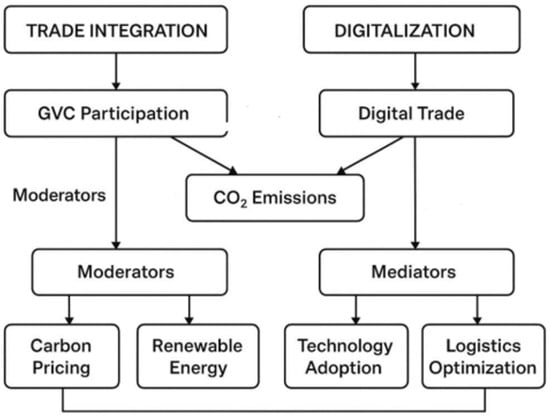
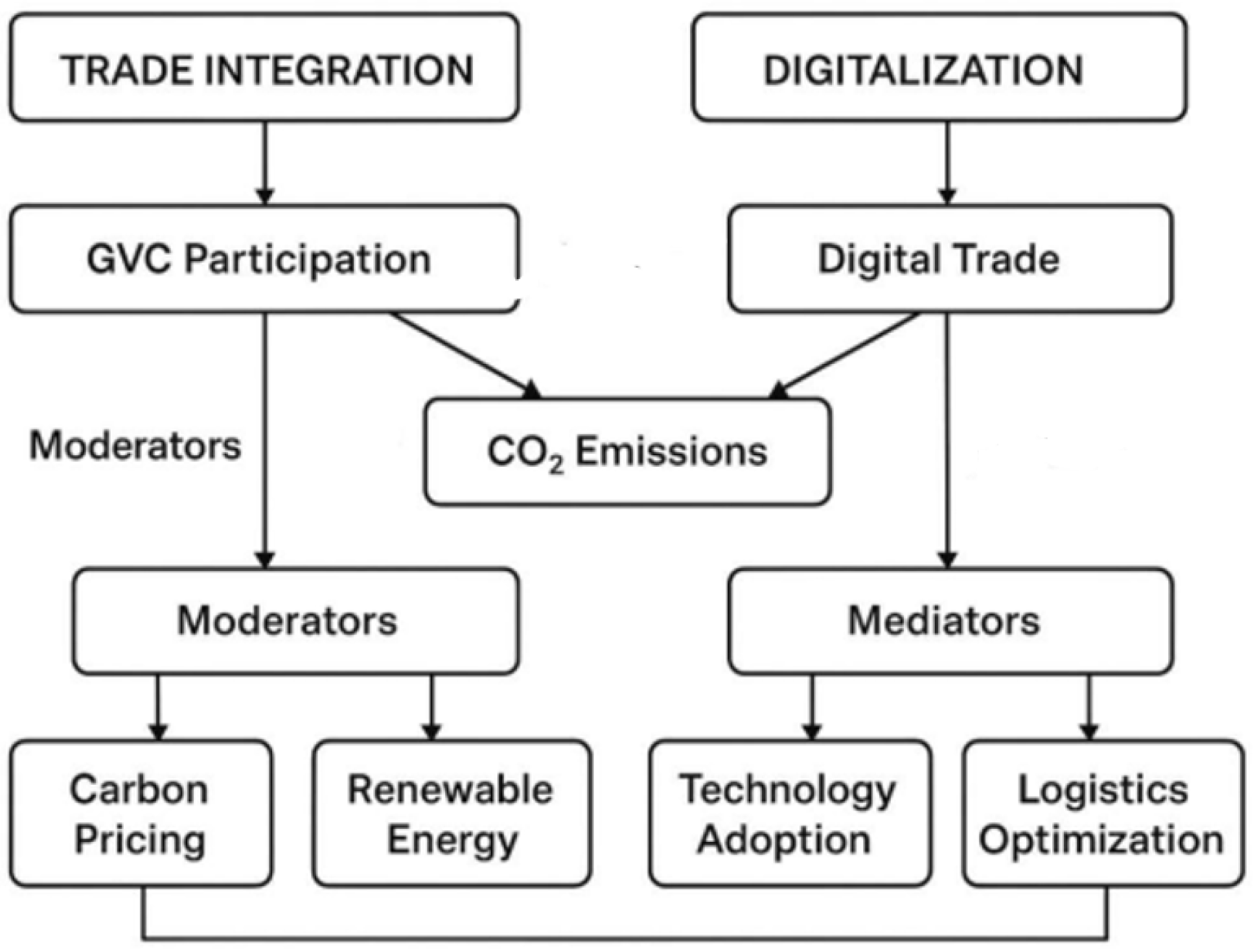
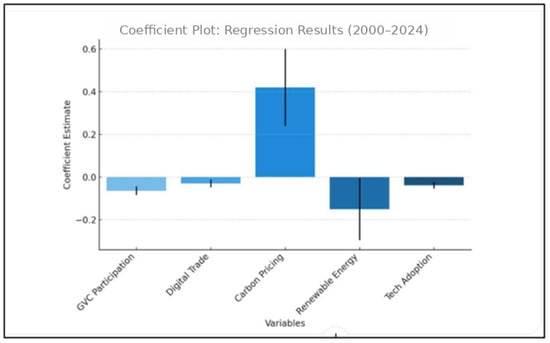
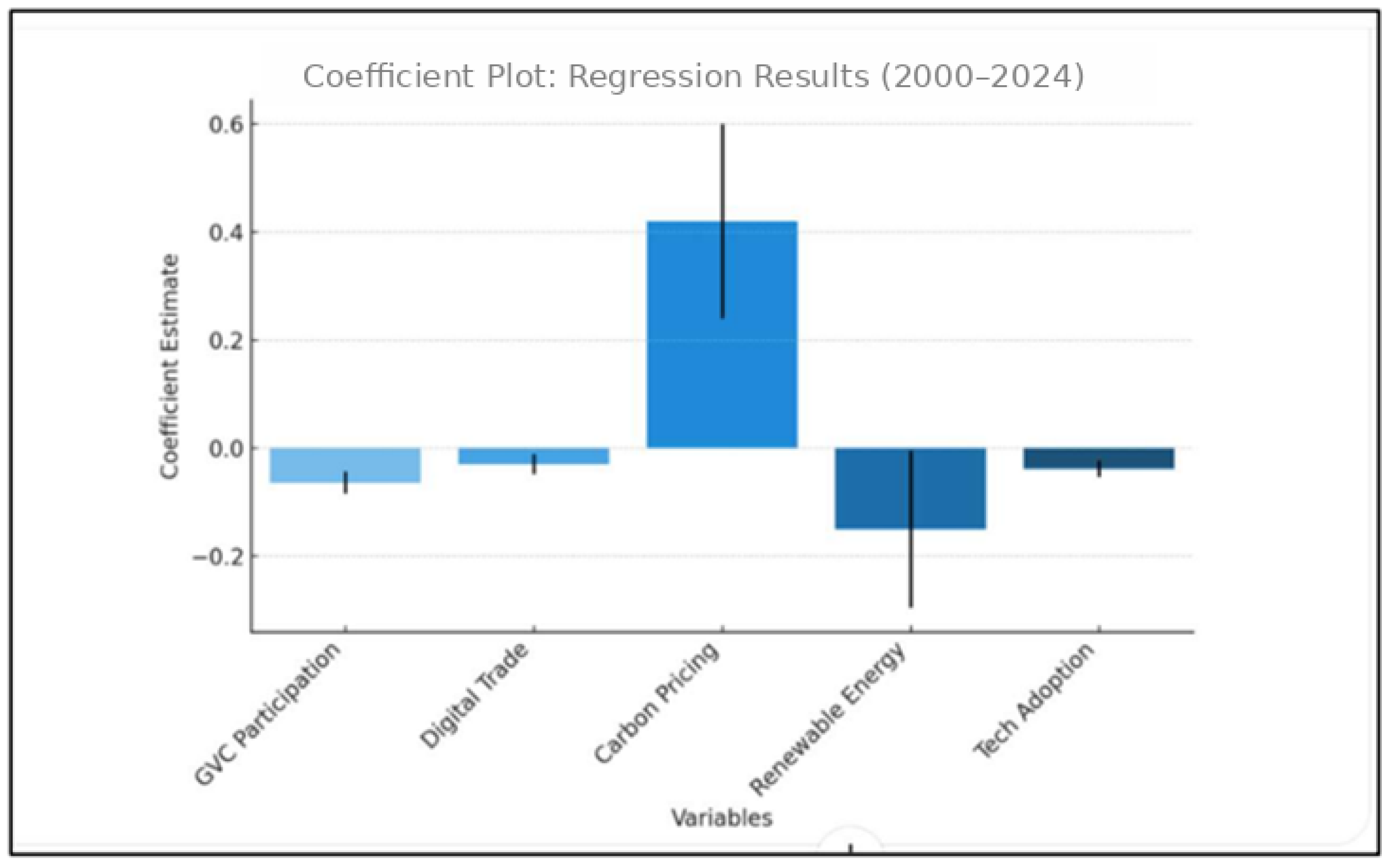
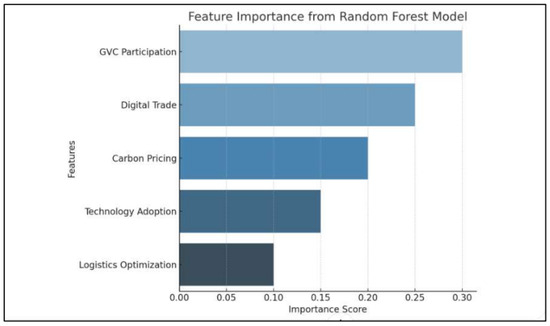
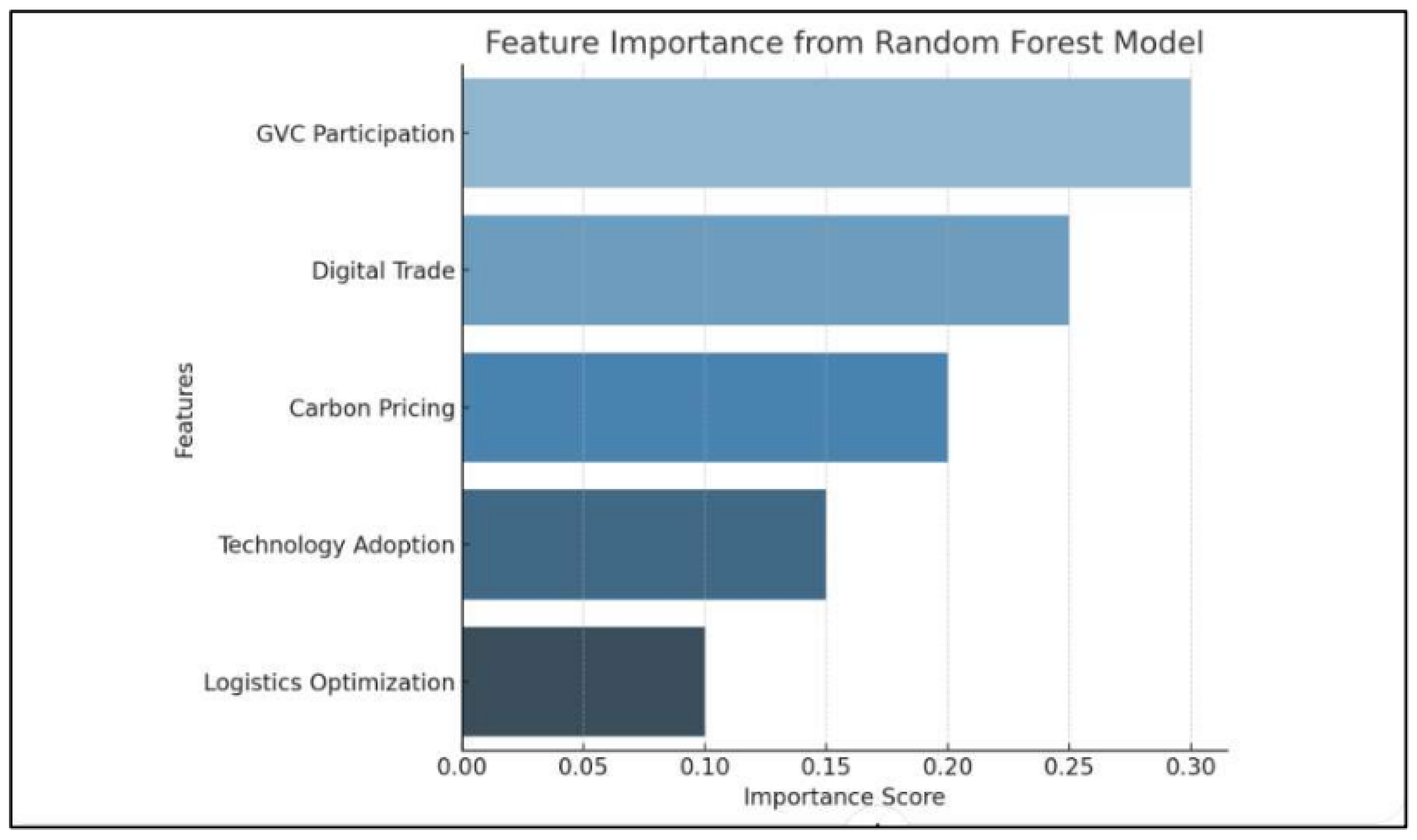
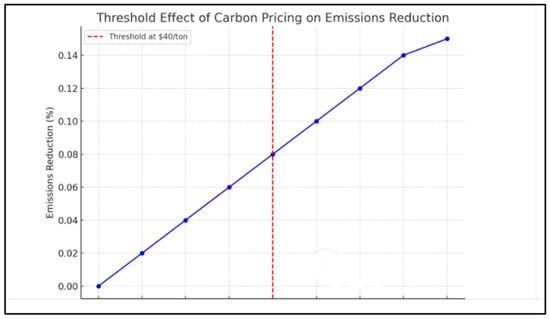
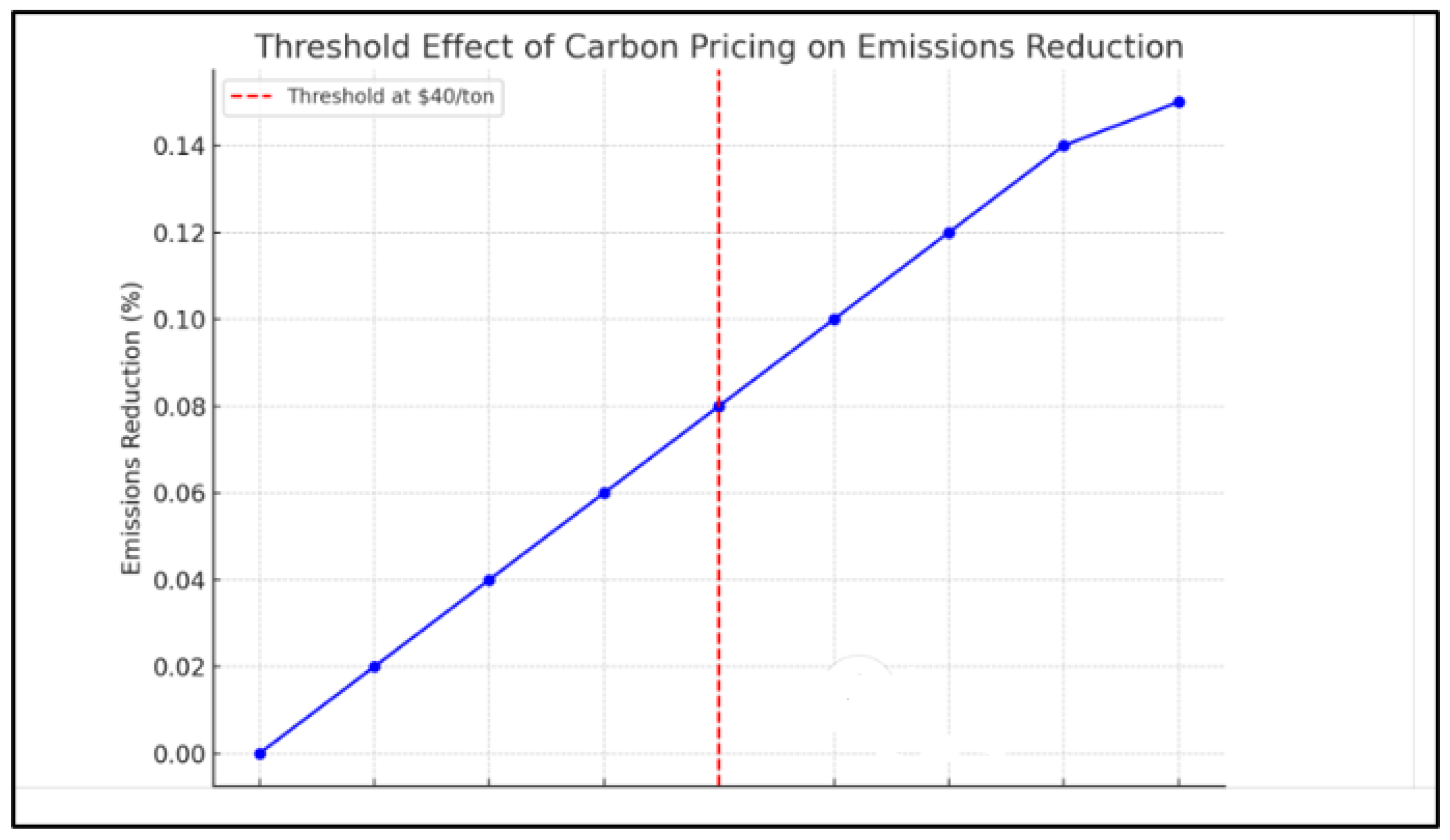

Disclaimer/Publisher’s Note: The statements, opinions and data contained in all publications are solely those of the individual author(s) and contributor(s) and not of MDPI and/or the editor(s). MDPI and/or the editor(s) disclaim responsibility for any injury to people or property resulting from any ideas, methods, instructions or products referred to in the content. |
© 2026 by the authors. Licensee MDPI, Basel, Switzerland. This article is an open access article distributed under the terms and conditions of the Creative Commons Attribution (CC BY) license.