


Abstract
Despite its potential to enhance construction quality, efficiency, and sustainability, modular construction continues to experience defects that hinder its broader adoption. Understanding and mitigating defects is essential for maximising the sustainability benefits of modular construction by reducing material waste, minimising rework and improving lifecycle performance. Existing research remains fragmented, with limited synthesis integrating defects with their root causes across the project lifecycle. To address this gap, this study investigates defect types, lifecycle-based causes, and mitigation strategies in modular building projects through a PRISMA-guided systematic literature review of 61 peer-reviewed journal articles published between 2015 and 2025 and retrieved from Scopus and Web of Science. Six major defect categories were identified: geometric and dimensional; material and component; joint and connection integrity; envelope performance and durability; structural; and mechanical, electrical, and plumbing (MEP) defects, with geometric and dimensional defects emerging as the most prevalent, accounting for 26.7% of reported cases. Lifecycle root-cause mapping indicates that poor workmanship during on-site assembly is the dominant contributor, accounting for 44.1% of identified root causes, with manufacturing errors (26.8%) and design limitations (13.4%) acting as critical upstream sources. Mitigation strategies cluster into three groups: general recommendations (39% of reported strategies), mainly focusing on low-cost organisational measures such as logistics coordination and workforce training; structured risk-management frameworks (9.1%), including assembly sequencing and tolerance planning; and digital and data-driven technologies (51.9%), such as laser scanning, AI-based inspection, and digital twins, enabling proactive quality assurance across the lifecycle. The study proposes an integrated lifecycle–defect–mitigation framework to strengthen quality governance and advance sustainable modular delivery.
1. Introduction
With global urbanisation projected to reach 70% by 2050 [1], the construction industry faces increasing pressure to deliver infrastructure that is faster, more cost-effective, sustainable, and of high quality. Among the responses to this challenge, modular construction has emerged as a promising solution, enabling off-site fabrication and on-site assembly of volumetric or panelised components across a range of material systems, including steel, concrete, timber, and hybrid configurations [2]. Modular methods offer significant advantages, including reduced construction time, improved safety, minimised waste, and enhanced quality control through production in controlled environments [3]. These characteristics have positioned modular construction as a potentially important pathway toward more sustainable construction practices, particularly through improved resource efficiency, reduced material waste, and lower environmental impacts associated with on-site activities [4].
Despite these advantages, adoption of modular methods remains limited [5]. A critical barrier is the persistent concern over construction defects and inconsistent quality outcomes [6]. While modular systems are promoted for their superior quality control compared with traditional site-built methods, evidence suggests that defect occurrence may in fact be comparable to, or in some cases higher than, traditional construction in certain contexts [7]. Defects continue to arise across all key lifecycle stages, from early design and manufacturing to transportation, on-site assembly, and maintenance [8], compromising performance and user satisfaction, escalating project costs, introducing delays, and undermining stakeholder confidence in modular construction as a long-term solution [9]. Moreover, defects often lead to material waste, rework, and additional resource consumption, thereby offsetting many of the sustainability benefits that modular construction seeks to achieve [10]. Improving quality and reducing defects in modular construction is, therefore, essential not only for industry performance but also for supporting broader sustainability objectives aligned with sustainable infrastructure and resource-efficient construction.
Several studies have examined quality challenges in modular and prefabricated construction, but these have largely focused on either managerial or technical aspects in isolation. For instance, Liu et al. [11] and Zohourian et al. [3] identified shortcomings in off-site quality management, including outdated inspection practices, poorly integrated digital tools, and fragmented regulatory standards. Similarly, Chourasia et al. [2] and Thai et al. [12] examined structural and technical limitations in specific modular systems such as prefabricated volumetric modules and high-rise modular buildings, with emphasis on structural performance, design challenges, and seismic behaviour. In parallel, a growing body of literature has addressed managerial issues, such as poor coordination, ineffective communication, inconsistent standards, and supply chain fragmentation [13,14]. However, these studies tend to remain discipline-specific, lacking integration between technical defect mechanisms and organisational causes.
A key limitation of the literature is the absence of a lifecycle-based and systematically integrated understanding of defects. Few studies explicitly trace how defects originate, evolve, and propagate across the stages of modular delivery—design, manufacturing, transportation, assembly, and operation—or assess how detection methods perform across these stages. Given the sequential and interdependent nature of modular construction, defects introduced at one stage can propagate and compound into downstream failures [10]. Without a lifecycle perspective linking defect origins, propagation pathways, and targeted mitigation strategies within robust Quality Assurance (QA) systems, cumulative industry learning and the development of standardised practices remain constrained.
In addition, although national and international guidelines for modular construction exist, they are fragmented and lack a unified, lifecycle-oriented framework for systematically addressing defect classification, root causes, and mitigation. This fragmentation limits comparability across studies, contributes to inconsistencies in QA practices, and hinders the development of generalisable knowledge. Consequently, there is a clear need for an integrated framework that connects defect types, root causes, and mitigation strategies across the full construction lifecycle. Without such integration, transparency in quality outcomes is reduced, opportunities for systematic learning are limited, and stakeholder confidence, and ultimately the broader adoption of modular construction, may be undermined [15,16].
This paper aims to address this gap systematically, analysing reported defects across the modular construction lifecycle. It identifies recurring defect categories, maps their root causes, and evaluates corresponding mitigation strategies across all major modular systems encompassing steel, concrete, timber, and hybrid configurations. To address this objective, the review systematically synthesises insights from the peer-reviewed literature. In doing so, this review contributes to the field in several important ways. First, it provides the first structured synthesis of defect types across the modular lifecycle, thereby filling a critical research gap. Second, it advances evidence-based quality management by identifying recurring defect patterns and their root causes, supporting more targeted prevention strategies. Third, it establishes a foundation for future design, policy, and process improvements by highlighting underexplored defects in modular systems. Finally, by identifying defect pathways and mitigation strategies across the lifecycle, the study contributes to more sustainable modular construction practices by reducing material waste, limiting rework, and improving long-term building performance.
2. Methodology
This study adopted a systematic literature review (SLR) approach to identify, classify, and analyse defects in modular building systems across the project lifecycle. The process followed established SLR protocols [17] and adhered to the PRISMA guidelines [18] to ensure transparency, reproducibility, and rigour (see PRISMA checklist in Supplementary Materials).
2.1. Search Strategy
The review began with an initial scoping search to define the scope and identify relevant terminology across two core conceptual areas: (i) Construction methods (e.g., modular construction, offsite manufacture), and (ii) Defect- and quality-related terms (e.g., defects, faults, flaws, failures, quality issues).
Based on this mapping, a structured search strategy was formulated as follows:
(“modular construction” OR “modular building” OR “modular technology” OR “offsite construction” OR “off-site construction” OR “offsite manufacture” OR “off-site manufacture” OR “prefab* building” OR “prefab* construction” OR “industriali?ed construction” OR “industriali?ed building” OR “volumetric construction” OR “prefinished construction” OR “preassembly building” OR “preassembly construction”) AND (defect* OR fail* OR fault* OR flaw* OR error* OR rework OR deficiency OR deficiencies OR “quality issue*” OR “quality control” OR “quality assessment” OR “quality assurance” OR “quality management”).
The search string was applied to title, abstract, and keywords fields in Scopus and Web of Science, chosen for their comprehensive coverage of engineering and construction research [19,20]. The search was conducted in June 2025 and limited to English-language journal articles published between 2015 and 2025. This period was selected because modular construction practices and associated quality-control research have rapidly evolved over the past decade, particularly with the introduction of advanced digital tools and the increasing global application of modular projects [21]. In addition to the database search, both forward and backward citation searches were run using Scopus.
2.2. Data Selection
The database search retrieved 1209 records, which were imported into Covidence systematic review software (Veritas Health Innovation, Melbourne, Australia) [22] for screening and deduplication. After removing 461 duplicates, 748 unique papers were assessed by title, abstract, and full text against predefined inclusion criteria to assess their relevance. Studies were retained if they met the following conditions:
- Does the study clearly involve modular construction methods, rather than conventional construction or isolated precast elements?
- Is the study focused on modular construction in the building context (e.g., residential, commercial, or institutional), rather than on offshore, infrastructure, or civil structures (e.g., bridges, tunnels)?
- Does the study provide empirical evidence or validated practical insights? This also includes method or technology development papers, provided they are applied to detecting, diagnosing, or preventing relevant defect types in modular buildings.
- Does the study investigate construction defects, physical quality issues, or technical failures, or examine managerial or organisational factors that directly result in such defects?
- Is the study NOT solely focused on structural performance, load-bearing capacity, or theoretical design optimisation in controlled laboratory settings without addressing actual defects or real-world failure scenarios?
Following this screening process, 44 articles were selected for inclusion in the review (Figure 1).
Figure 1.
PRISMA chart, detailing identification, selection, screening, and snowballing processes.
A second round of data selection was then conducted using snowballing, involving both forward and backward citation tracking. Forward snowballing identified publications citing the 44 included articles (n = 493), while backward snowballing retrieved their reference lists (n = 544). These records were cross-checked and screened using the same inclusion criteria. After deduplication and abstract screening, 43 articles were assessed in full, of which 17 met the eligibility criteria. In total, 61 articles were included in the review (Figure 1).
2.3. Data Extraction and Analysis
The procedure for data synthesis involved two steps. First, a descriptive analysis was conducted to identify trends within the reviewed literature, including general study information (e.g., year, country, and journal) and research type. Second, a qualitative content analysis was undertaken to categorise and interpret qualitative data within publications to identify patterns and key insights [23]. A structured data extraction form was developed to systematically record key variables from each study, including the type of defect(s), reported root causes, the observed stage of the defect and/or the stage to which the root cause was attributed, and any prevention or mitigation strategies.
The analysis followed an inductive coding approach, whereby defect types and related concepts were identified and iteratively grouped into broader categories and themes. To reduce potential bias and enhance consistency, data extraction and coding were conducted by the primary researcher and cross-checked by a second researcher. Any discrepancies were discussed and resolved through consensus.
The resulting categories and patterns were then descriptively analysed to identify dominant themes and relationships across the reviewed studies.
3. Findings
3.1. Descriptive Analysis Findings
3.1.1. Publication Distribution by Year and Country
The review identified 61 studies published between 2016 and 2025 across 11 countries, with research output concentrated in a few regions. China led with 31 studies, followed by Canada (8), Poland (6), and Australia (5), while Malaysia and South Korea contributed three each. China, Canada, and Poland together accounted for nearly three-quarters of all publications.
Annual publication trends showed a clear upward trajectory. Early activity was limited (2016: n = 2; 2017: n = 1); however, the field expanded steadily from 2019, reaching a peak in 2024 (Figure 2).
Figure 2.
Distribution of reviewed articles by publication year and country.
3.1.2. Publication Distribution by Study Type and Journal
The reviewed papers fell into two broad categories: defect-focused and method-focused studies. Defect-focused studies documented actual defects through case studies, field inspections, experiments, or numerical modelling, while method-focused studies developed or evaluated tools for detection, monitoring, or prediction. Method-focused papers dominated the sample (37), whereas empirical contributions were limited, comprising seven mixed-method studies, six expert surveys or interviews, four experiments, four case studies or field reports, one numerical modelling paper, and two hybrid studies combining empirical data with method development (Figure 3).
Figure 3.
Distribution of reviewed papers by study type (left) and by journal (right).
The studies were published in a wide range of journals. Automation in Construction and Buildings hosted the most papers, followed by Engineering Failure Analysis and Journal of Building Engineering. Other journals, including Applied Sciences, Materials, and Engineering, Construction and Architectural Management, published three papers each, while several journals published two studies. The remaining 20 studies were dispersed across various other journals (Figure 3).
3.2. Content Analysis Findings
3.2.1. Defect Categories and Types
The reviewed publications revealed a broad range of defects that were grouped into six categories: geometric and dimensional defects; material and component defects; joint and connection integrity defects; envelope performance and degradation defects; structural defects; and MEP defects. Figure 4 illustrates these defect categories, their percentage distribution, and their specific types, along with the frequency of each defect based on the number of reporting studies.
Figure 4.
Main defect categories, associated defect types, their frequencies, and the percentage distribution of identified defect categories.
Geometric and dimensional defects were the most frequently reported, accounting for 26.7% of reported defects, primarily appearing as misalignments and set-out deviations (seven reported cases) and component dimensional deviations (seven cases), alongside module interface levelness issues (four cases) and out-of-plumb conditions (three cases). Material and component defects ranked second, at 22.1%, and mainly included concrete deterioration and corrosion of steel reinforcement or connectors (five cases), as well as material non-conformance, reflected in substandard bolts and welding materials (five cases). Component surface damage (four cases) and component breakage (three cases) were also common, while coating and adhesive deficiencies (two cases) further contributed to these failures.
Joint and connection defects ranked third, with 18.6%, reflecting challenges in achieving reliable inter-module and intra-module connections. Sleeve-grouting non-compactness (six cases) emerged as the most frequently reported issue, followed by weld defects (three cases) and connection slip or anchor pull-out (three cases). Less frequent but critical issues involved bolt mis-torque/loosening, eccentric assembly, and partition fastening failures, all compromising connection stability. Structural defects made up 14% of identified cases and typically manifested as connection capacity shortfalls (four cases) and member cracking or crushing (four cases), as well as excessive deformation (three cases) and insufficient robustness or load paths (one case).
Envelope and degradation defects, at 12.8%, were dominated by water leakage at panel or module joints (five cases), followed by insulation deficiencies (three cases) and local continuity disruptions (two cases), with thermal bridging reported less frequently (one case). MEP defects were least frequent, representing 5.8%, but highlighted clashes between building services and modular systems, plumbing or internal MEP leakage (two cases) and interface conflicts, HVAC faults, and electrical issues (one case each), underscoring operational and serviceability risks despite their lower frequency.
3.2.2. Root Causes and Impacts
This section examines the causes of defects and their origins within the project lifecycle. Modular construction defects stem from five broad root-cause categories: design errors and limitations, manufacturing errors, transportation damage, lifting and handling issues, and assembly technique problems (Figure 5). Assembly-related issues were the most dominant, accounting for 44.1% of identified root causes, followed by manufacturing errors (26.8%), design errors and limitations (13.4%), lifting and handling issues (11%), and transportation damage (4.7%), indicating a strong concentration of defect origins in downstream project stages.
Figure 5.
Categorisation of defects and their causes and impacts across the modular construction lifecycle. Numerical values denote the frequency of reported instances across the reviewed papers, while percentages indicate the proportional distribution of identified defect and root-cause cases.
Mapping these causes to defect types highlighted when and where defects typically originated across the lifecycle. As shown in Figure 5, assembly technique problems contributed most significantly to geometric and dimensional defects (17 cases), joint and connection integrity defects (13 cases), and envelope performance defects (9 cases), while manufacturing errors were strongly associated with geometric defects (12 cases) and material/component defects (7 cases). Design-related issues showed a more distributed pattern across defect categories, particularly influencing geometric (five cases) and connection-related defects (four cases), Whereas transportation damage and lifting and site handling issues were primarily associated with material and component defects (four and five cases, respectively).
These defect categories, in turn, propagated to multiple impact domains. Joint and connection integrity defects were most strongly associated with structural performance and safety impacts (11 cases), while geometric and dimensional defects were more frequently linked to project delivery and overall quality issues (5 cases). Envelope defects predominantly affected durability and environmental control (five and four cases, respectively), whereas structural defects contributed to both structural safety (three cases) and serviceability concerns (three cases).
These patterns demonstrate how defects originating in design, manufacturing, and particularly assembly stages cascade through intermediate defect types to affect performance, quality, and durability outcomes. The following subsections further elaborate on these relationships across lifecycle stages.
Design Errors and Limitations
Design-related errors were a major root cause of modular construction defects, reported 17 times as the source of defects. Expert surveys identified inconsistent or inaccurate design inputs as key risks driving tolerance errors and rework [24]. Poor coordination, unclear specifications, low-precision documentation, and limited BIM led to geometric irregularities, misfits, and costly redesigns [25,26]. Nominal BIM adoption without corresponding information maturity often results in models that lack sufficient detail, coordination, or validation at interface and tolerance levels, creating an illusion of control while concealing unresolved design risks. Additional errors stemmed from inaccurate mould design, tolerance definitions, elevation references, and setting-out data, while unsuitable concrete mix specifications compromised component accuracy [25,27].
Weak design detailing also affected joint and connection integrity. Detailing oversights in partition fastening reduced serviceability and led to costly repairs [28], while incorrect detailing at connection points caused grouting voids, poor compactness, installation misfits, and anchorage shortfalls [29]. Structural defects were similarly linked to tolerance and detailing decisions; inappropriate connection rigidity or tolerance-induced eccentricities altered failure modes and reduced robustness [30]. Repeated cracking was also tied to inadequate member detailing and insufficient geotechnical consideration [31].
Envelope defects were frequently traced to weak design control. Joint leakage reflected insufficient waterproofing detailing [31], while excessive gaps increased thermal bridging, condensation, and mould risk [32]. Poorly accessible detailing, such as concealed hangers, also enabled hidden corrosion over time [33].
Design errors were also central to MEP failures. Inadequate circuit and layout design caused electrical protection problems, such as overload trips [31]. Additionally, misalignment between service routes and structural or factory-prepared elements, like soil-vent pipes colliding with roof joists, on-slab drainage conflicting with modules, or ducts and dampers misaligned with preset openings, originated from insufficiently coordinated design drawings, causing rework and delays [27].
Furthermore, defect propagation in modular construction is strongly influenced by the Level of Development (LOD) and the maturity of Building Information Modelling (BIM) practices. Where BIM is implemented at lower LOD levels (e.g., LOD 200–300), critical information on dimensional tolerances, inter-module interfaces, connection detailing, and service penetrations is often underspecified. Such information gaps prevent early identification of constructability and fit-up risks, allowing latent design deficiencies to propagate into downstream manufacturing and assembly stages. In contrast, higher BIM maturity (e.g., LOD 400–500) enables more reliable tolerance definition, interface coordination, and clash resolution before fabrication. Thus, insufficient BIM maturity acts as a systemic root cause, transferring unresolved risks to the assembly stage, where corrective capacity is lowest and defect impacts are most costly.
Manufacturing Errors
Manufacturing-related shortcomings were a significant root cause of defects, reported 34 times in the reviewed studies. Geometric and dimensional defects often originated from execution lapses, including inconsistent adherence to standardised fabrication processes, inadequate equipment, and mould or material issues such as deformation, poor maintenance, or unsuitable concrete mixes [13,34,35]. These deviations accumulated into misfits, joint defects, serviceability issues, reduced stiffness, and increased overturning moments in multi-storey assemblies [33,36].
Joint and connection integrity defects primarily originated from noncompliant welding in steel modules and sleeve-grouting practices in concrete systems. Poor welding quality, often caused by compromised consumables or moisture-affected rods, produced connection ductility [37,38]. Similarly, improper grout mix properties or hardening profiles led to incomplete filling and voids, weakening sleeve capacity [39,40].
Material and component defects were linked to unqualified raw materials and inadequate production control [29,35]. Non-conforming bolts, fluxes, coatings, and renders often required rework and compromised durability [27,37]. Deficiencies in embedded reinforcement and hangers, including incorrect steel grades installed or insufficiently anchored, reduced connection reliability and sometimes required strengthening [33]. Demolition surveys further highlighted long-term reinforcement corrosion at frame supports [41]. In developing modular construction markets, volatile supply chains, limited access to certified suppliers, and extended procurement lead times frequently constrain material selection. Under such conditions, manufacturers may substitute specified materials with lower-grade or non-certified alternatives to meet schedule and cost pressures. These procurement-driven compromises can result in premature corrosion, reduced durability, dimensional instability, and inconsistent mechanical performance. Accordingly, material defects often originate not solely from factory workmanship deficiencies but from broader systemic issues related to supply-chain governance, logistics reliability, and market maturity.
Envelope defects mainly reflected material quality and fabrication errors. Substandard factory-applied waterproofing caused panel-joint leakage [31], and casting-related cracking accelerated hanger corrosion [33]. Dimensional inconsistencies in insulation, such as compression or low-density materials, disrupted thermal continuity and increased condensation and mould risks [31,32].
MEP defects emerged when modules left the factory incomplete or insufficiently tested. Plumbing failures arose from improperly fitted pipes and poor-quality seals, causing burst joints and water damage. Some modules were delivered without essential ducting, insulation, or wiring, requiring extensive on-site completion and disrupting construction sequencing. Mis-specified or misplaced electrical distribution boards and cables also necessitated full replacement before commissioning [27]. The persistence of MEP defects reflects late-stage service coordination, lower LOD requirements for MEP systems, and reliance on on-site modifications. These conditions place MEP works within the least controlled lifecycle stage, where defect probability is highest.
Transportation Damage
Transportation-related shortcomings were another root cause, occurring during offsite storage, transit, and on-site unloading. Material and component damage were most common. Improper storage, inadequate matting, disorganised yards, incorrect lifting cables, unsafe stacking, and poorly selected routes caused breakage, edge losses, and surface scraping [42,43]. Additional issues included localised spalling from incorrect handling, and finish or waterproofing damage when unshrouded modules were exposed to wetting, leaving chassis holes and surface losses [27,44]. Transit loads also induced stressed cracks in precast components, reducing assembly accuracy and long-term reliability [25]. Non-structural partitions were particularly vulnerable. Vibration tests showed screw loosening even under low loads, and shear tests revealed tilting, pull-through, and board detachment, halving connection strength and requiring costly repairs [28]. Studies from developing contexts highlight how poor transport infrastructure, limited lifting capacity, and reliance on semi-skilled labour introduce defect mechanisms distinct from those documented in mature modular markets [45,46].
Lifting and Handling Issues
Lifting and site-handling practices, including onsite storage, hoisting, and preassembly, were another critical source of defects. The most frequent outcome was material and component defects. Improper lifting plans, wrong cable use, inadequate protection, and irregular operator practices imposed excess stress on modules, causing breakage, surface damage, and cracks [47,48]. Limited site space during unloading and stacking further increased collision risks [29].
Structural and geometric defects were also linked to handling and storage. Excessive or uneven storage loads, repeated lifting cycles, and inadequate temporary supports during preassembly caused gaps, cracking, and out-of-tolerance geometry that reduced installation accuracy and structural performance [25,49]. Handling impacts also weakened connections, with threads in vertical joints often damaged by knocks during lifting or storage, reducing joint capacity and increasing the risk of slip or fracture [50]. Envelope defects occurred when protective shrouds were removed too early, resulting in water ingress and damage to roofs and internal finishes [27].
Assembly Technique Problems
Assembly-related shortcomings were the most frequently documented root cause of defects. Poor workmanship, sequencing errors, weak supervision, and inadequate QA/QC produced geometric and dimensional defects, including out-of-plumb columns, misaligned beams, and non-flush surfaces, as well as misaligned anchor bolts, corner plates, and cladding subframes [26,51,52]. These misalignments disrupted fit-up, required on-site correction, and cumulative floor-by-floor errors reduced lateral resistance and increased overturning demands [30,44]. These geometric deviations often cascaded into envelope systems. Sealing defects and irregular joint widths caused moisture penetration, condensation, and fungal growth [53,54], while insulation gaps created thermal bridges [27]. Ad hoc remediation, such as filling joints with deformable foams, blocked ventilation and exacerbated moisture retention, increasing corrosion risk [33]. MEP defects reflected similar workmanship lapses, with defects at service–structure interfaces such as plumbing leaks [31].
Joint and connection defects were another major assembly-stage failure. Welding and bolting errors, like missing welds, bent plates, overlapped bars, unstable currents, over-fast welding, and improper bolt torque, compromised joint integrity and produced brittle failures at beam–column and stiffener connections [38,55]. Sleeve-grouting defects arose from careless placement, non-compactness, rebar misplacement, loose sealing plugs, improper grout flow or ratios, inadequate equipment, debris-filled channels, and adverse weather [29,39,41]. These produced voids, porous fillings, and hollow connections reduced bond integrity, ductility, and joint capacity, triggering pull-out or slip failures [40,56]. Detailing errors, including missing or incorrectly formed expansion gaps, caused cracks, separation, and anchorage failures [49]. Non-structural elements also experienced edge breakout when fasteners were placed too close to board edges [28].
Finally, material and component defects largely resulted from non-conformance to specifications and weak site-level quality control. Coating and finish defects, such as fast spraying, uneven application, and insufficient thickness, left steel elements vulnerable to corrosion [37,52]. Render adhesion failures and poor supervision of parapet and roof systems caused blistering, uneven finishes, and ponding. Detailing errors like incorrect drilling or missing fixings in cavity walls and cement particle board frames led to cracking, instability, and scrapped components [27]. Embedded reinforcement and hangers left inadequately covered were similarly prone to long-term corrosion, compromising structural durability [33,54].
3.2.3. Mitigation Strategies
This section synthesises strategies proposed to mitigate or prevent defects in modular construction across the reviewed papers. These measures were mapped across the project lifecycle, highlighting their stage of application, form (recommendations, frameworks, or digital technologies), and focus (Figure 6).
Figure 6.
Mitigation strategies from reviewed studies mapped across the modular construction lifecycle by form and focus. Values denote frequencies based on lifecycle-stage mapping, while percentages indicate the distribution of lifecycle stages and strategy forms. A single strategy may correspond to multiple focuses.
Mitigation efforts were most concentrated in the assembly and installation stage (39%), followed by manufacturing and pre-assembly (28.6%) and design (16.9%), while operation and maintenance (10.4%) and transportation and site handling (5.1%) received comparatively less attention. This distribution indicates a strong emphasis on addressing defects at downstream stages, consistent with the dominance of assembly-related root causes.
In terms of strategy form, digital and data-driven technologies were most prevalent (51.9%), followed by general recommendations (39%), while structured frameworks remained limited (9.1%). Digital strategies were particularly concentrated in manufacturing and assembly stages, with 14 and 20 cases, respectively, reflecting their role in enhancing precision, monitoring, and quality control in production and on-site processes.
Across strategy focuses, integrated diagnostic, inspection, and monitoring technologies emerged as the most dominant focus area, particularly within digital strategies (37 cases) and supported by recommendations (12 cases) and frameworks (five cases). Inspection procedures and quality control measures were also prominent within recommendations (12 cases), alongside training and competency development (nine cases) and cross-functional coordination (seven cases). Production and installation process optimisation (five cases in recommendations and four cases in digital strategies) further highlighted the emphasis on improving workflow efficiency, sequencing, and on-site execution to reduce defects. In contrast, frameworks showed a more distributed but limited application, with emphasis on predictive modelling and risk analysis (five cases) and design-related coordination (three cases). While quantitative cost–benefit analyses are scarce, qualitative comparison reveals clear trade-offs between low-cost organisational measures and high-cost digital inspection technologies. Effective defect mitigation, therefore, requires balancing technological capability with organisational readiness and project context.
The following subsections provide a more detailed examination of these strategy forms and focuses across the lifecycle stages.
Design-Stage Mitigation
- Recommendations:
Building quality from the design stage depends on both technical precision and coordinated management. Pan, Parker and Pan [27] highlighted the need for system-level thinking, including early engagement of experienced managers, workforce training, clearer drawings, and holistic interface planning to minimise clashes. Other studies similarly emphasised the need for cross-functional collaboration among designers, fabricators, subcontractors, and crane operators to ’design out‘ risks [25,47]. Digital platforms such as BIM, IoT, and digital twins could further enhance coordination by making risks detectable before manufacturing and site work [26]. Extending this managerial perspective, Zhao et al. [37] proposed a three-tier MICMAC-based strategy: addressing high-level drivers through training and communication, embedding mid-level issues into design reviews and QA checklists, and flagging operational details for later monitoring.
At the technical level, design-stage decisions on tolerances, connection strategies, and details strongly influence structural performance. Peng and Hou [30] suggested specifying tight but realistic tolerances, prioritising intra-module rigidity, and using pinned inter-module connections to balance strength and constructability. Wang et al. [38] further noted that bolt threads are prone to assembly damage, recommending stronger bolts than longitudinal reinforcement and factoring assembly-induced weakening into design calculations.
- Frameworks and workflows:
Several studies proposed frameworks to embed quality control into design-stage decision-making to mitigate tolerance and connection defects. Enshassi et al. [57] introduced an Integrated Risk Management framework that identifies tolerance risks, evaluates mitigation measures, and links risk quantification to design decisions, reducing tolerance risks by 83%. Lacey et al. [36] developed a framework for inter-module connection behaviour, predicting shear force–slip responses and providing parameters to anticipate variability and reduce fit-up issues.
- Digital technologies:
Digitalisation is increasingly applied early in modular construction to prevent geometric and performance-related defects. Rausch et al. [58] applied Monte Carlo simulation to quantify cumulative dimensional variability, enabling flagging misalignments before fabrication. Huang et al. [59] combined BIM and terrestrial laser scanning (TLS) to bridge design and execution. This digital twin framework predicts deviations, validates them against as-built data, and enables proactive detection of dimensional risks, improving dimensional checks during assembly. Guo et al. [32] extended tolerance control to thermal performance by integrating infrared thermography, co-simulation, and machine learning to predict heat transfer across connections, informing early joint and insulation specifications to reduce thermal bridging.
Manufacturing and Pre-Assembly QA
- Recommendations:
Effective factory QA is essential for preventing manufacturing and pre-assembly defects. Strategically, studies recommend standardisation, cross-trade coordination, workforce training, feedback loops, digital monitoring, and incentive systems to embed QA as an ongoing practice and align production with site needs [27,47]. Operationally, pre-shipment tolerance checks, maintaining mould stiffness and casting precision, verifying bolt and hole dimensions, and monitoring material properties and fastening practices help ensure modules meet specifications and maintain structural performance [25,28,50].
- Frameworks and workflows:
QA frameworks in modular manufacturing emphasise system-level, feedback-driven processes rather than one-off checks. Enshassi et al. [60] proposed a Bayesian framework that integrates static QA with real-time point-cloud data to monitor geometric variability and refine mitigation measures, supported by interventions such as adjustable lifting frames, certified welding inspections, and non-destructive testing.
- Digital technologies:
Digital technologies enhance precision and traceability in modular construction, enabling proactive QA across geometry, connections, and materials. Laser scanning, point clouds, and BIM are widely used to validate component geometry before shipment. Noghabaei et al. [61] used BIM-registered scans to flag misalignments and missing parts. Tan et al. [62] combined LiDAR and BIM for automated checks, achieving ~2.6–2.8 mm RMSE. Bae and Han [63] developed a projector–camera system aligned with BIM, producing error maps with ~6 mm accuracy. Li et al. [64] proposed virtual trial assemblies using TLS and automatic BIM generation, reducing trial-fit needs with 1–4 mm accuracy. Moon et al. [65] combined low-cost gimbal-mounted laser metres with mobile apps to verify intermodular hole accuracy within 1 mm.
AI-vision methods complement these methods by detecting surface and connection defects automatically. Lee et al. [66] developed a CNN-based crack detection system, saving ~13 min per inspection, while Li [67] used SVM image recognition for surface defect detection. Martinez et al. [68] implemented an intelligent online inspection system for screw-fastening in steel frames, achieving >91% accuracy with real-time operator feedback.
When flaws are not visible, advanced NDT methods provide rapid, non-destructive inspection. Xu et al. [69] used pulsed eddy current (PECT) imaging to detect incomplete brazing in stainless steel panels without destructive sampling. Zhu et al. [70] improved sensitivity to small voids with image-processing algorithms. Patrikar et al. [71] applied thermal imaging with computer vision to detect unfilled grout sleeves, enabling fast, non-contact diagnostics.
System-level QA frameworks combine multiple technologies and embed tolerance control into workflows. Kosse et al. [72] developed a digital twin framework for serial precast production, standardising data and embedding laser scanning, point-cloud comparison, and automated feedback loops to improve tolerance compliance. Arashpour et al. [73] linked QA outcomes to penalty–incentive schemes, where deviations detected through BIM–laser comparisons directly affected contractor payments. Finally, Long et al. [74] demonstrated that 3D-scanned deviations can be modelled statistically and translated into process capability indices, standardising tolerance allocation and moving QA towards data-driven management.
Transport and Site Handling
- Recommendations:
Transport and site handling are critical but often overlooked stages, where inadequate delivery management, protection, or site readiness can cause defects. Key recommendations emphasise tighter logistics planning, including coordinated scheduling, lead-time buffers, and advance preparation of lifting equipment and access routes. Effective delivery management also requires appropriate packaging, sequencing, and protection during transit, and ensuring modules arrive only when the site is ready to avoid clashes with other trades [26,27].
- Digital technologies:
Digital monitoring helps detect hidden risks. Valinejadshoubi et al. [75] developed a low-cost structural health monitoring (SHM) system using accelerometers and clustering algorithms to detect abnormal vibration patterns during transport. Similarly, Lee et al. [66] applied mobile imaging with deep learning for rapid, traceable detection of defects in precast members. These tools enable early diagnosis of damage and support QA during transit and on-site handling.
Assembly and Installation
- Recommendations:
The installation stage is widely recognised as the most critical phase for long-term quality [25].
Accurate interface management and workforce capability are central to installation success. Successful installation relies on accurate interface management and workforce capability, supported by early involvement of installers, crane operators, and subcontractors under experienced supervision. Precision is further reinforced with digital tools, including BIM-based platforms, AR, IoT sensors, and digital twins, which provide real-time alignment verification during placement [25,26,27].
Connection detailing is equally important. Strict control of sleeve grouting, bolting, and welding enhances fit and durability; video-recorded inspections enhance traceability [37], and proper bolt handling and joint monitoring strengthen seismic performance [50].
- Frameworks and workflows:
To minimise tolerance-related assembly issues, several studies proposed structured analytical and planning frameworks. Long et al. [76] applied dimensional chain theory and Monte Carlo models to quantify cumulative deviations and predict tolerance acceptance. Rausch et al. [77] integrated 3D point-cloud data and interface analysis into a sequence-optimisation workflow that simulates placement order, identifies tolerance risks, and reduces rework through proactive sequence adjustments.
- Digital technologies:
Digital technologies are reshaping installation QA by embedding scanning, sensing, and analytics into site workflows. BIM-based and IoT-integrated systems enabled real-time oversight: Wang et al. [78] developed a 4D BIM–IoT framework for monitoring concrete strength and dimensional accuracy, enabling rapid acceptance and reducing rework, while Zhao et al. [79] linked RFID, LoRa networks, and strain sensors to a cloud-based BIM hub for logistics and safety.
Scanning and digital twins now underpin geometric verification. Tran et al. [80] used TLS and semantic modelling to detect façade misalignment, while Noghabaei et al. [61] achieved >95% accuracy in verticality and flatness checks. Xu et al. [81] and Xu and Pan [82] expanded these methods to full structural frames, integrating point-cloud processing and positional tolerance control to achieve ±3 mm accuracy. Wang et al. [83], similarly, developed automated scanning-based inspection of wall panels, flagging tolerance breaches in real time. Robotics and vision-based methods further enhance precision. Liu et al. [84] developed a robot-assisted panel placement system using BIM-extracted geometry, and Picard et al. [85] trialled an automated connecting device to streamline module assembly. Liu et al. [86], likewise, explored edge-detection algorithms to identify façade defects.
Digital advances also target hidden connection quality through ultrasonic, acoustic, and hybrid sensing systems, enabling non-destructive inspection of sleeves and joints [87,88,89,90]. Complementary advances in thermal imaging and computer vision continue to move inspection from qualitative to quantitative, improving reliability across the assembly process [67,68,71].
Operation and Maintenance
- Recommendations:
Ensuring the long-term performance of modular buildings requires structured inspection and timely maintenance throughout their service life. Systematic diagnostics form the foundation of effective maintenance planning. Wardach et al. [41] advocated continuous condition assessment using a tiered sequence, from visual surveys to ultrasound, sclerometric, and ferromagnetic testing, with limited destructive checks when required. Krentowski et al. [33] advised cyclic inspections of sandwich wall panels to identify leaks, cracks, corrosion, freezing damage, and loss of tightness, supported by destructive testing on at least 2% of panels.
Corrosion control and workmanship checks are also critical. Knyziak [54,91] recommended securing joints and tie beams, protecting reinforcement covers, monitoring unauthorised alterations, and targeting concealed corrosion in transverse wall systems.
Digitalisation provides new tools for ageing-stock management. Wardach et al. [44] and Knyziak [91] proposed digitising records, creating parametric or BIM models for repetitive estates, and using 3D scanning and photogrammetry to capture geometry and damage. These methods support retrofit and deconstruction planning but require investment and training for effective adoption.
- Frameworks and workflows:
The operation stage can benefit from structured, technology-enabled frameworks to reduce recurring defects and improve asset performance. Ismail [92] developed a BIM-based Computerised Maintenance Management System, integrating defect reporting, diagnosis, and feedback control. Within the BIM environment, occupants and facility managers log defects spatially, expert modules link symptoms to likely causes and recommend actions, and insights are routed back to design and engineering teams to prevent recurrence.
- Digital technologies:
Digital tools are becoming central to diagnostics and lifecycle management. Wardach et al. [44] developed a digital workflow integrating laser scanning, drones, thermal imaging, and BIM/parametric modelling to capture geometry, monitor defects, and manage data for maintenance and retrofit. The approach showed how inspection outputs can feed directly into analysis and documentation, supporting displacement monitoring, façade defect detection, and integration with analytical software.
4. Discussion
4.1. Overview of Findings
A critical comparison of the reviewed studies reveals notable divergences in how defects in modular construction are conceptualised and explained. Some studies frame defects predominantly as technical failures related to tolerances, connections, or material behaviour, whereas others emphasise organisational causes such as fragmented coordination, inadequate supervision, and weak QA cultures. These inconsistencies suggest that quality performance in modular construction is highly context-dependent and shaped by interacting socio-technical factors rather than deterministic production advantages alone.
This review revealed that defects in modular construction are widespread but unevenly distributed across the lifecycle. Geometric and dimensional defects are most prevalent, confirming that tolerance control and alignment remain persistent issues in modular projects [13,93]. Material/component and joint/connection integrity defects follow, reflecting the sensitivity of manufacturing and assembly processes to workmanship, precision, and material quality [25,34]. MEP defects were least reported, consistent with trends in conventional defect research where structural envelope issues dominate documentation [19,94].
Root-cause mapping confirms assembly as the dominant stage where defects materialise, followed by manufacturing and design. Installation is especially critical as cumulative tolerances become visible and upstream inconsistencies translate into fit-up failures [25]. This pattern exemplifies the upstream decisions, downstream consequences dynamic, whereby design miscoordination and manufacturing inaccuracies jointly produce onsite failures [13,93]. These interdependencies confirm that, as in conventional buildings, modular construction defects are rarely isolated technical errors but cumulative outcomes of interacting decisions and practices across multiple stages [48,95]. Organisational factors, including fragmented coordination, non-standardised QA, weak supervision, and insufficient training, largely determine whether issues are detected early or allowed to cascade [41,93].
To address these shortcomings at both technical and managerial levels, the literature proposes a spectrum of mitigation strategies, spanning recommendations, structured frameworks, and digital technologies. Recommendations focus on basic but essential QA measures: realistic tolerance specifications and early coordination in design [30,47]; supplier-led checks and skilled labour in manufacturing [25,47]; logistics planning for transport and lifting [26,27]; assembly measures targeting joint integrity and environmental control [32,37,50]; and tiered visual-to-NDT inspection regimes in operation [33,41]. Their effectiveness, however, depends on supervision and organisational QA culture [37,60]. Further, a recent study highlights the potential of RCP as a sustainable supplementary cementitious material, offering environmental and economic advantages while maintaining acceptable mechanical performance [96]. Thus, RCP-modified ultra-high ductile concrete (UHDC) can offer significant advantages for modular construction by addressing common defects such as cracking and stress concentration during transportation and assembly.
Frameworks provide a more structured basis for quality control. At design, Integrated Risk Management framework can quantify tolerance risks linked to geometric misfits [57]. In manufacturing, Bayesian QA frameworks combine manual inspections with point-cloud validation to improve reliability [60]. For assembly, dimensional chain theory, sequence-optimisation, and system-dynamics models support deviation control and traceability [25,76,77]. During operation, BIM-based Computerised Maintenance Management Systems formalise defect reporting and feed insights back to design teams [92]. These frameworks improve standardisation and accountability but rely on accurate data, skilled staff, and institutional support.
Digital technologies are increasingly transforming QA from reactive inspection to proactive, data-driven assurance, with the most applications in manufacturing and assembly. At the design stage, simulation and digital twin tools quantify tolerance risks and validate detailing. For instance, Monte Carlo analyses predict cumulative variability [58], joint-level thermal modelling optimises condensation control [32], and BIM–TLS integration aligns design and as-built geometry [59]. During manufacturing, laser scanning, LiDAR, and virtual trial assemblies achieve millimetre-level verification [61,62,64], while AI- and image-based systems automates crack detection and fastening checks [66,67,68,69,70]. For transport, low-cost SHM kits and mobile imaging monitor vibration and damage [66,75]. At assembly, BIM–IoT platforms, point-cloud segmentation, and robotic systems enable real-time tolerance control [78,82,85], complemented by NDT and AI-based imaging for hidden joint inspection [87,88,97]. In operation, scanning, drones, and thermal imaging support diagnostics and retrofit planning [44]. While these tools markedly improve accuracy and speed, their effectiveness depends on institutional integration through standardised data shells, capability metrics, and incentive structures [72,73].
Figure 7 synthesises these findings in a lifecycle–defect–mitigation framework, mapping how defects emerge and how interventions operate across stages. It highlights that although technical solutions dominate mitigation strategies, organisational and systemic capabilities are fundamental to achieving consistent modular construction quality. By consolidating defect types, lifecycle stages, and mitigation approaches, it offers a holistic representation of how modular construction quality risks are conceptualised and addressed in the literature.
Figure 7.
Lifecycle–defect–mitigation framework for modular construction developed from the review.
The dominance of geometric and assembly-stage defects reflects not only technical sensitivity but also the cumulative manifestation of upstream information, coordination, and supply-chain constraints. While digital QA tools offer precision, their effectiveness is limited when organisational and contractual structures remain fragmented. These trade-offs highlight inherent tensions between cost, complexity, and quality in lifecycle-based defect mitigation.
4.2. Research Gaps and Future Research Directions
Despite extensive progress, gaps remain in how modular construction defects are understood, evidenced, and mitigated.
Geographic gap: Current research is geographically concentrated, mainly in China, Canada, and Poland, with limited studies from emerging modular markets such as Australia, the Middle East, South Asia, and Africa, restricting cross-regional and cross-climatic transferability.
Empirical evidence gap: The literature is dominated by technology- and method-development studies, while empirical defect investigations and longitudinal monitoring of buildings in use are scarce, limiting insight into how defects emerge and persist under real conditions.
Defect coverage gap: Key defect themes, particularly service/MEP and envelope issues, remain under-documented despite their recurrence in practice.
Lifecycle coverage gap: Evidence is heavily focused on design, manufacturing, and assembly, with far less attention to transport, lifting, long-term operation, and maintenance, signalling the need to extend QA research beyond factory and site processes.
Lifecycle longitudinal gap: Defects are often analysed as isolated events rather than cumulative lifecycle outcomes, underscoring the need for integrated, longitudinal approaches that combine digital tracking, simulation, and diagnostic data to reveal causal chains across stages.
Implementation gap: Existing frameworks and digital tools remain largely prescriptive or lab-based, with limited assessment of their real-world scalability, interoperability, or cost–benefit trade-offs.
Socio-technical integration gap: Current research shows a clear shift toward technology-enabled and data-driven quality assurance, particularly in manufacturing and assembly stages (Figure 6). However, organisational and process-oriented measures, while recognised as critical, remain less systematised. The limited integration of structured frameworks with technical solutions (Figure 6) also highlights a gap in developing comprehensive, lifecycle-based quality management strategies.
Impact quantification gap: The impacts of defects on rework, cost, safety, and long-term performance are rarely quantified, highlighting the need for metrics that link mitigation strategies to measurable improvements in quality and reliability. Addressing these gaps will require more geographically diverse, empirically grounded, and lifecycle-integrated research, alongside the development and validation of socio-technical quality management approaches. Future studies should prioritise longitudinal analysis, real-world implementation, and the evaluation of scalability and cost–benefit performance of emerging quality assurance methods. These insights should be then translated into standards, predictive models, and practical guidance to support effective industry implementation.
4.3. Theoretical and Practical Implications
This review introduced a lifecycle–defect–mitigation framework that links defect types, root causes, and mitigation strategies across design, manufacturing, transport, assembly, and operation. It reconceptualised defects in modular construction as interconnected, stage-dependent processes rather than isolated technical failures. By identifying how defects originate and propagate across the modular lifecycle, the framework highlights how improved quality management can avoid rework, reduce material waste, and enhance the long-term performance of modular buildings. By integrating technical and organisational dimensions, the review bridges performance-oriented and managerial research, showing that tolerance errors, connection failures, and material flaws emerge within wider contexts of coordination, supervision, and QA culture. This socio-technical perspective refines defect taxonomies and supports theory building on modular construction quality. In doing so, it aligns with quality-management theories such as total quality management (TQM) and Lean construction, which emphasise process-centred control, supplier reliability, and continuous learning [98,99]. Many of the strategies identified, such as enhanced inspection regimes, supplier traceability, and learning from defects, operationalise TQM’s Plan–Do–Check–Act cycles [100] and Lean’s root-cause interrogation approaches, such as 5-Whys [101], demonstrating how established quality theories can be adapted to off-site manufacturing and modular assembly.
Practically, the findings provide clear guidance for industry. In particular, the results highlight the need for improved tolerance control and dimensional verification to address geometric defects, stricter material quality assurance and traceability to mitigate material and component defects, and enhanced connection detailing and inspection, particularly in welding and grouting, to improve joint integrity. More broadly, improving quality outcomes requires not only technical solutions but also stronger organisational coordination, robust QA processes, and enhanced workforce capability, particularly in assembly where defects most frequently occur. From a lifecycle perspective, interventions should prioritise manufacturing and assembly stages, including strengthening factory-based QA systems, standardising production processes, and adopting digital verification tools, alongside improved sequencing, interface coordination, and real-time monitoring during installation. Beyond improving quality, these measures also contribute directly to sustainability outcomes. Defect prevention reduces rework, material losses, and replacement activities, thereby lowering construction and demolition waste generation and improving resource efficiency across modular project lifecycles [102]. These effects can be interpreted through life cycle assessment (LCA) frameworks, where material inefficiencies increase embodied energy and associated CO2 emissions [103]. By minimising defects, particularly at early lifecycle stages such as manufacturing and assembly, the overall environmental footprint of modular construction systems can be significantly reduced. In addition, early defect prevention contributes to longer service life, improved durability, and reduced need for premature repair or replacement, aligning with circular economy principles such as lifecycle extension, waste minimisation, and resource optimisation [104].
For organisations, the findings highlight the importance of embedding QA within supervision, accountability, and continuous learning. Given the cumulative nature of modular defects, practitioners should pair technical controls with strengthened organisational practices, including better-defined responsibilities, more rigorous review of design documentation, and investment in workforce capability. These issues, long recognised in conventional construction, become more critical in modular contexts due to the interdependence of lifecycle stages [95].
For technology developers, priorities include improving the validation, interoperability, and cost efficiency of digital tools such as scanning, AI vision, IoT, and digital twins. As digital QA becomes increasingly central, ensuring seamless integration of these tools within factory processes, contractual frameworks, and on-site workflows is essential [73]. Effective integration can enable earlier defect detection, improve lifecycle monitoring, and reduce costly corrective interventions, thereby supporting both quality performance and more sustainable lifecycle outcomes.
For policymakers, the findings highlight the need for modular-specific construction codes and standardised QA protocols that explicitly address recurring defect areas identified in this review, particularly geometric tolerances, connection detailing, interface coordination, and inspection requirements across lifecycle stages. As with policy debates surrounding conventional construction, regulatory clarity, consistent standards, and enforceable inspection requirements remain essential [19]. Policymakers may also consider incentive mechanisms, such as procurement preferences, accreditation schemes, or tax-based mechanisms, that encourage the adoption of validated digital QA systems and high-quality manufacturing practices. Supporting collaborative research, sector-specific training programs, and industry–government partnerships can further accelerate capacity building and reduce the risk of systemic defects [105].
4.4. Limitations
Despite the contributions of this review, several limitations should be acknowledged. First, the review was limited to peer-reviewed journal articles indexed in Scopus and Web of Science and restricted to English-language publications, which may have excluded relevant studies from other databases, grey literature, or non-English sources, as well as studies using alternative terminology (e.g., “pathology”) that may capture long-term durability issues. Second, the review focused on studies published between 2015 and 2025, which, while capturing recent developments in modular construction, may overlook earlier foundational research. Third, as with all systematic reviews involving qualitative coding and study selection, the process is inherently subject to potential researcher bias, including selection and confirmation bias, although efforts were made to minimise these through cross-checking and consensus-based review. Moreover, the findings rely on reported data from the included studies, which vary in methodological approaches, case contexts, and levels of detail, potentially affecting the comparability and consistency of identified defect types and root causes, as well as the overall breadth of included studies. Finally, while the review synthesises relationships across lifecycle stages, defect types, and mitigation strategies, the analysis is based on frequency and thematic coding rather than quantitative causal validation and should therefore be interpreted as indicative of patterns rather than definitive causal relationships. In addition, the proposed lifecycle–defect–mitigation framework is conceptual in nature and has not been empirically validated through case studies or real-world implementation, representing an important direction for future research. Despite these limitations, the review provides a comprehensive and systematically derived synthesis of defect types, root causes, and mitigation strategies, offering valuable insights into quality management across the modular construction lifecycle.
5. Conclusions
Modular construction has been widely promoted for its potential to address housing shortages, productivity challenges, and environmental pressures; however, persistent concerns about defects continue to limit its broader adoption. This study systematically reviewed the literature on modular construction defects to clarify what types of defects occur, how and where they emerge across the project lifecycle, and what mitigation strategies are currently proposed.
Geometric and dimensional defects were found to be most prevalent, with assembly emerging as the most defect-prone stage and design and manufacturing acting as major upstream contributors. The mitigation strategies identified in the reviewed studies comprised digital and data-driven approaches, general recommendations, and, to a lesser extent, structured frameworks. These strategies were predominantly concentrated in manufacturing and assembly stages, reflecting an increasing emphasis on monitoring, inspection, and process optimisation. These insights were consolidated into a lifecycle–defect–mitigation framework, which provides a structured representation of how defect types across different stages of the modular construction lifecycle can be mitigated.
The implications of these findings extend across practice and policy. Improving quality outcomes requires not only technical solutions but also stronger organisational coordination, robust quality assurance (QA) processes, and enhanced workforce capability, particularly in assembly where defects most frequently occur. Given the dominance of geometric and dimensional defects, greater emphasis should be placed on tolerance control, dimensional verification, and digital measurement tools to ensure alignment across modules. Recurring material defects highlight the need for stricter material quality control, including supplier certification, traceability, and systematic inspection of inputs. Joint and connection defects further emphasise the importance of improved detailing and quality control during welding and grouting, supported by appropriate inspection and testing procedures. From a lifecycle perspective, interventions should prioritise manufacturing and assembly stages, including strengthening factory-based QA systems, standardising production processes, and adopting digital verification tools, alongside improved sequencing, interface coordination, and real-time monitoring during installation. At the policy level, the recurring defect patterns identified in this review highlight the need for more effective, modular-specific construction codes and standards, particularly addressing geometric tolerances, connection detailing, interface coordination, and inspection protocols across lifecycle stages. Such measures could support more consistent quality outcomes and reduce variability across projects.
By linking defect types, root causes, and mitigation strategies across the lifecycle, this study provides a foundation for more integrated and proactive quality management in modular construction. Advancing the field will depend on translating these insights into validated practices, standardised frameworks, and modular-specific quality standards that can be consistently applied in practice. Ultimately, such developments are essential to improving reliability, reducing defects, and enabling the wider scalability and sustainability of modular construction systems.
Supplementary Materials
The following supporting information can be downloaded at: https://www.mdpi.com/article/10.3390/su18084000/s1, PRISMA checklist.
Author Contributions
Conceptualization, A.G. and F.F.T.; methodology, A.G. and F.F.T.; investigation, A.G. and F.F.T.; writing—original draft preparation, F.F.T.; writing—review and editing, A.G., A.M. and J.K.; visualization, F.F.T.; supervision, A.G., A.M. and J.K.; project administration, A.G. All authors have read and agreed to the published version of the manuscript.
Funding
This research received no external funding.
Institutional Review Board Statement
Not applicable.
Informed Consent Statement
Not applicable.
Data Availability Statement
No new data were created or analyzed in this study.
Conflicts of Interest
The authors declare no conflicts of interest.
Abbreviations
The following abbreviations are used in this manuscript:
| MEP | Mechanical, electrical, and plumbing |
| QA | Quality assurance |
| SLR | Systematic literature review |
| PRISMA | Preferred reporting items for systematic reviews and meta-analyses |
| HVAC | Heating, ventilation, and air conditioning |
| QC | Quality control |
| BIM | Building information modelling |
| IoT | Internet of things |
| TLS | Terrestrial laser scanning |
| LiDAR | Light detection and ranging |
| RMSE | Root mean square error |
| CNN | Convolutional neural network |
| SVM | Support vector machine |
| NDT | Non-destructive testing |
| PECT | Pulsed eddy current |
| SHM | Structural health monitoring |
| AR | Augmented reality |
| TQM | Total quality management |
| LOD | Level of development |
References
- WHO. Hidden Cities: Unmasking and Overcoming Health Inequities in Urban Settings; World Health Organization: Geneva, Switzerland, 2010. [Google Scholar]
- Chourasia, A.; Singhal, S. Manivannan Prefabricated volumetric modular construction: A review on current systems, challenges, and future prospects. Pract. Period. Struct. Des. Constr. 2023, 28, 03122009. [Google Scholar] [CrossRef] [Scilit]
- Zohourian, M.; Pamidimukkala, A.; Kermanshachi, S.; Almaskati, D. Modular Construction: A Comprehensive Review. Buildings 2025, 15, 2020. [Google Scholar] [CrossRef] [Scilit]
- Zhang, Y.; Pan, W.; Teng, Y.; Chen, S. Construction waste reduction in buildings through modular and offsite construction. J. Manag. Eng. 2024, 40, 04024026. [Google Scholar] [CrossRef] [Scilit]
- Wuni, I.Y.; Shen, G.Q. Barriers to the adoption of modular integrated construction: Systematic review and meta-analysis, integrated conceptual framework, and strategies. J. Clean. Prod. 2020, 249, 119347. [Google Scholar] [CrossRef] [Scilit]
- Gan, X.; Chang, R.; Zuo, J.; Wen, T.; Zillante, G. Barriers to the transition towards off-site construction in China: An Interpretive structural modeling approach. J. Clean. Prod. 2018, 197, 8–18. [Google Scholar] [CrossRef] [Scilit]
- Subramanya, K.; Kermanshachi, S.; Rouhanizadeh, B. Modular construction vs. traditional construction: Advantages and limitations: A comparative study. In Creative Construction e-Conference 2020; Budapest University of Technology and Economics: Budapest, Hungary, 2020. [Google Scholar]
- Wuni, I.Y.; Shen, G.Q.P.; Mahmud, A.T. Critical risk factors in the application of modular integrated construction: A systematic review. Int. J. Constr. Manag. 2022, 22, 133–147. [Google Scholar] [CrossRef] [Scilit]
- Luo, L.Z.; Mao, C.; Shen, L.Y.; Li, Z.D. Risk factors affecting practitioners’ attitudes toward the implementation of an industrialized building system: A case study from China. Eng. Constr. Archit. Manag. 2015, 22, 622–643. [Google Scholar] [CrossRef] [Scilit]
- Kamali, M.; Hewage, K. Life cycle performance of modular buildings: A critical review. Renew. Sustain. Energy Rev. 2016, 62, 1171–1183. [Google Scholar] [CrossRef] [Scilit]
- Liu, Y.; Yao, F.; Ji, Y.; Tong, W.; Liu, G.; Li, H.X.; Hu, X. Quality control for offsite construction: Review and future directions. J. Constr. Eng. Manag. 2022, 148, 03122003. [Google Scholar] [CrossRef] [Scilit]
- Thai, H.-T.; Ngo, T.; Uy, B. A review on modular construction for high-rise buildings. In Structures; Elsevier: Amsterdam, The Netherlands, 2020; pp. 1265–1290. [Google Scholar]
- Khan, A.A.; Yu, R.; Gu, N.; Liu, T.; Walsh, J.; Sepasgozar, S.; Crough, D. Exploring critical risk factors in volumetric modular construction: Fault tree analysis with stakeholders’ perspectives on probability and impact. J. Arch. Eng. 2023, 29, 04023037. [Google Scholar] [CrossRef] [Scilit]
- Wuni, I.Y.; Shen, G.Q.; Antwi-Afari, M.F. Exploring the design risk factors for modular integrated construction projects. Constr. Innov. 2023, 23, 213–228. [Google Scholar] [CrossRef] [Scilit]
- Pervez, H.; Ali, Y.; Pamucar, D.; Garai-Fodor, M.; Csiszárik-Kocsir, Á. Evaluation of critical risk factors in the implementation of modular construction. PLoS ONE 2022, 17, e0272448. [Google Scholar] [CrossRef] [Scilit]
- Goh, K.C.; Goh, H.H.; Bilal, K.; Toh, T.C.; Mohamed, S. Risk assessment and management practice (RAMP) of industrialized building system (IBS) implementation. Malays. Constr. Res. J. (MCRJ) 2019, 7, 166–176. [Google Scholar]
- Tranfield, D.; Denyer, D.; Smart, P. Towards a methodology for developing evidence-informed management knowledge by means of systematic review. Br. J. Manag. 2003, 14, 207–222. [Google Scholar] [CrossRef] [Scilit]
- Page, M.J.; McKenzie, J.E.; Bossuyt, P.M.; Boutron, I.; Hoffmann, T.C.; Mulrow, C.D.; Shamseer, L.; Tetzlaff, J.M.; Akl, E.A.; Brennan, S.E.; et al. The PRISMA 2020 statement: An updated guideline for reporting systematic reviews. Int. J. Surg. 2021, 88, 105906. [Google Scholar] [CrossRef]
- Ghafoor, S.; Gurmu, A.; Sadick, A.-M.; Kite, J. Compliance risks in the construction of residential buildings: A systematic literature review. Smart Sustain. Built Environ. 2025. ahead of print. [Google Scholar] [CrossRef] [Scilit]
- Yarnold, J.; Banihashemi, S.; Lemckert, C.; Golizadeh, H. Building and construction quality: Systematic literature review, thematic and gap analysis. Int. J. Build. Pathol. Adapt. 2023, 41, 942–964. [Google Scholar] [CrossRef] [Scilit]
- Taylor, M.D. A definition and valuation of the UK offsite construction sector: Ten years on. Int. J. Constr. Manag. 2022, 22, 2877–2885. [Google Scholar] [CrossRef] [Scilit]
- Covidence. Covidence Systematic Review Software; Veritas Health Innovation: Melbourne, Australia; Available online: https://www.covidence.org/ (accessed on 5 March 2026).
- Elo, S.; Kyngäs, H. The qualitative content analysis process. J. Adv. Nurs. 2008, 62, 107–115. [Google Scholar] [CrossRef] [Scilit]
- Lee, J.-S.; Kim, Y.-S. Analysis of cost-increasing risk factors in modular construction in Korea using FMEA. KSCE J. Civ. Eng. 2017, 21, 1999–2010. [Google Scholar] [CrossRef] [Scilit]
- Yuan, Z.; Wang, H.; Yang, Y.; Yi, C.; Huang, D.; Yu, D. Improving the construction accuracy of precast components in prefabricated buildings by analyzing relevant factors from the perspective of supply chain: A system dynamics model. Arch. Eng. Des. Manag. 2024, 20, 230–248. [Google Scholar] [CrossRef] [Scilit]
- Wuni, I.Y.; Shen, G.Q.; Saka, A.B. Computing the severities of critical onsite assembly risk factors for modular integrated construction projects. Eng. Constr. Arch. Manag. 2023, 30, 1864–1882. [Google Scholar] [CrossRef] [Scilit]
- Pan, W.; Parker, D.; Pan, M. Problematic interfaces and prevention strategies in modular construction. J. Manag. Eng. 2023, 39, 05023001. [Google Scholar] [CrossRef] [Scilit]
- Mohebbi, S.; Bazarchi, E.; Lamarche, C.-P. Shear capacity of single-and double-layered gypsum board to steel stud screw connections in non-structural partitions. Thin-Walled Struct. 2025, 208, 112844. [Google Scholar] [CrossRef] [Scilit]
- Gan, Y.; Shen, L.; Chen, J.; Tam, V.W.Y.; Tan, Y.; Illankoon, I.M.C.S. Critical factors affecting the quality of industrialized building system projects in China. Sustainability 2017, 9, 216. [Google Scholar] [CrossRef] [Scilit]
- Peng, J.; Hou, C. Effects of constructional tolerances on lateral resistance of steel–concrete composite modular buildings with various connection rigidity. In Structures; Elsevier: Amsterdam, The Netherlands, 2023; p. 105226. [Google Scholar] [CrossRef] [Scilit]
- Ismail, Z.-A.; Mutalib, A.A.; Hamzah, N. Case study to analyse problems and issues in IBS building maintenance. Int. J. Appl. Eng. Res. 2016, 11, 226–232. [Google Scholar]
- Guo, J.; Wang, Z.; Jin, Y.; Zhao, W.; Li, M.; Feng, H.; Chen, Q. Effects of joint tolerances on thermal bridging in precast concrete shear walls: Field tests and numerical simulations. J. Build. Eng. 2024, 95, 110097. [Google Scholar] [CrossRef] [Scilit]
- Krentowski, J.; Knyziak, P.; Mackiewicz, M. Durability of interlayer connections in external walls in precast residential buildings. Eng. Fail. Anal. 2021, 121, 105059. [Google Scholar] [CrossRef] [Scilit]
- Wuni, I.Y.; Shen, G.Q. Exploring the critical production risk factors for modular integrated construction projects. J. Facil. Manag. 2023, 21, 50–68. [Google Scholar] [CrossRef] [Scilit]
- Shi, X.; Rong, X.; Nan, L.; Wang, L.; Zhang, J. A new steel-joint precast concrete frame structure: The design, key construction techniques, and building energy efficiency. Buildings 2022, 12, 1974. [Google Scholar] [CrossRef] [Scilit]
- Lacey, A.W.; Chen, W.; Hao, H.; Bi, K. New interlocking inter-module connection for modular steel buildings: Experimental and numerical studies. Eng. Struct. 2019, 198, 109465. [Google Scholar] [CrossRef] [Scilit]
- Zhao, Z.; Wang, X.; Ji, Y.; Liu, H.; Liu, X.; Yao, F. Analysis of Quality-Influencing Factors of Adopting Prefabricated Steel Structure Housings: Based on the ISM-MICMAC Model. J. Constr. Eng. Manag. 2025, 151, 04025098. [Google Scholar] [CrossRef] [Scilit]
- Wang, Y.; Xia, J.; Ma, R.; Xu, B.; Wang, T. Experimental study on the flexural behavior of an innovative modular steel building connection with installed bolts in the columns. Appl. Sci. 2019, 9, 3468. [Google Scholar] [CrossRef] [Scilit]
- Ji, Y.; Zhao, Z.; Yao, F.; Li, H.X.; Li, Y.; Du, X. Factors influencing sleeve grouting quality for prefabricated building: An interpretive structural modeling approach. Adv. Civ. Eng. 2021, 2021. [Google Scholar] [CrossRef] [Scilit]
- Ren, H.; Liu, Y.; Huang, T.; Xu, W.; Chen, D. Mechanical properties of full-grouted sleeves with grouting defects. J. Asian Arch. Build. Eng. 2023, 22, 3552–3568. [Google Scholar] [CrossRef] [Scilit]
- Wardach, M.; Krentowski, J.R.; Knyziak, P. Degradation analyses of systemic large-panel buildings using comparative testing during demolition. Materials 2022, 15, 3770. [Google Scholar] [CrossRef] [Scilit] [PubMed]
- Wai, C.T.; Yi, P.W.; Olanrewaju, O.I.; Abdelmageed, S.; Hussein, M.; Tariq, S.; Zayed, T. A critical analysis of benefits and challenges of implementing modular integrated construction. Int. J. Constr. Manag. 2023, 23, 656–668. [Google Scholar] [CrossRef] [Scilit]
- Song, Y.; Wang, J.; Guo, F.; Lu, J.; Liu, S. Research on supplier selection of prefabricated building elements from the perspective of sustainable development. Sustainability 2021, 13, 6080. [Google Scholar] [CrossRef] [Scilit]
- Wardach, M.; Pawłowicz, J.A.; Kosior-Kazberuk, M.; Krentowski, J.R. The diagnostics of the condition and management of large-panel buildings using point clouds and Building Information Modelling (BIM). Buildings 2023, 13, 2089. [Google Scholar] [CrossRef] [Scilit]
- Ali, A.H.; Kineber, A.F.; Elyamany, A.; Ibrahim, A.H.; Daoud, A.O. Exploring stationary and major modular construction challenges in developing countries: A case study of Egypt. J. Eng. Des. Technol. 2025, 23, 569–598. [Google Scholar] [CrossRef] [Scilit]
- Tapia, D.; González, M.; Vera, S.; Aguilar, C. A novel offsite construction method for social housing in emerging economies for low cost and reduced environmental impact. Sustainability 2023, 15, 16922. [Google Scholar] [CrossRef] [Scilit]
- Shen, K.; Li, X.; Cao, X.; Zhihui, Z. Research on the rework risk core tasks in prefabricated construction in China. Eng. Constr. Arch. Manag. 2021, 28, 3299–3321. [Google Scholar] [CrossRef] [Scilit]
- Zhang, K.; Tsai, J.-S. Identification of critical factors influencing prefabricated construction quality and their mutual relationship. Sustainability 2021, 13, 11081. [Google Scholar] [CrossRef] [Scilit]
- Mackiewicz, M.; Krentowski, J.; Knyziak, P.; Wardach, M. Consequences of excessive deformation of structural elements in precast buildings. Eng. Fail. Anal. 2022, 137, 106261. [Google Scholar] [CrossRef] [Scilit]
- Wu, D.; Zhao, B.; Zhu, H. Experimental study on effect of assembly process on seismic performance of modular precast composite shear wall structures. J. Build. Eng. 2023, 80, 107916. [Google Scholar] [CrossRef] [Scilit]
- Zhang, L.; Hou, Y. Bayesian Belief Network Analysis for Chinese Off-Site Manufacturing Risk. Buildings 2025, 15, 1138. [Google Scholar] [CrossRef] [Scilit]
- Yang, S.; Hou, Z.; Chen, H. Network model analysis of quality control factors of prefabricated buildings based on the complex network theory. Buildings 2022, 12, 1874. [Google Scholar] [CrossRef] [Scilit]
- Azmin, I.; Kassim, U.; Adnan, S.A.; Zaidi, N.H.A.; Kanafiah, S.N.A.M.; Yusoff, M.N.; Razak, S.M.S.A. Hybrid System Methods in Industrialised Building Systems (IBS): A Structural Compatibility Study. J. Adv. Res. Appl. Sci. Eng. Technol. 2024, 41, 82–92. [Google Scholar] [CrossRef] [Scilit]
- Knyziak, P. The impact of construction quality on the safety of prefabricated multi-family dwellings. Eng. Fail. Anal. 2019, 100, 37–48. [Google Scholar] [CrossRef] [Scilit]
- Vinod, S.; Shakor, P.; Sartipi, F.; Karakouzian, M. Object detection using ESP32 cameras for quality control of steel components in manufacturing structures. Arab. J. Sci. Eng. 2023, 48, 12741–12758. [Google Scholar] [CrossRef] [Scilit]
- Chen, D.; Wu, Z.; Bao, Y.; Ding, S.; Shao, Y.; Xu, T. Experimental Study on Mechanical Properties of Half-Grouted Sleeve Connections with Grouted Defects. Buildings 2022, 12, 1807. [Google Scholar] [CrossRef] [Scilit]
- Enshassi, M.S.A.; Walbridge, S.; West, J.S.; Haas, C.T. Integrated risk management framework for tolerance-based mitigation strategy decision support in modular construction projects. J. Manag. Eng. 2019, 35, 05019004. [Google Scholar] [CrossRef] [Scilit]
- Rausch, C.; Nahangi, M.; Haas, C.; Liang, W. Monte Carlo simulation for tolerance analysis in prefabrication and offsite construction. Autom. Constr. 2019, 103, 300–314. [Google Scholar] [CrossRef] [Scilit]
- Huang, J.; Han, D.; Zhang, H.; Cui, W. Framework and case study for the assembly accuracy prediction of prefabricated buildings using BIM and TLS. Arch. Eng. Des. Manag. 2024, 20, 1427–1453. [Google Scholar] [CrossRef] [Scilit]
- Enshassi, M.S.A.; Walbridge, S.; West, J.S.; Haas, C.T. Dynamic and proactive risk-based methodology for managing excessive geometric variability issues in modular construction projects using Bayesian theory. J. Constr. Eng. Manag. 2020, 146, 04019096. [Google Scholar] [CrossRef] [Scilit]
- Noghabaei, M.; Liu, Y.; Han, K. Automated compatibility checking of prefabricated components using 3D as-built models and BIM. Autom. Constr. 2022, 143, 104566. [Google Scholar] [CrossRef] [Scilit]
- Tan, Y.; Chen, L.; Huang, M.; Li, J.; Zhang, G. Automated geometric quality inspection for modular boxes using BIM and LiDAR. Autom. Constr. 2024, 164, 105474. [Google Scholar] [CrossRef] [Scilit]
- Bae, J.; Han, S. Vision-based inspection approach using a projector-camera system for off-site quality control in modular construction: Experimental investigation on operational conditions. J. Comput. Civ. Eng. 2021, 35, 04021012. [Google Scholar] [CrossRef] [Scilit]
- Li, D.; Liu, J.; Feng, L.; Zhou, Y.; Qi, H.; Chen, Y.F. Automatic modeling of prefabricated components with laser-scanned data for virtual trial assembly. Comput. Civ. Infrastruct. Eng. 2021, 36, 453–471. [Google Scholar] [CrossRef] [Scilit]
- Moon, J.S.; Seo, W.; Ahn, H.; Kim, J. Inspection of intermodular connection locations for multistory modular buildings. Meas. Control 2024, 57, 949–965. [Google Scholar] [CrossRef] [Scilit]
- Lee, S.; Jeong, M.; Cho, C.-S.; Park, J.; Kwon, S. Deep learning-based pc member crack detection and quality inspection support technology for the precise construction of osc projects. Appl. Sci. 2022, 12, 9810. [Google Scholar] [CrossRef] [Scilit]
- Li, Z. Image recognition method of surface defects of prefabricated concrete members in prefabricated building. Int. J. Mater. Prod. Technol. 2024, 68, 29–49. [Google Scholar] [CrossRef] [Scilit]
- Martinez, P.; Al-Hussein, M.; Ahmad, R. Intelligent vision-based online inspection system of screw-fastening operations in light-gauge steel frame manufacturing. Int. J. Adv. Manuf. Technol. 2020, 109, 645–657. [Google Scholar] [CrossRef] [Scilit]
- Xu, Z.; Chen, H.; Qu, Z.; Zhu, C.; Wang, X. Nondestructive testing of local incomplete brazing defect in stainless steel core panel using pulsed eddy current. Materials 2022, 15, 5689. [Google Scholar] [CrossRef] [Scilit] [PubMed]
- Zhu, C.; Chen, H.; Zhu, X.; Zeng, H.; Xu, Z. Pulsed Eddy Current Imaging of Partially Missing Solder in Brazing Joints of Stainless Steel Core Plates. Materials 2024, 17, 5561. [Google Scholar] [CrossRef] [Scilit] [PubMed]
- Patrikar, V.; Malathi, G.; Santhi, M.; Bilgin, H. Thermal imaging for void detection and quantification in precast grouted structures using computer vision. Alex. Eng. J. 2025, 114, 608–620. [Google Scholar] [CrossRef] [Scilit]
- Kosse, S.; Vogt, O.; Wolf, M.; König, M.; Gerhard, D. Digital twin framework for enabling serial construction. Front. Built Environ. 2022, 8, 864722. [Google Scholar] [CrossRef] [Scilit]
- Arashpour, M.; Heidarpour, A.; Nezhad, A.A.; Hosseinifard, Z.; Chileshe, N.; Hosseini, R. Performance-based control of variability and tolerance in off-site manufacture and assembly: Optimization of penalty on poor production quality. Constr. Manag. Econ. 2020, 38, 502–514. [Google Scholar] [CrossRef] [Scilit]
- Long, H.; Luo, X.; Liu, J.; Xiang, H. Distribution Features of Deviation and Determination of a Tolerance Method for Prefabricated Concrete Components. Buildings 2023, 13, 1142. [Google Scholar] [CrossRef] [Scilit]
- Valinejadshoubi, M.; Bagchi, A.; Moselhi, O. Damage detection for prefabricated building modules during transportation. Autom. Constr. 2022, 142, 104466. [Google Scholar] [CrossRef] [Scilit]
- Long, H.; Luo, X.; Liu, J.; Dong, S. The analysis and application of installation tolerances in prefabricated construction based on the dimensional chain theory. Buildings 2023, 13, 1799. [Google Scholar] [CrossRef] [Scilit]
- Rausch, C.; Nahangi, M.; Perreault, M.; Haas, C.T.; West, J. Optimum assembly planning for modular construction components. J. Comput. Civ. Eng. 2017, 31, 04016039. [Google Scholar] [CrossRef] [Scilit]
- Wang, J.; Luo, H.; Pena-Mora, F.; Zhou, W.; Fang, W. An integrated BIM-IoT framework for real-time quality monitoring in construction site. J. Constr. Eng. Manag. 2024, 150, 05024013. [Google Scholar] [CrossRef] [Scilit]
- Zhao, L.; Liu, Z.; Mbachu, J. Development of intelligent prefabs using IoT technology to improve the performance of prefabricated construction projects. Sensors 2019, 19, 4131. [Google Scholar] [CrossRef] [Scilit]
- Tran, H.; Nguyen, T.N.; Christopher, P.; Bui, D.K.; Khoshelham, K.; Ngo, T.D. A digital twin approach for geometric quality assessment of as-built prefabricated façades. J. Build. Eng. 2021, 41, 102377. [Google Scholar] [CrossRef] [Scilit]
- Xu, Z.; Liang, Y.; Lu, H.; Kong, W.; Wu, G. An approach for monitoring prefabricated building construction based on feature extraction and point cloud segmentation. Eng. Constr. Arch. Manag. 2023, 30, 5302–5332. [Google Scholar] [CrossRef] [Scilit]
- Xu, J.; Pan, W. Millimeter-level position control in modular construction using laser scanning and tolerance chain. Autom. Constr. 2025, 177, 106335. [Google Scholar] [CrossRef] [Scilit]
- Wang, M.; Wang, C.C.; Zlatanova, S.; Sepasgozar, S.; Aleksandrov, M. Onsite quality check for installation of prefabricated wall panels using laser scanning. Buildings 2021, 11, 412. [Google Scholar] [CrossRef] [Scilit]
- Liu, C.; Wu, J.; Jiang, X.; Gu, Y.; Xie, L.; Huang, Z. Automatic assembly of prefabricated components based on vision-guided robot. Autom. Constr. 2024, 162, 105385. [Google Scholar] [CrossRef] [Scilit]
- Picard, L.; Blanchet, P.; Bégin-Drolet, A. Full-Scale Implementation of an Automated Connecting Device for Modular Construction. Buildings 2024, 14, 496. [Google Scholar] [CrossRef] [Scilit]
- Liu, C.; Shirowzhan, S.; Sepasgozar, S.M.E.; Kaboli, A. Evaluation of classical operators and fuzzy logic algorithms for edge detection of panels at exterior cladding of buildings. Buildings 2019, 9, 40. [Google Scholar] [CrossRef] [Scilit]
- Zhang, L.; Fang, Z.; Tang, Y.; Li, H.; Liu, Q. Characterization of damage progress in the defective grouted sleeve connection using combined acoustic emission and ultrasonics. Sensors 2022, 22, 8579. [Google Scholar] [CrossRef] [Scilit]
- Wu, Y.; Huang, Z.; Zhang, J.; Zhang, X. Half-grouting sleeve fullness detection using consumer-grade endoscope-based vision method and ensemble soft voting classifier. Nondestruct. Test. Eval. 2025, 1–21. [Google Scholar] [CrossRef] [Scilit]
- Jiang, B.; Wu, S.; Xiong, Q.; Yao, Y. Enhancing Grout Filling Quality Assessment in Precast Concrete Sleeve Connections through a Collaborative Sensing Approach. Appl. Sci. 2024, 14, 8932. [Google Scholar] [CrossRef] [Scilit]
- Yao, F.; Ji, Y.; Tong, W.; Li, H.X.; Liu, G. Sensing technology based quality control and warning systems for sleeve grouting of prefabricated buildings. Autom. Constr. 2021, 123, 103537. [Google Scholar] [CrossRef] [Scilit]
- Knyziak, P. Failure mechanisms of prefabricated multi-family buildings under gas explosions. Eng. Fail. Anal. 2025, 174, 109548. [Google Scholar] [CrossRef] [Scilit]
- Ismail, Z.-A. How BIM systems affect maintaining IBS building. Facilities 2021, 39, 196–214. [Google Scholar] [CrossRef] [Scilit]
- Wuni, I.Y.; Shen, G.Q. Fuzzy modelling of the critical failure factors for modular integrated construction projects. J. Clean. Prod. 2020, 264, 121595. [Google Scholar] [CrossRef] [Scilit]
- Faqih, F.; Zayed, T.; Soliman, E. Factors and defects analysis of physical and environmental condition of buildings. J. Build. Pathol. Rehabil. 2020, 5, 19. [Google Scholar] [CrossRef] [Scilit]
- Ahzahar, N.; Karim, N.; Hassan, S.; Eman, J. A study of contribution factors to building failures and defects in construction industry. Procedia Eng. 2011, 20, 249–255. [Google Scholar] [CrossRef] [Scilit]
- Xiao, J.; Song, L.; Guan, X.; Bai, M. Mechanical, hydration process, and microstructural properties of eco-friendly UHDC incorporating recycled concrete powder. Constr. Build. Mater. 2026, 507, 145063. [Google Scholar] [CrossRef] [Scilit]
- Li, Z.; Li, D.; Chen, Y. Deep learning-based guided wave method for semi-grouting sleeve detection. J. Build. Eng. 2022, 46, 103739. [Google Scholar] [CrossRef] [Scilit]
- Sinha, N.; Garg, A.K.; Dhall, N. Effect of TQM principles on performance of Indian SMEs: The case of automotive supply chain. TQM J. 2016, 28, 338–359. [Google Scholar] [CrossRef] [Scilit]
- Ugboro, I.O.; Obeng, K. Top management leadership, employee empowerment, job satisfaction, and customer satisfaction in TQM organizations: An empirical study. J. Qual. Manag. 2000, 5, 247–272. [Google Scholar] [CrossRef] [Scilit]
- Realyvásquez-Vargas, A.; Arredondo-Soto, K.C.; Carrillo-Gutiérrez, T.; Ravelo, G. Applying the Plan-Do-Check-Act (PDCA) cycle to reduce the defects in the manufacturing industry. A case study. Appl. Sci. 2018, 8, 2181. [Google Scholar] [CrossRef] [Scilit]
- Murugaiah, U.; Benjamin, S.J.; Marathamuthu, M.S.; Muthaiyah, S. Scrap loss reduction using the 5-whys analysis. Int. J. Qual. Reliab. Manag. 2010, 27, 527–540. [Google Scholar] [CrossRef] [Scilit]
- Love, P.E.D.; Smith, J.; Ackermann, F.; Irani, Z.; Teo, P. The costs of rework: Insights from construction and opportunities for learning. Prod. Plan. Control. 2018, 29, 1082–1095. [Google Scholar] [CrossRef] [Scilit]
- Taffese, W.Z.; Abegaz, K.A. Embodied energy and CO2 emissions of widely used building materials: The Ethiopian context. Buildings 2019, 9, 136. [Google Scholar] [CrossRef] [Scilit]
- Pomponi, F.; Moncaster, A. Circular economy for the built environment: A research framework. J. Clean. Prod. 2017, 143, 710–718. [Google Scholar] [CrossRef] [Scilit]
- Shooshtarian, S.; Maqsood, T.; Wong, P.S.; Caldera, S.; Ryley, T.; Zaman, A.; Ruiz, A.M.C. Circular economy in action: The application of products with recycled content in construction projects–a multiple case study approach. Smart Sustain. Built Environ. 2024, 13, 370–394. [Google Scholar] [CrossRef] [Scilit]
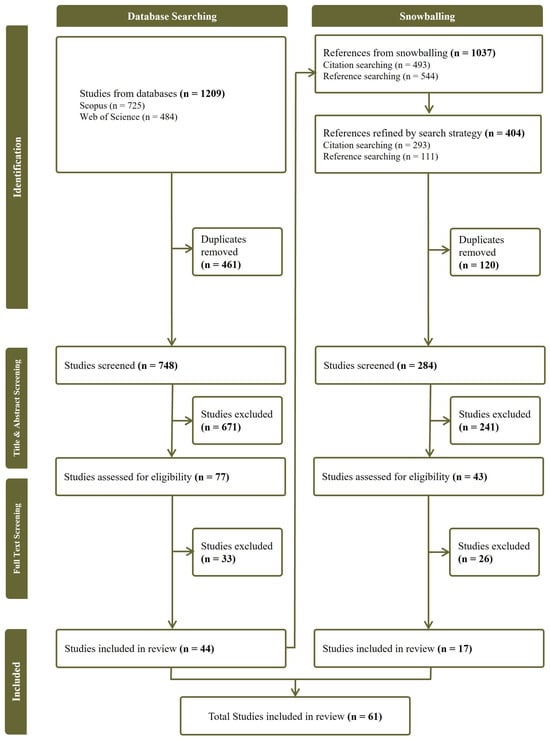
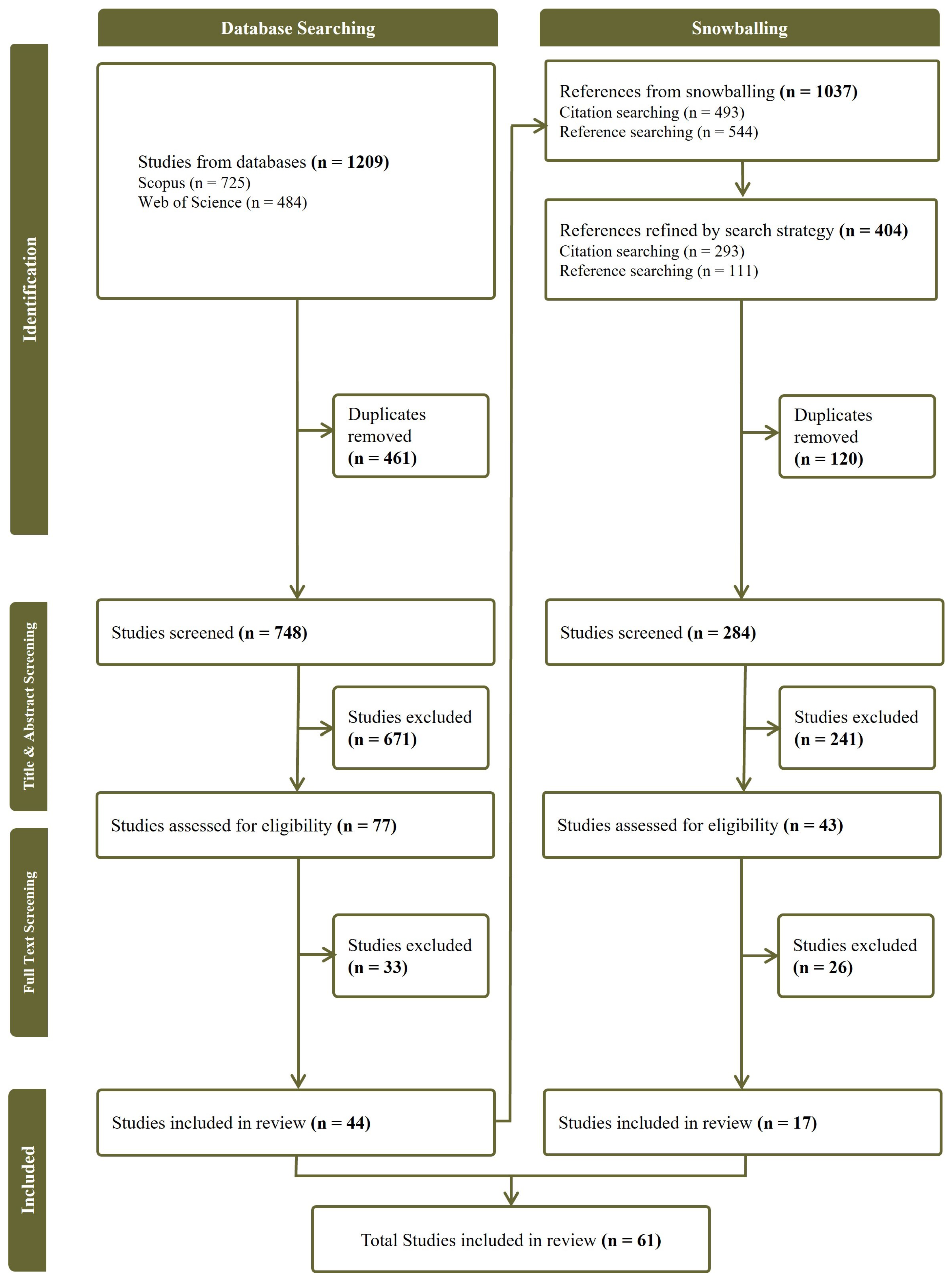
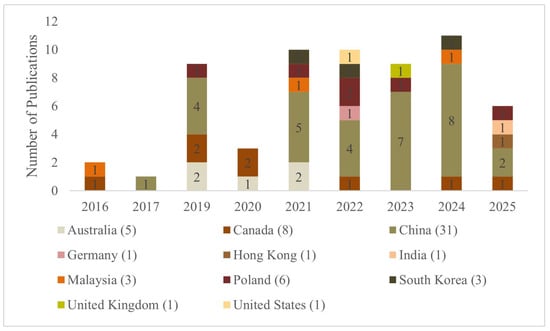
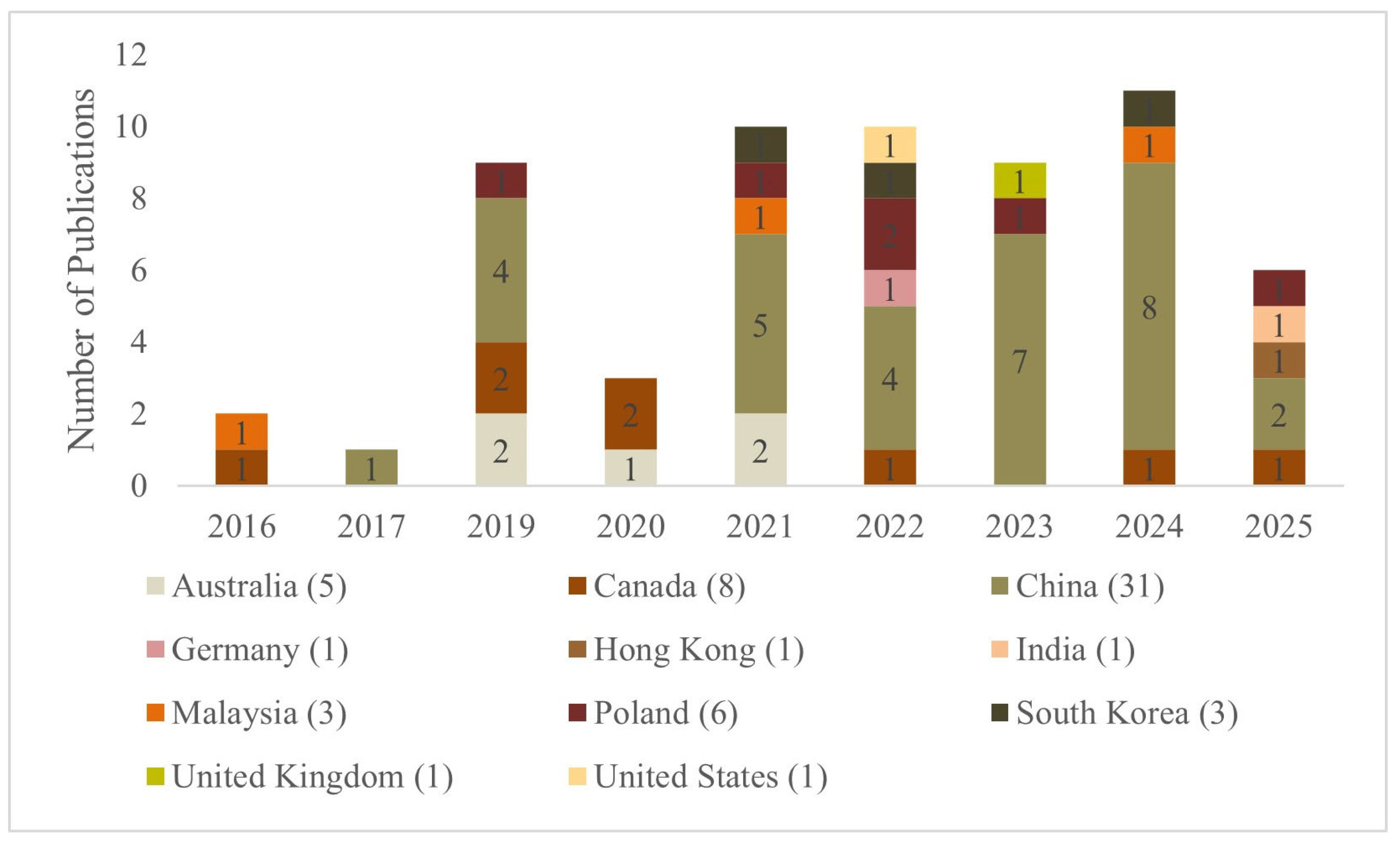
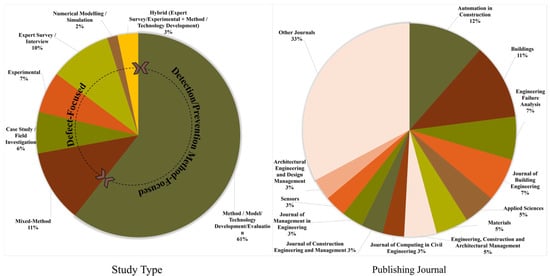
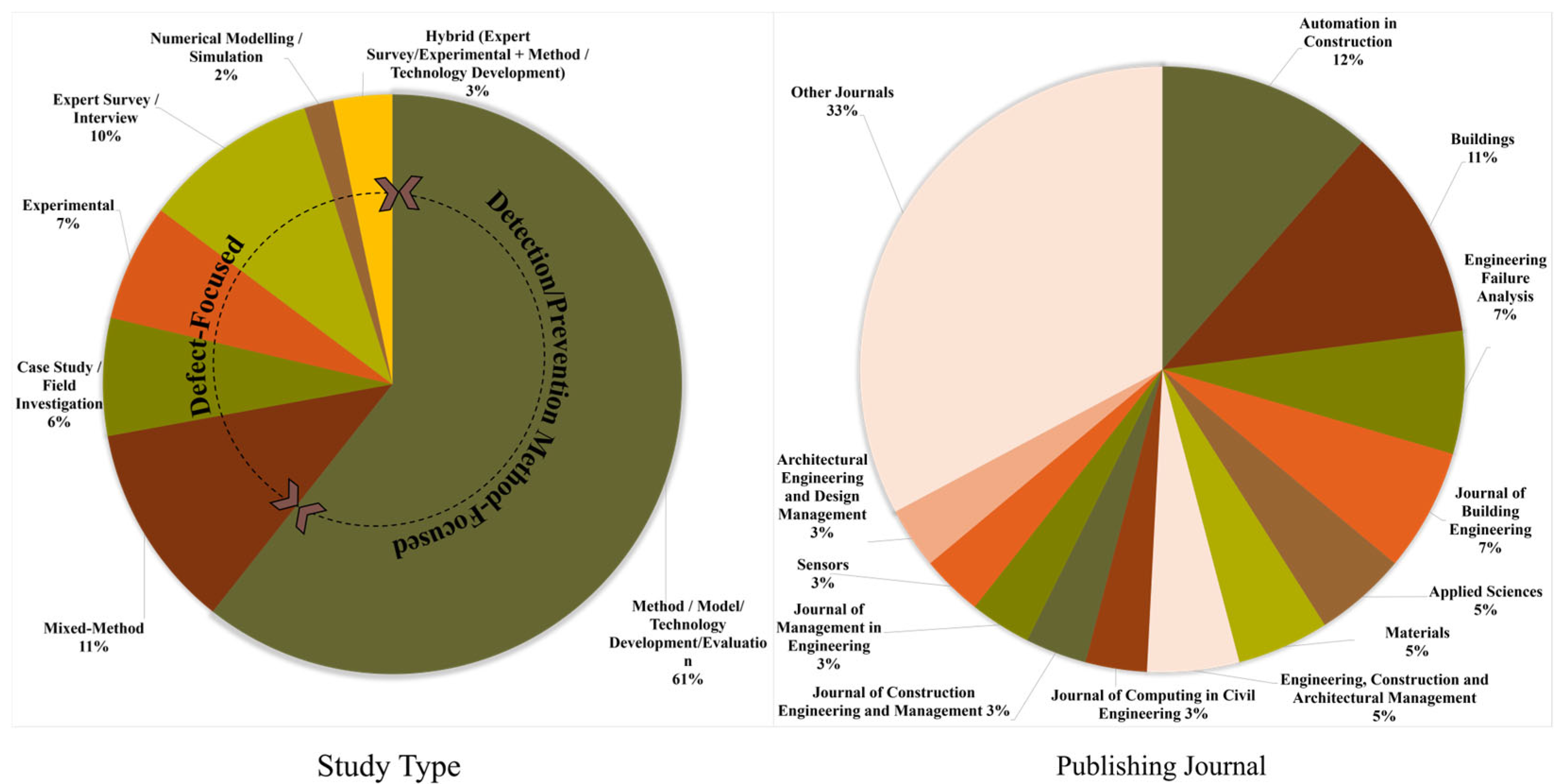
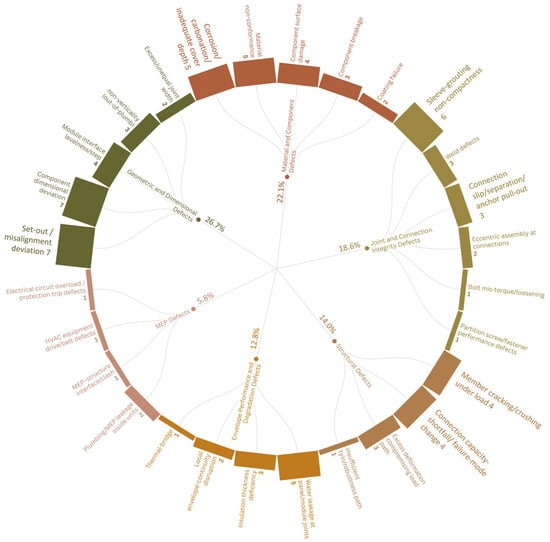
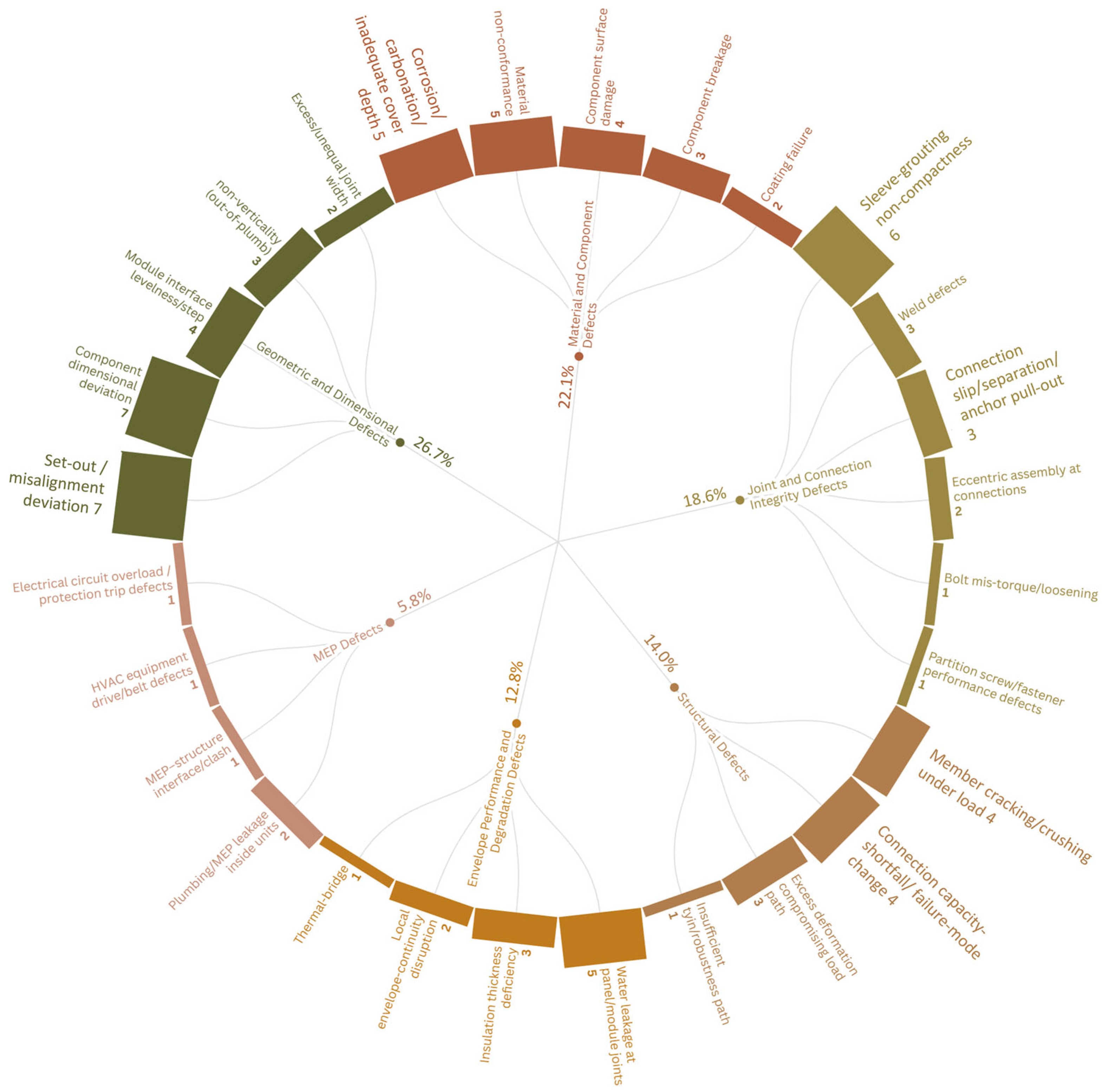
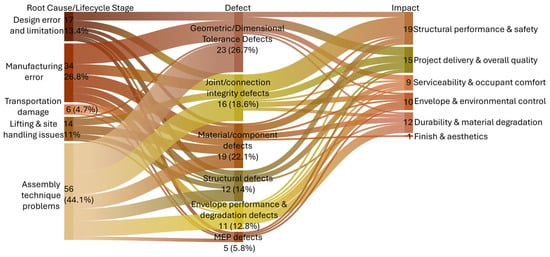
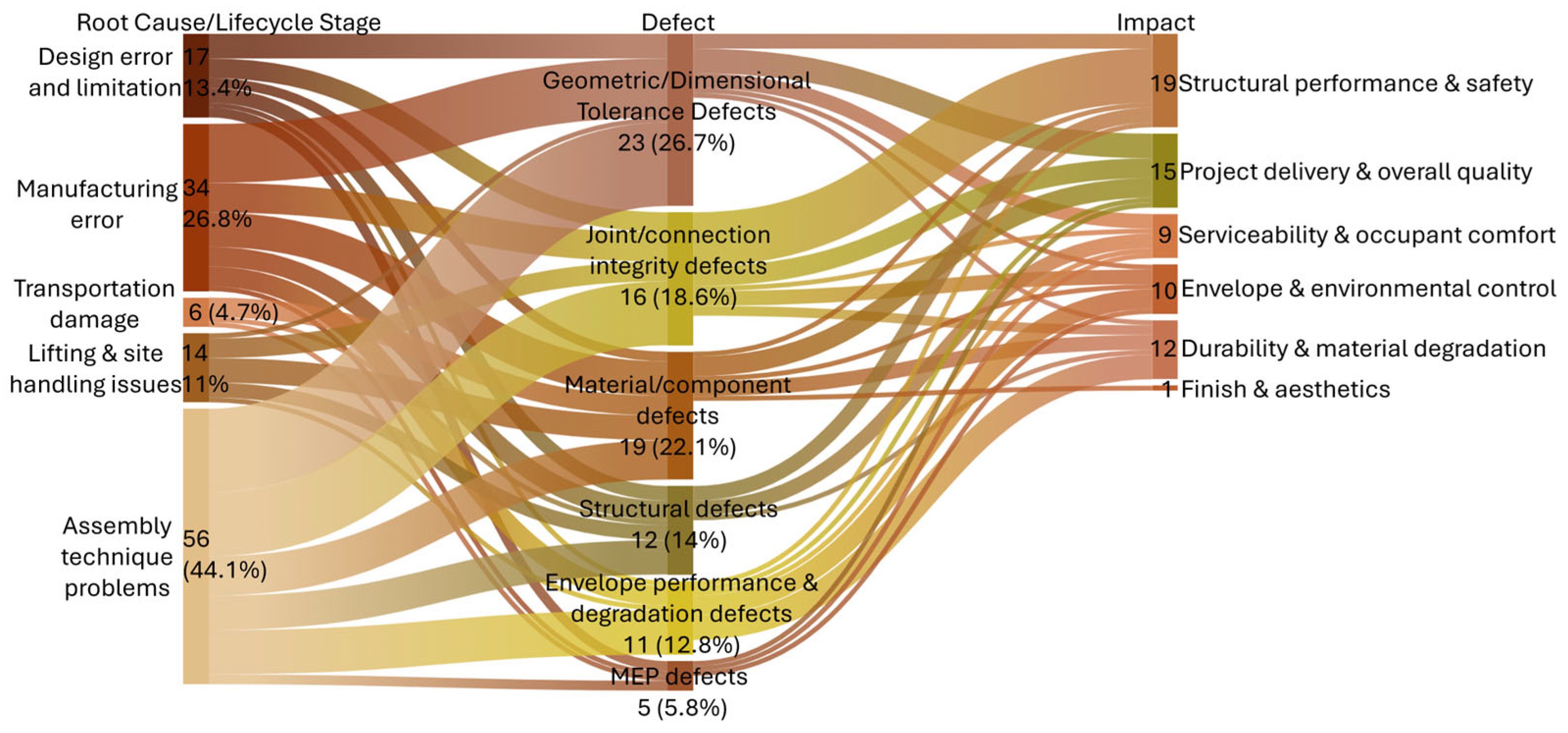
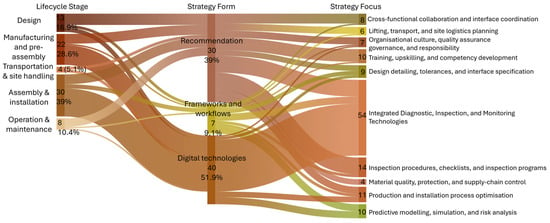
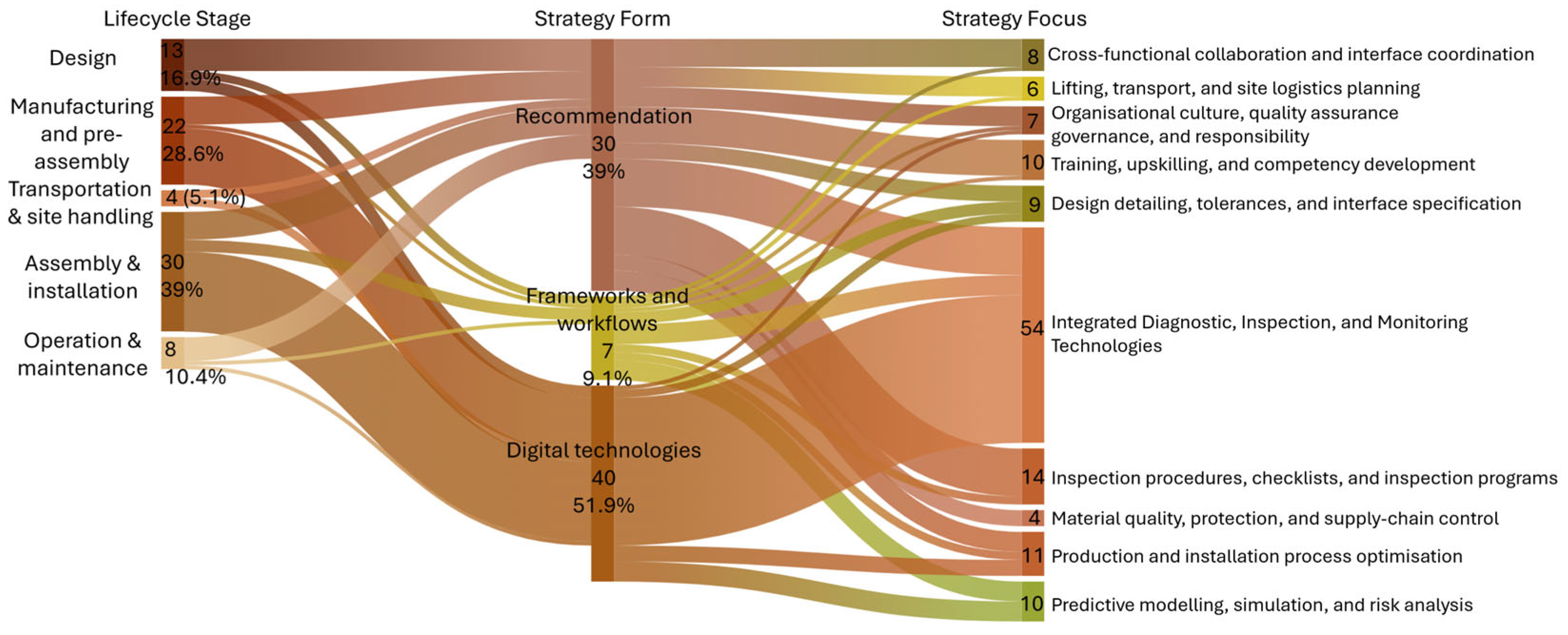
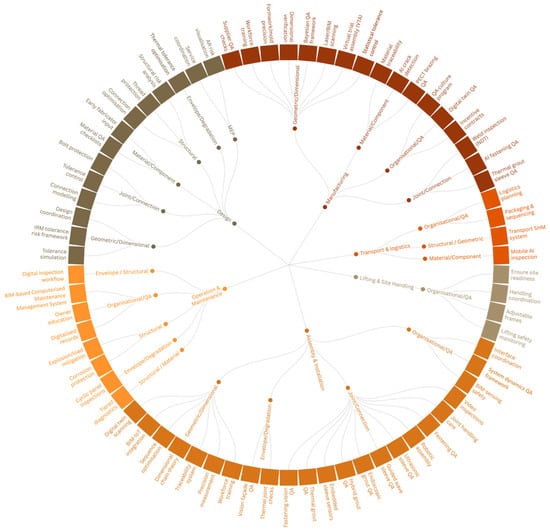
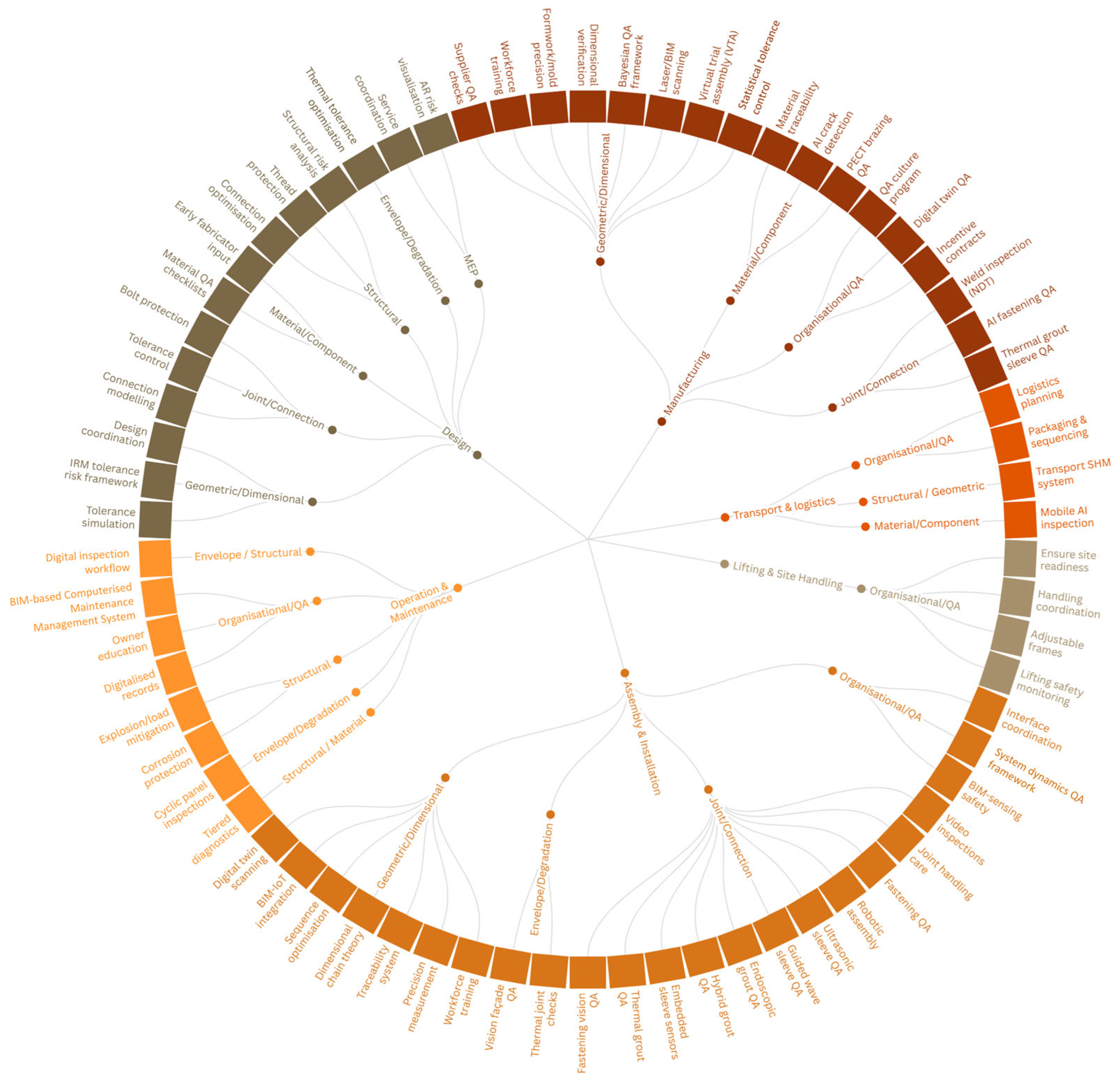
Disclaimer/Publisher’s Note: The statements, opinions and data contained in all publications are solely those of the individual author(s) and contributor(s) and not of MDPI and/or the editor(s). MDPI and/or the editor(s) disclaim responsibility for any injury to people or property resulting from any ideas, methods, instructions or products referred to in the content. |
© 2026 by the authors. Licensee MDPI, Basel, Switzerland. This article is an open access article distributed under the terms and conditions of the Creative Commons Attribution (CC BY) license.