


Abstract
Although treated wastewater (TWW) is increasingly being used to irrigate urban landscapes in arid regions like Qatar to preserve scarce freshwater resources, little is known about its long-term ecological impacts. The effects of extended irrigation with TWW on the composition of weed communities and soil characteristics in urban turfgrass systems were assessed in this study for a full year period. Three turfgrass fields in public parks in Doha that are not distant and similar in turf species and type of management were chosen. One of them has received regular tap water, and the other two had received a period of two years or a period of seven years irrigation with TWW. Due to nutrient availability in TWW, long-term irrigation improved turfgrass performance but drastically changed the structure and composition of the weed communities. More weed diversity and abundance were observed under irrigation with TWW, coinciding with cumulative increases in soil salinity [from 265 µS/cm for soil irrigated with regular tap water to about 1799 µS/cm for soil long-term irrigated with treated wastewater] and nutrient levels. Dactyloctenium aristatum and Euphorbia prostrata were dominating the field under TWW irrigation, while Cyperus rotundus prevailed better under regular tap-water irrigation. Crucially, build-up of toxic elements was found in the turfgrass, but not harmful. Overall, the findings showed that although TWW is a useful source for maintaining urban green spaces in arid regions, its long-term use necessitates cautious management to reduce weed growth and adaptation. Maintaining sustainable and healthy urban landscapes may be aided by using salt-leaching irrigation techniques and seasonal blending with freshwater.
1. Introduction
Groundwater supplies approximately 36% of drinking water and 43% of irrigation water worldwide [1]. This vital resource is increasingly exhausted by its over-extraction and its contamination, behind the intensifying effects of climate change on conventional water resources. These pressures are particularly intense in semi-arid and arid regions, where natural recharge is low. This has spurred the search for alternative water sources to sustain agriculture, landscaping, and urban parks. A feasible solution is the recycling of treated municipal wastewater effluent. Treated wastewater (TWW), when produced at the appropriate quality levels, can largely replace freshwater in irrigation, thereby conversing limited freshwater resources. Several countries including Jordan, the United Arab Emirates, Tunisia, Mexico, and Togo have succeeded in integrating TWW into their irrigation system as part of water resource management [2]. Recent studies have focused on developing advanced materials to enhance the efficiency of wastewater treatments. According to recent studies, the piezo-photocatalytic performance of g-C3N4-based materials is more effective in the purification of sewage water since charge separation becomes efficient during mechanical-light exposure. Structural modifications, such as the creation of quantum dots and composite nanofibers, significantly enhance catalytic activity and pollutant degradation rates. This confirms that the use of modified g-C3N4 technology can be both appropriate and sustainable for sewage purification [3].
In an arid environment such as that in Qatar, irrigation of turfgrass systems with TWW has a dual advantage: since it is a year-round constant source of water and it provides essential nutrients, i.e., nitrogen and phosphorus, that could potentially replace synthetic fertilizers. However, its use is fraught with management challenges, including soil salinity build-up, weed community and composition alteration, and soil properties modification over the long-term use [4]. Recent studies advised that long-term use of treated effluent for irrigation uses may notably alter the physicochemical properties of the soil, including increased salinity and nutrient content, especially in calcareous semi-arid soils [5]. These trade-offs are critical in developing irrigation strategies that optimize turf performance in the context of environmental sustainability.
Qatar is typically facing water security challenges of hyper-arid climates, where natural freshwater resources are extremely limited, and climatic conditions marked by extremes of temperature and high evaporation further constrain sustainable plant growth [6,7]. In addition, there has been fast urban growth in Doha and the adjoining municipalities, which has, in turn, raised the need for green areas, as population in urban areas reached around 99% of the country’s total population [8]. This has placed additional pressure on the already limited water resources, which are useful for irrigation. To tackle this issue, Qatar has invested strategically in TWW infrastructure, and it is now a gem in the nation’s general water sustainability strategy under Qatar National Vision 2030. To achieve water security, the water sustainability strategy of the Qatar National Vision 2030 integrates the water sustainability strategy into the pillar of Environmental Development and focuses on the management of water resources, the conservation of groundwater, the reuse of treated water, and the improvement of the efficiency of the desalination process [9].
In Qatar, TWW is subjected to tertiary treatment by filtration and disinfection to meet the national environmental regulations and produce effluent that is qualitatively in conformance with the international standards for reuse [10,11]. TWW not only offered a secured source of water for irrigation but also served as source of nutrient inputs, such as nitrogen and phosphorus, that have the potential to obviate the use of chemical fertilizers [12,13]. As such, the Ministry of Municipality and Environmental Affairs (MME) has encouraged its usage for the irrigation of public parks, ornamental gardens, and turfgrass sites in urban landscapes to take maximum advantage of reclaiming urban resources [14].
However, long-term ecological impacts of TWW irrigation must be considered. Extended use can also increase soil salinization, and accumulation of certain trace elements or contaminants, and can alter plant community composition perhaps in favor of salt-tolerant or invasive weeds that compete out desirable turf species [15,16]. These risks are aggravated by Qatar’s arid climatic conditions of low rainfall that largely diminishes natural leaching. Urban soils can be more susceptible to invasion by weeds because of disturbance. However, the long-term interactions of nutrient-rich, high salinity irrigation water with soils are not well understood, especially with respect to their physicochemical and biological implications [17].
Key knowledge gaps persist regarding the long-term use of TWW in turfgrass systems, specifically: (1) The differential impact on turfgrass establishment versus the persistence of mature stands under chronic saline and nutrient-rich conditions; (2) the resulting shifts in weed community assembly, including species composition, invasiveness, and the altered competitive dynamics between weeds and turfgrass; and (3) the feedback loop between cumulative soil degradation (e.g., salinization, and sodicity) and agroecosystem function, ultimately driving changes in turfgrass health and weed pressure.
The main goal of this study is to assess the long-term effects of irrigation with TWW on turfgrass systems in Qatar’s urban arid landscapes, characterized by harsh climate conditions and very low pluviometry. We examined turfgrass growth and seasonal performance under different irrigation histories, shifts in weed species composition, abundances and competitiveness under TWW irrigation system, and changes in key soil physicochemical properties, including nutrient status, salinity indicators, and cation exchange capacity. By integrating plant, weed, and soil responses, the findings offer a robust evidence base which may be extrapolated to simal regions in the world, for best management practices and policy frameworks that support the sustainable use of TWW for irrigation of turfgrass systems across Qatar and other water-scarce regions of the Arabian Gulf.
2. Materials and Methods
2.1. Study Sites and Irrigation Protocols
This study was conducted at three well-developed landscape sites in Doha, Qatar, which were each subjected to different irrigation regime. Site 1 is located on Al Muntazah Street (N 25.223823 E 55.508725) which has been receiving TWW for over seven years (long-term TWW irrigation) (T1). Site 2 is located at Rowdat Al Khail Street (N 25.259604 E 51.524257), irrigated with TWW for about two years (short-term TWW irrigation) (T2), and Site 3 is situated in Fareej Alali Park (N 25.244287 E 51.516748) irrigated with regular tap water (RTW) (T3) used as the control (Figure 1). All sites have the size of approximately 5019 m2 shared similar soil texture (sandy loam), turfgrass species (Paspalum vaginatum), and similar maintenance regimes. The experimental period extended from January to December of 2024.
Figure 1.
A map of Qatar showing location and comparative schematic of the study sites.
Monthly climatic data for Doha, Qatar, covering the period from 2015 to 2024, were analyzed to determine long-term averages for key meteorological parameters, sourced from the Qatar Open Data portal (Doha International Airport records). The minimum, maximum, and mean air temperature (°C), relative humidity (%), and monthly rainfall (mm) were all included in the dataset (Table 1). To illustrate average monthly conditions, the mean values for each month were computed over a ten-year period. The collected statistics revealed a clear annual cycle, with peak temperatures and little precipitation during summer (June–August) and the lowest temperatures and most rainfall during winter (December–February). This dataset provides a reliable meteorological baseline for assessing biological and environmental responses to the dry conditions in Doha.
Table 1.
Description of weather data in Doha, Qatar, based on 10 years (2015–2024) weather data (compiled from long-term climatological data published by the Qatar Meteorology Department, Ministry of Environment and Climate Change, Doha, Qatar).
In Sites 1 and 2, turfgrass was irrigated only with TWW, generated after the tertiary treatment, delivered by a subsurface drip system calibrated to local evapotranspiration rates. Plots were irrigated daily with an average of 35–40 mm (L/m2/day), per watering, seasonally adjusted to prevent over- or under-watering. In winter, it was around 10–15 L/m2/day. To establish the long-term effects of exposure to TWW, two treatment groups were established: one set of plots had been continuously irrigated with TWW for 2 years, and another set had been exposed to the same irrigation regime for 7 years. This allowed short- versus long-term exposure effects to be compared directly for weed development under the Qatari environment. For Site 3 (control), similar irrigation protocol was conducted but using regular tap water (fresh water).
2.2. Weed Community Assessment
Turfgrass and weed data were surveyed monthly by conducting botanical surveys and using quadrats (1 m2) sampling. In each survey and for each study site, a random point was defined, and then 3 line transects, each 100 m in length, were radiated from the random point. In each line, 10 (1-m2) quadrates were conducted at 10 m intervals, starting from a random spot located at each site. Turfgrass performance was monitored monthly from January 2024 to December 2024. All individual weed species within the sampling quadrats were identified (based on taxonomic books) [18,19,20,21], counted, and recorded. Relative density and frequency were calculated.
Similar monthly surveys were repeated at the three sites and over the entire year of the study. Sorensen’s similarity coefficient (Sørensen 1948) was applied to compare the similarities in species composition between each of the two areas of the study sites as follows: Sørensen’s similarity coefficient [22]:
where A and B are the species numbers in Site A and Site B, respectively, and C is the number of species shared by the two sites. Species richness and Shannon index ( were used to calculate species diversity for comparison purposes among the three study sites [23].
where pi refers to the proportion of i species, ln to the natural logarithm of pi, and n to the number of individual of species. Species evenness (J) was measured as following [24]:
where H′ is the value of the Shannon–Wiener index, and ln (s) is the natural log of the species’ richness
SI = 2C/(A + B)
2.3. Treated Wastewater Quality Analysis
TWW samples were collected from the main irrigation supply line at each location in acid-washed polyethylene bottles. Morning samples were taken prior to irrigation events for consistency. Samples were immediately placed in an icebox and transported to the laboratory for analysis within 4 h. The sampling procedures followed the standards and protocols outlined by the United States Environmental Protection Agency [25]. The quality characteristics of fresh waters and TWW were measured for levels of EC and pH beside ion composition (Ca2+, Mg2+, K+, NO3−, SO24−). Water samples were kindly analyzed in the Gulf Laboratories Co. (Doha, Qatar). WLL Doha-Qatar, using approved SOP protocols, by the government.
2.3.1. Electrical Conductivity (EC) and pH
EC (dS/m) and pH were measured directly using a portable multi-parameter meter checked against certified standards (Hanna HI98194, Hanna Instruments Inc., Woonsocket, RI, USA). The probe was initially calibrated with standard solutions (1413 μS/cm for EC and pH 4.0, 7.0, and 10.0 buffers) according to the manufacturer notification. Triplicates were measured, and the mean was calculated. Sodium adsorption ratio (SAR) was calculated by the formula [26]:
Na+, Ca2+, and Mg2+ concentrations (in meq/L) were determined by atomic absorption spectrophotometry (AAnalyst 400, PerkinElmer Inc., Waltham, MA, USA) [27]. Samples were filtered through 0.45 µm membrane filters and acidified with nitric acid (HNO3, 2% v/v) for preservation prior to analysis.
2.3.2. Macronutrients (N, P, K) Analysis
Total nitrogen (TN) was determined using the Kjeldahl digestion method (APHA 4500-Norg B) [28], followed by the standard acid titration after steam distillation. Ammonium (NH4+) and nitrate (NO3−) were measured using colorimetric methods via a UV-Vis spectrophotometer (UV-1800, Shimadzu Corporation, Kyoto, Japan). Available phosphorus in the form of PO43− was determined using the ascorbic acid molybdenum blue method (APHA 4500-P E) [29]. Potassium (K+) content was determined using flame photometry in a Jenway PFP7 flame photometer (PFP 7, Jenway, Cole-Parmer, Stone, Staffordshire, UK) [30]. All values were expressed in mg/L.
2.4. Soil Sampling, Preparation and Physicochemical Analysis
Composite soil samples were collected from three distinct locations within the experimental plots. At each location, three subsamples were obtained from the 5 to10 cm depth horizon using a sterilized auger and homogenized to form a single representative composite sample. All samples were air-dried at ambient room temperature, gently ground, and passed through a 2 mm sieve before to physicochemical analysis. Soil pH was measured potentiometrically in a 1:5 (w/v) (soil/deionized water) at 25 °C using a calibrated pH meter (Method 4A1, Australasia). Organic matter content was quantified by loss on ignition at 550 °C (Method 6G1, Australasia). Cation exchange capacity (CEC) was determined via the ammonium acetate displacement method (US EPA Method 9080). Total Kjeldahl nitrogen (TKN) was analyzed by Kjeldahl digestion and titration (Method GL-LC-SOP-00-237). Total phosphorus and potassium content was extracted by acid digestion (US EPA Method 3050B) and quantified by Inductively Coupled Plasma Optical Emission Spectrometry (ICP-OES; US EPA Method 6010C) [31]; plant-available phosphorus was assessed separately by the Olsen sodium bicarbonate extraction method. Sulphate and chloride concentrations were determined by ion chromatography (Methods 14F3 and 5A1, respectively, Australasia).
2.5. Toxic Elements Analysis
Using trace metal sampling procedures, samples of irrigation water were taken from pre-cleaned, acid-washed plastic bottles and cleaned three times with site water. Ultrapure nitric acid (HNO3) was used to acidify the samples right away to a pH less than 2 in order to stabilize the dissolved metals and stop them from adhering to the container walls. Before being analyzed, the samples were kept at 4 °C and transported on ice. To prevent metal contamination, soil samples were taken using a stainless-steel auger from the rhizosphere zone (5–10 cm depth). Multiple subsamples were mixed to create composite samples at each site. Before analysis, soil samples were homogenized, air-dried at room temperature, and sieved through a 2 mm mesh screen. Every reagent was of analytical quality. For digestion and preservation, nitric acid (HNO3) and hydrochloric acid (HCl) were employed. Calibration standards were prepared using multi-element standard stock solutions (Pb, Cd, Zn, Cu, Ni, and Cr). For the rinsing and reagent preparation processes, deionized water with a resistivity of at least 18.2 MΩ·cm was utilized. Before analysis, samples were passed through a 0.45 µm membrane filters to determine the amount of dissolved metals in the water. Using a controlled hot plate or microwave-assisted digestion equipment, water aliquots were digested with concentrated HNO3 until full mineralization was obtained in order to determine the total metal content.
Following normal wet digestion protocols, concentrated HNO3, either alone or in conjunction with HCl, was used to acid digest soil samples (usually 0.5–1.0 g). The sample matrix was completely dissolved by the use of a microwave or hot plate digesting method. Prior to instrumental analysis, digested solutions were filtered and diluted with deionized water to a known final volume.
Depending on the detection limit requirements, either Inductively Coupled Plasma Mass Spectrometry (ICP-MS) or Inductively Coupled Plasma Optical Emission Spectroscopy (ICP-OES) ((Shimadzu Corporation, Kyoto, Japan) was used to determine the amounts of toxic elements in both soil and water digests. Multi-point external calibration curves made from approved reference solutions were used to calibrate the instrument. To guarantee analytical stability and the lack of contamination, calibration verification standards and reagent blanks were examined on a regular basis. To guarantee accuracy, every sample was analyzed separately three times.
Soil metal concentrations were reported in mg/kg dry weight, while water metal concentrations were given in µg/L. The same quality control procedures were used for the analyses of the soil and the water. By analyzing approved reference materials, accuracy was verified. Procedural blanks were included to assess contamination. Spike recovery assays were carried out to evaluate analytical performance and digestion efficiency; recoveries that were deemed satisfactory ranged from 85% to 115%. Analyzing triplicate samples allowed the evaluation of precision. Mean ± standard deviation was used to express the results. To determine the accumulation of toxic elements in turfgrass tissue resulting from irrigation with (TWW), plant samples were collected from both TWW-irrigated and freshwater-irrigated (control) plots. Sampling was performed by harvesting above-ground biomass from permanent quadrats (1 m2) at monthly intervals during the growing season. All samples were collected using stainless-steel scissors previously rinsed with deionized water to minimize contamination. Immediately after collection, samples were placed in clean polyethylene bags, transported to the laboratory under cooled conditions, and prepared for analysis. To get rid of dust and other surface impurities, turfgrass samples were repeatedly rinsed in the lab with deionized water after being cleaned with tap water. The samples were milled in a stainless-steel mill, oven-dried to constant weight at 70 °C and kept in acid-washed polyethylene containers until they were digested. In order to remove metals, 0.5 g of dry tissue was wet-digested using a 4:1 (v/v) ratio of concentrated nitric acid (HNO3) and perchloric acid (HClO4). Until a clear solution was achieved, the digestion was conducted at 120 °C on a hotplate. Digests were cooled, then filtered using Whatman No. 42 filter paper (Merck SA, Darmstadt, Germany) after being diluted with deionized water to a given volume.
Concentrations of selected toxic elements (Cd, Pb, Cr, Ni, Zn, Cu, and Fe) were quantified using Inductively Coupled Plasma Optical Emission Spectrometry (ICP-OES). Calibration was performed with multi-element standard solutions covering the expected concentration ranges. By examining verified reference plant materials, duplicate samples (10% of the total), and reagent blanks, quality assurance was preserved. To confirm the accuracy of the analysis, recovery rates were computed. The concentration of each toxic elements was expressed on a dry weight basis (mg. kg−1 DW), and results were contrasted with established international guideline values for acceptable concentrations of toxic elements in turfgrass and feed. Statistical comparisons between TWW-irrigated and freshwater-irrigated turfgrass were performed to assess the significance of metal accumulation.
2.6. Data Analysis
All measurements for soil and water analyses were performed in triplicate. Descriptive statistics, including the mean, standard deviation were calculated for each measured soil property across all sampling locations. To compare irrigation regimes and analyze the connections between soil metal buildup and irrigation-water quality, statistical analyses were performed using (OriginLab software, version 2024b, United State). Data of weed changes were tested for normality and homogeneity of variance prior to statistical analysis. One-way analysis of variance (ANOVA), followed by Tukey’s test to identify significant differences. Statistical significance was assessed at p < 0.05. All analyses were performed using OriginLab software statistical software.
3. Results
3.1. Treated Wastewater Quality
Irrigation-water quality differed notably among locations. pH values were slightly alkaline, ranging from 7.08 to 7.65. Electrical conductivity (EC) was high but similar in locations 1 and 2, respectively, 1758 and 1781 μS/cm, indicating elevated salinity, while location 3 showed very low EC of (241 μS/cm), (Table 2). Total nitrogen concentrations were also high and close (9.65 mg/L N and 10.23 mg/L N, respectively) in locations 1 and 2, while it was almost 0.1 mg/L N in location 3. Phosphorus concentrations were substantially higher in the first two locations (1.67 and1.78 mg/L P) compared with negligible levels at location 3. Potassium, calcium, sodium and magnesium followed a similar pattern, with higher concentrations in locations 1 and 2, suggesting nutrient enrichment from long-term TWW use. Iron content was low across all sites.
Table 2.
Physical and chemical characteristics of the irrigation water. (Mean ± standard deviation, N = 3).
3.2. Toxic Elements Analysis for Wastewater, Soil and Turfgrass Leaf Tissue
3.2.1. Wastewater Toxic Elements Analysis
With the exception of B, and Zn, all analyzed metals in water samples were consistently below detection limits, resulting in zero standard deviation across replicates (Table 3). Boron and zinc showed low but measurable concentrations with moderate variability.
Table 3.
Toxic elements of treated wastewater.
3.2.2. Soil Quality and Toxic Elements ANALYSIS
Soil chemical properties showed variation among treatments. The soil pH values were slightly alkaline across all treatments, with values of 7.5, 7.1 and 7.3 in T1, T2 and T3, respectively. Electrical conductivity (EC) was markedly higher in T1 and T2 (1799 and 1764 µS/cm, respectively) indicating elevated salinity levels, whereas Ts exhibited a substantially lower EC value (265 µS/cm), reflecting lower salinity conditions. A significant effect (p < 0.05) of the long-term irrigation with TWW on soil concentrations of Cu, Zn, Cr, Pb, Ni, and B was shown the highest mean values. In contrast, Hg and Se showed no significant differences among the irrigation systems, indicating minimal influence of TWW application as shown in Table 4.
Table 4.
Toxic elements analysis in soil samples irrigated with different irrigation regimes.
3.2.3. Turfgrass Leaf Tissue Toxic Elements Analysis
Since most elements follow the trend TWW short-term (T2) ≈ RTW (T3) > TWW long-term (T1), the results clearly indicate that the duration of irrigation and the source of irrigation water significantly affect the distribution of trace elements. Notably, arsenic, cadmium, tin, and selenium remained below detection limits in all treatments, clearly indicating that the irrigation waters contain very low amounts of them. Copper and zinc, as essential micronutrients, were moderately enriched in T2 and T3, likely due to the use of TWW and addition of organic matter but remained below the internationally acceptable limits for soil. Although lead was detected in TWW short-term and RTW treatments but not in long-term TWW irrigation, this clearly indicates that long-term wastewater irrigation may enhance the immobilization of Pb in soils through organic complexation and soil aging processes, as has been widely reported in soils irrigated with wastewater for extended periods. Mercury did not display any particular accumulation trend, as has been previously reported, clearly indicating that high sorption and volatilization rates limit the mobility of mercury in soils. Iron levels increased substantially under T2 and T3, although because iron is a major natural component of soil, suspended solids and corrosion of infrastructure are generally cited as the cause of its increase during wastewater irrigation rather than pollution. Consistent with assessments by the US Environmental Protection Agency and previous long-term field studies, the data as a whole provide evidence that long-term use of properly treated wastewater does not promote harmful toxic elements buildup and is thus environmentally safe when properly reused (Table 5).
Table 5.
Toxic elements analysis in turfgrass leaf tissue.
3.3. Turfgrass Performance
A consistently good appearance and performance of the turfgrass were observed throughout the entire study period across all three sites. The grass maintained a uniform green color, adequate density, and overall healthy visual quality in all monitored quadrats, regardless of the irrigation treatments applied. No visible signs of stress, deterioration, or treatment-related variation were detected at any time during the year, indicating stable growth conditions and satisfactory turf performance under all tested regimes. Slight reductions in grass quality and quantity was observed in all study sites during the harshest weather months (July to September) when the average maximum temperature ranged between 40 and 44 °C.
3.4. Weed Communities, Abundances and Composition as Influenced by Irrigation Regimes
The prevalence of weed species was not constant throughout the year and among the three sites as represented in Table 6. The richness of weed species was higher at Study Site 1 (long-term TWW irrigation), where there were more weed species in most of the months of the study period. Compared to the other two sites, this site had the highest total number of species per month because of the number of weed species that were constantly present. The maximum number of weed species per month was generated by the combination of several species in the same months, as well as the good representation of both annual and perennial species. In addition to the broadleaf species such as Amaranthus viridis, Euphorbia prostrata, and Chenopodium album, grasses such as Dactyloctenium aristatum and Cyperus rotundus were also frequently observed. A number of species exhibited year-round occurrence rather than seasonal occurrence by being present throughout several seasons, including cooler and warmer seasons. The total number of weed species per month was maximum at this site 1, especially during winter and early spring, and was also high during unfavorable seasons.
Table 6.
The occurrence of weed species in the three study sites during the year of study (2024).
The high species richness, high temporal continuity, and frequent co-occurrence of several species throughout the year were the overall features of the occurrence of weeds at Study Site 1.
There was a noticeable temporal change in the moderate abundance of weed species at Study Site 2 (short-term TWW irrigation). There were month-to-month changes in the richness of weed species, with some months of the year having a greater number of species and others having fewer species. There were broadleaf and grass weeds, but fewer species were present over a period of several months. Although some species were intermittent in their appearance, others such as Dactyloctenium aristatum, Euphorbia prostrata, and Amaranthus viridis were noted at specific times, especially during the cooler months. However, there were more species recorded each month than at Study Site 3 but fewer than at Study Site 1.
On the other hand, the lowest frequency and diversity of weed species were recorded in Study Site 3 (regular tap-water irrigation). Few species, which were mainly opportunistic or annual weeds, were dominant in the weed flora at this site. Although some species, such as Euphorbia prostrata and Dactyloctenium aristatum, were occasionally recorded, most species appeared occasionally rather than regularly. Compared to the TWW-irrigated sites, grass species were relatively less frequent, and broadleaf weeds had a restricted distribution in time. There were fewer species recorded each month, and their persistence was lower throughout the year. When environmental stress was experienced, the total number of weed species remained relatively low.
Consequently, the monthly distribution of weed species exhibited clear differences in the patterns of weed occurrence under the three irrigation regimes. Although Study Site 3 held the least diverse and most fragmented assemblage of weeds, Study Site 1 held the most diverse and stable weed community. Study Site 2 held intermediate levels of diversity and seasonal change. Although the abundance and seasonal pattern of individual weed species were evident, the total species richness differed (Table 6).
3.5. Monthly Weed Coverage
The three study sites’ monthly weed coverage throughout the year were quite different (Figure 2). The long-term TWW-irrigated site (Site 1) had the highest weed coverage in all months, with values ranging from approximately 13 to 52%. At this site, the highest weed coverages occurred in January (~52%), November (~48%), and December (~51%), and then gradually reduced from late spring to summer, reaching its lowest points between June and August (~13–18%), before increasing again in autumn.
Figure 2.
Weed coverage (%) based on monthly surveys of the three study sites (average of 30 one m2 quadrats per month). The weed coverage was estimated based on visual observation of each one m2 quadrat.
Compared with the other two sites, the short-term TWW-irrigated site (Site 2) had intermediate weed coverages, ranging from approximately 13 to 30%. The winter and early spring periods had higher coverages, particularly in January (~30%) and February (~28%), before gradually reducing as the season progressed towards summer. The lowest coverages occurred between June and August (~13–15%), and then increased steadily in autumn, reaching around 21–23% in November and December.
The regularly tap water-irrigated site (Site 3), on the other hand, had low weed cover all year round, with values remaining below 10% in all months. There was not much variation in the monthly weed cover at this site, which remained between 6% and 9%. There was a slightly higher value during late summer and autumn. There were variations in the level of weed cover among the irrigation methods, but overall, the trend was similar at all sites, with the highest values during the cooler months and lower values during summer.
The average number of species and the total number of weed species recorded showed a large variation between the three sites (Figure 3). With a total of 22 species recorded, the long-term TWW-irrigated site (Site 1) sowed the highest total number of weed species. It also had the highest average number of species per month (approximately 11.7 species per month). This indicates that there are many weed species at this site throughout the year. With a total of 18 weed species and an average of about 7 species per month, the short-term TWW-irrigated site (Site 2) showed intermediate values for both parameters. Fewer species were recorded per month than at Site 1, which indicates that the weed species were not as stable throughout the duration of the study. On the other hand, Site 3, which was irrigated regularly with tap water, showed the lowest average number of species per month (about 6 species per month) and the lowest total number of weed species richness (15 species). This indicates that there was less overlap of species per month and that the number of weed species was lower at any given time.
Figure 3.
The total number and monthly average of weed species reported during the year of study (2024) in the three studied sites. Error bars refer to standard errors of the means. Within each parameter, values that share common letter(s) are considered not significant at p ≤ 0.05 according to Tukey’s test.
3.6. Comparative Similarity and Biodiversity Indicies of Weed Species Among Locations
The composition of weed species at the three study sites revealed a large degree of similarity, as measured by Sørensen’s similarity coefficient (Table 7). A total of 18 of the 22 species recorded in Site 1 were also recorded in Site 2, reflecting a large degree of similarity between Site 1 (long-term TWW-irrigated site) and Site 2 (short-term TWW-irrigated site) with an SI of 0.90. Similarly, Sites 2 and 3 revealed the largest similarity value (SI = 0.91), as all 15 species recorded in Site 3 were also present in Site 2. Between Sites 1 and 3, with 15 species common to both, the similarity value was marginally lower but still large (SI = 0.81). Regardless of differences in total species numbers, the Sørensen similarity coefficients for all three site comparisons were above 0.80, reflecting a high degree of similarity in species presence among the three sites. These results indicate that, despite differences largely resulting from total species numbers rather than total species composition, the bulk of the weed species were common among the irrigation sites.
Table 7.
Sørensen’s Similarity coefficient between two of the study sites.
Differences in species richness (S), Shannon diversity index (H′), and Pielou’s evenness (J′) among the three irrigation regimes were indicated by differences in the level of weed diversity (Table 8). With a total of 22 weed species, the highest species richness was recorded in the long-term TWW-irrigated site, followed by the short-term TWW-irrigated site with 18 species, and the freshwater-irrigated site with 15 species.
Table 8.
Weed diversity analysis under different irrigation regimes.
There was a clear gradient between the irrigation treatments based on the Shannon diversity index values. Relative to the other locations, the long-term TWW irrigation showed the greatest diversity (H′ = 1.63), which indicates a complex structure of the weed community. The regular tap water-irrigated location showed a significantly lower diversity (H′ = 0.25), which indicates a simple community with low diversity, while the short-term TWW irrigation showed a moderate Shannon diversity index value (H′ = 0.88).
The patterns of species evenness were also in agreement with the Shannon diversity patterns. The long-term TWW-irrigated site exhibited the highest evenness (J′ = 0.53), indicating a more evenly distributed pattern of individuals among the species. The short-term TWW-irrigated site had lower evenness (J′ = 0.31), indicating that fewer species were becoming more dominant. The lowest evenness (J′ = 0.09) was recorded at the regular tap water-irrigated site, indicating that one or a few species were dominating the weed species.
In general, the weed diversity indices revealed clear differences between irrigation treatments, with freshwater irrigation showing the strongest dominance and lowest diversity, while long-term TWW irrigation promoted the highest richness, diversity, and evenness. Short-term TWW irrigation was second best. Although the similarity in weed species presence was comparable for different irrigation treatments, there were distinct differences in species richness, diversity, and evenness. The dominance and lowest diversity were found in regular tap-water irrigation, while the most evenly distributed and diverse weed population was maintained by the long-term TWW irrigation treatment.
For all diversity measures, the short-term TWW irrigation treatment resulted in an intermediate level of diversity, suggesting that the weed community structure was intermediate between the regular tap water and long-term TWW irrigation treatments.
A high degree of species diversity was found for the weed vegetation at the TWW-irrigated site, where a number of species formed the total composition (Figure 4). Euphorbia prostrata, which formed 26% of the total relative density of the weeds, registered the highest level of dominance. Other species, which formed 13% and 15% of the total relative density, were Cyperus rotundus and Dactyloctenium aristatum, respectively. A relative density of 8% by Echinochloa colonum made a moderate contribution to the total composition of the weeds. Launaea nudicaulis, Oxalis corniculata, Lepidium aucheri, and Oldenlandia corymbosa each contributed 4% to the total relative density, which added up to 22%. To sum up, prolonged irrigation with TWW resulted in a weed flora that was comparatively diverse.
Figure 4.
Distribution of relative densities of the common weed species as reported in the three study sites.
At the short-term TWW-irrigated site, the dominant weed species in terms of relative density was Dactyloctenium aristatum, which made up 31% of the total relative density (Figure 4). With 22% of the weed population, the second most dominant species was Euphorbia prostrata. The minor component of the plant community was composed of the remaining species, which formed 7%. This included Cyperus rotundus, which contributed in a minor proportion.
When compared to short-term water application of TWW, it was noted that weed composition was supported by a dominance of annual grasses, particularly Dactyloctenium aristatum, and reduced dominance of Cyperus rotundus.
Under RW treatments, the weed species had lower species evenness with high dominance of a limited number of species (Figure 4). Among the species, Cyperus rotundus dominated the weed species with a relative density of 40%, making it the most dominant weed species in the site under tap-water irrigation. Dactyloctenium aristatum (21%) and Euphorbia prostrata (12%) were the next weeds in the order of dominance, followed by Eragrostis pilosa (6%) and Lolium rigidum (3%). Aerva javanica, Amaranthus viridis, Galium aparine, and Oxalis corniculata were seen in the lower order of relative density, i.e., around 2%, making them a part of the weed species under the same treatment. However, the three weed species had a combined density of 10%, making them “others.” Compared with the weed species under the TWW irrigation, the weed species under the RW-irrigation were less diverse with high dominance of the species belonging to the Cyperus rotundus group.
3.7. Differential Impacts on Specific Weed Abundance Under Different Irrigation Regimes
3.7.1. Response of Dactyloctenium aristatum to Different Irrigation Regimes
The three study sites’ mean weed density and Dactyloctenium aristatum density changed seasonally (Figure 5). The total weed density at Site 1 (long-term TWW irrigation) varied from 12 to 72 individuals m−2, and it remained relatively high. The highest weed density occurred during winter, and then it declined in late spring and summer to the lowest density in June and August. However, the densities abruptly increased in autumn and reached their highest levels in December. In this site, the density of D. aristatum gradually increased towards the end of the year. The lowest density was recorded in spring and early summer. However, from September onwards, there was a marked rise, which peaked in November and December. In contrast to Site 1, the total weed density at Site 2 (short-term TWW irrigation) showed a similar pattern, but with much lower values. The weed density ranged from 7 to 50 plants/m2 per month, with the highest density in winter and the largest reduction in summer, particularly in July and August. For most of the year, the density of D. aristatum was low, but it increased in autumn, reaching its highest value in October and November, and then slightly reducing in December. Site 3, which is irrigated with regular tap water, showed more pronounced seasonal changes and generally lower weed densities. The total weed density fluctuated between 7 and 45 individuals m−2, reaching its peak in January and then dropping drastically in spring and summer. However, during autumn, the weed density increased again, reaching its maximum in December. Although it was always lower than in the other sites irrigated with treated wastewater, the density of D. aristatum at this site remained low for most of the year, with a slight increase from September to December. Total weed density showed lower values during summer and higher values during winter and late autumn, while D. aristatum contributed to total weed density in a different manner at all sites and was more abundant during the latter part of the year.
Figure 5.
Seasonal variation in monthly mean densities (average of 30 one-m2 quadrats) of Dactyloctenium aristatum in respect to variation in total densities of weed populations.
3.7.2. Variations in Euphorbia prostrata Abundance and Weed Density by Season
Although Euphorbia prostrata was frequently recorded at all three sites, its abundance was still relatively low compared to the main weed species (Figure 6). Regardless of the irrigation treatment, the distribution pattern of the species was dispersed and irregular, and it contributed a small proportion to the total weed population. The presence of the species was more visible in short-term TWW irrigation, accounting for a moderate proportion of relative density, while tap-water irrigation and long-term TWW irrigation resulted in fewer records. The results of seasonal changes revealed that E. prostrata was more abundant during the cooler seasons, while densities during the summer months were significantly reduced. The low dominance of E. prostrata at all three sites suggests that the effect of seasonal factors and micro-habitat conditions is more important for its establishment than the quality of irrigation water.
Figure 6.
Seasonal variation in monthly mean densities (average of 30 one-m2 quadrats) of Euphorbia prostrata in respect to variation in total densities of weed populations.
3.7.3. Response of Cyperus rotundus to Different Irrigation Regimes
During the duration of the study, Cyperus rotundus was present at all three sites, showing marked seasonal and site-wise variations in density compared to the total weed density (Figure 7). Although there were marked seasonal changes in the total weed density, the density of C. rotundus remained low at all three sites during a major part of the months where long-term TWW irrigation was practiced (T1), and the species contributed very little to the total weed density. The density of the species also remained low at the site where short-term TWW irrigation was practiced (T2), although there were slight increases during the cooler months. This indicates that the species showed low response to short-term wastewater irrigation. On the other hand, there was a marked increase in the density of C. rotundus during the late growing season, especially from September to December, at the site where regular tap-water irrigation was practiced (T3), which also showed an increase in the total weed density. Based on this pattern, C. rotundus is more established and competitive under the conventional irrigation regime, while recent or prolonged exposure to TWW could be inhibiting its growth. The results indicate that the irrigation regime significantly affects the seasonal dynamics and contribution of C. rotundus to the weed flora.
Figure 7.
Seasonal variation in monthly mean densities (average of 30 one-m2 quadrats) of Cyperus rotundus in respect to variation in total densities of weed populations.
4. Discussion
The use of (TWW) for landscape irrigation has become an increasingly important strategy in arid regions, where freshwater resources are limited and demands for water supplies continue to grow. Beyond its role as an alternative irrigation source, TWW carries dissolved salts, nutrients, and organic matter that can significantly influence soil chemical properties over time. These inputs have the potential to enhance soil fertility by supplying essential macronutrients such as nitrogen, phosphorus, potassium, and calcium, while also contributing organic matter that improves soil structure and microbial activity. Recent development in catalytic and electrochemical wastewater treatment technologies, such as electro-Fenton and advanced materials based deionization technologies, have revealed promising potential for enhancing water utility in reclaimed water and reducing contaminant discharge [32,33].
In the current study, slightly alkaline pH values were observed (7.08–7.65) consistently with numerous studies indicating that TWW typically exhibits near-neutral to moderately alkaline conditions, a feature that can facilitate nutrient availability while remaining within agronomic thresholds for most crops [34]. In parallel, high electrical conductivity (EC) in locations, 1 and 2 (1758–1781 μS/cm) signals elevated salinity, a known outcome of repeated TWW use. This accumulation of salts, particularly in arid and semi-arid environments, aligns with findings showing that EC is a critical parameter influencing both the suitability and long-term management of irrigation water, as excessive salinity can create osmotic stress for plants and eventually diminish soil structure [35].
The prominent enrichment of total nitrogen and phosphorus at locations 1 and 2 (N: 9.65–10.23 mg/L; P: 1.78–1.67 mg/L), compared to negligible amounts at location 3, reinforces the established role of TWW as a significant source of macronutrients. This is in agreement with multi-site studies demonstrating that TWW application elevates the concentrations of nitrogen, phosphorus, and potassium in both water and receiving soils, thereby supporting crop growth and potentially reducing the need for supplementary fertilization [36]. However, the persistence of these nutrients in irrigation water carries the risk of nutrient accumulation and potential leaching into groundwater or runoff, which has been observed to cause localized pollution and eutrophication in some cases [37]. The parallel trends for potassium, calcium, and magnesium with higher levels in sites with prolonged TWW irrigation use highlight the cumulative effect of continuous wastewater irrigation on the mineral profile of irrigation water. Notably, research has raised concerns about the conventional reliance on sodium adsorption ratio (SAR) alone for assessing irrigation sodicity hazard, since both potassium and magnesium can themselves impair soil permeability at high concentrations [38]. This underlines the importance of monitoring a broader suite of cations during TWW reuse.
Iron concentrations remained low across all sites, with only minor elevation at location 2. This is a positive finding, as elevated iron (and other trace metals) in irrigation water is often a key concern due to potential soil and crop contamination. Most studies suggest that, while TWW generally increases macro-nutrient content, it often poses less risk with respect to iron toxicity provided source water and treatment methods are adequately managed [39]. Collectively, these data underscore the complex interplay between TWW composition, local management practices, and site-specific legacy effects. Long-term TWW use is clearly associated with substantial nutrient and mineral loading particularly nitrogen, phosphorus, potassium, calcium, and magnesium underscoring the need for regular monitoring to balance agronomic benefits with environmental risks. Additionally, maintaining EC within manageable limits and mitigating accumulations of non-sodium cations are crucial for sustained soil health and irrigation success [40].
With long-term irrigation practices using TWW, the soil characteristics in this study indicate favorable conditions for plant growth. However, they also indicate variability in nutrient levels that can impact productivity and environmental sustainability. Soils with favorable nutrient retention properties are indicated by the moderate to high cation exchange capacity (6.9–10.9 meq/100 g), which promotes long-term fertility under irrigation management practices [41]. Organic matter content (2.0–3.2%) is within acceptable levels to promote soil structure and microbial processes, as recommended for irrigation management practices. The near-neutral to slightly alkaline pH levels in the soil (7.1–7.8) are characteristic of calcareous soils in arid regions and are in good agreement with the pH levels of irrigation water (7.08–7.65) [42]. The variability in sulphate and chloride levels can be attributed to the higher electrical conductivity of TWW (~1750–1780 μS/cm) compared to raw tap water. This is attributed to site-specific accumulation by mineralization and irrigation inputs. Although sulphate enrichment can enhance sulfur nutrition, if these excess levels are not managed properly, they can cause limitations by salinity [43]. In agreement with the higher nitrogen content of TWW, nitrogen levels in the soil were relatively higher compared to native desert soils. This contributed to plant productivity but could have caused variability in crop growth [44]. Despite the presence of detectable levels by irrigation water, phosphorus had high total levels but low available levels, indicating the dominance of phosphorus fixation in alkaline soils [45]. These results, therefore, emphasize the need for TWW to be managed specifically for optimal productivity and reduced risks associated with toxic elements accumulation prior to the evaluation of toxic elements accumulation (Section 3.2). Recent studies in the desert areas of the Arabian Gulf have found patterns when it comes to using treated wastewater for irrigation. This includes how salty the soil gets and how nutrient-rich it is, which can also affect the types of plants that grow and how to control weeds [46,47]. Studies undertaken in Saudi Arabia, Oman, and the United Arab Emirates have shown that the sustained application of TWW can augment soil fertility via the accumulation of nitrogen, phosphorus, and potassium, while also contributing to progressive increases in electrical conductivity and trace elements [46,48,49,50]. These changes can affect how different plants compete with each other, making it easier for plants that can handle salt and extra nutrients to grow, like types of weeds. This is similar to what we found in our study, where there were types of weeds and they were more dominant. The fact that plants that can handle salt and extra nutrients are doing well shows that treated wastewater is changing the types of plants that grow in an area. These findings show that treated wastewater can be a way to irrigate plants in areas where water is scarce, but we need to be careful and manage it correctly so that we do not ruin the soil with too much salt and other problems [51].
4.1. Toxic Elements Accumulation Effect
Concentration of trace metals tended to follow the trend TWW short-term (T2) ≈ RTW (T3) > TWW long-term (T1), although it differed depending on the irrigation water source and duration. Arsenic, cadmium, tin, and selenium levels in all treatments remained below the detection limit, indicating no risk of contamination and compliance with international reuse standards [52]. Despite the fact that the concentrations remained within permissible soil limits and are consistent with the previous studies on wastewater irrigation, the moderate increase in copper and zinc in T2 and T3 treatments is likely a result of domestic wastewater and organic matter accumulation [53]. Lead was present in short-term and RTW-irrigation treatments but not in long-term TWW irrigation, suggesting an improvement in Pb immobilization with time as a result of soil aging and organic complexation [54]. The absence of a distinct accumulation trend for mercury is consistent with the fact that mercury has strong sorption and volatilization processes, which restrict its mobility in soil. High iron concentrations in soil irrigated with wastewater, as reported by many long-term field studies, are attributed to suspended solids and the natural abundance of the element rather than anthropogenic contamination. It was observed that, in the case of long-term TWW irrigation, T1, years of constant treatment did not lead to the maximum level of plant tissue metal, which indicates that immobilization processes unfold over time. The trend is similar to the soil aging process, in which metals gradually move out of any labile pools and into more stable forms with greater adsorption to Fe/Mn oxides, complexation with accumulated organic matter, and incorporation into less soluble carbonates or phosphates in basic environments. Along with this, increased biomass generation under T1 can potentially lead to a growth dilution effect, in that, just as total metal uptake is apportioned among increased plant mass, tissue levels drop. These results reiterate the realization that the cumulative amount of soil metals is hardly a predictor of bioavailability; speciation is more decisive, and soil characteristics take a more decisive part in predicting bio-uptake by plants. Table 5 presents the results of Pb in T2 and T3, but not in T1 (long-term TWW). We believe this is arguably strong evidence of immobilization of Pb in the long-term wastewater-irrigated turfgrass. It could be explained by several processes taking place in mature TWW-amended soils: (i) the strong complexation with the humified organic matter, which has accumulated over years of usage; (ii) the precipitation as insoluble phosphates, which is supported by the high level of P in TWW (Table 2); and (iii) the incorporation into the crystal lattices of secondary carbonates in these calcareous soils.
4.2. Weed Abundance and Community Composition Under Different Irrigation Regimes
Significant and consistent effects of irrigation treatment and seasonality on weed community structure were obtained by combining the analysis of weed abundance, dominance, diversity, and species composition [55,56]. The greatest species richness and Shannon diversity, together with higher evenness, were promoted by long-term irrigation with TWW, which indicated that a more diverse and stable weed community developed in response to continuous water and nutrient supply. Short-term irrigation with TWW supported intermediate levels of richness and diversity, which indicated a transitional weed community that was still adapting to the new nutrient and water regime in the soil [57]. The lowest richness, Shannon diversity, and evenness were promoted by regular irrigation with tap water, which was also characterized by a higher dominance of a few competitive species. These results were further confirmed by Sørensen’s similarity coefficients, which showed greater species similarity between TWW-irrigated plots and lower similarity between tap water-irrigated and TWW-irrigated plots, which emphasized the role of irrigation treatment in shaping species turnover. Seasonal comparisons revealed that the total weed pressure was greater in TWW-irrigated areas, with a general decline in weed density during the hot summer months and a marked increase during the autumn and winter seasons. This trend was observed at all locations. Species-level analysis indicated that although Cyperus rotundus was relatively more competitive in conventionally irrigated areas, Euphorbia prostrata remained a subordinate, seasonally varying species, and major grass species such as Dactyloctenium aristatum were highly responsive to the long-term availability of water. Taking all these factors into consideration, the above findings indicate that the total weed pressure, dominance composition, and diversity are jointly affected by the irrigation method and climate, and that the long-term TWW irrigation practice promotes diversity and compositional variability while increasing the total weed pressure. The temporal patterns observed in weed cover across irrigation regimes highlight the strong interaction between water source, seasonality, and weed community dynamics.
In contrast to freshwater-irrigated plots, the structure, quantity, and species composition of the weed communities were obviously changed by the use of TWW for irrigation. The results are consistent with other studies that suggested the significant ability of TWW irrigation to alter soil nutrient status, salinity, and microbial balance elements that have a direct impact on weed development, germination, and competitive interactions [58]. With a mean cover of about 26%, the vegetation was dominated by nitrophilous and salt-tolerant species, especially Euphorbia prostrata, as a result of long-term TWW irrigation. The species’ strong adaptability to nutrient-rich, moderately saline environments that are frequently linked to ongoing wastewater application is reflected in this dominance [59,60]. Its season-long persistence indicates that extended TWW application gradually raises salinity while replenishing soil nitrogen and organic matter, hence enhancing the competitive advantage of stress-tolerant weeds. Despite comparatively high total cover, these conditions can inhibit less tolerant species, decreasing community evenness [61]. The organization of the weed community was simpler but more dynamic under short-term TWW irrigation. With an average cover of almost 15%, Dactyloctenium aristatum continued to be the dominating species, demonstrating its capacity to quickly take advantage of enhanced soil moisture and nutrient inputs. This is consistent with the previous research showing that brief exposure to TWW promotes the development of annual grasses that establish quickly and flourish in the presence of brief nutrient spikes [62]. Though initial nutrient enrichment increases production, biological succession towards more stress-tolerant species, like E. prostrata, may develop over time when soil salinity and organic accumulation accelerate, according to the limited species diversity in these plots [63]. On the other hand, the regular tap water RTW-irrigated plots showed a less diverse but more balanced community that was dominated by Cyperus rotundus and D. aristatum. In line with earlier findings that freshwater irrigation preserves species equilibrium by avoiding the osmotic and ionic stresses linked to TWW, their almost equal abundance suggests stable, low-stress soil conditions [64]. Under wastewater irrigation, nutrient enrichment is a major driver of compositional change, as evidenced by the lack or low abundance of nitrophilous species in these plots [65].
All data considered, these findings show that TWW irrigation, especially when applied for long periods of time, alters the structure of weed communities by favoring nutrient-loving, stress-tolerant species and inhibiting less adaptive taxa. Long-term effects for turfgrass and landscape management may result from this ecological transition, since species like E. prostrata’s continued dominance may be a sign of rising salt or nutrient imbalances in the soil. In order to prevent weed invasions and preserve ecological balance, sustainable TWW reuse necessitates routine soil property monitoring and adaptive management techniques under wastewater irrigation [5].
4.3. Distinction Impacts on Certain Weed Abundance Under Different Irrigation Regimes
The distribution, abundance, and density of these three species, namely Euphorbia prostrata, Cyperus rotundus, and Dactyloctenium aristatum, are greatly affected by weather conditions, irrigation frequency, and water availability. As a result, the tuber bank of C. rotundus shows a high level of resistance and can grow well in wet and disturbed soil. It often shows increased density when irrigation is done in a manner that maintains soil moisture [66]. Although annual spurge species such as E. prostrata show peak density during favorable moisture and temperature conditions characteristic of irrigated or rainy seasons, grass weeds such as Dactyloctenium can also grow well in wet soil conditions, showing higher germination and vegetative growth.
Weed community dynamics can be affected by the frequency and timing of irrigation, in which long-term and frequent irrigation can be conducive to increased density and survival of weeds, while infrequent and limited water supply can be inhibitory to establishment and growth. The dynamics of weeds can also be affected by the combined effects of species-specific physiological and biological attributes and seasonal weather conditions, particularly temperature and rainfall. All these factors combine to make it easier to understand why weed communities in irrigated regions tend to have higher species diversity, density, and longevity when compared to communities in more unstable water conditions.
Recent investigations into arid and semi-arid ecosystems have revealed that plant and soil responses to altered water quality management strategies can exhibit intricate, temporally dynamic patterns [67]. These patterns suggest that short-term disturbances do not necessarily dictate long-term system stabilization or recovery. For example, research on desert plant communities has demonstrated that initial phases of degradation can be succeeded by gradual ecological adaptation, contingent upon specific conditions, thereby underscoring the necessity of careful assessment of temporal dynamics [68]. Similarly, improvements in treatment-train and water management methods show that using a combination of techniques, such as blending different water sources or enhancing filtration and nutrient removal, can help reduce negative effects on soils and ecosystems. Thus, in this context, it is possible that the patterns identified in this study may be indicative of transition in the system. Therefore, techniques such as freshwater blending or salt leaching should be viewed as potential, site-specific techniques that require further evaluation in a controlled and replicated environment [12,69,70,71]. Generally, our findings suggest that rather than consistently raising or lowering weed pressure, TWW irrigation modifies competing orders to restructure weed ecosystems. Long-term turfgrass management is significantly impacted by the simplified but functionally distinct weed assemblages that result from prolonged wastewater application, which encourages tolerant species while reducing sensitive competitors.
Nonetheless, turfgrass systems are complex, highly managed environments in which weed dynamics are shaped by interacting factors such as grass species, turf age, irrigation history, and management practices, that may contribute to data heterogeneity. A limitation of this study is the potential for pseudoreplication, as each irrigation regime was represented by a single study site. Although this design reflects real-world conditions—where irrigation regimes are implemented at the park level by government authorities, it limits our ability to fully separate treatment effects from site-specific influences. To mitigate this constraint, we incorporated substantial spatial replication (30 quadrats per site) and temporal replication through monthly sampling over the study period.
Overall, our findings align with the broader literature in showing that TWW is a valuable resource, though its impacts are complex and context dependent. It can enrich soil, increase turf grass quality, and reduce fertilizer needs, but it also brings salinity issues, and can redirect any weed population in unwanted directions. The optimal way forward is integrated management, mixing seasonal rotation, salinity control, nutrient budgeting, and strategic weed management to keep the system in a stable and productive state.
5. Conclusions
TWW provides nutrients that may enhance soil fertility and potentially reduce fertilizer requirements, suggesting its relevance as an irrigation option for turfgrass systems in arid areas. The greatest barrier to sustainable reuse was found to be electrical conductivity, as long-term application raised salinity while increasing nitrogen and mineral availability and maintaining appropriate pH levels. There was little immediate risk of potential bioaccumulation since the quantities of toxic elements in plant tissues stayed within safe bounds. The organization of the weed population was notably altered under TWW irrigation, which suppressed salt-sensitive taxa while promoting nutrient-loving and stress-tolerant species. These changes suggested that instead of only raising weed pressure, wastewater reuse serves as an ecological filter. Therefore, to ensure long-term soil health and landscape stability, sustainable adoption may depend on integrated management strategies that balance nutrient advantages with salinity control and adaptive weed management.
Author Contributions
Conceptualization, M.A.-K. and M.H.A.-D.; methodology, M.A.-K., M.H.A.-D., N.Z. and M.A.A.-G.; software, M.A.-K., F.A. and M.H.A.-D.; validation, M.A.-K., N.Z., M.A.A.-G., F.S., L.S. and M.H.A.-D.; formal analysis, M.A.-K., F.A., N.Z., M.A.A.-G. and M.H.A.-D.; investigation, M.A.-K.; resources M.H.A.-D. and N.Z.; data curation, M.A.-K., F.A., N.Z., M.A.A.-G., F.S., L.S. and M.H.A.-D.; visualization, M.A.-K., F.A. and M.H.A.-D.; supervision, M.H.A.-D. and N.Z.; writing—original draft preparation, M.A.-K.; writing—review and editing, M.A.-K., F.A., N.Z., M.A.A.-G., F.S., L.S. and M.H.A.-D. All authors have read and agreed to the published version of the manuscript.
Funding
This publication was supported by Qatar University Student Grant [QUST-CAS-26/27-668]. The findings achieved herein are solely the responsibility of the authors.
Data Availability Statement
The original contributions presented in this study are included in the article. Further inquiries can be directed to the corresponding author(s).
Acknowledgments
During the preparation of this study, the author(s) used ChatGPT 4 for the purposes of consolidation, vocabulary enhancement and paraphrasing. The authors have reviewed and edited the output and take full responsibility for the content of this publication.
Conflicts of Interest
The authors declare no conflicts of interest.
Abbreviations
The following abbreviations are used in this manuscript:
| TWW | Treated wastewater |
| RTW | Regular tap water |
| SAR | Sodium adsorption ratio |
References
- Connor, R.; Miletto, M. The United Nations World Water Development Report 2022: Groundwater: Making the Invisible Visible; executive summary; UNESCO: Paris, France, 2022.
- Christou, A.; Beretsou, V.G.; Iakovides, I.C.; Karaolia, P.; Michael, C.; Benmarhnia, T.; Chefetz, B.; Donner, E.; Gawlik, B.M.; Lee, Y. Sustainable wastewater reuse for agriculture. Nat. Rev. Earth Environ. 2024, 5, 504–521, Correction in Nat. Rev. Earth Environ. 2024, 5, 833. [Google Scholar] [CrossRef] [Scilit]
- Wang, J.; Lu, Q.; Sun, N.; Su, H.; Chen, P.; Wu, J.; Fu, Y.; Ma, J. Giant improvement in piezo-photocatalytic capability of colloidal g-C3N4 quantum dots. Prog. Nat. Sci. Mater. Int. 2025, 35, 737–751. [Google Scholar] [CrossRef] [Scilit]
- Whitlark, B.; Umeda, K.; Leinauer, B.R.; Serena, M. Considerations with Water for Turfgrass in Arid Environments; Burleigh Dodds Science Publishing: Cambridge, UK, 2023. [Google Scholar]
- Hasan, E.; Abu-Awwad, A. Impacts of long-term treated wastewater irrigation and rainfall on soil chemical and microbial indicators in semi-arid calcareous soils. Sustainability 2025, 17, 8663. [Google Scholar] [CrossRef] [Scilit]
- FAO. Global Map of Salt-Affected Soils. Available online: https://www.fao.org/soils-portal/data-hub/soil-maps-and-databases/global-map-of-salt-affected-soils/en/ (accessed on 2 January 2026).
- Karanisa, T.; Amato, A.; Richer, R.; Abdul Majid, S.; Skelhorn, C.; Sayadi, S. Agricultural production in Qatar’s hot arid climate. Sustainability 2021, 13, 4059. [Google Scholar] [CrossRef] [Scilit]
- Abdallah, A. The future of green cities in 2040: A case study on the capital city of Qatar, Doha. Humanit. Soc. Sci. 2020, 8, 170–176. [Google Scholar] [CrossRef] [Scilit]
- GCO. Qatar National Vision 2030. Available online: https://www.gco.gov.qa/en/state-of-qatar/qatar-national-vision-2030/environmental-development/ (accessed on 19 March 2026).
- Manawi, Y.; Fard, A.K.; Hussien, M.A.; Benamor, A.; Kochkodan, V. Evaluation of the current state and perspective of wastewater treatment and reuse in Qatar. Desalination Water Treat. 2017, 71, 1–11. [Google Scholar] [CrossRef] [Scilit]
- Qureshi, A.S. Challenges and prospects of using treated wastewater to manage water scarcity crises in the Gulf Cooperation Council (GCC) countries. Water 2020, 12, 1971. [Google Scholar] [CrossRef] [Scilit]
- Qadir, M.; Wichelns, D.; Raschid-Sally, L.; McCornick, P.G.; Drechsel, P.; Bahri, A.; Minhas, P. The challenges of wastewater irrigation in developing countries. Agric. Water Manag. 2010, 97, 561–568. [Google Scholar] [CrossRef] [Scilit]
- Jiménez, B.; Asano, T. Water Reuse: An International Survey of Current Practice, Issues and Needs; IWA Publishing: London, UK, 2008. [Google Scholar]
- Darwish, M.A.; Abdulrahim, H.K.; Mohieldeen, Y. Qatar and GCC water security. Desalination Water Treat. 2015, 55, 2302–2325. [Google Scholar] [CrossRef] [Scilit]
- Pereira, B.F.F.; He, Z.L.; Silva, M.S.d.; Herpin, U.; Nogueira, S.F.; Montes, C.R.; Melfi, A.J. Reclaimed wastewater: Impact on soil–plant system under tropical conditions. J. Hazard. Mater. 2011, 192, 54–61. [Google Scholar] [CrossRef] [Scilit]
- Liu, H.; Todd, J.L.; Luo, H. Turfgrass salinity stress and tolerance—A review. Plants 2023, 12, 925. [Google Scholar] [CrossRef] [Scilit] [PubMed]
- Meiramkulova, K.; Kydyrbekova, A.; Kydyrbekova, A.; Daldabayeva, G.; Bauyrzhan, O.; Shegenbayev, A.; Khalkhabay, B.; Baikenzheyeva, A.; Bulanbayeva, P.; Mkilima, T. Evaluating the Long-Term Effects of Recycled Wastewater Irrigation on Soil Health, Crop Yield, and Ecological Sustainability in Arid Regions. J. Ecol. Eng. 2024, 25, 10–25. [Google Scholar] [CrossRef] [Scilit]
- Bary, E.A. The Flora of Qatar (Dicotyledons); ESC, Qatar University: Doha, Qatar; Doha Modern Press: Rayyan, Qatar, 2012; Volume 1, p. 700. [Google Scholar]
- Bary, E.A. The Flora of Qatar (Monocotyledons); ESC, Qatar University: Doha, Qatar; Doha Modern Press: Rayyan, Qatar, 2012; Volume 2, p. 199. [Google Scholar]
- Mandaville, J.P. Flora of Eastern Saudi Arabia; Routledge: Oxfordshire, UK, 2013. [Google Scholar]
- McCarty, L.B. Color Atlas of Turfgrass Weeds; John Wiley & Sons: Hoboken, NJ, USA, 2008. [Google Scholar]
- Sorenson, T. A method of establishing groups of equal amplitude in plant sociology based on similarity of species content and its application to analyses of the vegetation on Danish commons. Biol Skar 1948, 5, 1. [Google Scholar]
- Shannon, C.E. A mathematical theory of communication. Bell Syst. Tech. J. 1948, 27, 379–423. [Google Scholar] [CrossRef] [Scilit]
- Pielou, E.C. The measurement of diversity in different types of biological collections. J. Theor. Biol. 1966, 13, 131–144. [Google Scholar] [CrossRef] [Scilit]
- EPA. Guidelines for Water Reuse. Available online: https://www.epa.gov/waterreuse/guidelines-water-reuse (accessed on 28 December 2025).
- Staff, U.S.L. Diagnosis and improvement of saline and alkali soils. Agric. Handb. 1954, 60, 83–100. [Google Scholar]
- Maurya, A.; Kesharwani, L.; Mishra, M.K. Analysis of heavy metal in soil through atomic absorption spectroscopy for forensic consideration. Int. J. Res. Appl. Sci. Eng. Technol 2018, 6, 1188–1192. [Google Scholar] [CrossRef] [Scilit]
- Association, A.P.H. Standard Methods for the Examination of Water and Wastewater, Volume 6; American Public Health Association: Washington, DC, USA, 1926. [Google Scholar]
- Ibnul, N.K.; Tripp, C.P. A solventless method for detecting trace level phosphate and arsenate in water using a transparent membrane and visible spectroscopy. Talanta 2021, 225, 122023. [Google Scholar] [CrossRef] [Scilit]
- Munns, R.; Wallace, P.A.; Teakle, N.L.; Colmer, T.D. Measuring soluble ion concentrations (Na+, K+, Cl−) in salt-treated plants. In Plant Stress Tolerance: Methods and Protocols; Springer: Totowa, NJ, USA, 2010; pp. 371–382. [Google Scholar]
- Vudagandla, S.; Siva Kumar, N.; Dharmendra, V.; Asif, M.; Balaram, V.; Zhengxu, H.; Zhen, Z. Determination of boron, phosphorus, and molybdenum content in biosludge samples by microwave plasma atomic emission spectrometry (MP-AES). Appl. Sci. 2017, 7, 264. [Google Scholar] [CrossRef] [Scilit]
- Yu, N.; Zeng, X.; Ma, X.; Sun, Y.; Wang, Y.; Chen, B.; Luo, Z.; Dong, C.; Shen, K.; Wu, J. Preparation of Ce-Fe2O3/Al2O3 catalyst for simultaneous degradation of benzodiacetone and reduction of Cr (VI) by electro-Fenton process: Performance, mechanism, degradation pathways. J. Alloys Compd. 2025, 1045, 184745. [Google Scholar] [CrossRef] [Scilit]
- Sun, Y.; Liu, J.; Chen, J.; Li, G.; Liang, M.; Zhang, M. Soft/hard interface design of bismuth nanodots embedded in Ti3C2Tx MXene for highly efficient dechlorination battery deionization. Desalination 2025, 614, 119183. [Google Scholar] [CrossRef] [Scilit]
- Guo, B.-X.; Zhou, J.; Zhan, L.-Q.; Wang, Z.-Y.; Wu, W.; Liu, H.-B. Spatial and temporal variability of soil ph, organic matter and available nutrients (N, P and K) in Southwestern China. Agronomy 2024, 14, 1796. [Google Scholar] [CrossRef] [Scilit]
- Demo, A.H.; Gemeda, M.K.; Abdo, D.R.; Guluma, T.N.; Adugna, D.B. Impact of soil salinity, sodicity, and irrigation water salinity on crop production and coping mechanism in areas of dryland farming. Agrosyst. Geosci. Environ. 2025, 8, e70072. [Google Scholar] [CrossRef] [Scilit]
- Saleh, M.; Salehi, M.; Khanaki, S.; Ebrahimian, H.; Liaghat, A.; Mousavi, S.M.; Pashapour, S.; Ashrafi, A. Effects of treated wastewater irrigation on soil properties, nutrient uptakes, and crop yields of agronomic crops under different crop rotations. Agric. Water Manag. 2025, 316, 109585. [Google Scholar] [CrossRef] [Scilit]
- Lei, N.; Zhang, J.; Zhang, J.; Sun, Z.; Wang, Z. Nutrient accumulation and fertilizer potential of terrace section soils in loess areas. Sci. Rep. 2025, 15, 21229. [Google Scholar] [CrossRef] [Scilit] [PubMed]
- Smith, C.; Oster, J.; Sposito, G. Potassium and magnesium in irrigation water quality assessment. Agric. Water Manag. 2015, 157, 59–64. [Google Scholar] [CrossRef] [Scilit]
- Chibarabada, T.P.; Modi, A.T.; Mabhaudhi, T. Nutrient content and nutritional water productivity of selected grain legumes in response to production environment. Int. J. Environ. Res. Public Health 2017, 14, 1300. [Google Scholar] [CrossRef] [Scilit]
- Paz, A.M.; Amezketa, E.; Canfora, L.; Castanheira, N.; Falsone, G.; Gonçalves, M.C.; Gould, I.; Hristov, B.; Mastrorilli, M.; Ramos, T. Salt-affected soils: Field-scale strategies for prevention, mitigation, and adaptation to salt accumulation. Ital. J. Agron. 2023, 18, 2166. [Google Scholar] [CrossRef] [Scilit]
- Lehmann, J.; Kleber, M. The contentious nature of soil organic matter. Nature 2015, 528, 60–68. [Google Scholar] [CrossRef] [Scilit]
- Montanarella, L. Status of the World’s Soil Resources: Introductory Information; FAO: Rome, Italy, 2016.
- Baveye, P.C. Soil health at a crossroad. Soil Use Manag. 2021, 37, 215–219. [Google Scholar] [CrossRef] [Scilit]
- Fageria, N.K.; Baligar, V.C. Enhancing nitrogen use efficiency in crop plants. Adv. Agron. 2005, 88, 97–185. [Google Scholar]
- Hinsinger, P. Bioavailability of soil inorganic P in the rhizosphere as affected by root-induced chemical changes: A review. Plant Soil 2001, 237, 173–195. [Google Scholar] [CrossRef] [Scilit]
- Al-Suhaibani, N.; Seleiman, M.F.; El-Hendawy, S.; Abdella, K.; Alotaibi, M.; Alderfasi, A. Integrative effects of treated wastewater and synthetic fertilizers on productivity, energy characteristics, and elements uptake of potential energy crops in an arid agro-ecosystem. Agronomy 2021, 11, 2250. [Google Scholar] [CrossRef] [Scilit]
- Hamed, Y.; Ayadi, Y.; Khalil, R.; Al-Omran, A.; Lebdi, F.; Dhaouadi, L. Wastewater resources, agricultural practices management strategies, soil salinity predictions and artificial recharge in the Middle East-Saudi Arabia: A review. J. Saudi Soc. Agric. Sci. 2024, 23, 569–584. [Google Scholar] [CrossRef] [Scilit]
- Mohammed, A.-S.; Kutaila, A.-F.; Al-Hinai, H.S.; Ahmed, A.-B.; Sharma, D.; Patra, B.; Kumari, K.; Mina, U.; Meena, R. Sustainable agriculture in oman: Evaluating treated wastewater irrigation effects on soil quality, heavy metal accumulation, and alfalfa growth. J. Saudi Soc. Agric. Sci. 2025, 24, 81. [Google Scholar] [CrossRef] [Scilit]
- Al-Shali, M.; Al-Farsi, K.; Al-Rashdi, Y.; Abdullahi, I.; Mahato, S.; Al-Busaidi, A.; Meena, U.; Meena, R. Ensuring sustainable agricultural practices: Treated wastewater quality and its impact on groundwater for irrigation in Oman. Water Air Soil Pollut. 2024, 235, 556. [Google Scholar] [CrossRef] [Scilit]
- Al Hamedi, F.H.; Kandhan, K.; Liu, Y.; Ren, M.; Jaleel, A.; Alyafei, M.A.M. Wastewater irrigation: A promising way for future sustainable agriculture and food security in the United Arab Emirates. Water 2023, 15, 2284. [Google Scholar] [CrossRef] [Scilit]
- Obijianya, C.C.; Yakamercan, E.; Karimi, M.; Veluru, S.; Simko, I.; Eshkabilov, S.; Simsek, H. Agricultural irrigation using treated wastewater: Challenges and opportunities. Water 2025, 17, 2083. [Google Scholar] [CrossRef] [Scilit]
- Ritter, L.; Solomon, K.; Sibley, P.; Hall, K.; Keen, P.; Mattu, G.; Linton, B. Sources, pathways, and relative risks of contaminants in surface water and groundwater: A perspective prepared for the Walkerton inquiry. J. Toxicol. Environ. Health Part A 2002, 65, 1–142. [Google Scholar]
- Dikinya, O.; Areola, O. Comparative analysis of heavy metal concentration in secondary treated wastewater irrigated soils cultivated by different crops. Int. J. Environ. Sci. Technol. 2010, 7, 337–346. [Google Scholar] [CrossRef] [Scilit]
- Geebelen, W. Remediation of Pb Contaminated Soils by Phytoextraction and Amendment Induced Immobilization: Biological Aspects; UHasselt Diepenbeek: Diepenbeek, Belgium, 2002. [Google Scholar]
- Hyvönen, T.; Salonen, J. Weed species diversity and community composition in cropping practices at two intensity levels–a six-year experiment. Plant Ecol. 2002, 159, 73–81. [Google Scholar] [CrossRef] [Scilit]
- Cléments, D.R.; Weise, S.F.; Swanton, C.J. Integrated weed management and weed species diversity. Phytoprotection 1994, 75, 1–18. [Google Scholar] [CrossRef] [Scilit]
- Meister, A. Soil-Plant Interactions of New Zealand Native Vegetation Irrigated with Treated Municipal Wastewater; University of Canterbury: Christchurch, New Zealand, 2022. [Google Scholar]
- Sao, S.; Rozanah, U.N.; Ozawa, R.; Phung, L.D.; Watanabe, T. Impacts of continuous irrigation using treated municipal wastewater on rice-soil systems: A three-year study. Sci. Total Environ. 2025, 971, 179089. [Google Scholar] [CrossRef] [Scilit] [PubMed]
- Pedrero, F.; Kalavrouziotis, I.; Alarcón, J.J.; Koukoulakis, P.; Asano, T. Use of treated municipal wastewater in irrigated agriculture—Review of some practices in Spain and Greece. Agric. Water Manag. 2010, 97, 1233–1241. [Google Scholar] [CrossRef] [Scilit]
- Alnaimy, M.A.; Shahin, S.A.; Vranayova, Z.; Zelenakova, M.; Abdel-Hamed, E.M.W. Long-term impact of wastewater irrigation on soil pollution and degradation: A case study from Egypt. Water 2021, 13, 2245. [Google Scholar] [CrossRef] [Scilit]
- Wang, X.-Y.; Ge, Y.; Gao, S.; Chen, T.; Wang, J.; Yu, F.-H. Evenness alters the positive effect of species richness on community drought resistance via changing complementarity. Ecol. Indic. 2021, 133, 108464. [Google Scholar] [CrossRef] [Scilit]
- Rusan, M.J.M.; Hinnawi, S.; Rousan, L. Long term effect of wastewater irrigation of forage crops on soil and plant quality parameters. Desalination 2007, 215, 143–152. [Google Scholar] [CrossRef] [Scilit]
- Toze, S. Reuse of effluent water—Benefits and risks. Agric. Water Manag. 2006, 80, 147–159. [Google Scholar] [CrossRef] [Scilit]
- Chen, W.; Lu, S.; Pan, N.; Jiao, W. Impacts of long-term reclaimed water irrigation on soil salinity accumulation in urban green land in Beijing. Water Resour. Res. 2013, 49, 7401–7410. [Google Scholar] [CrossRef] [Scilit]
- Guo, W.; Qi, X.; Xiao, Y.; Li, P.; Andersen, M.N.; Zhang, Y.; Zhao, Z. Effects of reclaimed water irrigation on microbial diversity and composition of soil with reducing nitrogen fertilization. Water 2018, 10, 365. [Google Scholar] [CrossRef] [Scilit]
- Lakra, K. Effect of irrigation and herbicides on most tenacious weed Cyperus rotundus in wheat. Int. J. Environ. Clim. Change 2021, 11, 29–37. [Google Scholar] [CrossRef] [Scilit]
- Snyder, K.; Tartowski, S. Multi-scale temporal variation in water availability: Implications for vegetation dynamics in arid and semi-arid ecosystems. J. Arid Environ. 2006, 65, 219–234. [Google Scholar] [CrossRef] [Scilit]
- Whitford, W.G.; Duval, B.D. Ecology of Desert Systems; Academic Press: Cambridge, MA, USA, 2019. [Google Scholar]
- Wafula, D.; White, J.R.; Canion, A.; Jagoe, C.; Pathak, A.; Chauhan, A. Impacts of long-term irrigation of domestic treated wastewater on soil biogeochemistry and bacterial community structure. Appl. Environ. Microbiol. 2015, 81, 7143–7158. [Google Scholar] [CrossRef] [Scilit]
- Zhang, E.; Meng, C.; Qu, J.; Zhu, Z.; Niu, J.; Wang, L.; Song, N.; Yin, Z. Dual effects of Caragana korshinskii introduction on herbaceous vegetation in Chinese desert areas: Short-term degradation and long-term recovery. Plant and Soil 2025, 1–19. [Google Scholar] [CrossRef] [Scilit]
- Wang, L.; Zhang, J.-G.; Sha, H.-Y.; Wang, Y.-R.; Wang, H.-Y.; Zhu, G.-C.; Lu, Y.-Z. Lanthanum-quaternized chitosan-modified zeolite for long-lasting operation of constructed wetland: A bifunctional strategy for simultaneous phosphorus removal and microbial clogging mitigation. Water Res. 2025, 288, 124688. [Google Scholar] [CrossRef] [Scilit]
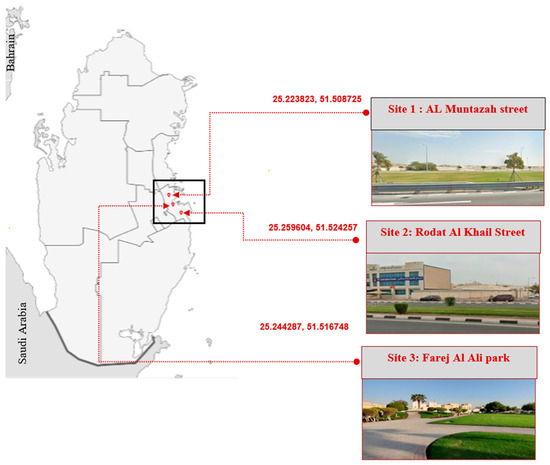
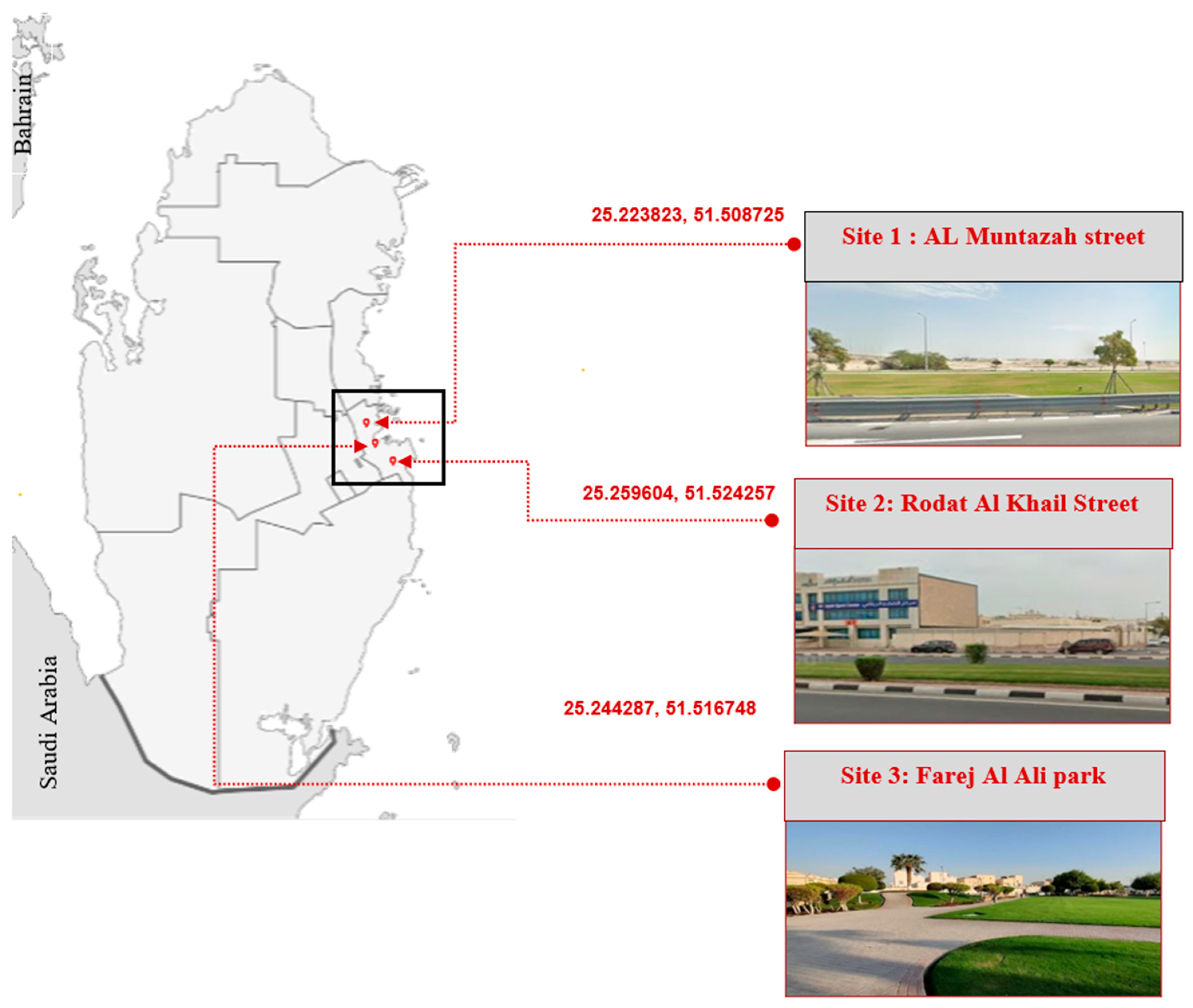
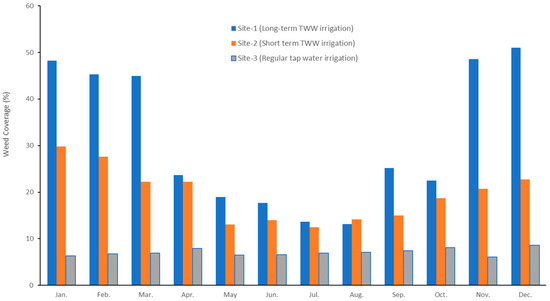
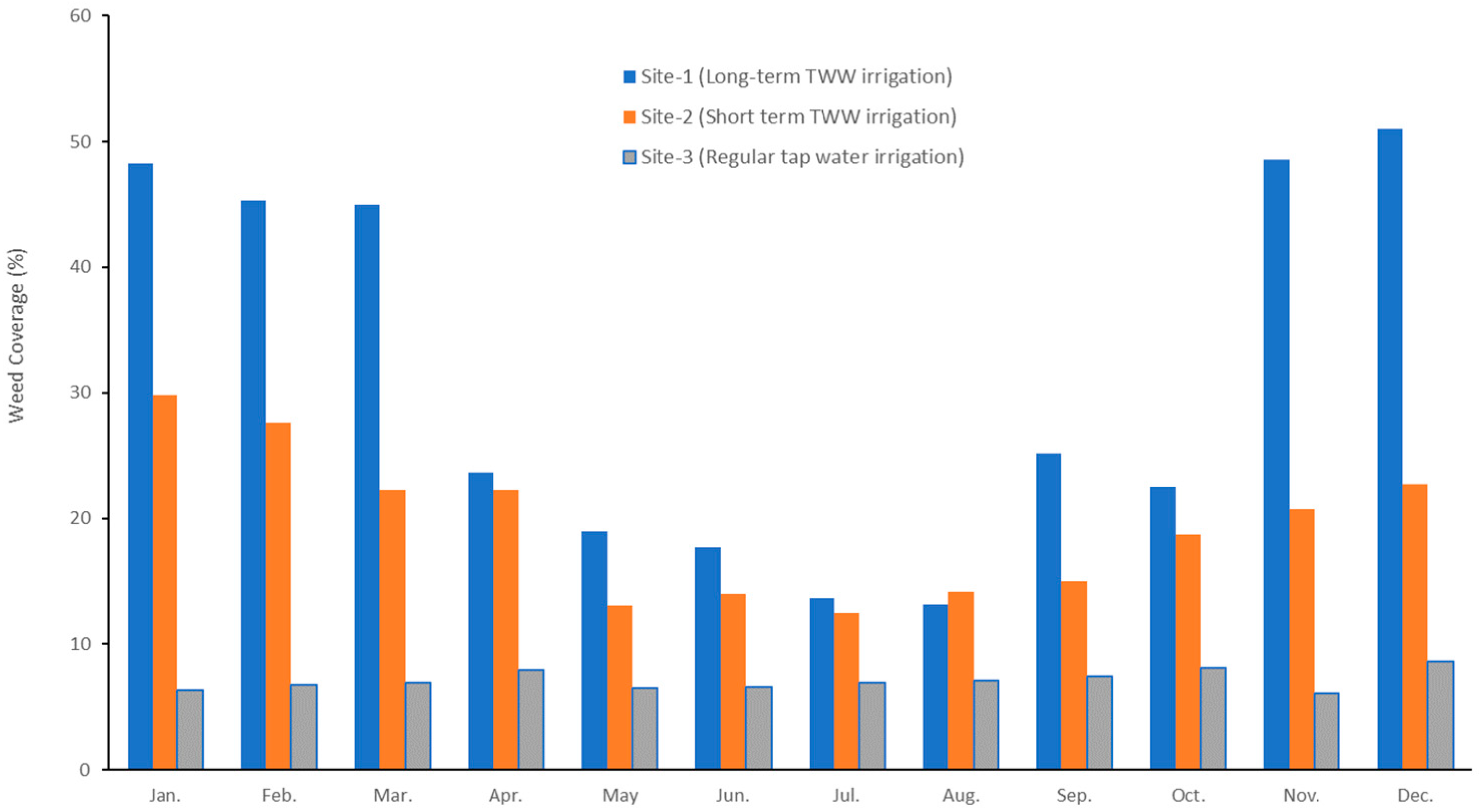
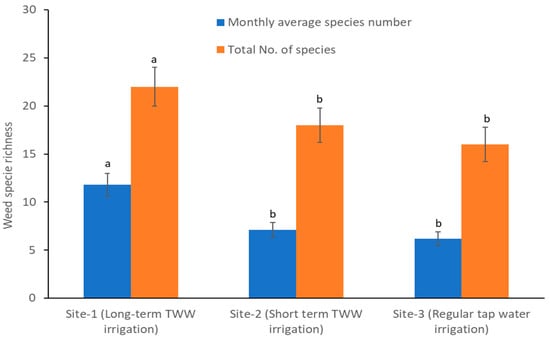
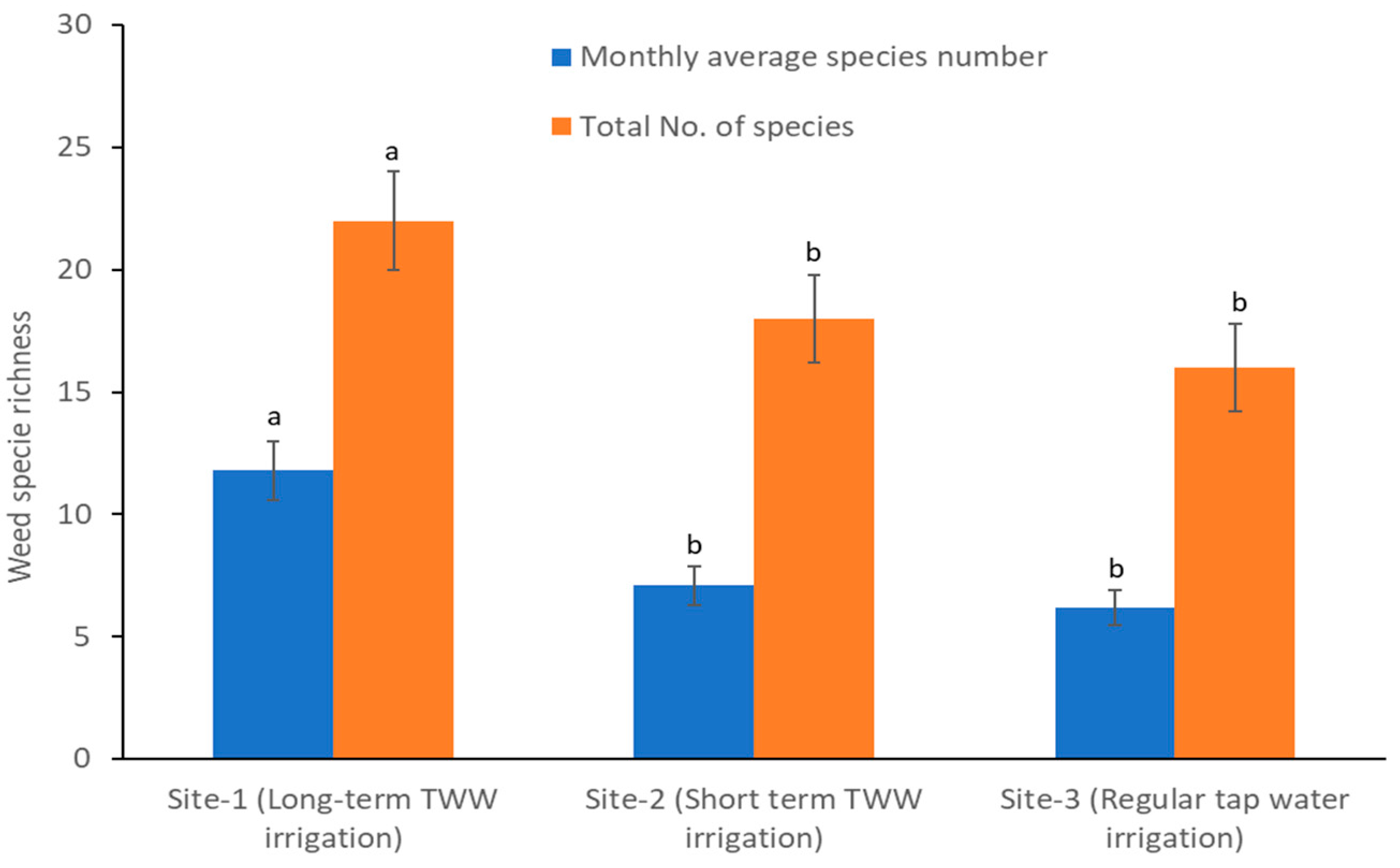
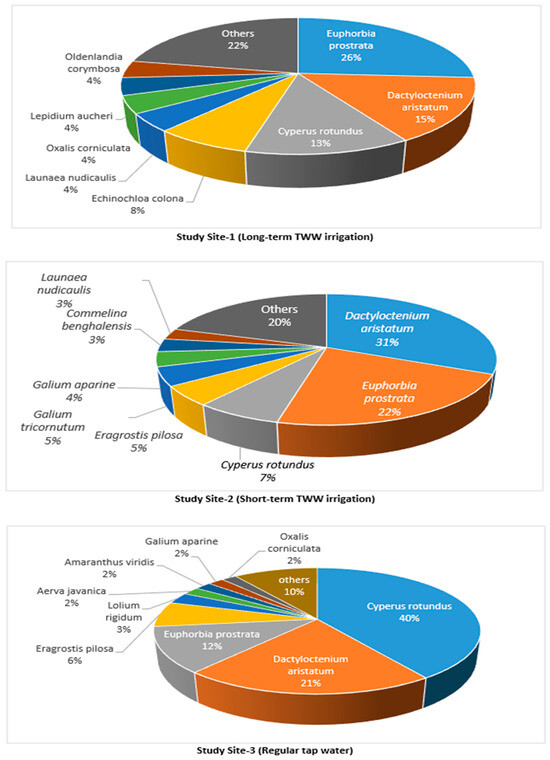
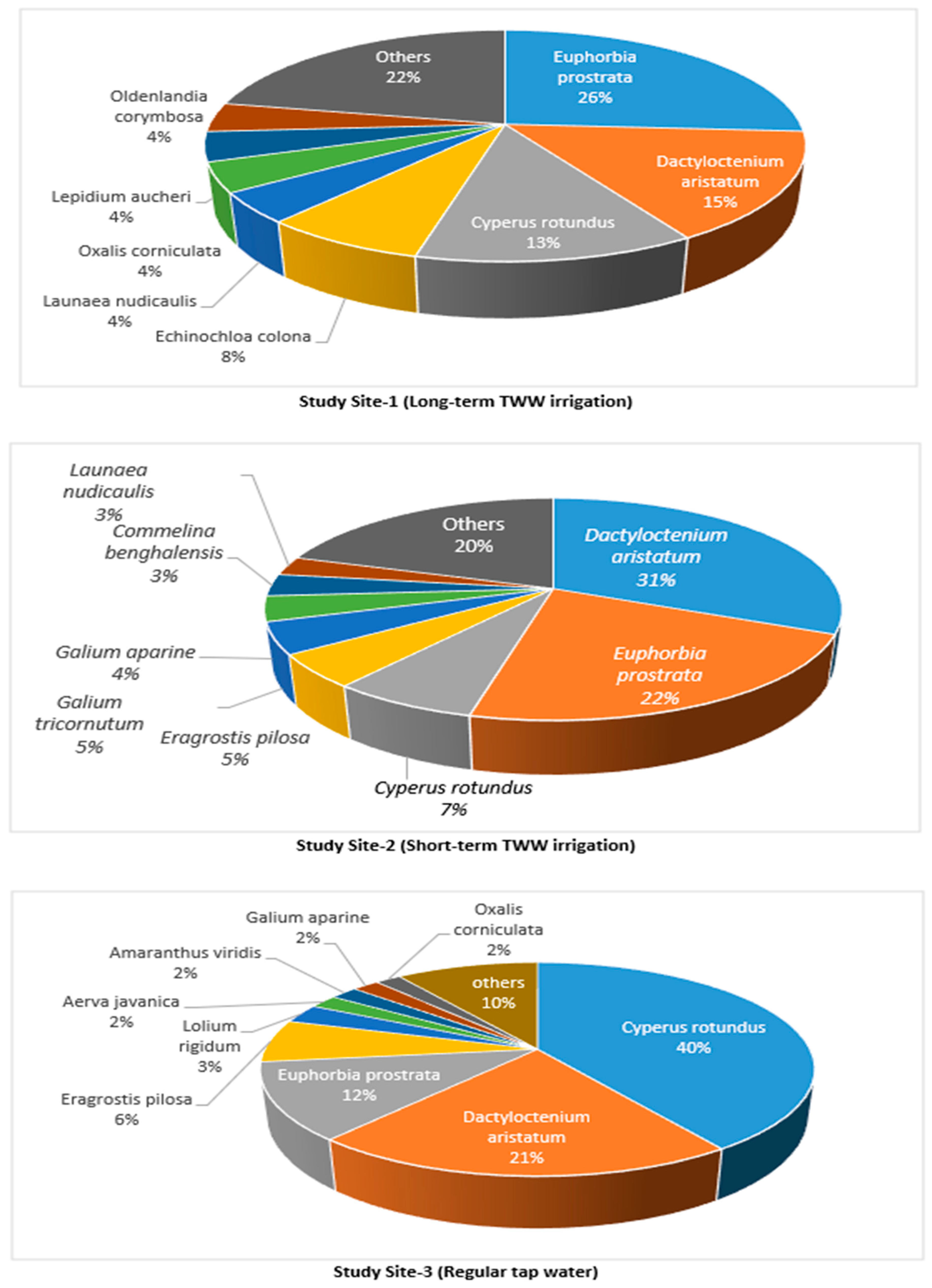
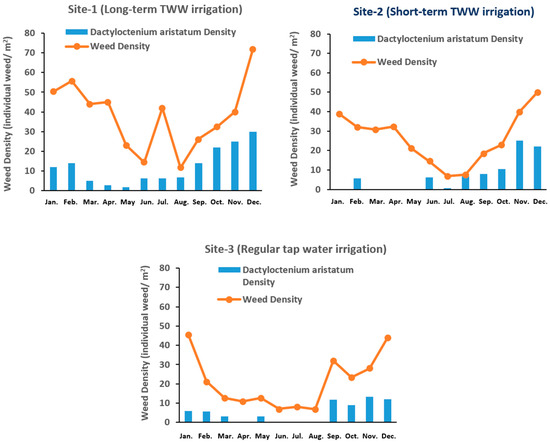
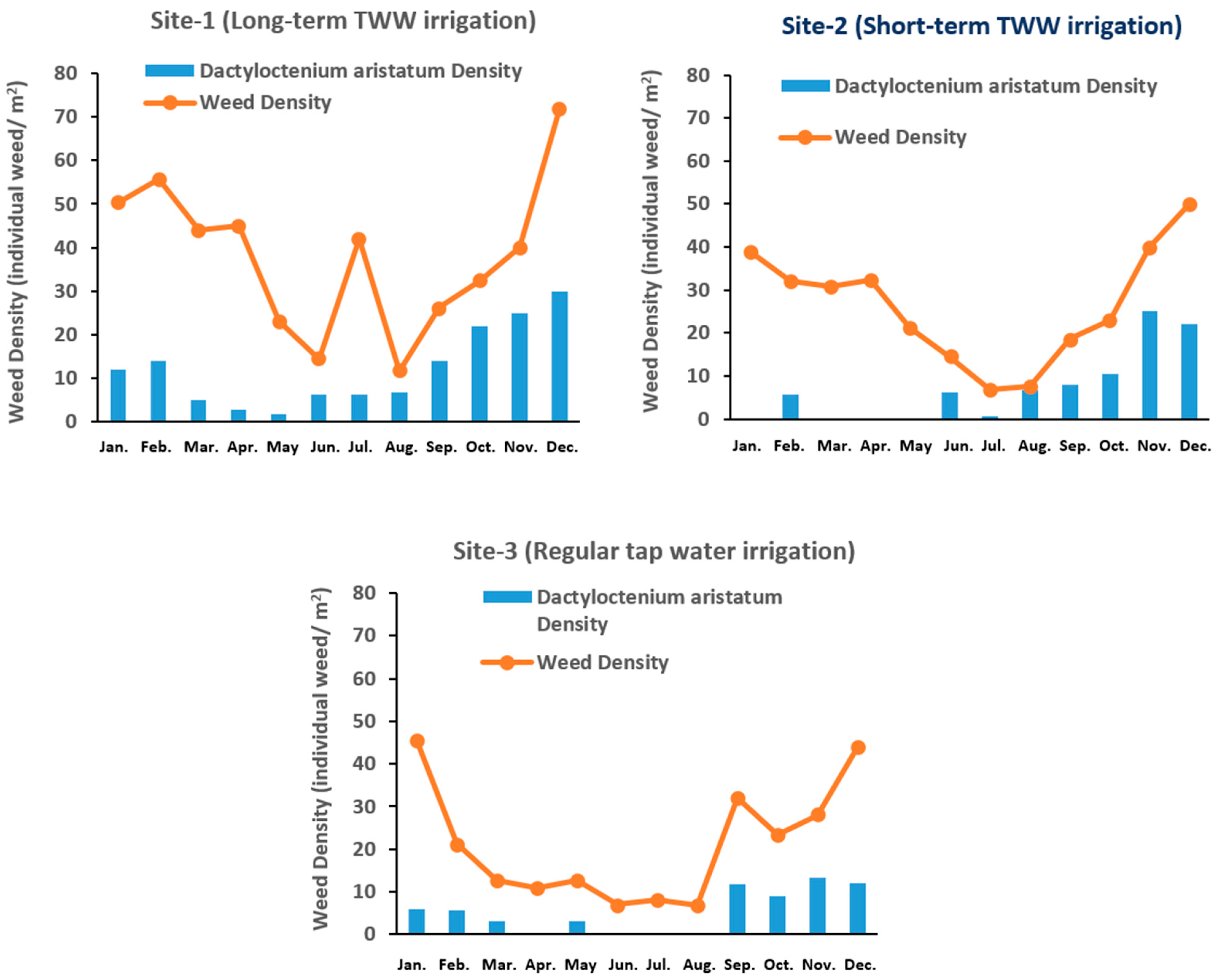
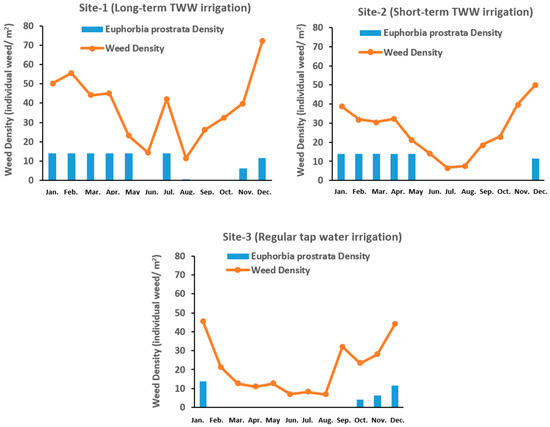
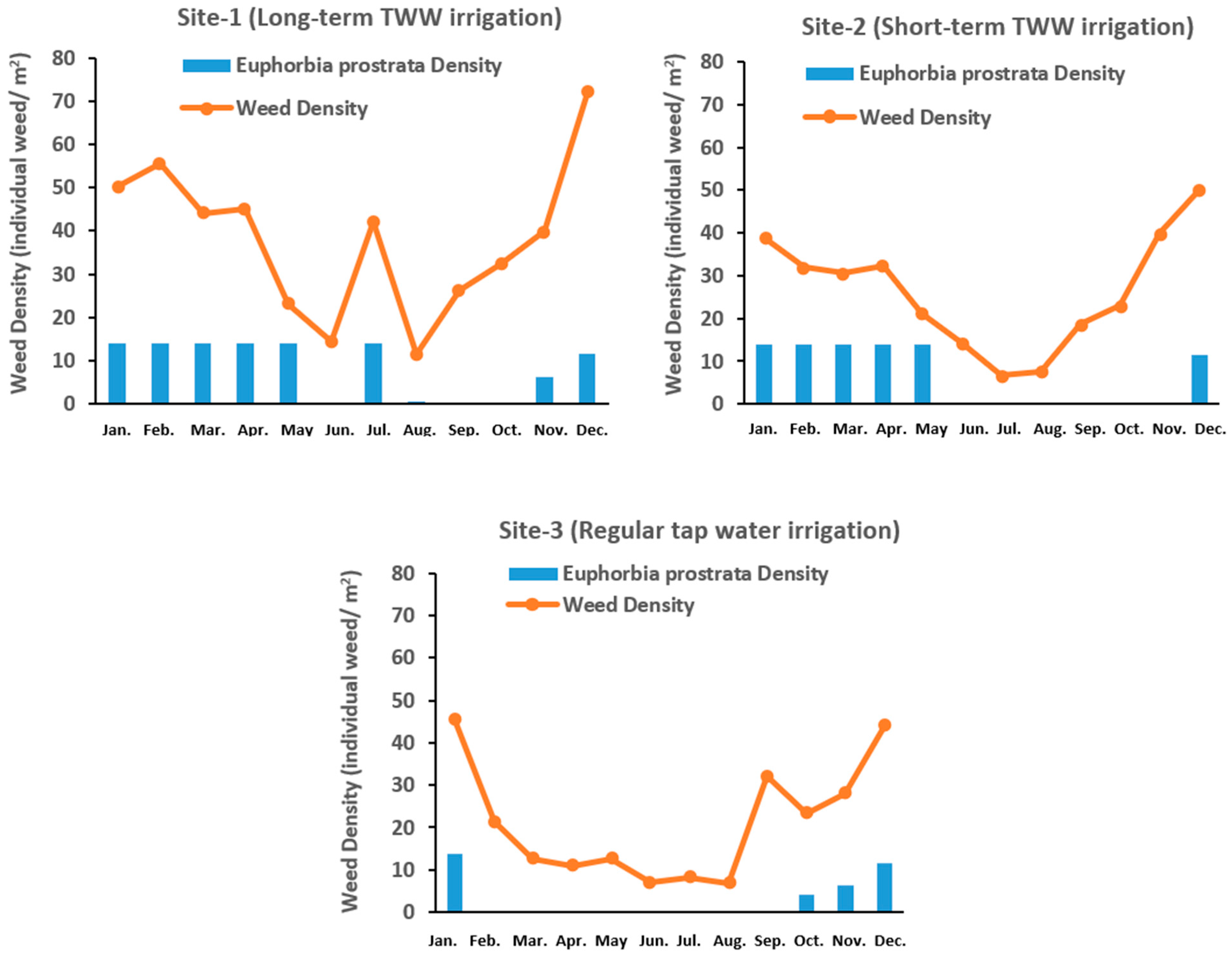
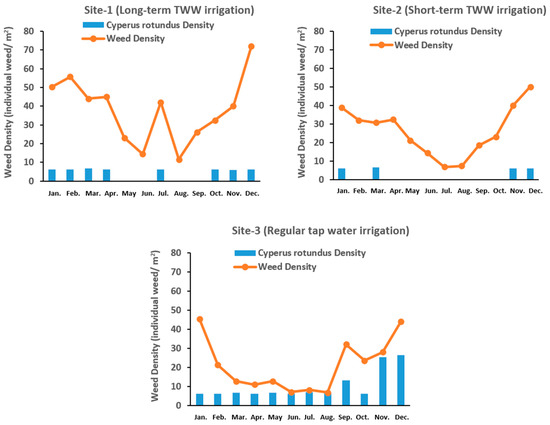
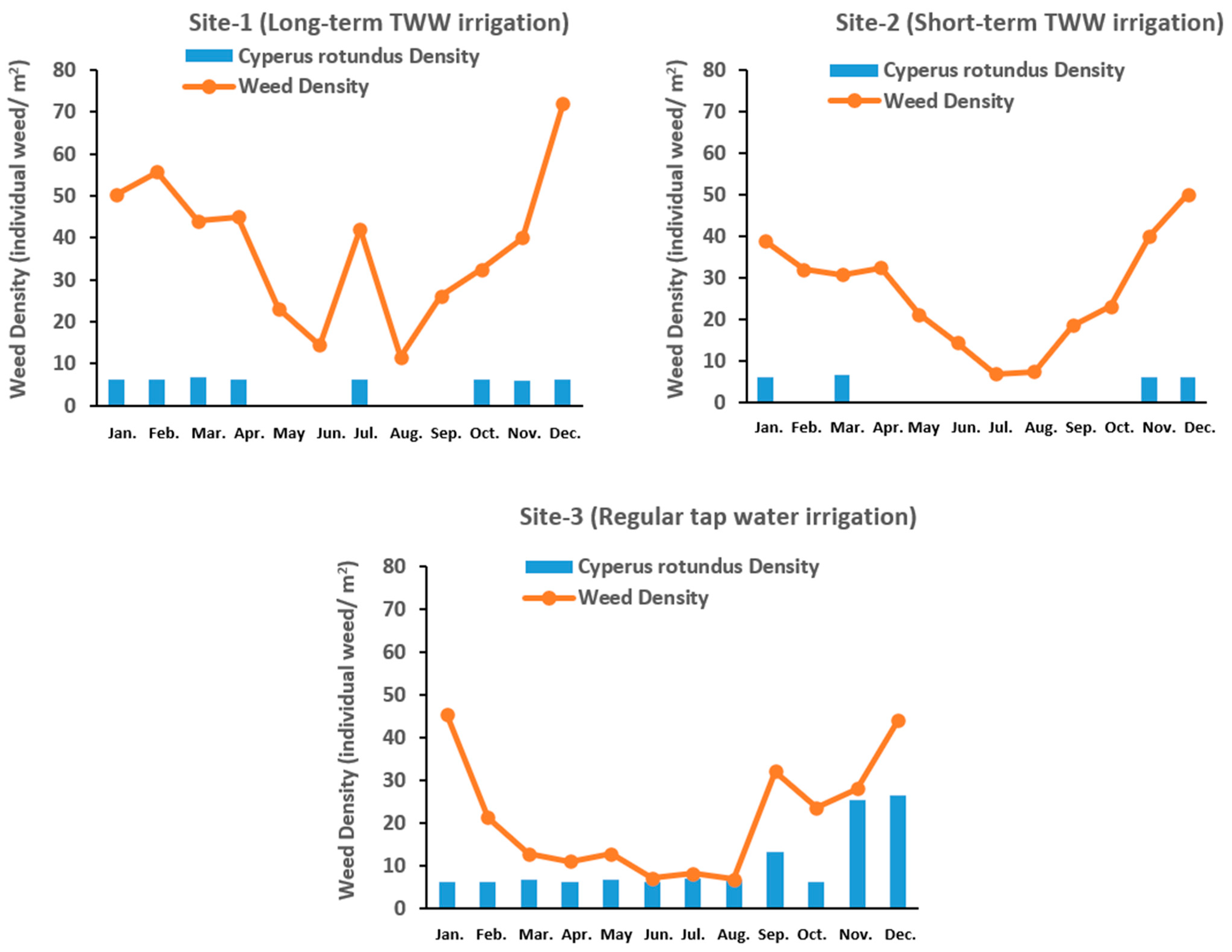

Disclaimer/Publisher’s Note: The statements, opinions and data contained in all publications are solely those of the individual author(s) and contributor(s) and not of MDPI and/or the editor(s). MDPI and/or the editor(s) disclaim responsibility for any injury to people or property resulting from any ideas, methods, instructions or products referred to in the content. |
© 2026 by the authors. Licensee MDPI, Basel, Switzerland. This article is an open access article distributed under the terms and conditions of the Creative Commons Attribution (CC BY) license.