


Abstract
This systematic literature review examines sustainability in Cultural Organizations by synthesizing findings from 88 publications published between 2015 and 2025. These publications have been identified in the Scopus and Google Scholar databases and are evaluated according to the PRISMA 2020 reporting framework. The review investigates three interrelated axes: (i) the integration of multidimensional sustainability (economic, social, environmental) into the management of cultural organizations and its alignment with the Sustainable Development Goals; (ii) digital sustainability communication strategies, with emphasis on the use of social media; and (iii) audience perception and engagement with these initiatives. Findings reveal that environmental and social dimensions dominate the literature, while economic sustainability remains underdeveloped and often only fragmentally integrated. Digital media are recognized as critical communication tools but are used primarily for information dissemination and promotion, with limited application of dialogical or participatory practices. Audience perception emerges as the least theoretically developed research area, despite its decisive role in the effectiveness of sustainability actions. Overall, this review highlights the need for holistic models that connect sustainability strategy, digital communication, and social engagement and proposes a conceptual framework that integrates these three dimensions within the strategic role of cultural organizations.
1. Introduction
Cultural organizations—primarily museums, heritage institutions, and to a lesser extent performing arts organizations—occupy a distinctive position in sustainability debates [1,2,3]. They function simultaneously as economic actors generating measurable output and employment, social agents that shape identity, cohesion and civic life, and environmental actors with tangible material footprints ranging from historic buildings to exhibition operations and touring activities [4,5,6,7]. This multifaceted role positions them as potentially important contributors to the Sustainable Development Goals (SDGs) of the 2030 Agenda, not only through their internal practices but also through their capacity to influence public awareness and values [8,9,10].
In this review, the term “cultural organizations” is adopted as the primary umbrella term, consistent with the revised title. Although the broader Cultural and Creative Industries (CCIs) include sectors such as fashion, video games, design, publishing and audiovisual production [7], the peer-reviewed literature on sustainability is overwhelmingly dominated by museums and cultural heritage organizations (approximately 72% of the corpus). The findings and the heuristic framework presented here are therefore most robust for museums and heritage institutions. Generalizability to other CCI subsectors should be approached with caution.
Despite this recognized potential, the evidence base for how cultural organizations integrate sustainability into strategy, communicate it to audiences, and generate measurable public engagement remains fragmented and underdeveloped [11,12]. Digitalization has fundamentally reshaped the operational models of cultural organizations, influencing both management practices and sustainability communication [13]. At the same time, growing global awareness of environmental challenges has increased expectations for transparency and stakeholder engagement. As a result, organizations are increasingly required to adopt communication strategies that are more participatory, transparent, and effective [14,15]. Sustainability communication is therefore no longer limited to the transmission of information. It also involves the interpretation of context, meaning, and social expectations [16].
Environmental issues are often complex and difficult for the public to fully understand [17]. Effective communication must therefore bridge cognitive gaps while also fostering emotional engagement [18]. In this context, digital storytelling and dialogic engagement have emerged as important tools for cultural managers. However, the meta-narrative review by Golob, Podnar, and Zabkar [19] shows that sustainability communication is frequently treated instrumentally as one-way information transmission. This limits its potential to stimulate dialogue, co-creation of meaning, and broader social transformation.
Social media platforms provide an important channel for sustainability communication because they enable two-way interaction, rapid information dissemination, and audience participation [20,21]. They therefore act as a bridge between organizational sustainability strategies and public engagement. The effectiveness of sustainability messages increases when they incorporate visual elements, emotional framing, and clear narratives [22,23,24,25]. Recent research also indicates that messages addressing environmental and social issues tend to generate higher engagement on social media platforms [26]. No existing review has simultaneously integrated the three interrelated dimensions of organizational sustainability strategy, digital sustainability communication, and audience perception within the specific context of cultural organizations, and filling this integrated gap is both timely and necessary.
The success of sustainability initiatives, however, depends largely on public perception and participation. Social innovation, as argued by Westley et al. [27], emerges from the active involvement of citizens in problem-solving processes and is linked to theories of participatory development and community empowerment. In the cultural sector, audience perception of sustainability is influenced by communication quality, organizational credibility, and organizational ability to connect sustainable practices with the cultural experience [28]. The integration of sustainability into cultural experience strengthens environmental awareness, cultivates positive attitudes, and encourages responsible behaviors [10,29].
In response to the challenges outlined above, this systematic literature review synthesizes existing knowledge across three interrelated axes: (i) the strategic integration of multidimensional sustainability (economic, environmental, and social) into the management of cultural organizations; (ii) digital sustainability communication practices, with particular emphasis on social media; and (iii) audience perception of and engagement with these initiatives. The aim is to develop a heuristic conceptual framework that clarifies the relationships between strategy, communication, and social perception. Accordingly, the review is guided by the following research questions:
Research Question 1 (RQ1)—Managerial Integration: How is the multidimensional principle of sustainability (economic, environmental, and social dimensions) defined and strategically integrated into cultural organizations?
Research Question 2 (RQ2)—Digital Sustainability Communication: In what ways are digital media, and specifically social media, used to communicate sustainability actions of cultural organizations?
Research Question 3 (RQ3)—Audience Perception: How do audiences perceive cultural organizations’ sustainability messages, and in what ways does communication influence awareness and behavioral intentions?
2. Materials and Methods
This systematic literature review was conducted in accordance with the PRISMA 2020 reporting framework (Preferred Reporting Items for Systematic Reviews and Meta-Analyses) [30], which ensures transparency, reproducibility, and methodological rigor in the reporting of systematic reviews. This review was not pre-registered in a public registry prior to its conduct, and no formal review protocol was prepared in advance.
2.1. Search Strategy
A structured search was performed across two major academic databases, Scopus and Google Scholar, selected for their broad disciplinary coverage and extensive indexing of peer-reviewed literature in the fields of cultural management, sustainability, and communication [31]. The search was conducted in January 2026 and covered publications from January 2015 to December 2025. It is important to note that Google Scholar is not equivalent to Scopus as a search database. Google Scholar does not support field-level operators (such as TITLE-ABS-KEY), is subject to search personalization effects, and does not offer directly reproducible results. To mitigate these limitations, all Google Scholar searches were conducted in private browsing mode to reduce personalization; a fixed stopping rule was applied (screening ceased when three consecutive pages yielded no new relevant records); and all records from both databases were de-duplicated using a shared reference management tool.
The search strategy was organized around three thematic clusters corresponding to the three Research Questions, each applied independently in both databases (Table 1). For Scopus, the TITLE-ABS-KEY field operator was used. For Google Scholar, keyword groups from each cluster were applied as keyword searches without field restrictions. For each cluster in Google Scholar, the first 20 pages (200 results) were screened.
Table 1.
Keyword Search Strategy.
To ensure alignment with the three research questions, three independent Boolean search strings were applied—one per thematic cluster. The combined string shown in earlier drafts has been removed, as it inaccurately suggested a single conjunctive query. The three cluster-specific strings were: Cluster 1 (Sustainable Management): (“cultural organizations” OR “museums” OR “CCIs” OR “heritage institutions”) AND (“economic sustainability” OR “environmental sustainability” OR “social sustainability”). Cluster 2 (Digital Sustainability Communication): (“sustainability communication” OR “environmental communication”) AND (“social media” OR “Facebook” OR “Instagram” OR “digital media”) AND (“cultural organizations” OR “museums”). Cluster 3 (Audience Perception): (“audience perception” OR “public awareness” OR “visitor attitudes”) AND (“sustainability” OR “sustainable initiatives”) AND (“cultural organizations” OR “museums”). The search targeted the title, abstract, and keyword fields. Three thematic clusters guided the search strategy, as presented in Table 1.
2.2. Eligibility Criteria
The year 2015 was selected as the starting threshold on substantive grounds: it marks the adoption of the United Nations 2030 Agenda for Sustainable Development and the 17 SDGs [32], the publication of the UNESCO ‘Culture: Urban Future’ report, and the consolidation of ‘culture as a fourth pillar of sustainability’ as mainstream international policy discourse. These milestones reoriented scholarly and institutional attention to sustainability across all sectors, making 2015 a meaningful rather than arbitrary temporal boundary.
Document types included were journal articles, conference papers, and book chapters; book reviews, editorials, grey literature, and dissertations were excluded. The search was limited to English-language publications; this constitutes a language restriction that may itself introduce bias by excluding relevant scholarship published in other languages—a limitation acknowledged in Section 6. Regarding thematic content, studies focusing on sustainable management, communication, or audience perception of sustainability in cultural organizations were included, while studies connecting cultural organizations with tourism without a clear focus on sustainable management, and general cultural policy studies without a sustainability dimension, were excluded (Table 2).
Table 2.
Inclusion and Exclusion Criteria.
The available peer-reviewed literature between 2015 and 2025 is predominantly concentrated in museum and cultural heritage research. This concentration reflects the current state of the field rather than a deliberate restriction, and is explicitly acknowledged as a scope limitation in Section 6.
2.3. Data Extraction and Screening Procedure
Data extraction and study screening were conducted independently by three authors, following a structured process in order to minimize individual bias and enhance the reliability of the selection procedure [33]. Each reviewer independently assessed titles, abstracts, and full texts against the predefined eligibility criteria. Disagreements among the three reviewers were resolved through discussion and consensus. We acknowledge that Cohen’s kappa would have provided a more informative agreement metric and note its absence as a limitation of the screening procedure. Regarding independence: for studies on which any member of the author team was a co-author, that author was recused from the inclusion/exclusion decision for that study, with the decision made by the other two reviewers.
A standardized data extraction form was used to systematically record key bibliographic and thematic information for each included study, including author(s), year of publication, country of study, research design, methodology, thematic focus, and main findings.
For the assignment of studies to one or more Research Questions, the following operational coding rules were applied (Table 3). Studies were assigned to two or more RQs only when they substantially and explicitly addressed both dimensions.
Table 3.
Operatonal coding rules for assignment of studies to Research Questions.
Regarding methodological quality: given the heterogeneity of the included corpus—which encompasses empirical studies (qualitative, quantitative, mixed methods), conceptual contributions, and review papers—no single formal risk-of-bias tool (e.g., RoB2, ROBINS-I) was deemed appropriate for uniform application. Instead, methodological quality was assessed by two independent reviewers across three dimensions: (i) clarity of research design; (ii) transparency of data collection and analysis; and (iii) relevance to the predefined research questions. Studies with significant methodological limitations are flagged within the thematic synthesis below. The publication type and methodological category of each study are recorded, enabling readers to assess the evidentiary weight of the synthesis independently.
2.4. Data Charting Process and Data Items
Following the screening and eligibility stages, data from the 88 included studies were charted using a standardised, piloted data extraction form developed in Microsoft Excel by the review team. Two reviewers independently extracted data from each study. A third reviewer was involved as an arbitrator in cases of disagreement. The inter-rater agreement prior to consensus discussions reached 89%. All discrepancies were resolved through joint re-examination of the full texts and team discussion until consensus was achieved.
The following data items were systematically charted for each included publication:
- Bibliographic information: Authors, year of publication, publication type (journal article, conference paper, book chapter, review), and DOI.
- Study characteristics: country/region of focus, methodological approach (qualitative, quantitative, mixed methods, conceptual/theoretical).
- CCI subsector: Primary cultural organization type examined (e.g., museums and heritage institutions, performing arts organisations, tourism-adjacent cultural activities, other).
- Sustainability dimensions addressed: Economic, environmental, social, and/or cultural (fourth pillar), including any explicit references or mappings to specific Sustainable Development Goals (SDGs).
- Research Question assignment: Primary and secondary RQ(s) according to the operational coding rules in Table 3.
- Communication-related variables (relevant to RQ2): Type of communication (monological/promotional vs. dialogical/participatory), digital channels and tools used (social media, VR/XR, AI, websites), rhetorical framing, and degree of interactivity.
- Audience-related variables (relevant to RQ3): target audience characteristics (Generation Z, other age groups, local residents, tourists, communities), measured outcomes (awareness, attitudes, behavioural intentions, wellbeing, psychological ownership, visit intention), and identified engagement mechanisms.
- Key findings, outcomes, and limitations reported by the original authors.
Given the heterogeneous nature of the corpus (mix of empirical, conceptual, and review papers), formal quantitative meta-analysis was not feasible. Directed thematic synthesis was therefore applied to identify recurring themes, convergences, divergences, and gaps in relation to the three research questions. This charting process ensures methodological transparency and supports the reproducibility of the subsequent synthesis presented in Section 3.2 and the Discussion in Section 4. In accordance with the PRISMA 2020 statement, the completed PRISMA checklist is provided as Supplementary Material to this article.
3. Results
3.1. Study Selection Process
The study selection process followed the four-phase PRISMA 2020 flow (Identification, Screening, Eligibility, Inclusion), as illustrated in Figure 1. A total of 330 records were initially identified (Scopus: 118; Google Scholar: 212). Prior to screening, 68 duplicate records were removed, along with 31 records excluded for other reasons (e.g., non-scientific content, unclear thematic relevance), resulting in 231 records proceeding to title and abstract screening. At the screening stage, 42 records were excluded due to insufficient relevance to the cultural and/or creative sector, or due to the absence of substantive reference to sustainability. The next step involved retrieving the full texts of the remaining 189 publications. However, 26 records were subsequently excluded because their full texts could not be retrieved through the databases and institutional subscriptions available to the researchers at the time of the review. The 163 articles assessed for full-text eligibility were reviewed against the established criteria, resulting in the exclusion of 75 studies: 63 focused on tourist destinations without a cultural dimension or were climate studies without connection to cultural heritage or CCIs, whereas 12 studies focused exclusively on technical-environmental issues devoid of cultural content. Following all filtering stages, 88 publications met the inclusion criteria and were incorporated into this systematic review.
Figure 1.
PRISMA flow diagram. * Records identified from each database searched separately. ** No automation tools were used in this review.
Following the identification, screening, and eligibility stages, the final sample of 88 studies was subjected to Directed Thematic Synthesis [34], a method particularly suited for synthesizing heterogeneous bodies of qualitative and mixed-methods evidence around predefined research questions. This approach enabled the systematic identification of recurring themes, patterns, and gaps across the three research axes of the review, while remaining sensitive to the diversity of methodological approaches represented in the corpus. As no meta-analysis was conducted and the synthesis was qualitative in nature, formal certainty assessment (e.g., GRADE) was not applicable. Confidence in the synthesized findings was informed by the convergence of evidence across multiple independent studies within each thematic axis.
Descriptive Results
Out of the 88 articles, 48 relate exclusively to the first research question [RQ1 (sustainability practices)], 7 to the second [RQ2 (sustainability communication)], and 19 to the third [RQ3 (audience perception)]. Additionally, 14 articles address two research questions. The distribution of studies across research questions is presented in Table 4.
Table 4.
Distribution of articles according to research questions.
Regarding the annual research trend (Figure 2), an increasing interest in the topic of sustainability in cultural and creative industries is evident. Specifically, the number of publications grew from 2 articles in 2015 to 13 in 2021, reaching 23 in 2025.
Figure 2.
Annual number of publications on sustainability in cultural and creative industries (n = 88).
The chronological analysis suggests four interpretive phases in the evolution of literature. Phase 1 (2015–2017) is characterized by conceptual foundations: introduction of the fourth pillar of sustainability and the first empirical analyses in museums and libraries. Phase 2 (2018–2020) focuses on the connection of cultural organizations with SDGs and the formation of measurement indicators. Phase 3 (2021–2023) is marked by the COVID-19 pandemic and the acceleration of digital transformation, with new research fields emerging around AI, XR, and the metaverse. Phase 4 (2024–2025) is characterized by synthesis and reflection: holistic frameworks, comparative global assessments, and increasing emphasis on the ethical dimension of sustainability. A clear methodological evolution is also observed: while the first period was dominated by qualitative and review-based approaches, the most recent period shows an increase in mixed-method designs and the application of computational methods, including machine learning, multimodal analytics, remote sensing, and LCA (Table 5).
Table 5.
Evolutionary Trends in the Literature 2015–2025.
The geographical analysis of the 88 selected studies reveals a predominant focus on Europe, which accounts for 72.7% of the total literature. This concentration is particularly evident in the Mediterranean region—specifically Greece and Italy—reflecting a robust academic interest in integrating digital transformation and adaptive reuse within European Cultural Organizations. Asia and the Pacific represent the second most active region (10.2%), with significant contributions from China and Taiwan that bridge sacred heritage with environmental conservation. North America contributes 6.8% of the corpus, primarily through research on museum science education and visitor engagement in the US. Notably, a Global/Theoretical category (8.0%) provides cross-border benchmarks and SDG-aligned frameworks that transcend specific borders. Conversely, the Global South (Africa and Latin America) remains underrepresented at 2.2%, signaling a critical research gap. This distribution highlights a geographical imbalance, suggesting that while the discourse on cultural sustainability is maturing in advanced economies, there is an urgent need for more empirical evidence from emerging regions where CCIs can serve as vital drivers for local development and social cohesion (Table 6).
Table 6.
Geographical Distribution.
Table 7 presents the complete list of the 88 publications included in this review, along with their main characteristics—publication year, methodological approach, CCI subsector, research question(s) addressed, and coding rationale. This allows readers to independently assess the composition and evidentiary basis of the corpus prior to engaging with the thematic synthesis.
Table 7.
Full list of the 88 included studies.
3.2. Thematic Results
3.2.1. Research Question 1: Sustainability Practices in Cultural Organizations
The concept of sustainability in cultural organizations has evolved from a dual (environmental + social) toward a more holistic understanding that increasingly recognises culture as a potential fourth pillar. This theoretical shift is evident in the literature: from early views that positioned museums primarily as recipients of environmental policy [11], to more recent analyses that cast them as active agents capable of driving broader socioeconomic transitions [35,36].
The conceptual framework is significantly enriched by the Sustainable Development Goals (SDGs) of the 2030 Agenda. Cerquetti and Montella [37] identify seven SDGs already embedded in the Italian National Museum System, demonstrating that the museum–SDGs correlation is not theoretical but practically applicable. Meanwhile, Gao et al. [38] adopt a network perspective to map the mechanisms through which CCIs contribute to achieving the SDGs, revealing complex interdependencies that transcend simple causal relationships.
At the level of national policy, Gurgu et al. [39] document how creative sectors contribute to Romania’s sustainable development through a ‘culture–innovation symbiotic relationship’. This finding reinforces the position that cultural organizations are not passive sectors but active ecosystems feeding regional resilience. Furthermore, the study by Gombos and Kézai [40] on Budapest reveals that the 2008 economic crisis weakened CCIs’ sustainability more than the COVID-19 pandemic, suggesting that structural economic vulnerability is more dangerous than exogenous crises—a finding that directly challenges the dominant narrative focusing on post-COVID recovery [41].
Environmental Sustainability. The measurement and reduction in the environmental footprint of cultural organizations emerges as one of the most dynamic sub-fields. Three methodological clusters can be identified, each with distinct premises and applicable contexts. The first cluster employs Life Cycle Assessment (LCA), tracing material and energy flows across the full operational cycle. Onofri et al. [42] apply LCA to the Peggy Guggenheim Collection in Venice, providing the most granular environmental accounting in the corpus. LCA’s strength is its comprehensiveness; its limitation in the cultural organizations context is resource intensity and dependence on detailed institutional data, making it best suited to large, well-documented organizations. Liu and Liu [43] show how a religious-cultural complex in Taiwan increased carbon storage by 17.8% between 2016 and 2022, demonstrating the potential of cultural landscapes as ‘green infrastructure.’
The second cluster employs composite sustainability benchmarking—structured assessments using predefined indicator sets applied comparatively. Martin Müller and Grieshaber [36] offer the first comparative global sustainability assessment of cultural organizations, revealing an average score of only 37/100. This approach enables cross-institutional comparison but relies on self-reported data, introducing potential social desirability bias. Glesner [41] finds that carbon footprint reports from European cultural organizations have only a limited direct impact on reducing emissions, mainly due to the inability to control visitor mobility and external energy consumption. Oyeyipo et al. [44] suggest that LED and smart control systems can reduce energy consumption by 40–60% in art galleries without compromising artwork preservation. Aleksandrov [45] documents how green roofs, vertical gardens, and water features can be integrated into museum extensions.
The third cluster employs discourse and policy analysis to examine how environmental sustainability is institutionally framed. Foster and Kreinin [46] review environmental impact indicators for cultural heritage buildings from a circular economy perspective, revealing that only 17% of studies incorporate a full circular economy analysis. Iodice and Bifulco [47], in a study with 170+ consumers, find that the perception of a ‘purpose-driven’ organization significantly increases trust, even in the absence of strong environmental communication.
Across all three methodological clusters, a consistent finding emerges: there is a substantial gap between stated commitments and measurable outcomes. Organizations declaring sustainability strategies rarely demonstrate corresponding measurable improvements [36,41]. This rhetoric–implementation gap is the most robust finding in the environmental sustainability literature, supported by convergent evidence across both empirical and discourse-based approaches [35,36,41].
Economic Sustainability and Financing. The economic sustainability of cultural organizations is one of the most critical axes of this review, particularly in light of the upheavals caused by the COVID-19 pandemic. Agostino [48] analyzes the pandemic’s impact on the economic sustainability of Italian museums, demonstrating that the digital transition led to the development of new revenue models. Pavlidis et al. [49] examine the digital transformation of small cultural institutions, noting that technological adoption requires investment in human capital that often exceeds the capacities of small organizations. Cicchiello et al. [50] analyze how national cultural dimensions (uncertainty avoidance, individualism) affect the adoption of reward-based crowdfunding in CCIs across 40 countries. Mikić [51] focuses on Serbia, documenting how crowdfunding emerges as a viable alternative for financing in non-Western markets. At the macroeconomic and regional level, Manioudis and Angelakis [52] highlight the contribution of the creative economy to sustainable regional growth, emphasizing its role in smart specialization strategies and the Entrepreneurial Discovery Process (EDP). Drawing on the case of the Attica region, the authors demonstrate how creative industries can support circular economy practices, reduce environmental footprint, and generate long-term economic value while advancing multiple SDGs. These findings, together with complementary national and regional analyses [39,40], underscore the policy importance of positioning cultural and creative industries as strategic drivers for both economic resilience and sustainability transitions.
Cultural Sustainability and Heritage. The concept of cultural sustainability is characterized in the literature by inherent complexity: heritage preservation may be in tension with both environmental sustainability (energy needs of historic buildings) and economic pressures (tourism vs. protection). Loach et al. [11] propose a four-pillar framework recognizing culture as an equal fourth pillar of sustainability. Capaldo [53] analyzes communities at the US–Mexico border that resist the removal of copper processing toxic waste because they perceive it as part of their cultural identity—a classic case of the ‘heritage paradox’, where cultural sustainability prevails over environmental sustainability. A similar dynamic is found in the study by Torabi Farsani et al. [54] on mine museums, where the identity value of industrial heritage reshapes sustainability perceptions. Adaptive reuse of historic buildings constitutes one of the most dynamic themes in the literature. Bianchi and De Medici [55] analyze cases of railway station reuse, while Amato et al. [56] apply participatory multi-criteria analysis (MCA) to evaluate reuse scenarios for a Carthusian Monastery in Tuscany, reflecting a broader shift towards participatory management of cultural heritage.
Creative Industries and Sustainable Development. At the theoretical level, d’Orville [57] emphasizes that creativity is a prerequisite for finding solutions to environmental and social challenges. Gustafsson and Lazzaro [58] map four main axes through which CCIs address European social challenges: climate change, migration, digitalization, and social exclusion. The study by Martin Müller and Grieshaber [36] reveals a critical gap: the majority of cultural organizations declare a strategic commitment to sustainability, yet measurable performance remains low—a finding that Power [59] attributes to the phenomenon of ‘concept condensation’, i.e., the linguistic reduction in sustainability to a synonym for economic survival.
Technology and Sustainability: The Role of AI. Beyond traditional sustainability practices, the recent literature has also begun to explore the role of emerging technologies in enabling sustainable cultural management. A critical contribution is the study by Avlonitou, Papadaki, and Apostolakis [60], which introduces the ‘Human–AI Compass’ as a theoretical framework for the equitable integration of Artificial Intelligence in museums. As the authors argue, such developments address sustainability across all four dimensions (operational, environmental, economic, cultural), since AI can optimize them all—from predictive maintenance to digital collection preservation and personalized visitor experience.
Overall, the literature on sustainability practices in cultural organizations reveals clear asymmetries and methodological diversity. Environmental sustainability is the most developed axis, supported by multiple methodological approaches and convergent evidence of a rhetoric–implementation gap. Economic sustainability remains fragmented and often treated as a short-term financing issue rather than a strategic pillar. Cultural sustainability is conceptually rich but difficult to operationalise, frequently revealing trade-offs with environmental goals. Technology, particularly AI, emerges as a cross-cutting enabler with high potential but limited empirical validation to date. These patterns underscore the need for more integrated approaches that move beyond isolated interventions. Three distinct clusters can be identified in the environmental sustainability subfield, each with different strengths, limitations and applicable contexts (Table 8).
Table 8.
Synthesis of Sustainability Practices (RQ1)—Methodological Clusters and Key Findings.
3.2.2. Research Question 2: Sustainability Communication in Cultural Organizations
Sustainability communication in cultural organizations remains in a transitional phase, dominated by monological and promotional strategies. Two major patterns emerge from the corpus.
The first pattern concerns communication mode. The majority of studies document one-way, informational or branding-oriented approaches [61,62,63,64]. In contrast, dialogical and participatory strategies, although far less frequent, consistently show significantly higher audience engagement and behavioral intention [65]. This gap between what is practiced and what is more effective is a convergent finding across the literature.
The second pattern concerns rhetorical framing. Discourse analyses reveal systematic “concept condensation” [59]: the term “sustainability” is frequently reduced to economic viability or institutional survival, while environmental and social dimensions are marginalized [35,61]. This rhetorical tendency appears across different cultural contexts (UK, Australia, Greece, Italy), suggesting it is structural rather than local.
Emerging technologies (XR, VR, AR, AI) offer new experiential pathways for embedding sustainability narratives [69,70,72]. However, critical studies caution that algorithmic tools trained on non-representative datasets risk reproducing cultural biases, potentially undermining cultural sustainability itself [68].
Overall, the literature converges on the finding that dialogical communication is more effective yet significantly underrepresented, while technology offers promise but also new risks. Adoption remains uneven and context-dependent.
Overall, sustainability communication is in a transitional stage: informational and promotional use dominates, while dialogical and participatory communication remains limited. Technology offers new possibilities, but adoption is uneven (Table 9).
Table 9.
Main Thematic Findings—Research Question 2.
3.2.3. Research Question 3: Public Perception of Sustainability
Among the three research questions guiding this review, audience perception of sustainability in cultural organizations represents the most under-researched yet critically evolving axis. The synthesis of the reviewed studies reveals that while theoretical frameworks such as the Theory of Planned Behavior, the Value–Belief–Attitude Theory, and the Technology Acceptance Model (TAM) are consistently applied, there is a profound demographic and contextual divergence in how sustainability is perceived. A central point of discussion concerns the relationship between perception and behavior; for instance, Chung et al. [76] document that the perception of eco-innovative CSR positively affects visitors’ quality impressions and loyalty, yet this connection is not linear, as it is significantly modulated by factors such as age, educational level, and previous experience with the organization.
This demographic divergence is most evident in the “generational tilt” of current literature, where Generation Z emerges as the most frequently examined group. Studies by Ásványi and Fehér [77] and Esposito and Fisichella [78] confirm that Gen Z perceives a cultural organization’s value through its active social role and environmental stance, viewing sustainability as synonymous with active engagement and co-creation. This is often mediated through immersive technologies such as XR, gamification, and the Metaverse [60,69], where younger audiences seek autonomy and unrestricted movement. However, a critical research gap remains regarding middle-aged and older visitors, whose perceptions operate through a more “traditional-institutional” lens, prioritizing economic viability and heritage preservation over radical digital transformation. As Chung et al. [76] provide rare comparative insight, they emphasize that factors like prior museum experience carry significantly more weight for older cohorts than for the digital-native Gen Z.
A second major distinction identified in this review concerns the contextual contrast between residents and tourists. While Gen Z audiences tend to respond positively to interactive, digital, and co-creative sustainability initiatives that combine environmental concern with social purpose [60,77,78], other demographic groups appear to engage through different mechanisms. Middle-aged and elderly visitors, as well as local residents and non-tourist communities, are significantly underrepresented. Available evidence suggests that these groups often prioritise psychological ownership, community participation, and tangible in situ experiences over purely digital or gamified approaches [79,80,85]. For instance, participatory and community-based initiatives seem to foster stronger and more durable engagement for local residents compared to top-down digital campaigns favoured by younger cohorts [79,81]. Physical presence at heritage sites also consistently produces higher well-being outcomes than digital alternatives, particularly for older audiences [85]. This generational and contextual divergence highlights a critical research gap: without systematic examination of how different audience segments perceive and respond to sustainability messages, cultural organizations risk designing communication strategies that are effective for only a narrow segment of the public.
For local and indigenous communities, the perception of sustainability is deeply ecosystemic and tied to social well-being. Studies by Wali et al. [79] and Brown [80] demonstrate that for residents, sustainability is not a digital aesthetic but a matter of “psychological ownership” achieved through structural involvement and community-based conservation rather than top-down communication. This is further supported by Biondi et al. [81], who reveal that participation dynamics in cultural initiatives are pivotal for shaping these long-term perceptions. In contrast, for tourists, the perception of sustainability is often more transactional and experiential. Research focusing on sustainable tourism [85,87,88,91] reveals that tourists value the adaptive reuse of heritage sites and cultural authenticity, viewing heritage not as a static object but as a living educational resource [91]. Panagopoulos and Nikas [90] reinforce this by suggesting that visitors perceive a museum’s value as part of a broader urban ecosystem, where its sustainability is judged by its contribution to the local social fabric.
Finally, the review identifies that the transition from passive observation to active engagement is mediated by specific mechanisms of interaction and identity. While digital tools, such as gamified e-guides [84] and social media engagement [87], expand access, they do not fully replace the psychological value of physical presence. Luck and Sayer [85] document that physical interaction produces significantly higher well-being levels than digital participation, highlighting a “sensory mechanism” that remains vital. Simultaneously, Emerson et al. [82] and Henderson et al. [83] apply multimodal learning analytics to predict engagement, identifying facial expressions as reliable indicators of deep interest. This engagement is further deepened by the “identity connection mechanism” described by Effendy and Xiao [86], who demonstrate that the cultural dimension of sustainability exerts a stronger influence on audience identity than environmental claims alone. This suggests that audiences perceive an organization as truly sustainable when it connects environmental goals with cultural authenticity. Ultimately, as confirmed by Chu and Chen [89], sustainability becomes effective when embedded in the cultural experience through storytelling and interactivity, acknowledging that audience perception is a fragmented landscape where proactive activism meets community-rooted ownership and experiential consumption (Table 10).
Table 10.
Main Thematic Findings—Research Question 3.
4. Discussion
The systematic review of 88 studies published over the period 2015–2025 reveals that the relationship between cultural organizations and sustainability is multidimensional but characterized by significant asymmetries and a persistent gap between rhetoric and practice. Despite the increasing adoption of sustainability discourse, actual integration remains often fragmentary, with the environmental dimension dominating at the level of practices, while the economic and social dimensions are frequently underrepresented or addressed with limited strategic depth.
Environmental sustainability constitutes the most frequently examined pillar, but mainly through technical or operational interventions such as energy efficiency, life cycle analysis, and building infrastructure management. Studies by Kapranov [35], Glesner [41], Onofri et al. [42], Foster and Kreinin [46], Oyeyipo et al. [44], Aleksandrov [45], and Bianchi and De Medici [55] reveal that the environmental dimension is often treated as a technical matter—with emphasis on indicators, materials, and infrastructure—rather than as part of a broader organizational transformation. Meanwhile, the implementation of the SDGs remains uneven: while some studies [37,38,42] show explicit connection to specific goals, others [36] highlight a strong ‘implementation gap’, where commitment is not accompanied by systematic application.
The economic dimension of sustainability emerges as the weakest and most under-researched one. Extant studies suggest that economic sustainability is often treated as a necessary condition for organizational operation but is rarely integrated into comprehensive strategic models; in fact, it appears either as a legitimization tool (e.g., through crowdfunding) or as a factor affecting public perception [47,48,52,99].
The social and cultural dimension, although inherent in the cultural sector, often remains intangible. Studies by Naves [96], Ghose and Ali [101], Capaldo [53], Imperiale et al. [105], Lysgård [109], Lavanga and Drosner [116], Pop et al. [93], Hedges [114], Magliacani and Sorrentino [106], Loach et al. [11], and d’Orville [57] highlight the role of CCIs in social cohesion, cultural identity, and community empowerment. However, the absence of systematic social impact indicators limits organizational ability to evaluate and document their social contribution.
To answer the second research question, we understand that sustainability communication through digital media remains in a transitional stage. Although social networks constitute a key communication tool, their use remains primarily informational and promotional, with limited exploitation of the possibilities for dialogue, participation, and co-creation. Studies by Papadaki, Kourgiantakis, and Apostolakis [63], Herrada-Lores et al. [65], Power [59], Kapranov [35], and Liang et al. [73] show that sustainability communication often remains institutional, top-down, and branding-oriented. Meanwhile, digital innovation—including artificial intelligence, smart museums, and XR applications—emerges as a transformative factor [49,60,69,72], but its adoption remains uneven and often fragmented.
The third research question reveals the most significant gap in the literature: the underrepresentation of the audience’s voice. Although sustainability in culture is deeply relational, few studies systematically examine how audiences perceive or are affected by sustainability initiatives. Studies by Capaldo [53], Kalfas et al. [99], Liang et al. [73], Sutton [74], Cellucci and Villani [71], Pisani et al. [72], Victory et al. [95], and Naves [96] show that sustainability becomes more effective when embedded in the cultural experience itself—through storytelling, sensory engagement, interactivity, or digital enhancement. Iodice and Bifulco [47], Larkin et al. [100], Manioudis and Angelakis [52], and Gombos and Kézai [40] indicate that audience perception is strongly influenced by reciprocal value, whether economic or experiential.
It is important to distinguish three analytical levels that the corpus often conflates: institutional strategy (how organizations integrate sustainability into governance), communication practice (how organizations translate strategy into public-facing messages), and visitor/public response (how audiences interpret and act upon those messages). These are related but not identical, and the relationships among them remain largely hypothetical in the current evidence base. The findings of this review also carry several theoretical implications. From an institutional theory perspective, the persistent rhetoric–implementation gap observed across many cultural organizations can be understood as a form of decoupling, whereby organisations adopt sustainability discourse to gain legitimacy while facing isomorphic pressures that limit substantive change [36,41]. In terms of communication theory, the dominance of monological over dialogical approaches aligns with critiques of one-way transmission models and supports the superiority of dialogical and participatory frameworks for building trust and behavioural engagement [17,65]. Finally, the audience perception findings resonate with audience co-creation and psychological ownership theories, suggesting that sustainability initiatives are more effective when audiences are positioned as active participants rather than passive recipients [79,80]. These theoretical connections underscore the need for future research to move beyond descriptive accounts toward integrated models that explicitly test the interplay between institutional pressures, communication modes, and co-creative audience responses.
A critical interpretive constraint on this review is the overwhelming concentration of the corpus in museum and cultural heritage institutions (approximately 80% of included studies). This concentration reflects the current state of the literature but substantially limits the generalisability of conclusions. The CCI field is far broader than museums: performing arts organizations, music companies, audiovisual producers, architects, game developers, and fashion houses all operate within CCIs and engage with sustainability in ways the current evidence base does not adequately document. Findings from museum contexts may not transfer directly to market-oriented or digitally native CCI subsectors.
The findings across all three research questions reveal distinct yet interconnected patterns that, when viewed holistically, illustrate the multidimensional nature of sustainability in CCIs. The applicability of the proposed framework varies across subsectors. Museums and heritage institutions show stronger alignment with environmental and educational sustainability, while performing arts organizations and design-oriented CCIs emphasize social engagement, economic resilience, and creative experimentation. These subsector-specific boundary conditions shape how the three axes of the framework interact in practice. Table 11 offers a comparative synthesis of these patterns, mapping how each sustainability dimension—environmental, economic, social, cultural, and technological—manifests differently depending on whether it is examined through the lens of organizational practice, digital communication, or audience perception. This cross-dimensional reading makes visible both the areas of convergence across the three axes and the persistent gaps where research or practice remains underdeveloped.
Table 11.
Comparative Analysis by Research Question.
The cross-dimensional reading offered by Table 10 reveals both areas of convergence and persistent gaps. However, not all findings carry the same evidentiary weight: some reflect robust, convergent evidence from multiple independent studies, while others rest on isolated case studies or remain at the level of a conceptual proposition. To make this distinction transparent, Table 12 synthesizes the key findings of this review by evidentiary base, distinguishing between convergent findings (supported by three or more independent studies), emerging findings (supported by one or two studies), conceptual propositions (theoretical arguments not yet empirically tested), and documented gaps (areas where no study in the corpus provides evidence). This classification allows readers to calibrate the degree of confidence warranted by each claim and identifies the most pressing priorities for future empirical investigation.
Table 12.
Synthesis of key findings based on evidence.
The synthesis suggests dynamic interrelationships among the three axes that can be conceptualized through a heuristic conceptual framework (Figure 3). In this model, deeper strategic integration of sustainability within the organization (RQ1) provides the foundation for more credible, consistent and authentic digital communication (RQ2). Effective communication, in turn, shapes audience perception, trust and engagement (RQ3), generating social legitimacy and economic support that feeds back into strengthened strategic commitment, forming a potential virtuous cycle.
Figure 3.
Heuristic conceptual framework of the research questions regarding sustainability integration, digital communication, audience behavior, and resulting economic and social impact. Note: this model represents proposed relational hypotheses for future investigation, not a demonstrated causal sequence.
Three main mechanisms of interaction underpin the framework: (1) strategic alignment increases the credibility and coherence of sustainability messages; (2) dialogical and experiential communication fosters psychological ownership and behavioural intention; and (3) positive audience responses provide reinforcing social and economic feedback that strengthens organizational commitment to sustainability.
Boundary conditions significantly moderate these relationships. Museums and heritage institutions tend to emphasize environmental and educational dimensions and benefit more from interpretive and experiential tools. Performing arts organizations, by contrast, often prioritize social cohesion and economic resilience, where community participation and emotional storytelling play a stronger role. Organisational size and resource availability further influence the feasibility of implementing integrated strategies across all three axes.
The framework is explicitly presented as heuristic—a set of proposed relational hypotheses grounded in the thematic patterns observed across the corpus, but not yet empirically tested as a causal system. Future integrated empirical studies are needed to test and refine these relationships across different CCI subsectors.
The model proposes the following relational mechanisms: (1) organizations that holistically integrate sustainability at the strategic level (RQ1) generate substantive content that enables more credible and multi-dimensional digital communication (RQ2); (2) effective—particularly dialogical and participatory—sustainability communication enhances audience awareness, trust, and behavioral engagement (RQ3); (3) positive public response reinforces organizational sustainability through reputational, social, and economic feedback loops (back to RQ1), completing the cycle. The boundary conditions of these relationships vary across subsectors: in museum and heritage contexts, the environmental and educational sustainability dimensions are most strongly activated; in performing arts organizations, social and economic resilience mechanisms tend to dominate; in digitally native creative industries, the communication–perception pathway is mediated by platform logic and algorithmic amplification. Note: this model represents proposed relational hypotheses for future empirical investigation, not a demonstrated causal sequence.
Cultural Organizations have the potential to function as models of sustainable management, as nodes of social and environmental awareness, and as spaces of co-shaping perceptions and values. Leveraging this triple dynamic requires deep organizational change, investment in human capital, strengthening of accountability mechanisms, and the adoption of participatory communication models. Future research needs to bridge the identified gaps, particularly regarding audience perception, impact assessment, and the interconnection of digital and sustainable strategy.
5. Future Directions
The review reveals four critical gaps warranting future investigation. First, there is insufficient literature on sustainability perception from audiences of the Global South, resulting in a geographically skewed evidence base. Second, the relationship between digital engagement and actual behavioral change towards sustainability remains under-researched: no article in the corpus empirically documents long-term behavioral change because of a museum or cultural experience. Addressing this gap is crucial because siloed approaches fail to capture how communication mediates the perception–behavior link, which is essential for designing effective cultural sustainability strategies. Integrated models would enable CCIs to align messaging with measurable audience outcomes, filling a critical methodological void in sustainability communication research [11,67]. Third, the literature on the sustainability of the performing arts (theatre, music, dance) is substantially lacking compared to the attention devoted to museums and heritage sites. Fourth, and most significantly, studies that simultaneously examine all three research questions—that is, the integrated relationship between sustainability practices, communication strategies, and audience perception—are entirely absent from the extant corpus.
6. Limitations
This review presents certain limitations that must be considered when interpreting its findings. These are limitations of this specific review, distinct from the substantive research gaps identified in Section 5.
First, the search was limited to English-language publications. This language restriction—rather than reducing bias—may itself introduce bias by excluding relevant scholarship published in other languages, particularly Spanish, French, Italian, and Portuguese, given the geographic concentration of CCI research in those regions.
Second, the review drew on two databases (Scopus and Google Scholar). Google Scholar’s known reproducibility constraints—search personalization, absence of controlled vocabulary, variable result ordering—are acknowledged, and our mitigation strategies are described in Section 2.1. The exclusion of Web of Science and specialized archives may have led to the omission of some relevant publications.
Third, the absence of a formal quality appraisal instrument means that all included publications contribute to the evidence base without systematic weighting by methodological quality.
Fourth, grey literature—including organizational sustainability reports, policy documents, and doctoral dissertations—was excluded. Such material might have contained relevant findings, particularly regarding actual sustainability practices of cultural organizations, and its exclusion may contribute to an optimistic bias in the corpus.
Fifth, the predominance of European—and particularly Greek and Italian—studies in the corpus reflects both the geographic distribution of the authors’ networks and the actual concentration of peer-reviewed research in these regions, limiting generalisability to other national contexts. Despite these limitations, the review provides an extensive and systematically documented synthesis of existing knowledge, constitutes a substantial basis for future research in the field, and proposes a heuristic framework that paves the ground for the comprehensive understanding and incorporation of sustainability in cultural organization research and practice.
Supplementary Materials
The following supporting information can be downloaded at: https://www.mdpi.com/article/10.3390/su18083907/s1.
Author Contributions
Conceptualization, D.T. and E.P.; methodology, D.T. and E.P.; validation, D.T., E.P. and S.K.; formal analysis, D.T., E.P. and S.K.; investigation, D.T.; resources, D.T., E.P. and S.K.; data curation, D.T. and E.P.; writing—original draft preparation, D.T.; writing—review and editing, E.P. and S.K.; visualization, D.T.; supervision, E.P.; project administration, D.T. and E.P. All authors have read and agreed to the published version of the manuscript.
Funding
This research received no external funding.
Institutional Review Board Statement
Not applicable.
Informed Consent Statement
Not applicable.
Data Availability Statement
No new data were created or analyzed in this study. Data sharing is not applicable to this article.
Conflicts of Interest
The authors declare no conflicts of interest.
References
- Burford, G.; Hoover, E.; Velasco, I.; Janoušková, S.; Jimenez, A.; Piggot, G.; Podger, D.; Harder, M.K. Bringing the “Missing Pillar” into Sustainable Development Goals: Towards Intersubjective Values-Based Indicators. Sustainability 2013, 5, 3035–3059. [Google Scholar] [CrossRef] [Scilit]
- Kanie, N.; Biermann, F. Governing Through Goals: Sustainable Development Goals as Governance Innovation; MIT Press: Cambridge, MA, USA, 2017. [Google Scholar]
- Alkire, S.; Foster, J.; Seth, S.; Santos, M.E.; Roche, J.M.; Ballon, P. The Oxford Poverty and Human Development Initiative (OPHI); University of Oxford: Oxford, UK, 2013. [Google Scholar]
- Milanovic, B. Global Inequality: A New Approach for the Age of Globalization; Harvard University Press: Cambridge, MA, USA, 2016. [Google Scholar]
- Pachauri, R.K.; Meyer, L.A. Climate Change 2014: Synthesis Report; IPCC: Geneva, Switzerland, 2014.
- IPBES. Global Assessment Report on Biodiversity and Ecosystem Services; Zenodo: Geneva, Switzerland, 2019. [Google Scholar] [CrossRef]
- Ernst & Young. Cultural Times: The First Global Map of Cultural and Creative Industries; UNESCO: Paris, France, 2015. [Google Scholar]
- Hawkes, J. The Fourth Pillar of Sustainability: Culture’s Essential Role in Public Planning; Cultural Development Network: Melbourne, Australia, 2001. [Google Scholar]
- Soini, K.; Birkeland, I. Exploring the Scientific Discourse on Cultural Sustainability. Geoforum 2014, 51, 213–223. [Google Scholar] [CrossRef] [Scilit]
- UNESCO. Culture|2030 Indicators; UNESCO: Paris, France, 2019. [Google Scholar]
- Loach, K.; Rowley, J.; Griffiths, J. Cultural Sustainability as a Strategy for the Survival of Museums and Libraries. Int. J. Cult. Policy 2017, 23, 186–198. [Google Scholar] [CrossRef] [Scilit]
- Malisiova, S.; Kostopoulou, S. Synergies of cultural–creative industries and development in peripheral areas: Networking, social capital, and place. Heritage 2024, 7, 4500–4519. [Google Scholar] [CrossRef] [Scilit]
- Kovaitė, K.; Šūmakaris, P.; Stankevičienė, J. Digital Communication Channels in Industry 4.0 Implementation: The Role Of Internal Communication. Management 2022, 27. [Google Scholar] [CrossRef] [Scilit]
- Ortiz-Ospino, L.; González-Sarmiento, E.; Roa-Perez, J. Technology trends in the creative and cultural industries sector: A systematic literature review. J. Innov. Entrep. 2025, 14, 39. [Google Scholar] [CrossRef] [Scilit]
- Chen, C.-W. Utilizing a hybrid approach to identify the importance of factors that influence consumer decision-making behavior in purchasing sustainable products. Sustainability 2024, 16, 4432. [Google Scholar] [CrossRef] [Scilit]
- Jasanoff, S.; Markle, G.E.; Petersen, J.C.; Pinch, T. Handbook of Science and Technology Studies; Sage Publications: Thousand Oaks, CA, USA, 2001. [Google Scholar]
- Moser, S.C. Communicating Climate Change: History, Challenges, Process and Future Directions. WIREs Clim. Change 2010, 1, 31–53. [Google Scholar] [CrossRef] [Scilit]
- Korhonen, J.; Honkasalo, A.; Seppälä, J. Circular Economy: The Concept and Its Limitations. Ecol. Econ. 2018, 143, 37–46. [Google Scholar] [CrossRef] [Scilit]
- Golob, U.; Podnar, K.; Zabkar, V. Sustainability communication. Int. J. Advert. 2022, 41, 1373–1385. [Google Scholar] [CrossRef] [Scilit]
- Kaplan, A.M.; Haenlein, M. Users of the World, Unite! The Challenges and Opportunities of Social Media. Bus. Horiz. 2010, 53, 59–68. [Google Scholar] [CrossRef] [Scilit]
- Darling, E.S.; Shiffman, D.; Drew, J.; Côté, I.M. The Role of Twitter in the Life Cycle of a Scientific Publication. Ideas Ecol. Evol. 2013, 6, 32–43. [Google Scholar] [CrossRef] [Scilit]
- Tian, Y.; Zhang, X.; Wang, L.; Chen, H. Sustainable Project Management Practices in Museum Renovations: Balancing Heritage and Modernity. J. Mod. Proj. Manag. 2024, 12, 1–12. [Google Scholar] [CrossRef]
- Ahmad, A.; Khan, M.N. Factors Influencing Consumers’ Attitudes toward Social Media Marketing. MIS Rev. 2016, 22, 21–40. [Google Scholar]
- Escalas, J.E. Narrative Processing: Building Consumer Connections to Brands. J. Consum. Psychol. 2004, 14, 168–180. [Google Scholar] [CrossRef] [Scilit]
- Florence, E.; Fleischman, D.; Mulcahy, R.; Wynder, M. Message Framing Effects on Sustainable Consumer Behaviour: A Systematic Review and Future Research Directions for Social Marketing. J. Soc. Mark. 2022, 12, 623–652. [Google Scholar] [CrossRef] [Scilit]
- De Luca, L.M.; Herhausen, D.; Troilo, G.; Rossi, A. How and When Do Big Data Investments Pay Off? J. Acad. Mark. Sci. 2021, 49, 1149–1168. [Google Scholar] [CrossRef] [Scilit]
- Westley, F.; Zimmerman, B.; Patton, M. Getting to Maybe: How the World Is Changed; Vintage Canada: Toronto, ON, Canada, 2007. [Google Scholar]
- Tsavdaridou, D.; Papadaki, E.; Kavoura, A.; Trihas, N. Sustainability in Greek Cultural Organizations: Mapping Practices, Professional Views, and Digital Narratives. Sustainability 2026, 18, 999. [Google Scholar] [CrossRef] [Scilit]
- Nocca, F. The Role of Cultural Heritage in Sustainable Development: Multidimensional Indicators as Decision-Making Tool. Sustainability 2017, 9, 1882. [Google Scholar] [CrossRef] [Scilit]
- Page, M.J.; McKenzie, J.E.; Bossuyt, P.M.; Boutron, I.; Hoffmann, T.C.; Mulrow, C.D.; Shamseer, L.; Tetzlaff, J.M.; Akl, E.A.; Brennan, S.E.; et al. The PRISMA 2020 Statement: An Updated Guideline for Reporting Systematic Reviews. BMJ 2021, 372, n71. [Google Scholar] [CrossRef] [Scilit]
- Gusenbauer, M.; Haddaway, N.R. Which academic search systems are suitable for systematic reviews or meta-analyses? Evaluating retrieval qualities of Google Scholar, PubMed, and 26 other resources. Res. Synth. Methods 2019, 11, 181–217. [Google Scholar] [CrossRef] [Scilit] [PubMed]
- United Nations. Transforming Our World: The 2030 Agenda for Sustainable Development; United Nations: New York, NY, USA, 2015.
- Liberati, A.; Altman, D.G.; Tetzlaff, J.; Mulrow, C.; Gøtzsche, P.C.; Ioannidis, J.P.A.; Clarke, M.; Devereaux, P.J.; Kleijnen, J.; Moher, D. The PRISMA Statement for Reporting Systematic Reviews and Meta-Analyses. PLoS Med. 2009, 6, e1000100. [Google Scholar] [CrossRef] [Scilit] [PubMed]
- Thomas, J.; Harden, A. Methods for the Thematic Synthesis of Qualitative Research in Systematic Reviews. BMC Med. Res. Methodol. 2008, 8, 45. [Google Scholar] [CrossRef] [Scilit] [PubMed]
- Kapranov, O. A Meeting Point of Culture, Royalty, and the Environment: Analysing the Discourse on Sustainability by the Royal Ballet and Opera in London. Cult. Soc. Econ. Politics 2025, 5, 43–59. [Google Scholar] [CrossRef] [Scilit]
- Müller, M.; Grieshaber, J. How Sustainable Are Cultural Organizations? A Global Benchmark. Sustain. Sci. Pract. Policy 2024, 20, 2312660. [Google Scholar] [CrossRef] [Scilit]
- Cerquetti, M.; Montella, M.M. Meeting Sustainable Development Goals (SDGs) in Museum Evaluation Systems. Sinergie Ital. J. Manag. 2021, 39, 125–147. [Google Scholar] [CrossRef] [Scilit]
- Gao, S.; Zheng, Y.; Guo, Y. The Nexus Between Cultural and Creative Sectors and the Sustainable Development Goals: A Network Perspective. Res. Sociol. Organ. 2023, 17, 841–859. [Google Scholar] [CrossRef] [Scilit]
- Gurgu, E.; Cocieru, M.; Gurgu, I.A. How Creative Sectors Can Contribute to the Sustainable Development of Romania. Ann. Spiru Haret Univ. 2024, 24, 66–92. [Google Scholar] [CrossRef]
- Gombos, S.; Kézai, P.K. Sustainability Factors of Cultural and Creative Industries—The Case Study of a Creative City. Chem. Eng. Trans. 2023, 107, 127–132. [Google Scholar] [CrossRef]
- Glesner, J. Ecological sustainability in arts organizations—On the potentially limited impact of carbon footprint reports in ecological transformation. Eur. J. Cult. Manag. Policy 2025, 15, 14629. [Google Scholar] [CrossRef] [Scilit]
- Onofri, L.; Nunes, P.A.L.D.; Cenedese-Marchi, V.; Piccoli, C. A Life Cycle and Economic Assessment of the Peggy Guggenheim Collection in Venice. Sustainability 2024, 16, 6735. [Google Scholar] [CrossRef] [Scilit]
- Liu, Y.; Liu, H. Sacred Heritage and Environmental Sustainability: Carbon and Biodiversity Insights from Taiwan’s Fo Guang Shan Monastery and Buddha Museum. npj Herit. Sci. 2025, 13, 314. [Google Scholar] [CrossRef] [Scilit]
- Oyeyipo, O.; Afolabi, A.; Ojelabi, R.; Amusan, L. Review of Lighting Strategies for Enhancing Users’ Experience and Achieving Environmental Sustainability in Art Museums. In Proceedings of the IEEE SEB4SDG Conference, Omu-Aran, Nigeria, 2–4 April 2024. [Google Scholar] [CrossRef] [Scilit]
- Aleksandrov, Y. Construction of Green Roofs and Walls, Hanging Gardens and Water Cascade for an Extension Between the Alvar Aalto Museum and The Museum of Central Finland. Bulg. J. Agric. Sci. 2021, 27, 625–630. [Google Scholar]
- Foster, G.; Kreinin, H. A Review of Environmental Impact Indicators of Cultural Heritage Buildings: A Circular Economy Perspective. Environ. Sci. Eur. 2020, 32, 043003. [Google Scholar] [CrossRef] [Scilit]
- Iodice, M.; Bifulco, F. Sustainability in Purpose-Driven Businesses Operating in Cultural and Creative Industries. Sustainability 2025, 17, 7117. [Google Scholar] [CrossRef] [Scilit]
- Agostino, D. COVID-19 and the economic sustainability of Italian museums: Can digital technologies enhance new revenue models? Mus. Manag. Curatorship 2024, 39, 482–496. [Google Scholar] [CrossRef] [Scilit]
- Pavlidis, G.; Markantonatou, S.; Kiourt, C.; Karamatskos, D. Sustainability through digital transition: The case of small cultural stakeholders. Educ. Lifelong Learn. Res. Technol. Dev. Innov. Econ. 2024, 3, 1–18. [Google Scholar] [CrossRef] [Scilit]
- Cicchiello, A.F.; Kazemikhasragh, A.; Monferrà, S.; Girón-Sierra, A. Financing the Cultural and Creative Industries Through Crowdfunding. J. Cult. Econ. 2022, 47, 133–175. [Google Scholar] [CrossRef] [Scilit]
- Mikić, H. Crowdfunding as an Alternative Means for Financing Culture and Creative Industries in Serbia. In Sustainable Financing; Springer: Cham, Switzerland, 2025. [Google Scholar]
- Manioudis, M.; Angelakis, A. Creative Economy and Sustainable Regional Growth: Lessons from the Implementation of Entrepreneurial Discovery Process at the Regional Level. Sustainability 2023, 15, 7681. [Google Scholar] [CrossRef] [Scilit]
- Capaldo, S. Enduring Legacies of the Copper Borderlands: Negotiating Tensions between Historic, Cultural, and Environmental Sustainability. Sustain. J. Rec. 2015, 8, 306. [Google Scholar] [CrossRef] [Scilit]
- Torabi Farsani, N.; Shafaei, F.; Ardakani, M.D. Mine Museums: A Creative Economics Approach Towards Sustainable Tourism. Mus. Manag. Curatorship 2025, 40, 134–151. [Google Scholar] [CrossRef] [Scilit]
- Bianchi, A.; De Medici, S. A Sustainable Adaptive Reuse Management Model for Disused Railway Cultural Heritage to Boost Local and Regional Competitiveness. Sustainability 2023, 15, 5127. [Google Scholar] [CrossRef] [Scilit]
- Amato, A.; Del Giudice, V.; De Paola, P.; Forte, F. Adaptive Reuse of a Historic Building by Introducing New Functions. Sustainability 2021, 13, 2335. [Google Scholar] [CrossRef] [Scilit]
- d’Orville, H. The Relationship Between Sustainability and Creativity. Cadmus 2019, 4, 65–73. [Google Scholar]
- Gustafsson, C.; Lazzaro, E. The Innovative Response of Cultural and Creative Industries to Major European Societal Challenges. Sustainability 2021, 13, 13267. [Google Scholar] [CrossRef] [Scilit]
- Power, K. “Sustainability” in the Arts and Culture Sector: A Discourse Analytic Appreciative Inquiry. In Sustainability in the Arts and Culture Sector; Taylor & Francis: London, UK, 2025; Chapter 11. [Google Scholar] [CrossRef] [Scilit]
- Avlonitou, C.; Papadaki, E.; Apostolakis, I. Human-AI Compass for Sustainable Art Museums. Heritage 2025, 8, 422. [Google Scholar] [CrossRef] [Scilit]
- Wickham, M.; Lehman, G. Communicating Sustainability Priorities in the Museum Sector. J. Sustain. Tour. 2015, 23, 1011–1028. [Google Scholar] [CrossRef] [Scilit]
- Avlonitou, C.; Papadaki, E.; Kavoura, A. Green Digital Strategies: Sustainability in Global and Greek Cultural Marketing. Sustainability 2025, 17, 1972. [Google Scholar] [CrossRef] [Scilit]
- Papadaki, E.; Kourgiantakis, M.; Apostolakis, A. Sustainability Messages from Cultural and Creative Industries. In International Conference on Sustainability in Creative Industries; Springer: Cham, Switzerland, 2025. [Google Scholar]
- Papadaki, E. Promoting Green Tourism Synergies with Cultural and Creative Industries: A Case Study of Greece. Sustainability 2024, 16, 633. [Google Scholar] [CrossRef] [Scilit]
- Herrada-Lores, S.; Ruiz-Alba, J.L.; Ospina-Pineda, A. The Communication of Sustainability on Social Media: The Role of Dialogical Communication. J. Res. Interact. Mark. 2024, 19, 307–332. [Google Scholar] [CrossRef] [Scilit]
- Kisusi, P.; Masele, J. Efficacy of Public Awareness Strategies for Promoting Existing Cultural Heritage Tourism Assets in Dar es Salaam. J. Herit. Tour. 2019, 14, 117–137. [Google Scholar] [CrossRef] [Scilit]
- Marchi, M.; Baggio, R.; Bonfanti, A.; Zan, L. Assessing Online Sustainability Communication of Italian Cultural Destinations. In ICT in Tourism 2021; Springer: Cham, Switzerland, 2021. [Google Scholar] [CrossRef] [Scilit]
- Taurino, G. Algorithmic Art and Cultural Sustainability in the Museum Sector. In Digital Humanities and Cultural Sustainability; Springer: Cham, Switzerland, 2023; Chapter 18. [Google Scholar] [CrossRef] [Scilit]
- Avlonitou, C.; Papadaki, E. Using Extended Reality Technologies in Modern Museums. Arts Commun. 2024, 3, 3428. [Google Scholar] [CrossRef] [Scilit]
- Jiang, Y.; Zheng, X.; Liu, Y.; Wang, C. Virtual Reality’s Promise for Eco-Friendly Adventures. Inf. Technol. Tour. 2025, 27, 547–577. [Google Scholar] [CrossRef] [Scilit]
- Cellucci, C.; Villani, T. Sustainable Environmental Communication Project: Eco Friendly and Sensory Materials for Museums. Sustainability 2024, 16, 3358. [Google Scholar] [CrossRef] [Scilit]
- Pisani, A.; Pescarin, S.; Ferdani, D. Introducing Sociodata in Virtual Museums: A Holistic Approach for Sustainable Development in Cultural Landscapes. In Proceedings of the Eurographics Digital Heritage Congress; The Eurographics Association: Eindhoven, The Netherlands, 2025. [Google Scholar] [CrossRef]
- Liang, Y.; Shi, K.; Cheng, L. A Review of the Role of Social Media for Cultural Heritage Sustainability. Sustainability 2021, 13, 1055. [Google Scholar] [CrossRef] [Scilit]
- Sutton, S. The Evolving Responsibility of Museum Work in the Time of Climate Change. Mus. Manag. Curatorship 2020, 35, 618–635. [Google Scholar] [CrossRef] [Scilit]
- Avlonitou, C.; Papadaki, E.; Kavoura, A. How Smart Can Museums Be? F1000Research 2025, 14, 480. [Google Scholar] [CrossRef] [Scilit]
- Chung, N.; Koo, C.; Kim, J.K. Eco Innovative Museums and Visitors’ Perceptions of Corporate Social Responsibility. Sustainability 2019, 11, 5744. [Google Scholar] [CrossRef] [Scilit]
- Asvanyi, K.; Feher, I. Generation Z Perspectives on Museum Sustainability Using Q Methodology. Muzeol. Kult. Dedicstvo 2023, 11, 19–35. [Google Scholar] [CrossRef] [Scilit]
- Esposito, A.; Fisichella, C. Museum Sustainability: Gen Z Perspectives. In Proceedings of the 26th Excellence in Services International Conference; IULM University: Milan, Italy, 2023. [Google Scholar]
- Wali, A.; Alvira, D.; Tallman, P.S.; Ravikumar, A.; Macedo, M.O. A New Approach to Conservation: Using Community Empowerment for Sustainable Well Being. Ecol. Soc. 2017, 22, 6. [Google Scholar] [CrossRef] [Scilit]
- Brown, K. Museums and Local Development: An Introduction to Museums, Sustainability and Well Being. Mus. Int. 2019, 71, 1–13. [Google Scholar] [CrossRef] [Scilit]
- Biondi, A.; Boelman, V.; Brossard, S.; Nesta, L. Understanding Orchestrated Participatory Cultural Initiatives: Mapping the Dynamics of Governance and Participation. Cities 2020, 97, 102459. [Google Scholar] [CrossRef] [Scilit]
- Emerson, A.; Henderson, N.; Rowe, J.; Min, W.; Lee, S.; Minogue, J.; Lester, J. Early Prediction of Visitor Engagement in Science Museums with Multimodal Learning Analytics. In Proceedings of the 2020 International Conference on Multimodal Interaction (ICMI ’20), Utrecht, The Netherlands, 25–29 October 2020; pp. 107–116. [Google Scholar] [CrossRef] [Scilit]
- Henderson, N.; Min, W.; Emerson, A.; Rowe, J.; Lee, S.; Minogue, J.; Lester, J. Early Prediction of Museum Visitor Engagement with Multimodal Adversarial Domain Adaptation. In Proceedings of the 14th International Conference on Educational Data Mining (EDM 2021), Online, 29 June–2 July 2021; pp. 1–10. Available online: https://educationaldatamining.org/conferences (accessed on 3 January 2026).
- Bieszk Stolorz, B.; Dmytrów, K.; Gedde, M. Impact of the Availability of Gamified E Guides on Museum Visit Intention. Procedia Comput. Sci. 2021, 192, 4358–4366. [Google Scholar] [CrossRef] [Scilit]
- Luck, L.; Sayer, K. Public History and Well Being: A Comparative Analysis of the Impact of Digital and In Person Engagement. Int. Public Hist. 2023, 6, 103–115. [Google Scholar] [CrossRef] [Scilit]
- Effendy, F.; Xiao, L. How Does Cultural Sustainability Promote Fashion Consumers’ Purchase Intention? Sustainability 2025, 17, 2034. [Google Scholar] [CrossRef] [Scilit]
- Miranda de Sa Teles, M.; López-Guzmán, T.; Orgaz-Agüera, F. Sustainable Tourism on Instagram: Insights from Hispanic Centennials. Sustain. Debate 2025, 16, 275–309. [Google Scholar] [CrossRef] [Scilit]
- Wasela, K. The Role of Intangible Cultural Heritage in the Development of Cultural Tourism. Int. J. Eco-Cult. Tour. Hosp. Plan. Dev. 2023, 6, 15–28. [Google Scholar] [CrossRef] [Scilit]
- Chu, C.-H.; Chen, S.-C. Integrating Cultural Creativity and Industry Courses into Sustainability Practice. Probl. Educ. 21st Century 2024, 82, 965–985. [Google Scholar] [CrossRef] [Scilit]
- Panagopoulos, T.; Nikas, A. Evaluation of Urban Landmarks Based on Primary and Secondary Points of Interest: The Case of Museums in Athens. In Smart Cities and Urban Informatics; Springer: Cham, Switzerland, 2024. [Google Scholar] [CrossRef] [Scilit]
- Guzelci, O.Z. Adaptive Primary School Design: Post-Pandemic Reuse Projects for Adana Former Archaeology Museum. In Leading and Managing Change for School Improvement; IGI Global Scientific Publishing: Hershey, PA, USA, 2024. [Google Scholar]
- Recuero Virto, N.; Blasco López, M.F.; San-Martín, S. How Can European Museums Reach Sustainability? Tour. Rev. 2017, 72, 303–318. [Google Scholar] [CrossRef] [Scilit]
- Pop, I.L.; Hahn, R.F.; Radulescu, C.M. Sustainable Development as a Source of Competitive Advantage: An Empirical Research Study in Museums. UTMS J. Econ. 2018, 9, 73–83. [Google Scholar]
- Cardak, M.; Yılmaz, F.; Sözen, E. Creative Economy and Sustainability: The Case of the Music Industry. Yegah Musicol. J. 2025, 8, 632–668. [Google Scholar] [CrossRef] [Scilit]
- Victory, J.; Sanz, J.L.; Aguilar, R.; Sánchez-Dehesa, J. The Role of Underwater Museums in Fostering Environmental Sustainability. Sustainability 2025, 17, 8359. [Google Scholar] [CrossRef] [Scilit]
- Naves, L.C. A Yup’ik Dance Mask from the Early 1900s Connects Indigenous Tradition and Shorebird Conservation. People Nat. 2025, 7, 1940–1951. [Google Scholar] [CrossRef] [Scilit]
- Lam, C.; Jones, K. Historic Public Building Facilities in Wales: A Total Framework for Achieving Fire Compartmentation and Maintaining Cultural Value. J. Cult. Herit. 2023, 43, 245–262. [Google Scholar] [CrossRef] [Scilit]
- Dubini, P.; Monti, A. Accountability and governance in cultural organizations. In The Routledge Companion to Governance in the Arts World, 1st ed.; Routledge: London, UK, 2025. [Google Scholar]
- Kalfas, D.; Zagkotsis, A.; Kalaitzidakis, P.; Sdrali, D. Contribution of the Cultural and Creative Industries to Regional Development and Revitalization: A European Perspective. Urban Sci. 2024, 8, 39. [Google Scholar] [CrossRef] [Scilit]
- Larkin, A.; Legget, J.; Muir, K. The Role of the Museum Shop in Sustainable Futures. Mus. Manag. Curatorship 2024. [Google Scholar] [CrossRef] [Scilit]
- Ghose, A.; Ali, S. Protection and Preservation of Traditional Cultural Expressions & Traditional Knowledge in the Handicraft Industry. Rev. Direito Int. 2023, 20, 473. [Google Scholar] [CrossRef] [Scilit]
- Kacerauskas, T. Disinterestedness in the Creative Economy: The Case of the MO Museum in Vilnius. Sustainability 2023, 15, 10115. [Google Scholar] [CrossRef] [Scilit]
- Hosseini, S.A.; Meybodi, S.A. Proposing a Model for Sustainable Development of Creative Industries Based on Digital Transformation. Sustainability 2023, 15, 11451. [Google Scholar] [CrossRef] [Scilit]
- Rozmiarek, M.; Malchrowicz-Mośko, E.; Kowalczyk-Anioł, J.; Poczta, J. Eco Initiatives in Municipal Cultural Institutions as Examples of Activities for Sustainable Development: A Case Study of Poznan. Sustainability 2022, 14, 682. [Google Scholar] [CrossRef] [Scilit]
- Imperiale, F.; Fasiello, R.; Adamo, S. Sustainability Determinants of Cultural and Creative Industries in Peripheral Areas. J. Risk Financ. Manag. 2021, 14, 438. [Google Scholar] [CrossRef] [Scilit]
- Magliacani, M.; Sorrentino, D. Embedding Sustainability Dimensions in University Collections Management. J. Cult. Herit. Manag. Sustain. Dev. 2021, 11, 395–410. [Google Scholar] [CrossRef] [Scilit]
- Gaitán, C.; Ruiz-Alba, J.L.; Arango-Botero, D. Bridging Creative Industries and Museums: Collaborative Pathways for Sustainable Development. Heritage 2025, 8, 140. [Google Scholar] [CrossRef] [Scilit]
- Errichiello, L.; Micera, R. Leveraging Smart Open Innovation for Achieving Cultural Sustainability. Sustainability 2018, 10, 1964. [Google Scholar] [CrossRef] [Scilit]
- Lysgard, H.K. The “Actually Existing” Cultural Policy and Culture Led Strategies of Rural Places and Small Towns. J. Rural Stud. 2016, 44, 1–11. [Google Scholar] [CrossRef] [Scilit]
- Martin, A.J.; Durksen, T.L.; Williamson, D.; Kiss, J.; Ginns, P. The Role of a Museum Based Science Education Program in Promoting Content Knowledge and Science Motivation. J. Res. Sci. Teach. 2016, 53, 1364–1384. [Google Scholar] [CrossRef] [Scilit]
- Lauesen, L.M. The Role of the (Governance of the) Arts in Cultural Sustainability: A Case Study of Music. In Developments in Corporate Governance and Responsibility; Emerald: Bingley, UK, 2016; Volume 9. [Google Scholar] [CrossRef] [Scilit]
- Oppioli, M.; Lanzalonga, F.; Biancone, P.P. How Does Social Impact Influence Cultural Entrepreneurship? An Exploratory Case Study to Understand the Potential of the 2030 Agenda through Digital Transformation. Piccola Impresa/Small Bus. 2025, 1, 93–121. [Google Scholar] [CrossRef]
- Verina, N.; Titko, J.; Lace, N. Culture as Driver of Sustainable Development. Econ. Cult. 2021, 18, 73–82. [Google Scholar] [CrossRef] [Scilit]
- Hedges, L. Actions for the Future: Sustainability in Arizona Museums. Mus. Manag. Curatorship 2021, 36, 82–103. [Google Scholar] [CrossRef] [Scilit]
- Streimikiene, D.; Kacerauskas, T. The Creative Economy and Sustainable Development: The Baltic States. Sustain. Dev. 2020, 28, 1632–1641. [Google Scholar] [CrossRef] [Scilit]
- Lavanga, M.; Drosner, M. Towards a New Paradigm of the Creative City or the Same Devil in Disguise? In Creative Industries and Entrepreneurship; Springer: Cham, Switzerland, 2020. [Google Scholar] [CrossRef] [Scilit]
- Acosta, N.; Preum, S.; Patel, M.; Grover, S.; Ehsan, U. What’s Fair Is Fair: Detecting and Mitigating Encoded Bias in Multimodal Models of Museum Visitor Attention. In Proceedings of the ACM ICMI ‘21; ACM: New York, NY, USA, 2021. [Google Scholar] [CrossRef] [Scilit]
- Pai, C.; Chen, C.; Huang, W.; Lin, C. Current Challenges and Opportunities in Cultural Heritage Preservation Through Sustainable Tourism Practices. Curr. Issues Tour. 2025, 29, 1016–1034. [Google Scholar] [CrossRef] [Scilit]
- Astike, I.; Balkyte, A.; Mačiulyte, J. Do Cultural Activities and Happiness Matter to the Tourism Sector? Econ. Cult. 2024, 21, 93–104. [Google Scholar] [CrossRef] [Scilit]
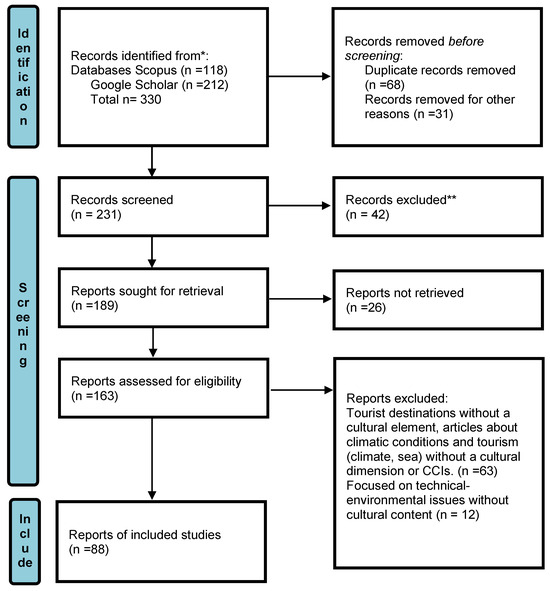
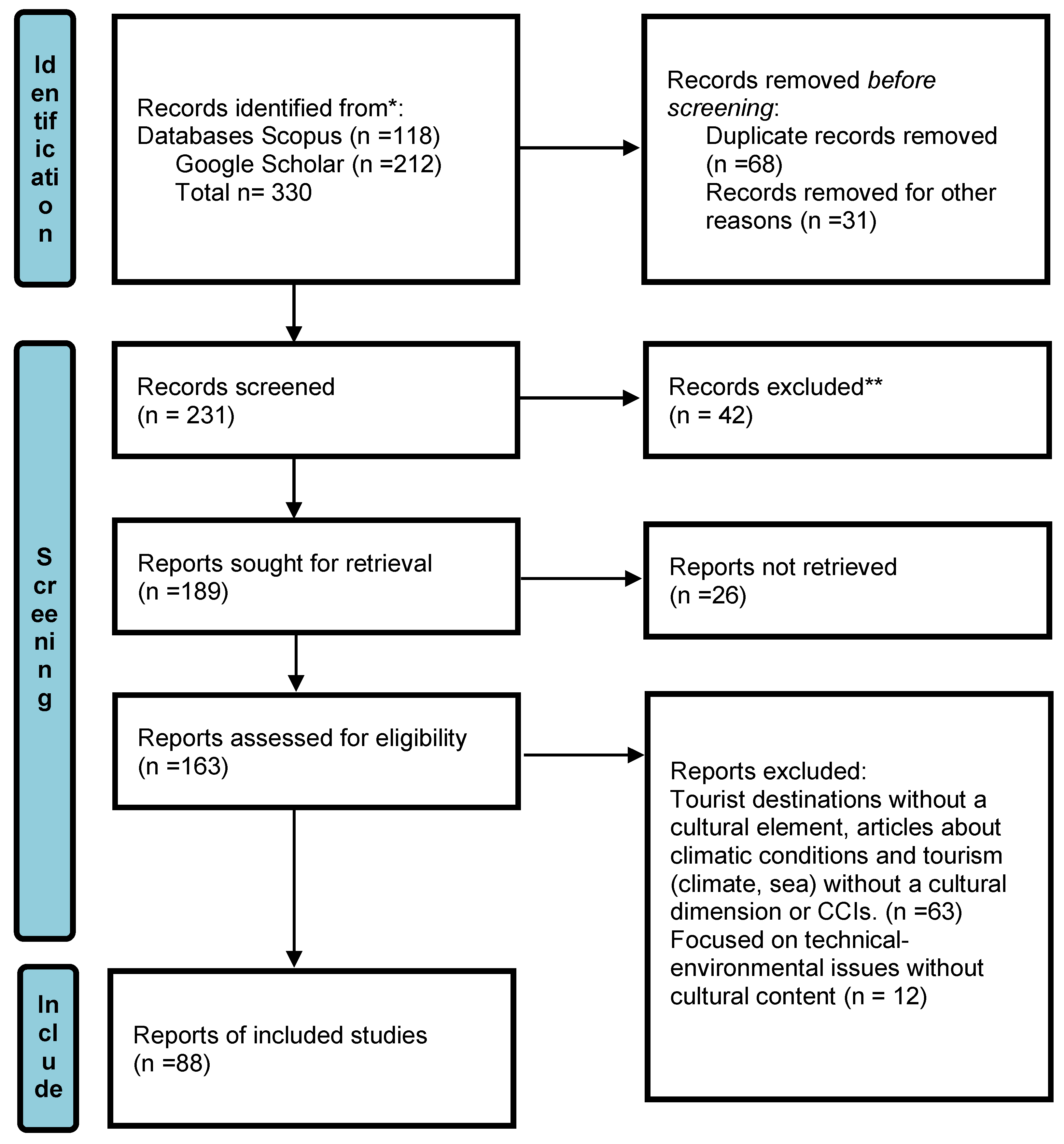
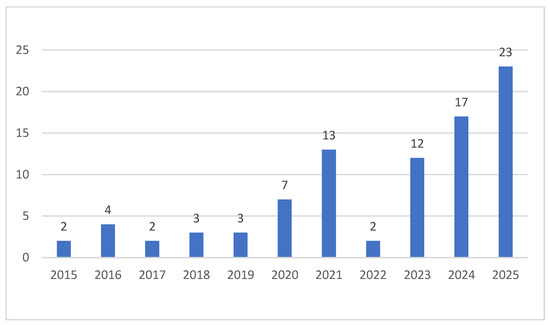
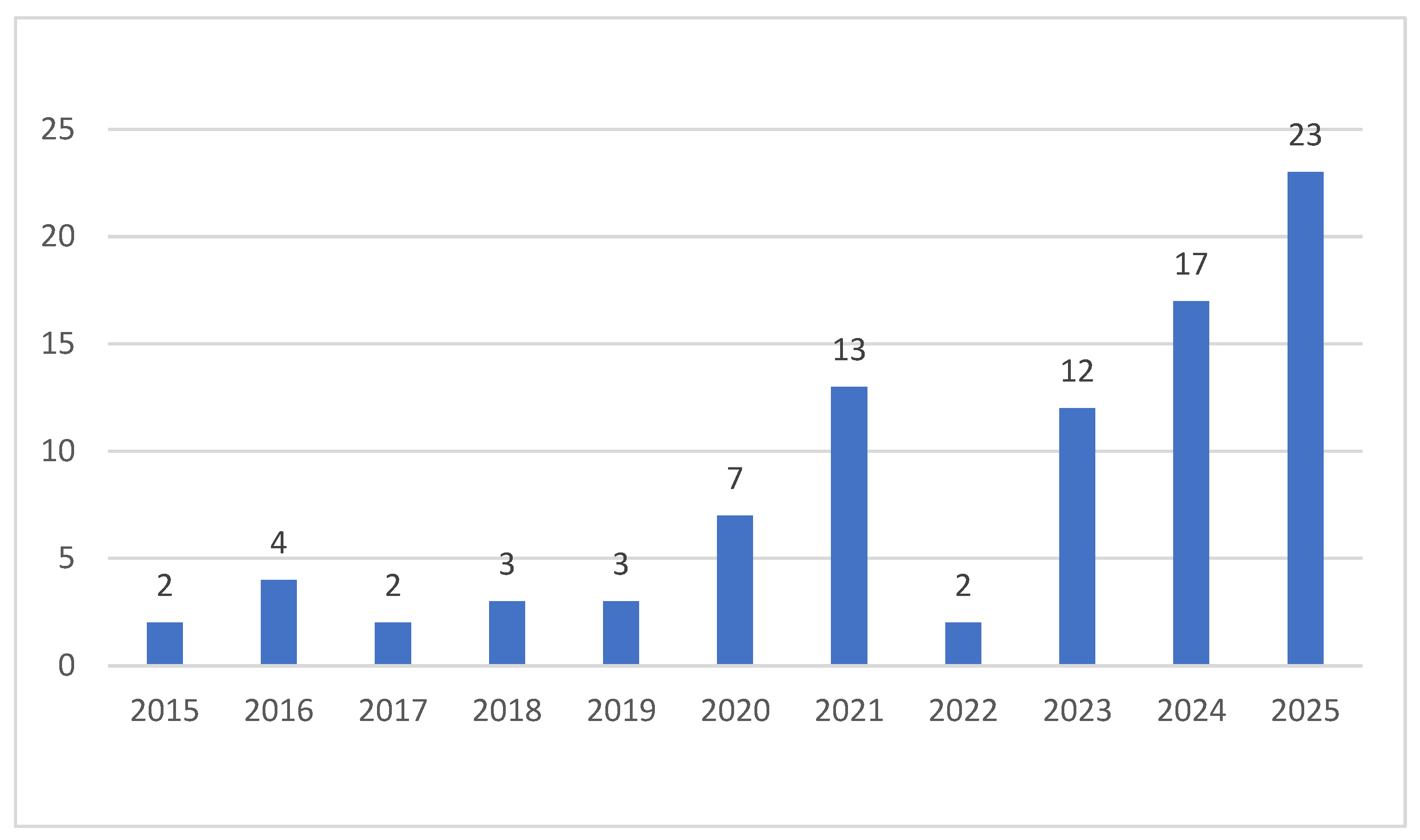
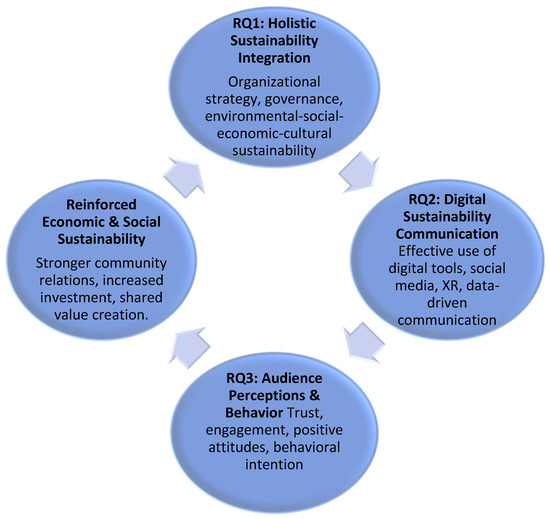
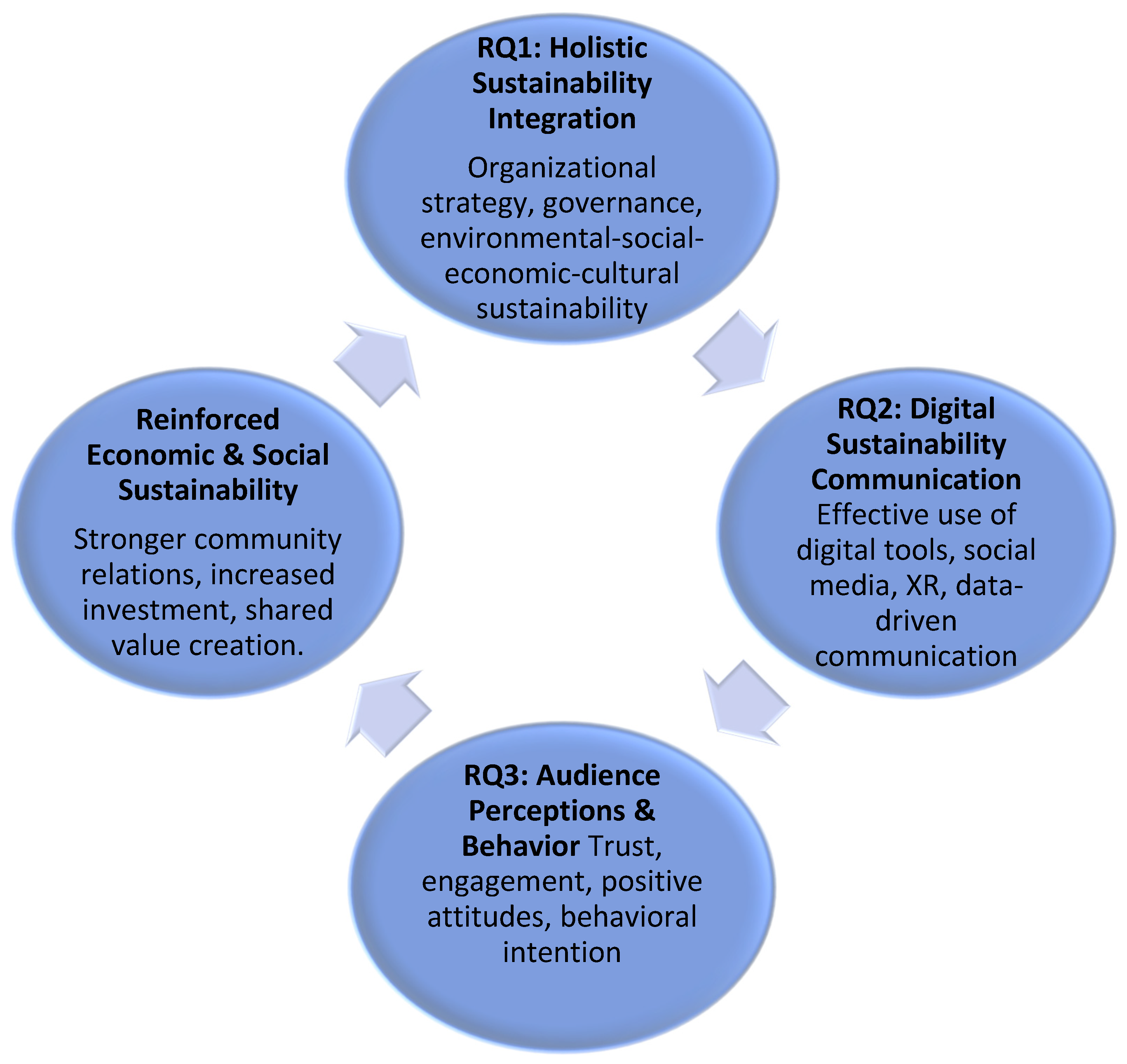

Disclaimer/Publisher’s Note: The statements, opinions and data contained in all publications are solely those of the individual author(s) and contributor(s) and not of MDPI and/or the editor(s). MDPI and/or the editor(s) disclaim responsibility for any injury to people or property resulting from any ideas, methods, instructions or products referred to in the content. |
© 2026 by the authors. Licensee MDPI, Basel, Switzerland. This article is an open access article distributed under the terms and conditions of the Creative Commons Attribution (CC BY) license.