


Abstract
Using hedonic consumption theory (HCT) and a niche marketing strategy as analytical frameworks, our study examines consumer behavior in the luxury flower market, a swiftly growing segment of the global luxury goods industry. Adopting a nonexperimental, cross-sectional survey design, we collected primary data from 392 individuals from affluent households (defined as those with annual incomes exceeding $75,000, per standard demographic criteria) via purposive stratified sampling. Our questionnaire, which was reviewed by experts and tested in a pilot study, examined demographics, buying preferences, sustainability awareness, and hedonic motivations. The main findings show that most clients are well-educated women with substantial wealth. They care most about sensory, emotional, and symbolic qualities. Chi-square tests and logistic regressions robustly supported three hypotheses, gender disparities in appreciation, educational and sustainability awareness, and income influences on quality and variety emphasis, with descriptive evidence aligning with two further hypotheses regarding perceived supply shortages and sustainability preferences. The preferred places to buy include nurseries and high-end florists, suggesting opportunities for SMEs. Our study offers initial evidence supporting the application of HCT to perishable luxury floriculture among younger, educated, affluent consumers in North America. It underscores the hedonic appeal heightened by ephemerality and the potential influence of sustainability as a guilt-free enhancement, while indicating opportunities for niche marketing strategies through customization and sustainable sourcing. Our findings indicate opportunities for businesses aiming to reach comparable younger, educated, affluent demographics to fulfill unmet demand through sustainable sourcing, unique varieties, and customized experiences, which align with the SDGs. We conclude with a future research agenda.
1. Introduction
The global luxury goods industry has shown significant resilience, with personal luxury goods sales projected at €364 billion, approximately USD 390 billion, in 2024, and is anticipated to remain steady in 2025 despite macroeconomic challenges [1]. In this vast industry, luxury floriculture, the specialized segment of high-end, unique, and often customized floral items, constitutes a swiftly expanding yet underexplored domain. The global cut-flower market is anticipated to increase from USD 39.08 billion in 2024 to USD 51.83 billion by 2030, reflecting a compound annual growth rate of 4.9% [2]. This expansion signifies a rising consumer appetite among wealthy families for experiential, aesthetically pleasing, and status-indicating items.
Luxury flowers (see Table 1) have a unique status within the realm of luxury consumption. They amalgamate profound hedonic attributes, sensory enjoyment—e.g., aesthetic appeal and aroma—emotional significance, and symbolic worth—e.g., prestige, commemoration, self-representation, intrinsic transience and brief product lifespan. Simultaneously, wealthy customers are becoming more cognizant of sustainability issues, such as ethical sourcing, reduced environmental impact, and responsible agricultural methods [3,4]. This notion engenders a fundamental tension: luxury has historically been linked to excess, uniqueness, and ostentatious consumption, whereas sustainability prioritizes resource conservation, waste minimization, and long-term accountability. The conflict is especially evident in the case of perishable items like flowers, which require substantial amounts of water and pesticides for cultivation and whose global supply chains contribute significantly to emissions [5,6].
Table 1.
Examples of Luxury Flower Types and Prices, 2025–2026 Market data.
Despite the lucrative prospects of luxury floriculture and the growing alignment of hedonic desires with sustainability choices, empirical studies of wealthy consumer behavior in this sector are scarce [22,23]. Current research has been clustered on enduring luxury sectors, i.e., fashion, jewelry, watches, or mass-market floriculture [22,24]. Insufficient attention has been given to the evaluation, selection, and procurement processes for premium and rare floral products by high-income consumers; the influence of sustainability on their decision-making; the unmet demand; and the resulting entrepreneurial opportunities for SMEs, boutique florists, and family-owned nurseries [22,25].
Our research fills this gap by using Hedonic Consumption Theory (HCT) [26,27] as the main theoretical framework. HCT asserts that consumption is often motivated by multisensory, emotional, and symbolic advantages rather than only practical value, a viewpoint particularly pertinent to luxury flowers, which operate as mediums for aesthetic enjoyment, emotional satisfaction, and social signaling. We expand HCT to include the distinctive characteristics of perishable luxury items, i.e., ephemerality, dependency on freshness, and the evolving integration of hedonic pleasure with environmental concerns, e.g., positive luxury or guiltless enjoyment [28,29]. In addition to this framework, we use a niche marketing strategy [30,31] to investigate how tailored, personalized products can increase profits and foster loyalty in specialized niches that are often neglected by mass-market competitors.
Our research used a cross-sectional survey of 392 wealthy consumers, showing a family income above USD 75,000, to achieve the following particular objectives: (1) define the demographic and psychographic characteristics of premium flower buyers; (2) assess customers’ cognizance of sustainable company practices and their impact on purchase behavior; (3) examine the presence and characteristics of unmet demand within the luxury flower sector; and (4) provide insights into product qualities, price, and sustainability factors that facilitate entrepreneurial ventures in this field.
The subsequent sections of the paper are structured as follows. Section 2 examines the theoretical underpinnings (hedonic consumption theory and niche marketing strategy), addresses pertinent market opportunities and constraints, and articulates the study’s hypotheses. Section 3 delineates the technique, including sampling, questionnaire formulation, and data processing protocols. Section 4 presents the significant empirical results. Section 5 addresses theoretical contributions, practical consequences for SMEs and entrepreneurs, and compatibility with the United Nations Sustainable Development Goals, including SDG 12: Responsible Consumption and Production. Section 6 delineates the limits and proposes avenues for further study.
2. Theoretical and Conceptual Frameworks
2.1. Hedonic Consumption Theory
While HCT has been applied in the permanent luxury industries of symbolic signaling and sensory stimuli maintained over time, its use in perishable luxury has not yet attracted much attention. Perishable luxury goods, such as luxury flowers, are subject to specific restrictions, and their transitory properties give them greater sensory urgency and affective depth, while the ecological impact of their production intensifies the traditional luxury–sustainability problem [28,29]. Existing HCT literature fails to address how transience increases the degree of hedonic immediacy and how sustainability becomes not only a potential utilitarian constraint but also a hedonic support for ‘guiltless’ enjoyment. Moreover, niche marketing studies [30,31,32] noted customization and profitability of niche product offerings, yet did not integrate these principles with hedonic motivations in sustainability-conscious, perishable environments. This study aims to fill these gaps through the empirical extension of HCT’s three central constructs (multisensory engagement, symbolic self-expression, emotional/symbolic benefits) to luxury floriculture, exploring whether perishability and sustainability preference impact the potency and quality of hedonic drivers, and illustrating how niche strategies might reconcile hedonic allure with ethical responsibility.
The theoretical foundation of our study is Hedonic Consumption Theory (HCT), which posits that consumption is driven by the desire for experiential, emotional, and sensory enjoyment, in contrast to utilitarian motives that prioritize functionality [27,33]. The HCT highlights the multisensory, emotional, and symbolic aspects of consumption, which are especially pertinent in luxury markets where items such as flowers function as means of self-expression, social differentiation, and aesthetic appreciation [26,34]. In the luxury flower market, HCT is particularly applicable, as flowers embody hedonic qualities that transcend mere utility [35]. They serve as vehicles for self-expression, social differentiation, and aesthetic appreciation, and they align with the theory’s emphasis on symbolic significance and sensory engagement [36]. For affluent consumers, luxury flowers, e.g., rare orchids or exotic varieties, are decorative items and symbols of prosperity, lifestyle, and emotional allure [37]. This market exemplifies how hedonic motives are manifested in affluent environments, where buyers prioritize exclusivity, quality, and the intangible “feel-good” aspects over basic needs [38]. Our research advances the main ideas of HCT by drawing on the luxury flower niche, broadening the theory to include niche luxury consumption, and revealing how these products amplify sensory appeal while converging with symbolic values such as status signaling [39].
Theoretical Extensions and Propositions
Although HCT is effective for enduring luxury items, its applicability to perishable goods such as flowers is limited. We expand this research via three factors, (1) ephemerality heightening sensory urgency, (2) cultural symbolism, and (3) sustainability as a hedonic enhancer (see Table 2), addressing the previously mentioned dilemma [28,29]. Innovations in greenhouse technology illustrate this integration, minimizing waste in floriculture [6].
Table 2.
Conceptual Propositions.
These propositions extend HCT beyond its conventional emphasis on durable goods by considering ephemerality not as a limiting factor but as a cause for multisensory immediacy [26], advancing symbolic self-expression and status signaling in perishable contexts to a more emotionally resonant level [26,36], and re-conceptualizing sustainability as a core hedonic enhancer rather than a trade-off [28,29]. These extensions are directly assessed in the five hypotheses proposed: H1 and H3 explore intensified symbolic and quality-driven hedonic motives that are influenced by affluence and gender; H2 and H5 explore whether sustainability is a moderator or an enhancer of hedonic value; and H4 considers how perceived supply and perishability deficiencies heighten hedonic urgency and premium demand.
2.2. Niche Market Strategy
The conceptual foundation of our study is the niche marketing strategy, which involves creating, protecting, and offering valuable goods or services to a small segment of a market with specific demands [30]. Worldwide, applications of this method have yielded positive results [31,32]. Typically, success is distinguished by enhancing existing items, inventing, and developing new items. However, success involves innovation and invention, acknowledging and selling notions, starting with customer needs, wants, and demands [40]. Therefore, niche marketing is grounded in the idea that specialized markets allow for targeted strategies that can yield higher profit margins and customer loyalty [30,41]. The luxury flower market is an ideal case study, as it attracts affluent consumers with distinct preferences and expectations.
The luxury flower market, as outlined in the document, can be effectively analyzed through HCT, which offers insights into the consumer behavior of affluent individuals who prioritize exclusivity, quality, and symbolic significance. Therefore, we refined the HCT fundamental constructs, incorporating insights from the luxury flower market and suggesting theoretical extensions to improve relevance to niche luxury consumption. We emphasized luxury flowers as symbols of prosperity and a lifestyle that aligns with this theory (see Table 3).
Table 3.
Alignment of Hedonic Consumption Theory and the Luxury Industry.
Theoretical Gap and Research Contribution
Although HCT has been utilized in luxury goods to underscore sensory and symbolic allure [26,34] and niche marketing strategies have emphasized customization for increased profitability [30,41], a distinct theoretical gap persists in their blend within perishable, sustainability-conscious niches such as luxury floriculture. Current research frequently neglects the interplay between hedonic motivations and perishability, e.g., the floricultural value contingent on freshness [6], as well as sustainability dilemmas, e.g., the extravagant image of luxury against environmentally conscious sourcing [28], especially in relation to affluent customers. This gap limits awareness of how luxury markets can leverage these characteristics to achieve entrepreneurial success. Advances in greenhouse technologies [6,63] exemplify how production innovations can integrate sustainability into hedonic frameworks, reducing waste and enhancing the guiltless appeal of perishable luxuries.
In our study, we sought to fill this gap by expanding HCT to niche luxury floriculture, enhancing its constructs to include perishability and sustainability (see Table 2), and illustrating the convergence of hedonic appeal with status signaling in affluent contexts. We further develop niche marketing theory by empirically revealing the influence of customization, unique variety, and ecological practices on demand and profitability for SMEs [40]. These extensions offer a sophisticated framework for comprehending consumer behavior in nascent luxury sectors, integrating hedonic theory with sustainable entrepreneurship.
2.3. Market Opportunities and Analysis
Analyzing new niches begins by examining the market to define a new sales space with potential consumers [64]. A crucial element in such assessments of a firm is demand conditions [65]; thus, startups should be founded on a clear need for a distinctive good or service because existing companies do not meet that demand [66]. The evolving needs of businesses and markets and the increasing diversity of consumers’ tastes and habits favor smaller, more agile companies that can customize their offerings for niche markets [67]. In recent decades, niche markets have been critical in multiple industries, such as agriculture, culinary products, tourism, and textiles [68]; experts such as [69,70] have emphasized the importance of incorporating niche marketing into companies’ strategies.
Niche marketing facilitates the establishment of more precise connections with the target market’s demands, which leads to substantial profit margins [71]. Consequently, niche marketers must tailor their products and marketing mix to accommodate the diverse preferences of their target audience in contemporary fragmented markets [72,73]. Hence, a niche market design effectively targets a precise segment depicted by narrow competition and clients [74].
2.4. Challenges and Dynamics of the Current Market
Owing to rapid and robust economic growth, SMEs now operate in an increasingly complex and competitive environment [75]. Access to markets plays a significant role in promoting sustainable growth [76]. Thus, marketing data are meaningful for making strategic decisions [77] and for setting organizational goals [78,79]. New technological advancements and market shifts present new opportunities and challenges for niche marketing [80]. The effective use of segmentation within a company’s marketing strategy is essential for success. For example, the emergence of big data and artificial intelligence (AI) has significantly impacted market segmentation, as AI-powered algorithms can analyze web browsing and purchase history to identify patterns and segment customers on the basis of their interests, behaviors, and demographics, i.e., unveiling niche markets [81].
Another market shift that affects segmentation is the growing importance of sustainability and environmental concerns. Consumers are becoming increasingly conscious of the environmental impact of their purchases, and companies must adjust their segmentation strategies to account for these concerns. Therefore, niche marketing centered on sustainability values can help businesses target these consumers more effectively [82]. Since the 1980s, specialized marketers have significantly impacted mass-marketing companies by encroaching on their primary markets. Niche marketers are swiftly penetrating portions of established mass markets [83]. As a result, more prominent organizations have had no choice but to embrace innovative, nontraditional marketing approaches to maintain and grow their existing markets [84].
Researchers have also identified observable variables based on products and services that can improve the understanding of purchasing and consumption patterns. These characteristics include the user’s status, usage frequency, brand and store loyalty, patronage, adoption stage, and usage circumstances. Perceptions, qualities, preferences, and intentions are intangible aspects of goods and services that have been studied and are ranked in a clear hierarchy of benefits [85,86]. Market segmentation in the retail agriculture industry adopts a customer-focused approach [87]. By focusing on the needs of the most profitable market segments that demonstrate an inclination toward hedonic consumption, entrepreneurs can develop products and services that meet those needs and thus distinguish their businesses from competitors [88]. Through market segmentation, suppliers can increase sales by catering to the demands of clients in each niche [89].
Our study aims to examine customers’ profiles, e.g., preferences, trends, and demand for luxury flowers in elite settings. Our findings can help researchers determine the current demand for these products and assess entrepreneurs’ requirements to supply this niche market. To accomplish these objectives, we conducted survey research to examine affluent individuals’ perceptions of these products. This niche market demonstrates an attractive demand for entrepreneurs to produce these goods, offering the potential for sustained commercial success. Our research pursues the following four specific objectives: (1) to provide an overview of participants’ characteristics; (2) to assess how familiar buyers are with sustainable business practices and how those practices affect their purchase decisions; (3) to examine the existence of an unsatisfactory luxury flower niche market; and (4) to develop notions and dimensions about product characteristics and ranges of prices to sell such products in this niche market to assist entrepreneurs in their business efforts.
2.5. Entrepreneurial Enterprises in the Luxury Flower Market
The luxury flower market is a niche within the global luxury goods industry that includes entrepreneurial ventures, i.e., primarily SMEs, family-owned businesses, and innovative startups [90]. These organizations benefit from their size and framework to meet the specific needs of wealthy consumers, who prioritize exclusivity, quality, and sustainability in floral products [91]. In contrast to larger corporations, SMEs and microbusinesses lead the luxury flower sector owing to their agility and capacity to adapt quickly to changing consumer preferences [40]. The entrepreneurial ecosystem denotes the cultivation of rare flower varieties, the implementation of sustainable practices, and the creation of personalized customer experiences, all of which are essential for success in this niche market [92].
The luxury flower market comprises boutique florists, sustainable greenhouse startups, and family-owned nurseries. Boutique florists specializing in bespoke floral arrangements for high-end events or luxury retail settings exemplify entrepreneurial ventures that target affluent consumers with hedonic consumption traits, delivering tailored offerings [93]. Sustainable greenhouse startups that implement advanced sustainable technologies or cultivation methods leverage the increasing demand for eco-friendly luxury flowers [94]. Family-owned nurseries are frequently established over multiple generations, integrating traditional craftsmanship with contemporary marketing strategies to sustain a competitive advantage in this niche market [95]. These enterprises exemplify the entrepreneurial dynamics within the luxury flower industry, where innovation and niche specialization facilitate market differentiation [32].
The size and adaptability of SMEs allow for significant profit margins and the ability to meet specific consumer demands in the luxury flower market [96]. Unlike larger firms, the limited bureaucratic processes of SMEs enable them to swiftly adjust their product offerings and marketing strategies to align with consumer trends, including the growing focus on sustainability, exclusivity, and hedonic consumption [41]. SMEs can cultivate and market rare flowers to meet the preferences of affluent consumers, who are willing to pay a premium for unique, high-quality products [97]. Moreover, their reduced scale facilitates direct customer engagement, thereby enhancing brand loyalty through personalized experiences, including exclusive floral design consultations and curated services [98]. Their innovative capacity in product development and marketing, as noted by [40], underscores the vital role of entrepreneurship in sustaining competitive advantages within niche markets.
Our research aligns with the SDG by addressing the economic, social, and environmental dimensions of sustainability within the niche-market framework. We delineate the specific SDGs that our study directly or indirectly supports (see Table 4), establishing a linkage between the study’s findings and the global sustainability agenda.
Table 4.
Alignment to the SDGs.
2.6. Hypotheses Development
Our study examines five predetermined hypotheses with formal inferential statistics, i.e., chi-square tests of independence and binary logistic regression. These represent the confirmatory element of the analysis. Supplementary descriptive and bivariate findings, not associated with pre-registered hypotheses, offer exploratory and contextual insights and are distinctly labeled as such throughout the results. We propose the following hypotheses to direct our empirical inquiry, which is based on the literature and is consistent with our study’s objectives:
2.6.1. Gender Differences in Hedonic Appreciation of Luxury Flowers
HCT emphasizes the importance of emotional and symbolic aspects of hedonic consumption, in which items such as luxury flowers serve as media for self-expression and social signaling [26,36]. Gender affects these dimensions, as women often have stronger connections to emotional, artistic, and relational symbols in consumption than men do, who may emphasize utilitarian or status-oriented factors [58]. The gender disparity is especially evident in flower goods, which traditionally embody symbolic meanings of beauty, love, and lifestyle improvement, factors that align more closely with women’s hedonic preferences [35,60]. In the specialized luxury floriculture sector, where exclusivity enhances symbolic value, this results in heightened appreciation among women. Consequently, we propose that female purchasers have greater appreciation for premium flowers than their male counterparts do. Therefore, we propose:
H1.
Female purchasers have greater appreciation for luxury flowers than their male counterparts.
2.6.2. Education and Awareness of Sustainable Business Practices
Incorporating sustainability into HCT as a hedonic enhancer, where guiltless enjoyment aligns emotional pleasure with ethical duty [28,29], positions education as a crucial moderator. Advanced educational achievement enhances cognitive understanding of environmental and social concerns, allowing consumers to incorporate sustainability into pleasure-driven decision-making and alleviating the luxury conundrum of having to trade off excess to conserve [101]. Empirical data indicate that educated customers are more inclined to favor sustainable practices in luxury purchases, as education improves their capacity to assess ethical sources and long-term consequences [102,103]. In luxury floriculture, where perishability exacerbates sustainability challenges [6], this understanding fosters niche preferences for environmentally friendly alternatives. We propose that greater formal educational attainment is positively associated with a deeper understanding of sustainable business practices among affluent luxury flower consumers, thereby alleviating the hedonic-sustainability conundrum. Accordingly, we propose the following hypothesis, i.e.,
H2.
Greater formal educational attainment is positively associated with a deeper understanding of sustainable business practices among affluent luxury flower consumers.
2.6.3. Income Levels and Emphasis on Flower Quality and Variety
HCT asserts that wealthy consumers seek heightened hedonic value through sensory and symbolic exclusivity, especially in perishable items, where excellence conveys status and mitigates ephemerality [26,37]. Income levels affect this endeavor, as higher earners possess more discretionary resources to emphasize premium characteristics such as flower type and quality, which correspond with status signaling in niche markets [104,105]. Research indicates that affluence is associated with an emphasis on exceptional artistry and scarcity in luxury consumption, enhancing hedonic pleasure despite perishability limitations [5,106]. In luxury floriculture, this is evident in the demand for exotic varieties and superior freshness, creating potential for niche differentiation. We propose that elevated income levels are associated with greater emphasis on flower quality and variety in the luxury floriculture sector, thereby increasing hedonic value despite perishability constraints. Hence, we propose:
H3.
Elevated income levels are associated with greater emphasis on flower quality and variety in the luxury floriculture sector.
2.6.4. Perceived Supply Shortages and Demand for Premium Products
Niche marketing theory emphasizes that perceived market deficiencies, including supply shortages, provide entrepreneurial possibilities by stimulating demand for tailored, high-quality alternatives that mainstream markets neglect [30,41]. In HCT, these deficiencies amplify hedonic urgency, prompting consumers to pursue enhanced sensory and symbolic experiences when current alternatives do not provide enough [26,107]. Empirical studies indicate that unfulfilled expectations about quality or availability influence choices for premium items in perishable markets, leading to innovation aimed at rectifying shortcomings [108]. In luxury floriculture, where transience demands unwavering quality, perceived imperfections, e.g., rarity or freshness, heighten the desire for superior products, enabling SMEs to tap into neglected market segments. The perceived deficiencies in the current luxury flower supply are positively correlated with increased demand for premium, high-quality floral items. Consequently, we propose:
H4.
The perceived deficiencies in the current luxury flower supply are positively correlated with increased demand for premium, high-quality floral items.
2.6.5. Sustainability Preferences and Choice of Eco-Friendly Suppliers
HCT’s expansion into sustainable luxury harmonizes pleasure-seeking with ethical obligations, as sustainability fosters emotional satisfaction by providing positive luxury free of guilt [4,29]. Consumers who prioritize sustainability actively pursue suppliers who adhere to these ideals, reconciling sensory enjoyment with ethical beliefs within the luxury conundrum [28,109]. Previous research has indicated that eco-conscious attitudes significantly influence preferences for environmentally responsible suppliers in luxury markets, especially in perishable sectors such as floriculture, where production effects, e.g., water consumption and emissions, are prominent [3,100,110]. This alignment facilitates specialized marketing by distinguishing itself through sustainable methods, thereby cultivating loyalty among wealthy demographics. We propose that, within the sustainability dilemma of luxury floriculture, clients who prioritize sustainability are more inclined to choose suppliers that use eco-friendly practices, reconciling hedonistic demands with ethical principles. Thus, we propose the following hypothesis, i.e.,
H5.
Within the sustainability dilemma of luxury floriculture, clients who prioritize sustainability are more likely to choose suppliers that use eco-friendly practices.
The subsequent relationships were examined descriptively or through chi-square tests without formal hypotheses established before data collection: (a) gender disparities in preferred purchasing venues, and (b) descriptive trends concerning perceived supply shortages H4 and sustainability preferences H5. We assessed these hypotheses via chi-square tests and logistic regression analyses on survey data from 392 wealthy customers, revealing substantial correlations that substantiate the theoretical extensions and guide practical tactics for sustainable business in luxury floriculture.
3. Methods/Data Sources
We employed a nonexperimental, cross-sectional survey design and collected primary data using purposive stratified sampling, which is consistent with methodologies in marketing and consumer behavior research [111]. Using purposive stratified sampling, we gathered 392 participants from affluent households who attended North American universities accredited by the AACSB, country clubs, and luxury shops. Because of its importance in North American business education [112] and its correlation with the profiles of affluent students and alumni [113,114], we chose AACSB-accredited institutions. In keeping with the study’s geographic focus, this guaranteed access to high-income participants; alternative accreditations, such as AMBA or EQUIS, were not sought because they are more common outside North America [115]. A purposive stratified sampling approach ensures representation across gender, age, and education levels, with strata defined by demographic data from preliminary market surveys [116,117]. The exclusion criteria were as follows: individuals under 18 years of age, those spending less than $50/month on luxury goods, those lacking discretionary income, or those who had previously completed the questionnaire. Importantly, the $50/month luxury flower expenditure exclusion serves as a behavioral relevance filter rather than an affluent proxy, with affluence primarily defined by household income above $75,000.
3.1. Sample Size Determination
We determined the sample size based on the assumption of an infinite population, given that the target population of luxury flower consumers is extensive and not precisely quantifiable [63,118]. The rationale for employing the infinite-population model in sample size determination is the assumption of an unlimited population size [119,120]. Therefore, a population that desires and demands luxury flowers aligns with the definition provided [121]. We conducted sampling without replacement via the formula for an infinite population to determine the sample size needed to achieve an acceptable level of reliability and found that, for our study, n = 385, with a 5.00% margin of error and a 95.00% confidence level. We proceed with the statistical function for infinite populations as follows:
where
- n: population size;
- Z: a value corresponding to the Gaussian distribution such that Z_0.05 = 1.96 and Z_0.01 = 2.58; Z_0.05 (expected prevalence, assuming maximum variability);
- p: the expected prevalence of the parameter to be evaluated; if it is unknown, then p = 0.5;
- q: 1 − p (e.g., if p = 70%, then q = 30%);
- i: the expected error for 5%, that is, i = 0.05.
Therefore, 392 responses assured the reliability and extrapolation of the findings of this study.
In this way, every member of the selected population received an equal opportunity, thereby minimizing selection bias and guaranteeing the representativeness of the sample [122]. Before developing our questionnaire, we examined the relevant literature and published research [103]. This process facilitated the identification of fundamental ideas and constructs to guide the development of our evaluation instrument [123].
3.2. Definition of Affluent Consumer Behavior
Our study rigorously describes Affluent Consumer Behavior as the purchasing patterns, preferences, and decision-making processes of individuals from high-income households when interacting with luxury goods and services, characterized by a focus on hedonic motivations, e.g., sensory pleasure, emotional fulfillment, and symbolic status signaling, alongside emerging concerns for sustainability and ethical sourcing [26,28,29]. Our framework is based on HCT, which asserts that wealthy consumption surpasses practical requirements to emphasize experiential and aspirational value [34,124]. We define affluent consumers as those with annual household incomes above $75,000, a criterion consistent with established demographic standards for upper-middle to high-income groups in North America [113]. Therefore, affluent customers are defined as people with household incomes above $75,000 a year, which meets a well-established demarcation for upper-middle- to high-income groups in North America, and who meet defined quality-of-life criteria, with disposable income sufficient to cover discretionary costs for a luxury purchase [125,126]. The $75,000 and above criterion includes families with substantial disposable income to spend on niche luxury items, such as premium flowers, consistent with previous marketing work on purchasing habits of wealthy consumers in experiential sectors [127,128]. This income criterion serves as a proxy for economic ability to engage in discretionary luxury expenditures, whereas behavioral dimensions are assessed through psychographic indicators, including a valuation of exclusivity, a focus on quality, and an awareness of sustainability.
Theoretical significance and accessibility, rather than complete population representativeness, a typical characteristic in niche luxury consumer behavior studies where the target demographic, namely regular purchasers of rare or bespoke luxury flowers, is challenging to quantify accurately, akin to sampling luxury goods through prestigious venues or educated networks, are the main focus of this purposive-stratified methodology. While this sample is fairly young, which might increase the association between education and sustainability (H2) and gender (H1) due to cohort-specific values, the filters for behavioral luxury expenditure and income ensure relevance to our focus on hedonic and sustainable preferences for luxury floriculture in the study. This generalizability primarily applies to educated, emerging-affluent customers in experiential sectors in North America, but older affluent segments, e.g., elderly high-net-worth individuals, exhibit more divergent patterns.
To achieve analytical clarity, the behavior of wealthy consumers in this specialized luxury floriculture environment is delineated by the following essential aspects, taken from the literature and experimentally validated in our hypotheses (see Table 5).
Table 5.
Essential aspects of specialized luxury floriculture.
3.3. Questionnaire Development
The questionnaire was developed following a rigorous process to ensure content validity [129,130,131]. Five experts, i.e., three business and economics faculty members from an AACSB-accredited university and two luxury florist owners with over 20 years of experience, reviewed the initial questionnaire for relevance and clarity. Their feedback led to rephrasing ambiguous items, e.g., simplifying sustainability-related questions [132]. A pilot test with 30 participants from the target population resulted in further refinements, such as clarifying response scales. A sample question is as follows: “On a scale of 1–5, how important is eco-friendly sourcing in your decision to purchase luxury flowers?” The final instrument comprises 15 items assessing demographics, purchase preferences, and sustainability awareness.
Measurement Scales and Reliability
We measured the constructs via 5-point Likert scales, where 1 = strongly disagree and 5 = strongly agree. The items were adapted from established scales to fit the context of luxury floriculture.
We assessed internal consistency via Cronbach’s α [133]. All values exceeded the 0.70 threshold recommended [77], indicating good to excellent reliability: Hedonic appreciation, four items, adapted from [26], α = 0.877; sustainability awareness, five items, adapted from [103], α = 0.842; perceived supply shortage, three items, developed for this study, α = 0.809; and purchase intention for premium flowers, three items [134], α = 0.864. No item deletion improved α by more than 0.02; therefore, we retained all the items.
To elucidate the theoretical constructs, Table 6 below correlates the four HCT dimensions elaborated in Table 2 with the scales used in this study. The 4-item hedonic appreciation scale (α = 0.877), directly adapted from [26], was developed to encapsulate the three fundamental facets of HCT, i.e., multisensory engagement, emotional benefits, and symbolic self-expression, as a unified construct; the items were articulated within the luxury floriculture context to convey sensory urgency, emotional resonance, and status signaling. The remaining scales evaluate the suggested extensions: Ephemerality through perceived supply scarcity and sustainability as a hedonic enhancer. All items employed 5-point Likert scales, i.e., 1 = strongly disagree, 5 = strongly agree.
Table 6.
Mapping of HCT Dimensions to Measured Constructs and Hypotheses.
3.4. Ethical Considerations
Our study was exempt from institutional review board (IRB) approval under 45 CFR 46.104 (d) (2) Category 2, as we did not include identifiable data and used anonymous surveys that posed minimal risk [135,136]. All the participants provided informed verbal consent after reading a carefully crafted script that explained the study’s purpose, emphasized the voluntary nature of their involvement, and assured them of complete anonymity [137,138,139]. We did not offer any compensation and did not use any intrusive or medical procedures.
We ensured that the questionnaire remained in English, the primary target language, and that it was consistent with the language of the original scales, adapted from established sources. No translation of information was required, as all participants spoke English, and pilot testing ensured clear, digestible responses for the target population. Data collection methods adhered to ethical best practices for anonymous surveys, including recruitment through stratified sampling and explicit opt-in invitations; secure storage of responses on password-protected servers accessible solely to the research team; and immediate anonymization of raw data upon collection.
3.5. Data Analysis
Binary logistic regression in IBM SPSS version 28 was employed to evaluate the association between each primary predictor and the binary outcome of interest, such as admiration for expensive flowers: 1 = yes, 0 = no [140,141,142]. Univariable models were estimated, each consisting of one explanatory variable and an intercept. These models provide odds ratios (OR) with 95% confidence intervals that illustrate the unadjusted association between the predictor and the outcome. No modifications for putative confounders were implemented in the primary reported models. Education was modeled as an ordinal, linear predictor based on confirmatory diagnostics (Box–Tidwell test, p > 0.05); it yielded lower AIC/BIC values than categorical coding.
The logistic regression model we used was as follows:
where is the probability of the outcome occurring, e.g., appreciation = 1, is the intercept, is the coefficient for predictor , and the odds ratio is .
For H3 specifically, income was coded as a binary variable (0 = lower affluent, 1 = higher affluent) in the primary reported logistic regression model. This binary specification was selected to provide clear, interpretable contrasts in discretionary spending power within the affluent sample, i.e., household income of more than $75,000, and to align directly with the chi-square test of independence, df = 1. An ordinal specification with multiple income levels was examined only in sensitivity analyses and produced directionally consistent results. When necessary, we used fractional polynomials and the Box–Tidwell test to assess linearity.
Chi-square tests of independence were used to analyze bivariate relationships between categorical variables, such as gender and appreciation for luxury flowers, as well as education level and sustainability consciousness. This nonparametric test evaluates whether the observed frequencies in cross-tabulations significantly deviate from those anticipated under the assumption of no association, offering a clear metric of relationship strength through p-values and effect sizes, specifically Cramér’s V, where 0.1 indicates a small effect, 0.3 a medium effect, and 0.5 a large effect.
Furthermore, logistic regression enhanced these studies by modeling the likelihood of binary outcomes, e.g., appreciation of luxury flowers = 1 vs. 0, based on factors such as gender and education, treated as ordinal variables. It produces odds ratios that may be interpreted as multiplicative changes in odds; for instance, OR = 2.39 indicates that females have 2.39 times the odds of appreciation compared to men, while controlling for other variables, accompanied by confidence intervals and p-values for significance. The binary coding of outcomes and selected predictors enabled a clear interpretation of directional effects aligned with predictions, while the ordinal treatment of education maintained ranking information.
Treatment of the Ordinal Variables
To imply a monotonic, incremental influence on the log odds in accordance with theoretical expectations of cumulative knowledge gains, ordinal predictors, such as education level (1 = bachelor’s, 2 = master’s, and 3 = doctoral), were modeled as linear in logistic regressions [103]. The Box–Tidwell test for linearity (p > 0.05 for all models) and model fit comparisons, such as a lower AIC/BIC for linear vs. categorical coding, provided empirical support for this therapy. Similar findings were confirmed by sensitivity analyses using dummy variables; there was no qualitative shift in support of the hypothesis.
For all chi-square tests of independence, we report the test statistic (χ2), degrees of freedom, sample size (N), exact or threshold p-value, and Cramér’s V as a measure of effect size to indicate practical significance.
3.6. Common Method Bias
Our study employed self-report data from a single cross-sectional survey, which raised concerns about common method bias (CMB), that is, variation due to the manner rather than the construct [143,144]. To minimize CMB a priori, we adopted several recommended approaches, including procedural separation, in which items that addressed multiple constructs were separated into distinct portions of the questionnaire and given, where feasible, individual instructions and answer styles; we took assurances of anonymity and minimized assessment apprehension into account, e.g., the consent form and survey introduction emphasised anonymity and voluntary participation, which helped control for social desirability and consistency-driven responses; and we used reverse-worded items when necessary and varied the order of questions within blocks to break patterns.
4. Selected Results
4.1. Participant Demographics
Table 7 summarizes the participants’ characteristics. The sample included 278 females (70.9%) and 114 males (29.1%), with ages ranging from 18 to 65 years, where µ = 23 and SD = 8.2. The most common education level was a bachelor’s degree (336, 85.7%), followed by a master’s degree (45, 11.5%) and a doctoral degree (11, 2.8%).
Table 7.
Participant Demographics (n = 392).
4.2. Confirmatory Hypothesis Tests
Our study reveals a significant relationship between gender and appreciation for luxury flowers, [χ2 (1392) = 14.224, p < 0.001], and V = 0.190 in response to H1. This value suggests that appreciation for luxury flowers differs significantly across genders (see Figure 1). The alpha value of 0.000 and Cramér’s V of 0.190 indicate a small to moderate size effect [145,146], revealing that gender impacts the level of appreciation for luxury flowers. Further research could explore the factors influencing luxury appreciation and gender interactions [147].
Figure 1.
Relationship between gender and appreciation for luxury flowers.
We also analyzed the factors focusing on significant places that shape consumers’ decisions to buy luxury flowers, e.g., department stores, luxury florists, exclusive nurseries, upscale greenhouses, and even black-market sources. The results indicate that nurseries and luxury florists are the most significant places to acquire luxury flowers. Consequently, enterprises targeting this affluent niche must emphasize these places to sell their unique flowers (see Figure 2). The results were [χ2 (4392) = 9.894, p < 0.042] and V = 0.159, which indicates a small to moderate effect [145,146]. These results show a significant relationship, with a 4.2% probability of the observed association being due to chance. These statistics suggest that men and women have different preferences for where they purchase luxury flowers, possibly influenced by factors such as quality and flower type (see Figure 2).
Figure 2.
Relationship between gender and significant locations for purchasing luxury flowers.
The data suggest a correlation between educational attainment and the understanding of sustainable business practices (see Figure 3). Consequently, as educational attainment increases, customers demonstrate greater awareness of sustainable business practices and are more likely to be motivated to purchase, thus providing support for H2. This pragmatic insight can propel future investigations into how integrating sustainable practices in business yields competitive advantages [82]. The analysis reveals a significant finding, indicated by Pearson’s [χ2 (2392) = 12.546, p < 0.002] and V = 0.179, indicating a small to moderate effect [145,146].
Figure 3.
Relationship between respondents’ level of study and awareness of sustainable practices in business.
We also analyzed the factors that shape consumers’ decisions to buy orchids. When asked about their core criteria for acquiring flowers, the results indicate that quality and flower type are the most significant determinants of purchase choices, thus providing support for H3. Consequently, businesses that aim to engage this niche market must prioritize these elements to address the distinct requirements of this market (see Figure 4). The Pearson chi-square coefficients [χ2 (1392) = 14.224, p < 0.001] and V = 0.190 are significant; additionally, Cramér’s V is 0.190, indicating a small to moderate size effect [145,146] and that income levels influence consumer preferences regarding the quality and type of luxury flowers. Higher-income consumers prioritize quality, indicating that specific luxury flowers with more lavish quality are more appealing to this market than are other luxury flowers.
Figure 4.
Relationship between income and aspects of luxury flower purchases.
It is important to highlight several additional inquiries that provided descriptive insights. We investigated whether the existing supply of orchids fulfilled consumers’ quality expectations. The findings indicated that the quality of orchids in current marketplaces fell short of consumer expectations, which highlights potential opportunities for entrepreneurs capable of meeting or surpassing these standards, thus providing support for H4.
Another significant inquiry was whether consumers placed a premium on eco-friendliness within this niche market. The assertion of a growing demand for sustainable choices in the luxury flower market suggests that this trend will persist. Similarly, we included a question about prioritizing sustainable values when purchasing luxury floricultural products. The results suggest that affluent consumers are becoming increasingly aware of the environmental impact of their purchasing decisions and are willing to make conscious choices to prioritize sustainable values in response to H5. We assessed participants’ expenditure on luxury flowers, comparing it to their monthly spending and average annual income. As expected, higher-income individuals generally allocate more funds to these products than do lower-income individuals do, thus supporting the above claim [148].
4.3. Logistic Regression
We present logistic regression analyses for our significant hypotheses, modeling dependent variables (DVs). For example, in H2, Education is treated as an ordinal predictor, where 1 = bachelor’s degree, 2 = master’s degree, and 3 = doctoral degree. Similarly, for the gender–purchase location association, which was not tied to a specific hypothesis but resulted in a significant result, we simplified the multicategory outcome to a binary DV, i.e., preference for top locations, where “Nurseries/luxury florists” = 1 and “others” = 0, for standard binary logistic regression.
Hypotheses H1, H2, and H3 were rigorously assessed utilizing chi-square tests of independence (see Table 8) and binary/ordinal logistic regression models (see Table 8 and Table 9). In contrast, Hypotheses H4 and H5 were predominantly analyzed through descriptive response patterns and specific questionnaire items regarding perceived supply quality deficiencies and the prioritization of sustainable or eco-friendly suppliers. Participants acknowledged that the existing supply of orchids and flowers often failed to meet quality standards and noted a growing focus on environmental sustainability when acquiring luxury floricultural items. Formal inferential tests, e.g., chi-square or logistic models utilizing perceived shortage or sustainability priority as predictors of premium demand or eco-supplier selection, were not performed in the primary analysis due to the binary and descriptive nature of these items; nonetheless, the observed patterns are directionally consistent with theoretical expectations.
Table 8.
Summary of Chi-Square Tests of Association.
Table 9.
Summary of Descriptive results.
For Gender Predicting Appreciation for Luxury Flowers H1, we used Gender (0 = male, 1 = female) to predict appreciation (0 = no, 1 = yes). Therefore, females have significantly greater odds of appreciating luxury flowers OR = 2.39, 95% CI [1.53, 3.75], p < 0.001), as indicated in Table 10.
Table 10.
Logistic regression results indicating that gender predicts appreciation for luxury flowers.
The significantly elevated likelihood of appreciation among females (OR = 2.39) indicates a statistical disparity and more profound social and hedonic dynamics in luxury floriculture. In circumstances where flowers possess significant symbolic-emotional value, such as beauty, caring, and relational signaling, women conditioned to expressive and aesthetic consumption perceive heightened hedonic urgency due to their transience. The transient nature heightens sensory immediacy and emotional payoff. This vision corresponds with previous findings indicating that female consumers emphasize emotional engagement and curiosity satisfaction in flower purchases more than their male counterparts, who tend to focus only on sensory pleasure. Consequently, the market concludes that SMEs might leverage opportunities by providing customized, emotion-centric services at nurseries or upscale florists.
We used Education Predicting Awareness of Sustainable Practices to predict awareness (0 = no, 1 = yes). After running the logistic regression (see Table 11), we observe that higher education levels are associated with increased odds of sustainability awareness (OR = 3.27, 95% CI [1.35, 7.89], p = 0.009).
Table 11.
Logistic Regression Results for Education Predicting Awareness of Sustainable Practices.
The strong positive association between educational attainment and sustainability awareness (OR = 3.27) arises because higher education fosters critical evaluation of environmental/social impacts, enabling affluent consumers to integrate ethical considerations into hedonic enjoyment, transforming sustainability from a potential trade-off into a guilt-free enhancer. In perishable luxury like floriculture, where cultivation demands significant resources, e.g., water, emissions, educated buyers are more attuned to these tensions and seek resolution through eco-friendly sourcing. One important policy or market connection is its alignment with SDG 12, which promotes educational campaigns and incentives for sustainable floriculture.
For income-predicting Focus on Quality and Type in Luxury Flower Purchases, we used income, where 0 = lower affluent and 1 = higher affluent, and assumed a binary split for modeling, predicting a focus on quality/type, i.e., 0 = no and 1 = yes. Therefore, (see Table 12), higher income significantly increases the odds of focusing on quality and type (OR = 3.55, 95% CI [2.35, 5.38], p < 0.001). Consistent with the methods, income was coded as a binary variable (0 = lower affluent, 1 = higher affluent) in the primary logistic regression model for H3.
Table 12.
Logistic Regression Results for Income Predicting Focus on Quality and Flower Type.
The robust correlation between higher income and greater emphasis on flower quality and variety (OR = 3.55) arises from increased discretionary resources that facilitate the pursuit of exclusivity and sensory or symbolic perfection within the constraints of perishability, where freshness and rarity serve as direct indicators of status and alleviate the urgency associated with transience. Affluent individuals may purchase uncommon hybrids, such as Shenzhen Nongke orchids, at elevated prices or better cultivars, thereby enhancing hedonic value via perceived rarity. The contemporary market demands smart luxury, characterized by high-quality, experiential products rather than mass-produced alternatives, as wealthy customers increasingly evaluate the rationale for premium pricing amid economic challenges. This concept highlights opportunities for SMEs and boutique nurseries to distinguish themselves through rare or sustainable varieties and customization, thereby cultivating loyalty in neglected areas.
For Gender-Predicting Preferences for Nurseries/Luxury Florists, we set 0 = others and 1 = top locations. Therefore, (see Table 13), females have greater odds of preferring top locations [OR = Exp (0.855) ≈ 2.35, p < 0.001].
Table 13.
Logistic Regression Results for Gender Predicting Preference for Nurseries and Luxury Florists.
The logistic regression analyses provide strong empirical evidence for the suggested hypotheses, clarifying significant drivers of customer behavior in the premium flower industry. Gender is an important determinant, with females demonstrating approximately 2.39 times the likelihood of valuing luxury flowers than men do (H1) and 2.35 times the odds of favoring premium purchase venues such as nurseries and luxury florists. The level of education has a significant positive correlation with sustainability consciousness, with each additional increment in educational attainment increasing the likelihood by approximately 3.27 times (H2), highlighting the influence of knowledgeable customers on eco-conscious choices. Moreover, higher income levels are associated with an increased likelihood of choosing quality and specific flower types in purchase decisions (H3), consistent with hedonic consumption theory’s focus on exclusivity and sensory allure among affluent consumers. These results substantiate the proposed associations and provide practical insights for entrepreneurial endeavors, underscoring the potential of specialized marketing tactics that incorporate sustainability and excellence to satisfy unmet demands in this industry.
Moreover, these findings offer direct empirical validation for the theoretical extensions. The pronounced gender influence on hedonic enjoyment (OR = 2.39, p < 0.001) substantiates Proposition 2, i.e., emotional and symbolic self-expression, suggesting that women place greater importance on the relational and status-signaling dimensions of luxury flowers. The financial effect on the emphasis on quality and diversity (OR = 3.55, p < 0.001) aligns with both sensory urgency, as aligned with Proposition 1, and symbolic exclusivity. The impact of education on sustainability awareness (OR = 3.27, p = 0.009) and respondents’ preference for eco-friendly providers substantiate Proposition 3, i.e., sustainability as a hedonic enhancer rather than a trade-off. Ultimately, the illustrative evidence of unmet quality expectations (H4) demonstrates how perceived supply constraints intensify hedonic immediacy owing to perishability, supporting Proposition 1.
5. Conclusions
Our study provides a detailed examination of consumer behavior in the luxury flower market, which is an emerging niche within the global luxury goods sector characterized by rapid growth, unique hedonic attributes, and a rising emphasis on sustainability [149,150]. Our results elucidate the demographic and psychographic characteristics of consumers in this sector. The clientele is predominantly female, highly educated, and has high incomes, emphasizing emotional, sensory, and symbolic attributes in their purchasing decisions. These insights corroborate and enhance the theoretical framework, i.e., hedonic consumption theory [26,34], illustrating how luxury flowers serve as instruments for self-expression, social status signaling, and experiential satisfaction in affluent contexts [35,36].
The empirical evidence in support of the presented hypotheses is fundamental to our results, as it highlights the interaction between sociodemographic determinants and behavioral drives. H1 establishes a notable gender gap in the value of luxury flowers, with females demonstrating approximately 2.39 times greater chances of appreciation than men do. These results correspond with previous studies on gender effects in luxury spending, indicating that women often connect these items with emotional significance and aesthetic symbolism [58,60]. Furthermore, the results imply that marketing techniques must capitalize on these hedonic aspects to increase attractiveness. H2 demonstrates a significant link between educational attainment and knowledge of sustainable behaviors, with each additional level of education increasing the likelihood of adopting sustainable behaviors by approximately 3.27 times. This finding aligns with research connecting education to increased environmental awareness [101,102], suggesting that more knowledgeable customers serve as catalysts for sustainable transformations in specialized markets.
Moreover, H3 underscores the significance of income for quality and exclusivity, as individuals with higher incomes are 3.55 times more likely to prioritize premium flower varieties, aligning with the notion of status-driven consumption among affluent demographics [104,105]. The recognition of unmet quality expectations in the current market (H4) highlights a significant gap in which perceived shortcomings in freshness, rarity, and craftsmanship create opportunities for entrepreneurial innovation, reinforcing the imperative for SMEs to exploit underserved demands [107,108]. H5 asserts that sustainability-focused customers are more likely to support environmentally conscious companies, underscoring the strategic importance of incorporating green practices to enhance brand appeal [100,109,110]. These patterns reveal significant prospects for differentiation through enhanced product offerings and highlight the paradox of luxury and sustainability, where opulence can coexist with sustainable practices [28,29], moderating pressures between hedonism and sustainable consumption.
Furthermore, our study advances niche marketing strategies by revealing that such targeted tactics in specific segments can generate higher margins and loyalty through customization and innovation [32,40]. We also develop hedonic consumption theory by situating it within the realm of luxury floricultural products, where sensory appeal converges with symbolic value [86,124]. Our results have practical consequences for the SMEs, startups, and family-owned businesses that predominate in this ecosystem [90,91]. These organizations may use agility to implement sustainable sourcing, develop unique flower types, and enhance direct client interactions to successfully enter the market [96,98]. Similarly, in alignment with SDG 12, the luxury flower industry can foster broader societal benefits, including economic inclusivity for rural producers and reduced environmental impacts [6,99]. This convergence establishes the sector as a paradigm for “positive luxury,” whereby well-being, social impact, and growth are interconnected [42].
The empirical evidence for our hypotheses substantiates our proposed extensions: gender differences, i.e., H1, emphasize the emotive and symbolic significance tied to Proposition 2; the effects of education and income, i.e., H2 and H3, correspond with individual variations in hedonic sensitivity [26]; perceived supply shortages, i.e., H4, accentuate urgency driven by ephemerality related to Proposition 1; and sustainability preferences, i.e., H5, validate the integration of hedonic and sustainability considerations corresponding to Proposition 3. Chi-square tests and logistic regressions offered unequivocal statistical validation for hypotheses H1 through H3. The survey data corroborated H4, i.e., unmet quality expectations driving premium demand, and H5, i.e., sustainability preferences favoring eco-friendly providers, indicating potential avenues for additional confirmatory research.
5.1. Theoretical Contributions
Our research offers substantial empirical evidence for the application of Hedonic Consumption Theory to perishable luxury floriculture, illustrating that the fundamental constructs of HCT, multisensory engagement, emotional/symbolic benefits, and symbolic self-expression, function cohesively within the “hedonic appreciation” metric and are enhanced by two innovative boundary conditions: Ephemerality, assessed through perceived supply scarcity, and sustainability preferences, evaluated using specialized sustainability scales. The three dimensions were assessed collectively instead of as distinct subscales, in accordance with the conventional operationalization established by [26]. The results from H1–H5 directly support the three propositions (see Table 5); (a) the ephemeral quality of floral freshness makes the sensory and emotional engagement stronger than that of enduring objects, deepening the sense of hedonic immediacy; (b) luxury flowers are powerful tools of symbolic self-expression and status signaling, especially among high-income female consumers, due to their emotive resonance and lifestyle symbolism; and (c) sustainability serves as a hedonic enhancer, creating a positive effect, so that eco-friendly sourcing shifts from utilitarian restriction to guilt-free enjoyment and ends the luxury–sustainability dichotomy. We claim that these additions complement HCT, bringing perishability, niche dynamics, and ethical concerns to the market, which have thus far not been adequately addressed in perishable luxury. In addition, our studies link HCT to the niche marketing strategy and show how customization, uniqueness, and sustainability can be used to increase profits and loyalty among historically underrepresented populations, thereby expanding niche marketing theory into experiential and agribusiness sectors.
Rather than confirming the impact of gender, education, and wealth observed in permanent luxury settings [58,101,104], our findings shed light on the boundary conditions that increase these associations for perishable luxury. Ephemerality seems to enhance women’s symbolic–emotional involvement (H1), consistent with Proposition 2, while simultaneously intensifying the emphasis on quality and diversity among higher earners (H3) due to the urgency associated with freshness and rarity. The robust connection between education and sustainability (H2) and the alignment of sustainability with preferences (H5), which points toward a hedonic enhancer of sustainability that promotes guilt-free sensory and emotional pleasure, indicate that sustainability serves as a hedonic enhancer, facilitating guilt-free sensory and emotional pleasure and thereby alleviating, rather than perpetuating, the luxury–sustainability tension often addressed in previous studies [28,29,100]. Perceived supply shortages (H4) highlight perishability as a novel moderator that intensifies hedonic urgency and creates niche entrepreneurial opportunities, thereby expanding niche marketing theory [30,41] by demonstrating how the customization of rare, sustainable, and personalized floral experiences can transform theoretical hedonic drivers into profitable differentiation.
Previous applications of HCT have primarily focused on durable luxury items, e.g., handbags, watches, jewelry, or automobiles, in which symbolic value arises from lasting ownership, prolonged visibility, and continuous status signaling. However, the extreme perishability of luxury flowers fundamentally challenges and expands these parameters. In enduring situations, symbolic self-expression occurs through stable, tangible objects that may be consistently witnessed by oneself and others over prolonged periods, thereby reinforcing identity and social distinction in a low-urgency, cumulative fashion.
Conversely, luxury floriculture presents the following heightened temporal dynamic: the product’s maximum hedonic and symbolic value is confined to a brief period of freshness, after which its aesthetic, sensory, and status significance swiftly diminishes. This transience converts symbolic consumption from a static, possessive action into a fleeting, performative, and imperative occurrence. The symbolic significance is no longer rooted in extended possession or archival exhibition but in the immediacy of the moment, the intentional presentation of rarity, e.g., a Shenzhen Nongke Orchid or Juliet Rose, for a particular occasion, recipient, or self-expressive ritual, cognizant that the symbol itself will soon dissipate. This alters the symbolic significance to enhance emotional depth and experience intensity; therefore, the flower becomes a transient symbol of generosity, elegance, or emotional commitment rather than a lasting indicator of affluence.
Thus, perishability enhances rather than reduces symbolic significance for affluent consumers, especially women, who are particularly sensitive to the relational and emotional symbolism inherent in ephemeral beauty, e.g., care, celebration, or memorialization. The urgency induced by decay amplifies hedonic immediacy. It concurrently enhances symbolic self-expression to a more emotionally resonant, context-specific degree, in which the act of gifting or showcasing a rare, ephemeral bloom imparts greater interpersonal or autobiographical significance than comparable enduring luxuries. This extension elucidates a boundary condition of HCT in non-durable luxury contexts, symbolic value pertains less to enduring accumulation and more to ephemeral intensity, thereby making the theory more relevant to experiential, perishable, and ritualistic domains, e.g., gourmet foods, fine wines, high-end floral design, where transience serves as a source of symbolic distinction and hedonic enhancement rather than a constraint.
5.2. Practical and Applicative Implications
Our study extends HCT into the overlooked area of perishable luxury floriculture and addresses inefficiencies in current solutions, which largely target long-term luxury products. We implement three new and improved modifications to strengthen HCT: (a) the ephemeral value-laden and multisensory urgency in floral freshness can lead to a sensory and an emotional engagement not comparable to that experienced with permanent objects and can ultimately generate hedonic immediacy; (b) luxury flowers serve as significant instruments of symbolic self-presentation and status representation, particularly for affluent female clients, in the form of emotional salience and lifestyle representations; and (c) sustainability becomes a hedonic enhancer, where sustainable sourcing transitions from mere utilitarian constraint to guilt-free pleasure, resolving the luxury–sustainability dichotomy. We claim that adding perishability, niche-market conditions, and ethical considerations further enriches HCT by addressing issues that have yet to be thoroughly investigated in perishable luxury contexts. Our research also introduces niche marketing strategies and connections connecting HCT to niche marketing as a means of increasing profitability and loyalty, addressing under-represented groups, and thereby expanding the niche marketing theory domain into experiential domains, both in an agricultural context.
6. Limitations and Directions for Future Research
While our study employs robust methodologies, i.e., chi-square testing and logistic regression, we must acknowledge meaningful limitations to contextualize our results and inform future research. The cross-sectional methodology provides a fixed perspective on consumer behavior, perhaps neglecting temporal variations driven by economic cycles, seasonal changes in floriculture, or changing cultural standards [117]. The emphasis on affluent participants, drafted from prestigious locations, e.g., luxury malls and AACSB-accredited universities, limits the generalizability of the findings to diverse global settings, where cultural, economic, and regulatory disparities may influence choices [116]. For example, emerging markets might exhibit distinct hedonic drivers or sustainability priorities [5,102]. Self-report survey data, despite validation through expert evaluations and pilot testing [129,130], may still exhibit response biases, such as social desirability in sustainability-related inquiries.
To overcome these limitations and enhance our contributions, future research should explore a wide range of pathways by adopting longitudinal designs, which would enable tracking of behavioral changes over time [6,63]. Panel studies may investigate the persistence of hedonic motives and sustainability awareness throughout economic fluctuations, offering predictive insights for market forecasting [151].
Additionally, integrating mixed-method techniques would yield more comprehensive, triangulated data. Qualitative methods, such as comprehensive interviews or ethnographic observations in luxury retail environments, could clarify the emotional and sensory foundations of hedonic consumption and enhance quantitative measures [42,61]. Finally, to enhance SDG alignment, research could assess solutions such as regulatory incentives for sustainable floriculture or educational initiatives to increase consumer awareness [82,103]. By following these guidelines, academics can promote interdisciplinary collaborations among marketing, entrepreneurship, and environmental science to develop strategies that align luxury appeals with environmental stewardship, thereby advancing the field toward an equitable and sustainable future [29,152].
A significant limitation is the pronounced bias toward students and young people in our sample. The sample, with a mean age of 23 years and composed mostly of participants recruited via AACSB-accredited university networks, disproportionately reflects young, highly educated, emerging wealthy individuals rather than a representative cross-section of established high-income families. This demographic bias jeopardizes external validity in several ways. First, luxury consumption motives, including hedonic, symbolic, and sustainability-related drivers, vary substantially by age and life stage; younger consumers may exhibit heightened sensitivity to novelty, social signaling, and performative eco-consciousness, which is less characteristic of middle-life or senior affluent buyers. Second, the purchase behavior of flowers, especially in the luxury sector, exhibits distinct age-related variations, with older buyers often emphasizing traditional quality, occasion-specific gifting, or home improvement rather than exotic or unusual types. The disproportionate presence of university students presumably exaggerates the correlations between education and sustainability awareness (H2) and overall hedonic appreciation (H1), owing to both authentic cohort effects and possible social desirability bias. Although financial and behavioral filters somewhat alleviate socioeconomic bias, they fail to address age- and life-stage-related impacts adequately. Subsequent research should prioritize age-diverse samples, specifically by targeting mid-career and senior affluent consumers through luxury retail loyalty programs, private clubs, or high-net-worth databases, to evaluate the robustness of our findings and theoretical extensions across generational cohorts.
A further issue concerns the possible impact of geographic disparities across North America on wealthy consumer behavior. Subnational disparities in economic development, lifestyle choices, and ecosystems may influence hedonic appreciation, sustainability priorities, and preferences for purchasing venues. The literature on luxury consumption corroborates this perspective, demonstrating that regional economic disparities and cultural nuances can influence status signaling, experiential value, and environmentally conscious decision-making, even within a single nation [150]. Our sample, although stratified by gender, age, and education, did not explicitly account for respondents’ geographic location or exposure to regional lifestyles and business activities.
The observed trends, such as pronounced gender and education effects in H1 and H2, may partly represent the largely youthful, university-affiliated, urban-oriented nature of the sample rather than the universally applicable wealthy behavior across various North American areas. Future multiregional or geocoded research may include location-based factors, e.g., via zip code proxies or self-reported regional economic assessments, to facilitate comparative subgroup analysis and to evaluate the robustness of HCT expansions in other settings. Future research should use more flexible techniques, such as generalized additive models (GAMs) or spline functions, to capture potential nonlinearities, even if diagnostic tests suggest treating ordinal variables as linear [153]. These modifications further reduce threats across a variety of samples with different ordinal intervals.
While all key associations were tested with chi-square and effect sizes computed, future reporting could further standardize presentation in tabular form for enhanced reproducibility.
6.1. Methodological Limitations
The cross-sectional survey approach facilitated rapid collection of primary data from 392 wealthy respondents and enabled rigorous statistical hypothesis testing, but it necessarily restricts causal inference. Associations, such as the correlation between gender and hedonic appreciation or education and sustainability awareness, can be discerned; however, the temporal sequence of these variables remains indeterminate, precluding the ability to ascertain whether elevated education causally enhances sustainability preferences or if inherent eco-conscious characteristics drive individuals to seek advanced degrees. Likewise, self-reported metrics, while procedural protections against common method bias, are nevertheless vulnerable to social desirability and recall errors, which may exaggerate reported hedonic or ethical motives.
The purposive-stratified sample method, while suitable for reaching theoretically relevant growing wealthy customers via AACSB networks, country clubs, and luxury venues, adds selection bias. The sample has a significant youth bias, with a mean age of 23 years, 71.4% aged 18–25, and elevated educational qualifications, with 85.7% possessing a bachelor’s degree, thereby disproportionately representing university-affiliated, early-career individuals. This analysis may effectively elucidate the hedonic and sustainability choices of younger, educated, wealthy demographics, who are becoming more impactful in experiential luxury sectors. Nonetheless, generalization cannot extend to wider wealthy demographics, such as mid-career professionals or affluent seniors, whose hedonic motivators, such as heritage signaling, occasion-based giving, or sustainability concerns, may significantly diverge owing to life-stage influences.
6.2. Scope and Generalizability Constraints
Geographically, the North American focus via AACSB-accredited institutions limits applicability to other cultural contexts where perceptions of luxury floriculture vary. The $75,000 household income benchmark, consistent with upper-middle- to affluent-classifications in previous North American research, encompasses families with the financial means for niche indulgences but excludes ultra-high-net-worth individuals. The results mostly elucidate behavior in accessible affluent sectors, fostering an increase in hedonic or sustained experience purchases; however, not necessarily in the richest tiers, where exclusivity and investment value prevail.
The behavioral filter guarantees relevance for active customers; nevertheless, the niche-specific emphasis on luxury floriculture implies that findings cannot be immediately applied to durable luxury categories, where transience is irrelevant. The conflicts between perishability and sustainability, central to our theoretical expansions, enhance specific benefits in this context but may diminish or reverse for durable commodities.
6.3. Implications for Interpretation and Claims
To prevent overgeneralization, we assert that our results provide compelling evidence of hedonic consumption expansions in perishable, sustainability-focused niches among educated, young, wealthy North Americans. They strongly endorse arguments such as ephemerality increasing urgency and sustainability serving as a hedonic enhancer in this context, but cannot assert universality across age groups, economic levels, cultures, or product categories. This limited validity highlights the study’s exploratory character in a relatively unexamined field.
6.4. Directions for Future Research
Our proposed boundaries delineate distinct avenues for progress, including: (a) longitudinal or panel designs to monitor the evolution of hedonic or sustainability preferences, economic cycles, or life stages, addressing causality and temporal dynamics; (b) age-diverse, multi-generational samples to determine if our extensions apply to older affluent consumers, where emotional drivers may shift towards nostalgia or legacy; (c) cross-cultural comparative studies to investigate how cultural values influence perishability and sustainability effects in luxury floriculture; (d) replications focused on higher-income demographics to evaluate whether ultra-affluent buyers demonstrate stronger or weaker integration of sustainability and hedonic factors; (e) mixed-methods approaches to elucidate nuanced emotional mechanisms related to gender, education, and perceived scarcity effects; and (f) experimental tests of interventions to assess causal impacts on purchase intentions within actual retail environments.
By following these avenues, future research may expand upon our initial expansion of HCT to perishable luxury, further defining boundary conditions and guiding sustainable entrepreneurship across various wealthy groups.
Author Contributions
Conceptualization, L.A.F. and A.P.P.-L.; methodology, L.A.F. and A.P.P.-L.; software, L.A.F.; validation, L.A.F., A.P.P.-L., C.W., and S.S.; formal analysis, L.A.F.; investigation, L.A.F. and A.P.P.-L.; resources, L.A.F. and A.P.P.-L.; data curation, L.A.F. and A.P.P.-L.; writing—original draft preparation, L.A.F., A.P.P.-L., C.W., and S.S.; writing—review and editing, L.A.F., A.P.P.-L., C.W., and S.S.; visualization, L.A.F., A.P.P.-L., C.W., and S.S.; supervision, L.A.F.; project administration, L.A.F.; funding acquisition. All authors have read and agreed to the published version of the manuscript.
Funding
This research received no external funding.
Institutional Review Board Statement
Ethical review and approval were waived for this study due to that under 45 CFR 46.104 (d) (2) Category 2, as we did not include identifiable data and used anonymous surveys that posed minimal risk [135]. The Code of Federal Regulations supports this. The URL is shown underneath for your consideration. https://www.ecfr.gov/current/title-45/subtitle-A/subchapter-A/part-46/subpart-A/section-46.104 (accessed on 16 November 2023).
Informed Consent Statement
Verbal informed consent was obtained from the participants. Verbal consent was obtained rather than written because all the participants provided informed verbal consent after reading a carefully crafted script that explained the study’s purpose, emphasized the voluntary nature of their involvement, and assured them of complete anonymity. Written informed consent has been obtained from the patient(s) to publish this paper.
Data Availability Statement
The data presented in this study are available on request from the corresponding author.
Conflicts of Interest
The authors declare that there are no potential conflicts of interest with respect to the research, authorship, or publication of this article.
References
- Bain Company. Luxury Is Ready for a New Era After Stabilizing in 2025. 2025. Available online: https://www.bain.com/insights/luxury-is-ready-for-a-new-era-after-stabilizing-in-2025-snap-chart (accessed on 3 September 2025).
- Grand View Research. Cut Flowers Market Size, Share Trends Analysis Report by Product (Rose, Chrysanthemum, Tulip, Lily, Gerbera, Orchid, Others), by Application (Personal Use, Institutions/Events, Others), by Region, and Segment Forecasts, 2025–2030. 2025. Available online: https://www.grandviewresearch.com/industry-analysis/cut-flowers-market-report (accessed on 12 October 2025).
- Kunz, J.; May, S.; Schmidt, H.J. Sustainable luxury: Current status and perspectives for future research. Bus. Res. 2020, 13, 541–601. [Google Scholar] [CrossRef] [Scilit]
- Athwal, N.; Wells, V.K.; Carrigan, M.; Henninger, C.E. Sustainable luxury marketing: A synthesis and research agenda. Int. J. Manag. Rev. 2019, 21, 405–426. [Google Scholar] [CrossRef] [Scilit]
- Gabellini, S.; Scaramuzzi, S. Evolving consumption trends, marketing strategies, and governance settings in ornamental horticulture: A grey literature review. Horticulturae 2022, 8, 234. [Google Scholar] [CrossRef] [Scilit]
- Flores, L.A.; González-Hernández, I.J.; Porras-Loaiza, A.P.; Watters, C. Advancements in inventory management within the agricultural supply chain: Implications for waste reduction and sustainability. Manag. Rev. Q. 2024, 75, 3417–3442. [Google Scholar] [CrossRef] [Scilit]
- HowStuffWorks. Most Expensive Flower (and 5 More Blooms That’ll Break the Bank). 2025. Available online: https://home.howstuffworks.com/most-expensive-flower.htm (accessed on 7 August 2025).
- Flowersouq. Top 10 Most Expensive Flowers|Rare Luxury Blooms. 2025. Available online: https://flowersouq.me/blogs/blog/most-expensive-flowers-in-the-world (accessed on 12 October 2025).
- Flora Market. The Most Expensive Flowers in the World. 2024/Updated Context. Available online: https://flora.market/en/blog/post/the-most-expensive-flowers-in-the-world (accessed on 12 October 2025).
- Ng, C.Y.; Saleh, N.M.; Zaman, F.Q. In vitro multiplication of the rare and endangered slipper orchid, Paphiopedilum rothschildianum (Orchidaceae). Afr. J. Biotech. 2010, 9, 2062. [Google Scholar]
- Milu Blooms. 7 Most Expensive Flowers in the World. 2025. Available online: https://milublooms.com/blogs/news/7-most-expensive-flowers-in-the-world (accessed on 12 October 2025).
- Drazdova, A. World of Expensive Orchids: The Gold of Kinabalu and Other Rare Flowers. Viva Orchids of Boca Raton. 2025. Available online: https://vivaorchids.com/2025/07/08/world-of-expensive-orchids-the-gold-of-kinabalu-and-other-rare-flowers/?srsltid=AfmBOoqjHtGQ39s5uftvN6sbl9N0cIhKm1GLStQZLNIImjKZn21mW7Bg (accessed on 15 November 2025).
- Rose Explosion. Discover the World’s Most Expensive Flower—The Juliet Rose. 2025. Available online: https://roseexplosion.com/blogs/news/discover-the-world-s-most-expensive-flower-the-juliet-rose (accessed on 12 October 2025).
- Flirty Fleurs. An Ode to Juliet. Available online: https://flirtyfleurs.com/ode-juliet (accessed on 12 October 2025).
- Grace Rose Farm. David Austin® Juliet™ Bouquet. 2026. Available online: https://www.gracerosefarm.com/products/juliet (accessed on 13 October 2025).
- Whole Blossoms. Bulk Flower Price Estimates by Stem: Roses, Peonies, Ranunculus, Hydrangeas More. 2026. Available online: https://www.wholeblossoms.com/wedding-flowers-blog/bulk-flower-price-estimates-by-stem-roses-peonies-ranunculus-hydrangeas-more (accessed on 13 October 2025).
- Flowers Fancies. Premium Cymbidium Orchids. 2026 Listings. Available online: https://www.flowersandfancies.com/bulk-flowers/cymbidium-orchids (accessed on 13 October 2025).
- Ornamento. Luxury Arrangements and Cut Stems. 2026. Available online: https://www.ornamento.com/product-page/four-stem-orchid (accessed on 13 September 2025).
- Sarmah, D.; Gurung, N.; Saini, P.; Devi, M.P.; Mohapatra, P.; Pramanik, K.; Jena, C.; B, R. Advances in orchid conservation: Biotechnology applications and global trade dynamics. Front. Conserv. Sci. 2025, 6, 1653827. [Google Scholar] [CrossRef] [Scilit]
- Asiri Blooms. Premium Ecuadorian Luxury Flowers. 2026. Available online: https://asiriblooms.com (accessed on 13 September 2025).
- Ecuador Direct Roses. Premium Long-Stem Ecuadorian Roses. 2026. Available online: https://www.ecuadordirectroses.com (accessed on 13 September 2025).
- Rombach, M.; Widmar, N.; Byrd, E.; Bitsch, V. Understanding preferences of German flower consumers: The desire for sustained beauty. Int. J. Retail. Distrib. Manag. 2018, 46, 560–576. [Google Scholar] [CrossRef] [Scilit]
- Flores, L.A.; Watters, C. The potential of luxury agricultural products as a niche market for rural economic development: A Delphi technique application. Indian J. Econ. Dev. 2023, 19, 122–131. [Google Scholar] [CrossRef] [Scilit]
- Wang, Y. A conceptual framework of contemporary luxury consumption. Int. J. Res. Mark. 2022, 39, 788–803. [Google Scholar] [CrossRef] [Scilit]
- Derksen, D.M.; Mithöfer, D. Consumer perspectives on corporate sustainability in floriculture. J. Clean. Prod. 2025, 522, 146119. [Google Scholar] [CrossRef] [Scilit]
- Hirschman, E.C.; Holbrook, M.B. Hedonic consumption: Emerging concepts, methods and propositions. J. Mark. 1982, 46, 92–101. [Google Scholar] [CrossRef] [Scilit]
- Hollebeek, L.D.; Abbasi, A.Z.; Schultz, C.D.; Ting, D.H.; Sigurdsson, V. Hedonic consumption experience in videogaming: A multidimensional perspective. J. Retail. Consum. Serv. 2022, 65, 102892. [Google Scholar] [CrossRef] [Scilit]
- Rolling, V.; Sadachar, A. Are sustainable luxury goods a paradox for millennials? Soc. Responsib. J. 2018, 14, 802–815. [Google Scholar] [CrossRef] [Scilit]
- Batat, W. The Rise of Positive Luxury: Transformative Research Agenda for Well-Being, Social Impact, and Sustainable Growth; Routledge: London, UK, 2023. [Google Scholar]
- Kotler, P.; Kartajaya, H.; Setiawan, I. Marketing 6.0: The Future is Immersive; John Wiley & Sons: Hoboken, NJ, USA, 2023. [Google Scholar]
- Dalgic, T.; Leeuw, M. Niche marketing revisited: Concept, applications and some European cases. Eur. J. Mark. 1994, 28, 39–55. [Google Scholar] [CrossRef] [Scilit]
- Fluhrer, P.; Brahm, T. Positioning in SMEs: Entrepreneurs’ perceptions and strategies. J. Res. Mark. Entrep. 2023, 25, 431–454. [Google Scholar] [CrossRef] [Scilit]
- Wu, J.; Holsapple, C. Imaginal and emotional experiences in pleasure-oriented IT usage: A hedonic consumption perspective. Inf. Manag. 2014, 51, 80–92. [Google Scholar] [CrossRef] [Scilit]
- Tangsupwattana, W.; Liu, X. Effect of emotional experience on symbolic consumption in Generation Y consumers. Mark. Intell. Plan. 2018, 36, 514–527. [Google Scholar] [CrossRef] [Scilit]
- Yeh, T.-F.; Huang, L.C. An analysis of floral consumption values and their difference for genders and geographic regions. HortTechnology 2009, 19, 101–107. [Google Scholar] [CrossRef] [Scilit]
- Huss, E.; Bar Yosef, K.; Zaccai, M. Humans’ relationship to flowers as an example of the multiple components of embodied aesthetics. Behav. Sci. 2018, 8, 32. [Google Scholar] [CrossRef] [Scilit]
- Altman, A.; Shennan, S.; Odling-Smee, J. Ornamental plant domestication by aesthetics-driven human cultural niche construction. Trends Plant Sci. 2022, 27, 124–138. [Google Scholar] [CrossRef] [Scilit]
- Kim, S.; Cuevas, L.; Chang, H.J. Revisiting consumer loyalty: Luxury brand extension into restaurants and cafés. Int. J. Retail. Distrib. Manag. 2025, 53, 199–215. [Google Scholar] [CrossRef] [Scilit]
- Shukla, P.; Rosendo-Rios, V.; Dubois, D.; Valette-Florence, P.; Stathopoulou, A. Luxury: Where next? Psychol. Mark. 2025, 42, 2524–2534. [Google Scholar] [CrossRef] [Scilit]
- Cavallo, A.; Ghezzi, A.; Rossi-Lamastra, C. Small-medium enterprises and innovative startups in entrepreneurial ecosystems: Exploring an underremarked relation. Int. Entrep. Manag. J. 2021, 17, 1843–1866. [Google Scholar] [CrossRef] [Scilit]
- Bhattacharya, A.; Morgan, N.A.; Rego, L.L. Examining why and when market share drives firm profit. J. Mark. 2022, 86, 73–94. [Google Scholar] [CrossRef] [Scilit]
- Batat, W. Phygital customer experience in the metaverse: A study of consumer sensory perception of sight, touch, sound, scent, and taste. J. Retail. Consum. Serv. 2024, 78, 103786. [Google Scholar] [CrossRef] [Scilit]
- Bonfanti, A.; Bagnato, G.; Rossato, C.; Canestrino, R. Designing customer experiential satisfaction between people-and technology-driven services: Empirical evidence from upscale restaurants. Int. J. Contemp. Hosp. Manag. 2025, 37, 2855–2874. [Google Scholar] [CrossRef] [Scilit]
- Dhillon, R.; Agarwal, B.; Rajput, N. Experiential marketing strategies used by luxury cosmetics companies. Innov. Mark. 2022, 18, 49–62. [Google Scholar] [CrossRef] [Scilit]
- Lewis, J.; Kim, J.H.; Ozturk, A. Luxury conglomerate strategy: A comparative case analysis of LVMH and Kering. Luxury 2024, 11, 47–67. [Google Scholar] [CrossRef] [Scilit]
- Strzelecki, A.; Jaciow, M.; Wolny, R. Curiosity in consumer behavior: A systematic literature review and research agenda. Int. J. Consum. Stud. 2024, 48, e70001. [Google Scholar] [CrossRef] [Scilit]
- Xue, L.; Parker, C.J.; Hart, C. In-store augmented reality design: Fashion retail’s perspectives. Int. J. Retail. Distrib. Manag. 2024, 52, 817–832. [Google Scholar] [CrossRef] [Scilit]
- Chong, W.K.; Patwa, N. The value of integrity: Empowering SMEs with ethical marketing communication. Sustainability 2023, 15, 11673. [Google Scholar] [CrossRef] [Scilit]
- Nyquist, A.M.; Farshid, M.; Brown, T. Employing digital twin technology in the pursuit to avert sustainable marketing myopia. J. Res. Mark. Entrep. 2025, 27, 277–293. [Google Scholar] [CrossRef] [Scilit]
- Paschen, J. Investigating the emotional appeal of fake news using artificial intelligence and human contributions. J. Prod. Brand Manag. 2020, 29, 223–233. [Google Scholar] [CrossRef] [Scilit]
- Pirraglia, E.; Giuliani, F.; De Cicco, R.; Di Berardino, C.; Palumbo, R. The role of emotions in B2B product advertising on social media: A family business case study. J. Fam. Bus. Manag. 2022, 13, 146–165. [Google Scholar] [CrossRef] [Scilit]
- Xiang, D.; Zhang, L.; Tao, Q.; Wang, Y.; Ma, S. Informational or emotional appeals in crowdfunding message strategy: An empirical investigation of backers’ support decisions. J. Acad. Mark. Sci. 2019, 47, 1046–1063. [Google Scholar] [CrossRef] [Scilit]
- Carvalho, P.; Alves, H. Customer value co-creation in the hospitality and tourism industry: A systematic literature review. Int. J. Contemp. Hosp. Manag. 2023, 35, 250–273. [Google Scholar] [CrossRef] [Scilit]
- Garner, B. Using digital communications to manage the farmers’ market brand image. J. Res. Mark. Entrep. 2023, 24, 420–439. [Google Scholar] [CrossRef] [Scilit]
- Gupta, D.G.; Shin, H.; Jain, V. Luxury experience and consumer behavior: A literature review. Mark. Intell. Plan. 2023, 41, 199–213. [Google Scholar] [CrossRef] [Scilit]
- Kakeesh, D.F. Female entrepreneurship and entrepreneurial ecosystems. J. Res. Mark. Entrep. 2024, 26, 485–526. [Google Scholar] [CrossRef] [Scilit]
- Kumar, P.; Hollebeek, L.D.; Kar, A.K.; Kukk, J. Charting the intellectual structure of customer experience research. Mark. Intell. Plan. 2023, 41, 31–47. [Google Scholar] [CrossRef] [Scilit]
- Banik, S.; Gao, Y. Exploring the hedonic factors affecting customer experiences in phygital retailing. J. Retail. Consum. Serv. 2023, 70, 103147. [Google Scholar] [CrossRef] [Scilit]
- El Abed, M.; Castro-Lopez, A. The impact of AI-powered technologies on aesthetic, cognitive and affective experience dimensions: A connected store experiment. Asia Pac. J. Mark. Logist. 2024, 36, 715–735. [Google Scholar] [CrossRef] [Scilit]
- Liu, L.; Zhao, H. Research on consumers’ purchase intention of cultural and creative products—Metaphor design based on traditional cultural symbols. PLoS ONE 2024, 19, e0301678. [Google Scholar] [CrossRef] [Scilit] [PubMed]
- Marins, S.R.; Davel, E.P.; Parsley, S. Aesthetic embeddedness: Towards an aesthetic understanding of cultural and artistic entrepreneurship. Entrep. Reg. Dev. 2023, 35, 695–714. [Google Scholar] [CrossRef] [Scilit]
- Weng, L.; Zhu, Y.; Xu, X.; Yang, J.; Zheng, S.; Liu, H.; Wang, H.; Zhu, L. The influence of visitors’ recreation experience and environmental attitude on environmentally responsible behavior: A case study of an urban forest park, China. Forests 2022, 14, 24. [Google Scholar] [CrossRef] [Scilit]
- Wang, X.; Onychko, V.; Zubko, V.; Wu, Z.; Zhao, M. Sustainable production systems of urban agriculture in the future: A case study on the investigation and development countermeasures of the plant factory and vertical farm in China. Front. Sustain. Food Syst. 2023, 7, 973341. [Google Scholar] [CrossRef] [Scilit]
- Jost, P.J. Market expansion and the scope of mass customization. Mark. Lett. 2024, 35, 73–94. [Google Scholar] [CrossRef] [Scilit]
- Porter, M.E. On Competition; Harvard Business Press: Brighton, MA, USA, 2008. [Google Scholar]
- Picken, J.C. From startup to scalable enterprise: Laying the foundation. Bus. Horiz. 2017, 60, 587–595. [Google Scholar] [CrossRef] [Scilit]
- Kong, H.M.; Witmaier, A.; Ko, E. Sustainability and social media communication: How consumers respond to marketing efforts of luxury and non-luxury fashion brands. J. Bus. Res. 2021, 131, 640–651. [Google Scholar] [CrossRef] [Scilit]
- Herbst, J.M. Harnessing sustainable development from niche marketing and coopetition in social enterprises. Bus. Strategy Dev. 2019, 2, 152–165. [Google Scholar] [CrossRef] [Scilit]
- Weinstein, A. Creating superior customer value in the now economy. J. Creat. Value 2020, 6, 20–33. [Google Scholar] [CrossRef] [Scilit]
- West, D.C.; Ford, J.B.; Ibrahim, E. Strategic Marketing: Creating Competitive Advantage; Oxford University Press: New York, NY, USA, 2015. [Google Scholar]
- Shrivastav, S. Network externalities, consumer heterogeneity, and optimal monopoly pricing. Mark. Lett. 2024, 36, 563–575. [Google Scholar] [CrossRef] [Scilit]
- Kruger, M.; Viljoen, A.; Saayman, M. Who visits the Kruger National Park, and why? Identifying target markets. J. Travel Tour. Mark. 2017, 34, 312–340. [Google Scholar] [CrossRef] [Scilit]
- Lutz, C.; Newlands, G. Consumer segmentation within the sharing economy: The case of Airbnb. J. Bus. Res. 2018, 88, 187–196. [Google Scholar] [CrossRef] [Scilit]
- Moore, A.K.; Hastie, R. Navigating choices: A framework of consumer search. Mark. Lett. 2024, 36, 215–226. [Google Scholar] [CrossRef] [Scilit]
- Eller, R.; Alford, P.; Kallmünzer, A.; Peters, M. Antecedents, consequences, and challenges of small and medium-sized enterprise digitalization. J. Bus. Res. 2020, 112, 119–127. [Google Scholar] [CrossRef] [Scilit]
- Surya, B.; Menne, F.; Sabhan, H.; Suriani, S.; Abubakar, H.; Idris, M. Economic growth, increasing productivity of SMEs, and open innovation. J. Open Innov. Technol. Mark. Complex. 2021, 7, 20. [Google Scholar] [CrossRef] [Scilit]
- Hair, J.F.; Page, M.; Brunsveld, N. Essentials of Business Research Methods; Routledge: London, UK, 2019. [Google Scholar]
- Anderson, P.F. Marketing, strategic planning and the theory of the firm. J. Mark. 1982, 46, 15–26. [Google Scholar] [CrossRef] [Scilit]
- Phillips, P.; Moutinho, L. Critical review of strategic planning research in hospitality and tourism. Ann. Tour. Res. 2014, 48, 96–120. [Google Scholar] [CrossRef] [Scilit]
- Katsikeas, C.; Leonidou, L.; Zeriti, A. Revisiting international marketing strategy in a digital era: Opportunities, challenges, and research directions. Int. Mark. Rev. 2020, 37, 405–424. [Google Scholar] [CrossRef] [Scilit]
- Oblander, E.S.; Gupta, S.; Mela, C.F.; Winer, R.S.; Lehmann, D.R. The past, present, and future of customer management. Mark. Lett. 2020, 31, 125–136. [Google Scholar] [CrossRef] [Scilit]
- Goedertier, F.; Weijters, B.; Van den Bergh, J.; Schacht, O. What does sustainability mean in the minds of consumers? A multi-country panel study. Mark. Lett. 2024, 35, 317–333. [Google Scholar] [CrossRef] [Scilit]
- Verhaal, J.C.; Hoskins, J.D.; Lundmark, L.W. Little fish in a big pond: Legitimacy transfer, authenticity, and factors of peripheral firm entry and growth in the market center. Strateg. Manag. J. 2017, 38, 2532–2552. [Google Scholar] [CrossRef] [Scilit]
- França, C.L.; Broman, G.; Robert, K.H.; Basile, G.; Trygg, L. An approach to business model innovation and design for strategic sustainable development. J. Clean. Prod. 2017, 140, 155–166. [Google Scholar] [CrossRef] [Scilit]
- Ding, Y.; Keh, H.T. Consumer reliance on intangible versus tangible attributes in service evaluation: The role of construal level. J. Acad. Mark. Sci. 2017, 45, 848–865. [Google Scholar] [CrossRef] [Scilit]
- Fuentes, H.; Vera-Martinez, J.; Kolbe, D. The role of intangible attributes of luxury brands for signaling status: A systematic literature review. Int. J. Consum. Stud. 2023, 47, 2747–2766. [Google Scholar] [CrossRef] [Scilit]
- Jiménez-Guerrero, J.F.; Pérez-Mesa, J.C.; de Burgos-Jiménez, J.; Piedra-Munoz, L. Considering the consumer in the design of a supply chain of perishables. Int. Food Agribus. Manag. Rev. 2018, 21, 525–542. [Google Scholar] [CrossRef] [Scilit]
- Kumar, V.; Lahiri, A.; Dogan, O.B. A strategic framework for a profitable business model in the sharing economy. Ind. Mark. Manag. 2018, 69, 147–160. [Google Scholar] [CrossRef] [Scilit]
- Arnett, D.B. Market segmentation strategy, target markets, and competitors: A resource-advantage theory perspective. J. Mark. Manag. 2024, 40, 1269–1285. [Google Scholar] [CrossRef] [Scilit]
- Milanesi, M.; Runfola, A.; Guercini, S. Exploring the internationalization pathways of luxury SMEs: Is there an asset of foreignness? Int. Mark. Rev. 2024, 41, 806–826. [Google Scholar] [CrossRef] [Scilit]
- Somboonvechakarn, C.; Taiphapoon, T.; Anuntavoranich, P.; Sinthupinyo, S. Communicating innovation and sustainability in family businesses through successions. Heliyon 2022, 8, e11760. [Google Scholar] [CrossRef] [Scilit] [PubMed]
- Singh, S.; Singh, M. How entrepreneurial orientation improves new-venture performance: The mediating role of innovation ambidexterity. J. Res. Mark. Entrep. 2024, 26, 740–759. [Google Scholar] [CrossRef] [Scilit]
- Beneke, J.; Mathews, O.; Munthree, T.; Pillay, K. The role of package colour in influencing purchase intent of bottled water: Implications for SMEs and entrepreneurs. J. Res. Mark. Entrep. 2015, 17, 165–192. [Google Scholar] [CrossRef] [Scilit]
- Flores, L.A.; Moreira, G.J.; Parboteeah, D.V. Integrating sustainable development and business innovation: Analyzing the role of precision agriculture in promoting environmental stewardship and economic viability. J. Environ. Manag. 2026, 397, 128190. [Google Scholar] [CrossRef] [Scilit]
- Mitter, C.; Kuttner, M.; Berchtenbreiter, A. Risk management in a small family-owned nursery: A case study approach. J. Int. Counc. Small Bus. 2022, 3, 36–42. [Google Scholar] [CrossRef] [Scilit]
- Quansah, E.; Hartz, D.E.; Salipante, P. Adaptive practices in SMEs: Leveraging dynamic capabilities for strategic adaptation. J. Small Bus. Enterp. Dev. 2022, 29, 1130–1148. [Google Scholar] [CrossRef] [Scilit]
- Kenanoğlu, Z. Marketing channel preferences of cut flower producers: A case study of Turkey. Horticulturae 2023, 9, 372. [Google Scholar] [CrossRef] [Scilit]
- Helme-Guizon, A.; Magnoni, F. Consumer brand engagement and its social side on brand-hosted social media: How do they contribute to brand loyalty? J. Mark. Manag. 2019, 35, 716–741. [Google Scholar] [CrossRef] [Scilit]
- Carranza, R.; Zollo, L.; Díaz, E.; Faraoni, M. Solving the luxury fashion and sustainable development “oxymoron”: A cross-cultural analysis of green luxury consumption enablers and disablers. Bus. Strategy Environ. 2023, 32, 2399–2419. [Google Scholar] [CrossRef] [Scilit]
- Etheredge, C.L.; DelPrince, J.; Waliczek, T.M. Perceptions of environmentalism and the use of sustainable floral design practices by professional florists. HortTechnology 2024, 34, 812–818. [Google Scholar] [CrossRef] [Scilit]
- Yang, C.H.; Chuang, M.C.; Chen, D.F. Role of higher education students’ environmental awareness and environmental concern in the purchase intention of circular economy products. Sustainability 2024, 16, 1979. [Google Scholar] [CrossRef] [Scilit]
- Prieto-Sandoval, V.; Torres-Guevara, L.E.; García-Díaz, C. Green marketing innovation: Opportunities from an environmental education analysis in young consumers. J. Clean. Prod. 2022, 363, 132509. [Google Scholar] [CrossRef] [Scilit]
- Gericke, N.; Boeve-de Pauw, J.; Berglund, T.; Olsson, D. The sustainability consciousness questionnaire: The theoretical development and empirical validation of an evaluation instrument for stakeholders working with sustainable development. Sustain. Dev. 2018, 27, 35–49. [Google Scholar] [CrossRef] [Scilit]
- Ehrensperger, E.; Erkhova, D.; Yadavalli, A.; Krohmer, H. What really matters for startups in luxury: Entrepreneurial luxury excellence. J. Res. Mark. Entrep. 2020, 22, 37–63. [Google Scholar] [CrossRef] [Scilit]
- Dhaliwal, A.; Singh, D.P.; Paul, J. The consumer behavior of luxury goods: A review and research agenda. J. Strateg. Mark. 2025, 33, 66–92. [Google Scholar] [CrossRef] [Scilit]
- Wilkins, S.; Ireland, J.J. FMCG firms’ margin management: Consumer trade-offs among product price, quantity and quality. J. Strateg. Mark. 2022, 30, 764–781. [Google Scholar] [CrossRef] [Scilit]
- Santo, P.E.; Marques, A.M.A. Determinants of the online purchase intention: Hedonic motivations, prices, information and trust. Balt. J. Manag. 2022, 17, 56–71. [Google Scholar] [CrossRef] [Scilit]
- Anning-Dorson, T. Unlocking SME success: Optimizing capability development amidst dynamic market conditions in emerging economies. J. Entrep. Emerg. Econ. 2025, 17, 1–24. [Google Scholar] [CrossRef] [Scilit]
- Uslay, C. Toward a more general theory of marketing ethics. J. Res. Mark. Entrep. 2025, 27, 126–161. [Google Scholar] [CrossRef] [Scilit]
- Pohlmann, A.; Grijalva, D.; Noboa, F.; Andrango, J. Paragons of sustainability: Transforming luxury markets through value-in-impact. Insights from an Ecuadorian artisan chocolate case study. J. Res. Mark. Entrep. 2023, 25, 103–126. [Google Scholar] [CrossRef] [Scilit]
- Cavazos-Arroyo, J.; Máynez-Guaderrama, A.I. Antecedents of online impulse buying: An analysis of gender and centennials’ and millennials’ perspectives. J. Theor. Appl. Electron. Commer. Res. 2022, 17, 122–137. [Google Scholar] [CrossRef] [Scilit]
- AACSB International. AACSB DataDirect Report. 2023. Available online: https://www.aacsb.edu/tools/datadirect (accessed on 20 September 2025).
- Chetty, R.; Friedman, J.N.; Saez, E.; Turner, N.; Yagan, D. Mobility Report Cards: The Role of Colleges in Intergenerational Mobility. NBER Working Paper No. 23618. 2017. Available online: https://www.nber.org/system/files/working_papers/w23618/w23618.pdf (accessed on 21 September 2025).
- Opportunity Insights. Economic Tracker Dataset; Harvard University: Cambridge, MA, USA, 2020. [Google Scholar]
- EFMD EQUIS Standards and Criteria. European Foundation for Management Development. 2025. Available online: https://www.efmdglobal.org/wp-content/uploads/EQUIS_Standards_and_Criteria.pdf (accessed on 22 September 2025).
- Andre, P.; Boneva, T.; Chopra, F.; Falk, A. Globally representative evidence on the actual and perceived support for climate action. Nat. Clim. Change 2024, 14, 253–259. [Google Scholar] [CrossRef] [Scilit]
- Spector, P.E. Do not cross me: Optimizing the use of cross-sectional designs. J. Bus. Psychol. 2019, 34, 125–137. [Google Scholar] [CrossRef] [Scilit]
- Wei, X.; Khachatryan, H.; Hodges, A.; Hall, C.; Palma, M.; Torres, A.; Brumfield, R. Exploring market choices in the US ornamental horticulture industry. Agribusiness 2023, 39, 65–109. [Google Scholar] [CrossRef] [Scilit]
- Abadie, A.; Athey, S.; Imbens, G.W.; Wooldridge, J.M. Sampling-based versus design-based uncertainty in regression analysis. Econometrica 2020, 88, 265–296. [Google Scholar] [CrossRef] [Scilit]
- Basener, W.F.; Sanford, J.C. The fundamental theorem of natural selection with mutations. J. Math. Biol. 2018, 76, 1589–1622. [Google Scholar] [CrossRef] [Scilit]
- Schweinberger, M.; Krivitsky, P.N.; Butts, C.T.; Stewart, J.R. Exponential-family models of random graphs. Stat. Sci. 2020, 35, 627–662. [Google Scholar] [CrossRef] [Scilit]
- Mahmud, M.S.; Huang, J.Z.; Salloum, S.; Emara, T.Z.; Sadatdiynov, K. A survey of data partitioning and sampling methods to support big data analysis. Big Data Min. Anal. 2020, 3, 85–101. [Google Scholar] [CrossRef] [Scilit]
- Hulland, J.; Baumgartner, H.; Smith, K.M. Marketing survey research best practices: Evidence and recommendations from a review of JAMS articles. J. Acad. Mark. Sci. 2018, 46, 92–108. [Google Scholar] [CrossRef] [Scilit]
- von Wallpach, S.; Hemetsberger, A.; Thomsen, T.U.; Belk, R.W. Moments of luxury—A qualitative account of the experiential essence of luxury. J. Bus. Res. 2020, 116, 491–502. [Google Scholar] [CrossRef] [Scilit]
- Kahneman, D.; Deaton, A. High income improves evaluation of life but not emotional well-being. Proc. Natl. Acad. Sci. USA 2010, 107, 16489–16493. [Google Scholar] [CrossRef] [Scilit]
- Killingsworth, M.A. Experienced well-being rises with income, even above $75,000 per year. Proc. Natl. Acad. Sci. USA 2021, 118, e2016976118. [Google Scholar] [CrossRef] [Scilit]
- Knuth, M.; Behe, B.K.; Hall, C.R.; Huddleston, P.T.; Fernandez, R.T. Consumer perceptions, attitudes, and purchase behavior with landscape plants during real and perceived drought periods. HortScience 2018, 53, 49–54. [Google Scholar] [CrossRef] [Scilit]
- Ruan, Y.; Xu, Y.; Lee, H. Consumer motivations for luxury fashion rental: A second-order factor analysis approach. Sustainability 2022, 14, 7475. [Google Scholar] [CrossRef] [Scilit]
- Flake, J.K.; Davidson, I.J.; Wong, O.; Pek, J. Construct validity and the validity of replication studies: A systematic review. Am. Psychol. 2022, 77, 576–588. [Google Scholar] [CrossRef] [Scilit] [PubMed]
- Ng, D.T.K.; Wu, W.; Leung, J.K.L.; Chiu, T.K.F.; Chu, S.K.W. Design and validation of the AI literacy questionnaire: The affective, behavioural, cognitive and ethical approach. Br. J. Educ. Technol. 2024, 55, 1082–1104. [Google Scholar] [CrossRef] [Scilit]
- Werner, C.; Bedford, T.; Cooke, R.M.; Hanea, A.M.; Morales-Napoles, O. Expert judgement for dependence in probabilistic modelling: A systematic literature review and future research directions. Eur. J. Oper. Res. 2017, 258, 801–819. [Google Scholar] [CrossRef] [Scilit]
- Muasya, J.N.; Mulwa, P.M. Pilot study, a neglected part of qualitative and quantitative research process: Evidence from selected PhD thesis and dissertations. High. Educ. Res. 2023, 8, 115–123. [Google Scholar] [CrossRef] [Scilit]
- Nunnally, J.C. An overview of psychological measurement. In Clinical Diagnosis of Mental Disorders: A Handbook; Springer: Boston, MA, USA, 1978; pp. 97–146. [Google Scholar]
- Voss, K.E.; Spangenberg, E.R.; Grohmann, B. Measuring the hedonic and utilitarian dimensions of consumer attitude. J. Mark. Res. 2003, 40, 310–320. [Google Scholar] [CrossRef] [Scilit]
- Pascale, J.; Lineback, J.F.; Bates, N.; Beatty, P. Protecting the identity of participants in qualitative research. J. Surv. Stat. Methodol. 2022, 10, 549–567. [Google Scholar] [CrossRef] [Scilit]
- Ribeiro-Navarrete, S.; Saura, J.R.; Palacios-Marqués, D. Towards a new era of mass data collection: Assessing pandemic surveillance technologies to preserve user privacy. Technol. Forecast. Soc. Change 2021, 167, 120681. [Google Scholar] [CrossRef] [Scilit]
- Kashur, R.; Ezekowitz, J.; Kimber, S.; Welsh, R.C. Patients acceptance and comprehension to written and verbal consent (PAC–VC). BMC Med. Ethics 2023, 24, 14. [Google Scholar] [CrossRef] [Scilit]
- Scott, A.M.; Kolstoe, S.; Ploem, M.C.; Hammatt, Z.; Glasziou, P. Exempting low-risk health and medical research from ethics reviews: Comparing Australia, the United Kingdom, the United States, and The Netherlands. Health Res. Policy Syst. 2020, 18, 11. [Google Scholar] [CrossRef] [Scilit] [PubMed]
- Xu, A.; Baysari, M.T.; Stocker, S.L.; Leow, L.J.; Day, R.O.; Carland, J.E. Researchers’ views on, and experiences with, the requirement to obtain informed consent in research involving human participants: A qualitative study. BMC Med. Ethics 2020, 21, 93. [Google Scholar] [CrossRef] [Scilit] [PubMed]
- Altman, D.G.; Royston, P. The cost of dichotomising continuous variables. BMJ 2006, 332, 1080. [Google Scholar] [CrossRef] [Scilit] [PubMed]
- MacCallum, R.C.; Zhang, S.; Preacher, K.J.; Rucker, D.D. On the practice of dichotomization of quantitative variables. Psychol. Methods 2002, 7, 19–40. [Google Scholar] [CrossRef]
- Royston, P.; Altman, D.G.; Sauerbrei, W. Dichotomizing continuous predictors in multiple regression: A bad idea. Stat. Med. 2006, 25, 127–141. [Google Scholar] [CrossRef] [Scilit]
- Podsakoff, P.M.; MacKenzie, S.B.; Lee, J.Y.; Podsakoff, N.P. Common method biases in behavioral research: A critical review of the literature and recommended remedies. J. Appl. Psychol. 2003, 88, 879. [Google Scholar] [CrossRef] [Scilit]
- MacKenzie, S.B.; Podsakoff, P.M. Common method bias in marketing: Causes, mechanisms, and procedural remedies. J. Retail. 2012, 88, 542–555. [Google Scholar] [CrossRef] [Scilit]
- Cramér, H. Mathematical Methods of Statistics; Princeton University Press: Princeton, NJ, USA, 1946. [Google Scholar]
- Pallant, J. SPSS Survival Manual: A Step by Step Guide to Data Analysis Using IBM SPSS; Routledge: London, UK, 2020. [Google Scholar]
- Wong, J.; Brodowsky, G.; Ho, F.N. You ain’t foolin’me! Imposter judgments in luxury status signaling. Mark. Lett. 2024, 35, 129–141. [Google Scholar] [CrossRef] [Scilit]
- Ding, Y.; Zhou, Z. Innovative glossiness and traditional matteness: Impact of product surface on consumer perception and evaluation. Mark. Lett. 2025, 36, 417–431. [Google Scholar] [CrossRef] [Scilit]
- Ko, E.; Costello, J.P.; Taylor, C.R. What is a luxury brand? A new definition and review of the literature. J. Bus. Res. 2019, 99, 405–413. [Google Scholar] [CrossRef] [Scilit]
- Veloutsou, C.; Christodoulides, G.; Guzmán, F. Charting research on international luxury marketing: Where are we now and where should we go next? Int. Mark. Rev. 2022, 39, 371–394. [Google Scholar] [CrossRef] [Scilit]
- Neiman, B.; Vavra, J. The rise of niche consumption. Am. Econ. J. Macroecon. 2023, 15, 224–264. [Google Scholar] [CrossRef] [Scilit]
- Shashi, K.; Centobelli, P.; Cerchione, R.; Mittal, A. Managing sustainability in luxury industry to pursue circular economy strategies. Bus. Strategy Environ. 2021, 30, 432–462. [Google Scholar] [CrossRef] [Scilit]
- Harrell, F.E. Regression Modeling Strategies, 2nd ed.; Springer: Cham, Switzerland, 2015. [Google Scholar]
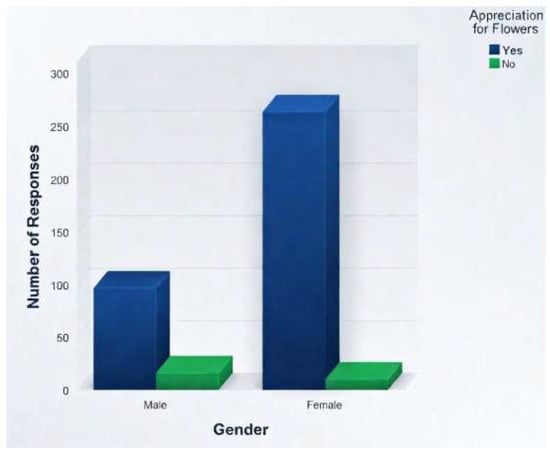
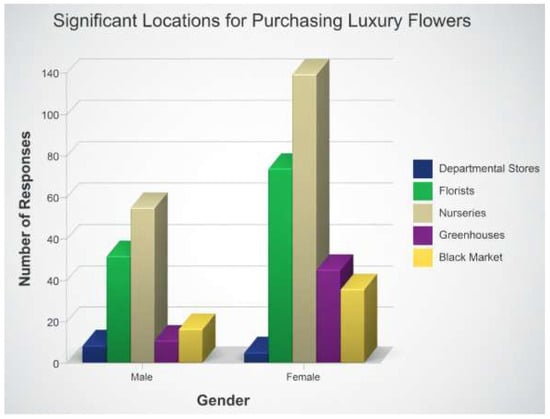
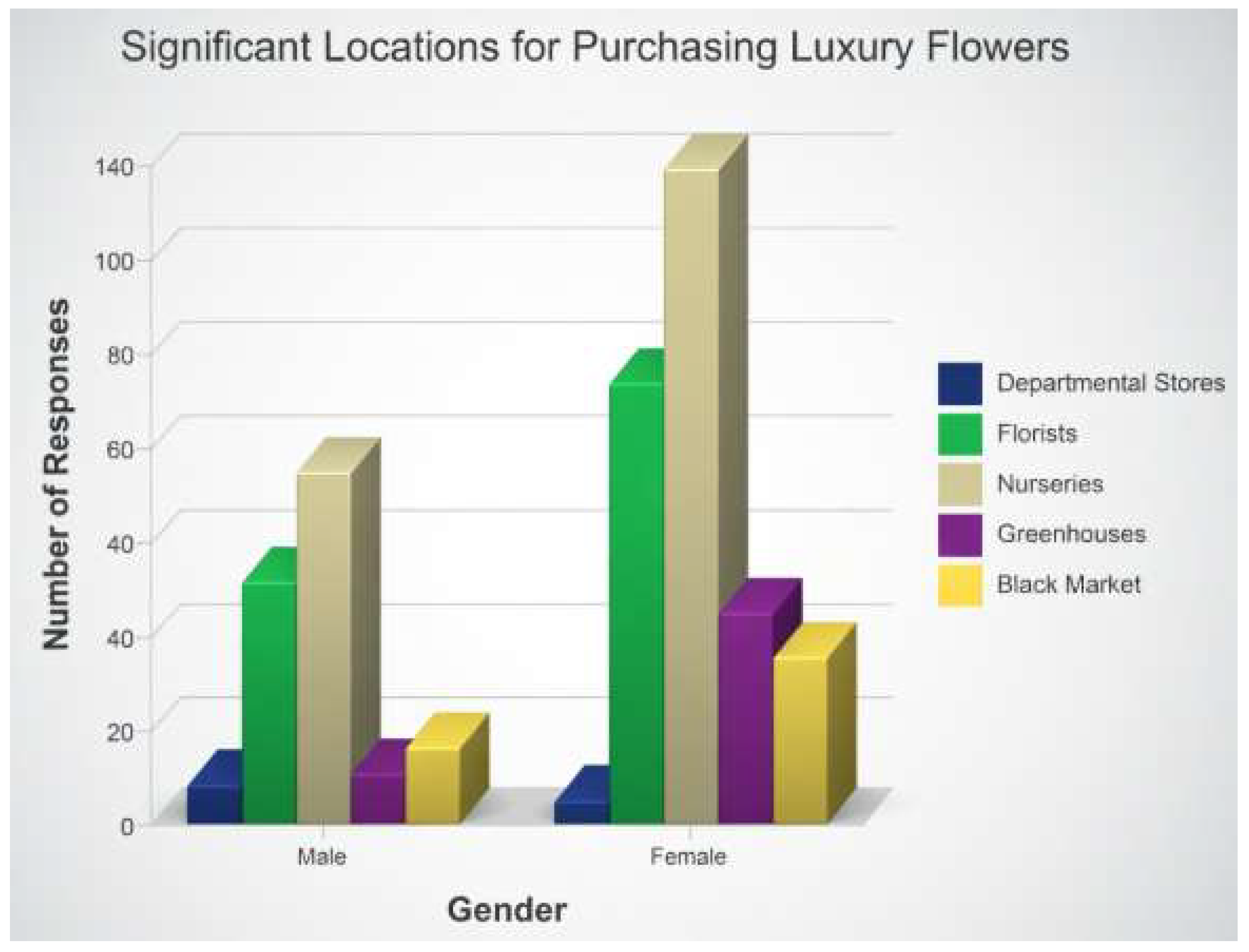
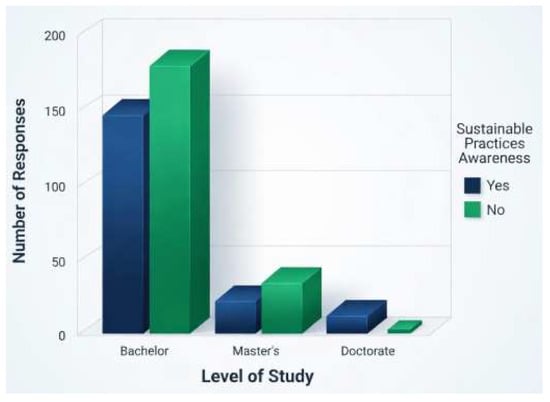
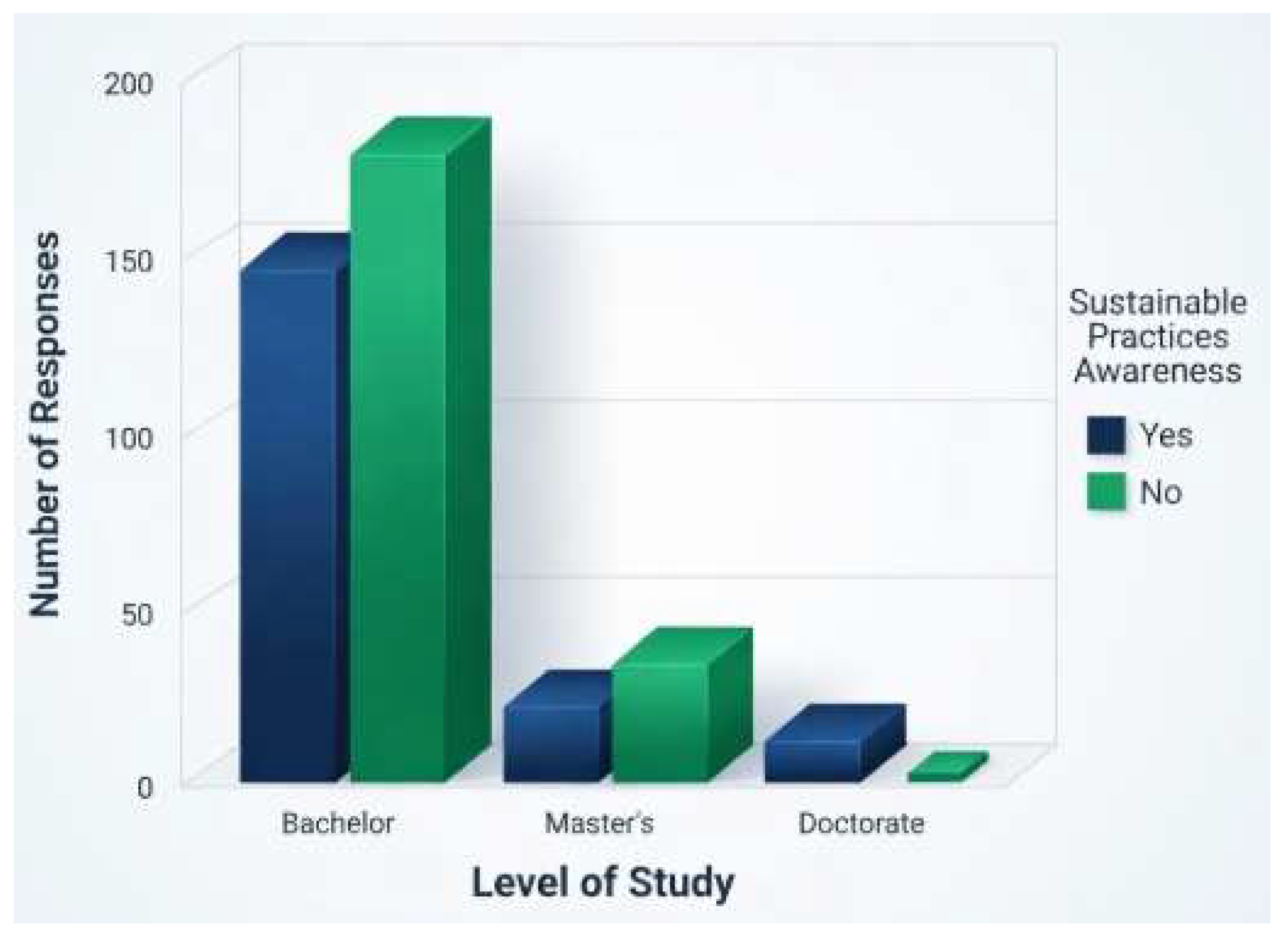
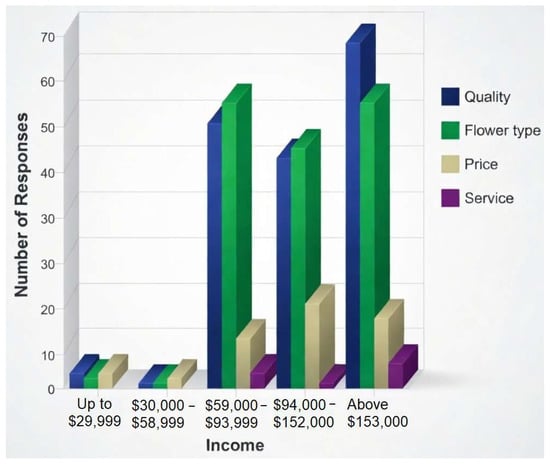
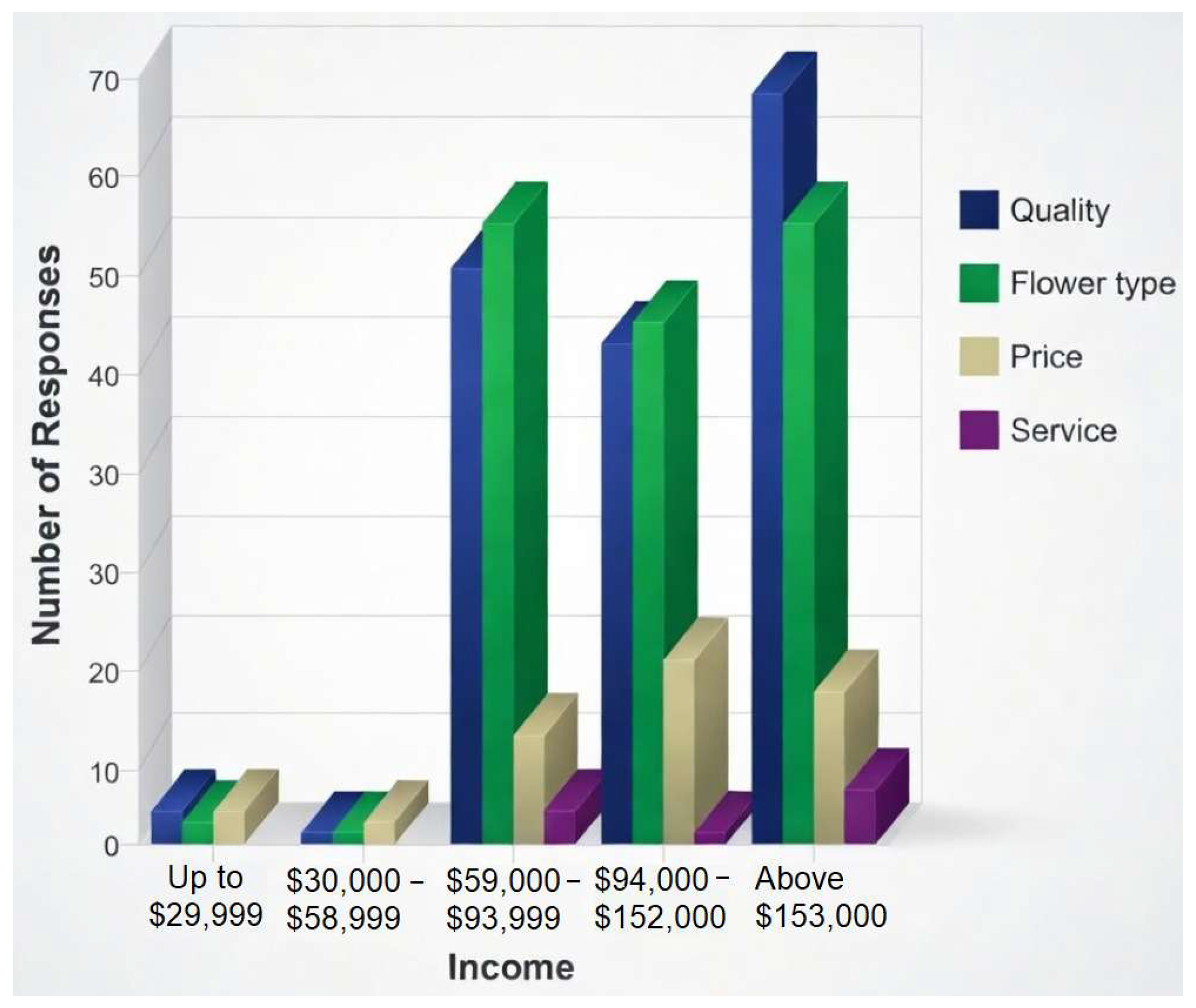

Disclaimer/Publisher’s Note: The statements, opinions and data contained in all publications are solely those of the individual author(s) and contributor(s) and not of MDPI and/or the editor(s). MDPI and/or the editor(s) disclaim responsibility for any injury to people or property resulting from any ideas, methods, instructions or products referred to in the content. |
© 2026 by the authors. Licensee MDPI, Basel, Switzerland. This article is an open access article distributed under the terms and conditions of the Creative Commons Attribution (CC BY) license.