


Abstract
The construction industry is one of the world’s biggest sources of pollution. Industry actors have become increasingly aware of the problem in recent years and are now engaging in initiatives designed to reduce their sector’s environmental impact, including through the adoption of increasingly strict standards. While adopting standards is a powerful means of effective intervention, it is important to highlight the organizational and individual behaviors that can also affect change. While prior studies have neglected individual behaviors, this paper focuses on the involvement of all construction actors involved in adopting green behaviors. In accordance with the PRISMA guidelines, this paper presents a systematic review of the literature with the aim of highlighting the key factors, at both individual and organizational levels, that facilitate (drivers) and impede (barriers) the adoption of green behaviors in the construction industry. An analysis of 44 articles published over a period spanning 23 years (2000–2022) highlights 673 practices implemented at the individual and organizational levels by different actors operating in the construction industry. These practices are classified into nine main categories of drivers and barriers influencing the adoption of green behaviors in the construction industry. Results revealed five trends: (1) drivers are mostly implemented by firm-level actors across all practice categories; (2) the emergence of two new subcategories of sustainability-related factors; (3) barriers remain understudied despite their critical role in Lewin’s force field theory; (4) Site-level actors are very little involved in the implementation of drivers or the presence of barriers (5) and Building Information Modeling remains an underexplored driver. This review protocol has been registered on the platform of the International Prospective Register for Systematic Reviews (PROSPERO, CRD420261299618).
1. Introduction
Environmental issues are an urgent priority for ensuring the long-term sustainability of our societies. In this regard, the construction industry involves a host of problems that have a significant impact on the environment. These include the production of solid and liquid waste, greenhouse gas emissions, and the use of non-renewable resources [1,2,3,4,5]. The global status report for buildings and construction, published in 2025 by the UN Environment Programme (UNEP), showed that this sector consumes 32% of global energy and contributes 34% of global CO2 emissions [6]. More specifically, Canada’s construction industry generates approximately 9 million tons of waste annually, accounting for one third of the country’s solid waste stream [7]. In Australia, the construction and demolition sector generated 27 million tons of waste in 2018–2019, or 44% of total waste [8]. In the United Kingdom, the sector produces 120 million tons of waste annually, accounting for one third of the country’s total waste [9]. Without effective measures in China, more than 1 billion tons of construction waste are expected to be generated every year [10].
Despite the range of environmental risks posed by the construction industry, there is growing awareness among industry actors, as evidenced, among other things, by the adoption of various environmental certifications in recent years. One such example is the North American Leadership in Energy and Environmental Design (LEED) scheme, which recognizes design choices that improve the environmental performance of buildings [11]. In Europe, the Haute Qualité Environnementale (HQE) certification illustrates the increasing attention now being paid to sustainable development of the built environment. Other certifications include Boma Best, which recognizes the energy performance of commercial buildings, BREEAM (Building Research Establishment Environmental Assessment Method), which provides a means of certifying the sustainability of buildings, and WELL, designed to certify levels of human health and well-being in buildings [12,13]. Finally, ISO-14001 defines requirements for the environmental management of organizations [12,14,15], while ISO 59004 promotes the circular economy [16]. Note that the connection between Building Information Modeling (BIM) and various environmental standards and certifications creates a real opportunity to support the environmental and ecological transformation of the construction industry (e.g., [17]). Despite progress through standards, policies, and new technologies, persistent behavioral and organizational barriers continue to limit sustainability performance in construction.
Beyond the implementation of practices at the institutional and industrial levels (e.g., environmental laws, regulations, standards and certifications), many authors are now drawing attention to individual behaviors that may also play a part in tackling environmental challenges [18,19]. However, our understanding of what motivates individuals to engage in green behaviors in the construction industry remains very limited. Studies on the adoption of green behaviors remain few and far between and mainly focus on organizational practices at the expense of individual practices [20]. The small number of studies devoted to the subject have shown that changing individual behaviors toward the environment requires examining psychosocial determinants such as social support [21,22]. To minimize the environmental impacts of the construction industry, research on human behavior and activities is therefore needed.
The paper focuses on the key factors–in other words, the drivers and barriers–operating at the individual and organizational levels that promote or impede the adoption of green behaviors by actors working in the construction industry. By “green behavior” in the construction industry, we adopt the definition of green behaviors in the workplace by Ones and Dilchert [23] (p. 452): “actions and behaviors that employees engage in that are linked with and contribute to or detract from environmental sustainability”. This definition is the most widely used in the management and environmental psychology literature [18]. In the construction industry, this includes initiatives such as improving waste and resource management and designing reversible buildings [24,25]. In practice, initiatives involve concrete actions such as minimizing waste generation, promoting the reuse and recycling of materials, and considering environmental sustainability throughout the building life cycle. It is also important to take a broad view of actors operating in the construction industry by including both workers and site managers, construction companies and other organizations linked to the industry such as product manufacturers and service providers. In doing so, research will then focus not just on the green behaviors of actors on the ground but also the decisions made by firms and other organizations.
In summary, prior studies on the adoption of green behaviors in the construction industry can be grouped into three themes: studies on institutional and organizational practices [12,13], individual behavioral interventions [21,26], and commitment of all actors involved in the behavioral change process [27]. In fact, the literature in recent years mainly reported on the implementation of various institutional and organizational practices to minimize environmental impacts in the construction industry (e.g., environmental laws, policy initiatives, standards, certifications, and technological innovations such as BIM), rather than capturing the motivation of individuals to adopt green behaviors. Individual green behaviors have mainly been studied in the workplace, not in the context of ephemeral cities created by construction sites [28]. Moreover, active participation and commitment of all construction actors are crucial in the change process. However, the identification of drivers and barriers in previous studies does not generally consider the different levels of responsibility within organizations and between the different actors involved in green practices in construction (see, for example, [23]). The objective of this paper is to fill part of this gap by conducting a systematic review of empirical studies on drivers and barriers, at both individual and organizational levels, that can influence the adoption of green behaviors by all actors working in the construction industry through a change management perspective.
The remainder of the paper is structured as follows. Section 2 describes the conceptual framework on which the examination of drivers and barriers that influence the adoption of green behaviors in the construction sector is based. Section 3 presents the key phases of the methodology underpinning the systematic literature review in line with the PRISMA (Preferred Reporting Items for Systematic review and Meta-Analysis) protocol. Section 4 focuses on the trends observed in the selected articles and provides an analysis of the classification of practices developed according to the types of construction actors involved at different decision-making levels in the adoption of green behaviors. A discussion is then presented in Section 5, followed by conclusions and directions for future research in Section 6.
2. Background
2.1. The Construction Industry and the Environment
The specific features of the construction industry mean that it is difficult to make it more proactive on environmental issues. Construction sites are geographically disparate, resulting in a diversity of locations and infrastructure and a highly mobile workforce–meaning greater risks compared to more stable work environments [29]. The ephemeral cities created by construction sites require the involvement of many actors (e.g., engineers, project managers, site superintendents, construction managers, workers) over a limited period and therefore involve settings that come with a high psychological burden (e.g., long working hours that are weather-dependent). Taken together, these factors mean that it is more challenging to manage environmental practices in the construction industry than it is in more highly integrated sectors [21]. More specifically, the literature provides insight into how green behaviors differ between on-site workers (e.g., electricians) and those in managerial roles (e.g., project managers) [29]. The presence of multiple subcontractors, each with distinct organizational cultures, priorities, and constraints, further complicates the consistent implementation of new green habits and training across fragmented and temporary teams [30]. In addition, studies on the support provided to employees in adopting green behaviors are few and far between and tend to focus on organizational rather than individual practices [31].
2.2. Green Behaviors
Since the first environmental studies conducted in workplace settings dating back to the 1970s [32], two perspectives have been put forward to minimize environmental impacts: institutional/organizational practices and individual practices [33]. Institutional and organizational practices are based on laws, regulations, standards and certifications. Individual practices draw on research in work psychology and management to understand what motivates individuals to engage in green behaviors [34]. The importance of promoting these behaviors to improve environmental standards is no longer in doubt since it is now widely accepted that the implementation of organizational practices (e.g., standards) is not enough to motivate individuals to adopt green behaviors [26]. The small number of studies on the subject show that changing individual behaviors toward the environment requires an examination of psychosocial determinants [35,36].
Other recent studies have shown that in a number of work settings [37,38,39], analysis of green behaviors drives changes in attitudes: employees who may seem reluctant or defensive become engaged and, in turn, mobilize their colleagues by suggesting more sustainable ways of acting even when it is not their responsibility to do so. This contagion effect can even result in a firm’s culture changing for the better [40].
Today, research on green behaviors adopted in the workplace is expanding rapidly as a field of study. The typology developed by Ones and Dilchert [23] is now widely accepted in the literature and proposes different categories of green behaviors (e.g., preservation of resources). It has mainly been applied in office-based settings [18]. To date, empirical studies have not sufficiently prioritized research in the most environmentally damaging sectors, such as the construction industry [28,41]. A recent systematic review on green behaviors in the workplace, covering a 43-year period (1977–2020), showed that fewer than 2% of empirical studies were conducted in the construction industry [28]. Studies on green behaviors carried out by the community of social science researchers have most been conducted in office settings in which employees work on site within their organization, where there tends to be greater oversight and surveillance [42]–unlike the construction industry, a sector characterized by multi-organizational and often multi-site structures [29]. However, we contend that the theoretical framework developed in the workplace has much to offer for research on highly polluting sectors such as the construction industry. Our argument is that applying the framework will improve our understanding of the factors that influence the adoption of green behaviors in the construction industry with a view to reducing resistance to behavioral change.
Essentially, despite the lack of studies on the adoption of green behaviors in construction, the literature revealed that the environmental performance of construction projects depends not only on the implementation of organizational and institutional practices, but also on individual behaviors. Studies on green behaviors at work tend to recognize this evidence (see [34]). Having a green behavior in project implementation should promote environmental sustainability in the construction industry [41].
2.3. Change Management
As noted by Robertson and Barling [43], research on human behavior is a promising avenue for environmental protection. In this sense, the change management literature is proving increasingly useful for understanding the drivers and barriers that can influence the adoption of green behaviors.
A first approach to change management was set out by Lewin [44], whose theory has been widely used over the decades in a range of different fields such as health and organizational environments [45,46,47]. Lewin’s force field theory [44] provides an effective framework for understanding how behaviors are influenced. According to his theory, change is influenced by forces present in the environment. These forces refer to any element of reality that exerts a favorable or unfavorable influence on the situation requiring change. To achieve change, there are two options: to increase the intensity or number of forces propelling change (drivers) or decrease the intensity of the forces that hinder change (barriers). To the best of our knowledge, Lewin’s approach [44] has never been applied in the construction industry from an environmental perspective. The driving and restraining forces of Lewin’s approach interact at multiple levels (micro, meso, macro), making it especially pertinent in a sector as fragmented as the construction industry. These forces highlight the challenges associated with integrating new practices or adopting circular and green models in the construction sector, not least by highlighting organizational resistance, lack of skills, economic barriers, established habits, the perceived costs of change and opportunities and transition paths. Finally, the importance of active participation and stakeholder engagement is crucial in the change process [27]. Lewin’s topological psychology posits that progressive change in norms and behaviors should not be imposed but constructed by considering the individual and collective perception of stakeholders [48]. The transition to greener practices requires coordination between different stakeholders (e.g., firms, clients, regulators) and requires a holistic vision to facilitate the change process. In the construction industry, green initiatives must involve workers, engineers, architects and project owners from the design phase onwards to avoid a return to old practices.
McKinsey’s 7S model [49], which has often been used to examine change management [50], has been applied in many different settings and industries, including the construction sector [51,52,53]. The model combines seven aspects that are known to influence the implementation of change: Strategy, Structure, Systems, Shared values, Skills, Leadership Style and Staff. It provides a comprehensive framework for the identification and analysis of factors that, as described by Lewin, promote (i.e., drivers) or impede (i.e., barriers) the adoption of green behaviors in the construction industry. As such, the model is well suited to the context of this study. Lewin’s model provides the dynamic mechanism, i.e., balance of drivers and barriers, while McKinsey’s 7S model offers the structural categorization of these factors within organizations.
Other models have been developed to better understand and navigate organizational transformations. One such example is the Bridge Transition model [54], which focuses on transitions rather than changes and distinguishes three stages–termination, neutrality, and new beginnings–with an emphasis on the psychological aspects of change [54]. Kotter’s [55] eight-step model provides a structured method for implementing effective change. Finally, Prosci’s ADKAR model focuses on the individual and the key stages of personal change [56]. Though relevant, these models vary depending on the approach to change, i.e., individual, processual or systemic.
3. Methodology
This systematic literature review was carried out in accordance with the PRISMA protocol [57]. PRISMA was initially designed in 2009 for systematic reviews in the health field, but in 2020, the protocol was revised and now also applies to other areas, such as environmental and social domains [58], and is fully relevant to the context of our study (see [28,59]). This review protocol has been registered on the platform of the International Prospective Register for Systematic Reviews (PROSPERO, Registration number: CRD420261299618, https://www.crd.york.ac.uk/PROSPERO/view/CRD420261299618 (accessed on 16 December 2025). Our review includes three phases: (1) identification of article inclusion criteria; (2) data collection; and (3) data extraction, coding, and reliability. These three phases are described in the following sections. The PRISMA item checklist was filled in with the location in the article where each item is reported. This list is available in the Supplementary Materials (Table S1).
3.1. Identification of Article Inclusion Criteria
Table 1 presents the inclusion criteria governing the selection of articles. The choice of time horizon is based on the publication of one of the first articles on green behaviors in a construction context [60]. It should also be noted that articles related to organizational contexts that do not refer to construction sites were excluded, as were theoretical and conceptual articles and essays.
Table 1.
Article inclusion criteria.
3.2. Data Collection
A comprehensive literature search was performed by three researchers on the Web of Science database. Web of Science was selected because it is a renowned database of research publications and citations, recognized for its comprehensive coverage more then 22,000 journals. Also, it provides high-quality, peer-reviewed scientific articles and is an interdisciplinary database that includes publications in both engineering and the social sciences, which aligns with our research objective. By reading articles on the environment and construction from journals such as Journal of Cleaner Production and Building and Environment, relevant terms were identified to formulate the search query. The query used to search the database is shown in Appendix A. The search query is divided into four segments, connected by the Boolean operator “AND”. The first segment contains terms related to the domain or context (for example, construction site and building project); the second encompasses terms linked to labor (such as contractor and operator); the third segment incorporates terms associated with sustainable practices (such as recycling and disposal); and the fourth segment includes terms related to environmental aspects (such as footprint and green). As shown in Figure 1, over 3500 records were identified by searching the database using the search strategy. Furthermore, relevant articles were also reviewed manually to identify potentially relevant literature. A total of 44 articles meeting the defined eligibility criteria were included in the current review after removing systematic reviews and meta-analyses if those studies did not include primary data collection (e.g., interviews). However, for the sake of completeness, we have included three systematic reviews that collected primary data (see Kabirifar et al. [61], Ajayi et al. [62], and Durdyev et al. [63]) and one article (Elbers et al. [64]) that did not collect primary data but emphasizes sustainable practices in construction.
Figure 1.
PRISMA flow diagram.
3.3. Extraction, Coding and Reliability of Data
The data coding method and the measures taken to ensure data reliability follow the methodological recommendations of Tranfield et al. [65] for performing a systematic review.
First, the drivers, barriers, and actors involved in the adoption of green behaviors in the construction industry were extracted from the 44 selected articles. Then, to reduce the potential for human error and bias, the extracted data was comprehensively recorded and monitored using a coding grid containing general information (title, author, publication details) and specific information (i.e., drivers, barriers, actors) required to construct summary tables and perform data analysis. The coding also relied on the identification of categories emerging from the data. Drivers and barriers were classified into nine broad categories corresponding to different aspects of construction processes (see Section 4.2). Each driver or barrier corresponds to at least one of the four groups of actors involved at different hierarchical levels (see Section 4.3): (1) workers on construction sites; (2) managers on construction sites; (3) the company as a whole; and (4) external actors (e.g., suppliers). Finally, as recommended by Tranfield et al. [65], to ensure the reliability of the results, data was extracted and coded independently by three researchers. For example, three researchers independently coded 80% of the drivers and barriers. An intercoder reliability coefficient was calculated using the κ (kappa) test to verify the degree of consensus between the three researchers. The test revealed a level of agreement of 0.721 (p < 0.0005). This result is comparable to other reviews conducted using similar methods [42] and represents a high level of agreement between researchers [66]. Two environmental experts (Environmental Manager and Environmental Advisor, both with more than four years of experience in these roles), working for one of the largest construction companies in Canada, were involved in the classification of the identified practices. They dedicated over 10 h of work to provide expert judgment and assess the accuracy of the classification of drivers and barriers across the nine categories.
4. Results and Analyses
The results include 673 practices classified into nine broad categories (see Tables S2–S10 in Supplementary Materials for additional details). The practices were classified based on the drivers and barriers influencing the adoption of green behaviors in the construction industry (Section 4.2). The practices were also classified based on the actors involved (Section 4.3). The analysis of the practices identified in the construction sector is presented in Section 4.4. The following section describes the trends observed from the 44 articles selected for the purposes of this review.
4.1. Analysis of Trends
Table 2 shows that the content of the selected articles lies at the intersection of various fields such as green production, strategic management, information systems and, more broadly, the social sciences, reflecting the multidisciplinary nature of the subject. In addition, almost a third of all articles come from two academic journals focused on environmental issues rather than construction: Journal of Cleaner Production and Resources, Conservation and Recycling.
Table 2.
List of publication journals and methodologies prioritized.
Table 2 also shows that most studies (59%) used a quantitative approach based on structured questionnaires (e.g., [67,68]). Only 18% of the articles apply a qualitative approach, including semi-structured interviews, focus groups, and site visits (e.g., [69]). Finally, 23% of the articles adopt mixed methods by combining quantitative and qualitative methods (e.g., [70]).
Figure 2 shows the evolution of the number of articles published from 2000 to 2022. We note that the article by Chan et al. [71], published in 2024, was available online in 2022. We used the official publication year (2024) for the analysis. However, the systematic review extended into 2022. These results point to the growth of interest in green behaviors in the construction industry in recent years. This trend is consistent with the increase in studies of green behaviors in other workplaces [19,20]. This is explained by the growing concern over environmental issues, particularly in relation to the climate crisis, which is compelling the scientific and industrial communities to explore solutions designed to reduce the environmental footprint of the construction industry.
Figure 2.
Number of articles published between 2000 and 2022.
The majority of the articles originate from Asia. The most represented continents, ranked from highest to lowest, are: Asia (45.59%), Europe (22.06%), Africa (13.24%), North America (10.29%), Oceania (7.35%), and South America (1.47%). By contrast, South America accounts for only one article out of the 44, highlighting the need for increased attention on this region in future research to gain a more comprehensive view of green behaviors in the construction industry. This trend seems to follow the distribution of global investments in construction projects worldwide. For example, as of June 2023, the Asia-Pacific region had recorded the highest number of investments in road construction projects. Europe ranks second [72]. The provenance of the articles aligns somewhat with that of previous studies. For example, in their study on the management of green human resources, Amrutha and Geetha [73] observed a domination of Europe (33.33%) and Asia (31.61%). Furthermore, Francoeur and Paillé [28] analyzed the geographical distribution of articles on green behaviors in mainly office contexts. Their study shows a European predominance (40.94%), followed by North America (25.98%) and Asia (24.44%). South America and Africa are less represented, but South America is more active than Africa in research on green behaviors. European countries like the UK, Italy, France and Spain are praised for their strict environmental practices, while Asian countries like India, Malaysia and China are recognized for their efforts in reducing pollution and promoting sustainability. South America is also active in research on green human resources management, but less so than Europe and Asia, while Africa is under-represented in both studies. The details of studies’ characteristics are shown in Table 3.
Table 3.
Characteristics of the included studies.
4.2. Categorization of Drivers and Barriers
This section presents a classification of the 673 identified practices that promote or hinder the adoption of green behaviors in the construction industry. These practices represent either general drivers, behavioral drivers, or barriers. General drivers are factors, choices, actions, or decisions that have the potential to promote green behaviors on construction sites. These act as drivers that encourage the adoption of sustainable practices and contribute to establishing a culture of sustainability in the construction sector. On the other hand, behavioral drivers refer to specific actions initiated by construction site actors, such as managers and project leaders, that aim to promote green behaviors. These actions serve as a model for encouraging other actors, such as workers, to adopt similar practices. Finally, barriers are obstacles that hinder or prevent the adoption of green behaviors on construction sites. These obstacles can compromise the implementation of sustainable practices in the construction industry.
Practices classification was inspired by the McKinsey 7S model to identify drivers and barriers. The 7S model combines seven aspects that are known to influence the implementation of change. However, based on the patterns emerging from the reviewed studies (across the 673 practices analyzed), we refined and expanded the initial categories. This process led us to identify nine categories that more accurately reflect the operational, organizational, and environmental realities of construction sites (see Tables S2–S10 in the Supplementary Materials). For example, “Strategy” from the 7S model is reframed as “Management Strategies”, and “Skills” becomes “Education and Knowledge”, both of which emerged as more accurate labels for the constructs observed in the literature. Two new categories were created “Reputation and image and “Financial viability.” This new categorization is presented in Table 4 and aims to provide a framework of drives and barriers suited to the study of sustainability in the construction industry. Following the table, each of the nine categories is briefly discussed.
Table 4.
Classification of drives and barriers.
C1—Materials and technology management. Materials and technology management is a major challenge for the construction industry. The many challenges faced in ordering, managing, and recycling materials are exacerbated by technological constraints [77]. However, improvements are gradually being made, particularly by optimizing the use of materials and reducing waste [24]. Integrating sustainable practices from the design stage of projects also provides a means of reducing the industry’s environmental footprint by promoting the purchase of labeled materials (i.e., certified for their sustainable properties), minimizing rework, and integrating low-carbon technologies.
C2—Construction methods. This category highlights the challenges associated with traditional construction methods that negatively impact the environment. Issues such as construction site congestion, lack of space, and inadequate facilities for recycling or proper waste disposal are all obstacles that must be overcome to promote sustainability [74]. Standardization of materials aligned with environmental criteria and better availability of space for recycling and clean storage from the design stage, combined with the use of prefabricated components, represent key strategies for developing a more environmentally friendly industry [24].
C3—Management strategies. Management strategies in the construction industry reveal a complex set of challenges, including gaps in project planning and execution, coordination problems between different actors and a lack of control and supervision over waste management [83]. However, significant drivers can be used to overcome these obstacles. These include the early establishment of waste management plans and the introduction of contractual clauses that encourage recycling and waste minimization [101]. Another driver involves improving communication and collaboration within project teams, which can be facilitated by clarifying roles and responsibilities and strengthening implementation mechanisms [100].
C4—Industrial policies and markets. Industrial policies and market dynamics play a key role in the construction industry’s green transition. There are major challenges to overcome, such as a lack of investor engagement, ambiguous contractual clauses, unclear environmental policies, and a lack of government support for sustainable initiatives [71]. In the face of these obstacles, several drivers are beginning to emerge. These include the establishment of ISO standards promoting environmentally friendly practices, the revision of purchasing policies to include sustainability criteria, and the integration of the circular economy into contractual requirements [78]. Additionally, government engagement through the development of environmentally friendly regulations and policies is crucial to accelerating the transition to greener construction practices. The adoption of incentives, such as rewards for sustainability performance or penalties for poor waste management, can also encourage wider adoption of sustainable practices in the industry [92].
C5—Resistance to change. Resistance to change represents a major obstacle to the adoption of sustainable practices in the construction industry. This category highlights the difficulty of changing entrenched behaviors and traditional working methods in favor of new, environmentally friendly approaches. Reluctance to abandon conventional practices is often reinforced by the perception of financial risks and operational complexities associated with sustainable innovations [71].
C6—Education and knowledge. Education and training play a vital role in the capacity of the construction industry to adopt green practices. This category highlights the lack of specialized knowledge and expertise in sustainability among both company staff and subcontractors as a barrier to the transition to greener construction [75]. The skills gap in sustainable construction, combined with insufficient training in waste reduction and resource efficiency techniques, limit the industry’s ability to implement sustainable practices. To address these gaps, Lu and Yuan [82] recommended developing comprehensive training and awareness programs, integrating sustainable construction modules into university curricula and promoting continuing education in eco-design and waste management among professionals in the sector.
C7—Perception and values. The integration of sustainable practices in the construction industry is closely linked to individual attitudes, perceptions, and values. These psychological and cultural factors play a crucial role in driving lasting change. It is essential to raise awareness of environmental issues and promote a corporate culture that places sustainability at the center. This approach involves not only demystifying the concept of sustainable development but also promoting both individual and collective initiatives to promote the environment. By integrating green principles into a company’s mission and values as well as among staff, an environment conducive to change in which everyone feels involved and motivated to act sustainably can be created [92].
C8—Reputation and image. A strong reputation for sustainability can become a genuine competitive advantage for construction firms. Clients, investors, and partners are paying increasing attention to the environmental performance of the companies they work with. Developing and maintaining a positive image based on genuine sustainability commitments can help secure new contracts and attract talent who care about these issues [63].
C9—Financial viability. Financial viability and cost perception play a key role in the adoption of sustainable practices in construction and demolition waste management. Economic challenges such as additional costs, increased time required, and lack of familiarity with technologies represent barriers to the adoption of sustainable practices [63]. Additional costs associated with increased monitoring, a lack of financial incentives, and perceived higher economic priorities can discourage commitment to environmentally responsible practices. However, savings can be achieved by reducing material waste and waste disposal costs. Although initial investments are often high and cost recovery periods long, the provision of financial incentives, grants, and tax credits can encourage a transition to sustainability [92].
4.3. Construction Actors Involved at Different Decision-Making Levels in the Adoption of Green Behaviors
In addition to a classification of drivers and barriers based on different aspects of construction processes ranging from industrial policy to the personal values of workers, Tables S2–S10 (see Supplementary Materials) indicate, for each practice, the groups of actors involved in the adoption of green behaviors at different decision-making levels. The classification proposed in this paper considers four levels of responsibility based on influence and dependence on the actors involved in construction projects: site (workers), site (management), firm and external. The site (workers) level concerns the actions and behaviors of workers on site, such as skilled workers, masons, electricians, plumbers, and carpenters, among others. The site (management) level encompasses the practices implemented by management directly or by site managers to promote green initiatives. Examples of on-site managers include site managers, superintendents, construction engineers, safety coordinators, and quality managers. The firm level relates to the policies and actions implemented by the construction firm and its management to integrate green practices. Firm-level actors include project managers, operations managers, environmental managers, and sustainability managers, among others. Finally, the external level considers the firm’s interactions with its external environment, such as government regulations, suppliers and external actors, client requirements, and societal expectations relating to sustainability. This last group of actors includes various groups involved in design and construction, such as architects, urban planners, sustainability consultants, construction inspectors, and regulatory authorities, among others.
4.4. Analysis of Results
Based on the classification of practices compiled in Tables S2–S10 (see Supplementary Materials), this section presents an analysis of the drivers, barriers and actors that influence the adoption of green behaviors in the construction sector according to their impact on different aspects of construction processes.
4.5. Number of Practices by Category of Processes, Drivers and Actors
Figure 3 shows a significant difference in the number of practices identified across the nine process categories. Category C2—Construction Methods has the largest number of practices (i.e., drivers and barriers), highlighting the range of challenges addressed in this area, while category C8—Reputation and Brand Image, which may be underrepresented, has the fewest, indicating a low recognition of issues related to public image and reputation in terms of green behaviors in the construction industry.
Figure 3.
Number of practices by category.
Figure 4 shows that behavioral actions and initiatives are more important than structural drivers in determining green practices, representing 267 practices out of 673 compared to 205 in the case of general drivers. However, drivers face many barriers. In addition, the firm level is the level involving the greatest number of practices that promote or impede green behaviors in construction. These results highlight the importance of corporate decisions and policies, while also pointing to the significance of external influences (Figure 4b), for the promotion of green behaviors in the construction industry.
Figure 4.
Number of practices by drivers, barriers, and actors. A practice (i.e., driver or barrier) may involve more than one actor.
4.6. Analysis of Drivers and Barriers by Category of Process
Figure 5 shows a predominance of drivers over barriers, denoting orientation toward the activation of positive behaviors in most construction processes. This result underlines the importance of awareness of environmental impacts in construction, illustrated by the practice Raise awareness of the environmental impact difference between reuse and recycling, and between recycling and downcycling [92]. In particular, behavioral drivers are found mainly in categories C1—Materials and technology management, C2—Construction methods, and C4—Industrial policies and markets. For example, of the 154 practices identified in category C2, 119 are behavioral drivers, such as Set a drain and discharge sewage and rainwater separately [103]. In categories C1 and C4, 43 out of 84 practices and 47 out of 117 practices, respectively, are associated with behavioral drivers, such as Creating technologies to mitigate impact [87] and Promote carbon taxes [92]. General drivers are predominant in categories C3—Management strategies and C7—Perception and values with 61 structural drivers out of 108 practices and 42 general drivers out of 66 practices, respectively, such as Waste management and recycling [70] and Employees’ environmental objective [101].
Figure 5.
Number of drivers and barriers by category.
However, barriers represent a significant part of the practices that impede green behaviors, as illustrated in Figure 5. Among others, category C1—Management of materials and technology includes 34 barriers out of the 84 practices identified in this category, including Lack of standards for reused and recycled building products [92]. Similarly, categories C5—Resistance to change, C6—Education and knowledge and C9—Financial viability include more barriers than drivers. Examples include Lack of education and knowledge in sustainable design [92], which appears to be a significant barrier in category C6, and the challenges associated with Long pay-back periods from sustainable practices [63], which impact the financial viability of sustainability practices.
4.7. Analysis of Actors by Category of Process
Figure 6 shows that the firm level ranks top compared to other levels of decision and action in the implementation of practices influencing the adoption of green behaviors. For example, among the 84 practices identified in category C1—Materials and Technology Management, 62 are linked to the firm level, highlighting the importance of corporate decisions and policies in this category. This result contrasts with the levels of workers and site managers, which have 6 and 22 practices, respectively, suggesting that both groups of actors have fewer decision drivers in the implementation of practices related to materials and technology management. In the case of category C2—Construction Methods, the gap widens further, with 126 practices out of 154 associated with the firm level, unlike workers and site managers, where only 33 and 64 practices were identified. In fact, construction site workers and managers face many challenges that hinder the adoption of green behaviors such as Improper material handling [83] and Damages during deconstruction [92].
Figure 6.
Number of actors at each decision-making level by category.
Categories C3—Management Strategies and C7—Perceptions and Values also highlight the importance of internal company policies and decisions in establishing management strategies and raising awareness of perceptions and values related to sustainability in the construction sector. These results again demonstrate the significant influence of firms on the implementation of practices impacting the adoption of green behaviors.
Furthermore, the role of the external level in the implementation of drivers and barriers is significant, especially in category C4—Industrial policies and markets, in which 94 out of 117 practices are linked to external actors, highlighting the importance of regulations, market conditions and actor expectations in the formulation of industrial policies and market decisions. Certification and labeling [25] and Lack of government incentives [63] are examples of such practices.
Finally, it should be noted that no practices were identified for workers and managers on construction sites in categories C4—Industrial policies and markets, C6—Education and knowledge and C9—Financial viability, suggesting that both groups of actors have low decision-making power in terms of sustainable practices in these categories.
4.8. Distribution of Actors Responsible for Drivers and Barriers by Category
Figure 7 shows that the actors who implement the most general and behavioral drivers are primarily at the firm level across all practice categories. This finding underlines the major influence of decisions and policies in construction firms on the adoption of green practices.
Figure 7.
Number of drivers and barriers attributable to the different actors–by category. Legend:  General Driver,
 Behavioral Driver,
 Barrier.
General Driver, Behavioral Driver, Barrier.
Similarly, the practices that hinder the adoption of green behaviors generally originate from the firm and the external level across all categories (Figure 7). This finding highlights the overriding importance of barriers to overcome at the firm and external levels in facilitating the adoption of green practices in the construction industry.
In the case of workers and site managers, Figure 7d,f,i associated with categories C4—Industrial policies and markets, C6—Education and knowledge and C9—Financial viability, respectively, show that both groups of actors are not involved in the implementation of drivers or the existence of barriers. This result highlights the importance of organizational decisions and policies and external influences (e.g., regulations, market conditions, actors) in the formulation of industrial policies, market decisions, education and knowledge on sustainability and financial decisions relevant to the viability of sustainable practices. In fact, at the firm level, the economic dimension represents one of the key challenges for the implementation of sustainable practices [68]. Ultimately, the additional costs of greater vigilance and control over its implementation require a person dedicated solely to the matter [68].
However, in the case of category C5—Resistance to change, it is not surprising to see that barriers prevail over drivers at all four decision-making levels. Construction site workers face resistance to change, reflected in the barrier Resistance to change from conventional to green practices by company’s employees [64]. Similarly, site managers face challenges such as Tendency to maintain current practices [93]. At the firm level, the barrier Changing traditional practices [89] represents a significant challenge. External influences also contribute to resistance to change, as illustrated by the barrier Construction industry culture [93]. Similarly, barriers still persist in category C9—Financial viability due to high initial investment costs [12,21], lack of financial incentives [1], long pay-back periods [1,12], lack of awareness among actors [35], and challenges with risk of losing intellectual property and rights [21], all compounded by lost in competitiveness due to competitors using less environmentally friendly materials at lower costs [27]. Note that systematic barriers at the firm and external levels, such as financial risk, resistance to innovation, or institutional inertia, link directly to change management by often requiring top-down policy realignment or organizational restructuring rather than individual-level behavioral change.
5. Discussion
5.1. Main Findings
The findings of the systematic review revealed five major trends. First, the analysis of 673 practices and four levels of actors highlighted the challenges and opportunities facing more sustainable construction practices, classified into nine categories according to their impact on different aspects of the construction process, from industrial policy to the personal values of workers (see Section 4). In particular, the results point to the predominance of corporate decisions in the implementation of drivers while highlighting the importance of external factors, such as regulations and societal expectations, when faced with barriers hindering the adoption of green behaviors. These results corroborate studies carried out in other organizational settings that have highlighted the importance of external factors [37].
Second, the nine categories are inspired by the McKinsey 7S model but allowed us to identify two additional categories to better capture construction-specific realities related to sustainability. Financial Viability is defined as the capacity to manage the costs and economic benefits of sustainable practices and includes 46 practices. Reputation and Image is defined as the development and maintenance of a positive corporate image based on genuine sustainability commitments and includes 7 practices (see Tables S2–S10 Supplementary Materials). This result is consistent with other systematic reviews grounded in pre-existing conceptual frameworks, such as the study by Francoeur et al. [18] on green behaviors in the workplace, which shows that new subcategories can emerge from similar analyses, thereby enriching the initial conceptual framework and, in our context, leading to the identification of categories that more accurately reflect the operational, organizational, and environmental realities of construction sites.
Third, drivers have been more widely studied in the literature than barriers. However, studying barriers is essential. According to force field theory of Lewin’s [44], drivers and barriers can be viewed as an ecosystem whose balance depends on the forces present. To effect change toward a new state of equilibrium, significant energy may be spent on studying many drivers. However, barriers are often underestimated and can prevent change even in the presence of strong drivers [50]. Hence the importance of focusing on removing barriers rather than adding drivers. The predominance of drivers over barriers certainly points to a focus on activating positive behaviors in most construction processes. But it also highlights a clear lack of research focused on barriers to the adoption of sustainable practices in the construction industry. Understanding and overcoming barriers to induce effective and lasting change is essential because a driver is only fully effective in the absence of significant barriers [50]. The predominance of drivers over barriers may also reflect a research bias, as many studies emphasize enablers while neglecting obstacles.
Fourth, as for the distribution of actors responsible for implementing practices (i.e., drivers and barriers) that promote or impede the adoption of green behaviors in the construction industry, the results presented in Section 4 reveal a concentration of drivers at the firm level and the presence of barriers at the firm and external levels. This dominance of firm-level actors may reflect the hierarchical decision structures typical of the construction industry, where strategic decisions remain centralized. Such configurations also limit worker empowerment and weaken bottom-up communication channels, reducing the capacity of site-level actors to influence new practices [44,50]. Site-level actors are very little involved in the implementation of drivers or the presence of barriers. However, engaging all actors in the change process is crucially important [34,104]. Change can be seen as a social process involving the active participation of all stakeholders affected by the change [27,105]. This perspective is essential to ensure not only the effectiveness of the change process but also its sustainability. However, the ability to navigate force field theory [44] requires flexibility and openness from the leader or practitioner in charge of change.
Fifth, despite its potential, only two practices out of the 673 identified in the literature (see Tables S2–S10) integrate BIM as a driver [14,22]. This result aligns with that of Idrissi Gartoumi et al. [17] who showed that BIM linked to Green Building Certifications remains one of the least explored and utilized aspects in construction. Several barriers still remain difficult to overcome (see Tables S2–S10), such as user-unfriendliness of BIM analysis software programs, lack of understanding of the processes and workflows required for BIM and sustainability, difficulty in allocating and sharing BIM-related risks, shortage of cross-field specialists in BIM and sustainability, insufficient level of support from the BIM software developers, low level of involvement of BIM users in green projects, and high cost of BIM software, license, and associated applications [21].
5.2. Theoretical and Practical Contributions
This review is the first, to our knowledge, to focus on the practices that construction industry actors at different levels can adopt to promote green behaviors, while also documenting the evolution of publications worldwide over a 23-year period (2000–2022). By targeting specific environmental actions in the construction industry at both the individual and organizational levels (e.g., employee engagement, leadership, management, planning, and industrial policies), it aims to shed new light on a specific and little studied setting in the literature.
In terms of theoretical contributions, previous research has mainly focused on the implementation of green practices at the institutional and industrial levels through the establishment of environmental laws, regulations, standards, certifications, and new technologies [12,13,28]. Moreover, individual behaviors have mainly been studied in traditional workplace contexts, such as office settings [23,34]. The construction literature focuses on green behaviors of workers and managers on sites, rather than construction firms and external actors who can, nevertheless, exert a significant influence regarding the adoption of green behaviors [41]. Our study also differs from previous systematic reviews. For example, Kabirifar et al. [61] conducted a systematic review focusing specifically on construction and demolition waste management practices and challenges in Australia. In contrast, our review adopts a broader perspective on green behaviors across countries through a change management lens, thereby complementing nationally focused studies in public and private organizations with a more internationally oriented synthesis. Also, we integrate Lewin’s force field theory [27,44], traditionally applied in health and organizational research [27,45,46], into the construction context to explain how drivers and barriers interact across levels to influence the transition toward green behaviors. We further adapt the McKinsey 7S [49,50], framework by refining the original categories, thereby offering a conceptual structure that is better aligned with the environmental realities of construction. Together, these contributions provide a clearer theoretical lens through which to interpret why the observed patterns occur and how they shape construction industry change.
In terms of practical contributions, the proposed classification (see Supplementary Materials) considers several types of employees and actors in the construction industry, whether government employees, senior executives in construction firms, managers, foremen or workers on construction sites (e.g., electricians, plumbers, masons). The classification also introduces a new distinction between two types of drivers: general drivers and behavioral drivers. General drivers aim to encourage the adoption of sustainable practices on construction sites, such as establishing regulations governing waste and pollutants (e.g., [63]). Behavioral drivers aim to promote green behaviors on construction sites, such as influencing colleagues to sort materials (e.g., [24]). With this new classification, managers will be able to develop strategies better adapted to the operational realities and specific challenges of their professional contexts. In the case of workers, a better understanding of the factors influencing sustainable practices will inform their role in implementing these practices. For decision-makers, the classification will give them an overview of possible actions and reforms to be implemented (e.g., policy formulation, strategic planning, implementation of green practices) to minimize the environmental impact of construction projects, thus facilitating decision-making and strategic alignment that is more in line with contemporary ecological standards and requirements. In summary, the classification presented in this paper represents a guide to good practices that target courses of action designed to encourage construction industry actors to make changes, such as ensuring greater accountability of supervisors, better integrating green behaviors into daily tasks and mobilizing staff to reduce the carbon footprint.
5.3. Limitations and Future Research
The results and analyses should be interpreted with due consideration of the study’s inherent limitations. First, the linguistic constraint resulting from the selection of articles only in English and French introduced a limitation in the scope of the analyses carried out. This approach excluded potential significant research carried out in other languages, which may lead to an incomplete representation of the available knowledge on the subject, thus limiting the universality and generalization of the conclusions drawn. Second, having selected papers from only one database (Web of Science), despite it being heavily profuse, we may have omitted a fraction of the literature. Third, the study highlighted a geographical concentration of the examined research with most studies originating from Asia. This preponderance raises questions about the representativeness of data and conclusions at the global level, indicating a potential geographical bias that could omit varied perspectives from other regions of the world.
A first interesting direction would be to extend the analysis to publications in other languages than English and French. A multilingual approach would allow for a wider range of perspectives and experiences on eco-responsibility, offering a more global view of practices and associated challenges across different cultures and regulatory systems. Secondly, the results presented in Section 4 highlight the importance of further exploring the underlying mechanisms and psychological processes that influence the adoption of green behaviors in construction organizations. Psychological and behavioral theories that study the motivations, attitudes, and barriers perceived by actors could provide valuable insights for developing more targeted and effective intervention strategies to encourage a transition to greener construction practices–an imperative in the quest for a sustainable future [19,106]. More specifically, the following theories, value-belief-norm [107], planned behavior [108], and social exchange [109,110], often applied in more traditional workplace contexts [21,42], should be more widely mobilized in the construction industry to encourage more nuanced behavioral research in this setting. Thirdly, it would be relevant to adopt a comparative approach between regions and countries to examine how specific cultural, economic and regulatory contexts influence the adoption of green practices in the construction sector. Such comparative analysis would allow a more extensive exploration of research carried out in other national and cultural contexts, offering a more balanced and global vision of green practices in the construction sector and facilitating the identification of context-specific best practices. In addition, the constant evolution of green standards and environmental regulations highlights the need for a re-evaluation of green practices and policies in light of innovations and regulatory changes in the construction industry. More targeted practices to engage external actors in sustainability initiatives would also help to better identify the different, and sometimes critical, roles that external actors can play and their influence in the construction industry. Fourthly, the rapid evolution of technologies and innovations in the field of sustainable construction suggests a need for longitudinal studies to monitor the impact of these advances on green practices. Future research could focus on assessing the effectiveness of new technologies and construction methods. Another area for future research would be to supplement the systematic review with a rigorous statistical method, e.g., a meta-analysis, which would combine the results of similar independent studies to quantitatively analyze the impact of drivers and barriers on the green behaviors of actors in the construction industry. Such a meta-analysis would provide solid evidence for policymakers and guide interventions by offering compelling results to accelerate the adoption of green behaviors. Finally, given the crucial importance of public policies and regulations in promoting sustainability in the construction sector [111], a thorough analysis of environmental policies and their effectiveness could provide valuable guidance for policymakers. Studying the impact of financial incentives, ecological certifications, and mandatory standards on economic viability and the adoption of green behaviors represents a rich field of investigation for researchers.
6. Conclusions
This paper identified and analyzed the drivers and barriers influencing the adoption of green behaviors in the construction industry, based on studies conducted in public and private organizations across multiple countries. This research relates to Objective 9 of the Sustainable Development Goals identified by the United Nations (https://sdgs.un.org/goals, accessed on 8 December 2025): “Build resilient infrastructure, promote inclusive and sustainable industrialization and foster innovation”. An examination of 673 practices identified in 44 empirical articles and classified according to the actors involved and the construction processes concerned, ranging from materials and technology management to industrial policy and perceptions and values, provided a basis not only for specifying the drivers and barriers influencing the adoption of sustainable practices but also for better understanding their interactions across the different spheres of influence and decisions involved in their implementation. We hope that the present systematic review will help promote the adoption of green behaviors in the construction industry.
Supplementary Materials
The following supporting information can be downloaded at: https://www.mdpi.com/article/10.3390/su18052433/s1. Table S1 (PRISMA 2020 Checklist) and Tables S2–S10 (Classification of the drivers, barriers, and actors influencing the adoption of green behaviors in the construction sector).
Funding
This research was funded by the Social Sciences and Humanities Research Council of Canada, grant number 430-2022-00420. This support is gratefully acknowledged.
Institutional Review Board Statement
Not applicable.
Informed Consent Statement
Not applicable.
Data Availability Statement
No new data were created or analyzed in this study.
Conflicts of Interest
The authors declare no conflict of interest.
Appendix A
Table A1.
Search query. (The truncation symbol (*) is used to replace one or more letters at the end of a word to include its variants).
References
- Fuertes, A.; Casals, M.; Gangolells, M.; Forcada, N.; Macarulla, M.; Roca, X. An environmental impact causal model for improving the environmental performance of construction processes. J. Clean. Prod. 2013, 52, 425–437. [Google Scholar] [CrossRef] [Scilit]
- Zutshi, A.; Creed, A. An international review of environmental initiatives in the construction sector. J. Clean. Prod. 2015, 98, 92–106. [Google Scholar] [CrossRef] [Scilit]
- United Nations Environment Programme; Yale Center for Ecosystems + Architecture. Building Materials and the Climate: Constructing a New Future. Available online: https://wedocs.unep.org/20.500.11822/43293 (accessed on 16 December 2025).
- Government of Canada. Environmental Indicators. Available online: https://www.canada.ca/en/environment-climate-change/services/environmental-indicators.html (accessed on 16 December 2025).
- Pineau, P.-O.; Gauthier, P.; Whitmore, J.; Normandin, D.; Beaudoin, L.; Beaulieu, J. Portrait et Pistes de Réduction des Émissions Industrielles de gaz à Effet de Serre au Québec: Volet 1—Projet de Recherche sur le Potentiel de L’économie Circulaire sur la Réduction de gaz à Effet de Serre des Émetteurs Industriels Québécois. HEC Montréal, Chaire de Gestion du Secteur de L’énergie. Available online: https://energie.hec.ca/wp-content/uploads/2019/09/GESIndQc2019-Volet1_Web.pdf (accessed on 16 December 2025).
- United Nations Environment Programme; Global Alliance for Buildings and Construction. Not Just Another Brick in the Wall: The Solutions Exist—Scaling Them Will Build on Progress and Cut Emissions Fast. Global Status Report for Buildings and Construction 2024/2025. Available online: https://wedocs.unep.org/20.500.11822/47214 (accessed on 16 December 2025).
- Yeheyis, M.; Hewage, K.; Alam, M.S.; Eskicioglu, C.; Sadiq, R. An overview of construction and demolition waste management in Canada: A lifecycle analysis approach to sustainability. Clean. Technol. Environ. Policy 2013, 15, 81–91. [Google Scholar] [CrossRef] [Scilit]
- Australian Government, Department of Climate Change, Energy, the Environment and Water. National Waste Report 2020. Available online: https://www.dcceew.gov.au/sites/default/files/env/pages/5a160ae2-d3a9-480e-9344-4eac42ef9001/files/national-waste-report-2020.pdf (accessed on 16 December 2025).
- Davis, P.; Sher, W.; Tang, P.; Newaz, T. Factors affecting waste management on New South Wales construction sites. In Proceedings of the RICS COBRA Conference, London, UK, 23–24 April 2018. [Google Scholar]
- Hao, J.L.; Yu, S.; Tang, X.; Wu, W. Determinants of workers' pro-environmental behaviour towards enhancing construction waste management: Contributing to China's circular economy. J. Clean. Prod. 2022, 369, 133265. [Google Scholar] [CrossRef] [Scilit]
- U.S. Green Building Council (USGBC). LEED Rating System. Available online: https://www.usgbc.org/leed (accessed on 16 December 2025).
- Boiral, O.; Guillaumie, L.; Heras-Saizarbitoria, I.; Valery, C.; Tene, T. Adoption and outcomes of ISO 14001: A systematic review. Int. J. Manag. Rev. 2018, 20, 411–432. [Google Scholar] [CrossRef] [Scilit]
- Heras-Saizarbitoria, I.; Boiral, O.; Testa, F. ISO 59000 standards for the circular economy: A call for accuracy. Circ. Econ. Sustain. 2024, 4, 1669–1675. [Google Scholar] [CrossRef] [Scilit]
- ISO. Une Introduction à la Norme ISO 14001:2015. Available online: https://www.iso.org/files/live/sites/isoorg/files/archive/pdf/fr/introduction_to_iso_14001_fr_ld.pdf (accessed on 16 December 2025).
- ISO 14001:2015; Environmental Management Systems—Requirements with Guidance for Use. International Organization for Standardization (ISO): Geneva, Switzerland, 2015.
- ISO 59004:2024; Circular Economy—Vocabulary, Principles and Guidance for Implementation. International Organization for Standardization (ISO): Geneva, Switzerland, 2024.
- Idrissi Gartoumi, K.; Radoine, H.; El Ghazouani, L. BIM for energy certification in AEC industry: Bibliometric analysis of four certificate cases. Front. Built Environ. 2025, 11, 1366668. [Google Scholar] [CrossRef] [Scilit]
- Francoeur, V.; Paillé, P.; Yuriev, A.; Boiral, O. The measurement of green workplace behaviors: A systematic review. Organ. Environ. 2021, 34, 18–42. [Google Scholar] [CrossRef] [Scilit]
- Zacher, H.; Rudolph, C.W.; Katz, I.M. Employee green behavior as the core of environmentally sustainable organizations. Annu. Rev. Organ. Psychol. Organ. Behav. 2023, 10, 465–494. [Google Scholar] [CrossRef] [Scilit]
- Aguinis, H.; Glavas, A. On corporate social responsibility, sensemaking, and the search for meaningfulness through work. J. Manag. 2019, 45, 1057–1086. [Google Scholar] [CrossRef] [Scilit]
- Paillé, P.; Francoeur, V. Enabling employees to perform the required green tasks through support and empowerment. J. Bus. Res. 2022, 140, 420–429. [Google Scholar] [CrossRef] [Scilit]
- Katz, I.M.; Rauvola, R.S.; Rudolph, C.W.; Zacher, H. Employee green behavior: A meta-analysis. Corp. Social. Responsib. Environ. Manag. 2022, 29, 1146–1157. [Google Scholar] [CrossRef] [Scilit]
- Ones, D.S.; Dilchert, S. Employee green behaviors. In Managing Human Resource for Environmental Sustainability; Jackson, S.E., Ones, D.S., Dilchert, S., Kraiger, K., Eds.; Jossey-Bass/Wiley: San Francisco, CA, USA, 2012; pp. 85–116. [Google Scholar]
- Gangolells, M.; Casals, M.; Forcada, N.; Macarulla, M. Analysis of the implementation of effective waste management practices in construction projects and sites. Resour. Conserv. Recycl. 2014, 93, 99–111. [Google Scholar] [CrossRef] [Scilit]
- Albino, V.; Berardi, U. Green buildings and organizational changes in Italian Case studies. Bus. Strategy Environ. 2012, 21, 387–400. [Google Scholar] [CrossRef] [Scilit]
- Bissing-Olson, M.J.; Iyer, A.; Fielding, K.S.; Zacher, H. Relationships between daily affect and pro-environmental behavior at work: The moderating role of pro-environmental attitude. J. Organ. Behav. 2013, 34, 156–175. [Google Scholar] [CrossRef] [Scilit]
- Burnes, B. The origins of Lewin’s three-step model of change. J. Appl. Behav. Sci. 2020, 56, 32–59. [Google Scholar] [CrossRef] [Scilit]
- Francoeur, V.; Paillé, P. Green Behaviors in the Workplace: Nature, Complexity, and Trends; Palgrave Macmillan: Cham, Switzerland, 2022; ISBN 978-3-030-94540-4. [Google Scholar]
- Bourgault, M.; Perrier, N. Le portrait de l’industrie de la construction au Québec. Archit. Des. Québec ARQ 2020, 192, 8–11. [Google Scholar]
- Banse, G. Psychosocial Determinants of Green Behaviors Among Actors in the Construction Sector. Master’s Thesis, Polytechnique Montreal, Montreal, QC, Canada, 2025. [Google Scholar]
- Ali, M.; Shujahat, M.; Fatima, N.; Lopes de Sousa Jabbour, A.B.; Vo-Thanh, T.; Salam, M.A.; Latan, H. Green HRM practices and corporate sustainability performance. Manag. Decis. 2024, 62, 3681–3703. [Google Scholar] [CrossRef] [Scilit]
- Humphrey, C.R.; Bord, R.J.; Hammond, M.M.; Mann, S.H. Attitudes and conditions for cooperation in a paper recycling program. Environ. Behav. 1977, 9, 107–124. [Google Scholar] [CrossRef] [Scilit]
- Aguinis, H.; Glavas, A. What we know and don’t know about corporate social responsibility: A review and research agenda. J. Manag. 2012, 38, 932–968. [Google Scholar] [CrossRef] [Scilit]
- Unsworth, K.L.; Davis, M.C.; Russell, S.V.; Bretter, C. Employee green behaviour: How organizations can help the environment. Curr. Opin. Psychol. 2021, 42, 1–6. [Google Scholar] [CrossRef] [Scilit] [PubMed]
- Lülfs, R.; Hahn, R. Sustainable behavior in the business sphere: A comprehensive overview of the explanatory power of psychological models. Organ. Environ. 2014, 27, 43–64. [Google Scholar] [CrossRef] [Scilit]
- Nielsen, K.S.; Clayton, S.; Stern, P.C.; Dietz, T.; Capstick, S.; Whitmarsh, L. How psychology can help limit climate change. Am. Psychol. Assoc. 2021, 76, 130–144. [Google Scholar] [CrossRef] [Scilit] [PubMed]
- Norton, T.A.; Zacher, H.; Ashkanasy, N.M. Organisational sustainability policies and employee green behaviour: The mediating role of work climate perceptions. J. Environ. Psychol. 2014, 38, 49–54. [Google Scholar] [CrossRef] [Scilit]
- Amrutha, V.N.; Geetha, S.N. Linking organizational green training and voluntary workplace green behavior: Mediating role of green supporting climate and employees’ green satisfaction. J. Clean. Prod. 2021, 290, 125876. [Google Scholar] [CrossRef] [Scilit]
- Kim, W.G.; McGinley, S.; Choi, H.-M.; Agmapisarn, C. Hotels’ environmental leadership and employees’ organizational citizenship behavior. Int. J. Hosp. Manag. 2020, 87, 102375. [Google Scholar] [CrossRef] [Scilit]
- Hooi, L.W.; Liu, M.S.; Lin, J.J.J. Green human resource management and green organizational citizenship behavior: Do green culture and green values matter? Int. J. Manpow. 2021, 43, 763–785. [Google Scholar] [CrossRef] [Scilit]
- Yusof, N.; Abidin, N.Z.; Zailani, S.H.M.; Govindan, K.; Iranmanesh, M. Linking the environmental practice of construction firms and the environmental behaviour of practitioners in construction projects. J. Clean. Prod. 2016, 121, 64–71. [Google Scholar] [CrossRef] [Scilit]
- Yuriev, A.; Boiral, O.; Francoeur, V.; Paillé, P. Overcoming the barriers to pro-environmental behaviors in the workplace: A systematic review. J. Clean. Prod. 2018, 182, 379–394. [Google Scholar] [CrossRef] [Scilit]
- Robertson, J.L.; Barling, J. Toward a new measure of organizational environmental citizenship behavior. J. Bus. Res. 2017, 75, 57–66. [Google Scholar] [CrossRef] [Scilit]
- Lewin, K. Frontiers in group dynamics: Concept, method and reality in social science; social equilibria and social change. Human. Relat. 1947, 1, 5–41. [Google Scholar] [CrossRef] [Scilit]
- Cummings, S.; Bridgman, T.; Brown, K.G. Unfreezing change as three steps: Rethinking Kurt Lewin’s legacy for change management. Human. Relat. 2016, 69, 33–60. [Google Scholar] [CrossRef] [Scilit]
- Hussain, S.T.; Lei, S.; Akram, T.; Haider, M.J.; Hussain, S.H.; Ali, M. Kurt Lewin’s change model: A critical review of the role of leadership and employee involvement in organizational change. J. Innov. Knowl. 2018, 3, 123–127. [Google Scholar] [CrossRef] [Scilit]
- Burnes, B. Kurt Lewin and the planned approach to change: A re-appraisal. J. Manag. Stud. 2004, 41, 977–1002. [Google Scholar] [CrossRef] [Scilit]
- Endrejat, P.C.; Burnes, B. Kurt Lewin’s ideas are alive! But why doesn’t anybody recognize them? Theory Psychol. 2022, 32, 931–952. [Google Scholar] [CrossRef] [Scilit]
- Waterman, R.H.; Peters, T.; Phillips, J.R. Structure is not organization. Bus. Horiz. 1980, 23, 14–26. [Google Scholar] [CrossRef] [Scilit]
- Collerette, P.; Lauzier, M.; Schneider, R. Le Pilotage du Changement, 3rd ed.; Presses de l’Université du Québec: Québec, QC, Canada, 2021; ISBN 978-2-7605-5535-8. [Google Scholar]
- Piquer-Martinez, C.; Urionagüena, A.; Benrimoj, S.I.; Calvo, B.; Dineen-Griffin, S.; Garcia-Cardenas, V.; Fernandez-Llimos, F.; Martinez-Martinez, F.; Gastelurrutia, M.A. Theories, models and frameworks for health systems integration. A scoping review. Health Policy 2024, 141, 104997. [Google Scholar] [CrossRef] [Scilit]
- Javied, T.; Deutsch, M.; Franke, J. A model for integrating energy management in lean production. Procedia CIRP 2019, 84, 357–361. [Google Scholar] [CrossRef] [Scilit]
- van der Hoeven, M.; Rutten, R.; Alvarez Martin, P.A. Organizational transformation into the operational phase of the GTC. In Proceedings of the Society of Photo-Optical Instrumentation Engineers (SPIE), SPIE Astronomical Telescopes + Instrumentation Event, Amsterdam, The Netherlands, 1–6 July 2012; Volume 8448, Observatory Operations: Strategies, Processes, and Systems IV; SPIE: Bellingham, WA, USA, 2012. [Google Scholar] [CrossRef] [Scilit]
- Bridges, W. Managing Transitions: Making the Most of Change, 1st ed.; Addison-Wesley: Reading, MA, USA, 1991; ISBN 0-201-55073-3. [Google Scholar]
- Kotter, J.P. Leading Change; Harvard Business School Press: Boston, MA, USA, 1996. [Google Scholar]
- Angtyan, H. ADKAR model in change management. Int. Rev. Manag. Bus. Res. 2019, 8, 179–182. Available online: https://www.irmbrjournal.com/papers/1560753273.pdf (accessed on 13 October 2025). [CrossRef] [Scilit]
- Moher, D.; Liberati, A.; Tetzlaff, J.; Altman, D.G. Preferred reporting items for systematic reviews and meta-analyses: The PRISMA statement. PLoS Med. 2009, 6, e1000097. [Google Scholar] [CrossRef] [Scilit]
- Page, M.J.; McKenzie, J.E.; Bossuyt, P.M.; Boutron, I.; Hoffmann, T.C.; Mulrow, C.D.; Shamseer, L.; Tetzlaff, J.M.; Akl, E.A.; Brennan, S.E.; et al. The PRISMA 2020 statement: An updated guideline for reporting systematic reviews. BMJ 2021, 372, n71. [Google Scholar] [CrossRef] [Scilit] [PubMed]
- Yuriev, A.; Boiral, O. Sustainability in the boardroom: A systematic review. J. Clean. Prod. 2024, 442, 141187. [Google Scholar] [CrossRef] [Scilit]
- McGrath, C. Waste minimisation in practice. Resour. Conserv. Recycl. 2001, 32, 227–238. [Google Scholar] [CrossRef] [Scilit]
- Kabirifar, K.; Mojtahedi, M.; Wang, C.C. A systematic review of construction and demolition waste management in Australia: Current practices and challenges. Recycling 2021, 6, 34. [Google Scholar] [CrossRef] [Scilit]
- Ajayi, S.O.; Oyedele, L.O.; Bilal, M.; Akinade, O.O.; Alaka, H.A.; Owolabi, H.A. Critical management practices influencing on-site waste minimization in construction projects. Waste Manag. 2017, 59, 330–339. [Google Scholar] [CrossRef] [Scilit]
- Durdyev, S.; Zavadskas, E.K.; Thurnell, D.; Banaitis, A.; Ihtiyar, A. Sustainable construction industry in Cambodia: Awareness, drivers and barriers. Sustainability 2018, 10, 392. [Google Scholar] [CrossRef] [Scilit]
- Elbers, U. Ressourcenschonendes Bauen—Wege und Strategien der Tragwerksplanung. Bautechnik 2022, 99, 57–64. [Google Scholar] [CrossRef] [Scilit]
- Tranfield, D.; Denyer, D.; Smart, P. Towards a methodology for developing evidence-informed management knowledge by means of systematic review. Br. J. Manag. 2003, 14, 207–222. [Google Scholar] [CrossRef] [Scilit]
- Landis, J.R.; Koch, G.G. The measurement of observer agreement for categorical data. Biometrics 1977, 33, 159–174. [Google Scholar] [CrossRef] [Scilit]
- Narcis, N.; Ray, I.; Hosein, G. Construction and demolition waste management actions and potential benefits: A perspective from Trinidad and Tobago. Buildings 2019, 9, 150. [Google Scholar] [CrossRef] [Scilit]
- Saez, P.V.; del Río Merino, M.; González, A.S.A.; Porras-Amores, C. Best practice measures assessment for construction and demolition waste management in building constructions. Resour. Conserv. Recycl. 2013, 75, 52–62. [Google Scholar] [CrossRef] [Scilit]
- Mendis, D.; Hewage, K.N.; Wrzesniewski, J. Contractual obligations analysis for construction waste management in Canada. J. Civil. Eng. Manag. 2015, 21, 866–880. [Google Scholar] [CrossRef] [Scilit]
- Ruparathna, R.; Hewage, K. Sustainable procurement in the Canadian construction industry: Current practices, drivers and opportunities. J. Clean. Prod. 2015, 109, 305–314. [Google Scholar] [CrossRef] [Scilit]
- Chan, D.W.M.; Olawumi, T.O.; Saka, A.B.; Ekundayo, D. Comparative analysis of the barriers to smart sustainable practices adoption in the construction industry between Hong Kong and Nigeria. Int. J. Constr. Manag. 2024, 24, 1499–1509. [Google Scholar] [CrossRef] [Scilit]
- Carlier, M. Global Investments in Road Construction Projects as of June 2023, by Region. 12 February 2024. Available online: https://www.statista.com/statistics/1440401/global-investments-in-road-construction-projects-by-region/ (accessed on 17 December 2025).
- Amrutha, V.; Geetha, S. A systematic review on green human resource management: Implications for social sustainability. J. Clean. Prod. 2020, 247, 119131. [Google Scholar] [CrossRef] [Scilit]
- Ahmad, A.C.; Husin, N.I.; Zainol, H.; Abdul Tharim, A.H.; Ismail, N.A.; Ab Wahid, A.M. The construction solid waste minimization practices among Malaysian contractors. MATEC Web Conf. 2014, 15, 01037. [Google Scholar] [CrossRef] [Scilit]
- Begum, R.A.; Siwar, C.; Pereira, J.J.; Jaafar, A.H. Attitude and behavioral factors in waste management in the construction industry of Malaysia. Resour. Conserv. Recycl. 2009, 53, 321–328. [Google Scholar] [CrossRef] [Scilit]
- Bilal, M.; Khan, K.I.A.; Thaheem, M.J.; Nasir, A.R. Current state and barriers to the circular economy in the building sector: Towards a mitigation framework. J. Clean. Prod. 2020, 276, 123250. [Google Scholar] [CrossRef] [Scilit]
- Cha, H.S.; Kim, J.; Han, J.Y. Identifying and assessing influence factors on improving waste management performance for building construction projects. J. Constr. Eng. Manag. 2009, 135, 647–656. [Google Scholar] [CrossRef] [Scilit]
- Giorgi, S.; Lavagna, M.; Wang, K.; Osmani, M.; Liu, G.; Campioli, A. Drivers and barriers towards circular economy in the building sector: Stakeholder interviews and analysis of five European countries policies and practices. J. Clean. Prod. 2022, 336, 130395. [Google Scholar] [CrossRef] [Scilit]
- Jain, S.; Singhal, S.; Jain, N.K.; Bhaskar, K. Construction and demolition waste recycling: Investigating the role of theory of planned behavior, institutional pressures and environmental consciousness. J. Clean. Prod. 2020, 263, 121405. [Google Scholar] [CrossRef] [Scilit]
- Kaluarachchi, M.; Waidyasekara, A.; Rameezdeen, R.; Chileshe, N. Mitigating dust pollution from construction activities: A behavioural control perspective. Sustainability 2021, 13, 9005. [Google Scholar] [CrossRef] [Scilit]
- Lim, B.T.H.; Liu, A.Z.J.; Oo, B.L. Awareness and practices of sustainable construction in Australia: Consultant quantity surveyors’ perception. AIP Conf. Proc. 2019, 2124, 020060. [Google Scholar] [CrossRef] [Scilit]
- Lu, W.; Yuan, H. Exploring critical success factors for waste management in construction projects of China. Resour. Conserv. Recycl. 2010, 55, 201–208. [Google Scholar] [CrossRef] [Scilit]
- Luangcharoenrat, C.; Intrachooto, S.; Peansupap, V.; Sutthinarakorn, W. Factors Influencing Construction Waste Generation in Building Construction: Thailand’s perspective. Sustainability 2019, 11, 3638. [Google Scholar] [CrossRef] [Scilit]
- Mamter, S.; Mamat, M.E.; Mat Salleh, N.; Mohd Kamar, I.F.; Lop, N.S. Effectiveness of practicing supply chain management in construction site. MATEC Web Conf. 2014, 15, 01024. [Google Scholar] [CrossRef] [Scilit]
- Newaz, M.T.; Davis, P.; Sher, W.; Simon, L. Factors affecting construction waste management streams in Australia. Int. J. Constr. Manag. 2022, 22, 2625–2633. [Google Scholar] [CrossRef] [Scilit]
- Ofori-Boadu, A.N.; Owusu-Manu, D.G.; Edwards, D.J.; Asiseh, F. A conceptual model of subcontractor development practices for LEED projects. Eng. Constr. Archit. Manag. 2020, 28, 1196–1213. [Google Scholar] [CrossRef] [Scilit]
- Oke, A.; Aghimien, D.; Aigbavboa, C.; Musenga, C. Drivers of sustainable construction practices in the Zambian construction industry. Energy Procedia 2019, 158, 3246–3252. [Google Scholar] [CrossRef] [Scilit]
- Onubi, H.O.; Yusof, N.; Hassan, A.S. Green site practices and environmental performance: How project complexity moderates the relationship. Constr. Econ. Build. 2019, 19, 75–95. [Google Scholar] [CrossRef] [Scilit]
- Pinkse, J.; Dommisse, M. Overcoming barriers to sustainability: An explanation of residential builders’ reluctance to adopt clean technologies. Bus. Strategy Environ. 2009, 18, 515–527. [Google Scholar] [CrossRef] [Scilit]
- Radziejowska, A.; Linczowski, K. Executive problems during the realization of the investment in accordance with the LEED certification requirements—Case study. IOP Conf. Ser. Mater. Sci. Eng. 2019, 471, 092084. [Google Scholar] [CrossRef] [Scilit]
- Rasdorf, W.; Lewis, P.; Marshall, S.K.; Arocho, I.; Frey, H.C. Evaluation of on-site fuel use and emissions over the duration of a commercial building project. J. Infrastruct. Syst. 2012, 18, 119–129. [Google Scholar] [CrossRef] [Scilit]
- Rios, F.C.; Grau, D.; Bilec, M. Barriers and enablers to circular building design in the US: An empirical study. J. Constr. Eng. Manag. 2021, 147, 04021117. [Google Scholar] [CrossRef] [Scilit]
- Sakr, D.A.; Sherif, A.; El-Haggar, S.M. Environmental management systems’ awareness: An investigation of top 50 contractors in Egypt. J. Clean. Prod. 2010, 18, 210–218. [Google Scholar] [CrossRef] [Scilit]
- Sapuay, S.E. Construction waste—Potentials and constraints. Procedia Environ. Sci. 2016, 35, 714–722. [Google Scholar] [CrossRef] [Scilit]
- Swarna Swetha, K.; Tezeswi, T.P.; Siva Kumar, M.V.N. Implementing construction waste management in India: An extended theory of planned behaviour approach. Environ. Technol. Innov. 2022, 27, 102401. [Google Scholar] [CrossRef] [Scilit]
- Teo, M.M.M.; Loosemore, M. A theory of waste behaviour in the construction industry. Constr. Manag. Econ. 2001, 19, 741–751. [Google Scholar] [CrossRef] [Scilit]
- Wang, G.; He, Q.; Meng, X.; Locatelli, G.; Yu, T.; Xue, Y. Exploring the impact of megaproject environmental responsibility on organizational citizenship behaviors for the environment: A social identity perspective. Int. J. Proj. Manag. 2017, 35, 1402–1414. [Google Scholar] [CrossRef] [Scilit]
- Wiguna, I.P.A.; Rachmawati, F.; Rohman, M.A.; Setyaning, L.B. A framework for green supply chain management in the construction sector: A case study in Indonesia. J. Ind. Eng. Manag. 2021, 14, 788–807. [Google Scholar] [CrossRef] [Scilit]
- Wu, Z.; Yu, A.T.W.; Shen, L. Investigating the determinants of contractor’s construction and demolition waste management behavior in Mainland China. Waste Manag. 2017, 60, 290–300. [Google Scholar] [CrossRef] [Scilit] [PubMed]
- Yin, B.C.L.; Laing, R.; Leon, M.; Mabon, L. An evaluation of sustainable construction perceptions and practices in Singapore. Sustain. Cities Soc. 2018, 39, 613–620. [Google Scholar] [CrossRef] [Scilit]
- Zaid, A.A.; Jaaron, A.A.M.; Bon, A.T. The impact of green human resource management and green supply chain management practices on sustainable performance: An empirical study. J. Clean. Prod. 2018, 204, 965–979. [Google Scholar] [CrossRef] [Scilit]
- Zhang, L.; Zhou, J. The effect of carbon reduction regulations on contractors’ awareness and behaviors in China’s building sector. J. Clean. Prod. 2016, 113, 93–101. [Google Scholar] [CrossRef] [Scilit]
- Zhou, J.; Tam, V.W.Y.; Qin, Y. Gaps between awareness and activities on green construction in China: A perspective of on-site personnel. Sustainability 2018, 10, 2266. [Google Scholar] [CrossRef] [Scilit]
- Paillé, P. Greening the Workplace: Theories, Methods, and Research, 1st ed.; Palgrave Macmillan: Cham, Switzerland, 2020; ISBN 978-3-030-58388-0. [Google Scholar]
- Montreuil, V.L. Developing organizational change capability: Towards a dynamic, multi-faceted and multi-temporal model. J. Organ. Change Manag. 2024, 37, 423–438. [Google Scholar] [CrossRef] [Scilit]
- Albarracín, D.; Fayaz-Farkhad, B.; Granados Samayoa, J.A. Determinants of behaviour and their efficacy as targets of behavioural change interventions. Nat. Rev. Psychol. 2024, 3, 377–392. [Google Scholar] [CrossRef] [Scilit]
- Stern, P.C.; Dietz, T.; Abel, T.; Guagnano, G.A.; Kalof, L. A value-belief-norm theory of support for social movements: The case of environmentalism. Human. Ecol. Rev. 1999, 6, 81–97. [Google Scholar]
- Ajzen, I. The theory of planned behavior. Organ. Behav. Hum. Decis. Process. 1991, 50, 179–211. [Google Scholar] [CrossRef] [Scilit]
- Cropanzano, R.; Mitchell, M.S. Social exchange theory: An interdisciplinary review. J. Manag. 2005, 31, 874–900. [Google Scholar] [CrossRef] [Scilit]
- Blau, P. Exchange and Power in Social Life, 2nd ed.; Routledge: New York, NY, USA, 2017; ISBN 978-02-0379-264-3. [Google Scholar]
- Díaz-López, C.; Navarro-Galera, A.; Zamorano, M.; Buendía-Carrillo, D. Identifying public policies to promote sustainable building: A proposal for governmental drivers based on stakeholder perceptions. Sustainability 2021, 13, 7701. [Google Scholar] [CrossRef] [Scilit]
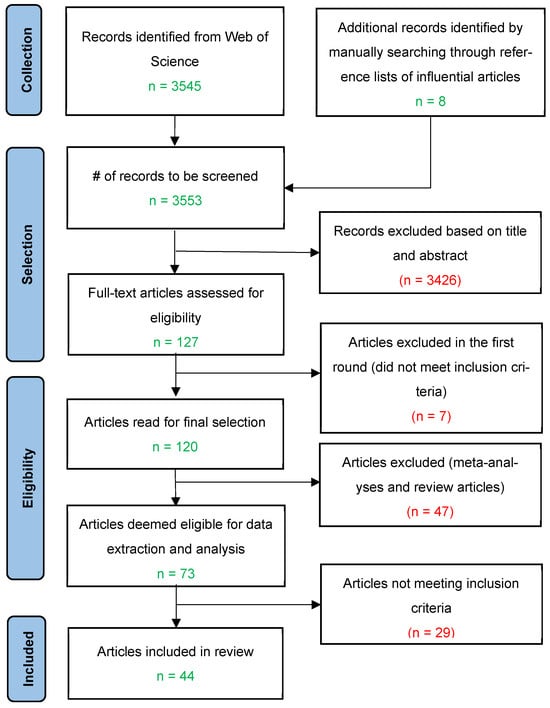
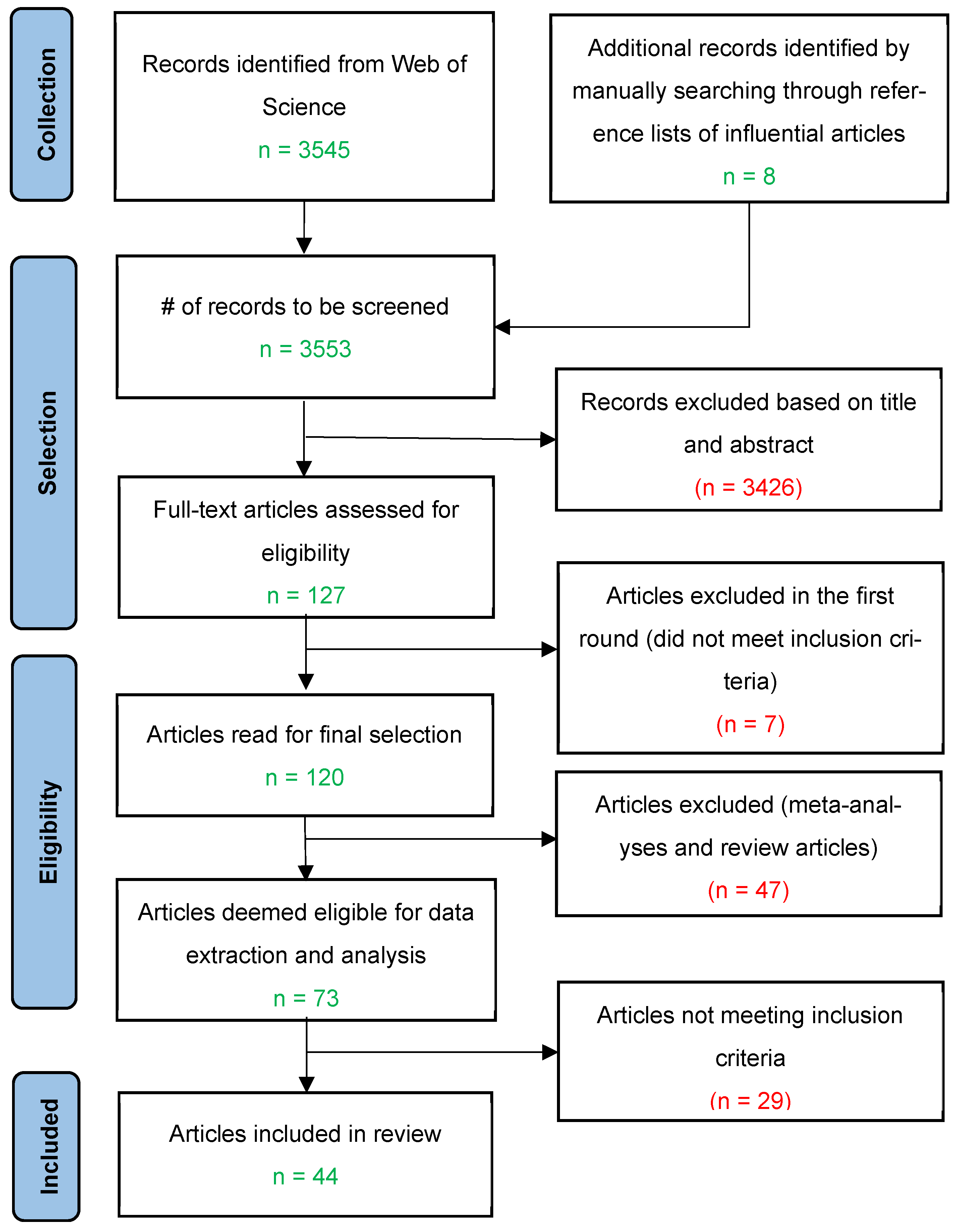
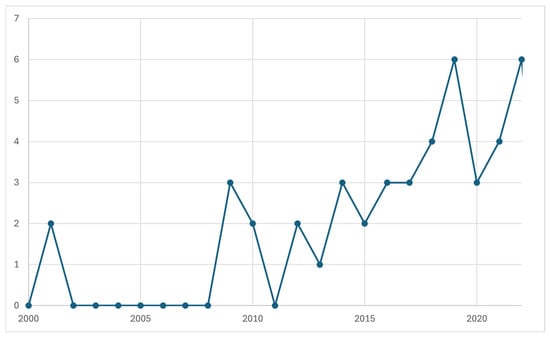
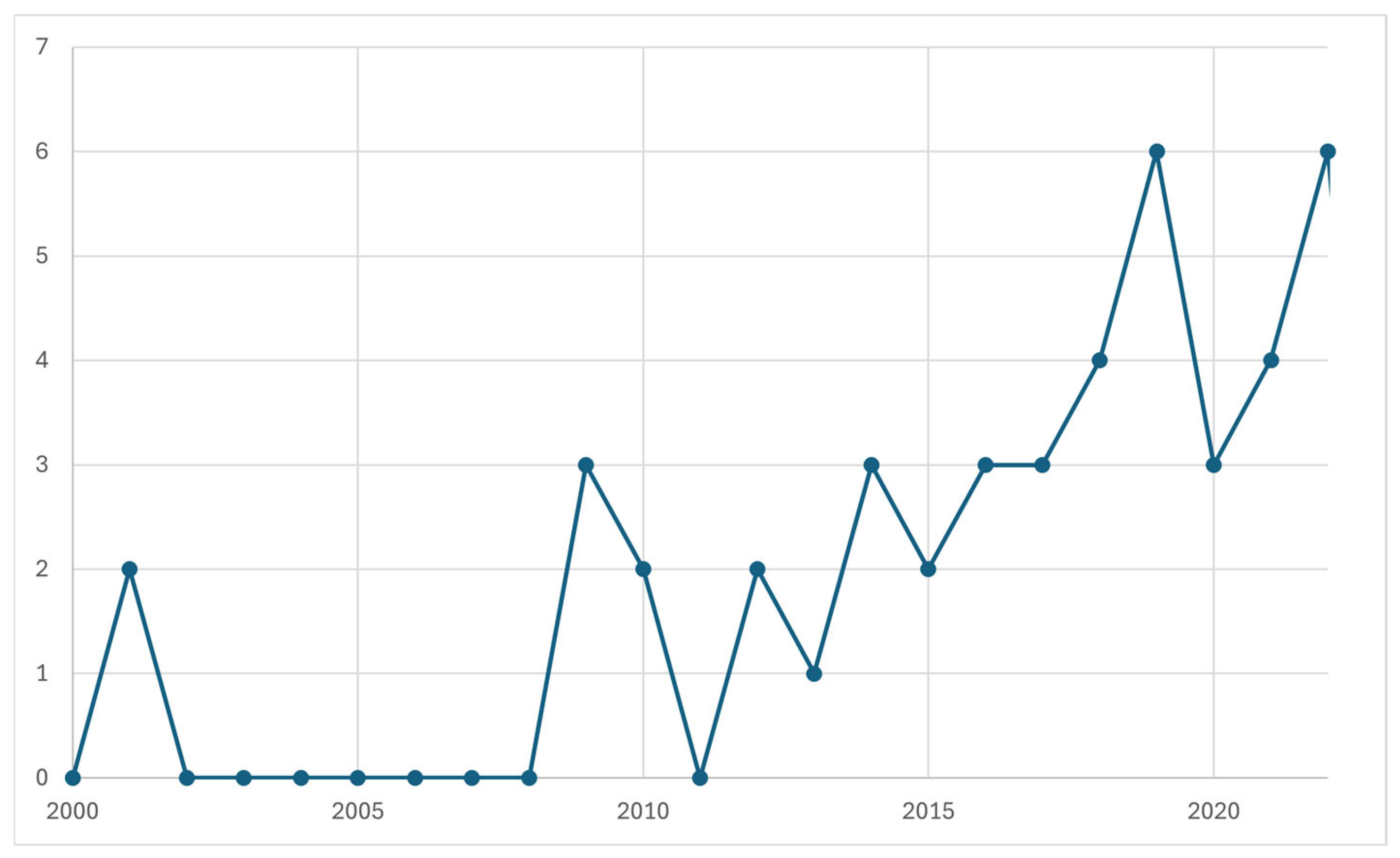
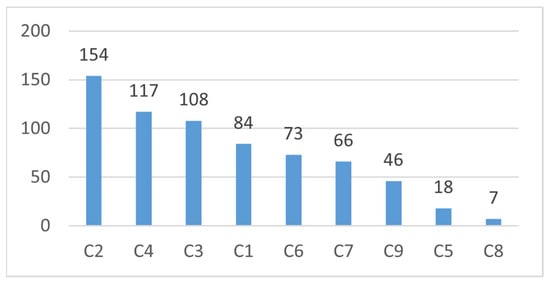
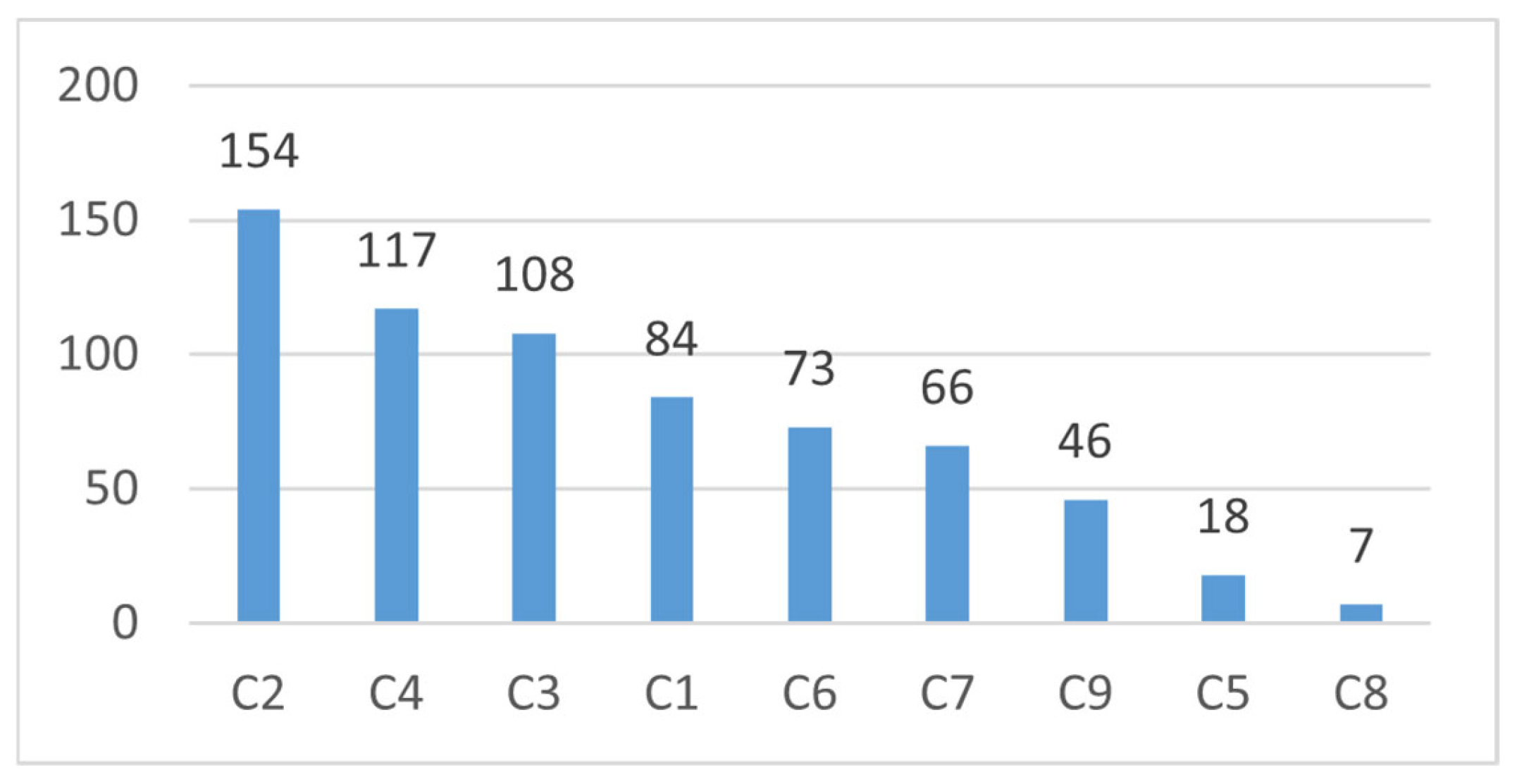
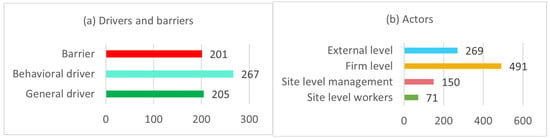
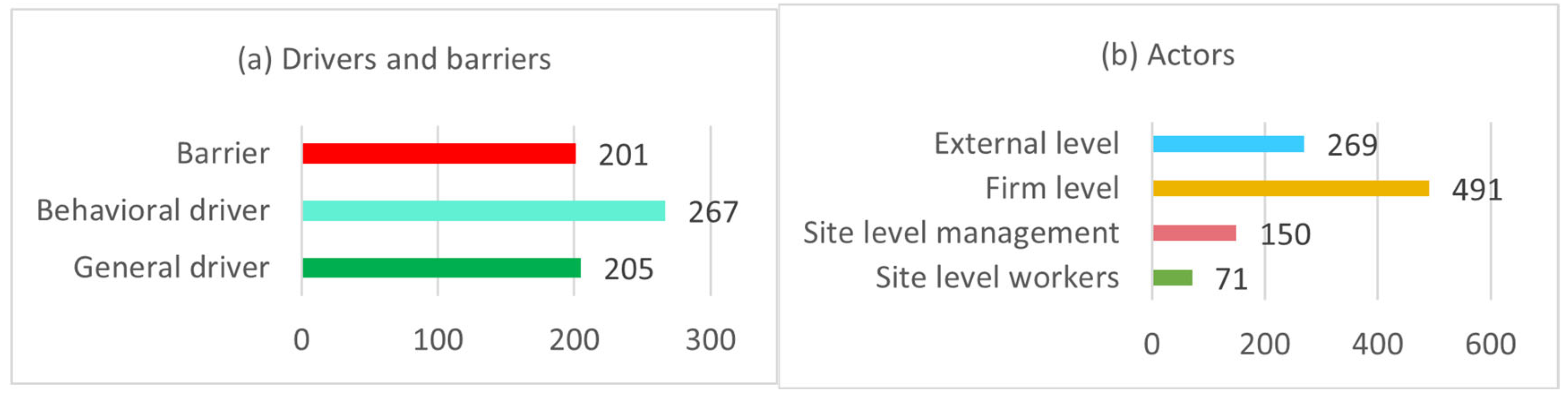
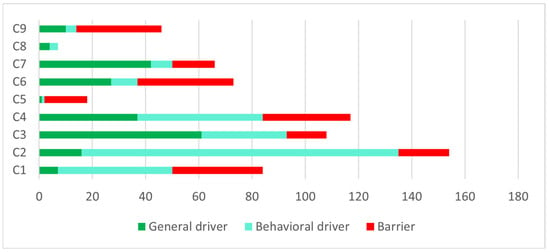
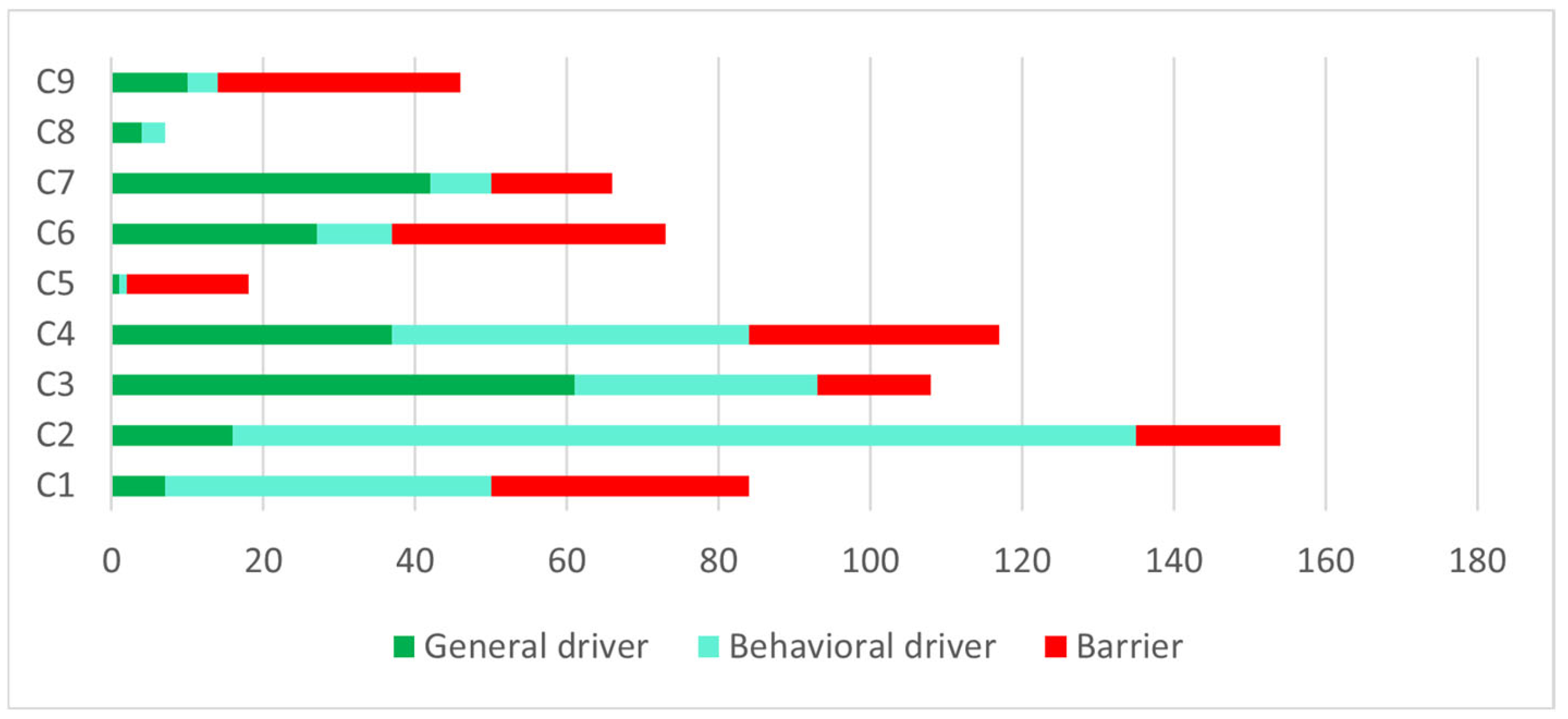
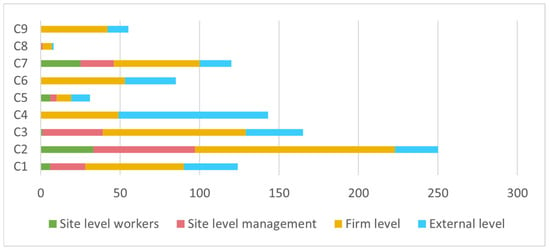
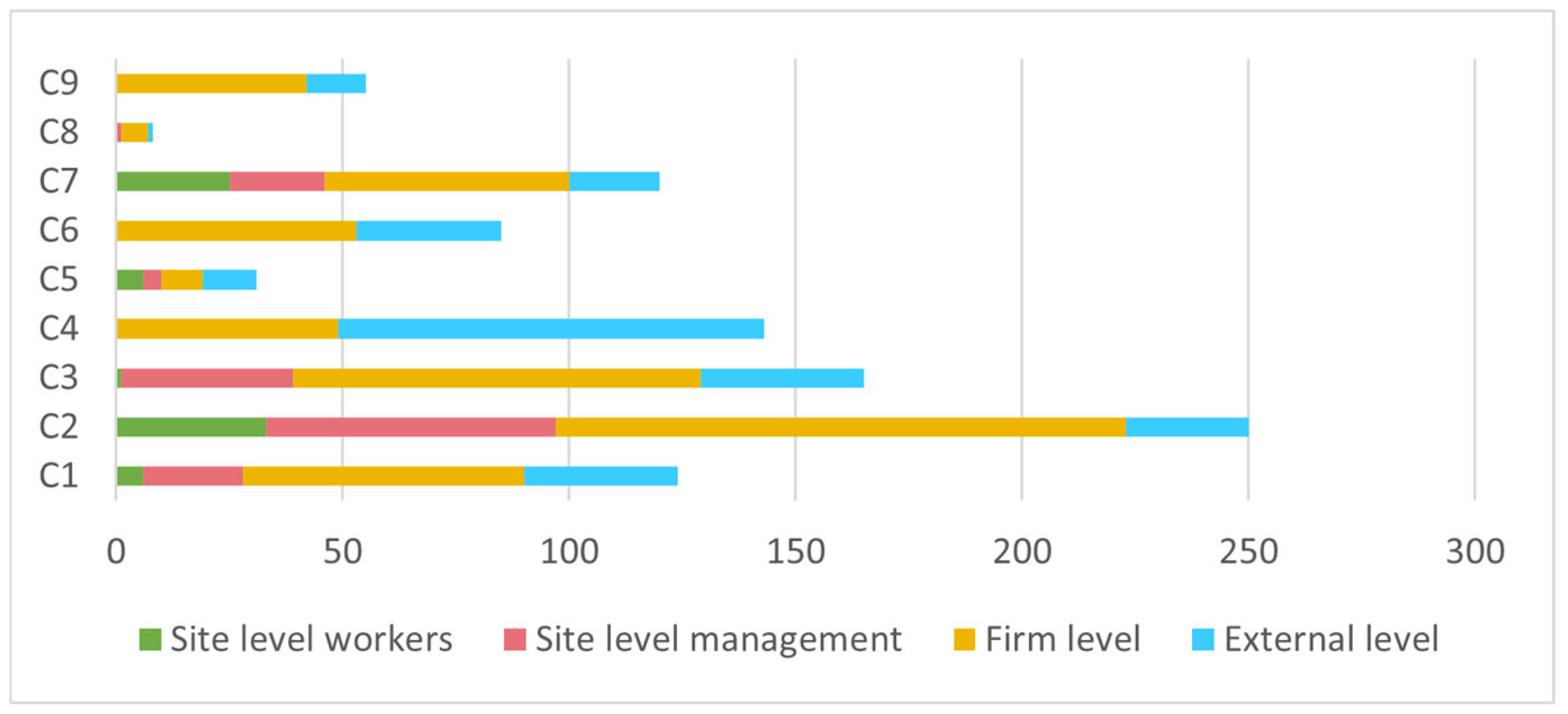
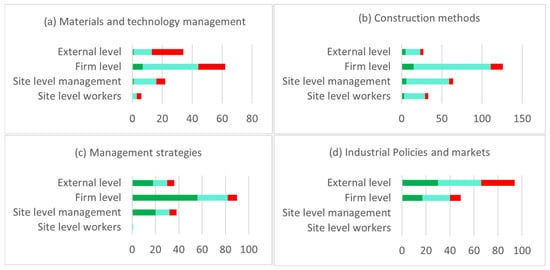
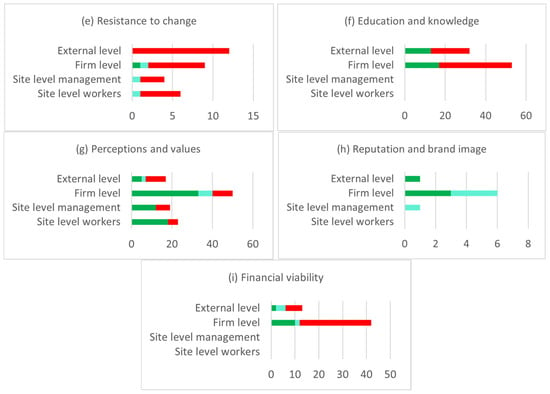
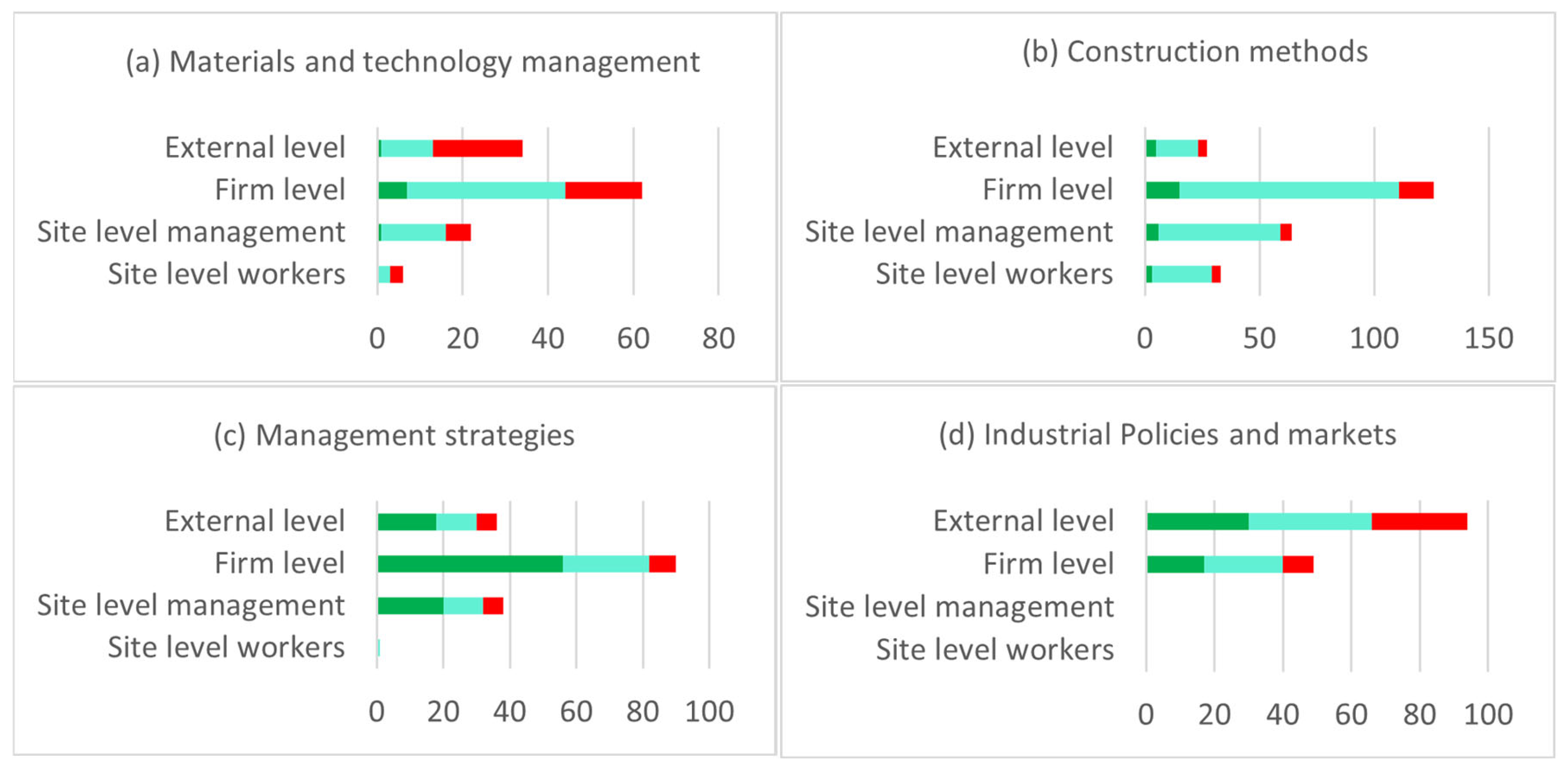
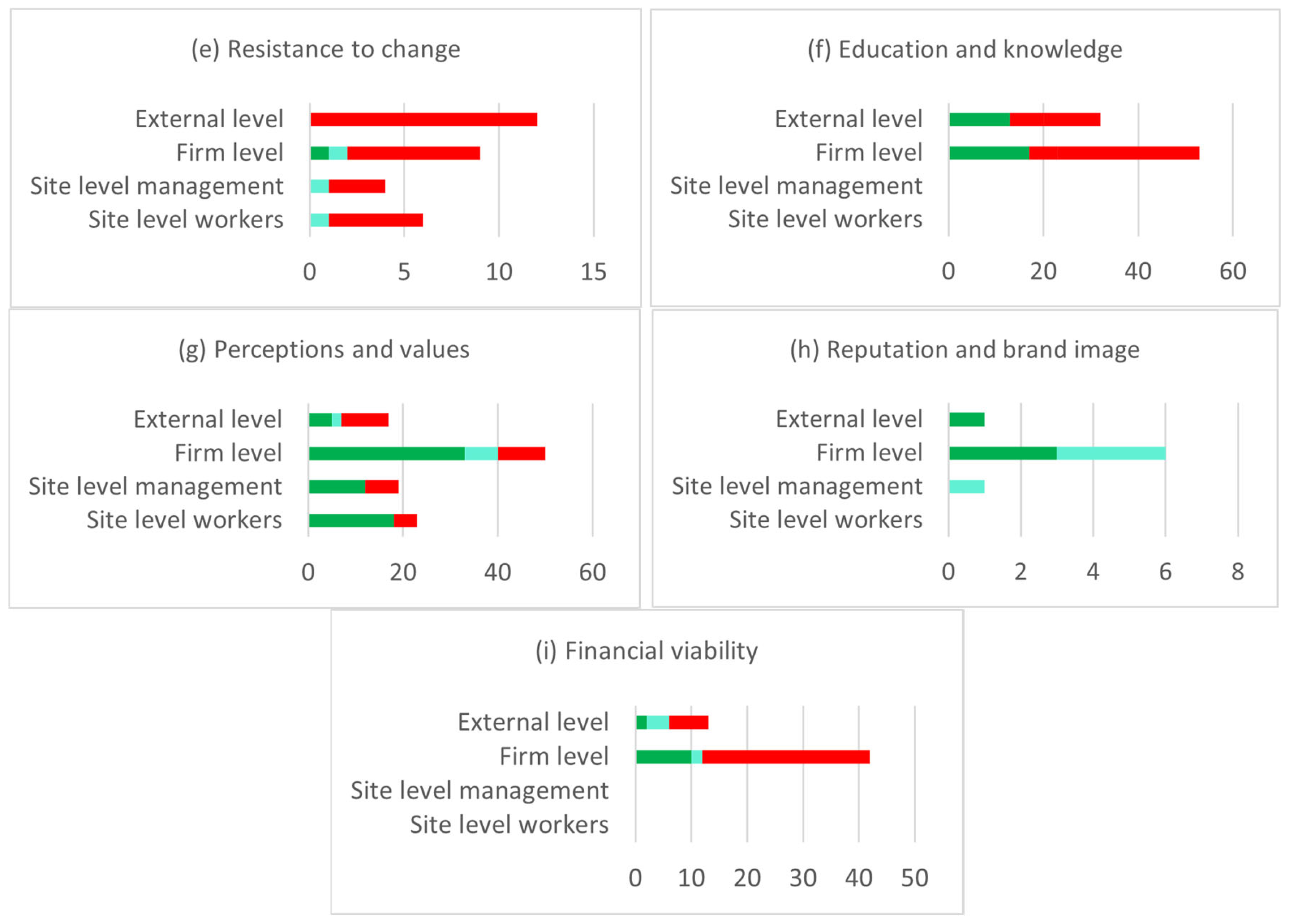

Disclaimer/Publisher’s Note: The statements, opinions and data contained in all publications are solely those of the individual author(s) and contributor(s) and not of MDPI and/or the editor(s). MDPI and/or the editor(s) disclaim responsibility for any injury to people or property resulting from any ideas, methods, instructions or products referred to in the content. |
© 2026 by the authors. Licensee MDPI, Basel, Switzerland. This article is an open access article distributed under the terms and conditions of the Creative Commons Attribution (CC BY) license.