


Abstract
Heritage education is increasingly expected to connect past evidence with questions of responsibility, environmental change, and sustainable futures, yet primary learners often encounter heritage through fragmented, visually driven exposure with limited support for interpretation beyond factual recognition. This mixed-methods study applies an SRT framework (Supply–Response–Transformation) to examine early, sustainability-relevant meaning-making in primary heritage learning supported by a short animation-based digital story, with an industrial heritage site serving as the case context. Evidence includes stakeholder interviews (n = 39), a student pre-test (n = 399), a post-viewing survey (n = 452), student drawings (n = 12), and classroom observations. Findings indicate that narrative-visual mediation aligns with students’ reported curiosity and comprehension-related cues under classroom conditions, and that post-viewing responses cluster around four classroom-observable outcome signals: valued historical understanding, responsibility and care, change–consequence–restoration reasoning, and personal and cultural positioning. This study interprets digital storytelling as a classroom-feasible mediation format through which meaning-making signals become observable in early meaning-making beyond factual recall. It provides an interpretable chain for judging the visibility and elaboration of early meaning-making signals under real classroom constraints.
1. Introduction
Heritage education is increasingly understood as extending beyond the transmission of historical facts [1]. Across heritage and sustainability education scholarship, it is associated with learners’ developing capacity to interpret traces of the past as evidence, relate prior human activity to present socio environmental conditions, and articulate early reflections on responsibility, care, and collective remembering [2]. For primary learners, however, such interpretive work is not automatically supported by brief or visually oriented encounters with heritage [3]. In many everyday contexts, heritage is encountered through short visits, exhibitions, or media fragments that may stimulate curiosity yet offer limited scaffolding for interpretation, making classroom-observable signals of meaning-making especially important [4].
Contemporary heritage scholarship cautions against treating “heritage” as a stable object or self-evident category ([5], Chapter 1). Rather than existing inherently within monuments or artefacts, heritage is increasingly conceptualised as a cultural and discursive process enacted through remembering, narrating, valuing, and positioning identity in the present ([5] Chapter 1 and Chapter 2). From this perspective, the educational question shifts from whether a particular heritage type deserves curricular inclusion to how learners are supported to engage in interpretive practices within specific contexts, and how such engagement can be evidenced in classroom feasible ways [1]. This orientation also recognises that institutional and expert led definitions may privilege certain forms of heritage visibility, while everyday memories and labour histories may be marginalised ([5] Chapter 3). Heritage contexts are frequently characterised by dissonance, in which multiple and sometimes competing memories coexist rather than resolve into a singular narrative ([5] Chapter 2). In such settings, institutional and public framings can shape what learners find easiest to articulate, making some heritage statements more readily “sayable” than others ([5] Chapter 1). This matters methodologically because readily available heritage language can inflate post activity agreement without demonstrating that learners have produced their own interpretive justifications or positioning.
In parallel, Education for Sustainable Development emphasises outcomes beyond knowledge acquisition, including systems thinking, relational reasoning, and responsibility-oriented positioning in complex socio ecological contexts [6]. For primary learners, these capacities are more plausibly observable as early forms of explanation, causal reasoning, and positioning statements expressed in situ, rather than as stable value commitments [7]. This implies a methodological need to identify interpretable outcome signals, observable expressions of meaning making, rather than presuming internalised value change [8]. In other words, the analytic emphasis is on what children can express and support in context, not on claiming enduring attitudinal transformation.
Digital storytelling offers one possible pedagogical mechanism for supporting such interpretive engagement [9]. By combining narrative structure, visual sequencing, and affective cues, animation-based stories may render temporal processes traceable and situate socio technical change within coherent story arcs [10]. However, the same narrative visual affordances may also enable rapid uptake and reproduction of socially authorised heritage language, producing high post-viewing agreement that reflects “sayability” as much as interpretive translation ([5] Chapter 1). This tension motivates an evaluative logic that distinguishes visibility from depth, separating what becomes readily expressible under existing provision conditions from what is elaborated as meaning-making in children’s post-viewing responses [1].
The present study therefore adopts a case-based approach to examine early, sustainability-relevant meaning-making supported by a short animation-based digital story, using an industrial heritage site as an analytic case context. [11]. The empirical setting is the Dagushan Iron Mine in Anshan, China, an industrial heritage site undergoing visible environmental transition [12] (Figure 1). Figure 1 illustrates the large-scale spatial configuration of the mine and its surrounding tailings area, highlighting the material visibility of extraction, alteration, and ongoing ecological rehabilitation. As a century scale industrial site currently subject to ecological restoration and landscape reshaping, Dagushan provides a context in which questions of change, con-sequence, memory, and responsibility are materially and socially salient [13]. Importantly, the site’s industrial production legacy, environmental impacts, and restoration-oriented reframing coexist, shaping contested interpretations of change and responsibility in context [14]. Within China’s basic education context, heritage related learning at primary level is frequently delivered through short visits, local activities, or media-based exposure, and access to site linked resources may vary across regions [15]. Recent policy attention to local and school-based curriculum construction further highlights the importance of locally adaptable resource development and management under uneven provision conditions [16]. In this environment, a short animation-based format offers a practical and classroom feasible way to examine early interpretive meaning making within a time sensitive heritage context, without presuming systematic curricular inclusion [17].
Figure 1.
The Dagushan Iron Mine and its surrounding tailings area representing a large-scale industrial heritage landscape undergoing ecological transition.
Within this setting, Dagushan is treated as a case context that operates as a temporally layered learning environment in which industrial legacies, environmental transition, and restoration narratives intersect and remain socially negotiated. Interview material suggests that industrial memory continues to circulate through intergenerational labour stories, family-led return visits, and ongoing reinterpretations under ecological rehabilitation. These accounts point to an active local field in which past–present relations are articulated and reworked, rather than presupposed as stable forms of attachment. International scholarship, including Smith’s (2006) ([5] Chapter 7) discussion of Castleford in the UK, has shown how industrial legacies can become central resources for local identity under specific social conditions, while also being shaped by what becomes institutionally and socially “sayable” within authorised heritage discourse [5]. Framed in this way, Dagushan provides a case in which local concern is treated as an empirical question rather than an assumption, allowing this study to examine whether brief narrative mediation translates locally grounded meanings into classroom-expressible signals or primarily reproduces generalised heritage formulations. To organise evidence linking provision conditions, learner engagement, and post-viewing interpretation, the study employs an SRT framework (Supply, Response, Transformation). Supply captures how heritage related learning is currently provided, including curriculum presence, access channels, and stakeholder rationales and constraints. Response examines baseline engagement patterns relevant to heritage learning. Transformation focuses on early, observable outcome signals expressed immediately after viewing, interpreted as enacted forms of meaning making rather than as indicators of stable value change.
Accordingly, this study addresses three research questions:
- -
- RQ1: How is heritage-related learning currently provided for primary students (Supply), and what rationales and constraints shape this provision?
- -
- RQ2: What grade-related differences are observed in students’ baseline curiosity, prior exposure, and media preferences (Response)?
- -
- RQ3: After viewing the animation, what early, educationally meaningful interpretations do students express (Transformation)?
Using a mixed-methods design, evidence was collected through stakeholder interviews (n = 39), a student pre-test survey (n = 399), a post-viewing survey (n = 452), student drawings (n = 12), and classroom observations. The study contributes by operationalising observable interpretive outcomes beyond knowledge acquisition and situating these within a coherent explanatory sequence linking provision, engagement, and post-viewing meaning-making.
2. Literature Review
Industrial heritage education is increasingly framed through sustainability [6]. Primary learning outcomes in this area are often discussed beyond factual recognition of sites or objects [1]. This review integrates process-oriented heritage scholarship, Education for Sustainable Development, and digital storytelling research to motivate a classroom observable focus on interpretive meaning making outcomes.
2.1. Heritage as Cultural Process
Recent heritage scholarship has moved beyond object centred definitions and reframed heritage as a cultural and discursive process in which meaning is negotiated rather than discovered ([5] Chapter 1). From this perspective, heritage does not reside inherently in material remains but is enacted through practices of remembering, narrating, valuing, and positioning identity in the present ([5] Chapter 2). The concept of authorized heritage discourse explains how institutional, and expert led definitions can privilege monumental and officially sanctioned forms while marginalising everyday experience and labour histories ([5] Chapter 1). Educationally, this suggests that heritage learning cannot be reduced to factual transmission but instead requires attention to whose memories are foregrounded and how narratives are constructed [1].
Heritage contexts are often marked by dissonance, where competing values and memories coexist ([5] Chapter 7). Post industrial landscapes exemplify layered meanings that combine production histories with environmental transformation and restoration trajectories [14]. Such contexts provide settings in which interpretive positioning and relational reasoning can be observed [13]. Research on industrial memoryscapes further illustrates how industrial heritage is experienced through sensory traces and lived associations rather than as static fabric [13]. From this standpoint, the educational focus shifts toward how learners interpret and position themselves in relation to these contexts ([5] Chapter 2).
2.2. Sustainability Education and Interpretive Learning
Education for Sustainable Development extends educational aims beyond information acquisition to include systems thinking, anticipatory reasoning, and responsibility-oriented judgement in complex socio ecological systems [18]. Rather than treating sustainability as a discrete topic, ESD foregrounds learners’ ability to reason about change, consequence, and interdependence [7]. In primary contexts, these competencies are unlikely to appear as stable ethical commitments and may instead be visible as early interpretive signals, such as recognising cause effect relationships, expressing concern, articulating responsibility, or tracing change over time [7]. Such expressions are better treated as emergent interpretive practices rather than fixed transformations [8]. In this sense, sustainability learning also involves meaning making through contextual reasoning and positioning [19]. These parallels process oriented accounts of heritage learning that treat interpretation and positioning as central to how meaning is produced [5]. Both fields therefore converge on the need to specify observable expressions of interpretation rather than assume internalised value adoption.
2.3. Digital Storytelling in Heritage Learning
Digital storytelling is widely used in heritage education due to its capacity to integrate narrative coherence, visual sequencing, and affective engagement [9]. Narrative structures may render complex processes, such as industrial transformation or environmental change, developmentally accessible [20]. Animation based storytelling is often associated with increased motivation and comprehension, yet engagement alone does not guarantee interpretive depth [21]. From a heritage as process perspective, narrative media can function as sites where meanings are enacted rather than merely transmitted ([5] Chapter 2). Post-viewing drawings, explanations, and positioning statements can be understood as performative engagements with heritage narratives [4]. When learners’ express responsibility, link human action to environmental change, or position themselves in relation to collective memory, they are not simply recalling content but enacting interpretive meaning making [22]. However, empirical research seldom operationalises such performative interpretive signals in classroom feasible ways [1]. This gap points to the need for analytic categories that capture classroom observable post-viewing interpretation in a transparent and defensible way.
2.4. Operationalising Classroom Observable Meaning Making Outcomes (V/R/C/P)
The preceding review suggests that heritage learning, sustainability education, and digital storytelling converge on a shared concern, namely learning as interpretive engagement rather than passive reception or factual recognition alone [5] (Ch. 2). From a process-oriented heritage perspective, educational outcomes are therefore more appropriately captured as observable meaning making, referring to what learners can articulate, justify, and position in response to a mediated encounter [5] (Ch. 2). At the same time, authorized heritage discourse indicates that what becomes easiest to articulate may be shaped by institutionally legitimised vocabularies of significance and responsibility [5] (Ch. 1). For this reason, simple agreement cannot be treated as sufficient evidence of interpretation unless it is examined in terms of what is being expressed and how it is formulated [1].
Within sustainability education, Education for Sustainable Development emphasises learners’ developing capacities to reason about change, consequence, responsibility, and relational interdependence in socio ecological contexts [6]. In primary education, these capacities are more plausibly observable as early interpretive expressions, such as causal statements, responsibility language, and situated judgements rather than stable value internalisation [7]. Digital storytelling offers a plausible pedagogical context for eliciting such expressions because narrative sequencing and visual mediation can make temporality and process more traceable for learners [23]. This can support initial construction of explanations and positions in concept dense topics [23]. However, narrative media may also increase discursive familiarity by providing culturally authorised formulations of why heritage matters and why it should be protected [5] (Ch. 1). These dual potential highlights the need to specify classroom observable outcome signals that can distinguish interpretive meaning making from simple reproduction.
Accordingly, this study operationalises four theories grounded and classroom observable outcome signals for analysing post-viewing responses [1]. These signals are informed primarily by process-oriented heritage theory while incorporating sustainability education concerns and narrative mediation perspectives [5] (Ch. 2). Valued Historical Understanding captures learners’ capacity to articulate why the past matters, consistent with heritage as process accounts that foreground valuing and narrating as interpretive practice [5] (Ch. 2). Responsibility and Care capture normative positioning and early expressions of agency aligned with sustainability-oriented judgement [6]. Change, Consequence, and Restoration Reasoning captures process based causal articulation linking human activity to environmental change and repair over time [7]. Personal and Cultural Positioning capture’s identity related claims that connect past experience to present life [5] (Ch. 2).
Rather than treating authorized heritage discourse as the object of analysis, this study uses process-oriented heritage theory as an interpretive lens to examine which forms of meaning making become observable when a narrative medium mediates a dissonant industrial heritage context for primary learners.
3. Methodology
Building on the preceding theoretical discussion, this study adopts a mixed methods design organised through a Supply, Response, and Transformation (SRT) analytic sequence to examine observable interpretive expressions among primary students following engagement with a short animation based digital story in a dissonant industrial heritage context.
Within this design, industrial heritage is treated as a case context rather than as a priori claim regarding the superiority of one heritage type over others. The analytical focus is on identifying classroom feasible interpretive expressions beyond factual recall. Drawing primarily on process-oriented heritage theory, and informed by sustainability-oriented learning perspectives, four analytically derived categories guide the analysis: valued historical understanding, responsibility and care, change, consequence, and restoration reasoning, and personal and cultural positioning.
The SRT sequence is used to organise the analysis across three related dimensions. Supply refers to the provision conditions shaping access to heritage related learning. Response describes baseline engagement patterns prior to viewing. Transformation focuses on observable interpretive expressions immediately following the animation. This sequencing clarifies how provision context, baseline conditions, and post-viewing expressions relate to one another within the study (Figure 2).
Figure 2.
Analytic framework linking theoretical bases, case context, narrative mediation, and the SRT analytic chain for identifying classroom-observable meaning-making signals in primary heritage learning.
3.1. Intervention Material: Animation-Based Digital Story
The intervention resource was a short animation-based digital story titled Centennial Mine: Dagushan [11], which presents the historical trajectory of the Dagushan Iron Mine and its transformation from intensive industrial production to ecological restoration through an intergenerational narrative lens (Figure 3). The animation was viewed in class under teacher supervision as a single-session intervention. All participating classes watched the same version under comparable classroom conditions. The narrative adopts an intergenerational structure in which a grandfather and a child observe and discuss landscape transformation. The storyline traces a temporal arc from historical industrial production to environmental consequences and subsequent restoration and reshaping of the site. This temporal sequencing was designed to render change processes traceable and developmentally accessible for primary learners. The animation incorporates key industrial and contextual elements, including representations of mining activity and labour scenes, large-scale equipment and extraction processes, visible environmental impacts such as tailings and altered terrain, restoration or rehabilitation actions, and symbolic references to local memory and identity. These elements provide narrative cues that may prompt historical recognition, causal reasoning, responsibility-oriented reflection, and positioning in relation to past and present. To ensure implementation consistency, viewing conditions were standardised across classes. Teachers followed the same basic procedure, and classroom observation notes were recorded to document engagement characteristics and immediate expressive reactions. These observations were used as contextual support for interpreting student responses rather than as an independent dataset for statistical analysis.
Figure 3.
A still image from Centennial Mine: Dagushan, depicting an intergenerational narrative scene in which a grandfather and a child observe landscape transformation at the Dagushan Iron Mine, used to support narrative-based learning and cultural positioning in primary-level heritage education.
3.2. Participants
3.2.1. Stakeholder Interview Participants
Semi-structured interviews were conducted with 39 participants, including primary and secondary school teachers, museum explainers, museum visitors, and community members associated with the Dagushan Iron Mine. Teachers represented a range of subjects relevant to industrial heritage education (e.g., Chinese, mathematics, English, art, history, and geography). Participants were recruited through purposive sampling, followed by snowball sampling to identify additional individuals with relevant educational or heritage-related experience. All participants were anonymised in accordance with ethical guidelines. Codes were assigned as follows: A = primary teachers, B = secondary teachers, C = museum explainers, D = museum visitors, and E = community members. An overview of the interview sample is provided in Table A1 (Appendix A).
3.2.2. Student Participants
The student survey was conducted in Qingdao, Shandong Province, with the support of a local primary school and administered in class under teacher supervision. A two-wave survey design was employed, consisting of a pre-test conducted prior to the animation-based intervention to establish baseline student characteristics, and a post-test administered after students viewed the digital storytelling animation to capture learning-related responses. As the surveys were implemented within the same school context but did not track individual students across waves, comparisons are intended to contextualise observed patterns rather than to infer within-student change.
In the pre-test, 412 questionnaires were distributed, of which 399 were valid (96.84%). In the post-test, 512 questionnaires were distributed, with 452 valid responses (88.28%). All six grade levels (Years 1–6) were represented in both waves, with each grade accounting for more than 10% of the sample and broadly balanced distributions across grades (Table 1), supporting grade-level comparisons. In addition, a small drawing-based task was conducted as a qualitative supplement. Two students from each grade level (n = 12) produced drawings after viewing the animation; these were used to examine students’ visual representation of key narrative themes and were not included in statistical analysis.
Table 1.
Year-level distribution of student participants across two survey rounds.
3.3. Data Collection and Instruments
3.3.1. Stakeholder Interview Participants Data
Interview questions were developed from prior literature and organised into five heritage-education themes. Interviews were conducted face-to-face or online, audio-recorded, and transcribed verbatim. Transcripts were imported into NVivo 12 for thematic coding. To align with the SRT what–how–why logic, prompts captured what heritage content is currently provided, how it is delivered, and why participants consider it educationally valuable beyond information recall.
- Representative questions for teachers included:
- -
- WHAT: Does your teaching include content related to heritage (e.g., world, natural, intangible, or industrial heritage)?
- -
- HOW: How do you usually present such content to students (e.g., text, video, animation, discussion)?
- -
- WHY: In your view, what kinds of educationally meaningful learning beyond factual knowledge can heritage-related content support in primary students (e.g., historical meaning, care and responsibility orientation, change and consequence reasoning, or linking past and present)?
- Representative questions for museum explainers included:
- -
- WHAT: What content or key messages do you usually introduce to children about the site?
- -
- HOW: Which communication approaches do you find most effective (e.g., exhibitions, storytelling, interactive experiences)?
- -
- WHY: What kinds of understanding or interpretation do you hope children develop from engaging with the site (e.g., recognising historical meaning, expressing care, explaining change and consequences, or connecting the past to present life)?
3.3.2. Student Data
The questionnaire was administered in two stages: a pre-test and a post-test. The pre-test comprised 16 structured items profiling students’ baseline exposure and engagement (WHAT students already know and encounter; HOW they initially engage), including recognition of industrial buildings, curiosity, familiarity with “industrial heritage”, willingness to learn related content, and media preferences. To support comprehension, selected items were accompanied by images of industrial heritage.
- Representative pre-test items included:
- -
- WHAT: Have you ever seen places or buildings like the examples shown in the images?
- -
- HOW: How curious are you to find out what these places were used for?
The post-test was administered immediately after students viewed the digital storytelling animation and consisted of 12 structured items designed to capture early value-oriented meaning-making responses reported following the narrative experience. Items addressed four dimensions: valued historical understanding, responsibility and emotional orientation toward protection, awareness of change–consequence–restoration, and connections between industrial heritage, people in the past, and present life. Responsibility- and change-related items were used to operationalise sustainability awareness, while items related to historical meaning and personal or cultural connection were used to operationalise cultural identity. All post-test items used a three-point response scale (agree, uncertain, disagree), appropriate for primary school students.
- Representative post-test items included:
- -
- WHY: I can explain why this heritage place is meaningful or worth caring about.
- -
- WHY: I can explain how people’s actions in the past changed the environment.
- -
- WHY: I can describe how the place changed over time and what was done to improve or restore it.
- -
- WHY: I can see connections between people’s lives in the past and our life today.
3.4. Data Validation and Reliability Testing
3.4.1. Stakeholder Interview Participants Data Validation
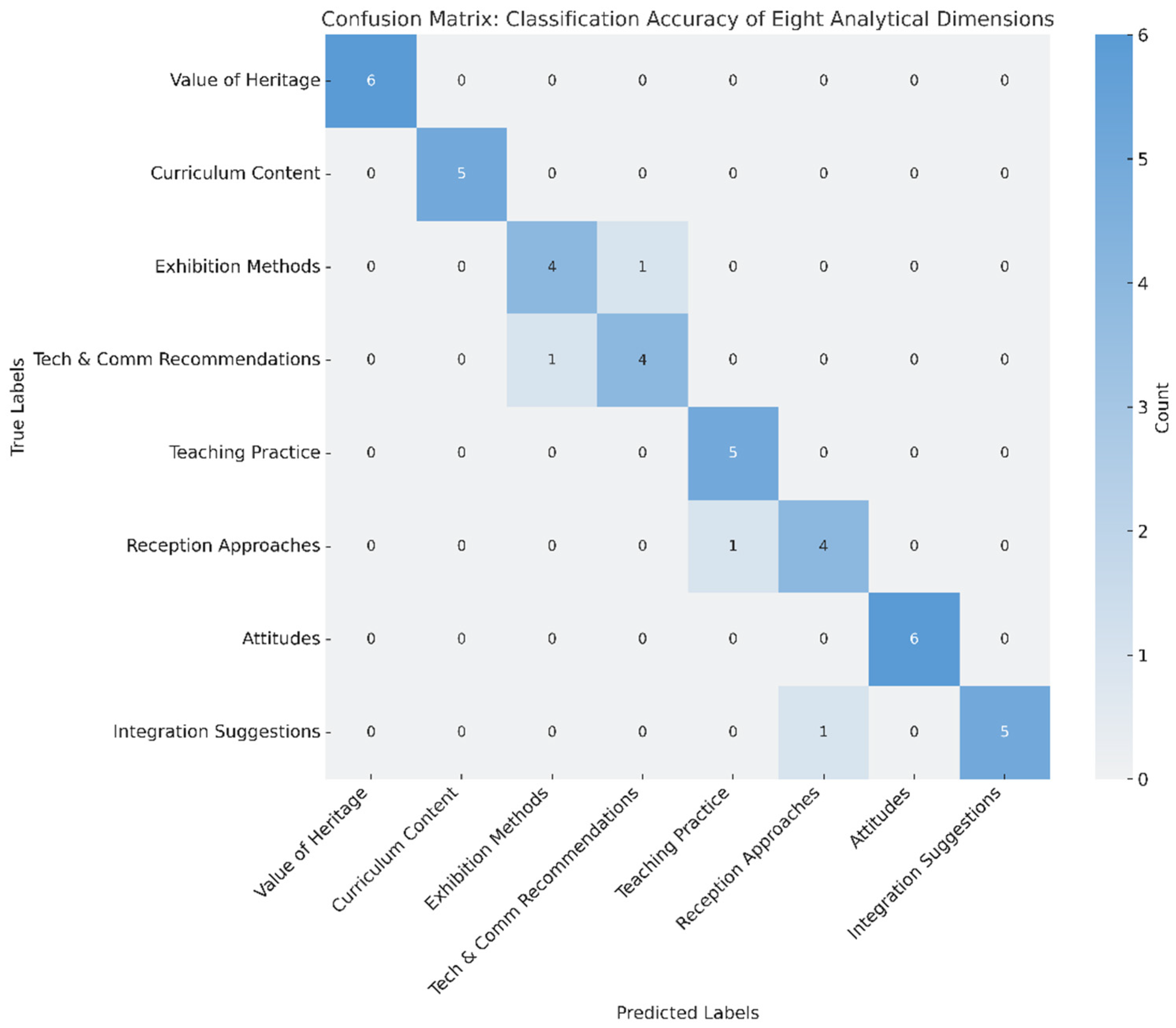
Stakeholder interview data were coded manually. To strengthen coding trustworthiness, intercoder discussion and constant comparison were used throughout the iterative coding process, with attention to category boundaries and cross-group consistency. As an auxiliary robustness check of label separability, a Random Forest classifier was used to reclassify the manually coded data [24,25]. This model-based check was not used to generate or revise themes; rather, it was used to identify where semantically adjacent categories might be difficult to separate and to flag areas requiring closer interpretive justification. Agreement between manual coding and model-based classification was high, with most confusion occurring between semantically adjacent categories, sup-porting the internal consistency and conceptual clarity of the coding scheme. Supporting outputs are reported in Appendix A.2 and Appendix A.3.
3.4.2. Student Data Validation
Student questionnaire data were analysed in SPSS 27.0. Analyses included descriptive statistics (means, standard deviations, and response distributions) and grade-level comparisons and associations (one-way ANOVA, Pearson correlations, and partial correlations controlling for grade), as specified in Section 3.4.2. The pre-test was used to profile students’ baseline conditions prior to viewing the animation and was analysed descriptively; because the pre-test was designed as a descriptive profiling instrument rather than a latent measurement scale, internal-consistency and construct-validity testing were not treated as necessary for its intended use.
The post-test, administered after viewing the digital storytelling animation, served as the primary instrument for examining immediate, classroom-feasible interpretive signals following the narrative experience. These post-test items were analysed as an interpretable set of indicators rather than as a confirmed latent-variable scale. Accordingly, reliability assessment focused on internal consistency (Cronbach’s alpha), which showed acceptable internal consistency (Cronbach’s α = 0.760; >0.70). To check whether item intercorrelations were adequate for aggregated interpretation at the dimension level, sampling adequacy was also examined (KMO = 0.736; >0.70). Based on the validated post-test data, descriptive statistics and one-way ANOVA examined overall patterns and grade-level differences across dimensions; Pearson correlations and partial correlations controlling for grade assessed relationships between selected variables; and frequency distribution analysis summarised response patterns across value-related dimensions.
3.5. Ethical Considerations
All research procedures followed approved ethical standards for studies involving human participants. Participation was entirely voluntary, and informed consent was obtained from all interviewees and student participants. Personal identifiers were removed during transcription and data processing to ensure anonymity and confidentiality. For the student survey, permission was obtained from the school administration, and teachers supervised questionnaire completion in class. All data were securely stored and used exclusively for academic research purposes.
3.6. Data Analysis
The data analysis followed a multi-stage process combining qualitative thematic analysis and quantitative descriptive and inferential analysis to support the SRT logic and to link provision conditions, baseline engagement, and post-viewing interpretation within a coherent explanatory sequence. In the Supply layer, interview data were analysed to characterise provision ecologies and stakeholder rationales and constraints. In the Response layer, pre-test data were analysed to profile baseline exposure and engagement patterns across grades. In the Transformation layer, post-test responses, drawings, and observation notes were integrated to identify immediate interpretive signals expressed after viewing.
3.6.1. Qualitative Topic Identification and Coding
Stakeholder interview data were analysed using iterative thematic coding in NVivo. Coding proceeded from open coding to axial integration and selective refinement, generating analytical categories aligned with the Supply dimension of the SRT framework. Constant comparison across participant groups was conducted to enhance internal consistency and conceptual clarity.
To enhance corpus-level transparency, a supplementary Latent Dirichlet Allocation (LDA) analysis was conducted to examine overall semantic distributions within the interview data. The LDA results broadly corresponded to the manually developed thematic structure. Importantly, all reported categories and interpretations in the paper were derived from manual thematic analysis rather than algorithmic topic assignment; the LDA output is reported only as a descriptive, corpus-level transparency check. Supporting outputs are provided in Appendix A.3.
3.6.2. Quantitative Validation and Integration
Student data were analysed using complementary quantitative and qualitative approaches. The student questionnaire comprised a pre-test and a post-test, each serving a distinct analytical purpose. The pre-test described baseline conditions prior to animation viewing, focusing on overall patterns in recognition of industrial buildings, curiosity, prior knowledge, willingness to learn, and media preferences; these results provided contextual reference for subsequent analyses.
The post-test was administered after students viewed the digital storytelling animation and was analysed using descriptive statistics and grade-level comparisons (one-way ANOVA) to characterise students’ evaluative understanding and affective orientations following the narrative experience. Associations between selected variables were examined using Pearson correlations and partial correlations controlling for grade, complemented by frequency distribution summaries to report response patterns at the item and dimension levels. Rather than assessing stable or long-term value internalisation, the post-test analysis examined whether students, guided by the animated narrative, exhibited early signals of value-oriented meaning making related to industrial heritage.
Student drawings were used as contextual qualitative evidence and interpreted alongside post-test results to examine whether students could recognise and externalise key themes conveyed in the animation (e.g., change, consequence, and repair). The drawings were not treated as independent quantitative measures and were not subjected to separate statistical testing. Teachers’ classroom observation records during implementation were also included as contextual qualitative evidence to support interpretation of students’ immediate reactions, engagement, and expressive characteristics during viewing and discussion; these observations were not treated as an independent data source for coding or statistical analysis.
4. Results
The results are organised through an SRT logic that keeps the interpretive chain explicit: (1) what is currently provided (Supply), (2) what students bring at baseline (Response), and (3) what the animation is translated into in post-viewing expressions (Transformation). Step 1 specifies the provision context and, crucially, clarifies what stakeholders treat as meaningful learning outcomes for primary students under current constraints. These supply side accounts are synthesised into an expected learning framework, expressed as four observable signals (V, R, C, P). Step 2 then reports students’ previewing cognitive and media conditions to indicate which of these expected signals may be more readily triggered under baseline circumstances. Step 3 tests translation by examining which expected signals become visible, how elaborated they appear, and where expression remains weak or uneven. Industrial heritage functions here as the case context through which this provision baseline translation chain is examined. Importantly, Step 3 is interpreted as fit to expectation rather than treating all post-viewing agreement as equivalent.
4.1. Educational Supply (S): Provision Context and the Expected Learning Framework
This section describes the forms of provision that currently shape early industrial heritage learning and shows how stakeholders define what counts as meaningful learning for primary students within these conditions. It covers curriculum presence across schooling stages, learning channels and resource environments, provision formats and media resources, and the educational purposes stakeholders attach to early learning. Together, these accounts define an expected learning framework that later sections use as an interpretive benchmark for judging post-viewing outcomes. Because the framework is derived from current constraints (for example limited curriculum space and reliance on informal channels), it supports Step 3 in distinguishing which learning signals become visible and how elaborated they are, without presuming uniform emergence.
4.1.1. Curriculum Presence Across Schooling Stages: A Provision Gap in Primary Schooling
At the primary level, all eleven interviewed teachers reported that industrial heritage is not explicitly included in the curriculum. Teacher A03 explained, “Primary school students still struggle with complex historical or geographical ideas, so those topics do not appear in the curriculum.” Teacher A01 added, “Including such topics would require careful consideration of the existing workload and students’ learning capacity.” While world heritage, natural heritage, or intangible heritage may occasionally be mentioned in textbooks, industrial heritage appears largely absent at this stage (Figure 4).
Figure 4.
Comparative analysis of curricula involving industrial heritage content in primary school and in junior & senior high school.
By contrast, lower and upper secondary curricula were described as offering selective entry points, mainly through history and geography. Among the thirteen secondary teachers interviewed, nine reported teaching related content through textbooks or contextual qualitative evidence. One teacher noted, “The Cultural Exchange and Transmission textbook includes a section on preserving cultural heritage and why it matters. An older version of the Economic Development coursebook even had content about Ansteel and China’s post 1949 industrial growth.” (B03). Another added, “In geography, we talk about industrial restructuring in Germany’s Ruhr area as a case study.” (B08). These accounts indicate a stage divide: industrial heritage is marginal in primary schooling but selectively introduced in secondary subjects.
Implication for the SRT chain: because primary curriculum provision is limited, early learning is likely to rely more on non-curricular channels and experience-oriented formats. This constraint informs what stakeholders consider feasible and meaningful learning signals at the primary stage.
4.1.2. Learning Channels and Resource Environments: Where Early Exposure Happens
Across settings, early industrial heritage learning was reported as occurring mainly through informal and place-based channels rather than dedicated curriculum units. Teachers, parents, and museum explainers were repeatedly described as key sources of early exposure. For example, one mother stated, “My child has just started Year 1 and does not yet understand how steel is produced, but he was fascinated by the blast furnace, and that kind of curiosity itself plants a seed.” This illustrates a provision route in which family experiences support initial contact and early interpretation.
Museum explainers described onsite visits as a major access channel, particularly when visits are supported by digital interpretation and interactive displays. One explainer noted, “When short explanations are combined with multimedia interaction, children understand more easily.” Taken together, these accounts suggest that museums function as a key access venue, while schools and families provide supplementary exposure and explanation.
Implication for the SRT chain: the dominant channels (museum visits and family exposure) tend to privilege attention, interest, and meaning making from experience rather than systematic knowledge instruction. This shapes the expected learning framework used later to judge post-viewing outcomes.
4.1.3. Provision Formats and Media Resources: What Is Considered Usable for Primary Learners
A recurring feature of the provision environment is the use of visual, story based, and experience-oriented formats. Museum explainers described multi-sensory displays, including illustrated panels, objects, reconstructed scenes, and sound and light effects. Explainer C03 said, “We mainly use illustrated panels, real objects, recreated scenes, and sound and light effects to make everything feel vivid.” Explainer C02 added, “We have rebuilt scenes like old factories and dorms. It really feels like going back in time.”
At the same time, explainers reported adapting explanations for younger visitors, implying difficulty in sustaining comprehension through extended verbal instruction. Explainer C01 observed, “They do not really follow the explanations. They just like the visuals and the lights.” Explainer C02 noted, “When we get groups of young kids, we know they will not take in much, so we adjust our approach.” Teachers similarly described classroom formats that rely on pictures and short explanations, sometimes supplemented by videos. Teacher A10 stated, “In class, I usually use pictures with short explanations. Sometimes I play videos.” Storytelling, role play, and guided questioning were also mentioned as participation strategies. Teacher A05 stated, “Animations and videos are the most effective. Children remember stories more easily than lectures.”
Stakeholders also provided recommendations about communication formats. Among the twenty-seven interviewees who explicitly commented on media formats, twenty-three supported the use of animation (Figure 5). Storytelling was supported by nineteen participants, and short videos were mentioned by eight. Holography, role play, and GPS tools were each cited by one respondent.
Figure 5.
Preferred media formats for industrial heritage education: stakeholder recommendations.
Implication for the SRT chain: supply side formats and recommendations consistently favour narrative visual media as a feasible means of access for younger learners. This provides a supply grounded rationale for Step 3, which tests whether animation can translate engagement into meaningful learning signals beyond simple recall.
4.1.4. Educational Purposes Perceived: What Counts as “Meaningful Learning” Under Current Provision
Beyond provision as a set of resources or formats, stakeholders described the educational significance they associate with industrial heritage learning for children. Across accounts, these purposes cluster into four expected learning signals that can be observed in children’s expressions after a brief narrative intervention:
- -
- Valued Historical Understanding (V): explaining why the past matters (meaning-oriented historical judgement).
- -
- Responsibility and Care (R): articulating normative stances and actions (what ought to be done and why).
- -
- Change–Consequence–Restoration Reasoning (C): linking human action to environmental change over time and recognising repair.
- -
- Personal and Cultural Positioning (P): relating the narrative to present life, memory, and identity.
These expectations are visible in how stakeholders frame significance. Museum explainers often framed industrial heritage as historical evidence through which children can interpret societal transformation. As C01 stated, “Industrial heritage is a testament to a nation’s history… [it] represents our country’s transformation from a major agricultural nation to a major industrial one.” C02 similarly highlighted landmark sites as symbols of development, noting that “the No.1 blast furnace built in 1917 and the old sintering workshop from 1957… symbolize the development of China’s steel industry.”
Stakeholders also emphasised contemporary relevance through intergenerational memory and lived experience. As C02 noted, “I’ve seen many elderly visitors who bring their families to revisit the places where they used to work, just to remember the past.” A community member E01 explained, “This place carries the work and lives of several generations in our family.” Teachers connected learning to national development and early identity positioning. A02 argued that children should learn such content “to understand how the country developed,” while A04 noted that “schools focus a lot on humanities, but we’re lacking when it comes to industrial education.” B11 linked learning to pride and spirit: “Learning about those buildings helps students understand our development… Building national pride is important. It’s part of their spirit.” A parent also observed that “seeing real industrial sites makes children start asking why things changed and what should be protected.”
4.1.5. Summary: Supply Defines Both the Provision Context and the Expected Learning Framework
In primary contexts with limited formal curriculum coverage, stakeholders tend to treat meaningful learning as early signals of V, R, C, and P rather than fully developed disciplinary knowledge. Step 2 therefore reports baseline conditions that may make some signals easier to trigger than others, and Step 3 tests which signals are reflected in students’ post-viewing expressions, how elaborated they appear, and where translation remains uneven.
4.2. Learner Response (R): Baseline Conditions That Shape What Can Be Triggered
This step reports students’ baseline awareness, willingness, media preferences, and comprehension related patterns before the animation. These indicators clarify readiness for engagement and suggest which expected signals from Step 1 may be more readily elicited under baseline circumstances, especially when learning relies on narrative visual access rather than extended instruction.
4.2.1. Awareness and Willingness to Learn (By Grade)
Students’ awareness varies across grades (Table 2; Figure 6). The proportion of students who have seen industrial buildings rises from 60.3% in Year 1 to 77.0% in Year 6. Awareness of the term “industrial heritage” increases from 26.5% to 65.6%, with a clearer rise in Years 5 and 6. Self-rated understanding declines from 4.37 to 3.44, suggesting that older students may more readily recognise limits in what they know even as exposure increases. Willingness to learn remains high across grades, peaking in Year 5 (62.5%) and staying between 41% and 51% in other grades.
Table 2.
Year-level distribution of student participants across two survey rounds.
Figure 6.
Students’ exposure, awareness, understanding, and willingness to learn about industrial heritage by grade (bar chart).
Link to the expected learning framework: high willingness and growing exposure indicate readiness for engagement, which is compatible with the emergence of meaning oriented and responsibility-oriented expressions (V and R) after a short narrative intervention. The decline in self-rated understanding also suggests that more structurally demanding causal reasoning (especially C) may be less uniformly explicit without supportive scaffolding, particularly in lower grades.
4.2.2. Media Preferences and Grade-Related Differences
Students’ preferences for four learning media show grade related variation. Overall mean scores were 28.96 for animation, 28.26 for documentaries, 23.10 for books, and 19.68 for short videos (out of 100) (Table 3). Animation shows the strongest grade effect (F = 6.564, p < 0.01), with the Year 1 mean (37.19) notably higher than the Year 6 mean (18.05). Preferences for books (F = 2.421, p = 0.035) and documentaries (F = 4.768, p < 0.01) increase with grade and peak in Years 5 and 6, while short videos show no significant difference across grades (F = 1.333, p = 0.249) (Table A2 (Appendix A)).
Table 3.
Summary of pupils’ preference scores for different learning methods.
Link to the expected learning framework: Given that Supply emphasises narrative visual formats as feasible for younger learners, the strong animation preference in lower grades supports the plausibility of eliciting early V and R signals through narrative meaning making. Older students’ increasing interest in documentaries and books is consistent with the possibility of more explicit C type articulation, although this remains an empirical question tested in Step 3.
4.2.3. Relationship Between Media Preferences and Comprehension
Correlation analysis shows that preference for animation is positively associated with comprehension (r = 0.248), whereas preference for books is negatively correlated (r = −0.223). Documentaries (r = −0.138) and short videos (r = 0.056) show weaker associations (Appendix A Table A1).
Link to the expected learning framework: baseline comprehension aligns most clearly with narrative visual preference under current provision conditions. This does not determine post-viewing outcomes, but it supports Step 3 in testing whether the animation translates engagement into visible V and R signals more readily than into more structurally complex signals (especially C and place anchored P).
4.2.4. Recognition of Heritage Value Dimensions at Baseline
Students’ recognition of industrial heritage value focuses mainly on cultural and historical aspects. Historical value receives the highest recognition (85.5%), followed by national culture (79.2%) and spiritual home (74.2%). “Broadening horizons and general knowledge” is mentioned less frequently (65.7%) (Figure 7). Open ended responses occasionally reference technological innovation and its relation to heritage, suggesting emerging attention to industrial and scientific dimensions.
Figure 7.
Pupils’ recognition of industrial heritage value dimensions (stacked chart).
Link to the expected learning framework: baseline value recognition is more readily articulated through historical and cultural frames, which is consistent with V being relatively easier to express than place anchored P or causally elaborated C under baseline conditions.
4.2.5. Summary: Response as Baseline Engagement Patterns
In summary, baseline data indicate high willingness and substantial exposure, with a clear preference for narrative visual media among younger students and more diversified media preferences among older students. Comprehension aligns most clearly with animation preference. These baseline conditions set up Step 3 by indicating that some expected signals (especially V and R) may be more readily triggered through short narrative viewing, whereas others (especially C and place anchored P) may require greater developmental readiness or more explicit elicitation supports.
4.3. Educational Transformation (T): Early Outcome Signals and Their Distribution Across V, R, C, and P
The Transformation step tests the expected learning framework defined in Step 1 against students’ post-viewing expressions, interpreted in light of the baseline conditions reported in Step 2. The focus is translation and elaboration: which expected signals become readily visible in students’ expressions, and where expression remains weaker, more uneven, or more dependent on grade related readiness. Evidence is triangulated across post-viewing questionnaire responses, meaning expressions in student drawings, and teachers’ interpretive records.
Across the four dimensions (three-point scale), mean scores were R = 2.77, V = 2.71, P = 2.66, and C = 2.62. The proportion of “Agree” responses ranges from 71.7% to 82.2% across dimensions (Figure 8). These distributions suggest that all four signals are present to some extent. The sections below clarify their relative visibility and typical level of elaboration.
Figure 8.
Response distribution by dimension.
4.3.1. Valued Historical Understanding (V): Meaning-Oriented Interpretation of the Past
This outcome captures an early form of interpretive historical judgement, where students express why the past matters rather than only reproducing historical information. Across year levels, V shows consistently high scores (overall mean = 2.71/3), with modest variation. In students’ statements, historical reference is linked to labour, contribution, and reasons for preservation. Some students noted that the mine “has a history of over 100 years” and “serves as a foundation for national industry” (A02). Others foregrounded intergenerational effort, observing that “the grandfathers and fathers worked very hard” (A04). Teachers’ interpretive records noted phrases such as “passed down from previous generations” and “should be protected” in students’ recounting (A09).
Within the SRT chain, this pattern fits the Supply expectation that V is a feasible primary stage signal under limited curriculum provision, and it aligns with Step 2 readiness patterns that support meaning making through narrative viewing.
4.3.2. Responsibility and Care (R): Normative Language and Early Agency Positioning
This outcome reflects responsibility-oriented reasoning and early agency, where students articulate what ought to be done and why. R recorded the highest overall mean (M = 2.77), with slightly higher scores among lower grade students. Post-viewing statements include normative judgements such as “we should protect the environment and not allow the mine to be further damaged” (A01) and “protecting industrial heritage in the future is also our responsibility” (A01). Teachers recorded emotional responses to environmental damage scenes, with students saying they “felt sad” and expressing a desire to “protect our home” (A10).
Responsibility language and emotional responses often co-occur. In many cases, responsibility is expressed as general moral intention rather than through detailed reasoning about mechanisms or trade-offs. Within the SRT chain, this matches Step 1 expectations and is compatible with Step 2 conditions indicating high willingness and strong narrative visual receptivity, especially in lower grades.
4.3.3. Change–Consequence–Restoration Understanding (C): Causal Sequencing with Grade-Related Differentiation
This outcome reflects sustainability relevant causal reasoning, where students connect human action to environmental change over time and recognise the possibility of restoration. C shows the clearest grade related pattern, increasing from 2.45 in lower grades to 2.59 in middle grades and 2.81 in upper grades. Drawings and teacher records show depiction of degradation using symbols such as rubbish accumulation, polluted water, or darkened land surfaces, sometimes organised through contrast to suggest deterioration and recovery (A11). Representative examples of these visualised change sequences are presented in Figure 9, which illustrates how students spatially and temporally structured environmental decline and subsequent recovery within a single narrative frame. Students stated that “the mine used to be very beautiful, but now it is polluted, which is such a pity” (A11), and articulated sequences such as “when there was too much rubbish, the environment got worse, but later someone cleaned it up and it improved” (A11). Teachers noted restoration imagery such as “small trees are growing in the current mine pit” (A07). Some students expressed intentions like “don’t litter; protect the ecosystem” (A01) or suggested “planting more trees” (A08).
Figure 9.
Student drawings representing narrative stages of environmental change at Dagushan Mine.
Within the SRT chain, C appears present but less evenly elaborated, and it tends to be clearer in older students’ expressions. This pattern is consistent with Step 2 baseline indications that structurally demanding reasoning may depend more strongly on developmental readiness and may require additional scaffolding to become explicit in lower grades.
4.3.4. Personal and Cultural Positioning (P): Connecting Narrative, Present Life, and Collective Memory
This outcome captures identity-based positioning in which students relate the narrative to present life, memory, and self-placement. P shows a relatively high mean score (M = 2.66) and a stage like pattern across grades. Students stated, “our current life is very fortunate” and “I am proud that our country has developed so strongly” (A02). Teachers observed that some students interpreted the narrative as a value story related to tradition, labour, and environmental responsibility (A12), and expressed generalised cultural positioning within historical frames (A13).
Within the SRT chain, P is visible mainly through broad national cultural framing. Place anchored, locally specific identity statements appear less consistently in the student data reported here than in adult stakeholder accounts. If place specific positioning is treated as a key intended outcome, the current viewing and response format may benefit from more targeted prompts or structured reflection tasks to elicit local attachment and personal connection more explicitly.
4.3.5. Summary: Distribution of Early Outcome Signals Across V, R, C, and P
Across questionnaire distributions, drawings, and teacher records, students show post-viewing expressions that correspond to the four expected learning signals specified in Step 1. However, these signals differ in visibility and typical level of elaboration when interpreted against the baseline conditions in Step 2.
First, V and R are the most readily reflected signals. Students frequently justify why the past matters (V) and express responsibility-oriented language (R). This profile fits the Supply expectation that meaningful primary stage learning is often expressed through early meaning judgement and normative positioning, and it is compatible with baseline readiness patterns showing high willingness and strong alignment between animation preference and comprehension.
Second, C is reflected less evenly and shows clearer grade related differentiation, with more explicit action consequence restoration sequencing more often visible in older students’ expressions. This aligns with the baseline pattern that self-rated understanding declines with grade even as exposure increases, suggesting that older students may both recognise complexity and articulate causal structure more explicitly.
Third, P is reflected but is less consistently anchored in place. It appears more often as broad national cultural positioning than as locally grounded identity claims in the student data presented here. Where place specific positioning is a priority, additional elicitation supports may help translation become more explicit.
Overall, the SRT chain clarifies a differentiated translation profile: V and R appear readily visible under baseline engagement conditions, C appears more developmentally differentiated, and place anchored P appears comparatively less consistently elicited under the current viewing and response format.
5. Discussion
Guided by the SRT sequence and aligned with the study design, this discussion interprets the findings at three interrelated levels: the provision context documented through stakeholder interviews (Supply), baseline student engagement patterns identified through the pre-test (Response), and early post-viewing outcome signals evidenced in the post-test questionnaire, student drawings, and classroom observations (Transformation). The SRT framework is used as an analytical lens to keep the interpretive chain explicit, clarifying what is currently provided, what learners bring under baseline conditions, and what the animation is translated into in post-viewing expressions. Importantly, the Transformation layer is interpreted as fit to expectation rather than treating all post-viewing agreement as equivalent. This sequencing treats heritage meaning as an enacted process and addresses an empirical tension: narrative mediation can foster meaning-making, but it can also amplify response familiarity, making some statements easy to produce without indicating interpretive depth. This approach is particularly relevant in heritage education, where dominant narratives can shape what counts as legitimate heritage meanings and therefore what learners find easiest to articulate ([5] Chapter 1).
5.1. Supply Layer: Provision Constraints and the Social Framing of Meaningful Learning
At the Supply layer, stakeholder interviews indicate a provision context in which industrial heritage is largely absent from formal primary curricula, with early exposure occurring mainly through informal and place-based channels such as museum visits, family experiences, and community-related encounters. Within these settings, stakeholders repeatedly described visual, story-based, and experience-oriented formats as feasible for young learners, including guided interpretation, reconstructed scenes, illustrated panels, and multimedia displays. These accounts align with constructivist and experiential learning perspectives, which emphasise that learners build understanding through meaning-making supported by situated cues, affective engagement, and accessible representations [7,17].
Beyond describing delivery formats, stakeholders also clarified what they treat as meaningful learning for primary students under current constraints. Rather than expecting disciplinary mastery or detailed technical knowledge, stakeholders emphasised early signals of interpretive judgement, responsibility language, basic causal awareness of environmental change, and broad identity positioning. This is why the Supply layer in this study defines an expected learning framework expressed as four observable signals: Valued Historical Understanding (V), Responsibility and Care (R), Change–Consequence–Restoration reasoning (C), and Personal and Cultural Positioning (P).
Interpreting these provision accounts in terms of dominant heritage framings helps explain why these signals take the form they do. Heritage can be naturalised as a set of values and meanings that appear self-evident, morally obligatory, and closely tied to expert authority and national narratives [5] (Ch. 1). Within such a discourse, heritage learning is readily framed as stewardship for future generations and as recognition of nationally significant pasts, while locally grounded, multi-vocal, or contested meanings are less structurally supported [5] (Ch. 1 and Ch. 2). This helps clarify why stakeholders frequently framed industrial heritage as testimony to national development and intergenerational labour, and why early learning purposes were often expressed through moral responsibility and broad collective identity. In this study, these framings are treated as contextual conditions that shape what becomes readily “sayable”, rather than as normative commitments that the analysis seeks to endorse. In this sense, the Supply layer is not simply a catalogue of available resources. It also documents the social framing of what is most sayable and teachable as heritage within existing schooling and museum conditions [14].
5.2. Response Layer: Baseline Readiness as Discursive and Cognitive Access
At the Response layer, pre-test findings suggest that students enter industrial heritage learning with generally high curiosity and willingness to learn, alongside grade-related differences in exposure, perceived understanding, and media preferences. Exposure and awareness increase with grade, while self-rated understanding declines, which suggests that older students may become more aware of conceptual complexity even as their contact with industrial heritage increases. Media preferences show a clear pattern: animation is most preferred overall and is especially strong among younger students, whereas preferences for books and documentaries increase with grade. In addition, comprehension correlates positively with animation preference, indicating that narrative-visual formats are particularly accessible under baseline conditions.
These patterns are broadly consistent with multimedia learning accounts, which highlight the potential of visual and narrative cues to support comprehension when learners have limited prior knowledge or when content is concept-dense [9,23]. The grade-related diversification of media preferences also aligns with developmental accounts of changing representational interests across childhood [17].
Importantly, the Response layer can also be read as discursive access as well as cognitive access. If prevailing institutional vocabularies structure what counts as legitimate heritage meaning, animation may function as a low-threshold entry route into readily articulable statements such as why the past matters and why protection is a responsibility [5] (Ch. 1). In this sense, high willingness and strong receptivity to animation in lower grades support the plausibility of eliciting V and R signals through narrative meaning-making, even when more structurally demanding causal articulation or place-anchored identity claims are less readily available at baseline.
5.3. Transformation Layer: Differentiated Translation Across V, R, C, and P
At the Transformation layer, post-test responses supported by drawings and classroom observations indicate early outcome signals that correspond to the expected learning framework. Across the four dimensions, mean scores show R highest, followed by V, P, then C. Agreement rates are high across dimensions. However, the SRT logic requires the analysis to go beyond overall positivity and to examine translation and elaboration. In other words, the question is not whether students agree, but which signals become visible, how elaborate they are, and where expression remains uneven when interpreted against baseline conditions.
First, V and R are the most readily reflected signals. Students frequently expressed meaning-oriented historical judgement and responsibility language, often linking industrial heritage to intergenerational labour, national development, and moral duties to protect the environment and heritage. This profile fits the Supply expectation that under limited curriculum provision, meaningful learning at the primary stage is often expressed through evaluative judgement and normative positioning rather than through detailed disciplinary explanation. It also aligns with baseline readiness patterns indicating high willingness and strong alignment between animation preference and comprehension. The prominence of responsibility language is also consistent with a familiarity effect: stewardship formulations are culturally recognisable and therefore easy to reproduce after brief exposure, even when underlying reasoning remains thin.
Second, C shows clearer grade related differentiation. Older students more often articulated action consequence restoration sequences and expressed causal links between human activity, environmental degradation, and repair. This pattern is consistent with the Response layer finding that perceived understanding declines with grade even as exposure increases, suggesting that older students may recognise complexity and are better positioned to articulate causal structure explicitly. In SRT terms, C appears present but less uniformly elaborate, and its translation seems more dependent on developmental readiness and possibly on additional scaffolding.
Third, P is visible but less consistently anchored in place. Students often expressed broad national cultural positioning, such as pride in national development or gratitude for present life, but locally grounded, place specific identity statements appeared less consistently than in adult stakeholder accounts. This divergence is theoretically informative. Where dominant heritage framings privilege nationally legible meanings, locally situated or multi-vocal positioning may be harder to elicit through brief post-viewing agreement tasks. If heritage is treated as a cultural pro-cess rather than a stable object, then identity positioning is not merely a cognitive outcome, but a practice shaped by the prompts, participation format, and available discursive resources [4]. The current viewing and response format, which relies heavily on brief post-viewing agreement, may privilege generalised value statements over situated self-positioning. If place anchored positioning is treated as a key intended outcome, then targeted prompts and structured reflection tasks are likely needed to elicit local attachment and personal connection more explicitly.
5.4. Why SRT Matters as an Evaluative Logic in Heritage Education
A key implication of the revised interpretation is methodological: SRT treats the distinction between meaning-making and response familiarity as an empirical issue rather than assuming that post-viewing agreement reflects interpretive depth. In heritage education, high post-viewing agreement may indicate meaningful engagement, but it may also reflect the reproduction of dominant heritage framings already available in the provision environment [1,5] (Ch. 1). By defining expected signals from the Supply layer and then testing fit and elaboration in the Transformation layer, the SRT chain provides a way to interpret post-viewing outcomes without assuming that all agreement is equivalent. Accordingly, the discussion interprets high agreement as a visibility indicator and relies on elaboration cues (open statements, drawings, and teacher records) to judge interpretive depth rather than treating agreement alone as evidence of transformation. This supports a more cautious reading of early value-oriented responses and clarifies where learning appears robust (V and R), where it is developmentally differentiated (C), and where it may require different elicitation conditions (place-anchored P).
5.5. Design Implications
The findings suggest that animation-based digital storytelling can serve as a feasible entry-point format for primary heritage learning under constrained provision conditions. To reduce the familiarity effect and strengthen interpretive depth, classroom use may benefit from brief prompts that elicit (i) local/place-anchored positioning (P) and (ii) explicit change–consequence–restoration sequencing (C), especially in lower grades. Simple supports such as guided “because” questions, sequencing organisers, or short pair discussion tasks can help externalise reasoning rather than relying on agreement-based responses. These implications align with the SRT logic by specifying the elicitation conditions under which expected signals are more likely to become observable and elaborated.
6. Limitations and Future Directions
Although this study provides an interpretable evidence chain for understanding early learning signals generated by animation-based digital storytelling in industrial heritage education, several limitations should be acknowledged. First, the empirical data were collected within a single regional context (Qingdao), and the findings may reflect locally specific curriculum cultures, institutional practices, and museum interpretation frameworks. Caution is therefore required when generalising the results to other regions, school systems, or heritage contexts. Second, the study focused on early, post-viewing expressions of meaning and employed a cross-sectional pre–post design with independent samples rather than tracking the same learners longitudinally. As a result, the findings support interpretation of short-term translation patterns rather than claims about sustained value development or long-term learning outcomes. Third, several indicators relied on self-reported student responses and brief expressive tasks, which may be influenced by social desirability, classroom norms, or the reproduction of socially authorised heritage language. While triangulation with drawings and teacher records strengthened interpretive credibility, these measures remain limited in their capacity to capture deeper or more contested forms of understanding. Finally, variation in classroom implementation conditions (e.g., teaching style, viewing environment, technological facilities) could not be fully controlled and may have influenced students’ engagement and expression, affecting external validity.
Future studies could extend this work in several ways. Longitudinal or matched pre–post designs with delayed follow-up measures would allow examination of whether early value-oriented meaning expressions observed after viewing are sustained, transformed, or attenuated over time. Larger or multi-site samples could support model-based validation of the SRT mechanism, for example, through mediation or cross-lagged analyses that test relationships among provision characteristics, baseline learner conditions, and post-viewing outcome signals. In addition, future research could employ more fine-grained and standardised learning measures to differentiate levels of elaboration within V, R, C, and P, moving beyond agreement-based indicators toward deeper assessments of causal reasoning, identity positioning, and interpretive complexity. Comparative studies that vary narrative framing, prompting strategies, or institutional interpretation contexts may also help clarify how dominant heritage discourses shape what students find easiest to articulate and under what conditions more locally situated or multi-vocal expressions emerge. Together, such work would strengthen the empirical and theoretical basis for evaluating digital storytelling as a classroom-feasible approach across contexts to industrial heritage education.
7. Conclusions
Using the SRT framework (Educational Supply, Learning Response, and Educational Transformation), this study synthesised mixed-methods evidence on how a short animation-based digital story can support primary heritage learning under constrained provision conditions, with an industrial heritage site serving as the case context. Interviews indicate that industrial heritage remains marginal in primary curricula and that early exposure relies largely on museums and family experiences, where visual and story-based formats are viewed as feasible for younger learners. Baseline patterns from the pre-test support the feasibility of animation as an accessible entry-point medium. Post-viewing evidence from questionnaires, drawings, and classroom observations converges on four early outcome signals (V, R, C, P), suggesting that students’ responses extend beyond factual recall toward initial meaning-oriented interpretation. These outcomes should be understood as situational expressions rather than evidence of sustained value internalisation. The SRT logic supports a cautious reading of post-viewing responses by separating what becomes visible from what is substantively elaborated. Future work should test stability and transfer using matched or longitudinal designs with delayed follow-up and multi-site sampling.
Author Contributions
X.B.: Conceptualisation, Methodology, Software, Investigation, Data collection and analysis, Visualisation, Writing—Original draft preparation. A.B., B.M.: Supervision, Writing—Reviewing and Editing. All authors have read and agreed to the published version of the manuscript.
Funding
This research was financially supported by the China Scholarship Council (202108250018).
Institutional Review Board Statement
Research ethics approval to report this case was obtained from the School of Architecture at Victoria University of Wellington (reference number/ID: 0000030449).
Informed Consent Statement
Informed consent was obtained from all subjects involved in the study. Participation was entirely voluntary, and all respondents were informed of the research purpose, data confidentiality, and their right to withdraw at any time. Informed consent was also obtained from the legal guardians of all minor participants.
Data Availability Statement
The data are available from the corresponding author upon reasonable request for academic purposes.
Acknowledgments
We are grateful to all participants who took part in this research, whose engagement and feedback provided critical data and perspectives that significantly enriched the findings.
Conflicts of Interest
The authors declare that they have no known financial or non-financial competing interests in any material discussed in this paper.
Abbreviations
The following abbreviations are used in this manuscript:
| LDA | Latent Dirichlet Allocation |
| ESD | Education for Sustainable Development |
| DST | Digital Storytelling |
| SRT | Supply, Response, and Transformation |
| TICCH | The International Committee for the Conservation of Industrial Heritage |
Appendix A
Appendix A.1. Overview of Interview Participants
Table A1.
Overview of interview participants.
Appendix A.2. Keyword Co-Occurrence Heatmap
This heatmap illustrates the co-occurrence relationships among high-frequency keywords extracted from the stakeholder interview data. Warmer colours indicate stronger co-occurrence intensity, highlighting semantic proximity and thematic clustering among key concepts.
Figure A1.
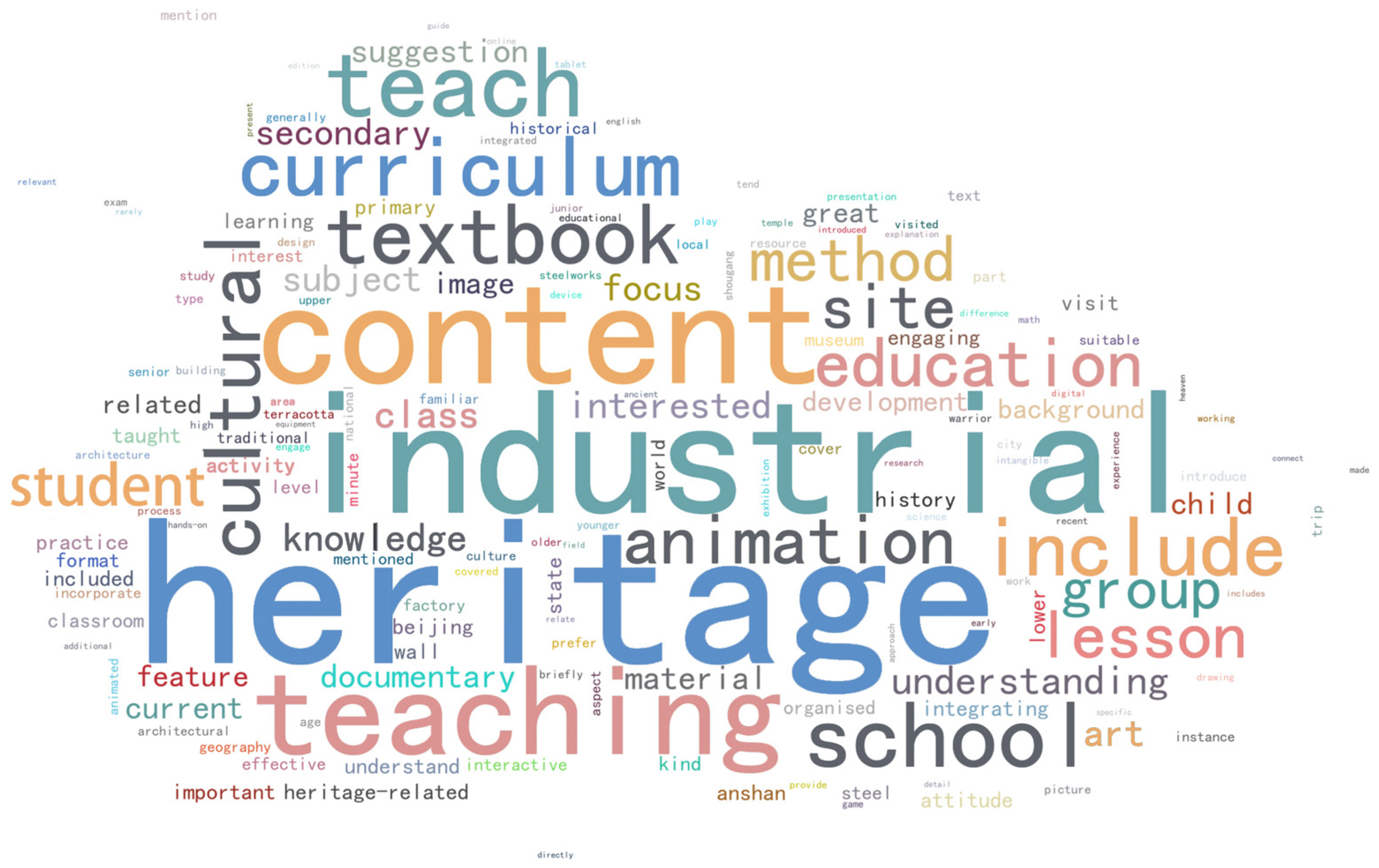
Keyword co-occurrence heatmap in interview responses. Note: The keyword cloud visually displays the most frequently mentioned terms in the stakeholder interviews. Larger font sizes correspond to higher frequency, indicating key focus areas within the dataset.
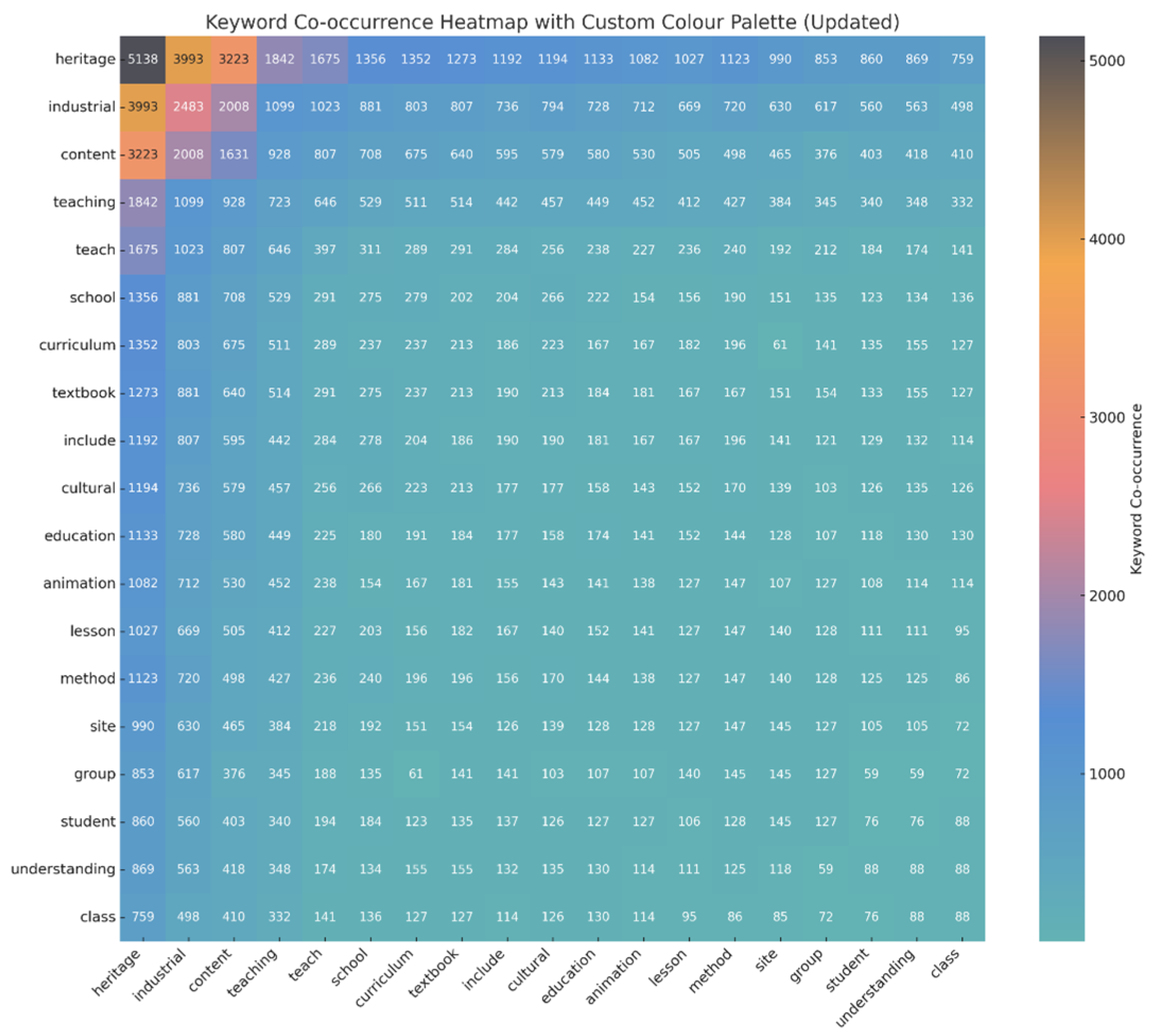
Figure A2.
Word cloud of high-frequency terms from interview data.
Appendix A.3. Machine Learning Classification Validation
Appendix A.3.1. Confusion Matrix
This matrix presents the classification performance of the Random Forest model in reproducing manually coded categories. Diagonal values indicate correctly classified instances, while off-diagonal values reflect confusion between semantically adjacent themes.
Figure A3.
Confusion matrix of random forest classification.
Appendix A.3.2. Precision, Recall, and F1-Score Heatmap
The heatmap visualises precision, recall, and F1-scores for each category based on the Random Forest model’s performance. Darker shades signify higher agreement with human-coded labels, indicating strong recognizability of that category.
Figure A4.
Classification report heatmap.
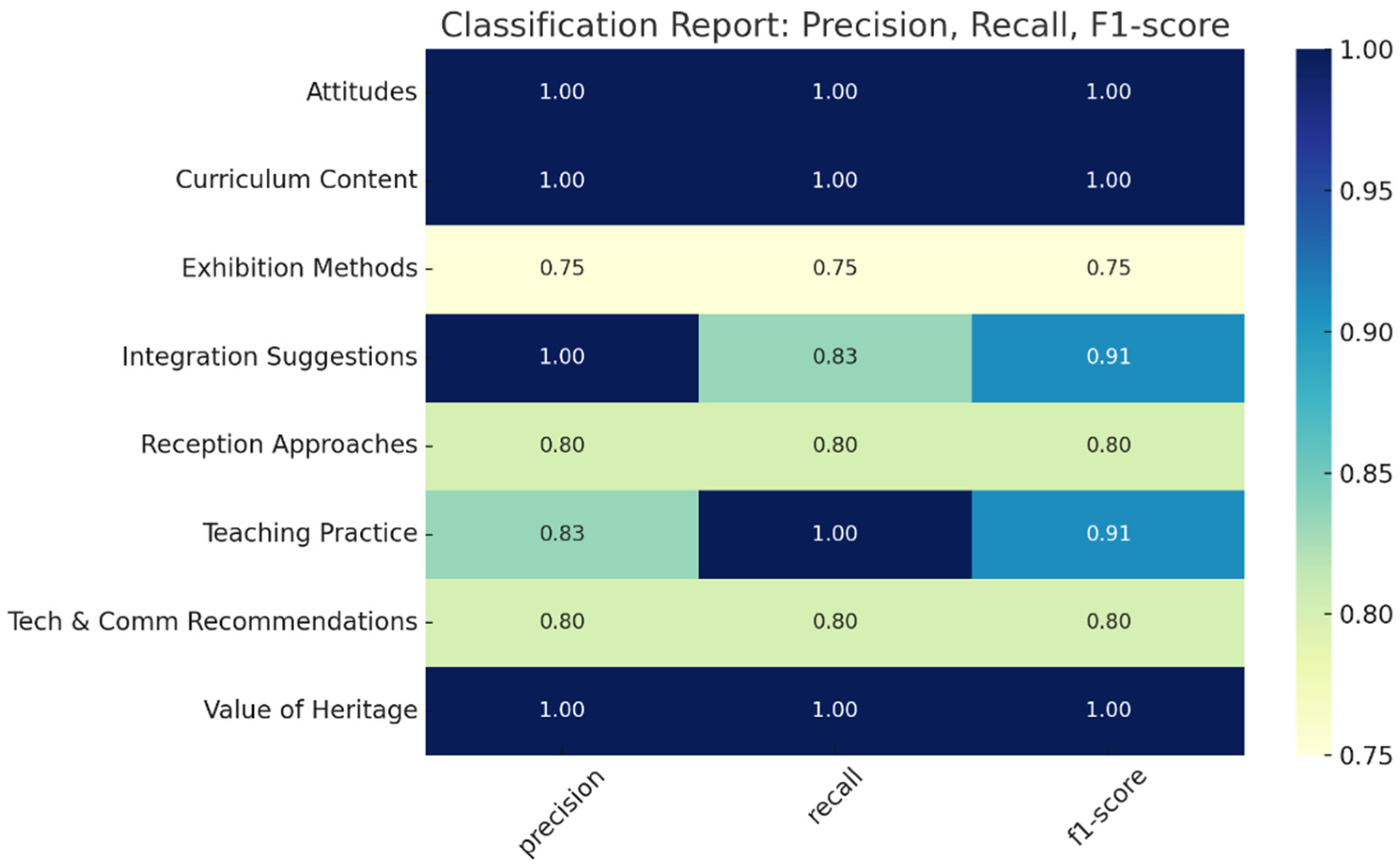
This table presents descriptive statistics and ANOVA results examining differences in students’ preferences for various media formats when learning about industrial heritage. Results show that younger students (Years 1–4) tend to prefer animation, while older students (Years 5–6) show a growing preference for books and documentaries. Statistically significant differences were found for animation (p < 0.01), book reading (p < 0.05), and documentary watching (p < 0.01), indicating age-related shifts in media engagement. No significant difference was found for short videos.
Appendix A.4. Media Preference Differences by Year Level
Table A2.
Analysis of differences in media preferences for industrial heritage by year level.
References
- Castro-Calviño, L.; Rodríguez-Medina, J.; López-Facal, R. Heritage education under evaluation: The usefulness, efficiency and effectiveness of heritage education programmes. Humanit. Soc. Sci. Commun. 2020, 7, 146. [Google Scholar] [CrossRef] [Scilit]
- Achille, C.; Fiorillo, F. Teaching and learning of cultural heritage: Engaging education, professional training, and experimental activities. Heritage 2022, 5, 2565–2593. [Google Scholar] [CrossRef] [Scilit]
- Kefalidis, M. Children’s Heritage Education at Historic Sites: Evaluating Resiliency in Place-Based Education in the Absence of Place. Master’s Thesis, Columbia University, New York, NY, USA, 2021. [Google Scholar]
- Liu, P.; Lan, L. Museum as multisensorial site: Story co-making and the affective interrelationship between museum visitors, heritage space, and digital storytelling. Mus. Manag. Curatorship 2021, 36, 403–426. [Google Scholar] [CrossRef] [Scilit]
- Smith, L. Uses of Heritage; Routledge: London, UK, 2006. [Google Scholar]
- El Faouri, B.F.; Sibley, M. Balancing social and cultural priorities in the UN 2030 Sustainable Development Goals (SDGs) for UNESCO World Heritage Cities. Sustainability 2024, 16, 5833. [Google Scholar] [CrossRef] [Scilit]
- Karaarslan-Semizz, G. Education for Sustainable Development in Primary and Secondary Schools: Pedagogical and Practical Approaches for Teachers; Springer: Cham, Switzerland, 2022. [Google Scholar]
- Annelin, A.; Boström, G.-O. An assessment of key sustainability competencies: A review of scales and propositions for validation. Int. J. Sustain. High. Educ. 2023, 24, 53–69. [Google Scholar] [CrossRef] [Scilit]
- Wu, J.; Chen, D.T.V. A systematic review of educational digital storytelling. Comput. Educ. 2020, 147, 103786. [Google Scholar] [CrossRef] [Scilit]
- Mayer, R.E. The past, present, and future of the Cognitive Theory of Multimedia Learning. Educ. Psychol. Rev. 2024, 36, 8. [Google Scholar] [CrossRef] [Scilit]
- Bian, X.; Brown, A.; Marques, B. Heritage appreciation and awareness: A child educational approach exploiting animated video. Int. J. Art Des. Educ. 2025, 44, 286–304. [Google Scholar] [CrossRef] [Scilit]
- Bian, X.; Brown, A.; Marques, B. Balancing ecological restoration and industrial landscape heritage values through a digital narrative approach: A case study of the Dagushan Iron Mine, China. Land 2026, 15, 155. [Google Scholar] [CrossRef] [Scilit]
- Cheng, S.M.; Bowring, J. Rust, dust, smoke and smell: Memoryscapes for industrial heritage. Herit. Soc. 2024, 17, 413–438. [Google Scholar] [CrossRef] [Scilit]
- Oevermann, H.; Mieg, H.A. (Eds.) Industrial Heritage Sites in Transformation: Clash of Discourses; Routledge: New York, NY, USA, 2015. [Google Scholar]
- Ministry of Education of the People’s Republic of China. Compulsory Education Curriculum Scheme, 2022nd ed.; Ministry of Education of the People’s Republic of China: Beijing, China, 2022. Available online: https://www.gov.cn/zhengce/zhengceku/2022-04/21/content_5686535.htm (accessed on 16 February 2026).
- Ministry of Education of the People’s Republic of China. Opinions on Strengthening the Construction and Management of Local and School-Based Curricula in Primary and Secondary Schools; Jiaocai [2023] No. 2; Ministry of Education of the People’s Republic of China: Beijing, China, 2023. Available online: http://www.moe.gov.cn/srcsite/A26/s8001/202305/t20230526_1061442.html (accessed on 16 February 2026).
- Bian, X.; Brown, A.; Marques, B. Examining a primary education approach using digital storytelling: Chinese industrial heritage as a vehicle to support learning. Heritage 2025, 8, 477. [Google Scholar] [CrossRef] [Scilit]
- Wiek, A.; Withycombe, L.; Redman, C.L. Key competencies in sustainability: A reference framework for academic program development. Sustain. Sci. 2011, 6, 203–218. [Google Scholar] [CrossRef] [Scilit]
- Frisk, E.; Larson, K.L. Educating for sustainability: Competencies and practices for transformative action. J. Sustain. Educ. 2011, 2, 1–20. [Google Scholar]
- López, G.A.; Cruz, D.C. Experiences of knowledge transfer on industrial heritage using games, storytelling, and new technologies: “A history of enterprises”. J. Comput. Cult. Herit. 2021, 14, 19. [Google Scholar] [CrossRef] [Scilit]
- Nicolaou, C.; Matsiola, M.; Kalliris, G. Technology-enhanced learning and teaching methodologies through audio-visual media. Educ. Sci. 2019, 9, 196. [Google Scholar] [CrossRef] [Scilit]
- Shim, H.; Oh, K.T.; O’Malley, C.; Jun, J.Y.; Shi, C.K. Heritage values, digital storytelling, and heritage communication: The exploration of cultural heritage sites in virtual environments. Digit. Creat. 2024, 35, 171–197. [Google Scholar] [CrossRef] [Scilit]
- Mayer, R.E. Using multimedia for e-learning. J. Comput. Assist. Learn. 2017, 33, 403–423. [Google Scholar] [CrossRef] [Scilit]
- Breiman, L. Random forests. Mach. Learn. 2001, 45, 5–32. [Google Scholar] [CrossRef] [Scilit]
- Iranzad, R.; Liu, X. A review of random forest-based feature selection methods for data science education and applications. Int. J. Data Sci. Anal. 2025, 20, 197–211. [Google Scholar] [CrossRef] [Scilit]
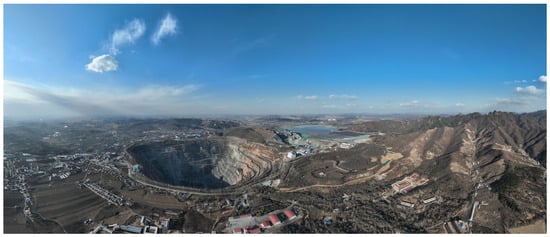
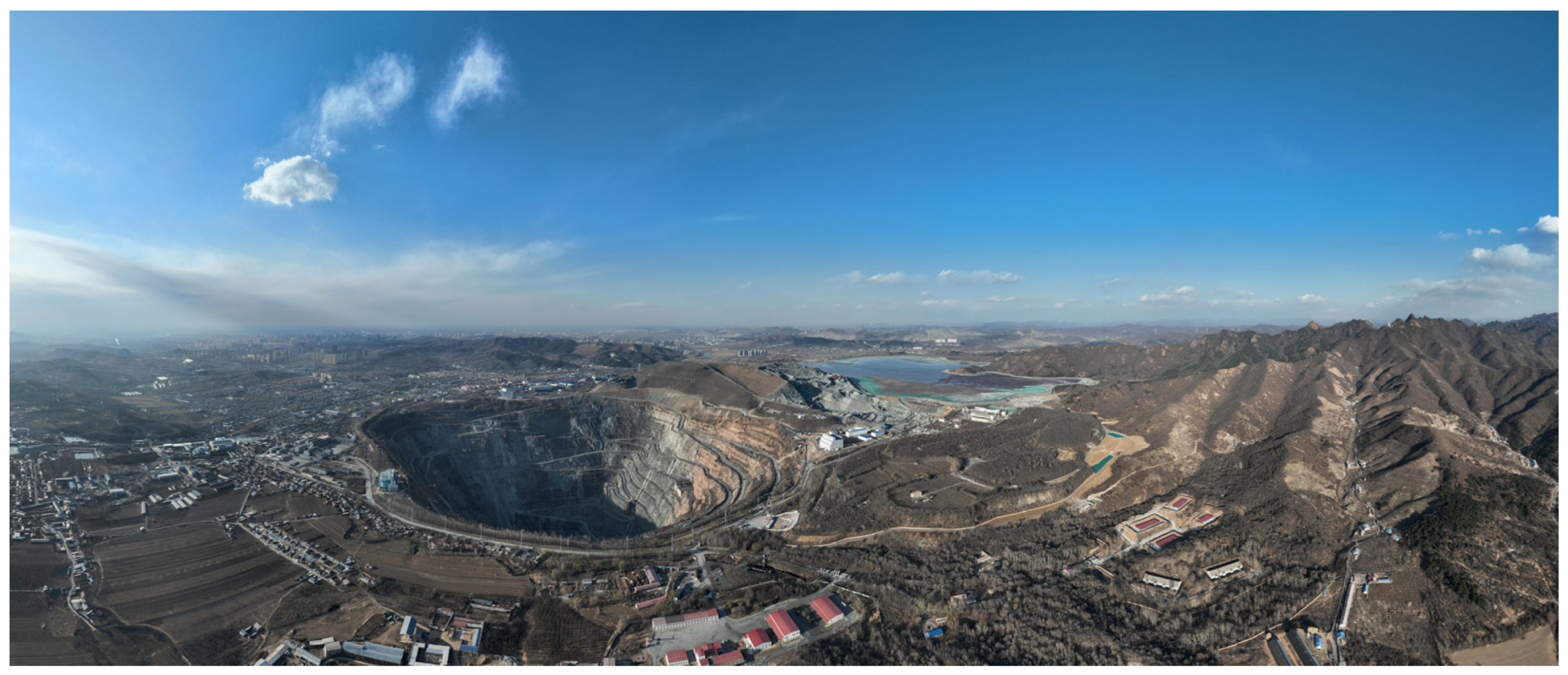
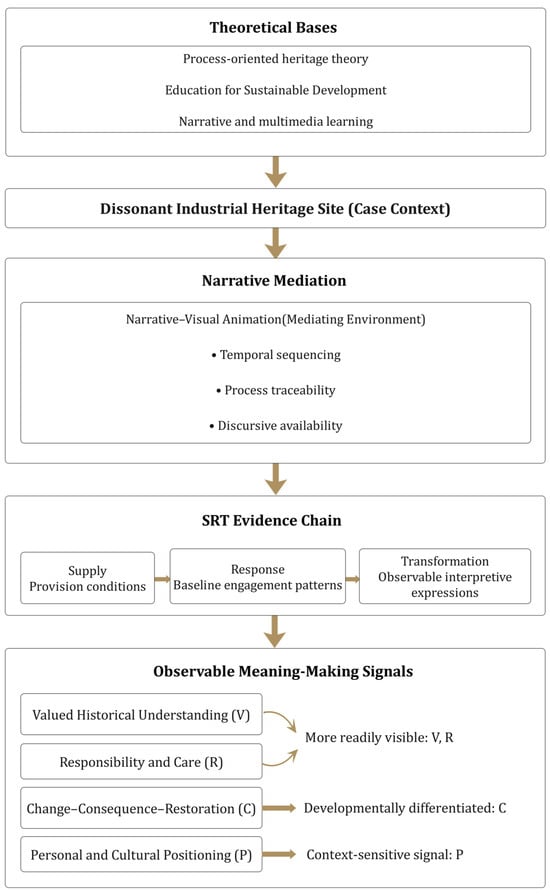
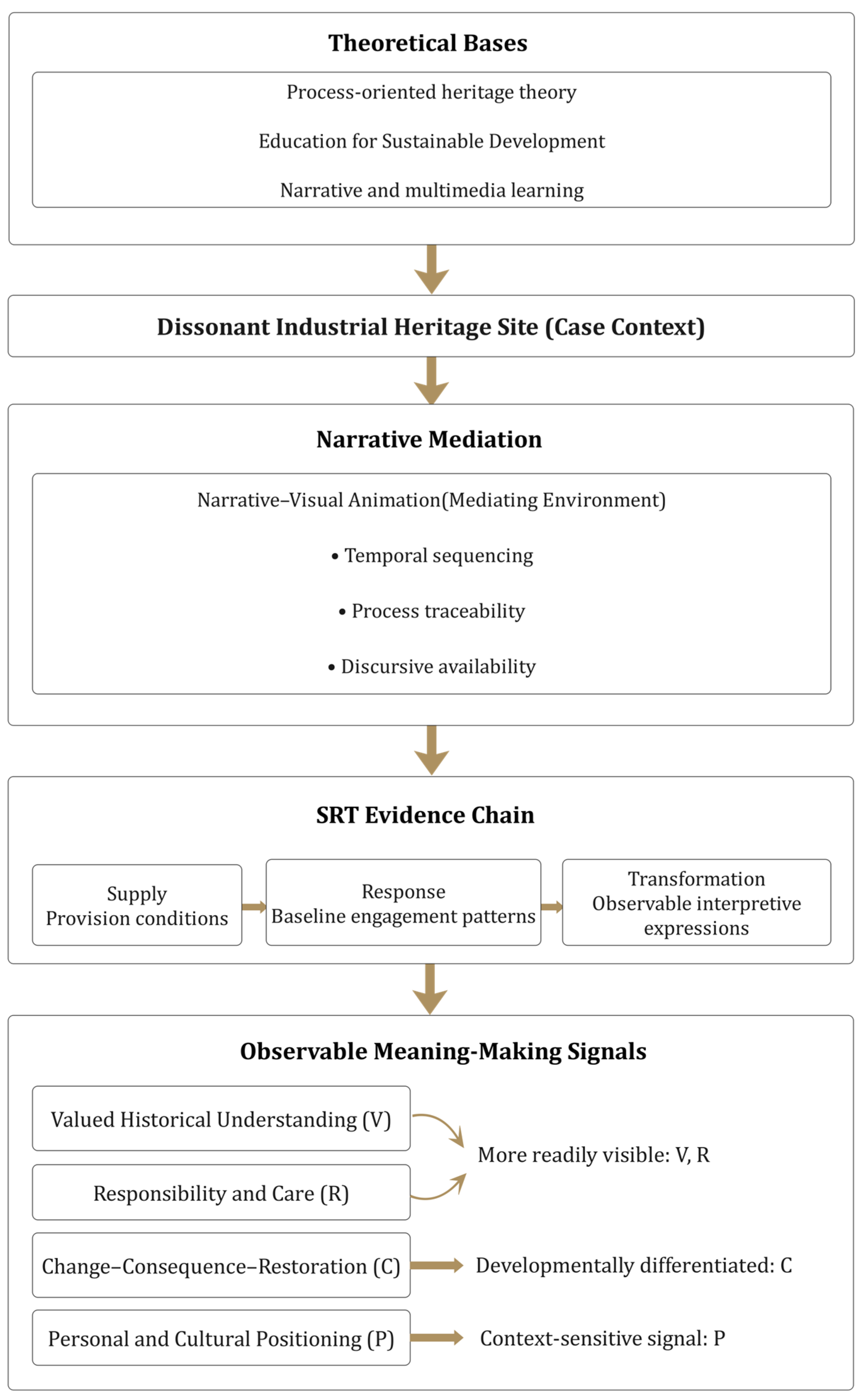
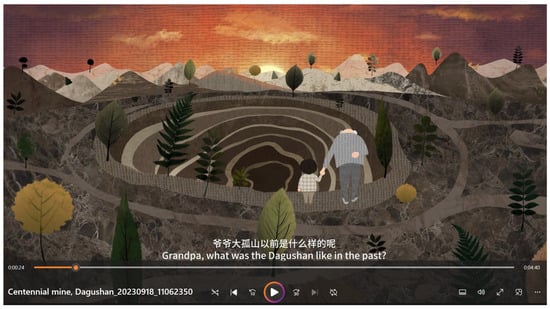
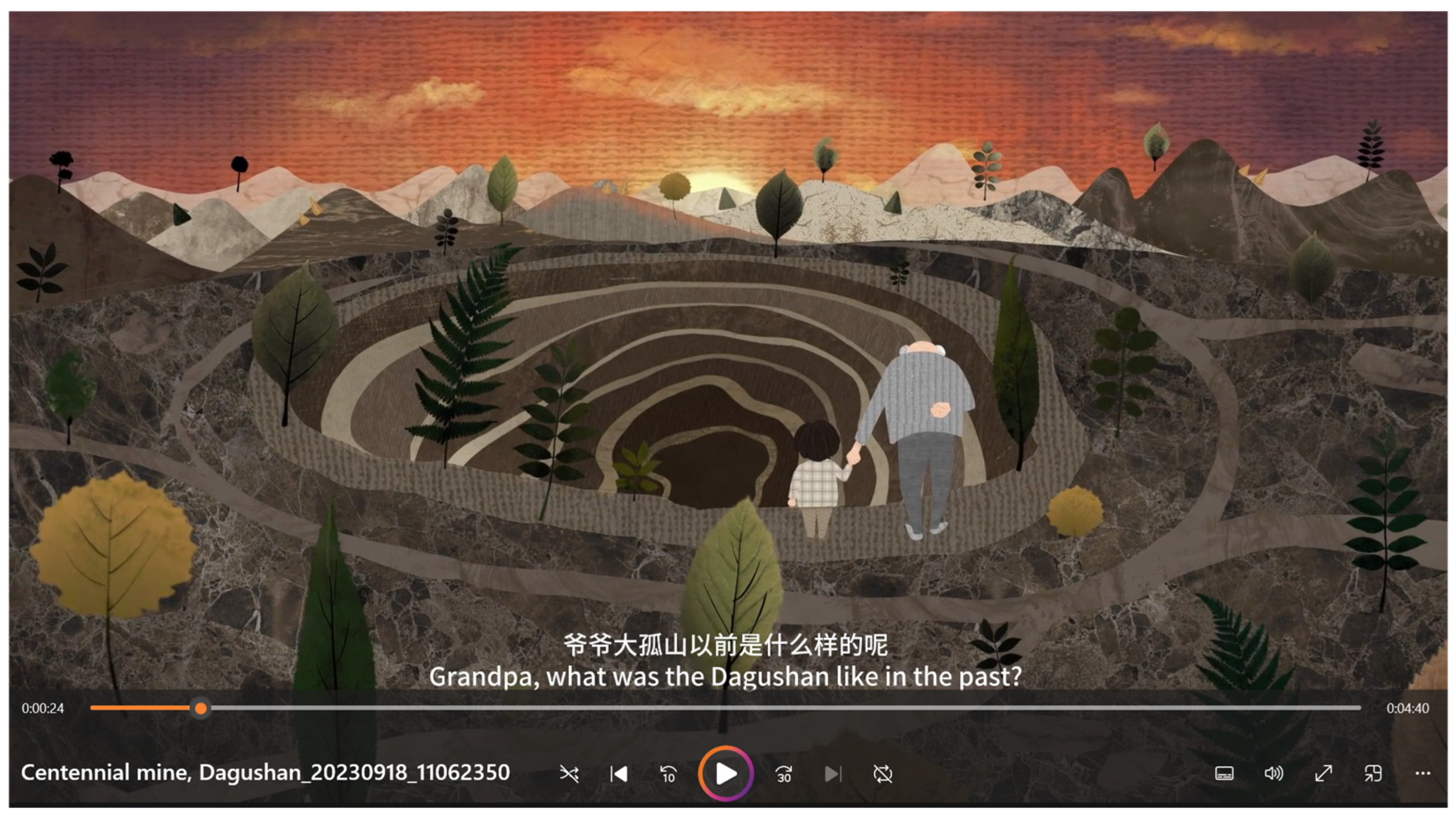
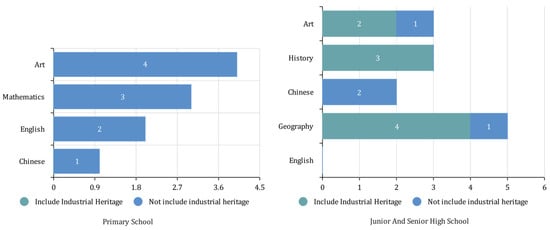
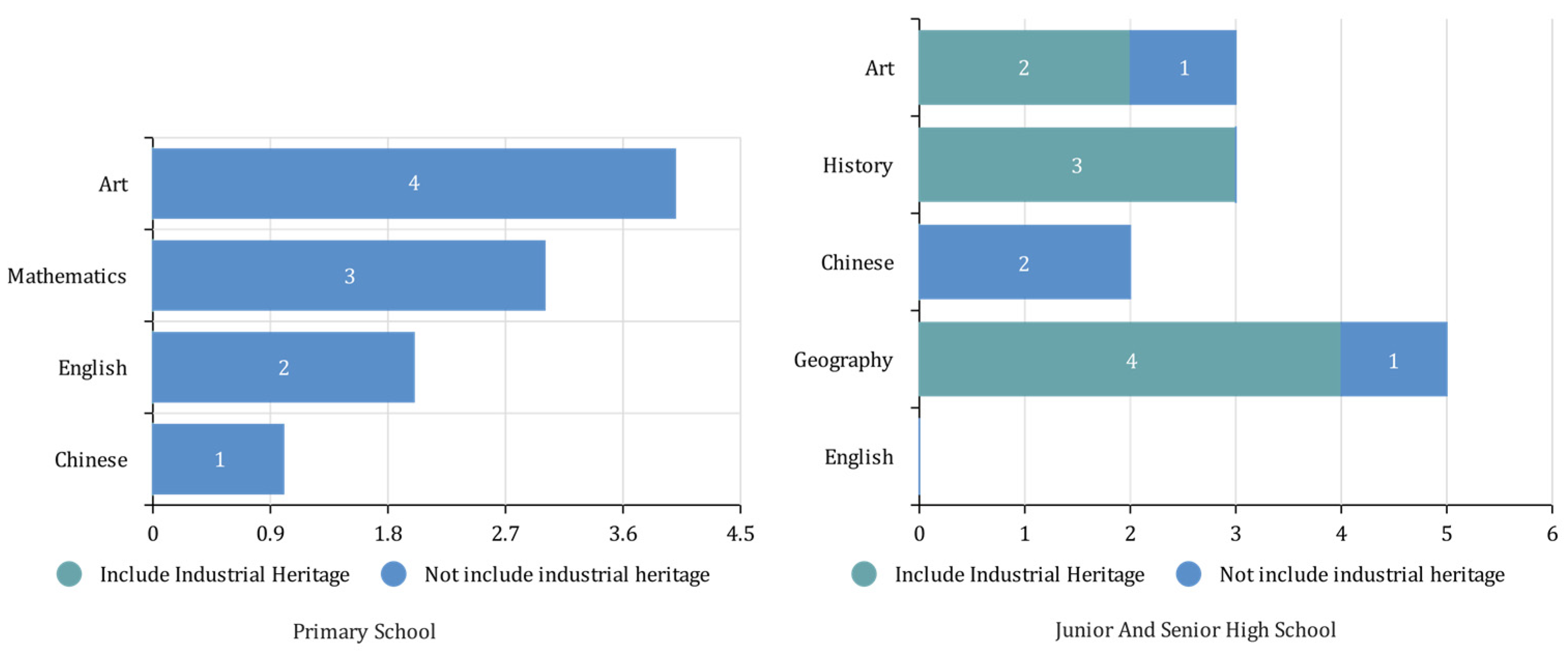
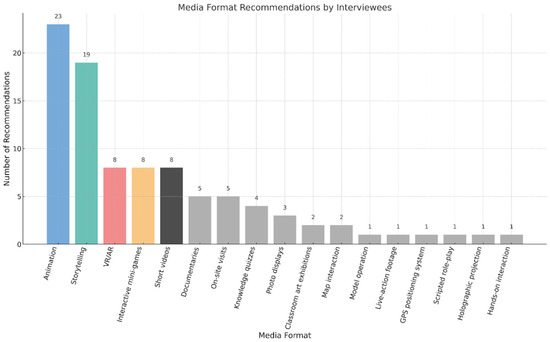
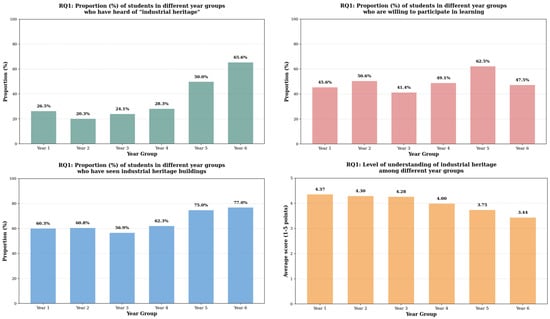
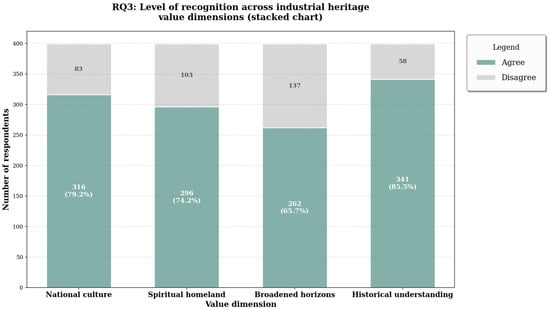
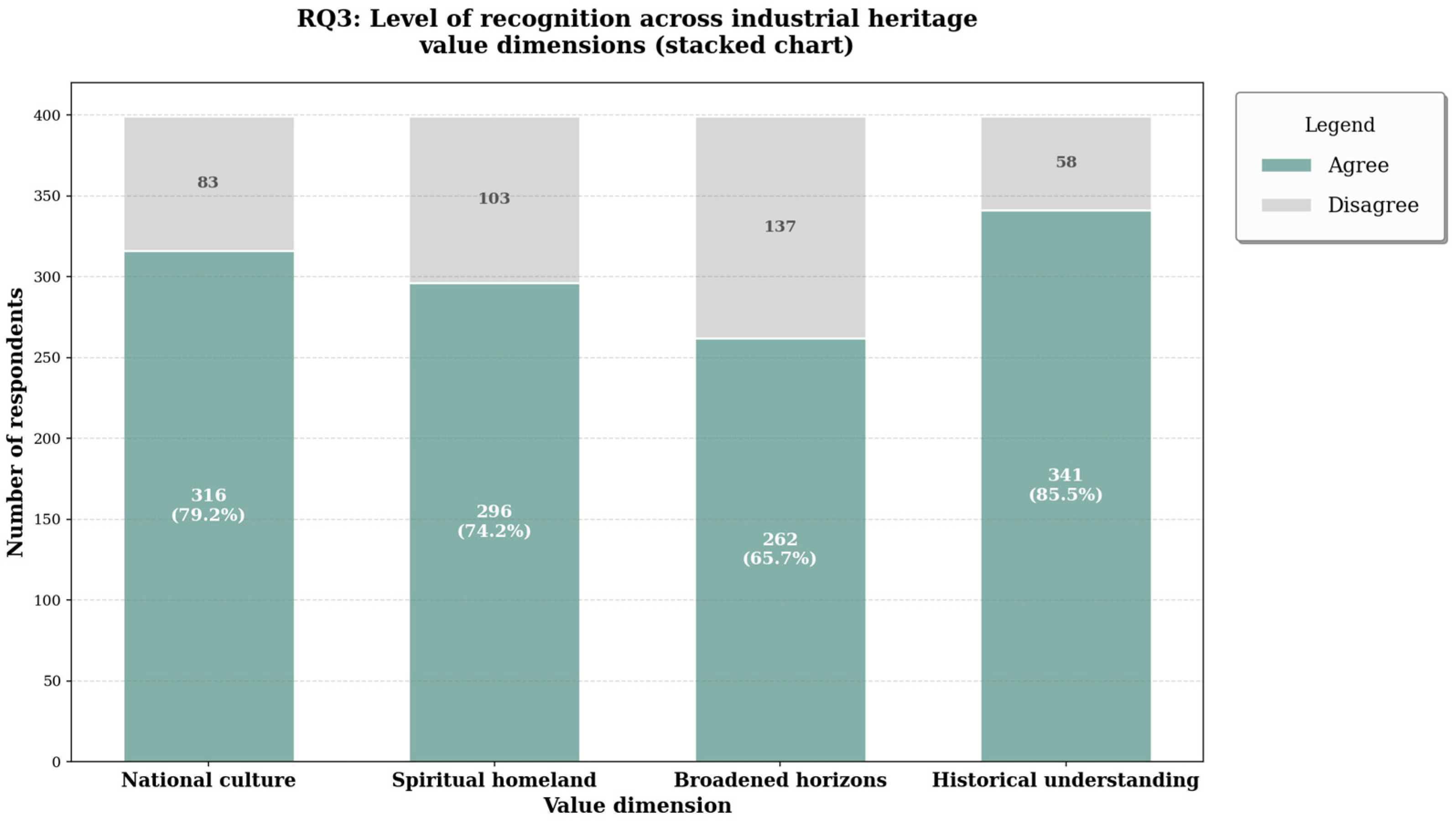
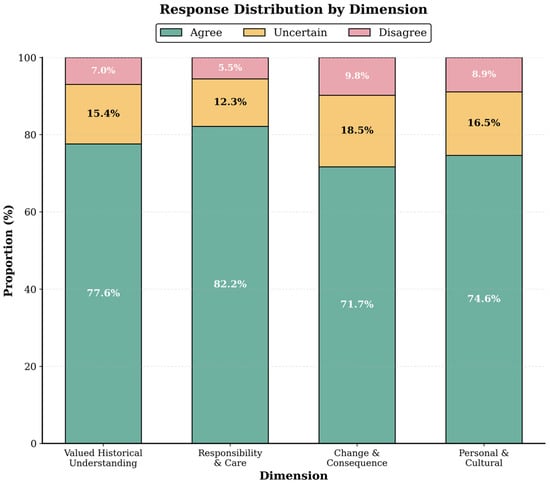
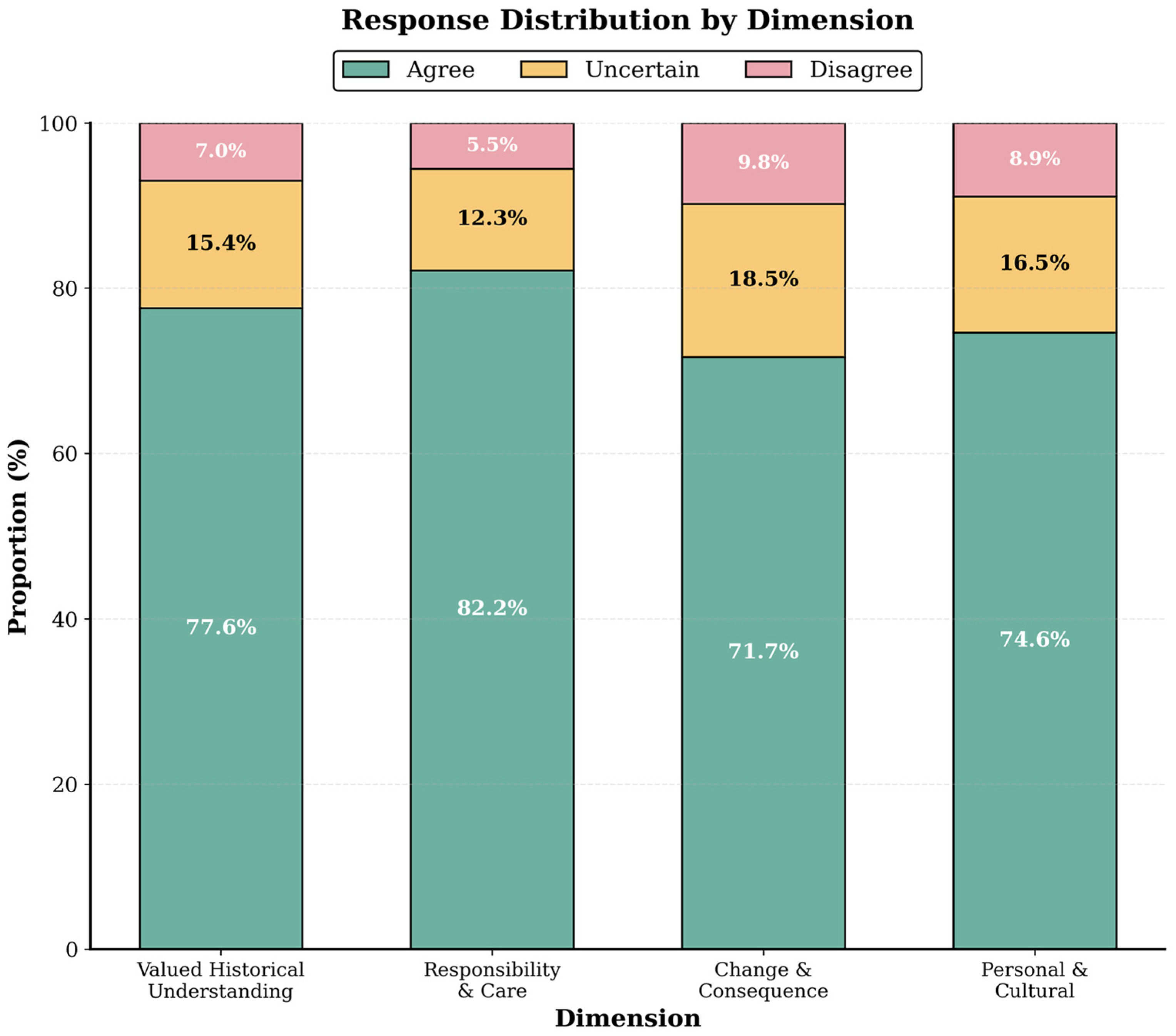
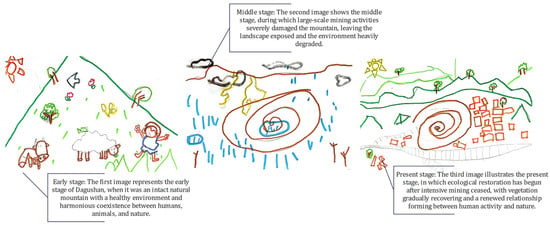
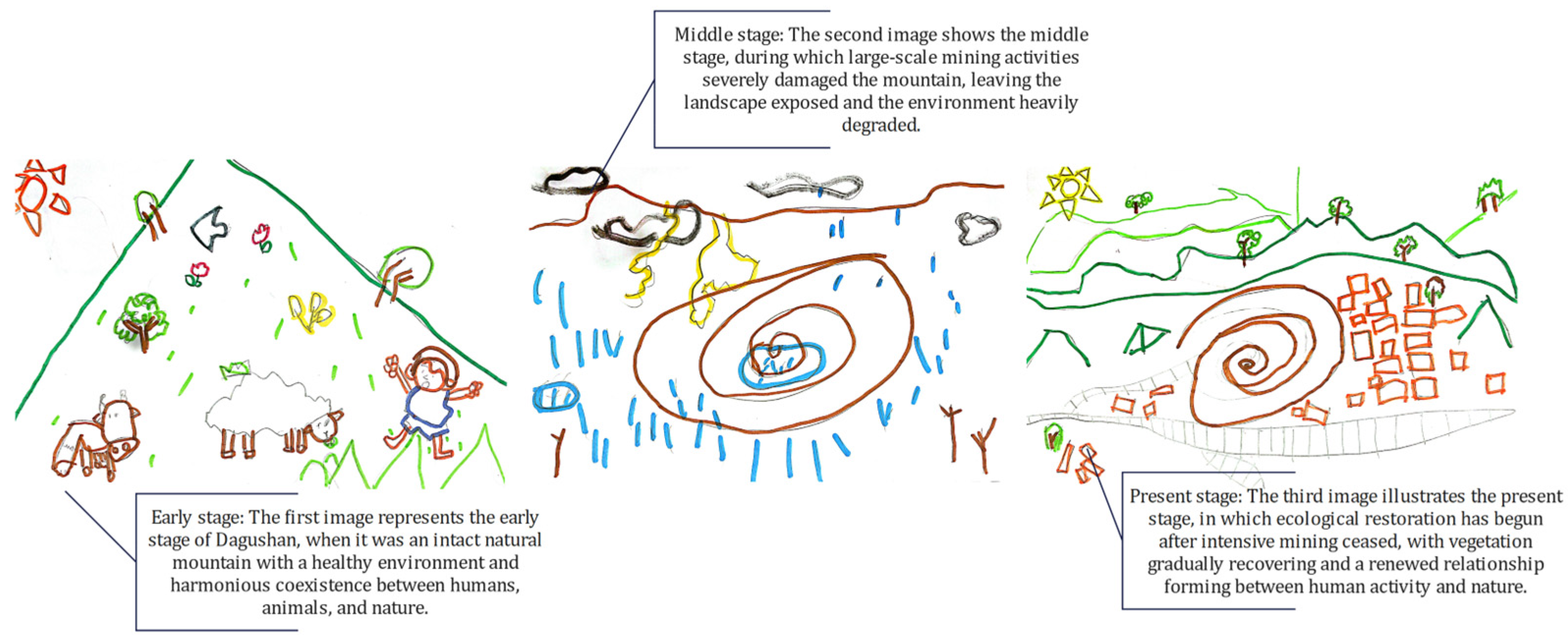

Disclaimer/Publisher’s Note: The statements, opinions and data contained in all publications are solely those of the individual author(s) and contributor(s) and not of MDPI and/or the editor(s). MDPI and/or the editor(s) disclaim responsibility for any injury to people or property resulting from any ideas, methods, instructions or products referred to in the content. |
© 2026 by the authors. Licensee MDPI, Basel, Switzerland. This article is an open access article distributed under the terms and conditions of the Creative Commons Attribution (CC BY) license.