


Abstract
This study constructs a resilience assessment framework for China’s coal power industry chain from three dimensions—resistance, recovery, and greenness—using provincial panel data from 30 provinces over the period 2015–2022 (240 observations). It empirically examines the nonlinear impact of green electricity consumption on coal power industry chain resilience and explores the underlying mechanisms. The results show that: (1) the resilience of China’s coal power industry chain exhibits a fluctuating upward trend with significant regional disparities, with the central region showing the highest average resilience level; (2) green electricity consumption has a statistically significant inverted U-shaped effect on coal power industry chain resilience, with an estimated turning point at approximately 0.633, indicating that green expansion enhances resilience below this threshold but weakens it beyond this level; (3) mediation analysis reveals that in the early stage, green electricity consumption improves resilience by increasing power source diversity, while excessive expansion reduces resilience by lowering coal-fired power utilization hours; and (4) heterogeneity analysis indicates that the inverted U-shaped relationship is significant in the central and western regions but not in the eastern and northeastern regions. These findings suggest that green electricity consumption should be coordinated with coal power adjustment capacity to ensure a resilient energy transition.
1. Introduction
Against the backdrop of global climate change and energy transition, the power industry, as the core component of the energy sector, is facing unprecedented challenges and opportunities. With the rapid development of renewable energy technologies and the urgent global demand to reduce greenhouse gas emissions, the proportion of green electricity (i.e., renewable energy power) in the energy mix has been steadily increasing, becoming a key driver for energy structure transformation and the realization of carbon neutrality. The Decision of the Central Committee of the Communist Party of China on Implementing the Spirit of the Fourth Plenary Session of the 20th CPC Central Committee explicitly emphasizes the need to “build a new power system with new energy as the mainstay,” highlighting the country’s strong commitment to the development and consumption of green electricity.
However, China’s current power structure remains dominated by coal-fired power, which still plays an irreplaceable fundamental role in ensuring power supply security and regulating system load. During the rapid development of green electricity, the coal power industry chain—as the core component of the traditional power system—is experiencing profound changes in its operational logic, structural layout, and development pace due to the increasing integration of green electricity. On one hand, the intermittency and uncertainty of renewable energy require coal power to become more flexible in providing auxiliary services such as peak shaving and frequency regulation. On the other hand, the large-scale consumption of green electricity may squeeze the market space of coal power, weaken the profitability and investment confidence of coal power enterprises, and even cause fluctuations throughout the upstream and downstream industrial chains.
At the same time, the coal power industry chain must possess resilience to effectively withstand external risks and uncertainties such as natural disasters, market volatility, and policy adjustments, thereby ensuring the stability and reliability of power supply, safeguarding national energy security, and promoting economic and social stability. Resilience is thus the key to adapting to the trend of new energy development and enhancing the overall competitiveness of the industrial chain. Moreover, improving resilience contributes to the optimal allocation and efficient utilization of resources, as well as the realization of green and sustainable development goals. Strengthening the resilience of the coal power industry chain is an inevitable choice to address future energy and environmental challenges and to promote the sustainable and healthy development of the power industry.
In summary, under the context of green transition, measuring the resilience of the coal power industry chain and clarifying the impact mechanism of green electricity consumption are of great practical significance for ensuring energy security, optimizing the power structure, and promoting the coordinated development of coal power and green electricity. Existing studies have mostly focused on the impact of renewable energy on the power grid and the overall power industry chain from a macro perspective, while systematic research on the coal power industry chain—an essential traditional force—remains limited. Meanwhile, most research on power system resilience has concentrated on the stable operation of physical infrastructure such as power equipment and grids under external shocks. Relatively few studies have examined the impact of green electricity consumption on power industry chain resilience from the perspective of industrial coordination and economic mechanisms. Research in this area can further advance theoretical studies on power industry resilience, influence the future development path of the power sector and the global energy transition process, and provide valuable insights for enhancing the overall stability and reliability of power systems as well as safeguarding national energy security and economic development.
Thus, what exactly is the impact of green electricity consumption on the resilience of the coal power industry chain? Through what pathways does this impact occur? And how can effective measures be taken to simultaneously enhance coal power industry chain resilience and promote green electricity consumption? These questions represent the frontier of current power industry research. Against this background, this study takes the coal power industry chain—an essential traditional subsystem of the power sector—as its analytical focus and systematically examines the impact of green electricity consumption on the resilience of the coal power industry chain and its underlying mechanisms, thereby addressing gaps in the existing literature. Compared with prior studies, the contributions and innovations of this paper can be summarized as follows.
First, this study offers a novel research perspective. Unlike existing studies that primarily analyze green electricity consumption from the perspective of power systems or technological operations, this paper shifts the analytical focus to the coal power industry chain and introduces an industry-chain resilience framework. By doing so, it systematically characterizes the functional transformation and coordinated adjustment of coal power under conditions of high penetration of renewable energy, providing a new perspective for understanding the evolving role of traditional energy sources in the green transition.
Second, this study contributes through innovations in the evaluation framework and research methodology. In response to the lack of systematic quantitative analysis of coal power industry chain resilience at the industry-chain level in the existing literature, this paper first clarifies the conceptual connotation of coal power industry chain resilience based on a comprehensive examination of the structural characteristics and operational logic of the coal power industry chain. It then constructs a multidimensional evaluation indicator system encompassing resistance capacity, recovery capacity, and green adaptive capacity, enabling a quantitative measurement of coal power industry chain resilience. Using provincial panel data, the study further conducts a systematic assessment of the resilience level of China’s coal power industry chain and its spatiotemporal evolution.
Third, this study advances the literature through innovative empirical findings and mechanism identification. Moving beyond the conventional linear assumption framework, this paper identifies the nonlinear effects of green electricity consumption on coal power industry chain resilience and empirically reveals a potential inverted U-shaped, stage-dependent relationship, characterized by an initial enhancement followed by a suppression effect. Furthermore, the study decomposes the underlying impact pathways and mediation mechanisms, systematically elucidating the moderating roles of policy, market conditions, and industrial structural adjustments. These findings provide more targeted policy implications for achieving the coordinated improvement of green electricity consumption and coal power industry chain resilience.
2. Literature Review
2.1. Research and Development of Energy Industry Chain Resilience
2.1.1. Connotation of Energy Resilience
Energy resilience has emerged as an important concept in energy research in recent years, aiming to address the multiple uncertainties and risks faced by energy systems in complex environments. Its conceptual roots lie in traditional energy security studies; however, it goes beyond a narrow focus on supply assurance [1] and instead emphasizes the comprehensive capacity of energy systems to maintain critical functions, absorb shocks, recover rapidly, and continuously adapt under external shocks and internal disturbances [2]. From the perspective of the “energy trilemma,” the concept of energy resilience reflects the inherent requirement for energy systems to achieve a dynamic balance among security, equity, and sustainability objectives, which has become a broad consensus in the existing literature.
However, there remains divergence in the literature regarding the analytical boundaries and underlying mechanisms of energy resilience. Early studies primarily adopted an engineering perspective, conceptualizing energy resilience as the ability of infrastructure systems to recover after disturbances [3,4]. Subsequent research introduced a system adaptation perspective, emphasizing resilience as a dynamic process encompassing preparedness, absorption, recovery, and adaptation [5,6,7]. In China, energy resilience has more often been discussed as an extension of energy security, with particular emphasis on its policy relevance for energy structure optimization and the green transition [8]. Despite the expansion of analytical perspectives, most existing studies continue to focus on energy systems or power systems as a whole, paying limited attention to the resilience of specific energy industry chains under transition-related shocks.
Overall, the literature indicates that energy resilience research has evolved from an engineering-oriented disaster-resistance concept toward a system adaptation framework, providing an important analytical basis for examining energy system responses under the energy transition. Nevertheless, this framework has not yet been sufficiently extended to the coal power industry chain, particularly with respect to systematically characterizing the resilience features and underlying mechanisms of the coal power industry chain under shocks induced by green electricity consumption. Addressing this gap constitutes the primary objective of the present study.
2.1.2. Industrial Chain Resilience
Industrial chain theory mainly focuses on the structural linkages within and between industries, constructing division-of-labor networks centered on production and service activities at the national or regional level [9]. As a highly complex systemic network, the energy industry chain encompasses multiple stages, including the extraction, processing, transportation, distribution, and consumption of both traditional and renewable energy sources. These stages are interdependent and collaboratively form an integrated cross-industry system. Within the energy industry chain structure, supply–demand relationships occupy a central position. The dynamic balance between energy supply structure and demand fluctuations not only affects the stable operation of the energy sector but also has significant implications for macroeconomic development [10]. In response to coordination issues between energy supply and demand, some scholars have proposed a bidirectional driving model characterized by a high degree of matching between supply and demand [11]; others have examined energy substitution pathways from the perspective of supply–demand mismatch and suggested promoting natural gas substitution under the premise of safeguarding energy security [12,13]. Overall, analyzing energy industry transformation and upgrading from the perspective of the energy industry chain has become an important research direction. Existing studies mainly focus on how renewable energy replaces traditional energy sources, while relatively limited attention has been paid to how traditional energy industry chains maintain stability during the substitution process.
In terms of industrial chain resilience theory, existing research primarily centers on conceptual clarification and improvement pathways. It is generally acknowledged that industrial chain resilience reflects the capacity to maintain operation and achieve recovery and reconstruction in the face of external shocks [14]. Studies have explored the formation mechanisms and enhancement paths of industrial chain resilience from various perspectives. For instance, some research suggests that digital transformation can enhance structural coordination and systemic stability of industrial chains by optimizing resource allocation and improving information flow efficiency [15]; other studies emphasize that strengthening key core technologies, improving dynamic evaluation mechanisms, and refining governance systems can effectively enhance the resilience and security level of industrial and supply chains [16]. At the empirical level, research mainly focuses on the measurement methods and influencing factors of industrial chain resilience. Some literature conceptualizes industrial chain resilience as a combination of risk resistance and transformation capability [17,18], and constructs multidimensional evaluation frameworks including resistance capacity, recovery capacity, evolutionary capacity, and institutional support [19,20]. Overall, the measurement framework of industrial chain resilience has gradually developed toward a multidimensional and systematic approach. In addition, studies on industrial chain resilience in specific sectors such as manufacturing have achieved considerable progress.
Despite the growing body of research on the conceptualization, enhancement pathways, and measurement of industrial chain resilience, existing studies are largely concentrated in manufacturing and other real-economy sectors. Systematic analysis of energy industry chain resilience remains relatively limited, particularly with regard to the coal power industry chain, which is currently undergoing critical green transition pressures. As a fundamental pillar of national economic operation, the resilience of the energy industry chain is crucial not only for the stability of the industry itself but also for energy security and sustainable economic development. Therefore, under the background of energy transition, it is necessary to systematically conceptualize and empirically examine coal power industry chain resilience from an integrated industry chain perspective.
2.1.3. Quantification and Evaluation of Energy Resilience
In terms of the quantification and evaluation of energy resilience, existing studies have not yet established a unified and mature methodological framework. The literature generally follows three main quantitative approaches. The first approach is based on resilience evolution curves, which measure resilience by characterizing changes in system performance over time in response to shocks [21,22,23,24]. The second approach relies on indicator-based evaluation systems, constructing composite indices from environmental, social, economic, or energy security dimensions [25,26]. The third approach incorporates key variables into econometric models to assess the impacts of specific policies or shocks on system resilience [25,27]. While these approaches offer valuable insights into system-level resilience characteristics, they are predominantly applied at the macro energy system or power system level and are limited in their ability to capture structural features such as multi-stage coordination, shock transmission, and functional adjustment within industry chains.
Particularly in the context of the energy transition, shocks induced by green electricity consumption exhibit long-term and structural characteristics. Their impacts extend beyond system operation and are transmitted to traditional energy industry chains through mechanisms such as cost allocation, capacity utilization, and functional reconfiguration. Nevertheless, existing quantitative studies at the industry-chain level—especially those focusing on the coal power industry chain, which simultaneously bears fundamental supply responsibilities and transition pressures—remain scarce, and systematic and operationalizable measurements of resilience are still lacking.
2.1.4. Research Gaps and Summary
Although resilience has been widely discussed in the contexts of power system reliability, energy security, regional economic stability, and global value chains, limited attention has been paid to the resilience of coal power industry chains under long-term green transition constraints. Existing studies often focus on individual segments such as generation efficiency or emission performance, rather than constructing an integrated industry chain perspective. Moreover, most resilience analyses are developed under shock-recovery scenarios, while the structural adjustment process induced by renewable expansion represents a persistent transition pressure rather than a temporary disturbance. Therefore, systematically measuring and empirically examining coal power industry chain resilience in a green transition context remains an underexplored area.
In summary, although existing studies have reached a certain consensus regarding the conceptualization and quantification of energy resilience, several notable limitations remain. First, in terms of research focus, most studies adopt energy systems or power systems as the primary units of analysis, paying insufficient attention to the resilience of specific energy industry chains—particularly the coal power industry chain—under energy transition–related shocks. Second, with respect to analytical perspective, prior research has largely emphasized engineering operations or macro-level system performance, with limited consideration of economic dimensions such as industry-chain coordination, shock transmission, and functional adjustment. Third, in terms of quantitative measurement, existing approaches often struggle to capture the multi-stage characteristics of industry chains and their dynamic adaptive processes in the context of structural transition.
Addressing these limitations, this study focuses on the coal power industry chain as a key traditional energy subsystem and introduces an industry-chain resilience analytical framework. It systematically examines the resilience characteristics of the coal power industry chain under shocks induced by green electricity consumption, with the aim of bridging gaps in both research focus and quantitative measurement in the existing literature.
2.2. The Relationship Between Green Electricity Consumption and the Resilience of the Coal Power Industry Chain
The power industry chain encompasses multiple stages, including power generation, transmission, transformation, distribution, and consumption, forming a complete chain of electricity production and use. Its core function lies in ensuring the efficiency and stability of power supply, which constitutes a fundamental manifestation of industrial resilience. Against the backdrop of rapid renewable energy development, wind and photovoltaic power are being increasingly integrated into the grid, making green electricity consumption a key issue in the construction of a new power system. Green electricity consumption refers to the entire process by which electricity generated from renewable sources is effectively integrated into the power system and ultimately utilized by end users, and it essentially reflects the power system’s capacity to accommodate and regulate intermittent and variable energy sources. In this context, China is accelerating the development of a clean, efficient, and intelligent new power system, a process that also poses new requirements for the operational modes and functional positioning of the traditional coal-power-based electricity industry chain.
2.2.1. Structure and Role Transformation of the Coal Power Industry Chain
The coal power industry chain mainly comprises coal mining, transportation, coal-fired power generation, power transmission and distribution, and terminal consumption. For a long time, coal power has served as the primary power source, playing a fundamental role in ensuring the stable operation of the power system and providing peak regulation, frequency control, and security backup functions [28]. However, with the continuous increase in the share of green electricity and the tightening of carbon emission constraints, the coal power industry chain has been undergoing a transition from a “baseload supply–oriented” role toward an “auxiliary service–oriented” and “system-supporting” role [29], accompanied by profound changes in its profitability, operating patterns, and investment logic. During this transition, whether coal power can maintain stable operation under increasingly stringent environmental regulations is closely related to the adaptability of pollution control technologies. Existing studies indicate that technological progress in the control of pollutants from coal combustion has provided important technical support for coal-fired units to achieve functional adjustment and sustained operation under strict environmental constraints, thereby enhancing the capacity of the coal power industry chain to adapt to the requirements of the green transition [30].
Further studies suggest that the expansion of green electricity has, on the whole, compressed the operating space of coal power, with declining utilization hours becoming a long-term trend. Meanwhile, the role of coal power within the power system has not disappeared but has increasingly manifested in flexible regulation and system security assurance. This transformation has not only altered the operational characteristics of the power generation segment but has also transmitted upstream through channels such as demand contraction and cost changes, exerting new pressures on coal mining and transportation and posing higher requirements for the overall stability and coordinated operation of the coal power industry chain.
2.2.2. Impact Pathways of Green Electricity Consumption on the Coal Power Industry Chain
Existing studies generally suggest that green electricity consumption affects the coal power industry chain through multiple channels, yet systematic analysis remains limited. In terms of capacity structure and investment orientation, policy guidance and market expectations have accelerated capital shifts from coal power to renewable energy sources such as wind and photovoltaic power, resulting in a sustained contraction of new coal power installations [31,32]. At the operational level, the intermittency of green electricity has driven coal power to transition from a baseload source to a flexible regulating role [33], which enhances system flexibility but also increases operational costs and equipment wear. From the perspective of market mechanisms, priority dispatch of green electricity and power market reforms have reshaped price formation, exposing coal power to risks of revenue compression under grid-parity conditions [34].
From an industry chain perspective, the substitution effect of green electricity further transmits upstream through demand contraction and tightening constraints, particularly in resource-based regions. Meanwhile, increasingly stringent environmental regulations have become an important external factor shaping the stability and adjustment capacity of the coal power industry chain. Existing studies indicate that advances in pollution control technologies for coal combustion—especially in the mitigation of atmospheric pollutants such as mercury [35]—have provided essential support for maintaining coal power operation under strict environmental constraints, reflecting the technological foundation of the industry chain’s green adaptive capacity.
Overall, although prior research has identified several impact pathways of green electricity consumption on coal power, most studies remain confined to single segments or macro-level analysis. A systematic and quantitative assessment of coal power industry chain resilience from an integrated industry chain perspective is still lacking, leaving the mechanisms underlying the co-evolution of green electricity consumption and coal power industry chain resilience insufficiently explored.
2.2.3. Research Gaps and Summary
Overall, while current studies have preliminarily revealed the logical pathways of green electricity’s influence on coal power, they still exhibit several limitations. First, they lack systematic research from the perspective of “industrial chain coordination,” overlooking the functional transformation of coal power across upstream materials, equipment, and service links. Second, quantitative analyses remain scarce, with most studies staying at the conceptual and qualitative level, and few standardized empirical works have been identified. Third, existing research often focuses on single variables or isolated links, lacking holistic analysis of the multi-dimensional interactions among policy, market, and technology—thus limiting the development of actionable transition strategies for the coal power industry.
3. Methodology and Analysis
3.1. Conceptual Connotation of Coal Power Industry Chain Resilience
The resilience of the coal power industry chain refers to the capability of the industry chain to maintain its essential functions, respond effectively, and achieve functional recovery or even structural optimization within a relatively short period when facing external shocks (such as natural disasters, energy price fluctuations, policy adjustments, or market disruptions) or internal disturbances (such as equipment aging, abrupt demand changes, or infrastructure constraints). This concept emphasizes the dynamic adaptability and structural stability of the power industry chain throughout the entire process of resistance–recovery–transformation.
Specifically, the resilience of the coal power industry chain can be decomposed into three core dimensions.
First, resistance capacity refers to the ability of various links within the industry chain to sustain normal operation under external shocks. It encompasses the stability of energy supply and demand, continuity of investment, and self-sufficiency in electricity, serving as the fundamental guarantee of resilience.
Second, recovery capacity reflects the system’s ability to restore its functionality and operational performance after disturbances. It is manifested in the flexibility of power generation systems, the operational efficiency of power grids, and the recovery speed of electricity markets, indicating the system’s responsiveness and adaptive potential.
Third, green capacity recognizes that under the “dual carbon” goals, resilience in traditional power systems should not only focus on stability and recovery but also integrate the requirements of green and low-carbon development. The green capacity embodies the system’s intrinsic driving force and structural optimization ability in promoting clean energy transition and emission reduction, typically represented by indicators such as carbon emission intensity and energy efficiency levels.
Among these concepts, coal power industry chain resilience is closely related to, yet clearly distinct from, energy system resilience, power system resilience, and energy security. Energy system resilience focuses on the ability of the overall cross-energy supply–demand system to maintain functionality and adapt under shocks; power system resilience emphasizes the reliable operation and rapid recovery of physical power systems; and energy security primarily concerns supply adequacy, price affordability, and controllability of external dependence. By contrast, coal power industry chain resilience highlights the continuity, coordination, and adjustability of multiple interconnected segments—such as coal supply, transportation, and coal-fired power generation—under external shocks and transition-induced disturbances. Its core lies not in the stable operation of individual segments, but in whether shocks can be smoothly transmitted across upstream and downstream links, allowing for effective cost and profit redistribution and the reallocation of key functional capacities. Although a small number of power system performance indicators are employed in the empirical measurement, their interpretation in this study consistently remains grounded in industry-chain-level functional recovery and coordinated repair, rather than in the physical reliability of the power system itself. Accordingly, this concept is particularly suitable for capturing the structural pressures and adaptive adjustments faced by the coal power industry chain during the transition from a baseload supply role toward a system regulation and security-support function in the context of accelerating green electricity consumption.
3.2. Theoretical Framework and Research Hypotheses
With the steady advancement of China’s carbon peaking and carbon neutrality strategies, the large-scale development and grid integration of green electricity—such as wind and solar power—are reshaping the nation’s energy structure and the operational pattern of its power industry chain. As a critical variable in facilitating the low-carbon transition of the traditional energy power system, green electricity consumption not only contributes to energy decarbonization but also exerts profound influences on the coal-based power industry chain.
By constructing a three-dimensional resilience framework encompassing resistance capacity (Figure 1), recovery capacity, and green adaptive capacity, this study explores the mechanism through which green electricity consumption affects the resilience of the coal power industry chain and proposes the following research hypotheses.
Figure 1.
Theoretical framework of green electricity consumption’s impact on coal power industry chain resilience.
First, in the early stage, green electricity consumption helps enhance the diversity of the energy structure, thereby improving the resilience of the industrial chain. Moderate integration of green electricity can reduce dependence on a single fossil energy source, broaden the pathways of electricity supply, and strengthen the redundancy and flexibility of the energy system. Consequently, it enhances the industry chain’s ability to withstand external shocks such as natural disasters and fuel price volatility. Moreover, as an important component of localized distributed energy, green electricity helps alleviate long-distance transmission pressure, improve energy allocation efficiency, and reinforce the operational stability of the power system.
Second, as the level of green electricity consumption continues to rise, it may crowd out traditional coal-fired power units and weaken their recovery capacity. Due to the priority dispatch enjoyed by wind and solar power, their intermittency and variability lead to frequent start-stop cycles of coal-fired units and a decline in operating hours, which undermines their economic performance. For large coal-fired units in particular, underutilization not only compresses profit margins but also restricts their role in emergency backup and peak-load regulation, ultimately reducing the ability of the power industry chain to recover rapidly after disruptions.
Based on the above analysis, the impact of green electricity consumption on the resilience of the coal power industry chain is not a simple linear relationship but rather an interactive effect formed through multiple mechanism pathways. Accordingly, this study proposes the following research hypotheses:
H1:
Green electricity consumption has a nonlinear impact on the resilience of the coal power industry chain.
H2:
Green electricity consumption enhances resilience through a positive pathway by improving the diversity of the energy structure and strengthening the industry chain’s resistance capacity.
H3:
Green electricity consumption weakens resilience through a negative pathway by reducing the utilization hours of coal-fired power units, thereby undermining the system’s recovery capacity.
4. Results
4.1. Resilience Measurement Method
4.1.1. Construction of the Indicator System
Based on the stage-based logic of “resistance–recovery–adaptation” in resilience theory, and in conjunction with the structural characteristics of the coal power industry chain spanning “resources–production–transmission–consumption,” this study classifies coal power industry chain resilience into three dimensions—resistance capacity, recovery capacity, and green adaptive capacity—and constructs a multi-level indicator system accordingly (Table 1).
Table 1.
Measurement Framework of Coal Power Industry Chain Resilience.
(1) Resistance Capacity
Resistance capacity characterizes the ability of the coal power industry chain to maintain basic operations and critical functions at the initial stage of external shocks.
Control over key resources is widely regarded as the foundation of industrial stability; therefore, primary energy production is used to reflect coal resource endowment and supply capacity. Installed generation capacity, a core variable in power system planning and reliability analysis, directly represents supply adequacy and buffering capability under shocks. Downstream energy consumption links the energy system with macroeconomic activity, and its abnormal fluctuations constitute a stress test of industry chain stability [31].
The growth rate of fixed asset investment in the power sector is incorporated to capture investment stability and confidence of economic agents during energy transition, while also reflecting the capacity to reinforce vulnerable segments of the coal power industry chain [33]. In addition, electricity self-sufficiency is adopted as a resistance indicator, as it measures the ability to reduce external dependence and maintain basic supply when external energy inputs or interregional transfers are disrupted [35].
(2) Recovery Capacity
Recovery capacity focuses on the ability of the coal power industry chain to restore functions and re-stabilize after shocks, emphasizing operational efficiency and flexibility.
Indicators related to supply–demand regulation are used to capture recovery performance. Specifically, outage duration and transmission and distribution loss rates reflect fault repair efficiency and operational quality. Shorter outages and lower losses indicate stronger recovery capability and grid operational resilience.
(3) Green Adaptive Capacity
Under the “dual-carbon” targets, coal power industry chain resilience also depends on its ability to adapt to long-term low-carbon transition pressures. Accordingly, green adaptive capacity is introduced to characterize structural adjustment and functional transformation under environmental constraints.
Carbon emission intensity is selected as the core indicator, as it directly reflects environmental pressure per unit of output. Lower emission intensity implies greater adaptive space under tightening environmental regulations and is widely used in low-carbon energy resilience studies.
(4) Clarification on Specific Issues
In response to concerns regarding potential overlap among different resilience dimensions, this study deliberately incorporates a functional differentiation principle in indicator construction. Specifically, resistance capacity emphasizes whether the industry chain can maintain basic functions at the onset of a shock, focusing on resource foundations and investment stability, whereas recovery capacity emphasizes the efficiency of system repair and adjustment after the shock, focusing on operational flexibility and regulatory capability. Although certain indicators may influence multiple stages in practice, their functional positioning and interpretative logic within the analytical framework are distinct, thereby ensuring clear conceptual and empirical differentiation.
Regarding the relatively small weight assigned to “Supply-Demand Adjustment Capability,” this result primarily reflects the limited cross-regional and temporal variability of the indicator during the sample period, rather than a lack of substantive explanatory value. Nevertheless, the indicator is retained to preserve the structural integrity and theoretical coherence of the resilience evaluation framework. From a theoretical perspective, supply-demand adjustment capability captures the coordination mechanism between production and consumption within the coal power industry chain and represents a critical functional dimension for maintaining system stability and operational balance. Excluding this indicator solely based on its numerical weight would undermine the conceptual completeness of the multidimensional resilience framework and weaken the comprehensive assessment of systemic adaptive capacity.
4.1.2. Comprehensive Measurement Model
Entropy weighting is adopted to construct the composite resilience index because it determines indicator weights based on the degree of information dispersion, thereby reducing subjective bias in weight assignment. Given the multidimensional and heterogeneous nature of coal power industry chain resilience, indicators differ substantially in scale and variability across regions and time. Entropy weighting allows indicators with greater discriminatory power to receive higher weights, which is particularly suitable for composite index construction under data-driven settings.
Finally, the composite resilience score of each evaluation unit in the power industry chain is calculated using a linear weighted summation method, as follows:
in the formula, denotes the resilience value of the coal power industry chain; represents the weight of indicator ; is the value of indicator for evaluation unit ; and is the total number of indicators.
Moreover, to examine the sensitivity of the composite resilience index to the weighting scheme, Section 4.2.2 conducts robustness checks by reconstructing the index using an alternative weighting method and re-estimating the baseline regressions.
4.2. Model Specification
4.2.1. Baseline Regression Model
To empirically examine the impact of green electricity consumption on the resilience of the coal power industry chain, this study constructs a fixed-effects panel regression model, in which the industry chain resilience serves as the dependent variable and the level of green electricity consumption is the key explanatory variable. The specific model is as follows:
where denotes the resilience level of the coal power industry chain in province in year ; represents the level of green electricity consumption; is a vector of control variables capturing other factors that may affect industry chain resilience; denotes individual fixed effects; denotes time fixed effects; and is the error term.
4.2.2. Mediation Effect Model
To further explore the mechanism through which green electricity consumption affects the resilience of the coal power industry chain, this study introduces operating hours of coal-fired units as a mediating variable and constructs a mediation effect model. The mediation effect is tested following the classical three-step regression approach, with the model specified as follows:
where denotes the mediating variable in region in year (i.e., operating hours of coal-fired units ≥ 6000 kW and power source diversity); represents the resilience level of the power industry chain in region in year ; is the level of green electricity consumption and its squared term; is a vector of control variables; denotes individual fixed effects; denotes year fixed effects; and is the random error term.
4.3. Variable Selection
The dependent variable in this study is the resilience index of the coal power industry chain, and the key explanatory variable is the level of green electricity consumption. The level of green electricity consumption is measured by the ratio of green electricity consumption to total electricity consumption. Here, green electricity consumption refers to the amount of wind, solar, biomass, and other renewable electricity actually consumed through the grid (excluding curtailed electricity).
In addition, other factors may influence the resilience of the coal power industry chain. This study selects control variables from four aspects: regional industrial development, power generation structure, technological innovation environment, and intensity of science and technology investment. Specifically, industrialization level is represented by the ratio of industrial added value to regional GDP, reflecting the foundation of traditional industries and energy consumption structure; hydropower and nuclear power generation are included to control for regional differences in non-fossil energy use; technology market transaction value relative to GDP measures the capacity for regional technological achievement transformation; and R&D intensity (R&D expenditure as a share of GDP) represents the intensity of science and technology investment, reflecting how regional technological development drives industrial upgrading and impacts coal power industry chain resilience.
The inclusion of these control variables helps eliminate potential confounding from institutional and structural factors, thereby improving the accuracy and explanatory power of the model. Detailed definitions of all variables are presented in Table 2.
Table 2.
Variable Selection.
4.4. Data Sources
The data used in this study are primarily obtained from the China Economic and Social Big Data Research Platform (https://data.cnki.net/home accessed on 23 July 2025). Specifically, data on primary energy production and electricity transmission and distribution losses are sourced from the China Energy Statistical Yearbook; data on installed power generation capacity, electricity consumption, power generation, and annual utilization hours of thermal power plants above 6000 kW are derived from the China Electric Power Yearbook; data on fixed asset investment in the power industry are collected from the Statistical Yearbooks of various provinces; data on power outage duration are obtained from the Annual Report on National Power Reliability released by the National Energy Administration; and data on carbon emission intensity are drawn from the China Carbon Accounting Database.
5. Discussion
5.1. Spatiotemporal Patterns
Figure 2 illustrates the temporal evolution of China’s coal power industry chain resilience from 2015 to 2022. At the national level, the resilience index exhibited a fluctuating upward trend during the study period, ranging from 0.219 to 0.266, with a cumulative increase of 21.5%. This trend is likely closely related to a series of policy measures in China aimed at strengthening the power industry chain in recent years, such as enhancing power infrastructure, promoting diversification of energy supply, improving smart grid capabilities, and establishing comprehensive energy emergency response mechanisms. These measures have effectively strengthened the industry chain’s capacity to withstand external shocks and recover from disruptions, thereby contributing to the steady annual increase in resilience observed between 2015 and 2022.
Figure 2.
Evolution of China’s coal power industry chain resilience index (2015–2022).
From a regional perspective, the coal–power industry chain resilience index in China’s eastern, central, western, and northeastern regions all exhibited a fluctuating upward trend. Specifically, the index in the central region fluctuated between 0.266 and 0.323, in the eastern region between 0.212 and 0.249, in the western region between 0.221 and 0.278, and in the northeastern region between 0.135 and 0.161. Overall, the resilience levels ranked from high to low as follows: central region > eastern region > western region > northeastern region.
This regional disparity can be largely attributed to differences in resource endowments, industrial structures, and policy support. The central region, serving as a crucial hub for both energy production and consumption, possesses strong infrastructural and industrial coordination capacity. The eastern region, although primarily a consumption area, benefits from advanced technology and efficient management, which contribute to higher resilience. The western region, while rich in resources, suffers from weaker infrastructure, leading to a relatively lower resilience level. In contrast, the northeastern region faces challenges such as industrial transformation pressures and population outflow, resulting in comparatively weaker resilience.
5.2. The Impact of Green Electricity Consumption on the Resilience of the Coal–Power Industry Chain
5.2.1. Results of the Baseline Regression Model
(1) Linear regression results
This study employed a fixed-effects panel regression model incorporating both province and year effects, while controlling for a series of influencing factors. The regression results demonstrated strong statistical significance. Specifically, green electricity consumption exerts a significant and positive impact on the resilience of the coal–power industry chain. This finding suggests that, to some extent, the increase in green electricity consumption contributes to enhancing the resilience of the coal–power industry chain. Table 3.
Table 3.
Baseline Regression (Linear Specification).
(2) Quadratic regression
However, this positive effect is not indefinitely sustainable. Based on the theoretical framework, a quadratic term of green electricity consumption was introduced into the baseline regression, given the significance of the linear term (see Table 4). The results indicate that both the linear and quadratic terms are statistically significant at the 1% level, with the quadratic coefficient being negative.
Table 4.
Baseline Regression (Quadratic Specification).
This finding suggests that the impact of green electricity consumption on the resilience of the coal–power industry chain follows an inverted U-shaped relationship—positive in the early stage but negative thereafter. In other words, green electricity consumption initially enhances overall resilience; however, once its level exceeds a certain threshold, the substitution pressure on traditional energy systems intensifies, leading to a decline in resilience. Thus, the relationship exhibits a characteristic inverted U-shaped effect.
The regression results show that green electricity consumption (green) enters the model with a significantly positive coefficient, while its squared term (green2) is significantly negative, indicating a clear inverted U-shaped relationship between green electricity consumption and the resilience of the coal power industry chain. Based on the standard turning-point formula for a quadratic specification, the estimated threshold is approximately 0.63. This implies that when the level of green electricity consumption is below this threshold, the expansion of green electricity contributes to enhancing the resilience of the coal power industry chain; however, once green electricity consumption exceeds this critical level, further increases begin to exert a suppressing effect on coal power industry chain resilience.
From a practical perspective, substantial heterogeneity exists in green electricity consumption across Chinese provinces during the sample period. Most provinces, particularly traditional energy-producing regions, remain on the left side of the turning point, whereas several provinces with relatively high levels of renewable energy installation and consumption have gradually approached or even surpassed this threshold. This pattern suggests that the impact of green electricity consumption on coal power industry chain resilience exhibits pronounced stage-specific characteristics.
Before reaching the turning point, green electricity consumption enhances coal power industry chain resilience by optimizing the power generation structure, alleviating constraints associated with fossil energy dependence, and facilitating the functional transformation of coal power toward flexible regulation and system support. Beyond the turning point, however, the crowding-out effect of renewable electricity on coal-fired generation capacity becomes increasingly evident, accompanied by declining utilization hours and rising cost pressures, which in turn weaken the stability of investment, operation, and upstream–downstream coordination within the coal power industry chain.
Therefore, the inverted U-shaped relationship indicates that green electricity consumption is not “the more, the better,” but rather needs to be aligned with the regulatory capacity and transformation pace of the coal power industry chain. From a policy perspective, greater attention should be paid to the pace and structural design of renewable electricity expansion, so as to avoid excessive negative impacts on coal power industry chain resilience during high-consumption stages.
5.2.2. Robustness Checks
Table 5 presents the results of robustness checks. Three approaches were employed: (i) using an alternative measurement method for the dependent variable, (ii) winsorizing the sample, and (iii) introducing a one-period lag of the explanatory variable.
Table 5.
Robustness Check Results.
First, In the baseline model, the resilience index constructed using entropy weighting is employed as the dependent variable. To examine the sensitivity of the resilience measure to the choice of weighting scheme, we replace the dependent variable with a composite index calculated using the CRITIC weighting method (denoted as cri), and the corresponding regression results are reported in Column (2). The results show that both the sign and the statistical significance of the core explanatory variable remain consistent, indicating that the main conclusions are not driven by a specific weighting method and are therefore robust.
Second, to address the influence of extreme values, the core variables were winsorized at the 1% level. The regression results (Column 3) show that the coefficients of key variables remain significant and retain their original direction, further confirming that the results are not driven by outliers.
In further robustness checks, this study re-estimates the baseline model using province-level clustered standard errors to account for potential intra-group correlation. As reported in column (4), after applying clustered standard errors, the coefficients of green electricity consumption and its squared term remain positive and negative, respectively, consistent with the baseline results, indicating that the direction of the inverted U-shaped relationship remains unchanged. Although the statistical significance of the coefficients declines under this more stringent inference approach, the overall model structure and the estimated effects of the core explanatory variables remain stable. This suggests that the identified nonlinear relationship between green electricity consumption and coal power industry chain resilience is not driven by a specific standard error specification; while robustness is somewhat weakened, the results remain persuasive.
Overall, through multiple robustness checks—including alternative index construction methods, winsorization of the data, and the use of province-level clustered standard errors—the core conclusions of this paper are consistently supported, indicating that the findings are robust. Overall, through alternative variable computation methods, winsorization, and lagged explanatory variables, the core conclusions of this study are consistently supported, demonstrating robustness of the results.
5.2.3. Empirical Analysis
In the empirical analysis, although a set of relevant control variables is included, potential endogeneity concerns may still arise. On the one hand, omitted variable bias may exist, as factors such as regional policy implementation capacity in promoting green transition, the technological innovation environment, or strategic adjustments in the energy structure may simultaneously affect both green electricity consumption and the adaptability and transformation capacity of the coal-fired power industry chain, yet are difficult to fully quantify and incorporate into the model. On the other hand, there may be a bidirectional causal relationship between green electricity consumption and the resilience of the coal-fired power industry chain. Specifically, regions with higher coal power industry chain resilience tend to possess stronger system regulation and support capacity, which may in turn facilitate a higher level of green electricity consumption. In addition, measurement errors in relevant variables may further contribute to endogeneity issues.
Under these circumstances, relying solely on fixed effects regressions may lead to biased estimates of the true causal effect. Therefore, this study further employs an instrumental variable approach and adopts the two-stage least squares (2SLS) method to address potential endogeneity.
To ensure the validity of the 2SLS estimation, the selected instrumental variable must satisfy two key conditions: relevance and exogeneity. This study constructs an instrumental variable based on the interaction between wind speed and the share of wind power installed capacity in total installed capacity to instrument green electricity consumption. Regarding relevance, wind speed, as a typical natural geographic and meteorological factor, directly determines the exploitable potential of wind energy. Its interaction with the wind power installation coefficient captures the potential of wind power that can be effectively converted into electricity and integrated into the grid under given installation conditions, thereby exerting a significant impact on regional green electricity consumption. With respect to exogeneity, wind speed is a natural endowment whose short- and medium-term fluctuations are not directly influenced by regional economic development, industrial structure adjustment, or changes in the resilience of the coal-fired power industry chain. Based on the above considerations, the 2SLS estimation is conducted, and the corresponding regression results are reported below (Table 6).
Table 6.
IV-2SLS Estimation Results.
In the instrumental variable regression, both green electricity consumption and its squared term are treated as endogenous variables and are jointly identified using the constructed instrumental variable and its squared term. The first-stage regression results indicate that the instrumental variables exhibit strong explanatory power for green electricity consumption and its squared term, and the corresponding statistics suggest that there is no apparent weak-instrument problem, supporting the validity of the instrumental variable strategy. The second-stage estimation results show that although the statistical significance of the core coefficients becomes weaker after introducing instrumental variables, their signs remain consistent with those obtained from the fixed effects regressions and remain statistically significant. Overall, these findings indicate that after addressing potential endogeneity concerns, the direction of the effect of green electricity consumption on the resilience of the coal-fired power industry chain remains fundamentally unchanged, thereby further strengthening the credibility of the baseline conclusions.
5.2.4. Mediation Effect Analysis
To examine the specific mechanisms through which green electricity consumption affects coal power industry chain resilience, this study conducts a mediation analysis based on the baseline regressions and explicitly aligns the identified mediation pathways with the previously proposed Hypotheses H2 and H3.
Given that the fixed-effects model indicates a nonlinear impact of green electricity consumption on the resilience of the coal–power industry chain, the mediation analysis explicitly controls for the nonlinear (quadratic) term of green electricity consumption. This ensures that the identification of the mediation effect fully accounts for the inverted U-shaped main effect.
First, power source diversity was introduced as a mediating variable. Hypothesis H2 posits that, in the early stage of renewable electricity expansion, green electricity consumption enhances coal power industry chain resilience by increasing energy structure diversity and strengthening the industry chain’s resistance capacity at the onset of external shocks. The underlying logic is that a more diversified power supply reduces reliance on a single energy source, enhances redundancy and substitutability within the supply structure, and thereby facilitates the maintenance of basic operational functions when facing external disturbances. The regression results are presented in Table 7.
Table 7.
Results of Mediation Analysis 1.
From the results of Model (3), both the linear and quadratic terms of green electricity consumption remain significant at the 1% level. Model (1) indicates that green electricity consumption has a significant positive effect on power source diversity, demonstrating that the development of green electricity in its early stage markedly promotes the diversification of the power generation structure. After controlling for the mediating variable, Model (2) shows that green electricity consumption still significantly affects resilience, and power source diversity exhibits a significant positive impact on resilience, indicating that a diversified power structure enhances the system’s ability to adapt and recover in the face of external shocks. These results suggest that power source diversity partially mediates the effect of green electricity consumption on the resilience of the power industry chain.
The above results indicate that green electricity consumption enhances coal power industry chain resilience by optimizing the energy structure and increasing system redundancy and substitutability, thereby strengthening the industry chain’s ability to maintain key functions at the initial stage of external shocks. This finding provides empirical support for the positive mediation pathway proposed in Hypothesis H2.
To further explore the mechanism through which green electricity consumption influences the resilience of the power industry chain, the annual utilization hours of thermal power plants above 6000 kW were introduced as a mediating variable. Hypothesis H3 posits that green electricity consumption weakens coal power industry chain resilience by reducing coal-fired unit utilization hours, thereby adversely affecting the industry chain’s recovery capacity. The underlying mechanism is that, as the share of renewable electricity increases, coal-fired units transition from stable baseload operation to low-utilization, frequently ramped regulating units. This shift undermines equipment efficiency, operational stability, and investment incentives, which in turn hampers functional restoration and operational recovery following external shocks. The results are presented in Table 8.
Table 8.
Results of Mediation Analysis 2.
Model (1) shows that green electricity consumption has a significant negative effect on the mediating variable (coefficient = −1.310, p < 0.01), indicating that as the level of green electricity consumption increases, the annual utilization hours of traditional thermal power plants decline significantly, reflecting the substitution effect of renewable energy on conventional thermal power. Meanwhile, Model (2) shows that after controlling for the mediating variable, green electricity consumption still has a significant effect on resilience, and the mediating variable exhibits a significant positive impact on resilience, suggesting that the annual utilization hours of thermal power plants partially mediate the effect of green electricity consumption on the resilience of the power industry chain.
This result indicates that green electricity consumption suppresses overall coal power industry chain resilience by reducing the operating intensity and stability of coal-fired units, thereby weakening the industry chain’s recovery capacity after external shocks. This finding is consistent with the expectation proposed in Hypothesis H3.
To further explore the internal mechanisms through which green electricity consumption affects the resilience of the coal power industry chain, this study employs a bias-corrected Bootstrap method to test the potential mediation paths. The results are reported in Table 9.
Table 9.
Results of Bootstrap mediation test.
The Bootstrap mediation test results indicate that the confidence intervals of the indirect effects for both theoretical pathways do not include zero, suggesting statistical significance. Specifically, for the first pathway (the energy diversity mechanism), the indirect effect is positive, indicating that green electricity enhances industry chain resilience by improving system diversity. For the second pathway (the substitution effect mechanism), the indirect effect is negative, reflecting the transition pressure imposed on the traditional coal power industry chain due to the substitution effect of green electricity.
Moreover, the confidence intervals of the direct effects for both pathways also exclude zero, indicating that green electricity consumption exerts a statistically significant direct impact on the resilience of the coal power industry chain.
In summary, green electricity consumption affects the resilience of the power industry chain through multiple pathways. On one hand, in the early stages, the development of green electricity significantly enhances power source diversity, thereby improving the system’s adaptive and recovery capabilities in response to external shocks. On the other hand, as green electricity continues to grow, increased green electricity consumption reduces the utilization hours of traditional thermal power plants, demonstrating the substitution effect of renewable energy on conventional power and affecting the operational characteristics of the power industry chain.
5.2.5. Heterogeneity Analysis
To further examine regional differences in the impact of green electricity consumption on the resilience of the coal–power industry chain, the national sample was divided into four regions: Northeast, East, Central, and West, and separate regressions were conducted, as shown in Table 10.
Table 10.
Results of Heterogeneity Analysis.
The results indicate that the regressions for the Central and Western regions are the most significant, both passing the 1% significance level and exhibiting a typical inverted U-shaped relationship. In contrast, the regression coefficients for the Eastern and Northeastern regions maintain the same direction as the full sample but do not reach statistical significance, suggesting that the effect of green electricity consumption on coal–power industry chain resilience in these regions is not yet substantial. This may be because the Eastern region, with a more mature electricity market and stronger grid regulation capacity, can smooth out the marginal effects of green electricity consumption, whereas in the Northeastern region, issues such as unstable green energy resource quality and insufficient power transmission capacity limit the systemic impact of green electricity.
Overall, the nonlinear relationship between green electricity consumption and coal–power industry chain resilience is more pronounced in the Central and Western regions, highlighting that policies promoting green electricity should also consider its structural impacts on regional energy systems, particularly by strengthening grid adaptability and enhancing the integration of green electricity with conventional power systems.
6. Conclusions and Future Works
6.1. Conclusions
This study utilizes provincial panel data from China spanning 2015–2022 to measure the resilience of the coal–power industry chain and analyze its spatiotemporal characteristics. Based on this, fixed-effects and mediation models were employed to evaluate the impact of green electricity consumption on resilience. The main findings are as follows:
During the study period, the resilience index of China’s coal–power industry chain exhibited a fluctuating upward trend, with high resilience levels concentrated in provinces such as Shanxi, Inner Mongolia, Shandong, and others.
Green electricity consumption has a significant inverted U-shaped effect on coal–power industry chain resilience. Specifically, as green electricity consumption increases, resilience initially rises but declines after reaching a certain threshold. This finding is robust, as confirmed through various robustness checks, including replacement of the core dependent variable, winsorization of the sample, and lagging of the explanatory variable by one period.
Mediation analysis indicates that in the early stage, green electricity consumption enhances resilience by increasing the diversity of power sources, thereby promoting the development of the coal–power industry chain. However, at later stages, it reduces the utilization hours of thermal power plants, which constrains coal power’s operational space and consequently reduces the resilience of the coal–power industry chain.
Heterogeneity analysis shows that the nonlinear relationship between green electricity consumption and coal–power industry chain resilience is most pronounced in the Central and Western regions, while it is not significant in the Eastern and Northeastern regions.
Based on these findings, the following policy implications are proposed:
Green electricity consumption should not be simply regarded as a linearly positive policy objective; instead, its stage-dependent threshold effects deserve careful attention. The empirical results of this study indicate that the impact of green electricity consumption on the resilience of the coal-fired power industry chain exhibits a pronounced nonlinear pattern, suggesting that the nature of the shock imposed by renewable expansion on the coal power system varies across different stages of development. Accordingly, policy design should avoid treating the continuous increase in green electricity consumption as the sole objective. Instead, the pace of renewable integration should be aligned with the structural characteristics of the power system and the adjustment capacity of coal-fired power, so as to prevent excessive pressure on coal power industry chain resilience once system adaptation thresholds are exceeded.
Green electricity consumption policies should emphasize regional constraints rather than focusing solely on technical feasibility. The regional regression results show that the nonlinear effects of green electricity consumption on coal power industry chain resilience are more pronounced in central and western regions. This implies that in areas where coal-fired power remains dominant and grid and market conditions are relatively underdeveloped, renewable expansion is more likely to generate adjustment pressures along the industry chain. Therefore, region-specific green electricity consumption policies should place greater emphasis on constraints related to grid structure, interregional transmission capacity, and dispatch mechanisms, rather than simply replicating policy paths adopted in eastern regions.
Enhancing coal power industry chain resilience should focus more on compensating flexibility and adjustment services rather than pursuing unilateral capacity contraction. The findings indicate that green electricity development does not exert a monotonically negative effect on coal power industry chain resilience but instead exhibits stage-dependent characteristics, implying that coal-fired power continues to hold systemic functional value during the energy transition. From a policy perspective, mechanisms such as capacity compensation and pricing for flexibility and peak-regulation services should be strengthened to ensure that coal power receives adequate economic incentives while undertaking system adjustment responsibilities, thereby enhancing its adaptive capacity rather than forcing it to passively absorb structural shocks.
Energy transition assessment should shift from a scale-oriented approach toward a resilience-oriented dynamic monitoring framework. Given the pronounced nonlinear and stage-dependent effects of green electricity consumption on coal power industry chain resilience, policy evaluation should move beyond static indicators such as installed renewable capacity or consumption ratios. Instead, a resilience-based dynamic monitoring system should be established to continuously track the alignment between power supply structure adjustments and industry chain adaptive capacity, thereby providing early warning signals and decision support for policy calibration.
6.2. Research Limitations and Future Directions
First, the nonlinear relationship identified between green electricity consumption and the resilience of the coal-fired power industry chain reflects stage-dependent characteristics at the sample-average level rather than a uniform threshold applicable to all regions. This implies that the empirical results should not be directly interpreted as operational policy thresholds, as the actual turning points may vary substantially across regions. The primary contribution of this study does not lie in precisely estimating specific threshold values, but in revealing that the impact of green electricity consumption on coal power industry chain resilience is not linearly monotonic. This finding offers an alternative perspective to the prevailing linear policy assumption that “more green electricity is always better.”
Second, due to limitations in the time span of the available data, this study mainly identifies the medium-term adjustment effects of green electricity expansion on coal power industry chain resilience. Energy transition is inherently a slow-moving process, and the exit and role transformation of coal-fired power exhibit considerable time lags. Consequently, the current findings are more suitable for explaining stage-specific shocks and adaptive mechanisms during the transition process, rather than long-run equilibrium outcomes.
Third, the instrumental variables constructed in this study are primarily based on natural conditions and installed capacity structure. While this approach helps mitigate endogeneity concerns to some extent, it cannot fully capture the complex effects arising from electricity market institutions, dispatch rules, and differences in policy implementation. Future research may incorporate more fine-grained institutional variables to further strengthen the causal identification framework.
Finally, this study employs a composite index to measure coal power industry chain resilience, which facilitates an overall assessment of system adaptability but limits the ability to distinguish heterogeneous responses across different segments of the industry chain. Future research could extend the analysis by examining specific segments of the coal power industry chain or by using micro-level data to explore the underlying mechanisms of resilience evolution.
Author Contributions
Conceptualization, Methodology, Software, Formal Analysis, Investigation, Data Curation, Visualization, Writing—Original Draft, and Writing—Review and Editing, S.Z.; Methodology, Supervision, Funding Acquisition, and Writing—Review and Editing, Y.B. All authors have read and agreed to the published version of the manuscript.
Funding
This work was supported by the College Students’ Innovation and Entrepreneurship Training Program of Hebei University, Hebei Province, China [Project No. S202510075076].
Institutional Review Board Statement
Not applicable.
Informed Consent Statement
Not applicable.
Data Availability Statement
The data presented in this study are primarily derived from publicly available sources as described in the manuscript. The specific datasets used in the analysis can be accessed from the following repositories: (1) The China Economic and Social Big Data Research Platform (https://data.cnki.net/home, accessed on 23 July 2025); (2) The China Energy Statistical Yearbook; (3) The China Electric Power Yearbook; (4) The provincial Statistical Yearbooks; (5) The Annual Report on National Power Reliability published by the National Energy Administration; (6) The China Carbon Accounting Database. Detailed references to the specific data sources are provided within the article.
Acknowledgments
We would like to express our sincere gratitude to the China Economic and Social Big Data Research Platform (https://data.cnki.net/home, accessed on 23 July 2025) for providing the data support for this study. We also thank our peers for their valuable comments and suggestions during the manuscript preparation. During the preparation of this manuscript, the author used DeepSeek AI V3 for purposes of grammar checking. The authors have reviewed and edited the output and take full responsibility for the content of this publication. It should be specifically noted that no artificial intelligence tools were used in the core research stages of this study, including data processing, research design, and analysis.
Conflicts of Interest
The authors declare no conflicts of interest. The funders had no role in the design of the study; in the collection, analyses, or interpretation of data; in the writing of the manuscript; or in the decision to publish the results.
References
- Ding, Y.; Nie, R.; Gao, K. Application review of resilience theory in energy system research. Sci. Technol. Manag. Res. 2023, 39, 225–233. (In Chinese) [Google Scholar]
- Wang, S.; Guo, R.; Wang, S. Research on the coordinated evolution and influencing factors of energy resilience and scientific and technological innovation in China. China Soft Sci. 2025, 208–224. [Google Scholar]
- Holling, C.S. Resilience and stability of ecological systems. Annu. Rev. Ecol. Syst. 1973, 4, 1–23. [Google Scholar] [CrossRef] [Scilit]
- Holling, C.S. Engineering Resilience Versus Ecological Resilience. In Engineering Within Ecological Constraints; National Academies Press: Washington, DC, USA, 1996. [Google Scholar]
- Sharifi, A.; Yamagata, Y. Principles and criteria for assessing urban energy resilience: A literature review. Renew. Sustain. Energy Rev. 2016, 60, 1654–1677. [Google Scholar] [CrossRef] [Scilit]
- Ludwig, D. Barriers and bridges to the renewal of ecosystems and institutions: L.H. Gunderson, C.S. Holling and S.S. Light, Eds., 1995. Columbia University Press, New York, NY, xiv + 593 pp. ISBN 0-231-10102-3. Ecol. Econ. 1996, 19, 185–188. [Google Scholar] [CrossRef] [Scilit]
- Walker, B.; Holling, C.S.; Carpenter, S.R.; Kinzig, A. Resilience, adaptability and transformability in social-ecological systems. Ecol. Soc. 2004, 9, 3438–3447. [Google Scholar] [CrossRef] [Scilit]
- Zhu, T. New Risks and New Logics of Energy Security: From the Perspective of System Resilience? Concurrently Discussing Problem of Energy Security and Strategic Thinking under the New Logic in China. J. Technol. Econ. 2023, 42, 1–10. [Google Scholar]
- Liu, Z.; Zhao, Q. Review on the concept, classification and formation mechanism of industrial chain. Ind. Technol. Econ. 2009, 28, 51–55. [Google Scholar] [CrossRef]
- Li, S.; Lü, Y. Dynamic Evolution and Convergence Analysis of Coordinated Green and Low Carbon Development of Energy Supply Side and Consumption Side. Technol. Econ. Manag. Res. 2022, 16–21. [Google Scholar]
- Lin, B.; Zhan, Y.; Sun, C. Coordinated development of energy supply and demand towards carbon neutrality. Gov. Stud. 2022, 38, 24–34. [Google Scholar] [CrossRef]
- Yan, L.; Xiong, W.; Wang, X.; Wang, T. Energy substitution path optimization under supply and demand mismatch. Resour. Sci. 2019, 41, 1655–1664. [Google Scholar] [CrossRef] [Scilit]
- Wang, X.; Cheng, J.; Chen, J.; Xiao, J. Substitution effect of natural gas consumption and energy transition security in China. China Popul. Resour. Environ. 2021, 31, 138–149. [Google Scholar]
- Xiao, X.; Li, S. Resilience of Industrial Chain under the Great Change: Generation Logic, Practical Concerns and Policy Orientation. Reform 2022, 345, 1–14. [Google Scholar]
- Chen, X.; Liu, Y.; Zhou, K. Research on the Path of Digital Economy to Improve China’s Industrial Chain Resilience. Econ. Syst. Reform 2022, 95–102. [Google Scholar]
- Shi, J.; Lu, D. The Study on Making China’s Industrial and Supply Chains More Resilient and Secure. Res. Financ. Econ. Issues 2023, 2, 3–13. [Google Scholar]
- Chen, X.; Yang, X. Can the Digital Economy Achieve the Optimal Strength of the Industrial Chain? Nanjing J. Soc. Sci. 2021, 2, 17. [Google Scholar]
- Li, S.; Rong, F. How Can Intellectual Property Governance Improve the Resilience of the Industrial Chain?—An Empirical Test Based on National Intellectual Property Model City Policy. Jinan J. Philos. Soc. Sci. Ed. 2022, 44, 92–107. [Google Scholar]
- Gu, C.; Zhang, S. Level Measurement, Regional Differences and Convergence Study of the Industrial Chain Resilience. Inq. Into Econ. Issues 2023, 6, 123–139. [Google Scholar]
- Zhang, W.; Li, H.; Zhang, T. Measuring the Resilience of China’s Manufacturing Industry Chain and Its Spatial-temporal Differentiation. Econ. Geogr. 2023, 43, 134–143. [Google Scholar]
- Huang, J.; Feng, S.; Xiao, B.; Zeng, M. Measurement indicators and macro-analysis framework of energy resilience under the background of safe carbon reduction. Macroecon. Res. 2022, 2022, 115–125,151. [Google Scholar]
- Zhou, H.; Wang, J.A.; Wan, J.; Jia, H. Resilience to natural hazards: A geographic perspective. Nat. Hazards 2010, 53, 21–41. [Google Scholar] [CrossRef] [Scilit]
- Omer, M.; Mostashari, A.; Nilchiani, R. Assessing resilience in a regional road-based transportation network. Int. J. Ind. Syst. Eng. 2013, 13, 389–408. [Google Scholar] [CrossRef] [Scilit]
- Bruneau, M.; Reinhorn, A. Exploring the concept of seismic resilience for acute care facilities. Earthq. Spectra 2007, 23, 41–62. [Google Scholar] [CrossRef] [Scilit]
- Nepal, R.; Zhao, X.; Liu, Y.; Dong, K. Can green finance strengthen energy resilience? The case of China. Technol. Forecast. Soc. Change 2024, 202, 123302. [Google Scholar] [CrossRef] [Scilit]
- Zhang, Z.; Wu, H.; Zhang, Y.; Hu, S.; Pan, Y.; Feng, Y. Does digital global value chain participation reduce energy resilience? Evidence from 49 countries worldwide. Technol. Forecast. Soc. Change 2024, 208, 123712. [Google Scholar] [CrossRef] [Scilit]
- Fan, W.; Lv, W.; Wang, Z. How to measure and enhance the resilience of energy systems? Sustain. Prod. Consum. 2023, 39, 191–202. [Google Scholar] [CrossRef] [Scilit]
- Zhao, Q.; Zhang, Y.; Zhou, X.; Chen, Z.; Yan, H.; Yang, H. A discussion on the flexible regulation capacity requirements of China’s power system. Engineering 2024, 33, 12–16. [Google Scholar] [CrossRef] [Scilit]
- Zhou, J.; Xie, S.; Cai, B.; Gu, Y.; Men, D.; Jiang, D. Analysis of the current situation and development trends of low-carbon transition of coal-fired power under the new energy system. China Coal 2025, 51, 16–32. [Google Scholar]
- Zheng, Y.; Cheng, P.; Li, Z.; Fan, C.; Wen, J.; Yu, Y.; Jia, L. Efficient removal of gaseous elemental mercury by Fe-UiO-66@BC composite adsorbent: Performance evaluation and mechanistic elucidation. Sep. Purif. Technol. 2025, 372, 133463. [Google Scholar] [CrossRef] [Scilit]
- Liu, D. Analysis and research on electricity supply and demand behind the high growth rate of coal-fired power. China Coal 2024, 50, 26–34. [Google Scholar]
- Lin, B. China Energy Development Report; Xiamen University Press: Xiamen, China, 2023. [Google Scholar]
- Ye, J.; Ye, C. High-quality transformation and development of coal power under the new power system. Coal Econ. Res. 2024, 44, 6–11. [Google Scholar] [CrossRef]
- Liu, L.; Feng, T.; Cui, M.; Zhong, C. Influence mechanism and effect of green power trading on the electricity market. China Popul. Resour. Environ. 2024, 34, 76–90. [Google Scholar]
- Cheng, P.; Li, Z.; Zheng, Y.; Meng, Q.; Yu, Y.; Jin, Y.; Gao, X.; Guo, X.; Jia, L. Study on the regulation of performance and Hg0 removal mechanism of MIL-101(Fe)-derived carbon materials. Sep. Purif. Technol. 2025, 379, 134939. [Google Scholar] [CrossRef] [Scilit]
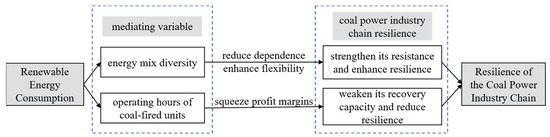
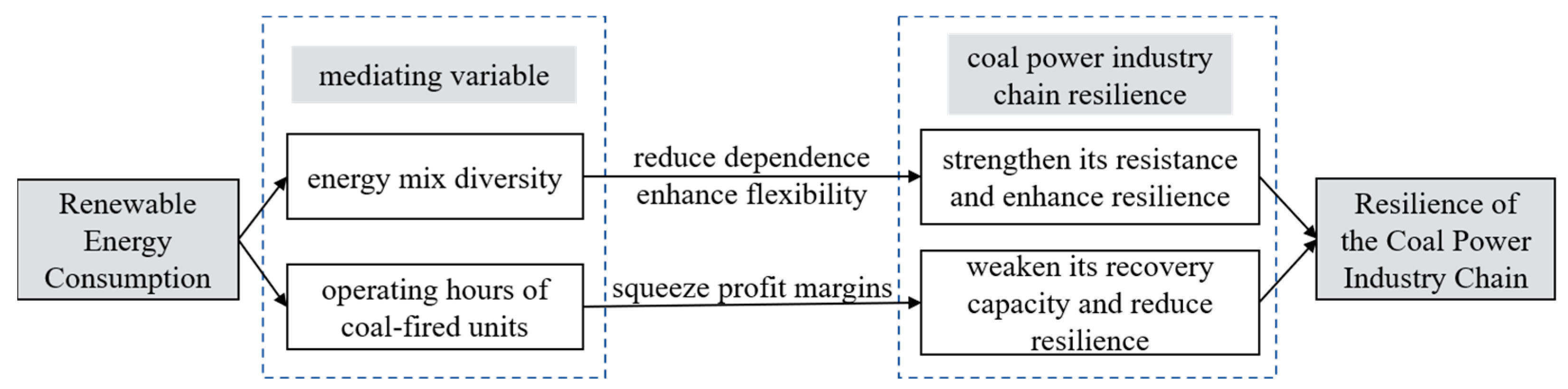
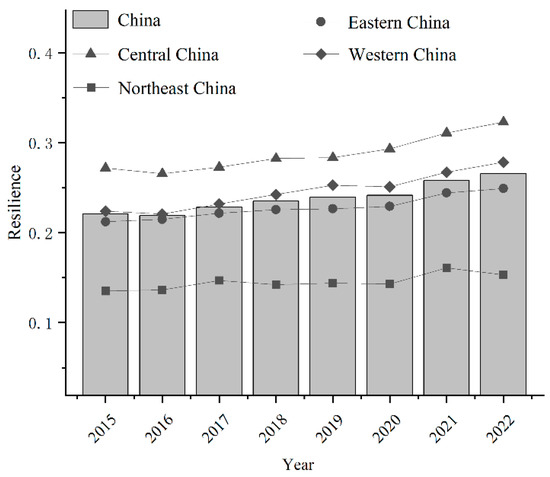
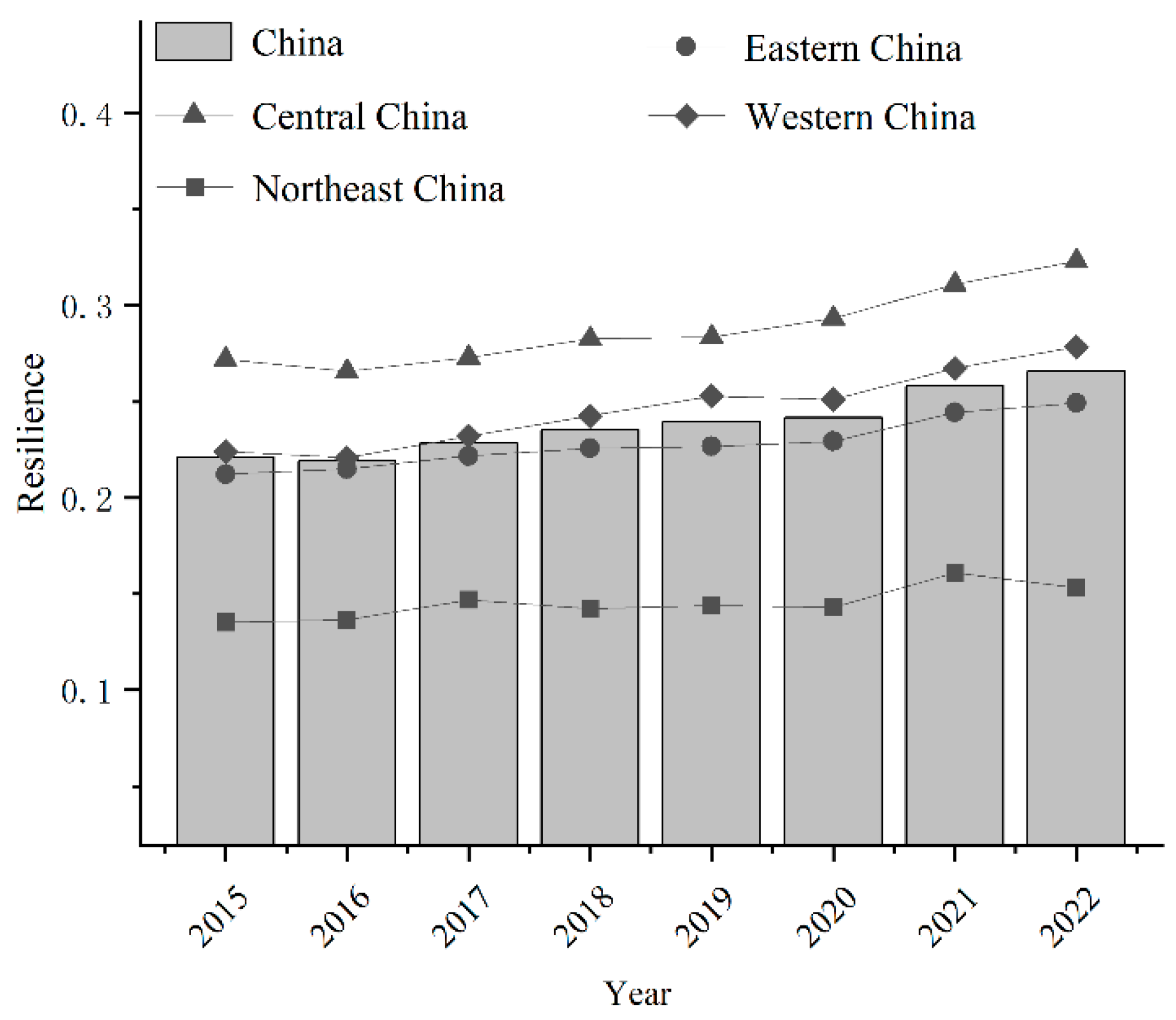

Disclaimer/Publisher’s Note: The statements, opinions and data contained in all publications are solely those of the individual author(s) and contributor(s) and not of MDPI and/or the editor(s). MDPI and/or the editor(s) disclaim responsibility for any injury to people or property resulting from any ideas, methods, instructions or products referred to in the content. |
© 2026 by the authors. Licensee MDPI, Basel, Switzerland. This article is an open access article distributed under the terms and conditions of the Creative Commons Attribution (CC BY) license.