


Abstract
This paper proposes an integrated framework to evaluate Corporate Social Responsibility (CSR) initiatives in peacebuilding settings using the Analytic Hierarchy Process (AHP). The model is structured around six criteria: conflict sensitivity, economic resilience, social inclusion, governance, education for peace, and sustainability, each subdivided into measurable subcriteria. A key methodological innovation is the introduction of objective grouping, which ensures that each alternative project is assessed only against the subcriteria where it generates tangible impact. Unlike the traditional AHP approach, where alternatives are evaluated against all criteria, objective grouping prevents irrelevant comparisons, reduces the cognitive burden on experts, and increases consistency in judgments. The method distinguishes between direct contributions (full weight allocation) and indirect contributions (partial weight allocation), while excluding unrelated dimensions. This refinement yields more transparent and context-sensitive prioritization, particularly relevant for fragile territories where CSR interventions must be both socially legitimate and economically viable. The empirical application shows that objective grouping highlights structural levers, such as grievance redress, local supply chain integration, peace education, and project scalability, as decisive for long-term peacebuilding. The framework thus improves decision-making by combining analytical rigor and stakeholder legitimacy, enhancing both business legitimacy and long-term societal resilience.
1. Introduction
Corporate Social Responsibility (CSR) has become both an ethical and strategic imperative for organizations aiming to balance profitability with social equity, environmental stewardship, and governance. As highlighted in [1,2], CSR plays a significant role in enhancing competitiveness, strengthening community relations, and promoting sustainable development across sectors such as tourism, gastronomy, and peacebuilding hospitality. These studies demonstrate that well-integrated CSR initiatives can improve brand reputation, foster stakeholder trust, and advance broader societal objectives, including peacebuilding and cultural preservation. Furthermore, research by [3,4,5,6,7] indicates that aligning CSR initiatives with stakeholder priorities and sector-specific contexts not only increases adoption but also ensures that corporate actions address the most urgent social and environmental challenges.
CSR in developing and conflict-affected countries extends beyond environmental management or philanthropic activities [8]. A growing body of the literature conceptualizes CSR as a mechanism for peacebuilding, through which firms can contribute to conflict sensitivity, social cohesion, institutional trust, and post-conflict recovery [9,10]. In fragile contexts, corporate activities interact directly with local power structures, labor markets, and community relations, making business behavior a potential driver of either conflict escalation or stabilization [11].
CSR initiatives such as inclusive employment, local supplier development, grievance redress mechanisms, and peace education programs have been identified as key pathways through which firms can support reconciliation and long-term stability [12,13]. Unlike traditional CSR models developed for stable institutional environments, peacebuilding-oriented CSR emphasizes do-no-harm principles, dialogue facilitation, and trust-building with communities and public institutions [12]. This perspective is particularly relevant in developing countries, where weak governance structures and historical grievances amplify the social impacts of corporate actions [14].
The use of Multi-Criteria Decision-Making (MCDA) methods to support CSR and sustainability-related decisions has expanded considerably in recent years [15,16,17,18,19,20,21]. Numerous studies have applied techniques such as the Analytic Hierarchy Process (AHP), TOPSIS, DEMATEL, Best–Worst Method (BWM) [15,16,18,19,20,21], and hybrid MCDA models to identify CSR priorities [22], evaluate sustainability performance, and support strategic decision-making across diverse sectors, including tourism, manufacturing, supply chains, and extractive industries [23,24].
Among these methods, AHP has been widely adopted due to its intuitive hierarchical structure and its ability to decompose complex decision problems into criteria and subcriteria [25]. Prior research has employed AHP to construct CSR indices, assess stakeholder preferences, and rank alternative CSR initiatives [26]. More recent contributions have proposed hybrid approaches, such as AHP–TOPSIS or AHP–DEMATEL, to capture interdependencies among criteria and enhance robustness in sustainability assessments [27].
Despite these advances, several limitations persist in the existing literature [19,20,21]. First, many CSR–MCDA studies rely on relatively small expert panels and provide limited discussion of consistency testing, sensitivity analysis, or robustness checks, raising concerns about subjectivity [7,16,18,28]. Second, conventional AHP applications typically require all alternatives to be evaluated against all criteria, even when certain criteria are not substantively relevant to specific initiatives, thereby increasing cognitive burden and potentially distorting results. Third, most existing frameworks are designed for general sustainability or corporate performance assessment, with limited adaptation to peacebuilding or post-conflict contexts, where conflict sensitivity, grievance management, institutional trust, and social legitimacy are critical.
In parallel, a growing body of literature explores the relationship between CSR and peacebuilding, emphasizing the role of responsible business practices in supporting reconciliation, social cohesion, and economic recovery in fragile territories [19]. However, these studies are often conceptual or qualitative and rarely integrate formal MCDA tools to support transparent, systematic, and replicable project prioritization.
This study makes several distinct contributions to the literature on CSR, peacebuilding, and MCDA.
- (i)
- From a methodological standpoint, the paper introduces a relevance-based objective grouping mechanism within the AHP framework. In contrast to conventional AHP-based CSR models, which require assessing all alternatives across all criteria, the proposed approach evaluates each CSR initiative only with respect to the subcriteria it directly or indirectly influences. This refinement reduces the cognitive load on experts, enhances judgment consistency, and prevents biased rankings arising from irrelevant pairwise comparisons.
- (ii)
- The framework explicitly distinguishes between direct and indirect contributions of CSR initiatives, assigning full or partial weights accordingly. This distinction is largely absent from existing CSR–MCDA applications, which typically assume that all criteria are equally relevant across alternatives, regardless of the nature of the intervention.
- (iii)
- This study provides a context-specific adaptation of MCDA to peacebuilding and post-conflict environments. By integrating criteria such as conflict sensitivity, grievance mitigation, institutional trust, and education for peace, the proposed model responds to contextual dimensions that are rarely incorporated into standard CSR evaluation frameworks.
- (iv)
- This paper advances the practical applicability of MCDA by introducing a cluster-based interpretation of results. Rather than focusing exclusively on a single ranking, the framework groups CSR initiatives into thematic clusters (economic–sustainability, cultural–educational, governance–institutional), enabling decision-makers to design balanced CSR portfolios and intervention sequences.
- (v)
- The combination of relevance-based evaluation, consistency validation, and stakeholder-inclusive judgment aggregation enhances the legitimacy and transparency of CSR prioritization in fragile contexts, contributing to both academic rigor and real-world applicability.
This study advances the existing literature in three key ways. First, while prior research has examined CSR and peacebuilding largely through qualitative or sector-specific lenses, this paper introduces a structured, replicable MCDA framework explicitly tailored to peacebuilding contexts. Second, unlike conventional AHP-based CSR models that evaluate all alternatives against all criteria, the proposed framework introduces a relevance-based objective grouping mechanism that reduces cognitive burden and avoids forced comparisons. Third, the study shifts the focus from single-project ranking toward portfolio-level CSR decision-making, enabling practitioners to balance economic, social, governance, and cultural interventions in fragile and post-conflict environments.
Although MCDA methods such as AHP, TOPSIS, and DEMATEL have been widely applied to CSR and sustainability assessment, most existing studies focus on stable institutional environments and emphasize corporate performance rather than peacebuilding outcomes. Moreover, few frameworks explicitly address conflict sensitivity, grievance mitigation, or institutional trust as decision criteria, highlighting the need for context-adapted decision-support tools in fragile settings.
This study is divided into five parts. Section 2 presents the proposed methodology, and Section 3 presents the results, which are divided into the pairwise evaluation of the criteria and subcriteria, and the assessment of the alternatives by clusters. In Section 4, the discussion is presented, and finally, the main conclusion is condensed in Section 5.
2. Proposed Methodology
The AHP is a method that uses a hierarchical structure to address complex decisions. The method classifies the choices or solutions to a given problem by evaluating them against different criteria using a defined weighting system. The weights are determined via pairwise comparison, thereby simplifying the selection process. In the AHP method, problems are modeled as hierarchies. This process is shown in Figure 1.
Figure 1.
Basic AHP.
In many cases, each criterion can be divided into several subcriteria to analyze the problem in greater detail. Pairwise comparisons are used to establish the importance weights assigned to each criterion. These comparisons are based on the scale system proposed by [29]. Comparisons using this scale at each level of analysis are used to build pairwise comparison matrices. Using the procedure detailed in [29], the weights associated with each comparison can be obtained.
The goal of the proposed methodology is to prioritize CSR projects that maximize peace outcomes within a specific territory, while accounting for six key criteria. Figure 2 illustrates a block diagram that summarizes the methodology.
Figure 2.
Proposed methodology.
To simplify portfolio evaluation, this work proposes an enhanced decision-making framework for CSR and peacebuilding projects based on AHP. The model integrates six main criteria and their subcriteria to ensure a comprehensive evaluation across the economic, social, governance, cultural, and sustainability dimensions, as shown in Figure 3.
Figure 3.
Proposed AHP model.
A key innovation is the introduction of objective grouping, which evaluates each project alternative only against the subcriteria where it has real impact. Direct contributions are assigned full weight (100%), indirect contributions partial weight (50%), and irrelevant dimensions are excluded, thereby increasing realism, efficiency, and transparency in the prioritization process. The proposal strengthens AHP by avoiding irrelevant comparisons, reducing the cognitive burden on experts, and improving the consistency of judgments. It also enables the identification of clusters of projects, thereby guiding the strategic allocation of resources in peacebuilding settings. By combining analytical rigor, stakeholder legitimacy, and practical applicability, the framework provides a robust tool to prioritize CSR initiatives that contribute to peacebuilding.
The selection of criteria, subcriteria, and alternatives followed a structured and transparent process aimed at minimizing arbitrariness and reducing the risk of biased model construction. The six main criteria were grounded in an extensive review of the literature on CSR, peacebuilding, and post-conflict development, where conflict sensitivity, economic resilience, social inclusion, governance and trust, education for peace, and long-term sustainability are consistently identified as central dimensions of responsible business conduct in fragile settings. These dimensions are further reinforced by international CSR and peacebuilding frameworks as well as established normative guidelines.
To ensure analytical operability, each criterion was translated into a set of measurable, decision-relevant subcriteria, including grievance mitigation, local supplier integration, and rights protection. Particular attention was given to avoiding redundancy or conceptual overlap, thereby preserving internal consistency and clarity within the AHP structure.
The set of alternatives was designed to reflect archetypal CSR intervention types widely discussed in both academic and policy-oriented peacebuilding literature. Rather than representing firm-specific initiatives, the alternatives were formulated at an abstract yet realistic level, thereby enabling their applicability across sectors and developing-country contexts.
The overall decision structure was subsequently reviewed and validated by an expert panel to ensure contextual relevance and conceptual completeness. By combining a rigorous, literature-based foundation with expert judgment, this approach reduces the risk of ad hoc or manipulated model construction and enhances the credibility of the resulting prioritization.
The proposed methodology is detailed below.
2.1. CSR and Peacebuilding Criteria and Subcriteria
The proposed AHP model is presented in Figure 3. The six criteria (C1–C6) were selected because they provide a comprehensive and balanced framework to evaluate CSR initiatives in peacebuilding contexts. They cover enabling conditions such as conflict sensitivity, governance, and cultural transformation (C1, C4, C5), the socioeconomic outcomes of recovery and inclusion (C2, C3), and the feasibility and sustainability of interventions (C6). Each criterion can also be broken down into measurable subcriteria, enabling the capture of concrete aspects such as safe access, decent employment, supply chain integrity, or cost-per-beneficiary efficiency.
The framework was also designed to maximize discriminatory power and comparability. The subcriteria allow differentiation among alternative pathways of impact, such as whether a project contributes more to employment, supplier development, infrastructure, dialogue, or grievance mitigation. This prevents CSR initiatives from being evaluated solely on general goodwill, ensuring that specific contributions to peace are highlighted. The criteria were chosen for their operational suitability within the AHP methodology. All elements are defined to enable consistent comparison using the Saaty 1–9 scale and are validated using the CR. This design makes the model both academically rigorous and practical for multi-stakeholder decision-making.
The criteria, subcriteria, and their descriptions are presented below.
- C1
- Conflict Sensitivity: This criterion assesses the project’s ability to operate in accordance with the do-no-harm principle. It includes identifying, preventing, and mitigating risks of violence, social tension, or exclusion that may arise during implementation. A conflict-sensitive project fosters dialogue spaces, strengthens community relations, and ensures that it does not deepen existing divisions but instead builds trust and cohesion among different actors.
- C1.1
- Access security: This subcriterion assesses whether the project ensures safe access for all participants and secures a minimum level of agreement among local, institutional, and community actors, thereby preventing exclusion, intimidation, or the escalation of tensions.
- C1.2
- Peace agreement monitoring: This subcriterion assesses whether the project contributes to monitoring the implementation of peace agreements and transitional reforms, including justice, reparations, reconciliation, and reintegration processes.
- C1.3
- Multi-actor dialogue: This subcriterion assesses whether the initiative creates inclusive spaces for dialogue among communities, government institutions, the private sector, victims, and former combatants, fostering trust and constructive conflict resolution.
- C1.4
- Grievance mitigation: This subcriterion assesses whether the project avoids generating new conflicts or reinforcing existing grievances by identifying risks, mitigating unintended negative effects, and adhering to the do-no-harm principle.
- C2
- Reconstruction and Economic Resilience: This criterion assesses the extent to which the initiative contributes to economic recovery in peacebuilding contexts. It includes generating decent and formal employment, strengthening local SMEs, mobilizing financial resources, and developing sustainable infrastructure. The goal is to build more resilient economies that reduce vulnerability to future crises and integrate communities that have historically been marginalized.
- C2.1
- Logistic and financial peace support, resource mobilization: This subcriterion assesses whether the project provides infrastructure, logistics, or financial resources to strengthen peace processes and local recovery.
- C2.2
- Quality employment, peacebuilding job creation: This subcriterion assesses the project’s capacity to generate formal, secure, and decent jobs for conflict-affected populations such as victims, ex-combatants, and youth.
- C2.3
- Local supplier development, SME capacity building: This subcriterion assesses whether the initiative integrates local suppliers and SMEs into the corporate value chain, offering training opportunities and market access.
- C2.4
- Fiscal instruments, peace financing mechanisms: This subcriterion assesses the use of fiscal incentives, rotating funds, microcredit, or other financial tools to support peace-oriented initiatives.
- C2.5
- Sustainable infrastructure restoration, eco-friendly reconstruction: This subcriterion assesses whether the project sustainably rebuilds damaged infrastructure, respects environmental standards, and improves community resilience.
- C3
- Social Projection and Inclusion: This criterion focuses on how projects promote the active participation of communities, women, youth, victims, and ex-combatants in development processes. It considers gender equity, integration into value chains, the creation of multi-sector partnerships, and local economic inclusion. It aims to reduce inequalities and foster social cohesion by ensuring equitable access to and participation in development benefits.
- C3.1
- Multi-sectoral partnerships, government–NGO alliances: This subcriterion assesses the project’s ability to generate partnerships between companies, government entities, NGOs, and communities, avoiding isolated efforts.
- C3.2
- Inclusion training, victim and ex-combatant reintegration: This subcriterion assesses whether the project fosters training, reintegration, and inclusive opportunities for people affected by conflict.
- C3.3
- Value chain integration, local supply chain strengthening: This subcriterion assesses whether the project enables local communities and SMEs to participate in productive and commercial value chains.
- C3.4
- Gender equity, youth empowerment in economic programs: This subcriterion assesses whether the initiative promotes equal participation of women and youth in economic and leadership programs.
- C3.5
- Community engagement, local economic inclusion: This subcriterion assesses the degree of community involvement in project planning and implementation, ensuring local economic inclusion.
- C4
- Trust, Governance and Regulation: This criterion measures the project’s capacity to strengthen institutions, transparency, and respect for human rights. It includes CSR audits, supply chain risk management, verification of peace agreements, and anticorruption systems. The purpose is to improve the legitimacy of institutions and companies, build trust, and create enabling environments for peace and sustainability.
- C4.1
- Peace and human rights norms, regulatory frameworks: This subcriterion assesses whether the project aligns with human rights norms, peace standards, and national or international regulatory frameworks.
- C4.2
- CSR audit, supply chain oversight: This subcriterion assesses whether CSR audits and supply chain monitoring systems are in place to ensure transparency.
- C4.3
- Peace agreement verification, compliance monitoring: This subcriterion assesses the project’s contribution to verification mechanisms for peace agreement compliance.
- C4.4
- Supply chain violence risk management: This subcriterion assesses the company’s ability to detect and mitigate risks of violence, illegality, or exploitation within its supply chain.
- C4.5
- Anticorruption mechanisms, grievance redress systems: This subcriterion assesses whether the initiative implements effective anticorruption measures and accessible complaint channels for communities and workers.
- C4.6
- Rights protection, due process: This subcriterion assesses whether workers’ and communities’ rights are respected, ensuring justice and due process.
- C5
- Education and Culture for Peace: This criterion analyzes how projects contribute to cultural and educational transformation in communities. It focuses on training in peace values, awareness campaigns, and the development of a participatory, transparent organizational culture. Education for peace is essential for building trust, preventing the reproduction of violence, and consolidating long-term reconciliation processes.
- C5.1
- Trust-building education, peace values training: This subcriterion assesses whether educational programs promote values of trust, reconciliation, and peaceful co-existence in schools and communities.
- C5.2
- Peace communication, social awareness campaigns: This subcriterion assesses whether campaigns disseminate messages of peace, nondiscrimination, and social cohesion.
- C5.3
- Organizational culture, participatory, transparent governance: This subcriterion assesses whether the organization’s internal culture reflects participatory, inclusive, and transparent practices aligned with peace.
- C6
- Economic Viability and Sustainability: This criterion evaluates whether projects are economically feasible and sustainable over time. It includes cost-per-beneficiary analysis, the potential for scaling or replication, and the ability to manage operational and financial risks. This ensures that investments in peace are not isolated interventions but rather lasting processes that can grow and adapt across different contexts.
- C6.1
- Cost-per-beneficiary analysis: This subcriterion assesses the efficiency of the project in terms of resources invested relative to the number and quality of beneficiaries reached.
- C6.2
- Scalability, replicability: This subcriterion assesses whether the project can be scaled up to other regions or replicated in different contexts successfully.
- C6.3
- Implementation risk, operational sustainability: This subcriterion assesses the project’s ability to remain sustainable over time, effectively managing operational, financial, and social risks.
2.2. Alternatives
The following 10 alternatives are proposed to capture the diverse ways in which CSR initiatives can contribute to peacebuilding, each reflecting a specific entry point aligned with the AHP model’s criteria and subcriteria. They cover economic and sustainability dimensions (A1 Inclusive Employment, A2 Local Supplier Development, A3 Community Infrastructure, A4 Ecosystem Restoration, A8 Financial Mechanisms), cultural and educational approaches (A5 Peace Education Campaigns, A9 Gender and Youth Empowerment), governance and institutional strengthening (A6 Anticorruption Systems, A10 Agreement Monitoring), and dialogue and social cohesion (A7 Community Mediation Platforms). Together, they ensure that evaluation is not abstract but grounded in real-world context-relevant interventions. The alternatives were designed to reflect both direct peace dividends (jobs, education, transparency) and enabling conditions (scalability, trust, protection of rights), thereby offering decision-makers a comprehensive portfolio for prioritizing CSR projects in peacebuilding contexts.
- A1
- Inclusive Employment for Peace: Creation of formal and quality jobs for victims, ex-combatants, women, and at-risk youth, combined with training, reintegration, and psychosocial support to promote social inclusion and sustainable livelihoods.
- A2
- Local Supplier Development for Inclusive Growth: Strengthening local SMEs and community associations through training, fair payment mechanisms, and access to finance, enabling their integration into corporate supply chains.
- A3
- Community Water, Sanitation and Green Infrastructure: Development or restoration of community infrastructure for water, sanitation, and green spaces using eco-friendly standards, while creating local employment and improving quality of life.
- A4
- Ecosystem Restoration and Green Jobs: Restoration of ecosystems such as forests, mangroves, or watersheds, combined with the promotion of green jobs and sustainable community livelihoods.
- A5
- Peace Education and Awareness Campaigns: Implementation of educational programs, school workshops, and media campaigns to foster peace values, reconciliation, and trust between different social groups.
- A6
- Anticorruption and Transparency Systems: Introduction of CSR audits, transparency reports, ethics codes, and community complaint mechanisms to build institutional trust and accountability.
- A7
- Community Dialogue and Mediation Platforms: Establishment of safe spaces for multi-actor dialogue, mediation, and reconciliation to address community tensions and support social cohesion.
- A8
- Financial Mechanisms for Peace (Funds and Microcredit): Creation of peace funds, rotating loans, and microcredit programs to support entrepreneurial, small businesses, and local development initiatives.
- A9
- Gender Equality and Youth Empowerment Programs: Initiatives that promote gender equity and empowerment of youth through training, mentoring, and productive projects for vulnerable populations.
- A10
- Peace Agreement Monitoring and Community Oversight: Citizen observatories and open data monitoring systems to track compliance with peace agreements and support accountability through community oversight.
2.3. Objective Grouping Aligned with AHP Criteria
Objective grouping refers to classifying and evaluating the project alternatives (A1, A2,⋯, A10) only against the criteria and subcriteria where they genuinely have an impact, rather than forcing them to be assessed against all requirements. In a classical AHP application, every alternative is compared against every criterion. However, in practice, many initiatives do not relate to certain aspects. For instance, an inclusive employment project (A1) is directly connected to C2.2 Quality employment and C3.2 Reintegration of victims and ex-combatants, but it has no meaningful link with C4.5 Anticorruption mechanisms. Similarly, a peace education campaign (A5) contributes to C5.1 Peace values education and C5.2 Communication, but it cannot reasonably be assessed under C2.5 Sustainable infrastructure. Objective grouping ensures that each alternative is evaluated only when it is relevant.
The process begins with mapping the real impacts of each alternative. If an alternative has a direct effect on a subcriterion, it receives the full weight of that subcriterion (100%); if it has an indirect impact, it gets a fraction of that weight (50%). These weighted contributions are then aggregated into a total score for each alternative.
This method is more objective because it avoids forced comparisons when projects are irrelevant. It ensures that each initiative is evaluated solely on the dimensions it genuinely influences. It also respects the nature of each project, acknowledging where it creates value and where it does not. In addition, the evaluation is based on the already calculated AHP weights, thereby guiding the process by the relative importance of each subcriterion rather than subjective preferences. As a result, prioritization becomes more equitable and transparent, particularly in peacebuilding contexts where legitimacy and inclusion are essential to decision-making.
The following works have addressed the concept of direct grouping. In [30], not all projects are judged with the same lens. Portfolios are structured so that each initiative is evaluated solely on the criteria to which it contributes materially. In [31], the context-specific selection criteria are highlighted, arguing that not every criterion applies to every intervention. This is equivalent to the ex ante pruning of the comparison set. In [32], AHP is simplified by reducing the number of pairwise comparisons and privileging essential judgments. While it does not formalize direct/indirect weights, it aims to minimize unnecessary comparisons. [33] proposes semi-automated methods to derive weights with less bias. In [34], trends towards hybrid methods and complexity reduction are identified, demonstrating that the AHP community values approaches that avoid superfluous comparisons. In [35], mechanisms are provided to consolidate judgments from multiple actors. Agreement on which criteria apply to which alternatives can thus be operationalized via Aggregate Individual Judgments (AIJs). In [36], the importance of hierarchy design and focus in group settings is stressed, helping to ensure that actors agree on what to compare and what not to compare. The authors of [37] show that in practice, many applications already perform topic-specific pruning of criteria/indicators. Taken together, these directions formalize a process in which each alternative is assessed only against the subcriteria where it has a direct impact, with full weight for direct contributions and reduced weight for indirect ones.
From methodological and applied perspectives, these eight works legitimize four pillars of objective grouping.
- Relevance (evaluate only the applicable criteria).
- Efficiency and consistency (fewer comparisons, better CR).
- Governance of the process to agree on relevance and weights.
- Robustness (more objective weighting procedures).
2.4. AHP Pairwise-Comparison Survey and Compute Criterion Weights
Pairwise comparisons and the computation of criteria weights are conducted as follows.
First, a closed and finite set of evaluation criteria is defined (e.g., ), along with their corresponding subcriteria when applicable. Relevant stakeholders—such as representatives from companies, local communities, government entities, non-governmental organizations, and academia—are then selected to form the expert panel. If differentiated influence among experts is required, panel weights are predefined such that .
Judgments are elicited using the Saaty relative-importance scale, where 1 denotes equal importance, 3 moderate importance, 5 strong importance, 7 very strong importance, and 9 extreme importance, with the values 2, 4, 6, and 8 representing intermediate judgments. Reciprocal values are assigned when the opposite criterion is preferred. For a set of n criteria, a total of pairwise comparison questions are required; for , this corresponds to comparisons.
Each question compares a pair of criteria and determines which criterion contributes more strongly to the decision objective (e.g., maximizing peacebuilding impact), as well as the intensity of that preference. For example, if criterion is judged to be strongly more critical than criterion with an intensity of 5, the corresponding entries are set to and .
Each expert’s pairwise judgments are compiled into a positive reciprocal comparison matrix , satisfying the following conditions:
Criteria weights (priorities) are then derived using the row geometric mean method:
The resulting vector represents the normalized criteria weights and satisfies .
When multiple experts are involved, let m denote the number of experts, each providing an individual comparison matrix with an associated panel weight . To preserve the multiplicative structure of the AHP, the AIJ approach is applied. Individual matrices are aggregated using a weighted geometric mean:
The normalized weight vector is then computed from the aggregated comparison matrix following the same procedure.
The final output of the model consists of the normalized criteria weights . An analogous process is repeated within each criterion to obtain local subcriterion weights. Global subcriterion priorities are subsequently calculated as:
Expert Panel and Evaluation Protocol
The reliability of the proposed AHP-based framework depends on a structured and transparent expert evaluation process. To minimize subjectivity and enhance methodological rigor, this study followed a clearly defined expert selection strategy and evaluation protocol. Although the size of expert panels in MCDA studies may vary with context and availability, prior research indicates that small yet well-qualified expert groups are appropriate for AHP applications, particularly when combined with consistency validation and structured aggregation procedures. In this study, the emphasis was placed on expert relevance and diversity of perspectives, rather than numerical representativeness. The multi-stakeholder composition and consistency-control mechanisms were designed to mitigate individual bias and enhance the credibility of collective judgment.
Based on academic production, expert judgment was incorporated as a fundamental component of the AHP to assess the quality and reliability of the participants’ analyses. The experts were selected through a non-probability convenience sample, a methodologically consistent approach given the need to access specialized knowledge without requiring full access to the population, thereby optimizing time and cost.
The selection criteria included: disciplinary expertise in CSR, tourism, or peacebuilding, with a history of participation in projects related to these topics; and a proven track record of research in these areas. Participants were required to hold at least a master’s degree, ensuring a high level of critical analysis and subject-matter expertise; to have published at least one indexed academic article on these topics within the last two years; and to participate anonymously and voluntarily, minimizing biases that could be generated by institutional pressure.
Furthermore, an exclusion criterion was that expert judges not be affiliated with the same academic body or research center, thereby reducing potential correlation and improving the objectivity of the collected judgments. The instrument was administered in person and individually, so that each participant could make their comparisons without influence from others. It should be noted that methodological questions were also addressed during each session.
Experts participated in a structured pairwise-comparison survey using the Saaty 1–9 scale. Before the evaluation, all criteria and subcriteria were clearly defined and explained to ensure a shared understanding of their meaning and scope. The number of pairwise comparisons was predefined and kept within recommended limits to reduce cognitive burden and expert fatigue.
Each expert’s comparison matrices were independently evaluated using the Consistency Ratio (CR). A threshold of CR ≤ 0.10 was adopted as an acceptability criterion. When inconsistencies exceeded this threshold, experts were invited to review and revise their judgments. This iterative validation process improved internal coherence without altering the model’s conceptual structure.
Individual expert judgments were aggregated using the AIJ approach, employing the geometric mean. This method preserves the multiplicative properties of AHP and mitigates the influence of extreme or outlier opinions. Stakeholder groups were assigned equal or predefined weights to prevent dominance by any single group.
The evaluation process assumes that experts can make consistent relative judgments within their domain of expertise and that CSR initiatives do not influence all evaluation dimensions equally. This latter assumption motivates the adoption of the objective grouping mechanism, whereby alternatives are evaluated only against the subcriteria to which they contribute directly or indirectly. By restricting evaluations to relevant dimensions, the framework reduces speculative judgments and enhances the realism and legitimacy of the results.
3. Results
All reported criteria and subcriteria weights are based on pairwise comparison matrices that satisfied the predefined consistency requirements. The presentation of results systematically links each weight to its corresponding consistency validation, ensuring transparency and traceability from expert judgment to final prioritization outcomes.
The results section is divided into two parts. The first explains the expert group’s assessment of the criteria and subcriteria. The second involves evaluating the alternatives against a set of other options.
3.1. Results of the Stakeholder Group Survey
This section presents the pairwise evaluation conducted by the panel of experts for the criteria and subcriteria.
3.1.1. Pairwise Evaluation for Criteria
Table 1 presents the pairwise comparison for the criteria. The results show that Education and Culture for Peace (C5) (0.2497) and Economic Viability and Sustainability (C6) (0.2154) received the highest weights, together representing almost half of the total importance (≈47%). This indicates that experts consider cultural transformation, trust-building, and education in peace values, alongside the projects’ financial feasibility, scalability, and sustainability, to be the most decisive factors for CSR initiatives in peacebuilding contexts. Projects that do not address these two areas may risk being perceived as short-lived or superficial. In Table 1, the row highlighted in green correspond to the highest rating value, and those highlighted in red correspond to the lowest.
Table 1.
Criteria for the proposed AHP model.
In the middle range, Trust, Governance and Regulation (C4) (0.1458), Social Projection and Inclusion (C3) (0.1356), and Reconstruction and Economic Resilience (C2) (0.1349) hold similar weights. This indicates that while inclusion, economic reconstruction, and institutional accountability are valued, they are considered supportive conditions rather than the primary differentiators among alternatives. These criteria ensure that projects are transparent, participatory, and inclusive, but do not outweigh the need for cultural transformation and long-term viability.
Conflict Sensitivity (C1) (0.1186) received the lowest weight, though its importance should not be underestimated. Experts may view it as a baseline requirement: every project in a peacebuilding environment must be conflict-sensitive, ensuring that it does not cause harm; however, it is not the primary factor in prioritizing one initiative over another.
3.1.2. Pairwise Evaluation for Criteria C1. Conflict Sensitivity
Table 2 presents the pairwise comparison for criterion C1. The results highlight C1.4 Grievance mitigation, community relations, and risk management (0.3282) as the most critical subcriterion under conflict sensitivity. This reflects the idea that, in peacebuilding settings, a project’s ability to address community grievances, manage risks, and build constructive local relations is crucial for maintaining stability and preventing new tensions. This is not surprising, since unresolved grievances and weak community relations are often triggers for renewed violence.
Table 2.
Subcriteria for C1. Conflict sensitivity.
The second-highest weight is assigned to C1.3 Multi-actor dialogue, track-two diplomacy, and peace negotiations (0.2704). This indicates that fostering dialogue and mediation spaces among diverse stakeholders is perceived as another critical driver of peacebuilding. Dialogue-based interventions help bridge divides, build trust, and facilitate consensus, all of which are essential in fragile environments. C1.1 Access security and stakeholder consensus (0.2147) follow, highlighting the operational need for safe access and minimum agreements between actors to ensure project feasibility.
C1.2 Monitoring of the peace agreement and transitional reform oversight (0.1867) received the lowest weight, although it remains relevant. Experts may consider this function important, but it is less directly within the control of CSR projects, which typically focus on community-level actions rather than on national-level monitoring.
3.1.3. Pairwise Evaluation for Criteria C2. Reconstruction and Economic Resilience
Table 3 presents the pairwise comparison for criteria C2. The results place C2.5 Sustainable infrastructure restoration and eco-friendly reconstruction (0.2444) as the top subcriterion. This underscores the importance of rebuilding physical assets and public goods (water, sanitation, housing, roads) sustainably, since infrastructure is both a visible peace dividend and a foundation for long-term resilience. Very close behind is C2.3 Local supplier development and SME capacity building (0.2400), which reflects the central role of strengthening local economic actors and integrating them into value chains to ensure inclusive growth in peacebuilding settings.
Table 3.
Subcriteria for C2. Reconstruction and economic resilience.
C2.2 Quality employment and peacebuilding job creation (0.2285) also rank highly, confirming that generating stable and decent jobs is perceived as a cornerstone of reconciliation and economic recovery. Employment not only provides livelihoods but also contributes to reintegration, reduces incentives to return to violence, and fosters dignity for victims and ex-combatants. Together, these three subcriteria (C2.2–C2.5) represent almost 71% of the total weight of this criterion, showing a strong consensus on economic reconstruction through jobs, local businesses, and sustainable infrastructure.
In contrast, C2.4 Fiscal instruments and peace financing mechanisms (0.1737) and C2.1 Logistic and financial peace support, resource mobilization (0.1133) received lower weights. While these mechanisms remain valuable, they are likely perceived as more indirect or enabling factors than the immediate, tangible impacts of infrastructure, SMEs, and employment.
3.1.4. Pairwise Evaluation for Criteria C3. Social Projection and Inclusion
Table 4 presents the pairwise comparison for criteria C3. The results show that C3.3 Value chain integration and local supply chain strengthening (0.2874) and C3.5 Community engagement and local economic inclusion (0.2713) are the top priorities within this criterion. Together, they account for more than half of the weight, underscoring the importance of connecting communities and small producers to broader economic systems while ensuring benefits are distributed inclusively. These subcriteria stress the need for CSR projects to go beyond isolated actions and actively involve local actors in sustainable economic opportunities.
Table 4.
Subcriteria for C3. Social projection and inclusion.
In the mid-range, C3.2 Inclusion training and reintegration of victims and ex-combatants (0.1582) and C3.4 Gender equity and youth empowerment (0.1469) reflect the recognition that reintegration and equity programs are critical but often function best when integrated into broader economic and community structures. Their weight suggests that stakeholders value targeted programs for vulnerable groups, but they also see these programs as complementary to systemic approaches, such as value chains and community inclusion.
C3.1 Multi-sectoral partnerships and government–NGO cooperation (0.1362) received the lowest weight, though it remains relevant. Partnerships are clearly valued, but in this prioritization, they are more seen as enablers than as the central mechanism for peacebuilding through CSR.
3.1.5. Pairwise Evaluation for Criteria C4. Trust, Governance and Regulation
Table 5 presents the pairwise comparison for criteria C4. The top priorities are C4.5 Anticorruption mechanisms and grievance redress systems (0.2335) and C4.6 Rights protection and due process (0.2032). Together, these account for almost 44% of the weight, highlighting that in peacebuilding contexts, accountability, access to justice, and effective remedies are fundamental to building trust in institutions and companies. Anticorruption mechanisms are essential for preventing the misuse of resources. At the same time, the protection of rights and the guarantee of due process ensure that vulnerable groups can trust the system to uphold fairness and justice.
Table 5.
Subcriteria for C4. Trust, Governance, and Regulation.
Close behind, C4.4 Supply chain violence risk management (0.2016) ranks third. This highlights the importance of CSR in ensuring that supply chains are free of links to violence, armed groups, or illegal economies, an issue that is particularly critical in fragile territories, where resource extraction and local commerce can fuel conflict dynamics. Together with C4.5 and C4.6, this shows a strong focus on reducing structural risks that may undermine peace.
The lower-weighted subcriteria are C4.3 Peace agreement verification and compliance monitoring (0.1306), C4.2 CSR audit and supply chain oversight (0.1274), and C4.1 CSR norms, peace, and human rights standards (0.1037). Although still relevant, these are likely perceived as enabling or background mechanisms rather than the central drivers of trust.
3.1.6. Pairwise Evaluation for Criteria C5. Education and Culture for Peace
Table 6 presents the pairwise comparison for criteria C5. The highest priority is C5.3 Organizational culture, participatory, transparent governance (0.3693), which underscores the importance of embedding peace values within institutions and companies. This suggests that experts view internal organizational culture, as reflected in participatory practices, transparency, and governance, as the foundation for credibility and legitimacy. Without an internal alignment with peace values, external education or campaigns can appear inconsistent or lose impact.
Table 6.
Subcriteria weight for C5. Education and Culture for Peace.
Close behind, C5.1 Trust-building education and peace values training (0.3386) reflects the recognition that education is a long-term investment in reconciliation. This subcriterion underscores the need for structured learning processes in schools, communities, and workplaces to instill values of trust, non-violence, and cooperation. Together with C5.3, it emphasizes structural and educational change as central levers of peacebuilding.
C5.2 Peace communication and social awareness campaigns (0.2921) have slightly less weight but still play a critical role. Experts may view communication campaigns as complementary tools that amplify the impact of education and organizational culture, but cannot substitute deeper structural and pedagogical interventions.
3.1.7. Pairwise Evaluation for Criteria C6. Economic Viability and Sustainability
Table 7 presents the pairwise comparison for criteria C6. The results show a clear emphasis on C6.3 Implementation risk and operational sustainability (0.3956) and C6.2 Scalability and replicability (0.3952), which together account for nearly 80% of the total weight. This indicates that experts place the most significant importance on whether CSR projects can be sustained over time and whether they can be expanded or replicated in other regions.
Table 7.
Subcriteria for C6. Economic Viability and Sustainability.
In peacebuilding settings, where interventions must demonstrate long-term reliability and broader reach, these two subcriteria are decisive in determining an initiative’s success. Meanwhile, C6.1, Cost-per-beneficiary analysis (0.2092), received the lowest weight, although it remains significant. This suggests that efficiency is valued, but not at the expense of durability or scale. Experts may perceive that a project that is slightly more expensive per beneficiary but highly scalable and sustainable delivers greater peacebuilding dividends than one that is cost-efficient but short-lived.
3.2. Cluster Scenarios to Choose the Best Alternative
In this section, alternatives are organized into thematic clusters, such as economic sustainability, educational culture, and governance transparency, thereby facilitating comparisons of projects with similar characteristics. Grouping the analysis by similar AHP criteria and subcriteria (e.g., conflict sensitivity, economic resilience) allows experts to compare alternatives within a coherent conceptual framework, leading to more consistent judgments. This provides methodological clarity, as the comparisons are based on specific measurable indicators. It also helps identify the strengths and weaknesses of each alternative with respect to the model’s concrete dimensions, making the prioritization process more transparent and technically rigorous. The result of the objective grouping for each alternative is presented in Table 8.
Table 8.
Objective grouping for each alternative.
For the next subsection, the following nomenclature is used:
- is the criteria for , where n is the total number of criteria,
- is the weight of the criteria for each i,
- is the subcriteria for each i and , where are the subcriteria that belong to each criterion,
- is the weight of the subcriteria for ,
- ,
- is the scored for with respect to ,
- ,
- is the valoration obtained for the alternative k.
3.2.1. Economic–Sustainability Cluster
The Economic–Sustainability Cluster (ESC) groups alternatives whose main logic is to revitalize the local economy while ensuring the long-term viability and sustainability of projects. In the AHP model, it corresponds primarily to C2: Reconstruction and Economic Resilience (employment, SMEs, financing, sustainable infrastructure) and C6: Economic Viability and Sustainability (scalability/replicability and operational sustainability), with complementary contributions from economic inclusion. In practical terms, this cluster captures projects that translate resources into tangible peace dividends: jobs, productive linkages, resilient infrastructure, and replicable models. The alternatives included in ESC are the following:
- A1 Inclusive Employment for Peace.
- A2 Local Supplier Development for Inclusive Growth.
- A3 Community Water, Sanitation and Green Infrastructure.
In this cluster, the most decisive global weights typically come from C1.1 Access security, C2.2 Employment, C2.3 SME/value chain, C2.5 Sustainable infrastructure, and from C6: C6.2 Scalability and C6.3 Operational sustainability. For example, A2 may outrank A3 if it demonstrates greater replicability and local linkages, whereas A3 can prevail if it provides immediate public goods at low operating costs. In Figure 4, the AHP model is presented with the alternatives and criteria that apply directly and indirectly to the ESC.
Figure 4.
Economic–Sustainability Cluster AHP model.
Table 9 presents the result of the comprehensive evaluation of the AHP model for ESC. The values = 0.1474, = 0.1712, and = 0.1605 represent the normalized aggregate scores derived from applying the AHP with objective grouping. These are not absolute measures, but rather relative weights that indicate the comparative priority of each alternative within the ESC. The higher the score, the stronger the alignment of the project with the most heavily weighted subcriteria. In this case, A2 ranks first, closely followed by A3, while A1 remains competitive but slightly weaker.
Table 9.
Economic–Sustainability Cluster evaluation.
Specifically, A2 (0.1712) benefits from strong contributions in the development of small companies, the integration of the value chain, and the management of supply chain risk, making it the best performer. A3 (0.1605) comes next, leveraging sustainable infrastructure and operational sustainability to remain competitive despite relying on several indirect impacts. A1 (0.1474) scores lower because its focus on employment and reintegration is aligned with subcriteria that carry relatively minor global weights. The narrow differences between the three (less than 0.024) show that all are viable projects, with a slight prioritization order of A2 > A3 > A1.
3.2.2. Cultural–Educational Cluster
The Cultural–Educational Cluster (CEC) groups alternatives that primarily aim to transform values, attitudes, and narratives to build a culture of peace. The evaluation of CEC is presented in Table 10.
Table 10.
Cultural–Educational Cluster evaluation.
The CEC corresponds to C5: Education and Culture for Peace, complemented by aspects of C3: Social inclusion when linked to empowerment. These initiatives emphasize long-term social change through education, communication, and participatory culture. The alternatives included in ESC are the following:
- A5 Peace Education and Awareness Campaigns.
- A9 Gender Equality and Youth Empowerment Programs.
In CEC, the most decisive global weights typically come from C3.2 Inclusion training, C3.4 Gender and youth empowerment, and from C5: C5.1 Peace values education, C5.2 Communication and awareness, and C5.3 Gender and youth empowerment. In Figure 5, the AHP model is presented with the alternatives and criteria that apply directly and indirectly to the CEC.
Figure 5.
Cultural–Educational Cluster AHP model.
The scores A5 = 0.2589 and A9 = 0.1413 represent the normalized weights of alternatives within the Cultural–Educational cluster. A5 (Peace Education and Awareness Campaigns) achieves the higher score because it contributes directly to subcriteria with stronger global weights, such as C5.1 Trust-building education (0.0845), C5.2 Peace communication campaigns (0.0729), and partially C5.3 Organizational culture and participatory governance (0.0922). Since these subcriteria are heavily prioritized in the AHP structure, A5 emerges as the leading alternative in this cluster.
In contrast, A9 (Gender and Youth Empowerment) scores lower because its main contributions fall under subcriteria with smaller global weights: C3.4 Gender and youth empowerment (0.0200), C3.2 Reintegration (0.0215, indirect), C2.2 Employment (0.0308, indirect), and C5.1 Education for peace (0.0845, direct). While still valuable, A9 does not align as strongly with the highest-weighted cultural–educational subcriteria, which explains its lower score relative to A5. This indicates that peace education and awareness campaigns are prioritized, whereas gender and youth empowerment remain complementary.
3.2.3. Governance–Institutional Cluster
The Governance, Institutional Cluster (GIC) groups alternatives focused on strengthening institutions, transparency, and accountability. In the AHP model, it is derived from C4: Trust, Governance, and Regulation, with links to monitoring and rights protection, as shown in Figure 6. These initiatives build the legitimacy necessary for sustainable peace. The alternatives included in ESC are:
Figure 6.
Governance, Institutional Cluster AHP model.
- A6 Anticorruption and Transparency Systems.
- A10 Peace Agreement Monitoring and Oversight.
The GIC evaluation is presented in Table 11. In GIC, the most decisive global weights typically come from C1.1 Access security, and C4: C4.3 Peace agreement verification, C4.4 Supply chain violence risk management, C4.5 Anticorruption mechanisms, and C4.6 Rights protection.
Table 11.
Governance, Institutional Cluster evaluation.
The scores A6 = 0.1024 and A10 = 0.0784 represent the normalized weights of alternatives within the Governance–Institutional cluster. A6 (Anticorruption and Transparency Systems) achieves the highest score because it directly addresses the subcriteria with the strongest global weights in this dimension: C4.5 Anticorruption and grievance redress, C4.6 Rights protection and due process, and partially C4.4 Supply chain violence risk management. These subcriteria are highly prioritized in the AHP framework, which explains why A6 emerges as the leading alternative in the governance cluster.
In contrast, A10 (Peace Agreement Monitoring and Oversight) focuses more on C1.2 Peace agreement monitoring, C4.3 Compliance monitoring, and, to a lesser extent, C4.1 CSR norms and human rights standards. Although still important, these subcriteria carry less overall weight than those emphasized by A6, resulting in a lower score. This means that strengthening anticorruption systems, accountability, and the protection of rights is considered more impactful and urgent than monitoring peace agreements, although A10 remains relevant as a complementary, specialized intervention.
Although a full sensitivity analysis is beyond the scope of this study, the relative stability of rankings across criteria with the highest global weights suggests a reasonable degree of robustness. Small variations in lower-weighted criteria did not significantly alter the prioritization within clusters, indicating that the framework is primarily driven by structurally relevant dimensions such as education for peace, sustainability, and governance.
4. Discussion
The proposed framework provides a holistic view of the factors shaping the relationship between CSR and peacebuilding. It balances social, economic, institutional, and cultural dimensions, ensuring that project prioritization is not limited to financial indicators, but also incorporates social cohesion, governance, and sustainability. By evaluating alternatives against specific subcriteria, the model highlights the differential strengths and weaknesses of each project. This prevents superficial initiatives from being favored and ensures that those contributing to sensitive peacebuilding dynamics, such as ex-combatant reintegration or institutional transparency, are valued more fairly. Moreover, its participatory and accessible design reinforces the legitimacy of decisions within peacebuilding communities, thereby increasing trust in the prioritization process.
Apply the framework to concrete case studies in peacebuilding territories to assess the consistency of expert judgments, identify potential adjustments to the subcriteria, and strengthen the tool’s usability in real decision-making processes.
Objective grouping has emerged as a methodological innovation in applying AHP to CSR and peacebuilding contexts. Unlike the traditional approach, which requires comparing all alternatives against all criteria, this method acknowledges that projects do not influence every dimension equally. Instead, it links each alternative only to the subcriteria where it generates real impact, assigning full weight to direct contributions and partial weight to indirect ones. This adjustment improves the realism of the evaluation, prevents artificial overestimation, and ensures that scores reflect the true nature of each intervention.
In practice, objective grouping helps distinguish among alternatives that, under a classical model, would appear equivalent. Projects such as inclusive employment (A1) or local supplier development (A2) remain competitive. They directly address high-weight subcriteria, whereas others, such as community infrastructure (A3), score lower because they rely mainly on indirect contributions. This approach clarifies why some alternatives are prioritized while others serve as complements, thereby providing transparency and traceability in the prioritization process.
Another key contribution is the legitimacy that objective grouping provides. In post-conflict territories, transparency and consistency in decision-making are crucial. By explicitly showing which subcriteria support each alternative’s scores, the model offers a verifiable framework for communities, companies, and governments, thereby reducing perceptions of arbitrariness. In addition, by reducing the cognitive burden on experts, who no longer need to evaluate projects along irrelevant dimensions, the method improves judgment consistency and increases stakeholder trust in the results.
Compared to previous CSR–AHP studies, which often prioritize economic or reputational dimensions, the present findings assign greater importance to education for peace, institutional trust, and long-term sustainability. This aligns with emerging peacebuilding-oriented CSR literature but contrasts with models developed for stable corporate environments, underscoring the contextual specificity of the proposed framework.
From a methodological perspective, the AHP approach assumes hierarchical independence among criteria and relies on expert judgment, which may introduce bias. While these limitations were mitigated through consistency checks and multi-stakeholder aggregation, they should be considered when interpreting the results.
Beyond describing the relative weights and rankings, the results reveal clear strategic trade-offs in CSR prioritization for peacebuilding contexts. For instance, initiatives with strong economic or governance impacts may deliver short-term stability, while cultural and educational interventions contribute more decisively to long-term reconciliation. The framework thus supports not only project ranking but also sequencing and complementarity decisions, allowing practitioners to design CSR portfolios that balance immediate peace dividends with structural transformation.
4.1. Practical and Real-World Implications for CSR Decision-Making
Beyond numerical rankings, the proposed AHP-based framework offers a set of practical insights for decision-makers by translating analytical results into actionable guidance. The derived criteria weights and cluster-based outcomes can be employed directly as decision-support inputs rather than remaining as abstract indicators.
The relative importance assigned to dimensions such as Education and Culture for Peace, Economic Viability, and Governance provides clear strategic direction for the design of CSR portfolios. Both companies and public agencies can rely on these weights to align CSR budgets with the dimensions that yield the highest peacebuilding dividends, thereby prioritizing long-term sustainability, institutional trust, and cultural transformation over short-term visibility.
In addition, the cluster-based interpretation of alternatives encourages a shift from isolated project selection toward the construction of balanced CSR portfolios. Economic and sustainability-oriented initiatives, such as employment generation or local supplier development, can be strategically combined with cultural, educational, or governance-focused projects to address immediate socioeconomic needs while simultaneously tackling the structural drivers of peace. This perspective also supports sequencing decisions, in which specific interventions function as enablers of others rather than as independent actions.
The objective grouping mechanism further enhances the framework’s operational relevance. By assessing projects only against the subcriteria that generate meaningful impact, the model reflects how CSR initiatives are implemented in practice, with interventions having bounded scopes and differentiated objectives. This relevance-based evaluation reduces unnecessary data requirements, mitigates expert fatigue, and increases stakeholder acceptance—an especially critical consideration in fragile or post-conflict contexts.
Moreover, the framework serves as an effective tool for governance and communication. The explicit traceability between criteria, subcriteria, and final scores enables companies, governments, and communities to understand the rationale behind prioritization decisions, thereby reducing perceptions of arbitrariness. Such transparency facilitates dialogue with stakeholders, donors, and regulators and supports the adaptation of the framework to other territories, sectors, or CSR agendas.
4.2. Limitations and Future Research
Despite its contributions, this study is subject to several limitations that warrant consideration and provide avenues for future research. This work relies on expert judgment to derive criterion weights and assess relevance, thereby introducing a degree of subjectivity. Although this concern was addressed through structured questionnaires, consistency checks, and multi-stakeholder aggregation, future studies may strengthen the approach by complementing expert-based AHP with empirical performance indicators, field data, or stakeholder surveys to further validate the weighting structure.
The empirical application of the framework is inherently context-specific, as it reflects peacebuilding dynamics and stakeholder priorities within a particular setting. While the criteria and subcriteria were designed with transferability in mind, their relative importance may vary across sectors or regions. Applying across different geographical or institutional contexts would enable a more systematic assessment of its robustness and adaptability.
From a methodological perspective, the model adopts a hierarchical AHP structure that assumes independence among criteria and subcriteria. In practice, however, dimensions such as governance, economic resilience, and social inclusion often interact dynamically. Future research could therefore explore network-based approaches, such as ANP or hybrid AHP–DEMATEL models, to account for interdependencies and feedback effects explicitly.
The objective grouping mechanism further introduces predefined weight fractions to distinguish between direct and indirect contributions. While this design choice enhances realism and transparency, subsequent studies could refine the mechanism by experimenting with alternative weighting schemes, fuzzy relevance scales, or data-driven calibration methods.
Finally, the current analysis is primarily focused on the ex ante prioritization of CSR initiatives. Extending to incorporate ex post evaluation, longitudinal outcome assessment, and integration with impact measurement systems would enable a more comprehensive understanding of how prioritized CSR projects perform and evolve.
5. Conclusions
The proposed framework demonstrates that combining the AHP with the objective-grouping approach provides a robust tool for prioritizing CSR projects in peacebuilding settings. The structure of six criteria and multiple subcriteria ensures a comprehensive perspective that integrates the economic, social, institutional, cultural, and sustainability dimensions. This design enables decision-making based on measurable, weighted factors, reducing subjectivity and providing transparency in evaluation.
The application of objective grouping adds realism and efficiency to the process, since each alternative is assessed only against the subcriteria where it has actual impact. This avoids overvaluing projects with marginal contributions and strengthens the comparability of diverse initiatives. In addition, the methodology reduces the cognitive burden on experts and improves the consistency of judgments, thus increasing the legitimacy of the results for communities, institutions, and funding agencies.
The framework facilitates the identification of clusters of projects by impact area (economic–sustainability, cultural–educational, governance-institutional, and community cohesion), thereby guiding social investment more strategically. Additionally, it is particularly suitable for developing and conflict-affected contexts where CSR initiatives interact directly with peacebuilding dynamics, while its applicability may be more limited in highly stable institutional environments where conflict sensitivity is less salient.
Future research could extend this work in several concrete directions. On the one hand, comparative case studies across diverse conflict and post-conflict contexts could assess the framework’s generalizability. On the other hand, methodological extensions using hybrid approaches such as AHP–TOPSIS, fuzzy-AHP, or DEMATEL could capture uncertainty and interdependencies among criteria. Finally, integrating empirical outcome data would allow for ex post validation of prioritized CSR initiatives.
Author Contributions
Conceptualization, C.T.-B.; methodology, C.T.-B., C.A.-J. and J.H.; software, J.H.; validation, C.A.-J. and J.H.; investigation, C.T.-B. and C.A.-J. All authors have read and agreed to the published version of the manuscript.
Funding
This work was supported by the Universidad Militar Nueva Granada of Bogotá, Colombia, through grant INV-ECO-4179 “Impacto de las acciones del Ejército Nacional y la Responsabilidad Social Empresarial en el dinamismo del turismo en Arcandí y Valledupar en el periodo 2014–2024: iniciativas y propuestas para la construcción de paz”.
Institutional Review Board Statement
The study was conducted in accordance with the Declaration of Helsinki, and approved by the Institutional Review Board (or Ethics Committee) of Comité de Ética de la Investigación de la Universidad Militar Nueva Granada Rad (protocol code INV25-1-ECO6B and date of approval 3 December 2024).
Informed Consent Statement
Informed consent was obtained from all subjects involved in the study.
Data Availability Statement
All data regarding the results of this research are available upon request from the authors.
Conflicts of Interest
The authors declare no conflicts of interest.
Abbreviations
The following abbreviations are used in this manuscript:
| AIJ | Aggregate Individual Judgment |
| AHP | Analytic Hierarchy Process |
| ANP | Analytical Network Process |
| CEC | Cultural–Educational Cluster |
| CR | Consistency Ratio |
| CSR | Corporate Social Responsibility |
| ESC | Economic–Sustainability Cluster |
| GIC | Governance, Institutional Cluster |
| MCDM | Multi-Criteria Decision Making |
References
- Moktadir, A.; Rahman, T.; Jabbour, C.J.C.; Ali, S.M.; Kabir, G. Prioritization of drivers of corporate social responsibility in the footwear industry in an emerging economy: A fuzzy AHP approach. J. Clean. Prod. 2018, 201, 369–381. [Google Scholar] [CrossRef] [Scilit]
- Horng, J.S.; Hsu, H.; Tsai, C.Y. An assessment model of corporate social responsibility practice in the tourism industry. J. Sustain. Tour. 2018, 26, 1085–1104. [Google Scholar] [CrossRef] [Scilit]
- Bahurmoz, A.M. Measuring corporate social responsibility performance: A comprehensive AHP based index. Int. J. Anal. Hierarchy Process 2019, 11, 20–41. [Google Scholar] [CrossRef] [Scilit]
- Oleksiv, I.; Lema, H.; Kharchuk, V.; Lisovych, T.; Dluhopolskyi, O.; Dluhopolska, T. Identification of stakeholders importance for the company’s social responsibility using the analytic hierarchy process. In Proceedings of the 2020 10th International Conference on Advanced Computer Information Technologies (ACIT), Deggendorf, Germany, 16–18 September 2020; IEEE: New York, NY, USA, 2020; pp. 1–4. [Google Scholar]
- Brin, P.; Nehme, M. Sustainable development in emerging economy: Using the analytical hierarchy process for corporate social responsibility decision making. J. Inf. Technol. Manag. 2021, 13, 159–174. [Google Scholar]
- Chen, P.A.; Roh, S. Evaluating CSR priorities in sustainable supply chain management: Consistency fuzzy preference relations approach. Int. Trade Politics Dev. 2025, 9, 191–205. [Google Scholar] [CrossRef] [Scilit]
- Dresse, A.; Nielsen, J.Ø.; Fischhendler, I. From corporate social responsibility to environmental peacebuilding: The case of bauxite mining in Guinea. Resour. Policy 2021, 74, 102290. [Google Scholar] [CrossRef] [Scilit]
- Bezzola, S.; Günther, I.; Brugger, F.; Lefoll, E. CSR and local conflicts in African mining communities. World Dev. 2022, 158, 105968. [Google Scholar] [CrossRef] [Scilit]
- Joseph, J.; Maon, F.; Uribe-Jaramillo, M.T.; Katsos, J.E.; Lindgreen, A. Business, conflict, and peace: A systematic literature review and conceptual framework. J. Manag. Stud. 2025, 62, 1779–1810. [Google Scholar] [CrossRef] [Scilit]
- Ganson, B.; He, T.L.; Henisz, W.J. Business and peace: The impact of firm–stakeholder relational strategies on conflict risk. Acad. Manag. Rev. 2022, 47, 259–281. [Google Scholar] [CrossRef] [Scilit]
- Kolk, A.; Lenfant, F. MNC reporting on CSR and conflict in Central Africa. J. Bus. Ethics 2010, 93, 241–255. [Google Scholar] [CrossRef] [Scilit]
- van Dorp, M.; Martin, M.; Bojicic-Dzelilovic, V. Assessing peace and social impacts through local human security business partnerships. Bus. Horizons 2025, 68, 501–513. [Google Scholar] [CrossRef] [Scilit]
- Miklian, J.; Medina Bickel, J.P. Theorizing business and local peacebuilding through the “Footprints of Peace” coffee project in rural Colombia. Bus. Soc. 2020, 59, 676–715. [Google Scholar] [CrossRef] [Scilit]
- Miklian, J. The role of business in sustainable development and peacebuilding: Observing interaction effects. Bus. Politics 2019, 21, 569–601. [Google Scholar] [CrossRef] [Scilit]
- Chowdhury, P.; Paul, S.K. Applications of MCDM methods in research on corporate sustainability: A systematic literature review. Manag. Environ. Qual. Int. J. 2020, 31, 385–405. [Google Scholar] [CrossRef] [Scilit]
- Kaushik, R.; Singh, R.; Gupta, S.; Singari, R.M. Multi-Criteria decision analysis for optimizing proper selection medium for CSR in automobile industry. Int. J. Adv. Eng. Technol. 2018, 3, 27–30. [Google Scholar]
- Yazo-Cabuya, E.J.; Ibeas, A.; Herrera-Cuartas, J.A. Integrating sustainability into risk management through analytical network process. Sustainability 2024, 16, 2384. [Google Scholar] [CrossRef] [Scilit]
- Wong, A.K.F.; Kim, S.S.; Lee, S.; Elliot, S. An application of Delphi method and analytic hierarchy process in understanding hotel corporate social responsibility performance scale. In Sustainable Consumer Behaviour and the Environment; Routledge: London, UK, 2021; pp. 133–159. [Google Scholar]
- Khalilzadeh, J.; Kromidha, E.; Taheri, B. Anatomy of a CSR discourse system: Entrepreneurship and tourism domains. Tour. Manag. 2025, 110, 105195. [Google Scholar] [CrossRef] [Scilit]
- Uduji, J.I.; Okolo-Obasi, E.N.; Asongu, S.A. Sustainable peacebuilding and development in Nigeria’s post-amnesty programme: The role of corporate social responsibility in oil host communities. J. Public Aff. 2021, 21, e2200. [Google Scholar] [CrossRef] [Scilit]
- Tellez-Bedoya, C.A. Revisión sistemática de literatura correspondiente a la Responsabilidad Social Empresarial (RSE) en la construcción de paz: Lecciones para Colombia. Cuad. Latinoam. Adm. 2023, 19, 1–17. [Google Scholar] [CrossRef] [Scilit]
- Miklian, J.; Barkemeyer, R. Business, peacebuilding, violent conflict and sustainable development in Myanmar: Presenting evidence from a new survey dataset. J. Asia Bus. Stud. 2022, 16, 600–617. [Google Scholar] [CrossRef] [Scilit]
- Xidonas, P.; Doukas, H.; Mavrotas, G.; Pechak, O. Environmental corporate responsibility for investments evaluation: An alternative multi-objective programming model. Ann. Oper. Res. 2016, 247, 395–413. [Google Scholar] [CrossRef] [Scilit]
- Karaman, A.S.; Akman, E. Taking-off corporate social responsibility programs: An AHP application in airline industry. J. Air Transp. Manag. 2018, 68, 187–197. [Google Scholar] [CrossRef] [Scilit]
- Yazo-Cabuya, E.J.; Herrera-Cuartas, J.A.; Ibeas, A. Organizational risk prioritization using DEMATEL and AHP towards sustainability. Sustainability 2024, 16, 1080. [Google Scholar] [CrossRef] [Scilit]
- Slapikaitė, I. Practical application of CSR complex evaluation system. Intellect. Econ. 2016, 10, 101–107. [Google Scholar] [CrossRef] [Scilit]
- Govindan, K.; Rajendran, S.; Sarkis, J.; Murugesan, P. Multi criteria decision making approaches for green supplier evaluation and selection: A literature review. J. Clean. Prod. 2015, 98, 66–83. [Google Scholar] [CrossRef] [Scilit]
- Yazo-Cabuya, E.J.; Ibeas, A.; Herrera-Cuartas, J.A. Integration of sustainability in risk management and operational excellence through the VIKOR method considering comparisons between multi-criteria decision-making methods. Sustainability 2024, 16, 4585. [Google Scholar] [CrossRef] [Scilit]
- Saaty, T.L. Analytic hierarchy process. In Encyclopedia of Operations Research and Management Science; Springer: Berlin/Heidelberg, Germany, 2013; pp. 52–64. [Google Scholar]
- Vargas, R.V.; IPMA-B, P. Using the analytic hierarchy process (AHP) to select and prioritize projects in a portfolio. In Proceedings of the PMI Global Congress; PA Project Management Institute: Washington, DC, USA, 2010; Volume 32, pp. 1–22. [Google Scholar]
- Stofkova, J.; Krejnus, M.; Stofkova, K.R.; Malega, P.; Binasova, V. Use of the analytic hierarchy process and selected methods in the managerial decision-making process in the context of sustainable development. Sustainability 2022, 14, 11546. [Google Scholar] [CrossRef] [Scilit]
- Leal, J.E. AHP-express: A simplified version of the analytical hierarchy process method. MethodsX 2020, 7, 100748. [Google Scholar] [CrossRef] [Scilit] [PubMed]
- Cremades, L.V.; Ponsich, A. Simple and objective determination of criteria weights for evaluating alternatives when using the Analytic Hierarchy Process. Int. J. Anal. Hierarchy Process 2024, 16, 1–23. [Google Scholar] [CrossRef] [Scilit]
- Madzík, P.; Falát, L. State-of-the-art on analytic hierarchy process in the last 40 years: Literature review based on Latent Dirichlet Allocation topic modelling. PLoS ONE 2022, 17, e0268777. [Google Scholar] [CrossRef] [Scilit]
- Forman, E.; Peniwati, K. Aggregating individual judgments and priorities with the analytic hierarchy process. Eur. J. Oper. Res. 1998, 108, 165–169. [Google Scholar] [CrossRef] [Scilit]
- Dyer, R.F.; Forman, E.H. Group decision support with the analytic hierarchy process. Decis. Support Syst. 1992, 8, 99–124. [Google Scholar] [CrossRef] [Scilit]
- Vaidya, O.S.; Kumar, S. Analytic hierarchy process: An overview of applications. Eur. J. Oper. Res. 2006, 169, 1–29. [Google Scholar] [CrossRef] [Scilit]
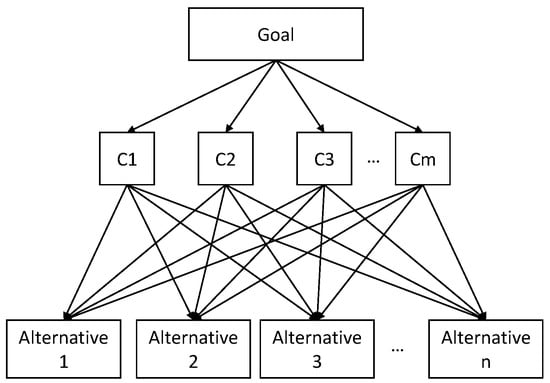
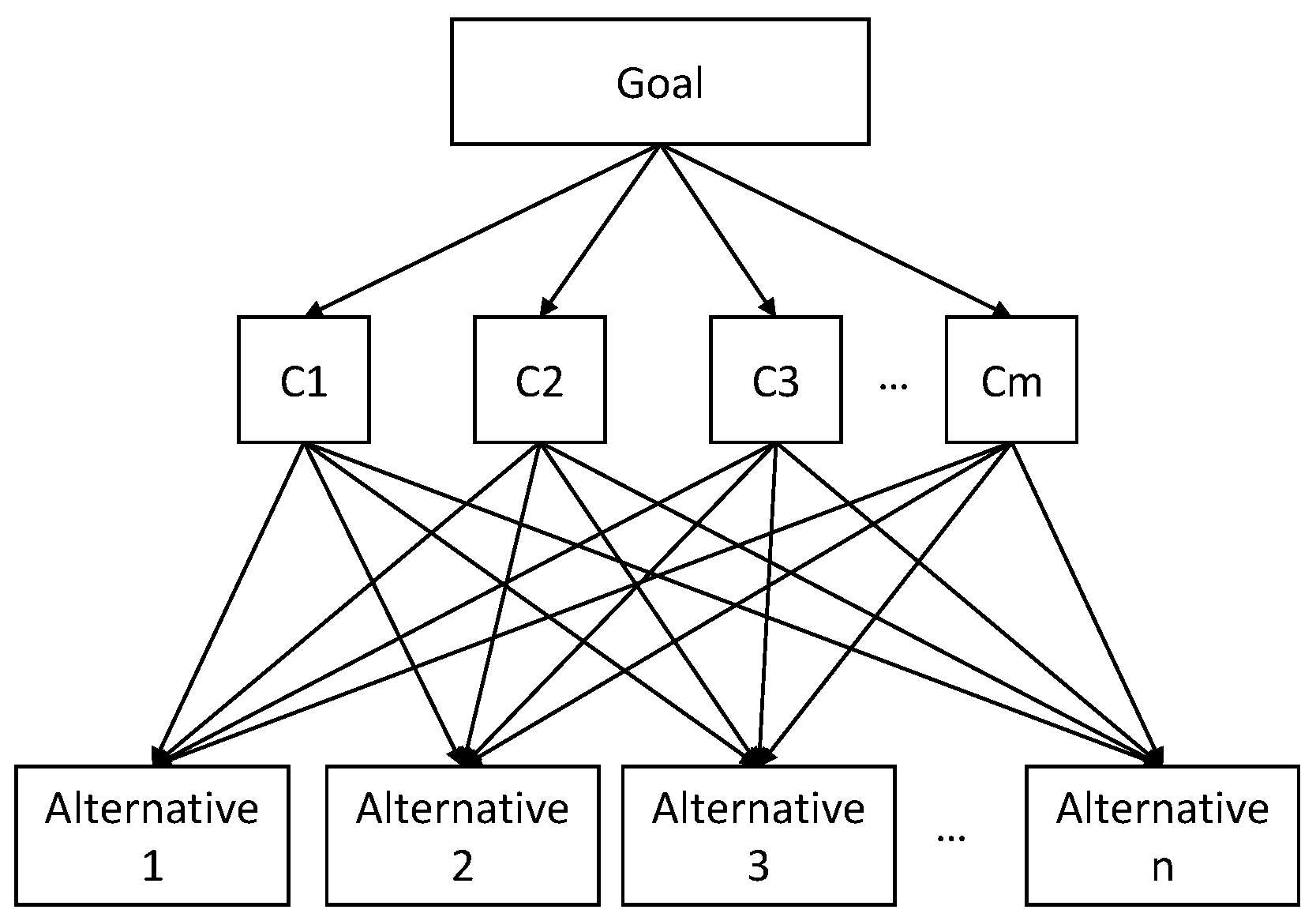
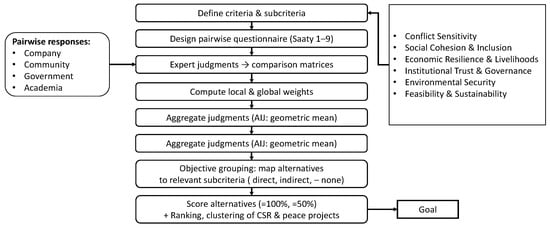
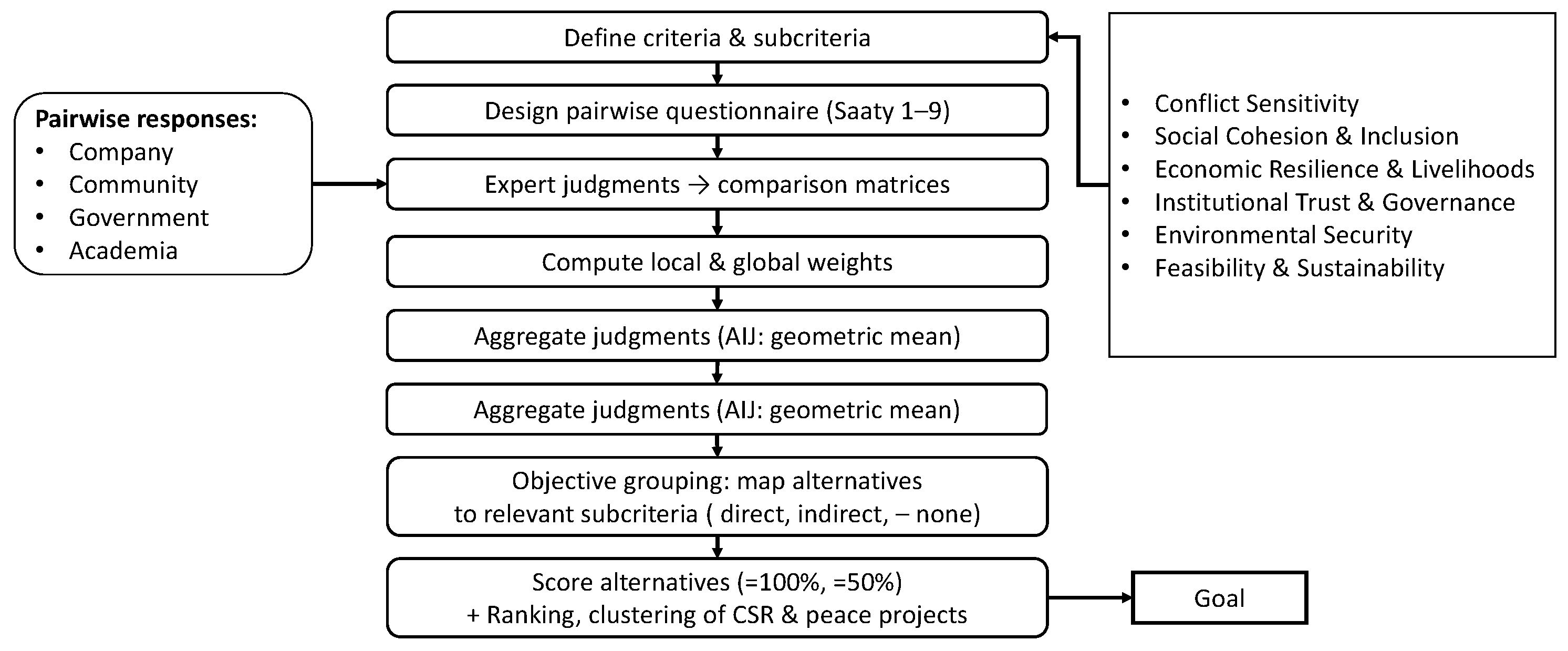
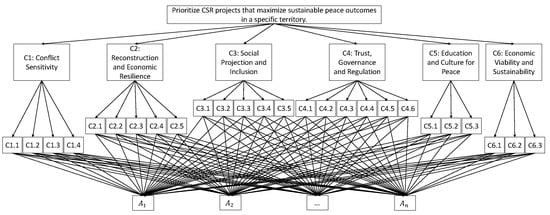
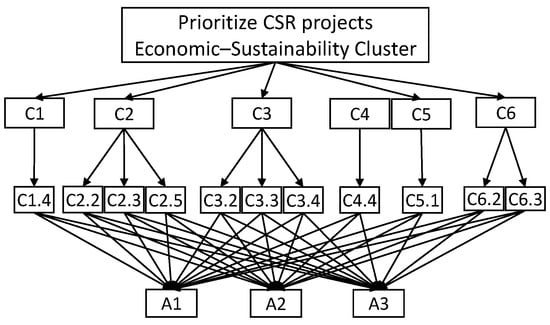
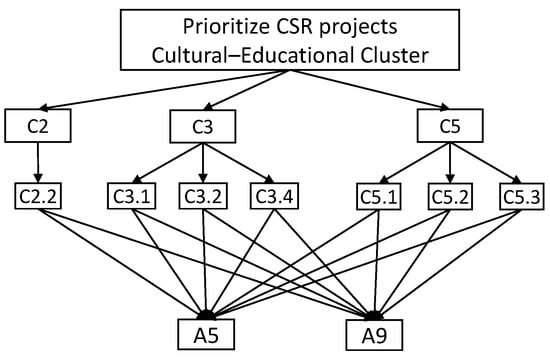
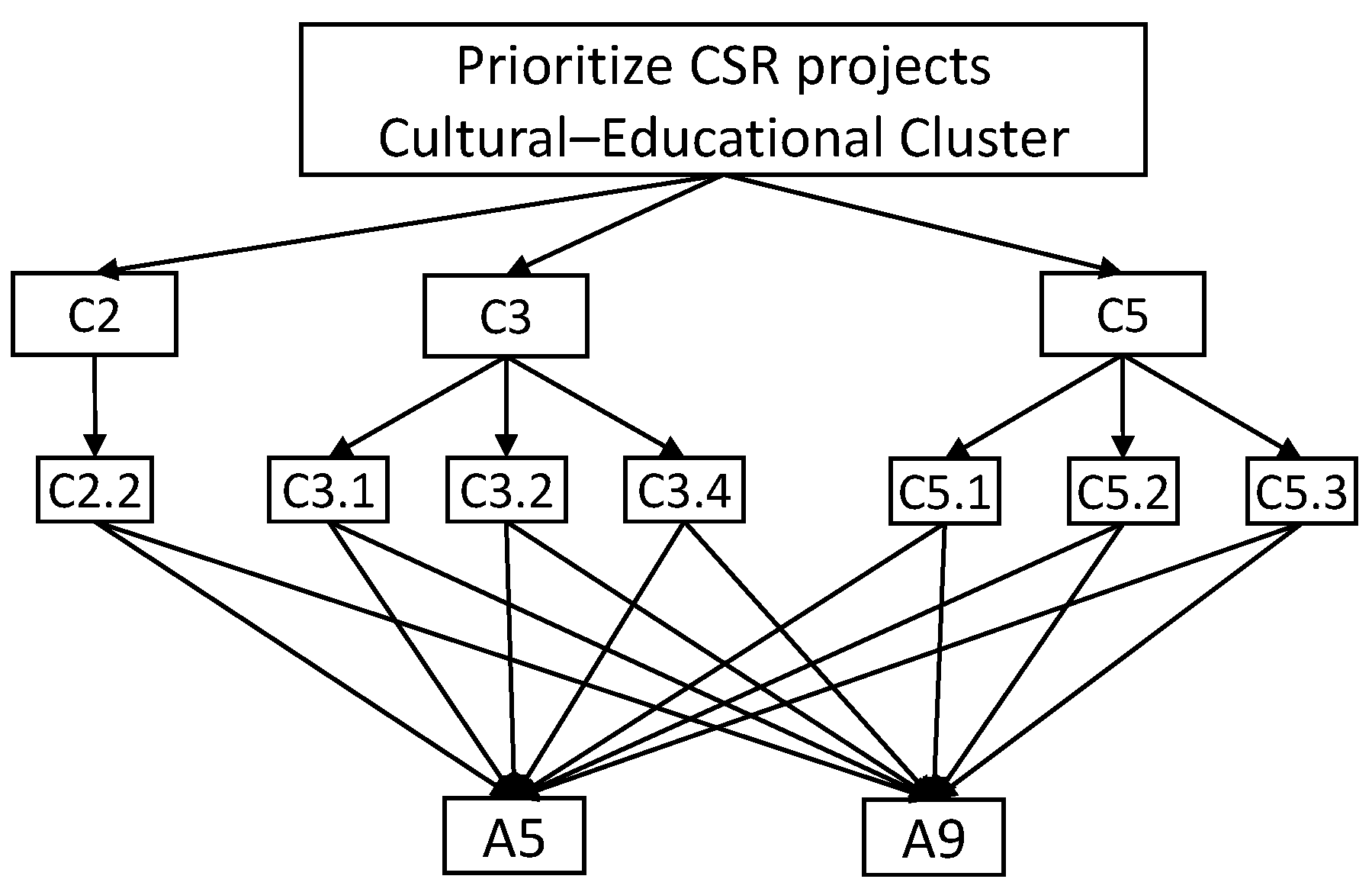
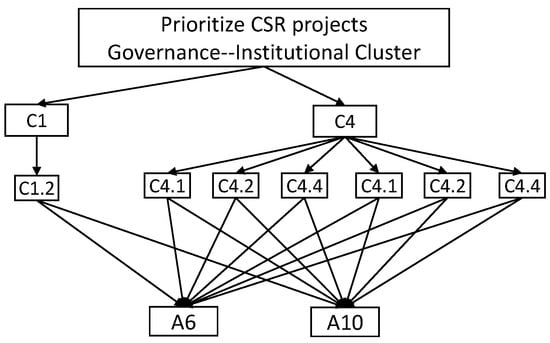
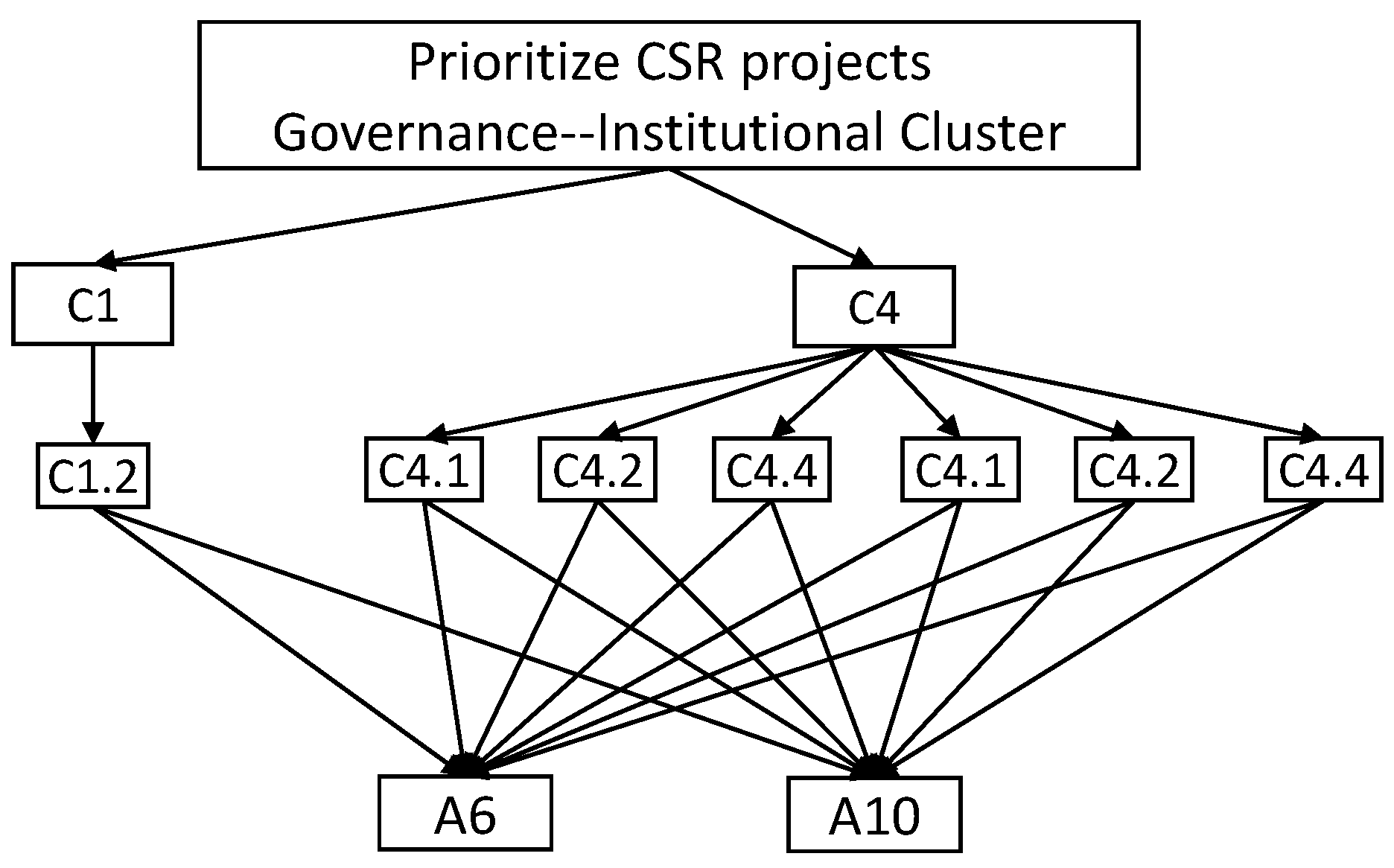

Disclaimer/Publisher’s Note: The statements, opinions and data contained in all publications are solely those of the individual author(s) and contributor(s) and not of MDPI and/or the editor(s). MDPI and/or the editor(s) disclaim responsibility for any injury to people or property resulting from any ideas, methods, instructions or products referred to in the content. |
© 2026 by the authors. Licensee MDPI, Basel, Switzerland. This article is an open access article distributed under the terms and conditions of the Creative Commons Attribution (CC BY) license.