


Abstract
Landfills represent areas of pronounced anthropogenic disturbance, with substantial impacts on local vegetation. The composition and structure of plant communities serve as indicators of eco-system alteration and may function as reservoirs of species with potential utility in ecological restoration. This study provides the first detailed assessment of vegetation structure on a closed MSW landfill in Kokshetau (Akmola Region, northern Kazakhstan; semi-arid steppe/forest-steppe setting) and demonstrates an integrative, restoration-oriented monitoring and target-setting workflow, including a localized phytoremediation screening framework integrating field performance, ecological indicator values, and literature-based functional traits, with a risk/governance filter. A total of 76 vascular plant species were recorded during the field survey, predominantly comprising annual herbaceous taxa adapted to highly disturbed environments. The families Asteraceae and Poaceae were the most species-rich, while Chenopodiaceae and Brassicaceae were also notably represented. Meadow-steppe species constituted the majority (45.5%) of the phytosociological spectrum. Multivariate ecological and statistical analyses revealed that community composition was primarily influenced by the degree of disturbance (p = 0.016), rather than soil pH, with Cannabis sativa and Bassia scoparia emerging as key indicators of less disturbed sectors, contrasting with actively disturbed dumping areas. Consequently, restoration efforts should prioritize mesophytic species adapted to open, sunlit habitats and capable of establishing on slightly alkaline soils, while accounting for site-specific constraints to support long-term vegetation recovery. Notably, Artemisia absinthium and Bassia scoparia were identified as candidate taxa for phytoremediation-oriented restoration, based on their in situ ecological performance and literature-reported traits, albeit with limitations due to allergenic pollen and invasive tendencies, respectively. These findings support phytoremediation strategy design on disturbed landscapes by emphasizing regionally adapted species selection that balances ecological suitability with potential ecological risks.
1. Introduction
Landfilling remains the predominant method for the disposal of municipal and industrial waste worldwide [1,2,3]. During the operational lifespan of municipal solid waste (MSW) landfills and after closure, both the landfill sites and their surrounding environments undergo significant ecological degradation, with notable impacts on vegetation cover and biodiversity [4,5,6,7]. The heterogeneous conditions created by landfill construction, waste composition, and management practices, including variable concentrations of organic/inorganic compounds, heavy metals, landfill gases, and localized heat, generate spatially diverse and often hostile microhabitats that strongly constrain plant establishment and community development [8,9,10,11].
Vegetation restoration on closed MSW landfills is particularly challenging in semi-arid steppe/forest-steppe regions, where water limitation and high evaporative demand constrain establishment, and where strong micro-site heterogeneity (substrate texture, salinity/alkalinity, compaction, and nutrient hotspots) promotes patchy community development. In addition, persistent disturbance (e.g., informal dumping and trampling) can favor ruderal and potentially invasive taxa, complicating the selection of species that are both ecologically suitable and socially acceptable for restoration and phytoremediation-oriented management [12].
Vegetation monitoring at landfill sites serves as a cost-effective bioindication tool in environmental risk assessment. The composition and structural attributes of vegetation reflect prevailing ecological conditions at these disturbed sites [6,13,14,15]. Furthermore, recent analyses have emphasized the functional role of landfill vegetation as an indicator of site stability, providing insights into capping failure, leachate emergence, or localized gas emissions [14,16,17]. Consistently, vegetation shifts have been used to diagnose leachate-affected zones on reclaimed landfills, where altered moisture and chemistry filter nitrophilous/halotolerant indicators [18] and integrating floristic assessment with leachate-monitoring frameworks is now advocated to prioritize remediation hotspots and guide cover maintenance [19]. In parallel, recent phytoremediation reviews emphasize trait-based species selection and plant–microbe interactions to enhance stabilization and uptake on disturbed substrates [20,21,22]. Recent work also emphasizes phytocapping and vegetation-based cover systems as practical options to reduce percolation and emissions while supporting ecological recovery on MSW landfills, but stresses that plant selection and site-specific constraints remain decisive for performance [12]. In parallel, rhizosphere-based approaches (e.g., plant growth-promoting rhizobacteria) are increasingly discussed as enhancers of phytoremediation efficiency under metal stress, although their applicability must be evaluated against local constraints and management goals [23]. Taken together, vegetation surveys provide an efficient, integrative layer for landfill monitoring that complements physicochemical diagnostics while informing the design of phytoremediation-based restoration strategies.
However, vegetation established on MSW landfills typically follows complex, non-linear, and site-specific successional trajectories driven by multiple interacting factors such as disturbance regime, substrate composition, capping and cover integrity, leachate hydrology, and landfill management practices. Several multi-year studies have demonstrated that plant community composition remains unstable for decades after closure, with ruderal and often invasive taxa dominating early successional stages due to the heterogeneity of landfill substrates and the intermittent presence of contaminants and nutrient hotspots [15,16,24]. Inadequate cover layers or ongoing waste deposition can delay the establishment of perennial or woody species, while differences in landfill age, vegetation management, and remediation measures markedly influence both floristic richness and ecological structure [5,6]. Moreover, landfills can act as refugia or propagation sites for hazardous alien species, posing risks of encroachment into adjacent natural or agricultural ecosystems, with consequences for biodiversity, crop yields, and human health [16,25,26,27].
The evaluation of landfill vegetation is particularly relevant in the context of post-closure land reclamation, where phytoremediation emerges as a practical and economically viable strategy [28]. Successful phytoremediation relies heavily on the selection of native species that are ecologically adapted to both the altered substrate conditions of landfill sites and the regional climate [6,29,30,31]. Moreover, emphasis is placed on species capable of accumulating hazardous substances, especially heavy metals, within their biomass, thereby contributing to contaminant stabilization or removal [29,32,33]. Therefore, a thorough investigation of the spontaneous vegetation that has been established on landfill substrates is essential for the development of effective, site-specific reclamation protocols.
Recent advances consolidate vegetation-based bioindication as a robust framework to infer environmental gradients and interpret species-diversity patterns from community composition. Classical phytosociology (in the Braun–Blanquet tradition) provides the typological backbone by linking associations and diagnostic species to site conditions [34,35]. This method is particularly valuable for heterogeneous anthropogenic substrates, as it captures fine-scale compositional patterns and successional status without requiring extensive environmental measurements. Complementing this, Ellenberg’s ecological indicator values (EIVs) operationalize community data into quantitative proxies of moisture, nutrients, pH, and light [36,37]. Empirical tests show that community-based bioindicators can capture major abiotic signals when carefully calibrated and validated against measurements [38], and contemporary syntheses emphasize both the strengths and caveats of EIV applications and Braun–Blanquet-based classification in applied contexts [39]. Together, these approaches enable cost-effective, scalable assessment of diversity across disturbed substrates such as landfills—provided that methods, assumptions, and validation steps are made explicit.
In Kazakhstan, the ecological management of solid waste landfills remains underdeveloped, and peer-reviewed studies providing systematic baselines of landfill vegetation composition and restoration-oriented evaluations in semi-arid steppe/forest-steppe settings are still scarce. Most of the large number of registered sites lack modern infrastructure, effective leachate and gas control, and proper post-closure rehabilitation, leading to soil and groundwater pollution, landfill gas emissions (including methane), and uncontrolled fires. Soil health deterioration associated with MSW landfill pollution has been documented using integrated contamination and ecological-risk indicators, reinforcing the need for restoration strategies that consider both vegetation recovery and environmental risk [40].
Particularly insufficient attention is paid to the restoration of natural landscapes impacted by landfills. Comprehensive recultivation, including active revegetation and biodiversity recovery, is rarely implemented, which accelerates the degradation of zonal steppe ecosystems and promotes ruderal and invasive species.
Kazakhstan spans diverse natural zones, from deserts to forest-steppes. Our research, conducted in the semi-arid steppe near Kokshetau (Akmola region), is especially relevant for semi-arid areas of central Kazakhstan and adjacent parts of Western Siberia. These regions share similar environmental conditions, vulnerability to disturbance, and growing waste pressures. The study provides insights into floristic changes, succession, and phytoremediation potential that can inform improved landfill rehabilitation and sustainable landscape recovery across these territories. Recent assessments in the Akmola region (including Kokshetau and Stepnogorsk) further indicate that landfill-adjacent vegetation patterns are sensitive to disturbance and site conditions, highlighting the need for detailed, on-site vegetation structure analyses to inform restoration targets [4].
Within the steppe–meadow context of northern Kazakhstan, landfill vegetation can be interpreted against well-documented Eurasian steppe reference systems. Phytosociological surveys in Kazakhstan identify steppe assemblages ranging from meadow-steppes of the Festuco-Brometea to more xeric Central Asian steppes of the Cleistogenetea squarrosae, with composition strongly structured by climate and edaphic gradients [41,42]. Regional syntheses further emphasize the heterogeneity and conservation value of Kazakhstan’s steppe flora and provide a baseline for community diagnostics and successional trajectories [43,44]. Recent classification work for Middle Asia places these communities within a broader syntaxonomic framework, facilitating comparisons across disturbed substrates such as landfills and supporting inferences about transitions from ruderal Artemisietea toward steppe-meadow assemblages under reduced disturbance [45].
Beyond providing a first baseline for the Kokshetau region, this work contributes a transferable, restoration-oriented workflow for heterogeneous semi-arid landfills. Specifically, we integrate phytosociological community diagnosis (Braun–Blanquet) with ecological indicator values and multivariate ordination to identify disturbance-linked vegetation states, and we complement ground sampling with UAV-based estimates where access is unsafe. We also translate regional steppe reference information into quantitative operational benchmarks to support restoration planning.
The municipal landfill in Kokshetau, Kazakhstan, was operational for nearly six decades, ceasing activity in 2017. Following its closure, the site was classified as ecologically degraded and in urgent need of reclamation interventions [3,5]. Despite its closure, a significant portion of the site continues to be subjected to unauthorized waste deposition. The present study aims to address the following research questions: (i) What is the current floristic composition and ecological structure of spontaneous vegetation on the closed Kokshetau MSW landfill? (ii) How does vegetation composition differ between actively disturbed (ongoing unauthorized dumping) and abandoned sectors, and which taxa indicate these states? (iii) Which taxa and functional groups emerge as candidate species for phytoremediation-oriented restoration under semi-arid steppe/forest-steppe constraints when ecological performance, trait evidence, habitat matching, and risk/governance criteria are jointly considered?
2. Materials and Methods
2.1. Study Area
Geobotanical surveys and vegetation sampling were performed to characterize the floristic composition and ecological structure of the plant communities established on the closed municipal solid waste (MSW) landfill in Kokshetau (northern Kazakhstan). The study was carried out at a closed MSW landfill located in Kokshetau, in the Akmola region, in northern Kazakhstan. Geographically, the site lies on the boundary between the southwestern region of the West Siberian Plain and the northern slopes of the Kokshetau Uplands. The landfill is situated in the eastern sector of the city, within a landscape characterized by a flat to gently undulating plain. According to regional natural zoning, Kokshetau falls within the moderately dry forest-steppe zone. The climate of the Akmola region is sharply continental, exhibiting a large annual temperature range of about 34–38 °C (difference between the warmest and coldest monthly means). Winter monthly averages range from −14 °C to −18 °C, with occasional drops to −30 °C to −40 °C. Summer monthly averages are +18 °C to +22 °C, with peak temperatures often reaching +35 °C to +42 °C [46]. The average annual precipitation is approximately 306 mm, while summer evaporation rates substantially exceed rainfall. Snow accumulation in winter typically reaches 20–25 cm, and the soil freezing depth can extend to 130 cm [47].
The landfill is located approximately 9 km east of Kokshetau (coordinates: 53.320833° N, 69.478333° E) and spans an area of 36.5 hectares. It was operated from 1960 until its closure in 2017. The landfill structure consists of multiple waste layers periodically covered with soil, yet lacking a waterproof lining. Waste piles at the site reach heights of 5 to 7 m. Importantly, there are no engineered systems for leachate collection or treatment. Despite official closure, a substantial portion of the area continues to receive illegal waste deposits (Figure 1).
Figure 1.
Closed MSW landfill in Kokshetau (Kazakhstan).
The landfill is surrounded by steppe and meadow-steppe phytocoenoses, with adjacent land use comprising agricultural fields and scattered forest plantations. Characterization of the local natural phytocenoses relied on phytosociological data from regional surveys of the Kokshetau Upland steppe vegetation [48,49,50,51]. No undisturbed control plots were sampled in the surrounding grassland–meadow landscape. Reference conditions were therefore defined using published phytosociological surveys of zonal steppe/meadow-steppe communities in the Kokshetau Upland, because near-pristine remnants in the vicinity are scarce and highly fragmented due to historical ploughing and grazing.
Geobotanical surveys and species inventories were conducted at the site during August–September 2024, when vegetation development was at its maximum. A total of 12 sampling sites were established using a stratified grid design, with six sites located in zones of active waste deposition (numbers 7–12) and six zones of complete abandonment (numbers 1–6). Each sampling plot, with an area of 1 m2, was strategically positioned to represent the typical plant communities at each site. The cover of each plant species was assessed using the Braun-Blanquet cover-abundance scale [52] within each plot. Fires periodically occur on the landfill territory, which may create voids that can collapse under a person’s weight. Additionally, many hazards are masked by a layer of dumped soil. Therefore, field surveying of part of the landfill territory was risky and impractical. In cases where direct access to sampling plots was not feasible, species cover was estimated using UAV imagery (DJI Air 2) (SZ DJI Technology Co., Ltd., Shenzhen, China). UAV data were acquired as nadir still photographs (RGB camera, 12 MP) under clear-sky conditions. Flights were conducted at 10–30 m above ground level, yielding an estimated ground sampling distance of ~0.4–0.8 cm pixel−1. UAV imagery was collected between 1 July and 10 September 2024, typically between 12:00 and 15:00 local time, under stable illumination and low wind speeds (<3 m s−1). Images were selected at regular intervals (approximately every 2–5 s), and plot locations were matched visually using field landmarks and pre-defined plot boundaries; no orthomosaic or photogrammetric products were generated. Species identification from UAV imagery was based on expert visual interpretation of growth form and canopy structure, color/texture patterns, and patch geometry, cross-referenced with ground-identified reference photos from accessible plots. To reduce false positives and limit detection bias in UAV-assisted plots, only taxa with estimated cover ≥1% were recorded from UAV imagery. Although UAV-based assessment is suboptimal for comprehensive floristic surveys, in this context (characterized by low species richness and high disturbance) its performance was found to be comparable to traditional quadrat sampling (ANOSIM: p = 0.846, 999 permutations). As a result, the full species inventory was used for general floristic analysis, whereas only species with cover exceeding 1% were included in the statistical analyses to (i) focus on ecologically relevant contributors to community structure and (ii) reduce potential detection bias in UAV-assessed plots, where very low-cover taxa are less reliably identified. The complete species list, including records <1%, is provided in the Supplementary Materials.
The use of drone imagery for vegetation analysis comes with several limitations. Despite the high nominal spatial resolution, UAV-based identification can be challenging for small annual grasses and lower canopy layers. Additionally, scattered debris can distort the images, further complicating the differentiation of similar species under these conditions. Nevertheless, in areas where direct access is restricted, drone deployment enabled the collection of valuable data on vegetation cover and the distribution of dominant species.
For each sampling plot, a complete list of plant species and associated habitat characteristics was recorded. Soil testing in this study focused on pH as a screening-level edaphic descriptor to evaluate its influence on vegetation composition relative to disturbance; comprehensive contaminant quantification was beyond the scope of this work. At each plot, soil was collected from the top 0–20 cm as a composite of five subsamples, homogenized prior to analysis, and pH was measured in a 1:5 (w/v) soil-to-solution suspension prepared with distilled water. Measurements were performed using a calibrated pH meter (pH-150MI, “Measuring Equipment” LLC, Saint Petersburg, Russia), following ISO 10390:2021 (Soil quality—Determination of pH) [53]. The pH meter was calibrated immediately before measurements using standard buffer solutions (pH 4.01, 7.00, and 10.01). A broader soil-chemistry characterization (organic matter, moisture, N–P–K, heavy metals) was not required to meet the descriptive and restoration-oriented objectives of this work, but would be needed to quantify underlying mechanisms in future studies.
Taxonomic identification and nomenclature followed the authoritative compendium by Cherepanov [54]. The ecological requirements of the recorded plant species (including light availability, soil moisture, substrate pH, and nitrogen content) were assessed using Ellenberg’s ecological indicator values for vascular plants [55] (see Supplementary Materials). Classification into ecological groups was based on the criteria outlined by Landolt [56]. Additional reference information was obtained from the online database “Flora of vascular plants in the Central European Russia” www.impb.ru (accessed on 15 December 2025).
2.2. Operational Definition of Phytoremediation Potential
Direct quantification of contaminant removal was not undertaken; instead, a screening-level, community- and trait-based appraisal was applied. Phytoremediation potential is inferred using four operational criteria:
- Ecological performance in situ. Indicators include high cover and/or frequency, persistence under typical landfill stressors, and tolerance to stressors typical of landfill environments. These metrics reflect a species’ capacity to stabilize substrate and maintain functional cover under adverse conditions.
- Trait evidence from literature. Published sources are reviewed for tolerance or accumulation of heavy metals and other pollutants, above-/below-ground biomass production, root architecture, and biomass handling feasibility. This evidence supports prioritization of species suited to phytostabilization and/or phytoextraction.
- Habitat–edaphic matching. Alignment is assessed between species’ ecological indicator profiles and measured site conditions. Strong correspondence indicates ecological suitability and reduces the risk of failure due to environmental mismatch.
- Risk and governance screening. Consideration is given to invasiveness, allergenic pollen, and legal or management constraints. Only species with a favorable balance between potential efficacy and management feasibility in the local context are prioritized.
Within this framework, promising candidates for phytoremediation interventions are identified. Verification of removal efficacy will require tissue analyses and controlled trials, proposed as future work.
2.3. Statistical Analysis
To investigate the influence of environmental variables on species composition, redundancy analysis (RDA) was performed using presence–absence data. Jaccard distances were applied to quantify dissimilarity. Permutation tests (999 iterations) were used to evaluate the overall significance of the RDA model and the individual effects of the two explanatory variables: dumping activity (active vs. inactive) and soil pH.
Indicator species analysis was employed to identify taxa significantly associated with the different levels of dumping activity. The analysis utilized the multipatt() function from the indicspecies R package (version 1.8.0) [57], applying the IndVal.g index and 999 permutations to assess species-group associations. p-values were corrected for multiple comparisons by using the Benjamini–Hochberg procedure.
In parallel, a SIMPER (Similarity Percentage) analysis was conducted using the simper() function from the vegan package, also with 999 permutations. This analysis aimed to identify the species contributing most to the compositional dissimilarity between actively used and abandoned landfill sites.
Hierarchical cluster analysis was carried out on the species presence–absence matrix using the Jaccard dissimilarity index, with a pseudocount of 1 introduced to avoid division by zero. Ward’s minimum variance method (ward.D) was applied to generate the dendrogram, and cophenetic distances were computed. The Mantel test (100 permutations) was then used to assess the correlation between the original Jaccard dissimilarities and the dendrogram’s cophenetic matrix, thereby evaluating the fidelity of the clustering structure.
All statistical analyses were conducted using the R statistical environment (version 4.5.1) [58], with primary use of the vegan package (version 2.7.1) [59].
3. Results
A total of 76 vascular plant species were recorded at the Kokshetau landfill site (find the whole list as Supplementary Materials). Taxonomically, the Asteraceae family was the most species-rich, comprising over 25% of the recorded flora. Poaceae followed as the second most represented family, with Brassicaceae and Chenopodiaceae also demonstrating significant presence. In contrast, the majority of the remaining plant families were represented by only one or two species (Table 1).
Table 1.
Floristic spectrum of plant species at the Kokshetau landfill site.
The vegetation of the landfill was predominantly herbaceous in composition. Only three arboreal species—Ulmus parvifolia Jacq., Salix acutifolia Willd., and Populus balsamifera L.—were identified, and these occurred sporadically as isolated saplings in a few surveyed plots. Among the recorded taxa, annual species were the most prevalent, comprising 49% of the total flora. Perennial and biennial species accounted for 38% and 13%, respectively, reflecting a dominance of short-lived life forms typically associated with disturbed habitats.
In addition to ruderal and native flora, several cultivated species were recorded on the landfill, including tomato (Solanum lycopersicum L.), corn (Zea mays L.), sunflower (Helianthus annuus L.), and dill (Anethum graveolens L.), along with ornamental taxa such as Cosmos bipinnatus Cav., Ipomoea purpurea (L.) Roth, Malva sp., and Calendula officinalis L. The occurrence of these species is likely due to seed dispersal via household waste. Nevertheless, certain non-native species not cultivated in the Akmola Region, such as the casual alien Nicandra physalodes (L.) Gaertn. and the invasive North American vine Echinocystis lobata (Michx.) Torr. & A. Gray, were also recorded at the landfill. The latter was found in a wet microsite; it climbs over other plants and forms a suppressing canopy.
Phytosociological group analysis revealed that the majority of species (45.5%) were affiliated with the meadow-steppe habitat type, which corresponds to the regional zonal vegetation. The second most prominent group consisted of wetland species (24.2%), including Phragmites australis (Cav.) Trin. ex Steud., Suaeda prostrata Pall., Atriplex patula L., and Persicaria hydropiper (L.) Spach. These taxa were predominantly found in areas of increased soil moisture, particularly around leachate discharge zones. In contrast, the proportion of forest species and adventive taxa with undefined ecological affiliations was relatively low, constituting 7% and 9% of the total flora, respectively (Figure 2).
Figure 2.
Species richness in phytosociological groups of the Kokshetau landfill.
The plant species composition at the landfill site is mostly characterized by taxa adapted to open environments with high light availability. These include heliophytes and shade-tolerant heliophytes (Figure 3A). In terms of soil moisture preference, mesophytic species—those requiring moderate moisture levels—were the most common (Figure 3B). Nevertheless, in localized zones where leachate accumulates, hydrophytic species such as Phragmites australis were also observed, forming small, moisture-dependent assemblages. With respect to soil nutrient preferences, the majority of the recorded species were capable of growing in moderately fertile to fertile conditions. Specifically, mesotrophic, meso-eutrophic, and eutrophic species collectively represented 56.8% of the total flora (Figure 3C). Notably, species adapted to low-nitrogen environments were also present, indicating a range of nutrient availability across the site. Representative eutrophic species included Urtica dioica L., Leonurus quinquelobatus Gilib., Solanum dulcamara L., and Carduus crispus L. Regarding edaphic pH conditions, only two major ecological groups were identified: neutrophilic species, which constituted 51.4% of the flora, and moderate acidophiles, which accounted for 25.7% (Figure 3D). This distribution suggests a predominance of neutral to near-neutral soil conditions across the landfill site.
Figure 3.
Ecological groups of plants on the landfill (%): (A) according to light availability, (B) according to soil moisture, (C) according to soil nutrient availability, (D) according to soil acidity.
In the vicinity of the MSW landfill near Kokshetau, natural phytocenoses have been severely disrupted by anthropogenic impacts. The composition of these plant communities is influenced by the proximity of the municipal landfill, roads, waste transport activities, as well as surrounding agricultural lands and shelterbelt plantations.
Classic rich-herbaceous sod-grass steppes are either completely absent in their pristine form or persist only as small, fragmented remnants. Based on regional vegetation classifications, these communities belong to the class Festuco-Brometea Br.-Bl. et Tx. ex Soó 1947, which encompasses dry grasslands and true steppes on base-rich soils across the Eurasian steppe zone, including northern Kazakhstan [48,49,50,51]. The herbaceous layer is primarily formed by turf-forming (sod) grasses, such as Festuca valesiaca, Helictotrichon desertorum, Koeleria cristata, and various Stipa species (e.g., Stipa zalesskii, Stipa lessingiana, or related taxa typical of the region). Additional contributions come from rhizomatous and loose-tussock grasses, including Calamagrostis epigeios, Elytrigia repens, and Phleum phleoides. The forb component includes species of wormwood (Artemisia frigida, Artemisia austriaca, and others), along with characteristic steppe forbs such as Astragalus onobrychis, Filipendula vulgaris, Medicago falcata, and Oxytropis pilosa. So, natural communities are mostly represented by perennial species.
The vegetation at the landfill was mainly dominated by Bassia scoparia (L.) A.J. Scott (commonly known as kochia) with an average coverage of 21.92% and a frequency of 50%. This species formed dense, overgrown thickets particularly in the southwestern sector and along the margins of the eastern and western zones. As a drought-resistant and salt-tolerant ruderal species, kochia exhibited particularly high dominance in these areas. Table 2 summarizes the main structural species (dominant/subdominant and frequent taxa) used to characterize the landfill vegetation; the complete floristic inventory (all recorded species) is provided in Supplementary Materials.
Table 2.
Frequency of occurrence and average coverage of plant species in the landfill vegetation community.
Within these kochia-dominated patches, co-occurring species included Artemisia absinthium L. (common wormwood), Cannabis sativa L. (ruderal form), and Sisymbrium loeselii L. (tall hedge-mustard), which occurred intermittently across the site. Among them, Sisymbrium loeselii was the most frequent species (frequency 58.33%). As a drought-tolerant ruderal plant and an indicator of dry, alkaline, disturbed soils, it primarily colonizes bare patches on the landfill.
Artemisia absinthium also formed dominant communities, with a notable cover of 20.25% and a frequency of 50%. This super-nitrophilous species typically thrives on nitrogen-rich waste heaps. The high standard deviation (SD) of its cover values indicates strong spatial heterogeneity: it was dominant in some patches but rare or absent in others.
In contrast, Sisymbrium loeselii and Cannabis sativa had lower average coverages (6.83 and 8.58, respectively) making them significant community components but not dominant species.
In more exposed or peripheral areas, particularly along the site’s edges, other members of the Chenopodiaceae family were prevalent, notably Atriplex patula L. and Atriplex sagittata Borkh, both typical weeds of rich organic soils.
In the central portion of the landfill, where waste remains exposed, species diversity was markedly higher. Here, Melilotus species (specifically M. officinalis (L.) Desr. and M. albus Desr.) were abundant, alongside Amaranthus retroflexus L. and Persicaria species. This central zone displayed a more heterogeneous community structure, likely due to varying substrate conditions and disturbance levels. Although Amaranthus retroflexus, Melilotus officinalis, and Hordeum jubatum showed high local cover in certain patches, their low overall frequency across the site precludes their classification as community-wide dominants.
Based on the ruderal nature of the vegetation and the dominance of Bassia scoparia and Artemisia absinthium, the plant association at this stage of plant community development at the landfill can be classified as Bassio-Artemisietum absinthii ruderalis. The high standard deviation among the dominant species reflects the heterogeneity of the site. Specifically, areas of dense vegetation are interspersed with bare or sparse patches due to ongoing waste disposal activities. The redundancy analysis (RDA) model yielded a total inertia of 3.28, with 29% of the variation in species composition explained by the constrained variables: waste dumping activity and soil pH. The first and second RDA axes accounted for 60% and 40% of this constrained variance, respectively. The adjusted coefficient of determination (adjusted R2) for the model was 0.13, indicating limited explanatory power and suggesting substantial unexplained variance. The low adjusted R2 indicates that, beyond the disturbance regime, much of the turnover occurs at fine spatial scales typical of heterogeneous landfill substrates (patchy cover integrity, variable compaction and moisture/leachate microsites), which likely operate as unmeasured drivers of species sorting.
Permutation testing based on 999 iterations confirmed the overall significance of the model (F = 1.83, p = 0.011). Among the explanatory variables, active waste dumping exerted a statistically significant influence on plant community composition (p = 0.016), whereas soil pH did not demonstrate a significant independent effect (p = 0.117) (Figure 4). The proportion of variance attributable to the constrained components varied considerably across sampling sites, with constrained inertia ranging from 11% to 64%.
Figure 4.
Redundancy analysis (RDA) ordination of plant community composition (presence–absence; Jaccard distances) constrained by dumping activity (active vs. inactive) and soil pH. The model explained 29% of total inertia (total inertia = 3.28), with RDA1 and RDA2 accounting for 60% and 40% of the constrained variance, respectively (adjusted R2 = 0.13). Permutation tests (999 permutations) confirmed overall model significance (F = 1.83, p = 0.011); dumping activity was significant (p = 0.016) whereas pH was not (p = 0.117). Species highlighted correspond to taxa identified as indicator species and/or major contributors to between-group dissimilarity (IndVal/SIMPER). Colors: inactive sites (salmon) and active sites (purple).
Indicator species analysis identified Cannabis sativa as a significant indicator of areas without active waste dumping, with a high indicator value (IndVal.g = 0.91, p = 0.008) but the p-value did not remain significant after correcting for multiple comparisons (0.136). The SIMPER (Similarity Percentage) analysis further supported this finding, indicating that C. sativa contributed the most to the dissimilarity between actively used and inactive landfill sites, with an average contribution of 9.4% (p = 0.014). Bassia scoparia also showed a substantial contribution to community dissimilarity (7.4%, p = 0.024), although it was present across both site types. This pattern is consistent with the broad ecological amplitude of Bassia scoparia: it rapidly colonizes freshly disturbed, open microsites (bare substrate and recurrent disturbance), but it can also persist and build dense stands in less disturbed/abandoned patches due to its drought/salt tolerance, high seed production, and competitive canopy, resulting in high cover variability across plots. Additional contributors included Amaranthus retroflexus, which had a smaller yet statistically significant contribution of 3.2% (p = 0.012).
Hierarchical cluster analysis based on species composition grouped the 12 sampling sites into two major clusters (Figure 5). The first cluster comprised Site 2, Site 3, Site 5, and Site 8, while the second cluster included the remaining sites, suggesting a clear structural differentiation in plant communities associated with dumping activity.
Figure 5.
Hierarchical cluster analysis of the sites based on Jaccard distances. Colors indicate separate groups.
The Mantel test revealed a statistically significant correlation between the original Jaccard dissimilarity matrix and the cophenetic distances derived from the hierarchical clustering dendrogram (Mantel r = 0.53, p = 0.0099). This result indicates that the clustering structure provides a moderately accurate representation of the underlying dissimilarity patterns in the species composition data. The significant Mantel correlation indicates that the two-cluster dendrogram preserves the rank structure of compositional dissimilarities reasonably well (i.e., sites that are most dissimilar in the Jaccard space also tend to be far apart in the dendrogram). Ecologically, this supports the existence of two distinct vegetation states at the landfill that are consistent with the disturbance regime (active dumping vs. inactive zones), independently corroborating the constrained ordination and species-level diagnostics.
4. Discussion
In this study, we examined the floristic composition of a closed landfill site in Kazakhstan and found that its plant community is relatively species-poor, consisting predominantly of taxa typical of disturbed habitats. All recorded species were characteristic of anthropogenically transformed landscapes, such as fallow fields, wastelands, and waste disposal sites.
The two most frequently represented families, Asteraceae and Poaceae, correspond well with the floristic structure of the broader region. However, the relatively high representation of Chenopodiaceae and Brassicaceae likely reflects their ecological association with environments shaped by human disturbance [60]. In particular, the Chenopodiaceae family includes a substantial proportion of adventive taxa, such as Bassia scoparia, which originates from Central Asia and southern Siberia [61] and is now considered an invasive species in the Akmola region.
The landfill flora was dominated by annual herbaceous plants affiliated with the meadow-steppe phytosociological group, consistent with the site’s location within the steppe zone. The preponderance of annuals suggests unstable habitat conditions and an incomplete successional trajectory, which also explains the scarcity of woody species. This is further reinforced by the limited precipitation during the growing season. Natural communities, by contrast, are characterized by perennial grasses and are more sustainable. The presence of genera such as Salix and Populus, which are often found on disturbed sites and are commonly recommended for land restoration [62], indicates some potential for natural woody colonization. Woody taxa were only sporadically recorded, consistent with shallow/unstable substrates, water limitation during the semi-arid growing season, and recurrent physical disturbance that prevents the establishment of long-lived perennials. Their occurrence nonetheless suggests that where local moisture subsidies exist (microdepressions, leachate-affected patches, or edge environments with deeper/less compacted cover), woody recruitment may become feasible, supporting targeted “woody islands” or phytocapping designs in low-disturbance zones.
These patterns can be interpreted through the lens of semi-arid community assembly on technogenic substrates. Vegetation development in semi-arid steppe/forest-steppe settings is governed by the joint action of chronic water limitation, high evaporative demand, and strong microsite heterogeneity typical of landfills (patchy cover integrity, compaction, and localized moisture/leachate inputs). Under such constraints, communities are commonly dominated by ruderal and nitrophilous taxa, and compositional differentiation is often structured more by disturbance regime and resource “hotspots” than by single classical edaphic gradients [15,16,27]. In this context, leachate-influenced microsites may selectively favor nitrophilous/halotolerant assemblages, making vegetation patterns a useful diagnostic layer for identifying instability or seepage-related zones in reclaimed landfills [18].
A similar disturbance–stress filtering has been reported for technogenic substrates in other parts of northern Kazakhstan and Central Asia, although regional climatic filters may shift functional composition. Disturbance-driven separation of plant assemblages is consistent with evidence from northern Kazakhstan and adjacent steppe regions showing that technogenic landforms (dumps, disturbed substrates) support early successional communities dominated by stress-tolerant ruderals, with gradual transitions towards more structured assemblages as substrates stabilize and management constraints decrease [27,60]. Importantly, Central Asian steppe systems operate under strong continentality, with large seasonal temperature amplitudes and limited annual precipitation, which can shift community assembly toward drought-tolerant and often salinity/alkalinity-tolerant strategies compared with less continental semi-arid contexts [48,49]. Regional syntaxonomic syntheses also indicate that steppe–meadow and xeric steppe communities differ systematically along climate–edaphic gradients, which provides a reference framework for interpreting potential transitions from ruderal Artemisietea towards zonal steppe/meadow-steppe assemblages under reduced disturbance [50].
Cultivated and ornamental plants likely germinated from waste-derived seeds. Their persistence can also be attributed to their tolerance of poor soil conditions and environmental pollutants. Notably, Cosmos and Calendula have been reported to tolerate and/or accumulate certain metals under contaminated conditions, suggesting that they may be useful candidate taxa in phytoremediation-oriented designs [63,64].
The analysis of ecological indicator groups revealed a dominance of species adapted to open environments and meso-xerophil conditions, as well as those exhibiting broad tolerance to nutrient levels and soil pH. These findings reflect a dynamic microclimatic environment with limited water-holding capacity. Although the site lies in a steppe zone characterized by mildly alkaline soils, pH was not a significant independent predictor of species composition. In contrast, disturbance emerged as the primary ecological driver, with clear separation of active and abandoned dumping zones in multivariate analyses. Notably, the RDA-adjusted R2 (0.13) indicates that a large fraction of community variation remains unexplained by the constraining variables included in the model. This is consistent with the landfill’s strong fine-scale heterogeneity and the influence of additional, partly unmeasured drivers (like patchy substrate composition and stability, moisture and leachate microsites, localized nutrient/contaminant hotspots, and propagule availability) operating at small spatial scales. Under these conditions, soil pH likely acts as a secondary or indirect factor relative to disturbance-driven processes and site-specific substrate heterogeneity, which helps explain its weak and non-significant independent effect.
In practical terms, phytoremediation-oriented restoration planning must extend beyond selecting stress-tolerant species, because landfill phytomanagement can amplify ecological and social risks if taxa are chosen solely on the basis of vigor or biomass. Candidate species should therefore be filtered under a risk-management framework addressing: (i) invasiveness and spread potential (landfills and rubbish dumps can act as epicentres for alien and invasive plants; preference should be given to native or regionally established taxa, and invasive candidates should be excluded or strictly contained), (ii) human-health constraints (e.g., allergenic pollen), (iii) food-chain exposure (restrict grazing and biomass use where contaminant uptake is plausible), and (iv) biomass handling and governance feasibility (protocols for mowing/harvesting and disposal when accumulation is expected) [17,24,26]. From an engineering perspective, phytocapping and vegetation-based cover systems can reduce percolation and improve long-term stability, but performance is site-dependent and requires matching species traits (rooting depth, drought tolerance) with cover objectives [12]. Recent syntheses further stress that species selection should be function-oriented (phytostabilization vs. phytoextraction) and that enhancement options (e.g., microbial inoculation) should be evaluated against local constraints and management goals [21,22]. Where woody candidates are considered (Populus/Salix), implementation should be restricted to low-disturbance zones and coupled with monitoring, given the sensitivity of establishment to cover integrity, disturbance, and water availability [31,62].
Ecological indicator-group summaries and constrained ordination address complementary questions. Indicator groups (Figure 3) describe the ecological affinities and tolerance ranges of the taxa present (e.g., prevalence of heliophytes, meso-xerophil/moisture groups, and taxa tolerant across nutrient and pH classes), whereas the RDA tests whether measured between-plot variation in specific variables explains compositional turnover. Thus, the dominance of taxa with broad pH tolerance does not imply that pH is a primary structuring gradient at this landfill; rather, it is consistent with pH acting as a secondary/indirect filter while disturbance-related heterogeneity and other unmeasured microsite factors dominate community differentiation.
To facilitate integration across the different statistical approaches, Table 3 provides a concise synthesis of what each analysis tests and how the resulting patterns converge in ecological interpretation. This look-up table is intended to make explicit the agreement between community-level indicator profiles, multivariate ordination, and species-level diagnostics in identifying disturbance as the dominant gradient, while highlighting the secondary role of soil pH and the large unexplained variance typical of heterogeneous landfill substrates.
Table 3.
Synthesis of analytical outputs and convergent ecological interpretations across methods.
Secondary environmental factors, such as locally elevated nitrogen availability, may also contribute to variation in species composition. In the present study, this inference is based on the dominance of nitrophilous and nitrogen-tolerant taxa and on the community-level nutrient indicator patterns (Ellenberg N), rather than on direct measurements of soil nutrients. Nitrogen enrichment is widely reported to slow successional progress and favor competitive ruderals that form dense stands and suppress later-successional perennials [65]. In such contexts, regular mowing and biomass removal can help reduce ruderal dominance and facilitate successional advancement. In addition, active dumping and leachate accumulation may generate localized contaminant hotspots (including potentially heavy metals), as documented in other landfill studies; however, contaminant concentrations were not quantified here and should be addressed in follow-up soil and tissue analyses when designing phytoremediation interventions.
Although this study focuses on a single closed MSW landfill, several patterns are expected to generalize to comparable landfills in semi-arid steppe/forest-steppe regions, particularly where post-closure management is limited and unauthorized dumping persists. Under these boundary conditions, vegetation assembly is commonly dominated by ruderal and nitrophilous taxa, and community differentiation is primarily structured by disturbance regime and patchy resource/leachate microsites rather than by classical edaphic gradients alone. Therefore, the integration of community surveys, ecological indicator values, and UAV support can provide a scalable monitoring framework for identifying disturbance-linked vegetation states and prioritizing restoration actions. Transferability is likely highest for landfills sharing similar climate constraints (water limitation), substrate heterogeneity, cover integrity, and disturbance pressure. Conversely, inference may be more limited for engineered landfills with effective caps/leachate control, substantially different waste composition, or contrasting climatic regimes; multi-site studies combining community monitoring with soil chemistry and experimental restoration trials are needed to quantify how these boundary conditions modulate successional pathways and candidate taxa.
Regarding the high spatial heterogeneity observed in species coverage, as evidenced by the large standard deviations in Table 2 (28.87 for Amaranthus retroflexus), this variability is consistent with pronounced microhabitat heterogeneity within the landfill. Specifically, uncontrolled and ongoing waste dumping practices create varying thicknesses of waste accumulation and patchy soil compaction. These factors likely generate micro-scale variation in moisture conditions, substrate properties, and stress intensity (including nutrient-related and contaminant-related stressors), although these were not directly quantified in the present study. This heterogeneity highlights the site’s ongoing instability and supports the need for zoning and site-specific restoration measures, informed by targeted soil testing prior to implementing amendments.
The identified vegetation corresponds to the ruderal association Bassio-Artemisietum absinthii ruderalis within the class Artemisietea vulgaris Lohmeyer et al. in R. Tx. ex von Rochow 1951 (AV). This community is typical of anthropogenically disturbed, moderately moist, often saline or solonetzic soils enriched with nitrogen (nitrophilous conditions) that favor nutrient-demanding species [66,67,68,69]. Diagnostic taxa include Artemisia vulgaris, Cirsium arvense, and Elytrigia repens, while subdominants such as Atriplex patula become locally prominent in abandoned zones, reinforcing affinity for saline-disturbed habitats.
Analysis of the community composition indicates an early stage of ruderal succession (typically 1–5 years post-disturbance). In abandoned zones, it may evolve toward meadow-like communities dominated by species such as Bromus spp. and Hordeum spp., reflecting progressive stabilization. In active zones, there is greater diversity of annual species and higher cover of Artemisietea indicators, signaling recent disturbances and fresh nitrophilous inputs. In contrast, abandoned zones exhibit an increase in perennial species (e.g., Elytrigia, Hordeum, and Melilotus), suggesting a shift toward more stable assemblages. Nevertheless, the core association persists due to the resilience of Artemisia species, which maintain structural dominance throughout successional transitions.
The parameters presented in Table 4 indicate a marked deviation of the current vegetation on the landfill polygon from the zonal steppe communities of the Kokshetau Upland. Based on these regional reference benchmarks, the recovery strategy should combine passive succession (i.e., increasing contribution of Elytrigia repens and Bromus spp. in abandoned areas) with active measures, including sowing native steppe grasses (Festuca valesiaca, Stipa capillata, Koeleria cristata) and applying organic mulches to reduce erosion and mitigate soil nitrophication. These targets should be regarded as operational benchmarks based on regional reference data and may be refined in future work by sampling the best-available local remnant stands as paired controls.
Table 4.
Key vegetation characteristics of the landfill ruderal community versus zonal steppe and proposed restoration targets.
Accordingly, the identified Bassio-Artemisietum absinthii ruderalis association represents a ruderal community with low spontaneous potential to recover towards zonal mixed-grass steppes (class Festuco-Brometea), but with moderate potential for successional development towards meadow–mixed-grass communities (class Molinio-Arrhenatheretea) in abandoned zones, provided that soil stabilization is achieved and nitrophication is progressively reduced. This context supports phytoremediation and restoration measures based on stress-tolerant perennial grasses (Festuca valesiaca, Stipa capillata) and the inclusion of legumes to enhance soil structure and contribute to nitrogen cycling where appropriate.
At the first stages of landfill restoration, it is necessary to reduce the excess organic matter content, as well as to extract possible toxic components formed in the soil as a result of waste decomposition. Based on the research results and literature data, several species can be recommended for these purposes. Here, phytoremediation potential is examined as a screening-level inference that combines field evidence from this study (dominance, frequency/cover, and persistence across disturbance levels) with literature-reported tolerance and functional traits. Therefore, our conclusions refer to candidate taxa and feasible restoration functions (stabilization/erosion control and biomass management), while contaminant removal efficacy must be verified by targeted soil/plant chemistry and controlled trials.
The dominant taxa at the landfill, Bassia scoparia and Artemisia absinthium can be considered as candidates for further restoration of the landfill area. Bassia scoparia tolerates arid conditions, elevated temperatures, and saline soils, and thrives in both cultivated and disturbed habitats [70]. Its high biomass and ease of harvest are advantageous for remediation; however, its weediness, rapid herbicide resistance, and allelopathic effects on crops severely limit practical application [71,72,73]. Consequently, we do not recommend its introduction near cropland, and any biomass removal must follow contamination testing and waste-management regulations. Its high competitiveness restricts its suitability for restoration, as containment measures are necessary to prevent its spread into adjacent agricultural lands. Nevertheless, its ease of biomass removal may mitigate some of these concerns. It should be noted that Bassia scoparia, similar to Cannabis sativa, was more prevalent in less disturbed zones, indicating that its restoration potential may be limited under active dumping conditions.
Artemisia absinthium also colonizes disturbed, open habitats but is a weaker competitor compared to Bassia scoparia and does not exhibit herbicide resistance, making it easier to manage [74]. The landfill’s substrate conditions align with the ecological preferences of Artemisia absinthium [75]. This species demonstrates tolerance to elevated concentrations of heavy metals, such as cadmium, lead, and copper, and is capable of accumulating radioactive elements [76,77]. Moreover, it exhibits resilience to elevated substrate temperatures, which is critical in landfill environments where smouldering fires may occur [30]. However, its use is constrained by the allergenic nature of its pollen [78]. In addition to its phytoremediation potential, Artemisia absinthium may serve as a biomass source for biofuel production, offering high calorific value, low moisture content, and relatively low production costs.
Ruderal species co-occurring in landfill vegetation, such as Sisymbrium loeselii L. and Cannabis sativa L., can be considered candidate taxa for phytoremediation applications based on their adaptability to disturbed substrates and literature evidence; however, efficacy and removal performance require confirmation through soil/tissue analyses and controlled trials. Based on published evidence, these species may contribute to phytoextraction and/or phytostabilization processes; however, their site-specific performance and removal efficiency require confirmation through soil and plant-tissue analyses.
Sisymbrium loeselii, a member of the Brassicaceae family, shows promise in the phytoextraction of heavy metals [79,80,81]. However, its effectiveness is limited by relatively low biomass and a lack of targeted research. In landfill settings, Sisymbrium loeselii plays a supportive role, contributing to soil stabilization and biodiversity maintenance. Further studies, including analyses of specific pollutant accumulation, are needed to optimize its application.
In contrast, Cannabis sativa (hemp) generates substantial biomass, enhancing its capacity to extract heavy metals from contaminated soils and phytostabilization through its deep root system [82,83,84]. Despite these advantages, its cultivation is prohibited in Kazakhstan, limiting local use. In regions where it is permitted, post-harvest challenges include biomass disposal [85,86,87], as it resists natural degradation and requires specialized management to avoid secondary contamination.
The selection of plant species for phytoremediation-oriented restoration of the Kokshetau landfill should prioritize mesophytic species adapted to open habitats and slightly alkaline soils. Restoration planning must account for the ecological limitations of candidate species. For instance, Cannabis sativa shows preference for less disturbed environments, Bassia scoparia poses a risk of invasiveness and competition, and Artemisia absinthium presents allergenic concerns.
The findings of this work underscore the importance of careful species selection in phytoremediation strategies. Successful plant-based restoration must balance ecological suitability with the risks of allergenicity, invasiveness, or weediness. Given the site’s low water-holding capacity, nutrient enrichment, and persistent anthropogenic disturbance, restoration efforts should integrate plant functional traits with site-specific environmental constraints to support long-term, sustainable vegetation development.
5. Conclusions
The municipal landfill of Kokshetau supports a species-poor flora dominated by annual herbs characteristic of heavily disturbed, human-influenced habitats. Asteraceae and Poaceae prevail, with notable contributions from Chenopodiaceae and Brassicaceae, an assemblage indicative of advanced ruderalization. The prominence of meadow-steppe and wetland groups points to strong microhabitat heterogeneity driven by patchy soil cover, episodic moisture, and residual leachate flows. The scant, mostly juvenile woody individuals (Salix, Populus, Ulmus) are consistent with early successional stages and low habitat stability.
Multivariate analyses indicate that disturbance and likely nitrogen enrichment (inferred from nitrophilous assemblages/EIV N) are the main determinants of species composition, whereas soil pH plays a secondary role. These conditions favor fast-growing, nitrophilous weeds that impede successional advancement and hinder the establishment of stabilizing rhizomatous perennials.
Accordingly, phytoremediation-oriented restoration planning must extend beyond selecting stress-tolerant species. Restoration planning should integrate plant functional traits with site-specific constraints (disturbance regime, potential substrate toxicity, water availability), prioritizing native, non-invasive species that couple ecological resilience with ease of containment and minimal public-health risk. Complementary measures (periodic mowing, soil amendments, and leachate control) will likely be required to hasten vegetation development and foster stable, self-sustaining communities.
These findings are most transferable to closed or partially closed MSW landfills in semi-arid steppe/forest-steppe regions where disturbance remains active and substrates are heterogeneous. Under these boundary conditions, integrated monitoring (phytosociology, indicator values, and UAV support) can inform risk-oriented diagnostics and restoration planning, linking disturbance diagnostics to operational restoration benchmarks for semi-arid landfill rehabilitation.
This study is based on a limited number of plots (n = 12) and a single late-season survey; therefore, seasonal and inter-annual dynamics typical of semi-arid systems were not resolved. In addition, community analyses relied on presence–absence dissimilarities and a restricted set of site descriptors (pH and a disturbance proxy), while landfill vegetation is also influenced by fine-scale heterogeneity in cover integrity, substrate properties, and leachate-related microsites. Future work should quantify the phytoremediation potential of candidate taxa under controlled conditions and track long-term vegetation dynamics in situ. Integrating remote sensing, soil chemistry, and experimental restoration trials will be key to optimizing land-reclamation outcomes. Overall, these results reinforce the value of site-specific, ecologically informed approaches to landfill restoration in post-Soviet and semi-arid settings.
Supplementary Materials
The following supporting information can be downloaded at: https://www.mdpi.com/article/10.3390/su18041901/s1, Table S1. List of species recorded at the Kokshetau landfill. Table S2. Percentage cover of species in abandoned and active dumping zones of the landfill.
Author Contributions
Conceptualization, Z.E.B. and A.S.K.; methodology, N.M.S., G.P. and A.S.K.; software, Z.E.B. and A.S.K.; validation, N.M.S., S.B.Z. and I.M.B.; formal analysis, A.S.K., G.P. and B.K.Y.; investigation, Z.E.B., A.S.K. and N.M.S.; resources, Z.E.B. and A.S.K.; data curation, Z.E.B. and A.S.K.; writing—original draft preparation, Z.E.B., A.S.K., N.M.S., G.P., M.-E.R.-C. and J.R.-I.; writing—review and editing, A.S.K., N.M.S., M.-E.R.-C. and J.R.-I.; visualization, Z.E.B., A.S.K., M.-E.R.-C. and J.R.-I.; supervision, N.M.S., S.B.Z., I.M.B., B.K.Y., M.-E.R.-C. and J.R.-I.; project administration, Z.E.B.; funding acquisition, Z.E.B. and A.S.K. All authors have read and agreed to the published version of the manuscript.
Funding
The research is funded by the Science Committee of the Ministry of Science and Higher Education of the Republic of Kazakhstan. It is supported through grant funding for scientific and/or scientific-technical projects for the years 2024–2026, with a project duration of 36 months. Project title: Development of a reclamation technology for a closed municipal solid waste landfill in the Akmola region through the creation of artificial phytocenosis models. Project IRN: AP23487981.
Institutional Review Board Statement
Not applicable.
Informed Consent Statement
Not applicable.
Data Availability Statement
Data is contained within the article.
Conflicts of Interest
The authors declare no conflicts of interest.
References
- Hu, Q.; Su, P.; Xiong, F. Dynamic game strategies for construction and demolition waste recycling with learning and reference effects. Environ. Impact Assess. Rev. 2021, 89, 106592. [Google Scholar] [CrossRef] [Scilit]
- Troschinetz, A.M.; Mihelcic, J.R. Sustainable recycling of municipal solid waste in developing countries. Waste Manag. 2009, 29, 915–923. [Google Scholar] [CrossRef] [Scilit]
- Kurmanbayeva, A.; Bayazitova, Z.; Talal, A.; Kakabayev, A.; Zhaparova, S. Waste accumulation and geoecological assessment of the territories around the landfills in Kokshetau. GEOMATE J. 2022, 23, 179–185. [Google Scholar] [CrossRef] [Scilit]
- Abisheva, G.; Kurmanbayeva, A.; Bayazitova, Z. Vegetation assessment near landfills in two cities in Kazakhstan using NDVI and SAVI. Taprobanica 2024, 13, 82–87. [Google Scholar] [CrossRef] [Scilit]
- Bayazitova, Z.E.; Rodrigo-Ilarri, J.; Rodrigo-Clavero, M.-E.; Kurmanbayeva, A.S.; Safronova, N.M.; Belgibayeva, A.S.; Zhaparova, S.B.; Baikenova, G.E.; Kakabayev, A.A. Relevance of environmental surveys on the design of a new municipal waste management system on the city of Kokshetau (Kazakhstan). Sustainability 2022, 14, 14368. [Google Scholar] [CrossRef] [Scilit]
- Dementieieva, Y.Y.; Aseeva, S.V.; Andrusenko, L.Y.; Chaplygina, A.B. Analysis of solid waste landfills vegetation cover of Kharkiv region. Biol. Stud. 2020, 14, 23–34. [Google Scholar] [CrossRef] [Scilit]
- Kim, K.D. Vegetation dynamics on waste landfills in the Seoul metropolitan area. Int. J. Environ. Res. 2013, 7, 801–806. [Google Scholar] [CrossRef] [Scilit]
- Hosseini Beinabaj, S.M.; Heydariyan, H.; Mohammad Aleii, H.; Hosseinzadeh, A. Concentration of heavy metals in leachate, soil, and plants in Tehran’s landfill: Investigation of the effect of landfill age on the intensity of pollution. Heliyon 2023, 9, e13017. [Google Scholar] [CrossRef] [Scilit]
- Cerar, S.; Serianz, L.; Koren, K.; Prestor, J.; Mali, N. Synoptic risk assessment of groundwater contamination from landfills. Energies 2022, 15, 5150. [Google Scholar] [CrossRef] [Scilit]
- Mabrouki, J.; Azrour, M.; Fattah, G.; Dhiba, D.; El Hajjaji, S. Intelligent monitoring system for biogas detection based on the Internet of Things: Mohammedia, Morocco city landfill case. Big Data Min. Anal. 2021, 4, 10–17. [Google Scholar] [CrossRef] [Scilit]
- Sabrin, S.; Nazari, R.; Karimi, M.; Fahad, G.R.; Everett, J.; Peters, R. Development of a conceptual framework for risk assessment of elevated internal temperatures in landfills. Sci. Total Environ. 2021, 782, 146831. [Google Scholar] [CrossRef] [Scilit] [PubMed]
- Arifuzzaman; Rahman, M.M.; Karim, M.R.; Hewa, G.A.; Rawlings, R.; Iqbal, A. Phytocapping for Municipal Solid Waste Landfills: A Sustainable Approach. Sustainability 2024, 16, 8230. [Google Scholar] [CrossRef] [Scilit]
- Milyutina, N.; Osmolovskaya, N.; Politaeva, N. Migration of heavy metal in the soil-plant system in the territory adjacent to the MSW landfill. IOP Conf. Ser. Earth Environ. Sci. 2019, 403, 012166. [Google Scholar] [CrossRef] [Scilit]
- Wong, M.H.; Yu, C.T. Monitoring of Gin Drinkers’ Bay landfill, Hong Kong: II. Gas contents, soil properties, and vegetation performance on the side slope. Environ. Manag. 1989, 13, 753–762. [Google Scholar] [CrossRef] [Scilit]
- Pyšek, A.; Pyšek, P.; Jarošík, V.; Hájek, M.; Wild, J. Diversity of native and alien plant species on rubbish dumps: Effects of dump age, environmental factors and toxicity. Divers. Distrib. 2003, 9, 177–189. [Google Scholar] [CrossRef] [Scilit]
- Vaverková, M.D.; Paleologos, E.K.; Adamcová, D.; Podlasek, A.; Pasternak, G.; Červenková, J.; Skutnik, Z.; Koda, E.; Winkler, J. Municipal solid waste landfill: Evidence of the effect of applied landfill management on vegetation composition. Waste Manag. Res. 2022, 40, 1402–1411. [Google Scholar] [CrossRef] [Scilit]
- Vaverková, M.D. Assessment of selected landfill impacts on selected segments of the environment—A case study. Acta Sci. Pol. Archit. 2023, 22, 38–49. [Google Scholar] [CrossRef] [Scilit]
- Koda, E.; Winkler, J.; Wowkonowicz, P.; Černý, M.; Kiersnowska, A.; Pasternak, G.; Vaverková, M.D. Vegetation changes as indicators of landfill leachate seepage locations: Case study. Ecol. Eng. 2022, 174, 106448. [Google Scholar] [CrossRef] [Scilit]
- Wang, J.; Qiao, Z. A comprehensive review of landfill leachate treatment technologies. Front. Environ. Sci. 2024, 12, 1439128. [Google Scholar] [CrossRef] [Scilit]
- Aryal, M. Phytoremediation strategies for mitigating environmental toxicants. Heliyon 2024, 10, e38683. [Google Scholar] [CrossRef] [Scilit] [PubMed]
- Kafle, A.; Timilsina, A.; Gautam, A.; Adhikari, K.; Bhattarai, A.; Aryal, N. Phytoremediation: Mechanisms, plant selection and enhancement by natural and synthetic agents. Environ. Adv. 2022, 8, 100203. [Google Scholar] [CrossRef] [Scilit]
- Islam, M.M.; Saxena, N.; Sharma, D. Phytoremediation as a green and sustainable prospective method for heavy metal contamination: A review. RSC Sustain. 2024, 2, 1269–1288. [Google Scholar] [CrossRef] [Scilit]
- Montreemuk, J.; Rongsayamanont, W.; Ussawarujikulchai, A.; Pansak, W.; Prapagdee, B. Evaluation of Heavy Metal Contamination in Landfills and Role of Multi-Heavy Metal-Resistant Rhizobacteria in Heavy Metal Mobilization. Int. J. Environ. Sci. Technol. 2025, 22, 15893–15908. [Google Scholar] [CrossRef] [Scilit]
- Vaverková, M.D.; Adamcová, D.; Winkler, J.; Koda, E.; Červenková, J.; Podlasek, A. Influence of a municipal solid waste landfill on the surrounding environment: Landfill vegetation as a potential risk of allergenic pollen. Int. J. Environ. Res. Public Health 2019, 16, 5064. [Google Scholar] [CrossRef] [Scilit] [PubMed]
- Bandiera, M.; Dal Cortivo, C.; Barion, G.; Mosca, G.; Vamerali, T. Phytoremediation opportunities with alimurgic species in metal-contaminated environments. Sustainability 2016, 8, 357. [Google Scholar] [CrossRef] [Scilit]
- Plaza, P.I.; Speziale, K.L.; Lambertucci, S.A. Rubbish dumps as invasive plant epicentres. Biol. Invasions 2018, 20, 2277–2283. [Google Scholar] [CrossRef] [Scilit]
- Zamotaev, I.V.; Ivanov, I.V.; Mikheev, P.V.; Belobrov, V.P. Assessment of the state of soils and vegetation in areas of landfills and municipal solid waste sites (a review). Eurasian Soil Sci. 2018, 51, 827–842. [Google Scholar] [CrossRef] [Scilit]
- Tintner, J.; Klug, B. Can vegetation indicate landfill cover features? Flora 2011, 206, 559–566. [Google Scholar] [CrossRef] [Scilit]
- Rahman, L.; Tarrant, S.; McCollin, D.; Ollerton, J. Plant community composition and attributes reveal conservation implications for newly created grassland on capped landfill sites. J. Nat. Conserv. 2013, 21, 198–205. [Google Scholar] [CrossRef] [Scilit]
- Popovych, V.; Stepova, K.; Telak, O.; Telak, J. Heat resistance of landfill vegetation. J. Ecol. Eng. 2021, 22, 267–273. [Google Scholar] [CrossRef] [Scilit]
- Robinson, G.R.; Handel, S.N.; Schmalhofer, V.R. Survival, reproduction, and recruitment of woody plants after 14 years on a reforested landfill. Environ. Manag. 1992, 16, 265–271. [Google Scholar] [CrossRef] [Scilit]
- Antoniadis, V.; Shaheen, S.M.; Stärk, H.-J.; Wennrich, R.; Levizou, E.; Merbach, I.; Rinklebe, J. Phytoremediation potential of twelve wild plant species for toxic elements in a contaminated soil. Environ. Int. 2021, 146, 106233. [Google Scholar] [CrossRef] [Scilit]
- Madzhugina, Y.G.; Kuznetsov, V.V.; Shevyakova, N.I. Plants inhabiting polygons for megapolis waste as promising species for phytoremediation. Russ. J. Plant Physiol. 2008, 55, 410–419. [Google Scholar] [CrossRef] [Scilit]
- van der Maarel, E. The Braun-Blanquet approach in perspective. Vegetatio 1975, 30, 213–219. [Google Scholar] [CrossRef] [Scilit]
- Biondi, E. Phytosociology today: Methodological and conceptual evolution. Plant Biosyst. 2011, 145, 19–29. [Google Scholar] [CrossRef] [Scilit]
- Diekmann, M. Species indicator values as an important tool in applied plant ecology—A review. Basic Appl. Ecol. 2003, 4, 493–506. [Google Scholar] [CrossRef] [Scilit]
- Bartelheimer, M.; Poschlod, P. Functional characterizations of Ellenberg indicator values—A review on ecophysiological determinants. Funct. Ecol. 2016, 30, 506–516. [Google Scholar] [CrossRef] [Scilit]
- Carpenter, W.; Goodenough, A. How robust are community-based plant bioindicators? Empirical testing of the relationship between Ellenberg values and direct environmental measures in woodland communities. Community Ecol. 2014, 15, 1–11. [Google Scholar] [CrossRef] [Scilit]
- Ivanova, N. Global overview of the application of the Braun-Blanquet approach in research. Forests 2024, 15, 937. [Google Scholar] [CrossRef] [Scilit]
- Kucherova, A.; Minnikova, T.; Kolesnikov, S.; Khrapai, E.; Nalivaychenko, A.; Sherstnev, A. Assessment of the Health of Soils Polluted by Municipal Solid Waste Landfill. J. Hazard. Mater. Adv. 2025, 18, 100643. [Google Scholar] [CrossRef] [Scilit]
- Cheng, Y.; Nakamura, T. Phytosociological study of steppe vegetation in east Kazakhstan. Grassl. Sci. 2007, 53, 172–180. [Google Scholar] [CrossRef] [Scilit]
- Polyakova, M.A.; Dembicz, I.; Becker, T.; Becker, U.; Demina, O.N.; Ermakov, N.; Filibeck, G.; Guarino, R.; Janišová, M.; Jaunatre, R.; et al. Scale- and taxon-dependent patterns of plant diversity in steppes of Khakassia, South Siberia (Russia). Biodivers. Conserv. 2016, 25, 2251–2273. [Google Scholar] [CrossRef] [Scilit]
- Abitay, A.; Imanova, E.; Sumbembayev, A. Assessment of plant biodiversity and the floristic composition in the Black Irtysh River Valley (Kazakhstan). Diversity 2024, 16, 641. [Google Scholar] [CrossRef] [Scilit]
- Kubentayev, S.A.; Alibekov, A. Revised checklist of endemic vascular plants of Kazakhstan. PhytoKeys 2024, 238, 241–279. [Google Scholar] [CrossRef] [Scilit]
- Nowak, A.; Biurrun, I.; Janišová, M.; Dengler, J. Classification of grasslands and other open vegetation types in the Palaearctic—Introduction to the Special Collection. Veg. Classif. Surv. 2022, 3, 149–159. [Google Scholar] [CrossRef] [Scilit]
- Salnikov, V.G.; Turulina, G.K.; Polyakova, S.E.; Petrova, E.E. Climate change and its regional manifestations in Kazakhstan. Hydrometeorol. Ecol. 2014, 2, 17–31. [Google Scholar]
- Turulina, G.K.; Salnikov, V.G.; Polyakova, S.E.; Muratova, N.P. Modern trends in the duration of stable snow cover in Northern Kazakhstan. Hydrometeorol. Ecol. 2013, 70, 7–15. [Google Scholar]
- Rachkovskaya, E.I.; Bragina, T.M. Steppes of Kazakhstan: Diversity and present state. In Eurasian Steppes. Ecological Problems and Livelihoods in a Changing World; Werger, M.J.A., van Staalduinen, M.A., Eds.; Springer: Dordrecht, The Netherlands, 2012; pp. 103–148. [Google Scholar]
- Permitina, V.N.; Baibulov, A.B. Vegetation of forest-steppe zone in Northern Kazakhstan: Classification and anthropogenic transformation. Probl. Bot. South. Sib. Mong. 2019, 18, 360–364. [Google Scholar] [CrossRef] [Scilit]
- Korolyuk, A.Y. Steppes of the Northern Kazakhstan—The syntaxonomical revision. Veg. Russ. 2017, 30, 61–77. [Google Scholar] [CrossRef] [Scilit]
- Tishchenko, M.P.; Korolyuk, A.Y. The syntaxonomy of the meadow vegetation of Kulunda and Kasmala pine forest strips (Altai Territory). Vegetation of Russia 2018, 34, 101–119. [Google Scholar] [CrossRef] [Scilit]
- Wikum, D.A.; Shanholtzer, G.F. Application of the Braun-Blanquet cover-abundance scale for vegetation analysis in land development studies. Environ. Manag. 1978, 2, 323–329. [Google Scholar] [CrossRef] [Scilit]
- ISO 10390:2021; Soil Quality—Determination of pH. International Organization for Standardization: Geneva, Switzerland, 2021.
- Cherepanov, S.K. Vascular Plants of Russia and Adjacent States (the Former USSR); Cambridge University Press: Cambridge, UK; New York, NY, USA, 1995. [Google Scholar]
- Ellenberg, H. (Ed.) Zeigerwerte von Pflanzen in Mitteleuropa; Scripta Geobotanica; 2. verb. und erw. Aufl.; Goltze: Göttingen, Germany, 1992; ISBN 978-3-88452-518-0. [Google Scholar]
- Landolt, E. Ökologische Zeigerwerte zur Schweizer Flora. Veröffentlichungen Des Geobot. Inst. Der Eidg. Tech. Hochsch. Stift. Rübel Zürich 1977, 64, 1. [Google Scholar] [CrossRef] [Scilit]
- De Cáceres, M.; Legendre, P. Associations between species and groups of sites: Indices and statistical inference. Ecology 2009, 90, 3566–3574. [Google Scholar] [CrossRef] [Scilit]
- R Core Team. R: A Language and Environment for Statistical Computing; R Foundation for Statistical Computing: Vienna, Austria, 2025; Available online: https://www.gbif.org/tool/81287/r-a-language-and-environment-for-statistical-computing (accessed on 5 July 2025).
- Oksanen, J. Multivariate Analysis of Ecological Communities in R: Vegan Tutorial. 2015. Available online: https://john-quensen.com/wp-content/uploads/2018/10/Oksanen-Jari-vegantutor.pdf (accessed on 25 November 2025).
- Bugubaeva, A.; Chashkov, V.; Mamikhin, S.; Kuprijanov, A.; Kuanyshbaev, S.; Nugmanov, A.; Bulaev, A.; Shcheglov, A.; Manakhov, D.; Zharlygasov, Z.; et al. Assessment of the state of vegetation cover of recultivated dumps of uranium deposits in Northern Kazakhstan. Braz. J. Biol. 2023, 83, e279616. [Google Scholar] [CrossRef] [Scilit] [PubMed]
- Sukhorukov, A.P.; Wen, Z.; Krinitsina, A.A.; Fedorova, A.V.; Verloove, F.; Kushunina, M.; Léger, J.-F.; Chambouleyron, M.; Tanji, A.; Sennikov, A.N. A revised taxonomy of the Bassia scoparia complex (Camphorosmoideae, Amaranthaceae s.l.) with an updated distribution of B. indica in the Mediterranean Region. Plants 2025, 14, 398. [Google Scholar] [CrossRef] [Scilit]
- Isebrands, J.G.; Aronsson, P.; Carlson, M.; Ceulemans, R.; Coleman, M.; Dickinson, N.; Dimitriou, J.; Doty, S.; Gardiner, E.; Heinsoo, K.; et al. Environmental applications of poplars and willows. In Poplars and Willows: Trees for Society and the Environment; Isebrands, J.G., Richardson, J., Eds.; CABI: Boston, MA, USA; FAO: Rome, Italy, 2014; Chapter 6; pp. 258–336. [Google Scholar] [CrossRef] [Scilit]
- Du, J.; Zeng, J.; Ming, X.; He, Q.; Tao, Q.; Jiang, M.; Gao, S.; Li, X.; Lei, T.; Pan, Y.; et al. The presence of zinc reduced cadmium uptake and translocation in Cosmos bipinnatus seedlings under cadmium/zinc combined stress. Plant Physiol. Biochem. 2020, 151, 223–232. [Google Scholar] [CrossRef] [Scilit]
- Liu, Z.; Chen, M.; Lin, M.; Chen, Q.; Lu, Q.; Yao, J.; He, X. Cadmium uptake and growth responses of seven urban flowering plants: Hyperaccumulator or bioindicator? Sustainability 2022, 14, 619. [Google Scholar] [CrossRef] [Scilit]
- Saifullina, N.M.; Yamalov, S.M.; Shaikhislamova, E.F.; Mirkin, B.M. Statistical analysis of progressive succession in the vegetation of abandoned villages in the mountain forest zone of Bashkortostan. Russ. J. Ecol. 2008, 39, 366–370. [Google Scholar] [CrossRef] [Scilit]
- Abramova, L.M. Main regularities in synanthropization of different vegetation types in the Republic of Bashkortostan. Russ. J. Ecol. 2010, 41, 206–210. [Google Scholar] [CrossRef] [Scilit]
- Yamalov, S.M.; Sayfullina, N.M.; Mirkin, B.M. Grassy vegetation of abandoned settlements of the mountain forest zone in the Republic of Bashkortostan. Rastitel’nost’ Rossii 2008, 12, 104–130. [Google Scholar]
- Hill, M.O.; Roy, D.B.; Thompson, K. Hemeroby, urbanity and ruderality: Bioindicators of disturbance and human impact. J. Appl. Ecol. 2002, 39, 708–720. [Google Scholar] [CrossRef] [Scilit]
- Mykhailyuk, T.; Lisovets, O.; Tutova, H. Steppe vegetation islands in the gully landscape system: Hemeroby, naturalness and phytoindication of ecological regimes. Regul. Mech. Biosyst. 2023, 14, 581–594. [Google Scholar] [CrossRef] [Scilit]
- Geddes, C.M.; Sharpe, S.M. Crop yield losses due to kochia (Bassia scoparia) interference. Crop Prot. 2022, 157, 105981. [Google Scholar] [CrossRef] [Scilit]
- Dille, J.A.; Stahlman, P.W.; Du, J.; Geier, P.W.; Riffel, J.D.; Currie, R.S.; Wilson, R.G.; Sbatella, G.M.; Westra, P.; Kniss, A.R.; et al. Kochia (Kochia scoparia) emergence profiles and seed persistence across the Central Great Plains. Weed Sci. 2017, 65, 614–625. [Google Scholar] [CrossRef] [Scilit]
- Todorović, M.; Zlatić, N.; Bojović, B.; Kanjevac, M. Biological properties of selected Amaranthaceae halophytic species: A review. Braz. J. Pharm. Sci. 2022, 58, e21229. [Google Scholar] [CrossRef] [Scilit]
- Maw, M.G.; Thomas, A.G.; Stahevitch, A. The biology of Canadian weeds.: 66. Artemisia absinthium L. Can. J. Plant Sci. 1985, 65, 389–400. [Google Scholar] [CrossRef] [Scilit]
- Al-Ghamdi, A. Ecological and biochemical studies on Artemisia absinthium in Al-Baha city, Saudi Arabia. Pak. J. Bot. 2020, 52, 1421–1425. [Google Scholar] [CrossRef] [Scilit]
- Ghazaryan, K.A.; Movsesyan, H.S.; Minkina, T.M.; Nevidomskaya, D.G.; Rajput, V.D. Phytoremediation of copper-contaminated soil by Artemisia absinthium: Comparative effect of chelating agents. Environ. Geochem. Health 2022, 44, 1203–1215. [Google Scholar] [CrossRef] [Scilit]
- Rachieru, M.S.; Faciu, M.-E.; Ifrim, I.; Stefanescu, I.; Kamari, A.; Stamate, M. Heavy metals and gamma radioactivity bioaccumulation in Artemisia absinthium L. grown on a waste dump. Environ. Eng. Manag. J. 2017, 16, 859–867. [Google Scholar] [CrossRef] [Scilit]
- Bogawski, P.; Grewling, Ł.; Frątczak, A. Flowering phenology and potential pollen emission of three Artemisia species in relation to airborne pollen data in Poznań (Western Poland). Aerobiologia 2016, 32, 265–276. [Google Scholar] [CrossRef] [Scilit]
- Ciesielczuk, T.; Poluszyńska, J.; Rosik-Dulewska, C.; Sporek, M.; Lenkiewicz, M. Uses of weeds as an economical alternative to processed wood biomass and fossil fuels. Ecol. Eng. 2016, 95, 485–491. [Google Scholar] [CrossRef] [Scilit]
- Drozdova, I.; Alekseeva-Popova, N.; Dorofeyev, V.; Bech, J.; Belyaeva, A.; Roca, N. A comparative study of the accumulation of trace elements in Brassicaceae plant species with phytoremediation potential. Appl. Geochem. 2019, 108, 104377. [Google Scholar] [CrossRef] [Scilit]
- Anjum, N.A.; Umar, S.; Iqbal, M. Assessment of cadmium accumulation, toxicity, and tolerance in Brassicaceae and Fabaceae plants—Implications for phytoremediation. Environ. Sci. Pollut. Res. 2014, 21, 10286–10293. [Google Scholar] [CrossRef] [Scilit] [PubMed]
- Tuna, E.E.; Kilic, D.D.; Kutbay, H.G.; Surmen, B.; Dogan, H.M. Evaluation of heavy metal accumulation and biomonitoring properties in some Brassicaceae species in Amasya Province of Turkey. J. Agric. Sci. Technol. 2022, 24, 169–181. [Google Scholar]
- Kalousek, P.; Schreiber, P.; Vyhnánek, T.; Trojan, V.; Adamcová, D.; Vaverková, M.D. Effect of landfill leachate on the growth parameters in two selected varieties of fiber hemp. Int. J. Environ. Res. 2020, 14, 155–163. [Google Scholar] [CrossRef] [Scilit]
- Mendel, P.; Vyhnánek, T.; Braidot, E.; Filippi, A.; Trojan, V.; Bjelková, M.; Vaverková, M.D.; Adamcová, D.; Zloch, J.; Brtnický, M.; et al. Fiber quality of hemp (Cannabis sativa L.) grown in soil irrigated by landfill leachate water. J. Nat. Fibers 2022, 19, 3288–3299. [Google Scholar] [CrossRef] [Scilit]
- Vaverková, M.D.; Zloch, J.; Adamcová, D.; Radziemska, M.; Vyhnánek, T.; Trojan, V.; Winkler, J.; Đorđević, B.; Elbl, J.; Brtnický, M. Landfill leachate effects on germination and seedling growth of hemp cultivars (Cannabis sativa L.). Waste Biomass Valor. 2019, 10, 369–376. [Google Scholar] [CrossRef] [Scilit]
- Robertson, K.J.; Brar, R.; Randhawa, P.; Stark, C.; Baroutian, S. Opportunities and challenges in waste management within the medicinal cannabis sector. Ind. Crops Prod. 2023, 197, 116639. [Google Scholar] [CrossRef] [Scilit]
- Peroni, P.; Zegada-Lizarazu, W.; Facciolla, E.; Parenti, A.; Mench, M.; Monti, A. Pairing energy crops and root biostimulants for phytomanaging a former landfill. Ind. Crops Prod. 2025, 235, 121706. [Google Scholar] [CrossRef] [Scilit]
- Olson, N.E.; Neher, D.A.; Holden, V.I. On-farm conversion of Cannabis sativa waste biomass into an organic fertilizer by microbial digestion. Compost Sci. Util. 2024, 31, 38–54. [Google Scholar] [CrossRef] [Scilit]
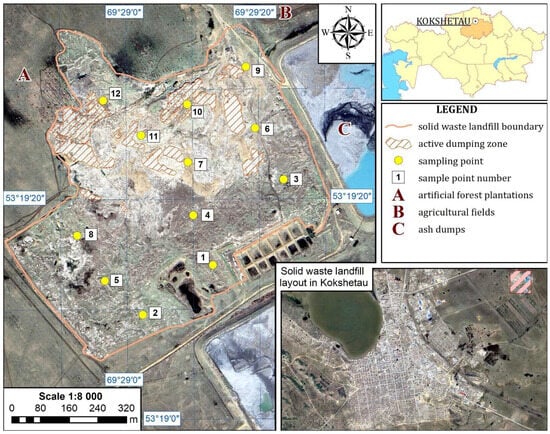
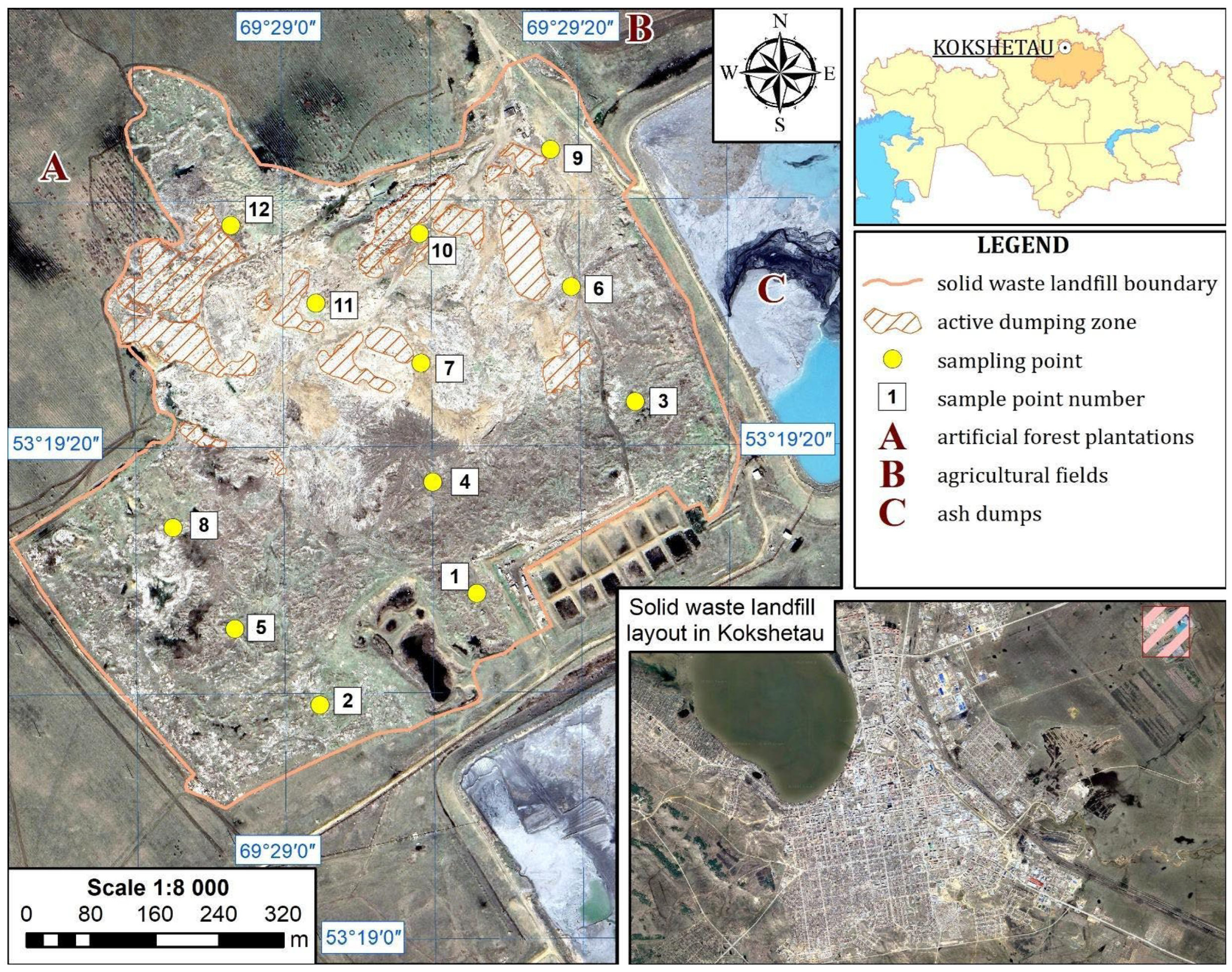
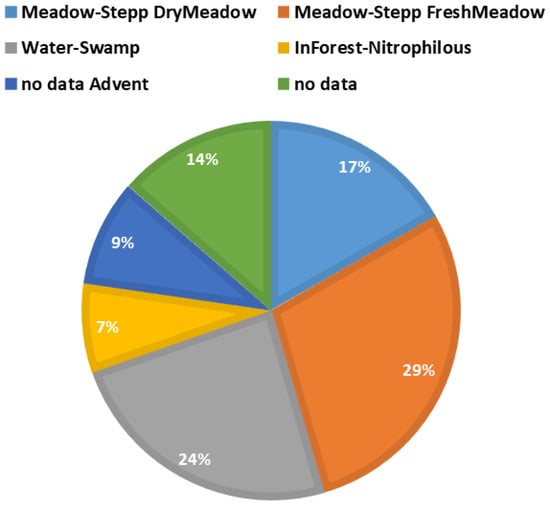
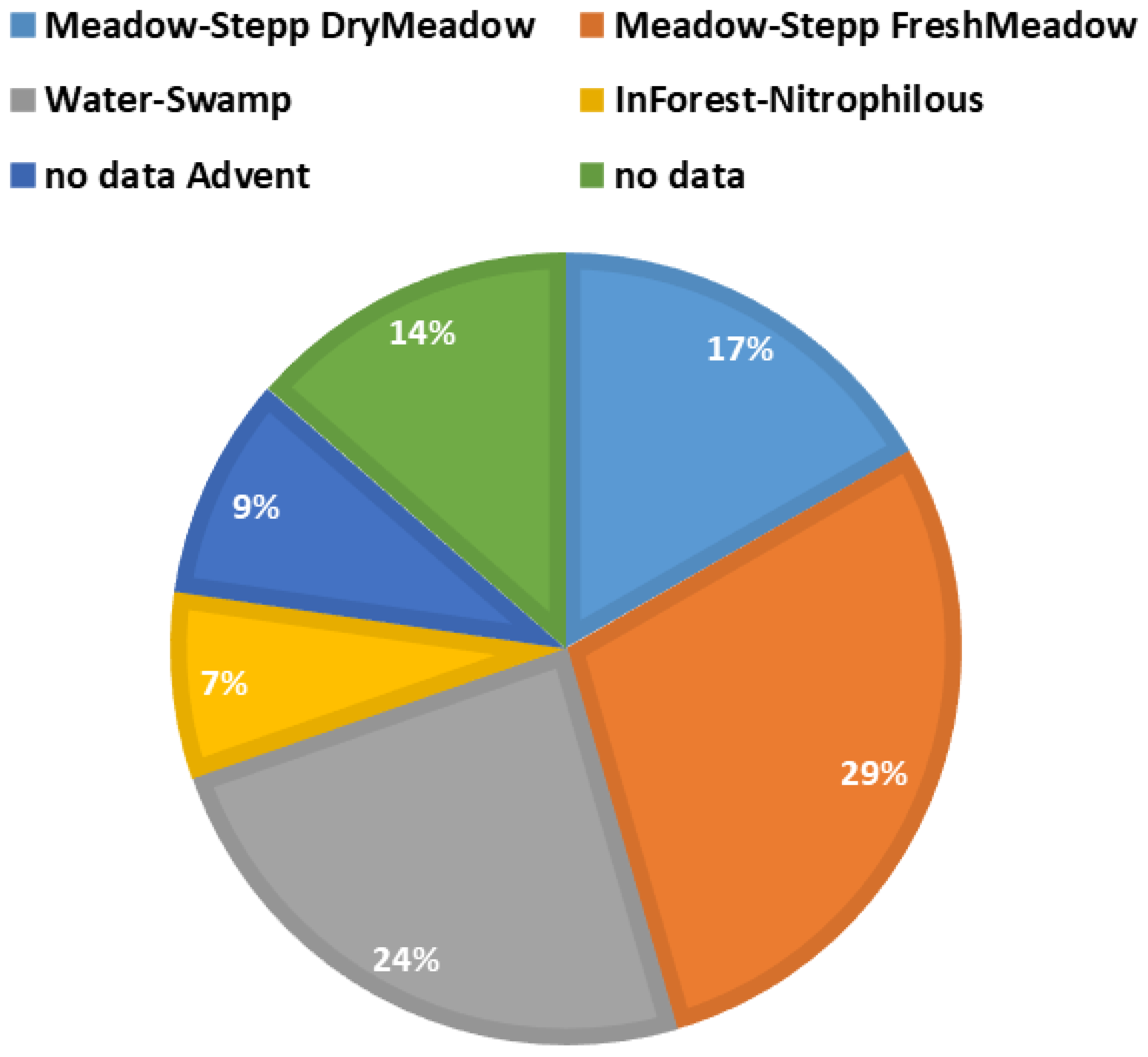
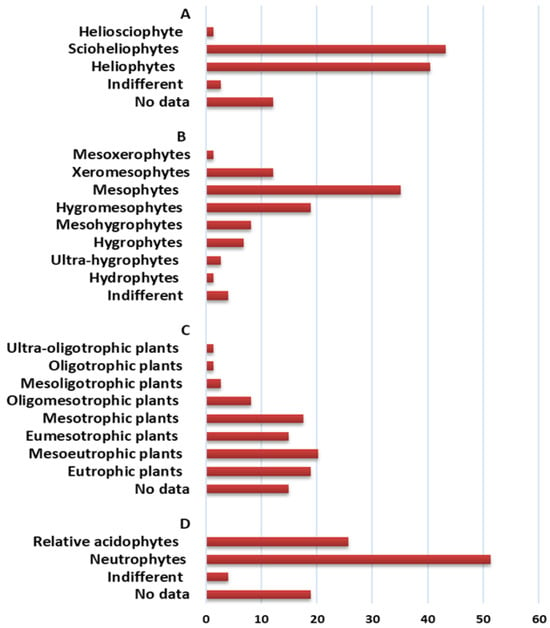
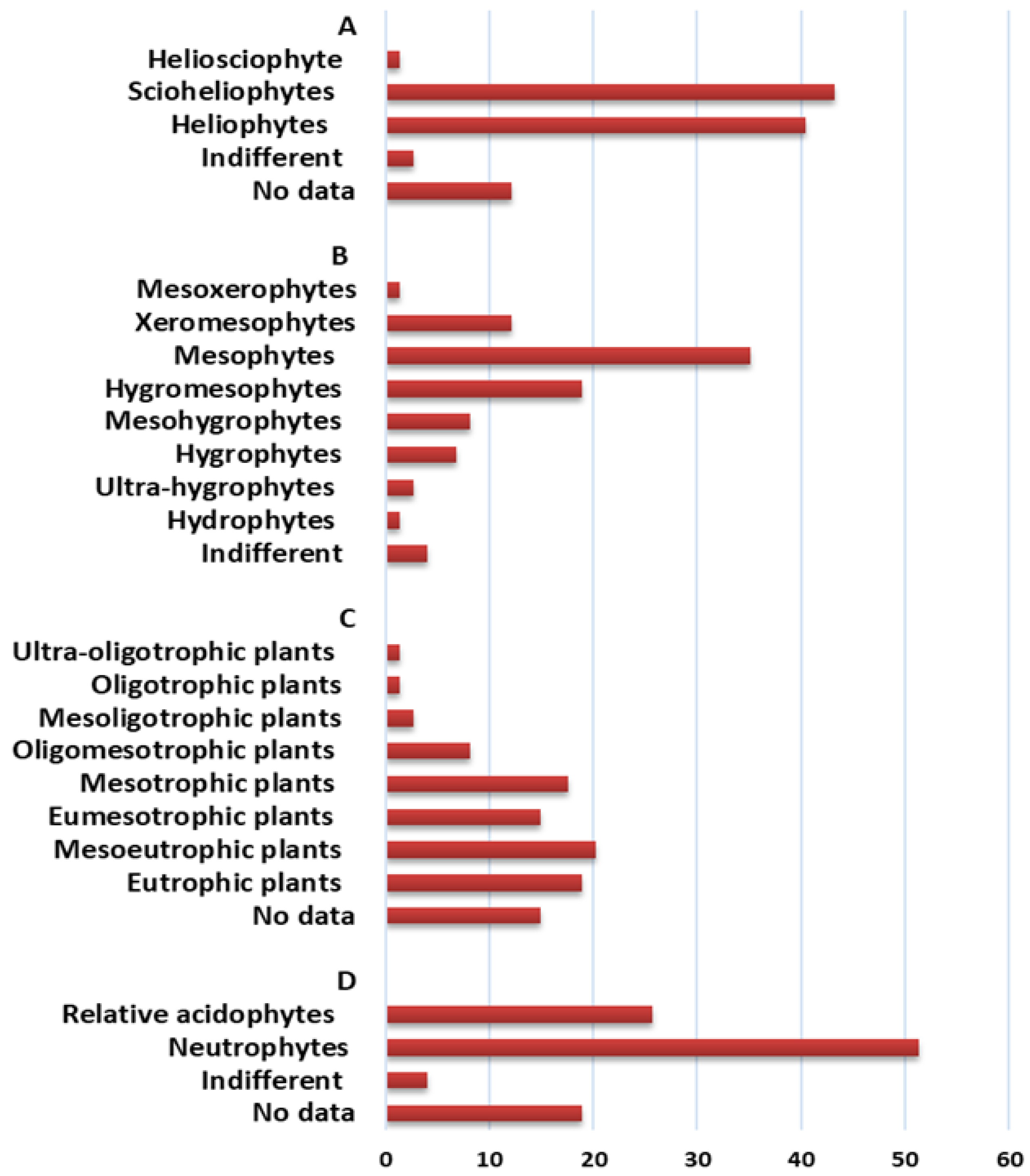
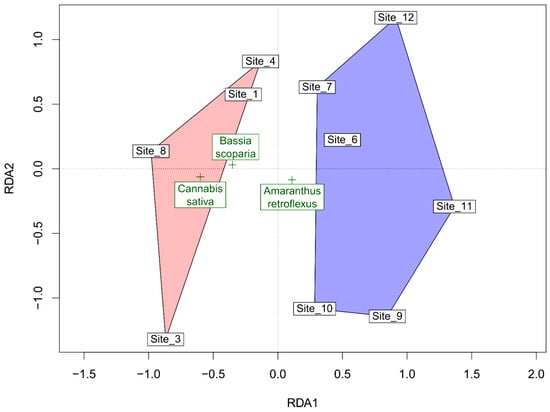
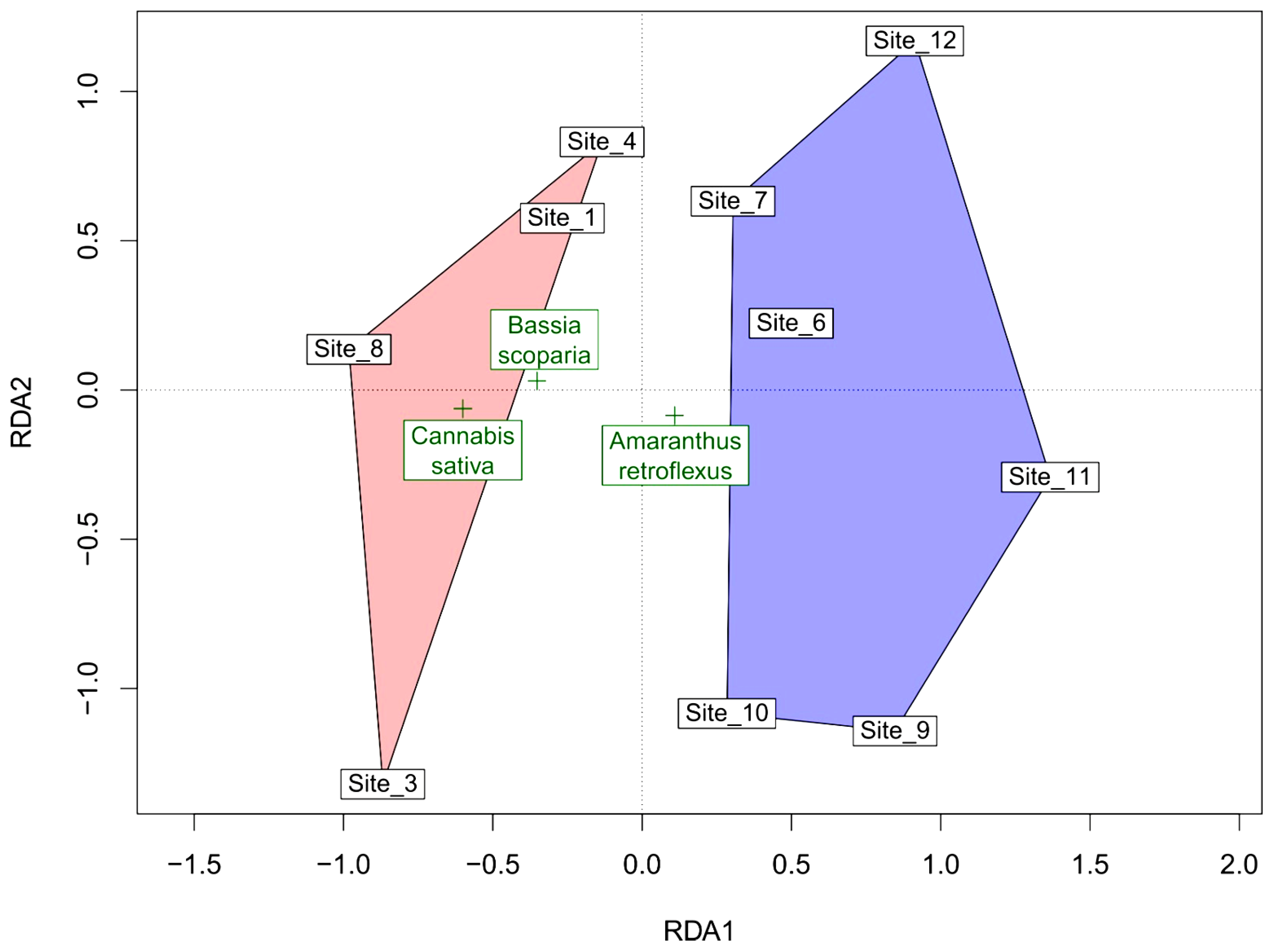
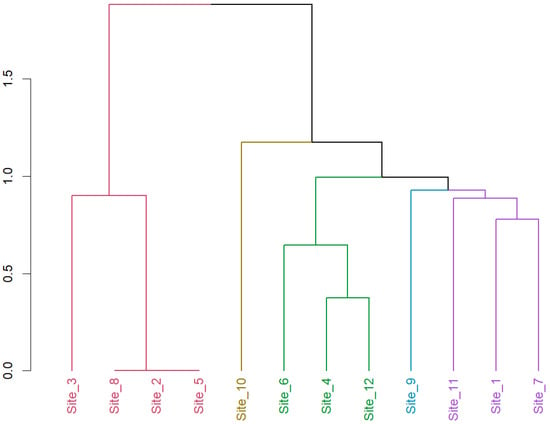
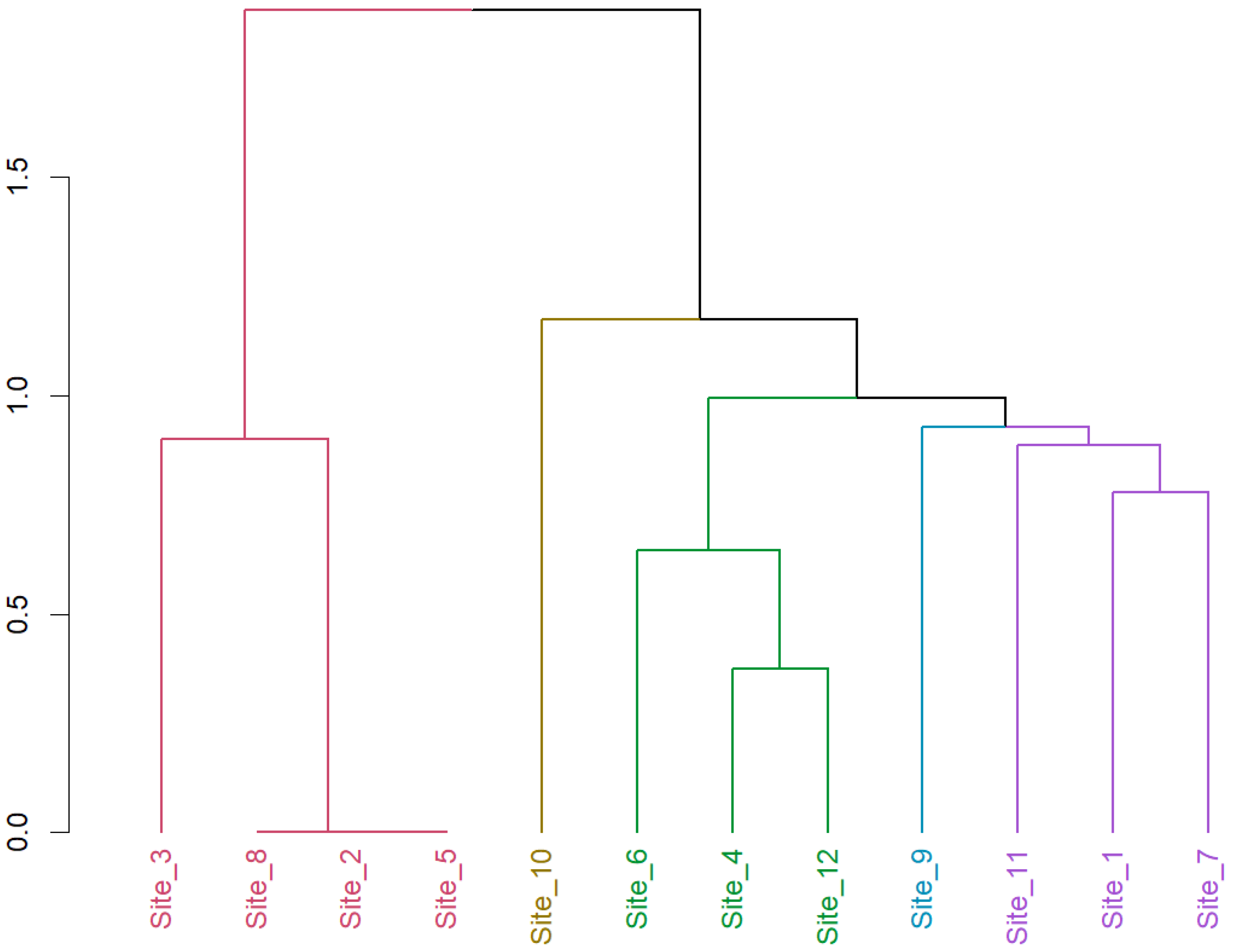

Disclaimer/Publisher’s Note: The statements, opinions and data contained in all publications are solely those of the individual author(s) and contributor(s) and not of MDPI and/or the editor(s). MDPI and/or the editor(s) disclaim responsibility for any injury to people or property resulting from any ideas, methods, instructions or products referred to in the content. |
© 2026 by the authors. Licensee MDPI, Basel, Switzerland. This article is an open access article distributed under the terms and conditions of the Creative Commons Attribution (CC BY) license.