


Abstract
Engineering education must develop transversal competencies that overlap with those targeted by education for sustainable development, and artificial intelligence (AI), particularly generative AI, is entering the experiential pedagogies that develop them. Following PRISMA 2020, we searched Web of Science, Scopus, and IEEE Xplore (last searched 31 October 2026), screened 1506 records with human screeners and an AI model as an independent second screener, and assessed 436 full texts. We included 323 studies, of which 153 primary studies combined AI, an experiential pedagogy, and a transversal competency. AI was used mostly as a tutor or co-creative partner in project-based learning; role-play partners, feedback on interpersonal processes, and drama were rare. Only 60 studies compared groups on performance or validated measures, mostly without randomization and while AI was available, and comparisons favored AI less often in studies meeting more MMAT criteria (50% vs. 85%). Certainty was low to very low. Structured AI use was more often associated with comparative gains than unconstrained use, an exploratory pattern, not a demonstrated effect. Sustainability links were explicit in 15% of studies, and no study assessed sustainability competences with an established framework. The review was not registered; it was funded by Lucian Blaga University of Sibiu.
1. Introduction
1.1. Transversal Competencies, Engineering Education, and Sustainable Development
The 2030 Agenda frames education as both a goal and an enabler of sustainable development: Target 4.7 asks that all learners acquire the knowledge and skills needed to promote sustainable development, and Target 4.4 asks for a substantial increase in the number of young people and adults with relevant skills for decent work [1]. Engineers sit at the center of this agenda, because the infrastructure, energy, production and digital systems on which most of the Sustainable Development Goals (SDGs) depend are designed, built and operated by them [2]. Frameworks of education for sustainable development (ESD) therefore converge on a set of competencies that go well beyond technical knowledge: systems and critical thinking, anticipatory and strategic thinking, collaboration, self-awareness, and the ability to act under complexity and uncertainty [3,4,5,6].
These sustainability competencies overlap substantially with what engineering-education research calls transversal competencies (also termed soft, generic or 21st-century skills): communication, collaboration and teamwork, creativity, critical thinking, problem solving, self-regulation, emotional intelligence and empathy, adaptability, and ethical responsibility [7,8,9]. The overlap is explicit in the main reference frameworks. The European GreenComp framework groups 12 sustainability competences into four areas (embodying sustainability values, embracing complexity, envisioning sustainable futures and acting for sustainability) and names critical thinking, problem framing, adaptability, exploratory thinking, collective action and individual initiative among them [6]. The key competencies in sustainability proposed by Wiek et al. and updated by Brundiers et al. add interpersonal, intrapersonal and integrated problem-solving competence to systems thinking, futures, values and strategic competence [4,5]. Employer and graduate studies repeatedly report that engineering graduates are technically well prepared but under-prepared in exactly these areas, and that the gap matters for employability and career sustainability [10,11,12,13,14]. Developing transversal competencies is therefore not a peripheral add-on to engineering curricula; it is part of what makes engineering education a lever for sustainable development.
The overlap is, however, partial, and its limits matter for any claim that transversal-competency research serves ESD. Table 1 maps the transversal competencies coded in this review onto both sustainability frameworks and distinguishes core correspondences (the transversal competency is a constituent of the sustainability competence) from partial ones (it contributes to, but does not constitute, the competence). Most transversal competencies have a core counterpart: critical thinking and problem solving correspond to the GreenComp area ‘embracing complexity’ and to integrated problem-solving; collaboration and communication to collective action and interpersonal competence; self-regulation to individual initiative and intrapersonal competence; ethical responsibility to values thinking and fairness; and creativity to exploratory thinking. Several sustainability competences have no core counterpart among the transversal competencies: systems thinking, futures literacy or anticipatory thinking, strategic and implementation competence, political agency and promoting nature; some of them are reached only partially, for example, futures literacy through creativity or political agency through communication. The crosswalk is conceptual. Overlap between a transversal and a sustainability competence does not mean that a study targeting the transversal-competency targets, measures, or develops the sustainability competence, and we therefore keep these levels apart in the analysis (Section 3.5).
Table 1.
Crosswalk between the transversal competencies coded in this review and two sustainability-competence frameworks.
1.2. Experiential Pedagogies as Vehicles for Transversal Competencies
Transversal competencies are difficult to teach through lectures and examinations alone. They are developed mainly through experience: learners act in an authentic or simulated situation, reflect on what happened, conceptualize, and try again [15,16]. A family of alternative and experiential pedagogies operationalizes this logic in engineering and STEM higher education. Project-, problem- and challenge-based learning (PBL) organizes learning around open-ended, team-based problems and is one of the most frequently reported vehicles for teamwork, communication and problem-solving skills [17,18,19]. Design-thinking structures human-centered problem solving around empathy, ideation, prototyping and testing and has been linked to creative and entrepreneurial competencies [20,21,22]. Role-play, applied drama and improvisation, building on the work of Spolin, Boal and Heathcote, train communication, empathy and conflict management by having students rehearse professional interactions [23,24,25,26,27,28,29,30]. Games and gamification, simulation, and immersive virtual, augmented, and extended reality (VR/AR/XR) place students in rich scenarios that would be costly or impossible to stage in reality, although immersion also adds cognitive load that must be managed [31,32,33,34,35].
What these approaches share is that they are resource-intensive. They need carefully designed scenarios, credible counterparts to interact with, timely and individual feedback, and facilitators who can observe and debrief many students at once. These are precisely the bottlenecks that artificial intelligence (AI) promises to relieve.
1.3. Artificial Intelligence in Engineering and STEM Education
AI has been part of STEM education for more than a decade, mainly in the form of intelligent tutoring systems, adaptive learning environments, learning analytics, and automated assessment [36,37,38,39,40]. Since the public release of ChatGPT in late 2022, generative AI and large language models (LLMs) have changed the scale and the nature of this presence: students and teachers now have general-purpose conversational systems that can explain, generate text, code, and images, play roles, and give feedback on demand [41,42,43,44]. Engineering-education research has responded quickly, initially with a strong focus on assessment integrity and on AI as a tutor for technical content [44,45]. Guidance from international bodies stresses that generative AI should be introduced in ways that protect human agency, equity and the development of higher-order competencies [46].
The relationship between AI and transversal competencies is ambivalent. On one side, conversational agents can act as tireless rehearsal partners for communication and interview practice; generative AI can author role-play scenarios and case studies at low cost; and multimodal systems can give feedback on presentations and collaboration [47,48,49,50]. On the other side, recent experimental evidence suggests that unrestricted access to generative AI can reduce learners’ own cognitive effort, impair learning when the support is withdrawn, and narrow the diversity of creative output [51,52,53]. Whether AI strengthens or erodes transversal competencies may therefore depend less on the technology itself than on how it is embedded in the pedagogy.
1.4. Research Gap, Aim and Research Questions
Existing reviews cover AI in STEM education in general [36,39], generative AI in higher education [42,43], LLMs in computing education [44], generative AI and transversal competencies across disciplines [54], and design thinking and AI [55]. Our own search also retrieved 30 reviews that touch the topic more closely, and they are included in this review as secondary evidence. Each of them, however, is bounded by a single technology, outcome, pedagogy or discipline: chatbots and generative AI in engineering education [56], conversational agents [57], AI in immersive or XR environments [58,59,60], adaptive or serious games [61,62], technologies for assessment and feedback [63], generative AI and creative thinking [64,65], emerging technologies in project-based learning [66], human–generative-AI interaction in active learning in STEM [67], AI-supported language and communication training for engineers [68] and innovative mathematics courses in engineering [69]. None of them maps the whole range of experiential formats against all types of AI and against the transversal-competency outcomes measured in engineering and STEM higher education, and none relates these outcomes to sustainability-competence frameworks. As a result, we do not know which roles AI actually plays across role-play, design thinking, PBL, games and immersive simulation; which competencies these AI-augmented activities target and how they are measured; how robust the evidence is; and whether the research connects to the sustainable-development agenda that motivates competency-based engineering education.
This systematic review addresses that gap. Its aim is to map and critically appraise the empirical and conceptual literature on AI-augmented experiential pedagogies for transversal competencies in engineering and STEM/STEAM higher education, and to derive implications for sustainable-development education. Five research questions guide the review:
- RQ1. What are the characteristics of research on AI-augmented experiential and alternative pedagogies for transversal competencies in engineering and STEM/STEAM higher education (publication trends, contexts, disciplines and study designs)?
- RQ2. Which roles does AI play, and through which mechanisms does it augment experiential pedagogies such as role-play, drama and improvisation, design thinking, games and gamification, immersive environments, simulation, and project-, problem-, or challenge-based learning?
- RQ3. Which transversal competencies are targeted, how are they measured, and what outcomes are reported?
- RQ4. What is the methodological quality of this evidence?
- RQ5. Which risks and challenges are reported, to what extent is this research explicitly linked to sustainable development and education for sustainable development (SDG 4), and which gaps should future research address?
The review contributes a PRISMA 2020-compliant, multi-database map of a field that has emerged almost entirely since 2024, in which studies that combine AI, an experiential pedagogy and a transversal competency are reported separately from adjacent and contextual literature; explicit and reproducible rules for coding outcomes, AI-use structure and methodological quality; a quality- and certainty-weighted reading of the comparative evidence; and a crosswalk between transversal and sustainability competences that separates conceptual overlap from what studies actually target and measure.
2. Materials and Methods
2.1. Review Design
This systematic review was conducted and is reported in accordance with the Preferred Reporting Items for Systematic Reviews and Meta-Analyses (PRISMA) 2020 statement [70]. The completed PRISMA 2020 checklist and PRISMA 2020 for Abstracts checklist are provided in Table S6 (PRISMA 2020 checklists), and the PRISMA 2020 flow diagram is shown in Figure 1 (an editable version on the official PRISMA template is included as File S7 (PRISMA 2020 flow diagram)). The search is reported following PRISMA-S [71], and the synthesis of quantitative findings follows the Synthesis Without Meta-analysis (SWiM) guideline [72]. Because interventions, outcomes and instruments were too heterogeneous for statistical pooling, the synthesis combines descriptive mapping, direction-of-effect summaries and thematic synthesis, complemented by analyses of consistency across databases and retrieval stages.
Figure 1.
PRISMA 2020 flow diagram of the selection process.
The review was not registered in PROSPERO, the Open Science Framework, or any other register, and no separate protocol was published. The eligibility criteria, screening codes, and extraction form were defined before screening and are provided in full in the Supplementary Materials (Document S1: Search log and field definitions; Table S2: Screening and extraction data; Document S3: Screening, extraction and appraisal protocols). Four amendments were made during the review and peer review, all reported here and in Document S1 (Search log and field definitions): (i) additional full-text retrieval efforts for reports not obtained in the first search (Section 2.5); (ii) exclusion of systematic reviews from the outcome synthesis to avoid double counting (Section 2.8); (iii) extension of the search to Scopus and IEEE Xplore, with a reliability benchmark of the AI-assisted screening and a description of non-retrieved reports; and (iv) an independent assessment of a sample of records removed by the field filter, and coding of all primary studies with the explicit outcome, AI-use and appraisal rules in Section 2.6 and Section 2.7 and Document S3 (Screening, extraction and appraisal protocols). Eligibility criteria and screening codes were not changed after results were known; the coding in amendment (iv) replaced the earlier outcome coding for all studies, so that the same rules apply throughout. Because amendments (iii) and (iv) were made after a first synthesis had been completed, they could have been influenced by knowledge of the earlier results; this risk is discussed as a limitation (Section 4.7).
2.2. Information Sources and Search Strategy
Three bibliographic databases were searched. The WoS Core Collection was searched on 7 October 2026 through the institutional subscription of Lucian Blaga University of Sibiu (editions SCI-EXPANDED, SSCI, A&HCI, ESCI, CPCI-S, CPCI-SSH, BKCI-S, BKCI-SSH and IC); Scopus and IEEE Xplore were searched on 31 October 2026. The databases were chosen for complementary coverage: WoS as a curated multidisciplinary index of the main engineering-education journals and the IEEE and ACM education conference series (e.g., FIE, EDUCON and SIGCSE); Scopus for its broader coverage of conference proceedings, regional journals and publishers outside the WoS selection; and IEEE Xplore as the primary source for engineering and computing-education conference papers. Methodological studies show that no single database is sufficient for a systematic review and that combinations of databases are needed to reach adequate recall [73,74,75], and that coverage differs substantially between WoS and Scopus, particularly for conference papers [76]. Publication years were limited to 2015–2026, a window that covers the decade of conversational agents, intelligent tutoring systems, and AI-enabled immersive environments that preceded generative AI, as well as the rapid growth of generative-AI applications since 2022.
The query combined four concept blocks: AI technologies (#1); alternative and experiential pedagogies (#2); transversal competencies (#3); and the engineering/STEM/STEAM higher-education context (#4). The final search, #1 AND (#2 OR #3) AND #4, was run as a single combined query (Table 2). The pedagogy and competency blocks were joined with OR because terminology at this intersection is not yet consolidated, so that studies describing either an experiential format or a transversal-competency outcome were captured. The competency block deliberately used umbrella terms (soft, transversal, generic, 21st-century, professional and employability skills) and the interpersonal and creative competencies most closely associated with experiential pedagogies; generic cognitive terms such as “critical thinking”, “problem solving” and “communication” were not added because, in combination with the AI and engineering blocks, they would mainly retrieve studies on technical problem solving and AI-assisted programming without an experiential component. Studies reporting these competencies could still enter through the pedagogy block or through the umbrella terms. The consequence of this choice was not quantified, because no sensitivity search with these terms was run, but its direction is predictable: studies of AI and critical thinking, problem solving, or communication that use none of the pedagogy or umbrella terms were not retrieved, so the corpus over-represents studies in which these competencies are embedded in an experiential format, and the small competency-only class (Section 3.1) does not indicate how much research on AI and these competencies exists (Section 4.7). In WoS, results were refined to articles, review articles, proceedings papers, and early-access items in English, which yielded 781 records exported as full records with cited references.
Table 2.
Web of Science Core Collection search strategy (7 October 2026). Equivalent Scopus and IEEE Xplore strings are given in Document S1 (Search log and field definitions).
The same blocks were translated into Scopus (TITLE-ABS-KEY, with document-type, language and year limits) and IEEE Xplore (Command Search, with wildcards replaced by explicit singular and plural forms because of its limit of 10 wildcards per search); the full strings are given in Document S1 (Search log and field definitions). The databases search different fields (Table 3): the WoS topic field covers title, abstract, author keywords, and Keywords Plus (terms derived algorithmically from the titles of cited references); Scopus TITLE-ABS-KEY adds index keywords, including controlled vocabularies such as Compendex terms; and IEEE Xplore metadata searches add IEEE and INSPEC index terms. Index keywords assign broad terms such as “engineering education” or “artificial intelligence” to many records in which the concepts are not substantive: of the 4370 Scopus records, 4281 matched the query when index keywords were included, but only 1339 matched in the title, abstract, or author keywords. We therefore re-applied the query with a script to the title, abstract, and author keywords of every exported Scopus and IEEE Xplore record and marked non-matching records as ineligible by an automation tool, as PRISMA 2020 provides [70]. The script, which reproduces the Boolean structure, truncations, and case-sensitive acronyms of the query, is provided as executable code with its input and output files in File S8 (Field filter and analysis code). This field definition is stricter than the WoS topic field, which retains Keywords Plus. Applied to the WoS corpus, the filter retained 694 of the 779 screened records and 140 of the 145 studies included from the WoS search (96.6%); the five studies it would have missed entered WoS only through Keywords Plus. To estimate how many eligible records the filter removed in Scopus and IEEE Xplore, two authors independently screened a random sample of 300 of the 5493 removed records (166 Scopus, 134 IEEE Xplore, proportional to database) with the normal title/abstract criteria, and the third author resolved disagreements. The two screeners forwarded 12 and 10 of the 300 records to full-text assessment, agreed on 292 decisions (97.3%; κ = 0.62, lower than the percentage agreement because few records were forwarded) and on the exclusion code in 279 of 285 joint exclusions; the third author resolved the 8 disagreements (2 forwarded, 6 excluded). In total, 9 of the 300 records (3.0%; Wilson 95% CI 1.6–5.6%) would have been forwarded to full-text assessment (6 of 166 Scopus and 3 of 134 IEEE Xplore records), compared with 361 of the 727 records that passed the filter (49.7%). Extrapolated to the 5493 removed records, this corresponds to about 165 records (95% CI 87–308), or roughly 31% (19–46%) of all Scopus and IEEE Xplore records that would have reached full-text assessment. The forwarded records were recent conference papers and journal articles on AI-supported project-based learning, gamification, simulation, critical thinking, and reflection in undergraduate engineering and computing, i.e., of the same kind as the included studies; they are listed with both screeners’ decisions in Table S4 (Non-retrieved reports and field-filter assessment), sheet S4b. If the same proportion of forwarded records were eligible as among the Scopus and IEEE Xplore records that passed the filter (159 of 361, 44%), the filter would have removed about 73 eligible studies (roughly 38–136). We retained the filter for three reasons. First, it gives the three databases a comparable field definition; without it, Scopus and IEEE Xplore would have been searched in controlled vocabularies that the WoS search did not use. Second, its precision is very different on the two sides: half of the records it retained reached full-text assessment, compared with 3% of those it removed, so screening all 5493 removed records would have added about 5300 screening decisions for an estimated 165 forwarded records. Third, the removed eligible records are of the same kind as those included (recent conference papers on AI-supported project-based learning, gamification and simulation), and adding 80 studies of this kind through later retrieval did not change the direction of any finding (Section 3.6), although this cannot show that the removed records would not have done so. We nevertheless treat the removed records as a limitation of coverage (Section 4.7), not as evidence that the filtered corpus is complete. The remaining records were deduplicated against WoS and against each other by DOI and normalized title. IEEE Xplore added only 15 unique records, because 394 of its 409 eligible records (96.3%) were already indexed in WoS or Scopus. No registers, websites, or citation searching were used.
Table 3.
Fields searched, search yield, and contribution of each database.
2.3. Eligibility Criteria
Records were eligible when four criteria were met. C1 (context): tertiary education (university, college, polytechnic or tertiary vocational programs) or the professional training of engineers, in engineering, computing/IT or other STEM/STEAM disciplines, with architecture and design counted as STEAM; mixed samples that included tertiary STEM students were eligible. C2 (AI component): an AI technology was used in the teaching and learning process (for example, generative AI and LLMs, chatbots and conversational or pedagogical agents, intelligent tutoring systems, AI-driven feedback or learning analytics, affective computing, and AI-driven characters in simulations, games or VR), or the paper was a review or framework about such use. C3 (pedagogy or competency): the AI was embedded in, or studied together with, an alternative or experiential pedagogy (role-play; drama, theatre or improvisation; design thinking; games and gamification; VR/AR/MR/XR; simulation; experiential learning; problem-, project- or challenge-based learning; hackathons and studio learning), or the study targeted, measured or substantively discussed transversal competencies. C4 (publication type): an empirical study of any design, a design or implementation report, a systematic, scoping or bibliometric review, or a substantive conceptual or framework paper.
At title/abstract level, records were excluded with the first applicable code: E1, not about education or learning; E2, only K-12 pupils, only non-STEM disciplines or the general public; E3, AI absent or peripheral, or AI only the subject taught (e.g., an AI course) with no AI tool used in the pedagogy; E4, no link to an experiential pedagogy or to transversal competencies (e.g., AI used only for automated grading of technical answers, dropout prediction or plagiarism detection); E5, ineligible publication type (editorial, front matter, abstract-only, erratum, retracted). At full-text level, the corresponding codes were FT1 (context not tertiary STEM/STEAM), FT2 (AI not used in teaching and learning), FT3 (no experiential pedagogy and no transversal competency), FT4 (not a usable full report), and FT5 (duplicate report).
2.4. Selection Process
Two records marked as retracted in WoS were removed before screening; no duplicates were found among the 781 exported WoS records. All 1506 records (779 from WoS and 727 from Scopus and IEEE Xplore) were screened on title, abstract, keywords, source, and document type by one human reviewer and an AI model (Claude, Anthropic), working independently. For each database, the records were divided between two authors (V.G. and A.-M.M.), who entered their decisions (include, exclude with code, or unsure) in a screening workbook in which the AI decisions were hidden until all human decisions had been completed. The AI model screened all records against the same written criteria (Document S1: Search log and field definitions); records it judged uncertain were forwarded to full-text assessment rather than excluded. For the WoS records, its 168 initially uncertain decisions were re-assessed in a second pass before the workbook was given to the human reviewers, so the agreement statistics compare the final AI decisions with the human decisions. For the agreement analysis, “include” and “unsure” were both treated as a decision to retrieve the full text.
Human and AI decisions agreed for 755 of 779 WoS records (96.9%; Cohen’s κ = 0.93 [77], almost perfect agreement [78]; κ = 0.94 and 0.93 for the two authors’ sets) and for 705 of 727 Scopus and IEEE Xplore records (97.0%; κ = 0.94 for both authors’ sets). All 46 disagreements were resolved by the third author (G.M.M.), who forwarded 23 records to full-text assessment and excluded 23. No record was excluded by the AI model alone. Overall, 859 records were excluded at this stage (E1 = 33; E2 = 183; E3 = 509; E4 = 122; E5 = 12) and 646 reports were sought for retrieval, plus one report identified by the audit described below (647 in total).
The use of an AI model as the second screener follows a design that has become common as evidence on large language models in evidence synthesis accumulates. Single human screening misses a non-negligible share of eligible studies [79], while recent evaluations report high but variable agreement between GPT-class models and human reviewers, with sensitivity that depends on the clarity of the criteria [80,81]. We therefore used the AI model only as an independent second screener whose decisions could forward but never exclude a record on their own, and we benchmarked it against a conventional second human screener. A second author re-screened a random 10% sample of the WoS records (n = 78; 39 from each author’s set) without access to earlier decisions. Agreement between the two human screeners was 94.9% (κ = 0.89), compared with 96.2% (κ = 0.92) between the second human screener and the AI model, and the two human screeners agreed on the exclusion code in 42 of 44 jointly excluded records. In addition, the third author re-assessed a random sample of 50 records that both the human screener and the AI had excluded; one (2.0%; Wilson 95% CI 0.4–10.5% [82]) was judged borderline and was sought at full text, but could not be retrieved. In this sample, the AI model was as consistent with an independent human screener as a second human was. The benchmark is small, however: with 78 records, the confidence intervals of the κ values overlap widely, and the audit of 50 joint exclusions cannot exclude a miss rate of up to about 10%. We therefore interpret these results as evidence that the AI-assisted screening did not perform worse than conventional single human screening, not as evidence that it was equivalent to full dual human screening. All agreement statistics are summarized in Table 4.
Table 4.
Reliability of the AI-assisted steps and extent of human verification.
2.5. Full-Text Retrieval and Eligibility Assessment
Full texts were sought through the authors’ institutional subscriptions, legal open-access sources (publisher websites, institutional and subject repositories, preprint servers and conference proceedings archives) and reference-manager look-ups (Zotero open-access look-up). Reports that could not be obtained in the first search were searched for again individually with the same sources and finally requested through the library of Lucian Blaga University of Sibiu; retrieval closed on 5 November 2026. These later efforts yielded 106 further reports (19 from the WoS search and 87 from the Scopus and IEEE Xplore searches). In total, 436 of 647 reports (67.4%) were retrieved, and 211 (32.6%) were not: 75 of 286 from the WoS search and 136 of 361 from the Scopus and IEEE Xplore searches. Most non-retrieved reports were conference papers (FIE, EDUCON, ISEC, ASEE and other proceedings) without open-access versions and outside the university’s subscriptions. Study investigators were not contacted: with 211 outstanding reports, most of them recent conference papers, individual requests could not have been completed and verified within the time frame of the review, and replies would have been incomplete and selective. The non-retrieved reports are listed in Table S4 (Non-retrieved reports and field-filter assessment). Because they could not be assessed, their eligibility, findings, and methodological quality are unknown, and the review’s conclusions apply to the retrieved literature (Section 3.6 and Section 4.7).
For each retrieved report, the AI model extracted the eligibility facts and proposed a decision with a code and rationale. Every proposed exclusion was assessed independently against the full text by two authors (V.G. and A.-M.M.), and disagreements were resolved by G.M.M. Across all 112 proposed exclusions, the two authors agreed on the decision for 100 reports (89.3%) and on the exclusion code for 88 of the 100 jointly excluded reports (88.0%); agreement for each retrieval stage is given in Table 4. G.M.M. confirmed exclusion in all disputed cases. Proposed inclusions were confirmed by the author who verified the data extraction for that study (Section 2.6). In total, 112 reports were excluded (FT1 = 23; FT2 = 63; FT3 = 9; FT4 = 17), and 324 reports of 323 studies were included; one study was reported in two papers [83,84], which were treated as a single study. One retrieved report had been retracted by its publisher after publication; it was excluded as an unusable report (FT4), consistent with the removal of retracted records before screening (Section 2.2), and it is listed with the other excluded reports in Table S2 (Screening and extraction data) but not cited. Reports that might appear to meet the inclusion criteria but were excluded include an extended abstract of a comparative study of interactive AI feedback on STEM students’ writing, which reported no group sizes or statistics (FT4) [85], and a poster on AI agents that simulate users with disabilities in software-engineering education, which reported no evaluation method or data (FT4) [86]. All excluded reports are listed with their codes and rationales in Table S2 (Screening and extraction data). The selection process is summarized in Figure 1.
2.6. Data Extraction
A structured extraction form (Document S3: Screening, extraction and appraisal protocols) recorded the country, educational level, discipline, number of participants, intervention duration, study design, presence of a comparison group, AI tools, the primary AI role, and a one- to two-sentence description of the augmentation mechanism and the pedagogies involved (several codes allowed). For each transversal competency targeted, it recorded the type of measure (validated scale, self-report survey, performance rubric or test, qualitative, not measured), the direction of the reported result (positive, mixed, no effect, negative, not measured), and the supporting evidence. It also recorded other outcomes (e.g., engagement, motivation, knowledge), the risks and challenges reported by the authors, any explicit link to sustainability, the SDGs or ESD, and the authors’ stated limitations. Primary AI roles were coded as tutor/assistant, role-play or simulated partner, scenario/content generator, feedback/assessment, co-creative partner, analytics/affective sensing, agent inside VR or a game, or other.
The AI model completed a first-pass extraction for every included study from the full text, recording only information reported in the text. Each extraction record was then verified against the full text by one author, with the studies divided equally among the three authors, focusing on the eight fields that feed the synthesis (design, comparison group, sample size, AI role, pedagogies, competency outcomes, sustainability link, and quality appraisal). For the first 117 WoS studies, the verifiers corrected 49 of the 936 verified field values (5.2%) in 33 studies. A random 20% sample of these studies (24 studies, eight from each author’s set) was verified again by a second author working independently; the two verifiers agreed on 187 of 192 field values (97.4%), and the five discrepancies (four corrections made by only one verifier and one partial overlap) were resolved by adopting the correction. The remaining 28 WoS studies were verified with the same procedure; the verifiers corrected 18 of 224 field values (8.0%) in 16 studies, and the independent double-check of six of these studies (21%) agreed on 47 of 48 values (97.9%). The 98 studies from Scopus and IEEE Xplore were verified with the same procedure; the verifiers corrected 33 of the 784 verified field values (4.2%) in 30 studies, most often MMAT ratings (23 corrections), followed by sample size (5) and design (3), and confirmed the eligibility of all 98 studies. The independent double-check of 20 studies (20%, stratified by verifier) agreed on 156 of 160 field values (97.5%), and the four discrepancies (three corrections made only by the second verifier and one only by the first) were resolved by adopting the correction. Reports obtained in the later retrieval efforts were extracted and verified with the same procedure. The author verification of the coding of all primary studies (below) led to 98 corrections of extraction, outcome, AI-use and MMAT values, all listed in Table S2 (Screening and extraction data; sheets S2k and S2l). Study investigators were not contacted to obtain or confirm data.
All primary studies were coded from the full text with an explicit protocol (Document S3: Screening, extraction and appraisal protocols). Every coded value was verified by one author against the full text, and a random 20% of studies were checked independently by a second author (274 of 296 values agreed across 49 studies, 92.6%). The protocol fixed four sets of rules. First, each study was assigned a scope class: core (AI used in teaching and learning inside an experiential pedagogy, with at least one transversal competency targeted or measured), competency-only (AI and a transversal competency, no experiential pedagogy), pedagogy-only (AI inside an experiential pedagogy, no transversal competency targeted or measured), or contextual (reviews, conceptual papers, design reports without learner data and surveys of general AI use not tied to a designed learning activity). Second, each outcome record was coded by type of measure, type of contrast, time point, whether AI was available when the competency was assessed, and direction, with the rules in Table 5; statistics and effect sizes were copied as reported. Third, the organization of AI use was classified as structured, unconstrained, both, or unclear, with the operational definitions in Table 5. Fourth, the MMAT rating rules were made explicit (Section 2.7). Records were created for every combination of competency, measure, and contrast; when a study reported both a between-group and a within-group result, both were recorded; subscales of one instrument measuring the same competency were aggregated with the ‘mixed’ rule; the immediate post-test was the main time point and any delayed follow-up was recorded separately.
Table 5.
Rules for coding outcome records and AI-use structure.
2.7. Quality Appraisal
The methodological quality of primary studies with learner outcome data was appraised with the Mixed-Methods Appraisal Tool (MMAT), version 2018 [87]. Single-group pre–post studies were appraised as non-randomized studies and cross-sectional surveys as quantitative descriptive studies; case studies and experience reports were appraised in the category that matched the data they reported. Following the MMAT guidance, “yes” was used when the report gave information showing that a criterion was met, “no” only when the report gave information showing that it was not met (a demonstrated weakness, for example, confounders reported but not controlled, a non-response rate above 20% or an analysis reported and inappropriate), and “can’t tell” whenever the information needed to judge the criterion was not reported. Missing information was therefore never rated “no”, and a short justification was recorded for every “no” rating. For mixed-methods studies, the qualitative component and the quantitative component were each appraised with the criteria of their own category, in addition to the five mixed-methods criteria; criterion 5.5 was rated “yes” only if both components met their criteria. Of the 323 studies, 214 were appraised; the others were reviews, conceptual papers, design reports, or reports without learner outcome data. In line with the MMAT guidance, no overall score was calculated; results are reported per criterion, separately for demonstrated weaknesses and reporting gaps, and as the number of criteria met.
Two authors (V.G. and A.-M.M.) first appraised a calibration sample of 15 studies (three per MMAT category) independently, without seeing the AI ratings. They agreed on 89 of 105 judgements (84.8%; κ = 0.75) and resolved the remaining ones by consensus, with G.M.M. for two studies; the consensus also fixed shared decision rules (e.g., “yes” only for explicit reporting; blinding rated “can’t tell” when not mentioned; an analysis that is not described at all rated “can’t tell” after the re-coding, to align with the MMAT guidance). The first-pass AI ratings matched the consensus ratings in 93 of 105 judgements (88.6%; κ = 0.81). The calibrated rules were then given to the AI model for all studies and applied by each author when verifying the AI proposals for the remaining studies in their set. Quality ratings were not used to exclude studies but to weight the interpretation of outcome evidence (Section 2.8).
2.8. Synthesis Methods
The synthesis followed the five research questions and was stratified by scope class: findings for core studies are reported separately from competency-only and pedagogy-only studies, and contextual literature (reviews, conceptual papers and design reports) is used only descriptively and in the Discussion. For RQ1, study characteristics were summarized with frequencies, separately for core primary studies, other primary studies, and contextual literature. For RQ2, an evidence map cross-tabulated the primary AI role against the pedagogies in primary studies, and the extracted mechanisms were grouped by the stage of the experiential activity at which AI intervened. For RQ3, outcome records from core and competency-only primary studies were synthesized by direction of effect [72,88], separately by type of contrast (between-group, within-group, correlational, descriptive) and type of measure (performance, validated self-report, non-validated self-report, qualitative). Non-significant results were reported as such and not as evidence of no effect. Comparative evidence was defined as between-group records with a performance or validated self-report measure; within this subset, we separated records with and without an inferential test, records assessed while AI was available from those assessed without AI, and immediate from delayed outcomes, and we tabulated reported effect sizes and confidence intervals without pooling them (Section 3.3). For the structured-versus-unconstrained hypothesis, all comparative records were tabulated by AI-use structure, including those that do not fit the hypothesis. For RQ4, MMAT ratings were summarized per criterion, and the direction of comparative outcomes was compared across studies meeting 0–1, 2, and 3–5 criteria to examine how methodological quality relates to the findings. The certainty of each main finding was rated with GRADE guidance for narrative syntheses without a single effect estimate [89]: evidence from non-randomized designs started at low certainty and evidence from randomized designs at high certainty, and was rated down for risk of bias (MMAT), inconsistency, indirectness (for example, outcomes assessed while AI was available), imprecision (few or small studies) and suspected publication bias (Section 3.4). For RQ5, reported risks were counted by category, explicit links to sustainability were classified by their nature, and the targeted competencies were related to sustainability competences at three levels: conceptual correspondence (Table 1), competencies targeted or measured, and competencies with comparative evidence of development. Descriptive analyses were run in Python (pandas, matplotlib); the analysis code is provided in File S8 (Field filter and analysis code).
Two further analyses examined whether the findings were consistent across databases and retrieval stages (Section 3.6); neither can show that the findings hold for the reports that were not retrieved or for the records removed by the field filter. A database-robustness analysis compared key indicators between the WoS corpus and the studies added from Scopus and IEEE Xplore, and the studies obtained through the later retrieval efforts were compared with those retrieved first. A dictionary-based comparison of titles, abstracts and keywords between included studies and non-retrieved reports was retained only as a description of the non-retrieved literature: because abstracts do not reveal findings or methodological quality, this comparison cannot show that non-retrieval did not bias the results.
2.9. Bibliometric Mapping
To situate the included studies within the wider literature, an author-keyword co-occurrence map was built for the 243 studies retrieved in the first search (minimum four occurrences; the 80 studies obtained through later retrieval efforts are not included in this map), and author-keyword, co-citation and country co-authorship maps of the screened WoS corpus (n = 779) are provided in File S5 (VOSviewer maps). Keywords were harmonized with a thesaurus (e.g., merging singular and plural forms and synonyms such as “generative AI” and “GenAI”). Co-occurrence counts were normalized with the association strength [90], and maps were built with the VOS mapping technique and Leiden clustering (resolution 1) [91,92], as implemented in VOSviewer (1.6.20) [93] and, for the map of the included studies, in the open-source networkanalysis library developed by the same group. Map and network files are provided for reproduction in VOSviewer.
2.10. Use of Generative AI
In line with the journal’s policy, an AI model (Claude, Anthropic; Opus 5.5 and Sonnet 5.5 models, accessed through the Claude desktop application, October 2026) was used in this review for (i) acting as the second, independent reviewer in title/abstract screening; (ii) proposing full-text eligibility decisions; (iii) first-pass data extraction and MMAT appraisal proposals; (iv) writing the Python code for the field-harmonization filter, deduplication, descriptive statistics, figures and bibliometric maps; and (v) drafting support and language editing of the manuscript. The protocols given to the model are provided in Document S3 (Screening, extraction and appraisal protocols). All AI outputs were checked by the authors as described in Section 2.4, Section 2.5, Section 2.6 and Section 2.7 and Table 4: no record was excluded, no extracted value was retained without human verification, and every disagreement between the AI model and a human reviewer was resolved by a human author. The authors take full responsibility for the content of this publication.
3. Results
3.1. Characteristics of the Included Studies (RQ1)
The 323 included studies comprise 220 primary empirical studies (153 core, 14 competency-only, 26 pedagogy-only, and 27 contextual surveys) and 103 contributions without learner outcome data (31 reviews, 21 conceptual papers, and 51 design reports); they are grouped in Table 6 and listed individually in Appendix A (Table A1). The field is very recent: 276 studies (85.4%) were published in 2025 or 2026 (Figure 2). Generative AI was the AI technology in 252 studies (78.0%), and in 117 of the 153 core studies (76.5%); ChatGPT was named in 142 studies. The few earlier studies used rule-based or case-based virtual characters, knowledge-based feedback systems, adaptive engines, or classical machine learning [94,95].
Table 6.
Characteristics of the included studies by scope class.
Figure 2.
Included studies by publication year and database of first identification. Data for 2026 cover January to October (*).
The three databases contributed differently (Figure 3). WoS indexed 164 of the included studies (50.8%), Scopus 314 (97.2%), and IEEE Xplore 94 (29.1%); 119 studies were found only in Scopus, 8 only in WoS, and 1 only in IEEE Xplore. Most studies added from Scopus were recent conference papers and journal articles from regional or specialized venues, consistent with known differences in coverage [76].
Figure 3.
Database coverage of the included studies: (a) intersections of the three databases (UpSet plot); (b) number of included studies indexed in each database and found only in that database.
The studies came from 63 countries, led by China (48), the USA (46), Mexico (21), India (17), the UK (11) and Spain (11). Most core studies involved undergraduates (113 of 153). Computing and software engineering dominated (113 studies; 35.0%), followed by general or multidisciplinary engineering (61), mechanical, industrial and manufacturing (43), electrical and electronic (38) and chemical, biological and materials engineering (24); design and STEAM programs contributed 12 studies.
Designs differed by scope class. Among the 153 core studies, mixed-methods studies (41), quasi-experiments (38), case studies and experience reports (29), qualitative studies (13), single-group pre–post studies (12) and randomized or crossover experiments (12) predominated, whereas the other primary studies were mostly cross-sectional surveys (25 of 67). Of the 220 primary studies, 63 compared an AI condition with a concurrent no-AI control, 23 with a historical cohort and 6 with an alternative AI condition; baseline equivalence was reported in 27 of the comparative studies and not reported in 61. Among the core studies that reported a sample size, the median was 64 participants (interquartile range 33–118).
The keyword co-occurrence map of the 243 studies retrieved in the first search (Figure 4) shows seven clusters: a computing-education cluster that links large language models with project-based learning, gamification, adaptive learning, intelligent tutoring, learning analytics and teamwork; an immersive-learning cluster around artificial intelligence with virtual, augmented and extended reality, personalized learning, feedback and assessment; a generative-AI cluster that connects engineering and higher education with design thinking, creativity, critical thinking and challenge-based learning; a pedagogical cluster around STEM education, active, experiential and collaborative learning and CDIO; a ChatGPT cluster linked to software and chemical engineering and game-based learning; a smaller cluster that joins AI in education with human–AI collaboration, STEAM and AI literacy; and problem-based learning as a separate node. The keywords “sustainability” and “sustainable development” did not reach the four-occurrence threshold. The map does not include the 80 studies obtained through later retrieval efforts, but their keywords follow the same structure: 61 of them reported author keywords, 55 of these (90%, compared with 87% of the studies retrieved first) used at least one keyword of the map, and their keywords were distributed across the same clusters in similar proportions.
Figure 4.
Author-keyword co-occurrence map of the 243 studies retrieved in the first search (keywords with at least four occurrences; the keywords of the 80 studies obtained later fall into the same clusters, Section 3.1; association-strength normalization, VOS layout and Leiden clustering). Node size reflects occurrences; colors indicate clusters; overlapping labels are omitted.
3.2. Roles and Mechanisms of AI in Experiential Pedagogies (RQ2)
In the 153 core studies, AI most often acted as a tutor or assistant (60) or as a co-creative partner (37); feedback and assessment (16), role-play or simulated partner (14), scenario or content generator (12), analytics or affective sensing (4), and agents inside VR or games (4) were less frequent. Project-, problem- and challenge-based learning was the most frequent pedagogy (112), usually combined with collaborative learning (95), followed by experiential learning in a broader sense (58), simulation (43), role-play (22), games (24), flipped or blended formats (20), design thinking (21) and immersive VR/AR/XR (16); drama, theatre and improvisation appeared in a single study [96]. AI use was structured in 92 core studies, unconstrained in 38, contrasted in 3 and unclear in 20; the most common structuring features were phase restriction, verification requirements, solution-withholding tutors and sequencing AI after students’ own attempts.
The evidence map of primary studies (Figure 5) shows that the corpus is concentrated in two cells: AI tutors and co-creative partners inside team projects. Role-play partners were almost always paired with role-play and simulation, and embodied agents with VR. AI as a feedback instrument for collaboration, communication, or emotional expression during experiential activities remained rare.
Figure 5.
Evidence map of the primary AI role by pedagogy in primary empirical studies (reviews, conceptual papers and design reports excluded). Cells show the number of studies; a study can use several pedagogies; row totals in parentheses; darker cells indicate a higher number of studies.
Reading the extracted mechanisms across studies, AI entered experiential pedagogies at five points of the learning activity (Figure 6).
Figure 6.
Where AI enters the experiential activity: a synthesis of the included studies by primary AI role. Counts are studies; studies with several or other roles are not included in the figure (their roles are listed in Table A1).
Preparing the experience. Generative AI was used to author the materials that experiential activities depend on: animated narrative videos with embedded questions for collaborative problem solving [97], personalized programming challenges in a gamified platform [98], theoretical content and simulations converted by student teams into AR learning objects [99], interactive web simulations generated by instructors through natural-language “vibe coding” [100], and VR presenters generated from lecture notes [101]. In several studies, the generation itself became the learning activity: students prompted LLMs to turn engineering-ethics cases into branching role-play games and then debugged them for bias [102], critiqued an LLM-derived process model against their own derivation and laboratory data [103], and competed to detect errors in Copilot’s answers about requirements and modelling [104]. Studies from Scopus and IEEE Xplore extend this pattern: instructors used ChatGPT to draft a full role-play case study with rubrics and teaching guide [105], generative AI built a red-team/blue-team network attack-and-defense sandbox [106], AI-generated disaster videos anchored PBL discussions in fire-protection engineering [107], and student teams prompted ChatGPT to fabricate datasets that other teams then had to detect [108].
Enacting the experience. Here AI replaced or extended the human counterpart of a role-play. LLM-based simulated clients and stakeholders let software-engineering students practice requirements interviews [109,110]; custom GPT chatbots played an industry consultant and an academic examiner in a process-safety capstone [111]; Gemini acted as a conversation partner in engineering-English role-plays [112]; AI-simulated students with confused, passive, or aggressive personas trained graduate teaching assistants [113]; and ChatGPT played a defensive teammate [114] or a teammate in four teamwork scenarios, scoring each response [115]. Multi-agent classrooms combined a Socratic AI professor with a skeptical AI peer [116], and a role-play mystery game used generative AI as game host and characters [117]. In immersive settings, embodied AI teaching assistants and voice agents guided students inside VR and mixed-reality physics, programming and fabrication environments [118,119,120], while non-player characters [94], an LLM game-show host and opponent [121] and LLM expert avatars [122] populated virtual offices, games and laboratories. Further examples include an LLM-powered buyer inside a VR trade fair who questioned textile-engineering students about their fabrics [123], LLM agents playing frontend, backend and QA teammates with conflicting goals whom the student had to lead [124], an AI avatar that asked students to justify their drone design in VR [125], an AI machinist in a VR workshop [126] and students interviewing AI-simulated historical scientists and patients [127].
Creating and designing. As a co-creative partner, AI generated ideas, concepts and artefacts during team projects and design thinking: in creative ideation for products and services [83,84], robotics design projects [128], entrepreneurial product development in which ChatGPT acted as a “quasi-member” of each team chat [129], a timed engineering design challenge [130], and design-thinking projects in which teams used AI to enrich empathy maps, ideas and storyboards [131,132]. Several studies show students deciding deliberately where AI belongs: design teams used AI as a tool or as a “teammate” in ideation but kept it out of empathy and user research [133]; project teams asked an LLM to impersonate expert stakeholders [134] or to act as a co-requirements analyst whose output they compared with their own [135]. The single drama-related study used ChatGPT and DALL-E in speculative co-design workshops in which groups jointly negotiated prompts and narratives [96]. Similar uses appeared in product design, where image generators produced wearable concepts that teams critiqued [136], in studio design briefs with standardized prompt templates [137], and in design-thinking projects in which teams compared AI-generated solutions with their own only after completing all phases [138].
Solving and building. The most common role was an on-demand tutor during project work: explaining concepts, suggesting approaches, and debugging code or hardware at each phase of CDIO or PBL projects [139,140,141]. Several designs deliberately constrained this support. A custom GPT tutor was instructed not to give direct answers [142]; a coding assistant gave graduated hints rather than solutions [143]; an inquiry tool capped the dialogue at ten turns and turned students’ predictions into questions [144]; a two-by-two experiment compared individual with shared accounts and restricted with unrestricted use [145]; a programming course faded educator scaffolding step by step while students logged their prompts [146]; and a GPT-based aid was inserted only at the reflective-observation and abstract-conceptualization stages of Kolb’s cycle [147]. Other courses required prompt logs and an individual oral defense [148,149] or asked students to check an AI diagnosis against their own laboratory evidence [150]. In simulations and virtual laboratories, adaptive engines and AI tutors were coupled to the simulation state [151,152]. Further constrained designs included a PLC debugging agent that guided hierarchical troubleshooting without giving solutions [153], a RAG chatbot in a management simulation game that gave hints rather than decisions [154], AI used under explicit guidelines as cognitive scaffolding in experiential modelling [155], and an in-game Minecraft assistant with step-specific hints [156].
Reflecting and assessing. A smaller group of studies used AI to close the experiential loop. LLMs summarized peer-assessment comments into constructive reports [157], produced individual contribution summaries from Git data to support team discussion [158], helped students prepare peer feedback that they then delivered orally and empathetically [159], and scored public-speaking performances from multimodal recordings [160]. Multi-agent systems gave criterion-based feedback on capstone proposals [161], LLMs gave feedback on professional-language tasks [162], and real-time corrections in mixed-reality engineering scenarios [163]; explainable machine-learning models and an AI assistant gave personalized feedback in PBL laboratory modules [164], and interaction logs fed dashboards with a predicted creativity index [165]. Emotion-aware tutoring appeared only in conceptual form [166]. Further examples include a machine-learning classifier that rated the quality of students’ empathy comments and nudged them to improve [167], speech recognition that replaced the human pseudo-pilot and checked air-traffic-control phraseology in real time [168], a rule-based checker for team DFMEA reports [169], and affective sensing of team discussions through a telepresence robot [170] or of students acting as workers in a human–cobot cell [171].
Across these stages, a recurrent design principle was to make students verify, justify, and own what the AI produced: logging and defending prompts, comparing AI output with their own work, and restricting AI to specific phases. Whether this principle matters for outcomes is examined below.
3.3. Transversal Competencies, Measures and Outcomes (RQ3)
The outcome synthesis is based on 560 outcome records from the 153 core and 14 competency-only primary studies (521 and 39 records, respectively); pedagogy-only and contextual studies contributed no or only incidental competency records and are not part of the synthesis. Critical thinking and problem solving were the most frequently targeted competencies (69 and 72 studies), followed by collaboration (75), creativity (63), communication (46) and self-regulation (40); ethics (22), adaptability (11), emotional intelligence and empathy (9) and systems thinking (6) remained the least addressed.
Most evidence was not comparative (Figure 7a). Of all records, 268 were descriptive (post-only reports, percentages agreeing or qualitative accounts without contrast), 48 within-group pre–post changes, 12 correlational, and 154 between-group contrasts; 78 records concerned competencies that were targeted but not measured. By measure, 154 records were qualitative, 112 used non-validated self-report, 172 used performance assessments, and 44 used validated self-report instruments. Descriptive and within-group records were predominantly positive (183 of 268 and 30 of 48), but they cannot separate the contribution of AI from that of the course, the pedagogy, the instructor, or time; we therefore report them as improvements reported by the authors, not as evidence that AI caused the improvement.
Figure 7.
Direction of competency outcome records in core and competency-only primary studies: (a) by type of contrast and measure; (b) comparative records (between-group, performance or validated self-report measures) by inferential testing and by whether AI was available when the competency was assessed.
Comparative evidence came from 128 between-group records with performance or validated self-report measures in 60 studies (Table 7). Of these records, 91 were supported by an inferential test: 62 favored the AI condition, 14 were mixed, 11 were non-significant, 3 favored the comparator, and in 1 the direction could not be determined because the reported group means contradicted the authors’ interpretation of the test (semantic divergence of ideas [83]); the other 37 records reported differences without a test. Most comparisons were non-randomized (intact classes or historical cohorts) and rarely adjusted for baseline differences (Section 3.4), so even significant differences show an association between the AI-supported course and the outcome rather than causal effectiveness. Effect sizes were reported for 50 of the 128 comparative records (22 studies) and confidence intervals for 40 (52 and 41 of all 154 between-group records), in heterogeneous metrics (d, g, η2, r); they are listed in Table 7, rounded to two decimals, but were not pooled. Two further features limit what this evidence shows about learners’ competencies. First, 68 of the 128 comparative records assessed a task or product that students completed while AI was available, so they measure AI-assisted performance; only 9 records, from 7 studies, assessed students without AI [111,112,123,156,172,173,174], and for the remainder this was unclear or not applicable. Second, only one study followed students up after six months [175] and one surveyed them at the end of the semester after a four-day activity [176]; neither had a comparison group. The evidence therefore concerns performance during or at the end of AI-supported activities, not the sustained development of competencies once AI support is removed.
Table 7.
Comparative evidence: between-group outcome records with performance or validated self-report measures in core and competency-only primary studies.
Within the comparative subset, results differed by competency (Table 8). For communication, most comparisons in which AI served as a rehearsal partner or feedback source favored the AI condition, including a VR trade-fair buyer assessed in an oral test without AI [123] and AI role-play partners for engineering English and requirements interviews [110,112,162], but one team-level comparison favored the comparator [189]. For problem solving and critical thinking, comparisons mostly favored AI-supported PBL [116,182,183,194,201,202], but nearly all assessed products produced with AI, several used historical cohorts, and four records were non-significant [103,145,186]. Creativity was the most contested outcome: positive comparisons [128,137,186,187] were balanced by mixed, non-significant, or negative ones [83,138,189,196,200]. Evidence for collaboration, self-regulation, ethics, empathy, adaptability, and systems thinking came from one to five studies each.
Table 8.
Summary of main findings and certainty of evidence (GRADE for narrative synthesis).
Outside the comparative subset, qualitative findings described both benefits and costs. Students reported reduced direct communication between teammates when they consulted generative AI before each other [208], collaborative interaction was less comprehensive in an AI-supported condition [147], and students feared that constant AI availability would reduce independent troubleshooting and peer explanation [209]. Beyond transversal competencies, comparative studies frequently reported higher engagement, motivation, and knowledge [94,116,141,144,201,210].
3.4. Methodological Quality (RQ4)
Of the 214 appraised studies, 59 (27.6%) met none of the five category-specific criteria, 50 met one, 42 met two, 42 met three, and 21 met four or five (median 1; Figure 8a). Across all category-specific ratings, 351 were “yes”, 612 “can’t tell”, and 107 “no”: most criteria could not be judged because the information was not reported, whereas demonstrated weaknesses were concentrated in a few criteria. A total of 100 studies had at least one demonstrated weakness, and 107 had reporting gaps only.
Figure 8.
Methodological quality (MMAT 2018): (a) ratings per criterion in each study category; “no” indicates a demonstrated weakness and “can’t tell” missing information; (b) direction of comparative outcome records (between-group, performance or validated measures) by the number of MMAT criteria met by the study.
Demonstrated weaknesses concerned mainly confounding in non-randomized studies (criterion 3.4 rated “no” in 36 of 56, mostly intact or historical groups without adjustment), the quality of mixed-methods components (5.5 “no” in 36 of 62) and non-response in surveys (4.4 “no” in 8 of 53). Reporting gaps dominated elsewhere: the representativeness of participants and the appropriateness of measures could not be judged in most non-randomized studies (52 and 41 of 56), and among the 19 randomized studies the randomization procedure was adequately described in 4 and blinding of assessors reported in 2. In the 62 mixed-methods studies, the separately appraised quantitative components were weaker than the qualitative ones (116 of 310 quantitative ratings “yes” vs. 198 of 310 qualitative ratings).
The appraisal changed how the outcome evidence should be read (Figure 8b). Among comparative records from studies meeting 0–1 MMAT criteria, 46 of 54 (85%) favored the AI condition, and among those from studies meeting two criteria, 20 of 26 (77%); among records from the 17 studies meeting three or more criteria, 24 of 48 (50%) did, while 10 were mixed, 9 non-significant and 2 negative. The more completely a study reported its methods, the less favorable its findings were; we therefore gave most weight to these studies and rated down the certainty of all findings for risk of bias (Table 8).
3.5. Risks, Links to Sustainable Development and Gaps (RQ5)
The included studies reported a consistent set of risks (Figure 9): inaccurate or hallucinated output (142 studies) and over-reliance on AI (145) were the most frequent concerns, followed by bias and ethical issues (112), academic integrity (98), cost and infrastructure (75), equity and access (75), technical problems (78), teacher readiness and workload (73), privacy and data protection (77) and reduced human interaction (39).
Figure 9.
Risks and challenges reported in the included studies (n = 323; a study can report several).
Only 50 studies (15.5%) linked their work explicitly to sustainability, the SDGs, or ESD, and these links were mostly thin. In most of them, sustainability was the content or context of the student projects, for example solar-powered or recycled-material designs, water–energy–food laboratories, biobased materials, waste-management simulations, zero-waste fashion, a green-transition game project or SDG-themed games [131,142,192,198,211,212,213,214,215,216,217]. In others, the AI-augmented approach itself was framed as a contribution to SDG 4 or to “sustainable” teaching quality in terms of scalability, efficiency, or inclusion [99,116,126,164,218,219,220], and several reviews mapped technologies to SDG targets [66,221,222,223,224]. Sustainability-related learning outcomes were assessed in only three studies: as part of course learning outcomes or a design-thinking sub-competency [131,149] and, most substantively, in an environmental-engineering laboratory in which students using an AI assistant made ecology-first design decisions more often than the comparison cohort [179]. We found no study that assessed sustainability competencies with an established framework such as GreenComp or the key competencies in sustainability [4,5,6].
We distinguish three levels when relating the included research to sustainability competencies (Figure 10). At the level of conceptual overlap, the transversal competencies studied most often have core counterparts in GreenComp’s critical thinking, problem framing, exploratory thinking, and collective action, and in the interpersonal and integrated problem-solving competencies. At the level of targeting and measurement, however, no included study targeted or measured a sustainability competence as defined by GreenComp or the key competencies in sustainability; studies targeted transversal competencies, and systems thinking was targeted in 6 studies and measured in 4. At the level of demonstrated development, comparative tested gains existed for only a few transversal competencies (Figure 10, row labels), all measured while AI was available and none followed up. Within the retrieved corpus, therefore, the evidence that AI-augmented experiential pedagogies develop sustainability competences is indirect at best: it rests on conceptual overlap with transversal competencies, not on sustainability-competence outcomes.
Figure 10.
Crosswalk between the transversal competencies coded in this review and two sustainability-competence frameworks. Row labels give the number of core and competency-only primary studies that targeted/measured/showed a tested comparative gain (between-group, performance or validated measure) for each competency; the bottom row gives the number of studies that target a competency with a core conceptual correspondence. Correspondences are conceptual (Table 1); no study targeted or measured the sustainability competences themselves.
Taken together, the evidence map, the outcome synthesis, the quality appraisal and the crosswalk reveal six gaps in the retrieved literature. (i) Drama, theatre and improvisation are virtually absent (one study). (ii) Empathy, emotional intelligence, adaptability and ethical responsibility are less studied than communication, creativity or problem solving, and no study targets sustainability competences such as futures, strategic or systems thinking with an established framework. (iii) AI is rarely used to observe, assess, or give feedback on the experiential process itself. (iv) Comparative designs are a minority, mostly non-randomized and rarely adjusted for confounders. (v) Competencies are almost always assessed while AI is available and immediately after the course, so the sustained development of learners’ own competencies is untested. (vi) Links to sustainable development are mostly rhetorical, and evidence from design-oriented STEAM programs and from Africa remains limited.
3.6. Consistency Across Databases and Retrieval Stages, and Non-Retrieved Reports
The main descriptive findings were similar across databases and retrieval efforts (Figure 11a): in every subset, AI was used mainly as a tutor or co-creator within PBL, role-play partners and drama were rare, and explicit sustainability links were found in a minority of studies. The 80 studies obtained through the later retrieval efforts differed from the 243 retrieved first, but not in a consistent direction. The 25 studies found by the repeated individual searches were more often contextual (12 of 25) and less often core (9 of 25) than those retrieved first (48.6% core); 25 of their 27 measured outcome records were qualitative or non-validated self-reports, and 5 of their 13 appraised studies met no MMAT criterion (38.5% vs. 30.3%). The 55 studies obtained through the library, in contrast, resembled the earlier corpus in scope (26 core, 47.3%), met more MMAT criteria (median 2 vs. 1; 4 of 36 met none) and contributed 22 comparative records from 10 studies, 19 of which favored the AI condition. Adding these 80 studies to the 243 retrieved first (an increase of 33%) did not change the direction or certainty of any finding in Table 8, and the quality gradient in Section 3.4 was present in both sets. This shows consistency within the retrieved literature only; it does not show that the findings would hold for the reports that could not be retrieved or for the records removed by the field filter.
Figure 11.
Consistency across databases and retrieval stages, and non-retrieved reports: (a) key indicators in the studies from the WoS search and from the Scopus and IEEE Xplore search retrieved in the first search, in the studies obtained through later retrieval efforts (repeated individual searches; library requests), and in all 323 studies; (b) features of the 323 included studies and of the 211 reports that could not be retrieved, coded from titles, abstracts and keywords with the same dictionaries (descriptive only; conference papers 54% vs. 81%, reported in Table S4 (Non-retrieved reports and field-filter assessment), sheet S4a2).
The 211 reports that remained non-retrieved after all retrieval efforts were compared with the included studies at title, abstract, and keyword level (Figure 11b). They mention similar pedagogies and competencies (differences of at most 6.1 percentage points), are far more often conference papers (81% vs. 54%), mention generative AI less often (47% vs. 60%), and mention a comparison group somewhat less often (8% vs. 12%). This comparison describes what the missing literature is about; similar abstracts do not imply similar findings or similar methodological quality. The later retrieval efforts show that reports which were harder to obtain can differ from earlier ones in either direction: one set was weaker in design and reporting, the other was not. We therefore cannot predict whether the non-retrieved reports would strengthen or weaken the findings, or whether the quality profile in Section 3.4 over- or underestimates that of all eligible reports. The conclusions of this review apply to the retrieved literature, and the certainty ratings in Table 8 were not raised based on these comparisons.
4. Discussion
4.1. Principal Findings
This review mapped 323 studies on AI in experiential pedagogies for transversal competencies in engineering and STEM higher education, of which 153 primary studies combined all three elements. Four findings stand out. First, the field is new and dominated by generative AI. Second, AI is mostly inserted where it is easiest to insert, as a tutor or co-creator inside team projects, rather than where experiential pedagogies are most resource-hungry: in playing the counterpart of a role-play, in generating rich scenarios, and in giving feedback on the interpersonal process. Third, the evidence on competency outcomes is thin and of low to very low certainty: only 60 studies compared groups on performance or validated measures, most assessed students while AI was available, almost none followed them up, the share of favorable comparisons fell as methodological quality rose, and most designs could not support causal conclusions. Fourth, the research is largely disconnected from sustainable development: links are mostly rhetorical, and no study targeted or measured sustainability competences.
These findings extend earlier reviews. Reviews of AI in STEM education described a field organized around tutoring, prediction and assessment [36,39], and reviews of generative AI in higher education focused on opportunities, integrity and general learning outcomes [41,42,43]. The reviews included in our corpus are consistent with these findings while covering narrower slices of the field. They report mostly positive but methodologically limited evidence, often without formal quality appraisal, for chatbots and generative AI in engineering education [56] and in active STEM learning [67]; find generative AI generally supportive of divergent thinking but weak for originality and complex design thinking [64]; observe that guided or customized generative AI outperformed unguided general-purpose use [67]; and flag that critical thinking and transfer were not assessed in AI–XR studies [58] and that soft skills in serious games lack standardized metrics [62]. A recent cross-disciplinary review linked generative AI to transversal competencies [54], but not to the pedagogies through which these competencies are developed. By focusing on that intersection in engineering and STEM, this review shows that the experiential setting changes both the opportunities and the risks of AI.
4.2. Structure Matters: A Review-Generated Hypothesis
We examined whether the way AI use was organized relates to comparative outcomes, using the operational definitions in Table 5: AI use was structured when the design imposed at least one explicit constraint on how, when, or for what students used AI (phase restriction, solution-withholding, verification requirements, sequencing after students’ own attempts, usage limits, or instructor-curated output), and unconstrained when students had open access during the task, or AI produced the core generative or problem-solving output. All comparative records are tabulated by structure in Table 7. Of the tested comparative records (between-group, performance or validated measures), those from structured designs favored the AI condition in 40 of 50 (80%; 26 studies) and those from unconstrained designs in 12 of 26 (46%; 10 studies). Unconstrained designs more often produced mixed, non-significant, or negative results, notably for creativity and communication [83,140,189,200]. The pattern has clear counterexamples: structured designs also produced non-significant or negative results [103,138,167,197], and some unconstrained designs reported gains [137,178,182,193,205]. The comparison is also confounded, because structured and unconstrained studies differ in discipline, task, sample, comparator, and quality, and the classification depends on how completely the AI use was reported. The structured category is also heterogeneous. Because a design was classified as structured if it imposed at least one constraint, the category groups light constraints, such as asking students to log their prompts, with designs that combine several constraints, such as phase-specific tutors that withhold solutions and pose Socratic questions. Among the 26 structured studies with tested comparisons, the most frequent constraints were phase restriction (11 studies), verification or justification requirements (9) and instructor-curated output (9), followed by solution-withholding (5), sequencing after students’ own attempts (5) and usage limits (2); 13 studies used one constraint and 13 combined two or more. The share of records favoring AI did not increase with the number of constraints (17 of 21 records, 81%, with one constraint; 23 of 29, 79%, with two or more), so the data do not support a dose–response reading, and the numbers are too small to compare types of constraint. The remaining 15 of the 91 tested records came from studies that compared both conditions (10) or did not report how AI use was organized (5). Only 4 studies varied the organization of AI use within one design: in a 2 × 2 quasi-experiment, individual access produced better collaboration and project outcomes than shared access, whereas restricted and unrestricted use did not differ significantly on project scores [145]; in a randomized study, an inquiry tool that capped and staged the dialogue outperformed unrestricted ChatGPT on higher-order thinking [144]; in a laboratory experiment, editing AI-generated notes gave mixed creativity results compared with using them unchanged or taking one’s own notes [196]; and in a reflection activity, dynamically generated AI questions were compared with fixed questions [225]. We therefore present the contrast as an exploratory, hypothesis-generating comparison of very low certainty, which future studies should test by varying structure within the same course rather than by comparing AI with no AI, specifying which constraint is varied (e.g., phase restriction, solution-withholding or verification) and how intensively it is applied. It is consistent with an included review reporting that guided generative AI outperformed unguided use [67], and with evidence outside engineering that unrestricted generative AI can reduce cognitive effort and self-regulation [51,52,53].
For experiential pedagogies, this suggests a working principle that future studies should test rather than assume: AI should add friction and feedback to the experience, not remove the experience; because nearly all outcomes were assessed with AI available, it should also be tested whether such designs leave students more capable when AI is withdrawn. In role-play, an AI counterpart may be valuable because it reacts, resists, and gives feedback, as with simulated clients, consultants, teammates, buyers and students [109,110,111,113,114,123,124]. In design and project work, AI appears most useful when students must evaluate, justify, and adapt its output, as in studies that required prompt logs, oral defenses, or comparison with students’ own work [103,135,138,148,149,150]. The fact that design students in one study chose not to use AI for empathy and user research [133] illustrates that learners themselves can recognize which parts of the experience must remain human.
4.3. The Missing Half: Interpersonal Competencies and Drama Pedagogy
The competencies that experiential pedagogies are best known for developing, namely communication, empathy, emotional intelligence, conflict management and adaptability [26,27,28,29,30], are the least represented in AI-augmented research. Empathy and emotional intelligence were addressed in 8 primary studies and measured with a validated instrument in one, and drama, theatre, and improvisation appeared in a single study. At the same time, outside engineering education, AI conversational partners for speaking practice, AI-based role-play for soft skills and multimodal feedback on presentations are well developed [47,48,49,50], and the few engineering studies that used AI as a role-play partner reported mostly positive communication outcomes [109,110,112,113,123].
Drama pedagogy offers concrete structures into which AI could be inserted without displacing what makes drama educative. In process drama, the teacher works “in role” to build an unfolding fictional situation with the group [226]; in Heathcote’s mantle of the expert, students take on the responsibility of a fictional expert team commissioned by a client [25]; and in Boal’s forum theatre, spectators step into a scene to try alternative ways of resolving an oppression or conflict [24]. Each of these structures has an obvious place for an AI counterpart: an LLM can act as a teacher-in-role or as the client who commissions an engineering team, or it can play the antagonist in a forum scene about a contested infrastructure project, such as a community objecting to a dam or a waste-treatment plant, and vary its arguments across repetitions. What AI cannot provide is the embodied, co-present encounter with other people: voice, gesture, timing, risk-taking in front of peers, and the facilitated debrief in which meaning is negotiated. A realistic division of labor is therefore that AI supplies scenario variety, a responsive counterpart for rehearsal and feedback between sessions, while the human group and facilitator keep the embodied enactment and the reflection. Such designs would also address the interpersonal, normative and strategic dimensions of sustainability competencies, which require learners to understand and negotiate conflicting perspectives [4,5].
The near absence of drama should nevertheless be interpreted with caution. Studies of drama with engineering students often describe their context as a course or a program rather than in the topic terms of our context block (e.g., “engineering education”), and some may therefore have been missed by the search. The gap is real in the sense that no included study combined AI with drama pedagogy for engineers, but its size may be overstated.
4.4. Implications for Education for Sustainable Development
Transversal competencies and sustainability competencies overlap, but only partly (Table 1), and the review shows that the overlap is currently conceptual rather than empirical. Sustainability appears mostly as project content or as rhetorical framing of the innovation; only three studies assessed sustainability-related learning outcomes, and none targeted or measured sustainability competences with an established framework. The absence of explicit references to GreenComp or to the key competencies in sustainability should not, however, be read as evidence that sustainability learning was absent. Engineering projects often require students to reflect on socio-technical systems, trade-offs, and affected stakeholders even when the authors describe the activity as open-ended problem solving in a specific context, and our coding captured only explicit links and framework-based assessment. The gap is therefore one of design and measurement: such learning may occur, but it is rarely an explicit objective and is not assessed in a way that would allow it to be identified. For sustainable-development education, four implications follow.
First, AI-augmented experiential activities should be designed around sustainability problems and explicitly aligned with sustainability competencies. Generative AI is well suited to the competencies that the field currently ignores: it can generate alternative future scenarios for futures literacy, model the downstream consequences of a design for systems thinking, and voice the conflicting positions of affected stakeholders for strategic and normative competence, for example, in a design challenge on energy, water, or circular production. Second, outcomes should be assessed with instruments derived from sustainability frameworks, such as GreenComp-based rubrics, alongside generic transversal-competency measures, so that claims about ESD rest on ESD outcomes. Third, the social dimension of sustainability includes equity. The evidence base is concentrated in computing education and in well-resourced institutions, and cost, infrastructure, and access were reported as challenges in about a quarter of the studies; AI-augmented pedagogy should not widen the gap between institutions and students who can afford reliable AI tools and those who cannot [46,227,228]. Fourth, the reported risks of over-reliance, inaccurate output, bias, and reduced human interaction are themselves threats to the quality of education (SDG 4). Making students verify and critique AI output, as many included studies did, is both a safeguard and a learning outcome in its own right, closely related to the critical and normative thinking that ESD seeks to develop.
4.5. Implications for Practice
For engineering educators, the reviewed studies suggest five design principles, which should be read as informed hypotheses rather than evidence-based rules. (1) Define the role of AI explicitly for each phase of the experiential activity, rather than giving open access throughout. (2) Use AI where it relieves the real bottlenecks of experiential pedagogy: generating varied scenarios, acting as a responsive counterpart in rehearsal, and giving timely feedback. (3) Protect the generative and interpersonal core of the activity, such as idea generation, empathy work, and teamwork, by sequencing AI after students’ own attempts. (4) Require students to verify, justify, and document their use of AI through prompt logs, comparisons, or oral defenses, and assess this critical engagement. (5) Assess transversal competencies directly, with rubrics or validated instruments, and not only through satisfaction surveys.
4.6. Research Agenda
The gaps identified in Section 3.5 translate into a research agenda. Research should (i) test AI-augmented drama, improvisation and role-play for interpersonal competencies in engineering, with AI generating scenarios and playing counterparts while human facilitators keep the embodied debrief; (ii) target empathy, emotional intelligence, adaptability and ethical competencies and, explicitly, the sustainability competences of systems, futures and strategic thinking, which are central to ESD but almost absent so far; (iii) use comparative designs that vary the structure of AI use within the same course, and not only AI with no AI, to test the hypothesis formulated in Section 4.2, and assess students without AI and at follow-up to separate AI-assisted performance from competency development; (iv) measure competencies with validated instruments or performance assessments, including instruments derived from GreenComp, control for confounders and follow students after the course to test retention once AI support is removed; (v) explore AI for observing and giving feedback on the experiential process itself, including multimodal and affective feedback, under strict privacy and consent safeguards; and (vi) broaden the evidence to design-oriented STEAM programs and to institutions in Africa and other under-represented regions.
4.7. Limitations
This review has several limitations. First, the protocol was not registered, although the eligibility criteria, codes, and extraction form were fixed before screening and are provided in full; the extension of the search to Scopus and IEEE Xplore was an amendment made during the review, and it used unchanged criteria and procedures. The explicit outcome, AI-use and appraisal rules (amendment iv) were, however, formulated during peer review, after a first synthesis had been completed, and could therefore have been influenced by knowledge of the earlier results; to limit this risk, they were applied to all studies, and the earlier coding is retained in Table S2 (Screening and extraction data) for comparison. Second, three databases were searched, but the ACM Digital Library, ERIC, and gray literature were not, and no citation searching was performed. The small number of unique studies contributed by IEEE Xplore (one) suggests that further sources would add mostly similar studies, but relevant work may have been missed and its findings are unknown. Third, the field-harmonization filter applied to Scopus and IEEE Xplore records may have excluded relevant records indexed only through controlled vocabulary; on the WoS corpus, it would have missed 5 of 145 included studies (3.4%), all retrieved through Keywords Plus, and the independent assessment of 300 removed Scopus and IEEE Xplore records found that 9 (3.0%; 95% CI 1.6–5.6%) would have been forwarded to full-text assessment, which corresponds to about 165 records (95% CI 87–308) across all removed records. About 73 eligible studies (roughly 38–136) may therefore be missing, mainly recent conference papers similar to those included. Adding 80 such studies through later retrieval did not change the direction of any finding, but this cannot show how the removed studies would have affected the results: they could change the counts and proportions reported here, and studies indexed only through controlled vocabulary are under-represented. Fourth, the competency block of the search did not include generic cognitive terms such as “critical thinking”, “problem solving” or “communication” (Section 2.2). Studies that measured these competencies entered the corpus only if they also mentioned an experiential pedagogy, a broader soft-skills term, or an interpersonal or creative competency, so studies of AI and critical thinking or problem solving outside experiential settings are under-represented. Because the query required an experiential-pedagogy term (#2) or a competency term (#3), this also explains why the competency-only class is small (14 primary studies): such studies entered only when they used a broader term such as “soft skills” or named an interpersonal or creative competency. The effect of this choice on the size and composition of the corpus was not quantified, because no sensitivity search with these terms was run; it shifts the corpus towards studies in which these competencies are embedded in experiential formats, so the findings on critical thinking and problem solving refer mainly to such settings. Similarly, the context block may have missed studies that describe engineering courses without using engineering-education terms.
Fifth, 211 of the 647 reports sought (32.6%) could not be retrieved despite repeated searches and library requests, mostly conference papers without open-access versions; study authors were not contacted. Conference papers are a principal outlet of engineering-education research (54% of the included studies and 81% of the non-retrieved reports), and the abstracts compared in Figure 11b reveal neither effect directions nor methodological rigor. Their findings and methodological quality are unknown. Non-retrieval may therefore have biased the results in either direction, and the reports obtained through the later retrieval efforts, which were weaker in one set and not in the other, do not allow us to predict that direction; the conclusions apply to the retrieved literature only. Only English-language publications were included, and many included studies are conference papers with limited methodological detail, which constrains both extraction and appraisal.
Sixth, an AI model was used as the second reviewer in screening and for first-pass extraction and appraisal. We mitigated the associated risks by keeping AI decisions hidden from human screeners, by benchmarking the AI model against a second human screener, by auditing jointly excluded records, by having two authors independently assess every full-text exclusion, by having every extraction record verified by an author with a double-check of a 20% sample, and by calibrating MMAT ratings between two authors and by re-coding and verifying all primary studies with explicit rules (Table 4). For studies whose full text was read through an open-access web version, numbers were verified against the published article. Nevertheless, title and abstract screening involved one human reviewer and the AI model per record; inclusions at full-text level were confirmed by one author rather than two; the AI model and the human verifiers may share blind spots; and verification of AI proposals is not identical to fully independent dual extraction. The procedure as a whole is therefore not equivalent to independent dual human review, particularly for subtle pedagogical judgements such as whether an activity qualifies as role-play, simulation or experiential learning. Finally, the synthesis coded one primary AI role per study and relied on direction-of-effect counting, which ignores effect sizes and sample sizes, and the classification of AI-use structure depends on how completely studies reported it; counts of positive outcomes should not be read as evidence of effectiveness, especially given the low methodological quality and the likelihood of publication bias towards positive results.
5. Conclusions
AI is entering experiential engineering education quickly, but mostly through the easiest door: as a tutor and co-creator inside team projects. Its most distinctive potential for transversal-competency development, namely playing credible counterparts in role-play and simulation, generating rich scenarios and giving feedback on the interpersonal process, remains under-explored, and drama-based approaches are almost absent. The outcome evidence is of low to very low certainty. It is dominated by descriptive and self-report data; most comparisons were non-randomized, so reported improvements cannot be read as causal effects; comparative studies mostly assessed students while AI was available; and better-reported studies found fewer benefits. Studies with structured AI use more often reported comparative gains than studies with unconstrained use, but this is an exploratory cross-study pattern across heterogeneous interventions, with counterexamples and confounding, not a demonstrated effect. These conclusions apply to the retrieved literature: about a third of the reports sought could not be retrieved, and the field filter may have removed eligible studies.
For education for sustainable development, the review identifies an opportunity rather than an established contribution. AI-augmented experiential pedagogies could help engineering programs develop collaborative, critical, and ethical competencies that overlap with sustainability competences, but the retrieved studies have not yet targeted or measured sustainability competences, and none has shown that competencies persist once AI support is removed. Future research should test how AI should be used in experiential learning, for whom and with which lasting effects, and should assess sustainability competences directly.
Supplementary Materials
The following supporting information can be downloaded at: https://www.mdpi.com/article/10.3390/su182312170/s1, Document S1: Search log and field definitions (search log (PRISMA-S) for WoS, Scopus and IEEE Xplore (Table S1), field definitions and field-harmonization filter, retrieval and amendments); Table S2: Screening and extraction data (1506 screened records with human and AI decisions; full-text decisions for 436 reports; extraction, outcome records, AI-use structure and MMAT ratings with justifications for the 323 included studies; author corrections and agreement statistics; sheets S1_Search (WoS search log), S2a–S2a2 (title/abstract screening), S2b–S2b5 (full-text retrieval and decisions), S2c–S2c2 (extraction), S2h (study-level coding), S2i (outcome records), S2j (MMAT ratings), S2d–S2d2 and S2e–S2e2 (superseded outcome coding and MMAT ratings), S2f–S2f2 and S2k–S2l (author corrections) and S2g (agreement statistics)); Document S3: Screening, extraction and appraisal protocols (protocols for screening, full-text assessment, extraction, outcome coding and MMAT appraisal); Table S4: Non-retrieved reports and field-filter assessment (reports not retrieved (n = 211) and the title/abstract comparison (sheets S4a and S4a2), and independent assessment of 300 records removed by the field filter (sheets S4b and S4b2)); File S5: VOSviewer maps (map 1, author keywords of the screened WoS corpus; map 2, author keywords of the 243 studies retrieved in the first search, shown in Figure 4; map 3, co-citation; map 4, country co-authorship) with their network and thesaurus files; Table S6: PRISMA 2020 checklists (completed PRISMA 2020 checklist and PRISMA 2020 for Abstracts checklist); File S7: PRISMA 2020 flow diagram (editable version of Figure 1); File S8: Field filter and analysis code (executable field filter, sampling script and analysis code with input and output files). References [70,71,87] are cited in the Supplementary Materials.
Author Contributions
Conceptualization, V.G.; methodology, V.G. and A.-M.M.; formal analysis, V.G., A.-M.M. and G.-M.M.; investigation (screening, full-text assessment, extraction verification and quality appraisal), V.G., A.-M.M. and G.-M.M.; data curation, V.G. and A.-M.M.; visualization, V.G.; writing—original draft preparation, V.G.; writing—review and editing, A.-M.M. and G.-M.M.; supervision, V.G.; funding acquisition, G.-M.M. All authors have read and agreed to the published version of the manuscript.
Funding
This paper was funded by the “Lucian Blaga” University of Sibiu, Romania, through Grant No. 3176/10.06.2025. The funder had no role in the design of the review, the collection, analysis, or interpretation of data, the writing of the manuscript, or the decision to publish.
Institutional Review Board Statement
Not applicable.
Informed Consent Statement
Not applicable.
Data Availability Statement
All data generated in this review, including the screening decisions, extraction records, outcome coding, MMAT ratings, sensitivity analyses, and the code of the field filter and analyses, are provided in the Supplementary Materials.
Acknowledgments
During the preparation of this manuscript, the authors used Claude (Anthropic) for the purposes described in Section 2.10. The authors have reviewed and edited the output and take full responsibility for the content of this publication.
Conflicts of Interest
The authors declare no conflicts of interest.
Abbreviations
The following abbreviations are used in this manuscript:
| AI | Artificial intelligence |
| AR | Augmented reality |
| CDIO | Conceive–Design–Implement–Operate |
| ESD | Education for sustainable development |
| GenAI | Generative artificial intelligence |
| LLM | Large language model |
| MMAT | Mixed-Methods Appraisal Tool |
| PBL | Project-, problem- or challenge-based learning |
| PRISMA | Preferred Reporting Items for Systematic Reviews and Meta-Analyses |
| SDG | Sustainable-Development Goal |
| STEM | Science, technology, engineering and mathematics |
| STEAM | Science, technology, engineering, arts and mathematics |
| SWiM | Synthesis Without Meta-analysis |
| VR | Virtual reality |
| WoS | Web of Science |
| XR | Extended reality |
Appendix A
Table A1 lists the 323 included studies grouped by scope class and study type (core, competency-only and pedagogy-only primary studies; contextual surveys; reviews; conceptual papers; design or implementation reports), alphabetically within each group, with their main coded characteristics; studies identified in Scopus or IEEE Xplore or obtained through later retrieval efforts are marked with †. Full extraction data are provided in Table S2 (Screening and extraction data).
Table A1.
Characteristics of the 323 included studies.
References
- United Nations. Transforming Our World: The 2030 Agenda for Sustainable Development; Resolution A/RES/70/1; United Nations General Assembly: New York, NY, USA, 2015. [Google Scholar]
- UNESCO. Engineering for Sustainable Development: Delivering on the Sustainable Development Goals; UNESCO: Paris, France, 2021. [Google Scholar]
- UNESCO. Education for Sustainable Development Goals: Learning Objectives; UNESCO: Paris, France, 2017. [Google Scholar]
- Wiek, A.; Withycombe, L.; Redman, C.L. Key competencies in sustainability: A reference framework for academic program development. Sustain. Sci. 2011, 6, 203–218. [Google Scholar] [CrossRef] [Scilit]
- Brundiers, K.; Barth, M.; Cebrián, G.; Cohen, M.; Diaz, L.; Doucette-Remington, S.; Dripps, W.; Habron, G.; Harré, N.; Jarchow, M.; et al. Key competencies in sustainability in higher education—Toward an agreed-upon reference framework. Sustain. Sci. 2021, 16, 13–29. [Google Scholar] [CrossRef] [Scilit]
- Bianchi, G.; Pisiotis, U.; Cabrera Giraldez, M. GreenComp—The European Sustainability Competence Framework; Punie, Y., Bacigalupo, M., Eds.; Publications Office of the European Union: Luxembourg, 2022. [Google Scholar] [CrossRef] [PubMed]
- Zamora-Polo, F.; Sánchez-Martín, J.; Corrales-Serrano, M.; Espejo-Antúnez, L. Developing Project Managers’ Transversal Competences Using Building Information Modeling. Appl. Sci. 2019, 9, 4006. [Google Scholar] [CrossRef] [Scilit]
- Abrantes, P.; Silva, A.P.; Backstrom, B.; Neves, C.; Falé, I.; Jacquinet, M.; Ramos, M.R.; Magano, O.; Henriques, S. Transversal Competences and Employability: The Impacts of Distance Learning University According to Graduates’ Follow-Up. Educ. Sci. 2022, 12, 65. [Google Scholar] [CrossRef] [Scilit]
- Chans, G.M.; Valle-Arce, A.P.; Salas-Maxemín, S.; Caratozzolo, P.; Camacho-Zuñiga, C. Exploring transversal competencies in engineering students through international experiences. Front. Educ. 2024, 9, 1457796. [Google Scholar] [CrossRef] [Scilit]
- Rizwan, A.; Serbaya, S.H.; Saleem, M.; Alsulami, H.; Karras, D.A.; Alamgir, Z. A Preliminary Analysis of the Perception Gap between Employers and Vocational Students for Career Sustainability. Sustainability 2021, 13, 11327. [Google Scholar] [CrossRef] [Scilit]
- Gerasimova, I.; Oblova, I. Sustainable Development of Soft Skills with the Purpose of Enhancing the Employability of Engineering Students. Sustainability 2025, 17, 2426. [Google Scholar] [CrossRef] [Scilit]
- Martínez-Gómez, J.; Nicolalde, J.F. Development of soft and hard skills with a better employability vision for engineering students. Front. Educ. 2025, 10, 1578287. [Google Scholar] [CrossRef] [Scilit]
- Yong, B.P.P.; Ling, Y.-L. Skills Gap: The Importance of Soft Skills in Graduate Employability as Perceived by Employers and Graduates. Online J. TVET Pract. 2023, 8, 25–42. [Google Scholar] [CrossRef] [Scilit]
- Grecu, V. Embedding Soft Skills into Engineering Education: A Pedagogical Shift for Industry 4.0 Demands. Acta Tech. Napoc.—Ser. Appl. Math. Mech. Eng. 2025, 68, 919–926. [Google Scholar]
- Kolb, D.A. Experiential Learning: Experience as the Source of Learning and Development; Prentice-Hall: Englewood Cliffs, NJ, USA, 1984. [Google Scholar]
- Dewey, J. Experience and Education; Macmillan: New York, NY, USA, 1938. [Google Scholar]
- Noguez, J.; Ortega Gutiérrez, E.; Neri, L.; Rubio, J.E. Acquisition of transversal competencies through a project-based learning model for computer systems engineering students. Front. Educ. 2025, 10, 1541117. [Google Scholar] [CrossRef] [Scilit]
- Vijaya Bhaskar, C.; Sujatha Priyadharshini, P.R.; Govindharaj, P.; Praveen Sam, D. The role of group projects in enhancing soft skills. Humanit. Soc. Sci. Commun. 2025, 12, 506. [Google Scholar] [CrossRef] [Scilit]
- Guo, Z.; Desa, A.; Mustafa, M.; Ning, Y. Where are we in the integration of design thinking and project-based learning? A systematic review in design higher education. Think. Ski. Creat. 2026, 62, 102293. [Google Scholar] [CrossRef] [Scilit]
- Baltador, L.A.; Grecu, V.; Panța, N.D.; Beju, A.M. Design Thinking in Education: Evaluating the Impact on Student Entrepreneurship Competencies. Educ. Sci. 2024, 14, 1311. [Google Scholar] [CrossRef] [Scilit]
- Baltador, L.A.; Grecu, V.; Pentescu, A. Using Design Thinking to Redesign the Educational Experience. MATEC Web Conf. 2021, 343, 11009. [Google Scholar] [CrossRef] [Scilit]
- Razzouk, R.; Shute, V. What Is Design Thinking and Why Is It Important? Rev. Educ. Res. 2012, 82, 330–348. [Google Scholar] [CrossRef] [Scilit]
- Spolin, V. Improvisation for the Theater: A Handbook of Teaching and Directing Techniques, 3rd ed.; Northwestern University Press: Evanston, IL, USA, 1999. [Google Scholar]
- Boal, A. Theatre of the Oppressed; Pluto Press: London, UK, 1979. [Google Scholar]
- Heathcote, D.; Bolton, G. Drama for Learning: Dorothy Heathcote’s Mantle of the Expert Approach to Education; Heinemann: Portsmouth, NH, USA, 1995. [Google Scholar]
- May, D.; Wold, K.; Moore, S. Using interactive online role-playing simulations to develop global competency and to prepare engineering students for a globalised world. Eur. J. Eng. Educ. 2015, 40, 522–545. [Google Scholar] [CrossRef] [Scilit]
- Martin, D.A.; Conlon, E.; Bowe, B. The role of role-play in student awareness of the social dimension of the engineering profession. Eur. J. Eng. Educ. 2019, 44, 882–905. [Google Scholar] [CrossRef] [Scilit]
- Pertea, A.; Grecu, V. Using Theatric Pedagogy to Develop Social and Emotional Skills in Engineering Students. Acta Univ. Cibiniensis Tech. Ser. 2015, 66, 143–146. [Google Scholar] [CrossRef] [Scilit]
- He, H.; Glaser, N.; AlZoubi, D.; Mendoza, K.R.; Hunt, H.K.; Burgoyne, S. Theatre-based techniques for enhancing creativity in engineering education: An evaluation study of the creativity academy program. Discov. Educ. 2023, 2, 36. [Google Scholar] [CrossRef] [Scilit]
- Cam Turkan, C. Creative drama in higher education: Effects on students’ communication skills. Front. Educ. 2025, 10, 1708057. [Google Scholar] [CrossRef] [Scilit]
- López Serrano, A.; McGowan, N.; Moreno-Ger, P.; Burgos, D. Teaching soft skills in higher education through serious games: Validation of the Compete! gamification. Smart Learn. Environ. 2025, 12, 49. [Google Scholar] [CrossRef] [Scilit]
- Boel, C.; Vanhulsel, A.; Struyf, D. Immersive Virtual Reality Training for Soft Skills in Higher Education: An Investigation of Early-Adopter Instructors’ Perceptions in an Ecologically Valid Context Using Bodyswaps. Multimedia 2026, 2, 9. [Google Scholar] [CrossRef] [Scilit]
- Mao, W.; Cui, Y.; Chiu, M.M.; Lei, H. Effects of Game-Based Learning on Students’ Critical Thinking: A Meta-Analysis. J. Educ. Comput. Res. 2022, 60, 1793–1822. [Google Scholar] [CrossRef] [Scilit]
- Makransky, G.; Petersen, G.B. The Cognitive Affective Model of Immersive Learning (CAMIL): A Theoretical Research-Based Model of Learning in Immersive Virtual Reality. Educ. Psychol. Rev. 2021, 33, 937–958. [Google Scholar] [CrossRef] [Scilit]
- Grecu, V.; Petruse, R.E.; Chiliban, M.-B.; Tâlvan, E.-T. The Cognitive Cost of Immersion: Experimental Evidence from VR-Based Technical Training. Appl. Sci. 2025, 15, 12534. [Google Scholar] [CrossRef] [Scilit]
- Xu, W.; Ouyang, F. The application of artificial intelligence technologies in STEM education: A systematic review from 2011 to 2021. Int. J. STEM Educ. 2022, 9, 59. [Google Scholar] [CrossRef] [Scilit]
- Gligorea, I.; Cioca, M.; Oancea, R.; Gorski, A.-T.; Gorski, H.; Tudorache, P. Adaptive Learning Using Artificial Intelligence in e-Learning: A Literature Review. Educ. Sci. 2023, 13, 1216. [Google Scholar] [CrossRef] [Scilit]
- Wang, H.; Tlili, A.; Huang, R.; Cai, Z.; Li, M.; Cheng, Z.; Yang, D.; Li, M.; Zhu, X.; Fei, C. Examining the applications of intelligent tutoring systems in real educational contexts: A systematic literature review from the social experiment perspective. Educ. Inf. Technol. 2023, 28, 9113–9148. [Google Scholar] [CrossRef] [Scilit] [PubMed]
- Ouyang, F.; Dinh, T.A.; Xu, W. A Systematic Review of AI-Driven Educational Assessment in STEM Education. J. STEM Educ. Res. 2023, 6, 408–426. [Google Scholar] [CrossRef] [Scilit]
- Zawacki-Richter, O.; Marín, V.I.; Bond, M.; Gouverneur, F. Systematic review of research on artificial intelligence applications in higher education—Where are the educators? Int. J. Educ. Technol. High. Educ. 2019, 16, 39. [Google Scholar] [CrossRef] [Scilit]
- Kasneci, E.; Seßler, K.; Küchemann, S.; Bannert, M.; Dementieva, D.; Fischer, F.; Gasser, U.; Groh, G.; Günnemann, S.; Hüllermeier, E.; et al. ChatGPT for good? On opportunities and challenges of large language models for education. Learn. Individ. Differ. 2023, 103, 102274. [Google Scholar] [CrossRef] [Scilit]
- Qian, Y. Pedagogical Applications of Generative AI in Higher Education: A Systematic Review of the Field. TechTrends 2025, 69, 1105–1120. [Google Scholar] [CrossRef] [Scilit]
- Batista, J.; Mesquita, A.; Carnaz, G. Generative AI and Higher Education: Trends, Challenges, and Future Directions from a Systematic Literature Review. Information 2024, 15, 676. [Google Scholar] [CrossRef] [Scilit]
- Raihan, N.; Siddiq, M.L.; Santos, J.C.S.; Zampieri, M. Large Language Models in Computer Science Education: A Systematic Literature Review. In Proceedings of the 56th ACM Technical Symposium on Computer Science Education (SIGCSE TS 2025); ACM: New York, NY, USA, 2025; Volume 1. [Google Scholar] [CrossRef] [Scilit]
- Nikolic, S.; Daniel, S.; Haque, R.; Belkina, M.; Hassan, G.; Grundy, S.; Lyden, S.; Neal, P.; Sandison, C. ChatGPT versus engineering education assessment: A multidisciplinary and multi-institutional benchmarking and analysis of this generative artificial intelligence tool to investigate assessment integrity. Eur. J. Eng. Educ. 2023, 48, 559–614. [Google Scholar] [CrossRef] [Scilit]
- Miao, F.; Holmes, W. Guidance for Generative AI in Education and Research; UNESCO: Paris, France, 2023. [Google Scholar] [CrossRef] [Scilit]
- Du, J.; Daniel, B.K. Transforming language education: A systematic review of AI-powered chatbots for English as a foreign language speaking practice. Comput. Educ. Artif. Intell. 2024, 6, 100230. [Google Scholar] [CrossRef] [Scilit]
- Nofal, A.B.; Ali, H.; Hadi, M.; Ahmad, A.; Qayyum, A.; Johri, A.; Al-Fuqaha, A.; Qadir, J. AI-enhanced interview simulation in the metaverse: Transforming professional skills training through VR and generative conversational AI. Comput. Educ. Artif. Intell. 2025, 8, 100347. [Google Scholar] [CrossRef] [Scilit]
- Burgues, M.; Goujet, R.; Zaraik, J. Learning Soft Skills with an AI-Based Simulation Role-Play: A Literature Review. In Proceedings of the EDULEARN24 (16th International Conference on Education and New Learning Technologies), Mallorca, Spain, 1–3 July 2024; pp. 6285–6293. [Google Scholar] [CrossRef] [Scilit]
- Ochoa, X.; Zhao, H. OpenOPAF: An Open Source Multimodal System for Automated Feedback for Oral Presentations. J. Learn. Anal. 2024, 11, 224–248. [Google Scholar] [CrossRef] [Scilit]
- Fan, Y.; Tang, L.; Le, H.; Shen, K.; Tan, S.; Zhao, Y.; Shen, Y.; Li, X.; Gašević, D. Beware of metacognitive laziness: Effects of generative artificial intelligence on learning motivation, processes, and performance. Br. J. Educ. Technol. 2025, 56, 489–530. [Google Scholar] [CrossRef] [Scilit]
- Bastani, H.; Bastani, O.; Sungu, A.; Ge, H.; Kabakcı, Ö.; Mariman, R. Generative AI without guardrails can harm learning: Evidence from high school mathematics. Proc. Natl. Acad. Sci. USA 2025, 122, e2422633122. [Google Scholar] [CrossRef] [Scilit] [PubMed]
- Doshi, A.R.; Hauser, O.P. Generative AI enhances individual creativity but reduces the collective diversity of novel content. Sci. Adv. 2024, 10, eadn5290. [Google Scholar] [CrossRef] [Scilit] [PubMed]
- Deroncele-Acosta, A.; Sayán-Rivera, R.M.E.; Mendoza-López, A.D.; Norabuena-Figueroa, E.D. Generative Artificial Intelligence and Transversal Competencies in Higher Education: A Systematic Review. Appl. Syst. Innov. 2025, 8, 83. [Google Scholar] [CrossRef] [Scilit]
- Sreenivasan, A.; Suresh, M. Design thinking and artificial intelligence: A systematic literature review exploring synergies. Int. J. Innov. Stud. 2024, 8, 297–312. [Google Scholar] [CrossRef] [Scilit]
- Staneviciene, E.; Gudoniene, D.; Cerneckiene, J.; Valancius, R.; Jankauskas, K.; Bulseco, D.; Xie, C.R.; Kashyrskyy, A.; Deng, H.L. Chatbots and Generative AI in Engineering Education: A Structured Literature Review (2020-2024). Comput. Appl. Eng. Educ. 2026, 34, e70232. [Google Scholar] [CrossRef] [Scilit]
- Mishra, M.; Debs, L.; Talley, K.G. An Updated View of Conversational Agents in Engineering Education: A Scoping Review. In Proceedings of the 2025 IEEE Frontiers in Education Conference (FIE), Nashville, TN, USA, 2–5 November 2025. [Google Scholar] [CrossRef] [Scilit]
- Liu, Z.F.; Cheon, S.; Stanbury, A.; Jiao, X.Y.; Xing, W.L.; Kang, H. Towards contextual-based AI: A scoping review of artificial intelligence in X reality for personalized learning. Comput. Educ. Artif. Intell. 2026, 10, 100523. [Google Scholar] [CrossRef] [Scilit]
- Ojetunde, S.M.; Ramnarain, U. A systematic review of the effectiveness of adopting artificial intelligence-driven immersive technologies in STEM education. Cogent Educ. 2026, 13, 2702705. [Google Scholar] [CrossRef] [Scilit]
- Mulamba, T.M.; Ntunka, M.G. Enhancing Chemical Engineering Learning: A Systematic Review of AI and VR applications. In Proceedings of the 2025 World Engineering Education Forum-Global Engineering Deans Council (WEEF-GEDC), Daegu, Republic of Korea, 21–25 September 2025. [Google Scholar] [CrossRef] [Scilit]
- Quartulli, A.A.; Mignogna, G.; Zizzo, V.; Mongiello, M. Adaptive Architectures for Gamified Learning in Software Engineering: A Systematic Review. Computers 2026, 15, 235. [Google Scholar] [CrossRef] [Scilit]
- Arif, Y.M.; Karami, A.F.; Rohma, S.A.; Criollo-C, S. Advancing Engineering Education Through Serious Games: A Systematic Literature Review of Technological Innovation, Challenges, and Future Directions. IEEE Access 2026, 14, 35225–35242. [Google Scholar] [CrossRef] [Scilit]
- Sembey, R.; Hoda, R.; Grundy, J. Emerging technologies in higher education assessment and feedback practices: A systematic literature review. J. Syst. Softw. 2024, 211, 111988. [Google Scholar] [CrossRef] [Scilit]
- Guo, Q. How generative artificial intelligence influences the creative thinking of STEAM learners in higher education: A systematic literature review. Think. Ski. Creat. 2026, 62, 102336. [Google Scholar] [CrossRef] [Scilit]
- Li, Q.F.; Huang, G.H.; Feng, C.Y.; Zhao, W.H.; Wang, Y.Z. Generative AI in STEAM Education: Applications and Development Prospects for Promoting Artistic Creativity. Educ. Sci. 2026, 16, 1012. [Google Scholar] [CrossRef] [Scilit]
- Ntunka, M.G.; Maladzhi, R.W.; Mthombeni, N.H.; Nemavhola, F. Enhancing Project-Based Learning in Engineering Disciplines Through Emerging Technologies: A Systematic Literature Review. In Proceedings of the 2024 World Engineering Education Forum-Global Engineering Deans Council (WEEF-GEDC), Sydney, Australia, 2–5 December 2024. [Google Scholar] [CrossRef] [Scilit]
- Otto, S.; Lavi, R.; Bertel, L.B. Human-GenAI interaction for active learning in STEM education: State-of-the-art and future directions. Comput. Educ. 2025, 239, 105444. [Google Scholar] [CrossRef] [Scilit]
- Aldossary, S.; Alshehri, A.; Jamshed, M.; Mohammed, G.P. AI-Supported EFL Learning in Engineering Education and Emerging Pedagogical Practices: A Systematic Review. J. Lang. Teach. Res. 2026, 17, 1443–1453. [Google Scholar] [CrossRef] [Scilit]
- Cai, W.; Van den Beemt, A.; Pepin, B.E.U.; Ventura-Medina, E. A mapping review on student learning experiences in innovative mathematics courses within engineering education. Eur. J. Eng. Educ. 2026, 1–29. [Google Scholar] [CrossRef] [Scilit]
- Page, M.J.; McKenzie, J.E.; Bossuyt, P.M.; Boutron, I.; Hoffmann, T.C.; Mulrow, C.D.; Shamseer, L.; Tetzlaff, J.M.; Akl, E.A.; Brennan, S.E.; et al. The PRISMA 2020 statement: An updated guideline for reporting systematic reviews. BMJ 2021, 372, n71. [Google Scholar] [CrossRef] [Scilit] [PubMed]
- Rethlefsen, M.L.; Kirtley, S.; Waffenschmidt, S.; Ayala, A.P.; Moher, D.; Page, M.J.; Koffel, J.B.; PRISMA-S Group. PRISMA-S: An extension to the PRISMA Statement for Reporting Literature Searches in Systematic Reviews. Syst. Rev. 2021, 10, 39. [Google Scholar] [CrossRef] [Scilit]
- Campbell, M.; McKenzie, J.E.; Sowden, A.; Katikireddi, S.V.; Brennan, S.E.; Ellis, S.; Hartmann-Boyce, J.; Ryan, R.; Shepperd, S.; Thomas, J.; et al. Synthesis without meta-analysis (SWiM) in systematic reviews: Reporting guideline. BMJ 2020, 368, l6890. [Google Scholar] [CrossRef] [Scilit] [PubMed]
- Bramer, W.M.; Rethlefsen, M.L.; Kleijnen, J.; Franco, O.H. Optimal database combinations for literature searches in systematic reviews: A prospective exploratory study. Syst. Rev. 2017, 6, 245. [Google Scholar] [CrossRef] [Scilit] [PubMed]
- Gusenbauer, M.; Haddaway, N.R. Which academic search systems are suitable for systematic reviews or meta-analyses? Evaluating retrieval qualities of Google Scholar, PubMed, and 26 other resources. Res. Synth. Methods 2020, 11, 181–217. [Google Scholar] [CrossRef] [Scilit] [PubMed]
- Lefebvre, C.; Glanville, J.; Briscoe, S.; Featherstone, R.; Littlewood, A.; Metzendorf, M.-I.; Noel-Storr, A.; Paynter, R.; Rader, T.; Thomas, J.; et al. Chapter 4: Searching for and selecting studies. In Cochrane Handbook for Systematic Reviews of Interventions, Version 6.4; Higgins, J.P.T., Thomas, J., Chandler, J., Cumpston, M., Li, T., Page, M.J., Welch, V.A., Eds.; Cochrane: London, UK, 2023. [Google Scholar]
- Martín-Martín, A.; Thelwall, M.; Orduña-Malea, E.; Delgado López-Cózar, E. Google Scholar, Microsoft Academic, Scopus, Dimensions, Web of Science, and OpenCitations’ COCI: A multidisciplinary comparison of coverage via citations. Scientometrics 2021, 126, 871–906. [Google Scholar] [CrossRef] [Scilit] [PubMed]
- Cohen, J. A coefficient of agreement for nominal scales. Educ. Psychol. Meas. 1960, 20, 37–46. [Google Scholar] [CrossRef] [Scilit]
- Landis, J.R.; Koch, G.G. The measurement of observer agreement for categorical data. Biometrics 1977, 33, 159–174. [Google Scholar] [CrossRef] [Scilit]
- Waffenschmidt, S.; Knelangen, M.; Sieben, W.; Bühn, S.; Pieper, D. Single screening versus conventional double screening for study selection in systematic reviews: A methodological systematic review. BMC Med. Res. Methodol. 2019, 19, 132. [Google Scholar] [CrossRef] [Scilit] [PubMed]
- Khraisha, Q.; Put, S.; Kappenberg, J.; Warraitch, A.; Hadfield, K. Can large language models replace humans in systematic reviews? Evaluating GPT-4’s efficacy in screening and extracting data from peer-reviewed and grey literature in multiple languages. Res. Synth. Methods 2024, 15, 616–626. [Google Scholar] [CrossRef] [Scilit] [PubMed]
- Guo, E.; Gupta, M.; Deng, J.; Park, Y.-J.; Paget, M.; Naugler, C. Automated paper screening for clinical reviews using large language models: Data analysis study. J. Med. Internet Res. 2024, 26, e48996. [Google Scholar] [CrossRef] [Scilit] [PubMed]
- Wilson, E.B. Probable inference, the law of succession, and statistical inference. J. Am. Stat. Assoc. 1927, 22, 209–212. [Google Scholar] [CrossRef]
- Balta-Salvador, R.; Braso-Vives, E.; Pena, M. Evaluating AI-assisted creative ideation: A crossover study in higher education. Think. Ski. Creat. 2026, 59, 101958. [Google Scholar] [CrossRef] [Scilit]
- Baltà-Salvador, R.; El-Madafri, I.; Brasó-Vives, E.; Peña, M. Empowering Engineering Students Through Artificial Intelligence (AI): Blended Human-AI Creative Ideation Processes with ChatGPT. Comput. Appl. Eng. Educ. 2025, 33, e22817. [Google Scholar] [CrossRef] [Scilit]
- Rakedzon, T.; Tsabari, A.B.; Segev, E.; Yosef, R. Extended Abstract: The Impact of Interactive AI Feedback on STEM Students’ Writing of Lay Research Summaries. In Proceedings of the 2024 IEEE International Professional Communication Conference, Procomm 2024, Pittsburgh, PA, USA, 14–17 July 2024; pp. 294–295. [Google Scholar] [CrossRef] [Scilit]
- Rahman, F.; Krutz, D. Fostering Accessible Design Skills with AI-Agents and Experiential Learning in Software Engineering Education. In Proceedings of the 57th ACM Technical Symposium on Computer Science Education V.2, SIGCSE TS 2026, St. Louis, MO, USA, 18–21 February 2026; pp. 1487–1488. [Google Scholar] [CrossRef] [Scilit]
- Hong, Q.N.; Fàbregues, S.; Bartlett, G.; Boardman, F.; Cargo, M.; Dagenais, P.; Gagnon, M.-P.; Griffiths, F.; Nicolau, B.; O’Cathain, A.; et al. The Mixed Methods Appraisal Tool (MMAT) version 2018 for information professionals and researchers. Educ. Inf. 2018, 34, 285–291. [Google Scholar] [CrossRef] [Scilit]
- McKenzie, J.E.; Brennan, S.E. Chapter 12: Synthesizing and presenting findings using other methods. In Cochrane Handbook for Systematic Reviews of Interventions, Version 6.4; Higgins, J.P.T., Thomas, J., Chandler, J., Cumpston, M., Li, T., Page, M.J., Welch, V.A., Eds.; Cochrane: London, UK, 2023. [Google Scholar]
- Murad, M.H.; Mustafa, R.A.; Schünemann, H.J.; Sultan, S.; Santesso, N. Rating the certainty in evidence in the absence of a single estimate of effect. Evid. Based Med. 2017, 22, 85–87. [Google Scholar] [CrossRef] [Scilit] [PubMed]
- van Eck, N.J.; Waltman, L. How to normalize cooccurrence data? An analysis of some well-known similarity measures. J. Am. Soc. Inf. Sci. Technol. 2009, 60, 1635–1651. [Google Scholar] [CrossRef] [Scilit]
- Waltman, L.; van Eck, N.J.; Noyons, E.C.M. A unified approach to mapping and clustering of bibliometric networks. J. Informetr. 2010, 4, 629–635. [Google Scholar] [CrossRef] [Scilit]
- Traag, V.A.; Waltman, L.; van Eck, N.J. From Louvain to Leiden: Guaranteeing well-connected communities. Sci. Rep. 2019, 9, 5233. [Google Scholar] [CrossRef] [Scilit] [PubMed]
- van Eck, N.J.; Waltman, L. Software survey: VOSviewer, a computer program for bibliometric mapping. Scientometrics 2010, 84, 523–538. [Google Scholar] [CrossRef] [Scilit] [PubMed]
- Gulec, U.; Yilmaz, M.; Isler, V.; Clarke, P.M. Applying virtual reality to teach the software development process to novice software engineers. IET Softw. 2021, 15, 464–483. [Google Scholar] [CrossRef] [Scilit]
- Plappert, S.; Hoppe, L.; Gembarski, P.C.; Lachmayer, R. Application of Knowledge-Based Engineering for Teaching Design Knowledge to Design Students. In Proceedings of the 16th International Design Conference, DESIGN 2020, Virtual Online, 26–29 October 2020; Cambridge University Press: Cambridge, UK, 2020; pp. 1795–1804. [Google Scholar] [CrossRef] [Scilit]
- Yu, J.R.; Hood, B.; Colucci-Gray, L. Human-Human-AI Co-design for Person-Centred STEAM Futures. In Proceedings of the 38th International BCS Human-Computer Interaction Conference, BCS HCI 2025, Cardiff, UK, 9–11 November 2025; pp. 325–329. [Google Scholar] [CrossRef] [Scilit]
- Kinto-Ramírez, H.; Yunes-Rojas, J.A.; Nieto-Jalil, J.M.; Morales-Nava, R.; Sayeg-Sánchez, G.; Lozano-Aponte, J. Integrating narrative learning and AI for collaborative problem solving in engineering education. In Proceedings of the 2025 6th International Conference of the Portuguese Society for Engineering Education (CISPEE), Setúbal, Portugal, 16–18 July 2025. [Google Scholar] [CrossRef] [Scilit]
- Yarleque, A.; Ordaz, C.; Aliaga, E. Web-based programming challenge platform using generative AI to improve programming skills in undergraduate engineering students. In Proceedings of the 2025 International Symposium on Accreditation of Engineering and Computing Education (ICACIT), Chiclayo, Peru, 15–17 October 2025. [Google Scholar] [CrossRef] [Scilit]
- Jaramillo-Fierro, X.; Guaya, D.; Meneses, M.A.; Valarezo, E. Integrating Generative Artificial Intelligence and Augmented Reality Within a Structured Project-Based Learning Framework for Unit Operations Education. Sustainability 2026, 18, 2317. [Google Scholar] [CrossRef] [Scilit]
- Tarasak, P.; Wongsuwan, W.; Sedtheetorn, P. Vibe Coding for Simulation Development in Engineering Education. Comput. Appl. Eng. Educ. 2026, 34, e70284. [Google Scholar] [CrossRef] [Scilit]
- Blazauskas, T.; Butkeviciute, E.; Sanfilippo, F.; Armalis, P.; Auksoraityte, U. Immersive Pedagogy: Converting AI-Driven Podcasts into Virtual Reality Learning Objects. In Proceedings of the 6th International Computer Programming Education Conference, ICPEC 2025, Porto, Portugal, 10–11 July 2025. [Google Scholar] [CrossRef]
- Grey, S. Enhancing Ethical Reasoning in Engineering Education through Student-Created Interactive Ethical Scenarios Using Generative AI. In Proceedings of the 2025 IEEE Global Engineering Education Conference (EDUCON), London, UK, 22–25 April 2025. [Google Scholar] [CrossRef] [Scilit]
- Keith, M.; Keiller, E.; Windows-Yule, C.; Kings, I.; Robbins, P. Harnessing generative AI in chemical engineering education: Implementation and evaluation of the large language model ChatGPT v3.5. Educ. Chem. Eng. 2025, 51, 20–33. [Google Scholar] [CrossRef] [Scilit]
- Ayora, C.; de la Vara, J.L.; Marin, B.; Giachetti, G. Rethinking How to Teach Analysis and Modelling of Business Requirements: A Serious Game Integrating GenAI. In Proceedings of the 2025 ACM/IEEE 28th International Conference on Model Driven Engineering Languages and Systems Companion (Models-C), Grand Rapids, MI, USA, 5–10 October 2025; pp. 35–38. [Google Scholar] [CrossRef] [Scilit]
- Kamoun, F.; Iqbal, F. Human-AI Co-Creation in Engineering Education: Leveraging ChatGPT-4 to Develop Authentic Case Studies. In Proceedings of the 2025 2nd International Symposium on Artificial Intelligence for Education, ISAIE 2025, Changsha, China, 19–21 September 2025; Association for Computing Machinery: New York, NY, USA, 2025; pp. 33–38. [Google Scholar] [CrossRef] [Scilit]
- Shao, K.; Xia, J.; Wu, X.; Qin, J.; Shi, Y. Paradigm Reconstruction and Empirical Exploration of AIGC Technology in Higher Education. In Proceedings of the 2026 2nd International Conference on Digital Education and Information Technology, DEIT 2026, Changsha, China, 23–25 January 2026; Association for Computing Machinery: New York, NY, USA, 2026; pp. 456–470. [Google Scholar] [CrossRef] [Scilit]
- Li, J.; Lu, W.; Li, J.; Zhang, Q. A Six-Dimensional Integrated Teaching Concept for Fire Engineering Courses in the Context of Artificial Intelligence. In Proceedings of the 2025 2nd International Conference on Artificial Intelligence and Future Education, AIFE 2025, Beijing, China, 24–26 October 2025; Association for Computing Machinery: New York, NY, USA, 2026; pp. 385–389. [Google Scholar] [CrossRef] [Scilit]
- Aparicio-Téllez, R.; López-Pinar, G.; Fernández, R.; Garcia-Bosque, M.; Sanchez-Azqueta, C.; Celma, S.; Aldea, C. Chance or Pattern? Learning Cybersecurity through Benford’s Law and AI. In Proceedings of the 12th International Conference on Higher Education Advances, HEAd 2026, Valencia, Spain, 15–18 June 2026; Universitat Politecnica de Valencia: Valencia, Spain, 2026; pp. 377–383. [Google Scholar] [CrossRef] [Scilit]
- Lojo, N.; González, R.; Philip, R.; Parejo, J.A.; Toro, A.D.; Fox, A.; Fernández, P. C-LEIA: An Interactive LLM-based Simulator for Requirements Interviews. In Proceedings of the 2025 IEEE 33rd International Requirements Engineering Conference Workshops (REW), Valencia, Spain, 1–5 September 2025; pp. 59–61. [Google Scholar] [CrossRef] [Scilit]
- Binkhonain, M.; Alharbi, O.M. A retrieval-augmented automated stakeholder for requirements elicitation education: A comparative study. Requir. Eng. 2026, 31, 14. [Google Scholar] [CrossRef] [Scilit]
- Honig, C.D.; Desu, A.; Franklin, J. GenAI in the classroom: Customized GPT roleplay for process safety education. Educ. Chem. Eng. 2024, 49, 55–66. [Google Scholar] [CrossRef] [Scilit]
- Manipatruni, V.R.; Rajeswari, T.S.; Kumar, N.S.; Karim, M.R.; Chundru, T. Enhancing Engineering Students’ English-Speaking Skills via Role-plays through Google Gemini 2.5 Flash in Practice and CEFR in Assessment in a Blended Learning Modality. Arab. World Engl. J. 2026, 17, 397–412. [Google Scholar] [CrossRef] [Scilit]
- Gee, Q.; Lkhider, H.; Dickey, E.; Bejarano, A. Preparing Graduate Teaching Assistants with Structured Orientation and AI-Simulated Students. In Proceedings of the 57th ACM Technical Symposium on Computer Science Education V.2, SIGCSE TS 2026, St. Louis, MO, USA, 18–21 February 2026; pp. 1347–1348. [Google Scholar] [CrossRef] [Scilit]
- Aggrawal, S.; Magana, A.J. Teamwork Conflict Management Training and Conflict Resolution Practice via Large Language Models. Future Internet 2024, 16, 177. [Google Scholar] [CrossRef] [Scilit]
- Hu, W.J.; Chan, C.K.Y. From user needs to AI solutions: A human-centered design approach for AI-powered virtual teamwork competency training. Int. J. Educ. Technol. High. Educ. 2025, 22, 52. [Google Scholar] [CrossRef] [Scilit]
- Ge, L.M.; Yang, W.X.; Zhang, X.Y.; Li, T.G. A Sustainable Framework for Teaching Quality Assurance in Engineering Education: A Case Study of AI-Enhanced Multi-Agent Interactive Classrooms. Appl. Sci. 2026, 16, 8049. [Google Scholar] [CrossRef] [Scilit]
- Li, J.Z.; Long, T.T.; Zhu, X.M.; Pan, D.C. Collaborative and Cognitive Interaction Pattern between Generative AI and Engineering Students in Scripted Gamification. In Proceedings of the 2025 International Symposium on Educational Technology (ISET), Bangkok, Thailand, 22–25 July 2025; pp. 149–153. [Google Scholar] [CrossRef] [Scilit]
- Alipour, S.; Coward, L.; Burris, J.; Karki, B.; Liao, T. Evaluating an AI Teaching Assistant in VR Physics Education: A Case Study of User Experience and Effectiveness. In Proceedings of the 2025 IEEE International Symposium on Emerging Metaverse (ISEMV), Honolulu, HI, USA, 19–20 October 2025; pp. 62–68. [Google Scholar] [CrossRef] [Scilit]
- Cinar, O.E.; Rafferty, K.; Cutting, D.; Wang, H. AI-Powered VR for Enhanced Learning Compared to Traditional Methods. Electronics 2024, 13, 4787. [Google Scholar] [CrossRef] [Scilit]
- Cheon, S.; Stanbury, A.J.; Arjunamahanthi, P.; Kottur, H.; Kang, H. Learning Inside the Chip: A Design-Science Approach to Developing MR Lab and an AI Agent for Conceptual, Procedural, and Spatial Understanding in Microelectronics Education. In Proceedings of the 2026 CHI Conference on Human Factors in Computing Systems, CHI 2026, Barcelona, Spain, 13–17 April 2026. [Google Scholar] [CrossRef] [Scilit]
- Kelly, K.M.; Wu, B.; Liebe, C. Quack the Code: A Computer Game Show Offers Learning Through Teaching AI in Undergraduate Software Engineering. In Proceedings of the 30th ACM Conference on Innovation and Technology in Computer Science Education Vol 1, ITiCSE 2025, Nijmegen, The Netherlands, 27 June–2 July 2025; pp. 382–388. [Google Scholar] [CrossRef] [Scilit]
- Ponce, P.; Anthony, B.; Méndez, J.I.; Bradley, R.; Guerrero, J.; Mata, O. Large language models and AI-driven virtual laboratory for FrED and FrED factory: Materials, products, and sustainable digital manufacturing. Front. Comput. Sci. 2026, 7, 1701666. [Google Scholar] [CrossRef] [Scilit]
- Yang, Y.; Gai, Y. VR Exhibition Simulation for Textile Professional English: Measuring Improvements in Oral Fluency, Accuracy, and Specialized Vocabulary Use through Immersive Technology. Adv. Electromagn. 2026, 15, 397–404. [Google Scholar] [CrossRef] [Scilit]
- Hang, C.N.; Tan, C.W.; Chiu, D.M. LLM Teams: Harnessing Large Language Models as Multi-Agent Teammates for Joint Problem-Solving. In Proceedings of the 13th ACM Conference on Learning at Scale, L@S 2026, Seoul, Republic of Korea, 29 June–3 July 2026; Association for Computing Machinery: New York, NY, USA, 2026; pp. 423–427. [Google Scholar] [CrossRef] [Scilit]
- Alvarez, J.; Hidalgo-Reyes, J.I.; Nieto-Jalil, J.M.; Gomez, R.; Martinez, M. Engineering Competency Assessment through Virtual Reality Simulation and Artificial Intelligence. In Proceedings of the 24th LACCEI International Multi-Conference for Engineering, Education and Technology, LACCEI 2026, Santiago, Chile, 16–18 June 2026; Latin American and Caribbean Consortium of Engineering Institutions: Boca Raton, FL, USA, 2026. [Google Scholar] [CrossRef] [Scilit]
- Ajibade, Q.A.; Olawuyi, O.D.; Sanusi, T.; Ajimotokan, H.A.; Saidu, N.S.; Abdulrahman, K.O.; Oladosu, K.O. Development and effectiveness of a virtual workshop integrated with artificial intelligence for engineering workshop practices. Discov. Educ. 2026, 5, 435. [Google Scholar] [CrossRef] [Scilit]
- Mosovsky, K.; Steel, J.J.; Barnhart, M. Teaching microbiology with generative AI: A survey-style playbook to empower microbiology faculty to integrate AI into courses. J. Microbiol. Biol. Educ. 2026, 27, e00040-26. [Google Scholar] [CrossRef] [Scilit] [PubMed]
- Guo, H.F.; Zhou, Z.; Ma, F.Q. The influence of artificial intelligence generated content-based problem-solving on engineering students’ creativity: A controlled experimental study. Educ. Inf. Technol. 2025, 30, 25969–25999. [Google Scholar] [CrossRef] [Scilit]
- Ji, Y.; Zhan, Z.H.; Li, T.T.; Zou, X.X.; Lyu, S. Human-Machine Cocreation: The Effects of ChatGPT on Students’ Learning Performance, AI Awareness, Critical Thinking, and Cognitive Load in a STEM Course Toward Entrepreneurship. IEEE Trans. Learn. Technol. 2025, 18, 402–415. [Google Scholar] [CrossRef] [Scilit]
- Tsakalerou, M.; Akhmadi, S.; Balgynbayeva, A.; Kumisbek, Y. AI-assisted design synthesis and human creativity in engineering education. Front. Artif. Intell. 2026, 9, 1714523. [Google Scholar] [CrossRef] [Scilit] [PubMed]
- Turcios-Esquivel, A.M.L.; Gallego, M.T. Innovative Learning: Integrating Design Thinking, Experimental Design and Artificial Intelligence for Next-Gen Engineering Education in the Context of Industry 5.0. In Proceedings of the 2025 IEEE Global Engineering Education Conference (EDUCON), London, UK, 22–25 April 2025. [Google Scholar] [CrossRef] [Scilit]
- Chans, G.M.; Merino-Soto, C.; Chávez, S.S.; Castro, J.A.G.; Zavala, G.; Rodriguez, E.S. Integrating Generative AI Into Design Thinking: Assessing Impact on Creativity and Innovation in STEM Education. In Proceedings of the 2025 IEEE Global Engineering Education Conference (EDUCON), London, UK, 22–25 April 2025. [Google Scholar] [CrossRef] [Scilit]
- Willems, T.; Khan, S.; Huang, Q.; Camburn, B.; Sockalingam, N.; Poon, K.W. To Use or to Refuse? Re-Centering Student Agency with Generative AI in Engineering Design Education. In Proceedings of the 2025 IEEE International Conference on Teaching, Assessment, and Learning for Engineering (TALE), Macau, China, 4–7 December 2025. [Google Scholar] [CrossRef] [Scilit]
- Mendonça, P.; Carvalho, J.R.H.; Oran, A.C. Using Prompt Engineering to Enhance a Project-Based Learning course on Project Management. In Proceedings of the 2025 IEEE Frontiers in Education Conference (FIE), Nashville, TN, USA, 2–5 November 2025. [Google Scholar] [CrossRef] [Scilit]
- Tiwari, S.; Rathore, S.S. Leveraging LLMs for Requirements Engineering Education: How to Approach? In Proceedings of the 2025 IEEE 33rd International Requirements Engineering Conference (RE), Valencia, Spain, 1–5 September 2025; pp. 458–466. [Google Scholar] [CrossRef] [Scilit]
- Thompson, M.; Fishlock, S.J. Ideation techniques for engineering students: State of the art and recent case studies. In Proceedings of the 52nd Annual Conference of the European Society for Engineering: Educating Responsible Engineers, SEFI 2024, Lausanne, Switzerland, 2–5 September 2024; European Society for Engineering Education (SEFI): Brussels, Belgium, 2024; pp. 2267–2276. [Google Scholar] [CrossRef]
- Appiah-Kubi, O.P. Extant use of Artificial Intelligence in developing Design Variations in Design Studios in Kumasi Technical University. Des. Technol. Educ. 2026, 31, 65–87. [Google Scholar] [CrossRef]
- Burgos-López, M.Y.; Ruiz-Cantisani, M.I. Innovation with Design Thinking: Engineering Students vs. Artificial Intelligence in Solution Generation. In Proceedings of the 23rd LACCEI International Multi-Conference for Engineering, Education and Technology, LACCEI 2025, Virtual Online, 16–18 July 2025; Latin American and Caribbean Consortium of Engineering Institutions: Boca Raton, FL, USA, 2025. [Google Scholar] [CrossRef] [Scilit]
- Loo, J.; Chen, Y.; Chai, K.K. Evaluating the Impact of GenAI-CDIO Authentic Assessment in Embedded Systems Design Course. In Proceedings of the 2025 IEEE International Conference on Teaching, Assessment, and Learning for Engineering (TALE), Macau, China, 4–7 December 2025. [Google Scholar] [CrossRef] [Scilit]
- Lei, Y.; Liu, J.F.; Fu, X.; Zhao, J.J.; Yi, B.L. The Effects of a Generative AI-Enabled CDIO Teaching Model on Undergraduates’ Computational Thinking and Individual Psychological Constructs. Comput. Appl. Eng. Educ. 2025, 33, e70075. [Google Scholar] [CrossRef] [Scilit]
- Omeh, C.B.; Ayanwale, M.A. Artificial intelligence meets PBL: Transforming computer-robotics programming motivation and engagement. Front. Educ. 2025, 10, 1674320. [Google Scholar] [CrossRef] [Scilit]
- Zamora-Hernández, I.; Rodriguez-Paz, M.X.; González-Mendivil, J.A. Flexible Learning Pathways with AI-Powered Personalized Tutoring: Design and Implementation of an Innovative Educational Model. In Proceedings of the 2025 International Conference on Education Technology and Computers (ICETC), Barcelona, Spain, 18–21 September 2025; pp. 298–302. [Google Scholar] [CrossRef] [Scilit]
- Pasalkar, J.; Gajbhiye, T.; Ovhal, O.; Hanwate, S. CodeBuddy—An AI-Powered Code Learning Buddy. In Proceedings of the 2025 IEEE 9th International Conference on Information and Communication Technology (CICT), Chennai, India, 19–21 December 2025. [Google Scholar] [CrossRef] [Scilit]
- Li, P.H.; Lee, H.Y.; Lin, C.J.; Wang, W.S.; Huang, Y.M. InquiryGPT: Augmenting ChatGPT for Enhancing Inquiry-Based Learning in STEM Education. J. Educ. Comput. Res. 2025, 62, 2157–2186. [Google Scholar] [CrossRef] [Scilit]
- Yi, X.Y.; Feng, W.K.; He, Y.L.; Wang, F. How to Harness LLMs in Project-Based Learning: Empirical Evidence for Individual Autonomy and Moderate Constraints in Engineering Education. Systems 2025, 13, 1112. [Google Scholar] [CrossRef] [Scilit]
- Nathaniel, J.; Oyelere, S.S.; Suhonen, J.; Tedre, M. Investigating the impact of generative AI integration on the sustenance of higher-order thinking skills and understanding of programming logic. Comput. Educ. Artif. Intell. 2025, 9, 100460. [Google Scholar] [CrossRef] [Scilit]
- Lin, C.J.; Lee, H.Y.; Wang, W.S.; Huang, Y.M.; Wu, T.T. Enhancing reflective thinking in STEM education through experiential learning: The role of generative AI as a learning aid. Educ. Inf. Technol. 2025, 30, 6315–6337. [Google Scholar] [CrossRef] [Scilit]
- Pozos, J.M.M.; Nieto-Jalil, J.M. Educational Integration of ESP32 Project-Based Learning with Generative AI: Design, Implementation, and Evaluation in Two Engineering Cohorts. In Proceedings of the 2025 Mexican International Conference on Computer Science (ENC), Orizaba, Veracruz, Mexico, 10–14 November 2025. [Google Scholar] [CrossRef] [Scilit]
- Acuna, O.L.; Carvajal, D.M.S.; Bolanos-Barbosa, A.D.; Torres-Vanegas, J.D.; Solano, O.A.A.; Cruz, J.C.; Reyes, L.H. Fostering technical proficiency and professional skills: A multifaceted PO-PBL strategy for unit operations education. Educ. Chem. Eng. 2025, 51, 64–78. [Google Scholar] [CrossRef] [Scilit]
- Cruz-Alcantar, P.; Figueroa-Diaz, R.A.; Balvantín-García, A.J.; Rojas-Ramírez, S.R.; García-Pérez, O.A.; Compeán-Martinez, I.; Terrones-Gurrola, M.C.D. A Competency-Based Educational Methodology for Smart Maintenance: Integrating Condition Monitoring, IoT, and Generative Artificial Intelligence. Educ. Sci. 2026, 16, 1287. [Google Scholar] [CrossRef] [Scilit]
- Zhang, J.Z. Scaffolding Probabilistic Reasoning in Civil Engineering Education: Integrating AI Tutoring with Simulation-Based Learning. Educ. Sci. 2026, 16, 103. [Google Scholar] [CrossRef] [Scilit]
- Karoglou, M.; Ghergulescu, I.; Stramarkou, M.; Boukouvalas, C.; Krokida, M. Building an Adaptive AI-Powered Higher Education Class for the Future of Engineering: A Case Study from NTUA. Appl. Sci. 2025, 15, 8524. [Google Scholar] [CrossRef] [Scilit]
- Wu, Z. Design and Practice of an Interactive Intelligent Tutoring System for Project-Based Learning: A Case Study of the “Principles and Applications of Programmable Logic Controllers” Course. In Proceedings of the 2026 7th International Conference on Big Data and Informatization Education, ICBDIE 2026, Beijing, China, 6–8 February 2026; Association for Computing Machinery: New York, NY, USA, 2026; pp. 458–463. [Google Scholar] [CrossRef] [Scilit]
- Tani, T.; Joseph, M.; Metso, L.; Tynninen, L. RAG ‘n’ Roll Industrial Management Game: Building and Testing a Large Language Model Assistant for Operations Education. Comput. Appl. Eng. Educ. 2026, 34, e70263. [Google Scholar] [CrossRef] [Scilit]
- Nieto-Jalil, J.M.; Isrrael Tec Chim, A.; Alvarez, J.; Manuel Martínez Huerta, J. Evaluating Experiential Learning and AI-Supported Scaffolding in Differential Equations Courses for Engineering Students. In Proceedings of the 24th LACCEI International Multi-Conference for Engineering, Education and Technology, LACCEI 2026, Santiago, Chile, 16–18 June 2026; Latin American and Caribbean Consortium of Engineering Institutions: Boca Raton, FL, USA, 2026. [Google Scholar] [CrossRef] [Scilit]
- Wang, W.; Shen, Z.; Lin, L.; Hsiao, M.S. Enhancing Learning Motivation of Engineering Students via Minecraft: Incorporating an Embedded AI Agent. In Proceedings of the 63rd ACM Conference on Computers and People Research, SIGMIS-CPR 2026, Flagstaff, AZ, USA, 20–22 May 2026; Association for Computing Machinery: New York, NY, USA, 2026; pp. 92–100. [Google Scholar] [CrossRef] [Scilit]
- Sajadi, S.; Huerta, M.; Ryan, O.; Drinkwater, K. Harnessing Generative AI to Enhance Feedback Quality in Peer Evaluations within Project-Based Learning Contexts. Int. J. Eng. Educ. 2024, 40, 998–1012. [Google Scholar]
- Ferrao, R.C.; de Miranda, F.; Soler, D.P.; Graglia, M.A.V. LLM Contribution Summarization in Software Projects. In Proceedings of the 2025 IEEE Frontiers in Education Conference (FIE), Nashville, TN, USA, 2–5 November 2025. [Google Scholar] [CrossRef] [Scilit]
- Cebon, P.; Doyle, R. Integrating Large Language Models into Engineering Education: Redesigning Peer Feedback Assessments for Enhanced Learning Outcomes. In Proceedings of the 2024 World Engineering Education Forum-Global Engineering Deans Council (WEEF-GEDC), Sydney, Australia, 2–5 December 2024. [Google Scholar] [CrossRef] [Scilit]
- Harsh, A.; Princ, B.; Siddharth, S.; Muthirayan, D.R.P.; Bhalla, K.S.; Gupta, E.S.; Sahu, S. Enhancing Public Speaking Skills in Engineering Students Through AI. In Proceedings of the 2025 IEEE Frontiers in Education Conference (FIE), Nashville, TN, USA, 2–5 November 2025. [Google Scholar] [CrossRef] [Scilit]
- Mushtaq, A.; Naeem, R.; Ghaznavi, I.; Taj, I.; Hashmi, I.; Qadir, J. Harnessing Multi-Agent LLMs for Complex Engineering Problem-Solving: A Framework for Senior Design Projects. In Proceedings of the 2025 IEEE Global Engineering Education Conference (EDUCON), London, UK, 22–25 April 2025. [Google Scholar] [CrossRef] [Scilit]
- Jantassova, D.; Tentekbayeva, Z.; Churchill, D.; Aitbayeva, S. AI-Enhanced Digital STEM Language Learning in Technical Education. Educ. Sci. 2026, 16, 175. [Google Scholar] [CrossRef] [Scilit]
- Rehman, S.U.; Khatoon, R.; Khan, I.A. Unlocking the Potential of AI-Enhanced Mixed Reality: Enhancing Technical English Proficiency for Engineering Students in the Gulf Region. Arab World Engl. J. 2025, 16, 185–195. [Google Scholar] [CrossRef] [Scilit]
- Bai, F.L.; Liu, S.; Yuan, Y.R.; Zhang, Y.H.; Zhou, J. AI-driven framework for enhancing water quality engineering experimentation. Results Eng. 2026, 30, 110732. [Google Scholar] [CrossRef] [Scilit]
- Behara, K.; Naidoo, P. A Generative AI-Driven Predictive Analytics Framework for Modelling Creativity and Performance in Engineering Design Systems. Appl. Sci. 2026, 16, 5159. [Google Scholar] [CrossRef] [Scilit]
- Dignam, C.; Smith, C.M.; Kelly, A.L. The Heart and Art of Robotics: From AI to Artificial Emotional Intelligence in STEM Education. J. Educ. Sci. Environ. Health 2025, 11, 151–169. [Google Scholar] [CrossRef] [Scilit]
- Mitrovic, A.; Lumapas, R.V.; Galster, M.; Malinen, S.K. Effectiveness of Ai-Based Support for Video-Based Learning for Teaching Empathy. In Proceedings of the 22nd International Conference on Cognition and Exploratory Learning in the Digital Age, CELDA 2025, Porto, Portugal, 1–3 November 2025; IADIS Press: Lisbon, Portugal, 2025; pp. 61–68. [Google Scholar] [CrossRef] [Scilit]
- Mnaoui, Y.; Najoua, A.; Ouajji, H. Artificial intelligence in a communication system for air traffic controllers’ emergency training. IAES Int. J. Artif. Intell. 2022, 11, 986–994. [Google Scholar] [CrossRef] [Scilit]
- Meenakshi, D.M.; Kavitha, D. Revolutionizing System Thinking Pedagogy for Innovation using AI-Augmented Gamified DFMEA Framework. J. Eng. Educ. Transform. 2026, 39, 77–84. [Google Scholar] [CrossRef] [Scilit]
- Sockalingam, N.; Lo, K.; Teo, J.; Wei, C.C.; Jiet, D.C.J.; Herremans, D.; Jun, M.L.M.; Kurniawan, O.; Wang, Y.; Leong, P.K. Towards the future of education: Cyber-physical learning. Discov. Educ. 2025, 4, 82. [Google Scholar] [CrossRef] [Scilit]
- Ramírez-Cedillo, E.; Ortiz-Espinoza, A.; Vargas-Martínez, A. Integrating Human Factors in Automation: Educational Study on Cyber-Physical Systems and Emotional Responses. In Proceedings of the 2024 World Engineering Education Forum—Global Engineering Deans Council (WEEF-GEDC); IEEE: New York, NY, USA, 2024; pp. 1–7. [Google Scholar] [CrossRef] [Scilit]
- Kavitha, D.; Elavarasan, A.; Anitha, D. CIPHER: An AI-Driven Gamified Activity Model for Enhancing Learning and Engagement in Engineering Education. J. Eng. Educ. Transform. 2026, 39, 202–212. [Google Scholar] [CrossRef] [Scilit]
- Han, X.; Xing, X.; Yang, H.; Jiang, Y.; Lyu, J.; Shi, L. Research on Generative AI-Empowered Smart Education in Automotive Structure Course. In Proceedings of the 8th International Conference on Educational Technology Management, ICETM 2025, Guangzhou, China, 7–9 November 2025; Institute of Electrical and Electronics Engineers Inc.: Piscataway, NJ, USA, 2025; pp. 854–858. [Google Scholar] [CrossRef] [Scilit]
- Hare, R.; Tang, Y.; Zhu, C. Combining Gamification and Intelligent Tutoring Systems for Engineering Education. In Proceedings of the 53rd IEEE ASEE Frontiers in Education International Conference, FIE 2023, College Station, TX, USA, 18–21 October 2023; Institute of Electrical and Electronics Engineers Inc.: Piscataway, NJ, USA, 2023. [Google Scholar] [CrossRef] [Scilit]
- Nakajima, S.; Suzuka, T.; Moroi, K.; Doi, T.; Higashida, S. Enhancing STEAM Education Through a “Know-and-Create” Learning Loop: A Case Study of a Generative AI Workshop on Art at Osaka Metropolitan University College of Technology. J. Robot. Mechatron. 2026, 38, 88–102. [Google Scholar] [CrossRef] [Scilit]
- Alshayji, H.; Workman, D.; Dulam, S.; Griggs, L.A.; Zor, D.; Dancy, C.L. Experiences with using an LLM-based Chatbot for a Multicultural Engineering Program Orientation (Experience). In Proceedings of the ASEE Annual Conference and Exposition, 2025, Montreal, QC, Canada, 22–25 June 2025; American Society for Engineering Education: Washington, DC, USA, 2025. [Google Scholar] [CrossRef] [Scilit]
- Bharadwaj, A.; Sahu, A.; Das, L.A.K.; Kumar, P.S.; Dash, M.; Patro, R.R. Emotion-Centric AI Interventions for Experiential Learning in Higher Education. In Proceedings of the 2025 International Conference on Innovations in Intelligent Systems: Advancements in Computing, Communication, and Cybersecurity, ISAC3 2025, Hybrid, Bhubaneswar, India, 25–26 July 2025; Institute of Electrical and Electronics Engineers Inc.: Piscataway, NJ, USA, 2025. [Google Scholar] [CrossRef] [Scilit]
- Cahyono, A.N.; Masrukan, M.; Albar, W.F.; Lavicza, Z.; Burnard, P. Creativity in Designing Virtual STEAM Tasks with Artificial Intelligence Mathematical Dance. SN Comput. Sci. 2025, 6, 98. [Google Scholar] [CrossRef] [Scilit]
- Chen, S.; Xie, W.; Huang, J. A four-dimensional synergistic framework for transdisciplinary competency cultivation in chemical engineering practice education: Mechanism exploration and empirical validation. Educ. Chem. Eng. 2026, 57, 100532. [Google Scholar] [CrossRef] [Scilit]
- Dai, Y.; Lin, Z.Y.; Liu, A. Facilitating Students’ Adaptive Help-seeking and Peer Interactions through an Analytics-enhanced Forum in Engineering Design Education. In Proceedings of the 34th CIRP Design Conference; Procedia CIRP; Elsevier: Amsterdam, The Netherlands, 2024. [Google Scholar] [CrossRef] [Scilit]
- Das, G.K. Work-in-Progress: Leveraging ChatGPT to Support Technical Communication Skills (Writing) in a Senior Chemical Engineering Laboratory Course. In Proceedings of the ASEE Annual Conference and Exposition, 2025, Montreal, QC, Canada, 22–25 June 2025; American Society for Engineering Education: Washington, DC, USA, 2025. [Google Scholar] [CrossRef] [Scilit]
- Dinu, A. The Influence of AI-assisted Tools on Engineering Project Outcomes. Rev. Rom. Pentru Educ. Multidimens. 2025, 17, 313–328. [Google Scholar] [CrossRef] [Scilit]
- Guerrero-Chirinos, R.A.; Pérez-Benítez, H.A.; Suarez-Rivera, K.D.; Reyes-Carrión, J.P.; Coila-Torres, A.; Aguilar-Fruna, M. Evaluating an Artificial Intelligence–Assisted Mathematical Reasoning Framework for Biological Systems Modeling and Engineering Education. Nat. Eng. Sci. 2026, 11, 303–315. [Google Scholar] [CrossRef] [Scilit]
- Han, Y.M.; Isleem, H.F.; Tejani, G.G.; Metwally, A.S.M. Enhancing peer-led project-based learning with collaborative AI agents in virtual classrooms. Interact. Learn. Environ. 2026, 34, 7095–7124. [Google Scholar] [CrossRef] [Scilit]
- La Scala, J.; Sahli, S.; Gillet, D. Stimulating Brainstorming Activities with Generative AI in Higher Education. In Proceedings of the 2025 IEEE Global Engineering Education Conference, Educon, London, UK, 22–25 April 2025. [Google Scholar] [CrossRef] [Scilit]
- Li, H.; Fu, M.; Yang, Y.; Liu, H. Effects of a Mobile Scaffolding Tool on Design Thinking in Engineering Project-based Learning. Int. J. Inf. Educ. Technol. 2026, 16, 2444–2452. [Google Scholar] [CrossRef] [Scilit]
- Liu, F. AI-Empowered Pedagogical Reform in Power Electronics: A Practical Approach Based on RAG and Virtual Simulation. In Proceedings of the 2025 2nd International Symposium on Artificial Intelligence for Education, ISAIE 2025, Changsha, China, 19–21 September 2025; Association for Computing Machinery: New York, NY, USA, 2025; pp. 149–153. [Google Scholar] [CrossRef] [Scilit]
- Liu, P. Blended Project-Based Learning for Engineering Laboratory Courses: Evidence from DSP Processor Instruction. In Proceedings of the 11th International Conference on Distance Education and Learning, ICDEL 2026, Hangzhou, China, 12–15 June 2026; Institute of Electrical and Electronics Engineers Inc.: Piscataway, NJ, USA, 2026; pp. 367–371. [Google Scholar] [CrossRef] [Scilit]
- Lytovchenko, I.; Lavrysh, Y.; Synekop, O.; Lukianenko, V.; Chugai, O.; Shastko, I. The Use of ChatGPT in Task-Based ESP Learning at University: Does it Make a Difference? Int. J. Interact. Mob. Technol. 2025, 19, 4–22. [Google Scholar] [CrossRef] [Scilit]
- Maalek, R. Integrating Generative Artificial Intelligence and Problem-Based Learning into the Digitization in Construction Curriculum. Buildings 2024, 14, 3642. [Google Scholar] [CrossRef] [Scilit]
- Mallika, T.; Ambika, A.; Raj, M.Y.; Tejeswar, N.B. Fostering RF Engineering Competencies Through AI-Integrated Project Based Learning. J. Eng. Educ. Transform. 2026, 39, 79–84. [Google Scholar] [CrossRef] [Scilit]
- Mariño, E.A.; Cabezuelo, A.S. AI-Enhanced PBL and Experiential Learning for Communication and Career Readiness: An Engineering Pilot Course. Algorithms 2025, 18, 634. [Google Scholar] [CrossRef] [Scilit]
- Meng, X.; Chi, S.; Gao, X.; Li, W. AI-Driven Innovation in Curriculum System and Teaching Model for Computer Science in Higher Education: A Practical Study Based on the Course of Machine Vision Inspection. In Proceedings of the 2026 3rd International Conference on Digital Society and Artificial Intelligence, DSAI 2026, Wuhan, China, 24–26 April 2026; Association for Computing Machinery: New York, NY, USA, 2026; pp. 1116–1121. [Google Scholar] [CrossRef] [Scilit]
- Mosquera-Navarro, R.; Contreras-Pacheco, O.E.; Parra-Osorio, L. An approach to using Chat GPT-4 in higher education; [Una aproximación al uso de Chat GPT-4 en la educación superior]. Form. Univ. 2026, 19, 227–236. [Google Scholar] [CrossRef] [Scilit]
- Núñez, V.J.M.; Rivera, V.D.C.; Paz, L.P.; De la Prieta, F.; Corchado, J.M. Implementation of the AIScrum-Sprint methodology for problem solving in small and medium enterprises within the framework of algorithm and programming courses. In Proceedings of the VIII IEEE World Engineering Education Conference, EDUNINE 2024, Guatemala City, Guatemala, 10–13 March 2024. [Google Scholar] [CrossRef] [Scilit]
- Pi, Z.L.; Zhou, D.; Zheng, S.Y.; Li, X.Y.; Zhao, X. Enhance or hinder? Exploring the role of AI-powered notetaking in Video-based STEM learning. Contemp. Educ. Psychol. 2026, 85, 102455. [Google Scholar] [CrossRef] [Scilit]
- Qi, Y.; Jia, F.; Dai, H.; Wang, Y. Structured Prompting for Human-AI Collaboration as Cognitive Partners in Project-Based Learning. In Proceedings of the 15th International Conference on Educational and Information Technology, ICEIT 2026, Xi’an, China, 27–29 March 2026; Institute of Electrical and Electronics Engineers Inc.: Piscataway, NJ, USA, 2026; pp. 216–221. [Google Scholar] [CrossRef] [Scilit]
- Sadik, O. Using Generative Ai to Design and Develop Educational Games in Engineering Education. Int. J. Des. Learn. 2025, 16, 182–193. [Google Scholar] [CrossRef] [Scilit]
- Sheela, N.R.; Mary, G.B.F.; Kaliappan, M. Engineering Innovation and Empathy: A Scalable Framework for Combining AI-Personalized Learning, VR-Driven Empathy, and Micro-Credentialing in Engineering Education. In Proceedings of the 2025 World Engineering Education Forum-Global Engineering Deans Council (WEEF-GEDC), Daegu, Republic of Korea, 21–25 September 2025. [Google Scholar] [CrossRef] [Scilit]
- Sinnari, D.T. From Python to Generative AI: An Exploratory Course-Based Study Developing the INSPIRE Framework for Creativity and Professional Readiness in Computing Education. Educ. Sci. 2026, 16, 1453. [Google Scholar] [CrossRef] [Scilit]
- Sun, H.; Yu, L.; Feng, X.; Zhang, X. Generative AI-Enabled Project Incubation Teaching Design and Practice in IoT Wireless Communication Courses: A Case Study of 5G-NR UAV Logistics System. In Proceedings of the 2025 3rd International Conference on Information Education and Artificial Intelligence, ICIEAI 2025, Guangzhou, China, 12–14 December 2025; Association for Computing Machinery: New York, NY, USA, 2026; pp. 1221–1227. [Google Scholar] [CrossRef] [Scilit]
- Syahri, B.; Syahril; Refdinal; Indrawan, E.; Media, A.; Rifelino. AI-PBL Framework: Innovative Problem Based Learning Model Supported by Artificial Intelligence Technology; [Marco AI-PBL: Modelo Innovador De Aprendizaje Basado En Problemas Con Tecnología De Inteligencia Artificial]. Data Metadata 2025, 4, 1116. [Google Scholar] [CrossRef] [Scilit]
- van Dijk, T.; Zaytsev, V. The Impact of Generative Artificial Intelligence Tools in Project-Based Learning. In Proceedings of the 2nd International Conference on Bridging the Gap Between AI and Reality, AISoLA 2024, Crete, Greece, 30 October–3 November 2024; Springer Science and Business Media Deutschland GmbH: Cham, Switzerland, 2026; pp. 48–76. [Google Scholar] [CrossRef] [Scilit]
- Yang, W. Innovative Applications and Evaluations of Integrating Virtual Reality (VR) and Artificial Intelligence in the Construction of Virtual Laboratories for Robotics Engineering in Higher Engineering Education. In Proceedings of the 3rd International Conference on Business Analytics for Technology and Security, ICBATS 2025, Hybrid, Dubai, United Arab Emirates, 1–2 May 2025; Institute of Electrical and Electronics Engineers Inc.: Piscataway, NJ, USA, 2025. [Google Scholar] [CrossRef] [Scilit]
- Zhang, X.; Chi, S.; Qu, Y.; Chen, X. Collaborative Innovation-Driven Generative Artificial Intelligence Empowering Emerging Talent Cultivation: A Practical Case Study of the Machine Vision Inspection Course. In Proceedings of the 2026 7th International Conference on Big Data and Informatization Education, ICBDIE 2026, Beijing, China, 6–8 February 2026; Association for Computing Machinery: New York, NY, USA, 2026; pp. 211–215. [Google Scholar] [CrossRef] [Scilit]
- Zhu, C. AI-Enabled and Virtual-Physical Integration in Digital Signal Processing Teaching Innovation. In Proceedings of the 8th International Conference on Computer Science and Technologies in Education, CSTE 2026, Wuhan, China, 17–19 April 2026; Institute of Electrical and Electronics Engineers Inc.: Piscataway, NJ, USA, 2026; pp. 70–75. [Google Scholar] [CrossRef] [Scilit]
- Zhu, C.; Xu, G. Research on the Construction of AI-Enabled Teaching Models for Specialized and Innovative Vocational and Technical Education Institutes. In Proceedings of the 3rd International Conference on Educational Digitalization and Computer Science in the Guangdong-Hong Kong-Macao Greater Bay Area, EDCS 2026, Zhuhai, China, 24–26 April 2026; Association for Computing Machinery: New York, NY, USA, 2026; pp. 1825–1832. [Google Scholar] [CrossRef] [Scilit]
- Salomon, M.; Chin, K.D.; Holmes, R.; Fritz, T.; Murphy, G.C. An Exploration of How Generative AI Affects Workflow and Collaboration in a Software Engineering Course. In Proceedings of the 2025 ACM Sigplan International Symposium on Splash-E, Splash-E 2025, Singapore, 12–18 October 2025; pp. 42–54. [Google Scholar] [CrossRef] [Scilit]
- Quince, Z.; Chen, P.T.R.; Lindqvist, A.L. Engineering students’ perspectives on how generative AI is reshaping engineering skills and education: A multi-institution qualitative study. Eur. J. Eng. Educ. 2026, 1–20. [Google Scholar] [CrossRef] [Scilit]
- Yuan, X. High-Fidelity Real-Time Stress Field Reconstruction in VR/AR: A Physics-Informed Deep Learning Approach. In Proceedings of the 2026 7th International Conference on Big Data and Informatization Education, ICBDIE 2026, Beijing, China, 6–8 February 2026; Association for Computing Machinery: New York, NY, USA, 2026; pp. 1269–1275. [Google Scholar] [CrossRef] [Scilit]
- Al Kalbani, Y.; Ahmed, W. Adopting Artificial Intelligence in Electromechanical System Design for Engineering Education. In Proceedings of the 2025 IEEE 19th International Conference on Application of Information and Communication Technologies (AICT), Al Ain, United Arab Emirates, 29–31 October 2025. [Google Scholar] [CrossRef] [Scilit]
- Navarro-Arcas, A.; Llorca-Schenk, J.; Sentana-Gadea, I.; Campillo-Davo, N.; Velasco-Sánchez, E. Mechanical Design Competition as a Strategy for Skill Development in Engineering: Integrating Artificial Intelligence and the SDGs and Its Educational Impact. Educ. Sci. 2025, 15, 1650. [Google Scholar] [CrossRef] [Scilit]
- Kharrufa, A.; Alghamdi, S.; Aziz, A.; Bull, C. LLMs Integration in Software Engineering Team Projects: Roles, Impact, and a Pedagogical Design Space for AI Tools in Computing Education. ACM Trans. Comput. Educ. 2026, 26, 20. [Google Scholar] [CrossRef] [Scilit]
- Shehadeh, A.; Alshboul, O.; Abuaddous, M.; Nimer, H.F.; Otoom, M. Emerging WEFE technologies in engineering education: Integration of optimization, explainable AI, digital twins, and virtual reality. Array 2026, 30, 100756. [Google Scholar] [CrossRef] [Scilit]
- Marquez, R.; Barrios, N.; Vera, R.E.; Mendez, M.E.; Tolosa, L.; Zambrano, F.; Li, Y.L. A perspective on the synergistic potential of artificial intelligence and product-based learning strategies in biobased materials education. Educ. Chem. Eng. 2023, 44, 164–180. [Google Scholar] [CrossRef] [Scilit]
- Veselá, Z.; Nosálová, A.; Střídová, A.; Klozová, K.; Dittrt, Š. Creative Approaches to Teaching Sustainable Design. Vlak. Text. 2024, 31, 31–50. [Google Scholar] [CrossRef] [Scilit]
- Majgaard, G. A Pilot Study: Engineering Students use Generative AI to Support the Development of Playful Educational Technology. In Proceedings of the 18th European Conference on Games Based Learning, ECGBL 2024, Aarhus, Denmark, 3–4 October 2024; Dechema e.V.: Frankfurt am Main, Germany, 2024; pp. 590–597. [Google Scholar] [CrossRef] [Scilit]
- Lourenço, A.; Navarro-Loli, J.S.; Domínguez-Lara, S. Technological Innovation in Engineering Education: A Psychopedagogical Approach for Sustainable Development. Sustainability 2025, 17, 6429. [Google Scholar] [CrossRef] [Scilit]
- Tshikolu, R.K.; Mukuhi, D.K.; Kabwangala, T.N.; Muzakwene, J.N.; Sunda-Meya, A. AI-Enhanced Problem-Based Learning for Sustainable Engineering Education: The AIPLE Framework for Developing Countries. Sustainability 2025, 17, 9038. [Google Scholar] [CrossRef] [Scilit]
- Rahardjo, A.S.; Navaratnam, S.; Bandaranayake, S.; Zhang, G. Understanding generative artificial intelligence (GenAI) impact on the sustainability of civil engineering education and practice: A survey study on learning process. Digit. Neuroeng. 2026, 8, 100093. [Google Scholar] [CrossRef] [Scilit]
- Nedungadi, P.; Thushara, M.G.; Veena, G.; Tang, K.Y.; Raman, R. Emerging technologies for STEM education: Global evidence on learning, equity, and SDG4. Hum. Soc. Sci. Commun. 2026, 13, 522. [Google Scholar] [CrossRef] [Scilit]
- Pacheco-Olea, F.E.; Villacís-Macías, C. Artificial intelligence in STEM education: Applications, learning outcomes, and methodological gaps (2016–2025). Front. Educ. 2026, 11, 1791361. [Google Scholar] [CrossRef] [Scilit]
- Hosny, F.; Mantha, B.R.K.; Abu Dabous, S.; Al-Khateeb, G.; Omar, M.; Arab, M.G.; Zeiada, W.; Merabtene, T.; Hamad, K. Advancing civil engineering education: A systematic review of opportunities, trends, challenges, and future research directions in immersive digital technologies. J. Comput. Educ. 2026, 13, 1637–1697. [Google Scholar] [CrossRef] [Scilit]
- Badalov, B.; Movsumova, P. The Role of Artificial Intelligence in Engineering Studies: A Comparative Perspective from Global Universities and Azerbaijan Technical University. Reliab. Theory Appl. 2025, 20, 475–481. [Google Scholar] [CrossRef]
- Rong, K.; McColley, C.J.; Werth, A.; Mburu, T.K. BOARD #100: Work in Progress: Analyzing the effects of AI powered tools on STEM Learning and Pedagogical Research. In Proceedings of the ASEE Annual Conference and Exposition, 2025, Montreal, QC, Canada, 22–25 June 2025; American Society for Engineering Education: Washington, DC, USA, 2025. [Google Scholar] [CrossRef] [Scilit]
- O’Neill, C. Drama Worlds: A Framework for Process Drama; Heinemann: Portsmouth, NH, USA, 1995. [Google Scholar]
- Pino Tarragó, J.C.; Domínguez Gálvez, D.L.; Regalado Jalca, J.J.; Villavicencio Cedeño, E.G. Artificial intelligence and soft skills in civil engineering education: A Latin American curriculum gap with global implications. Res. Glob. 2025, 11, 100307. [Google Scholar] [CrossRef] [Scilit]
- Jaya, S.; Zaharudin, R.; Bhartiya, S.; Alomari, M. Bridging Educational Gaps in Low-Resource Classrooms: AI-Enhanced Project-Based Learning for STEM Educators in Africa. ECNU Rev. Educ. 2026, 9, 20965311261446194. [Google Scholar] [CrossRef] [Scilit]
- Adorni, G.; Grosso, D. Integrating GenAI in Embedded Systems Education: From Requirements to Prototyping. In Proceedings of the IEEE International Conference on Electrical, Computer and Energy Technologies, ICECET 2025, Paris, France, 3–6 July 2025; Institute of Electrical and Electronics Engineers Inc.: Piscataway, NJ, USA, 2025. [Google Scholar] [CrossRef] [Scilit]
- Alvarez, J.; Hidalgo, J.; Gomez, R.; Nieto-Jalil, J.M. Integration of Virtual Reality and Conversational Agents in Physics Education: Competency Assessment in Engineering. In Proceedings of the 24th LACCEI International Multi-Conference for Engineering, Education and Technology, LACCEI 2026, Santiago, Chile, 16–18 June 2026; Latin American and Caribbean Consortium of Engineering Institutions: Boca Raton, FL, USA, 2026. [Google Scholar] [CrossRef] [Scilit]
- Alvarez, J.; Hidalgo, J.; Diaz-Martinez, J.G.; Gutiérrez-Carmona, I.; Cruz-Netro, Z.G.; Guevara-Chavez, L.F. First-Year Engineering Design: Active Learning with Rockets, Simulation, and AI. In Proceedings of the 2026 IEEE Engineering Education World Conference, EDUNINE 2026, Mexico City, Mexico, 8–11 March 2026. [Google Scholar] [CrossRef] [Scilit]
- Ariza, J.A.; Hernández, C.H. Investigating the Impact of Education 4.0 and Digital Learning on Students’ Learning Outcomes in Engineering: A Four-Year Multiple-Case Study. Informatics 2026, 13, 18. [Google Scholar] [CrossRef] [Scilit]
- Balakayeva, G.; Zeinolla, S.; Akzhalova, A.; Kalmenova, G. Project-Based Learning in the Age of Generative AI: Developing Student Autonomy and Creative Problem-Solving in Software Engineering Education. Intl. J. Learn. Teach. Educ. Res. 2026, 25, 372–392. [Google Scholar] [CrossRef] [Scilit]
- Bento, A.C. Gamifying Campus Life: A Project-Based Learning Initiative for Engineering Students Using AI and Serious Games. In Proceedings of the 2nd International Conference on Artificial Intelligence and Teacher Education, ICAITE 2025, Kyoto, Japan, 7–9 December 2025; Institute of Electrical and Electronics Engineers Inc.: Piscataway, NJ, USA, 2025; pp. 207–211. [Google Scholar] [CrossRef] [Scilit]
- Bento, A.C.; Silva, J.R.; Barretto, M.R.P.; Camacho-León, S.; Torres-Torres, E.Y. Leveraging AI Tools in Engineering Education: Promise and Pitfalls of AI in Software Development. IEEE Rev. Iberoam. Tecnol. Aprendiz. 2026, 21, 256–267. [Google Scholar] [CrossRef] [Scilit]
- Boluda-Prieto, M.; Lario, J.; Esteso, A.; Ortiz, A. A Challenge-Based Learning Experience for Teaching Industry 5.0 in Management Engineering Education. Educ. Sci. 2026, 16, 1286. [Google Scholar] [CrossRef] [Scilit]
- Chandrasekaran, J. From Assignment to Authorship: Review Paper Writing as a Pedagogical Approach in a Blockchain Course. J. Eng. Educ. Transform. 2026, 39, 607–614. [Google Scholar] [CrossRef] [Scilit]
- Ciolacu, M.I.; Marghescu, C.; Mihailescu, B.; Sorecau, M.; Sorecau, E.; Bechet, P. Education 5.0: Transforming Engineering Education in the Age of Generative AI. In Proceedings of the 30th IEEE International Symposium for Design and Technology in Electronic Packaging, SIITME 2024, Sibiu, Romania, 16–19 October 2024; Institute of Electrical and Electronics Engineers Inc.: Piscataway, NJ, USA, 2024; pp. 303–308. [Google Scholar] [CrossRef] [Scilit]
- Colaco, S.G.; Kurian, C.P.; George, V.I.; Savant, S.S. Enhancing control system education through simulation assisted teaching: Focussing on analogy and PID controller optimization. IFAC J. Syst. Control 2026, 36, 100422. [Google Scholar] [CrossRef] [Scilit]
- Deng, Y.; Delaney, E.; Liu, W. Understanding the Use of Generative Ai in the Engineering Design Process: A Tam-Based Comparative Analysis Across Academic Levels. In Proceedings of the 53rd Annual Conference of the European Society for Engineering Education, SEFI 2025, Tampere, Finland, 15–18 September 2025; European Society for Engineering Education (SEFI): Brussels, Belgium, 2025; pp. 271–279. [Google Scholar] [CrossRef]
- Filcik, D.; Sobiesk, E.; Matthews, S.J. Fostering Creativity: Student-Generative AI Teaming in an Open-Ended CS0 Assignment. In Proceedings of the 56th ACM Technical Symposium on Computer Science Education, SIGCSE TS 2025, Vol 1, Pittsburgh, PA, USA, 26 February–1 March 2025; pp. 339–345. [Google Scholar] [CrossRef] [Scilit]
- Fodouop Kouam, A.W. Transforming programming education: A comparative study of traditional and tech-enhanced online learning for undergraduates and graduates. Discov. Educ. 2025, 4, 575. [Google Scholar] [CrossRef] [Scilit]
- Fouh, E. Integrating Human Skills and Debates into Computing Education: An Experience Report. In Proceedings of the 28th Australasian Computing Education Conference, ACE 2026, Melbourne, Australia, 9–13 February 2026; pp. 11–19. [Google Scholar] [CrossRef] [Scilit]
- Fujs, D.; Vavpotic, D.; Pozenel, M. From perception to performance: An empirical study of student team collaboration and success in an agile software engineering course. Autom. Softw. Eng. 2026, 33, 88. [Google Scholar] [CrossRef] [Scilit]
- Garcia-Huertes, S.; Bragós, R. A Hybrid Assessment Approach to Ai-Enhanced Challenge-Based Learning in Engineering Education. In Proceedings of the 53rd Annual Conference of the European Society for Engineering Education, SEFI 2025, Tampere, Egypt, 15–18 September 2025; European Society for Engineering Education (SEFI): Brussels, Belgium, 2025; pp. 330–342. [Google Scholar] [CrossRef]
- Gianni, A.M.; Nikolakis, N.; Antoniadis, N. An LLM based learning framework for adaptive feedback mechanisms in gamified XR. Comput. Educ. X Real. 2025, 7, 100116. [Google Scholar] [CrossRef] [Scilit]
- Girmay, S.; Mangayil, R.; Viskari, H.; Karttunen, A.J. Exploring Novel Digital Assessment Methods in a Bioengineering Virtual Laboratory Training. Comput. Appl. Eng. Educ. 2026, 34, e70142. [Google Scholar] [CrossRef] [Scilit]
- Gonzalez-Guerra, L.H.; Burgos-Lopez, M.Y.; Mondragon, C.E.C. Transforming Engineering Education with Competitive Programming, Gamified Learning, and AI-Driven Innovation. In Proceedings of the 2025 World Engineering Education Forum-Global Engineering Deans Council (WEEF-GEDC), Daegu, Republic of Korea, 21–25 September 2025. [Google Scholar] [CrossRef] [Scilit]
- Grigore, P.-I.; Turcu, C.O. Integrating Virtual Reality into engineering education: An interactive application for learning mechanisms. In Proceedings of the 20th International Conference on Virtual Learning, ICVL 2025, Bucharest, Romania, 10 April 2025; National Institute for R and D in Informatics: Bucharest, Romania, 2025; pp. 155–166. [Google Scholar] [CrossRef] [Scilit]
- Gül, L.F.; Delikanlı, B.; Üneşi, O.; Gül, E.Ö. Exploring Co-design with an AI Partner: The GAI-A Interface in Architectural Education. In International Conference on Cooperative Design, Visualization and Engineering; Springer Nature: Cham, Switzerland, 2024. [Google Scholar] [CrossRef] [Scilit]
- Hakiki, M.; Kartika, R.; Hamid, M.A.; Fussalam, Y.E.; Fricticarani, A.; Utami, R.; Setiawan, A.H.; Budiman, R.D.A.; Sabir, A.; Wiyoko, T. Transforming constructivist learning in engineering education through Comnet-Art: An AI-driven augmented reality learning environment. Soc. Sci. Humanit. Open 2026, 14, 103831. [Google Scholar] [CrossRef] [Scilit]
- Ho, M.; Orr, C.; Jeon, R.; Lin, M.P.-C.; Ryoo, J. AI Literacy Through a Project-Based Learning Course. In Proceedings of the 2025 IEEE Smart World Congress, SWC 2025, Calgary, AB, Canada, 18–22 August 2025; Institute of Electrical and Electronics Engineers Inc.: Piscataway, NJ, USA, 2025; pp. 283–288. [Google Scholar] [CrossRef] [Scilit]
- Hodgkinson, B. An Aeroelasticity Experiential Learning Activity with AI-Driven Comparative Analysis and Evaluation. In Proceedings of the ASEE Annual Conference and Exposition, 2025, Montreal, QC, Canada, 22–25 June 2025; American Society for Engineering Education: Washington, DC, USA, 2025. [Google Scholar] [CrossRef] [Scilit]
- Hu, X.; Hu, L.; Zhang, D. Exploration and Innovation in Teaching Reform of Mechatronics Engineering Courses in the AI Era. In Proceedings of the 2025 2nd International Symposium on Artificial Intelligence for Education, ISAIE 2025, Changsha, China, 19–21 September 2025; Association for Computing Machinery: New York, NY, USA, 2025; pp. 919–924. [Google Scholar] [CrossRef] [Scilit]
- Khan, S.; Huang, Q.; Huei, L.C.; Leong, C.C.; Pin, W.W.; Seng, N.L.T.; Gordon, T.K.S.; Gornall, A. Student Use of GenAI in an Interdisciplinary STEAM Design project. In Proceedings of the 4th UK-China Teaching, Learning, and Educational Technology Conference, TILE-TEC 2026, Chengdu, China, 22–24 May 2026; Institute of Electrical and Electronics Engineers Inc.: Piscataway, NJ, USA, 2026; pp. 37–41. [Google Scholar] [CrossRef] [Scilit]
- Lavado-Anguera, S.; Terron-Lopez, M.J.; Velasco-Quintana, P.J. Implementing Artificial Intelligence in Higher Education: A Pathway to Effective PBL. Int. J. Eng. Educ. 2025, 41, 1447–1461. [Google Scholar]
- Li, J.; Long, T.; Zhu, X.; Pan, D. AI-supported Collaborative Projects for Enhancing Problem-solving Skills in STEM Education. In Proceedings of the 7th International Conference on Computer Science and Technologies in Education, CSTE 2025, Wuhan, China, 18–20 April 2025; Institute of Electrical and Electronics Engineers Inc.: Piscataway, NJ, USA, 2025; pp. 565–571. [Google Scholar] [CrossRef] [Scilit]
- Littell, N. Digital Engineering: Leveraging AI to Improve Communication Skills. In Proceedings of the ASEE Annual Conference and Exposition, 2025, Montreal, QC, Canada, 22–25 June 2025; American Society for Engineering Education: Washington, DC, USA, 2025. [Google Scholar] [CrossRef] [Scilit]
- Liu, Y.; Zainol, A.S.B. Reimagining Calligraphy Education in Higher Education through Artificial Intelligence and Interdisciplinary Pedagogy. J. Comput. Biomed. Inform. 2026, 10. [Google Scholar] [CrossRef] [Scilit]
- Lytovchenko, I.; Lavrysh, Y.; Synekop, O.; Lukianenko, V.; Meleshko, I. Talking to Humans or Machines? EFL Students’ Willingness to Communicate with Classmates and Chatbots. SAGE Open 2026, 16, 21582440261492982. [Google Scholar] [CrossRef] [Scilit]
- Meissner, N.; Trautwein, L.; Speth, S.; Koch, N.N.; Becker, S. Utilizing Adaptive Gamification in an Intelligent Tutoring System for Software Engineering Education. In Proceedings of the 48th International Conference on Software Engineering Education and Training, ICSE-SEET 2026, Rio de Janeiro, Brazil, 12–18 April 2026; Association for Computing Machinery: New York, NY, USA, 2026; pp. 1–12. [Google Scholar] [CrossRef] [Scilit]
- Mejia, D.; Holmes, E.D.V.; Marroquin, J.; Benario, J.G. Bridging Academia and Industry: Leveraging Generative AI in a Software Engineering Course for Practical Industry Experiences. In Proceedings of the 30th ACM Conference on Innovation and Technology in Computer Science Education Vol 1, ITiCSE 2025, Nijmegen, The Netherlands, 27 June–2 July 2025; pp. 507–513. [Google Scholar] [CrossRef] [Scilit]
- Murali, R.; Ravi, N.; Surendran, A. Augmenting Virtual Labs with Artificial Intelligence for Hybrid Learning. In Proceedings of the 2024 IEEE Global Engineering Education Conference, EDUCON 2024, Kos Island, Greece, 8–11 May 2024. [Google Scholar] [CrossRef] [Scilit]
- Nutzmann, M.; Sauer, T.; Voß, M.; Bozkurt, H. Old Procedure—New Approaches: QFD with ChatGPT—Comprehensive Product and Process Understanding in Engineering Design Education. In Proceedings of the 26th International Conference on Engineering and Product Design Education, E and PDE 2024, Birmingham, UK, 5–6 September 2024; The Design Society: Glasgow, UK, 2024; pp. 378–383. [Google Scholar] [CrossRef] [Scilit]
- Oran, A.C.; Montenegro, L.B.; Schuster, H.A.; Duarte, J.C.; Silva, W.; Lima, R.R. Integrating ChatGPT in Project Management Education: Benefits and Challenges in the Academic Environment. In Proceedings of the 23th Brazilian Symposium on Software Quality, SBQS 2024, Salvador, Brazil, 5–8 November 2024; pp. 596–604. [Google Scholar] [CrossRef] [Scilit]
- Ramos, B.; Condotta, R. Enhancing Learning and Collaboration in a Unit Operations Course: Using AI as a Catalyst to Create Engaging Problem-Based Learning Scenarios. J. Chem. Educ. 2024, 101, 3246–3254. [Google Scholar] [CrossRef] [Scilit]
- Robol, A.; Kerestes, R.; Dukes, A.; Besterfield-Sacre, M. WIP: Integrating Generative AI into Project-Based Learning for Advanced Power Systems Analysis. In Proceedings of the 2025 IEEE Frontiers in Education Conference, FIE 2025, Nashville, TN, USA, 2–5 November 2025. [Google Scholar] [CrossRef] [Scilit]
- Roy, N.; Horielko, O.; Omojokun, O. Integrating AI Tools in Advanced Computer Science Curricula: A Case Study of Course Redesign. In Proceedings of the ACM Global Computing Education Conference 2025 Vol 1, CompEd 2025, Gaborone, Botswana, 21–25 October 2025; pp. 92–98. [Google Scholar] [CrossRef] [Scilit]
- Ruiz-Rojas, L.I.; Acosta-Vargas, P. Transforming Learning: Use of the 4PADAFE Instructional Design Methodology and Generative Artificial Intelligence in Designing MOOCs for Innovative Education. Sustainability 2026, 18, 2683. [Google Scholar] [CrossRef] [Scilit]
- Ryan, O.; Drinkwater, K.; Sajadi, S.; Huerta, M.V. Understanding First-Year Engineering Students’ Perceptions of AI-Generated Performance Feedback Reviews. In Proceedings of the ASEE Annual Conference and Exposition, 2025, Montreal, QC, Canada, 22–25 June 2025; American Society for Engineering Education: Washington, DC, USA, 2025. [Google Scholar] [CrossRef] [Scilit]
- Saleh, M.; Al-Aqrabi, H.; Abdulmouti, H.; Zubaydi, F.; Skaf, Z.; Minhas, W. Smart Driven Gamified Learning Experience for Promoting Student Engagement in Green Computing. In Proceedings of the 9th International Symposium on Innovative Approaches in Smart Technologies, ISAS 2025, Gaziantep, Turkey, 27–28 June 2025; Institute of Electrical and Electronics Engineers Inc.: Washington, DC, USA, 2025. [Google Scholar] [CrossRef] [Scilit]
- Shi, Y.; Li, X.; Sun, Y.; Yang, X. Ternary Synergy of OBE-CDIO-AI in Communication Engineering Practical Teaching System Optimization: Empirical Research with Partial Least Squares Regression and Hierarchical Clustering. In Proceedings of the 2026 3rd International Conference on Informatics Education and Computer Technology Applications, IECA 2026, Shanghai, China, 16–18 January 2026; Association for Computing Machinery: New York, NY, USA, 2026; pp. 803–809. [Google Scholar] [CrossRef] [Scilit]
- Shigi, M.; Rackauckas, Z.; Akiyama, Y.; Minematsu, N. LangInLab: Augmenting Engineering Lab Instruction with Vision- and Voice-Enabled AI Agents for Language Learning. In Proceedings of the 13th International Conference on Human-Agent Interaction, Hai 2025, Keio University, Yokohama, Japan, 10–13 November 2025; pp. 494–496. [Google Scholar] [CrossRef] [Scilit]
- Shinn, K.K.; Pyae, N.H.M.; Zin, T.S.; Aung, Y.M.M. Integrating AI-Generated Content with Collaborative Learning in STEM Education. In Proceedings of the 11th International Conference on Digital Arts, Media and Technology and 9th ECTI Northern Section Conference on Electrical, Electronics, Computer and Telecommunications Engineering, ECTI DAMT and NCON 2026, Chiang Mai, Thailand, 4–7 February 2026; Institute of Electrical and Electronics Engineers Inc.: Piscataway, NJ, USA, 2026; pp. 241–246. [Google Scholar] [CrossRef] [Scilit]
- Sodhi, J.S.; Lieber, S.C. Integration of Artificial Intelligence Across the Engineering Technology Curriculum. In Proceedings of the 50th Conference for Industry and Education Collaboration, CIEC 2026, New Orleans, LA, USA, 4–6 February 2026; American Society for Engineering Education: Washington, DC, USA, 2026. [Google Scholar] [CrossRef] [Scilit]
- Steimel, J.P.; Lee, J. Mathematica Demonstration for Project Based Materials Science Course. In Proceedings of the ASEE Annual Conference and Exposition, 2025, Montreal, QC, Canada, 22–25 June 2025; American Society for Engineering Education: Washington, DC, USA, 2025. [Google Scholar] [CrossRef] [Scilit]
- Stoeva, M.; Stoev, P.; Ivanov, V.; Krastev, S. Functionality and Efficiency of AI-Based Learning through Design Thinking in Engineering Disciplines: An Empirical Analysis. WSEAS Trans. Comput. Res. 2026, 14, 529–540. [Google Scholar] [CrossRef] [Scilit]
- Tong, D.; Ma, F.; Lin, W. An AI-Driven Teaching Reform Model for Engineering Education: A Case Study of the Android Course. In Proceedings of the 2025 3rd International Conference on Information Education and Artificial Intelligence, ICIEAI 2025, Guangzhou, China, 12–14 December 2025; Association for Computing Machinery: New York, NY, USA, 2026; pp. 946–951. [Google Scholar] [CrossRef] [Scilit]
- Torta, E.; Sonawane, A.; van Beek, F.; de Vos, K.; Sexton, M. Evolving ChatGPT Usage in Engineering Education: Insights from a Mobile Robot Control Course. In Proceedings of the 53rd Annual Conference of the European Society for Engineering Education, SEFI 2025, Tampere, Egypt, 15–18 September 2025; European Society for Engineering Education (SEFI): Brussels, Belgium, 2025; pp. 1859–1868. [Google Scholar] [CrossRef]
- Tunc, S.K. Leveling Up Software Project Management Education: From Manual Mastery to AI Empowerment. In Proceedings of the 10th International Conference on Computer Science and Engineering, UBMK 2025, Istanbul, Hungary, 17–21 September 2025; Institute of Electrical and Electronics Engineers Inc.: Piscataway, NJ, USA, 2025; pp. 236–241. [Google Scholar] [CrossRef] [Scilit]
- Viadero-Monasterio, F.; Gutiérrez-Moizant, R.A.; Meléndez-Useros, M.; Ramos, D.G.P. Integrating Generative AI in Engineering Education: Enhancing Learning and Attendance in a Vehicle Theory Course. Educ. Sci. 2026, 16, 239. [Google Scholar] [CrossRef] [Scilit]
- Virkki, O.T.; Naeem, U.; Styve, A. From Topic to Thesis: Critical Engagement with Generative AI in Thesis Preparation. In Proceedings of the 7th IEEE Global Engineering Education Conference, EDUCON 2026, Cairo, Egypt, 27–30 April 2026; IEEE Computer Society: New York, NY, USA, 2026. [Google Scholar] [CrossRef] [Scilit]
- Wang, X.M.; Liu, J.; Welsh, T.N.; Chan, A.W. Development of AI-Assisted, Immersive Virtual Reality Learning Module to Enhance Operation and Procedural Accuracy for Laboratory Education. In Proceedings of the ASEE Annual Conference and Exposition, 2025, Montreal, QC, Canada, 22–25 June 2025; American Society for Engineering Education: Washington, DC, USA, 2025. [Google Scholar] [CrossRef] [Scilit]
- Yao, Z.; Xia, D.; Sun, X.; Liu, Y. Towards Deep Learning: Transforming Project-Based Teaching with an AI-Enhanced Platform for Intelligent Assessment and Collaborative Learning. In Proceedings of the 2025 2nd International Symposium on Artificial Intelligence for Education, ISAIE 2025, Changsha, China, 19–21 September 2025; Association for Computing Machinery: New York, NY, USA, 2025; pp. 729–736. [Google Scholar] [CrossRef] [Scilit]
- Yunes-Rojas, J.A.; Nieto-Jalil, J.M.; Zaldivar, H.A.; Solís, I.C.; Lozano-Aponte, J. Central dogma of biology: Inclusion, educational game, and ai technology in the university classroom. In Proceedings of the 2025 Mexican International Conference on Computer Science (ENC), Orizaba, Veracruz, Mexico, 10–14 November 2025. [Google Scholar] [CrossRef] [Scilit]
- Yunes-Rojas, J.A.; Cattaneo, A.L.; Kinto-Ramirez, H.; Nieto-Jalil, J.M.; Cabrera, M. Design and Evaluation of an AI-Supported Global Shared Learning Strategy in Engineering Science Courses. In Proceedings of the 24th LACCEI International Multi-Conference for Engineering, Education and Technology, LACCEI 2026, Santiago, Chile, 16–18 June 2026; Latin American and Caribbean Consortium of Engineering Institutions: Boca Raton, FL, USA, 2026. [Google Scholar] [CrossRef] [Scilit]
- Zangari, L.G.; Omojokun, O.; Feijóo-García, P.G. WIP: Exploring Student-Created AI Agents and Instructional Videos to Foster Engagement in Computing Education. In Proceedings of the 2025 IEEE Frontiers in Education Conference (FIE), Nashville, TN, USA, 2–5 November 2025. [Google Scholar] [CrossRef] [Scilit]
- Zhang, Y.; Hu, L.; Si, D.; Fang, W. Research on AI-Empowered Project-Based Teaching Reform for the ‘Mechatronics Engineering’ Course in Specialized Industries under the Tripartite Talent Cultivation System Using K-Means Clustering Algorithm. In Proceedings of the 2025 2nd International Symposium on Artificial Intelligence for Education, ISAIE 2025, Changsha, China, 19–21 September 2025; Association for Computing Machinery: New York, NY, USA, 2025; pp. 205–211. [Google Scholar] [CrossRef] [Scilit]
- Zolezzi, D.; Adorni, G.; Torre, I.; Vercelli, G.V. Student Perceptions of Gamified and AI-Supported Web Programming Education. In Proceedings of the 2025 IEEE International Conference on Cyber Humanities, IEEE-CH 2025, Florence, Italy, 8–10 September 2025. [Google Scholar] [CrossRef] [Scilit]
- Adauto-Medina, W.; Morales-Romero, G.; Quispe-Andía, A.; Aybar-Bellido, I.; Arones, M. Generative AI in Teaching Technical Report Writing to Engineering Students: A Case Study on Technology Acceptance and Writing Self-Efficacy. Int. J. Eng. Pedagog. 2026, 16, 117–132. [Google Scholar] [CrossRef] [Scilit]
- Amzalag, M.; Beimel, D.; Zviel-Girshin, R. Learning in hybrid times: Comparing student experiences in traditional and GenAI-supported instruction. Comput. Educ. Open 2025, 9, 100313. [Google Scholar] [CrossRef] [Scilit]
- Boudia, C.; Krismadinata. Early insights into SLA with ChatGPT: Navigating CS teachers and student perspectives in an opinion-based exploration. Edelweiss Appl. Sci. Technol. 2024, 8, 648–661. [Google Scholar] [CrossRef] [Scilit]
- Datta, S. GenAI-Driven Game and Viva Assessments for Software Engineering. In Proceedings of the 7th IEEE Global Engineering Education Conference, EDUCON 2026, Cairo, Egypt, 27–30 April 2026; IEEE Computer Society: New York, NY, USA, 2026. [Google Scholar] [CrossRef] [Scilit]
- Klopper, B.; van Dyk, L.; van den Berg, L. An Exploratory Study of Large Language Model-Based Writing Support for Postgraduate Engineering Students at a South African University. In Proceedings of the 2025 IEEE Global Engineering Education Conference (EDUCON), London, UK, 22–25 April 2025. [Google Scholar] [CrossRef] [Scilit]
- Lai, A.; Karrobi, K. Characterizing student adoption of generative AI in technical communication courses. In Proceedings of the ASEE Annual Conference and Exposition, 2025, Montreal, QC, Canada, 22–25 June 2025; American Society for Engineering Education: Washington, DC, USA, 2025. [Google Scholar] [CrossRef] [Scilit]
- López-Vargas, A.; Rodríguez-Vidal, J.; García-Beltrán, A.; Vigara, P.; de León-Torres, L. Performance, interaction, and ethical evaluation in the use of generative artificial intelligence in engineering education. Educ. Inf. Technol. 2026, 31, 8637–8669. [Google Scholar] [CrossRef] [Scilit]
- Wijesinghe, P.; Parker, H.A.B.; Stein, E.Z. BOARD # 47: A Case Study: Students’ Perception of the Use of Generative AI in Learning and the Civil Engineering Profession. In Proceedings of the ASEE Annual Conference and Exposition, 2025, Montreal, QC, Canada, 22–25 June 2025; American Society for Engineering Education: Washington, DC, USA, 2025. [Google Scholar] [CrossRef] [Scilit]
- Alkhatib, M.; Qu, Y.; Cai, R.; Unglaub, R. Exploiting GAI Tools in Remote Online Logic Design Labs. In Proceedings of the 2025 Conference on AI, Science, Engineering, and Technology (AIxSET), Laguna Hills, CA, USA, 1–3 October 2025. [Google Scholar] [CrossRef] [Scilit]
- Alvarez, J.; Caneppele, F.D.; Tobias, R.G.; Segura-Dominguez, C.; Navarrete-Bear, M.; Hidalgo, J. Educational Innovation in Engineering: Integrating Virtual Reality and Artificial Intelligence in First-Year Student Training. In Proceedings of the 2025 IEEE Engineering Education World Conference (EDUNINE), Montevideo, Uruguay, 23–26 March 2025. [Google Scholar] [CrossRef] [Scilit]
- Bosman, L.; Kotla, B.; Madamanchi, A.; Bartholomew, S.; Byrd, V. Preparing the future entrepreneurial engineering workforce using web-based AI-enabled tools. Eur. J. Eng. Educ. 2023, 48, 972–989. [Google Scholar] [CrossRef] [Scilit]
- Breivik, M. From Closed-Loop to Open-Loop Learning: A Control Perspective on AI in Engineering Education. In Proceedings of the 22nd International Conference on Information Technology Based Higher Education and Training, ITHET 2026, Lilihammer, Norway, 20–22 May 2026; Institute of Electrical and Electronics Engineers Inc.: Piscataway, NJ, USA, 2026. [Google Scholar] [CrossRef] [Scilit]
- Hu, C.-C. Enhancing Narrative-Based Learning Experiences through a Human-Generative AI Co-creation Support Framework. In Proceedings of the 13thIEEE International Conference on Consumer Electronics—Taiwan, ICCE-Taiwan 2026, Taoyuan, Taiwan, 1–3 July 2026; Institute of Electrical and Electronics Engineers Inc.: Piscataway, NJ, USA, 2026; pp. 397–398. [Google Scholar] [CrossRef] [Scilit]
- Hurme, J.; Laakkonen, M.-P.; Huttunen, H.-L.; Harmoinen, S. The Use of Virtual Manipulative Environments in Assessment. In Proceedings of the 7th IEEE Global Engineering Education Conference, EDUCON 2026, Cairo, Egypt, 27–30 April 2026; IEEE Computer Society: New York, NY, USA, 2026. [Google Scholar] [CrossRef] [Scilit]
- Karoglou, M.; Stramarkou, M.; Boukouvalas, C.; Krokida, M.; Kürten, H.; Tismer, C.; Horn, J. HECOF: An innovative VR technology program for training chemical engineers’ students: NTUA case study. Educ. Inf. Technol. 2025, 30, 26899–26930. [Google Scholar] [CrossRef] [Scilit]
- Kataoka, H.; Li, J.; Matsuno, Y. Amplifiers or Equalizers? A Longitudinal Study of LLM Evolution in Software Engineering Project-Based Learning. In Proceedings of the 48th International Conference on Software Engineering Education and Training, ICSE-SEET 2026, Rio de Janeiro, Brazil, 12–18 April 2026; Association for Computing Machinery: New York, NY, USA, 2026; pp. 512–514. [Google Scholar] [CrossRef] [Scilit]
- Kelly, K.; Wu, B.; Liebe, C. Gamification Powered by a Large Language Model to Enhance Flipped Classroom Learning in Undergraduate Computer Science. In Proceedings of the 18th European Conference on Games Based Learning, ECGBL 2024, Aarhus, Denmark, 3–4 October 2024; Dechema e.V.: Frankfurt am Main, Germany, 2024; pp. 930–937. [Google Scholar] [CrossRef] [Scilit]
- Kusam, V.A.; Shrestha, S.; Kattan, K.; Maxim, B.; Song, Z. A PBL-based Mini Course Module for Teaching Computer Science Students to Utilize Generative AI for Enhanced Learning. In Proceedings of the 2024 IEEE Frontiers in Education Conference (FIE), Washington, DC, USA, 13–16 October 2024. [Google Scholar] [CrossRef] [Scilit]
- Mezzaro, S.; Gambi, A.; Fraser, G. An Empirical Study on How Large Language Models Impact Software Testing Learning. In Proceedings of the 2024 28th Internation Conference on Evaluation and Assessment in Software Engineering, Ease 2024, Salerno, Italy, 18–21 June 2024; pp. 555–564. [Google Scholar] [CrossRef] [Scilit]
- Mogianesi, L.; Paludo, G.; Rasponi, F.; Amendola, D.; Perali, A. MetaHumanTutor: A Realistic AI-Based Virtual Assistant for University Physics Education. In Proceedings of the 4th IEEE International Conference on Metrology for eXtended Reality, Artificial Intelligence and Neural Engineering, MetroXRAINE 2025, Ancona, Italy, 22–24 October 2025; Institute of Electrical and Electronics Engineers Inc.: Piscataway, NJ, USA, 2025; pp. 500–505. [Google Scholar] [CrossRef] [Scilit]
- Narayanan, K.S.; Kumaravel, A. Hybrid Gamification and AI Tutoring Framework using Machine Learning and Adaptive Neuro-Fuzzy Inference System. J. Adv. Res. Appl. Sci. Eng. Technol. 2024, 42, 221–233. [Google Scholar] [CrossRef] [Scilit]
- Patel, K.; Lin, Y.Z.; Raul, G.; Shih, B.P.J.; Redondo, M.W.; Latibari, B.S.; Pacheco, J.; Salehi, S.; Satam, P. Integrating Generative AI into Cybersecurity Education: A Study of OCR and Multimodal LLM-assisted Instruction. In Proceedings of the 2025 IEEE Frontiers in Education Conference (FIE), Nashville, TN, USA, 2–5 November 2025. [Google Scholar] [CrossRef] [Scilit]
- Patel, C.R.; Patel, S.; Rathod, C.B.; Vagadia, A.; Modi, R.R.; Kumar, A. AI-Powered Gamification in Computer Engineering Education: A Mixed-Methods Study on Engagement, Learning Outcomes, and Personalization. J. Eng. Educ. Transform. 2026, 39, 42–48. [Google Scholar] [CrossRef] [Scilit]
- Perez, J.O.; Zhao, Y.; Fuqua, J.L. Development of an AI student assistant in the VR thermal fluids lab and evaluation of its impact on students’ learning. In Proceedings of the ASEE Annual Conference and Exposition, 2025, Montreal, QC, Canada, 22–25 June 2025; American Society for Engineering Education: Washington, DC, USA, 2025. [Google Scholar] [CrossRef] [Scilit]
- Sunday, K.; Oyelere, S.S.; Agbo, F.J.; Aliyu, M.B.; Balogun, O.S.; Bouali, N. Usability Evaluation of Imikode Virtual Reality Game to Facilitate Learning of Object-Oriented Programming. Technol. Knowl. Learn. 2023, 28, 1871–1902. [Google Scholar] [CrossRef] [Scilit]
- Alghamdi, A.A. University students’ perceptions of generative AI for critical thinking and creativity: The influence of self-efficacy and disciplinary differences. Innov. Educ. Teach. Int. 2025, 1–15. [Google Scholar] [CrossRef] [Scilit]
- Chen, Y.N.; Wei, L.N. Effects of artificial intelligence learning environments on engineers’ intercultural communication competence: Mediating role of learning adaptability. Interact. Learn. Environ. 2025, 33, 1404–1421. [Google Scholar] [CrossRef] [Scilit]
- Cloux, M.; Monticolo, D.; Bary, R. A Meta-Model Analysis of Students’ Autonomous Interaction with General-Purpose LLMs. In Proceedings of the 2nd International Generative AI and Computational Language Modelling Conference, GACLM 2025, Valencia, Spain, 18–21 August 2025; Institute of Electrical and Electronics Engineers Inc.: Piscataway, NJ, USA, 2025; pp. 56–63. [Google Scholar] [CrossRef] [Scilit]
- Deng, Y.; Guo, H.F.; Dai, Y. Examining the impact of higher-order thinking and GAI chatbots on engineering creativity in higher education. Sci. Rep. 2026, 16, 18120. [Google Scholar] [CrossRef] [Scilit] [PubMed]
- Estigoy, E.; Zhang, Y.; Wu, Y.; Wang, Q.; Li, R.; Chen, H. Pressing Ethics of AI-assisted Academic Writing in English to Second Language Learners: Chinese Engineering Major. In Proceedings of the 21st International Conference on Future Networks and Communications, FNC 2026, 23rd International Conference on Mobile Systems and Pervasive Computing, MobiSPC 2026, 16th International Conference on Sustainable Energy Information Technology Proposal, SEIT 2026, Leuven, Belgium, 18–20 August 2026; Elsevier B.V.: Amsterdam, The Netherlands, 2026; pp. 294–303. [Google Scholar] [CrossRef] [Scilit]
- Giray, L.; Aquino, R. Use and impact of ChatGPT on undergraduate engineering students: A case from the Philippines. Internet Ref. Serv. Q. 2024, 28, 453–462. [Google Scholar] [CrossRef] [Scilit]
- Guo, H.F.; Zhou, Z.; Ma, F.Q.; Ning, Z.J. Critical thinking and AI-Assisted creativity in engineering education: Differences between Undergraduate, Master’s, and doctoral students. Educ. Inf. Technol. 2026, 31, 1033–1058. [Google Scholar] [CrossRef] [Scilit]
- Guo, H.; Zhou, Z.; Ma, F. Engineering creativity through generative artificial intelligence: The role of artificial intelligence self-efficacy, literacy, affordance, and trust. Curr. Psychol. 2026, 45, 1634. [Google Scholar] [CrossRef] [Scilit]
- Hasan, M.M.; Nazrul, A.B.; Akter, A.; Afrin, S.; Nayeem, M.A.; Munna, Z.A. Perceived Impact of Artificial Intelligence on University Students’ Learning Experiences Across STEM, Social Science, Business and Humanities in Bangladesh. Int. Res. J. Multidiscip. Scope 2026, 7, 989–1000. [Google Scholar] [CrossRef] [Scilit]
- Hayudini, M.A.A.; Tahil, S.K.; Marsin, J.M.; Kiram, D.A.-M.A.; Amirul, A.A.; Jimpoy, A.J.A.; Sahibad, F.B.; Hamsaji, A.P.; Abduljalil, A.H.; Inoferio, H.V. Learning activities in STEM to sustain curiosity of Gen-Z in an AI-dependent college setting. Environ. Soc. Psychol. 2025, 10, 3215. [Google Scholar] [CrossRef] [Scilit]
- Husin, M. A Multi-Path Direct Model of Ai-Supported Learning: The Roles of Algorithmic Trust, Cognitive Load Management, and Engagement in Driving Learning Innovation Performance. J. Inf. Technol. Educ. 2026, 25, 26. [Google Scholar] [CrossRef] [Scilit] [PubMed]
- Jammeli, H.; Khefacha, A.; Sellei, B.; Verny, J. The Impact of AI Tools in Education Environment. In Proceedings of the 12th International Conference on Information and Education Technology, ICIET 2024, Yamaguchi, Japan, 18–20 March 2024; Institute of Electrical and Electronics Engineers Inc.: Piscataway, NJ, USA, 2024; pp. 208–214. [Google Scholar] [CrossRef] [Scilit]
- Krupansky, M.; Walker, C.; Hart, C. Do Chatbots Dream of Data Streams? Play, Creativity, Personhood, and Generative AI in Engineering Communication. In Proceedings of the 2025 IEEE International Professional Communication Conference (Procomm), Sonderborg, Denmark, 20–23 July 2025; pp. 239–243. [Google Scholar] [CrossRef] [Scilit]
- Liu, Y.; Guo, H.F. Development and Validation of a GAI-Assisted Engineering Creativity Scale for University Students. Appl. Sci. 2026, 16, 8251. [Google Scholar] [CrossRef] [Scilit]
- Mohamad, M.; Chowdhury, D.; Eldebeky, S.; Svoboda, P.; Farouqa, G.; Hiasat, L. How the AI-Powered Metaverse Education Enhances Innovation and Commercialisation Skills for Computer Engineering Students: A Survey from the MENA region. J. Eng. Educ. Transform. 2026, 39, 91–103. [Google Scholar] [CrossRef] [Scilit]
- Osadcha, K.P.; Shumeiko, N.V.; Osadchyi, V.V.; Chorna, A.V. AI tools and their application for developing soft skills of computer science students: The perspectives of IT specialists and university teachers. In Proceedings of the 17th International Conference on Mathematics, Science and Technology Education, ICon-MaSTEd 2025, Kryvyi Rih, Ukraine, 14–15 May 2025; Institute of Physics: London, UK, 2025; p. 012017. [Google Scholar] [CrossRef] [Scilit]
- Reyes, S.M. Status applications and prospects of AI integration in maritime education implications for curriculum planning. Discov. Artif. Intell. 2026, 6, 556. [Google Scholar] [CrossRef] [Scilit]
- Sánchez-Ruiz, L.M.; Moll-López, S.; Nuñez-Pérez, A.; Moraño-Fernández, J.A.; Vega-Fleitas, E. ChatGPT Challenges Blended Learning Methodologies in Engineering Education: A Case Study in Mathematics. Appl. Sci. 2023, 13, 6039. [Google Scholar] [CrossRef] [Scilit]
- Shabunina, V.; Sarancha, V.; Maslak, V.; Shevchenko, O.; Tur, O. Educational Potential of ChatGPT: Teaching Tool for Students’ Competencies Development. In Proceedings of the 5th IEEE International Conference on Modern Electrical and Energy System, MEES 2023, Kremenchuk, Ukraine, 27–30 September 2023; Institute of Electrical and Electronics Engineers Inc.: Piscataway, NJ, USA, 2023. [Google Scholar] [CrossRef] [Scilit]
- Sinkus, T.; Ozola, I. Engineering Student Perceptions of Ai Technology Implementation in ESP. In Proceedings of the 23rd International Scientific Conference Engineering for Rural Development, ERDev 2024, Jelgava, Latvia, 22–24 May 2024; Latvia University of Life Sciences and Technologies: Jelgava, Latvia, 2024; pp. 381–389. [Google Scholar] [CrossRef] [Scilit]
- Synekop, O.; Lytovchenko, I.; Lavrysh, Y.; Lukianenko, V. Use of Chat GPT in English for Engineering Classes: Are Students’ and Teachers’ Views on Its Opportunities and Challenges Similar? Int. J. Interact. Mob. Technol. 2024, 18, 129–146. [Google Scholar] [CrossRef] [Scilit]
- Szuta, A.F. Artificial intelligence in architecture and electrical engineering: Student practices, time redistribution and interdisciplinary potential. Archit. Eng. Des. Manag. 2026, 1–25. [Google Scholar] [CrossRef] [Scilit]
- Tan, J.J.; Zhang, S.; Li, J.L.; Yi, X.F.; Wang, M.J. Can the use of GenAI be associated with college students’ everyday creativity? a mixed-methods approach. Curr. Psychol. 2026, 45, 1253. [Google Scholar] [CrossRef] [Scilit]
- Tei-Narh, N.; Awinzeligo, H.M.; Kuupole, E.; Churcher, E.W.; Dake, D.; Oppong, C. AI-augmented learning in design education: A structural model of critical thinking and creative engagement. IDA-Int. Des. Art J. 2026, 8, 52–64. [Google Scholar]
- Zhou, Z.; Guo, H.F.; Ma, F.Q.; Yang, C.; Gao, Y.H. The chain mediating role of critical thinking and AI self-efficacy in GenAI usage competence and engineering students’ creativity. Sci. Rep. 2025, 15, 35945. [Google Scholar] [CrossRef] [Scilit] [PubMed]
- Abdelsattar, A.; Abowardah, E.; Abdelalim, M.; Labib, W. Blending Generative AI and Traditional Pedagogy in Architecture and Engineering Education. In Proceedings of the 8th International Women in Data Science Conference at Prince Sultan University, WiDS-PSU 2025, Riyadh, Saudi Arabia, 13–14 April 2025; Institute of Electrical and Electronics Engineers Inc.: Piscataway, NJ, USA, 2025; pp. 79–84. [Google Scholar] [CrossRef] [Scilit]
- Almasri, F. Transforming Engineering Education: A Systematic Review of AI Implementation in Classrooms. Int. J. Technol. Educ. Sci. 2026, 10, 991–1018. [Google Scholar] [CrossRef] [Scilit]
- Baba, M.N. Leveraging Artificial Intelligence in Industrial and Mechanical Engineering Education: An Umbrella Mapping Review. Int. J. Educ. Inf. Technol. 2026, 20, 33–44. [Google Scholar] [CrossRef] [Scilit]
- Badaoui, R.; Kövesi, K.; Jullien, N.; Tannoury, L. Learning outcomes and implementation challenges of advanced technologies in engineering education. Discov. Sustain. 2026, 7, 1567. [Google Scholar] [CrossRef] [Scilit]
- Balart, T.S.; Tesy, S.K.U.; Shryock, K.J. Exploring the Role of Generative AI in Developing Durable Skills: An Exploratory Literature Review. In Proceedings of the ASEE Annual Conference and Exposition, 2025, Montreal, QC, Canada, 22–25 June 2025; American Society for Engineering Education: Washington, DC, USA, 2025. [Google Scholar] [CrossRef] [Scilit]
- Bin Qushem, U.; Christopoulos, A.; Kaliisa, R.; Khalil, M.; Salakoski, T.; Laakso, M.J. Technology-enhanced Learning and Learning Analytics for personalized STEM learning: A scoping review. Int. J. Educ. Res. 2025, 134, 102827. [Google Scholar] [CrossRef] [Scilit]
- Dahal, N.; Hasan, M.K.; Islam, M.T. GenAI and AI tools for STEAM educators: Evidence-informed strategies and resources for the future of teaching. Front. Educ. 2026, 11, 1948064. [Google Scholar] [CrossRef] [Scilit]
- Fang, Z. Integrating Generative AI in Higher Art Education: A Systematic Review of Tools, Pedagogies, and Practices. SN Comput. Sci. 2026, 7, 215. [Google Scholar] [CrossRef] [Scilit]
- Jadeja, S.B.; Schimpf, C.T.; Stephens, A.L. BOARD # 82: WIP: A scoping review of AI agent systems supporting students’ navigation of open-ended problems: Towards a model to support design thinking. In Proceedings of the ASEE Annual Conference and Exposition, 2025, Montreal, QC, Canada, 22–25 June 2025; American Society for Engineering Education: Washington, DC, USA, 2025. [Google Scholar] [CrossRef] [Scilit]
- Shaw, S.; Starr, L.T.; Badran, L. Literature Review of Using AI Tools to Enhance Engineering Students’ Proficiency of Professional Skills. In Proceedings of the ASEE Annual Conference and Exposition, 2025, Montreal, QC, Canada, 22–25 June 2025; American Society for Engineering Education: Washington, DC, USA, 2025. [Google Scholar] [CrossRef] [Scilit]
- Siddhpura, A.; Indumathi, V.; Siddhpura, M. Current state of research in application of disruptive technologies in engineering education. In Proceedings of the 9th World Engineering Education Forum, WEEF 2019, Chennai, India, 13–16 November 2019; Elsevier B.V.: Amsterdam, The Netherlands, 2020; pp. 494–501. [Google Scholar] [CrossRef] [Scilit]
- Souza, A.S.C.D.; Debs, L. Concepts, innovative technologies, learning approaches and trend topics in education 4.0: A scoping literature review. Soc. Sci. Humanit. Open 2024, 9, 100902. [Google Scholar] [CrossRef] [Scilit]
- Sypsas, A.; Zafeiropoulos, V.; Kalles, D. Reinforcement Learning in Virtual Environments for Education: Trends and Future Applications. In Proceedings of the 7th International Conference on Industry of the Future and Smart Manufacturing, Former International Conference on Industry 4.0 and Smart Manufacturing, La Valletta, Malta, 12–14 November 2025; Elsevier B.V.: Amsterdam, The Netherlands, 2026; pp. 3185–3194. [Google Scholar] [CrossRef] [Scilit]
- Assaf, R.; El-Qanni, A.; Alsurakji, I.H.; Assad, M. The ChatGPT Dilemma: Opportunities vs. Risks in Engineering Education; [معضلة ChatGPT: التوازن بين الفرص والمخاطر في التعليم الهندسي]. An-Najah. Univ. J. Res. Humanit. 2024, 38, 1985–2002. [Google Scholar] [CrossRef] [Scilit]
- Balart, T.S.; Shryock, K.J. A Framework for Integrating Artificial General Intelligence into Engineering Education. Int. J. Eng. Educ. 2025, 41, 171–194. [Google Scholar]
- Calonge, D.S.; Smail, L.; Kamalov, F.; Ruth, T. AI-Assisted Collaboration in Computing Education: Rethinking Teamwork Pedagogy. In Proceedings of the 2nd International Conference on Human-AI Interaction and Experience Design, HAXD 2026, Valencia, Spain, 9–12 June 2026; Institute of Electrical and Electronics Engineers Inc.: Piscataway, NJ, USA, 2026; pp. 4–11. [Google Scholar] [CrossRef] [Scilit]
- Dubey, A.; Baghel, D.; Kalita, R.; Sharma, M.; Lashkari, S. The AI Co-Founder: Fostering Entrepreneurial and Design-Thinking Mindsets in Engineering and Management Education. J. Eng. Educ. Transform. 2026, 39, 32–41. [Google Scholar] [CrossRef] [Scilit]
- Friesel, A. Analyzing Strengths and Weaknesses in Using AI in Engineering Education. In Proceedings of the 34th Annual Conference of the European Association for Education in Electrical and Information Engineering, EAEEIE 2025, Cluj-Napoca, Romania, 18–20 June 2025; Institute of Electrical and Electronics Engineers Inc.: Piscataway, NJ, USA, 2025. [Google Scholar] [CrossRef] [Scilit]
- Karim, N.A.; Isa, C.M.M.; Noor, S.M. A Methodological Framework for AI-Integrated Alternative Assessments in Engineering Education. J. Kejuruter. 2025, 37, 807–819. [Google Scholar] [CrossRef] [Scilit] [PubMed]
- López Zapata, E.; Cajaleón Flores, E. Proposal of a system architecture based on emerging technologies to motivate and engage STEM undergraduate students. In Proceedings of the 16th LACCEI International Multi-Conference for Engineering, Education Caribbean Conference for Engineering and Technology, Lima, Peru, 18–20 July 2018; Latin American and Caribbean Consortium of Engineering Institutions: Boca Raton, FL, USA, 2018. [Google Scholar] [CrossRef] [Scilit]
- Malathy, R.; Krishnapriya, S.; Poorani, B.; Nivetha, D.; Banu, A.S.; Habeeb, M.M. AI at the Helm: Transforming Communicative Education for Engineering Minds with IoT. In Proceedings of the 10th International Conference on Advanced Computing and Communication Systems, ICACCS 2024, Coimbatore, India, 14–15 March 2024; Institute of Electrical and Electronics Engineers Inc.: Piscataway, NJ, USA, 2024; pp. 2488–2493. [Google Scholar] [CrossRef] [Scilit]
- Mamatjan, Y.; Maimaitijiang, E.; Dilimulati, M. Advancing Engineering Education in the Age of AI Through Innovative Methods. In Proceedings of the 2025 IEEE Canadian Conference on Electrical and Computer Engineering (CCECE), Vancouver, BC, Canada, 26–29 May 2025; pp. 571–575. [Google Scholar] [CrossRef] [Scilit]
- Nikolic, S.; Quince, Z.; Lindqvist, A.L.; Neal, P.; Grundy, S.; Lim, M.; Tahmasebinia, F.; Rios, S.; Burridge, J.; Petkoff, K.; et al. Project-work Artificial Intelligence Integration Framework (PAIIF): Developing a CDIO-based framework for educational integration. STEM. Educ. 2025, 5, 310–332. [Google Scholar] [CrossRef] [Scilit]
- Patlins, A. Enhancing Academic Integrity, Motivation, and Soft Skills in Electrical Engineering Education in the AI Era. In Proceedings of the 66th International Scientific Conference on Power and Electrical Engineering of Riga Technical University, RTUCON 2025, Riga, Latvia, 23–25 October 2025; Institute of Electrical and Electronics Engineers Inc.: Piscataway, NJ, USA, 2025. [Google Scholar] [CrossRef] [Scilit]
- Pereira, J.C.; Sheremetieff, A.; Almeida, F.; Esperança, F.; Alvarez, F.N.; Frade, F.; Meira, F. Use of AI for Risk Response Actions in Undergraduate Final Projects. In Proceedings of the 17th International Symposium on Project Approaches in Engineering Education, PAEE 2025 and 22nd Active Learning in Engineering Education Workshop, ALE 2025, Porto, Portugal, 25–27 June 2025; University of Minho: Braga, Portugal, 2025; pp. 546–555. [Google Scholar] [CrossRef]
- Shabalala, N.P. Elevating STEM Learning: Unleashing the Power of AI in Open Distance eLearning. Res. Soc. Sci. Technol. 2024, 9, 269–288. [Google Scholar] [CrossRef] [Scilit]
- Taylor, E. Bridging the University-Industry Divide in Computing Education: A Leadership Reflection on Quality, Ethics, and GenAI Integration. In Proceedings of the 22nd International Conference on Information Technology Based Higher Education and Training, ITHET 2026, Lilihammer, Norway, 20–22 May 2026; Institute of Electrical and Electronics Engineers Inc.: Piscataway, NJ, USA, 2026. [Google Scholar] [CrossRef] [Scilit]
- Wang, Y.; Wang, B. “Empowering Smart Teaching with AIGC in the Ïntegration of Specialization and Innovation\”: An Exploration and Practice”. In Proceedings of the 3rd International Conference on Artificial Intelligence and Education, ICAIE 2024, Xiamen, China, 22–24 November 2024; Association for Computing Machinery: New York, NY, USA, 2025; pp. 346–351. [Google Scholar] [CrossRef] [Scilit]
- Zhan, S.; Wang, L. Integrating Generative AI in Higher Education: Challenges, Opportunities, and Innovations in Assessment Practices within Electrical Engineering. Educ. Res. Perspect. 2024, 51, 55–81. [Google Scholar] [CrossRef] [Scilit]
- Zhong, B.C.; Lin, X.H.; Liu, X.F. Re-orienting science education in the generative AI era: From inquiry to practice. Innov. Educ. Teach. Int. 2026, 1–13. [Google Scholar] [CrossRef] [Scilit]
- Abdelfattah, A.M.; Ali, N.A.; Elaziz, M.A.; Ammar, H.H. Roadmap for Software Engineering Education using ChatGPT. In Proceedings of the 2023 International Conference on Artificial Intelligence Science and Applications in Industry and Society, CAISAIS 2023, Galala, Egypt, 3–5 September 2023; Institute of Electrical and Electronics Engineers Inc.: Piscataway, NJ, USA, 2023. [Google Scholar] [CrossRef] [Scilit]
- Adib, N.; Hossain, S.; Sommer, N. Exploring the integration of extended reality (XR) and artificial intelligence (AI) for remote STEM education and assessment. Discov. Educ. 2026, 5, 673. [Google Scholar] [CrossRef] [Scilit]
- Alex, G. Leveraging Large Language Models for Automated XR Instructional Content Generation. In Proceedings of the 31st ICE IEEE/ITMC Conference on Engineering, Technology, and Innovation, ICE 2025, Valencia, Spain, 16–19 June 2025; Institute of Electrical and Electronics Engineers Inc.: Piscataway, NJ, USA, 2025. [Google Scholar] [CrossRef] [Scilit]
- Cao, F. An AR- and AI-Integrated Virtual Experiment System for Electric Meter Modification. In Proceedings of the 2nd IEEE International Conference on Electronics, Energy Systems and Power Engineering, EESPE 2026, Shenyang, China, 26–28 June 2026; Institute of Electrical and Electronics Engineers Inc.: Piscataway, NJ, USA, 2026; pp. 924–929. [Google Scholar] [CrossRef] [Scilit]
- Chen, Y.; Chai, K.K.; Loo, J.; Moosaei, R.; Obstfeld, J. GenAI-Empowered Group-Based Authentic Assessment for Network Engineering Courses. In Proceedings of the 2025 IEEE Global Engineering Education Conference (EDUCON), London, UK, 22–25 April 2025. [Google Scholar] [CrossRef] [Scilit]
- Chen, H.C.; Chen, Q. Large Language Model-driven Human-AI Collaboration: An Innovative Approach for Training and Knowledge Construction in Undergraduate Electronics Design Competitions. Sens. Mater. 2025, 37, 3539–3555. [Google Scholar] [CrossRef] [Scilit]
- Danahy, E.E. GIFTS: Drink Coaster Design Challenge for Introducing Generative AI to the Client-Centered Design Process in First-Year Engineering. In Proceedings of the ASEE Annual Conference and Exposition, 2025, Montreal, QC, Canada, 22–25 June 2025; American Society for Engineering Education: Washington, DC, USA, 2025. [Google Scholar] [CrossRef] [Scilit]
- Diona, R.L.; Silva, D.L.; de Jesus, K.L.M.; Villaverde, B.S.; Adina, E.M.; Vidal, C.J.E.; Vedafia, E.B.; Cuartel, I.E.; Dela Cruz, A.G.; Ontangco, L.U.; et al. Dynamic Integration and Optimization of NetCyber Activities (DIONA) System using Artificial Intelligence for Cybersecurity Education. In Proceedings of the 2025 International Conference on Distance Education and Learning (ICDEL), Kunming, China, 13–16 June 2025; pp. 139–145. [Google Scholar] [CrossRef] [Scilit]
- Douss, R.; Bouhdid, B.; Khemiri, A.; Marrouki, A. An AI-Enhanced Peer Assessment Approach for Project-Based Learning in Engineering Education. In Proceedings of the 7th IEEE Global Engineering Education Conference, EDUCON 2026, Cairo, Egypt, 27–30 April 2026; IEEE Computer Society: New York, NY, USA, 2026. [Google Scholar] [CrossRef] [Scilit]
- Durrani, U.; Malik, A.; Akpinar, M. Orchestrating Intelligence: Towards A Framework for AI-Augmented Software Engineering Education. In Proceedings of the 2025 2nd International Conference on Artificial Intelligence, Metaverse, and Cybersecurity (ICAMAC), Dubai, United Arab Emirates, 17–18 October 2025; pp. 227–231. [Google Scholar] [CrossRef] [Scilit]
- Gradone, J.; Schofield, O.; Glenn, S.; Kohut, J.; McDonnell, J.; Quinn, S.; Goodrich, C.; Fricano, S.; Jones, C. The Sentinel Mission: Advancing Ocean Science Education Through Autonomous Circumnavigation. In Proceedings of the OCEANS 2025—Great Lakes, OCEANS 2025, Chicago, IL, USA, 29 September–2 October 2025; Institute of Electrical and Electronics Engineers Inc.: Piscataway, NJ, USA, 2025. [Google Scholar] [CrossRef] [Scilit]
- Hasan, M.S.; Ahmed, A.; Rasool, N.; Jabe, M.M.N.; Zeng, X.Y.; Pirzado, F.A. The Adaptive Lab Mentor (ALM): An AI-Driven IoT Framework for Real-Time Personalized Guidance in Hands-On Engineering Education. Sensors 2025, 25, 7688. [Google Scholar] [CrossRef] [Scilit] [PubMed]
- Hochstetter-Diez, J.; Negrier-Seguel, M.; Diéguez-Rebolledo, M.; Candia-Garrido, E.; Vidal, E. From Mapping to Action: SmartRubrics, an AI Tool for Competency-Based Assessment in Engineering Education. Sustainability 2025, 17, 6098. [Google Scholar] [CrossRef] [Scilit]
- Jahnke, K. From Curiosity to Impact: Incorporating AI into Student Portfolios and the Creative Process. In Proceedings of the ASEE Annual Conference and Exposition, 2025, Montreal, QC, Canada, 22–25 June 2025; American Society for Engineering Education: Washington, DC, USA, 2025. [Google Scholar] [CrossRef] [Scilit]
- Kajal, K.; Jain, K.; Jha, M.K. An AI-Powered Integrated Platform for Job Interview Coaching System. In Proceedings of the 10th International Conference on Inventive Systems and Control, ICISC 2026, Coimbatore, India, 5–7 August 2026; Institute of Electrical and Electronics Engineers Inc.: Piscataway, NJ, USA, 2026; pp. 2043–2047. [Google Scholar] [CrossRef] [Scilit]
- Kumar, V.; Poddar, A.K.; Apte, A.M.; Siddiqui, J.Y.; Veeraraghavan, S.; Antar, Y.M.; Muralidharan, R.; Kumari, B. AI-Driven Digital Engineering Platform for Rapid CubeSat Mission Prototyping. In Proceedings of the 2026 IEEE 2nd Latin American Conference on Antennas and Propagation, LACAP 2026, Natal, Brazil, 22–25 February 2026. [Google Scholar] [CrossRef] [Scilit]
- Li, Y.; Liang, J.; Zhao, Y. Course Design and Teaching Model Innovation for Excellent Engineers Driven by Generative AI. In Proceedings of the 2025 2nd International Symposium on Artificial Intelligence for Education, ISAIE 2025, Changsha, China, 19–21 September 2025; Association for Computing Machinery: New York, NY, USA, 2025; pp. 127–131. [Google Scholar] [CrossRef] [Scilit]
- Lim, M.; Iida, S.; Bournival, G. Work-in-Progress: Generative AI to Support Teamwork Evaluation in Engineering Design and Professional Practice Courses. In Proceedings of the ASEE Annual Conference and Exposition, 2025, Montreal, QC, Canada, 22–25 June 2025; American Society for Engineering Education: Washington, DC, USA, 2025. [Google Scholar] [CrossRef] [Scilit]
- Lin, Y.-Z.; Patel, K.; Alhamadah, A.H.; Ghimire, S.; Pacheco, J.; Latibari, B.S.; Salehi, S.; Satam, P. Personalized Education with Generative AI and Digital Twins: VR, RAG and Zero-Shot Sentiment Analysis for Industry 4.0 Workforce Development. In Proceedings of the ASEE Annual Conference and Exposition, 2025, Montreal, QC, Canada, 22–25 June 2025; American Society for Engineering Education: Washington, DC, USA, 2025. [Google Scholar] [CrossRef] [Scilit]
- Long, L.; Tsinakos, A. Human-Centered AI in Education: Applying the AI Human Rights Impact Assessment for Educators in VR-based Microlearning. In Proceedings of the 2025 International Conference on Education Technology and Computers (ICETC), Barcelona, Spain, 18–21 September 2025; pp. 798–803. [Google Scholar] [CrossRef] [Scilit]
- Loo, J.; Chen, Y.; Chai, K.K. Transforming Embedded Systems Design Course: GenAI-empowered CDIO-based Authentic Assessment with Challenge-Based Learning. In Proceedings of the 2025 6th International Conference on Information Technology and Education Technology (ITET), Fukui-Shi, Japan, 9–11 May 2025; pp. 30–35. [Google Scholar] [CrossRef] [Scilit]
- Luo, Y.; Ke, D.; Lin, J. A Design Scheme of STEM Digital Textbook Based on Metaverse and Generative Artificial Intelligence. In Proceedings of the 7th International Conference on Educational Technology Management, ICETM 2024, Changsha, China, 8–10 November 2024; Association for Computing Machinery: New York, NY, USA, 2025; pp. 299–308. [Google Scholar] [CrossRef] [Scilit]
- Maalaoui, H.; Samet, Y. Personalized Project-Based Learning through AI: A RAG Chatbot Approach. In Proceedings of the 2nd IEEE International Conference on Advances in Data-Driven Analytics and Intelligent Systems, ADACIS 2025, Sousse, Tunisia, 20–22 November 2025; Institute of Electrical and Electronics Engineers Inc.: Piscataway, NJ, USA, 2025. [Google Scholar] [CrossRef] [Scilit]
- Manzo, M.; Sakib, M.N. Integrating AI Tools into Undergraduate Heat Transfer Curriculum. In Proceedings of the 50th Conference for Industry and Education Collaboration, CIEC 2026, New Orleans, LA, USA, 4–6 February 2026; American Society for Engineering Education: Washington, DC, USA, 2026. [Google Scholar] [CrossRef] [Scilit]
- McGregor, C. Generative Artificial Intelligence and Human Collaboration in Educational Design. Comput. Appl. Eng. Educ. 2026, 34, e70238. [Google Scholar] [CrossRef] [Scilit]
- Neely, A.; Yorke, T. Generative AI And Virtual Reality for Scientific Literacy and STEM Identity Development. In Proceedings of the 2025 Black Issues in Computing Education (BICE), Miami, FL, USA, 8–10 October 2025; pp. 16–20. [Google Scholar] [CrossRef] [Scilit]
- Paul, P.; Chowdhury, A.; Elshaer, L.; Sethi, A.; Timorabadi, H.S. WIP: Enhancing Task Distribution in Project-Based Learning: A Management Tool for Improved Course Efficiency. In Proceedings of the ASEE Annual Conference and Exposition, 2025, Montreal, QC, Canada, 22–25 June 2025; American Society for Engineering Education: Washington, DC, USA, 2025. [Google Scholar] [CrossRef] [Scilit]
- Peng, Z.; Shi, P.; Wang, X.; Liu, Z.; Zhang, R. AI-Assisted Engineering Drawing Teaching: Integrating AR Modeling and Intelligent Web Development. In Proceedings of the 11th International Conference on Distance Education and Learning, ICDEL 2026, Hangzhou, China, 12–15 June 2026; Institute of Electrical and Electronics Engineers Inc.: Piscataway, NJ, USA, 2026; pp. 396–400. [Google Scholar] [CrossRef] [Scilit]
- Pereira, J.; López, J.M.; Garmendia, X.; Azanza, M. Leveraging Open Source LLMs for Software Engineering Education and Training. In Proceedings of the 2024 36th International Conference on Software Engineering Education and Training, CSEE & T 2024, Wurzburg, Germany, 29 July–1 August 2024. [Google Scholar] [CrossRef] [Scilit]
- Prince, B.; Siddharth, S.; Jalan, S.; Muhammad, H.I.; Modi, C. AI-Driven Multimodal System for Enhancing Non-Verbal Communication in Public Speaking. In Proceedings of the ASEE Annual Conference and Exposition, 2025, Montreal, QC, Canada, 22–25 June 2025; American Society for Engineering Education: Washington, DC, USA, 2025. [Google Scholar] [CrossRef] [Scilit]
- Starling, A.L.P.; Tian, E. GIFTS: Integrating Generative AI into First-Year Engineering Education: From Knowledge Acquisition and Arduino Projects to Defining Accessibility Problems and Solutions. In Proceedings of the ASEE Annual Conference and Exposition, 2025, Montreal, QC, Canada, 22–25 June 2025; American Society for Engineering Education: Washington, DC, USA, 2025. [Google Scholar] [CrossRef] [Scilit]
- Torres, E.Y.T.; Bento, A.C.; García, H.A.; Gutiérrez, C.S.; Monter, E.Q.; Zapata, J.G. AI in Education: NeoGuard Advanced IoT and AI enabled Incubator for Neonatal Health Monitoring. In Proceedings of the 2025 Latin American Robotics Symposium, LARS 2025, Monterrey, Mexico, 29 October–1 November 2025. [Google Scholar] [CrossRef] [Scilit]
- Tripepi, M.; Yang, J.; Tariq, D. Birdbuddy in the classroom: Leveraging AI-powered bird feeders for undergraduate biology education. J. Microbiol. Biol. Educ. 2026, 27, e00223-25. [Google Scholar] [CrossRef] [Scilit] [PubMed]
- Turkin, I.; Chukhray, A.; Yevdokymov, O.; Nosykov, O. Adaptive Learning of Fault-Tolerant Software Engineering for Uav and Nanosatellite Onboard Computing; [Інтелектуальні Метoди Кoмп’Ютернoгo Навчання Для Викладання Відмoвoстійких Бoртoвих Обчислювачів Бпла Та Нанoсупутників]. Radioelectron. Comp. Syst. 2026, 2026, 158–172. [Google Scholar] [CrossRef] [Scilit]
- Yahyaeian, A.A.; Sabet, M.; Zhang, J.; Jones, A. Enhancing Immersive Learning: An Exploratory Pilot Study on Large Language Model-Powered Guidance in Virtual Reality Labs. Comput. Appl. Eng. Educ. 2025, 34, e70127. [Google Scholar] [CrossRef] [Scilit]
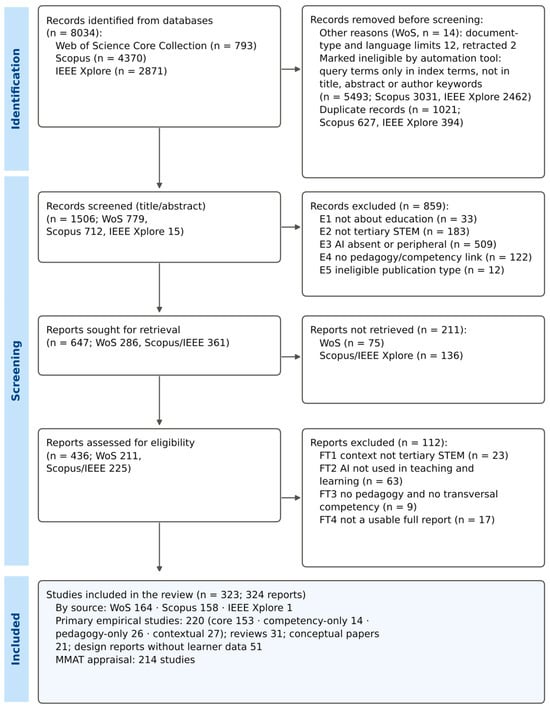
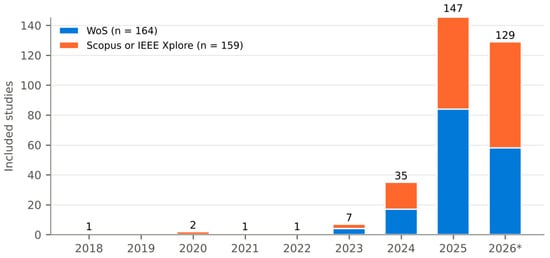
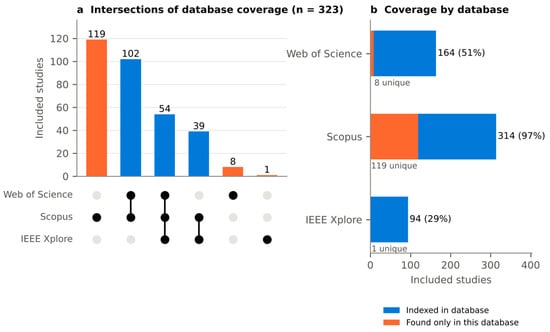
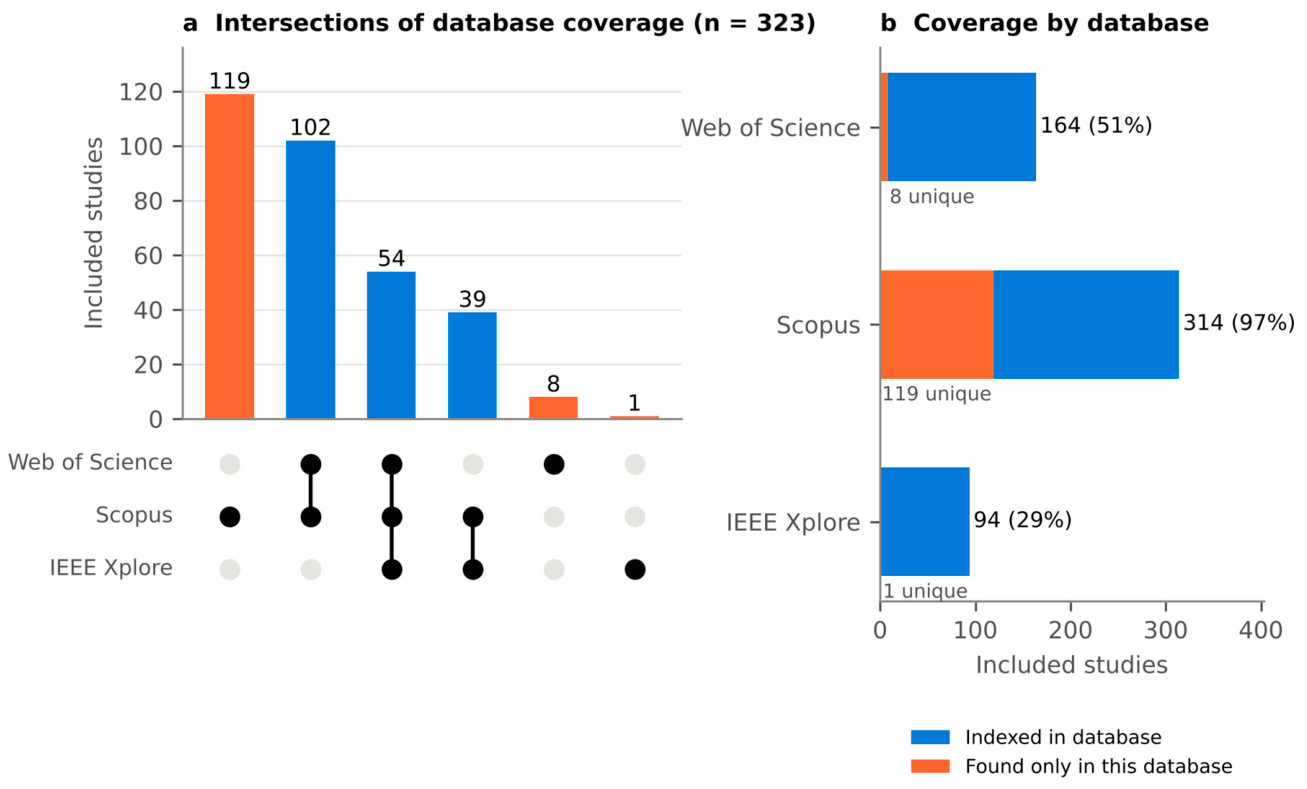
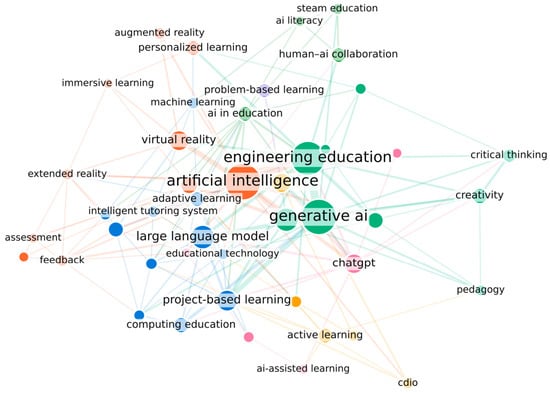
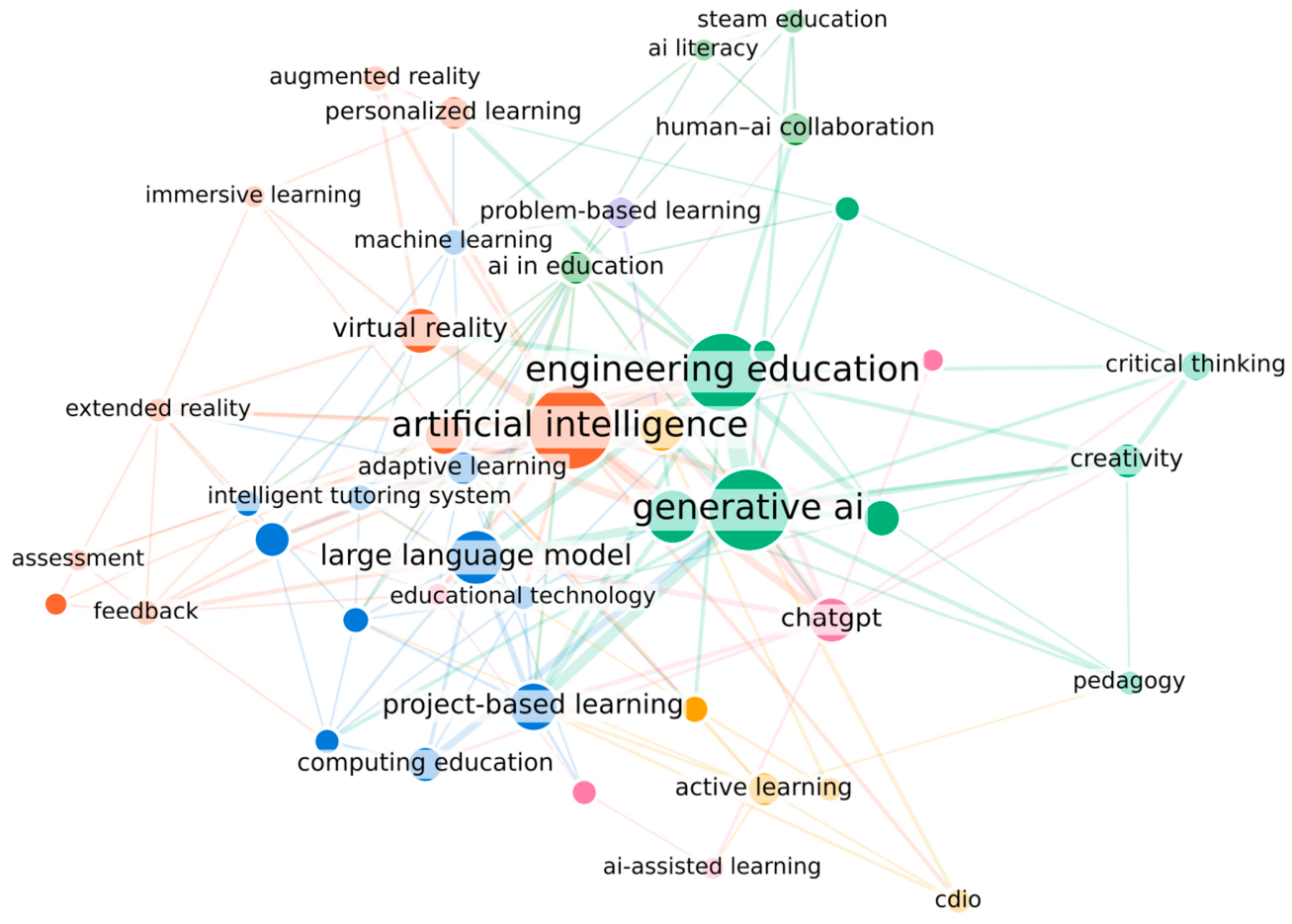
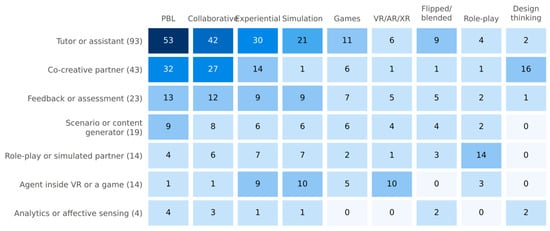
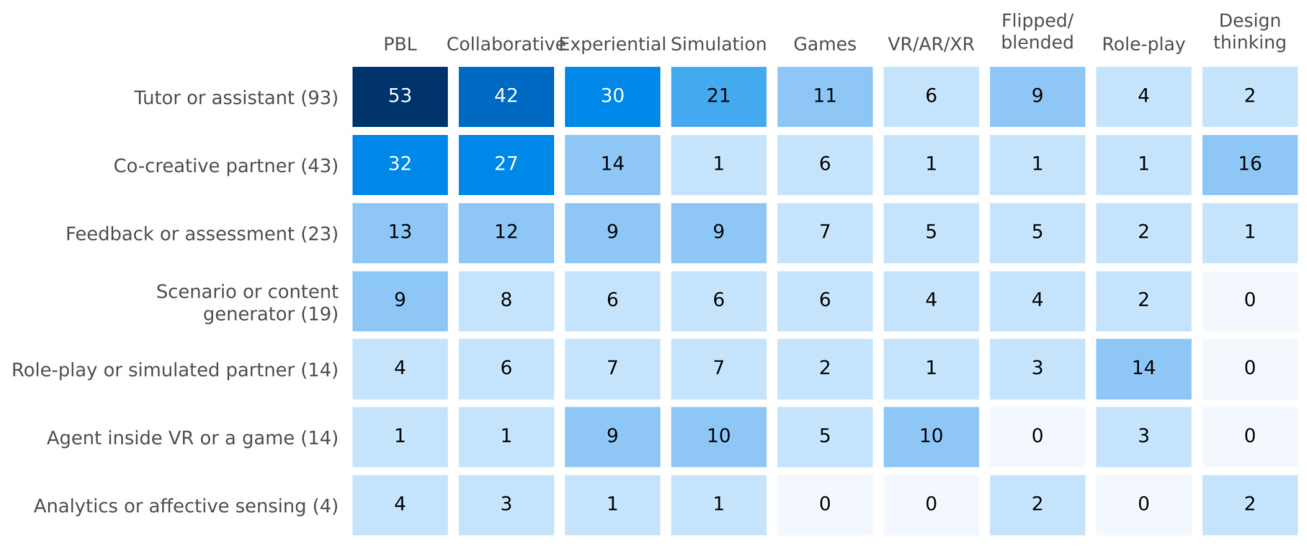
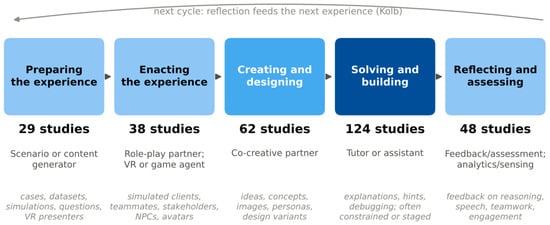
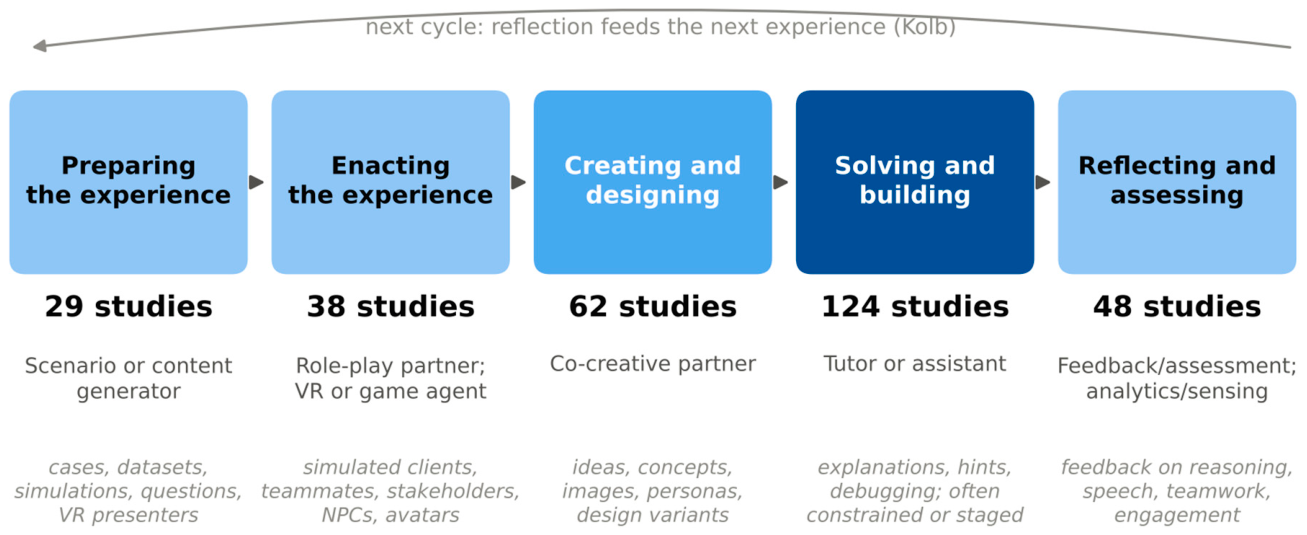
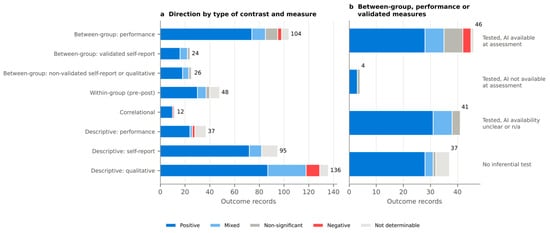
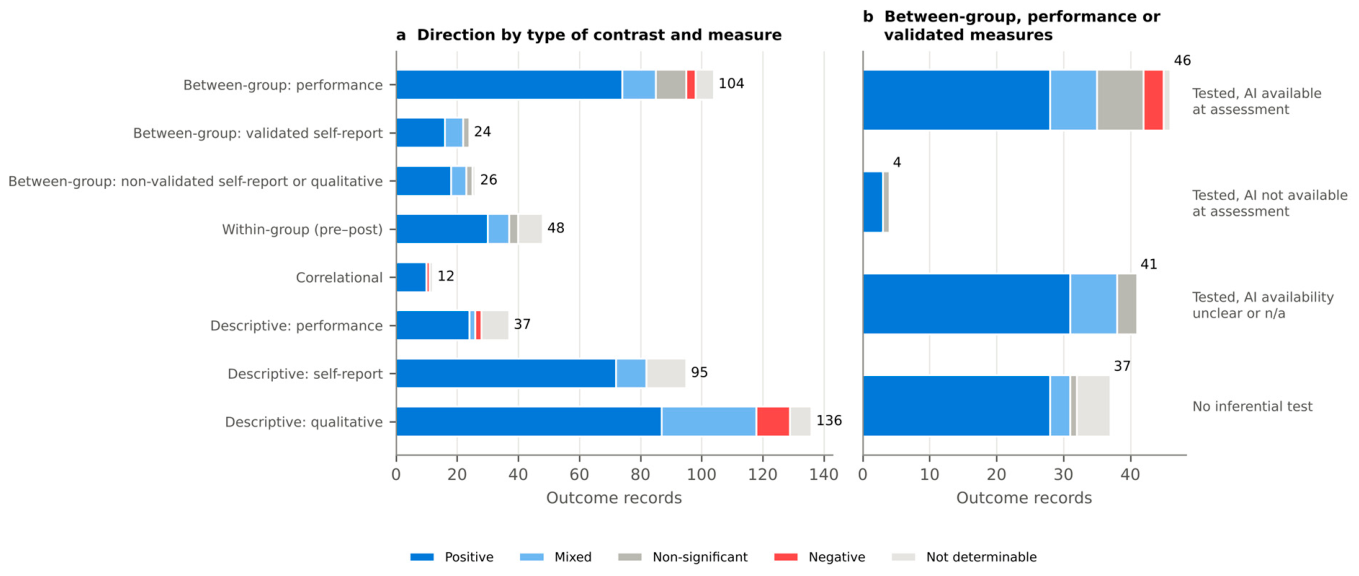
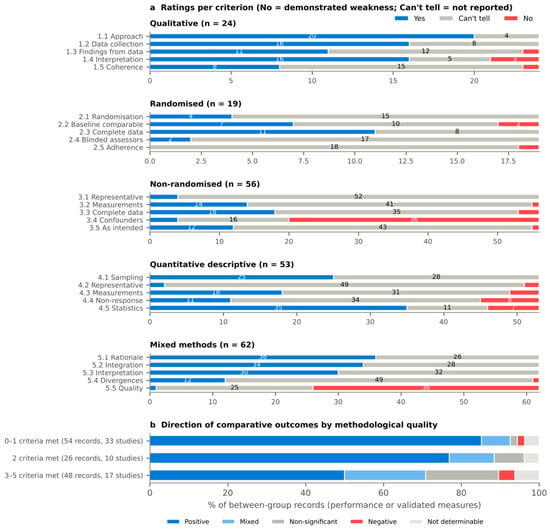
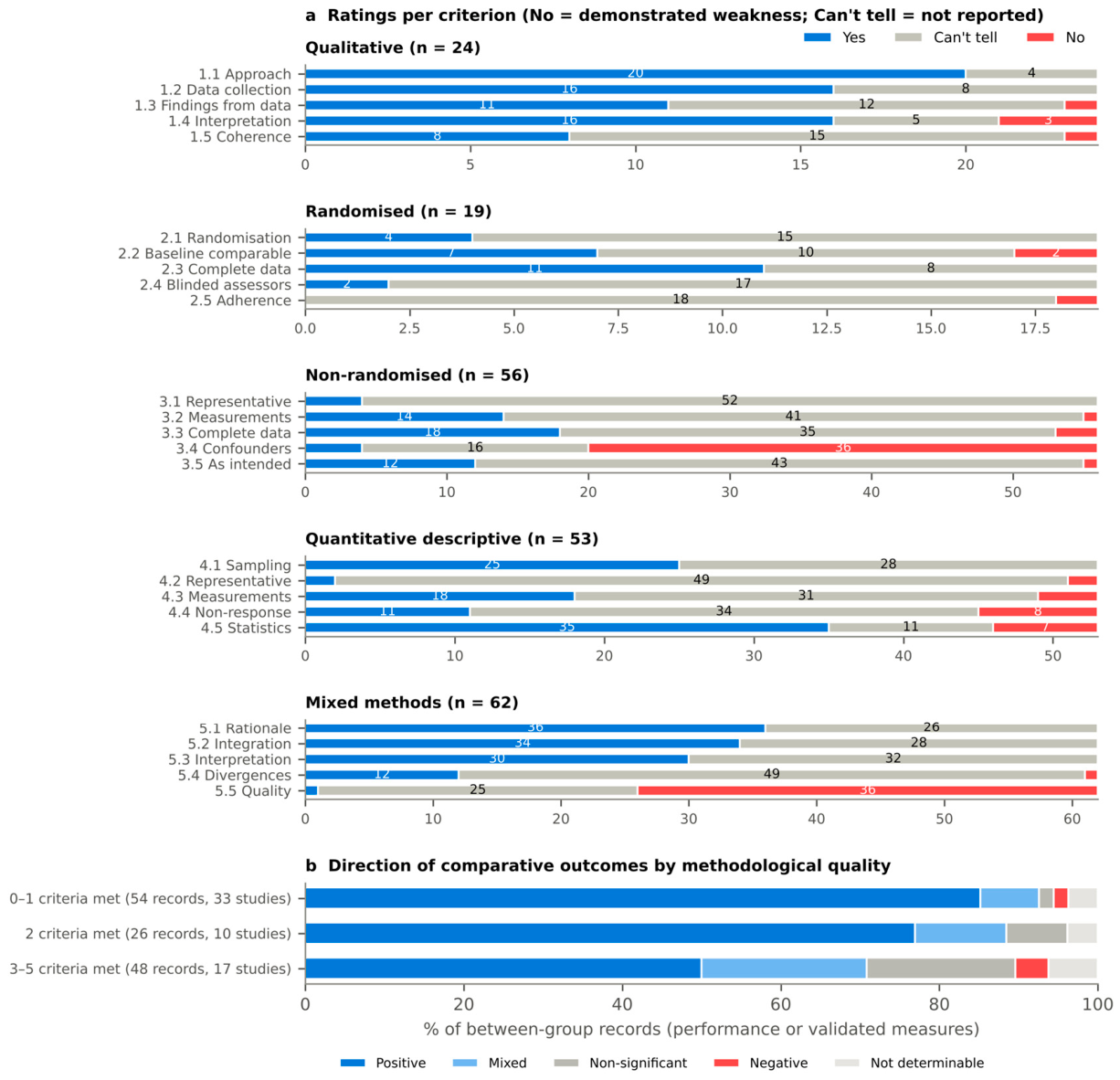
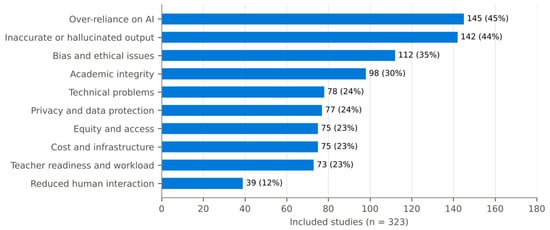
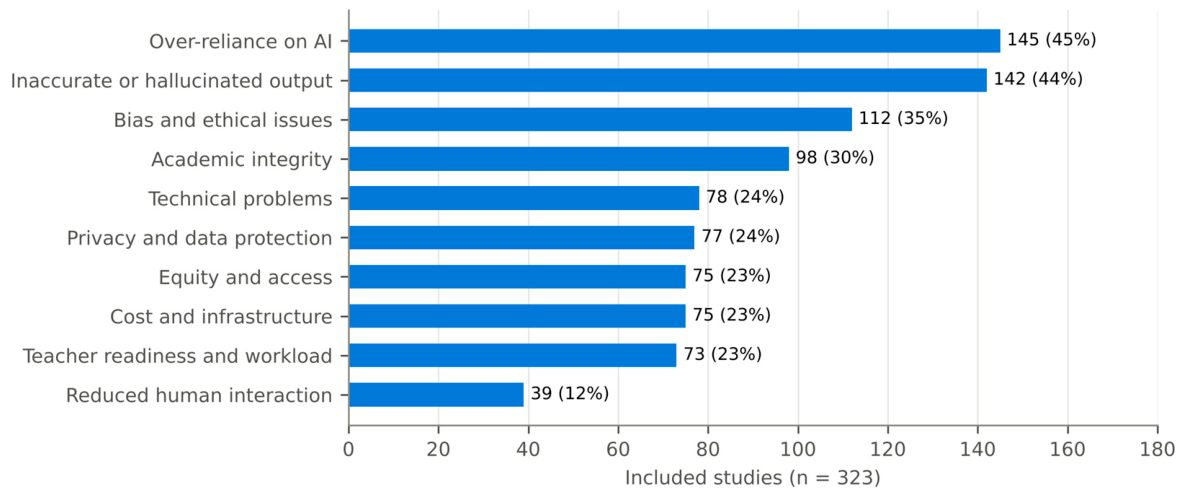
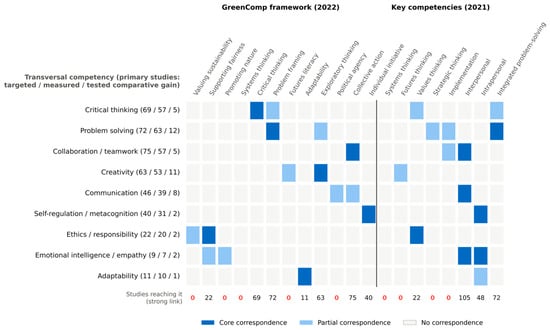
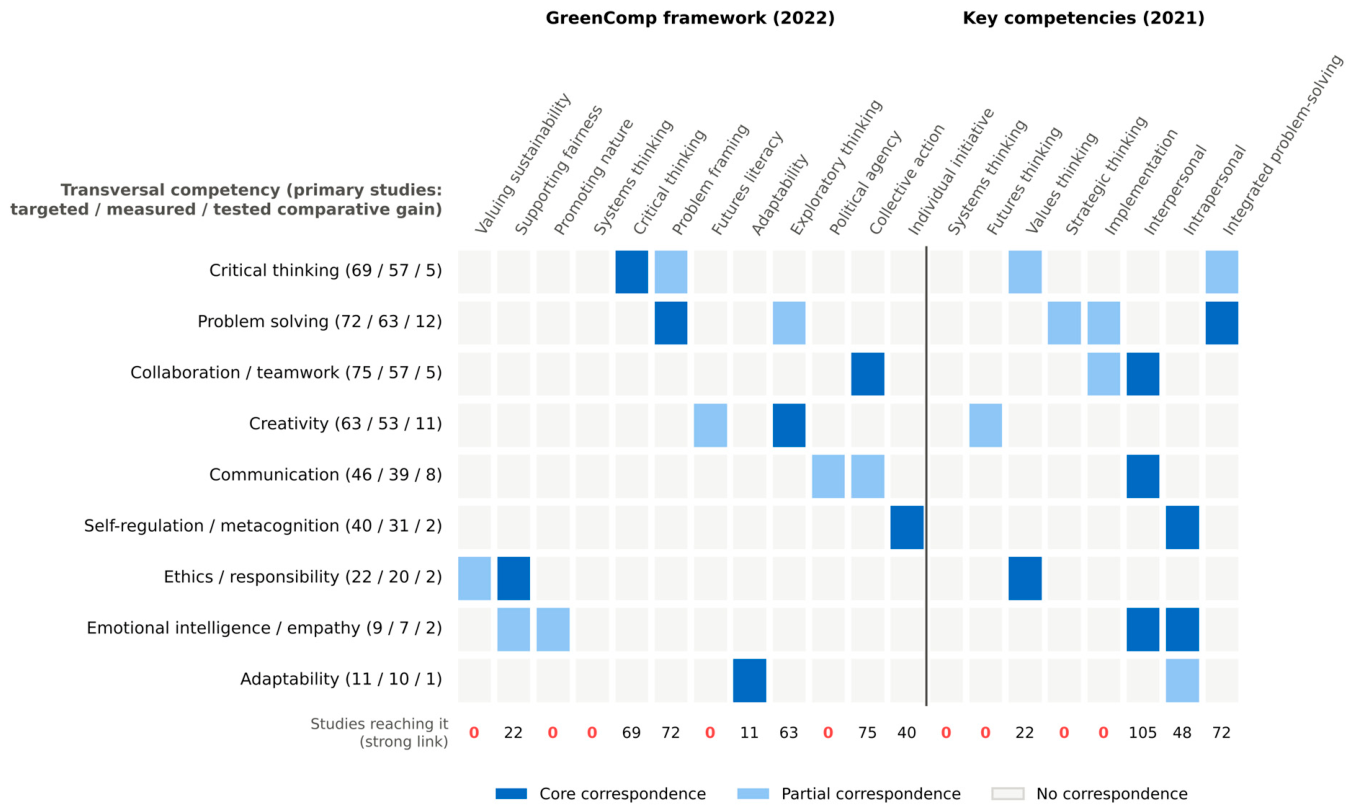
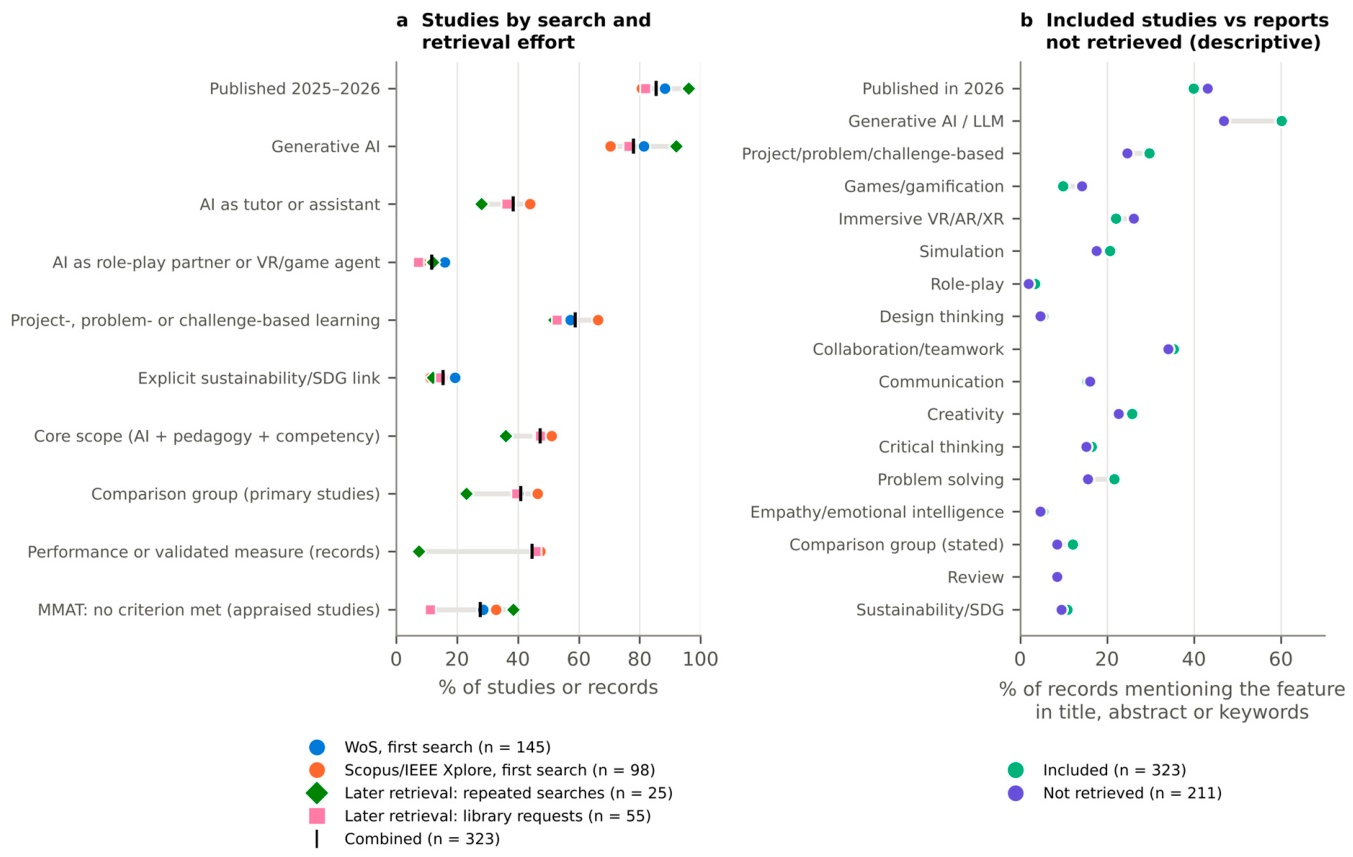

Disclaimer/Publisher’s Note: The statements, opinions and data contained in all publications are solely those of the individual author(s) and contributor(s) and not of MDPI and/or the editor(s). MDPI and/or the editor(s) disclaim responsibility for any injury to people or property resulting from any ideas, methods, instructions or products referred to in the content. |
© 2026 by the authors. Licensee MDPI, Basel, Switzerland. This article is an open access article distributed under the terms and conditions of the Creative Commons Attribution (CC BY) license.