


Abstract
Sustainable agriculture aims to reduce environmental impacts and enhance the use of renewable natural resources to improve soil fertility and crop productivity. Mineral fertilizer application is a major source of environmental harm, and the intensification of apple production has led to fertilizer rates that may pose ecological risks. Microbial biofertilizers offer a promising means to partially replace chemical inputs, supporting the transition to sustainable horticulture. However, fertilizer efficiency depends on multiple factors, including orchard management systems and the genetic characteristics of scion–rootstock combinations. To evaluate the effects of microbial fertilizers (MFs) on the seasonal dynamics of leaf copper (Cu), molybdenum (Mo), and zinc (Zn) in different apple scion–rootstock combinations under conventional and high-density orchard systems, we established a field experiment in two commercial orchards (total area 2 ha). Azafok application resulted in the highest leaf Cu concentrations in both scion–rootstock combinations across phenological stages (5.54–6.39 mg kg−1). Azafok also exerted a prolonged effect on leaf Zn in cultivar (cv.) ‘Rozhdestvenskoye’ grafted onto rootstock B396 in the high-density orchard (15.30 mg kg−1). The highest leaf Zn in cv. ‘Veteran’ on rootstock B118 was recorded after Enzymocid application (19.97 mg kg−1). For the ‘Rozhdestvenskoye’/B396 combination, the highest seasonal leaf Mo was observed with Azafok (0.635 mg kg−1), whereas in the ‘Veteran’/B118 combination, it was highest following Nitragin application (1.079 mg kg−1). Fertilizer application did not elevate fruit nutrient concentrations beyond permissible safety limits; all values remained within the normal ranges for the respective cultivars. To ensure stable MF effects, microbial consortia and strains with the most consistent and broad affect plant nutrition and status should be selected. Azafok and Enzymocid demonstrated strong antifungal effect in both the ‘Rozhdestvenskoye’/B396 and ‘Veteran’/B118 plantings. The antifungal effect of Nitragin was more pronounced in the ‘Rozhdestvenskoye’/B396 orchard.
1. Introduction
Sustainable agriculture is an agricultural production system that conserves resources, protects the environment, and maintains economic viability [1]. Humanity must transition to sustainable agricultural practices to conserve natural resources, address the challenges posed by climate change, and ensure food security for future generations [2]. Horticulture is an integral component of agriculture, and its practitioners should likewise adopt the principles of sustainable production.
Apple fruits have a high dietary value for human nutrition. They contain many biologically active substances, vitamins, and minerals, including micronutrients like copper (Cu), molybdenum (Mo) and zinc (Zn), which are important for human health and overall vitality [3]. Global fruit production reached 80 million tons in 2019, increased to 86.3 million tons in 2024, and then declined by 5% to 81.7 million tons in 2025 [4]. Undoubtedly, this decrease is primarily due to climate change and the intensification of various adverse factors, such as spring frosts and summer droughts [5]. However, these facts also show that conventional approach to artificial fertilizer application can no longer ensure an increase in apple tree productivity.
The use of chemical fertilizers at high application rates is widespread in apple cultivation worldwide. For example, only the average nitrogen (N) application rate in conventional Chinese apple orchards (representing the largest apple producer in the world) ranges from 600 to 800 kg ha−1 [6]. Long-term application of high rates of synthetic fertilizers not only increases environmental costs but also lowers apple fruit quality, contributes to greenhouse gas emissions, water and soil pollution, and soil degradation [7,8,9,10]. The transition to sustainable agriculture involves new fertilizer application methods, contributing to crop growth and development while preserving soil and protecting the environment. Increasing the use of microbiological fertilizers could be one way to reduce the application rates of artificial fertilizers and thereby protect the environment [11].
The main difference between microbial fertilizers (MFs) and organic or artificial ones is that the increase in soil-bioavailable nutrients results from the metabolic activity of microorganisms rather than from externally applied substances. That is why the application of such preparations has a number of advantages. The amount of plant-available soil nutrients increases, while the risk of groundwater contamination with nitrates and other substances is low, unlike when high doses of artificial fertilizers are applied [12]. Beneficial microorganisms perform many functions. In addition to enriching the soil with bioavailable nutrients, they can, for example, improve soil structure by synthesizing polysaccharides that bind particles into stable aggregates, as demonstrated cyanobacteria of the genus Nostoc [13]. In addition to improving the mineral nutrition of plants, they synthetize phytohormones and thereby promote plant growth and development [14]. Microbial biofertilizers also offer the advantage of suppressing pathogenic microorganisms in the rhizosphere. In particular, this has been observed for bacteria of the genera Clostridium, Methanobacterium, and Acetobacterium, which are also known to solubilize insoluble organic phosphorus (P) compounds [15].
Inoculation with beneficial microorganisms increases the bioavailability of essential nutrients and micronutrients, thus enhancing the sustainability of plant nutrition. For example, the soil application of Bacillus bacterial consortium (Bacillus sp., B. amyloliquefaciens, and Paenibacillus polymixa) resulted in a significant increase in the content of most macro- and micronutrients in apple leaves, including Zn and Cu [16]. In experiments by Koç and Zehir [17], bacterial fertilizers based on consortia Lactobacillus fermentum, L. plantarum, L. rhamnosus, L. casei, L. delbrueckii, Rhodopseudomonas palustris, and B. subtilis significantly increased Cu content in apple leaves relative to the unfertilized plot. Apple leaf Mo concentration increased after soil inoculation with two bacterial consortia: B. subtilis, P. fluorescents and B. aryabhattai, P. polymyxa, P. mucilaginosus [18].
The impacts of different beneficial microorganisms are highly diverse. At the same time, modern scientific literature contains limited information on the influence of microbial fertilizers on seasonality of micronutrients, particularly, Cu, Zn, and Mo in apple leaves. Also, microbial fertilizers and their impact require detailed study because, despite a number of advantages mentioned above, their main disadvantage is that they are living organisms with specific environmental requirements. For high metabolic activity, microbes have specific optimum temperatures, soil pH, etc. The application of microbial biofertilizers may have important consequences that remain insufficiently studied. These include displacement of indigenous species, which could negatively affect the existing agroecological system, and horizontal gene transfer between different microbial species, which could potentially give rise to novel pathogens, etc. [19]. Separately, it should be noted that microbes applied as biofertilizers may interact with plants differently due to their genetic specificity.
According to the literature, Bradyrhizobium japonicum possesses considerable potential as a biofertilizer, and this potential remains underestimated. These microorganisms are often regarded primarily as inoculants containing nodule-forming bacteria that enhance biological N fixation. However, B. japonicum functions as an effective biofertilizer not only through N fixation but also by producing plant growth-promoting hormones, enhancing mineral nutrient uptake, and protecting crops from environmental stress. Studies indicate that it can produce indole-3-acetic acid (IAA) and siderophores, as well as solubilize P and potassium (K) [20,21]. It has also been reported that B. japonicum can effectively fix nitrogen for other crops, such as sweet potato [22]. Furthermore, these bacteria act as microbial antagonists, helping to suppress soil-borne pathogens and protect roots from disease [23]. In related studies on apple orchards, enrichment of diazotrophic (nitrogen-fixing) genera such as Bradyrhizobium in the soil was associated with an increased predicted potential for N fixation [24]. Their application in apple orchards stimulated increases in N, P, K, and calcium (Ca) concentrations in apple leaves [18].
Special attention should always be given to the nutrient content of fruits—namely, Cu, Zn, and Mo in our research—due to its importance for consumer safety. Cu and Zn are persistent environmental toxins that accumulate in soil, water, and plants and present significant harm to human health at excessive concentrations [25,26]. According to European Union (EU) requirements, the maximum residue limit (MRL) for Cu in apple fruits is 5 mg kg−1 fresh mass (FM) [27]. There is no special standard for Zn in fresh apples per se in the EU and United States of America (USA), but there is an MRL for residues of zinc-based pesticides. In the Russian Federation, the maximum permissible Zn content in fresh apple fruits is 10 mg kg−1 FM [28]. In a 2017 study by Liao et al. [29], 378 apple cultivars and 39 wild species were evaluated for fruit Zn contents. Most accessions (82%) had fruit Zn concentrations ranging from 1.5 to 6.5 mg kg−1 dry matter (DM), although some cultivars contained 15 mg kg−1DM or more. There are no established MRLs for Mo in apples. However, many publications emphasize the importance of this nutrient for human nutrition [30] and for ensuring an adequate supply to various crops [31]. Therefore, to evaluate the effect of MFs on Mo fruit content, we refer to published literature values reported as optimal or frequently observed concentrations. Specifically, for Mo, the concentration in apple is 0.07 mg kg−1 FM [32]. However, the literature on Mo content in apple fruits remains limited.
We noted above that the influence of MFs on seasonal changes in apple leaf micronutrients has been insufficiently studied. Therefore, we primarily considered the impact of the applied MFs in terms of ensuring optimal trace element contents in apple leaves. The aim of our study was to investigate the effects of soil-applied MFs on the seasonal dynamics of Cu, Mo, and Zn in apple leaves across different scion–rootstock combinations in various orchard types to ensure optimal plant nutrition. We also assessed their impact on fruit trace element contents with regard to human food safety.
2. Materials and Methods
2.1. Study Location and Description
The study was conducted in commercial apple orchards in ‘Dubovoye’ JSC, Petrovsky municipal district, Tambov oblast (52°37′ N and 40°17′ E) during the 2025 growing season. The soil was harplic chernozem developed on carbonate loam subsoil. The cv. ‘Rozhdestvenskoye’ plot was a high-density orchard planted in 2012, grafted on rootstock B396, with a planting pattern 4.5 × 1.5 m and a density of 1532 trees ha−1; the plot was equipped with a trellis and drip irrigation system, and trees had a spindle-shaped canopy. The cv. ‘Veteran’ plot was a conventional orchard planted in 2010, grafted on rootstock B118, with a planting pattern of 6 × 4 m, and a density 416 trees ha−1, and the trees had spreading canopies. The total area of the experimental plot was 2 ha (1 ha for each scion rootstock combination). The apple cultivar (cv.) ‘Rozhdestvenskoye’ reaches harvest maturity by the end of August to early September, cv. ‘Veteran’ has harvest maturity at the end of September under Central Russia conditions. Both cultivars were developed at the Russian Research Institute of Fruit Crop Breeding in Orel. Budagovsky rootstock B118 is a frost-resistant, medium-sized rootstock with vigor similar to MM106; B396 is a frost-resistant semi-dwarf rootstock with intermediate vigor between M9 and M26 (closer to the latter). Both rootstocks were bred at the Michurinsk State Agrarian University.
The experimental site was located in a moderately continental climatic zone. The average annual temperature ranged from 5.7 to 6.6 °C, and the altitude was 150–155 m above the sea level. The average January temperature varied from −10.5 to −11.5 °C, with an absolute minimum of −39 °C. The average July temperature ranged from 19.5 to 20.5 °C, reaching an absolute maximum of 40 °C. The mean annual precipitation was 490–580 mm, of which 50–60% fell during the growing season. In recent years, the growing season of apple trees in our climatic zone begun in mid-April (bud break) and ended in mid-to-late October (leaf fall).
Data on rainfall and air temperatures are given in Figure 1. Weather data are shown as averages for each 10-day period (decade) of the month. I, II, and III indicate the first, second, and third decades, respectively.
Figure 1.
The weather conditions in 2025.
The main agrochemical soil properties are given in Table 1.
Table 1.
The contents of soil primary nutrients and humus and soil pH prior to the experiment started.
The soil micronutrient contents before the experiment started are described in Table 2.
Table 2.
The contents of soil micronutrients prior to the experiment starting, mg kg−1.
2.2. Experiment Design
The experiment was arranged in a randomized complete block design with three replications. Each repetition contained 50 trees, comprising 150 trees per treatment. The treatments were as follows: 1. Control (unfertilized); 2. Control 2 (chemical fertilizers—N24P12.2K36); 3. Azafok; 4. Enzymocid; 5. Nitragin. Description of the biofertilizers is given in Table 3.
Table 3.
Microbial fertilizers used in our research.
The biofertilizers were applied to the soil at the following rates: Azafok at 4 L ha−1; Enzymocid at 0.2 kg ha−1; Nitragin at 0.5 L ha−1. The biofertilizer application rates were determined in accordance with the manufacturers’ recommendations.
For soil application, the following commercial products were used as artificial fertilizers: ammonium calcium nitrate, potassium nitrate, potassium sulfate, AgroMaster 13-40-13+TE (trace elements), AgroMaster 18-18-18+4+TE, AgroMaster 15-5-30+TE (“AgroMaster” Krasnodar Krai, Timashevsk, Russia), the active ingredients of which are presented in Table 4.
Table 4.
The nutrient contents of artificial fertilizers.
The microbial fertilizers were applied three times during the growing season using an OP-P-G 2000 (TD AgroPromGrup LtdKrasnodar Krai, Starominskaya stanitsa, Russia) orchard herbicide sprayer in both orchards. Each application of biofertilizers was carried out at the rates described above. Microbial fertilizers were applied in the morning between 07:00 and 08:00 at air temperatures of 15–20 °C. During fertigation, the application time was 30 min to deliver the planned rate of biofertilizers, with a water volume of 7.5 m3 ha−1. For herbicide sprayer treatments, the water volume was 2 m3 ha−1. The chemical fertilizers were applied as fertigation in the high-density orchard with ‘Rozhdestvenskoye’/B396 combination. In the conventional orchard with combination ‘Veteran’/B118, the artificial fertilizers were applied using an OP-P-G 2000 (Russia) orchard herbicide sprayer. In both cases, the chemical fertilizers were divided into four applications during the season.
2.3. Leaf and Fruit Sampling and Analysis
Leaves were collected from the middle section of current-year shoots in the central part of the tree canopy. We sampled leaves four times during the season, from 9:00 to 10:00 a.m., on 10 May 2025 (before the first MF soil application), 22 June 2025 (the end of intensive shoot growth), 13 August 2025 (fruit ripening), and 2 October 2025 (season end). From each replicate, 100 leaves were sampled. Cu and Zn contents were measured by X-ray fluorescence (XRF) spectrometry (ADK Prizma M, Yuzhpolymetal-Holding, Moscow, Russia). Samples were prepared by dry ashing in a muffle furnace (LOIP LF-15/11-V2, JSC “Laboratory Equipment and Instruments”, Saint-Petersburg, Russia). The temperature was increased gradually over 6 h to 500 °C, held for 2 h, and then allowed to cool to room temperature over 6 h. The resulting ash was pressed into pellets using hydraulic press (PARATUSpress P125, Paratus Ltd., Yekaterinburg, Russia) and analyzed by XRF spectrometry. Mo was measured by atomic absorption spectrometry (MGA-915MD, Lumex, Saint-Petersburg, Russia). For this analysis, samples were mineralized in a microwave digestion system WX-6000 (PreeKem Scientific Instruments Co., Ltd., Shanghai, China) with nitric acid and hydrogen peroxide at 200 °C 40 atm. for 15 min [33]. The fruits of both cultivars were harvested at harvest maturity. The contents of Cu, Mo, and Zn in fruits at harvest maturity were determined according to the methods described above. Throughout the article, micronutrient concentrations in plant tissues are expressed on a dry-matter basis.
The dry-matter content of the apple fruits was determined gravimetrically. After the initial mass of each sample was recorded, the samples were dried in a UT-4686 drying oven (ULAB Scientific Instruments Co., Ltd, Nanjing, China) at 105 °C to constant mass.
Dry matter (DM) in fruits was calculated from fresh and oven-dry weights as follows:
Because element concentration in fruits are commonly expressed on a fresh-weight basis, whereas the adopted methodology requires expression on a dry-matter basis, we recalculated the substance concentration from crude mass to dry-matter basis using the following formula:
To evaluate our results, we used the published data for optimal nutrient contents, presented in Table 5.
Table 5.
The threshold values of leaf micronutrient contents, mg kg−1 D.M.
2.4. Soil Sampling and Analysis
Soil samples were collected on 3 April 2025 from the upper soil layer (0–30 cm), 15–20 cm from the apple tree trunks. In the soil, we determined hydrolyzable nitrogen by the Kjeldahl method (AKV-20, Vilitek Ltd., Moscow, Russia), mobile phosphorus by the molybdenum blue colorimetric method (Hitachi U-2000 spectrophotometer, Hitachi Medical Systems, Tokyo, Japan), and exchangeable potassium by flame atomic absorption spectrometry (FPA-2-01, JSC, Sergiev Posad, Russia). Soil pHKCl was measured with an Ekspert-001 pH meter (Econix-Expert LLC, Moscow, Russia), and humus content was determined by oxidation with K2Cr2O7 followed by titration with Mohr’s salt (Fe(NH4)2(SO4)2·6H2O). Mobile forms of Cu and Zn were extracted in an acetate–ammonium buffer solution (pH 4.8) and quantified by atomic absorption spectrometry (MGA-915MD, Lumex, Saint Petersburg, Russia). Mobile Mo was extracted from soil with an oxalate buffer solution (pH 3.3) and determined spectrophotometrically (Hitachi U-2000 spectrophotometer, Hitachi High-Tech Corporation, Tokyo, Japan). Plant-available forms of Cu and Zn were extracted with 1 N nitric acid solution and measured by atomic absorption spectrometry (MGA-915MD, Lumex, Saint Petersburg, Russia) [31].
2.5. Determination of Rhizosphere Microbiota
We sampled soil on 5 May 2025 and 22 August 2025 from 10:00 to 11:00 a.m. For each experimental treatment, soil was collected as three composite samples, each comprising three subsamples taken at a depth of 17–20 cm from the apple tree root zone. For analysis, a soil suspension was prepared by mixing 20 mL of soil with 180 mL of sterile distilled water in 250 mL Erlenmeyer flasks. The suspension was incubated on a shaker for 40 min at 190 rpm. Then, 10 mL of this suspension was transferred and diluted in 90 mL of sterile distilled water. From the final suspension, 100 µL was plated in triplicate onto Petri dishes containing potato dextrose agar (PDA) and spread evenly over the surface using a sterile spatula. The Petri dishes were incubated at 25 °C in a temperature-controlled chamber. Subsequently, the resulting microbial colonies were enumerated and identified. We identified the microorganisms isolated from the soil based on their cultural and morphological characteristics using Leica DM2500 (Leica Microsystems, Mannheim, Germany) and Nikon SMZ1270 (Nikon Corporation, Tokyo, Japan) microscopes. We further assigned the soil isolates to specific taxonomic groups using molecular genetic methods based on sequences of the ITS rDNA region. Sequencing and comparative analysis of the sequences against reference databases were performed by Syntol LLC (Moscow, Russia).
2.6. Statistical Analysis
Experimental data were analyzed by one-way analysis of variance (ANOVA) according to Fisher’s method. ANOVA was used to test for significant treatment effects on the measured parameters. Where the ANOVA indicated a significant effect, pairwise comparisons among treatment means were performed using Fisher’s least significant difference (LSD) test at the 0.05 significance level (p < 0.05) [36]. In this procedure, the difference between treatment means was compared with the corresponding LSD value; differences exceeding the LSD were considered statistically significant. LSD values were calculated separately for each sampling date, so that treatment comparisons were conducted independently within each sampling time. This approach accounted for temporal variation in the data and ensured that significance was assessed relative to the variability specific to each sampling date. Data were processed in Microsoft Excel 2013 using the AgCStat add-in (which did not require a license) [37].
3. Results
3.1. Soil Microbiota
Fungi of the genera Penicillium, Cladosporium, Fusarium, Mucor, Trichothecium, Alternaria, and Trichoderma were isolated during the study. Among them, only Trichoderma typically exerts a positive effect on plants by acting as a biocontrol agent against pathogens. The presence of other micromycetes, especially Penicillium, Cladosporium, Fusarium, and Alternaria, in the rhizosphere of apple trees is an unfavorable factor, as these taxa include pathogenic or opportunistic organisms and/or mycotoxin producers. The bacterial community comprised both native strains and those introduced as components of MFs. These bacteria exhibited a pronounced antifungal effect.
An important indicator of soil ecosystem sustainability is the balance between fungi and bacteria. In apple orchard soils, an increase in the proportion of bacteria, accompanied by a decrease in the abundance of pathogenic and opportunistic fungi, is a positive sign associated with enhanced soil fertility. To promote this shift, the soil microbial community is enriched with beneficial bacteria (e.g., plant growth-promoting rhizobacteria or other bacterial inoculants).
Weather conditions and agronomic practices strongly influence the composition of the rhizosphere microbiota. In spring, in the conventional (low-density) orchard with the ‘Veteran’/B118 combination, fungal abundance in soil samples was low in most treatments, owing to drought. In contrast, in the high-density orchard with the ‘Rozhdestvenskoye’/B396 combination, fungal levels remained high despite the dry period in April, because drip irrigation was applied, thereby helping to maintain microbial viability (Table 6).
Table 6.
Soil contamination by pathogenic and opportunistic fungi and bacteria in conventional (‘Veteran’/B118) and high-density (‘Rozhdestvenskoye’/B396) apple orchards before and after fertilizer application.
In the low-density ‘Veteran’/B118 orchard, fungal abundance in the control group increased significantly in August (by 12–41%). In contrast, fungal abundance decreased from April to August in treatments receiving Azafok (by 55%) and Enzymocid (by 24%), and a downward trend was also observed with Nitragin. In treatments with MFs, bacterial abundance increased, although less markedly than in the ‘Rozhdestvenskoye’/B396 orchard, whereas bacterial abundance decreased in the control group.
In the high-density ‘Rozhdestvenskoye’/B396 orchard, the compact canopies of low-vigor trees did not impede sunlight penetration, air movement, or natural drainage of the surface soil layers. This promoted a marked increase in bacterial abundance by August, primarily in the MF treatments, especially with Azafok and Enzymocid applications (by 60–130%). In the control, microbial abundance also increased, but the response was less pronounced (by 29–35%).
Azafok and Enzymocid exhibited high antifungal activity in both the ‘Rozhdestvenskoye’/B396 and ‘Veteran’/B118 orchards, whereas Nitragin showed clear antifungal activity primarily in the ‘Rozhdestvenskoye’/B396 trees.
The relationship between the rhizosphere microbiota and the accumulation of micronutrients in apple trees is indirect and involves two main mechanisms. First, MF bacteria suppress soil-borne pathogenic fungi (causing root rot and tracheomycosis), thereby promoting the development of a healthy root and vascular system in the host plant. Second, the introduced bacterial strains are able to solubilize micronutrients. The application of MFs does not produce immediate effects. Initially, the bacteria colonize the rhizosphere and reach a critical population density; only then does the antifungal effect become apparent.
3.2. Seasonal Dynamics of Micronutrient Contents in Leaves
Seasonal changes in Cu concentrations in combination ‘Rozhdestvenskoye’/B396 leaves differed significantly among the treatments (Figure 2a). In the control (no fertilizers), Cu contents fell from relatively high values (6.00 mg kg−1DM; 10.05.) to a minimum (3.99 mg kg−1DM; 22.06.), then rose substantially by mid-August (5.43 mg kg−1DM) and declined again toward the end of the season (4.75 mg kg−1DM). In the artificial fertilizer treatment, leaf Cu contents remained at the lowest level throughout the season. Seasonal Cu dynamics in the Nitragin treatment showed no visible differences from the unfertilized control, either in the character of changes or in the concentration level. Under the Enzymocid treatment, leaf Cu content rose from its spring minimum (4.16 mg kg−1DM) to the trial maximum in this treatment at the end of June (6.00 mg kg−1DM), then decreased gradually until mid-August (5.71 mg kg−1DM) and fell back to the initial level by the end of the vegetation period (4.36 mg kg−1DM). These results indicate that the effect of the applied consortium (B. subtilis, P. fluorescens) was especially evident during the period of shoot growth. With Azafok treatment, leaf Cu content remained the most stable during the season and stayed at highest level (5.54–6.27 mg kg−1DM) through the end of the vegetation period (5.57 mg kg−1DM). These results show that consortium B. aryabhattai BR4 (RNCIM B-13579), P. polymyxa BKM B-747, P. mucilaginosus 27 (RNCIM B-13582) (Azafok) had the strongest influence on Cu contents in the leaves of scion–rootstock combination ‘Rozhdestvenskoye’/B396.
Figure 2.
Seasonal changes in the copper contents in the leaves of apple trees: (a) cv. ‘Rozhdestvenskoye’; (b) cv. ‘Veteran’. Error bars refer to significance of differences (LSD05), Different lowercase letters denote significant differences among the treatments (p < 0.05).
In leaves from the combination ‘Veteran’/B118, Cu concentration in the control gradually increased from the start of the season (5.77 mg kg−1DM) to mid-August (7.20 mg kg−1DM), and then declined back to the initial level (5.88 mg kg−1DM) (Figure 2b). In control 2 (chemical fertilizer treatment), leaf Cu contents rose from the lowest level at the beginning of the season (4.48 mg kg−1DM) to the maximum in mid-August (7.48 mg kg−1DM). The dynamics of leaf Cu in this treatment were markedly different from those observed in ‘Rozhdestvenskoye’/B396 under the chemical fertilizer treatment. With Enzymocid application, nutrient dynamics were similar to the changes in unfertilized control, except for a significant decline at the end of the season (5.02 mg kg−1DM). Therefore, the effect of the consortium B. subtilis and P. fluorescens on leaf Cu was not as pronounced as in the cv. ‘Rozhdestvenskoye’/B396 orchard. Under Nitragin application, leaf Cu content in early May (4.63 mg kg−1DM) was significantly lower than in the unfertilized control, but by the end of June (6.26 mg kg−1DM), there were no essential differences between these treatments. This confirms the definite influence of B. japonicum on leaf Cu concentration. By mid-August, leaf Cu concentration was at the unfertilized control level; however, by the end of October (6.69 mg kg−1DM), it remained significantly higher than in the control. In the Azafok treatment, leaf Cu concentration was relatively high in May (6.01 mg kg−1DM) prior to fertilizer application. The nutrient content rose significantly by late June (7.51 mg kg−1DM) and remained stable through mid-August (7.28 mg kg−1DM), thereafter showing a downward trend until the end of the season (6.39 mg kg−1DM). Thus, the consortium B. aryabhattai BR4 (RNCIM B-13579), P. polymyxa BKM B-747, P. mucilaginosus 27 (RNCIM B-13582) had the greatest effect on leaf Cu content in scion–rootstock combination ‘Veteran’/B118 during the biofertilizer application period.
In the unfertilized control of cv. ‘Rozhdestvenskoye’/B118, the leaf Zn decreased from early May (14.65 mg kg−1DM) to late June (9.03 mg kg−1DM) (Figure 3a). In the chemical fertilizer treatment group, leaf Zn contents were the lowest for this combination, and Zn seasonal dynamics were similar to those in the unfertilized control. Subsequently, we observed partial restoration of the initial concentration in the unfertilized control (in mid-August (11.28 mg kg−1DM)), which declined again by the end of the season (10.40 mg kg−1DM). In a previous study, Uçgun at al. [38] reported that leaf Zn decrease began 30 days after full bloom due to the deficit caused by insufficient root absorption when tissues reserves were exhausted. In another previous study [39], leaf Zn had already begun to decrease in May. The changes in the leaf Zn contents with the Nitragin treatment showed no significant differences from the unfertilized control. However, it should be noted that although no significant changes occurred between these treatments in late June, by mid-August, Nitragin application resulted a significant increase in leaf Zn content (12.70 mg kg−1DM), indicating a certain effect of B. japonicum on Zn concentration, albeit slower than in the other treatments. Enzymocid application significantly increased Zn content to 22.06. (12.80 mg kg−1DM), though the nutrient concentration decreased by the season’s end (10.50 mg kg−1DM). Leaf Zn concentration in the combination ‘Rozhdestvenskoye’/B396 was even lower in October than in May. Thus, while Enzymocid (B. subtilis, P. fluorescens) soil application had a substantial impact on leaf Zn, nutrient content returned to initial levels shortly after the completion of MF soil inoculation.
Figure 3.
Seasonal changes in the Zn contents in the leaves of apple trees: (a) cv. ‘Rozhdestvenskoye’; (b) cv. ‘Veteran’. Error bars refer to significance of differences (LSD05), Different lowercase letters denote significant differences among the treatments (p < 0.05).
Following Azafok application, leaf Zn content decreased substantially to 22.06. (11.53 mg kg−1DM) (compare with 10.05. (15.30 mg kg−1DM)); however, this concentration remained significantly higher than in the control. Then, the leaf Zn in this treatment gradually increased until 2.10 (14.60 mg kg−1DM). In other words, the consortium B. aryabhattai BR4 (RNCIM B-13579), P. polymyxa BKM B-747, P. mucilaginosus 27 (RNCIM B-13582) had a prolonged effect on the Zn content in scion–rootstock combination ‘Rozhdestvenskoye’/B396 leaves and this effected persisted even after fertilization ceased.
Seasonal changes in Zn leaf content in the combination ‘Veteran’/B118 on the untreated control plot differed markedly from those observed in the unfertilized control plot of ‘Rozhdestvenskoye’/B396 (Figure 3b). Leaf Zn concentration increased until 22.06. (15.61 mg kg−1DM) and then decreased by mid-August (14.17 mg kg−1DM) and increased again by 02.10 (16.50 mg kg−1DM). We observed similar dynamics, with some variations, following the Nitragin treatment. These results suggest that B. japonicum treatment did not have a significant effect on seasonal leaf Zn dynamics in cv. ‘Veteran’/B118. When Enzymocid was applied, we observed a similar effect as in the ‘Rozhdestvenskoye’/B396 combination: a substantial increase until (19.97 mg kg−1DM) 22.06, followed by a decline through mid-August (14.60 mg kg−1DM). The only difference from our observation in ‘Rozhdestvenskoye’/B396 was that in ‘Veteran’/B118, we observed a slight later increase in leaf Zn concentration at 02.10 (15.70 mg kg−1DM). In the Azafok treatment, the seasonal dynamics of Zn content in the combination ‘Veteran’/B396 leaves was similar to that in the unfertilized control. The principal difference was the continued decline in leaf Zn concentration, which extended through 02.10 (12.98 mg kg−1DM). At the ‘Veteran’/B118 site, the consortium B. aryabhattai BR4 (RNCIM B-13579), P. polymyxa BKM B-747, P. mucilaginosus 27 (RNCIM B-13582) failed to produce the same effect on Zn leaf concentration observed in the scion–rootstock combination ‘Rozhdestvenskoye’/B396. In the chemical fertilizer plot, leaf Zn in ‘Veteran’/B118 was at a minimum at the beginning of the season (7.52 mg kg−1DM) and reached a maximum level for this cultivar by mid-August (13.36 mg kg−1DM), before decreasing by 02.10. (11.97 mg kg−1DM) as observed in the other treatments.
In the scion–rootstock combination ‘Rozhdestvenskoye’/B396, seasonal changes in leaf Mo content following the soil application of Nitragin and Enzymocid did not differ significantly from the nutrient dynamics observed in the unfertilized control treatment, in either temporal pattern or concentration level (Figure 4a). The maximum level of leaf Mo contents in August was observed in control 2 (0.754 mg kg−1DM). The only difference was that, in August, leaf Mo content in the Enzymocid treatment samples (0.453 mg kg−1DM) was significantly higher than with Nitragin (0.384 mg kg−1DM) and the control (0.377 mg kg−1DM) treatments. In other words, neither Nitragin (B. japonicum) nor Enzymocid (B. subtilis, P. fluorescens) had a significant effect on the seasonal changes of leaf Mo content. A different pattern was observed when Azafok was applied. The pattern of seasonal changes in this treatment group was the same as described above. However, the nutrient content increased significantly by 13.08. (0.635 mg kg−1DM) and remained at this elevated level until the end of the season (0.646 mg kg−1DM). Thus, the Azafok (B. aryabhattai BR4 (RNCIM B-13579), P. polymyxa RNCM B-747, and P. mucilaginosus 27 RNCIM B-13582) had a significant effect on increasing leaf Mo concentration in ‘Rozhdestvenskoye’/B396 apple trees during the second half of the growing season.
Figure 4.
Seasonal changes in the Mo contents in the leaves of apple trees: (a) cv. ‘Rozhdestvenskoye’; (b) cv. ‘Veteran’. Error bars refer to significance of differences (LSD05), Different lowercase letters denote significant differences among the treatments (p < 0.05).
The leaf Mo content in combination ‘Veteran’/B118 was generally higher than that observed in ‘Rozhdestvenskoye’/B396 (Figure 4b). However, the pattern of seasonal changes in the control treatment generally corresponded to that observed in combination ‘Rozhdestvenskoye’/B396. Notably, among the micronutrients investigated, only leaf Mo content reached its maximum in August under artificial fertilizer application. The leaf nutrient concentration differed significantly among MFs treatments on 10.05; the highest value occurred with Azafok treatment (0.152 mg kg−1DM), Mo was relatively low following Nitragin (0.117 mg kg−1DM) and Enzymocid (0.115 mg kg−1DM) treatments, but the highest value was observed in the unfertilized control (0.278 mg kg−1DM). Furthermore, the nutrient content began to decrease in the control (0.153 mg kg−1DM; 22.06.) and increased with the Enzymocid (0.136 mg kg−1DM; 22.06.) and Nitragin (0.190 mg kg−1DM; 22.06.) treatments. The greatest increase in leaf Mo concentration was observed following Nitragin (1.079 mg kg−1DM; 13.08) treatment, whereas after the Azafok application, the leaf Mo content was the lowest on 13.08. (0.184 mg kg−1DM) and significantly less than in the control (0.543 mg kg−1DM; 13.08.). That is, the application of Azafok and Enzymocid at this site led to a decrease in leaf Mo concentration. Also, we observed certain differences in rest period up to 02.10. In the Nitragin treatment group, there was a sharp decrease in nutrient concentration (0.731 mg kg−1DM), although it remained at the highest level at the end of the season. In the unfertilized control, the concentration continued to increase and reached the same maximum level (0.681 mg kg−1DM). A significant increase in leaf Mo content (compared to 13.08. concentration) also occurred after the Azafok application (0.484 mg kg−1DM), indicating that the consortium B. aryabhattai BR4 (RNCIM B-13579), P. polymyxa BKM B-747, P. mucilaginosus 27 (RNCIM B-13582) began to act this site with some delay, possibly due to difficulties in interactions with the native microbiota. However, it should be noted that B. japonicum was highly effective at increasing leaf Mo concentration, which we did not observe in the scion–rootstock combination ‘Rozhdestvenskoye’/B396.
3.3. Contents of Dry Matter in Fruits
The dry-matter content of apple fruits from the scion–rootstock combinations was determined more by cultivar than by fertilizer treatment (Table 7).
Table 7.
The dry-matter content of fruit at harvest maturity, % d.m.
Since fertilizer application did not significantly affect fruit dry weight within each scion–rootstock combination, we used the respective average values for each combination in further assessments against MRLs, expressed on a fresh-weight basis.
3.4. Contents of Micronutrients in Fruits
The MRL for Cu content in fruits, reported above on a fresh-weight basis [27], may be converted to dry weight and is 38.17 mg kg−1DM for ‘Rozhdestvenskoye’/B396 combination and 33.78 mg kg−1DM in ‘Veteran’/B118. The Cu content in apple fruits following application of microbial fertilizers in our study was substantially below the permissible limit (Table 8).
Table 8.
Cu contents in apple fruits under the application of microbial fertilizers, mg kg−1, D.M.
Applied microbial fertilizers had no clear effect on the fruit Cu contents in different scion-rootstock combinations. The application of artificial fertilizers also had no clear effect on fruit Cu in different apple tree combinations. In the conventional orchard with cv. ‘Veteran’/B118, the unfertilized control exhibited the highest fruit Cu content, which was significantly lower in treatments with different fertilizer applications. The lowest level of fruit Cu content was recorded following Nitragin treatment. In the high-density orchard with cv. ‘Rozhdestvenskoye’/B396, the fruit Cu content in the unfertilized control was significantly lower than that in the unfertilized control of cv. ‘Veteran’/B118 fruits. Across both scion–rootstock combinations, a clear decreasing trend in fruit Cu content was observed only following Azafok biofertilizer application. Conversely, Enzymocid and Nitragin applications increased fruit Cu contents in the cv. ‘Rozhdestvenskoye’/B396 orchard relative to the unfertilized control, revealing opposite trends between the two orchard types.
The average fruit Mo content, given above on a fresh-mass basis and converted to dry weight, had an approximate value of 0.534 mg kg−1DM for ‘Rozhdestvenskoye’/B396 and 0.473 mg kg−1DM in the ‘Veteran’/B118 combination [32]. Thus, the fruit Mo contents observed in our study were generally below the established reference values (Table 9). The Enzymocid treatment promoted the maximum fruit Mo content in both the conventional orchard (0.278 mg kg−1DM) and the ‘Rozhdestvenskoye’/B396 high-density orchard (0.196 mg kg−1DM), indicating a consistent effect across orchard systems. The application of Azafok (0.226; 0.146 mg kg−1DM) had no significant effect on fruit Mo contents in both orchards compared with corresponding control treatments, which may reflect a consistent pattern for this biofertilizer. Nitragin had a contradictory effect on fruit Mo contents; it decreased in cv. ‘Veteran’/B118 (0.127 mg kg−1DM) in the conventional orchard but increased in cv. ‘Rozhdestvenskoye’/B396 in the high-density orchard (0.184 mg kg−1DM) compared with the relative control treatments.
Table 9.
Mo contents in apple fruits under the application of microbial fertilizers, mg kg−1, D.M.
The application of artificial fertilizers did not exert a consistent effect on Mo contents. In the conventional orchard, fruit micronutrient content decreased, whereas it increased in the high-density orchard compared with the corresponding control treatment.
The maximum permissible Zn content in apple fruits is 10 mg kg−1 FM [26], which corresponds to approximately 76.33 mg kg−1 on a dry-matter basis for ‘Rozhdestvenskoye’/B396 combination and 33.57 mg kg−1DM in ‘Veteran’/B118. The fruit Zn contents under the biofertilizer treatments showed a clear decreasing trend compared with unfertilized control treatments (Table 10). The lowest fruit Zn content in the combination ‘Rozhdestvenskoye’/B396 was recorded following Azafok application (2.95 mg kg−1DM), whereas in the conventional orchard, it was associated with Enzymocid treatment (3.25 mg kg−1DM).
Table 10.
Zn contents in apple fruits under the application of microbial fertilizers, mg kg−1, D.M.
Fruit Zn contents increased significantly following artificial fertilizer application in both planting systems compared to corresponding unfertilized control treatments.
4. Discussion
The main objective of our broader project, of which the present study is only one part, is to develop a guide for applying microbial fertilizers in apple orchards with different planting systems. Orchards with different planting systems require rootstocks with different levels of vigor. Scion cultivars are also selected for their relatively limited vigor, while branch angles and training methods are managed to form the desired canopy architecture, etc. The agrotechnological practices used for apple cultivation also vary among orchard systems, particularly with respect to soil management, irrigation, and other practices. At the end of 2024, Russia had approximately 100,000 ha of apple orchards managed by large horticultural enterprises, excluding orchards operated by other types of farms [40]. Conventional orchards still represent a substantial proportion of the total orchard area, although new plantings are being established only on a limited scale. Therefore, nutritional recommendations should account for the specific characteristics of both conventional and high-density orchard systems.
Reports in the literature about the effect of microbial inoculants on plant Cu contents are contradictory. Higher leaf Cu concentrations have been reported under chemical fertilizer application in South Africa, where Cu content in ‘Brookfield Gala’ leaves was nearly twofold higher than in our experiments (6.5–10.0 mg kg−1DM) [41]. Thus, the efficacy of fertilizers, particularly microbial preparations, is subject to variation based on cultivar and environmental conditions, owing to the inherent biological interactions involved. The literature reports that inoculation with B. japonicum in cowpea significantly increased uptake of Zn, Fe, Mn, and Cu by 34.9%, 50.6%, 39.9%, and 43.3%, respectively, compared with inoculated plants. This indicates that symbiosis improves, among other things, the uptake and transport of copper to shoots and leaves [42].
Many reports have described a decrease in toxic Cu accumulation due to microbial activity. For example, B. subtilis reduces the toxic Cu levels in plants by detoxifying the soil and limiting Cu absorption [43]. Thus, microbial inoculants alleviate copper-induced oxidative stress, limit excessive root-to-leaf translocation, and enhance overall plant resistance to heavy-metal pollution by preventing reductions in photosynthesis and growth suppression [44,45]. Nevertheless, the literature remains contradictory. Some previous studies, for example, reported that inoculation of B. subtilis EhS5 and EhS7 increased Cu concentration in plant leaves and shoots of ryegrass [46].
P. fluorescens treatment typically increases Cu content in leaves and roots; previous studies also reported a 17% increase in Cu shoot concentration. This rhizobacteirum enhances Cu bioavailability (also Fe, Mn, Zn, N, and P) through sideophore (pioverdin) production and root growth stimulation, thereby increasing plant Cu uptake, as shown in a pot experiment with wheat [47,48]. P. fluorescens grows best in the soil with pH near neutral or slightly alkaline (7.0–7.5), where its bioregulatory activity, nutrient-solubilizing capacity, and growth are the highest. Low pH significantly reduces its activity and suitability for cultivation, whereas a higher pH enhances its ability to suppress plant pathogens [49].
The same microbial species may exert contrasting effects on plant Cu contents under varying environmental conditions. Thus, P. polymyxa can also increase plant Cu uptake; for instance, inoculation with strain WZ14 boosted uptake by 18.6% in the legume Cajanus cajan L. [50]. At the same time, inoculation with P. polymyxa reduces the phytotoxic effect on copper-contaminated soils. In particular, root Cu decreased in maize plants whose seeds were inoculated with P. polymyxa after treatments of 100 and 500 µM CuSO4 [51]. This occurred because inoculation with P. polymyxa mitigated Cu-induced metabolic disturbances in maize plants, regulated osmolyte pools and antioxidant enzyme activity, and simultaneously reduced the levels of malonic dialdehyde and Cu in roots and shoots, which enhanced copper-stress resistance [51]. A special role for P. polymyxa is highlighted by the notable results obtained Li and colleagues [52], in which they explore the potential of strain GRY-11 as an effective microbial preparation to alleviate apple replant disease (ARD), reaching inhibition rates of 80.00%, 71.60%, 75.00%, and 70.00% against Fusarium moniliforme, F. proliferatum, F. solani, and F. oxysporum, respectively. Thus, this bacterium improves the overall physiological state of apple trees, which may explain the relatively high results obtained following the application of Azafok, of which it is a component.
P. mucilagenosus increases Cu bioavailability and its absorption by plants, reducing stress and stimulating growth. Consequently, the plant becomes a more efficient Cu “accumulator”. However, the efficacy of P. mucilagenosus in increasing plant tissue Cu content is enhanced when applied as a part of a consortium. Co-inoculation with P. mucilagenosus and Sinorhizobium resulted in higher Cu tissue content in Cu-contaminated soil than either single inoculation with P. mucilagenosus alone or with the inoculated control [53]. The role of joint inoculation is emphasized for its ability to improve soil enzyme activity (urease, saccharase, and β-glycosidase) in copper-contaminated soil [54].
The literature includes insufficient information on all the bacteria included in the consortia studied in our research, with regard to their effects on Cu uptake and accumulation in plant leaves. For instance, limited information is available regarding the effect of B. aryabhattai on Cu uptake, although the literature indicates that this bacteria promotes plant growth and enhances Ca and Mg nutrition [55], and it improved drought tolerance through stimulation of abscisic acid biosynthesis [56].
In our studies, microbial biofertilizers based on B. japonicum had no visible effect on leaf Cu dynamics in the combination ‘Rozhdestvenskoye’/B396, but in ‘Veteran’/B118, such treatment increased leaf Cu concentration as at the beginning as well as the end of the season; overall, however, these differences were not statistically significant compared with the unfertilized control. At the same time, in our study, leaf Co concentration increased under the influence of biofertilizers compared with control 2 with artificial fertilizers. The application of the consortium B. subtilis and P. fluorescens significantly increased leaf Cu content in ‘Rozhdestvenskoye’/B396 leaves only at the beginning of the season [57]. A decrease in soil acidity increases Cu solubility, producing forms more available for plant uptake; this was noted for B. subtilis EhS7 [45], and probably explains the differing effects across sites with varying soil pH. The increase in leaf Cu content in both apple cultivars occurred only when Azafok (B. aryabhattai BR4 (RNCIM B-13579), P. polymyxa (BKM B-747), P. mucilaginosus 27 (RNCIM B-13582) was applied.
However, the absolute leaf Cu contents in some of our samples (4.10–6.27 mg kg−1DM for ‘Rozhdestvenskoye’/B396 and 4.63–7.51 mg kg−1DM for ‘Veteran’/B118) were comparable with values reported in previous studies on soil application of biofertilizers (6.3–7.7 mg kg−1DM [15]; 5.17–7.02 mg kg−1DM [58]), although they were slightly lower than the values reported in the literature for most treatments. These differences are likely to be attributable to variations in soil conditions (pH, own microbiota, nutrient composition, etc.). The application of various strains and species exerted diverse effects on soil and plant responses.
Thus, microbial biofertilizers stabilize soil Cu uptake. They can enhance nutrient absorption when soil Cu is low (stimulating plant growth), and they mitigate Cu phytotoxicity in high-Cu soils by reducing the availability of plant-accessible compounds. For different soils, microbial strains must be chosen based on application conditions. Moreover, for biofertilizer development and application, it is important to consider not only the ability to solubilize nutrients but also genotype-specific interactions with target crops.
Comparatively few studies have examined the effects of the microbes used in MFs in our research on Mo solubilization and Mo contents in plants. The literature most often focuses on their role in N fixation and, consequently, the influence of N-fixing bacteria such as P. polymyxa [59]. Also, there is insufficient information on the direct impact of B. aryabhattai on Mo solubilization and subsequent plant uptake by plants. Gris et al. [60] reported that foliar application of Mo increased the yield of soybean inoculated with B. japonicum. The literature reports that B. aryabhattai enhances plant physiological activity, including drought tolerance in soybean [61].
Little is known about direct effects of P. mucilaginous on soil Mo solubilization and its uptake by plants. The same may be said about direct influence of P. polymyxa on Mo accumulation in plant leaves. The information about the plant Mo impact of B. subtilis is also limited, but in a report, Ma and colleagues [62] demonstrated that inoculation with this bacterium enhanced the effectiveness of Mo fertilizers on Chinese cabbage, resulting in improved plant health and reduced the soil nitrate content.
Thus, the modern scientific literature lacks sufficient data about how microbes affect soil Mo solubilization, Mo bioavailability to plants, and Mo concentration in plant tissues. In our studies, we observed a significant increase in leaf Mo content in cv. ‘Veteran’/B118 with Nitragin (B. japonicum) application, and in cv. ‘Rozhdestvenskoe’/B396 with the use of Azafok (B. aryabhattai BR4 (RNCIM B-13579), P. polymyxa (BKM B-747)).
Several publications have highlighted the role of B. aryabhattai as a soil Zn solubilizer. In particular, an earlier study reported that B. aryabhattai (stains MDSR7, MDSR11, and MDSR14) enhanced Zn accumulation in the edible part of soybeans and wheat, while also increasing yield of these crops [63]. Prathap and colleagues [64] described the high Zn-solubilizing ability of B. aryabhattai (strain KSB N2K7). Inoculation with this strain increased the biological efficiency of zinc sulfate applied to the soil and promoted greater rice growth, yield, N contents in grain and straw, and bioavailable soil Zn content. Inoculation of rice with B. aryabhattai, and particularly with a consortium of B. aryabhattai and B. megaterium, significantly increased Zn, N, P, K, and Fe contents of rice grains, shoots, and roots [65].
The P. polymyxa strain MaA170 demonstrated plant growth-promoting potential through solubilization of nutrients such as P, K, and Zn into bioavailable forms, fixation of atmospheric N, and indole-3-acetic acid production [66]. A consortium of B. subtillis and B. aryabhattai significantly increased Zn content in maize corn [67]. B. subtillis is a known Zn solubilizer; inoculation with this strain can improve both P and Zn nutrition despite their antagonistic relationship. Supporting this, Moreno-Lora et al. [68] found that B. subtillis QST713 combined with cellulose enhanced P uptake and grain Zn content in wheat.
Inoculation with B. subtilis and P. fluorescens, combined with foliar fertilizing with nano–Zn at a rate of 1.5 kg per hectare, increased Zn concentrations in both shoots and wheat grain [69]; including B. subtilis in the consortium improved the efficacy of Zn foliar fertilizing in bean plants [70]. When cultivated on agar medium, B. subtilis along with other Bacillus ssp. showed a considerable ability to solubilize zinc phosphate [71]. P. fluorescens also significantly enhanced the uptake of soil Zn and increased Zn accumulation in leaves and other plant tissues, acting as a key Zn-solubilizing bacterium (ZSB). Inoculation of P. fluorescens promoted the conversion of insoluble Zn compounds (such as ZnO, ZnCO3) into soluble forms, which significantly increased its bioavailability in the rhizosphere. Di Simine at al. [72] reported that the synthesis of gluconic and 2-keto-gluconic acids by the P. fluorescens strain led to Zn solubilization during cultivation on a nutrient medium. Sirohi et al. [73] also found that the use of the P. fluorescens (PSd) strain increased the Zn2+ content in wheat plants and soil due to its Zn-solubilizing activity. Application of P. fluorescens through irrigation systems increased the Zn content in watermelon rind [74]. In the field trial, inoculation of cowpea with B. japonicum also resulted in a significant increase in Zn content in aerial organs [42].
Treder and colleagues [75] reported that the application of B. amyloliquefaciens and P. polymyxa in consortium together with Polifoska 6 enhanced annual apple shoot growth and stem diameter, whereas no significant changes were observed in the leaf concentrations of P, K, Ca, and Mg. In another study, authors observed a significant increase in apple leaf Zn content (concentrations reached 26.6 and 34.5 mg kg−1DM in separate years) by single inoculation with a consortium (Bacillus sp., B. amyloliquefaciens and P. polymyxa), while in combination with chemical fertilizers, the contents were lower at 22.6 and 30.0 mg kg−1DM, respectively. There are also reports of 35.5–59.4 mg kg−1DM leaf contents [16,58]. To the best of our knowledge, only very limited information is available on the effects of P. polymyxa on Zn concentration in apple leaves.
In our research, leaf Zn contents tended to be lower. For ‘Rozhdestvenskoye’/B396 with biofertilizer treatments, the Zn concentration during the season varied from 9.41 to 11.53 mg kg−1DM, and the application of artificial fertilizers resulted in a further decrease 9.58–11.20 mg kg−1DM. In the combination ‘Veteran’/B118, the general trend was the same; following biofertilizer application, the leaf contents changed from 10.85–19.97 mg kg−1DM, and after use of artificial fertilizer, from 7.52–13.36 mg kg−1DM.
The genetic characteristics of apple trees (scion and rootstock) strongly influenced Zn uptake, accumulation, and translocation by determining root Zn absorption from the soil, resistance Zn deficiency, and the efficiency of Zn transfer from roots to aboveground tissues [29]. A previous study on different barley cultivars grown under varying soil Zn levels found significant differences in Zn uptake among cultivars [76]. According to the authors, this results from differences in root exudate composition, particularly in the profiles of carboxylate and amino acid. Notably, the high-Zh cultivar exuded anions of low-molecular-weight carboxylates (malate, maleate acid, fumarate, and aconitate) and amino acids (alanine, valine, proline, aspartic acid, and glutamic acid), a pattern determined solely by genetics. These findings are consistent with those reported by Bobkova et al. [77]. In their study, treatment of the blackcurrant cultivars ‘Mif’ and ‘Barmaley’ with various Pseudomonas strains and microbiological preparations based on Bacillus resulted in significant cultivar-dependent variation in production processes in both vegetative and generative organs.
Thus, all studied consortia and single-component biofertilizer contained ZSB microbes, which is likely to explain the consistent increase in leaf Zn concentration observed in cv. ‘Veteran’ apple trees grafted on B118 rootstock. It is possible that the genetic characteristics of cv. ‘Rozhdestvenskoye’ grafted onto B396 rootstock limited Zn uptake.
Fresh apples are an important source of vitamins and trace elements in human diets, including essential micronutrients such as Cu, Mo, and Zn. Cu is essential for cellular respiration, where participate in electron transfer to oxygen, and it also serves as in important cofactor in maintaining oxidative balance [78]. Cu is also important for maintaining immune function in the human body [79]. The recommended dietary allowance (RDA) for adult is 900 μg day−1. The acceptable upper intake level for adults is 10,000 μg day−1 (10 mg day−1) [30]. At the same time, excess Cu can lead to serious disorders, including Wilson disease and liver cirrhosis [80].
The relatively low Co concentrations in fruits after microbial biofertilizer application indicates that these treatments did not promote excessive Cu accumulation. Moreover, the tendency toward lower fruit Cu under the Azafok treatment, despite leaf Cu being at the maximum level, suggests that this inoculant may have influenced Cu uptake and translocation within the plant, but this should be confirmed in further studies. We did not observe significant differences in fruit Cu contents between orchard planting systems. In a previous study by Gąstoł et al. [58], the application of biofertilizer based on Glomus intraradices, G. mossae, and G. agregatum, Trichoderma sp. also generally had no significant impact on fruit Cu content compared with unfertilized control. However, in some years, micronutrient content tended to decrease; fruit Cu concentration, including the untreated control, ranged from 0.23 to 1.10 mg kg−1FM (corresponding approximately 1.38 to 6.60 mg kg−1DM), and our results fell within this range.
Apples are not considered a major source of Mo in human nutrition because of their relatively low Mo content. An adult’s need for Mo is 45 μg day−1 [30]. Mo is an essential micronutrient and a component of molybdopterin (synthesized by the human body), a cofactor required for sulfite oxidase, xanthine oxidase, aldehyde oxidase, and the mitochondrial amidoxime-reducing component. These enzymes catalyze the metabolism of sulfur-containing amino acids and heterocyclic compounds, including purines and pyrimidines, and are involved in the biotransformations of drugs and xenobiotic toxins [81].
The fruit Mo content depended on the cultivar. Since the fruit Mo content in our study (0.131–0.278 mg kg−1DM) was lower than that reported as reference values in the literature (0.40–0.42 mg kg−1DM [30], the increase in micronutrient content observed with Enzymocid treatment should be regarded as a positive effect, taking into account the importance of Mo for human health. In an earlier study [58], microbial biofertilizers had no consistent effect on fruit Mo contents. Depending on the year, Mo concentrations in apples either decreased or increased relative to the untreated control, ranging from 0.009 to 0.288 mg kg−1FM (approximately 0.054–1.728 mg kg−1DM). Our results fall within this range, but with lower variability.
Zn is essential for human health because it plays a critical role in various physiological processes, including cell growth and development, metabolism, cognitive function, and the working of the reproductive and immune systems [82,83]. The European Food Safety Authority (EFSA) and the U.S. Food and Drug Administration (FDA) have established different upper intake levels for Zn: 25 and 40 mg day−1, respectively [84]. Exceeding the recommended daily allowance of Zn can result in anemia, neutropenia, and zinc-induced Cu deficiency [83]. The Zn content of apple fruits is generally considered to be low. In our study, the application of MFs led to a reduction in Zn contents of apple fruits (‘Veteran’/B118 fruits: 3.25–5.45 mg kg−1DM; ‘Rozhdestvenskoye’/B396 fruits: 2.95–5.93 mg kg−1DM) compared with artificial fertilizer treatments (9.48 and 13.38 mg kg−1DM, respectively) and the unfertilized control (4.54 and 6.92 mg kg−1DM, respectively). A previous study found no significant effect of microbial biofertilizers on fruit Zn content; differences in micronutrient contents were primarily attributed year-to-year variation [57]. In that study, the fruit Zn content ranged from 0.18 to 0.87 mg kg−1FM (approximately 1.08–5.22 mg kg−1DM), which is consistent with our results.
Recent advances in the use of microbial inoculants, composed primarily of bacteria and fungi, for bioremediation, improvement of soil quality and fertility, and partial replacement of conventional inorganic fertilizers are highly promising for the development of sustainable horticulture [85].
The response of apple tree and other agricultural crops to microbial biofertilizer application is influenced by several factors such as pH, plant genotype, and weather conditions, which may limit the efficiency of the products. We will continue this line of research in the coming years. In addition, we plan to investigate plant–microbe interaction associated with root exudate secretion. Another promising research direction is the study of individual bacterial species in relation to plant micronutrient supply. For example, information on the effect of bacterial strains included in our present study on plant Mo uptake remains limited, although Mo plays essential role in the nitrogen cycle and physiological processes. Further studies should also examine the interactions between microbial biofertilizers and cultivated crops under varying climatic conditions.
5. Conclusions
Leaf Cu was highest with Azafok in both scion–rootstock combinations. In ‘Rozhdestvenskoye’/B396, Azafok also caused a prolonged increase in leaf Zn that persisted after soil application ceased; no such effect occurred in ‘Veteran’/B118, where leaf Zn was highest with Enzymocid. Leaf Mo responses were scion–rootstock combination-dependent; ‘Rozhdestvenskoye’/B396 responded more to Azafok, and ‘Veteran’/B118 to Nitragin. Azafok and Enzymocid exhibited high antifungal activity in both the ‘Rozhdestvenskoye’/B396 and ‘Veteran’/B118 orchards, whereas Nitragin showed clear antifungal activity primarily in the ‘Rozhdestvenskoye’/B396 trees. These findings suggest that scion–rootstock genotype, through differential interactions with soil microorganisms, strongly influences leaf nutrient concentrations. Effective biofertilizer use may therefore require broad-spectrum microbial consortia. In this study, Azafok most consistently affected leaf micronutrients, though not always most strongly. Azafok application tended to lower fruit Cu, whereas Enzymocid and Nitragin had inconsistent effects. Enzymocid increased fruit Mo most in both scion–rootstock combinations. Azafok did not affect fruit Mo; Nitragin effects varied by scion–rootstock combination. All biofertilizers decreased fruit Zn concentrations. Future research could further elucidate the effects of microbial fertilizers on apple-tree nutrition to support the development of optimized fertilization programs, as well as the interactions between microorganisms and apple genotypes. Such research would make a significant contribution to the transition toward sustainable horticulture.
Author Contributions
Conceptualization, A.I.K. and M.V.M.; methodology, A.I.K., M.V.M., I.N.S., E.V.G. and L.V.S.; software, V.N.N.; validation, A.I.K., M.V.M., N.Y.K. and V.N.K.; formal analysis, A.I.K., M.V.M. and A.M.K.; investigation, A.I.K., M.V.M., L.V.S., I.N.S., E.V.G., S.A.K., A.A.S., and V.N.N.; resources, A.I.K., M.V.M. and V.N.K.; data curation, A.I.K., M.V.M., E.V.G. and L.V.S.; writing—original draft preparation, A.I.K. and M.V.M.; writing—review and editing, all authors; visualization, A.I.K., M.V.M. and N.Y.K.; supervision A.I.K.; project administration, A.I.K.; funding acquisition, A.I.K. All authors have read and agreed to the published version of the manuscript.
Funding
This research was funded by RUSSIAN SCIENCE FOUNDATION for Fundamental and Exploratory Scientific Research (grant number 25-16-20119, https://rscf.ru/project/25-16-20119/) (accessed on 20 September 2026).
Institutional Review Board Statement
Not applicable.
Informed Consent Statement
Not applicable.
Data Availability Statement
All the data generated during the study are presented within the article. The raw data are available from the corresponding author on reasonable request.
Acknowledgments
This research was conducted with the support of project partners JSC “Dubovoe”, JSC “Schelkovo Agrohim”, LLC “Biota”, LLC “NTC Bio”. Some of the results were obtained using the equipment of the Center for Collective Use of Scientific Equipment of Michurinsk State Agrarian University “Breeding of Agricultural Crops and Production, Storage, and Processing Technologies for Functional and Preventive Health Food.”
Conflicts of Interest
The authors declare no conflicts of interest.
References
- Janker, J.; Mann, S.; Rist, S. What is Sustainable Agriculture? Critical Analysis of the International Political Discourse. Sustainability 2018, 10, 4707. [Google Scholar] [CrossRef] [Scilit]
- Carlisle, L.; de Wit, M.M.; DeLonge, M.S.; Iles, A.; Calo, A.; Getz, C.; Ory, J.; Munden-Dixon, K.; Galt, R.; Melone, B.; et al. Transitioning to Sustainable Agriculture Requires Growing and Sustaining an Ecologically Skilled Workforce. Front. Sustain. Food Syst. 2019, 3, 96. [Google Scholar] [CrossRef] [Scilit]
- Vincente, A.R.; Manganaris, G.A.; Ortiz, C.M.; Sozzi, G.O.; Crisosto, C.H. Chapter 5—Nutritional Quality of Fruits and Vegetables. In Postharvest Handling: A System Approach, 3rd ed.; Florkowski, W.J., Shewfelt, R.L., Brueckner, B., Prussia, S.E., Eds.; Elsevier Inc., Academic Press: Amsterdam, The Netherlands, 2009; pp. 69–122. [Google Scholar] [CrossRef] [Scilit]
- Production—Fruit Summary—USDA Foreign Agricultural Service. Available online: https://www.fas.usda.gov/data/production/0574000 (accessed on 30 July 2026).
- Pickson, R.B.; Zhao, C.; Hu, Y.; Boateng, E. Apple production under changing climate conditions in major producing countries. Sci. Rep. 2026, 16, 24657. [Google Scholar] [CrossRef] [Scilit] [PubMed]
- Liu, D.; Xu, J.; Li, X.; Zhang, F. Green production of apples delivers environmental and economic benefits in China. Plant Commun. 2024, 5, 101006. [Google Scholar] [CrossRef] [Scilit] [PubMed]
- Khan, A.; Tan, D.K.Y.; Munsif, F.; Afridi, M.Z.; Shah, F.; Wei, F.; Fahad, S.; Zhou, R. Nitrogen nutrition in cotton and control strategies for greenhouse gas emissions: A review. Environ. Sci. Pollut. Res. 2017, 24, 23471–23487. [Google Scholar] [CrossRef] [Scilit] [PubMed]
- Gao, X.; Zhao, X.; Wu, P.; Yang, M.; Ye, M.; Tian, L.; Zou, Y.; Wu, Y.; Zhang, F.; Siddique, K.H.M. The economic–environmental trade-off of growing apple trees in the drylands of China: A conceptual framework for sustainable intensification. J. Clean. Prod. 2021, 296, 126497. [Google Scholar] [CrossRef] [Scilit]
- van der Putten, W.H.; Barget, R.D.; Farfan, M.; Montatnarella, L.; Six, J.; Wall, D.H. Soil biodiversity needs policy without borders. Science 2023, 379, 32–34. [Google Scholar] [CrossRef] [Scilit] [PubMed]
- Zhang, W.; Lu, J.-S.; Bai, J.; Khan, A.; Zhao, L.; Wang, W.; Zhu, S.-G.; Liu, S.-T.; Jin, J.-M.; Nyanchera, G.D.; et al. Reduced fertilization boosts soil quality and economic benefits in semiarid apple orchard: A two-year appraisal of fertigation strategy. Agric. Water Manag. 2024, 295, 108766. [Google Scholar] [CrossRef] [Scilit]
- Xing, Y.; Xie, Y.; Wang, X. Enhancing soil health through balanced fertilization: A pathway to sustainable agriculture and food security. Front. Microbiol. 2025, 16, 1536524, Correction in Front. Microbiol. 2025, 16, 1644143. [Google Scholar] [CrossRef] [Scilit] [PubMed]
- Woźniak, M.; Siebielec, S. Agriculturally important groups of microorganisms—Microbial enhancement of nutrient availability. Curr. Agron. 2025, 54, 17–29. [Google Scholar] [CrossRef] [Scilit]
- Joshi, H.; Shourie, A.; Singh, A. Cyanobacteria as a source of biofertilizers for sustainable agriculture. In Advances in Cyanobacterial Biology; Singh, P.Q., Kumar, A., Singh, V.K., Shrivastava, A.K., Eds.; Academic Press: London, UK, 2020; pp. 385–396. [Google Scholar] [CrossRef] [Scilit]
- Shahzad, M.; Hayat, R.; Mujtaba, G.; Rehman, W.U.; Nadeem, N. Biofertilizers in sustainable agriculture: Mechanisms, applications, and future prospects. Discov. Agric. 2025, 3, 224. [Google Scholar] [CrossRef] [Scilit]
- Aipova, R.; Abdykadyrova, A.B.; Kurmanbayev, A.A. Biological products in organic agriculture. Plant Biotechnol. Breed. 2019, 2, 36–41. [Google Scholar] [CrossRef] [Scilit][Green Version]
- Treder, W.; Klamkowski, K.; Wójcik, K.; Tryngiel-Gać, A.; Sas-Paszt, L.; Mika, A.; Kowalczyk, W. Apple Leaf Macro- and Micronutrient Content as Affected by Soil Treatments with Fertilizers and Microorganisms. Sci. Hortic. 2022, 297, 110975. [Google Scholar] [CrossRef] [Scilit]
- Koç, A.; Zehir, A. Effects of Microbial Fertilizer Applications on Yield, Fruit Quality and Leaf Characteristics of Red Chief Apple Variety. KSU J. Agric. Nat. 2025, 28, 973–986. [Google Scholar] [CrossRef] [Scilit]
- Kuzin, A.I.; Maslova, M.V.; Stepantsova, L.V.; Shamshin, I.N.; Grosheva, E.V.; Karpukhina, S.A.; Shmakova, A.A.; Nazarov, V.N.; Krasin, V.N.; Kashirskaya, N.Y.; et al. The Influence of Microbial Fertilizers on the Rhizospheric and Epiphytic Microbiota, as Well as the Foliar Feeding Impact on Apple Leaf Mineral Contents. Plants 2025, 14, 3783. [Google Scholar] [CrossRef] [Scilit] [PubMed]
- Khosravi, H. Environmental risks of biofertilizers and their impact on soil microbial diversity: A mini review. Folia Microbiol. 2025, 70, 907–913. [Google Scholar] [CrossRef] [Scilit] [PubMed]
- Kiruthika, S.; Arunkumar, M. A Comprehensive Study on IAA production by Bradyrhizobium japonicum and Bacillus subtilis and Its Effect on Vigna radiata Plant Growth. Indian J. Agric. Res. 2021, 55, 570–576. [Google Scholar] [CrossRef] [Scilit]
- Htwe, A.Z.; Moh, S.M.; Soe, K.M.; Moe, K.; Yamakawa, T. Effects of Biofertilizer Produced from Bradyrhizobium and Streptomyces griseoflavus on Plant Growth, Nodulation, Nitrogen Fixation, Nutrient Uptake, and Seed Yield of Mung Bean, Cowpea, and Soybean. Agronomy 2019, 9, 77. [Google Scholar] [CrossRef] [Scilit]
- Terakado-Tonooka, J.; Fujihara, S.; Ohwaki, Y. Possible contribution of Bradyrhizobium on nitrogen fixation in sweet potatoes. Plant Soil 2013, 367, 639–650. [Google Scholar] [CrossRef] [Scilit]
- Chaddad, Z.; Lanrabet, M.; Bennis, M.; Kaddouri, K.; Alami, S.; Bouhnik, O.; El Idrissi, M.M. Nitrogen-Fixing Bradyrhizobium spp. as Plant Growth-Promoting Bacteria to Improve Soil Quality and Plant Tolerance to Biotic and Abiotic Stresses. In Soil Bacteria; Dheeman, S., Islam, M.T., Egamberdieva, D., Siddiqui, M.N., Eds.; Springer: Singapore, 2024; pp. 71–99. [Google Scholar] [CrossRef] [Scilit]
- He, J.; Yang, X.; Wen, J.; Rao, J.; Ji, C.; Zhang, Y.; Jiang, J.; Liu, R.; Guan, Q.; Ma, F.; et al. Combined effects of super absorbent polymers and microbial fertilizers Co-application on apple production in the Loess Plateau. Plant Physiol. Biochem. 2026, 238, 111729. [Google Scholar] [CrossRef] [Scilit] [PubMed]
- Zhao, F.; Tang, Z.; Song, J.; Huang, X.; Wang, P. Toxic Metals and Metalloids: Uptake, Transport, Detoxification, Phytoremediation, and Crop Improvement for Safer Food. Mol. Plant 2022, 15, 27–44. [Google Scholar] [CrossRef] [Scilit] [PubMed]
- Barnett, J.A.; Gibson, D.L. Separating the Empirical Wheat from the Pseudoscientific Chaff: A Critical Review of the Literature Surrounding Glyphosate, Dysbiosis and Wheat-Sensitivity. Front. Microbiol. 2020, 11, 556729. [Google Scholar] [CrossRef] [Scilit] [PubMed]
- European Food Safety Authority (EFSA). Statement on the update of maximum residue levels (MRLs) for copper compounds in light of the EFSA scientific opinion on the re-evaluation of the health-based guidance values (HBGVs) and exposure assessment from all sources. EFSA J. 2025, 23, e9271. [Google Scholar] [CrossRef] [Scilit] [PubMed]
- Kuznetsov, A.V.; Fesyun, A.P.; Samokhvalov, S.G.; Makhonko, E.P. Guidelines for the Determination of Heavy Metals in Farmland Soils and Crop Products, 2nd ed.; Publishing House of Timiryazev Agricultural Academy: Moscow, Russia, 1992; 62p, (In Russian). Available online: https://base.garant.ru/71376186/38d0e20d10a9099ed1e190abf152a12a/ (accessed on 22 July 2026).
- Liao, L.; Fang, T.; Ma, B.; Deng, X.; Zhao, L.; Han, Y. Assessment of calcium and zinc accumulation in cultivated and wild apples. J. Sci. Food Agric. 2017, 97, 4258–4263. [Google Scholar] [CrossRef] [Scilit] [PubMed]
- Institute of Medicine; Food and Nutrition Board. Dietary Reference Intakes for Vitamin A, Vitamin K, Arsenic, Boron, Chromium, Copper, Iodine, Iron, Manganese, Molybdenum, Nickel, Silicon, Vanadium, and Zinc; National Academy Press: Washington, DC, USA, 2001. Available online: https://www.ncbi.nlm.nih.gov/books/NBK222301/ (accessed on 31 July 2026).
- Béla, K.; Bodi, E.; Várallyay, S.; Mukarram, S.A.; Ahmed, A.E.M. Enhancing Plant Growth and Yield Quality through Molybdenum Application: Trends, Future and Directions. Plants 2026, 15, 585. [Google Scholar] [CrossRef] [Scilit] [PubMed]
- Kabata-Pendias, A.; Mukherjee, A.B. Trace Elements from Soil to Human; Springer: Berlin/Heidelberg, Germany, 2007; pp. 184–188. [Google Scholar] [CrossRef] [Scilit]
- Mineev, V.G.; Sychev, V.G.; Amelyanchik, O.A.; Bolsheva, T.N.; Gomonova, N.F.; Durynina, E.P.; Egorov, V.S.; Egorova, E.V.; Edemskaya, N.L.; Karpova, E.A.; et al. Educational Aid on Agricultural Chemistry, 2nd ed.; Publishing House of Lomonosov Moscow State University: Moskow, Russia, 2001; 688p. (In Russian) [Google Scholar]
- Tserling, V.V. Agricultural Crop Nutrition Diagnosis; Agropromizdat: Moscow, Russia, 1990; pp. 165–166. (In Russian) [Google Scholar]
- Tsapps.nist.gov. Available online: https://tsapps.nist.gov/srmext/certificates/1515.pdf (accessed on 26 July 2026).
- Dospekhov, B.A. Methodology of Field Experience; Agropromizdat: Moscow, Russia, 1985; 351p. (In Russian) [Google Scholar]
- Gonchar-Zaikin, P.P.; Chertov, V.G. Excel add-in for the statistical evaluation and analysis of the results of field and laboratory experiment. In Proceedings of the Caspian Scientific Research Institute of Arid Agriculture: Rational Use of Natural Resources and Agricultural Production in the Southern Regions of the Russian Federation; Publishing House Sovremennye Tetrad: Moscow, Russia, 2003; pp. 559–564. (In Russian) [Google Scholar]
- Uçgun, K.; Gezgin, S.; Akgül, H.; Atasay, A.; Harmankaya, M.; Altindal, M.; İlban, B.; Cansu, M.; Seymen, T. Elma Ağaçlarında Besin Elementlerinin Dönemsel Değişimi ve Bu Değişimlerin Sebeplerinin İncelenmesi. Meyve Bilim. 2014, 1, 30–37. (In Turkish) [Google Scholar]
- Holb, I.J.; Nagy, P.T. Availability of Calcium, Magnesium, Sulfur, Copper, Zinc, and Manganese in the Plant-Soil System of Integrated and Organic Apple Orchards. Commun. Soil. Sci. Plant Anal. 2009, 40, 682–693. [Google Scholar] [CrossRef] [Scilit]
- Agriculture in Russia 2025. Statistical Collection. (In Russian). Available online: https://rosstat.gov.ru/storage/mediabank/S_x_2025.pdf (accessed on 30 July 2026).
- Kangueehi, G.N.; Stassen, P.J.C.; Theron, K.I.; Wooldridge, J. Macro and micro element requirement of young and bearing apple trees under drip fertigation. S. Afr. J. Plant Soil. 2011, 28, 136–141. [Google Scholar] [CrossRef] [Scilit]
- Nyoki, D.; Ndakidemy, P.A. Influence of Bradyrhizobium japonicum and Phosphorus on Micronutrient Uptake in Cowpea. A Case Study of Zinc (Zn), Iron (Fe), Copper (Cu) and Manganese (Mn). Am. J. Plant Sci. 2014, 5, 427–435. [Google Scholar] [CrossRef]
- Sarenkova, I.; Razanakoto, O.R.; Kreke-Kalnina, S.I.; Kitija, U. The role of Bacillus subtilis in promoting plant growth under diverse agricultural and environmental conditions. J. Saudi Soc. Agric. Sci. 2026, 25, 41. [Google Scholar] [CrossRef] [Scilit]
- Sarti, G.C.; Paz-González, A.; Cristóbal-Míguez, J.A.E.; Arnedillo, G.; García, A.R.; Galelli, M.E. Tomato Seed Inoculation with Bacillus subtilis Biofilm Mitigates Toxic Effects of Excessive Copper in the Substrate. Processes 2025, 13, 2509. [Google Scholar] [CrossRef] [Scilit]
- Ali, H.H.; Bibi, S.; Zaheer, M.S.; Iqbal, R.; Din Khan, W.; Mustafa, M.A.; Elshikh, M.S. Control of copper-induced physiological damage in okra (Abelmoschus esculentus L.) via Bacillus subtilis and farmyard manure: A step towards sustainable agriculture. Plant Stress 2024, 11, 100309. [Google Scholar] [CrossRef] [Scilit]
- Ke, N.T.; Zhang, J.; Tao, Y.; Zhang, C.; Zhang, Y.; Xu, Y.; Chen, L. Individual and combined application of Cu-tolerant Bacillus spp. enhance the Cu phytoextraction efficiency of perennial ryegrass. Chemosphere 2021, 263, 127952. [Google Scholar] [CrossRef] [Scilit] [PubMed]
- Randriamamonjy, S.; Mouret, A.; Metzger, E.; Gaudin, P.; La, C.; Capiaux, H.; Launeau, P.; Giraud, M.; Cornu, J.Y.; Lebeau, T. 2D distribution of Pseudomonas fluorescens activities at the soil-root interface of sunflower grown on vineyard soils: Effects on copper uptake. Soil. Biol. Biochem. 2021, 163, 108462. [Google Scholar] [CrossRef] [Scilit]
- Shabayev, V.P.; Ostroumov, V.E. Soil-Agrochemical Aspects of Remediation of Copper-Contaminated Soil upon Application of Growth-Promoting Rhizobacteria. Eurasian Soil. Sci. 2025, 58, 26. [Google Scholar] [CrossRef] [Scilit]
- Naseby, D.; Lynch, J. Effects of Pseudomonas fluorescens F113 on Ecological Functions in the Pea Rhizosphere Are Dependent on pH. Microb. Ecol. 1999, 37, 248–256. [Google Scholar] [CrossRef] [Scilit] [PubMed][Green Version]
- Liu, Z.; Zhang, X.; Xu, Z.; Zhao, T.; Zheng, K.; Zhuang, J. Effects of Paenibacillus polymyxa WZ14 inoculation on phytoextraction efficiency and rhizosphere soil bacterial characteristics in multi-heavy metals contaminated soil. Environ. Res. 2025, 279, 121751. [Google Scholar] [CrossRef] [Scilit] [PubMed]
- Abdel Latef, A.A.H.; Zaid, A.; Abo-Baker, A.-B.A.-E.; Salem, W.; Abu Alhmad, M.F. Mitigation of Copper Stress in Maize by Inoculation with Paenibacillus polymyxa and Bacillus circulans. Plants 2020, 9, 1513. [Google Scholar] [CrossRef] [Scilit] [PubMed]
- Li, X.; Wang, J.; Lv, Y.; Zhao, L.; Jiang, W.; Lv, J.; Xu, X.; Yu, Y.; Liu, Y.; Chen, X.; et al. Screening and identification of Paenibacillus polymyxa GRY-11 and its biological control potential against apple replant disease. Folia Microbiol. 2025, 70, 475–487. [Google Scholar] [CrossRef] [Scilit] [PubMed]
- Ju, W.; Liu, L.; Fang, L.; Cui, Y.; Duan, C.; Wu, H. Impact of co-inoculation with plant-growth-promoting rhizobacteria and rhizobium on the biochemical responses of alfalfa-soil system in copper contaminated soil. Ecotoxicol. Environ. Saf. 2019, 167, 218–226. [Google Scholar] [CrossRef] [Scilit] [PubMed]
- Ju, W.; Jin, X.; Liu, L.; Shen, G.; Zhao, W.; Duan, C.; Fang, L. Rhizobacteria inoculation benefits nutrient availability for phytostabilization in copper contaminated soil: Drivers from bacterial community structures in rhizosphere. Appl. Soil. Ecol. 2020, 150, 103450. [Google Scholar] [CrossRef] [Scilit]
- Mun, B.-G.; Hussain, A.; Park, Y.-G.; Kang, S.-M.; Lee, I.-J.; Yun, B.-W. The PGPR Bacillus aryabhattai promotes soybean growth via nutrient and chlorophyll maintenance and the production of butanoic acid. Front. Plant Sci. 2024, 15, 1341993. [Google Scholar] [CrossRef] [Scilit] [PubMed]
- Park, Y.-G.; Mun, B.-G.; Kang, S.-M.; Hussain, A.; Shahzad, R.; Seo, C.-W.; Kim, A.-Y.; Lee, S.-U.; Oh, K.Y.; Lee, D.Y.; et al. Bacillus aryabhattai SRB02 tolerates oxidative and nitrosative stress and promotes the growth of soybean by modulating the production of phytohormones. PLoS ONE 2017, 12, e0173203. [Google Scholar] [CrossRef] [Scilit] [PubMed]
- Kuzin, A.I.; Stepantsova, L.V.; Karpukhina, S.A.; Nazarov, V.N.; Shmakova, A.A.; Maslova, M.V.; Grosheva, E.V.; Shamshin, I.N.; Krasin, V.N. The influence of microbiological fertilizers on the content of Ca, K, Mg, P, and Mo in apple leaves depending on soil acidity and orchard type. Plodorodie 2026, 3, 27–34. (In Russian) [Google Scholar] [CrossRef] [Scilit]
- Gąstoł, M.; Domagała-Świątkiewicz, I. Mycorrhizal Inoculation of Apple in Replant Soils—Enhanced Tree Growth and Mineral Nutrient Status. Acta Sci. Pol. Hortorum Cultus 2015, 14, 17–37. [Google Scholar]
- Abou Seeda, M.A.; Yassen, A.A.; Abou El-Nour, E.A.A.; Sahar, M.Z. Importance of Molybdenum and it Diverse Role in Plant Physiology: A Review. Middle East J. Agric. Res. 2020, 10, 228–249. (In Portoguese) [Google Scholar] [CrossRef] [Scilit]
- Gris, E.P.; e Castro, A.M.C.; de Oliveira, F.F. Soybean yield in response to Molybdenum and Bradyrhyzobium japonicum inoculation. Rev. Bras. Ciênc. Solo 2005, 29, 151–155. [Google Scholar] [CrossRef] [Scilit]
- Oliveira, A.L.P.; Santos, J.P.; Silva, G.F.; Putti, F.F. Bacillus aryabhattai Improves Agronomic Performance and Water Use Efficiency of Common Bean Under Deficit Irrigation Levels. Crops 2026, 6, 38. [Google Scholar] [CrossRef] [Scilit]
- Ma, Y.; Zhang, S.; Hu, J.; Chen, S.; Wang, J. Effects of Molybdenum Fertilizer Combined with Bacillus subtilis Strain on the Growth of Chinese Cabbage and the Content of Nitrate in Soil. Horticulturae 2022, 8, 970. [Google Scholar] [CrossRef] [Scilit]
- Ramesh, R.; Sharma, S.K.; Sharma, M.P.; Yadav, N.; Joshi, O.P. Inoculation of zinc solubilizing Bacillus aryabhattai strains for improved growth, mobilization and biofortification of zinc in soybean and wheat cultivated in Vertisols of central India. Appl. Soil. Ecol. 2014, 73, 87–96. [Google Scholar] [CrossRef] [Scilit]
- Prathap, S.; Thiyageshwari, S.; Krishnamoorthy, R.; Prabhaharan, B.; Vimalan, N.; Gopal, N.O.; Anandham, R. Role of Zinc Solubilizing Bacteria in Enhancing Growth and Nutrient Accumulation in Rice Plants (Oryza sativa) Grown on Zinc (Zn) Deficient Submerged Soil. J. Soil. Sci. Plant Nutr. 2022, 22, 971–984. [Google Scholar] [CrossRef] [Scilit]
- Ahmad, M.; Naseer, I.; Nazli, F.; Dar, A.; Sarfraz, R.; Zulfiqar, U.; El-Beltagi, H.S.; Saleh, M.A.; Rebouh, N.Y.; Rasulov, X.; et al. Exploring the potential of zinc-solubilizing Bacillus strains to enhance rice (Oryza sativa L.) productivity in nutrient-deficit soils. Front. Microbiol. 2025, 16, 1626216. [Google Scholar] [CrossRef] [Scilit] [PubMed]
- Rani, V.; Bhatia, A.; Nain, L.; Tomar, G.S.; Kaushik, R. Methane utilizing plant growth-promoting microbial diversity analysis of flooded paddy ecosystem of India. World J. Microbiol. Biotechnol. 2021, 37, 56. [Google Scholar] [CrossRef] [Scilit] [PubMed]
- Ahmad, M.; Hussain, A.; Dar, A.; Luqman, M.; Ditta, A.; Iqbal, Z.; Ahmad, H.T.; Nazli, F.; Soufan, W.; Almutairi, K.; et al. Combating iron and zinc malnutrition through mineral biofortification in maize through plant growth promoting Bacillus and Paenibacillus species. Front. Plant Sci. 2023, 13, 1094551. [Google Scholar] [CrossRef] [Scilit] [PubMed]
- Moreno-Lora, A.; Recena, R.; Delgado, A. Bacillus subtilis QST713 and cellulose amendment enhance phosphorus uptake while improving zinc biofortification in wheat. Appl. Soil. Ecol. 2019, 142, 81–89. [Google Scholar] [CrossRef] [Scilit]
- Jalal, A.; Oliveira, C.E.S.; Fernandes, G.C.; da Silva, E.C.; da Costa, K.N.; de Souza, J.S.; Leite, G.S.; Biagini, A.L.C.; Galindo, F.S.; Teixeira Filho, M.C.M. Integrated use of plant growth-promoting bacteria and nano-zinc foliar spray is a sustainable approach for wheat biofortification, yield, and zinc use efficiency. Front. Plant Sci. 2023, 14, 1146808. [Google Scholar] [CrossRef] [Scilit] [PubMed]
- Jalal, A.; Galindo, F.S.; Boleta, E.H.M.; Oliveira, C.E.d.S.; Reis, A.R.d.; Nogueira, T.A.R.; Moretti Neto, M.J.; Mortinho, E.S.; Fernandes, G.C.; Teixeira Filho, M.C.M. Common Bean Yield and Zinc Use Efficiency in Association with Diazotrophic Bacteria Co-Inoculations. Agronomy 2021, 11, 959. [Google Scholar] [CrossRef] [Scilit]
- Yadav, R.C.; Sharma, S.K.; Varma, A.; Singh, U.B.; Kumar, A.; Bhupenchandra, I.; Rai, J.P.; Sharma, P.K.; Singh, H.V. Zinc-solubilizing Bacillus spp. in conjunction with chemical fertilizers enhance growth, yield, nutrient content, and zinc biofortification in wheat crop. Front. Microbiol. 2023, 14, 1210938. [Google Scholar] [CrossRef] [Scilit] [PubMed]
- Di Simine, C.; Sayer, J.; Gadd, G. Solubilization of zinc phosphate by a strain of Pseudomonas fluorescens isolated from a forest soil. Biol. Fertil. Soils 1998, 28, 87–94. [Google Scholar] [CrossRef] [Scilit]
- Sirohi, G.; Upadhyay, A.; Shankar Srivastava, P.; Srivastava, S. PGPR mediated Zinc biofertilization of soil and its impact on growth and productivity of wheat. J. Soil. Sci. Plant Nutr. 2015, 15, 115–132. [Google Scholar] [CrossRef] [Scilit]
- Martínez, J.I.; Gómez-Garrido, M.; Gómez-López, M.D.; Faz, A.; Martínez-Martínez, S.; Acosta, J.A. Pseudomonas fluorescens affects nutrient dynamics in plant-soil system for melon production. Chil. J. Agric. Res. 2019, 79, 223–233. [Google Scholar] [CrossRef] [Scilit]
- Treder, W.; Klamkowski, K.; Sas-Paszt, L.; Wójcik, K.; Tryngiel-Gać, A.; Frąc, M.; Lizek, A.; Górnic, K.; Derkowska, E.; Mika, A. The influence of biofertilization on the vegetative growth, yielding and nutritional status of ‘Sampion’ apple trees in first years after planting. Hortic. Sci. 2023, 50, 91–100. [Google Scholar] [CrossRef] [Scilit]
- Sadeghzadeh, B.; Sadeghzadeh, N.; Sepehr, E. Barley Genotypes Differing in Zinc Efficiency When Grown in Various Soil Types. Int. J. Plant Soil Sci. 2016, 12, IJPSS.27713. [Google Scholar] [CrossRef] [Scilit] [PubMed]
- Bobkova, V.V.; Konovalov, S.N.; Sazonov, F.F.; Khlevnushko, O.F. Effects of Pseudomonas strains and microbiological preparations based on Bacillus bacteria on black currant productivity. Pomic. Small Fruits Cult. Russ. 2026, 84, 59–71. (In Russian) [Google Scholar] [CrossRef] [Scilit]
- Husain, N.; Mahmood, R. Copper (II) generates ROS and RNS, impairs antioxidant system and damages membrane and DNA in human blood cells. Environ. Sci. Pollut. Res. Int. 2019, 26, 20654–20668. [Google Scholar] [CrossRef] [Scilit] [PubMed]
- Malavolta, M.; Piacenza, F.; Basso, A.; Giacconi, R.; Costarelli, L.; Mocchegiani, E. Serum copper to zinc ratio: Relationship with aging and health status. Mech. Ageing Dev. 2015, 151, 93–100. [Google Scholar] [CrossRef] [Scilit] [PubMed]
- Uauy, R.; Maass, A.; Araya, M. Estimating risk from copper excess in human populations. Am. J. Clin. Nutr. 2008, 88, 867S–871S. [Google Scholar] [CrossRef] [Scilit] [PubMed]
- Wahl, B.; Reichmann, D.; Niks, D.; Krompholz, N.; Havemeyer, A.; Clement, B.; Messerschmidt, T.; Rothkegel, M.; Biester, H.; Hille, R.; et al. Biochemical and spectroscopic characterization of the human mitochondrial amidoxime reducing components hmARC-1 and hmARC-2 suggests the existence of a new molybdenum enzyme family in eukaryotes. J. Biol. Chem. 2010, 285, 37847–37859. [Google Scholar] [CrossRef] [Scilit] [PubMed]
- Kiouri, D.P.; Tsoupra, E.; Peana, M.; Perlepes, S.P.; Stefanidou, M.E.; Chasapis, C.T. Multifunctional role of zinc in human health: An update. EXCLI J. 2023, 22, 809–827. [Google Scholar] [CrossRef] [Scilit] [PubMed]
- Novotny, J.A. Molybdenum Nutriture in Humans. Evid.-Based Complement. Altern. Med. 2011, 16, 164–168. [Google Scholar] [CrossRef] [Scilit]
- Schoofs, H.; Schmit, J.; Rink, L. Zinc Toxicity: Understanding the Limits. Molecules 2024, 29, 3130. [Google Scholar] [CrossRef] [Scilit] [PubMed]
- Pandey, K.; Saharan, B.S. Soil microbiomes: A promising strategy for boosting crop yield and advancing sustainable agriculture. Discov. Agric. 2025, 3, 54. [Google Scholar] [CrossRef] [Scilit]
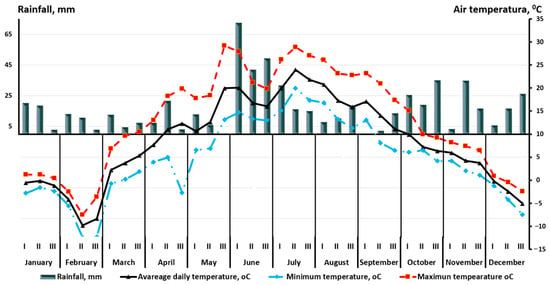
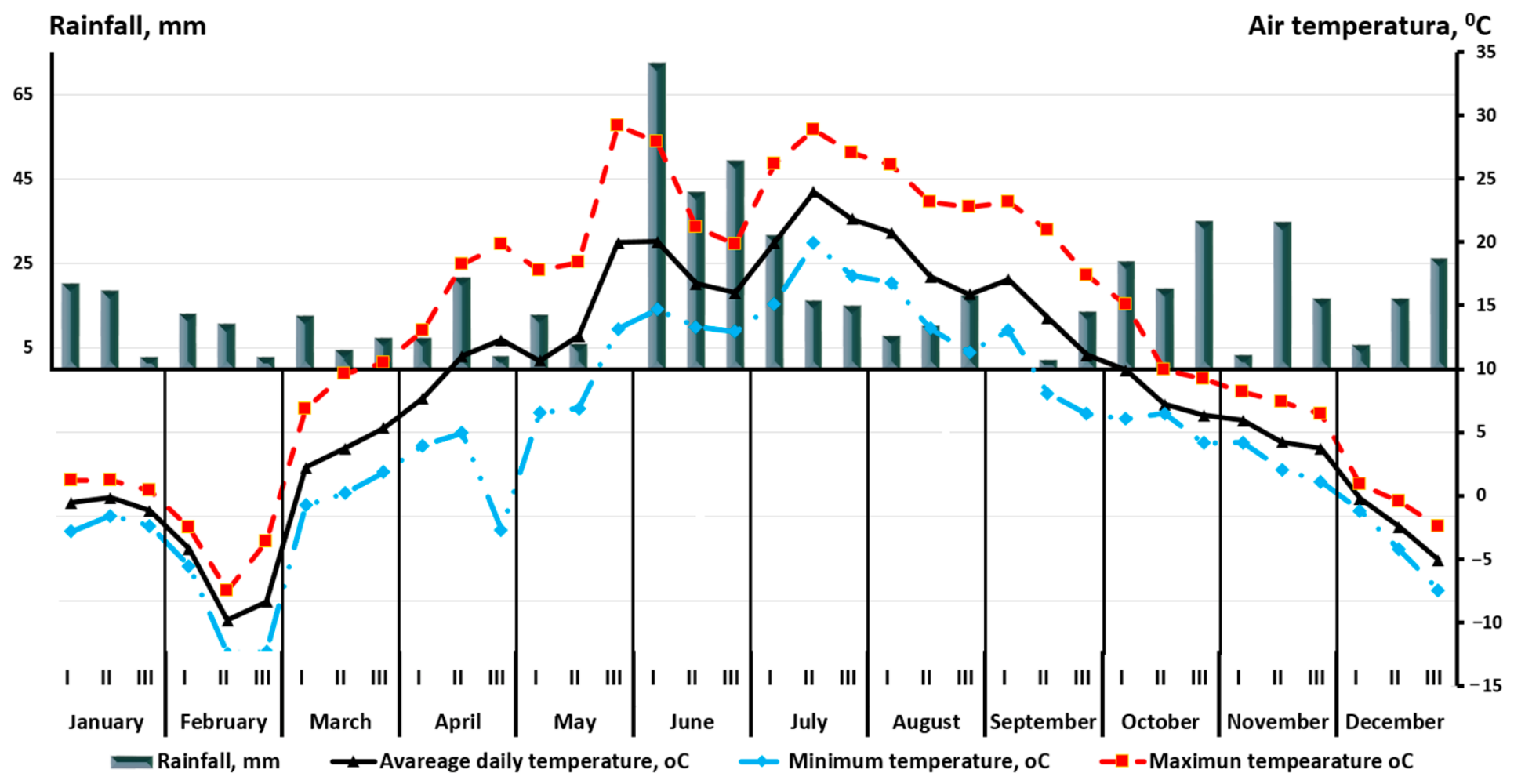
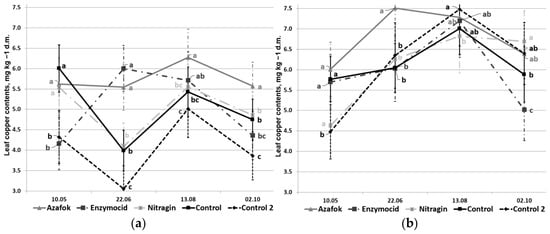
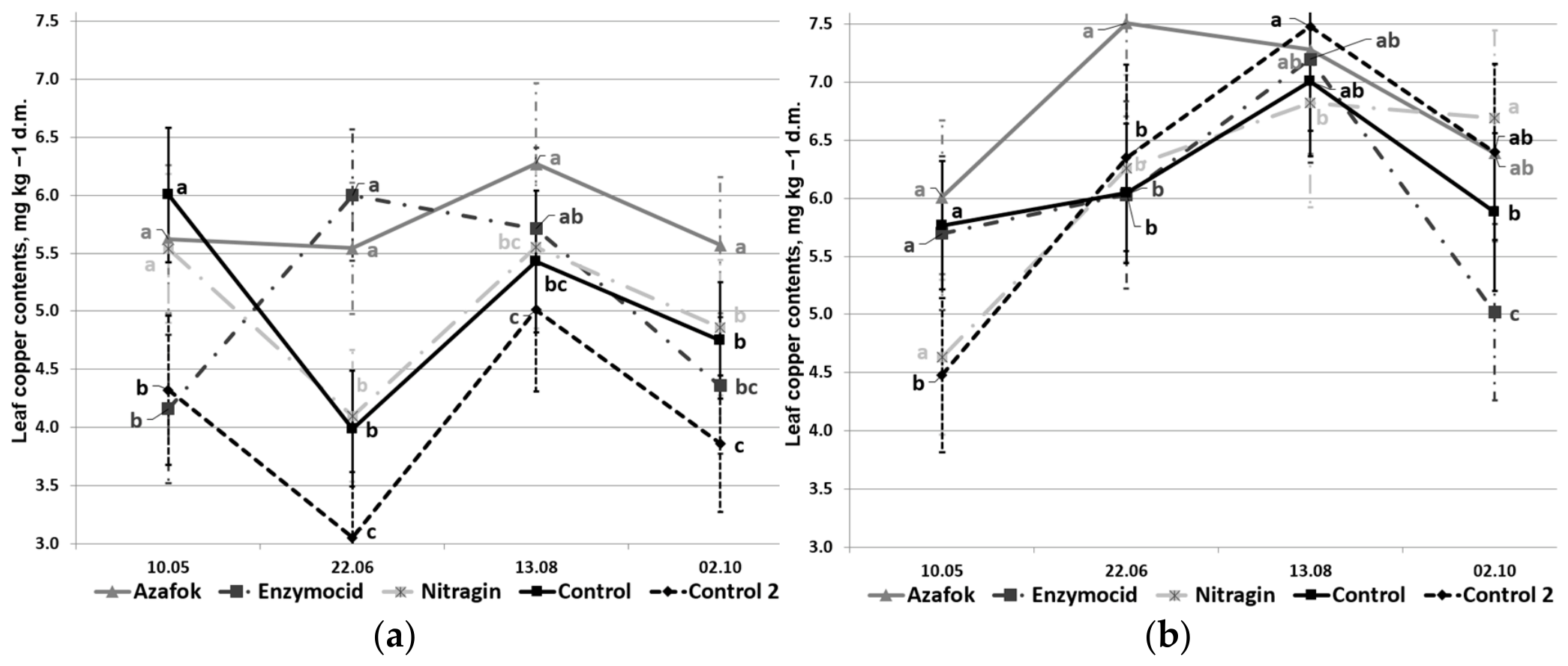
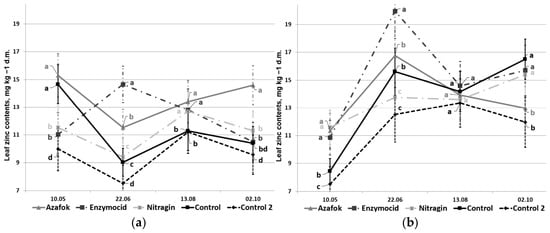
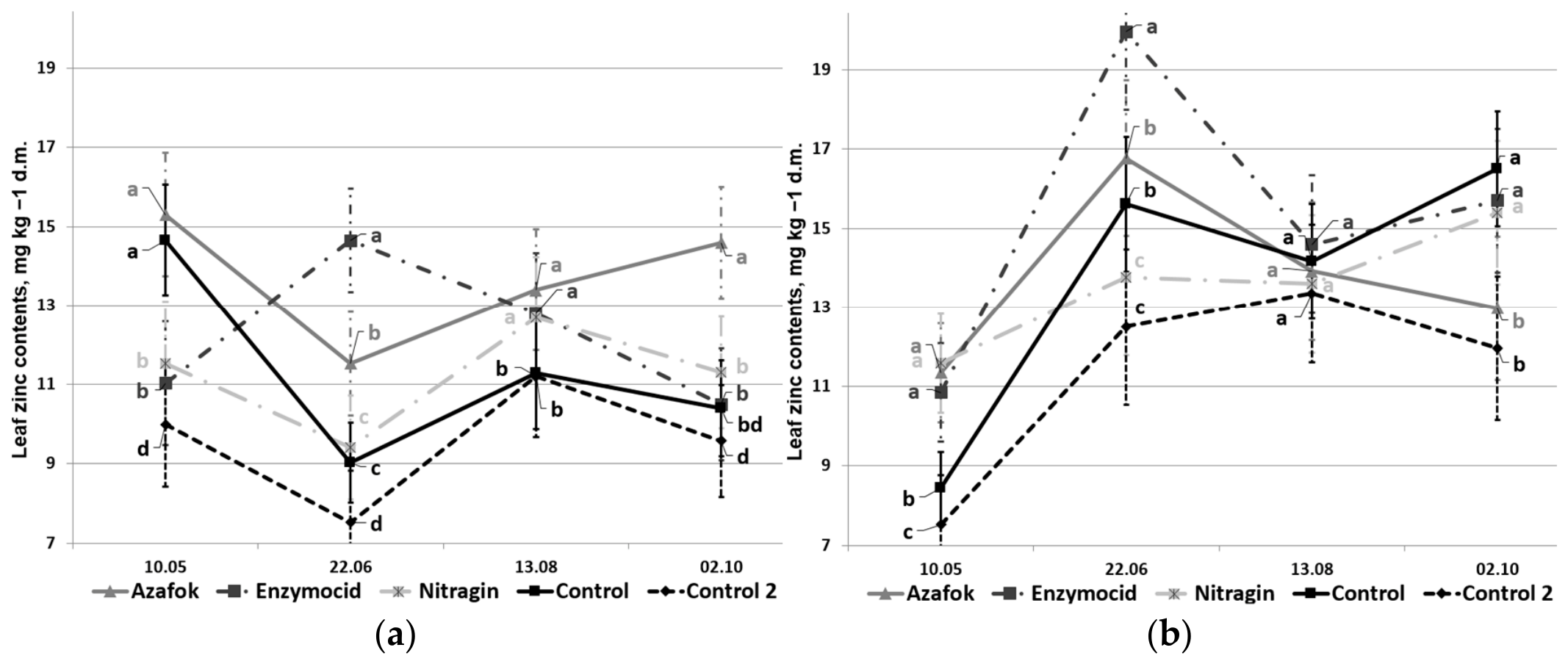
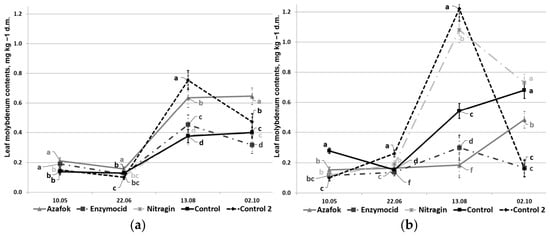
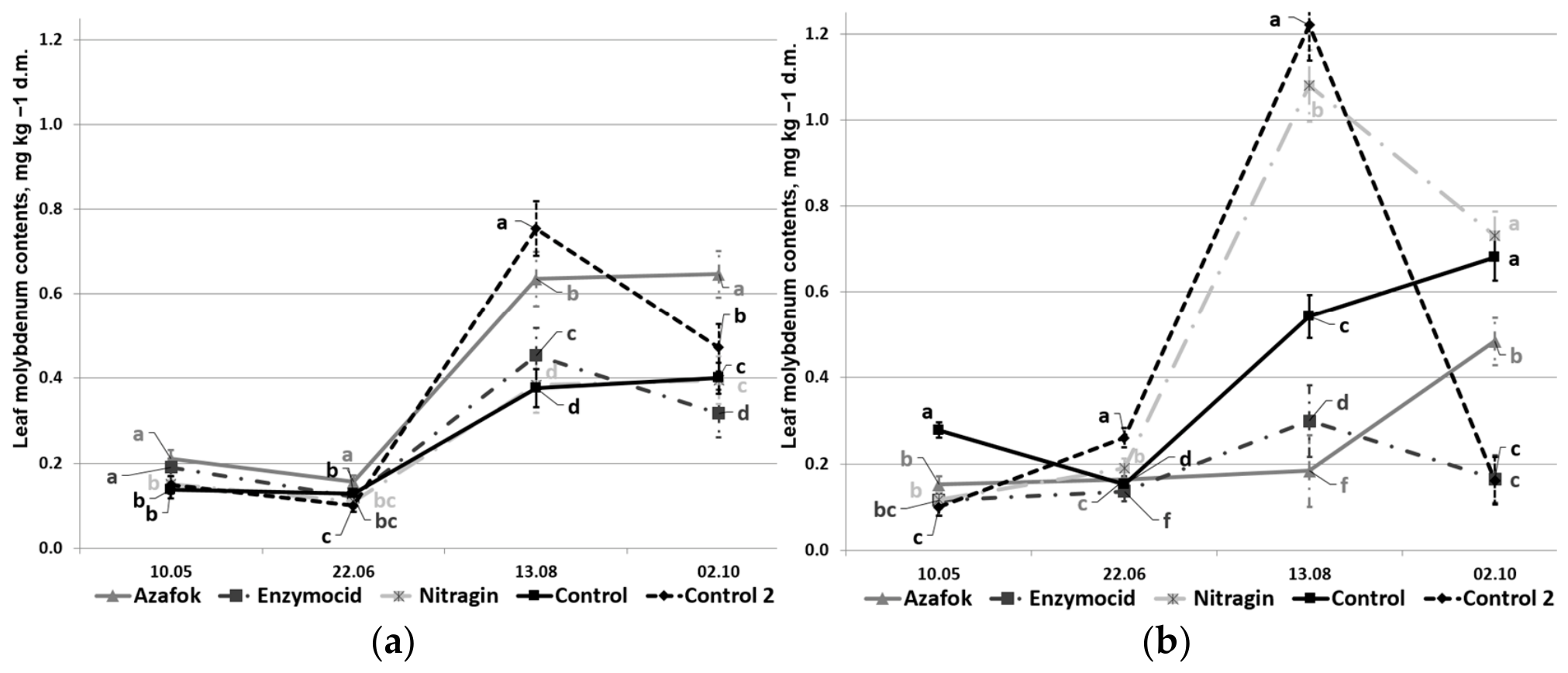

Disclaimer/Publisher’s Note: The statements, opinions and data contained in all publications are solely those of the individual author(s) and contributor(s) and not of MDPI and/or the editor(s). MDPI and/or the editor(s) disclaim responsibility for any injury to people or property resulting from any ideas, methods, instructions or products referred to in the content. |
© 2026 by the authors. Licensee MDPI, Basel, Switzerland. This article is an open access article distributed under the terms and conditions of the Creative Commons Attribution (CC BY) license.