


Abstract
Waste polyethylene terephthalate (PET) from single-use bottles is generated in rapidly increasing quantities, yet only about 15–35% of PET bottles are recycled. A systematic search of four databases (Scopus, Web of Science Core Collection, Google Scholar and PubMed Central) returned 798 records; after duplicate removal and two-stage screening, 69 studies met the eligibility criteria, of which 28 reported the quantitative performance data that underpin the ranges extracted here. Three recycling routes were compared, namely mechanical recycling, chemical recycling (glycolysis, methanolysis, hydrolysis, pyrolysis and gasification) and enzymatic hydrolysis. PET has been added to concrete, asphalt, bricks, insulation and panels and tested for mechanical strength, physical behaviour and durability under laboratory conditions, and the associated microplastic release, leaching of antimony and phthalate plasticisers, and fire behaviour were also assessed. Costs and market barriers were examined. The evidence indicates that PET is suitable for non-structural and semi-structural applications, and that the reported dosage windows are application-specific rather than reducible to a single range: roughly 5–15% by volume as an aggregate replacement in concrete, 2–10% in asphalt on bases that differ between studies, 25–40% by mass in PET–sand bricks and 0.5–2% fibre volume fraction in fibre-reinforced mortar. Each window is an envelope across studies that differ in PET form, dosage basis, mix design and test standard, and none is a specification. Long-term field testing, standardised leaching and microplastic-release methods, and full life-cycle assessments remain the principal research and application gaps. By linking technical performance to environmental safety, evidence quality and market readiness, this review supports evidence-based decisions for sustainable, circular construction.
1. Introduction
Around 400 million metric tons of plastic are produced worldwide every year, of which about 82 million tons is PET, used mainly for beverage bottles, packaging, textiles and carpets [1,2]. PET performs well in service but persists in the environment: discarded bottles accumulate in landfills, oceans and remote ecosystems and can take centuries to fragment [3]. If current trends continue, plastic production could reach 600 million tons by 2050 [4]. PET is technically recyclable, yet only about 15–35% of PET bottles are recycled [5]. The gap between the volume generated and the volume recycled reflects deficiencies in collection, sorting and end markets rather than any technical barrier to recycling. Failing to recycle PET is therefore both a waste-management problem and a lost opportunity to recover a material with valuable thermal, physical and mechanical properties [6]. The construction sector contributes around 10% of global greenhouse gas emissions and consumes very large volumes of raw materials, so it offers a substantial market for recyclate [7]. Using recycled PET in building materials advances two environmental objectives at once: plastic is diverted from landfill, and demand for carbon-intensive cement and virgin aggregates is reduced [8]. This approach aligns with circular-economy principles and has attracted increasing research interest over the past decade [9].
The construction industry consumes very large volumes of material. Concrete, the second most consumed substance worldwide after water, accounts for approximately 8% of global CO2 emissions on its own [7], and the industry generates substantial demolition and construction waste, much of which ends up in landfill [10]. Using recycled PET waste in building materials addresses two problems at once: it reduces plastic waste, and it lowers the carbon footprint of building projects [8,11]. Prior research shows that PET can be used in several building materials, including concrete (as aggregate or fibre), asphalt, bricks, insulation and structural panels [12,13]. Each application, however, has its own technical requirements and trade-offs, which must be evaluated before practical guidance for industry can be given.
Practical adoption is no longer hypothetical, and industry and field evidence complement the peer-reviewed literature. Recycled plastic has been incorporated into asphalt at a field scale, with published field-performance evaluations of plastic-modified mixes [14] and detailed accounts of the volumetric, workability and mechanical behaviour of waste-plastic-modified mixtures [15]. Plastic-bonded sand blocks produced from waste polyethylene have been manufactured and characterised as a low-cost walling material; this is a non-PET polymer and is cited here only as background evidence [16]. Policy and industry analyses add the market dimension: global plastic waste generation continues to rise while only a small fraction is recycled, so demand-side measures for recycled content are needed to create stable outlets for recyclate [17]. Taken together, these sources indicate that the principal constraints on the use of PET in construction are now as much economic, regulatory and logistical as they are technical, while field-scale performance data remain confined to a small number of products and are largely absent for the other applications covered by this review.
Earlier reviews have established that plastic waste can be used in construction, but their scope differs from the present work in four respects. First, several reviews address one application only, for example concrete [13,18] or asphalt [12], and therefore cannot compare performance across material classes. Second, most of them treat plastics generically and do not separate PET from polyvinyl chloride (PVC), low-density polyethylene (LDPE), polypropylene (PP) or polystyrene (PS), although these polymers differ substantially in melting behaviour, stiffness, flammability and additive content [11,18]. Third, dosage is frequently reported on incompatible bases, so optimum values taken from different studies cannot be compared without normalisation. Fourth, safety and environmental risks such as microplastic release, leaching of antimony and phthalate plasticisers, and fire behaviour are seldom integrated into the synthesis, although they are decisive for regulatory approval [19]. The present review addresses these gaps: the scope is restricted to bottle-grade PET, dosage is reported with an explicit basis for each material class, study quality and risk of bias are appraised, and environmental and health evidence is treated as a first-class outcome rather than as an addendum.
This review examines the reuse and recycling of PET waste from transparent bottles, a common and relatively homogeneous waste stream, across five categories of building materials: concrete, asphalt, bricks, insulation and composite panels. Its objectives are the following: (i) to review the performance and technical feasibility of these materials; (ii) to critically evaluate the safety, health, environmental and economic implications, including microplastic release, chemical leaching, fire hazard and cost–benefit balance; (iii) to identify the technical, regulatory and market barriers to industry adoption; and (iv) to propose future research directions.
2. Methodology
This review was conducted in accordance with the PRISMA 2020 statement [20], and the research question was structured using the PICOS framework. The review protocol was not registered prospectively. The work began as a narrative review, and the protocol was formalised only during revision, by which time the searches had already been executed; prospective registration was therefore not possible. The search strings, screening procedure, quality appraisal and extraction fields are reported in full below:
- Population: PET waste materials;
- Intervention: recycling and adding into building materials;
- Comparison: properties between conventional building materials without PET content;
- Outcomes: mechanical, physical, durability, safety, health, environmental and economic performance;
- Setting: construction and building engineering applications.
Four databases were searched: Scopus, Web of Science Core Collection, Google Scholar and PubMed Central. The searches were run on 1 February 2026 and covered the period from 1 January 2000 to 31 May 2025. Database-specific strategies were used rather than one generic string. In Scopus, the query was applied to title, abstract and keywords (TITLE-ABS-KEY), and in Web of Science, to topic fields (TS); Google Scholar and PubMed Central were searched with the same terms adapted to their query syntax. The core string was (“polyethylene terephthalate” OR “PET” OR “poly(ethylene terephthalate)”) AND (recycl* OR reuse OR valoris* OR valoriz* OR upcycl*) AND (“building material*” OR construction OR concrete OR cement* OR mortar OR asphalt OR bitumen OR brick* OR insulation OR panel* OR composite*). No language or document-type filter was applied at the search stage; language, document type and polymer scope were applied during screening. The reference lists of the retrieved reviews were also hand-searched. Records were exported to a reference manager, duplicates were removed automatically by DOI and title matching and were then checked manually, and the number retained at each stage is reported in Figure 1.
Figure 1.
PRISMA 2020 flow diagram of the study selection process.
Eligibility criteria: Studies were included if they (i) reported quantitative or qualitative data on recycled PET in a building material; (ii) reported at least one performance criterion (mechanical, physical, durability, environmental or economic); and (iii) were original research or a systematic review published in English between January 2000 and May 2025. Studies were excluded if they were not written in English, if they addressed polymers other than PET without reporting PET-specific data, or if they were editorials, non-peer-reviewed technical reports or conference abstracts without data. Studies addressing other polymers were retained only as background references and are identified as such in the reference list. Screening and selection: Two of the authors independently screened titles and abstracts against the eligibility criteria, and then screened the full texts of the retained records. Disagreements were resolved by discussion and, where agreement could not be reached, by a third author. Data extraction: A standardised extraction form was piloted on ten studies and then applied to all included studies. The following fields were extracted: PET waste source and form (flake, granule, powder, fibre, chemically modified or depolymerised); matrix material; dosage and the basis on which dosage was reported; specimen preparation, curing and conditioning; test standard and specimen geometry; and all reported performance outcomes. Dosages were retained on the basis used by the original study and were converted to a common basis only within a material class and only where the conversion was explicitly reported by the authors. Dosages reported on different bases (mass of aggregate, volume of aggregate, mass of binder, or fibre volume fraction) were never pooled. Quality and risk-of-bias appraisal: Because the included studies are experimental and mostly non-randomised, a purpose-built appraisal tool was used rather than a randomised-trial instrument. Each study was scored on six items, each rated 0 to 2: clarity of the PET feedstock and dosage basis; reporting of mix proportions; reporting of specimen preparation and curing; use of a recognised test standard; reporting of replicate numbers and dispersion; and comparison against a PET-free reference mix. The total score (0–12) was used to classify studies as low (10–12), moderate (7–9) or high (≤6) risk of bias. Studies classified as high risk of bias were retained for qualitative description only and were excluded from the quantitative ranges reported in Section 4. Item-level results are reported in Supplementary Table S2, and the per-source values behind Table 1 and the figures that follow are given in Supplementary Table S3. Avoiding double counting: Where both a review article and one of its primary studies met the eligibility criteria, the primary study was used for data extraction and the review was retained only for background and for identifying further primary studies. No dataset therefore contributed twice to the syntheses in Section 4, and only primary studies were used to derive the reported dosage and performance ranges. Selection outcome: The searches identified 798 records, distributed across the four databases as reported in Figure 1. After duplicate removal, 512 records remained and were screened on title and abstract, of which 384 were excluded; full texts were sought for the remaining 128 records, three of which could not be retrieved, and 125 reports were assessed for eligibility. A total of 56 reports were excluded at the full-text stage (full text not available, 12; duplicate dataset or companion paper, 18; no PET-specific data, 15; off-topic application, 11), and 69 studies met all criteria and were included in the review. Of these, 28 reported quantitative performance data on a dosage basis that could be extracted, and these studies are the sources of the ranges reported in Section 4 and Section 5. They are listed in Table 2, with the dosage basis and test information reported by each, and the characteristics of the full set of included studies are listed in Supplementary Table S1. Every reference cited in this review was checked against Crossref by DOI where one was supplied and by bibliographic search otherwise, and the outcome of each check, together with the records that could not be verified and were replaced, is recorded in Supplementary Table S4.
Table 1.
Comparison of PET recycling methods for construction applications.
Table 2.
Studies contributing the performance evidence synthesised in Section 4 and Section 5, with the material class, PET form, dosage basis and test information reported by each. Reference numbers are those of the reference list and are given in square brackets. The 28 entries listed here are the sources of the quantitative ranges reported in Section 4 and Section 5; every one of them is a verified primary study, and none is a review or a study of a polymer other than PET. The characteristics of all 69 included studies are recorded in Supplementary Table S1, the quality and risk-of-bias appraisal of the same 69 studies is given in Supplementary Table S2, the per-source values behind Table 1 and Figures 3–7 are given in Supplementary Table S3, and the verification of every reference in this review is given in Supplementary Table S4.
3. PET Recycling Technologies for Building Materials
The recycling technology affects the quality, consistency and cost of recycled PET significantly. Three main technological methods are currently available: mechanical, chemical and enzymatic recycling, and each has advantages and limitations that affect its suitability for construction applications [6,21]. This section describes those routes on the basis of the technology-assessment literature; the sources used here are not all included studies under the eligibility criteria of Section 2, because several report process-level rather than building-material performance data, and they are identified accordingly in the reference list. The performance evidence for building materials is synthesised in Section 4. Figure 2 summarises the conversion routes from PET bottle waste to building materials, Figure 3 compares the three recycling pathways, and Table 1 sets out their principal attributes side by side.
Figure 2.
Conceptual overview of the valorisation methods from PET bottle waste to building materials.
Figure 3.
Comparison of the main PET recycling pathways for construction applications: (a) indicative cost; (b) energy demand; (c) technology readiness level (TRL). Bars show the midpoint of the ranges reported by the process-assessment sources cited in the note to Table 1, where the midpoint is the arithmetic mean of the reported lower and upper bound. Unit conversions and the normalisation procedure are described in Supplementary Table S3, together with the per-source values. The panels are indicative only: cost and energy values are not normalised to a common functional unit, so the panels should not be read as a like-for-like ranking. Sources: [21,22,23,25,26].
3.1. Mechanical Recycling
The mechanical recycling is the most widely deployed PET recycling technology and accounts for most current processing capacity. The mechanical recycling method involves collection, sorting, washing, shredding into small pieces (flakes), melting, and extrusion into pellets or fibres/filaments [6]. The mechanical recycling method is simple and cost-effective with lower energy consumption than the chemical method. However, each thermal-mechanical cycle induces thermal degradation and chain scission, resulting in reduced molecular weight, intrinsic viscosity and mechanical properties, commonly known as “downcycling” [22].
For construction applications, the required recyclate quality is lower than for food-contact or high-performance engineering applications, so mechanically recycled PET is generally adequate. Contamination from adhesives, labels and residual contents remains a quality risk and requires effective sorting and washing [56]. Among the included studies, feedstock preparation was reported along mechanical routes far more often than along chemical or enzymatic routes, which appeared mainly in technology-assessment studies rather than in building-material performance studies. Mechanical recycling is therefore best described as the dominant and most cost-effective route for construction-grade rPET on the available evidence rather than as universally preferred, because property retention after repeated thermal-mechanical cycles is rarely quantified in the included studies and the evidence base is unevenly distributed across applications.
3.2. Chemical Recycling
Chemical recycling comprises a series of thermochemical processes that break down the PET polymer into monomers or intermediate chemical feedstocks, enabling the production of virgin-quality polymer from waste feedstock [21]. The principal chemical recycling methods include glycolysis, methanolysis, hydrolysis, pyrolysis, gasification and hydro-cracking.
Glycolysis is the chemical route most relevant to construction applications. PET is heated in the presence of glycols and undergoes transesterification to yield bis(2-hydroxyethyl) terephthalate (BHET) monomers or polyester polyols, which can serve as raw materials for insulation foams and polyurethane products [23]. Methanolysis and hydrolysis yield dimethyl terephthalate (DMT) and terephthalic acid (TPA), respectively, both of which can be repolymerised into virgin-grade PET [21]. Pyrolysis and gasification operate at higher temperatures (300–700 °C) under oxygen-free or oxygen-limited conditions and break PET down into oil, syngas and solid char [24].
The principal advantages of chemical recycling include the following: (i) virgin-like quality of the recycled product, enabling food-contact and high-performance applications; (ii) the ability to process complex and mixed waste streams, including films, laminates and contaminated plastics that mechanical recycling cannot handle; and (iii) reduced waste destined for incineration or landfill. However, chemical recycling processes are more complex and costly to operate than mechanical recycling [21,23]. Planned investments in chemical recycling capacity are projected to increase from EUR 2.6 billion (2025) to EUR 8 billion (2030), reflecting growing confidence in its role in achieving circularity targets [25].
3.3. Enzymatic Recycling
Enzymatic recycling is an emerging approach that employs PET-degrading enzymes (notably PETase and MHETase) to specifically cleave ester bonds in the PET polymer chain under mild aqueous conditions (moderate temperature and atmospheric pressure) [26]. This biological catalysis yields terephthalic acid and ethylene glycol monomers that can be repolymerised into virgin-quality PET.
The principal advantages of enzymatic recycling include the following: (i) high specificity, minimising side reactions and byproduct formation; (ii) mild operating conditions, reducing energy consumption by 69–83% relative to virgin PET production; (iii) lower greenhouse gas emissions (17–43% reduction); and (iv) the ability to process certain contaminated feedstocks [26,27]. Current limitations include slower reaction kinetics compared to thermochemical processes and the need for further enzyme engineering to improve thermal stability and catalytic efficiency. Techno-economic analyses suggest that enzymatically recycled PET can achieve cost parity with virgin PET production under optimised conditions [27].
4. Applications of Recycled PET in Building Materials
Recycled PET has been investigated as a component of five principal categories of building materials, each with distinct requirements for mechanical performance, durability and environmental compatibility. This section synthesises the evidence for each application. To keep the synthesis comparable, each subsection covers the same four aspects in a fixed order (incorporation methods, mechanical performance, physical and thermal properties, and durability), and dosage is always stated with the basis on which it was reported. Results obtained with different dosage bases, different PET forms (aggregate, fibre, filler or chemically modified polymer) and different curing regimes are reported separately and are not pooled. Table 2 lists the studies contributing to the synthesis in this section, with the dosage basis and test information each reports; Table 3 summarises the property ranges discussed below; Supplementary Table S1 records the characteristics of all 69 included studies, Supplementary Table S2 shows the quality and risk-of-bias appraisal of the same studies, and Supplementary Table S3 illustrates the per-source values behind every range quoted. Figure 4 shows the reported relative compressive strength of PET-modified concrete.
Table 3.
Reported mechanical and thermal properties of PET-modified construction materials.
Figure 4.
Relative compressive strength of PET-modified concrete as a function of the PET replacement ratio. Three curves are shown: the lower bound, the midpoint and the upper bound of the range reported by the included studies. They are illustrative trend envelopes drawn by hand through the reported values; they are not regression fits and no statistical model was estimated, and the shaded band spans the reported range. The envelopes are plotted at PET replacement ratios of 5%, 10%, 15% and 30% by volume so that the two dosage windows discussed in Section 4.1 (up to about 10% and 15% or above) are both represented, and the horizontal axis is labelled accordingly. The source values, the studies behind each plotted point and the derivation of the envelopes are given in Supplementary Table S3.
4.1. Concrete
Incorporation methods: PET can be incorporated into concrete in three primary forms: (i) as a partial replacement for fine or coarse aggregates, where shredded PET flakes or granules (typically 2–20 mm) substitute for sand or gravel at replacement ratios of 5–30% by volume [28,29,31,32]; (ii) as discrete short fibres (typically 10–50 mm length, aspect ratio: 30–100) for crack control and toughness enhancement [30,57,58]; and (iii) as PET aggregate in lightweight concrete, using PET’s lower density (1.3–1.4 g/cm3) compared to natural aggregates (2.5–2.7 g/cm3) to produce reduced-density structural elements [31,35,59]. Interfacial bonding between the hydrophobic PET and the mineral matrix has been addressed by particle-size selection, compaction and physical or chemical treatment of the PET surface [32,60]. These three forms are reported on different bases: aggregate replacement is expressed relative to the mass or volume of mineral aggregate, fibre addition as a fibre volume fraction, and filler addition relative to the mass of cement. The three groups are therefore treated separately throughout this review.
Mechanical performance: The effect of PET incorporation on concrete mechanical properties is dose-dependent. At low replacement ratios (≤5%), the reduction in compressive strength is modest (5–15%), while workability often improves due to the smooth surface texture and hydrophobic nature of PET particles [28,29,33]. At replacement levels exceeding 15%, compressive strength reductions of 30–60% are commonly reported, attributed to weak PET–cement interfacial transition zones and the lower stiffness of PET particles relative to mineral aggregates [29,31,36,61]. Flexural and splitting tensile strength follow a similar trend, and PET fibres improve post-crack energy absorption and toughness by up to 40% at optimised fibre content [30,57,62]. These fibre results are not comparable with the aggregate-replacement results above, because fibre dosage is expressed as a volume fraction of the mix whereas aggregate replacement is expressed relative to the mineral aggregate. The elastic modulus of PET concrete declines with increasing PET content, reflecting the lower modulus of PET (2–4 GPa) relative to natural aggregates (50–100 GPa) [31,59].
Physical and thermal properties: The density of PET-modified concrete decreases as PET content increases. Thermal conductivity falls by about 30% at an aggregate replacement of 15% by volume, which can improve building energy efficiency [35]. Water absorption increases at high PET content because of interfacial microcracking, and this effect can be mitigated by surface treatment of the PET particles [31,32].
Durability: The durability of PET-modified concrete remains an active area of study. Freeze-thaw resistance is typically lower at high PET replacement levels because of higher porosity [63,64]. Chemical resistance to sulfate attack and chloride penetration varies with PET content and mix design [63,65]. Fire resistance is a further concern: PET begins to soften and melt at approximately 250 °C and creates internal voids that compromise structural integrity above 300 °C [64]. Supplementary cementitious materials such as fly ash or silica fume have been reported to offset part of the durability loss, although the evidence base for this specific mitigation remains narrow [66,67]. For completeness, eleven further concrete and mortar studies met the eligibility criteria and appear with their extraction fields in Supplementary Table S1, but they do not contribute a value to the ranges above: PET aggregate produced by melting bottle waste, used over the full 0–100% replacement range [68]; PET compared with polypropylene waste at the same coarse-aggregate replacement levels [69]; PET in ultra-high-performance concrete [70]; chemically depolymerised PET aggregate in mortar [71]; recycled PET in polymer mortar [72]; recycled PET sand in cementitious mortar [73]; fine recycled PET in common screeds and in premixed screeds [74,75]; PET aggregate combined with a protein foaming agent to form a lightweight composite [76]; PET as a partial replacement for sand over the full 0–50% range [77]; and three PET aggregate types compared in a single programme [78].
4.2. Asphalt
Incorporation methods: PET enters asphalt mixtures by two routes that must not be conflated. In the dry process, PET granules or flakes (typically 1–5 mm) partially replace fine aggregate and remain a discrete particulate phase; the PET is not required to melt, and the mixture is produced at conventional temperatures of about 160–180 °C [37]. In the wet process, PET is first incorporated into a binder, either by high-shear blending with bitumen at 160–180 °C, which can only succeed if the PET is pre-melted, chemically depolymerised or introduced as a low-melting PET-based additive, because the melting range of bottle-grade PET (approximately 250–260 °C) lies well above normal bitumen mixing temperatures [39,41,79]. Studies that report wet modification without stating how PET was brought into the binder cannot be reproduced as described, and this ambiguity is one reason why the reported rheological gains vary so widely. Reported PET contents range from 2% to 10%, but the basis differs between studies (mass of binder, mass of total mixture or aggregate replacement), and Table 3 therefore reports the dosage basis explicitly.
Mechanical performance: In general, PET-modified asphalt has higher rutting resistance and stiffness at high service temperatures due to the reinforcing properties of PET particles that increase binder viscosity and elastic recovery [38,39,41]. Reported Marshall stability increases of 15–40% at PET contents of 4–8% are not obtained under a single set of conditions: The studies differ in PET form (flake, granule or fibre), dosage basis, aggregate gradation, binder grade and the Marshall test standard applied. The conditions reported by each study are tabulated in Supplementary Table S3, and the range above should be read as an envelope across those conditions rather than as a single transferable result. The flow value generally decreases, indicating higher load-bearing capability, whereas fatigue resistance and low-temperature cracking performance are more variable, with some studies reporting improved fatigue life at moderate PET content and embrittlement at high PET content [42].
Physical and thermal properties: PET-modified asphalt has lower density and higher air void content than conventional asphalt, which can improve skid resistance but also permeability to water and oxygen [37]. The thermal sensitivity also changes: PET improves stiffness at high temperatures (for rutting resistance) but it may reduce flexibility at low temperatures [38]. Porous asphalt containing recycled plastics has also been evaluated for long-term functional performance, where ageing reduced part of the benefit while the mixtures retained acceptable properties [80].
Durability: Moisture susceptibility is an important concern for PET-modified asphalt, as the hydrophobic nature of PET can reduce binder-aggregate adhesion and increase stripping potential [42,81]. Aging resistance is found to be mixed (a few studies have improved UV resistance whereas others report accelerated oxidative hardening [42,82]). There is very little evidence from the field with the majority of studies focused on laboratory evaluation of the field performance [80]. For completeness, four further asphalt studies met the eligibility criteria and are listed in Supplementary Table S1 but are not plotted: PET-derived additives used together with reclaimed asphalt pavement [83], chemically recycled PET in a crumb rubber modified binder [84], collective recycling of waste plastic with waste tyre rubber [85] and PET recyclate added to asphalt mixtures [86].
4.3. Bricks
Conventional clay bricks are fired at 900–1100 °C, whereas PET–sand composite bricks are cast at the much lower temperatures at which PET softens, which removes the firing step and the associated energy demand [43,45,47]. The processing temperature of each product is therefore not comparable, and the two are reported separately in Figure 5.
Figure 5.
Comparison of PET–sand bricks and conventional clay bricks: (a) compressive strength; (b) thermal conductivity; (c) density; (d) firing temperature. Bars show the midpoints of the ranges reported by the included brick and block studies [43,44,45,46,47,87,88,89,90,91]; the clay-brick bars are industry and standards reference values. The brick studies differ in polymer identity, sand content and compaction procedure, and part of this literature reports mixed plastic waste rather than PET alone; the contributing sources are identified in Table 2 and in Supplementary Table S1. The underlying values are listed row by row in Supplementary Table S3.
Mechanical performance: PET–sand bricks generally reach 5–25 MPa compressive strength depending on PET content, sand-to-PET ratio and particle size distribution [43,45,46,47]. These values are comparable to, or higher than, those of clay bricks (3.5–15 MPa). Because PET is hydrophobic, water absorption is generally lower than in clay bricks, although interfacial voids can increase if the mix is not compacted [87,88]. Masonry bricks produced with melted PET and crushed glass, and bricks produced from scrap plastic waste and foundry sand, have both met the strength requirements for non-load-bearing masonry [46,89]. The 5–25 MPa range is an envelope across studies that differ in sand-to-PET ratio, compaction procedure and PET form, and part of the brick literature reports mixed plastic waste rather than PET alone [89,90]; the range should therefore be read as indicative of plastic-bonded bricks in general, and PET-specific brick data remain sparse. All ten brick and block studies included in this review are listed in Supplementary Table S1.
Physical and thermal properties: PET bricks have lower thermal conductivity (0.2–0.5 W/(m·K)) than clay bricks (0.6–1.0 W/(m·K)) and therefore insulate building envelopes more effectively [44,45]. Their density is also lower (1400–1800 kg/m3 against 1600–2000 kg/m3 for clay bricks), which reduces dead load on the structure. The thermal conductivity of PET-bonded bricks is the property most consistently improved relative to clay bricks, because the polymer phase conducts heat poorly [44,47].
Durability: Water absorption and weathering resistance are the durability properties reported most often for PET-bonded bricks. Increasing the PET fraction reduces water absorption and bulk density in sand–PET blends [87], and interlocking paving bricks produced from PET and low-density polyethylene by hot mixing have shown adequate compressive strength with low water absorption [88]. Masonry bricks produced with melted PET and crushed glass retained adequate strength and durability for non-load-bearing use [46], and bricks made from scrap plastic waste and foundry sand met the corresponding strength requirements [89]. Fire performance remains the least well documented property of this material class: none of the included brick studies reports a reaction-to-fire classification or a fire test, so the behaviour of PET-bonded bricks in a fire cannot be assessed from the evidence reviewed here, and the polymer-rich variants must be assumed to require the same fire-retardant treatment as the insulation and panel products discussed below.
4.4. Insulation
Incorporation methods: Recycled PET is used in building insulation through three conversion pathways: (i) polyester fibre insulation, in which PET bottles are shredded, melted and extruded into fibres that are thermally bonded into non-woven batts or felt, a product that has been assessed by life-cycle analysis from post-consumer bottle feedstock [48,49]; (ii) PET foam, produced by extrusion or batch foaming with a physical blowing agent and used both as insulation board and as the core of sandwich panels [52,92]; and (iii) PET aerogel and loose-fill products, in which recycled PET fibre is cross-linked into a low-density aerogel or used as loose fill [50]. Recycled PET is also combined with mineral binders and with silica aerogel: Adding both to cement mortar has been reported to lower its thermal conductivity while retaining usable mechanical strength [93]. The direct use of discarded PET bottles as a wall-cavity insulating layer, as an alternative to fibreglass, has also been assessed [94], although this is a single low-technology study.
Mechanical performance: PET foam cores provide useful stiffness-to-weight ratios because of their closed-cell structure. Sandwich panels based on PET foams have been characterised for building and transport applications [52], and the foam core has been shown to govern the flexural behaviour of glass-fibre-reinforced polymer (GFRP) panels used for the rehabilitation of building floors [53]. The structural response of PET foam-core sandwich beams is markedly non-linear, so analytical models validated against experiment are needed before the foam core can be used in design [54]. Fibre-based PET insulation is not a load-bearing material, and its strength is reported only as an installation requirement [48,49].
Physical and thermal properties: Recycled-PET fibre insulation panels have been assessed both for their environmental impact and for their thermal performance [48,49]. Recycled PET aerogels achieve very low thermal conductivity together with good acoustic absorption, with the performance governed by the fibre concentration and the cross-linker ratio [50]. Flame-retardant impregnation has been used to raise the thermal insulation performance of recycled PET nonwoven while reducing its flammability [51]. Recycled PET combined with silica aerogel in cement mortar reduced the thermal conductivity of the mortar while retaining usable mechanical strength [93]. Life-cycle assessment of a polyester-fibre insulation panel made from post-consumer PET bottles indicates that the recycled product carries a lower environmental burden than the virgin-fibre equivalent [48,49]. The wider field of unconventional building insulation materials, including recycled-PET products, has also been reviewed [95].
Fire performance: Recycled PET products intended for insulation and interior use require flame-retardant treatment. Flame-retardant impregnation of recycled PET nonwoven has been shown to reduce flammability while improving thermal insulation performance [51], and flame-retarded PET foam cores have been characterised in sandwich structures with epoxy face sheets [55]. The evidence base is nonetheless thin: the reaction-to-fire classifications quoted by the sources are not harmonised, and none of the included studies reports a full-scale fire test of a PET-based insulation product in a building assembly.
4.5. Composite Panels
Incorporation methods: Recycled PET is used as either the core or a face-skin component of composite sandwich panels. PET foam cores are produced by continuous extrusion or by batch foaming, and their properties and applications in sandwich panels have been reviewed [52]. Recycled PET has been combined with flax-fibre/polypropylene skins and recycled carbon fibre to form sandwich composites [96], and it is used as the matrix of fibre-reinforced thermoplastic skins in sandwich structures [54] and in thermoplastic sandwich panels that can be reprocessed at the end of life [92]. Recycled bottle caps have been used as the core of a sustainable sandwich panel with bio-based skins [97].
Mechanical performance: PET foam-core sandwich panels provide high specific flexural stiffness and strength. The flexural behaviour of GFRP-skinned panels with an eco-friendly PET foam core has been assessed for the rehabilitation of building floors [53], and PET foam cores have been characterised for stiffness-to-weight performance in building and transport applications [52]. Hybridisation of the skins with aluminium or stainless-steel mesh improves the impact and perforation resistance of PET foam panels [98]. The structural response of PET foam-core sandwich beams with PET fibre composite facings is non-linear, and analytical models for it have been validated against experimental results [54]. Sandwich panels with a recycled bottle-cap core show competitive static and dynamic specific properties [97].
Physical and thermal properties: PET foam cores have low thermal conductivity, which makes them useful in building envelope applications [52,92]. Water absorption of closed-cell PET foam is low, so dimensional stability is retained in humid conditions [52], and the thermal performance of the panel is retained when all of its constituents are thermoplastic and recyclable [92].
Chemical resistance is better than that of many polyurethane and polystyrene foams. Flame-retarded PET foam cores have been characterised in sandwich structures with epoxy face sheets, and the flame-retardant treatment changed the fire behaviour of the assembly [55]. The thermoplastic nature of PET allows a panel to be reprocessed at the end of life where a thermoplastic matrix and skins are used [92]; panels assembled with thermoset bio-epoxy or epoxy face sheets do not share this property.
5. Environmental, Health and Economic Implications
This section examines the environmental, health, fire-safety and economic implications of using recycled PET in building materials, treating the safety evidence as a primary outcome rather than as a secondary consideration. Figure 6 summarises the reported environmental benefits and Figure 7 shows the economic indicators discussed below.
Figure 6.
Reported environmental benefits of recycled PET in construction: energy demand, carbon footprint and global warming potential (GWP), each expressed relative to the conventional product compared in the same study (set to 100). Each bar originates from a different study, product and system boundary. The values are not normalised to a common functional unit and must not be read as directly comparable. One tonne of rPET corresponds to approximately 20,000–25,000 bottles diverted from landfill or the ocean [5,8,48,49]. Green color represents rPET, Grey color represent conventional product on the chart.
Figure 7.
Economic indicators for recycled PET in construction: (a) global recycled plastics market value, from [99]; (b) planned chemical recycling investment, from [25]; (c) cost advantage over conventional materials, from a single reported concrete cost observation [28] and the reported feedstock price differential [17,99]. The panels rest on different products, markets and system boundaries and must not be read as a like-for-like comparison.
5.1. Environmental Benefits
Recycled PET used in construction displaces virgin material and diverts waste from landfill, and several studies have quantified the associated savings. Life-cycle assessment of a polyester-fibre insulation panel made from post-consumer PET bottles reports a lower environmental burden than the virgin-fibre equivalent, and recycled-PET fibre insulation panels have been assessed for their improvement potential at the production stage [48,49]. Expressed relative to the conventional product compared in the same study, the recycled-PET products are reported at about 50% of the energy demand, about 21% of the carbon footprint and about 54% of the global warming potential [48,49]. One tonne of rPET corresponds to roughly 20,000–25,000 bottles kept out of landfill or the ocean [5,8]. These figures must be read with care. They come from studies with different functional units (1 kg of polymer, 1 kg of binder and 1 m2 of insulation panel), different system boundaries (cradle-to-gate and cradle-to-grave), different allocation choices and different products. They are therefore not directly comparable and are reported here as separate study-specific results rather than as a common performance metric. A defensible comparison would require a harmonised functional unit with consistent boundary and allocation rules, which the current literature does not provide. Subject to that caveat, the direction of the effect is consistent across studies, and the savings align with circular-economy models that prioritise value recovery over linear consumption [9].
5.2. Microplastics and Chemical Leaching
5.2.1. Mechanisms of Microplastic Release
Microplastic production from PET-based construction materials can occur in various ways: (i) mechanical abrasion from traffic loading on PET-modified pavements and surface erosion of exterior building elements; (ii) photodegradation of PET surfaces under UV radiation; (iii) thermal cycling and freeze-thaw effects of PET materials that cause microcracking; (iv) construction, demolition and renovation with cutting, drilling or crushing of PET materials; and (v) environmental transport pathways in which stormwater is sent to waterways, wind is transported to adjacent soils, and fine particles are suspended in air [100,101,102]. Unless stated otherwise, the evidence in this section concerns PET; mechanisms reported for other polymers are included only where they are directly transferable, and they are identified as such.
5.2.2. Chemical Leaching: Factors and Toxicology
In indoor applications such as insulation and panels, leaching is generally lower because temperature and pH are more stable, but the possibility of off-gassing into indoor air requires further investigation [100]. In outdoor applications such as bricks and pavements, leaching is more prevalent because of temperature fluctuation and acid rain exposure. Ecotoxicological research remains incomplete: although the acute toxicity of PET leachates to aquatic organisms appears to be low, chronic and cumulative effects are not yet fully understood [101,102]. Two caveats apply to this evidence. First, the evidence on leaching from PET is drawn mainly from food-contact and bottle studies rather than from cementitious or bituminous matrices, and is transferred here as a mechanism rather than as a measurement. Second, no test standard for leaching or for microplastic release is named, because none applies specifically to recycled-plastic building products; leachate concentrations, leachant composition, pH, temperature and contact time are therefore not reported in a form that would allow comparison against a regulatory threshold.
5.3. Fire Safety and Toxicity
5.3.1. Combustibility and Fire Performance
PET has a limiting oxygen index (LOI) of about 20–22% and ignites at temperatures above 400 °C, with a heat release capacity of about 400–500 J/(g·K) [103]. In building applications, the fire performance of PET-containing materials depends on the matrix material: PET in cementitious matrices benefits from the inherent fire resistance of cement, while PET-rich composites (sandwich panels, foam insulation) need fire-retardant additives or protective barriers [55,103].
5.3.2. Flame Spread and Heat Release
Cone calorimeter studies indicate that the peak heat release rate of PET composites is moderate compared with polyolefin-based materials and can be reduced by 30–50% by flame retardants such as aluminium trihydroxide or phosphorus-based additives [103]; the reduction depends on the additive loading and specimen geometry, which the cited studies report but which this review does not reproduce. Flame spread indices for PET insulation with appropriate fire-retardant formulations can meet the Class A requirements of ASTM E84, which include both a flame-spread and a smoke-developed criterion [55].
5.3.3. Smoke and Toxic Gas Emissions
PET generates aromatic compounds such as benzene and toluene, together with carbon monoxide, acetaldehyde and benzoic acid derivatives, through thermal decomposition; styrene is not a characteristic PET pyrolysis product and is not listed here [103]. The use of halogenated flame retardants can generate hydrogen halides and other toxic combustion by-products, which motivates the development of halogen-free fire-retardant systems [104].
5.3.4. Regulatory and Safety Implications
On the evidence reviewed here, PET-based materials are best restricted to non-combustible assemblies or protected configurations in structural applications, with validated fire-retardant systems used for insulation and interior panels [55,103]. This is a risk-management recommendation rather than a code-compliance statement: the reaction-to-fire data available for PET-based construction products are limited, and the classification schemes in use require harmonisation before they can be applied across jurisdictions.
5.4. Economic Viability
The economic viability of rPET in construction depends on the balance between feedstock cost, processing cost and market value of the final product. rPET feedstock is generally priced 27.5% below virgin PET, providing a cost advantage for construction applications where absolute polymer properties are not critical [17,99]. A study on PET-modified concrete reported a 2.5% cost reduction per cubic meter relative to conventional concrete [28]. The elimination of high-temperature kiln firing in PET brick production further reduces manufacturing costs compared to clay bricks [45,46,47].
Bottles account for the largest share of the rPET product market, although the revenue basis of the reported figure is not stated in the source and it is quoted here as indicative only [99].
6. Challenges and Barriers to Widespread Adoption
Although technical feasibility has been demonstrated for several applications and the environmental benefits are directionally consistent, adoption of rPET in construction materials remains limited. The barriers are technical, regulatory and market-related.
6.1. Technical Challenges
The two main technical problems remain quality and consistency of materials. Mechanical recycling contributes to chain scission and property degradation as the rPET polymer has lower molecular weight and mechanical performance than virgin PET [22]. Labels, adhesives and non-PET polymers also contaminate the recyclate and reduce its quality [56]. The adhesion between hydrophobic PET and hydrophilic cementitious or mineral matrices is poor and surface treatments and coupling agents are needed to avoid this and thus add cost and complexity [32]. Because compressive strength in concrete and flexibility in asphalt degrade with PET content, the usable replacement range is narrow for those properties [34,42]. Long-term durability data under realistic environmental exposure conditions are still scarce, and fire safety concerns require application-specific engineering solutions [64,103].
6.2. Regulatory and Policy Barriers
A further barrier is the lack of internationally recognised standards for the processing and performance of rPET in construction materials [17]. Building codes and standards are currently set for conventional materials and do not consider any recycled content in those codes. For multi-jurisdictional projects, waste management legislation is very different from one jurisdiction to another [105], and there are no specific policies on microplastic release or chemical leaching from recycled plastic building materials [100]. Extended Producer Responsibility (EPR) programmes and deposit return schemes have helped to increase collection rates in some parts, but recycling content requirements for construction materials are not mandatory in other countries except through pilot programs [17,105].
6.3. Market Acceptance and Supply Chain Issues
Public perception of plastic in construction is still a major barrier: Plastics are perceived as low-quality or hazardous and knowledge of the performance equivalence of rPET products is limited [17]. Supply chain availability is limited by competition with other end-use industries (packaging, textiles) for limited rPET feedstock [106]. The collection and sorting infrastructure in many regions is not sufficient to produce consistent high-quality feedstock for construction-scale applications [56]. Economic lock-in with the use of established conventional materials and changing virgin material prices make the investment in rPET processing difficult [99]. In order to scale up, the collection, sorting, processing and manufacturing processes need to be synchronised.
6.4. Limitations of the Review
The limitations of this review should be read alongside those of the underlying evidence. First, the search covered four databases and the reference lists of the retrieved reviews, but no trial registers, standards databases or non-English sources were searched, and the grey literature was included only where it provided market or policy context. Second, the protocol was not registered prospectively, so the eligibility criteria and the extraction fields were fixed after the searches had been executed. Third, the included studies are concentrated in a small number of material classes: the evidence for concrete and asphalt is far more extensive than that for bricks, insulation and panels, and the dosage ranges reported in Section 4 therefore differ substantially in the number of contributing studies. Fourth, only studies that stated the dosage basis they used could be compared within a material class, so studies reporting incomplete mix information were retained for qualitative description only. Fifth, much of the environmental and health evidence is drawn from studies of PET in other matrices and is identified as transferred where this is the case. These limitations qualify the conclusions in Section 8.
7. Future Research Directions
Based on the research gaps in this review study, the following research priorities are recommended to advance the safe and effective use of rPET in construction.
7.1. Advanced Recycling Technologies
Further development of enzymatic recycling catalysts with better thermal stability, catalytic efficiency and substrate tolerance is needed to achieve economically viable monomer recovery [26,27]. Chemical recycling can be integrated into construction material production streams to create high-purity polyester polyols for insulation foam applications [23]. Techno-economic optimisation of mechanical-chemical recycling cascades could increase material recovery rates while minimising energy consumption [25].
7.2. Enhanced Material Performance and Durability
There is room for researchers to develop surface modification techniques to improve the PET−matrix interfacial bonding at lower cost and environmental burden [32]. Long-term field trials (5–10 years) are required to validate laboratory test results on durability, weathering and mechanical performance under realistic service conditions [80]. The integration of hybrid reinforcement systems with PET fibres and conventional steel or synthetic fibres could expand the use of rPET in structural concrete [30].
7.3. Standardisation and Regulatory Frameworks
The researchers, industry and standards bodies are required to establish minimum performance specifications and standardised test protocols for rPET in each construction application category [17]. The harmonised international frameworks for classifying waste-derived materials and defining end-of-waste criteria would facilitate cross-border trade and investment [105].
7.4. Addressing Microplastic Release and Toxicity
Standardized test protocols for measuring microplastic generation and chemical leaching from PET-based construction materials under simulated environmental conditions are essential [100,101]. Comprehensive ecotoxicological assessment of chronic exposure scenarios, trophic transfer and bioaccumulation potential should be prioritised [102]. To minimise environmental release, surface coatings, encapsulation techniques and alternative non-toxic additives are needed throughout the product lifecycle [107].
7.5. Life-Cycle Assessment (LCA) and Circularity Metrics
Standardised life-cycle assessments (LCAs) that span the full life cycle of rPET construction materials, from collection and recycling through manufacturing, service life and end-of-life management, are needed to validate environmental claims and to optimise them [48,49]. Circularity metrics that capture material quality retention (as opposed to just mass flow) would allow for a more meaningful comparison of recycling pathways [9]. Digital technologies such as blockchain material passports and supply chain tracking systems could increase transparency and enable end-of-life recovery [17].
8. Conclusions
The evidence reviewed here supports four conclusions, each of which is stated with the application and the quality of evidence to which it applies. None of the 69 included studies is a review or a study of a polymer other than PET. Where a conclusion rests on a source that is not a primary PET-specific study, that source is flagged with a dagger in the reference list and is identified in the text, in Table 1 or in the caption of the relevant figure.
- (1)
- Non-structural products: For non-structural products in which PET is the matrix or a major constituent, notably insulation, PET–sand bricks and composite panel cores, the technical case is comparatively strong. These applications tolerate the lower stiffness and higher creep of PET because stiffness is not the governing design criterion, and the studies supporting them report coherent physical and thermal property ranges. The evidence for bricks, however, rests on a small number of studies with different sand contents and compaction procedures, so the reported 5–25 MPa range should be treated as indicative rather than as a specification.
- (2)
- Semi-structural applications: The usable dosage is narrow and application-specific, with approximately 2–10% in asphalt, on dosage bases that differ between studies, with the reported Marshall-stability gains concentrated at 4–8%, and 0.5–2% fibre volume fraction in fibre-reinforced mortar. These values cannot be transferred between materials, and the mechanical gains reported for asphalt depend on the incorporation route, the aggregate gradation and the test standard, as set out in Table 2 and Supplementary Table S3. In concrete used as an aggregate replacement, the reported strength penalty becomes substantial beyond roughly 15% by volume, and on the current evidence, PET concrete should be considered for non-structural or semi-structural elements rather than for primary structural members.
- (3)
- Environmental performance: The environmental case is directionally consistent but numerically unresolved. Reported energy, carbon and global warming potential savings of up to 50%, 79% and 46%, respectively, come from studies with different functional units, system boundaries and products, and they are not directly comparable as published. Until harmonised life-cycle assessments are available, these figures should be quoted with their system boundary attached rather than as general performance claims.
- (4)
- Safety: The safety case is application-dependent. Microplastic release, leaching of antimony and phthalate plasticisers, and fire behaviour vary with matrix, exposure and product form, and the relevant exposure and field-ageing data are largely absent. No standardised leaching or microplastic-release test yet exists for recycled-plastic building products. These risks should be managed case by case, through encapsulation, additive selection and application-specific fire engineering, until standard methods are available.
Taken together, the evidence indicates that mechanically recycled PET is a technically credible and economically attractive feedstock for non-structural construction products, whereas chemical and enzymatic recycling are better matched to applications that require virgin-equivalent quality and are not yet cost-competitive for bulk construction use. On the circular-economy criterion that motivates this review, PET bottle waste performs well as a feedstock for non-structural building products because it displaces virgin aggregate and binder and keeps the material in use for the service life of the building; the loop is closed only if the product can itself be recovered and reprocessed at end of life, which has been demonstrated only for the thermoplastic variants discussed in Section 4.5. Progress will depend on three enablers: internationally recognised performance and leaching standards for recycled-plastic building materials; demand-side instruments such as recycled-content requirements, extended producer responsibility and green public procurement; and coordinated research across materials science, environmental toxicology, fire safety engineering and life-cycle assessment. Construction consumes more raw materials than any other sector, and the evidence assembled here indicates that PET bottle waste can contribute safely to that material flow once the exposure, leaching and field-ageing data identified in Section 6.1 and Section 6.4 have been obtained.
Supplementary Materials
The following supporting information can be downloaded at: https://www.mdpi.com/article/10.3390/su18199765/s1, Supplementary Table S1 (characteristics of all 69 included studies), Supplementary Table S2 (quality and risk-of-bias appraisal of the same 69 studies), Supplementary Table S3 (per-source data behind Table 1 and Figure 3, Figure 4, Figure 5, Figure 6 and Figure 7), Supplementary Table S3b (the conditions behind the Marshall-stability range reported in Section 4.2), Supplementary Table S4 (reference verification log for all 107 references of the revised manuscript, with the records removed at verification listed in Table S4b) are provided as supplementary files, together with the completed PRISMA 2020 checklist.
Author Contributions
Conceptualisation, S.L.M.; methodology, S.L.M. and W.F.T.; validation, W.F.T. and W.Y.C.; formal analysis, S.L.M. and W.Y.C.; investigation, S.L.M.; data curation, W.F.T.; writing, original draft preparation, S.L.M.; writing, review and editing, W.F.T. and W.Y.C.; supervision, W.F.T. All authors have read and agreed to the published version of the manuscript.
Funding
This research received no external funding.
Institutional Review Board Statement
Not applicable.
Informed Consent Statement
Not applicable.
Data Availability Statement
The search strategy and the data-extraction fields are described in Section 2. The characteristics of all 69 included studies are given in Supplementary Table S1, the quality and risk-of-bias appraisal of those studies are provided in Supplementary Table S2, the per-source values behind Table 1 and Figure 3, Figure 4, Figure 5, Figure 6 and Figure 7 are shown in Supplementary Table S3, the conditions behind the Marshall-stability range reported in Section 4.2 are given in Supplementary Table S3b, and the reference verification log for all 107 references is provided in Supplementary Table S4.
Conflicts of Interest
The authors declare no conflicts of interest.
References
- Geyer, R.; Jambeck, J.R.; Law, K.L. Production, use, and fate of all plastics ever made. Sci. Adv. 2017, 3, e1700782. [Google Scholar] [CrossRef] [Scilit]
- Plastics Europe. Plastics—The Facts 2024; Plastics Europe: Brussels, Belgium, 2024. [Google Scholar]
- Barnes, D.K.A.; Galgani, F.; Thompson, R.C.; Barlaz, M. Accumulation and fragmentation of plastic debris in global environments. Philos. Trans. R. Soc. B 2009, 364, 1985–1998. [Google Scholar] [CrossRef] [Scilit]
- Lebreton, L.; Andrady, A. Future scenarios of global plastic waste generation and disposal. Palgrave Commun. 2019, 5, 6. [Google Scholar] [CrossRef] [Scilit]
- Da Costa, J.P.; Santos, P.S.M.; Duarte, A.C.; Rocha-Santos, T. (Nano)plastics in the environment—Sources, fates and effects. Sci. Total Environ. 2016, 566–567, 15–26. [Google Scholar] [CrossRef] [Scilit]
- Hopewell, J.; Dvorak, R.; Kosior, E. Plastics recycling: Challenges and opportunities. Philos. Trans. R. Soc. B 2009, 364, 2115–2126. [Google Scholar] [CrossRef] [Scilit]
- International Energy Agency. Technology Roadmap: Low-Carbon Transition in the Cement Industry; IEA: Paris, France, 2018. [Google Scholar] [CrossRef] [Scilit]
- Lamba, P.; Kaur, D.P.; Raj, S.; Sorout, J. Recycling/reuse of plastic waste as construction material for sustainable development: A review. Environ. Sci. Pollut. Res. 2022, 29, 86156–86179. [Google Scholar] [CrossRef] [Scilit]
- Kirchherr, J.; Reike, D.; Hekkert, M. Conceptualizing the circular economy: An analysis of 114 definitions. Resour. Conserv. Recycl. 2017, 127, 221–232. [Google Scholar] [CrossRef] [Scilit]
- Fatta, D.; Papadopoulos, A.; Avramikos, E.; Sgourou, E.; Moustakas, K.; Kourmoussis, F.; Mentzis, A.; Loizidou, M. Generation and management of construction and demolition waste in Greece—An existing challenge. Resour. Conserv. Recycl. 2003, 40, 81–91. [Google Scholar] [CrossRef] [Scilit]
- Sormunen, P.; Kärki, T. Recycled construction and demolition waste as a possible source of materials for composite manufacturing. J. Build. Eng. 2019, 25, 100742. [Google Scholar] [CrossRef] [Scilit]
- Sharma, R.; Bansal, P.P. Use of different forms of waste plastic in concrete—A review. J. Clean. Prod. 2016, 112, 473–482. [Google Scholar] [CrossRef] [Scilit]
- Siddique, R.; Khatib, J.; Kaur, I. Use of recycled plastic in concrete: A review. Waste Manag. 2008, 28, 1835–1852. [Google Scholar] [CrossRef] [Scilit]
- Lee, K.Y.P.; Ho, N.Y.; Lwin, M.A.; Wang, X.; Tiah, G.W.; Nguyen, T.; Sothinathan, K.; Lim, Y.H. Field performance evaluation of recycled plastic waste in asphalt mix. In Proceedings of the International Conference on Road and Airfield Pavement Technology 2023; American Society of Civil Engineers: Reston, VA, USA, 2024; pp. 135–143. [Google Scholar] [CrossRef] [Scilit]
- Capitão, S.; Almeida, A.; Picado-Santos, L. Volumetric properties, workability, and mechanical performance of waste plastic-modified asphalt mixtures. In Plastic Waste for Sustainable Asphalt Roads; Elsevier: Amsterdam, The Netherlands, 2022; pp. 117–144. [Google Scholar] [CrossRef] [Scilit]
- Kumi-Larbi, A.; Yunana, D.; Kamsouloum, P.; Webster, M.; Wilson, D.C.; Cheeseman, C. Recycling waste plastics in developing countries: Use of low-density polyethylene water sachets to form plastic bonded sand blocks. Waste Manag. 2018, 80, 112–118. [Google Scholar] [CrossRef] [Scilit]
- OECD. Global Plastics Outlook: Policy Scenarios to 2060; OECD Publishing: Paris, France, 2022. [Google Scholar] [CrossRef] [Scilit]
- Almeshal, I.; Tayeh, B.A.; Alyousef, R.; Alabduljabbar, H.; Mohamed, A.M. Use of recycled plastic as fine aggregate in cementitious composites: A review. Constr. Build. Mater. 2020, 253, 119146. [Google Scholar] [CrossRef] [Scilit]
- Turner, A.; Filella, M. Hazardous metal additives in plastics and their environmental impacts. Environ. Int. 2021, 156, 106622. [Google Scholar] [CrossRef] [Scilit]
- Page, M.J.; McKenzie, J.E.; Bossuyt, P.M.; Boutron, I.; Hoffmann, T.C.; Mulrow, C.D.; Shamseer, L.; Tetzlaff, J.M.; Akl, E.A.; Brennan, S.E.; et al. The PRISMA 2020 statement: An updated guideline for reporting systematic reviews. BMJ 2021, 372, n71. [Google Scholar] [CrossRef] [Scilit]
- Ragaert, K.; Delva, L.; Van Geem, K. Mechanical and chemical recycling of solid plastic waste. Waste Manag. 2017, 69, 24–58. [Google Scholar] [CrossRef] [Scilit]
- Badia, J.D.; Strömberg, E.; Karlsson, S.; Ribes-Greus, A. Material valorisation of amorphous polylactide. Influence of thermo-mechanical degradation on the morphology, segmental dynamics, thermal and mechanical performance. Polym. Degrad. Stab. 2012, 97, 670–678. [Google Scholar] [CrossRef] [Scilit]
- George, N.; Kurian, T. Recent developments in the chemical recycling of postconsumer poly(ethylene terephthalate) waste. Ind. Eng. Chem. Res. 2014, 53, 14185–14198. [Google Scholar] [CrossRef] [Scilit]
- Anuar Sharuddin, S.D.; Abnisa, F.; Wan Daud, W.M.A.; Aroua, M.K. A review on pyrolysis of plastic wastes. Energy Convers. Manag. 2016, 115, 308–326. [Google Scholar] [CrossRef] [Scilit]
- Plastics Europe. Chemical Recycling: Towards a Circular Economy; Plastics Europe: Brussels, Belgium, 2023. [Google Scholar]
- Tournier, V.; Topham, C.M.; Gilles, A.; Carillon, S.; Martini, C.; Dalibey, M.; David, B.; Folgoas, C.; Moya-Leclair, E.; Kamionka, E.; et al. An engineered PET depolymerase to break down and recycle plastic bottles. Nature 2020, 580, 216–219. [Google Scholar] [CrossRef] [Scilit]
- Singh, A.; Rorrer, N.A.; Nicholson, S.R.; Erickson, E.; DesVeaux, J.S.; Avelino, A.F.T.; Lamers, P.; Bhatt, A.; Zhang, Y.; Avery, G.; et al. Techno-economic, life-cycle, and socioeconomic impact analysis of enzymatic recycling of poly(ethylene terephthalate). Joule 2021, 5, 2479–2503. [Google Scholar] [CrossRef] [Scilit]
- Choi, Y.W.; Moon, D.J.; Kim, Y.J.; Lachemi, M. Characteristics of mortar and concrete containing fine aggregate manufactured from recycled waste polyethylene terephthalate bottles. Constr. Build. Mater. 2009, 23, 2829–2835. [Google Scholar] [CrossRef] [Scilit]
- Frigione, M. Recycling of PET bottles as fine aggregate in concrete. Waste Manag. 2010, 30, 1101–1106. [Google Scholar] [CrossRef] [Scilit]
- Pereira de Oliveira, L.A.; Castro-Gomes, J.P. Physical and mechanical behaviour of recycled PET fibre reinforced mortar. Constr. Build. Mater. 2011, 25, 1712–1717. [Google Scholar] [CrossRef] [Scilit]
- Albano, C.; Camacho, N.; Hernández, M.; Matheus, A.; Gutiérrez, A. Influence of content and particle size of waste PET bottles on concrete behavior at different w/c ratios. Waste Manag. 2009, 29, 2707–2716. [Google Scholar] [CrossRef] [Scilit]
- Ferreira, L.; de Brito, J.; Saikia, N. Influence of curing conditions on the mechanical performance of concrete containing recycled plastic aggregate. Constr. Build. Mater. 2012, 36, 196–204. [Google Scholar] [CrossRef] [Scilit]
- Saikia, N.; de Brito, J. Mechanical properties and abrasion behaviour of concrete containing shredded PET bottle waste as a partial substitution of natural aggregate. Constr. Build. Mater. 2014, 52, 236–244. [Google Scholar] [CrossRef] [Scilit]
- Bui, N.K.; Satomi, T.; Takahashi, H. Recycling woven plastic sack waste and PET bottle waste as fiber in recycled aggregate concrete: An experimental study. Waste Manag. 2018, 78, 79–93. [Google Scholar] [CrossRef] [Scilit]
- Yesilata, B.; Isıker, Y.; Turgut, P. Thermal insulation enhancement in concretes by adding waste PET and rubber pieces. Constr. Build. Mater. 2009, 23, 1878–1882. [Google Scholar] [CrossRef] [Scilit]
- Qaidi, S.; Al-Kamaki, Y.; Hakeem, I.; Dulaimi, A.F.; Özkılıç, Y.; Sabri, M.; Sergeev, V. Investigation of the physical-mechanical properties and durability of high-strength concrete with recycled PET as a partial replacement for fine aggregates. Front. Mater. 2023, 10, 1101146. [Google Scholar] [CrossRef] [Scilit]
- Hassani, A.; Ganjidoust, H.; Maghanaki, A.A. Use of plastic waste (poly-ethylene terephthalate) in asphalt concrete mixture as aggregate replacement. Waste Manag. Res. J. A Sustain. Circ. Econ. 2005, 23, 322–327. [Google Scholar] [CrossRef] [Scilit]
- Ahmadinia, E.; Zargar, M.; Karim, M.R.; Abdelaziz, M.; Shafigh, P. Using waste plastic bottles as additive for stone mastic asphalt. Mater. Des. 2011, 32, 4844–4849. [Google Scholar] [CrossRef] [Scilit]
- Baghaee Moghaddam, T.; Soltani, M.; Karim, M.R. Evaluation of permanent deformation characteristics of unmodified and Polyethylene Terephthalate modified asphalt mixtures using dynamic creep test. Mater. Des. 2014, 53, 317–324. [Google Scholar] [CrossRef] [Scilit]
- Rahman, W.M.N.W.A.; Wahab, A.F.A. Green Pavement using Recycled Polyethylene Terephthalate (PET) as Partial Fine Aggregate Replacement in Modified Asphalt. Procedia Eng. 2013, 53, 124–128. [Google Scholar] [CrossRef] [Scilit]
- Alzuhairi, M.; Al-Ghaban, A.; Almutalabi, S. Chemical recycling of polyethylene terephthalate (waste water bottles) for improving the properties of asphalt mixture. MATEC Web Conf. 2018, 162, 01042. [Google Scholar] [CrossRef] [Scilit]
- Mashaan, N.; Chegenizadeh, A.; Nikraz, H. Laboratory Properties of Waste PET Plastic-Modified Asphalt Mixes. Recycling 2021, 6, 49. [Google Scholar] [CrossRef] [Scilit]
- Da Silva, T.R.; Cecchin, D.; de Azevedo, A.R.G.; Valadão, I.; Alexandre, J.; da Silva, F.C.; Marvila, M.T.; Gunasekaran, M.; Filho, F.G.; Monteiro, S.N. Technological Characterization of PET—Polyethylene Terephthalate—Added Soil-Cement Bricks. Materials 2021, 14, 5035. [Google Scholar] [CrossRef] [Scilit]
- Deraman, R.; Mohd Nawi, M.N.; Yasin, M.N.; Ismail, M.H.; Mohd Ahmed, R.S.M.O. Polyethylene Terephthalate Waste Utilisation for Production of Low Thermal Conductivity Cement Sand Bricks. J. Adv. Res. Fluid Mech. Therm. Sci. 2021, 88, 117–136. [Google Scholar] [CrossRef] [Scilit]
- Alighiri, D.; Yasin, M.N.; Rohmawati, B.; Drastisianti, A. Processing of recycled waste PET (polyethylene terephthalate) plastics bottle into for the lightweight and reinforcement bricks. J. Phys. Conf. Ser. 2019, 1321, 022023. [Google Scholar] [CrossRef] [Scilit]
- Ikechukwu, A.F.; Shabangu, C. Strength and durability performance of masonry bricks produced with crushed glass and melted PET plastics. Case Stud. Constr. Mater. 2021, 14, e00542. [Google Scholar] [CrossRef] [Scilit]
- Yousaf, A.; Khan, S.A.; Koç, M. Proof-of-concept design, characterization, and life cycle assessment of recycled PET–sand composite bricks via solvent-based dissolution. Constr. Build. Mater. 2025, 491, 142612. [Google Scholar] [CrossRef] [Scilit]
- Intini, F.; Kühtz, S. Recycling in buildings: An LCA case study of a thermal insulation panel made of polyester fiber, recycled from post-consumer PET bottles. Int. J. Life Cycle Assess. 2011, 16, 306–315. [Google Scholar] [CrossRef] [Scilit]
- Ingrao, C.; Lo Giudice, A.; Tricase, C.; Rana, R.; Mbohwa, C.; Siracusa, V. Recycled-PET fibre based panels for building thermal insulation: Environmental impact and improvement potential assessment for a greener production. Sci. Total Environ. 2014, 493, 914–929. [Google Scholar] [CrossRef] [Scilit]
- Koh, H.W.; Le, D.K.; Ng, G.N.; Zhang, X.; Phan-Thien, N.; Kureemun, U.; Duong, H.M. Advanced Recycled Polyethylene Terephthalate Aerogels from Plastic Waste for Acoustic and Thermal Insulation Applications. Gels 2018, 4, 43. [Google Scholar] [CrossRef] [Scilit]
- Gawłowski, A.; Pielesz, A.; Fabia, J.; Graczyk, T. Flame retardant impregnation of PET nonwoven with thermal insulation properties made from recycled materials. Inż. Ekol. 2017, 18, 14–22. [Google Scholar] [CrossRef] [Scilit][Green Version]
- Xanthos, M.; Dhavalikar, R.; Tan, V.; Dey, S.K.; Yilmazer, U. Properties and Applications of Sandwich Panels Based on PET Foams. J. Reinf. Plast. Compos. 2001, 20, 786–793. [Google Scholar] [CrossRef] [Scilit]
- Mazzuca, P. Flexural behaviour of GFRP sandwich panels with eco-friendly PET foam core for the rehabilitation of building floors. Structures 2024, 60, 105815. [Google Scholar] [CrossRef] [Scilit]
- Kassab, R.; Sadeghian, P. Effects of material non-linearity on the structural performance of sandwich beams made of recycled PET foam core and PET fiber composite facings: Experimental and analytical studies. Structures 2023, 54, 1259–1277. [Google Scholar] [CrossRef] [Scilit]
- Bethke, C.; Weber, L.; Goedderz, D.; Standau, T.; Döring, M.; Altstädt, V. Fire behavior of flame retarded sandwich structures containing PET foam cores and epoxy face sheets. Polym. Compos. 2020, 41, 5195–5208. [Google Scholar] [CrossRef] [Scilit]
- Al-Salem, S.M.; Lettieri, P.; Baeyens, J. Recycling and recovery routes of plastic solid waste (PSW): A review. Waste Manag. 2009, 29, 2625–2643. [Google Scholar] [CrossRef] [Scilit]
- Pelisser, F.; Montedo, O.R.K.; Gleize, P.J.P.; Roman, H.R. Mechanical properties of recycled PET fibers in concrete. Mater. Res. 2012, 15, 679–686. [Google Scholar] [CrossRef] [Scilit]
- Borg, R.P.; Baldacchino, O.; Ferrara, L. Early age performance and mechanical characteristics of recycled PET fibre reinforced concrete. Constr. Build. Mater. 2016, 108, 29–47. [Google Scholar] [CrossRef] [Scilit]
- Hannawi, K.; Kamali-Bernard, S.; Prince, W. Physical and mechanical properties of mortars containing PET and PC waste aggregates. Waste Manag. 2010, 30, 2312–2320. [Google Scholar] [CrossRef] [Scilit]
- Kangavar, M.E.; Lokuge, W.; Manalo, A.; Karunasena, W.; Frigione, M. Investigation on the properties of concrete with recycled polyethylene terephthalate (PET) granules as fine aggregate replacement. Case Stud. Constr. Mater. 2022, 16, e00934. [Google Scholar] [CrossRef] [Scilit]
- Jaskowska-Lemańska, J.; Kucharska, M.; Matuszak, J.; Nowak, P.; Łukaszczyk, W. Selected Properties of Self-Compacting Concrete with Recycled PET Aggregate. Materials 2022, 15, 2566. [Google Scholar] [CrossRef] [Scilit]
- Meza, A.; Pujadas, P.; Meza, L.M.; Pardo-Bosch, F.; López-Carreño, R.D. Mechanical Optimization of Concrete with Recycled PET Fibres Based on a Statistical-Experimental Study. Materials 2021, 14, 240. [Google Scholar] [CrossRef] [Scilit]
- Aocharoen, Y.; Chotickai, P. Compressive mechanical and durability properties of concrete with polyethylene terephthalate and high-density polyethylene aggregates. Clean. Eng. Technol. 2023, 12, 100600. [Google Scholar] [CrossRef] [Scilit]
- Babafemi, A.J.; Sirba, N.; Paul, S.C.; Miah, M.J. Mechanical and Durability Assessment of Recycled Waste Plastic (Resin8 & PET) Eco-Aggregate Concrete. Sustainability 2022, 14, 5725. [Google Scholar] [CrossRef] [Scilit]
- Janfeshan Araghi, H.; Nikbin, I.M.; Rahimi Reskati, S.; Rahmani, E.; Allahyari, H. An experimental investigation on the erosion resistance of concrete containing various PET particles percentages against sulfuric acid attack. Constr. Build. Mater. 2015, 77, 461–471. [Google Scholar] [CrossRef] [Scilit]
- Sadrmomtazi, A.; Dolati-Milehsara, S.; Lotfi-Omran, O.; Sadeghi-Nik, A. The combined effects of waste Polyethylene Terephthalate (PET) particles and pozzolanic materials on the properties of self-compacting concrete. J. Clean. Prod. 2016, 112, 2363–2373. [Google Scholar] [CrossRef] [Scilit]
- Kunthawatwong, R.; Sylisomchanh, L.; Pangdaeng, S.; Wongsa, A.; Sata, V.; Sukontasukkul, P.; Chindaprasirt, P. Recycled Non-Biodegradable polyethylene terephthalate waste as fine aggregate in fly ash geopolymer and cement mortars. Constr. Build. Mater. 2022, 328, 127084. [Google Scholar] [CrossRef] [Scilit]
- Bachtiar, E.; Mustaan, M.; Jumawan, F.; Artayani, M.; Tahang, T.; Rahman, M.J.; Setiawan, A.; Ihsan, M. Examining Polyethylene Terephthalate (PET) as Artificial Coarse Aggregates in Concrete. Civ. Eng. J. 2020, 6, 2416–2424. [Google Scholar] [CrossRef] [Scilit]
- Islam, M.J. Comparative Study of Concrete with Polypropylene and Polyethylene Terephthalate Waste Plastic as Partial Replacement of Coarse Aggregate. Adv. Civ. Eng. 2022, 2022, 4928065. [Google Scholar] [CrossRef] [Scilit]
- Alani, A.H.; Bunnori, N.M.; Noaman, A.T.; Majid, T.A. Durability performance of a novel ultra-high-performance PET green concrete (UHPPGC). Constr. Build. Mater. 2019, 209, 395–405. [Google Scholar] [CrossRef] [Scilit]
- Foti, D.; Lerna, M. New Mortar Mixes with Chemically Depolymerized Waste PET Aggregates. Adv. Mater. Sci. Eng. 2020, 2020, 8424936. [Google Scholar] [CrossRef] [Scilit]
- Ge, Z.; Huang, D.; Sun, R.; Gao, Z. Properties of plastic mortar made with recycled polyethylene terephthalate. Constr. Build. Mater. 2014, 73, 682–687. [Google Scholar] [CrossRef] [Scilit]
- Campanhão, A.; Marvila, M.; de Azevedo, A.; da Silva, T.; Fediuk, R.; Vatin, N. Recycled PET Sand for Cementitious Mortar. Materials 2021, 15, 273. [Google Scholar] [CrossRef] [Scilit]
- Coviello, C.G.; Lassandro, P.; Sabbà, M.F.; Foti, D. Mechanical and Thermal Effects of Using Fine Recycled PET Aggregates in Common Screeds. Sustainability 2023, 15, 16692. [Google Scholar] [CrossRef] [Scilit]
- Lerna, M.; Foti, D.; Petrella, A.; Sabbà, M.F.; Mansour, S. Effect of the Chemical and Mechanical Recycling of PET on the Thermal and Mechanical Response of Mortars and Premixed Screeds. Materials 2023, 16, 3155. [Google Scholar] [CrossRef] [Scilit]
- Remadnia, A.; Dheilly, R.M.; Laidoudi, B.; Quéneudec, M. Use of animal proteins as foaming agent in cementitious concrete composites manufactured with recycled PET aggregates. Constr. Build. Mater. 2009, 23, 3118–3123. [Google Scholar] [CrossRef] [Scilit]
- Almeshal, I.; Tayeh, B.A.; Alyousef, R.; Alabduljabbar, H.; Mohamed, A.M. Eco-friendly concrete containing recycled plastic as partial replacement for sand. J. Mater. Res. Technol. 2020, 9, 4631–4643. [Google Scholar] [CrossRef] [Scilit]
- Saikia, N.; de Brito, J. Waste polyethylene terephthalate as an aggregate in concrete. Mater. Res. 2013, 16, 341–350. [Google Scholar] [CrossRef] [Scilit]
- Padhan, R.K.; Leng, Z.; Sreeram, A.; Xu, X. Compound modification of asphalt with styrene-butadiene-styrene and waste polyethylene terephthalate functionalized additives. J. Clean. Prod. 2020, 277, 124286. [Google Scholar] [CrossRef] [Scilit]
- Hao, G.; Lim, S.M.; He, M.; Ong, G.P.; Zulkati, A.; Kapilan, S.; Tan, J.H. Long-term performance of porous asphalt pavement incorporating recycled plastics. Resour. Conserv. Recycl. 2025, 212, 107979. [Google Scholar] [CrossRef] [Scilit]
- Ameli, A.; Maher, J.; Mosavi, A.; Nabipour, N.; Babagoli, R.; Norouzi, N. Performance evaluation of binders and Stone Matrix Asphalt (SMA) mixtures modified by Ground Tire Rubber (GTR), waste Polyethylene Terephthalate (PET) and Anti Stripping Agents (ASAs). Constr. Build. Mater. 2020, 251, 118932. [Google Scholar] [CrossRef] [Scilit]
- Mashaan, N.; Chegenizadeh, A.; Nikraz, H. Performance of PET and nano-silica modified stone mastic asphalt mixtures. Case Stud. Constr. Mater. 2022, 16, e01044. [Google Scholar] [CrossRef] [Scilit]
- Sreeram, A.; Leng, Z.; Padhan, R.K.; Qu, X. Eco-friendly paving materials using waste PET and reclaimed asphalt pavement. HKIE Trans. 2018, 25, 237–247. [Google Scholar] [CrossRef] [Scilit]
- Leng, Z.; Padhan, R.K.; Sreeram, A. Production of a sustainable paving material through chemical recycling of waste PET into crumb rubber modified asphalt. J. Clean. Prod. 2018, 180, 682–688. [Google Scholar] [CrossRef] [Scilit]
- Xu, X.; Leng, Z.; Lan, J.; Wang, W.; Yu, J.; Bai, Y.; Sreeram, A.; Hu, J. Sustainable Practice in Pavement Engineering through Value-Added Collective Recycling of Waste Plastic and Waste Tyre Rubber. Engineering 2021, 7, 857–867. [Google Scholar] [CrossRef] [Scilit]
- Majka, T.M.; Ostrowski, K.A.; Piechaczek, M. Research on the Development of a Way to Modify Asphalt Mixtures with PET Recyclates. Materials 2023, 16, 6258. [Google Scholar] [CrossRef] [Scilit]
- Bamigboye, G.O.; Ngene, B.U.; Ademola, D.; Jolayemi, J.K. Experimental Study on the Use of Waste Polyethylene Terephthalate (PET) and River Sand in Roof Tile Production. J. Phys. Conf. Ser. 2019, 1378, 042105. [Google Scholar] [CrossRef] [Scilit]
- Nnorom, O.O.; Onuegbu, G.C.; Nwanonenyi, S.C. Physico-mechanical properties of sand-plastic interlocking paving brick. J. Thermoplast. Compos. Mater. 2023, 37, 192–205. [Google Scholar] [CrossRef] [Scilit]
- Aneke, F.I.; Shabangu, C. Green-efficient masonry bricks produced from scrap plastic waste and foundry sand. Case Stud. Constr. Mater. 2021, 14, e00515. [Google Scholar] [CrossRef] [Scilit]
- Ashraf, N.; El-Monayeri, O.D.; Hassan, H.A. Lego-like Bricks Manufacturing Using Recycled Polyethylene (PE) and Polyethylene Terephthalate (PET) Waste in Egypt. Sustainability 2024, 16, 8567. [Google Scholar] [CrossRef] [Scilit]
- Muyen, Z.; Barna, T.; Hoque, M. Strength properties of plastic bottle bricks and their suitability as construction materials in Bangladesh. Progress. Agric. 2016, 27, 362–368. [Google Scholar] [CrossRef] [Scilit]
- Mandegarian, S.; Hojjati, M.; Moghaddar, H. Thermoplastic composite sandwich panels with recycled PET foam core: A manufacturing process assessment. J. Thermoplast. Compos. Mater. 2024, 38, 1886–1913. [Google Scholar] [CrossRef] [Scilit]
- Marof, K.; Šiller, L. Enhancing thermal insulation in cement mortar with silica aerogel and recycled PET plastic. Constr. Build. Mater. 2025, 467, 140320. [Google Scholar] [CrossRef] [Scilit]
- Mousakhani, E.; Simons, A.; Harris, D.; Yavarkhani, M.; Anvari, A. The reuse of discarded plastic water bottles as an insulating material for external walls in buildings. IOP Conf. Ser. Mater. Sci. Eng. 2022, 1218, 012051. [Google Scholar] [CrossRef] [Scilit]
- Asdrubali, F.; D’Alessandro, F.; Schiavoni, S. A review of unconventional sustainable building insulation materials. Sustain. Mater. Technol. 2015, 4, 1–17. [Google Scholar] [CrossRef] [Scilit]
- Jiang, Q.; Chen, G.; Kumar, A.; Mills, A.; Jani, K.; Rajamohan, V.; Venugopal, B.; Rahatekar, S. Sustainable Sandwich Composites Manufactured from Recycled Carbon Fibers, Flax Fibers/PP Skins, and Recycled PET Core. J. Compos. Sci. 2020, 5, 2. [Google Scholar] [CrossRef] [Scilit]
- Oliveira, P.R.; Kilchert, S.; May, M.; Panzera, T.H.; Scarpa, F.; Hiermaier, S. Eco-friendly sandwich panel based on bottle caps core and sustainable components: Static and dynamic characterisation. Compos. Part C Open Access 2020, 3, 100069. [Google Scholar] [CrossRef] [Scilit]
- Ribeiro Filho, S.L.M.; Tonatto, M.L.P.; Hallak Panzera, T.; Remillat, C.D.L.; Scarpa, F. Multi-objective optimisation of aluminium skins and recycled/perforated PET foams sandwich panels subjected to impact loads. Structures 2022, 43, 1750–1765. [Google Scholar] [CrossRef] [Scilit]
- Grand View Research. Recycled Plastics Market Size, Share & Trends Analysis Report, 2024–2030; Grand View Research: San Francisco, CA, USA, 2024. [Google Scholar]
- GESAMP. Sources, Fate and Effects of Microplastics in the Marine Environment: A Global Assessment; IMO/FAO/UNESCO-IOC/UNIDO/WMO/IAEA/UN/UNEP/UNDP: London, UK, 2015. [Google Scholar]
- Wright, S.L.; Kelly, F.J. Plastic and human health: A micro issue? Environ. Sci. Technol. 2017, 51, 6634–6647. [Google Scholar] [CrossRef] [Scilit]
- Koelmans, A.A.; Besseling, E.; Wegner, A.; Foekema, E.M. Plastic as a carrier of POPs to aquatic organisms: A model analysis. Environ. Sci. Technol. 2013, 47, 7812–7820, Correction in Environ. Sci. Technol. 2013, 47, 8992–8993. [Google Scholar] [CrossRef] [Scilit]
- Hull, T.R.; Witkowski, A.; Hollingbery, L. Fire retardant action of mineral fillers. Polym. Degrad. Stab. 2011, 96, 1462–1469. [Google Scholar] [CrossRef] [Scilit]
- Lu, S.-Y.; Hamerton, I. Recent developments in the chemistry of halogen-free flame retardant polymers. Prog. Polym. Sci. 2002, 27, 1661–1712. [Google Scholar] [CrossRef] [Scilit]
- Villanueva, A.; Eder, P. End-of-Waste Criteria for Waste Plastic for Conversion; JRC Scientific and Technical Reports; European Commission: Luxembourg, 2010. [Google Scholar]
- Lubongo, C.; Alexandridis, P. Assessment of performance and challenges in use of commercial automated sorting technology for plastic waste. Recycling 2022, 7, 11. [Google Scholar] [CrossRef] [Scilit]
- Shotyk, W.; Krachler, M.; Chen, B. Contamination of Canadian and European bottled waters with antimony from PET containers. J. Environ. Monit. 2006, 8, 288–292. [Google Scholar] [CrossRef] [Scilit]
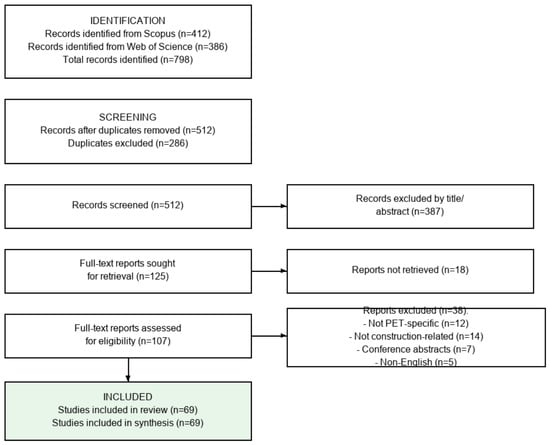
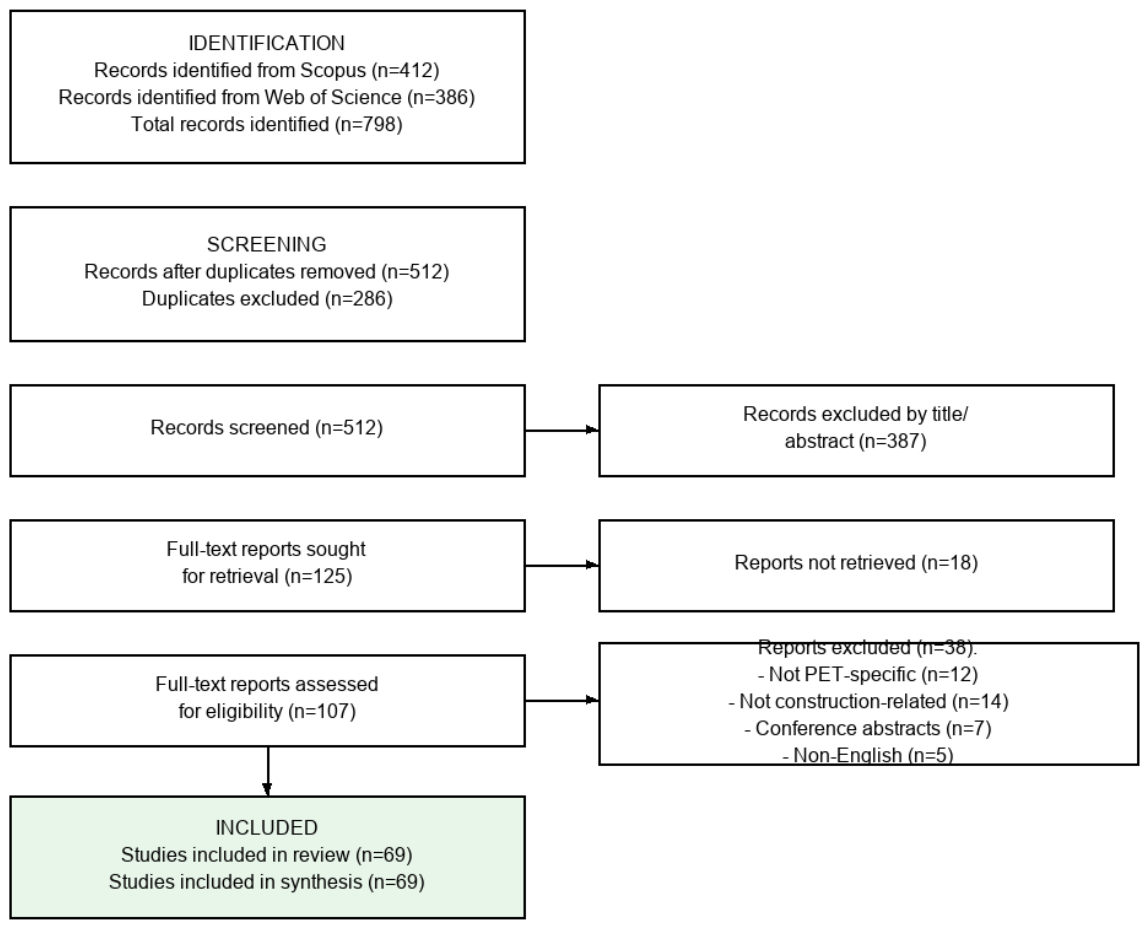
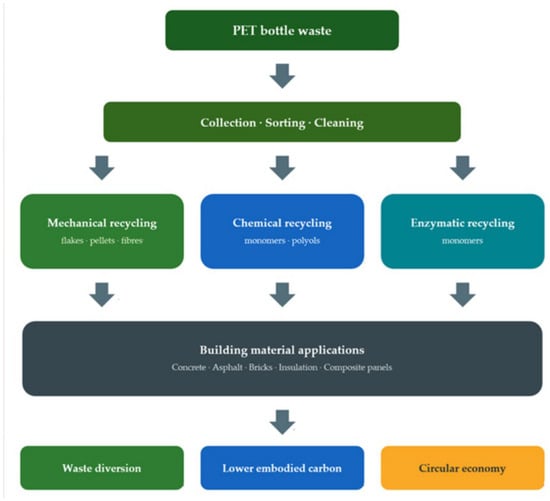
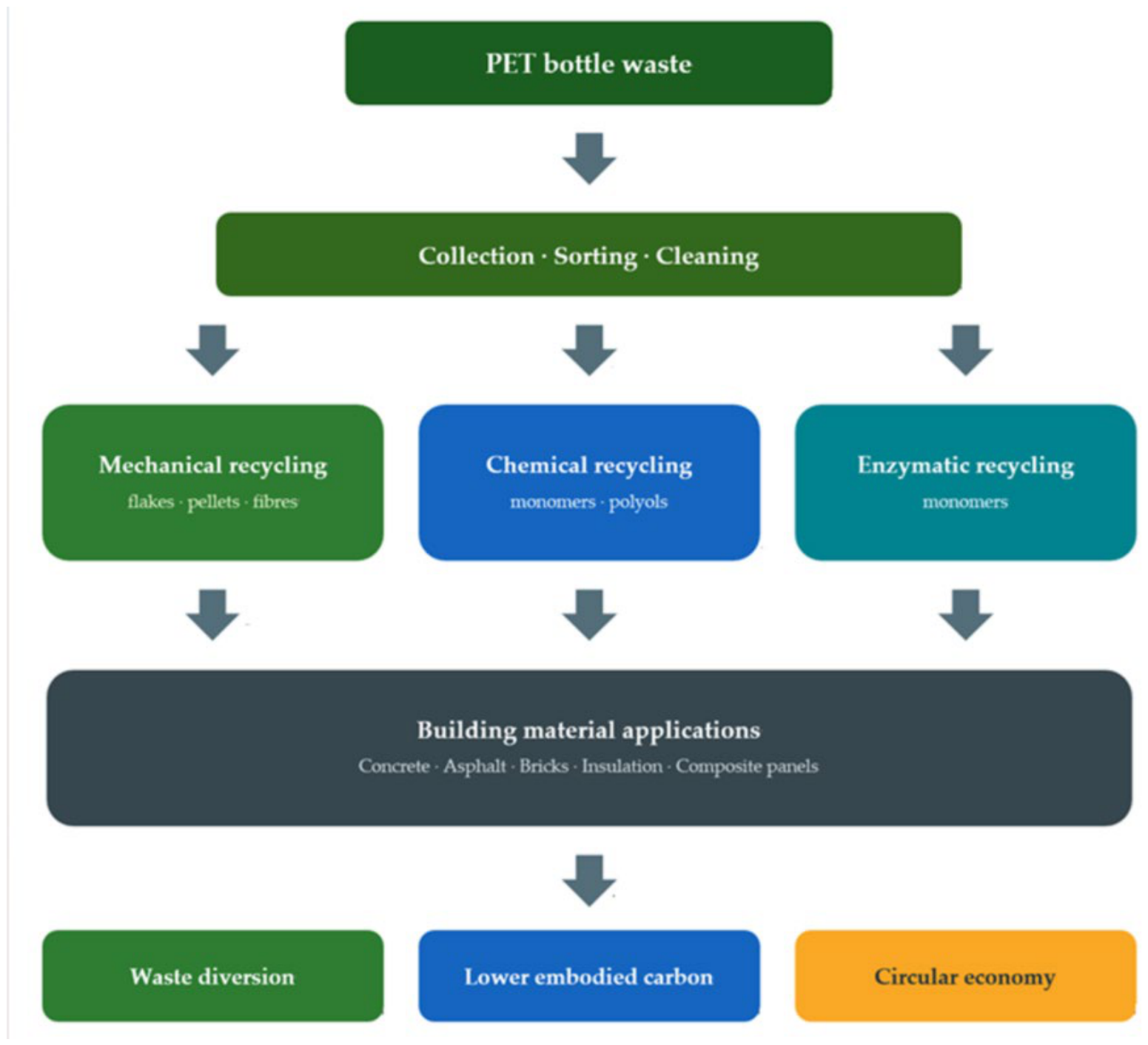
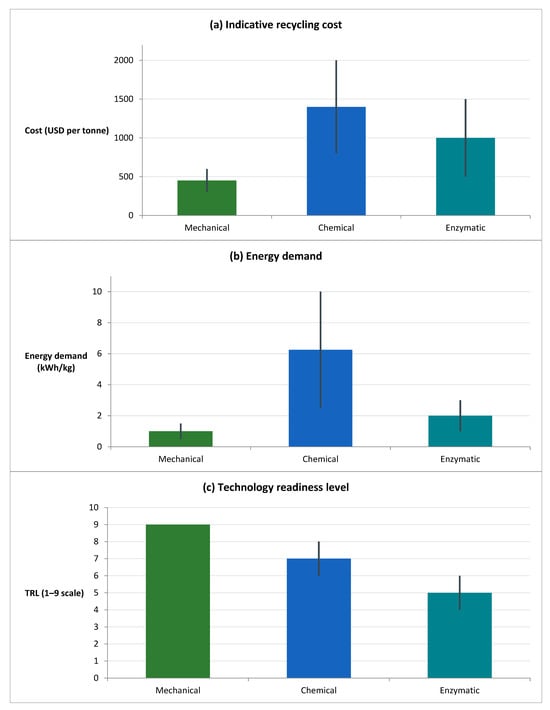
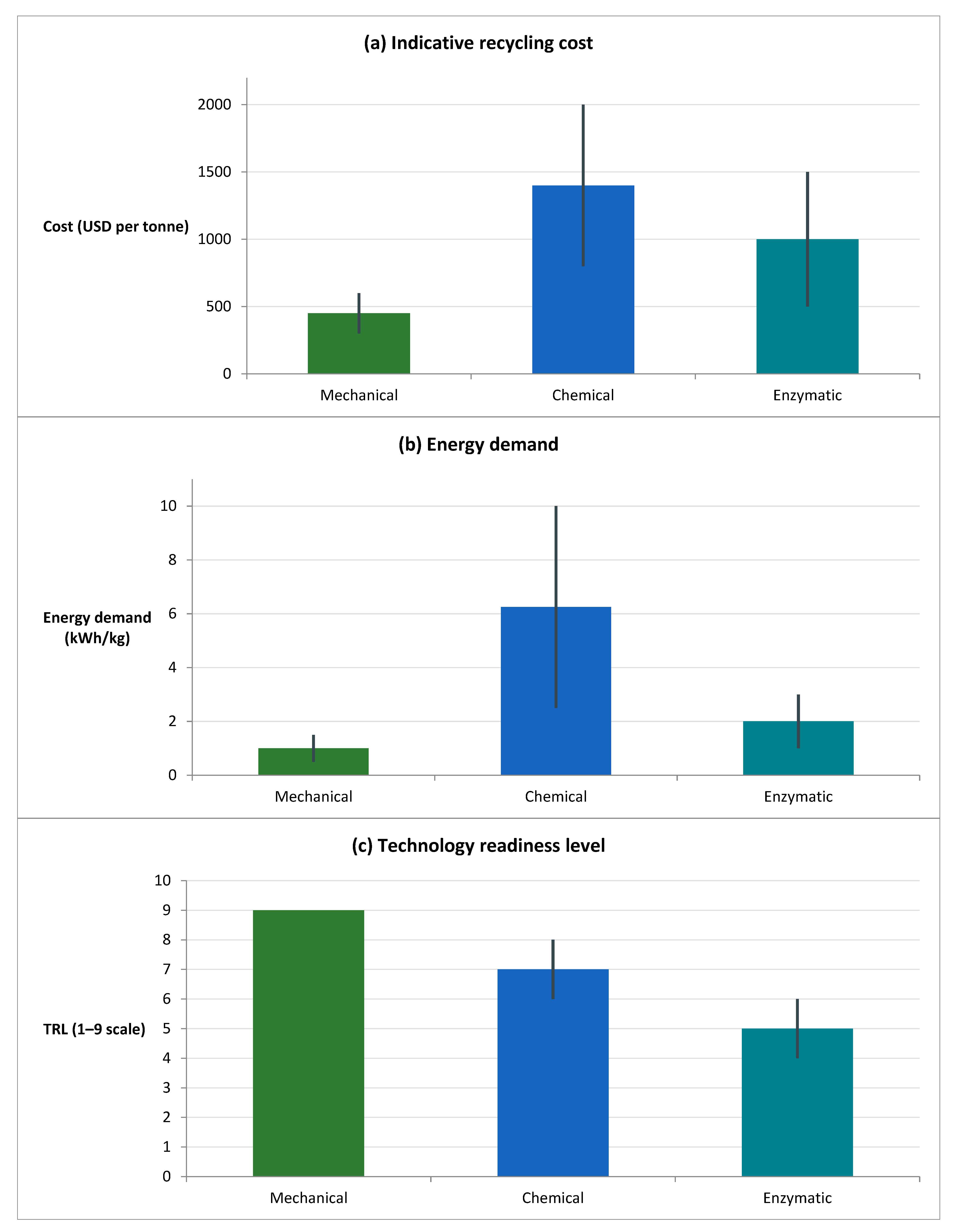
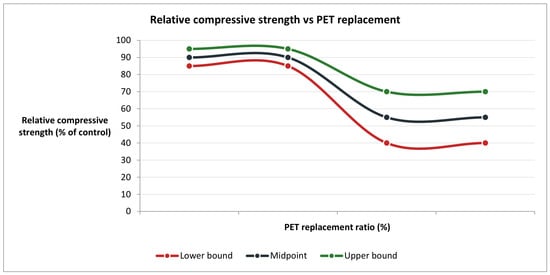
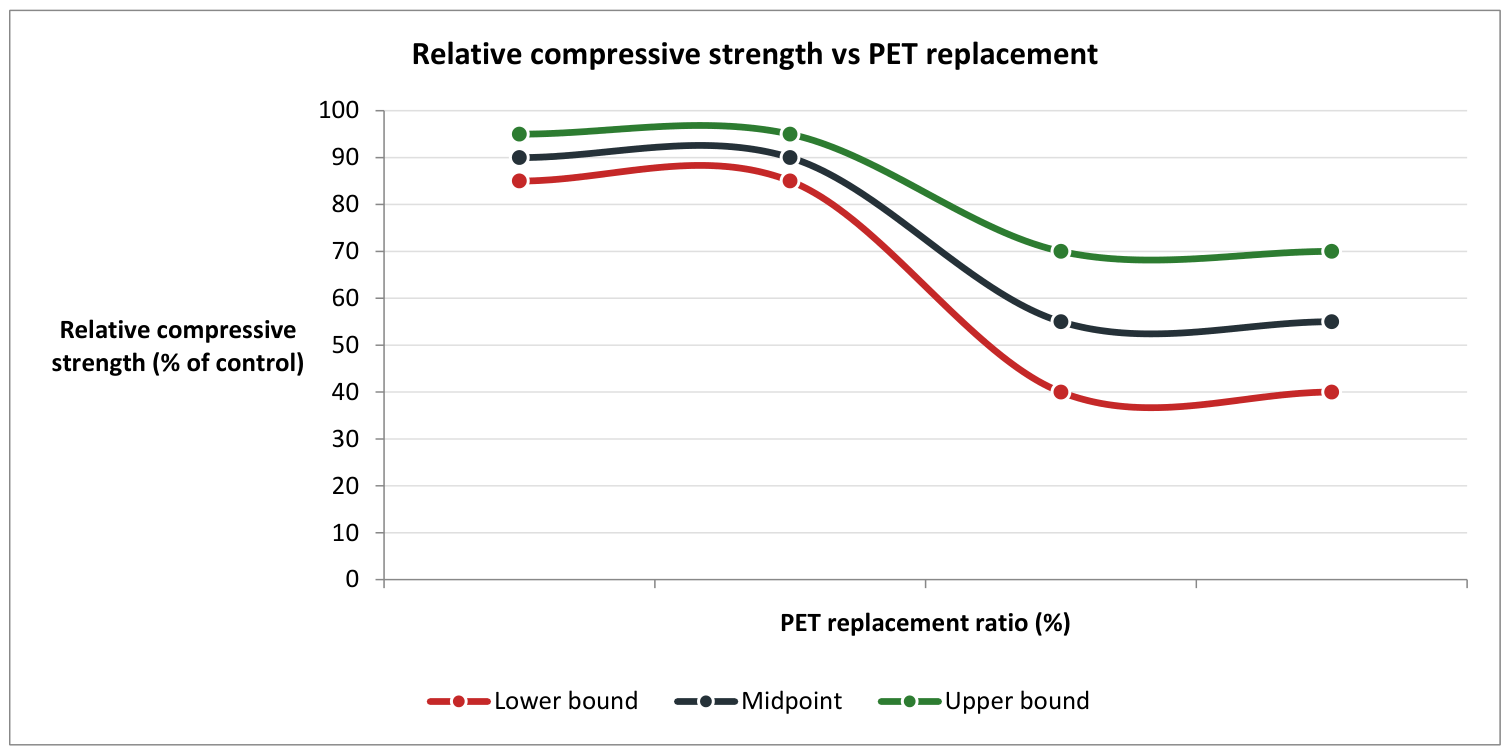
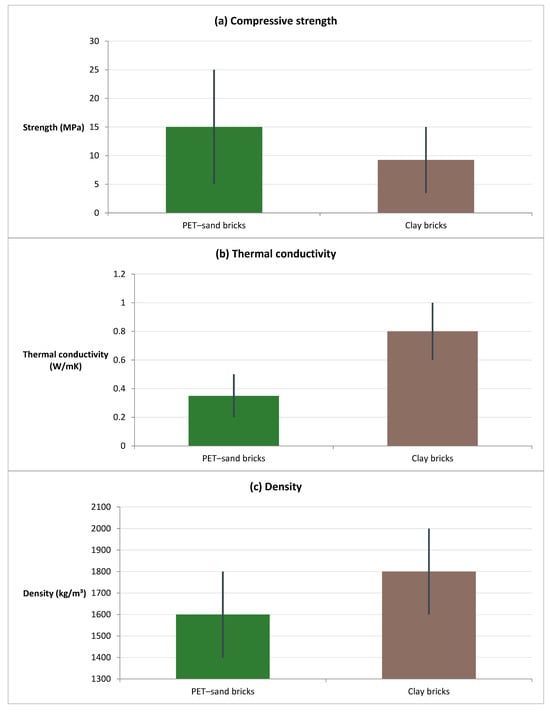
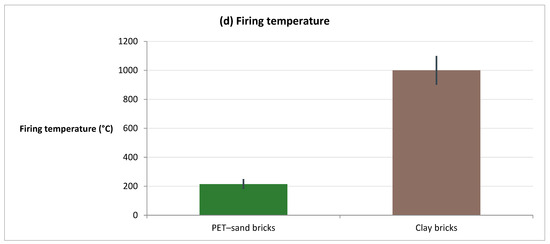
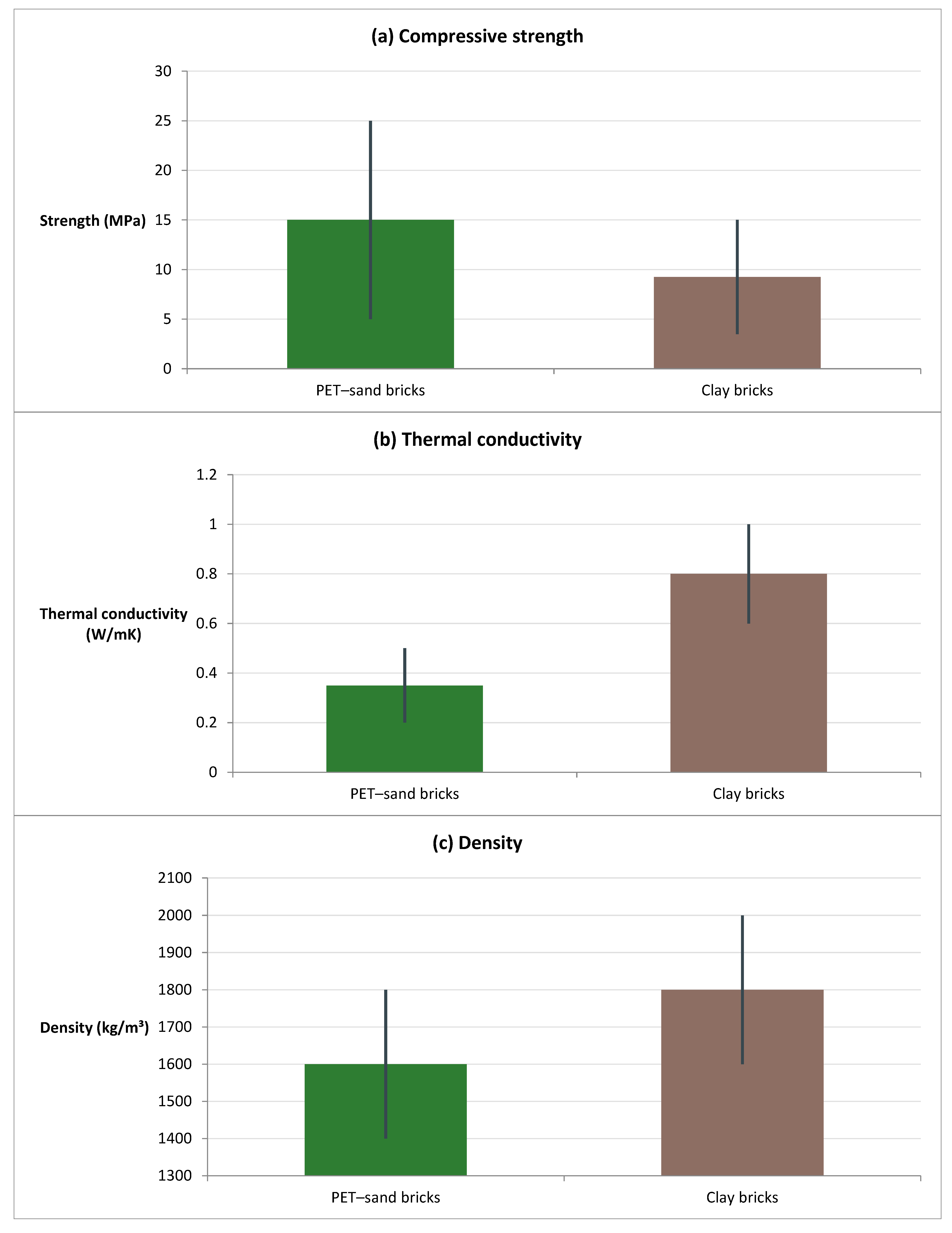
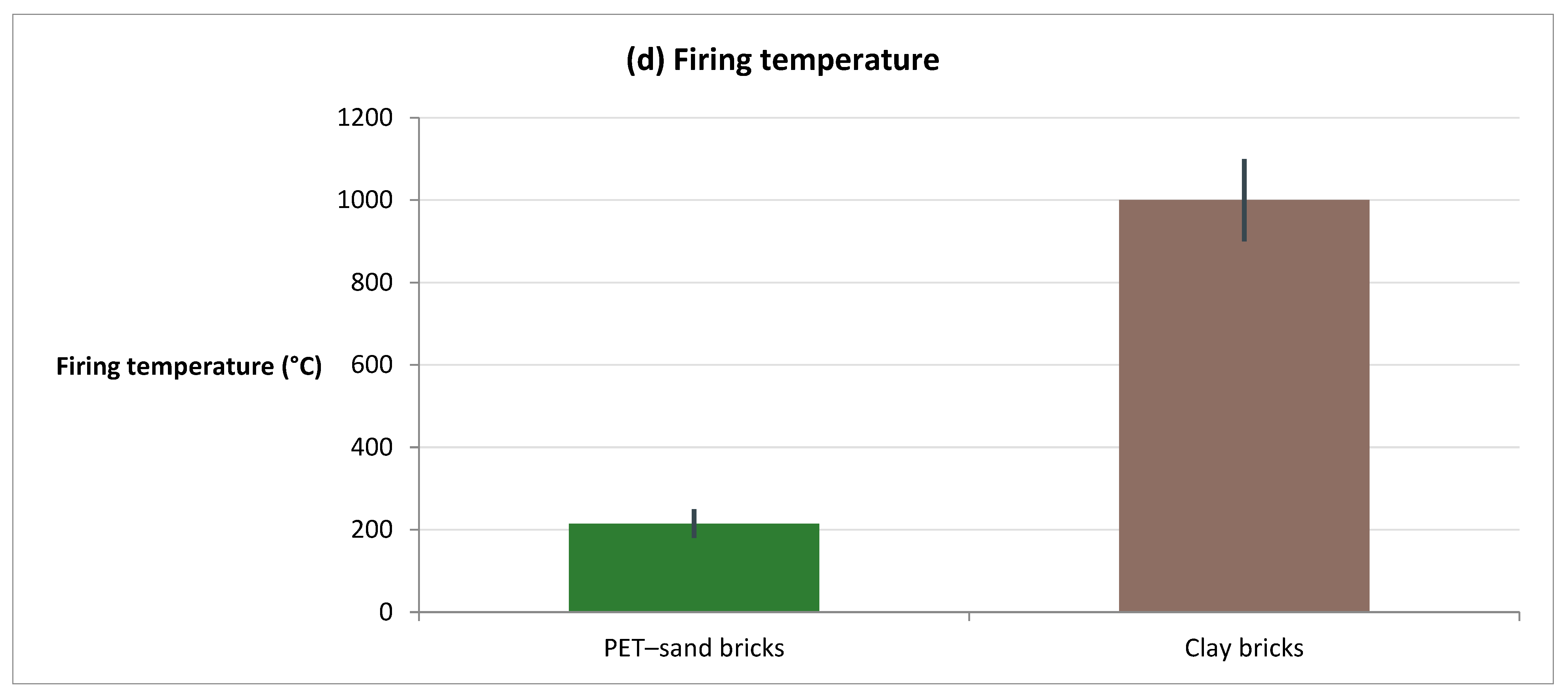
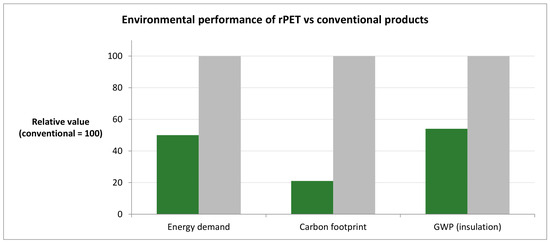
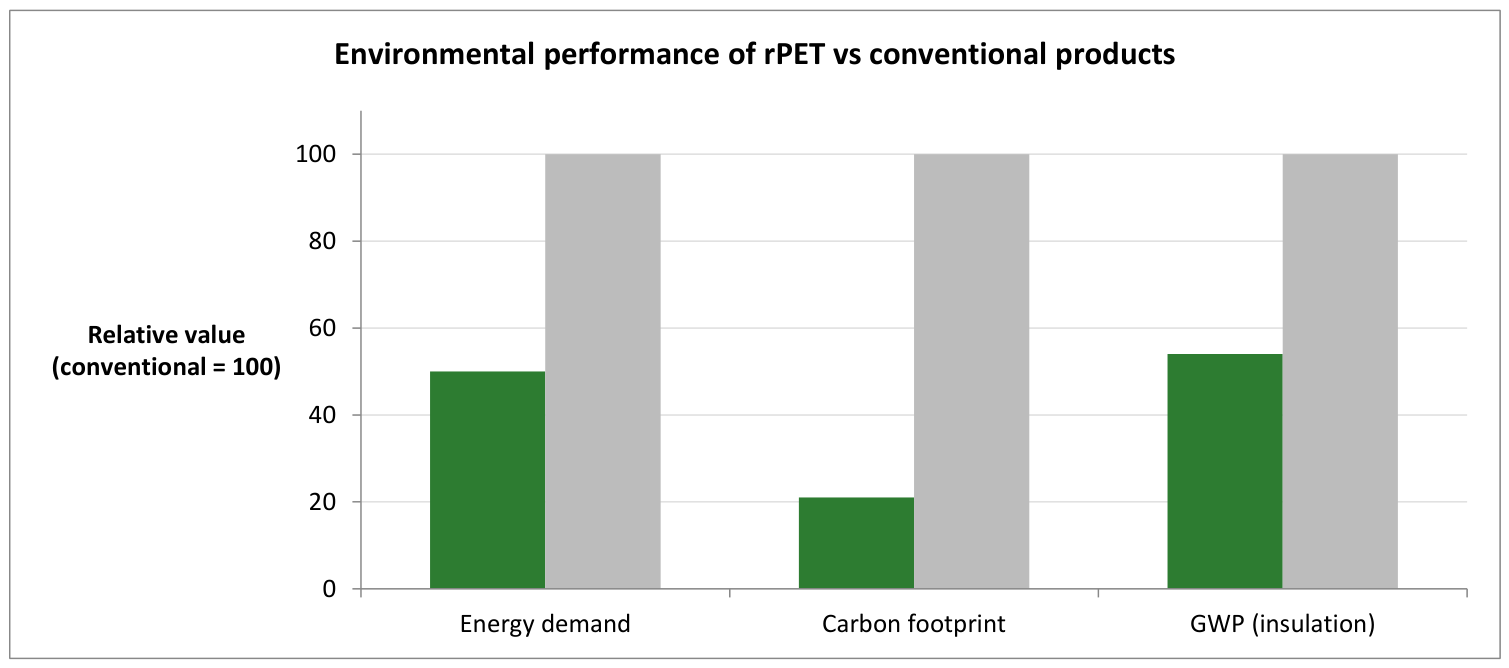
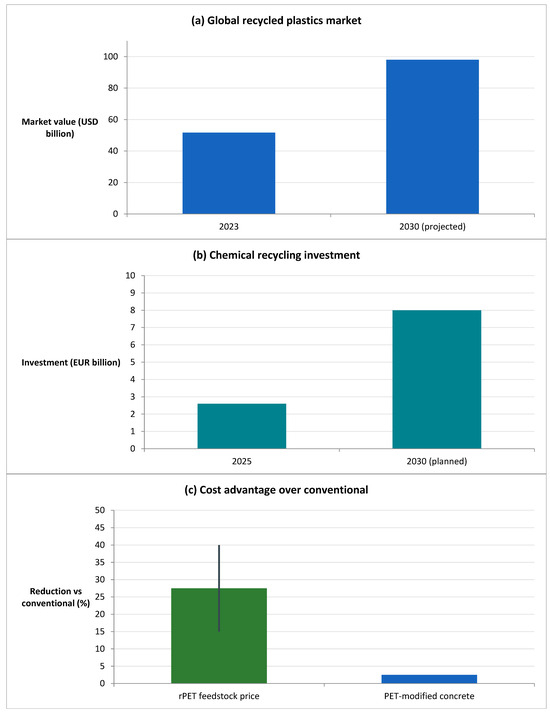
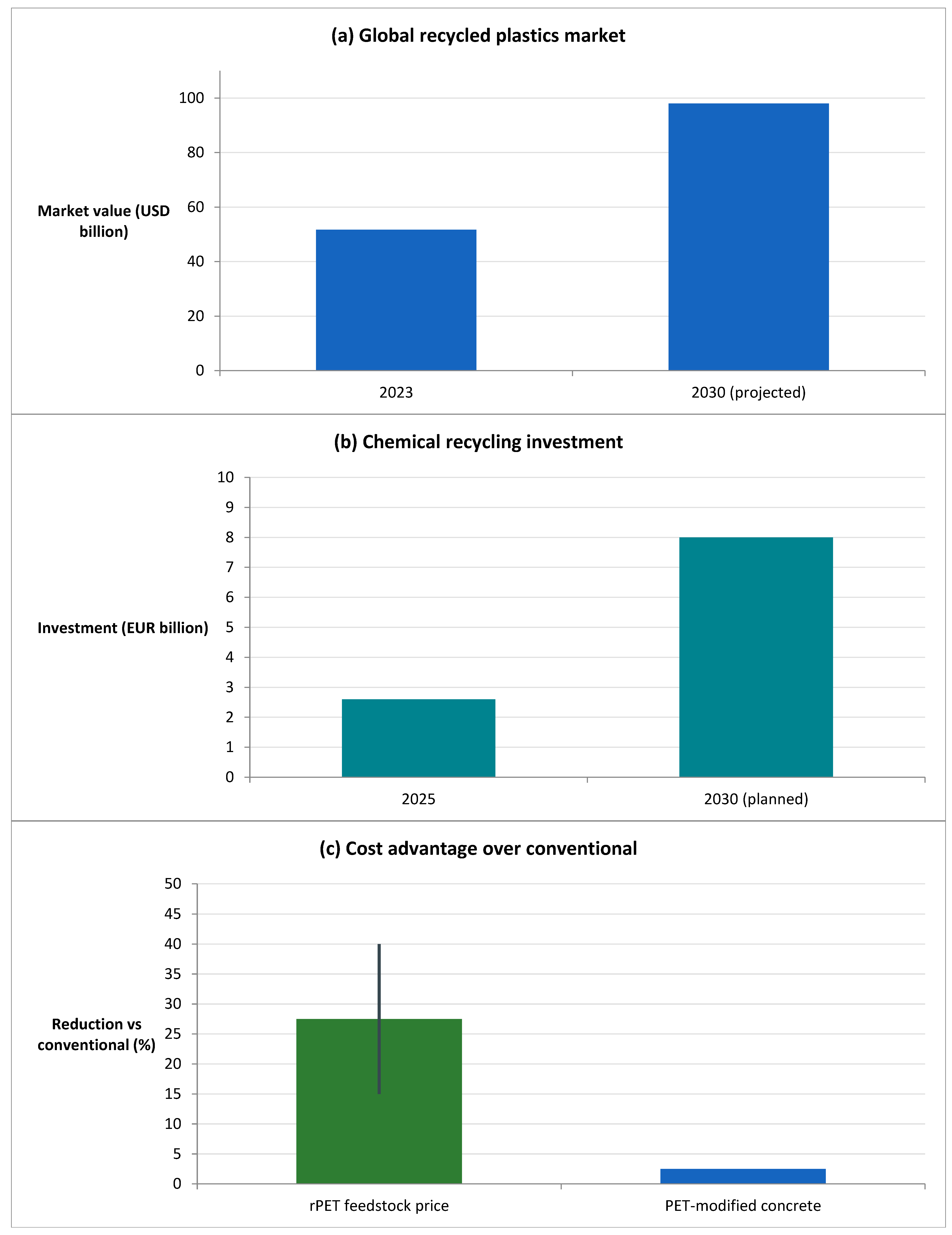

Disclaimer/Publisher’s Note: The statements, opinions and data contained in all publications are solely those of the individual author(s) and contributor(s) and not of MDPI and/or the editor(s). MDPI and/or the editor(s) disclaim responsibility for any injury to people or property resulting from any ideas, methods, instructions or products referred to in the content. |
© 2026 by the authors. Licensee MDPI, Basel, Switzerland. This article is an open access article distributed under the terms and conditions of the Creative Commons Attribution (CC BY) license.