


Abstract
Colombia, renowned for its biodiversity and cultural heritage, is positioning itself as a future leader in sustainable and immersive tourism under the national vision “Colombia, a global powerhouse of life.” This article examines the potential transformation of the tourism ecosystem through the integration of artificial intelligence (AI) with advanced 5G and emerging 6G networks. The objective of this study is to analyse the tourism landscape in Colombia, with the aim of understanding how improved connectivity could strengthen the country’s tourism ecosystem. In the first phase, a literature review was conducted using the PRISMA methodology, supplemented by a documentary analysis of Colombia’s legal frameworks and policy instruments. In the second phase, the research encompassed the analysis of scientific publications, technical reports, and national documents produced between 2020 and 2025. The results of this exercise are presented through analytical matrices that outline technological possibilities, regulatory frameworks, and sociocultural impacts, and identify opportunities, challenges, and strategic pathways for the implementation of Tourism 5.0 in Colombia. The main conclusions are that the transition to Tourism 5.0 requires a coordinated national roadmap that prioritises high-value use cases, promotes territorial inclusion, and leverages 5G-/6G-enabled solutions to support sustainable development in the tourism sector.
1. Introduction
Tourism in Colombia has shown sustained and historic growth. By 2025, the country is projected to welcome more than 21.7 million travellers, representing an increase of over 6% compared to 2024, thereby consolidating its position as a competitive destination in the region. Additionally, international tourism revenue reached US$11.166 billion, marking a 9.4% increase from the previous year. However, profound changes are underway, driven by the convergence of digital technologies, sustainability goals, and shifting visitor expectations. This has given rise to concepts such as smart tourism and Tourism 5.0, which describe a new generation of tourism ecosystems where advanced technologies play a central role in creating more personalised, inclusive, and sustainable experiences. In this context, artificial intelligence (AI), the Internet of Things (IoT), extended reality (XR), digital twins, and next-generation communication networks are increasingly recognised as key enablers of data-driven tourism services, intelligent destination management, and enhanced visitor experiences [1]. Recent advances in lightweight object detection and non-contact gesture recognition also show that efficient environmental perception, spatial modelling and human–computer interaction can support context-aware and accessible intelligent services, which are relevant to Tourism 5.0 scenarios requiring immersive guidance, adaptive visitor assistance and human-centred digital interaction [1,2,3].
The rapid evolution of mobile communication networks has been fundamental to this transformation. Although the rollout of 5G technology continues to expand globally, standards bodies, research initiatives, and industry stakeholders have already begun exploring the capabilities of future 6G networks [4]. These advancements are expected to enable immersive applications, real-time analytics, distributed intelligence, integrated sensing, and advanced machine-to-machine communications, creating opportunities for tourism services that require ultra-low latency, high reliability, and continuous connectivity [5]. Such capabilities are expected to support highly interactive and context-aware tourism environments, where digital services can be dynamically adapted to visitor needs and operational conditions.
For countries seeking to strengthen their tourism competitiveness, these technological advances present both opportunities and challenges. On the one hand, they can facilitate the development of innovative tourism products, improve destination management, optimise resource utilisation, and enrich visitor experiences through greater personalization and connectivity [6]. On the other hand, their implementation requires adequate digital infrastructure, regulatory frameworks, investment strategies, and human capabilities capable of supporting large-scale technology adoption and long-term innovation processes [7].
In Colombia, these challenges acquire particular relevance due to the strategic role that tourism has assumed within national development policies. Colombia’s National Development Plan 2022–2026, entitled “Colombia: World Power of Life”, identifies biodiversity conservation, sustainable development, and the promotion of a knowledge-based society among its principal priorities. Within this vision, tourism is recognised as a sector with significant potential to generate economic growth, social inclusion, and territorial development while simultaneously promoting environmental sustainability and cultural preservation.
Therefore, understanding how emerging technologies can contribute to the evolution of Tourism 5.0 in Colombia has become an increasingly relevant research topic. The country combines exceptional biodiversity, cultural diversity, and a growing tourism sector with significant territorial disparities in connectivity, digital adoption, and technological capabilities. These conditions make Colombia a particularly valuable case for examining the opportunities and limitations associated with integrating artificial intelligence and next-generation communication networks into regional tourism ecosystems. Furthermore, previous studies have emphasised that the success of smart tourism initiatives depends not only on technological innovation but also on institutional capacity, digital transformation processes, and the ability of destinations to adapt emerging technologies to local development contexts [7].
This study makes an original contribution by proposing an integrated conceptual framework that articulates the capabilities of AI, 5G and 6G with the different types of tourism recognised in Colombia, while simultaneously considering the country’s socio-economic, regulatory and territorial challenges. Unlike previous works focused primarily on technological analyses or isolated case studies, this manuscript provides an interdisciplinary synthesis that explains how digital infrastructure, spectrum governance and distributed intelligence systems can enable specific Tourism 5.0 scenarios.
To structure this contribution, the manuscript develops a three-layer analytical framework that links Tourism 4.0 operational digitalisation, AI4Net-/Net4AI-enabled communication infrastructure, and Tourism 5.0 value creation. This framework clarifies how digital tourism operations generate data and service capabilities, how intelligent network infrastructures enable their real-time scalability, and how these capabilities can be translated into human-centred, sustainable, and inclusive tourism outcomes in the Colombian context.
Addressing these research gaps requires an interdisciplinary assessment that simultaneously considers technological capabilities, connectivity infrastructures, regulatory conditions, and territorial characteristics. Such an approach is particularly relevant in the Colombian context, where the adoption of Tourism 5.0 depends not only on technological innovation but also on governance mechanisms, digital inclusion, and regional development conditions. Accordingly, this study seeks to examine how the integration of artificial intelligence with current and emerging communication networks may contribute to the evolution of Tourism 5.0 in Colombia.
The main objective of this paper is to analyse the potential of Tourism 5.0 in Colombia based on the incorporation of artificial intelligence (AI) in environments enabled by 5G and 6G network, with an emphasis on its benefits, challenges and projections for smart tourism. The specific objectives addressed in this paper are as follows:
- Characterise the current state of the Colombian tourism ecosystem and its technological readiness for Tourism 5.0 trends, through the definition and application of indicators that allow the evaluation and comparison of tourist regions in Colombia;
- Identify the role of artificial intelligence in combination with 5G and 6G networks in the transformation of tourism in Colombia, identifying its current and potential applications in tourism experiences;
- Propose opportunities, a strategic map, and recommendations for the implementation of Tourism 5.0 supported by AI, 5G and 6G in Colombia, aimed at improving the indicators defined for the tourism ecosystem.
Related Work
Hysa, et al. [8] analyses how social media and digital technologies, such as artificial intelligence and 5G/6G networks, are driving the transformation of tourism towards a sustainable and people-centred model, in line with the idea of Society 5.0. It highlights that different generations (baby boomers, Generation X, millennials and Generation Z) use these platforms in different ways to plan, share and decide on their trips, with younger generations being the most active and digitally savvy. It also shows the need for digital marketing and communication strategies tailored to the specific characteristics and behaviours of each generational group in order to promote responsible tourism.
Shasha, et al. [9] present a bibliometric analysis of research into smart tourism from 2000 to 2024, highlighting the increase in the application of advanced technologies such as artificial intelligence, the Internet of Things (IoT), big data, augmented reality and intelligent systems to transform and improve the tourist experience. The study shows how these tools enable efficient destination management, more accurate product customisation. Furthermore, the analysis highlights China and Hong Kong as the leading scientific producers and shows how the focus has evolved from technological infrastructure to user experience and sustainability.
Wu, et al. [10] examines the evolution and current trends in digital tourism, highlighting how advanced technologies such as artificial intelligence, big data, virtual and augmented reality, blockchain and digital twins are driving the transformation towards smart tourism models and Tourism 5.0. The study confirms that these tools enable personalised experiences, improve operational efficiency and promote sustainability, integrating cultural sectors to generate innovative scenarios such as the metaverse and virtual tourism. In addition, the study shows the need to balance technological innovation with authenticity and environmental responsibility, as well as to address challenges related to data privacy.
Zhang, et al. [11] presents the smart tourism technologies (STTs), which include the Internet of Things, artificial intelligence, virtual and augmented reality, and mobile platforms, influence the tourist experience, satisfaction, and subsequent behaviour of visitors. It focuses on the key attributes of these technologies, such as accessibility, interactivity, personalisation, security, and information, and how these attributes affect the value perceived by tourists. An empirical study of 486 visitors to the Liangzhu Museum in China confirms that accessibility and interactivity are the most influential factors in improving tourist perception and satisfaction. In turn, greater satisfaction increases the intention to recommend, revisit and willingness to pay a higher price.
Taken together, these studies demonstrate that artificial intelligence, IoT, immersive technologies, and advanced communication networks are increasingly shaping the evolution of smart tourism ecosystems. Existing research has mainly focused on improving tourist experiences, destination management, sustainability, digital marketing, and the adoption of intelligent tourism technologies. The results of the literature review highlight the importance of data-driven services, real-time connectivity, and personalised tourism experiences enabled by emerging digital infrastructures.
However, the findings reveal fragmented knowledge. Most studies analyse technological innovations from isolated perspectives, focusing on tourism applications, user behaviour, or digital infrastructures independently. Attention has been limited regarding the role of artificial intelligence, advanced mobile networks, regulatory frameworks, and territorial development as interconnected drivers of Tourism 5.0. This limitation is particularly evident in emerging economies such as Colombia, where tourism development depends on connectivity conditions, spectrum governance, institutional capacities, and regional disparities in technological readiness. Consequently, there is a clear need for integrative analyses of how these dimensions interact to shape the transition toward Tourism 5.0 in the Colombian context.
Recent advances in lightweight artificial intelligence and human–computer interaction also provide relevant methodological insights for Tourism 5.0. For example, Xing et al. proposed a lightweight indoor object detection model based on joint attention and prior knowledge for unstructured home rehabilitation environments, showing the importance of efficient environmental perception in context-aware intelligent systems. Similarly, Xing et al. developed a 3D graph deep learning method for non-contact gesture recognition in human–computer interactive rehabilitation, highlighting the potential of spatial perception and contactless interaction for adaptive digital services. Although these studies are not focused on tourism, they are relevant to the present work because Tourism 5.0 scenarios increasingly require lightweight, real-time, and context-aware AI models capable of supporting immersive guidance, accessibility services, intelligent visitor assistance, and human-centred interaction in smart destinations.
2. Background
2.1. Tourism, Socioeconomic Impact and Communities
Tourism is a social, cultural and economic phenomenon that transforms territories through the movement of people away from their usual place of residence for leisure, professional or business purposes. It has consolidated itself as a strategic sector for development, since it stimulates economic activity, promotes social inclusion and improves the wellbeing of host communities. The diversity of tourism modalities supports the creation of authentic experiences and the appreciation of cultural and natural heritage, generating opportunities for local development. However, when tourism is not managed responsibly, it can produce socioeconomic and environmental vulnerabilities. This makes it essential for public policies to strengthen community participation, territorial governance and the fair distribution of benefits, with an emphasis on sustainable tourism that enhances local resilience and community capabilities.
In recent years, the sector has advanced towards smart tourism models associated with the Tourism 4.0 paradigm, where technologies such as artificial intelligence, the Internet of Things, big data, augmented reality and service automation are integrated into the planning and management of destinations. The scientific literature indexed in Scopus, including the systematic review by Henriques et al. (2024) [12], demonstrates that these technologies improve the visitor experience, optimise business processes and increase competitiveness through real time personalisation, data-driven decision making and more efficient operations. At the same time, research shows that the introduction of AI and robotics reshapes labour dynamics, requires new digital skills and redefines interactions between tourists, workers and service environments. This highlights that the technological transformation of tourism has profound social and community implications.
These technological and social developments provide the foundations for the transition towards Tourism 5.0, a model that seeks deeper integration between technology, sustainability and human experience. Tourism 5.0 is not limited to the digitalisation of services. It brings together advanced infrastructures such as 5G, edge computing and emerging capabilities anticipated for 6G with principles of inclusion, cultural authenticity and community wellbeing [13]. These infrastructures enable immersive experiences, intelligent destination management, ethical automation and highly personalised services, provided that public policies help reduce digital divides, strengthen local skills and ensure that technological benefits reach communities equitably [14]. In this sense, technology becomes an enabler of social cohesion and sustainability, supporting tourism that is more human-centred, participatory and respectful of the socioeconomic and cultural context.
From a management theory perspective, the transition toward Tourism 5.0 can be interpreted through established frameworks of technological adoption and service innovation. The Technology Acceptance Model provides a foundation for understanding how tourism organisations and visitors evaluate the usefulness and ease of use of AI-driven and network-enabled services [15]. Similarly, the Unified Theory of Acceptance and Use of Technology explains intention and behaviour in the adoption of digital platforms, autonomous systems and intelligent service interfaces [16]. Diffusion of Innovations Theory offers a complementary lens for analysing how applications enabled by 5G and future 6G networks may spread across Colombian destinations with differing levels of technological readiness and local capacity [17]. In parallel, principles derived from Service Dominant Logic emphasise value co creation and highlight how AI-supported experiences, smart connectivity and digital platforms reorganise interactions between tourists, communities and service providers [18]. Incorporating these theoretical perspectives strengthens the analytical basis of this study and supports the strategic propositions regarding Colombia’s transition toward Tourism 5.0.
2.2. Tourism 5.0
Tourism 5.0 refers to the advanced integration of emerging technologies with a human-centred approach, which seeks to transform the tourism experience through collaboration between humans and machines, personalisation of services and sustainability [9]. Figure 1 shows a conceptual representation of Tourism 5.0, highlighting its human-centred approach that integrates advanced technologies such as artificial intelligence, robotics and intelligent systems with social sustainability and accessibility [9].
Figure 1.
Technological components supporting Tourism 5.0. Source: [19].
The digital tourist is at the centre, interacting with personalised platforms that enhance their travel experience. Table 1 presents a comparison between Tourism 4.0 and Tourism 5.0, highlighting their key similarities and differences. While Tourism 4.0 relies on smart technologies and digitalisation to automate processes and merge the virtual and physical worlds, Tourism 5.0 moves towards a deeper integration between technology and humans, focusing on personalisation, sustainability and a human-centred approach [19].
Table 1.
Comparison of the main differences between Tourism 4.0 and Tourism 5.0. Source [19].
The evolution of AI within 3GPP networks has taken on a dual perspective that defines the transition from 5G to 6G [20]. On the one hand, AI for AI4Net networks represents the application of machine learning within the network itself to improve stability, efficiency, and user experience. This paradigm achieves advanced automation in the radio access network (RAN), network slicing, and predictive resource allocation, improving both quality of service (QoS) and quality of experience (QoE) [20]. Table 2 summarises these key AI4Net features, showing how intelligence can transform 5G-Advanced and NG-RAN into an adaptive infrastructure for 6G readiness [19].
Table 2.
AI for Network (AI4Net): AI inside the network enabling efficiency and stability.
Conversely, the Network for AI (Net4AI) concept refers to the ability of the network to empower and sustain distributed AI/ML services through high-capacity, low-latency, and reliable connectivity [21]. In this view, the network becomes an enabler for intelligent ecosystems rather than only a transport medium. Net4AI supports vertical applications such as autonomous mobility, Industry 5.0, smart healthcare, extended reality (XR), and the metaverse, where massive data exchange and ultra-reliable communication are critical. As outlined in Table 3, Net4AI ensures that intelligent applications operate seamlessly across cloud, edge, and device domains, enabling cooperation between AI agents and guaranteeing performance continuity even under extreme network dynamics [20].
Table 3.
Network for AI (Net4AI): the network as an enabler for intelligent ecosystems.
Together, these two paradigms form a symbiotic feedback loop in which the network not only applies AI for self-management but also becomes the foundation upon which intelligent services and distributed cognition can thrive [20]. This duality forms the conceptual basis of AI-native 6G, continuous learning, and cross-domain orchestration converge to bridge connectivity and cognition, adapting the monetising intelligence as a service the very foundation for future smart destinations, intelligent tourism platforms, and autonomous digital ecosystems.
In theoretical terms, AI4Net and Net4AI represent two distinct but complementary dimensions of AI-native communication systems. AI4Net corresponds to the autonomous-network paradigm, in which artificial intelligence is embedded within the network to optimise internal functions such as radio resource management, traffic forecasting, fault detection, energy efficiency, network slicing, and service assurance. Net4AI corresponds to the network-enabled-AI paradigm, in which the communication infrastructure provides the latency, capacity, reliability, security, and edge-cloud continuity required for distributed AI applications. In the context of Tourism 5.0, this distinction is necessary because intelligent tourism services require the following both dimensions: networks capable of self-optimising under highly variable visitor demand, and connectivity infrastructures capable of supporting AI-driven applications such as immersive guidance, digital twins, real-time recommendation systems, crowd analytics, and context-aware visitor assistance.
2.3. Network Slicing and Service Personalization in 5G/6G
Network slicing enables the creation of multiple independent logical networks on top of a shared physical infrastructure, allowing communication services to be tailored to specific performance requirements and use cases [22]. In 5G and future 6G environments, slices are deployed end-to-end across the radio access, transport, and core network domains and are commonly associated with service categories such as enhanced mobile broadband (eMBB), ultra-reliable low-latency communications (uRLLCs), and massive machine-type communications (mMTCs), each addressing different throughput, latency, and connectivity requirements [23,24], Through virtualisation and cloud-native technologies, slices can be dynamically instantiated, scaled, and adapted according to demand [23,24], see Figure 2.
Figure 2.
Network slicing architecture and tourism business enablers [24].
From a business perspective, network slicing supports the delivery of differentiated services through customised Service-Level Agreements (SLAs), enabling operators to offer specialised connectivity solutions for multiple vertical sectors [24]. The model supports both business-to-business (B2B) and business-to-business-to-consumer (B2B2C) schemes, allowing service providers to deliver tailored experiences while improving operational flexibility and revenue generation [24]. The adoption of O-RAN architectures further enhances flexibility by reducing vendor dependency and facilitating service customisation and automation [3,25].
The lifecycle of a slice is managed through orchestration mechanisms that translate business requirements into technical configurations and continuously monitor performance to ensure SLA compliance [24,25]. Artificial intelligence increasingly supports this process by enabling automated planning, resource allocation, anomaly detection, and dynamic adaptation of network resources [24,25]. At the same time, maintaining isolation among slices remains an important challenge, motivating the development of Beyond-5G and 6G approaches that strengthen control-plane separation and resource management [26].
In emerging 6G environments, resource allocation strategies seek to balance efficiency and service isolation while preserving quality guarantees under highly dynamic traffic conditions [27]. Technologies such as Kubernetes, eBPF, and advanced virtual network embedding techniques contribute to this objective by improving operational separation, orchestration efficiency, and scalability [28,29]. Consequently, network slicing is evolving into a foundational capability for Network Slice as a Service (NSaaS), enabling flexible, demand-driven, and sector-specific connectivity services that can support intelligent tourism ecosystems, immersive applications, and personalised visitor experiences [24,25].
From a communication-system engineering perspective, network slicing, ISAC and O-RAN address different but interrelated technological constraints in Tourism 5.0 scenarios. Network slicing responds to the contradiction between heterogeneous service requirements and limited shared infrastructure by allowing the same physical network to support differentiated logical services, such as high-bandwidth immersive tourism, low-latency safety applications and massive IoT-based environmental monitoring. ISAC addresses the separation between communication and sensing functions by enabling future 6G infrastructures to transmit data while simultaneously perceiving environmental, mobility and crowd-related conditions, which is particularly relevant for visitor-flow management, safety monitoring and ecosystem protection in smart destinations [24,25]. O-RAN addresses the rigidity and vendor dependence of traditional radio access networks by introducing open, programmable and software-driven interfaces that facilitate automation, local optimisation and cost-efficient deployment [26]. These technologies are theoretically appropriate for developing-country contexts because they enable incremental, demand-driven and service-specific network evolution without requiring homogeneous nationwide infrastructure deployment from the outset.
2.4. Integrated Three-Layer Framework: Tourism 4.0, AI4Net/Net4AI and Tourism 5.0
The transition toward Tourism 5.0 cannot be adequately explained through a single analytical paradigm, because it involves simultaneous changes in tourism operations, digital infrastructure, and value creation. For this reason, this study adopts a three-layer framework that integrates Tourism 4.0, AI4Net/Net4AI, and Tourism 5.0 as complementary but analytically distinct perspectives. Tourism 4.0 explains the operational digitalisation of tourism services; AI4Net and Net4AI explain the intelligent communication infrastructure required to scale advanced services; and Tourism 5.0 defines the human-centred, sustainable, and inclusive outcomes expected from this transformation. This layered structure avoids treating technology adoption as an end in itself and instead interprets advanced connectivity and artificial intelligence as enabling conditions for socially valuable tourism innovation.
The first layer is the operational layer, represented by Tourism 4.0. This layer refers to the digital transformation of tourism processes through platforms, data-driven services, automation, IoT, big data analytics, augmented and virtual reality, and smart destination management systems. In this layer, the main analytical concern is how destinations and tourism firms capture, process, and use information to improve service delivery, operational efficiency, visitor management, and decision-making. However, Tourism 4.0 remains primarily focused on digitalisation and automation; by itself, it does not fully explain how advanced connectivity, distributed intelligence, and AI-native network capabilities can support large-scale, real-time, and context-aware tourism ecosystems.
The second layer is the enabling infrastructure layer, represented by the joint use of AI4Net and Net4AI. AI4Net refers to the use of artificial intelligence within communication networks to optimise network operation, including radio access management, traffic prediction, energy efficiency, anomaly detection, service assurance, and dynamic resource allocation. Net4AI, in contrast, refers to the capacity of advanced networks to support distributed AI services by providing high-capacity, low-latency, reliable, and secure connectivity across cloud, edge, and device environments. In this framework, both concepts are used jointly because Tourism 5.0 requires not only intelligent networks that can self-optimise, but also network infrastructures capable of supporting AI-driven tourism applications such as real-time personalisation, immersive experiences, digital twins, smart mobility, and predictive destination management.
The third layer is the value layer, represented by Tourism 5.0. This layer defines the expected outcomes of digital transformation in tourism, including human-centred experiences, sustainability, inclusion, accessibility, resilience, cultural authenticity, and trust. From this perspective, technologies such as AI, 5G, 6G, network slicing, edge computing, and immersive systems are not evaluated only according to their technical performance, but also according to their capacity to improve community wellbeing, reduce territorial gaps, preserve natural and cultural heritage, and support responsible destination governance. Tourism 5.0 therefore acts as the normative and evaluative layer of the framework.
The transmission logic between the three layers is sequential but iterative. Tourism 4.0 generates the operational data, digital platforms, and smart service processes that make intelligent tourism management possible. AI4Net and Net4AI provide the adaptive communication infrastructure required to process, transport, protect, and orchestrate these data-intensive services under heterogeneous territorial conditions. Tourism 5.0 converts these operational and infrastructural capabilities into higher-order social, cultural, environmental, and economic value. In this sense, the framework establishes a causal pathway from digitalised tourism operations, to intelligent network-enabled service scalability, and finally to sustainable and human-centred tourism outcomes.
Figure 3 summarises this conceptual relationship by showing how Tourism 4.0, AI4Net/Net4AI and Tourism 5.0 operate as interdependent layers rather than isolated paradigms. The framework is subsequently used to interpret the Colombian tourism ecosystem, assess regional readiness, and organise the strategic recommendations proposed in this study.
Figure 3.
Three-layer transmission framework linking Tourism 4.0 operational digitalisation, AI4Net/Net4AI intelligent communication infrastructure, and Tourism 5.0 human-centred value creation.
2.5. The Role of Artificial Intelligence in 5G
Artificial intelligence is becoming a fundamental component of modern 5G and future 6G networks, enabling autonomous operation, resource optimisation, service assurance, and intelligent decision-making across increasingly complex communication environments [24,25]. Rather than functioning solely as a support tool, AI is progressively integrated into network management processes, contributing to the evolution toward AI-native communication systems and supporting the transition from reactive to predictive network operation [24,25].
AI contributes to network orchestration by automating resource allocation, traffic management, and service provisioning according to changing network conditions and user demands [24,25]. Through predictive analytics and machine learning techniques, network operators can anticipate traffic fluctuations, identify congestion patterns, optimise resource utilisation, and improve operational efficiency before service degradation occurs [24,25]. These capabilities are particularly relevant in tourism environments characterised by strong seasonal variations, large concentrations of visitors, and fluctuating service demands.
Another important contribution of AI is the assurance of service quality through continuous monitoring of network performance indicators and dynamic adaptation of network resources [24,27]. Intelligent management mechanisms enable operators to maintain Service-Level Agreements (SLAs), balance resource utilisation, and improve user experience under heterogeneous traffic conditions [24,27]. In parallel, AI strengthens network security by supporting anomaly detection, threat identification, automated mitigation strategies, and proactive risk management, thereby improving network resilience and operational reliability [27].
AI also facilitates the emergence of new business models based on service customisation, network slicing, and Network Slice as a Service (NSaaS), enabling differentiated connectivity services adapted to the requirements of specific sectors and user groups [24,25]. These capabilities support more flexible pricing strategies, personalised service offerings, and the development of value-added digital ecosystems capable of supporting immersive applications and intelligent service delivery [24,25].
Taken together, these developments illustrate the progressive transition from traditional network management toward intelligent, adaptive, and highly automated infrastructures [24,25]. This evolution constitutes a key enabler of Tourism 5.0, where immersive services, real-time analytics, personalised experiences, smart destination management, and context-aware tourism applications depend on reliable and intelligent communication networks [24]; see Table 4.
Table 4.
Evolution of 5G releases and the role of AI/ML. Source [19].
Recent research has also explored advanced mechanisms for autonomous network management, intelligent analytics, service isolation, and adaptive security in Beyond-5G and 6G environments [30,31]. These developments include AI-driven telemetry and analytics frameworks, closed-loop orchestration architectures, enhanced slicing strategies, and self-protection mechanisms capable of dynamically responding to changing network conditions while preserving service quality and operational resilience [32,33]. Such capabilities are particularly relevant for Tourism 5.0 scenarios, where highly variable user densities, immersive services, and mission-critical applications require intelligent and adaptive communication infrastructures [34,35]. Collectively, these innovations reinforce the vision of 6G as an intelligent and self-adaptive communication ecosystem capable of supporting highly dynamic applications across multiple sectors [34,36].
2.6. 6G Towards the Commercial Launch in 2030
In order to frame the global transition to 6G, International Telecommunication Union-Radiocommunication Sector (ITU-R), International Mobile Telecommunications-2030 (IMT-2030) has formalised the framework and objectives with an international vision for 6G in the post-5G era (capabilities, indicators, usage scenarios, and sustainability) [21]. On the standards/industry track, 3GPP positions Release-20 as the study phase and Release-21 as the start of main normative work on 6G, with first specifications maturing around 2028–2029 and deployments circa 2030 [37,38]. This aligns with industry roadmaps (e.g., Ericsson, NGMN), which prioritise spectral/energy efficiency, resilience, security and AI-native automation [39,40], while European Hexa-X-II deepens requirements, metrics and ecosystem building [41].
Building on this global perspective, 6G is not “more speed”, but cognitive, autonomous networks with AI-native functions, ISAC (integrated sensing and communications), tight edge-cloud integration and digital twins. These foundations enable finer, multi-domain slicing, intent-based policies and zero-touch loops that close measurement–decision–action in milliseconds to seconds, coordinating RAN, transport and core with multiple actors [22,25,27].
Extending these capabilities into the Tourism 5.0 domain, the AI-native proposition of 6G takes network slicing and automation further: full orchestration that reconfigures core functions at runtime without interruption, and near-real-time control in the RAN via SMO/Non-RT RIC and xApps/rApps. In smart destinations (airports, historic centres, and festivals), this supports ephemeral, experience-centric slices (visitor, operations, and security) with UPF at the edge for XR, ticketing and access control at very low latency with service-specific KPIs [25]. The verticalisation inherited from 5G (eMBB/uRLLC/mMTC) becomes finer and multi-domain in 6G, dynamically aligning SLAs and visitor experience with resources and policies [24,25].
In turn, predictive and autonomous management strengthens these operational advances; the AI-native vision turns the network into a cognitive system that translates intents, policies and actions E2E via zero-touch orchestration and closed loops. With integrated telemetry (NWDAF/MDAF) and cloud-native pipelines, predictive management anticipates demand/degradations and reconfigures capacity before QoE drops (e.g., shifting anchoring to the edge, session rebalancing, and per-slice quotas) [35]. In the RAN, next-generation soft slicing (e.g., HRASS) balances utilisation and isolation by controlling slice dissatisfaction, ideal for abrupt tourism swings [26]. In the control plane, B5G, 6G architectures with CP-slicing improve signalling when a user simultaneously uses XR, payments and emergency services; in the data plane, self-protection approaches (e.g., RIGOUROUS over OVS) classify traffic and enforce policies with microsecond-level overhead, enabling mitigation without degrading experience [30].
From a business and service-design perspective, as of now, 6G has no official 3GPP release: Release-20 is study phase and Release-21 is the starting point for normative work; therefore, there is no frozen 6G standard [23,24]. In parallel, the ITU-R has published the IMT-2030 framework, setting objectives and reference capabilities (not a 3GPP specification) [22]. Widely cited roadmaps place the first wave of specifications around 2028, enabling pre-commercial trials and ecosystem preparation, with commercialisation circa 2030 [38,40].
Regarding the current state of standardisation, 6G embeds AI across the full intent–policy–action cycle, with zero-touch automation and millisecond-scale decisions. This enables activating/adjusting experience-centric slices and reconfiguring the core in execution; in high season, a destination can move the UPF to the edge for XR or access control at very low latency with differentiated KPIs [39,41]. Unlike 5G, AI is not an add-on: it lives in management (SMO/Non-RT RIC, xApps/rApps), analytics (NWDAF/MDAF) and policy/charging (PCF/CHF), enabling multi-domain elasticity (RAN–transport–core) [40].
2.7. Outlook and Initiatives of 6G in Colombia
The sixth generation (6G) mobile system is expected to extend the limits of 5G performance by operating within terahertz (THz) frequency bands and achieving channel capacities in the order of terabits per second (Tbps) [42,43]. These new bands, ranging roughly between 0.1 and 10 THz, will allow data transmission with latencies approaching the microsecond level, satisfying the growing requirements of future immersive and machine-type applications [42,44]. As illustrated in Figure 4, 6G represents a technological leap in both latency and throughput, transitioning from gigabit-class 5G to terabit-class connectivity that will underpin the intelligent economy of the next decade. Such performance levels are essential for devices and services such as augmented-reality glasses, virtual-reality headsets, holographic communications, connected vehicles, service robots and smart appliances, all coexisting in highly interactive environments [45]. Samsung Research [45] highlights that 6G will support “truly immersive XR and holographic services” through THz links with multi-gigahertz bandwidth and Tbps throughput. This evolution provides the technological foundation for Colombia’s forthcoming 6G roadmap under Ministry of Information Technology and Communications of Colombia (MinTIC) and National Spectrum Agency (ANE), enabling early research on THz spectrum and AI-native management.
Figure 4.
Evolution from 5G to 6G: increase in spectral range, capacity and latency improvement enabling immersive and real-time services (adapted from [42,45]). The orange arrow indicates the increase in operating frequency (MHz → GHz → THz), the cyan arrow represents the increase in network capacity (Gbps → Tbps), and the purple arrow represents the reduction in latency (ms → μs).
Applications relying on extended-reality (XR), digital-twin synchronisation, and holographic communications are among the most demanding use cases in terms of throughput and latency. As summarised in Table 5, immersive services typically require data-rate ranges between 0.5 and 1 Tbps, and 6G operating in the THz band is the only practical approach to meet this demand while maintaining energy efficiency [42,43]. Jiang et al. [42] confirm that THz communication will enable simultaneous sensing and data transmission, a capability critical for smart-tourism environments combining XR guidance, crowd analytics and real-time environmental perception. Similarly, Kumar et al. [43] emphasise that reconfigurable intelligent surfaces (RISs) in THz networks can dynamically adapt transmissions to tourist mobility and spatial density, ensuring stable connectivity even in dense heritage districts.
Table 5.
Representative 6G performance indicators and THz-driven application areas.
Research into terahertz (THz) technologies is in line with the environmentally friendly communication objectives set out in Colombia’s ANE Spectrum Policy 2025–2029, which promotes the creation of “6G-ready” pilots and the evaluation of non-conventional bands for artificial intelligence-assisted network operations. In this way, it is expected that 6G architectures will leverage THz capabilities for integration into AI-native resource management, predictive orchestration, and edge-cloud cooperation to ensure large-scale tourism or cultural services [44,45]. In this sense, the synergy between THz connectivity and AI automation will allow Colombian operators to experiment with network-slicing models tailored to tourism verticals, fostering premium immersive experiences, smart-venue management, and energy-efficient operations. Consequently, the national 6G strategy should frame THz research not merely as a spectrum challenge but as a catalyst for economic innovation and digital transformation in Tourism 5.0.
Colombia is advancing a roadmap that consolidates 5G/5G-Advanced and prepares the ground for 6G. The ANE presented the 2025–2029 Spectrum Policy (focus on 5G-Advanced/6G, analytics and satellite connectivity), aligned with IMT-2030 and oriented to pilots in the second half of the decade [46]. This builds on the 5G auction (20 December 2023), which consolidated spectrum for advanced services and verticals such as tourism, transport and smart cities [47,48]. In parallel, the CRC published “Tendencias de Redes Móviles de Nueva Generación”, recommending acceleration of 5G Standalone and outlining mid-term regulatory actions with a perspective towards 6G [49,50].
Colombia is advancing a roadmap that consolidates 5G/5G-Advanced and prepares the ground for 6G. The ANE presented the 2025–2029 Spectrum Policy (focus on 5G-Advanced/6G, analytics and satellite connectivity), aligned with IMT-2030 and oriented to pilots in the second half of the decade [46]. This builds on the 5G auction (20 December 2023), which consolidated spectrum for advanced services and verticals such as tourism, transport and smart cities [47,48]. In parallel, the CRC published “Tendencias de Redes Móviles de Nueva Generación”, recommending acceleration of 5G Standalone and outlining mid-term regulatory actions with a perspective towards 6G [49,50].
Notably, the 2023 spectrum auction represents a milestone, as it introduced substantial segments within the 3500 MHz band a spectrum range widely recognised as essential for the nationwide rollout of 5G services [19].
In spectrum management, pro-competitive, ecosystem-friendly decisions complement 5G/6G as follows: ANE Resolution 737/2022 opened 6 GHz for indoor/low-power unlicensed use (boosts Wi-Fi 6E/7 and offload in high-density venues); the IMT 2024 public consultation mapped unassigned IMT bands and their potential availability; and MinTIC regulated the auction via Resolutions 3947/2023 and 4185/2023, strengthening transparency and regulatory continuity [51]. For Tourism 5.0, the 2025–2029 Policy enables “6G-ready” pilots, preparation of IMT/backhaul (including satellite) for slicing, edge/MEC and AI-native, and the adoption of analytics/automation in spectrum management [49]. Practically, this means stronger foundations for private networks in airports and event centres, Wi-Fi 6E/7 + 5G/5G-A integration, local breakout and SLA assurance in peak seasons, while 6G specifications mature under IMT-2030 [21,49].
2.8. Critical Matrix of the Bibliographic Gap in the Colombian Context
In Colombia, multiple sectoral reports, policy documents, and academic studies on tourism and digital transformation have been produced, but the existing bibliography remains diffuse, limited, and lacking in analysis. Most national sources focus on general innovation guidelines or localised applications of artificial intelligence related to tourist destinations. To explicitly identify this gap and differentiate the contribution of the present study, a critical matrix was constructed. It describes the main Colombian references included in the manuscript, highlighting their scope, limitations, and unresolved needs in the national context Table 6.
Table 6.
Limitations and literature gaps on Tourism 5.0 in the Colombian context.
3. Materials and Methods
This study adopts a qualitative exploratory research design based on a structured documentary review that integrates a PRISMA-guided systematic literature review, bibliometric analysis, and qualitative thematic interpretation. The methodological design was conceived to ensure transparency, traceability, and reproducibility throughout the identification, selection, analysis, and synthesis of evidence. Scientific publications, technical reports, and official governmental documents related to Tourism 5.0, artificial intelligence, and the evolution of 5G and 6G networks in Colombia were analysed following predefined eligibility criteria and a structured analytical workflow. The methodological process was organised into the following three sequential stages: (1) search, (2) screening and eligibility, and (3) qualitative synthesis, as illustrated in Figure 5.
Figure 5.
Methodology employed [13].
To strengthen methodological rigour, each stage of the review followed explicit decision rules governing document retrieval, eligibility assessment, thematic coding, and evidence synthesis. Bibliometric mapping using VOSviewer v1.6.20 and Bibliometrix v4.3.3 complemented the qualitative interpretation by identifying conceptual structures, thematic clusters, and publication trends, while documentary analysis enabled the integration of scientific evidence with Colombian policy and regulatory documents. The complete search strategy, document selection criteria, bibliometric parameter settings, and analytical procedures are described in the following subsections to facilitate methodological transparency and reproducibility.
The qualitative analysis of the selected documents followed an interpretive thematic approach in which the information was organised into analytical dimensions aligned with the following research questions: (1) technological capabilities associated with AI, 5G and 6G; (2) regulatory and spectrum management frameworks; (3) socio-cultural and economic implications for Tourism 5.0; and (4) strategic opportunities for Colombia. A structured coding process was used to categorise recurrent concepts, policy priorities, technological enablers and projected impacts across the sources. In addition to manual coding, bibliometric tools were incorporated to reinforce the analytical rigour of the qualitative interpretation. VOSviewer was used to generate keyword co-occurrence maps that helped identify thematic clusters within the document corpus, while Bibliometrix (R package) supported the extraction of publication trends, conceptual structures and thematic evolution. These bibliometric outputs informed and validated the analytical dimensions that guided the qualitative synthesis. The documents were further organised in an Excel-based matrix to extract themes, compare regulatory guidelines and synthesise findings, ensuring transparency and coherence in the interpretation of the scientific and governmental materials included in the PRISMA corpus.
To ensure the reliability of the qualitative interpretation, the analysis followed procedures designed to enhance consistency and transparency. Although the coding process was conducted by a single researcher, reliability was strengthened through iterative reading cycles and constant comparison of themes across academic, technical and policy documents. Agreement on the interpretation of categories was achieved through repeated refinement of the analytical matrix until conceptual saturation was reached. Triangulation was applied at the following three complementary levels: (1) source triangulation, by contrasting the scholarly literature, Colombian regulatory instruments and international technical reports; (2) theoretical triangulation, by interpreting the findings through technological, socio-cultural and management perspectives; and (3) methodological triangulation, combining PRISMA-based document selection with thematic coding, bibliometric analysis and documentary interpretation. This integrative approach ensured robustness, transparency and analytical coherence in the empirical verification process.
The study adopts a documentary and analytical approach and does not employ forecasting models, predictive algorithms, or quantitative simulations. Therefore, the future scenarios discussed throughout the manuscript should be understood as evidence-based conceptual projections derived from the literature rather than deterministic predictions.
3.1. Study Context: Colombian Tourism Ecosystem
According to Promotion to Colombia (ProColombia) of the Ministry of Commerce, Industry and Tourism (MinCit) [52], the country structures its tourism offering taking into account the six regions of Colombia that reflect its cultural and natural wealth. These regional areas include: the Caribbean region, which is characterised by its mix of beaches, deserts and mountains, as well as by the cultural diversity in its cultural tourism represented in ancestral traditions. Another region is the Pacific, located on the Pacific Ocean, which has tropical rainforests and great biodiversity. In the Andean region, on both the western and eastern sides, there are coffee plantations, historic cities, moorlands and the possibility of finding the coexistence of traditional cultures and modern cities. In the Colombian Massif, ancestral origins are strongly felt amid mountains, volcanoes, and archaeological remains.
For their part, the Amazon and the Orinoquía make up the country’s great green reserve, with extensive jungles, rivers, and plains where local communities maintain a close connection with nature. This distribution seeks to organise competitive tourism proposal, aligned with global trends that value biodiversity, culture, and the possibility of extended stays. Thus, Colombia is projected as a megadiverse destination that offers unique experiences in each of its regions. Figure 6 shows the distribution of the regions and some of the main tourist attractions.
Figure 6.
Tourist regions of Colombia and their attractions. Source: [52] adapted by the authors.
Colombia is globally recognised as the second most biodiverse country in the world [53]; in terms of this ecological wealth, Figure 6 illustrates the wide variety of internal ecosystems that comprise its territory, including tropical rainforests, moorlands, coastlines, and deserts. This natural wealth has represented enormous potential for Colombian tourism, especially in areas such as ecotourism, adventure tourism, sun and beach tourism, and cultural tourism, among others, which attract national and international visitors interested in authentic experiences.
According to the MinCIT, tourism is defined as “A social, cultural and economic phenomenon related to the movement of people to places outside their usual place of residence for personal, business or professional reasons” [54]. In line with this definition, the country has developed strategic axes to promote tourism as a key economic sector, focusing its actions on Law 300 of 1996, known as the General Tourism Law, which establishes: (1) tourism is an essential industry for the country’s development, with a social function. (2) It is governed by principles such as consultation, coordination, decentralisation, planning, environmental protection, social development and freedom of enterprise.
In this regard, MinCIT tourism statistics report (2025) shows that in the first half of 2025, Colombia received more than 3.3 million non-resident tourists, with year-on-year growth of 5.9% [55]. This has generated US$3.393 billion in tourism revenue in the first quarter, surpassing traditional sectors such as coal and coffee. In terms of international flight reservations, between August 2025 and January 2026, 532,374 international flight reservations were recorded, positioning Colombia as the second most booked destination in Latin America, after Mexico [55].
According to the MinCit statistical report, tourists to the country come from the United States, Spain and Mexico, accounting for more than 42% of bookings [55]. These MinCit indicators show that the tourism sector must continue to strengthen in order to consolidate its position as a strategic pillar of the country’s economic, social and environmental development, a sector capable of generating employment, attracting foreign investment, preserving natural and cultural heritage, and positioning Colombia as a competitive destination on the international stage [56].
Colombia has numerous emerging tourist destinations throughout the country which, although they still lack a consolidated tourist infrastructure and widespread international recognition, have great potential thanks to their authentic and original natural, cultural and historical resources [57]. However, this requires the design of public policies for the conception and implementation of innovative technological solutions that allow for the diversification of tourism offerings and generate new economic opportunities for local communities [58].
3.2. Search Strategy
The literature search was conducted between August 2024 and January 2025 using the following four multidisciplinary scientific databases: Scopus, Web of Science, ScienceDirect, and SpringerLink. These databases were selected because they provide broad coverage of peer-reviewed publications in tourism, information and communication technologies, artificial intelligence, and engineering. The search strategy combined controlled vocabulary and free-text terms using Boolean operators applied to titles, abstracts, and keywords. The general search expression was structured as: (“Tourism 5.0” OR “Smart Tourism”) AND (“Artificial Intelligence” OR AI) AND (“5G” OR “6G”) AND Colombia. Minor syntax adaptations were introduced according to the indexing requirements of each database while preserving the conceptual equivalence of the search strategy.
The review included peer-reviewed journal articles, conference proceedings, technical reports, and official governmental and institutional documents published between 2020 and 2025. This period was selected because it encompasses the rapid evolution of Tourism 5.0 research, the international consolidation of 5G deployment, the emergence of 5G-Advanced technologies, and the beginning of formal 6G standardisation activities following the outcomes of the World Radiocommunication Conference 2023 (WRC-23). In addition, the grey literature was incorporated only when the documents were issued by official governmental agencies or internationally recognised organisations, were directly related to tourism, telecommunications, spectrum management, or artificial intelligence, and contained strategic, regulatory, or technical information relevant to the research questions. This combination of scientific and documentary evidence ensured a comprehensive analysis of both academic developments and the Colombian regulatory context for Tourism 5.0 (see Table 7).
Table 7.
Government documents consulted.
Inclusion and Exclusion Criteria
The documents were filtered using explicit criteria. Inclusion criteria: (a) publications between 2020 and 2025. Inclusion criteria were: (a) publications between 2020 and 2025, with particular attention to publications from 2023 onwards due to the outcomes of the 2023 World Radiocommunication Conference (WRC-23); (b) open-access documents; (c) scientific articles, conference papers, technical reports, or public policy documents; and (d) direct relationship with at least one of the following domains: Tourism 5.0, smart tourism technologies, artificial intelligence, 5G/6G capabilities, or spectrum regulation.
Exclusion criteria: (a) documents prior to 2020; (b) works with no explicit relation to tourism, AI or mobile networks; and (c) content not peer-reviewed or without technical or institutional validity.
3.3. Screening and Eligibility
During the PRISMA process, 143 documents were initially identified. After removing 15 duplicates, 128 records remained for screening. Subsequently, 30 documents were excluded for not meeting the inclusion criteria. A total of 128 full texts were evaluated, of which 74 were discarded due to lack of relevance or absence of verifiable information. Finally, 54 publications formed the corpus for analysis. The complete document selection workflow is illustrated in Figure 7.
Figure 7.
PRISMA flow diagram for the identification, screening and selection of documents included in the study.
The screening and eligibility process followed the PRISMA workflow through a sequential evaluation of each retrieved record. At every stage, the predefined inclusion and exclusion criteria were applied consistently to ensure transparency in document selection. Records presenting insufficient methodological information, limited relevance to the research questions, or unverifiable technical content were excluded from the qualitative synthesis. The final corpus therefore consisted exclusively of publications providing substantive evidence on Tourism 5.0, artificial intelligence, advanced mobile networks, regulatory frameworks, or tourism development in Colombia, thereby ensuring methodological consistency and analytical traceability throughout the review process.
Three guiding questions were formulated to structure the identification, screening, and qualitative selection of both the scientific literature and national policy documents. These questions were: (1) What future technological capabilities and enabling conditions must Colombia develop to achieve an effective transition toward Tourism 5.0, and what educational or training initiatives are required for the tourism workforce? (2) What is the current global status of 6G research, standardisation and deployment, and what trends can be projected for the coming decade? (3) Which public policies, regulatory frameworks and spectrum management instruments currently govern 5G and emerging 6G networks in Colombia, and how do these align with national objectives for Tourism 4.0 and 5.0?
3.4. Qualitative Analysis
At this stage, a qualitative analysis relevant to the study and official Colombian government documents was carried out. In this regard, the following two dimensions were defined for the analysis: (1) digital infrastructure and (2) regulatory framework for spectrum management and public investment in tourism innovation. Each dimension was analysed qualitatively using official sources.
Finally, the results of the current state of 6G technology in Colombia, its possible applications in the tourism sector and, specifically, its projection in the types of tourism in the country were presented in order to propose scenarios for the use of the Internet of Things (IoT) and 6G networks applicable to Tourism 5.0.
3.5. Tool-Based Analytical Workflow
To complement the PRISMA-based selection process, the study employed an analytical workflow comprising bibliometric mapping, performance analysis, and qualitative thematic synthesis. After exporting the final corpus from the selected databases, the records were cleaned and deduplicated using DOI matching and title-based verification to ensure that each document was counted only once. The workflow then proceeded in three coordinated stages. First, VOSviewer was used for network visualisation and clustering to identify dominant knowledge structures and relationships among terms and sources. Secondly, Bibliometrix was used to compute descriptive bibliometric indicators and cross-validate conceptual patterns using its performance and science mapping functions. Thirdly, an Excel-based extraction matrix supported a structured thematic synthesis aligned with the research questions. This enabled the bibliometric patterns to be interpreted in relation to both the Colombian context and the proposed propositions and indicators. Using these tools in combination provides methodological triangulation by linking quantitative bibliometric signals with qualitative interpretation.
3.5.1. VOSviewer
VOSviewer was used to generate and interpret bibliometric networks, revealing the intellectual and conceptual structure of the corpus. The analysis focused on keyword-based conceptual mapping and examined co-occurrence relationships between author keywords and, where available, indexed keywords. A threshold of 4 occurrences was applied to eliminate generic terms and reduce noise. This was followed by manual standardisation of synonyms and spelling variants to consolidate equivalent concepts. Full counts were used for network construction, and strength of association normalisation was applied to weight the links between terms. The resulting maps were clustered using VOSviewer’s default algorithm to identify thematic groupings. The content of each group was interpreted by examining the terms with the highest frequency and link strength. The results used in the manuscript included network visualisations, group labels, and a list of the most dominant terms in each group. These informed the thematic framework of the proposals and the interpretation of the technological facilitators for Tourism 5.0.
3.5.2. Bibliometrix
Bibliometrix was used in conjunction with VOSviewer to provide reproducible performance indicators and additional scientific mapping results. After converting the exported bibliographic files into a structured data frame, the following descriptive indicator was calculated: keyword frequencies. Bibliometrix was also used to construct keyword networks and thematic representations, facilitating the identification of emerging and established themes. These results were subsequently used for cross-validation of the clusters observed in VOSviewer, facilitating narrative synthesis by presenting consistent patterns across the tools.
3.5.3. Excel
We used an Excel extraction matrix to link bibliometric patterns with qualitative interpretations and context-specific evidence. Each included document was reviewed and coded using a structured template aligned with the research questions. This template captured information on enabling technologies, regulatory and spectrum issues, socioeconomic implications, and strategic opportunities for Colombia, and consolidated specific variables to ensure traceability between the evidence and the three guiding questions of the qualitative analysis. For Question 1, the matrix recorded reported technological capabilities and the conditions conducive to a transition to Tourism 5.0. For Question 2, it captured the global state of research and 6G standardisation, including references to roadmaps and key enabling technologies. For Question 3, the study documented the public policies and regulatory instruments governing 5G and emerging 6G in Colombia, including spectrum management approaches, institutional responsibilities, and their stated alignment with national objectives for Tourism 4.0 and Tourism 5.0. Coding followed iterative reading cycles, with categories refined as new recurring concepts emerged, and analytical memos were used to justify how the evidence supported each theme. The matrix allowed for systematic comparison between documents, facilitated traceability from the original evidence to thematic conclusions, and supported the development of propositions and indicators by linking each recommendation to relevant supporting documents and patterns observed in bibliometric maps.
To enhance the consistency and dependability of the qualitative coding process, the extraction matrix was refined through successive iterative review cycles in which previously coded documents were continuously compared with newly incorporated evidence. Category definitions were progressively refined to reduce conceptual overlap and ensure consistent interpretation across the document corpus. Analytical memos were maintained throughout the coding process to document coding decisions, justify category refinement, and preserve traceability between the original evidence and the resulting analytical themes. Although the coding was conducted by a single researcher, the credibility and dependability of the qualitative analysis were strengthened through constant comparison, source triangulation, theoretical triangulation, and the systematic application of predefined coding criteria across all included documents.
4. Results and Discussion
The results and discussion are organised according to the three-layer analytical framework proposed in Section 2.4. First, the operational layer, associated with Tourism 4.0, is used to characterise the current state of Colombia’s tourism ecosystem, with emphasis on digital service maturity, data availability, platform adoption, visitor-flow management and regional readiness. Second, the enabling infrastructure layer, associated with AI4Net and Net4AI, is used to examine how artificial intelligence, 5G, 5G-Advanced and emerging 6G capabilities can support scalable, adaptive and secure tourism services. Third, the value layer, associated with Tourism 5.0, is used to interpret whether these operational and infrastructural capabilities can generate human-centred, sustainable, inclusive and resilient tourism outcomes. This structure ensures that the analysis does not treat AI and next-generation networks as isolated technologies, but as enabling mechanisms within a broader transformation pathway for Colombian tourism.
4.1. Characterisation of the Colombian Tourism Ecosystem and Its Technological Readiness for Tourism 5.0
Main Challenges: 6G Networks in Tourism 5.0
The bibliometric map shows four distinct clusters that structure current research linking Tourism 5.0, artificial intelligence and Colombia. The red cluster groups core tourism concepts, including sustainability, destinations and tourist behaviour, indicating that AI is increasingly embedded in mainstream tourism debates. The green cluster reflects analytical and machine learning techniques, with terms such as deep learning, sentiment analysis and customer satisfaction, showing the strong methodological shift toward predictive and data-driven approaches. The blue cluster represents organisational and technological innovation through information technology, analytics and hospitality management. Finally, the yellow cluster centres on smart tourism, big data and destination models, signalling the evolution from technology-assisted tourism to integrated intelligent destination systems (see Figure 8).
Figure 8.
Bibliometric clusters of Tourism 5.0.
Figure 8 shows these four clusters illustrate the convergence of technological, organisational and experiential dimensions that define Tourism 5.0. The linkages between AI techniques, digital innovation and destination intelligence suggest that Tourism 5.0 emerges from the integration of smart technologies with human-centred and sustainability-oriented approaches. The structure of the map shows that advanced analytics and connectivity enable new forms of personalised and immersive experiences while also transforming how destinations are managed. This confirms that the transition toward Tourism 5.0 in Colombia depends not only on adopting artificial intelligence but also on aligning it with community needs, digital governance and inclusive development.
On the other hand, analysis of the reviewed sources identifies several key challenges to the adoption of 6G networks within the Colombian Tourism 5.0 ecosystem. It shows that Colombia must address persistent connectivity deficiencies in remote regions, ensure ethical data governance, strengthen the digital skills of tourism service providers and foster an innovative environment. As shown in Table 8, the show’s regional indicator matrix is used to characterise Colombia’s tourism ecosystem and its readiness for Tourism 5.0.
Table 8.
Regional indicator matrix for characterising Colombia’s tourism ecosystem and readiness for Tourism 5.0. Source: [12,35].
Table 8 shows the regional indicator matrix, which provides an overview of the current state of Colombia’s tourism ecosystem and its technological readiness for Tourism 5.0. This is achieved by linking each region’s tourism profile to observable readiness indicators, enabling technologies and transition opportunities. The results reveal that readiness varies across the country and is influenced by the interplay of destination demand, digital service maturity, data accessibility and connectivity. Regions with high visitor numbers and a well-established tourism sector have clearer entry points for data-driven management. In contrast, biodiversity-oriented and community-based regions face stronger structural constraints, particularly with regard to connectivity and local technical capacity. This regional heterogeneity highlights the importance of adopting a transition approach that considers context rather than focusing solely on technology.
A second contribution is the explicit alignment between Tourism 5.0 opportunities and the enabling stack discussed in the manuscript. Table 8 shows that AI and data analytics are a common feature across regions, serving as the core mechanism for personalisation and evidence-based planning. However, the feasibility of these depends on interoperable tourism information systems and sustained data governance. The Caribbean and Andean contexts offer opportunities in real-time monitoring, visitor assistance, and platform-based service orchestration. In contrast, the Pacific, Amazon and Orinoquía regions emphasise sustainability monitoring and operational services designed for constrained connectivity. This distinction adds analytical granularity to national-level discussions, clarifying where advanced services such as immersive content and low-latency experiences are more plausible and where the transition should prioritise foundational capabilities.
The regional indicator matrix in Table 8 operationalises the three-layer framework proposed in Section 2.4. At the Tourism 4.0 operational layer, the indicators describe the degree to which each region has developed digital service capabilities, data availability, platform adoption, visitor-flow management mechanisms and smart destination practices. At the AI4Net/Net4AI enabling infrastructure layer, the same indicators reveal the connectivity, latency, interoperability, cybersecurity and orchestration conditions required to scale AI-driven and real-time tourism services. At the Tourism 5.0 value layer, the matrix shows how regional differences in infrastructure and digital maturity affect the possibility of generating inclusive, sustainable, accessible and community-centred tourism outcomes. Therefore, Table 8 does not function only as a descriptive regional diagnosis; it also provides the analytical bridge between operational readiness, intelligent infrastructure requirements and human-centred value creation.
4.2. Colombia Role of Artificial Intelligence, 5G and 6G in the Transformation of Tourism Experiences in Colombia
4.2.1. Future Challenges for 6G Implementation in Colombia
Colombia faces significant technical, regulatory and spectrum-planning challenges for the implementation of 6G, whose global deployment is expected around 2030. Although the Ministry of ICT reports early progress through AR-23 and participation in international groups dedicated to 6G research and standardisation, the country still lacks a defined national roadmap. Preliminary analyses reflected in the 6G Spectrum Report identify the following three priority frequency ranges required for future use cases: below 1 GHz, between 1 and 15 GHz and above 15 GHz [59]. To meet these demands, the National Spectrum Agency (ANE), through its 2022–2026 Spectrum Management Master Plan [60], highlights the need to anticipate IMT broadband growth by conducting technical, regulatory, economic and welfare studies. However, concrete progress remains limited, despite initial steps such as the public consultation on future IMT bands [61] and the formulation of the Digital Connectivity Expansion Plan [62,63]. As illustrated in Figure 9, current IMT spectrum allocations reveal structural gaps that must be addressed to prepare the country for the transition toward 6G.
Figure 9.
Bands with the allocation of permits for the use of IMT spectrum in Colombia. Source: [19].
Figure 9 shows that Colombia has not yet allocated spectrum blocks above the 6 GHz range, missing the opportunity to take advantage of bands with greater transmission capacity and higher bandwidth to boost different economic sectors, such as tourism [64]. From the allocation made to date, it can be seen that while Colombia contributes to global debates on future spectrum use policies for 6G, its role at the domestic level remains mainly analytical, and it continues to focus on technical studies and the implementation of resolutions established by the ITU Radiocommunication Assemblies [65].
In Colombia, in order to achieve a transition to 6G technology, it is necessary to adopt a strategy and public policies that reinforce the foundations of its current telecommunications ecosystem [66]. In this regard, one of the main measures is to accelerate and ensure the correct deployment of 5G infrastructure throughout the country, since this network will serve as the structural basis for future 6G services [67]. Another of the most urgent measures is for the government to implement public policies to open up technological access and the availability of resources, while mobile operators fulfil the commitments established in the 2023 spectrum auction [68].
4.2.2. Projections and Potential of 6G for the Transformation of Tourism in Colombia
Building upon the findings of the documentary review, the following projections outline the potential impact of 6G technologies on Colombia’s tourism ecosystem. Colombia offers a wide variety of types of tourism, supported by official policies from the Ministry of Trade, Industry and Tourism (MINCIT) and other government entities, as established in the 2022–2026 Tourism Sector Plan [68]. Among the main types of tourism officially recognised are nature tourism, ecotourism, adventure tourism, rural tourism, cultural tourism, wellness tourism, health tourism, urban tourism, business and events tourism, community tourism, gastronomic tourism, religious tourism, nautical tourism, scientific tourism and sports tourism [69]. This diversity reflects the country’s commitment to promoting and diversified tourism development that takes advantage of its natural, cultural, and social resources, see Figure 10.
Figure 10.
Type of tourism in Colombia. Source [68].
The various types of tourism in Colombia represent a key opportunity for the development of Tourism 5.0 solutions, driven by artificial intelligence (AI) and 5G and 6G networks. In different contexts within Colombia, such as in the Upper Amazon region, artificial intelligence techniques have been applied to segment and profile visitors to the regions, enabling the design of personalised marketing and service strategies that improve visitor satisfaction and support sustainable tourism management through interactive cloud-based platforms [70]. In protected natural areas, AI-assisted ontologies integrate various tourism data to offer accurate and contextualised recommendations based on proximity, ratings and cost, improving decision-making for both tourists and managers [71]. In the context of beaches, the study presents an innovative application of artificial intelligence for real-time monitoring of occupancy and attendance at tourist beaches, specifically in El Rodadero, Colombia. This technological solution employed surveillance cameras and deep learning models such as YOLOv5 and YOLOv8 to detect and quantify the number of visitors with great precision, making it possible to identify patterns of use, saturation levels and risks of overcrowding [72].
On the other hand, in [69] the hotel and restaurant sector, an AI solution is presented with multi-criteria recommendation systems that capture users’ preferences in terms of accommodation and services, incorporating security features to personalise experiences and promote responsible tourism. These advanced technologies will enable the creation of more personalised, efficient tourism experiences, integrating capabilities such as augmented reality, real-time data analysis and ultra-fast connectivity. The following section presents some examples of advanced technological applications and projections of their impact on the Colombian tourism sector.
AI Applied to Marketing and Personalised Planning
Based on the findings of the documentary review, the potential of AI to enhance marketing strategies and personalised planning in Colombian tourism becomes evident; however, several structural barriers currently limit its implementation. National regulatory frameworks the importance of personalisation and predictive analytics, but their practical application is still in its early stages [73]. However, in this area of tourism in Colombia, there is currently a barrier in the availability of data from accommodation providers, travel agencies, among others, which hinders the creation of technological solutions supported by artificial intelligence, due to the lack of data, which negatively affects the planning of tourist destinations to strengthen the sector. From an operational perspective, it is necessary to collect more proprietary data and integrate it into customer management platforms in order to move forward.
This weakness can be overcome through digital literacy training for tourism stakeholders and the adoption of emerging technologies such as artificial intelligence, big data, and augmented reality, which contribute to improved planning and promotion [74]. Furthermore, in these tourism contexts, the National Digital Strategy points out that limited 4G Internet coverage is an obstacle to the mass adoption of 5G, an essential technology for distributed analysis and hyper-personalised services [75]. This poses a challenge for the country in making the transition to a more robust network, such as 6G, in order to strengthen the tourism sector.
Tourism IoT
The review suggests that the Internet of Things holds significant potential for transforming tourism management in Colombia, particularly in visitor flow monitoring, environmental oversight, and safety enhancement. These technologies allow real-time measurement of carrying capacity and the use of smart signage, while digital twins help create safer destinations [76].
However, there are still significant challenges throughout the country for mass implementation [77]. Rural areas, where rural tourism or ecotourism is offered, face connectivity problems, and the high cost of devices limits their large-scale implementation in these types of areas. In this regard, it is necessary to overcome these difficulties to establish smart decision-making cycles, where detection, analysis, and action are integrated into dedicated and segmented networks [73].
Smart Mobile Applications
Building on the findings of the documentary review, mobile applications emerge as a key enabler for personalised tourism experiences in Colombia. Current tourism-oriented apps already play an important role in improving visitor engagement [77]. Although this technology is currently being used to boost tourism, the implementation of 5G and 6G technology will improve these applications, facilitating functions such as real-time translation, conversational assistants and offline capabilities with edge synchronisation, which will particularly benefit areas with limited coverage [68].
However, the adoption of artificial intelligence-based applications is still limited in various tourism sectors in the country. The Sectoral Tourism Plan highlights the need to strengthen digital literacy and promote the incorporation of disruptive technologies to offer contextual recommendations and more accurate segmentation [68]. Advances in spectrum allocation and infrastructure deployment following the 2023 auction lay the technical foundations for the development of advanced services, such as augmented reality and predictive personalisation [78].
Tourism Information Systems (Intelligent Tourist Guides)
The analysis of the reviewed sources indicates that tourism information systems in Colombia remain underdeveloped, limiting the country’s ability to design and implement smart tourism solutions [74]. Initiatives such as REINAT, the Colombian Tourism Information Portal, and PorTuColombia have made partial progress, but do not fully meet municipal needs. These systems are necessary to integrate territorial information and support tourism planning and promotion. In these tourism contexts, with the data provided by these systems, if used with solutions based on artificial intelligence and 5G and 6G technology, it opens up the possibility of creating smart guides that offer adaptive content, automatic translation, and immersive experiences at heritage sites [76].
4.3. Strategic Opportunities and Roadmap for the Implementation of Tourism 5.0 in Colombia
The review suggests that mobile platforms will play a growing role in the formalisation and modernisation of Colombia’s tourism sector, reflecting global trends in digital service delivery [79]. One of the types of tourism that could benefit is cultural tourism, with real-time augmented and virtual reality offering interactive visits to heritage sites, complemented by natural language processing for accurate cultural translation for tourists and visitors. In nature tourism and ecotourism, it is also possible to use Internet of Things sensors, combined with ultra-low latency communications, to enable continuous monitoring of ecosystems and educational experiences [68].
The different types of tourism offered in Colombia can be enhanced through the use of emerging technologies. Adventure and wellness tourism, for example, could be significantly improved through the use of AI-based conversational assistants and personalisation using biometric data, which would guarantee both safety and real-time tailored services. Similarly, gastronomic tourism has the potential to leverage big data and artificial intelligence to offer intelligent culinary recommendations. On the other hand, rural tourism would benefit from intelligent platforms and greater connectivity, promoting social inclusion and economic development in rural and indigenous communities [68]. These innovations show how 6G technologies can drive inclusive growth and foster innovation within the tourism sector in Colombia; see Table 9.
Table 9.
Opportunities in Tourism 5.0 in Colombia.
The transition to Tourism 5.0 ecosystems in Colombia will only be viable if infrastructure investments are coordinated with policies to strengthen businesses and human capacities. International evidence shows that the benefits of technologies such as AI, XR, and IoT only materialise when there is a conducive institutional environment, local strategies for technology adoption, and sustainable business models for tourism operators. In areas where tourism is a mechanism for social inclusion, the adoption of advanced technologies must be accompanied by community training, participatory governance, and mechanisms for the equitable distribution of the value generated.
4.3.1. Immersive Environments (AR/VR/MR) + AI
The review suggests that immersive environments supported by 6G technologies could significantly enhance Colombia’s capacity to showcase its cultural and natural heritage through interactive, accessible, and high-fidelity digital experiences. Cities such as Bogotá and Popayán could recreate their festivals (e.g., the Ibero-American Theatre Festival or Holy Week) in virtual spaces for a global audience, while natural destinations such as Caño Cristales or the Serranía de Chiribiquete could offer augmented reality tours for those unable to visit in person [68]. The 2022–2026 Sectoral Tourism Plan highlights digital innovation as a driver of international promotion, and the combination of AR/VR with AI under 6G will facilitate inclusive, multilingual and personalised experiences [80].
4.3.2. Automatic Emotional and Cultural Translation
One of the most revolutionary opportunities offered by AI, combined with the use of a 6G-compatible network, will be machine translation that captures emotional and cultural nuances in real time. This is especially valuable in regions such as San Andrés, La Guajira, and the Coffee Region, where international tourism coexists with local languages and traditions. These advanced translation systems will enable visitors to better understand oral traditions, artistic expressions and cultural narratives, while maintaining their authenticity. 6G can change this reality by offering multilingual services that are sensitive to cultural differences and promote inclusion and intercultural understanding, positioning Colombia as a benchmark in multicultural and heritage tourism [81].
4.3.3. Digital Twins of Tourism Destinations
The integration of IoT, AI and 6G will enable Colombia to create digital twins of its main tourist destinations. These models will be able to simulate visitor demand, environmental impacts and pressure on infrastructure in real time. Applied to places such as Tayrona National Park, Monserrate or the Cocora Valley, they could be used to predict crowds, optimise routes and protect ecosystems [81]. The DNP has identified information fragmentation and weak strategic planning as major obstacles; digital twins with 6G can overcome these barriers by consolidating interoperable data lakes, improving planning, and offering interactive experiences where tourists can visualise the environmental impact of their decisions, reinforcing sustainability education in line with the Sectoral Tourism Plan [68].
4.3.4. Holographic Communications
Holographic communications, powered by 6G technology, will transform the way visitors interact with tourism and hospitality services [82]. In cities such as Cartagena or Santa Marta, holographic receptionists could be implemented to assist international tourists in hotels, while holographic guides would offer real-time tours of heritage sites such as Villa de Leyva or the Las Lajas Shrine from anywhere in the world. Destinations such as the Sierra Nevada de Santa Marta or the Amazon could have adaptive systems that regulate visitor numbers according to environmental carrying capacity. With 6G, it will be possible to implement predictive control panels and adaptive management systems that will consolidate Colombia’s leadership in regenerative and resilient tourism [79].
4.3.5. Tourist Attractions in Colombia Associated with Tourism 5.0
The integration of artificial intelligence into tourism infrastructure will enable more efficient planning, improve the visitor experience and open up new opportunities for innovation in digital services. These technologies will promote the conservation of cultural and natural heritage and other types of tourism, together with generating competitive advantages. In this regard, the combination of advanced connectivity and artificial intelligence is emerging as a strategic driver for consolidating an adaptive tourism model [80].
Table 10 presents a selection of Colombia’s main tourist attractions, organised by location, type and the opportunities offered by Tourism 5.0 through the integration of 5G and 6G networks. It shows how each site, from cultural monuments such as the Walled City of Cartagena to natural wonders such as Caño Cristales, can leverage these technologies to enrich the visitor experience. While 5G facilitates the implementation of smart applications, IoT-based monitoring and augmented reality, 6G opens up more advanced possibilities such as digital twins, holographic communications and immersive multisensory interfaces.
Table 10.
Colombia’s most iconic tourist attractions.
Colombia is at an important juncture in its transition towards a smart tourism ecosystem, driven by the integration of artificial intelligence alongside 5G and, in the future, 6G technologies. However, in order to make this leap towards Tourism 5.0, it is necessary to overcome structural challenges and establish a national roadmap that prioritises inclusive connectivity, digital literacy and adequate data management. One of the main challenges is the gap between urban and rural areas, as much of the tourism potential lies in regions with limited telecommunications infrastructure, which hinders the implementation of technologies such as IoT, augmented reality, and real-time analysis. To reduce this inequality, it is essential to accelerate the rollout of 5G networks and 6G pilots as outlined in the 2025–2029 spectrum policy and the Digital Connectivity Expansion Plan [37].
In addition, another area that needs to be strengthened is the training of local talent in the management of solutions based on data, artificial intelligence, and automation. Innovation programmes promoted by MinCIT and FONTUR have promoted prototypes that use AR, IoT, and big data, but their scalability is limited by the lack of technical skills and appropriate business models [66]. Collaboration with universities and regional innovation ecosystems will be key to generating human capital capable of designing and managing smart tourist destinations, while promoting the digital transformation of small and medium-sized enterprises in the sector.
In line with the above, it is also necessary to strengthen data governance and security to ensure transparency in recommendation algorithms, facilitate interoperability between public and private systems, and protect the privacy of both tourists and local communities [53,68]. This involves adopting open standards and explainable artificial intelligence practices, as well as leveraging architectures such as network slicing to isolate and secure critical services [14,22]. Similarly, moving towards tourism with a lower environmental impact requires permanent monitoring systems that are funded and aligned with sustainability policies. Although the use of big data and sensors to measure carrying capacity and carbon footprint has shown promising results in pilot projects, these initiatives need to move from being isolated experiences to becoming part of regular operations [64,68].
These measures will enable the infrastructure deployed, from 5G-Advanced to future 6G native environments in artificial intelligence, to not only facilitate immersive experiences, but also generate social, economic and cultural value, in line with the vision “Colombia, Power of Life”. A decisive advance in connectivity, talent and regulation will transform tourist destinations into cognitive platforms capable of personalising, protecting and sustaining the visitor experience, positioning the country as a benchmark in Tourism 5.0 in Latin America.
4.3.6. Ethical, Social and Cultural Risks in the Move Towards Tourism 5.0
Moving toward Tourism 5.0 in Colombia offers great opportunities, but it also presents significant challenges that require clear governance mechanisms. One concern is the digital divide between urban and rural areas, as well as the divide within rural regions themselves, where various indigenous and Afro-descendant communities face infrastructure challenges. In areas where 4G coverage remains intermittent, the accelerated rollout of 5G and future 6G networks could exacerbate inequalities by directing investment and technological innovation primarily toward already established tourist destinations. This can exacerbate imbalances, limiting the potential of emerging destinations and jeopardising the inclusive development goals set out in national tourism policies.
The introduction of analytics systems based on artificial intelligence, Internet of Things sensors, and digital platforms raises concerns about privacy, surveillance, and data governance. Predictive systems for crowd monitoring, behavioural profiling, and personalised marketing may operate using opaque algorithms, creating power imbalances among tourists, businesses, platforms, and local authorities. Therefore, it is also necessary to establish policies for the transparent use of data by communities and visitors, so that they are not subjected to algorithmic surveillance that compromises autonomy, anonymity, and informed consent. These risks are exacerbated in culturally sensitive environments, where data extracted from ancestral territories, rituals, or traditions can be misused or interpreted without understanding the context, leading to extractive or exploitative digital practices.
From a cultural perspective, the adoption of technologies such as augmented, virtual, or mixed reality can lead to the commodification of cultural heritage if they are designed without community participation. Digital reinterpretations of cultural narratives can distort their meanings, diminish their symbolic value, or turn them into consumer products devoid of any meaning within the social fabric that underpins them. This can be particularly critical in indigenous and Afro-Colombian territories, where cultural expressions embody collective identity, spirituality, and relationships with the environment. Therefore, it is important to have responsible frameworks and participatory methodologies in place to safeguard cultural integrity and prevent technology from becoming a factor in the loss of identity. Finally, we must also consider overtourism, which can intensify with the use of these digital tools in fragile destination areas, as it can accelerate tourist flows beyond the ecological carrying capacity of ecosystems such as páramos, coral reefs, or sacred landscapes. Therefore, Tourism 5.0 must be properly regulated. Addressing these risks requires integrating sustainability indicators, real-time monitoring systems, and adaptive management.
4.3.7. Strategic Map for Enhancing the Colombian Tourism Ecosystem Indicators
This section presents a strategic map based on the regional indicator matrix, linking the identified indicators to actionable levers for enhancing Tourism 5.0 readiness. The map translates the cross-cutting constraints, such as fragmented data ecosystems, low digital adoption among SMEs, and rural connectivity gaps, highlighted in the manuscript into targeted lines of action that can be monitored for measurable progress.
The strategic map presented in Table 11 translates the three-layer framework into actionable policy and management recommendations. At the Tourism 4.0 operational layer, the proposed actions focus on strengthening digital service adoption, tourism data systems, platform integration, visitor-flow management and smart destination operations. At the AI4Net/Net4AI enabling infrastructure layer, the recommendations address connectivity expansion, service orchestration, interoperability, cybersecurity, real-time monitoring and the technical conditions required to scale AI-supported tourism services. At the Tourism 5.0 value layer, the strategic map links these operational and infrastructural improvements to broader outcomes such as inclusion, sustainability, accessibility, community participation, resilience and trust. In this sense, Table 11 functions as the implementation component of the framework, showing how Colombia can move from regional readiness diagnosis to coordinated action for human-centred and sustainable Tourism 5.0.
Table 11.
Strategic map and recommendations to improve Tourism 5.0 readiness indicators.
Furthermore, the findings are consistent with previous research highlighting the transformative role of artificial intelligence, communication networks, and data-driven services in the context of smart tourism. Like the studies reviewed in Section Related Work, these findings support the conclusion that AI is capable of delivering personalised tourism experiences, smart destination management, predictive analytics, and a more efficient allocation of tourism resources.
The Colombian case highlights challenges that are not as evident in the existing literature. While previous studies tend to focus on technological capabilities and opportunities for innovation, this analysis shows that the successful implementation of Tourism 5.0 also depends on factors such as territorial inequalities, digital inclusion, spectrum governance, coordination among different agencies, and regional differences. These findings demonstrate that the transition toward Tourism 5.0 in emerging economies cannot be explained solely by technological adoption; broader socioeconomic and regulatory conditions must also be taken into account. In this regard, the study deepens this debate by integrating technological, governance, and territorial perspectives into a single framework for analysing Tourism 5.0.
However, the future scenarios presented in this study should not be interpreted as predictions of tourism development. Rather, they represent possible paths of technological evolution derived from an analysis of the current scientific literature, industry roadmaps, international standardisation initiatives, and documented technological trends. Therefore, the proposed framework aims to offer an evidence-based perspective on the potential role of AI, 5G, and 6G technologies in the development of Tourism 5.0.
5. Conclusions
This study assessed the potential of Tourism 5.0 in Colombia and its integration with artificial intelligence (AI) based on current communication networks, particularly 5G and 6G. The analysis showed that the transition to Tourism 5.0 is not merely a technological improvement but goes beyond that and depends on the interaction between digital infrastructure, current regulations, the capabilities of the responsible organisations, the conditions of the territory, and the ability of tourism sector stakeholders to provide smart, data-driven services.
The results of the characterisation of Colombia’s tourism ecosystem reveal substantial differences among the country’s various regions in terms of connectivity, digital maturity, available data, and innovation capabilities. Some of the representative tourist destinations in these regions already have conditions that can be considered favourable for the deployment of smart tourism services, while others continue to face challenges related to connectivity gaps, limited digital adoption, and information systems that operate as isolated islands without any connection. These differences indicate that we must focus more on the regions and their specific challenges rather than adopting a uniform national perspective.
The analysis also highlights the importance of artificial intelligence as a strategic pillar for future tourism projects. Combined with the capabilities of 5G networks and emerging 6G networks, AI is a key element in delivering personalised experiences for visitors throughout Colombia; it is possible to envision offering smart destination management, conducting predictive analytics, providing immersive digital services, and facilitating real-time decision-making. It is also concluded that technological adoption must be accompanied by governance policies that address digital inclusion, data governance, cybersecurity, interoperability, and the ethical and responsible use of intelligent systems.
The results obtained thus provide useful guidance for political leaders, tourism authorities, and various stakeholders in the tourism sector. These results serve as a public reference to support digital transformation strategies, spectrum planning initiatives, and policies aimed at reducing regional disparities in connectivity. The adoption of AI-based services thus constitutes a roadmap that offers a clear foundation for aligning technology investments with tourism development and sustainability goals.
The results of this study contribute to the growing interest in Tourism 5.0 by integrating technological, regulatory and territorial perspectives within a three-layer analytical framework. Unlike previous studies that have examined tourism technologies, communication networks or destination management as separate domains, this research connects Tourism 4.0 operational digitalisation, AI4Net/Net4AI-enabled communication infrastructure and Tourism 5.0 value creation within a single explanatory structure. This framework clarifies how digital tourism operations can generate data and service capabilities, how intelligent network infrastructures can scale and secure these capabilities, and how they can ultimately support human-centred, sustainable and inclusive tourism outcomes. Consequently, the study provides a conceptual contribution to the Tourism 5.0 literature and offers an analytical reference for other developing countries facing similar connectivity, governance and territorial challenges.
However, several limitations were also identified in this study, as it is based on documentary evidence and secondary sources, which does not allow for the validation of the proposed framework through empirical validation. The rapid evolution of 6G technologies and the associated regulatory processes means that some hypotheses may change as these processes move toward commercial deployment.
Finally, it is concluded that regional disparities are the most significant factor in the digital transformation of Colombia’s tourism ecosystem, which affects the ability to provide tailored technologies to various local stakeholders so they can offer unique experiences to visitors. These differences are reflected in aspects such as technological infrastructure, connectivity, disparities in digital literacy among the sector’s key players, as well as in the adoption of digital platforms and tools to promote and manage tourism services. This document highlights the theoretical basis for moving toward a Colombia without digital divides, which requires not only investments in infrastructure and training but also public policies and new innovations that promote equitable technological integration across the country’s regions, ensuring that the digital development of tourism is inclusive and sustainable to strengthen Colombia’s competitive positioning as a global destination.
Author Contributions
Conceptualization, A.S.-B., A.O.-B., A.C.-P., D.C.-P., and W.A.-H.; methodology, A.S.-B., W.A.-H., A.C.-P., and D.C.-P.; software, W.A.-H., A.O.-B., F.M.A.-C., and D.C.-P.; validation, D.C.-P., F.M.A.-C., and A.C.-P.; formal analysis, D.C.-P., A.C.-P., and F.M.A.-C.; investigation, A.S.-B., W.A.-H., D.C.-P., A.C.-P., and A.O.-B.; resources, F.M.A.-C. and A.C.-P.; data curation, A.O.-B., D.C.-P., and A.C.-P.; writing—original draft preparation, A.S.-B., W.A.-H., D.C.-P., F.M.A.-C., A.C.-P., and A.O.-B.; writing—review and editing, D.C.-P. and A.C.-P.; visualisation, A.S.-B., W.A.-H., A.C.-P., and A.O.-B.; supervision, A.C.-P.; project administration, A.C.-P. and D.C.-P.; funding acquisition, D.C.-P. and A.C.-P. All authors have read and agreed to the published version of the manuscript.
Funding
This research received no external funding.
Institutional Review Board Statement
Not applicable.
Informed Consent Statement
Not applicable.
Data Availability Statement
No new data were created or analysed in this study.
Acknowledgments
The authors have reviewed and edited the output and take full responsibility for the content of this publication.
Conflicts of Interest
The authors declare no conflicts of interest.
References
- Ardito, L.; Cerchione, R.; Del Vecchio, P.; Raguseo, E. Big Data in Smart Tourism: Challenges, Issues and Opportunities. Curr. Issues Tour. 2019, 22, 1805–1809. [Google Scholar]
- Xing, Z.; Meng, Z.; Zheng, G.; Yang, L.; Guo, X.; Tan, L.; Jiang, Y. Human-Computer Interactive Rehabilitation: A 3D Graph Deep Learning Method for Non-Contact Gesture Recognition in Post-Epidemic and Aging Societies. Measurement 2025, 257, 118794. [Google Scholar]
- Xing, Z.; Li, L.; Yang, Y.; Zhou, W.; Ma, G.; Chen, S.; Lyu, L.; Li, X. A Lightweight Model for Indoor Object Detection in Unstructured Scenes Based on Joint Attention and Prior Knowledge in the Context of Home Rehabilitation. J. King Saud Univ. Comput. Inf. Sci. 2026, 38, 186. [Google Scholar] [CrossRef] [Scilit]
- Saad, W.; Bennis, M.; Chen, M. A Vision of 6G Wireless Systems: Applications, Trends, Technologies, and Open Research Problems. IEEE Netw. 2019, 34, 134–142. [Google Scholar] [CrossRef] [Scilit]
- Dang, S.; Amin, O.; Shihada, B.; Alouini, M.-S. What Should 6G Be? Nat. Electron. 2020, 3, 20–29. [Google Scholar] [CrossRef] [Scilit]
- Buhalis, D.; Amaranggana, A. Smart Tourism Destinations Enhancing Tourism Experience through Personalisation of Services. In Information and Communication Technologies in Tourism 2015: Proceedings of the International Conference, Lugano, Switzerland, 3–6 February 2015; Springer: Cham, Switzerland, 2014; pp. 377–389. [Google Scholar]
- Gretzel, U.; Sigala, M.; Xiang, Z.; Koo, C. Smart Tourism: Foundations and Developments. Electron. Mark. 2015, 25, 179–188. [Google Scholar] [CrossRef] [Scilit]
- Hysa, B.; Karasek, A.; Zdonek, I. Social Media Usage by Different Generations as a Tool for Sustainable Tourism Marketing in Society 5.0 Idea. Sustainability 2021, 13, 1018. [Google Scholar] [CrossRef] [Scilit]
- Shasha, Z.T.; Weideman, M.; Sun, H.; Liu, G. A Bibliometric Review of Research Progress, Trends, and Updates on Smart Tourism Research. Businesses 2025, 5, 39. [Google Scholar] [CrossRef] [Scilit]
- Wu, W.; Xu, C.; Zhao, M.; Li, X.; Law, R. Digital Tourism and Smart Development: State-of-the-Art Review. Sustainability 2024, 16, 10382. [Google Scholar] [CrossRef] [Scilit]
- Zhang, Y.; Sotiriadis, M.; Shen, S. Investigating the Impact of Smart Tourism Technologies on Tourists’ Experiences. Sustainability 2022, 14, 3048. [Google Scholar] [CrossRef] [Scilit]
- Henriques, H.J.G.; de Almeida, C.R.; Ramos, C.M.Q. The Application of Artificial Intelligence in the Tourism Industry: A Systematic Literature Review Based on Prisma Methodology. J. Tour. Sustain. Well-Being 2024, 12, 65–86. [Google Scholar]
- Marti, L.; Puertas, R. Relationship between Tourism Development and the Socioeconomic Progress of Tourist Destinations. Compet. Rev. 2024, 35, 175–189. [Google Scholar] [CrossRef] [Scilit]
- Ventura, R.V.; Fernandes, E.; Cabo, M.; Carvalho, C.F.d.M.; Fernandes, V.A.; Tshikovhi, N. Socioeconomic Factors Driving International Travel Destination for Tourism. Tour. Plan. Dev. 2025, 22, 479–497. [Google Scholar]
- Davis, F.D. Perceived Usefulness, Perceived Ease of Use, and User Acceptance of Information Technology. MIS Q. 1989, 13, 319–340. [Google Scholar] [CrossRef] [Scilit]
- Venkatesh, V.; Morris, M.G.; Davis, G.B.; Davis, F.D. User Acceptance of Information Technology: Toward a Unified View. MIS Q. 2003, 27, 425–478. [Google Scholar] [CrossRef] [Scilit]
- Turner, R. Diffusion of Innovations. J. Minim. Invasive Gynecol. 2007, 14, 776. [Google Scholar] [CrossRef] [Scilit]
- Vargo, S.L.; Lusch, R.F. Evolving to a New Dominant Logic for Marketing. In The Service-Dominant Logic of Marketing; Routledge: London, UK, 2014; pp. 3–28. [Google Scholar]
- Barrios-Ulloa, A.; Solano-Barliza, A.; Arrubla-Hoyos, W.; Ojeda-Beltrán, A.; Cama-Pinto, D.; Arrabal-Campos, F.M.; Cama-Pinto, A. Agriculture 5.0 in Colombia: Opportunities Through the Emerging 6G Network. Sustainability 2025, 17, 6664. [Google Scholar] [CrossRef] [Scilit]
- Gao, Y.; Centonza, A.; Cao, G. AI/ML for NG-RAN & 5G-Advanced Towards 6G. 2025. Available online: https://www.3gpp.org/technologies/ai-ml-ngran (accessed on 28 September 2025).
- International Telecommunication Union Radiocommunication Sector (ITU-R). Framework and Overall Objectives of the Future Development of IMT for 2030 and Beyond; International Telecommunication Union Radiocommunication Sector: Geneva, Switzerland, 2023. [Google Scholar]
- Cama-Pinto, D.; Damas, M.; Holgado-Terriza, J.A.; Gómez-Mula, F.; Calderin-Curtidor, A.C.; Martínez-Lao, J.; Cama-Pinto, A. 5G Mobile Phone Network Introduction in Colombia. Electronics 2021, 10, 922. [Google Scholar] [CrossRef] [Scilit]
- Subedi, P.; Alsadoon, A.; Prasad, P.W.C.; Rehman, S.; Giweli, N.; Imran, M.; Arif, S. Network Slicing: A next Generation 5G Perspective. EURASIP J. Wirel. Commun. Netw. 2021, 2021, 102. [Google Scholar] [CrossRef] [Scilit]
- Zahoor, S.; Ahmad, I.; Othman, M.T.B.; Mamoon, A.; Rehman, A.U.; Shafiq, M.; Hamam, H. Comprehensive Analysis of Network Slicing for the Developing Commercial Needs and Networking Challenges. Sensors 2022, 22, 6623. [Google Scholar] [CrossRef] [Scilit] [PubMed]
- Alam, K.; Habibi, M.A.; Tammen, M.; Krummacker, D.; Saad, W.; Renzo, M.D.; Melodia, T.; Costa-Pérez, X.; Debbah, M.; Dutta, A.; et al. A Comprehensive Tutorial and Survey of O-RAN: Exploring Slicing-Aware Architecture, Deployment Options, Use Cases, and Challenges. IEEE Commun. Surv. Tutor. 2025, 28, 1637–1678. [Google Scholar] [CrossRef] [Scilit]
- Yadav, R.; Kamran, R.; Jha, P.; Karandikar, A. An Architecture for Control Plane Slicing in beyond 5G Networks. Comput. Netw. 2024, 249, 110511. [Google Scholar] [CrossRef] [Scilit]
- Sasan, Z.; Khorsandi, S. Balancing Resource Utilization and Slice Dissatisfaction through Dynamic Soft Slicing for 6G Wireless Networks. Sci. Rep. 2025, 15, 22987. [Google Scholar] [CrossRef] [Scilit] [PubMed]
- Gomes, R.; Vieira, D.; de Castro, M.F. Application of Meta-Heuristics in 5G Network Slicing: A Systematic Review of the Literature. Sensors 2022, 22, 6724. [Google Scholar] [CrossRef] [Scilit] [PubMed]
- Andrade, M.; Wickboldt, J. A Study on 5G Network Slice Isolation Based on Native Cloud and Edge Computing Tools. J. Netw. Syst. Manag. 2025, 33, 90. [Google Scholar] [CrossRef] [Scilit]
- Escolar, A.M.; Bernabe, J.B.; Calero, J.M.A.; Wang, Q.; Skarmeta, A. Network Slicing as 6G Security Mechanism to Mitigate Cyber-Attacks: The RIGOUROUS Approach. In 2024 IEEE 10th International Conference on Network Softwarization (NetSoft), June 2024; IEEE: Piscataway, NJ, USA, 2024; pp. 387–392. [Google Scholar]
- Grings, F.H.; Silveira, L.B.D.; Cardoso, K.V.; Correa, S.; Prade, L.R.; Both, C.B. Full Dynamic Orchestration in 5G Core Network Slicing over a Cloud-Native Platform. In GLOBECOM 2022–2022 IEEE Global Communications Conference, December 2022; IEEE: Piscataway, NJ, USA, 2022; pp. 2885–2890. [Google Scholar]
- Camargo, J.S.; Coronado, E.; Ramirez, W.; Camps, D.; Deutsch, S.S.; Pérez-Romero, J.; Antonopoulos, A.; Trullols-Cruces, O.; Gonzalez-Diaz, S.; Otura, B.; et al. Dynamic Slicing Reconfiguration for Virtualized 5G Networks Using ML Forecasting of Computing Capacity. Comput. Netw. 2023, 236, 110001. [Google Scholar] [CrossRef] [Scilit]
- Chowdhury, M. Accelerator: An Intent-Based Intelligent Resource-Slicing Scheme for SFC-Based 6G Application Execution over SDN- and NFV-Empowered Zero-Touch Network. Front. Commun. Netw. 2024, 5, 1385656. [Google Scholar] [CrossRef] [Scilit]
- Solano-Barliza, A.; Valls, A.; Acosta-Coll, M.; Moreno, A.; Escorcia-Gutierrez, J.; De-La-Hoz-Franco, E.; Arregoces-Julio, I. Enhancing Fair Tourism Opportunities in Emerging Destinations by Means of Multi-Criteria Recommender Systems: The Case of Restaurants in Riohacha, Colombia. Int. J. Comput. Intell. Syst. 2024, 17, 283. [Google Scholar] [CrossRef] [Scilit]
- Dias, J.; Pinto, P.; Santos, R.; Malta, S. 5G Network Slicing: Security Challenges, Attack Vectors, and Mitigation Approaches. Sensors 2025, 25, 3940. [Google Scholar] [CrossRef] [Scilit] [PubMed]
- Barrios-Ulloa, A.; Cama-Pinto, D.; Arrabal-Campos, F.M.; Martínez-Lao, J.A.; Monsalvo-Amaris, J.; Hernández-López, A.; Cama-Pinto, A. Overview of Mobile Communications in Colombia and Introduction to 5G. Sensors 2023, 23, 1126. [Google Scholar] [CrossRef] [Scilit] [PubMed]
- Release 20. Available online: https://www.3gpp.org/specifications-technologies/releases/release-20 (accessed on 28 September 2025).
- 3GPP Highlights, Issue 10; 3GPP. 2025. Available online: https://www.3gpp.org/images/newsletters/3GPP_Highlights_Issue_10_WEB.pdf (accessed on 28 September 2025).
- NGMN Alliance. 6G Key Messages—An Operator View (v1.0); Next Generation Mobile Networks (NGMN) Alliance: Frankfurt, Germany, 2025. [Google Scholar]
- Chen Larsson, D.; Grövlen, A.; Parkvall, S.; Liberg, O. 6G Standardization—An Overview of Timeline and High-Level Technology Principles. Available online: https://www.ericsson.com/en/blog/2024/3/6g-standardization-timeline-and-technology-principles (accessed on 28 September 2025).
- Hexa-X-II Consortium Deliverable D1.4—6G Value, Requirements and Ecosystem; Hexa-X-II. 2025. Available online: https://hexa-x-ii.eu/wp-content/uploads/2025/05/D1.4-final.pdf (accessed on 28 September 2025).
- Jiang, W.; Zhou, Q.; He, J.; Habibi, M.A.; Melnyk, S.; El-Absi, M.; Han, B.; Renzo, M.D.; Schotten, H.D.; Luo, F.-L.; et al. Terahertz Communications and Sensing for 6G and Beyond: A Comprehensive Review. IEEE Commun. Surv. Tutor. 2024, 26, 2326–2381. [Google Scholar] [CrossRef] [Scilit]
- Kumar, A.; Kshetrimayum, R.S.; Debnath, T.; De, S. RIS-Assisted Terahertz Communications for 6G Networks: A Comprehensive Overview. IEEE Access 2025, 13, 96337–96364. [Google Scholar] [CrossRef] [Scilit]
- Alsharif, M.H.; Albreem, M.A.M.; Solyman, A.A.A.; Kim, S. Toward 6G Communication Networks: Terahertz Frequency Challenges and Open Research Issues. Comput. Mater. Contin. 2021, 66, 2831–2842. [Google Scholar] [CrossRef] [Scilit]
- Chen, W.; Lin, X.; Lee, J.; Toskala, A.; Sun, S.; Chiasserini, C.F.; Liu, L. G-Advanced Towards 6G: Past, Present, and Future. IEEE J. Sel. Areas Commun. 2023, 41, 1724–1740. [Google Scholar] [CrossRef] [Scilit]
- ANE Presenta Balance 2024 y su Propuesta de Política de Espectro 2025–2029. Available online: https://www.mintic.gov.co/portal/inicio/Sala-de-prensa/Noticias/406133:ANE-presenta-balance-2024-y-su-propuesta-de-Politica-de-Espectro-2025-2029 (accessed on 28 September 2025).
- Proceso de Asignación de Espectro IMT 2023—5G Habilitador para la Transformación Digital del País. Available online: https://mintic.gov.co/micrositios/asignacion-espectro-imt-2023/ (accessed on 28 September 2025).
- Ministerio de Tecnologías de la Información y las Comunicaciones (MinTIC). MinTIC Confirma que los Cuatro Operadores Interesados en la Subasta 5G Están Habilitados para Participar. Available online: https://www.mintic.gov.co/portal/715/w3-article-327094.html (accessed on 28 September 2025).
- Suárez Bernal, L. Estudio Analiza el Impacto del Desarrollo de las Redes 5G y 6G en Colombia. Available online: https://mobiletime.la/noticias/01/04/2025/redes-5g-y-6g-en-colombia/ (accessed on 28 September 2025).
- Comisión de Regulación de Comunicaciones (CRC) La CRC Presenta Nuevo Estudio Sobre Tendencias de Redes Móviles de Nueva Generación y Propone Acelerar la Adopción de 5G en Colombia. Available online: https://www.crcom.gov.co/es/noticias/comunicado-prensa/tendencias-redes-moviles-nueva-generacion-adopcion-5G-Colombia (accessed on 28 September 2025).
- Agencia Nacional del Espectro (ANE). Resolución ANE 737 de 2022—Habilita 1200 MHz de la Banda de 6 GHz (5925–7125 MHz) para uso Libre en Interiores; Agencia Nacional del Espectro (ANE): Bogotá, Colombia, 2022.
- Ministerio de Comercio, Industria y Turismo Seis Regiones Turísticas. La Apuesta de Colombia Para Atraer Viajeros Internacionales. Available online: https://www.mincit.gov.co/prensa/noticias/turismo/seis-regiones-turisticas-para-atraer-viajeros (accessed on 28 September 2025).
- Ministerio de Ciencia, Tecnología e Innovación de Colombia. Colombia, el Segundo País Más Biodiverso del Mundo. Available online: https://minciencias.gov.co/sala_de_prensa/colombia-el-segundo-pais-mas-biodiverso-del-mundo (accessed on 23 September 2025).
- Ministerio de Comercio, Industria y Turismo de Colombia. Turismo. Available online: https://www.mincit.gov.co/kids/tesoros-en-colombia/turismo (accessed on 23 September 2025).
- Ministerio de Comercio, Industria y Turismo de Colombia. Informes de Turismo. Available online: https://www.mincit.gov.co/estudios-economicos/estadisticas-e-informes/informes-de-turismo (accessed on 23 September 2025).
- Solano-Barliza, A.; Acosta-Coll, M.; Escorcia-Gutierrez, J.; De-La-Hoz-Franco, E.; Arregocés-Julio, I. Hybrid Recommender System Model for Tourism Industry Competitiveness Increment. In Proceedings of the Computer Information Systems and Industrial Management; Saeed, K., Dvorský, J., Nishiuchi, N., Fukumoto, M., Eds.; Springer Nature: Cham, Switzerland, 2023; pp. 209–222. [Google Scholar]
- Ojeda-Beltrán, A.; Solano-Barliza, A.; Arrubla-Hoyos, W.; Ortega, D.D.; Cama-Pinto, D.; Holgado-Terriza, J.A.; Damas, M.; Toscano-Vanegas, G.; Cama-Pinto, A. Characterisation of Youth Entrepreneurship in Medellín-Colombia Using Machine Learning. Sustainability 2023, 15, 10297. [Google Scholar] [CrossRef] [Scilit]
- Zeqiri, A.; Ben Youssef, A.; Maherzi Zahar, T. The Role of Digital Tourism Platforms in Advancing Sustainable Development Goals in the Industry 4.0 Era. Sustainability 2025, 17, 3482. [Google Scholar] [CrossRef] [Scilit]
- Liu, R.; Zhang, L.; Li, R.Y.-N.; Di Renzo, M. The ITU Vision and Framework for 6G: Scenarios, Capabilities, and Enablers. IEEE Veh. Technol. Mag. 2025, 20, 114–122. [Google Scholar] [CrossRef] [Scilit]
- Agencia Nacional del Espectro (ANE). Plan Maestro de Gestión de Espectro 2022–2026; Agencia Nacional del Espectro (ANE): Bogotá, Colombia, 2022.
- Agencia Nacional del Espectro (ANE). Documento de Consulta Pública Sobre las Bandas de Frecuencia Identificadas en Colombia para el Futuro Desarrollo de las Telecomunicaciones Móviles Internacionales (IMT); Agencia Nacional del Espectro (ANE): Bogotá, Colombia, 2023.
- Ministry of Agriculture and Rural Development. More than 232,000 People from Rural Areas Escaped Poverty in the Last Year; Ministry of Agriculture and Rural Development: Bogotá, Colombia, 2024.
- Ministry of Information Technologies and Communications. Plan Integral de Expansión de Conectividad Digital; Ministry of Information Technologies and Communications: Bogotá, Colombia, 2024.
- GSMA. Spectrum Pricing as an Enabler in Bridging the Coverage and Usage Gaps; GSMA: London, UK, 2025. [Google Scholar]
- Ministry of Information Technologies and Communications. Colombia es Líder Mundial en Gestión de Espectro; Ministry of Information Technologies and Communications: Bogotá, Colombia, 2025.
- Departamento Administrativo Nacional de Estadística (DANE). Estadísticas por Tema: Demografía y Población; Departamento Administrativo Nacional de Estadística (DANE): Bogotá, Colombia, 2025.
- Datos Macro. Colombia: Economía y Demografía. 2025. Available online: https://datosmacro.expansion.com/paises/colombia (accessed on 28 September 2025).
- Ministerio de Comercio, Industria y Turismo de Colombia. Plan Sectorial de Turismo 2022–2026: Turismo en Armonía con la Vida; Ministerio de Comercio, Industria y Turismo de Colombia: Bogotá, Colombia, 2023.
- Solano-Barliza, A.; Valls, A.; Moreno, A.; Acosta-Coll, M.; Escorcia-Gutierrez, J. A Logic Multi-Criteria Recommender System for Tourist Services: Jimataa. Int. J. Inf. Technol. 2025, 18, 29–53. [Google Scholar] [CrossRef] [Scilit]
- Schrader, J.; Pinedo, L.; Vargas, F.; Martell, K.; Seijas-Díaz, J.; Rengifo-Amasifen, R.; Cueto-Orbe, R.; Torres-Silva, C. Application of Artificial Intelligence Techniques for the Profiling of Visitors to Tourist Destinations. Front. Artif. Intell. 2025, 8, 1632415. [Google Scholar] [CrossRef] [Scilit] [PubMed]
- Flórez, M.; Carrillo, E.; Mendes, F.; Carreño, J. A Context-Aware Tourism Recommender System Using a Hybrid Method Combining Deep Learning and Ontology-Based Knowledge. J. Theor. Appl. Electron. Commer. Res. 2025, 20, 194. [Google Scholar] [CrossRef] [Scilit]
- Johnston-González, R.; Adarraga, E.; Coca, O.; Correa, M.; De La Hoz, E.; Legarda, G.; Navarro, J.; Ramírez, M.; Rozo, A.; Ricaurte-Villota, C. Artificial Intelligence for Beach Monitoring: An Experimental Study of Beach Attendance at El Rodadero, Colombia. Ocean. Coast. Manag. 2024, 253, 107159. [Google Scholar] [CrossRef] [Scilit]
- Departamento Nacional de Planeación. Política Nacional de Inteligencia Artificial (CONPES 4144); Departamento de Planeación: Bogotá, Colombia, 2025.
- OECD. Going Digital in Colombia; OECD: Paris, France, 2020. [Google Scholar]
- Ministry of Information Technologies and Communications. Plan de Despliegue 5G en Colombia; Ministry of Information Technologies and Communications: Bogotá, Colombia, 2022.
- Departamento Nacional de Planeación. Política Nacional para la Transformación Digital e IA (CONPES 3975); Departamento de Planeación: Bogotá, Colombia, 2019.
- Ministerio de Comercio, Industria y Turismo de Colombia. Decreto 1836 de 2021: Plataformas Digitales Turísticas; Ministerio de Comercio, Industria y Turismo de Colombia: Bogotá, Colombia, 2021.
- Ministerio de Ciencia, Innovación y Universidades. Hoja de Ruta para la Adopción Ética y Sostenible de la IA; Ministerio de Ciencia, Innovación y Universidades: Bogotá, Colombia, 2024.
- Ministerio de Comercio, Industria y TurismoF. Manual de Buenas Prácticas de Turismo Responsable; Ministerio de Comercio, Industria y Turismo de Colombia: Bogotá, Colombia, 2020.
- Ministry of Information Technologies and Communications. Documento CONPES 3975 y Lineamientos TIC para Colombia; Ministry of Information Technologies and Communications: Bogotá, Colombia, 2021.
- Ministerio de Comercio, Industria y Turismo de Colombia. El Sector de Turismo en Colombia; Ministerio de Comercio, Industria y Turismo de Colombia: Bogotá, Colombia, 2023.
- Agencia Nacional del Espectro (ANE). Estudios Técnicos y Planes de Gestión de Espectro 2024; Agencia Nacional del Espectro (ANE): Bogotá, Colombia, 2024.
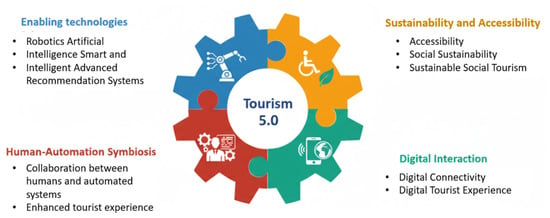
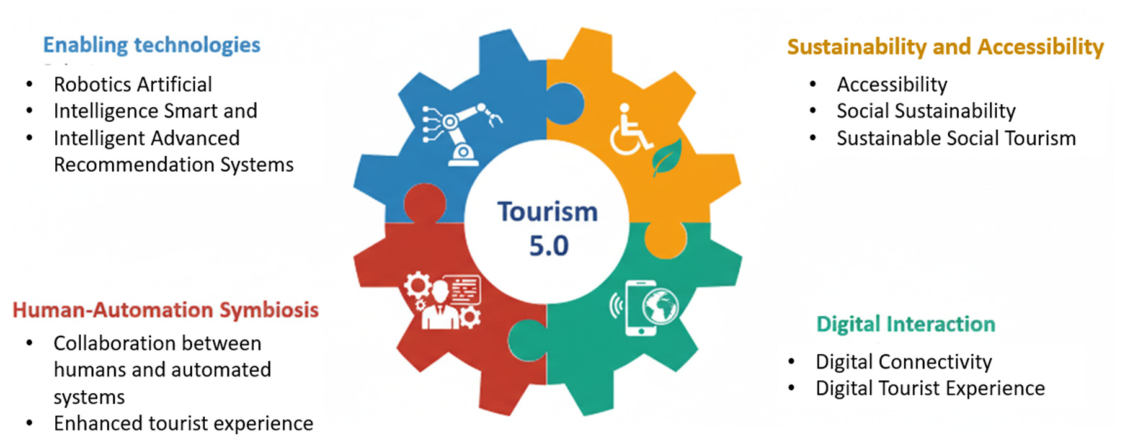
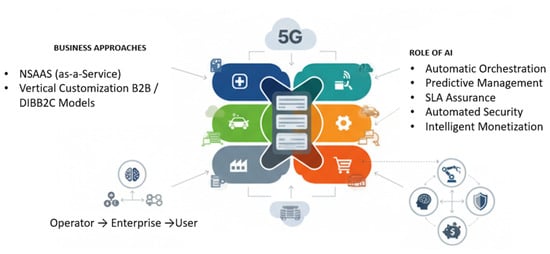
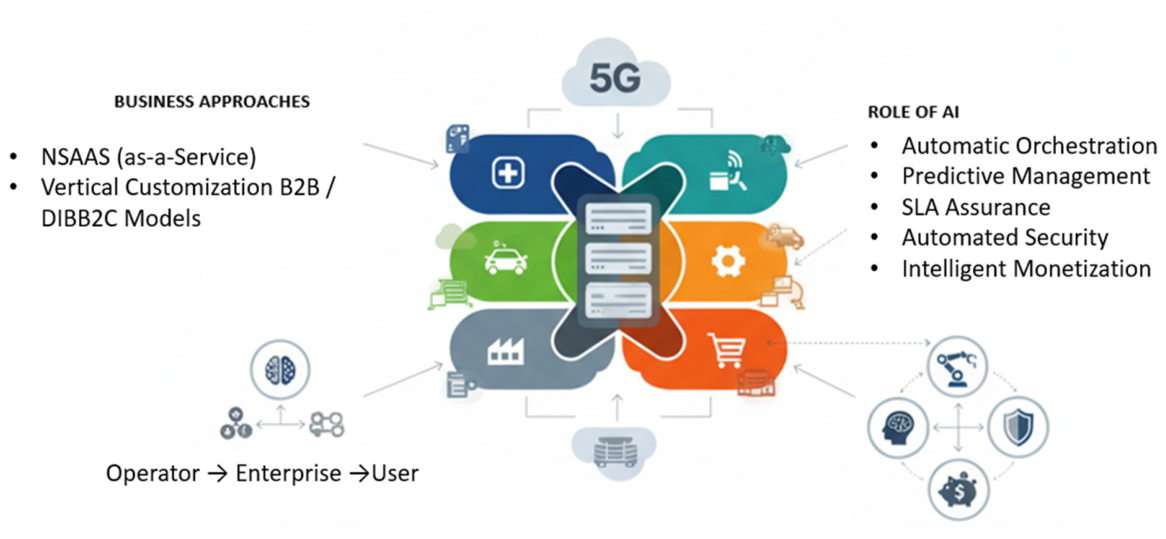
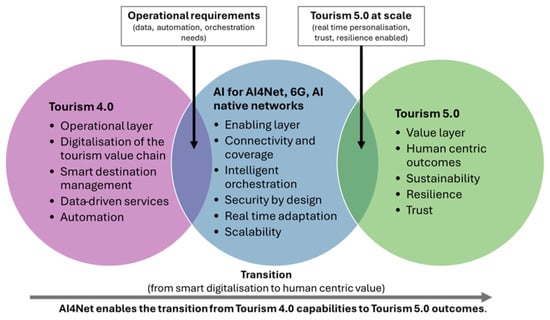
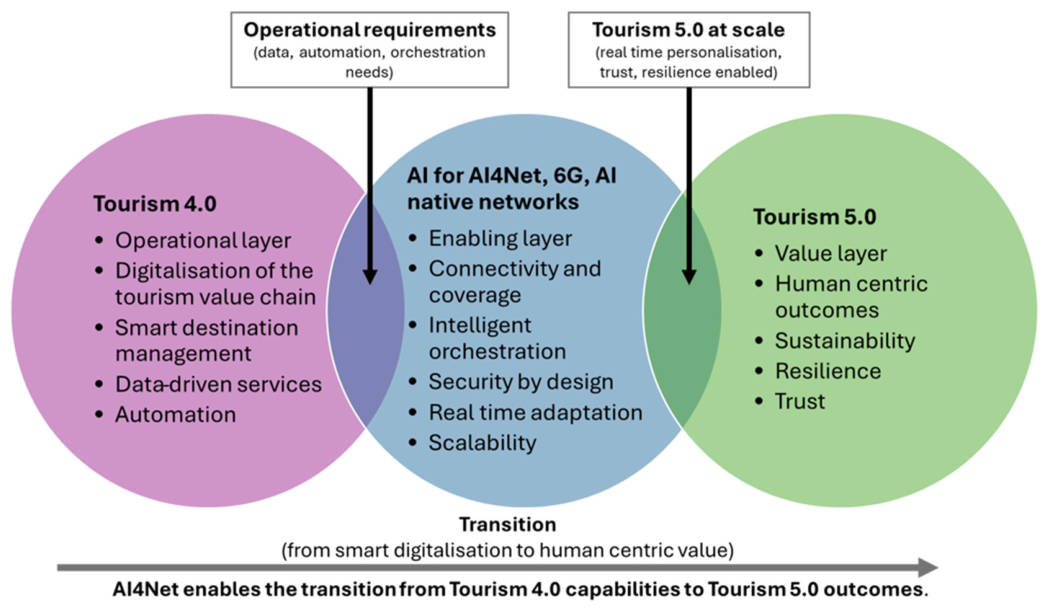
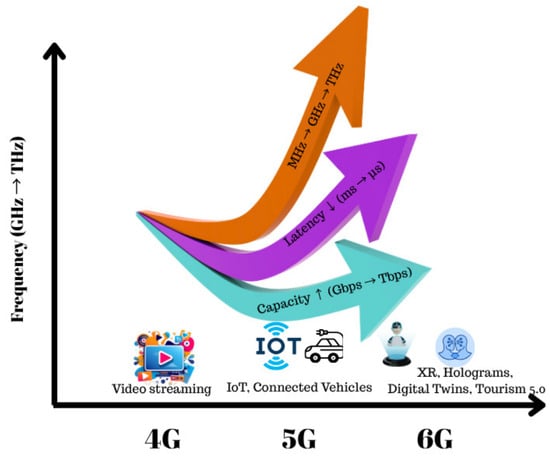
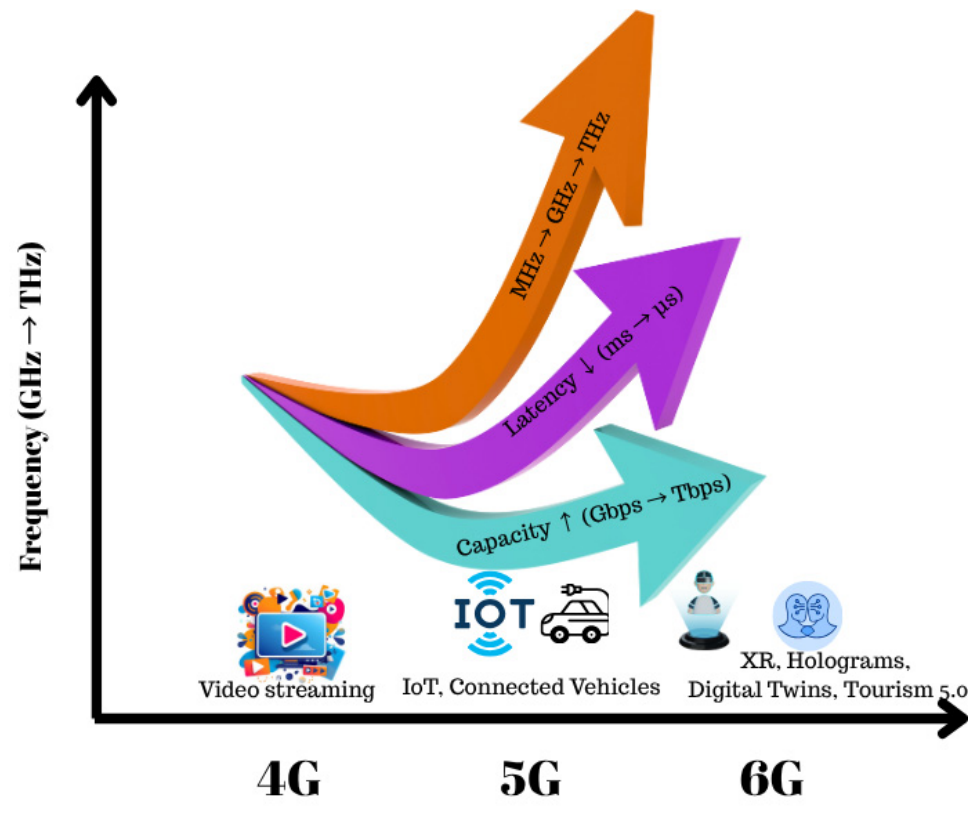
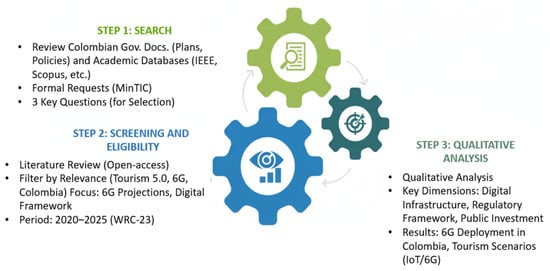
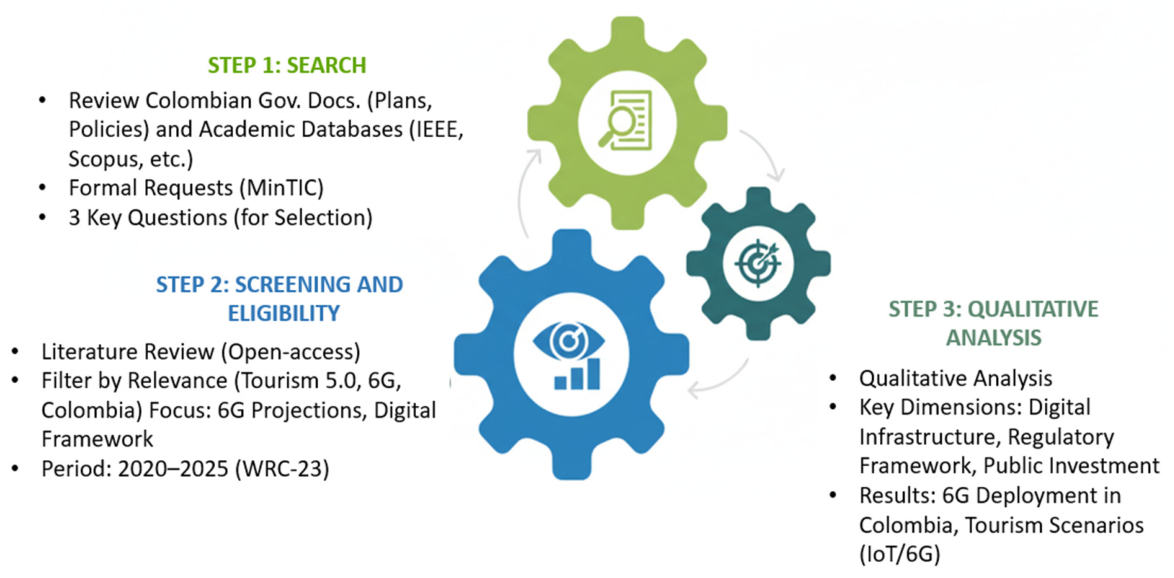
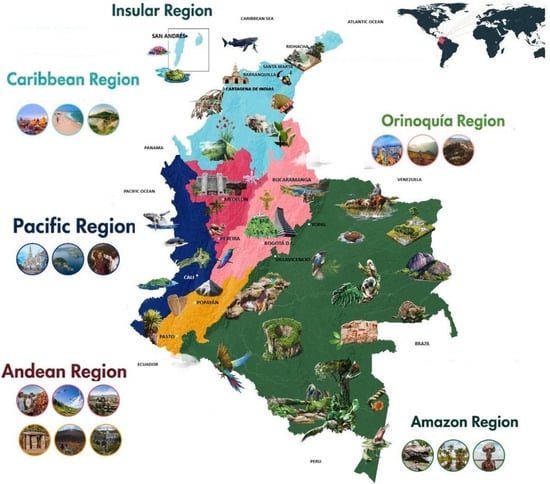
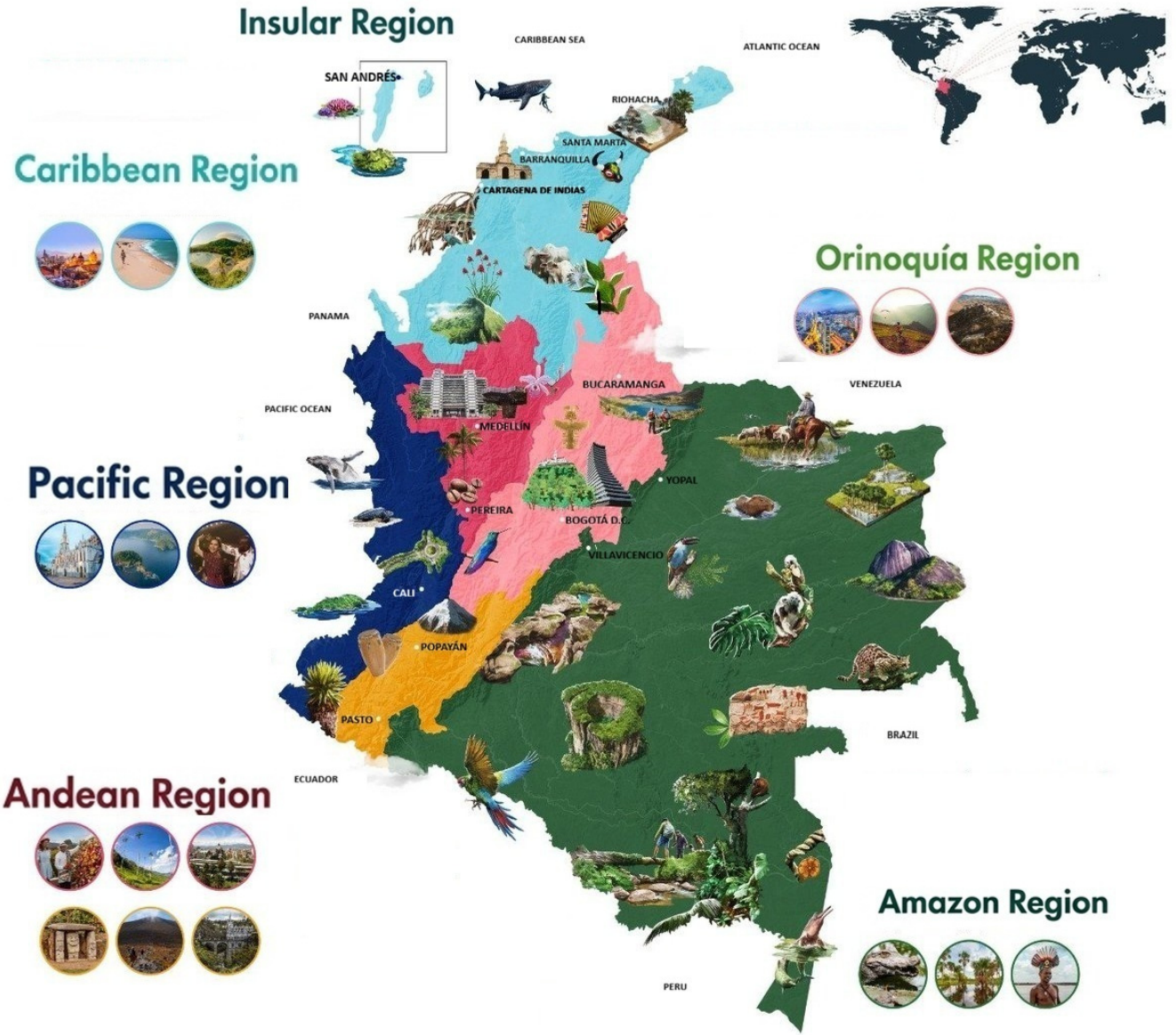
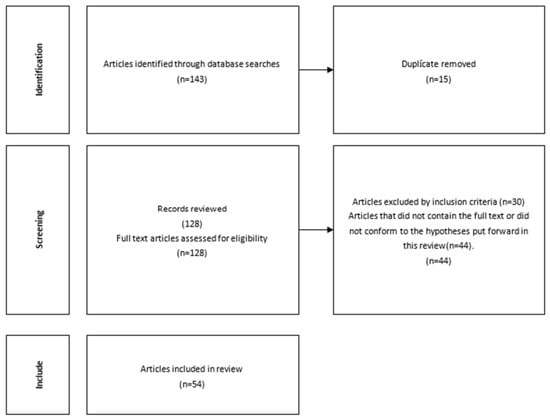
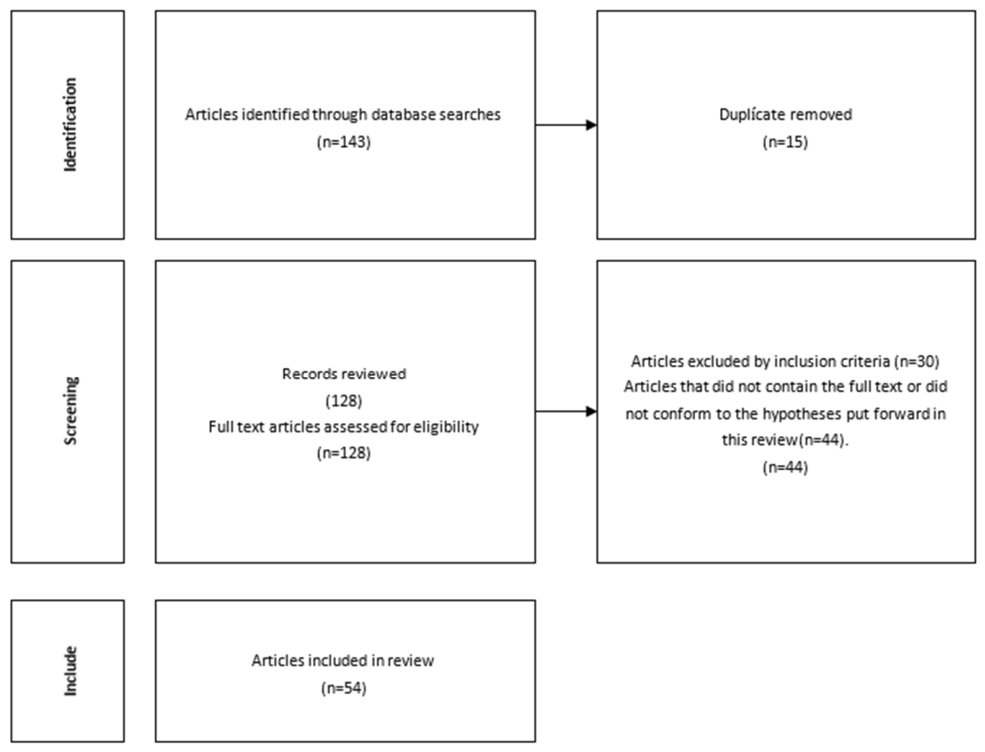
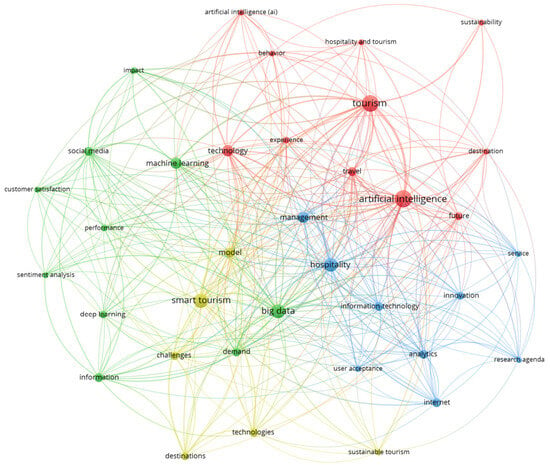
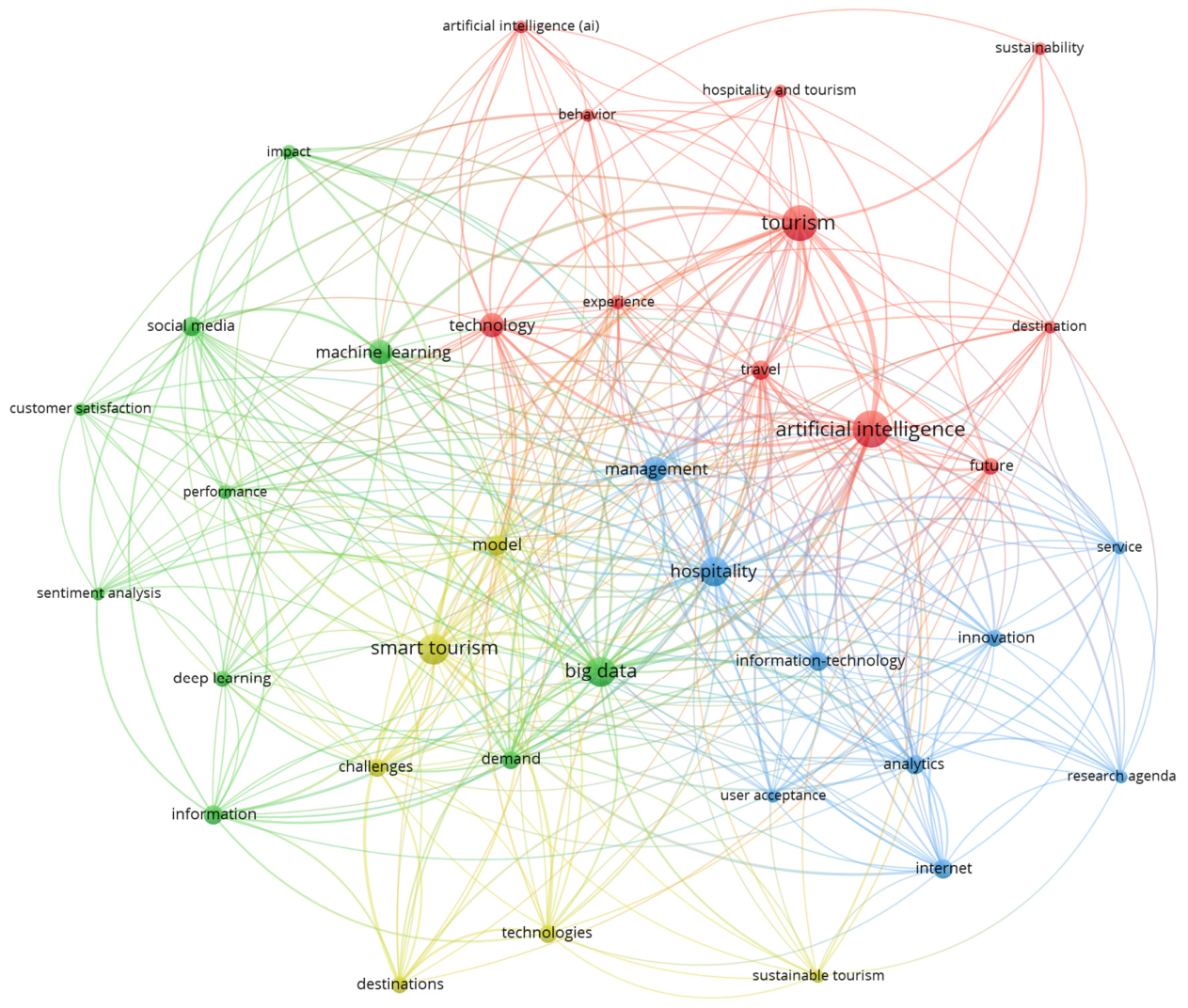
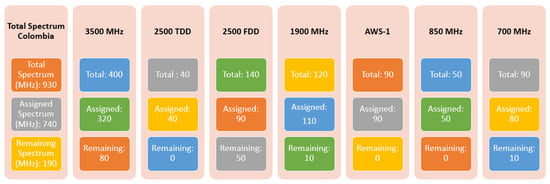
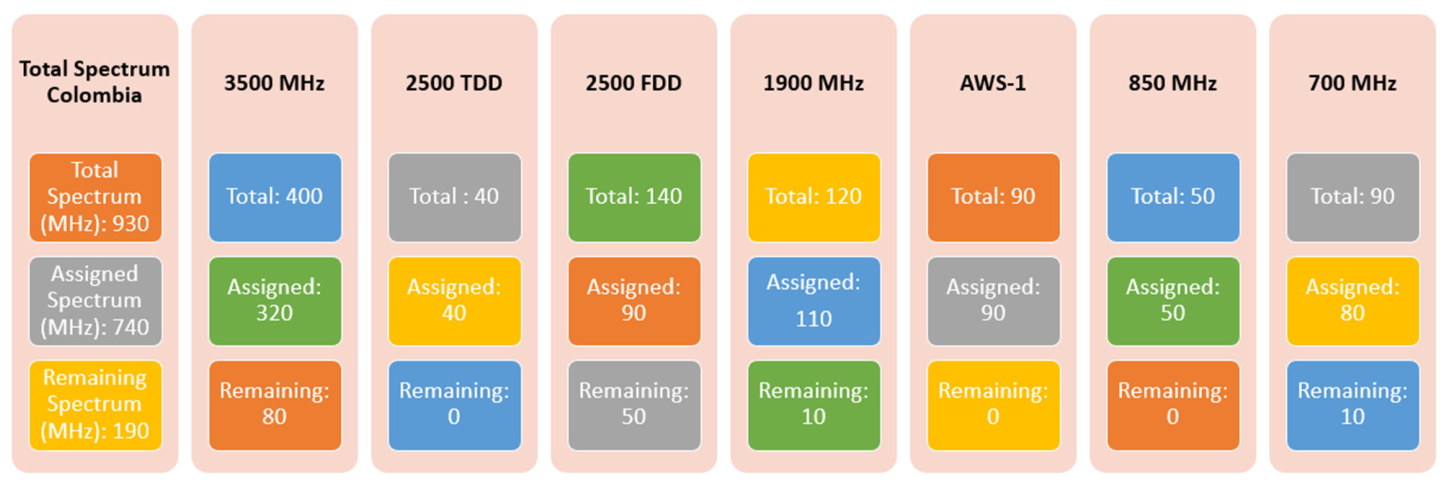
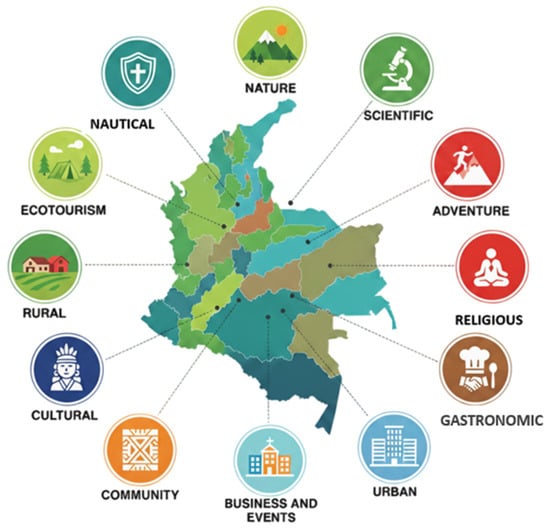
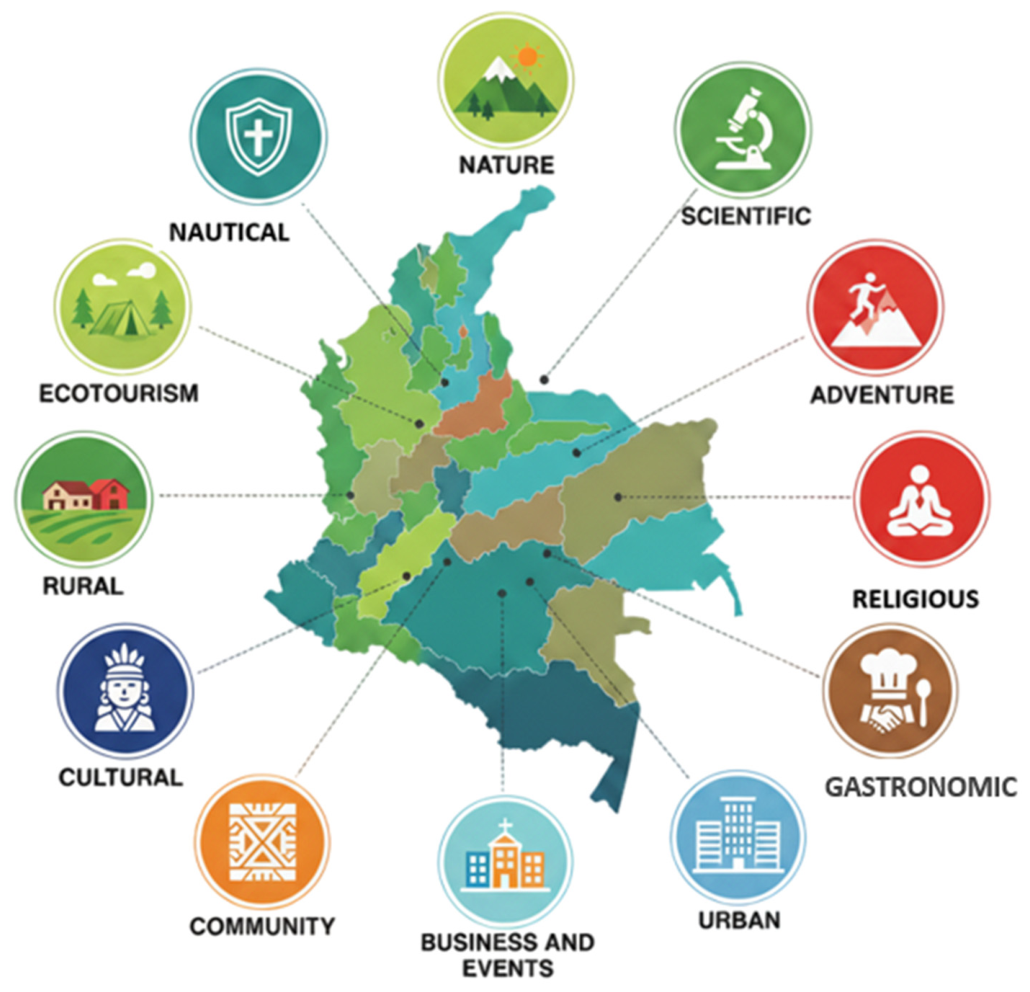

Disclaimer/Publisher’s Note: The statements, opinions and data contained in all publications are solely those of the individual author(s) and contributor(s) and not of MDPI and/or the editor(s). MDPI and/or the editor(s) disclaim responsibility for any injury to people or property resulting from any ideas, methods, instructions or products referred to in the content. |
© 2026 by the authors. Licensee MDPI, Basel, Switzerland. This article is an open access article distributed under the terms and conditions of the Creative Commons Attribution (CC BY) license.