


Abstract
This study provides a mapping of the current state of electromobility education in Mexico, aiming to identify gaps and opportunities in developing specialized talent for the energy transition and sustainable mobility. A scoping review was conducted using a structured methodological framework, involving searches across official platforms, academic institutions, and government sources, with specific criteria to select programs related to electric vehicle technology and sustainable transport. The results reveal a concentration of programs in the northern and central industrial regions, while southern and southeastern areas remain underrepresented, creating territorial disparities. Additionally, specialized programs were identified, alongside gaps in emerging areas such as battery recycling, renewable energy integration, and policy and regulatory training. The review highlights that, although Mexico has a substantial workforce, there are significant deficiencies in advanced, innovation-oriented training, limiting the country’s participation in more specialized segments of global EV value chains. It is concluded that strengthening academia–industry collaboration, expanding curricula in strategic domains, and investing in postgraduate education and research are essential steps to support a more inclusive and sustainable electromobility transition.
1. Introduction
Electromobility has established itself as a strategic pillar in the transition towards more sustainable transport systems worldwide. According to the International Energy Agency [1], EV sales reached nearly 14 million units in 2023, accounting for approximately 18% of total car sales, meaning that one in every five cars sold globally is electric. This growth reflects not only technological advancements in battery systems and charging infrastructure [2] but also public policies aimed at decarbonizing transport and improving air quality [3]. Electromobility is therefore a fundamental component of international commitments to mitigate climate change.
However, the success of this transition depends on institutional and educational frameworks capable of meeting the growing demand for talent in areas such as electrical engineering, power electronics, automotive software development, and renewable energy management [4,5].
Electromobility education is increasingly recognized as a cornerstone in preparing societies for this transition. Scholars emphasize that it should be addressed across all stages of education, from primary schooling to advanced technical and postgraduate training [6]. At the university level, formal curricula integration and innovative program designs incorporating engineering and entrepreneurship perspectives ensure the development of competencies aligned with industry needs [7]. Complementary informal learning through ICT tools [8], as well as hands-on laboratories and research initiatives in electric mobility and fuel cells [9,10], not only strengthens technical knowledge but also fosters innovation, interdisciplinary collaboration, and the growth of specialized human capital. In this sense, education serves as a driver for technological advancement while promoting societal awareness and acceptance of electric vehicles.
In Mexico, this topic is particularly significant. By the end of 2025, the country’s electric vehicle fleet reached 146,724 units, representing a 15.28% increase compared to the previous year [11]. However, EVs still account for only a small fraction of the total vehicle fleet, which comprises approximately 35.1 million vehicles, highlighting the early stage of adoption. This market dynamism coincides with growing pressure to expand charging infrastructure; recent studies estimate that Mexico will require investments exceeding USD 1.7 billion annually to meet projected demand by 2030 [12]. At the same time, the country faces environmental challenges, including air pollution in metropolitan areas and the need to meet international climate commitments, positioning electromobility as a strategic opportunity both economically and environmentally [13].
Regarding educational capacity, Mexico produces a significant annual output of STEM talent. According to the government’s “Ficha Talento Mexicano,” more than 900,000 students graduate each year from upper secondary and higher education, with 122,450 graduates from engineering, manufacturing, and construction programs [14]. Specifically, over 13,000 students graduate annually from automotive-related programs at the university level, including mechanical, electrical, mechatronics, and automotive engineering [15]. Additionally, during the 2021–2022 academic cycle, approximately 169,000 students completed STEM-specialized programs (AMDA) [14].
Despite these numbers, not all graduates are aligned with the specific demands of the electromobility industry. For instance, a Mobility Portal report indicates that in 2021–2022, only 8336 out of 24,380 engineering technicians were prepared to contribute directly to the electric vehicle parts industry [16]. This suggests that a large share of the workforce still lacks specialization in critical areas such as electronics, automation, and renewable energy management. Moreover, in 2021, just over 83,000 engineers graduated in fields including electronics, mechanical engineering, chemical processes, and construction—disciplines directly relevant to the development of EV infrastructure and technology [17].
Compared with other Latin American countries, Mexico produces a relatively large pool of STEM graduates, providing a solid base of general human capital. However, the gap between general STEM output and the skills required for electromobility highlights the need for strategic educational policies and industry-aligned training programs [18].
Bridging the human capital gap, however, is not enough on its own. The transition to electromobility also requires supportive economic and energy policies. Accessible financing schemes, coherent fiscal incentives, and energy regulations are necessary to stimulate both the production and adoption of electric vehicles, complementing the development of talent [19]. In other words, a successful energy transition depends on the simultaneous alignment of human, technological, and economic resources.
Therefore, although Mexico is producing many STEM professionals, there remains a significant misalignment between current educational offerings and the specific needs of the electric vehicle industry. Combined with the relatively small share of EVs within the total vehicle fleet, this highlights the urgent need not only for targeted educational policies but also for coherent economic and energy strategies. From this perspective, the transition to electromobility requires accessible financing schemes, fiscal incentives, and energy regulations that can simultaneously stimulate both the production and adoption of electric vehicles.
The purpose of this mapping is to summarize the current state of knowledge and identify gaps and opportunities in the training of specialized human capital. By conducting a scoping review, this study aims to provide a comprehensive overview that support universities, government institutions, and industry stakeholders in designing educational strategies fully aligned with the challenges of the energy transition and sustainable mobility.
2. Methodology
This study adopted a scoping review methodology following the framework proposed by Arksey and O’Malley [20] and further refined by Levac et al. [21]. This approach is particularly suitable for mapping emerging research areas and identifying knowledge gaps, especially in fields characterized by heterogeneous and evolving evidence, such as electromobility education.
2.1. Search Strategy
The search process was conducted between May and November 2025 and aimed to identify formal educational programs directly related to electromobility, electric vehicles (EVs), and sustainable mobility with explicit EV-oriented content.
A program was considered relevant if it met at least one of the following criteria:
- Provided explicit academic or technical training in:
- Electric vehicle technologies;
- Hybrid-electric systems;
- Traction batteries and battery management systems (BMS);
- Charging infrastructure;
- Power electronics applied to mobility;
- Sustainable mobility with EV-specific components.
- Included at least one mandatory or elective course focused on EVs or hybrid vehicles.
Programs focused exclusively on renewable energy, environmental engineering, or general sustainability were excluded unless they demonstrated explicit and verifiable EV-related competencies. This ensured thematic specificity and avoided overestimation of electromobility-related educational capacity.
Search strings were developed in both English and Spanish using Boolean operators. Representative search queries included:
(“electromobility” OR “electric vehicle” OR “sustainable mobility”) AND (“education” OR “training” OR “academic program” OR “curriculum”) AND (“Mexico”).
The search was conducted across multiple sources to ensure comprehensive coverage:
- Official educational repositories: SEP and SECIHTI;
- Institutional sources: websites of universities, technological institutes, polytechnic universities, and research centers;
- Governmental and industry reports: including AMIA and related agencies;
- Academic and gray literature databases: Google Scholar, Scielo México, and ResearchGate.
Although the retrieval strategy involved multiple sources—including official repositories, institutional websites, governmental reports, and academic databases—the PRISMA-ScR flow diagram (Figure 1) presents this process as a single integrated pathway for clarity. In practice, records from different sources were identified in parallel and subsequently merged into a unified database prior to the screening and eligibility stages. Only programs supported by verifiable documentary evidence were included.
Figure 1.
PRISMA-ScR flow diagram.
2.2. Selection Process
The selection process followed the PRISMA-ScR guidelines to ensure transparency and reproducibility.
The process consisted of four stages:
- Identification: All records were compiled into a unified database.
- Screening: Duplicate entries were removed, and records were screened based on titles and program descriptions.
- Eligibility: Full-text verification was conducted to assess compliance with inclusion criteria.
- Inclusion: Programs meeting all criteria were included in the final dataset.
The complete selection process is illustrated in the PRISMA-ScR flow diagram (Figure 1).
2.3. Inclusion/Exclusion Criteria
The review included undergraduate, postgraduate, diploma, and technical training programs directly related to electromobility and electric vehicles.
Eligible institutions included:
- Public and private universities;
- Research centers;
- Technical and vocational training institutions.
The following were excluded:
- Programs unrelated to vehicle electrification;
- Non-academic or informal online courses without institutional validation;
- Programs lacking publicly accessible documentation;
- Courses focused solely on renewable energy or sustainability without EV-specific content.
2.4. Data Charting and Analysis
Data extraction was conducted using a structured template to ensure consistency across all identified programs (Table 1).
Table 1.
Variables used for data charting.
Although no formal quality assessment framework was applied, programs were qualitatively characterized based on observable attributes such as level of specialization, presence of EV-specific content, alignment with industry needs, and curricular depth. Therefore, references to “specialized” or “advanced” programs in this study reflect these descriptive attributes rather than a standardized quality ranking.
Each program was analyzed based on predefined variables, including:
- Institution type;
- Geographic location;
- Level of education (undergraduate, postgraduate, technical);
- Type of program (degree, diploma, certification);
- Presence of EV-specific content;
- Thematic focus (e.g., batteries, power electronics, infrastructure).
A descriptive and comparative analysis was performed to identify:
- Geographic distribution patterns;
- Thematic specialization trends;
- Gaps in educational coverage.
This approach enabled the identification of structural imbalances and emerging opportunities in electromobility education in Mexico.
3. Results: Educational Programs in Electromobility in Mexico
3.1. Overview and Classification by Academic Level
3.1.1. Formal Academic Programs: Classification by Educational Level
A total of 31 educational programs related to electromobility were identified in Mexico and classified by academic level, according to the official degree frameworks and program descriptions provided by each institution. Programs offered across multiple campuses or states were counted once when they shared the same curriculum, degree title, and institutional framework. This approach ensures a consistent and comparable mapping of the national educational offer.
As shown in Table 2, the distribution of programs reveals a strong concentration at the technical and undergraduate engineering levels, reflecting Mexico’s current emphasis on workforce development and applied technical training to support the growing electromobility sector.
Table 2.
Distribution of educational programs in electromobility in Mexico by academic level.
Technical education programs account for approximately 45% of the identified formal technical education programs (14 programs) and are primarily delivered by national technical and vocational education systems, including CBTIS, CETIS, CONALEP, CECyTE, CECATI and CEDVA [22,23,24,25,26,27]. These programs are strongly practice-oriented, emphasizing maintenance, diagnostics, and operation of electric and hybrid vehicle systems. Core technical areas commonly covered include electric drivetrains, power electronics, battery technologies, and automotive electrical systems. This applied focus closely aligns with immediate labor market needs, particularly for technician-level roles essential to vehicle operation, maintenance, and early-stage electromobility deployment.
At the undergraduate engineering level, 12 programs were identified, representing 38.7% of the total educational supply. These degrees are predominantly offered by public technological and polytechnic universities, as well as national institutions such as UANL, UTMA, and UTPuebla [28,29,30]. In contrast to technical programs, undergraduate curricula adopt a systems-level approach to electromobility, integrating competencies related to vehicle architecture and design, electrical machines, power electronics, control systems, and the integration of hybrid and electric powertrains. In most cases, electromobility content is incorporated through specializations, concentrations, or dedicated curricular tracks within broader automotive, mechanical, or systems engineering degrees, rather than through fully standalone undergraduate programs exclusively focused on electromobility.
Postgraduate education remains comparatively limited, with only five programs (16%) identified nationwide, offered by a small group of institutions, including ITA, UANL, IPN, U. Modelo, and ISIMA [28,31,32,33,34]. These offerings comprise formal specialization programs and master’s degrees addressing electric and hybrid vehicle technologies, advanced automotive systems, and the integration of electrical energy and powertrain technologies. In several cases, electromobility is addressed as a thematic specialization within broader postgraduate programs rather than as an independent degree. Overall, the limited number of postgraduate programs suggests advanced professional specialization and research-oriented training in areas such as systems optimization, advanced control strategies, energy integration, and the development of emerging electromobility technologies.
3.1.2. Non-Degree Training, Certifications, and Continuing Education in Electromobility
Based on the reviewed dataset, a total of 33 national non-degree training initiatives related to electromobility were identified and classified into five categories (Table 3): (a) specialized industry training, (b) Diplomas and executive programs, (c) professional certifications, (d) Technical short courses and (e) Online and open-access courses. Only programs offered by Mexican institutions were considered; international or foreign-based courses were excluded from the analysis.
Table 3.
Non-degree training, certifications, and continuing education initiatives in electromobility in Mexico.
Specialized industry training represents the largest share of the identified offerings, accounting for 36.4% of the total initiatives (n = 12). This is followed by diplomas and executive programs, which comprise 24.2% (n = 8). Professional certifications account for 18.2% (n = 6), while technical short courses represent 15.2% (n = 5). In contrast, online and open-access courses remain limited, comprising only 6.1% of the total initiatives (n = 2).
Overall, the identified programs exhibit a strong applied and industry-oriented focus. Specialized industry training and technical short courses primarily address hands-on competencies, including electric and hybrid vehicle maintenance, battery systems, charging infrastructure installation, power electronics, vehicle retrofitting, and software-enabled automotive technologies. Diplomas and executive programs, by contrast, tend to incorporate broader perspectives related to energy management, market trends, regulatory frameworks, and strategic planning in electromobility. These characteristics describe the current profile of non-degree electromobility training in Mexico.
In this context, “online and open-access courses” refer exclusively to formalized digital offerings provided by recognized institutions; therefore, their low proportion (6.1%) reflects institutional scarcity rather than the exclusion of informal ICT-based learning tools. Complementary ICT-supported learning (e.g., MOOCs, institutional platforms, webinars, and self-paced digital resources) is acknowledged qualitatively in the broader educational discussion, but is not included in the quantitative dataset due to the lack of standardized institutional validation.
3.2. Geographical Distribution
Understanding the geographical distribution of electromobility-related educational programs is essential for assessing regional disparities in human capital development and their alignment with Mexico’s industrial geography. The mapping reveals a marked concentration along the central–northern corridor, coinciding with the country’s main automotive clusters and industrial parks. Of the 31 programs identified, approximately 60% are located in Nuevo León, Guanajuato, the State of Mexico, Mexico City, and Querétaro—regions characterized by dense networks of automotive plants, technology parks, and research centers. This spatial configuration reflects a mature industrial ecosystem capable of supporting specialized training in electric mobility, automation, and sustainable manufacturing.
Figure 2 illustrates the spatial pattern, highlighting the dominance of the central–northern belt (blue) and the emergence of smaller clusters in the south and southeast (green). This pattern demonstrates the close coupling between educational offerings and the geography of Mexico’s automotive industry, where academic institutions tend to evolve alongside manufacturing corridors and supplier networks.
Figure 2.
Geographical distribution of engineering programs related to electromobility in Mexico.
To complement the spatial analysis, Table 4 correlates Mexico’s main automotive clusters with the academic institutions that host electromobility programs. The table underscores how the educational supply mirrors industrial ecosystems, reinforcing regional labor markets and strengthening the competitiveness of local EV manufacturing and maintenance activities.
Table 4.
Regional distribution of electromobility educational programs and correlation with automotive clusters in Mexico (2025).
In northeastern Mexico, Nuevo León (18%) and Coahuila (2%) together form the most consolidated hub for electromobility education, accounting for approximately 24% of the national programs. Institutions such as UANL, UTSC, and UP García [28,68,69] maintain active collaboration with CLAUT [75,76,77], which brings together companies such as KIA, Metalsa, and others. These partnerships aim to align academic training with industrial demands in electric mobility, advanced manufacturing, and automation. In Coahuila, UAC and local technological universities [26,60,62] work closely with the Saltillo–Derramadero industrial cluster [78], which hosts major automotive players such as Stellantis, General Motors, and Magna, thereby strengthening a robust regional technical workforce for EV production and maintenance.
The Bajío region—comprising Guanajuato (12%), Querétaro (5%), San Luis Potosí (3%), and Aguascalientes—accounts for approximately 25% of electromobility-oriented programs nationwide. This area stands out for its strong, well-established collaboration among universities, industry, and government, largely driven by the Bajío Automotive Cluster [79]. In Guanajuato, institutions such as IPN and CEDVA offer Automotive Mechanical Engineering programs with specializations in electric and hybrid vehicles, developed in close collaboration with major OEMs, including General Motors, Honda, and others [27,31,65,80]. In Querétaro, CEDVA adopts a multidisciplinary approach that combines automotive engineering, electronics, and energy management. Meanwhile, in San Luis Potosí, UTSLP and CEDVA work closely with BMW and General Motors to build practical skills focused on EV assembly, operation, and maintenance [27,64,81].
In the central region, which includes Mexico City, the State of Mexico, and the Puebla–Tlaxcala industrial cluster [82], approximately 26% of electromobility-related training programs are concentrated [24,25,27,30,32,34,65,66,67]. The high density of academic institutions and their proximity to major industrial corridors facilitate collaboration between universities and technical education networks—such as IPN, the CETIS network, and CEDVA—and research centers, including CENAM and CIMAV. These interactions play a key role in strengthening education and workforce training in electric transport systems, mechatronics, and vehicle electronics. Furthermore, the region’s strategic location near major industrial hubs in Toluca, Cuautitlán, Lerma, and the Puebla–Tlaxcala automotive corridor—where companies such as Nissan, Chrysler, and other operate- reinforces a continuous feedback loop between education, research, and industry, supporting the consolidation and expansion of Mexico’s electric vehicle manufacturing ecosystem [82,83].
In the western region, Jalisco, Michoacan, and Nayarit together account for approximately 13% of national electromobility programs [24,28,31,69,70,71], reflecting a growing level of integration between academia and industry. In Jalisco, the Jalisco Automotive Cluster and CIATEQ work closely with the UdeG to promote programs focused on intelligent manufacturing, electric powertrains, and vehicular electronics [84]. Unlike previous classifications, Aguascalientes is not included in this region, as it belongs to the Bajío region, where partnerships among ITA, UTMA, local universities, and Nissan production plants aim to strengthen technical skills in EV assembly and battery systems [23,29,31,85].
The southern and southeastern region—comprising Veracruz, Oaxaca, Yucatán, Zacatecas, Tamaulipas, and Durango—accounts for approximately 12% of electromobility-related educational programs [22,24,27,33,72,73,74]. Although this region has a lower concentration of initiatives than the central and northern regions, it plays a strategic role in the territorial expansion of electromobility education across the country. The identified programs are mainly offered by technological institutes and public higher education institutions and are geographically dispersed, with no clearly defined or consolidated industrial–academic electromobility cluster. Emerging initiatives in states such as Veracruz, Oaxaca, and Yucatán primarily focus on sustainable mobility concepts, basic electric vehicle technologies, and the development of electrical infrastructure, contributing to the gradual diffusion of electromobility knowledge in regions with limited automotive industrial specialization.
3.3. Thematic Focus and Curricular Content
The academic landscape of electromobility education in Mexico reveals a heterogeneous yet increasingly structured approach to electric transportation technologies. The mapping of 31 programs highlights a fundamental dichotomy: a divide between native electromobility programs and transitional automotive engineering programs that only partially integrate EV-related content. This divide shapes the depth and scope of the four thematic clusters identified across curricula: (A) Fundamental and enabling knowledge, (B) Vehicle electrification, powertrain and control systems, (C) Maintenance, diagnostics and service of electric vehicles, and (D) Energy storage and high-voltage systems. Figure 3 illustrates the distribution of the 31 mapped electromobility programs across these four thematic categories, providing a visual representation of how Mexican higher education institutions prioritize different aspects of electric mobility training.
Figure 3.
Distribution of Electromobility Programs by Category, (A) Fundamental and enabling knowledge, (B) Vehicle electrification, powertrain and control systems, (C) Maintenance, diagnostics and service of electric vehicles, and (D) Energy storage, and high-voltage systems.
At the higher-education level, this dichotomy is particularly evident. Newly created, dedicated bachelor’s degrees in Electromobility Engineering—such as those at UANL, UP Garcia, UTH, UTM, and UTSLP [28,61,64,69]—offer comprehensive, advanced, specialized curricula. These programs emphasize power electronics, electric traction, energy storage, and advanced control, and they incorporate critical EV competencies, including thermal management, high-voltage safety, and charging infrastructure design.
In contrast, related programs—primarily legacy automotive engineering degrees at institutions such as CEDVA, UAC, IPN, UPP, and UdeG [27,32,65,70,71]—represent a transitional educational model. Although they have incorporated modules on hybrid vehicles, automotive electronics, and introductory electromobility concepts, quantitative analysis indicates that EV-related content typically accounts for only 20–45% of their curricular structure. These programs exhibit notable gaps in emerging areas such as lithium-ion battery recycling, cyber-physical system integration, intelligent-charging systems, and advanced electromechanical modeling, limiting their ability to fully align with the rapidly shifting EV ecosystem.
The Técnico/TSU program also plays a strategic role in workforce development. Institutions such as CONALEP, CBTIS, CETIS, CECyTE, CEDVA, and state technical schools [22,23,24,25,26,27,59,62,63,66,67,68,69,72,73,74] offer service-oriented electromobility training focused on diagnostics, high-voltage safety protocols, electric-powertrain maintenance, and basic battery servicing. While these programs effectively address immediate labor-market demands, their curricula provide limited exposure to design-oriented or systems-engineering topics, including converter design, energy-management systems, or intelligent-charging infrastructure. This may narrow long-term academic mobility for graduates seeking to transition into engineering pathways.
At the postgraduate and advanced specialization levels, electromobility education in Mexico remains comparatively limited but strategically significant for building higher-order engineering and innovation capacities. Existing specializations and master’s programs—such as the Specialization in Electromobility at ITA [31], postgraduate tracks at UANL [28], and master’s degrees offered by U. Modelo and ISIMA [33,34]—shift the focus from service-oriented competencies toward systems integration, advanced electrical engineering, and applied research. These programs typically incorporate topics such as electric-machine modeling, power electronics, battery-management systems, vehicle electrification architectures, autonomous and connected vehicle technologies, and energy systems analysis. Nevertheless, their geographic concentration and relatively low enrollment capacity constrain nationwide impact, while limited articulation with undergraduate engineering programs and industry-led R&D reduces opportunities for large-scale talent pipelines. As summarized in Table 5, postgraduate offerings play a crucial role in forming specialized human capital for design, development, and policy-oriented roles in electromobility, but their expansion and stronger alignment with national innovation strategies are identified as challenges.
Table 5.
Electromobility education programs in Mexico by institutional level and thematic focus.
4. Discussion
4.1. Aligning Educational Offerings with National and Industrial Needs
The mapping and analysis of 31 electromobility-related educational programs in Mexico reveals a partial but uneven alignment between academic provision, national workforce priorities, and industrial demands, while also exposing persistent structural gaps and regional imbalances [86,87]. At the TSU levels, training programs prioritize operational competencies—such as diagnostics, high-voltage safety, powertrain maintenance, and basic battery servicing—thereby supplying the labor market with skills required for electric-vehicle manufacturing, operation, and maintenance [88,89]. Institutions including CBTIS, CETis, CECyTE, and COBAC exemplify this employment-oriented model, which is consistent with national approaches that emphasize rapid workforce deployment and regional industrial competitiveness [90,91,92,93].
Within higher education, a clear curricular dichotomy emerges. Dedicated bachelor’s degrees in Electromobility Engineering—offered by institutions such as UANL, UdeG, UTM, and UTSLP—provide comprehensive and specialized training in power electronics, electric traction, energy storage, thermal management, high-voltage safety, charging infrastructure, and control systems. These curricular profiles closely correspond to the competencies identified in the literature as critical for advanced EV design, production, systems integration, and infrastructure development [28,64,70,93]. In contrast, legacy automotive engineering programs—such as those at IPN, UAC, and UPP—incorporate electromobility content only partially (typically 20–45% of the curriculum), reflecting a transitional lag in adapting to the evolving demands of the global electric vehicle sector. This limited integration results in an educational gap, as graduates may lack sufficient exposure to emerging and advanced EV-related competencies required for high-value (research-intensive and innovation-driven) activities such as system integration, battery technologies, and intelligent energy management. Consequently, while these programs continue to provide a strong foundation in conventional automotive engineering, their partial transition toward electromobility may constrain the readiness of professionals to effectively participate in the rapidly evolving global EV industry [94,95].
From a spatial perspective, the distribution of electromobility programs largely mirrors Mexico’s established automotive clusters. Approximately 75% (24% North + 25% Bajío + 26% Center) of the identified programs are concentrated in the central–northern corridor—Nuevo León, Guanajuato, Querétaro, the State of Mexico, and Mexico City—where dense academia–industry linkages, including those fostered through CLAUT, CLAUGTO, and the Bajío Automotive Cluster, support curricular relevance to manufacturing, assembly, and maintenance activities [96,97]. Conversely, southern and southeastern states—including Puebla, Veracruz, Oaxaca, Yucatán, and Tlaxcala—host only about 12% of the national training offer, revealing a territorial imbalance that may constrain the diffusion of electromobility technologies and limit regional participation in national EV development strategies [12,98,99].
Beyond formal academic programs, continuing education courses, diplomas, and professional certifications play an important role in upskilling the existing workforce. However, these initiatives remain predominantly focused on operational competencies—such as high-voltage safety, diagnostics, and charging installation—while forward-looking areas essential for innovation, including battery-management systems, vehicle-to-grid integration, lifecycle assessment, and next-generation power electronics, are comparatively underrepresented. In addition, limited online accessibility further constrains their reach and scalability, as only approximately 6% of non-degree electromobility training programs are offered in online or open-access formats. His imbalance suggests that although short-term labor-market needs are being addressed, Mexico’s capacity to support advanced research, system-level innovation, and advanced technological development in electromobility remains constrained [12,13].
Overall, the current educational landscape partially satisfies the skill requirements of Mexico’s EV value chain: technical and TSU programs address immediate operational demands, while specialized bachelor’s degrees contribute advanced engineering competencies. Nevertheless, the scarcity of postgraduate programs, uneven geographic coverage, and limited exposure to emerging EV technologies reveal critical gaps. Addressing these limitations will require strengthened interregional academic–industry collaboration, expanded curricular coverage in advanced and forward-looking domains, and sustained investment in master’s and doctoral programs focused on electromobility research and innovation [100,101].
4.2. Identified Gaps and Emerging Opportunities
One of the most critical structural limitations identified in this study is the scarcity of advanced specialization in electromobility education, particularly at the postgraduate level. As shown in the results, postgraduate programs account for only approximately 16% of the total identified educational offerings in Mexico, which is consistent with previous studies highlighting limited postgraduate capacity in the country [12,102]. This limited availability of research-oriented training significantly constrains the country’s capacity to develop competencies in areas such as advanced electric vehicle design, system integration, and innovation-driven research. Consequently, while Mexico maintains a strong pipeline of technical and undergraduate talent, the restricted postgraduate landscape limits its potential to generate cutting-edge knowledge and to actively participate in the more knowledge-intensive segments of the global electric vehicle value chain.
The analysis of electromobility education in Mexico reveals critical gaps that, if addressed, could substantially strengthen the country’s transition toward sustainable transportation systems [103]. One of the most significant deficiencies concerns advanced and specialized training, particularly at the postgraduate level. Master’s and doctoral programs focused explicitly on electromobility remain scarce nationwide, constraining research and innovation capacities in technological domains such as battery materials, power electronics, thermal management, vehicle-to-grid (V2G) integration, and life-cycle assessment [12]. This limitation restricts the development of domestic expertise required for next-generation EV design and weakens Mexico’s ability to move up the global electric-vehicle value chain [102].
Beyond program level, curricular coverage exhibits notable thematic gaps in strategically important areas. Many programs lack critical training in emerging and forward-looking domains, particularly in battery recycling and second-life applications, the integration of renewable energy with EV charging infrastructure, and the development of policy frameworks, regulatory instruments, and urban mobility planning processes. Despite the growing environmental and economic relevance of sustainable battery management, only a limited number of programs in Mexico address these topics [104]. Similarly, the integration of renewable energy sources with EV charging infrastructure is rarely incorporated into training curricula, even though it is widely recognized as essential for reducing the carbon footprint of electric transport and enabling decentralized, flexible energy systems [105]. In addition, policy design, regulatory frameworks, and urban mobility planning are largely absent from electromobility curricula, despite their critical role in facilitating effective EV deployment and adoption at municipal and regional scales [106].
In addition to these curricular limitations, emerging interdisciplinary domains remain insufficiently represented in current educational programs. Despite the growing environmental and economic relevance of sustainable battery management, only a limited number of programs in Mexico address battery recycling processes and second-life applications [104]. Similarly, the integration of renewable energy sources with EV charging infrastructure is rarely incorporated into training curricula, even though it is widely recognized as essential for reducing the carbon footprint of electric transport and enabling decentralized, flexible energy systems [105]. In addition, policy design, regulatory frameworks, and urban mobility planning are largely absent from electromobility curricula, despite their critical role in facilitating effective EV deployment and adoption at municipal and regional scales [106].
Geographical distribution further amplifies these structural gaps. Educational offerings related to electromobility are heavily concentrated in Mexico’s central–northern corridor, aligned with established automotive clusters, while southern and southeastern regions remain comparatively underrepresented. States such as Oaxaca, Yucatán, and Puebla possess significant renewable energy potential—particularly in solar and wind resources—yet lack sufficient local human capital to leverage these assets for the development of integrated electromobility ecosystems [106]. Expanding educational programs in these regions could help reduce territorial disparities, foster localized EV-related industries, and support regionally grounded sustainable mobility initiatives [107].
In a comparative perspective, several Latin American countries have begun to address emerging thematic and structural gaps identified in the Mexican case. For instance, the PUG offers a Diploma in Electromobility and Energy Transition that explicitly incorporates smart charging, grid integration, and business models for EV deployment [108]. Similarly, the USACH, in collaboration with OLADE, offers a diploma program that emphasizes public policy, innovation, and market structures for electromobility [109]. In Colombia, the UPB delivers advanced training programs with a strong focus on energy storage systems, BMS, and power electronics [110]. These initiatives suggest that, in parts of Latin America, education and training ecosystems are beginning to respond to precisely the areas that remain underdeveloped in Mexico [111].
At the same time, the Mexican context presents clear opportunities for strategic development. Expanding postgraduate and interdisciplinary programs that integrate electrical engineering, renewable energy systems, sustainable materials, and electromobility technologies would help build advanced human capital [112]. Continuing education and professional certification schemes could also be reoriented toward emerging competencies, including smart charging, V2G integration, battery second-life applications, and circular-economy practices [102,112]. Furthermore, strengthening academia–industry–government collaboration—particularly in underrepresented regions—would accelerate knowledge transfer, support the emergence of regional innovation clusters, and reinforce Mexico’s broader energy-transition objectives [113].
In summary, although Mexico has made meaningful progress in establishing foundational and undergraduate education in electromobility, persistent gaps in advanced training, thematic breadth, and regional equity represent both challenges and opportunities. When compared with other Latin American initiatives, Mexico’s curricular underdevelopment in areas such as policy integration, grid–energy synergy, and sustainable battery management appears more pronounced [114,115]. Addressing these gaps through targeted educational, industrial, and policy interventions will be essential to building a resilient, technologically advanced, and sustainable electromobility ecosystem and ensuring that Mexico remains competitive in the regional context of a just energy transition, within the region.
4.3. Strengths and Limitations of the Current Training Ecosystem
The current electromobility training ecosystem in Mexico exhibits several notable strengths, particularly in developing a multi-tiered human capital pipeline. Educational offerings span technical high schools, TSU programs, and specialized undergraduate degrees, collectively ensuring coverage of foundational, operational, and intermediate-level skills required for electric-vehicle assembly, maintenance, and diagnostics. This layered structure supports workforce readiness across segments of the EV value chain and aligns well with the automotive sector’s immediate labor demands.
A further strength lies in the geographical alignment of training institutions with Mexico’s major automotive clusters. Concentrations of programs in states such as Nuevo León, Guanajuato, Querétaro, and the State of Mexico reinforce the relevance of curricula to regional industrial needs and manufacturing ecosystems [116,117,118]. University–industry collaboration mechanisms—particularly those facilitated through sectoral clusters such as CLAUT and CLAUGTO—provide students with practical exposure through internships, applied projects, and industry-linked research initiatives [119,120]. These partnerships enhance technology transfer and improve graduates’ employability in the domestic automotive and emerging EV sectors.
Additionally, the rapid expansion of continuing education and professional certification programs represents an important adaptive feature of the Mexican training ecosystem. Such programs offer flexibility for reskilling and upskilling incumbent workers, particularly in operational domains including high-voltage safety, battery maintenance, and EV charger installation. This responsiveness is especially relevant given the pace of technological change in electromobility and the need to update competencies without requiring full degree programs.
When compared with other Latin American countries, several of Mexico’s strengths are mirrored elsewhere, albeit with important differences in emphasis and scope. In Chile, for example, the USACH offers a diploma program in electromobility that integrates battery and charging technologies with public policy, business models, and energy regulation [121]. Similarly, the PUC delivers a Diploma in Electromobility and Energy Transition, addressing charging infrastructure, energy storage, and energy economics from a systemic perspective [108]. The UChile also provides an international-level course in electromobility focused on EV roadmaps and Latin American policy frameworks [122]. These programs reflect a stronger integration of technical, regulatory, and policy dimensions than is typically observed in Mexican curricula.
Beyond Chile, other Latin American countries such as Colombia, Brazil, and Argentina have also developed emerging electromobility training initiatives, though with varying levels of maturity and institutional focus. In Colombia, universities such as UPB and the USB [110,123] have introduced undergraduate courses and diploma programs addressing battery management, electric vehicle systems, and energy integration. These efforts demonstrate a growing interest in applied electromobility education, although postgraduate specialization and standardized curricula remain limited and unevenly distributed across regions.
Brazil exhibits a comparatively stronger academic foundation in engineering and applied research related to electric mobility. Institutions including UniCamp, UNIFEI, PUCRS, and UFSC offer undergraduate programs, specialization tracks, and research lines focused on electric vehicle design, battery technologies, renewable energy integration, and grid management [124,125,126,127]. While Brazil benefits from robust engineering capacity and expanding industry–academia collaboration, the electromobility training landscape is characterized by fragmented curricula and uneven availability of standardized and advanced postgraduate pathways.
In Argentina, electromobility education is primarily concentrated at the undergraduate, technical, and continuing education levels. Universities such as the UTN and the UBA contribute through technical courses, applied research lines, and diplomas related to electric traction, vehicle maintenance, and sustainable transport systems [128,129]. However, the absence of consolidated postgraduate programs and limited integration of energy policy and planning topics constrain the country’s capacity to develop advanced human capital in electromobility.
Despite these strengths, structural limitations remain evident in Mexico’s electromobility education ecosystem. The scarcity of advanced specialized postgraduate programs constrains innovation capacity in emerging technological areas such as battery recycling, vehicle-to-grid integration, and system-level EV design. Moreover, uneven geographical coverage—particularly the underrepresentation of southern and southeastern regions—limits the formation of localized electromobility ecosystems and restricts equitable access to advanced training opportunities. While some Latin American countries, notably Chile, demonstrate greater integration of technical and policy-oriented training, specialized postgraduate programs remain limited across much of the region, suggesting that Latin America as a whole is still consolidating advanced human capital in electromobility [130].
To situate Mexico’s electromobility education ecosystem within a broader regional context, Table 6 presents a comparative overview of training programs across selected Latin American countries, including Chile, Colombia, Brazil, and Argentina. This comparison highlights differences in program levels, thematic scope, and degrees of alignment with industry needs. While Mexico stands out for its strong operational training pipeline and close integration with automotive clusters, other countries exhibit relative strengths in interdisciplinary approaches that combine technical instruction with regulatory, policy, and energy transition competencies. Overall, the table underscores shared regional challenges—such as the limited availability of postgraduate programs—as well as opportunities for cross-country learning to enhance workforce development, innovation capacity, and more equitable access to electromobility training across Latin America.
Table 6.
Comparison of electromobility programs/universities—LATAM.
5. Conclusions and Recommendations
This scoping review of electromobility education in Mexico identifies a training ecosystem that is institutionally structured but marked by significant imbalances. At the technical and TSU levels, programs successfully address immediate industrial requirements by delivering operational competencies in diagnostics, high-voltage safety, powertrain maintenance, and basic battery servicing. At the undergraduate level, specialized degrees in electromobility and related fields provide advanced training in power electronics, energy storage, electric traction, and charging infrastructure, demonstrating clear alignment with the needs of the electric-vehicle manufacturing, assembly, and systems-integration sectors.
Despite these strengths, substantial gaps constrain the long-term development of Mexico’s electromobility ecosystem. Postgraduate education remains notably underdeveloped, limiting national capacity for research, innovation, and technological leadership in critical emerging areas such as battery recycling and second-life applications, vehicle-to-grid integration, smart charging systems, renewable energy coupling, and urban mobility planning. In parallel, the spatial concentration of programs in central and northern industrial regions reinforces territorial disparities, leaving southern and southeastern states with limited access to specialized training and reduced participation in the national transition toward sustainable mobility.
While continuing education programs and professional certifications help alleviate short-term skills shortages, their fragmented, predominantly operational focus limits their contribution to advanced innovation and system-level transformation.
To address these structural limitations, several targeted actions are recommended. First, Mexican higher education institutions should expand postgraduate offerings in electromobility, particularly at the master’s and doctoral levels, with emphasis on research-oriented training in battery technologies, smart grids, vehicle-to-grid systems, and sustainable mobility planning. Second, curricula across engineering programs should incorporate forward-looking and interdisciplinary content, including circular economy approaches, energy-system integration, and advanced control systems for electric vehicles. Third, stronger institutional linkages between academia, industry, and government should be established through regional innovation hubs and applied research centers dedicated to electromobility development. Finally, national policies should prioritize the expansion of electromobility education in underrepresented southern and southeastern regions through targeted funding, infrastructure investment, and incentive schemes to reduce territorial disparities.
Strategic implementation of these measures is essential to cultivate a resilient, innovative, and geographically inclusive workforce capable of supporting Mexico’s transition toward a competitive and sustainable electromobility ecosystem.
Author Contributions
L.S.-C.: writing—original draft, methodology, formal analysis, software, and investigation. C.Á.-M., R.T.-R., A.E.-G. and L.A.P.-G.: writing—review and editing, supervision, and investigation. All authors have read and agreed to the published version of the manuscript.
Funding
This research received no external funding.
Institutional Review Board Statement
Not applicable.
Informed Consent Statement
Not applicable.
Data Availability Statement
No new data were created or analyzed in this study.
Acknowledgments
The authors acknowledge support from SECIHTI (México), the TecNM projects 2026, and programs of PRODEP through ITLAG-CA-10. Language editing and stylistic improvements were supported using AI-based tools, including ChatGPT.
Conflicts of Interest
The authors declare no conflicts of interest.
Abbreviations
The following abbreviations are used in this manuscript:
| AMIA | Mexican Association of the Automotive Industry |
| AMDA | Mexican Association of Automotive Dealers. |
| BMS | Battery Management Systems |
| CBTIS | Industrial and Services Technological Baccalaureate Centers |
| CECyTEC | College of Scientific and Technological Studies of the State of Coahuila |
| CECATI | Industrial Training Center |
| CEDVA | CEDVA Group (Vocational and Automotive Technical Education Centres |
| CENAM | National Metrology Center of Mexico |
| CETI | Center for Industrial Technical Education |
| CETIS | Center for Industrial and Services Technological Studies |
| CIATEQ | Advanced Technology Center |
| CIMAV | Center for Research in Advanced Materials |
| CLAUT | Nuevo León Automotive Cluster |
| CLAUTGTO | Guanajuato Automotive Cluster |
| CUCEI | University Center for Exact Sciences and Engineering |
| CONALEP | National College of Professional Technical Education |
| EV | Electric Vehicle |
| HEV | Hybrid Electric Vehicle |
| IPN | National Polytechnic Institute |
| ISIMA | Institute of Higher Studies in Engineering |
| ITA | Technological Institute of Aguascalientes |
| LATAM | Latin America |
| OEM | Original Equipment Manufacturer |
| OLADE | Latin American Energy Organization |
| PUC | Pontificia Universidad Católica de Chile |
| PUCRS | Pontifical Catholic University of Rio Grande do Sul |
| R&D | Research and Development |
| SEP | Ministry of Public Education |
| SECIHTI | Secretariat of Science, Humanities, Technology, and Innovation. |
| STEM | Science, Technology, Engineering, and Mathematics |
| TSU | Higher University Technician |
| UAC | Autonomous University of Coahuila |
| UANL | Autonomous University of Nuevo León |
| UBA | The University of Buenos Aires |
| UChile | The University of Chile |
| UdeG | The University of Guadalajara |
| UFSC | Federal University of Santa Catarina |
| U. Modelo | Modelo University |
| UniCamp | The University of Campinas |
| UNIFEI | Federal University of Itajubá |
| UP García | Polytechnic University of García (Nuevo León) |
| UPB | Pontifical Bolivarian University |
| UPP | Polytechnic University of Puebla |
| USB | Simón Bolívar University |
| USD | The United States Dollar |
| USACH | The University of Santiago of Chile |
| UTH | Technological University of Hermosillo |
| UTM | Technological University of Morelia |
| UTMA | Metropolitan Technological University of Aguascalientes |
| UTN | National Technological University |
| UTPuebla | Technological University of Puebla |
| UTSC | Technological University of Santa Catarina |
| UTSLP | Technological University of San Luis Potosí |
| V2G | Vehicle-to-Grid |
References
- International Energy Agency. Global EV Outlook 2024: Executive Summary. Available online: https://www.iea.org/reports/global-ev-outlook-2024/executive-summary (accessed on 20 November 2025).
- Kavianipour, M.; Fakhrmoosavi, F.; Shojaei, M.; Zockaie, A.; Ghamami, M.; Wang, J.; Jackson, R. Impacts of technology advancements on electric vehicle charging infrastructure configuration: A Michigan case study. Int. J. Sustain. Transp. 2022, 16, 597–609. [Google Scholar] [CrossRef] [Scilit]
- Mbandi, A.M.; Malley, C.S.; Schwela, D.; Vallack, H.; Emberson, L.; Ashmore, M.R. Assessment of the impact of road transport policies on air pollution and greenhouse gas emissions in Kenya. Energy Strat. Rev. 2023, 49, 101120. [Google Scholar] [CrossRef] [Scilit]
- Intergovernmental Panel on Climate Change. Climate Change 2023: The Physical Science Basis; IPCC: Geneva, Switzerland, 2023; Available online: https://www.ipcc.ch/report/ar6/syr/downloads/report/IPCC_AR6_SYR_SPM.pdf (accessed on 19 November 2025).
- Udendhran, R.; Mohan, T.R.; Babu, R.; Uthra, R.A.; G, A.C.; Selvakumarasamy, S.; Dinesh, G.; Mukhopadhyay, M.; Saraswat, V.; Chakraborty, P. Transitioning to sustainable e-vehicle systems—Global perspectives on the challenges, policies, and opportunities. J. Hazard. Mater. Adv. 2025, 17, 100619. [Google Scholar] [CrossRef] [Scilit]
- Turoń, K.; Kubik, A.; Chen, F. When, what and how to teach about electric mobility? An innovative teaching concept for all stages of education: Lessons from Poland. J. Energy 2021, 14, 6440. [Google Scholar] [CrossRef] [Scilit]
- Curiel-Ramirez, L.A.; Bautista-Montesano, R.; Galluzzi, R.; Izquierdo-Reyes, J.; Ramírez-Mendoza, R.A.; Bustamante-Bello, R. Smart automotive e-mobility—A proposal for a new curricula for engineering education. Educ. Sci. 2022, 12, 316. [Google Scholar] [CrossRef] [Scilit]
- Sierpiński, G.; Staniek, M. Innovative approach to education using ICT solutions–informal education in electromobility. In Proceedings of the ICERI2019, Seville, Spain, 11–13 November 2019. [Google Scholar] [CrossRef] [Scilit]
- Nuñez-Donoso, F.A.; Lopez-Guede, J.M. Electromobility laboratory: A contribution for student participation in higher education. In Proceedings of the International Conference on European Transnational Education; Springer International Publishing: Cham, Switzerland, 2020. [Google Scholar] [CrossRef] [Scilit]
- Huba, M.; Ferencey, V.; Stromko, M. Education and research in the e-mobility and PEM fuel cells. In Proceedings of the 2018 16th International Conference on Emerging eLearning Technologies and Applications (ICETA); IEEE: Piscataway, NJ, USA, 2018. [Google Scholar] [CrossRef] [Scilit]
- Instituto Nacional de Estadística y Geografía (INEGI). Venta de Vehículos Híbridos y Eléctricos por Entidad Federativa. Available online: https://www.inegi.org.mx/app/tabulados/interactivos/?px=RAIAVL_11&bd=RAIAVL (accessed on 5 February 2025).
- Salgado-Conrado, L.; Álvarez-Macías, C.; Esmeralda-Gómez, A.; Tadeo-Rosas, R. Assessing the Current State of Electric Vehicle Infrastructure in Mexico. World Electr. Veh. J. 2025, 16, 333. [Google Scholar] [CrossRef] [Scilit]
- Salgado-Conrado, L.; Álvarez-Macías, C.; Loera-Palomo, R.; García-Contreras, C.P. Progress, challenges and opportunities of electromobility in Mexico. Sustainability 2024, 16, 3754. [Google Scholar] [CrossRef] [Scilit]
- Gobierno de México, Secretaria de Economia. Talento Mexicano para el Crecimiento y la Relocalización. 2024. Available online: https://www.gob.mx/se/acciones-y-programas/talento-mexicano-334868 (accessed on 20 November 2025).
- Industria Nacional de Autopartes (INA). Official Website. Available online: https://ina.com.mx/ (accessed on 18 November 2025).
- Mobility Portal Group. Mobility Portal Latinoamérica: News on Electric Vehicles. Available online: https://mobilityportal.lat/ (accessed on 22 November 2025).
- Red Internacional de Investigadores en Competitividad. Official Website. Available online: https://www.riico.net/ (accessed on 22 November 2025).
- International Labour Organization (ILO)/CINTERFOR. Technical and Vocational (TVET) Education and Training in Latin America and the Caribbean: Challenges of Digitalisation and Green Transition. Available online: https://www.cinterfor.org/en/technical-and-vocational-education-and-training-essential-pillar-latin-america-and-caribbean (accessed on 3 May 2026).
- Cardona, M.; Aldana-Aguilar, J.; S., G.A.S.; Morataya, C.; Flores, M.A.; Serrano, F.E. Advancing electromobility in Central America: An analysis of policies and regulations. In Proceedings of the 2024 IEEE CONCAPAN; IEEE: Piscataway, NJ, USA, 2024. [Google Scholar] [CrossRef] [Scilit]
- Arksey, H.; O’malley, L. Scoping studies: Towards a methodological framework. Int. J. Soc. Res. Methodol. 2005, 8, 19–32. [Google Scholar] [CrossRef] [Scilit]
- Levac, D.; Colquhoun, H.; O’Brien, K.K. Scoping studies: Advancing the methodology. Implement. Sci. 2010, 5, 69. [Google Scholar] [CrossRef] [Scilit]
- Centro de Bachillerato Tecnológico Industrial y de Servicios No. 140. Official Website. Available online: https://cbtis140oficial.blogspot.com/ (accessed on 3 May 2026).
- Centro de Bachillerato Tecnológico Industrial y de Servicios No. 121. Técnico en Electromovilidad. Available online: https://cbtis121.mx/tecnico-en-electromovilidad/ (accessed on 6 November 2025).
- Colegio Nacional de Educación Profesional Técnica (CONALEP). Autotrónica. Available online: https://www.conalep.edu.mx/oferta/mantenimiento/autotronica/ (accessed on 6 November 2025).
- Colegio de Estudios Científicos y Tecnológicos del Estado de Puebla (CECyTE Puebla). Electromovilidad. Available online: https://www.cecytepuebla.edu.mx/electromovilidad (accessed on 3 May 2026).
- Dirección General de Centros de Formación para el Trabajo (DGCFT); Secretaría de Educación Pública (SEP). Official Training Centers Portal. Available online: https://www.dgcft.sems.gob.mx/#planteles (accessed on 3 May 2026).
- Grupo CEDVA. Official Website. Available online: https://www.grupocedva.com/ (accessed on 8 November 2025).
- Universidad Autónoma de Nuevo León. Técnico en Electromovilidad Bilingüe Progresivo en Alemán. Available online: https://www.uanl.mx/bachillerato/tecnico-en-electromovilidad-bilingue-progresivo-en-aleman/ (accessed on 9 November 2025).
- Universidad Tecnológica Metropolitana de Aguascalientes. Official Website. Available online: https://www.utma.edu.mx/ (accessed on 9 November 2025).
- Universidad Tecnológica de Puebla. Higher University Technician in Alternative Energies: Electromobility. Available online: https://www.utpuebla.edu.mx/tsu-energias-alternativas-electromovilidad.html (accessed on 9 November 2025).
- Instituto Tecnológico de Aguascalientes. Specialization in Electromobility. LatAm Mobility. Available online: https://latamobility.com/mexico-instituto-tecnologico-de-aguascalientes-ofrecera-especialidad-en-electromovilidad/ (accessed on 12 November 2025).
- Instituto Politécnico Nacional (IPN). Especialidad en Vehículos Híbridos y Eléctricos en la UPIEM. Available online: https://www.infobae.com/mexico/2025/08/14/ipn-inaugura-especialidad-en-vehiculos-hibridos-y-electricos-a-partir-de-agosto/ (accessed on 3 May 2026).
- Universidad Modelo. Maestría en Sistemas Eléctricos y Electromovilidad. Available online: https://www.unimodelo.edu.mx/merida/maestrias/sistemas-electricos-y-electromovilidad (accessed on 12 November 2025).
- ISIMA. Maestría en Vehículos Autónomos, Híbridos y Eléctricos. Available online: https://www.isima.com.mx/online-maestria-vehiculos-autonomos-hibridos-y-electricos (accessed on 10 November 2025).
- Center for Training in Energy and Automotive (CCEAA). Chargers for Electric Vehicles. Available online: https://cceea.mx/cursos/cargadores-para-autos-electricos/ (accessed on 18 November 2025).
- State Institute of Training Guanajuato (IECA), Guanajuato. Training in Electromobility, Electric Vehicle Development, and Chassis Welding for Electric Cars. Available online: https://ieca.guanajuato.gob.mx/ieca/ieca-y-estudiantes-crean-automovil-electrico-para-competencia-en-texas/ (accessed on 3 May 2026).
- NobleProg México. Electromobility Training Programs. Available online: https://www.nobleprog.mx/cursos-electric-vehicles-evs (accessed on 3 May 2026).
- Festo Mexico. Technical Training in Electromobility. Available online: https://www.festo.com/mx/es/e/educacion/conceptos-educativos/aspectos-mas-destacados/formacion-en-electromovilidad-id_1817373/ (accessed on 20 November 2025).
- Instituto Tecnológico Autónomo de México (ITAM). Executive Program in Electric Mobility. Available online: https://share.google/GaSxcowFMWvSdFRgP (accessed on 28 November 2025).
- Universidad Virtual del Estado de Guanajuato (UVEG). Diploma in Electromobility. Available online: https://uveg.edu.mx/index.php/es/diplomado-en-electromovilidad (accessed on 18 November 2025).
- Instituto de Tecnología y Posgrado en Energía (ITPE). Diploma in Electromobility. Available online: https://itpe.mx/cursos/diplomado-en-electromovilidad/ (accessed on 25 November 2025).
- Tecnológico Nacional de México (TecNM). Diploma in Sustainable Energy for Electromobility. Available online: https://cenidet.tecnm.mx/electromovilidad/ (accessed on 29 November 2025).
- Instituto Tecnológico de Victoria. Diploma in Energy Management and Storage for Electromobility. Available online: https://www.tamaulipas.gob.mx/2025/07/anuncian-tecnologico-de-victoria-y-sedener-diplomado-en-gestion-de-la-energia-y-almacenamiento-para-la-electromovilidad/ (accessed on 23 November 2025).
- Universidad Iberoamericana Puebla. Diploma in Electric Mobility, 360° Vision. Available online: https://www.iberopuebla.mx/noticias/movilidad-electrica (accessed on 23 November 2025).
- Universidad Popular Autónoma del Estado de Puebla. Diploma in Electric Vehicles. Available online: https://educacioncontinua.upaep.mx/programas?escuela=1512748&tipo=M (accessed on 27 November 2025).
- Universidad Benito Juárez. Diploma in Electric Vehicles and Charging Systems Installation. Available online: https://www.emagister.com.mx/diplomado/diplomados_vehiculos_electricos_e_instalador_sistemas_recarga-cursos-2506580.htm (accessed on 19 November 2025).
- Comisión Nacional para el Uso Eficiente de la Energía (CONUEE). Specialized Course in Electromobility for Businesses. Available online: https://www.gob.mx/conuee/articulos/149500 (accessed on 7 November 2025).
- Autosoporte. International Certification in Electric Car Repair. Available online: https://autosoporte.com/lp/certificacion-internacional-en-reparacion-de-autos-electricos-mexico/ (accessed on 20 November 2025).
- CONOCER. EC-1528 Certification in Hybrid and Electric Vehicles. Available online: https://aleniawallet.com/certificacion-conocer-ec-1528-vehiculos-hibridos-y-electricos (accessed on 15 November 2025).
- CECyTE. Certification in Electromobility and Electric Vehicle Conversion. Available online: https://share.google/Nd3tR3RbZsqoxxp9F (accessed on 23 November 2025).
- Grupo Educativo 16 de Septiembre. Training and Certification in Electric Vehicles and Engine Conversion. Available online: https://ceu16.edu.mx/educon/producto/introduccion-electromovilidad/ (accessed on 23 November 2025).
- Tecnológico de Monterrey. Certificate in Semiconductors in Electromobility. Available online: https://maestriasydiplomados.tec.mx/programas/certificado-de-competencias-uso-de-semiconductores-en-la-electromovilidad-hibrido (accessed on 25 November 2025).
- ITCH/CENALTEC. Introduction to Electric Vehicles Course. Available online: https://www.inadet.com.mx/noticias/capacitacion-introduccion-a-vehiculos-electricos (accessed on 25 November 2025).
- Instituto de Capacitación y Educación para el Trabajo del Estado de Nuevo León (ICET). Electromobility Course. Available online: https://www.somosicet.com/cursos (accessed on 3 May 2026).
- CCC Centro de Estudios Profesionales. Technical Course in Electric and Hybrid Vehicles. Available online: https://www.cursosccc.com/cursos-distancia-online/curso-profesional-2/curso-tecnico-en-vehiculos-electricos-e-hibridos/ (accessed on 3 December 2025).
- Universidad Autónoma de Nuevo León; Santander Universidades México. Santander Electromobility Course 2025: Technical Course in Electric Mobility and Batteries (Online). Available online: https://www.uanl.mx/eventos/curso-santander-electromovilidad-2025/ (accessed on 27 November 2025).
- Santander Universidades México. Santander Electromobility Course. Available online: https://app.santanderopenacademy.com/es/program/electromovilidad (accessed on 3 May 2026).
- Universidad Tecnológica de Santa Catarina. Electromobility Technician. Available online: https://utsc.edu.mx/ingenieria-en-electromovilidad/ (accessed on 27 November 2025).
- Universidad Politécnica de García. Electromobility Engineering. Available online: https://www.upgarcia.edu.mx/ (accessed on 27 November 2025).
- Universidad Autónoma de Coahuila. Automotive Engineering and Systems. Available online: https://www.uadec.mx/ingenieria-automotriz-y-sistemas-2/ (accessed on 27 November 2025).
- Universidad Tecnológica de Hermosillo. Electromobility Engineering. Available online: https://uth.sonora.gob.mx/ (accessed on 3 December 2025).
- Centro de Estudios Tecnológicos Industriales y de Servicios No. 60. Electromobility Technician Program. Available online: https://cbtis60.edu.mx/ (accessed on 29 November 2025).
- Centro de Bachillerato Tecnológico Industrial y de Servicios No. 74. Electromobility Technician Program. Available online: https://www.instagram.com/reel/DNHHyyFN3oa/ (accessed on 27 November 2025).
- Universidad Tecnológica de San Luis Potosí. Electromobility Engineering. Available online: https://utslp.edu.mx/ingenieria-en-electromovilidad/ (accessed on 3 May 2026).
- Universidad Politécnica de Puebla. Bachelor’s Degree in Automotive Systems. Available online: https://www.uppuebla.edu.mx/automotrices-2024/ (accessed on 1 December 2025).
- Centro de Estudios Tecnológicos Industrial y de Servicios No. 01. Electromobility Technician Program. Available online: https://cetis001.edu.mx/ (accessed on 1 December 2025).
- Centro de Estudios Tecnológicos Industrial y de Servicios No. 8 Rafael Dondé Preciat. Electromobility Technician Program. Available online: https://cetis8rafaeldonde.edu.mx/tecnico-en-electromovilidad/ (accessed on 1 December 2025).
- Centro de Bachillerato Tecnológico Industrial y de Servicios No. 306 (CBTIS 306). Electromobility Technician Program. Available online: https://www.facebook.com/people/CBTIS-306/61577869457353/ (accessed on 1 December 2025).
- Centro de Enseñanza Técnica Industrial (CETI). Electromobility Technician Program. Available online: https://web.ceti.mx/cetinew/articulo.php?id=218&Itemid=58 (accessed on 1 December 2025).
- Universidad Tecnológica de Morelia. Electromobility Engineering Program. Available online: https://ut-morelia.edu.mx/index.php/electromovilidad/ (accessed on 3 May 2026).
- Universidad de Guadalajara. Electromobility and Autotronics Engineering. Available online: https://www.cucei.udg.mx/es/oferta-academica/licenciaturas/ingenier%C3%ADa-en-electromovilidad-y-autotronica (accessed on 1 December 2025).
- Centro de Bachillerato Tecnológico Industrial y de Servicios No. 110. Electromobility Technician Program. Available online: https://cbtis110.edu.mx/ (accessed on 7 December 2025).
- Centro de Bachillerato Tecnológico Industrial y de Servicios No. 89. Electromobility Technician Program. Available online: https://www.elsiglodedurango.com.mx/noticia/2025/dgeti-presenta-nueva-oferta-educativa-en-durango.html (accessed on 1 December 2025).
- Centro de Bachillerato Tecnológico Industrial y de Servicios No. 164. Electromobility Technician Program. Available online: https://cbtis164.edu.mx/ (accessed on 29 November 2025).
- Cluster Automotriz de Nuevo León (CLAUT). Official Website. Available online: https://www.claut.com.mx/ (accessed on 26 November 2025).
- Telediario México. Clúster Automotriz de Nuevo León Prevé Expansión en Electromovilidad para 2024. Available online: https://www.telediario.mx/economia/cluster-automotriz-preve-expansion-electromovilidad-2024 (accessed on 3 May 2026).
- Armendáriz, E. Responde UANL a Estrategia Estatal de Electromovilidad con Nuevos Programas. Available online: https://vidauniversitaria.uanl.mx/campus-uanl/responde-uanl-a-estrategia-estatal-de-electromovilidad-con-nuevos-programas/ (accessed on 28 November 2025).
- Clúster de la Industria Automotriz de Coahuila (CIAC). Official Website. Available online: https://ciac.mx/ (accessed on 12 November 2025).
- Cluster Automotriz de Guanajuato A.C. (CLAUGTO). Official Website. Available online: https://claugto.org/ (accessed on 12 November 2025).
- Instituto Politécnico Nacional (IPN). IPN Strengthens Practical Learning in Automotive Engineering Through Industry Collaboration. Available online: https://www.ipn.mx/assets/files/ccs/docs/comunicados-ingles/2024/03/15.pdf (accessed on 9 December 2025).
- BMW Group Planta San Luis Potosí. BMW Group Celebra 10 años de su Programa dual en San Luis Potosí con Instituciones Educativas Locales. Available online: https://sanluispotosi.quadratin.com.mx/educacion/celebra-bmw-san-luis-potosi-10-anos-de-su-programa-dual/ (accessed on 9 December 2025).
- Clúster Automotriz Zona Centro (CLAUZ). Official Website. Available online: https://clauz.mx/ (accessed on 9 December 2025).
- Asociación Mexicana de la Industria Automotriz. La Industria Automotriz Mexicana: Desempeño y Perspectivas. Available online: https://www.amia.com.mx (accessed on 3 December 2025).
- Jalisco Automotive Cluster. Vinculación Academia–Industria para el Desarrollo del Sector Automotriz en Jalisco. Available online: https://www.clautjalisco.org.mx/ (accessed on 3 May 2026).
- Instituto Tecnológico de Aguascalientes. Vinculación con el Sector Automotriz y Formación en Ingeniería. Available online: https://www.ita.mx (accessed on 9 December 2025).
- Díaz, E. Necesario Transformar Sistema Educativo para Transitar Hacia la Electromovilidad en México. Available online: https://t21.com.mx/necesario-transformar-sistema-educativo-para-transitar-hacia-la-electromovilidad-en-mexico/ (accessed on 9 December 2025).
- Curiel-Ramirez, L.A.; Ramirez-Mendoza, R.A.; Bustamante-Bello, M.R.; Morales-Menendez, R.; Galvan, J.A.; Lozoya-Santos, J.d.J. Smart Electromobility: Interactive ecosystem of research, innovation, engineering, and entrepreneurship. Int. J. Interact. Des. Manuf. 2020, 14, 1443–1459. [Google Scholar] [CrossRef] [Scilit]
- Silva, Y.G.T. Contributions of Multilateralism to Achieve Energy Transition Goals on Electromobility: An Approach from the Legal Framework in Mexico City. Eur. J. Econ. Law Politics 2025, 12, 1–17. [Google Scholar]
- Yu, H.-C.; Hsueh, T.-J.; Wu, T.-Y.; Liu, C.; Liao, C.-W.; Fu, Y.-K. A Competency Framework for Electric Vehicle Maintenance Technicians Addressing the Environmental, Social, and Governance (ESG) Imperatives of the BEV Industry. World Electr. Veh. J. 2025, 16, 314. [Google Scholar] [CrossRef] [Scilit]
- Díaz, A. Ofrece el COBAC a Estudiantes Formación para la Industria de Autos Eléctricos. El Heraldo de Saltillo. Available online: https://elheraldodesaltillo.mx/ofrece-el-cobac-a-estudiantes-formacion-para-la-industria-de-autos-electricos/ (accessed on 9 December 2025).
- Quadratín SLP. Apuesta CBTIS por Tecnologías Limpias con Carrera en Electromovilidad. Available online: https://sanluispotosi.quadratin.com.mx/principal/borrador-automatico-33/ (accessed on 4 December 2025).
- Radio Fórmula. Nuevo León se “Alista” para Tesla: CECyTE Ofrecerá Carrera de Electromovilidad. Available online: https://www.radioformula.com.mx/nacional/Nuevo-Leon-se-alista-para-Tesla-CECyTE-ofrecera-carrera-de-electromovilidad-20240520-0078.html (accessed on 3 May 2026).
- E-Auto.com.mx. México Avanza Hacia un Modelo Educativo Industrial para Enfrentar el Reto de la Electromovilidad. Available online: https://www.e-auto.com.mx/enew/index.php/boletines-tecnicos?view=article&id=7836:mexico-avanza-hacia-un-modelo-educativo-industrial-para-enfrentar-el-reto-de-la-electromovilidad&catid=85:boletines-tecnicos (accessed on 9 December 2025).
- Bogdanovs, A.; Vonda, E.; Grislis, A.; Gailis, M.; Zalcmanis, G.; Kreicbergs, J. E-mobility courses design for automotive engineering curricula: A case study. In Proceedings of the 63rd International Scientific Conference on Power and Electrical Engineering of Riga Technical University (RTUCON); IEEE: Piscataway, NJ, USA, 2022. [Google Scholar] [CrossRef] [Scilit]
- Lopez-Parra, M.; Torres, R.; Sánchez-Villegas, J.C. Automotive Engineering Programs in Mexico: Challenges and Experiences; IATED: Valencia, Spain, 2023. [Google Scholar] [CrossRef] [Scilit]
- Automotive Cluster of Nuevo León (CLAUT). Automotive Industry Cluster Description. GERPISA/Automotive Clusters in Mexico. 2025. Available online: https://gerpisa.org/en/node/7202 (accessed on 9 December 2025).
- Clúster Automotriz de Guanajuato (CLAUGTO). CLAUGTO Lanza Plan de Electromovilidad para Desarrollar la Industria Automotriz. Cluster Industrial. Available online: https://clusterindustrial.com.mx/claugto-lanza-plan-de-electromovilidad-para-desarrollar-la-industria-automotriz/ (accessed on 18 December 2025).
- Electromaps. Charging Stations in Mexico. Available online: https://www.electromaps.com/en/charging-stations/mexico (accessed on 18 December 2025).
- Revista Fortuna. México Traza Nueva Ruta Educativa para Enfrentar el Reto de la Electromovilidad. Available online: https://revistafortuna.com.mx/2025/07/21/mexico-traza-nueva-ruta-educativa-para-enfrentar-el-reto-de-la-electromovilidad/ (accessed on 10 December 2025).
- Gobierno de México, Secretaría de Educación Pública; Secretaría de Economía. Comunicado Conjunto No. 48: Fortalecimiento del Talento en Electromovilidad. Available online: https://www.gob.mx/sep/articulos/comunicado-conjunto-48-las-secretarias-de-economia-y-educacion-publica-convocan-a-fortalecer-el-talento-en-el-sector-de-electromovilidad (accessed on 9 December 2025).
- AMIA. AMIA Pide Impulsar Electromovilidad en México. Available online: https://www.metalmecanica.com/es/noticias/amia-pide-impulsar-electromovilidad-en-mexico (accessed on 15 December 2025).
- Latam Mobility. AMIA Presenta Hoja de Ruta para Masificar Electromovilidad en México. Available online: https://latamobility.com/amia-presenta-hoja-de-ruta-para-masificar-electromovilidad-en-mexico/ (accessed on 15 January 2026).
- Dominguez-Vergara, N.; Pantoja-Gallegos, J.L.; Gutierrez-Villegas, M.A.; Gutierrez-Armenta, E.M. Integrating Electromobility into STEM Education: A Didactic Approach for Mexico’s Energy Transition; IATED: Valencia, Spain, 2025. [Google Scholar] [CrossRef] [Scilit]
- Zarza-Díaz, R. El litio y su cadena de valor. Ingenio Concienc. 2024, 11, 48–60. [Google Scholar] [CrossRef] [Scilit]
- Sandoval Ríos, M. Mapa de Ruta Tecnológica de Electromovilidad de la Ciudad de México. Secretaría de Educación, Ciencia, Tecnología e Innovación de la Ciudad de México. Available online: https://www.academia.edu/113231216/MAPA_DE_RUTA_TECNOL%C3%93GICA_DE_ELECTROMOVILIDAD_DE_LA_CIUDAD_DE_M%C3%89XICO (accessed on 9 December 2025).
- Castillo Rodríguez, J.; Ivanova Boncheva, A. Educación y empleo en la industria de autos eléctricos en México en tiempos de crisis económica. RIDE. Rev. Iberoam. Investig. Desarro. Educ. 2024, 14, 1–17. [Google Scholar] [CrossRef] [Scilit]
- Mérida-Martínez, Y.; Acuña-Gamboa, L.-A. Desigualdades territoriales, competencias digitales docentes y educación especial en México: Realidades durante el periodo de pandemia por COVID-19. Transdigital 2023, 4, 1–19. [Google Scholar] [CrossRef] [Scilit]
- Pontificia Universidad Católica de Chile. Diplomado en Electromovilidad y Transición Energética. Available online: https://www.claseejecutiva.uc.cl/programa/diplomado-en-electromovilidad-y-transicion-energetica/ (accessed on 20 December 2025).
- Organización Latinoamericana y del Caribe de Energía. OLACDE y Usach Cierran el Primer Diplomado Internacional en Electromovilidad. Available online: https://www.olade.org/noticias/olacde-y-usach-cierran-el-primer-diplomado-internacional-en-electromovilidad/ (accessed on 15 December 2025).
- Universidad Pontificia Bolivariana. Entrenamiento Avanzado en Electromovilidad. Available online: https://www.upb.edu.co/es/formacion-continua/programa-entrenamiento-avanzando-electromovilidad (accessed on 20 December 2025).
- Moviliza Workshop Series. Electric Mobility in Latin America: Insights from the E-Moviliza Workshop Series. Available online: https://www.uemi.net/post/electric-mobility-latin-america-e-moviliza-workshop-series (accessed on 20 December 2025).
- Asociación Mexicana de la Industria Automotriz. Recomendaciones para una Política Nacional de Electromovilidad en México. Available online: https://www.amda.mx/wp-content/uploads/amia_estudio-completo_230911.pdf (accessed on 20 December 2025).
- Clúster Automotriz de Nuevo León A.C. Estudio de Diagnóstico y Prospectiva para la Construcción del CETIA. 2013. Available online: https://www.gob.mx/cms/uploads/attachment/file/58898/1_Estudio_de_Diagnostico_y_Prospectiva.pdf (accessed on 13 December 2025).
- Programa de las Naciones Unidas para el Medio Ambiente. Estado de la Movilidad Eléctrica: América Latina y el Caribe. Available online: https://parlatino.org/wp-content/uploads/2017/09/movilidad-electrica-16-7-20.pdf (accessed on 9 December 2025).
- Icaza, D.; Vallejo-Ramirez, D.; Siguencia, M.; Portocarrero, L. Smart electrical planning, roadmaps and policies in Latin American countries through electric propulsion systems: A review. Sustainability 2024, 16, 10624. [Google Scholar] [CrossRef] [Scilit]
- Méndez, M. Clústeres Automotrices en México: La Fuerza Colaborativa de la Industria. Mexico Industry. Available online: https://mexicoindustry.com/noticia/clusteres-automotrices-en-mexico-la-fuerza-colaborativa-de-la-industria (accessed on 20 December 2025).
- Carreto, J.; Patino, A. Industrial policy and regional development of automotive industry in Mexico. In Proceedings of the 30th International Colloquium of Gerpisa The Auto Industry Entering a Post-Pandemic World, Detroit, MI, USA, 14–17 June 2002. [Google Scholar]
- Cluster Industrial. Kia México y UANL Promueven la Formación en Manufactura Inteligente. Available online: https://clusterindustrial.com.mx/kia-mexico-y-uanl-promueven-la-formacion-en-manufactura-inteligente/ (accessed on 22 December 2025).
- Universidad de Monterrey (UDEM). Firma Convenio UDEM con Clúster Automotriz. Available online: https://www.udem.edu.mx/es/institucional/noticia/firma-convenio-udem-con-cluster-automotriz/ (accessed on 22 December 2025).
- Clúster Automotriz de Guanajuato (CLAUGTO). Firma de Convenio Entre la UVEG y el CLAUGTO. Available online: https://claugto.org/firma-de-convenio-entre-la-uveg-y-el-claugto/ (accessed on 28 December 2025).
- Universidad de Santiago de Chile (USACH). Diplomado EV. Available online: https://e2tech.usach.cl/diplomado-ev/ (accessed on 28 December 2025).
- Educatly. International Electromobility Course. Available online: https://www.educatly.com/ar/program/857768/international-electromobility-course (accessed on 28 December 2025).
- Universidad Simón Bolívar México (USB). Available online: https://www.usb.edu.mx/ (accessed on 28 December 2025).
- Universidade Estadual de Campinas (UNICAMP). Available online: https://internationaloffice.unicamp.br/es/2025/04/08/programa-mobilidade-aulp-inscricoes-abertas/ (accessed on 28 December 2025).
- Universidade Federal de Itajubá (UNIFEI). Available online: https://international.unifei.edu.br/ (accessed on 8 January 2025).
- Pontifícia Universidade Católica do Rio Grande do Sul (PUCRS). Electric Mobility—Specialization and MBA. Available online: https://portal.pucrs.br/en/education/courses/specialization-and-mba/electric-mobility/ (accessed on 8 January 2026).
- Universidad Tecnológica del Suroeste de Guanajuato (UTSC). Available online: http://www.utsoe.edu.mx/# (accessed on 3 May 2026).
- Universidad Tecnológica Nacional—Facultad Regional La Plata (UTN-FRLP). Diplomatura en Vehículos Híbridos Eléctricos. Available online: https://www.frlp.utn.edu.ar/diplomatura-vehiculos-hibridos-electricos (accessed on 5 January 2026).
- Universidad de Buenos Aires (UBA). Available online: https://www.uba.ar/ (accessed on 5 January 2026).
- Ministerio de Energía de Chile. Electromovility. Available online: https://energia.gob.cl/electromovilidad/ (accessed on 5 January 2026).
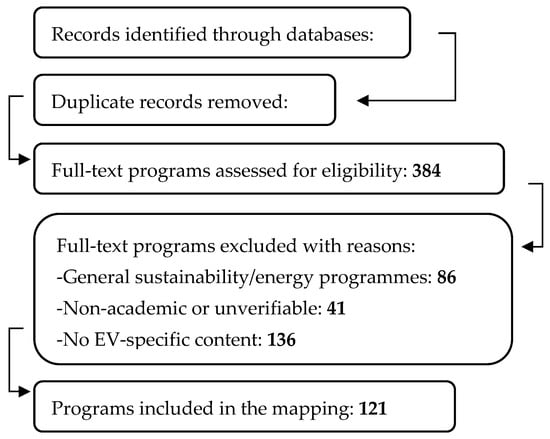
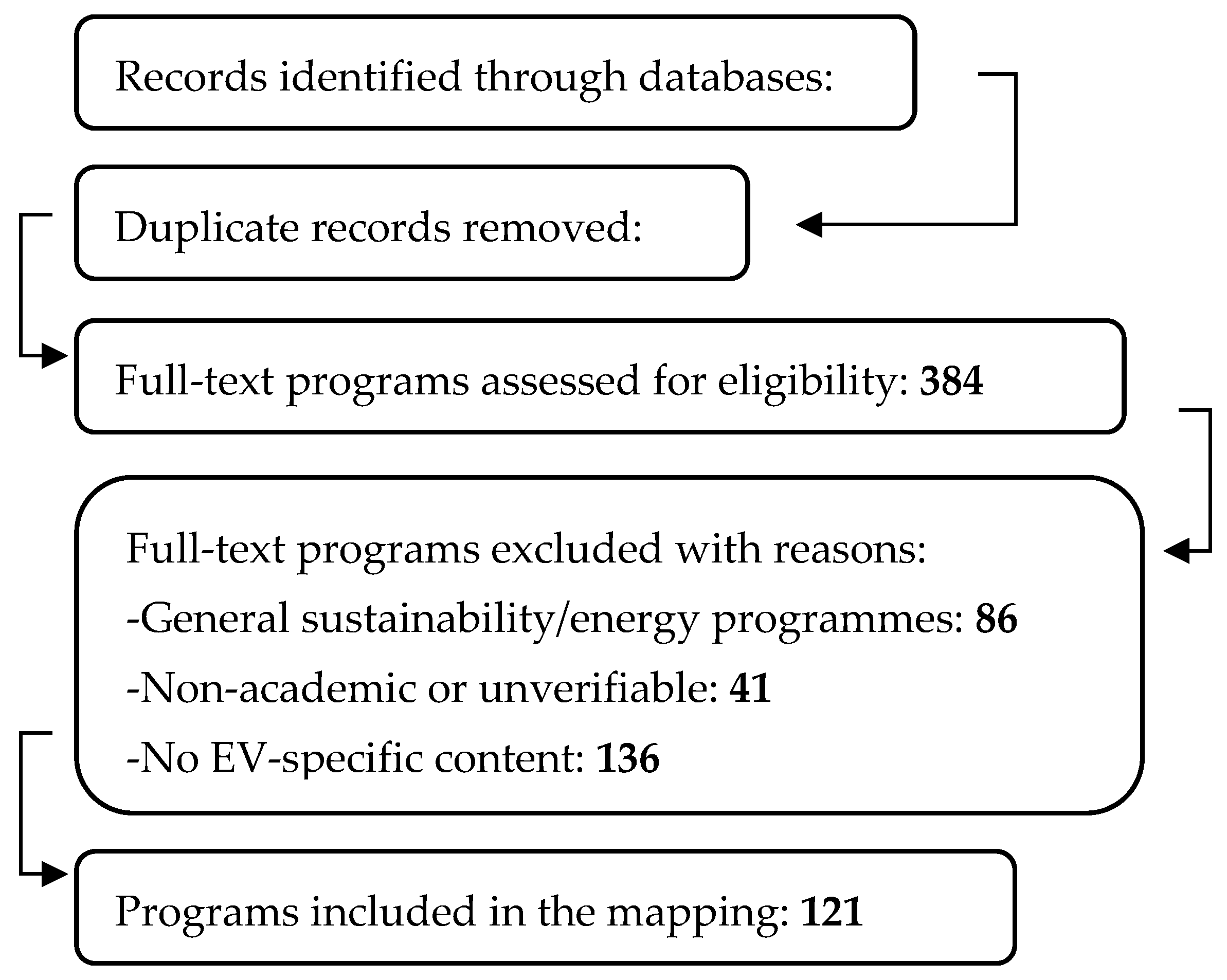
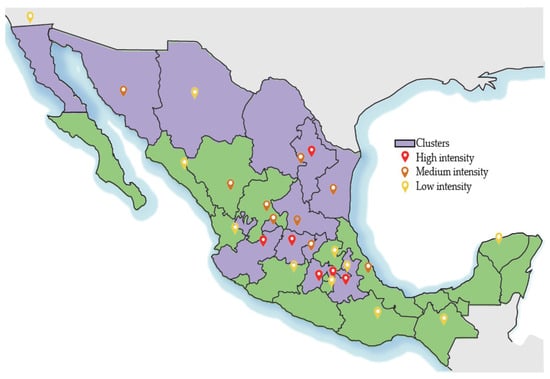
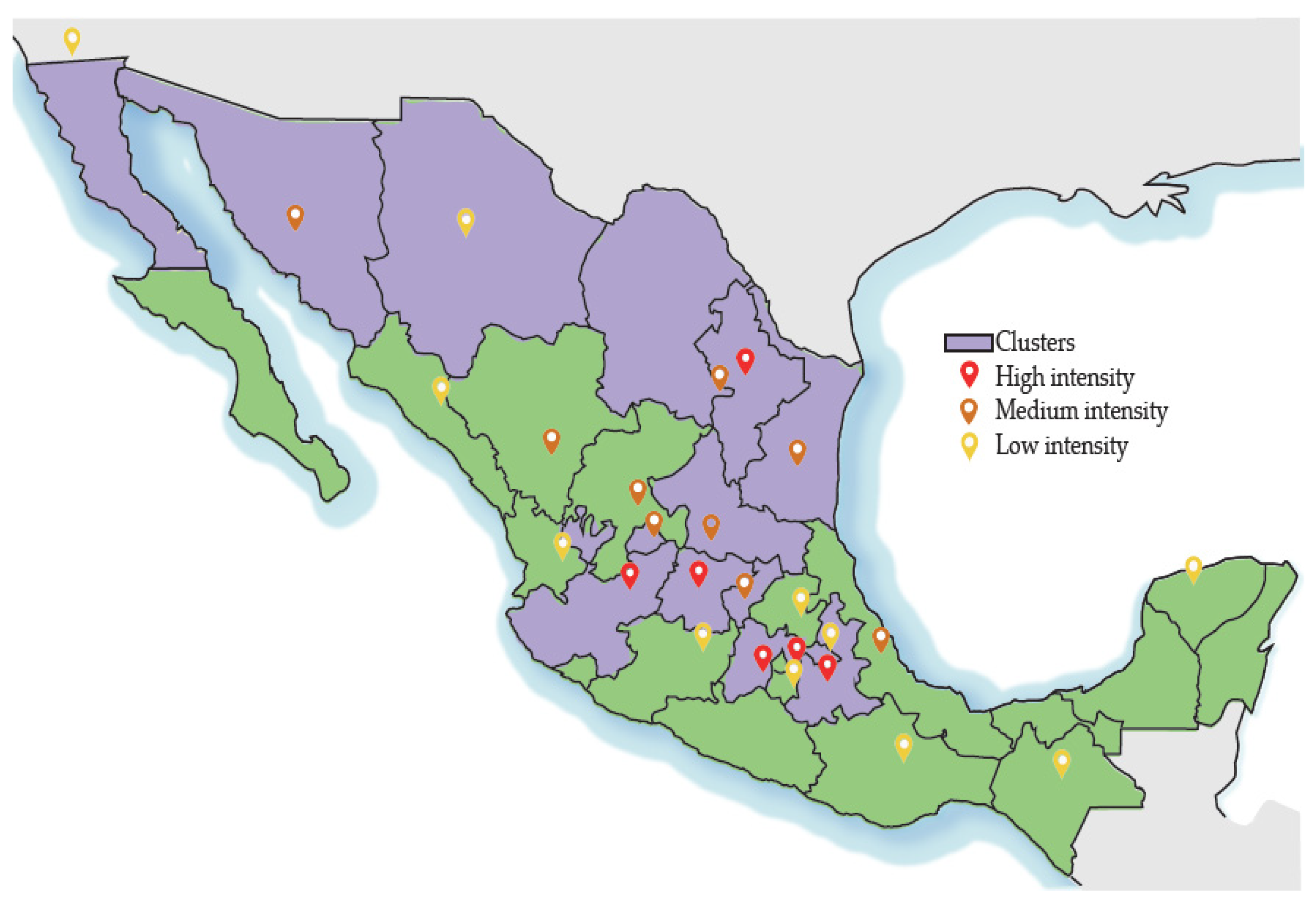
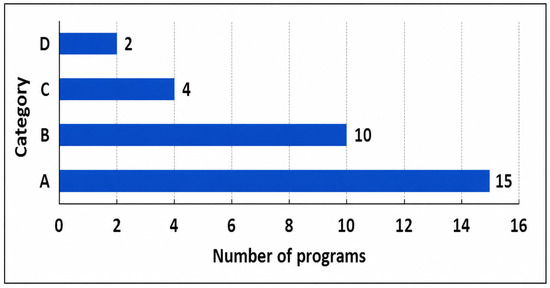
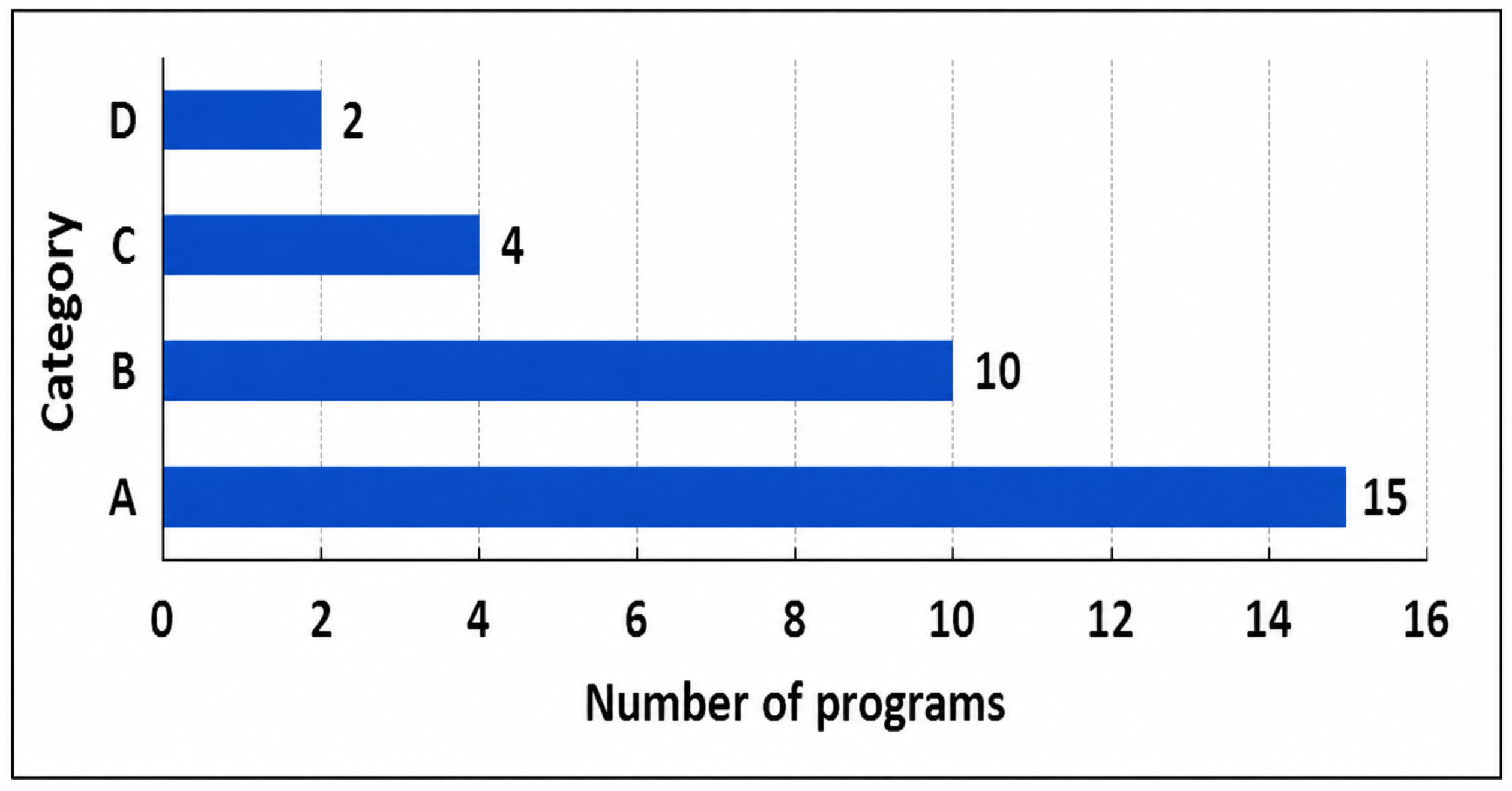

Disclaimer/Publisher’s Note: The statements, opinions and data contained in all publications are solely those of the individual author(s) and contributor(s) and not of MDPI and/or the editor(s). MDPI and/or the editor(s) disclaim responsibility for any injury to people or property resulting from any ideas, methods, instructions or products referred to in the content. |
© 2026 by the authors. Licensee MDPI, Basel, Switzerland. This article is an open access article distributed under the terms and conditions of the Creative Commons Attribution (CC BY) license.