


Abstract
This study examines the readiness of the accounting and auditing profession to adopt disruptive innovations, with a particular focus on sustainable digital transformation. It investigates the factors influencing auditors’ and accountants’ intention to adopt blockchain technology (BT) as a sustainable digital infrastructure that enhances transparency, accountability, traceability, and operational efficiency. The research integrates the Unified Theory of Acceptance and Use of Technology (UTAUT) with the third iteration of the Technology Acceptance Model (TAM3), providing a comprehensive framework for understanding the sustainable adoption of emerging technologies. A quantitative research design was employed through an online questionnaire, collecting empirical data from 394 prospective and existing blockchain users within the accounting and auditing professions in Saudi Arabia. Data validation and hypothesis testing were conducted using Structural Equation Modeling (SEM) with Smart-PLS software (version 4.1.0.8). The results reveal a strong and significant positive influence of performance expectancy (PE), effort expectancy (EE), and social influence (SI) on intention to use (IU). Additionally, PE is positively and significantly associated with job relevance (JR) and output quality (OQ). Conversely, computer self-efficacy (CSE) shows no significant impact on EE, while compatibility (CO) positively influences EE but not IU. Moreover, EE has a substantial effect on PE. These findings contribute to the growing discourse on how disruptive ICTs are reshaping the accounting and auditing profession while supporting sustainable digital transformation. The study provides practical insights for policymakers, regulators, corporate leaders, and blockchain providers seeking to leverage BT not only for technological efficiency but also to advance long-term organizational sustainability and responsible governance.
1. Introduction
Currently, the emergence of disruptive information and communication technologies (ICTs) is transforming processes undertaken by businesses, professionals, practitioners, legislators, and academics across all sectors, including accounting [1,2,3,4,5]. A notable advancement in the digital age is the advent of innovative ICTs, for example, artificial intelligence (AI), the Internet of Things (IoT), and Blockchain, which have myriad applications impacting business procedures broadly and accounting information systems (AIS) specifically [6,7]. International transactions, coupled with recent advances in technology and automation of robotic procedures, present challenges related to trust, governance, data ownership, information sharing, and transparency that must be resolved by the parties to promote and maintain sustainable business practices [4].
BT, among other technologies, is obtaining traction due to its ability to address these problems and bring about a fundamental change in accounting and auditing procedures, fostering sustainability and efficiency [8,9,10,11,12]. Professionals assert that distributed ledger technology is among the most compelling applications of BT for auditing and accounting reasons. The AICPA (2017) [13] asserted that a distributed ledger utilizing BT is designed to record “transactions executed among multiple parties within a network”. It is a decentralized, Internet-based distributed ledger that encompasses all transactions from its creation. Everyone who participates, whether individuals or businesses, utilizing the shared database are referred to as ‘nodes’ within the Blockchain, each preserving a duplicate copy of the ledger. Every record stored in a Blockchain constitutes a transaction that signifies a value exchange among the parties involved, specifically a digital asset denoting rights, duties, or ownership [13]. This technology enables everyone involved to access identical ledger data (for example, financial and economic processes) in immediate form [12].
Simultaneously, the presence of a distributed ledger guarantees that no accounting data may be modified, amended, or obliterated. Consequently, implementing this transformative technology can mitigate risks in financial reporting, significantly diminish fraudulent activities, and promote sustainable accounting procedures [14]. Similarly, the implementation of BT may yield numerous advantages for the accounting and auditing profession; for example, deals and transactions are documented and performed within a shared, immutable framework, creating a trail of auditing that mitigates risk and fosters long-term sustainability [10,15]. Han et al. (2023) [11] define BT as a form of financial technology (FinTech) or a category of distributed ledger technology (DLT). Researchers view BT as a vast spreadsheet or sequential database that documents transactional data, is secured by encryption, and is governed by a mechanism for consensus, and this capacity is beyond the abilities of conventional financial ledgers [4,12].
The wide range of definitions of BT illustrates the many interpretations across fields, suggesting that a singular definition remains elusive [9,11]. According to the Institute of Chartered Accountants in England and Wales (ICAEW, 2018) [16], Blockchain for BT is not a single technology for recording transactions; instead, it is a procedure involving a method of performing things. In a BT, ownership can be transferred between parties, in contrast to the Internet, where data is disseminated. BT is favored for several reasons, and as just one example, it can obviate the necessity to reconcile multiple ledgers in a marketplace that includes many transactional actors [10]. The distribution among everyone who uses it eliminates the necessity for disruptions and the obligation to compensate a central authority for maintaining ledger accuracy [9]. Any user of the ledger can track all previous transactions, which increases transparency, makes it possible for users to conduct their own audits, and contributes to more sustainable accounting procedures [16]. In summary, BT in the auditing and accounting professions denotes a technology that facilitates asset ownership shift and preserves a ledger of precise financial data, with the ledger’s reliability stemming from confidence in the underlying record-keeping system.
Notwithstanding the aforementioned advantages and the favorable influence of Blockchain on the auditing and accounting sectors [9,10,12,17], both researchers in academia and practitioners concur on the possible transformative impact of this disruptive technology on accounting rules and regulations (a game-transforming technology) [10,15]. Nevertheless, the acceptance behavior towards Blockchain-based accounting information systems remains an inadequately explored phenomenon, particularly in developing nations (for instance, Saudi Arabia). Consequently, studying the acceptability of Blockchain technology in accounting and auditing is essential and serves as the fundamental motivator for the current research study.
Even despite the extensive discourse regarding the positive influence of Blockchain BT on auditing and accounting [9,10,18], certain research studies indicate that BT has the potential to revolutionize the profession and the responsibilities of auditors and accountants [12,15,16]. However, empirical evidence concerning user acceptance of this innovative technology remains scarce. This study investigates the adoption and utilization of BT from the perspectives of accountants and auditors using an empirical analysis designed to reconcile theory with practice.
Regarding the individual’s point of view, BT serves as a mechanism to enhance the reliability of reporting on financial information and financial statements. Auditors and accountants must enhance their abilities and expertise to effectively utilize BT for improved adaptability. Consequently, the implementation of BT in accounting platforms may enhance the operational effectiveness [12] and diminish the extent of conventional operations. They might concentrate on analysis and advising management [16], in addition to enhancing the quality of public financial statements. Thus, taking into consideration the arguments presented above, as well as the suggestions and approach of Abu Afifa et al. (2023) [12] and Ferri et al. (2021) [9], the study’s sample consists of individuals who are accountants and auditors employed by organizations registered with the Saudi Chamber of Industry (SCI).
In fact, the existing literature has posited and published evidence on the detrimental effects of BT [9,12,19,20,21,22,23]. The potential for this technology to completely transform and reshape accounting and auditing has been claimed by an increasing number of authors in recent years [9,13,23,24,25,26,27,28]. To improve the efficiency, effectiveness, and dependability of auditing procedures, for instance, the implementation of BT in accounting and auditing may assist accountants and auditors in cutting down the time spent on highly standardized processes. Ferri et al. (2021) [9] stated that organizations have released a number of reports on blockchain utilization, emphasizing the adoption of BT will have a significant impact on accountants’ and auditors’ daily operations [29]. This is because BT will revolutionize bookkeeping, reconciliation, and auditing processes [24]. Professional organizations around the world, however, contend that BT signifies a shift within the recording and administration of transactions and that, like any innovative technology, it should be viewed as either a threat or an opportunity [13]. These days, there are more issues concerning BT, primarily regarding its adoption and results.
The existing literature has examined the technological acceptability domain [9,30,31]. Despite the increasing quantity and breadth of research on technology acceptance for insurances, Fosso Wamba et al. (2020) [31], Ferri et al. (2021) [9], and Alazab et al. (2021) [21], the acceptance and intention to utilize BT are still significantly under-researched fields [4,21,31,32], particularly concerning the factors influencing BT adoption. Additionally, a forthcoming debate examines AISs and the prospective advantages generated by blockchain technology for accountants and auditors [9,26,27,28,33,34].
Despite the increasing focus on this subject, little research has been performed on examining accountants, except Abu Afifa et al. (2023) [12], and for the auditors, such as Ferri et al. (2021) [9], regarding their intentions to utilize blockchain technology. This is unexpected given the significant transformation BT is anticipated to introduce to professional practice that could influence societal relevance and redefine the roles and obligations of accounting and auditing professionals. BT raises concerns regarding trust against fraud and collusion, issues of education, reflections on identity development and conflict, inquiries into control, revitalized calculative practices, and transformative societal phenomena [35]. Understanding these processes and their influence on BT acceptability and utilization is critically important from a management and policymaking standpoint. However, this article, recognizing the significance of BT, proposes to determine accountants’ and auditors’ intentions to utilize BT in their duties by examining the elements influencing their drive to do so.
Considering the complicated nature of the technology and the professional classification involved, the authors of this paper formulated the research model by synthesizing two significant theoretical frameworks: Technology Acceptance Model 3 (TAM3) and the Unified Theory of Acceptance and Use of Technology (UTAUT). Integrating them enables us to more effectively examine the occurrences in question from a comprehensive observational standpoint and to reduce the likelihood of overlooking significant, but concealed, processes at play. Based on the suggested study paradigm, the researchers created a Likert-scale questionnaire including all aspects mentioned in the two frameworks and distributed it online to accountants and auditors in Saudi Arabia. In order to determine how the theoretical constructions influence people’s intentions to embrace BT, the collected data was examined using partial least squares structural equation modeling.
The present research contributes to the ongoing discussion over the auditing and accounting professions’ ability to adopt the latest technological advances by investigating the determinants of user intention and acceptance to utilize blockchain technology. The study contributes to a variety of practical and theoretical ideas. First of all, by identifying the primary factors that influence intention to use BT, it adds to the body of knowledge on blockchain, particularly as it relates to the auditing and accounting profession. Second, by combining TAM3 and UTAUT, the work contributes a fresh theoretical model to the body of literature that can be applied in a variety of settings and domains. Given the level of user approval and the obstacles to additional blockchain implementation, accounting and auditing organizations may find the study’s findings useful in terms of practical consequences. In particular, the results may help develop an efficient execution plan through determining the factors that influence the adoption of BT for accounting and auditing operations. It should be stated that previous research indicates that a deeper understanding of the technology acceptance mechanism might help develop and target training activities more effectively for specific groups of people [36]. The results of the present study support the establishment of training initiatives aimed at enhancing how BT can enhance accountants’ and auditors’ performance expectations and their work.
Furthermore, this study acknowledges that digital progress in accounting and auditing encompasses not just effectiveness and accountability but also sustainability. Sustainable transition encompasses organizational, environmental, and social factors that surpass basic digitalization. The permanent and accessible data administration capabilities of BT correspond with the tenets of sustainable development and support the United Nations’ Sustainable Development Goals (SDGs), including SDG 9 (Industry, Growth, and Technology), SDG 12 (Accountable Use of Resources and Production), and SDG 16 (Security, Governance, and Effective Organizations). By enhancing transparency and confidence, BT can support sustainable structures of governance within accounting and audit companies, thereby linking technical adoption to the overarching objectives of accountable and ethical auditing processes.
2. Literature Review
2.1. Blockchain Technology and Its Importance for Accounting and Auditing
Even though BT is new, it was initially made up of three well-known technologies: (1) cryptography using private keys; (2) a distributed network that uses a shared ledger; and (3) a mechanism to incentivize the maintenance of the network’s records, transactions, and security [9,10,29]. Integrating these technologies produced safe solutions that facilitate communication swithout requiring a third party to uphold reliable online connections. Although BT is not well defined, for simplicity’s sake it might be considered a shared and immutable data structure [23]. In order to provide a more accurate definition, Blockchain can be described as a digital register that functions by accumulating entries into blocks, concatenating them in chronological order, and ensuring the integrity of the register through the utilization of cryptographic techniques [23,25]. This cutting-edge technology can also be thought of as a shared, decentralized electronic ledger that is used to record transactions across multiple devices. This prevents any record that has been involved from being changed in the past without also changing all subsequent or reliance blocks [12]. In response to the necessity to preserve operations carried out with bitcoin, Blockchain emerged as a result of continuous digital progress [15]. By registering and sending data in a tamperproof manner, this system eliminates the risk of manumission and makes possible the exchange of assets in distributed peer-to-peer networks [17,26]. Blockchain can also help sustainable practices by encouraging digital procedures that are transparent, safe, and resource-effective.
It is conceivable that blockchain-based solutions will revolutionize how businesses operate. A “democratization of trust” describes this type of upheaval [18,37]. The financial service sector was one of the first to use BT, but its popularity has now spread to other industries, such as insurance, healthcare, banking and logistics for supply chains. According to Centobelli et al. (2021) [14], accounting is one of the most important industries, and it is expected to reap the rewards of Blockchain technology. Keeping accurate and lasting records of monetary transactions could be made more feasible with this technology’s help. The decentralized and transparent nature of this system raises concerns about its possible stability; this would mean that financial data records cannot be changed in the past, and any attempts to do so would likely be detected [5,15].
For the aforementioned causes, a number of researchers have discussed widely about how BT is one of the most significant technological advancements of the past few years because it ensures data integrity and security, allows for real-time data exchanging, and offers the opportunity to plan and automate procedure controls [25,29,37,38,39]. BT helps businesses run more sustainably by facilitating trustworthy, efficient, and eco-friendly digital activities. However, BT possesses the potential to induce significant transformations across various industries and corporate operations [38]. Among other things, the activity and profession of accounting and auditing will encounter a significant obstacle [24,25,27,40].
It is significant to point out that although the accounting principles and methodologies remain unchanged, accountants, norm makers, and legislators are going to be substantially influenced through the implementation of Blockchain. This permanently records accounting data for both parties to the contract, creating a synthesis of enduring, stable, and encrypted records of activities in accounting [9,15,38]. Records of transactions are stored in Blockchain blocks and secured throughout numerous computers linked to peer-to-peer networks that utilize algorithmic algorithms to authenticate the financial transactions.
According to [14], a collection of transactions constitutes a block within the blockchain, resulting in a sequence of blocks. Therefore, the block serves as a repository for transactions, encompassing data that can reconstruct the network of blocks established simultaneously physically as well as temporally. A hash, placed in the header section of every single block, retains information regarding the block at position n and the block at site n-1. This method enables the complete construction of the blockchain. A hash is the result produced by an algorithm called a hash function. There are two main features of hash functions. First, they are indestructible, which means that a beginning string cannot be recovered from the knowledge of the produced string. Second, hashing functions take a string of input of any size and produce a string of a particular length [14].
Consequently, this technology makes it possible to authenticate and ensure the honesty of the data that has been registered. It also makes it possible for all of the actors in the network to access information that is associated with any change that has been recorded [9,14]. This innovation helps promote sustainable accounting and auditing practices through minimizing inefficiencies, inconsistencies, mistaken entries, and wasted resources. From an accounting and auditing perspective, the utility associated with this sort of technology is dual-faceted. Any new transaction is meticulously documented and authorized solely upon the confirmation of approval from every single user in the network [9,12,14], therefore rendering fraud virtually impossible. This form of IT may hold importance for clients, business partners, regulators, auditors, and other interested parties within the worth of chains. Currently, any modifications to the blocks must be authenticated by all participants in the network. Indicated here is that recorded data and transactions are impervious to unauthorized alteration or damage, hence ensuring enhanced record security relative to previous information systems [13,25].
This technology raises numerous inquiries regarding its application in accounting and auditing, as Blockchain may represent either an opportunity or a risk. Related research asserts that BT can generate more trustworthy, more secure, and more timely accounting information, thereby offering an improved substitute to current AIS [14,28,34,41]. Conversely, this disruptive information technology (IT) is perceived as a challenge to the status quo of the auditing and accounting fields, conventions, and procedures [9,12,15,26,27]. Furthermore, by using automated validations, the application of Blockchain in the auditing and accounting domain may assist in lowering the cost of performing transactions and verification [17]. This new IT will have a significant impact on those in charge of standards and regulations, especially accountants, with regard to the record-keeping procedure. This procedure records the beginning, procedure, recording, reconciling, auditing, and reporting of transactions. As well as promoting effective and sustainable practices, the adoption and use of BT might drastically cut down on transaction recording time, freeing up experts to focus on fewer standard and more lucrative organizational tasks.
In addition, Tiron-Tudor et al. (2021) [15] state that BT is suitable for automating a variety of operations, including but not limited to contracts, the processing of electronic payments, the issuance of invoices, and the documentation of the procedures involved with the reconciliation of receiving accounts. Control tasks, including credit verifications, debts, and provider ledgers, are able to be carried out since the information that is associated with these control responsibilities has already been validated at the point of entrance to the blocks of the network. There is a possibility that these technology improvements will have an impact on the position of auditors and accountants, since a significant number of the responsibilities that they now do might be regarded as renounceable [9].
The basic reasoning behind systems for accounting aligns well with the functionality and ratio of blockchain. According to Yermack (2017) [27] and Bonsón and Bednářová (2019) [17], the key concepts of the accounting legislative structure are satisfied by the stability of transactions that are recorded in the blockchain procedure, the rigorous continuous control of the processes and adherence, and the transparency ensured throughout every stage. The aforementioned principles can be summed up in terms of informative trustworthiness and transparency. Blockchain also promotes sustainable accounting methods by incorporating these characteristics, which decrease inefficiencies and increase confidence and openness.
As of now, the integration of BT inside the profession of accounting is in its nascent phase and requires substantial execution momentum [42]. In the broader context, it is argued that the implementation of a Blockchain could not just save time, but it would further improve transparency and traceability in accounting and related systems. Furthermore, it has the possibility of minimizing the risk of fraud. This results from the use of technology and dual oversight by the individuals involved in a transaction, as ensured through smart agreements [9,27,42].
Considering the characteristics of auditing procedures and their connection to accounting operations, it is unsurprising that the adoption of BT generates numerous possibilities within the auditing profession [9,12]. In the context of auditing, the most important advantages of BT are the improved audibility of information related to accounting, the openness of the framework, a system that is built on immutable and distributed records, and high-level encryption that assures permitted transactions by including interested parties [13]. Numerous concerns necessitate researchers’ focus to optimize the evolving landscape of auditing and accounting services in relation to Blockchain utilization. Yet, the evolving nature of auditing and accounting methods remains ambiguous. Furthermore, although Blockchain does not guarantee a complete AIS, it contributes to the improvement of this system’s performance [12]. Furthermore, both auditors and accountants can play a vital role in ensuring that cooperation among network participants does not lead to activities that are fraudulent. Investors, legislators, banks, and participating auditors and accountants may verify the reliability of a transaction in finance through mutual cross-examination.
Nevertheless, given the present situation, it would seem preferable that BT not be used in place of professional auditing and accounting services. Thus, considering its ability to automate as well as regulate the associated procedures, Blockchain must be viewed as a useful instrument for accelerating the efficiency of auditors and accountants as well as for finishing their jobs. Given that the aforementioned facets will require a thorough investigation as part of subsequent research endeavors when BT becomes extensively utilized, this study presents a theoretical foundation for subsequent empirical investigations to utilize. This study determines the factors that impact the purposes and actual use of the technology of blockchain by auditors and accountants, as well as the results of doing so, especially in terms of encouraging environmentally friendly auditing and accounting procedures.
2.2. Blockchain, Sustainability, and Accountable Accounting and Auditing
The existing research underscores that the effects of blockchain transcend the mere effectiveness of technology, advancing digital sustainability through the strategic application of technology to foster accountable, transparent, and ethical corporate practices [17,43]. The intrinsic traceability, integrity, and transparency of blockchain facilitate green accounting and the SDGs by enhancing the auditability of sustainability reports, carbon tracking, and ethical supply chain oversight [44,45,46]. This presents blockchain as a catalyst for organizational sustainability by augmenting stakeholder trust and governance: firstly, for social sustainability by fostering equity and accountability; and secondly, for environmental sustainability by minimizing inefficiency and paper-intensive processes.
Consequently, blockchain ought to be regarded not merely as a technical instrument but also as a catalyst for sustainable development within the field of accounting and auditing. The integration combines technological innovation with the ethical imperatives of contemporary business, contributing to SDGs, for example, SDG 9 (Industry, Growth, and Technology), SDG 12 (Accountable Use of Resources and Production), and SDG 16 (Security, Governance, and Effective Organizations). In this context, the adoption of blockchain signifies a technical transformation and a facilitator of sustainability, reinforcing the conceptual and practical connection among digital advancement, ethical responsibility, and long-term accountable accounting and auditing.
3. Research Framework and Hypotheses Development
The combination of UTAUT and TAM3 offers a solid theoretical framework for analyzing accountants’ as well as auditors’ behavioral intentions to embrace BT in methods that promote organizational and sustainable economic growth. Sustainability of the accounting profession is increasingly depending on technological advances that improve accountability, effectiveness, and transparency in financial reporting and verification procedures. BT inherently facilitates immutable record-keeping, accountability, and immediate assurance, therefore diminishing errors, fraud, and redundant auditing tasks—elements that enhance sustainable governance as well as responsible utilization of resources [23,45].
The UTAUT model devised by Venkatesh et al. (2003) [36] elucidates how effort expectancy (EE), performance expectancy (PE), social influence (SI), and facilitating conditions (FC) factors influence professionals’ readiness to embrace technologies that enhance sustained organizational efficiency and ethical accountability. Venkatesh and Bala (2008) [47] enhance TAM3’s model through detailing the factors influencing the perceived ease of use (PEOU) and the perceived usefulness (PU), encompassing cognitive instrumental procedures and personal experience. The integration of these two models offers an extensive comprehension of the interplay between psychological, social, and cultural factors that affect the BT’s adoption, supporting sustainable accounting and auditing processes. The UTAUT–TAM3 integration elucidates the behavioral drivers of technology acceptance and underscores that sustainability in accounting is propelled by technological advancement and acceptance by users, guaranteeing the efficient implementation and institutionalization of such developments to foster sustained resilience of organizations and trustworthiness.
Thus, when considering the intricacy of BT with the inherent subtleties of the auditing and accounting profession and the accompanying obstacles, we established our study model by combining two important theoretical frameworks, namely UTAUT and TAM3. Beginning with TAM3, it is crucial to mention that this is a revision of the TAM that was developed by Davis et al. (1989) [48], providing a theoretical framework to assess user acceptance of technology, facilitating early identification of the inclination to adopt information systems, and enabling managerial intervention during the initial execution phase [48].
TAM determines two important factors in understanding technology adoption: PEOU and the PU of the technology. The extent to which an individual anticipates an increase in their productivity as a result of the adoption of new technology is reflected in its perceived utility. Since the end-users’ perceptions of their workplace settings and habits can be improved, it is possible to comprehend the benefits in this way [49]. The perceived ease of usage can be thought of as the degree to which an individual perceives the challenging nature of learning a new work pattern. According to Davis (1989) [49], ease of use is defined as the degree to which users consider that using a certain technology does not demand further work on their part.
In the same vein, the TAM3 model suggests that understanding people’s attitudes toward using a certain technology as well as their behavioral intention to use (or not use) it is crucial to understanding how they make decisions about its usage. In TAM3, PU and PEOU have a direct impact on attitude and a secondary one on behavioral intention. Additionally, there is a causal relationship between perceived utility and perceived ease of use: the more actors believe a technology to be easy to use, the more valuable they will regard it to be. The framework makes the assumption that a technology that is seen as straightforward and helpful will exhibit a high degree of attitude, which will lead to the actor’s intention to utilize it. Additionally, TAM3 includes a number of characteristics as determinants of PEOU and PU. Since this paper is centered around the intention of accountants and auditors to use BT, we will look at various factors established by TAM3 and how they relate to PU, compatibility (CO) and computer self-efficacy (CSE). We will also be considering job relevance (JR) and output quality (OQ) as predictors of PEOU.
On the other hand, researchers did not take into account some theoretical conceptions like voluntariness, image, and computer playfulness since they are not relevant to the context under investigation. It is not a rash choice to leave these theoretical entities out. Particularly, the accountants’ and auditors’ operations have made computer playfulness a theoretical concept that is inappropriate for the accounting and auditing environment. Regarding the voluntariness of accounting and auditing professionals to choose to employ a technology, there is no such thing as voluntary use of technology.
Based on eight previous theoretical models of IT adoption, the UTAUT is recognized as one of the most popular and thorough models for explaining the adoption of novel technologies [50,51,52]. According to research, UTAUT can account for as much as 70% of the variation in behavioral intention to adopt a new technology [53]. It is predicated on several theoretical frameworks. The aspects of EE, PE, SI, and FC are at the heart of the model, which examines how people accept and use new technologies [36]. Performance expectancy, according to UTAUT, is the degree to which actors in information systems anticipate that adopting a certain technology would improve their working conditions. The apparent simplicity of the technology being used is expressed by effort expectation. While enabling conditions may be defined as a user’s view of the availability of any kind of organizational and technological infrastructure promoting the usage of the system, social influence reflects the prevalence of a user’s social circle opinion on a certain activity. It is important to remember that TAM 3’s utilization of the sense of external control aligns with the theoretical concept of enabling circumstances. Additionally, UTAUT takes into account the impact of outside variables, including social characteristics [36,54].
During this phase, it is important to keep in mind that both models require integration with other conceptual frameworks to increase their explanatory power, despite their shown validity [55]. For this reason, we bring them together in accordance with the methodology of other researchers [56,57], also referencing their common emphasis on the concerns of ease of use (designated as PEOU for the TAM3 and EE for the UTAUT) and usefulness (designated as PU for the TAM3 and PE for the UTAUT). By combining UTAUT and TAM3, researchers can gain access to a more comprehensive perspective of the mechanisms of technology acceptance in a context that is both complicated and multifaceted, which includes the profession of accounting and auditing.
Illustrated below in Figure 1 is our combined conceptual model, and as can be seen, our model incorporates the UTAUT’s PE, EE, SI, and FC into its calculations. In accordance with the assumptions made by UTAUT, the researchers anticipate that these theoretical constructions will have an immediate impact on the acceptance intention. Furthermore, utilizing TAM3, it considers CE, as well as CO, to be predictors of effort expectancy. On the other hand, JR, as well as OQ, is deemed to be a predictor of performance expectancy. This model served as the foundation with which the researchers constructed the hypotheses. Beginning with the antecedents and progressing all the way to the adoption intention, the hypotheses are provided in accordance with the order of relationships that is characteristic of our conceptual model.
Figure 1.
Conceptual model.
3.1. Job Relevance
Job relevance (JR) is “the degree to which an individual believes that the target system is applicable to his or her job,” as stated by Venkatesh and Davis (2000) [58]. The scientists found that JR had a positive influence on PU when they examined its effects. Typically, the performance expectation resulting from the adoption of technology is likely to be larger as the degree of JR increases [58]. The lack of proof of a direct correlation between mindset and intention was pointed out by Venkatesh et al. (2003) [36]. JR on PU as well as mindset toward technology use was also investigated by Abu Afifa et al. (2022) [12]. Researchers discovered that people are more likely to seek out information about a technology if it allows them to make a well-informed decision regarding its utility. Ferri et al. (2021) [9] discovered that auditors’ desire to employ technology is positively affected by JR while studying the acceptability of technology in accounting and auditing professions. Therefore, the researchers posit the following theory:
H1.
JR has a positive effect on the performance expectancy of BT for accountants and auditors.
3.2. Output Quality
The concept of output quality (OQ) is based on TAM3 and refers to how a person perceives a system’s performance in carrying out job-related tasks [47,58]. Perceived usefulness is positively correlated with this construct, which was thought to be an antecedent of perceived usefulness in TAM3. The studies by Jaradat et al. (2014) [59] and Faqih and Jaradat (2015) [60] found that perceived utility in M-payment services is positively affected by OQ, according to Jaradat et al. (2014) [59]. In order to increase consumers’ willingness to utilize m-commerce technology, Faqih and Jaradat (2015) [60] discovered that OQ might serve as a useful reference point for creating and developing suitable practical interventions and strategies. After establishing that we agree that PE and PU (OQ) are overlapping concepts, we examine OQ as a precursor to PE. More particularly, the researchers postulate that:
H2.
OQ has a positive influence on accountants’ and auditors’ performance expectancy regarding BT.
3.3. Computer Self-Efficacy
The concept of computer self-efficacy (CSE) emerged from TAM3. According to Venkatesh et al. (2003) [36], it is the level of confidence an actor has in their computer skills to carry out a certain activity or job. A person’s perceived capabilities to utilize technological instruments to complete a particular duty, as opposed to indicating fundamental competencies, is what this theoretical construct reflects, not just their capacity or abilities to utilize technology in general [9]. The user’s present computing expertise and knowledge of computers are the primary components of this theoretical framework that allows one to assess an individual’s broad CSE degree [36,61].
In accordance with social cognitive theories, CSE is made up of two components: the level at which an individual evaluates their capacity for executing utilizing a new technology, as well as the extent to which they perceive their own effectiveness in executing duties that have regard to the function of a particular technology [61]. Research by Burkhardt and Brass (1990) [62] and Martocchio and Webster (1992) [63], among others, investigated the connections between users’ perceptions of their own computer-related abilities and their actual actions when utilizing computers. Results from these studies show that self-efficacy is related to software training performance [9,12,64], innovation [2], embracing technological advances [9], and utilization of technology in the classroom [65].
Based on TAM3 and prior research showing that CSE significantly affects the anticipation of individuals of computer-related results, we contend that this is furthermore important for accountant auditors to know. An increasing number of tasks that will be carried out by audit firms using BT are now appearing. For instance, BT might expedite and improve the accuracy of tasks such as auditing smart contracts, reconciling accounts, creating journal entries, trial balances, and extracting sub-ledgers. It is critical that auditors have self-assurance in their knowledge of blockchain capabilities and constraints. The accountants’ and auditors’ intention to utilize a technology is influenced through self-efficacy, a significant theoretical component that may influence effort expectancy. Thus, the researchers postulate that:
H3.
CSE has a positive influence on accountants’ and auditors’ effort expectancy regarding BT.
3.4. Compatibility
Compatibility (CO) is one of the elements that substantially influences people’s intentions to deploy technology in a specific organization [66]. CO is characterized as the extent to which the new technology is regarded as aligned with the prospective individual’s established values, prior experiences, and needs [67]. According to Peng et al. (2012) [68], CO is defined as the relationship between practitioners’ existing values, habits, and experiences and innovative technology.
The implementation of blockchain necessitates organizations to make the transition from a double-entry accounting system to a triple-entry one [18,69]. Accountants will have the chance to try out a novel method of bookkeeping [2]. Pedreño et al. (2021) [69] made the intriguing claim that switching to a triple-entry accounting system further makes bookkeeping simpler. Every transaction is recorded automatically on the blockchain ledger when the triple-entry system is used. Accountants only need to review the information on the ledger that uses BT rather than recording books. This significantly reduces accountants’ bookkeeping duties. They have more benefits from blockchain than obstacles [18]. Unquestionably, blockchain has an impact on accounting, and accountants have been more inclined to increase “compatibility” in order to make the system easier to utilize [5,12].
When there is a greater degree of compatibility, it is easier for individuals to adjust to novel innovations [2,12]. They are nevertheless able to utilize it with a high degree of skill, even though they do not have to expend an excessive amount of work. Moreover, the existence of a positive association between CO and the intention to utilize blockchain has been shown by Malik et al. (2021) [70]. As a result, we are able to suggest the following hypotheses:
H4.
CO has a positive influence on accountants’ and auditors’ effort expectancy regarding BT.
H5.
CO has a positive influence on accountants’ and auditors’ intention to use BT.
3.5. Performance Expectancy
Performance expectation (PE) is a theoretical construct that was created from the Unified Theory of Acceptance and Use of Technology (UTAUT). It describes the extent to which the utilization of a technology permits those who are using it to do daily activities in a more efficient manner [71]. According to Venkatesh (2003) [36], PE is the most powerful indicator of the intention to employ a certain technology. In the field of auditing, a number of research studies have produced findings that agree with his perspective [51,72]. For example, according to Ferri et al. (2021) [9], the anticipation that the adoption of audit software would reduce the time needed for audit tasks in an organization had a positive impact on the execution of such software. According to Curtis and Payne (2008) [73], among others, PE has a substantial favorable impact on the intention of individuals to utilize contemporary technology in auditing operations. It is important to highlight that PE in the UTAUT model implies a positive association between the intention to employ technology and advances in employment performance [12,73]. In the long run, blockchain can increase the effectiveness as well as efficiency of audit operations, therefore influencing this latter dimension [9,23]. In this respect the budgetary influence of BT can be significant (particularly in the initial period) for auditors, who can reduce the amount of time they spend on operations that are extremely standard. Because this technology is identified as a tool that can enhance auditing and accounting operations, it is worthwhile to study whether this technology’s advantages impact PE and consequently the accountant’s and auditors’ intention to utilize it. As a result, the following possibilities can be hypothesized as follows:
H6.
PE has a positive influence on accountants’ and auditors’ intention to use BT.
3.6. Effort Expectancy
As far as effort expectancy (EE) is concerned, in the UTAUT, it is defined as the extent to which the usage of information systems is simple [71]. EE is an abbreviation that refers to the dedication that actors must exhibit in order to successfully integrate the latest system through the procedure of education that is involved [9,12]. According to [9,12,51,52], the likelihood of the desire to embrace a new technology is higher if users think that incorporating this tool into their everyday routines would not demand an inordinate amount of work. Considering the intricacy of the accounting and auditing procedure, along with the limitations of economic resources as well as time, it is plausible to make the assumption that:
H7.
EE has a positive influence on accountants’ and auditors’ intention to use BT.
Additionally, in accordance with the UTAUT model, Buabeng-Andoh and Baah (2020) [74] arrived at an intriguing conclusion that substantiated the positive association between PE and EE. The intensity of the hit was discovered to be extremely high. Expectations regarding the extent to which technology is simple to use have a positive impact on PE. Therefore, the researchers postulate that:
H8.
EE has a positive influence on accountants’ and auditors’ PE regarding BT.
3.7. Social Influence
Derived from UTAUT, social influence (SI) is a theoretical construct that examines how an actor’s decisions are influenced by the opinions of his or her social group. Specifically, it considers how a person thinks about the beliefs of significant persons in their life [36]. The academic literature on SI and the uptake of technology is extensive. Several studies have investigated the effects of social influences on the uptake of supply chain management [21] and on the internal auditors’ behavioral intention to use computer-assisted auditing techniques [51]. These studies have highlighted the importance of cooperation and the relational element in determining the likelihood that individuals will be likely to embrace a new technology [36,71].
Numerous studies indicate that individuals’ choices may be impacted by the perspectives of their superiors [9,12,73]. For instance, Curtis and Payne (2008) [73] and Abu Afifa et al. (2023) [12] demonstrate that SI positively influences auditors’ intentions to use contemporary software technologies. It is particularly apparent in highly hierarchical environments, for instance, auditors in their organizations, where the perspectives of individuals possessing assessment authority about another’s performance are considered by that individual.
Considering the aforementioned factors, it is plausible to anticipate that SI may elucidate whether an accountant and auditor intend to utilize BT in alignment with the controlling partner’s perspectives. The important factor is whether the accountant and auditor would yield to this pressure, notwithstanding personal gain arising from the budget-centric atmosphere. In the setting of accounting and auditing, we anticipate that the more accountants and auditors recognize the partner’s plan to utilize BT, the stronger their own intention of embracing this technology will become. Consequently, the researchers propose the following hypothesis:
H9.
SI positively influences accountants’ and auditors’ intention to use BT.
4. Research Methodology
4.1. Measurement
The article utilizes a 5-point Likert scale (1 = Strongly Disagree to 5 = Strongly Agree) online survey to gather data. Consistent with prior research on UTAUT, TAM3, Blockchain, and IT/IS acceptance, the questionnaire comprised three distinct sections: the primary or first section outlined the study’s objectives and Blockchain utilizes for auditing as well as accounting; the second section aimed to collect demographic data about the study participants; and the third and final portion focused on each construct within the proposed model for research. Every question was derived from the prior literature [2,9,12,36,57,66,71] and modified to align with the particular setting and goals of this study. The researchers employed an even-numbered Likert scale for every question to reduce the possibility of “central bias,” as the final questionnaire contained 8 constructs with 30 items evaluating respondents’ perspectives and points of view concerning the study variables. Each item was evaluated using a 5-point Likert scale, where 1 = Strongly Disagree, 2 = Disagree, 3 = Neutral, 4 = Agree, and 5 = Strongly Agree. This scale was chosen to enable responses to convey differing levels of agreement while ensuring homogeneity throughout the survey items. Larger scores represent greater positive viewpoints regarding the construct under evaluation. Table 1 summarizes the survey items (each construct utilized in the questionnaire along with their relevant sources) and scale points to guarantee clarity as well as consistency in analysis.
Table 1.
Indicators of the research model.
Due to the fact that the questionnaire items were originally written in English, the original version of the online survey was translated into Arabic—the native language of Saudi Arabia. The translation approach was verified by providing an exact replica of the study instrument to educators who worked in the field of accounting or IT/IS at Saudi Arabian higher education institutions and to lecturers who were linguists. When constructing the questions for the study instrument, it is essential to make use of straightforward language that is widely understood. Consequently, this study investigated the advantage of a “back translation” methodology, which is one of the most commonly employed methods in international research [76]. This method includes additional tests to ensure the translation procedure satisfies all of the original angles and provides more quality validation [77]. As the evaluations that were performed by the three linguistic experts revealed a mean Content Validity Index exceeding 0.80 on every construct, this indicated robust consensus on the semantic and conceptual precision of the translated questions. The outcomes demonstrate sufficient cross-language measuring equivalence and affirm the validity of the questionnaire that was translated for application in the accounting and auditing domain.
A pilot study was carried out on a group of twenty-five academic researchers and professionals who volunteered to participate in the study. These individuals were chosen because of their familiarity with Blockchain-based programs, particularly in the setting of auditing and accounting. This pilot study was undertaken prior to the distribution of the online questionnaire to the planned sample. The participants’ comments were taken into consideration, and certain small modifications were made. The improvements were taken into account in order to increase the simplicity, conciseness, and appropriateness of the measures that were obtained for the study.
Moreover, a pilot study with twenty-seven individuals was undertaken to validate the measurement tools and questionnaire, following the suggestion by Hair et al. (2019) [78]. The internal consistency of every construct in the pilot questionnaire was assessed using Cronbach’s alpha, with a minimum threshold of 0.7 set for satisfactory reliability. The Cronbach’s alpha coefficient for the small-sized pilot test was above the 0.7 threshold, indicating that the questionnaire was filled out with a high level of consistency and coherence in the responses received. Table 2, which summarizes the survey variables, utilizes Cronbach’s alpha (pilot sample).
Table 2.
Survey variables utilizing Cronbach’s alpha (pilot sample).
4.2. Study Sample and Data Collection Procedure and Ethical Considerations
In line with past research on IT/IS adoption, and specifically Blockchain [9,12,17,37] the present study employed a quantitative methodology to investigate the proposed study construct. To gather an appropriate number of respondents (a form of non-probability sampling) from the auditors and accountants, a 30-item internet questionnaire was specifically circulated. The survey participants are simply available to the researcher by virtue of their accessibility, according to this sampling approach [78,79]. Furthermore, a wide range of academic disciplines have used online cross-sectional survey designs [12,51,80]. The survey link was distributed to accountants and auditors employed by companies that were members of the Saudi Organization of Certified Public Accountants (SOCPA) or registered with the Saudi Chamber of Industry (SCI). These individuals represent both present and potential users of the auditing and accounting apps built on the Blockchain. Participants who were knowledgeable about blockchain applications were eligible.
However, the widely acknowledged guideline for sample size in studies employing SEM for data analysis is a minimum of ten times the number of observed variables [70]. This study utilizes a single variable including 30 statements; the minimal sample size must be 30 multiplied by 10, equating to 300. Consequently, the minimum number of participants for this study must not be less than 310 under any circumstances. Moreover, the study conducted an a priori statistical power calculation to determine the sample size estimation as per Cohen (1992) [81], with results derived from calculations utilizing prior power analysis via G*Power Software (version 3.1.9.7.). Therefore, to determine the minimum sample size, the study used anticipated effect size = 0.3 (medium effect), desired statistical power level = 0.95, number of latent variables = 8, number of observed variables = 30, and probability level = 0.05. The calculator produced a required sample of size 256. Consequently, based on the previously indicated two techniques, Kline (2023) [79] also recommended a minimum number of participants of 200 for conducting SEM analysis; thus, a minimum of 256 valid questionnaires is necessary for sample size determination. However, the study sample size was 394. Hence, the sample size was sufficient enough for further analysis.
The questionnaires were distributed both in person and via Google Forms. Each responder was permitted to fill out the survey only once. Individuals who submitted their email addresses via the organization’s webpage were solicited to participate. The ethical principles concerning human engagement must be adhered to and properly implemented. This encompasses obtaining informed consent, safeguarding human rights, protecting respondents from violence, ensuring the confidentiality of their responses and identities, and preserving professional integrity as a researcher. Respondents had the right to participate voluntarily and withdraw at any time, and there was no coercion involved. The acquired responses remained confidential. Data will be provided upon request for utilization in any other academic research.
Seven hundred surveys containing thirty-one questionnaires were distributed online to participants who were asked for their perspectives on questions regarding the use of Blockchain-based applications for auditing and accounting purposes. Three hundred and ninety-four respondents answered the questionnaires fully, and this represented a response rate of 56.29%. Table 3 presents the response forms and details of the respondents.
Table 3.
The response forms and details of the respondents.
4.3. Demographic Characteristics of Respondents
The demographic features of those who participated are displayed in Table 4, which shows that the distribution of male (72.3%) and female (27.7%) respondents is very unequal. Regarding the age of the respondents, the sample shows that 65.2% of the respondents are between the ages of 30 and 39. When looking at the respondents’ qualifications, 269 (68.3%) had a Bachelor’s degree. Last but not least, the majority of participants (63.2%) have worked for five to nine years in auditing or accounting.
Table 4.
Participants’ characteristics.
5. Data Analysis
5.1. Statistical Approach
The gathered data were analyzed utilizing two statistical software programs: SPSS (version 29) and SmartPLS (version 4.1.0.8). This research examined the model that was suggested using Partial Least Squares Structural Equation Modeling (PLS-SEM) [82]. In the domain of information technology, PLS-SEM is anticipated to significantly impact subsequent study approaches [83,84]. Despite the sample size being 353 for the current study, it surpasses the minimum criteria for SEM, so for this reason PLS-SEM was chosen for many theoretical and methodological justifications. The principal aim of the study is predictive, emphasizing the maximization of explained variance in endogenous constructs and the identification of significant determinants of the dependent variables. PLS-SEM is especially appropriate for research focused on prediction and theory advancement [78,85]. Secondly, the model incorporates both reflective and formative features, for which PLS-SEM offers a more reliable estimation method than SEM. Third, initial investigations revealed deviations from multivariate normality, and PLS-SEM requires no normally distributed data, rendering it a more suitable estimate approach in these circumstances [78,85]. Ultimately, PLS-SEM is quite proficient in managing intricate models comprising several latent structures and numerous indications, as demonstrated in the current investigation.
The PLS-SEM methodology was corroborated by prior research that validated its appropriateness for non-normally distributed data and its resilience across various research settings [2,51]. The researchers utilized the established bootstrapping method [78,86] to evaluate the importance of the parameters, conducting 5000 iterations to guarantee the robustness of the results. A two-stage analysis process was implemented in accordance with the principles of PLS-SEM. The initial phase involved evaluating the measurement model to confirm construct reliability and validity, while the subsequent phase entailed assessing the structural model to estimate the proposed linkages [78]. These factors jointly validate the selection of PLS-SEM as the most suitable analytical method for this study.
5.2. Normality Test
In order to ascertain whether the data demonstrate multivariate normality [87], the researchers performed a multivariate normality test using an online calculator [88]. Enhancing model predictions requires multivariate normality. Multivariate kurtosis (β = 1361.0944, p-value < 0.001) and multivariate skewness (β = 213.1786, p-value < 0.001) indicated a condition of non-normality among the variables, according to the results of the multivariate normality test [87] (see Table 5). In handling non-normal data, PLS-SEM performs admirably [78,85]. This additional rationale supports the usage of PLS-SEM.
Table 5.
Normality test.
5.3. Common Method Bias (CMB)
CMB generally occurs when data is derived from a single source [89] and presents difficulties in the analysis of self-reported data [90]. It influences the study’s validity and affects the structural relationship [91]. The potential risk of CMB may be mitigated in research through two different methods: employing statistical control and implementing procedural design. The procedural design enabled anonymous responses, the questionnaire was concise, demographic questions were placed at the end, and the questionnaire had a pilot test prior to the final data gathering phase. Privacy guidelines have been established to foster an environment of trust and encourage authentic responses.
In contrast, the research utilized two statistical control methods to ensure statistical control. Principal component analysis (PCA), commonly referred to as Harman’s one-factor test, was used in the process’s initial phase to verify the CMB problem. The maximum variation explained, according to the test’s results, was 36.84% of the overall variance, which is less than the suggested 50% threshold [91]. As a result, the possibility of CMB was explored using the post hoc marker variable methodology. A marker variable may have been identified post hoc [92] through the use of minimal relationships among manifest variables, subsequently serving as an indicator of common method variance [93]. Table 6 demonstrates that the route coefficients, both before and after the correction for CMB, were largely kept unchanged.
Table 6.
Path coefficient values obtained before and after correcting for CMV.
In the second part of the process, a multicollinearity analysis was conducted in the procedure’s second step to ascertain the level of correlation between the independent constructs. Kock (2015) [94] advised using the full-collinearity test, which was performed. According to Hair et al. (2019) [78], the presence of collinearity among the variables is indicated by variance inflation factor (VIF) values more than 3.3. All of the VIF scores were within the acceptable range, as shown in Table 8. Multicollinearity was therefore thought to have no effect on the predictors’ ability to correctly forecast the dependent construct. As a result, the outcomes show that CMB is not a problem for this investigation.
5.4. Assessment of Measurement Model
The researchers first evaluated the measurement model to ascertain its total accuracy and reliability. The researcher collected complete quality indices from many aspects of the important components. To guarantee the constructs’ reliability, the factor loadings, Cronbach’s alpha (α), and composite reliability (CR) must surpass 0.70 [78]. The factor loading (λ) values surpassed the anticipated threshold of 0.70 [76]. Moreover, the α and CR outcomes surpassed the requisite minimal threshold (see Figure 2). Furthermore, the average variance extracted (AVE) was employed to assess the convergent validity of the components. Hair et al. (2019) [78] assert that AVE values beyond 0.50 are necessary. The study results indicate that all AVEs satisfy the threshold of 0.5, hence affirming the existence of convergent validity [78,85]. The results are displayed in Table 7.
Figure 2.
Results of the measurement model.
Table 7.
Factor loadings, Cronbach’s alpha (α), composite reliability (CR), and average variance extracted (AVE) values.
Subsequently, the researchers evaluated discriminant validity employing two established methodologies: the Heterotrait-Monotrait Ratio (HTMT) and the Fornell and Larcker criterion [95]. Kline (2023) [79] stated that the HTMT ratio should not exceed 0.85. All HTMT ratio values in this study are below the acceptable level, signifying there are no issues with discriminant validity. The findings of the discriminant validity test are presented in Table 8.
Table 8.
Discriminant validity and VIF values.
5.5. Structural Equation Model (SEM) Assessment
A SEM analysis was conducted utilizing SmartPLS 4 to assess the proposed correlations among the constructs in the model. This study utilized PLS-SEM techniques to examine the influence of many independent variables on multiple dependent variables. For analyzing the research framework’s results, the researchers initially assessed the relevance of the path coefficient (β) before calculating the coefficient of determination (R2).
In Table 9, the analysis revealed that PE is positively and significantly associated with JR (β = 0.262, p < 0.001) and OQ (0.058, p < 0.001), thereby supporting hypotheses H1 and H2. On the other hand, CSE has no significant influence on EE (β = 0.203, p > 0.05), which does not support hypothesis H3. Again, CO wields a positive influence on EE (β = 0.539, p < 0.001), supporting hypothesis H4; in contrast, CO has no significant influence on IU (β = 0.115, p > 0.05), which does not support hypothesis H5. Moreover, EE exerts a substantial influence on PE (β = 0.424, p < 0.001), supporting hypothesis H6. Lastly, PE (β = 0.200, p < 0.01), EE (β = 0.159, p < 0.05), and SI (β = 0.255, p < 0.001) all have a strong significant influence on IU (β = 0.336, p < 0.001). Consequently, hypotheses H7, H8, and H9 are supported. Figure 3 illustrates the results of the significance.
Table 9.
Assessment of the path relationships.
Figure 3.
Results of the structural equation modeling.
5.6. Estimation of the Explanatory Power of the Model
This research determined the explanatory power (R2) of the proposed research framework. It is a statistical measure that evaluates the level to which a regression model accurately reflects the observed data. It measures the extent to which the independent factors can forecast the dependent variable’s variability. R2 represents the degree to which the model accurately fits the data. A number close to 1 indicates a better fit, while a value of 0 suggests that the model does not account for any variation in the dependent variable [78]. It plays a vital role in assessing the outcomes of regression models for providing an understanding of actual events and for making projections.
Concerning the total percentage of variation explained by each of the independent variables under consideration in the sample, the R2 values for PE, EE, and IU were 0.554, 0.307, and 0.375, respectively. As a result, the exogenous constructs accounted for 55.4% of the variance in PE, 30.7% in EE, and 37.5% in IU. So, the framework has good explanatory power of these outcomes. Subsequently, the researchers assessed the predictive significance (Q2) of the framework [85]. A Q2 score over zero signifies substantial predictive relevance. Q2 values of 0.382, 0.200, and 0.267 for PE, EE, and IU, respectively, indicated that the framework has outstanding predictive relevance.
Nevertheless, the Q2 metric possesses several deficiencies, especially on the basis that it is not derived from holdout-based sample predictions, as noted by Shmueli et al. (2019) [85]. Furthermore, the Q2 approach integrates in-sample and out-of-sample predictions, complicating the assessment of the model’s fit to the data and its predictive relevance [84,85]. Conversely, PLSpredict provides a more precise representation of the model’s predictive validity by evaluating its predictive capability through holdout sample-based predictions [85]. Consequently, we adhered to the recommendations of Shmueli et al. (2019) [85] and utilized PLSpredict with 10-fold cross-validation, adopting root-mean-square error (RMSE) as the predicting metric. Table 10 indicates that all indicators exhibit RMSE values beneath the benchmark of the naïve linear regression model, hence affirming the robust predictive potential of our approach.
Table 10.
PLSpredict Results.
Furthermore, goodness of fit (GoF) is another metric for assessing model competence. Hair et al. (2019) [78] proposed a method to evaluate standardized root mean square residuals (SRMR) with an acceptable maximum value of 0.080. In this study, the SRMR value was 0.052, which was less than the threshold value. Based on this value, it is possible to state that the above-specified model adequately described the data.
6. Discussion
The first proposed association has been substantiated by empirical evidence, and as a result, the findings demonstrate that the extent to which auditors and accountants intend to use Blockchain is considerably and favorably influenced by PE. The result indicates that the increasing anticipation surrounding the capabilities of this technology in firms may be associated with an improvement in the intention of individuals to use Blockchain in auditing and accounting methods. Furthermore, this result indicates that users anticipate making substantial improvements in their performance as a result of their organizations’ utilization of procedures that depend on BT. The results agree well with the conclusions of other studies, which determined that PE is a crucial factor in determining the likelihood of someone using IT because of the high expectations that it has concerning performance [9,12,21].
According to hypothesis two (H7), EE has a positive impact on the IU blockchain in auditing and accounting. When accountants become aware that the implementation of this technology does not necessitate a significant amount of effort, they are more likely to intend to make use of blockchain. In this regard, the ease of using blockchain has a positive impact on the intention to utilize it [36,49]. According to Davis (1989) [49], it is essential that people adopt new technology if they find it beneficial. When people notice that a technology product is useful, they tend to utilize it more frequently, and as a result, work performance is enhanced [36]. This argument is entirely valid in the event that we are able to demonstrate that PE has positive impacts on the desire to utilize blockchain (H6). Nonetheless, the results that we obtained are not in line with those of Milosavljevic et al. (2019) [96]. For accountants who work for companies in Serbia, PE was found to have a negative correlation with IU, and EE was not found to have an effect on IU. It can be quite challenging for accountants to comprehend, organize, and examine accounting information. They are additionally faced with continual bookkeeping, and they are under a great deal of strain when it comes to the preparation of financial statements. It is possible that, given recent advances in technology, for example, blockchain, accountants continue to devote a significant amount of effort to learning how to utilize it. It is possible that there are hazards associated with data security and safety when they are overly reliant on blockchain; however, this possibility is not addressed in this document [96].
The findings corroborate (H9), indicating that SI has a positive influence on IU with respect to the use of blockchain. Specifically, in the auditing and accounting industries, BT is still relatively new to Saudi Arabia. This technology is something only a few accountants, auditors, and their supervisors are familiar with. As a result, their influence on the intention of users to utilize BT was demonstrated. Ferri et al. (2021) [9] found that SI is indeed one of the most important factors influencing whether or not auditors intend to make use of Blockchain. Furthermore, the favorable effect of SI on BI was supported by Abu Afifa et al. (2022) [12] from the viewpoint of accountants in Vietnam. The outcomes of this study are totally substantiated by these findings.
Moreover, the results of the study conducted by Yusof et al. (2018) [97] showed that EE, PE, and the IU blockchain in the banking industry in Malaysia had a significant association. As a consequence, the model developed by UTAUT is close to achieving greater degrees of saturation in groups of industries that are similar to one another (such as accounting, auditing, and finance). This is due to the findings not being significantly different from one another. This finding is likewise appropriate when the researchers take into consideration both the research technique and the area of study. The study conducted by Milosavljevic et al. (2019) [96] utilized quantitative approaches in order to examine the intention of accountants to incorporate blockchain into their practices. This was accomplished by conducting a survey that included 85 participants. The desire of 279 auditors to utilize blockchain in audits was assessed by Ferri et al. (2021) [9]. An analysis of the willingness of individuals to use blockchain in the financial industry was carried out by Yusof et al. (2018) [97], who gathered information from 149 bank workers. Actually, the results of our investigation have not been the subject of many previous studies. As a result, we have made an effort to furnish the most compelling arguments and evidence feasible.
The findings corroborate H1, indicating that JR positively influences the PE of auditors and accountants, in alignment with previous research [12,96]. When accounting and auditing activities are regarded as pertinent, professionals expect enhanced performance. Nonetheless, the use of BT presents novel challenges, as it necessitates sophisticated methodologies such as multi-entry bookkeeping [18], the administration of extensive and varied datasets [12], and modifications to processes, including signature verification and reconciliation [9]. Central databases may continue with processing accounting data more rapidly than blockchains [12]. Consequently, whereas JR improves PE, the impact might vary based on the accounting and auditing setting and technology employed, rendering the influence of BT on accountants’ and auditors’ expectations ambiguous.
The study reveals that OQ exerts a substantial positive influence on PE, thus corroborating H2. This outcome suggests that accountants and auditors in Saudi Arabia perceive BT as a means to improve the efficacy and dependability of their functions. By producing precise, consistent, and tamper-proof outputs, BT minimizes manual labor in regular tasks such as reconciliations and compliance verifications, while concurrently allowing experts to devote greater time to intricate judgment and analytical endeavors. This outcome aligns with previous research highlighting the pivotal importance of high-quality system outputs in influencing the adoption of technology in various settings [59,60]. Significantly, in the audit and accounting sector, the beneficial impact of OQ indicates that blockchain could revolutionize assurance services by enhancing confidence, augmenting reporting reliability, and preparing the profession for greater strategic significance in the age of digital technology.
The findings of this study concerning CSE did not corroborate the hypothesis that CSE positively affects the PE of BT for auditors and accountants in Saudi Arabia (H3), indicating a negative impact. This finding corresponds with previous research on the adoption of blockchain, for example, Ferri et al. (2021) [9], indicating that the technology’s intricacy, complexity, and technical requirements can restrict perceived ease of use, even among computer-savvy professionals. BTs encompass new technologies, which include cryptographic verification, ledgers that are distributed, and smart contracts, necessitating specialized knowledge beyond conventional accounting software. Consequently, self-efficacy in general computer use might not significantly impact attitudes toward blockchain functionality in professional auditing settings. Moreover, the finding of the study’s conclusion underscores significant insights regarding the early-stage deployment of BT: auditors might presently lack confidence in managing this innovative technology. This corresponds with previous studies indicating that persons faced with new technologies frequently undergo initial uncertainty [61]. In the auditing profession, where precision and established protocols are essential, blockchain is regarded as both a great possibility and a potential obstacle. This finding highlights a significant opportunity for future study and practice, underscoring the necessity for specialized training and intuitive executions that can improve CSE and finally convert initial concern into assured and proficient utilization of BT.
The findings support H4, indicating that CO positively impacts the EE of accountants and auditors in the use of BT. BT is viewed as more user-friendly and necessitates less effort for adoption when it corresponds with users’ established values, experiences, and work practices [67,68]. This corresponds with previous studies indicating that increased compatibility diminishes user effort and enhances adaptation to novel technologies [2,12]. Compatibility enables professionals to interact more effectively with blockchain technologies, improving perceived usability. These findings emphasize the necessity of developing blockchain solutions that align with current practices to facilitate successful adoption. Ensuring compatibility is essential for enhancing effort expectancy and promoting adoption among accounting professionals.
Finally, the findings indicate that H5 is unsupported, signifying that CO does not exhibit a strong correlation with accountants’ and auditors’ propensity to utilize BT. According to the principle of CO Calisir (2009) [67] and Peng (2012) [68], blockchain is an emerging technology infrequently utilized in accounting and auditing in Saudi Arabia. Although CO diminishes work and enhances usability, it does not directly influence adoption decisions. Elements including perceived utility, trustworthiness, organizational preparedness, regulatory adherence, and expenses seem to exert a more significant impact within the accounting and auditing domain [2,9,12,51]. The findings strongly suggest that only improving compatibility is inadequate; comprehensive organizational and technological solutions are essential to promote the adoption of BT. Furthermore, this finding of this study aligns with prior studies such as Pedreño et al. (2021) [69], Cai (2021) [18], and Abu Afifa et al. (2023) [12], indicating that when emergent innovations, including BT, have not been completely standardized or incorporated into professional platforms, users might not regard them as compatible with their existing duties. Research on accounting technology and the adoption of financial technology has also demonstrated that compatibility has a minimal or negligible impact when institutional preparation and regulation compliance are deficient. This indicates that opinions on compatibility are influenced more by institutional and systemic readiness to integrate novel innovations into professional workflows than personal perspectives.
These findings additionally have significance for sustainability in accounting and auditing processes. BT facilitates the accounting and auditing profession’s role in the ethical and sustainable shift in enterprises through offering secure, transparent, and reliable information. PE and SI, recognized as essential factors, can be analyzed through a sustainability perspective: accountants and auditors are more inclined to adopt blockchain when they believe it not just improves performance but additionally promotes organizational accountability and societal confidence. Thus, the adoption of blockchain corresponds with the overarching goals of business sustainability, fostering practices aligned with SDG 16 strong organizations by enhancing integrity, accountability, and diminishing potential for manipulation in financial reporting.
7. Conclusions
7.1. Theoretical Contribution
This paper expands on the proposition that BT possesses the capacity to fundamentally transform the accounting and auditing profession [9,12,23,34,35] and aims to contribute to the pertinent discourse grounded in evidence from empirical studies. Consequently, the study aimed to investigate the challenges of BT embrace by accounting and auditing in their organizations, examining the elements influencing auditors’ intention to utilize this technology. The researchers considered that recent studies have posited and evidenced the disruptive impact of BT across many national and sectoral contexts [19,20,23].
Drawing on the results and perspectives of previous studies [9,12,25,26,27,33,34,38,41] that indicate the importance of BT for the auditing and accounting professions, and considering that more and more practitioners and supranational organizations are paying attention to the dynamics of BT adoption in both auditing and accounting [13,29], we contended that significant concerns are being neglected by empirical researchers. Consequently, the study recognizes that, both generally and with reference to auditing and accounting, BT adoption and IU are yet to be investigated extensively [9,31,32].
As a result of this, taking into account the level of difficulty that is involved in both the BT and the accounting and auditing duties, the researchers built the research model for this study by incorporating two well-known theoretical frameworks, namely UTAUT and TAM3. The researchers did this to better understand the phenomena under examination and to minimize the possibility of failing to identify significant still-invisible dynamics that are in place. The study provided us with the opportunity to uncover fascinating revelations that, on the one hand, allow us to contribute solidly to both theory and practice. On the other hand, these revelations establish a basis for further research to be undertaken.
Regarding the theoretical contribution, there are two aspects to this. First and foremost, the study presents a new theoretical model that is more thoroughly combined, which may be used as a framework for interpreting the dynamics that take place under attention. This framework’s possibility is even more significant when taking into account the fact that this framework is adaptable to other different kinds of technologies and to a variety of scenarios. It is not restricted to accountants’ and auditors’ acceptance of BT. Secondly, the findings of the paper contribute to the discussion regarding BT and accounting and auditing by providing new perspectives regarding the elements that influence the dynamics of adoption of this technology within the organization. As a result, the research also adds to the larger discussion that is taking place on technical innovation and technological change in sectors related to professional occupations. In addition, addressing the concerns of BT, this article responds to the proposition by Abu Afifa et al. (2023) [12] and Schmitz and Leoni (2019) [23] that emphasizes the necessity of comprehending accountants’ and auditors’ perceptions of BT developments.
7.2. Practical Implications
Taking into account the practical implications for the current study’s results, they offer an empirically based viewpoint on the aspirations and abilities of professional accountants and auditors to utilize information and ICTs, with a particular concentration on BT. As a result, they are able to make contributions to training approaches and the execution of BT, as well as to operational planning and practice, especially in the setting of auditing and accounting in their organizations’ participation in similar organizational structures and values [17,97]. They are also able to make contributions at the professional and institutional levels. Furthermore, since SI, PE, and EE have been recognized as trustworthy predictors of the intentions of accountants and auditors to utilize BT, international professional bodies can now create improved training initiatives that are designed to meet the needs of their members [17,98].
Taking SI into consideration, it is important to acknowledge that the social component of any procedure of technological shift is a critical aspect that affects the likelihood of successful adoption by employees [36]. As can be seen, the involvement of the employees in ensuring the success of any modification could easily be contingent upon the elements of the organizational and job difficulty. Consequently, the conclusions of the research that were presented for the accounting and auditing profession are pertinent to any environment that is characterized by a significant degree of complexity.
Concerning EE and PE, it is essential for partners within organizations to delineate effective execution of BT [12]. It is important to recognize that previous research indicates that training efforts can be more effectively tailored to specific demographics if the mechanisms underlying technological acceptance intentions for BT are comprehensively known [36]. According to this study’s findings, the organization’s plan to execute BT may benefit from creating training initiatives that raise the accountants’ and auditors’ PE about how well blockchain might enhance their performance. Likewise, continuous organizational support to enhance auditors’ confidence and proficiency in utilizing BT is crucial, as it alleviates concerns associated with accountants’ and auditors’ EE for the use of BT.
Moreover, to improve viewpoints on compatibility, accounting companies and regulatory organizations must synchronize blockchain projects with current auditing processes, professional standards, and compliance structures. Incorporating blockchain functionalities into established systems for accounting and providing presentations of its alignment with audit objectives will enhance perceived compatibility. Furthermore, advocating for trials, case studies, and professional seminars might assist professionals in perceiving blockchain as an enhancement of existing processes as opposed to a disruptive or extraneous technology.
Furthermore, professional accounting companies and regulators ought to prioritize the creation of blockchain-centric training and ongoing professional development programs. Experiential learning and structured guidance may improve particular field self-efficacy, rendering the technology less intricate and more attainable. Organizational support via guidance, seminars, and trial projects may assist auditors and accountants in acquiring experience and confidence in utilizing blockchain solutions for audit examination, financial reporting, and assurance tasks.
In addition to effectiveness in technology, the adoption of BT might be seen as a catalyst for the change in sustainable accounting and auditing. Through incorporating transparency and traceability into accounting and auditing procedures, organizations promote environmentally sustainable operations through digital instead of paper-based validation, responsible social reporting via equitable access to information, and improved governance responsibility. These attributes clearly align with the SDGs and address the increasing requirement for digital sustainability in professional services. Consequently, incorporating BT into accounting and auditing processes can enhance operational efficiency and ethical governance, resulting in a more sustainable auditing and accounting environment.
7.3. Study Limitations and Future Research
This research possesses some limitations, which additionally suggest avenues for future investigations in the accounting and auditing domain. Initially, it investigates the adoption of BT before its implementation, emphasizing the perceptions of auditors and accountants before practical application. Nonetheless, this phase fails to encompass their perspectives following direct engagement with BT. Subsequent research might thus employ a longitudinal methodology to assess perceptions prior to and following the application of BT in auditing and accounting operations. Secondly, although this study integrates TAM3 and UTAUT to formulate a comprehensive model, the inclusion of further theoretical constructs—such as the Technology–Organization–Environment (TOE) framework—or other contextual variables might additionally augment its explanatory capacity. Thirdly, research on IT usage acceptance often concentrates on voluntary usage; however, future studies may investigate the possible differences between voluntary and mandated adoption situations within the auditing profession.
This study evaluated overall CSE as opposed to particular blockchain self-efficacy that might account for the modest correlation with EE. Subsequent studies ought to, firstly, assess self-efficacy explicitly about applications for BT; and secondly, investigate how past exposure, organizational readiness and cultural variables influence this relationship. Continuous studies could evaluate whether prolonged exposure to BTs enhances the PEOU and general adoption amongst accounting professionals as time passes.
Moreover, this study’s shortcoming is in its examination of what is considered compatibility, which lacks adequate accounting for contextual factors, institutional preparation, legislative backing, or culture in the organization. Additional studies ought to examine how these elements affect the compatibility–intention relationship within the auditing and accounting field. Researchers may investigate how attitudes transform as blockchain becomes increasingly integrated into professional standards, employing continuous or cross-national comparisons to elucidate cultural and organizational variances in adopting processes.
Furthermore, his study is constrained by a limited geographical scope, as data were exclusively gathered from Saudi Arabia, where BT applications in accounting and auditing are underdeveloped; therefore, broader and cross-national samples are recommended to account for cultural and organizational variations and to enhance generalizability. This study offers empirical data on auditors’ and accountants’ plans to utilize BT and underscores the possibility of it revolutionizing professional practice; nevertheless, additional research should investigate its effects on certain accounting and auditing jobs in greater depth.
Additionally, this study failed to conduct a multi-group analysis (MGA) to investigate possible heterogeneity within demographic or organizational subgroups, as the primary aim was to assess the overall effect of independent factors on accountants’ and auditors’ intent to embrace BT. This exclusion might limit the outside validity and generalization of the results. Subsequent analyses may use MGA or integrate essential demographic and organizational control characteristics so that subgroup disparities can be investigated. This technique would generate profound insights concerning the heterogeneity among accountant and auditor groups and strengthen the robustness and outside validity of the adoption of BT research inside the accounting and auditing profession.
Author Contributions
Conceptualization, A.A.; Methodology, A.M.; Software, A.M.; Validation, A.M.; Formal analysis, A.A.; Investigation, A.A.; Resources, A.M.; Data curation, A.M.; Writing—original draft, A.A.; Writing—review & editing, A.M.; Visualization, A.M.; Supervision, A.A.; Project administration, A.A. All authors have read and agreed to the published version of the manuscript.
Funding
This research received no external funding.
Institutional Review Board Statement
This study is waived for ethical review as the study involved only an anonymous, voluntary questionnaire, with no clinical intervention, no biological samples, and no identifiable personal data. Based on the governing ethical framework (Saudi Arabia’s Law of Ethics of Research on Living Creatures), this study qualifies as minimal-risk, non-interventional research, which does not require full ethical approval.
Informed Consent Statement
Informed consent was obtained from all subjects involved in this study.
Data Availability Statement
The datasets used during the current study are available from the corresponding author on reasonable request.
Conflicts of Interest
The authors declare no conflicts of interest.
References
- Al-Okaily, M.; Alkhwaldi, A.F.; Abdulmuhsin, A.A.; Alqudah, H.; Al-Okaily, A. Cloud-based accounting information systems usage and its impact on Jordanian SMEs’ performance: The post-COVID-19 perspective. J. Financ. Rep. Account. 2022, 21, 126–155. [Google Scholar] [CrossRef] [Scilit]
- Mujalli, A.; Wani, M.J.G.; Almgrashi, A.; Khormi, T.; Qahtani, M. Investigating the factors affecting the adoption of Cloud Accounting in Saudi Arabia’s Small and Medium-Sized Enterprises (SMEs). J. Open Innov. Technol. Mark. Complex. 2024, 10, 100314. [Google Scholar] [CrossRef] [Scilit]
- Abu Afifa, M.; Van, H.V.; Le Hoang Van, T. Factors Affecting the Intention to Use Cloud Accounting in SMEs: Evidence from Vietnam. In Digital Economy, Business Analytics, and Big Data Analytics Applications; Springer: Berlin/Heidelberg, Germany, 2022; pp. 585–599. [Google Scholar]
- Lombardi, R.; de Villiers, C.; Moscariello, N.; Pizzo, M. The disruption of blockchain in auditing—A systematic literature review and an agenda for future research. Account. Audit. Account. J. 2022, 35, 1534–1565. [Google Scholar] [CrossRef] [Scilit]
- Mujalli, A.; Almgrashi, A. A Conceptual Framework for Generalised Audit Software Adoption in Saudi Arabia by Government Internal Auditing Departments using an Integrated Institutional Theory-TOE Model. In Proceedings of the 2020 IEEE Asia-Pacific Conference on Computer Science and Data Engineering (CSDE), Gold Coast, QLD, Australia, 16–18 December 2020; IEEE: Piscataway, NJ, USA, 2020; pp. 1–8. [Google Scholar]
- Jegerson, D.; Khan, M.; Mertzanis, C. Adoption of cryptocurrencies for remittances in the UAE: The mediation effect of consumer innovation. Eur. J. Innov. Manag. 2024, 27, 1837–1863. [Google Scholar] [CrossRef] [Scilit]
- Alkhwaldi, A.F.; Alharasis, E.E.; Shehadeh, M.; Abu-AlSondos, I.A.; Oudat, M.S.; Bani Atta, A.A. Towards an understanding of FinTech users’ adoption: Intention and e-loyalty post-COVID-19 from a developing country perspective. Sustainability 2022, 14, 12616. [Google Scholar] [CrossRef] [Scilit]
- Garanina, T.; Ranta, M.; Dumay, J. Blockchain in accounting research: Current trends and emerging topics. Account. Audit. Account. J. 2022, 35, 1507–1533. [Google Scholar] [CrossRef] [Scilit]
- Ferri, L.; Spanò, R.; Ginesti, G.; Theodosopoulos, G. Ascertaining auditors’ intentions to use blockchain technology: Evidence from the Big 4 accountancy firms in Italy. Meditari Account. Res. 2021, 29, 1063–1087. [Google Scholar] [CrossRef] [Scilit]
- Alkhwaldi, A.F.; Alidarous, M.M.; Alharasis, E.E. Antecedents and outcomes of innovative blockchain usage in accounting and auditing profession: An extended UTAUT model. J. Organ. Change Manag. 2024, 37, 1102–1132. [Google Scholar] [CrossRef] [Scilit]
- Han, H.; Shiwakoti, R.K.; Jarvis, R.; Mordi, C.; Botchie, D. Accounting and auditing with blockchain technology and artificial Intelligence: A literature review. Int. J. Account. Inf. Syst. 2023, 48, 100598. [Google Scholar] [CrossRef] [Scilit]
- Abu Afifa, M.M.; Vo Van, H.; Le Hoang Van, T. Blockchain adoption in accounting by an extended UTAUT model: Empirical evidence from an emerging economy. J. Financ. Rep. Account. 2023, 21, 5–44. [Google Scholar] [CrossRef] [Scilit]
- AICPA Blockchain Technology and Its Potential Impact on the Audit and Assurance Profession. 2017. Available online: https://www.aicpa-cima.com/topic/accounting-financial-reporting (accessed on 1 July 2025).
- Centobelli, P.; Cerchione, R.; Del Vecchio, P.; Oropallo, E.; Secundo, G. Blockchain technology design in accounting: Game changer to tackle fraud or technological fairy tale? Account. Audit. Account. J. 2022, 35, 1566–1597. [Google Scholar] [CrossRef] [Scilit]
- Tiron-Tudor, A.; Deliu, D.; Farcane, N.; Dontu, A. Managing change with and through blockchain in accountancy organizations: A systematic literature review. J. Organ. Change Manag. 2021, 34, 477–506. [Google Scholar] [CrossRef] [Scilit]
- ICAEW. What Is Blockchain? 2018. Available online: https://www.icaew.com/technical/technology/blockchain-and-cryptoassets/blockchain-articles/what-is-blockchain (accessed on 1 July 2025).
- Bonsón, E.; Bednárová, M. Blockchain and its implications for accounting and auditing. Meditari Account. Res. 2019, 27, 725–740. [Google Scholar] [CrossRef] [Scilit]
- Cai, C.W. Triple-entry accounting with blockchain: How far have we come? Account. Financ. 2021, 61, 71–93. [Google Scholar] [CrossRef] [Scilit]
- Aste, T.; Tasca, P.; Di Matteo, T. Blockchain technologies: The foreseeable impact on society and industry. Computer 2017, 50, 18–28. [Google Scholar] [CrossRef] [Scilit]
- Kshetri, N. 1 Blockchain’s roles in meeting key supply chain management objectives. Int. J. Inf. Manag. 2018, 39, 80–89. [Google Scholar] [CrossRef] [Scilit]
- Alazab, M.; Alhyari, S.; Awajan, A.; Abdallah, A.B. Blockchain technology in supply chain management: An empirical study of the factors affecting user adoption/acceptance. Clust. Comput. 2021, 24, 83–101. [Google Scholar] [CrossRef] [Scilit]
- Viriyasitavat, W.; Da Xu, L.; Bi, Z.; Sapsomboon, A. Blockchain-based business process management (BPM) framework for service composition in industry 4.0. J. Intell. Manuf. 2020, 31, 1737–1748. [Google Scholar] [CrossRef] [Scilit]
- Schmitz, J.; Leoni, G. Accounting and auditing at the time of blockchain technology: A research agenda. Aust. Account. Rev. 2019, 29, 331–342. [Google Scholar] [CrossRef] [Scilit]
- Coyne, J.G.; McMickle, P.L. Can blockchains serve an accounting purpose? J. Emerg. Technol. Account. 2017, 14, 101–111. [Google Scholar] [CrossRef] [Scilit]
- Dai, J.; Vasarhelyi, M.A. Toward blockchain-based accounting and assurance. J. Inf. Syst. 2017, 31, 5–21. [Google Scholar] [CrossRef] [Scilit]
- Kokina, J.; Mancha, R.; Pachamanova, D. Blockchain: Emergent industry adoption and implications for accounting. J. Emerg. Technol. Account. 2017, 14, 91–100. [Google Scholar] [CrossRef] [Scilit]
- Yermack, D. Corporate governance and blockchains. Rev. Financ. 2017, 21, 7–31. [Google Scholar] [CrossRef] [Scilit]
- Rückeshäuser, N. Do We Really Want Blockchain-Based Accounting? Decentralized Consensus as Enabler of Management Override of Internal Controls. 2017. Available online: https://aisel.aisnet.org/wi2017/track01/paper/2/ (accessed on 1 July 2025).
- Deloitte Blockchain: A Technical Primer. 2018. Available online: https://www.deloitte.com/content/dam/insights/articles/2024/4436_blockchain-primer/di-blockchain-primer.pdf (accessed on 1 July 2025).
- Kim, J.P.; Song, E. The effects of BlockChain technology benefits on acceptance intentions of BlockChain insurance services: Based on the UTAUT mode. J. Inf. Technol. Serv. 2018, 17, 163–189. [Google Scholar]
- Fosso Wamba, S.; Kala Kamdjoug, J.R.; Epie Bawack, R.; Keogh, J.G. Bitcoin, Blockchain and Fintech: A systematic review and case studies in the supply chain. Prod. Plan. Control 2020, 31, 115–142. [Google Scholar] [CrossRef] [Scilit]
- Kamble, S.; Gunasekaran, A.; Arha, H. Understanding the Blockchain technology adoption in supply chains-Indian context. Int. J. Prod. Res. 2019, 57, 2009–2033. [Google Scholar] [CrossRef] [Scilit]
- O’Leary, D.E. Configuring blockchain architectures for transaction information in blockchain consortiums: The case of accounting and supply chain systems. Intell. Syst. Account. Financ. Manag. 2017, 24, 138–147. [Google Scholar]
- Kozlowski, S. An audit ecosystem to support blockchain-based accounting and assurance. In Continuous Auditing; Emerald Publishing Limited: Bingley, UK, 2018; pp. 299–313. ISBN 1787434141. Available online: https://e-tarjome.com/storage/btn_uploaded/2021-09-21/1632203051_12013-etarjome%20English.pdf (accessed on 1 July 2025).
- Richins, G.; Stapleton, A.; Stratopoulos, T.C.; Wong, C. Big data analytics: Opportunity or threat for the accounting profession? J. Inf. Syst. 2017, 31, 63–79. [Google Scholar] [CrossRef] [Scilit]
- Venkatesh, V.; Morris, M.G.; Davis, G.B.; Davis, F.D. User acceptance of information technology: Toward a unified view. MIS Q. 2003, 27, 425–478. [Google Scholar] [CrossRef] [Scilit]
- Al-Ashmori, A.; Bin Basri, S.; Dominic, P.D.D.; Capretz, L.F.; Muneer, A.; Balogun, A.O.; Gilal, A.R.; Ali, R.F. Classifications of sustainable factors in blockchain adoption: A literature review and bibliometric analysis. Sustainability 2022, 14, 5176. [Google Scholar] [CrossRef] [Scilit]
- Tan, B.S.; Low, K.Y. Blockchain as the database engine in the accounting system. Aust. Account. Rev. 2019, 29, 312–318. [Google Scholar] [CrossRef] [Scilit]
- Choi, D.; Chung, C.Y.; Seyha, T.; Young, J. Factors affecting organizations’ resistance to the adoption of blockchain technology in supply networks. Sustainability 2020, 12, 8882. [Google Scholar] [CrossRef] [Scilit]
- AICPA. Pre-Clarity Statements on Auditing Standards 2014. Available online: https://us.aicpa.org/research/standards/auditattest/sas (accessed on 1 July 2025).
- Fanning, K.; Centers, D.P. Blockchain and its coming impact on financial services. J. Corp. Account. Financ. 2016, 27, 53–57. [Google Scholar] [CrossRef] [Scilit]
- Maffei, M.; Casciello, R.; Meucci, F. Blockchain technology: Uninvestigated issues emerging from an integrated view within accounting and auditing practices. J. Organ. Change Manag. 2021, 34, 462–476. [Google Scholar] [CrossRef] [Scilit]
- Wagner, M. Innovation and competitive advantages from the integration of strategic aspects with social and environmental management in European firms. Bus. Strat. Environ. 2009, 18, 291–306. [Google Scholar] [CrossRef] [Scilit]
- Rincón-Moreno, J.; Ormazábal, M.; Álvarez, M.J.; Jaca, C. Advancing circular economy performance indicators and their application in Spanish companies. J. Clean. Prod. 2021, 279, 123605. [Google Scholar] [CrossRef] [Scilit]
- Saberi, S.; Kouhizadeh, M.; Sarkis, J.; Shen, L. Blockchain technology and its relationships to sustainable supply chain management. Int. J. Prod. Res. 2019, 57, 2117–2135. [Google Scholar] [CrossRef] [Scilit]
- Wani, M.J.G.; Loganathan, N.; Mujalli, A. The impact of sustainable development goals (SDGs) on tourism growth. Empirical evidence from G-7 countries. Cogent Soc. Sci. 2024, 10, 2397535. [Google Scholar] [CrossRef] [Scilit]
- Venkatesh, V.; Bala, H. Technology acceptance model 3 and a research agenda on interventions. Decis. Sci. 2008, 39, 273–315. [Google Scholar] [CrossRef] [Scilit]
- Davis, F.D.; Bagozzi, R.P.; Warshaw, P.R. User acceptance of computer technology: A comparison of two theoretical models. Manag. Sci. 1989, 35, 982–1003. [Google Scholar] [CrossRef] [Scilit]
- Davis, F.D. Perceived usefulness, perceived ease of use, and user acceptance of information technology. MIS Q. 1989, 13, 319–340. [Google Scholar] [CrossRef] [Scilit]
- Ooi, K.-B.; Lee, V.-H.; Tan, G.W.-H.; Hew, T.-S.; Hew, J.-J. Cloud computing in manufacturing: The next industrial revolution in Malaysia? Expert Syst. Appl. 2018, 93, 376–394. [Google Scholar] [CrossRef] [Scilit]
- Almagrashi, A.; Mujalli, A.; Khan, T.; Attia, O. Factors determining internal auditors’ behavioral intention to use computer-assisted auditing techniques: An extension of the UTAUT model and an empirical study. Future Bus. J. 2023, 9, 74. [Google Scholar] [CrossRef] [Scilit]
- Mujalli, A.; Khan, T.; Almgrashi, A. University Accounting Students and Faculty Members Using the Blackboard Platform during COVID-19; Proposed Modification of the UTAUT Model and an Empirical Study. Sustainability 2022, 14, 2360. [Google Scholar] [CrossRef] [Scilit]
- Teo, A.-C.; Tan, G.W.-H.; Ooi, K.-B.; Hew, T.-S.; Yew, K.-T. The effects of convenience and speed in m-payment. Ind. Manag. Data Syst. 2015, 115, 311–331. [Google Scholar] [CrossRef] [Scilit]
- Zuiderwijk, A.; Janssen, M.; Dwivedi, Y.K. Acceptance and use predictors of open data technologies: Drawing upon the unified theory of acceptance and use of technology. Gov. Inf. Q. 2015, 32, 429–440. [Google Scholar] [CrossRef] [Scilit]
- Dwivedi, Y.K.; Rana, N.P.; Jeyaraj, A.; Clement, M.; Williams, M.D. Re-examining the unified theory of acceptance and use of technology (UTAUT): Towards a revised theoretical model. Inf. Syst. Front. 2019, 21, 719–734. [Google Scholar] [CrossRef] [Scilit]
- Raut, R.; Priyadarshinee, P.; Jha, M. Understanding the mediation effect of cloud computing adoption in Indian organization: Integrating TAM-TOE-Risk model. In Technology Adoption and Social Issues: Concepts, Methodologies, Tools, and Applications; IGI Global: Hershey, PA, USA, 2018; pp. 675–697. Available online: https://ideas.repec.org/a/igg/jssmet/v8y2017i3p40-59.html (accessed on 1 July 2025).
- Gangwar, H.; Date, H.; Ramaswamy, R. Understanding determinants of cloud computing adoption using an integrated TAM-TOE model. J. Enterp. Inf. Manag. 2015, 28, 107–130. [Google Scholar] [CrossRef] [Scilit]
- Venkatesh, V.; Davis, F.D. A theoretical extension of the technology acceptance model: Four longitudinal field studies. Manag. Sci. 2000, 46, 186–204. [Google Scholar] [CrossRef] [Scilit]
- Jaradat, M.-I.R.M.; Faqih, K.M.S. Investigating the moderating effects of gender and self-efficacy in the context of mobile payment adoption: A developing country perspective. Int. J. Bus. Manag. 2014, 9, 147. [Google Scholar] [CrossRef] [Scilit]
- Faqih, K.M.S.; Jaradat, M.-I.R.M. Assessing the moderating effect of gender differences and individualism-collectivism at individual-level on the adoption of mobile commerce technology: TAM3 perspective. J. Retail. Consum. Serv. 2015, 22, 37–52. [Google Scholar] [CrossRef] [Scilit]
- Bandura, A. Social cognitive theory of mass communication. In Media Effects; Routledge: London, UK, 2009; pp. 110–140. [Google Scholar]
- Burkhardt, M.E.; Brass, D.J. Changing patterns or patterns of change: The effects of a change in technology on social network structure and power. Adm. Sci. Q. 1990, 35, 104–127. [Google Scholar] [CrossRef] [Scilit]
- Martocchio, J.J.; Webster, J. Effects of feedback and cognitive playfulness on performance in microcomputer software training. Pers. Psychol. 1992, 45, 553–578. [Google Scholar] [CrossRef] [Scilit]
- Yeşilyurt, E.; Ulaş, A.H.; Akan, D. Teacher self-efficacy, academic self-efficacy, and computer self-efficacy as predictors of attitude toward applying computer-supported education. Comput. Hum. Behav. 2016, 64, 591–601. [Google Scholar] [CrossRef] [Scilit]
- Moreira-Fontán, E.; García-Señorán, M.; Conde-Rodríguez, Á.; González, A. Teachers’ ICT-related self-efficacy, job resources, and positive emotions: Their structural relations with autonomous motivation and work engagement. Comput. Educ. 2019, 134, 63–77. [Google Scholar] [CrossRef] [Scilit]
- Tornatzky, L.G.; Fleischer, M.; Chakrabarti, A.K. Processes of Technological Innovation; Lexington Books: Lanham, MD, USA, 1990; ISBN 0669203483. Available online: https://www.amazon.nl/Processes-Technological-Innovation-Louis-Tornatzky/dp/0669203483 (accessed on 1 July 2025).
- Calisir, F.; Altin Gumussoy, C.; Bayram, A. Predicting the behavioral intention to use enterprise resource planning systems: An exploratory extension of the technology acceptance model. Manag. Res. News 2009, 32, 597–613. [Google Scholar] [CrossRef] [Scilit]
- Peng, R.; Xiong, L.; Yang, Z. Exploring tourist adoption of tourism mobile payment: An empirical analysis. J. Theor. Appl. Electron. Commer. Res. 2012, 7, 21–33. [Google Scholar] [CrossRef] [Scilit]
- Pascual Pedreño, E.; Gelashvili, V.; Pascual Nebreda, L. Blockchain and its application to accounting. Intang. Cap. 2021, 17, 1. [Google Scholar] [CrossRef] [Scilit]
- Malik, S.; Chadhar, M.; Vatanasakdakul, S.; Chetty, M. Factors affecting the organizational adoption of blockchain technology: Extending the technology–organization–environment (TOE) framework in the Australian context. Sustainability 2021, 13, 9404. [Google Scholar] [CrossRef] [Scilit]
- Venkatesh, V.; Thong, J.Y.L.; Xu, X. Consumer acceptance and use of information technology: Extending the unified theory of acceptance and use of technology. MIS Q. 2012, 36, 157–178. [Google Scholar] [CrossRef] [Scilit]
- Slade, E.; Williams, M.; Dwivedi, Y.; Piercy, N. Exploring consumer adoption of proximity mobile payments. J. Strateg. Mark. 2015, 23, 209–223. [Google Scholar] [CrossRef] [Scilit]
- Curtis, M.B.; Payne, E.A. An examination of contextual factors and individual characteristics affecting technology implementation decisions in auditing. Int. J. Account. Inf. Syst. 2008, 9, 104–121. [Google Scholar] [CrossRef] [Scilit]
- Buabeng-Andoh, C.; Baah, C. Pre-service teachers’ intention to use learning management system: An integration of UTAUT and TAM. Interact. Technol. Smart Educ. 2020, 17, 455–474. [Google Scholar] [CrossRef] [Scilit]
- Taylor, S.; Todd, P. Decomposition and crossover effects in the theory of planned behavior: A study of consumer adoption intentions. Int. J. Res. Mark. 1995, 12, 137–155. [Google Scholar] [CrossRef] [Scilit]
- Mujalli, A. Internal Audit Effectiveness in Saudi Arabia’s Public Sector Higher Education System. Ph.D. Thesis, RMIT University, Melbourne, VIC, Australia, 2021. [Google Scholar]
- Ozolins, U. Issues of back translation methodology in medical translations. In Proceedings of the FIT [International Federation of Translators] XVIII Congress, Shanghai, China, 4–7 August 2008. [Google Scholar]
- Hair, J.F.; Risher, J.J.; Sarstedt, M.; Ringle, C.M. When to use and how to report the results of PLS-SEM. Eur. Bus. Rev. 2019, 31, 2–24. [Google Scholar] [CrossRef] [Scilit]
- Kline, R.B. Principles and Practice of Structural Equation Modeling; Guilford Press: New York, NY, USA, 2023; ISBN 1462551912. Available online: https://www.guilford.com/books/Principles-and-Practice-of-Structural-Equation-Modeling/Rex-Kline/9781462551910?srsltid=AfmBOoodyKn9Ru2ACCZWtWqCZbXr32rs-5xeQVeu4T5nj1dbkNs1nWcr (accessed on 1 July 2025).
- Mujalli, A. Factors Affecting the Implementation of Risk-Based Internal Auditing. J. Risk Financ. Manag. 2024, 17, 196. [Google Scholar] [CrossRef] [Scilit]
- Cohen, J. Statistical power analysis current directions. Psychol. Sci. 1992, 1, 98–101. [Google Scholar]
- Hair, J.F., Jr.; Howard, M.C.; Nitzl, C. Assessing measurement model quality in PLS-SEM using confirmatory composite analysis. J. Bus. Res. 2020, 109, 101–110. [Google Scholar] [CrossRef] [Scilit]
- Almgrashi, A.; Mujalli, A. The Influence of Sustainable Risk Management on the Implementation of Risk-Based Internal Auditing. Sustainability 2024, 16, 8455. [Google Scholar] [CrossRef] [Scilit]
- Mujalli, A. The influence of E-auditing adoption on internal audit department performance amid COVID-19 in Saudi Arabia. Cogent Bus. Manag. 2024, 11, 2295608. [Google Scholar] [CrossRef] [Scilit]
- Shmueli, G.; Sarstedt, M.; Hair, J.F.; Cheah, J.-H.; Ting, H.; Vaithilingam, S.; Ringle, C.M. Predictive model assessment in PLS-SEM: Guidelines for using PLSpredict. Eur. J. Mark. 2019, 53, 2322–2347. [Google Scholar] [CrossRef] [Scilit]
- Baggia, A.; Maletič, M.; Žnidaršič, A.; Brezavšček, A. Drivers and outcomes of Green IS adoption in small and medium-sized enterprises. Sustainability 2019, 11, 1575. [Google Scholar] [CrossRef] [Scilit]
- Mardia, K. V Measures of multivariate skewness and kurtosis with applications. Biometrika 1970, 57, 519–530. [Google Scholar] [CrossRef]
- Zhang, Z.; Yuan, K. Practical Statistical Power Analysis Using Webpower and R; ISDSA Press: Granger, IN, USA, 2018; Available online: https://webpower.psychstat.org (accessed on 1 July 2025).
- Avolio, B.J.; Yammarino, F.J.; Bass, B.M. Identifying common methods variance with data collected from a single source: An unresolved sticky issue. J. Manag. 1991, 17, 571–587. [Google Scholar] [CrossRef] [Scilit]
- Spector, P.E. Method variance in organizational research: Truth or urban legend? Organ. Res. Methods 2006, 9, 221–232. [Google Scholar] [CrossRef] [Scilit]
- MacKenzie, S.B.; Podsakoff, P.M. Common method bias in marketing: Causes, mechanisms, and procedural remedies. J. Retail. 2012, 88, 542–555. [Google Scholar] [CrossRef] [Scilit]
- Kock, N. Common method bias in PLS-SEM: A full collinearity assessment approach. Int. J. e-Collab. 2015, 11, 1–10. [Google Scholar] [CrossRef] [Scilit]
- Fornell, C.; Larcker, D.F. Evaluating structural equation models with unobservable variables and measurement error. J. Mark. Res. 1981, 18, 39–50. [Google Scholar] [CrossRef] [Scilit]
- Milosavljevic, M.; Joksimovic, N.Z.; Milanovic, N. Blockchain accounting: Trailblazers’ response to a changing paradigm. Econ. Digit. Transform. 2019, 2019, 425–441. [Google Scholar]
- Yusof, H.; Munir, M.; Zolkaply, Z.; Jing, C.L.; Hao, C.Y.; Ying, D.S.; Zheng, L.S.; Seng, L.Y.; Leong, T.K. Behavioral intention to adopt blockchain technology: Viewpoint of the banking institutions in Malaysia. Int. J. Adv. Sci. Res. Manag. 2018, 3, 274–279. [Google Scholar]
- Kim, H.-J.; Mannino, M.; Nieschwietz, R.J. Information technology acceptance in the internal audit profession: Impact of technology features and complexity. Int. J. Account. Inf. Syst. 2009, 10, 214–228. [Google Scholar] [CrossRef] [Scilit]
- Li, H.; Dai, J.; Gershberg, T.; Vasarhelyi, M.A. Understanding usage and value of audit analytics for internal auditors: An organizational approach. Int. J. Account. Inf. Syst. 2018, 28, 59–76. [Google Scholar] [CrossRef] [Scilit]
- Wu, J.; Guo, S.; Huang, H.; Liu, W.; Xiang, Y. Information and communications technologies for sustainable development goals: State-of-the-art, needs and perspectives. IEEE Commun. Surv. Tutor. 2018, 20, 2389–2406. [Google Scholar] [CrossRef] [Scilit]
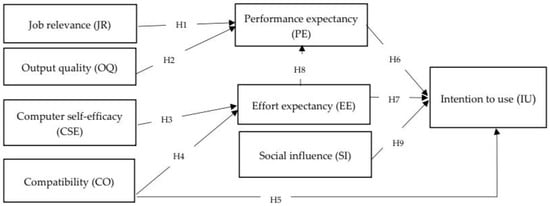
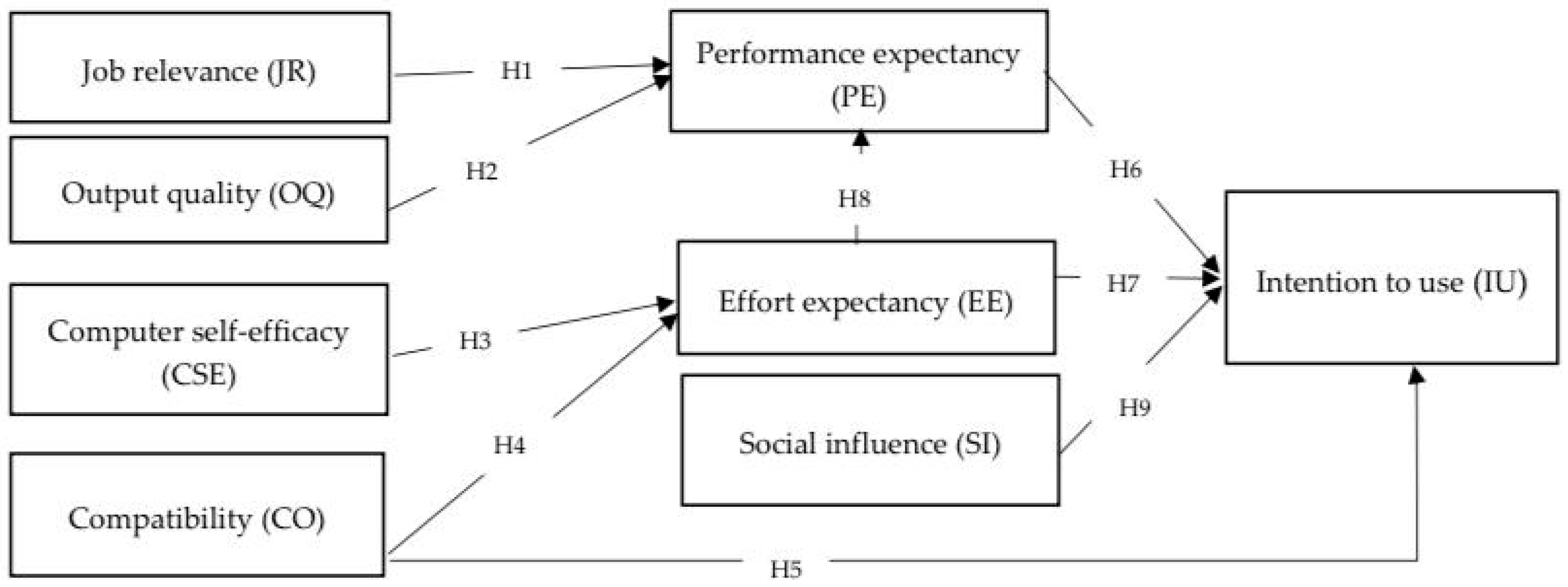
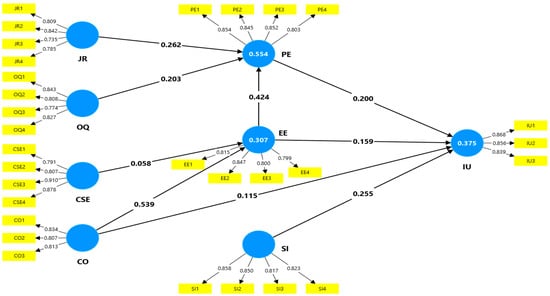
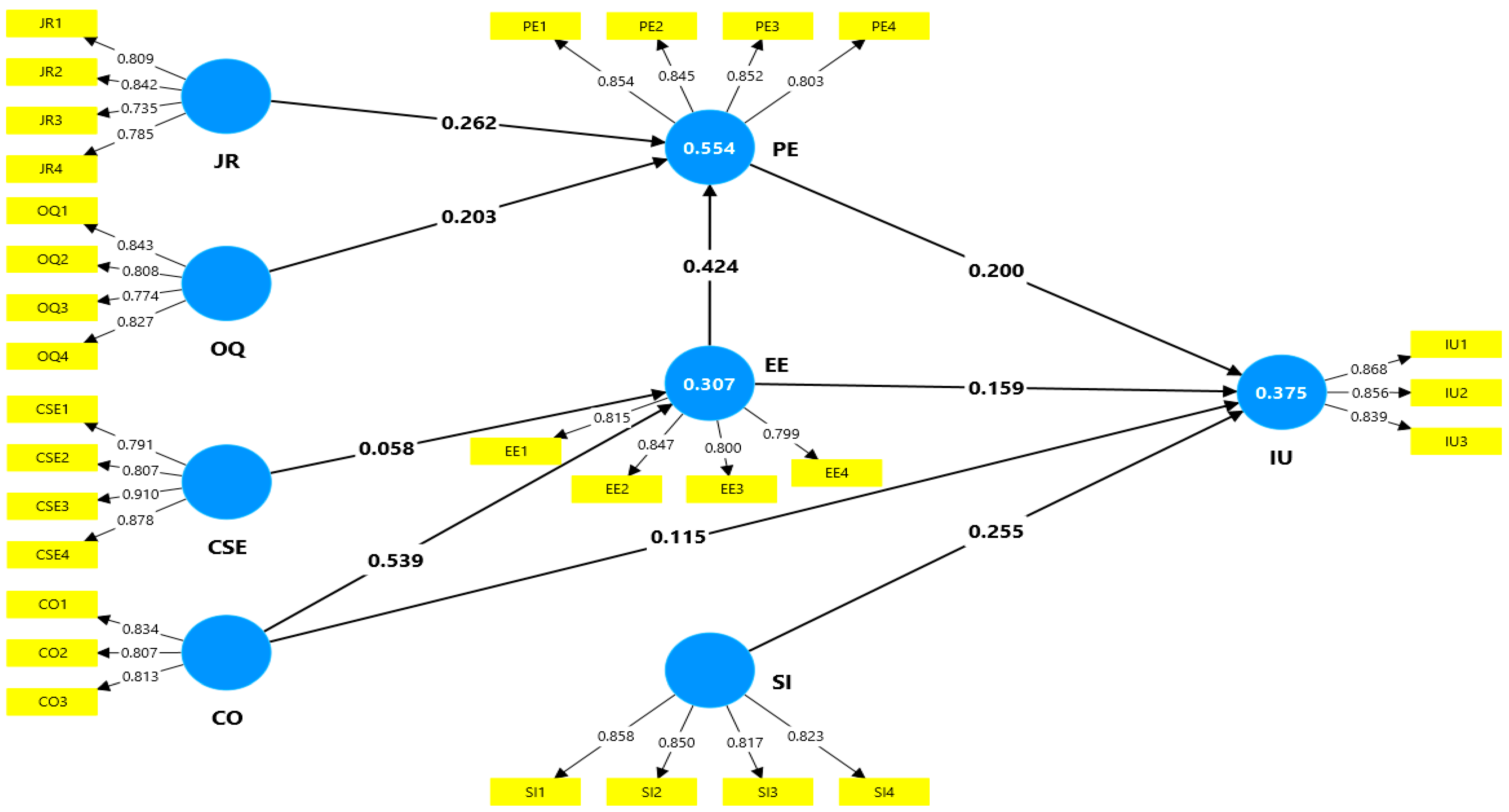
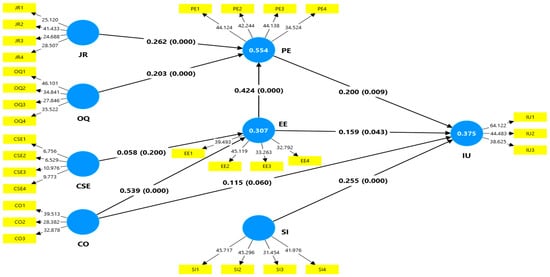
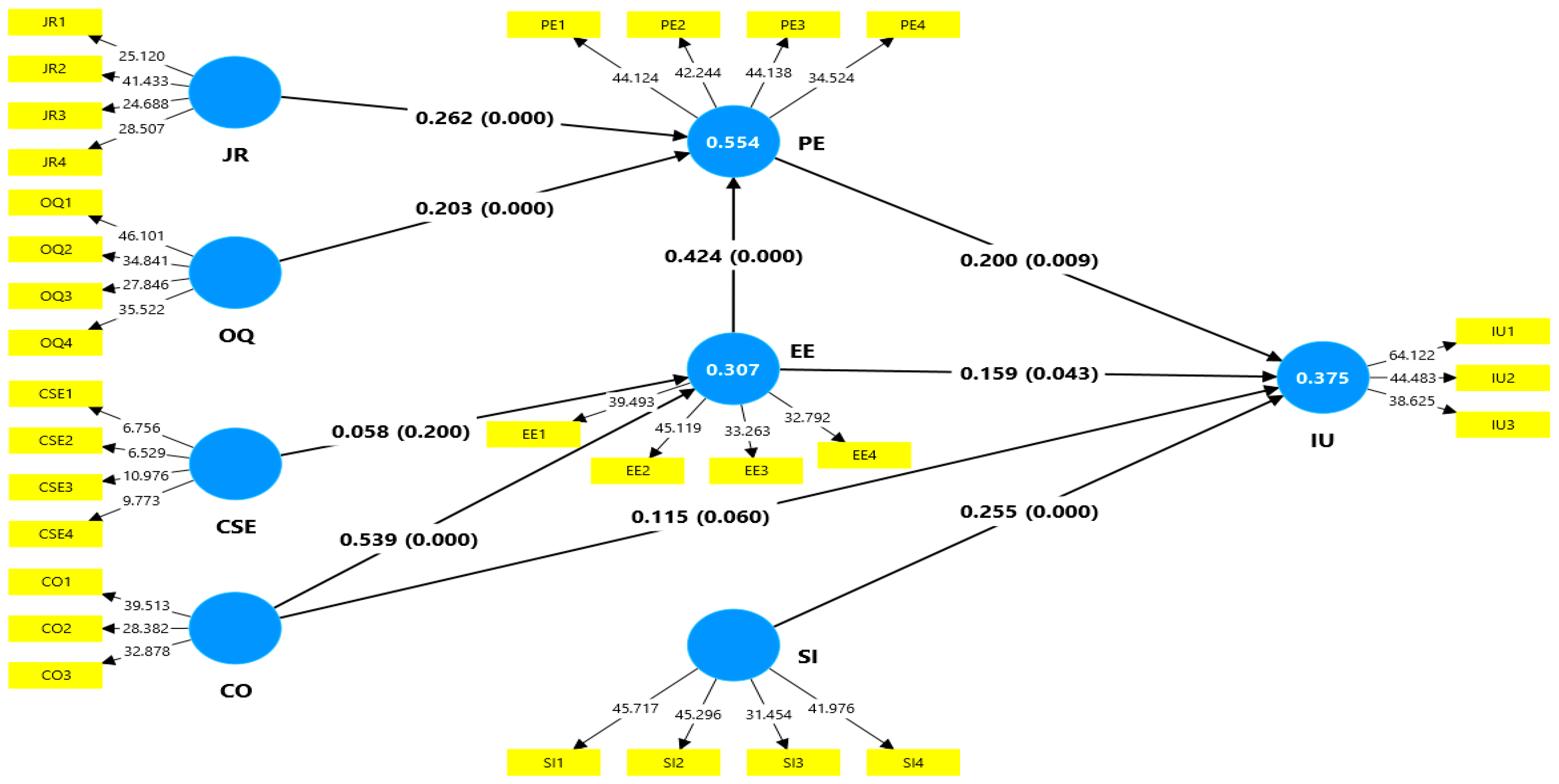

Disclaimer/Publisher’s Note: The statements, opinions and data contained in all publications are solely those of the individual author(s) and contributor(s) and not of MDPI and/or the editor(s). MDPI and/or the editor(s) disclaim responsibility for any injury to people or property resulting from any ideas, methods, instructions or products referred to in the content. |
© 2025 by the authors. Licensee MDPI, Basel, Switzerland. This article is an open access article distributed under the terms and conditions of the Creative Commons Attribution (CC BY) license (https://creativecommons.org/licenses/by/4.0/).