


Abstract
The increasingly fierce competition in food trends requires producers to innovate and develop new foods to be accepted and to avoid neophobia by consumers at the same time. Food neophobia’s motivational adoption barriers include the consumption of novel foods, social norms and conflicting eating goals. Therefore, appropriate strategies are needed to avoid neophobia amid the presence of new food trends in the market. Efforts to avoid food neophobia can also be accepted as part of the sustainability concept, in which the consumer has new foods to choose from in order to reduce scarcity in one particular type of food. The food industry is also challenged to produce healthy food by producing food from natural ingredients. In this article, new food trends and advances in food processing are described, and through them, strategies to avoid neophobia and increase consumer acceptance of new food trends are referenced. Neophobia meets marketing food products delivered to consumers facing motivational adoption barriers, such as the consumption of novel foods, social norms and conflicting eating goals, which are indicated to be challenges to purchase drivers in new food trends. Tasting foods is indicated as one of the most efficient means to ensure neophobia reduction in new foods and new food trends. Other factors identified to reduce food neophobia are education, income, taste and exposure to novel foods. Some preconditions for novel foods to be accepted by consumers are related to the very nature of food innovation, the manufacturer’s features and market circumstances. Food processed with advanced technologies may differ depending on the brand of the food production company and the knowledge of consumers about the novel foods. Moreover, food technology is seen as more acceptable for plant food products based or natural ingredients for consumers. In addition to the focus on health benefits, it is supports the sustainability of food systems. Another accidental element is the transparent traceability system providing accurate and adequate information about such novel foods.
1. Introduction
In recent decades, the worldwide dynamics of food production and consumption has changed dramatically. The capacity of the Earth to renew its own resources is constrained because of the exponential growth of the human population. The global human population has doubled in the last 50 years and is predicted to reach 9.7 billion by 2050. The Food and Agriculture Organization (FAO) estimates that 1.3 billion tons of food is lost every year along the food chain. Accordingly, a reduction in food waste and loss is the first step toward food security. Indeed, food production needs to expand by 70% by 2050 to feed the world’s population. Furthermore, diets should adapt to include more plant-, insect-, and microalgae-based products, rather than animal products [1]. Such conditions trigger the need for a specific blueprint that ensures sustainability and food security through an integrated approach to extend the offer of new foods and to limit food losses and waste in association with changes in the food preferences of consumers.
New food trends result from changes in eating behavior, tastes and eating patterns. Novel foods are defined in the EU as newly developed, innovative food, food produced using new technologies and production processes, as well as food which is or has been traditionally eaten outside of the EU [2]. This includes food produced on the basis of genetically modified organisms or non-traditionally used plants or animals, or produced by novel processes that have a significant influence on the food and its properties. Well-known examples of such technologies include nanotechnology, pulsed electric fields (PEF) and genetic engineering [3,4]. On top of this, there are new innovations in the use of technologies such as computing microtomography [4] to improve processes, as well as the use of side streams for the production of high-quality products [5]. The psychological attitude that affects the consumption and acceptance of food by consumers is food neophobia. It is a condition in which consumers feel doubtful toward and resist new foods. The neophobia phenomenon is a situation faced by food processors in the global market competition, so it is necessary to innovate and develop food products to reduce the high failure rate in the market [6]. Therefore, food neophobia leads to the tendency in regular consumption of the same types of food to avoid tasting new foods [7]. It was suggested that neophobia played a significantly stronger role in determining the likelihood of food rejection by consumers than other factors [8]. This is because food neophobia affects consumers’ willingness to try new foods that they have never tried before. Therefore, food neophobia can act as an internal gatekeeper in the food consumed by humans [9]. Once the food-trying threshold has been crossed, there are other mechanisms, such as exposure, preference for food, convenience and motivational barriers [1]. Motivational barriers, which consist of consuming novel food, social norms and conflicting eating goals, exist regardless of advancements in availability, exposure and affordability. It contributes to prevailing food attachments, including meat, a positive emotional bond people have with foods [2].
Some previous findings mention neophobia causing unfamiliar and new foods relatively to be avoided for fear they have a bad taste. Moreover, neophobia stimulates swallowing, which results from avoidance of food or drink [10]. Another challenge is that consumers often focus on distinct attributes of new products and neglect the positive attributes shared by existing and novel food alternatives [11].
Along with the development of information technology today, it is a strength that makes it easier for food processors to introduce their foods. Based on findings, food is one of the products that is most often shared through social media where social media is a service provider in marketing activities [12]. Social media is an effective marketing communication tool to promote food products. During the COVID-19 pandemic, the level of human dependence on social media greatly increased. Therefore, marketing food products with accurate and useful information on social media is an effective communication tool [13]. In this case, delivering truthful information is needed [14]. In the following Table 1, food neophobia, which can be observed to be country-specific, as well as the influencing factors responsible for it and possible solutions for the removal of neophobia are represented. Considering that neophobia is a result of psychological factors, the elements of marketing food products on social media lead to psychological factors consisting of environmental attitude, behavioral beliefs, perceived value, and overall image variables being the strongest purchase drivers [12].
Table 1.
Comparing food neophobia in Europe, Asia, US and Canada.
For this review, several articles were gathered from scientific sources regarding food neophobia and consumer acceptance of new food trends relevant to the research topic. Therefore, this paper reviews articles to arrange appropriate strategies for reducing neophobia and increasing consumer acceptance of novel foods and new food technologies.
2. Methods
This article reviews the most relevant published references or topics related to food neophobia and consumer acceptance of new food trends. The keywords used for search criteria included the terms food, neophobia, consumer acceptance, new food trends, consumer awareness and disgust. The database was searched on Google scholar, as well as WoS. Originally, around 3170 research items were shown. We wanted to perform a country-by-country analysis, due to which the search narrowed down to 203 articles. Out of these articles, we made a selection based on the research items that best suited our topic specifically and rounded up our search to 133 research items. We present and discuss the strategies to avoid food neophobia and to increase consumer acceptance of novel foods. Specifically, this article includes neophobia of new food trends, food processing advancements and perceptions of consumers toward new food trends, social acceptability and visibility of new food trends, and accuracy and adequacy of information on new food trends.
3. Neophobia of New Food Trends
Increasing population growth, massive land use changes, from rice fields and gardens to built-up spaces, forest degradation and climate change have affected people’s food sources. It is foreseeable that one of the concerns of humans in this century is not enough food to feed all the human population. However, increasingly advanced technology has attempted to overcome the food shortage problem. Now, various new forms of food are processed through machines. Along with the increasing number of fast-food products, as well as the increase in snacks mass-produced by machines, it impacts the human health system [23]. Many replacement plasticizers have been found, such as dioctyl terephthalate (DEHT) and bis(2-ethylhexyl) phthalate (DEHP), and diisononyl phthalate (DiNP), in meals at popular fast-food restaurants [24,25].
Accordingly, many food innovation products fail. Gresham, Hafer and Markowski (2006) reported a failure rate of up to 80%. The lack of assurance that these foods are safe for human health and the environment causes consumers to be wary. The desire to accept new food technologies (such as nanotechnology) and genetically modified (GM) foods is low [26]. Consumers today take health considerations into account when choosing and determining the type of food they eat. Recently, there has been a trend in consumption patterns that lead to healthier, fresh foods that contain lots of vegetables or fruits. In addition, people’s reluctance to eat new foods can be a barrier to marketing novel foods [21]. Therefore, food neophobia creates obstacles to introducing new foods [27].
Food neophobia is a characteristic of omnivorous animals [28]. Humans, as omnivores, have an advantage because it allows them to digest various types of food. However, being an omnivore is risky, as humans can consume poisonous plants or animals [29]. The rejection of unfamiliar food stems from the animal instinct to survive and avoid things that are considered dangerous and threaten their food sources [30,31,32]. The terminology of food neophobia is derived from the concept introduced by Rozin and Vollmecke [33] about the “Omnivore’s dilemma”, which explained the tendency to select familiar and safe foods rather than novel and unfamiliar ones. According to Alley [34], the term “food neophobia” is used to refer to three different phenomena: (1). A species-typical characteristic generally found in omnivores, (2). A psychological trait that varies across individuals within a species, and (3). A mental disorder that interferes with nutritional intake and/or social functioning.
Furthermore, Szakály. et al. [35] stated that food neophobia is fear, loathing, or disgust of new foods. This condition is determined by evolution and partially shaped by family traditions that define the type of food a person can eat. Tradition in a broader context can be seen as part of a culture, which does participate in shaping neophobia [36,37] (Table 2). The causes of neophobia are not isolated but intertwined with many things. A neophobic personality dictates new types of foods to avoid. Milton [38] mentioned that food neophobia has been identified as an inherent adaptive personality trait. Nevertheless, the foods generally refused are shown in the Figure 1.
Figure 1.
Type of food avoidance in neophobia, including external and internal factors that directly influence food neophobia.
Referring to Maksan et al. [28], people with less neophobia are more likely to accept unfamiliar food, such as ethnic food, while those with higher neophobia scores tend to avoid or reject novel foods. Furthermore, Camarena and Sanjuán [39] showed the sources of rejection of ethnic food are caused by psychological variables such as personal values, food neophobia and ethnocentrism. While those who tend to try new kinds of food, such as ethnic food or the various food categories shown in the figure above, are called neophilia. Neophilia represents the group of consumers that sample anything, and their food choices are primarily generated by curiosity [35].
There is a suggested difference between neophobia and neophilia in dealing with new foods. When introducing novel foods to neophobic, according to Leufkens [27], it is better to give direct examples so that they can taste the real taste of the food, rather than just using slogans on food packaging, which is less effective. This is in line with the findings of research conducted by Jezewska-Zychowicz et al. [40], which area that most food neophobic rarely read the information on food labels regarding “Price and Shelf Life” compared to other participants. The slogan on food packages works enough for neophilia.
Food neophobic are very cautious and selective about trying new foods. This condition has limited the variety of people’s eating patterns, negatively impacting the type and balance of food consumed. It is necessary to introduce various kinds of food from an early age to children, so that later they grow up to be neophilia. In early childhood growth, children are more likely to take new foods, especially if parents promote a diversified diet and stimulate the child’s curiosity toward food [41].
Reducing Food Neophobia
Many variables can influence the level of neophobia; some of them are associated with the level of exposure to novel foods [42]. People who travel more and are open to the cultures of different countries are inclined to show less neophobic behavior [36,37,43]. Since exposure to food shapes a person’s perspective, the space in which they grow up also shapes their food neophobia level. For example, those who live in rural areas and cities have different access to more exotic food menus. In contrast, urban people are more exposed to various types of food than rural people, so the food neophobia of rural people is likely to be much higher than that of urban people [44,45]. Social conditions contribute to a person’s reluctance to try new types of food. An experiment called Social Facilitation conducted by Modlinska et al. [46] to nonhuman animals shows that consuming new foods in the presence of other group members may lead to a decrease in food neophobia. The possibility of this type of social facilitation can also happen to humans. However, in humans, various other factors can help reduce food neophobia by understanding the characteristics of each age group and the variables that influence their food neophobia level.
Table 2.
The neophobic level by age group based on gender, spatial context, education, exposure to novel food and income.
In principle, food neophobia is someone’s fear of some physical harm, such as illness, caused by the food, so they choose to avoid it. Reducing the anxiety of trying novel food can be done through various approaches, such as exposure to multiple foods at an early age, enlarging knowledge about nutrition through education and making the shape and taste of food that numerous people can generally accept.
4. Food Processing Advancements and Perceptions of Consumers toward New Food Trends
4.1. Food Technology Neophobia
Food technology neophobia is a personality or psychological characteristic that influences the willingness of consumers to accept new food technologies and is characterized by the rejection of unfamiliar foods produced with new technologies or new technologies to produce new foods [57]. According to the findings, the level of food knowledge has an impact on the likelihood of food acceptance by consumers. It has been shown that those with a higher food knowledge had lower levels of neophobia than those with less food knowledge. It has also been noted that food technology neophobia has an impact on the acceptance of novel food technologies in both rich and low-income countries [57]. For instance, the average score of neophobia in relation to food technology by Brazilian consumers was 77.2, which was higher than that observed for Australians (55) and Canadians (58.5). Therefore, Brazilian consumers are less open to new food technology [58].
Humans are conservative by nature when it comes to new, innovative foods and, consequently, novel food technology. A variety of innovative food-processing technologies have been studied and developed to improve or replace existing food-processing technologies, allowing for the production of higher-quality products that appeal to consumers (Figure 2). According to European studies, consumers do not always prefer new technologies with demonstrated clear health benefits. This is due to differences in opinions on the ‘benefits’ of the technologies [59]. In contrast to other industries, food technology development exhibits low obsolescence over time; new innovations build on and add to previous ones rather than replacing them. As a result, customers are under far less pressure to adopt advances [57].
Figure 2.
Five different novel food technologies and their associations, and thus general perceptions, of consumers toward these technologies.
Consumers continue to be skeptical of new food technology, particularly when they are unsure about its implications for human health and the environment. Innovations such as diversification of shapes and adding unexpected combinations of ingredients to create novel foods were the least acceptable types [60]. In the case genetically modified foods, if consumers view them as manmade and if they understand why these foods were created, moral opposition to the product diminishes, and the perceived benefits increase, which subsequently increases purchase intentions for the product [61]. Market success for novel food technology is mostly determined by consumer behavior and emotional states, and it is primarily linked to sensory qualities. Thus, consumers’ acceptance of new food technologies is low because they believe that new technologies could have a negative impact on health, natural quality and the environment, that the benefits of new technologies are exaggerated, and that new technologies could threaten to replace traditional technologies [58]. Therefore, nowadays, technology is being challenged to produce new styles of food with healthy foods from plant-based ingredients by reducing chemicals, as part of the concept of food sustainability. Apparently, carrying out this sustainability concept prevents consumers from being afraid of testing new foods.
However, the term novel food does not always imply that a technology was recently invented, but rather the time of being introduced to the market. For instance, even though irradiation was invented in the previous century, nowadays it is considered a novel food processing technique, since it has only just been implemented in certain countries [57]. Moreover, to this day, despite attempts to boost public confidence in food safety, some new food trends, despite their potential benefits, can be difficult to integrate into society. For example, when new food technology such as canned food, pasteurized milk, microwave cooking, and artificial insemination of farm animals initially appeared, they were met with skepticism. In general, food technology was seen as more acceptable for plant foods compared to animal foods. Nevertheless, when the focus is on health benefits, emerging food technologies seem to elicit the most positive consumer reactions.
4.2. Consumers’ Trust Level in New Food Technologies
4.2.1. 3D Food Printing
In 1984, 3D-printing technology was invented by Charles Hull. This technology is a technique that uses computer-aided design (CAD) software to command a digital fabricating machine to shape 3D objects by adding material layers one at a time. A decade ago, it was first employed in food processing. However, little research has been done on how people react to 3D-printed food and how they form attitudes about the technology. In research conducted by Lupton and Turner attempting to understand consumers’ attitudes toward 3D food printing, several participants were concerned that food made with a printer would be inedible, hazardous, and have less nutritional value [62]. In addition, food hydrogels represent an interesting component for use within 3D printing due to their advantageous properties and structural design [63]. Table 3 summarizes the pros, cons and consumer perceptions of 3D food-printing technology.
4.2.2. Gene Technology (GT)
The acceptability of GT varies depending on the field of application. When it comes to GM foods, the public appears to be more skeptical than when it comes to genetic testing or medicinal uses. It has also been demonstrated that introducing a gene into an organism reduces the perceived naturalness of the organism more than removing a gene [57]. According to the literature, genetically modified (GM) food has been and continues to be viewed negatively [59]. Consumers lack the necessary information, skill, and competence to assess GM food products. As a result, customers are unsure about the technology intervention and its detrimental impact on the nutritional value of the original products [64].
However, health issues, unnaturalness, unknown risks, a lack of evident advantages, a desire to avoid any possible difficulties the technology may present and worries about the motivations of those promoting the technology are just a few of the factors that influence customer views [65]. In a recently published study, it was concluded that GM foods are negatively perceived overall, and consumers have unfavorable associations with GM food products compared to non-GM, and are more inclined to purchase unlabeled GM products [66]. However, the literature suggests that GM animal-based products are associated with strong negative opinions compared to plant-based products [66]. Table 3 summarizes the pros, cons and consumer perceptions of GT.
In fact, there is a rising concern for the sustainability of food supply as the world population increases. Therefore, preventive measures need to be taken because it will have an impact on malnutrition cases in the future. Therefore, GM foods are an appropriate solution for the sustainability of foods to avoid hunger and malnutrition problems. Every country, where GM foods are approved, needs to set up regulations, as well laws and ordinances, to safeguard its citizens. For example, in Malaysia, the Malaysian Biosafety Act and other governing bodies, such as the National Biosafety Board (NBB) and Genetic Modification Advisory Committee (GMAC), play a pivotal role in ensuring the containment of GM foods from accidental release into the environment. Despite being well-regulated, Malaysians are still reluctant to accept GM foods. Therefore, media and stakeholders should place an important position to curb the public’s negative image of GMOs [3].
Table 3.
Pros, cons and consumer perceptions of some novel food technologies.
4.2.3. Nanotechnology
Nanotechnology, defined as the development and manipulation of materials on the nano (one-billionth) scale, is one of the developing technologies that has piqued the interest of the food sector [75]. Technology’s potential for generating novel products and the possible applications for food processing such as nanoencapsulation, preservation, and packaging has sparked interest [76]. Nanotechnology can be utilized for producing a ‘smart’ packaging system that can monitor the status of products throughout storage and transportation. As a result, it has the potential to increase shelf life, improve flavor and quality, minimize the need for additional preservatives, as well as increase the nutritional content of products. Despite the fact that nanotechnology has a wide range of applications, its usage in the food business is still limited. This sluggish adoption is mostly owing to a lack of knowledge and uncertainty about this technology’s possible health and environmental consequences. In 2005, nearly half of Europeans (48%) believed that nanotechnology will have a beneficial impact on their way of life in the next 20 years [77]. According to a recently published report by the Food Standards Agency [65], consumer knowledge of nanotechnology has been shown to be low. However, positive and negative attitudes are expressed by consumers. This is in contrast to ten years ago, when it was mostly positive, as the potential health advantages such as dietary salt reduction was well appreciated. In general, nanotechnology in packaging appears to be more accepted than in food [65]. Table 3 summarizes the pros, cons and consumer perceptions of nanotechnology.
4.2.4. Cold Plasma Technology (CPT)
Cold plasma is a unique, non-thermal food-processing technology that has been primarily employed in microbial inactivation and food decontamination, since it uses less energy and requires lower temperatures than other processing methods [78]. A high-frequency plasma generator and ceramic electrode are the essential components of the plasma processing system. The applied plasma is a partially ionized gas consisting of reactive species, such as ions, UV photons, electrons, free radicals, molecules and excited atoms. However, many published research papers discuss the various applications of cold plasma in the food industry, including microbial decontamination of food products, packaging material processing, modification of food components (modifying protein and changing their structure), seed germination performance and degradation of agrochemical residues [79]. Moreover, plasma treatment has been shown in several trials to have a possible applicability in the lowering of food immunoreactivity [78]. Cold plasma processing, on the other hand, has been demonstrated in several studies to reduce food quality by accelerating lipid oxidation, reducing vitamins, and decreasing sensory characteristics [78].
However, to the best of our knowledge, the published research discussing the consumer health perceptions of the application of cold plasma technology are limited. In a recent study carried out by Coutinho et al. [58], they evaluated the consumers’ perception (n = 1085) and ability to buy a chocolate milk drink processed by cold plasma. However, the majority of consumers (72.3%) said they would buy the cold plasma-processed chocolate milk drink if the price was comparable to the regular product. Consumers were inclined to buy chocolate milk drinks made with cold plasma, as long as the products were brown in color, had a chocolate flavor, tasted like chocolate and milk, and had a good consistency. Table 3 summarizes the pros, cons and consumer perceptions of cold plasma.
4.2.5. Food Irradiation
Food irradiation is a food processing method that involves exposing food to ionizing radiation (electron beams, X-rays, or gamma rays) in order to eliminate microorganisms that cause food poisoning, reduce insect infestation, delay fruit ripening, and prevent vegetables from sprouting [77]. Irradiation of food is employed on more than 60 different kinds of food in more than 40 nations throughout the world [77]. Food irradiation, in particular, is intriguing for scientists examining factors that influence consumer perceptions and the acceptance of novel food technology. The findings suggest that the potential threat to consumers associated with the long-term use of irradiated foods and the influence on human health is the most important factor influencing the acceptance of foods treated with ionizing radiation. Indeed, the greater the perceived risk associated with irradiated food consumption, the lesser the acceptability of these products [80]. However, despite signifying the same food decontamination approach, items labeled “food ionization” were favored above ones labeled “food irradiation” in a qualitative analysis. Hence, interviewees stated that this was owing to the negative connotations that the word “food irradiation” evokes. There are two difficulties regarding consumers’ perceptions and acceptance of food irradiation: first, they might not be aware of the fact that foods might be contaminated with pathogenic organisms, and second, based on their resulting lack of risk awareness, they might not invest too many resources (i.e., time, attention) to judge food decontamination strategies, but rather rely on the effect raised by associations with other technologies. On another hand, the term ‘food irradiation’ generates not only negative beliefs, such as a nuclear power plant or cell annihilation, but it also tends to alter the public opinion of this food technology. When compared to customers who have a neutral or positive attitude toward nuclear power, consumers who have a negative attitude toward nuclear power regard food irradiation as riskier and less helpful [57]. As a result, consumers consider irradiated food to be undesirable and a technique that significantly reduces the perceived nutritional value of food products.
4.2.6. Ultrasound Processing
Ultrasound technology is based on sound waves causing compression and rarefaction cycles in the molecules of the material they pass through at frequencies greater than 20 kHz [59]. Acoustic waves cause compressions and rarefaction (decompressions) in the medium particles as they travel through it. As a result of the turbulence and increased mass transfer, a large quantity of energy is released [81]. Ultrasound is widely used in food processing and preservation applications, such as drying, homogenization, crystallization, defoaming, dispersing, emulsification, solubility and texture enhancement, plant sanitation, viscosity alteration, fermentations and, most recently, ultrasonication-assisted extraction of bio-chemicals from plant tissue and foods [59]. The findings of research on Brazilian consumers’ perceptions of foods processed by ultrasound revealed that ultrasound-treated foods were more frequently associated with unfamiliar words/terms (36.95%) and negative associations (26.70%) than positive associations (24.20%). Women aged 18–25 and ≥46 with low income, and low and frequent industrialized product consumption, were less accepting [73]. However, in another recently published study that investigated the consumer perception and acceptance of ultrasound Guava juice, findings showed that consumers have higher acceptability and buy intention for items that inform them of the benefits of the ultrasonic procedure, but purchase intention is mostly driven by the lowest price [82].
In order to meet market demand, food-processing technology can not only design the food properties originally, but also increase its nutritional content [4]. Sonication is one novel food technique for enhancing food processing, as well as an innovative method to improve the quality of fruit juice [5,6,7]. In addition, ultrasound processing is a prospective technology to obtain the FDA requirement of a 5 log reduction related with microorganisms in fruit juices. It also brings the benefits of reducing processing time, low-energy input and eco-friendly technology [4].
4.2.7. Ultraviolet Light (UV)
The process depends on the application of UV light at short wavelengths, in the range of 200–280 nm, which is capable of disrupting the DNA of microorganisms, altering their metabolism and reproduction, leading to cell death [74]. Hence, UV radiation is a non-thermal and non-chemical intervention technology and is considered safe and non-toxic [83]. Further, UV radiation has emerged as one of the most promising novel food-processing technologies, with significant commercialization potential in recent years. UV radiation, on the other hand, was classified as the third and fourth technology with higher commercial applicability to food production, respectively, in a conducted survey [74]. However, few studies have shown consumer’s perspectives on foods produced by UV radiation. In a recently published study, data showed that the UV radiation process gained more negative associations (36.25%) than positive ones (29.89%); in regard to unfamiliarity with UV-treated foods, they were recognized more by consumers ≤35 years old with low and medium income, and with low and frequent consumption of industrialized products [73].
5. Social Acceptability and Visibility of New Food Trends
Consumers, particularly in industrialized countries, are spending less time shopping for and preparing food as their lifestyles become more sophisticated and fast-paced. As a result, convenience food is becoming increasingly crucial. Due to the COVID-19 epidemic, in relation to which some foods and bioactive substances were recognized as strengthening the immune system [84], sales turnover of ready meals and soups in Germany climbed steadily over the last few years, from sales of EUR 6.3 million in 2012 to EUR 7.3 million in 2019 [85], and peaked at EUR 8.6 million in 2020 [86]. Food processors have created new food-processing technologies (e.g., high-pressure processing (HPP), ultrasound, electrical impedance spectroscopy (EIS) etc.), to increase safety, flavor and shelf life in response to the growing demand for convenience foods. Consumers, on the other hand, are wary of processed and convenience foods, as well as ostensibly new technology, which are frequently seen as harmful, unsustainable and unnatural [84].
In Western countries, two interconnected concepts have dominated scientific study on new food trends in recent years. First, people have been encouraged to avoid eating meat because of the impact of food production on the environment, climate change and animal welfare. People have been encouraged to avoid eating meat, and shift to plant-based alternatives or to insects, artificial meat or cultured meat. Second, as people become more conscious of the link between food and health, a market for food products with health-promoting attributes has developed [87]. The emergence of a number of new scientific fields and technologies has revolutionized the food industry during the last several decades. The expected variety of advantages to both customers and the food industry sector are the reasons for the high degree of interest in new food trends and technologies. In most cases, new food trends are considered to be safer, healthier and more nutritious, and are stated to be produced using less energy, water and chemicals, as well as less waste.
Since humans have such an inevitable relationship with food, simply learning about the technical and logical features of developing food technology does not lead to market acceptability. In other words, the advantages of ingesting innovative and improved food items are insufficient to elicit a response from consumers [1]. Accordingly, consumer reactions to new food technologies and trends are not a one-dimensional connection, and no single image of consumer attitudes emerges. This is due in part to the variability of used technologies and in part to the absence of systematic studies on customer perceptions [65].
Low-income nations emphasize food safety and nutritionally sufficient foods, whereas middle- and high-income countries prioritize foods that minimize the risk of chronic illness, as well as functional and ecologically friendly diets. The naturally existing conservative and neophobic behavior of humans toward new foods can lead to nutrition-related disorders as a result of poor childhood eating patterns, as well as acceptability issues with food containing novel elements such as insects [1].
5.1. Factors Influencing Consumers’ Attitude and Perception toward New Food Trends
In order to understand the relationship between consumer and novel foods, numerous facets are studied, including risk–benefit perceptions, knowledge and information, trust, socio-demographic characteristics [77], geographic location, society structure, economy, personal income, religious constraints, available technology, and low acceptability caused by human psychology [1].
A qualitative study carried out by Barrena et al. [88] aimed to investigate whether the complexity and types of advantages and values pursued in the consumer decision process for a novel food product such as couscous differ depending on the ethnic background of the customer, whether Spanish or Arab. According to the obtained data, cultural variations appear to have a significant impact on the acceptability of novel foods from different cultures. Furthermore, when analyzing purchasing decisions, customers’ emotional responses to a product may be a significant component to consider. It was concluded that issues such as the product’s geographic origin, cultural affiliation and family obligation fulfillment are more important to Arab consumers, whereas consumers of Spanish couscous, on the other hand, argue that it is a means to keep up with the current trends, to be more cosmopolitan, and to be more successful in their surroundings.
Another published research article reported how Twitter may be used to explore the social representations of new culinary trends in different parts of the world [89]. During the research, consumers posting content regarding food trends were identified using a density-based clustering algorithm applied to 7014 tweets. Sentiment analysis was utilized to investigate the attitudes of their social representations, and grid maps were used to investigate geographical disparities. Findings show that users on Twitter exhibit a modest, favorable attitude toward food trends, with substantial variances reported between areas, suggesting that regional aspects such as cultural context influence users’ attitudes toward accepting food innovations [89].
Beyond this general context, if a new food trend is to be accepted by consumers, three crucial criteria must be considered [90]. The first is the very nature of innovation. Specific risks have been demonstrated in the literature to cause anxiety in humans. This is especially true when it comes to risks that are unseen and unpredictable, such as genetic modifications. Novel food with these features is more difficult to accept, especially if they appear to be based on scientifically proven doubt. However, this is not always a deterrent, since, in most cases, consumers weigh risk against the expected possible rewards. As a result, if individuals perceive that the predicted benefit of an invention is large enough for themselves and/or society as a whole, notwithstanding the risks, they are more likely to accept it. It is also beneficial if the new foods are based on familiar foods. This familiarity can in turn alleviate food neophobia in the customer [91]. The second important factor is the manufacturer’s features, as well as market circumstances [92]. For example, social acceptance of food derived from insects or micro-algae may differ depending on the production company, whether local or foreign, small or large, public or private, or between companies that are symbols of globalization and unbridled capitalism and companies that are more deeply rooted as symbols of family and “social” capitalism. The least favorable situation for the acceptability of a novel food is then the fact that it is developed by a large, foreign, private company that symbolizes globalization. The third element is the economic situation and the structural feature of the novel food announcement or launch. A breakthrough food invention introduced while the public is still reeling from the effects of a food crisis, or even a health catastrophe unrelated to food, almost surely compromises its acceptance. For example, transgenic soy was first introduced in France in 1996, right in the middle of the mad cow disease epidemic, and this negatively affected consumer acceptance.
According to a new market research report titled “Alternative Protein Market by Stage/Type (Emerging Alternative Protein, Adolescent Alternative Protein, Matured Alternative Protein), Application (Plant-Based Products, Insect-Based Products, Microbial Products)”, from 2020 to 2027, the alternative protein market is expected to develop at a CAGR of 11.2%, reaching USD 27.05 billion by 2027 [93]. However, alternative proteins can be obtained from various sources and methods, mainly from insects, lab-grown meat and edible jellyfish, which are explored in further depth below.
5.1.1. Insect-Based Food Products
Recently, the production and marketing of edible insects have become governed and authorized in many countries. Using insects for food is a promising gateway to edible insect consumption, to overcome some challenges related to food, since many edible insects are nutritious and their production is more resource-efficient than regular meat production [94], making the consumption of insects one of the biggest sustainable food trends of the last century [95]. According to Legendre and Baker (2022), customers use both risk and benefits in their analysis of supporting novel food products and purchase activism [96]. The yellow mealworm, which is the larvae of the beetle Tenebrio molitor, was the first insect to be certified as a new food in the European Union in June 2021, followed by the authorization of the migratory locust (Locusta migratoria) in November 2021. Moreover, a scientific assumption supporting the use of house crickets (Acheta domesticus) as a novel food has already been issued, thus approval is expected soon. However, insects have a number of advantages that have been addressed, including nutritional benefits due to their high fat, vitamin, fiber and mineral content. Therefore, consumption of insects could contribute to solving future food insecurities. Second, regarding environmental benefits, insects are particularly adept at converting food into protein because they are poikilothermic. Further, insects may also be raised on organic residue streams, which helps to minimize pollution in the environment [97].
In 2013, a survey of 368 Belgian meat consumers revealed that 19.3% of all respondents would be willing to try edible insects as a meat alternative in the future. Young adult men who were receptive to exploring new foods were shown to be the most probable early adopters, according to the research [98]. The study of children’s willingness to eat insects further revealed that many children are willing to eat insects. As a result, the children acknowledged that the insects are both tasty and nutritious [99]. In another recently published study, data were collected from 388 Belgian consumers regarding their acceptance of edible insects via a telephone survey. Of those surveyed, 79% were aware that insect-based meals are available for purchase, 11.2% had consumed processed insect meals before, 31.8% had no experience but were willing to try, and 57% had neither experience nor curiosity in trying them [98]. In addition, Nordic consumers scored higher on approving insect food than other Europeans. This distinction was corroborated in Poland and Italy, where informants did not have a positive opinion of insect eating [100]. Furthermore, according to findings from consumer acceptance surveys conducted in Western countries, men are more likely than women to accept eating insects, and younger men more so than elderly people [101]. One explanation for this could be that young men have a more adventurous preference, curiosity and/or find insect eating less disgusting than other groups. However, education levels have not been found to have a consistent impact on the adoption of insect eating [100]. The endorsement of the consumption of edible insects by a prominent person, in combination with sufficient social support, also leads to a hedonic message having a stronger effect on the endorsement of a restaurant, as well as on the satisfaction of the experience than a benefit-oriented message. This aspect therefore plays an important role in the marketing and distribution of edible insects [94,101]. Żuk-Gołaszewska et al. [102] claim that sociological variables that are closely linked with the consumption of edible insects need to be thoroughly analyzed, and underline that further research should also aim to develop effective strategies for building positive consumer attitudes toward edible insects.
5.1.2. Cultured Meat
Cultured meat, also known as synthetic, artificial, or in-vitro meat, is a foodstuff made by collecting animal muscle cells and feeding them protein to assist tissue growth in a bioreactor [103]. In recent years, various researches have investigated the consumer acceptability of cultured meat [104]. According to a survey study, a large percentage of people in the UK (42 to 62%) said they are not willing to consume cultured meat. Safety and health concerns are the primary issues raised in the literature [65]. In another study, many consumers were interested in cultured meat, since it was thought to have a lower impact on animal welfare, since cultured meat was viewed as a way to cut down on animal killing [65]. Further, Wilks and Phillips [105], who conducted a survey in the United States, claimed that 65.3% of consumers would be willing to try cultured meat, with 32.6% willing to eat it on a regular basis, 47.7% more eager to eat it than soy-based meat alternatives, and 31.5% willing to eat it as a replacement for farmed meat [105].
However, the world’s first lab-grown burger will be available in Europe in the first half of 2022 [103]. Thus, there are many factors influencing the consumer acceptance of cultured meat that have been discussed in the literature, including age, gender, and education level (Table 2). However, as the notion approaches commercialization, the perception of consumer acceptability of cultured meat is anticipated to expand in the coming years. Consumer acceptability is expected to be driven in the future by improved familiarity, perceived practicality, regulation, commercial availability, media attention, and the ability to try cultured meat [104].
5.1.3. Edible Jellyfish
China alone produced 62,969 tons of jellyfish in 2009, a 34% rise over the previous year, generating income of almost USD 149 million, a 33% increase over the previous year [106]. Jellyfish are widely consumed in China, Japan, Malaysia, Indonesia, Thailand, Vietnam and the Philippines. In general, jellyfish have low calorific values (1.0–4.9 kcal/g) and low fat content (0.4–1.8 g/100 g), whereas the protein (20.0–53.9 g/100 g) and minerals (15.9–57.2 g/100 g) contents are considerable [106]. Proteins from fish and jellyfish are also being studied for use in the production of biodegradable films [107]. Recently, Torri et al. [108] investigated the attitudes of Italian consumers toward consumption of jellyfish as a novel food. In the study, a survey was carried out on 1445 individuals to determine the attitude toward jellyfish, and many influencing factors, such as socio-demography, personality, behavior patterns, neophobia, disgust sensitivity, gender, age and travel habits were evaluated [108]. The variables influencing acceptance are given in Table 4.
Table 4.
Factors affecting consumer acceptance of some new food trends (insect-based food, cultured meat and edible jellyfish).
Table 5 below also provides recommendations for future research on various novel foods. This brief overview is intended to provide guidance to readers and future researchers regarding further research approaches.
Table 5.
Recommendations for future work regarding the three different novel foods.
6. Accuracy and Adequacy of Information of New Food Trends
Consumers nowadays are savvier when it comes to food and are less susceptible to marketing hype than previous generations. They have figured out how to assess food production improvements. They are asking more questions and expecting honest responses [111]. The majority of customers believe that, in order to heal the ecosystem, food production should return to more traditional methods. Moreover, scientific innovations, according to the majority, may make food more sustainable and healthier. They believe that there should be methods to supply society’s nutritional demands using fewer resources such as energy, water and carbon [111]. Consumer knowledge is a critical component in the decision-making process. It has an impact on how customers obtain and arrange information, as well as which products they purchase [112]. However, information and knowledge have been identified as important antecedents to the intake and acceptance of food trends in several studies. The impact was substantial in both subjective (i.e., people’s perceptions of what or how much they know about a product) and objective knowledge (i.e., accurate information about the product) [113]. Therefore, consumers must be able to correctly interpret the source of the information, comprehend it and trust it sufficiently to include it in their purchasing decision [114].
6.1. Traceability of Novel Foods
The accuracy and adequacy of information on novel foods could be ensured by developing an effective and adequate traceability system. According to Olsen and Borit [115], traceability is defined as the ability to access any or all information relating to that which is under consideration, throughout its entire life cycle, by means of recorded identifications. Thus, traceability becomes a tool of trust in the food system which protects consumers’ health during the production and delivery, and eventually reduces the costs of contaminated food recalls. Food traceability systems have evolved from a simple recoding to the development of emerging tracing systems such as optical sensors. Recording is a conventional traceability technique which refers to documentation organized to trace the life of the product (from the raw materials to the consumer table). It implies the recording of the details relating to the production and logistics, etc., using IFS, HACCP and computerized recording [115,116,117]. The identifiers or codes are another conventional traceability technique which involve codes as a series of numeric or alphanumeric characters, bars or combination of characters and bars. These codes are used as barcodes or Quick Response codes (QR) to identify and to track products from production to the consumers [116,118]. Armani et al. [119] proposed a preliminary recoding traceability system for jellyfish based on the European Legislation on Food Hygiene. Authors characterized the labels by incongruences or deficiencies, considering the product origin, package, storage conditions, expiry date, morphological and organoleptic analysis, as well as trade name.
Radio-Frequency Identification (RFID) is a means of product automatic identification, where the product can identify itself independently of line of sight, in motion, and simultaneously with other items [120]. RFID is implied in food traceability through the process control (details about the status of the products from processing to delivery), warehouse and logistics (RFID labels can be attached to food items at different levels of traceable unit size), retail, cold-chain monitoring, smart packaging and anticounterfeit measures [116,120,121]. The optical sensors convert the detectable physical or chemical properties of materials into signals that provide the responses as changes in optical properties such as absorbance, reflectance, fluorescence, refractive index, phosphorescence, chemiluminescence, Raman dispersion and evanescence properties using light-matter interactions [122]. In the food industry [123], optical sensors are used for detecting food contaminants [124,125], monitoring food quality and controling food authenticity/adulteration [126]. Jiang et al. [127] proposed the PCR-RFLP technique for the traceability of two species of jellyfish, R. esculentum and S. meleagris. Their results indicate that the PCR-RFLP could clearly identify the fresh or pickled jellyfish, which can be accurately authenticated by electrophoretogram. Furthermore, Frigerio et al. [128] established the traceability system of insect-based foods by applying High-Throughput DNA Sequencing techniques coupled with bioinformatic analysis. Their study revealed that the products cluster per insect species based on microbiota profile, suggesting that a small number of prevalent bacteria formed a “core microbiota” for each product [126]. Moreover, the microbial signature of each product appears after the processing, rearing conditions and selling companies [126].
6.2. Attitudes towards Food Information
Many individuals nowadays are interested in living a healthy lifestyle. There are many important sources of information, including newspapers, magazines, television, radio, and, most importantly, social media, from which people are used to obtaining information. Further, family, friends, acquaintances and colleagues, as well as professional activities and traveling, are other sources [129]. However, the scarcity of information is a major impediment to the acceptance and consumption of novel food. For example, there is a scarcity of knowledge regarding edible insects, both in terms of the usefulness of alternative protein sources in the human diet and in terms of suggested cooking methods and dish preparation [130]. Acceptance has been proven to improve with increased awareness and understanding of the benefits of entomophagy. Moreover, it has been suggested that combining education with informative tasting sessions might be one technique for reducing opposition to the use of insects as food. It has also been proposed that providing contextual cultural and ethnic knowledge might stimulate people’s interest in insect-based foods [131]. Consumers may use certification labels to verify the authenticity of the food and increase their interest in it. Scientifically verified expert labels are the most acknowledged, according to certification labeling studies. Many researchers in the fields of marketing, consumer studies and food policy have looked into the role of “quality labels” that indicate quality assurance or certification, as well as how scientific information about nutrition, origin and production conditions on food labeling influences consumer decision making [4,114].
6.3. Trust in Sources of Information
The source of information that the consumer receives regarding food is one of the criteria for affecting the consumer’s trust level. Trust is important in cases when individuals lack the necessary information to evaluate a technology’s advantages and drawbacks [57]. However, trust is critical for food acceptability, and it has been demonstrated to affect risk and benefit perceptions of new food technologies. Hence, consumers’ reacceptance of a product following a crisis appears to be influenced by their level of trust [112]. As a result, trust empowers customers to act on their own desires to select sustainable, nutritious, authentic, and safe food items, by allowing them to make judgments based on unprovable facts [131]. However, there are two types of trust, namely, social trust and confidence. Based on social trust, people prefer to trust institutions that share their beliefs and distrust institutions whose values differ from theirs, whereas confidence is based on prior experience or perceived skills [57]. It is considered that social trust is more important than confidence in determining customer acceptance. Although consumers may trust food technology in producing safe foods, they may lack social trust because they believe the sector prioritizes profit over the health of its customers.
How do people decide whom to trust? According to extensive studies, consumer trust is influenced by a variety of factors, including confidence in supply chain players, assurance and regulatory systems, and the economic development level of the producing country [132]. For instance, consumers in Europe prefer to evaluate food safety and quality largely based on geographical origin, but consumers in Asia rely on more thorough labeling information that includes not just origin, but also health-related aspects and personal traits of producers [4]. Further, food packaging labels that represent food characteristics, certifications, country origin and food traceability are one significant set of visible cues and sources of information that customers trust when evaluating food safety and quality at the point of purchase [62,133,134,135,136]. According to a survey of 10,000 consumers from Japan, the United States, Germany, China and Thailand, consumers trusted verified labels recommended by scientific experts more than those supported by manufacturers, the government and consumers [114]. However, according to the literature, future studies should focus on gaining a better understanding of what consumers value in terms of traceability information and the validation they trust. It is also worth noting that there appears to be a gap between what customers say they trust in experimental situations and their actual buying behavior. Improved methodologies that better capture actual customer behavior in experimental situations must be developed. In general, public trust in science and scientific knowledge is an issue across the world, and the extent to which this trust differs in different countries and cultures is still largely unexplained [114].
7. Conclusions
One of the main bottlenecks in new food trends is food neophobia. It is a psychological state in which individuals avoid or resist to eat novel foods. Neophobic people are fearful and feel doubtful about new foods or foods processed with new technologies. The level of neophobia is determined by many internal and external factors which are integrated within an individual’s attitude toward new foods, including age, gender, spatial context, education, exposure to novel food, income, experience, travel habits, ideology, dietary factors, disgust sensitivity and personality. Neophobia is a phenomenon happening worldwide and there are divergent reasons for avoiding food, including food from different cultures, unusual and unfamiliar food, novel food, healthy food as an alternative version of already known food, and food of unknown origin. Moreover, neophobics generally resist new food brands, functional and convenience food, and foods processed by new technology. Therefore, novel food producers have reason to take into account the phenomenon in their marketing strategy to stimulate the willingness of consumers to try, accept and buy new foods and foods produced with the use of new technologies. There are some preconditions for novel food to be accepted by consumers related to the very nature of food innovation, the manufacturer’s features and market circumstances. Consequently, the social acceptance of food derived, for example, from insects, micro-algae, edible jellyfish and cultured meat, as well as food processed with new technologies, may differ depending on the brand of the food production company and the knowledge of consumers about the novel foods. To avoid neophobia and increase the acceptance of new food trends, a system of information with accurate and adequate data is produced and shared among producers and consumers. There is always the real economic situation and the structural condition of the food industry when the novel food is launched to market. Accordingly, consumers nowadays are savvier when it comes to novel food and are less susceptible to marketing hype than previous generations. However, they have to figure out how to assess the novel food. Therefore, another requirement needed for making novel food more socially acceptable is a transparent traceability system providing accurate and adequate information about novel foods.
Author Contributions
S.A.S.: Conceptualization, Data curation, Investigation, Writing—original draft, Visualization, Funding acquisition, Supervision, Writing—review and editing, Project administration. O.Z.: Writing—original draft. I.K.: Writing—original draft. K.: Writing—original draft. N.M.H.A.: Writing—original draft. J.G.: Validation, Supervision, Writing—review and editing. V.H.: Funding acquisition, Resources, Project administration. S.S.: Funding acquisition, Supervision, Writing—review and editing. All authors have read and agreed to the published version of the manuscript.
Funding
This study was supported by the research project entitled “Sustainable up-cycling of agricultural residues: modular cascading waste conversion system” (research grant agreement No. FACCE SURPLUS/III/UpWaste/02/2020) funded by the National (Polish) Center for Research and Development (NCBiR) (FACCE SURPLUS/III/UpWaste/02/2020 project). Research is partially funded by the German Federal Ministry of Education and Research (BMBF), in the frame of FACCE-SURPLUS/FACCE-JPI project UpWaste, grant number 031B0934A.
Institutional Review Board Statement
Not applicable.
Informed Consent Statement
Not applicable.
Data Availability Statement
Not applicable.
Conflicts of Interest
The authors declare that they have no known competing financial interests or personal relationships that could have appeared to influence the work reported in this paper.
References
- Valoppi, F.; Agustin, M.; Abik, F.; Morais de Carvalho, D.; Sithole, J.; Bhattarai, M.; Varis, J.J.; Arzami, A.; Pulkkinen, E.; Mikkonen, K.S. Insight on Current Advances in Food Science and Technology for Feeding the World Population. Front. Sustain. Food Syst. 2021, 5, 626227. [Google Scholar] [CrossRef] [Scilit]
- European Food Safety Authority (EFSA). Administrative Guidance on the Submission of Applications for Authorisation of a Novel Food Pursuant to Article 10 of Regulation (EU) 2015/2283. EFSA Support. Publ. 2018, 15, 1381E. [Google Scholar] [CrossRef] [Scilit]
- Kamrath, C.; Wesana, J.; Bröring, S.; De Steur, H. What Do We Know About Chain Actors’ Evaluation of New Food Technologies? A Systematic Review of Consumer and Farmer Studies. Compr. Rev. Food Sci. Food Saf. 2019, 18, 798–816. [Google Scholar] [CrossRef] [Scilit] [PubMed]
- Siddiqui, S.A.; Pahmeyer, M.J.; Mehdizadeh, M.; Nagdalian, A.A.; Oboturova, N.P.; Taha, A. Consumer Behavior and Industry Implications. In Age Clean Label Foods; Springer: Cham, Switzerland, 2022; pp. 209–247. [Google Scholar]
- Ahmad, T.; Belwal, T.; Li, L.; Ramola, S.; Aadil, R.M.; Abdullah; Xu, Y.; Zisheng, L. Utilization of Wastewater from Edible Oil Industry, Turning Waste into Valuable Products: A Review. Trends Food Sci. Technol. 2020, 99, 21–33. [Google Scholar] [CrossRef] [Scilit]
- Barrena, R.; Sánchez, M. Neophobia, Personal Consumer Values and Novel Food Acceptance. Food Qual. Prefer. 2013, 27, 72–84. [Google Scholar] [CrossRef] [Scilit]
- Muhammad, R.; Ibrahim, M.A.; Ahmad, R.; Hanan, F. Psychological Factors on Food Neophobia among the Young Culinarian in Malaysia: Novel Food Preferences. Procedia-Soc. Behav. Sci. 2016, 222, 358–366. [Google Scholar] [CrossRef] [Scilit]
- Camarena, D.M.; Sanjuán, A.I.; Philippidis, G. Influence of Ethnocentrism and Neo-Phobia on Ethnic Food Consumption in Spain. Appetite 2011, 57, 121–130. [Google Scholar] [CrossRef] [Scilit]
- Lähteenmäki, L.; Arvola, A. Food Neophobia and Variety Seeking—Consumer Fear or Demand for New Food Products. In Food, People and Society; Springer: Berlin/Heidelberg, Germany, 2001. [Google Scholar]
- Lopes, R.; Melo, R.; Curral, R.; Coelho, R.; Roma-Torres, A. A Case of Choking Phobia: Towards a Conceptual Approach. Eat. Weight Disord. 2014, 19, 125–131. [Google Scholar] [CrossRef] [Scilit]
- Florack, A.; Koch, T.; Haasova, S.; Kunz, S.; Alves, H. The Differentiation Principle: Why Consumers Often Neglect Positive Attributes of Novel Food Products. J. Consum. Psychol. 2021, 31, 684–705. [Google Scholar] [CrossRef] [Scilit]
- Lu, Y.; Chen, Z.; Law, R. Mapping the Progress of Social Media Research in Hospitality and Tourism Management from 2004 to 2014. J. Travel Tour. Mark. 2018, 35, 102–118. [Google Scholar] [CrossRef] [Scilit]
- Karim, I.; Aini, I.N.; Akbar, M.F. Coronavirus Diseases-19: An Overview in Education, Agriculture, and Communication Perspectives. J. Perspekt. Pembiayaan dan Pembang. Drh. 2021, 9, 2338–4603. [Google Scholar] [CrossRef] [Scilit]
- Grujić, S.; Grujčić, M. Identification of Products Attributes Important for Food Choice. Agro Food Ind. Hi Tech 2017, 28, 68–72. [Google Scholar]
- Proserpio, C.; Almli, V.L.; Sandvik, P.; Sandell, M.; Methven, L.; Wallner, M.; Jilani, H.; Zeinstra, G.G.; Alfaro, B.; Laureati, M. Cross-National Differences in Child Food Neophobia: A Comparison of Five European Countries. Food Qual. Prefer. 2020, 81, 103861. [Google Scholar] [CrossRef] [Scilit]
- Sarin, H.V.; Taba, N.; Fischer, K.; Esko, T.; Kanerva, N.; Moilanen, L.; Saltevo, J.; Joensuu, A.; Borodulin, K.; Männistö, S.; et al. Food Neophobia Associates with Poorer Dietary Quality, Metabolic Risk Factors, and Increased Disease Outcome Risk in Population-Based Cohorts in a Metabolomics Study. Am. J. Clin. Nutr. 2019, 110, 233–245. [Google Scholar] [CrossRef] [Scilit]
- Khanna, S.; Nagar, K.; Chauhan, V.; Bhagat, S. Application of the Extended Theory of Planned Behavior to Street-Food Consumption: Testing the Effect of Food Neophobia among Indian Consumers. Br. Food J. 2022, 124, 550–572. [Google Scholar] [CrossRef] [Scilit]
- Lee, K.-R.; Lee, E.J. A Comparative Analysis of the Relationship between Food Neophobia Scale and Korean Food Perception of Southeast Asian Workers Living in South Korea. J. Korean Soc. Food Cult. 2016, 31, 131–140. [Google Scholar] [CrossRef] [Scilit]
- Hwang, J.; Lin, T.N. Effects of Food Neophobia, Familiarity, and Nutrition Information on Consumer Acceptance of Asian Menu Items. J. Hosp. Mark. Manag. 2010, 19, 171–187. [Google Scholar] [CrossRef] [Scilit]
- Guzek, D.; Nguyen, D.; Głąbska, D. Food Neophobia and Consumer Choices within Vietnamese Menu in a Polish Cohort Study. Int. J. Environ. Res. Public Health 2021, 18, 2925. [Google Scholar] [CrossRef] [Scilit]
- Meiselman, H.L.; King, S.C.; Gillette, M. The Demographics of Neophobia in a Large Commercial US Sample. Food Qual. Prefer. 2010, 21, 893–897. [Google Scholar] [CrossRef] [Scilit]
- Romaniw, O.C.; Rajpal, R.; Duncan, A.M.; Keller, H.H.; Duizer, L.M. Nutrition in Disguise: Effects of Food Neophobia, Healthy Eating Interests and Provision of Health Information on Liking and Perceptions of Nutrient-Dense Foods in Older Adults. Foods 2021, 10, 60. [Google Scholar] [CrossRef] [Scilit]
- Nawaz, A.; Li, E.; Khalifa, I.; Walayat, N.; Liu, J.; Nilofar; Ahsan, H.M.; Irshad, S.; Barakat, H.; Lorenzo, J.M.; et al. Effect of Structurally Different Pectin on Dough Rheology, Structure, Pasting and Water Distribution Properties of Partially Meat-Based Sugar Snap Cookies. Foods 2021, 10, 2692. [Google Scholar] [CrossRef] [Scilit]
- Edwards, L.; McCray, N.L.; VanNoy, B.N.; Yau, A.; Geller, R.J.; Adamkiewicz, G.; Zota, A.R. Phthalate and Novel Plasticizer Concentrations in Food Items from U.S. Fast Food Chains: A Preliminary Analysis. J. Expo. Sci. Environ. Epidemiol. 2021, 32, 366–373. [Google Scholar] [CrossRef] [Scilit] [PubMed]
- Zota, A.R.; Phillips, C.A.; Mitro, S.D. Recent Fast Food Consumption and Bisphenol A and Phthalates Exposures among the U.S. Population in NHANES, 2003–2010. Environ. Health Perspect. 2016, 124, 1521–1528. [Google Scholar] [CrossRef] [Scilit] [PubMed]
- Vidigal, M.C.T.R.; Minim, V.P.R.; Simiqueli, A.A.; Souza, P.H.P.; Balbino, D.F.; Minim, L.A. Food Technology Neophobia and Consumer Attitudes toward Foods Produced by New and Conventional Technologies: A Case Study in Brazil. LWT 2015, 60, 832–840. [Google Scholar] [CrossRef] [Scilit]
- Leufkens, J.-M. Tackling Food Neophobia-Investigation of a Mixed Slogan Approach to Facilitate the Introduction of Unknown Food Products. Master’s Thesis, University of Twente, Enschede, The Netherlands, 2012. [Google Scholar]
- Mesić, Ž.; Deronja, K.; Tudor Kalit, M.; Tomić Maksan, M. Food Neophobia As a Determinant of Consumer Behaviour in Ethnic Food Consumption. Ekon. Misao Praksa 2019, 2, 579–595. [Google Scholar]
- Siegrist, M.; Hartmann, C.; Keller, C. Antecedents of Food Neophobia and Its Association with Eating Behavior and Food Choices. Food Qual. Prefer. 2013, 30, 293–298. [Google Scholar] [CrossRef] [Scilit]
- Frewer, L.J.; Risvik, E.; Schifferstein, H. Food, People and Society A European Perspective of Consumers’ Food Choices; Springer: Berlin/Heidelberg, Germany, 2001. [Google Scholar]
- Shepherd, R.; Raats, M. The Psychology of Food Choice; CABI: Wallingford, UK, 2006. [Google Scholar]
- Guidetti, M.; Carraro, L.; Cavazza, N.; Roccato, M. Validation of the Revised Food Neophobia Scale (FNS-R) in the Italian Context. Appetite 2018, 128, 95–99. [Google Scholar] [CrossRef] [Scilit]
- Rozin, P. Food Likes and Dislikes. Annu. Rev. Nutr. 1986, 6, 433–456. [Google Scholar] [CrossRef]
- Alley, T.R. 9-Conceptualization and Measurement of Human Food Neophobia. In Food Neophobia: Behavioral and Biological Influences; Woodhead Publishing: Cambridge, UK, 2018. [Google Scholar]
- Szakály, Z.; Kovács, B.; Soós, M.; Kiss, M.; Balsa-Budai, N. Adaptation and Validation of the Food Neophobia Scale: The Case of Hungary. Foods 2021, 10, 1766. [Google Scholar] [CrossRef] [Scilit]
- Filippo D’Antuono, L.; Bignami, C. Perception of Typical Ukrainian Foods among an Italian Population. Food Qual. Prefer. 2012, 25, 1–8. [Google Scholar] [CrossRef] [Scilit]
- Olabi, A.; Najm, N.E.O.; Baghdadi, O.K.; Morton, J.M. Food Neophobia Levels of Lebanese and American College Students. Food Qual. Prefer. 2009, 20, 353–362. [Google Scholar] [CrossRef] [Scilit]
- Milton, K. Diet and Primate Evolution. Sci. Am. 1993, 269, 86–93. [Google Scholar] [CrossRef] [Scilit] [PubMed]
- Camarena-Gomez, D.M.; Sanjuan, A.I. The Influence of Psychographic Variables on Consumer Preferences. The Case of Ethnic Food in Spain. In Proceedings of the 113th Seminar, European Association of Agricultural Economists, Chania, Crete, Greece, 9–11 December 2009. [Google Scholar]
- Jezewska-Zychowicz, M.; Plichta, M.; Drywień, M.E.; Hamulka, J. Food Neophobia among Adults: Differences in Dietary Patterns, Food Choice Motives, and Food Labels Reading in Poles. Nutrients 2021, 13, 1590. [Google Scholar] [CrossRef] [Scilit]
- Northstone, K.; Emmett, P.M. Are Dietary Patterns Stable throughout Early and Mid-Childhood? A Birth Cohort Study. Br. J. Nutr. 2008, 100, 1069–1076. [Google Scholar] [CrossRef] [Scilit]
- Pliner, P.; Pelchat, M.; Grabski, M. Reduction of Neophobia in Humans by Exposure to Novel Foods. Appetite 1993, 20, 111–123. [Google Scholar] [CrossRef] [Scilit] [PubMed]
- Alley, T.R.; Potter, K.A. Food Neophobia and Sensation Seeking. In Handbook of Behavior, Food and Nutrition; Springer: Berlin/Heidelberg, Germany, 2011. [Google Scholar]
- Flight, I.; Leppard, P.; Cox, D.N. Food Neophobia and Associations with Cultural Diversity and Socio-Economic Status amongst Rural and Urban Australian Adolescents. Appetite 2003, 41, 51–59. [Google Scholar] [CrossRef] [Scilit]
- Tuorila, H.; Lähteenmäki, L.; Pohjalainen, L.; Lotti, L. Food Neophobia among the Finns and Related Responses to Familiar and Unfamiliar Foods. Food Qual. Prefer. 2001, 12, 29–37. [Google Scholar] [CrossRef] [Scilit]
- Modlinska, K.; Pisula, W. Social Influences on Food Neophobia in Nonhuman Animals. In Food Neophobia: Behavioral and Biological Influences; Woodhead Publishing Ltd.: Cambridge, UK, 2018. [Google Scholar]
- Sick, J.; Højer, R.; Olsen, A. Children’s Self-Reported Reasons for Accepting and Rejecting Foods. Nutrients 2019, 11, 2455. [Google Scholar] [CrossRef] [Scilit]
- Dovey, T.M.; Shuttleworth, M. Food Neophobia and Willingness to Eat Vegetables in British Rural and Urban Children. Appetite 2006, 47, 263. [Google Scholar] [CrossRef] [Scilit]
- Park, B.K.; Cho, M.S. Taste Education Reduces Food Neophobia and Increases Willingness to Try Novel Foods in School Children. Nutr. Res. Pract. 2016, 10, 221–228. [Google Scholar] [CrossRef] [Scilit]
- Mustonen, S.; Oerlemans, P.; Tuorila, H. Familiarity with and Affective Responses to Foods in 8-11-Year-Old Children. The Role of Food Neophobia and Parental Education. Appetite 2012, 58, 777–780. [Google Scholar] [CrossRef] [Scilit] [PubMed]
- Nordin, S.; Broman, D.A.; Garvill, J.; Nyroos, M. Gender Differences in Factors Affecting Rejection of Food in Healthy Young Swedish Adults. Appetite 2004, 43, 295–301. [Google Scholar] [CrossRef] [Scilit] [PubMed]
- Muhammad, R.; Abdullah, K.M.; Zahari, M.S.M.; Sharif, M.S.M. Revealing the Scenario of Food Neophobia among Higher Learning Institution Students from Klang Valley, Malaysia. Procedia-Soc. Behav. Sci. 2015, 170, 292–299. [Google Scholar] [CrossRef] [Scilit]
- Zalilah, M.S.; Khor, G.L.; Mirnalini, K.; Sarina, S. Food Neophobia and Nutritional Outcomes in Primary School-Children. J. Community Nutr. 2005, 7, 121–129. [Google Scholar]
- Demattè, M.L.; Endrizzi, I.; Gasperi, F. Food Neophobia and Its Relation with Olfaction. Front. Psychol. 2014, 5, 127. [Google Scholar] [CrossRef] [Scilit]
- Koivisto Hursti, U.K.; Sjödén, P.O. Food and General Neophobia and Their Relationship with Self-Reported Food Choice: Familial Resemblance in Swedish Families with Children of Ages 7–17 Years. Appetite 1997, 29, 89–103. [Google Scholar] [CrossRef] [Scilit]
- van den Heuvel, E.; Newbury, A.; Appleton, K.M. The Psychology of Nutrition with Advancing Age: Focus on Food Neophobia. Nutrients 2019, 11, 151. [Google Scholar] [CrossRef] [Scilit]
- Siegrist, M.; Hartmann, C. Consumer Acceptance of Novel Food Technologies. Nat. Food 2020, 1, 343–350. [Google Scholar] [CrossRef] [Scilit]
- Coutinho, N.M.; Silveira, M.R.; Guimarães, J.T.; Fernandes, L.M.; Pimentel, T.C.; Silva, M.C.; Borges, F.O.; Fernandes, F.A.N.; Rodrigues, S.; Freitas, M.Q.; et al. Are Consumers Willing to Pay for a Product Processed by Emerging Technologies? The Case of Chocolate Milk Drink Processed by Cold Plasma. LWT 2021, 138, 110772. [Google Scholar] [CrossRef] [Scilit]
- Priyadarshini, A.; Rajauria, G.; O’Donnell, C.P.; Tiwari, B.K. Emerging Food Processing Technologies and Factors Impacting Their Industrial Adoption. Crit. Rev. Food Sci. Nutr. 2018, 59, 3082–3101. [Google Scholar] [CrossRef] [Scilit]
- Głuchowski, A.; Czarniecka-Skubina, E.; Kostyra, E.; Wasiak-Zys, G.; Bylinka, K. Sensory Features, Liking and Emotions of Consumers towards Classical, Molecular and Note by Note Foods. Foods 2021, 10, 133. [Google Scholar] [CrossRef] [Scilit] [PubMed]
- Hingston, S.T.; Noseworthy, T.J. Why Consumers Don’t See the Benefits of Genetically Modified Foods, and What Marketers Can Do about It. J. Mark. 2018, 82, 125–140. [Google Scholar] [CrossRef] [Scilit]
- Lupton, D.; Turner, B. Both Fascinating and Disturbing’: Consumer Responses to 3D Food Printing and Implications for Food Activism, 1st ed.; Routledge: London, UK, 2018. [Google Scholar]
- Siddiqui, S.A.; Alvi, T.; Biswas, A.; Shityakov, S.; Gusinskaia, T.; Lavrentev, F.; Dutta, K.; Khan, M.K.I.; Stephen, J.; Radhakrishan, M. Food Gels: Principles, Interaction Mechanisms and Its Microstructure. Crit. Rev. Food Sci. Nutr. 2022, 1–22. [Google Scholar] [CrossRef] [Scilit] [PubMed]
- Ali, S.; Nawaz, M.A.; Ghufran, M.; Hussain, S.N.; Hussein Mohammed, A.S. GM Trust Shaped by Trust Determinants with the Impact of Risk/Benefit Framework: The Contingent Role of Food Technology Neophobia. GM Crop. Food 2021, 12, 170–191. [Google Scholar] [CrossRef] [Scilit]
- Food Standards Agency. Consumer Attitudes towards Emerging Food Technologies; Food Standards Agency: London, UK, 2020. [Google Scholar]
- Lefebvre, S.; Cook, L.A.; Griffiths, M.A. Consumer Perceptions of Genetically Modified Foods: A Mixed-Method Approach. J. Consum. Mark. 2019, 36, 113–123. [Google Scholar] [CrossRef] [Scilit]
- Scott, C. The Advantages and Disadvantages of Various Food 3D Printing Methods. Available online: https://3dprint.com/230168/advantages-disadvantages-of-food-3d-printing-methods/ (accessed on 14 July 2022).
- Brunner, T.A.; Delley, M.; Denkel, C. Consumers’ Attitudes and Change of Attitude toward 3D-Printed Food. Food Qual. Prefer. 2018, 68, 389–396. [Google Scholar] [CrossRef] [Scilit]
- Anwar, S. Jagran Josh. 2018. Available online: https://www.jagranjosh.com/general-knowledge/what-are-the-advantages-and-disadvantages-of-genetically-modified-or-gm-crops-1521034287-1 (accessed on 14 July 2022).
- Copeland, C.S. The Pros and Cons of Nanotechnology in Food, Beverages and Other Consumables-EmbarkNano Formerly Axiom Technologies. Available online: https://www.ncbi.nlm.nih.gov/pmc/articles/PMC3781769/ (accessed on 14 July 2022).
- Šimončicová, J.; Kryštofová, S.; Medvecká, V.; Ďurišová, K.; Kaliňáková, B. Technical Applications of Plasma Treatments: Current State and Perspectives. Appl. Microbiol. Biotechnol. 2019, 103, 5117–5129. [Google Scholar] [CrossRef] [Scilit]
- Anki, D. Food Irradiation Advantages and Disadvantages. Available online: https://www.symecengineers.com/food-irradiation-advantages-and-disadvantages/ (accessed on 14 July 2022).
- Monteiro, M.L.G.; Deliza, R.; Mársico, E.T.; de Alcantara, M.; de Castro, I.P.L.; Conte-junior, C.A. What Do Consumers Think about Foods Processed by Ultraviolet Radiation and Ultrasound? Foods 2022, 11, 434. [Google Scholar] [CrossRef] [Scilit]
- Delorme, M.M.; Guimarães, J.T.; Coutinho, N.M.; Balthazar, C.F.; Rocha, R.S.; Silva, R.; Margalho, L.P.; Pimentel, T.C.; Silva, M.C.; Freitas, M.Q.; et al. Ultraviolet Radiation: An Interesting Technology to Preserve Quality and Safety of Milk and Dairy Foods. Trends Food Sci. Technol. 2020, 102, 146–154. [Google Scholar] [CrossRef] [Scilit]
- Hassoun, A.; Siddiqui, S.A.; Smaoui, S.; Ucak, İ.; Arshad, R.N.; Garcia-Oliveira, P.; Prieto, M.A.; Aït-Kaddour, A.; Perestrelo, R.; Câmara, J.S.; et al. Seafood Processing, Preservation, and Analytical Techniques in the Age of Industry 4.0. Appl. Sci. 2022, 12, 1703. [Google Scholar] [CrossRef] [Scilit]
- Siddiqui, S.A.; Redha, A.A.; Esmaeili, Y.; Mehdizadeh, M. Novel Insights on Extraction and Encapsulation Techniques of Elderberry Bioactive Compounds. Crit. Rev. Food Sci. Nutr. 2022, 1–16. [Google Scholar] [CrossRef] [Scilit]
- Rollin, F.; Kennedy, J.; Wills, J. Consumers and New Food Technologies. Trends Food Sci. Technol. 2011, 22, 99–111. [Google Scholar] [CrossRef] [Scilit]
- Dong, X.; Wang, J.; Raghavan, V. Critical Reviews and Recent Advances of Novel Non-Thermal Processing Techniques on the Modification of Food Allergens. Crit. Rev. Food Sci. Nutr. 2020, 61, 196–210. [Google Scholar] [CrossRef] [Scilit] [PubMed]
- Chizoba Ekezie, F.G.; Sun, D.W.; Cheng, J.H. A Review on Recent Advances in Cold Plasma Technology for the Food Industry: Current Applications and Future Trends. Trends Food Sci. Technol. 2017, 69, 46–58. [Google Scholar] [CrossRef] [Scilit]
- Bearth, A.; Siegrist, M. “As Long as It Is Not Irradiated”—Influencing Factors of US Consumers’ Acceptance of Food Irradiation. Food Qual. Prefer. 2019, 71, 141–148. [Google Scholar] [CrossRef] [Scilit]
- Bhargava, N.; Mor, R.S.; Kumar, K.; Sharanagat, V.S. Advances in Application of Ultrasound in Food Processing: A Review. Ultrason. Sonochem. 2021, 70, 105293. [Google Scholar] [CrossRef] [Scilit]
- Rojas, M.L.; Saldaña, E.; Rojas, M.L.; Saldaña, E. Consumer Attitudes towards Ultrasound Processing and Product Price: Guava Juice as a Case Study. Sci. Agropecu. 2021, 12, 193–202. [Google Scholar] [CrossRef] [Scilit]
- ur Rahman, U.; Sahar, A.; Ishaq, A.; Aadil, R.M.; Zahoor, T.; Ahmad, M.H. Advanced Meat Preservation Methods: A Mini Review. J. Food Saf. 2018, 38, e12467. [Google Scholar] [CrossRef] [Scilit]
- Hüppe, R.; Zander, K. Consumer Perspectives on Processing Technologies for Organic Food. Foods 2021, 10, 1212. [Google Scholar] [CrossRef] [Scilit]
- Profeta, A.; Siddiqui, S.A.; Smetana, S.; Hossaini, S.M.; Heinz, V.; Kircher, C. The Impact of Corona Pandemic on Consumer’s Food Consumption. J. Consum. Prot. Food Saf. 2021, 16, 305–314. [Google Scholar] [CrossRef] [Scilit]
- Ayivi, R.D.; Ibrahim, S.A.; Colleran, H.L.; Silva, R.C.; Williams, L.L.; Galanakis, C.M.; Fidan, H.; Tomovska, J.; Siddiqui, S.A. COVID-19: Human Immune Response and the Influence of Food Ingredients and Active Compounds. Bioact. Compd. Health Dis. 2021, 4, 100. [Google Scholar] [CrossRef] [Scilit]
- Tuorila, H.; Hartmann, C. Consumer Responses to Novel and Unfamiliar Foods. Curr. Opin. Food Sci. 2020, 33, 1–8. [Google Scholar] [CrossRef] [Scilit]
- Barrena, R.; García, T.; Sánchez, M. Analysis of Personal and Cultural Values as Key Determinants of Novel Food Acceptance. Application to an Ethnic Product. Appetite 2015, 87, 205–214. [Google Scholar] [CrossRef] [Scilit] [PubMed]
- Pindado, E.; Barrena, R. Using Twitter to Explore Consumers’ Sentiments and Their Social Representations towards New Food Trends. Br. Food J. 2021, 123, 1060–1082. [Google Scholar] [CrossRef] [Scilit]
- Fougier, E. Paris Innovation Review. 2017. Available online: http://www.parisinnovationreview.com/en/the-ecosystem (accessed on 14 July 2022).
- Jahn, S.; Furchheim, P.; Strässner, A.M. Plant-Based Meat Alternatives: Motivational Adoption Barriers and Solutions. Sustainability 2021, 13, 13271. [Google Scholar] [CrossRef] [Scilit]
- Ahmad, M.; Qureshi, S.; Akbar, M.H.; Siddiqui, S.A.; Gani, A.; Mushtaq, M.; Hassan, I.; Dhull, S.B. Plant-Based Meat Alternatives: Compositional Analysis, Current Development and Challenges. Appl. Food Res. 2022, 2, 100154. [Google Scholar] [CrossRef] [Scilit]
- Meticulous Market Research Pvt. Ltd. 2021. Available online: https://www.meticulousresearch.com/home (accessed on 14 July 2022).
- Legendre, T.S.; Baker, M.A. The Gateway Bug to Edible Insect Consumption: Interactions between Message Framing, Celebrity Endorsement and Online Social Support. Int. J. Contemp. Hosp. Manag. 2021, 33, 1810–1829. [Google Scholar] [CrossRef] [Scilit]
- Siddiqui, S.A.; Bahmid, N.A.; Mahmud, C.M.M.; Boukid, F.; Lamri, M.; Gagaoua, M. Consumer Acceptability of Plant-, Seaweed-, and Insect-Based Foods as Alternatives to Meat: A Critical Compilation of a Decade of Research. Crit. Rev. Food Sci. Nutr. 2022, 1–22. [Google Scholar] [CrossRef] [Scilit]
- Legendre, T.S.; Baker, M.A. Legitimizing Edible Insects for Human Consumption: The Impacts of Trust, Risk–Benefit, and Purchase Activism. J. Hosp. Tour. Res. 2022, 46, 467–489. [Google Scholar] [CrossRef] [Scilit]
- Kröger, T.; Dupont, J.; Büsing, L.; Fiebelkorn, F. Acceptance of Insect-Based Food Products in Western Societies: A Systematic Review. Front. Nutr. 2022, 8, 759885. [Google Scholar] [CrossRef] [Scilit]
- Van Thielen, L.; Vermuyten, S.; Storms, B.; Rumpold, B.; Van Campenhout, L. Consumer Acceptance of Foods Containing Edible Insects in Belgium Two Years after Their Introduction to the Market. J. Insects Food Feed 2019, 5, 35–44. [Google Scholar] [CrossRef] [Scilit]
- Baker, M.A.; Legendre, T.S.; Kim, Y.W. Edible Insect Gastronomy. In The Routledge Handbook of Gastronomic Tourism; Routledge: London, UK, 2019. [Google Scholar]
- Kauppi, S.M.; Pettersen, I.N.; Boks, C. Consumer Acceptance of Edible Insects and Design Interventions as Adoption Strategy. Int. J. Food Des. 2019, 4, 39–62. [Google Scholar] [CrossRef] [Scilit]
- Verbeke, W. Profiling Consumers Who Are Ready to Adopt Insects as a Meat Substitute in a Western Society. Food Qual. Prefer. 2015, 39, 147–155. [Google Scholar] [CrossRef] [Scilit]
- Żuk-Gołaszewska, K.; Gałęcki, R.; Obremski, K.; Smetana, S.; Figiel, S.; Gołaszewski, J. Edible Insect Farming in the Context of the EU Regulations and Marketing-An Overview. Insects 2022, 13, 446. [Google Scholar] [CrossRef] [Scilit] [PubMed]
- Foote, N. Euractiv. 2020. Available online: https://www.euractiv.com/section/agriculture-food/news/agrifood-brief-unholy-alliances/ (accessed on 14 July 2022).
- Bryant, C.; Barnett, J. Consumer Acceptance of Cultured Meat: A Systematic Review. Meat Sci. 2018, 143, 8–17. [Google Scholar] [CrossRef] [Scilit]
- Wilks, M.; Phillips, C.J.C. Attitudes to in Vitro Meat: A Survey of Potential Consumers in the United States. PLoS ONE 2017, 12, e0171904. [Google Scholar] [CrossRef] [Scilit]
- Khong, N.M.H.; Yusoff, F.M.; Jamilah, B.; Basri, M.; Maznah, I.; Chan, K.W.; Nishikawa, J. Nutritional Composition and Total Collagen Content of Three Commercially Important Edible Jellyfish. Food Chem. 2016, 196, 953–960. [Google Scholar] [CrossRef] [Scilit]
- Khan, S.; Rehman, A.; Shah, H.; Aadil, R.M.; Ali, A.; Shehzad, Q.; Ashraf, W.; Yang, F.; Karim, A.; Khaliq, A.; et al. Fish Protein and Its Derivatives: The Novel Applications, Bioactivities, and Their Functional Significance in Food Products. Food Rev. Int. 2020, 1–28. [Google Scholar] [CrossRef] [Scilit]
- Torri, L.; Tuccillo, F.; Bonelli, S.; Piraino, S.; Leone, A. The Attitudes of Italian Consumers towards Jellyfish as Novel Food. Food Qual. Prefer. 2020, 79, 103782. [Google Scholar] [CrossRef] [Scilit]
- House, J. Consumer Acceptance of Insect-Based Foods in the Netherlands: Academic and Commercial Implications. Appetite 2016, 107, 47–58. [Google Scholar] [CrossRef] [Scilit]
- Raposo, A.; Coimbra, A.; Amaral, L.; Gonçalves, A.; Morais, Z. Eating Jellyfish: Safety, Chemical and Sensory Properties. J. Sci. Food Agric. 2018, 98, 3973–3981. [Google Scholar] [CrossRef] [Scilit] [PubMed]
- Berry, D. Food Business News. 2019. Available online: https://digital.foodbusinessnews.net/sosland/fbn/2019_08_20/index.php?startid=48#/p/48 (accessed on 14 July 2022).
- Bratanova, B.; Morrison, G.; Fife-Schaw, C.; Chenoweth, J.; Mangold, M. Restoring Drinking Water Acceptance Following a Waterborne Disease Outbreak: The Role of Trust, Risk Perception, and Communication. J. Appl. Soc. Psychol. 2013, 43, 1761–1770. [Google Scholar] [CrossRef] [Scilit]
- La Barbera, F.; Amato, M.; Sannino, G. Understanding Consumers’ Intention and Behaviour towards Functionalised Food: The Role of Knowledge and Food Technology Neophobia. Br. Food J. 2016, 118, 885–895. [Google Scholar] [CrossRef] [Scilit]
- Rupprecht, C.D.D.; Fujiyoshi, L.; McGreevy, S.R.; Tayasu, I. Trust Me? Consumer Trust in Expert Information on Food Product Labels. Food Chem. Toxicol. 2020, 137, 111170. [Google Scholar] [CrossRef] [Scilit] [PubMed]
- Olsen, P.; Borit, M. How to Define Traceability. Trends Food Sci. Technol. 2013, 29, 142–150. [Google Scholar] [CrossRef] [Scilit]
- Olsen, P.; Borit, M. The Components of a Food Traceability System. Trends Food Sci. Technol. 2018, 77, 143–149. [Google Scholar] [CrossRef] [Scilit]
- Islam, S.; Cullen, J.M. Food Traceability: A Generic Theoretical Framework. Food Control 2021, 123, 107848. [Google Scholar] [CrossRef] [Scilit]
- Kim, Y.G.; Woo, E. Consumer Acceptance of a Quick Response (QR) Code for the Food Traceability System: Application of an Extended Technology Acceptance Model (TAM). Food Res. Int. 2016, 85, 266–272. [Google Scholar] [CrossRef] [Scilit]
- Armani, A.; D’Amico, P.; Castigliego, L.; Sheng, G.; Gianfaldoni, D.; Guidi, A. Mislabeling of an “Unlabelable” Seafood Sold on the European Market: The Jellyfish. Food Control 2012, 26, 247–251. [Google Scholar] [CrossRef] [Scilit]
- Dabbene, F.; Gay, P.; Tortia, C. Radio-Frequency Identification Usage in Food Traceability. In Advances in Food Traceability Techniques and Technologies: Improving Quality Throughout the Food Chain; Woodhead Publishing: Cambridge, UK, 2016. [Google Scholar]
- Alfian, G.; Rhee, J.; Ahn, H.; Lee, J.; Farooq, U.; Ijaz, M.F.; Syaekhoni, M.A. Integration of RFID, Wireless Sensor Networks, and Data Mining in an e-Pedigree Food Traceability System. J. Food Eng. 2017, 212, 65–75. [Google Scholar] [CrossRef] [Scilit]
- Casanueva-Marenco, M.J.; Díaz-de-Alba, M.; Herrera-Armario, A.; Galindo-Riaño, M.D.; Granado-Castro, M.D. Design and Optimization of a Single-Use Optical Sensor Based on a Polymer Inclusion Membrane for Zinc Determination in Drinks, Food Supplement and Foot Health Care Products. Mater. Sci. Eng. C 2020, 110, 110680. [Google Scholar] [CrossRef] [Scilit] [PubMed]
- Blinov, A.V.; Siddiqui, S.A.; Blinova, A.A.; Khramtsov, A.G.; Oboturova, N.P.; Nagdalian, A.A.; Simonov, A.N.; Ibrahim, S.A. Analysis of the dispersed composition of milk using photon correlation spectroscopy. J. Food Compos. Anal. 2022, 108, 104414. [Google Scholar] [CrossRef] [Scilit]
- Jigyasa; Rajput, J.K. Bio-Polyphenols Promoted Green Synthesis of Silver Nanoparticles for Facile and Ultra-Sensitive Colorimetric Detection of Melamine in Milk. Biosens. Bioelectron. 2018, 120, 153–159. [Google Scholar] [CrossRef] [Scilit] [PubMed]
- Rzhepakovsky, I.; Siddiqui, S.A.; Avanesyan, S.; Benlidayi, M.; Dhingra, K.; Dolgalev, A.; Enukashvily, N.; Fritsch, T.; Heinz, V.; Kochergin, S.; et al. Anti-arthritic effect of chicken embryo tissue hydrolyzate against adjuvant arthritis in rats (X-ray microtomographic and histopathological analysis). Food Sci. Nutr. 2021, 9, 5648–5669. [Google Scholar] [CrossRef] [Scilit] [PubMed]
- Nagdalian, A.A.; Rzhepakovsky, I.V.; Siddiqui, S.A.; Piskov, S.I.; Oboturova, N.P.; Timchenko, L.D.; Lodygin, A.D.; Blinov, A.V.; Ibrahim, S.A. Analysis of the content of mechanically separated poultry meat in sausage using computing microtomography. J. Food Compos. Anal. 2021, 100, 103918. [Google Scholar] [CrossRef] [Scilit]
- Jiang, X.Y.; Wang, F.L.; Zhao, C.C.; Yan, J.N.; Han, J.R.; Shang, W.H.; Du, Y.N.; Wu, H.T. Identification of Two Jellyfish Species (Rhopilema Esculentum Kishinouye and Stomolophus Meleagris) in Liaoning Province of China by a Rapid, Simple PCR-RFLP Method. Food Control 2019, 105, 52–57. [Google Scholar] [CrossRef] [Scilit]
- Frigerio, J.; Agostinetto, G.; Galimberti, A.; De Mattia, F.; Labra, M.; Bruno, A. Tasting the Differences: Microbiota Analysis of Different Insect-Based Novel Food. Food Res. Int. 2020, 137, 109426. [Google Scholar] [CrossRef] [Scilit]
- Gedrovica, I. Insects as Food-The Opinion of Latvian Consumers. Am. J. Entomol. 2019, 3, 56–60. [Google Scholar] [CrossRef] [Scilit]
- Wendin, K.M.; Nyberg, M.E. Factors Influencing Consumer Perception and Acceptability of Insect-Based Foods. Curr. Opin. Food Sci. 2021, 40, 67–71. [Google Scholar] [CrossRef] [Scilit]
- Siddiqui, S.A.; Ristow, B.; Rahayu, T.; Putra, N.S.; Yuwono, N.W.; Nisa’, K.; Mategeko, B.; Smetana, S.; Saki, M.; Nawaz, A.; et al. Black soldier fly larvae (BSFL) and their affinity for organic waste processing. Waste Manag. 2022, 140, 1–13. [Google Scholar] [CrossRef] [Scilit]
- Macready, A.L.; Hieke, S.; Klimczuk-Kochańska, M.; Szumiał, S.; Vranken, L.; Grunert, K.G. Consumer Trust in the Food Value Chain and Its Impact on Consumer Confidence: A Model for Assessing Consumer Trust and Evidence from a 5-Country Study in Europe. Food Policy 2020, 92, 101880. [Google Scholar] [CrossRef] [Scilit]
- Wu, W.; Zhang, A.; van Klinken, R.D.; Schrobback, P.; Muller, J.M. Consumer Trust in Food and the Food System: A Critical Review. Foods 2021, 10, 2490. [Google Scholar] [CrossRef] [Scilit] [PubMed]
- Aadil, R.M.; Zeng, X.-A.; Han, Z.; Sun, D.-W. Effects of Ultrasound Treatments on Quality of Grapefruit Juice. Food Chem. 2013, 141, 3201–3206. [Google Scholar] [CrossRef] [Scilit] [PubMed]
- Aadil, R.M.; Zeng, X.; Han, Z.; Sahar, A.; Khalil, A.A.; Rahman, U.U.; Khan, M.; Mehmood, T. Combined Effects of Pulsed Electric Field and Ultrasound on Bioactive Compounds and Microbial Quality of Grapefruit Juice. J. Food Process. Preserv. 2017, 42, e13507. [Google Scholar] [CrossRef] [Scilit]
- Aadil, R.M.; Zeng, X.-A.; Wang, M.-S.; Liu, Z.-W.; Han, Z.; Zhang, Z.-H.; Hong, J.; Jabbar, S. A Potential of Ultrasound on Minerals, Micro-Organisms, Phenolic Compounds and Colouring Pigments of Grapefruit Juice. Int. J. Food Sci. Technol. 2015, 50, 1144–1150. [Google Scholar] [CrossRef] [Scilit]
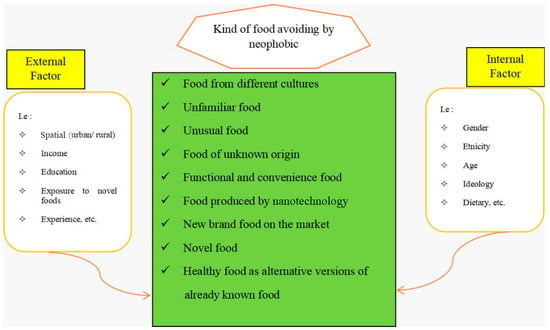
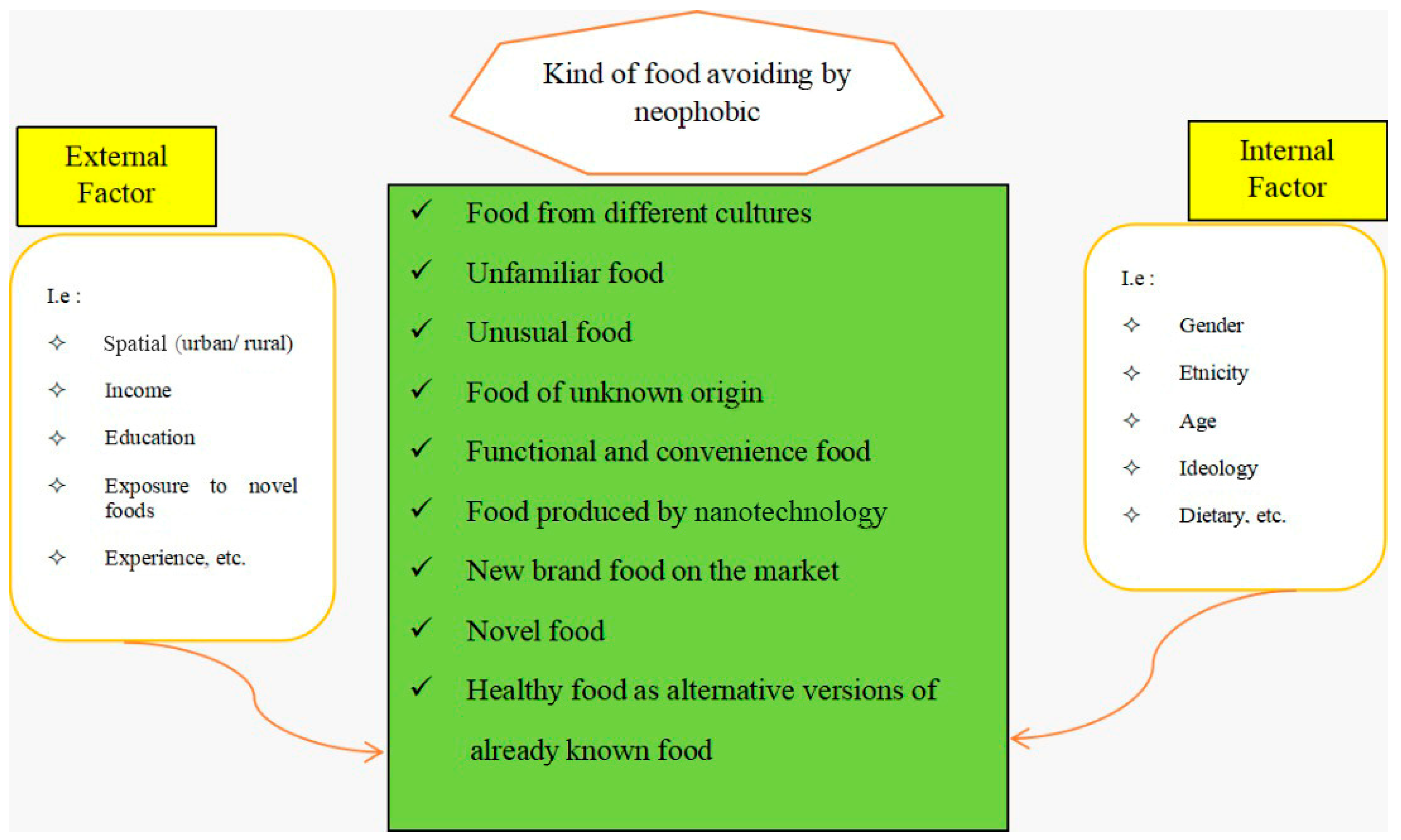
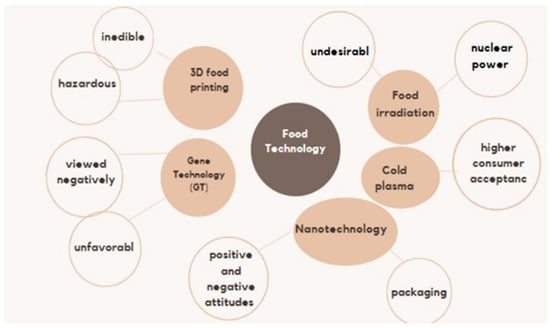
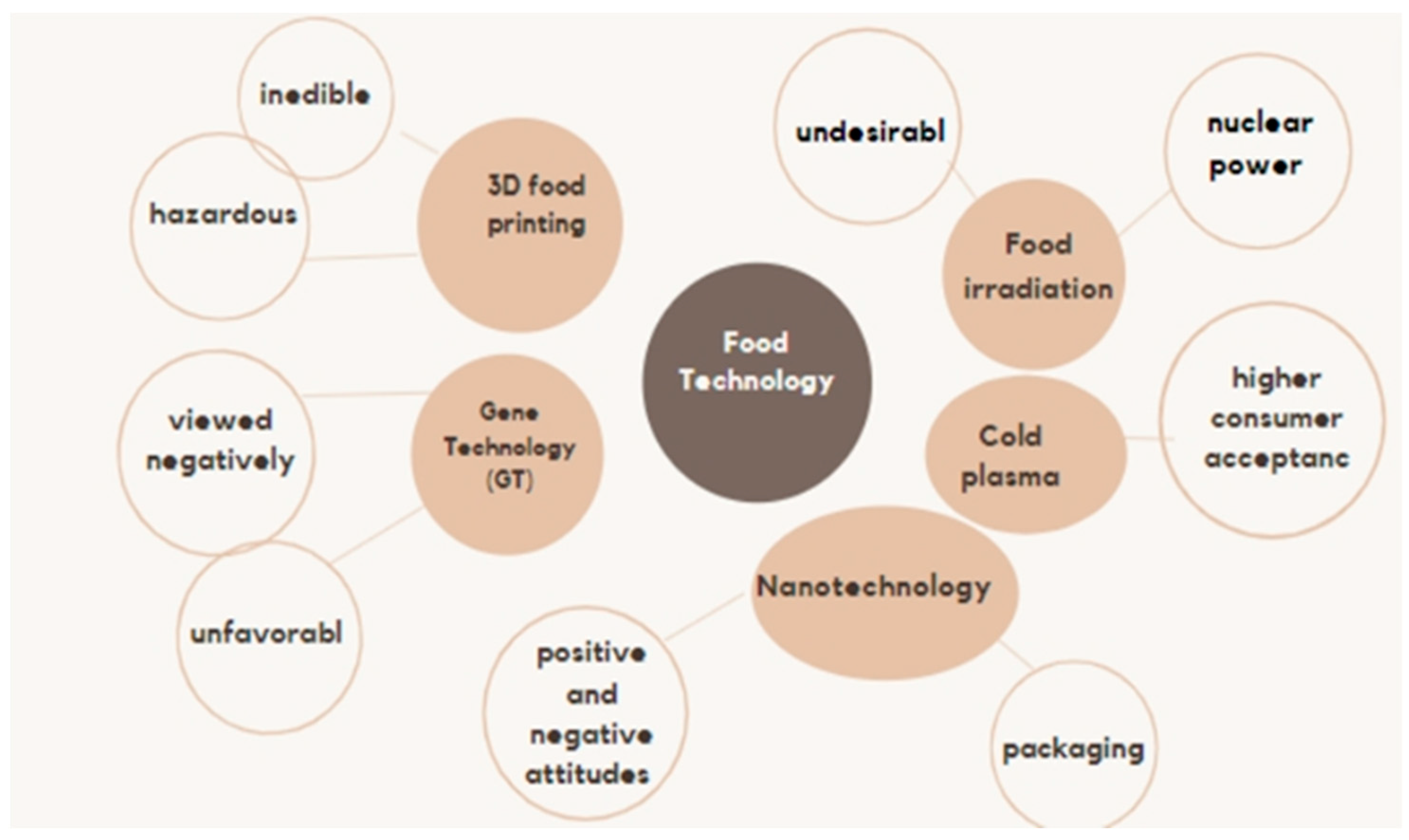

Publisher’s Note: MDPI stays neutral with regard to jurisdictional claims in published maps and institutional affiliations. |
© 2022 by the authors. Licensee MDPI, Basel, Switzerland. This article is an open access article distributed under the terms and conditions of the Creative Commons Attribution (CC BY) license (https://creativecommons.org/licenses/by/4.0/).