


Abstract
In the last decade, postsecondary institutions have seen a notable increase in makerspaces on their campuses and the integration of these spaces into engineering programs. Yet research into the efficacy of university-based makerspaces is sparse. We contribute to this nascent body of research in reporting on findings from a phenomenological study on the perceptions of faculty, staff, and students concerning six university-based makerspaces in the United States. We discuss the findings using a framework of heterogeneous engineering (integration of the social and technical aspects of engineering practice). Various physical, climate, and programmatic features of makerspaces were read as affordances for students’ development of engineering practices and their continued participation and persistence in engineering. We discuss the potential of makerspaces in helping students develop knowledge, skills, and proclivities that may support their attending to especially wicked societal problems, such as issues of sustainability. We offer implications for makerspace administrators, engineering program leaders, faculty, and staff, as well as those developing and delivering professional development for faculty and staff, to better incorporate makerspaces into the university engineering curriculum.
1. Introduction
1.1. Makerspaces in (STEM) Education Environments
Makerspaces were originally founded as places where members of a community could access tools, resources, and support to work on design problems of personal interest (e.g., fixing a bike gear, creating an automated plant-watering garden structure) [1,2]. These spaces are commonly equipped with both “lower-tech” tools (e.g., sewing equipment, wrenches) and those more “cutting-edge” (e.g., 3D printers, laser cutters) [3]. In formal education environments, including in K-12 schools and colleges and universities, makerspaces are more recent structures [4]. In the last two decades, postsecondary institutions have seen a notable increase in makerspaces on their campuses, as well as the integration of these spaces into university engineering programs [5,6,7,8,9]. Although differing in exact focus, staffing, and accessibility, a university-based makerspace, generally speaking, can “serve as a meeting place for a university’s maker community, and provides resources to design, fabricate, and evaluate engineered systems” [9] (p. 2). Certain other characteristics are typical of many university-based makerspaces that, overall, foster users’ innovation. These include allowing for unstructured activities and intermingling of individuals and their ideas [8].
Similar to community spaces, university-based makerspaces may provide a greater array of students’ access to equipment and space for projects, in comparison to other campus spaces (e.g, laboratories and machine shops) that are typically utilized by programs in the STEM (science, technology, engineering, and mathematics) disciplines. Makerspace proponents have argued that these spaces are more welcoming and democratizing spaces for underrepresented students in the STEM fields [2,10,11,12]. Women students may find makerspaces a place to engage in work that resonates with their design interests, including around innovations of potential societal benefit [13]. University-based makerspaces may inspire engineering faculty to teach innovations that can attend to a diversity of student interests and experiences [5]. These collective research findings motivate postsecondary education’s expansion of investment in makerspaces [14].
Yet, there is conflicting evidence concerning equity and access to and within makerspaces and concerning engineering activities within them specifically. Of notable concern is the potential of makerspaces to strengthen the status quo around engineering activities, privileging participation of white, male, and affluent individuals. Makerspaces have been criticized for potentially replicating this inequitable involvement, across STEM [15], via the promotion of a “maker culture” unwelcoming to women and racially/ethnically minoritized groups [16]. Yet this research, as with most research concerning makerspaces in formal education settings, is limited and tends to focus on K-12 environments [17].
Overall, research into the efficacy of makerspaces in higher education environments (hereafter university-based makerspaces) is sparse, with few phenomena explored to inform their efficacious use by students, faculty, and programs [10,18]. While a few recent studies have elicited engineering students’ perspectives regarding university-based makerspaces [19,20,21], these studies have focused on student experiences in a specific course or project they completed. These studies may not capture the multi-functional nature of university-based makerspaces that can encompass formal coursework, student club activities, and personal or non-coursework-related projects that constitute students’ engagement with makerspaces [3].
Additionally, while a plethora of research exists concerning the role of professional engineering programs, broadly speaking, on the development of undergraduate students as engineers (e.g., [22,23,24]), research is just now emerging on the role of makerspaces in this development [25]. Limited evidence indicates that makerspace activities help students develop dispositions and practices relevant to engineering, such as confidence and motivation related to designing [26,27], creativity related to the graphical representation of ideas [28], and collaboration abilities [3,6]. Others argue that university-based makerspaces may encourage student engagement in real-world problem-solving [14,27,29]. This includes around some of society’s most pressing problems [12], such as sustainability, wicked in its complexity [30], requiring collaboration and integration of diverse knowledge bases and skills across disciplines. Yet, some of these claims around makerspaces are without adequate empirical basis.
Given the ultimate goal of university engineering programs to develop engineering professionals, there is a need for future research around makerspaces’ potential contribution to the development of students’ knowledge, skills, and proclivities around engineering [5,20,31]. This includes the examination of the perspectives of students, as well as educators who can and do lead, create, and implement curriculum and instruction that engage university engineering students in engineering-related makerspace activities. These needs root our study of faculty, staff members’, and students’ perceptions of university-based makerspaces as affordances for undergraduate students’ development as engineers.
1.2. Postsecondary Engineering Programs and the Preparation of Students as Engineers
A main goal, perhaps the main goal, of university engineering programs is preparing students to be engineers, enabling them to perform as professional engineers do, drawing on certain knowledge, and exhibiting the skills necessary to participate in professional practices [32]. Beyond practice, engineering programs, like other professional preparation programs, must also support students’ development of professional identity, or “the attributes, skills, knowledge, beliefs, practices, and principles, which are representative of professionals as they work within and evolve with their profession” [24]. Various scholars have argued that to achieve the “internalization” of requisite professional understandings and proclivities [33] (p. 4), university-based engineering programs must provide students with more experiences aligned with the work of contemporary engineer practitioners, or authentic practices [20,34,35,36]. Through these activities, students can also develop more accurate understandings of the work and field of professional engineers [33].
Many undergraduate engineering preparation programs have evolved to better align curriculum and instruction with professional engineering practices [37], including via incorporation of makerspace-associated activities [20,21,28,38]. Yet there is still reason for concern that engineering programs, including those involving student makerspace activities, may not adequately prepare students to be 21st-century engineers, prepared to address complex societal issues [12]. In the last two decades, researchers have documented that misalignments still exist between students and professional engineers, including around communication styles and project execution [34,39,40]. Students’ misperceptions of the work of engineers are obviously influenced by experiences in their university engineering programs. For instance, the problem-solving required of university students, in comparison to practicing engineers, is typically more structured and organized and with more obvious solutions [31,41]. Engineering students spend less time and energy gathering relevant information and generating alternatives when confronted with solving design problems [39], adopt less of a social orientation [24,40], and have difficulty reflecting professional identities in professional communications and design presentations [34].
Some researchers have raised concerns for students’ inaccurate notions of the work of professional engineers. For instance, Stevens et al. [31,42] have noted that undergraduate engineering students often do not recognize aspects of engineering work beyond the technical. While, admittedly, the work of engineers evolves with forces such as globalization and new technologies [31,43], there are still certain aspects/practices that largely root complex, collaborative, and creative engineering work over time [35,37,43]. Not surprisingly, these aspects are reflected in ABET’s (Accreditation Board for Engineering and Technology) accreditation criteria [32] for baccalaureate and integrated baccalaureate-master’s level engineering programs. These are conceptualized as seven student learning outcomes around solving complex problems, via application of appropriate knowledge and analytical processes; creating meaningful and ethical solutions; and effective communication and teamwork. Engineering education programs with ABET accreditation must document their efficacy in helping students achieve these outcomes.
1.3. The Heterogeneous Perspective of Engineering
The complex work of engineering professionals is what Stevens et al. [31] (building from Law [44]) conceptualize as the heterogeneous perspective of engineering. This perspective includes practices often perceived as social (e.g., collaborating and organizing across individuals and organizations, using disciplinary representations to communicate ideas and persuade others) alongside those perceived as more technical (e.g., use of technology, applying algorithms, interpreting data). The integration of the social and technical is key, with the heterogeneous perspective of engineering in contrast to seeing engineering work as a dichotomy of technically oriented versus socially oriented work (and predominantly still technical [12,31,45]). A more accurate notion of engineering, in fact, may help to retain students who may otherwise turn away from the field due to not understanding its attention to social problems [41].
Stevens et al. [31] argue for a reconceptualization of engineering work, to better acknowledge the heterogeneous perspective. This includes a reorientation of postsecondary engineering programs towards students’ development, and accurate understanding of the skills, knowledge, and proclivities of practicing engineers. Reflected in Learning Outcomes #2 and #4 of ABET [32], researchers continue to call for university engineering programs to do a better job at helping students recognize the political and values-driven dimensions of engineering [12,46,47,48,49]. Proponents of university-based makerspaces have pointed towards their role in developing students as activist engineers, who can “develop holistic, systemic solutions to complex social and environmental problems through collaborative making that centers around the collective good” [12] (p. 128). Yet this potential is not well confirmed with empirical research.
1.4. Paper Focus
Herein we present findings from a phenomenological research study concerning the perceptions of faculty, staff, and students of the affordances of six university-based makerspaces on students’ development as engineers. We discuss our findings using a framework of heterogeneous engineering [31,44], which also illuminates what faculty, staff, and students perceive as key programmatic outcomes for students’ development as engineers, as well as the nature of being an engineer. We consider implications for makerspace administrators, faculty, and staff, as well as those developing and delivering professional development for them.
2. Materials and Methods
2.1. Research Focus
Our research question was: What do faculty, staff, and students perceive university-based makerspaces to afford for undergraduate students’ development as engineers?
2.2. Assumptions: Individuals’ Perceptions of Affordances of Education Innovations
Our investigation relied on the theoretical concept of affordances. Modern affordance theory stems from the work of ecologist James Gibson [50] who described affordances as the dialectic between properties of animals and features of their environment, allowing for actions on the part of animals (e.g., bark on a tree affording animals with claws to climb). Chemero [51] argued that affordances are better conceptualized as relationships involving the traits of individuals and features of the environment at specific points in time concerning an individual’s needs, interests, and capabilities.
STEM education researchers have employed theories of affordances to examine the way individuals make sense and use of features available in their learning environments. Affordance theory has been used to examine postsecondary STEM educators’ instructional decision-making [52], their sensemaking around education improvement initiatives [53], and their adoption of instructional innovations [54]. Researchers have also used affordance theories to frame investigations of instructional innovations on learning, such as the influence of new technologies to support student learning in STEM [55,56,57] and shifts in motivation to pursue science careers [58].
We assume the premises of Chemero’s [51] actor-environment relationship model of affordance theory. We used the theory to focus our attention on the intersection of the features within individuals’ contexts, including education innovations (i.e., the university-based makerspace and its components) that individuals (i.e., faculty, staff, students) perceived as allowing actions or outcomes (i.e., the development of students as engineers) in relation to the perceptions, needs, and abilities of individuals (i.e., the students engineering programs are meant to impact). As is the case of all educational innovations, not all features are perceived by individuals as promoting actions or outcomes; some features may be perceived as a hindrance to actors’ outcomes, regardless of designer intentions. Importantly, individuals read features as “affordances in terms of prior knowledge, experiences, and desires” [59] (p. 18). We utilize Halverson and Halverson’s [59] artifact analysis model to explore the connection between makerspace features, potentially perceived by individuals as affordances, allowing (or not) certain outcomes. Our analysis treats university-based makerspaces as the artifact (what others would call an innovation) of focus. Operating from the main outcome of students’ development as engineers, we focused specifically on stakeholders’ perceived affordances of makerspace features (e.g., the physical equipment within them) for that outcome. As well, in light of previously documented notions of engineering, we gave enhanced attention to one factor potentially impacting these perceptions, that being varied notions of students’ development as engineers and related notions of engineering as a profession (see Figure 1).
Figure 1.
Adapting the artifact analysis model from Halverson and Halverson [59] and Bouwma-Gearhart et al.’s [53] modified use of the original model, our conceptualization of university-based makerspaces as artifacts, comprised of features, per designer intentions, potentially perceived by actors as affordances for outcomes.
2.3. Setting
Our exploratory study was part of a larger National Science Foundation-funded project that is focused on documenting the experiences of faculty, staff, and students at university-based makerspaces. We focused on the professional development of undergraduate students as engineers within the context of makerspaces integrated with undergraduate engineering preparation programs. Our larger project was informed by and aims to build upon research that drew connections between undergraduate student access, success, and persistence in the STEM fields with concepts such as a sense of belonging [60,61], motivation [62,63], and professional identity [23,24,33]. The larger project entailed the collection of survey, interview, and observation data from six university-based makerspaces across the United States. The findings of this paper are largely based on data from interviews with faculty, staff, and students.
All six makerspaces in our study functioned as open spaces for drop-in use by students and as teaching facilities in which formal courses or course-related components took place (e.g., labs, group projects). They all also served as meeting spaces for student organizations, as student study areas, and as casual places for students to hang out and socialize. We chose among U.S. university-based makerspaces affiliated with a college of engineering or engineering department at their respective institution. Attempting to limit some confounding factors in our findings, we also chose makerspaces at institutions with other similarities, utilizing only those designated as Doctoral Universities: Very High Research Activity within the Carnegie Classification of Institutions of Higher Education [64]. Five of the institutions were public universities and one was a private, not-for-profit university. All were located in the United States, with three of these located in the West, two located in the Southwest and one located in the Midwest. Given the potential differences in makerspace use based on time in existence, we chose six sites that had been in existence for varying lengths of time, ranging from less than 1 year to 10 years (see Table 1); however, no relevant differences were found and noted in the data per this characteristic.
Table 1.
Characteristics of six university-based makerspaces included in the study.
2.4. Data Collection
We utilized a phenomenological approach [65,66] to gain an understanding of the essence of individuals’ lived experiences (i.e., engaging with and perceptions of a university-based makerspace). We conducted semi-structured in-person interviews with 45 faculty, 29 staff, and 148 students at the six university-based makerspaces, over two visits to each makerspace between 2017 and 2019. Each visit and data collection were conducted by a 2–3-member research team (a faculty member and research assistant(s)) from three institutions; each makerspace was visited by the same research team over time. Faculty members we interviewed affiliated with their campus makerspace primarily as instructors who taught a course(s) or an associated component of a course in the makerspace. Some faculty interviewees also held administrative or advisory roles in the makerspace. The staff members we interviewed held various roles associated with their campus makerspace ranging from administrative, instructional, student support, and technical support roles. Due to the overlap of faculty and staff functions within the makerspace in many cases (as administrators or instructors, for instance), and due to the similarities in the themes we identified across interview data from these two groups, we have grouped faculty and staff in the reporting of our findings. Although a small subset of the students we interviewed also held part-time student staff positions in their campus makerspace, we did not include these individuals in our definition of “staff.” Given their similar general use of the makerspaces and overlapping “student perspective” that emerged we, instead, considered their interview data alongside the interview data from other students in our study.
We established an initial contact person at each makerspace before visiting, whom we identified either via a review of the makerspace website or via in-person contact at professional convenings for makerspace personnel. Through the help of the contact person and/or via our review of makerspace websites, faculty and staff interviews were arranged before we arrived at the study sites. In few cases, we conducted impromptu interviews of faculty and staff we encountered during our site visits. Faculty/staff interview questions were designed to elicit how they supported students’ engagement with makerspaces, what they wanted their students to learn through their use of makerspaces, and to what extent they felt makerspaces promoted the skills and practices essential to engineering. All student interviews were conducted as we encountered them in the makerspaces, without prior arrangement to our site visits. Student interview questions were designed to elicit how the students engaged with makerspaces and what they learned per their use of makerspaces. We audio-recorded and had the interviews transcribed verbatim. See Appendix A and Appendix B for the interview protocols. Due to interviews often taking place in fairly public places, and wanting them to be unobtrusive, unintimidating, and as comfortable as possible for interviewees, we did not ask interviewees to disclose their social identities, such as gender and race/ethnicity. Thus, these are not reported.
2.5. Data Analysis
We followed the recommendations of Auerbach and Silverstein [67] concerning coding and analysis. For each of the six sites, the research team that collected the data performed initial coding. Initial coding was done in two phases, an inductive followed by a deductive phase. The inductive phase consisted of reading the verbatim transcripts, drawing perspectives from participants’ own words to determine emerging concepts and themes around makerspaces’ impact on undergraduate students. Afterward, we worked across the three research teams and used the emerging themes to create a template around which to compile site summaries. Site summaries served as each research team’s deductive phase of coding. The summaries informed subsequent analysis around this paper’s focus, led by the first and second authors. Utilizing these summaries, the second author identified relevant interview segments and open-coded instances in which faculty, staff, and students mentioned their perceptions of makerspaces following the notion of features and affordances in general and concerning the objective/goal of developing students as engineers [51,59]. At each stage of analysis, we analyzed to the point of data saturation [68], until discovering no new patterns and feeling the patterns were based on adequate data richness concerning detail and nuance [69]. Themes were considered salient only when at least two participants mentioned the topic. All authors provided periodic checks of each other’s work and, together, we came to a consensus concerning discrepancies. Towards informing the state of affairs regarding makerspaces and engineering education at U.S. universities writ large, we only report in this paper on features and affordances noted for at least two university sites by multiple interviewees. Our research process is summarized in Figure 2.
Figure 2.
Schematic of the research process.
3. Results
3.1. Features of Makerspaces
Interviewees across the six sites discussed numerous features of their campus makerspace that they perceived as affordances for students’ development as engineers. We grouped these features into three categories: physical features, climate features, and programmatic features (Table 2). Physical features included tools and equipment available at the makerspace; layout of the makerspace; physical capacity of the makerspace; and lowered barriers to entry (e.g., controlled cost, liberal eligibility requirements for access, hours of operation/access considerate of student schedules, a convenient location on campus). Climate features included a space for students’ (sometimes first) exposure to making; a generally welcoming and supportive environment (including for non-engineering majors), consisting of diverse staff and users in terms of gender and race/ethnicity; availability of knowledgeable staff and other users that could help to navigate the space or technologies; feelings of allowability to experiment and fail in the space and using the space for personal projects and “hanging out;” and minimal monitoring of student users by faculty and staff. Programmatic features included courses or workshops offered in the makerspace; industry or community partnerships (in the form of financial backing and/or mentorship for student projects); and student part-time employment opportunities as makerspace staff. The above features were mentioned as makerspace aspects which interviewees appreciated, particularly with regards to students’ participation in and development of engineering practice.
Table 2.
Features of university-based makerspaces as identified by faculty, staff, and students.
However, there were a few features that interviewees noted as unhelpful to students’ development as engineers; and some claimed these features even hindered students’ participation in the makerspace and in associated activities. For instance, some of the makerspaces we visited either lacked a dedicated teaching space, with an open floor plan and open-access policy. While this allowed makerspace users to freely move about and use the space and it equipment (whether or not they were affiliated with a formal course session taking place), some instructors who taught classes in these spaces noted that these features led to distractions, largely noise, that hindered their teaching. Additionally, the makerspaces we examined varied with respect to student access fees, ranging from completely free for all students registered at a university to one-hundred dollars (USD) per per student per semester. Some of the students whose campus makerspaces required higher usage fees noted claimed this as prohibitive of makerspace use and felt it unjustified (although, at one makerspace, there were ways to avoid this fee if affiliated with a research project or course necessitating makerspace use).
3.2. Affordances of Makerspaces
Faculty, staff, and students identified various affordances of their campus makerspace, which they perceived as contributing to students’ development as engineers. We grouped these affordances into two broad categories: (a) affordances relevant for students’ exposure to and learning of professional engineering practices, and (b) affordances relevant for students’ participation and persistence in the field of engineering. A list of these affordances and corresponding illustrative quotes can be found in Table 3.
Table 3.
Affordances of university-based makerspaces as identified by faculty, staff, and students.
3.2.1. Affordances Relevant for Engineering Practices
Affordances under this first category are those that interviewees claimed prepare students to develop as engineers by exposing students to and aiding in their learning of engineering practices. One of the most frequently mentioned affordances under this category was students acquiring “hands-on” experience, which was made possible due to available physical features in the spaces, the various tools and equipment. Interviewees stated that the availability of these physical features allowed students to develop specific skills (e.g., soldering) or knowledge on how to use a specific piece of equipment (e.g., laser cutter). Another frequently mentioned affordance, across all interviewee groups, was students’ engagement in the process of design. For many interviewees, makerspace-afforded design was a a larger process encompassing other engineering practices that made use of the makerspace’s physical features, such as creating a physical product, prototyping, testing, iterating, and building. In and of themselves, all interviewee groups discussed these practices as affordances that the makerspaces provide for students.
Interviewees claimed other makerspace affordances as attributable to the social and programmatic features of the makerspaces. All interviewee groups spoke of makerspaces affording students’ interaction with others with similar interests, as well as those with different interests or expertise. This point was sometimes made by interviewees while discussing how the makerspaces afforded teamwork and collaboration, and at other times while discussing how the spaces allowed students to take ownership of their work. All interviewee groups mentioned that makerspaces afforded students’ engagement in projects with “real” consequences, sometimes with entrepreneurial/marketing potential. Additionally, faculty and staff spoke of affordances for students to communicate ideas, be creative and innovative, and to integrate multiple disciplines’ knowledge and skills in their work.
While all of the above affordances were perceived as generally helpful for students’ development of engineering practices, some faculty and staff voiced concerns that the physical features in makerspaces may lead students to develop an inaccurate or incomplete understanding of engineering. They expressed concern that some students may become overly dependent on fancy equipment without critically thinking about whether the equipment is necessary to the overall process of design and production. For instance, one staff member stated, “We used to joke that people shouldn’t cut rectangles on the ‘lazy cutter’… like don’t use the laser cutter as a ‘lazy’ cutter.” Faculty expressed the need for students to understand that producing rapid prototypes is only part of design and product development and, by extension, working as an engineer.
3.2.2. Affordances Relevant for Participation and Persistence in Engineering
Interviewees also reported various makerspace affordances for students’ further participation and persistence in engineering. These affordances seemed predominantly related to the climate and programmatic features of the makerspaces. One of these most frequently mentioned affordances was students’ sense of comfort and belonging fostered in the makerspaces. In many cases, the makerspaces in our study functioned not only as spaces where “professional” or “school-work” engineering-related activities took place, but also as spaces of social gathering, for students to work on personal projects or “hanging out,” including for students not in engineering programs/majors. Overall, interviewees insisted that students generally felt unencumbered in their activities in the space. Reflecting on students who were working on more professional or school-work related projects, many interviewees noted that makerspaces afforded these students viewing the engineering field as more appealing and accessible. All interviewee groups detailed students’ ability to ask questions in the makerspaces without fear or embarrassment. While interviewees largely discussed engineering majors feeling these impacts, a few interviewees also felt that non-majors’ engagement in these spaces had them feeling similarly.
Faculty and staff also claimed jobs or job prospects resulted from engineering students’ participation in the makerspace. Faculty and staff claimed the makerspace allowed students’ involvement with courses (both in engineering programs and in other programs) not possible without the makerspace, including courses appealing to students of various skill levels, ranging from those with “no background” with equipment in the spaces to those who have their “own (3D) printers,” as noted by one faculty interviewee. Additionally students, engineering majors and non-majors alike, identified activities within the makerspace as being fun and engaging, that motivated their participation in engineering activities. As articulated by one student, “there is the fun side of engineering and I get that here [in the makerspace]; not so much in my classes.” For those students enrolled in engineering programs/majors, interviewees claimed that students’ enjoyment of engaging in activities in the makerspaces afforded students persistence in their engineering programs and into the professional field.
4. Discussion
Using framing from affordance theory [51] and an analysis model for education innovations (or artifacts, from Halverson and Halverson [59]), we identified features and affordances of university-based makerspaces that foster students’ development as engineers. As perceived by faculty, staff, and students, affordances included physical features (e.g., equipment), and well as features related to creating a welcoming and supportive climate for participation. Interviewees also detailed makerspace features related to engineering programs and their norms and requirements (e.g., courses and workshops) that would otherwise not have been offered on their campus. Interviewees spoke of affordances concerning two aspects of “becoming an engineer.” The first aspect concerned students’ development regarding engineering practices, such as via “hands-on” experience with the physical features of makerspace (tools and technologies). These also included the practices of design and teamwork, fostered by makerspace features both technical (e.g., open spaces and equipment) and those more social (e.g., enhanced interactions with diverse others, a sense of ownership over one’s own creations). These findings help to confirm the work of other researchers who have detailed university makerspaces as places where students can gain design and fabrication knowledge and skills through the availability of tools and equipment, as well as collaborators [3,19,70].
Our findings are corroborated by a recent study by Jalal and Anis [20], who found that engineering students in makerspace-based courses reported being exposed to design problems and processes that closely mirror the complexity and ambiguity of professional engineers’ projects. As did these researchers, we found students’ work in university-based makerspaces fostered their ability to approach novel engineering problems somewhat authentically, utilizing the practices of engineers, such as working collaboratively on real-life design problems that required applying various knowledge and skills (some of which were only acquired in the makerspace), planning and organizing tasks, creating prototypes, and considering and responding to user needs.
We find especially promising the potential role of makerspaces in helping users develop knowledge, skills, and proclivities that may support their attending to social problems that are notably complex, even wicked per the incomplete knowledge needed to solve them, the need for diverse stakeholder involvement, and the interconnectedness of the problems with others [71]. Many science problems, such as those pertaining to sustainability, are wicked [72], requiring attention to theories, data, and practices of inter-related disciplines, often across STEM [73] and others outside of STEM. Design problems are wicked as well as [73,74], ill-defined or unstructured. Design/innovation around sustainability may, thus, be especially wicked. “Sustainable innovation means innovation that balances the long-term influences of the process and the output with the needs of people, societies, the economy, and the environment. In addition, sustainable innovation democratizes innovation as it aims at including all people” [75],(p. 87, 2016). With their potential to afford design processes utilizing cutting-edge technologies, alongside social interactions that can bring those with differing perspectives and strengths, makerspaces seem promising in affording experiences authentic to those coming together to solve the wicked problems of society.
In fact, how to best prepare students to engage with complex problems, and the creation of potential solutions, is itself a wicked problem, alongside most questions of teaching and learning in higher education as complex human phenomena [76]. Our research here points to makerspaces as one tool that university educators and their students may have at their disposal to engage with complex problems, all the while learning about and ing engineering. Specifically, our data points to the potential of makerspaces in helping to develop students’ system perspectives and thinking that are of critical importance to understanding and solving complex problems (e.g., [77,78,79]). Makerspace-situated design activities, requiring various knowledge and skills, planning and organizing tasks, creating prototypes, and considering and responding to user needs, may afford innovation around complex real-life problems.
Our second category of affordances for students’ development as engineers concerned those relevant for students’ participation and persistence in engineering, largely associated with the welcoming social climate of makerspaces. Makerspace advocates often point to their potential to be democratizing spaces that can broaden participation and persistence in the engineering field. Limited research seems to confirm this, to a certain degree, for women (e.g., [13]) as well as racial/ethnic minorities in engineering [80]. Admittedly, our data does not speak directly to whether university-based makerspaces increase (or have the potential to increase) the participation and persistence of certain demographic groups around social identities such as gender, race/ethnicity, or socioeconomic status. Yet the consensus among our interviewee groups was that the university makerspaces we studied were making efforts to, and succeeding in, attracting and retaining users, including current and potential engineering majors, that otherwise may have felt intimidated by engineering or design or making. This welcoming climate was partially fostered by the availability of knowledgeable and diverse staff and other users (including student peers employed there part-time), and (with some overlap with Jalal and Anis’ [20] findings) a feeling of allowability to experiment and fail in these spaces. Adding to other limited research, including recommendations to encourage makerspaces use by those with physical limitations [81], these findings may support makerspace design to ensure a greater diversity of users.
This potential may be especially promising. A scientifically and technologically literate citizenry is essential to meet the U.N. Sustainable Development Goals [82], as well as ensure that the U.S. remains economically competitive in an increasingly resource-constrained global marketplace [83]. However, a limited STEM workforce is not sufficient to address such problems, including wicked ones such as sustainability, now widely recognized in both business and academic circles as needing greater attention [84]. Addressing problems such as water scarcity, growing energy demand, and global climate change requires reshaping the way we educate a larger group of university students, who can think critically about and have roles at the intersection of technology and civic life.
We note that the two categories of affordances that we identified (each of which are important in their own right) may, per their intersection and co-occurrence for students engaged in these spaces, be collectively more impactful for students. A space fostering engineering skills, knowledge-acquisition, and comfort with engineering-based activities can help students visualize and situate themselves in the profession. This is especially important for minoritized groups in engineering, that research has shown have a tendency to make decisions regarding engagement in engineering based on personal, rather than accurate, notions of the “norms and expectations” of engineering [33] (p. 8). University-based makerspaces may be uniquely situated to allow a diversity of students to develop practices relevant to the engineering profession while simultaneously providing an environment that encourages and supports their participation and persistence in the field.
Our study identified university-based makerspace affordances for both engineering and non-majors alike. Additionally, while others have noted makerspaces as potential “entry points to the technology” for students [20] (p. 1260), our interviewees provided nuance concerning issues of access and accessibility in these spaces. They specifically highlighted both potential barriers to entry into university makerspaces, such as cost and eligibility requirements (that were sometimes constraining at the sites we studied), and features affording more access, such as expanded hours of operation and centralized locations on campus. Entry points into making (including for non-engineering majors) was afforded by the makerspaces, as well as activities and understanding related to the broader concept of design, such as creating a physical product, prototyping, testing, iterating, and building [85].
While we do not know the actual extent to which the makerspaces of our study actually impacted students (matriculation and graduation, assuming and advancing in a professional engineering position), it seems that the novelty of physical and social/climate-related features likely allowed for value-added impact, and especially in conjunction with more typical engineering programming. In some cases, makerspaces provided such novel features that faculty went so far as to say that some programming (e.g., certain classes, activities) would not have otherwise been possible. The makerspaces, and their features, were relatively easy-to-utilize, potentially buying faculty meaningful revisions to their teaching without adding significantly to their workloads [86], that we know may be especially important for faculty who may not be as experienced with incorporating education innovations that can improve student learning and development [87]. The makerspaces that we studied, utilized by faculty for formal coursework and programming and also allowing other uses, were conducive to a diversity of student users and their diverse desires around engineering-related activities. For engineering majors, most notably, the makerspace climate seemed to make the engineering field more enticing of their participation, a field well-known for student attrition and, specifically, for certain groups. Interviewees described makerspaces as generally welcoming and supportive places, even for students without prior experiences in making and makerspaces, including for non-engineering majors who appreciated engaging in enjoyable engineering-based personal projects in the space. In many cases, the makerspaces we examined functioned as both spaces where “professional” or “school-work related” engineering took place as well as social space to study or simply “hang out.” These findings add fodder to others’ insistence that makerspaces can function as spaces for informal socialization, including assertions based on anecdotal evidence [3] and on investigations around makerspaces used less by formal programs [70].
While our interviewees largely spoke positively of makerspaces’ impact on students’ development as engineers, interviewees occasionally discussed specific features that could be viewed as hindering students’ participation and development in engineering, both directly and indirectly. While the open floor plans of these spaces were generally thought of as desirable, faculty noted that distractions and noise could impede students’ learning. While makerspaces were generally considered to be open access across all six campuses, especially in relation to other campus spaces where engineering practices could happen (e.g., machine shops), student interviewees also indicated that makerspaces requiring usage fees, and those used heavily for coursework, were not be as accessible as they would like. Additionally, faculty and staff indicated a concern that some features within makerspaces may lead students to develop an inaccurate or incomplete understanding of engineering. Some faculty and staff voiced concern that some students may become overly dependent on fancy equipment without understanding of the place of technologies and rapid prototyping in design, potentially adding to concerns others have noted about undergraduate engineering education fostering an overly technical notion of engineering in contrast to the realities of much authentic engineering work [28].
Still interviewees at our sites, and especially faculty and staff, discussed even the most technical features as affording practices, such as system-oriented thinking, at the technical-social intersection of engineering. For example, during our site visits, we frequently heard about (and witnessed) students discussing their 3D printing outputs with other students, faculty, and staff to troubleshoot or refine their design, before attempting another iteration of their output. In some cases, these projects were tied to meeting the specifications of a problem posed by industry or community partners. Thus, even though learning to use a 3D printer or prototyping may appear to be “technical” affordances of makerspaces, such activities often accompanied more “social” affordances, such as collaboration and meeting client needs. Additionally, faculty, staff, and students alike frequently mentioned teamwork or collaboration as one of the affordances they perceived as being available in makerspaces and contributing to students’ development as engineers, occurring in the context of working on more “technical” tasks, such as creating physical products or testing their products.
Specifically, the makerspaces we studied were described as spaces that allowed engineering students to interact with those of different interests or expertise and multiple disciplines’ knowledge and practices. This reality may help students round out their notion of engineering practice, seeing connections and overlap with other disciplines and ways of knowing that may also inform, for instance, the processes of design work and its ultimate goals, including goals with political and ethical implications. At least for these six sites, university-based makerspaces, and those working within them, might be well equipped to more directly address this crucial aspect of students’ development as engineers. Professional engineers must feel a sense of ownership and responsibility to solve “wicked” problems. The typically understood practices of engineers (e.g., technology use, collaboration on complex projects) must be achieved via awareness and attention to political, ethical, and human welfare implications often inherent in these practices. A related understanding regarding the work of professional engineers, so far having received limited coverage by educators and researchers, is engineering as praxis [47], or practitioners critically reflecting and acting upon the world in order to transform it for social good [86]. Although ABET criteria [32] imply this notion, university engineering programs and faculty may not understand or be committed to students’ understanding of engineering as praxis to the point of emphasizing it with the same intensity as they do other aspects of engineering practice.
Karwat et al. [47] advocate for engineering education programs to help round out students’ notions of engineering, to include engineering as praxis, and to explore with students what this means for their development and engagement as engineers. Such may require helping students replace a typical understanding of engineering practice as (solely or predominantly) being technical with a more heterogeneous perspective of engineering, framed within a focus on fostering metacognitive awareness and attention to the political, ethical, and human welfare implications of engineering (see Figure 3). Beyond not helping students to develop accurate and authentic notions of practice [20], not stressing these realities may mean students who are looking for future careers that allow for this may be turned away from engineering [41], alienating those who may be able to bring a much-needed diversified perspective into the field of engineering. Notably, understanding and discussion of engineering as praxis was not evident in our data; we did not find any obvious mention of affordances of university-based makerspaces that interviewees perceived would support students’ metacognition around the inherently political nature of engaging in engineering practices [47]. Yet university-based makerspaces may be functioning in ways that help students get closer to these realizations and commitments.
Figure 3.
Informed by Karwat et al.’s [47] notion of engineering as praxis, our conceptualization of engineering as praxis, incorporating Stevens et al.’s [31] notion of heterogeneous engineering.
Limitations
We recognize the limited generalizability of our findings. Our six sites do not represent all university-based makerspaces across the globe, let alone the United States. Although efforts were made to discover and interview all engineering faculty teaching in these spaces, and every staff member we encountered working in them, we also did not secure a representative sample of faculty, staff, and students engaging with university-based makerspaces at these universities. However, across our sizable sample of individuals, we noticed a considerable overlap in stakeholders’ (as individuals and as stakeholder groups) perceptions across the six study sites, feeling we achieved data thickness [69], or data from enough sources. The overlap reflects some level of data consistency, particularly given the diversity in makerspace geographic location, size, and years of operation. Thus, our finding may illuminate the nascent field of research on university-based makerspaces, and those broadly interested in attempting to design and offer makerspaces as innovations to assist students’ development as engineers, and the programs and faculty who are working towards this goal.
5. Conclusions and Implications
The body of research on the topic of makerspaces’ impact on students’ development regarding knowledge and skills is just now emerging, for the STEM disciplines overall, and across the K-20 formal schooling spectrum. This paper adds to the limited body of empirically based literature that is beginning to explore the affordances of university-based makerspaces on postsecondary students’ development, specifically their development as engineers. In this paper, we presented the perceptions of faculty, staff, and students of the affordances of six university-based makerspaces for the development of students as engineers. University-based makerspaces are easily read as spaces filled with physical features promoting technical affordances for students. We have found that a collection of features found in these spaces can afford non-technical aspects of developing engineering practice, as well as practices arguably at the intersection of the technical and social aspects of engineering. We found, when looking across interviewee groups and sites, that university-based makerspaces are places that may afford what various stakeholders are calling for from postsecondary engineering programs, namely the preparation of students within the heterogeneous perspective of engineering [31,32,44] requiring complex, collaborative, and creative work attending to both physical–technical and human–social components within and across systems.
Our interviewees further described makerspaces as generally welcoming and supportive spaces that encouraged the participation and persistence of a diverse group of students in engineering activities, including those who may have been previously intimidated or uninterested. Nonmajors and those pursuing degrees in engineering, alike, enjoyed being in the space, pursuing formal course requirements and projects of personal interest, strengthening their interests in engineering-related pursuits. Ultimately, the crux of what university-based makerspaces may offer in the development of students as engineers is greater access to an array of modern techno-social affordances relevant to the practice of engineering, co-existing with affordances that aid in students’ participation and persistence in activities at this intersection.
These include activities attending to complex problems requiring systems thinking. Alongside creating activities that utilize makerspaces to foster students’ systems perspectives, faculty and staff can encourage students to be metacognitive about this perspective in the field of engineering, utilizing cutting-edge technologies as teams effective at capitalizing on and merging the diverse knowledge, skills, and perspectives needed, planning and organizing tasks, and considering and responding to society’s needs. Through these activities, the faculty can help students understand the political and values-driven nature of engineering activities, especially when tackling solutions for the most wicked problems in contemporary society. We recommend that, as makerspaces continue to become an integral part of engineering education, that concerted efforts in training and hands-on experiences amongst faculty and staff are synergistically incorporated into the four-year curriculum to further motivate students to develop into engineers while using makerspaces as “safe spaces” for their formation. Of course, professional development may be needed to prepare educators to do this, as planning for students’ meaningful engagement in makerspaces, and what it means to their development as engineers and notions of engineering, is potentially already new-enough territory [5].
Additionally, as evidenced by the affordances of these spaces for engineering majors and non-majors alike, and the concern for student fees/access and capacity concerns associated with makerspaces, we recommend additional attention from higher education administrators to help make these spaces accessible and sustainable for use by more students. Those designing these spaces, and those providing funding for them may be particularly influential in making sure certain “high impact” affordances are provided [88], that may attract and support diverse users of these spaces (e.g., trained staff and other support personnel; open access areas for personal projects; places to “just hang out”). ABET leaders might also consider the evolving role that makerspaces are playing in engineering education, encourage such spaces, and assessment of them along more climate-focused criteria around elements that support the more holistic development of engineering students.
As for researchers interested in university-based makerspaces, and especially in the development of students for STEM professions, we see a need for more investigation of direct links of makerspace features to the intended outcomes of designers, administrators, and faculty. Such research will allow designers of such spaces, as well as educators, to utilize elements most predictive of student learning and development, and for faculty professional developers to help faculty effectively utilize these. Additionally, investigations of the longer-term effects of engagement in makerspaces (including through graduation and into professional practice) would be beneficial for numerous stakeholders. Lastly, investigations into the degree to which makerspaces, and their elements, live up to their promise of diversifying traditionally exclusionary fields (such as engineering) are needed, specifically about systemic forms of marginalization along lines of race, gender, class, ability, and others that may bear out in makerspace policies, rhetoric, and practices.
Author Contributions
Conceptualization, J.B.-G. and Y.H.C.; data curation, Y.H.C., L.S.N., I.V., E.S. and C.A.L.; formal analysis, Y.H.C., L.S.N., I.V. and E.S.; funding acquisition, J.B.-G., L.S.N. and I.V.; investigation, J.B.-G., Y.H.C., L.S.N., I.V., E.S. and C.A.L.; methodology, J.B.-G., L.S.N. and I.V.; project administration, J.B.-G., L.S.N. and I.V.; resources, J.B.-G., L.S.N. and I.V.; supervision, J.B.-G., L.S.N. and I.V.; validation, J.B.-G., L.S.N. and I.V., visualization, Y.H.C.; writing—original draft preparation, J.B.-G. and Y.H.C.; writing—review and editing, J.B.-G., Y.H.C., L.S.N., I.V., E.S. and C.A.L. All authors have read and agreed to the published version of the manuscript.
Funding
This research was funded by the National Science Foundation, grant numbers EEC 1664271, 1664272, 1664274, and 2113755.
Institutional Review Board Statement
Ethical review and approval for this study was provided by the Institutional Review Boards of University of Central Arkansas (protocol code 18-138 approved on 23 August 2018), Oregon State University (protocol code 2019-0052 approved on 16 April 2019), and University of Florida (protocol 202003240 approved on 6 January 2021).
Informed Consent Statement
Informed consent was obtained from all subjects involved in the study.
Data Availability Statement
The data presented in this study are available on request from the corresponding author. The data are not publicly available due to confidentiality concerns for participants.
Conflicts of Interest
The authors declare no conflict of interest. The funders had no role in the design of the study; in the collection, analyses, or interpretation of data; in the writing of the manuscript, or in the decision to publish the results.
Appendix A
Faculty and Staff Interview Protocol
- I’d like to hear about the history of the makerspace at your institution
- Who motivated/supported the development of the makerspace?
- How have engineering programs and colleges interacted with the makerspace historically? Is this interaction similar to other programs’ interactions (other than engineering)?
- How are decisions made with respect to programs or course use of the space or other priorities for its use?
- How are you/others supporting student participation in makerspaces?
- What motivates you or others to incorporate the use of a makerspace in coursework?
- Please share an example of an assignment that you or others give students that requires them to engage in a makerspace.
- What does a successful student look like in your program? How do you think a makerspace supports this?
- To what extent do you think that participation in a makerspace may help students develop with respect to their engineering program and trajectory in the field?
- Are there other things you are hoping students gain from their participation in makerspaces?
- If applicable, what ABET outcomes are you or others expecting students to accomplish through participation in makerspaces? Are there additional outcomes you or others are expecting?
- How much autonomy do students have regarding their activity in the space? How much are they allowed to determine their use of equipment/tools in the space (i.e., ‘play’)?
- How do you interact with the makerspace and the students when they are using the space? What does this look like?
- To what extent do you think makerspace assignments promote skills and practices that are essential to engineering? Can you provide examples?
- To what extent are students encouraged to use the space beyond their required school projects or tasks? (Are students using the area to ‘hang out’ or ‘socialize’, are voluntary events hosted there, etc. Are they allowed to be?).
- How have makerspace assignments/activities influenced students’ learning? Please share any evidence of this influence, school-related and otherwise.
- To what extent do you feel makerspaces may help struggling students?
- Are there students you see struggling in the makerspaces or during specific activities within the makerspace? If so, what are some of the challenges you notice them dealing with?
- What changes would you make regarding makerspace layout, use, promotion, integration with academic programs?
- Is there anything else you’d like to share or clarify?
Appendix B
Student Interview Protocol
- Tell me about your experiences working in makerspaces. [Probe for formal education (course affiliated) experiences AND any informal (participant-initiated) experiences]
- What’s the value of being in a makerspace?
- What do you think your instructor(s) want you to gain from being in the makerspace?
- How are the makerspace assignments helping you learn about what engineers do?
- Through participation in makerspace activities, what practices are you learning that you think are essential to engineering and how valuable do you think the skills are?
- Do you feel you belong in a makerspace, why or why not? What does belonging look like to you?
- How do you form and work in teams in the makerspace as compared to classroom or study groups?
- Do you feel there are norms or unwritten rules for participating in the makerspace? If so, what are they?
- Are there people you feel you relate better to in the makerspace? If so, how, and if not, why?
- Share a time when you got stuck when working on a makerspace project. What did you do? Is this the same approach with other engineering assignments?
- [If applicable, any questions that occur to interviewer per what witnessed during observed makerspace activity]
References
- Andrews, D.; Roberts, D. Academic makerspaces: Contexts for research on interdisciplinary collaborative communication. In Proceedings of the 35th ACM International Conference on the Design of Communication-SIGDOC ’17, Halifax, NS, Canada, 11–13 August 2017; pp. 1–7. [Google Scholar]
- Sheridan, K.; Halverson, E.R.; Litts, B.; Brahms, L.; Jacobs-Priebe, L.; Owens, T. Learning in the making: A comparative case study of three makerspaces. Harv. Educ. Rev. 2014, 84, 505–531. [Google Scholar] [CrossRef] [Scilit]
- Wilczynski, V.; Adrezin, R. Higher education makerspaces and engineering education. In Proceedings of the ASME 2016 IMECE, Phoenix, AZ, USA, 11–17 November 2016; p. V005T06A013. [Google Scholar]
- Barrett, T.; Pizzico, M.; Levy, B.; Nagel, R.; Linsey, J.; Talley, K.; Forest, C.; Newstetter, W. A review of university maker spaces. In Proceedings of the 2015 ASEE Annual Conference and Exposition, Seattle, WA, USA, 14–17 June 2015; p. 13209. [Google Scholar]
- Lenhart, C.; Bouwma-Gearhart, J.; Villanueva, I.; Youmans, K.; Nadelson, L.S. Engineering faculty members’ perceptions of university makerspaces: Potential affordances for curriculum, instructional practices, and student learning. Int. J. Eng. Educ. 2020, 36, 1196–1207. [Google Scholar]
- Wilczynski, V.; Cooke, M.N. Identifying and sharing best practices in international higher education makerspaces. In Proceedings of the 2017 ASEE International Forum, Columbus, OH, USA, 28 June 2017; p. 20789. [Google Scholar]
- Youmans, K.L.; Villanueva, I.; Nadelson, L.; Bouwma-Gearhart, J.; Lenz, A. Makerspaces vs. engineering shops: Initial undergraduate student perspectives. In Proceedings of the 2018 IEEE Frontiers in Education Conference (FIE), San Jose, CA, USA, 3–6 October 2018; p. 1570430903. [Google Scholar]
- Farritor, S. University-based makerspaces: A source of innovation. Technol. Innov. 2017, 19, 389–395. [Google Scholar] [CrossRef] [Scilit]
- Wilczynski, V.; McLaughlin, A. Similarities and differences between academic centers for entrepreneurship, innovation, and making. In Proceedings of the International Symposium on Academic Makerspaces, Cleveland, OH, USA, 24–27 September 2017. [Google Scholar]
- Halverson, E.R.; Sheridan, K. The maker movement in education. Harv. Educ. Rev. 2014, 84, 495–504. [Google Scholar] [CrossRef] [Scilit]
- Mekolichick, J.; Wirgau, J. Leveraging the maker movement for undergraduate research: Developing a making and innovation culture. Counc. Undergrad. Res. Q. 2017, 37, 23–27. [Google Scholar] [CrossRef] [Scilit]
- Reichenbach, K.; Reynante, B. Educating change-makers: A framework for sustainable making and activist engineering. In Proceedings of the FabLearn 2019, New York, NY, USA, 9–10 March 2019; pp. 128–131. [Google Scholar]
- Roldan, W.; Hui, J.; Gerber, E.M. University makerspaces: Opportunities to support equitable participation for women in engineering. Int. J. Eng. Educ. 2018, 34, 751–768. [Google Scholar]
- Lande, M. Student learning trajectories from making and engineering activities. In Proceedings of the 2018 ASEE Annual Conference & Exposition, Salt Lake City, UT, USA, 24–27 June 2018; p. 23476. [Google Scholar]
- Barton, A.C.; Tan, E.; Greenberg, D. The makerspace movement: Sites of possibilities for equitable opportunities to engage underrepresented youth in STEM. Teach. Coll. Rec. 2017, 119, 11–44. [Google Scholar]
- Vossoughi, S.; Hooper, P.K.; Escudé, M. Making through the lens of culture and power: Toward transformative visions for educational equity. Harv. Educ. Rev. 2016, 86, 206–232. [Google Scholar] [CrossRef] [Scilit]
- Bevan, B. The promise and the promises of making in science education. Stud. Sci. Educ. 2017, 53, 75–103. [Google Scholar] [CrossRef] [Scilit]
- Hira, A.; Joslyn, C.H.; Hynes, M.M. Classroom makerspaces: Identifying the opportunities and challenges. In Proceedings of the 2014 IEEE Frontiers in Education Conference (FIE), Madrid, Spain, 22–25 October 2014. [Google Scholar]
- Dogan, B.; Dogan, B.; Ulku, E.E.; Bas, A.; Erdal, H. The role of the maker movement in engineering education: Student views on key issues of makerspace environment. Int. J. Eng. Educ. 2020, 36, 1161–1169. [Google Scholar]
- Jalal, M.; Anis, H. The integration of a maker program into engineering design courses. Int. J. Eng. Educ. 2020, 36, 1252–1270. [Google Scholar]
- Jiang, L.; Gao, L.; Wang, Q.; Gao, Y.; Shi, F. The CDIO-based maker space framework: Application with engineering management students. Int. J. Eng. Educ. 2020, 36, 1208–1219. [Google Scholar]
- Eliot, M.; Turns, J. Constructing professional portfolios: Sense-making and professional identity development for engineering undergraduates. J. Eng. Educ. 2011, 100, 630–654. [Google Scholar] [CrossRef] [Scilit]
- Nadelson, L.S.; McGuire, S.P.; Davis, K.A.; Farid, A.; Hardy, K.K.; Hsu, Y.-C.; Kaiser, U.; Nagarajan, R.; Wang, S. Am I a STEM professional? Documenting STEM student professional identity development. Stud. High. Educ. 2017, 42, 701–720. [Google Scholar] [CrossRef] [Scilit]
- Villanueva, I.; Nadelson, L. Are we preparing our students to become engineers of the future or the past? Int. J. Eng. Educ. 2017, 33, 639–652. [Google Scholar]
- Martin, L. The promise of the maker movement for education. J. Pre Coll. Eng. Educ. Res. J. PEER 2015, 5, 30–39. [Google Scholar] [CrossRef] [Scilit]
- Hilton, E.C.; Smith, S.F.; Nagel, R.L.; Linsey, J.S.; Talley, K.G. University makerspaces: More than just toys. In Proceedings of the ASME 2018 IDETC/CIE, Quebec City, QC, Canada, 26–29 August 2018. [Google Scholar]
- Nadelson, L.; Villanueva, I.; Bouwma-Gearhart, J.; Soto, E.; Lenhart, C.; Youmans, K.; Choi, Y. Student perceptions of learning in makerspaces embedded in their undergraduate engineering preparation programs. In Proceedings of the 2020 ASEE Virtual Annual Conference, Virtual Conference, 21–24 June 2020; p. 30699. [Google Scholar]
- Melian, D.; Saorin, J.L.; De La Torre-Cantero, J.; Lopez-Chao, V. Analysis of the factorial structure of graphic creativity of engineering students through digital manufacturing techniques. Int. J. Eng. Educ. 2020, 36, 1151–1160. [Google Scholar]
- Nadelson, L.; Villanueva, I.; Bouwma-Gearhart, J.; Lanci, S.; Youmans, K.; Lenhart, C.A.; Van Winkle, A.K. Knowledge in the making: What engineering students are learning in makerspaces. In Proceedings of the 2019 ASEE Annual Conference & Exposition, Tampa, FL, USA, 16–19 June 2019; p. 26249. [Google Scholar]
- Klein, J. The transdisciplinary moment (um). Integral Rev. 2013, 9, 189–199. [Google Scholar]
- Stevens, R.; Johri, A.; O’Connor, K. Professional engineering work. In Cambridge Handbook of Engineering Education Research; Johri, A., Olds, B.M., Eds.; Cambridge University Press: Cambridge, UK, 2014; pp. 119–138. ISBN 978-1107014107. [Google Scholar]
- ABET Engineering Accreditation Commission. Criteria for Accrediting Engineering Programs Effective for Reviews during the 2020–2021 Accreditation Cycle. Available online: https://www.abet.org/wp-content/uploads/2020/03/E001-20-21-EAC-Criteria-Mark-Up-11-24-19-Updated.pdf (accessed on 26 April 2020).
- Villanueva, I.; Nadelson, L.S.; Bouwma-Gearhart, J.; Youmans, K.L.; Lanci, S.; Lenz, A. Exploring students’ and instructors’ perceptions of engineering: Case studies of professionally focused and career exploration courses. In Proceedings of the 2018 ASEE Annual Conference & Exposition, Salt Lake City, UT, USA, 24–27 June 2018; p. 21891. [Google Scholar]
- Dannels, D.P. Teaching and learning design presentations in engineering contradictions between academic and workplace activity systems. J. Bus. Tech. Commun. 2003, 17, 139–169. [Google Scholar] [CrossRef] [Scilit]
- Litzinger, T.; Lattuca, L.R.; Hadgraft, R.; Newstetter, W. Engineering education and the development of expertise. J. Eng. Educ. 2011, 100, 123–150. [Google Scholar] [CrossRef] [Scilit]
- Wang, J.; Dyehouse, M.; Weber, N.R.; Strobel, J. Conceptualizing authenticity in engineering education: A systematic literature review. In Proceedings of the 2012 ASEE Annual Conference & Exposition, San Antonio, TX, USA, 10–13 June 2012. [Google Scholar]
- Coble, A.; Smallbone, A.; Bhave, A.; Watson, R.; Braumann, A.; Kraft, M. Delivering authentic experiences for engineering students and professionals through e-labs. In Proceedings of the IEEE EDUCON 2010 Conference, Madrid, Spain, 14–16 April 2010. [Google Scholar]
- Wilczynski, V.; Zinter, J.; Wilen, L. Teaching engineering design in an academic makerspace: Blending theory and practice to solve client-based problems. In Proceedings of the 2016 ASEE Annual Conference & Exposition, New Orleans, LA, USA, 26–29 June 2016; p. 16951. [Google Scholar]
- Atman, C.J.; Adams, R.S.; Cardella, M.E.; Turns, J.; Mosborg, S.; Saleem, J. Engineering design processes: A comparison of students and expert practitioners. J. Eng. Educ. 2007, 96, 359–379. [Google Scholar] [CrossRef] [Scilit]
- Bairaktarova, D.N.; Pilotte, M.K. Person or thing oriented: A comparative study of individual differences of first-year engineering students and practitioners. J. Eng. Educ. 2020, 109, 230–242. [Google Scholar] [CrossRef] [Scilit]
- Jonassen, D.; Strobel, J.; Lee, C.B. Everyday problem solving in engineering: Lessons for engineering educators. J. Eng. Educ. 2006, 95, 139–151. [Google Scholar] [CrossRef] [Scilit]
- Stevens, R.; O’Connor, K.; Garrison, L.; Jocuns, A.; Amos, D. Becoming an engineer: Toward a three dimensional view of engineering learning. J. Eng. Educ. 2008, 97, 355–368. [Google Scholar] [CrossRef] [Scilit]
- Tryggvason, G.; Apelian, D. Re-engineering engineering education for the challenges of the 21st century. JOM J. Miner. Met. Mater. Soc. 2006, 58, 14–17. [Google Scholar] [CrossRef] [Scilit]
- Law, J. Technology and heterogeneous engineering: The case of the Portuguese expansion. In The Social Construction of Technological Systems; Bijker, W., Hughes, T., Pinch, T., Eds.; MIT Press: Cambridge, MA, USA, 2012; ISBN 978-0262517607. [Google Scholar]
- Trevelyan, J.P.; Tilli, S. Published research on engineering work. J. Prof. Issues Eng. Educ. Pract. 2007, 133, 300–307. [Google Scholar] [CrossRef] [Scilit]
- Cech, E.A. The (mis) framing of social justice: Why ideologies of depoliticization and meritocracy hinder engineers’ ability to think about social injustices. In Engineering Education for Social Justice: Critical Explorations and Opportunities; Lucena, J., Ed.; Springer: New York, NY, USA, 2013; pp. 67–84. ISBN 978-9400763500. [Google Scholar]
- Karwat, D.M.; Eagle, W.E.; Wooldridge, M.S.; Princen, T.E. Activist engineering: Changing engineering practice by deploying praxis. Sci. Eng. Ethics 2015, 21, 227–239. [Google Scholar] [CrossRef] [Scilit] [PubMed]
- Leydens, J.A.; Lucena, J.C.; Nieusma, D. What is design for social justice? In Proceedings of the 2014 ASEE Annual Conference & Exposition, Indianapolis, IN, USA, 15–18 June 2014; p. 10351. [Google Scholar]
- Pawley, A.L. What counts as “engineering”: Toward a redefinition. In Engineering and Social Justice: In the University and Beyond; Baillie, C., Pawley, A.L., Riley, D., Eds.; Purdue University Press: West Lafayette, IN, USA, 2012; pp. 59–85. ISBN 978-1612491578. [Google Scholar]
- Gibson, J.J. The Ecological Approach to Visual Perception; Lawrence Erlbaum Associates: Hillsdale, NJ, USA, 1986; ISBN 978-0898599589. [Google Scholar]
- Chemero, A. An outline of a theory of affordances. Ecol. Psychol. 2003, 15, 181–195. [Google Scholar] [CrossRef] [Scilit]
- Hora, M.T. Organizational factors and instructional decision-making: A cognitive perspective. Rev. High. Educ. 2012, 35, 207–235. [Google Scholar] [CrossRef] [Scilit]
- Bouwma-Gearhart, J.; Lenz, A.; Ivanovitch, J. The interplay of postsecondary science educators’ problems of practice and competencies: Informing better intervention designs. J. Biol. Educ. 2019, 53, 365–377. [Google Scholar] [CrossRef] [Scilit]
- Turpen, C.; Dancy, M.; Henderson, C. Perceived affordances and constraints regarding instructors’ use of peer instruction: Implications for promoting instructional change. Phys. Rev. Phys. Educ. Res. 2016, 12, 010116:1–010116:18. [Google Scholar] [CrossRef] [Scilit]
- Cheng, K.H.; Tsai, C.C. Affordances of augmented reality in science learning: Suggestions for future research. J. Sci. Educ. Technol. 2013, 22, 449–462. [Google Scholar] [CrossRef] [Scilit]
- Dasgupta, C.; Magana, A.J.; Vieira, C. Investigating the affordances of a CAD enabled learning environment for promoting integrated STEM learning. Comput. Educ. 2019, 129, 122–142. [Google Scholar] [CrossRef] [Scilit]
- Pellas, N.; Kazanidis, I.; Konstantinou, N.; Georgiou, G. Exploring the educational potential of three-dimensional multi-user virtual worlds for STEM education: A mixed-method systematic literature review. Educ. Inf. Technol. 2017, 22, 2235–2279. [Google Scholar] [CrossRef] [Scilit]
- Brown, E.R.; Thoman, D.B.; Smith, J.L.; Diekman, A.B. Closing the communal gap: The importance of communal affordances in science career motivation. J. Appl. Soc. Psychol. 2015, 45, 662–673. [Google Scholar] [CrossRef] [Scilit] [PubMed]
- Halverson, R.; Halverson, E. Education as design for learning: A model for integrating education inquiry across research traditions. In The Sage Handbook for Research in Education: Pursuing Ideas as the Keystone of Exemplary Inquiry; Conrad, C.F., Serlin, R.C., Eds.; Sage Publications: Thousand Oaks, CA, USA, 2011; pp. 323–340. ISBN 978-1412980005. [Google Scholar]
- Hughes, R. Gender conception and the chilly road to female undergraduates’ persistence in science and engineering fields. J. Women Minor. Sci. Eng. 2012, 18, 215–234. [Google Scholar] [CrossRef] [Scilit]
- Lanci, S.; Nadelson, L.; Villanueva, I.; Bouwma-Gearhart, J.; Youmans, K.L.; Lenz, A. Developing a measure of engineering students’ makerspace learning, perceptions, and interactions. In Proceedings of the 2018 ASEE Annual Conference & Exposition, Salt Lake City, UT, USA, 24–27 June 2018; p. 22089. [Google Scholar]
- French, B.F.; Immekus, J.C.; Oakes, W.C. An examination of indicators of engineering students’ success and persistence. J. Eng. Educ. 2005, 94, 419–425. [Google Scholar] [CrossRef] [Scilit]
- Jones, B.D.; Paretti, M.C.; Hein, S.F.; Knott, T.W. An analysis of motivation constructs with first-year engineering students: Relationships among expectancies, values, achievement, and career plans. J. Eng. Educ. 2010, 99, 319–336. [Google Scholar] [CrossRef] [Scilit]
- Indiana University Center for Postsecondary Research. Carnegie Classification of Institutions of Higher Education. Available online: https://carnegieclassifications.iu.edu/lookup/lookup.php (accessed on 26 April 2020).
- Moustakas, C. Phenomenological Research Methods; Sage Publications: Thousand Oaks, CA, USA, 1994; ISBN 978-0803957992. [Google Scholar]
- van Manen, M. Researching Lived Experience: Human Science for an Action Sensitive Pedagogy, 2nd ed.; Routledge: New York, NY, USA, 2016; ISBN 978-1629584164. [Google Scholar]
- Auerbach, C.F.; Silverstein, L.B. Qualitative Data: An Introduction to Coding and Analysis; New York University Press: New York, NY, USA, 2003; ISBN 978-0814706954. [Google Scholar]
- Guest, G.; Bunce, A.; Johnson, L. How many interviews are enough? An experiment with data saturation and variability. Field Methods 2006, 18, 59–82. [Google Scholar] [CrossRef] [Scilit]
- Dibley, L. Analysing narrative data using McCormack’s lenses. Nurse Res. 2011, 18, 13–19. [Google Scholar] [CrossRef] [Scilit]
- Forest, C.R.; Moore, R.A.; Jariwala, A.S.; Linsey, J.; Newstetter, W.; Quintero, C. The invention studio: A university maker space and culture. Adv. Eng. Educ. 2014, 2014, 1–32. [Google Scholar]
- Kolko, J. Wicked Problems: Problems Worth Solving; Ac4d: Austin, TX, USA, 2012. [Google Scholar]
- Farrell, R.; Hooker, C. Design, science and wicked problems. Des. Stud. 2013, 34, 681–705. [Google Scholar] [CrossRef] [Scilit]
- Weber, E.; Fox, S.; Levings, S.B.; Bouwma-Gearhart, J. Teachers’ conceptions of integrated STEM. Acad. Exchange. 2013, 17, 47–53. [Google Scholar]
- Cross, N. Designerly ways of knowing. Des. Stud. 1982, 3, 221–227. [Google Scholar] [CrossRef] [Scilit]
- Hautamäki, A.; Oksanen, K. Sustainable innovation: Solving wicked problems through innovation. In Open Innovation: A Multifaceted Perspective: Part I; WSPC: Singapore, 2016; pp. 87–110. [Google Scholar]
- Bass, R. What’s the Problem Now? Improv. Acad. J. Educ. Dev. 2020, 39, 3–30. [Google Scholar] [CrossRef] [Scilit]
- Eilam, B. System thinking and feeding relations: Learning with a live ecosystem model. Instr. Sci. 2012, 40, 213–239. [Google Scholar] [CrossRef] [Scilit]
- Batzri, O.; Assaraf, O.B.Z.; Cohen, C.; Orion, N. Understanding the earth systems: Expressions of dynamic and cyclic thinking among university students. J. Sci. Ed. Technol. 2015, 24, 761–775. [Google Scholar] [CrossRef] [Scilit]
- Dauer, J.; Dauer, J. A framework for understanding the characteristics of complexity in biology. Int. J. STEM Educ. 2016, 3, 13. [Google Scholar] [CrossRef] [Scilit]
- Hilton, E.C.; Talley, K.G.; Smith, S.F.; Nagel, R.L.; Linsey, J.S. Report on Engineering Design Self-Efficacy and Demographics of Makerspace Participants Across Three Universities. J. Mech. Des. 2020, 142, 1–12. [Google Scholar] [CrossRef] [Scilit]
- Steele, K.; Blaser, B.; Cakmak, M. Accessible making: Designing makerspaces for accessibility. Int. J. Des. Learn. 2018, 9, 114–121. [Google Scholar] [CrossRef] [Scilit]
- Gaffney, O. Sustainable development goals: Improving human and planetary wellbeing. Glob. Chang. 2014, 82, 20–23. [Google Scholar]
- National Research Council. Rising above the Gathering Storm, Revisited: Rapidly Approaching Category 5; The National Academies Press: Washington, DC, USA, 2010; p. 104. [Google Scholar]
- Camillus, J.C. Strategy as a wicked problem. Harv. Bus. Rev. 2008, 86, 1. [Google Scholar]
- Rittel, H.W.J.; Webber, M.W. Dilemmas in a general theory of planning. Policy Sci. 1973, 4, 155–169. [Google Scholar] [CrossRef] [Scilit]
- Bouwma-Gearhart, J. Engaging STEM Faculty While Attending to Professional Realities. An Exploration of Successful Postsecondary STEM Education Reform at Five SMTI Institutions. Available online: https://www.google.com.hk/url?sa=t&rct=j&q=&esrc=s&source=web&cd=&ved=2ahUKEwjmoLTe3c_uAhVZ62EKHeCbDsMQFjABegQIB-BAC&url=http%3A%2F%2Fwww.aplu.org%2Fprojects-and-initiatives%2Fstem-education%2FSMTI_Library%2FAPLU-SMTI-Paper-4%2Ffile%3Fid%3D4100&usg=AOvVaw2nj2t5a1LuQwTw6d_Z-jLO (accessed on 26 April 2020).
- Bouwma-Gearhart, J.; Perry, K.; Presley, J. Improving Postsecondary STEM Education: Strategies for Successful Collaboration and Brokering across Disciplinary Paradigms. Available online: https://ascnhighered.org/ASCN/resources/221735.html (accessed on 26 April 2020).
- Pierszalowski, S.; Vue, R.; Bouwma-Gearhart, J. Overcoming barriers in access to high quality education after matriculation: Promoting strategies and tactics for engagement of underrepresented groups in undergraduate research via institutional diversity action plans. J. STEM Educ. 2018, 19, 49–56. [Google Scholar]
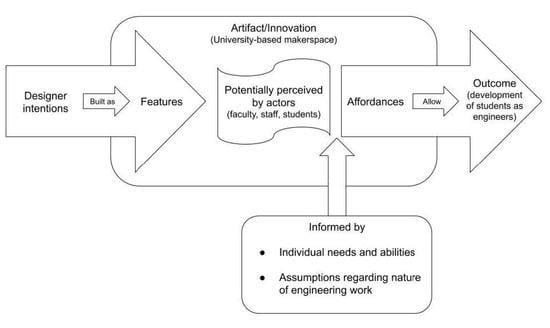
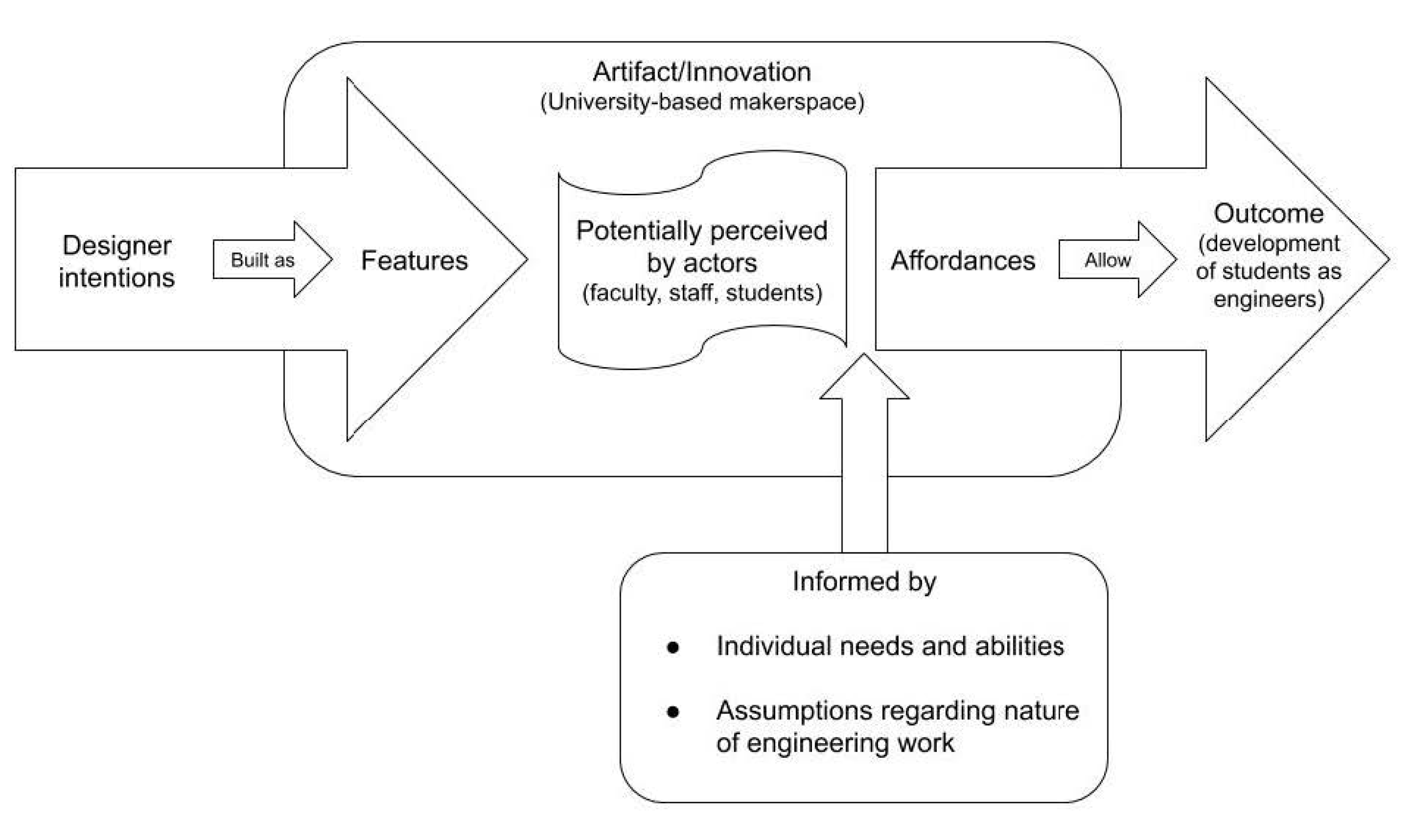
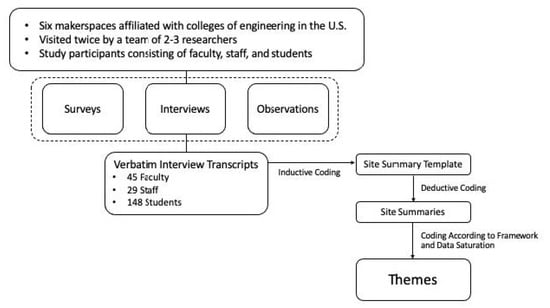
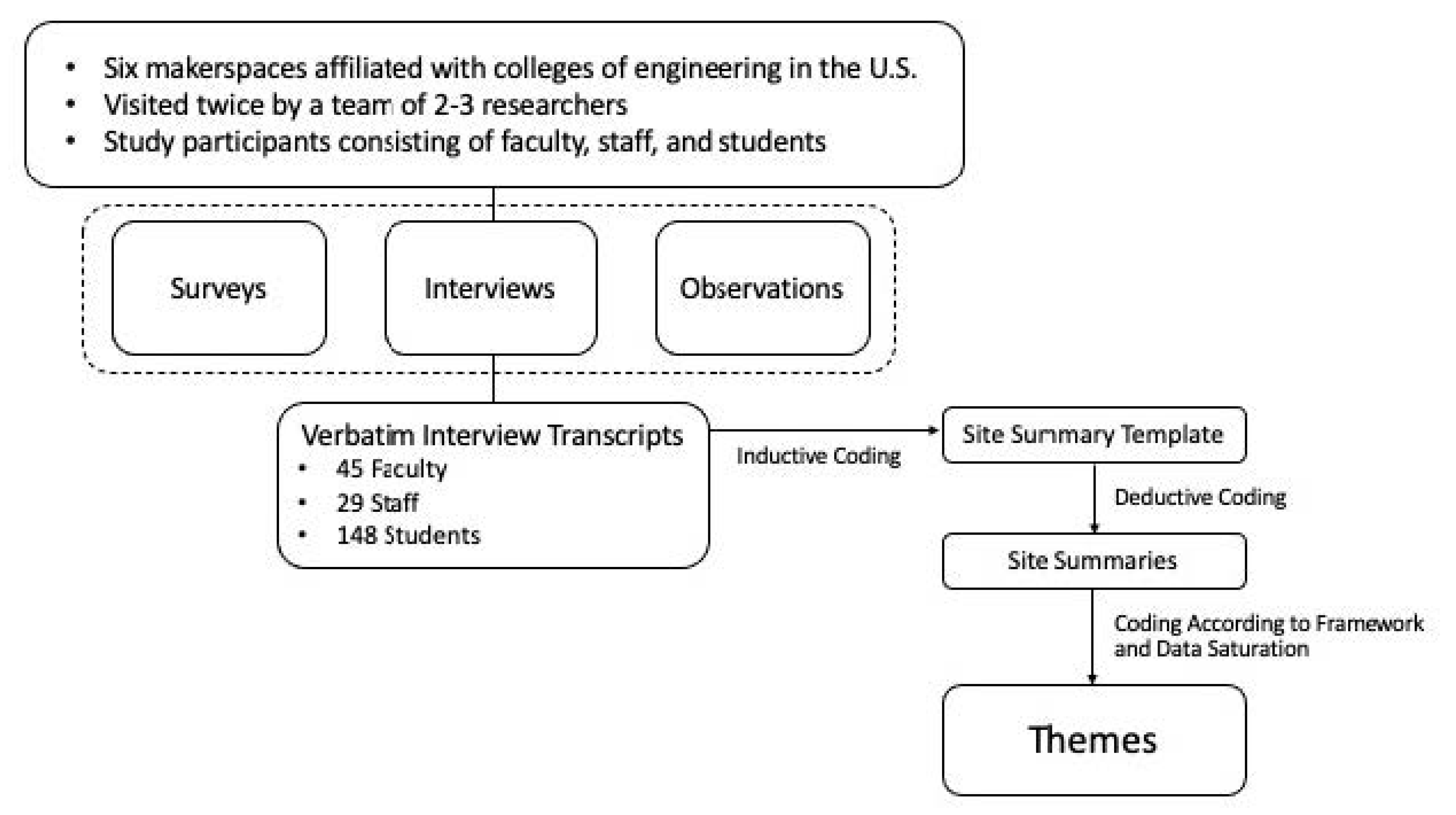
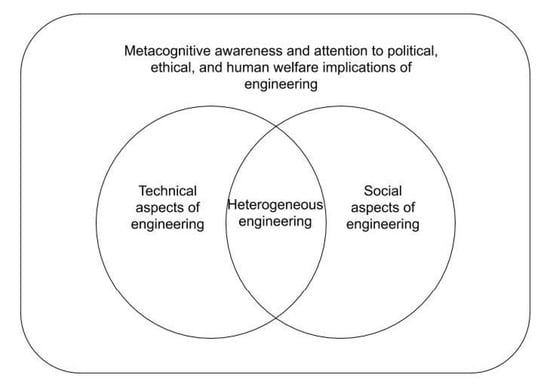
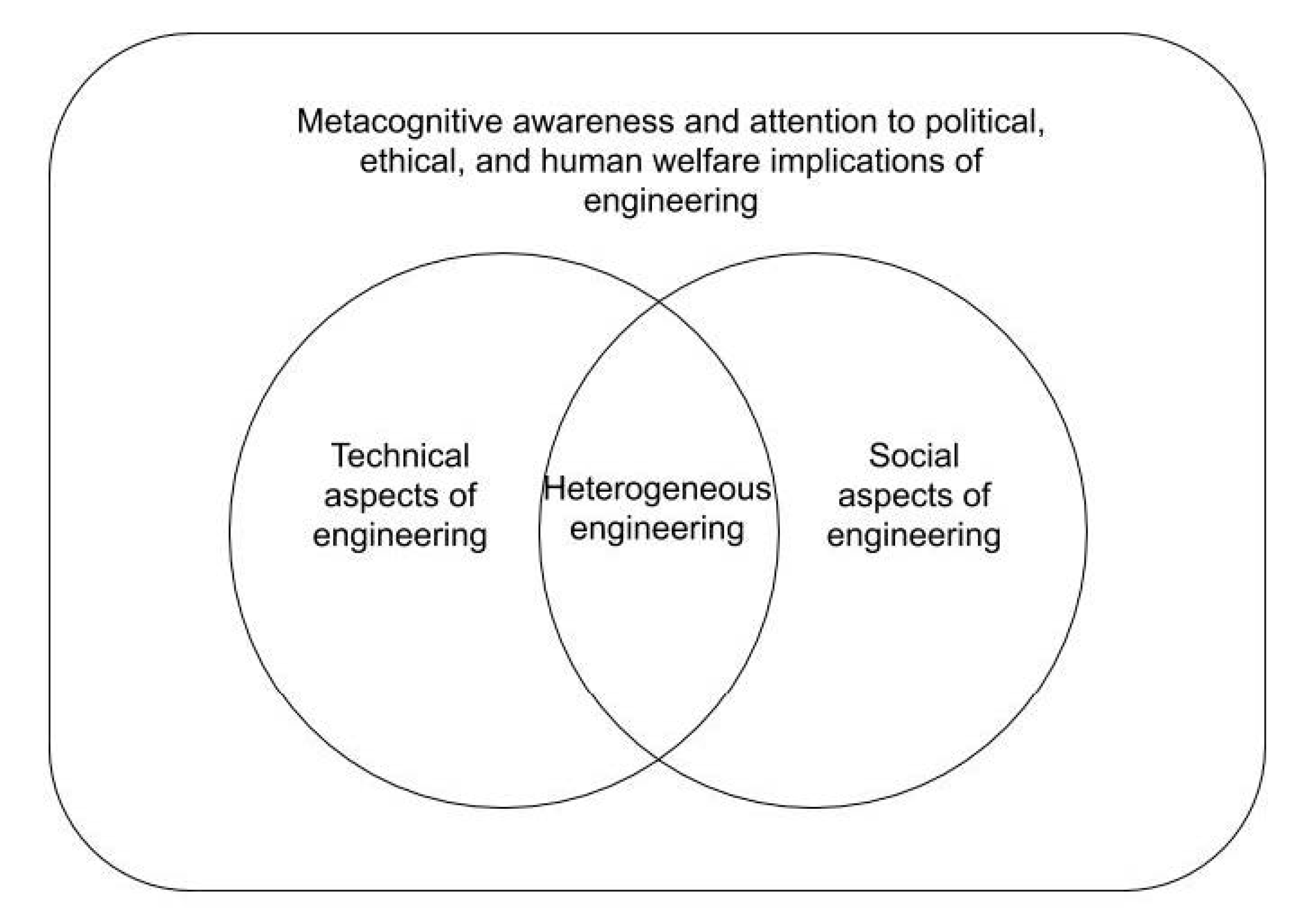

Publisher’s Note: MDPI stays neutral with regard to jurisdictional claims in published maps and institutional affiliations. |
© 2021 by the authors. Licensee MDPI, Basel, Switzerland. This article is an open access article distributed under the terms and conditions of the Creative Commons Attribution (CC BY) license (http://creativecommons.org/licenses/by/4.0/).