


Abstract
Short stature is a common pediatric endocrine–metabolic disorder characterized by impaired linear growth and increased risks of adverse health outcomes. Although previous reviews have summarized associations between gut microbiota and childhood health, few have focused on the mechanistic links among microbial composition, microbial-derived metabolites, endocrine regulation, and skeletal growth in short stature. This review provides an integrated framework exploring the potential interactions among gut microbiota composition, microbial-derived metabolites, endocrine regulation, and skeletal development in short stature. We summarize the clinical characteristics and epidemiological features of major short stature subtypes and discuss emerging evidence demonstrating the involvement of gut microbiota alterations and metabolite dysregulation in growth regulation. Particular attention is given to the bidirectional interactions between the gut microbiota and the growth hormone/insulin-like growth factor-1 (GH/IGF-1) axis, as well as the potential role of the gut–liver–bone axis in skeletal growth. Furthermore, this review integrates evidence from metabolomics studies, experimental animal models, and microbiota-targeted interventions to provide mechanistic insights into microbiota-mediated growth regulation. Dietary factors, physical activity, sleep, antibiotic exposure, probiotic interventions, and current clinical treatments are also discussed from the perspective of microbiota modulation. Despite increasing interest in microbiota-based strategies, clinical translation remains limited by insufficient functional validation, unclear causal relationships, and a lack of well-designed intervention trials. Future integration of functional microbiology, multi-omics approaches, and human-based validation platforms may facilitate the development of microbiome-based precision interventions for improving growth outcomes in children with short stature, particularly those with ISS.
1. Introduction
Short stature is commonly defined as a height more than 2 standard deviations below the age- and sex-specific population mean, or below approximately the third percentile. It is a clinical phenotype with heterogeneous causes, including normal-variant growth, endocrine disorders, chronic systemic disease, genetic conditions, nutritional deficiency, and being born small for gestational age [1,2].
Idiopathic short stature (ISS) is a diagnosis of exclusion encompassing children with marked short stature in whom systemic disease, nutritional deficiency, chromosomal abnormalities, and classical endocrine causes have not been identified. Its pathogenesis is heterogeneous and may involve genetic susceptibility, endocrine responsiveness, nutrition, metabolism, and environmental exposures. ISS therefore provides a useful clinical context for evaluating potential non-classical regulators of growth, including microbiota-mediated metabolic and immune pathways [1,2].
Growth hormone deficiency (GHD) is a classical endocrine cause of short stature, characterized by inadequate growth hormone (GH) secretion and impaired IGF-1-dependent growth. Microbiome findings in GHD are currently inconsistent. One pediatric study reported altered microbial composition and functional categories in children with GHD [3], whereas a separate case–control study found no significant differences in community composition or alpha- or beta-diversity compared with controls and no compositional change after 6 months of GH treatment, despite improvement in a marker of bacterial translocation [4]. These findings suggest that endocrine dysfunction may affect intestinal physiology without necessarily producing a uniform microbial signature.
Small for gestational age (SGA) generally refers to a birth weight below the 10th percentile for gestational age and sex. Most full-term SGA infants show catch-up growth during early childhood, but growth trajectories vary, and a subgroup remains short [5]. Because SGA originates during fetal development, postnatal microbiota patterns are strongly influenced by delivery mode, feeding, antibiotic exposure, hospital environment, and microbial maturation. Studies of early-life colonization show that prematurity and the neonatal-care environment can shape microbial succession, but these findings should not be generalized as a specific microbiota signature of SGA [6,7].
Collectively, although ISS, GHD, and SGA share the common phenotype of short stature, their underlying mechanisms and potential microbiota-related pathways differ substantially. Therefore, microbiome findings should be interpreted within the specific clinical context of each subtype rather than generalized across all forms of childhood short stature.
Although genetic, endocrine, and nutritional factors are recognized as major determinants of childhood growth, these conventional factors cannot fully explain the heterogeneity of growth impairment, particularly in children with idiopathic short stature. Increasing evidence suggests that growth regulation is influenced not only by host-derived endocrine signals but also by complex interactions between the host and its microbial ecosystem. The gut microbiota has emerged as an important regulator of childhood growth through its involvement in nutrient utilization, immune modulation, intestinal barrier integrity, and endocrine signaling. Therefore, understanding microbiota-mediated mechanisms may provide new insights into unexplained growth impairment and offer potential targets for improving growth outcomes.
To better understand the development trends and research hotspots in the field of short stature, we further performed a bibliometric analysis of published studies. Literature analysis of short stature: This review is based on the Web of Science Core Collection database to carry out a bibliometric analysis. The platform is widely recognized as the preferred database for bibliometric research because of its authoritative literature and the integrity of citation traceability. The search strategy uses the following parameters: the index library selects the Science Citation Index Expanded Edition (SCI-EXPANDED), the subject word is “short stature”, the time span is from 1 January 1995 to 5 November 2025 (the search date is 5 November 2025), and the literature type is limited to Review Article. Through systematic database retrieval, we identified 1336 primary research articles on short stature. This dataset encompasses publications from 79 countries, 12 research institutions, and 201 authors, disseminated across 199 peer-reviewed journals. As a curated collection of core scholarly outputs in the short stature research domain, it establishes a robust foundation for subsequent bibliometric investigations.
Table 1 presents the most prolific authors, countries, and journals in short stature research. Journals and authors are included if they have published more than 30 papers, while countries are listed for publications of more than 100 papers. The top-contributing author is affiliated with Oregon Health & Science University. Figure 1A demonstrates the annual publication trend in short stature research, revealing a progressive increase in scholarly output that peaked in 2021. This surge reflects growing scholarly attention to short stature and a rising volume of publications in the field. Figure 1B visualizes keyword co-occurrence networks, where node size is proportional to the number of associated publications, and node color lightness indicates the recency of research activity (lighter hues denote newer studies).
Table 1.
Number of publications, citations, and average citations of authors, countries, and journals in the field of childhood short stature (ISS).
Figure 1.
(A): Number of papers published from 1995 to 2025. (B): Author’s keyword co-occurrence network graph.
2. Gut Microbiota as a Regulator of Childhood Growth and Development
2.1. Gut Microbiota Dysbiosis in Children with Short Stature
2.1.1. Reduced Microbial Diversity and Structural Shifts in Gut Microbiota Composition
Several clinical observational studies have reported alterations in gut microbiota diversity and composition in children with idiopathic short stature (ISS), although the magnitude and direction of these differences vary across cohorts. Reduced abundances of several butyrate-associated taxa, including Ruminococcaceae, Faecalibacterium, and Eubacterium, together with enrichment of other taxa, have been described in some studies, and selected microbial features have been correlated with height standard deviation scores. Other cohorts have reported increased Bacteroidetes or Prevotella and reduced Firmicutes or selected Firmicutes genera. Collectively, these findings support an association between ISS and gut microbial dysbiosis, but no reproducible taxonomic signature has yet been established because of differences in age, diet, geographic location, diagnostic criteria, sequencing platforms, and analytical methods [8,9,10,11,12].
Importantly, gut microbiota alterations associated with short stature should not be interpreted solely as changes in taxonomic abundance. Gut bacteria possess substantial genomic and ecological plasticity, and may adapt to dietary change, inflammation, antibiotic exposure, and host-derived selective pressures through horizontal gene transfer, regulatory adaptation, and niche specialization. Such adaptation can alter colonization behavior, metabolic capacity, and host interaction without necessarily producing a large change in taxonomic composition [13]. In childhood growth disorders, these functional shifts may influence nutrient metabolism, microbial metabolite production, intestinal barrier maintenance, and immune regulation. Thus, depletion of butyrate-producing taxa such as Faecalibacterium and Eubacterium may reflect not only loss of specific organisms but also reduced functional capacity relevant to intestinal and endocrine homeostasis. The cited evolutionary-genomics review provides a general mechanistic framework for interpreting functional adaptation; it does not constitute direct evidence specific to ISS.
Experimental studies suggest that gut microbiota dysbiosis may influence immune, metabolic, and endocrine pathways relevant to growth. Faecalibacterium is an important butyrate-producing commensal associated with intestinal barrier maintenance and anti-inflammatory activity; its depletion may therefore indicate loss of a protective microbial function rather than a taxon-specific causal effect. Evidence from inflammatory intestinal disorders supports associations among reduced butyrate-producing capacity, barrier dysfunction, and impaired immune homeostasis [14,15,16]. Similarly, Akkermansia muciniphila contributes to mucus-layer ecology and metabolic homeostasis, although its clinical effects are strain- and context-dependent [17]. These mechanistic observations should be regarded as supportive biological plausibility rather than direct proof that depletion of an individual taxon causes short stature.
Although Streptococcus includes common commensal species, species- and strain-level shifts may have different inflammatory or metabolic consequences. Reduced abundance of Collinsella has also been associated with altered metabolic profiles in some cohorts. A review of pediatric linear-growth studies reported positive associations of Ruminococcus, Clostridium sensu stricto, and Collinsella with linear growth, whereas Bifidobacterium, Bacteroides, and Lactobacillus showed negative associations in selected datasets [18]. These associations are cohort-specific and should not be interpreted as universal beneficial or harmful effects at the genus level. In a separate ISS case–control study, Zeng et al. reported reduced Shannon and Chao1 indices, depletion of Bifidobacterium breve and Bifidobacterium longum, and enrichment of several potentially pro-inflammatory taxa [9].
In the same cohort, Bilophila, Alistipes, and Clostridium_XIVa were enriched in children with ISS [9]. Whether these microbial signatures represent consistent characteristics of ISS requires validation in larger, multicenter, and ethnically diverse populations. The gut microbiota-related factors influencing linear growth in children are summarized in Figure 2.
Figure 2.
Gut micro-related factors influencing linear growth in children.
It should be noted that although gut microbiota dysbiosis has been repeatedly reported in ISS, the specific taxa identified as enriched or depleted vary considerably among studies. Such inconsistencies may reflect differences in ethnicity, age, dietary habits, geographic location, sequencing platforms, sample size, and analytical approaches. Therefore, currently available evidence should be interpreted with caution, and no universal microbiota signature for ISS has yet been established.
2.1.2. Influence of Age and Sex on the Gut Microbiota in Children with Short Stature
In addition to disease-related dysbiosis, host-related factors such as age and sex may further modulate gut microbiota composition in children with short stature. Current evidence does not consistently demonstrate a significant sex-specific effect on the overall gut microbiota structure in children with ISS. Nevertheless, sex-related differences in the relative abundances of specific microbial taxa have been reported, suggesting that subtle microbial variations may exist between male and female children. These differences may be partly attributable to sex-dependent variations in GH secretion patterns and metabolic regulation, which could differentially influence gut microbial composition and function [10].
Age appears to be an important determinant of microbiota variation in growth disorders because microbial maturation and linear growth occur concurrently during childhood. Reduced microbial richness or altered community structure has been reported in pediatric ISS and GHD cohorts, but age-related patterns are not consistent across studies [3,10]. Moreover, a 2024 case–control study of children with GHD found no significant differences in microbial composition or alpha- or beta-diversity compared with controls and no compositional change after 6 months of GH treatment, although an elevated marker of bacterial translocation improved after treatment [4]. These findings indicate that endocrine status may affect intestinal physiology without necessarily producing a reproducible taxonomic shift.
2.1.3. Influence of Geographical, Dietary, Environmental, and Lifestyle Factors on Gut Microbiota Composition
Environmental factors, including geographic location, diet, sanitation, early-life exposures, and lifestyle, shape gut microbiota composition and function and can modify relationships between the microbiome and growth. Evidence from early-life colonization, pediatric undernutrition, and ISS cohorts indicates that these influences are context-dependent rather than universal [7,19,20,21]. The relationships between childhood stunting and changes in gut microbiota composition revealed by genomic analyses are summarized in Figure 3.
Figure 3.
Genomics reveals the causes of stunting in children and the changes in the composition of gut microbiota [20]. Reproduced from [20] with permission from Elsevier, 2025. The colored circles represent complete metagenome-assembled genomes (MAGs) identified at different longitudinal sampling points. The green and red circles indicate MAGs associated with improving and worsening length-for-age Z-score (LAZ) trajectories, respectively, and “Ref” represents the reference genome used for comparison.
Beyond dietary factors, lifestyle behaviors, including physical activity and sleep patterns, represent important modulators of gut microbiota composition and function. Regular physical activity has been associated with increased microbial diversity and enrichment of beneficial taxa, particularly members of the Lachnospiraceae and Ruminococcaceae families, which contribute to the production of short-chain fatty acids (SCFAs) such as butyrate. Exercise-induced microbial alterations may improve intestinal barrier integrity, regulate inflammatory responses, and influence metabolic pathways involved in growth regulation. Since chronic inflammation and metabolic disturbances can negatively affect the GH/IGF-1 axis, physical activity may indirectly support linear growth through microbiota-mediated mechanisms. Sleep regulation may also influence growth through microbiota–host interactions. Sleep deprivation and circadian rhythm disruption have been reported to alter gut microbial composition, reduce microbial rhythmicity, and affect microbial metabolites involved in immune and endocrine regulation. These microbiota disturbances may increase inflammatory signaling, impair intestinal homeostasis, and potentially interfere with growth-related hormonal pathways, including the GH/IGF-1 axis, which exhibits strong circadian regulation. Therefore, optimizing sleep quality may represent a complementary strategy for maintaining microbiota homeostasis and supporting normal growth.
Regional Variability in Gut Microbiota Diversity and Taxonomic Profiles
Beyond host-related factors, environmental influences—particularly geographic location and dietary patterns—play a critical role in shaping gut microbiota composition and function. Malnutrition and microbial dysbiosis may reinforce one another through inadequate substrate availability, impaired nutrient absorption, altered metabolite production, and intestinal inflammation. Using long-read metagenomics in pediatric undernutrition, Minich et al. identified strain- and function-level microbial features associated with growth trajectories, illustrating the value of resolving microbial functional potential beyond genus-level abundance [20]. Broader evidence also indicates that age, environment, diet, and disease context can substantially modify the structure and function of the gut ecosystem [21].
In eastern China, cross-sectional studies of children with ISS have reported reduced microbial richness and distinct beta-diversity compared with healthy controls. Dominant phyla included Firmicutes, Bacteroidetes, Actinobacteria, Proteobacteria, and Verrucomicrobia, while commonly detected genera included Bacteroides, Faecalibacterium, Bifidobacterium, and Clostridium. However, the direction and statistical significance of individual diversity indices and taxa differed across datasets, reinforcing the need to interpret regional findings within their specific dietary, demographic, and analytical context [10,12].
Diet–Microbiota Interactions and Their Implications for Growth Regulation
Dietary patterns are among the most influential modulators of gut microbiota composition and function. In children with ISS, retrospective dietary analyses have identified associations between specific food-intake patterns and microbial taxa, but these cross-sectional relationships cannot establish that diet-induced microbial changes cause impaired growth [19]. More broadly, dietary fiber, polyphenols, and overall dietary diversity can restructure microbial communities and alter metabolite production, including SCFAs [21,22].
Within a retrospective ISS cohort, food-intake variables were associated with taxa including Prevotella and Ezakiella, but these correlations do not establish bacterial substrate use or causal dietary effects [19]. More broadly, fiber- and plant-rich dietary patterns can favor saccharolytic fermentation and SCFA production, whereas limited dietary diversity may reduce microbial functional diversity; these effects vary by population and baseline community structure [21,22,23].
Associations between animal-derived foods, plant foods, and individual microbial taxa have also been reported, but they should be interpreted cautiously because food-frequency data, regional dietary habits, and multiple testing can influence the results. Faecalibacterium is a major butyrate-producing genus whose abundance is often associated with fiber-rich dietary patterns and anti-inflammatory microbial function [14,15,22]. Nevertheless, genus-level abundance alone does not directly measure butyrate production, and functional metagenomic or metabolomic validation is required.
Collectively, available studies suggest that dietary composition and diversity may influence childhood growth through microbiota-dependent effects on nutrient utilization, microbial metabolite production, intestinal barrier integrity, and immune homeostasis. However, most evidence in ISS is observational, and the long-term effects of specific dietary factors or food additives on microbial function and linear growth remain uncertain [15,19,21,22,24].
Functional Microbial Signatures and Their Potential Role in ISS
Faecalibacterium and Eubacterium include important butyrate-producing members of the human gut microbiota [14]. Rather than assuming that supplementation with a named genus will reproduce its ecological function, microbiota-based strategies should aim to restore butyrate-producing capacity and community resilience through validated, strain-specific, or substrate-specific approaches. At present, direct evidence supporting probiotic treatment of ISS remains insufficient, and proposed interventions require well-designed controlled trials [25,26,27,28,29,30].
Preclinical studies provide stronger evidence for microbiota–bone interactions than current pediatric intervention studies. Colonization of germ-free mice has been shown to increase circulating IGF-1 and promote bone formation and longitudinal growth [31], while butyrate can stimulate bone formation through regulatory T-cell-mediated WNT10B signaling [32]. In children with ISS, microbial taxa, fecal metabolites, and SCFAs—including candidate features related to Faecalibacterium, Paenibacillus, and butyrate—have been proposed as potential biomarkers, but their diagnostic performance and causal significance require independent validation [11,12].
2.2. Involvement of the Gut Microbiota in Nutrient Absorption and Metabolic Regulation
2.2.1. Nutrient Competition and Regulation of Energy Intake
The gut microbiota comprises a complex community of microorganisms inhabiting the intestinal tract and plays a central role in maintaining intestinal homeostasis, regulating immune responses, and modulating nutrient metabolism and endocrine signaling, as shown in Figure 4 below. Increasing evidence suggests that the gut microbiota may serve as an important modulator of linear growth by influencing nutrient metabolism, immune homeostasis, and endocrine signaling, although the extent of its causal contribution remains to be fully established [33].
Figure 4.
Indirect effects of gut microbes on host growth and development.
The gut microbiota may influence the GH/IGF-1 axis through both direct and indirect pathways. Microbial metabolites, including SCFAs, can interact with endocrine and immune signaling, whereas microbiota-dependent effects on intestinal barrier function, nutrient availability, and inflammation may indirectly alter the endocrine environment required for growth [15,33,34]. In pediatric populations, evidence from stunting and undernutrition research further supports an association among microbial immaturity, impaired nutrient utilization, and growth failure, although these findings should not be generalized directly to ISS [35,36,37].
From a metabolic perspective, intestinal microorganisms utilize dietary substrates that are incompletely digested by the host and convert them into bioactive metabolites, thereby influencing energy harvest and metabolic efficiency [15,38]. Microbial metabolites also interact with enteroendocrine pathways, including SCFA-sensitive signaling involved in glucagon-like peptide-1 and peptide YY secretion, which may affect appetite and nutrient handling [15,39]. These mechanisms provide biological plausibility for microbiota–growth interactions, but direct effects on childhood height remain insufficiently established.
2.2.2. Biosynthesis and Metabolism of Vitamins and Minerals
Beyond macronutrient utilization, the gut microbiota contributes to vitamin biosynthesis and can influence mineral bioaccessibility. Genomic analyses indicate that members of the human gut microbiota encode pathways for the synthesis of several B vitamins and vitamin K, although the quantitative contribution to host requirements varies by organism, diet, and intestinal conditions [40]. Microbial metabolism may also modify mineral solubility and interactions with dietary antinutritional factors, thereby affecting bioavailability [41].
Gut microorganisms may enhance mineral bioavailability by modifying dietary antinutritional factors and the intestinal chemical environment. Phytase-producing bacteria can hydrolyze phytic acid and release bound phosphorus and other minerals, but the magnitude of this contribution in children depends on diet, microbial activity, and host absorption [41]. These mechanisms may be relevant during periods of rapid skeletal growth, although direct clinical evidence linking a specific microbial function to height gain is limited.
Vitamin D (VD), a fat-soluble secosteroid existing primarily as VD2 and VD3, plays a central role in calcium–phosphorus homeostasis and bone mineralization. VD insufficiency is common in some cohorts of children evaluated for short stature, but its prevalence and relationship with growth depend on sun exposure, supplementation, diet, and the underlying diagnosis [42,43]. Although bidirectional relationships between VD status and the gut microbiota have been proposed, direct evidence that microbiota-mediated VD metabolism contributes to ISS remains limited.
2.2.3. Generation and Physiological Functions of Short-Chain Fatty Acids
SCFAs are major microbial metabolites produced through the fermentation of dietary fibers and other nondigestible carbohydrates by the intestinal microbiota. The dominant SCFAs—acetate, propionate, and butyrate—are generated through multiple taxon- and substrate-dependent pathways and act as signaling and metabolic molecules. Their physiological consequences are highly context-dependent and cannot be inferred from total fecal SCFAs concentration alone; microbial community structure, substrate availability, absorption, receptor expression, target tissue, and host developmental or inflammatory status all influence the response [15,38].
SCFAs contribute to intestinal barrier integrity, mucus production, and immune regulation, but their effects vary according to the specific metabolite, local concentration, receptor expression, cell type, and disease context [15,16]. Beyond local intestinal effects, SCFAs may influence endocrine and skeletal pathways; however, changes in fecal or total SCFAs concentrations should not be interpreted without considering microbial composition, dietary substrate, absorption, and host physiology.
Experimental evidence indicates that SCFAs can regulate GH synthesis and release in a species-, tissue-, receptor-, and exposure-dependent manner. In bovine anterior pituitary cells, acetate, propionate, and butyrate inhibited GH and prolactin gene transcription through cAMP/PKA/CREB-related signaling [44]. By contrast, butyrate enhanced basal and GHRH-stimulated GH synthesis and release in a rat pituitary cell model through GPR41- and GPR43-associated calcium signaling [45]. These findings are not necessarily contradictory because they involve different SCFAs, experimental models, concentrations, exposure conditions, and endocrine endpoints. Overall, SCFAs appear to modulate the GH/IGF-1 axis contextually rather than exerting a uniformly stimulatory or inhibitory effect. No universal concentration threshold separating these responses has been established, particularly in humans [15,34].
SCFA-mediated growth regulation also extends beyond pituitary GH secretion. In animal models, gut microbial colonization can increase circulating IGF-1 and promote bone formation and longitudinal growth [31], while butyrate can enhance bone formation through regulatory T-cell-mediated WNT10B signaling [32]. These peripheral and immune-mediated effects can coexist with inhibitory effects on GH synthesis observed in other experimental systems. Therefore, the direction of the net response depends on SCFA composition, local exposure, receptor distribution, target tissue, microbial ecology, and host physiological status rather than total fecal SCFA concentration alone [15,34,46].
Interindividual variability may reflect differences in SCFA exposure, receptor expression, developmental stage, diet, inflammatory status, and other host factors [15,34,47]. As illustrated in Figure 5, the pathways shown represent selected experimental mechanisms and should not be interpreted as a uniform net effect of SCFAs on the entire GH/IGF-1 axis.
Figure 5.
Diagram of various mechanisms of SCFAs affecting growth and development. SCFAs exert physiological effects through G protein-coupled receptors, epigenetic regulation, immune pathways, and neuroendocrine signaling. The pathways illustrated in Figure 5 represent selected experimentally reported mechanisms and should not be interpreted as a uniform net stimulatory effect on the entire GH/IGF-1 axis. Depending on the SCFAs species, concentration, experimental model, receptor distribution, and target tissue, SCFAs may inhibit or enhance GH-related signaling while supporting peripheral IGF-1 production or skeletal homeostasis under other conditions. (IGF-1: insulin-like growth factor-1; SCFAs: short-chain fatty acids; cAMP/PK: cyclic adenosine monophosphate/protein kinase; GnRH: gonadotropin-releasing hormone; GPR: G protein-coupled receptor; IL-6: interleukin-6). The question mark (?) indicates that the specific G protein-coupled receptor involved in this pathway has not yet been conclusively identified.
Overall, SCFAs form a complex regulatory network along the GH/IGF-1 axis, balancing inhibitory and stimulatory signals in a context-dependent manner. Their effects on childhood growth depend not only on SCFAs availability but also on microbial origin, molecular composition, host developmental status, and receptor-mediated signaling. Therefore, future studies should consider these interacting factors when evaluating the contribution of SCFAs to growth regulation.
2.3. Immune and Inflammatory Regulation of Growth via Gut Microbiota
2.3.1. SCFA-Mediated Anti-Inflammatory and Immunomodulatory Effects
As key microbiota-derived metabolites, SCFAs form an important functional link between microbial metabolism and host immune regulation. They signal through free-fatty-acid receptors and other G protein-coupled receptors and can also modify gene expression through histone deacetylase inhibition. These mechanisms influence epithelial cells, neutrophils, macrophages, dendritic cells, T cells, and B cells, thereby affecting mucus production, tight-junction integrity, cytokine release, and regulatory immune responses [15,16]. The direction and magnitude of these effects depend on the SCFAs species, local concentration, receptor expression, cell type, and inflammatory context.
Inflammatory bowel disease (IBD) provides a well-characterized clinical context in which dysbiosis, impaired epithelial barrier integrity, abnormal immune activation, and altered microbial metabolite production interact. A recent review describes how depletion of SCFA-producing bacteria, reduced butyrate availability, mucus and tight-junction dysfunction, and loss of immune tolerance may reinforce chronic intestinal inflammation; it also summarizes microbiome-targeted approaches including diet, probiotics, prebiotics, microbial metabolites, and fecal microbiota transplantation [16]. These data strengthen the mechanistic discussion of barrier and immune homeostasis, but IBD should be used as an analogous inflammatory model rather than direct evidence for the pathogenesis of childhood short stature. Earlier clinical and review evidence likewise supports reduced SCFA concentrations and impaired growth-related endocrine signaling in inflammatory intestinal disease [15,48,49,50,51].
Although these mechanisms have been investigated mainly in inflammatory intestinal disorders, they may provide biological plausibility for growth impairment. Chronic intestinal inflammation can reduce nutrient utilization, increase systemic cytokine exposure, and contribute to GH resistance, thereby affecting the GH/IGF-1 axis and skeletal growth [50,51]. However, the complete sequence from ISS-associated dysbiosis to barrier failure, systemic inflammation, and impaired linear growth has not been demonstrated in children with ISS.
Huda-Faujan et al. reported lower fecal acetate, propionate, and butyrate concentrations in patients with IBD than in healthy controls, supporting an association between intestinal inflammation and altered SCFA availability [49]. Because fecal concentration reflects the balance among microbial production, host absorption, intestinal transit, and utilization, these measurements should not be interpreted as direct measures of tissue exposure.
Pandi et al. reviewed experimental evidence in fish indicating that endogenous and dietary SCFAs can influence mucin production, tight-junction integrity, feed utilization, and microbial community structure [52]. These non-mammalian data provide mechanistic support for intestinal effects of SCFAs but have limited direct translational relevance to human childhood growth.
2.3.2. Dysbiosis-Induced Systemic Low-Grade Inflammation and Its Impact on GH
Experimental and animal studies suggest that dysbiosis-associated barrier dysfunction and microbial metabolites may contribute to systemic low-grade inflammation and interfere with GH-related signaling. Inflammatory cytokines can promote GH resistance, while GH and IGF-1 can reciprocally influence intestinal integrity and host–microbiota interactions [16,33,51]. Human studies currently support associations among endocrine status, intestinal permeability, inflammatory activity, and microbial features rather than a fully established microbiota–GH feedback mechanism.
2.3.3. Microbiota-Mediated Inflammation and Growth Plate Dysfunction
Experimental studies have demonstrated that pro-inflammatory cytokines can impair signaling pathways required for normal growth. TNF-alpha and related inflammatory mediators can reduce GH responsiveness and IGF-1 activity, while chronic intestinal inflammation is associated with growth failure in children with IBD [50,51]. In growth-plate and bone models, inflammatory signaling and microbial metabolites can affect chondrocyte function, osteoblast activity, and bone remodeling [46,53]. These findings support a plausible microbiota–inflammation–growth pathway, but the complete pathway has not been directly established in children with short stature.
2.4. The Influence of Bidirectional Regulation of the Endocrine Axis on Growth and Development
2.4.1. Bidirectional Interactions Between Gut Microbiota and the GH/IGF-1 Axis
Evidence from experimental models supports bidirectional interactions between the gut microbiota and the GH/IGF-1 axis. Microbial metabolites, including SCFAs, may inhibit or enhance GH-related signaling depending on the experimental context, while microbial colonization and immune signaling can influence peripheral IGF-1 production and bone growth [15,31,33,34,44,45]. Conversely, GH and IGF-1 can affect intestinal physiology, barrier integrity, metabolism, and the microbial environment. Current human studies mainly show concurrent alterations in endocrine status and microbiota-related features rather than direct causality [3,4,54,55].
GH regulates longitudinal bone growth both indirectly, by stimulating hepatic and local IGF-1 production, and directly, through GH receptors in growth-plate and other target tissues. IGF-1 and its binding proteins coordinate chondrocyte proliferation, matrix synthesis, and skeletal growth. These canonical endocrine mechanisms provide the physiological context for interpreting microbiota-related associations with the GH/IGF-1 axis [1,2,56].
IGF-1 is a key endocrine factor involved in chondrocyte proliferation, matrix synthesis, and bone formation. Physical exercise may influence circulating GH, IGF-1, and IGF-binding proteins; a 24-week jumping-exercise study in children with short stature reported increased growth velocity and changes in the GH–IGF-1–IGFBP-3 axis [57]. These findings support exercise as an adjunctive health strategy, but they do not demonstrate that exercise-induced microbiota changes mediate the growth response.
2.4.2. Regulation of Intestinal Function and Systemic Metabolism by GH and IGF-1
Beyond their endocrine effects on growth, GH and IGF-1 can influence intestinal epithelial function, permeability, immune regulation, and systemic metabolism. Experimental and clinical literature suggests that GH deficiency may be accompanied by altered intestinal physiology, while GH treatment can reduce markers of bacterial translocation even when microbial community composition remains unchanged [4,33]. Thus, endocrine effects on intestinal integrity should be distinguished from direct restructuring of the gut microbiota.
The GH/IGF-1 axis coordinates glucose, lipid, and protein metabolism. GH promotes hepatic glucose output and lipolysis and can oppose insulin action, whereas IGF-1 supports anabolic processes and glucose utilization. Both hormones influence protein synthesis and tissue growth through interconnected signaling pathways, including PI3K/Akt/mTOR-related pathways [56,58]. These systemic effects may indirectly alter nutrient availability and the intestinal environment, but their impact on the pediatric microbiota remains uncertain.
In Figure 6, arrow colors denote functional distinctions: red indicates stimulatory effects, blue represents inhibitory effects, and green denotes stabilizing actions. These metabolic and intestinal regulatory effects underscore the integrative role of GH and IGF-1 in linking gut physiology with systemic growth regulation.
Figure 6.
GH and IGF-1 on the three major metabolic pathways.
2.4.3. The Mutual Regulation Between Microbiota and Hormones
The intestinal microbiota functions as an endocrine-active ecosystem whose metabolites interact with enteroendocrine, neural, immune, and metabolic pathways. SCFAs can modulate enteroendocrine hormone secretion and vagal signaling, while ghrelin is a major regulator of appetite and GH release [15,34]. Available evidence does not support a single uniform effect of propionate or other SCFAs on ghrelin and GH across species and experimental conditions; therefore, these interactions should be interpreted as context-dependent mechanisms requiring direct confirmation in children with short stature. The proposed interactions among the gut microbiota, liver-derived IGF-1, appetite-related hormones, inflammatory signaling, and bone growth are summarized in Figure 7.
Figure 7.
Microbial changes mediated by the gut–liver–bone axis.
2.4.4. The Gut–Liver–Bone Axis in Skeletal Development and Linear Growth
Regulation of bone metabolism through the gut microbiota has emerged as a potential strategy for growth- and bone-related disorders. A 2025 Mendelian-randomization study reported genetically predicted associations among selected microbial taxa, circulating metabolites, and short stature, including a possible mediating role for 4-hydroxyhippurate; these findings provide genetic-epidemiological support but do not replace experimental or clinical validation [59].
Animal and mechanistic studies indicate that the gut microbiota can affect bone formation, resorption, skeletal maturation, and circulating IGF-1 through nutritional, immune, and metabolite-dependent pathways [31,32,46,53,60,61]. Outcomes in germ-free and colonization models vary with age, sex, microbial community, diet, and duration of colonization, indicating that microbiota–bone effects are context-specific rather than uniformly anabolic.
As illustrated in Figure 8, the proposed gut–liver–bone framework integrates microbial metabolites, nutrient handling, immune signaling, hepatic IGF-1 production, and skeletal remodeling. The diagram summarizes a conceptual model derived largely from preclinical studies and should not be interpreted as a validated sequence of events in children with ISS [46,53].
Figure 8.
Mechanism diagram of gut microbiota affecting growth and development [53]. Reproduced from [53] with permission from Elsevier, 2025.
Figure 8A–D provide a comprehensive overview of these mechanisms [53]. Figure 8A illustrates the central role of gut microbiota in regulating the homeostasis of multiple organ systems. Figure 8B depicts alterations in gut microbiota composition in children with growth impairment and their effects on linear bone growth. Figure 8C highlights microbiota-driven bone growth via IGF-1 upregulation and signal amplification, while Figure 8D emphasizes SCFAs as key regulators of nutrient absorption, immune modulation, and hormonal activity.
2.5. Verification of Animal Models
The gut microbiota interacts with the host primarily through the regulation of microbial-derived metabolites. To characterize metabolomic alterations associated with growth impairment, non-targeted liquid chromatography–mass spectrometry (LC–MS) was employed to analyze fecal samples, leading to the identification of 37 metabolites associated with ISS. Metabolomic analyses revealed that several fecal metabolites, including spermidine, adenosine, and L-5-hydroxytryptophan, were significantly reduced in children with ISS, whereas erucic acid was abnormally enriched. Spermidine, a biologically active polyamine, plays a critical role in bone remodeling and fetal growth. Adenosine has also been reported to be secreted by chondrocytes, where it contributes to the regulation of cartilage homeostasis and function [62].
Correlation analyses have linked selected fecal metabolites, including valine and phenylacetic acid, with peak GH levels in children with ISS, but the direction of causality is uncertain [11,62]. Valine is an essential branched-chain amino acid involved in protein synthesis and energy metabolism [63]. These metabolomic findings support further experimental investigation of microbiota-derived or microbiota-modified metabolites; they do not by themselves establish a causal microbial mechanism.
2.5.1. Drosophila Model
Early mechanistic evidence for microbiota-dependent growth was obtained in Drosophila melanogaster. Storelli et al. showed that Lactobacillus plantarum promotes systemic growth under nutrient-limited conditions through TOR-dependent nutrient sensing and hormonal signaling [64]. This model demonstrates a causal host–microbe interaction but does not reproduce the mammalian GH/IGF-1 axis.
These findings indicate that microbial signals can act as integrated regulators of nutrient sensing and developmental growth in Drosophila. However, the effect is strain-, diet-, and model-specific, and should be interpreted as mechanistic evidence rather than direct support for probiotic treatment of human ISS [64].
2.5.2. Zebrafish Model
Zebrafish (Danio rerio) are a useful vertebrate model for investigating microbial effects on intestinal biology, endocrine signaling, and skeletal development because many developmental pathways are conserved with mammals. Nevertheless, important differences in endocrine organization, intestinal physiology, and skeletal growth limit direct extrapolation to children [65,66].
Carnevali et al. reviewed probiotic effects on zebrafish development and reproduction [67]. In a related experimental study, Lactobacillus rhamnosus accelerated backbone calcification and gonadal differentiation through effects on the GnRH and IGF systems [68]. These findings support endocrine and skeletal responsiveness to microbial intervention in zebrafish, but the administered strain, developmental stage, and non-mammalian physiology must be considered when interpreting translational relevance.
Taken together, zebrafish studies support the biological plausibility that microbial interventions can influence endocrine and skeletal development. They should be classified as preclinical mechanistic evidence and require confirmation in mammalian models and well-designed pediatric studies before clinical application [66,67,68].
2.5.3. Translational Limitations of Non-Mammalian Models
Despite providing valuable insights into the interactions between gut microbiota and host growth, non-mammalian models have important translational limitations when applied to human endocrine disorders. Although Drosophila and zebrafish share conserved genetic and physiological pathways with humans, substantial differences exist in endocrine system organization, hormone regulation, and metabolic physiology. For example, the hypothalamic–pituitary–GH/IGF axis, which plays a central role in human linear growth regulation, is not completely conserved in non-mammalian organisms. Differences in growth hormone secretion patterns, receptor signaling, and downstream metabolic responses may influence the interpretation of microbiota-mediated growth phenotypes observed in these models. In addition, differences in intestinal structure, nutrient utilization, immune maturation, and microbial colonization patterns may limit the direct extrapolation of probiotic effects from zebrafish or Drosophila to humans. Accordingly, the translational relevance of these findings from animal models to human childhood growth disorders requires careful consideration. Although experimental models have provided valuable mechanistic insights into microbiota-mediated regulation of the GH/IGF-1 axis, differences in species-specific microbiota composition, skeletal development, endocrine regulation, and growth patterns may limit direct extrapolation to human physiology. In particular, ISS represents a complex clinical condition influenced by genetic background, nutritional status, environmental exposure, and developmental factors, which cannot be fully reproduced in current animal models. Therefore, microbiota–GH/IGF-1 interactions identified in experimental systems should be interpreted as potential mechanisms rather than definitive causal pathways in human growth impairment. Therefore, findings obtained from non-mammalian models should be considered as mechanistic evidence rather than direct clinical evidence, and further validation using mammalian models, human-derived intestinal organoids, or clinical studies is required.
3. Technical Approaches for the Treatment of Short Stature
3.1. Drug Therapy
Antibiotic exposure, particularly during early life, can disrupt microbial community development, reduce diversity, select antimicrobial-resistant organisms, and produce physiological effects that may persist after partial microbial recovery. A scoping review has examined associations between antibiotic exposure and physical or physiological development in children younger than 5 years, although confounding by infection and indication remains an important limitation [69]. Rational antibiotic use should therefore be emphasized without implying that antibiotics are an established cause of short stature.
Recent studies have further demonstrated that probiotics can promote and restore intestinal microecological balance through multiple complementary mechanisms. These mechanisms include competition with pathogenic microorganisms for nutrients and epithelial binding sites, secretion of antimicrobial substances that inhibit pathogen proliferation, and enhancement of host immune responses. Through these coordinated actions, probiotics contribute to the restoration and maintenance of intestinal homeostasis [70]. Consequently, therapeutic strategies combining probiotics with antibiotics have been proposed as an effective approach to prevent antibiotic-associated dysbiosis and preserve intestinal health.
In Figure 9, the main content is divided into several points: a, probiotics can inhibit the proliferation of pathogenic bacteria in the intestinal tract, thereby maintaining and promoting the balance and resilience of the intestinal microecological environment. b. Probiotics enhance the transport of sodium chloride through ion exchange, creating an environment conducive to the generation of SCFAs, and thereby promoting the absorption of sodium chloride and water in the intestinal tract. SCFAs also enhance the integrity of the intestinal barrier by regulating the expression of MUC2, an intestinal mucin. Meanwhile, the probiotic cell wall component lipophosphic acid activates the TLR2/p38-MAPK pathway, increases MUC2 levels, and inhibits NF-κB, thereby alleviating intestinal inflammation. c. Probiotics initiate the phosphorylation process of epidermal growth factor receptor (EGFR), and subsequently activate the MAPK pathway, thereby promoting the growth, proliferation, and survival of intestinal epithelial cells. d. Through metabolic activities and the secretion of organic acids, probiotics lower the pH and oxygen levels in the gastrointestinal environment, thereby creating favorable conditions for their proliferation. e. The proliferation of probiotics in the gastrointestinal tract helps break down undigested carbohydrates, thereby reducing the risk of diarrhea caused by osmotic pressure imbalance. f. Probiotics can effectively catalyze the conversion of primary bile acids into secondary bile acids and achieve the debinding and uncoupling of bile acids through the mediation of bile salt hydrolase. This process can increase the level of unbound bile acids and may help alleviate the inflammatory response in patients with hypercholesterolemia.
Figure 9.
Multiple mechanisms of probiotics promoting host health alone [70]. Reproduced from [70] with permission from Elsevier, 2025.
Probiotics, prebiotics, and synbiotics have been investigated for their effects on intestinal barrier function and antibiotic-associated adverse outcomes. Meta-analyses suggest that benefits depend strongly on strain, formulation, population, and outcome, and should not be generalized to height promotion or ISS treatment [25,70].
Recombinant human growth hormone (rhGH) is an established pharmacological treatment for GHD and, in selected jurisdictions, ISS. Treatment requires confirmation of the underlying diagnosis, assessment of growth pattern and IGF-1, and ongoing monitoring of efficacy and safety. Randomized-trial and meta-analytic evidence supports increased height velocity and height SDS in children with ISS, although response varies and long-term monitoring remains necessary [71,72,73].
3.2. Nutritional Intervention
Adequate nutritional support is fundamental when dietary intake is insufficient or biochemical deficiencies are documented. Calcium and VD are required for skeletal mineralization, but supplementation should be individualized according to age, diet, serum status, and the underlying diagnosis. Available evidence does not support presenting calcium, VD, or other micronutrients as stand-alone treatments for endocrine short stature; they should be used to correct deficiency and support general bone health [42,43].
For children with inadequate dietary intake, balanced nutritional support and correction of documented deficiencies may help optimize growth within genetic and endocrine constraints. Commercial “height-promoting” formulas should not be assumed to have clinical efficacy based solely on the presence of probiotics, prebiotics, vitamins, minerals, peptides, or amino acids. Product-specific effects depend on dose, bioavailability, strain viability, baseline nutritional status, and study design. VD and calcium support skeletal mineralization when intake or status is inadequate, but they do not substitute for diagnosis and evidence-based treatment of endocrine causes of short stature [42,43].
L-lysine is an essential amino acid required for protein synthesis and involved in carnitine production and other metabolic pathways. Supplementation may be relevant in populations consuming lysine-limited diets, but evidence for height promotion in adequately nourished children remains limited, and excessive supplementation should be avoided [74].
Gamma-aminobutyric acid (GABA) is an inhibitory neurotransmitter that has been investigated as a potential modulator of appetite and GH-related pathways. In adolescent mice, long-term GABA supplementation altered growth, food intake, ghrelin, and GH, but these findings are preclinical and cannot establish efficacy or safety for treating childhood short stature [75].
Evidence for multi-component nutritional formulations remains difficult to interpret because products combine several nutrients and bioactive ingredients, often without independent controlled trials. Mechanistic or preclinical findings for individual components cannot be assumed to demonstrate a synergistic effect on height. Product-specific efficacy, therefore, requires standardized formulations, clinically relevant growth outcomes, and well-designed controlled trials [37,74,75].
3.3. Adjuvant Therapy
Regular physical activity can influence microbial diversity, metabolic health, and the GH/IGF-1 axis. A 24-week jumping-exercise study reported improved growth velocity and changes in GH/IGF-1/IGFBP-3-related measures in children with short stature [57], while broader literature supports exercise-related modulation of the gut microbiota [76]. Whether the microbial changes mediate the growth response remains unknown.
Diet quality and sleep patterns may influence neuroendocrine and intestinal homeostasis, but direct evidence linking sleep-related microbiota changes to improved linear growth in children is limited. The cited literature largely concerns diet–microbiota–brain relationships or sleep disturbance in populations other than children with ISS [77,78,79]. These factors should therefore be discussed as supportive components of general pediatric health rather than established microbiota-targeted treatments for short stature.
Unbalanced diet and chronic sleep disruption may alter microbial composition, barrier function, inflammatory signaling, and circadian endocrine regulation. However, most available evidence is associative and derived from populations other than children with ISS. Accordingly, balanced nutrition, adequate sleep, and physical activity are appropriate adjunctive recommendations, but their effects on height should not be attributed specifically to microbiota modulation without direct intervention evidence [19,76,77,78,79,80].
4. Clinical Trials
Several clinical studies have evaluated the efficacy and safety of rhGH in children with ISS. Yuan et al. conducted a randomized controlled phase 3 study in which 481 children aged 5–8 years were assigned in a 3:1 ratio to receive daily subcutaneous rhGH (0.05 mg/kg/day) or no treatment for 52 weeks [72].
The primary endpoint was the change in height standard deviation score adjusted for chronological age (HT-SDS); secondary endpoints included height velocity, bone age/chronological age, and IGF-1 SDS. RhGH significantly improved linear growth compared with untreated controls, with an acceptable short-term safety profile in the study population [72]. Meta-analytic evidence also indicates increased growth rate with short-acting GH, although treatment effects and bone-age responses vary across studies [73].
GH treatment promotes linear growth, while its effects on bone-age advancement vary across studies. Meta-analytic evidence suggests that short-acting GH may have limited average effects on bone-age progression over the studied intervals, but individual responses and long-term implications require monitoring [73]. Treatment dose and duration should therefore be individualized rather than assuming a uniformly minimal effect on skeletal maturation.
Beyond pharmacological treatment, dietary quality, physical activity, sleep, and psychosocial support may be clinically appropriate as components of comprehensive care. However, evidence for additional height gain from multicomponent supportive programs remains limited, and these measures should be regarded as adjuncts rather than substitutes for evidence-based endocrine therapy [19,57,76].
5. Development of Infant and Children’s Formula Milk Powder for Height Promotion: Chinese Domestic and International Perspectives
An analysis of currently marketed “height-promoting milk powder” formulations, as summarized in Table 2, shows frequent inclusion of probiotics, prebiotics, and selected nutrients. Common ingredients include Lactobacillus rhamnosus GG, Bifidobacterium animalis subsp. Lactis BB-12, fructooligosaccharides, and galactooligosaccharides. These components can modulate intestinal ecology or support nutrition in specific settings, but their presence on a product label does not establish efficacy for height promotion. Interpretation requires strain identity, viable dose, product stability, duration, bioavailability, baseline nutritional status, and controlled clinical outcomes [25,26,28,70].
Table 2.
Commercially available children’s formula products marketed in China. (1) Mengniu Yimi Baba CBB growing-up formula for children aged 12–36 months; (2) Xingfeifan Enmeijia young child formula, Stage 3, for children aged 12–36 months; (3) Nestlé Youxue Qidi children’s nutritional milk powder; (4) Abbott PediaSure 3+ children’s nutritional supplement; (5) Biofinest High & Gogo milk powder drink with colostrum; (6) Bangao high-calcium growth nutrition formula milk powder; (7) Yingjili Xiaoxiao Luban children’s multivitamin and high-calcium formula milk powder; (8) Gitsun Organic Gogo growing-up formula; and (9) Beingmate Banshengao children’s growth formula milk powder. The Chinese text displayed on the containers is part of the original commercial packaging. English product-category descriptions are provided in the caption for clarification. The product images are presented solely for illustrative identification and do not imply endorsement of any brand or product.
Commercial formulations increasingly emphasize proprietary or strain-specific probiotic combinations. However, a proprietary designation or inclusion in a marketed formula does not establish an effect on linear growth; evaluation requires transparent strain identification, viable dose, stability data, and controlled pediatric outcome studies [25,26].
These formulation trends illustrate growing interest in microbiota-informed nutrition, but commercial composition should be distinguished from clinical evidence. Future products require strain-specific functional characterization, standardized manufacturing, and controlled pediatric trials before claims regarding linear growth can be scientifically substantiated [25,26,27,28,29,30].
Recent clinical evidence remains heterogeneous. A 2025 self-controlled trial reported increased height velocity after supplementation with Bifidobacterium animalis subsp. Lactis BL-11 in children with below-average height, but the absence of a concurrent control group limits causal inference, and the population was not restricted to clinically diagnosed ISS [27]. Systematic reviews and meta-analyses of prebiotic-supplemented infant formula and broader probiotic, prebiotic, or synbiotic interventions indicate microbiota modulation and generally acceptable growth safety, with small or heterogeneous effects on anthropometric outcomes across populations [28,29,30].
To facilitate comparison of the sources and strength of evidence across the mechanisms and interventions discussed above, Table 3 summarizes the currently available evidence according to study design, including randomized controlled trials (RCTs), human observational studies, animal experiments, and in vitro studies.
Table 3.
Summary of evidence supporting gut microbiota-related mechanisms in childhood short stature.
However, quantitative information on probiotic viable counts, end-of-shelf-life stability, and the exact doses of functional ingredients is not consistently disclosed for the commercial products listed in Table 2. Therefore, direct comparison between these products and the intervention levels reported as effective in clinical studies is currently not possible.
6. Conclusions and Prospects
Short stature in children, particularly ISS, is a multifactorial condition arising from the complex interplay of endocrine regulation, nutrition, immune status, and environmental factors. Increasing evidence indicates that the gut microbiota acts as a critical integrative regulator of linear growth by modulating nutrient metabolism, immune homeostasis, and endocrine signaling, particularly the GH/IGF-1 axis. Alterations in gut microbial composition and microbial metabolites, especially short-chain fatty acids, are closely associated with impaired nutrient utilization, chronic low-grade inflammation, and disrupted intestinal barrier function, thereby interfering with GH responsiveness and epiphyseal growth. Experimental and clinical observations suggest that microbiota-driven immune activation and metabolic dysregulation may further compromise skeletal development and limit growth potential. These findings position the gut microbiota as a potential mechanistic mediator connecting diet, inflammation, and endocrine regulation in childhood growth.
Current evidence from in vitro experiments, animal studies, and clinical observational studies collectively supports an important role of the gut microbiota in growth regulation. However, the strength of evidence varies across different mechanisms, and causal relationships in humans remain to be fully established. Consequently, several critical challenges remain before microbiota-based strategies can be effectively translated into clinical applications. However, several challenges remain before microbiota-based interventions can be translated into clinical practice. One important limitation is the absence of advanced mammalian models that fully reproduce the human ISS phenotype. Although conventional animal models have contributed significantly to understanding microbiota–host interactions, differences in skeletal development, endocrine regulation, and microbial ecology limit their direct translation to pediatric ISS. Future studies should integrate humanized microbiota models, intestinal organoid systems, and longitudinal pediatric cohorts to establish more reliable causal links between microbiota alterations and growth impairment.
Future research should focus on identifying and functionally validating specific microbial strains and metabolites that directly regulate growth-related processes rather than relying solely on observational associations. Integrative multi-omics approaches combining metagenomics, metabolomics, transcriptomics, and host endocrine profiling will be essential for elucidating the molecular mechanisms linking gut microbiota alterations with the GH/IGF-1 axis and skeletal development.
Clinically, while recombinant human GH remains the cornerstone of treatment, complementary strategies targeting nutritional status, physical activity, sleep quality, and gut microbiota may provide additional support for growth management. Increasing evidence suggests that lifestyle factors such as regular exercise and adequate sleep can influence microbial diversity, SCFA production, intestinal homeostasis, and endocrine signaling, thereby potentially contributing to growth regulation. The emergence of functional infant formulas enriched with probiotics and prebiotics further reflects growing interest in microbiota-mediated approaches; however, their clinical efficacy requires validation through well-designed intervention studies.
Future research should prioritize functional strain screening, mechanism-oriented studies, and integrated multi-omics analyses to clarify microbiota–host interactions in growth regulation. Such efforts are expected to advance precision nutrition and microbiota-based therapeutic strategies, providing a novel theoretical framework and practical approaches for the prevention and treatment of short stature.
Author Contributions
Conceptualization, H.Y., H.Z. and Y.W.; methodology, H.Y., Y.L. and X.L.; software, H.Y. and Y.L.; validation, Y.L., X.L. and J.L.; formal analysis, H.Y. and Y.L.; investigation, H.Y., Y.L., X.L., J.L., X.P., S.Z. and L.M.; resources, H.Z. and Y.W.; data curation, H.Y. and Y.L.; writing—original draft preparation, H.Y.; writing—review and editing, H.Y., H.Z. and Y.W.; visualization, H.Y. and Y.L.; supervision, H.Z. and Y.W.; project administration, Y.W.; funding acquisition, Y.W. All authors have read and agreed to the published version of the manuscript.
Funding
The authors acknowledge the financial support from the National Natural Science Foundation of China (32572547), and the China Agriculture Research System-National Dairy Industry and Technology System (CARS-36); Agricultural Science and Technology Innovation Program of Institute of Food Science and Technology, Chinese Academy of Agricultural Sciences (CAAS-ASTIP-Q2025-IFST-02), Beijing Society of Integrative Medicine Clinical Research Grant Program (Integrative Research [2025] No. 3361).
Data Availability Statement
The raw data supporting the conclusions of this article will be made available by the authors upon reasonable request.
Conflicts of Interest
We declare that we have no financial and personal relationships with other people or organizations that can inappropriately influence our work, there is no professional or other personal interest of any nature or kind in any product, service and/or company that could be construed as influencing the position presented in, or the review of, the manuscript entitled, “The Role of Gut Microbiota in Childhood Short Stature: From Mechanistic Insights to Therapeutic Strategies”.
References
- Inzaghi, E.; Reiter, E.; Cianfarani, S. The Challenge of Defining and Investigating the Causes of Idiopathic Short Stature and Finding an Effective Therapy. Horm. Res. Paediatr. 2019, 92, 71–83. [Google Scholar] [CrossRef] [Scilit] [PubMed]
- Kumar, A.; Pal, A.; Kalaivani, M.; Gupta, N.; Jain, V. Etiology of short stature in Indian children and an assessment of the growth hormone-insulin-like growth factor axis in children with idiopathic short stature. J. Pediatr. Endocrinol. Metab. 2018, 31, 1009–1017. [Google Scholar] [CrossRef] [Scilit] [PubMed]
- Huang, C.; Meng, D.; Li, Y.; Lu, S.; Yang, W.; Wu, B.; Chen, S.; Yang, Z.; Liu, H. Gut microbiota composition alteration analysis and functional categorization in children with growth hormone deficiency. Front. Pediatr. 2023, 11, 1133258. [Google Scholar] [CrossRef] [Scilit] [PubMed]
- García Navas, P.; Ruíz DEL Prado, M.Y.; Villoslada Blanco, P.; Recio Fernández, E.; Ruíz DEL Campo, M.; Pérez Matute, P. Composition of the microbiota in patients with growth hormone deficiency before and after treatment with growth hormone. An. Pediatría (Engl. Ed.) 2024, 100, 404–411. [Google Scholar] [CrossRef] [PubMed]
- Zhang, J.; He, X.; Ma, L.; Li, Z.; Shen, W.; Hua, M.; Sun, L.; Bai, G. Growth trajectory of full-term small-for-gestational-age infants: A 3-year longitudinal study in China. BMJ Paediatr. Open 2024, 8, e002278. [Google Scholar] [CrossRef] [Scilit] [PubMed]
- Brooks, B.; Olm, M.R.; Firek, B.A.; Baker, R.; Geller-mcgrath, D.; Reimer, S.R.; Soenjoyo, K.R.; Yip, J.S.; Dahan, D.; Thomas, B.C.; et al. The developing premature infant gut microbiome is a major factor shaping the microbiome of neonatal intensive care unit rooms. Microbiome 2018, 6, 112. [Google Scholar] [CrossRef] [Scilit] [PubMed]
- Korpela, K.; DE Vos, W.M. Early life colonization of the human gut: Microbes matter everywhere. Curr. Opin. Microbiol. 2018, 44, 70–78. [Google Scholar] [CrossRef] [Scilit] [PubMed]
- Lazar, L.; Eshel, A.; Moadi, L.; Yackobovitch-gavan, M.; Bar-maisels, M.; Shtaif, B.; Shtaif, B.; Nevo, M.; Phillip, M.; Turjeman, S.; et al. Children with idiopathic short stature have significantly different gut microbiota than their normal height siblings: A case-control study. Front. Endocrinol. 2024, 15, 1343337. [Google Scholar] [CrossRef] [Scilit] [PubMed]
- Zeng, Q.; Feng, X.; Hu, Y.; Su, S.; Luo, B.R.; Chen, J. Dysbiosis of gut microbiota with enriched pro-inflammatory species in children with idiopathic short stature: A case-control study. Sci. Rep. 2025, 15, 19779. [Google Scholar] [CrossRef] [Scilit] [PubMed]
- Miao, J.; Lai, P.; Wang, K.; Fang, G.; Li, X.; Zhang, L.; Jiang, M.; Bao, Y. Characteristics of intestinal microbiota in children with idiopathic short stature: A cross-sectional study. Eur. J. Pediatr. 2023, 182, 4537–4546. [Google Scholar] [CrossRef] [Scilit] [PubMed]
- Yan, L.; Ye, B.; Yang, M.; Shan, Y.; Yan, D.; Fang, D.; Zhang, K.; Yu, Y. Gut microbiota and metabolic changes in children with idiopathic short stature. BMC Pediatr. 2024, 24, 468. [Google Scholar] [CrossRef] [Scilit] [PubMed]
- Li, L.; Chen, L.; Yang, Y.; Wang, J.; Guo, L.; An, J.; Ma, X.; Lu, W.; Xiao, Y.; Wang, X.; et al. Characteristics of Gut Microbiome and Its Metabolites, Short-Chain Fatty Acids, in Children With Idiopathic Short Stature. Front. Endocrinol. 2022, 13, 890200. [Google Scholar] [CrossRef] [Scilit] [PubMed]
- Ramadan, Y.N.; Bukhari, S.Q.; Alatawi, Z.; Oriquat, G.; ABD Ellah, N.H.; Mohamedosman, E.H.A.; Ahmed, R.; Hetta, H.F. Evolutionary Genomics of Human Gut Bacteria: Ecological Plasticity Across the Mutualism-Pathogenicity Spectrum. Int. J. Mol. Sci. 2026, 27, 5009. [Google Scholar] [CrossRef] [Scilit] [PubMed]
- Louis, P.; Flint, H.J. Diversity, metabolism and microbial ecology of butyrate-producing bacteria from the human large intestine. FEMS Microbiol. Lett. 2009, 294, 1–8. [Google Scholar] [CrossRef] [Scilit] [PubMed]
- Mukhopadhya, I.; Louis, P. Gut microbiota-derived short-chain fatty acids and their role in human health and disease. Nat. Rev. Microbiol. 2025, 23, 635–651. [Google Scholar] [CrossRef] [Scilit] [PubMed]
- Hetta, H.F.; Ramadan, Y.N.; Alharbi, A.A.; Alsharef, S.; Alkindy, T.T.; Alkhamali, A.; Albalawi, A.S.; El Amin, H. Gut Microbiome as a Target of Intervention in Inflammatory Bowel Disease Pathogenesis and Therapy. Immuno 2024, 4, 400–425. [Google Scholar] [CrossRef] [Scilit]
- Zhang, T.; Li, Q.; Cheng, L.; Buch, H.; Zhang, F. Akkermansia muciniphila is a promising probiotic. Microb. Biotechnol. 2019, 12, 1109–1125. [Google Scholar] [CrossRef] [Scilit] [PubMed]
- He, P.; Shen, X.; Guo, S. Intestinal flora and linear growth in children. Front. Pediatr. 2023, 11, 1252035. [Google Scholar] [CrossRef] [Scilit] [PubMed]
- Zeng, Q.; Zhu, J.; Hu, Y.; Su, S.; Chen, J. The critical role of diet, exercise, and sleep in shaping the gut microbiota of children with idiopathic short stature: A Retrospective study. Front. Immunol. 2025, 16, 1566722. [Google Scholar] [CrossRef] [Scilit] [PubMed]
- Minich, J.J.; Allsing, N.; Din, M.O.; Tisza, M.J.; Maleta, K.; Mcdonald, D.; Hartwick, N.; Mamerto, A.; Brennan, C.; Hansen, L.; et al. Culture-independent meta-pangenomics enabled by long-read metagenomics reveals associations with pediatric undernutrition. Cell 2025, 188, 6666–6686.e25. [Google Scholar] [CrossRef] [Scilit] [PubMed]
- Rinninella, E.; Raoul, P.; Cintoni, M.; Franceschi, F.; Miggiano, G.A.D.; Gasbarrini, A.; Mele, M.C. What is the Healthy Gut Microbiota Composition? A Changing Ecosystem across Age, Environment, Diet, and Diseases. Microorganisms 2019, 7, 14. [Google Scholar] [CrossRef] [Scilit] [PubMed]
- Cheng, B.; Feng, H.; Li, C.; Jia, F.; Zhang, X. The mutual effect of dietary fiber and polyphenol on gut microbiota: Implications for the metabolic and microbial modulation and associated health benefits. Carbohydr. Polym. 2025, 358, 123541. [Google Scholar] [CrossRef] [Scilit] [PubMed]
- Menni, C.; Jackson, M.A.; Pallister, T.; Steves, C.J.; Spector, T.D.; Valdes, A.M. Gut microbiome diversity and high-fibre intake are related to lower long-term weight gain. Int. J. Obes. 2017, 41, 1099–1105. [Google Scholar] [CrossRef] [Scilit] [PubMed]
- Hetta, H.F.; Sirag, N.; Elfadil, H.; Salama, A.; Aljadrawi, S.F.; Alfaifi, A.J.; Alwabisi, A.N.; AbuAlhasan, B.M.; Alanazi, L.S.; Aljohani, Y.A.; et al. Artificial Sweeteners: A Double-Edged Sword for Gut Microbiome. Diseases 2025, 13, 115. [Google Scholar] [CrossRef] [Scilit] [PubMed]
- Ghorbani, Z.; Shoaibinobarian, N.; Noormohammadi, M.; Taylor, K.; Kazemi, A.; Bonyad, A.; Khoshdooz, S.; Löber, U.; Forslund-Startceva, S.K. Reinforcing gut integrity: A systematic review and meta-analysis of clinical trials assessing probiotics, synbiotics, and prebiotics on intestinal permeability markers. Pharmacol. Res. 2025, 216, 107780. [Google Scholar] [CrossRef] [Scilit] [PubMed]
- Delcourt, H.; Verbrugghe, L.; Vandenplas, Y.; Huysentruyt, K. Systematic review and meta-analysis of randomized controlled trials on pre-, pro-, post- and synbiotic supplementation in follow-on formula. Clin. Nutr. 2025, 51, 101–114. [Google Scholar] [CrossRef] [Scilit] [PubMed]
- Wang, Q.; Yang, Y.; Xiao, Y.; Liu, Z.; Li, M.; Yu, Y.; Wang, N.; Li, J.; Li, X.; Xu, C.; et al. Bifidobacterium animalis subsp. lactis BL-11 promotes height growth in 3- to 7-year-old children with below-average height: A self-controlled clinical trial. Clin. Nutr. 2025, 50, 57–65. [Google Scholar] [CrossRef] [Scilit] [PubMed]
- Kebbe, M.; Leung, K.; Perrett, B.; Reimer, R.A.; Adamo, K.; Redman, L.M. Effects of Infant Formula Supplemented with Prebiotics on the Gut Microbiome, Gut Environment, Growth Parameters, and Safety and Tolerance: A Systematic Review and Meta-Analysis. Nutr. Rev. 2025, 83, 422–447. [Google Scholar] [CrossRef] [Scilit] [PubMed]
- Khouma, M.; Diallo, M.; Sow, D.; Djigal, A.; Diop, N.S.; Allen, S.; Faye, B. Efficacy of prebiotic, probiotic and synbiotic administration in improving growth in children aged 0-59 months living in low- and middle-income countries: A systematic review and meta-analysis. BMC Pediatr. 2025, 25, 149. [Google Scholar] [CrossRef] [Scilit] [PubMed]
- An, S.; Kong, J.; Ghorbani, A.; Dehghani, A.; Alizadeh, S. Effect of Pro-, Pre- and Synbiotic Supplementation on the Growth of Infants and Children: An Umbrella Systematic Review and Meta-Analysis. J. Paediatr. Child Health 2025, 61, 354–368. [Google Scholar] [CrossRef] [Scilit] [PubMed]
- Yan, J.; Herzog, J.W.; Tsang, K.; Brennan, C.A.; Bower, M.A.; Garrett, W.S.; Sartor, B.R.; Aliprantis, A.O.; Charles, J.F. Gut microbiota induce IGF-1 and promote bone formation and growth. Proc. Natl. Acad. Sci. USA 2016, 113, E7554–E7563. [Google Scholar] [CrossRef] [Scilit] [PubMed]
- Tyagi, A.M.; Yu, M.; Darby, T.M.; Vaccaro, C.; Li, J.-Y.; Owens, J.A.; Hsu, E.; Adams, J.; Weitzmann, M.N.; Jones, R.M.; et al. The Microbial Metabolite Butyrate Stimulates Bone Formation via T Regulatory Cell-Mediated Regulation of WNT10B Expression. Immunity 2018, 49, 1116–1131.e1117. [Google Scholar] [CrossRef] [Scilit] [PubMed]
- Jensen, E.A.; Young, J.A.; Mathes, S.C.; List, E.O.; Carroll, R.K.; Kuhn, J.; Onusko, M.; Kopchick, J.J.; Murphy, E.R.; Berryman, D.E. Crosstalk between the growth hormone/insulin-like growth factor-1 axis and the gut microbiome: A new frontier for microbial endocrinology. Growth Horm. IGF Res. 2020, 53–54, 101333. [Google Scholar] [CrossRef] [Scilit] [PubMed]
- Meng, D.; Kong, W.; Cheng, S.; Liu, H.; Huang, C. Gut-brain-liver axis in growth hormone deficiency: Role of microbiota-derived short-chain fatty acids in ethnic variability and therapeutic development. Front. Public Health 2025, 13, 1541654. [Google Scholar] [CrossRef] [Scilit] [PubMed]
- Hardjo, J.; Selene, N.B. Stunting and Gut Microbiota: A Literature Review. Pediatr. Gastroenterol. Hepatol. Nutr. 2024, 27, 137–145. [Google Scholar] [CrossRef] [Scilit] [PubMed]
- Chibuye, M.; Mende, D.R.; Spijker, R.; Simuyandi, M.; Luchen, C.C.; Bosomprah, S.; Chilengi, R.; Schultsz, C.; Harris, V.C. Systematic review of associations between gut microbiome composition and stunting in under-five children. npj Biofilms Microbiomes 2024, 10, 46. [Google Scholar] [CrossRef] [Scilit] [PubMed]
- Sadler, K.; James, P.T.; Bhutta, Z.A.; Briend, A.; Isanaka, S.; Mertens, A.; Myatt, M.; O’brien, K.S.; Webb, P.; Khara, T.; et al. How Can Nutrition Research Better Reflect the Relationship Between Wasting and Stunting in Children? Learnings from the Wasting and Stunting Project. J. Nutr. 2022, 152, 2645–2651. [Google Scholar] [CrossRef] [Scilit] [PubMed]
- Macfarlane, S.; Macfarlane, G.T. Regulation of short-chain fatty acid production. Proc. Nutr. Soc. 2003, 62, 67–72. [Google Scholar] [CrossRef] [Scilit] [PubMed]
- Tolhurst, G.; Heffron, H.; Lam, Y.S.; Parker, H.E.; Habib, A.M.; Diakogiannaki, E.; Cameron, J.; Grosse, J.; Reimann, F.; Gribble, F.M. Short-Chain Fatty Acids Stimulate Glucagon-Like Peptide-1 Secretion via the G-Protein–Coupled Receptor FFAR2. Diabetes 2012, 61, 364–371. [Google Scholar] [CrossRef] [Scilit] [PubMed]
- Tarracchini, C.; Lugli, G.A.; Mancabelli, L.; Sinderen, D.V.; Turroni, F.; Ventura, M.; Milani, C. Exploring the vitamin biosynthesis landscape of the human gut microbiota. mSystems 2024, 9, e0092924. [Google Scholar] [CrossRef] [Scilit] [PubMed]
- Bielik, V.; Kolisek, M. Bioaccessibility and Bioavailability of Minerals in Relation to a Healthy Gut Microbiome. Int. J. Mol. Sci. 2021, 22, 6803. [Google Scholar] [CrossRef] [Scilit] [PubMed]
- Xu, B.; Feng, Y.; Gan, L.; Zhang, Y.; Jiang, W.; Feng, J.; Yu, L. Vitamin D Status in Children with Short Stature: Accurate Determination of Serum Vitamin D Components Using High-Performance Liquid Chromatography–Tandem Mass Spectrometry. Front. Endocrinol. 2021, 12, 707283. [Google Scholar] [CrossRef] [Scilit] [PubMed]
- Smyczyńska, J.; Pawelak, N.; Hilczer, M.; Łupińska, A.; Lewiński, A.; Stawerska, R. The Variability of Vitamin D Concentrations in Short Children with Short Stature from Central Poland-The Effects of Insolation, Supplementation, and COVID-19 Pandemic Isolation. Nutrients 2023, 15, 3629. [Google Scholar] [CrossRef] [Scilit] [PubMed]
- Wang, J.F.; Fu, S.P.; Li, S.N.; Hu, Z.M.; Xue, W.J.; Li, Z.Q.; Huang, B.X.; Lv, Q.K.; Liu, J.X.; Wang, W. Short-chain fatty acids inhibit growth hormone and prolactin gene transcription via cAMP/PKA/CREB signaling pathway in dairy cow anterior pituitary cells. Int. J. Mol. Sci. 2013, 14, 21474–21488. [Google Scholar] [CrossRef] [Scilit] [PubMed]
- Miletta, M.C.; Petkovic, V.; Eblé, A.; Ammann, R.A.; Flück, C.E.; Mullis, P.E. Butyrate Increases Intracellular Calcium Levels and Enhances Growth Hormone Release from Rat Anterior Pituitary Cells via the G-Protein-Coupled Receptors GPR41 and 43. PLoS ONE 2014, 9, e107388. [Google Scholar] [CrossRef] [Scilit] [PubMed]
- Lui, J.C. Gut microbiota in regulation of childhood bone growth. Exp. Physiol. 2024, 109, 662–671. [Google Scholar] [CrossRef] [Scilit] [PubMed]
- Mishra, S.P.; Karunakar, P.; Taraphder, S.; Yadav, H. Free Fatty Acid Receptors 2 and 3 as Microbial Metabolite Sensors to Shape Host Health: Pharmacophysiological View. Biomedicines 2020, 8, 154. [Google Scholar] [CrossRef] [Scilit] [PubMed]
- Bai, X.; Jiang, L.; Ruan, G.; Liu, T.; Yang, H. Helicobacter pylori may participate in the development of inflammatory bowel disease by modulating the intestinal microbiota. Chin. Med. J. 2022, 135, 634–638. [Google Scholar] [CrossRef] [Scilit] [PubMed]
- Huda-faujan, N.; Abdulamir, A.S.; Fatimah, A.B.; Anas, O.M.; Shuhaimi, M.; Yazid, A.M.; Loong, Y. The impact of the level of the intestinal short chain Fatty acids in inflammatory bowel disease patients versus healthy subjects. Open Biochem J. 2010, 4, 53–58. [Google Scholar] [CrossRef] [Scilit] [PubMed]
- Amaro, F.; Chiarelli, F. Growth and Puberty in Children with Inflammatory Bowel Diseases. Biomedicines 2020, 8, 458. [Google Scholar] [CrossRef] [Scilit] [PubMed]
- Soendergaard, C.; Young, J.A.; Kopchick, J.J. Growth Hormone Resistance-Special Focus on Inflammatory Bowel Disease. Int. J. Mol. Sci. 2017, 18, 1019. [Google Scholar] [CrossRef] [Scilit] [PubMed]
- Pandi, K.; Malarvizhi, K.; Ranjan, A. Probing into the Impacts of Endogenous and Exogenous Short-Chain Fatty Acids (SCFAS) in Fish Health and Growth—A Review. Ann. Anim. Sci. 2025, 25, 119–137. [Google Scholar] [CrossRef] [Scilit]
- Liu, C.; Yang, Y.-N.; Guo, S.; Cao, Y.; Wang, L.-N.; Wu, C. Gut microbiota-mediated regulation of skeletal development: A review of mechanistic analysis and interventional strategies. J. Adv. Res. 2025, 82, 397–410. [Google Scholar] [CrossRef] [Scilit] [PubMed]
- Li, L.; Wang, Y.; Huang, Y.; Lu, Y.; Wang, W.; Chen, X.; Shan, X.; Gao, H.; Yan, Z. Impact of different growth hormone levels on gut microbiota and metabolism in short stature. Pediatr. Res. 2024, 96, 115–123. [Google Scholar] [CrossRef] [Scilit] [PubMed]
- He, P.; Lyu, Y.; Shen, X.; Liu, W.; Zhang, Y.; Li, Y.; Huang, Y.; Xu, L.; Zhang, L.; Guo, S. Gut microbiome and short-chain fatty acids associated with the efficacy of growth hormone treatment in children with short stature. Front. Pediatr. 2025, 13, 1557878. [Google Scholar] [CrossRef] [Scilit] [PubMed]
- Yakar, S.; Isaksson, O. Regulation of skeletal growth and mineral acquisition by the GH/IGF-1 axis: Lessons from mouse models. Growth Horm. IGF Res. 2016, 28, 26–42. [Google Scholar] [CrossRef] [Scilit] [PubMed]
- Wang, H.; Wang, X.; Wang, X.; Xin, X.; Zhang, H.; Jia, S.; Wang, W. 24-Week jumping exercise influence on growth speed and GH-IGF-1-IGFBP-3 axis among short-stature children. BMC Pediatr. 2025, 25, 476. [Google Scholar] [CrossRef] [Scilit] [PubMed]
- Bright, G.M.; Fierro-renoy, J.F. A rationale for the treatment of short stature in children with the combination of recombinant human growth hormone (rhGH) and recombinant human insulin-like growth factor-I (rhIGF-I). Growth Horm. IGF Res. 2020, 52, 101318. [Google Scholar] [CrossRef] [Scilit] [PubMed]
- Zheng, Z.; Sun, H.; Zhang, P.; Cao, F.; Xiao, X.; Zhao, T. Causal relationship between gut microbiota, metabolites, and short stature: A Mendelian randomization study. Pediatr. Res. 2025, 98, 2264–2269. [Google Scholar] [CrossRef] [Scilit] [PubMed]
- Tyagi, A.M.; Darby, T.M.; Hsu, E.; Yu, M.; Pal, S.; Dar, H.; Li, J.-Y.; Adams, J.; Jones, R.M.; Pacifici, R. The gut microbiota is a transmissible determinant of skeletal maturation. eLife 2021, 10, e64237. [Google Scholar] [CrossRef] [Scilit] [PubMed]
- Novince, C.M.; Whittow, C.R.; Aartun, J.D.; Hathaway, J.D.; Poulides, N.; Chavez, M.B.; Steinkamp, H.M.; Kirkwood, K.A.; Huang, E.; Westwater, C.; et al. Commensal Gut Microbiota Immunomodulatory Actions in Bone Marrow and Liver have Catabolic Effects on Skeletal Homeostasis in Health. Sci. Rep. 2017, 7, 5747. [Google Scholar] [CrossRef] [Scilit] [PubMed]
- Chang, Y.; Chen, J.; Zhu, H.; Huang, R.; Wu, J.; Lin, Y.; Li, Q.; Shen, G.; Feng, J. Metabolic Characteristics and Discriminative Diagnosis of Growth Hormone Deficiency and Idiopathic Short Stature in Preadolescents and Adolescents. Molecules 2024, 29, 1661. [Google Scholar] [CrossRef] [Scilit] [PubMed]
- Monirujjaman, M.; Ferdouse, A. Metabolic and Physiological Roles of Branched-Chain Amino Acids. Adv. Mol. Biol. 2014, 2014, 364976. [Google Scholar] [CrossRef] [Scilit]
- Storelli, G.; Defaye, A.; Erkosar, B.; Hols, P.; Royet, J.; Leulier, F. Lactobacillus plantarum Promotes Drosophila Systemic Growth by Modulating Hormonal Signals through TOR-Dependent Nutrient Sensing. Cell Metab. 2011, 14, 403–414. [Google Scholar] [CrossRef] [Scilit] [PubMed]
- Rawls, J.F.; Samuel, B.S.; Gordon, J.I. Gnotobiotic zebrafish reveal evolutionarily conserved responses to the gut microbiota. Proc. Natl. Acad. Sci. USA 2004, 101, 4596–4601. [Google Scholar] [CrossRef] [Scilit] [PubMed]
- Moss, J.J.; Hammond, C.L.; Lane, J.D. Zebrafish as a model to study autophagy and its role in skeletal development and disease. Histochem. Cell Biol. 2020, 154, 549–564. [Google Scholar] [CrossRef] [Scilit] [PubMed]
- Carnevali, O.; Avella, M.A.; Gioacchini, G. Effects of probiotic administration on zebrafish development and reproduction. General. Comp. Endocrinol. 2013, 188, 297–302. [Google Scholar] [CrossRef] [Scilit] [PubMed]
- Avella, M.A.; Place, A.; Du, S.J.; Williams, E.; Silvi, S.; Zohar, Y.; Carnevali, O. Lactobacillus rhamnosus accelerates zebrafish backbone calcification and gonadal differentiation through effects on the GnRH and IGF systems. PLoS ONE 2012, 7, e45572. [Google Scholar] [CrossRef] [Scilit] [PubMed]
- Dumbre, D.U.; Devi, S.; Chavan, R.G. Effect of antibiotics on physical and physiological development of children under 5-A scoping review. J. Educ. Health Promot 2024, 13, 164. [Google Scholar] [CrossRef] [Scilit] [PubMed]
- Yang, S.; Qiao, J.; Zhang, M.; Kwok, L.-Y.; Matijašić, B.B.; Zhang, H.; Zhang, W. Prevention and treatment of antibiotics-associated adverse effects through the use of probiotics: A review. J. Adv. Res. 2025, 71, 209–226. [Google Scholar] [CrossRef] [Scilit] [PubMed]
- Zhao, Q.; Zhang, M.; Li, Y.; Zhang, C.; Zhang, Y.; Shao, Q.; Wei, W.; Yang, W.; Ban, B. Molecular diagnosis is an important indicator for response to growth hormone therapy in children with short stature. Clin. Chim. Acta 2024, 554, 117779. [Google Scholar] [CrossRef] [Scilit] [PubMed]
- Yuan, J.; Fu, J.; Wei, H.; Zhang, G.; Xiao, Y.; Du, H.; Gu, W.; Li, Y.; Chen, L.; Luo, F.; et al. A Randomized Controlled Phase 3 Study on the Efficacy and Safety of Recombinant Human Growth Hormone in Children with Idiopathic Short Stature. Front. Endocrinol. 2022, 13, 864908. [Google Scholar] [CrossRef] [Scilit] [PubMed]
- Yang, L.; Yang, F. Short-acting growth hormone supplementation for bone age and growth rate in children with idiopathic short stature: A meta-analysis. BMC Pediatr. 2025, 25, 28. [Google Scholar] [CrossRef] [Scilit] [PubMed]
- Gunarathne, R.; Guan, X.; Feng, T.; Zhao, Y.; Lu, J. L-lysine dietary supplementation for childhood and adolescent growth: Promises and precautions. J. Adv. Res. 2025, 70, 571–586. [Google Scholar] [CrossRef] [Scilit] [PubMed]
- Begazo-jimenez, R.; Yu, A.; Gros, R.; Lu, W.Y. Long-Term Supplementation of GABA Regulates Growth, Food Intake, Locomotion, and Lipid Metabolism by Increasing Ghrelin and Growth Hormone in Adolescent Mice. Nutrients 2025, 17, 1634. [Google Scholar] [CrossRef] [Scilit] [PubMed]
- Monda, V.; Villano, I.; Messina, A.; Valenzano, A.; Esposito, T.; Moscatelli, F.; Viggiano, A.; Cibelli, G.; Chieffi, S.; Monda, M.; et al. Exercise Modifies the Gut Microbiota with Positive Health Effects. Oxid. Med. Cell Longev. 2017, 2017, 3831972. [Google Scholar] [CrossRef] [Scilit] [PubMed]
- Ceppa, F.; Mancini, A.; Tuohy, K. Current evidence linking diet to gut microbiota and brain development and function. Int. J. Food Sci. Nutr. 2019, 70, 1–19. [Google Scholar] [CrossRef] [Scilit] [PubMed]
- Isaura, E.R.; Chen, Y.C.; Su, H.Y.; Yang, S.H. The Relationship between Food Security Status and Sleep Disturbance among Adults: A Cross-Sectional Study in an Indonesian Population. Nutrients 2020, 12, 3411. [Google Scholar] [CrossRef] [Scilit] [PubMed]
- Grosso, G. Nutritional Psychiatry: How Diet Affects Brain through Gut Microbiota. Nutrients 2021, 13, 1282. [Google Scholar] [CrossRef] [Scilit] [PubMed]
- Clauss, M.; Gérard, P.; Mosca, A.; Leclerc, M. Interplay Between Exercise and Gut Microbiome in the Context of Human Health and Performance. Front. Nutr. 2021, 8, 637010. [Google Scholar] [CrossRef] [Scilit] [PubMed]
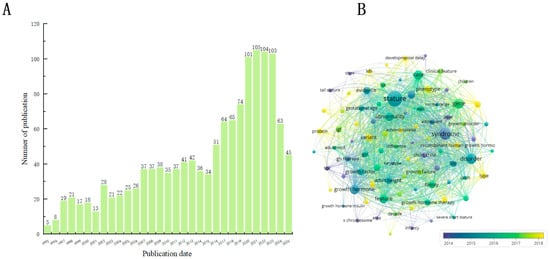
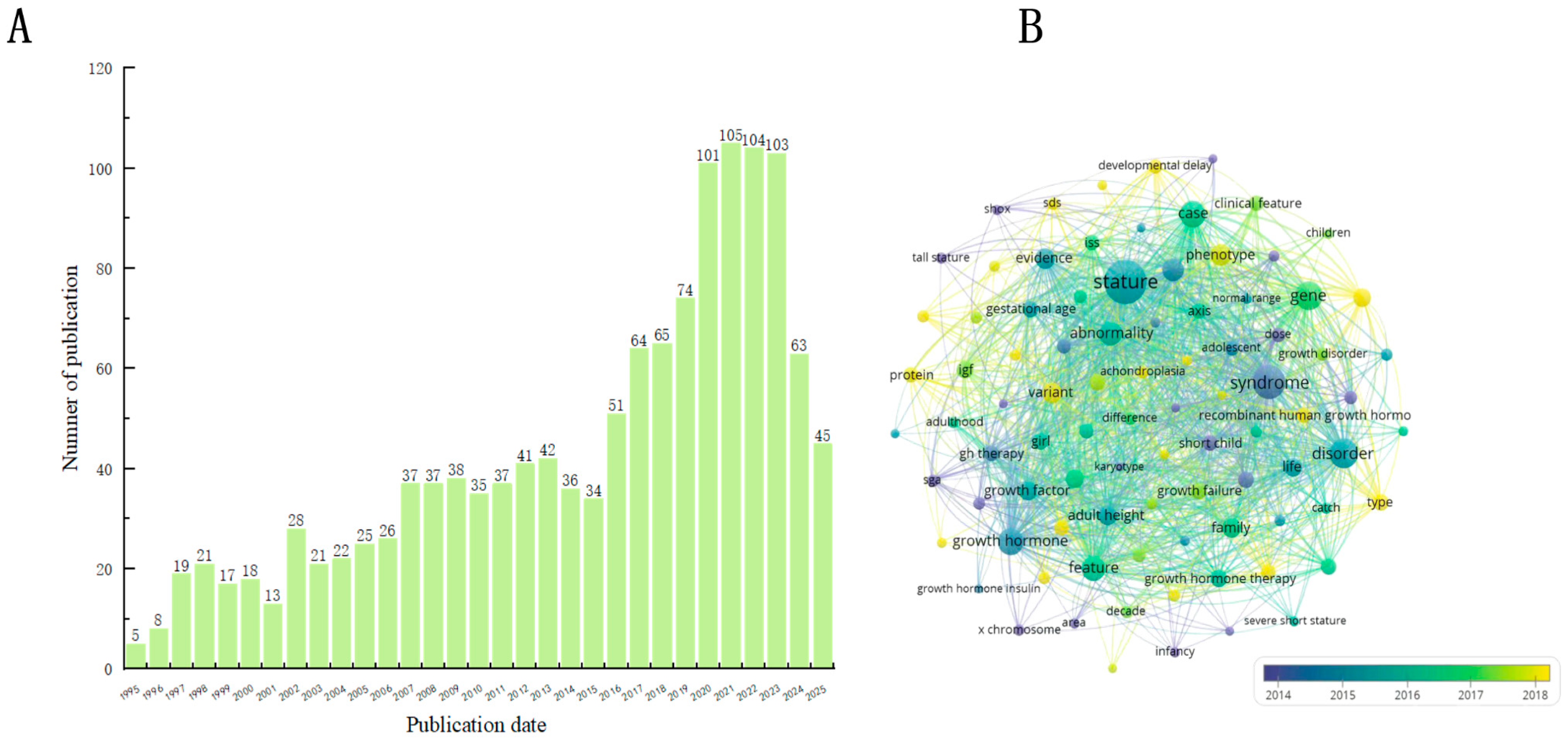
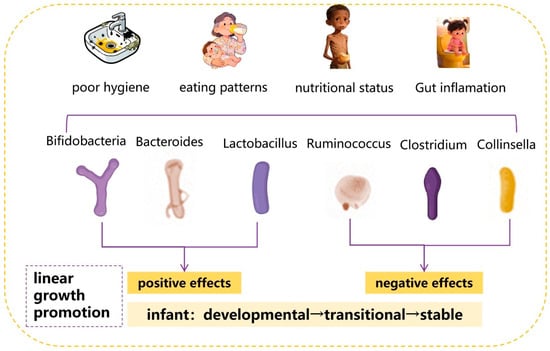
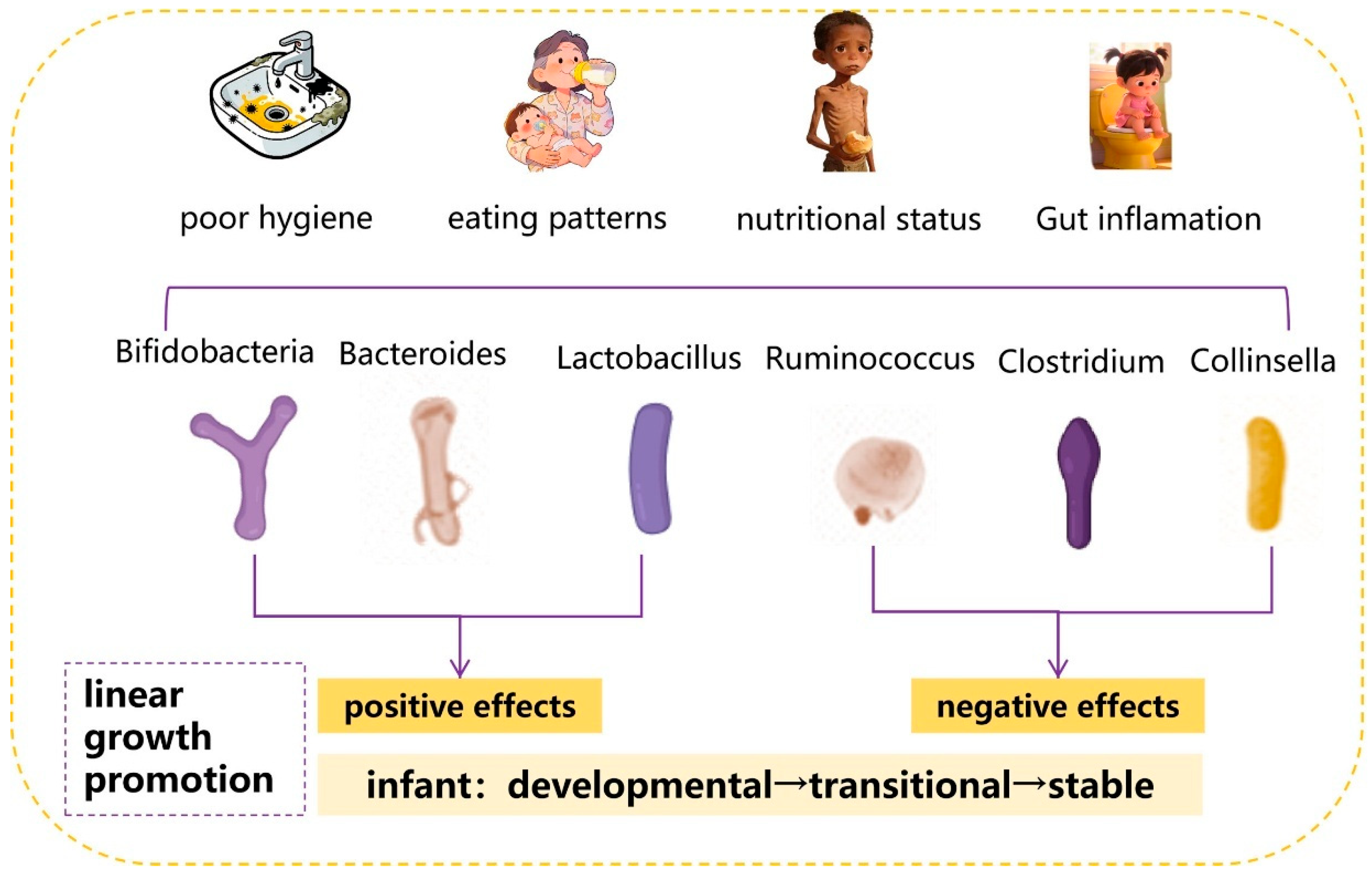
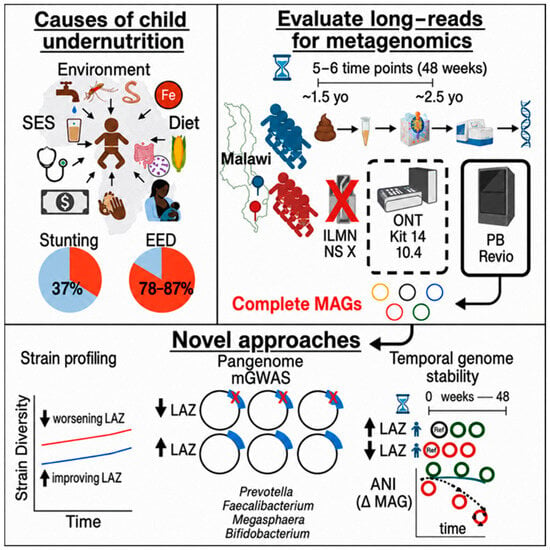
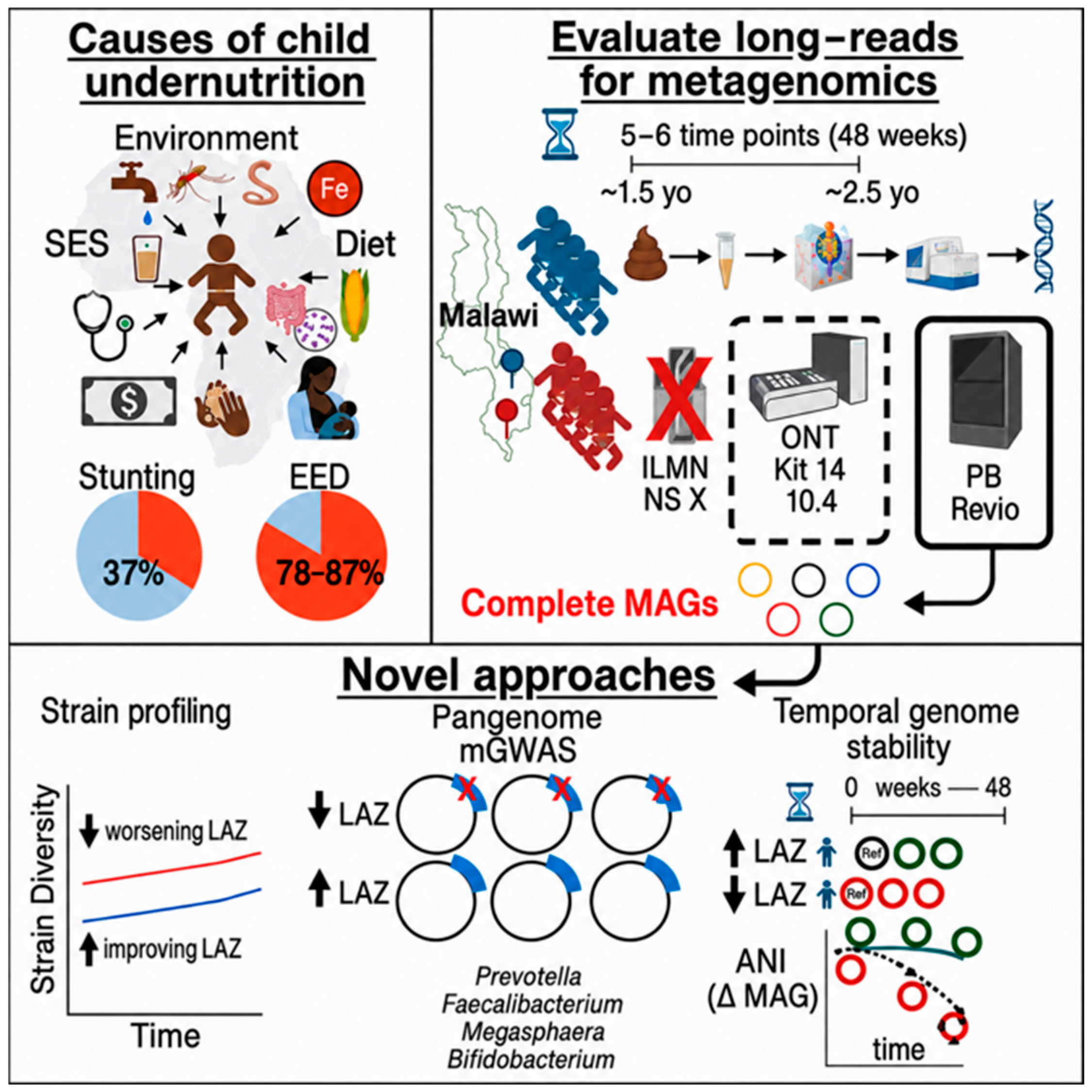
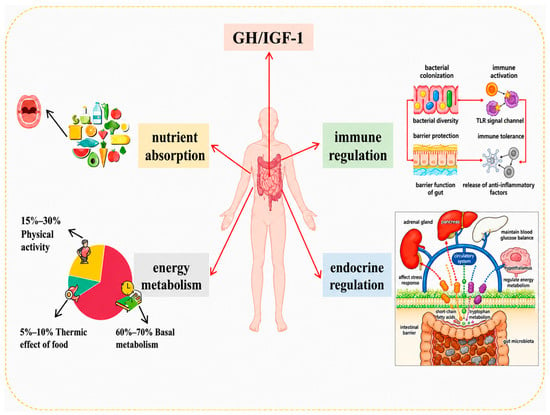
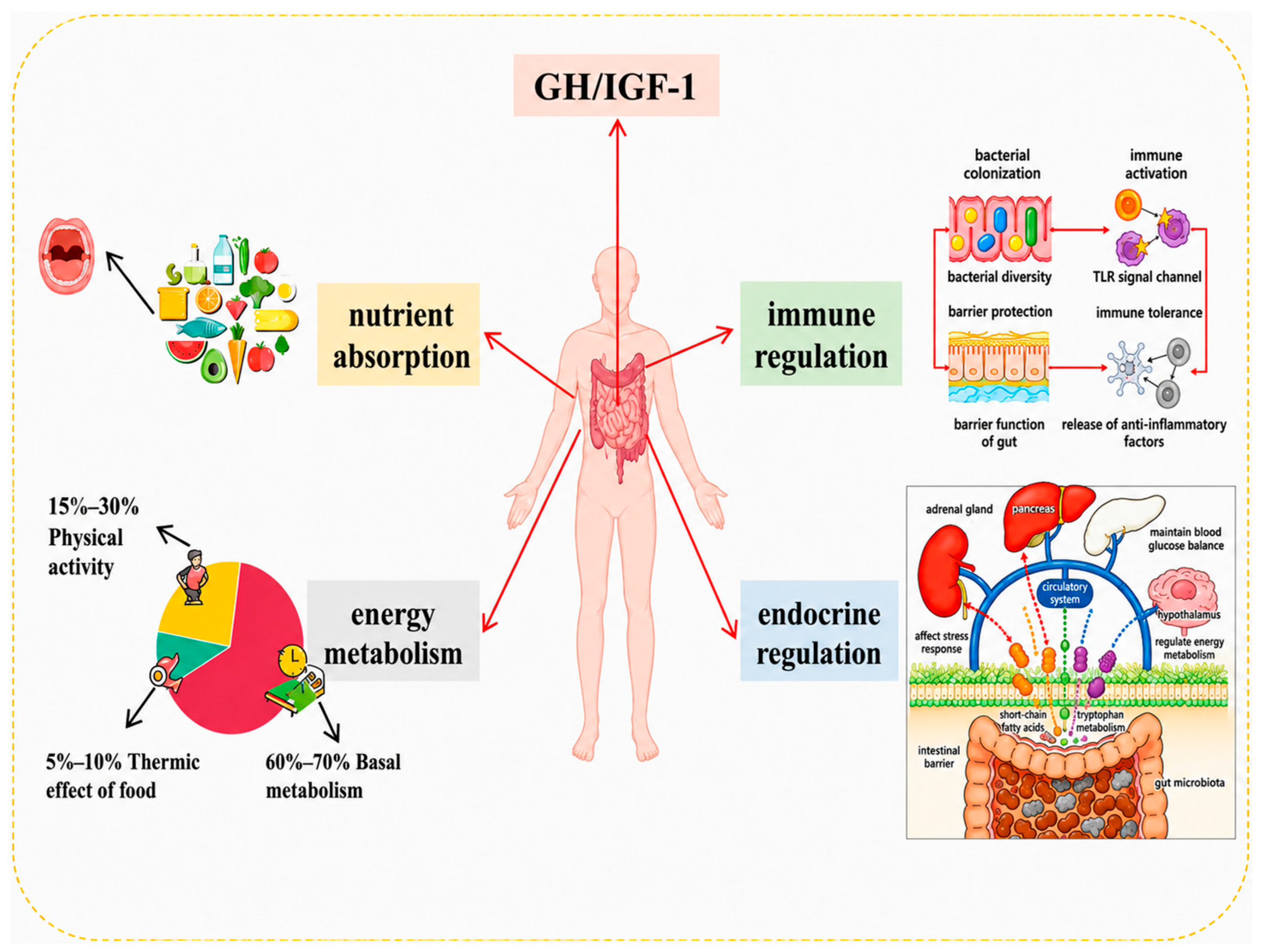
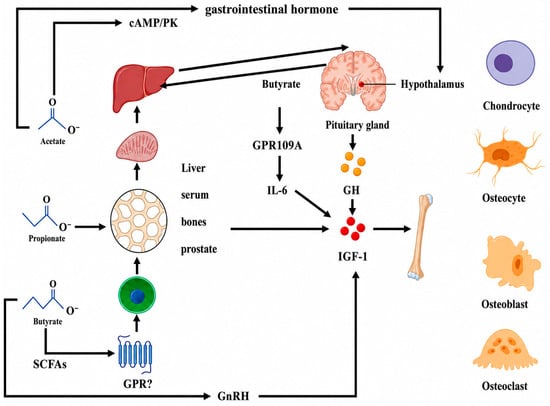
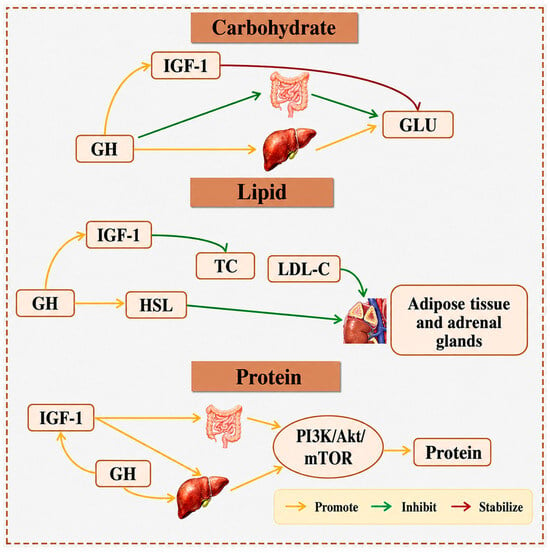
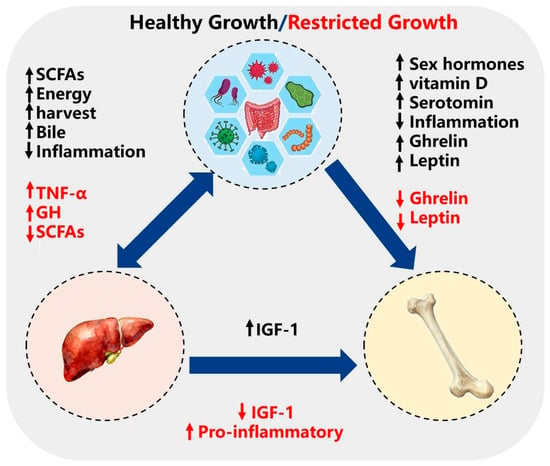
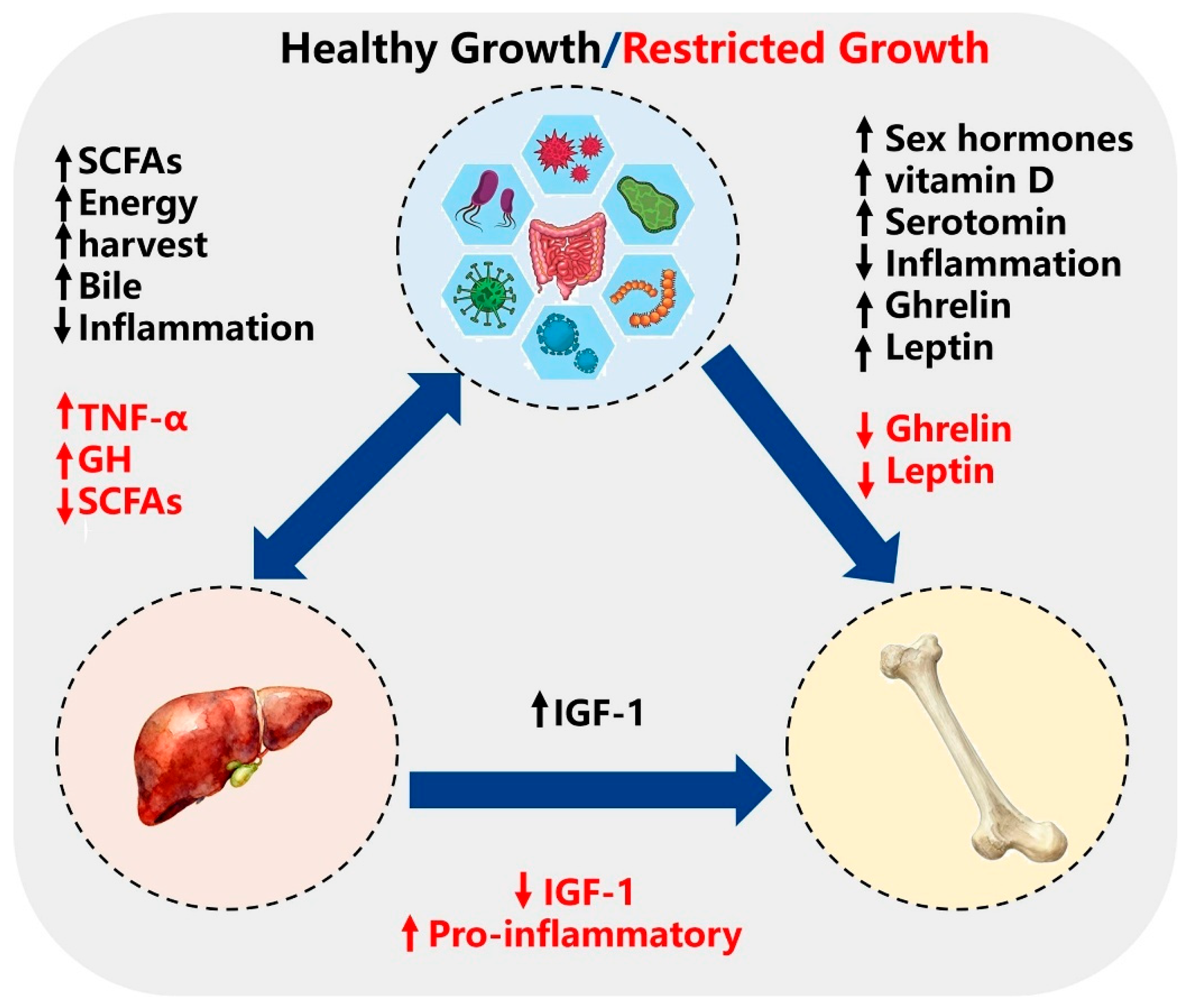
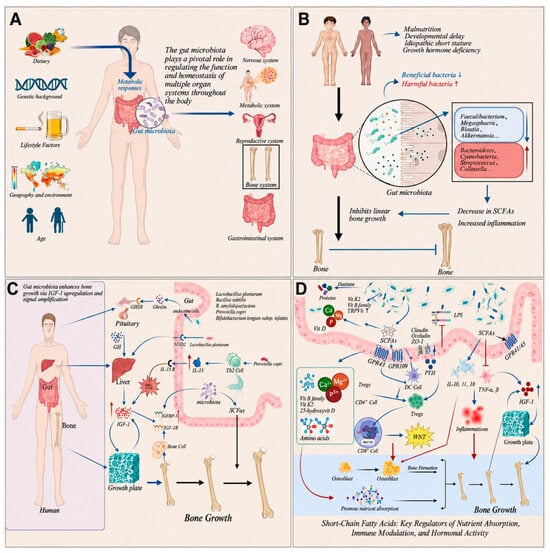
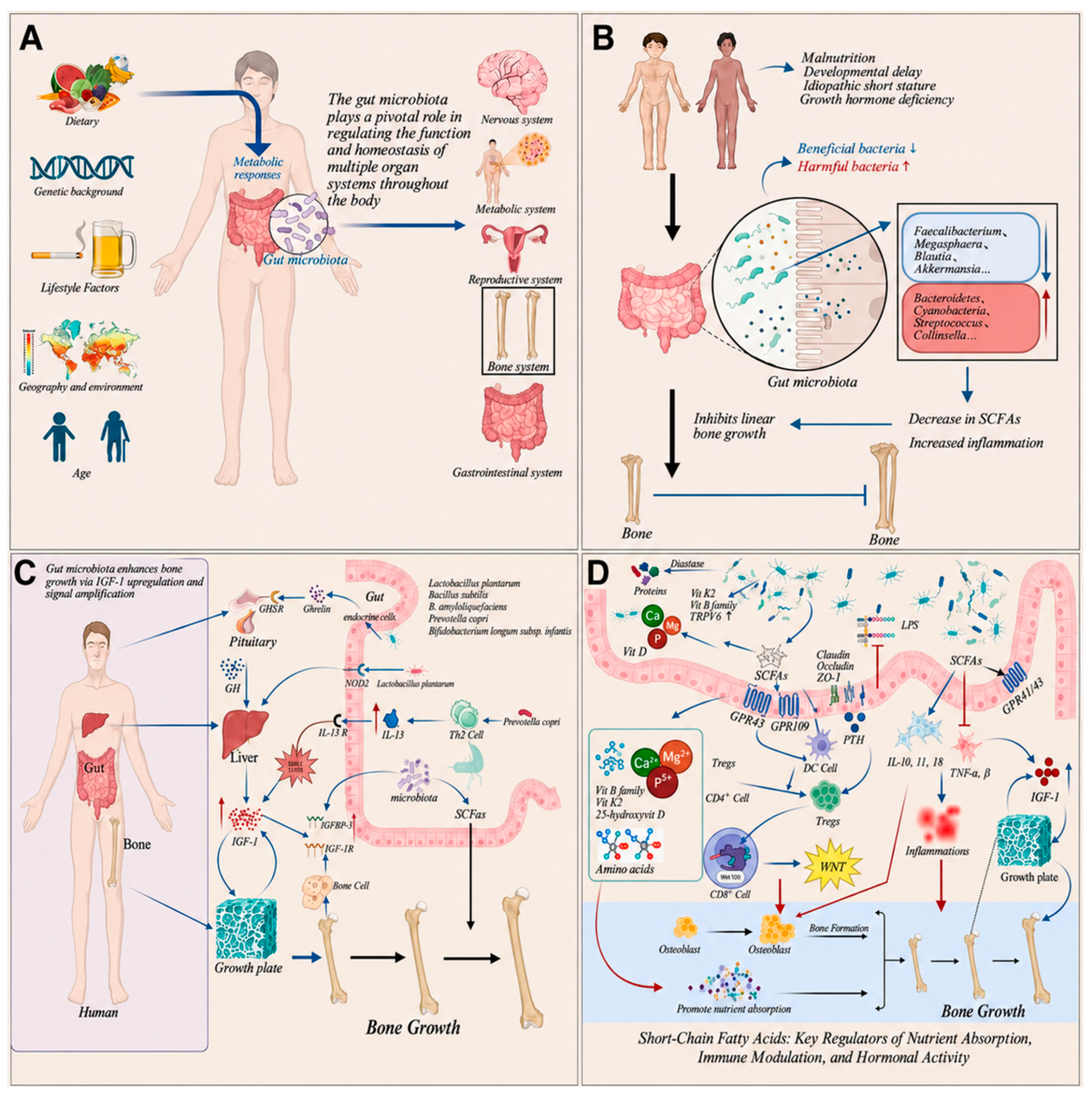
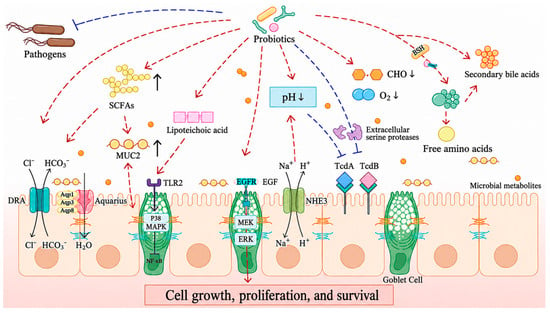
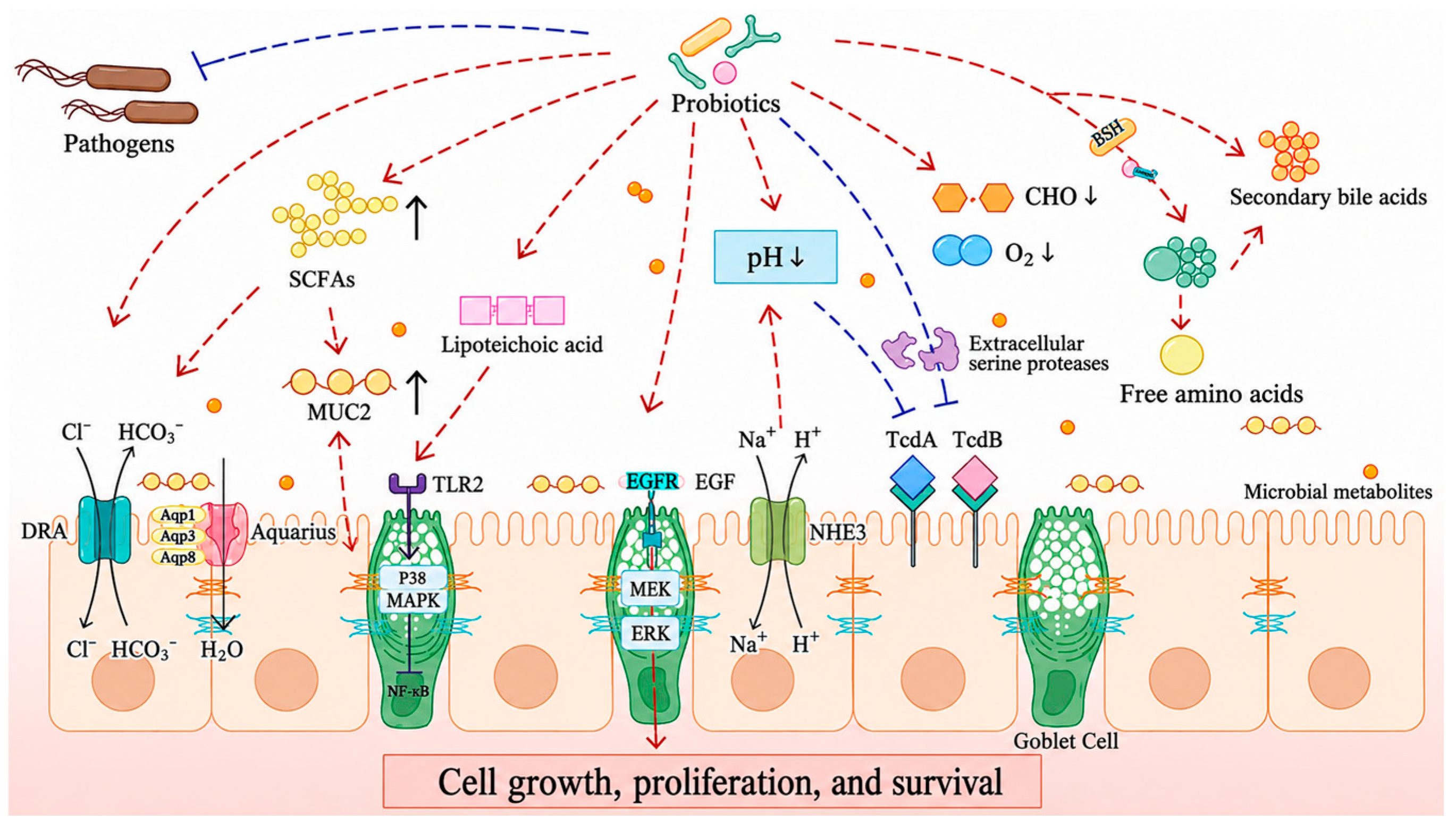










Disclaimer/Publisher’s Note: The statements, opinions and data contained in all publications are solely those of the individual author(s) and contributor(s) and not of MDPI and/or the editor(s). MDPI and/or the editor(s) disclaim responsibility for any injury to people or property resulting from any ideas, methods, instructions or products referred to in the content. |
© 2026 by the authors. Licensee MDPI, Basel, Switzerland. This article is an open access article distributed under the terms and conditions of the Creative Commons Attribution (CC BY) license.