


Abstract
Biocontrol, a practice for using living organisms to target plant pathogens, offers a promising, sustainable agricultural strategy. This study involves epiphytic yeasts isolated from Vitis vinifera ssp. sylvestris and ssp. vinifera as natural antagonists against Aspergillus carbonarius, Botrytis cinerea, and Penicillium expansum. Twenty-one of 37 yeasts were chosen based on the Pathology Intensity (PA) score during preliminary in vivo screening. Following identification, dual-culture assays, VOC production, copper tolerance, and commercial fungicide resistance were assessed. On YPD and GJ medium, Saccharomyces isolates were the strongest antagonists, whereas P. terricola UMY197 inhibited Penicillium and Aspergillus. H. uvarum UMY1473 was notably effective against B. cinerea. VOC analysis confirmed that S. cerevisiae UMY1430 was the most effective against Aspergillus, likely owing to its production of oxalic acid, while S. cerevisiae UMY1438 was a producer of various esters and phenylethyl alcohol. C. intermedia UMY189, M. pulcherrima UMY1472, H. uvarum UMY1473, and S. cerevisiae UMY1436 were the most copper-resistant. Yeast activity on chemical fungicide SWITCH (up to 1 g/L) depended on culture media usage; in fact, a higher viability on YPD than on GJ was observed, where only 4 yeasts were able to grow. Thus, since several yeasts exhibit promising inhibitory activity through various mechanisms and against different molds, the use of synthetic consortia could represent a powerful and essential tool in field trials to limit fungicide use while preventing the emergence of resistance.
1. Introduction
Grapevine (Vitis vinifera L.) is one of the most economically important crops worldwide. However, its nutrient-rich tissues make it highly susceptible to fungal pathogens, which pose a serious threat to yield and postharvest quality. To mitigate these losses, synthetic fungicides have traditionally been widely applied in viticulture. Nevertheless, the environmental and health-related concerns associated with pesticide use have increased the demand for sustainable alternatives. Consequently, scientific and regulatory efforts are increasingly focused on exploiting natural resources and biological control methods to strengthen plant defense mechanisms and manage fungal infections in vineyards and during storage [1,2].
Several fungal pathogens are responsible for significant pre- and postharvest losses in grape production. Aspergillus carbonarius is responsible for Aspergillus bunch rot and is especially prevalent in Mediterranean regions, where its incidence is exacerbated by climate change [3,4]. Moreover, it can produce the mycotoxin ochratoxin A (OTA). Botrytis cinerea, a necrotrophic fungus, infects various grapevine organs (stems, leaves, berries, and seeds), making it one of the most devastating postharvest pathogens for fruits and vegetables [5,6]. Botrytis cinerea often infects grapes at flowering and remains latent until after veraison, when higher sugar levels and lower antifungal defenses increase susceptibility, making it problematic to manage not only postharvest but also in the vineyard. Senescing floral tissues and sugars from ripening or wounded berries then promote disease development [2]. Its high adaptability and complex life cycle make effective control particularly challenging. Additionally, Penicillium expansum causes blue mold decay by colonizing fruit wounds at all stages of the supply chain [7].
Despite the continued reliance on synthetic fungicides, their effectiveness is decreasing due to the development of pathogen resistance [8]. Current legislation (Regulation (EC) No 396/2005) sets maximum residue levels (MRLs) for pesticides, and monitoring programs regularly detect residues on grape skins and pulp [9]. Multi-resistant botrytis populations have already been reported to underscore the risk of increasing the application rates and consequent residue accumulations. Moreover, their use contributes to greenhouse gas emissions throughout production, transport, and application stages and can alter grape and wine aroma profiles due to chemical residues. The wine sector already accounts for approximately 0.3% of global annual greenhouse gas emissions, mainly from the use of fertilizers and pesticides [10,11,12]. Being an easily degradable fruit, rich in carbohydrates, antioxidants, minerals, and vitamins, table grape postharvest shelf life is limited by fungal spoilage [13,14]. To preserve quality, growers apply many pesticides, but agrochemical residues have become a growing concern. Recent surveys show that residue levels exceed legal limits in several regions: 21.9% of 32 Egyptian samples [15], 28% of 25 Iranian samples, with 85 different pesticides [16], and 18 highly toxic pesticides were found in 860 Chinese samples [17]. Therefore, all these agrochemicals raise concerns about environmental toxicity and human health risks [18]. These pressures motivate biocontrol alternative exploration in order to meet regulatory standards and a consumer preference for “residue-free”, high-quality product [19].
Current intensive viticultural strategies often fail to ensure residue-free products despite being aimed at producing “healthy” crops [20,21]. In this context, biological control agents (BCAs) represent a promising alternative, contributing to enhanced food safety and environmental sustainability [22]. Among BCAs, yeasts and yeast-like fungi have gained attention due to their natural occurrence on fruit surfaces, ease of cultivation, environmental resilience, and proven antagonistic activity against plant pathogens [23,24]. Their long-standing use in winemaking also facilitates consumer acceptance, and several strains have already been registered for commercial biocontrol applications [25,26].
Yeasts offer several advantages over other microbial antagonists, including a well-established safety profile in food systems and a low risk of producing harmful metabolites or causing infections [27,28]. An ideal biocontrol yeast should be effective under harsh environmental conditions, require minimal nutrients, and exert antagonistic effects against a broad spectrum of pathogens affecting different fruit crops [29,30]. Additionally, they should be eco-compatible and non-pathogenic to humans [31]. Both Saccharomyces and non-Saccharomyces yeasts have been studied extensively for their biocontrol potential in pre- and postharvest settings [32,33,34,35,36,37].
Microbial biodiversity in viticultural environments is shaped by macro-, meso-, and microclimatic factors [38,39,40], and it is further influenced by local adaptation and vineyard management practices [41]. Interest in indigenous microorganisms associated with grape berries is growing, as bio-fungicides have been shown not to reduce microbial community diversity [42].
The development of yeast-based BCAs begins with the isolation and screening of strains from natural sources, particularly fruit surfaces. Understanding their mechanisms of action is essential to optimize their efficacy and ensure safe application [31]. Freimoser and collaborators [23] provide a detailed overview of these mechanisms, which are central to biocontrol efficacy. Also, antagonistic yeasts can suppress pathogenic fungi through a combination of direct and indirect mechanisms, such as competition for nutrients and space, iron sequestration, secretion of lytic enzymes, production of volatile organic compounds (VOCs), oxidative stress tolerance, and biofilm formation [21,32].
The yeast genera frequently reported for their biocontrol capabilities include Pichia, Aureobasidium pullulans, Metschnikowia, Hanseniaspora, Wickerhamomyces anomalus, Meyerozyma guilliermondii, Candida, Rhodotorula, and Kloeckera [10,33,43,44]. The variable performance of BCAs across different hosts and environments has limited their broader commercialization. However, several yeast-based biocontrol products are now available in various formulations (granules, wettable powders, dusts, and liquid suspensions) and can be applied during both pre- and postharvest stages. This is particularly advantageous given the restriction on chemical fungicides in the 30 days preceding harvest [33,45].
The research aims at identifying promising biological control agents capable of inhibiting the proliferation of three major fungal pathogens affecting grapevines: Aspergillus carbonarius, Botrytis cinerea, and Penicillium expansum. Specifically, this study focuses on evaluating the biocontrol potential of epiphytic yeasts, primarily isolated from wild and cultivated grapes, by investigating the potential mechanisms underlying their antagonistic activity.
2. Materials and Methods
2.1. Yeast Collection
A total of 37 predominant yeasts were isolated from grapes, must, and wine samples derived from Vitis vinifera ssp. sylvestris (wild plant) and Vitis vinifera ssp. vinifera (domesticated plant), collected in Georgia and Azerbaijan between 2008 and 2016. Grape samples from V. vinifera ssp. sylvestris were harvested at the ripening stage, corresponding to berry softening and color change. At each sampling site, three to five healthy grape bunches were randomly selected and stored in sterile containers under refrigerated conditions until processing. Approximately 25 g of grape berries were weighed into sterile stomacher bags and mixed with sterile peptone water (Merck, Darmstadt, Germany) at a 1:1 (w/v) ratio. The samples were manually homogenized for 3 min to extract microorganisms. For V. vinifera ssp. vinifera, 50 mL of must and wine were collected at two time points: immediately after grape crushing (prior to sulfur dioxide addition) and between 1 to 3 weeks after the onset of spontaneous fermentation. Most of these samples originated from small-scale, family-run wineries that do not use commercial yeast starters. Within 24 h of sampling, all aliquots were supplemented with 20% (v/v) glycerol and stored at −80 °C (Eppendorf, Hamburg, Germany) until further analysis. For microbiological assays, the samples were thawed at 4 °C and centrifuged at 10,000× g for 5 min (Hettich, Kirchlengern, Germany), and the resulting pellets were resuspended in peptone water to restore the original volume. Serial ten-fold dilutions were then prepared in peptone water, and 100 µL aliquots of the appropriate dilutions were spread onto WL nutrient agar plates (Merck, Darmstadt, Germany) supplemented with 0.1 g/L chloramphenicol to inhibit bacterial growth. The plates were incubated at 25 °C (Eppendorf, Hamburg, Germany) for 3 days. Yeast populations were quantified as colony-forming units (CFU/mL), and morphologically distinct colonies from the highest dilutions were selected, streaked, and purified by two successive passages on WL agar. Purified isolates were stored in YPD medium (20 g/L peptone, 10 g/L yeast extract, 20 g/L glucose; Sharlau, Barcelona, Spain) supplemented with 20% (v/v) glycerol (Scharlau, Barcelona, Spain) at −80 °C. A complete list of isolates, along with their origin and relevant metadata, is provided in Table 1.
Table 1.
Yeast collection and identification of potential BCA candidates.
2.2. Fungal Pathogens and Growth Conditions
The pathogenic fungal strains used in this study were Aspergillus carbonarius UCAF0012, Botrytis cinerea BO5.10, and Penicillium expansum UCAF0034. To obtain conidial suspensions, the pathogenic fungi were grown in YPD liquid medium at 25 °C for 7–10 days, depending on the species’ growth rate, under aerobic and static conditions. Following incubation, spores were harvested by adding 0.5% (v/v) Tween 20 (Merck, Germany) to the culture, filtering the suspension through a double layer of sterile gauze to remove mycelial fragments, and centrifuging at 11,504× g for 20 min (Rotina 380R, Hettich, Kirchlengern, Germany). The resulting pellet was washed with 5 mL of sterile distilled water supplemented with Tween 20. The concentration of the final conidial suspension was adjusted to 1 × 10⁶ spores/mL using a hemocytometer (Thoma counting chamber; Paul Marienfeld GmbH, Lauda-Königshofen, Germany), following the protocol described by Comménil et al. [46], with slight modifications. Spore suspensions were added with 20% (v/v) glycerol and stored at −80 °C until later use.
2.3. In Vivo Assay for Inhibitory Activity
To evaluate the inhibitory activity of the yeast collection against the three fungal pathogens, an in vivo test was performed by following the protocol by Cordero-Bueso et al. [32] with some minor modifications. The healthy grape berries used in the assay were of two table varieties (Prime, South Africa, and Thomson Seedless, India). Yeast pre-cultures were prepared in YPD 24–48 h before.
Cells were harvested by centrifugation at 2900× g for 15 min at 10 °C (Rotina 380 R, Hettich, Kirchlengern, Germany), washed twice with 10 mL sterile distilled water, resuspended in 5 mL, and adjusted to 1 × 10⁶ CFU/mL based on OD660 measurements. Grape berry surfaces were disinfected in 2.5% (v/v) sodium hypochlorite for 5 min, rinsed three times with sterile water, and sterilization was verified using the final rinse. For each treatment, three berries were wounded (5 mm incision) using a sterile scalpel and submerged in the 1 × 10⁶ CFU/mL yeast suspension for 5 min, then incubated at 25 °C for 24 h. The wounds were then inoculated with 20 µL of conidial suspension (1 × 10⁶ spores/mL) of A. carbonarius, B. cinerea, or P. expansum. Each yeast–pathogen combination was tested in triplicate, with appropriate untreated, pathogen-only, and yeast-only controls. All samples were incubated at 25 °C for 14 days under continuous light. Controls included grape berries: (a) untreated (no yeast or mold inoculation), (b) inoculated with a single fungal pathogen only, and (c) treated with yeast only. Disease severity was assessed visually according to the Pathology Intensity (PA) scale described by Parafati et al. [47]: 1. no visible symptoms; 2. soft rot; 3. mycelium formation; 4. mold sporulation.
2.4. Yeast Identification
Genomic DNA was extracted following the protocol of Querol et al. [48]. The quality of the extracted DNA was verified by electrophoresis on a 0.8% (w/v) agarose gel (Scharlau, Barcelona, Spain) run at 100 V for 45 min. The D1/D2 domain of the 26S rDNA subunit was amplified using the NL1 (5′-GCATATCAATAAGCGGAGGAAAAG-3′) and NL4 (5′-GGTCCGTGTTTCAAGACGG-3′) primer pairs, as described by [49]. PCR reactions were carried out using an Eppendorf Mastercycler RealPlex4. The 25 µL reaction mixture contained: 1× reaction buffer, 0.2 mM dNTPs, 1 mM MgCl2, 0.5 µM of each primer (NL1 and NL4), 1 U of Taq DNA polymerase (New England Biolabs, Ipswich, MA, USA), and 100 ng of genomic DNA. PCR products were verified on 0.8% agarose gels stained with ethidium bromide (0.5 µg/L) and visualized under UV light. Amplicon purification was obtained using the EuroClone purification kit (EuroClone, Milan, Italy), and DNA quantification was performed using the Qubit™ dsDNA BR Assay Kit (Thermo Fisher Scientific, Waltham, MA, USA). Sequencing of the purified amplified fragments was carried out using Eurofins Genomics (Ebersberg, Germany). The obtained D1/D2 sequences were compared against reference sequences available in the GenBank database (NCBI, Bethesda, MD, USA) using the BLASTn algorithm of the National Center for Biotechnology Information (NCBI) to determine the taxonomic identity of each yeast isolate. Sequences were deposited in the NCBI database.
2.5. In Vitro Dual Assays
To evaluate the antagonistic activity of the selected yeasts, corresponding to PA level 1 or 2 against A. carbonarius, B. cinerea, and P. expansum, in vitro screenings were conducted. Depending on the type of assay, three different culture media were employed: Grape Juice Medium (GJ; 3% agar), prepared according to Fugelsang and Edwards [50] with minor modifications: the medium was prepared using grape must free of SO2 and distilled water, with a final total concentration of agar at 3% (ratio 1:1). The two solutions were autoclaved separately, then combined when the temperature of the mixture cooled to 55–60°C, poured into sterile Petri dishes, and allowed to solidify before use. YPD (1% yeast extract, 2% peptone, 2% glucose) and PDA (4 g/L potato extract, 20 g/L dextrose, 15 g/L agar) were also used. All media components were sourced from Scharlau (Barcelona, Spain).
2.5.1. Dual Culture Plate Method
To evaluate potential biocontrol activity, a two-round dual-culture plate assay was performed. In the initial qualitative test (Round #1), 5 µL of a fresh conidial suspension (1 × 10⁶ spores/mL) of the pathogenic fungi was inoculated at the center of PDA plates. Yeast cultures (5 µL) were spotted at a distance of 2.5 cm from the center. The plates were incubated at 25 °C for 10 days under constant light and 80% relative humidity [32]. Antagonistic activity was assessed by visual inspection of the interaction zone between yeast and mold and recorded as either positive (+) or negative (−). A second qualitative assessment was then carried out with a modified setup: 5 µL of conidial suspension was inoculated on the left side of the plate, while 30 µL of yeast suspension was dropped along a line on the right side. After 10 days of incubation at 25 °C under constant light, inhibition zones were visually evaluated to confirm or reject antagonistic potential.
For the second screening (Round #2) yeasts showing positive antagonistic activity in the first round were subjected to a quantitative assay. Plates were prepared by pouring 10 mL of PDA, followed by an overlay of 5 mL of soft PDA (7 g/L agar) containing yeast cells at a final concentration of 1 × 10⁶ CFU/mL. Once solidified, 5 µL of the conidial suspension was inoculated on the surface. After incubation, radial fungal growth was measured, and the inhibition percentage was calculated using the following formula:
where DC is the diameter of the fungal colony in the control (without yeast), and DA is the diameter of the fungal colony in the assay with the antagonist [51]. Each experiment was performed in triplicate to ensure reproducibility.
2.5.2. Yeast Resistance to Copper
Copper resistance was assessed for all yeasts selected after in vivo screening. A 0.2 M stock solution of copper (II) sulfate pentahydrate (CuSO4·5H2O) was prepared and sterilized through a 0.2 μm membrane filter. Defined volumes of the stock solution were added to molten agar-based media (YPD and GJ) to obtain final Cu2+ concentrations ranging from 20 to 900 mg/L (i.e., 20, 64, 100, 200, 300, 400, 500, 600, 700, 800, and 900 mg/L). Control plates without copper were also included. The supplemented media were poured into 6-well cell culture plates (Thermo Scientific™ Nunc™, Thermo Fisher Scientific, Waltham, MA, USA) and allowed to solidify. Previously cultured cells, resuspended in sterile water and adjusted to 1 × 10⁵ CFU/mL, were spotted (5 μL) at the center of each well. Plates were incubated at 25 °C for 5 days. Yeast growth was evaluated by visual inspection based on colony development. All assays were conducted in triplicate.
2.5.3. Yeast Tolerance to the Commercial Fungicide
To assess the tolerance of the previously selected yeasts to a commercial fungicide, their growth was tested in the presence of SWITCH® (Syngenta, Basel, Switzerland), a formulation containing 37.5% Cyprodinil and 25% Fludioxonil. Yeast suspensions were prepared as described in Section 2.5.2. A stock solution of the fungicide was prepared and added to the molten YPD and GJ agar media to obtain final concentrations of 0.5 g/L and 1 g/L. The supplemented media were poured into 6-well cell culture plates to solidify. Then, 5 μL of each yeast suspension was spotted at the center of the wells. Plates were incubated at 25 °C for 5 days. Yeast growth was assessed by visual inspection based on the presence or absence of visible colonies. All experiments were performed in triplicate.
2.6. Microbial Secondary Volatile Metabolites
Additional tests were conducted to evaluate the production of VOCs. A double Petri dish assay [45] with modifications was employed for visual assessment. This method involves the simultaneous co-incubation of yeast and mold on separate Petri plates, which are then sealed together, upside down, using layers of parafilm, ensuring no direct contact between the pathogen and the antagonist. For this experiment, the yeast culture was prepared as described in Section 2.5.2, and 100 μL was inoculated onto YPD and GJ media plates. In parallel, PDA plates were prepared by inoculating 100 μL of the pathogen suspension at a concentration of 103 CFU/mL. The incubation was carried out at 25 °C for 6 days. Plates containing only pathogens were used as controls. The experiment was performed in triplicate. Following incubation, the mycelial growth of the pathogen was quantified using the SketchAndCalc software v5.5.5 [52], and the inhibition was calculated using the formula derived from the Dual Culture Plate method:
where AC is the area of the growth without the antagonistic yeast (control), while AA is the area of the mycelium growth with the antagonistic yeast [51].
2.7. VOC Profiles
The VOC analysis was performed in two experimental models: (a) in 20 mL vials as a qualitative trial and (b) 200 mL glass jars with 60 mm plates inside as a quantitative trial. For the following experiments, two culture media were applied: grape juice medium (GJ) and PDA. (a) Briefly, 2 mL of the first culture medium was dispensed onto one side of a sterile glass tube and allowed to solidify under aseptic conditions. Preliminary tests with mold alone highlighted the possibility of spores germinating with the air available in the vial. Following solidification, the tube was rotated 180°, and an additional 2 mL of the second culture medium was added to the opposite side and similarly left to solidify, creating a biphasic medium configuration. Inoculation was carried out as described in the Double Petri Dish test protocol, using 5 μL of the antagonist and 5 μL of the pathogen, respectively, on GJ and PDA media. The vials were sealed and incubated for 6 days at 25 °C. Three experimental conditions were considered: (1) the pathogen alone on PDA (Control 1), (2) the yeast alone on GJ (Control 2), and (3) both GJ and PDA media with the culture cells. The screening experiment was conducted in a single trial. During the evaluation, an interaction between yeast and pathogen, excluding the area of released volatiles in Control 1 and Control 2, was normalized for statistical analysis. (b) Two 60 mm plates with the respective media (GJ and PDA) and inoculum were placed inside the glass jar along with an internal standard—100 mg/L of 2-methyl-1-pentanol. Inoculation followed, as described above. Double parafilm was used for jar closures, and daily monitoring of VOC release kinetics was conducted for up to 5 days.
VOCs produced in a vial model were analyzed using Solid Phase Microextraction (SPME) coupled with Gas Chromatography-Mass Spectrometry (GC-MS), following the protocol of [53] with some modifications. The SPME fiber used was a carboxen-polydimethylsiloxane-divinylbenzene (CAR-PDMS-DVB; 50/30 µm × 1 cm) fiber (Supelco, Bellefonte, PA, USA). The SPME procedure was carried out using an HTA autosampler (HTA, Brescia, Italy) under the following conditions: incubation for 10 min at 50 °C without agitation, extraction for 30 min at 50 °C, and desorption for 20 min. For the quantitative model, the procedure was carried out with manual extraction for 30 min and desorption for 20 min. Meanwhile, the jars were maintained at 20 ± 2 °C.
The GC-MS analysis was performed using a Perkin Elmer Autosystem XL Gas Chromatograph coupled with a Turbomass Mass Spectrometer (Perkin Elmer, Milan, Italy). The separation of VOCs for both models was achieved using a MEGA-5 MS column (30 + 5 m × 0.250 mm × 0.25 µm) (MEGA S.r.l., Milan, Italy), with helium as the carrier gas at a flow rate of 1 mL/min. The oven temperature was initially set at 40 °C, held for 5 min, then ramped at 1.5 °C/min to 220 °C and held for 10 min. The transfer line temperature was set to 230 °C, and the source temperature was set to 250 °C. The mass spectrometer operated in electron ionization mode at 70 eV with full scan mode. The detector recorded m/z in the range of 33 Da to 350 Da. Ions for the identification of target molecules were selected based on the National Institute of Standards and Technology (NIST) MS Search 2.0 library, with a minimum fitting value (R) of 90%.
2.8. Statistical Analysis
The obtained data were analyzed using statistical tools and expressed as mean ± standard deviation. Differences between experimental groups were assessed using analysis of variance (ANOVA), with post hoc comparisons performed using the Tukey HSD test. Statistical analysis was conducted using Statgraphics Centurion 19-X64 (© 2022 The Plains, VA, USA) [54], with significance set at p ≤ 0.05. For the analysis of VOC production, statistical evaluations were carried out using the SPSS Win 12.0 program (SPSS Inc., Chicago, IL, USA) [55]. Principal component analysis was performed using Statistica 12 software (Statsoft Inc., Tulsa, OK, USA) [56].
3. Results
3.1. Inhibition Activity by In Vivo Test and Yeast Identification
Yeast characterization according to PA intensity indicated that about 57% of the isolates (21 out of 37) were able to inhibit one of the three tested mold species, with activity levels up to PA2. In particular, 76.2% were active against P. expansum (16 out of 21), while approximately 9.5% (2 out of 21) showed inhibitory activity against B. cinerea. None of the analyzed yeasts reached PA1 in the presence of A. carbonarius, whereas 14.3% exhibited potential inhibition corresponding to PA2 (3 out of 21). Interestingly, only one isolate (UMY201) was active at the PA2 level against two pathogens, P. expansum and A. carbonarius. Among the 21 yeasts exhibiting inhibitory activity, 6 were isolated from V. vinifera and 15 from V. sylvestris. Nevertheless, although most yeasts in the microbial collection exhibited antifungal activity originating from V. sylvestris, it should be noted that approximately 75% of the entire collection was isolated from wild grapevines. Therefore, it cannot be definitively concluded that a wild environment necessarily constitutes a richer reservoir of potential BCA candidates.
Species identification demonstrated that 52% of these promising yeasts belonged to the S. cerevisiae species (UMY1419, UMY1422-23, UMY1425, UMY1428, UMY1429-32, UMY1436, and UMY1438) and that they were all associated with the wild grapevine. Other identified yeasts included the following: Candida intermedia/pseudointermedia UMY189, Pichia terricola UMY197, Aureobasidium pullulans UMY201, Cystofilobasidium infirmominiatum UMY205, Hypopichia paragotoi UMY209, Pichia kluyveri UMY210, Pichia kudriavzevii UMY1470, Clavispora lusitaniae UMY1471, Metschnikowia pulcherrima UMY1472, and Hanseniaspora uvarum UMY1473 (Table 1).
3.2. Assessment of the Fungal Mycelium Growth in In Vitro Test
3.2.1. Confrontation Assays
All 21 selected yeast isolates were evaluated through in vitro assays to verify their antagonistic activity as potential BCAs against the proliferation of A. carbonarius, B. cinerea, and P. expansum. This approach allows for the identification of yeasts capable of inhibiting fungal growth, either through competition for space and nutrients or via the production of antifungal compounds. In the initial screening phase (Round #1), 11 out of 21 yeasts demonstrated antifungal activity by limiting mycelial development. This inhibitory effect was confirmed when the fungal mycelium failed to overgrow the yeast biomass. The remaining 10 isolates showed no influence on fungal growth. Additionally, inhibition efficacy varied according to the target pathogen. Among the active antagonists, UMY189, UMY201, UMY1429-30, UMY1432, UMY1438, UMY1470, and UMY1471 were effective against P. expansum. UMY1436 and UMY1473 inhibited the growth of B. cinerea. In contrast, UMY189, UMY201, UMY205, UMY1430, UMY1470, and UMY1471 inhibited the growth of A. carbonarius (Figure 1).
Figure 1.
Example of the second screening step (round #2) of: (a) A. carbonarius growth on a medium without antagonistic yeast (Control); (b) Inhibition of A. carbonarius conidial growth by UMY205; (c) Inhibition of A. carbonarius conidial growth by UMY1470; (d) Inhibition of A. carbonarius conidial growth by UMY189.
Among the tested yeasts, UMY189 exhibited the strongest inhibitory effect against P. expansum, UMY1471 showed the highest antagonistic activity against A. carbonarius, while UMY1473 demonstrated notable inhibitory capacity against B. cinerea.
Overall, as in vivo tests on grapes showed, non-Saccharomyces yeasts could exert greater potential in reducing mycelial growth, with several isolates exhibiting more than 70% inhibition (Table 2).
Table 2.
Conidial growth inhibition ability (%) assessed by evaluating the pathogen’s mycelium growth by yeast species (nd = not determined).
3.2.2. Double Petri Dish Test
A double Petri dish assay was conducted to investigate the antagonistic mechanisms of yeasts via VOCs and their effects on pathogen mycelial growth. Besides the standard YPD-PDA laboratory condition, the GJ-PDA pair was employed to more closely mimic a grape-like environment.
Statistical analysis revealed that GJ medium significantly enhanced inhibition (p ≤ 0.05) compared to YPD for both Saccharomyces and non-Saccharomyces yeasts against all three pathogens (Table 3). In our study, the highest inhibition of P. expansum on GJ medium revealed five statistically distinct inhibition groups. Nine S. cerevisiae isolates and one Pichia species (UMY 197) achieved 100% inhibition. In contrast, yeast responses on YPD medium were less differentiated. The highest inhibition was recorded for UMY1470 and UMY210. Regarding B. cinerea, using GJ medium (100%), UMY205, UMY1436, and UMY1473 were observed to inhibit mold growth. For A. carbonarius, significant inhibition differences were also evident among yeast groups on the GJ medium. Full inhibition (100%) was observed only for UMY1436. Additionally, 12 isolates achieved >90% inhibition, 11 of which were S. cerevisiae, with only UMY197 representing non-Saccharomyces (Figure 2).
Table 3.
Antagonistic activity of yeast against mold in the double Petri dish test (expressed as growth reduction %, mean ± standard error, statistically homogeneous groups). * Grape juice medium (GJM), ** Yeast extract–peptone–dextrose medium (YPD). Different letters correspond to significant differences (p <0.05).
Figure 2.
Double Petri dish test—no contact conidial growth of P. expansum (a), B. cinerea (b), and A. carbonarius (c) on PDA plates, co-incubated with a sealed second Petri dish containing GJ and YPD medium either without antagonistic yeast (control) or with antagonistic yeast.
In general, inhibition levels on YPD agar were lower and more variable. Complete inhibition was achieved by UMY210, while UMY197 again showed strong performance (>90%).
To date, only a few studies have evaluated VOC-mediated antagonists on grape juice medium. The comparison of 21 antagonistic yeasts against three fungal pathogens that widely affect grapevines represents one of the first datasets demonstrating complete inhibition of all tested molds under the conditions mentioned above.
3.3. Role of Antifungal Volatile Organic Compounds (VOCs) as a Defense Response
The inhibition effect of VOCs released by the yeasts was studied as a reputed mechanism of action against the pathogenic fungi involved in the study. In our case, the vials with two different culture media, with no contact between the antagonist yeast and mold, were utilized to determine the production of VOCs after 6 days of incubation.
The choice of the yeast–mold interaction pair was based on a previous test using a double Petri dish, selecting specific yeasts according to their antifungal activity against the corresponding fungus.
PCA performed on all the interaction pairs showed moderate separation among samples and explained 39.88% of the total variance (Figure 3a). Most of them clustered together, demonstrating relatively similar behavior. UMY1432 and UMY197 are slightly separated from the main cluster involving Penicillium interaction (Figure 3a). UMY1430, UMY1438, and UMY197 were the yeasts that diverged from the rest of the results in the analysis with the presence of A. carbonarius. Indeed, UMY1430 produces more oxalic acid than the other yeasts (Figure 3b). Thus, for Aspergillus, the inhibition might be caused by oxalic acid production. Phenylethyl alcohol also showed some significance in the interactions between Aspergillus and UMY1438. Besides, UMY1438 released mostly esters: pentadecanoic acid 3-methylbutyl ester, octanoic acid 3-methylbutyl ester, dodecanoic acid ethyl ester, and nonanoic acid ethyl ester, suggesting a possible synergistic effect of these VOCs against pathogen growth. On the other hand, UMY197 produced fewer esters than UMY1438.
Figure 3.
Principal component analysis (PCA) loading plot of (a) the variables considered interaction-yeasts-mold; (b) volatile organic compounds (VOCs) of the selected interactions with possible antifungal properties.
Besides, ethyl acetate production was demonstrated to be higher in non-Saccharomyces yeasts, while for S. cerevisiae its presence was almost not detected. M. pulcherrima UMY1472 and P. kudriavzevii UMY1470, in the presence of P. expansum, stand out significantly from other yeasts for this compound—a pattern that also applies to H. uvarum UMY1473 in interaction with B. cinerea and M. pulcherrima UMY1472, as well as to C. lusitaneae UMY1471 and P. kluyveri UMY210 in vials with A. carbonarius.
Continuous kinetics as a trial assay was performed in the presence of S. cerevisiae UMY1430 with B. cinerea. The assay demonstrated a time-dependent evolution of VOCs with a progressive increase in total emissions and a characteristic delay in ester formation, which typically appeared at later stages of the process. Esters reached their highest abundance on days 3 and 4. Specifically, 1-butanol 3-methyl acetate, sulfurous acid, 2-ethylhexyl nonyl ester, acetic acid 2-ethylhexyl ester, and 1-pentanol 2-methyl acetate increased over time, starting from days 2–3, whereas 2-methylpentyl formate showed a decreasing trend. Interestingly, styrene was also released. At the end of the experiment, yeast cell counts reached 2.8 × 10⁸ CFU/mL, while the fungal mycelial area was reduced by approximately twofold compared with the control. These observations provide deeper insight into the temporal dynamics of VOC production and suggest that fungal inhibition may result from the synergistic effect of multiple metabolites rather than a single dominant compound.
A continuous kinetics assay was also performed in the presence of S. cerevisiae UMY1430 with A. carbonarius under a less oxygen-limited environment. VOC profiles changed markedly over time: alcohols dominated the early stages of the process and were later consumed or transformed. A daily increase in alcohols such as ethanol, 3-methyl-1-butanol, and 2-ethyl-1-hexanol was observed, followed by progressive ester formation, with higher diversity and accumulation on days 3–4. For example, 1-pentanol 2-methyl acetate and acetic acid 2-ethylhexyl ester peaked on day 3, whereas 2-ethylbutyl hexanoate and sulfurous acid, 2-ethylhexyl nonyl ester decreased over time. Styrene was again detected. Yeast cell density reached 2.3 × 10⁸ CFU/mL at the end of the experiment, while the fungal mycelial area was reduced by approximately 1.5-fold compared with the control.
Overall, these results provide deeper insights into the temporal mode of action, metabolic shifts during the trials, and the role of VOC dynamics in pathogen inhibition. While one experimental setup highlighted the impact of a major inhibitory compound, the continuous kinetics approach emphasized time-dependent changes and metabolic transitions, linking VOC evolution with yeast growth dynamics and pathogen suppression. The compounds identified appear to act as preventive volatilomes against fungal pathogens. Additional VOCs or specific VOC clusters may be associated with yeast growth rates, particularly ethanol production. However, the ethanol production rate and concentration were not quantified, nor was the time lag between yeast and mold growth initiation determined—factors that could critically influence pathogen inhibition or growth.
3.4. Yeast Tolerance to Copper and to Fungicide
3.4.1. Copper Resistance
In the present study, we chose to use both GJ and YPD media to assess yeast resistance to various concentrations of copper and a commercial fungicide. The use of these media provides insight into the potential application of BCA candidates under vineyard-relevant conditions.
In YPD, a more permissive medium, a broader range of copper concentrations was tested: 20, 64, 100, 200, 300, 400, 500, 600, 700, 800, and 900 mg/L. In contrast, the GJ medium was tested with concentrations of 20, 64, 100, 200, and 300 mg/L. On YPD, all yeasts were able to grow at concentrations up to 100 mg/L Cu2+, while no growth was observed at 900 mg/L (Figure 4). However, a notable proportion of isolates showed growth at 500 mg/L (44.4%), with some even tolerating 700 mg/L (9.5%) and 800 mg/L (7.92%).
Figure 4.
C. lusitaniae UMY1471 (left) and P. kudriavzevii UMY1470 (right) on GJ medium and YPD; control, 0.5 g/L and 1 g/L fungicide.
In contrast, yeast proliferation in the GJ medium was markedly reduced across all concentrations tested. Notably, UMY189, UMY201, and UMY1472 demonstrated the highest tolerance at 300 mg/L Cu2+, indicating their potential suitability in vineyard-like environments. Furthermore, several yeasts exhibited intermediate tolerance on both media types, including UMY197, UMY1470, UMY1419, UMY1428, and UMY1429, suggesting a consistent resistance profile across different environmental conditions. A. pullulans exhibited the highest copper tolerance on GJ medium and demonstrated substantial growth on YPD medium—proliferation was evident up to 500 mg/L Cu2+.
Furthermore, the highest tolerance to copper on both media was observed in UMY189 (up to 300 mg/L on GJ and 700 mg/L on YPD), UMY1436 (up to 200 mg/L on GJ and 800 mg/L on YPD), UMY1472 (up to 300 mg/L on GJ and 700 mg/L on YPD), and UMY1473 (up to 200 mg/L on GJ and 800 mg/L on YPD) (Table S1). These findings highlight the impressive performance of different yeast species and, therefore, the variability of choices for more sustainable alternatives rather than chemical treatments.
3.4.2. Fungicide Resistance
Yeast tolerance was evaluated against the commercially available fungicide Switch® 62.5 WG (Syngenta, Basel, Switzerland), which contains the active ingredients Cyprodinil and Fludioxonil and is widely used due to its broad-spectrum antifungal activity. The results showed that all tested yeasts grew on YPD medium containing up to 1 g/L of Switch, with the exception of UMY197, UMY209, and UMY1472, which exhibited growth comparable to the control only. In contrast, GJ medium supplemented with 0.5 g/L and 1 g/L of the fungicide significantly inhibited yeast proliferation. Out of 19 yeast isolates, only three were able to grow under these conditions: UMY1432 at 0.5 g/L, and UMY1470 and UMY1471 at 1 g/L. These two yeasts demonstrated the highest tolerance across both media, suggesting their suitability for integrated management approaches.
4. Discussion
Most of the species identified in this study have been previously associated with both wild and cultivated grapevines. Notably, recent research on the yeast communities of V. sylvestris has highlighted C. lusitaniae and P. terricola as potentially specific to the Georgian grapevine microbiota [57]. In the context of biocontrol, many of the isolated species identified in this study have already been reported as antagonistic to grapevine pathogens by several authors [32,58,59,60,61,62,63,64,65]. These findings reinforce the potential of non-Saccharomyces yeasts as promising candidates for use as biocontrol agents. According to Cordero-Bueso et al. [32], wild grape-associated yeasts may be more effective as BCAs compared to those isolated from domesticated grapevines. In this study, most of the yeasts exhibiting antifungal activity (71%) originated from V. vinifera ssp. sylvestris; however, since approximately 75% of the overall collection was isolated from wild grapevines, it cannot be conclusively stated that a wilder environment necessarily represents a richer reservoir of BCA candidates.
Contrary to the findings of Fernández-San Millán et al. [66], the antagonistic effect of S. cerevisiae appeared to be strain-dependent rather than species-specific. Additionally, inhibition efficacy varied according to the target pathogen. Interestingly, contrary to previous reports [66,67], neither M. pulcherrima nor P. terricola exhibited anti-mycelial activity, which might be explained by differences between experimental planning (“lawn assay”) and strain use. The strain dependence was also emphasized in the mentioned study. A. pullulans is already well-established as a major BCA [47,60,68,69], recognized for its strong colonization and persistence capabilities under both laboratory and vineyard conditions. It has been shown to effectively control gray mold (B. cinerea) [70]. According to Ayogu et al. [71], A. pullulans inhibited the mycelial growth of Penicillium and Botrytis by up to 75–100% in both in vitro and in vivo conditions. Fernandez-San Millan et al. [68] identified S. cerevisiae as one of the most effective antagonists against B. cinerea and P. expansum in plate assays. Their study also highlighted C. lusitaniae as the most effective antifungal species against P. expansum, with a strong inhibitory capacity against Aspergillus spp. as well.
Dual culture plate assays have demonstrated that competing yeasts can inhibit mycelial development and form clear inhibition zones, likely through the secretion of antifungal metabolites [23]. However, the effectiveness of such inhibition is highly dependent on the yeast species involved [60,72,73], a trend that was consistently confirmed in this study. The antagonistic activity of C. intermedia/pseudointermedia against P. expansum, and C. lusitaniae against A. carbonarius, agreed with previous results reported by Ayogu et al. [71]. The results showing non-Saccharomyces yeasts as more efficient mycelial growth reducers further support their role as effective biocontrol agents against postharvest fungal pathogens. For example, both A. pullulans and P. kluyveri have been reported to reduce the fungal growth and spore germination of P. expansum [21,74]. In the case of A. carbonarius growth, C. intermedia has been shown to not only inhibit vegetative development but also suppress ochratoxin A (OTA) production and interfere with fungal metabolic pathways [75].
Grape juice medium had previously been employed by Adesida [76] in a dissertation study to recreate a grape-mimicking environment, and our findings support its relevance. It is known that the composition of the growth medium influences both fungal proliferation and the activation of antifungal mechanisms [60,75,76]. The increased antagonistic activity observed on GJ may be attributed to its chemical complexity, which includes sugars, organic acids, aromatic and phenolic compounds, pectic substances, and nitrogenous molecules [60,77]. Several studies have explored synthetic grape mediums to assess A. carbonarius growth and ochratoxin A (OTA) production in response to essential oils [78,79,80]. However, in those cases, the differences were primarily attributed to oil composition.
The antifungal potential of yeast species appears to be closely linked to their VOC profiles and tolerance to environmental conditions. Raspor et al. [60] reported that S. cerevisiae exhibited strong antagonism on grape juice–like media enriched with glucose, potentially due to its high tolerance to abiotic stress. P. kluyveri is known for its biocontrol potential and as a producer of volatile esters and alcohols, including ethyl acetate, isobutyl acetate, 2-phenylethyl acetate, and isoamyl alcohol [81], while P. kudriavzevii emits a more complex volatilome, including 2-phenylethanol, phenylethyl acetate, esters, terpenes (e.g., cedrene), aldehydes, and aromatic hydrocarbons [82]. Among non-Saccharomyces species, A. pullulans has been recognized as a potent VOC producer, secreting compounds such as phenylethyl alcohol, 2-methyl-1-butanol, 3-methyl-1-butanol, 2-methyl-1-propanol, and ethanol, which are effective against Penicillium spp. and B. cinerea [83,84,85] with varying degrees of effectiveness. Likewise, C. intermedia has demonstrated VOC-mediated inhibition of B. cinerea on strawberries [86] and of A. carbonarius [75], impacting fungal biosynthetic and metabolic processes [87]. The inhibitory effect of C. intermedia against A. carbonarius is attributed to 2-phenylethanol. According to Kirkland et al. [88], oxalic acid, found as one of the stressor VOC in our assays, seems to promote disruption of the plant cell wall while boosting the activities of fungal lytic enzymes that ultimately cause wilting and disease progression as a phytopathogenic fungal virulence factor. Thus, its presence is connected to the secretion phenomenon, for example, in the case of B. cinerea in host plants such as tomatoes and apples [89]. But an accumulation of oxalic acid can successfully inhibit the development of P. expansum in kiwi fruit through patulin accumulation [90]. Various VOCs have been linked to reduced conidial germination and fungal growth, including phenylethyl alcohol, n-butanol, isoamyl alcohol, and 2-methyl-1-propanol [75,84,85,91]. It is known that Saccharomyces spp. produces antifungal VOCs such as ethyl acetate, isobutyl acetate, 2-phenylethyl acetate, 2-pentanone, isoamyl acetate, and phenylethanol [92].
There is strong evidence that non-Saccharomyces yeasts produce ethyl esters, including (or closely related to) ethyl acetate, in VOC assays, which was also highlighted in our experiments. These compounds are likely key players in inhibiting fungal pathogens [82,93,94,95]. For example, M. pulcherrima and H. uvarum have been shown to emit ethyl acetate along with other esters and higher alcohols in VOC assays, suppressing the growth of postharvest pathogens such as Botrytis cinerea [96,97]. However, the specific VOCs responsible for inhibition can vary on the basis of yeast–pathogen systems, e.g., Aspergillus carbonarius, where 2-phenylethanol is more dominant than ethyl acetate [74,75]. Another example of H. uvarum that aligns with our trials of VOCs is its capacity to produce primarily ethyl acetate, which can constitute the majority of its volatilome [98]. These VOCs exhibit strong antifungal activity, inhibiting pathogens such as Phytophthora nicotianae and Botrytis cinerea and effectively reducing postharvest decay in fruits like tomatoes and strawberries [99,100]. This highlights H. uvarum’s potential as a biocontrol agent, where ethyl acetate plays a key role in limiting fungal growth and extending shelf life. However, synergistic effects between VOCs, such as ethyl acetate combined with CO2, have been suggested to enhance antifungal activity, as observed in M. pulcherrima, A. pullulans, and S. cerevisiae [94]. There is not much information about sulfurous acid 2-ethylhexylnonyl ester, which was detected in our study. But sulfurous acid, 2-ethylhexyl isohexyl ester, from a similar chemical family, is considered a secondary plant metabolite, but the literature does not suggest that it has antifungal activity [101]. Beside other volatiles, a terpene found in our assay—styrene—has been detected among S. cerevisiae VOC profiles, although its antifungal activity was not specifically assessed in those studies [102]. Therefore, the antifungal effect is rarely attributed to a single compound. This synergism is further supported by proteomic analyses showing that the full yeast volatilome elicits broader metabolic alterations in fungal pathogens than individual components alone, underscoring the importance of considering the complete VOC profile when evaluating biocontrol potential [75].
Another important aspect influencing the potential of yeast as a biological control agent is their tolerance to chemical stressors, including fungicides and copper. The detrimental impact of fungicides is well documented, reinforcing the value of BCAs as sustainable alternatives. Indigenous grape-associated microorganisms are naturally adapted to the berry microenvironment [47], making fungicide tolerance a key trait for potential co-application or staggered use alongside chemical treatments [101]. Previous studies have highlighted species-specific differences in fungicide tolerance. For instance, P. kluyveri outperformed the Switch® fungicide in antagonistic assays against Botrytis cinerea [32], whereas in Washington State vineyards, M. pulcherrima, A. pullulans, and S. cerevisiae displayed variable responses to commercial fungicides [102]. M. pulcherrima exhibited total inhibition in the presence of Pristine® and Procure®, but tolerated Vivando® (metrafenone) up to 1 mg/mL [101]. Besides, A. pullulans is ecologically dominant in vineyards regardless of cultivar or fungicide exposure [70,102]. Therefore, these findings highlight the importance of selecting biological control agents based on both their ecological adaptability and tolerance to specific fungicides to ensure effective integration into vineyard disease management strategies.
Yeast tolerance to copper is also a critical factor, particularly in light of new European regulations limiting copper usage to an average of 4 kg/ha per year, not exceeding 28 kg/ha over seven years [103]. Understanding yeast resistance to copper is therefore crucial for its potential application in biocontrol or fermentation processes in agricultural settings. These regulations increase the relevance of identifying copper-tolerant strains. Grangeteau et al. [104] observed tolerance values ranging from 127 to 413 mg/L, depending on the species. Among non-Saccharomyces yeasts, A. pullulans has been repeatedly highlighted as one of the most copper-tolerant species [102,104,105], a trait attributed to melatonin production, which plays a protective role in copper biosorption [106]. However, copper tolerance in S. cerevisiae is potentially strain-dependent and closely associated with the copy number of the CUP1 gene, which encodes a metallothionein responsible for copper detoxification via chelation [107]. Accordingly, S. cerevisiae yeasts have been reported to grow at copper concentrations of up to 206 mg/L, in line with our observations.
5. Conclusions
In this study, the biocontrol potential of epiphytic yeasts isolated from Vitis vinifera was systematically evaluated against major grapevine fungal pathogens. Both Saccharomyces and non-Saccharomyces yeasts exhibited antagonistic activity through diverse microbial strategies, demonstrating a broad-spectrum inhibitory capacity rather than a pathogen-specific or incidental effect. This suggests the potential for reducing chemical fungicide use while contributing to more sustainable disease management strategies in viticulture.
For future applications, it would be interesting to explore yeast consortia that employ different mechanisms in order to inhibit a broader pathogen spectrum of pre- and postharvest diseases. Combining different modes of action can offer more efficient biocontrol performance. Besides, future omics-based investigations could enhance the understanding of yeast-mediated biocontrol in grapevine systems and guide the development of effective antagonist consortia. The results support the use of synthetic or strain-selected yeast consortia as promising tools to reduce chemical fungicide inputs while maintaining effective control of grapevine pathogens.
Supplementary Materials
The following supporting information can be downloaded at https://www.mdpi.com/article/10.3390/microbiolres17020032/s1: Table S1: Yeast tolerance to copper and to fungicide on GJ and YPD culture media.
Author Contributions
Conceptualization, T.M. and I.V.; methodology, T.M., D.F. and I.V.; validation, A.D.C., D.F. and I.V.; formal analysis, T.M., R.C.F. and D.F.; investigation, T.M. and C.C.D.O.N.B.; resources, R.C.F., D.F. and I.V.; data curation, T.M., C.C.D.O.N.B., R.C.F. and D.F.; writing—original draft preparation, T.M.; writing—review and editing, T.M., A.D.C., D.F. and I.V.; visualization, T.M. and A.D.C.; supervision, I.V.; project administration, I.V.; funding acquisition, I.V. and M.E.S. All authors have read and agreed to the published version of the manuscript.
Funding
This research was funded by Italy/South Africa Joint Research Programme (ISARP) 2023-2025. Italy: MAECI, Project ID: PGR01176, AGENTI DI BIOCONTROLLO PER LA PRODUZIONE SOSTENIBILE DI UVA E VINO (BiSus4Wine)/PI: Ileana Vigentini (UMIL). South Africa: NRF, GrantUID:150549, Biocontrol agents for sustainable grape and wine production (BiSus4Wine)/PI: Mathabatha E. Setati (SU).
Institutional Review Board Statement
Not applicable.
Informed Consent Statement
Not applicable.
Data Availability Statement
The original contributions presented in this study are included in the article/Supplementary Materials. Further inquiries can be directed to the corresponding author.
Acknowledgments
During the preparation of this manuscript, the authors used the AI tool Anara for the purposes of reference formatting and grammar checking. The tool was not involved in data collection and analysis. The authors have reviewed and edited the output and take full responsibility for the content of this publication.
Conflicts of Interest
The authors declare no conflicts of interest.
Abbreviations
The following abbreviations are used in this manuscript:
| BCA | Biocontrol agent |
| GJ | Grape juice |
| YPD | Yeast extract–peptone–dextrose |
| PDA | Potato dextrose agar |
| OTA | Ochratoxin A |
| VOC | Volatile organic compound |
| PCA | Principal component analysis |
| SPME | Solid phase microextraction |
| GC-MS | Gas chromatography–mass spectrometry |
References
- Vinale, F.; Sivasithamparam, K.L.; Ghisalberti, R.; Marra, S.L.; Woo, M.; Lorito, M. Trichoderma–plant–pathogen interactions. Soil Biol. Biochem. 2008, 40, 1–10. [Google Scholar] [CrossRef] [Scilit]
- Pertot, I.; Giovannini, O.; Benanchi, M.; Caffi, T.; Rossi, V.; Mugnai, L. Combining biocontrol agents with different mechanisms of action in a strategy to control Botrytis cinerea on grapevine. Crop Prot. 2017, 97, 85–93. [Google Scholar] [CrossRef] [Scilit]
- Serra, R.; Abrunhosa, L.; Kozakiewicz, Z.; Venancio, A. Black Aspergillus species as ochratoxin A producers in Portuguese wine grapes. Int. J. Food Microbiol. 2003, 88, 63–68. [Google Scholar] [CrossRef] [Scilit] [PubMed]
- Battilani, P.; Giorni, P.; Bertuzzi, T.; Formenti, S.; Pietri, A. Black aspergilli and ochratoxin A in grapes in Italy. Int. J. Food Microbiol. 2006, 111, S53–S60. [Google Scholar] [CrossRef] [Scilit]
- Fillinger, S.; Elad, Y. Botrytis—The Fungus, the Pathogen and Its Management in Agricultural Systems; Springer: New York, NY, USA, 2016. [Google Scholar]
- Zhang, Z.Q.; Qin, G.Z.; Li, B.Q.; Tian, S.P. Infection assays of tomato and apple fruit by the fungal pathogen Botrytis cinerea. Bio-Protocol 2014, 4, e1311. [Google Scholar] [CrossRef] [Scilit]
- Luciano-Rosario, D.; Keller, N.P.; Jurick, W.M. Penicillium expansum: Biology, omics, and management tools for a global post-harvest pathogen causing blue mold of pome fruit. Mol. Plant Pathol. 2020, 21, 1391–1404. [Google Scholar] [CrossRef] [Scilit]
- Fernández-Ortuño, D.; Torés, J.A.; Chamorro, M.; Pérez-García, A.; De Vicente, A. Characterization of resistance to six chemical classes of site-specific fungicides registered for gray mold control on strawberry in Spain. Plant Dis. 2016, 100, 2234–2239. [Google Scholar] [CrossRef] [Scilit]
- Regulation (EC) No 396/2005 of the European Parliament and of the Council of on Maximum Residue Levels of Pesticides in or on Food and Feed of Plant and Animal Origin and Amending Council Directive 91/414/EEC. Off. J. Eur. Union 2005, L70, 1–16. Available online: http://data.europa.eu/eli/reg/2005/396/oj (accessed on 23 February 2005).
- Pereira, C.; Mendes, D.; Dias, T.; Garcia, R.; da Silva, M.G.; Cabrita, M.J. Revealing the yeast modulation potential on amino-acid composition and volatile profile of Arinto white wines by a combined chromatographic-based approach. J. Chromatogr. 2021, 1641, 461991–462001. [Google Scholar] [CrossRef] [Scilit]
- Song, B.; Zhou, Y.; Zhan, R.; Zhu, L.; Chen, H.; Ma, Z.; Chen, X.; Lu, Y. Effects of different pesticides on the brewing of wine investigated by GC-MS-based metabolomics. Metabolites 2022, 12, 485. [Google Scholar] [CrossRef] [Scilit]
- Nardi, T. Microbial resources as a tool for enhancing sustainability in winemaking. Microorganisms 2020, 8, 507. [Google Scholar] [CrossRef] [Scilit] [PubMed]
- Stocco, A.F.; Diaz, M.E.; Rodríguez Romera, M.C.; Mercado, L.A.; Rivero, M.L.; Ponsone, M.L. Biocontrol of postharvest Alternaria decay in table grapes from Mendoza province. Biol. Control 2019, 134, 114–122. [Google Scholar] [CrossRef] [Scilit]
- Solairaj, D.; Legrand, N.N.; Guillaume, L.; Yang, Q.; Zhang, H. Isolation of pathogenic fungi causing postharvest decay in table grapes and in vivo biocontrol activity of selected yeasts against them. Physiol. Mol. Plant Pathol. 2020, 110, 101478. [Google Scholar] [CrossRef] [Scilit]
- Eissa, F.I.; Helalia, A.A.; Khorshed, M.A.; El Sisi, M.A. Monitoring of multi class pesticide residues in green grape and their potential risk for Egyptian consumer. Nat. Sci. 2013, 11, 110–115. [Google Scholar]
- Mahdavi, V.; Eslami, Z.; Molaee Aghaee, E.; Peivasteh Roudsari, L.; Sadighara, P.; Fakhri, Y.; Ravanlou, A.A. Evaluation of pesticide residues and risk assessment in apple and grape from Western Azerbaijan province of Iran. Environ. Res. 2022, 203, 111882. [Google Scholar] [CrossRef] [Scilit]
- Li, H.; Chang, Q.; Bai, R.; Lv, X.; Cao, T.; Shen, S.; Pang, G. Simultaneous determination and risk assessment of highly toxic pesticides in market sold vegetables and fruits in China: A 4-year investigational study. Ecotoxicol. Environ. Saf. 2021, 221, 112428. [Google Scholar] [CrossRef] [Scilit]
- Keklik, M.; Odabas, E.; Golge, O.; Kabak, B. Quantification and risk assessment of pesticide residues in Sultani seedless grapes: Implications for consumer safety. Food Chem. Toxicol. 2025, 204, 115655. [Google Scholar] [CrossRef] [Scilit]
- Altieri, V.; Rossi, V.; Fedele, G. Efficacy of pre-harvest application of biocontrol agents against gray mold in grapevine. Front. Plant Sci. 2013, 4, 1154370. [Google Scholar] [CrossRef] [Scilit]
- Sanzani, S.M.; Sgaramella, M.; Mosca, S.; Solfrizzo, M.; Ippolito, A. Control of Penicillium expansum by an epiphytic basidiomycetous yeast. Horticulturae 2021, 7, 473. [Google Scholar] [CrossRef] [Scilit]
- Gomomo, Z.; Fanadzo, M.; Mewa-Ngongang, M.; Hoff, J.; van der Rijst, M.; Okudoh, V.; Kriel, J.; du Plessis, H.W. Control of mold spoilage on apples using yeasts as biological control agents. Pol. J. Food Nutr. Sci. 2022, 72, 119–128. [Google Scholar] [CrossRef] [Scilit]
- Rodriguez-Navarro, C.; González-Muñoz, M.T.; Jimenez-Lopez, C.; Rodriguez-Gallego, M. Bioprotection. In Encyclopedia of Earth Sciences Series; Finkl, C.W., Ed.; Springer: Berlin, Germany, 2011; pp. 185–189. [Google Scholar]
- Freimoser, F.M.; Rueda-Mejía, M.P.; Tilocca, B.; Migheli, Q. Biocontrol yeasts: Mechanisms and applications. World J. Microbiol. Biotechnol. 2019, 35, 154. [Google Scholar] [CrossRef] [Scilit] [PubMed]
- Di Canito, A.; Mateo-Vargas, M.A.; Mazzieri, M.; Cantoral, J.; Foschino, R.; Cordero-Bueso, G.; Vigentini, I. The role of yeasts as biocontrol agents for pathogenic fungi on postharvest grapes: A review. Foods 2021, 10, 1650. [Google Scholar] [CrossRef] [Scilit] [PubMed]
- Wisniewski, M.; Droby, S.; Norelli, J.; Liu, J.; Schena, L. Alternative management technologies for post-harvest disease control: The journey from simplicity to complexity. Postharvest Biol. Technol. 2016, 122, 3–10. [Google Scholar] [CrossRef] [Scilit]
- European Commission. EU Pesticides Database. 2022. Available online: https://food.ec.europa.eu/plants/pesticides/eu-pesticides-database_en (accessed on 23 December 2022).
- Querol, A.; Fleet, G.H. (Eds.) Yeasts in Food and Beverages; The Yeast Handbook; Springer: Heidelberg, Germany, 2006; Volume 2. [Google Scholar] [CrossRef] [Scilit]
- European Food Safety Authority. Opinion of the Scientific Committee on a request from EFSA related to a generic approach to the safety assessment of microorganisms used in food/feed and the production of food/feed additives. EFSA J. 2005, 3, 226. [Google Scholar] [CrossRef] [Scilit]
- Nunes, C.A. Biological control of postharvest diseases of fruit. Eur. J. Plant Pathol. 2012, 133, 181–196. [Google Scholar] [CrossRef] [Scilit]
- Dukare, A.S.; Paul, S.; Nambi, V.E.; Gupta, R.K.; Singh, R.; Sharma, K.; Vishwakarma, R.K. Exploitation of microbial antagonists for the control of postharvest diseases of fruits: A review. Crit. Rev. Food Sci. Nutr. 2018, 59, 1498–1513. [Google Scholar] [CrossRef] [Scilit]
- Liu, J.; Sui, Y.; Wisniewski, M.; Droby, S.; Liu, Y. Review: Utilization of antagonistic yeasts to manage post-harvest fungal diseases of fruit. Int. J. Food Microbiol. 2013, 167, 153–160. [Google Scholar] [CrossRef] [Scilit]
- Cordero-Bueso, G.; Mangieri, N.; Maghradze, D.; Foschino, R.; Valdetara, F.; Cantoral, J.M.; Vigentini, I. Wild grape-associated yeasts as promising biocontrol agents against Vitis vinifera fungal pathogens. Front. Microbiol. 2017, 8, 2025. [Google Scholar] [CrossRef] [Scilit]
- Zhang, X.; Li, B.; Zhang, Z.; Chen, Y.; Tian, S. Antagonistic yeasts: A promising alternative to chemical fungicides for controlling postharvest decay of fruit. J. Fungi 2020, 6, 158. [Google Scholar] [CrossRef] [Scilit]
- Marsico, A.D.; Velenosi, M.; Perniola, R.; Bergamini, C.; Sinonin, S.; David-Vaizant, V.; Maggiolini, F.A.M.; Hervè, A.; Cardone, M.F.; Ventura, M. Native vineyard non-Saccharomyces yeasts used for biological control of Botrytis cinerea in stored table grape. Microorganisms 2021, 9, 457. [Google Scholar] [CrossRef] [Scilit]
- Sabaghian, S.; Braschi, G.; Vannini, L.; Patrignani, F.; Samsulrizal, N.H.; Lanciotti, R. Isolation and identification of wild yeast from Malaysian grapevine and evaluation of their potential antimicrobial activity against grapevine fungal pathogens. Microorganisms 2021, 9, 2582. [Google Scholar] [CrossRef] [Scilit] [PubMed]
- Alimamadi, N.; Pourvali, Z.; Nasr, S.; Shahzadeh Fazeli, S.A. Screening of antagonistic yeast strains for postharvest control of Penicillium expansum causing blue mold decay in table grape. Fungal Biol. 2023, 127, 901–908. [Google Scholar] [CrossRef] [Scilit] [PubMed]
- Gomomo, Z.; Fanadzo, M.; Mewa-Ngongang, M.; Hoff, J.; van der Rijst, M.; Mokwena, L.; Boonzaier, J.J.; Hart, R.S.; du Plessis, H.W. Biocontrol potential of non-Saccharomyces yeasts against post-harvest Penicillium species in apples and oranges. Agric. Res. 2025. [Google Scholar] [CrossRef] [Scilit]
- Bokulich, N.A.; Thorngate, J.H.; Richardson, P.M.; Mills, D.A. Microbial biogeography of wine grapes is conditioned by cultivar, vintage, and climate. Proc. Natl. Acad. Sci. USA 2014, 111, E139–E148. [Google Scholar] [CrossRef] [Scilit]
- Miura, T.; Sánchez, R.; Castañeda, L.E.; Godoy, K.; Barbosa, O. Is microbial terroir related to geographic distance between vineyards? Environ. Microbiol. Rep. 2017, 9, 742–749. [Google Scholar] [CrossRef] [Scilit]
- Liu, D.; Zhang, P.; Chen, D.; Howell, K. From the vineyard to the winery: How microbial ecology drives regional distinctiveness of wine. Front. Microbiol. 2019, 10, 2679. [Google Scholar] [CrossRef] [Scilit]
- Hughes Martiny, J.B.; Bohannan, B.J.M.; Brown, J.H.; Colwell, R.K.; Fuhrman, J.A.; Green, J.L.; Horner-Devine, M.C.; Kane, M.; Adams Krumins, J.; Kuske, C.R.; et al. Microbial biogeography: Putting microorganisms on the map. Nat. Rev. Microbiol. 2006, 4, 102–112. [Google Scholar] [CrossRef] [Scilit]
- Escribano-Viana, R.; López-Alfaro, I.; López, R.; Santamaría, P.; Gutiérrez, L.; González-Arenzana, A. Impact of chemical and biological fungicides applied to grapevine on grape biofilm, must, and wine microbial diversity. Front. Microbiol. 2018, 9, 59. [Google Scholar] [CrossRef] [Scilit]
- Chen, P.H.; Chen, R.Y.; Chou, J.Y. Screening and evaluation of yeast antagonists for biological control of Botrytis cinerea on strawberry fruits. Mycobiology 2018, 46, 33–46. [Google Scholar] [CrossRef] [Scilit]
- Malukeke, E.; Jolly, N.P.; Patterton, H.G.; Setati, M.E. Antifungal activity of non-conventional yeasts against Botrytis cinerea and non-Botrytis grape bunch rot fungi. Front. Microbiol. 2022, 13, 986229. [Google Scholar] [CrossRef] [Scilit]
- Abbey, J.A.; Percival, D.; Abbey, L.; Asiedu, S.K.; Prithiviraj, B.; Schilder, A. Biofungicides as alternative to synthetic fungicide control of grey mold (Botrytis cinerea)—Prospects and challenges. Biocontrol Sci. Technol. 2019, 29, 207–228. [Google Scholar] [CrossRef] [Scilit]
- Comménil, P.; Belingheri, L.; Bauw, G.; Dehortyer, B. Molecular characterization of a lipase induced in Botrytis cinerea by components of grape berry cuticle. Physiol. Mol. Plant Pathol. 1999, 55, 37–43. [Google Scholar] [CrossRef] [Scilit]
- Parafati, L.; Vitale, A.; Restuccia, C.; Cirvilleri, G. Biocontrol ability and action mechanism of food-isolated yeast strains against Botrytis cinerea causing postharvest bunch rot of table grape. Food Microbiol. 2015, 47, 85–92. [Google Scholar] [CrossRef] [Scilit] [PubMed]
- Querol, A.; Barrio, E.; Huerta, T.; Ramòn, D. Molecular monitoring of wine fermentations conducted by active dry yeast strains. Appl. Environ. Microbiol. 1992, 58, 2948–2953. [Google Scholar] [CrossRef] [Scilit]
- Linton, C.J.; Borman, A.M.; Cheung, G.; Holmes, A.D.; Szekely, A.; Palmer, M.D.; Bridge, P.D.; Campbell, C.K.; Johnson, E.M. Molecular identification of unusual pathogenic yeast isolates by large ribosomal subunit gene sequencing: 2 years of experience at the United Kingdom mycology reference laboratory. J. Clin. Microbiol. 2007, 45, 1152–1158. [Google Scholar] [CrossRef] [Scilit]
- Fugelsang, K.C.; Edwards, C.G. (Eds.) Wine Microbiology; Springer: New York, NY, USA, 2007. [Google Scholar]
- Ruiz-Moyano, S.; Martín, A.; Villalobos, M.C.; Calle, A.; Serradilla, M.J.; Córdoba, M.G.; Hernández, A. Yeasts isolated from figs (Ficus carica L.) as biocontrol agents of postharvest fruit diseases. Food Microbiol. 2016, 57, 45–53. [Google Scholar] [CrossRef] [Scilit]
- Dobbs, E.M. SketchAndCalc, Version 5.5.5; SketchAndCalc Area Calculator. iCalc Inc.: Palm Coast, FL, USA, 2011. Available online: https://www.sketchandcalc.com (accessed on 28 January 2026).
- Fracassetti, D.; Camoni, D.; Montresor, L.; Bodon, R.; Limbo, S. Chemical Characterization and Volatile Profile of Trebbiano di Lugana Wine: A Case Study. Foods 2020, 9, 956. [Google Scholar] [CrossRef] [Scilit]
- Statgraphics Technologies, Inc. Statgraphics Centurion 19 (x64), © 2022; Statgraphics Technologies, Inc.: The Plains, VA, USA, 1980. [Google Scholar]
- SPSS Inc. SPSS for Windows; Version 12.0; SPSS Inc.: Chicago, IL, USA, 2003. [Google Scholar]
- Statsoft Inc. Statistica; Version 12; Statsoft Inc.: Tulsa, OK, USA, 2013. [Google Scholar]
- Cordero-Bueso, G.; Vigentini, I.; Foschino, R.; Maghradze, D.; Ruiz-Muñoz, M.; Benitez-Trujillo, F.; Cantoral, J.M. Culturable yeast diversity of grape berries from Vitis vinifera ssp. sylvestris (Gmelin) Hegi. J. Fungi 2022, 8, 410. [Google Scholar] [CrossRef] [Scilit]
- Suzzi, G.; Romano, P.; Ponti, I.; Montuschi, C. Natural wine yeasts as biocontrol agents. J. Appl. Bacteriol. 1995, 78, 304–308. [Google Scholar] [CrossRef] [Scilit]
- Bleve, G.; Grieco, F.; Cozzi, G.; Logrieco, A.; Visconti, A. Isolation of epiphytic yeasts with potential for biocontrol of Aspergillus carbonarius and A. niger on grape. Int. J. Food Microbiol. 2006, 108, 204–209. [Google Scholar] [CrossRef] [Scilit]
- Raspor, P.; Miklič-Milek, D.; Avbelj, M.; Čadež, N. Biocontrol of grey mold disease on grape caused by Botrytis cinerea with autochthonous wine yeasts. Food Technol. Biotechnol. 2010, 48, 336–343. [Google Scholar]
- Nally, M.C.; Pesce, V.M.; Maturano, Y.P.; Rodriguez Assaf, L.A.; Toro, M.E.; Castellanos de Figueroa, L.I.; Vázquez, F. Antifungal modes of action of Saccharomyces and other biocontrol yeasts against fungi isolated from sour and grey rots. Int. J. Food Microbiol. 2015, 204, 91–100. [Google Scholar] [CrossRef] [Scilit] [PubMed]
- Pantelides, I.S.; Christou, O.; Tsolakidou, M.-D.; Tsaltas, D.; Ioannou, N. Isolation, identification and in vitro screening of grapevine yeasts for the control of black aspergilli on grapes. Biol. Control 2015, 88, 46–53. [Google Scholar] [CrossRef] [Scilit]
- Lemos Junior, W.J.F.; Bovo, B.; Nadai, C.; Crosato, G.; Carlot, M.; Favaron, F.; Giacomini, A.; Corich, V. Biocontrol ability and action mechanism of Starmerella bacillaris (synonym Candida zemplinina) isolated from wine musts against gray mold pathogen Botrytis cinerea on grape and their effects on alcoholic fermentation. Front. Microbiol. 2016, 7, 1249. [Google Scholar] [CrossRef] [Scilit]
- Pretscher, J.; Fischkal, T.; Branscheidt, S.; Jäger, L.; Kahl, S.; Schlander, M.; Thines, E.; Claus, H. Yeasts from different habitats and their potential as biocontrol agents. Fermentation 2018, 4, 31. [Google Scholar] [CrossRef] [Scilit]
- Reyes-Bravo, P.; Acuña-Fontecilla, A.; Rosales, I.M.; Godoy, L. Non-conventional yeasts as biocontrol agents against fungal pathogens related to postharvest diseases. Sydowia 2021, 74, 71–78. [Google Scholar] [CrossRef]
- Fernandez-San Millan, A.; Larraya, L.; Farran, I.; Ancin, M.; Veramendi, J. Successful biocontrol of major postharvest and soil-borne pathogens by yeast strains from Spanish vineyards. Biol. Control 2021, 160, 104683. [Google Scholar] [CrossRef] [Scilit]
- Esteves, M.; Lage, P.; Sousa, J.; Centeno, F.; de Fátima Teixeira, M.; Tenreiro, R.; Mendes-Ferreira, A. Biocontrol potential of wine yeasts against four grape phytopathogenic fungi disclosed by time-course monitoring of inhibitory activities. Front. Microbiol. 2023, 14, 1146065. [Google Scholar] [CrossRef] [Scilit]
- Dean, R.; Van Kan, J.A.L.; Pretorius, Z.A.; Hammond-Kosack, K.E.; Di Pietro, A.; Spanu, P.D.; Rudd, J.J.; Dickman, M.; Kahmann, R.; Ellis, J.; et al. The top 10 fungal pathogens in molecular plant pathology. Mol. Plant Pathol. 2012, 13, 414–430. [Google Scholar] [CrossRef] [Scilit]
- Romanazzi, G.; Smilanick, J.L.; Feliziani, E.; Droby, S. Integrated management of postharvest gray mold on fruit crops. Postharvest Biol. Technol. 2016, 113, 69–76. [Google Scholar] [CrossRef] [Scilit]
- Agarbati, A.; Ciani, M.; Esin, S.; Agnolucci, M.; Marcheggiani, F.; Tiano, L.; Comitini, F. Comparative zymocidial effect of three different killer toxins against Brettanomyces bruxellensis spoilage yeasts. Int. J. Mol. Sci. 2023, 24, 1309. [Google Scholar] [CrossRef] [Scilit] [PubMed]
- Ayogu, P.; Teixeira, A.; Gerós, H.; Martins, V. Identification of grape berry indigenous epiphytic yeasts with in vitro and in vivo antagonistic activity towards pathogenic fungi. OENO One 2023, 57, 253–264. [Google Scholar] [CrossRef] [Scilit]
- Cabañas, C.M.; Hernández, A.; Martínez, A.; Tejero, P.; Vázquez-Hernández, M.; Martín, A.; Ruiz-Moyano, S. Control of Penicillium glabrum by indigenous antagonistic yeast from vineyards. Foods 2020, 9, 1864. [Google Scholar] [CrossRef] [Scilit] [PubMed]
- Sipiczki, M. Metschnikowia pulcherrima and related pulcherrimin-producing yeasts: Fuzzy species boundaries and complex antimicrobial antagonism. Microorganisms 2020, 8, 1029. [Google Scholar] [CrossRef] [Scilit]
- Farbo, M.G.; Urgeghe, P.P.; Fiori, S.; Marcello, A.; Oggiano, S.; Balmas, V.; Hassan, Z.U.; Jaoua, S.; Migheli, Q. Effect of yeast volatile organic compounds on ochratoxin A-producing Aspergillus carbonarius and A. ochraceus. Int. J. Food Microbiol. 2018, 284, 1–10. [Google Scholar] [CrossRef] [Scilit]
- Tilocca, B.; Balmas, V.; Hassan, Z.U.; Jaoua, S.; Migheli, Q. A proteomic investigation of Aspergillus carbonarius exposed to yeast volatilome or to its major component 2-phenylethanol reveals major shifts in fungal metabolism. Int. J. Food Microbiol. 2019, 306, 108265. [Google Scholar] [CrossRef] [Scilit]
- Adesida, R.A. Exploration of Yeast Biodiversity Potential for Development of Alternative Biofungicides in Viticulture. Ph.D. Dissertation, University of Nova Gorica Graduate School, Nova Gorica, Slovenia, 2021. [Google Scholar]
- Sharma, R.R.; Singh, D.; Singh, R. Biological control of postharvest diseases of fruits and vegetables by microbial antagonists: A review. Biol. Control 2009, 50, 205–221. [Google Scholar] [CrossRef] [Scilit]
- Lappa, I.K.; Simini, E.; Nychas, G.J.E.; Panagou, E.Z. In vitro evaluation of essential oils against Aspergillus carbonarius isolates and their effects on ochratoxin A related gene expression in synthetic grape medium. Food Control 2017, 73, 71–80. [Google Scholar] [CrossRef] [Scilit]
- El Khoury, A.; El Khoury, R.; Atoui, A.; Mathieu, F.; Khoury, A.E.; Maroun, R.G.; El Khoury, A. Essential Oils Modulate Gene Expression and Ochratoxin A Production in Aspergillus carbonarius. Toxins 2016, 8, 242. [Google Scholar] [CrossRef] [Scilit]
- El Khoury, R.; Atoui, A.; Mathieu, F.; Kawtharani, H.; El Khoury, A.; Maroun, R.G.; El Khoury, A. Antifungal and Antiochratoxigenic Activities of Essential Oils and Total Phenolic Extracts: A Comparative Study. Antioxidants 2017, 6, 44. [Google Scholar] [CrossRef] [Scilit]
- Mewa-Ngongang, M.; Du Plessis, H.W.; Ntwampe, S.K.O.; Sabela, K.I. The Use of Candida pyralidae and Pichia kluyveri to Control Spoilage Microorganisms of Raw Fruits Used for Beverage Production. Molecules 2019, 24, 3169. [Google Scholar] [CrossRef] [Scilit]
- Choińska, R.; Piasecka-Jóźwiak, K.; Chabłowska, B.; Dumka, J.; Łukaszewicz, A. Biocontrol ability and volatile organic compounds production as a putative mode of action of yeast strains isolated from organic grapes and rye grains. Antonie Van Leeuwenhoek 2020, 113, 1135–1146. [Google Scholar] [CrossRef] [Scilit] [PubMed]
- Di Francesco, A.; Ugolini, L.; Lazzeri, L.; Mari, M. Production of volatile organic compounds by Aureobasidium pullulans as a potential mechanism of action against postharvest fruit pathogens. Biol. Control 2014, 81, 8–14. [Google Scholar] [CrossRef] [Scilit]
- Di Francesco, A.; Martini, C.; Mari, M. Biological control of postharvest diseases by microbial antagonists: How many mechanisms of action? Eur. J. Plant Pathol. 2016, 145, 711–717. [Google Scholar] [CrossRef] [Scilit]
- Yalage Don, S.M.; Schmidtke, L.M.; Gambetta, J.M.; Steel, C.C. Aureobasidium pullulans volatilome identified by a novel, quantitative approach employing SPME-GC-MS, suppressed Botrytis cinerea and Alternaria alternata in vitro. Sci. Rep. 2020, 10, 4498. [Google Scholar] [CrossRef] [Scilit]
- Huang, R.; Li, G.Q.; Zhang, J.; Yang, L.; Che, H.J.; Jiang, D.H.; Huang, H.C. Control of postharvest Botrytis fruit rot of strawberry by volatile organic compounds of Candida intermedia. Phytopathology 2011, 101, 859–869. [Google Scholar] [CrossRef] [Scilit]
- Zhao, X.; Zhou, J.; Tian, R.; Liu, Y. Microbial volatile organic compounds: Antifungal mechanisms, applications, and challenges. Front. Microbiol. 2022, 13, 922450. [Google Scholar] [CrossRef] [Scilit]
- Kirkland, B.H.; Eisa, A.; Keyhani, N.O. Oxalic Acid as a Fungal Acaracidal Virulence Factor. J. Med. Entomol. 2005, 42, 346–351. [Google Scholar] [CrossRef]
- Jiao, W.; Liu, X.; Li, Y.; Li, B.; Du, Y.; Zhang, Z.; Chen, Q.; Fu, M. Organic acid, a virulence factor for pathogenic fungi, causing postharvest decay in fruits. Mol. Plant Pathol. 2022, 23, 304–312. [Google Scholar] [CrossRef] [Scilit]
- Zhu, Y.; Yu, J.; Brecht, J.K.; Jiang, T.; Zheng, X. Pre-harvest application of oxalic acid increases quality and resistance to Penicillium expansum in kiwifruit during postharvest storage. Food Chem. 2016, 190, 537–543. [Google Scholar] [CrossRef] [Scilit]
- Ruiz-Moyano, S.; Hernández, A.; Galvan, A.I.; Córdoba, M.G.; Casquete, R.; Serradilla, M.J.; Martín, A. Selection and application of antifungal VOCs-producing yeasts as biocontrol agents of grey mold in fruits. Food Microbiol. 2020, 92, 103556. [Google Scholar] [CrossRef] [Scilit] [PubMed]
- Masoud, W.; Poll, L.; Jakobsen, M. Influence of volatile compounds produced by yeasts predominant during processing of Coffea arabica in east Africa on growth and ochratoxin A (OTA) production by Aspergillus ochraceus. Yeast 2005, 22, 1133–1142. [Google Scholar] [CrossRef] [Scilit] [PubMed]
- Oro, E.; Feliziani, M.; Ciani, G.; Romanazzi, F.; Comitini, F. Volatile organic compounds from Wickerhamomyces anomalus, Metschnikowia pulcherrima and Saccharomyces cerevisiae inhibit growth of decay causing fungi and control postharvest diseases of strawberries. Int. J. Food Microbiol. 2018, 265, 18–22. [Google Scholar] [CrossRef] [Scilit] [PubMed]
- Contarino, R.; Brighina, S.; Fallico, B.; Cirvilleri, G.; Parafati, L.; Restuccia, C. Volatile organic compounds (VOCs) produced by biocontrol yeasts. Food Microbiol. 2019, 82, 70–74. [Google Scholar] [CrossRef] [Scilit]
- Zhang, H.; Du, H.; Xu, Y. Volatile Organic Compound-Mediated Antifungal Activity of Pichia spp. and Its Effect on the Metabolic Profiles of Fermentation Communities. Appl. Environ. Microbiol. 2021, 87, e02992-20. [Google Scholar] [CrossRef] [Scilit]
- Zou, X.; Wei, Y.; Zhu, J.; Sun, J.; Shao, X. Volatile Organic Compounds of Scheffersomyces spartinae W9 Have Antifungal Effect against Botrytis cinerea on Strawberry Fruit. Foods 2023, 12, 3619. [Google Scholar] [CrossRef] [Scilit]
- Sampaolesi, S.; Pérez-Través, L.; Briand, L.E.; Querol, A. Bioactive volatiles of brewer’s yeasts: Antifungal action of compounds produced during wort fermentation on Aspergillus sp. Int. J. Food Microbiol. 2024, 417, 110692. [Google Scholar] [CrossRef] [Scilit]
- Liu, Z.; Tian, J.; Yan, H.; Li, D.; Wang, X.; Liang, W.; Wang, G. Ethyl acetate produced by Hanseniaspora uvarum is a potential biocontrol agent against tomato fruit rot caused by Phytophthora nicotianae. Front. Microbiol. 2022, 13, 978920. [Google Scholar] [CrossRef] [Scilit]
- Pu, L.; Liu, Y.; Yuan, H.; Wang, J.; Chen, Y. Hanseniaspora uvarum prolongs shelf life of strawberry via volatile production. Postharvest Biol. Technol. 2017, 123, 205–212. [Google Scholar] [CrossRef] [Scilit]
- Khan, M.; Khan Yusufzai, S.; Sonny, E.; Rafatullah, M.; Ismail, S. Determination of chemical composition, total phenolic content, total flavonoid content and in-vitro antioxidant capacity of various organic extracts of Gynura crepioides leaves cultivated in Malaysia. Int. J. Pharm. Sci. Res. 2019, 10, 1000–1009. [Google Scholar] [CrossRef] [Scilit]
- Wang, X.; Glawe, D.A.; Kramer, E.L.; Weller, D.M.; Okubara, P.A. Biological Control of Botrytis cinerea: Interactions with Native Vineyard Yeasts from Washington State. Phytopathology 2018, 108, 691–701. [Google Scholar] [CrossRef] [Scilit]
- Rantsiou, K.; Giacosa, S.; Pugliese, M.; Englezos, V.; Ferrocino, I.; Río Segade, S.; Monchiero, M.; Gribaudo, I.; Gambino, G.; Gullino, M.L.; et al. Impact of chemical and alternative fungicides applied to Vitis vinifera cv. Nebbiolo on microbial ecology and physicochemical grape characteristics at harvest. Front. Plant Sci. 2020, 11, 700. [Google Scholar] [CrossRef] [Scilit] [PubMed]
- European Commission. Implementing Regulation (EU) 2018/1981 of 13 December 2018 on the Reduction of Copper Use in Agriculture. Off. J. Eur. Union 2018, L303, 16–20. Available online: https://eur-lex.europa.eu/legal-content/EN/TXT/?uri=CELEX%3A32018R1981 (accessed on 17 December 2018).
- Grangeteau, C.; David, V.; Hervé, A.; Guilloux-Benatier, M.; Rousseaux, S. The sensitivity of yeasts and yeast-like fungi to copper and sulfur could explain lower yeast biodiversity in organic vineyards. FEMS Yeast Res. 2017, 17, fox092. [Google Scholar] [CrossRef] [Scilit]
- Martins, G.; Vallance, J.; Mercier, A.; Albertin, W.; Stamatopoulos, P.; Rey, P.; Lonvaud, A.; Masneuf-Pomarède, I. Influence of the farming system on the epiphytic yeasts and yeast-like fungi colonizing grape berries during the ripening process. Int. J. Food Microbiol. 2014, 177, 21–28. [Google Scholar] [CrossRef] [Scilit]
- Gadd, G.M.; de Rome, L. Biosorption of copper by fungal melanin. Appl. Microbiol. Biotechnol. 1988, 29, 610–617. [Google Scholar] [CrossRef] [Scilit]
- Adamo, G.M.; Lotti, M.; Tamas, M.J.; Brocca, S. Amplification of the CUP1 gene is associated with evolution of copper tolerance in Saccharomyces cerevisiae. Microbiology 2012, 158, 2325–2335. [Google Scholar] [CrossRef] [Scilit]
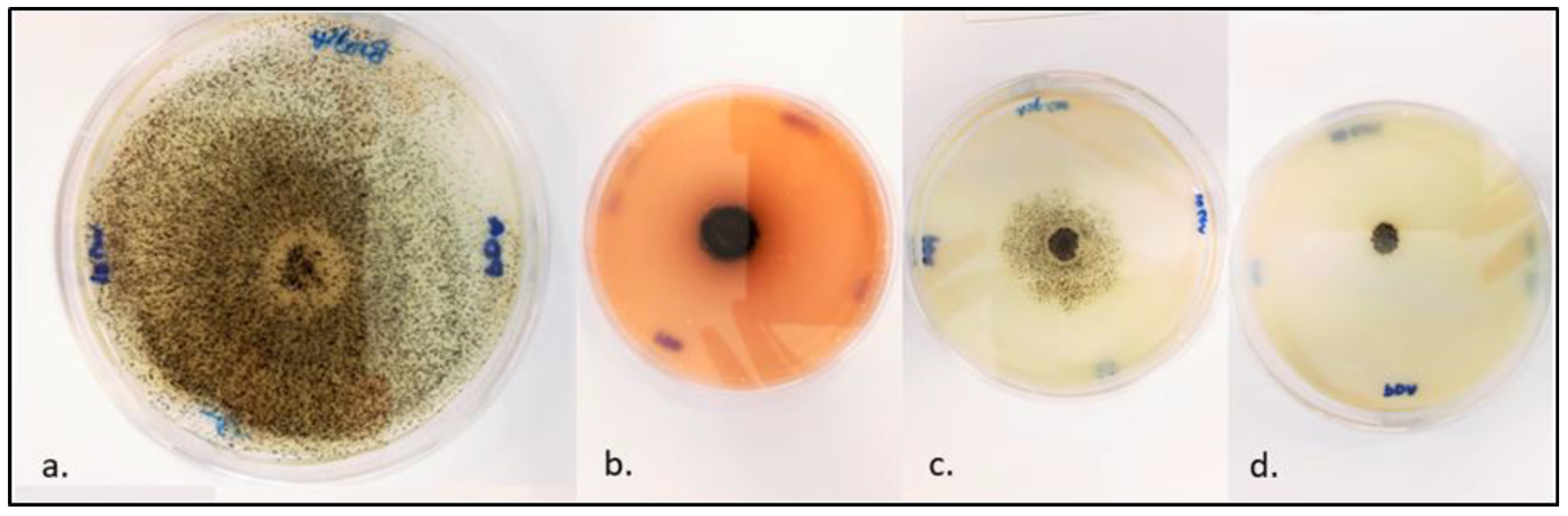
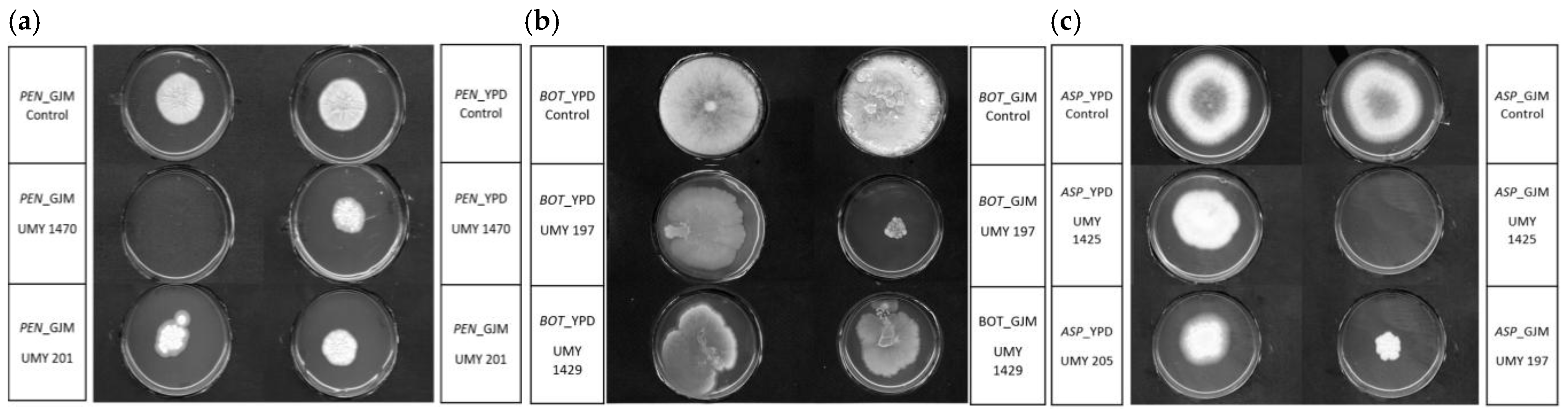
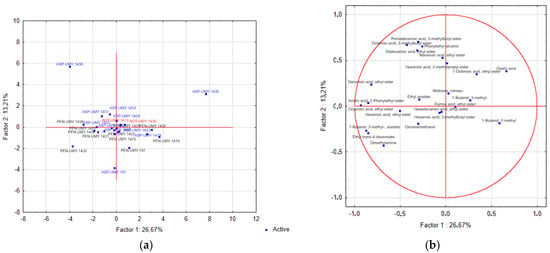
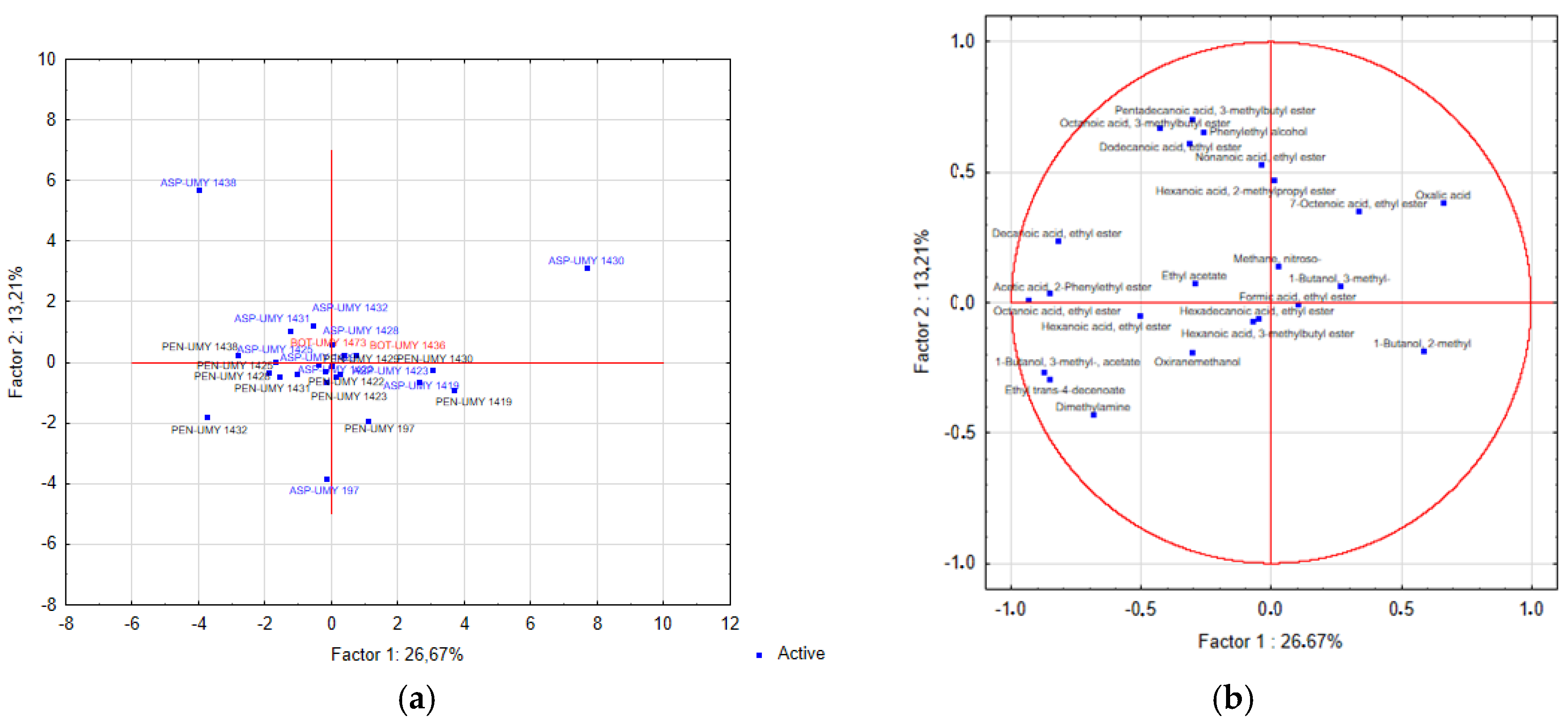
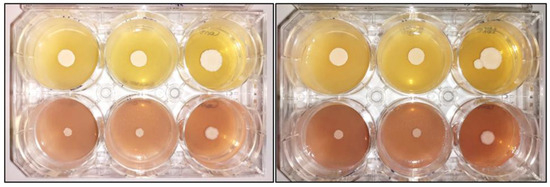
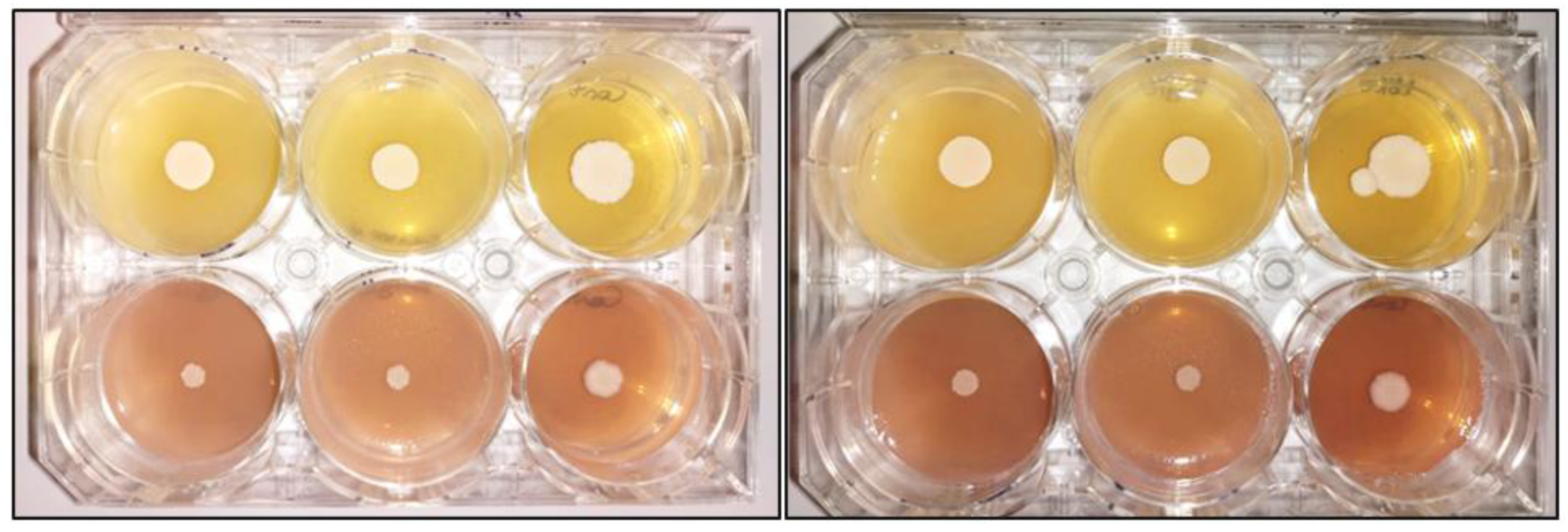

Disclaimer/Publisher’s Note: The statements, opinions and data contained in all publications are solely those of the individual author(s) and contributor(s) and not of MDPI and/or the editor(s). MDPI and/or the editor(s) disclaim responsibility for any injury to people or property resulting from any ideas, methods, instructions or products referred to in the content. |
© 2026 by the authors. Licensee MDPI, Basel, Switzerland. This article is an open access article distributed under the terms and conditions of the Creative Commons Attribution (CC BY) license.