


Abstract
Freezing rain is a high-impact winter weather phenomenon that acts as a major disturbance agent in forest ecosystems, causing canopy damage, stem breakage, tree mortality, and long-term changes in forest structure and functioning. Although ice storms have been studied for decades, research on freezing rain impacts on forests remains fragmented across multiple disciplines, and few studies have attempted an integrated synthesis that simultaneously combines climatological, ecological, and methodological perspectives. In this study, we present a systematic and integrative review of the scientific literature on freezing rain and forests, combining a large-scale bibliometric analysis with an in-depth qualitative synthesis. A total of 241 publications retrieved from the Scopus and Web of Science databases were analyzed following PRISMA guidelines. The bibliometric assessment examined publication trends, geographic distribution, institutional contributions, research domains, and keyword networks. The qualitative review synthesized current knowledge on freezing rain climatology, forest damage mechanisms, species-specific vulnerability, major ice storm events, detection and modeling approaches, and ecological consequences. Results reveal a strong increase in scientific output over the last two decades, dominated by research from North America and northern Europe. Ice accretion intensity emerges as the primary driver of forest damage, while species traits, crown architecture, tree size, stand structure, topography, and exposure strongly modulate damage severity. Freezing rain affects a wide range of forest types worldwide and triggers both immediate structural damage and long-term ecological effects, including altered successional dynamics and reduced forest productivity. Recent methodological advances—including passive remote sensing (e.g., optical satellite data), active remote sensing (e.g., LiDAR), experimental ice storm simulations, reanalysis datasets, and machine learning approaches—have significantly improved detection, monitoring, and forecasting capabilities. Despite these advances, major research gaps remain, particularly regarding long-term ecosystem recovery, trait-based vulnerability, socio-economic impacts, and future freezing rain regimes under climate change. This review highlights freezing rain as an increasingly important but underappreciated forest disturbance and underscores the need for interdisciplinary research and adaptive management strategies in ice-prone regions.
1. Introduction
Freezing rain refers specifically to supercooled liquid precipitation that freezes upon contact with surfaces, producing glaze ice. Ice storms are broader meteorological events characterized by substantial ice accretion and may include freezing rain as the dominant precipitation type, but can also involve freezing drizzle, freezing fog, ice pellets (sleet), or mixed-phase precipitation [1]. Snowstorms, in contrast, are dominated by solid precipitation and generally produce different loading mechanisms and ecological impacts. In this review, we focus primarily on freezing rain as the principal physical driver of forest ice accretion, while acknowledging that many documented disturbance events described as “ice storms” include mixed precipitation types. These events are considered jointly because their ecological effects are largely governed by ice loading on vegetation rather than the exact microphysical origin of the precipitation.
Ice deposition on the ground, roads, power lines, constructions, and airplanes in public and industrial zones periodically has a devastating effect on transportation (with social and economic impact), energy, agriculture, and commerce [2,3,4]. The effects of these events on human life and social activities are significant as well, since these precipitation types have produced fatalities, injuries, and a significant loss of property [5,6].
Ice storms are a major forest disturbance agent, causing crown breakage, stem falling, and uprooting over very large areas in boreal regions [7]. This phenomenon has a huge impact on forest management and ecosystem services [8,9,10].
Climate change is characterized by global warming and an increase in extreme weather events (droughts, heat waves, storms, heavy precipitation, torrent runoff, floods); therefore, ice storms are expected to have higher frequencies and intensities [11,12]. At the same time, climate change will sensitize forests, which will go through a dynamic adapting process characterized by stress, vegetation loss, reduced growth (and carbon sequestration), soil erosion, and habitat translation [13,14]. Forest species have different adaptation strategies to the changing environment—warming temperatures, storms, ice loading, and other adjacent phenomena [15,16].
Different models (patterns) of climate change evolution and the adaptive response of forest species provide new insights into the future impact and management of ice storms on forests [17,18].
In the last decade, several reviews have separately explored freezing rain [19,20,21] and various aspects of forest ecosystems [22,23,24,25,26,27]. However, the interaction between freezing rain as a meteorological phenomenon and its role as a forest disturbance agent remains insufficiently integrated, with only limited cross-disciplinary synthesis available [19]. Moreover, the most comprehensive review specifically addressing ice storm impacts on forests dates back to 2000 [6] and is geographically restricted to the United States, leaving a significant gap in the global understanding of these disturbances. Existing studies are often fragmented across disciplines (meteorology, ecology, and forest management), use heterogeneous methodologies, and rarely provide a unified perspective on spatial patterns, disturbance mechanisms, and long-term ecosystem responses.
This lack of integration limits our ability to generalize findings across regions, identify consistent drivers of forest vulnerability, and anticipate how changing climate conditions may alter the frequency, intensity, and ecological consequences of freezing rain events. Consequently, there is a clear need for a comprehensive, global-scale synthesis that systematically connects meteorological processes with forest impacts and management implications.
The present study addresses this gap by providing the first integrative global review that combines bibliometric analysis with a qualitative synthesis of the scientific literature on freezing rain and its impacts on forest ecosystems. Specifically, this study aims to (i) quantify the evolution and structure of research on freezing rain and forest disturbances; (ii) identify dominant research themes, methodological approaches, and geographic patterns; (iii) evaluate the reported ecological impacts and mechanisms of damage in forest ecosystems; and (iv) highlight key knowledge gaps and future research directions. By doing so, this review seeks to advance a more coherent and analytical understanding of freezing rain as a forest disturbance agent and to support improved forest management and climate adaptation strategies.
2. Materials and Methods
This study was conducted in two complementary phases. The first phase comprised a bibliometric analysis aimed at examining global research trends related to freezing rain impacts on trees and forests. Scientific publications were retrieved from two major bibliographic databases: Scopus and the Science Citation Index Expanded (SCI-Expanded) within the Web of Science (WoS) platform. These databases were selected because they provide the broadest multidisciplinary coverage of peer-reviewed literature in environmental sciences and forestry, include robust citation indexing, and are widely used in bibliometric studies, enabling reproducibility and comparability across analyses.
The initial literature search was based on the query “freezing rain and trees” OR “freezing rain and forests”, combined with additional keywords and Boolean operators to ensure comprehensive coverage of the relevant literature.
Following retrieval, all records were screened and refined in accordance with the PRISMA (Preferred Reporting Items for Systematic Reviews and Meta-Analyses) guidelines [28].
Search strings and database queries
To ensure transparency and reproducibility, the exact search strings applied to each database are provided below. Boolean operators, quotation marks, truncation symbols (*), and field tags were used as follows:
Scopus (advanced search; fields: TITLE-ABS-KEY):
TITLE-ABS-KEY (“freezing rain” OR “ice storm*” AND (tree* OR forest*))
Web of Science—SCI-Expanded (topic search; TS):
TS = (“freezing rain” OR “ice storm*” AND (tree* OR forest*))
These queries were designed to capture both general studies on freezing rain effects on forest ecosystems and more specific research addressing tree-level responses. Minor syntax adjustments were made to accommodate database-specific requirements while maintaining a consistent logical structure.
Limitation of keyword-based retrieval: It is acknowledged that some early or region-specific forestry studies may describe freezing rain damage without explicitly using the terms “freezing rain” or “ice storm” in titles or abstracts. Consequently, such studies may not have been captured. This limitation is inherent to keyword-driven bibliometric approaches and is considered when interpreting historical publication trends.
Search parameters
Time span: unrestricted (1978–2025, all years indexed up to the search date).
Document types: Peer-reviewed articles, review papers, conference proceedings, and book chapters.
Language: English only. Although bibliometric studies often restrict language to ensure consistent metadata processing, this may introduce language bias, which is acknowledged as a limitation.
Exclusions: editorials and correspondence were removed during screening.
These parameters follow common practices in bibliometric research to balance inclusiveness with data quality and comparability.
De-duplication and data quality control
Duplicate records were removed using a two-step procedure:
1. Automated de-duplication based on DOI and exact title matching using Microsoft Excel.
2. Manual verification of remaining records based on title, first author, publication year, and journal to resolve cases with missing or inconsistent DOI information.
This process resulted in the removal of 108 duplicate records.
To address common bibliometric data quality issues, the following procedures were implemented:
- -
- Standardization of author names (e.g., initials, hyphenated names).
- -
- Harmonization of institutional names.
- -
- Removal of OCR-related character errors.
- -
- Verification of publication year and document type consistency.
- -
- Cross-checking citation counts between databases.
Inclusion and exclusion criteria
A two-stage screening process was implemented, consisting of title/abstract screening followed by full-text review.
Inclusion criteria: Peer-reviewed research articles or review papers; published in English; primary focus on freezing rain impacts on trees or forest ecosystems; studies addressing forest structure (i.e., stand density, canopy architecture, biomass distribution, or species composition), species responses, damage mechanisms, or methodological approaches related to freezing rain; availability of sufficient bibliographic metadata.
Screening procedure
Two independent reviewers (Reviewer A and Reviewer B) conducted the screening process. Inter-reviewer agreement for title/abstract screening was assessed using Cohen’s kappa coefficient (κ = 0.86), indicating high consistency. Discrepancies were resolved through discussion and adjudication by a third senior reviewer (Reviewer C).
The initial search yielded 424 records (176 from Scopus and 248 from Web of Science). After removal of 108 duplicates, 316 unique records remained. Application of the two-stage screening process led to the exclusion of 6 manually filtered entries, 5 inaccessible documents, 3 records lacking abstracts, and 61 irrelevant publications. Ultimately, 241 publications (1978–2025) were retained for bibliometric and content analyses (Figure 1).
Figure 1.
Selection process of the eligible reports based on the PRISMA 2020 flow diagram.
Data processing and analysis were conducted using Web of Science Core Collection (v.5.35) [29], Scopus [30], Microsoft Excel (2024) [31], and Geochart [32]. Visualization of co-authorship networks, co-citation patterns, and keyword co-occurrence was performed using VOSviewer (v.1.6.20) [33].
Bibliometric classification and analysis
For thematic categorization, publications were classified using a hybrid approach combining:
- -
- Author keywords and Keywords Plus (WoS);
- -
- Term frequency–inverse document frequency (TF-IDF) analysis of titles and abstracts;
- -
- Manual expert validation.
The cluster construction method was applied to analyze collaborations among research teams and to identify connections between countries. The strength of these links—referred to as association strength—was evaluated based on the number of citations per article as well as the set of keywords associated with each publication. This type of graphical analysis is widely used in the literature and is now considered a standard approach.
Using the network of links derived from the selected articles, link diagrams were constructed—for example, based on keyword sets—to assess association strength. Several clusters were identified, grouping key elements according to the strongest connections between them. This approach enabled the identification of highly relevant structures, supporting a more in-depth analysis of the elements included in this review. The resulting link diagrams highlight the main clusters, whether organized by keywords or by the countries of the research teams.
Keywords were grouped into thematic clusters using VOSviewer (v.1.6.20) [33] based on co-occurrence networks (minimum occurrence threshold = 5). Clusters were interpreted and labeled by domain experts.
Regression analysis: Temporal publication trends were assessed using linear regression of annual publication counts over time (dependent variable: number of publications per year; independent variable: year). Model fit was evaluated using R2 and significance testing (p < 0.05).
Cluster analyses: Bibliometric networks (co-authorship, co-citation, keyword co-occurrence) were generated in VOSviewer using association strength normalization. Clustering resolution was set to 1.0, and clusters were determined using the modularity-based algorithm implemented in VOSviewer.
The disciplinary classification of articles was based on the Web of Science (WoS) subject categories associated with each record. These categories were extracted and analyzed using VOSviewer, which was used to quantify and visualize the distribution of research areas.
To address multidimensional bibliometric data challenges, analyses were conducted separately for authorship, citation, and keyword networks, and then interpreted comparatively rather than merged into a single composite index.
Qualitative review phase
In the second phase, a qualitative literature review was conducted using the refined dataset of 241 publications. To reduce overlap among thematic categories, studies were assigned to a primary category based on dominant research focus, while secondary themes were recorded but not used for counting.
The six final research areas were: (1) Key research issues and conceptual frameworks; (2) Meteorological and physical characteristics of freezing rain; (3) Tree- and stand-level biological responses; (4) Disturbance events and large-scale forest impacts; (5) Detection, modeling, and methodological approaches; and (6) Post-disturbance recovery and management implications.
An overview of the complete methodological framework is presented in Figure 2.
Figure 2.
Schematic presentation of the workflow used in this research.
3. Results
3.1. A Bibliometric Review
Out of a total of 241 publications identified on this topic, the majority are research articles (202 papers, representing 84% of the total). These are followed by conference proceedings (26 papers, 11%), review articles (9 papers, 4%), and book chapters (4 papers, 1%).
The published articles spanned a diverse range of research areas. Based on the Web of Science (WoS) subject categories assigned to each record and processed using VOSviewer, 41 research categories were identified. Among these, the most represented were Environmental Sciences & Ecology (74 articles), Meteorology & Atmospheric Sciences (47 articles), and Geology (42 articles) (Figure 3).
Figure 3.
The main 10 scientific areas with publications related to freezing rain and forests.
The number of published articles has generally increased over time, although annual output has fluctuated considerably from year to year. This interannual variability has been particularly evident over the past 15 years. While publication output appears to have stabilized during the last decade at roughly 12 articles per year, this apparent plateau is only visible in recent years (Figure 4). The highest annual output was recorded in 2016, with 15 articles.
Figure 4.
Annual distribution of articles on freezing rain and forests.
Based on the database records, an interpolation curve was obtained with a maximum R2 value of 0.7931 and an average slope of 0.0714. In addition, a univariate test of significance was conducted for the number of articles using sigma-restricted parameterization and effective hypothesis decomposition (TIBCO Statistica v.13). The results were as follows: standard error of estimate = 3.0679, degrees of freedom (df) = 72, intercept F-value = 45.08332, and p = 0.0001 (Figure 4).
Although freezing rain is a phenomenon that occurs in relatively restricted regions of the globe (mainly in northern areas), the published literature originates from a substantial number of countries (48). By far, the largest contribution comes from the United States (108 articles), followed by Canada (39 articles), Germany (18 articles), and China (14 articles) (Figure 5).
Figure 5.
Countries with contributing authors of articles on freezing rain and forests.
The countries of origin of the authors can be grouped into several clusters, among which three are the most representative (each including at least six countries). Cluster 1 consists exclusively of European countries: Finland, France, Germany, Latvia, Poland, and Spain. Cluster 2 includes mainly Asian countries: Japan, China, Korea, and Taiwan. Cluster 3 comprises countries from multiple continents and both hemispheres: Australia, Chile, England, New Zealand, Russia, and Ukraine (Figure 6).
Figure 6.
Country clusters of authors publishing on freezing rain and forests.
From the 234 journals where articles on this subject were published, the most important ones, considering the number of published articles as well as link strength, are Eurasian Soil Science, Geoderma and Catena (Table 1 and Figure 7).
Table 1.
The most representative journals publishing articles on freezing rain. Total link strength indicates the cumulative strength of bibliometric links between an item and others in the network, reflecting its overall connectedness.
Figure 7.
The main journals where articles on chernozems and forests have been published.
In addition to the search terms used in this study (freezing rain, forest), other frequently used keywords in the published articles include climate change, growth, dynamics, and precipitation (Table 2).
Table 2.
Most frequently used keywords in articles on freezing rain and forests.
Based on their interconnections, the keywords can be grouped into several thematic clusters reflecting the major research themes in the field. Among these, three clusters are representative (each containing more than 10 keywords). The first cluster includes terms related to forests and climate, such as climate change, Norway spruce, photosynthesis, rain forest, and trees. These keywords reflect research examining how freezing rain interacts with forest ecosystems under changing climatic conditions. Freezing rain events are often linked to specific meteorological patterns and are projected to change in frequency and intensity under climate change, which may alter species-specific vulnerability to ice loading and crown damage. Studies focusing on species such as Norway spruce or on physiological processes such as photosynthesis highlight how ice accretion can reduce canopy function, damage branches, and subsequently influence tree growth, productivity, and long-term forest dynamics.
The second cluster comprises keywords related to the impacts and management of the phenomenon, including damage, disturbance, events, growth, ice storm, impacts, and management. This group emphasizes the direct ecological and structural consequences of freezing rain events in forest ecosystems. Ice accumulation on branches and stems can lead to breakage, crown loss, or whole-tree failure, thereby altering stand structure, competition, and regeneration processes. Consequently, research associated with this cluster often addresses disturbance assessment, post-storm recovery, and forest management strategies aimed at mitigating risks and enhancing forest resilience following ice storms.
The third cluster consists of terms related to soil and water, such as frozen soil, hydrology, runoff, snow, and waters (Figure 8). These keywords point to the broader ecosystem processes influenced by freezing rain events beyond direct canopy damage. Freezing rain can modify snowpack properties, create surface ice layers, and interact with frozen soils, thereby influencing infiltration, runoff generation, and watershed hydrology. Such changes may affect soil moisture availability, nutrient transport, and erosion processes, which in turn influence post-disturbance forest recovery and ecosystem functioning.
Figure 8.
Authors’ keywords related to freezing rain and forests.
3.2. Literature Review
3.2.1. Issues Addressed in the Literature on Freezing Rain and Forests
To illustrate the broad range of approaches taken in the existing literature, Table 3 compiles several of the main issues analyzed in studies on freezing rain and forests. The table outlines the thematic focus of each study, the geographical context in which it was conducted, and representative references that address these topics.
Table 3.
Some of the analyzed issues in articles about freezing rain and forests (extract from the literature).
The analysis of the selected studies shows that research on freezing rain and its interactions with forest ecosystems encompasses a wide and heterogeneous set of topics (Table 3). A substantial portion of the reviewed work focuses on forest condition assessments and disturbance impacts, often evaluating the effects of ice storms or freezing precipitation on forest structure, stand value, or species response. For example, Auclair et al. [34] compare declining forests across Alaska, British Columbia, and the Pacific Northwest, while Rieksts-Riekstins et al. [39] quantify economic losses in birch stands following a major ice event.
Another prominent theme is the ecological and biogeochemical consequences of freezing rain. Several studies examine ecosystem-level responses such as nitrogen cycling during simulated ice storm conditions [38], changes in soil fauna under freezing rain disasters [44], or the dynamics of snowpack structure within boreal canopies during rain-on-snow events [43].
A third group of studies addresses remote sensing, mapping, and monitoring applications. These include the improvement of disturbance mapping using drone-based workflows [37] and the evaluation of radiometric uncertainties in Sentinel-1 data under winter surface conditions [42]. Related works examine the long-term identification of ice storm events using dendrochronological evidence [54].
Finally, several studies deal with broader environmental and societal impacts, such as road slipperiness during winter precipitation [46], the accumulation of deicing agents along transportation corridors [36], and the implications of ice events for bird populations [41]. Research from East Asia and Scandinavia also highlights the importance of tree species selection in forest restoration after major ice disturbances [52] and the influence of winter storms on snow avalanche regimes [53].
Overall, the reviewed literature reveals substantial thematic diversity, demonstrating that freezing rain affects forest ecosystems not only through direct mechanical damage but also through ecological, climatic, hydrological, and socio-economic pathways.
3.2.2. Characteristics of Freezing Rains
Surface-based observations from the United States and Canada provide a broad climatological context for understanding freezing rain, freezing drizzle, and ice pellets. A continental-scale analysis revealed substantial spatial variability in annual frequency, with freezing precipitation occurring most frequently across the central and eastern United States and Canada, much of Alaska, and the northern Canadian coastline [4]. These events predominantly occur between December and March, except in northern Canada and Alaska, where warm-season events also appear. Diurnal patterns indicate that freezing rain and drizzle are influenced by the solar cycle, and most events are short-lived. Typically, freezing rain and drizzle occur without mixing with other precipitation types, while ice pellets are often embedded in mixed-phase events. Across most stations, freezing precipitation tends to form when surface temperatures are slightly below 0 °C, and temperatures often remain at or below freezing for several hours after the event—up to 10 h for freezing rain and up to 25 h for freezing drizzle [4].
Regional studies have since identified mechanisms responsible for prolonged or extreme freezing rain events. In eastern Canada, strong temperature inversions induced by cold-air damming along the Appalachians have been shown to enhance freezing rain accumulation. High-resolution convection-permitting simulations for New Brunswick (NB) demonstrated that these orographic processes intensify warm-over-cold stratification, thereby increasing freezing rain amounts in central and southern NB [56]. Future pseudo-global-warming simulations show a general 40% decline in event frequency across southern and eastern NB, but a slight increase in long-duration events (>6 h) in the northwest [56]. The findings highlight the crucial role of local terrain in shaping conditions favorable for freezing precipitation, consistent with earlier studies linking complex topography, wind channeling, and cold-air damming to reinforced low-level inversions and prolonged freezing rain episodes [57,58].
At the synoptic scale, freezing rain frequently develops ahead of warm fronts or occlusions as warm, moist air is advected over shallow surface cold layers. Additional settings include arctic fronts, isentropic lift over cold air, and terrain-enhanced inversions. In the United States, the Pacific Northwest, Upper Midwest, and Northeast/Appalachian region experience the highest frequencies of freezing rain events. Forecasting success hinges on the accurate characterization of thermodynamic profiles and recognition of nonlinear processes such as latent heating and cooling, as well as local influences from water bodies and topography [19]. Ice storms—defined by >0.635 cm of radial ice accretion—cause substantial damage to vegetation and infrastructure, resulting in large economic losses and risks to human safety [19].
Understanding the microphysical processes of ice accretion remains an important challenge. Several modeling approaches address aspects of this phenomenon. For instance, simulation of glazed frost formation, produced by the freezing of supercooled raindrops on surfaces, has incorporated fluid simulation frameworks to capture droplet behavior and heat transfer during freezing [59]. At larger scales, practical models have also been developed to estimate the fraction of impinging precipitation that freezes on cylindrical objects such as branches and utility lines. A simplified heat-balance model improves upon conservative flux assumptions by incorporating surface meteorological parameters and solar heating, allowing the estimation of radial ice thickness for operational decision-making [60].
Field-based observations in forest environments further show that ice accretion varies substantially within tree crowns. Using outdoor experimental icing, manual measurements, and terrestrial laser scanning (TLS), radial ice loads were measured at multiple heights within tree crowns. TLS reproduced branch and iced-branch diameters with high accuracy, though some instruments struggled to detect ice. Ice accretion initially accumulated uniformly, but after 6.5 h of exposure, upper-crown branches accumulated approximately three times more ice than lower branches. Radial accretion gradients along branches steepened with exposure duration, challenging assumptions in existing accretion models and providing improved constraints for evaluating branch-breakage thresholds [61].
3.2.3. Responses of Different Forest Types and Tree Species to Freezing Rain
Table 4 presents an overview of forest tree species reported in the literature as being affected by freezing rain and related ice events. The table lists the main types of damage observed, the susceptibility class reported in the respective studies, and the country of observation. It should be noted that susceptibility classes (e.g., HV, MR, R) are specific to each study and were not standardized across studies; therefore, they are not directly comparable between species or regions. Similarly, different disturbance agents—including ice storms (IS), freezing rain (FR), ice rain (IR), snow (S), and snowstorms (SS)—are reported together for completeness, but susceptibility to these agents may differ.
Table 4.
Forest trees and their susceptibility to freezing rain and related ice events.
Our review of published studies shows that freezing rain and related icing events have affected a wide range of forest types across North America, Europe, and Asia. The table synthesizes representative species for which impacts have been documented. Coniferous species such as Abies alba and Picea abies in Central Europe were frequently reported as highly susceptible to crown breakage following ice storms [62]. In boreal and temperate North American forests, several hardwood species—including Acer saccharum, Acer rubrum, Fagus grandifolia, Betula alleghaniensis, and Quercus spp.—also exhibited substantial canopy damage and increased stem failure during major icing events [64,67,86].
In East Asia and Russia, freezing rain impacts have been documented in mixed temperate forests containing Betula dahurica, Carpinus cordata, and Tilia amurensis, where ice accretion induced widespread branch snapping and reduced subsequent growth potential [68]. Meanwhile, subtropical species such as Jatropha curcas in China showed high sensitivity to freezing rain, experiencing severe defoliation and stem dieback [74].
Across regions, both conifers and broadleaf species were represented, but conifers in mountainous areas (e.g., Pinus palustris, Pinus pungens, Pinus rigida) were especially prone to mechanical deformation under ice loads [81,82]. The frequency with which North American species appear in the literature reflects both the high incidence of winter icing storms and long-standing research attention on ice storm ecology. However, this dominance also introduces a geographic bias that should be considered when interpreting broader patterns. In particular, conclusions regarding “global” trends are disproportionately informed by temperate North American forest systems, which may not fully represent responses in other climatic or ecological contexts.
3.2.4. Responses of Forest Types, Tree Species, and Forest Ecosystems to Freezing Rain
Our review of published studies shows that freezing rain and related icing events have affected a wide range of forest types across North America, Europe, and Asia. Coniferous species such as Abies alba and Picea abies in Central Europe were frequently reported as highly susceptible to crown breakage following ice storms [63,64]. In boreal and temperate North American forests, several hardwood species—including Acer saccharum, Acer rubrum, Fagus grandifolia, Betula alleghaniensis, and Quercus spp.—also exhibited substantial canopy damage and increased stem failure during major icing events [64,67,70,86].
In East Asia and Russia, freezing rain impacts have been documented in mixed temperate forests containing Betula dahurica, Carpinus cordata, and Tilia amurensis, where ice accretion induced widespread branch snapping and reduced subsequent growth potential [68]. Meanwhile, subtropical species such as Jatropha curcas in China showed high sensitivity to freezing rain, experiencing severe defoliation and stem dieback [74]. Across regions, both conifers and broadleaf species were affected, although conifers in mountainous areas (e.g., Pinus palustris, Pinus pungens, Pinus rigida) were especially prone to mechanical deformation under ice loads [81,82].
Research spanning more than a century demonstrates that freezing rain and associated ice storm events act as major disturbance agents across diverse forest types [65,87,88,89]. Despite differences in methods and scales, consistent patterns emerge linking ice accretion, tree traits, stand structure, and site conditions to damage severity.
Structural Thresholds and Stand-Level Effects
Experimental ice-loading studies show that canopy openness, light transmission, and structural complexity increase significantly once accretion exceeds ~12.7 mm, with repeated events adding comparatively little additional change [90]. Biomechanical analyses indicate that branch breakage depends on ice thickness, wind loading, and branch dimensions, with species traits and crown architecture strongly modifying failure probability [91].
Growth, Physiology, and Long-Term Effects
Major historical storms illustrate lasting impacts. The 1994 Mississippi ice storm caused ~US$1.3 billion in forest losses, while the 1998 northeastern North American storm led to severe urban tree loss and persistent reductions in stem growth [66] and shifts in species composition [67]. Physiological stress can precede structural failure: exclusion of winter precipitation increased soil frost, elevated abscisic acid (ABA) in spring sap, and triggered canopy decline in Acer saccharum, with ABA serving as a potential early stress indicator [86].
Species-Specific Susceptibility
Susceptibility varies strongly among species. Longleaf pine showed higher mortality and injury than loblolly pine after a southeastern U.S. storm [81]. Hardwood stands were heavily damaged in the 1998 northeastern storm, while evergreen stands were more resilient [1,12]. Sugar maple often exhibited crown recovery but sustained long-term growth reductions [67].
Ice Accretion Gradients and Tree Size
Across an accretion gradient of 2–88 mm, ice thickness was the primary determinant of crown loss in several northern hardwood species. Tree size influenced damage type, while canopy position had little effect. Moderate events (12–35 mm) contributed disproportionately to canopy mortality [64]. Large-diameter trees were also the most damaged in the Hubbard Brook storm, with species differences in severity and regeneration responses [67].
Topography, Stand Structure, and Management Context
Regional events in Asia and Europe highlight the strong roles of elevation, aspect, wind exposure, and forest type. Severe mortality occurred in young plantations at high elevations in China [74], while European beech stands in Romania experienced extensive structural damage and uprooting under combined ice and wind loads [73]. The high susceptibility of Fagus sylvatica in Central Europe has raised management concerns, including the role of monocultures and stem form in mechanical vulnerability [47,48,92,93,94,95,96,97]. Stand age, thinning history, crown ratio, and slenderness also influence resistance, with recently thinned spruce stands showing elevated damage [98].
Additional Modifiers of Damage and Recovery
Damage is influenced by prior wounds and wood decay [99,100,101], management practices such as resin tapping [102], and tree allometry and age structure [15]. Species- and site-dependent patterns of biomass loss have been documented at landscape scales [16,70,103], while regional studies in the Appalachians show that ice storms alter successional trajectories and species growth patterns [70,82]. Fine-scale effects such as abrasion and pubescence loss also occur under glaze ice [104]. Recovery dynamics differ by damage type, with uprooted trees showing no recovery [15].
3.2.5. Freezing Rain Events and Their Impacts on Forests
Historical observations illustrate the impacts of severe freezing rain on forests, with associated cascading effects on infrastructure. For instance, a major storm in Champaign, Illinois, on 14–15 February 1990, deposited up to 4.5 cm of ice over 18 h, resulting in over $12 million in total damage and week-long power outages [105]. In forested areas, ice accretion of this magnitude caused extensive branch breakage, canopy loss, and whole-tree failures, which in turn contributed to widespread damage to powerlines and other infrastructure. The storm developed along convective bands over a slow-moving warm front during strong overrunning, producing heavy freezing rain and localized sleet. Notably, forecast models significantly underestimated surface ice accumulation, as diabatic processes from ice sublimation and melting maintained near-zero surface temperatures, prolonging ice deposition. This underestimation limited preparedness for both forest damage and the associated secondary impacts on infrastructure.
In the Appalachian region, major ice storms in 1994 caused extensive forest damage, especially on east- and southeast-facing slopes of the southern Appalachian Mountains in Virginia. Larger trees experienced branch breakage, while smaller trees bent under ice loads, resulting in the loss of 30–60% of the total basal area and the creation of large canopy openings [70,83,106]. Cold-air damming and topographic effects contributed to spatial variations in ice accretion, demonstrating the interplay between weather and landscape features.
The northeastern United States and southwestern Canada also experience recurrent freezing rain events, often associated with synoptic weather systems. The January 1998 ice storm in Canada, which brought five days of near-continuous freezing rain, caused widespread tree damage, branch and trunk breakage, and mortality in some forested areas. Forest land and harvestable timber were heavily impacted, underscoring the ecological and economic significance of such events [41,107].
Subsequent severe events have continued to highlight the vulnerability of forests and urban vegetation. In December 2002, ice storms spanning Oklahoma to Virginia caused power outages lasting over a week, with radial ice thickness measurements used to quantify storm severity [108]. A massive 2008 ice storm in southern and central China resulted from the interaction of tropical maritime and continental polar air masses, with ice accumulations up to 160 mm, prompting an integrated assessment of socioeconomic and ecological impacts [109].
Eastern Canada was affected by a severe ice storm in late December 2013, with Toronto receiving up to 30 mm of ice over three days. Urban forests suffered substantial tree failures, power lines were brought down, and damages exceeded $100 million [110]. Similarly, in February 2014, ice storms in Georgia and the Carolinas caused extensive damage to pine plantations and timber resources [82]. In Slovenia, Central Europe, a high-intensity ice storm in 2014 allowed for a detailed study of individual tree damage across broader spatial scales [16]. Atlantic Canada experienced a major ice storm in January 2017, leaving over 130,000 homes without power and prolonged outages in the Acadian Peninsula [111]. Even in Russia, destructive ice rain in Primorye on 19 November 2020 resulted in branch and trunk breakage over forested areas [68].
3.2.6. Methods Used to Detect, Model, and Assess Freezing Rain in Forest Contexts
A variety of methodological approaches have been developed to analyze, model, and detect freezing rain and its impacts across environmental, infrastructural, and ecological contexts. Although many originated in meteorological or operational applications, they provide transferable tools for quantifying, predicting, and monitoring freezing rain as a forest disturbance agent. These approaches can be broadly grouped into (i) impact modeling and experimental simulation, (ii) crown- and stand-scale process studies, (iii) landscape-scale remote sensing, and (iv) detection and prediction techniques.
Impact Modeling and Experimental Simulation of Ice Storms
Regression tree models have been applied to estimate winter maintenance resource needs in response to forecast snow and freezing rain events at the county scale [112]. By using historical weather forecasts and associated operational data, these models generate spatially explicit predictions of event occurrence and severity.
Although developed for infrastructure management, such approaches are relevant to forest disturbance research because they provide forecast-based indicators (e.g., ice accretion intensity, duration, and spatial extent) that can be integrated into forest risk assessment frameworks. These predictors can support the identification of areas vulnerable to canopy damage, access limitations, and post-disturbance management needs.
To address the rarity and unpredictability of natural ice storms, several studies have employed controlled field simulations. Campbell et al. [18] developed a method in which water is sprayed above forest canopies and freezes upon contact, allowing precise manipulation of storm timing, frequency, and intensity. Similarly, Rustad [113] demonstrated that moderate artificial ice accretion (7–12 mm radial thickness) can generate substantial canopy damage, including increased woody debris inputs and canopy openness.
These experimental approaches are directly relevant to forest disturbance science because they isolate the causal role of ice loading, establish dose–response relationships, and help identify biomechanical and ecological thresholds of damage.
Crown-Scale Processes and Structural Controls on Ice Accretion
Understanding variation in ice loading within tree crowns has advanced through combined empirical and modeling approaches. Nock et al. [114] applied artificial freezing rain to Acer platanoides and used field measurements and LiDAR-derived point clouds to quantify ice distribution. Their models (IceCube and IceTree) showed that ice accumulation decreases from branch tips to bases and from upper to lower canopy layers, with accretion significantly related to crown sheltering (R2 = 0.46).
Such studies directly link crown architecture to ice interception efficiency and mechanical loading, improving species-specific vulnerability assessments and process-based models of breakage risk and stand-level damage heterogeneity.
Remote Sensing and Landscape-Scale Assessment of Forest Damage
The spatial heterogeneity of ice storm damage has been characterized using satellite imagery. Stueve et al. [115] documented a southwest–northeast gradient in forest damage during the 1994 Appalachian ice storms, corresponding to variations in ice accretion. Damage patterns were also influenced by topographic factors, including slope, elevation, and aspect.
Remote sensing is particularly valuable for forest disturbance research because it enables landscape- to regional-scale quantification of canopy damage, mortality patterns, and recovery dynamics. When combined with meteorological reconstructions, these approaches allow spatial linkage between ice loading intensity and ecological outcomes across heterogeneous terrain.
Detection, Classification, and Prediction of Freezing Rain Events
Recent advances in detection and prediction methods have improved the ability to identify freezing rain events in space and time. Hagh et al. [116] developed the AURA system, an acoustic sensing platform that classifies precipitation types using signal-processing features and machine learning algorithms, achieving high accuracy in both controlled and field conditions.
Similarly, supervised classification models applied to ASOS data—including Naive Bayes, decision trees, and ensemble methods—have successfully distinguished freezing rain from other precipitation types [117]. Accurate classification is critical in forest contexts because ecological impacts differ substantially between rain, snow, and glaze ice.
At broader scales, reanalysis-based algorithms have been used to reconstruct freezing precipitation climatologies. Methods developed for the Russian Far East using ERA5 data and observational records [118] improved detection accuracy and reproduced inter-annual variability, enabling the assessment of long-term disturbance regimes in data-sparse regions.
Building on these approaches, machine learning models such as LightGBM have been used to predict freezing rain from atmospheric profiles, significantly outperforming traditional numerical weather prediction outputs [119]. Improved short-term forecasts provide actionable lead time for forest management, including pre-event risk mitigation, post-storm response planning, and integration of predicted ice loading into ecological impact models.
4. Discussion
4.1. Bibliometric Review
Unlike other studies in which research articles accounted for more than 90% of the total number of publications [120,121,122,123], in the case of freezing rain in forests they represent only 84%. This situation is explained by the relatively high proportion of proceedings papers (11%), which is justified by the large number of conferences in which this topic has been addressed. The continuous increase in the number of published articles, with a strong acceleration over the last 20 years, is also characteristic of other studied topics [124,125,126] and is due, among other factors, to the growing interest of researchers in this subject. This interest is also reflected in the large number of authors involved and in the wide range of journals in which these articles have been published. In addition, this trend may also reflect the increasing documentation of shifts in disturbance regimes associated with climate variability and change, as well as the growing availability of advanced monitoring tools, including remote sensing technologies and improved climatic datasets, which have facilitated the detection, analysis, and reporting of freezing rain events and their impacts on forest ecosystems. Furthermore, the relatively high proportion of conference papers suggests that the topic remains a dynamic and evolving research field, in which preliminary results and methodological developments are frequently disseminated through scientific meetings before being consolidated into full journal articles. This pattern may also indicate the interdisciplinary character of freezing rain research, which intersects climatology, forest ecology, and natural hazard studies, thereby encouraging early exchange of findings across scientific communities. Consequently, the observed publication structure not only reflects growing scientific attention but also highlights the ongoing development of methodological approaches and collaborative research networks in the study of freezing rain disturbances in forest ecosystems.
Published articles have been indexed in databases since the 1970s, indicating that this topic has been investigated shortly after the emergence of the established term freezing rain. Moreover, the influence of this phenomenon on forest ecosystems has been observed and analyzed from the very beginning.
Regarding the countries of origin of the authors, in addition to countries located at the northern or southern extremes of continents (northern Europe, Canada, Argentina, South Africa), where the phenomenon is common, there are also countries where, due to orographic and meteorological conditions, freezing rain occurs (Japan, China, Italy, Romania, etc.).
The keywords used in the published articles are extremely numerous and can be classified into several research domains (ecology, climatology, environment, forestry). The institutions to which the authors belong are dominated by those from the USA, a pattern also observed in other bibliometric studies [127,128,129,130].
4.2. Thematic Trends in Studies of Freezing Rain and Forests
4.2.1. Climatic Drivers
The distribution of topics in the reviewed literature underscores the multidimensional nature of freezing rain impacts, which are strongly governed by climatic conditions. The occurrence of freezing rain is closely linked to specific atmospheric profiles, particularly the interaction between warm air aloft and sub-freezing surface temperatures. Under projected climate change scenarios, an increase in winter warm-rain events is expected, potentially altering the frequency, intensity, and spatial extent of ice storms. This climatic shift has important implications for forest ecosystems, especially in boreal and temperate regions that are highly sensitive to ice loading.
Geographically, most studies originate from North America, northern Europe, and East Asia, leaving considerable knowledge gaps in regions where freezing rain events also occur but remain underdocumented. As a result, current syntheses of impacts, patterns, and responses are weighted toward well-studied regions, potentially limiting the generality of global inferences. Expanding research efforts to these underrepresented areas would improve global understanding of how different forest types respond to ice disturbances and help balance existing regional biases.
Topographic conditions further mediate climatic drivers at local scales. Forests located in mountainous or complex terrain may experience heterogeneous ice accumulation due to variations in elevation, slope orientation, and local microclimates. Elevation gradients can strongly influence the spatial distribution of ice damage, with some studies reporting increased vulnerability at certain elevation ranges depending on atmospheric temperature profiles and ice accretion processes. In addition, slope aspect and exposure can affect the amount of ice accumulation through differences in wind exposure, precipitation patterns, and solar radiation [131]. Valleys and sheltered topographic depressions may further enhance freezing conditions through cold-air pooling and temperature inversions, which prolong sub-freezing surface temperatures during winter precipitation events [132,133]. These interactions highlight the importance of considering both regional climate and fine-scale terrain variability when assessing freezing rain risk.
4.2.2. Forest Structural Vulnerability
Forest disturbance and damage assessments remain central in many studies [34,39], reflecting the long-recognized sensitivity of forest ecosystems to ice loads. These works provide valuable insights into spatial patterns of damage and species-specific vulnerability, demonstrating that structural traits such as crown architecture, wood strength, and stand density strongly influence susceptibility to breakage and crown loss.
Despite this progress, important gaps remain in linking structural damage to broader ecological responses across spatial scales. Most studies focus on immediate or short-term damage assessments, while fewer address how stand structure influences resilience and recovery over time. The increasing use of remote sensing and geomatics techniques [37,42,54] has improved the detection of ice-related disturbances and enabled landscape-scale analyses of forest vulnerability. However, radiometric uncertainties during winter conditions [42] still pose challenges, emphasizing the need for sensor-specific correction methods and robust ground-based validation protocols.
4.2.3. Long-Term Ecosystem Trajectories
The emphasis on ecological processes, including nutrient cycling [38], soil fauna responses [44], and canopy–snow interactions [43], indicates a growing interest in how freezing rain alters ecosystem functioning beyond immediate structural impacts. Ice-induced canopy damage can modify light regimes, soil temperature, and moisture dynamics, thereby influencing regeneration pathways, species composition, and biogeochemical cycling.
However, such studies remain relatively scarce compared to damage-oriented research, limiting our understanding of long-term ecosystem trajectories. Existing evidence suggests that freezing rain disturbances can trigger cascading effects, including shifts in habitat availability, impacts on wildlife populations [41], and altered successional dynamics. In some cases, partial canopy loss may enhance understory development and biodiversity, while in others, repeated disturbances could lead to declines in sensitive species and changes in forest composition.
The broader environmental and social dimensions of freezing rain further illustrate these cascading effects. Research on road slipperiness [46] and deicing chemicals [36] highlights connections between forest disturbances and human safety and environmental contamination. Similarly, studies on species restoration strategies [52] emphasize the need to consider disturbance legacies in long-term ecosystem management.
4.2.4. Management and Adaptation
From a forest management perspective, the reviewed literature suggests several practical implications that emerge from the interaction between climatic drivers, structural vulnerability, and ecosystem responses. Understanding species-specific vulnerability and structural damage patterns can support the selection of more resilient species or stand structures in areas frequently affected by ice storms.
In managed forests, practices such as mixed-species stands, structural diversification, and adaptive thinning regimes may reduce susceptibility to ice loading and subsequent breakage. These approaches can enhance mechanical stability and distribute risk across species with different functional traits. Furthermore, post-disturbance monitoring and salvage strategies should consider not only economic losses but also ecological functions, including habitat provision and nutrient cycling, which may benefit from the partial retention of damaged trees [134].
Importantly, integrating terrain variables into management planning can improve risk assessments by identifying areas with higher exposure to ice accumulation, such as specific elevation bands or topographic depressions. This spatially explicit approach allows for more targeted adaptation strategies, including prioritization of interventions and long-term monitoring.
4.3. Processes Governing Freezing Rain: From Climatology to Forest and Infrastructure Impacts
The integrated findings presented here reveal a multi-scale and multi-process understanding of freezing rain, ranging from continental climatology to microscale accretion dynamics. Across scales, certain recurring themes emerge: the primacy of temperature structure, the role of topography, and the complexity of ice-accretion processes on natural and built surfaces. In forested landscapes, ice accretion represents the mechanism through which atmospheric conditions are translated into mechanical stress on vegetation, linking freezing rain climatology directly with forest disturbance dynamics.
4.3.1. Temperature Structure and Atmospheric Controls
The importance of thermodynamic profiles is emphasized consistently across studies. Baseline climatological evidence shows that freezing precipitation forms most often when surface temperatures lie just below 0 °C, with warm over cold layers producing classic melting-refreezing pathways [4]. Synoptic-scale investigations reaffirm that warm fronts, occlusions, arctic intrusions, and isentropic lift provide favorable large-scale conditions [19]. Meanwhile, regional modeling underscores the persistence of temperature inversions generated by cold-air damming and terrain-driven wind channeling, particularly in mountainous or dissected landscapes such as the Appalachians [56,57,58].
The combination of climatological, synoptic, and mesoscale evidence thus reveals that freezing rain occurrence is highly sensitive to vertical temperature structure at scales ranging from kilometers to tens of meters. Because ice loading increases rapidly when precipitation persists near the freezing threshold, even small variations in temperature structure can determine whether a storm results in minor icing or large-scale canopy damage. Future climate-warming scenarios are expected to modulate, but not eliminate, these processes. The projected decline in total events, alongside a possible rise in long-duration events in parts of New Brunswick [56], reflects this interplay between warming-driven northward displacement of favorable zones and local reinforcement of inversions by terrain. Such changes have implications for forest disturbance regimes, as shifts in the spatial distribution or duration of freezing rain events may alter where and how frequently forests experience damaging ice loads.
4.3.2. The Role of Terrain and Landscape Structure
Topography emerges as a central driver of spatial variation in freezing precipitation. The enhanced frequency of freezing rain in eastern North America [4] aligns with known terrain effects—Appalachian cold-air damming, coastal boundary-layer modifications, and inland-penetrating warm advection. Chartrand et al. [56] demonstrate that even in warming climates, terrain-induced inversions remain powerful enough to sustain freezing rain events locally. These terrain-mediated atmospheric structures, therefore, influence not only the occurrence of freezing precipitation but also the spatial distribution of forest disturbance severity during ice storms.
This has direct implications for forests: elevated, exposed crowns may experience disproportionately higher ice loading, as shown by Nock et al. [122], where upper-canopy branches accumulated up to three times more ice than lower branches over time. This vertical gradient parallels the atmospheric constraints that maintain cold layers near the surface while promoting warm-layer melt aloft.
4.3.3. Ice Accretion Processes on Natural and Built Surfaces
Across studies, substantial heterogeneity in ice accretion is observed. Forest-based TLS measurements [121] demonstrate that even within a single tree, ice loading is non-uniform and increases with exposure duration. This contradicts assumptions of many accretion models that treat surfaces as uniform collectors.
Similarly, engineered structures such as wires accumulate ice in highly condition-dependent ways. The sensitivity of icing rates to rain rate, wind speed, droplet size distribution, and fog concentrations in coexisting freezing rain and supercooled-fog environments [16] indicates that both mesoscale meteorology and microscale microphysics must be accurately represented for prediction. Machine learning approaches outperform empirical formulations, suggesting the complexity of the real-world relationships among these variables.
Simplified heat-balance models [60] offer practical forecasting benefits, but their performance and generalization rely on integrating factors identified in more detailed physical and numerical analyses. Improving the representation of these processes is therefore important not only for forecasting icing hazards on infrastructure but also for estimating potential ice loads on forest canopies during extreme events.
4.3.4. Implications for Forest Damage and Infrastructure
Ice storms have long been recognized as major disturbance events in North American forests [19,88]. When freezing rain accumulates on tree crowns, the resulting ice loads are rarely distributed uniformly across branches. Instead, variations in crown architecture, exposure, and micro-scale meteorological conditions can lead to uneven ice accretion within individual trees. This heterogeneity increases variability in branch susceptibility and breakage risk, and it may partly explain the seemingly unpredictable patterns of canopy damage reported after historical ice storms.
The consequences of this spatially uneven ice loading extend beyond forest structure to nearby human systems. Freezing rain events frequently occur near populated regions [4,19], where forests and infrastructure coexist and interact. Ice accumulation on trees can therefore compound risks to infrastructure by increasing the likelihood of falling branches or whole-tree failure in proximity to roads, buildings, and power lines. In parallel, wire-icing studies [16] provide mechanistic insight into how atmospheric conditions control ice accretion on exposed structures. Together, these findings help explain why some freezing rain events produce catastrophic impacts on both forests and infrastructure despite apparently similar meteorological conditions.
As climate change alters the frequency, duration, and geographic distribution of freezing rain events [56], understanding these coupled processes becomes increasingly important for anticipating future disturbance risks in forested landscapes.
4.3.5. Synthesis
Taken together, these studies illustrate that freezing rain is a phenomenon governed by the interaction of atmospheric dynamics, terrain, microphysics, and surface properties. Large-scale climatology sets the broad spatial envelope of occurrence, terrain modulates local thermodynamic structure, and microphysical and surface-specific processes determine the ultimate severity of ice accretion. In this context, freezing rain can be viewed as a disturbance mechanism through which atmospheric variability and climate change influence forest structure, canopy dynamics, and associated infrastructure vulnerability. With climate change expected to shift distributions and potentially alter event characteristics [56], understanding these coupled mechanisms is essential for predicting impacts on forests and infrastructure.
4.4. Ecological Patterns and Species-Specific Responses to Freezing Rain Disturbance
4.4.1. Patterns in Species Susceptibility
The compilation of species responses (Table 4) reveals several consistent ecological patterns. First, species with shallow crowns, brittle wood, or high branching density—such as Betula spp., Acer spp., and Fagus grandifolia—repeatedly appear in documented ice storm damage reports from Canada and the United States [64,67,86]. These morphological traits increase the surface area for ice accretion and reduce mechanical resilience.
Second, conifer species show variable vulnerability depending on crown architecture. Narrow-crowned conifers such as Abies alba and Picea abies were heavily impacted in Slovenia [16], likely because their dense, multi-layered foliage traps ice more efficiently. In contrast, species like Pinus palustris, which typically form open crowns, may experience less overall crown loss, though localized events still produce significant stem bending and failure [81].
Exotic and fast-growing species (eucalypts, poplars, pines) are generally more vulnerable to ice breakage (due to their soft wood) and mortality (as they are adapted to different climates) [72].
4.4.2. Geographic and Climatic Influences
The spatial distribution of the studies highlights regional differences in exposure and research emphasis. North America contributes most of the published data, reflecting the recurrent nature of severe ice storms in the northeastern United States and eastern Canada. Central and Eastern Europe (Slovenia, Romania) and northeastern Asia (Russia, China) provide complementary evidence that similar processes operate across different climatic settings [68,73,135,136,137].
Importantly, the presence of subtropical species (Jatropha curcas) in the literature demonstrates that freezing rain is not solely a temperate-zone disturbance. Damage in these warmer regions tends to be extreme because trees lack structural or physiological adaptations to sudden freezing events [74].
4.4.3. Ecological Implications
The diversity of affected species suggests that freezing rain is a cross-biome disturbance agent with implications for forest structure and dynamics. Widespread branch loss and stem breakage can accelerate gap formation, alter successional trajectories, and reduce long-term growth rates. Repeated events may cause selective filtering, favoring species with flexible branches, stronger wood, or crown architectures that shed ice more effectively.
Furthermore, mixed forests with a broad representation of susceptible species (e.g., Acer, Betula, Fagus) may experience disproportionate structural impacts, potentially shifting competitive hierarchies and light regimes after severe icing episodes.
4.5. Patterns and Impacts of Major Freezing Rain Events
The compilation of freezing rain events across North America, Europe, and Asia highlights several consistent patterns and implications for forest ecosystems. First, the magnitude and duration of ice accretion are primary determinants of forest damage. Severe events, such as the 1994 Appalachian storms, the 1998 Canadian Ice Storm, and the 2013 Toronto storm, demonstrate that thick ice coatings can remove up to 60% of basal area, break branches, and cause tree mortality [88,89,92]. Smaller and younger trees are particularly vulnerable, while larger trees tend to experience selective branch loss, resulting in canopy gaps that can influence subsequent forest regeneration [83].
Topography and local microclimates are critical in modulating ice load and forest damage. Cold-air damming, slope orientation, and wind-exposed surfaces can create spatial heterogeneity in ice accumulation, as evidenced in the southern Appalachians [88]. Similarly, interactions between mesoscale atmospheric processes and surface conditions, such as sublimation and melting during the Champaign 1990 storm, can extend the duration of glaze accumulation, amplifying structural stress on trees [87].
The repeated occurrence of freezing rain events in certain regions indicates that forests may be subject to cumulative impacts over short periods, as seen in southwestern Virginia in 1994 when two ice storms struck within three weeks. Such sequential events can exacerbate structural weakness, increasing vulnerability to subsequent disturbances [71]. The socio-economic implications are substantial; urban and peri-urban forests contribute to infrastructure protection, energy savings, and ecosystem services, all of which are disrupted during major ice storms [91,92].
Global patterns suggest that ice storms are not confined to North America. Events in China (2008) and Slovenia (2014) illustrate that similar atmospheric dynamics can cause severe forest impacts worldwide, underscoring the role of extreme freezing rain in shaping forest resilience and management strategies [16,92]. Forest management practices, including selective harvesting and risk-informed planning, can mitigate ecological and economic losses during such events, while the maintenance of biodiversity remains an important objective of sustainable forest management that can enhance ecosystem resilience. Moreover, forecasting challenges, particularly for surface temperatures and local diabatic processes, highlight the need for improved predictive models to support early warning and adaptive management [86,87].
In conclusion, the analyzed events demonstrate that extreme freezing rain is a significant agent of forest disturbance. Forest vulnerability is modulated by ice thickness, storm duration, topography, and prior forest structure, with impacts ranging from branch breakage to large-scale canopy openings. The global distribution of these events and their increasing frequency under climate change scenarios emphasize the importance of integrating ecological, meteorological, and socio-economic perspectives for sustainable forest management and disaster mitigation.
4.6. Integrative Analysis of Methods for Detecting and Modeling Freezing Rain
The studies summarized above illustrate rapid methodological diversification in freezing rain research, spanning operational forecasting, field experimentation, forest-structural analysis, and remote sensing. Together, they illuminate how freezing rain can be detected, simulated, predicted, and quantified, with implications for forest ecology, atmospheric science, and infrastructure management.
4.6.1. Advances in Detection and Classification
Multiple approaches address the longstanding challenge of accurately identifying freezing precipitation, especially near 0 °C where observational ambiguities are common. Acoustic sensing in the AURA system [98] demonstrates that precipitation phase produces detectable spectral signatures, enabling near-real-time classification in remote locations. Comparable improvements are reported in machine learning classification systems such as OzaBag-based ASOS precipitation typing [99] and ERA5-based diagnostic algorithms enhanced by ensemble methods [100]. These studies collectively highlight a convergence toward ensemble and machine learning techniques as the most effective tools for phase identification, consistently outperforming traditional thermodynamic thresholds or single-algorithm approaches.
4.6.2. Forecasting and Predictive Skill
Data-driven forecasting approaches exhibit substantial gains over NWP models for freezing rain prediction. The DDFR model [104] demonstrates dramatic improvements (up to 258%) in TS scores compared with ECMWF IFS. The flexibility of gradient boosting and loss-function modifications for class imbalance appear critical in capturing the rare but high-impact nature of freezing rain events. These findings, when combined with operational resource-allocation models [94], suggest that the integration of machine learning prediction with logistical planning could significantly enhance winter storm preparedness.
4.6.3. Understanding Ice Accretion in Forests
Experimental ice storm simulation work [95,96] provides controlled evidence confirming that even moderate glaze events can cause large ecological impacts, including increased canopy openness and inputs of fine and coarse woody debris. The controlled nature of these simulations allows researchers to explore thresholds and sensitivity that cannot be studied through opportunistic post-storm observations.
Complementing these field experiments, the crown-architecture modeling of Nock et al. [91] identifies clear structural determinants of ice loading: upper canopy dominance, branch-tip susceptibility, and the strong influence of the sheltering factor. These findings explain why certain species and crown forms are particularly vulnerable and suggest that structural traits should be incorporated into risk-assessment models.
Remote sensing results from Stueve et al. [115] further underscore that damage patterns are far from uniform across landscapes, but vary with slope aspect, elevation, and ice-accretion gradients. Together, the forest-focused studies indicate that damage emerges from interactions between meteorological forcing and forest structural heterogeneity, both within and among stands.
4.6.4. Integration Across Scales
The reviewed work spans scales from individual branches [96] to regional climate [100] and national forecast systems [101]. A key insight is that multi-scale approaches are increasingly feasible and necessary. Branch- and crown-scale mechanisms explain differential vulnerability, stand-level experimental treatments reveal thresholds of ecological response, landscape-scale remote sensing captures spatial variability in disturbance, and regional to continental machine learning approaches enable the detection and forecasting of freezing precipitation. Integrating these scales is essential for understanding how forests respond to projected increases in freezing rain frequency and intensity.
4.7. Mechanisms and Consequences of Freezing Rain Damage in Forest Trees
Across diverse forest ecosystems and climatic regions, the studies reviewed here consistently demonstrate that the effects of freezing rain on trees depend on a combination of ice accretion intensity, species traits, tree size, stand structure, and site conditions. Although the relative importance of these drivers varies among forest types, certain patterns emerge clearly from the collective evidence.
ICE thickness is repeatedly identified as the strongest predictor of damage severity, regardless of forest region or dominant species [16,62,105,114]. Substantial canopy alteration typically begins above ~12–13 mm of glaze ice [107], and moderate ice loads (12–35 mm) account for most canopy mortality in hardwood forests [16]. Severe regional events, such as those in 1998, 2014, and 2020, illustrate how extreme accretion leads to widespread stem breakage, crown loss, and long-term structural and economic impacts [12,68,81].
Species differ markedly in their vulnerability. Flexible hardwoods with strong stems (e.g., Acer saccharum) are consistently less damaged [16,66,67], while species with brittle wood, large crowns, or less elastic branches—such as Fagus sylvatica, Pinus spp., Tilia amurensis, and Betula dahurica—tend to suffer heavier damage [16,68,103]. Physiological responses also differ: increased ABA concentration in stressed Acer saccharum suggests species-specific signaling and recovery dynamics [86].
Diameter strongly influences both damage type and recovery potential. Smaller trees commonly bend and can straighten over time, while intermediate-sized stems may be most prone to compression wood formation [83]. Larger trees often experience crown breakage or mortality [16,67]. In subtropical forests, vulnerability increased with DBH but plateaued in older classes, reflecting structural resistance at maturity [15].
Recently thinned stands exhibit markedly greater damage [81], likely due to increased exposure and reduced mutual sheltering. High-density stands with suppressed individuals also display elevated bending and breakage rates, while older, less dense stands tend to resist damage better; pre-existing conditions such as beech bark disease exacerbate storm impacts [67].
Elevation, slope, wind exposure, and slope aspect influence both icing severity and tree response. Damage often increases with elevation [67,68] and on steep slopes at high storm intensity [103]. Aspect plays a critical role in subtropical systems: Jatropha curcas suffered higher mortality on shady slopes and windward exposures [74]. These effects highlight the importance of microclimate heterogeneity.
Immediate impacts include canopy loss, stem breakage, uprooting, and reduced crown quality. Longer-term outcomes vary among species and ecosystems. Some forests reorganize rapidly, with increased light promoting growth of surviving trees [70,90]. Others experience prolonged growth suppression [69] or shifts in dominance due to differing susceptibility among species [67,70]. Recurrent ice storms, even if moderate, can accelerate successional transitions [103] or hasten declines of disturbance-dependent species such as Table Mountain pine [82].
The mechanical removal of pubescence from leaves and stems [104] underscores that freezing rain can affect plant function at much smaller scales than typically considered. Such microscale impacts may alter herbivory, energy balance, and competitive interactions.
Management implications
Collectively, these findings emphasize that effective management in ice-prone regions must consider:
- -
- planting species with lower susceptibility (e.g., Abies alba; Acer saccharum) where economically and ecologically appropriate [62],
- -
- adjusting thinning regimes to balance growth with stability,
- -
- accounting for slope, elevation, and exposure in planning [103],
- -
- prioritizing restoration in severely damaged young stands [73,74],
- -
- integrating disturbance history into silvicultural strategies [82].
Overall, the collected studies show that freezing rain is a complex, multi-scalar disturbance whose impacts vary widely but are predictable when tree traits, stand structure, storm intensity, and site conditions are considered together.
4.8. Toward an Integrative Framework of Freezing Rain Impacts on Forests
A key limitation of existing research is the tendency to treat climatic drivers, species traits, and forest structure as independent factors, whereas the evidence synthesized here indicates that freezing rain impacts emerge from their interaction across scales. Moving beyond descriptive reporting, a more mechanistic interpretation reveals that forest damage is governed by a cascade of linked processes: atmospheric conditions determine ice accretion, which is then modulated by crown architecture and stand structure, ultimately translating into biomechanical failure and ecological response.
At the broadest scale, ice accretion intensity and duration act as primary forcing variables [16,62,105,113]. However, similar levels of ice loading can produce markedly different damage outcomes depending on forest structure and species composition. This explains the high variability reported across regions and events, even under comparable meteorological conditions.
4.8.1. General Patterns Across Species and Forest Types
Across the reviewed studies, consistent patterns emerge when species responses are examined comparatively rather than individually. Broadleaf species such as Acer, Betula, and Fagus frequently exhibit high levels of crown damage due to their large surface area and branching complexity [64,67,86], whereas conifers show more variable responses depending on crown form. Dense, layered conifer crowns (e.g., Picea abies, Abies alba) tend to trap ice efficiently and are therefore highly susceptible [16], while more open-crowned species (e.g., Pinus spp.) may experience reduced ice retention but remain vulnerable to stem deformation and breakage under extreme loads [81].
Importantly, these patterns are not uniform across biomes. In subtropical systems, species such as Jatropha curcas exhibit extreme sensitivity due to a lack of adaptation to freezing conditions [74], suggesting that vulnerability is not only structural but also biogeographically conditioned. This highlights a critical limitation in current knowledge: global generalizations are heavily based on temperate systems, particularly in North America.
4.8.2. Crown Architecture as a Central Mechanistic Control
The role of crown architecture emerges as a key but under-integrated variable linking climate and damage. Empirical and modeling studies show that ice accretion is highly heterogeneous within crowns, increasing toward upper canopy layers and exposed branches [61,114]. This vertical and spatial variability directly influences mechanical stress distribution, determining where and how failure occurs.
Crown traits such as branching angle, density, and foliage distribution influence both ice interception efficiency and load transfer to stems and branches. Dense crowns increase surface area for accretion, while complex branching structures create stress concentration points. These findings suggest that crown architecture should be considered a primary predictor of damage, rather than a secondary modifier, and explicitly incorporated into vulnerability models.
4.8.3. Interactions Between Climatic and Structural Factors
A major gap in previous studies is the limited exploration of how climatic and structural drivers interact. The evidence reviewed here indicates that freezing rain impacts are best understood as the result of nonlinear interactions between atmospheric conditions and forest structure.
For example, temperature inversions and prolonged near-zero conditions promote sustained ice accumulation [4,19,56], but the translation of this accumulation into damage depends on stand-level characteristics such as density, prior thinning, and canopy layering [99]. Similarly, topographic effects such as elevation and slope influence both ice accretion and exposure, amplifying or mitigating structural vulnerability [74,103].
These interactions explain why damage patterns are often spatially heterogeneous and difficult to predict using single-factor approaches. They also highlight the need for integrated models that combine meteorological inputs with structural and ecological variables.
4.8.4. From Structural Damage to Ecological Consequences
Another important synthesis emerging from the literature is the linkage between immediate mechanical damage and long-term ecological dynamics. While many studies focus on branch breakage and canopy loss, fewer explicitly connect these processes to successional trajectories, productivity, and ecosystem functioning.
Available evidence suggests that freezing rain disturbances can act as both destructive and regenerative forces. Moderate canopy loss may enhance light availability and promote regeneration [70,90], whereas severe or repeated events can lead to long-term growth suppression and shifts in species composition [67,104]. These divergent outcomes depend on the interaction between disturbance intensity, species traits, and post-disturbance conditions.
4.8.5. Implications for Forest Management
The integrative perspective developed here has direct implications for forest management. If freezing rain damage results from interacting climatic and structural factors, then management strategies should aim to modify stand structure to reduce vulnerability under given climatic conditions.
Key approaches include:
- -
- promoting structural diversity and mixed-species stands, which distribute risk across functional traits;
- -
- avoiding excessive thinning that increases exposure and reduces mutual crown support;
- -
- incorporating topographic risk factors (elevation, aspect, exposure) into planning;
- -
- prioritizing species with favorable mechanical traits in ice-prone regions.
Importantly, management should move from reactive responses to anticipatory strategies based on risk assessment and climate projections.
4.9. Research Gaps and Future Directions
The synthesis of bibliometric patterns and qualitative evidence reveals that research on freezing rain and forests, although expanding, remains fragmented and unevenly developed across disciplines and spatial scales. Based on the results presented above, several specific and actionable research priorities emerge.
First, there is a critical need to quantify thresholds of damage under realistic environmental conditions. While experimental studies have identified approximate ice accretion thresholds for structural change (e.g., ~12.7 mm) [90], these thresholds are rarely validated under natural conditions where wind, temperature fluctuations, and crown heterogeneity interact. Future research should therefore focus on integrated field–model approaches that combine meteorological data, biomechanical modeling, and high-resolution crown measurements (e.g., LiDAR) to establish robust, transferable damage functions.
Second, current knowledge of species-specific vulnerability remains largely descriptive and regionally biased. Most available data originate from North America, while European and Asian forests are comparatively underrepresented. Moreover, susceptibility classifications are not standardized across studies (Table 4), limiting comparability. Future work should prioritize trait-based frameworks linking wood properties, crown architecture, and phenology to ice loading response, enabling predictive models that are applicable across biogeographic regions.
Third, there is a major gap in understanding long-term ecosystem trajectories following freezing rain disturbances. Although short-term structural damage is well documented, relatively few studies track recovery processes, successional dynamics, or long-term productivity changes [38,43,44]. This limits the ability to assess whether freezing rain acts primarily as a transient disturbance or as a driver of persistent ecosystem change. Long-term monitoring and chronosequence studies are therefore essential to evaluate resilience, regime shifts, and feedback with climate change.
Fourth, the review highlights insufficient integration between meteorological modeling and forest impact assessment. Advances in freezing rain detection and prediction (e.g., machine learning, reanalysis datasets) [116,117,118,119] are rarely coupled with ecological impact models. Bridging this gap would allow the development of forecast-based forest risk assessment systems in which predicted ice accretion and event duration are directly translated into expected forest damage and management responses.
Fifth, topographic and landscape controls remain underexplored despite clear evidence of their importance. Cold-air pooling, elevation gradients, and exposure strongly influence ice accumulation and damage patterns [56,57,58,131,132,133], yet these factors are rarely incorporated into spatial risk models. Future research should integrate terrain variables into disturbance modeling frameworks, enabling more accurate spatial prediction of vulnerability at landscape scales.
Sixth, the socio-economic and coupled human–natural system impacts of freezing rain remain poorly quantified. While individual studies report economic losses or infrastructure damage [104,105,106,107,108,109], there is no comprehensive framework linking forest disturbance, ecosystem services, and societal impacts. This represents an important direction for interdisciplinary research, particularly in regions where forests and infrastructure are closely interconnected.
Finally, a central conclusion of this review is that freezing rain should not be treated solely as a meteorological hazard or an ecological disturbance, but as a coupled process operating across atmospheric, biological, and socio-economic systems. Addressing this complexity requires interdisciplinary approaches that integrate climatology, forest ecology, remote sensing, and management science.
4.10. Limitations of the Literature Review
An additional limitation of this review arises from the language scope of the literature search. The systematic search was conducted using English-language search terms and databases that primarily index publications written in English. Consequently, relevant studies published in other languages may not have been fully captured. This limitation is particularly relevant for regions where freezing rain events occur but where scientific literature is frequently published in national languages, such as parts of Eastern Europe, Russia, China, Japan, and South America. As a result, some regional case studies, technical reports, or long-term observational records may be underrepresented in the synthesized literature.
Language bias is a recognized limitation in global literature reviews and may influence the apparent geographic distribution of research activity as well as the perceived frequency and impacts of freezing rain disturbances. Therefore, the geographic gaps identified in this review should be interpreted with caution, as additional knowledge may exist in non-English publications or local technical reports.
Future syntheses would benefit from multilingual search strategies and collaboration with regional experts to incorporate literature published in other languages and improve the global representation of freezing rain research.
4.11. Main Message of the Study
Based on the evidence synthesized in this review, the main message is that freezing rain represents an increasingly important but insufficiently understood forest disturbance agent, whose impacts are governed by the interaction of three key components:
- -
- Atmospheric controls, which determine the occurrence, duration, and intensity of freezing rain events;
- -
- Ice accretion processes, which translate meteorological conditions into mechanical loads on vegetation;
- -
- Forest structural and biological properties, which control damage, recovery, and long-term ecosystem responses.
Current research has advanced each of these components individually, but their integration remains limited. As a result, the ability to predict forest responses to future freezing rain regimes—especially under climate change—is still constrained.
This review demonstrates that progress in this field depends on moving from descriptive and discipline-specific studies toward predictive, process-based, and cross-scale frameworks. Such an approach will be essential for improving forest management, reducing risk, and enhancing resilience in regions increasingly exposed to freezing rain events.
5. Conclusions
Freezing rain is an important yet underrecognized disturbance agent in forest ecosystems, capable of generating ecological and economic impacts comparable to those of major disturbances such as windstorms, wildfires, and insect outbreaks. This study provides the first integrated synthesis of research on freezing rain and forests, combining bibliometric analysis with a qualitative review to clarify current knowledge, patterns, and research gaps.
The bibliometric results show a marked increase in scientific attention over recent decades, with research concentrated in North America and northern Europe. This geographic bias highlights a key gap, as similar disturbances likely occur in other regions but remain insufficiently documented.
The review identifies ice accretion intensity as the primary driver of forest damage, with substantial structural impacts typically occurring beyond 12–13 mm radial thickness. However, damage outcomes depend strongly on interacting factors, including species traits, crown structure, wood properties, stand characteristics, and exposure conditions. These interactions result in highly variable responses across forest types.
At the ecosystem level, freezing rain induces both immediate structural damage and longer-term effects on growth, regeneration, and species composition, while increasing vulnerability to secondary disturbances. Recurrent events may lead to cumulative impacts, altering stand dynamics and reducing forest resilience.
A key contribution of this study is the integration of recent methodological advances—such as remote sensing, LiDAR, experimental simulations, and machine learning approaches—which significantly enhance the capacity to detect, model, and predict freezing rain impacts. These developments provide a foundation for improved monitoring and risk assessment.
Despite progress, important knowledge gaps remain. Long-term ecosystem responses are still poorly documented, trait-based vulnerability mechanisms are not fully understood, and socio-economic impacts are inadequately quantified. In addition, uncertainties persist regarding how freezing rain regimes will change under future climate conditions.
In conclusion, this review establishes freezing rain as a globally relevant disturbance and underscores the need for expanded geographic research, long-term monitoring, and interdisciplinary approaches. Addressing these gaps will be essential for improving forest risk assessment and supporting adaptive management in regions increasingly exposed to ice-related disturbances.
Author Contributions
Conceptualization, L.D. and D.C.; methodology, L.D. and G.M.; software, L.D. and G.M.; formal analysis, L.D., G.M. and D.C.; investigation, G.M.; data curation, L.D.; writing—original draft preparation, L.D., D.C. and G.M.; writing—review and editing, L.D. and G.M., visualization, G.M.; supervision, G.M. and D.C.; project administration, L.D.; funding acquisition, L.D. All authors have read and agreed to the published version of the manuscript.
Funding
The work of Gabriel Murariu was supported by “Grant intern de cercetare in domeniul Ingineriei Mediului privind studierea distribuției factorilor poluanți in zona de Sud Est a Europei”—Contract de finantare nr. 14886/11.05.2022, Universitatea Dunărea de Jos din Galati—“Internal research grant in the field of Environmental Engineering regarding the study of the distribution of polluting factors in the South-Eastern area of Europe”—Financing contract no. 14886/11.05.2022, Dunărea de Jos University of Galati. Also, this research work was carried out with the support of the Romanian Ministry of Education and Research, within the FORCLIMSOC Nucleu Programme (Contract no. 12N/2023)/Project PN23090102.
Data Availability Statement
Data sharing not applicable. No new data were created or analyzed in this study. Data sharing is not applicable to this article.
Conflicts of Interest
The authors declare no conflicts of interest.
References
- Glickman, T.S. (Ed.) Glossary of Meteorology, 2nd ed.; Amer. Meteor. Soc.: Boston, MA, USA, 2000; 855p. [Google Scholar]
- Bernstein, B.; Omeron, T.; Politovich, M.; McDonough, F. Surface weather features associated with freezing precipitation and severe in-flight aircraft icing. Atmos. Res. 1998, 46, 57–73. [Google Scholar] [CrossRef] [Scilit]
- Jacobson, D.; Landolt, S.; DiVito, S.; Bernstein, B.; Faber, S.; Lave, J.; Lentz, J. Comparing precipitation particle sizes and phases from the surface to aloft during the In-Cloud Icing and Large-Drop Experiment (ICICLE). J. Atmos. Ocean. Technol. 2025, 42, 527–543. [Google Scholar] [CrossRef] [Scilit]
- Cortinas, J.V., Jr.; Bernstein, B.C.; Robbins, C.C.; Strapp, J.W. An analysis of freezing rain, freezing drizzle, and ice pellets across the United States and Canada: 1976–90. Weather. Forecast. 2004, 19, 377–390. [Google Scholar] [CrossRef] [Scilit]
- Forbes, G.S.; Anthes, R.A.; Thompson, D.W. Synoptic and mesoscale aspects of an Appalachian ice storm associated with cold-air damming. Mon. Weather. Rev. 1987, 115, 564–591. [Google Scholar] [CrossRef] [Scilit]
- Irland, L.C. Ice storm 1998 and the forests of the Northeast. J. For. 2000, 96, 32–40. [Google Scholar]
- Muranyi, A.E.; Varga, M.I.; Rebrean, F.A.; Tăut, I. The effects of freezing rain on forest stands administered by Zalău Forestry Department during 2014–2022 period. Bull. Univ. Agric. Sci. Vet. Med. Cluj-Napoca. Hortic. 2023, 80, 44–51. [Google Scholar] [CrossRef] [Scilit] [PubMed]
- Goodnow, R.; Sullivan, J.; Amacher, G.S. Ice damage and forest stand management. J. For. Econ. 2008, 14, 268–288. [Google Scholar] [CrossRef] [Scilit]
- Millward, A.A.; Kraft, C.E.; Warren, D.R. Ice storm damage greater along the terrestrial-aquatic interface in forested landscapes. Ecosystems 2010, 13, 249–260. [Google Scholar] [CrossRef] [Scilit]
- de Groot, M.; Ogris, N.; Kobler, A. The effects of a large-scale ice storm event on the drivers of bark beetle outbreaks and associated management practices. For. Ecol. Manag. 2018, 408, 195–201. [Google Scholar] [CrossRef] [Scilit]
- Klima, K.; Morgan, M.G. Ice storm frequencies in a warmer climate. Clim. Change 2015, 133, 209–222. [Google Scholar] [CrossRef] [Scilit]
- Romeiro, J.M.N.; Eid, T.; Antón-Fernández, C.; Kangas, A.; Trømborg, E. Natural disturbances risks in European Boreal and Temperate forests and their links to climate change–A review of modelling approaches. For. Ecol. Manag. 2022, 509, 120071. [Google Scholar] [CrossRef] [Scilit]
- Dale, V.H.; Joyce, L.A.; McNulty, S.; Neilson, R.P.; Ayres, M.P.; Flannigan, M.D.; Hanson, P.J.; Irland, L.C.; Lugo, A.E.; Chris, J.; et al. Peterson. Climate change and forest disturbances: Climate change can affect forests by altering the frequency, intensity, duration, and timing of fire, drought, introduced species, insect and pathogen outbreaks, hurricanes, windstorms, ice storms, or landslides. BioScience 2001, 51, 723–734. [Google Scholar] [CrossRef] [Scilit]
- Liu, W.; Lian, X.; Liu, Z.; Jiao, L. Extreme Weather Events Pose Large Impacts on Urban Trees: Freezing Rain Events as an Example. Urban For. Urban Green. 2026, 118, 129298. [Google Scholar] [CrossRef] [Scilit]
- Zhu, L.; Zhou, T.; Chen, B.; Peng, S. How does tree age influence damage and recovery in forests impacted by freezing rain and snow? Sci. China Life Sci. 2015, 58, 472–479. [Google Scholar] [CrossRef] [Scilit] [PubMed]
- Klopčič, M.; Poljanec, A.; Dolinar, M.; Kastelec, D.; Bončina, A. Ice-storm damage to trees in mixed Central European forests: Damage patterns, predictors and susceptibility of tree species. For. Int. J. For. Res. 2020, 93, 430–443. [Google Scholar] [CrossRef] [Scilit]
- Kämäräinen, M.; Hyvärinen, O.; Jylhä, K.; Vajda, A.; Neiglick, S.; Nuottokari, J.; Gregow, H. A method to estimate freezing rain climatology from ERA-Interim reanalysis over Europe. Nat. Hazards Earth Syst. Sci. 2017, 17, 243–259. [Google Scholar] [CrossRef] [Scilit]
- Campbell, J.L.; Rustad, L.E.; Driscoll, C.T.; Halm, I.; Fahey, T.J.; Fakhraei, H.; Hawley, G.J.; Leuenberger, W.; Schaberg, P.G. Simulating impacts of ice storms on forest ecosystems. J. Vis. Exp. 2020, 160, e61492. [Google Scholar] [CrossRef] [Scilit]
- Degelia, S.K.; Christian, J.I.; Basara, J.B.; Mitchell, T.J.; Gardner, D.F.; Jackson, S.E.; Mahan, H.R. An overview of ice storms and their impact in the United States. Int. J. Climatol. 2016, 36, 8. [Google Scholar] [CrossRef] [Scilit]
- Zhou, G.; Cui, M.; Wan, J.; Zhang, S. A review on snowmelt models: Progress and prospect. Sustainability 2021, 13, 11485. [Google Scholar] [CrossRef] [Scilit]
- Matejicka, L.; Georgakis, C.T. A review of ice and snow risk mitigation and control measures for bridge cables. Cold Reg. Sci. Technol. 2022, 193, 103429. [Google Scholar] [CrossRef] [Scilit]
- Dincă, L.; Murariu, G.; Lupoae, M. Understanding the ecosystem services of riparian forests: Patterns, gaps, and global trends. Forests 2025, 16, 947. [Google Scholar] [CrossRef] [Scilit]
- Polinko, A.D.; Coupland, K. Paradigm shifts in forestry and forest research: A bibliometric analysis. Can. J. For. Res. 2021, 51, 154–162. [Google Scholar] [CrossRef] [Scilit]
- Timiș-Gansac, V.; Dincă, L.; Tudose, N.C.; Constandache, C.; Murariu, G.; Cheregi, G.; Moțiu, P.T.; Derecichei, L.M. Community-based conservation in mountain forests: Patterns, challenges, and policy implications. Trees For. People 2025, 22, 101041. [Google Scholar] [CrossRef] [Scilit]
- Bullock, R.; Lawler, J. Community forestry research in Canada: A bibliometric perspective. For. Policy Econ. 2015, 59, 47–55. [Google Scholar] [CrossRef] [Scilit]
- Dincă, L.; Crișan, V.; Murariu, G.; Țupu, E. Oxalis acetosella in forests: A systematic bibliometric study over the last 47 years. Sci. Pap. Ser. B Hortic. 2025, 69, 756–761. [Google Scholar]
- Munteanu, D.; Murariu, G.; Lupoae, M.; Dincă, L.; Chira, D.; Popa, A.S. Global perspectives on the medicinal potential of pines (Pinus spp.). Forests 2025, 16, 1772. [Google Scholar] [CrossRef] [Scilit]
- Page, M.J.; McKenzie, J.E.; Bossuyt, P.M.; Boutron, I.; Hoffmann, T.C.; Mulrow, C.D.; Shamseer, L.; Tetzlaff, J.M.; Akl, E.A.; Brennan, S.E.; et al. The PRISMA 2020 statement: An updated guideline for reporting systematic reviews. BMJ 2021, 372, 71. [Google Scholar] [CrossRef] [Scilit]
- Clarivate. Web of Science Core Collection. Available online: https://clarivate.com/products/scientific-and-academic-research/research-discovery-and-workflow-solutions/webofscience-platform/web-of-science-core-collection/ (accessed on 20 May 2025).
- Elsevier. Scopus. Available online: https://www.elsevier.com/products/scopus (accessed on 20 May 2025).
- Microsoft Corporation. Microsoft Excel. Available online: https://www.microsoft.com/en-us/microsoft-365/excel (accessed on 26 May 2025).
- Geochart. Available online: https://developers.google.com/chart/interactive/docs/gallery/geochart (accessed on 23 May 2025).
- VOSviewer. Available online: https://www.vosviewer.com/ (accessed on 22 May 2025).
- Auclair, A.N.; Martin, H.C.; Walker, S.L. A case study of forest decline in western Canada and the adjacent United States. Water Air Soil Pollut. 1990, 53, 13–31. [Google Scholar] [CrossRef] [Scilit]
- Jones, K.F.; Bates, R. Compilation of damaging ice storms in the United States. In Electrical Transmission and Substation Structures 2015; ASCE: Reston, VA, USA, 2015; pp. 166–177. [Google Scholar]
- Foster, A.C.; Maun, M.A. Concentration of highway deicing agents along roadsides near London. Can. J. Bot. 1978, 56, 1081–1085. [Google Scholar] [CrossRef] [Scilit]
- Eischeid, I.; Soininen, E.M.; Assmann, J.J.; Ims, R.A.; Madsen, J.; Pedersen, Å.Ø.; Ravolainen, V.T. Disturbance mapping in Arctic tundra improved by a planning workflow for drone studies: Advancing tools for future ecosystem monitoring. Remote Sens. 2021, 13, 4466. [Google Scholar] [CrossRef] [Scilit]
- Weitzman, J.N.; Groffman, P.M.; Campbell, J.L.; Driscoll, C.T.; Fahey, R.T.; Fahey, T.J.; Rustad, L.E. Ecosystem nitrogen response to a simulated ice storm in a northern hardwood forest. Ecosystems 2020, 23, 1186–1205. [Google Scholar] [CrossRef] [Scilit]
- Rieksts-Riekstins, R.; Jansons, A.; Jaunslaviete, I.; Desaine, I.; Donis, J. Effect of summer storm on value of birch stands in hemiboreal forests. Int. Multidiscip. Sci. GeoConference SGEM 2021, 21, 457–463. [Google Scholar]
- Imaizumi, F.; Nishii, R.; Ueno, K.; Kurobe, K. Forest harvesting impacts on microclimate conditions and sediment transport activities in a humid periglacial environment. Hydrol. Earth Syst. Sci. 2019, 23, 155–170. [Google Scholar] [CrossRef] [Scilit]
- Blais, J.; Savard, J.P.L.; Gauthier, J. Impact of an ice storm on resident bird populations in eastern North America. For. Chron. 2001, 77, 661–666. [Google Scholar] [CrossRef] [Scilit]
- Benninga, H.J.F.; van der Velde, R.; Su, Z. Impacts of radiometric uncertainty and weather-related surface conditions on soil moisture retrievals with Sentinel-1. Remote Sens. 2019, 11, 2025. [Google Scholar] [CrossRef] [Scilit]
- Bouchard, B.; Nadeau, D.F.; Domine, F.; Wever, N.; Michel, A.; Lehning, M.; Isabelle, P.E. Impact of intercepted and sub-canopy snow microstructure on snowpack response to rain-on-snow events under a boreal canopy. Cryosphere 2024, 18, 2783–2807. [Google Scholar] [CrossRef] [Scilit]
- Yan, S.K.; Zhang, W.D.; Liu, Y.X.; Fu, S.L.; Li, Y.L.; Wang, S.L. Impact of heavy snow storm and freezing rain disasters on soil fauna in Chinese fir plantation in southern China. J. Appl. Ecol. 2009, 20, 65–70. [Google Scholar]
- Betts, A.K.; Ball, J.H.; McCaughey, J.H. Near-surface climate in the boreal forest. J. Geophys. Res. Atmos. 2001, 106, 33529–33541. [Google Scholar] [CrossRef] [Scilit]
- Eriksson, M. Regional influence on the occurrence of road slipperiness during winter precipitation events. Meteorol. Appl. 2001, 8, 449–460. [Google Scholar] [CrossRef] [Scilit]
- Brázdil, R. Meteorological extremes and their impacts on forests in the Czech Republic. In The Impacts of Climate Variability on Forests; Springer: Berlin/Heidelberg, Germany, 2005; pp. 19–47. [Google Scholar]
- Decuyper, M.; Chávez, R.O.; Čufar, K.; Estay, S.A.; Clevers, J.G.; Prislan, P.; Sass-Klaassen, U. Spatio-temporal assessment of beech growth in relation to climate extremes in Slovenia—An integrated approach using remote sensing and tree-ring data. Agric. For. Meteorol. 2020, 287, 107925. [Google Scholar] [CrossRef] [Scilit]
- Quéno, L.; Vionnet, V.; Cabot, F.; Vrécourt, D.; Dombrowski-Etchevers, I. Forecasting and modelling ice layer formation on the snowpack due to freezing precipitation in the Pyrenees. Cold Reg. Sci. Technol. 2018, 146, 19–31. [Google Scholar] [CrossRef] [Scilit]
- Wolfensberger, D.; Gabella, M.; Boscacci, M.; Germann, U.; Berne, A. RainForest: A random forest algorithm for quantitative precipitation estimation over Switzerland. Atmos. Meas. Tech. Discuss. 2021, 14, 3169–3193. [Google Scholar] [CrossRef] [Scilit]
- Constandache, C.; Popovici, L.; Tudor, C. Solutions for ecological reconstruction of stands affected by freezing rain in Vidra Experimental Base. Rev. Silvic. Cinegetică 2019, 24, 44–52. [Google Scholar]
- Wang, X.; Hu, W.Q.; Zhou, G.Y.; Yang, J.C. Selection of native evergreen tree species to restore damaged forests after ice storm in Nanling Mountains. Chin. J. Ecol. 2015, 34, 3271. [Google Scholar]
- Germain, D.; Filion, L.; Hétu, B. Snow avalanche regime and climatic conditions in the Chic-Choc Range, eastern Canada. Clim. Change 2009, 92, 141–167. [Google Scholar] [CrossRef] [Scilit]
- Lafon, C.W.; Speer, J.H. Using dendrochronology to identify major ice storm events in oak forests of southwestern Virginia. Clim. Res. 2002, 20, 41–54. [Google Scholar] [CrossRef] [Scilit]
- Hara, K.; Maki, T.; Kobayashi, F.; Kakikawa, M.; Wada, M.; Matsuki, A. Variations of ice nuclei concentration induced by rain and snowfall within a local forested site in Japan. Atmos. Environ. 2016, 127, 1–5. [Google Scholar] [CrossRef] [Scilit]
- Chartrand, J.; Thériault, J.M.; Marinier, S. Freezing rain events that impacted the province of New Brunswick, Canada, and their evolution in a warmer climate. Atmos. Ocean 2023, 61, 40–56. [Google Scholar] [CrossRef] [Scilit]
- Roebber, P.J.; Gyakum, J.R. Orographic influences on the mesoscale structure of the 1998 ice storm. Mon. Weather. Rev. 2003, 131, 27–50. [Google Scholar] [CrossRef] [Scilit]
- Henson, W.; Stewart, R.; Kochtubajda, B.; Thériault, J.M. The 1998 ice storm: Local flow fields and linkages to precipitation. Atmos. Res. 2011, 101, 852–862. [Google Scholar] [CrossRef] [Scilit]
- Ishikawa, T.; Dobashi, Y.; Yue, Y.; Kakimoto, M.; Watanabe, T.; Kondo, K.; Nishita, T. Visual simulation of glazed frost. In ACM SIGGRAPH 2013 Posters; ACM: New York, NY, USA, 2013; p. 1. [Google Scholar]
- Jones, K.F.; Mulherin, N.D. An evaluation of the severity of the January 1998 ice storm in northern New England. Rep. FEMA Reg. 1998, 1, 33. [Google Scholar]
- Nock, C.A.; Greene, D.; Delagrange, S.; Follett, M.; Fournier, R.; Messier, C. In situ quantification of experimental ice accretion on tree crowns using terrestrial laser scanning. PLoS ONE 2013, 8, e64865. [Google Scholar] [CrossRef] [Scilit]
- Barbour, M.G.; Berg, N.H.; Kittel, T.G.F.; Kunz, M.E. Snowpack and the distribution of a major vegetation ecotone in the Sierra Nevada of California. J. Biogeogr. 1991, 18, 141–149. [Google Scholar] [CrossRef] [Scilit]
- Wyman, D. Trees for American Gardens, 3rd ed.; Macmillan/Collier/Maxwell Macmillan: New York, NY, USA, 1990; 501p. [Google Scholar]
- Proulx, O.J.; Greene, D.F. The relationship between ice thickness and northern hardwood tree damage during ice storms. Can. J. For. Res. 2001, 31, 1758–1767. [Google Scholar] [CrossRef]
- Hauer, R.; Werner, L.; Dawson, J. Trees and ice storms: Developing storm-resistant urban tree populations. Arborist News 2014, 23, 32–35. [Google Scholar]
- Pisaric, M.F.J.; King, D.J.; MacIntosh, A.J.M.; Bemrose, R. Impact of the 1998 ice storm on the health and growth of sugar maple (Acer saccharum Marsh.) dominated forests in Gatineau Park, Quebec. J. Torrey Bot. Soc. 2008, 135, 530–539. [Google Scholar] [CrossRef] [Scilit]
- Rhoads, A.G.; Hamburg, S.P.; Fahey, T.J.; Siccama, T.G.; Hane, E.N.; Battles, J.; Cogbill, C.; Randall, J.; Wilson, G. Effects of an intense ice storm on the structure of a northern hardwood forest. Can. J. For. Res. 2002, 32, 1763–1775. [Google Scholar] [CrossRef] [Scilit]
- Ivanov, A.V.; Zamolodchikov, D.G.; Kravchenko, O.M.; Soloviev, I.D. Impact of ice rain on forests of Russky Island. Russ. J. Ecol. 2024, 55, 71–78. [Google Scholar] [CrossRef] [Scilit]
- Donis, J.; Šņepsts, G.; Zdors, L.; Vuguls, J.; Jansons, Ā. Freezing-rain- and snow-induced bending and recovery of birch in young hemiboreal stands. Forests 2024, 15, 275. [Google Scholar] [CrossRef] [Scilit]
- Lafon, C.W. Forest disturbance by ice storms in Quercus forests of the southern Appalachian Mountains, USA. Écoscience 2006, 13, 30–43. [Google Scholar] [CrossRef] [Scilit]
- Liu, H.; Li, Z.; Huang, L.; Yang, Z.; Lin, H.; Dian, Y. Assessment of forest loss following snow and ice storms using the LiDAR forest structure change index. Plant Phenomics 2025, 7, 100057. [Google Scholar] [CrossRef] [Scilit]
- Xu, J.; Li, G.; Lu, Z.; Xiang, D.; Zeng, B.; Zhang, N. Investigation on eucalypt forest plantations subjected to the freezing catastrophe in southern China. Sci. Silvae Sin. 2008, 44, 103–110. [Google Scholar]
- Constandache, C.; Dincă, L.; Popovici, L.; Braga, C.; Blaga, T. The effect of climatic changes over some Romanian forest ecosystems. Int. Multidiscip. Sci. GeoConference SGEM 2018, 18, 941–948. [Google Scholar]
- Chen, B.T.; Ou, G.T.; Li, K. Investigation report on the damage of physic nut in Guizhou Province caused by the extraordinarily freezing rain and snow weather. For. Res. 2008, 21, 506–509. [Google Scholar]
- Lafon, C.W. Stand dynamics of a yellow-poplar (Liriodendron tulipifera L.) forest in the Appalachian Mountains, Virginia, USA. Dendrochronologia 2004, 22, 43–52. [Google Scholar] [CrossRef] [Scilit]
- Duguay, S.M.; Arii, K.; Hooper, M.; Lechowicz, M.J. Ice storm damage and early recovery in an old-growth forest. Environ. Monit. Assess. 2001, 67, 97–108. [Google Scholar] [CrossRef] [Scilit]
- Covey, K.R.; Barrett, A.L.; Ashton, M.S. Ice storms as a successional pathway for Fagus grandifolia advancement in Quercus rubra-dominated forests of southern New England. Can. J. For. Res. 2015, 45, 1628–1635. [Google Scholar] [CrossRef] [Scilit]
- Vowels, K.M. Ice storm damage to upland oak-hickory forest at Bernheim Forest, Kentucky. J. Torrey Bot. Soc. 2012, 139, 406–415. [Google Scholar] [CrossRef] [Scilit]
- Ryall, K.L.; Smith, S.M. Patterns of damage and mortality in red pine plantations following a major ice storm. Can. J. For. Res. 2005, 35, 487–493. [Google Scholar] [CrossRef] [Scilit]
- Lu, D.; Pile, L.S.; Yu, D.; Zhu, J.; Bragg, D.C.; Wang, G.G. Differential responses of tree species to a severe ice storm and their implications to forest composition in the southeast United States. For. Ecol. Manag. 2020, 468, 118177. [Google Scholar] [CrossRef] [Scilit]
- Bragg, D.C. Initial mortality rates and extent of damage to loblolly and longleaf pine plantations affected by an ice storm in South Carolina. For. Sci. 2016, 62, 574–585. [Google Scholar] [CrossRef] [Scilit]
- Lafon, C.W.; Kutac, M.J. Effects of ice storms, southern pine beetle infestation, and fire on Table Mountain pine forests of southwestern Virginia. Phys. Geogr. 2003, 24, 502–519. [Google Scholar] [CrossRef] [Scilit]
- Hook, B.A.; Copenheaver, C.A.; Zink-Sharp, A. Compression wood formation in Pinus strobus L. following ice storm damage in southwestern Virginia, USA. J. Torrey Bot. Soc. 2011, 138, 52–61. [Google Scholar] [CrossRef] [Scilit]
- Kraemer, M.J. Hardwood Crown Loss and Subsequent Rebuilding in Northern New York Following the January 1998 Ice Storm. Master’s Thesis, College of Environmental Science and Forestry, State University of New York, Syracuse, NY, USA, 2003; 240p. [Google Scholar]
- Ţenche-Constantinescu, A.M.; Chira, D.; Madoşa, E.; Hernea, C.; Ţenche-Constantinescu, R.V.; Lalescu, D.; Borlea, G.F. Tilia sp.—Urban trees for future. Not. Bot. Horti Agrobot. Cluj-Napoca 2015, 43, 259–264. [Google Scholar] [CrossRef] [Scilit]
- Bertrand, A.; Robitaille, G.; Nadeau, P.; Boutin, R. Effects of soil freezing and drought stress on abscisic acid content of sugar maple sap and leaves. Tree Physiol. 1994, 14, 413–425. [Google Scholar] [CrossRef] [Scilit]
- Deuber, C.G. The glaze storm of 1940. Amer. For. 1940, 46, 210–211, 235. [Google Scholar]
- Lafon, C.W. Patterns and Consequences of Ice Storms in Forested Appalachian Landscapes. Ph.D. Thesis, Geography Department, University of Tennessee, Knoxville, TN, USA, 2000; 230p. [Google Scholar]
- Kraemer, M.J.; Nyland, R.D. Hardwood Crown Injuries and Rebuilding Following Ice Storms: A Literature Review; Gen. Tech. Rep. NRS-60; US Department of Agriculture, Forest Service, Northern Research Station: Newtown Square, PA, USA, 2010; pp. 1–29. [Google Scholar]
- Fahey, R.T.; Atkins, J.W.; Campbell, J.L.; Rustad, L.E.; Duffy, M.; Driscoll, C.T.; Fahey, T.J.; Schaberg, P.G. Effects of an experimental ice storm on forest canopy structure. Can. J. For. Res. 2020, 50, 136–145. [Google Scholar] [CrossRef] [Scilit]
- Nock, C.A.; Jones, K.F.; Greene, D.F. The effect of icing events on the death and regeneration of North American trees. In Plant Disturbance Ecology; Academic Press: Cambridge, MA, USA, 2021; pp. 213–252. [Google Scholar]
- Dounavi, A.; Koutsias, N.; Ziehe, M.; Hattemer, H.H. Spatial patterns and genetic structures within beech populations (Fagus sylvatica L.) of forked and non-forked individuals. Eur. J. For. Res. 2010, 129, 1191–1202. [Google Scholar] [CrossRef] [Scilit]
- Kembrytė, R.; Danusevičius, D.; Baliuckas, V.; Buchovska, J. Phenology is associated with genetic and stem morphotype variation in European beech (Fagus sylvatica L.) stands. Forests 2022, 13, 664. [Google Scholar] [CrossRef] [Scilit]
- Ciocîrlan, M.C.I.; Ciocîrlan, E.; Radu, G.R.; Chira, D.; Gailing, O.; Vînătoru, C.; Grigoriadou-Zormpa, O.; Vucetic, B.; Budde, K.B.; Florea, S.; et al. Exploring the association between adaptive and growth traits and within-individual genetic diversity in common beech (Fagus sylvatica). Ann. For. Res. 2024, 67, 151–166. [Google Scholar] [CrossRef] [Scilit]
- Reventlow, D.O.J.; Nord-Larsen, T.; Skovsgaard, J.P. Pre-commercial thinning in naturally regenerated stands of European beech (Fagus sylvatica L.): Effects of thinning pattern, stand density and pruning on tree growth and stem quality. For. Int. J. For. Res. 2019, 92, 120–132. [Google Scholar]
- Ningre, F.; Colin, F. Frost damage on the terminal shoot as a risk factor of fork incidence on common beech (Fagus sylvatica L.). Ann. For. Sci. 2007, 64, 79–86. [Google Scholar] [CrossRef] [Scilit]
- Ciocîrlan, M.I.C.; Ciocîrlan, E.; Chira, D.; Radu, G.R.; Păcurar, V.D.; Beșliu, E.; Zormpa, O.G.; Gailing, O.; Curtu, A.L. Large differences in bud burst and senescence between low- and high-altitude European beech populations along an altitudinal transect in the south-eastern Carpathians. Forests 2024, 15, 468. [Google Scholar] [CrossRef] [Scilit]
- Šēnhofa, S.; Katrevičs, J.; Adamovičs, A.; Bičkovskis, K.; Bāders, E.; Donis, J.; Jansons, Ā. Tree damage by ice accumulation in Norway spruce (Picea abies (L.) Karst.) stands regarding stand characteristics. Forests 2020, 11, 679. [Google Scholar] [CrossRef] [Scilit]
- Şimonca, V.; Oroian, I.; Chira, D.; Tăut, I. Methods for Quantification of the Decline Phenomenon and Determination of the Vulnerability Degree for the Oak Stands in Northwestern Transylvania, Romania. Not. Bot. Horti Agrobot. Cluj-Napoca 2017, 45, 623–631. [Google Scholar] [CrossRef] [Scilit]
- Fernández-Fernández, M.; Naves, P.; Witzell, J.; Musolin, D.L.; Selikhovkin, A.V.; Paraschiv, M.; Chira, D.; Martínez-Álvarez, P.; Martín-García, J.; Muñoz-Adalia, E.J.; et al. Pine pitch canker and insects: Relationships and implications for disease spread in Europe. Forests 2019, 10, 627. [Google Scholar] [CrossRef] [Scilit]
- Vacek, Z.; Cukor, J.; Linda, R.; Vacek, S.; Šimůnek, V.; Brichta, J.; Gallo, J.; Prokůpková, A. Bark stripping, the crucial factor affecting stem rot development and timber production of Norway spruce forests in Central Europe. For. Ecol. Manag. 2020, 474, 118360. [Google Scholar] [CrossRef] [Scilit]
- Zhou, B.; Wang, X.; Cao, Y.; Ge, X.; Gu, L.; Meng, J. Damage assessment to subtropical forests following the 2008 Chinese ice storm. iForest Biogeosciences For. 2017, 10, 406. [Google Scholar] [CrossRef] [Scilit]
- Nagel, T.A.; Firm, D.; Rozenbergar, D.; Kobal, M. Patterns and drivers of ice storm damage in temperate forests of Central Europe. Eur. J. For. Res. 2016, 135, 519–530. [Google Scholar] [CrossRef] [Scilit]
- Parker, V.T. Small-scale winter damage on plants: Wind and ice can remove plant pubescence. West. North Am. Nat. 2021, 81, 385–395. [Google Scholar] [CrossRef] [Scilit]
- Rauber, R.M.; Ramamurthy, M.K.; Tokay, A. Synoptic and mesoscale structure of a severe freezing rain event: The St. Valentine’s Day ice storm. Weather Forecast. 1994, 9, 183–208. [Google Scholar] [CrossRef] [Scilit]
- Lafon, C.W.; Graybeal, D.Y.; Orvis, K.H. Patterns of ice accumulation and forest disturbance during two ice storms in southwestern Virginia. Phys. Geogr. 1999, 20, 97–115. [Google Scholar] [CrossRef] [Scilit]
- Shabbar, A.; Higuchi, K. Meteorological conditions associated with ice storm damage to forests. In Plant Disturbance Ecology; Academic Press: London, UK, 2021; pp. 185–211. [Google Scholar]
- Jones, K.F.; Ramsay, A.C.; Lott, J.N. Icing severity in the December 2002 freezing-rain storm from ASOS data. Mon. Weather Rev. 2004, 132, 1630–1644. [Google Scholar] [CrossRef] [Scilit]
- Zhou, B.; Gu, L.; Ding, Y.; Shao, L.; Wu, Z.; Yang, X.; Kong, W. The great 2008 Chinese ice storm: Its socio-economic–ecological impact and sustainability lessons learned. Bull. Am. Meteorol. Soc. 2011, 92, 47–60. [Google Scholar] [CrossRef] [Scilit]
- Armenakis, C.; Nirupama, N. Urban impacts of ice storms: Toronto December 2013. Nat. Hazards 2014, 74, 1291–1298. [Google Scholar] [CrossRef] [Scilit]
- Thériault, J.M.; McFadden, V.; Thompson, H.D.; Cholette, M. Meteorological factors responsible for major power outages during a severe freezing rain storm over eastern Canada. J. Appl. Meteorol. Clim. 2022, 61, 1239–1255. [Google Scholar] [CrossRef] [Scilit]
- Adams, T.M.; Juni, E.; Sproul, M.; Xu, L. Regression tree models to predict winter storm costs. Transp. Res. Rec. 2006, 1948, 116–124. [Google Scholar] [CrossRef]
- Rustad, L.E.; Campbell, J.L. A novel ice storm manipulation experiment in a northern hardwood forest. Can. J. For. Res. 2012, 42, 1810–1818. [Google Scholar] [CrossRef] [Scilit]
- Nock, C.A.; Lecigne, B.; Taugourdeau, O.; Greene, D.F.; Dauzat, J.; Delagrange, S.; Messier, C. Linking ice accretion and crown structure: Towards a model of the effect of freezing rain on tree canopies. Ann. Bot. 2016, 117, 1163–1173. [Google Scholar] [CrossRef] [Scilit]
- Stueve, K.M.; Lafon, C.W.; Isaacs, R.E. Spatial patterns of ice storm disturbance on a forested landscape in the Appalachian Mountains, Virginia. Area 2007, 39, 20–30. [Google Scholar] [CrossRef] [Scilit]
- Hagh, S.F.; Bourdeau, J.; Sober, J.; Chertok, R.; Jepsen, C.; Amngostar, P.; Levine, L.; Forey, C.; Xia, T.; Skalka, C. Embedded IoT System for Acoustic Precipitation Phase Partitioning via Edge ML and MFCCs. IEEE Internet Things J. 2025, 12, 52675–52686. [Google Scholar] [CrossRef] [Scilit]
- Kanavos, A.; Panagiotakopoulos, T.; Vonitsanos, G.; Maragoudakis, M.; Kiouvrekis, Y. Forecasting winter precipitation based on weather sensors data in Apache Spark. In Proceedings of the 2021 12th International Conference on Information, Intelligence, Systems & Applications (IISA); IEEE: New York, NY, USA, 2021; pp. 1–6. [Google Scholar]
- Pichugin, M.; Gurvich, I.; Baranyuk, A.; Kuleshov, V.; Khazanova, E. Development of a Diagnostic Algorithm for Detecting Freezing Precipitation from ERA5 Dataset: An Adjustment to the Far East. Climate 2024, 12, 224. [Google Scholar] [CrossRef] [Scilit]
- Wen, Q.H.; Wan, D.; Dong, Q.; Yan, Y.; Zhang, P. Improved freezing rain forecast using machine learning. Weather. Clim. Extrem. 2024, 44, 100690. [Google Scholar] [CrossRef] [Scilit]
- Sulphey, M.M.; AlKahtani, N.S.; Senan, N.A.M.; Adow, A.H.E. A bibliometric study on organization citizenship behavior for the environment. Glob. J. Environ. Sci. Manag. 2024, 10, 891–906. [Google Scholar]
- Achim, F.; Dinca, L.; Chira, D.; Raducu, R.; Chirca, A.; Murariu, G. Sustainable Management of Willow Forest Landscapes: A Review of Ecosystem Functions and Conservation Strategies. Land 2025, 14, 1593. [Google Scholar] [CrossRef] [Scilit]
- Dincă, L.; Coca, A.; Tudose, N.C.; Marin, M.; Murariu, G.; Munteanu, D. The Role of Trees in Sand Dune Rehabilitation: Insights from Global Experiences. Appl. Sci. 2025, 15, 7358. [Google Scholar] [CrossRef] [Scilit]
- Enescu, C.M.; Mihalache, M.; Ilie, L.; Dincă, L.; Constandache, C.; Murariu, G. Agricultural benefits of shelterbelts and windbreaks: A bibliometric analysis. Agriculture 2025, 15, 1204. [Google Scholar] [CrossRef] [Scilit]
- Romanelli, J.P.; Fujimoto, J.T.; Ferreira, M.D.; Milanez, D.H. Assessing Ecological Restoration as a Research Topic Using Bibliometric Indicators. Ecol. Eng. 2018, 120, 311–320. [Google Scholar] [CrossRef] [Scilit]
- Bratu, I.; Dincă, L.; Schiteanu, I.; Mocanu, G.; Murariu, G.; Stanciu, M.; Zhiyanski, M. Sports in Natural Forests: A Systematic Review of Environmental Impact and Compatibility for Readability. Sports 2025, 13, 250. [Google Scholar] [CrossRef] [Scilit]
- Buciumeanu, E.C.; Guță, I.C.; Vizitiu, D.E.; Dincă, L.; Murariu, G. From Vines to Ecosystems: Understanding the Ecological Effects of Grapevine Leafroll Disease. Appl. Sci. 2025, 15, 11920. [Google Scholar] [CrossRef] [Scilit]
- Dincă, L.; Constandache, C.; Murariu, G.; Antofie, M.M.; Drăghici, T.; Bratu, I. Environmental Archaeology Through Tree Rings: Dendrochronology as a Tool for Reconstructing Ancient Human–Environment Interactions. Heritage 2025, 8, 482. [Google Scholar] [CrossRef] [Scilit]
- Enescu, C.M.; Mihalache, M.; Ilie, L.; Dincă, L.; Timofte, A.I.; Murariu, G. Afforestation of Degraded Lands: A Global Review of Practices, Species, and Ecological Outcomes. Forests 2025, 16, 1743. [Google Scholar] [CrossRef] [Scilit]
- Murariu, G.; Stanciu, S.; Dincă, L.; Munteanu, D. GIS Applications in Monitoring and Managing Heavy Metal Contamination of Water Resources. Appl. Sci. 2025, 15, 10332. [Google Scholar] [CrossRef] [Scilit]
- Tudor, C.; Constandache, C.; Dincă, L.; Murariu, G.; Badea, N.O.; Tudose, N.C.; Marin, M. Pine Afforestation on Degraded Lands: A Global Review of Carbon Sequestration Potential. Front. For. Glob. Change 2025, 8, 1648094. [Google Scholar] [CrossRef] [Scilit]
- Seischab, F.K.; Bernard, J.M.; Eberle, M.D. Glaze storm damage to western New York forest communities. Bull. Torrey Bot. Club 1993, 120, 64–72. [Google Scholar] [CrossRef] [Scilit]
- Gustavsson, T.; Karlsson, M.; Bogren, J.; Lindqvist, S. Development of temperature patterns during clear nights. J. Appl. Meteorol. 1998, 37, 559–571. [Google Scholar] [CrossRef] [Scilit]
- Daly, C.; Conklin, D.R.; Unsworth, M.H. Local atmospheric decoupling in complex topography alters climate change impacts. Int. J. Clim. 2009, 30, 1857–1864. [Google Scholar] [CrossRef] [Scilit]
- Bragg, D.C.; Shelton, M.G.; Zeide, B. Impacts and management implications of ice storms on forests in the southern United States. For. Ecol. Manag. 2003, 186, 99–123. [Google Scholar] [CrossRef] [Scilit]
- Budeanu, M.; Apostol, E.N.; Radu, G.R.; Ioniță, L. Genetic variability and juvenile–adult correlations of Norway spruce (Picea abies) provenances, tested in multisite comparative trials. Ann. For. Res. 2021, 64, 105–122. [Google Scholar] [CrossRef] [Scilit]
- Beșliu, E.; Budeanu, M.; Apostol, E.N.; Radu, R.G. Microenvironment impact on survival rate, growth and stability traits in a half-sib test of pendula and pyramidalis varieties of Norway spruce. Forests 2022, 13, 1691. [Google Scholar] [CrossRef] [Scilit]
- Budeanu, M.; Popescu, F.; Beșliu, E.; Apostol, N.E. Diallel crossing (10 × 10) in Swiss stone pine. Juvenile–adult correlations and genetic gain for predicting forward selection. Ann. For. Res. 2024, 67, 109–120. [Google Scholar] [CrossRef] [Scilit]
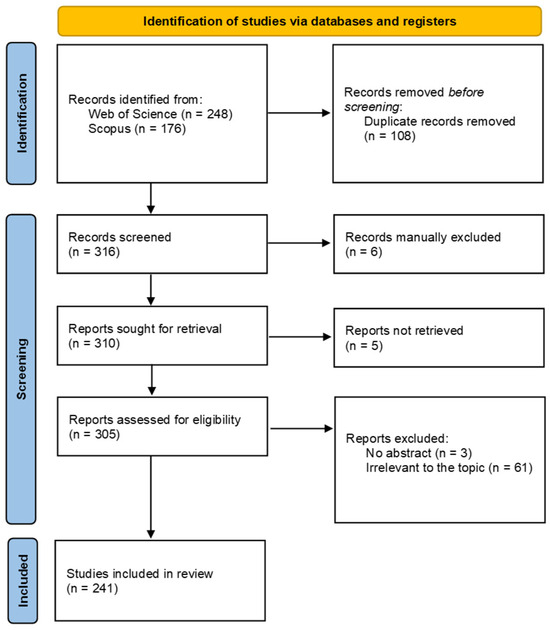
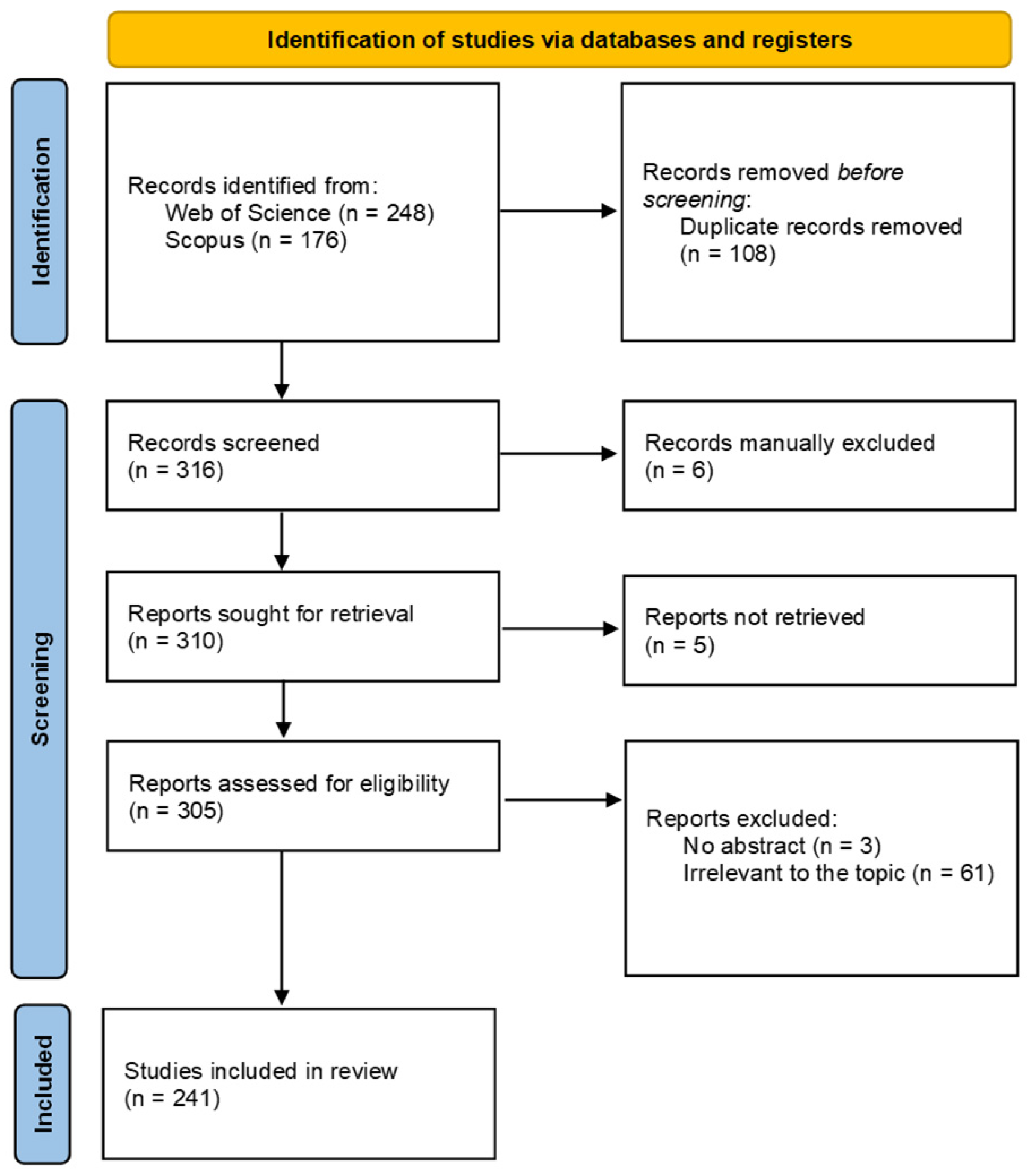
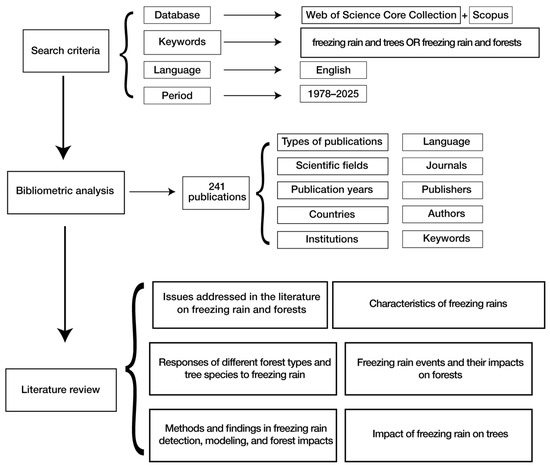
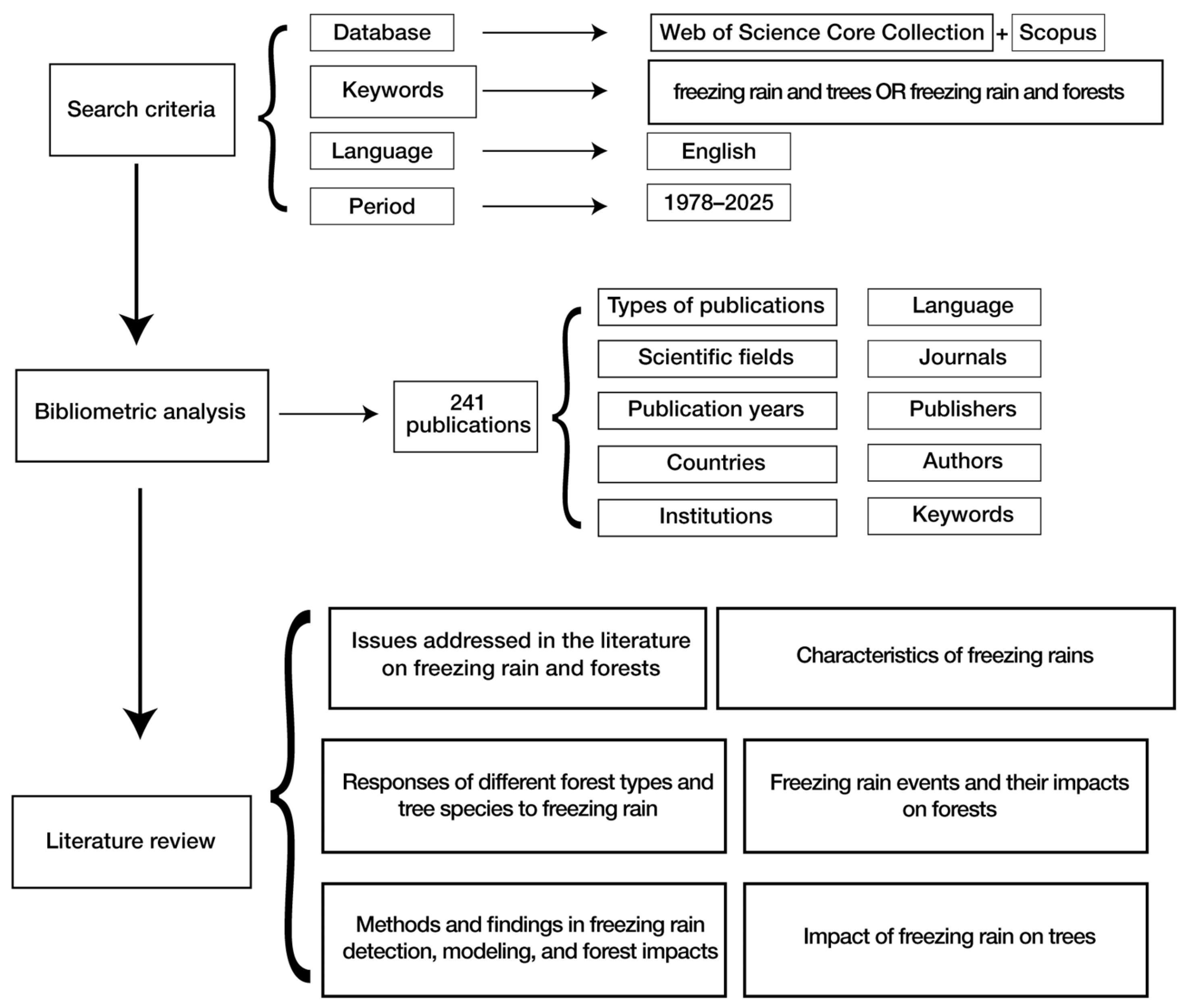
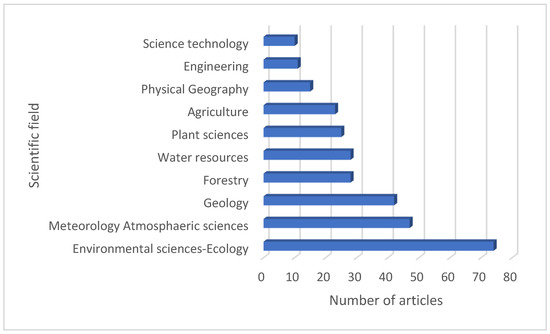
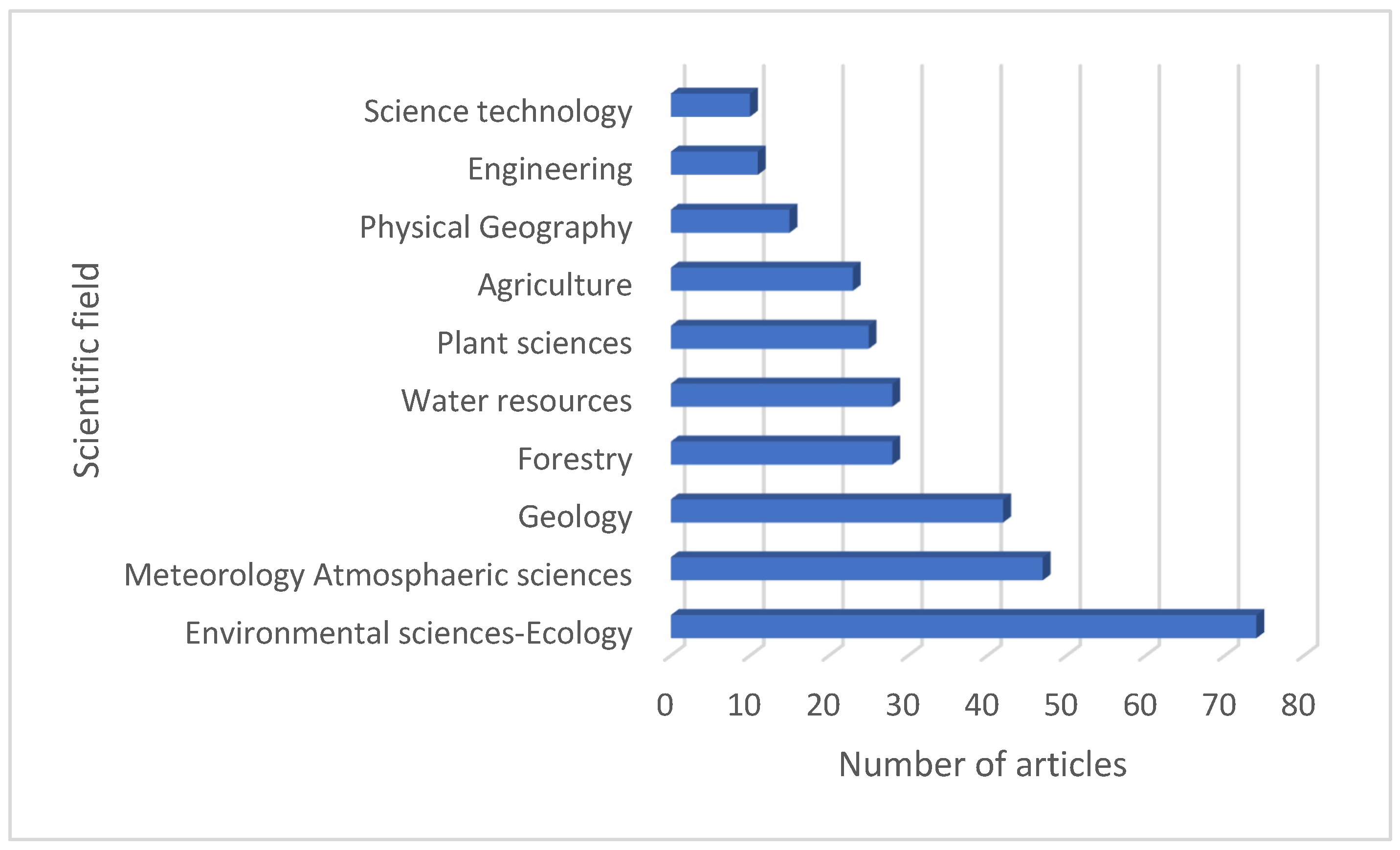
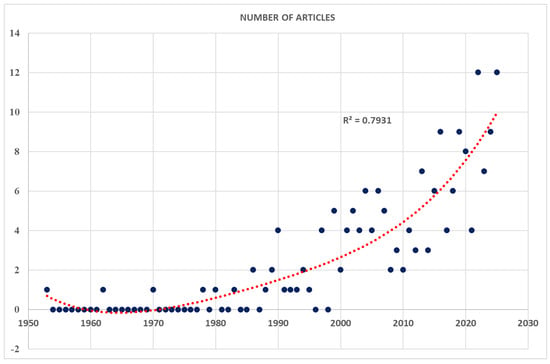
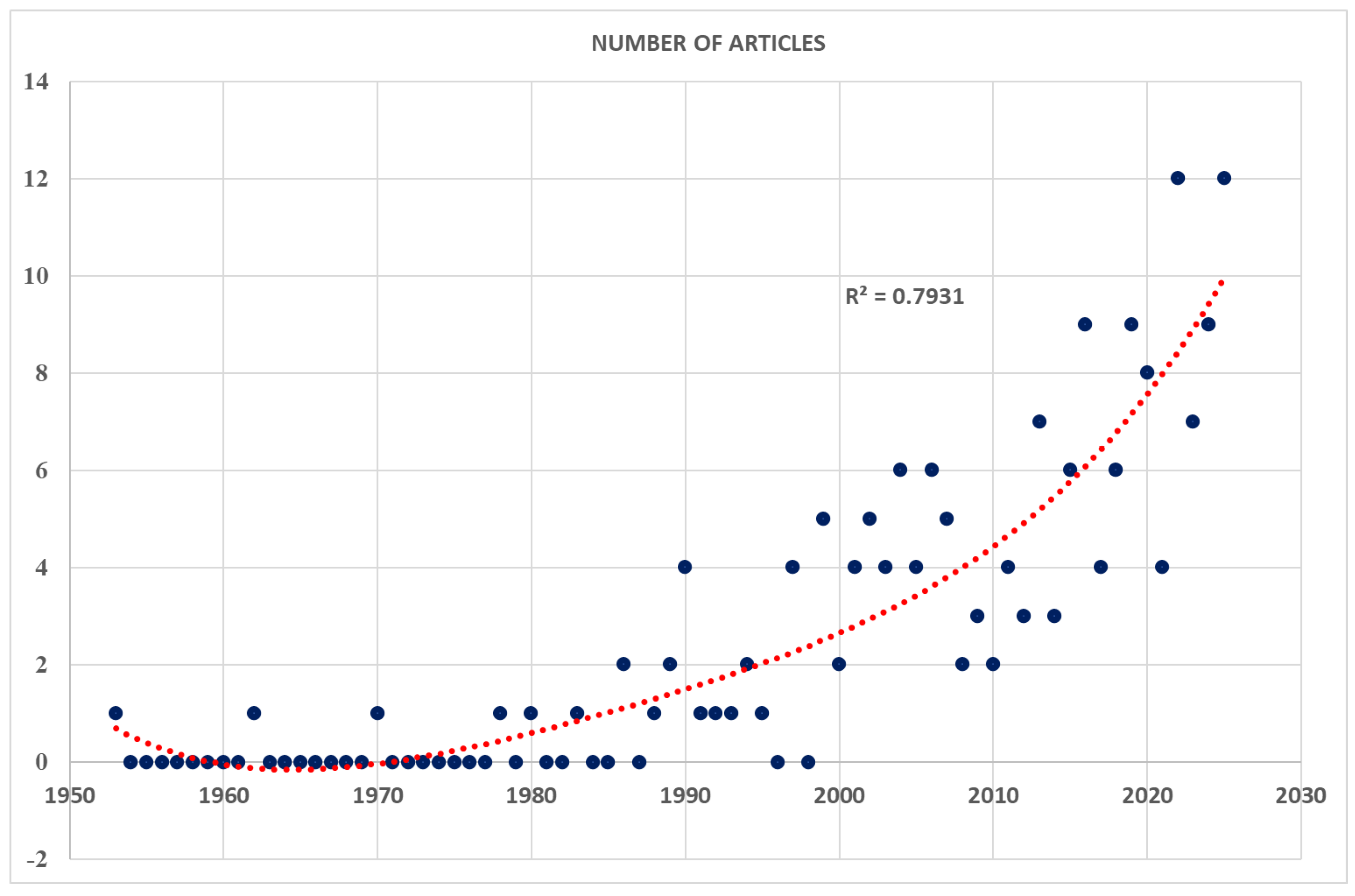
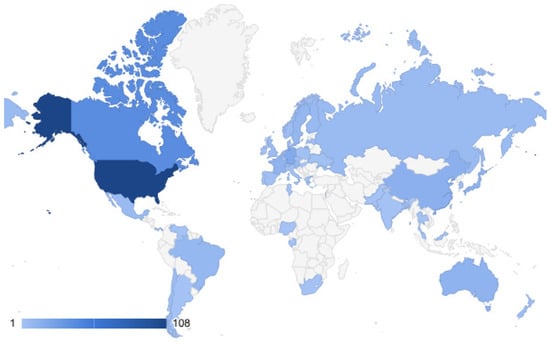
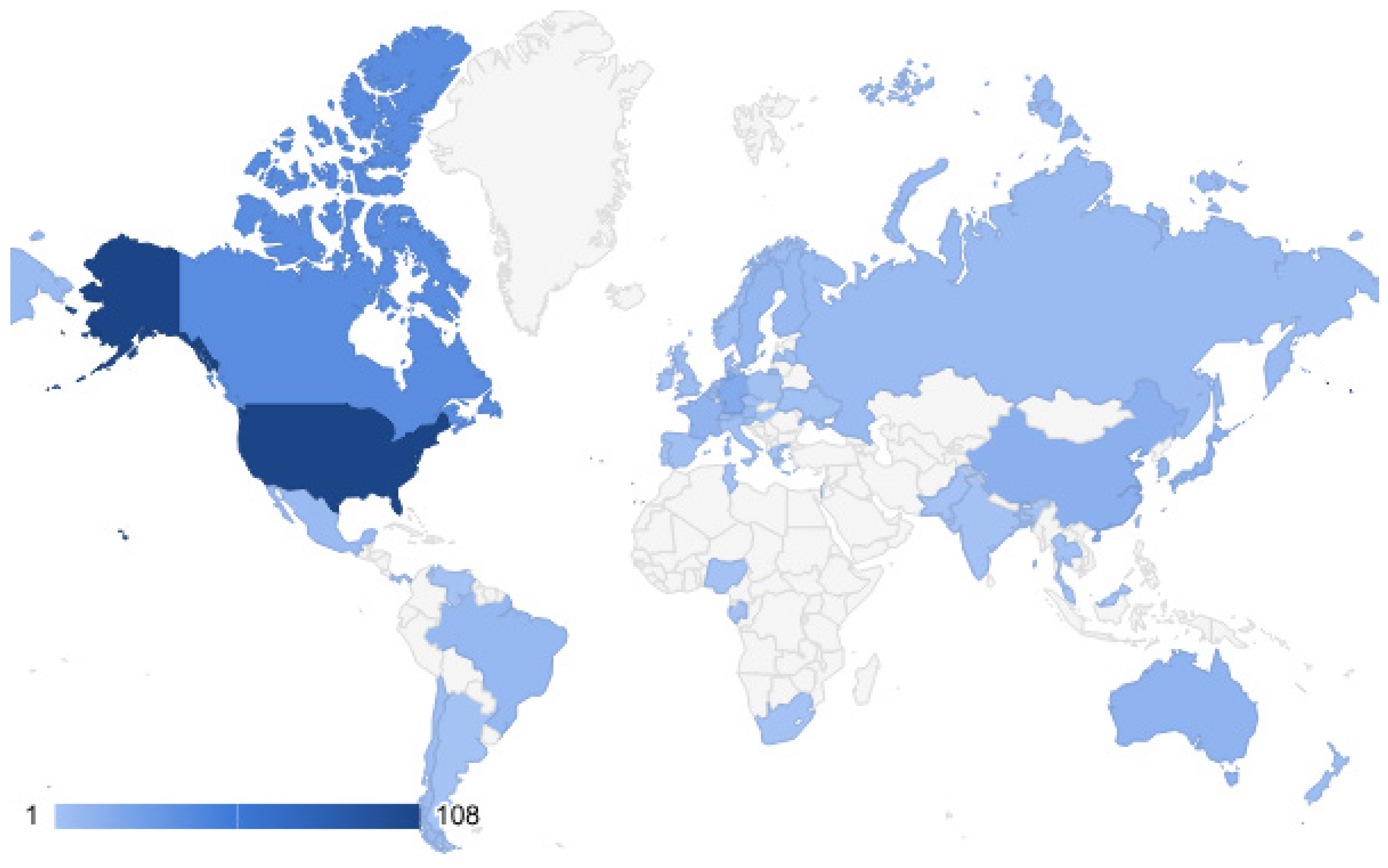
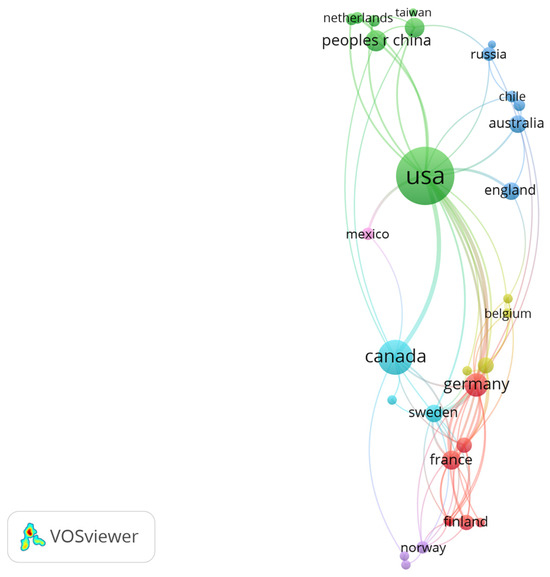
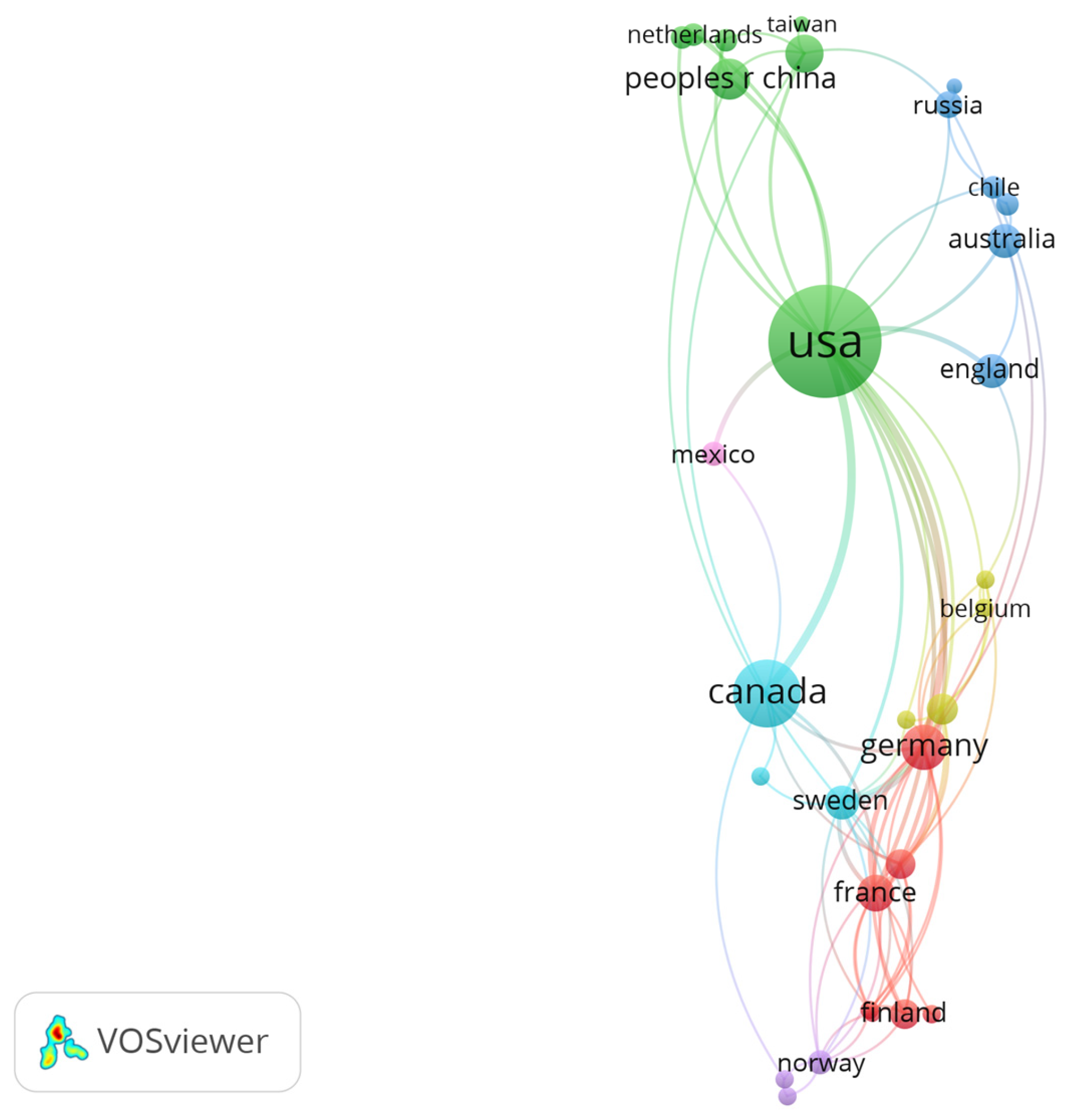
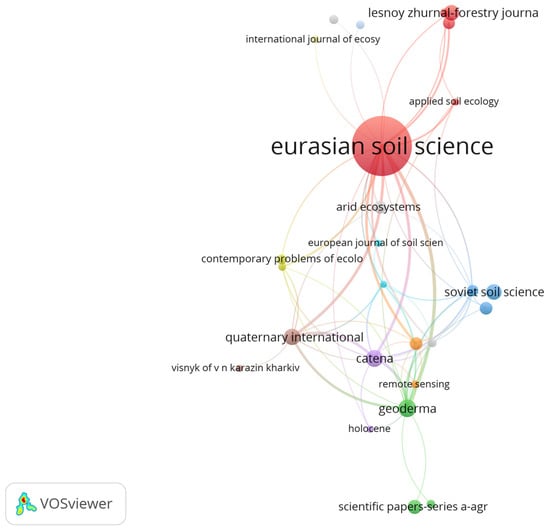
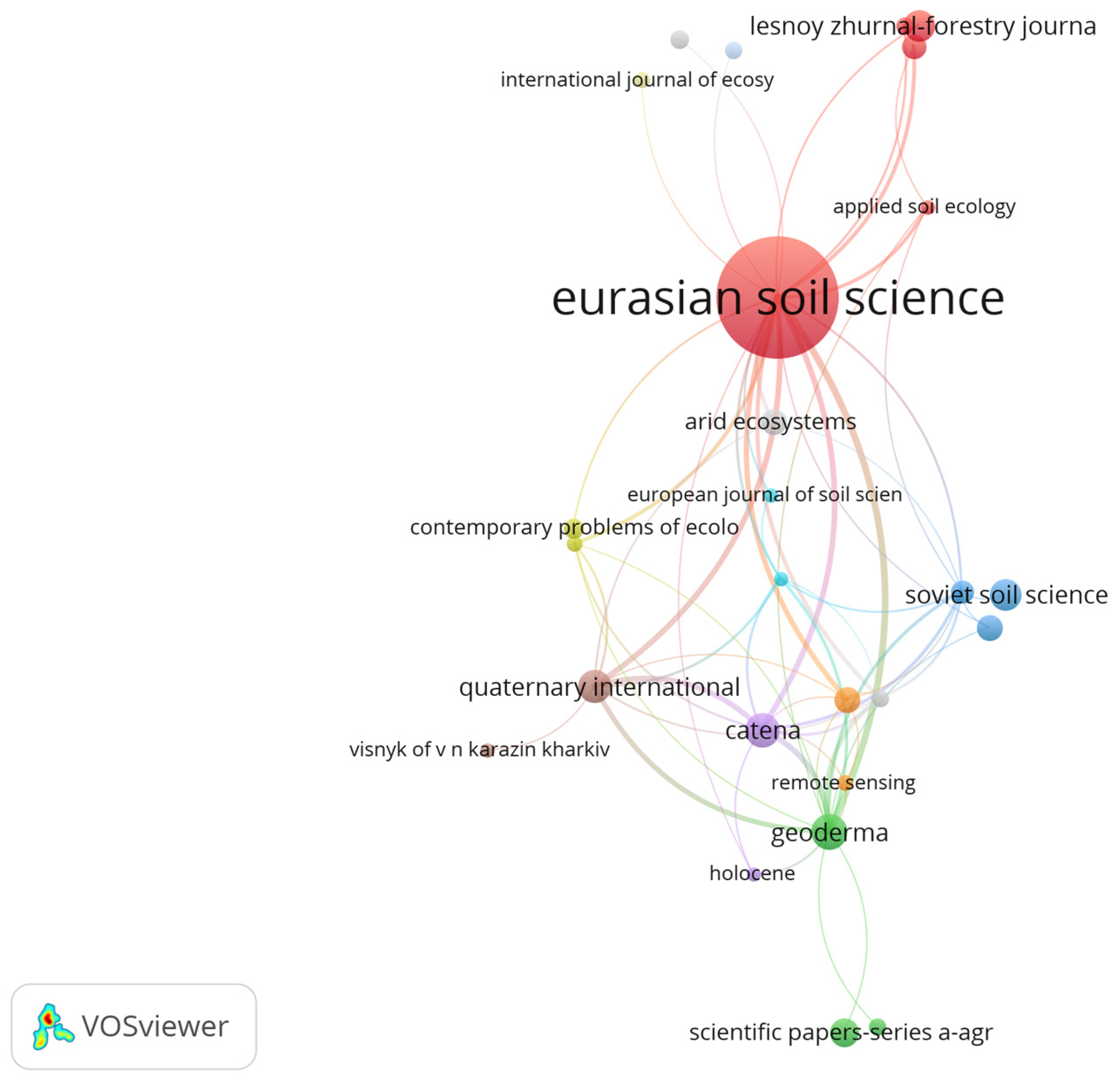
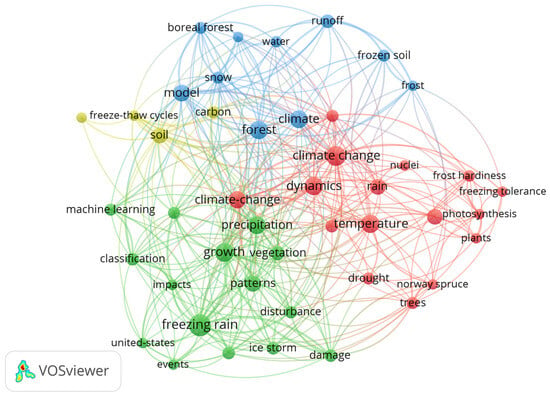
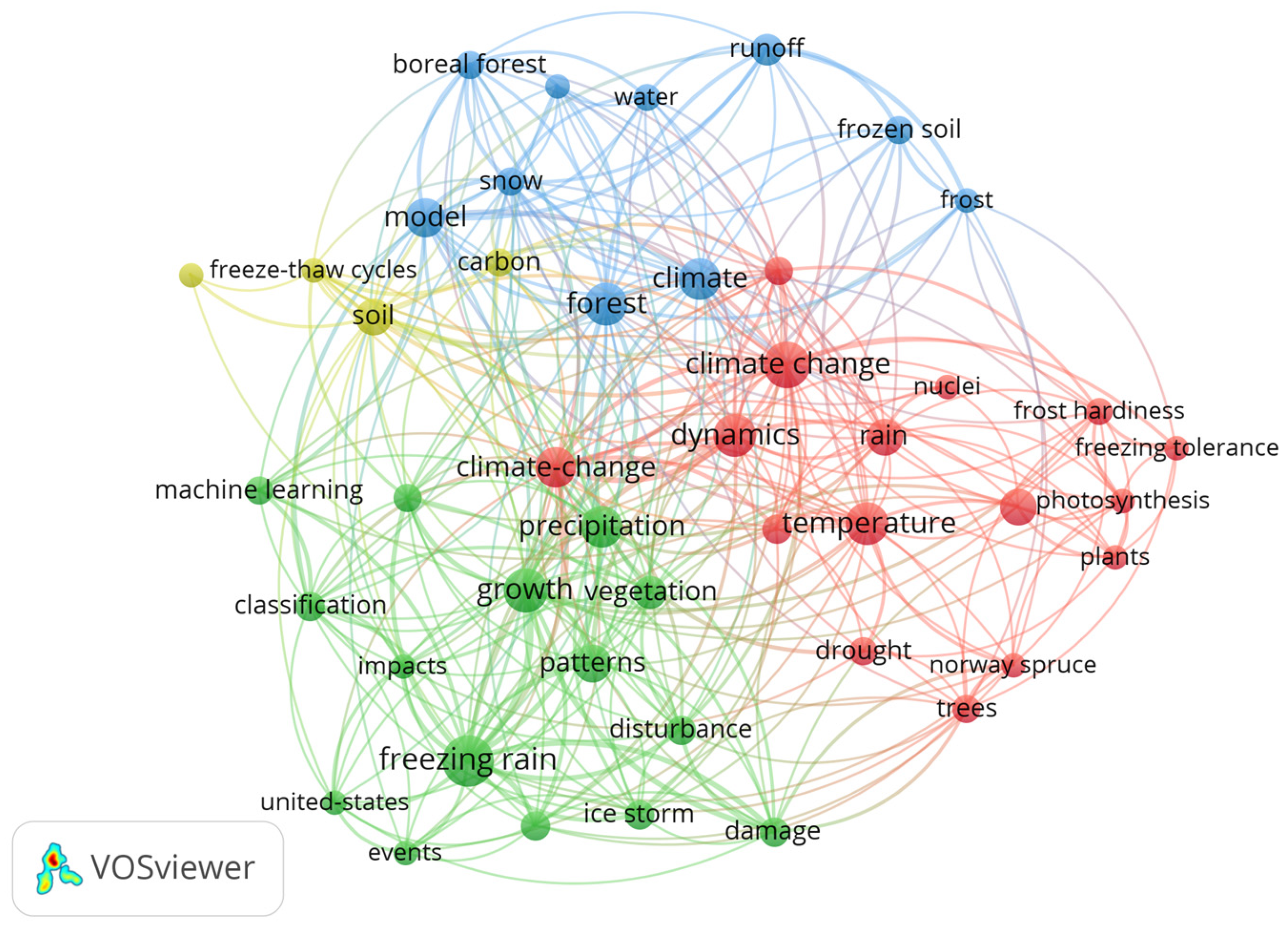

Disclaimer/Publisher’s Note: The statements, opinions and data contained in all publications are solely those of the individual author(s) and contributor(s) and not of MDPI and/or the editor(s). MDPI and/or the editor(s) disclaim responsibility for any injury to people or property resulting from any ideas, methods, instructions or products referred to in the content. |
© 2026 by the authors. Licensee MDPI, Basel, Switzerland. This article is an open access article distributed under the terms and conditions of the Creative Commons Attribution (CC BY) license.